
The appeal of long-term international travel lies in the powerful sense of liberty it provides, letting a person trade the predictable rhythms of home for the uncertainty of the unknown. Whether a year-long sabbatical in Southeast Asia or a digital nomad stint across the Mediterranean, the shift to a life on the move is an exhilarating prospect for any independent traveler.

However, the logistics needed to support such a lifestyle are often more complex than most anticipate, demanding a shift in mindset from vacationer to global administrator.
Behind every sunset in Bali or every cup of coffee in a Lisbon plaza lies a trail of documentation that must be meticulously maintained to ensure continued freedom of movement. In an era of increasing global mobility, so too is the digitalization of borders, bringing both convenience and new regulatory obstacles.
Dealing with these requirements is the necessary "tax" on a life of adventure, ensuring your journey is defined by experiences rather than avoidable legal problems or stressful encounters at immigration checkpoints.
The Digital Shift in Visa Management
Effectively managing these administrative requirements is essential, and using a specialized platform like VisaSyst can significantly reduce the burden of tracking diverse entry rules and document deadlines. By centralizing the visa application process and staying up to date on evolving international protocols, travelers can keep their focus on exploration.
As of 2026, the global landscape for long-term stays has become more structured, with many nations introducing digital nomad visas and extended tourist permits that require specific, verified documentation before arrival.
A critical aspect of planning a multi-country itinerary is understanding regional limitations. For example, the Schengen Area enforces a 90/180-day rule for many nationalities. Tracking these days is vital, as overstaying can result in significant fines and multi-year bans from the region.
Recent data from travel monitoring agencies shows a 15% increase in entry denials due to miscalculated stay durations, underscoring the need for meticulous personal record-keeping and a forward-looking approach to visa runs.
Fiscal Transparency and Official Requirements
Financial openness has also become a basis of current border control. Many popular destinations now require proof of "sufficient means," ranging from $50 to $100 per day of stay.
According to the Official U.S. Government Portal, travelers should always have digital and physical copies of recent bank statements and proof of onward travel ready for inspection.
While many borders are automating with e-gates, the requirement to produce these documents on demand for an immigration officer remains standard practice across much of the globe.
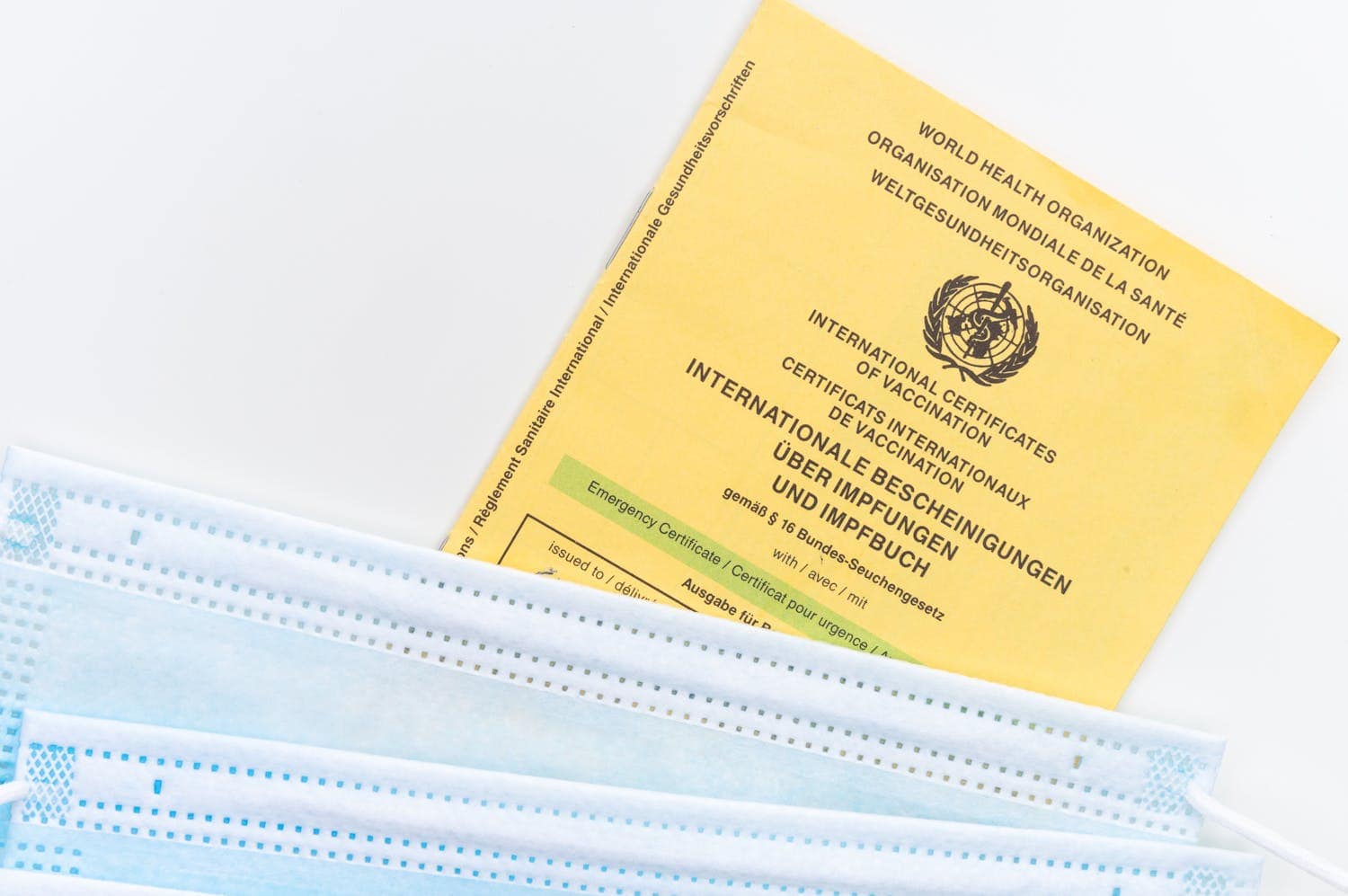
Health documentation has also become a permanent fixture of international transit. While the acute phase of global pandemics has passed, many countries in Africa and South America still require proof of Yellow Fever vaccination for entry, especially if arriving from an endemic zone.
The World Health Organization maintains the definitive list of required vaccinations by country, which should be consulted at least two months before departure to allow time for immunization schedules. Failing to present a valid "Yellow Card" can lead to mandatory quarantine or immediate deportation at the traveler's expense.
Harnessing Community Knowledge and Guides
For those focused on specific regions, such as South America, leveraging community-vetted resources is priceless. Following these five tips for travel to Peru can provide real-world knowledge of local visa extensions that official websites might describe in excessively technical terms.
These niche resources frequently reveal the "ground-truth" of how local offices operate, which is essential for independent travelers who need to manage bureaucratic systems without the aid of a high-priced local lawyer.
Maintaining Your Primary Credentials
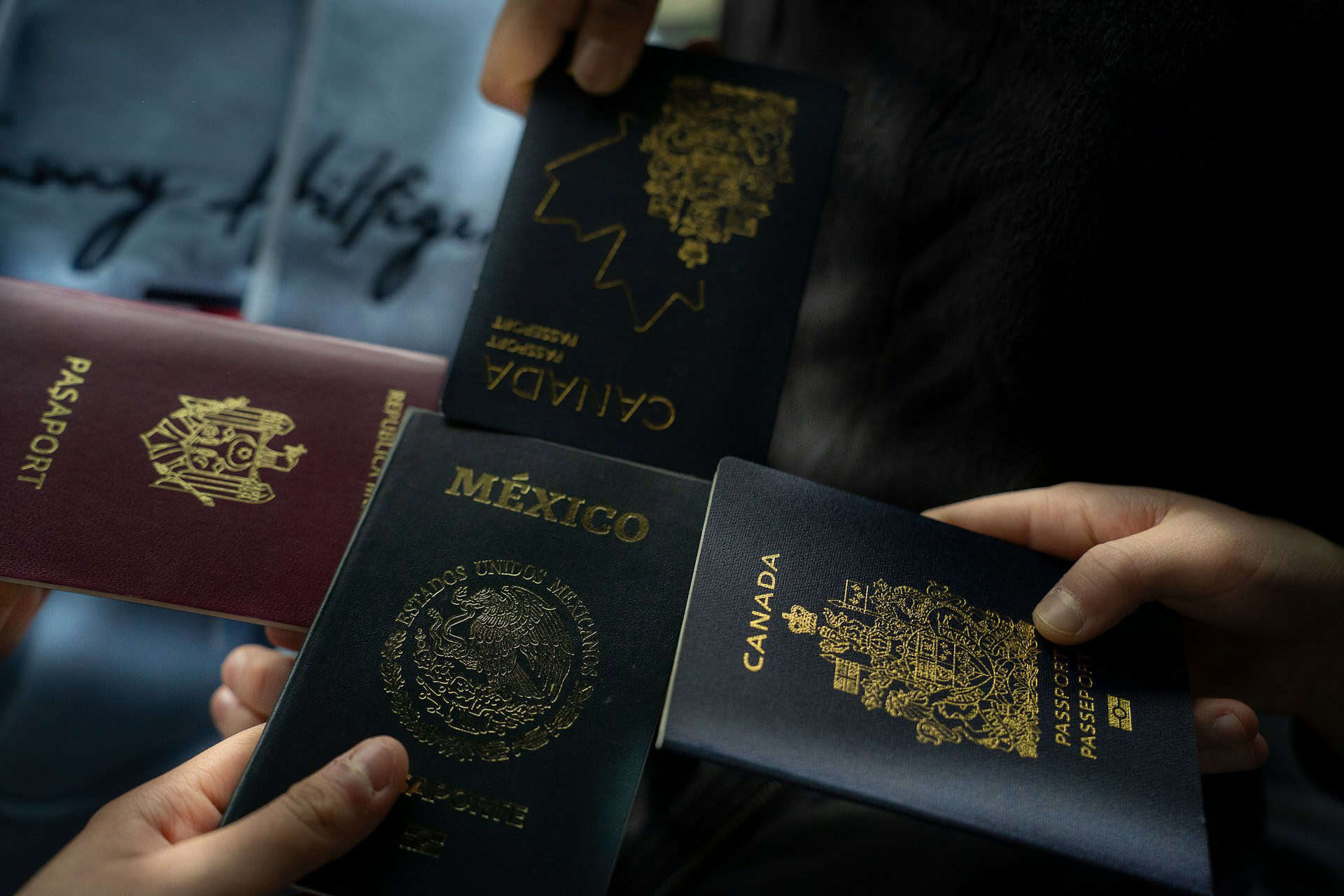
Furthermore, the security of your primary identification, your passport, cannot be overstated. A passport with less than six months of validity is effectively useless for international travel to most destinations. The U.S. Department of State recommends initiating renewal at least eight months before expiry to account for processing times.
In 2026, frequent travelers are opting for second passport books (where legal) or high-tier travel memberships that expedite identity verification, ensuring the "bureaucracy of freedom" remains a manageable part of their global lifestyle.
To ensure successful long-term international travel, organize travel documents, track visa and health requirements, keep financial records, and safeguard your passport.
Treat paperwork management as a core part of your preparation, so you can seize unexpected opportunities without administrative distractions detracting from your experience. By learning these essentials, you maximize your freedom, minimize hassles, and keep your journey focused on exploration rather than red tape.
_____
This story is published in partnership with VisaSyst.