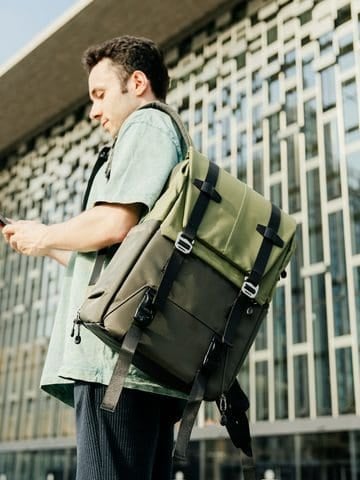
Traveling for months, or even years, is the ultimate dream for many backpackers. There's the thrill of living from a single bag, the freedom to wake up in a new city each week, and the satisfaction of realizing how little you actually need to live well.
But for all its romance, long-term travel also demands a dose of practicality. What do you do with everything you own when you leave? How do you decide what stays behind and what comes with you?

Before setting out, many travelers turn to storage units to keep furniture, documents, or extra gear safe while they're away. It's a practical move that helps you detach from "stuff" without having to part with it forever.
Yet smart long-term travel isn't just about storage, it's about strategy. Managing your gear, rotating essentials, and maintaining a "home base" while on the move can make the difference between a chaotic trip and one that feels seamless and liberating.
Tips
Rethinking Your Relationship With Stuff
When you start planning a long-term trip, it's easy to feel overwhelmed by the amount of belongings you own. Closets and drawers hold memories of a stationary life, but long-term travel demands a minimalist mindset. Every object has weight, cost, and responsibility.
Most travelers go through a pre-departure "decluttering phase." It's part emotional, part practical.
Divide everything into three piles: what you'll take, what you'll store, and what you'll let go of. Keep the first pile small, the second organized, and the third freeing.
Ultimately, pack only what truly supports your mobility and comfort: a dependable backpack, sturdy shoes, versatile clothing, and compact electronics. Everything else should either find a new home or a safe place to wait for your return.
The Art of Packing for the Long Haul
Packing for a weeklong trip and packing for a year abroad are two very different exercises. When your backpack becomes your home, every inch of space matters.
The rule of thumb among experienced backpackers is simple: if it doesn't serve at least two functions, it probably doesn't belong in your pack.
For example, a thin rain jacket can act as a windbreaker, and a scarf can work as a blanket, a wrap, or even a makeshift pillow. The idea is to invest in flexible, multi-purpose gear that lightens your load without compromising comfort.
When it comes to clothing, follow the layering principle by using lightweight, breathable fabrics that you can mix and match. The experts at REI have an excellent guide to choosing functional clothing for long-term travelers.
The more you travel, the more you'll realize how few things you truly need. Every item you leave behind gives you one less thing to worry about, and one more reason to enjoy the simplicity of the road.
Creating a Smart "Home Base"
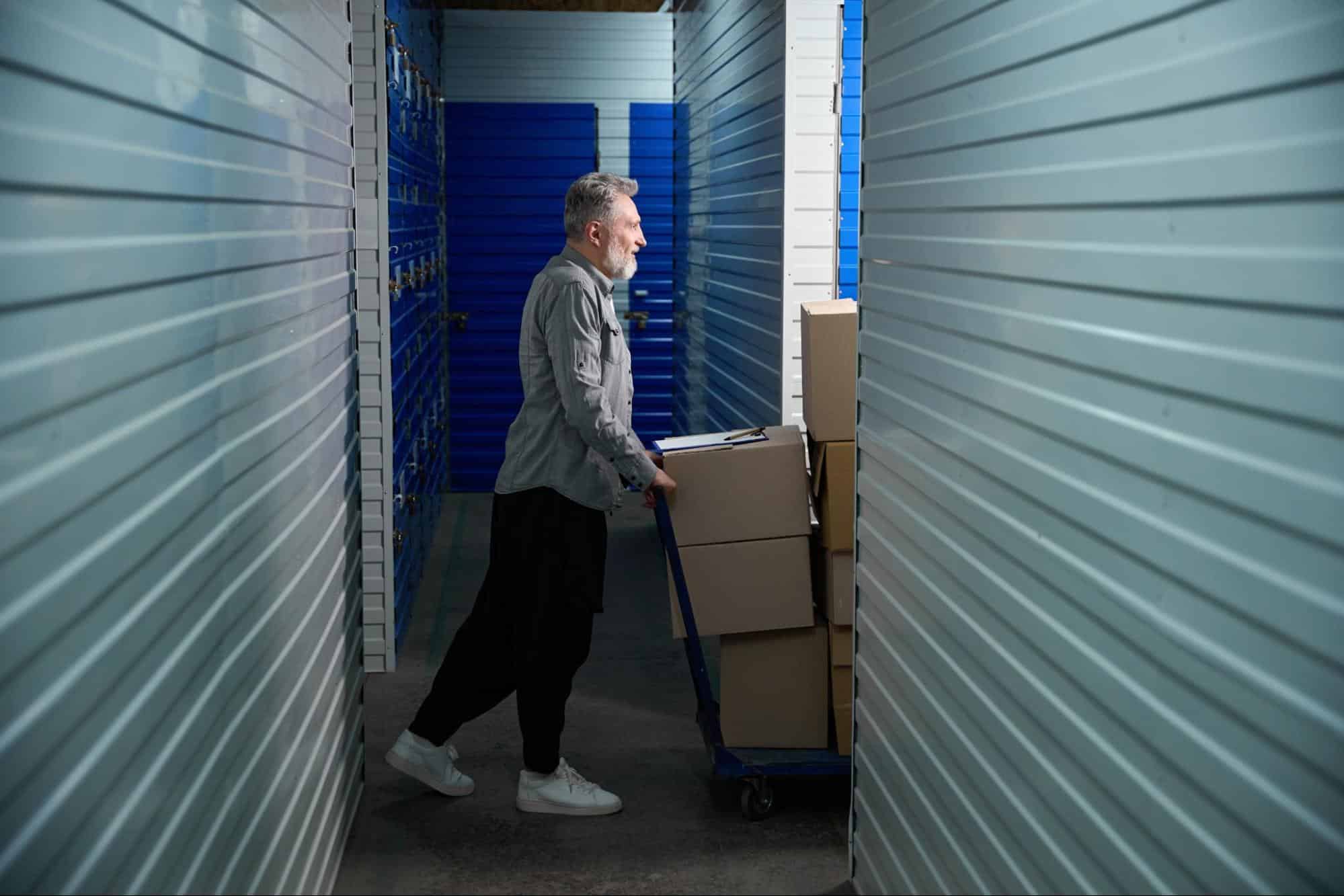
Long-term travel doesn't mean abandoning everything back home. Keeping a small "home base", even if it's just a storage space or a friend's spare room, helps anchor your journey.
For most nomads, storage units are the ideal middle ground. They provide security, convenience, and peace of mind, letting you store clothes, books, furniture, or sentimental items without feeling weighed down. Think of it as a personal time capsule: your stuff stays secure while you're on the move.
A smart storage plan starts with organization. Use sturdy plastic bins, label everything clearly, and protect delicate items from moisture. If you're storing electronics or fabrics, consider a climate-controlled unit and verify whether your insurance covers off-site storage.
Some travelers even use storage units strategically between trips, swapping gear for different climates or seasons instead of carrying everything at once. It's a simple, practical way to stay light and travel farther.
Managing Your Home While You're Away
When you're gone for months at a time, your living space still needs attention. Some travelers sublet their apartments or list them on short-term rental platforms to offset costs, while others end their leases entirely and store their belongings. Whatever you choose, the key is to plan ahead.
If you maintain a home base, keep it simple: set up automatic payments for rent and utilities, remove valuables if you rent it out, and ask a friend or relative to check in occasionally.
Some digital nomads often maintain small "gear depots" to make it easier to return and reset. Others opt for total freedom with no fixed address, relying instead on a secure storage solution and a digital mailbox. There's no single right way, only what fits your comfort with uncertainty.
How To Handle Gear Rotation on the Road
One of the best ways to travel light over long periods is through gear rotation, swapping items in and out of your main kit based on season or destination.
If you start in the tropics but plan to hike the Alps later, don't carry winter gear from day one. Store it at home or in a storage unit, then have it shipped when needed. Once you're done with colder climates, send those items back and reload with lighter gear.
It takes some coordination, but the payoff is worth it: less time hauling luggage and more time actually enjoying the journey.
Documenting, Insuring, and Simplifying
Long-term travel involves more paperwork than most people expect. Before leaving, photograph and document everything you're storing or leaving behind.
This not only helps with insurance but also makes unpacking later far easier; you'll know exactly where everything is. Keep a digital copy of these inventories in the cloud, along with copies of passports, insurance documents, and emergency contacts.
While you're gone, simplify wherever possible. Cancel unnecessary subscriptions, switch to paperless billing, and use online banking for payments. These minor adjustments mean fewer surprises when you're off the grid, and fewer late-night calls trying to fix issues from a different time zone.
Minimalism in Motion
Even with all this preparation, you'll find that traveling itself continues to shape your sense of "enough." At first, it's hard to part with little comforts.
But as weeks turn into months, you begin to realize that carrying less means living more freely. You'll buy things and give them away, swap items with other travelers, or donate what you no longer need.
The key is to remain mindful. Every new purchase or souvenir adds weight, both physical and mental. A great habit is to reassess the contents of your bag periodically.
Ask yourself: have I used this recently? Would I buy it again today? If not, it might be time to let it go. The more intentional your packing becomes, the more liberating your travel will feel.
The Mid-Trip Reset

No matter how experienced you are, at some point during a long journey, your backpack will start to feel like a portable attic. That's when it's time for a reset.
Many travelers choose a convenient city, such as Bangkok, Lisbon, or Medellín, and take a few days to reorganize. This is when you can donate unused clothes, ship souvenirs home, or send extra items back to your storage unit. Think of it as spring cleaning for travelers.
Doing this not only lightens your load but also refreshes your mindset. It's amazing how a leaner backpack can reignite your excitement for the road ahead.
Keeping Your Belongings Safe
Security should never be an afterthought. Before you leave, make sure your stored items are insured against theft, fire, or damage.
Keep important documents and backups in multiple locations, such as one digital copy online and one physical copy with a trusted person. If you're storing sentimental or valuable items, consider sealed containers with moisture absorbers or silica gel packs to prevent humidity damage.
Selecting a reputable storage facility with 24-hour monitoring and access logs will also provide you with peace of mind. Knowing that your things are safe makes it easier to focus on the present: the sunsets, the new friends, and the freedom.
Returning Home: Reconnecting With Your Things
After months or years on the move, coming home can feel like a surreal experience. Opening a storage unit or closet is like stepping into a time capsule, comforting yet strangely distant.
Many long-term travelers realize they no longer need half of what they left behind-living with less shifts how you see ownership and what truly adds value to your life.
Unpacking becomes an act of rediscovery, donating, rearranging, or even planning the next adventure before the dust settles.
Managing your gear and "home base" isn't just logistics; it's mindset. With the right mix of minimalism, smart storage, and foresight, your belongings can support your freedom instead of limiting it.
Because in the end, the best part of long-term travel isn't what you bring home, it's everything you make space to experience along the way.
_____
This story is published in partnership with Distinct Storage.