Go Backpacking

  • About
  • Travel Tips
    • Accommodations
    • Budgeting & Money
    • Adventure Travel
    • Food & Drink
    • Gear & Gadgets
    • Packing Tips
    • Travel Blogging
    • Travel Insurance
    • Trip Planning
    • UNESCO Sites
  • Destinations
    • Africa
      • Botswana
      • Egypt
      • Ethiopia
      • Morocco
      • Rwanda
      • South Africa
      • Tanzania
    • Asia
      • Cambodia
      • China
      • Hong Kong
      • India
      • Indonesia
      • Japan
      • Laos
      • Malaysia
      • Nepal
      • Philippines
      • Thailand
      • United Arab Emirates
      • Vietnam
    • Europe
      • England
      • France
      • Germany
      • Greece
      • Iceland
      • Ireland
      • Italy
      • Portugal
      • Spain
      • Switzerland
      • Turkey
    • North America
      • Canada
      • Costa Rica
      • Cuba
      • Guatemala
      • Mexico
      • Nicaragua
      • Panama
      • United States
    • Oceania
      • Australia
      • French Polynesia
      • New Zealand
    • South America
      • Argentina
      • Bolivia
      • Brazil
      • Chile
      • Colombia
      • Ecuador
      • Peru
  • Advertise
menu icon
go to homepage
  • About
  • Travel Tips
    • Accommodations
    • Budgeting & Money
    • Adventure Travel
    • Food & Drink
    • Gear & Gadgets
    • Packing Tips
    • Travel Blogging
    • Travel Insurance
    • Trip Planning
    • UNESCO Sites
  • Destinations
    • Africa
      • Botswana
      • Egypt
      • Ethiopia
      • Morocco
      • Rwanda
      • South Africa
      • Tanzania
    • Asia
      • Cambodia
      • China
      • Hong Kong
      • India
      • Indonesia
      • Japan
      • Laos
      • Malaysia
      • Nepal
      • Philippines
      • Thailand
      • United Arab Emirates
      • Vietnam
    • Europe
      • England
      • France
      • Germany
      • Greece
      • Iceland
      • Ireland
      • Italy
      • Portugal
      • Spain
      • Switzerland
      • Turkey
    • North America
      • Canada
      • Costa Rica
      • Cuba
      • Guatemala
      • Mexico
      • Nicaragua
      • Panama
      • United States
    • Oceania
      • Australia
      • French Polynesia
      • New Zealand
    • South America
      • Argentina
      • Bolivia
      • Brazil
      • Chile
      • Colombia
      • Ecuador
      • Peru
  • Advertise
search icon
Homepage link
  • About
  • Travel Tips
    • Accommodations
    • Budgeting & Money
    • Adventure Travel
    • Food & Drink
    • Gear & Gadgets
    • Packing Tips
    • Travel Blogging
    • Travel Insurance
    • Trip Planning
    • UNESCO Sites
  • Destinations
    • Africa
      • Botswana
      • Egypt
      • Ethiopia
      • Morocco
      • Rwanda
      • South Africa
      • Tanzania
    • Asia
      • Cambodia
      • China
      • Hong Kong
      • India
      • Indonesia
      • Japan
      • Laos
      • Malaysia
      • Nepal
      • Philippines
      • Thailand
      • United Arab Emirates
      • Vietnam
    • Europe
      • England
      • France
      • Germany
      • Greece
      • Iceland
      • Ireland
      • Italy
      • Portugal
      • Spain
      • Switzerland
      • Turkey
    • North America
      • Canada
      • Costa Rica
      • Cuba
      • Guatemala
      • Mexico
      • Nicaragua
      • Panama
      • United States
    • Oceania
      • Australia
      • French Polynesia
      • New Zealand
    • South America
      • Argentina
      • Bolivia
      • Brazil
      • Chile
      • Colombia
      • Ecuador
      • Peru
  • Advertise
×
Home » Planning

How to Plan a Safe Mountain Trip: Hiking Safety and Staying Connected

Published: Jan 9, 2026 by Amy Brown |

Few experiences are as rewarding as hiking in the mountains. Embarking on a mountain trip can be thrilling, yet this sense of achievement comes with some risks. While backpacking in remote regions, even small mistakes can turn into big problems.

Careful planning helps lower those risks. When you have fewer risks, you worry less and enjoy your trip more. It's really that simple.
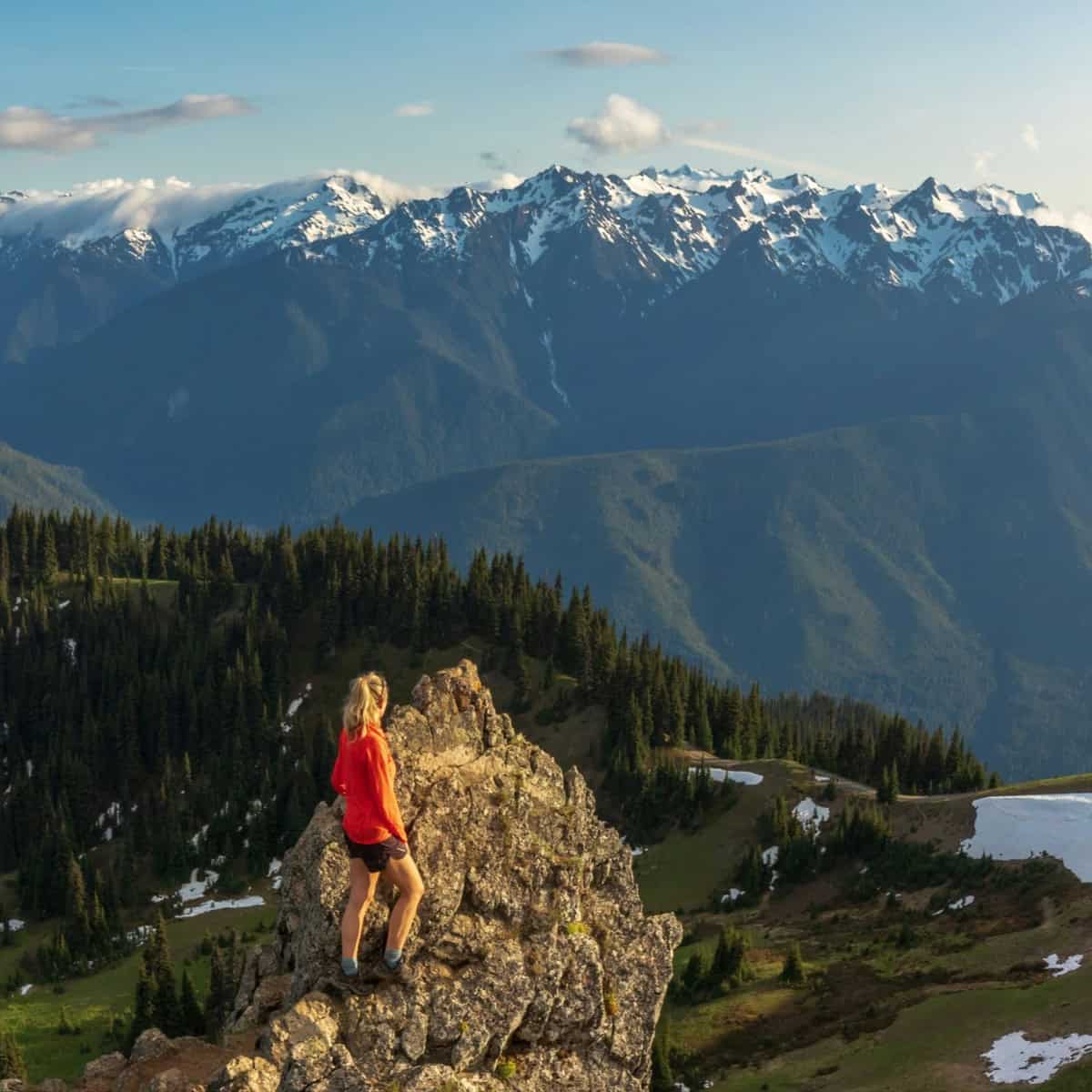
A hiker on a mountain trip looks toward Hurricane Ridge in Olympic National Park, WA (photo: Susan Flynn, Unsplash).
A hiker looks toward Hurricane Ridge in Olympic National Park, WA (photo: Susan Flynn)

Getting ready for a trip is about more than just packing. Most travelers plan their routes and book accommodations. Some check maps while on the move, so digital safety is essential, too. In this post, we'll look at how to prepare for your trip and stay connected safely.

Table of Contents

  • Prep Smarter For Your Next Mountain Trip
    • 1. Research Your Route and Local Conditions
    • 2. Monitor Weather and Seasonal Risks
    • 3. Pack Essential Gear for Safety and Comfort
    • 4. Stay Connected and Protect Your Data While Travelling
    • 5. Hike With a Buddy and Share Your Plans
    • 6. Prepare for Emergencies in Remote Areas
  • Final Thoughts

Prep Smarter For Your Next Mountain Trip

1. Research Your Route and Local Conditions

Start by researching your route. Always have a main plan and a backup. Check key details such as trail length and elevation changes. If the trail has a difficulty rating, pay attention to it.

Choose a trail that matches your experience or is easier. Some trails may look short on a map but have challenging climbs or tricky sections.

Look at recent trail reports to see if other hikers mention damaged paths or closures. Sometimes access is restricted depending on the season or weather.

Check the local park website and ranger updates for important safety notices. Always know what kind of terrain you'll be facing.

2. Monitor Weather and Seasonal Risks

The weather in the mountains changes faster than anywhere else. It means a stable forecast can turn on you before you know it. Clear mornings can quickly turn to storms or dense fog. Just before you depart, check conditions once again.

Pay attention to seasonal risks, too. Higher paths melt later in the season. Don't forget about seasonal changes in sunset times. Keep checking conditions during your trip if possible. If the weather shifts, be ready to take your alternate route or turn back.

3. Pack Essential Gear for Safety and Comfort

Having the right gear makes a big difference for both safety and comfort. Bring navigation tools like a map, compass, or GPS to help you stay on track. Pack enough food and water for your trip, plus some extra-especially for longer hikes. Wear light, layered clothing for warmth and flexibility.

Also pack a first-aid kit and a basic tool kit so you can handle minor injuries or fix gear issues. Bring a headlamp with extra batteries. An emergency thermal blanket is small but useful, so add that to your pack too.

4. Stay Connected and Protect Your Data While Travelling

Many travelers use their phones for maps, bookings, weather updates, and emergencies. In the mountains, you might connect to public Wi-Fi at lodges, cafes, or transport stops-anywhere you can get a signal. Such networks can put your personal information and online activity at risk.

Using a VPN helps protect your connection when you access accounts or make payments on the go. Before leaving home, it can help to download a VPN app so you can freely use it when you need it. Digital safety bolsters overall trip safety by reducing additional risks while travelling.

5. Hike With a Buddy and Share Your Plans

Hiking with another person can lessen many risks. They're an extra measure of security and another party that knows where you're going.

They can help with navigation or decision-making, or in an emergency. Even the most experienced hikers and backpackers will tell you that in an emergency, two people are always better than one.

Also, before you leave, make sure you've shared your routes, expected return time, and other important information with at least one other person. In case of any changes, make sure you update them. This way, if something goes wrong, you've got backup.

6. Prepare for Emergencies in Remote Areas

In the mountains, help may not be close by, so being ready for emergencies is important. Learn basic first aid and how to handle common problems such as sprains, cuts, and exhaustion. Bring items that help you stay visible and warm if you have to stop unexpectedly.

Review how to use visual and sound signals for emergencies, and know when and how to call for help if you can. Most importantly, know your limits and when it's time to turn back.

Final Thoughts

A safe mountain trip begins with good planning and preparation. After you've done your research and packed, stay alert while hiking. When you can get online, use a VPN to keep your data safe. That way, you can focus on enjoying the hike and reaching your next trailhead.

_____

This story is published in collaboration with NordVPN.

Related Stories

  • Yoga class (photo: Woody Kelly, Unsplash).
    Slow Travel and the Rising Hushpitality Trend
  • Family unpacking camping gear on a road trip (photo: ronstik, iStock).
    Snacks, Smiles, and Sanity: Family Travel Tips That Work
  • Eco-lodge in Puntarenas, Costa Rica (photo: Hilda Weges, iStock).
    How Translation Services Help Travel Brands Attract International Customers
  • A quiet village in England (photo: Jay Chen, Unsplash).
    Why Everyone Should Try Slow Travel at Least Once
  • Share
  • Email

About Amy Brown

Dave at Ahu Ko Te Riku on Rapa Nui (Easter Island), Chile.

Hi, I'm Dave

Editor in Chief

I've been writing about adventure travel on Go Backpacking since 2007. I've visited 68 countries.

Read more about Dave.

Footer

back to top

About

  • About
  • Archive
  • Privacy Policy
  • Cookie Policy

Follow Us

Contact

  • Contact
  • Work With Us
  • Submissions

Copyright © 2025 Go Backpacking