Go Backpacking

  • About
  • Travel Tips
    • Accommodations
    • Budgeting & Money
    • Adventure Travel
    • Food & Drink
    • Gear & Gadgets
    • Packing Tips
    • Travel Blogging
    • Travel Insurance
    • Trip Planning
    • UNESCO Sites
  • Destinations
    • Africa
      • Botswana
      • Egypt
      • Ethiopia
      • Morocco
      • Rwanda
      • South Africa
      • Tanzania
    • Asia
      • Cambodia
      • China
      • Hong Kong
      • India
      • Indonesia
      • Japan
      • Laos
      • Malaysia
      • Nepal
      • Philippines
      • Thailand
      • United Arab Emirates
      • Vietnam
    • Europe
      • England
      • France
      • Germany
      • Greece
      • Iceland
      • Ireland
      • Italy
      • Portugal
      • Spain
      • Switzerland
      • Turkey
    • North America
      • Canada
      • Costa Rica
      • Cuba
      • Guatemala
      • Mexico
      • Nicaragua
      • Panama
      • United States
    • Oceania
      • Australia
      • French Polynesia
      • New Zealand
    • South America
      • Argentina
      • Bolivia
      • Brazil
      • Chile
      • Colombia
      • Ecuador
      • Peru
  • Advertise
menu icon
go to homepage
  • About
  • Travel Tips
    • Accommodations
    • Budgeting & Money
    • Adventure Travel
    • Food & Drink
    • Gear & Gadgets
    • Packing Tips
    • Travel Blogging
    • Travel Insurance
    • Trip Planning
    • UNESCO Sites
  • Destinations
    • Africa
      • Botswana
      • Egypt
      • Ethiopia
      • Morocco
      • Rwanda
      • South Africa
      • Tanzania
    • Asia
      • Cambodia
      • China
      • Hong Kong
      • India
      • Indonesia
      • Japan
      • Laos
      • Malaysia
      • Nepal
      • Philippines
      • Thailand
      • United Arab Emirates
      • Vietnam
    • Europe
      • England
      • France
      • Germany
      • Greece
      • Iceland
      • Ireland
      • Italy
      • Portugal
      • Spain
      • Switzerland
      • Turkey
    • North America
      • Canada
      • Costa Rica
      • Cuba
      • Guatemala
      • Mexico
      • Nicaragua
      • Panama
      • United States
    • Oceania
      • Australia
      • French Polynesia
      • New Zealand
    • South America
      • Argentina
      • Bolivia
      • Brazil
      • Chile
      • Colombia
      • Ecuador
      • Peru
  • Advertise
search icon
Homepage link
  • About
  • Travel Tips
    • Accommodations
    • Budgeting & Money
    • Adventure Travel
    • Food & Drink
    • Gear & Gadgets
    • Packing Tips
    • Travel Blogging
    • Travel Insurance
    • Trip Planning
    • UNESCO Sites
  • Destinations
    • Africa
      • Botswana
      • Egypt
      • Ethiopia
      • Morocco
      • Rwanda
      • South Africa
      • Tanzania
    • Asia
      • Cambodia
      • China
      • Hong Kong
      • India
      • Indonesia
      • Japan
      • Laos
      • Malaysia
      • Nepal
      • Philippines
      • Thailand
      • United Arab Emirates
      • Vietnam
    • Europe
      • England
      • France
      • Germany
      • Greece
      • Iceland
      • Ireland
      • Italy
      • Portugal
      • Spain
      • Switzerland
      • Turkey
    • North America
      • Canada
      • Costa Rica
      • Cuba
      • Guatemala
      • Mexico
      • Nicaragua
      • Panama
      • United States
    • Oceania
      • Australia
      • French Polynesia
      • New Zealand
    • South America
      • Argentina
      • Bolivia
      • Brazil
      • Chile
      • Colombia
      • Ecuador
      • Peru
  • Advertise
×
Home » Planning

How a QR Code Luggage Tag Can Reunite You With a Lost Bag

Published: Sep 1, 2026 by Guest Contributor |

Airlines mishandle millions of bags every year, and backpacks often go missing on night buses, in hostel storage rooms, and off the back of scooters. When it happens far from home, the person who finds your bag usually wants to return it. The problem is they often have no easy way to reach you.
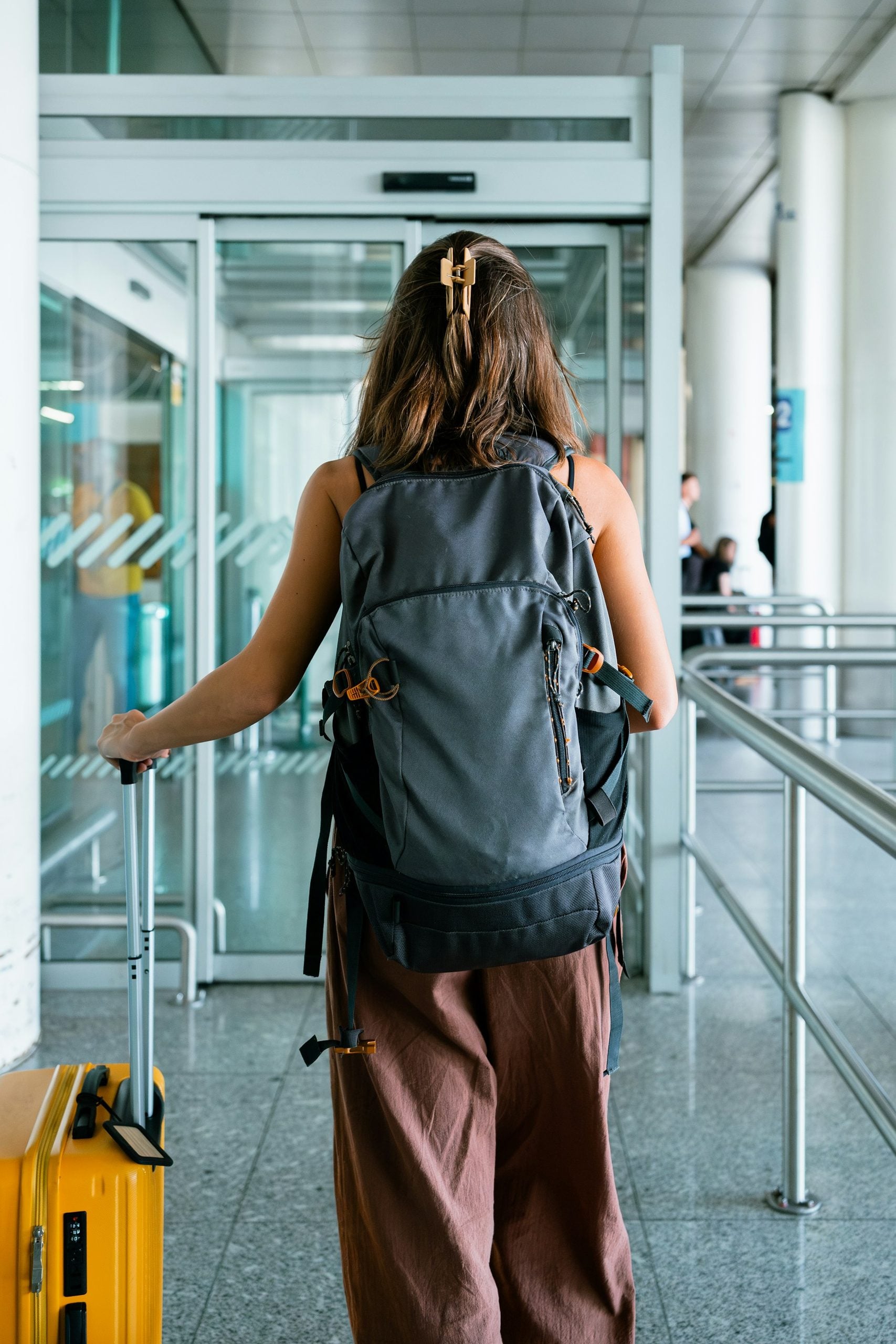
Traveler carrying a backpack and pulling a tagged suitcase into an airport terminal
A QR code can give someone who finds your luggage a simple way to contact you.
Photo: Natalia Blauth/Unsplash+

The classic paper luggage tag has two flaws. It exposes personal details like your home address to anyone nearby, and it is fixed once you write on it. If your phone number or hostel changes mid-trip, the tag is already out of date.

There is a simple no-cost fix: a QR code luggage tag that links to a small web page you control.

Table of Contents

  • How It Works
  • Why an Editable Page Matters on a Long Trip
  • Setting One up for Free
    • A Few Helpful Tips:
    • A Quick Privacy Note
  • Other Ways Travelers Use the Same Trick
  • The Takeaway

How It Works

Instead of writing your details on a tag, you create a QR code that links to a landing page showing the contact information you want a finder to see.

Someone who finds your bag scans the code with their phone, the page opens in their browser, and they can contact you in seconds.

The page can show as much or as little as you like:

  • Your first name and a contact email.
  • A WhatsApp or messaging number that works internationally.
  • The city you are staying in right now.
  • A short "reward offered for return" note, which sincerely helps.

Because the details live on a web page rather than on the tag, your home address never has to appear on the outside of your bag. A finder sees only the details you choose to publish, though the QR service may collect basic scan analytics.

Why an Editable Page Matters on a Long Trip

The real advantage appears when your plans change, which on any decent backpacking trip happens constantly.

With a normal tag, a new phone number or city means writing a new tag. With a QR code that points to a page you can update, you log in and change the details. The code on your bag stays the same. The information behind it updates instantly.

So the tag you attached in Bangkok can still work three months and six countries later, showing your current contact details-provided you keep the account active under the service's requirements. You never reprint anything.

Setting One up for Free

You do not need a special app to scan the code. FreeQR offers a free plan for creating dynamic codes and landing pages. Because dynamic codes depend on the service, claim the code through a verified account and review current activity requirements before relying on it long-term.

  1. Create a dynamic QR code, the editable kind, and point it at a simple page with your contact details. This step matters: a dynamic code can be updated at any time, whereas a static code is locked once created and can not be changed. For a luggage tag, you want the editable one.
  2. Download the code and either print it on a sticker or a laminated tag, or add it to an existing tag.
  3. Attach it to your backpack, checked bag, daypack, and anything else worth returning.
  4. When your plans change, edit the page. The code stays the same, so you do not need to reprint anything.

A Few Helpful Tips:

  • Laminate the tag or use a weatherproof sticker because bags get rained on and thrown around.
  • Put a small copy inside the bag too, in case the outer tag is torn off.
  • Keep the page friendly and brief since a finder is doing you a favor. Make it easy for them.

A Quick Privacy Note

Only put information on the page that you are comfortable a stranger seeing, because anyone who scans the code can view it. A contact email, a messaging number, and your current city are plenty.

Do not put your home address, and never post photos or scans of your passport on a page like this. The goal is to let an honest finder reach you, not to publish your identity.

Other Ways Travelers Use the Same Trick

Once you have set one code up, the same idea solves a few other travel headaches:

  • A digital contact card. Long-term travelers and nomads keep a code on their phone wallpaper that links to their email and social media accounts. When you meet someone at a hostel or a coworking space, they scan it instead of fumbling with spelling out handles.
  • A shared trip page. Traveling in a group? One code can link everyone to the shared itinerary, the packing list, or the running tab of who owes what.

In every case, the appeal is the same. It is free, you set it up once, and you can change what it points to whenever your plans shift.

The Takeaway

A lost bag is one of those travel problems you cannot fully prevent, but you can make it far more likely to come back to you. A QR code luggage tag gives a finder an instant way to reach you, keeps your private details off the outside of your bag, and updates as your trip changes without you ever reprinting a thing.

For something that costs nothing and takes only a few minutes to set up before you leave, it is one of the easier wins in your packing routine.


This article was published in partnership with FreeQR.

Add as preferred source on Google

Related Stories

  • Traveler using a tablet beside an airplane window
    How To Turn a Long Flight Into Useful Personal Time
  • Cyclist disassembling a bicycle for air travel at Lanzarote Airport
    Flying With a Bike or Sports Gear: What Airlines Actually Pay
  • Traveler reviewing her passport while preparing for life abroad
    The Paperwork Nobody Warns You About: Certified Translations for Visas, Residency, and Life Abroad
  • Campervan in Lassen Volcanic National Park, California
    Campervan Camping in the American West: Rules and Hiking Basecamps
  • Share
  • Email

About Guest Contributor

This article was contributed by a guest writer and reviewed by the Go Backpacking editorial team. If you would like to guest post on Go Backpacking, please read our submission guidelines. For information on advertising opportunities, go here.

Dave at Ahu Ko Te Riku on Rapa Nui (Easter Island), Chile.

Hi, I'm Dave

Editor in Chief

I've been writing about adventure travel on Go Backpacking since 2007. I've visited 68 countries.

Read more about Dave.

Footer

back to top

About

  • About
  • Archive
  • Privacy Policy
  • Cookie Policy

Follow Us

Contact

  • Contact
  • Work With Us
  • Submissions

Copyright © 2026 Go Backpacking