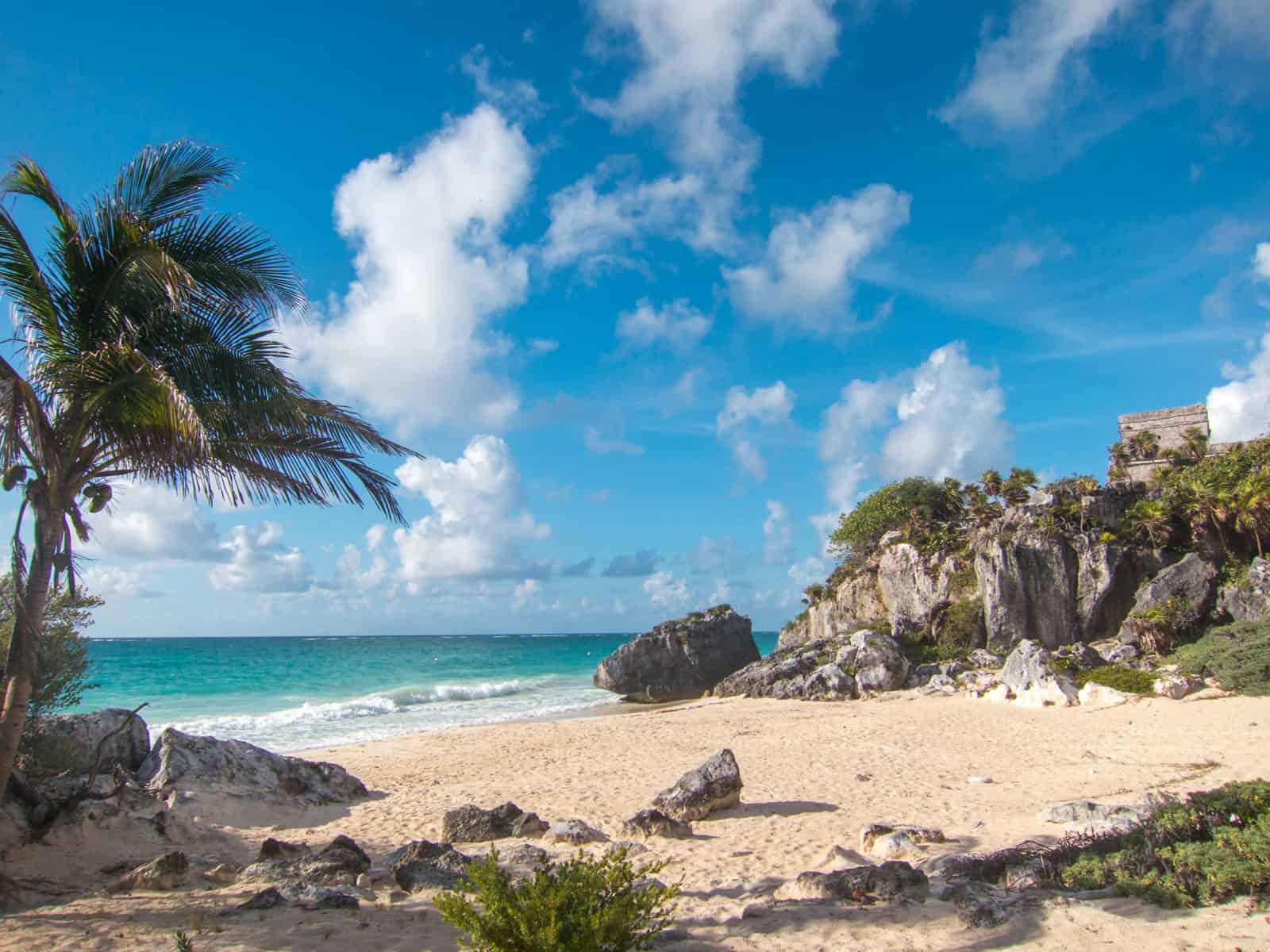
Few places pack as much marine life into one stretch of water as the Sea of Cortez, the long arm of the Pacific between mainland Mexico and the Baja California peninsula.
Day trips from shore reach only part of it. Remote seamounts, sea lion colonies, and protected reefs are often hours away by boat, so many divers choose a liveaboard.
If you are thinking about booking one of the Nautilus Liveaboards diving trips in the Sea of Cortez, it helps to know what life on board is like, from the first briefing to the last night dive.
Why the Sea of Cortez Is Worth a Liveaboard
Jacques Cousteau famously called the Sea of Cortez "the world's aquarium," and the name still fits. Deep, nutrient-rich water rises along the Gulf's underwater ridges and feeds plankton, which then draws in everything from tiny reef fish to large pelagic species.
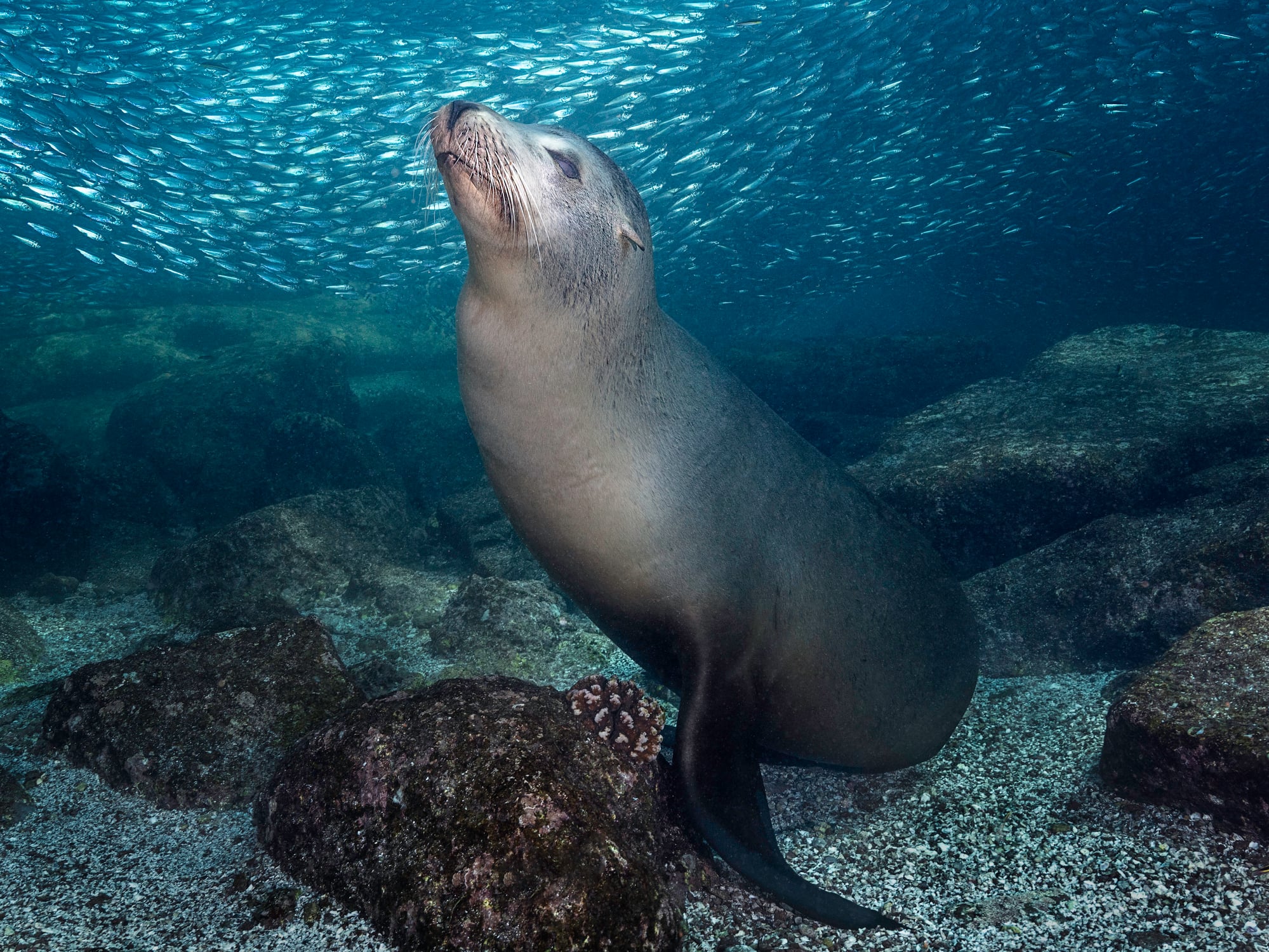
A single week can include playful California sea lions, schooling jacks, mobula and eagle rays, moray eels, and nudibranchs. With some luck, you may also see hammerhead sharks, giant mantas, or whale sharks, depending on the season.
Many of the best sites lie far from the main towns of La Paz and Cabo San Lucas. A liveaboard solves this: the boat moves while you eat and sleep, so every day starts at a new site instead of a long morning commute across open water.
A Typical Day on Board
The rhythm of a liveaboard is simple, and most divers find it relaxing after a day or two.
Morning: early dives in calm water
Days usually start early with coffee and a light snack before the first dive. The crew briefs you on the site layout, currents, depth limits, and animals you are likely to meet. Early dives often have the calmest surface conditions and the most active marine life, especially at seamounts where pelagic species gather.
Midday: eat, rest, repeat
After a full breakfast and a surface interval, you do the second dive. Lunch follows, then time to rest, review photos, or watch the coastline from the sun deck. Surface intervals are part of the experience. Dolphins and even whales are sometimes seen from the boat between dives.
Afternoon and night dives
An afternoon dive is often followed by a night dive, when the reef changes character. Octopuses hunt openly, crustaceans come out of hiding, and you may see bioluminescence.
Nautilus advertises up to four dives daily, including night dives, depending on the itinerary and conditions. Divers ultimately choose how many they want to participate in.
Highlights You Can Expect Underwater
Every route is different, but a few experiences define diving in this region.
- Sea lion encounters: At colonies such as Los Islotes* near Isla Espíritu Santo, young sea lions often swim right up to divers, twisting and blowing bubbles. For many people, it is the highlight of the trip.
- Seamount diving: Offshore pinnacles like El Bajo are known for strong currents and big-animal sightings, including schooling hammerheads in season.
- Wrecks: Several sunken vessels near La Paz have become artificial reefs covered in life, rewarding photographers.
- Protected reefs: Marine parks such as Cabo Pulmo show what decades of protection can do, with dense fish populations and healthy hard coral.
*Los Islotes closes to diving and snorkeling during the summer breeding season and typically reopens Sept. 1. Summer itineraries may visit other sea lion colonies instead.
When to Go and What to Pack
The main liveaboard season runs from summer into autumn, roughly July to November. Water temperatures in late summer can reach 29-30°C (mid-80s°F), and visibility is often 20-30 meters. Later in the season, the water cools, and visibility can drop, so check conditions for your dates.
A 3mm wetsuit is usually enough at the warmest time of year. Bring a thicker suit or hood if you get cold easily or plan several dives a day. A surface marker buoy, reef-safe sunscreen, motion-sickness remedies, and a light jacket for windy evenings on deck are also worth packing.
Who a Sea of Cortez Liveaboard Suits
You don't need to be an expert to enjoy this kind of trip. Open Water certification and good buoyancy control are usually enough, since guides lead the dives and some sites, particularly inside national parks, require a guide anyway.
More advanced divers will enjoy the current-swept seamounts and the chance to log many dives in a short time. Everyone gets the same advantages: little travel time, plenty of time in the water and a front-row seat to one of the richest marine ecosystems on the planet.
Final Thoughts
A liveaboard in the Sea of Cortez is less about luxury than about immersion. You wake up next to remote islands, dive several times a day, share stories over dinner, and fall asleep while the boat heads to the next site. For divers who want to see the Gulf at its wildest, it is one of the most efficient and memorable ways to explore it.
This story was published in partnership with Nautilus Adventures.