
The Taj Mahal and a tiger safari are two of India's best early-morning experiences. With some planning, you can include both on one trip. The Taj is closed to general visitors on Fridays, tiger parks close for the monsoon, and the nearest tiger reserve is a half-day drive from Agra. This guide covers timing, routes, and costs for travelers combining the two.
Choosing Your Dates
Ranthambore's core safari zones normally close from July through September. Other tourism zones may remain open, subject to weather and park restrictions. The core zones of Madhya Pradesh's reserves normally reopen in October, while buffer zones stay open year-round.
The Taj is most pleasant from October to March, but dense fog in December and January can hide it completely and delay flights and trains around Delhi and Agra. Allow a spare half-day before any international flight in winter.
Tigers are easier to spot from April to June, when animals gather near water, though temperatures can reach 104 degrees Fahrenheit (40 C) or higher. February and March offer a good balance of clear weather and dry forest. These months are popular, so book early.
The Agra Leg
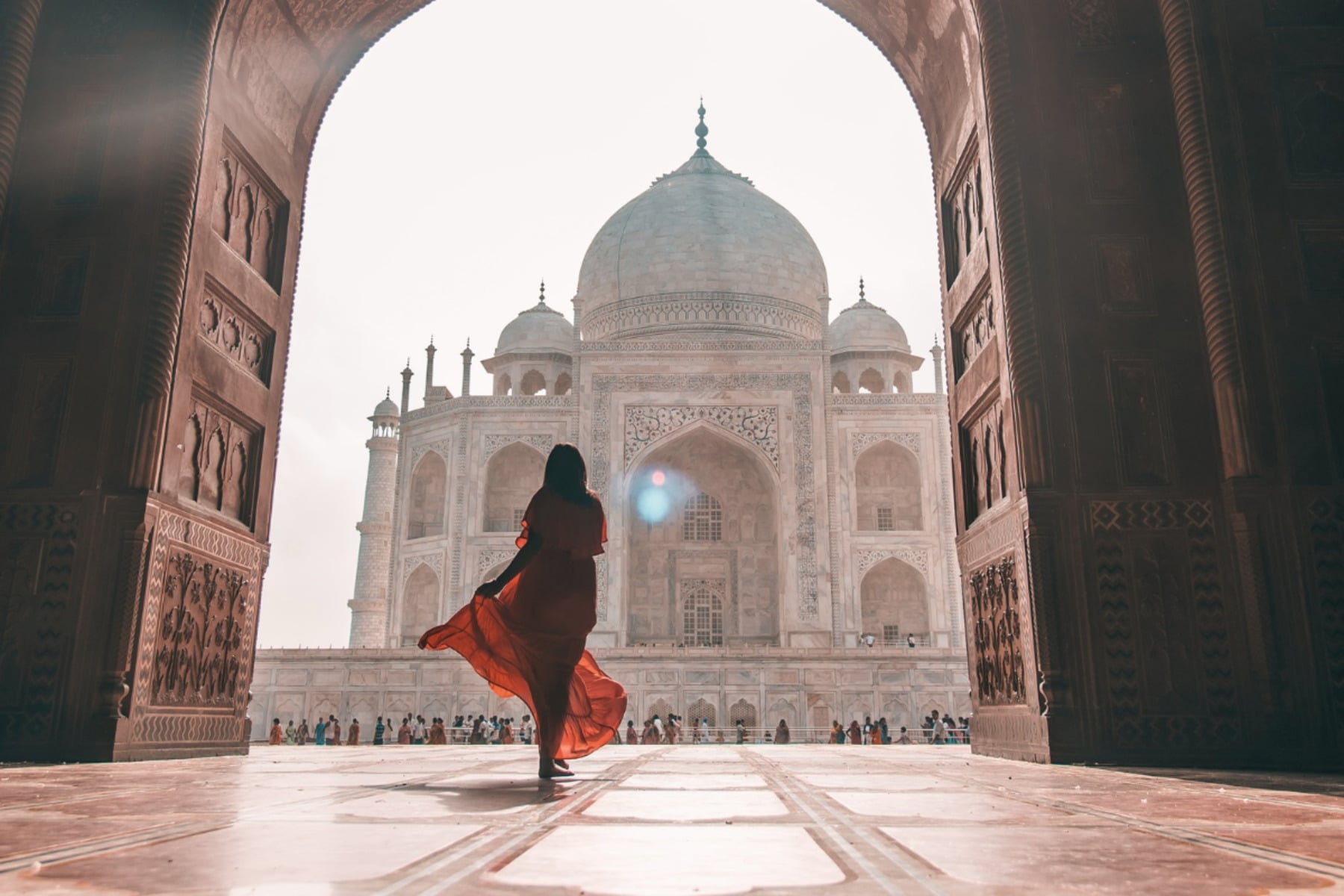
Agra sits on the Yamuna, about 124 miles (200 kilometers) south of Delhi. Shah Jahan built the Taj Mahal for Mumtaz Mahal between about 1632 and 1653, and UNESCO listed it in 1983.
It opens 30 minutes before sunrise and closes 30 minutes before sunset. It is closed on Fridays for general viewing. Tour groups tend to arrive between 10 am and 1 pm, so an opening-time visit means softer light, shorter queues, and cooler air.
Book tickets online using the official ASI channels. The extra fee for the main mausoleum is the only way to see the inner chamber. Tripods, selfie sticks, food, and large bags are not allowed, and entry is single, with no re-entry.
Agra Fort (a UNESCO site, about two hours), Mehtab Bagh for a view of the Taj from across the river, Itimad-ud-Daulah (the "Baby Taj"), and Fatehpur Sikri justify a second morning.
Two nights suit most visitors. A hotel near the East or West gate saves time at sunrise. One near Agra Cantt suits train arrivals but adds a longer ride to the monument.
Getting from Agra to the Tigers
Ranthambore, in eastern Rajasthan, is the closest option. A private car from Agra takes roughly 3 hours 20 minutes to 4 hours, making it the safer choice if you want an afternoon safari on your arrival day.
Trains run from Agra Fort, Agra Cantt, or Tundla to Sawai Madhopur Junction in about 4 hours 15 minutes to 6 hours, but they can sell out weeks ahead from October to April and may run late. Hotels along Ranthambore Road are 10 to 15 minutes from the station.
Madhya Pradesh is a bigger commitment. Bandhavgarh is more than 400 miles (650 km) from Agra, and the fastest train takes about 13.5 hours. Many travelers go by road in stages instead, through Orchha and Khajuraho, then on to Bandhavgarh via Panna.
Airports at Khajuraho and Jabalpur offer alternatives, so check current schedules before committing to a long road leg.
| Route | Mode | Approximate time | Note |
| Delhi to Agra | Gatimaan Express | About 100 minutes | Runs six days a week, not Fridays |
| Agra to Ranthambore | Private car | 3 to 4 hours | Best for a same-day safari |
| Agra to Sawai Madhopur | Train | 4 to 6 hours | Book weeks ahead in season |
| Agra to Orchha | Road | About 5 hours (220 km) | Gwalior Fort is a possible stop |
| Orchha to Khajuraho | Road | About 4 hours (180 km) | Worth a night for the temples |
| Khajuraho to Bandhavgarh | Road via Panna | About 6 hours | Confirm locally |
| Agra to Bandhavgarh | Train | About 13.5 hours | Usually an overnight leg |
Planning the Safaris
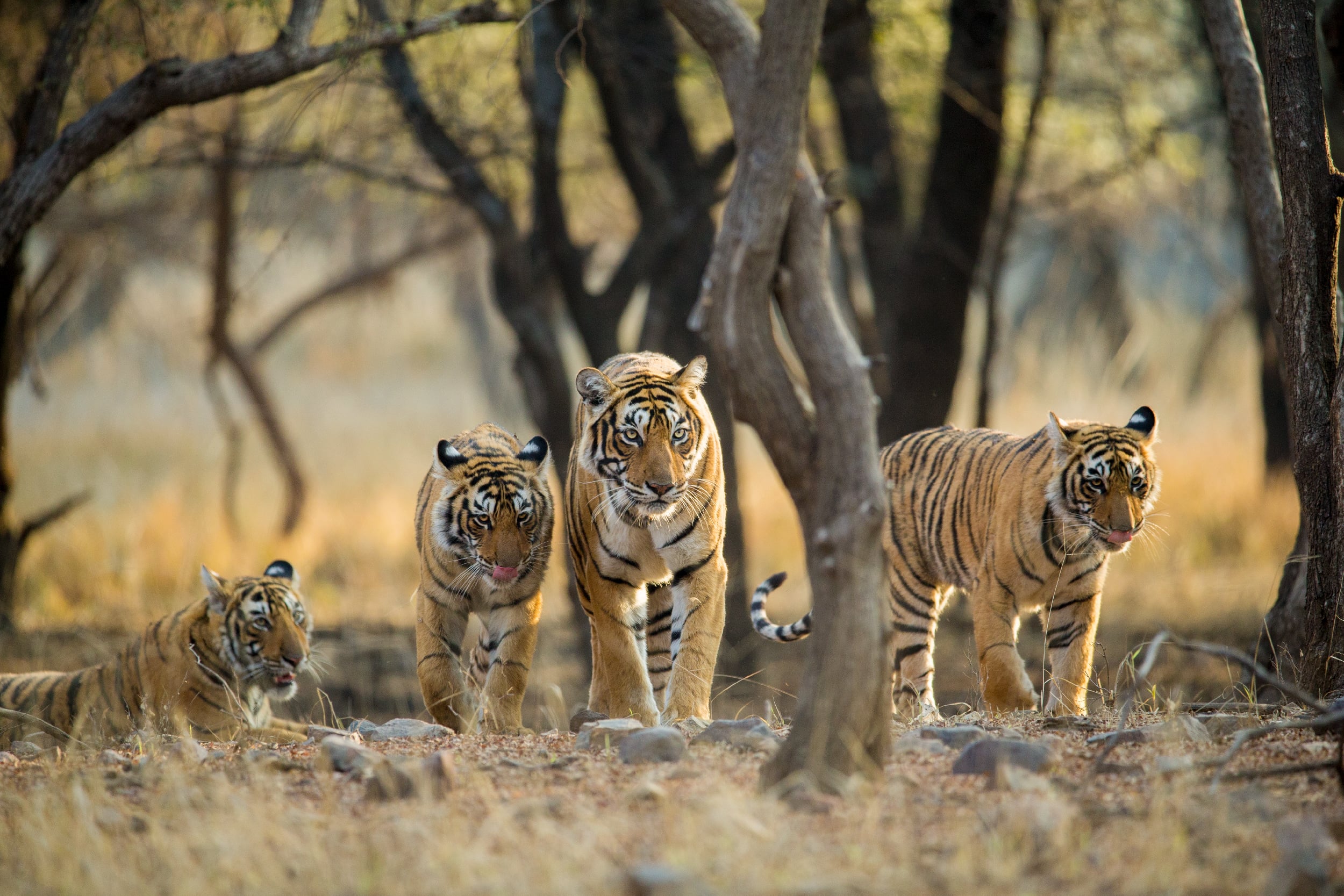
Ranthambore was a royal hunting ground and became a national park in 1980. A tenth-century fort stands inside it. A 2026 report put Rajasthan's tiger count at 149, with 72 in Ranthambore.
The park allots zones by computer, so visitors cannot choose. Zones 1 to 5 are the core, and zones 6 to 10 are buffer areas. Zone 3, around the lakes and ruins, is the most photogenic and the most crowded.
Book at least three safaris across at least two zones, since a sighting can never be guaranteed. One travel guide estimates the chance at roughly 70 to 80 percent over four summer safaris and 50 to 60 percent in winter. These figures are unofficial.
Six-seat jeeps allow quieter viewing than 20-seat canters. From October to January, morning drives run from about 6:30 to 10:00 am and afternoon drives from about 2:30 to 6:00 pm. Timings change with the season.
A good naturalist reads alarm calls from langurs and spotted deer and often turns the vehicle before anything is visible, so ask the operator about the guide.
Reports say Ranthambore banned mobile phones on safari from January 30, 2026, and made dashcams mandatory on tourist vehicles. Cameras are allowed, sometimes with registration. Confirm the current rules with the park or your operator before you travel.
Madhya Pradesh offers a different landscape. Bandhavgarh is known for tiger density and has a fort within its hills. Kanha has the grassland that inspired Kipling's Jungle Book stories. Pench is quieter. Tiger counts for these parks differ between sources, so treat any figure as approximate.
Three Itineraries That Work
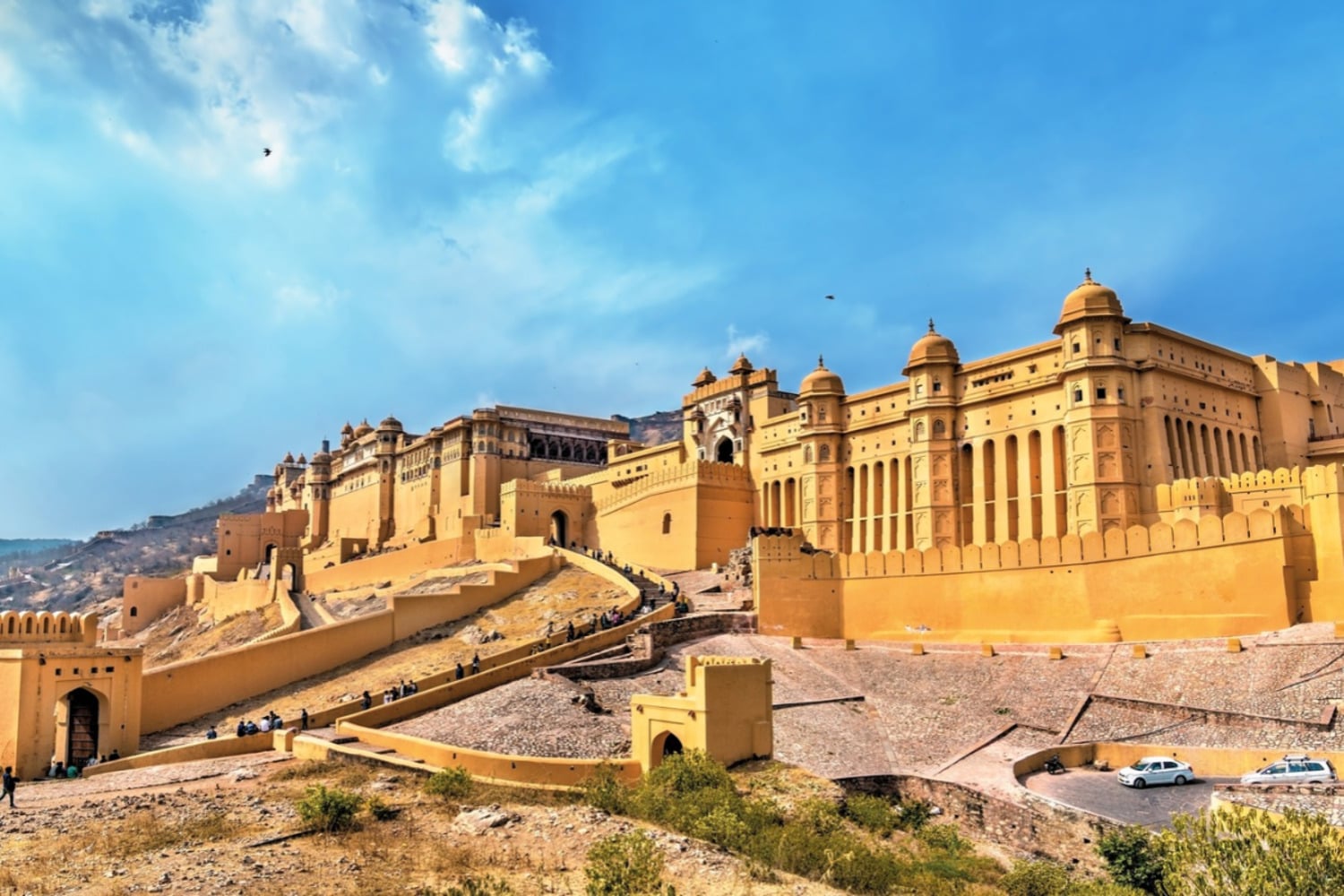
Arrive in Delhi and start with Agra, which is easy and mostly on foot, leaving energy for early safari starts. On the Golden Triangle routes, Ranthambore sits between Agra and Jaipur. On the Madhya Pradesh route, the tiger parks come last after the heritage stops.
- Six nights: Delhi 1, Agra 2, Ranthambore 2, Jaipur 1. This is tight but allows three safaris.
- Nine nights: Delhi 2, Agra 2, Ranthambore 3, Jaipur 2. The extra night at Ranthambore leaves room for a spare safari, and Jaipur still gets two nights for its palaces.
- 11 nights: Delhi 1, Agra 2, Orchha 1, Khajuraho 1, Bandhavgarh 3, Kanha 3. This suits wildlife and heritage lovers, but check flights home from Jabalpur or Nagpur.
What to Avoid
Do not plan the Taj for a Friday. If your route puts you in Agra that day, use it for the fort, Mehtab Bagh, and the Baby Taj. Don't rely on a single safari; treat every tiger as a bonus.
Use only official ticket channels for the Taj. In April 2026, the ASI reportedly warned about a fake site selling invalid tickets, so check the web address carefully and never share a bank OTP.
Unlicensed guides near the gates sometimes quote wrong fees, so arrange a licensed guide in advance through your hotel or operator and ignore offers from strangers to skip the queue. Avoid tight connections in winter, since fog affects flights and trains.
Costs
Government fees are only part of the bill. Hotels, cars and guides add up, so ask for a written quote before paying.
| Item | Indicative cost for a foreign visitor | Note |
| Taj Mahal entry | Rs 1,100 | Main mausoleum adds Rs 200 |
| Taj night viewing | About Rs 750 | Limited nights around full moon, not Fridays |
| Ranthambore canter seat | Rs 2,176 to 2,400 | April 2026 report; rates reportedly rise about 10 percent a year |
| Ranthambore jeep seat | Rs 2,743 to 3,025 | Same report |
| Safari arranged by a resort | Often Rs 3,000 to 8,000 extra | Ask what is included |
| Agra to Ranthambore by car | US$82 to 176 | Booking site range, sedan to van |
| Agra to Ranthambore by train | US$5 to 20 | Sleeper to first class |
Responsible Travel
Single-use plastic is a problem at both the Taj and in the forest, so carry a refillable bottle. Keep your voice down on safari, stay in the vehicle, and never ask a driver to chase an animal.
A video from February 2026 showed more than 40 vehicles around a single tigress, showing what crowding can do. A smaller vehicle, a quieter zone, and a patient guide make for a better sighting.
Hire licensed guides and local drivers, buy marble inlay from workshops in which you can see the artisans, and do not feed monkeys at the Taj or the fort. Dress modestly at temples and tombs, and ask before photographing people.
FAQs
Can I do the Taj and a safari in one week?
Yes. Delhi, Agra, Ranthambore and Jaipur fit in six to seven nights, with three safaris.
Which is better for tigers, Ranthambore or Madhya Pradesh?
Ranthambore is easier to reach. Bandhavgarh and Kanha are reported to hold more tigers but need more days.
When is the best time for both?
Late October to March for comfort, or April to June if tigers matter most and you can handle the heat.
Can I use my phone on safari?
Check the current rules before you go, and bring a proper camera.
BizareXpedition, the company that wrote this guide, plans private itineraries along this route.
Sources
Checked on October 29, 2026. Fees, rules and timetables change, so confirm with the official pages before traveling.
- Taj Mahal fees, hours and Friday closure: UP Tourism Taj Mahal site
- Fake ticket website warning, April 2026, and the official ASI booking portals: ETV Bharat
- Gatimaan Express timings and Friday off: RailMitra and Railway Gazette
- Agra to Ranthambore road and rail times and costs: Rome2Rio
- Rajasthan tiger counts, July 28, 2026: ThePrint (PTI)
- Ranthambore canter fees, April 1, 2026: ETV Bharat (IANS)
- Ranthambore phone ban, January 31, 2026: Free Press Journal
- Ranthambore dashcam order, January 7, 2026: ThePrint (PTI)
- Safari crowding video, February 2026: Wanderlust
- Madhya Pradesh core zone reopening dates: Free Press Journal and Outlook Traveller
This story was published in partnership with BizareXpedition™.