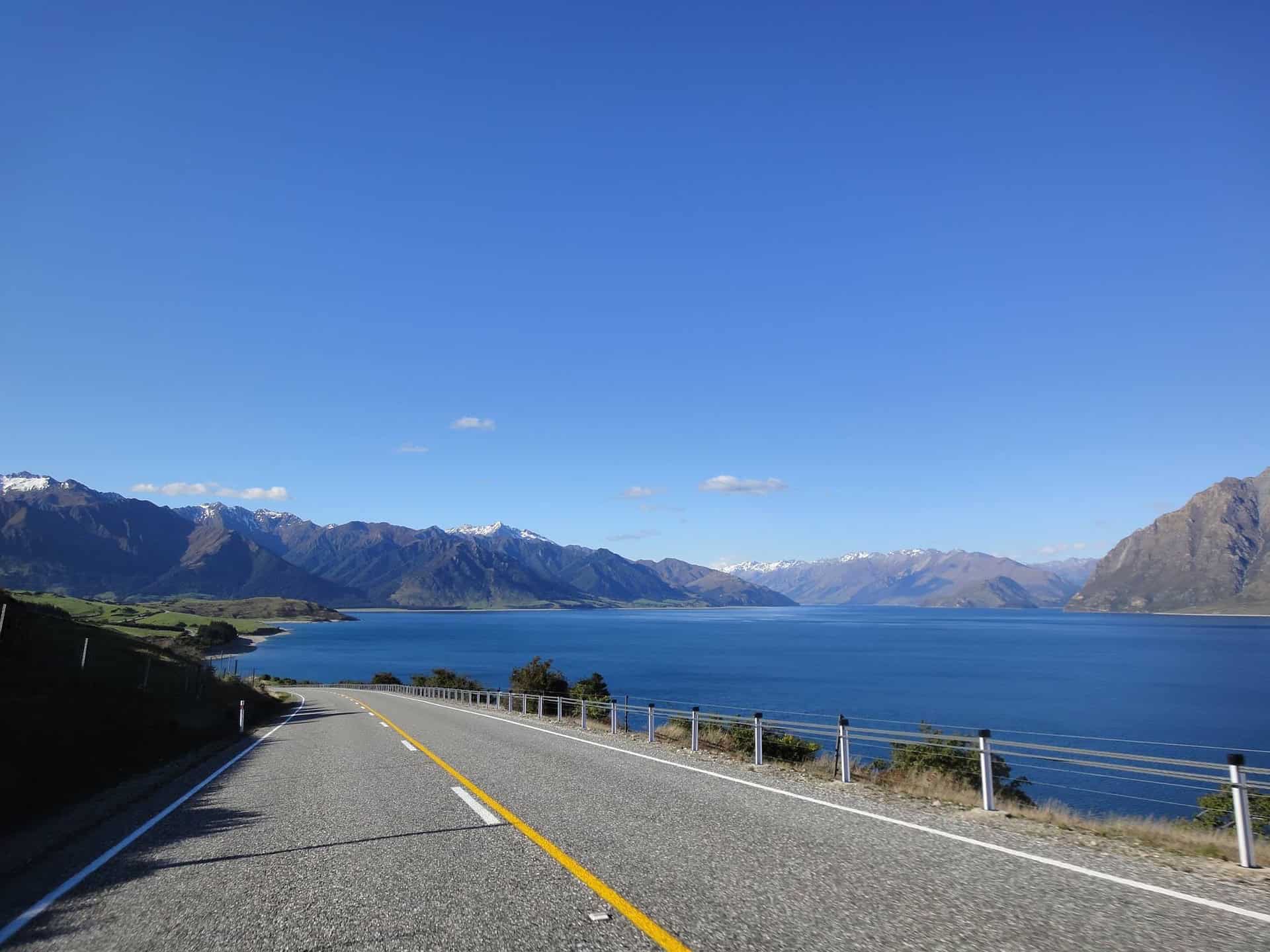
New Zealand is home to some of the best hiking and adventure trails in the world. Not only do you get to see spectacular sights, but there is also a brilliant combination of easy and challenging routes to choose from, depending on your experience level and how long you want to be out in the wilderness.
New Zealand Trails
Abel Tasman Coast Track
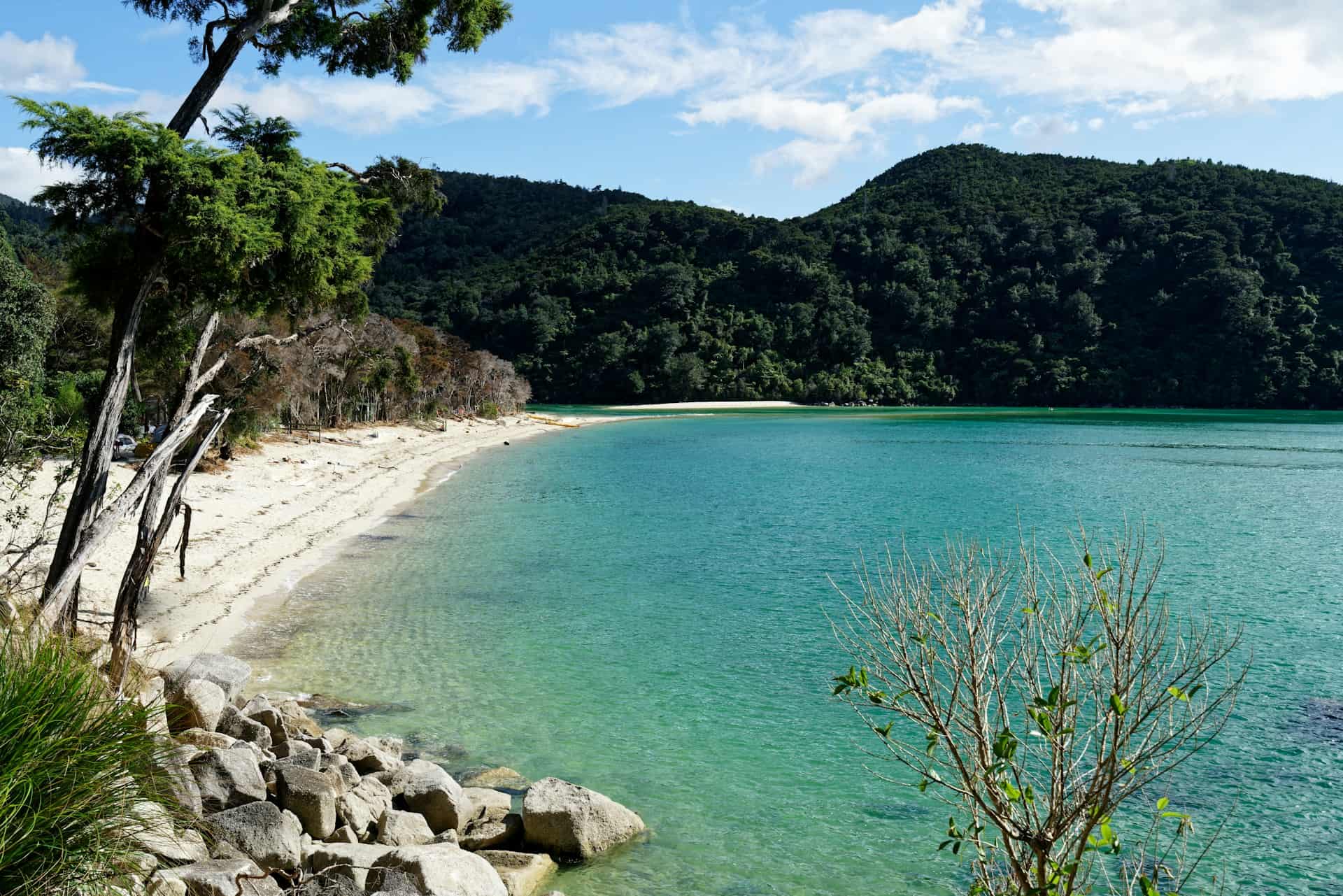
Begin with one of, if not the best, walking trails in the country, visit a car rental company, and head to the Abel Tasman National Park. This 37-mile (60-kilometer) track features varied terrain and is perfect for both beginner and intermediate hikers and walkers.
Considering its name, it will come as no surprise that you can expect to come across several incredible beaches, tidal pools, beautiful forests, and a natural waterslide named Cleopatra's Pool along this trail.
Dusky Track
On the other side of the spectrum, Dusky Track is considered one of NZ's most challenging trails and is better suited to experienced climbers and hikers.
Coming in at 52 miles (84 kilometers), you can expect to finish the trail in roughly 8-10 days, depending on your pace.
The terrain can be a bit treacherous, but you can expect to come across vast and dense forests, breathtaking views, and isolation on a level you have never experienced before, making it perfect for a relaxed but challenging adventure.
Heaphy Track
The Heaphy Track is a brilliant, nearly 50-mile-long (80 km-long) route ideal for hikers, walkers, and mountain bikers. There is a range of terrain, and it can take four or more days to complete as a walker, or as little as two days for experienced bike riders.
The track is exceptionally well-maintained, with several huts and campsites dotted along the way. Be aware, though, the track isn't a loop; therefore, you will need to organize transport for when you finish.
Hollyford Track
Hollyford is a beautiful track to walk for fit, fairly experienced adventurers. You can expect to walk through lush forests and along rivers, with occasional river crossings. For experienced walkers, the track can take 4-8 days one-way, depending on your speed.
?Be aware, though, that the trail is prone to flooding during the rainy season; therefore, it is best to avoid the area during that time or plan to camp on higher ground away from the rivers.
Kepler Track
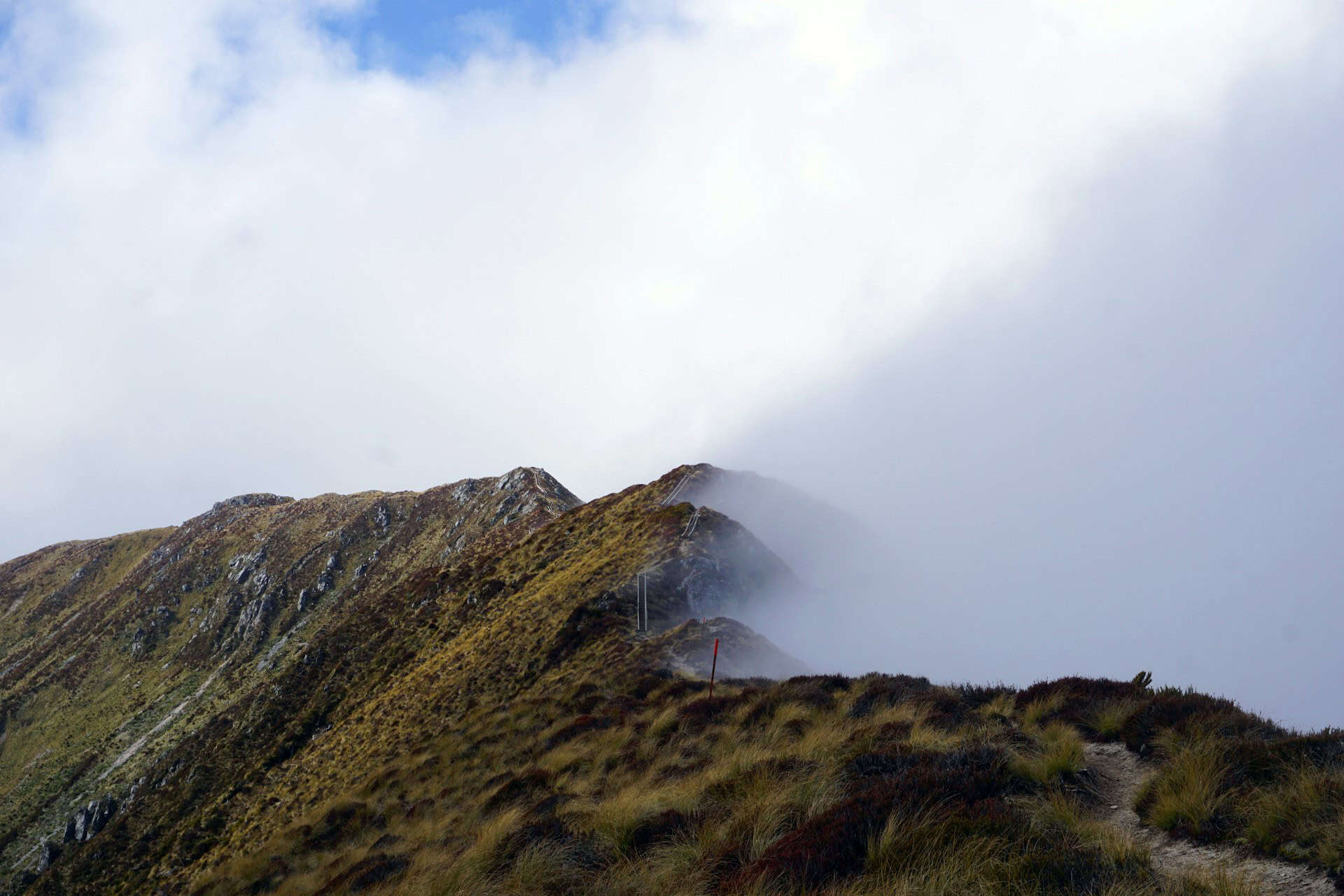
Found in Fiordland National Park, Kepler is a challenging but rewarding track that is great for fit beginners, moderate hikers, and experienced hikers.
The 37-mile (60-kilometer) circular track can take roughly four days to complete, but you may take longer, considering all the stops you will make to take in the views.
?There is also plenty of wildlife to discover, especially the countless bird species, and be aware that snow is possible on the higher mountain points, even during the winter.
What To Remember
Before going on a hike in New Zealand, there are a few things you need to remember to ensure you not only get the most out of your hike but also stay safe while doing it.
The Weather
Firstly, the weather can get very out of control exceptionally quickly. High winds, cold temperatures, very hot temperatures, and everything in between are all on the cards, depending on when you choose to hike.
Check the DOC
The DOC, or Department of Conservation, is one of the best resources for planning your adventure. They have detailed route maps, provide weather and safety warnings, and can tell you about hut availability.
They are beneficial if you have never hiked in New Zealand before or if you are planning to hit a trail you are unfamiliar with.
Start Early
One of the most common mistakes hikers make when adventuring across New Zealand is starting too late.
In winter, it gets dark much quicker than you think, and it can be very easy to start too late and not travel as far as you want each day, turning a three or four-day hike into a six or seven-day hike.
Instead, start early in the morning, as this will give you enough daylight to find a great camping spot and not be left in the dark trying to find somewhere to stop for the evening.
Prepare for Remote Conditions
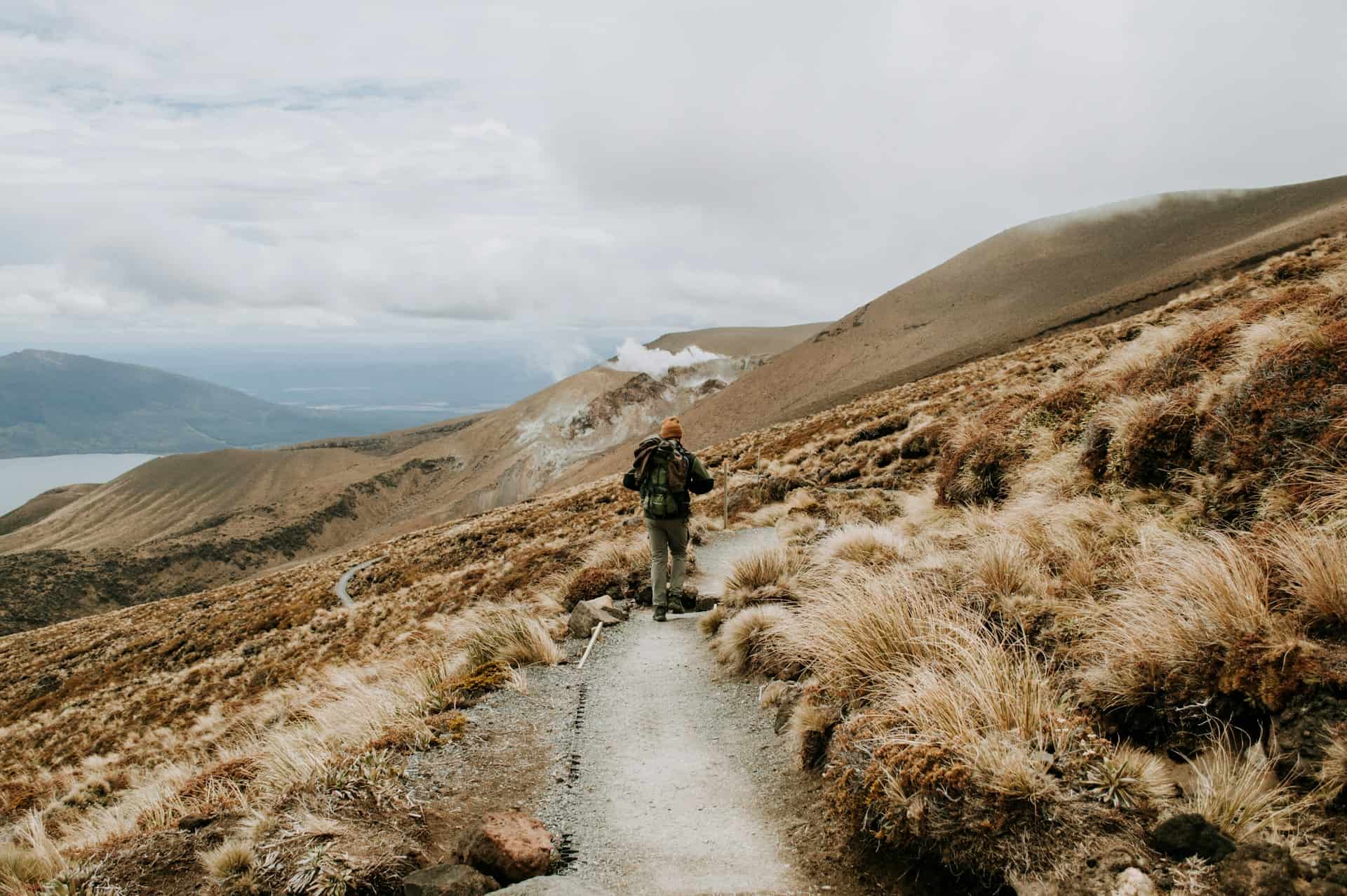
Even though NZ is a small country, there are still plenty of areas without smartphones or internet access, especially in the mountains and other alpine regions. Because of this, it is essential to carry a satellite phone.
Areas with no cellphone coverage are also typically the most dangerous, so it is essential to have a satellite phone with you before you take your first step on the trail.
Pack Layers
Lastly, when it comes to what you should take with you, don't overburden yourself with multiple jackets, jerseys, etc. Especially in winter, layers are far more helpful than oversized, heavy items.
?Pack underlayers such as vests or tight-fitting T-shirts, as this will not only keep your pack lighter, but will also insulate you far better.
_____
This story was published in partnership with Mode Rentals.