Backpacking means committing to the outdoors, even when the forecast looks uncertain. That's why choosing the best jackets for backpacking can make all the difference.
Sunshine can turn into wind. Clear skies can shift into rain. Temperatures can drop quickly at elevation.
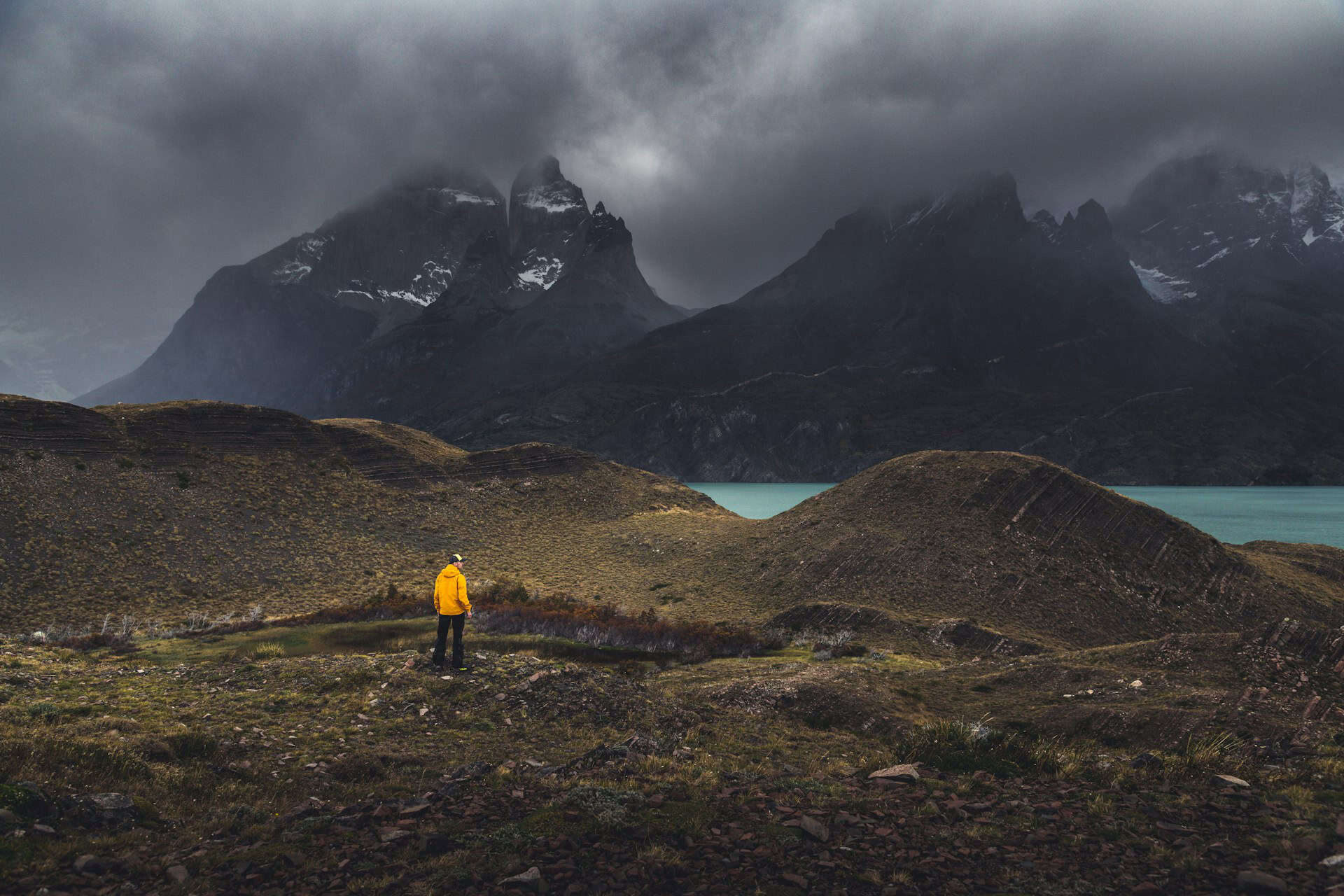
The key to staying comfortable is not packing the heaviest jacket you own. It's choosing the right types of jackets that work together as part of a flexible layering system. When the weather refuses to cooperate, adaptability wins.
Why Layering Beats One Heavy Jacket
Instead of relying on a single bulky coat, experienced backpackers use layers that can be added or removed as conditions change.
The National Park Service recommends dressing in layers to regulate body temperature and respond to shifting weather patterns during outdoor activities.
Layering helps prevent overheating during uphill sections and keeps you warm when you stop moving. The right jacket choices make that system work.
Types of Jackets
1. Lightweight Waterproof Shell Jackets
A waterproof shell is one of the most important pieces in unpredictable weather. It protects against rain and wind while remaining breathable enough to prevent overheating.
Look for jackets with sealed seams and ventilation options. Shells should be lightweight and packable so they can live in your backpack without taking up too much space.
Patagonia produces well-known shell jackets, such as the Torrentshell, valued for their durability and reliable waterproofing.
Other dependable options include shell jackets from Arc'teryx and The North Face, both known for weather protection and technical design.
A shell blocks the elements. What you wear underneath provides warmth.
2. Insulated Down or Synthetic Jackets
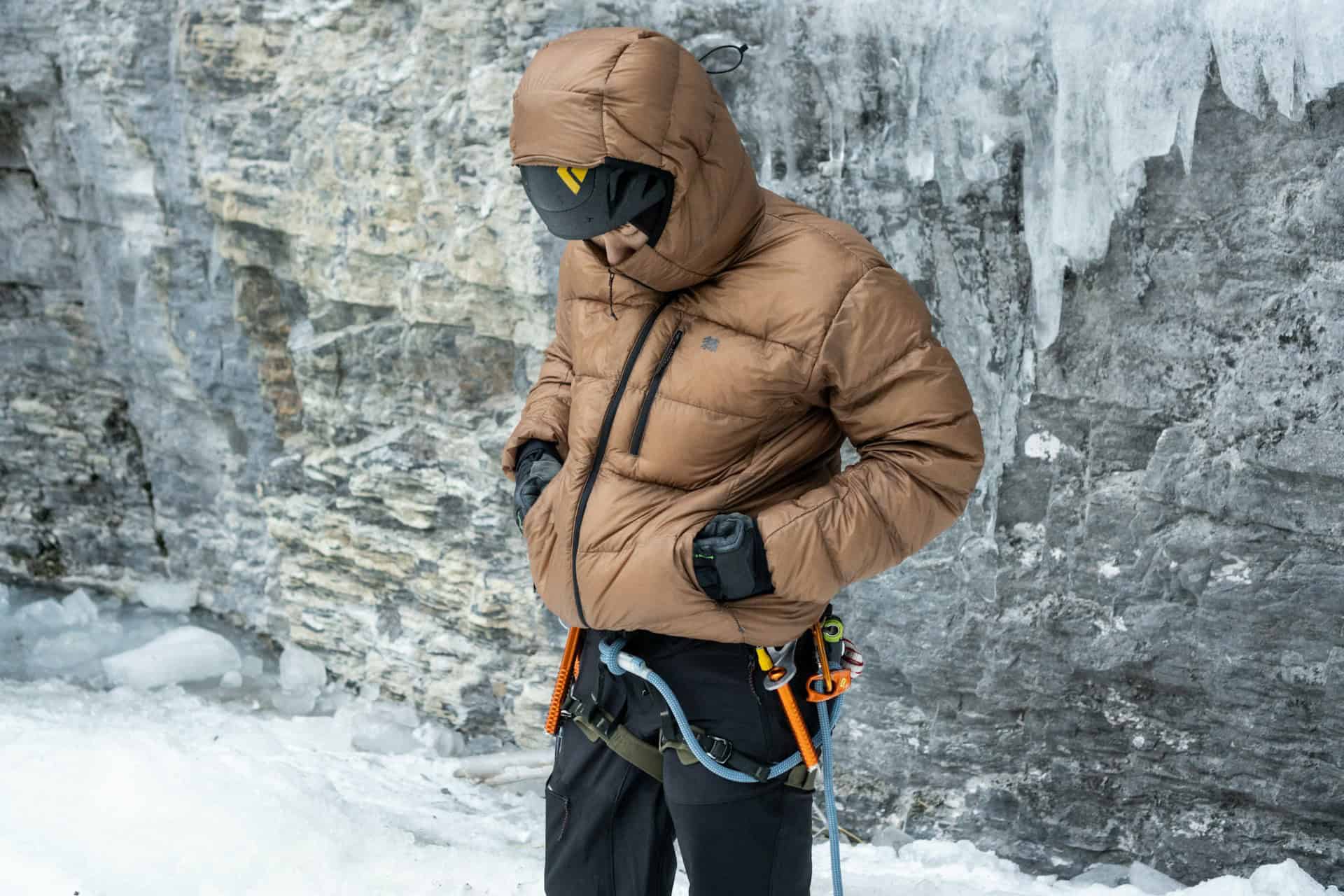
For colder mornings or higher elevations, an insulated jacket becomes essential. These jackets trap body heat without adding excessive weight.
Down jackets are lightweight and compressible, making them popular for backpacking. Synthetic insulation performs better in damp conditions and dries faster.
Rab is known for high-performance down jackets favored by backpackers. Mountain Hardwear also offers insulated options designed for mountain environments.
These jackets work best as mid layers under a shell when conditions turn harsh.
3. Packable Windbreakers
Wind may not soak you like rain, but it can strip away warmth quickly. A lightweight windbreaker adds protection without bulk.
Windbreakers are ideal for mild but breezy conditions and can be layered over base layers or light insulation.
Outdoor Research offers compact wind shells that tuck into a backpack pocket when not in use. This type of jacket is often underestimated but highly practical for changing weather.
4. Softshell Jackets for Breathability
Softshell jackets provide moderate protection while remaining breathable. They are ideal for active sections of a hike where you generate body heat but still need light protection. Unlike waterproof shells, softshells favor flexibility and comfort.
Black Diamond designs softshell jackets that balance stretch and weather resistance for dynamic movement. Softshells are useful when full waterproofing is unnecessary but wind protection matters.
5. Hybrid Jackets for Versatility
Hybrid jackets combine multiple materials into a single piece-insulation in the core, breathable fabric on the sides, and light weather resistance on the exterior.
These jackets adapt well to variable conditions and reduce the need for frequent layer changes. Brands like Columbia and Patagonia offer hybrid designs that work well for backpackers who want fewer separate layers.
How To Choose the Right Combination
The best jacket setup depends on climate, elevation, and trip length.
For mild but unpredictable conditions, a lightweight shell and an insulated mid-layer often cover most scenarios. For colder or wetter environments, adding a windbreaker or softshell increases flexibility.
The American Hiking Society emphasizes preparing for sudden weather changes by carrying appropriate protective layers, even when forecasts look stable. Preparedness prevents discomfort and risk.
Packability and Weight Matter
Backpacking is about balance. Jackets should compress easily and avoid adding unnecessary weight. Look for packable designs that fit into their own pockets or compress into small stuff sacks.
Carrying versatile pieces instead of multiple heavy jackets keeps your load manageable.
Why Quality Matters
Unpredictable weather exposes weak construction quickly. Leaky seams, poor insulation, or inadequate ventilation can ruin an otherwise great trip.
Investing in reliable brands and proven jacket types increases confidence on the trail. Comfort and protection are not luxuries in the backcountry. They are essentials.
What to Remember Before You Go
Unpredictable weather does not have to mean unpredictable comfort. Choosing the right combination of waterproof shells, insulated layers, windbreakers, and breathable softshells creates flexibility.
A Patagonia shell, a Rab insulated jacket, a windbreaker from Outdoor Research, or a softshell from Black Diamond all serve different but complementary purposes.
When your jacket system adapts to the weather, you stay focused on the trail rather than the forecast.
_____
This story was published in collaboration with Tactics.