Long road trips through remote areas often sound relaxing before the drive starts. After a few hours on empty highways, many travelers encounter unexpected problems. Weak phone signals, poor road lighting, rapid changes in weather, and long distances between gas stations make traveling more difficult.
Night driving in unfamiliar places also creates extra pressure for drivers. Wildlife crossings, rough roads, and isolated parking areas become more difficult to handle when visibility drops after sunset. In many cases, small vehicle problems feel much bigger simply because help is far away.
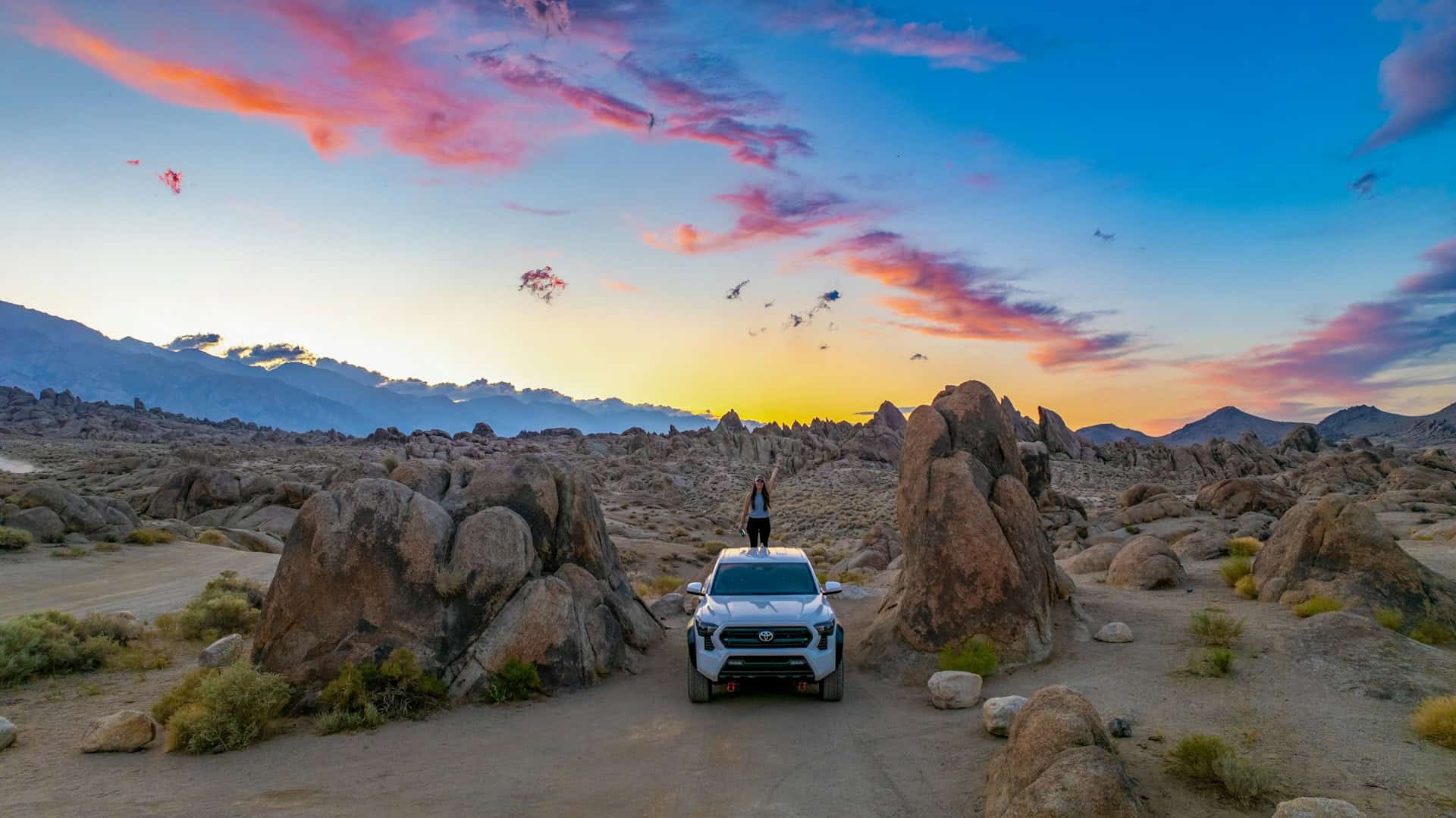
Experienced travelers usually prepare their vehicles before leaving home. Emergency tools, organized storage, navigation backups, and recording equipment help drivers stay safer during long trips. Many travelers now carry a 4K dash cam to record road activity, improve visibility at night, and document unexpected incidents while traveling remotely.
Why Remote Road Trips Require Extra Preparation
Limited Help in Remote Areas
Road trips through busy cities differ greatly from driving on isolated routes. In many remote destinations, drivers may travel long stretches without seeing gas stations, repair shops, or other vehicles.
If a tire or battery problem occurs in a city, help usually arrives promptly. In remote areas, travelers may wait longer for roadside assistance. Poor signal coverage also makes it difficult to contact emergency services or family members.
Night Driving Challenges on Empty Highways
Many road trips involve early-morning departures or late-night driving. Remote highways usually have less light, fewer nearby vehicles, and longer stretches of darkness between towns.
Drivers may suddenly encounter wildlife crossings, debris, or vehicles parked on road shoulders without warning. Fatigue also becomes more common during overnight drives.
Extra lighting tools, organized vehicle storage, and reliable recording equipment help drivers stay more aware during long nighttime trips.
Weather and Road Condition Problems
Road conditions can change rapidly. Rain, fog, dust storms, and mountain weather can reduce visibility within minutes.
Remote roads may also contain potholes, gravel sections, or uneven pavement, which become harder to notice during bad weather. Travelers driving through forests, deserts, or national parks often face these conditions during long-distance trips.
Vehicle preparation becomes more important when drivers travel far away from major cities or repair services.
Important Road Trip Gear That Helps Drivers Stay Safe
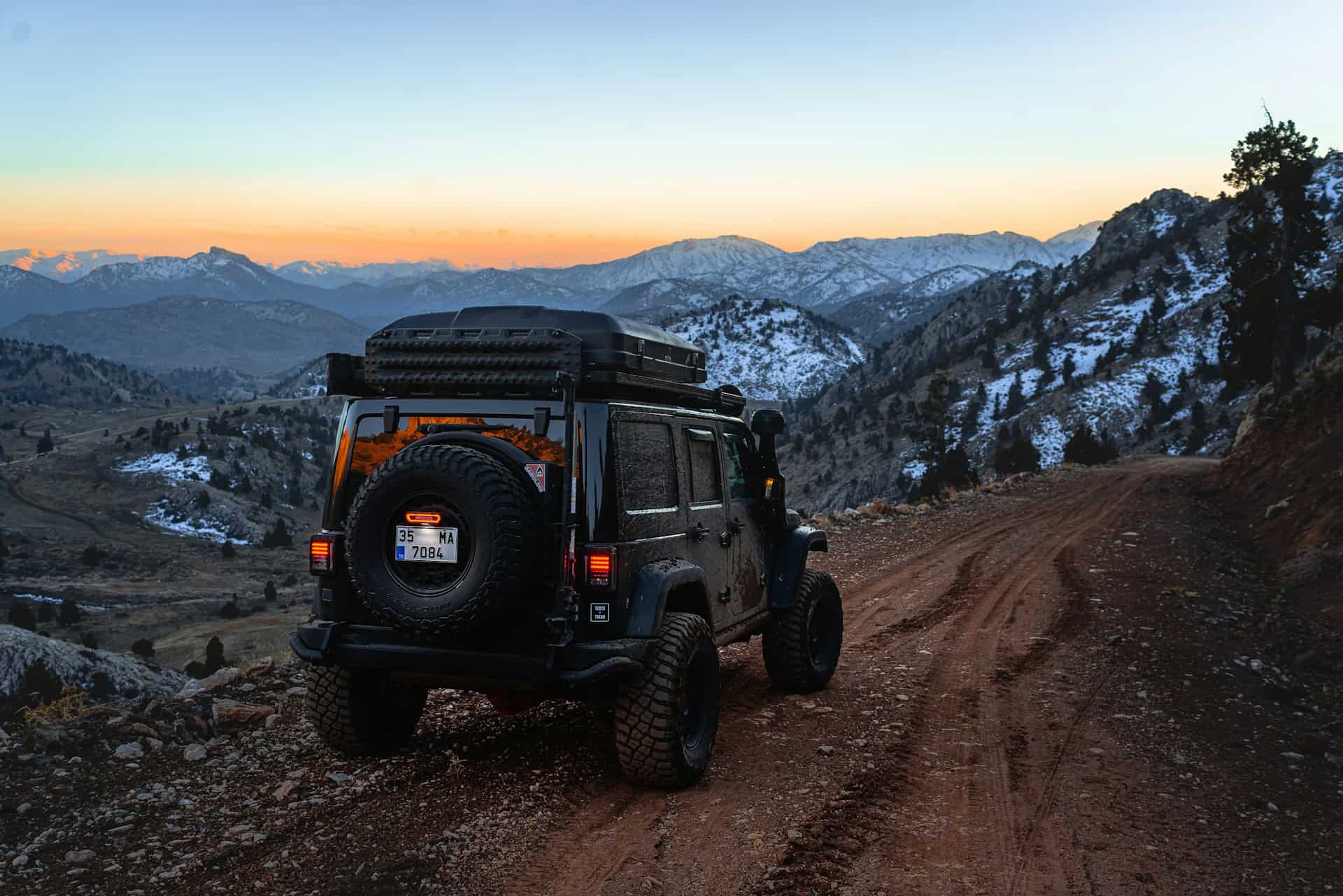
Emergency Tire and Repair Equipment
Flat tires remain one of the most common road trip problems. A portable tire inflator helps drivers refill low tires without depending on nearby gas stations.
Many travelers also carry:
- Tire pressure gauges
- Jumper cables
- Portable jump starters
- Flashlights
- Reflective warning triangles
These tools help drivers handle basic roadside situations before they escalate into major travel delays.
Phone signals may be weak or unavailable in remote areas, especially near mountains, forests, or desert highways. Offline GPS apps and downloaded maps help drivers continue traveling even without internet access.
Some travelers still carry paper maps as backup during long trips through rural areas. Power banks and charging cables also help to keep navigation devices working throughout extended driving hours.
Storage and Vehicle Organization for Long Trips
Messy vehicles create unnecessary stress during road trips. Loose bags, wet jackets, camping gear, and food containers quickly fill the limited space in a vehicle.
Cargo organizers and waterproof storage bins help travelers separate emergency supplies from personal items. Seatback organizers also keep snacks, chargers, and travel documents easier to reach during long drives.
A cleaner vehicle setup reduces distractions and makes it easier to find important items quickly during emergencies.
Why Many Travelers Now Use a 4K Dash Cam on Remote Trips
Recording Unexpected Road Incidents During Travel
Remote highways sometimes have fewer witnesses during accidents or dangerous road situations. A dash cam, such as the Wolfbox G900Pro mirror dash cam, records road activity automatically while driving.
This footage may help drivers document:
- Highway accidents
- Unsafe driving behavior
- Wildlife crossings
- Road hazards
- Parking lot incidents
Many travelers prefer video evidence during insurance discussions or traffic disputes after road events.
Capturing Clear Footage During Day and Night Driving
Higher video resolution helps drivers record road details more clearly. This is useful when reading license plates, recording road signs, or documenting incidents during poor weather.
Travelers on remote highways often prefer cameras with strong low-light recording, because dark roads reduce visibility after sunset.
People looking for the best dash cam for road trips look for features like wide-angle recording, reliable storage management, and clear footage during long drives. These features help drivers record daytime scenery and unforeseen road conditions without constant manual changes.
Parking Protection During Hotel or Camping Stops
Road trips often involve overnight parking at hotels, campgrounds, trailheads, or rest stops. Travelers may leave luggage, camping gear, or electronics in the vehicle while touring nearby areas.
Some dash cams continue monitoring parked vehicles and record movement around the car. This helps document hit-and-run damage or suspicious activity in unfamiliar parking areas.
For travelers visiting multiple destinations on a trip, parking monitoring adds an extra layer of security during overnight stops.
What To Look for When Choosing a Dash Cam for Long Travel Routes
Wide-Angle Recording for Remote Roads
Road trips often include narrow highways, mountain roads, and areas with limited visibility. Wide-angle recording captures more lanes and roadside activity during travel.
This is useful when merging into traffic, navigating wildlife crossings, or making sudden lane changes on unfamiliar roads.
Reliable Loop Recording and Storage
Long-distance travel may involve several hours of continuous driving each day. Dash cams with loop recording overwrite older footage automatically when storage fills up.
Drivers do not need to manually delete files during the trip. This keeps the recording active throughout the journey without interruptions.
Heat Resistance During Summer Travel
Vehicles parked under direct sunlight can become extremely hot during a summer road trip. Travelers through deserts, national parks, or warm coastal regions generally prefer dash cams designed for extended exposure to heat.
Reliable performance during high temperatures is important for travelers spending long hours on the road.
Easy Installation for Travelers Using Different Vehicles
Some travelers switch between rental cars, RVs, or personal vehicles during trips. Simple installation makes it easy to move equipment between vehicles without complicated wiring.
People researching the best 4K dash cam compare ease of installation with video quality and storage features. Travelers prefer equipment that works quickly and requires no professional setup during a trip.
Features That Help Drivers During Night Travel
Why Night Recording Matters on Remote Highways
Many remote roads become extremely dark after sunset. Street lighting may disappear completely for long stretches.
Wildlife crossings, parked vehicles, cyclists, and road debris are harder to notice at night. Clear low-light recording helps drivers document incidents during these conditions.
Travelers driving between national parks, mountain towns, or rural campgrounds often spend hours on dark roads with limited visibility.
Important Night Recording Features to Check
Drivers searching for the best dash cam night vision features focus on low-light image quality rather than on daytime recording alone.
Helpful features include:
- HDR or WDR support
- Larger image sensors
- Better glare reduction
- Improved low-light clarity
These features help cameras capture clearer footage in rain, fog, tunnels, and poorly lit highways.
Who Benefits Most From Strong Night Recording
Night recording matters most for:
- Campers traveling after sunset
- Cross-country drivers
- RV travelers
- People driving on rural highways
- Travelers visiting remote destinations
Long-distance travelers spend more time driving in changing lighting conditions than daily city commuters.
Other Small Items Travelers Often Forget
Some of the most useful road trip items are also the easiest to forget before departure.
A few examples include:
- First aid kits
- Emergency blankets
- Extra drinking water
- Multi-tools
- Printed emergency contacts
- Backup charging cables
These small items may not seem important before the trip, but they can be useful in unexpected roadside situations.
Final Thoughts
Remote road trips often involve long hours, changing weather, unfamiliar roads, and limited nearby assistance. Drivers who prepare their vehicles before leaving usually handle these situations with less stress.
Simple safety equipment, organized storage, emergency tools, and reliable recording devices help travelers stay focused while driving long distances. Small preparations before departure often make a major difference once the road becomes quiet, dark, or far from help.
This story was published in partnership with WOLFBOX.