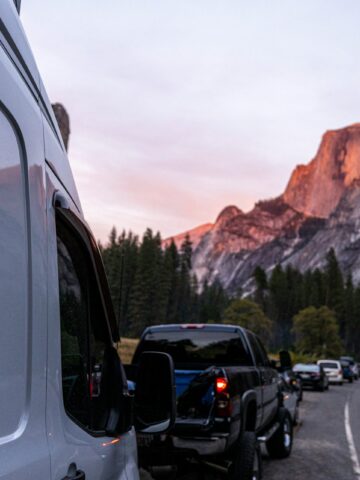
Backpacking has grown beyond the stereotypical view of maps, journals, and simple survival tools. Today, many travelers rely on portable monitors for backpackers and other compact tech tools to stay productive while working remotely on the road. Whether as freelancers, content creators, developers, or digital nomads, modern backpackers need setups that balance mobility with efficiency.
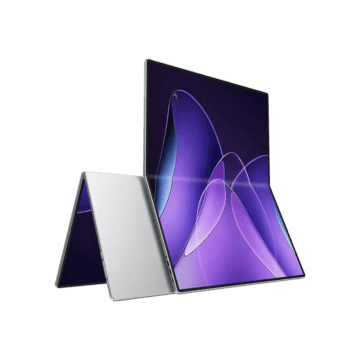
The portable monitor is one of the most practical upgrades for a mobile workspace. Adding a second screen can make it easier to edit photos, manage multiple browser windows, join video calls, or work more efficiently from cafes, hostels, and coworking spaces while traveling.
Table of Contents
- Why Backpackers Use Portable Monitors
- The Rise of Mobile Work Lifestyles
- Why Screen Real Estate Matters
- Designed for Mobility
- Enhancing Work-Life Balance on the Road
- The Role of Innovation: Foldable and Flexible Displays
- Versatility Beyond Work
- Power Performance and Connectivity
- Minimalism Meets Functionality
- Adapting to Different Work Environments
- The Future of Backpacker Tech Setups
- Final Thoughts
Why Backpackers Use Portable Monitors
The Rise of Mobile Work Lifestyles
The new type of traveler is the digital nomad and hybrid professional, driven by the global trend of remote work. These people do not simply commute; they live a mobile life, working in cafes, hostels, coworking spaces, and even on mountaintops.
A laptop is usually not enough for such lifestyles. Small screens may limit the number of tasks that can be performed at once, reduce efficiency, and cause fatigue during long hours of work. Backpackers require solutions that enhance their functionality without adding bulk.
Why Screen Real Estate Matters
Limited screen space is one of the greatest productivity killers when on the road. Activities such as document editing, spreadsheet work, coding, or even video editing are much harder on a single screen.
A portable monitor also enables users to mirror or extend their laptop screen, thereby creating a dual-screen setup.
This means you can:
- Prepare documents with reference to research.
- Photo and video editing with enhanced visibility.
- Communication applications should be open, and core tasks should be kept in focus.
- Navigate through several browser windows more effectively.
This bonus screen space makes any place a functional workspace for the backpackers.
Designed for Mobility
Backpackers emphasize weight, size, and durability when selecting gear. Conventional monitors are too large and delicate to carry anywhere. Portable monitors, however, are designed for mobility.
Most models are:
- Ultra-slim and lightweight
- Connected through USB-C or other similar connections.
- Lightweight and easy to carry with a laptop.
- Constructed with shielding covers that act as stands.
It implies that you can carry a fully functional workstation in your backpack without feeling weighed down.
Enhancing Work-Life Balance on the Road
Working on the road can make it hard to separate work and leisure. Without proper arrangements, work may intrude throughout the trip.
A handheld screen helps set limits. Organizing a workspace, even in a modest hostel room or cafe, helps you get more done and frees up time to explore. Instead of wasting hours fumbling on a small screen, you can finish tasks faster and enjoy more of your trip.
The Role of Innovation: Foldable and Flexible Displays
Portability has more limits than technology is pushing. The emergence of the foldable monitor is just one of the exciting developments that would bring compact design to the next level. These monitors can be folded to smaller sizes, making them even easier to carry in tight spaces in a backpack.
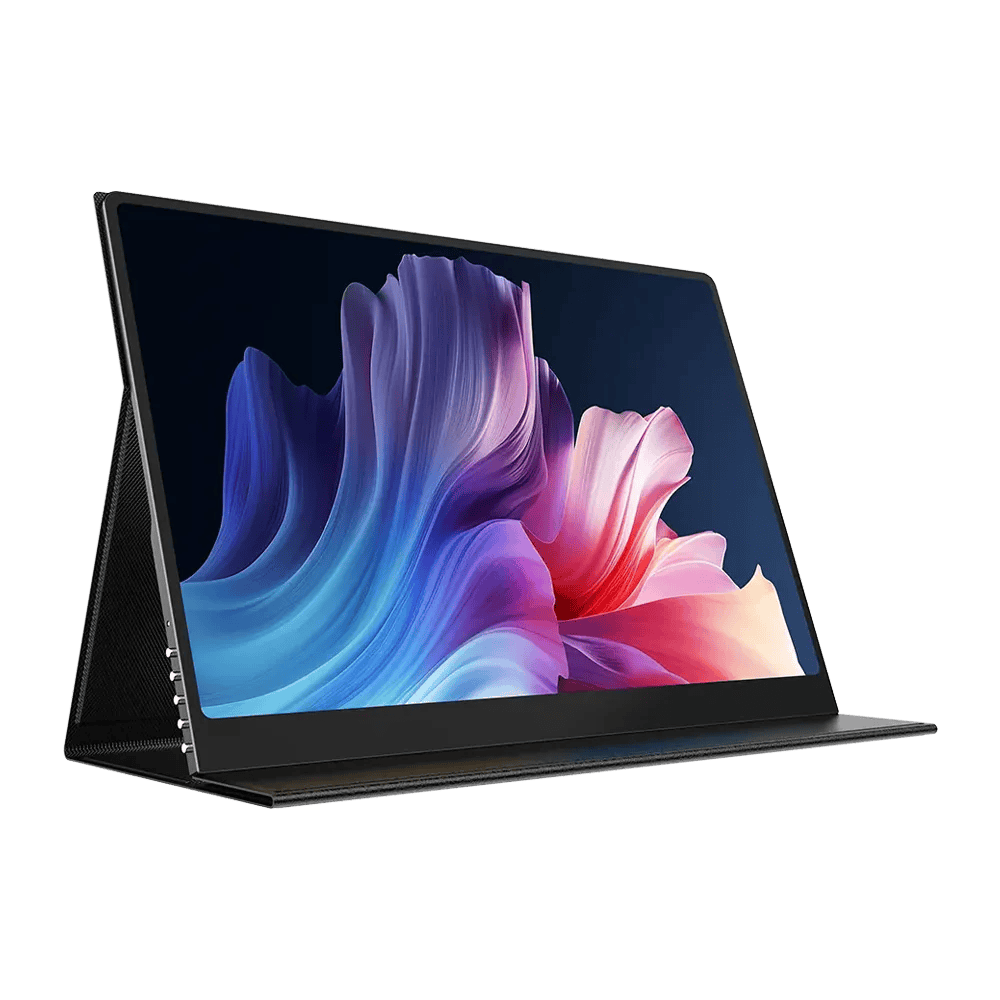
Similarly, innovations in display technology, including flexible OLED displays, are redefining how screens can be used. These products are thinner, lighter, and more versatile, delivering vibrant images unlike those of conventional panels.
For backpackers, this means leaner tech setups in the future, with high performance and minimal physical footprint.
Versatility Beyond Work
While productivity is a major benefit, portable monitors aren't limited to professional use. Backpackers can also use them to entertain and be creative.
Imagine:
- Video viewing on a bigger screen on long train journeys.
- Enhancing the color quality of travel photos.
- Playing on a larger screen after a day of adventuring.
- Posting posts with other travelers.
This versatility ensures the device is not just a working tool but also part of your entire travel experience.
Power Performance and Connectivity
Backpackers often have limited power sources, particularly in remote locations. Portable monitors are energy efficient. Most models can be powered directly from the laptop, eliminating the need for additional adapters or batteries.
They are also easy to connect. USB-C, HDMI, and even wireless options in some models let you set up your workspace in minutes. This plug-and-play feature is essential when constantly on the move.
Minimalism Meets Functionality
Backpacking promotes minimalism, bringing only what is worth adding to your trip. All products should justify their weight and space.
A portable monitor does exactly that. It replaces heavier, larger equipment, greatly increasing productivity and comfort. You do not sacrifice work quality but gain a professional setup everywhere. This balance of minimalism and functionality makes it a strong addition to backpacker gear.
Adapting to Different Work Environments
Among the greatest problems of working while traveling is adjusting to the ever-changing environment. Lighting conditions, seating arrangements, noise levels, and other factors can influence productivity.
One way to reduce these problems is by using a portable monitor. It works anywhere thanks to variable brightness, flexible positioning, and viewing angles, providing a steadier work experience. Whether in a crowded cafe or a calm mountain lodge, your setup will be reliable and effective.
The Future of Backpacker Tech Setups
With ever-changing technology, the distinction between portability and performance is narrowing. Devices are getting smaller, smarter, and more flexible in our mobile lives.
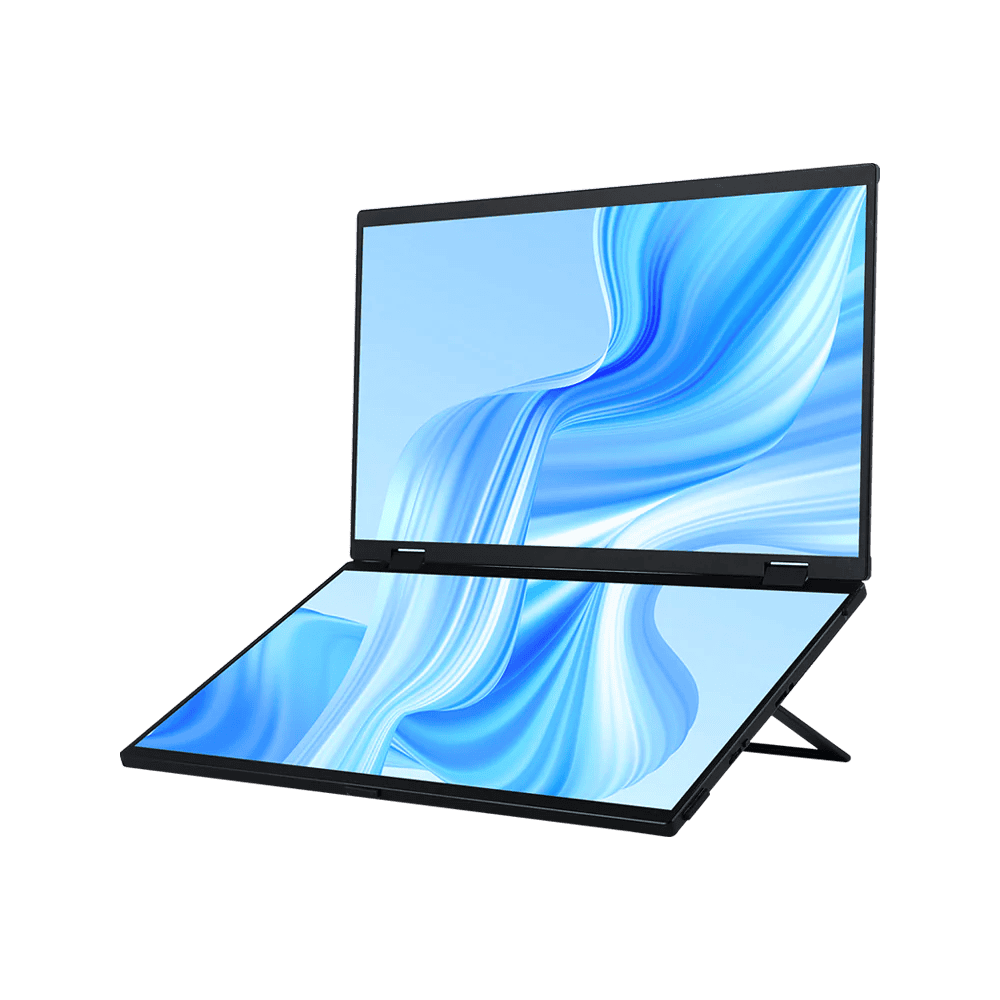
The incorporation of new technologies, such as foldable designs and foldable monitors, implies that further configurations will be smaller and even more powerful.
Backpackers will not need to choose between being light and working well; they can do both seamlessly. The portable monitor, among other tools in this changing environment, is not only convenient but also necessary.
Final Thoughts
Backpacking is a free life; it is about new places, new friends, and off-road living. But for those working on the road, staying productive is crucial. An effective technology setup can fill this gap, letting you stay productive without compromising mobility.
Having a portable monitor in your arsenal opens a world of possibilities, letting you turn any location into a fully functional workstation. This strategy, which belongs to the Float series, is oriented toward flexibility, lightness, and new technology. However, whether hiking up a mountain or sitting in a beachside cafe, the right equipment will ensure your adventure is both fruitful and memorable.
This story was published in partnership with UPERFECT.