Three very different walks through Kosovo, Albania, Montenegro, and North Macedonia.
For multi-day hiking in the Balkans, it helps to choose the kind of journey before choosing the country. The Peaks of the Balkans circuit links dramatic passes and village guesthouses. High Scardus demands more navigation and stamina but rewards with quieter mountain country. Albania's Zagoria Valley offers a different pace, following old paths between stone villages.
All three are worth considering but suit different hikers. The distances below describe common route versions, not exact mileage for every itinerary.
Which Balkan Hiking Trail Is Right for You?
| Trail | Typical trip | Best for | Main consideration |
| Peaks of the Balkans | ~119 miles (192 kilometers) full circuit; around 10 days | Fit hikers who want classic alpine scenery | Three-country permits and long climbing days |
| High Scardus | ~3 weeks for a full traverse | Experienced trekkers seeking remoteness | Complex logistics, less continuous waymarking |
| Zagoria Valley | 3–5 walking days; longer travel packages | Village-to-village walking and culture | Access, accommodation and summer heat |
1. Peaks of the Balkans: The Classic Three-Country Circuit
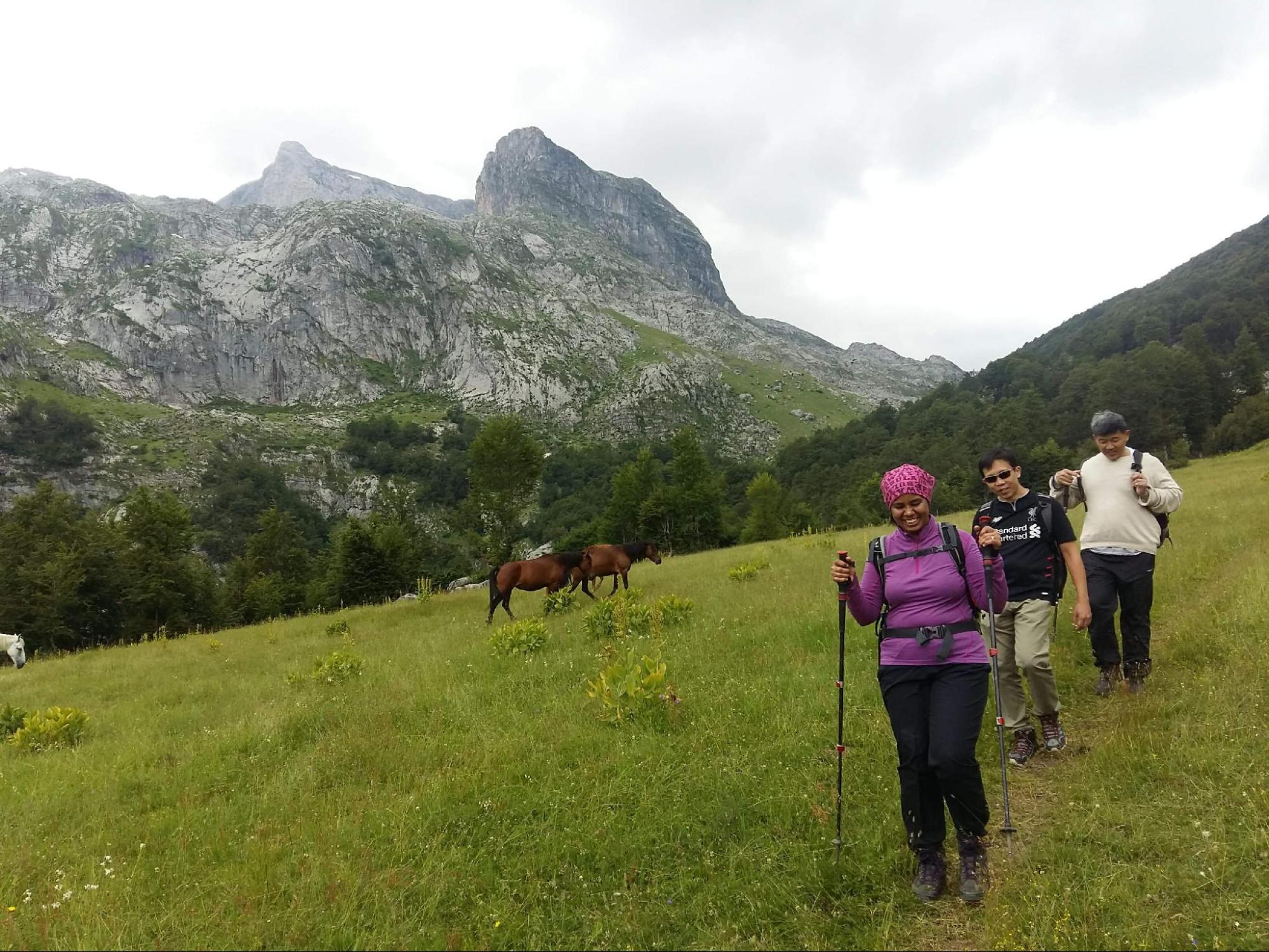
The Accursed Mountains rise over northern Albania, western Kosovo, and eastern Montenegro. On the best-known circuit, hikers pass between Theth, Valbonë, Dobërdol, the Rugova area, and the Montenegrin valleys of Plav and Vusanje.
The classic route is roughly 119 miles (192 kilometers) over ten stages. Shorter trips often skip sections with road transfers, so check exactly what is walked.
The Valbonë-Theth crossing is the familiar postcard day: forested approaches, a rocky pass, and a long descent into a mountain village.
Farther around the loop, the scenery opens into high grazing country, with guesthouse nights replacing camping. Go Backpacking's Albania destination guide gives useful background on the northern valleys if you are planning a longer trip.
For Peja-based mountain guide Nol Krasniqi, part of the draw is the variety: "Diversity, dramatic scenery, three countries" - an apt summary of why this circuit has become so popular.
Starting at Theth is popular but not the only choice. Peja in Kosovo suits travelers arriving through Prishtina, especially if they want time in the Rugova Gorge. This is the kind of detail that makes a route map more useful than a generic "ten-day trek" description.
Expect successive days of substantial climbing, rocky descents, and basic, welcoming accommodation. Even on well-marked stages, cloud and lingering snow can quickly change difficulty. This is a good first long-distance Balkan trek for a fit walker, not an easy introduction to mountain hiking.
"Always stop to take photos - never film while walking," advises Balkan Natural Adventure guide Mentor Vokshi. It is a simple habit that makes sense on loose descents and narrow trails.
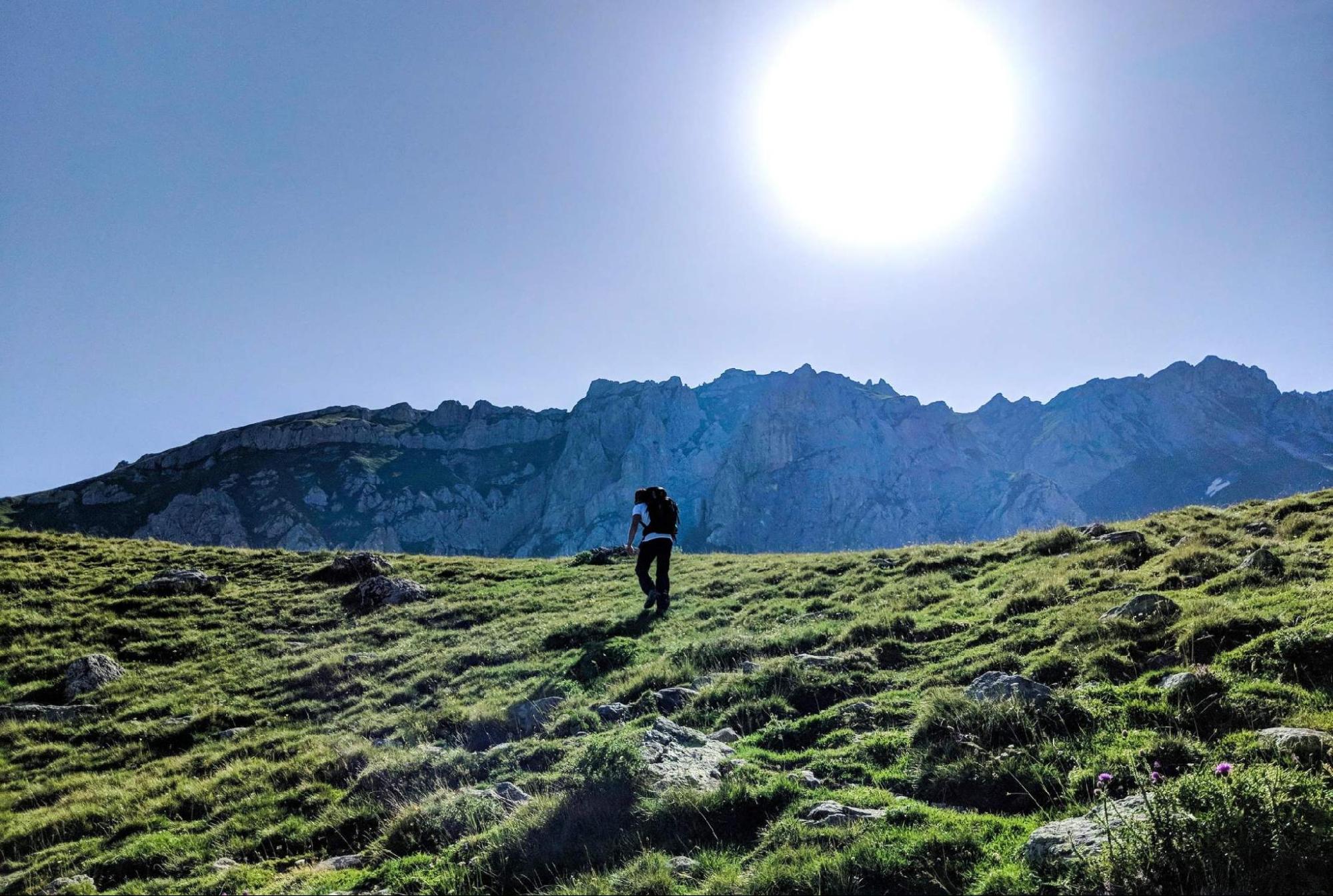
High Scardus follows the Sharr Mountains and adjoining ranges across Kosovo, North Macedonia and eastern Albania.
It is generally a point-to-point journey rather than a loop, and its broad pastures feel distinctly different from the limestone passes farther west. Mount Korab, at 9,068 feet (2,764 meters), is one of its best-known highlights, though the summit is an optional detour rather than a required stage.
Published lengths differ because the route has evolved and sources count sections differently. The 2026 Cicerone High Scardus guide describes a 195-mile (314-kilometer) route with about 20 walking days; other regional overviews describe a longer network.
Unless you are tackling the full traverse, a shorter section around the Sharr or Korab area is usually the more realistic plan.
The appeal is space and quiet. The challenge is that some paths are faint, accommodation can be sparse, and bad visibility makes navigation harder.
This is the trail to choose after you already know how to manage several days in remote mountains. If your experience is mainly on popular, signposted day hikes, consider a supported section rather than the full route.
3. Zagoria Valley: A Slower Walk Through Southern Albania
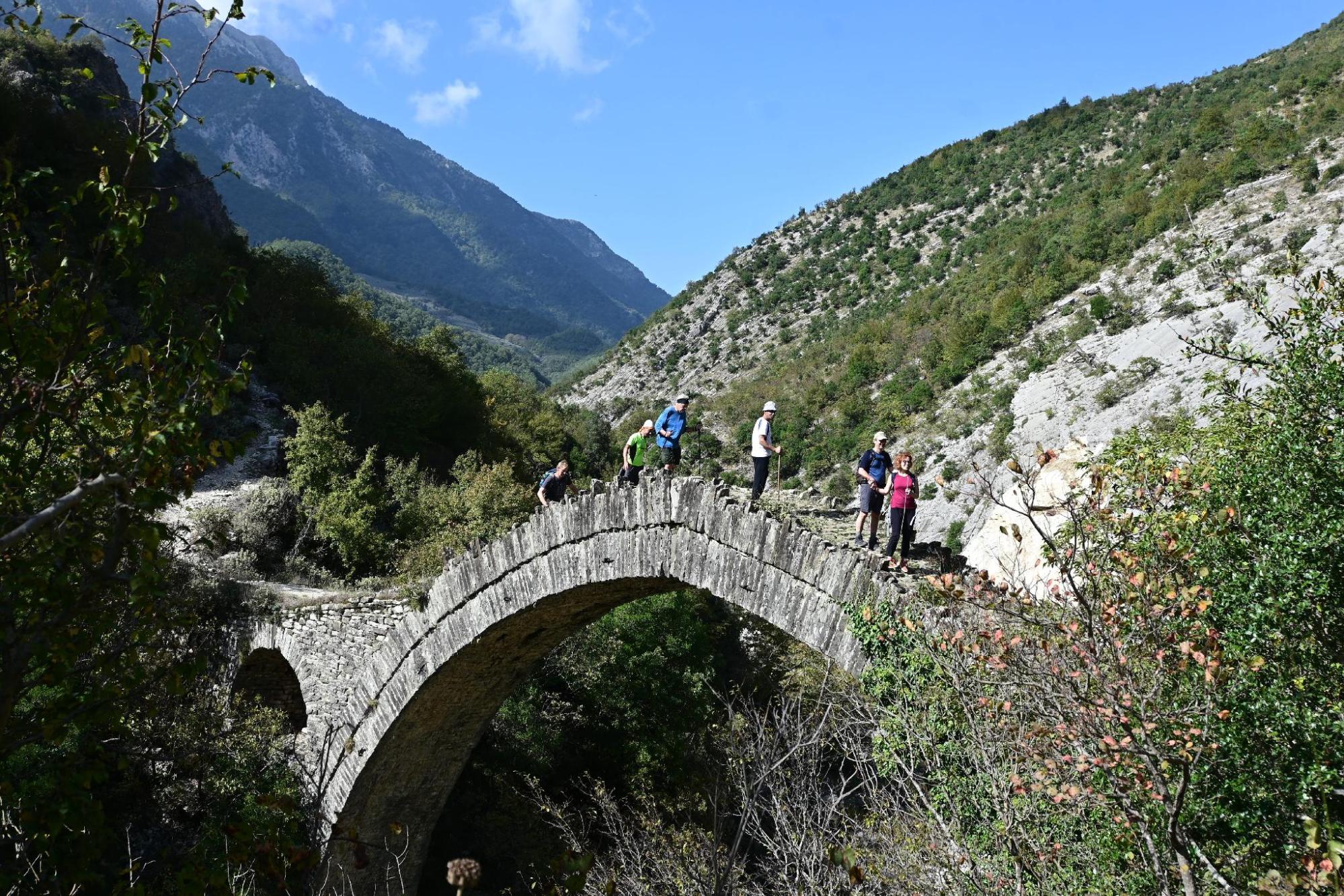
Zagoria sits east of Gjirokastër, away from the better-known Albanian Alps. The walking here focuses less on summits and more on connecting small settlements by routes once used by local communities.
A common three-day walk from Peshtan to Përmet covers roughly 31 miles (50 kilometers), while longer itineraries allow time for visits and transfers.
Limar and Hoshtevë are among the villages along the route, with stone houses, old bridges, and hillsides very different from the northern high passes.
A walk can finish with time around Përmet or Gjirokastër, making it easy to combine hiking with local history and food. The gentle-looking landscape still involves steep climbs, exposed stretches, and occasional awkward transport connections.
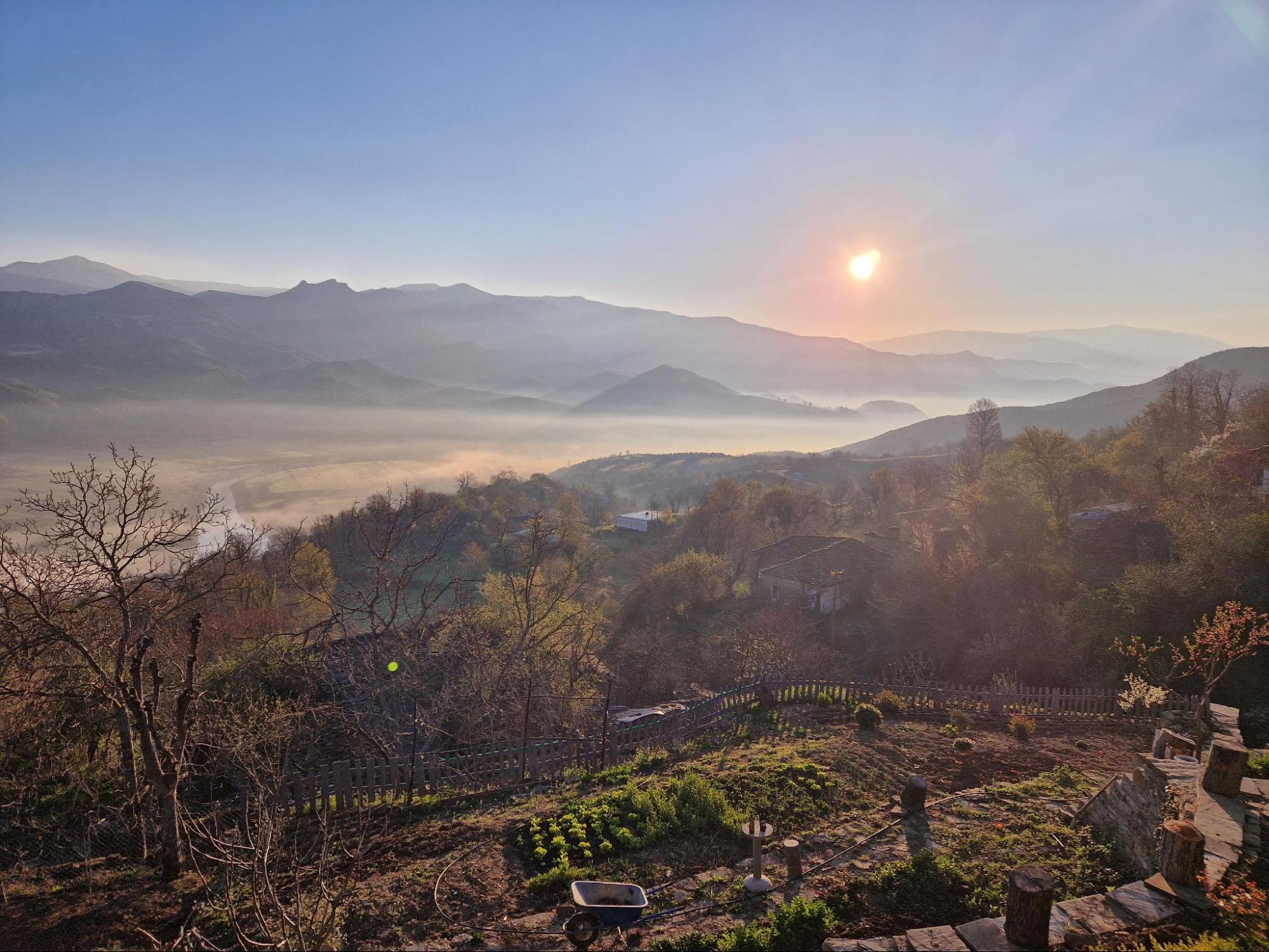
This is the best choice for hikers who enjoy conversations, village stays, and more breathing room in the schedule. Late spring and early autumn are generally more comfortable than the hottest summer weeks. Local trail conditions and guesthouse availability still need checking before you set off.
BNA co-founder Virtyt Gacaferri remembers "the visits to almost abandoned stone villages, the pristine river and the World War II relics" as highlights of walking in Zagoria.
Guided or Independent: What Actually Changes?
You don't need a guide for every section, but support is more valuable when permits, border crossings, remote accommodation, and transfers overlap. For example, Peja-based Balkan Natural Adventure (BNA) organizes guided and self-guided Peaks of the Balkans journeys, along with High Scardus and southern Albania trips.
It is one local option for arranging logistics; compare walking stages, guide qualifications, and what is included before choosing an operator.
On a self-guided trip, you need reliable offline navigation, an emergency plan, and confirmation someone will be expecting you at each overnight stop. On an organized trip, check whether luggage transfers, food, permit support, and hotel nights are included rather than assuming they are.
When to Go, and What to Arrange Before Leaving
For the higher Peaks of the Balkans and High Scardus sections, the main walking window is usually June to September, with safest timing depending on snowpack and weather. Zagoria's lower valleys can be pleasant in spring and autumn. In all three areas, mountain forecasts should take priority over calendar dates.
Cross-border details matter. Hikers using remote mountain crossings may need advance authorization, even where traveling between the same countries by road is straightforward.
Begin checking requirements several weeks before departure, including which crossing points and dates are covered. Procedures differ between countries, so confirm current rules for your exact route before setting off.
Carry cash for village guesthouses, download maps before losing phone signal, and pack layers for sudden mountain weather. For footwear, water treatment, and other essentials on day five, the site's advice on preparing for a multi-day trek is a useful starting point.
Frequently Asked Questions
Which route is best for a first Balkan hiking holiday?
For a fit walker with some multi-day mountain experience, a shorter Peaks of the Balkans itinerary is often the most approachable option. Zagoria is a better fit for someone who values village walking over high passes. High Scardus is best saved for confident, well-prepared trekkers.
Can I hike these trails without a guide?
Yes, some sections can be walked independently, especially with sound navigation skills and prebooked accommodation. But don't mistake 'self-guided' for 'no planning required': permits, route changes, and transport need arranging before departure.
How many days should I allow?
Around ten walking days suits the classic Peaks circuit, while the full High Scardus traverse takes roughly three weeks. Zagoria works as a shorter walk of several days, with extra time for nearby towns. If you have only a week, choose a well-designed section instead of compressing a long trail into rushed days.
The best trail is not necessarily the longest or most famous. It is the one that gives you enough time to enjoy the walk, arrive safely, and spend an evening in the places you have traveled so far to see.
This article was sponsored by the EU-funded project Phoenix 4, implemented by Balkan Natural Adventure.