Long hikes slowly change how you think about gear once the miles stretch beyond a single day. Comfort, safety, and momentum start depending on the smallest items in your pack rather than the biggest ones.
Small tools tend to earn their value quietly on a hiking trail. A dependable light after sunset, a navigation aid when the route fades, or a quick fix for loose gear can keep a manageable day from turning into a frustrating one.
Packing well for long distances is less about carrying more and more stuff and more about carrying smarter. The tools below may take up very little space, but each one plays a role in keeping long hikes smoother, safer, and easier to manage.
Small Tools That Make a Big Difference
Long hikes tend to amplify minor problems long before they create real danger. Tools that quietly reduce friction, save effort, or remove uncertainty matter far more than their size suggests.
Headlamp
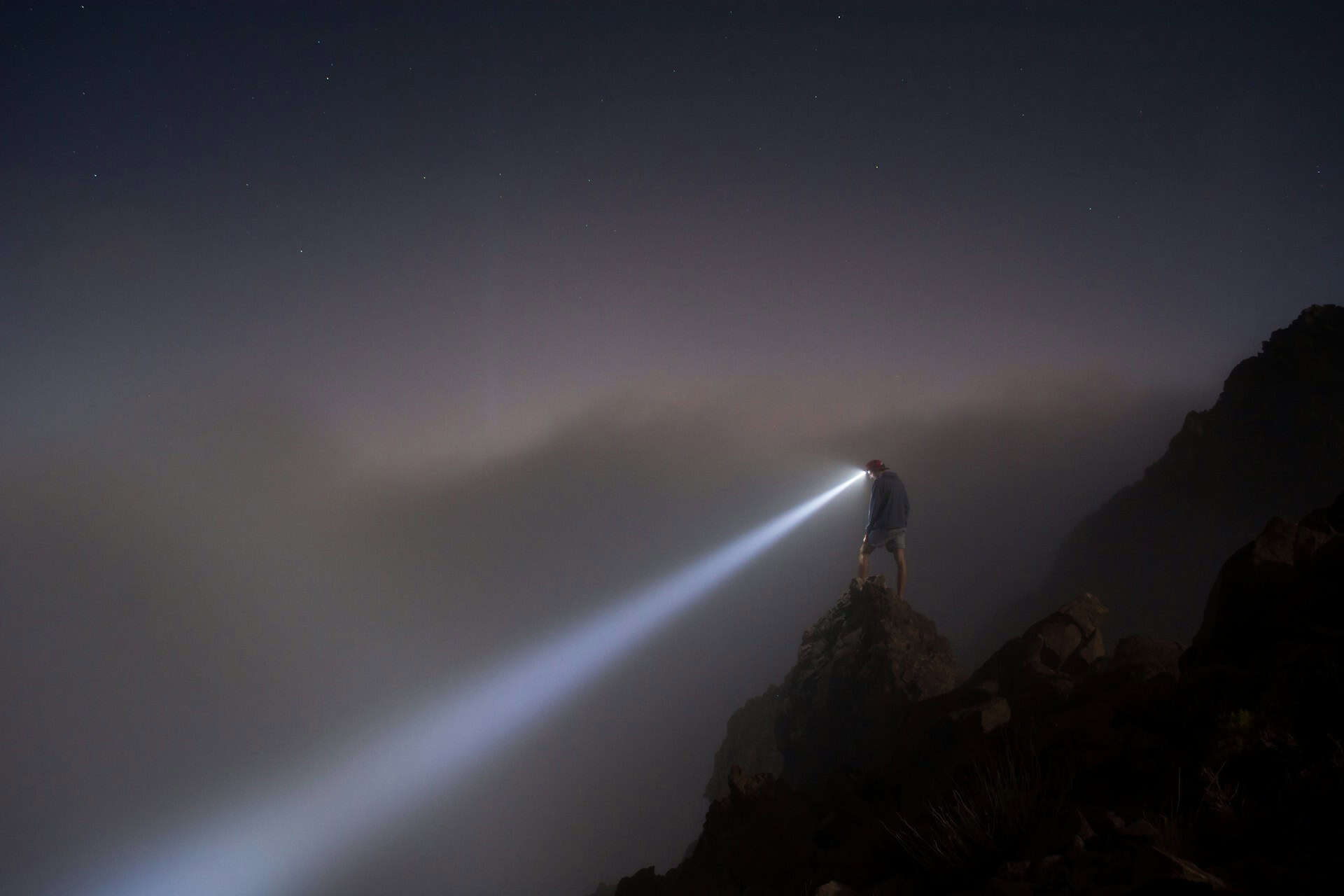
Light becomes valuable long before complete darkness sets in on the trail. A headlamp keeps movement under control during the late miles and makes camp routines easier to manage without rushing.
Low visibility slows decision-making and increases hesitation with every step. Consistent light restores confidence and keeps attention where it belongs, rather than on footing alone.
Compact headlamps deliver reliability without taking up space or adding weight. That balance between readiness and restraint sets the standard for every tool that follows.
Multi-Tool
Small failures rarely announce themselves at the start of a long hike. Straps loosen, fabric tears, and simple tasks become harder without the right leverage.
A compact multi-tool turns minor interruptions into brief pauses, thereby avoiding lingering problems. Having immediate options prevents frustration from shaping the rest of the day.
Its value shows up in situations that would otherwise feel avoidable in hindsight. That same subtle usefulness carries over into how water is managed over distance.
Water Filtration Device
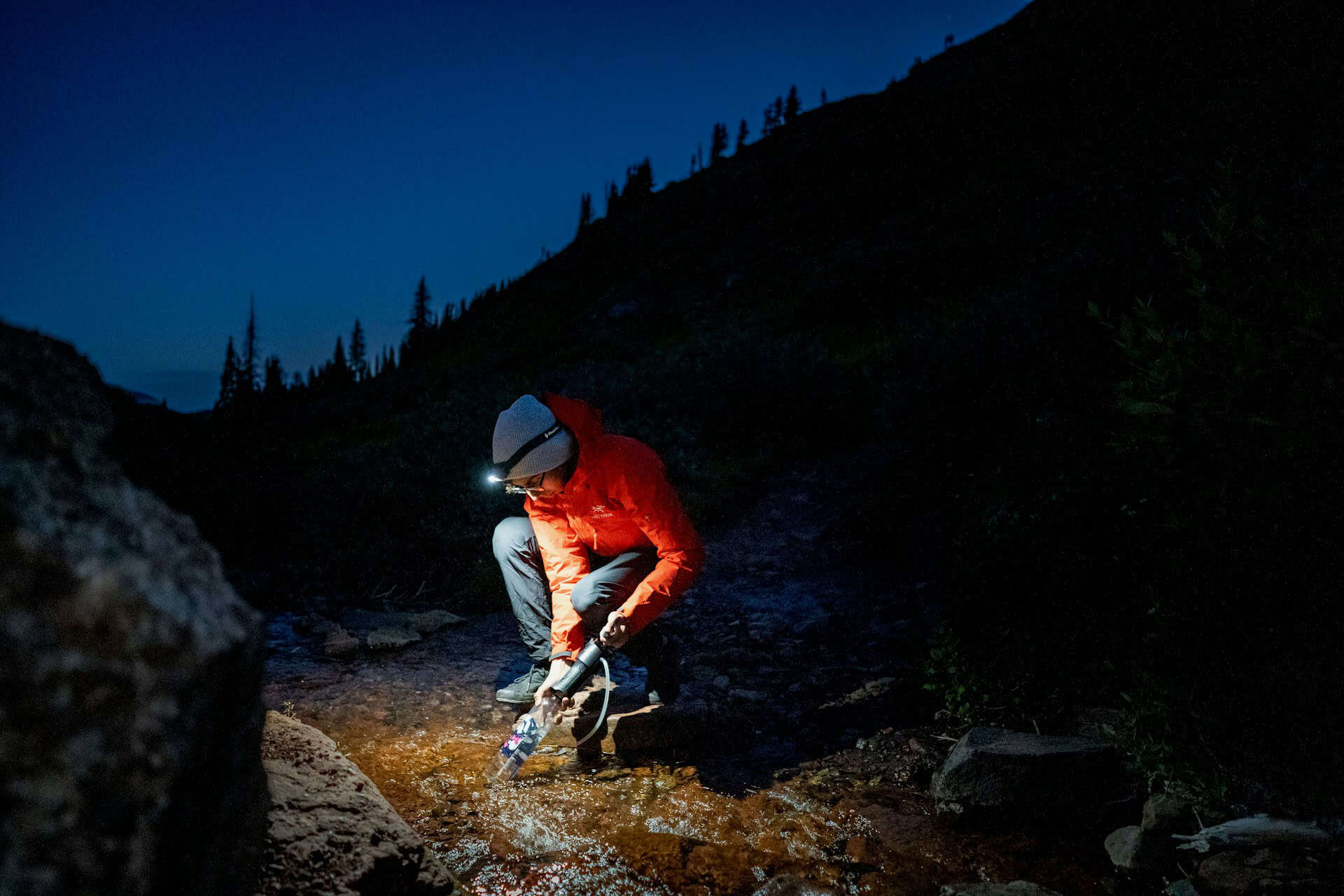
Water weight becomes noticeable faster than most hikers expect. Carrying less while keeping hydrated changes both pace and endurance across long stretches.
Streams and lakes stop feeling like risks once filtration becomes routine. Access to water shapes route choices and camp flexibility more than almost any other factor.
Reducing carried weight preserves energy without sacrificing security. That energy matters even more once electronics begin to play a role in navigation and safety.
Portable Power Bank
Navigation, lighting, and communication now rely heavily on electronics during long hikes. Losing power alters focus from the trail to constant battery management.
A compact power bank removes the need to ration essential tools too early. Devices can be used when situations require it rather than conserved out of anxiety.
Reliable power enables better decisions rather than reactive ones. Physical endurance comes more naturally when you're not distracted.
Mini First-Aid Kit
Discomfort rarely stays isolated over long distances. A small blister or cut can affect pace, posture, and morale if left unchecked.
Quick treatment keeps minor troubles from shaping the rest of the hike. A focused first-aid kit prioritizes response over excess.
Self-sufficiency becomes more important as the distance from help increases. Orientation and location awareness reinforce that independence even further.
GPS Tracking Device
Trail clarity can disappear without warning due to weather, terrain, or poor markings. GPS tracking devices restore certainty when visual cues fall short.
Location tracking adds reassurance beyond basic navigation. Emergency features matter most in places where cell signals never arrive.
Confidence changes how hikers move through remote spaces. Comfort then depends on how well the body holds up mile after mile.
Trekking Pole Accessories
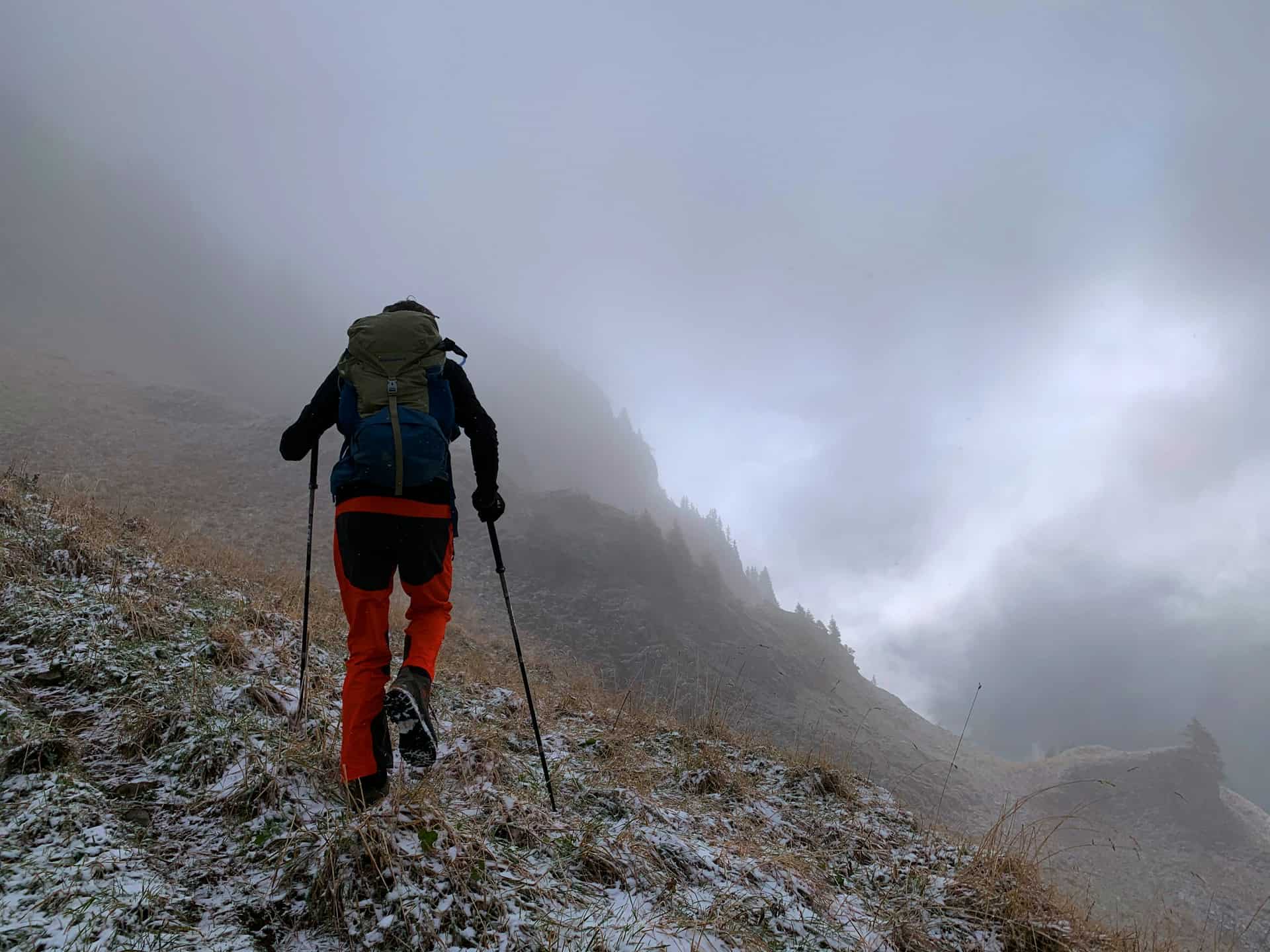
Small changes in support affect how the body absorbs impact over time. Proper tips and baskets help poles respond consistently to shifting terrain.
Joint strain becomes harder to ignore as distances grow. Subtle reductions in impact delay fatigue and preserve rhythm.
Endurance often depends on details that stay unnoticed until they're missing. When support feels natural, long hikes stop feeling like something to push through.
How To Choose Your Tools
Every item in your pack should earn its place as distance and fatigue start to shape the day.
- Utility First: Tools that solve more than one problem tend to stay relevant as conditions change. Single-use items often feel unnecessary after the first few days.
- Reliable Build: Materials and construction matter more than clever features over long distances. Gear that fails early becomes dead weight fast.
- Battery Reality: Electronics are only as valuable as their ability to remain charged for multiple days. This matters most for necessary gadgets like headlamps and hiking GPS trackers.
- Simple Use: Fatigue makes complicated tools harder to rely on. Gear that works intuitively is more likely to be used when it actually matters.
- Environmental Fit: Terrain, weather, and remoteness quietly dictate what feels essential. A tool that shines in one environment may feel redundant in another.
Final Thoughts
Long hikes tend to reward thoughtful preparation rather than excess gear. Small, well-chosen tools quietly reduce friction, preserve energy, and make extended days on the trail appear less daunting.
The real difference comes from how naturally these tools fit into the hike itself. When gear works without calling for attention, long distances become easier to enjoy instead of something to push through.
_____
This story is published in partnership with Family1st.