The suitcase is still open on the floor. There is laundry to wash, food to buy, and an inbox that seems louder than it did before the trip. Instead of feeling refreshed, you feel flat, restless, or tearful.
People often call this the post-travel blues, while online it may be described as post-vacation depression. The phrase captures a real emotional slump but is not a formal diagnosis.
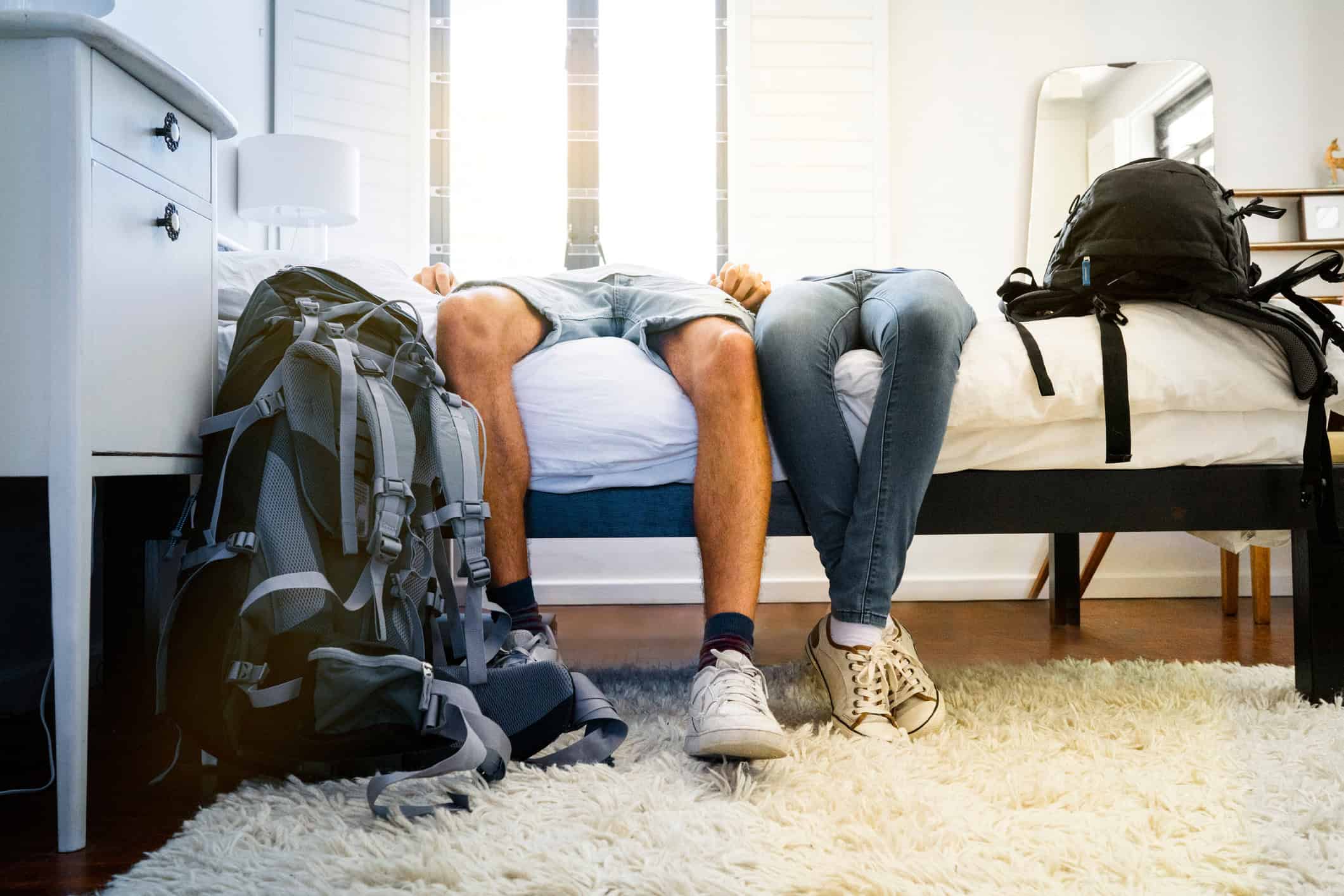
Earlier studies found vacation-related well-being improvements could fade after people returned home and resumed work. However, a 2025 meta-analysis suggests those benefits may last longer than previously thought.1, 2
The useful distinction is whether the mood begins to ease as ordinary life settles, or remains persistent and disruptive across daily life. Understanding the difference between sadness and depression can add context without turning a difficult homecoming into a self-diagnosis.
Why Re-Entry Can Feel So Abrupt
Travel changes the structure of a day. There may be more novelty, movement, shared time, or freedom from routine duties. Even a difficult trip creates momentum: catch the train, find the hostel, reach the trail. Home replaces that motion with familiar rooms and unfinished chores.
The return also brings practical pressures. Laundry, groceries, expenses, work messages, and family needs may arrive while sleep is still off. Jet lag or late nights leave you tired and less focused, making the contrast sharper.
Sometimes the sadness is simply about an experience ending. That does not make you ungrateful, and it does not prove that life at home is wrong.
How the Slump May Show Up
A return-home low varies, but people often describe:
- Feeling flat, irritable, restless, or unusually tearful
- Low energy or trouble concentrating
- Sleep timing that remains out of step
- Strong nostalgia and little interest in normal plans
- Dread about work, chores, or familiar responsibilities
None of these signs identifies a disorder on its own. They can occur with travel fatigue, disrupted sleep, stress, ordinary sadness, or a mental health condition. The pattern matters more than a single symptom, especially whether it eases and how much it affects daily life.
A Measured Return, Not an Instant Reset
A re-entry plan is not treatment or a test of resilience. Its purpose is to reduce avoidable friction while you observe what happens next.
- Familiar time cues help. Returning to usual meal and sleep times, where practical, gives the day structure while jet lag settles.
- A smaller landing list. Urgent tasks can be separated from those that can wait. One grocery run and one work priority create a more realistic first pass.
- Create a place for the trip. Printing a photo, cooking a meal you discovered, or recording a few memories lets the experience remain part of your life.
- Choose one local point of interest. A walk, favorite lunch, or connection through peer support puts something concrete on the calendar without demanding another major adventure.

Online replay can add another layer. Experimental research found that exposure to certain forms of social comparison on Instagram can reduce momentary well-being.3
A separate randomized trial found that taking a one-week break from social media boosted well-being and reduced symptoms of depression and anxiety.4
Neither study focused specifically on people returning from travel, so the findings do not prove that scrolling causes post-travel blues. Still, when revisiting idealized trips intensifies comparison or worsens your mood, taking a temporary break may be reasonable.
The goal is a workable landing, not a perfect first day.
When the Low Mood Deserves More Attention
Depression is not simply a stronger form of disappointment. Clinicians consider the combination, persistence, and impact of symptoms. Reasons to seek assessment include:
- Low mood or loss of interest on most days, without signs of easing
- Marked changes in sleep, appetite, concentration, or energy
- Work, relationships, or basic self-care becoming difficult to maintain
- Persistent hopelessness, worthlessness, or a sense that you cannot cope
- Thoughts of self-harm, suicide, or not wanting to be alive
These signs do not confirm a diagnosis. A primary care clinician or licensed mental health professional can consider travel disruption alongside your health history, previous mood patterns, and current pressures, then discuss suitable support. You do not need the right label before starting that conversation.
Safety concerns change the priority. Set this article aside and use immediate support rather than waiting for the mood to pass.
Making Room for the Landing
An emotional dip after travel can coexist alongside appreciation for the trip. The balanced response is neither to dramatize nor dismiss it. Reduce immediate friction, restore familiar rhythms, and watch your mood's direction. Persistent or disruptive symptoms deserve support.
Homecoming is part of travel too, and sometimes it needs a landing period.
Safety Disclaimer
If low mood becomes severe or you have thoughts of self-harm or suicide, seek immediate support. In the United States, call or text 988 or visit 988lifeline.org. Outside the United States, contact your local crisis service or emergency number. If you are in immediate danger, call emergency services now.
Sources
1. Ryan S. Grant, Beth E. Buchanan, and Kristen M. Shockley. (2025). I Need a Vacation: A Meta-Analysis of Vacation and Employee Well-Being. Journal of Applied Psychology. https://doi.org/10.1037/apl0001262
2. Jessica de Bloom, Sabine Geurts, and Michiel Kompier. (2012). Effects of Short Vacations, Vacation Activities and Experiences on Employee Health and Well-Being. Stress and Health. https://doi.org/10.1002/smi.1434
3. Phillip Ozimek, Gabriel Brandenberg, Elke Rohmann, and Hans-Werner Bierhoff. (2023). The Impact of Social Comparisons More Related to Ability vs. More Related to Opinion on Well-Being: An Instagram Study. Behavioral Sciences. https://doi.org/10.3390/bs13100850
4. Jeffrey Lambert, George Barnstable, Eleanor Minter, Jemima Cooper, and Desmond McEwan. (2022). Taking a One-Week Break from Social Media Improves Well-Being, Depression, and Anxiety: A Randomized Controlled Trial. Cyberpsychology, Behavior, and Social Networking. https://doi.org/10.1089/cyber.2021.0324
This story is provided in partnership with Modern Recovery Services.