
When traveling abroad, most people focus on flights, accommodations, and itineraries. Few consider what paperwork they might need if a medical emergency, theft, flight disruption, or lost passport occurs.
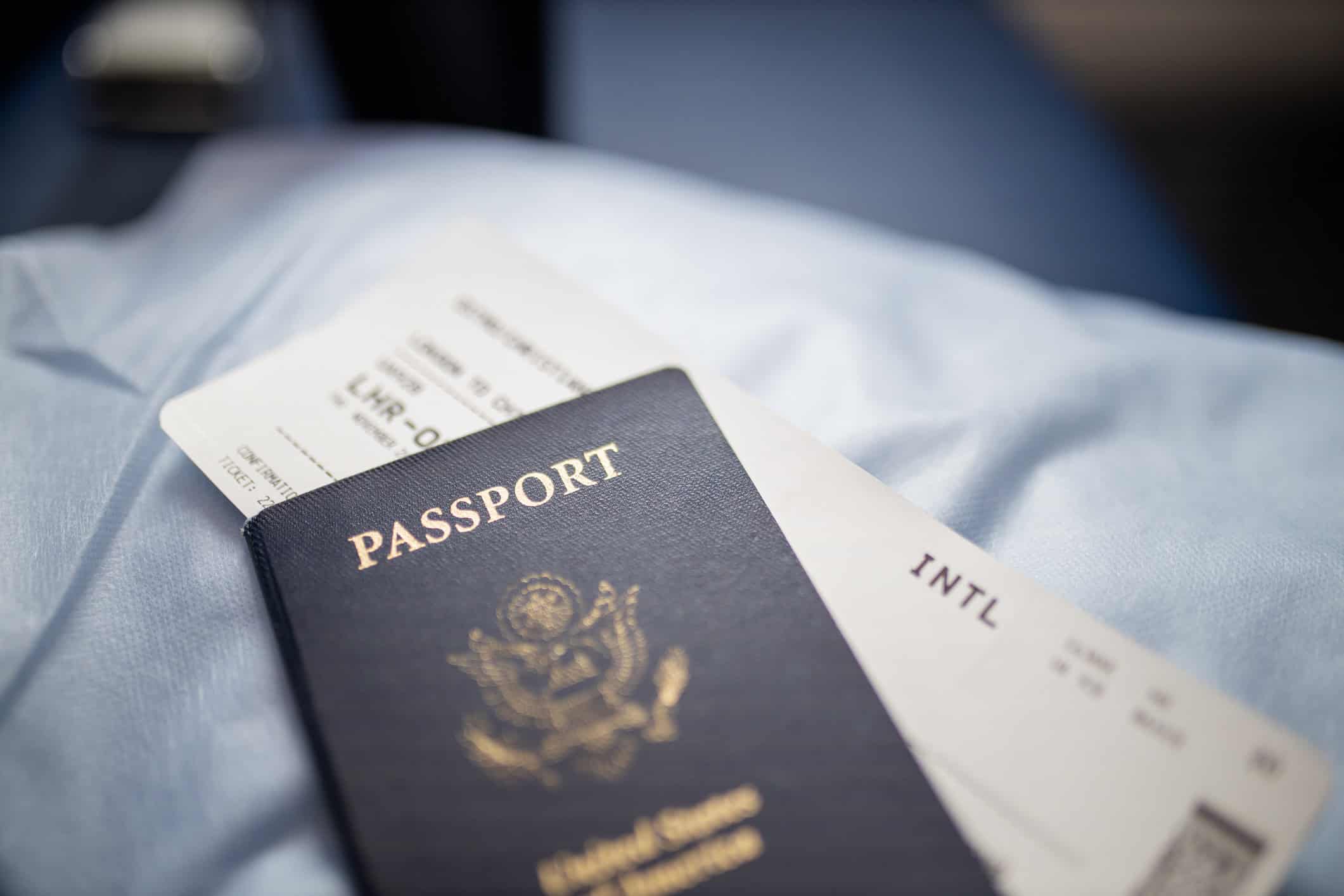
Organizing important travel documents before departure can save time and lower stress when dealing with hospitals, airlines, local authorities, or insurance providers.
An overseas emergency becomes harder when papers, IDs, and records are scattered across bags, emails, and phone galleries.
In a foreign country, even simple tasks take longer when hospitals, airlines, local police, or insurers ask for basic proof. Keeping documents ready before the trip can prevent confusion later.
The sections below explain what to carry, where it may be useful, and how to store it safely.
Travel Insurance Documents
A Copy of Your Insurance Policy
Keep your insurance document within reach during the trip. Save it on your phone and email, and keep a printed copy in your hand luggage. It should show your policy number, traveler name, trip dates, destination, and emergency assistance details.
During a medical situation abroad, travel medical insurance details make it easier to share information with the hospital, assistance desk, or insurer. Read the document before departure, especially the reporting requirements.
Passport and Visa Copies
Copies of your passport and visa can be used for identity checks when the original documents are not available. Keep copies of the passport information pages, visa, entry approval, and any travel permit needed for the destination.
Store them separately from your actual passport. A phone copy is useful; a printed copy helps if the phone is lost, stolen, or runs out of battery.
Before departure, it's also a good idea to review the latest passport and entry requirements published by the U.S. Department of State.
Flight Tickets and Travel Itinerary
Flight tickets and the travel itinerary confirm your route, travel dates, and destination details during an emergency. Keep flight tickets, boarding passes, hotel bookings, tour confirmations, and transfer details in one folder.
These papers may be needed if flights change, baggage is delayed, or the trip plan is interrupted. Include hotel addresses and booking references for quick sharing.
Emergency Contact Information
Emergency contacts should be written clearly, not kept only in a phone contact list. Prepare a simple emergency contact list with family numbers, the insurer helpline, the airline contact, the hotel number, and the nearest embassy or consulate.
Share these details with a reliable family member before departure and keep a printed copy in your wallet for quick access.
Medical Records and Prescriptions
Medical records help doctors abroad quickly understand your medical history. Carry prescriptions for regular medicines, allergy details, doctor notes, and dosage instructions.
Medicine brand names may differ across countries, so know the generic medicine names too. If treated abroad, hold store medical bills, pharmacy receipts, test records, and discharge papers together in accordance with policy terms.
Identity Proof and Additional ID Documents
Additional identity documents make verification easier if the passport is misplaced or held for official checks. Keep copies of any government-issued photo ID, driving license, residence permit, student ID, or workplace ID, depending on your trip.
Carry originals only when required. Save digital copies securely and store printed copies separately from your main document pouch.
Payment and Expense Records
Expense records help track what was paid during an emergency and why. Keep hospital bills, consultation receipts, medicine bills, diagnostic records, taxi receipts, accommodation bills, and receipts for essential purchases. Ensure each receipt shows the date, amount, and service details.
Police Reports for Theft or Loss Incidents
A written police report is important if valuables, baggage, wallet, or travel documents are lost or stolen. Report the matter to local police as soon as possible and ask for written acknowledgment.
Preserve the complaint copy, reference number, and police station details. Also write down the place, date, and a short incident note while the details are fresh.
Proof of Baggage Loss or Flight Delay
Airline documents are important when baggage is delayed, damaged, or lost, or when a flight delay affects your journey. Keep baggage tags, boarding passes, airline messages, delay letters, and written confirmations, where issued.
If you buy basic items due to a baggage delay, retain those receipts together. Clear airline records make the situation easier to explain later.
Stay Organized Before You Travel
Overseas emergencies are easier to handle when the right paperwork is in place. Before traveling, keep copies of your policy, passport, visa, tickets, medical records, proof of identity, receipts, and emergency contacts in both digital and printed form. Store them in separate places, not all in one bag.
Clear records can make conversations with hospitals, authorities, airlines, and insurance providers more organized and efficient when timely information is needed.
This story is provided in partnership with HDFC ERGO General Insurance.