
One of the biggest appeals of coastal sailing is the freedom to slow down and spend time in places difficult to reach by road. Travelers can anchor near quiet beaches, remote islands, and sheltered coves while exploring coastlines at their own pace. From island-hopping adventures in the Whitsundays to overnight stops along Australia's rugged southern coastline, sailing offers a different way to experience the outdoors.
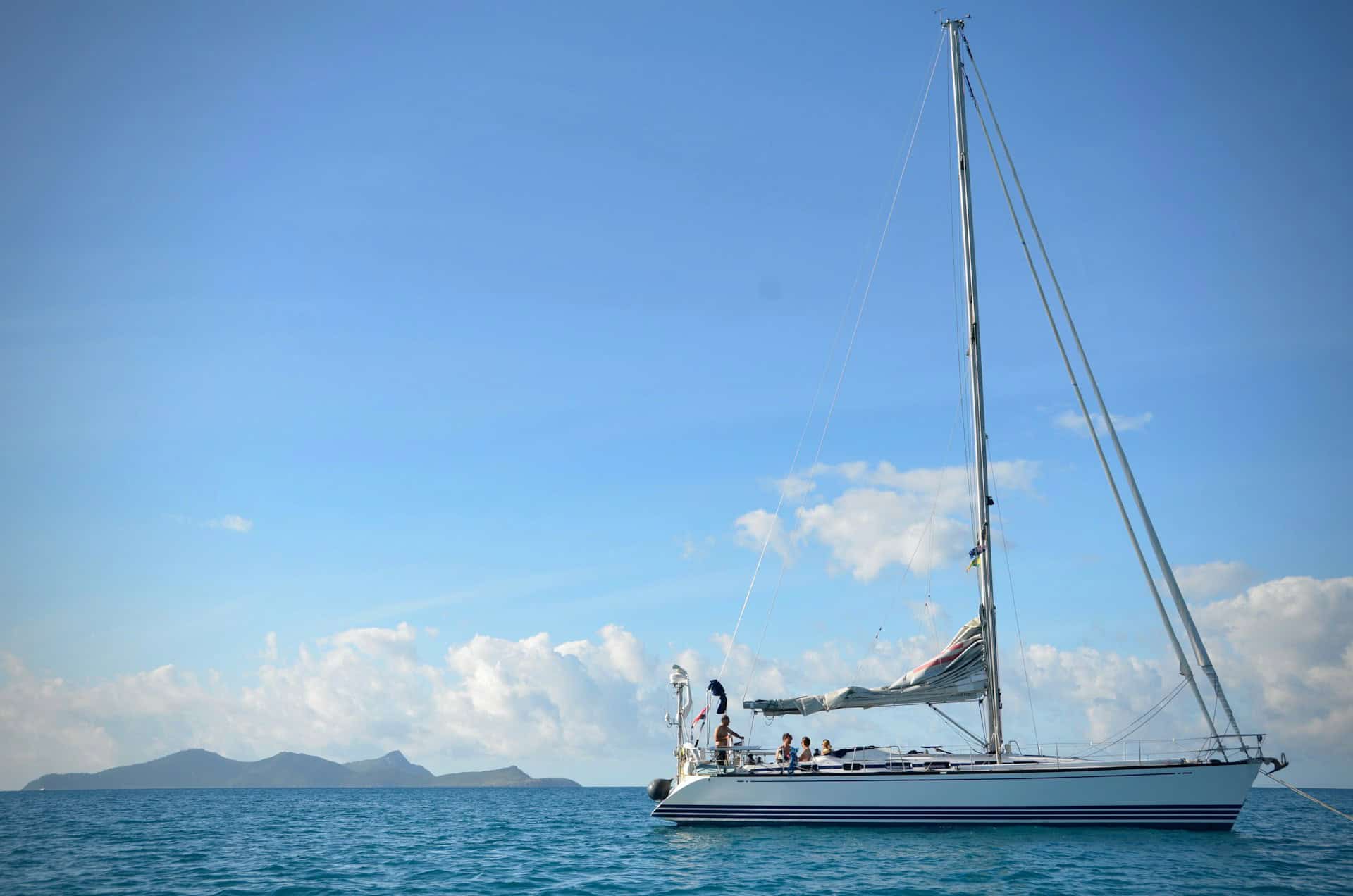
But spending nights on the water also brings responsibilities. Wind conditions can change overnight, tides can change quickly, and remote anchorages often require boaters to rely on their equipment. Among the most important pieces of gear on any vessel is the anchor itself.
Travelers planning extended coastal trips often research reliable marine equipment before heading offshore. Choosing high-quality stainless steel anchors can improve holding power, reduce maintenance needs, and provide greater confidence during overnight stops and changing sea conditions.
Table of Contents
Key Highlights
- Reliable anchoring is important for boating safety and overnight coastal travel.
- Stainless steel anchors are valued because of their durability and corrosion resistance in marine environments.
- Strong holding power helps reduce drifting during changing wind and tide conditions.
- Coastal sailing trips become more flexible when travelers can confidently anchor in remote locations.
- Modern anchor designs are built to perform across a variety of seabeds and weather conditions.
Why Anchoring Matters More Than Many Travelers Realize
For travelers new to coastal sailing, anchoring may seem simple. But experienced boaters understand how much depends on a reliable setup.
A secure anchor allows travelers to relax while offshore. Whether anchored for lunch near a secluded beach or staying overnight in a protected bay, confidence in the anchoring system changes the entire experience. A poorly set anchor can drag unexpectedly, especially if currents shift or winds strengthen after dark.
In many remote locations, anchoring also becomes part of the travel experience itself. Rather than relying entirely on marinas or crowded ports, boaters can spend nights in quieter natural settings that feel far removed from busy tourist areas.
This flexibility is one reason sailing and coastal cruising appeal to travelers seeking a slower, more independent style of adventure, similar to planning a road trip around Easter Island.
The Challenges of Coastal Cruising in Australia
Australia's coastline offers extraordinary opportunities for sailing and boating, but conditions can change quickly depending on the region and season.
Along tropical coastlines, strong tidal movement and shifting weather patterns can affect anchoring conditions. Southern waters may bring stronger winds and rougher seas. Remote stretches of coastline often provide fewer sheltered marina options.
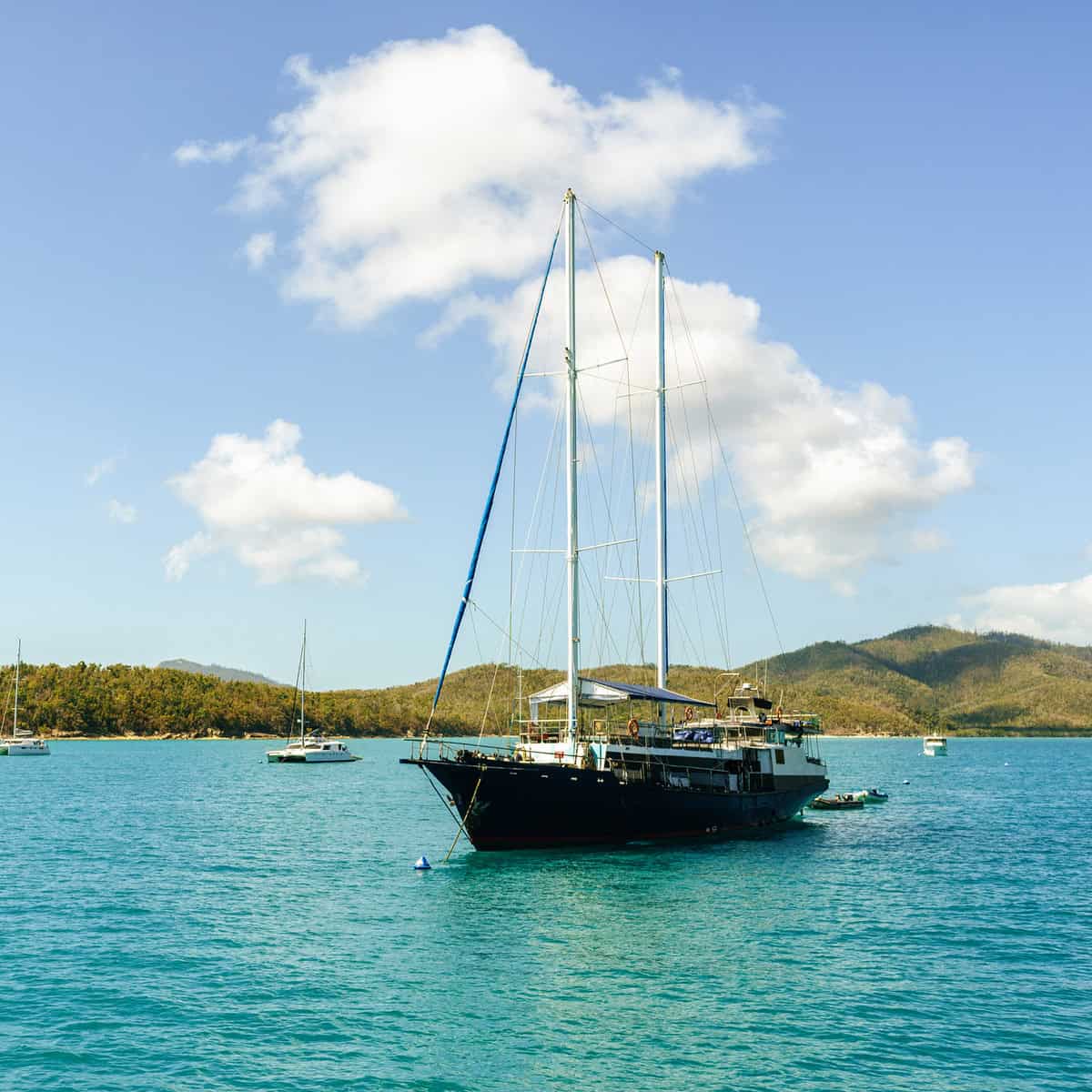
Because of these variables, reliable equipment becomes especially important throughout extended trips.
Many travelers exploring Australia by boat spend nights anchored offshore rather than returning to town each evening. This makes holding power and long-term durability essential considerations when choosing an anchor setup.
Different seabeds can also affect performance. Sand, mud, weed, and rocky bottoms each create unique challenges, which is why modern anchor designs are built to handle a variety of conditions.
For travelers planning overnight stays in remote areas, peace of mind matters just as much as convenience.
Why Stainless Steel Anchors Are Popular With Long-Term Cruisers
Many experienced boaters prefer stainless steel anchors because they combine durability, corrosion resistance, and extended reliability.
Saltwater conditions are harsh on marine equipment. Over time, exposure to salt spray, moisture, and changing weather can weaken lower-quality materials or cause corrosion. Stainless steel performs well in these environments because it effectively resists rust and corrosion.
This toughness is especially valuable for travelers spending extended periods on the water.
Long-term cruisers commonly prioritize equipment that requires less maintenance and performs consistently over time. Stainless steel anchors keep their appearance and structural integrity even after repeated exposure to marine conditions.
Beyond corrosion resistance, many modern anchors improve holding performance across various seabed conditions. Features like weighted tips and optimized fluke designs help anchors set more effectively while reducing the risk of dragging.
For coastal travelers, those details can make overnight stops feel significantly more secure.
How Better Anchoring Improves the Travel Experience
Reliable anchoring is ultimately about more than equipment specifications. It directly affects how people experience life on the water.
Travelers who trust their anchoring setup often feel more comfortable exploring quieter, more remote locations. Instead of rushing back to crowded harbors before sunset, they can spend more time enjoying secluded anchorages and slower evenings offshore.
Good anchoring improves sleep quality during overnight stays. Boat movement caused by shifting winds or dragging anchors can quickly turn a peaceful evening into a stressful situation. A properly set anchor creates a steadier and more predictable experience.
For many boaters, some of the best travel memories happen while anchored away from major ports. Watching sunrise from a quiet bay, cooking dinner onboard after a day of sailing, or spending time near isolated beaches often becomes a highlight of coastal travel.
Reliable equipment supports those experiences in ways travelers may not fully appreciate until conditions become more challenging.
Choosing the Right Anchor Setup
Every vessel has different anchoring needs depending on its size, travel style, and the conditions it commonly encounters.
Smaller recreational boats may prioritize lighter anchor setups that are easier to manage manually. At the same time, larger cruising vessels often require more substantial systems capable of handling stronger currents and overnight loads.
Travelers planning extended coastal trips should consider:
- common seabed conditions in their destination
- expected weather patterns
- vessel size and weight
- chain and rope compatibility
- storage limitations onboard
Many experienced boaters recommend testing anchoring systems in calm conditions before relying on them in difficult settings.
While no anchor performs perfectly in every scenario, choosing reliable equipment designed for marine travel can help improve safety and confidence throughout a trip.
Conclusion
Coastal sailing offers travelers a unique way to explore remote shorelines, quiet anchorages, and less-visited parts of Australia. But enjoying that freedom also depends on having reliable equipment onboard.
Anchoring may not be the most exciting part of boating, yet it performs a key role in safety, comfort, and peace of mind during overnight coastal trips. A dependable setup lets travelers spend more time enjoying the experience itself rather than worrying about changing conditions after sunset.
For travelers planning extended sailing trips or long-term cruising, investing in durable, reliable anchoring equipment can make life on the water smoother, safer, and more enjoyable.
Frequently Asked Questions
Why are stainless steel anchors popular for coastal cruising?
Stainless steel anchors are popular because they offer strong corrosion resistance, durability, and reliable holding power in extreme marine environments. Many long-term cruisers value their low-maintenance performance amid extended trips.
Do stainless steel anchors work well in different seabed conditions?
Modern anchor designs are built to perform across a range of seabeds, including sand, mud, and mixed coastal conditions. Performance can vary depending on the design and local conditions, but many stainless steel anchors are engineered for versatility.
Are stainless steel anchors worth the higher cost?
While stainless steel anchors often cost more upfront, many boaters consider them a worthwhile long-term investment due to their durability, corrosion resistance, and longevity in saltwater conditions.
This story was published in collaboration with Savwinch and edited by the Go Backpacking team for clarity plus fit.