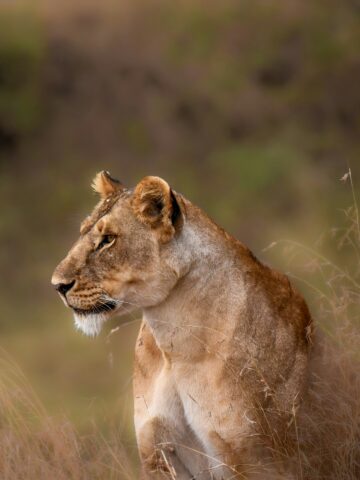
Biodiversity tourism means traveling to experience the full variety of life in a place, not just its most famous animals. On an African safari, that's easier said than done, because most trips center on the Big Five: lions, elephants, leopards, rhinos, and buffalo.
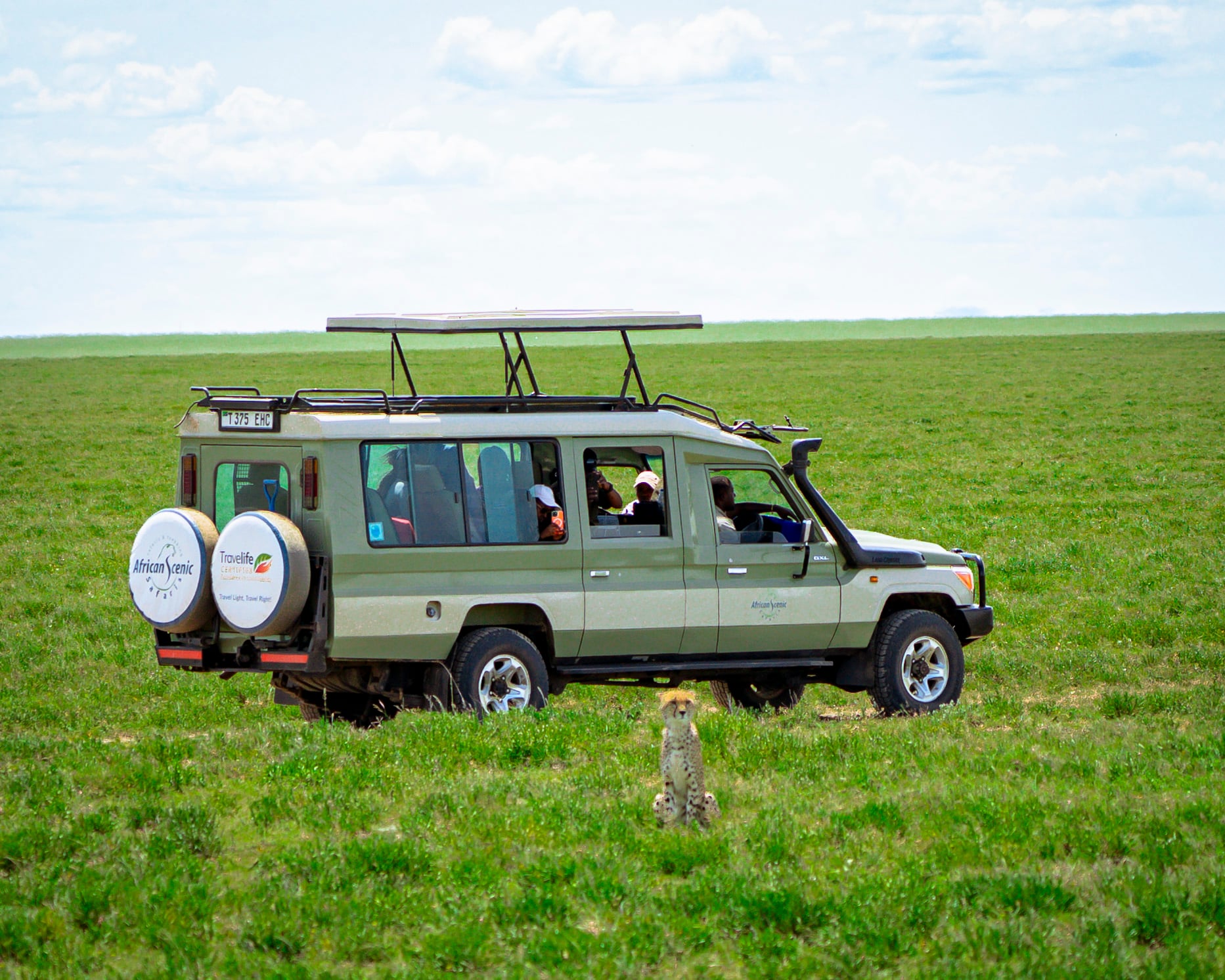
Those five are thrilling to see and the reason many people book a safari. Still, they're only a small part of what lives on the plains, in the forests, and around the lakes of East Africa.
After many years running safaris out of Moshi, we've noticed that when guests talk about most, it isn't always a lion. Often it's the lilac-breasted roller landing beside the vehicle or the family of dwarf mongooses popping out of an old termite mound in Tarangire.
Looking beyond the famous names makes for a richer trip, and it does far more for conservation than most travelers realize.
Where Did the "Big Five" Come From, Anyway?
Here's something many visitors don't know. The Big Five weren't picked by scientists or by anyone thinking about ecosystems. Hunters came up with the term for the animals that were most dangerous to hunt on foot, and that's it.
Somehow, an old hunting phrase turned into the way the whole world thinks about African wildlife.
That has consequences. Those five species soak up most attention, and much of the tourism money follows them. The places they need (grasslands, swamps, and forests) and the thousands of smaller species living there tend to get pushed aside.
Think about what a lion depends on. It needs zebra and wildebeest, and they need good grass. The grass needs healthy soil, which relies on termites and dung beetles doing their unglamorous work every day.
Remove any piece of that chain and the whole thing gets wobbly. The lion just happens to be the part we photograph.
Tanzania Has a Lot More to Show You
Honestly, Tanzania is almost unfair in how much it packs in. A few numbers show this:
- Over 1,100 bird species have been recorded here, and close to 40 of them don't live anywhere else on the planet.
- Tarangire alone counts more than 550 bird species. The kori bustard is one of them, and it's among the heaviest birds on earth that can still take flight.
- Up to three-quarters of the world's lesser flamingos are born in a single place, Lake Natron, up near the Kenyan border.
- The Eastern Arc Mountains, a chain of old, misty ranges in the east, hold at least 96 vertebrates and more than 800 plants found nowhere else, including most wild species of African violet.
- In 2003, researchers in the southern highlands came across a monkey nobody had described before. It turned out to be a whole new genus, the kipunji, and the first new genus of African monkey since 1923.
How many of those had you heard of before today? For most of our guests, the answer is maybe one.
Why the Smaller Species Need You More
Lions will always sell trips. A shy forest monkey won't, nor will a sunbird living on a single mountain. That's exactly the problem.
When scientists studied the Eastern Arc Mountains, they found that 71 of the endemic and near-endemic vertebrates living there were threatened with extinction. That's 71 species in one mountain chain. The kipunji clings on in just two small patches of forest, which makes it one of the rarest monkeys anywhere.
This is where travelers can genuinely help. If people come to see wetlands, forests, and birds, local communities and park authorities have a stronger reason to protect them. The money spreads around more, instead of piling up in the same few famous parks.
Small Changes That Help You See More
You don't have to choose between lions and everything else. You need to give yourself some room.
Here are some ideas:
- Pack binoculars. This one change probably makes a bigger difference than anything else on this list.
- Ask your guide to stop for birds, not just mammals, and pick up a simple East African bird guide before you go.
- Give at least one park a full, unhurried day.
- Where walking is allowed, head out on foot with a guide. Tracks, insects, and plants will suddenly start to appear.
- Add a lake such as Manyara to your route, since the birds there often become the highlight.
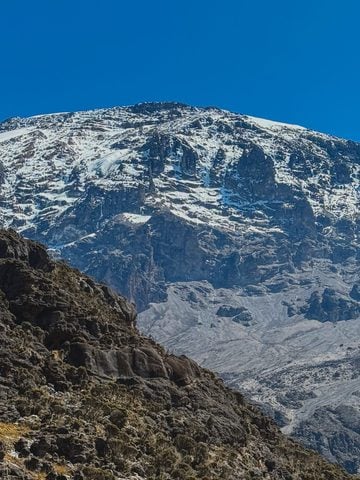
- If you're near Kilimanjaro, ask about the forest on its lower slopes. Black-and-white colobus monkeys live up there, and you won't see them on the plains.
We'll let you in on a secret. Most guides love it when someone asks about a bird or a tree, and they've usually been waiting all trip for the question.
What a Responsible Tour Operator Should Be Doing
Much of this comes down to how your trip is planned. If you spend every day rushing between famous parks, there's no time to look around.
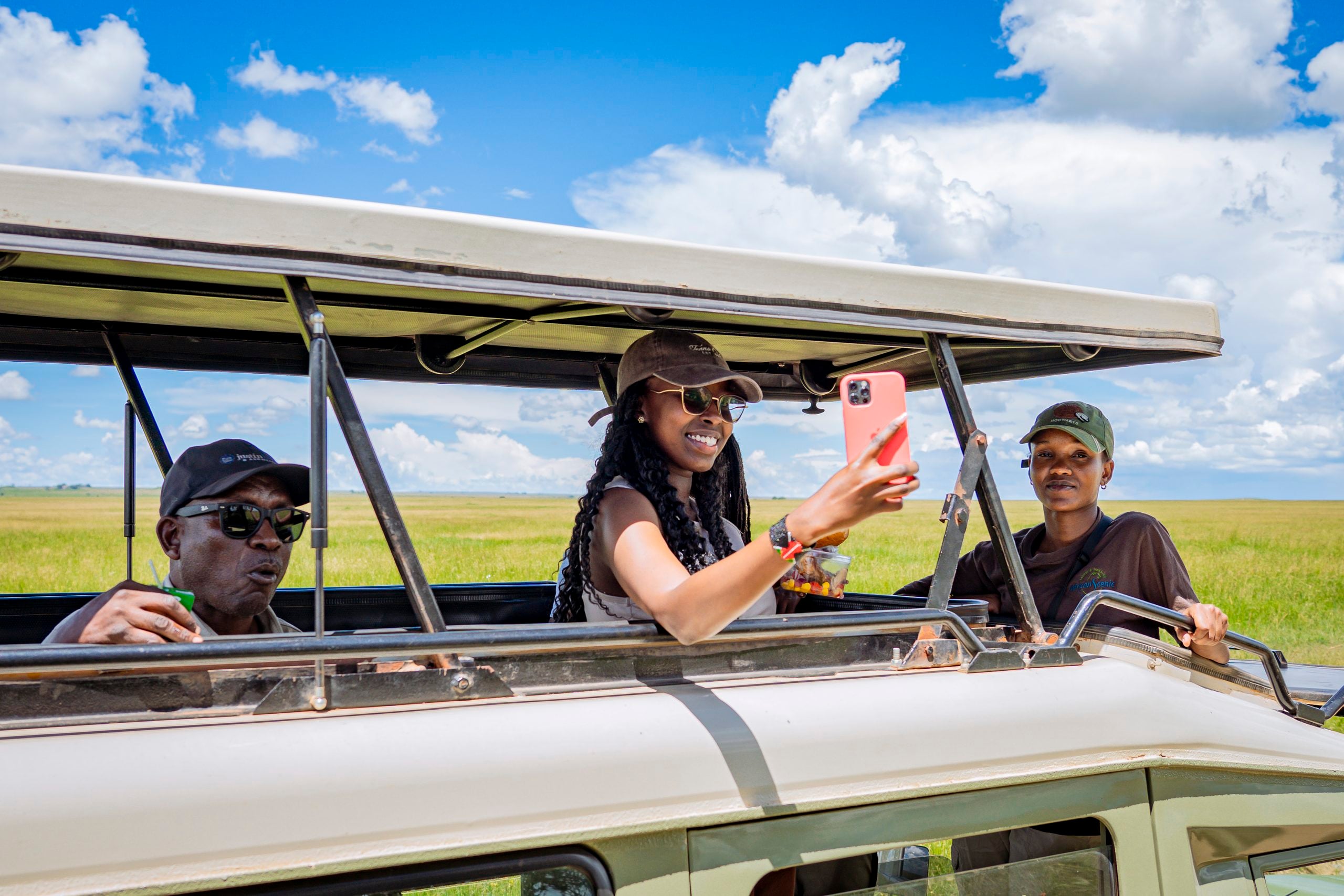
A Responsible Tour Operator should leave space for slower moments and hire guides who know their birds and plants as well as their big cats.
The company's own footprint counts too. It would be strange to talk about protecting biodiversity while damaging the places guests come to see.
For us, that means keeping our vehicles on tracks and refilling water from jerricans rather than handing out plastic bottles. We've also planted over 3,000 trees with local communities since 2023. For details, see our sustainable tourism page.
Responsible Tourism, as we see it, isn't only about keeping lions safe. It's also about the beetles, birds, and forests lions quietly depend on.
A Few Places Worth a Closer Look
If this has you curious, here are some places we point people toward:
- Tarangire National Park, for the bird list, the enormous baobabs and the dwarf mongooses living in old termite mounds
- Lake Manyara National Park, where a groundwater forest runs almost to the water's edge, and flamingos and pelicans gather on the lake
- The Ngorongoro Conservation Area, which squeezes grassland, swamp and forest into a surprisingly small space
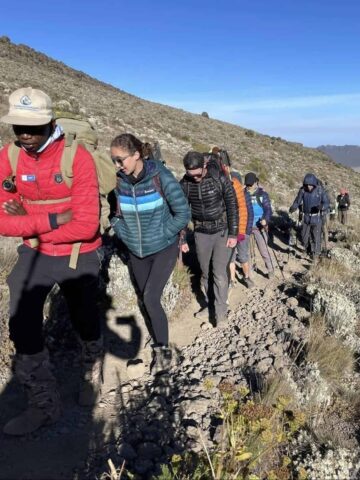
- Our cultural and wildlife hiking trips, which mix walks and village visits with wildlife
- Southern Tanzania, where Ruaha and Nyerere see far fewer visitors and the mix of wildlife is noticeably different
Plan a Safari That Sees the Whole Picture
Go see the Big Five. You should, since they're a huge part of what makes a Tanzania safari memorable. Just don't let them be the only thing you see.
And if you're thinking about it, we'd love to help you plan a trip with room for the lovebirds, the flamingos, and that stubborn beetle on the road. Get in touch with our team or request a tailor-made itinerary whenever you're ready.
This story was published in partnership with African Scenic Safaris.