I have always enjoyed looking at photos of beautiful locations and food, but photography is not something I was initially interested in doing myself.
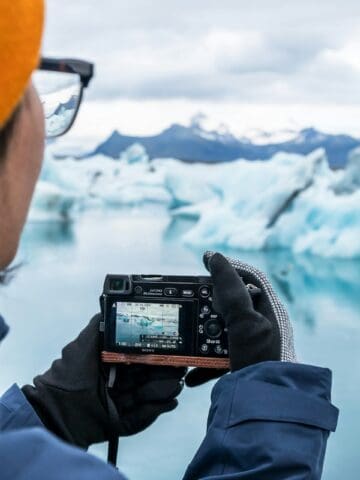
But the more I traveled and took photos with my little point-and-shoot, the more I wanted to record better, more emotional, and more eye-catching pictures as I traveled. So, a few years ago, I finally jumped from a point-and-shoot to a DSLR.
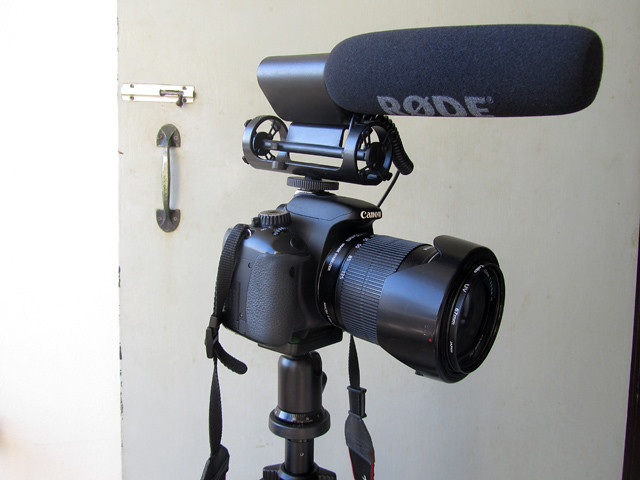
A DSLR does improve a camera's quality and functionality, but it doesn't necessarily improve the subjects or scenery we see when we travel.
No matter what kind of camera you use, we can all achieve better results by learning some photography tips.
After getting my DSLR camera, I purchased a copy of the Getting Out of Auto ebook, and it was a great introduction to photography, especially to developing an eye for better photos.
I'm still learning a lot about photography (and want to learn more), but here are some things I've learned over the years.
Photography Tips
1. Bring your camera everywhere you go
This doesn't mean you need to take a photo wherever you go, but having your camera with you at the right time in the right place is crucial for getting good images.
Except when I'm somewhere unsafe where it's dangerous to carry valuables, I carry my camera with me every day, everywhere I go.
Be sure to protect your camera, whether walking around or going to the beach, but you never know when a unique photo opportunity will arise.
2. Be confident
I've hung out with a couple of pro photographers during my travels, and one thing I've learned from them is to be confident in taking pictures.
While I'm often intimidated or shy about taking photos in certain places (especially when there are many people around), the pros know exactly what they're doing and shoot pictures quickly and discreetly.
Being confident, not stuttering, and pressing the shutter quickly are ways to get memorable shots.
Observing these professional photographers in action has shown me the importance of confidence when using photography cameras, enabling them to capture memorable shots even in busy environments.
3. Details
I only took far-off shots of beautiful landscapes when I started taking travel photos. But then I realized we notice so many details when traveling, making for extraordinary images.
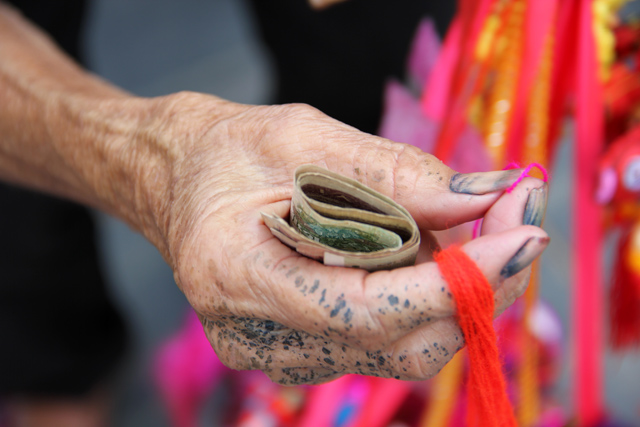
Taking close-up shots of details is an excellent addition to any travel photo folder, no matter where you go.
4. People
One of the most challenging aspects of photography is photographing people. And yet, every time I get a good shot of a human (both portraits and action shots), I think they are the most powerful travel photos.
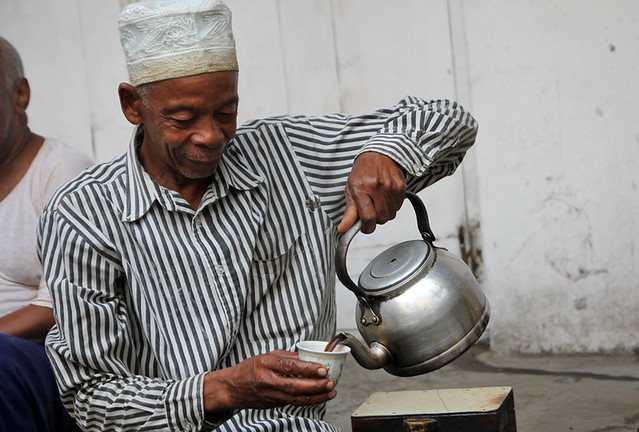
There are two ways to take photos of people: doing it quickly without asking, or asking permission. Both work, and each method takes plenty of confidence to pull off, yet the results make for some of the best travel photos.
5. Don't overdo it
Something I have personally struggled with and am working on is not to overdo it when taking photos.
It's easy to snap as many photos as possible in every possible angle and lighting condition while almost neglecting to look at the subject you've come to see with your very own eyes.
I've found that if I take my time and think before snapping, I get better shots and don't spend all my time with one eye on the camera and the other closed.
Take some photos, and then enjoy whatever you see with your own eyes! Photography is a wonderful way to remember and share what we see, eat, and do when we travel.
No matter what kind of camera we use, we can all improve our picture-taking.
And if something goes wrong with your memory card on the road, there is SD card recovery software to help recover lost travel photos and videos.