The sun had just risen over Bali's rice terraces when Emma finally caught the shot she had been chasing for days - a farmer walking along the emerald slopes, the morning mist curling behind him like smoke. It was one of those moments that seemed to hold its breath. She lowered her camera, smiling, already imagining the photograph glowing on her travel blog.
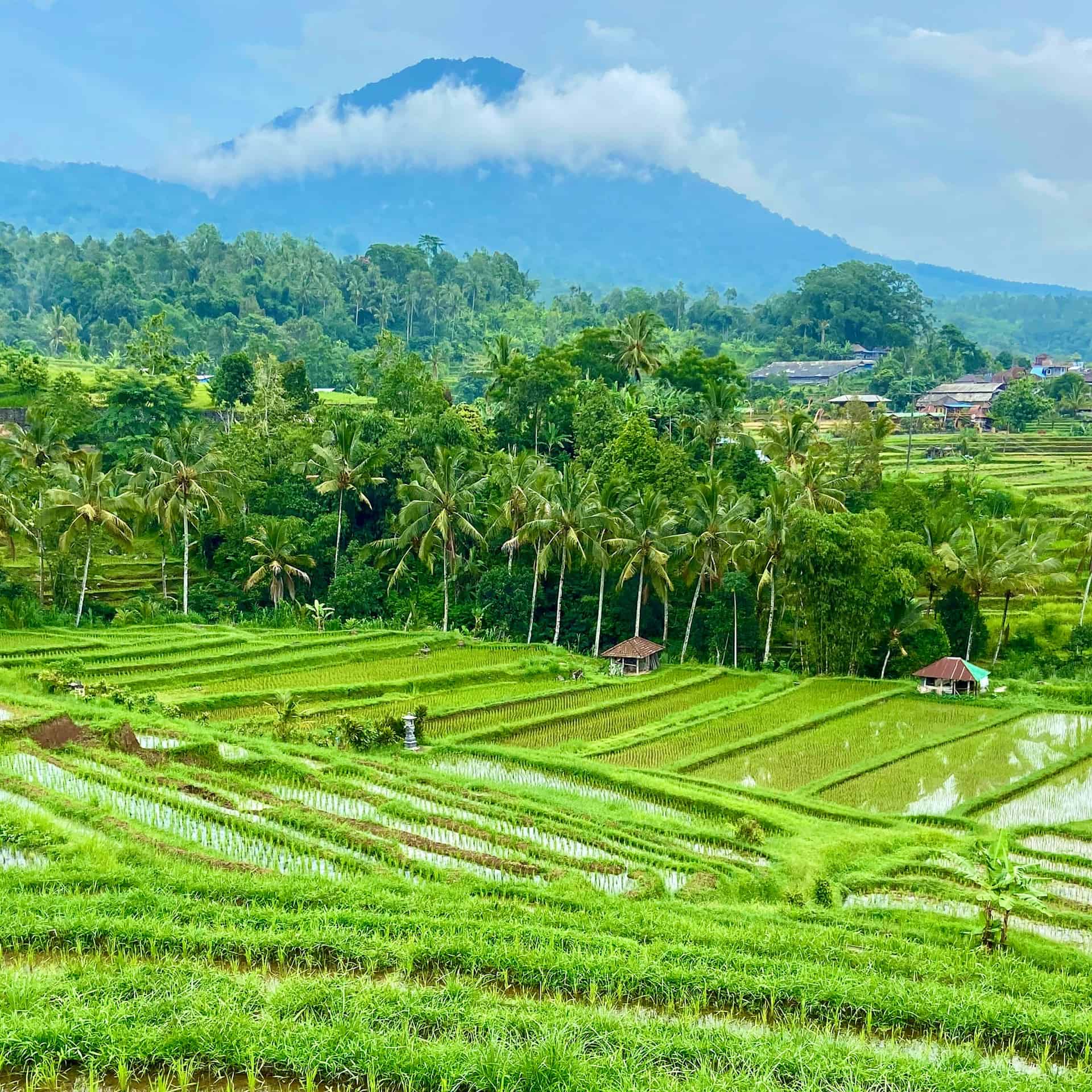
Later that afternoon, back in her guesthouse surrounded by the scent of frangipani and fresh coffee, Emma scrolled through her photos. And there it was - the perfect image, except for a faint watermark sitting stubbornly in the corner.
It was an old logo from her early blogging days, something she'd forgotten to remove from her editing presets. Small, almost invisible, but enough to pull her out of the moment she had captured so lovingly.
That evening, she downloaded a simple watermark remover. It wasn't glamorous or complicated - just a quiet little tool that helped her restore the photo to what it was meant to be. Within seconds, the logo vanished, and the terraces glowed again with their natural light.
What she saw now was what she had felt that morning: peace, warmth, and wonder. It was a small victory, but it changed the way Emma thought about sharing her travels.
The Little Details That Tell the Bigger Story
Emma had always believed that travel photography was about honesty. She wasn't chasing perfection; she wanted her pictures to feel true to the places she visited. But she'd learned that even the slightest distraction - a watermark, a misplaced filter, a cluttered frame - could pull focus from the story.
Thus, as she continued traveling to the souks of Marrakesh, the small avenues of Lisbon, and the snowy streets of Kyoto, she began to treat technology as a silent creative companion, rather than an afterthought. A watermark remover turned out to be her solution for cleaning up her images without compromising the image's essence.
When she uploaded the new Bali shot on the internet, mixing up the composition was not the first thing that people noticed. It was the feeling. "It is so tranquil," one of her readers said.
Turning Travel Into a Story Worth Watching
A few weeks later, as she was traveling in Italy, Emma started to work on a travel vlog. She had portrayed all the tumult of the streets of Rome to the gentle murmur of the waves of the Amalfi Coast.
All the clips were memories -but putting them together, she saw that something was missing. She has required a thumbnail that is a tiny yet mighty image that would entice viewers to click and enter her narrative.
She used an AI thumbnail generator this time. The device examined her video and selected moments of illumination and emotion that she had hardly realized.
One of these was distinguished by the fact that she was standing on a hill in Tuscany with her arms open, and the fields of gold were behind her without an end. It was the type of image that stopped people in their tracks. It was not fake, but magnetic, a vision of what it actually feels like to be traveling and the world opening up to you.
At the time Emma posted the video, she did not anticipate a lot. But something silent was wrought by the thumbnail. People clicked. Comments flooded in, not of the destinations, but of the feeling of the trip. One viewer wrote, "It feels like I am there."
When Technology Becomes a Travel Companion
Emma has started to understand that storytelling is not just about the journey, but also about the way the journey is told. The watermark remover helped her safeguard her original photos, and the thumbnail generator helped her showcase her adventures to a broader audience.
Both applications were time-saving, but more to the point, they provided her with enough space to concentrate on the important things: the experiences themselves. At a time when travel stories have been lost in the clutter of social media, these little pieces of technology helped to showcase hers.
The Road Home
Years later, when Emma was sitting by the sea in Portugal, watching the sky burn into violet and rose, she thought of how travel had changed.
In the past, people used to send postcards, which would take weeks to reach their destinations. Stories are now transmitted with a single stroke of a button, through screens, voices, or light.
Technology might have enabled the telling of stories to be quicker, but it never made it less human. Tools such as watermark removers and thumbnail generators do not replace emotion; they help express it. They vacate the frame, sharpen the memory, and help others see the world through the eyes of travelers.
After all, traveling is not only about the places we pass between, but the way we recall. And sometimes all that is needed to share the beauty of a moment is some clarity, a good story, and the heart to say: "Look at this. Isn't it beautiful?"
_____
This story is brought to you in partnership with Vmake.