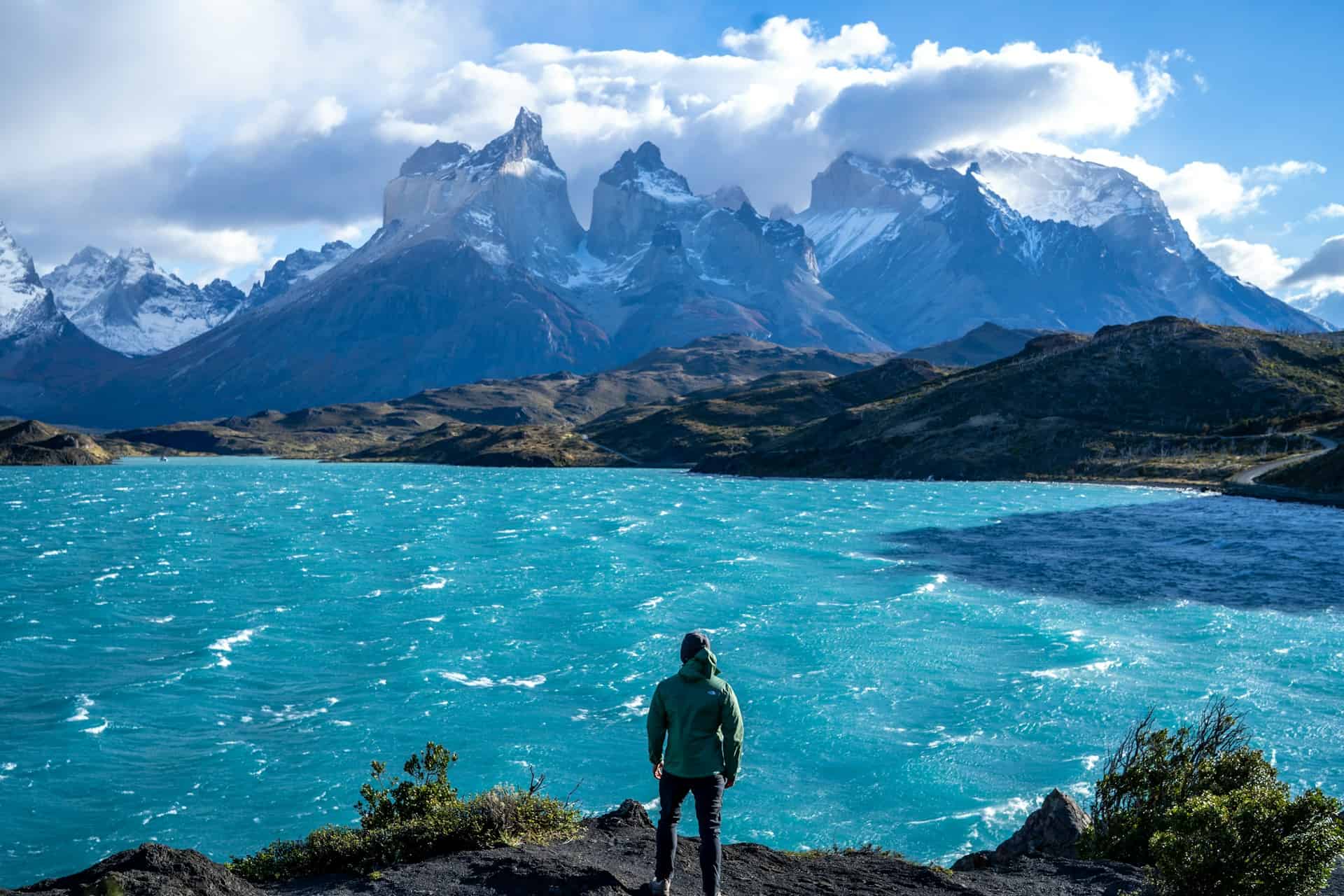
Combining trekking and kayaking into a single multi-day journey opens up a new dimension of exploration. Many experienced backpackers overlook the transformative power of water routes when incorporated into an established trail plan.
Rivers, lakes, and coastal channels expand access to quiet corners that footpaths never reach. Early route mapping and careful gear selection create the foundation for a safe and efficient hybrid trip, and resources like The Equipment Guide support informed decisions without adding unnecessary weight.
Route Design That Lets Land and Water Work Together
A workable plan begins with maps that show both contours and water details simultaneously. Topographic layers reveal gradients and likely carry sections, while hydrographic or nautical layers clarify current direction, lake fetch, and shoreline landing sites.
Paddling speeds for touring boats typically range from 3 to 5 kilometers per hour on calm water, while hiking speeds often vary from 4 to 5 kilometers per hour on moderate terrain. Therefore, a route that alternates gentle hiking segments with short, calm crossings can sustain energy over several days.
Permits and access rules shape the plan as well. Regions such as the Boundary Waters in Minnesota or the Dalsland Canal system in Sweden offer clear portage corridors and posted campsite limits that support transparent decision-making.
Local management agencies often publish seasonal notes on fire risk, water levels, and invasive species control. Checking these notices reduces conflict with rangers and protects sensitive shorelines.
Timing Windows, Weather, and Seasonal Flow
Season sets both water temperature and daylight, which in turn define safety margins. In the summer at higher latitudes, long hours of light allow for flexible transitions between paddling and walking; however, afternoon winds can raise short, steep waves on small lakes.
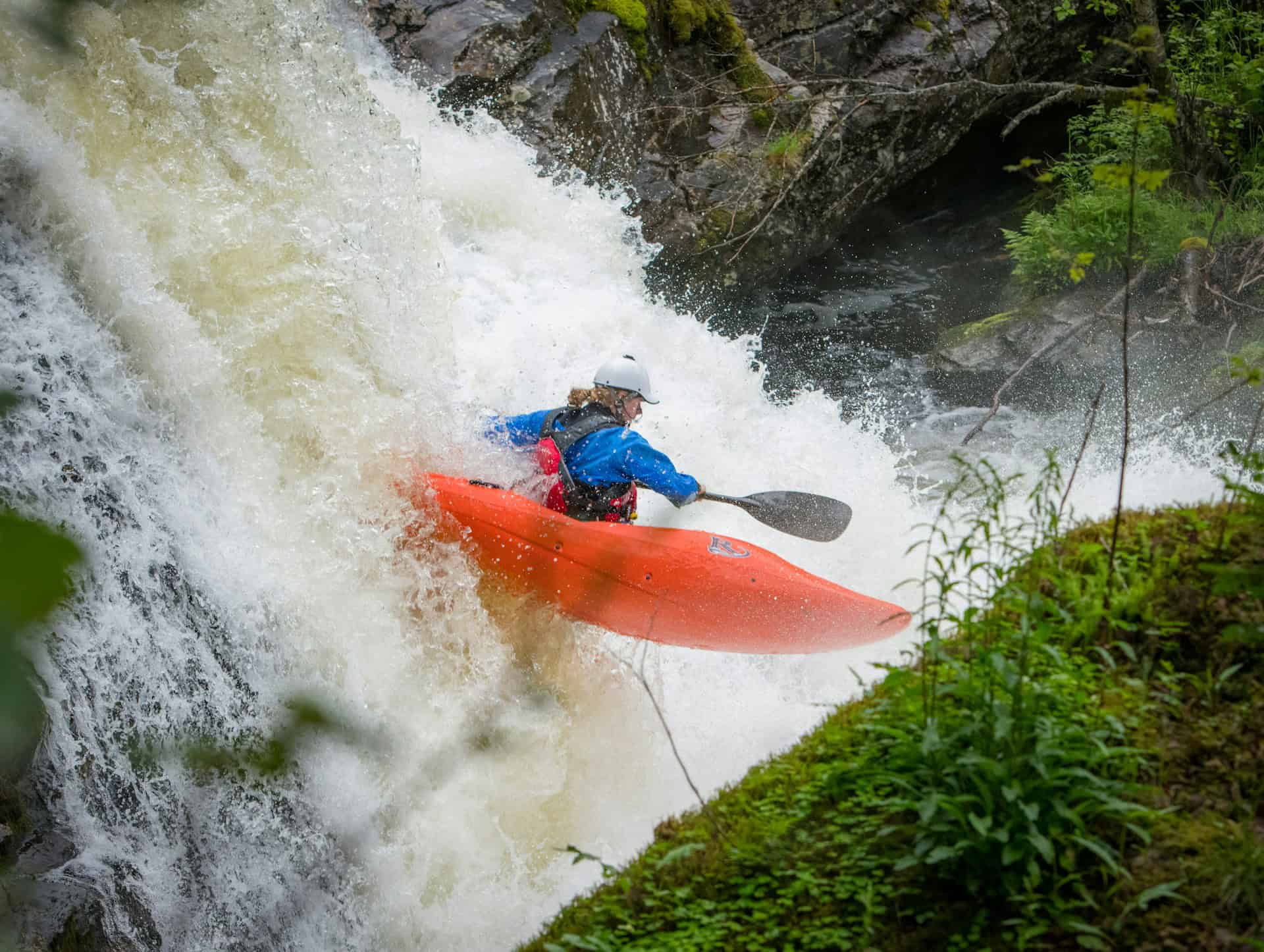
During spring snowmelt, river discharge may double normal values, creating fast eddies that exceed the skills of beginners. Autumn brings cooler air and shorter days, so camp chores need strict timing to keep the group warm and fed before dark.
Forecast detail matters because small craft face rapid changes. Wind of around twenty kilometers per hour can already push a loaded kayak off course on wider lakes.
Water below 59 F (15 C) increases the risk of cold shock and calls for thermal protection, rather than just a light spray jacket. A conservative plan records bailout trails and secondary camps so that a shift in weather does not force risky crossings.
Gear Selection For Hybrid Travel
Choosing a Packable Kayak With Real Trail Value
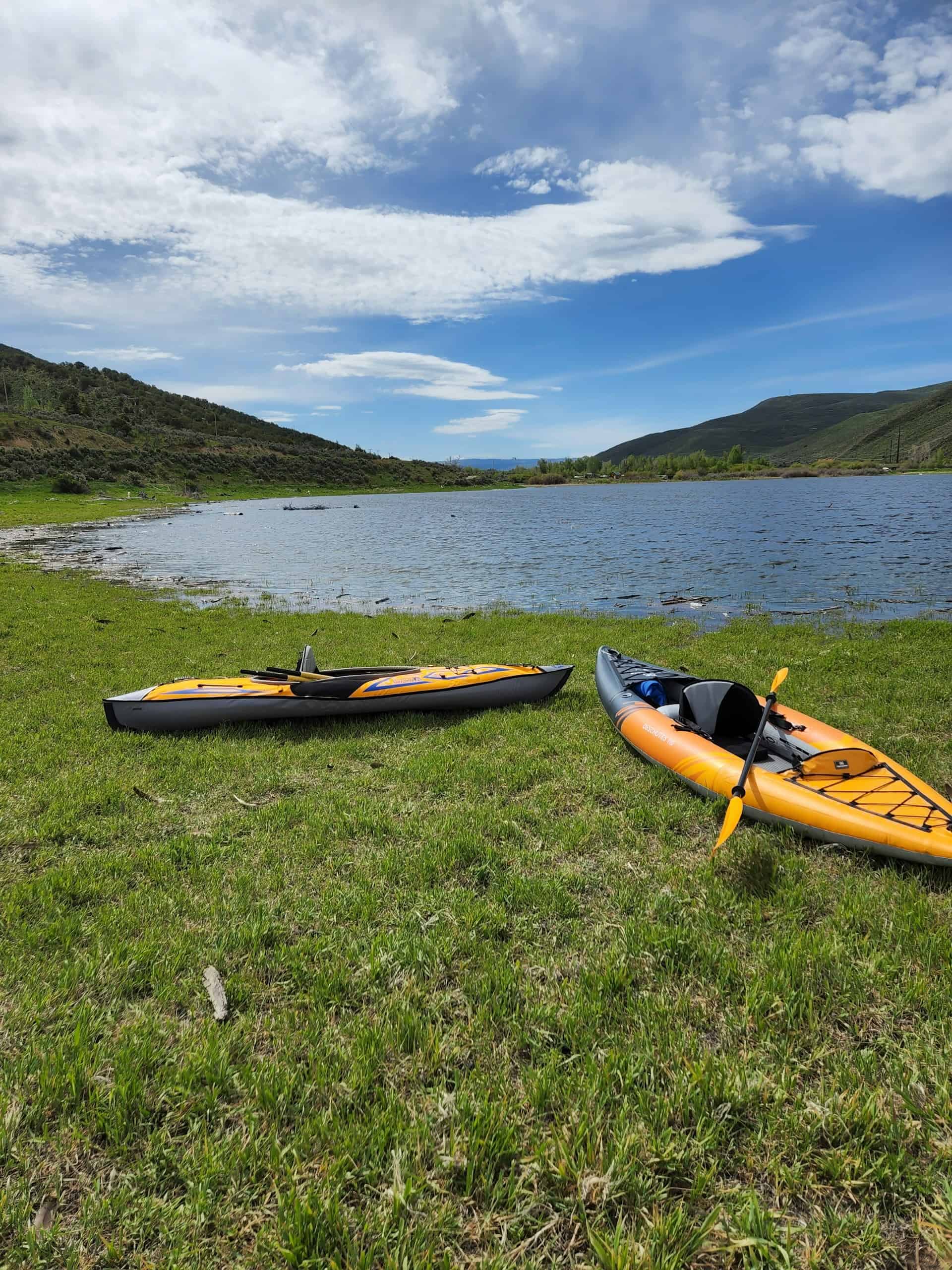
Packable kayaks make the land-to-water concept viable. Inflatable or folding designs often weigh 10 to 15 kilograms, which fits within a realistic carry for a strong backpacker.
High-quality models utilize welded seams, multiple air chambers, and pressure relief valves that withstand prolonged exposure to the sun and cold.
A compact repair kit, which includes patches, valve tools, and a small pump, adds only a few hundred grams yet protects the schedule when a scrape occurs on a gravel bar.
Tracking and durability are central quality signals. Stiffer floors, resulting from drop-stitch construction, improve glide and reduce fatigue during multi-kilometer crossings.
Removable skegs facilitate straight-line control on lakes but should be stowed before shallow landings to prevent damage. Clear manufacturer information about materials and service parts supports long-term use and reduces waste.
Packing Method, Weight Targets, and Dual Use Items
Balanced weight prevents sore hips and strained shoulders during portages. Many teams keep their total carried mass near 20 to 25 percent of their body weight, which includes the boat, paddle, food, and shelter.
Dry bags that compress, nested cookware, and a collapsible paddle save space while keeping essentials dry. Carbon or fiberglass paddles typically weigh between 900 grams and 1.2 kilograms, reducing arm fatigue compared to basic aluminum options.
Clothing works best when it suits both phases. Quick-drying trousers and synthetic base layers effectively handle paddle spray and trail sweat. Neoprene booties paired with lightweight trail shoes protect feet at cold landings and remain secure on mossy rock.
A compact personal flotation device stays on during every crossing and doubles as a warm vest at windy camps.
Carrying and Portaging Without Losing Pace
Portage Technique That Respects Trails and Bodies
Efficient carries rely on stable attachment. Boats ride well against a framed pack when using wide straps placed above the hip belt, ensuring the hull does not bounce with each step. Load lifters bring the center of mass closer to the body, reducing lower back strain on steep grades.
On long connectors beyond two kilometers, a compact portage cart with puncture-resistant wheels can spare knees on gravel access roads. However, many protected trails do not allow carts, which makes advance reading of the rules essential.
Transitions Between Shore and Path
Well-planned transitions save time and prevent mistakes. Gear should be packed into color-coded dry bags so that a paddle blade or map cannot be hidden under a seat.
Before landing, teams stow skegs and secure loose items, then step into shallow water for a clean lift rather than dragging the hull. After a portage, the first minutes on the water begin with a brief ferry angle practice to confirm that wind and current behave as predicted.
A Short Checklist For a Fifteen-Minute Portage
A simple mental script helps maintain order when energy wanes late in the day. First, confirm that electronics sit high and dry inside a small liner bag, since a slip during the carry can dunk a phone in a puddle.
Next, tighten the shoulder straps and hip belt, then test balance by walking ten steps before committing to the full path. Finally, agree on the next landing point and the time limit for the carry, which prevents rushed decisions if conditions shift.
Safety, Ethics, and Local Impact
Objective Risk Checks On Water
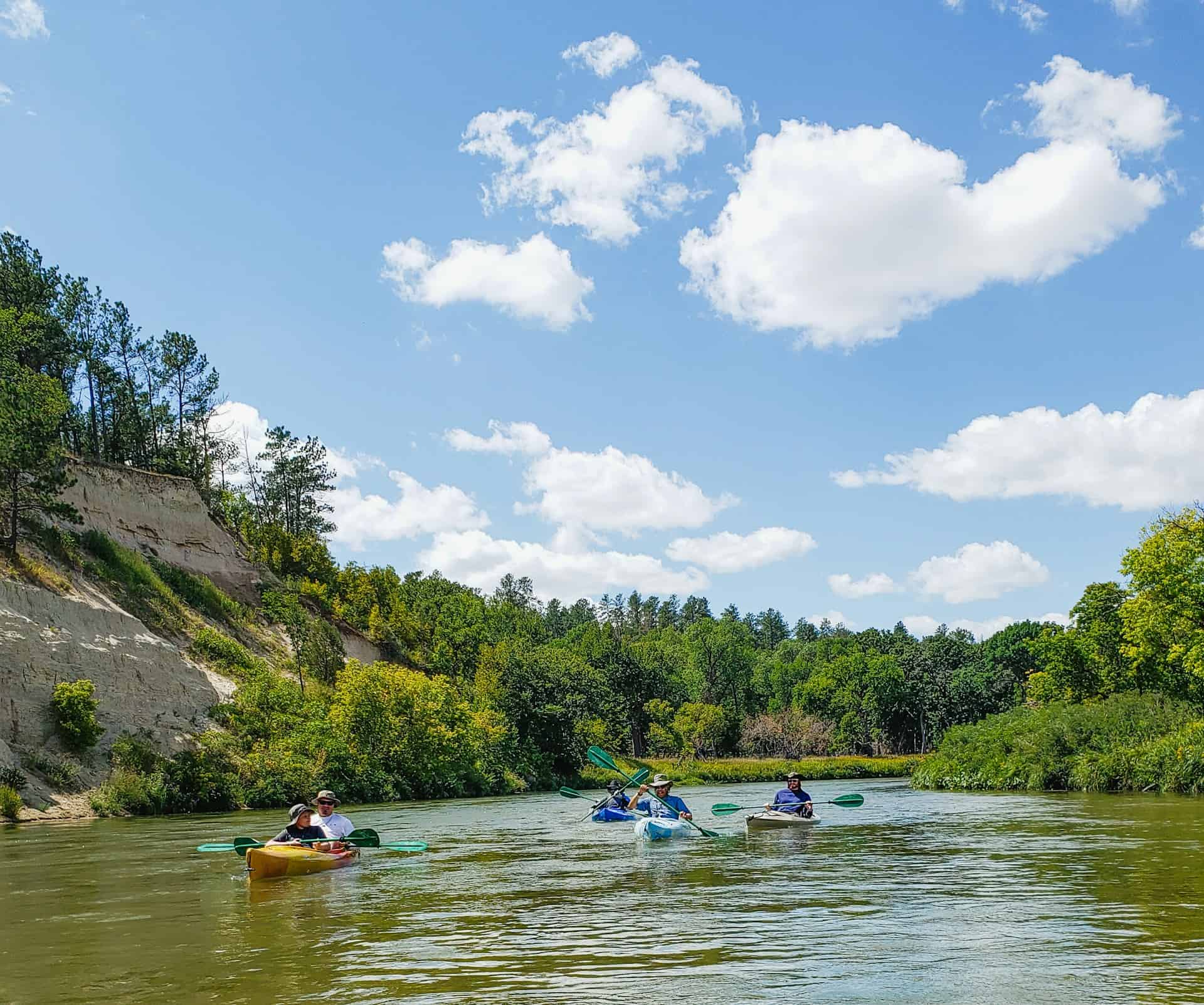
Simple numbers guide decisions. If whitecaps appear, fetch and wind likely exceed the comfort zone for a heavily loaded boat, which requires a pause on shore.
Currents that move faster than walking speed limit ferry options for most intermediate paddlers; an alternate trail may offer the wiser choice.
A group that treats each crossing as a discrete event tends to make better decisions than a group that tries to adhere to a fixed timetable.
Transparency, Quality, and Sustainability In Practice
Responsible trips look beyond performance. Brands that publish repair instructions and make spare parts easy to order extend product life and reduce landfill waste.
Local outfitters often maintain accurate records of seasonal closures, fishing regulations, and private land easements that impact shoreline access.
Cleaning hulls and footwear with hot water or approved solutions prevents the spread of invasive mussels and weeds between lakes, thereby protecting regional biodiversity and enhancing the future visitor experience.
Example Itineraries That Blend Trail and Water
Lake Chain and Ridge Traverse Over Three Days
A typical pattern begins with a gentle hike to a sheltered lake for an afternoon 5- to 7-kilometer crossing. The second day connects two lakes via a short portage and concludes with a ridge walk that offers broad views of the same water that carried the group in the morning.
The third day follows a stream valley back to the trailhead after a final calm paddle at first light. Camps are aligned with designated sites to support fair use and to preserve shoreline vegetation for the next party.
Why Hybrid Routes Change the Shape of Adventure
Hybrid travel, which combines trekking and kayaking, fosters a slower pace and encourages deeper observation. Wildlife encounters remain more frequent on quiet water than on busy ridge trails, and small islands offer solitude that few footpaths provide.
The method also teaches flexibility, since weather and water speak louder than plans on a screen. Most of all, the combination invites a respectful relationship with varied terrain, where choices favor safety, quality gear, and transparent local rules over speed alone.
_____
This story is published in collaboration with The Equipment Guide.