The snow is melting, winter gates are opening, and the draw of the Canadian Rockies is impossible to ignore. If you're a Calgary-based backpacker, your living room is likely a hectic staging ground of gear. You've got tents splayed across the carpet, canister stoves test-fired on the balcony, and hiking boots getting a fresh layer of waterproofing spray.
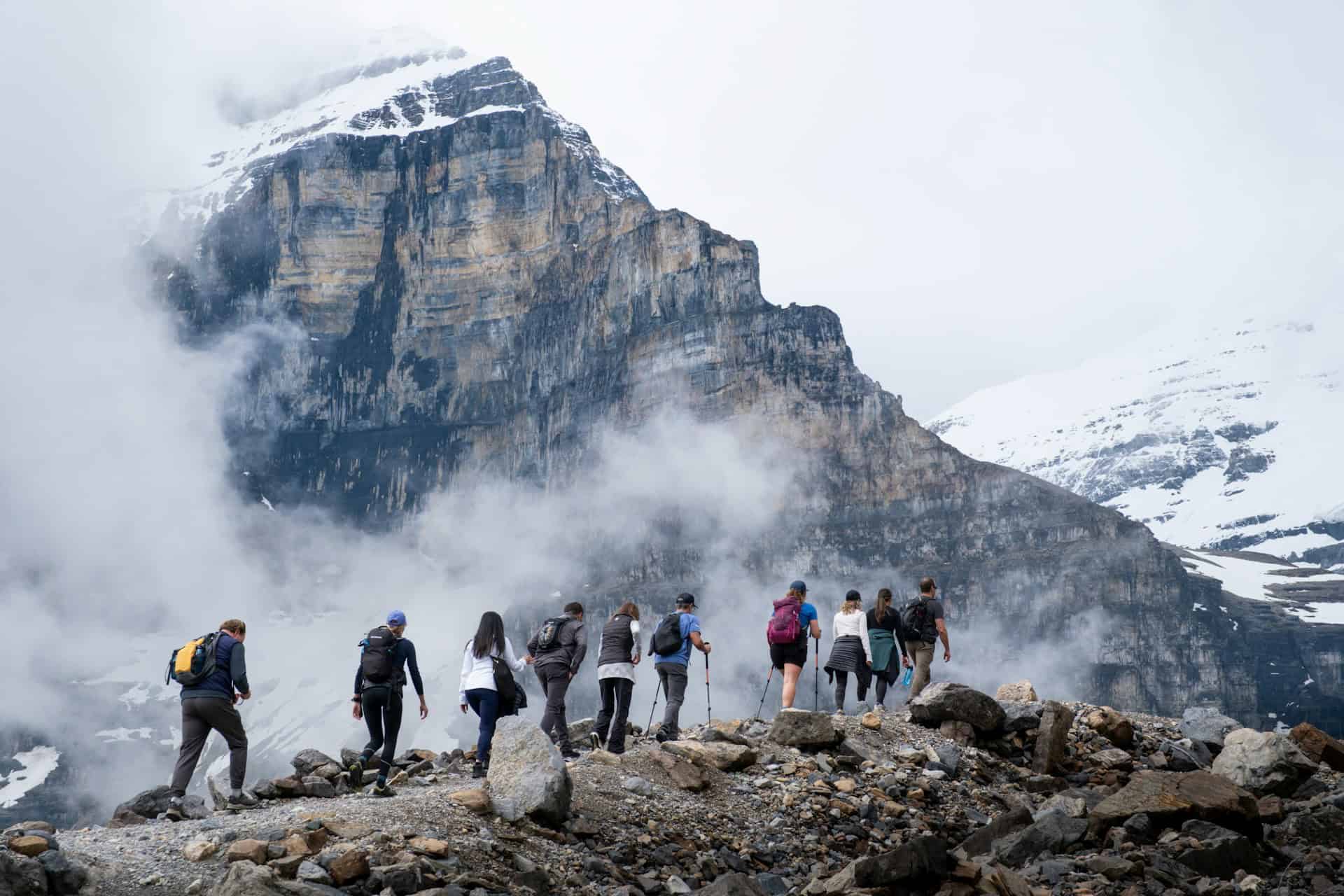
You've carefully planned your routes through Kananaskis, booked your backcountry permits for Banff National Park, downloaded your offline maps, and clipped your bear spray to your chest harness. Your pack weight is dialed down to the exact ounce.
But let's step away from the gear checklist for a moment and have a candid conversation. If your hiking partner suddenly collapsed or a fellow trail-user suffered a severe medical emergency three hours into a rugged mountain pass, would you honestly know what to do?
When we head into the wild, we focus heavily on external hazards-grizzlies, sudden alpine weather shifts, loose scree, and freezing temperatures. Yet we rarely talk about internal hazards: sudden cardiac arrests, severe allergic reactions, and traumatic injuries that can happen to anyone, anywhere, regardless of fitness level.
True trail preparedness isn't just about gear. It's also about knowing how to respond in an emergency.
Table of Contents
- The Backcountry Reality Check: When Help Is Hours Away
- The Hidden Risks of High-Exertion Adventures
- Why Calgary Hikers Are Turning to Blended Learning
- What You'll Learn in a CPR and First Aid Course
- Why First Aid Training Matters for Your Hiking Group
- Pack the Only Piece of Gear That Weighs Absolutely Nothing
- Frequently Asked Questions
- 1. Is a blended online/in-person Red Cross certification valid for wilderness settings?
- 2. How long does the online portion take, and do I have to finish it all at once?
- 3. Do I really need to know how to use an AED if there aren't any on remote backcountry trails?
- 4. How long is a CPR and First Aid certification valid?
The Backcountry Reality Check: When Help Is Hours Away
In the Calgary suburbs, emergency medical services are just a three-digit phone call away. If something goes wrong in the city, an ambulance with highly trained paramedics is likely to arrive within minutes.
The moment you cross into the foothills and step onto a backcountry trail, that safety net completely vanishes.
Urban Emergency Response: Minutes (Paramedics, advanced life support, rapid transport)
Backcountry Emergency Response: Hours to Days (Satellite dispatch, SAR mobilization, terrain challenges)
Out in the wilderness, emergency response times are measured in hours, sometimes even days. If someone experiences a critical emergency, for example, sudden cardiac arrest, the care they receive in the first few minutes determines whether they survive to see the Search and Rescue (SAR) helicopter arrive.
The Illusion of Satellite Communication
Many modern backpackers carry satellite messengers, and while these devices have revolutionized wilderness safety, they are not magic wands.
When you press the SOS button on your device, a sequence of events is triggered:
- The signal is sent to a global monitoring center.
- The center routes the emergency to local Alberta emergency dispatchers.
- Kananaskis Emergency Services or Parks Canada Visitor Safety teams are notified.
- Teams must assess the weather, mobilize personnel, prepare gear, and plan logistics to reach the specified coordinates.
If the weather turns sour, heavy fog rolls over the peaks, or night falls, a helicopter rescue might be off the table. Field teams will then have to hike or ride in to find you.
During those hours of waiting, you're not just a backpacker. You're the primary first responder.
The Hidden Risks of High-Exertion Adventures
There is a common misconception that because backpackers and hikers are active, they are immune to sudden medical crises. Unfortunately, the physiological stress of the mountains can trigger underlying, undiagnosed health issues.
A combination of overexertion, dehydration, altitude changes, and underlying cardiovascular conditions can trigger sudden cardiac arrest during strenuous outdoor activities.
Consider the physical demands of an average Rocky Mountain trek. You carry a 30- to 45-pound pack up steep, unforgiving inclines. Your heart rate stays elevated, your body burns through electrolytes, and you operate at a much higher altitude than Calgary's baseline. This creates a perfect storm for cardiac stress.
Beyond Cardiac Arrest: Traumatic Injuries on the Trail
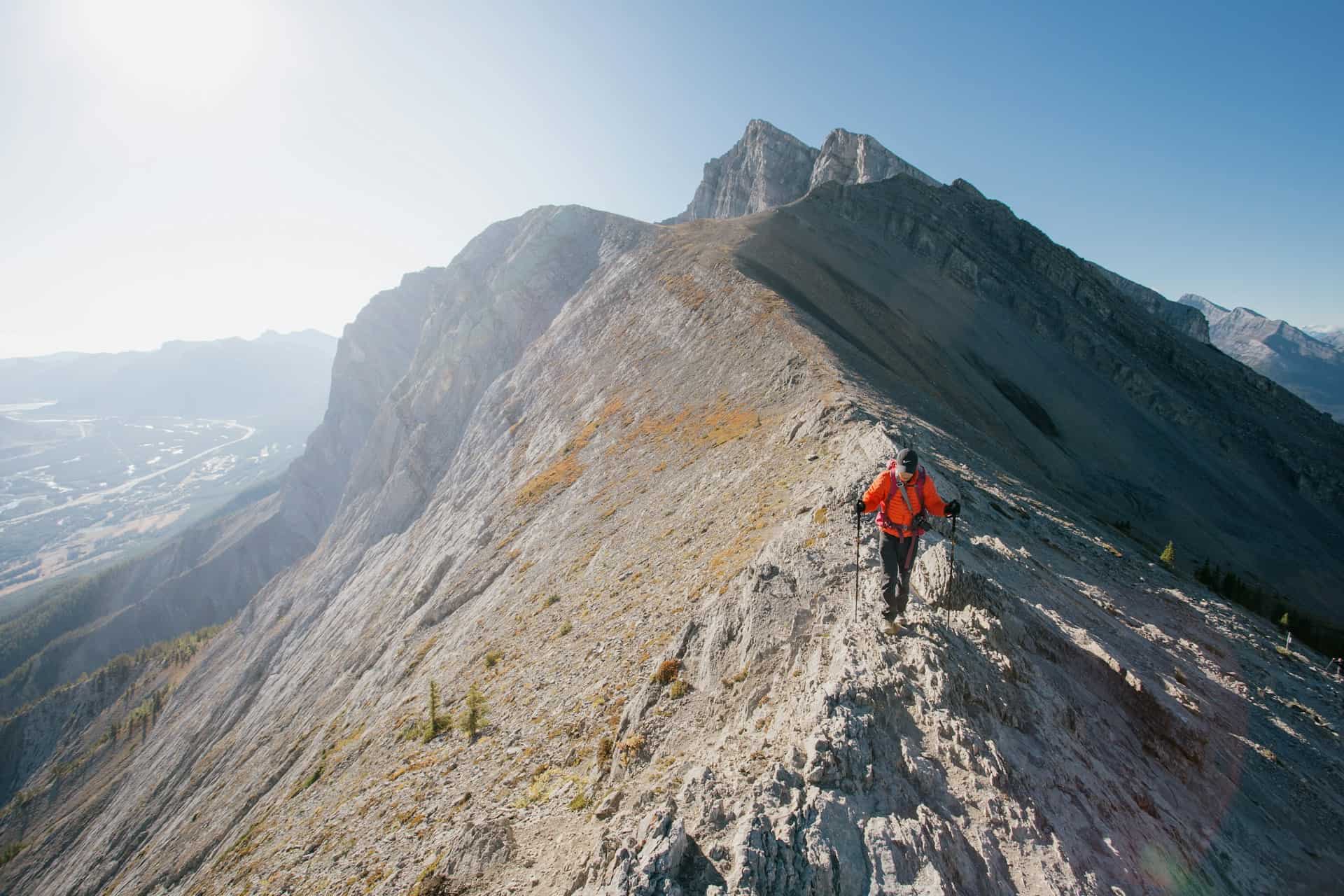
CPR is only one piece of the survival puzzle. High-altitude environments bring a range of potential physical hazards. A lone misstep on loose shale while scrambling up a ridge can result in a catastrophic fall. A slipped camp knife while prepping dinner can lead to severe, arterial bleeding.
Absent immediate, decisive intervention, a treatable injury can become life-threatening within minutes. Knowing how to assess a patient, control severe bleeding, stabilize fractures, and recognize early signs of shock is an essential skill for every member of your hiking group.
Why Calgary Hikers Are Turning to Blended Learning
Between planning weekend trips, work schedules, and everyday responsibilities, finding time for a full weekend classroom course can be difficult. For an outdoor enthusiast, sacrificing a weekend of pristine mountain weather to sit through lectures is agonizing.
Training options have become more flexible. Calgary's outdoor community is increasingly choosing blended learning formats. Many outdoor enthusiasts are turning to CPR training in Calgary that combines online coursework with in-person skills sessions.
It's a practical option for outdoor enthusiasts who want flexibility without sacrificing preparedness. By utilizing modern, blended online First Aid and CPR courses, you get the best of both worlds.
1. The Theory on Your Own Terms
Instead of spending a whole Saturday listening to PowerPoint presentations, you complete comprehensive, interactive digital modules at your own pace.
You can study on your couch on a rain-soaked Tuesday evening, review choking procedures during lunch, or learn about cardiac emergency signs over morning coffee. The digital platform uses videos, quizzes, and real-world situations to help you absorb the material without feeling hurried.
2. High-Efficiency, Hands-On Practice
Once you finish the online portion, don't skip practical practice because muscle memory is critical when stress levels rise. Instead, you attend a streamlined, efficient, in-person skills session at a local Calgary training facility.
During this condensed session, an expert Canadian Red Cross instructor guides you through the mechanics of saving a life. You practice chest compressions on feedback-enabled manikins, learn to deploy an Automated External Defibrillator (AED), practice the recovery position, and master bandaging techniques.
You walk in, perfect your skills, get your certification, and walk out with your weekend intact.
What You'll Learn in a CPR and First Aid Course
A standard, comprehensive Canadian Red Cross certification course equips you to face a vast spectrum of emergencies. While these courses are designed for general first aid, a backpacker's eye can easily translate these important skills directly into a wilderness context:
High-Quality CPR and Defibrillation
You will learn the precise depth, rhythm, and rate required for effective adult chest compressions (5 to 6 cm deep at 100 to 120 beats per minute).
You will also learn how to integrate an AED into the process. While you might not carry an AED into the deepest backcountry, knowing how to use one is vital for front-country campgrounds, busy trailhead kiosks, and day-use provincial parks.
Severe Hemorrhage Management
When an artery is severed, a person can bleed out in less than five minutes. You will learn how to apply direct pressure to wounds and properly use pressure dressings. Aggressively managing blood loss can buy your patient the hours needed for a rescue team to reach you.
Secondary Assessments and Vital Signs
In an urban environment, you rarely perform a comprehensive physical assessment because paramedics take over quickly. In the backcountry, you need to monitor your patient over an extended period.
First aid training teaches you to check consciousness, assess breathing, monitor skin temperature, and look for hidden injuries the patient might not feel due to adrenaline.
Environmental Crisis Intervention
The weather in the Canadian Rockies is notoriously erratic; a blazing-hot afternoon can turn into a freezing mountain rainstorm in twenty minutes.
A proper first aid curriculum covers how to quickly spot and treat early signs of:
- Hypothermia: Recognizing the "umbles" (stumbling, mumbling, fumbling) before a hiker loses the ability to generate heat.
- Heat Exhaustion and Heatstroke: Knowing when to aggressively cool down a dehydrated hiker whose internal temperature regulation systems have failed.
- Severe Allergic Reactions (Anaphylaxis): Learning how to confidently administer an epinephrine auto-injector (EpiPen) when someone has an unforeseen reaction to an insect sting or backcountry meal ingredient.
Why First Aid Training Matters for Your Hiking Group
Think about the people you hike with - your partner, close friends, siblings, or kids. When you head into the backcountry together, everyone depends on one another in ways that go beyond carrying gear or navigating the trail.
If someone gets injured or experiences a medical emergency, basic CPR and first-aid skills can make a real difference while waiting for help to arrive.
When multiple people in a hiking group have first aid training, it adds another layer of confidence and preparedness to the trip. You're not just carrying the right equipment - you're carrying the skills to help each other if something goes wrong.
Pack the Only Piece of Gear That Weighs Absolutely Nothing
We live in a time when outdoor gear marketing convinces us that safety can be bought in stores. We buy ultra-advanced emergency bivvy sacks, hyper-visible outerwear, expensive GPS gadgets, and multi-piece survival kits.
While those items are excellent tools, they are useless without human skill. A premium medical-grade tourniquet is just nylon and plastic if you don't know how to tighten it correctly under pressure.
A satellite messenger can call for help, but it cannot keep a non-breathing patient's brain oxygenated while the helicopter prepares to fly.
Your CPR and first aid training is the ultimate piece of backcountry gear:
- It adds no extra weight to your pack.
- It takes up no space inside your backpack.
- It never runs out of batteries, loses its charge, or drops its satellite connection.
- It functions perfectly in freezing rain, blinding snow, and dense forest canopies.
- It is the only safety tool you own that can actively save a human life in just seconds.
As you finalize your hiking itinerary, recheck your gear lists, and prep your body for a beautiful season in the Canadian Rockies, make sure you don't leave your most critical skill behind on the pavement.
Investing a few hours in CPR training in Calgary before hiking season could make a real difference when emergencies happen far from help.
Frequently Asked Questions
1. Is a blended online/in-person Red Cross certification valid for wilderness settings?
Yes, a Canadian Red Cross Standard First Aid & CPR/AED certification acquired through a blended course provides the essential foundation for life-saving care anywhere, including the wilderness.
Though specialized "Wilderness First Aid" courses exist for long-term expeditions and professional guides, a standard certification covers all core emergency protocols-including CPR, choking, severe bleeding control, shock management, and environmental emergencies-which are the exact skills needed to stabilize a patient while waiting for emergency services in the backcountry.
2. How long does the online portion take, and do I have to finish it all at once?
The online component of a blended course typically takes between 4 and 8 hours to complete, depending on whether you are taking Emergency or Standard First Aid. The beauty of the system is its complete flexibility: you do not have to complete it in a single sitting.
The platform automatically saves your progress, allowing you to chip away at the interactive modules, videos, and short quizzes over several days or weeks, provided you complete them all before your scheduled in-person skills session.
3. Do I really need to know how to use an AED if there aren't any on remote backcountry trails?
Yes. While you probably won't find an AED deep in the backcountry, they are common at visitor centers, trailheads, campgrounds, airports, gyms, and other public spaces. Learning how to use one is a valuable skill both on and off the trail.
4. How long is a CPR and First Aid certification valid?
A Canadian Red Cross First Aid and CPR certification is typically valid for three years. However, many outdoor enthusiasts choose to recertify every 1 to 2 years to keep their skills fresh and stay current with updated guidelines.
This story was published in collaboration with Coast2Coast.
This article is intended for informational purposes only and should not be considered medical advice or a substitute for professional training.