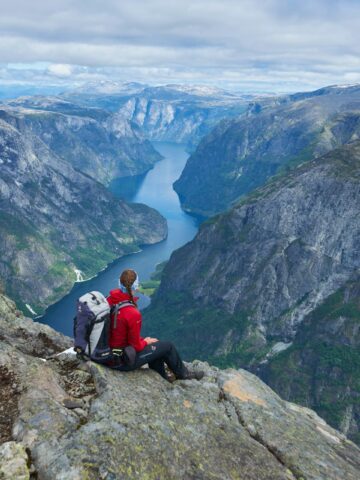
The moment you step off a trail, there is a shift. The crunch of dirt under your boots is replaced by pavement or carpet. The wide open air narrows to the walls of a room or the interior of a car. Your backpack slides off your shoulders, leaving that strange lightness that feels both relieving and disorienting.
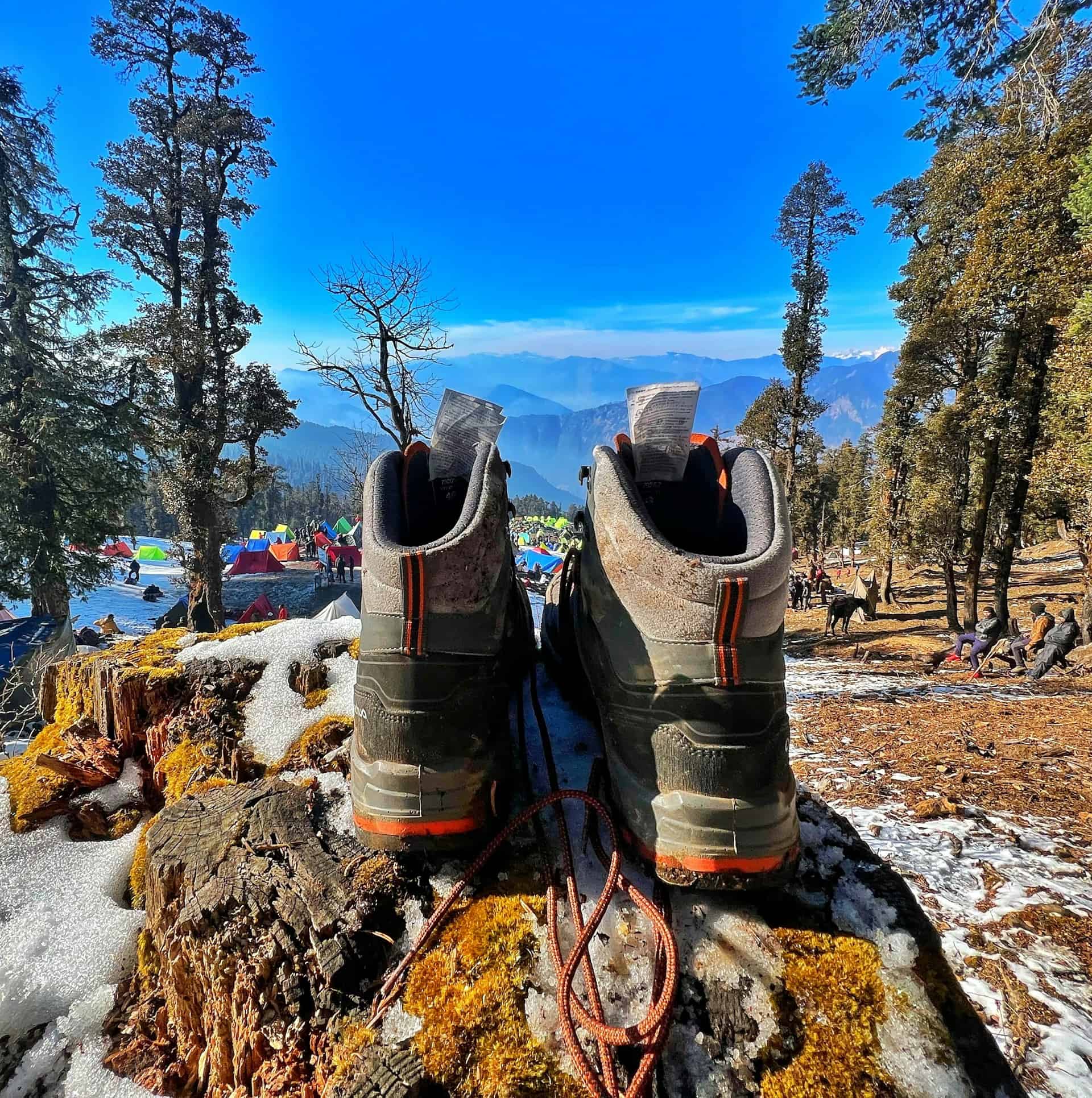
That in-between period after a hike is more important than most people realize. It is not just about stopping. It is about giving your body and mind the chance to absorb what you just did.
Recovery is what allows the experience to sink in, instead of fading into a blur of sore muscles and fatigue. The good news is that recovery can feel as rewarding as the hike itself, if you approach it with intention.
Recovery Tips
Hydration Comes First
Most hikers underestimate how much water they lose on the trail. Even if you were sipping steadily, chances are your body is still running a deficit. As soon as you stop walking, start drinking. Plain water is good, but adding electrolytes is even better, especially after a climb or a hot day.
The key is to take it slow. Gulping down a liter in one go can upset your stomach. Aim for small, steady sips over an hour or two. You will notice the difference when your head clears and your energy starts to balance out again.
Stretch, But Keep It Gentle
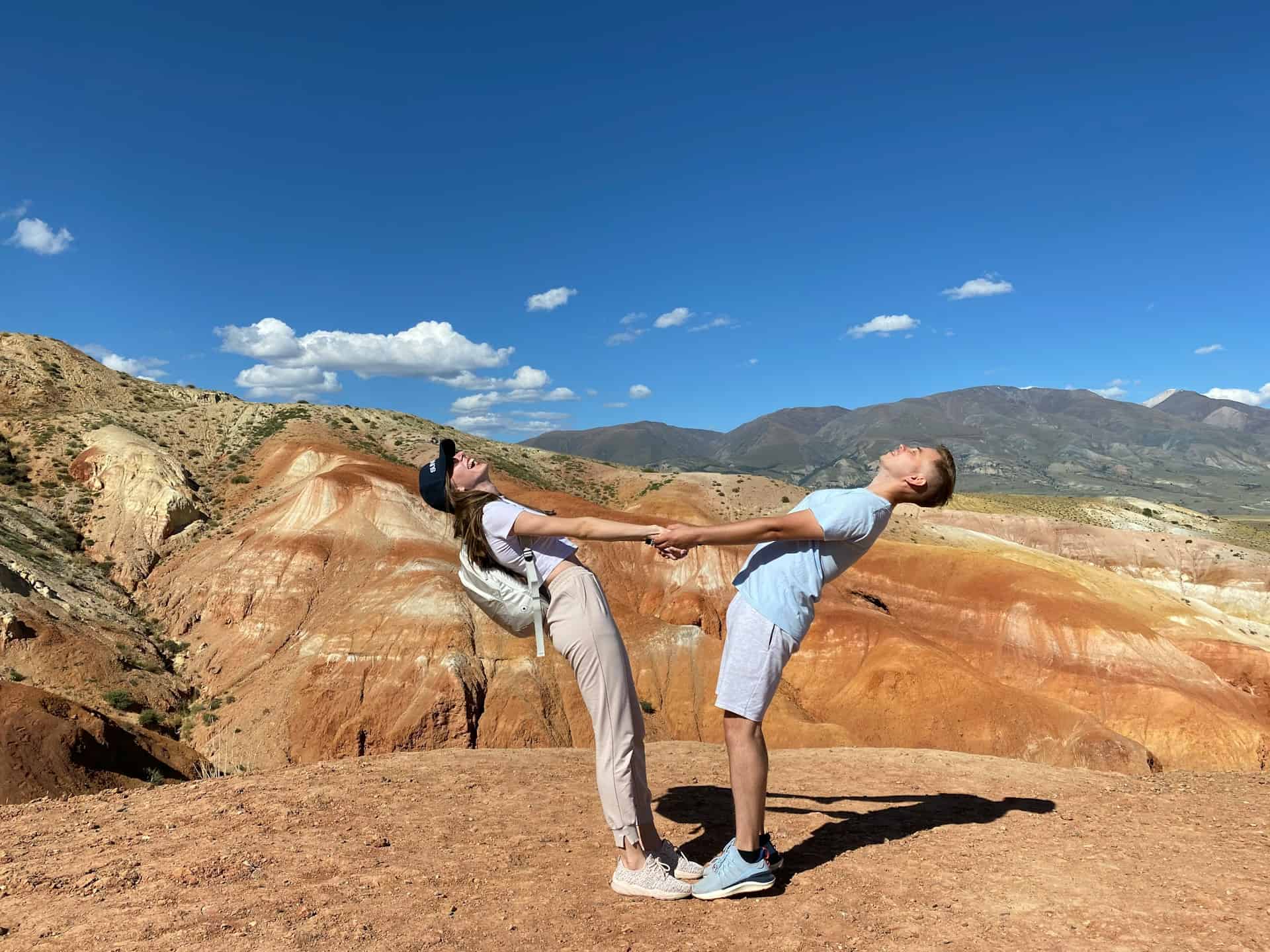
There is a temptation to jump into a whole yoga routine, but what your body often needs is less dramatic. Simple stretches make the most significant difference: rolling your shoulders, reaching your arms overhead, circling your ankles, or lying flat and letting your legs rest against a wall.
If something feels stiff, stretch into it lightly and stop before pain kicks in. The goal is release, not performance. Think of it as telling your muscles they can stand down now.
Food That Actually Helps You Heal
Trail snacks are fun while you are walking, but once you are done, your body needs more than sugar and salt. A balanced meal with protein, complex carbs, and healthy fats can help repair muscle tissue and calm inflammation.
Eggs, beans, rice, salmon, nuts, and fresh fruit are all excellent options. Even something as simple as a wrap with chicken and avocado can do the trick. Pair it with plenty of water, and you will feel your system steadying itself within the hour.
Resting Without Guilt
Many hikers struggle with the idea of real rest. The voice in the back of your mind whispers that you should be doing something else, like logging your miles or posting about the hike. But recovery is not laziness. It is an essential part of the journey.
Lie down on a bed or a sleeping pad. Put your legs up if they feel heavy. Close your eyes without looking at your phone. It does not matter whether you actually sleep. What matters is giving your nervous system permission to let go. That mental reset is as vital as the physical one.
The Joy of Clean Sheets

There is nothing quite like slipping into fresh sheets after days of trail dust and sleeping bags. Even if you only hiked for a few hours, clean sheets still signal a transition. They tell your body the hard work is done.
This is one of the simplest ways to make recovery enjoyable. Wash your bedding before you go on your hike so you can come home to that fresh feel, or if you are traveling, book a place where the bed looks inviting.
Recovery is not only about muscles. It's about creating a sense of comfort that contrasts with the ruggedness of the trail.
Little Things That Can Make a Big Difference
Just by adding a few small recovery rituals, you can completely change the way that you experience the end of a hike. Here are a few ideas for you to try out:
- Take a warm shower to relax your muscles, then finish it with one minute of cold water to wake up your circulation.
- Take a few minutes to journal some notes about the different things you saw on your hike, and your overall feelings surrounding it.
- Lay out all your gear to dry properly and give it a quick check to ensure that nothing molds.
- Make yourself a well-deserved cup of coffee or tea and sip it slowly while your mind and body unwind.
It might only take a few minutes, but these little actions can turn recovery into an experience in its own right. They give closure to the day instead of making it feel like the adventure ended abruptly.
When You Want a Little Extra
Sometimes recovery calls for more than your standard routine. On multi-day treks or hikes that push you past your limits, the best thing you can do for yourself is to upgrade your environment. That might mean booking a hostel with a good mattress or treating yourself to a more comfortable hotel for one night.
If you are really looking to recharge, consider one of those hotels with a hot tub in the room. After hauling yourself over passes or logging twenty miles, the feeling of sinking into warm water with jets working against sore muscles is hard to beat.
It turns recovery from something functional into something restorative. The contrast between the raw outdoors and the indulgence of a private soak gives your mind and body a clear signal that it is time to shift gears.
Recovery as Part of the Adventure
The idea that the adventure ends when the trail does is misleading. Recovery is part of the adventure, too. It is when you digest what you saw, when the conversations from the hike replay in your mind, when you finally look at the photos with a smile instead of a grimace.
Treat it like a continuation rather than an afterthought. The better you recover, the more likely you are to remember the hike fondly and with gratitude instead of associating it only with pain. It also sets you up for the next trip, since you are not carrying forward the stiffness and fatigue from the last one.
Final Thoughts
Backpacking and hiking are as much about what happens after the trail as they are about the miles you cover. The way you recover determines how you feel the next day and how eager you are to do it again.
Hydrate, stretch gently, eat well, and give yourself time to truly rest. Let the clean sheets or the hot tub remind you that you earned this pause. Recovery is not a luxury. It's a vital part of the rhythm of adventure. And when you honor it, you will find that the joy of the trail lingers long after the dirt has been washed away.
_____
This story is published in partnership with TubHotels.