Travel is a passion that doesn't fade with age. Many older adults continue to crave fresh air on mountain trails, the freedom of open roads, or the quiet joy of a hidden village abroad. Age might slow down the pace, but it doesn't take away the thrill of exploring places off the beaten path. What matters most is striking a balance between remote adventures and safety, so every trip feels both exciting and secure.
For older adventure travelers, especially those venturing into remote areas, a few steps can make a big difference. Practical choices such as packing medications properly, booking a ground-floor room, or using medical alert bracelets, help turn challenges into confidence.
These small hacks let older travelers focus on the beauty of the journey instead of worrying about "what ifs."
Why Remote Travel Still Calls To Older Adults
There's a unique sense of freedom that comes with remote destinations. Older people who have spent decades working or raising families often see travel as their reward.
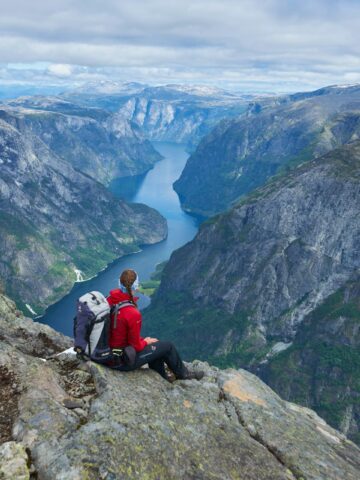
The quiet landscapes, fresh air, and chance to disconnect are deeply appealing. Hiking trails, scenic drives, or even rural cultural experiences provide a sense of renewal.
Yet, the more remote the destination, the fewer resources are available if something goes wrong. Hospitals may be miles away, and mobile signals can be unreliable.
That's why planning with safety in mind is not just practical-it's empowering. Older folks can still follow their hearts, but with a bit of preparation, they can do so without unnecessary risks.
Packing Smart: Medications and Essentials
Medication is one of the first things to plan for. Running out of daily prescriptions in the middle of a trip can quickly derail even the most exciting journey.
Older adults should always:
- Carry more than enough medication for the entire trip.
- Keep medicines in original containers for clarity and border checks.
- Split supplies between carry-on and checked luggage to avoid loss.
Other essentials include a basic first-aid kit, extra contact lenses or glasses, and a written copy of important medical information.
Having these items on hand avoids scrambling for help when minor issues arise. It also makes it easier for companions or local caregivers to step in if needed.
The Case for Simple Safety Gear
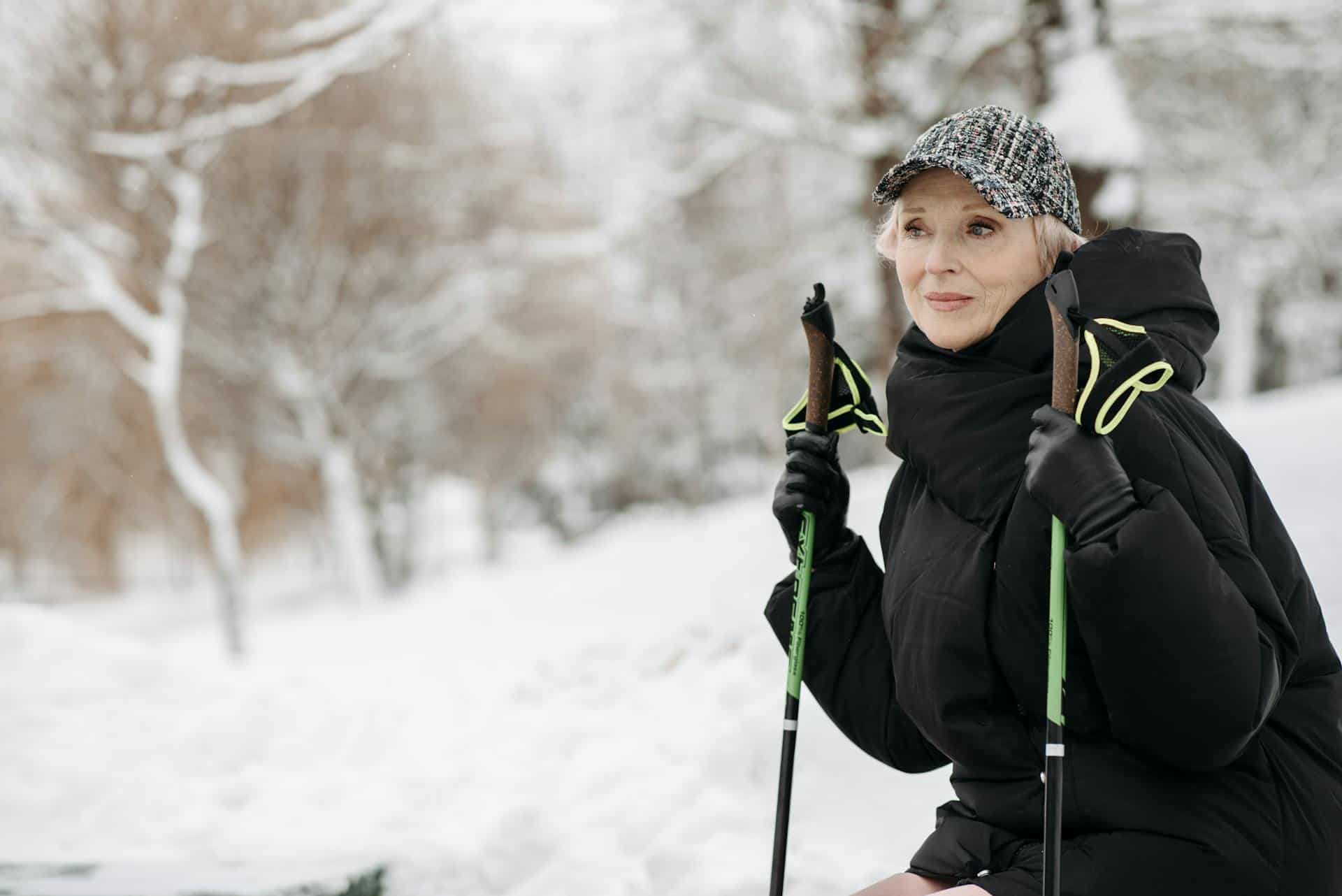
Safety gear doesn't need to be bulky or complicated. A walking pole, sturdy footwear, or a lightweight rain jacket can be the difference between a comfortable trip and a painful one.
Many older adults already travel with small comforts, such as a wide-brimmed hat or a collapsible stool, but adding discreet safety devices is just as important.
For instance, compact alert tools allow quick access to help in an emergency. Unlike heavy gear, they fit seamlessly into daily travel routines.
Older travelers who want independence can wear them without feeling restricted, and family members back home can rest easier knowing support is only a button away.
Accommodations That Work for You
Where you rest each night matters. Choosing senior-friendly accommodations adds comfort and lowers risks.
A few easy considerations include:
- Booking ground-floor rooms to avoid long climbs or unreliable elevators.
- Checking for handrails in bathrooms or showers.
- Confirming that staff are available 24/7 in case of questions or assistance.
In smaller villages or remote lodges, these details might not always be advertised. A call or email before booking can save unexpected stress later.
Comfort doesn't take away from the adventure-it ensures the energy is there for the experiences that matter.
Staying Connected in Remote Areas
Connectivity is often the biggest challenge of remote travel. While some see it as part of the charm, older people may need more reassurance.
Practical steps include carrying a local SIM card, downloading offline maps, and sharing your itinerary with loved ones in advance.
For true peace of mind, tools that provide a lifeline even without mobile coverage are worth considering. Satellite messengers or wearable alert devices help bridge the gap when phone signals are lost or fade.
Older adventure travelers who enjoy solo hikes or remote stays will find these tools especially valuable.
Building Confidence, Not Fear
The goal of these safety hacks is not to limit adventure but to encourage it. Travel should never feel like a risky gamble just because of age. Older adults who prepare wisely often find they have more confidence than younger travelers, thanks to their experience and resilience.
Booking thoughtfully, packing smart, and using modern safety tools allows older adventurers to focus on the beauty around them.
A quiet sunrise in the mountains or the sound of waves far from city noise feels all the more rewarding when you know you're covered for the unexpected.
A Final Word for Older Explorers
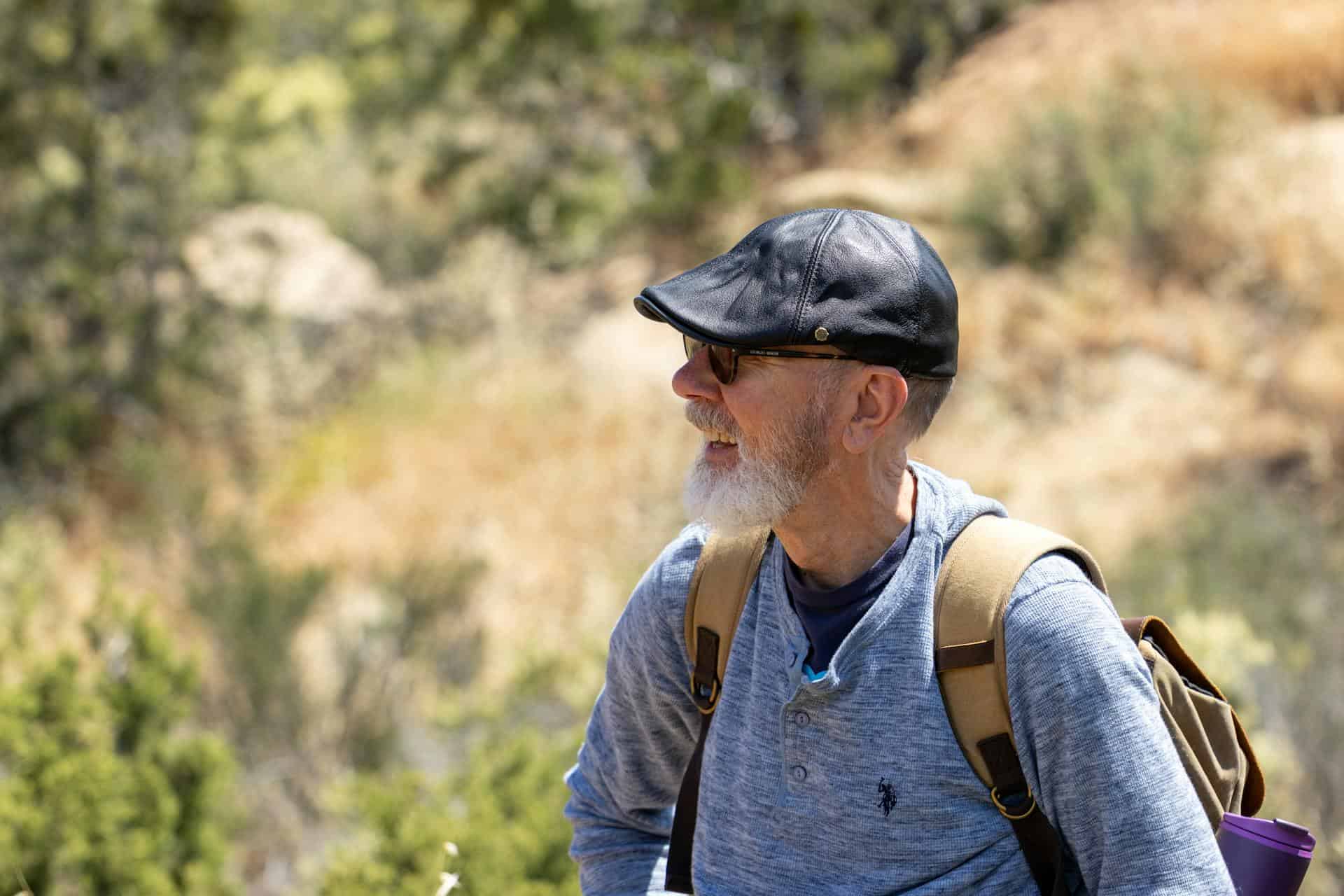
Adventure has no age limit. Older adults who still crave remote journeys can absolutely embrace them with a few wise choices.
Carrying medication correctly, choosing the right accommodations, and leaning on simple devices like medical alert bracelets create a solid safety net. With those steps in place, travel returns to what it should be: an exciting, freeing, and memorable part of life.
Whether it's a rugged path, a peaceful retreat, or a long-dreamed-of road trip, the world is waiting. Safety is just the companion that lets you enjoy it longer.
_____
This story is published in collaboration with Life Assure Medical Alert Systems.