The first time I backpacked long-term, I brought a full skincare routine. Cleanser, toner, two serums, day cream, night cream, eye cream, sunscreen. Half of it leaked in transit. The other half didn't survive the first month.
By country 10, the entire bag fits in one small zippered pouch. By country 30, I'd figured out which three or four products actually earned their weight across deserts, jungles, high altitudes, and humid coastal towns.
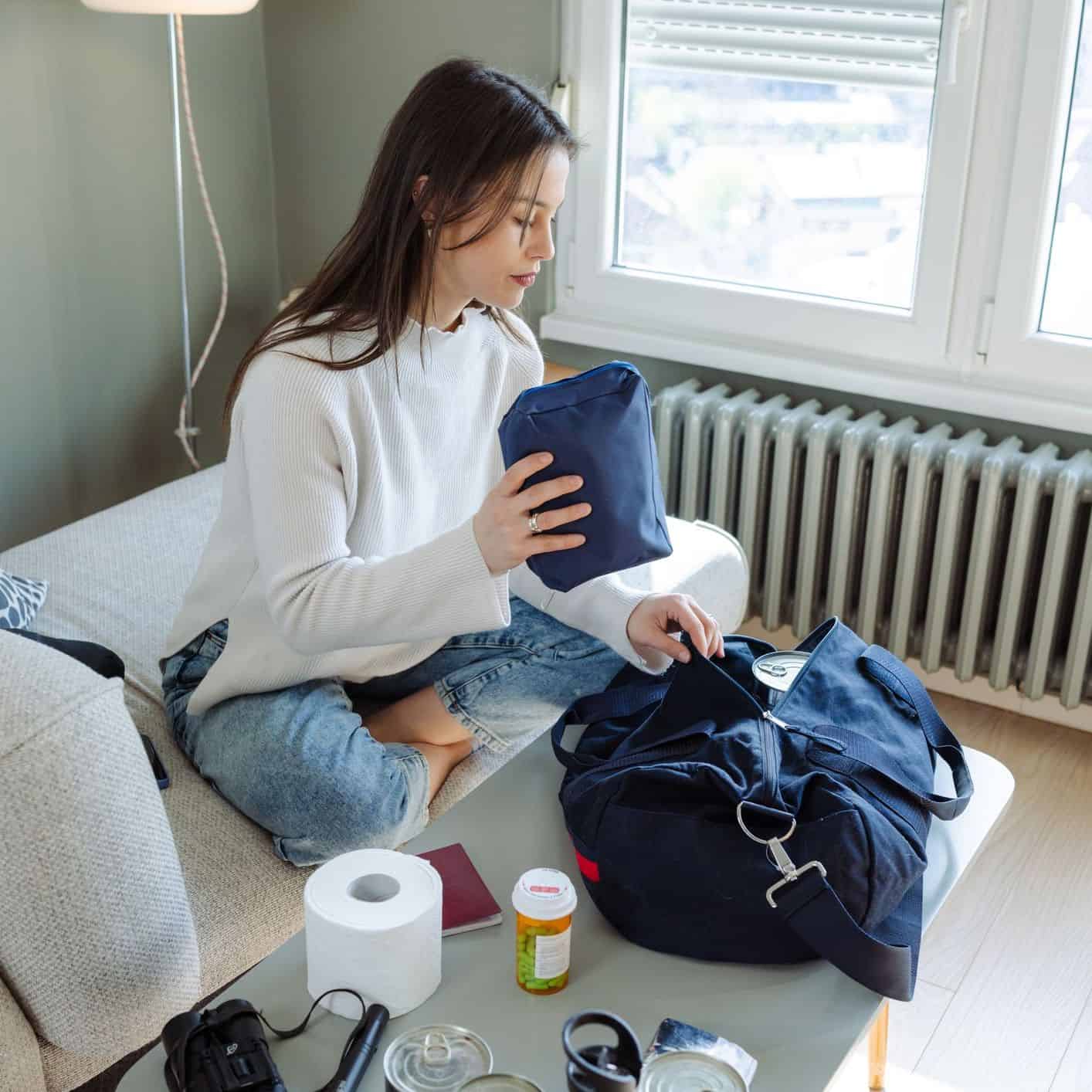
After 60-plus countries - Colombia to Iceland, Morocco to Nepal, the U.S. Southwest to the Galapagos - the kit is basically bulletproof, and small enough to fit in a liter bag.
Here's what works when you're moving between climates every few weeks, and what you can safely leave at home. Including one underrated hero of my kit: a moisturizing body oil that replaced about five other products and earned its spot across every climate I've tested it in.
The Climate Problem
The first thing long-term travel teaches you is that your skin is not the same everywhere. What worked at home becomes useless in Cusco. The products that saved you in the Sahara are overkill in Bali.
Your face changes weekly - sometimes daily - depending on altitude, humidity, water hardness, sun exposure, and how much sleep you've been getting in hostel bunks.
The traveler's mistake is packing for home conditions and hoping they translate. It doesn't. A kit built for Boston winters does nothing for Cartagena's humidity, and vice versa.
The better strategy: pack ingredients and formulations that work across conditions, and adjust frequency rather than products.
A solid base of barrier-supporting staples handles 80 percent of what any climate throws at you. The other 20 percent gets solved with local purchases (aloe in hot countries, a heavier cream at altitude, a good sunscreen wherever you find one).
The Weight Problem
Backpackers know this one. Every gram counts when the bag lives on your back for 9 hours at a time on Andean bus routes with no suspension.
Full-size bottles are the enemy. So are single-use products. The more jobs a product can do, the more it earns its place.
My rule after years of trimming: if a product can't do at least two things, it doesn't come. A cleanser that only cleanses loses out to one that also removes sunscreen. A moisturizer that only moisturizes loses to an oil that moisturizes, heals cuts, tames frizzy hair, and doubles as cuticle oil, which brings me to the kit.
Five Travel Skincare Essentials
1. A solid cleanser bar. No liquid limits at airports. Doesn't leak. Lasts 2-3 months. Works in hard water, where most liquid cleansers form a sticky residue. One bar = zero drama at security.
2. A thick occlusive balm. Aquaphor, a good shea butter, or any oil-dense balm. Doubles as lip balm, cuticle balm, cracked-heel balm, post-sunburn balm, and chafing prevention on long hiking days. Anti-chafe alone has saved me on 15-mile trekking days in Nepal.
3. A multi-purpose body oil. This is the hero of my kit. After years of testing, I landed on an oil-based formula that works on post-shower damp skin, post-sun skin, chapped hands at altitude, and as a tame-the-frizz product on hair.
Prima's Beyond Body Oil earned its spot because its blend of prickly pear, marula, and jojoba oils addresses the three hardest climate conditions: dry mountain air, post-sun recovery in the tropics, and skin-barrier damage from constant water changes. Plus, one 3.4 oz bottle lasts almost two months of daily use, and the formula clears the TSA liquid limit with room to spare.
4. A mineral sunscreen. Non-negotiable at any altitude or latitude. Mineral over chemical because it's reef-safe (critical in beach countries with coral ecosystems), less likely to cause reactions after flights, and doesn't require the 20-minute wait time chemical sunscreens do. The SPF range is 30-50. Anything higher is marketing.
5. One active treatment. This is the personal one. For me, a small retinol serum I use sparingly on longer stops. Others pack niacinamide, vitamin C, or a salicylic acid spot treatment. Pick one, pack a small amount, know when to skip it (at altitude and for the first few days of a climate change, the answer is often "skip").
That's the kit. Five products, weighing under 400 grams, fit in a standard liquids bag, leaving room for toothpaste and deodorant.
Adjusting By Climate
The kit stays the same. How you use it changes.
Dry cold climates (high altitudes, winter travel): Heavier layering. Oil your face and hands twice daily. Balm on lips every few hours. Cleanser every other day, not daily - the cold, dry air doesn't generate enough oil to warrant daily stripping.
Hot, humid climates (jungle, tropical coast): Oil once a day, only at night. Use cleanser daily, or twice daily if sweating heavily. Reapply sunscreen religiously, especially near water, where reflection doubles exposure.
Hot, dry climates (deserts, Mediterranean summers): Oil in the morning and at night. Aggressive sunscreen reapplication. Extra water internally - external hydration without internal hydration accomplishes nothing.
Transitioning between climates: This is where most travelers get into trouble. Give your skin 3-4 days before ramping up activities again. Flights themselves compromise barrier function, so the first few days in any new climate should be barrier-support mode rather than "let's attack this pimple" mode.
The Water Problem
One thing nobody warns long-term travelers about: water hardness varies dramatically between destinations, and it affects skin more than anything else on the list.
Some cities have brutally hard water (high mineral content that leaves your skin feeling filmy and tight after showers). Others have soft water that your skin will initially love, but then break out from. Your kit has to flex for this.
Applying the body oil to damp skin right after the shower is the single best counter to hard water I've found on the road. It creates a barrier between the mineral residue and your skin, seals moisture in while it's still accessible, and works in conditions where regular lotions bead up on the surface.
This story was published in collaboration with Prima and lightly edited by the Go Backpacking team for clarity.