Go Backpacking

  • About
  • Travel Tips
    • Accommodations
    • Budgeting & Money
    • Adventure Travel
    • Food & Drink
    • Gear & Gadgets
    • Packing Tips
    • Travel Blogging
    • Travel Insurance
    • Trip Planning
    • UNESCO Sites
  • Destinations
    • Africa
      • Botswana
      • Egypt
      • Ethiopia
      • Morocco
      • Rwanda
      • South Africa
      • Tanzania
    • Asia
      • Cambodia
      • China
      • Hong Kong
      • India
      • Indonesia
      • Japan
      • Laos
      • Malaysia
      • Nepal
      • Philippines
      • Thailand
      • United Arab Emirates
      • Vietnam
    • Europe
      • England
      • France
      • Germany
      • Greece
      • Iceland
      • Ireland
      • Italy
      • Portugal
      • Spain
      • Switzerland
      • Turkey
    • North America
      • Canada
      • Costa Rica
      • Cuba
      • Guatemala
      • Mexico
      • Nicaragua
      • Panama
      • United States
    • Oceania
      • Australia
      • French Polynesia
      • New Zealand
    • South America
      • Argentina
      • Bolivia
      • Brazil
      • Chile
      • Colombia
      • Ecuador
      • Peru
  • Advertise
menu icon
go to homepage
  • About
  • Travel Tips
    • Accommodations
    • Budgeting & Money
    • Adventure Travel
    • Food & Drink
    • Gear & Gadgets
    • Packing Tips
    • Travel Blogging
    • Travel Insurance
    • Trip Planning
    • UNESCO Sites
  • Destinations
    • Africa
      • Botswana
      • Egypt
      • Ethiopia
      • Morocco
      • Rwanda
      • South Africa
      • Tanzania
    • Asia
      • Cambodia
      • China
      • Hong Kong
      • India
      • Indonesia
      • Japan
      • Laos
      • Malaysia
      • Nepal
      • Philippines
      • Thailand
      • United Arab Emirates
      • Vietnam
    • Europe
      • England
      • France
      • Germany
      • Greece
      • Iceland
      • Ireland
      • Italy
      • Portugal
      • Spain
      • Switzerland
      • Turkey
    • North America
      • Canada
      • Costa Rica
      • Cuba
      • Guatemala
      • Mexico
      • Nicaragua
      • Panama
      • United States
    • Oceania
      • Australia
      • French Polynesia
      • New Zealand
    • South America
      • Argentina
      • Bolivia
      • Brazil
      • Chile
      • Colombia
      • Ecuador
      • Peru
  • Advertise
search icon
Homepage link
  • About
  • Travel Tips
    • Accommodations
    • Budgeting & Money
    • Adventure Travel
    • Food & Drink
    • Gear & Gadgets
    • Packing Tips
    • Travel Blogging
    • Travel Insurance
    • Trip Planning
    • UNESCO Sites
  • Destinations
    • Africa
      • Botswana
      • Egypt
      • Ethiopia
      • Morocco
      • Rwanda
      • South Africa
      • Tanzania
    • Asia
      • Cambodia
      • China
      • Hong Kong
      • India
      • Indonesia
      • Japan
      • Laos
      • Malaysia
      • Nepal
      • Philippines
      • Thailand
      • United Arab Emirates
      • Vietnam
    • Europe
      • England
      • France
      • Germany
      • Greece
      • Iceland
      • Ireland
      • Italy
      • Portugal
      • Spain
      • Switzerland
      • Turkey
    • North America
      • Canada
      • Costa Rica
      • Cuba
      • Guatemala
      • Mexico
      • Nicaragua
      • Panama
      • United States
    • Oceania
      • Australia
      • French Polynesia
      • New Zealand
    • South America
      • Argentina
      • Bolivia
      • Brazil
      • Chile
      • Colombia
      • Ecuador
      • Peru
  • Advertise
×
Home

A Traditional Korean Feast in Seoul, South Korea

A traditional Korean feast of epic proportions.
Korean feast of epic proportions

Believe it or not, when we sat down, it was an empty table. Experiencing a traditional Korean feast truly showcases why South Korea is a country that takes extraordinary pride in its cuisine, and rightfully so, because most of the dishes are absolutely scrumptious.

On top of that, within Korean cuisine, many dishes have been prepared and eaten virtually the same way for hundreds, if not thousands, of years. Korean food is wholly intertwined with its history and culture.

Before we get started, let me explain one of the most essential parts of any Korean meal: banchan. In English, it means side dishes, and each Korean feast is served with a wide variety of banchan.

The relationship between a Korean main dish and banchan is similar to that of a hamburger and French fries, yet it's even tighter.

The most common banchan is Korea's omnipresent chili-pickled napa cabbage, known as kimchi, but there are also hundreds of other items.

Nomadic Samuel (far left), me, and Audrey.
Nomadic Samuel (far left), me, and Audrey

On a lovely Saturday, fellow bloggers Nomadic Samuel, That Backpacker, and I met up in central Seoul for an epic Korean feast.

We hunted through the narrow alleyways of Insadong (not far from Bukchon Hanok village) before finally settling on a homey-looking restaurant tucked away from the main walking street.

Our goal was to find a Korean "set menu lunch" which can be described as nothing less than a surprise meal that includes probably the same dishes the restaurant owner's family is eating.

It's really a meal that's composed of whatever happens to be on hand - a home-cooked feast at a restaurant.

Taking off our shoes and leaving them at the doorway, we entered and took seats at a traditional table about a foot off the ground.

Korean Pancake
Korean pancake

The first thing that arrived at the table was a fantastic Korean-style pancake filled with veggies and fried to a crisp. Dipped in a soy vinegar sauce and paired with a bite of kimchi, it was an extraordinary way to begin the meal.

Gelatinous Squares topped with chili sauce!
Gelatinous squares topped with chili sauce! 

These gelatinous squares tasted almost like earthy jello. They were served cool, and had it not been for the outstanding chili garlic sauce they were doused in, they would have actually been quite plain.

Luckily, the combination was spectacular and oddly addictive (must have been that sauce).

Japchae was a part of our traditional Korean feast.
Japchae

Japchae is a very typical South Korean dish made from stir fried translucent sweet potato noodles. The noodles were combined with a variety of ingredients, including carrots, mushrooms, and green onions.

Slightly chewy and wonderfully fragrant with sesame oil, japchae made a great addition to the feast.

Home Cooked Korean Food
Home-cooked Korean food

When we thought there was no possible way to add more food to the table, the smiling waitress came with yet another few dishes to serve.

This dish was a chicken-and-potato stew that almost reminded me of a Thai curry, minus the coconut milk. Tender chicken, soft potatoes, and a hint of sweet kimchi were the notable aspects of this comfort food.

Fancy traditional Korean rice

I'm a serious rice eater, sure, I love dishes of any kind solo as well, but no matter what cuisine I'm eating, everything tastes better to me with rice. Making a mistake, I asked for rice, only to find out it was still on its way!

It was no ordinary plain steamed rice; instead, it was medium-grain Korean rice mixed with beans and Chinese plums, served to our table in sizzling earthenware pots.

After mixing the rice and transferring it to a fresh bowl, hot water was poured into the earthenware pot (which included crunchy pieces of scorched rice) to create a soothing soup.

Though we ate at a mainstream restaurant, it honestly felt more like we were the guests of honor at a local Korean's home. Our traditional Korean feast was exceptional. The diversity of flavors was exciting, and the satisfaction of the entire meal was invaluable.

5 Simple Ways to Pack Your Backpack Lighter

You don't have to be a minimalist to pack lighter when you travel. It's not about scaling everything down to the point where you claim you own just "five" things. Instead, packing light is about being flexible, making transportation easier to manage, and saving your back from strain throughout your journey.

My new backpack
My new backpack

You may have already seen my packing list; here are five ways I lower the overall weight and size of my backpack.

Table of Contents

  • 1. Use a Smaller Bag
  • 2. Bring Less Clothing
  • 3. Hold Back on Toiletries
  • 4. One Pair of All-Purpose Shoes
  • 5. Fewer Books

1. Use a Smaller Bag

This might be an obvious way to scale back on the things you bring with you, but seriously speaking, we'll probably fill it up no matter what size our bag is.

Have you ever seen a backpacker walking about with a half-empty backpack? No, most of the time, I see backpacks maxed out and overflowing with extra things hanging from strings and carabiners.

One of the easiest ways to pack lighter is to use a smaller bag; that way, when your bag is full, it won't be too big.

2. Bring Less Clothing

Clothing is one of those things that I see nearly everyone brings too much of. Yes, you need the basics, and you may need a few extras, but do you need seven shirts and seven pairs of underwear?

I travel with no more than three sets of clothes, sometimes with just two. Now, of course, you have to consider the weather conditions where you'll be traveling, but think about how many clothes you need.

Remember, you can wash your clothes in a sink each day or even buy new clothes wherever you are.

Here are my toiletries...
Here are my toiletries.

3. Hold Back on Toiletries

I've honestly seen travelers with toiletry kits that are nearly the size of my entire backpack! Stuffed inside are full bottles of shampoo, whole boxes of band-aids, facial creams, and who knows what else.

Depending on your own physical needs and comforts, you can probably still cut back on some of the unnecessary toiletries. Also, remember again that just about everything toiletry-wise will be available in the nearest store in whatever city you'll be in.

4. One Pair of All-Purpose Shoes

Shoes are incredibly bulky and often quite heavy, but they are indeed important, depending on where you're going or the activities you'll be doing.

The way I travel, I bring one all-purpose pair of shoes that I use for walking, hiking, or jogging, and I carry a pair of flip-flops that I prefer to wear most of the time.

These two footwear options are likely all you'll need for a typical backpacking trip, and any additional footwear will only add weight to your bag with minimal use.

5. Fewer Books

I don't mean less reading material (I think reading is a great thing to do when you travel), but I do mean fewer physical reams of paper that are outrageously heavy.

I know it is nice to have a physical book to read while traveling (maybe one or two), but a whole stack of books may not be worth their weight. You can often find used books when you need them or trade with other travelers.

Additionally, consider an e-book reader, which allows you to store hundreds of books on a compact device.

When it comes to guidebooks, either don't bother and rely solely on the information you find online, or I've seen people tear out only the valuable pages from guides and discard the useless portions.

I'm an advocate for traveling in a way that makes you feel most comfortable, and we each have our unique wants and needs. However, I firmly believe that lightening the load is directly correlated with getting the most out of your trip.

These are just five suggestions, but there are countless other ways to cut weight from your bag, allowing you to travel with ease and give your back a break.

Auschwitz - Be a Witness, a Video by Ricky Thind

Auschwitz - Be a Witness from Ricky Thind

"Auschwitz - Be a Witness is a video I did for Hampshire College.

The 'Be a Witness' short had a main aim; to bring across the tragic reality of war on civil liberties; its consequence's on its survivors and to help them understand more about the psychology of humans during genocide.

Trying to inspire young people to do anything is hard enough but getting them to visit Poland maybe needed something like this. You can tell history was a favourite of mine in high school.

Editor's note: Video contains graphic and archival content. Video for educational purposes only.

Music: Jack Peñate - No One Lied"

See also: Majdanek Muzeum: Walking Among Ghosts at a Concentration Camp

Photo Essay: Visiting Seoul, South Korea

Seoul, South Korea
Seoul, South Korea

Seoul is a huge, sprawling mega-city, and though it seemed intimidating at first, after spending a few days there I soon realized that the majority of the central part of the city revolves around the Seoul N Tower on top of Namsan mountain (pictured straight ahead).

Gyeongbukgung Palace

The Gyeongbukgung Palace is one of Seoul's most iconic landmarks.

Originally built in the 14th century, the palace has experienced an up and down history of being destroyed and rebuilt.

Now the compound is open to thousands of locals and tourists that leisurely browse and relax on the palace grounds.

Namdaemun Market
Namdaemun Market

Seoul just wouldn't be the same without bustling markets. The Namdaemun Market in central Seoul is one of the oldest and largest in the city.

You can buy all sorts of locally made Korean products, clothes, and there's even an indoor section that's full of imported foods from around the world.

If you're looking for fresh seafood you've got to check out the Noryangjin fish market.

Jogyesa Buddhist Temple

Directly in the center of skyrise buildings is the traditional Korean Jogyesa Buddhist Temple.

On the outside of the temple there is an ancient tree that is strung with impressively bright pink, green and blue paper lanterns.

Korean War Memorial and Museum

To be honest, when I first showed up at the Korean War Memorial and Museum I wasn't all that thrilled.

However after walking around and exploring the selection of real tanks and interactive military vehicles I was impressed.

Bukchon Hanok village

The Bukchon Hanok village is one of the best places to take a stroll in Seoul.

The traditional style of village offers a chance to catch a glimpse of historical Seoul.

On one street there's also a good selection of tempting street snacks!

Gwangjang Market
Gwangjang Market

What would Seoul be without delicious food? It would certainly be a lot less entertaining, but we don't have to worry, because I can assure you there's absolutely no shortage of food in Seoul.

When I was there, my absolute favorite place for Korean food was at the Gwangjang Market.

Korean Barbecue
Korean Barbecue

For a nicer sit-down meal, nothing beats a Korean barbecue.

Sitting at a table and cooking raw meat on a grill right before your nose is simply one of the joys of being in South Korea!

Myeongdong
Myeongdong

People from around the world visit Seoul with a mission to go shopping. Myeongdong is probably the most famous and most popular shopping streets in the city.

Each day countless people come to purchase cosmetics, bright colored tennis shoes, and cheaper street clothing.

End of the day in Seoul, South Korea

When the sun dies down, Seoul stays alive.

The endless shopping, the scrumptious food and the friendly spirit of Seoul make it a wonderful city with so much to offer!

How to Get Around Kyrgyzstan: The Real Adventure

kyrgyzstan road
A Kyrgyzstan road - many still dirt. (photo: lukas)

It seems that a few of my Kyrgyzstan-based articles, both here and on my blog, have been inspiring quite a few people to want to travel to Kyrgyzstan.

However, there are still questions, like how to get around the country, popping in my inbox.

Well, I can say that getting around the country of Kyrgyzstan can be an adventure in itself.

Several options are available, from shared taxis to marshrutkas (the minivans) and even long-distance buses.

Bishkek west station
The west station, or new station, in Bishkek, is where you can find taxis, marshrutkas, and buses.

Shared Taxis

For a foreigner, I find the shared taxis from one city to another to be the most comfortable... and I use the word "comfortable" lightly.

Typically, you will be in a car of 4 to 6 people (depending on the model), and you pay per seat.

In Bishkek, shared taxis congregate at the West Bus Station, or the New Bus Station as it is also known.

If you need to head anywhere, arrive in the morning hours, and the taxi owners or "taxi pimps" will pretty much find you.

Just say the city where you're heading, and someone will point you in the direction of a taxi.

taxi station in kochkor
This street in Kochkor is lined with cars acting as long-distance taxis.

The price for a 3-hour journey to Kochkor or the edge of Lake Issyk-Kul will typically run 300 to 350 som per person.

You do have the ability to buy out an entire car if you would feel more comfortable, which is still relatively affordable in Western terms ($25-$30).

A few things to be aware of when taking a shared taxi.

Sometimes the driver is not the one finding the cab for you. Someone might see you, take you to a car, and get a cut of your pay from the driver.

Cars can be very cramped. If going in a four-person car, try to find one that is a bit larger. Kyrgyz people tend to do whatever they can to save a couple of bucks, which can mean sitting next to two women holding toddlers on their laps.

Cars tend to break down. Many of the shared taxis are older vehicles, and the roads in Kyrgyzstan can be unforgiving.

Our last rides down to Naryn and on to the Torugart Pass were horribly bumpy, so prepare yourself (aka use the toilet before going)!

Don't be afraid to shop around if the price doesn't sound right.

People are generally reasonable, but there will be times when they shoot off an excessive amount, hoping to take advantage of Westerners.

Related: What to Expect When Backpacking Kyrgyzstan

marshrutkas
Marshrutkas are minivans that traveler specific routes. (photo: vshioshvili)

Long-Distance Marshrutkas

Marshrutkas are minivans that act as public transport. In Bishkek, they can be crowded, over-run and stifling - but they are also super cheap (10 cents for a ride!).

In the same way, long-distance marshrutkas are cost-effective, but they might take a bit longer than a shared taxi (at least they only sell by the seat on long-distance rides).

The rides might still be a bit stifling given that no, or few, interior windows tend to open.

Luckily, many of the rides appeared to be newer machines, meaning AC will hopefully be in your cards on those hot summer days.

In Bishkek, catching a long-distance marshrutka can be done at the West Bus Station, just like a shared taxi.

However, more local, regional stops like Tokmok and Korday have marshrutkas that run from the older East Bus Station.

Besides being slower, it might also take you longer to get on the road in the first place since the driver has to wait for the van to fill up with more people.

long distance bus
Buses in Kyrgyzstan will not always look the same. (photo: merula)

Long-Distance Buses

The slowest of all the travel options in Kyrgyzstan would be the long-distance bus as those have many stops to complete en route.

These buses also typically leave in Bishkek from the New Bus Station (West Bus Station), but routes still appear pretty limited.

Marshrutkas and shared taxis are generally the more flexible and better ways to go if possible.

I have opted for the other two popular modes of transport to get around Kyrgyzstan overland. Tickets are more affordable, however.

torugart pass road
Some roads in Kyrgyzstan are not the best, especially that in the Torugart Pass.

Some Tips for Getting Around in Kyrgyzstan:

Try to learn at least a few words or phrases in either Russian or Kyrgyz.

It will help when you need to ask how much the ride costs, where you're going, whether or not you need to ask to use a toilet, etc.

Ask a local before heading to the taxi, marshrutka, or bus how much a typical ride should cost. Use this as a guide when negotiating a price.

Wear comfortable clothing and be prepared for heat or cold while traveling.

Plan to be cramped. Kyrgyz people will cram in anything and everything where there is a free space.

Head out in the morning. You will have more luck in finding a ride and just be safer that way.

As always, I highly recommend Community Based Tourism as a resource. They will help you with transport, and local guesthouses or yurt stays throughout the country.

Nomadic Samuel: From Zero to $6,000 in Under 12 Months

Nomadic Samuel at Machu Picchu, Peru

It's been over two years since my last interview with a member of Travel Blog Success. In that time, 200 new travelers have joined the community. Last year, Nomadic Samuel was one of them.

I knew he'd succeed in reaching his goals because the bloggers who ask the most questions often do. They have an insatiable desire to learn, and that's important.

TBS: Why did you decide to join Travel Blog Success (TBS)?

Samuel: When I decided to launch my travel site Nomadic Samuel I had built up a lot of resources that I could potentially share with others in terms of travel photos, videos and stories; however, I completely lacked any technical knowledge regarding running a website or monetizing my online business.

At the time, I hoped that by joining this course it would help me achieve success in these areas where I had limited to no experience.

Overall, the investment has more than paid off and joining the course as a Premium member was one of the best decisions I’ve made towards advancing my travel blog.

TBS: When did you join TBS? How much were you earning per month from your blog at the time?

Samuel: I joined TBS almost immediately after launching my travel blog, so I was earning literally nothing at the time.

I knew I was going to be serious about my site from the initial stages, and it was great to build a foundation of knowledge related to the business aspects before I even had advertisers contacting me.

TBS: In the beginning, how much money did you initially hope to earn per month? And how much money did you make last month (May 2012)?

Samuel: Having launched my blog on July 1st, 2011, I had set a goal that by the end of my first year of blogging I would make $1,000 in the final month leading up to that anniversary.

My goal was to slowly increase my monthly earnings and eventually achieve over $1,000 by the end of the year. Looking back in hindsight, I realize I had set the bar far too low.

I’m thrilled to announce that I earned well over $6,000 for May spread across several different sites and a few external projects.

I would never have expected to be earning this much money in my first year, but I’m certainly pleased with the results.

TBS: What are the ways you're currently earning money?

Samuel: Currently, the bulk of my earnings come from text link sales on my sidebar and sponsored posts. I think one of the best decisions I ever made was to create several other sites last Winter when I was in between regular jobs.

Although many of my projects have not yet been completed, I’m earning money now on several different sites, such as Smiling Faces Travel Photos, in addition to my flagship site.

Moreover, I’ve just started to monetize my YouTube travel channel, and I’ve been earning money sporadically from private sales with my travel photos for print magazines.

Affiliate sales and Google Adsense make up another small percentage of the money I pull in each month.

I’m planning on setting up a stock photography profile on several different sites as another method to earn more passive income.

In the future, I’d like to monetize more of my travel sites and create several of my own ebook products to sell.

Nomadic Samuel at the Salt Flats in Northern Argentina
At the Salt Flats in Northern Argentina

TBS: Which TBS resources have you found most useful, and why?

Samuel: Overall, I’ve found many components related to the TBS very useful.

The course (written lessons) itself is full of quality information that really provides a blueprint for how to go about successfully building your site up to the point where it can eventually make money.

The audio interviews from experts in different fields provided additional insight.

Finally, the Facebook group has been my favorite part of the program. It’s a community full of like-minded individuals who are supportive and helpful towards one another.

I can’t count the number of times I’ve used the message board to seek advice on a variety of subjects related to my site, monetization, or strategy techniques.

TBS: Were there any moments where thought about quitting, or at least cutting back drastically on the amount of time and energy you were putting into your blog(s)? If yes, what inspired you to continue?

Samuel: Absolutely. I’ve faced several significant challenges related to blogging over the first year of my sites.

Last Fall, I lost a position at work due to the fact I was earning money outside of my job with my blog.

Although this amount was quite insignificant at the time, it was enough for my eventual dismissal.

I had already found it challenging to work and blog at the same time, and this black mark had me questioning whether I was making the right decision to carry on with things.

In the New Year, I made a tough decision to dismantle my YouTube channel and remove all of my travel videos.

At the time, I was achieving nearly 3,000 views per day on average, and almost overnight, I had obliterated all of that.

Since that time I’ve slowly been building the channel back up again doing things properly with royalty-free music.

Overall, the challenges were difficult situations at the time, but in hindsight, I feel they were important tests/hurdles that needed to be overcome to see whether or not I was serious with my blog.

TBS: Who do you think can benefit the most from joining TBS?

Samuel: I think anyone serious about growing their blog and eventually monetizing it can benefit from joining TBS. I would highly recommend it to anyone.

TBS: Parting words. What's your #1 piece of advice to travel bloggers who are just getting started?

Samuel: My number one suggestion for travel bloggers just starting is to try and be consistent as possible with your efforts.

It’s easy to get frustrated, and it is easy to potentially to want to give up after putting in weeks/months of hard work and at times seeing little reward for those efforts.

It’s been well noted by other senior bloggers that it takes time to build your site up to the point where it can earn significant money.

My advice is to be consistent across the board with your efforts until you reach that point.

Any travel blog that has achieved success in any given area is consistently churning out great content, utilizing social media to expand its audience and building links to make stronger page rank/SEO Moz indicators.

I don’t know of a single travel blogger who has not been frustrated or hit rock bottom and wanted to give up at some point. Not packing it in is half the battle towards eventually achieving success in all areas.

Special thanks to Samuel for taking the time to share his experience building a new travel blog.

3 Simple Flight Comparison Tips for Finding Cheaper Flights

Skyscanner screenshot

[B]ackpacking is a pretty cheap way to travel. The biggest cost you’re going to encounter is booking flights to your destination, then after that it’s all about the street food and hostels.

Although travelling long distance can be eye wateringly expensive, flying really doesn’t need to break the bank either. With a little bit of savvy it’s easy to find cheap flights; just follow these tips and you can’t go wrong.

Flight comparison sites are really useful at this point. Not only do they tell you which airlines and times are cheapest to fly, they can also show you which airports it’s cheaper to fly from, which destinations it’s cheaper to fly to, and what time of year you should travel.

Be flexible

If you’re just starting to plan your escape, you may not be set on your destination. Do you want to channel Leo DiCaprio in Thailand, or trek through the rainforests of South America?

If tossing a coin isn’t working, toss the destinations into a flight search engine instead. Whichever one has the cheapest flights, wins.

Setting your destination to ‘everywhere’ on Skyscanner allows you to see where’s cheapest to fly to say in August.

But you might have your heart set on a trip to India, and nothing’s going to change your mind: not even cheap flights.

In this case it’s still possible to be flexible: simply look at the departing airport instead. Sometimes flights from your local airport will be more expensive than a larger airport in a different part of the country.

When you’re booking your flights, compare the difference in cost. If it would be cheaper to travel to the other airport and fly, then go for it.

Skyscanner screenshot

Travel off-peak

Off peak tickets isn’t a term that only applies to trains. Using an online comparison tool it’s possible to search for the same flight over the course of a week, month or year and see how it fluctuates.

Weekend flights are generally more expensive than weekday flights due to higher demand, and you’re likely to find that flights during the school summer and Easter holidays are a lot pricier for the same reason.

Just play around a little: arriving a day earlier or later could save you hundreds.

Skyscanner’s month view makes it easy to see when the cheapest days to fly are. See the example below for a comparison of flights to Toronto Pearson in Canada from Heathrow in September.

Take the long way round

Direct flights are almost always more expensive than flights with a stopover, another thing to look out for when you’re using a comparison tool. Before booking your flight, make sure that you really are getting the best value for money.

The flight with a two-day stop in Dubai may be a little cheaper than the flight stopping in Bangkok, but weigh up how much your accommodation and food is going to cost. Dubai is the more expensive country, so you may find that you quickly spend the money that you’ve saved by stopping there.

________

Disclosure:  This article was brought to you by James from Skyscanner.net, a flight comparison website based in Edinburgh. 

3 Popular Hikes on Oahu in Hawaii

There are plenty of famous things to do in Hawaii like surfing, snorkeling, eating, and just being lazy on the beach.

One of the more overlooked attractions is the beautiful hiking opportunities that all the Hawaiian islands present.

The Hawaiian archipelago is a chain of islands in the middle of the Pacific Ocean created by volcanoes.

Hiking in Hawaii
Hiking in Hawaii

Jagged mountains, dramatic cliffs, beaches, rocky coastlines, and gorgeous tropical flora and fauna are a few of the aspects that add to the beauty of Hawaii.

On the island of Oahu, the leeward side is the drier side that receives far less rain than the windward side, which seems almost constantly to be drizzling.

Flor and Fauna of Hawaii
Flora

The two differentiating climates of the island make it possible to take a hike in almost desert conditions or mountains surrounded by misty tropical rainforest.

While Oahu, The Big Island, Maui, and Kaua'i all have great hiking routes and national parks, most of my hiking experience is right on the most populous island of Oahu.

Here are a few hikes I was able to enjoy on my last trip to Oahu.

Round Top / Tantalus hike
Round Top / Tantalus

Round Top / Tantalus

Just moments from central Honolulu, Tantalus is a convenient place to hike and offers the perfect green escape from city life.

While many tourists and locals choose to drive to the top for the picture-perfect view of the city of Honolulu, not so many choose to hike to the top.

The tree and plant-filled trail is quiet and relaxing; it's easy to forget you're still so close to a city of a million.

As soon as you emerge at the top of Tantalus, you'll' remember how close you are to the city and be grateful to be taking such a fantastic hike.

Koko Head Crater Hike
Koko Head Crater hike

Koko Head Crater Hike

For a hardcore dose of exercise, Koko Head Crater makes the heart race.

Formerly a military bunker and lookout, the trail follows a railroad supply track straight up the side of the cone-shaped crater.

In good shape, it's possible to scale the beast in around 20 minutes, but feeling the effects of eating all the Hawaiian food, it may take up to 45 minutes.

At the top, the views of Honolulu, the mountains, and the zigzagging coastline, are remarkable to see and justify every single step to the top.

Koko Head Crater is on the leeward side of Oahu, making it a dry but wonderful hike!

Related: Oahu Scenic Drive - A One-Day Itinerary

Makapu'u Lighthouse
Makapu'u Lighthouse

Makapu'u' Lighthouse

The trip to the breathtaking Makapu'u Lighthouse is not a hike but more of a leisurely walk that winds its way up the side of a small hill on the very southeastern part of the island.

One of the highlights of Makapu'u point is the whale watching opportunities.

The last time I went, it was luckily a very clear day, and we were able to see two humpback whales breaching not so far away from the coast. It was incredible to watch.

Though the trail doesn't' exactly provide any opportunities for being alone (due to lots of other hikers), the scenery makes it worthwhile.

There are many more hiking routes located throughout all the islands of Hawaii and Oahu, but these are just the few I was able to do on my last visit.

When you visit Hawaii, be sure to enjoy relaxing on the beach, but also take a day to do some hiking and see the incredible beauty the islands have to offer.

Extra Items in a Female Traveler's Toiletry and Medical Kit

toiletry kit
Extra items for females should be in this picture. (photo by zieak)

I am currently in the middle of a three and a half month trip through some pretty rustic countries, and there have been things in my toiletry and medical kit that have been sent from the Heavens, and others that I acquired and was happy that I did.

So, I'm going to share with you, ladies, the items that are extra important for females that are traveling through lands of squat toilets, rare showers, and long days of transport.

Men, this is not for you, so you've been warned!

Table of Contents

  • Probiotics
  • Diflucan
  • Toilet Wipes
  • Period Pain Tablets
  • Diva Cup
  • Cranberry Pills
  • Condoms

Probiotics

It seems that I never have to take antibiotics until I'm traveling.

This time around I was extremely worried because I didn't pack any probiotics, and as a woman, taking antibiotics always has the possibility of leading to another female issue – thrush.

Luckily, I was able to ask for some at the local Kyrgyz pharmacy, which I started on as soon as I finished my course of antibiotics.

The probiotics help replace the good bacteria in your gut that some antibiotics might kill off, specifically the bacteria that keep the yeast also in your body at bay.

Probiotics – the kind that you don't have to refrigerate do exist – are also said to help keep your gut regular when you travel, and even lessen the effects of traveler's diarrhea (the minor kind).

It definitely is something that I've packed preemptively in the past, but didn't for this trip.

Diflucan

Traveling in rough conditions, with few showers, getting extremely ill, taking antibiotics, or just sweating in India's unforgiving climate can all lead to thrush.

It might not be something that ever happens to you on the road, but if it does, it is so much better to be prepared. Nothing quite like being in the middle of nowhere and being in agony, right?!

Before traveling, I like to stop off at the doctor to see about getting some extra medical supplies, such as a course of antibiotics and a thrush treatment in tablet form.

I know in the United States that tablet is called Diflucan, and a single tablet can take the place of those messy creams.

wet wipes are better than toilet paper
Wet wipes do the work that toilet paper alone can't. (photo by artotemsco)

Toilet Wipes

Besides those face wipes that act as my “bath in a bag” after long flights or on days when I can't get to a shower, I also pack a travel sized packet of toilet wipes.

If I'm feeling particularly scuzzy, have just sweated heaps, am on my period, or am having tummy troubles – these wet wipes for your private parts are worth their weight in gold.

Plus, getting clean when you can helps to minimize the risk of more female issues, like bacterial or thrush infections.

belly dancer
Cramps and bloating can be a total damper on your travels. (photo by Alaskan Dude)

Period Pain Tablets

I'm sure most everyone packs a pain relief medicine for travels – for headaches, backaches, etc. – but a tablet that's targeted to period pain is another important one for females.

Midol is a popular brand in the US, and it not only helps with the cramps, but it also helps with the bloating and irritability that come with a visit from Aunt Flo.

If you're someone that suffers from strong periods, then adding this to your packing list is a no-brainer.

diva cups
Menstrual cups are great for female travel. (photo by greencolander)

Diva Cup

If you follow along on my Her Packing List, you will know I am a huge supporter of the Diva Cup – a reusable menstrual cup that is great for travel.

I know it might not be for everyone, but as a female traveler, the Diva Cup gives me peace of mind. Its suction seal prevents leakage, even on long travel days when you might not be able to make it to a proper toilet.

Travel styles do vary, though, and ladies that are into active hiking/trekking might find regular tampons to be a more hygienic option.

cranberries
All the goodness of cranberries in a pill form. (photo by kazandrew2)

Cranberry Pills

Cranberry pills hold the acidic benefits that help to prevent UTIs (urinary tract infections) in women.

If you are prone to getting UTIs, then you should consider packing some cranberry pills, especially when traveling to destinations where cranberry juice might not even be an option.

The acidity of the cranberries helps to flush out the urinary tract, helping to keep harmful bacteria (like e. coli) from hanging around and causing an infection.

condoms
Condoms always a helpful backup. (photo by victoriapeckham)

Condoms

And the last thing that I suggest to female travelers to have in their toiletry/medical kits would be condoms.

Even if you are on the pill, your birth control can be rendered useless if you have to take some antibiotics.

Sure enough, Amoxicillin, like what I took for my chest infection recently, interferes with birth control.

If you don't want babies at this moment in your life, do yourself a favor and pack a few!

Did I miss any big ones, ladies? Feel free to share your tips below!

The Best Parillas in Buenos Aires

Steak with blue cheese
Steak with blue cheese at La Cabrera

Steakhouses in Argentina are referred to as parillas.

These are the restaurants where the hungry go to feed. Where man, woman and child go to indulge in the an endless supply of beef and pork products.

Here are my thoughts on three of the best parillas in Buenos Aires. Buen Provecho!

Parilla La Cabrera

La Cabrera is one of the best-known parillas in Buenos Aires.

Word of mouth amongst travelers and expats ensures anyone who asks for a good place to eat will hear "La Cabrera" in return.

There are actually two restaurants, about 50 meters apart. They are both located on Cabrera Street, in the yuppy Palermo Soho neighborhood.

Ordinarily, the prices at La Cabrera might put off the typical budget traveler, however the restaurant offers an outstanding discount most days of the week. It's almost too good to believe.

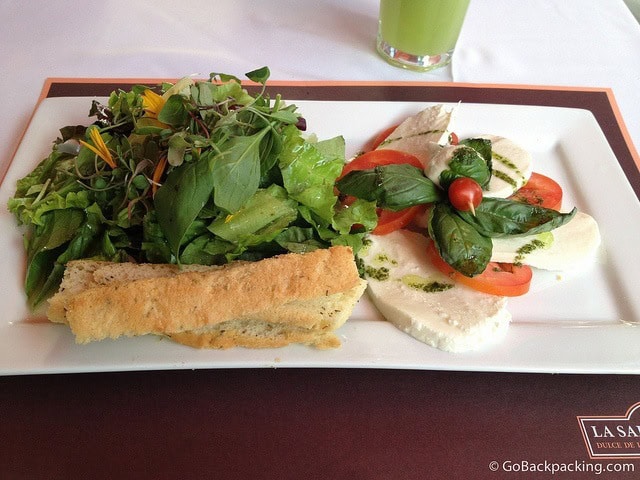
Even the caprese salad was delicious
Even the Caprese salad was delicious

Every day of the week, except Mondays and Fridays, the restaurant offers a flat 50% discount on the entire menu, including the wine.

This isn't a 2 for 1 deal or 50% of a second entrée. This is 50% wiped off your entire bill.

The catch is you have to arrive early, around 7 or 7:30 PM, as the discount, only applies for the first dinner seating.

Since Argentines like to eat later in the evening, around 9 or 10 PM, the crowd is mostly foreign. But when you're paying half price, who cares!

Our spread of steaks

On my first night in Buenos Aires, Stephanie and Mike took me to La Cabrera for dinner. We ordered a Caprese salad to share as a starter, and three different cuts of steak.

The waiter, who was well aware of the large portion sizes, took it upon himself to halve two of our three entrees.

Even so, we'd still be unable to finish all the meat that was delivered. Dessert wasn't even a consideration.

Including the wine, tax and tip, each of us paid about $22. The quality to cost ratio is hard to beat.

Details:  La Cabrera - 5099 Cabrera Street, and 5127 Cabrera Street, Palermo Soho.

La Brigada
La Brigada

Parilla La Brigada

The night after my feast at La Cabrera, I met up with the other travelers with whom I'd be going to Patagonia.

Jens, a Dutch engineer, had been living in the city for a while and suggested we get dinner at La Brigada, another of the top parillas in Buenos Aires.

When I stepped inside the warm, football-inspired interior, I was acutely aware that I was spoiling myself these first few nights in Argentina.

The menu included such delights as:

  • lamb kidneys
  • veal heart sweetbreads
  • lamb tripe
  • beef testes

Wild boar
Wild boar

However, everyone in the group ordered a typical steak. I broke the mold and went something new, young wild boar breast.

Later, when the massive hunks of beef were brought out for everyone else, one was also placed in front of me. I alerted the waiter to the mistake, who then reconfirmed that yes, I did still want my wild boar.

As everyone else was eating, I nibbled on my garlic fries. About 20 minutes later, my wild boar was brought out, only it was the ribs, not the breast.  I accepted it, despite the second mistake.

Thankfully the food made up for the service. The boar had a distinct flavor which I quite liked.

Along with a Quilmes beer, the boar, fries, tax, and tip added up to about $27.

Details:  La Brigada - Estados Unidos 465, San Telmo.

Outside Siga La Vaca
Outside Siga La Vaca (from right): Stephanie, me, Shaun, Erica, and their friend

Siga La Vaca

When friends Mike and Stephanie prepared to leave Buenos Aires after three months, they chose Siga La Vaca for their going away dinner.

Along with Erica and Shaun @overyonderlust (and their friend), we sieged Siga La Vaca's Puerto Madero location.

Even though we arrived before 8 PM, which is early by Argentine standards, there were already people eating dinner.

The dining room was gigantic -- far larger than either of the other two parillas, and not as nicely decorated either. It felt more like a cafeteria than a restaurant.

Meat
I tried the intestines (nope, still didn't like them), ribs, chorizo, and blood sausage

Of course the big draw for Siga La Vaca is the all-you-can-eat meat buffet.

For 120 pesos ($27), you can eat as much meat as you can bear, plus you get access to the salad buffet, and a free drink.

If you choose the wine, as we all did, you get your own 750 ML bottle!

A few of us got dessert, but that might've cost extra.

Everyone seemed to love the portions at Siga La Vaca, perhaps because they were unlimited, but as I'm not a big meat-eater, it didn't do much for me.

I focused on finishing my bottle of wine instead.

Details:  Siga La Vaca - Alicia Moreau de Justo 1714, Puerto Madero.

5 Modes of Transportation for Getting Around Bangkok

If you travel to Seoul, you can easily navigate most of the city by subway. However, when visiting Los Angeles, it's tough to do anything without a private car. Thankfully, there are a variety of convenient transportation options available in Bangkok.

Bangkok is a city where nearly every possible mode of transportation is available and necessary to use regularly, and most are very affordable, even a Thailand chauffeur service from the airport.

On any given day navigating Bangkok, you'll likely have to take the BTS Skytrain, hop in a tuk-tuk for a quick ride, take a taxi, or jump on the back of a motorbike to beat the traffic or get deep into the neighborhood. So here are the five most common forms of transportation in Bangkok.

Table of Contents

  • Transportation Options
    • 1. BTS / MRT / Airport Link
    • 2. Taxi
    • 3. Bus
    • 4. Tuk-Tuk
    • 5. Motorbike Taxi

Transportation Options

1. BTS / MRT / Airport Link

Bangkok's BTS Skytrain

The BTS, MRT, and Airport Link are relatively new to Bangkok's transportation scene. The BTS and Airport Link are mass transit trains that run on tracks elevated above the ground, while the single-line MRT is a subway.

While grand plans are being made to create more train lines to serve Bangkok's farthest regions, the mass transit system only covers the city's central areas.

Many cheap flights to Thailand have increased international visitors, so having the Airport Link is highly beneficial for getting from the airport to the center of Bangkok.

2. Taxi

Taxi
Taxi

Bangkok is a city that's saturated with taxis. There are so many that I sometimes wonder just how many of them can make a profit.

Taxis, though they sometimes refuse to give you a ride if it's somewhere where there's too much traffic, have the potential to go just about anywhere in Bangkok. A ride around central Bangkok shouldn't cost more than $3-$5.

Though there are many cheap flights to Phuket, I've even heard of people hopping in a Bangkok taxi and heading straight there!

3. Bus

Normal Bangkok City Bus

By far, the cheapest way to travel around Bangkok is by taking the local public bus - on some routes, there's even a free bus if you don't mind waiting!

The Bangkok bus network is far-reaching and runs smoothly overall. There are different buses, such as some that take the highway, some with air conditioning, and others with open-air windows.

4. Tuk-Tuk

Tuk Tuk in Bangkok
Tuk-Tuk in Bangkok

One of Bangkok's most famous forms of transportation is the tuk-tuk, a three-wheeled go-cart with a metal body attached. Tuk-tuks are extremely popular for visitors who enjoy the novelty of such a mobile.

After taking my share of tuk-tuks, I realized they are not the most comfortable form of transportation. The seats are a little high, making it difficult to see the roadside, and being open-air, you smell all the vehicle fumes. That aside, it can be fun now and then to whizz through Bangkok on a thundering tuk-tuk.

5. Motorbike Taxi

Motorbike Taxi
Motorbike Taxi

The most convenient and thrilling way to travel through Bangkok is by motorbike taxi. Official motorbike taxi drivers are everywhere in the city, and they are always ready for you to hop on and deliver you straight to your destination as fast as possible.

When the streets are clogged with traffic, motorbike taxis have the advantage of sliding between lanes, weaving through vehicles, and even taking the sidewalk!

When visiting Bangkok, you'll use most, if not all, of these forms of transportation to get around. Sometimes, getting from place to place can be daunting, but luckily, Bangkok has many different transportation options.

Need a place to stay? Check out Go Backpacking's guide to the best hostels in Bangkok. 

Bicycle Wine Tour in Mendoza

Bicycle wine tour in Mendoza
Our guide gives the thumbs up as we cycle through the streets of greater Mendoza

Going on a bicycle wine tour in Mendoza is a quintessential backpacker experience.  

A few days before I was due to leave the city, I was invited by Antonella of Kahuak to join them for a day of wine tasting.

Having already been on a wine tour a few days earlier, I confirmed that their tour would be to three different wineries, in a different region of the city.

And instead of hopping in and out of a van, we'd be on Trek mountain bikes.

At 9:30 AM, I was picked up at my hostel, and along with a German family of three, we drove South.

We were let out at a bike rental shop. It being Autumn, there was a severe chill in the air, and I soon realized it was exacerbated once you began pedaling.

Filosofos wine tasting

Table of Contents

  • Filosofos
  • Lagarde
  • Cava de Cano
  • Carmelo Patti
    • What You Need to Know

Filosofos

The ride to our Filosofos, a small, family-owned organic winery, was no more than 15-minutes, but I could barely feel my knuckles by the time we arrived.

As the winemaker's daughter began the tour, I hoped it would last long enough for us to warm up.

Having already visited three larger wineries on my previous tour, I found the visit to Filosofos to be a nice change.

Our guide, along with her siblings, were following in their parent's footsteps by learning about the winemaking process.

And I appreciated the fact that they are taking an organic approach to grow the grapes.

Wine Tasted:  Vina el Cerno Malbec  (only 9,000 bottles produced per year)

My Thoughts:  Excellent wine, which tastes all the better because it's organic, and made with a lot of love. I wanted to take the mini-barrel with me!

Inside the fermentation room at Lagarde winery
Fermentation tanks at Lagarde winery

Lagarde

By the time we were riding to Lagarde, our second winery, the sun had risen higher in the sky, and had the temps had begun to warm up. It didn't hurt that we had already consumed our first glass of wine either.

My knuckles were no longer suffering from the cold, and I was better able to appreciate the scenery.

After 20 minutes of riding through the quaint streets of southern Mendoza, lined with the colorful trees of Autumn, we entered the Lagarde winery.

Much larger than Filosofos, Lagarde offered a look at wine production on a much larger scale.

While we were in the fermentation room, we could see men washing out a giant contraption used to suck (or filter) the wine out of the large, stainless steel tanks.

The temperatures in the fermentation rooms, like the wine cellars, are strictly regulated and kept quite cool.

It's interesting to see how the wineries differ in their approaches to winemaking and storage.

The equipment used to cork bottles of sparkling wine
The equipment used to cork bottles of sparkling wine (at Lagarde)

Some wine cellars are underground, while Lagarde's was above ground in a massive warehouse adjacent to the fermentation room.

The most interesting thing I noted on this tour was the 5-step process used to cork the sparkling wine.  

The process is still done manually, by a single guy, in a tiny space.

Wine tasting at Lagarde

After the tour, by the older brother of our guide (who also use to lead tours at a winery), we had another tasting. This time, we were able to try four different wines.

I've noticed the larger wineries are often more generous with the amount of wine you're allowed to taste.  

Not necessarily the pours, which vary by guide, but the number of different types you can try.

Wine Tasted:  Malbec 2010, Viognier 2011, Syrah 2010, Guarda 2009

My Thoughts:  They were all good; however I liked the 2010 Malbec the most.

Lunch at Cava de Cano restaurant

Cava de Cano

From the Lagarde winery, we rode our bikes to Cava de Cano, a restaurant that is more akin to an institution.

The cool part about Cava de Cano is the way they have separate dining rooms to cater to individual wine tours.

Our group of five was lead to a smaller room, with a wild boar's head mounted on the wall, among other animal skins (and even a pair of what appeared to be ostrich feet).  

Tango music was piped in to set the mood.

On the table, an Argentine picada. This was to be our first course. Picadas are finger food, usually consisting of different meats, cheeses, and vegetables.

The table featured everything from corn on the cob to tripe.

My favorites were the goat cheese, carrots in a vinaigrette, rice with Malbec, and roasted garlic.

Our waiter was the Manager, who was an Argentine-American. He said he likes to help cook and serve when possible, as he gets to know the food (and customers).

The lunch features all-you-can-drink wine, explicitly made to be served in the restaurant.

And they are not stingy when it comes to refilling your glass. If you don't leave the wineries woozy, you can always make up for it at lunch.

The second course was two types of baked empanadas: beef, and caprese (mozzarella, basil, and tomato sauce).

The third course was a meat stew, and the fourth course was spaghetti with fresh-grated Parmesan sauce.

For dessert, we had a few options. I chose the vanilla ice cream with dulce de leche sauce.

I could barely move after lunch. And that's precisely why our third and final winery was only a few minutes bike ride away.

Wine Tasted:  A house-made red wine (probably a Malbec).

My Thoughts:  It's good, you can't get it anywhere else, and it's all you can drink, so enjoy!

Meeting Carmelo Patti
Meeting Carmelo Patti (left)

Carmelo Patti

According to our guide, Carmelo Patti is an amazing winemaker. If I remember correctly, the winemaker was born in Italy, but his family moved to Mendoza when he was very young.

He spent his early years learning to make wine for others and only in the last decade or so, put that knowledge to use by opening his winery.

We took a quick walk through his winery, and then tasted two of the reds that he produces.

I was glad we got to meet one of the winemakers, which is a benefit to going with a guided tour as opposed to renting a bike and going off on your own.

Wine Tasted:  Malbec 2007 and one other red.

My Thoughts:  I'd consumed so much wine by this time, I honestly can't remember my thoughts!

From Carmelo Patti's winery, it was a short bike ride back to the shop where we began. From there, we took a van transfer back to our accommodation.

Overall, despite the early morning chill, I had a wonderful time on this bicycling wine tour in Mendoza.

The full-day itinerary included three different size wineries and a gigantic lunch. You'd be hard-pressed not to get your money's worth of wine and food on this tour.

____

What You Need to Know

Difficulty:  Easy. The city is very flat, so it's not hard getting around by bike.

Where to Book:  Kahuak offers a variety of wine tours, including this bicycling tour, as well as others that feature horseback riding and vintage cars.

What to Bring:  A daypack if there's a chance you'll buy wine, jacket, hat and gloves (depending on the weather), sunglasses, sunscreen.

______________

I was provided with a complimentary tour. All opinions are my own.

Kashgar's Sunday Attractions: The Famous Bazaar and Animal Market

kasher boy with bread
Kashgar street scene: boy with bread.

[A]bout a week ago, I ventured down from central Kyrgyzstan across the Torugart Pass until reaching China's ancient city of Kashgar.

Kashgar, located in the western area of China in the Xinjiang Uyghur Autonomous Region, closer to the Tajikistan border, has a special draw because of its ties to the Silk Road.

When doing our research, the ability to explore a place with such ancient ties are what initially drew us in, but the more we heard – particularly about the predominant Uyghur population and how many Chinese will consider this a "dangerous place" – I have to admit, the more intrigued we became.

"There are places in the Old Town that when you walk around in them, you won't even feel like you're in China," explained our driver who took us from the edge of the Chinese side of the Torugart Pass to Kashgar.

He was absolutely spot on. I would say there were many moments in Kashgar where we felt like we had gone the other way from Kyrgyzstan and somehow ended up in the Middle East.

Besides that, we also learned from our driver that Sunday is a popular day for visitors in Kashgar, particularly because of the Sunday Bazaar and Animal Market.

kashgar markets
Typical Kashgar market stall.

The Famous Sunday Markets

As far as bazaars go, the Sunday Markets of Kashgar take the cake with a history that is said to date back around 2000 years.

This bazaar is located, because of its size, on the far end of town near the East Gate, and it is also known as the "International Trade Market of Central and Western Asia".

Shopping at Kashgar markets
Shopping at Kashgar markets.

While the bazaar is open every day of the week, traders from all over neighboring countries make the trek into Kashgar each Sunday to be a part of the main spectacle that encompasses over 4,000 permanent stalls and an entire street dedicated just to food.

It is possible to shop for the following goods: carpets, jewelry, instruments, pottery, fruits, nuts and meat.

To get to the bazaar, you can walk a good 20 to 30 minutes from the city center, or take a 15 RMB taxi ride.

outside animal market
Outside the Animal Market.

Sunday Animal Market

On the opposite end of town, only on Sundays, the Animal Market takes place. The Animal Market was at one time a part of the great Sunday Bazaar, but it split off to become a show all its own in a big open area across town.

The animal market is the place where locals and traders from afar gather to buy, sell, and trade livestock – especially sheep and cow. To the locals, it is just another day of work, but for tourists, it is clearly a step into the past.

animal market bartering
Animal Market bartering.

Local Uyghur men, dressed in traditional garb, herd or haggle; when they get hungry, they just head to the sidelines where various food stalls have been set up, each cooking a dish made of fresh mutton.

We saw sheep head soup and sheep laghman going down a treat, but for me... well I'd rather not eat my food right next to where a group of animals is potentially defecating.

You will need a taxi to get to the Animal Market, which will cost 15 to 20 RMB, but on the way back, you might have to take one of the small carts unless you're willing to wait a while for a proper taxi.

A small warning: I, at times, found it very hard to walk around the animal market given the conditions provided to the animals, so if you have very strong feelings towards animal rights and living conditions, it might not be a place for you to visit.

kashgar street boy running
Kashgar street scene: Boy Running

Other Attractions in Kashgar

A visit to Kashgar is made special just by being able to see life in action. The markets, the big Sunday Bazaar, the Animal Market, and the food and drink culture are all unique aspects of the city.

Other than that, one can visit:

  • The Apak Hoja Tomb
  • The Id Kah Mosque
  • The Kashgar Old Town
  • Zhiren Street
  • Karakul Lake (day trip)

Getting to Kashgar

Kashgar is one of the westernmost cities in China, so getting there involves a hefty trek. You can fly from Beijing, but there is probably a mandatory stopover in Urumqi.

Otherwise, you can take a 1 day, overnight train from Urumqi, or if coming from Kyrgyzstan, take a day-long drive and border crossing through the Torugart Pass.

Our entire journey from Naryn, Kyrgyzstan to Kashgar, China took us around 8 hours via the pass.

Going to a Boca Juniors Game

Upon my return to Buenos Aires from Patagonia, I checked into a hostel in the trendy Palermo Soho neighborhood.

An upcoming Boca Juniors game was being advertised at the reception desk, and I knew I had to go.

Argentinians are incredibly passionate about football (soccer as we Americans know it), and Boca Juniors is the most popular team in the country.

For 600 pesos ($135), it was going to be by far the most I'd ever paid for a sporting event.

The price is for an organized tour, which includes the cost of the ticket, and some beer.

In Medellin, I attended three football games with friends (including one World Cup Qualifier).

It was my introduction to South American football, and the first game, in particular, was off the hook (crazy).

I'd heard rumors over the years about the fans at Boca games. They'd shake the stadium and occasionally throw urine or feces on the opponents' supporters.

For a variety of reasons, including the fact that it's hard to get tickets if you're not a card-carrying Boca fan (literally, they have ID cards), I decided to pay a premium for the group tour.

I also invited Mike and his girlfriend Stephanie to join me.

The afternoon began when we were picked up in a van at the hostel in Palermo.

We then made our way to La Boca, a rough-and-tumble, working-class neighborhood after which the team was named.

It's one of the neighborhoods that are notorious for pickpockets, which is another reason it makes sense to go with a group.

The price of the ticket included a beer and choripan (a sausage).

Of course I pictured we'd be getting these drinks in an English-style pub with wood trim, but in reality, it was more like a garage.

Upon arrival, there were already other people drinking and chatting.

As we began consuming as much watery beer as possible, new groups of tourists arrived.

Alberto J. Armando Stadium, better known as La Bombonera, was 100 meters down the street from the garage.

Soon after darkness fell, we walked over.

Each of us had been presented with an ID card belonging to one of the club's fans.

It didn't matter that Stephanie had no resemblance to Senor Fernandez; we need to present the cards as we passed the gate.

Our seating was behind one of the goals, with the die-hard Boca fan clubs seated at the opposite end of the stadium, behind the other goal.

We had a great view of them the whole game, but if I had my choice, I would've wanted to sit closer to the center line, as I did at the FC Barcelona match.

To get good seats in our concrete bleacher section, we had to arrive about an hour early.

This allowed us all to sit together. We killed time by eating ice cream and taking pictures with Mike's camera.

My camera broke for no apparent reason on the flight back from Ushuaia, and I didn't want to risk bringing my iPhone.

Ultimately, we were never in any danger. There were so many other foreigners seated around us; we were insulated.

The opposing team's fans were seated in the upper deck above us, so even if they wanted to throw something gross on us, they couldn't.

And because we had private transportation, there was little chance I was going to get my pocket picked after the match, as happened to me in Barcelona.

But back to the Boca Juniors game.

As the stadium filled up, and the game time drew near, a beautiful cheerleader squad emerged onto the field.

From halfway across the field, it was abundantly evident just how short and tight their uniforms were.

They proceeded to do a dance number that'd make any Colombian turn red. 

These were dance moves you'd never see in the USA.

The match was against Lunas. The Boca Juniors jumped out to a quick 2-0 lead in the first half. With each new goal scored, the crowd erupted.

The super fans on the opposite end of the stadium sang their songs the whole match.

Now I know where DC United's Barra Brava got their name, songs, and spirit.

Buenos Aires.

In the second half, the Lunas fought back, scoring two goals to draw even with the home team.

The super fans seemed stunned, and the rest of the game was a little quieter as a result.

I'm glad I went to the game. It was on my bucket list for Argentina, and South America as a whole, however once was enough.

Unless I'm paying for a match in Brazil or England or a World Cup-related game anywhere, I won't be paying $100+ again.

Disney World & Universal Studios: Fun For All Ages

Disney World Trip - Magic Kingdom - Cinderella's Castle (photo: Richard Stephenson)
Cinderella's Castle (photo: Richard Stephenson)

By the age of 10, I'd visited Disney World in Orlando, Florida twice. Back then, I could rely on my parents to buy the Disney tickets, while I focused on enjoying the rides. These family vacations are amongst my earliest travel memories.

What I didn't count on was my return to Orlando as an adult.

The first occasion was in 1998 when I convinced a college friend of mine to join me for Spring Break in Daytona Beach, Florida.  

Being the bootstrapping college students that we were back then, the Greyhound bus was our preferred mode of transport.

Twenty-four hours later, we arrived in Florida and hit the beach.

Daytona Beach may have been a hotspot in the 1980s, but we were about a decade too late.

There were people, of course, but I wasn't seeing the action I was accustomed to on MTV.

Luckily, we were close to Universal Studios, which we visited on a day trip from Daytona. There, we were able to go on rides tied to some of my favorite movies.

The Jaws ride, while showing its age, was a must, but hardly scary.

The Back to the Future ride involved getting in a mock DeLorean for a ride through space and time, only we didn't actually move anywhere.  

It was one of the most exciting rides I'd been on up to that point in my life.

And the 3-D Terminator experience was cool too and involved a surprise ending which shocked everyone in the theater.

Wizarding World of Harry Potter
The Wizarding World of Harry Potter

Thirteen years later, I returned to Universal Studios on another family vacation. With my parents living in Florida, we visited one day while I was home for Christmas last year.

Universal Studios had expanded immensely since my college years.

The park had doubled in size! Essentially, the park I visited in 1998 had the older rides, while a whole new area had opened featuring more modern movies and rides.

The family split up. My parents went off on their own, while I and my brother went in our own direction.

The first two rides we hit were Spiderman and Jurassic Park, the latter which involved getting ourselves soaking wet.

But the biggest attraction in the new Universal Studios is the Wizarding World of Harry Potter.

My brother, having read all the books and seen all the movies, made sure we got our mugs of Butterbeer and stood in the long line to get inside the Ollivanders wand shop.

I was along for the ride and found it fascinating how my 32-year old brother, and so many other adults, were so captivated by the make-believe world of Harry Potter. 

For example, he spent $50 on a mock, plastic wand. And he was hardly alone in making such a purchase!

At the end of the day, we reunited with my parents for dinner at one of their favorite theme restaurants, Jimmy Buffet's Cheeseburger in Paradise.

It's my great hope that sooner, rather than later, I'll be back to Disney World and Universal Studios with my own family.

I'll enjoy the same places through the eyes of my children, just as my parents had with me. And the whole cycle will begin anew.

_______

Disclaimer: This post was written by Dave, and brought to you by Attraction Tickets Direct.

Is Technology Good or Bad for Traveling?

Yesterday, I went into a well-known coffee shop, eagerly ready to get my daily caffeine fix for my work day. While impatiently waiting my turn in line, I gazed across the room.

Since the coffee shop was directly downtown, it was no surprise to see backpackers and tourists from around the globe. Some had iPads or tablets out, while others were sitting on couches or armchairs, curled up with their computers.

Taking advantage of WiFi, and the view, at a hostel in Punta del Diablo, Uruguay. (photo: David Lee)
WiFi and a view from a Punta del Diablo, Uruguay hostel. (photo: David Lee)

It was then that I started to realize just how small the world had become over the past decade and a half and how this change had affected my life abroad.

I'm not one to tell the young kids how much rougher I had it when I was their age, or how much better life was way back when, and this article won't be any different. I marvel at what technology has done for me as an expat.

When I first began living in Germany, my only lifelines at home were my telephone and laptop. It doesn't sound all that bad, and it wasn't.

Of course, my computer was running Windows 95 and had a 56k modem hook-up, and my telephone was my landline, which was extremely expensive to use when calling home. The worst part of the conditions, and maybe for some, the best part, was the distance.

The purest of travelers may argue that you can't truly respect a foreign culture until you completely immerse yourself in it. I agree to an extent, but family and friends are still essential parts of our lives, and communication was severely limited back then.

Fast-forward to today. My once-a-week phone calls home have been replaced by Skype, Messenger, and FaceTime sessions.

No time for long emails (especially half-written emails that suddenly disappear when the internet goes out)? No problem. I can tweet a short message and let everyone back home know what I'm doing.

Even better, I can sit down and play Xbox Live with my brother when I need to catch up with him. We rock Modern Warfare.

All those nights reading Goethe and Schiller in the beginning, you ask?

No more, my friends, for I now can comfortably sit at home and watch my favorite TV series and movies every night…and in English, no less. Game of Thrones, anyone?

Technology is undoubtedly a plus when keeping up with family and friends, and certain things can be said about increasing safety.

I'd also be remiss to leave out how Google Maps has helped me on several occasions when finding my way around unfamiliar territory. Yet, I'm still unsure about all those other fringe benefits.

McDonald's food in Cairo
The McArabia meal at Cairo McDonald's (photo: David Lee)

I think it's a lot like going into that McDonald's in Cairo - you told yourself you would never go in there, but it sure is tempting [Editor's Note: guilty as charged]. More importantly, it might not even be good, but at least you know what you are getting (comfort and certain satisfaction).

So, as the world grows smaller, travelers and expats alike face the challenge of achieving a precarious balance. Some might say we must balance who we are and what we hope to become. I don't have the answers; I take the easy way out and pose the questions.

But I struggle with the answers too, and occasionally wonder if I should stay up till 4 am to watch the Super Bowl? After 15 years abroad, it's still hard to say no.

__________

Disclosure: This article was written and brought to you by Flights24.com.

Hiking the Himalayas

Flying over the Himalaya (photo: David Lee)
The Himalaya (photo: David Lee)

[T]he world's mountainous regions are all popular with adventurers, and no area represents greater challenges than the Himalayas.

However, it's not just the mountaineers amongst us who can enjoy the spectacular opportunities. With cheap flights to India, adventurers of all persuasions can enjoy the Greater Himalayan National Park.

In the most northern reaches of India in the Himachel Pradesh, the GHNP took 20 years to establish, finally becoming a National Park in 1999.

The park offers a huge range of eco tourism options to visitors to experience the amazing beauty of the area and support the local community.

The park is accessible by road and air. It is a 14-hour road trip from Delhi or by air from Delhi to Buntar which is 50km from the park.

Treks through the GHNP can be undertaken with guides but entry and route permits are subject to approval by Park officials for obvious safety reasons.

The shortest trek inside the park is a five day 56km trek across the Sainj river valley with an optional additional 10km for the round trip the Dhel taking in a mountainous trek through dense forest to a high, wide meadow, with great vistas and opportunities to spot wildlife.

The majority of treks are more strenuous and are seven or eight days. To see some mountainous drops, waterfalls and a chance of observing the Himalayan Tahr or Black Bear try the Sainj-Tirath Valley trek or the Tirthan Valley trek. Both are eight days and involve some strenuous climbing through dense forest.

For the superbly fit, the trip from Jiwa Nala to Parvati River Valley is very strenuous but truly dramatic with a total up down of 3500m in one day, as part of the seven-day journey. It involves high peaks with snow, and opportunities to see Brown Bear and Snow Leopard.

Outside of the park is the Ecozone, and trails here provide a view of the local communities and their crafts and livelihood. A great time to visit is the autumn when the Dushera Festival, a major Hindu event is on. Displays of music, costumes, exhibitions and foods fill the roads and towns.

There are two tourist centres at GHNP. The Larji information centre is well located for orientation from Neuli or Gushaini.. Park brochures, posters, and entry ticket to the Park can be obtained and the headquarters of Jiwanal Range Officer is also located here.

Sia Ropa Tourist Centre is 5km from Banjar and 5kms before the Gushaini entrance to the park and acts as the HQ for the Tirthan Wildlife Range Office and tickets to the park can be obtained here.

The Centre has a Forest Rest House with two dormitories (20 beds in all), Outside, there is a 520m long Biodiversity Trail which has trees and medicinal plant species transplanted from the Park, a pergola with Tirthan river view, a demonstration site for vermicomposting, a butterfly enclosure and a solar energy site.

Whatever your adventure at GHNP you have a unique opportunity to see some of the rare and endangered ecosystems which make the work of the park so important. Treasure every second.

_______

About the Author:  Linda is a freelance writer and bookseller who, following 19 years in IT for a large airline, loves to write about the places she has visited. She also adores her other job as a bookseller in a local bookstore.

A Walk Through Seoul’s Bukchon Hanok Traditional Village

Seoul's Bukchon Hanok Village

[S]eoul, South Korea, is a fascinating city filled with thriving life, tasty cuisine and rich traditional Korean culture mixed within.

In the midst of modern skyscrapers, trendy shopping malls and high tech smart phones is a traditional section of Seoul that has been designated as an area of cultural preservation.

A "hanok" is the term used for a traditional Korean home while "Bukchon" is the name of the village which lies to the north of some of the most famous landmarks within Seoul.

Though it's not quite the same experience of being in the countryside visiting a local village like Batwa, strolling through Bukchon Hanok village, which is in some parts 600 years old, presents a great opportunity to learn about the history and culture of Seoul.

View of the Bukchon Hanok Village in Seoul

Visiting Bukchon Hanok Village

Due to an abundance of both foreign and local Korean tourists visiting Bukchon on a daily basis, the village is well organized and easy to navigate.

After arriving I picked up a free map of the village at the central tourism information office.

The map showed almost the entire village and plotted a walking route that highlighted a number of strategic viewpoints.

View of some of the ancient rooftops in the village

The walk went up and down hills, through small alleyways and pointed out some great panoramic views of the village and city, as well as a glimpse into the architectural construction of the village.

The day I went, there were also thousands of Koreans out for a walk, enjoying the scenery and snapping just as many (or probably more) photos as first time tourists.

Overall the walk circumference around the village took about 2 hours to complete at a comfortable pace and it was one of my most memorable afternoons in Seoul.

Extremely tasty skewers of Dakkochi

On the streets of the village closer to the main road approaching Insadong and the Anguk subway station, there's a large selection of cafe's and restaurants serving everything from traditional Korean food to Italian food and modern fusion cuisine.

Some restaurants appeared to be extremely famous with Seoulites lining up waiting to eat.

As I walked around Bukchon Hanok, I couldn't help but sample a few of the most tempting street snacks like the skewers of juicy chicken lathered in Korean tomato chili barbecue sauce known as dakkochi (pictured above).

Other Opportunities

As a cultural heritage center of Seoul, instead of just walking around the village, there are also a number of ways to explore it on a more in-depth level.

One of those ways is to actually stay in the village and experience the traditional Korean style of accommodation.

There are a number of guest houses where you can book a hanok homestay which not only includes a place to sleep for the night, but also a wonderful cultural experience.

Another way to experience the rich South Korean culture is to sign up for a traditional tea drinking ceremony (tea was originally reserved for the privileged in Korea), a Korean cooking class, or even a lesson on making kimchi - one of the foundations of Korean cuisine.

If you choose to just walk around the village (like I did), stay  for a few nights, or take a Korean cultural course, visiting Seoul's Bukchon Hanok village is a throwback in time and an interesting peek into the traditional Korean way of living.

Let's Go Backpacking in the Peruvian Amazon

Rio Tambopata
Rio Tambopata (photo: Geoff Gallice)

Today I'm excited to share my reason for returning to Peru next month. At the kind invitation of Kurt, a co-founder of Rainforest Expeditions, I will be embarking on a 6-day journey into the Peruvian Amazon.

Before arriving in South America, I always associated the Amazon rainforest with Brazil, however, I quickly learned that it's accessible from almost every country on the continent.

This will be my first experience visiting the Amazon.

One month from today, on June 22, I will be flying East from Lima to Puerto Maldonado, before heading into the Tambopata National Reserve by boat.

This protected region of the Amazon covers 275,000 hectares in Southeastern Peru and is home to:

  • More than 10,000 species of plants
  • 600+ species of birds, including colorful macaws, parrots, and toucans (my favorite)
  • 200+ species of mammals, including otters, various monkeys, and jaguars (awesome!)
  • 100+ species of amphibians and reptiles, including caimans

My time will be split between 2 of the 3 eco-lodges run by Rainforest Expeditions in the region. These lodges are designed to have a minimum impact on the surrounding environment.

They rely on kerosene lamps and use a very limited amount of generator-produced electricity every night (we have to charge our camera batteries, of course). There's no hot water either.

Internet access is briefly available each night, I'm told. I will attempt to send some tweets out during my stay, but for the most part, I'll be off the grid.

Table of Contents

  • Day 1
  • Day 2
  • Day 3
  • Day 4
  • Day 5
  • Day 6

Day 1

The first day and night will be spent at Refugio Amazonas, which requires a 2.5-hour boat ride to reach.

Activities will include a nighttime search for caimans on the river and canopy tour.

Day 2

On the second day, I'll be board another boat to go a further 4.5 hours deeper into the Amazon.

I'll be spending the next three days and nights at the Tambopata Research Center. This is where the chance of spotting wildlife is greatest.

In the afternoon, there will be a hike, with the potential to see howler monkeys (which scared the heck out of me at night in the Belize jungle 6 years ago).

In the evening, there will be a lecture on macaws. The Research Center is located 500 meters from the largest known macaw clay lick in the Amazon, so it has thus become an important destination for the scientists who study them.

Macaws
Blue-and-yellow Macaws and Scarlet Macaws at the clay lick. (photo: Brian Ralphs)

Day 3

The third day starts with an early-morning visit to the Macaw Clay Lick, where dozens of macaws and hundreds of colorful parrots congregate daily.

This clay lick is so important for research purposes, scientists have been visiting it for over 20 years.

After breakfast, there will be another nature walk, followed by a visit to a local pond in the afternoon.

In the evening, there's an optional night walk to try and catch a glimpse of mammals (jaguars!). This is when I expect to come face to face with my first tarantula in the wild.

Day 4

More nature walks around the Research Center, looking for tamarins and tapirs.

Day 5

I'll head back to Refugio Amazonas by boat, where the afternoon will be spent paddling around Oxbow Lake in search of otters.

Day 6

As the trip winds down, I'll leave the Amazon for Puerto Maldonado, where I've scheduled a few extra days before departing for Lima.

In a few weeks, as the departure draws near, I'll share my packing list specific to an Amazon trip of this nature.

___________

Disclosure: This tour is in partnership with Rainforest Expeditions. As always, any opinions expressed are entirely my own.

Lima Travel GuideDave's 160-page, all-original Lima Travel Guide is now available for Kindle and PDF.

Falling in Love with Cappadocia in Central Turkey

Cappadocia lunar landscape
Stunning Cappadocia

Whenever a place is described as having a "lunar landscape," I think I enjoy it more.

In the outback of New South Wales in Australia, White Cliffs was also the spitting image of the moon, being speckled with giant anthills that act as opal mines or even homes.

Something about a place that seems so vacant and yet so beautiful draws me in.

Cappadocia, in central Turkey, would be one of those moon landing types of places - the ones where you immediately scratch your head and say, "Hmm, so people actually live here?"

Cappadocia has probably topped the list of coolest places I've been, but not just because of the Cappadocian landscapes and rock formations, but also because of the cute little town of Göreme in which we stayed.

Goreme and flowers
Goreme and flowers

Cappadocia

Cappadocia forced me to get outdoors because most of the attractions involve hiking (light hiking, mind you) or the casual (grueling, in my case) mountain bike session.

Sure, we wanted to die after a big outing, but we also felt good - ready for that 10TL 3-course lunch back in Göreme.

We explored old cave churches, walked through valleys lined with cave and pigeon houses, and twisted and turned around fairy chimneys where we even happened upon the nicest man producing organic apple tea and wine from fruit grown in his garden.

Goreme rest stop
A rest stop along a hiking trail.

Along designated paths in the national park, there were numerous rest stops where you could quickly order an apple tea or two and bask in the natural beauty of a flowing creek rushing through the linings of naked trees.

Göreme

Back in Göreme, a town in the Cappadocia region, we were greeted every morning by the sunrise and 50+ hot air balloons, all reaching slowly above the town's rocky surrounds.

Goreme and hot air balloon
Goreme in the morning with a lone hot air balloon.

Walking down the street felt surreal with these towering icons looming above, but even those that stayed indoors (and out of the clouds) could probably hear the pulsing sounds of the balloons heating up and flying overhead.

We visited the town during the lower season, and even then, vendors were friendly and not pushy.

Some locals offered us free Turkish delights, while others welcomed us into their homes.

Our stay was only supposed to encompass the three full days in the region as marked by our Intrepid Travel tour, but we stayed five to get to know it well.

If it weren't for a schedule, we probably could have stayed longer, just relaxing and spending time with the adorable little girl of our motel owner.

Turkish Flag in Cappadocia

Visiting Cappadocia

Cappadocia is a good 10-hour bus ride from Istanbul or a couple of hours flight, but it is definitely worth the trouble.

If you feel the vibe of Istanbul is too hustle and bustle, head out to Cappadocia to discover the hard-working, friendly, and helpful people that make up much of Turkey.

The best time to visit would not be in the winter, and even early April was chilly when the wind blew (and rainy!).

Our guide explained that mid to late April was when the trees and flowers would bloom, so I can only imagine the beauty at that time.

The 4 Most Anticipated Festivals in Thailand

Busy Chinatown on Chinese New Years in Bangkok

[H]aving lived in Thailand on and off for a number of years, I’ve been able to attend many festivals.

Here are the four main festivals that stick in my mind as the most highly anticipated events of the year!

1. Chinese New Year

There are estimates that more than half the population of residents in Bangkok alone have Chinese blood - so you can be assured Chinese New Years in Thailand is huge.

For Thai-Chinese, the lunar new year is about spending time with family members and remembering ancestors. It's also a time for a new beginning with the hopes of prosperity and good luck for the future.

Not washing or cutting hair and refraining from cleaning the house are a few of the notable traditions. Choose to partake in these activities during Chinese New Year and you run the risk of washing away your wealth for the year.

While Chinese New Year is celebrated all over Thailand, the bulk of events in Bangkok are held in the heart of Yaowarat (Chinatown) where thousands gather to eat, browse and watch the parade.

Date: Late January to February

Songkran Festival in Thailand

2. Songkran

Of all the Thailand holidays, nothing is more anticipated or as exciting as the annual Songkran festival that ushers in the Thai New Year.

On the serious side of things, for local Thais, the Songkran festival is about spending time with family and close friends as well as visiting a Buddhist temple to offer food and receive blessings from monks.

For the remaining portion of the days (and nights) during Songkran, Thailand turns into a water splashing war zone where no one is spared.

Many people choose to pile into the back of pickup trucks or on motorcycles to cruise around the streets drinking alcohol and dousing everyone with water.

Songkran is the ultimate chance for everyone to let loose and have a blast. If you’re able to visit Thailand for just a single festival, Songkran is a great choice!

Date: April 13 - 15

Vegetarian Festival in Bangkok

3. Vegetarian Jay Festival

Around 150 years ago there was a group of Chinese opera performers that traveled to Thailand.

On their journey they became very sick and after consulting with one another they decided they had not been faithful to the nine emperor gods of the Chinese Taoist belief.

In order to make things right, the group decided to eat a strict vegetarian diet for the first nine days of the ninth lunar month.

The “Jay Festival” as it’s known, still takes place annually. For foodies (not only vegetarians) and cultural travelers, the Thai vegetarian festival and its ceremonies are a highlight of Thailand travel.

While the vegetarian festival is most famous in southern Thailand (in Phuket specifically) there’s also widespread events and vegetarian food throughout Bangkok.

Date: End of September or early October

Loi Krathong Festival in Thailand
Loi Krathong Festival in Thailand (photo by makilica)

4. Loi Krathong

The night of the full moon in the 12th lunar month is when the beautiful Loi Krathong festival is celebrated.

A krathong is a traditional floating device made from a slice off the trunk of a banana tree that is decorated with banana leaves, flowers, candles and sticks of incense.

Every year thousands of Thais get their own krathong, light the candle on fire and float it in a designated river or lake.

While thousands of flickering candles in a river is truly a wondrous site, the actual act of floating a krathong is symbolistic of getting rid of all personal anger, frustration and grudges. It's also an act to honor the goddess of water.

Date: Normally in November

Thailand is an amazing country, but if you manage to arrange your travels so you are in the country during one of these anticipated festivals your trip will be even more remarkable.

________

Disclosure: This post was written by Mark, and brought to you by STA Travel.

Flames of the Forest: A Must Splurge for Far North Queensland

flames of the forest intro
Flames of the Forest Pavillion

[O]ur shuttle bus dropped us on a dirt road in the dark, but we knew where to go into the rainforest because of the small planted lights that led the way.

After turning a corner, we were served bubbly and hors d’oeuvres from an outdoor bar, in a small clearing with a few smaller trees all adorned with white strings of lights.

It was elegant, and classy, or maybe like the beginning of a cheesy haunted amusement park ride – at this point I couldn't tell, but I was definitely enjoying the bubbly.

After maybe 15 to 20 minutes of our casual, soft-lit pre-drinking party, we were summoned by a man in a loin cloth and body paint to follow him. Curious, and warm from our drink, we didn't hesitate.

Around the corner was another clearing with the most breathtaking setup one could imagine in the middle of a rainforest.

The oohs and ahhs were barely audible over the sounds of a digeridoo being played on the stage by another main in a loin cloth and body paint.

Cheesy haunted amusement park ride, it was not. We took our seats and prepared for the feast and the show ahead.

flames of the forest dinner
Seated at our dinner table and preparing for the show.

Flames of the Forest

Any trip to the area of far north Queensland in Australia will more than likely involve an experience learning about the Aboriginal culture. Which cultural experience you choose is up to you.

You can go on Aboriginal hikes through the rainforest-filled lands in the Daintree, or you can sit back while Aboriginal people sing and dance in front of you.

Or, you can visit Flames of the Forest outside of Port Douglas for an entire evening of food, drink, and story telling in a stunning outdoor setting of the rainforest.

Flames of the Forest's main draw would be the 3 hour Cultural Evening where participants dine in the pavillion at night on a 6 course banquet (made from local produce), with all you can drink beverages (wine and beer are included), all while listening to traditional Aboriginal music and story-telling, that which is emphasized by lighting effects.

flames of forest story telling
The story-telling begins.

Unfolding of Events

I was mesmerized. Not only was the soft hum of the didgeridoo producing a calming effect, course after course of delicious food being brought to the table – that you share with a few other event goers – filled our stomachs with pleasure.

My favorite dish of the night would have to be the kangaroo meat spiced with lemon myrtle and topped with fig and macadamia nuts, but the giant pavlova dessert was a close second.

When you get well into your meal, the show moves to the front to the clearing right next to the tables with people eating. Almost everyone has a front-row seat.

Lights adorned our Aboriginal guides who then began playing more digeridoo as the other delved into traditional stories – stories about how certain animals were made; legends.

Group photo
Group photo

Value of the Evening

At the time of writing, the price of a ticket to Flames of the Forest Cultural Evening is $209 AUD.

While that might seem like a lot, the ticket does include an Aboriginal cultural show, a 6 course dinner (that tasted divine), alcoholic beverages, and transport to and from your Port Douglas accommodation.

When you put it in that light, the cost is not very extreme at all.

Plus, it will provide an experience you will never forget in pristine rainforest surrounds of far north Queensland.

My ticket to Flames of the Forest was provided as part of a media trip with Tourism Queensland. However, I was honestly impressed by the event and wouldn't hesitate to take family and friends there in the future.

Final Thoughts: Patagonia Trip

Penguins
An adolescent King penguin stands out amongst thousands of Magellanic penguins on an island outside Ushuaia.

If I did my job well, then the last few months' worth of dispatches from Patagonia have sold you on the region as a top-notch destination.

I had a blast, and I want to thank G Adventures for letting me join them on an End of the Earth tour. The itinerary met my expectations, and the actual locations exceeded them.

The trip began when we met Nadia in Buenos Aires. By early the next morning, we were meeting Christian, our mountain guide and Chief Experience Officer (CEO) for most of the trip.

Fitz Roy Mountain looms over the village of El Chalten

The active stage of our trip began with a hike around Fitz Roy mountain, whose summit remained hidden much of the time. However, it did not distract me in the least from the day. You will be disappointed if you go to Patagonia expecting perfect weather for every hike.

Ice Climbing on Viedma

The next day, I fulfilled a childhood dream by going ice climbing on Viedma Glacier. The morning started overcast, but the skies had cleared by the time we reached the glacier. The surprise ending to our day was something none of us saw coming.

Searching for a connection at Perito Moreno Glacier

Our next big adventure was a visit to Perito Moreno Glacier. The sheer size of the glacier left everyone in awe. It was one of the most spectacular natural sites I've ever had the pleasure to visit. Hearing and watching ice calve off the glacier only added to the excitement.

Patagonian lamb in Calafate sauce

In addition to the physical activities, we also ate surprisingly well. I threw caution to the wind and dined on the best food in Patagonia with most of our 10-person group every night.

The skies cleared just in time for us to see the summits of all Three Towers
The skies cleared just in time for us to see the summits of all Three Towers.

Upon reaching Torres del Paine National Park, we hiked to the Three Towers and, the following day, to the glacier in the French Valley. The signs of last December's wildfire did little to detract from the park's natural beauty.

Cessna
The Cessna I flew

The trip wrapped up in Ushuaia, where we walked amongst three species of wild penguins, and I flew my first plane over the skies above the Beagle Channel.

I can't recommend this region of the world highly enough. The key is to visit during the (South American) summer season. Otherwise, the typically unpredictable weather is even worse. Plus, you're less likely to see the mountain tops.

I've been overhearing travelers in hostels talk about their experience visiting Patagonia more recently, and I don't envy them. I get cold just thinking about the weather down there now.

___________

Disclosure: This Patagonia tour was in partnership with G Adventures. The opinions expressed are entirely my own.

Top 5 Tastiest Hawaiian Fusion Foods

I have long considered Hawaii to be one of the ultimate eating destinations in the world. Plopped in the middle of the Pacific Ocean, between the mainland American continent and Asia, it is a heaven for foodies.

Influenced by so many different countries, each bringing its cuisine, Hawaii has developed and perfected flavors that are the signature of the islands.

Although traditional Hawaiian food (similar to Polynesian food) is still plentiful, fusion Asian-inspired dishes are the most popular. Here are five incredible fusion dishes in Hawaii that you shouldn't miss!

Table of Contents

  • Hawaiian Foods
    • 1. Plate Lunch
    • 2. Spam Musubi
    • 3. Loco Moco
    • 4. Manapua
    • 5. Shave Ice

Hawaiian Foods

1. Plate Lunch

Hawaiian plate lunch

Nothing goes better with the beach and a day of surfing than a plate lunch. A plate lunch combines two scoops of steamed white rice, one scoop of creamy macaroni salad, and a meat of your choice; all piled into a takeaway foam container. The most popular options include teriyaki chicken, chicken katsu, or fried mahi-mahi.

The meats are often Asian Japanese influenced while adding macaroni salad, and the giant portion sizes are Hawaiian-inspired. Many plate lunch restaurants will also offer a mini, which includes less rice and less meat.

2. Spam Musubi

SPAM musubi is one of the tastiest Hawaiian fusion foods
SPAM musubi

SPAM is not the most beloved thing to eat on the mainland of the United States. I've met many who aren't overly fond of the tasty block of pink preserved meat, but things are different in Hawaii. SPAM is treasured. One of the ultimate marriages of Hawaii and Japan is the SPAM musubi, a seaweed roll filled with a thick slab of fried SPAM luncheon meat.

Beginning with a piece of seaweed, rice is added, then a bit of SPAM, and finally, the treat is wrapped up and smashed into a rectangular package of goodness. If it wasn't so unhealthy, I could probably eat a SPAM musubi every day for the rest of my life!

Related: 10 Popular Hawaiian Foods

3. Loco Moco

Loco Moco
Loco Moco

The hamburger is arguably the most famous of all American foods. While it's between two buns, you can eat a burger in a loco moco in Hawaii.

Take a foam container, fill the entire bottom with freshly steamed rice, pile on a few giant-sized fried hamburger patties mixed with onions and seasonings, and pour an abundance of beefy brown gravy. You've got a comforting Hawaiian fusion loco moco.

4. Manapua

Manapua
Manapua

Chinese steamed buns, also known as baozi. While authentic Chinese steamed buns can be easily found in Hawaii, some of the tastiest ones have been slightly modified to a local Hawaiian flavor.

Take a ball of dough, stuff the insides with a porky or meaty or even veggie filling, steam or bake it, and you've got manapua. In Hawaii, you can get all sorts of delicious fillings like the common char siu (Chinese red barbecued pork), kalua pig (a Hawaiian food), or even chicken curry!

Related: Itinerary for an Oahu Scenic Drive

5. Shave Ice

Shave Ice, a classic Hawaiian fusion food
Shave Ice

Hawaiian shave ice is not as wild as a Filipino halo-halo or as plain as an American snow cone; it's a masterpiece in between. Hawaiian shave ice is made of finely shaved ice molded into a cone, bowl, or cup and drenched in sweet, fruity-flavored syrup.

You can also choose from various other toppings or condiments, such as sweet red azuki beans, sweetened condensed milk, or even ice cream on the bottom. One of my favorite shave ice combinations is the duo of passion fruit (lilikoi) and coconut cream (haupia) topped with sweetened condensed milk.

Hawaii is a confluence of cuisines combined into a unique set of highly appetizing dishes. During a day of enjoying the beauty of the islands, there's no greater pleasure than sitting back and relaxing with a takeaway container of Hawaiian fusion food!

Meet Christian, Our Guide Through Patagonia

Christian
Christian briefs us at the start of our hike to the Three Towers in Torres del Paine National Park

[I] recently introduced the world to Nadia, our G Adventures guide in Buenos Aires.

However, it was Christian, a Chilean mountain guide, who'd take us through Patagonia.

He was waiting for us when we arrived at the airport in El Calafate, and would be with us until our flight from Ushuaia back to Buenos Aires began to board.
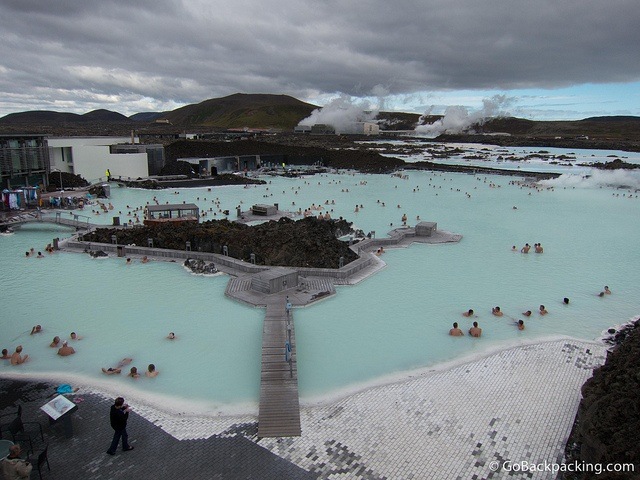
Initially, I thought I would sit down with him at some point during the trip to ask a bunch of questions for this article.

But, I soon discovered that as the days went by, myself and everyone else peppered him with more questions than any single interview could include.

Over the course of our jaunt through Patagonia, we got to know Christian pretty well, and in turn, I believe he got to know us.

He'd been leading group tours through the region for 6 seasons. When not working in Patagonia during the Summer, he was a snowboard instructor in the mountains around Santiago.

Of course we asked him about his experiences leading other groups. For example, we learned he once saved a client's life by performing the Heimlich Maneuver on her after she began choking in a restaurant.

He joked that she would then go on to give him the biggest tip of his career.

Christian briefs us before we leave El Calafate

Throughout the trip, he was always there to brief us on where we were going next, and what, if any, special equipment or arrangements we'd need to make in advance.

When we set off to go ice climbing on Viedma Glacier, Christian got some rock climbing in during his down time away from the group.

Almost every night, he'd join us for a big dinner. And the restaurants he lead us to were always excellent.

The post I wrote about food in Patagonia is the result of all those recommendations.

Christian telling us about some cave paintings in Torres del Paine National Park

It was during our time in Torres del Paine National Park that he seemed most in his element.

Decked out in Mountain Hardwear gear, which was clearly one of his favorite brands, he lead us up to the Three Towers on the first day.

While we were up there, he shared the history of those who'd climbed the various granite peaks.

And he mentioned his desire to climb the North Tower (2,260 meters), an expedition he was going to plan and undertake within days of finishing our tour.

He said it'd take a minimum of 20 hours. When I heard that, while looking up at the peak, I immediately began praying for his safety!

As it turned out, he was called upon to lead another tour group after us, thus delaying his plans. I hope to catch up with him and find out what happened when I pass through Santiago next weekend.

Dennis makes a toast to Christian at our last dinner together

One of the reasons I appreciate group tours, aside from their efficiencies, is the customers' ability to rely on others if something goes wrong.

In our case, we arrived in Punta Arena during historic floods. The hotel we were suppose to stay at, which we'd been told was the nicest of the trip, was under water.

The flooding was so bad, the bus had to drop us off on the outskirts of town, in the pouring rain.

Christian lead us to a large shopping mall, where we were able to grab some lunch and kill some time, before alternate plans could be made.

A few hours later, we all took taxis to a comfortable Bed and Breakfast for the night.

He broke the bad news to us that we'd be missing the visit to the nearby penguin colony, but then went on to say we'd be able to see penguins in Ushuaia instead.

By the next day, the rains let up, the river was going back down, and we were back on track.

I'd like to extend a big "thank you" to Christian, once again, for his patience and leadership on our trip to the end of the Earth.

___________

Disclosure: This Patagonia tour was in partnership with G Adventures. Any opinions expressed are entirely my own.

How Much Travel Planning is Needed for a Successful Trip?

An unplanned pilgrimage I took in Sri Lanka
An unexpected pilgrimage I took in Sri Lanka

Without a doubt, planning is a big part of traveling anywhere in the world.

Planning a trip and organizing an itinerary of things to do, what to see and where to go is a fun way to get excited about your upcoming trip and anticipate all of your adventures.

But in reality, how much planning do you actually do? And how much planning do you need to do to have a successful trip?

Visiting Sri Lanka

I'm going to briefly go over the way that I plan my travels, and to do so, I'll begin with an example about when I visited Sri Lanka not long ago.

Living in Thailand the first part of my trip planning was to book a flight, this time a roundtrip flight between Bangkok and Colombo, staying in Sri Lanka for just over 3 weeks (Note: if I wasn't based in Bangkok, I probably would have just booked a one-way flight).

The next thing I did was log in to Couchsurfing, searched for hosts in Colombo and within the next week, I had arranged a local place to stay.

The remaining part of my travel planning before departing for Sri Lanka included little online things like reading a little about the history of the country on Wikipedia, checking the weather conditions, browsing a few blogs and sites written by other travelers, checking the exchange rate and contemplating a few of the most famous places in the country to visit. That's about it.

I arrived in Colombo, made my way to my host's home, and explored the city for about a week.

During this time, I met a friend who knew another friend who invited us to his Mother's home in the countryside rolling tea field plantations of central Sri Lanka.

Without having to dart to the next location on my non-existent itinerary, I agreed and we were soon on the train and then in a tuk-tuk in an extremely local area of the island.

Making delicious home cooked Sri Lankan food
Making a delicious home cooked Sri Lankan food

I took strolls through the gorgeous tea fields, checked out the local town, rode tea plantation buses, learned lots about Sri Lankan culture and most of all I was able to eat home cooked Sri Lankan food each day cooked over a fire by a woman that I could not refer to by anything else other than Grandmother.

She was excited for the company and happy to see us so thrilled at her home-style cooking - I even learned to make the best Sri Lankan chicken curry in the world! I ended up staying for nearly a week.

Recommended by my initial Sri Lankan Couchsurfing host, from the unplanned homestay, I made my way north to the war stuck area of Jaffna which was safe to visit.

Though I hadn't planned on visiting prior to arriving in the country, Jaffna proved to be one of the most remarkable places I've ever visited.

Finally my trip was coming to a close so I made my way back to Colombo and on to the airport.

Did I get to see ALL the famous attractions in Sri Lanka? No.

Did I have an exceptional trip where I got to learn about the culture, eat authentic Sri Lankan food and live locally for a few weeks? Yes.

Had I had a long list of places to go to fulfill my 3 weeks stay in Sri Lanka I would have missed staying at a Sri Lankan tea farm country home and dining on ambrosial curry all day.

The thing to remember is that having an open attitude and living with flexibility opens a new world to have some of the most rewarding travel experiences.

One of my most memorable traveling experiences in China

This is not to discourage you from making huge travel plans, they do have a purpose and can be very helpful.

Just sometimes, over-planning can be a burden and can take away from things that you weren't planning to do but that will inevitably arise on any longterm backpacking trip.

As a long term backpacker, I've traveled on both extremes.

Sometimes I've absolutely winged it with next to zero planning and nowhere to sleep, other times I've been chained to a strict itinerary and rushed from site to site to make sure I didn't miss seeing the most famous monuments of the country.

While it does depend somewhat upon yourself and what you feel comfortable with (as well as what you feel safe with), I've found that planning somewhere in the middle works best.

A flight in, possibly an initial place to stay for the first few days you arrive, some places you really want to visit at the back of your head, but also a highly flexible attitude and willingness to just about anything.

In 2009 I got a one-way ticket to Southeast Asia with very little on my itinerary... and guess what? I'm still in Southeast Asia!

I can honestly say that plenty of my most memorable experiences traveling have come as a result of less planning and more flexibility.

4 Hurdles to Overcome When Planning a Trans-Mongolian Train Journey

Trans-Mongolian train car
A train car on the Trans-Mongolian (photo: t-o-n-y)

In less than a month, the culmination of about six months of talking, emailing, planning, dreaming, and finalizing is about to occur: my boyfriend and I are meeting up with two other friends in Beijing where we will begin our Trans-Mongolian train journey.

This epic train journey is going to take us from China to Mongolia to Russia - and from Beijing to Moscow (well St. Petersburg in our case).

Instead of going straight on it for seven days, we will be getting off at key locations to explore a bit more of the countryside.

To me, it sounds like a fantastic trip, but not that many people venture out to take it because of four main hurdles (that can be overcome).

language barrier
If you can't read this, you might get on the wrong train (photo: t-o-n-y)

1. Language Barrier

Russian and Chinese (well, Mongolian, too!) are not the easiest of languages.

While an English speaker can simply waft through countries where Romance languages fill the air - sometimes just by adding an ending onto English words - that isn't quite so in this part of the world.

Even worse is the idea that not many people will know English along the way, which, fair enough, is probably true for much of the journey.

Break down the language barrier: Even in remote parts of the world, English is becoming a popular language for people to learn, so you might be surprised to find at least one person that knows bits and pieces.

And, if not, isn't that all just part of the adventure?!

Arm yourself with Google Translate, or just bring along a picture guide book so you can point when you need something.

Visa hassles
Applying for visas is such a chore (photo: maxbraun)

2. Visa Hassles

Tricky application wordings, letters of invitation that can only be received after booking with travel agents, and big bank checks are not the most appealing of tasks to undertake.

Visa hassles for countries like China and Russia almost immediately decrease the number of visitors by half (ok, so I drew that number out of thin air).

But, seriously, it's no fun to have to deal with visa hassles for multiple countries at once, which you will have to do to ride the Trans-Mongolian rails.

Easing visa annoyance: Applying for visas is never fun, but don't let that fill your travel life with regret.

Think about the travel glory that will come from this small hassle: a chance to ride on the Trans-Mongolian rails.

Other than that, read up on the visa rules and regulations and start putting your information in order early.

cost of train trip
The price can be steep for foreigners looking to ride the rails (photo: breatheindigital)

3. Cost

When a train ticket alone costs you over $1,000, combined with the cost of flights (flying in and out of different locations), accommodation, food, and those pesky expensive visas, you could say a ride on the Trans-Mongolian rails is not really for the budget traveler.

Bringing down the cost: If you have the time, you can avoid going through a travel agency for more than your train tickets (get in touch for more info and recommendations).

Hostels line the stops of the train line, and those can be quickly booked through a website.

Start saving in advance, and if you can, extend your trip before or after the train ride to get the most for your money.

Time to catch the train
Don't miss the trip of a lifetime (photo: Sistak)

4. Time

Unless you're doing the straight seven-day ride where you don't get off the train, then the Trans-Mongolian train journey will more than likely take time - more time than someone might get on a standard holiday.

Do you want to stop off in China, Mongolia, and various places in Russia?

We're planning a three-week journey for our trip, and even that is leaving stuff out.

Battling time: Save up holiday time (if possible!), so you can take an epic trip.

If there is no way to gain more travel time, research possible stop-offs along the route and choose the ones that seem most exciting and worthwhile to you.

Seoul's Noryangjin Fish Market

Seoul's Noryangjin Fish Market

[M]arkets around the world fascinate me. Partly it's the food, and partly it's because markets are where local life and local business boom.

One of the first things I did when I got to Seoul, South Korea, was head to the Noryangjin Fisheries Market.

Similar to Tokyo's Tsukiji Fish Market, the market is one of the largest fresh seafood sources in the city.

Amazing seafood at the Noryangjin Fish Market

Every day, thousands of people come in and out of the market in search of the freshest and highest quality of seafood.

There was indeed an impressive display of some of the finest seafood I've ever seen.

Prized collection of octopus

Octopus is one of Korea's most coveted culinary gems.

From eating live baby octopus chopped and moving on your plate to giant tentacles stir fried with chili paste, you'll find it all at the market.

There are lots of slimy things!

There are all sorts of random slimy looking things like sea cucumbers, and some things I'd never even seen before.

Shrimp lovers!
Shrimp lovers!

If you love shrimp, you'll be in awe at the selection.

I couldn't believe the size of the jumbo prawns, some of them easily a foot in length, and probably offering more meat than a small lobster. YUM!

Sea squirts
Sea squirts

These rather intimidating little guys are known as sea squirts.

When vendors slice off their hard outer shell, a squirt of water shoots out, sometimes over a meter in distance.

Examining seafood to make sure it's extremely fresh

The seafood at the Noryangjin fish market is filled with aquariums where almost everything is still alive and swimming!

This man was choosing his lunch very carefully.

On display and ready to be purchased

Along with a host of slimy sea dwellers, mollusks, and crustaceans, there's also a giant selection of fish including lots of stingrays waiting to be sliced up and eaten as sushi.

An aquarium of the freshest Korean seafood

After browsing around the Noryangjin fish market you can go to one of the upstairs restaurants and treat yourself to a delicious meal.

I ordered a fish soup hot pot flavored with kimchi and cabbage - it was fantastic. You can also sample other delicacies like sashimi, and even live octopus.

If you visit Seoul, South Korea, make sure to include the Noryangjin Fish Market on your itinerary.

7 Reasons to Travel as a Couple (vs. Going Solo)

A few years ago, I became known as a solo female traveler and blogger. It wasn't because I set out to put my name into that particular field of travel bloggers - it was simply out of necessity that I jumped from place to place without a travel partner.

Brooke and Pat hiking Turkey, traveling as a couple.
Brooke and Pat hiking in Turkey

But after those experiences, I realized the many benefits of going solo, such as the freedom to do what you want and when you want it, and it became my preferred method of travel-until I met my current boyfriend.

After being with him, it became hard to be away for extended periods. I noticed the little things about travel that would have been better if he had been there, the things that I would like to share with him.

The lonely times felt lonelier, and being away was just not quite the same. It was like I couldn't dig my hands deep into a place because something in the back of my mind was drawing me elsewhere.

However, I am one lucky girl because my boyfriend has finally set off on an extended 3.5-month trip with me, and I can tell that many parts of traveling with him ultimately trumps going solo.

Table of Contents

  • Benefits of Couples Travel
    • 1. I no longer have to lie about having a boyfriend - he's there!
    • 2. Sharing bag space is a small triumph over packing hurdles.
    • 3. We are 2x more likely to be on schedule.
    • 4. I have less chance of sitting next to strange strangers.
    • 5. We get to split meals to save money or order like normal to try more!
    • 6. We get each other's backs.
    • 7. Some things are just better experienced with someone you love.

Benefits of Couples Travel

1. I no longer have to lie about having a boyfriend - he's there!

Boy, oh boy. As a solo traveler, even when I told people I had a boyfriend, there was no man on my arm or ring on my finger to make anyone believe me.

For example, there was a time I was stranded at the border between Kazakhstan and Kyrgyzstan (because of silly visa "difficulties"), and the Kazakh border guards surrounded me, took my phone, and called their phones with it so they could have my number... yeah, that was not fun at all.

However, on arrival at the Bishkek airport in Kyrgyzstan this time around, my boyfriend and I went to two separate lines for passport control. The one I went to happened to have three Kyrgyz men behind the desk (chatting and otherwise).

One of the guards told me that I was pretty, which then started the spiel that, in other circumstances, would have continued no matter how many times I said I wasn't available. This time, I responded that my boyfriend was right over there, which they were all able to confirm, and that was that. Wow, it was too easy!

2. Sharing bag space is a small triumph over packing hurdles.

backpackers on move
My boyfriend carries more when I'm not feeling well. (photo by Hanuman)

Sure enough, we each have a lot of stuff that we need to pack, but the sharing part rocks when it comes to medicines and toiletries. In that case, one person can carry the toiletries and the other the medical supplies (I've learned over the years that skimping on cold medicines is just more hassle when you need it!).

Sharing bag space also helps when one is sick or sore. In that case, the partner who is well can perhaps carry more. And let's not forget about souvenirs and other items picked up along the way. How else would I have managed to carry all my media materials from my latest blog trip and an entire box of Baci chocolates around?! Splitting it up has saved our backs-seriously!

3. We are 2x more likely to be on schedule.

Two people set alarms to wake up for flights and early morning bus rides. We now have two eyes to review the schedule and keep current with where we must be.

It relieves a lot of stress on my poor brain, knowing that someone else is with me to help me on my way, whether it be double-checking the schedule or just reminding me that the flight is boarding when I am lost in my email inbox in the Turkish Airlines lounge.

4. I have less chance of sitting next to strange strangers.

brooke pat on bus
Sitting next to each other on public transport.

I know that sometimes those strange strangers can make the best stories, but they can also, at other times, make you cringe and be very uncomfortable on those long journeys. With my boyfriend sitting next to me, we barely have to worry. On a bus and many planes, we take up the two seats on one side.

Even on the 3-seater planes, we don't feel as uncomfortable as it's only on one side (instead of possibly both) that some unknown person starts taking up your armrest space and sneezing on your food.

5. We get to split meals to save money or order like normal to try more!

There have been several times when my boyfriend and I have sat down for a rest but have not been very hungry. In that case, we got something small to share and a few drinks, saving us money.

Other times, we like to take advantage of our two-ness by ordering normal-sized meals but different ones and then splitting them to taste as much foreign food goodness as possible.

6. We get each other's backs.

Brooke  and Pat working together.
Working in solitude, but together.

This goes for more than a security sense. The ability to leave your bags with your partner while you run to the toilet is a perk that deserves a shout, but the real benefit comes socially.

There are times when you are plain tired and can't handle going out for drinks or socializing with others you meet in hostels, and it can make you feel like a recluse of sorts when you're back in your room.

Having that downtime with someone who understands you makes it a nice and relaxing experience instead of one in which you're considered socially awkward.
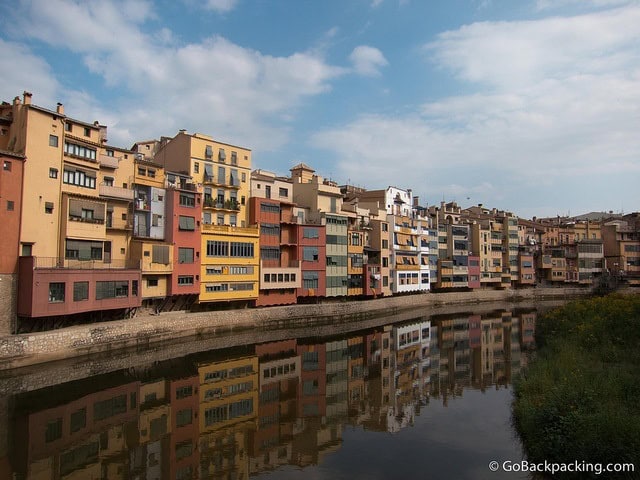
7. Some things are just better experienced with someone you love.

I can think of a few places and experiences common on travels that are better with significant others: sunrises, sunsets, and Italy spring to mind. Enjoying gelato in front of the Trevi Fountain is never going to be bad, but sharing a gelato in romantic Rome is probably 20 times better. Am I right?

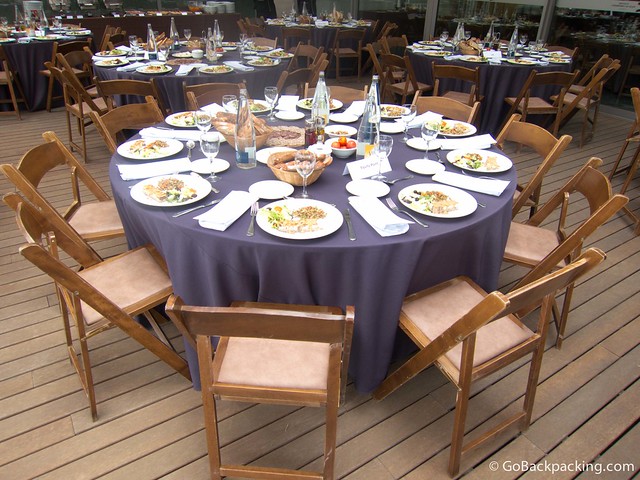
Why Nicaragua Is the Next Costa Rica (and How to Take Advantage Of It)

Laguna Apoyo - Nicaragua
Laguna Apoyo - Nicaragua (photo: Dave Lee)

Times are changing. Fast.

Nicaragua – once a political hotbed deemed unsafe for travelers – has opened up in a big way.

So big that travelers and ex-pats are moving here in record numbers (Nicaragua greeted over one million visitors for the first time in 2010, which brought over US$360 million to the country).

But that’s just the beginning. Mention Nicaragua to most people, and you get raised eyebrows.

“You’re going where? Isn’t it, you know, dangerous?”

In a word: no. Nicaragua has the lowest crime rate in Central America, and second lowest in all of Latin America (behind Uruguay).

Word is getting out, and as public opinion catches on, it’s a matter of time before Nicaragua becomes the next Costa Rica.

Nicaragua: A Quick Intro

Nicaragua is the largest country in Central America. It borders El Salvador and Honduras to the north and Costa Rica to the south.

It’s a tropical country divided into three regions: fertile plains along the Pacific, the central highlands and the Caribbean lowlands.

The dry season goes from November to April, while the (very) rainy season runs from May to October.

In a way, Nicaragua feels like two countries. Spanish-speaking Latinos make up the western and central regions and primarily eat rice, beans, and chicken.

Head farther east, and suddenly everyone is taller, darker, speaks English and dines on lobster, shrimp, and other seafood.

Like Costa Rica, Nicaragua offers eco-tourism (though not on the same scale). You can hike through rainforests, fish off either coast and explore volcanoes, often without the crowds found in Costa Rica.
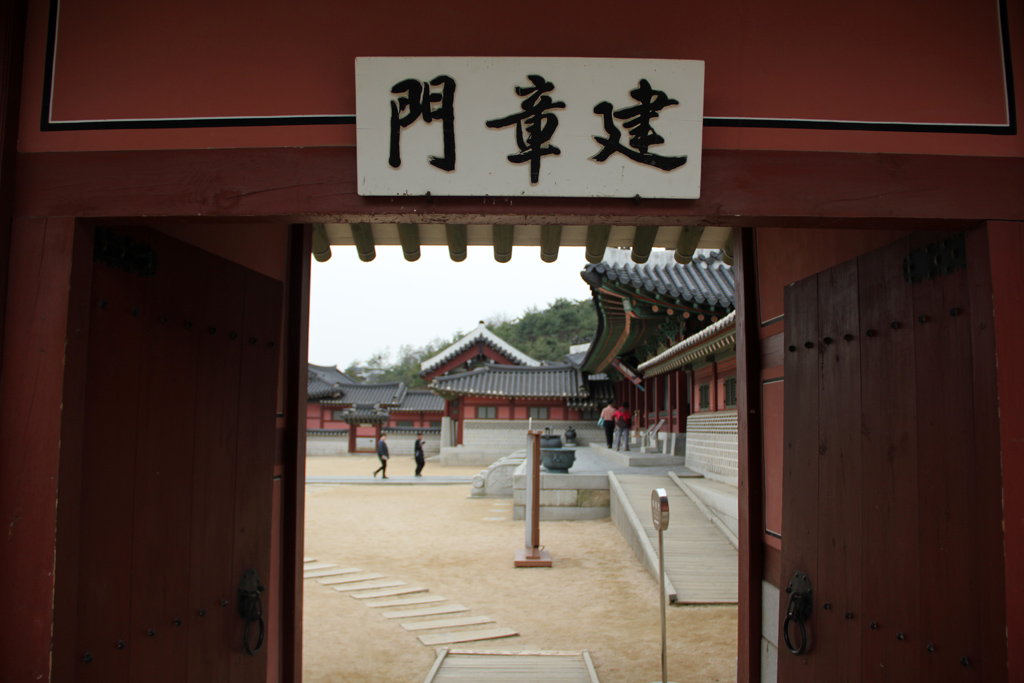
Plus, Nicaragua has Lago Nicaragua, the largest lake in Central America.

Granada, the charming colonial city along the lake’s shore, is well worth visiting for a few days (though another colonial city, Leon, is more popular for long-term stays).

Why Nicaragua?

As we’ve already seen, Nicaragua is safer than Costa Rica (though public opinion believes otherwise) and offers similar outdoor activities.

But let’s be real. Budget drives backpackers and backpackers drive travel.

While in Nicaragua, I met dozens of people who left Costa Rica’s high-priced tourist trail in search of adventure.

Here are just a few price comparisons between the two countries:

  • Consumer prices are 32.01% lower in Nicaragua
  • Rent is 54.21% lower in Nicaragua
  • Groceries are 29.61% lower in Nicaragua

In effect, this means you can travel for almost twice as long in Nicaragua as Costa Rica. For the budget backpacker, at least, this is a very compelling reason to stay longer.

But it’s not just the backpackers.

Nicaragua and Business: A Match Made in Heaven?

Well, not really. No country in Central America is considered a fantastic place to start a business.

According to a World Bank report, Nicaragua ranked 118 as a country to do business in. Costa Rica ranked 121, so there’s not much difference there.

However, these rankings fail to consider two important points.

First, Nicaragua’s infrastructure has improved considerably over the past few years. So unlike Costa Rica – whose development remains constant – Nicaragua’s showing a strong positive trend.

Secondly, Nicaragua is a lot cheaper than Costa Rica. Which means it’s easier to start a business and – in the worst case scenario – it’s easier to try again if your business fails.

My wife and I spent a month in San Juan del Sur, a small surfing town on the Pacific coast. While there, we couldn’t believe how many entrepreneurs we met from other countries, many of whom moved to Nicaragua to start their own business.

So while Nicaragua may not have the business acumen of Singapore or Hong Kong, it’s a breeding ground for those willing to strike out on their own. And that leads to further economic growth.

Before You Move to Nicaragua and Start A Business

Realize this country still has a lot of problems. President Daniel Ortega has been accused of controlling the media to help him get reelected (which he did in 2011).

It’s also one of the poorest. The World Bank ranked Nicaragua 131 in terms of GDP, which makes it the poorest country in Central America and second poorest in Latin America (ahead of Haiti).

But if you’re looking for adventure, both in business and in day-to-day life, you’d be hard-pressed to overlook Nicaragua.

Watch out Costa Rica. Your time is (almost) up.

_________

About the Author:  Adam Costa is Editor in Chief of Trekity.com, an "insanely" useful travel site. He also runs the Travel Blogger Academy, which shows how bloggers can grow their travel blogs traffic. 
 

10 Famous Prisons Around the World

Once housed in some of the world's most notorious prisons, the prisoners could never have thought that their forbidding homes would one day become tourist attractions.

These prisons were either home to famous prisoners, well-known from literature, or synonymous with cruelty, which gives them a macabre interest for visitors. Whatever the reasons, many such places are now firmly on the tourist map.

Table of Contents

  • World Famous Prisons
    • 1. Alcatraz, USA
    • 2. The Tower of London, England
    • 3. Robben Island, South Africa
    • 4. Château d'If, France
    • 5. Devil's Island, French Guiana
    • 6. Elmina Castle, Ghana
    • 7. Goree Island, Senegal
    • 8. Tuol Sleng, Cambodia
    • 9. Hoa Lo Prison, Vietnam
    • 10. Port Arthur, Tasmania
  • Conclusion

World Famous Prisons

1. Alcatraz, USA

Alcatraz in San Francisco is one of the most famous prisons in the United States (photo: Dave Lee)
Alcatraz (photo: Dave Lee)

When considering famous prisons, Alcatraz prison in the United States is the one that springs most readily to mind. It's America's best-known federal prison and its first maximum-security prison. Famous inmates include Al Capone and Robert "Birdman" Stroud.

The prison is situated on Alcatraz Island, a rocky island in San Francisco Bay that is considered impossible to escape from, although 36 men have tried throughout its history. Closed in 1963, the island and the former supermax prison are now open to tourists. Tours cost between $28 and $60, depending on the length, type, and boat trip to the island.

Visitors can see the prison cells, including the "hole" (solitary confinement), and experience what it is like to be an inmate. A popular night tour of this U.S. penitentiary is also available.

2. The Tower of London, England

Tower of London (photo: Amy Leigh Barnard)

Alcatraz only operated for 20 years, but one of the world's most visited prisons was used much longer. The Tower of London, home of Britain's Crown Jewels, was once a notorious prison. Built in the 11th century, it was a prison until the mid-20th century, making it one of the world's oldest prisons.

This building has seen many notorious inmates, including Henry VI, Anne Boleyn, Rudolph Hess, and several Scottish kings.

A tour of the Tower includes an audio tour of the cells and interactive displays of prison life. Visitors can also see Tower Green, where executions took place. The Tower is open daily and costs £17.60 to £20 for an adult. Family tickets are also available.

3. Robben Island, South Africa

Touring Robben Island, South Africa's most famous prison (photo: Dave Lee)
Touring Robben Island (photo: Dave Lee)

Robben Island in South Africa is known for one extremely famous prisoner: Nelson Mandela. This island prison lies seven miles off the coast of Cape Town. Although it has been a prison for centuries, it has been a maximum-security facility for political prisoners since 1959. Over 3,000 prisoners, including Nelson Mandela, were held here between 1961 and 1991.

The last prisoners left Robben Island in 1996. Later that year, it became a museum and a national monument of South Africa. Tours cost R230 for adults and R120 for children and take about three hours. They include the return boat trip to the island, a visit to the prison, and a chance to talk to a former prisoner.

4. Château d'If, France

Chateau d'If prison in France (photo: Jan Drewes)
Chateau d'If (photo: Jan Drewes)

Nelson Mandela was a real prisoner, but another famous island prison was home to fiction's best-known prisoner - the Count of Monte Cristo. Château d'If is off the coast of Marseille, and even if the Count of Monte Cristo was fictional, it did hold many real prisoners from the mid-1600s to the end of the 1800s.

Alexandre Dumas's book, The Count of Monte Cristo, was based on the island, and its success made the Château d'If famous. Two adjacent cells are named after Edmond Dantes and Abbe Faria, the main characters in the book. In the story, Dantes escapes from the island, although nobody is believed to have done this.

Ferries go to the island from Marseille, and an individual return ticket will cost €5. The entrance to the Chateau is €5.50, though there are concession prices and family tickets.

5. Devil's Island, French Guiana

Devil's Island was home to a former penitentiary in French Guiana (photo: Annika12, iStock license)
Devil's Island (photo: Annika12)

Another famous French prison is on Devil's Island. A book and a film immortalized this, though the story is true in this case. Devil's Island is in the Caribbean, off the coast of French Guiana in South America.

It was open for 90 years from 1832, and around 80,000 prisoners spent time there. As with all island prisons, it was designed to be almost impossible to escape from, and the thick jungles and infested waters around it did make it so.

Albert Dreyfus was imprisoned there, but Devil's Island became famous when Henri Charriere, a former inmate, wrote a book about his successful escape. The film "Papillon" was made later.

The prison closed in 1952, and the restored historic buildings became a tourist attraction. Tours of the island are possible, and many visitors go there on excursions from cruise ships that pass by.

6. Elmina Castle, Ghana

Elmina Castle in Ghana (photo: Peace Itimi)
Elmina Castle (photo: Peace Itimi)

The following two prisons are famous for the same terrible reason-both once housed enslaved people en route to the New World. The first one is the Elmina Castle in Ghana. On the Cape Coast, just west of Accra, it was a holding prison for enslaved people for 300 years, with as many as 200 people in a cell.

At its peak, over 30,000 enslaved people passed through its doors annually. Elmina Castle reached worldwide fame when President Obama visited in 2009. It is now a UNESCO World Heritage Site. A tour of the castle with a guide costs around $0.50.

7. Goree Island, Senegal

Goree Island in Senegal (photo: Jean Luc Angrand)
Goree Island (photo: Jean Luc Angrand)

Another UNESCO World Heritage Site is Goree Island in Senegal. This was also a holding prison for enslaved people. It was known as the House of Slaves until the French abolition of slavery in 1848.

Many African Americans visit to learn more about their roots, and Nelson Mandela, George Bush, and Bill Clinton have also visited it. Goree Island also has a school, a university, a Botanical Garden, and a museum of Senegal's history and culture.

Ferries run frequently from Dakar and are available all day. The prices are low, and full-day tours can also be booked from Dakar.

8. Tuol Sleng, Cambodia

A cell block at Tuol Sleng Genocide Museum in Cambodia (photo: Bjørn Christian Tørrissen)
A cell block at Tuol Sleng Genocide Museum (photo: Bjørn Christian Tørrissen)

Southeast Asia also has two infamous and dangerous prisons, now dark tourism attractions. The first is Tuol Sleng in Cambodia. The brutal Khmer Rouge opened this prison in 1975.

It was only open for four years, but over 17,000 male inmates passed through its gates. Few made it out because it was a place of torture and execution.

Tuol Sleng became a museum soon after its closure as a prison. It is a memorial to all those killed during the Khmer Rouge regime. The museum shows cells as they were at the time of the prison's operation and photographic exhibits.

Tuol Sleng is just outside Phnom Penh and is open daily. Going to the museum is free, but donations are welcome.

9. Hoa Lo Prison, Vietnam

Hanoi Hilton, a well-known prison in Vietnam(photo: Kelisi)
Hanoi Hilton (photo: Kelisi)

Hoa Lo Prison in Hanoi, Vietnam, is nestled somewhat incongruously at the foot of an imposing high-rise in the city center. Once a French prison, it was called the "Hanoi Hilton" by the Americans imprisoned there during the Vietnam War.

The most famous prisoner was U.S. presidential candidate John McCain, whose flying suit is displayed in the museum. The French originally built the prison for political prisoners, and many of Vietnam's leading independence fighters spent time there.

Exhibitions show these former inmates' harsh conditions, many of whom served life sentences, lived in. There are also exhibitions relating to the American POWs, but they don't reflect the absolute horror shared by those released after the end of the Vietnam War. The prison complex museum is open daily. The entrance is just 5,000 dong.

10. Port Arthur, Tasmania

Port Arthur penitentiary ruins in Tasmania (photo: Keith Davey)
Penitentiary ruins (photo: Keith Davey)

Finally, Port Arthur in Tasmania is another prison worth visiting. Once a penal colony, it is now a UNESCO World Heritage Site. It operated from 1833 until the 1850s and housed the most dangerous criminals.

You can still visit the prison, the hospital, the church, and the insane asylum. The prison was located on a peninsula surrounded by rough seas.

It was virtually impossible to escape, with just a narrow strip of land known as Eaglehawk Neck connecting it to the mainland, which was patrolled by vicious dogs.

There are various entrance fees for a half-day, full-day, or two-day visit. The full-day and two-day passes include lunch and snacks; a night tour provides dinner.

Conclusion

The journey through the world's most famous prisons reveals the stark realities hidden within the formidable prison walls, from the chilling solitude of Alcatraz's "hole" to the echoing corridors of the Tower of London and the haunting cells of Robben Island.

Each site, a witness to tales of hard labor, notorious inmates, and escape attempts, now stands as a monument to history's darker chapters.

Once symbols of fear and despair, these prisons have transformed into places of reflection and learning, inviting the curious to explore the depths of human endurance and resilience.

_______

This post is provided in partnership with TravelSupermarket.com.

5 Ways to Escape London for a Relaxing Getaway

London is a great city, but let's be honest, there comes a time when we all need to clear our minds, rejuvenate our bodies, and get away for some much-needed relaxation. Even though it can be easy to fall into the routine of city life, there are some great places in the UK to escape for a short, stress-free vacation.

Table of Contents

  • 1. Hiking, Camping, and the Outdoors
  • 2. Coastal Retreat
  • 3. Spa Holidays
  • 4. Eating and Drinking
  • 5. Historical Town Trips

1. Hiking, Camping, and the Outdoors

Outdoors in the United Kingdom (photo: nicksarebi).
UK wildflowers (photo: nicksarebi)

One way to get a breath of fresh air is to spend time surrounded by nature. It's even possible to take day hiking trips to locations near London. Try the Hastings circular route, which offers opportunities to see the historical town and majestic views of the ocean coast.

If you have more time, camping at a place like the Cotswolds or the Epping Forest can be fun. The sound of rustling trees and the pitter-patter of flowing water will transport you far from the hustle of the city into a relaxing paradise.

2. Coastal Retreat

Outdoors in the United Kingdom
UK coast (photo: neiljs)

Golden dunes, peaceful rolling hills, and a pleasant ocean breeze make a stay on one of the UK's coastlines memorable. Book a coastal cottage for the opportunity to admire the beauty while immersed in a thrilling book while sipping on a cup of tea. Littlehampton is a fantastic destination to dine on the freshest fish and chips as you enjoy the serenity of the ocean.

3. Spa Holidays

Jeda Villa massage-service
Spa products (photo: jedavillabali)

Perhaps the ultimate way to relax the body and escape the stresses of everyday life is to retreat to a health and wellness spa. Many spas offer a menu of different treatments that cater to your own particular needs.

Does a facial, oil massage, detox, or even just time in a soothing hot tub sound inviting? Pampering yourself at a spa is a fantastic way to spend a vacation. Even if you have a single day, you can find excellent spa day offers to satisfy your desire.

Related: Where To Take a Caravan in the UK

4. Eating and Drinking

Bangers, bacon and mash.
Bangers, bacon, and mash (photo: adactio)

Eating is one of the most enjoyable ways to relax if you're a foodie. Going on a culinary hunt for famous oysters or taking an adventure to a famous gourmet destination is a rewarding way to spend a break.

Picnics are another fun way to get outdoors, spend time with family and eat. At Cotswolds, picnicking can be taken to the next level with farmers' market produce and choice deli meats packed into your basket.

Of course, drinks come with food, and there are many wonderful drinking retreats around the UK. Denbies Wine Estate is one of the largest wineries in the UK. It offers wine cellar tours and bed and breakfast accommodation. If beer is what you seek, plenty of breweries are scattered throughout the UK.

5. Historical Town Trips

Thomas Hardy's cottage, Dorset, England, 8 October 2005
Thomas Hardy's cottage (photo: flissphil)

The UK has plenty of interesting historical attractions, including everything from Stonehenge's ancient, mysterious formations to medieval castles and cathedrals.

Besides the many famous individual attractions, heading to an off-the-beat historical village in the countryside and staying at a local cottage or boutique hotel is another excellent way to find peace. Waking up to the sound of chirping birds, eating a delicious English breakfast, and strolling through cobblestone streets is sure to clear your mind.

From camping and hiking in the UK's beautiful forests to cheap UK spa breaks, there are many different ways to escape the busyness of London. Whether you have a single day or an entire week, these relaxing getaways will freshen you up and get you ready to return to the daily tasks of life in London.

Tips for Choosing a Language School Abroad

group class
Group language class (photo by shaneglobal)

During my years of travel, I have taken language lessons at three different language schools with two separate stints at the same one.

Language learning is my preferred alternative travel method, especially if I’m after getting to know both a place and culture on a more personal level.

Language learning during travels not only opens the door to cultural insights, but it also gives you the tools to better inquire with locals, live, and possibly impress future employers when you return home.

But what to look for when choosing a language school abroad? Here are my best tips.

Table of Contents

  • Evaluate Your Goals Beforehand
  • Location, Location, Location
  • Cost
  • Accommodation
  • Overall School Environment

Evaluate Your Goals Beforehand

The most important part of choosing the right language school is to know what you hope to get out of it in the long run.

  • Are you the casual learner that wants to have a relaxed time and just learn enough of the language to get around, buy food, etc.?
  • Do you want to take home a valuable asset by acquiring a 2nd language?
  • Can you handle classes all day, or do you want to only take an hour or two at a time?
  • Would you prefer a school that just offers classes or is more of a full-featured service (student tours, weekends away, school activities and social gatherings)?
  • Do you want a school that caters to backpackers or to serious students?
  • Do you want a school in a location that draws tourists and expats or one that is more remote?

Keep your goals and preferences in mind while looking at schools to make the right decision.

the london school in bishkek
My preferred location: Bishkek, Kyrgyzstan (photo by Brooke Schoenman)

Location, Location, Location

The location aspect of a language school can affect your enjoyment, your expense, and your ability to learn.

Location and Your Enjoyment

For one, if you are the type of person that just wants to learn a little bit of travel language skills while meeting other travelers, then finding a school in a more tourist-friendly town is probably the way to go.

Tourist towns will have plenty of other tourists and plenty of extracurricular activities to keep you busy as you learn to ask simple questions and then comprehend them.

A good example of this would be the difference between learning Spanish in Antigua, Guatemala (very popular destination) or Quetzaltenango, Guatemala (a more remote and hard to reach city with fewer tourists).

Location and Your Expense

If money is of concern to you, then staying away from the big touristy cities are the way to go (generally).

Big cities will have big city prices for the school, for the accommodation and for the other aspects of living.

A good example of this would be choosing to learn Russian in Moscow, Russia or in Bishkek, Kyrgyzstan.

In Russia, you can easily spend $25 per hour of study (not even in a private class) while Bishkek costs are in the $4 per hour range, and for a one-on-one lesson!

Location and Your Ability to Learn

The right location, believe it or not, can also affect your ability to learn the language.

If you are in a very tourist-friendly destination, then chances are that both tourists and locals are going to know a bit of English -- thus derailing your chances of being forced to use the new language.

When I studied Spanish in San Pedro, Guatemala, I found that after class I generally was able to get by with English... or if I tried to speak Spanish, the other person would come back in English to make it easier.

However, when I moved on to Quetzaltenango (Xela), hardly anyone spoke English, and I remember being grateful that I was forced to put my lessons to use.

pile of money
Costs for language schools will vary (photo by Images_of_Money)

Cost

The cost of language study abroad varies depending on where you study, how intensively you study, and how long you stick around.

You can easily find locations around the world -- ones less developed -- where an hour of language study is $4-5 for a personalized, one-on-one course.

Or, you can travel to the Western world, to a popular city, and try your hand at courses in the $20 per hour range, and not for one-on-one.

It's smart to evaluate all your options before hopping straight over to Russia to learn Russian when you could also be considering Kazakhstan, Kyrgyzstan, Ukraine, and Belarus.

Accommodation

My personal opinion, when it comes to accommodation while participating in language study, is to find a homestay.

If a language school is offering the ability to set up a homestay, try your best to take them up on this -- even if only for a little bit.

A stint with a local family will really drive home what you learn in your lessons and give you a better understanding of the culture, food, and location.

Plus, many times a few of your meals are included in the price.

Otherwise, investigate the type of accommodation a school might provide, or if it provides any at all.

There are some language schools that require you to find your own, which might mean you’ll be living in a hotel or hostel, and that can easily drive up the costs of your study.

classroom
I work better in a good classroom environment (photo by paulandaline)

Overall School Environment

Learning about the school environment might be difficult over the Internet.

In this case, email the school that you are interested in and ask both the administrators and other former students (if you can get contacts) for recommendations and insight.

Find out if the school is run well, if the teachers are qualified, what the facilities are like, and even the schedule of classes.

Don't be afraid to ask; you will potentially be spending money there.

When I was in San Pedro, we had our lessons out in little bungalows near the lake, but I noticed a big difference in my focus when I moved to a new school in Quetzaltenango and into a proper classroom.

I now know to avoid language schools that provide the outdoors learning environment.

The moral of the story: You know what works best for you, so make a decision based with that in mind.

7 Ways to Avoid Getting Sick from Street Food

Eating street food without getting sick

I think of myself as a culinary traveler - while some eat for the energy to travel, I travel with the main motivation to eat.

Food not only provides energy and is one of the components of life, but it also is one of the most essential parts of any culture around the world.

Of course, food tastes awesome, but it also is the vessel to which you can open doors to a completely new country and build relationships.

Growing up in East Africa, my stomach was exposed to the germs and bacteria of eating outdoor street food from a young age.

When I moved to southeast Asia I couldn’t believe my eyes at the amount and availability of food (it still enthralls me daily).

As a connoisseur of all forms, shapes, sizes, and levels of sanitary conditions of street food, I often get asked: “how do you not get sick?”

Well, one of the main reasons is that throughout the years I have developed a tolerance for street food germs - it’s something that anyone can get used to with time and eating experience in whatever location you’re in.

I remember as a kid going to a street fruit shake stall in the Central African Republic where we would guzzle down concoctions that my father referred to as “amoeba shakes.”

I have a number of key suggestions and things to avoid or take note of so you don’t get sick while taking advantage of street food.

Of course, your stomach is different from mine and from someone else’s -- so when you’re about to eat, it’s important to know yourself and determine if you have a weaker stomach or a stronger stomach before eating all kinds of street food.

Here are a few suggestions for avoiding stomach issues (mostly pertaining to parts of Asia, Africa, and South America).

Table of Contents

  • 1. Water
  • 2. Raw Vegetables
  • 3. Eat Fruits That Have Peels
  • 4. Fresh (and Hot) Food
  • 5. Spicy Food
  • 6. Wash Your Hands (with Soap or Alcohol)
  • 7. Sauces

1. Water

Water is probably the single biggest factor when it comes to getting diarrhea or having stomach problems while traveling.

I won’t lie, I’ve been the victim of water created diarrhea quite a few times.

Not only should you be cautious drinking straight cups of water (depending on where you travel), but also drinking water that includes ice cubes, drinking the tempting fresh fruit juices, or even rinsing out your mouth when you brush your teeth.

Raw vegetables are often washed with bad water.

2. Raw Vegetables

Due to unsanitary water, eating raw vegetables can also be risky depending on the country you are visiting.

If you are uncertain about the conditions of the water or how your stomach will handle things, it’s best to avoid eating raw vegetables.

3. Eat Fruits That Have Peels

Some fruits like apples come ready to be eaten, other fruits like oranges and bananas come with outer layers that need to be peeled off before being eaten.

Buying and eating fruit that needs to be peeled is great for travelers.

Instead of having to wash off the fruit (or worry about the water) you can just peel and eat.

Here's some food that's been sitting... for how long???

4. Fresh (and Hot) Food

From Southeast Asia to Africa, there are many eateries that cook a huge amount of food and then let it sit in the sun in a glass cabinet for the day.

Food that sits can accumulate bacteria, especially if it sits in the hot sun for a long period of time.

If you ever notice something on the street or on a menu that will be cooked just before being served to you, it’s nearly always the safer way to eat.

If you are worried, always stick with freshly cooked hot food over food that sits.

Example: fresh stir fry in parts of Asia and French fries (chips) in Africa

Spicy Food
Spicy Food

5. Spicy Food

An abundance of spice and chilies (like in Indian, Sri Lankan or Thai food) is something that could upset your stomach.

It’s not that the food has been contaminated, it’s just that your stomach may not be accustomed to the mix of spices and the pungent blends of flavor.

If you don’t do well with high spice levels, you may want to proceed with spicy foods in small amounts at first and try to slowly build up your stomachs' tolerance.

6. Wash Your Hands (with Soap or Alcohol)

Believe it or not, washing your hands before you eat isn’t just for your own personal sanitary comfort - it really does kill the germs and bacteria that have collected on your hands throughout the day.

Also, you'll really want to take care in washing your hands in destinations where you eat with your fingers (just be mindful of the water again - dry off your hands before you start eating).

7. Sauces

As a lover of tasting different sauces around the world, I can never resist sauce provided at any restaurant throughout this world - but for weaker stomachs, the sauce could be the enemy.

The main reason is that restaurants often leave their sauce for the entire day (or even days - we’ll never know) at room temperature.

This makes sauce the cause of many people’s stomach disturbances.

These are merely a few suggestions, mainly if you are concerned about eating street food when you travel.

However, as a street food fanatic, I would encourage you to be brave and get out there with the locals and taste some of the delightful cuisines - just make sure you know your stomach and take adequate precautions so you can fully enjoy your trip!


Scenic Flight Over Ushuaia

Piper Cherokee 140
The Piper Cherokee 140

Our first full day in Ushuaia, the Southernmost city in Argentina, South America, and the world, featured two activities included in the G Adventures tour.

In the morning, we took a wonderful cruise around The Beagle Channel, and the afternoon was dedicated to walking among three different species of wild penguins.

The second full day afforded us the opportunity to branch out, and choose an optional activity, of which there were many.

Adventure options include:

  • Hiking in nearby Tierra del Fuego Park
  • Sea kayaking
  • Driving in 4x4's off-road
  • Scenic plane and helicopter rides

Or one could relax with spa treatments, shopping, or visits to the local museums.

Everyone in our group chose to go for the guided walk in Tierra del Fuego Park, combined with an hour or two of sea kayaking.

This was perhaps the most budget-friendly option, however we'd already hiked in some amazing locations, and I wanted to do something to get my adrenaline pumping.

The resulting adrenaline rush was much more than I bargained for when the pilot of a Piper Cherokee 140 gave me the controls in order to take photos of me flying the plane.

Stepping into the co-pilot's seat

Christian, our G Adventures guide, had booked a 1-hour scenic flight for me through Aero Club Ushuaia.

While the cost of $180 may seem steep, I actually thought it was a bargain, especially considering it'd be a private flight.

Had at least one other person joined me, the cost would've been a real bargain at $90 per person. Helicopter flights were more than double, around $400 per hour.

I took a taxi from the hostel to the old airport, which I'd soon realize was a short 20-minute walk away. It was literally visible from the hostel, which was perched on a hill.

My flight time was 10 AM, and that's about when I met Carlos, a systems engineer by trade, and a hobby pilot in his spare time. He'd been flying for five years, and spoke little English.

Stepping onto the wing, and into the copilot's seat, I was feeling plenty nervous.

My only previous experience in a small plane, a 5-seat Cessna, was a scenic flight over the Okavango Delta.

That ride was just 45 minutes, but it was an epic experience watching large groups of elephants march down the plains.

Flying amongst the mountaintops

Once I was buckled in properly, Carlos did his pre-takeoff check, and I took out my camera.

I knew if I kept myself busy taking photos, it'd take the edge off.

The takeoff went smoothly, and we were soon soaring up to the level of the surrounding mountains.

I forgot to ask our cruising altitude, but it was below the clouds for the whole flight.

Despite the overcast skies that greeted us that morning, we actually had clear views of the nearby mountains and glaciers.

How do you steer this thing?

Carlos warned me that we might experience some turbulence, however we would change our flight path if it became a problem.

I appreciated the warning, and prayed we'd have a smooth ride.

I took at least a hundred photos during that hour, switching between my camera and iPhone.

I prefer window seats for views like these

The first half of the flight was through the mountains, after which we made a loop and began flying back to Ushuaia over The Beagle Channel.

It began to drizzle lightly, but aside from feeling the normal movements of the plane, there was no turbulence.

Flying a plane for the first time

With about 20 minutes to go before we arrived back in Ushuaia, Carlos told me to grab the copilot's controls and hold them derecho, which means straight in Spanish.

He then motioned me for my camera.

When I realized he'd handed control over the plane to me, for a photo-op, I froze like a statue. A rush of thoughts entered my mind, along the lines of:

  • Holy crap, I'm flying a plane!
  • Hurry up and take the friggin' picture!
  • What would happen if I made a sudden, hard turn left or right?
  • Could Carlos recover the controls if we entered a death spiral toward the water below?
Thankfully, he resumed control after I made sure there was at least one photo of me smiling.

Passing over Ushuaia as we prepare to land at the old airport

The mountains were nice, but our approach over Ushuaia was the most interesting part of the flight for me.

It's not a big city, so it's easy to get your bearings from above.

As we touched down on the tarmac of the old airport, it seemed awfully bumpy. Definitely in need of a re-paving. Adrenaline rush over, I was beyond grateful to be back on terra firma.

When I said this to Carlos, he responded by pointing upward, and saying he was more comfortable in the sky than on the ground.

Mission accomplished

What You Need to Know

How Much:  $180 + tip (cash) for a 1-hour flight. Price is per plane, therefore it's $90 per person for 2 passengers. Shorter, 30-minute flights are also available.

Difficulty:  Easy

Where to Book:  Through your accommodation, guide if traveling with a group, or directly with Aero Club Ushuaia.

What to Bring:  Camera and sunglasses.

___________

This Patagonia tour is in partnership with G Adventures. Any opinions expressed are entirely my own.

5 Ukrainian Cities Worth a Visit

When I first dropped in on Kyiv, Ukraine, back in early 2008, it wasn't the most accessible place to travel as a tourist who didn't speak Russian. Just thinking about the bus ride that got me there from Poland is still a bit of a shock.

Kyiv, one of the largest Ukrainian cities (photo: Zephyrka, Pixabay)
Kyiv, Ukraine (photo: Zephyrka)

And then, after arriving, I had my choice of about four different hostels in Kyiv city -- one of which was a room in a babushka's flat outside of town, and two of which were run by the mob (so I was told).

Even when I returned in late 2008 to teach English for five months, the tourist industry was minimal, but you could tell that a few more foreign-focused endeavors were popping up.

Now, however, Ukraine is considered one of the more up-and-coming Eastern European destinations for travel (see this article), and a quick Hostelworld search showed 26 options in the capital city, up from four.

So, for those who are curious about our former Soviet land on the border (thought to be the etymological origin of "Ukraine"), here are five Ukrainian cities worth a visit.

Table of Contents

  • Ukrainian Cities You Won't Want to Miss
    • 1. Kyiv
    • 2. Lviv
    • 3. Odessa
    • 4. Yalta
    • 5. Kharkov

Ukrainian Cities You Won't Want to Miss

1. Kyiv

Kyiv is the largest city in Ukraine, and also the capital. Its history is vibrant, largely because it served as the capital of the Soviet Union for some time.

It is here that you can get glimpses of magnificent architecture in bright golds, yellows, and greens -- those of which pop from the other concrete giants that line the streets.

Popular Attractions in Kiev

  • Pechersk Lavra (cave monastery)
  • Chernobyl Museum
  • St. Andrew's Church
  • St. Sophia's Cathedral
  • St. Michael's Monastery
  • Pirogovo (open-air museum)

You can shop along the streets of Khreschatyk or in the Bessarabsky Markets, all while the giant Mother of the Motherland statue watches over the city.

     >>> Search Travelocity for more things to do in Kyiv.

2. Lviv

Lviv, located in the Western corner of the country, near Krakow, has a European flair through its culture and architecture. The old city center is a UNESCO World Heritage Site.

Market Square in Lviv (photo by jenniferboyer)
Market Square in Lviv (photo: jenniferboyer)

Forget the giant concrete blocks. In Lviv, you can enjoy Victorian buildings that will have you feeling like you're in Vienna and nowhere near Kyiv, and rightfully so.

In the past, Lviv has been part of both Poland and the Austro-Hungarian Empire.

Popular Attractions in Lviv

  • Apteka Museum -- the oldest pharmacy in Lviv, dating back to 1735
  • Museum of the History of Religion -- chronicling both the history of Jewish and Christian religions
  • Market Square -- where you can climb a tower to get a view of the Old Town

If you're feeling especially cultured, a night at the S. Krushelnytska Opera House allows you to immerse yourself in the lovely surroundings.

3. Odessa

When I taught English in Kyiv, many of my students would talk about Odesa, always mentioning the people as being incredibly funny.

Odessa
Odessa (photo: Brooke Schoenman)

I was glad that when I finally got to visit this Southern city on the Black Sea, they did not disappoint with their humorous street art and even a couple of friendly locals.

Like Lviv, Odesa has more of an Eastern European flair that will feel quaint and comfortable after a stint in the big city of Kyiv.

Popular Attractions in Odessa

  • Visiting the beaches, like Arcadia and Malibu (it is a popular summer vacation destination)
  • Walking along Primorvskiy Boulevard
  • Museum of Western and Eastern Art

4. Yalta

Yalta is also located in southern Ukraine, on the Crimean Peninsula. It has been a resort town for centuries, given its location on the Black Sea.

Yalta
Yalta (photo: cruiseportatlast)

The smooth pebble beaches are a pleasure to visit in the summer, but be aware that plenty of other people will be doing the same.

Popular Attractions in Yalta

  • Livadia Palace -- the location of the Yalta Conference in 1945
  • Massandra Palace -- located in the countryside
  • The Nikita Botanical Gardens is an excellent place to spend the afternoon with some of your freshly bought, local Yalta honey

5. Kharkov

Kharkiv is a bit of an outlier on this list, but it might be of interest to the traveler who wants to get to know all sides of the Ukrainian culture.

Kharkiv Ukrainian cities
Kharkiv (photo: cantabrigensis)

Kharkiv is located way out on the Northeast side of the country, near the Russian border. Still, surprisingly, it is the second-largest city, with a solid educational and institutional backbone.

Popular Attractions in Kharkiv

  • Explore the universities
  • Zoo
  • Blagoveshensky Cathedral
  • Kid's Railroad

There you have them, my recommendations for which Ukrainian cities are worth your time.

Learning to Pound Rice in the Philippines

Batad, Philippines
Batad, Philippines

I remember hanging out with a local Indonesian friend from Surabaya at a guest house.

Breakfast of bread and fruit was provided, but after we finished eating, he said: “let’s go have breakfast, I need rice.”

I couldn’t have agreed more. In Indonesia and other parts of Southeast Asia (and some parts of China), rice is so important, a meal without it is not a real meal at all.

Growing up with a Chinese mother, I was also raised and grown on rice.

But for most of my life, rice just appeared.

Sure I’ve seen plenty of rice paddies and admired people as they cared for their muddy fields of rice.

However, for as long back as I can remember, I pulled cups of rice out of the big bag, rinsed it once or twice, added water and pressed the “cook” button on the rice cooker. It’s really that easy.

We even have a really cool Japanese style rice cooker now that keeps rice hot and fresh for 2 - 3 days!

Batad, Philippines

My chance finally came to learn about the process and actually take part in the preparation of rice when I spent a peaceful week by myself in the Batad rice terraces of the Philippines.

I was kind of adopted by a very friendly family that cared for the grass thatched hut that I slept in during my stay.

They provided me with my meals, humble plates of rice topped with small amounts of vegetables like string beans.

I was amazed at the quality of their rice.

It wasn't the pure white perfect and processed grains that I'm normally accustomed to. Instead, the grains were broken, brownish white, and not even cooked perfectly like my rice cooker.

It was rice, pure rice, home-prepared, straight from the paddy to the pot to the stomach.

It was rice that was relied upon, that was cared for, and that was absolutely crucial for survival.

Small bundles of rice set in the sun to dry.

From my comforting relaxation, I asked the family if I could help them pound the rice for the day and they laughed and were excited about my enthusiasm.

At this stage, the rice paddy's were already planted and flooded, so I didn't get to help in the planting process.

After being picked, stalks of rice are joined together into small bundles and set in the sun to dry.

Kids learn to do this from a very early age.

Shredding the grains off the stalks

The bundles are stored in a small wooden shed, dedicated to sheltering the rice.

Each day the family takes a bundle of the dried rice stalks and begins the preparation process.

The big mortar filled with rice

The first step is shredding the grains off the hard stems. This seems easy, but these things are sharp and splintery.

The mother's hands were callused so she shredded them with ease, however, my hands were on the wimpy side.

When we had accumulated enough rice grains, we put them into the grinding stone - a huge mortar.

Pounding the rice
Pounding the rice

The next step was to pound the rice.

Those objects we're holding are not little sticks, they are heavily weighted wooden posts that probably weighed 15 - 20 kilos each.

We took turns pounding the rice, alternating hits and continuing on for about 15 minutes. 

Ever so slowly I could see the grains of rice beginning to depart from their outer husk.

Sifting Rice
Sifting Rice

The rice was then placed in a flat basket and sifted to get rid of the loose husks.

Then, we put the rice back into the mortar and started pounding again.

Pounding rice in the Philippines

The process of pounding and sifting the rice was repeated three times until the grains were white on the outside and ready to be cooked.

Rice!
Rice!

Here's a shot of the rice that we pounded, many of the grains were broken from the pounding process - not the perfect grains like when husked with a machine.

Hand pounded rice and string beans

After over an hour of pre-preparation, the rice was ready to be cooked in a cast iron pot over a wood burning fire.

Every day, the family takes a portion of the dried stalks of rice and pounds them so they have food to eat. It's not just for fun, but for life.

Though my back was sore for the next few days, the meals in Batad were fantastic - simple yet fulfilling and delicious.

Now I truly appreciate the rice I'm privileged to eat every day.

The Best Food in Patagonia

Fine dining is hardly the first activity that comes to mind when one daydreams about Patagonia, yet night after night, I found fantastic food awaiting us. Once we arrived, we were in the hands of Christian, our G Adventures guide.

After six seasons of leading tour groups in the region, he knew all the best restaurants and thus began my quest to find the best food in Patagonia.

Restaurant: Fuegia Bistro, Av San Martin 493, El Chalten, Argentina
My Dish: Pasta cushions filled with chicken, mozzarella and tomato
Cost: 52 Argentine Pesos ($12)

Pasta cushions filled with chicken, mozzarella and tomato
Pasta cushions filled with chicken, mozzarella and tomato 

After our chilly hike around Fitz Roy Mountain, we all enjoyed the cozy atmosphere of Fuegia. I realize pasta is hardly a regional dish, but I needed a break from the copious amounts of meat I'd eaten my first few nights in Buenos Aires.

The homemade pasta was stuffed with deliciousness-chicken, mozzarella, and tomato, to be more specific. As you can see in the photo, they were big ravioli and beautifully presented with tomato sauce, olive oil, and freshly grated parmesan cheese.

Restaurant: La Tapera Resto & Bar, Av. Antonio Rojo and Cabo Garcia, El Chalten, Argentina
My Dish: Trout with a citric sauce and vegetables
Cost: 76 Argentine Pesos ($17)

Trout with a citric sauce and vegetables
Fresh bread and pumpkin mash

For our second night in El Chalten, after a ridiculously awesome day of ice climbing on Viedma Glacier, we headed to La Tapera. The atmosphere inside was warm and welcoming, thanks partly to an open fireplace near our table.

I've had good trout throughout the Andes, from Colombia to Peru, so I decided to try it in Argentina, too. This evening, it was fine, though if I could go back in time, I'd have picked something different.

Sholken Negra microbrew
Sholken Negra microbrew at a new bar that just opened up in El Calafate

Restaurant: Don Pichon, Puerto Deseado 242, El Calafate, Argentina
My Dish: Patagonian lamb with Calafate sauce and roast vegetables
Cost: 80 Argentine Pesos ($18)

Patagonian lamb with Calafate sauce and roast vegetables

Patagonia is as well-known for lamb as New Zealand, where I ordered it on Christmas Eve in 2007. On our second evening in El Calafate, I felt good after a gorgeous day at Perito Moreno Glacier.

The lamb at Don Pichon blew away that Christmas Eve rack of lamb and any other lamb I've ever eaten. It was perfectly cooked and bathed in Calafate sauce, made from a local berry of the same name.

Despite all the bone and fat, I was able to carve off some succulent bites of pure meat. Christian recommended we pick up the bones with our hands, but I didn't want to make a mess. The sides included what I think were two kinds of potatoes, one regular and one sweet, as well as a few crispy French Fries.

Restaurant: Cangrejo Rojo, Avenida Santiago Bueras 782, Puerto Natales, Chile
My Dish: King Crab chowder
Cost: 4,500 Chile Pesos ($9)

King Crab
King crab chowder

This was my favorite meal in Patagonia, likely one I'll never forget. Yea, it was that heavenly. Cangrejo Rojo (Red Crab) is a new restaurant opened by a married couple. According to Christian, it was only being frequented by locals, partly due to its location away from the city center.

The king crab is a regional specialty, and I was excited to try it. I was pleased the chef/owner prepared it as a chowder, so we didn't have to deal with breaking shells.

The chowder was decadent. I don't even want to think about how much cream and butter he used. There was plenty of crab meat, too. The dish was rich and creamy yet somewhat light at the same time.

Restaurant: Angelica's Restaurant, Bulnes 501, Puerto Natales, Chile
My Dish: Sea bass with a white cream sauce and vegetables
Cost: 7,800 Chile Pesos ($16)

Pappillote style Sea Bass
Papillote-style sea bass

After three days of hiking and two nights of camping in Torres del Paine National Park, we returned to Puerto Natales. At Angelica's, I opted for the "sea bass" prepared in aluminum foil, with vegetables and a cream sauce. It was perhaps my second favorite dish of the trip. The white fish was tender, and the cream sauce was a rich complement.

I posted a photo on Facebook indicating it was a "Chilean sea bass," and my buddy Brendan quickly pointed out I was eating an endangered fish. In the back of my mind, I was aware that Chilean sea bass is considered off-limits, but I saw sea bass listed no less than three times on the menu.

The next day, I mentioned it to Christian, who is from Chile. He said sea bass is a term used to describe a variety of fish. Because the menu wasn't more specific and I didn't ask the waitress, I'll never know if it was the Chilean variety, known as Patagonian toothfish, fished in the waters of Antarctica.

As I'm writing this, I searched Google. I found a fact sheet by the U.S. Department of Commerce stating that the Chilean Sea Bass is not endangered. However, illegal fishing is a continuing threat to the population.

Cerveza Beagle
Cerveza Beagle

Restaurant: Maria Lola Resto, Deloqui 1048, Ushuaia, Argentina
My Dish: Salmon Caprese
Cost: 84 Argentine Pesos ($19)

Salmon Capresse
Salmon Caprese: pink salmon prepared in a delicate Caprese sauce with basil, mozzarella cheese, and fresh tomatoes served with buttered steamed potatoes

I followed Christian's lead at Maria Lola, ordering the Salmon Capresse during our first dinner in Ushuaia. I was worried the cheese might overpower the salmon, but the combination worked well. That said, I doubt I'll ever order mozzarella-smothered fish again.

Restaurant: El Almacen de Ramos General, Maipu 749, Ushuaia, Argentina
My Dish: White fish in a lemon sauce with potatoes
Cost: 85 Argentine Pesos ($19)

White fish in a lemon sauce
White fish in a lemon sauce with potatoes

After taking a scenic flight in the skies above Ushuaia and the Beagle Channel, I returned to town and grabbed a solo lunch at Ramos General. The place is a local and tourist favorite, and I could see why once I entered. The restaurant is decorated with wall-to-wall antiques, and the atmosphere is befitting of a city at the end of the Earth.

I ordered a taste test of the local Cape Horn beers and was surprised by the beautiful white fish in lemon sauce. It was my third favorite meal of the trip.

Cape Horn microbrew
Cape Horn microbrew (from left): Rubia, Tostada, y Negra

I had a chocolate mousse for dessert, but as you've seen, desserts weren't a big part of my meals. I rarely had room for them after the appetizers, main courses, and wine or beer accompanying the dishes.

Restaurant: Kuar Resto Bar, Av. Perito Moreno 2232, Ushuaia, Argentina
My Dish: Parmesan King Crab, cream fresh tomatoes, and parmesan cheese
Cost: 115 Argentine Pesos ($26)

Parmesan King Crab, cream fresh tomatoes, and parmesan cheese

Once again, King Crab is a specialty at the end of the world, and I wanted to go out in style. Given the location and the amount of tourism the city sees, everything is more expensive in Ushuaia.

This chowder was very heavy on the crab meat and heavier overall than the one I'd had in Puerto Natales, probably on account of the cheese. I overdosed on King Crab and couldn't finish. Between two great crab dishes, I preferred the one in Puerto Natales.

___________

Disclosure: This Patagonia tour is in partnership with G Adventures. The opinions expressed are entirely my own.

Top 9 Festivals and Parties in Spain

Spain is a country that loves to party, and there are plenty of festivals and events each year that cater to having fun.

Here are 9 of the biggest festival parties that take place in Spain each year.

Spain, a country that enjoys partying!
Spain, a country that enjoys partying! (photo by spiral)

Table of Contents

  • Partying in Spain
    • 1. Carnival
    • 2. Las Fallas
    • 3. Feria de Sevilla
    • 4. Cristianos y Moros
    • 5. La Nit de Sant Joan
    • 6. Clubbing in Ibiza
    • 7. Festival of San Fermin: Running of the Bulls
    • 8. Music Festivals
    • 9. La Tomatina: Valencia Tomato Fight Festival

Partying in Spain

1. Carnival

Before Lent, generally in February.

In the days leading up to Lent, the Carnival festival begins. Carnival is known for its glamorous colorful parades, lots of humor, and all-out partying celebrations.

The significant festivities in Spain take place in Tenerife and Cadiz, but celebrations are also popular in the larger cities of Madrid and Barcelona.

Las Fallas
Las Fallas (photo by orvalrochefort)

2. Las Fallas

March 15-19

Burning and fire are what the festival of Las Fallas is most well known for.

Located in Valencia each year, the festival is a 5-day event where participants destroy dolls and puppets (known as ninots) by setting them on fire.

On March 19, some dolls are filled with fireworks and lit on fire at midnight for a magical display.

3. Feria de Sevilla

April

The fair of Sevilla runs for six days and includes all sorts of fun activities.

Along with rides and circus displays catering to children, there are flamenco dances, bullfights, drinking, and dancing for adults.

The entertainment goes on 24 hours a day as locals party and thoroughly enjoy themselves.

4. Cristianos y Moros

Varies by City

Celebrated mainly in the Alicante region of Spain, the Christians and Moors festival is where participants re-enact battle scenes.

The mock battle first displays the Moorish rule of Spain, followed by the Christians taking control. This is a fascinating historical festival to witness.

5. La Nit de Sant Joan

June 23

Barcelona is known for its parties and festivals, but the most significant event annually is La Nit de Sant Joan.

The citywide party goes throughout the entire night with lots of fireworks and bonfires on the beach along with alcohol, singing, and dancing to celebrate.

You can even legally spend the night on the beach.

6. Clubbing in Ibiza

Best in the Summer

Ibiza is known as one of the clubbing capitals in the entire world - people go there not just for the beaches but also for the wild nightlife.

Every night the clubs are filled with ravers who hunt out the best electro-music spun by famous DJs.

The island of Ibiza also offers lots of thrilling activities for stag weekends abroad, including paintballing, go-karting, and quad biking.

Running of the Bulls
Running of the Bulls (photo by abir82)

7. Festival of San Fermin: Running of the Bulls

July 6-14

While the festival of San Fermin includes lots of different forms of celebration, nothing is more highly anticipated than the famous running of the bulls.

Hundred of people line up in the narrow streets of Pamplona as bulls and steers are let loose.

After the sounds of the rocket fire, participants run the route attempting to avoid getting thrashed by the bulls.

8. Music Festivals

Summer

Due to Spain's vibrant party culture, music festivals held throughout the year are extremely popular. Check out Bilbao BKK Live or Monegros, both held sometime in July.

This is another excellent opportunity to have hen weekends abroad, which allows you to organize everything in advance, so you can have a fantastic time without having to worry about the logistics of your trip.

9. La Tomatina: Valencia Tomato Fight Festival

August

One of Spain's most famous festivals is La Tomatina, also known as the tomato throwing festival.

Each year on a Wednesday towards the end of August, thousands of locals and tourists gather in Buñol (in Valencia) to participate in a friendly battle throwing over-ripe tomatoes at each other.

The fight is messy and sloppy yet extraordinarily unique and lots of fun.

If you happen to be in Spain during one of these festivals or events, you'll indeed have the time of your life.

__________

This story is brought to you in partnership with Chillisauce.

A Woman's Guide To Using Squat Toilets

I remember the first time I encountered a squat toilet on my travels. It was in a small bar in Verona, Italy, where I studied abroad. The first thing I did was stand there in disbelief for five minutes before I realized that I had to squat to pee in this Western country's bathroom.

I was still new to overseas travel and thought that only the bidet was a unique toilet experience I would encounter in Italy.

Squat toilet on a Thai train (photo: villadavida).
Squat toilet on Thai train (photo: villadavida)

I learned a lot that semester -- especially about the art (or the tragedy) of using squat toilets. That knowledge has grown through months of travel in Eastern Europe, Southeast Asia, and Central Asia.

In my Woman's Guide to Using Squat Toilets, I present some of the facts, questions, and tips I've acquired about squat toilets and female travelers.

Table of Contents

  • Where Squat Toilets Exist
  • Issues with Squat Toilets for Female Travelers
  • Before You Go
    • 1. Toilet Paper
    • 2. Backpack
    • 3. Hand Sanitizer
    • 4. Ziploc Bag
  • Best Way To Approach Using Squat Toilets
  • Wipe and Flush
  • Extra Tips

Where Squat Toilets Exist

Squat toilets are pretty prevalent around the world. They may be rare in North America and the Western world, but travel to the developing world - in Asian countries, the Middle East, Africa, South America, and even parts of Europe - and you will quickly be introduced to an experience or two of using a squatter in public toilets.

You're especially likely to find a squatting toilet in rural areas. If you spend an extended time outside cities, expect to get used to daily squatting on a squatting toilet, with no fancy toilets in sight in public places.

In recent years, popular tourist destinations and public buildings in big cities have begun to cater to the Western traveler, with hotels and expat locations installing the sitting-style western toilets with a toilet seat and flushing system.

Toilet in the Middle East (photo: goldberg).
Squat toilet in the Middle East (photo: goldberg)

Issues with Squat Toilets for Female Travelers

The main problem for women attempting to use squat toilets is the risk of getting urine on them and their clothing-especially their pant legs. The risk is combined with the stress of using new muscles in your legs to use the restroom.

Unlike men, who only have to use the squatting position for half of their squat toilet encounters, women will have to squat for 100%. It can make even the best of us shaky afterward, and I've heard many girls fear that they might fall over (or in!) a squat toilet.

Toilet paper (photo: jdm1979uk).
Spare toilet rolls are always necessary (photo: jdm1979uk)

Before You Go

There are a few things I like to have with me before venturing into a squat toilet:

  • A small pack of tissues
  • Light backpack
  • Hand sanitizer
  • Wet Wipes
  • Ziploc bag

If you know you'll be traveling in areas with squat toilets, it's best to have these items with you.

1. Toilet Paper

Toilet paper is not a necessity in some cultures. Instead, you might be given a hose or a bucket of water, or the toilet paper might never be stocked. Toilet paper or a pack of tissues can save a girl a lot of trouble.

2. Backpack

A light backpack might seem like a bit much, but there are stuffable daypacks that can fit in your palm.

Throw one in your purse because when you get to a squat toilet with no coat hooks and a dirty floor, you'll want a place to hold the stuff on your body without getting in the way of "business."

3. Hand Sanitizer

Hand sanitizer is a no-brainer. This is always in my bag-even when I'm not traveling.

4. Ziploc Bag

A Ziploc bag is for when there is no trash can in your toilet, and you're in a country where you can't flush paper. If you are a paper-all-the-time kind of gal, put it in the Ziploc bag until you find a good trash can.

Related: Secret Items to Pack as a Woman

Sign showing the right and wrong way to use a Japanese-style squat toilet (photo: tamaiyuya).
How to use a Japanese squat toilet (photo: tamaiyuya)

Best Way To Approach Using Squat Toilets

The basic rules for using squatters are as follows:

  1. Roll your pant legs up to your knees to minimize the risk of splashback hitting the bottoms.
  2. Place your feet hip-width apart on the foot grooves on the side of the toilet hole. Face the front of the toilet.
  3. Put your weight on the balls of your feet.
  4. Pull your pants down as far as you can comfortably go (preferably to the knees), but this will vary with the type of clothing you're wearing.
  5. Adopt a squatting posture to the point where you can squat no more.
  6. Just like the limbo, you'll want to go as low as possible to get your stream as close to the bowl as possible.
  7. Shoot for the hole, as hitting anywhere else on the bowl has a higher chance of causing splashback.
  8. Wipe or rinse according to what's on hand.

Optional

Many women claim that they can only get by in a squat toilet if they completely take off the bottom half of their clothing. Unlike men, it is harder to control the stream, so a woman might occasionally shoot sideways or get a splash from the toilet on their pant legs.

If you remove your clothing, you'll need to find a hook or place to hang it to keep it off the often questionable ground. This is where a daypack can save the day. It gives you a place to keep your belongings off the ground while also staying out of the way, unlike a side sling purse or bag. Trust me-I've been there, done that!

Wipe and Flush

All squat toilets are created differently. In one bathroom, you might have actual flushing toilets; in another, you might have to scoop buckets of water into the bowl to clean it for the next user.

One restroom might use toilet paper and expect you to place the paper in the trash bin, while another might require you to use a water hose to wash your backside down after use. Just remember to do what you do following the local criteria.

Asian men sitting on a curb (photo: gregwalters).
Other cultures are more accustomed to this position. Practice before you travel. (photo: gregwalters)

Extra Tips

Practice a squat before you go to destinations where squat toilets reign supreme in public restrooms. Do squat exercises to build up the leg muscles that are used.

A disposable female urine funnel can help the traveler who can't seem to master squat toilets independently. These are relatively inexpensive and can be tossed in the bin after use.

These tips are, of course, not always beneficial for disabled people and pregnant women who may rely on a conventional sitting position. If you're disabled or pregnant, you'll need to factor in your destination's potential lack of sitting toilet standards in Western countries.

If you know you'll be using public bathrooms, plan your toilet habits beforehand.

Further Reading

  • Exercises for the Squat Toilet by Perceptive Travel Blog

The Three Towers at Torres del Paine National Park

The Three Towers of Paine (Torres del Paine)

The Three Towers are a symbol of Torres del Paine National Park, as well as Patagonia.

Read about my day hike to view them on the G Adventures blog.

___________

Disclosure: This Patagonia tour is in partnership with G Adventures. The opinions expressed are entirely my own.

9 Ways to Save Money When You Travel

Saving Money when You Travel (photo by f-r-a-n-k)

Table of Contents

  • 1. Think Before You Buy
  • 2. Couchsurf or Stay in Dorm Rooms
  • 3. Don't Use Guidebooks, Use the Internet
  • 4. Use Public Transportation
  • 5. Search for Great Deals Online
  • 6. Go to Free Attractions
  • 7. Know the Local Purchasing Power
  • 8. Cook Yourself
  • 9. Travel Slowly

1. Think Before You Buy

This may seem kind of obvious, but when you stop to think before you buy, you really do avoid a lot of impulse purchases.

Think about why you need to buy it, what will it be good for, and how useful it will be next year.

Will it be one of those items that sit in a box forever?

Only buy things you really need or things that you'll really cherish.

2. Couchsurf or Stay in Dorm Rooms

Accommodation can be one of the largest expenses when you travel, so being able to cut down on the cost of sleeping can be extremely beneficial.

Couchsurfing is a great way to save on accommodation and a great way to meet new people.

If you stay in a hostel make sure to get a bed in the dorm room for the cheapest rates.

Also, remember to always ask for a discount or for the best rate - you never know what kind of discount you may get!

3. Don't Use Guidebooks, Use the Internet

The internet has opened up an incredible world of information and ideas. Just about everything is available online and it's easy and fast to access.

With so many people writing and blogging, there's barely a need anymore to lug around a giant expensive travel guide when everything is available with a few internet searches.

Along with great information, you can also find online coupon codes for saving money when you travel.

Public Transportation in the Philippines

4. Use Public Transportation

Sure, taking the bus is often more hassle and more challenging than just hopping in a taxi, but traveling is all about the adventure!

Taking the local forms of transportation is not only more exciting but it also normally is the cheapest way to get around.

Day after day, you'll notice that taking local transportation is one of the best ways to save money while traveling.

5. Search for Great Deals Online

Just like searching for travel guide information online, the internet is the best place to search out great travel deals.

From airfare to booking accommodation, you can normally find deals and specials straight from the tips of your fingers.

A Bookit promo code makes it possible to search through all sorts of travel discounts and sales.

Free attractions like the view of the city!

6. Go to Free Attractions

One of my favorite ways to save money when traveling is to go to attractions that are free.

While many famous sites and museums cost money to enter, there are still plenty of free places to visit in every city around the world.

You may need to change your idea of what an attraction actually is, but there are lots of opportunities.

Take walks, people watch from a cafe - think and do things that locals do.

7. Know the Local Purchasing Power

In order to save money when you travel it's important to know your purchasing power.

Buying a meal for $5 in the United States is a great deal, but in Thailand $5 for a meal is expensive.

If you know your purchasing power in the country you visit and stick with the local way of life, you'll be able to make your money last much longer.

Don't travel with the monetary mindset of your home country - switch to local budget thinking.

Cook your own meals!

8. Cook Yourself

Depending on which country you are traveling through, eating out can cost lots of money.

Shopping at the local market or supermarket and cooking your own meals can translate to huge savings.

Of course, part of traveling is enjoying great food at restaurants, but stick with your budget and determine a meal plan that balances eating out and cooking yourself.

9. Travel Slowly

If you're on a long term trip around the world, make a point to travel slowly.

When you travel quickly you'll find that you spend lots more money - not just on transportation, but having to spend on all kinds of spur-of-the-moment expenses.

When you travel at a slow pace, remaining in a single location for a week or weeks at a time, you have the opportunity to space out your expenses and spend less overall.

These are just a few suggestions, but there are many ways to save a little money when traveling.

If you choose to make some of these saving tips a habit, your traveling adventure will last as long as possible!

___________

This post was written by Mark and brought to you by CouponCodes4u.

« Previous Page
Next Page »
Dave at Ahu Ko Te Riku on Rapa Nui (Easter Island), Chile.

Hi, I'm Dave

Editor in Chief

I've been writing about adventure travel on Go Backpacking since 2007. I've visited 68 countries.

Read more about Dave.

Footer

back to top

About

  • About
  • Archive
  • Privacy Policy
  • Cookie Policy

Follow Us

Contact

  • Contact
  • Work With Us
  • Submissions

Copyright © 2025 Go Backpacking