Go Backpacking

  • About
  • Travel Tips
    • Accommodations
    • Budgeting & Money
    • Adventure Travel
    • Food & Drink
    • Gear & Gadgets
    • Packing Tips
    • Travel Blogging
    • Travel Insurance
    • Trip Planning
    • UNESCO Sites
  • Destinations
    • Africa
      • Botswana
      • Egypt
      • Ethiopia
      • Morocco
      • Rwanda
      • South Africa
      • Tanzania
    • Asia
      • Cambodia
      • China
      • Hong Kong
      • India
      • Indonesia
      • Japan
      • Laos
      • Malaysia
      • Nepal
      • Philippines
      • Thailand
      • United Arab Emirates
      • Vietnam
    • Europe
      • England
      • France
      • Germany
      • Greece
      • Iceland
      • Ireland
      • Italy
      • Portugal
      • Spain
      • Switzerland
      • Turkey
    • North America
      • Canada
      • Costa Rica
      • Cuba
      • Guatemala
      • Mexico
      • Nicaragua
      • Panama
      • United States
    • Oceania
      • Australia
      • French Polynesia
      • New Zealand
    • South America
      • Argentina
      • Bolivia
      • Brazil
      • Chile
      • Colombia
      • Ecuador
      • Peru
  • Advertise
menu icon
go to homepage
  • About
  • Travel Tips
    • Accommodations
    • Budgeting & Money
    • Adventure Travel
    • Food & Drink
    • Gear & Gadgets
    • Packing Tips
    • Travel Blogging
    • Travel Insurance
    • Trip Planning
    • UNESCO Sites
  • Destinations
    • Africa
      • Botswana
      • Egypt
      • Ethiopia
      • Morocco
      • Rwanda
      • South Africa
      • Tanzania
    • Asia
      • Cambodia
      • China
      • Hong Kong
      • India
      • Indonesia
      • Japan
      • Laos
      • Malaysia
      • Nepal
      • Philippines
      • Thailand
      • United Arab Emirates
      • Vietnam
    • Europe
      • England
      • France
      • Germany
      • Greece
      • Iceland
      • Ireland
      • Italy
      • Portugal
      • Spain
      • Switzerland
      • Turkey
    • North America
      • Canada
      • Costa Rica
      • Cuba
      • Guatemala
      • Mexico
      • Nicaragua
      • Panama
      • United States
    • Oceania
      • Australia
      • French Polynesia
      • New Zealand
    • South America
      • Argentina
      • Bolivia
      • Brazil
      • Chile
      • Colombia
      • Ecuador
      • Peru
  • Advertise
search icon
Homepage link
  • About
  • Travel Tips
    • Accommodations
    • Budgeting & Money
    • Adventure Travel
    • Food & Drink
    • Gear & Gadgets
    • Packing Tips
    • Travel Blogging
    • Travel Insurance
    • Trip Planning
    • UNESCO Sites
  • Destinations
    • Africa
      • Botswana
      • Egypt
      • Ethiopia
      • Morocco
      • Rwanda
      • South Africa
      • Tanzania
    • Asia
      • Cambodia
      • China
      • Hong Kong
      • India
      • Indonesia
      • Japan
      • Laos
      • Malaysia
      • Nepal
      • Philippines
      • Thailand
      • United Arab Emirates
      • Vietnam
    • Europe
      • England
      • France
      • Germany
      • Greece
      • Iceland
      • Ireland
      • Italy
      • Portugal
      • Spain
      • Switzerland
      • Turkey
    • North America
      • Canada
      • Costa Rica
      • Cuba
      • Guatemala
      • Mexico
      • Nicaragua
      • Panama
      • United States
    • Oceania
      • Australia
      • French Polynesia
      • New Zealand
    • South America
      • Argentina
      • Bolivia
      • Brazil
      • Chile
      • Colombia
      • Ecuador
      • Peru
  • Advertise
×
Home

Tango Porteño Dinner Show in Buenos Aires (Review)

Tango is synonymous with Buenos Aires, and the Tango Porteño dinner show is a fun way to enjoy this aspect of Argentine culture. Before arriving in Argentina, my exposure to tango had been minimal.

Medellin hosts an annual tango festival each year, and I attended a free dance performance in 2009 and an outdoor concert in the botanical gardens in 2011. But that was it.

Entrance to the Tango Porteño show in Buenos Aires, Argentina
The marquee of the Tango Porteño theater

As I was preparing to leave Peru, I was offered the chance to experience and review one of the Buenos Aires tours GetYourGuide offers. This online booking site covers destinations around the world.

I looked through the various activities in Buenos Aires and settled on Tango Porteño, highlighted as a bestseller. At $141.50 per person, the price is on par with Broadway tickets.

The Theater

Walking into the Tango Porteño theater
Entrance to the Tango Porteño theater

Roundtrip transportation is included in the tour cost; however, the local operator doesn't pick up from private residences.

Instead, I was given the name of the hotel nearest my apartment and met the driver there.

We picked up a Brazilian couple before arriving at the Tango Porteño Theater, with a marquee to rival any seen on Broadway.

The theater describes itself as follows:

We have recreated the most important, unparalleled age of Tango history in our Tango Porteño. In this special place only a few steps from the famous Obelisk we have recovered the essence of a unique time and place. The setting is luxurious and is the embodiment of refined ambience; a treasured Metro Goldwyn Mayer movie theater from bygone years. The theater was restored down to te last detail in pure art-deco style and is complemented creations.

Tango Porteño theater

The door attendants and staff inside were dressed in period costumes to help set the mood from the beginning. It felt like we were about to return to the golden age of tango, and I was getting excited.

After presenting my voucher, I was led inside the theater and seated at a table in the back. I noticed another place setting for one at the table in front of me and four settings at the tables to my right. 

The tables were lined up in a communal style, so unless you go with a group of people, you'll be sitting next to strangers.

As additional people continued to arrive, I noticed many women had dressed up for the occasion.

I felt a tad self-conscious in my t-shirt, jeans, and sneakers, but I didn't worry about it for long, given how dark it was in the theater.

The Food

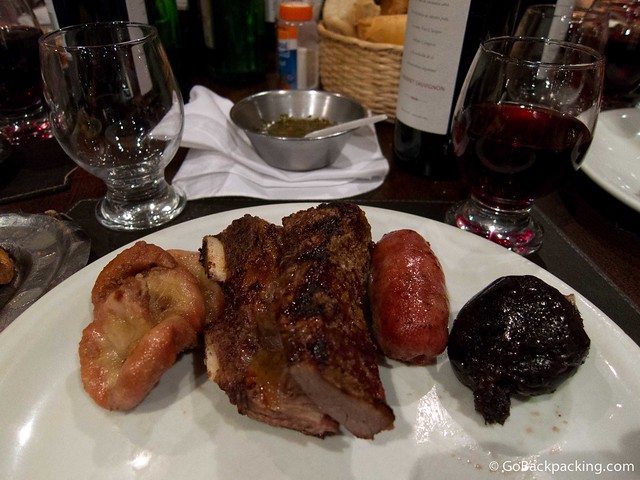
Organic chicken breast with arugula and Parmesan cheese with Risotto's saffron and leek souffle

It didn't take long for a server to come by and take my order. A 3-course meal, with drinks, is also included in the ticket price.

I chose the potato soup, chicken for the entree, and the chocolate mouse for dessert. For beverages, it's all you can drink wine, beer, soda, or mineral water; I went with red wine.

Chocolate mousse and rice pudding on praline and caramelized orange zest

Aside from the dessert, the portions were all smaller than I expected, so if you have a big appetite, I'd recommend eating beforehand or planning to grab a bite afterward.

The chocolate mousse was excellent and arrived just as the house lights were turned off and the show started. After all, the dancing, not the food, brought us to Tango Porteño for the evening.

The Performance

The opening scene from the Tango Porteno dinner show
The opening scene

The choreography, orchestra, costumes, and stage production were all excellent. In a hostel, I'd overheard one woman say that watching professional tango dancers was intimidating if you're starting yourself.

If anything, I found it inspiring. I wish the show had lasted longer than an hour and a half. The only thing that bothered me was the constant chatting of the women at the table behind me.

I thought it was disrespectful to the performers (who probably couldn't hear them) and the other people seated around them.

Now and then, I'd hear "shhhhhs" break out from other parts of the theater, so I knew it was happening elsewhere, too, and I wasn't the only one distracted by it.

I can only guess adding food and wine to the theater experience gave people the license to be so loud.

It wasn't until the show's last performance that I'd finally leave my table and walk down an aisle to get a video close-up.

Who Should Go?

I believe there are two ways to experience tango in Buenos Aires. The first way is to learn the tango by taking lessons and spending time in the local milongas.

The time, energy, and dedication required to do this will appeal to only a tiny percentage of visitors to the city. The second, more straightforward way is to take in a dinner show like Tango Porteño.

Sure, you can catch shows in other countries, but for a truly authentic experience, there's nothing like seeing one in the city where tango was born.

Check out GetYourGuide to book this Tango Porteño dinner show and other activities in Buenos Aires.

_______

I received a complimentary ticket to experience and write about this tour.

The Beauty of Oahu Island in Hawaii

I am always excited when I fly into Honolulu - a certain thrill comes with visiting any Hawaiian island.

Pictured below is a view of Honolulu city from the Tantalus mountain lookout. Towards the left is the famous Diamond Head Crater, and the coastline with all the skyscrapers is Waikiki Beach.

Honolulu, Hawaii
Honolulu, Hawaii

When I was a kid, Sandy Beach on Oahu's South Shore was one of my favorites. It's not only in a gorgeous setting, but the waves are supreme for body surfing.

Related: Scenic Drive in Oahu

Sandy Beach, Oahu, Hawaii

The current of the ocean is strong, and the waves crash hard for an entertaining beach experience!

There are many hikes and walks on Oahu. The Makapu'u Point walk is an easy trail offering spectacular ocean views and a chance to see humpback whales.

Makapu'u Point
Makapu'u Point

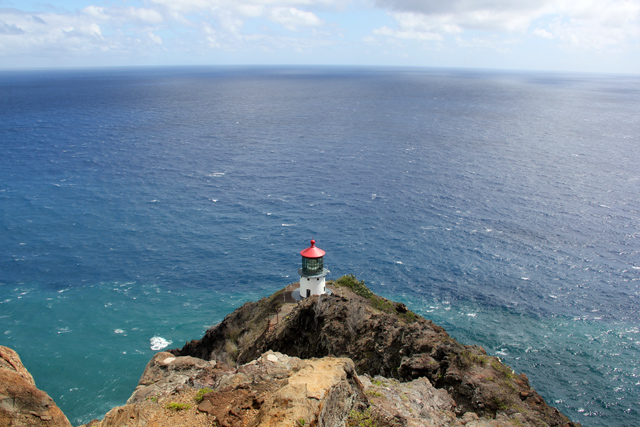
Once you arrive at the finishing point of the hike, you get a view of the Makapu'u Lighthouse. The deep ocean view is spectacular.

Makapu'u Lighthouse
Makapu'u Lighthouse

If the sky is clear, you may even be able to catch a glimpse of another Hawaiian island.

While one direction you face the Makapu'u Lighthouse, the other direction is a magnificent view over the southeast corner of Oahu.

View from Makapu'u Point

Chinaman's Hat is one of the most famous landmarks on the island. What do you think? Does it look like a Chinese-style hat (see some examples here)?

Chinaman's Hat
Chinaman's Hat

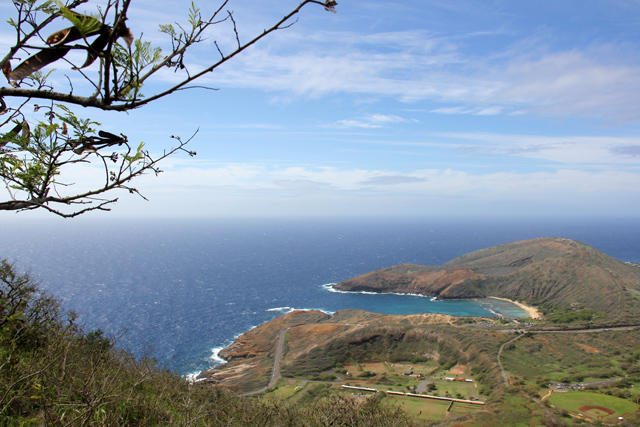
Hiking Koko Head Crater is extremely strenuous, but the views from the top are astounding!

Koko Head Crater Hike

The trail leads straight up the side of the mountain on a former military railroad supply route.

Oahu's North Shore is one of the most famous places for surfing and seeing sea turtles. Laniakea and Pupukea are both great places to spot turtles.

North Shore of Oahu
North Shore of Oahu

At the end of the day, sitting on the beach and admiring a sunset is something that just never gets old!

Related: Shrimp Trucks on Oahu's North Shore

Sunset on Oahu Island
Sunset on Oahu

If you're planning your first trip, check out this quick Oahu travel guide for ideas on where to stay, what to do, and how to plan your time around the island.

Can You Travel Australia on a Budget?

australian money
Australian Money (photo by martinhoward)

When it comes to traveling, I love talking about the incredible opportunities that come from roaming around Australia.

It is a beautiful country with natural icons known around the world. You can one day find yourself trekking snow-clad Cradle Mountain in Tasmania and the next washing red dirt off your boots in the hot sun over Uluru.

Beach bums have their way in Bondi, Byron Bay or the Gold Coast, and jungle lovers can go on Aboriginal tours in tropical Queensland.

However, the most significant thing keeping many from coming is either the cost of the insanely long flight or the cost to travel around the country -- or both!

So, can you travel to Australia on a budget?

I think it would be incredibly hard to consider travel in Australia at this moment as "budget," but there are several ways one can go about traveling around the country at a lower cost.

australian flag
Australian Flag (photo by marragem)

Why is Australia so "expensive"?

Look, I ask myself that question every day! But, seriously, the country holds a combination of factors that raise the price in current years.

For one, the economy has fared well throughout the economic crisis years, making the value of the money higher than many other currencies. That means it might take more US dollars or more Euro to get the same amount of Aussie dollars.

The cost of living -- that which includes everything from food to water to housing -- is also incredibly high.

According to Expatistan, a cost of living comparison website, it is 7% more expensive to live in Sydney than New York City, 33% more expensive than living in Chicago, and 27% cheaper to live in Rome.

The low population pared against immense size (it's about the size of the 48 connected US states!) means infrastructure is limited. To get to some parts of the country, you’re forced to pay for 4WD tours or to just plain fly.

The distance from other parts of the world adds a hefty price (and length of time) to any flight.

When it comes to budget flights, I would easily consider the South Pacific region a black hole -- add that to your round-the-world trip and the cost skyrockets.

Ways to Lessen Travel Costs

If I ventured to Australia and wanted to travel around to a few places, perhaps go up the coast and take a couple of tours (sometimes the tours are just necessary). I would expect to spend in the $3,000 range for a month easily -- and that's without the cost of the flight to the country itself.

While this price would be considered standard, you could do it for cheaper if you set your mind to it.

camping to save money
Camping to Save Money (photo by ianz)

Accommodation Tips

Hostels may be considered budget travel in most parts of the world, but in Australia, you can do better.

Hit up Couchsurfing to get free places to sleep with locals from time to time.

These can shave off hundreds of dollars from your budget easily.

The downside would include the possibility of not being in a convenient city center and the fact you are in someone's home.

Camp for free. Campsites at caravan parks are in abundance in Australia, but those added features and amenities will tack on approximately $10 to $20 per night.

Check out the locations where you can camp for free (if you can handle getting that close to nature), especially if you're already renting a campervan.

Transport Tips:

Finding others to travel with you is the easiest way to shave the dollars off your travel budget in Oz. Rent a campervan or a car together and split the cost several ways.

Foreigners in Australia can purchase from an assortment of Australian rail passes that provide unlimited travel for 3 or 6 months (also including the long-distance trains) and save heaps of money on transport by doing so.

student drinks
Beverages are where you can save money (photo by lachlanhardy)

Food Tips:

Groceries from Australia are even quite expensive, so while eating in will save you money, it might not be as much as you think.

In that case, beverages are where you will save the most money.

Free refills are a rarity, so think about whether you want that second Diet Coke with lunch or not. At around $3.50 each, you will find your lunch bill has practically doubled with these extras.

Opt for tap water where you can. Australian water is considered clean and safe, and it will save you around $3-4 each.

Avoid alcohol! Alcohol is taxed quite highly, so prices are through the roof.

In Sydney, you will be lucky to get a pint at a pub for $5 (usually in the $8+ range), and a 6-pack from the bottle shop might even run you $16.

Cocktails at small bars and the like are usually in the teens -- $17 is not uncommon.

If you must get your drink on, backpacker bars will have the best deals -- some including cheap grub.

Tour Tips

Seek out group discounts for organized tours if you can round up a group of travelers from your hostel.

Look for last-minute deals.

Search around. The same tour might cost one thing from the provider and another from a hostel that also helps to book tours. You never know what you might save if you spend a few extra minutes looking around.

Go off-season. Heading to resort towns during winter could open the door for lower-priced tours.

sydney harbour bridge
Sydney Harbor Bridge (photo by naoki)

Work Tips

If you can get a working holiday (or work and holiday) visa for the land down under, then that is going to be the best way to combat the high cost of travel.

You'll be able to get a job and earn Australian wages, and those wages will help you go further in travel.

You can even work while you go, picking up odd jobs here and there to keep you on the road.

Your Travel Budget May Vary

Everyone's travel budget will vary, but for Australia, it is wise to know that the cost will be higher than in other parts of the world.

But, to make a better approximation of expenses, why don't you share your Australian travel budget right here.

Perito Moreno Glacier: Epic Images from Patagonia

Perito Moreno Glacier is one of Patagonia's most popular destinations, along with Fitz Roy Mountain and Torres del Paine National Park. After a long day of ice climbing on Viedma Glacier, we drove to El Calafate for the night. The following morning, we began our guided day trip to Perito Moreno.

Perito Moreno Glacier

The glacier's proximity to land makes it accessible for visitors of all ages and modalities. Before arriving at the viewing platforms, visitors can take a one-hour boat ride to view the South face of the glacier.  While our guide, Christian, indicated it wasn't necessary, about half of our group decided to go.

I agree with Christian that your views from land will be fantastic in and of themselves, but if you want to maximize the photo opportunities, spend the extra $16 for the boat ride, too. These photos have not been edited. Enjoy raw images of one of nature's true wonders.

A view toward the ice bridge, which once connected the glacier to land. It underwent a monumental collapse the week before we arrived.
A monumental arch once connected the glacier on the left to the land on the right.
A monumental arch once connected the glacier on the left to the land on the right. This is my favorite photo.
The South face of Perito Moreno Glacier
The South face of Perito Moreno Glacier, as viewed from the boat
Pinnacles of ice
Don't forget these pinnacles of blue ice extend hundreds of feet below the surface of the water
To get a sense of scale, look at the hikers approaching the glacier to the far left
Perito Moreno Glacier extends down from the Southern Ice Field
Perito Moreno Glacier extends down from the Southern Ice Field, the 3rd largest after Antarctica and Greenland
Look in the middle to see a giant pinnacle of ice falling off the glacier
Look closely in the middle to see a giant pinnacle of ice falling off the glacier
Ice splashes into the lake
Ice splashes into the lake. You can see a white dot atop the photo, a piece of ice flung hundreds of feet in the air.
Visitors can safely watch ice calving off Perito Moreno Glacier
Visitors can safely watch ice calving off Perito Moreno Glacier. We visited at the end of the summer season when the ice was volatile.

_____

Disclosure: This Patagonia tour is in partnership with G Adventures. The opinions expressed are entirely my own.

Review: Travel Deals with Air Canada Vacations

Air Canada Vacations

Travelers enjoy great deals - I for sure do!

When I first set out to travel and live in Southeast Asia I got a miles flight to Hawaii (where I have many relatives) and then I camped out in Honolulu until I found a great last-minute flight into Bangkok.

Since I wasn’t on a tight schedule or an organized itinerary, I had the flexibility to wait until I got a good enough deal on airfare.

When that deal came, I jumped at it and shortly thereafter I was wandering the streets of Bangkok!

While checking out Air Canada Vacations website, I got that feeling of excitement that always comes with booking a flight and the anticipation of taking a vacation.

Air Canada Vacations is a Canadian tour operator that specializes in leisure travel packages and promotions.

In 2010, the company received an award as the “Favourite Tour Operator” at the Baxter Travel Media's Agents' Choice Awards. Associated with Air Canada (the leading airline of the country), Air Canada Vacations is a reputable travel resource.

Last Minute Deals at Air Canada Vacations
Last-minute deals at Air Canada Vacations

One of the most useful features of the site is the last minute deals search.

For last-minute vacation package savings, you have to be willing to fly out of one of Canada’s major cities and also be willing to abide by the dates specified.

Since Air Canada flies directly to many destinations in the Caribbean, it seems that a lot of the vacation promotions cater to people that love tropical weather and sunny beaches.

I browsed through some of the packages and here’s an example of what I found:

  • Vancouver to Honolulu for 7 days
  • Includes roundtrip airfare on Canada Air
  • Standard Room at the Ohana Waikiki West Hotel (for 7 nights)
  • No meals (other packages may include all-inclusive full board)

After clicking through a few “add to cart” and “checkout” buttons you finally get the total cost of your trip - this package came out to $1,542.80 for two people.

In my opinion, it’s not a bad price considering it includes airfare (which can be really expensive to Hawaii) and accommodation.

Of course, you do need to be flexible with your dates and time the flights leave and land.

The great thing is, you can book last-minute deals up to the day before the departure date - so if you have a spur of the moment vacation, it just might work out!

Booking travel vacations online can get a little confusing so make sure you read all the fine print and check out all the final costs of everything.

You don’t want to get to the end of booking a steal of a deal only to realize that it’s not as good a deal as you thought.

One thing that’s always a little frustrating is having to click through a number of links to finally see the final price.

Travel Offers
Travel Offers

When you click on the “Promos” tab, you’ll find a selection of travel offers like room upgrades, discount savings, and special deals.

Depending on the specific place you intend to travel, you can attempt to search for a deal that will suit your interest.

Some of the deals looked decent, while others were less attractive. You'll have to do some research and reading to really see what specials are worth pursuing.

If you are living in a major city in Canada, have a decent amount of savings for a flight and leisure vacation of this style, and have the flexibility to fit a trip into your schedule, you may want to check out the vacation deals offered by Air Canada Vacations!


Why I'm Going Back to Peru

Cooking duck for the first time (2007)

[E]arlier this year, I wrote about when dreams become reality, and how I've suddenly found myself without a new one to pursue.

Since then, I've been giving it a lot of thought, and realized that after successfully reaching my travel goals, maybe it's time to set my sights on a different hobby -- cooking.

Smoked Duck Breast with Orange Ancho Chile Sauce

The truth is I don't cook much now that I'm always traveling, but I use to love it when I was back in the United States.

I could easily spend a whole day shopping, preparing, and then cooking a complicated recipe from the pages of Gourmet magazine.

Sometimes a photo alone would be all the inspiration I needed. Or an episode of No Reservations.

Le Cordon Bleu in Lima, Peru

So with these thoughts in mind, I'm applying for admission to Le Cordon Bleu at their Lima, Peru campus. Located in Miraflores, it's a short walk from the apartment I was renting, as well as the beach.

Le Cordon Bleu is a well-regarded culinary school, with a long history of teaching young cooks. Famous alumni chefs include Julia Child, Giada De Laurentiis, and Peru's own Gaston Acurio.

It's not a decision I'm taking lightly. I'll have to pay my way through 3 years of courses to earn my diploma in Gastronomy & the Culinary Arts, but I'm up for the challenge.

Aside from the obvious benefit of developing a skill I can continue to use the rest of my life, it also opens up the opportunity for me to find work as a cook during my travels.

And who knows where that road could lead.

If you read this far, and believe I'm going to cooking school, Happy April Fool's Day!

Surprise Ending on Viedma Glacier

Spoiler Alert:  Skip this post if you intend to visit Viedma Glacier one day, and don't want to know the surprise endings that await groups who walk or climb on it.

Approaching Viedma Glacier

[S]pending a day ice climbing on Viedma Glacier was a dream come true.

As our time on the glacier was coming to an end, Giselle, our lead guide, said she had two surprises for us.

We were then led off the glacier in the same way we arrived. Confused, I questioned out loud why we were leaving our crampons and the glacier behind so soon.

I'd been hoping our surprise would be some cool ice caves, like the one I saw on Franz Joseph Glacier in New Zealand, but now I started to feel a little disappointed.

Giselle lead us back onto the solid rock, and walked us down along the front edge of the glacier.

Walking under Viedma Glacier
Our entrance for a walk under Viedma Glacier

Eventually we arrived at a large cave-like entrance between the rock below us, and the glacier above.

Instead of a standing in an ice cave on top of the glacier, we were about to walk under the whole thing!

It seemed kinda crazy, walking under tons of solid ice, thousands of years old.

Ice that is shifting daily.

Ice that is melting under the warm Summer sun, right before our eyes.

But that's exactly what we did, and it was fascinating.

Underneath Viedma Glacier
Under the glacier, you can see first hand how the rock and ice work to shape each other

Walking under Viedma Glacier

The first thing I noticed was how wet it was under there. Thankfully, we were still wearing all our water-resistant gear, because it felt like a steady rain of glacial melt was dripping on us.

Holes punctured in the ice above created waterfalls, allowing water melting from above to collect in pools on the solid rock below.

It was as if we were walking through a living, breathing organism.

Melt water reaches solid ground

The view from underneath the glacier

Concerned about my camera getting wet, and the entire glacier collapsing on me, I didn't linger.

After hurriedly taking a dozen photos, I emerged from under the glacier.

Giselle was waiting for us at the exit, and once everyone had made it out, we were informed of our second and final surprise.

Bailey's and glacial ice

A bottle of Bailey's Irish Cream was opened, and we were each handed plastic cups with ice cubes chipped directly from the glacier.

Keenly aware of the declining state of the world's glaciers, I certainly felt strange trying to enjoy my cup of Bailey's and glacial ice.

I had to trust the company and guides wouldn't be doing this for the tourists if it were going to have a serious impact on the overall state of the glacier.

In the photo above, you can see the amount of ice taken from the glacier for drinks over the entire Summer season.

___________

Disclosure: This Patagonia tour is in partnership with G Adventures. The opinions expressed are entirely my own.

Ice Climbing in Patagonia

As the ferry approached Viedma Glacier, and the towering columns of deep blue ice came into focus, I felt anxious for the first time. Ice climbing had been a childhood dream of mine.

As an adult, I'd tear out the page of a National Geographic Adventure story about ice climbing on an artificial waterfall in Colorado, hoping one day to follow in the author's icy footsteps.

Approaching Viedma Glacier by ferry

I'd pass on the opportunity in New Zealand as there were too many others to choose from.

Two years later, I passed in Switzerland without even researching the costs, assuming that the country would be one of the most expensive places in the world to try it. Another two years later, in Peru's Cordillera Blanca, I'd pass again when a local mountain guide told me the ice was "dirty" - covered in soil and rock.

My image of ice climbing in Patagonia, the dream I wanted to fulfill, involved beautiful white walls of ice set against bright blue skies. I'd scale vertical walls with ice axes in hand and crampons underfoot, just like in the movies. I'd been waiting for the perfect experience, however unrealistic it may have been.

When I arrived in El Chalten at the start of my G Adventures tour, I was ready to "just do it."

The deep blue colors in the ice left everyone in awe
The deep blue colors in the ice left everyone in awe (the photo is unedited).

There were no guarantees the weather would be great. In fact, upon questioning the staff of the local company we'd use, they informed us of the potential for rain that day. It was a $140 gamble.

But I wouldn't be taking this gamble alone. I would be accompanied by eight of the nine others in our group. Only Dennis, an American retiree, would opt for the glacier walk instead. He would later say it was his favorite experience of the trip.

In addition to the water-resistant pants and gloves I'd acquired for the Fitz Roy hike the day before, I also rented thick, ankle-high boots. It's worth the extra few dollars to ensure your crampons attach appropriately to your footwear.

Grey skies greeted us on our second morning in Patagonia. I prepared myself for the worst, climbing ice in the cold rain.

It was a short drive from El Chalten to Viedma Lake, where we boarded the one-hour ferry to the glacier by the same name. The Viedma Glacier is stable and larger than Perito Moreno Glacier, which gets much more attention given its ease of view from land.

The ferry slowed down as we approached the glacier, allowing us to view spectacular icebergs drifting in the cold waters. A rainbow was visible over the glacier, and the clouds slowly but surely began to fade.

Walking over the glacier-carved rock en route to the equipment tent
The glacier-carved rock and equipment tent (upper left).

The sun was shining when we made landfall on a quiet inlet to the left of the glacier. It was a short walk on the slick, rust-colored rock to reach the brown tent where much of the equipment was stored.

We put on climbing harnesses and helmets and took another short walk to the glacier's edge. The four guides, led by the striking Giselle from Bariloche, helped everyone put on their crampons. They instructed us how to walk on them, and then we made our way to a halfpipe-like section of the glacier.

Giselle announced we'd spend much of our time there, and as long as the weather cooperated, we'd spend up to five hours on the ice.

Our ice climbing wall for the day

Once the first rope was fixed, Giselle instructed us to climb the near-vertical wall of ice before us. A key point was not to rely on your arm strength to pull you up; the same holds true for rock climbing. Proper technique and using your legs to lift you are more critical. I just wanted to get my hands on those ice axes and start plunging them into the wall.

Melissa was the first person to climb
Melissa was the first person to climb.

Melissa, a soon-to-be Columbia University graduate, beat me to it. She was already being roped in before Giselle had finished instructing us. We all watched as Melissa climbed the wall. It didn't look easy, but she was determined to reach the top.

I was feeling excited and inspired. We'd been led to a beautiful wall of white ice, and blue skies beckoned us up them. It was a picture-perfect day, just as I'd always imagined.

Two routes were set up at any given time
Two routes were set up at any given time. I'm climbing to the far left.

My first climb was tentative and slow. I made my way up the wall but felt clumsy. Adrenaline, if nothing else, brought me to the top. But if I was going to continue climbing, I had to focus more on proper technique than trying to pull myself up using upper body strength alone.

Early on, I wasn't trusting my crampons to hold me against the wall. I'd kick them in several times to get a good hold, but I rarely felt like I got it. As a result, I'd expend a lot of energy stopping and starting instead of developing a rhythm that would bring me to the top faster before my arms gave out.

Reaching the top
Reaching the top

I always felt the tension in the rope. At times I felt it was holding me against the wall more than my ice axes and crampons. If the rope had not supported some of my weight, I'd have fallen off the wall quite a few times. Then again, most people don't ice climb without rope.

Between climbs, I'd take photos of the others and the glacier. As each route was climbed multiple times, and the sun continued to warm the ice, it began to deteriorate.

Our guides did an excellent job of ensuring everyone got at least one chance on each route, and then they'd set up new ones. We had the opportunity to climb four different routes of varying difficulty.

The most difficult route of the day involved an overhang. Before we attempted to climb it, I doubted it'd be possible.

This was the most difficult route of the day, as you had to use good technique to get above the overhang.
This was the most challenging route of the day, as you had to use good technique to get above the overhang.

The photos don't do it justice, but if you've ever tried to climb over an overhang on either rock or in a climbing gym, you know what I'm talking about. Giselle gave us additional instructions, including a new technique for climbing walls like this one. It'd be my fourth climb of the day. I reached the overhang quickly, but at that point, I struggled to get over it.

At one point, my arms burning from trying to hold on, the ice gave way under one of my axes, and I fell backward. Once I regained my connection to the wall, I figured I wouldn't get any higher. I paused for a photo (seen above).

And then I heard shouts from below, egging me on to go a little higher. I let out a few f-bombs and began plunging the ice axes a little higher. I climbed a little higher until I reached the overhang, where I claimed the route climbed and signaled the guide to prepare for my descent. My arms were exhausted.

Descending was the easy part. We'd take the axes out of the ice and lean back so our legs and bodies were perpendicular to the wall. The guide would slowly release the rope, and we'd walk down Batman style. It's very similar to abseiling waterfalls in canyoning.

View of Viedma Glacier from above the ice wall we were climbing on all day
View of Viedma Glacier from above the ice wall we were climbing on all day.

As others took turns climbing that route, I rested and climbed the other route, still set up two more times. Between the first and sixth (and final) climbs, I gained confidence in my equipment and myself. I was climbing noticeably faster, and it felt more rhythmic. I wanted to keep climbing, but my arms were worn out.

After everyone got their fill, Giselle led us around and above the ice wall for further views of the glacier. We posed for photos and were informed that two surprises still awaited us.

After returning our gear, there was nothing to do but enjoy the views until the ferry returned to pick us up
After returning our gear, we could only enjoy the views until the ferry returned to pick us up.

My question to you is whether I should publicly share the surprise end on Viedma Glacier or keep it a secret, known only to those who can walk on it in person. Leave a comment below, and let me know!

___________

Disclosure: This Patagonia tour is in partnership with G Adventures. The opinions expressed are entirely my own.

10 Things That Will Make You Think of Britain

Throughout the history of the world, Great Britain has been one of the world's most powerful forces.

Today it remains famous for many things and has influenced many parts of the planet.

Panorama-England Vs Italy U21s soccer match at Wembley Stadium in Britain
1. Football (Photo credit jackspics)

Typically Britain

1. Football (Soccer)

As the birthplace of the world's most popular sport, you probably already know how seriously football is taken in Britain.

It's a sport that many British folks live and breathe for. Some clubs like Manchester United or the Rangers have massive worldwide followings.

2. British Humor and Slang

Yes, I could have mentioned the English language, but since that's quite obvious, I decided to mention the humor and slang for which Britain is so famous.

Intense irony, sarcasm, wittiness, and plain dirty are a few terms associated with British humor.

3. Royal Family

Sure, some royal families still exist in other parts of the world, but the British royal family is one of the most famous monarchies for its former power and continued respect.

Britain is known for its castles and important royal historical buildings along with the royal family.

4. Famous People (Celebrities)

For as small a place as Great Britain is, it has produced some amazingly talented and famous people.

From Shakespeare to the Beatles to David Beckham, the famed list continues.

British Pub
5. British Pub (Photo by francapicc)

5. Beer (Specifically in Pubs)

While some beers from Britain are world-famous, British pubs as a whole have built a name for themselves.

In Britain, going to a pub is a daily activity, a place to make yourself comfortable watching a football game or shooting pool with a pint in hand.

Court 2 Men's Doubles at Wimbledon, a major tennis tournament held in Britain.
6. Wimbledon (Photo by daleharvey)

6. Wimbledon (Tennis)

There are only two things I know about Wimbledon: it's located in the United Kingdom, and it's the single most important and prestigious tennis tournament in the world.

I don't know if anyone would think of Wimbledon without thinking about tennis - many people visit Britain to attend the tournament!

Bleak London
7. Gloomy Weather in Britain (Photo by suvodeb)

7. Gloomy Weather

While I know Britain does not always experience cloudy, rainy weather, quite a lot of media builds upon the gloomy British weather to the point where it is one of the most famous things I remember when I think about Britain.

Most people think of Britain when they hear Stonehenge. (Photo by birdies-perch)
8. Stonehenge (Photo by birdies-perch)

8. Stonehenge

Anciently built a few thousand years ago, Stonehenge is one of the world's most impressive and mysterious historical sites.

Consisting of giant stone posts and lintel architecture, the UNESCO World Heritage Site is remarkable for its fascinating history and celestial designed properties.

9. Fish and Chips

British food is not the most well-known or sought-after cuisine in the world. But there are several famous British dishes like fish and chips.

Fish and chips are served exactly as it sounds, a huge comforting plate of deep-fried fish and potatoes.

10. Afternoon Tea

Tea is not only one of the most popular beverages in Britain; it is also ingrained as part of the culture.

An afternoon tea experience is synonymous with Britain - a cup of tea accompanied by finger food treats like scones or crumpets.

_________

This post was written by Mark and brought to you in partnership with Visit Britain.

Day Trip to Galle, Sri Lanka: From Ancient Forts to Street Eats

Galle, located south of Colombo, was once the most powerful and influential port on the island of Sri Lanka. The city has a fascinating history.

Old Town Galle, Sri Lanka.
Old Town Galle

Long ago, Galle was known as Tarshish, the city where ancient King Solomon obtained some of his fascinating supplies. The Portuguese landed in Galle many years later, transforming the city into a European seaport.

Table of Contents

  • Attractions
    • Galle Fort
    • Churches
    • National Maritime Museum
    • Trees
    • Food
    • Unawatuna

Attractions

Galle Fort

Walls of Galle Fort
Walls of Galle Fort

The Galle Fort, now a UNESCO World Heritage Site, was initially built by the Portuguese and later added to and remodeled by the Dutch. The fort was built in 1588, and the walled city remains a great place to explore today.

Within Galle Fort is the lighthouse, standing tall overlooking the clear ocean.

Galle Lighthouse in Sri Lanka.
Galle Lighthouse

Churches

With the European influence, Galle is full of colonial buildings and churches. Walking around the fortress offers an opportunity to see many historical landmarks.

Outside of the oldest area of town, there is still a large population of Catholics. I thought this was one of the most interesting churches in town.

Old European Church in Galle
Old European church in Galle
Modern Church in Galle
Modern church in Galle

National Maritime Museum

Originally a Dutch warehouse, the National Maritime Museum showcases many interesting artifacts from Galle's prosperous seaport.

Though parts of the museum were damaged or destroyed during the 2004 tsunami, it remains a great place to learn about Galle's history.

Galle Maritime Museum in Sri Lanka.
Galle Maritime Museum

Trees

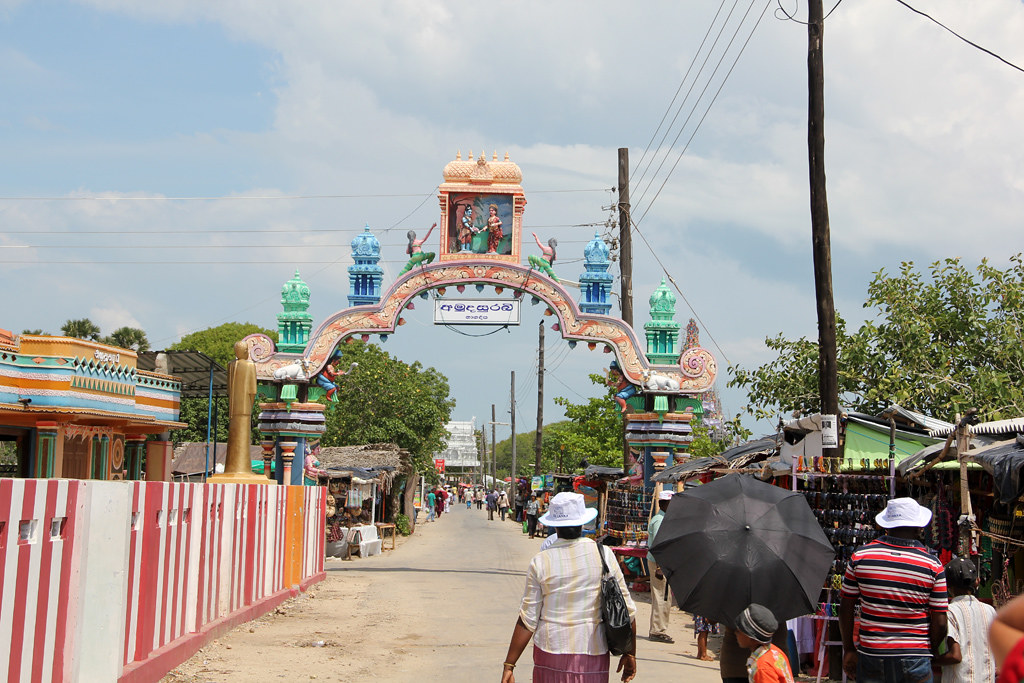
One of the things I loved about traveling in Sri Lanka was the massive shade-spreading trees. The vast-reaching trees are one aspect that makes Galle such a pleasant city.

Related: Journey To Northern Sri Lanka

Beautiful trees in Galle, Sri Lanka.
Beautiful trees in Sri Lanka

Food

Since Sri Lankan food is so delicious, there's no reason to miss out on the dining scene in Galle. The city has plenty of restaurants and snack stalls serving tasty delicacies.

Short Eats
Short eats

"Short eats" pictured above are deep-fried spicy balls of potato mixed with fish and spices.

Unawatuna

Beautiful Beach at Unawatuna
A lovely beach at Unawatuna

Unawatuna, a popular tourist destination, is just down the road from Galle. It's a great place to unwind, enjoy the scenery, and relax on the beach.

When the sun begins to set, there's nothing more amazing than finding a quiet spot on the sand to kick back and enjoy the sound of the waves and the soothing breeze at the end of the day.

Related: Traveling Sri Lanka

Sunset View at Unawatuna
Sunset view at Unawatuna

If you're near Galle, you'll find Swing Ceylon-a tropical garden spot for mini golf in Unawatuna that offers a fun, relaxed break from the beach. It's one of the more unique activities in Sri Lanka, with a course shaped like the island and each lane representing a different region.

Galle is a pretty little town with a rich history. When you travel to Sri Lanka, visit Galle and the nearby beaches!

Birth Control Options for Female Travelers

birth control pills
Birth control pills (photo: nateone)

For a man, packing birth control for long-term travel is easy. Pop a handful of condoms in your medical kit and one in your wallet, and you're good to go.

For women, birth control often goes beyond just protection for sex, and having a back-up in case other methods of control fail in their time of need.

It's also about regulating periods and hormones.

I don't know about you, but I like to know the exact day I'll be needing to worry about Aunt Flo on my travels.

With birth control, I know when she'll be arriving, and that gives me peace of mind.

When addressing birth control for travel, women have to consider packability, the shelf life of the product, side effects, and maintenance on the road.

I know -- sounds like a lot of extra thought, right?!

Table of Contents

  • Plan in Advance
  • Pills
  • Shot
  • Ring
  • Patch
  • IUD
  • Condoms

Plan in Advance

The best plan of attack is to address the issue early on.

Talk to your medical care provider and let them know that you plan to travel for an extended time and will need easy birth control.

If you need to switch to a new method, it is best to test it out for a few months to make sure the hormones work well with your body.

Some questions to ask:

  • Will this method store well in my backpack, in hot or damp weather?
  • How can I make sure I have enough for my entire time on the road?
  • Will it be easy to remember (for those that are always forgetting to take their pills)?
birth control pills taken
Empty birth control packaging (Photo: 42954113@N00)

Pills

Pills continue to be the most standard option for birth control for travelers.

Taken daily, however, they can be easy to forget when moving and repeatedly packing -- and when figuring it all out for time differences!

Still, pills keep well, are reasonably cheap, and pack without taking up much room.

Nowadays, birth control pills can go beyond the monthly ritual to provide months of period regulation.

Seasonale, for example, provides women with periods only once every three months, which can be a good idea for the traveling female.

Seasonale is a specific brand of pill that allows women to skip their periods.

Still, it is possible to skip periods with other types of birth control pills by heading straight into the second pack of active pills instead of taking the placebos.

A word to the wise: Check with your health care provider first.

Some types will not work. Instead of skipping your period, you could just give yourself spotting for a month until your next proper cycle rolls around.

injection
The birth control shot (Photo: nathanf)

Shot

The shot, or Depo-Provera, prevents pregnancy for three months, so you will need a shot every 12 weeks.

As this can be tricky when planning to travel, they say a shot up to one week before or after this 12-week point can also keep you covered.

The benefits of the shot are clear: You don't have to take a pill every day, and you don't have to pack months of pills or other methods in your bags.

However, the major downside is that you have to get an injection every three months, which could be hard to acquire in some parts of the world -- unless you plan to carry your own vial and needles around (not for me!).

Some women also find they have irregular bleeding, or no periods at all, during the entire use of Depo-Provera.

nuvaring
NuvaRing logo (Photo by urbanlatinfemale)

Ring

If you're on the "ring" (NuvaRing), you'll have to consider the longevity of your travels and the style.

The NuvaRing was like a gift from God in my eyes since I only had to think about it on a monthly, instead of daily.

You simply insert the flexible ring into your vagina, leave in for three weeks, take out for a week, and insert a new one for the next month's cycle. Simple, simple, simple!

Unfortunately, with travel plans looming, I had to switch up my options. The NuvaRing is a birth control method that goes "off" faster when exposed to heat.

I was told to store my rings in the fridge to make sure they maintained their protection level of hormones.

So, if you're planning to travel -- especially backpack -- for months on end, then tossing these bad boys in your bag through all sorts of weather conditions is just asking for trouble down the road.

However, if you will be traveling to one place for a few months, with access to refrigeration, you might be able to continue using the ring.

Patch

The Ortho Evra patch was another favorite birth control method of mine years ago.

It is a sticky patch, much like a nicotine patch, that stays on the skin to release a steady and constant flow of hormones.

Instead of a daily need to address your birth control, the patch was replaced weekly, for three weeks, with one week off.

However, after maybe a year of use, I was advised by my health care provider to come off the patch as there were health concerns with using it.

Even though the patch is still on the market today, I suggest doing your research before starting on this method and also reading this article on Today Health.

IUD
Types of IUD's. (Photo by ideonexus)

IUD

The IUD, short for intrauterine device, is a semi-permanent birth control method.

There are several variations of the IUD to choose from, but the two categories include a copper (non-hormonal) device and a hormone device (Mirena).

The IUD is inserted into the uterus, where it can act as birth control for up to five years.

The IUD is not for every woman, and it is often recommended for women that are older and are done having children.

But, every woman and body is different, so it is worth consulting with your health care provider about if looking for something more long-term.

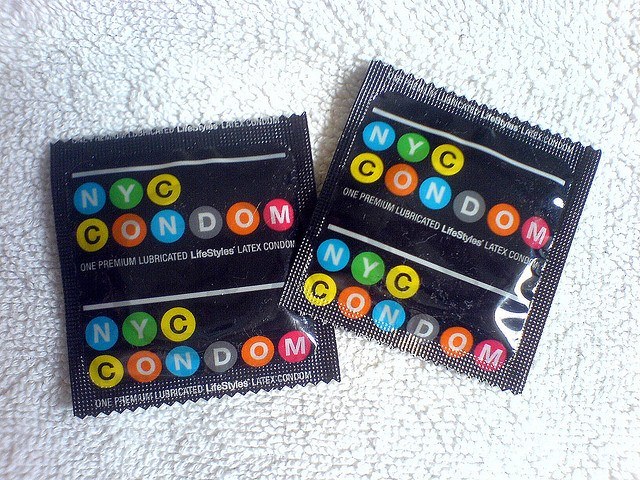
nyc condoms
Condoms (Photo: victoriapeckham)

Condoms

Even if you're traveling with your monogamous partner, condoms are recommended as a back-up.

Did you know that certain medications and antibiotics can render your birth control useless? It's true.

What birth control method did you use on your travels, and why?

My First 24 Hours in Buenos Aires

Sunrise in Buenos Aires

The overnight Aerolineas Argentinas flight touched down just as the sun began to rise over a new day in Buenos Aires.

My knowledge of the Argentine capital could be boiled down to four things: soccer, steak, wine, and tango.

For better or worse, everything else would be a surprise.

I quickly cleared immigration and customs, gaining a 90-day stay in the process, and booked a taxi to Michael and Stephanie's apartment outside the baggage claim area.

Along the 50-minute drive downtown, thoughts tumbled around in my mind like clothes in a dryer.

Excitement. I'd be seeing Mike and Steph for the first time in almost two years. And the following day I'd be meeting my G Adventures tour group for Patagonia.

Anxiety. Another large city, with all the potential dangers one can expect (and even worse, the ones you don't expect).

If you're visiting Buenos Aires on vacation, I'd recommend single trip travel insurance to cover you in case something goes wrong.

For those visiting Argentina as part of an RTW trip, go with worldwide travel insurance instead.

Upon arriving at my friend's apartment, I rang the buzzer and Mike came down to let me in.

It's the norm for the doors to apartment buildings to be locked from the inside.

It sounds like a fire hazard to me, but that's the first thing that struck me as different from the US.

Breakfast is served, Argentine style
Breakfast is served, Argentine-style

Upstairs, after dropping my bags, Mike unveiled a plate full of sticky, sweet pastries.

A norm of Argentine living is to start your day with the sweetest pastries your corner bakery has to offer.

Guiltlessly eating gooey, dulce de leche-laden pastries ran counter to everything I'd learned about eating healthy.

I delved in, like a true Argentine, but couldn't help but feel guilty as I licked my fingers.  

As if I was indulging in the one or two freshly baked Dunkin Donuts I'll have every year.

After catching a short nap, Mike took me to one of the main Movistar offices so I could pick up a micro-SIM card for my iPhone.

The office was a big, two-story affair with futuristic lighting, attentive staff, and a fully automated queueing system.

It was a few years ahead of any Tigo office I'd encountered in Medellin, though Peru's Movistar offices were also well organized.

El Ateneo
El Ateneo

After accomplishing our mission at the Movistar office, we walked into nearby El Ateneo; an old theater converted into a bookstore.  

It was theatrical, and certainly, unlike any bookstore I'd seen before. The cafe was situated on the old stage.

I made a mental note to return here if I was in the market for meeting smart girls.

Unfortunately, Steph mentioned that despite the bookstore's appeal, they stocked very few books in English, which is ironic considering it's now a tourist destination.

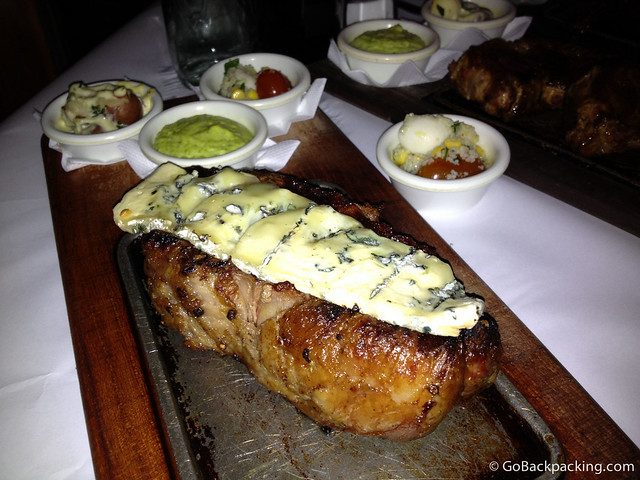
Blue-cheese smothered meat and mashed potatoes

Closer to the apartment, we grabbed lunch. I must've been hungry, because I ordered meat, possibly pork, smothered in blue cheese, with a side of mashed potatoes.

This was my first encounter with the rather generous portion sizes in Argentina.

I purposefully left half the potatoes on the plate, and I took it as a warning sign of what I'd be facing in the meals ahead.

Recoleta
Recoleta

In the afternoon, Mike led us through Recoleta, an upscale part of town with tree-lined streets reminiscent of New York City.

Every cafe and restaurant we passed seemed to have WiFi.

Another similarity with New York City, and a degree of connection I've yet to see in any other South American city.

The resting place of Eva Peron

We ultimately made our way to La Recoleta Cemetery, where I battled tour groups to get a clear shot of Eva Peron's mausoleum.

It was anti-climactic at best, as the rest of the cemetery is just as impressive, if not more so, but a "must-do" for anyone visiting the city.

As we made our way back to the apartment, someone suggested gelato.

Gelato
Buenos Aires may have the best gelato in South America

I'm a huge ice cream fan, and I'd heard Steph mention the ice cream here, but I wasn't prepared for how much better it was than the ice cream I'd gotten in Colombia, Ecuador, and most recently, Peru.

It was on par with gelato in a major US city, like New York, or dare I even say, Italy.

We shared a quarter kilo with three different flavors.

I'd later learn the dangerous fact that I could polish a quarter kilo off on my own.

Mac's and mates
Mac's and mates

Back at the apartment, Mike introduced me to mate -- the traditional tea Argentinians love to drink.

There are lots of unwritten rules related to drinking mate, and it's not unlike sharing shishah in the Middle East.

One person is responsible for preparing the mate, which includes adding the tea, positioning the metal straw, and filling it with hot water.

The cup is then handed to someone, who sips it all, and returns it to the person doing the preparation.

You should only say "thank you" if you do not want to receive a refill after everyone else has been offered a cup. Otherwise, the preparer will take it as a sign that you're finished.

It's a communal experience, where the sharing of saliva with family and friends, new or old, seems irrelevant.

Steak, steak, and more steak

In the evening, we went to La Cabrera in Palermo.

Argentinians eat late at night, say 9 or 10 pm, so restaurants like La Cabrera run discounted service earlier in the evening to bring in new business. And it works like a charm.

We arrived before the doors opened, and once they did, the restaurant filled up within minutes.

Mostly foreigners of course, but when you're getting 50 percent off everything on the menu, who can blame us?

Mike ordered three different kinds of steak for the table, along with a salad and a bottle of red wine.

The portions are so big, the waiter took it upon himself to halve our order. And it was still more than we could all consume.

Perhaps the best part of the meal was the price tag. We each paid $23 (tip included) for this belly-busting meal.

We took a short walk through the upscale Palermo neighborhood where the restaurant was located, before hopping a cab back to the apartment. Sleep came quickly that night.

What You Need to Know

Eva Peron is buried at La Recoleta Cemetery (Avenida Pueyrredón in Recoleta). All taxi drivers will know it. Admission is free.

Hours: Daily from 8 am - 6 pm.

Once you arrive, take your time wandering through the maze of crypts. Look for the tour groups to find Eva Peron's.

La Cabrera is located at JA Cabrera 5099 in Palermo Viejo. Tel: (011) 4831 7002.

Arrive before the doors open at 7:30 pm to take advantage of the 50 percent off discount (which applies to the whole menu).

Aquavit Hotel in Asia, Peru

Aquavit Hotel
Aquavit Hotel

Before leaving Lima, I spent a few nights outside the city in Asia, a Summertime beach and party destination about 1.5 hours drive  due South of the capital.

Here, a large, modern outdoor shopping mall complete with restaurants, bars and discotecas has sprung up along the Pan-American Highway.

From what I could gather, most Peruvians rent apartments or beach houses when they go.

The Aquavit Hotel is the only hotel within the shopping center area, and it boasts the area's hottest pool parties every weekend.

I booked a few weeknights there, as weekends in the Summer are expensive, and fill up far in advance.

The exclusive guests-only pool was by far the coolest I'd ever enjoyed. I imagine it's similar to what you find in Las Vegas and Miami.

It's surrounded by beds for sunbathing, and 3 bars (one to the left and right of the DJ booth, and one behind it).

Speakers hang from nearby palm trees, and at night, the whole area is lit up by colorful club lighting.

The beach was a 15-minute walk away. Lined with houses, and plenty of chairs and umbrellas, it also featured frigid waters. Despite cleaning crews taking care of washed-up debris, it wasn't very nice.

Which is exactly what I'd heard, and why I preferred to stay at a hotel with a sweet pool.

____________

Lima Travel GuideDave's 160-page, all-original Lima Travel Guide is now available for Kindle.

Introducing China Tours

China Tours
China Tours

Based out of Xian, China, China Tours is a well-established tour operator that offers a range of thrilling sightseeing opportunities around the country.

China Tours has done a great job of organizing custom-designed tours spanning the most important places in China - and at very competitive rates.

The company operates with a determination to deliver a satisfying tour that will create lasting memories of China for the rest of your life.

Private and Join In Tours in China

Private Tours / Join-In Tours

Private pre-made tours, as well as Join-In tours, are what China Tours really specializes in.

Depending on your interests, you can choose from a variety of different packages.

Private tours are ideal if you have 2 - 5 people in your party and Join-In tours are great if you are either solo or want to be surrounded by other travelers.

It’s important to note that generally, the Join-In tours are a little cheaper.

Here's a quick example of one of the tours:

If you’re interested in seeing the major cities of China you may consider checking out the 12 Day CT-02 private tour package.

The tour first begins in Beijing where you’ll get to see Tiananmen Square, the Forbidden City and the Great Wall of China.

Next, the tour heads to Xian for a glimpse of the world-famous Terracotta Warriors.

On Day 6 the tour continues to Shanghai to see the major attractions and visit a number of Chinese cultural museums.

From there the tour goes on to the gorgeous scenery of Guilin and Yangshuo where you’ll be able to take river cruises, hike through caves and even take bike rides.

Finally, the tour ends in the always exciting city of Hong Kong!

For private tours there are three different classes:

  • Premium
  • Luxury
  • Standard

The classes (and prices) vary by type of accommodation, dining options and modes of transportation.

The all-inclusive fees for a tour package include admission to the attractions mentioned in the itinerary, meals, full-time English speaking tour guides, accommodation (normally in hotels like the Sheraton and Intercontinental), pick up at the airport and liability insurance for the duration of the tour.

The “Luxury class” of the tour mentioned above costs $2,480 in the low season and $2,897 in high season.

The only expenses you’ll need to worry about are your flights to China, China visa fees, and personal souvenirs, and tips for your tour leader.

Custom Tours in China

Custom Made Tours

What if you’re interested in visiting a few places on one of the organized tours and a few other places on another tour?

That’s the reason China Tours offers custom made tours - so you can choose exactly what you want to see and where you want to go.

When you click on the “Customize a Tour” tab you’ll land on a contact page where you can enter your name and e-mail and proceed to fill out a questionnaire.

You’ll have the option of choosing the places you want to visit, your choice of 3 - 5-star accommodation, your specific interests, and even a type box to specify any special requests.

You can even choose between Western or Chinese meals.

After completing your custom made tour, a representative will quickly get back with you for further details and an expense overview.

Customer Service / Trust and Reliability

When you contemplate a tour there’s nothing more important than quick, clear and reliable customer service.

One of the things that most impressed me about China Tours is their sincere desire to go the extra mile in catering to clients.

They are dedicated to providing a top level of service.

To begin with, instead of having to e-mail to get in touch with a representative, the very first thing you see on the homepage of their website are direct phone numbers.

If you’re not in a position to call, you can also easily contact China Tours online with instant chat or via Skype.

While some sites make it difficult to get in touch, China Tours makes it easy.

Like many things on the internet, it’s important to include user reviews with personal touches.

Be sure to browse through the user reviews to read honest reviews and even get some tips about where to go or which guides you may be interested in hiring.

Also, click on the “About Us” tab to read all the background information.

Overview

Traveling is one of the most incredible ways to gain experience and learn about the world, but sometimes it can be downright frustrating to figure out exactly what to see, where to stay and how to get there (in your short amount of time).

China Tours makes it convenient and hassle-free to organize a tour to fit your precise interests so you can have fun without having to deal with all the travel annoyances.

For more information, check out the company website at https://chinatours.com or find them on Facebook, or on Twitter @chinatourscom

Peru Highlights: My First 5 Months

On the way to Chachapoyas in Northern Peru

My adventures in Peru began up North, as I took a 2-day overland journey from Vilcabamba, Ecuador to Chachapoyas last October.

At the time, it was exhilarating to be on the move.

A series of buses, rickshaws and share taxis got me from one destination to another in a fairly efficient manner.

I'll always prefer arriving in a new country by land, as it draws out the experience.

Flights are more comfortable, and save time and energy, but are inevitably anti-climactic.

They lack the slow build of anticipation and anxiety as you approach a border crossing.

View from Kuelap in northern Peru

Table of Contents

  • Highlights of Peru
  • Likes
  • Pet Peeves
  • Favorite Foods
  • Why I'm Going Back

Highlights of Peru

In Chachapoyas, I visited Kuelap, an ancient stone fortress built upon a mountaintop, and the Gocta Cataracts, which are purported to be the 3rd tallest waterfalls in the world.

I then boarded one of Peru's clean and comfortable long-distance buses for the ride to Trujillo.

I enjoyed the Huaca de la Luna ruins, but was bored by the better known Chan Chan complex.

I escaped the city noise for a few nights at the beach in nearby Huanchaco.

After a week on the coast, I boarded another bus and went back into the mountains, the Cordillera Blanca to be exact.

Huaraz is a sizeable city of about 100,000 people which acts as the main hub for the region.

Snow begins to fall at Pastoruri Glacier

From Huaraz, I visited Pastoruri Glacier, which is situated 5,000 meters above sea level, and I visited Huascaran Mountain (Peru's tallest) on the Day of the Dead.

I arrived just as the low season was starting, and regrettably, talked myself out of going on the 4-day Santa Cruz trek.

From Huaraz, it was a scenic, but a surprisingly short journey to Lima.

Arriving just as Summer was getting underway, I quickly settled into life in the big city again.

I explored Peruvian cuisine via Astrid & Gaston, sampled the nightlife, and caught up with some blogging friends (Gareth at Tourist 2 Townie, Benny of Fluent in 3 Months, Barbara of Hole in the Donut).

Later on, I'd also meet Lainie and her son Miro (Raising Miro) and Erica and Shawn of Overyonderlust.com.

I flew to Cusco to do the 5-day Salkantay Trek to Machu Picchu before flying to Florida for Christmas with the family.

New Year's was celebrated back in Lima, where I enjoyed a few trips to the beach and continued to live through February.

Exploring Machu Picchu

Likes

  • Low cost of living, even in Lima
  • Cuisine
  • Girls :)
  • Friendly people
  • Summer weather in Lima
  • Big mountains
  • Comfortable inter-city buses
  • Major roads are surprisingly well-paved (smooth rides)

Pet Peeves

  • Drivers honking their horns incessantly in Lima  (Buenos Aires is much quieter in that respect)
  • Lack of green in Lima (By comparison, Buenos Aires is like the jungle -- lush, tree-lined streets, and lots of green)
  • Earthquakes -- I experienced 4 in 3 months. Even the small ones are unsettling.

Favorite Foods

  • Aji de Gallina
  • Alpaca
  • Arroz con Pollo
  • Causa Limena
  • Club Sandwiches (in Lima)
  • Palta Rellena (con Pollo)
  • Sushi (and most seafood for that matter)
If you like ceviche (cebiche) it's awesome too.  I'm not a fan, the typical lime/citric juice is too strong.
 
I like that Peruvians use more spices and aji (pepper) than Ecuador and Colombia.

Why I'm Going Back

There are still some major highlights to see in the Southern part of the country, including:

  • Amazon rainforest near Puerto Maldonado
  • Sandboarding at a desert oasis
  • Scenic flight over the Nazca Lines
  • Good food in Arequipa
  • 3-day hike in Colca Canyon
  • Puno and Lake Titicaca

I'd say the cost of travel in Peru is a little higher than in Ecuador, but less than Colombia.

It's definitely one of the cheaper destinations in South America.

____________

Lima Travel GuideDave's 160-page, all-original Lima Travel Guide is available for Kindle.
Lake Issyk-Kul: A Kyrgyz Summer Holiday Retreat

lake behind the trees
Beautiful blue Lake Issyk-Kul in early winter - it never freezes.

On my first trip to Kyrgyzstan, as soon as the weather started to get a bit warm, the people always talked about escaping to Lake Issyk-Kul, especially in August.

I later learned that late July and August brings unbearable 40 degree Celsius heat at times -- a heat that isn't made better by the lack of good air conditioning in many local establishments and on public transport.

And when that time comes, and the weather is just right, you can quickly understand why Lake Issyk-Kul is so popular.

Lake Issyk-Kul on the North Side
Lake Issyk-Kul on the North Side (photo: depenbusch)

Table of Contents

  • About Lake Issyk-Kul
  • What to Do at Lake Issyk-Kul
  • Where to Stay at Lake Issyk-Kul
  • How to Get to Lake Issyk-Kul
  • Best Time to Visit Lake Issyk-Kul

About Lake Issyk-Kul

Lake Issyk-Kul is located in the northeast section of Kyrgyzstan, about a 3-hour drive from Bishkek (the capital) to the corner city of the lake (Balykchy).

The lake itself is pretty extensive, actually known as the 2nd largest mountain lake globally, coming in at 2,408 square miles in size.

Around 118 water sources are leading into this lake, and even though it might be surrounded by frozen earth and mountains, the water never freezes.

In the summer, you can expect the water to be cool due to the elevation. You might not realize it on your drive out to Issyk-Kul, but you are heading up to a height of 5,272 feet.

Back in Soviet times, the lake was of great popularity for those wishing to take a summer break with many vacation homes and sanatoria on the northern side of the lake.

These, of course, have only recently started to come back to the region since the fall of the Soviet Union.

Related: What to Expect When Backpacking Kyrgyzstan

Kids in boat at Issyk Kul
Kids in a boat at Lake Issyk-Kul

What to Do at Lake Issyk-Kul

The best thing to do at Lake Issyk-Kul is to lounge on the beach with the occasional dip in the cooling waters from time to time.

Entire Kyrgyz families retreat to Lake Issyk-Kul for August, swimming through the day and feasting by night.

There are also water sports available (rowboats and jet skis, for example) on some busier sections of the lake, perhaps up by the popular Cholpon-Ata.

A gorge, the Grigorievskoye, is but a short hour's ride away from Cholpon-Ata and is a beautiful place to hike or ride a horse.

yurts in the morning
Stay in a yurt like this one on the south shores.

Where to Stay at Lake Issyk-Kul

The popular town on Lake Issyk-Kul would have to be Cholpon-Ata on the north, and this is where you can find several guesthouses to spend your nights.

However, in many of the locations around the lake, it is popular to choose a homestay or even a yurt stay (my favorite!).

Through Community Based Tourism, I spent the night at Lake Issyk-Kul in a yurt on the southern shores with an impressive dinner and breakfast cooked fresh for us on the spot.

road to balykchy
Road to Balykchy (photo: depenbusch)

How to Get to Lake Issyk-Kul

Buses regularly leave from Bishkek to Cholpon-Ata, and for a slightly higher price, you can choose a minibus (marshrutka) to get you from A to B in a faster manner.

Taxis can also be caught for the quickest option, but be sure you are sharing in a group, or the fee will be pretty high.

Related: Song Kol Lake - Horse Trekking in Kyrgyzstan

sailboats lake Issyk-Kul
Sailboats on Lake Issyk-Kul (photo: depenbusch)

Best Time to Visit Lake Issyk-Kul

August is the busiest month at Issyk-Kul but also the best month to visit in terms of weather. If you'd like to avoid the big tourist drive, choosing to go in July or September can be a better option.

Other parts of the summer will be excellent for beach lazing, but the overall temperature of the lake is generally cool, so swimming in June (like when I was there) will be difficult.

The lake can be beautiful to look at in fall and spring, but do be aware that the air is cooler in this region. You might need to bring extra clothing to combat the chill.

Top 10 Things To Do in Paris

Paris is the world's most visited city year after year. I've had the chance to see Paris twice and barely scratched the surface of what the city offers. Everyone's tastes differ; however, I'm confident at least half my picks would make anyone's top 10 list.

Table of Contents

  • Paris Attractions
    • 10. Pere Lachaise Cemetery (Jim Morrison's Grave)
    • 9. Palace of Versailles
    • 8. Pompidou Centre (Museum)
    • 7. Sampling Wine and Cheese
    • 6. Montmartre & Sacre Coeur
    • 5. Notre Dame Cathedral
    • 4. The Louvre
    • 3. Musee d'Orsay
    • 2. Champs Elysees & Arc de Triomphe
    • 1. The Eiffel Tower

Paris Attractions

10. Pere Lachaise Cemetery (Jim Morrison's Grave)

The Doors' lead singer, Jim Morrison, is buried in Pere Lachaise Cemetery. He's in good company, too, given that luminaries such as Oscar Wilde and Marcel Proust are also interred there.

My Experience: I tried to visit the cemetery during my second trip to Paris in 2008. However, it was winter, and the cemetery had been closed due to icy conditions.

9. Palace of Versailles

While technically in a suburb of Paris, I include this royal chateau and UNESCO World Heritage Site because it's an easy day trip from the city. The Palace of Versailles is a monumental building covering 67,000 square meters and 2,300 rooms.

Versailles's royal opulence is a testament to the old French monarchy. The whole complex is surrounded by expansive gardens. Versailles tickets can be purchased online in advance for about $19 (19 euros).

My Experience: Versailles is the only other site on this list that I have yet to see. I've seen plenty of royal palaces, but their grandeur never ceases to amaze me.

8. Pompidou Centre (Museum)

The exterior of the Pompidou Museum
The exoskeleton of the Pompidou Museum

The Pompidou houses an extensive public library and the city's modern art museum-one of the biggest in Europe! The building's architecture alone warrants a visit. As you can see in the photo above, the escalator is featured outside the Pompidou's walls.

The whole structure feels transparent, a mix of steel and glass that seems to be effortlessly supporting the weight of the building. Nearby, there is also a water fountain filled with playful sculptures.

My Experience: I fondly remember my first visit to the Pompidou in 1998. My friends and I, tired from searching for hostels with free beds or affordable hotels in Paris (due to the World Cup), stopped by the fountain to take a break. It wasn't until my return in 2008 that I got to go inside, explore the various galleries, and see the city views from the top floor.

7. Sampling Wine and Cheese

Wine for sale at a Parisian shop

France is world-renowned for its wine, and Paris is the perfect place to sample a glass from Bordeaux or, if you're feeling celebratory, perhaps a bottle of bubbly from Champagne. Pair your selections with a cheese plate, sit back, and enjoy.

My Experience:  I view Paris differently than I did 15 years ago when it was just a jumble of iconic sites that had to be seen. Now, I see it through the eyes of a foodie. Cafes, pastry shops, and fine dining are the images conjured up when I consider a third visit to Paris.

6. Montmartre & Sacre Coeur

Montmartre is a hill upon which sits the Basilica of Sacre Coeur. Because Paris is relatively flat, a walk up Montmartre offers visitors expansive city views. As one of the most visited sites in the city, the grounds are always filled with street performers, and off to the side of the Basilica is a park where artists display their works.

My Experience: Remember that cold and wintry weather that kept me from Jim Morrison's grave? Earlier that day, my Parisian friend Laura had taken me to Montmartre. The overcast skies and light sleet dampened the views, but it was easy to imagine how nice it'd be on a clear day. Plus, it's free!

5. Notre Dame Cathedral

Visiting Notre Dame Cathedral is one of the best things to do in Paris, France
Notre Dame Cathedral (photo: wlappe)

Notre Dame is a Gothic Roman Catholic cathedral on the banks of the River Seine. It was one of the first cathedrals to use the flying buttress system to support the walls. This external support system would allow future cathedrals to reach higher and higher heights.

My Experience: I'm a cathedral buff, so this one was a must-see during my first visit to Paris, but I didn't spend much time there taking it all in.

4. The Louvre

The Louvre
The Louvre (photo: wlappe)

The Louvre is perhaps the most famous and well-known museum in the world because of The Mona Lisa by Leonardo DaVinci. It's also the world's most enormous. While the Mona Lisa's mysterious smile is enough to draw millions, the museum is gigantic and houses more paintings, sculptures, and pieces of artwork than any person can bear in a single or even multiple visits.

My Experience: I went in the summer, waited in a long line, and was unimpressed with The Mona Lisa. It was swamped with people and behind a protective plastic or glass barrier, which immediately detracted from the experience.

But the real turn-off was the crowds. I cut my losses and wandered the rest of the museum, but I soon became overwhelmed. I recommend limiting your time and, if possible, learning about the artwork you want to see before you get there.

3. Musee d'Orsay

This Impressionist museum is housed within a former train station and features work from the greats, including Monet, Van Gogh, Manet, and Degas. Less visited than the Louvre, you'll face smaller crowds and hopefully find the museum much more manageable.

My Experience: Compared to the Louvre, the Musee d'Orsay was an absolute pleasure. I love it when a museum is housed in an attractive building, making the whole experience more unique.

2. Champs Elysees & Arc de Triomphe

Seeing the Champs Elysees is a top thing to do in Paris
The Champs Elysees in December

The Champs Elysees is a wide avenue featuring plenty of Paris hotels and enough shopping to keep any woman happy. A walk down the Champs Elysees is an experience any time of year, and it's like taking a stroll down New York's Broadway-always interesting and terrific for people-watching.

The Arc de Triomphe is an icon of the city -- Napoleon Bonaparte's homage to victory. You can access the Arc via an underground passage, but it's more harrowing to try and cross the street above ground. Good luck!

My Experience: I walked both during the day in summer and at night in winter when the trees lining the streets were decorated with blue Christmas lights.

Related: New Year's Eve at a French House Party

1. The Eiffel Tower

Seeing the Eiffel Tower is one of the most popular things to do in Paris
Eiffel Tower as viewed from the Arc de Triomphe (photo: HarshLight)

The number one spot on my list goes to the top icon of Paris, the Eiffel Tower. Whether you get Eiffel Tower tickets to ride up the elevator or take the stairs, time your visit for sunset, and you'll be treated to one of the city's most romantic experiences. Been there. You can't go wrong with a return visit to picnic and camp out in the surrounding park.

My Experience: I visited the Eiffel Tower during my trips to Paris. The upper deck was closed the first time, but I caught a gorgeous sunset. On the second visit, I was content to peer up from the ground.

5 Fascinating Historical Sites in Southeast Asia

Borobudur / Prambanan

Table of Contents

  • 1. Borobudur / Prambanan, Indonesia
  • 2. Angkor Wat, Cambodia
  • 3. Bagan, Burma
  • 4. Ayuthaya Kingdom, Thailand
  • 5. Wat Phou, Laos

1. Borobudur / Prambanan, Indonesia

Off the main tourist backpacking route of Southeast Asia are a set of temples on the island of Java, Indonesia, near Yogyakarta that are worth a visit.

Though Borobudur and Prambanan are two separate temples and even dedicated to different religions, I'll group them together because of their close proximity.

Borobudur is an ancient Buddhist temple that is possibly the single most staggering ancient structure I’ve ever seen in Southeast Asia.

The temple consists of multiple layers stacked onto each other and covered in Buddhist reliefs carved deep into the stone.

Devout Buddhists are supposed to circumference each layer of Borobudur, symbolically following the path to enlightenment.

Nearly on equal terms of impressiveness is the Hindu complex of Prambanan.

Though the temple was not in that great of condition when I visited (they were doing maintenance), the jagged stones and architecture blew me away. It really looked like steeples reaching to the heavens.

Angkor Wat
Angkor Wat

2. Angkor Wat, Cambodia

The temple complex of Angkor Wat is by far Cambodia’s and Southeast Asia’s biggest historical claim to fame - and for right reason.

Every temple in the area is a true historical masterpiece of design and construction genius.

Though some of the temples are now in crumbles and have succumed to the natural, jungle environment, the ideas and craftsmanship behind each temple is purely marvelous.

I couldn’t help constantly wandering how life at Angkor Wat was during its ruling period.

The most impressive thing is that there’s not just a single temple, but many temples scattered throughout the region that make up Angkor Wat.

3. Bagan, Burma

Bagan is the only site on this list I haven’t had the privilege of visiting.

From what I have heard, it may be the most impressive of them all, topping Angkor Wat because of its lack of development and the absense of hordes of tourists.

Like most of the sites on this list, Bagan is a series of ancient temples and structures scattered throughout a vast area.

Many of the temples are well preserved and are beautiful with their red and gold stupas and symbolic designs.

The sunrise views of the morning sunshine and the hazy fog across the plains of Bagan are a sight that must be witnessed.

Ayuthaya
Ayuthaya

4. Ayuthaya Kingdom, Thailand

The Kingdom of Ayuthaya was once the ancient capital of Thailand and was previously considered one of the most powerful cities in all of Southeast Asia.

The ruins of the ancient city are a series of Buddhist and Hindu inspired temples as well as various other religious shrines.

Ayuthaya Historical Park is a UNESCO World Heritage site dedicated to the preservation of this magical historical area of Thailand.

The flood in Thailand in 2011 was a huge blow to Thailand's magnificent ancient capital. Many of the national treasures were underwater but hopefully things will be restored and renovated.

Despite the recent troubles, it's still easy to find cheap flights to Thailand.

Wat Phou
Wat Phou

5. Wat Phou, Laos

After visiting the 4000 Islands in Laos, I decided to head over to Champasak to check out Wat Phou - a lesser known ancient temple located near the sleepy town of Champasak.

Arriving to the temple in the early morning by bicycle was a breath of fresh air - a quiet peaceful temple that was perfect for a relaxing hike and an opportunity to view the magnificent outdoor scenery.

When you travel in Southeast Asia, you'll realize that there are countless temples and ancient structures to see.

The historical sites of Asia not only provide insights into the culture but a glimpse at mind blowing ancient architecture and gorgeous natural scenery!

National Cherry Blossom Festival

The Jefferson Memorial in Washington, DC
The Jefferson Memorial is surrounded by cherry blossoms in bloom. The 2012 Centennial celebration runs from March 20 to April 27 in Washington, DC.

A Tour of an Ancient Chinese Village (and How It's Changing)

Ancient Chinese Village

China is an ancient country with an ancient history.

China still remains quite preserved in its cultures, customs, traditions and country lifestyle.

Of course, urbanization has drastically changed things in the past few hundred years, but truly authentic old-school villages still exist in abundance throughout the countryside.

One thing that struck me with as a pleasant surprise when I was in Yanshuo was that just moments from a high tech city, there were rice farming villages that looked as though little had changed in thousands of years.

The contrasting diversity was particularly captivating.

China near Yangshuo
China near Yangshuo

Yangshuo is an absolutely beautiful area of China, a place that’s dotted with karst mountain peaks, clear flowing rivers, local farms, and small Chinese villages.

The best way to get from village to village (if you don’t have a motorcycle) is to cycle yourself through the beautiful scenery.

Once you get off the main Chinese tourism circuit, you’ll find yourself in an entirely new world of traditional Chinese culture and life.

One day I was taking a bike ride through the countryside when I stopped at a local village known in Chinese literally as “the ancient village near Yangshuo.”

Ancient it was, s small farming neighborhood of homes built solid from stone, mud, and black shingles.

Doorway to a Home in China

In most Chinese villages like this, there are often three, maybe even up to four generations living under the same roof.

The youngest kids go to school, play in the fields, help with chores and learn about rice possibly before they even learn to walk.

Their parents (if they haven’t moved to one of China’s megacities in search of work) are now mainly responsible for the farm and manage all the daily tasks.

The next generations above, though quite elderly, still strive to work as much as they can, caring to the rice and taking care of their livestock.

When they get too old, the great grandmothers and grandfathers sit in their village, resting and relaxing.

Chinese people are some of the most determined and hardworking people in the world.

Random Village in China

Strolling through this ancient village near Yangshuo was a throwback in time.

Visiting in the middle of the day, it was just the most elderly that were left.

The kids were at school and their parents were working in the fields.

I bumped into a 90-year-old Chinese couple who had lived in the village their entire lives.

They welcomed me into their home and invited me to take photos.

After taking some good snaps the old lady worked her charm to ask me for money to which I offered a small amount for the tour of her house.

Entrance to the Village

Just a short distance from this ancient village, tending the rice fields and oxen plows are a foreign concept for the young yuppie crowd that visits Yangshuo from their modern city lifestyles.

The important thing to remember is that within China and the rest of the world things are rapidly changing. Local customs are fading out, traditions are losing their value, and lifestyles are evolving to the latest technology.

In years to come, the number of traditional villages in China may dwindle down.

But for now, life continues, slowly and uneventful on a daily basis, yet drastic when viewed from a distance and compared through the years.

Observing local villages and ways of life is surely an inspirational reason to continue to travel and ingest as much of the world as we can, as things continue to evolve.

6 Unique Ways to Experience the Australian Outback

outback new south wales near Broken Hill
The Outback of NSW near Broken Hill

Ever since I was a kid, watching shows on the Discovery Channel with my dad -- like the ones that talk about how the most dangerous and deadly snakes and spiders inhabit Australia -- I have been fascinated with the land down under, and even more drawn to that which is known as the Outback.

The Australian Outback. It's an area that is considered to be more remote than "the bush" and probably even further than areas out in "woop woop".

Nothing generally lives or grows or exists in the outback except for kangaroos (and other marsupials), snakes, spiders, bugs, brush and the occasional crazy person that wants to live out their days in the middle of stinking hot nowhere.

Still, I love it. The Outback is an area encompassing the majority of the continent of Australia with this overwhelming sense of quiet.

If you're seeking a calming landscape to meditate or just get away from it all, then the Outback can suffice, and here are some ideas for getting out and exploring it.

australian cowboy
Australia jackaroo (photo by bookabee_tours_australia)

Table of Contents

  • Become a Jackaroo or a Jillaroo
  • Prospect for Gold
  • Ride the Outback Rails
  • Sleep Underground
  • A Round of Golf
  • Indigenous Tours

Become a Jackaroo or a Jillaroo

There are courses you can take (around 2 weeks) that introduce you to the workings of being a cowboy or cowgirl in Australia.

You can get to know the ropes and work on an Outback ranch for a truly unique experience.

Jackaroo Jillaroo Australia offers one and two week packages that introduce participants to horse riding, calf throwing, sheep shearing, and roping.

Once you've mastered the basics, you might even be able to find yourself a job doing the same.

panning for gold
Panning for gold in Sovereign Hill (photo by avlxyz)

Prospect for Gold

Mining for gold is popular in certain Outback regions, and the Super Pit mine over in Kalgoorlie quickly comes to mind. However, you, too, can try your hand at striking it rich while in the Outback!

A Miner's Right over in Western Australia is only $25, and with that you are able to dig for gold and other gems.

It might not be your idea of a nice holiday, but it does provide a unique way to experience the Outback.

indian pacific in adelaide station
Indian Pacific in Adelaide Station

Ride the Outback Rails

I've talked about my experience crossing the country by train, from Sydney to Perth, on the Indian Pacific, but you can also do the same, from Adelaide to Darwin, on the Ghan.

Both of these trains by Great Southern Rail cross the Outback of the country, allowing you to casually experience the beauty of the environment from the comfort of an air conditioned train.

One of the best parts of the experience is just being able to zone out as the colors of the landscape change, and while knowing you are thousands of miles away from work and stress.

underground motel room
Underground motel room in White Cliffs

Sleep Underground

A fun quirk of the Outback spawns from the unforgiving heat: underground houses and underground hotels.

While in such places as Coober Pedy and White Cliffs, you can enjoy a stay in an underground hostel, motel or hotel (one of the world's largest being in White Cliffs).

These cave-like dwellings are naturally temperature controlled, and often constructed from the fittings of an old opal mine.

outback golf
Outback golf (photo by robandstephanielevy)

A Round of Golf

The Nullarbor Links Golf Course is not your typical golf course! Spanning 1,365 kilometers, and reaching from Ceduna, South Australia to Kalgoorlie, Western Australia, this course is the longest golf course in the world.

To explain that distance a little better, a simple drive on the Eyre Highway between the two locations takes 14 hours!

When playing this round of golf, you are on a pay-as-you-go method, meaning you can play a hole, drive on and then sign up for another.

Seems like a fun way to spend some time in the Outback if you're a golf fan of sorts.

Aboriginal art on a tour

Indigenous Tours

If you want to experience the Outback while also being introduced to the cultural heritage of the country, I highly suggest partaking in some indigenous tours.

Indigenous tours will often bring you face to face with some of the most awe-inspiring landscapes while putting you in touch with the people that have inhabited this land for centuries.

The Mardoowarra Way offers multi-day indigenous tours in the regions of the West Kimberley and Fitzroy River.

The Western Australia Indigenous Tourism Operators Council offers a number of resources for these tours.

Dining at the Night Market in Zanzibar

Stone Town Night Market - dark yet functioning!

[L]ike many destinations around the world, there’s no better way to get a grip on a culture than through its cuisine.

The contribution of local Bantu food mixed with Arab and Persian flavors and Indian spices makes eating one of the most enjoyable things about Zanzibar!

Being an island nation, the sea is also the number one source of food - and there’s lots of good seafood to dine on.

When in Stone Town, one of the best places to get local style Zanzibari seafood is at the little night market near the old town walls on the waterfront of town.

Each evening, stalls set up their street kitchen to deliver some of the island’s tastiest grilled and fried treats that will make your mouth and your stomach rejoice.

Here are a few of the most memorable things you’ll get to eat at the night market in Stone Town:

Amazing Seafood!
Amazing Seafood!

Seafood Buffet

The main event at the Stone Town night food market are the giant tables stuffed with almost every kind of seafood you can imagine.

All you have to do is walk up to one of the stalls, choose as many skewers of food as you desire, have the vendor roast them on the grill, douse it all in their special sauce, and you’re ready to go.

Last time I was there I ate multiple sticks of prawns, a few different kinds of deep seawater fish and a few of the outstanding marinated chunks of lobster (the red chunks on my plate).

You can also try local Zanzibari raosted bananas, cassava or even french fries to go with your feast.

Samosas

An original Indian snack creation, samosas are little triangular deep fried dumplings filled with seafood, meat or spiced vegetables. The crunchy outer layer provides the casing for the tasting inner fillings.

In Zanzibar, samosas are often served with shredded coconut chutney that magnifies their tastiness even further.

Zanzibar Pizza

We'll probably never know all the ingredients that go into the productions of a Zanzibar pizza, it’s kind of a mystery... and there’s no cheese involved.

The process begins with little balls of oily dough that emerge from a little street side plasticware container.

The vendor slaps the dough into a thin tortilla like shape and then fries it in butter on a hot griddle.

He then cracks an egg into the middle, along with a mystery meat topping and a few other ingredients of your choice.

A few other unknown ingredients are added, the dough is folded into a pod and an authentic Zanzibar pizza is formed.

Hot, greasy and salty, you won’t find a better guilty pleasure or beer snack in all of Zanzibar!

Fresh Sugar Cane Juice

Fresh Sugar Cane Juice

I’ve had sugar cane juice in a number of countries, but to be honest no where else makes better sugar cane juice than Zanzibar.

Instead of just squeezing the sweet juice and serving it, in Zanzibar they combine the juice with a squeeze of spicy ginger and a squirt of lime so it’s soothing on the throat.

It’s the perfect beverage to accompany all the salty fried food at the market.

Stone Town Night Market

So if you ever visit Zanzibar and want to get a sample of the street food masterpieces, be sure to check out the Stone Town food market at night.

Traveling as an Archaeological Dig Volunteer

One of my cherished travel memories would have to be from the month I spent working as an archaeological dig volunteer in Spain. It was a long and dirty month, but also a month where I could do more than hostel hop.

Brooke as an archaeological dig volunteer in Menorca, Spain
Brooke is digging at an archaeology site in Menorca, Spain.

I made great friends, connected with my surroundings, and gave my brain and body a good workout.

As stated in my alternative travel ideas story, archaeological digs offer the general public another way to see the world, one perfect for history buffs or those who like to get their hands a bit dirty.

Most digs are for students studying anthropology or participating in archeology programs to get hands-on experience. But many archaeological sites around the world offer volunteer opportunities -- albeit for paid volunteers.

At least it's good to know that the funds you put into it generally help cover your room and board and fund the dig itself.

Table of Contents

  • Frequently Asked Questions
    • Where can I volunteer on an archaeological dig?
    • What can I expect on an archaeological dig?
    • What about accommodation?
    • How do I pack for an archaeological dig?
    • How much does it cost to participate in a dig?
    • Will I have fun?

Frequently Asked Questions

The island of Menorca in Spain
I took part in a dig on the beautiful island of Menorca

Where can I volunteer on an archaeological dig?

Volunteer positions on archaeological digs are available worldwide and open to people of all ages.

According to the Archaeological Institute of America, the website I use to search for fieldwork availability, opportunities are currently offered in Israel, the UK, the USA, Macedonia, Greece, Romania, Peru, Bulgaria, Italy, Belize, Australia, Ireland, Spain, Mongolia, Cyprus, and Ecuador.

Digs typically run during the summer since they're organized by universities or with the hopes of attracting university students. It's essential to remember this, as summer heat in many locations can be overwhelming.

Archaeological dig volunteers in a trench.
Archaeological excavation

What can I expect on an archaeological dig?

Well, for one, this is not a vacation, so expect hard work. You'll be in the pits with college students getting practical experience and professional archaeologists, so you better believe they take this seriously.

You can expect a lot of early mornings.

When I worked for a month as a volunteer on an archaeological dig in Spain, we had a 45-minute bus ride to the site each morning.

This was before we began our hours of digging, generally done in the early morning hours to avoid the peak of the day's heat.

You can expect to get dirty.

Don't pack up all your nicest clothes. By the end of the term, you will probably want nothing more than to throw your work clothes in the bin.

There were work days on my dig when we were covered from head to toe in mud after a few rainy days at the archaeological site. And if it wasn't mud, it was just sweat.

You can expect to learn a lot.

You should be fine if you take part in a dig marked as one for beginners, as no previous experience may be required.

Plus, the fact that they act as field schools for many archaeology students means the people running them are teachers. Ask away and learn!

Dorm room where Brooke stayed during her archaeological dig experience.
The dorm room I stayed in during my dig was much like a hostel.

What about accommodation?

Accommodation options vary for archaeological dig volunteers, so research before signing up for fieldwork opportunities. When I did my dig in Menorca, Spain, we all lived in a four-bedroom apartment with up to six people in a room (much like a hostel).

Other archaeological projects involve participants staying in college dorms, hotel rooms, apartments, or even tents. Archaeology volunteer programs can vary from comfortable to highly rustic, just as the price will vary.

Archaeological dig site in Menorca, Spain
A wet day early in the dig

How do I pack for an archaeological dig?

The dig program you are participating in will most likely provide specific tips, such as whether you need to bring a sleeping bag or tools.

You will mostly need knee pads and heavy-duty gardening gloves. Closed-toe shoes are great if you'll be working with pickaxes.

Clothing and hats for sun protection are essential as you'll be out for hours, and a poncho or rain jacket might be handy on wet days.

Another tip would be to bring some bug spray and a reusable water bottle.

We are learning to identify amphorae fragments.

How much does it cost to participate in a dig?

The cost of volunteering at an archaeological dig will vary depending on the location, amenities, and length of time.

Digs typically last around two weeks, but month-long and summer-long courses are available. A typical month can run anywhere from $1,500 to $3,500.

If the price of a dig seems high, you might want to consider that many will include all meals and accommodation, plus some free knowledge and group tours along the way.

So, a dig might not be a form of budget travel. Still, it is a different form of experiential travel. It allows participants to immerse themselves in a place, learn about its history, and perhaps even uncover something worthy of sitting in a museum.

Related: Las Vegas Dig This

The group of diggers I got to have fun with daily.
The group of diggers I got to have fun with daily

Will I have fun?

I loved my time as a volunteer on the archaeological dig in Spain, but just like with any group tour, your fun will depend on several factors:

  • The other dedicated volunteers in the group.
  • Your location, amenities, and comfort level.
  • The amount of physical activity.
  • The amount of free time given.
  • Your interest in the subject.
  • How you get along with the dig directors and volunteer coordinators.

Many programs include group tours to other parts of the region, so archaeology volunteers don't see the same thing day in and day out.

When I was in Menorca, we went on a weekly excursion to different sites on the island. I highly recommend this to travelers who tend to get lost in museums on the road or those who want to take in the vibe of a destination while still feeling like they are being productive.

Patagonia Packing List for a 15-Day Trip

A North Face fleece was a must for my Patagonia packing list
Feeling cozy in my North Face fleece

G Adventures provides detailed packing lists for all of their tours, including a Patagonia packing list, which makes this part of the trip planning super easy.

Aside from hiking clothes, there's little reason the typical traveler would need to go shopping in advance of the End of the Earth tour to Patagonia.

For about $8/day, you'll be able to rent a sleeping bag for the two nights of camping in Torres del Paine National Park, and any specialized gear required for (optional) activities is provided at that time.

Below is a breakdown of my preferred Patagonia packing list, similar to the list provided by G Adventures, but based on my belongings as if I were only making this trip as a stand-alone vacation.

Table of Contents

  • Patagonia Packing List
    • Backpacks
    • Clothing
    • Electronics
    • Miscellaneous
    • Documents & Money

Patagonia Packing List

Backpacks

  • Large Gregory Chaos backpack
  • Regular size daypack

Clothing

  • GoLite rain jacket
  • GoLite hoody
  • North Face fleece
  • Mountain Hardwear short sleeve base layer
  • ExOfficio short sleeve t-shirt
  • 3 cotton t-shirts
  • REI long sleeve base layer
  • 1 pair of REI convertible pants/shorts
  • 1 pair of jeans (for nights out in cities)
  • Volcom board shorts
  • 3 pairs of ExOfficio boxers
  • 2 pairs of SmartWool socks, 2 pairs of cotton socks, 2 pairs of dress socks
  • Merrell hiking sneakers
  • Beanie hat
  • Baseball cap (sun protection)
  • Bandanna

Electronics

  • iPhone 4S
  • Canon S100 camera w/soft case and battery charger
  • MacBook Air w/AC cord 
  • 500 GB external hard drive (photo storage)
  • 16 GB SanDisk SD card
  • 2 GB SD card (back up)
  • Creative Style 8 GB mp3 player w/earphones
  • Casio solar trekking watch
  • Petzl Zipka LED headlamp w/2 AAA batteries
  • USB cords
  • AC wall converter (Argentina has a 3-slit wall unit, and requires a unique converter)

Miscellaneous

  • Oakley sunglasses
  • 2 Sea to Summit dry sacks
  • MSR Packtowl
  • Trial size toiletries in a 1-liter Ziploc bag
  • Sunblock
  • Binoculars

Documents & Money

Note: American citizens must pay $160 to enter Argentina, and $131 to enter Chile, or $291 total. It's easier to pay this by debit or credit, given concerns over damaged and counterfeit bills.

  • Money belt
  • Passport and any required entry visas for Argentina and Chile
  • Immunization yellow book
  • G Adventures voucher (to be provided to tour leader)
  • Proof of travel/health insurance (to be delivered to tour leader)
  • Airline tickets
  • Cash - several hundred US Dollars, and several hundred Argentine Pesos
  • Debit card
  • Credit card (back-up)

The critical thing to remember when packing for most trips is that you can almost always buy necessary clothing or other stuff along the way.

This Patagonia trip, for example, starts in Buenos Aires, where you can pick up just about anything last minute (save for something like an iPhone or laptop which may have limited availability or significantly higher cost).

After writing this, in fact, I'm about to go find myself a 3-pronged AC adapter for the funky wall outlets they have in this country.

End of the Earth Tour: Discover South America's most beautiful scenery, including majestic mountains and massive glaciers. Click here for the full itinerary.

___________

Disclosure: This Patagonia tour is in partnership with G Adventures. The opinions expressed are entirely my own.

The Best Outdoor Activities in Peru

For the adventurous spirit who enjoys the outdoors, travel to Peru to experience the vacation of a lifetime.

Join any number of South America tours for your journey to Peru and the northwestern region of the continent.

Visitors to Peru will be situated between the Pacific Ocean and the Andes Mountains with a host ways to get close to nature. Plenty of Peru tours are available to help you get a lay of the land.

If you're planning an itinerary for Peru, be sure to include these ten outdoor activities to make the most of the lush, green land of Peru.

Table of Contents

  • 1. Whitewater Rafting
  • 2. Exploring Colca Canyon
  • 3. Volcano Climbing Near Arequipa
  • 4. Bird Watching in the Amazon
  • 5. Surfing Peru's Coast
  • 6. Trekking Cordillera Blanca
  • 7. Mountain Biking in Callejon de Huaylas
  • 8. Sand Boarding in the Oasis of Huacachina
  • 9. Parade in Cuzco
  • 10. Paragliding in Lima

1. Whitewater Rafting

If hitting white water rapids sounds like a thrill, then the Urubamba River in Cusco is a definite hot spot.

This area is considered Peru's rafting capital, with the Andes providing amazing scenery beyond compare.

For those who wish for a more extreme experience, leave Cusco for the Tambopata River, where you'll ride on a rush of whitewater and find yourself in the jungle.

For the experienced rafter, a trip through the Colca Canyon near Arequipa would make for an excellent adventure.

2. Exploring Colca Canyon

In addition to seeing Colca Canyon from the water, it is a fantastic place for hiking in Peru.

There are guided Peru tours through the Canyon, or one can go on solo trips. There are a range of opportunities, from day hikes to three-day stays.

The most advanced option involves a five-day hike down the canyon before crossing a snowy pass and ending in the Valley of the Volcanos.

There are huts available for overnight stays, or hikers can bring a tent. The river adds the enticement of a swim in refreshing pools.

3. Volcano Climbing Near Arequipa

Volcano climbing near Arequipa should be a goal for the outdoor enthusiast in Peru.

Known as the "White City" in southern Peru, Arequipa's claim to fame is being surrounded by volcanoes.

Climbing to the peak of Picchu Picchu, one of the favorites offers a breathtaking, colorful view as a reward.

El Misti cone is another prime location where tourists admire white volcanic rock.

Chachani provides one of the higher climbs for those who welcome a challenge.

4. Bird Watching in the Amazon

For wildlife and bird lovers, Peru boasts the second most significant portion of the Amazon rainforest, surpassed only by Brazil.

Ample opportunities to experience flora and fauna can be found in the rainforest.

Peru has a dense population of birds, butterflies, orchids, and mammals in the depths of the forest.

It would be well worth a tour to experience its wonders. There is even the possibility of new discoveries, seeing species that haven't been identified before.

5. Surfing Peru's Coast

Surfers will delight in hitting the waves on the Pacific coast in Peru.

Mancora is a prime destination, featuring one of the largest left-handed point breaks in the world. Surfers of any ability level can attempt the sport here with pleasure.

6. Trekking Cordillera Blanca

The Cordillera Blanca is the White Mountain Range and offers an exciting opportunity for those who love trekking.

Hikers can come in and acclimatize for a few days before enjoying a hike to even higher altitudes where they can admire the lakes, glaciers, rivers, and an ancient aqueduct.

At the end of their trip, they can rest for another day before going on the next adventure.

7. Mountain Biking in Callejon de Huaylas

Callejon de Huaylas offers an excellent location for mountain biking.

This valley runs between the Cordillera Blanca and Cordillera Negra mountain ranges.

Local companies offer guided trips, which will help the extreme biker get the most out of the ride and the scenery.

Huacachina, Peru
Huacachina, Peru (photo: by Andre Kiwitz of Viventura)

8. Sand Boarding in the Oasis of Huacachina

The oasis of Huacachina, located in the village of Ica, offers many options and activities for adventure lovers.

Travel with a guide as you drive ATVs and sand buggies across dunes for the best sandboarding spots.

This activity is not only exhilarating as you surf down Peru's sands but is also a great place to experience the sunset, which seemingly changes the colors of the sand with each passing minute.

Plaza de Armas in Cuzco
Plaza de Armas in Cuzco (photo: by David Lee)

9. Parade in Cuzco

Cuzco, located in a valley, is the perfect setting to watch a parade of horseback riders trot by.

Known as the capital city of the Inca Empire, Cuzco lets tourists experience magnificent archaeological remains of impressive temples and buildings.

Depending on the day, one might see a cavalcade of riders that stroll through the town, re-enacting important historical events.

Although not always in costume, these reenactments allow visitors to learn about the history and truly understand the culture.

Every day, paragliders can be seen flying over Lima's coastline
Every day, paragliders can be seen flying over Lima's coastline (photo: by David Lee)

10. Paragliding in Lima

Due to the constant change and growth in the tourism industry over the past few years, Lima has expanded its activities to adjust to travelers' wants and needs.

One can now find paragliding schools throughout the city and take a one-day course to learn about this exhilarating adventure.

Then take a leap with a highly trained instructor as you fly over the city below, and view the dynamic surroundings as you experience a pure rush of adrenaline.

____________

This story is brought to you in partnership with Viventura.

Hiking the Havasupai Trail to Havasu Falls

One of my all-time favorite hiking and camping destinations is Havasu Canyon in the northern part of Arizona, United States. Located on the Havasupai Native American reservation, the park is not US Government-run (like the nearby Grand Canyon) but is operated by the Havasupai Tribe.

Hiking the Havasupai Trail

Many people who visit the Falls yearly are also on a Grand Canyon rafting trip. This is a great way to combine this scenic location with some adventure on your vacation. Havasu Creek is a tributary of the famous Colorado River that flows through the mighty Grand Canyon.

We planned a much anticipated three-day backpacking trip to the beautiful canyon with a few of my relatives. Hiking and staying at the campground requires getting permits and paying fees (as it is a fragile natural environment, the park authorities take precautions to limit the number of visitors per day).

We packed our supplies for the trip, mostly sleeping bags, food, and water (in the summer in Arizona, you don't need a tent because it rarely rains and it's not too cold - make sure to look at the forecast before you go).

Havasu Falls
Havasu Falls

We started the 10-mile (16-kilometer) hike to the official campground from a point known as Hualapai Hilltop. The trail wound down into the canyon, following a rocky, bone-dry trail. The beginning of the hike was not all that scenic, and it got outrageously hot as well.

Eventually, we arrived in the central part of the canyon, passed through the Supai village, and were well on our way to the waterfalls, which we were all looking forward to!

Havasupai translates to "people of the blue and green" (turquoise) waters. I knew why as soon as I came around the bend and peered over the cliff for my first glimpse of Havasu Falls.

Havasu Falls is a picturesque waterfall of magical blue-green water that hurls itself off the edge of the jagged red rocks into a sparkling pool of turquoise water below - all this in the middle of a desert. It's a spectacular view.

While trekking in Sumatra was beautiful in the jungle, the Havasupai Trail was equally incredible with its desert conditions.

Mooney Falls
Mooney Falls
Swimming in the Havasu Creek

Even more impressive than the first view was dumping our heavy packs at the campsite and running to take a dip in the cool water. For three days, we hiked around, swam in multiple locations, and visited several other waterfalls along the same creek.

Mooney Falls, just a short hike from the campsite, is the highest waterfall in the area, at over 190 feet. Reaching the bottom of the falls required a steep, slightly gnarly climb down ladders and rock footholds, but the view and the water below were worth it.

While Havasu Falls is blocked by a rock at the top before it falls, spanning it out and thinning the water, Mooney Falls is a straight vertical tumble. The water crashes violently into the deep blue pool at the surface.

Navajo Falls
Navajo Falls

The third waterfall I spent a lot of time exploring was Navajo Falls. It was a gentle series of rock steps and soothing pools, much less pounding than the other two waterfalls. (Note: Unfortunately, due to a flash flood in 2008, the falls no longer exist-the water has taken a new route.)

As the three days ended, we packed our belongings and began the ascent to Hualapai Hilltop, eventually returning home. Havasupai is one of the most memorable hiking and camping trips I've ever had!

7 Alternative Travel Ideas

I am all for the stereotypical beach-lounging holidays when I travel. There is a time and a place for this sort of tune-out and disconnect vacation, but this is not the only way to spend your time away from work.

Whether you're going away for a week or looking to incorporate new experiences into your extended travel plans, here are some alternative travel ideas to the traditional getaway.

Language lessons as a vacation idea

Table of Contents

  • 1. Language Learning
  • 2. Yoga Retreats
  • 3. Teaching English
  • 4. Archaeological Digs
  • 5. Wwoofing
  • 6. Volunteer
  • 7. Cooking Courses

1. Language Learning

Language learning would have to be my favorite method of alternative travel.

I learn (or brush up on) language skills and enjoy the direct contact and access to locals living there for authentic cultural immersion.

Traveling to learn a language also can be done at budget prices in certain parts of the world.

I have partaken in Spanish lessons in Guatemala and Russian lessons in Kyrgyzstan at the low rate of around $4 per hour of one-on-one instruction.

Yoga retreat (Photo by dakuresort)

2. Yoga Retreats

Yoga retreats are becoming popular with people of all genders as they provide a getaway from everyday life in a relaxing and healthy manner.

Imagine a week or a month spent fine-tuning your mind and body in an ashram in India. The cost of healing yoga holidays will vary based on the duration and location of your preferred retreat.

I'll cover this topic in further articles, including the best locations around the world for yoga retreats, so stay tuned.

Teaching English (Photo by goldendragon613)

3. Teaching English

Teaching English abroad would be considered an activity fit for extended travelers.

However, there are shorter-term volunteer teaching positions, like with Projects Abroad, that might put you in front of a class for a minimum of a month at a time.

Just like language learning, teaching English provides an entire culture to you every day in the classroom.

While teaching and language learning might not be a long-term solution or activity for everyone, one cannot argue with the cultural insights gained

Brooke digging in Menorca, Spain
Brooke is digging in Menorca, Spain

4. Archaeological Digs

History buffs and museum lovers might fancy a chance to get where the real action happens: archaeological digs.

You might be surprised that you don't necessarily need to be in university or be an expert in the field to participate in fieldwork worldwide.

In this case, you will be considered a volunteer. As such, you might have to pay a fee to dig, but your funding will often help the camp to continue the excavation.

I spent a month in late 2007 uncovering a Roman fort on the Spanish island of Menorca and loved every minute of it.

You can search for volunteer excavations on the Archaeological Institute of America's site.

Wwoofing (Photo by egansnow)

5. Wwoofing

WWOOF stands for World Wide Opportunities on Organic Farms, and this method of travel is becoming a tried and tested method of budget travel for vagabonds and nomads.

Through Wwoofing, the farm owners do not have to pay volunteers, but they provide accommodation and food.

Volunteers are not paid, but they get a unique cultural experience abroad with free food and accommodation.

Wwoofers can pick grapes in a vineyard in France or sheer sheep in the New Zealand countryside, to name a few possibilities.

A minimum stay is two nights, but this can vary by farm.

Volunteering in Haiti (Photo by edvolunteers)

6. Volunteer

For those looking to give back to the less fortunate or tragedy-stricken, volunteer opportunities are endless in about every country of the world, even your own.

A popular short-term volunteer program called Habitat for Humanity brings individuals together from around the world to construct houses where needed most.

All Hands Volunteers puts individuals on projects in places recently struck by natural disasters, such as Haiti and the Philippines.

Thai cooking school
Thai cooking school

7. Cooking Courses

If you love a country's food and cooking, a cooking course abroad may be your mode of alternative travel.

As an example, who better to teach the art of cooking Thai food that Thai people themselves?

Combine that with the possibility of market visits in Thailand, meeting famous chefs, and diving into countless local restaurants, and you have a getaway fit for a king.

Plus, you'll come back with the best kind of souvenir: cooking skills. You don't even have to worry about suitcase space for that one!

Patagonia Itinerary: End of the Earth with G Adventures

Viedma Glacier was an unexpected stop on my Patagonia itinerary
Walking on Viedma Glacier

One week from today, I'll be on a flight to Buenos Aires before my trip to Patagonia with G Adventures!

In my initial announcement, I touched on some of the highlights from the two-week End of the Earth trip.

However, I wanted to delve further into what's in store for me and anyone else planning a trip to the region.

End of the Earth Tour: Discover South America's most beautiful scenery, including majestic mountains and massive glaciers. Click here for the full itinerary.

Table of Contents

  • Day 1 - Buenos Aires
  • Days 2 & 3 - El Chalten / Glacier National Park
  • Days 4 & 5 - El Calafate / Perito Moreno Glacier
  • Days 6, 7, 8 & 9 - Puerto Natales / Torres del Paine National Park
  • Day 10 - Punta Arenas
  • Days 11, 12 & 13 - Ushuaia / Beagle Channel
  • Days 14 & 15 - Buenos Aires

Day 1 - Buenos Aires

The first day is when everyone is due to arrive. I'm flying in a day early to be safe but will save the serious sightseeing until after returning from Patagonia.

I'm looking forward to getting to know the city in every way -- from fine dining to crazy soccer matches, learning the sophisticated tango to partying at the late-night discotecas.

Let's see how Buenos Aires stacks up with my other favorite Latin cities, Medellin and Lima.

Days 2 & 3 - El Chalten / Glacier National Park

I imagine our first travel day will start early, as we fly from Buenos Aires to El Calafate and then transfer by bus to El Chalten.

This sets us up for a full day of hiking in Glacier National Park, a UNESCO World Heritage Site, on Day 3.

The park features the world's 3rd largest ice field (after Antarctica and Greenland).

We'll be hiking to Laguna de Los Tres for a view of Cerro Fitzroy & Chalten (3,441 meters).

Perito Moreno Glacier

Days 4 & 5 - El Calafate / Perito Moreno Glacier

We return to El Calafate on Day 4 and drive to Perito Moreno Glacier, still within Glacier National Park.

Photos of this 60-meter high, half-mile-wide glacier are probably the images I most associate with Patagonia.

I love glaciers, and I'm super excited to see this massive one for myself.

Days 6, 7, 8 & 9 - Puerto Natales / Torres del Paine National Park

Day 6 is another travel day, and we'll be spending the evening in Puerto Natales, which sets us up for three days and two nights of camping in Torres del Paine National Park.

Hiking is estimated at 5-8 hours per day, but thankfully, altitude won't play much of a factor since the base elevation is relatively low. And I'm going to cross my fingers for great weather too!

As you might recall, quite a few large fires were burning in the park as of January.

These have been extinguished, and I recently received an update on our hiking plans from G Adventures.

Three Towers
Three Towers

Day 7: Trek as per usual to Las Torres del Paine (Towers). The group will overnight in the private Laguna Amarga campsite.

Day 8:  Start this day with a catamaran to Pehoe Lake. Trek to Valle Frances (French Valley) and finish off with a catamaran back from Pehoe. Overnight in the Pehoe Ruta campsite.

Day 9: Trek along the coastline of Lake Grey to a peninsula with a viewpoint of Glacier Grey. Today will consist of a light 3-hour walk with an option of an extra 1.5-hour tough climb.

Day 10 - Punta Arenas

Chile's southernmost city boasts 100,000 people and is also the jumping-off point for our day trip to the Otway Sound penguin colony.

Scenic flight in Ushuaia
A scenic flight in Ushuaia

Days 11, 12 & 13 - Ushuaia / Beagle Channel

From Punto Arenas, we'll return to Argentina with a visit to Ushuaia, the southernmost city in the world and the primary jumping-off point for cruises to Antarctica.

While I didn't make it to Antarctica this year, I wanted to make sure I got a taste for the experience by visiting Ushuaia.

The primary highlight will be a cruise through the Beagle Channel to observe the unique wildlife down there.

Days 14 & 15 - Buenos Aires

The tour wraps up back in Buenos Aires, where I expect the whole group to go out together for one last night on the town.

As I mentioned at the top, I'll spend additional time in Buenos Aires -- at least four weeks. More if I love it.

End of the Earth Tour: The adventure of a lifetime awaits in Patagonia. Click here for the full itinerary.

___________

Disclosure: This Patagonia tour is in partnership with G Adventures. The opinions expressed are entirely my own.

Food in Kyrgyzstan: 5 Delightful Dishes

ganfan
Ganfan is a common food in Kyrgyzstan

People often think I'm joking when I say that I love the food in Kyrgyzstan.

Compared to other Asian countries, I find it an absolute joy not to be confronted with dish after dish of seafood, most likely due to the landlocked nature of the country and poor transportation network.

Instead, the traditional cuisine bases itself on meat, rice or bread goods, and milk products.

Sure, the more traditional style of cuisine has that meat as either mutton or horse, but today in the big city of Bishkek, you can find most meals using beef for extra tasty goodness.

The food of Kyrgyzstan has been influenced by many countries and cultures, bringing Russian, Turkish, Asian, Georgian, and Central Asian food to the table.

On a more traditional level, here are a few of the food delights of Kyrgyzstan.

Carrot salad and paloo on the right

Table of Contents

  • 1. Paloo
  • 2. Laghman
  • 3. Manty
  • 4. Shashlik
  • 5. Beshbarmak

1. Paloo

Perhaps you would recognize this food better if it were called "plov"?

Paloo is a rice-based dish with bits of fried meat, carrots, garlic, and onion sprinkled with herbs or hot chili peppers.

Being a carb-lover, a rice dish that also covers my meat and vegetable group simultaneously is a winner.

Or, you may sometimes find this as a vegetarian option with dried fruits mixed throughout.

Kyrgyz laghman
Kyrgyz laghman

2. Laghman

There is no Kyrgyz dish I get more excited about than laghman. Laghman hails from the Dungan people whose roots lie in Western China.

The handmade noodles used in laghman remind me of my favorite Chinese restaurant here in Sydney, Australia, but the broth added to these noodles sets it apart.

Forget the soy sauce-coated noodles in your favorite Chinese dishes. Instead, laghman is topped with a spicy, salty soup that contains meat, peppers, onions, carrots, and herbs.

The sometimes challenging to eat thick noodles tend to splash soup around, so be careful when eating laghman and wearing a white shirt.

Related: What to Expect When Backpacking Kyrgyzstan

Manty (photo by garysoup)

3. Manty

Manty are dumplings, usually smaller than the size of your palm, filled with a mixture of meat (usually lamb), onions, potato, and fat (because everything is better with fat, right?).

These dumplings are usually served with vinegar or ketchup, but I also enjoy them with sour cream.

Be careful with biting in for the first time! The fat and juice on the inside can be piping hot and squirt out everywhere.

Shashlik is being grilled. (photo: upyernoz)

4. Shashlik

Shashlik acts as a temptress for many food vendors.

Workers will grill these skewers of meat over the coals of barbecues on the street corners, letting the smell waft through the air to lure in passersby.

Traditionally, shashlik is a skewer of mutton with a high fat ratio. Still, I find that getting skewers of chicken or beef is relatively easy at many restaurants in larger cities.

Shashlik meat is generally served with sliced onion, and cucumber slices are also a popular accompaniment.

Related: Horse Trekking to Song Kol Lake

Beshbarmak (photo: upyernoz)

5. Beshbarmak

Beshbarmak may or may not be considered a food delight. I am not a fan, but you might love it if you love meat.

The central premise of beshbarmak consists of horse or sheep meat that has been boiled in its own broth and fat. This broth is then served over noodles and eaten with the hands.

Beshbarmak would not be considered especially flavorful in a spice sense, but it is a traditional dish usually eaten on special occasions like births or deaths. It is also a custom to place a boiled sheep head in front of the guest of honor.

Like I said before, this may or may not be considered a food delight.

7 Ways to Be an Ultra-Productive Travel Blogger

How to be a productive travel blogger

Having no permanent home and being faced with countless distractions are part of the lifestyle of working while traveling.

While travel blogging is something I highly enjoy doing unless I remain dedicated and focused at times, days will fly by and I won't get anything accomplished.

That's the reason I have to make steps and strive to be productive as a travel blogger.

These tips don't only pertain to travel bloggers, but to anyone who wants to be productive while traveling the world.

Table of Contents

  • 1. Bring Your Thoughts With You
  • 2. Write Your Tasks on Paper
  • 3. Know Yourself
  • 4. Learn to Say NO (sometimes)
  • 5. Multitasking
  • 6. Think and Schedule Ahead
  • 7. If You Aren't Feeling It, Do Something Different

1. Bring Your Thoughts With You

Not having an internet connection or a power outlet is not an excuse to take a complete break.

As a travel blogger, you need to learn to use your time wisely, even without a computer.

What happens when you are sitting on a long bus or stuck waiting in a line?

Start thinking and jotting down your ideas.

Before I started blogging, I would think of a great idea, and then forget it completely - and I still don't remember those ideas because I didn't write any of them down.

Now I don't go anywhere without a piece of paper and a pen. I make sure to write down all article ideas I may have throughout the day.

Carrying paper and a pen also allows you to take notes about useful information, like the price of an attraction (taking a quick photo works too).

Write your tasks on paper
See my tasks? Messy and personal!

2. Write Your Tasks on Paper

Every night before I go to sleep, I think about my blogs or other projects and write down the things I need to accomplish the following day.

It may be short (if I have something already planned) or longer if I have planned for a day of work.

If you don't want to write down your tasks each day, you may want to write them down for the week, or even for the entire month.

I choose daily because it's psychologically reassuring to physically check things off a list.

3. Know Yourself

In order to be a productive travel blogger, you need to know yourself and your work habits.

It's important to experiment and take notes about where, when, and how you work the best.

I personally write the best in the morning, after a quick breakfast and a strong cup of black coffee.

The reason I don't sleep late is to take advantage of my writing ability in the morning.

On the other hand, most of the time my thoughts just don't flow in the evening or at night. But does my productivity go down the drain? Not usually.

Instead, I work on things that don't take the same portion of my brain to accomplish. I edit travel and food videos or organize my photos for article ideas I wrote down beforehand (see #1).

4. Learn to Say NO (sometimes)

From hostels to meals to random events, as travel bloggers, we meet a lot of people. However, if you want to really be a productive blogger, you have to learn to say "no" at times.

You know those articles and tasks that you wrote down on paper in step #2?

This is the real test.

If you haven't completed your list for the day and you receive an unexpected invite, you may be wise to kindly say no. I'm not saying you should be a party pooper, but it's important to finish the things on your list (even if it's only one thing).

As an example, I occasionally write things down on my list that I keep putting off, then I hang out with friends and I realize that that task keeps getting pushed further and further back.

Sometimes I have to force myself to say "no" and sit down to complete it before getting into other activities.

Blogging can be a fantastic way to support your travels, but you have to make sure you stick to your goals.

5. Multitasking

I can't deny that in general females tend to be more gifted than men in the art of multitasking, but I can say for sure that both males and females are more productive without trying to do twenty things at once.

There's no easier way to be unproductive than multitasking online.

Social media, YouTube, interesting articles or anything else that catches your attention are great at times, but they should be avoided when really trying to be productive at blogging (of course, being a productive travel blogger is about using social media, but also knowing when to put it on pause and start publishing content - and then using social media).

6. Think and Schedule Ahead

This tip depends upon the style of your travel blog - some people choose to blog daily about their activities, while others write more generic travel articles that aren't as timely.

Whatever style blog you write, you may want to write and schedule some articles ahead of time (instead of the night before).

We live in a world where plans change without warning and things rarely turn out exactly as expected.

Having a few articles ready to go will help you stay on course and maintain a publishing schedule for a successful travel blog.

Do something else and come back

7. If You Aren't Feeling It, Do Something Different

We've all been in the situation before, sitting at the computer typing gibberish words and nothing sounds correct.

If this goes on for longer than a few minutes, it may be time to do some pushups, eat some snacks, listen to music or engage in social media for the time being. I sometimes go for a spicy plate of Thai food and then return to my work.

Switch things up!

We're all human, and sometimes productivity doesn't seem to flow. If this is the case, have some fun and enjoy - just make sure to come back and do what you need to do.

Taking steps to be more productive travel bloggers while we travel is a great way to accomplish our dreams and make them a reality!

Colombia's Old World Charm

Finca Hotel in Santa Fe de Antioquia
Pool at a Finca Hotel in Santa Fe de Antioquia, Colombia

I've been having a wonderful time exploring Peru the last 5 months, however I miss the old world charm of Colombia's pueblos.

This photo was taken at an upscale finca hotel in Santa Fe de Antioquia, a pueblo located just an hour from downtown Medellin.

The pueblo's lower elevation means much warmer temps -- a climate closer to that of the Caribbean coast, thereby warranting plenty of pool time.

5 Destinations For Hot Guys Around the World

hot men
Hot men: where do you find them? (Photo: 23049027@N03)

When it comes to talking about the hotness of the local population, male travelers tend to take the lead.

I can't tell you how often I have been surrounded in a hostel by male backpackers just going on and on about the women they see on the streets.

Fair enough, there are plenty of countries with insanely beautiful women (like Colombia), but this post is not about that.

Instead, I'd like to talk about the destinations making women weak in the knees.

These are the places where women dream of being asked on a date, invited to watch a sunset, or whisked away on a summer fling.

Ladies, this post is for you. Here are five destinations around the world swarming with hot guys!

dwayne johnson
Dwayne "The Rock" Johnson is of islander background. (Photo: stewartcc)

Table of Contents

  • 1. Pacific Islands
  • 2. The Balkans
  • 3. Western Europe
  • 4. Brazil
  • 5. Australia

1. Pacific Islands

When you think of men with a Pacific island background, you might conjure up thoughts of the Rock.

Known for their muscle-laden bodies, tall stature, dark skin, and eyes, these men are dreamy the world around.

From Samoa to Polynesia and even New Zealand, the islands lying in the South Pacific Ocean are a goldmine for male eye candy.

Andi Perullo even commented on the men of Easter Island, saying, "I have never seen in such an abundance so many tall, dark, buff (and I mean buff), exotic, sexy men before!"

Related: How to Island Hop in the South Pacific

Belgrade Model
Serbian model (Photo: 21496790@N06)

2. The Balkans

The countries of the Balkans spring to mind simply for their somewhat chiseled and muscular built men.

In direct contrast to the men of Italy and Spain, for example -- the ones that might spend more time on their appearance than a typical woman -- these Balkan men are natural and masculine.

Balkan countries include Serbia, Croatia, Macedonia, Montenegro, and Greece.

stylish european man
Stylish European man (Photo: mycutelife)

3. Western Europe

I found this hard to compose a list of only five areas, mainly since so many countries of Western Europe could be found on it.

Western European men are often considered quite hot by the ladies, and it makes sense when you think about Italy, France, Spain, Germany, and the Netherlands (to name a few!).

You've got your uber-romantic dark, slick Italians, and you've also got the French men that exude passion on all levels.

The Germans and the Dutch are a bit more subdued, but there are those tall, well-dressed, and intelligent men that are swoon-worthy.

brazilian capoeira dancer
Brazilian capoeira dancer (Photo: familymwr)

4. Brazil

Like the islander men above, Brazilian men are known for being tall, buff, and handsome.

Only these South American hotties also have the Latin flair, and that Latino confidence can be a major attraction for women.

You might also associate the Brazilian man with loving the beach, loving sports (soccer and capoeira come to mind), and some tight swimwear.

Of course, you could add Argentinian, Colombian and Chilean men to the South American hot mix, but it does seem that Brazil gets the most attention by traveling females.

Related: Colombia Nightlife and Dating

Hugh Jackman
Hugh Jackman (Photo: spacey)

5. Australia

For as long as I can remember, Australian men have been an attractive bunch to me, and obviously, I finally succumbed to temptation and partnered up with an Aussie man of my own.

Maybe it's their blokey nature, the laid-back attitude, or just that incredible accent that draws us in.

For some, it's the stereotypical blond-haired and fit surfers, and for others, it's the outdoors-loving rugby types.

And, it also helps that famous hotties like Hugh Jackman and Russell Crowe are such captivating specimens from Down Under.

These are just some of the many destinations for hot guys around the world. 

Exploring Kandy, Sri Lanka

Kandy, Sri Lanka
Kandy, Sri Lanka

Situated in the central part of the island, surrounded by rolling green foothills is Kandy, the ancient royal capital of Sri Lanka.

Kandy is considered one of Sri Lanka's major tourist areas with plenty of attractions, great scenery and cooler temperatures than Colombo.

The center of Kandy is pleasant, a neatly laid out town of colonial buildings, shops, and delicious restaurants.

The bus station is just a short 10-minute walk from downtown and you can get most places by foot, local bus or rickshaw.

Temple of the Tooth
Temple of the Tooth

One of Kandy's biggest draws for both local Sri Lankan's and foreigners is the Temple of the Tooth, now a UNESCO World Heritage Site.

The story of the tooth relic is extremely complex and after reading the story a few times, I still don't begin to fully understand.

The temple is believed to house a tooth of the Buddha - but it's not that easy.

Over the years the tooth has passed through many hands, been fought over and been crushed.

Some believe the tooth is authentic, while others believe the tooth may not really be from Buddha at all.

Despite the story of the drama behind the tooth, this temple in Kandy is one of the most visited attractions in town.

Kandy Market
Kandy Market

I had a great time visiting the local Kandy market.

There was an abundance of delicious fresh fruit, vegetables, fish and piles of fragrant spices.

The action and the sensory excitement of the market was fantastic.

I purchased a few bags of spices and a bunch of tasty wood apples (a very popular and stinky fruit in Sri Lanka)!

Bahiravokanda Vihara Buddha

In the afternoon when the sun dies down, it's a great little physical work out to climb to the top of the Bahiravokanda Vihara Buddha statue situated on top of the hill to have a look around and enjoy the gorgeous panoramic view of Kandy.

One of the coolest things about the statue is that you can actually climb the staircase going up the Buddha's back for an even better view of the city!

Vegetarian Chorizo in Kandy

Kandy has plenty of dining options and no trip would be the same without a few meals of scrumptious Sri Lankan food.

Anywhere I travel, if I happen to notice a big crowd of locals waiting for food, I get in line - no matter how full or hungry I may be.

Walking around one day in Kandy, I noticed an excited crowd standing while eating ice cream cones and snacks.

I didn't know at the time, but it was Kandy's vegetarian soy center.

I ordered something that looked exactly like a burrito, really a Sri Lankan roti protein.

It was insanely delicious - I could honestly not believe that it wasn't Mexican pork chorizo and eggs - but it was vegetarian!

Kandy Lake
Kandy Lake

Kandy Lake is one of the more iconic landmarks of the city.

The front face of the lake borders the central part of town and if you choose to walk around the lake, you'll pass the Temple of the Tooth and eventually come to the Kandy tourism art center that host's daily cultural dance performances.

In the evenings, a number of vendors or mobile souvenir sellers set up around the lake and you may also see an occasional cobra snake charmer.

View of Kandy
View of Kandy

Though I ran out of time without getting to visit the Royal Botanical Gardens, many Sri Lankan's told me that I missed out.

So if you visit Kandy, I'm sure the botanical gardens are a wonderful attraction as well.

Traveling in Sri Lanka is an incredible experience, and Kandy is a lovely town to visit as well as a great central jumping off point to travel to other destinations around the island.

5 Outdoor Things To Do in Myrtle Beach

Located in South Carolina on the East Coast of the United States, the small town of Myrtle Beach is a huge American vacation destination. Whether a family with kids or a party-goer with friends, you'll have a blast spending time at Myrtle Beach.

Grand Strand, Myrtle Beach (photo: Curtis and Eric)

Here are five fun outdoor activities for those seeking to enjoy the gorgeous weather and mild temperatures!

Table of Contents

  • Myrtle Beach Attractions
    • 1. Go Horseback Riding
    • 2. Play Golf
    • 3. Go Fishing
    • 4. Enjoy the Beach and Water Sports
    • 5. Stay at a Campground

Myrtle Beach Attractions

1. Go Horseback Riding

One of the most entertaining ways to tour Myrtle Beach is from the back of a horse. The horses are well-trained, so you don't need any riding experience. Sit back, relax, and enjoy the beautiful scenery.

The trail leads through the nearby forest and onto the beach, where you can direct your horse to the ocean for a splash in the waves. Exploring Myrtle Beach by horseback is an activity the entire family will love.

2. Play Golf

Playing golf at Myrtle Beach (photo: bradleypjohnson)

Myrtle Beach is one of the most well-known golfing destinations in the United States. There are so many Myrtle Beach golf courses to choose from that you'll want to research before getting there.

Be sure to think about the criteria of the course you choose. Are you looking for beautiful scenery? For a challenge? Or do you want to play at a less challenging golf course for beginners?

Even if participating in a round of golf is not your thing, you may be interested in watching a live tournament to see the best of the best swing their clubs.

Be sure to check the list of golf tournament dates to find out precisely who will be playing and when. Myrtle Beach has several entertaining miniature golf courses and professional golf courses.

3. Go Fishing

Fishing off the coast of Myrtle Beach is a great way to spend a day on vacation. If you want to join a fishing boat or charter an entire private yacht for your party, your requests will be granted.

The further out to sea, the better chance you'll have to hook a larger variety of fish. Look for king mackerel, barracuda, snapper, marlin, sailfish, and triggerfish.

4. Enjoy the Beach and Water Sports

Canoeing (photo: complicated)

As a beach destination, you can bet lots of fun activities are dedicated to water enthusiasts. Does parasailing, riding a jet ski, or learning to scuba dive sound fun?

Myrtle Beach has about every water sport, from calm paddle boat rides to thrilling banana boat rides.

5. Stay at a Campground

Instead of staying at a luxury hotel, why not pitch a tent or rent a camper truck for your stay at Myrtle Beach? Some campgrounds cater specifically to families, while others are set up for RV-style camping.

Choose a campsite in the maritime forest shade away from the beach, or even better, camp steps from the Grand Strand beachfront with an ocean view.

Waking up with the soft rays of the morning sunshine paired with the sound of gentle waves is the perfect way to begin your day at Myrtle Beach.

Myrtle Beach is a fantastic destination, especially when you enjoy the incredible outdoors.

___________

This post was written by Mark and brought to you by Golf Now and The Golf Channel.

Malaria Prevention Tips

Mosquito netting on Koh Phi Phi (Thailand)

Contracting malaria remains one of the biggest travel fears of globetrotting backpackers.

A little over four years ago, before leaving on my trip around the world, I researched malaria prevention tips to educate myself further.

I'd taken a few different anti malaria tablets on short, two-week vacations to Costa Rica and Belize/Guatemala, however, I was preparing to embark on a 12+ month journey across multiple continents, including Africa.

Malaria prevention is a multi-step process.

Education

Before visiting any new country, do some quick online queries to determine the risk for malaria.

The United States' Center for Disease Control (CDC) website is an excellent resource and offers detailed information for every country, organized nicely in the form of charts and maps.

Additionally, as I did, you can make an appointment with your local travel clinic (or family doctor).

Remember, just because a country is known to have malaria doesn't mean every region of that country has it too.

Often, malaria doesn't exist in large urban areas, such as capital cities, or at higher altitudes.

The degree of risk can also vary significantly by season. Mosquitoes are more prevalent in the wet seasons; thus, your risk of getting bitten will be higher at those times.

Preventing Mosquito Bites

Once you've arrived in an area known to have malaria, these are the basic steps you can take to minimize your risk of being bitten:

  • Stay inside at night, when the mosquitoes are most active. If you don't have windows, make sure you've got screens. If you have neither, make sure you're using a mosquito net over your bed or hammock.
  • Wear protective clothing, such as long-sleeve shirts, pants, socks, and shoes.  Some brands of travel clothing are pre-treated with Permethrin, a chemical insect repellent.  Alternatively, you can also buy the chemical and treat clothes yourself.
  • Use insect repellent, preferably containing DEET, on your exposed skin. Repellent is available in strengths as high as 100% DEET; however, I feel more comfortable with lower concentrations (around 30%).

Anecdotally, it always seems as though one person amongst a group will get bitten more than the rest.

If you're known to attract mosquitoes more than your friends, it's even more vital that you take protective measures seriously.

Medications to Prevent Malaria

[Disclaimer: I'm a backpacker, not a pharmacist. Consult a medical professional for assistance in deciding which medicine is right for you.]

The third and final step to preventing malaria is to take prophylaxis.  

While there's still no vaccine for malaria, there are several preventive options available that can reduce your risk of contracting the disease.

The medication you choose will depend on a variety of factors, including the region you're visiting, pre-existing conditions and other medications being taken, potential side effects, cost, and likelihood that you'll comply with instructions for taking the drug.

Some medications need to be taken daily, while others are weekly.

  • Chloroquine - taken weekly. Starts one to two weeks before travel and continues for four weeks after you've left the risk area.
  • Doxycycline - taken daily. Starts two days before entry into the affected region and continues for 30 days after you've left. This is the cheapest and most widely available option. It also has amongst the most benign side effects, including digestive problems and increased risk for sunburn.
  • Malarone - taken daily. Starts one to two days before travel and continues for seven days after you've left the risk area. This is a more expensive drug than Doxycycline, and therefore better for shorter trips.
  • Lariam - taken weekly. Potential side effects involve the nervous system and include reports of extremely vivid (bad) dreams and psychosis.

Once I hit the road, I found that many of my fears about malaria fell by the wayside.

There's a worldwide effort to eradicate malaria, and large swaths of many countries have freed themselves of the disease.

Even traveling within those countries still at risk, many of the most popular tourist areas are now safe.

As long as you educate yourself, and take the necessary steps to protect yourself, fear of malaria should not be a reason in and of itself to keep you from exploring new destinations.

_____

I wrote this story in partnership with Lloyds Pharmacy.

5 Incredibly Relaxing Destinations in Southeast Asia

Sangkhlaburi, Thailand

For all the wild, action-packed mega cities Southeast Asia is so famous for, there's an equally opposite number of places that are quiet, nature-oriented, and extremely relaxing.

Here are 5 destinations I recently visited where relaxation is the local way of life.

Table of Contents

  • 1. Sangkhlaburi, Thailand
  • 2. Yangshuo, China
  • 3. 4,000 Islands, Laos
  • 4. Lake Toba, Indonesia
  • 5. Batad, Philippines

1. Sangkhlaburi, Thailand

Waking up at 5 am is something you'll love doing when you're in Sangkhlaburi.

Why?

Because there's nothing more enjoyable, or more relaxing, than beginning the day with a stroll over Thailand's largest handmade wooden bridge.

After crossing the bridge, make sure to visit the Burmese market on the other side. The low key market includes lots of betel nut chewing vendors, and a number of delicious snacks.

Sangkhlaburi, in my opinion, is one of the most relaxing places to visit in Thailand. The lifestyle is laid back, no one seems to be in a hurry, and the scenery is extremely beautiful.

Yangshuo, China
Yangshuo, China

2. Yangshuo, China

Although China would not normally be considered part of Southeast Asia, since Yangshuo is just north of Vietnam, I'm including it.

If the gorgeous scenery of Yangshuo isn't enough to thrust your body into a state of immediate relaxation, sipping on a cold lotus nut beverage while reclining on a small Chinese chair in the middle of a lotus patch will surely do the trick.

Sometimes it's not only sitting or laying down that's relaxing, but also doing physical activity in a location that includes fresh air, unspoiled natural landscapes and is filled with sounds of nature instead of honks and smog.

Go on just a short bicycle ride from the center of Yangshuo, and you'll be cycling down rice farm trails, taking dips in the clear Yulong River and enjoying tremendous views of the mountains.

4000 Islands
4000 Islands

3. 4,000 Islands, Laos

While at times the amount of backpacking tourists can be overwhelming, there are plenty of opportunities to sneak away from the crowds to discover the beautiful and relaxing side of the 4000 Islands in the south of Laos.

If lounging in a hammock strung on the balcony of your wooden bungalow overlooking the lazy Mekong River while reading a book with a cold Beer Laos in hand is your idea of a relaxing paradise, you'll end up spending a lot of time at 4000 Islands!

If you happen to get an overdose of relaxation and want some adventure, be sure to take a hike, bike to the waterfall, or take a boat to see the Irrawaddy dolphins.

Lake Toba, Indonesia

4. Lake Toba, Indonesia

Encircled by sharp jagged mountains, Lake Toba is a deep volcanic lake on the lush green tropical mega-island of Sumatra, Indonesia.

To get there by local Indonesian transportation will hardly be relaxing, but as soon as the road dips into the cauldron and the glassy lake appears, your body will calm itself into a zen-like state of relaxation.

Stay in a local style Batak bungalow overlooking the lake, or pay a dollar more and you can get a hut where you can jump right out the window into the warm water of Lake Toba!

Batad, Philippines
Batad, Philippines

5. Batad, Philippines

Of the many incredible and relaxing places to visit in the Philippines, it's hard to beat chilling in the sleepy rice terrace village of Batad.

With over 116 man made terraces of rice that steeply creep up the side of the mountain, the beauty of the Batad rice terraces will blow your mind.

Staying in a local style hut at the base of the terraces is a sure recipe for relaxation and a way to escape the hassles of city life.

Jus a short 20 minute trek through the terraces, up a steep ridge and through some thick vegetation, is a booming waterfall that offers an opportunity to take a dip or to just sit back and listen to the sound of crashing water echoing off the sides of the mountain.

Introducing the Indie Travel Manifesto

The following is a guest post from Adam Seper of BootsnAll.

Backpacking in Thailand
Backpacking in Thailand (photo: David Lee)

[W]e all travel differently. Some enjoy an all-inclusive resort with easy food and drink access. Some like going the B&B route.

Others have their favorite hotel chains that they always stay in. Many prefer staying in a dorm room in a hostel eating ramen and drinking the cheapest local beer.

No matter what your preference, there is no right or wrong way to travel. There's only what you prefer.

At BootsnAll, we like to refer to ourselves as the One-Stop Indie Travel Guide. But what exactly does Indie Travel mean? What makes an indie traveler?

Over the past several months, we came together as a company and really tried to put a definition to it. We wanted to define what our priorities were as indie travelers, not as a way to portray our travel preference as best, but to make connections with others who feel the same way about travel that we do.

It all starts with our core values. As a company, we came up with several core values that drive the content we produce and the services we offer. Those four core values are:

  • Embrace change
  • Love learning
  • Make meaningful connections
  • Work & play with passion 

Not only do we do our jobs based on these four core values, but we all live our lives and travel by the same ideals. These core values are at the root of what we feel makes an indie traveler. But we are a small company, so we want to get the input of other travelers.

So we teamed up with travel writer Rolf Potts, a long time contributor to BootsnAll, and we created the Indie Travel Manifesto.

This is not meant to encourage everyone to travel like we do. We know that this only appeals to a certain sector of the travel world, so we hope to reach out to all the indie travelers out there and share this manifesto.

The spirit of this site, Go Backpacking, encompasses perfectly how we feel about indie travel. Dave gives you all the tools necessary to get out there and have an indie travel experience.

We want our fellow indie travelers to take action with the manifesto. We want you to be a part of it.

We'd love you to read it. Vote on it. Discuss it. Sign it. And share it.

There are 24 statements on the manifesto that we think defines what an indie traveler is.

Do you agree?

How to Prepare for a Cross-Country Train Trip in Australia

indian pacific red class
Indian Pacific Train - Red Class

One of the most memorable adventures I have had in Australia until now was when I traversed the entire country by train.

This epic trip on the Indian Pacific train, named after the two oceans that the line connects, took me from Sydney all the way to the far reaches of the country -- to the WA capital city of Perth.

For three nights, I gazed out the window at the changing scenery as we went past city suburbs, green desert from an unusual amount of rain, vast nothingness associated with the Nullarbor Plain, and ghost towns.

Each night, I was lulled to sleep by the gentle rocking of the rails, and each morning, I was awoken by the voice of the conductor telling us breakfast would be served in the dining car soon.

It was a journey of 2,698 miles (4,352 kilometers), with several stops to get out and stretch, and plenty of time for introspection.

But, how does one exactly prepare for such an epic train adventure in Australia?

Here are my personal tips for getting ready for the trip of a lifetime.

indian pacific red day nighter
Red Daynighter Seats - through the window

Table of Contents

  • Book Discount Tickets
  • Pack a Carry-on Bag
  • Pack a Bag of Snacks
  • Bring a Camera
  • Get a Telstra SIM Card
  • Choose Your Whistle Stop Tours
  • Mentally Prepare

Book Discount Tickets

Since we're writing about this journey on a backpacking site, the majority of people reading this will most likely be going for the Red Daynighter seats when booking the trip.

These seats are more budget-friendly, and instead of a private cabin, they provide big, comfy chairs that recline.

A one-way ticket in the Red Daynighter seats from Sydney to Perth runs just $759, but you can get a discount by using a backpacker, student, or YHA card, bringing the total down to just $368, which is quite affordable.

Be sure to book in advance, as these seats are the busiest of all the sections.

pack lightly for the train
Remember you're on a train, so pack lightly for limited space

Pack a Carry-on Bag

On the train, you are only allowed a carry-on sized bag. All other bags will have to be checked.

When packing your carry-on, be sure to include some flip-flops for the shower, a towel (unless traveling in Red Sleeper Cabin or higher class), a couple changes of clothes, sleeping masks or earplugs, and any entertainment (iPad, Kindle, books, playing cards, etc.).

There is a shared shower facility in the Red Daynighter section, which I suggest using daily to make yourself both feel nice, and please the passengers around you.

Just be sure to hold on to something at all times since you never know when you'll hit a rough bump.

Dining Car in Red Class

Pack a Bag of Snacks

There is a dining car on the train, but you might find the trip getting quite pricey if you use it for all your meals.

When I rode, the dining car included croissants, toasted sandwiches and eggs for breakfast, and full-blown roast meals for dinners.

There is a steady supply of beverages, including alcohol, for sale.

Snacks and meal supplements, however, are strongly suggested. You can bring nuts and muesli, instant noodles, peanut butter, and bread, and other safe-keeping snacks for the journey.

The ability to replenish your stocks is possible when at one of the local stops (Adelaide, Broken Hill, and Kalgoorlie).

Some of the morning scenery.
Morning scenery

Bring a Camera

I found the scenery to be some of the most peaceful and beautiful scenery in the world.

The red dirt hits in stark contrast to the clear blue sky for most of the journey.

Sunsets and sunrises fill the sky with a rainbow of colors every morning and night.

Camels and kangaroos run amuck in random sections, and it is fun to play "spot the animal" with other passengers to pass the time.

In other words, you will not want to forget your camera.

Not only will the scenery be photo-worthy, but the whistle stops will give you time to explore new cities and towns.

Don't worry about running down your battery.

The dining car and Red Gum Lounge (worth the daily upgrade) contained several outlets that passengers used to recharge.

red gum lounge
Red Gum Lounge - worth the daily upgrade fee

Get a Telstra SIM Card

Telstra is the network that provides the largest range of access in Australia, and I found this to be a blessing on my trip.

Sure, there were areas where the signal cut out completely for hours, but for 3 days, I found I could keep in touch with my boyfriend and get on the Internet just by having a Telstra SIM card in my phone.

I know that's not the point of the train trip -- to have Internet and connectivity -- but for those who think this will make the trip easier, I suggest picking up a new SIM before starting the journey.

ghost town Cook
Explore the old ghost town of Cook on a whistle-stop tour

Choose Your Whistle Stop Tours

Along the way to Perth (or vice versa), the train will stop for short periods of time in Broken Hill, Adelaide, Cook, and Kalgoorlie.

You have the option of signing up for train-sponsored whistle-stop tours in each of these locations, so it is wise to have a read of the literature upon entering the train to know which ones might actually interest you.

Otherwise, you can prepare some whistle-stop tours of your own.

Mentally prepare for relaxation
Mentally prepare for relaxation and views like this

Mentally Prepare

Sitting on a train for 3 days is a big change from normal life, so it is best to prepare for the trip mentally.

Yes, you can walk around, move from your seat to the dining car (or upgrade to being able to sit in the Red Gum Lounge), and get off for whistle-stop tours, but... you have no control over the trip at hand.

Putting yourself in "holiday mode" or "camping mode" right from the moment you step onboard will alleviate any anxious stress.

Riding the Indian Pacific train is a memorable Australia attraction, and if you're thinking of doing this, I suggest following this list to prepare.

When Dreams Become Reality

View from atop El Penol, a monolith in Antioquia, Colombia

[F]or the first time in 10 years, I'm a man without a dream.

I came to this realization last month, which was also my 5-year blogiversary (blogging anniversary), and it has thrown me for a loop.

On any given day, for an entire decade, I could close my eyes and envision where I wanted to see myself in X years.

Now when I close my eyes, there's nothing.

How did I get here? And more importantly, what next?

Both are questions I've been pondering lately.

Dream #1 - Take a 'Round the World Trip

In March 2002, I was part of a massive layoff at CareerBuilder.com. This unceremonious termination became the catalyst for my decision to take a trip around the world.

For the following 5 ½ years, I worked in the call center of a health insurance company. I found purpose in my work at the time, but always knew it was just a stepping stone toward making my travel dream a reality.

In November 2007, I submitted my resignation, enjoyed a few farewell happy hour drinks, and boarded an Air Tahiti Nui flight to French Polynesia.

The cool part about taking a trip around the world is how long it lasts. I felt lucky to be living my dream every day for 18 months.

Working from Huaraz, Peru

Dream #2 - Achieve Location Independence

By the time I ran out of money in July 2009, I'd already fallen in love with Medellin.

All I could think about was getting to the point where I could support myself from my blogs so I could go back.

As my RTW trip concluded, location independence became my new dream.

After 11 months of living with my parents (thanks again Mom and Dad!) working on the blogs, launching a new travel blogging community, and networking my butt off, I reached the point where I was ready to move back to Medellin.

My leap of faith paid off, and my monthly earnings continued to grow. I reached my goal of averaging $3,000 per month in 2010.

This was the figure I felt I needed to reach to be able to live just about anywhere in the world I wanted.

In 2011, I earned 20% more, which further solidified my ability to live and work wherever I want. My dream had been about ascertaining a certain lifestyle, not bucketloads of cash.

I left Colombia to begin seeing the rest of South America, starting with Ecuador and Peru. In March, I'll be visiting Argentina and Chile for the first time with G Adventures.

When I was a kid, my dreams involved exotic cars, like this Lamborghini
When I was a kid, my dreams involved exotic cars, like this Lamborghini (Tampa Bay, FL)

Dream #3 - ?

The funny thing about achieving your dreams is how quickly your new reality can become normal.

You may envision where you want to be for years.

You daydream at work. You write about it. You fantasize.

And then when you finally get there, it (hopefully) is as awesome as you imagined. Yet, inevitably, that appreciation for what you've achieved starts to fade with time.

Perhaps it's human nature. Been there, done that, what's next?

I'm exactly where I want to be, and this is not to say I'm not grateful for that, but after 4 years of traveling and living freely, I'm ready for a new challenge.

Of course I want to continue traveling, living abroad, and blogging about it (that's not something I see changing in the near future), but I also want to have a new dream to chase.

I want to have a grand vision again.  I want to see myself achieving something awesome when I close my eyes.

Now if I can just figure out what that is.

Astrid and Gastón: The High Art of Peruvian Cuisine

In 2011, Lima's Astrid & Gastón was ranked #42 on The World's 50 Best Restaurants list. It was one of only three restaurants in Latin America to make the illustrious list, with the majority being located in Europe and the United States.

Even if I had been planning to travel to these regions, I knew such restaurants would likely be cost-prohibitive.

But since I was already on the verge of visiting Peru in South America, where the U.S. dollar is worth more, the chance to dine at Astrid & Gastón immediately made my shortlist.

[Note: Since I wrote this, Astrid y Gastón restaurant moved to a new location at La Casa Moreyra, a restored colonial mansion in Lima's San Isidro district.]

Five types of fresh bread at Astrid and Gastón in Lima, Peru
Five types of fresh bread

Traditional Peruvian cuisine is currently enjoying its time in the limelight, the benefactor of positive press in publications from Food & Wine to The New York Times.

Chef Gastón Acurio is one of the leaders of this movement to bring Peruvian food to the forefront, so what better place to explore Peruvian gastronomy than his flagship restaurant.

Acurio runs the eponymous restaurant with his wife, Astrid Gutsche, an accomplished pastry chef.

By the time I reached Lima, I'd already been in Peru for a month, having zig-zagged my way down the country, trying to enjoy the mountains and the coast.

Toppings for the bread: regular butter, melted butter, and a chimichurri sauce

Along the way, I'd slowly begun to discover typical dishes such as cebiche and causa.

I then spent several weeks in Lima, both before and after my trip to Cusco and Machu Picchu. I dined at Gaston Acurio's other restaurants, including Panchita and Tanta.

I continued to eat all around Astrid & Gastón, even though it was just a few blocks from the apartment I was renting.

I knew I wanted to have the 11-course tasting menu (170 Soles or $63), which, according to the website, would require three hours of my time.

I was excited by the food I'd get to try and petrified of being bored out of my gourd eating alone for so long.

Maracuya sour
Maracuya sour

Table of Contents

  • The Restaurant
    • The Peruvian Food
    • Service
    • Atmosphere
    • Cost
  • Final Thoughts

The Restaurant

The day before I was due to fly back to Florida for Christmas, I made a determined walk over to Astrid & Gastón at 12:30 p.m., just as the restaurant was opening for lunch.

Located on a nondescript side street a few blocks from Avenida Larco and Parque Kennedy, a doorman outside welcomed me in, and the adventure began.

I was greeted by a cheerful woman standing behind a large reception desk. It felt more like I was walking into a home than a restaurant.

I asked if the tasting menu was available, and she said yes. Then I was ushered to a table directly in front of the kitchen. It appeared as though I was one of the first diners to be seated that afternoon.

In addition to the main room, which featured a view into the busy kitchen, there was a smaller, more private wine room and a bar area that would be perfect for sampling cocktails and finger food.

Related: Latin America's Best Restaurants

View of the kitchen
View of the kitchen, I was seated at the table seen in the left corner

The Peruvian Food

I cracked open the oversized menu and flipped through the options, even though I already knew what I would order. Foie gras, duck, tuna, sea urchin, cuy. And those were just the appetizers.

An interesting note featured prominently above the first page, indicating that as part of the dining experience, for 14 Soles ($5), you'd receive fresh bread and three sauces, a tray with three appetizers, and a box of 10 sweets at the end.

[Though I didn't say anything, I was soon presented with the bread, so these extras are provided unless you state otherwise.]

To celebrate the dining experience, I ordered a maracuya sour, which I enjoyed much more than standard pisco sour.

Sea snail from Arequipa with broth, seaweed, and foam of a tuber grown in the Andes

The first plate immediately challenged me with a sea snail. I liked the presentation, but I was unsure how to get the meat out of the shell. Thankfully, when I poked my fork inside, the snail slipped out with great ease.

The snail meat lacked flavor, and I found it rather tough to chew. However, the rich brown broth saved the overall dish.

See also: How Anthony Bourdain Inspired Me

Tubers with shredded almonds, served with mustard sauce
Tubers with shredded almonds served with mustard sauce
Tubers in a bed of shredded almonds
A closer look at the presentation of the tubers

Next, I was presented with a wooden lacquer box. Inside, Andean tubers, herbs, and fresh flowers were delivered on a bed of shredded almonds.

I LOVED the presentation-colorful, playful, and fun. But there's no getting around the fact that the tubers look like turds.

Not only that, but they were also tough to cut with the regular knife I was using.

A serrated steak knife should've been offered unless the tubers were that tough because they were either under or overcooked.

Again, I appreciated this dish more for its novelty factor and presentation than the actual flavors. The mustard sauce was appreciated.

Lobster with mashed potatoes, foam, and capers

The lobster dish was a welcome change-lots of flavor with a sophisticated presentation. This was one of my favorites.

Cuy taco
Cuy (guinea pig) taco

The cuy taco was a fun way to pay homage to the all-important guinea pig, which is typical of Andean cuisine. I'd eaten it twice in Ecuador before arriving in Peru.

I rolled up the little taco, and it was gone in a few bites. Spicy, crunchy, delicious.

Chicken liver with corn and heart of palm

Course #5 was a little bit of chicken liver mixed with corn. Peruvians love their big white corn kernels, but I prefer the yellow corn I grew up on in the USA. Still, it works fine for me in small doses, as presented here.

I'm a fan of the occasional foie gras (duck liver); however, this was the first time I'd eaten chicken liver, and it was cooked perfectly, melting in my mouth.

White fish in ojo de tigre (cebiche sauce) with corriander and lakeweed
Whitefish in Ojo de Tigre (cebiche sauce) with coriander and lakeweed

In dish #6, presentation once again plays a key role. Ojo de Tigre is the term for the seafood juices of cebiche, and in this case, the cebiche was presented with a rich and creamy Ojo de Tigre.

Like the liver before it, the white fish melted in my mouth.

Cebiche (fish, scallop, octopus, sea snail) with ojo de tigre, and 3 shots of peper sauce
Cebiche (fish, scallop, octopus, sea snail) with Ojo de Tigre and three shots of pepper sauce

Dish #7 was the main event for cebiche lovers, featuring fish, scallops, octopus, and another sea snail. It was the most colorful dish, as well.

Three shot glasses of pepper sauce were also presented, and if I understood the instructions correctly, I was to take the shooters after finishing the cebiche.

Cebiche in Peru is typically spicy, and I was already feeling the heat. I then started taking the very flavorful shots of pepper sauce until my mouth was on fire. I couldn't finish them.

By this point, two hours into lunch, I felt full from the excellent food and sleepy. Part of me wanted to tap out and go home so I could lie down.

But I was in this for the long run, and besides, I couldn't leave before the desserts arrived.

Lamb soup with potatoes

Time for the protein dishes, like a perfectly cooked lamb in light and yummy broth. I would've enjoyed this dish alone as the main course.

Wagyu beef with raspberry sauce, and 3 types of potatoes
Wagyu beef with raspberry sauce and three types of potatoes

Dish #9 was another one of my favorites from the lunch because of the sweet raspberry sauce and how three different varieties of potatoes were incorporated.

Cannelloni with aji (pepper) ice cream

When it comes to desserts, I'm a simple guy. A slice of decadent chocolate cake or rich chocolate mousse, and I'm happy. The keyword is chocolate.

The highlight of the first dessert, course #10, was the spicy aji ice cream. To the right of it was a small square of apple crumble.

Bananas
Bananas

The 11th and final dish was a dessert incorporating bananas and vanilla ice cream.

There's more to it than that, as you can tell from the sugar-based shell that contains something else, but I couldn't keep up with the waiter's explanations.

Bite size sweets: macaroons, chocolate truffles and more
Bite-size sweets: macaroons, chocolate truffles, and more

And just when I thought I'd crossed the finish line, I was presented with a box of 10 sweets, just as the note on the menu had promised.

Chocolate truffles. Bite-sized macaroons and another sweet I didn't try-the nails of sugar in my coffin.

Service

Overall, the service was fantastic, as you'd expect at one of Peru's and the world's best restaurants.

I appreciated that they sat me at a prominent table right by the front of the kitchen. Being exposed to an open kitchen is one way to keep yourself occupied when eating alone.

While things got off to a little of a slow start, dishes were soon coming out at a consistent pace, and the whole lunch lasted three hours as expected.

At one point, a Peruvian couple with a baby sat down at the table next to me.

The mother held the sleeping baby in her chair when their waiter brought over another and created a little bed out of two empty chairs.

He put a napkin down on the chairs and placed another on top of the baby like a blanket, and it was so cute.

Atmosphere

As more and more diners arrived, the room filled with chatter. The background music was loud enough for me to identify a favorite song, Kothbiro by Ayub Ogada, featured in The Constant Gardener.

Cost

The final bill for the 11-course tasting menu, including cocktail, tax, and tip, was $95-a real deal by U.S. standards.

Final Thoughts

The menu challenged me. I wouldn't say I liked every course, but I don't think that's the point. If it were, I'd have ordered a single entrée instead.

The lobster, cuy, and lamb were highlights, and I won't be bothered if I never see another Andean tuber again.

Spending an afternoon exploring Peruvian ingredients at Astrid & Gastón, from the common to the exotic, was an absolute pleasure.

Astrid y Gastón:  Av. Paz Soldan 290, San Isidro 15073, Peru, astridygaston.com

Alpacas: Cute, Soft, and Delicious

An alpaca wandering freely around Cusco
Alpaca in Cusco

A is for Alpaca. The most versatile, delicious, and nutritious creature in Peru.

I became enamored with these soft and friendly, llama-like creatures during my stay in Cusco.

For thousands of years, alpacas have been raised in Peru for two primary purposes: fiber and meat.

Alpaca Fibers

Alpaca fiber is used for knitting blankets and clothes.

The finest fibers are referred to as baby alpaca, which come from the back of the animal.

The term has nothing to do with the age of the alpaca.

Baby alpaca is akin to other luxury fibers, such as cashmere and pashmina (from goats).

Very few visitors leave Cusco, let alone Peru, without buying either an alpaca scarf or sweater as a souvenir.

Alpaca scarves, gloves, sweaters, and hats are widely available in shops around the country. However, just because an item is labeled as baby alpaca doesn't mean it's woven of 100% baby alpaca fibers.

In fact, on one scarf I checked, these fine fibers only made up 15% of the garment.

If you're on a budget, you'll be able to pick up hats and gloves for about $3 each, a scarf for $5, and a sweater for $10 (depending on your bargaining skills).

If you're willing to pay Western prices, step into a boutique store like Kuna and pick up a 100% baby alpaca scarf for about $45. You'll feel the difference.

Alpaca Mignon a la Parisienne
Alpaca Mignon a la Parisienne -- filet of alpaca with bacon in a white wine mushroom sauce

Alpaca Meat

Alpacas would be just another cute animal like llamas and goats, except that they also happen to be delicious.

During my second night in Cusco, I noticed a sign outside the Macondo Restaurant advertising alpaca.

I thought this restaurant was offering something unique, as it was the first time I'd seen the animal on a menu.

Out of curiosity, I stepped inside the artsy place and ordered their most popular dish, the Alpaca Mignon a la Parisienne.

I had no idea what to expect and could barely see my food in the dimly lit restaurant, but it tasted wonderful.

The creamy white wine sauce may have provided all the flavor, but I could tell the meat was lean, and I'd be trying it again.

Rosemary Grilled Alpaca
Rosemary Grilled Alpaca in an anticuchera sauce with a creamy mushroom sauce and aji amarillo quinotto

As I began eating at more restaurants the next day, I noticed alpaca was on almost every menu in some shape or form.

My infatuation with the animal only increased with each new preparation.

Alpaca with red wine sauce.

Rosemary grilled alpaca.

In Cusco, the possibilities were endless, and I made the most of them.

____________

Lima Travel Guide

Dave's 160-page, all-original Lima Travel Guide is now available for Kindle.
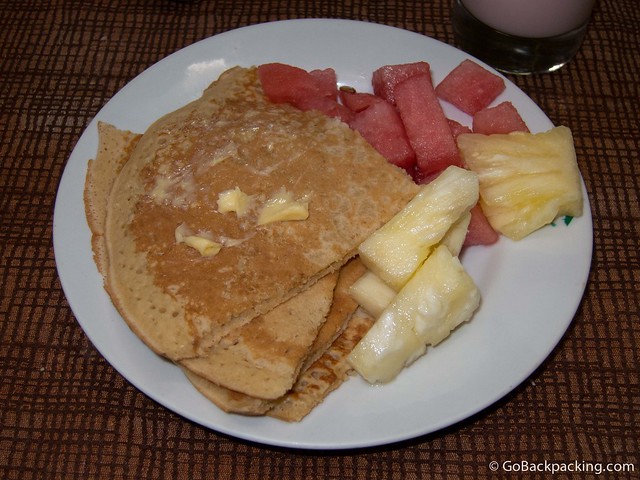
5 Things I Wish I'd Known Before Becoming an Expat in Australia

In March, Sydney will be my home for three years. Three years is a very long time for a person like me to call one place their home, but I'm beginning to feel that the true meaning of "home" will never be applied to my life in Australia.

Brooke near sydney opera house
Near the Sydney Opera House in 2009

As stated in my introductory post, I met my wonderful Australian boyfriend while traveling in the Baltics in 2008. Because of him, I decided to try my hand at a working holiday in the land down under and see where the relationship went.

Obviously, the relationship has gone well, and we are now tied together with the de facto partner visa, which allows me to stay in this gorgeous country to live, work, and travel freely.

Australia isn't called the "lucky country" for nothing. The people and nature can't be beat! Still, visiting a place and planning to call the place home are two very different things.

Although my situation was more play-it-by-ear, and I could see what happened, a number of things really caught me off guard. Knowing some of these things in advance may have influenced my decision to come.

Okay... definitely not. I was too focused on chasing love to really care about anything else, but perhaps knowing some of these things could have helped lessen the shock after arriving.

Table of Contents

  • 1. Australia will be an expensive place to live
  • 2. Christmas will never feel like Christmas
  • 3. Visiting home in America will become more of an ordeal.
  • 4. There will be culture shock
  • 5. Taxes will become complicated

1. Australia will be an expensive place to live

Beach on bondi to bronte walk
A beach near Sydney on the Bondi to Bronte walk

When I was younger and planning where I wanted to go for university, California was at the top of my list. However, after researching the fees and the cost of living for the places I wanted to attend, the idea quickly disappeared from my list.

Although I hated Midwestern Winters, the fact is that you pay good money to live in mild and warm climates. The same goes for Australia.

In my book, you pay for nice weather, and even if it is not the case, you do pay to live in Australia. Luckily, the minimum wage is relatively high, and hourly wages represent the higher cost of living.

Just be aware that the money can go quickly even then, especially if planning to travel in the country.

2. Christmas will never feel like Christmas

Kangaroo Santa
Christmas in Australia takes place in the Summer

I've now had the pleasure of participating in three Christmas holidays in Australia. So why do I not feel like I've had a Christmas since about 2007?

Because Christmas down under is just not the same. Yeah, sure, I despise Winter weather and prefer to live in a warmer climate, but where's the holiday build-up?

Where are the cold nights, drinking hot cocoa while watching Christmas movies playing on TV? Instead, the big day falls in the middle of the Aussie summer, so forget your red wine and traditional roast dinners-it's too hot!

Aussies, tourists (and even Santa) head to the beach for a relaxing day in the sun, which is not a bad thing, but when it is all said and done, you kind of wonder where Christmas actually went.

3. Visiting home in America will become more of an ordeal.

It was easy for me to think that home was only a flight (or two) away, but the price and length of flights from Australia to the USA have made it more of an ordeal than I initially expected.

Maybe the problem is more of a problem for individuals with wanderlust. I'm constantly torn between spending the $1,500 to fly to Illinois and spending that money, or way less, on a trip to somewhere more unfamiliar.

I love my family and miss seeing them at times, but booking that rather pricey ticket home when the inner travel demon inside me is spouting off lists of destinations I could be traveling to makes it very hard.

4. There will be culture shock

beach lounging
Beach lounging -- an integral part of the Aussie culture

Australians speak English, so that culture shock won't exist. Wrong. Australians have a culture of their own, albeit subtle in differences, but still something worth mentioning.

One of the main attributes of the culture I despise is the laid-back attitude. For my anxious little mind, I love the idea of not being in a rush to do things, having loads of holiday time, and just being able to brush stuff off my shoulders.

On the other hand, when you need something done -- like in the evening, on the weekend, or during the holidays -- you can forget about it.

Of course, there are other bits of culture shock, like adjusting to holidays in the opposite seasons (and how locals prepare and celebrate), deciphering the way people talk (both in word choice and the way they talk to each other), and dealing with the popular Aussie meet-and-greet of cheek-kissing (I like my personal space).

Although all of these examples are small, they add up to a point on this list since prolonged exposure can emphasize even minor details.

5. Taxes will become complicated

I can't talk for other expats, not from America, but taxes are a complete pain.

If you continue to keep your citizenship, you will have to file taxes in the USA forever, claim income made overseas, and deal with special rules and regulations (that hopefully keep you from having to pay).

I'm no accountant, and I don't want to steer anyone wrong, but you will want the advice of a trained individual so you don't get burned down the road.

[Editor's note: If you spend 330+ days per year outside the USA, check out the Foreign Earned Income Exclusion.]

These are just five of the things I wish I'd known before becoming an expat in Australia-some of which can be applied to expats in other locations around the world. Living in Australia is a dream come true for me, but that doesn't mean it can't be difficult at times.

« Previous Page
Next Page »
Dave at Ahu Ko Te Riku on Rapa Nui (Easter Island), Chile.
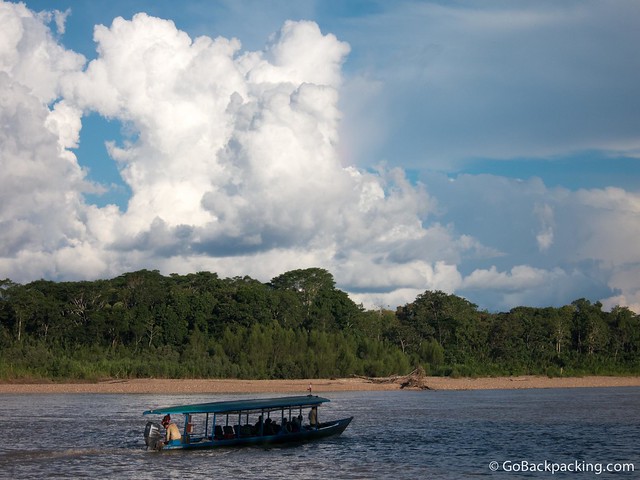
Hi, I'm Dave

Editor in Chief

I've been writing about adventure travel on Go Backpacking since 2007. I've visited 68 countries.

Read more about Dave.

Footer

back to top

About

  • About
  • Archive
  • Privacy Policy
  • Cookie Policy

Follow Us

Contact

  • Contact
  • Work With Us
  • Submissions

Copyright © 2025 Go Backpacking