Go Backpacking

  • About
  • Travel Tips
    • Accommodations
    • Budgeting & Money
    • Adventure Travel
    • Food & Drink
    • Gear & Gadgets
    • Packing Tips
    • Travel Blogging
    • Travel Insurance
    • Trip Planning
    • UNESCO Sites
  • Destinations
    • Africa
      • Botswana
      • Egypt
      • Ethiopia
      • Morocco
      • Rwanda
      • South Africa
      • Tanzania
    • Asia
      • Cambodia
      • China
      • Hong Kong
      • India
      • Indonesia
      • Japan
      • Laos
      • Malaysia
      • Nepal
      • Philippines
      • Thailand
      • United Arab Emirates
      • Vietnam
    • Europe
      • England
      • France
      • Germany
      • Greece
      • Iceland
      • Ireland
      • Italy
      • Portugal
      • Spain
      • Switzerland
      • Turkey
    • North America
      • Canada
      • Costa Rica
      • Cuba
      • Guatemala
      • Mexico
      • Nicaragua
      • Panama
      • United States
    • Oceania
      • Australia
      • French Polynesia
      • New Zealand
    • South America
      • Argentina
      • Bolivia
      • Brazil
      • Chile
      • Colombia
      • Ecuador
      • Peru
  • Advertise
menu icon
go to homepage
  • About
  • Travel Tips
    • Accommodations
    • Budgeting & Money
    • Adventure Travel
    • Food & Drink
    • Gear & Gadgets
    • Packing Tips
    • Travel Blogging
    • Travel Insurance
    • Trip Planning
    • UNESCO Sites
  • Destinations
    • Africa
      • Botswana
      • Egypt
      • Ethiopia
      • Morocco
      • Rwanda
      • South Africa
      • Tanzania
    • Asia
      • Cambodia
      • China
      • Hong Kong
      • India
      • Indonesia
      • Japan
      • Laos
      • Malaysia
      • Nepal
      • Philippines
      • Thailand
      • United Arab Emirates
      • Vietnam
    • Europe
      • England
      • France
      • Germany
      • Greece
      • Iceland
      • Ireland
      • Italy
      • Portugal
      • Spain
      • Switzerland
      • Turkey
    • North America
      • Canada
      • Costa Rica
      • Cuba
      • Guatemala
      • Mexico
      • Nicaragua
      • Panama
      • United States
    • Oceania
      • Australia
      • French Polynesia
      • New Zealand
    • South America
      • Argentina
      • Bolivia
      • Brazil
      • Chile
      • Colombia
      • Ecuador
      • Peru
  • Advertise
search icon
Homepage link
  • About
  • Travel Tips
    • Accommodations
    • Budgeting & Money
    • Adventure Travel
    • Food & Drink
    • Gear & Gadgets
    • Packing Tips
    • Travel Blogging
    • Travel Insurance
    • Trip Planning
    • UNESCO Sites
  • Destinations
    • Africa
      • Botswana
      • Egypt
      • Ethiopia
      • Morocco
      • Rwanda
      • South Africa
      • Tanzania
    • Asia
      • Cambodia
      • China
      • Hong Kong
      • India
      • Indonesia
      • Japan
      • Laos
      • Malaysia
      • Nepal
      • Philippines
      • Thailand
      • United Arab Emirates
      • Vietnam
    • Europe
      • England
      • France
      • Germany
      • Greece
      • Iceland
      • Ireland
      • Italy
      • Portugal
      • Spain
      • Switzerland
      • Turkey
    • North America
      • Canada
      • Costa Rica
      • Cuba
      • Guatemala
      • Mexico
      • Nicaragua
      • Panama
      • United States
    • Oceania
      • Australia
      • French Polynesia
      • New Zealand
    • South America
      • Argentina
      • Bolivia
      • Brazil
      • Chile
      • Colombia
      • Ecuador
      • Peru
  • Advertise
×
Home

10 Life Lessons You Can Learn From Traveling

Traveling is an excellent way to escape from your daily routines; however, it can be much more than that. Traveling opens many opportunities to grow, learn, and expand your horizons. Whether strolling through city streets, hiking through forests and national parks, or relaxing on a tranquil beach, every experience offers the opportunity to discover something new about yourself and the world. Let's look at some valuable life lessons you can learn while traveling.

A hiker traveling through the mountains in Romania (photo: Andrei Tanase).
Trekking in Romania (photo: Andrei Tanase)

Table of Contents

  • Lessons
    • Embracing Different Cultures 
    • Learning To Adapt 
    • Building Your Communication Skills 
    • Understanding Geography and History 
    • Growing Confident and Independent
    • Realizing the Importance of Community 
    • Understanding the Value of Experiences 
    • Fostering Problem-Solving Skills
    • Expanding Your Culinary Horizons 
    • Learning To Live In the Moment 
  • Conclusion 

Lessons

Embracing Different Cultures 

One of the most enriching aspects of travel is the opportunity to immerse yourself in different cultures. Every city, country, and neighborhood has unique traditions, customs, and ways of life. By stepping slightly out of your comfort zone, you open yourself to a world of wonder and discovery, experiencing how others live, connect, and celebrate.

Fostering empathy and tolerance can help you develop a deeper appreciation for the diversity of human experiences. Engaging in new activities-like trying local foods, talking with people, or attending festivals-allows you to gain firsthand insight into how others live around the world. This can enable you to challenge preconceived notions and better understand people on a personal level.

Learning To Adapt 

You will find that a trip often goes differently than you'd planned. The weather may change, your accommodation might not look exactly how it did online, and flights get delayed. Many things can go wrong. When this happens, it may test your adaptability and flexibility. Learning to go with the flow is a good idea, and then you can apply the skill to other areas of your life.

For example, you might be navigating through the streets of a foreign city and get lost. Rather than getting yourself into a panic, you learn to rely on your instincts, ask a friendly local for directions, and use your problem-solving skills. Adapting to changes in circumstances can help build your resilience and make you more capable of handling life's surprises. 

Building Your Communication Skills 

Traveling can help you become more adept at communicating. You will naturally learn basic phrases and use gestures or other ways to convey a message. All these experiences will help you grow your ability to express yourself clearly and understand others better, even if you don't share a common language.

In addition, you will learn to listen better and read nonverbal cues, such as facial expressions and body language. These improved communication skills are invaluable for everyday life and traveling. 

Understanding Geography and History 

Travel allows you to see and feel the places you read about in history books. When you visit historical landmarks, museums, or ancient ruins, you can better understand a country's past, triumphs, and struggles.

For example, standing before the Colosseum in Rome or the Great Wall of China would make you feel like history has come alive. This is an entirely different experience than reading about them in a textbook.

Exploring varied landscapes like forests, deserts, mountains, and lakes can help you understand geography and the natural world. You can gain firsthand experience of how natural formations shape the lives and cultures of people around them.

For example, you could visit Lake Superior, the largest of the Great Lakes, which can teach you about the unique geological formations that appear here. You will also find beautiful Lake Superior's precious stones with mesmerizing patterns. Learn more about Lake Superior Agates.

Growing Confident and Independent

A tourist photographing ruins in Israel (photo: Haley Black).
A tourist photographing ruins (photo: Haley Black)

Whether embarking with friends, as a couple, or solo, traveling requires independence, a trait that can help boost your confidence. You're navigating unfamiliar places, dealing with foreign currencies, adapting your itinerary, and making numerous decisions as you go.

As you journey, you will inevitably face challenges and overcome them, such as finding your way when lost, managing a crisis far from home, or negotiating prices. These experiences can contribute to your resilience and resourcefulness, instilling a sense of empowerment in other areas of your life and equipping you to face challenges more assuredly. 

Realizing the Importance of Community 

Travel inevitably brings you into contact with many people who can quickly become friends. From fellow travelers sharing hostel rooms with you to a local guide showing you around a city's hidden gems, the connections you make while traveling can be meaningful and profound.

These interactions teach you the value of collaboration, community, and human connection. You will realize that despite linguistic, cultural, or geographic differences, people around the world share a similar desire for love, security, and happiness. Traveling can help you understand that we're all part of one big global community.

Understanding the Value of Experiences 

One of the most profound realizations you can have while traveling is that the most valuable souvenirs are not the things you can buy but the experiences you gain. Whether it's a breathtaking view, a pleasant conversation with someone you've met, or a taste of something delicious and new, these moments create lasting memories that far surpass anything that holds monetary value.

Travel helps you shift your focus from collecting material items to cherishing the experiences you have in your life, fostering a deeper appreciation for the simple joys of life. 

Fostering Problem-Solving Skills

When you travel often, you may encounter unexpected situations that require you to think on your feet. For example, your accommodation may be unavailable, your luggage may have been lost, or you may find yourself in a place where no one speaks the same language.

These scenarios require you to solve problems quickly and creatively using limited resources. Each time you face an issue like this, you can overcome it and make yourself more resilient and resourceful. Think outside the box, remain calm, and find solutions when you might not expect to see them. 

Expanding Your Culinary Horizons 

Fresh pasta hangs at a restaurant in Italy (photo: Eilis Garvey).
Fresh pasta hangs at a restaurant in Italy (photo: Eilis Garvey)

Food is an integral part of any culture, and traveling is a brilliant way to expand your culinary horizons. Each time you visit a new place, you'll be offered unique dishes that reflect its history, resources, and traditions. For example, you could try savory street food in New York, fresh pasta in Italy, or local delicacies like frog legs in France. All of this adds to your travel adventure.

You'll come to appreciate the ingredients and maybe learn some new cooking techniques unique to each destination. You may even discover new recipes that you want to try at home. Food is a great way to connect with the history of a place, and it can be one of the most enjoyable aspects of traveling. 

Learning To Live In the Moment 

If travel teaches you anything, it's how to live in the present moment. Whether exploring a new destination or revisiting one, you'll become more aware of your surroundings.

You might notice the smell of freshly baked bread or the sound of waves crashing on the shore. These small moments remind you to slow down, enjoy the present, and be mindful of the here and now. This is a valuable lesson, especially if you live in a fast-paced environment where it's easy to get swept up in the hustle and forget to enjoy life.

Conclusion 

Travel offers more than just the opportunity to visit new places; it provides a variety of learning experiences that can enrich your life. From discovering new cultures and their histories to building problem-solving skills and deepening your knowledge of the past, travel opens your mind and broadens your perspective. So, pack your bags, step out of your comfort zone, and embark on an adventure to learn more about yourself and the world around you.

Are you planning on going on any adventures soon? Let's hear about them in the comments below.

_____

This story is published in partnership with OnLakeSuperior.com.

The Stone Faces of Rano Raraku: Uncovering the Secrets of Easter Island's Moai

Five hundred years ago, on the southern slopes of Easter Island's Rano Raraku volcano, the Rapa Nui people skillfully carved monumental moai statues from volcanic rock. The quarry was more than just a workplace. It was also a spiritually significant site. The moai are thought to represent the ancestors of the Rapa Nui people, embodying the spirits of their ancestors.

The author posing with moai at Rano Raraku on Easter Island (photo by Kelly Lemons).
Posing with the moai (photo by Kelly Lemons)

Approximately one thousand statues were produced between the 12th and 15th centuries, most of which were transported around the island's coastline at places like Ahu Tongariki and the Tahai Ceremonial Complex. Still, about 400 moai remain in the quarry in various stages of completion.

Today, visitors with a Rapa Nui National Park pass and a registered guide can walk among the stone faces of Rano Raraku and see evidence of how the moai were produced. This is precisely how Kel and I spent our first morning on Easter Island.

Moai statues at Rano Raraku on Easter Island.
Moai statues at Rano Raraku

After a brief breakfast in Hanga Roa, we walked to the Mahinatur office we'd encountered on our initial stroll through town a day earlier. We'd reserved a spot on a full-day group tour that included visits to Rano Raraku, Ahu Tongariki, Ahu Akahanga, and Anakena Beach. The cost was 60,000 Chilean pesos or about $30 per person (80,000 pesos / $40 with lunch).

We paid for the tours by credit card and met our multilingual local guide, Luis, and five other tourists. Departure was at 9:30 a.m., as scheduled, and it was raining. Travelers to Easter Island can only visit Rano Raraku once during their stay. We were nervous we'd committed our one opportunity to see it to a morning when the weather was conspiring against us.

Table of Contents

  • Arriving at Rano Raraku
  • Touring the Quarry
    • Meeting the Moai
    • How Moai Were Moved
    • Unfinished Statues
    • Tukuturi Moai
  • Departing Rano Raraku

Arriving at Rano Raraku

A distant view of Rano Raraku volcano on Rapa Nui.
The Rano Raraku volcano crater

The 12-mile drive from Hanga Roa to the entrance of Rano Raraku at the eastern end of the island took about 45 minutes. Thankfully, the rain had let up when we reached the gate, and the sun had begun peeking through the grey clouds above the volcano.

Each visitor had to show their Rapa Nui National Park pass, which was then stamped along with their passport. These park passes must be purchased in advance (either in town at the tourism office or online).

Before we entered the site, Luis showed us samples of the various materials used by the Rapa Nui workers to create the moai on Easter Island:

  • Tuff is a soft, porous grey rock made from compressed volcanic ash used to make the moai.
  • Hawaiite (basalt), the hardest rock on Easter Island, was used as a chisel to carve the tuff.
  • Red scoria is porous, like tuff, and lighter. It was used to sculpt the hats placed on some moai. The scoria was quarried at Puna Pau on the western side of Easter Island.
  • Obsidian is a black volcanic glass used to make the pupils of the moai statues after they were placed on their ahus (stone platforms).
  • White coral was used for the eyes.

I'm glad we had a chance to hold the rock samples, as it was helpful to experience the difference in weight between the heavier basalt used for tools and the lighter tuff and scoria from which the statues were carved.

Touring the Quarry

Our tour group walks toward the moai quarry (photo by Kelly Lemons).
Walking toward the moai quarry (photo by Kelly Lemons)

After learning about the materials used to build the moai, Luis led us along the gently sloping gravel path toward the quarry on the south side of Rano Raraku's crater. The route's total distance is about 1,500 meters, and a standard group tour takes about 90 minutes. I found this sufficient; however, I suggest paying extra for a private guide if you want more time there.

Meeting the Moai

We passed a pair of fallen moai, one facing up with its head broken off at the neck. They were probably being transported to another part of the island and discarded for some reason. There's still a lot of uncertainty around why the moai production at the quarry stopped.

One of the most striking things we learned is illustrated in Luis's photo (below), which depicts one of the partially buried moai. The photograph, taken during an archaeological dig in 1956, shows that about half the total length of one moai wasn't visible.

Our local guide shows a photo depicting the buried body of a moai statue.
Luis, our local guide

Keeping the height of these monoliths, up to 33 feet (10 meters), in mind as we passed between them on the trail made the experience all the more fascinating.

The statues at Rano Raraku exhibit different carving styles, suggesting that the moai evolved over time. Earlier statues tended to be smaller and less detailed, while later, moai became larger with more refined facial features.

One of the first upright statues on the path faces south and acts like a host, welcoming visitors. It's the first spot visitors may feel inspired to stop and pose for a photo in Rano Raraku.

Moai statue.
A moai statue welcomes visitors.
Silhouette of a moai.
Silhouette of a moai

The path leads up a small hill beyond this moai, where you can get panoramic views from east to west. The view east, with the moai seeming to tumble down the slopes of Rano Raraku and the Pacific Ocean as the backdrop, was one of my favorite scenes on Easter Island.

Tour guides lead their groups here so they can temporarily step off the narrow trail and share more of the site's history and the Rapa Nui people's process for sculpting the moai. While Luis spoke in Spanish with a group member, I couldn't help but notice how few people were at Rano Raraku.

It felt like we had this special place in the heart of the South Pacific all to ourselves. Although Easter Island has experienced a steady increase in tourism over the past 20 years, with around 100,000 visitors annually, this number is still a tiny fraction of the millions who visit Machu Picchu, South America's most famous archaeological site, each year.

View east toward the Pacific Ocean.
Moai.
Looking west on the trail.
A moai face down in the ground.
A moai face down on the ground.

How Moai Were Moved

Various theories have been suggested to explain how the multi-ton moai were moved from the slopes of Rano Raraku to ahus (stone platforms) around the island. The lack of modern equipment makes this feat almost unimaginable. I rank it right up there with the building of the Great Pyramids in Giza and Stonehenge.

Theories include:

  • Walking the moai upright using ropes around the neck and body. The bottom of the statues are curved, not flat, which has been shown to aid in this approach. This is the most widely accepted option.
  • Rolling the moai on logs, which contributed to the destruction of forests on Easter Island.
  • Pulling the moai on their backs using ropes.

PBS outlined the theories and their potential in their 2024 NOVA episode, Easter Island Origins (which I highly recommend).

A moai lies face up while others are buried at various angles (photo by Kelly Lemons).
A moai lies face up while others are buried at various angles (photo by Kelly Lemons)
Kel photographing a moai statue.
Kel photographs the moai.

Once we'd taken our share of photos from the lower path, Luis led us up the crater's slopes to view partially carved moai that were ultimately abandoned where they lay.

Unfinished Statues

Moai were carved directly from the side of the crater.
A closer look at unfinished moai carvings in the volcanic rock.
Three unfinished moai can be seen here.

Due to the hefty weight of even the smallest moai, the statues were carved out of the crater from the top down. The back of the moai was the last section to be chipped away, at which point ropes were attached to control the statue's descent.

Without such coordination, releasing tens of thousands of pounds of volcanic rock from the crater could have deadly consequences. The 1994 adventure movie Rapa Nui, produced by Kevin Costner, depicts such scenes and is well worth watching.

The largest moai ever sculpted is named "El Gigante" and rests at an angle against the crater. It is 72 feet (21.6 meters) tall and weighs approximately 320,000 to 360,000 pounds (145 to 164 tons). A photo of it is below.

"El Gigante" moai at Rano Raraku.
"El Gigante" (center) weighs 145 to 165 tons.

Some experts believe some unfinished statues in Rano Raraku were never intended to be moved from the site. Was El Gigante one of them? Or did the Rapa Nui people only realize they couldn't move such a giant statue after they'd already begun carving it? We'll never truly know.

For comparison's sake, the largest moai to ever be successfully erected on a platform is Ahu Te Pito Kura, 32.6 feet (9.8 meters), weighing about 180,000 pounds (82 tons).

Our higher vantage point at this point on the tour of Rano Raraku afforded even more sweeping views of the site and coastline. The dozens of moai left haphazardly around the site indicate how active the quarry must've been at its peak.

View south from Rano Raraku.
View south from Rano Raraku
Our tour group.
Our tour group

After briefly descending, we were treated to another monumental moai left unfinished. This one is lying flat on its back, and you see it at eye level.

Large unfinished moai.
Large unfinished moai
Kel photographs an unfinished moai statue.
Kel photographs an unfinished moai

As we continued eastward along the path, around the southern edge of the crater, we came upon one of the most unique moai on Easter Island, Tukuturi Moai.

Tukuturi Moai

Unlike his brethren, the 12-foot (3.7-meter) Tukuturi Moai kneels with his hands on his thighs. Indeed, his name means "squatting moai." Another unique aspect of this moai is that it's the only one in Rano Raraku facing the quarry instead of outward toward the ocean.

Look past Tukuturi Moai; you can see Ahu Tongariki and Poike volcano in the distance. The statues at Ahu Tongariki were initially toppled during infighting on Easter Island. In 1960, a tsunami caused by an earthquake off the coast of Chile swept them further inland.

Tukuturi moai
Tukuturi Moai
View of Ahu Tongariki from Rano Raraku.
Ahu Tongariki

The moai at Ahu Tongariki were restored using modern equipment during a five-year campaign in the 1990s. Today, they are one of Easter Island's most photographed spots.

Departing Rano Raraku

After following the trail around Tukuturi Moai, we began our final descent of Rano Raraku and soon found ourselves on level ground again. We passed more moai face down on the ground.

Turning around and looking back at Rano Raraku offered another new perspective on the site. As we were taking pictures, a group of horses ran from east to west between us and the quarry, adding further to the moment's magic.

Looking north toward the moai (photo by Kelly Lemons).
Looking north toward the moai (photo by Kelly Lemons)
Horses (photo by Kelly Lemons).
Horses (photo by Kelly Lemons)

As we left Rano Raraku behind, the weight of its history and mystery lingered with us. The rain had cleared, revealing the island in all its rugged beauty, and the quiet presence of the moai felt even more profound.

Easter Island is not just a place of ancient wonders but a reminder of human ingenuity, spirituality, and resilience. Walking among the unfinished statues and gazing at the Pacific clarified why this remote land is fascinating. Our morning at Rano Raraku was just the beginning of understanding the stories these stone giants still have to tell.

Kel descending from Rano Raraku volcano.
Kel descending from Rano Raraku.
Base Toromiro-3 (where we exited Rano Raraku).
View of Rano Raraku crater from the exit.

Read More From Our Trip

  1. Flying LATAM Business Class to Easter Island
  2. 15 Free Things To Do on Easter Island
  3. Top 5 Moai Statue Sites
  4. Where To Go on Easter Island with a Rental Car
  5. Discovering Orongo, Home to the Birdman Cult

Tips for a More Memorable and Joyful Vacation

Traveling offers the perfect escape from the grind of daily life, allowing you to explore new places and experience the world in a whole new way. While travel can sometimes feel overwhelming, time spent planning can iron out many of those stressful worries.

Hiking the Colorado Trail makes for a memorable vacation (photo: Caleb Jack).
Hiking the Colorado Trail (photo: Caleb Jack)

By preparing in advance, you'll set yourself up for unforgettable journeys that leave you feeling recharged and grateful you made the leap. Let's dive into a few essential tips to make your next vacation memorable.

Create A Travel Budget

Knowing how much money you have to spend on your trip can be empowering. Now is an excellent time to revisit your finances and better understand how much you need to save.

Drafting a travel budget can help you narrow down the destinations you want to visit based on what you can afford.

You'll need money to reach your destination and support yourself once you get there. Don't risk returning home with regrets that you couldn't afford activities and tours or went into serious debt by paying with credit cards.

Document Your Travels

Documenting your travels can make your vacation break more memorable. Capturing every moment, from the breathtaking views to exhilarating activities, can add an extra layer of excitement to your trip. Be sure to bring your smartphone or camera to take photos while you're away.

Printing off your pictures and creating a collage that you can hang on your walls can be fun and exciting. You may also want to keep a journal of your outdoor travel adventures to have these memories to reflect on one day. It's a great way to record all you saw and did on vacation. 

Choose the Right Accommodations

You'll also want to choose suitable accommodations for your trip. This can significantly impact your overall travel experience, providing a sense of security and comfort.

If you decide to stay at a hotel, make sure that there are plenty of amenities to enjoy. Before committing to a place to stay, go online and read reviews from other travelers.

Consider factors such as location, amenities, and reviews from other travelers. Remember that you may not want to stay at a kid-friendly hotel while traveling alone or as a couple. There are many different options for where to stay besides a hotel.

Hostels, for example, offer a relatively affordable and highly social atmosphere. You can also rent a campervan and sleep under the stars or a house with a kitchen. 

Unplug & Stay in the Moment

Technology can be addictive, and you don't want to let it ruin your vacation. Work ahead at the office so you can completely unplug on your trip. Have someone cover for you, and choose to check messages once per day (if at all).

You'll have a more memorable and joyful vacation when you practice mindfulness and decide to stay in the moment. By unplugging, you can fully immerse yourself in the travel experience, appreciate the beauty of your surroundings, and create lasting memories.

You're more likely to have an unforgettable trip when you aren't always playing on your mobile devices or plugged into work.

_____

This story is published in partnership with Routespunkt.

4 Questions To Ask Yourself Before You Book Your Next Trip

Traveling is a luxury many people don't experience often, so be thoughtful when planning your next trip. Booking a trip is a significant expense that can affect other areas of your life. If you're eager to plan your next adventure, now might be the perfect time to ask yourself some straightforward trip-planning questions.

Hiking in Torreneules, Spain (photo: Marc Rafanell Lopez).
Hiking in Torreneules, Spain (photo: Marc Rafanell Lopez)

This doesn't mean your trip won't happen; it just ensures you make the best choice for yourself in the long run. With that in mind, here are four questions to consider before you hit 'book now' on your upcoming trip.

Table of Contents

  • Questions
    • 1. Have I Done My Research?
    • 2. Have I Considered Travel Routes?
    • 3. Have I Created a Realistic Budget?
    • 4. Have I Finalized the Trip Dates?

Questions

1. Have I Done My Research?

Spending a little time researching before you book a trip is always a good idea, especially if you want to check out what a specific place offers regarding hotels, attractions, sightseeing, and more. Doing your research via a reliable source such as Footsteps Travel Blog will give you the confidence to create a schedule for your trip. Whether looking for the best places to stay in a particular area or hoping to uncover secret restaurants, there is so much to learn by doing some online research.

2. Have I Considered Travel Routes?

Knowing how to get to your chosen destination is essential; considering various travel routes will also give you an idea of the cost and how long it will take to get from A to B.

3. Have I Created a Realistic Budget?

When planning a trip, getting your budget right from the outset is vital. It's not just about setting a budget but a realistic one you can stick to. As costs can quickly add up as you add more and more things to your itinerary, having a clear budget for travel, accommodation, activities, and spending money while you're there will help you stay in control and enjoy your trip without worrying about overspending.

4. Have I Finalized the Trip Dates?

When taking a vacation, there is no right or wrong time of year to book your trip. However, you will find that certain times of year are much busier than others, making the price much higher. Finalizing your trip dates may depend on whether you can get time off work or get the right people together simultaneously. Either way, you need to know what dates you're aiming for before making your trip happen.

These questions are designed to help you make thoughtful travel decisions. By carefully considering your options, you'll create an incredible trip you'll be excited about. Remember, a great vacation isn't just about the destination but also the journey to get there, including the planning and booking. So, embrace every step of the process and enjoy the fun along the way!

_____

This story is published in partnership with Footsteps Travel Blog.

4 Travel Audiobooks That Are Perfect for Long-Haul Flights

Long-haul flights are notoriously draining, with hours spent in cramped seats and lackluster air quality. Premium cabins and airlines like Norwegian Air's 787 Premium can offer some comfort, with hot meals and four and a half feet of legroom. However, the journey can still feel endless for most travelers. To make the experience more enjoyable, many often turn to in-flight entertainment like movies. On some airlines, passengers can also take part in simple games.

However, audiobooks are another engaging option that's perfect for long-haul trips. Unlike screen-based entertainment, audiobooks allow you to rest your eyes and immerse yourself in a story while staying relaxed throughout your flight. Because they're more private, you don't have to worry about strangers looking in on your business.

Woman with headphones listening to a travel audiobook on a flight  (photo: Eugen Fedorov).
Woman with headphones (photo: Eugen Fedorov)

Audiobooks are also more economical. As seen on Everand, you can download inspiring travel audiobooks and memoirs in advance, whether it's new favorites such as A Walk in the Park or trending titles such as Nowhere for Very Long. This will help you avoid additional charges for using the plane's Wi-Fi while offering entertainment and inspiration as you journey toward your next destination.

If you travel often, an affordable monthly subscription to a digital library-costing about the same as a single physical book or movie ticket-is a wise investment that won't strain your vacation budget. With that in mind, we've selected four travel audiobooks to inspire your future adventures while you relax and pass the time on your current journey.

Table of Contents

  • Audiobooks
    • A Walk in the Park by Kevin Fedarko
    • Nowhere for Very Long: The Unexpected Road to an Unconventional Life by Brianna Madia
    • River Town: Two Years on the Yangtze by Peter Hessler
    • A Moveable Feast by Ernest Hemingway

Audiobooks

A Walk in the Park by Kevin Fedarko

This 14.5-hour audiobook, narrated by the author, Kevin Fedarko himself, recounts his grueling 750-mile trek across the Grand Canyon. Listeners experience the highs and lows of traversing one of the most unforgiving landscapes in America, making it perfect for long flights like those from New York to Tokyo or beyond.

The audiobook is particularly immersive due to Fedarko's engaging narration. Some readers wish Fedarko were less gifted in his descriptive powers, having explained how the intense heat of the canyon can cause the proteins in human cells to "denature and congeal as if one were boiling an egg." Nevertheless, this breathes authenticity into the tale, resulting in a mesmerizing blend of adventure, nature writing, and personal reflection. 

Nowhere for Very Long: The Unexpected Road to an Unconventional Life by Brianna Madia

For those dreaming of solo adventures, Nowhere for Very Long is a captivating listen. This six-hour audiobook explores Madia's decision to leave behind societal norms and live on the road in her van. Her raw, authentic voice adds a deeply personal touch that's rare in many travel memoirs, making it easy to feel you're along for the ride.

"All my life, I'd assumed it was only brave people who did brave things. I'd never once considered how many of them were absolutely terrified," she claims. If you're one of these people sitting alone on a long-haul flight en route to a new adventure, this audiobook is for you.

River Town: Two Years on the Yangtze by Peter Hessler

This classic travel memoir from 2001 takes listeners on a journey through Fuling as Hessler chronicles his time teaching in the small town by the Yangtze River. With a runtime of over 14 hours, it's perfect for those long flights from the U.S. to East Asia, especially China.

Berkrot's narration highlights the cultural nuances and challenges Hessler faced, making it an educational listen that pairs perfectly with a flight heading towards any destination in the region. As Hessler expressed in an interview, everything in China moves quickly, so his deep dive into Chinese culture and history can help provide a thoughtful prelude to your arrival.

A Moveable Feast by Ernest Hemingway

For those bound for Paris or any European cultural hub, A Moveable Feast is a literary gem that brings 1920s Paris to life. Experience The City of Light through Hemingway's eyes, visiting his favorite parts of the city like Jardin du Luxembourg, La Closerie des Lilas, or even Place de la Contrescarpe.

Learn about the drinking habits of Irish writer James Joyce, who "only drank Swiss white wine," or explore the culture along the banks of the Seine, where Hemingway claimed, "I could never be lonely along the river." This will surely offer a blend of nostalgia and timeless wisdom that transports you to the heart of Parisian cafés and boulevards.

Whether you're navigating the harsh terrains of a canyon, reflecting on life's twists while traversing the globe, or soaking in cultural narratives, there's a travel-themed audiobook to match your journey. Happy listening!

Cheap Business Class Flights to Madrid

Imagine comfortably flying business or first class from the United States to Madrid without breaking the bank. Sound too good to be true? It's not. The Flyer Club travel alliance makes this possible, offering affordable luxury flights, top-tier hotels, and exceptional service. Our business class flights to Madrid offer exclusive, one-of-a-kind options-choices you won't find elsewhere. Select the plan, route, and timeline that best matches your needs and preferences. With Flyer Club, you no longer have to choose between great prices and high quality - you get both.

View of sunset from Calle Gran Via in Madrid, Spain (photo: Florian Wehde).
Madrid sunset (photo: Florian Wehde)

Table of Contents

  • Flying Business Class to Madrid
    • What happens when you don't have support?
    • How it works when you take advantage of Flyer Club.
  • How Is This Possible?
  • The Advantages of Being a Flyer Club Client
  • Why It's Better to Plan Flights with Flyer Club?

Flying Business Class to Madrid

Every trip has the potential to create unforgettable memories, but it can also be exhausting. The process can be overwhelming, from planning and searching for tickets to booking and revising plans. Last-minute changes can add to the stress, often diminishing the enjoyment of your flight, hotel stays, and the thrill of exploring new destinations.

What happens when you don't have support?

  1. You must search for tickets weeks or months in advance to find available seats and avoid overpaying. Airlines implement a policy of early sales for the best tickets, and closer to the flight date, there might not be any business class seats left, or the price for them becomes sky-high.
  2. Hotel bookings made in advance may need to be changed if the flight date is suddenly rescheduled. Deposits, if made, are often lost and non-refundable.
  3. It's impossible to foresee all the nuances of the route in advance. Sometimes, plans change due to personal circumstances, weather conditions, or work events. As a result, the trip becomes chaotic and emotionally and physically exhausting.

How it works when you take advantage of Flyer Club.

  1. You can choose and book flight tickets for any date and great seats in business class or first class, even if you need to fly tomorrow. At the same time, you get a price that's the same or even lower than if you had booked a month before the flight.
  2. The package includes accommodation in the best hotels in Madrid. As Flyer Club clients, you can book rooms with the best conditions at the best prices when you know all the details of your route. This means you no longer have to cancel old bookings, lose the booking deposit, and search again for what fits. Flyer Club will find the best options for the correct date; you only need to choose what you like best.
  3. Along with an affordable flight and comfortable living conditions, you'll enjoy high-quality service at every stage of your journey. Every Flyer Club client feels special because the company's main task is to create all the conditions for this.

How Is This Possible?

Business class seat on Emirates (photo: Frugal Flyer).
Business class seat on Emirates (photo: Frugal Flyer)

Flyer Club has been in the travel business for over 15 years. During this time, the founders of the travel alliance have understood from the inside what every traveler needs and, most importantly, how to get it. Experience, multiplied by exclusive partnerships with airlines and hotels, has created what exists today as Flyer Club.

The Flyer Club travel company has exclusive partnerships with Lufthansa, Emirates, Etihad, Air France, and United Airlines-more than 50 carriers in total. The travel alliance ensures that these companies have loyal regular clients, and the airlines offer exclusive prices available only to Flyer Club members.

The same applies to hotels. Partnerships with them allow for conditions and prices that are not publicly available on the Internet. Therefore, when you use Flyer Club's services, traveling more cheaply for business or leisure is almost impossible unless you plan several months.

The Advantages of Being a Flyer Club Client

Affordable and comfortable first- and business-class flights are just a few clicks away. All you need to do to get a flight or hotel room at the best price is to submit a request on the website. After that, you will be contacted by a Flyer Club travel company manager. During the consultation, all details regarding the departure and return dates, personal hotel preferences, and other aspects of the trip are clarified.

After the details are finalized, you'll receive an email with a comprehensive list of available options, including prices and any additional information that might be helpful. Select the option that suits you best, inform your manager, and you're all set! Whether you need a one-way or round-trip ticket, accommodation, leisure activities, or additional services, everything can be arranged in less than one business day.

Why It's Better to Plan Flights with Flyer Club?

  • You communicate and agree on the plan with a manager who considers your needs precisely.
  • The manager can easily resolve emergencies and plan changes. Even if problems arise, such as forgotten documents, a personal assistant assigned to each client helps handle any difficulties and quickly fix everything.
  • You can count on the best seats in business class or first class.
  • Flyer Club's team supports you 24/7, so you can count on qualified assistance at any stage of your journey.
  • You can use individual private rates for all Flyer Club partner airlines.
  • You can immediately choose hotel rooms along your route with up to 30% discounts. Discounts are available at Hilton, Hyatt, and Marriott chains.

Travel affordably and comfortably with a USA-Madrid flight planned quickly and at unbeatable prices-lower than the budget airlines offer. Plus, your journey will be more than just comfortable; it will be exceptional. Enjoy fine wines, top-notch in-flight entertainment, and gourmet cuisine that elevate your experience.

Say goodbye to the stress and exhaustion that typically come with flying. With our well-planned routes, unbeatable prices, and a focus on relaxation and enjoyment, every minute of your journey will be a pleasure.

_____

This story is published in partnership with Flyer Club.

Surefire Strategies To Take The Stress Out of Traveling

Traveling can be magical, but it can also be stressful. We've all had trips that didn't go as planned. If planning vacations overwhelms you or navigating airports feels like a nightmare, we're here to help. We've compiled a list of foolproof strategies to make your future vacations enjoyable and take the stress out of traveling.

A woman on a boat in Thailand (photo: Te lensFix).
Enjoying Thailand (photo: Te lensFix)

Table of Contents

  • Travel Tips
    • Choosing the Right Destinations
    • Making Travel Plans: Getting from A to B Seamlessly
    • Packing Made Simple
    • Enjoying the Journey
    • Creating a Customized Itinerary
    • Avoiding Arguments with Travel Partners
    • Staying Safe Overseas
  • In Summary

Travel Tips

Choosing the Right Destinations

The world may be your oyster, but when choosing a location to visit, some destinations may be more suitable than others. Whether you're going for a weekend, a vacation, or an extended adventure, it's wise to think carefully about where to go.

Consider how much time you want to spend in transit, how much money you can afford to pay, and what you want to see and do.

Set a budget, research journey times and transportation options, and determine how you want to spend your time. For example, if you only want to take a short flight, you can rule out long-haul destinations like Easter Island from the outset.

Suppose you don't fancy airport transfers, long bus rides, train journeys, or island hopping by seaplane or boat. Those preferences will restrict your options to more easily accessible destinations. 

Deciding what type of vacation you want is an excellent way to narrow your options. You have the freedom to choose. Are you desperate to go on a Hollywood-style road trip?

Do you want to explore cultural treasures, or are you eager to escape it all and spend as much time as possible soaking up the rays on a deserted beach?

Are you keen to combine sightseeing and going to the beach, or is an adventure holiday more your cup of tea? The possibilities are endless, and each is a new experience waiting to be discovered.

Once you know what you want to do, you can research cities, regions, and countries to get inspiration. You can choose a destination that covers all bases or plan a multi-stop tour. 

If you're on a budget, consider a lower-profile destination. For example, the famous city break locations may be much more expensive than lesser-known gems.

If you can't afford a luxury trip to New York City, Rome, London, or Paris, check out Budapest, Lisbon, Ljubljana, Riga, or Valencia. Rest assured, there's always a destination that'll fit your budget.

For beach vacations, avoiding tourist hotspots can save you money. Look for hotels outside the main tourist areas or for less popular destinations.

The Greek Islands, for example, are incredibly popular. If prices are too high or hotels are full, why not head to Croatia or Montenegro to enjoy the sunshine?

Making Travel Plans: Getting from A to B Seamlessly

A UK survey revealed that baggage collection, going through security, and waiting for transfers were the most stressful elements of going on vacation.

Other common stressors included rushing at the airport, delays on the way to the airport, flight delays, and making connecting flights.

People walking through an airport (photo: Sammy-Sander).
People walking through an airport (photo: Sammy-Sander)

Going away is supposed to be relaxing, but for many, getting to the final destination can cause anxiety. Preparing for or avoiding delays and disruptions is sometimes impossible, but there are many ways to minimize stress.

The most important rule is to give yourself enough time. Nothing is worse than getting stuck in queues, weaving through crowds, and sprinting to the gate in time. Give yourself ample time to get to the airport, clear passport control, and reach the gate.

Book parking or airport transfers in advance. Remember that in some airports, you may have to take a shuttle to the terminal or walk 15-or even 30 minutes to your gate.

If you plan to eat before you fly or are a fan of airport shopping, leave more time. Watch departure boards and listen for updates. 

Packing Made Simple

Most of us will have been in situations where we've had to chuck things into a backpack or luggage at the last minute because we haven't been organized enough.

Packing can be stressful, but only if you leave it until the last minute. If you have plenty of time and have everything you need, packing a suitcase should be a breeze.

Write shopping and packing lists a couple of weeks before your trip. Buy everything you need before you travel, and start packing items you won't need before your vacation.

Put essentials and valuables in your carry-on luggage and check restrictions. For example, ensure you have larger bottles of fragrance, sunscreen, and other toiletries and cosmetics in your checked bag.

Keep smaller items in a clear bag in your carry-on bag. This will save you time at the airport and ensure nothing gets confiscated at the last minute. 

Packing light is critical if you only take carry-on luggage or want to avoid extra luggage charges. Create a capsule wardrobe for your trip, share toiletries with your partner, friends, or family members, and use packing cubes to save space.

Enjoying the Journey

If you dread getting to your destination, try to adjust your mindset. Embrace the adventure and take steps to turn it into a positive experience.

Prepare in advance, get organized to prevent airport stress, and seize the opportunity to relax, catch up with TV shows you've missed, chat, or have fun playing games or watching movies during the journey.

A movie plays on a seatback display on a plane (photo: Alev Takil).
Movies remain a popular way to pass the time on flights (photo: Alev Takil)

Many of us don't have enough time to chill out. If you've got a long flight ahead, try to see it as a chance to sleep, watch a movie, listen to music, start a new box set, or hone your Minesweeper skills. Enjoy your time with your family or friends, or chat with fellow travelers.

Read books and magazines, download some podcasts or audiobooks, or do some work to help relax. Keep yourself busy so that time passes quickly, or grab the opportunity to kick back and recharge your batteries. 

Creating a Customized Itinerary

Going on vacation or planning a trip should allow you to spend time doing things you love or visiting places you want to see.

When organizing your itinerary, ensure it reflects your interests, passions, and travel objectives. Research local tours, attractions, and excursions, get ideas for activities, and list interesting places to discover.

Reading travel guides and blogs, and getting ideas from reviews, is helpful, but chatting with locals is also beneficial. While you may need to book some tours or attraction tickets in advance, leave time in your schedule for spontaneous activities or trips.

Plan your itinerary based on what you want to see and do. If you're going to spend all your time relaxing on the beach, don't feel pressured to draw up a schedule that includes all kinds of cultural experiences or action-packed activities.

Likewise, suppose you want to see different areas or immerse yourself in the destination's culture and history. In that case, you don't have to make time for relaxation by the pool just because others are doing it.

Tailor your plans to suit your preferences. If you're traveling with others, ask for input so your itinerary suits everyone, or set aside time for different activities in smaller groups. 

Avoiding Arguments with Travel Partners

Going on vacation or backpacking with your partner, kids, friends, or relatives can be incredible. Still, arguments and clashes are a common source of travel-related stress.

If you're living with other people or going on long journeys together, you might feel like you're on top of each other. Minor issues can spiral.

A couple looks at Sigiriya Rock in Sri Lanka (Lou Lou B Photo)

To combat these problems, involve everyone in planning the trip, ask people to give honest opinions and share ideas, and make sure everyone has space and time for themselves.

This is particularly important if your friends or family members have different interests or prefer a different vacation style. Respect everyone's preferences and understand that you don't have to go everywhere or do everything together.

Tackle minor issues before they escalate. Focus on having fun and creating memories. Don't sweat the small stuff. It's essential to make the most of valuable opportunities when you've been looking forward to a trip for ages and are in a beautiful place with people you love. 

Staying Safe Overseas

Following a few basic rules can help you prevent travel stress and stay safe overseas. Start by ensuring you have comprehensive travel insurance. Avoid taking risks you wouldn't take at home, and use recommendations from locals and other travelers to find safe routes and reliable activities.

Plan your tours carefully, and rely on trusted sources to connect with reputable local agencies, operators, and guides. Keep your money safe by avoiding large cash withdrawals, and protect your online security by using secure websites and not sharing sensitive personal information.

In Summary

Traveling can be life-changing, but it can also be stressful. Many people find that planning trips and getting to their destinations causes anxiety. Issues may also arise during vacation. You can reduce these risks by planning, staying organized, and identifying everyday stressors.

Give yourself ample time to pack, get to the airport, and board your flight. Check your travel documents and insurance, and enjoy the journey.

Plan a tailored itinerary based on your interests and travel goals, relax, and take advantage of the opportunity to explore new places and enjoy quality time with friends or family. Don't let minor arguments spiral.

Follow simple steps to stay safe. Stick to secure areas, take advice from locals and other travelers on board, and don't take risks you wouldn't entertain at home. 

_____

This story is published in partnership with 24/7 Games LLC.

Unpacking Adventure: Essential Tips for Backpackers and Digital Nomads

Are you an avid traveler, ready to see the world? It's time to embrace a lifestyle of freedom, exploration, and adaptability. Whether planning a weekend getaway or setting out on a months-long trek across continents, the key to a successful adventure lies in preparation. Here's a guide to ensure your journey is smooth and unforgettable.

Backpackers with Mt Whitney in the background (photo: Dennis Yu).
Hiking near Mt Whitney, CA (photo: Dennis Yu)

Table of Contents

  • Travel Tips
    • Packing Light and Smart
    • Staying Connected on the Road
    • Choosing the Right Accommodation
    • Embracing Local Culture
    • Balancing Work and Play

Travel Tips

Packing Light and Smart

The cornerstone of any backpacker or nomad's journey is mastering the art of packing light. Start with versatile clothing that can be layered for different climates. Prioritize items that serve multiple purposes, such as a scarf that doubles as a blanket or a jacket that can withstand rain and cold. 

Staying Connected on the Road

Consider investing in a portable Wi-Fi device or an international SIM card to ensure you're never offline when needed. If you plan on working while you travel, co-working spaces can be a great way to meet fellow travelers and get some work done in a productive environment.

Choosing the Right Accommodation

One of the first things to consider when planning your travels is where you'll stay. Whether you're hopping from city to city or settling into a new locale for a few weeks, it's worth exploring platforms that offer tailored deals. Websites like HotelSpecials provide excellent options that can help you save money without sacrificing comfort. They cater to various preferences, ensuring you can find something that fits your travel style, whether a cozy bed and breakfast or a chic urban hotel.

Embracing Local Culture

Finding a deal that suits your budget is essential for spontaneous trips or extended stays. This is where platforms offering weekend getaway offers come into play, allowing you to explore new destinations without breaking the bank. 

Part of the beauty of travel is immersing yourself in the local culture. Wherever you go, make it a point to learn a few basic phrases in the local language and understand cultural norms. Don't shy away from trying new foods, exploring off-the-beaten-path locations, and participating in local traditions. Your journey will be much richer for it.

Balancing Work and Play

It's easy to get caught up in the excitement of new surroundings, but it's essential to maintain a routine that allows you to meet your work obligations and a balanced life. Set aside dedicated wellness hours and stick to them. Explore, take in the sights, and unwind, knowing you've earned it.

_____

This story is published in partnership with HotelSpecials.

Ten Ways To Enjoy a Cheaper Trip to Atlanta

Atlanta is a city brimming with history, culture, and endless activities, but your trip can quickly strain your wallet if you're not careful. The good news? You don't have to break the bank to experience the best of what Atlanta, Georgia, offers. With a few savvy tips, you can explore this dynamic Southern city while keeping your budget in check.

So, whether you're visiting family or friends or backpacking through the United States, these ten tips will help you keep the costs down while ensuring a memorable experience.

Young people enjoying the summer at a bar patio in Atlanta, GA (photo: Sebastian Enrique).
Summer hangout (photo: Sebastian Enrique)

Table of Contents

  • Atlanta Travel Tips
    • 1. Choose Budget-Friendly Accommodation
    • 2. Take Advantage of Free Attractions
    • 3. Explore Affordable Dining Options
    • 4. Use Public Transport
    • 5. Enjoy Atlanta's Green Spaces
    • 6. Plan for Discounted or Free Museum Days
    • 7. Attend Free Festivals and Events
    • 8. Shop Smart at Local Markets
    • 9. Embrace the City's Cultural Offerings
    • 10. Walk the City's Historic Neighborhoods

Atlanta Travel Tips

1. Choose Budget-Friendly Accommodation

Accommodation can be one of the most significant travel expenses, but Atlanta offers many options. Premium hotels like Forth Hotel Atlanta can be an excellent choice for comfort and convenience. Still, more budget-conscious travelers can find savings at places like hostels. Additionally, consider booking your stay during the off-peak season to take advantage of lower rates and fewer crowds.

Hostels and shared accommodations are excellent options for those who enjoy a more social experience. Staying in a hostel, like those found near Atlanta's lively downtown, saves money and provides opportunities to meet fellow travelers. This will especially appeal to backpackers who want to connect with others on similar journeys.

2. Take Advantage of Free Attractions

Atlanta is home to many completely free attractions, making it possible to explore the city on your trip without spending a fortune. The Atlanta BeltLine is a perfect example. This 22-mile-long path is ideal for walking, cycling, or simply taking in the scenery. It connects various parks, neighborhoods, and art installations, offering a unique way to experience the city's culture.

Another must-see is Martin Luther King Jr. National Historical Park, which offers free entry to the public. The park provides an in-depth look into the life of one of America's most important civil rights leaders. Visitors can tour his childhood home, the church where he preached, and his final resting place, making it a meaningful and cost-free way to spend an afternoon.

3. Explore Affordable Dining Options

Breakfast at Buttermilk Kitchen (photo: Jennifer Kim).
Breakfast at Buttermilk Kitchen (photo: Jennifer Kim)

Dining out can quickly add up, but Atlanta has a thriving food scene that caters to all budgets. Head to local favorites like Mary Mac's Tea Room or The Varsity for authentic Southern comfort food without the hefty price tag. These iconic spots serve classic dishes like fried chicken, collard greens, and peach cobbler at reasonable prices.

Food trucks are another fantastic way to enjoy delicious meals without breaking the bank. They can be found throughout the city, offering everything from tacos and burgers to international cuisine. Attending food truck events, which often have live music and entertainment, is a fun and affordable way to sample the city's culinary delights.

4. Use Public Transport

Getting around Atlanta doesn't have to be expensive. The city's public transport system, MARTA (Metropolitan Atlanta Rapid Transit Authority), is efficient and budget-friendly. MARTA trains and buses can take you to most major attractions, including the airport, making it a convenient option for tourists.

Day passes are available for unlimited trips, allowing you to explore different parts of Atlanta without worrying about the cost. Alternatively, suppose you're staying in the downtown area. In that case, many of the main sights are within walking distance, which can save even more on transport costs while letting you soak in the city's atmosphere.

5. Enjoy Atlanta's Green Spaces

Bird sculptures at Atlanta Botanical Garden (photo: Holly Landkammer).
Atlanta Botanical Garden (photo: Holly Landkammer)

Atlanta is known for its beautiful parks and green spaces, offering plenty of free opportunities to enjoy the outdoors. Piedmont Park, located in the heart of the city, is a popular spot for locals and tourists alike. With expansive lawns, scenic walking trails, and stunning skyline views, it's ideal for a picnic, a stroll, or simply relaxing in the sun.

Another green gem is the Atlanta Botanical Garden, which, although not free, offers discounted admission on certain days. This oasis is home to various plants, flowers, and art installations, providing a peaceful retreat from the city's hustle and bustle. Watch for free events and special offers to enjoy these spaces without overspending.

6. Plan for Discounted or Free Museum Days

Atlanta is a city rich in history and culture. Numerous museums offer insight into various aspects of art, history, and science. Plan ahead to make your trip more affordable and take advantage of discounted or free admission days offered by many of the city's museums.

For instance, the High Museum of Art offers free admission on the second Sunday of each month. This world-class museum houses an impressive collection of art from around the globe, providing a cultural experience that won't cost a penny if you time your visit right. Similarly, the Atlanta History Center occasionally offers free or discounted admission, allowing you to delve into the city's past without spending too much.

7. Attend Free Festivals and Events

Atlanta's vibrant culture is showcased through its numerous festivals and events held throughout the year. Many of these events are free to attend, making them a perfect way to experience the city's energy without spending much money. The Atlanta Dogwood Festival, held every spring, is one of the city's oldest and most popular events. It features live music, art exhibits, and food vendors, all set against the backdrop of blooming dogwood trees in Piedmont Park.

Music lovers should also check out the various free concerts held around the city. The annual Music Midtown Festival often has free performances in addition to ticketed events. At the same time, smaller venues and parks frequently host local bands and artists. These events provide a great way to enjoy Atlanta's music scene on a budget.

8. Shop Smart at Local Markets

Ponce City Market (photo: Jennifer Kim)

For those who enjoy shopping, Atlanta's local markets offer a unique experience without the high prices of shopping malls. The Atlanta Farmers Market, one of the largest in the country, is a great place to find fresh produce, handmade goods, and local delicacies at reasonable prices. It's also an excellent spot to pick up affordable souvenirs that are representative of the region.

The Sweet Auburn Curb Market is another must-visit for budget-conscious shoppers. Located in the historic Sweet Auburn district, this market features a variety of vendors selling everything from fresh food to handmade crafts. It's a fantastic way to support local businesses while finding unique items that won't break the bank.

9. Embrace the City's Cultural Offerings

Atlanta's diverse cultural scene offers plenty of opportunities to experience art, music, and theater without spending a fortune. The historic landmark Fox Theatre often provides discounted tickets to its shows, especially if booked in advance. Catching a matinee or attending a weekday performance can also result in significant savings.

For art enthusiasts, Atlanta's numerous galleries often host free exhibits and openings. These events provide a chance to see the works of both established and emerging artists, offering a cultural experience that's easy on the wallet. Keep an eye out for special events during Atlanta Celebrates Photography, when galleries and public spaces throughout the city showcase photo exhibits, many of which are free.

10. Walk the City's Historic Neighborhoods

Exploring Atlanta's historic neighborhoods is an excellent way to soak up the city's charm without spending a dime. Areas like Inman Park, the city's first planned suburb, are filled with beautiful Victorian homes, tree-lined streets, and quaint shops. Walking through these neighborhoods gives you a glimpse into Atlanta's past and present while enjoying the city's unique architecture and atmosphere.

Another neighborhood worth exploring is Little Five Points, known for its eclectic mix of shops, street art, and alternative culture. It's a great place to wander around, people-watch, and enjoy the creative energy that defines this part of Atlanta. Even if you don't spend anything, the experience of simply being in these parts of Atlanta is worth the trip.

_____

This story is published in partnership with FORTH Hotel.

A Foodie’s Guide To Marseille, France

One of the quirky, inexplicable truths of traveling as a dedicated foodie is that you often remember the meals more vividly than the attractions or scenery. Marseille, a city on the southern coast of France, will surely fill you with memories of unforgettable restaurant experiences. It's not just the exquisite food in this French port city; it's also the unique settings where you dine that make eating in Marseille a revelation for any food lover. As you explore this fascinating food scene, travel light. Book a luggage storage facility in Marseille so you can focus on menus and drinks, not backpacks and belongings.

Marseille, France, as seen from Notre-Dame de la Garde (photo: Olivia Chaber).
Marseille (photo: Olivia Chaber)

Marseille's culinary options aren't restricted to French; many other worldwide cuisines are available. But why go to a place famous for fish and eat pizza? If you're a true foodie, you'll look the other way when you pass a Chinese, Indian, or Italian restaurant and seek out that little French bistro down a back street that serves traditional dishes. It's one way to make your stay in Marseille genuinely memorable.

Table of Contents

  • Where and What To Eat in Marseille
    • Vieux Port
    • City Center Sightseeing Snacks
    • Gourmet Experiences
    • For the Vegan Foodies

Where and What To Eat in Marseille

Vieux Port

Vieux Port is the oldest part of Marseille, and the fish served in the restaurants lining this picturesque port could only get fresher if it leaped out of the sea and straight onto your plate. All restaurants here buy their fish directly from the fishermen and women who line up on the quay with their catch every morning.

Try two things in Vieux Port: bouillabaisse (fish soup) and moules marinière (sailor-style mussels). These classic French dishes taste even better when eaten at one of the local restaurants along Marseille's waterfront.

Le Miramar - Le Miramar is a restaurant on the port with a glassed-in terrace. It offers outdoor dining with a superb view at any time of the year. It's the perfect spot to discover the savory delights of France's famous seafood soup. Le Miramar specializes in making bouillabaisse the traditional way. While it comes with fresh seafood, it won't be a low-cost experience.

Au Doyen - When the weather's too warm for hot soup, grab a table on the terrace at Au Doyen and dig into some mussels. You've got two options for enjoying them: the classic French way, moules marinière, served straight from the pot they were cooked in, or the less traditional but equally delicious moules frites. Though moules frites originated in Belgium, it's now a popular choice in Marseille. The combination of mussels and fries is a simple dish that must be tasted to be fully appreciated.

Cooked mussels with bread (photo: Paul Einerhand).
Mussels with bread (photo: Paul Einerhand)

City Center Sightseeing Snacks

Every country has its own version of street food. Grab-and-go in Greece is cheese pie. In Italy, it's pizza al taglio. And in Marseille, it's, among other things, pissaladière or panisse. Pissaladière is a must-try for any foodie visiting Marseille.

Boulangerie Cafe Pain Salvator - The Boulangerie Cafe Pain Salvator on Boulevard Louis Salvator is the ideal bakery to pop into to try this delicious snack. There are two variations of pissaladière. One is made with puff pastry, and the other with flatbread dough. They come tray-baked, cut into squares, and topped with onions, olives, and anchovies. They also stock a range of vegan bread and pastries that will tempt any food lover.

La Boite a Panisse - Sit at one of the rickety tables outside of La Boite a Panisse on Rue Caisserie and try this vegetarian chickpea or polenta fries snack. You can pick up a bag and munch on them as you walk around, but they taste much better when accompanied by a dip and washed down with a cold beer.  

Bouillabaisse, a traditional French fish soup (photo: Henry Perks).
Bouillabaisse (photo: Henry Perks)

Gourmet Experiences

Any foodie visiting Marseille, budget permitting, won't be able to resist trying some of the first-class gourmet cuisine in the city's top restaurants. Not only will the meal be indelibly imprinted in your brain forever, but the size of the bill will be, too. Still, sometimes, one-off experiences can be worth the expense.

L'Epuisette - L'Epuisette is a restaurant built on the rocks in Vieux Port. The uninterrupted sea views from this restaurant's dining room and the food are incomparable. L'Epuisette serves several different tasting menus mainly focused on fish and seafood. The plates are small but so well crafted that you'll probably spend longer looking at them than eating them.

Restaurant Alcyone - The Restaurant Alcyone at the Hotel Dieu in Marseille is in a class of its own. The dining room's very classy beige and slightly Victorian décor certainly doesn't detract attention from the food. Here, they offer tasting menus, too. This is a Michelin-starred restaurant, so you can expect artful deliciousness on every plate.

For the Vegan Foodies

You don't have to consume meat or fish to be a dedicated foodie. However, if you're vegan or vegetarian, your restaurant choices for finding gastronomic delights can be tricky unless you're somewhere like Marseille.

C'est Bon Restaurant Méditerranéen Végétarien - The C'est Bon Restaurant on Avenue du Maréchal Foch offers exceptionally high-quality vegan and vegetarian food based on Mediterranean cuisine. They promise sunshine on a plate, which they deliver without charging exorbitant prices. The menus change with the seasons and produce availability, so you'll be in for a super surprise if you dine here.  

La Cantine de Cru - La Cantine de Cru is a relatively new addition to the Marseille vegan scene. Located on Rue Saint-Saëns, they're developing a new concept of raw and vegetable-based food that needs to be tried by every vegan foodie. It'll tantalize your taste buds, that's for sure.

_____

This story is brought to you in partnership with Bounce.

Tips for a Fun Family Travel Experience in Sevierville, TN

Sevierville, Tennessee, is not just a gateway to the Smoky Mountains; it's a unique and charming destination with many family-friendly activities. Nestled against the foothills, the town's blend of natural beauty, rich history, and attractions for all ages makes it an enchanting spot for families seeking relaxation and adventure. Whether exploring historic sites or basking in the great outdoors, Sevierville provides the perfect backdrop to create enduring family memories.

Table of Contents

  • Things To Do in Sevierville
    • Plan Your Visit Around Local Events
    • Explore Family-Friendly Attractions
    • Enjoy the Great Outdoors
    • Visit Interactive Museums and Educational Sites
    • Embrace Adventure at Local Amusement Parks
    • Discover Unique Dining Experiences
    • Check Out Local Shopping Spots
    • Participate in Seasonal Activities
  • Safety Tips for Family Travel
  • Capture the Memories
  • Wrapping Up

Things To Do in Sevierville

Sevierville, TN (photo: Nathan Anderson).
Sevierville, TN (photo: Nathan Anderson)

Plan Your Visit Around Local Events

One of the best ways to kickstart your family adventure in Sevierville is by syncing your visit with local events. The town boasts a vibrant calendar of festivals and events that appeal to all ages.

From the Sevierville Bloomin' BBQ & Bluegrass Festival to the Smoky Mountain Harvest Festival, these events offer families a taste of local culture through music, food, and crafts. Attending these events will enhance your travel experience and provide unique entertainment options that are hard to find elsewhere.

Explore Family-Friendly Attractions

When it comes to things to do in Sevierville, TN, the town offers a variety of family-friendly attractions for all ages. SkyLand Ranch and the Dolly Parton Statue are popular spots where families can enjoy interactive experiences and learn about local icons.

Other attractions include interactive farms, adventure parks, and historical sites that can engage and entertain your entire family. Each location provides an educational, fun experience and is perfect for making lasting family memories.

Enjoy the Great Outdoors

A riverside mill (photo: Eva Varlioglu).
A riverside mill (photo: Eva Varlioglu)

Sevierville's proximity to the Great Smoky Mountains National Park presents countless opportunities for outdoor adventures. Families can enjoy hiking, picnicking, and wildlife watching within the park. The trails range from easy walks suitable for young children to more challenging hikes that older kids and adults can appreciate.

Beyond the National Park, local parks like Sevierville City Park offer playgrounds, sports facilities, and walking paths, providing a more relaxed way to enjoy the great outdoors.

Visit Interactive Museums and Educational Sites

Sevierville is home to several fun and informative museums and educational sites. The Tennessee Museum of Aviation is a hit among families, featuring an impressive collection of aircraft and exhibits that trace aviation history.

For a hands-on experience, the Sevier County Heritage Museum offers interactive displays that explore the area's Appalachian heritage. These make history come alive for children and provide an educational dimension to your vacation.

Embrace Adventure at Local Amusement Parks

Sevierville is home to thrilling amusement parks like Wilderness at the Smokies, which features water rides, wave pools, and mini-golf. These parks offer a mix of excitement for thrill-seekers and gentler options for younger kids, ensuring a fun-filled day for the entire family. Dive into adventures that strengthen family bonds and create unforgettable memories.

Discover Unique Dining Experiences

Dining out in Sevierville can be a delightful experience, thanks to various restaurants catering to all tastes. The town offers everything from Southern comfort food to international cuisines, ensuring that even the pickiest eaters find something to enjoy.

Local specialties, such as Tennessee barbecue and homemade desserts, provide a taste of the region's culinary traditions. Many restaurants also feature kid-friendly menus and play areas.

Check Out Local Shopping Spots

Shopping in Sevierville offers something for every family member. The town is famous for its Tanger Outlets, where you can find great deals on brand-name clothing, accessories, and more.

Additionally, downtown Sevierville features a variety of shops selling local arts and crafts, homemade goods, and souvenirs that reflect the region's culture. Shopping here isn't just about purchasing; it's about experiencing local commerce and craftsmanship, which can be an entertaining exploration for kids and adults.

Participate in Seasonal Activities

Sevierville shines with seasonal activities that enhance any family trip. In the winter, the town transforms into a festive wonderland with Christmas lights and decorations, offering holiday shows and winter markets.

Families can enjoy the changing leaves in autumn with a scenic drive or participate in Halloween events and pumpkin patches. Each season brings unique activities, ensuring that no matter when you visit, there's always something special to experience.

Safety Tips for Family Travel

Safety is paramount when traveling with family. In Sevierville, it's important to remember a few safety tips to ensure everyone has a secure and enjoyable trip. Always have a planned meeting spot in case anyone gets separated during outings.

Keep young children close in busy areas and use child safety seats and appropriate restraints. Additionally, check weather forecasts and prepare for outdoor activities to avoid unexpected weather-related issues.

Capture the Memories

A family trip to Sevierville can be full of memorable moments, and capturing these through photographs and keepsakes is a beautiful way to preserve them. Visit picturesque spots like the banks of the Little Pigeon River or the historic Sevier County Courthouse for excellent photo opportunities.

Buying postcards, local art, or handcrafted items can also serve as lasting mementos of your trip. Encouraging children to keep a travel journal or collect items along the way can also engage them more deeply with the journey.

Wrapping Up

In conclusion, Sevierville offers a variety of activities perfect for families looking to blend adventure with relaxation and learning. From a wealth of local events and shopping opportunities to seasonal activities and a safety-conscious environment, Sevierville provides a family-friendly atmosphere that's hard to match.

Whether you hike through the Smokies, explore local museums, or enjoy a meal together, your trip to Sevierville will surely be filled with enjoyable and enriching experiences for the whole family.

_____

This story is brought to you in partnership with Visit My Smokies.

Thailand on Two Wheels: Essential Tips for Renting a Motorbike

The quintessential visuals that remind you of traveling in Thailand often include elephant pants, street food stalls, and Chang Beer shirts. Still, one can't forget the hundreds of motorbikes weaving through congested streets. Scooters in Thailand (used interchangeably with motorbikes) are the preferred method of transportation for most locals and some gutsy travelers. For many visitors, renting a motorbike in Thailand adds to the authentic experience.

Eryn visiting Buddhist temples in Bangkok.
Eryn in Bangkok

Motorbikes are narrow, quick, and easy to squeeze into the pockets of space between cars parked in gridlocked traffic. But still, the sheer number of motorbikes on the road can make all those aforementioned points moot because it gets incredibly crowded during rush hour. In Thailand, there are approximately 22 million registered motorbikes on the streets. 

Seeing twice as many motorbikes on the road as cars may tempt travelers who want to chase the local experience. While renting a motorbike in Thailand is popular, there are precautions to remember. This article discusses the experience of a Thailand motorbike rental and how you, as a traveler, can protect yourself and drive responsibly. 

Table of Contents

  • Can You Rent a Scooter in Thailand? 
  • How To Get an International License 
  • Tips for Renting a Scooter in Thailand 
    • Research Rentals Before You Arrive 
    • Practice Your Driving Skills Before You Get on the Road 
    • Expect the Unexpected 
    • Prepare for the Worst-Case Scenario 
  • Navigating Thai Roads Like a Local 

Can You Rent a Scooter in Thailand? 

Renting a motorbike in Thailand is a rite of passage for many travelers.

Yes, travelers from anywhere in the world can rent a scooter while visiting Thailand, but with one important caveat. You must possess a valid international license. Obtaining an international license will allow you to rent from a reputable scooter company. It will keep you out of trouble if pulled over by the police. 

Unfortunately, many online sources claim that renting a motorbike without a license is acceptable. These sources claim that if you get caught without a license, most officers will accept a bribe and allow you to continue on your way. 

This mentality that it's not illegal unless you get caught can potentially lead to some serious consequences. As a traveler, you do not hold the same rights as citizens, and you may forfeit the right to return or even end up with a huge fine. Also, taking the chance that an officer will accept a bribe might insult them and land you in even bigger trouble. It's simply not worth the risk. 

How To Get an International License 

With a little effort and pre-planning, getting an international license is relatively easy before your trip. Suppose you live in the United States and have a valid driver's license. In that case, you can contact your local AAA office, and they'll get you approved for an international license. 

You need to submit a photocopy of your license and a one-time fee of about $20, at which point the international license will be mailed back to your address. It comes as a paper booklet and is valid for six months. 

The good news for backpackers is that this license is valid for any international country that requires it! You can continue using the same booklet if you plan to travel to different countries near Thailand. Just keep it safe in a waterproof bag and always carry it with you when operating a vehicle.

Tips for Renting a Scooter in Thailand 

The author's motorbike rental in Thailand.

You've already booked your flights to Thailand and mapped out your journey. Getting there is easy, but ground transportation will be a unique experience when you arrive. 

Getting around by taxi or tuk-tuk is relatively easy in large cities. You'll cruise through Bangkok or check out Chiang Mai night markets by Bolt, a ride-hailing app. However, the transportation options become sparse when you explore less developed places. Although Koh Samui is one of the most visited islands in Thailand, the cabs are expensive and hard to get. 

The most common transportation method used by travelers is the scooter. Many tourists navigate the roads alongside Thai locals. 

Research Rentals Before You Arrive 

Working with the right company will elevate your motorbike rental experience in Thailand. Like buying the proper insurance, you often only realize how important it is once something goes wrong. Research top-rated companies on Google or ask travelers in a Thailand Facebook group about personal experiences with rental companies. 

A reputable renter will ask you about your driver's license and disclose any rental fees and potential repair charges upfront. They will also supply a contract agreement that plainly outlines all the terms and conditions of your rental agreement. Be wary of a company that doesn't use a contract; they could be attempting to scam you for more money than you agreed on. 

Some red flags to look out for when renting a motorbike in Thailand: 

  • They ask to hold onto your passport as collateral.
  • They will allow you to rent without an international license.
  • They don't provide a contract for you.
  • They aren't available by phone or text if you have questions.

While exploring Koh Samui, I rented a scooter through ID Scooter Rental. The owner, Ian, was a friendly, down-to-earth guy who helped me figure out all the bike's control mechanisms instead of leaving me to figure it out alone. 

Practice Your Driving Skills Before You Get on the Road 

Gasoline for sale in Thailand.
Gasoline for sale in Thailand

The first time I rode a scooter was the first time I rented one. I found a rental agency (ID Scoot Rental, the one mentioned above) that would drop off the scooter at my apartment in Koh Samui. When I told Ian I didn't know how to drive it, he said, "Don't worry, it's like riding a bike!" 

Admittedly, it was not like riding a bicycle, and I had a steep learning curve. The throttle was too powerful, and the bike was so heavy that I had difficulty getting the kickstand in place. My turns were jerky and awkward. 

If you're not confident in your riding, find a safe place to practice for a few hours before you get on the road. I was lucky enough to stay in an apartment complex with a huge parking lot, where I spent hours driving laps. 

Expect the Unexpected 

Driving in Southeast Asia is a bit like finding yourself in the middle of another society on another planet. If you're from a Western country like the United States, where driving rules are more or less abided by, be prepared for a totally different philosophy on driving. The general etiquette on the road (especially among motorbike drivers) is that driving rules are guidelines and not exact procedures. 

At any given time, there will be motorbikers whizzing past and driving alongside you. You will likely need to compete with other drivers because some intersections don't have lights. Also, if you're an American like me, be prepared to drive on the left side of the road, which alone is a harrowing event. 

If you are easily perturbed, consider spending extra time on step #2 and practice driving until you're confident. The last thing you want to do while juggling these external factors is forget which handlebar controls the breaks and which one the throttle. Despite the chaos, you will find that most Thai drivers are incredibly kind and will stop to help you if something goes wrong. 

Prepare for the Worst-Case Scenario 

Motorbikes are convenient, (usually) cheap, and make it super easy to trim time off your commute. Residents and visitors use scooters as their preferred transportation method for getting around Thailand. But let's not overlook one crucial detail. 

Motorbikes can be really, really dangerous. You should always trust your judgment before getting onto a motorbike, gauging your comfort level with driving and your abilities. There is absolutely no shame in returning your bike early if you decide riding isn't for you. 

It's important to be confident while driving but be prepared for the worst-case scenario. I was highly confident after driving a motorbike for a few days in Koh Samui. I was looping around the island and cruising along busy roads like it was part of my regular routine. And then, one day, I took too sharp of a turn and crashed in the middle of a busy street. I was lucky to walk away with a scratch and a $20 repair on the bike, but there was a potential for that situation to end worse. 

Regardless of how others drive around you, take extra precautions to protect yourself and the bike. Looking both ways, driving slowly, pulling over to let a crowd pass, and always wearing a helmet are all things that go a long way when renting a motorbike in Thailand. 

Navigating Thai Roads Like a Local 

A tuk-tuk taxi on a path to the beach.

Any die-hard motorcyclist will fully stand by their passion and claim that riding is like flying without leaving the ground. Similarly, the feeling once you get the hang of riding a motorbike and cruising among other drivers is a bit indescribable. You might find yourself in the center of a hundred other motorists and feel like a surfer who just caught the perfect wave. The feeling is somewhere between the spectrum of exhilarating and terrifying. 

Some veteran travelers will tell you that renting a motorbike is the only proper way to get a vibe for Thai life, and there may be some truth to that. Authentic experiences start by mirroring the locals, which gives you a deeper understanding of how Thai people live.

You'll also gain a new appreciation for road rules. If you have an adventurous spirit, try traveling around Thailand on two wheels.

7 Practical Tips To Go on Your First Road Trip (and Enjoy It)

Taking your first road trip can be an unforgettable experience, but being prepared is essential. While any long journey overland promises plenty of excitement and benefits, they're not without challenges. It's more than just jumping in your car and hitting the road.

Fortunately, getting ready doesn't have to be overwhelming. Focusing on a few practical tips can make the process smooth and stress-free. With the proper preparation, you'll be on the road, enjoying your adventure in no time.

Table of Contents

  • Why a Road Trip?
  • 7 Road Trip Tips
    • 1. Inspect Your Car
    • 2. Get Your Home in Order
    • 3. Have Emergency Contact Information
    • 4. Download Your Entertainment
    • 5. Get Plenty of Sleep
    • 6. Book Accommodation in Advance
    • 7. Don't Forget to Budget
  • Wrapping Up

Why a Road Trip?

Woman sitting on a car during a road trip (photo: Averie Woodard).
Photo by Averie Woodard

Before we get into the details, it's worth pondering why you should consider a road trip. Friends and family may have been on one before and kept telling you to give it a go.

There are more than a few reasons for this. It's one of the more accessible vacations you can take, and you'll have a lot of control over where you go and when.

On top of that are a few other benefits, like:

  • Seeing More of the Country - On a traditional vacation, you often only experience a small part of your destination. But with a road trip, you can explore many sights along the way. The unexpected places you discover can be especially appealing and are often worth the detour.
  • Having More Room for Luggage and Souvenirs - Packing for a vacation that involves flying can be challenging, especially when you want to bring souvenirs home. However, this is easier on a road trip because you have more space to carry everything.
  • Saving Money - One of the more notable benefits of a road trip is that you'll save a lot of money. Flights can be expensive, and you'll save money even when you factor in the cost of the gas. You can even bring food to save more money than you would've thought.
  • Being Able to Bring Pets - Pet owners know how challenging and costly bringing their furry friends on vacation can be. However, this becomes much easier on a road trip. However, this becomes much easier on a road trip. Although you'll still need to find pet-friendly accommodations, you won't have to deal with the hassle of bringing a pet on a flight.
  • Spending Quality Time with Companions - On a road trip, you'll spend a lot of time with your travel companions, giving you the perfect chance to bond and enjoy quality time together. It's an opportunity to create lasting memories, share conversations, and have fun.

These benefits might be enough to convince you to take your first road trip. However, it's not just a matter of jumping in the car and taking off-you must be adequately prepared. While you might think this requires much time and effort, it doesn't have to.

Focusing on a few practical tips can make the process surprisingly easy. Below are seven tips that can make a big difference, helping you enjoy your first road trip more than expected. It's worth exploring each one.

7 Road Trip Tips

Road through Monument Valley, AZ (photo: Brian Stegman).
Monument Valley, AZ (photo: Brian Stegman)

1. Inspect Your Car

Given how much you'll be relying on your car during your road trip, ensuring there are no mechanical issues before you get going is essential. A little effort can go a long way. Usually, this means having a mechanic inspect your car for problems with the engine or other systems.

Even if your car seems fine, you don't want to be surprised by an undiagnosed problem once you're on the road. A quick check-up will only take a few minutes and can save you a lot of stress during your trip.

2. Get Your Home in Order

Although this isn't directly related to the trip, ensuring your home is secure and taken care of before you leave is essential. Making sure it's locked up is just the start.

Other routine tasks may be required, such as removing garbage and recycling, doing the dishes, getting rid of food that will spoil while you're gone, and other routine tasks. You don't want to deal with unexpected smells (or bugs) when you return home.

Consider giving a trusted neighbor or family member a key to bring in the mail and water plants, and generally keep an eye on your home every day or two. Also, consider setting at least one indoor light on a timer so it turns on at night-an easy way to deter potential thieves.

3. Have Emergency Contact Information

Something can always go wrong on a road trip, just as with any vacation. Still, the added concern of car trouble makes preparation even more critical. It's wise to be ready for any situation.

Keep emergency contact information for medical professionals and others on hand. Don't forget to have the number for reliable roadside assistance services. Even if you don't need them, these resources can be invaluable if an issue arises.

4. Download Your Entertainment

Entertainment is essential for any road trip, and while much of it will come from chatting and playing games with your companions, you'll also want other options.

For example, when you're at your accommodation, you might want to watch a movie or TV show. This can be tricky in remote locations or without a reliable internet connection, so planning ahead is wise. Download shows, movies, and other entertainment before you hit the road to ensure you're covered.

5. Get Plenty of Sleep

Driving while sleep-deprived is dangerous, so getting enough rest each night is crucial. If you share driving duties, you can catch up on sleep during the day, but don't neglect your nightly rest.

Aim for at least eight hours of sleep to ensure you're alert behind the wheel. Prioritize sleep in your schedule to avoid feeling drowsy while driving, and you'll stay safe on the road.

6. Book Accommodation in Advance

Choosing the right accommodation can make or break a successful road trip, so it's important to plan ahead. Book all your accommodations before you set off to ensure you have a place to stay each night. Waiting until the last minute could leave you without a spot or stuck with options you don't like. Booking in advance also helps you plan your route and activities more effectively.

7. Don't Forget to Budget

While road trips are generally more affordable than other types of vacations, they still come with expenses. Accommodation, gas, food, and similar costs can add up, so it's essential to budget for them.

Set aside some funds for any emergencies that might arise. Plan a budget that covers all your needs for the trip. It doesn't have to be large, but it should be enough to cover everything comfortably.

Wrapping Up

After your first road trip, you'll quickly understand why many people love them. It can be an incredible experience that you're sure to enjoy. However, don't just jump in the car and go-proper preparation is key to making the most of it.

Luckily, getting ready doesn't have to be time-consuming or complicated. With a few practical tips, you'll be on the road and having fun in no time. Given all the benefits a road trip offers, there's every reason to try it.

_____

This story is published in partnership with Action Towing.

Exploring Easter Island: Top 5 Moai Statue Sites

Researching which moai statues to visit on Rapa Nui (Easter Island) in Chile can be overwhelming. I speak from experience, having spent many hours planning to make the most of a week on this mystical and remote South Pacific island.

However, the names and places I read about quickly became familiar once Kel and I arrived on Easter Island via the daily LATAM Airlines flight from Santiago. By the end of our week, we'd visited all the major moai sites and many minor ones. Instead of swamping you with every possible moai site on Easter Island in this article, I prefer to focus on the five most impressive and photogenic ones.

If you're short on time, know you can visit all five incredible archaeological sites in a single (albeit busy) day. However, I recommend giving yourself as many days on the island as possible. Kel and I enjoyed visiting several of these spots multiple times.

Table of Contents

  • Moai Sites
    • 1. Rano Raraku
    • 2. Ahu Tongariki
    • 3. Ahu Nau Nau
    • 4. Ahu Tahai
    • 5. Ahu Akivi

Moai Sites

1. Rano Raraku

Rano Raraku on Easter Island.
Rano Raraku

The most important archaeological site on Rapa Nui is Rano Raraku, a volcano on the island's eastern side that the Indigenous people used as a quarry. The volcanic crater is made of tuff, a soft volcanic rock ideal for carving. From 1100 to 1500 AD, roughly one thousand moai statues were carved from the crater's eastern slope. The statues honor ancestors, chiefs, and important figures in Rapa Nui society.

Rano Raraku provided the majority of the moai found on the island, and over 400 statues in various stages of completion are still present at the site. One of the fascinating aspects of touring Rano Raraku is the chance to see moai statues in different stages of construction.

Some unfinished multi-ton statues remain attached to the ground by their backs, as the back was the last part to be carved before the moai were moved. Others stand upright with their head and shoulders above ground while their bodies remain buried in the soil. Several statues were left face-down, possibly because they didn't meet the builders' standards or were abandoned before being transported to their intended ahu (ceremonial platform).

Kel at Rano Raraku.
Kel with moai statues at Rano Raraku

Visiting the Quarry

Rano Raraku is part of Rapa Nui National Park, a UNESCO World Heritage Site. Visitors must purchase a ticket, available online through the official Rapa Nui National Park website, for 72,000 Chilean pesos (about $77).

Tickets are valid for ten consecutive days from the start date. Due to the ecological and archaeological sensitivity of this moai site on Easter Island, you must visit with a guide, and you're only allowed one entry.

Note: The ceremonial village of Orongo, home to the Birdman cult, which succeeded the moai-centric society, is the only other site limited to one visit.

Budget-conscious travelers can visit Rano Raraku with a local tour company like Mahinatur, which has an office in Hanga Roa town. This was our approach, and the 90 minutes we spent at Rano Raraku, the first stop on a day-long tour, was sufficient.

However, suppose you'd like more time and flexibility during a visit to Rano Raraku. In that case, paying more and hiring a private guide through the park website is better. I recommend a private tour for anyone who wants to produce a video of the site or control the time of day you visit.

Moai statue at Rano Raraku on Rapa Nui.
Moai statue

Speaking of timing, we were at the mercy of Mahinatur's schedule since we took a group tour. It was raining when we left town from their office on the tour bus. Thankfully, by the time we reached Rano Raraku, 12 miles east of town (and about a 30-minute drive), around 9:15 a.m., the rain had stopped.

Most of the moai statues face south, so it'd be tricky to get their faces fully sunlit regardless of whether you go in the morning or afternoon. Plus, there's always the possibility of clouds interfering. Another variable is the sun's position in the sky, which changes throughout the year.

2. Ahu Tongariki

Moai statues at Ahu Tongariki.
View of Ahu Tongariki from a 9-ton moai at the site's entrance.

About one mile east of Rano Raraku volcano is Ahu Tongariki, the largest ahu complex on Easter Island with 15 moai statues. We first saw it from above while walking through Rano Raraku. The ahu is over 200 feet long, and the moai were positioned facing inland to watch over the community. It was built between the 13th and 15th centuries and served as a ceremonial site.

Recent research on Easter Island, published in the Plos One journal in 2019, showed that the placement of ahus around the coast corresponds with sources of freshwater, which would've been vital to the survival of Rapa Nui society.

In 1960, a massive tsunami triggered by the Valdivia earthquake off the coast of Chile knocked the moai statues at Ahu Tongariki off their platform. The fact that these multi-ton statues were swept inland and left in ruins speaks to the power of the wave.

From 1992 to 1996, the Chilean government, the Rapa Nui community, and Japanese archaeologists and engineers led a restoration effort. Modern equipment was used to restore the moai statues to their rightful place on the platform. Ahu Tongariki is a testament to the cultural importance of the moai and the resilience of the Rapa Nui people. It's one of the most visited and photographed sites on Easter Island.

Dave at Ahu Tongariki (photo by Kelly Lemons).
Dave at Ahu Tongariki (photo by Kelly Lemons)
Moai statues at Ahu Tongariki.

Tips for Tongariki

The restored moai statues of Ahu Tongariki are one of the more spectacular sites on Easter Island. Rano Raraku may have more moai, but most are partially buried, uncompleted, or face down in the ground. At Ahu Tongariki, you can better understand what these monoliths looked like in their final placements around the island. The site is also home to petroglyphs named Papa Tataku Poki.

Ahu Tongariki is part of Rapa Nui National Park, so you must present your park pass and enter with a licensed guide. We visited Tongariki after Rano Raraku as part of a group tour, which allowed us to walk around the entire ceremonial platform and get some close-up shots of the moai statues.

Three days later, we returned at about 6:20 a.m. in a rental car to photograph Ahu Tongariki at sunrise. Since we didn't have a guide, we couldn't enter the site, but it didn't matter. We got some excellent photos from outside the rock wall that encircles the site. At various times, the sky was purple, orange, and pink. Before we left, we also saw a complete rainbow over nearby Rano Raraku!

3. Ahu Nau Nau

Ahu Nau Nau (left) and Ahu Ature Huki (right) at Anakena Beach on Rapa Nui (Easter Island).
Ahu Nau Nau (left) and Ahu Ature Huki (right)

Constructed atop Anakena Beach on the northern coast of Easter Island, Ahu Nau Nau is one of the most well-preserved and scenic moai spots on the island. The beach is the legendary landing site of Polynesian chief Hotu Matu'a, leader of the island's first settlers, sometime between 400 and 700 AD.

As the only sand beach on an otherwise rough coast made up of volcanic rock, it was also the place where European explorers came ashore in the 19th and 20th centuries. More recently, American anthropologist William Mulloy and Norwegian explorer Thor Heyerdahl conducted field research in the 1950s.

Ahu Nau Nau features seven moai statues restored to their platform in the 1970s. Two of the statues are missing their heads and parts of their bodies. The moai at Ahu Nau Nau are among the best-preserved on the island because, after being toppled, they were buried in sand and protected for centuries. This preservation has allowed the intricate carvings on their backs to remain visible. Four moai are topped with red scoria topknots (pukao), symbolizing high status and power.

To the right of Ahu Nau Nau is Ahu Ature Huki, which consists of a single moai sculpture. Ahu Ature Huki is notable for being the first moai to be re-erected in modern times (1956) by the island's community with the help of Thor Heyerdahl, thus marking the beginning of Easter Island's restoration efforts.

Ahu Nau Nau.
Ahu Nau Nau
View looking inland toward the back of the moai statues at Ahu Nau Nau.
Looking inland at the backs of the moai statues at Ahu Nau Nau

Getting to Anakena Beach

There are many ways to get to Anakena Beach to see Ahu Nau Nau and Ahu Ature Huki. Our first visit was with the small group tour that began at Rano Raraku and Ahu Tongariki. Three days later, we returned with our rental car to grab a seafood lunch (highly recommended) and take some photos.

If neither a guided tour nor a rental car appeals to you, you could take a private taxi or shuttle bus from Hanga Roa town. With a cab, I'd recommend setting up a pick-up time to collect you in advance. The food vendors at Anakena now offer Wi-Fi, but I wouldn't rely on it. Shuttle services like Te Ao Tour will have schedules you can depend on to get to the beach and back.

You could rent a bike and cycle from town to Anakena Beach and back for exercise. It's about 10 miles one way (20 miles round trip), so set out early and take plenty of water. Finally, if you can access a boat or want to hire one to take you around the island, that could be another option.

4. Ahu Tahai

Tahai Ceremonial Complex.
Tahai Ceremonial Complex

Situated on the west coast of Easter Island, within walking distance of Hanga Roa town, the Tahai Ceremonial Complex is one of the oldest and most important moai statue sites. The early Rapa Nui used it for religious ceremonies, ancestor worship, and social gatherings.

The complex includes three restored ahu:

  • Ahu Vai Uri (five statues, constructed around 1200 AD)
  • Ahu Tahai (one statue built around 700 AD)
  • Ahu Ko Te Riku (one statue with eyes and hat)

Like many other moai sites, the Tahai complex was abandoned in the 17th Century as the Rapa Nui society faced ecological challenges and social conflicts. The statues were toppled, only to be restored in the 1960s and 1970s.

The effort, led by William Mulloy, included erecting the moai statues, reconstructing the ahu platforms, and restoring the moai's eyes on Ahu Ko Te Riku. The remains of Mulloy and later his wife Emily were buried within view of the statues and are marked by a large stone and plaque.

Ahu Vai Uri moai statues at Tahai Complex.
Ahu Vai Uri moai

Tahai at Sunrise and Sunset

Due to its proximity to town, Kel and I visited Tahai four times during our week-long stay on Easter Island. The half-mile walk before sunrise offered a peaceful experience; the day was beginning, horses were grazing, and few tourists were around. Mornings are ideal if you want to catch the sun illuminating the faces of these moai.

The Tahai Ceremonial Complex is more frequently visited at sunset, as the sun goes down behind the statues. This can make for a colorful sky; however, the statues' faces will be dark. And you'll likely be sharing the view with more tourists.

5. Ahu Akivi

The moai at Ahu Akivi are the only ones on Easter Island who face the Pacific Ocean.
The moai at Ahu Akivi are the only ones on Easter Island who face the ocean.

For the fifth must-see moai statue site on Easter Island, I'd like to highlight Ahu Akivi, constructed in the 16th Century. Located on the western side of Rapa Nui, Ahu Akivi is one of the few ceremonial platforms inland rather than on the coast.

The seven similar moai at Ahu Akivi are uniquely oriented to face the Pacific Ocean. This is unusual as all the other moai on platforms face inland. According to oral tradition, the seven moai represent the seven explorers sent by the island's first king, Hotu Matu'a, to find the island before the king's arrival.

During the Spring Equinox, they face sunset; during the Autumn Equinox, they have their backs to sunrise. This precise placement indicates that Ahu Akivi was once used as an astronomical observatory.

Ahu Akivi was restored in the 1960s, led by William Mulloy and Gonzalo Figueroa. The ahu (platform) was repaired, and the moai were again placed on top.

Kel walking away from Ahu Akivi.
Kel is walking away from Ahu Akivi.

Visiting Ahu Akivi

Kel and I visited Ahu Akivi on a half-day group tour we booked through Mahinatur in town. Although it was raining when we were there, the site on the side of Monte Terevaka, Rapa Nui's tallest volcano, still offered a nice view. Ahu Akivi is about four miles northeast of town.

Exploring the moai statues of Rapa Nui (Easter Island) is a unique experience, offering a glimpse into the island's cultural heritage and stunning vistas. Whether you're visiting the iconic Rano Raraku, the expansive Ahu Tongariki, or the scenic Ahu Nau Nau, each site presents its own story and significance.

By prioritizing these top five moai sites, you can make the most of your time on Easter Island and immerse yourself in the mystique of this remote South Pacific destination.

Read More From Our Trip

  1. Flying LATAM Business Class to Easter Island
  2. 15 Free Things To Do on Easter Island
  3. The Stone Faces of Rano Raraku
  4. Where To Go on Easter Island with a Rental Car
  5. Discovering Orongo, Home to the Birdman Cult

How To Turn Any Travel Experience Into a Real Adventure

If you love to travel, chances are you have a list of things that make each trip memorable. But sometimes, even the best journeys can feel like they're missing a spark. What if you could add a little more thrill to your travels?

Adventure is the secret ingredient that can transform an ordinary trip into something unforgettable. So, if you're ready to crank up the excitement and make your next journey one for the books, here are some fun and easy ways to turn any travel experience into a real adventure.

Climbing atop fjords in Geiranger, Norway makes for an unforgettable travel experience (photo: Julie Aagaard).
Cliff in Geiranger, Norway (photo: Julie Aagaard)

Table of Contents

  • Travel Tips
    • Go off the Beaten Track
    • Consider Your State of Mind
    • Travel in Style
    • Go on an Expedition
    • Do Something That Scares You
    • Learn New Things

Travel Tips

Go off the Beaten Track

One of the easiest ways to inject real adventure into your travels is to venture off the beaten path. In other words, go where the crowds don't. It's even more exhilarating if it nudges you out of your comfort zone. Think about those places that aren't usually on your radar, and consider adding them to your travel plans. You might be surprised at how exciting and memorable your trip becomes when exploring the unexpected.

You don't need to visit a completely uncharted territory to have an adventure. Instead, explore the hidden sides of popular destinations-do things most people skip and see spots where the crowds don't go.

This way, you'll have more space to move around and feel less like a tourist, making your travel experience far more enjoyable. So, if you crave adventure, consider stepping off the beaten path. It can transform your trip and make it truly memorable.

Off-roading in Indonesia (photo: Ahmad Syahrir).
Off-roading in Indonesia (photo: Ahmad Syahrir)

Consider Your State of Mind

Your mindset plays a huge role in whether or not your travels feel like a true adventure. Adventure isn't just about what you do-it's also a way of thinking. By embracing an adventurous mindset, you can turn any situation into an exciting experience.

So, next time you travel, take a moment to check in with yourself. Are you ready to be more daring? Sometimes, a slight mental shift can transform your trip into something extraordinary. Adventure is a state of mind-cultivate it, and your experiences will become even more thrilling and memorable.

Once you realize that adventure is something you bring with you, not something you have to discover in the world, it can completely change how you experience travel and life. So, try to carry a sense of adventure wherever you go, and you'll notice it can make a big difference in how you experience your journey. After all, who doesn't love a little adventure?

Travel in Style

How you get to your destination and move around once you're there can make a big difference in your travel experience. Traveling in style doesn't just add comfort-it can turn your journey into a true adventure.

Whether you're cruising around in a C6 Corvette, exploring the city by hopping on and off different types of public transport, or even taking a helicopter ride for the first time, the way you travel can enhance the thrill of your trip.

Consider mixing up your transportation options to add an adventurous twist. Trying something new or unusual can make your journey even more exciting. So, as you plan your next trip, remember that traveling in style can transform your experience and bring a sense of adventure to every moment.

A man enjoying the mountain view from a cave (photo: M Venter).
View from a cave (photo: M Venter)

Go on an Expedition

Big adventures often take the form of an expedition. If you're craving a real taste of adventure, consider joining one. Expeditions can take many forms, but they embrace the wild and the unknown at their core. This makes them one of the best ways to ensure you have a genuine adventure during your travels.

There's no strict definition of an expedition-it can be any experience that pushes you out of your comfort zone and into the great outdoors (like climbing Kilimanjaro). You'll likely be part of a group, which adds an element of safety and camaraderie. Whether trekking through a remote jungle or exploring uncharted terrain, an expedition might be the ultimate way to transform any trip into a true adventure.

Do Something That Scares You

Earlier, we discussed stepping outside your comfort zone, but let's take it a step further. Doing something that scares you is a surefire way to inject some thrills and excitement into your travels. If you want to add more adventure to your trip, consider occasionally trying something that frightens you (bungee jumping, anyone?).

Of course, it's essential to prioritize your safety-there's no need to put yourself in real danger. However, many things that might scare you aren't physically risky, like speaking in public or walking into a crowded dance hall. Using your trip as an opportunity to push your boundaries can make your experience feel more adventurous and leave you feeling more confident and empowered afterward.

Learn New Things

Learning something new always adds a touch of adventure to your journey. If you want to make the most of your next trip, staying open to new experiences and knowledge can completely transform your adventure.

It doesn't matter what you learn-what matters is that you embrace the opportunity to grow. So, on your next trip, think about how you can stay curious and open to learning. This mindset will enhance your experience, making your adventure more enjoyable and memorable.

No matter where you go, adding a little adventure can turn any trip into an unforgettable experience. You'll make the most of every journey by stepping out of your comfort zone, trying new things, and embracing an adventurous mindset. So, the next time you hit the road, remember to bring a sense of adventure with you-it's the key to making your travels genuinely extraordinary.

_____

This story is published in partnership with Corsa Performance.

A Guide to Sustainable Living in Panama City: Eco-Friendly Tips

Panama City, known for its stunning beaches and vibrant culture, is a paradise for tourists and a thriving community for its residents. As the city grows, so does the importance of adopting sustainable living practices to preserve its natural beauty and resources.

This guide will provide practical eco-friendly tips to help you contribute to a greener and more sustainable Panama City. Whether you're a long-time resident or a newcomer, these strategies will assist you in making environmentally conscious decisions every day.

Panama City Beach, FL (photo: Zac Gudakov).
Panama City Beach, FL (photo: Zac Gudakov)

Table of Contents

  • The Importance of Sustainability
  • Eco-Friendly Tips
    • Reduce, Reuse, Recycle: The Three R's of Sustainability
    • Support Local and Sustainable Businesses
    • Embrace Green Transportation
    • Conserve Water and Energy
    • Community Involvement
  • Conclusion

The Importance of Sustainability

Sustainable living involves making choices that reduce environmental impact and promote the planet's well-being. In a city like Panama City, where tourism and local industries play significant roles, the need for sustainability is paramount. The benefits of adopting sustainable practices include reduced waste, lower energy consumption, and a healthier environment for future generations.

One of the first steps towards sustainable living is understanding the significance of proper waste management. Effective Panama City waste management practices are essential to keep the city clean and reduce the strain on local landfills. By managing waste efficiently, we can minimize pollution and conserve valuable resources.

Eco-Friendly Tips

Reduce, Reuse, Recycle: The Three R's of Sustainability

The most commonly applied process of green living is the 3Rs: reduce, reuse, and recycle. Adopting the three Rs mentioned above will go a long way toward reducing our environmental impact.

Reduce: Begin by changing simple habits and avoiding single-use plastics and other non-recyclable products. Say no to plastic bags, containers, and water bottles; use eco-friendly alternatives. Be conscious of your power consumption, and switch off lights and appliances when unnecessary. Also, minimize food waste. Buying a lot of food and letting it go bad is unproductive.

Reuse: Then, consider whether the items can be used again or if their parts can be used elsewhere. For instance, glass jars can store food and worn clothes can be repurposed into cleaning rags. Another way to repurpose items one no longer finds useful is to host swap parties with friends and neighbors.

Recycle: Make it a routine to separate your recyclable items from other waste products to ensure recycling is done effectively. Learn the recycling rules to avoid waste sorting in the wrong manner. Most areas in Panama City have facilities for collecting recyclable materials, which ensures they are disposed of correctly.

Collecting glass bottles (photo: Polina Tankilevitch)

Support Local and Sustainable Businesses

Buying locally produced goods from environmentally conscious shops is another possible way to live an environmentally friendly lifestyle. The majority of Panama City's merchants focus on environmentally friendly products, waste reduction, and partiality to the environment.

When grocery shopping, try to buy from farmer's markets, where you are likely to source fresh, organic foods. This not only helps the local farmers but also cuts the overall cost of transportation, which has been attributed to long-distance travel. Search for restaurants and cafes that use seasonal, locally produced ingredients and include vegetarian or vegan food choices.

Embrace Green Transportation

Transportation has long been one of the most significant contributors to carbon emissions. However, we can improve the quality of the environment by choosing greener travel options. Panama City has various biking trails, and biking is one of the most efficient ways to move around the city in an environmentally friendly way.

If possible, try to use your feet or two wheels for short and local trips when riding a car is unnecessary. It benefits the environment and the people as it will help them get an excellent workout while viewing the city's beauty.

Public transport is an option for longer distances but may take longer than a private car. However, the city's well-developed and accessible bus system can help you avoid relying on private vehicles most of the time.

Conserve Water and Energy

Water and energy management are two sustainable living factors that cannot be overemphasized. Small changes in daily habits can significantly reduce the consumption of some resources.

It is also necessary to repair any leakage as soon as one notices it and use water-efficient products like showerheads and sink faucets. This means you should endeavor to reduce your shower time and refrain from running the dishwasher or washing machine unless they are full.

There are ways to save energy, including using energy-saving appliances and lighting. Instead of using incandescent bulbs, opt for LED bulbs, which are more economical and last longer. Also, purchasing a programmable thermostat that helps regulate heating and cooling systems in your home to minimize energy loss would be helpful.

Community Involvement

Panama City offers many opportunities for residents to participate in community activities that support environmental sustainability. Some ways to contribute to the city's green initiatives are organizing local clean-up events, planting trees, and participating in ecological programs.

Another way to get support is to join community groups or organizations that align with the programs you're implementing at home. These groups organize events, share information, and advocate for environmental conservation laws.

Conclusion

Therefore, it is crucial to focus on sustainable living in Panama City to reduce environmental impact and improve the community's quality of life. Positive changes can be made by properly disposing of waste, supporting local produce, using eco-friendly transportation, conserving water and energy, and participating in community activities. Every small action is valuable and contributes to Panama City as a beautiful, sustainable place to live for future generations.

_____

This story is published in partnership with Waste Removal USA.

Discover the Cultural Roots of Popular Games

Gaming offers more than just gameplay; it can provide a cultural experience. Video games and other games have evolved beyond mere entertainment. They now act as windows into various cultures and histories, giving players access to traditions, myths, and daily life in ways that textbooks cannot. In this article, we'll explore popular games that serve as cultural ambassadors, offering an engaging way for players to gain insight into societal nuances and artistic influences from different regions.

Table of Contents

  • Popular Games
    • The Origins of Mahjong
    • Poker
    • Bridge
    • Rummy
    • Journey: Discovering the Mystique of the Desert
    • Okami: Brush With Japanese Folklore
    • Never Alone (Kisima Ingitchuna): Exploring Alaska Native Culture 
    • Assassins Creed: Origins 
    • Spiritfarer: An Emotional Journey into the Afterlife
    • God of War: Exploring Norse Mythology
  • Conclusion

Popular Games

The Origins of Mahjong

Mahjong is a popular Chinese game (photo: Mick Haupt).
Mahjong tiles (photo: Mick Haupt)

Mahjong is an intriguing ancient Chinese game with roots dating back to its development during the Qing Dynasty in the mid-19th century. Today, it remains an enjoyable form of social bonding among friends and family.

Originally played with cards before transitioning into its current tile format, Mahjong represents much more than mere gameplay. Its cultural relevance extends far beyond; it represents centuries of customary Chinese customs and philosophy.

Cultural Significance 

At its core, Mahjong is a game of skill, strategy, and calculation. Players aim to assemble sets or melds from a collection of tiles. But more than simply being competitive in nature, Mahjong fosters communication and cooperation as it embodies values ingrained into Chinese culture, such as community and family ties.

When players engage with this particular form of entertainment, they also partake in its accompanying social rituals. These rituals strengthen bonds among players through shared experiences or celebrations of wins or losses.

Mahjong Around the World

Though Mahjong originated in China, its influence has spread worldwide. Different countries have adopted variations and rules specific to them based on cultural influences from their societies.

Japan, for instance, has adopted Riichi Mahjong, while Western adaptations often simplify the rules to make gameplay more accessible to their populations. Mahjong is a compelling cultural bridge that connects disparate populations through gameplay while honoring its heritage.

Poker

Poker is a classic card game that has delighted millions of players worldwide for over 200 years. It captivates players with its combination of strategy, psychology, and chance. Poker began in America in the early 19th century and gained worldwide popularity by the 1840s. Over time, several variants have emerged, including Texas Hold 'em and Omaha.

Betting often plays a part in these versions, too; players usually bet or wager to have the best hand at a showdown or persuade opponents to fold. Poker's competitive nature has birthed numerous tournaments, such as the World Series of Poker, to showcase these talents from around the globe.

Bridge

Bridge is a four-player trick-taking card game played in partnerships. Widely considered one of the most intellectually challenging card games, bridge focuses on communication and strategic thinking. Players use knowledge of probability and tactics to outwit their opponents while adhering to complex bidding rules.

Since its origins in England during the 19th century, bridge has grown incredibly popular worldwide. It is played at clubs and tournaments, making this pastime beloved among enthusiasts.

Rummy

Playing cards (photo: Jack Hamilton).
Playing cards (photo: Jack Hamilton)

Rummy is a family of card games characterized by matching cards of the same rank or sequence into sets or runs. There are various variations, such as gin rummy and Indian rummy, to make rummy an accessible game that appeals to a broad demographic.

Rummy is a card game that originated in early 20th-century China and Mexico. Its simple rules make it ideal for casual play with friends or family. The engaging gameplay encourages strategic thinking, as players must decide which cards to hold or discard to form sets and complete melds quickly.

Journey: Discovering the Mystique of the Desert

"Journey" invites players to navigate a vast desert landscape with ancient ruins and mysterious structures. The game's gorgeous visuals and minimalist gameplay create an experience evoking Middle Eastern art and architecture. At the same time, players navigate sandy dunes, encountering environmental storytelling elements evoking culture's connection to the desert's vastness and mysteries while emphasizing themes of companionship and discovery, creating an emotional narrative deeply rooted in its cultural essence of origin.

Okami: Brush With Japanese Folklore

"Okami" is an engaging exploration of Japanese folklore, drawing heavily upon Shinto mythology. Players assume the role of Amaterasu, the sun goddess, as she travels across ancient Japan in an immersive world inspired by traditional Japanese art forms.

Players use celestial brushes to interact with their environment and restore life to the cursed land. This unique blend of storytelling, cultural references, and artistic elements immerses players into Japan's mythical narratives while exploring themes such as nature renewal and life cycles.

Never Alone (Kisima Ingitchuna): Exploring Alaska Native Culture 

"Never Alone" offers an extraordinary immersion into the Inupiat culture of Alaska. Players guide a young girl named Nuna through a visually captivating snow-laden landscape while encountering traditional Inupiat tales and teachings.

As Nuna navigates with her companion, an arctic fox named Frostie, she encounters "insight" videos that deepen her understanding by providing insight into the customs and beliefs of these Indigenous people. This culturally immersive approach entertains and educates players about respecting nature and maintaining cultural identities through storytelling.

Assassins Creed: Origins 

Set in ancient Egypt, "Assassin's Creed: Origins" allows players to take control of Bayek as they navigate its turbulent history and tangible landscapes. Boasting rich historical contexts throughout, players experience everything from its majestic pyramids, mysterious Nile currents, intricate society dynamics, and the daily lives of ancient Egyptians through quests that provide an engaging historical education while making for engaging gameplay for history lovers and casual gamers alike.

Spiritfarer: An Emotional Journey into the Afterlife

Spiritfarer, while not explicitly targeted towards any culture, offers a heartwarming narrative that explores different beliefs surrounding death and the afterlife from diverse cultural viewpoints. Players take on the role of Stella, who acts as Spiritfarer tasked with leading spirits towards their afterlives based on culturally specific traditions, customs, or stories embodied within each spirit's body.

This gives players insight into various backgrounds, customs, and stories from multiple civilizations. The narrative invites players to contemplate life values while remembering memories or community involvement across civilizations.

God of War: Exploring Norse Mythology

Playstation controller (photo: Nadine Shaabana).
Playstation controller (photo: Nadine Shaabana)

"God of War" invites players into the vast and varied world of Norse mythology through Kratos and Atreus' eyes, exploring through exploration gameplay mixed with deep mythological themes featuring iconic gods and creatures from Norse mythology.

Players travel across gorgeously designed realms while uncovering the ethics, legends, and cultural figures that define Norse mythology. They also follow an unfolding tale about fatherhood, legacy, and moving beyond past struggles. This immersive journey through Norse mythology will keep players entertained while they learn more than they ever imagined about what lies within its pages.

Conclusion

This blog post has revealed that video games serve more than mere entertainment. They also serve as cultural bridges, connecting players to different societies' histories, traditions, and values. Games such as Journey, Okami, and Never Alone promote understanding and appreciation for other cultures while enriching gaming experiences in unique ways.

These games remind us of the power of storytelling and play, showing that exploring another culture can be equally enjoyable and educational. Card and tile games like poker and Mahjong have long been known to unite people, and modern video games continue this tradition in their own ways.

So next time you pick up a controller or sit at your computer to play games, remember that you are embarking on an experience that explores culture beyond mere entertainment.

_____

This story is published in partnership with 24/7 Games LLC.

Remove the Boredom of Flight Delays With These Fun Tips

Delayed flights are no fun, especially when you're eager to reach your destination. Over 30,000 flights are delayed daily worldwide (7,000 to 9,000 in the U.S., according to FlightAware), so you're not alone in this frustration. While waiting at the airport can feel tedious, there are ways to make the most of this shared experience.

Does this sound familiar? Do you want to avoid the boredom of flight delays and use your time productively? You're not alone. Don't worry; we've got you covered with these tips to help you stay occupied during airport waits so you won't just sit there bored.

Airport seating (photo: Suganth)

These tips can help you occupy yourself during airport waiting times. They offer a variety of activities so you won't just sit there bored. Whether you're in the mood for retail therapy, a relaxing massage, a stimulating game, or a good book, there's something for everyone to make the most of your wait.

Table of Contents

  • How To Enjoy Flight Delays
    • Go Shopping
    • Check Out the Amenities
    • Play Games
    • People Watch
    • Read a Book
    • Rest
    • Get Ahead
    • Watch a Movie or Box Set
    • Get Into a Lounge

How To Enjoy Flight Delays

Go Shopping

Now, you don't have to buy anything, but you can embark on a shopping tour of all the retail units in the airport and discover what they have on offer. If you're with a group, you can turn it into a scavenger hunt and see what unique items you can find (with minimal disruption to other passengers). But strolling around the shopping areas can be an exciting way to pass the time, even if you're just window shopping.

Check Out the Amenities

Different airports offer various amenities. For instance, Changi Airport in Singapore, a 12-time winner of the best airport in the world, will provide much more luxurious amenities than a smaller regional airport. Exploring these amenities can make your wait more enjoyable. You might discover a salon or a spa. You could find a massage parlor or even a sleeping section to get some R&R before your flight.

The Jewel waterfall at Changi Airport in Singapore (photo: Aarush Kochar).
The Jewel waterfall at Changi Airport (photo: Aarush Kochar)

Play Games

Downloading games to your phone or tablet can help you kill some time before boarding. There are thousands of mobile games you can download to your devices to help you occupy yourself and avoid the never-ending boredom that comes with flight delays.

Why not play a game of online chess? You can also download popular games like Candy Crush, Minecraft, Sims, Sudoku, or any other game that suits your fancy. The more it captures your imagination and entices you to rack up those digital hours, the faster your wait will go, and you'll be on the flight before you know it.

People Watch

This isn't everyone's cup of tea, but taking some time out to watch people can be a fun activity if you like that kind of thing. If you're with others, why not make it a game by guessing who does what job for all vision, where people are going, or what their backstory is? Just remember to respect others' privacy and not make them feel uncomfortable.

Read a Book

Another excellent idea is to pick up a book from one of the shops at the terminal and find a quiet spot to read without any interruptions. Alternatively, you can download a book to your device if you prefer. Reading can be a great way to relax and escape the hustle and bustle of the airport. If you have a delay, you can finish a book before you board the flight, which can also keep you occupied during your flight.

Rest

Now is the perfect time to do absolutely nothing. Stop, rest, relax, and enjoy this unexpected downtime, even if you have things to do and places to be. Many airports offer paid sleeping or rest areas where you can get quality sleep, relax, and escape the crowds for a while. If these are not available, you can find a quiet corner of the airport to settle down and catch some sleep or relax before your flight departs.

Catching up on sleep is a good way to make the most of travel delays. Here, a backpacker sleeps at an airport in Germany (photo: Ilnur Kalimullin).
A backpacker asleep at a German airport (photo: Ilnur Kalimullin)

Get Ahead

It's not exactly most people's idea of fun, but using this time productively-especially if you're on a business trip-can help you reduce some of your workload that you were planning on doing on the plane or that you need to catch up on.

While it's not exactly fun, it is practical. If you're traveling for business, it can be a blessing in disguise, giving you much-needed time to get organized or ahead before landing.

Watch a Movie or Box Set

Are you stuck for ways to spend your delayed flight waiting time? Crack open that laptop, get your tablet out, and download or stream a movie or box set.

Depending on the time you have to waste, you can finally watch that show on your to-watch list, check out the latest viral show or film everyone is talking about, or indulge in a guilty pleasure. Getting lost in a movie or a TV show is the perfect way to escape the business of an airport and avoid clock-watching until it's your time to take off.

Get Into a Lounge

Airport lounges offer a secluded space to relax and enjoy food and drinks away from the general crowd. To gain entry into a lounge, you might need to join a loyalty or rewards program or pay a fee for lounges associated with the airport only, which do not have a dedicated customer base.

But if you can gain entry, you can typically find a range of food, drinks, and amenities not on offer to other passengers, so you can relax and wait for your flight in style instead of those uncomfortable airport chairs that will no doubt already be accommodating at least one sleeping passenger.

_____

This story is brought to you in partnership with 24/7 Games LLC.

Rainy Camping Days Ahead? Here's How To Make Them Enjoyable

Rain comes and goes as often as the sun does. While getting caught out in it can be horrible, it's not uncommon, and it's certainly something we can prepare for. However, if you're currently pitching a tent at the start of what was supposed to be a fun camping trip, but it's suddenly pouring it down, you might be tempted to call the whole thing off and head back to the car. We wouldn't blame you for doing so, either.

But rainy camping days can be fun-trust us, they really can. Ensure the tent is pitched correctly and bolted down, then head inside. Cozy up with some blankets and whoever is camping with you, and enjoy the atmosphere around you. And if that sounds next to impossible right now, don't worry-we're here to help. 

Wet camping tents at Sugarloaf Provincial Park in Canada (photo: Tim Foster).
A wet weekend camping in Canada (photo: Tim Foster)

A rainy camping day can be used to make memories. You might not be able to enjoy the great outdoors, swim in a nearby lake, or bask in the sunshine with the tree whispering around you. However, you can still do a lot within the tent's walls. Here are some ideas that might make this one of the most memorable days of the entire trip. 

Table of Contents

  • Rainy Day Camping Tips
    • First, Make Sure it's Going to Stay Dry 'Indoors'
    • Watch the Rain with a Hot Cuppa
    • Arrange a Feast
    • Have a Puzzle Tournament
    • Set Up an Awning
    • Buy Some New Board Games
    • Set the Atmosphere with an Appropriate Podcast
    • Try a New Craft Together

Rainy Day Camping Tips

First, Make Sure it's Going to Stay Dry 'Indoors'

Is your tent going to withstand the rain? Maybe it's only suitable for a few brief showers. If so, now's the time to reinforce the outside and ensure that no water makes it inside. Rainy camping days will be no fun if you get flooded out.

You can add extra layers to your tent, put an awning over the top, or pick it up and move it somewhere harder for the rain to touch (such as inside the tree line). Hit a local outdoor store and see if you can find items for the former; you want to give yourself plenty of extra defense against potential torrential rain, so don't be afraid to buy a few layers to make sure. 

Watch the Rain with a Hot Cuppa

Campfire coffee in Ledges State Park, Madrid, USA (photo: Lexi Anderson).
Campfire coffee (photo: Lexi Anderson)

Sipping coffee or tea is one of the nicest ways to enjoy the rain while in the tent. If you've got a camping stove, you can still use it outside when it's raining-they're set up to ensure that only the heaviest rain stops the gas from lighting. 

So, set one up just outside the door of your tent, add a kettle full of water, and let it boil. Try to make enough to fill a flask so you don't have to do this again without being able to knock back two or three cups each first.

Once you have your hot cuppa, open the tent door and watch the rain come down. The sound and sight of rain can be quite healing and refreshing, and if you go camping to escape the noise and find some peace, this will certainly help. 

Arrange a Feast

If you must stay inside for the foreseeable future, ensure you have some ready-to-eat foods. Finger foods and little snacks are perfect for this, such as big bags of chips, deli meats and cheese, bottles of your favorite soda, or even a bottle of wine if you and your partner are on the trip together. An in-tent feast is a lovely way to pass the time; you certainly won't get hangry with each other during it. 

Have a Puzzle Tournament

A puzzle tournament is super easy to set up. If you have a puzzle book or two on you (as all campers tend to!), break them out while the rain is on and work your way through them. However, don't complete the puzzles alone - turn it into a competition with anyone camping with you. 

Indeed, if you're not camping alone, why not pass those puzzle books back and forth and take turns putting answers into a crossword or numbers into a sudoku? Time yourselves to make sure no one gets more than two minutes to take a turn, and even if they're not finished or halfway through writing something in, you have to swap again.

This can turn into a bit of fun, where you can laugh and pretend to argue over what people think are the correct answers, and then there can still be a winner at the end. You could even create your own puzzles geared towards each other's knowledge and see how long it takes you to get through them. 

Set Up an Awning

Many tents can have awnings attached to the front. If you can, pick up an awning the next time you're near an outdoor store - setting one up will give you a lot more space to use when the rain is coming down hard. 

When there's a protective awning, you can move outside. Set up some camping chairs beneath it, and you can watch the rain while enjoying any other activities we've listed here. 

You could also use the space to invite other campers over and talk the night away. You could even eat dinner outside and enjoy the fresh air as you dig in. Tent awnings are a valuable addition to any camping trip, and you should always have one ready to go just in case the weather turns on you. 

Buy Some New Board Games

Board games are perfect for days like these. If all you have right now is a tent, and the rain will continue for at least a couple of hours, get the board games out and find a new family favorite. 

You'll likely have some old favorites, such as Monopoly or Settlers of Catan, but you don't want to rely on those here. Bring them along, but make sure the new games you want to try outweigh the old favorite ten to one. 

After all, discovering new games is the most fun thing, and you don't want to accidentally bore yourself by playing something you've gone about a million rounds on already.

Set the Atmosphere with an Appropriate Podcast

The rain brings a sense of mystery with it. If there's rain coming down and clouds overhead, which usually means there are grey skies above and maybe even a little fog rolling in, you might even be tempted to call the atmosphere spooky. 

If that's the kind of environment you're seeing around you right now, why not crank it up to the max and set the atmosphere inside to match? As long as you've got some comfortable and warm blankets to curl up in and you're sure no rain is coming inside the tent, you can combine all these elements and turn this rainy day into fun. 

Do you know one of the best ways to create this cozy yet spooky atmosphere? Put on an appropriate podcast that explores the intrigue we all feel about whether ghosts are real or unexplained happenings that no one can be sure about. There are many podcasts like this, so you'll be sure to find one that fits your vibe and makes your rainy day much more enjoyable.  

Try a New Craft Together

You're stuck in a tent with no idea how much time you'll have until the rain passes-what can you do? Try out a new craft with anyone who's stuck inside with you. Crafting can be quite a simple pleasure, and materials are pretty easy to gather together. You could try anything that sounds fun and will help the time pass faster. 

So, whether you fancy taking up crochet or want to make some collages out of natural materials in the world around you, this is our final tip for rainy camping days. Crafts can be easy to share, even if there are three or four of you in the tent, and if need be, you can all laugh over how badly your creations come out on your first attempt. 

If there's a rainy camping day ahead, or you're stuck in the middle of one right now, use tips like these to make your time enjoyable again. You can have fun when the heavens have opened up and released it all on you - you've just got to think outside the box a little! 

The more you do, the less you dread the rainy days ahead. Instead, you'll see them as the opportunities they are: part of the camping experience and a chance to get the most out of your trip.

_____

This story is brought to you in partnership with 24/7 Games LLC.

Managing Lack of Sleep When You're Jet-Lagged

Jet lag is a common and often frustrating experience for travelers crossing multiple time zones. It occurs when your body's internal clock, or circadian rhythm, is out of sync with the local time at your destination. This desynchronization can lead to various symptoms, including fatigue, difficulty concentrating, irritability, and disrupted sleep patterns.

The impact of jet lag can vary depending on the number of time zones crossed and individual differences. Still, it generally affects one's overall well-being and enjoyment of the trip.

A traveler catching some sleep at an airport, possibly due to jet lag (photo: Ray Sangga Kusuma).
Catching some sleep at an airport (photo: Ray Sangga Kusuma)

Adjusting to a new time zone can be particularly challenging when traveling east, as this direction of travel involves "losing" time and having to advance your internal clock, which is generally more difficult for the body to adjust to than traveling west. 

Understanding the mechanisms of jet lag and implementing effective strategies to manage it can significantly enhance your travel experience and reduce the discomfort associated with these disruptions.

When you travel east, you effectively shorten your day, forcing your body to adapt to an earlier schedule. This adjustment is counterintuitive to your natural circadian rhythm, which is more inclined to extend the day rather than shorten it.

As a result, the body struggles more with advancing the internal clock than delaying it. This difficulty in adjustment is why jet lag symptoms can be more severe and persistent when traveling east.

Table of Contents

  • How To Manage Jet Lag
    • Go to Bed When the Locals Go to Bed
    • Be Physically Active
    • Eat at the Right Time
    • Be Mentally Active
    • Have an Easy Visit Plan for Day One

How To Manage Jet Lag

Go to Bed When the Locals Go to Bed

The most common tip for overcoming jet lag is to align your sleep schedule with the local time as soon as possible. This means going to bed when the locals do, even if it initially feels unnatural. However, this is easier said than done.

Upon arrival, your body is still operating in your home time zone, making it hard to stay awake until the local bedtime or to sleep through the night. The temptation to take a nap or go to bed early can be overwhelming, but doing so will only prolong the jet lag adjustment period.

To adjust your internal clock, you may need to combat daytime sleepiness. Resist the urge to nap or sleep at inappropriate times. Staying awake and active helps your body acclimate to the new time zone.

Going to bed at the local bedtime rather than when you feel tired helps reset your internal clock faster. This synchronization can significantly reduce the duration and severity of jet lag symptoms. So, what can you do to stay awake and adjust more quickly?

Be Physically Active

Staying physically active is a powerful way to combat daytime tiredness. Physical activity increases blood flow and energy levels, helping you feel more alert and refreshed.

For instance, going for a walk when you feel tired but it's not bedtime can reinvigorate you. Fresh air and movement stimulate your senses and keep your energy levels up. Alternatively, jumping jacks in your hotel room can increase your heart rate and oxygen flow to your brain, making you feel more alert and less drowsy.

Eat at the Right Time

Eating at the appropriate times at your destination can also help manage jet lag. Your meal schedule plays a crucial role in adjusting your circadian rhythm. Eating meals at local times helps signal to your body that it's time to be awake and active. This synchronization of eating habits with local times can help shift your internal clock.

Selecting the right foods is also essential. Avoid excessive caffeine, which can interfere with your ability to sleep when needed. Opt for lighter, easily digestible meals, as jet lag can often cause digestive issues. Foods rich in protein and complex carbohydrates can provide sustained energy, helping you stay awake and alert.

Be Mentally Active

A person playing Sudoku (photo: Richard Bell).
A person playing Sudoku (photo: Richard Bell)

Engaging in mentally stimulating activities can help keep you awake and focused, delaying the urge to sleep. These activities require cognitive effort, which can distract you from feelings of drowsiness and prevent your mind from drifting toward sleep.

Mental engagement boosts alertness and helps maintain energy levels, making it easier to stay awake until the appropriate local bedtime. Thus, it allows one adjust more effectively to the new time zone.

Playing games that require concentration, like Sudoku or other puzzles, can distract your mind from feelings of fatigue. These activities require mental effort, which can keep you engaged and alert.

While reading a book might seem like a good way to pass the time, it can sometimes lead to drowsiness, especially if you're tired. Books can have a lulling effect, making you fall asleep faster and earlier than intended. Thus, opt for more interactive and stimulating activities to stay awake.

Have an Easy Visit Plan for Day One

Carefully planning your first day is crucial, as this is typically the most challenging day for jet lag. Keep moderately busy to avoid falling asleep too early. Engage in activities like walking through the city, swimming if you're near the sea, or exploring local markets. These activities are stimulating enough to keep you awake without being overly exhausting.

Try not to overdo it. Plan activities that are enjoyable and engaging but also allow for some rest. This balanced approach helps you stay awake and adjust without overwhelming yourself.

Avoiding Alcohol During the First Few Days

It's best to avoid alcohol during the initial days of jet lag. Alcohol can dehydrate you and disrupt your sleep patterns, exacerbating jet lag symptoms. Opt for healthy drinks like smoothies or fruit juices, which keep you hydrated and provide essential nutrients. Proper hydration is key to feeling alert and energized.

While caffeine can temporarily boost alertness, limiting your intake is essential, especially later in the day. Excessive caffeine can interfere with your ability to sleep at the appropriate local time, delaying your adjustment to the new time zone.

_____

This story is brought to you in partnership with 24/7 Games LLC.

Your Ultimate Solo Travel Guide: Keeping It Fun and Fresh

Picture this: you've just touched down in a vibrant new city, adventure at your fingertips, and you're riding solo-exciting, right? But here's the thing: keeping entertained when you're in your own company can be a bit of a puzzle. Don't worry; I've got you covered with excellent ideas to make every solo journey an absolute blast.

Solo hiker on a mountain top (photo: Pixabay).

Table of Contents

  • Solo Travel Tips
    • Discover the Undiscovered: Quirky Walking Tours
    • Chef Mode: On-Cooking Classes Abroad
    • Rainy Day Rescue
    • Art Buff Alert: Museums and Art Galleries
    • Bookworm Heaven: Local Bookstores and Libraries
    • Nature's Call: Lace Up for Adventure
    • Live and Loud: Music and Theatre
    • Sporty Spice: Get Active with Local Sports
    • Time Traveler: Historic Sites and Monuments
    • Capture the Moment: Photography Walks
    • Your Phone, Your Best Bud: Tech Tips for Traveling Solo
    • Safety Smarts: Travel Solo, Not Solo Yolo
  • Wrap-Up: Your Journey, Your Rules

Solo Travel Tips

Discover the Undiscovered: Quirky Walking Tours

Ever wondered what secrets lie hidden in the nooks and crannies of a new city? Walking tours are your best bet to uncover these mysteries with the added spice of local lore. They're not just educational; they're ridiculously fun and often full of surprises.

You can find tours that show you everything from haunted sites to famed food spots. Just sign up, lace up your walking shoes, and you're all set. You'll get some exercise, meet new people, and, at the end of it, you'll have stories that sound like they're straight out of a travel magazine.

Chef Mode: On-Cooking Classes Abroad

Imagine whipping up a storm in a foreign kitchen, learning to make paella in Spain or sushi in Japan. Cooking classes are a fantastic way to learn about the local cuisine and culture, and they're also a great place to mingle with fellow food lovers.

You'll start with a market trip, which is an adventure in itself. You'll pick the freshest ingredients alongside locals. After the class, you get to eat your creations, which, let's be honest, is the best part. And who knows? You might find your new favorite dish.

Rainy Day Rescue

Got some downtime, or are you hiding out from a downpour? It's the perfect moment to indulge in a game of solitaire online. It's easy to lose track of time laying down cards and strategizing your next move. Plus, it's a chill way to keep your mind active without stepping out.

You can grab a cozy spot at a cafe, order something delicious, and be set for a relaxing afternoon. It's simple, fun, and, hey, it's a great way to claim a little 'me' time without feeling guilty about missing out on touristy things.

Art Buff Alert: Museums and Art Galleries

A woman at the Musee d'Orsay in Paris (photo: Diane Picchiottino).
A woman at the Musee d'Orsay in Paris (photo: Diane Picchiottino)

Stepping into a museum or gallery can feel like walking through a portal to another world. Whether modern art or ancient relics, each piece tells a story. Cities like Paris and New York are treasure troves of artistic works waiting to be discovered.

Don't rush; take your time to really absorb the art. You can often join a guided tour to get the insider scoop on the masterpieces. Plus, it's a fabulous way to escape the hustle and bustle of the city streets for a few hours.

Bookworm Heaven: Local Bookstores and Libraries

Exploring the labyrinth of shelves in a quaint bookstore or the grand halls of an old library has a unique charm. Each book you pull from the shelf holds a world waiting to be explored.

In cities like Portland or Dublin, bookstores are not just shops but cultural hubs where ideas flow as freely as coffee. Spend an afternoon or an entire day; no one's rushing you. Strike a conversation with a local about their favorite author, or enjoy the silence and open a good book.

Nature's Call: Lace Up for Adventure

Whether it's the rolling hills of the English countryside or the rugged peaks of the Rockies, nature calls to every solo traveler. Hiking rejuvenates the soul and offers stunning vistas that make photo ops.

Pack a picnic and plenty of water, and hit the trail. Remember, safety first-let someone know where you're going. The best part? Reaching the top gives you an unmatched sense of achievement. Plus, the fresh air is a great way to clear your mind.

Live and Loud: Music and Theatre

Hamilton on Broadway in New York City (photo: Sudan Ouyang).
Hamilton on Broadway (photo: Sudan Ouyang)

There's something magical about the energy of a live performance, whether it's a rock concert in Berlin or a Broadway show in NYC. The music, the crowd, the vibe-it's exhilarating. Grab a ticket, maybe even a last-minute one, and join the audience.

Clap, cheer, dance-let yourself go. It's a wonderful feeling to be connected, even when you're out there on your own. And let's not forget that you might stumble upon your new favorite band or play.

Sporty Spice: Get Active with Local Sports

Have you ever tried yoga at sunrise on a Balinese beach or cycled through the vineyards of Tuscany? Participating in local sports can be thrilling and a great way to meet people.

Many cities have parks where locals play games and are happy to let you join in. It's fun, keeps you fit, and breaks up the monotony of sightseeing. Plus, there's no better way to work off those vacation meals.

Time Traveler: Historic Sites and Monuments

Visiting historic sites is like traveling back in time without a machine. From the pyramids in Egypt to the ancient temples of Kyoto, these places are mesmerizing. Take your time to experience the history around you. Many sites offer nighttime tours, which can be amazing. Standing in the Roman Colosseum under the stars is a bucket-list experience.

Capture the Moment: Photography Walks

Sculpture of a man hanging by an umbrella in Prague (photo: Nastya Dulhiier).
Sculpture in Prague (photo: Nastya Dulhiier)

There's an artist in all of us, and what better way to express it than through photography? Cities like Marrakech and Prague are visual feasts with vibrant markets and stunning architecture.

Even if you're not a pro, capturing the moments on your phone can be incredibly satisfying. Plus, it's a great way to document your journey. Share your shots on social media or keep them for a personal album-it's your story to tell.

Your Phone, Your Best Bud: Tech Tips for Traveling Solo

Who says you can't enjoy tech on the go? Your smartphone is basically a Knife in your pocket. Load it up with all the travel-helping apps you can find. Think maps, local guides, and even apps that help you meet up with other travelers.

Remember to download podcasts or e-books for those long train rides. And about those headphones-they're absolute lifesavers when you need a little peace and quiet. A charger is non-negotiable. Staying plugged in helps you navigate new streets, snap awesome pics, and update your mom so she knows you're doing fine.

Safety Smarts: Travel Solo, Not Solo Yolo

Let's talk safety-because, let's face it, it's the less glamorous part of traveling alone, but oh-so-crucial. Always loop someone in on your travel plans-it could be a friend or even a new buddy from the hostel. Nighttime in a new city? Exciting, but keep your wits about you. Those local scams? A quick Google search before you go can save you a headache later.

And hey, investing in some smart travel gadgets isn't silly-it's smart. Consider a money belt or a door-stop alarm for extra peace of mind. Being prepared means you can dive headfirst into your adventures, worry less, and explore more. So go on, step out of that comfort zone safely.

Wrap-Up: Your Journey, Your Rules

Solo travel isn't just about exploring new places; it's about diving deep into the most thrilling adventure of all-your own life. Armed with these super fun activities, you can bet boredom won't be your travel buddy. Every day pops up like a fresh, blank canvas-what will be your next masterpiece?

So, don't just sit there? Jump into this solo journey with both feet. Savor every moment, from the busy streets to the quiet corners of the world. It's all waiting for you, so go ahead and spice things up your way!

_____

This story is brought to you in partnership with 247 Games LLC.

Why Use SantiagoWays for the Camino de Santiago?

The Camino de Santiago, also known as The Way of St. James, is the most popular long-distance trail in the world. People have been following several different routes to the Santiago de Compostela Cathedral in Spain for ages now, and it seems that its popularity is only increasing. However, planning the journey and doing it is challenging both physically and logistically. That's why more and more people use agencies like SantiagoWays to help them with their journey.

Santiago de Compostela sign (photo: Andre_Grunden).
Santiago de Compostela sign (photo: Andre_Grunden)

The combination of passionate staff, impeccable organization, and great reviews makes SantiagoWays the best choice. They go beyond the basics to create a truly memorable experience.

Table of Contents

  • Why use SantiagoWays for the Camino de Santiago?
  • What does the SantiagoWays offer?
    • Accommodation Options
    • Expert Guidance and Support
    • Customization
    • Is SantiagoWays suitable for first-time pilgrims?

Why use SantiagoWays for the Camino de Santiago?

Most of the routes or Caminos are long-distance trails; pilgrims walk for days, weeks, and even months (The Camino Frances is the longest) to get to Santiago de Compostela, and most of the time, you will need to take care of booking accommodations in advance (you will be crossing several towns and sleeping in different places each time), be on top of deadlines, take care of your food and other stuff that can make the Camino stressful.

SantiagoWays goal is to make the Camino as easy as possible without taking away the spiritual and physical challenge aspect of it. It isn't just an agency; it's a companion on your Camino journey. Their dedication, attention to detail, and love for the Camino make them a standout choice.

What does the SantiagoWays offer?

Nowadays, there are several Caminos. You can start your journey in different countries, like France from St. Jean Pied de Port, Portugal, or Spain, and each offers something unique.

SantiagoWays opens the door to several of these Camino routes. They will help you choose the best route for you with the recommended duration. Whether you prefer the classic Camino Frances or the coastal beauty of the Camino Portugues, the agency has you covered. Other benefits of using the SantiagoWays include the following.

Accommodation Options

Restful nights matter a lot after a day of walking and exploring new places. SantiagoWays has curated various accommodations, from cozy albergues (pilgrim hostels) to charming rural guesthouses and hotels. Their commitment to quality ensures that every kind of pilgrims can find comfort and warmth at the day's end.

Expert Guidance and Support

Navigating the Camino isn't just about following yellow arrows. It can get complicated in some areas, but the agency will be there for you. Not only that, they will also point out hidden gems, share legends, and unravel history.

Their support staff ensures your backpack feels lighter both physically and mentally. They are available 24/7 for you and have an emergency number, too.

Customization

Your Camino experience is unique, an experience for yourself and sometimes a friend or family, and SantiagoWays understands this. While you can do it with a group, the agency keeps it small. That way, you can experience a connection with the Camino, practice mindfulness, and meet other pilgrims.

But they are open to customization. Do you want to explore a detour with a friend? Why not? Your journey, your rules. SantiagoWays offers more than just standard packages. Want to explore the coastal route or take a detour to a hidden monastery? They'll tailor your journey to your preferences.

Is SantiagoWays suitable for first-time pilgrims?

Yes! SantiagoWays caters to both seasoned pilgrims and newcomers. Their support and organization are especially valuable for those embarking on their first Camino.

_____

This story is brought to you in partnership with SantiagoWays.

Top 5 Things To Do in San Diego

San Diego, California, is synonymous with sunshine, stunning beaches, and a vibrant energy that captivates visitors year-round. It is situated along the Pacific Coast in Southern California.

The city boasts a mild Mediterranean climate, making it an ideal playground for outdoor enthusiasts and beach bums. But San Diego offers far more than just golden sands and crashing waves. It's a city that provides a variety of cultural experiences, historical sites, and exciting activities.

Whether you're a family seeking a fun-filled vacation, a couple craving a romantic getaway, or a solo traveler on a quest for discovery, San Diego has something for everyone. To help you explore this beautiful city, here's a list of the top five activities that showcase its essence.

Table of Contents

  • San Diego Sightseeing
    • 1. Visit Coronado
    • 2. Wander Balboa Park
    • 3. Try Kayaking
    • 4. See Marine Life at SeaWorld
    • 5. Board the USS Midway Museum
  • Conclusion

San Diego Sightseeing

1. Visit Coronado

Hotel del Coronado (photo: nightowl)

From downtown San Diego, you can look across the bay to see Coronado Island, a charming destination. A short ferry ride takes you to this peaceful enclave, where life seems to slow down. The historic Hotel del Coronado, a notable Victorian landmark, occupies prized beachside real estate on the west coast. You can stroll through its elegant hallways, appreciate the lobby's grandeur, or admire its architectural beauty from a distance.

Beyond the hotel lies Coronado Beach, a welcoming space for sun worshippers and seaside fans. Stretch out on the pristine sands, experience the warm California sun on your skin, and let the gentle rhythm of the waves lull you into relaxation. Rent a beach umbrella and chairs for a laidback coastal California experience or dip in the Pacific Ocean.

For adventurous souls, Coronado is a playground of possibilities. Rent bikes in Coronado and explore the island's quaint neighborhoods with stately homes and hidden gardens. Pedal down Orange Avenue, the island's main street, and explore its delightful boutiques and art galleries. Or, for a different perspective, rent a stand-up paddleboard or kayak and venture into the serene waters around the island.

Coronado also has something to offer history buffs. Visit the Coronado Historical Association Museum and explore the island's fascinating past. Learn about its transformation from a military outpost to a celebrated vacation destination.

2. Wander Balboa Park

Visiting Balboa Park is one of the top things to do in San Diego. The building pictured is Casa del Prado (photo: Dave Lee).
Casa del Prado (photo: Dave Lee)

San Diego is more than just seashores and sunshine; it's also a cultural hub. Balboa Park, a sprawling 1,200-acre urban park, is the heart of the town's cultural scene. This expansive park boasts world-class museums, attractive gardens, and architecturally significant buildings.

Art lovers will enjoy the San Diego Museum of Art, which houses an in-depth series of centuries and continents. Explore the colorful art and sculptures throughout the park, or visit the Mingei International Museum, dedicated to folk art from around the world.

Nature fans can stroll through the park's idyllic gardens, including the serene Japanese Friendship Garden, a tranquil place incorporating traditional Japanese gardening materials and techniques. Balboa Park is also home to the San Diego Zoo, which encompasses much of the park's northwest quarter. Explore the many species on display, participate in interactive animal encounters, and learn about the zoo's conservation efforts.

Beyond the museums and gardens, Balboa Park produces a variety of cultural events each year. Catch a play at The Old Globe theater or a performance at the Spreckels Organ Pavilion, home to the world's largest outdoor pipe organ.

3. Try Kayaking

Kayakers explore a cave in La Jolla, San Diego (photo: Dave Lee).
Kayakers explore a cave in La Jolla (photo: Dave Lee)

San Diego's coastline features cliffs, secluded coves, and calm bays, inviting exploration. Kayaking provides a unique way to experience the city's waters. Paddle across the turquoise waters, feeling the spray as you navigate coves and enjoy the coastal scenery.

La Jolla Shores is a popular spot for kayaking, offering calm waters and abundant marine life. Paddle alongside playful harbor seals basking in the sun or marvel at colorful fish flitting through the crystal-clear water. For the more adventurous, kayaking tours in La Jolla are a must. Explore sea caves by kayak, marveling at the natural geological wonders and the unique ecosystem.

Mission Bay Park, a sprawling aquatic playground, offers additional opportunities to kayak. Navigate the bay's calm waters, weaving through a network of canals and wetlands teeming with birds.

4. See Marine Life at SeaWorld

Entrance to SeaWorld San Diego (photo: Jeremy Thompson).
SeaWorld (photo: Jeremy Thompson)

At SeaWorld San Diego, thrill-seekers can enjoy exciting roller coasters like the Electric Eel, a multi-launch coaster, or the Manta, a flying coaster that mimics the movements of a manta ray. Sesame Street Bay provides a fun area with rides, shows, and meet-and-greets with favorite characters for families with young children.

The staff at SeaWorld San Diego are devoted to training and conservation. Participate in interactive programs to learn about the plight of endangered animals and the park's efforts to shield them. Witness live animal rescue demonstrations and be inspired by SeaWorld's dedication to protecting our oceans.

5. Board the USS Midway Museum

Flight deck of the USS Midway (photo: Dave Lee).
Flight deck (photo: Dave Lee)

Explore the massive USS Midway, the longest-serving aircraft carrier in the history of the 20th century. This naval museum, now permanently docked in San Diego Harbor, provides a fascinating look at life at sea and aircraft carriers' crucial role in major conflicts like World War II and the Vietnam War.

Immerse yourself in the USS Midway experience. Step onto the flight deck and let your imagination run wild with the thunderous roar of jet engines as planes take off and land. Visit the mess hall, once bustling with sailors, or explore the Captain's Quarters to understand the ship's hierarchy and command structure. 

Conclusion

San Diego offers much more beyond these five experiences. Whether you want to relax on beaches, explore cultural attractions, or enjoy outdoor sports, San Diego has something for everyone. Discover what interests you most and make the most of your time in this alluring city.

_____

This story is brought to you in partnership with SUP & Saddle and Bike and Kayak Tours, Inc.

15 Free Things To Do on Easter Island

Rapa Nui (Easter Island) may be a remote speck in the vast Pacific Ocean, but this volcanic island has much to offer travelers. From the iconic moai statues that dot the landscape to natural swimming pools and volcanic craters, this island offers a unique blend of history and natural beauty.

Due to its remote location, Easter Island has a reputation for being an expensive place to visit. While round-trip flights to reach Rapa Nui will likely be your most significant expense, you can explore on a tight budget once you get there.

Based on my one-week stay on Easter Island, I can attest to the many free things to do in and around the main town of Hanga Roa on the southwest coast. Join me as we explore the best free activities on Easter Island, ensuring your visit can be memorable and budget-friendly.

Dave at Ahu Ko Te Riku on Rapa Nui (Easter Island), Chile (photo by Kelly Lemons).
The author at Ahu Ko Te Riku (photo by Kelly Lemons)

Table of Contents

  • Moai Statues
    • 1. Tahai Ceremonial Complex
    • 2. Ahu Hotake
    • 3. Moai de la Paz (Moai of Peace)
    • 4. Ahu Riata
    • 5. The Moai at Mataveri International Airport
    • 6. Rapa Nui Museum
  • More Points of Interest
    • Caleta Hanga Roa
    • Playa Poko Poko
    • Pea Pool
    • Seven Archangels Hitu Merahi
    • Catholic Cemetery
    • Parroquia de la Santa Cruz (church)
    • Feria Artesanal Hare Umanga
    • Watch Surfers
    • Stargazing

Moai Statues

The hundreds of mysterious moai statues around Easter Island are the primary draw for visitors. Most are located within Rapa Nui National Park, a UNESCO World Heritage Site.

Access to the park requires a ticket (72,000 Chilean pesos, or about $75), and you'll need a local guide to visit the most impressive sites. However, Kel and I were surprised to find moai in and around the town of Hanga Roa that were accessible on foot and did not require a guide.

1. Tahai Ceremonial Complex

Kel walks toward the moai statues at sunrise.

To reach the Tahai Ceremonial Complex, walk about ten minutes north from the center of Hanga Roa along the coast. This area was once an ancient village, home to approximately 50 to 200 Rapa Nui people.

Here, you'll find three ahu platforms with moai statues:

  • Ahu Vai Uri (5 statues, constructed around 1200 AD)
  • Ahu Tahai (1 statue, built around 700 AD)
  • Ahu Ko Te Riku (1 statue with eyes and hat)

What's Noteworthy

Ahu Vai Uri is notable for showing the progression of how moai statues were carved. Starting from the right, although mostly eroded, is the smallest statue on the platform. The second moai from the right is short and stout; they get taller (and heavier) afterward. A sixth moai missing from Ahu Vai Ure can be seen face down on the ground nearby.

A horse grazing in front of Ahu Vai Uri at sunrise.
A horse grazing in front of Ahu Vai Uri at sunrise

Ahu Tahai is believed to be the oldest statue at the Tahai Ceremonial Complex, and it would make sense that the Rapa Nui people began with a single statue here. It took centuries of experience for them to become more efficient at carving and transporting statues around Easter Island.

The Ahu Ko Te Riku moai is one of only a handful on the island to have been fully restored with a pukao placed on its head and eyes added.

The cylindrical pukao, known in English as a top knot or hat, was carved from red scoria at the Puna Pau volcano. Scoria is lighter in weight than the volcanic rock used to carve the moai's grey bodies and, therefore, a bit easier to transport and place atop them.

Eyes were thought to be the final addition to moai statues once they were placed on the platforms. Traditionally, they were made from white coral with obsidian pupils; however, concrete was used to restore Ahu Ko Te Riku.

Ahu Tahai (left) and Ahu Ko Te Riku (right).
Ahu Tahai (left) and Ahu Ko Te Riku (right)

William Mulloy's Grave

American archaeologist William Mulloy (1917-1978) helped restore these ahus and moai in 1974. Four years later, he passed away in the United States. His remains were interred on Rapa Nui, with a view of the Tahai Complex.

A large rock with a plaque reading, "By restoring the past of his beloved island, he also changed its future, " marks the spot. In 2003, after his wife Emily passed away, she, too, was buried there.

Sunrise and Sunset

This site is especially popular with tourists at sunset, as the sun goes down behind the five statues of Ahu Vai Ure. Sunset is an incredible opportunity to watch the pretty sky change colors. However, the faces of the statues will be backlit and dark.

Sunset behind Ahu Vai Uri at the Tahai Ceremonial Complex on Easter Island.
Sunset behind Ahu Vai Uri at the Tahai Complex

If you'd like photos of the moai's faces, the best time to visit is sunrise. Another benefit of sunrise is that we found fewer, if any, other tourists, whereas sunset draws more of a crowd. Due to its proximity to town and most lodging on Easter Island, it's easy to visit the moai statues at Tahai multiple times. We visited four times over five days (twice for sunrise and twice for sunset).

Note: The Tahai Ceremonial Center is part of Rapa Nui National Park, so it's best to have a park pass on hand if anyone asks. Unlike other significant moai sites on Easter Island, there's no entry gate or signage to inform visitors of this, though, and I didn't see anyone checking park passes.

2. Ahu Hotake

Ahu Hotake in Hanga Roa (town)
Ahu Hotake

The first moai Kel and I encountered upon landing on Easter Island was Ahu Hotake. It's in the middle of Hanga Roa along the main coastal road, Policarpo Tarto. Like most moai, Ahu Hotake faces inland and is directly across the street from the island's soccer field. Its back faces Hanga Roa Harbor. There's another moai nearby. However, Ahu Hotake is in much better condition.

Kel and I walked by Hotake more than a dozen times during our stay on Easter Island, as our lodging was further south and most of the restaurants were in the center of town. This allowed us to see it in the sun and rain at all hours of the day and night.

3. Moai de la Paz (Moai of Peace)

Dave and Kel at the Peace Moai.
Dave and Kel at one of the island's newest moai.

The Moai de la Paz (Moai of Peace) is the second moai statue we encountered during our first walk through Hanga Roa. The carved body looked almost too perfect, making me wonder at the time whether it was real.

The 9-foot-tall, 5-ton Moa de la Paz was completed in 1992 and spent over a decade on display worldwide. It returned to Hanga Roa and was placed here permanently in 2010.

Carved into the back of the Moai de la Paz are symbols of Rapa Nui societies, specifically the symbol of the Birdman cult, which held ceremonies at Orongo village.

These symbols carved into the backs of moai were common when the older statues were initially constructed. However, they've slowly been lost to erosion (and, in some cases, tsunamis). Moai de la Paz serves as a reminder of how most of the moai may have appeared in their heyday.

The carved back of the Moai de la Paz (Peace Moai).
The carved back of the Moai de la Paz

Breaking tradition, the Moai de la Paz does not face inland or west toward the Pacific Ocean like Ahu Akivi. Instead, it faces south, which helps it attract tourists like us looking for free things to see on Easter Island.

4. Ahu Riata

Ahu Riata is an easily overlooked moai along the coast, a short walk south of Hanga Roa. This solitary moai stands with its back to Hanga Piko Harbor, used by anglers and recreational rowers.

Several more moai lie on the ground nearby, some face up and others face down. We drove past Ahu Riata a few times, but we didn't get any photos.

5. The Moai at Mataveri International Airport

Moai at the Mataveri International Airport on Easter Island, Chile.
Moai at the airport

While you won't see it until you're about to depart Easter Island by plane, there's a moai on display in a garden by the waiting area at Mataveri International Airport. Travelers are free to walk up to it. There's a plaque at the base, but I didn't get a photo.

The garden features a birdman sculpture, gifted by NASA in August 1987 after the U.S. space agency spent millions of dollars extending the runway to 10,885 feet (3,318 meters). This expansion enabled NASA to use Easter Island's runway for emergency space shuttle landings, though it was never needed.

The extended runway also facilitated the arrival of wide-bodied jets, significantly boosting tourism to the island. For some perspective, the runway was lengthened when there were no paved roads on the island.

6. Rapa Nui Museum

Driveway for Rapa Nui Museum.
Rapa Nui Museum entrance

All visitors to Easter Island must visit the Father Sebastian Englert Anthropological Museum (labeled as Rapa Nui Museum on Google Maps), which is entirely free.

The island's only museum, established in 1973, houses a collection of more than 15,000 artifacts. It was named after a German missionary, Sebastian Englert, who spent 30 years living on Easter Island and documented Rapa Nui's culture and language.

The entrance welcomes visitors with an ancient, multi-ton moai. Inside, exhibits trace the history and spiritual beliefs of the Rapa Nui people and explore various theories about how they transported their heavy sculptures around the island.

Rapa Nui Museum exhibit.
Rapa Nui Museum exhibit

Kel and I walked to the Rapa Nui Museum after visiting nearby Ahu Tahai at sunrise. Getting there on foot was a bit confusing, but it helped that I had downloaded a map of Easter Island to reference on Google Maps. The museum is open from 9 a.m. to 5 p.m. Monday through Friday and 9 a.m. to 12:30 p.m. Saturday.

More Points of Interest

Now that we've covered the many moai that are free to visit on Easter Island and within easy walking distance of Hanga Roa, let's move on to some other points of interest.

Caleta Hanga Roa

Fishing boats in Caleta Hanga Roa.
Caleta Hanga Roa (harbor)

Green turtles often swim around Hanga Roa's small central harbor. The water is lined with wooden fishing boats, and the street has several dive shops.

Playa Poko Poko

Playa Poko Poko.
Playa Poko Poko

On our first walk through Hanga Roa, the day we landed on Easter Island, Kel and I stopped by Playa Poko Poko just north of the harbor. This beach lacks sand, as do all the beaches on the island except for Anakena Beach. However, it still appeared like a chill spot to hang out. A few people were swimming in the ocean, while others were hanging out on the grass under the palm trees.

Walking around the natural pool to dip my toes and take photos, I almost slipped on the slick moss lining the edges. If you want to go for a swim here, I'd use the handrail to enter the water; otherwise, be careful. By the way, the water was positively frigid.

Pea Pool

Pea swimming pool.
Pea natural pool

Another natural swimming area on Easter Island that is free to visit is Pea Pool, just south of Hanga Roa Harbor. The Pea Restaurant looks out over it (and we dined there one evening).

This pool has a stepped concrete border that makes it easier to enter and exit. In my photo above, Monte Terevaka, the tallest volcano on the island, can be seen in the distance.

Seven Archangels Hitu Merahi

Seven Archangels Hitu Merahi.
Seven Archangels Hitu Merahi

Walk a few steps north of the Peace Moai, and you'll find an uplifting message of love and unity in a collection of sculptures titled the Seven Archangels Hitu Merahi.

At the center, a carved rock features a plaque in Spanish, which translates as follows:

"Love is energy
Energy is humility
Humility is peace
Peace is harmony
Harmony is beauty
Beauty is fullness
Fullness is love."

The installation is the work of Chilean artist Paola Yancovic, sponsor Patricia Ahumada, and seven Easter Island sculptors (Pau Hereveri, Jhony Tuky, Io Araki, Ra'a Rapu, Petero Hucke, Tony Tuki, and Sandra Atamu).

Catholic Cemetery

Catholic Cemetery on Rapa Nui (Easter Island).
Catholic Cemetery

A few more paces north along the same coastal road, and you'll reach a Catholic Cemetery. This lush burial site has the Pacific Ocean as a backdrop and features an eclectic assortment of gravestones. I even spotted a modern moai complete with a top knot, eyes, and a string of lights around its neck.

Parroquia de la Santa Cruz (church)

Parroquia de la Santa Cruz.
Parroquia de la Santa Cruz (church)

The Parroquia de la Santa Cruz is a Catholic church at the north end of Hanga Roa, a few short blocks west of the Hospital de Hanga Roa. The exterior features decorative stonework reflective of the Rapa Nui culture.

Easter Island's only church services are provided in the Rapa Nui language several days a week and are free and open to the public.

Feria Artesanal Hare Umanga

The Feria Artesanal Hare Umanga (craft market).
Craft market

Whether you want to purchase a souvenir or go window shopping, the Feria Artesanal Hare Umanga has much to offer. This craft market is located in the center of town, across the street from Cruz Verde Pharmacy (the primary pharmacy on the island).

Here, Kel and I purchased a small carved moai statue to bring home as a reminder of our adventure to Rapa Nui. Negotiating if you choose to buy something is okay, but please don't be too aggressive. Your money helps support a remote island economy heavily dependent on tourism.

Watch Surfers

Surfers at sunset on Easter Island.
Sunset surfing session

Every afternoon around sunset, surfers are out in force at a wave that breaks just off the coast of Hanga Roa. I have previously written about my surfing abilities (or, better, challenges), so I was content to watch others have at it.

The colorful sky made for a beautiful backdrop. Pea RestoBar and Kanahau are two restaurants where Kel and I dined while watching the surfers at sunset.

Stargazing

Easter Island has incredibly dark skies due to its status as one of the most remote islands in the world. It's more than 2,000 miles from the nearest population centers (Santiago and Tahiti).

One of the most awe-inspiring free activities available to visitors is stargazing. Simply peering up at the sky on a cloudless night showcases the natural beauty of our universe.

On our second night, as we walked back to our guest house from Kanahau restaurant, we were treated to a star-filled sky. Constellations like Orion jumped out at us, and the Milky Way was visible to the naked eye. The clarity was reminiscent of what I saw in the Atacama Desert in northern Chile.

Despite its remote location in the South Pacific and initial travel costs, Easter Island has plenty of free activities. From exploring moai statues and stargazing to visiting the Rapa Nui Museum, your journey to this extraordinary place promises to be enriching and memorable.

Read More From Our Trip

  1. Flying LATAM Business Class to Easter Island
  2. Top 5 Moai Statue Sites
  3. The Stone Faces of Rano Raraku
  4. Where To Go on Easter Island with a Rental Car
  5. Discovering Orongo, Home to the Birdman Cult

How To Plan For an Incredible Stay in New Delhi

New Delhi, the capital of India, is a city of extremes. It has all forms of weather, and temperatures can go from negative degrees in winter to hotter than Dubai in the summer. With a population of over 33 million residents, India's capital is known for its hospitable people. However, some crime has contributed to its reputation as an unsafe city.

It has a beautiful blend of ancient history and modern infrastructure and many religions, communities, and even languages. New Delhi deserves to be on your bucket list because you may never find a place so vibrant, unique, and strong against a backdrop of beautiful chaos anywhere else in the world.

By keeping a few key points in mind, which I will cover in this article, you can look forward to a memorable visit to this captivating destination.

Table of Contents

  • Travel Tips
    • Arriving in New Delhi
    • Hotel Stays
    • Must-See Landmarks
    • Food Heaven
    • Connectivity
    • Community

Travel Tips

Woman at Khari Baoli in New Delhi, home of Asia's largest wholesale spice market (photo: Rachita Saxena).
Woman at Khari Baoli, home of Asia's largest wholesale spice market (photo: Rachita Saxena)

Arriving in New Delhi

If you're flying in, you'll arrive at Indira Gandhi International Airport, ranked as the best in India. To get reliable mobile data the moment you land, look into getting a great eSIM package for India. 

Install it before your flight and activate the line upon landing. This will allow you to call cab services like Uber and Ola, bypassing any potential taxi scams that offer unsolicited tourist services or overcharge visitors. Also, note that the prepaid taxi counter at the airport is legit and reliable.  

Hotel Stays

If you are on a budget, you might have heard about staying in Paharganj. Although Paharganj is known for its budget accommodations, tourists should consider other options due to safety concerns and the area's reputation for shady activities. Instead, choose approved Airbnbs and reputable hotels for a safer and more pleasant stay.

New Delhi has an abundance of economical hotels spread across the city, providing clean and secure accommodations. Websites like Booking.com, Agoda, and Airbnb can help you find well-reviewed and affordable places to stay.

Areas like Karol Bagh, Connaught Place, and Hauz Khas offer budget-friendly hotels with better security and amenities. Prioritize safety and comfort by choosing accommodations with high ratings and positive guest reviews.

Must-See Landmarks

There's plenty to see across the city, and we'll break down our landmarks as per personal preferences. 

Cultural Day Out

Jama Masjid, the biggest Mosque in Delhi (photo: Mayur Sable).
Jama Masjid, the biggest Mosque in Delhi (photo: Mayur Sable)

If you want to have a historical and cultural day out, you cannot miss a guided tour of Old Delhi. Wander through the bustling streets of Chandni Chowk, where the vibrant bazaars and narrow alleys are brimming with history and charm.

Visit iconic landmarks such as Jama Masjid and immerse yourself in the rich tapestry of Mughal architecture. A guided tour will also introduce you to hidden gems and local delicacies, offering a truly immersive experience of Old Delhi's heritage.

While on your tour of Old Delhi, don't miss out on a visit to the UNESCO World Heritage site, the Red Fort. This magnificent 17th-century fort, built by Emperor Shah Jahan, stands as a testament to Mughal grandeur with its stunning red sandstone architecture.

Inside, you'll find beautifully preserved palaces, gardens, and pavilions that transport you back in time. Don't miss the evening light and sound show that narrates the fort's history in a captivating display.

Complete your evening walk across the iconic war memorial, India Gate. The surrounding lawns are perfect for a relaxing stroll, where you can enjoy the serene ambiance and the sight of families and friends gathering. Street vendors offering local snacks and ice cream add to the charm, making it a delightful end to your day.

Shopping

Colorful crafts for sale at Dilli Haat market (photo: Varun Phull).
Colorful crafts for sale at Dilli Haat market (photo: Varun Phull)

For a day of shopping, start by visiting Sarojini Nagar, which offers factory-reject clothes at the price of a nickel. Runway outfits for as little as $1 are available in this area. Although very well known amongst the fashion capital of India, Delhi, this place is still unexplored by tourists. 

Next, check out similar markets at Connaught Place: Janpath Market and Lajpat Nagar. For upscale malls, you can visit the Emporio at Vasant Kunj to shop for the best luxury brands, as well as the DLF Avenue at Saket. 

Between the cheap and the luxurious lie the great excellentraft and handloom markets of Delhi. For an unforgettable visit, go to Dilli Haat, which houses the best-curated clothes, handicrafts, and food from across the country.

From Kashmiri carpets to Ayurvedic food from Kerala, Dilli Haat is an open-air market that will offer the most unique Indian experience to anyone visiting. What's better is that it's very close to a metro station, which makes navigating the city from a mall to a Dilli Haat very easy. 

Food Heaven

In a previous post on Go Backpacking, five popular Indian foods were highlighted. In the same vein, here are some more unique culinary experiences to try.

  1. The fire paan at Connaught Place - For a truly unique and adventurous culinary experience, don't miss the fire paan at Connaught Place. This traditional Indian betel leaf treat is ignited before being served, creating a burst of flavors and a slight sizzle as it enters your mouth. Known for its digestive benefits and refreshing taste, fire paan is a popular local delicacy that offers a thrilling twist on a classic favorite. Be sure to visit one of the renowned paan vendors in Connaught Place to try this exciting and unforgettable treat. Even if you don't like the taste, at least it would make for a viral Instagram reel.
  1. The momos and fruit beer at Dilli Haat offer an unparalleled evening snack experience for any tourist. Steaming hot momos served with spicy sauce and clear soup, accompanied by refreshing non-alcoholic fruit beer, perfectly capture the essence of how many in East India enjoy their evenings. This delightful combination, amidst the vibrant atmosphere of Dilli Haat, makes for a truly memorable and authentic culinary experience.
  1. The kada prasad at Bangla Sahib Gurudwara. Many would be surprised to read this, but this is a must-try for anyone visiting New Delhi. This rich, warm, and sweet offering, made from wheat flour, sugar, and ghee, is distributed to all visitors as a symbol of equality and community. Enjoying this sacred prasad in the serene and spiritual ambiance of the Gurudwara is a truly soul-soothing experience, leaving you with a sense of peace and gratitude. 

Connectivity

If you're visiting the city briefly, perhaps less than a week, you will be able to cover the areas mentioned above in that duration. For seamless connectivity, opt for India 5 GB. But if you're visiting for longer, between two and four weeks, go for the India 20 GB eSIM plan from MobiMatter. 

Additionally, get a metro pass and a GPay wallet, as most places, from shops to vegetable sellers, accept digital payments. A great eSIM, digital wallet, and metro pass are all you need to conveniently navigate around this gigantic city, from morning walks at Lodhi Garden to brunch at Khan Market, a museum day at Nehru Place, and a jazz night at Piano Man.

Lodhi Garden in New Delhi, India (photo: Ravi Sharma)
Lodhi Garden (photo: Ravi Sharma)

Community

Delhi has a thriving community for any interest you hold. From free walking tours to free boardgame get-togethers to underground indie rock nights, there's something for everyone to never feel alone.

Suppose you're a digital nomad wondering how you'll survive in the city. In that case, there are endless places to explore with potentially hundreds of strangers who will turn into friends, thanks to these thriving and welcoming communities. You can find them on Facebook and Instagram effortlessly.

It is no exaggeration that a month in Delhi is not enough to soak in the amalgamation of cultures and identities. The sheer diversity of Delhi is what makes the city extremely unique and interesting. Delhi - from its slums to high rises, has no dearth of character to offer. 

Whether you are a foodie, a history buff, a tech enthusiast, or a party animal, Delhi is the adventure to go for. Just be alert, stay connected, follow tourist guidelines, and don't break safety protocols to have a gala time in the city. Now, go pack your bags for the adventure of a lifetime. 

_____

This story is brought to you in partnership with MobiMatter.

5 Compelling Reasons To Travel More

Who doesn't love a good adventure? Whether getting lost in the winding streets of a foreign city or discovering hidden parks in your hometown, travel has a magical way of adding a dash of excitement to life. Each journey offers something unique-new flavors to savor, friends to meet, and stories to tell. But what is it about travel that makes it so irresistible?

Well, there's only one way to find out-pack your bags and get going! This story highlights the whirlwind of reasons why travel is a blast and deserves a top spot on your to-do list. Let's go!

The chance to experience hot air balloons in Cappadocia, Turkey, is one of many compelling reasons to travel more (photo by Mesut Kaya)
Hot air balloons in Cappadocia, Turkey (photo: Mesut Kaya)

Table of Contents

  • Why Travel?
    • A Break From the Routine
    • Learn About New Cultures
    • See Amazing Sites
    • Ease the Stress of Life 
    • Try New Things

Why Travel?

A Break From the Routine

One of the biggest reasons people love to travel is because it offers experiences and environments that can differ entirely from their regular lives. Let's face it-doing the same old things daily can get dull. That's why the chance to shake up your routine is so appealing.

Whether you're chasing adrenaline on an outdoor adventure or soaking in the serenity of a relaxing spa vacation, it's a refreshing break from the ordinary. There's nothing wrong with craving a change of scenery and stepping back from the familiar, even if home is where your heart is.

Learn About New Cultures

Another exciting part of traveling is immersing yourself in new cultures. Reading about them in books or magazines is one thing, but experiencing them firsthand is a whole different ball game. Imagine seeing how people live by staying in their homes through homestays or local invitations-it's eye-opening.

Not only will you expand your knowledge, but you'll also grow into a more cultured individual, which can benefit various areas of your life. Exploring new cultures enriches your world and hones life skills that look great on your resume or CV.

See Amazing Sites

Travelers often rave about one of the best parts of hitting the road: getting to see some fantastic sites. Whether you're visiting castles in the UK or seeing a baseball game in the US, every country has something unique to offer. You might wander through historical landmarks, visit sacred sites, stroll through scenic countryside, or explore fascinating museums. Travel can be as exciting and interesting as you make it. 

Picture yourself taking a private water taxi to a sun-soaked island for a week of relaxation or hiking up to the breathtaking ruins of Machu Picchu. The beauty of travel lies in its versatility-you get to see amazing sights while tailoring the experience to your preferences. To dream big and plan your adventures, list all the places you want to visit. Turn it into a bucket list and start ticking off those destinations. It might take years (or a lifetime) to complete, but that's all part of the adventure!

Ease the Stress of Life 

Are you feeling stressed out from work or family life? A vacation might be just what you need to unwind. You don't have to embark on a months-long trip around the world; even a short getaway can do wonders. Whether you prefer hiking through nature for a week or lounging on a beautiful beach, traveling offers the perfect escape.

Life's demands can be overwhelming, so finding ways to relax and recharge is essential. Without these breaks, burnout can creep in. Traveling allows you to rest, reset, and return to your life feeling refreshed and more like yourself.

Try New Things

Traveling is a fantastic way to dive into new experiences. Whether tasting unfamiliar foods, sipping unique drinks, or diving into activities like bungee jumping, travel opens the door to countless adventures. It's a chance to discover new hobbies and learn more about yourself. You might find a passion for something you never knew you'd enjoy!

In conclusion, travel is more than just a getaway; it's a gateway to a more exciting life. The benefits of breaking free of your daily routine to immerse yourself in new cultures are infinite. You'll see spectacular sights, ease the stresses of daily life, and discover new passions.

So, make travel a priority, whether it's a weekend escape or a grand adventure. Your future self will thank you for the memories, the experiences, and the personal growth that only travel can provide. 

_____

This story is brought to you in partnership with SeaHorse Excursions LLC.

Camping.Tools App: A Camper's Digital Companion

Technology has revolutionized the way we explore the great outdoors. From GPS devices to portable solar panels, modern campers have various tools to make their adventures more convenient and enjoyable. Camping apps can help users plan their trips, navigate trails, and ensure safety in the wild. Camping.Tools is a mobile app for iOS and Android phones that combines essential features to enhance your camping experience.

Whether you're a casual weekend camper or a seasoned backpacker, Camping.Tools promises to streamline your outdoor adventures with its user-friendly design. Let's look at what makes this app a worthy addition to your phone.

The Camping.Tools website showing the mobile app.

Table of Contents

  • Inspiration
  • Key Features
    • Trips
    • Explore
    • Broadcast
    • Marketplace
  • Pros and Cons
  • Download the App

Inspiration

Camping.Tools was created by Robert McMillan, who was introduced to camping by his father, an avid outdoorsman and hunter. He shares that a six-week cross-country family trip from Georgia to the West Coast "lit a fire for camping deep in my soul that I believe can never go out."

In 2012, McMillan introduced his sons to extended camping over a 28-day road trip with his mother. During this family trip as a father, he realized there was no easy way to capture all the details and photos in a single place.

When the .tools domain extensions became available in 2014, he bought Camping.Tools. During the pandemic, when his family hit the road to go camping, he used those experiences to inform how he could build a website and app for the camping community.

Key Features

Once you've downloaded the app, follow the prompts to create and verify your account. This process kicks off a 14-day free trial. You can begin creating trips, uploading photos, and sharing memories. To test the app, I created a trip to Big Bend National Park in West Texas, which I previously visited. After naming the adventure, I uploaded a feature photo and added the start and end dates.

Trips

Itinerary

Once your trip is created, click the Itinerary button to add waypoints. These can include the campground where you're staying, hikes you want to do, outdoor activities, meals, or anything else you want to document so you don't forget.

Screenshot of the itinerary section of a trip to Big Bend National Park in the Camping.tools iOS app.

As you add places, they'll appear in a numbered list and on a clickable Google map. Clicking on the map allows you to search the area or choose from some pre-selected shortcuts, including:

  • Campgrounds
  • Walmart
  • Cracker Barrel
  • Propane
  • Rest Area

Once the results appear on the map as orange dots, you can click them for additional information (names, phone numbers, addresses) and add them to your itinerary. After making any changes, hit the "Save" button in the upper right corner to ensure they stick.

Each entry on the itinerary includes the option to check in, which results in a date and time stamp. You can also launch turn-by-burn directions by clicking the turning arrow icon on the right. This is an attractive feature for a guy who loves to plot his trips by the hour.

Timeline

The Timeline area is where you can upload photos and share some thoughts about the places you've been and perhaps some tips for others. Each memory is assigned to a trip you've created and, optionally, a waypoint, to be more specific. This helps the app to keep your experiences, thoughts, and photos organized.

Camping.Tools app Timeline.

When you log into your account on the Camping.Tools website, you can view a larger version of the Timeline in chronological order.

Additional tabs on the Itinerary screen include Media, where you'll find the photos and video clips you upload, and Lists (a simple tool for creating a packing list).

Explore

In addition to the Trips tab, the Camping.Tools app allows you to explore the community.

Feed

When you click on the Explore tab at the bottom of the app, you'll see a chronological feed similar to what you're used to on Facebook. Updates other users share appear here and can be liked or commented on.

The mobile app and website are designed to allow users to document their camping adventures privately. However, if you'd like to make your updates public, they'll also appear to others on the Explore tab.

Friends and Groups

You can also add friends with whom you can share your trips exclusively. You can even join groups around shared interests, such as RV travel and National Parks, and share your trips with them.

Broadcast

The mobile app allows users to broadcast their GPS location to friends they've connected with within the app and groups they've joined. The available durations are 15 minutes, 30 minutes, one hour, and two hours. This function could help various members of a group geolocate one another while hiking in the same park. It could also allow solo hikers to set off on short hikes with a greater sense of safety.

Marketplace

While not currently accessible from the mobile app, there's a marketplace where you can buy and sell used camping gear when you sign in to Camping.Tools website (using the same login as the app). In addition to items from community members, some camping products are populated from and can be purchased through Amazon.com.

Pros and Cons

The Camping Tools app should appeal to camping enthusiasts who want to create a digital record of their trips without the large learning curve associated with running a full-fledged blog.

Here are the benefits that jumped out at me as I used the app:

  • Campers can microblog their outdoor adventures; no experience is necessary.
  • The design offers an intuitive user experience.
  • Community engagement features can help you connect with and support other campers.
  • Ability to broadcast your location.
  • Free 14-day trial.

The app's biggest challenge will be getting enough people to stick around after their free trial ends to build a sense of community. That's the tricky part about launching any new app with a social component. Occasional campers who only go out a few times (or less) per year may not want to pay. However, this is a non-issue if users are happy with the journaling aspects of the app and less concerned with trying to meet other campers.

Download the App

The Camping.Tools app is available to download for iOS (iPhones) and Android phones and has a free 14-day trial so you can see if it's right for you. If you like what you see, you can subscribe to the app to continue using all the features for $4.99 per month or $44.99 annually.

On June 10, 2024, the app announced that it would donate $5 of every annual subscription purchased to the Care Camps Foundation (CCF), a nonprofit that funds pediatric oncology camps across the United States and Canada.

_____

This story is brought to you in partnership with Camping Tools, Inc. I received a complimentary subscription for review purposes; all opinions are my own.

A Guide To Spending the Perfect Weekend in Gatlinburg

Are you looking for a fun weekend getaway? Gatlinburg, Tennessee, in the heart of the Great Smoky Mountains, might be your place. Here, you can leave the daily grind behind and dive into nature, adventure, and well-deserved relaxation. Whether you're into hiking, outdoor activities, or just soaking in the scenery, Gatlinburg has something for everyone.

Visit the Sky Bridge on your weekend trip to Gatlinburg, TN (photo: Amy Baugess).
SkyBridge (photo: Amy Baugess)

Picture this: You wake up to birds chirping and see the mist rolling over the mountains. Gatlinburg is a small town with outdoor activities, charming shops, and tasty eating spots. Balancing adventure and relaxation is the key to a great trip here. With so much to do and see, having a solid plan will help you make the most of your visit. So, let's go through all the tips that will help you have the best weekend getaway in Gatlinburg!

Table of Contents

  • Gatlinburg Weekend Guide
    • Arrival and Settling In
    • Day One: Adventure and Sightseeing
    • Day Two: Fun and Relaxation
    • Shopping and Souvenirs
    • Conclusion

Gatlinburg Weekend Guide

Arrival and Settling In

The drive to Gatlinburg is a treat in itself. As you wind through the mountain roads, you'll be greeted with stunning views of dense forests and distant peaks. This scenic journey sets the tone for the adventures ahead. Along the way, you might want to stop at one of the many overlooks to snap photos or take in the breathtaking views.

Road to Gatlinburg (photo: Charis Sims)

When you arrive in Gatlinburg, the first thing you should do is check into your lodging. The city offers a variety of places to stay, from cozy cabins and friendly hotels to convenient condos. Each option provides a unique experience that caters to different preferences and budgets.

For those who love the outdoors, Gatlinburg campsites are a fantastic option. You can camp in a tent or RV or rent a small cabin. These campsites provide a fun way to experience nature while still being close to all the attractions.

Once you've checked in, take some time to unpack and relax. Get familiar with your surroundings. If you stay at a campsite, explore the hiking trails or swimming pools. If you're in a cabin or hotel, stroll around the property.

Day One: Adventure and Sightseeing

Morning: The Great Smoky Mountains National Park

Great Smoky Mountains National Park (photo: Nathan Mullet)
Smoky Mountains (photo: Nathan Mullet)

The Great Smoky Mountains National Park is a fantastic place to start your adventure. Known for its diverse wildlife and forests, this park offers numerous trails for hikers of all levels. For a relatively easy hike with stunning views, try the Laurel Falls Trail.

If you're up for a bit more of a challenge, the Alum Cave Trail offers a more strenuous hike with equally rewarding views. Along the way, you might spot some of the park's wildlife, such as deer, black bears, and various bird species.

Afternoon: Gatlinburg SkyPark

After your hike, head to Gatlinburg SkyPark. The Gatlinburg SkyLift ride offers impressive views of the town and the mountains. The Gatlinburg SkyPark is not just about the ride up; it's also about the experience at the top. The SkyBridge, North America's longest pedestrian suspension bridge, offers a thrilling walk with glass floor panels that let you look down into the valley below. It's a must-visit spot for fantastic photo opportunities.

Evening: Dinner in Downtown Gatlinburg

For dinner, head to downtown Gatlinburg. There are plenty of restaurants to choose from. You'll find something tasty, whether you want a steak or southern comfort food. After dinner, take a leisurely walk along the charming streets and maybe grab a dessert from a local shop. The downtown area is lively in the evenings, with twinkling lights and a friendly atmosphere. You can explore local shops, grab a coffee, or even catch some live music at one of the many venues.

Day Two: Fun and Relaxation

Morning: Ober Mountain

Start your second day with a visit to Ober Mountain. This resort offers different activities depending on the season. In winter, you can ski or snowboard. In warmer months, try the Smoky Mountain Bobsled or ice skating. The scenic Aerial Tramway ride to the Ober Mountain Adventure Park and Ski Area offers stunning landscape views.

Afternoon: Gatlinburg Space Needle

Gatlinburg Space Needle (photo: hutchcc).
Gatlinburg Space Needle (photo: hutchcc)

In the afternoon, visit the Gatlinburg Space Needle. This observation tower, 407 feet tall, offers 360-degree views of the Great Smoky Mountains and the town. Take the glass elevator to the top and enjoy the vistas. The Gatlinburg Space Needle also has an arcade and a theater for added fun.

Evening: Relaxing by the Campfire

If you're staying at one of the Gatlinburg campsites, end your day by the campfire. Spending an evening by the campfire is a quintessential camping experience. There's something special about gathering around a fire, roasting marshmallows (for s'mores), and sharing stories under the stars. It's a great way to unwind after a day full of activities. If that isn't your thing, many cabins and lodges also have outdoor fire pits.

Shopping and Souvenirs

No trip to Gatlinburg is complete without exploring its unique shops. Spend part of your day wandering through The Village Shops, a charming collection of boutiques offering everything from handmade crafts to local It'sts. It's the perfect place to pick up souvenirs and gifts for friends and family.

If your visit coincides with the Craftmen's Fair, don't miss it. This fair showcases handmade items, such as pottery, jewelry, and artwork, from local artisans. It's a great way to support local craftspeople and find unique treasures.

Conclusion

As your weekend in Gatlinburg comes to an end, take some time to pack up and reflect on the memories you'vGatlinburg'sinburg's beauty and charm will likely have you planning your next visit before you even leave. 

This charming mountain town has something for everyone. From exploring beautiful campgrounds to enjoying local attractions and great food, Gatlinburg is a wonderful place for a getaway. Whether you spend your days hiking or relaxing by a campfire, the experiences you've had will stay with you. Gatlinburg offers much to explore and enjoy, making it a perfect weekend destination.

So pack your bags and get ready to experience the best that Gatlinburg has to offer. You'll create memories that will last a lifetime.

_____

This story is published in partnership with Gatlinburg, TN Guide.

Why Fredericksburg Is the Perfect Family Vacation Destination

Fredericksburg is a Texas Hill Country gem waiting to be explored by families looking for a memorable vacation spot. This charming town offers a remarkable blend of history, nature, and culture, ensuring there are activities and attractions for everyone.

From outdoor adventures to educational experiences, Fredericksburg promises an enriching and enjoyable getaway for all ages. In this guide, we'll explore why Fredericksburg stands out as the perfect family vacation destination, diving into the diverse attractions that make it a must-visit spot in Central Texas.

The Pioneer Memorial (photo: Dave Lee)

Table of Contents

  • About Fredericksburg, TX
    • 1. History
    • 2. Scenic Outdoor Activities
    • 3. Vibrant Arts and Culture Scene
    • 4. Delightful Shopping
    • 5. Culinary Adventures
    • 6. Educational Activities and Museums
    • 7. Family-Friendly Festivals and Events
    • 8. Unforgettable Wildlife Encounters
  • Conclusion

About Fredericksburg, TX

1. History

Fredericksburg's history is a captivating aspect of any visit. Founded in 1846 by German immigrants, the town retains much of its original charm and heritage. Families can step back in time by visiting the Pioneer Museum Complex to explore historic buildings and artifacts.

The National Museum of the Pacific War is another excellent museum offering interactive exhibits that educate visitors on World War II. This deep dive into history provides a learning opportunity for kids and brings history to life in a way that will engage the entire family.

Furthermore, simply walking the historic downtown area, with its well-preserved architecture, is like strolling through the past.

2. Scenic Outdoor Activities

Hiking Enchanted Rock offers a families a way to spend time outdoors while on vacation in Fredericksburg (photo: J. Amill Santiago).
Enchanted Rock (photo: J. Amill Santiago)

Fredericksburg's natural beauty is a significant draw for outdoor enthusiasts. The town is surrounded by beautiful rolling hills that invite exploration. Families can hike through Enchanted Rock State Natural Area, where the massive pink granite dome offers panoramic views and a chance to connect with nature.

For those who prefer a more relaxed outing, the Lady Bird Johnson Municipal Park provides ample space for picnics, fishing, and leisurely walks. Additionally, RV sites in Fredericksburg offer convenient accommodations for those who want to immerse themselves in the outdoors without sacrificing comfort.

Firefly Resorts, in particular, provide an excellent option with their well-maintained RV sites, featuring modern amenities and a welcoming atmosphere. Staying at Firefly Resorts allows families to enjoy the natural beauty of Fredericksburg while having all the comforts of home at their fingertips.

3. Vibrant Arts and Culture Scene

Fredericksburg boasts a vibrant arts and culture scene that appeals to all ages. The town has numerous galleries showcasing local and regional artists, offering a chance to appreciate and purchase unique artwork.

Art lovers will enjoy the monthly First Friday Art Walk, where galleries open their doors for special exhibits and events. Music is another integral part of Fredericksburg's cultural fabric, with live performances regularly held at local venues. The Rockbox Theater, known for its family-friendly shows, provides entertainment that all can enjoy.

This immersion in the arts enriches the vacation experience and inspires creativity and appreciation for different forms of expression.

4. Delightful Shopping

Shopping in Fredericksburg is an adventure. The city offers a mix of unique boutiques, antique shops, and specialty stores. Main Street has charming shops where families can find everything from handmade crafts to gourmet treats.

The Fredericksburg Trade Days, held monthly, is a shopper's paradise with hundreds of vendors offering a wide range of goods. This market atmosphere is perfect for finding souvenirs and experiencing the local culture. Kids will enjoy exploring toy stores and candy shops, while adults can indulge in artisanal products and vintage finds.

5. Culinary Adventures

Diners at a Germany restaurant in Fredericksburg (photo: Dave Lee).
Diners at a German restaurant (photo: Dave Lee)

Food is a significant part of any family vacation, and Fredericksburg does not disappoint with its culinary offerings. The town is renowned for its German cuisine, reflecting its heritage with delicious sausages, pretzels, and pastries.

Families can dine at traditional German restaurants like Auslander and Otto's, where the authentic flavors transport them to another place and time. Beyond German food, Fredericksburg offers a diverse culinary scene, including farm-to-table restaurants, family-friendly eateries, and food trucks.

The town's wineries and breweries allow parents to enjoy locally produced beverages while kids can savor homemade ice cream and sweets from local bakeries. The culinary adventures in Fredericksburg cater to all tastes and preferences, ensuring every meal is a delight.

6. Educational Activities and Museums

Fredericksburg offers abundant educational activities that make learning fun for the entire family. The Vereins Kirche Museum, located in the center of Marketplatz, provides insights into the town's German heritage and early settlers' lives. Families can also explore the Lyndon B. Johnson National Historical Park, where history and nature intertwine.

About 30 miles east of Fredericksburg, in Johnson City, The Science Mill offers interactive exhibits that ignite curiosity and inspire a love for science. Kids can engage in hands-on activities, from robotics to 3D printing, making it an exciting learning experience.

These educational attractions provide valuable knowledge while keeping children entertained and engaged.

7. Family-Friendly Festivals and Events

Fredericksburg hosts numerous family-friendly festivals and events throughout the year, which can add extra excitement to your visit.

Oktoberfest, a celebration of German culture, offers music, dancing, and delicious food that the whole family can enjoy. The Christmas season brings the enchanting Fredericksburg Christmas Nights of Lights, a festive event featuring a nightly lighting ceremony, holiday music, and a beautifully decorated Marktplatz.

Other annual events include the Gillespie County Fair (July), the oldest continuous county fair in Texas, and the Fredericksburg Food and Wine Fest (October), which showcases local flavors and live entertainment.

8. Unforgettable Wildlife Encounters

Visiting Wildseed Farms in Fredericksburg, TX, is a must for any family vacation (photo: Dave Lee).
Wildseed Farms (photo: Dave Lee)

For families who love animals and nature, Fredericksburg offers unforgettable wildlife encounters. The nearby Wildseed Farms is the largest working wildflower farm in the United States, where visitors can stroll through beautiful fields, spot butterflies, and learn about native plants.

The Enchanted Rock State Natural Area provides hiking opportunities and chances to observe local wildlife in their natural habitat. Families can also visit the Exotic Resort Zoo in Johnson City, where they can see and feed over 700 animals from around the world.

These wildlife experiences offer a unique connection to nature and will surely be a hit for kids and adults alike.

Conclusion

As you can see, Fredericksburg, Texas, offers much more wineries. Its variety of experiences caters to all ages and interests. From its deep historical roots and vibrant arts scene to its outdoor activities and culinary offerings, this charming Hill Country town can provide families a well-rounded and memorable getaway.

With comfortable accommodations, engaging educational activities, and exciting day trips, Fredericksburg promises a fulfilling and enjoyable family vacation that will create lasting memories for everyone. Whether exploring scenic landscapes, delving into history, or simply enjoying local flavors, Fredericksburg has something unique to offer to every family.

_____

This story is brought to you in partnership with Firefly Resort.

Discover Rome: 11 Iconic Attractions You Have to Visit

European city breaks are often full of excitement, sightseeing, and delicious food. If you've been updating your travel bucket list lately, you must include Rome in Italy. As well as being an ancient city full of art, culture, and history, Rome has many iconic attractions to explore.

To ensure you enjoy your next solo or family vacation in Rome, create a detailed plan and itinerary to help you navigate it all. The capital of Italy is one of the most popular cities in Europe for many good reasons. There's much to enjoy and explore, whether you're interested in prominent churches, art galleries, or Italian cuisine.

The Colosseum is a top attraction in Rome, Italy (photo: Pexels).
The Colosseum (photo: Pexels)

Table of Contents

  • Top Logistics Tip When in Rome
  • Roman Attractions
    • 1. Villa Farnesina
    • 2. Villa Doria Pamphilj
    • 3. Testaccio Market
    • 4. The Colosseum
    • 5. Palazzo Massimo
    • 6. The Tiber River
    • 7. MAXXI
    • 8. Domus Aurea
    • 9. Jubilee Church
    • 10. The Piazza Venezia
    • 11. The Caracalla Baths
  • Conclusion

Top Logistics Tip When in Rome

Before beginning your day with classic Roman sightseeing, you'll need to take care of your backpacks or luggage. Likely, your hotel room check-in won't open until later in the day, and you don't want to waste a single moment, nor do you want to be burdened with all of your bags while walking around the cobblestone streets of Italy! This is where luggage storage steps in and saves the day.

You can leave your bags in a secure place while you begin your adventure. This will give you peace of mind that your luggage, carry-on bags, and other bulky belongings will be taken care of while you kick off your dream vacation. Now that your luggage is all taken care of let's delve into the 11 stunning sights you'll want to add to your Italian itinerary.

Roman Attractions

1. Villa Farnesina

If you want to peek inside the residence of one of the wealthiest men from the Renaissance, Villa Farnesina is the place to go. This is a truly authentic Italian experience where you can view art from this period in its natural setting without big tourist crowds. Learning about mythological themes and Roman gods is a bonus for this spot.

2. Villa Doria Pamphilj

The Villa Doria Pamphilj is the ideal spot for a full day outside, where you can experience nature, a delicious meal, and a delightful stroll in the open air. With vast stretches of forests and wild plants, this Rome attraction allows you to experience a touch of country life in the middle of a busy European capital.

3. Testaccio Market

The Testaccio Market is a must-see in Rome, especially if you're a keen foodie who wants to try all the best Italian delicacies. Here, you'll find the freshest bakeries, produce, delectable fish, deli foods, and more. Plenty of stores also sell homeware, clothing, and accessories if you're looking for a token souvenir to take home.

4. The Colosseum

The Colosseum is one of the most famous attractions in Rome, and it'd be outlandish to miss out on its stunning architecture and history. You've probably seen it in many pictures, and it most certainly lives up to expectations. Two thousand years ago, the Colosseum was the primary space in Rome for public executions, gladiator fights, and wild beast hunts. The building still stands so beautifully today and is a must-see if you're in Rome.

5. Palazzo Massimo

The Palazzo Massimo became a state-owned museum in the 1980s and is next to Rome's busiest train station. If you're an ancient art enthusiast, you must visit the Palazzo Massimo.

6. The Tiber River

People walking and biking along the Tiber River in Rome (photo: Gabriella Clare Marino).
People enjoying the Tiber River (photo: Gabriella Clare Marino)

The Tiber River is the ideal place to stop for an authentic Italian coffee and rest your tired feet after a day of sightseeing. You can even book supper cruises that will take you across the Tiber River at sunset. They often feature live music, making for a truly memorable experience.

7. MAXXI

If you're looking to spend an afternoon in one of Rome's most beautiful modern museums, MAXXI is the place to go. For all things contemporary, MAXXI showcases the best of the best, from cinema to fashion. The artwork is incredible, and you can easily spend several hours casually strolling through this incredible and memorable building.

8. Domus Aurea

The design of the Domus Aurea is a sight to behold, so be sure to get a guided tour through this picturesque pavilion created by Emperor Nero in the 1st Century.

9. Jubilee Church

Designed by American architect Richard Meier, the Jubilee Church is just a short six-mile journey from the center of Rome. It's free of charge to enter the church and well worth a visit to learn more about the history behind this astounding building.

10. The Piazza Venezia

One of the most famous piazzas in Rome is the Venezia, where you can find amazing traditional Italian foods and authentic structures. If you're interested in visiting the Piazza Venezia, you may want to consider a Rome bus tour to get you from A to B quickly and efficiently. As you will experience, Rome involves a lot of walking, so it may be a welcome break to sit down on a bus and soak in the sights with an audio tour guide.

11. The Caracalla Baths

Ruins of the Caracalla Baths (photo: Gianni Crestani).
Ruins of Caracalla (photo: Gianni Crestani)

The Baths of Caracalla were built in the 3rd Century and used as a bathing area by the general public. During the day, you can walk through the old ruins and see the stunning architecture in all its glory. The lighting in this high-profile spot is particularly inspiring during the summer months.

Conclusion

As you can see, Rome has many attractions that will leave you longing for a longer vacation. Whether you hop on a bus tour and roam around the most famous piazza or spend a day at a stunning church surrounded by Roman history, there's much to see and do.

To get the most from your Italian vacation, tailor your itinerary to your family's interests. Once you've begun exploring, stay open and curious. Go off-script as you feel inspired. Hopefully, your upcoming Rome trip will be full of fun, fascination, and fantastic food.

_____

This story is brought to you in partnership with Radical Storage.

My LATAM Business Class Experience from Santiago to Rapa Nui (Easter Island)

"The Champagne will have to wait," I told Kel as our LATAM Airlines 787-9 Dreamliner accelerated down the runway in Santiago de Chile, pressing us back into our Business Class seats. Traveling to Rapa Nui (Easter Island) in the South Pacific, one of the most remote islands on Earth, was a bucket list adventure for both of us. So, why not arrive there in style?

Such was the thinking when we booked the six flights needed to travel round-trip from Austin, TX, to Rapa Nui, Chile. To balance our spending, we flew Economy Class for five of the six flights (including two overnight flights between Panama City and Santiago on Copa Airlines).

The daytime flights from Santiago to Easter Island are about five hours and forty minutes, which helps keep the cost of Business Class seating down.

Our LATAM 787 Dreamliner on the tarmac at Mataveri International Airport on Rapa Nui (Easter Island).
Passengers disembark our LATAM flight to Rapa Nui (Easter Island)

It would also mark Kel's first time flying Business Class, an experience I've relished on carriers like Turkish Airlines. My firsthand account of flying Business Class on LATAM Airlines 787-9 Dreamliner from Santiago to Rapa Nui (Easter Island) follows.

What's in a name? Rapa Nui is the indigenous name for Easter Island. Dutch explorers named it Easter Island simply because they discovered it on Easter. It's also known as Isla de Pascua, the Spanish translation for "Easter Island." In my writing, I prefer to lead with Rapa Nui; however, I'll also refer to it as Easter Island, as it's more commonly known.

Table of Contents

  • Arturo Merino Benitez International Airport (SCL)
    • Priority Pass Lounge
    • Boarding Process
  • Premium Business Class Cabin
    • Seats
    • Dedicated Luggage Space
    • Entertainment System
    • Takeoff
    • Meal Service
    • Relaxing
  • Arriving on Rapa Nui (Easter Island)

Arturo Merino Benitez International Airport (SCL)

We arrived at the Domestic Terminal (T1) of Santiago's Arturo Merino Benitez International Airport via Uber at about 7:15 a.m. for our 10:55 a.m. flight to Rapa Nui. We found the LATAM Airlines counter on the third floor and checked in through the Premium line.
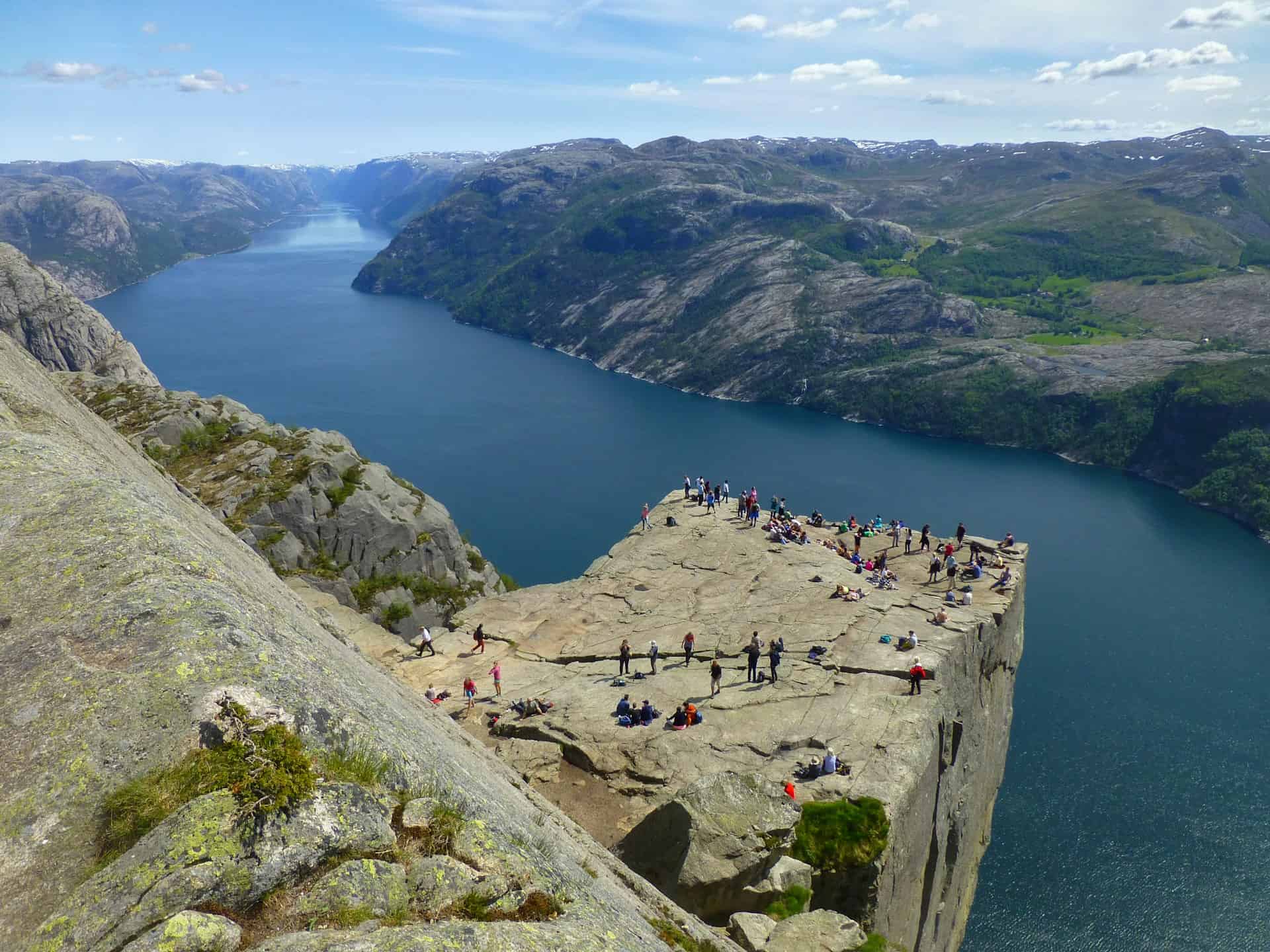
Only about a half-dozen people were ahead of us, so it went quickly. As a check-in with a human is required for foreign travelers, access to the Premium line was a nice benefit for Business Class passengers.

LATAM Airlines is a Chilean company and the sole carrier flying from South America to Rapa Nui (one to two non-stop flights daily).

I've taken LATAM flights several times in my travels around Latin America, including the short flight from Lima to Cusco to visit Machu Picchu in Peru. But this was my first time flying Business Class with them.

After we confirmed our seats (3A and 3C), we followed the signs for Rapa Nui, which led us downstairs. We presented the required travel documents to Immigration Control at the Investigations Police of Chile (PDI) booth. Although Rapa Nui is part of Chile, and you depart from the domestic terminal, this step is still required.

Foreign travelers must present:

  • Passport
  • Rapa Nui Entry Form (fill out one per person online and print them).
  • Proof of reservation(s) at SERNATUR-accredited accommodations.
  • Return LATAM flight confirmation(s).

If your documentation is in order, you'll receive a paper PDI entry slip to bring to the LATAM boarding gate. Gate agents will not let you board the plane without it.

Priority Pass Lounge

After Immigration, we passed through security and walked to the Salones VIP Pacific Lounge near Gate 19. We arrived at the lounge at 8:15 a.m., an hour after we arrived at the airport.

Thanks to my Priority Pass membership (through a Chase Sapphire Reserve credit card), I had access to it for myself and a guest. The lounge was small but quiet, and thankfully, not too busy, so we could quickly find seats.

Boarding Process

LATAM boarding gate 16 at Arturo Merino Benitez International Airport in Santiago, Chile.
LATAM boarding gate

At about 9:30 a.m., we walked over to Gate 16 and awaited the boarding process for flight LA843. Priority boarding (Group 1) is a perk of LATAM Business Class tickets.

We'd be among the first few people on the plane-three Premium groups board, followed by three General groups.

We were excited to begin boarding on time at 9:55 a.m. We each presented our boarding pass and PID entry slip, which they took from us. But we hit a delay once we stood outside the plane on the jet bridge.

After about fifteen minutes, everyone was instructed to walk back out, recollect their PID paper, wait, and then repeat the process.

It led to a 30-minute delay in getting to our seats and taking off (11:33 a.m. departure time instead of 10:55 a.m.). It was a relatively minor disruption to a flight we were eager to take.

Dave boarding his LATAM flight from Santiago to Rapa Nui (photo by Kelly Lemons).
Dave boarding the LATAM flight after the delay (photo by Kelly Lemons)

Premium Business Class Cabin

Seats

Kel and my excitement for the flight and vacation hit a crescendo when we stepped foot on the LATAM Boeing 787-900 Dreamliner.

We entered through the door nearest the cockpit and were greeted by five rows of neatly organized Business Class seats in a 2-2-2 configuration.

Every seat has easy and direct aisle access. Being in the front cabin of a Dreamliner reminded me of my long-haul flights with Norwegian Air.

Each seat included two cloth bags filled with a large pillow, blanket, and a NASA-developed Spacer Fabric mattress pad to be placed over the seat. I appreciated the use of reusable bags instead of plastic.

The seats recline 180 degrees and offer an authentic, lie-flat experience. As you'll see later, Kel took full advantage of these extra comforts.

LATAM 787 Business Class cabin for the flight from Santiago to Easter Island.
Middle seats in the LATAM Business cabin
Kel with the Premium Business Class bedding for our flight to Easter Island.
Kel with the provided bedding.

In LATAM's Business Class cabin setup, each passenger with a window seat is treated to three windows. The Dreamliner planes' extra-large windows make this especially pleasant.

Kel is very much a window seat gal, whereas I switched from being a window seat guy to preferring the aisle in 2015 following a health scare (small pulmonary embolism, probably from a long-haul flight).

I appreciated that the drink and lunch menus were already at our seats, though the flight attendants didn't offer a pre-flight drink service. A bottle of water was provided for each passenger in the armrest.

Dedicated Luggage Space

Dedicated overhead luggage compartment.
Our luggage had a dedicated overhead compartment.

Every Business Class seat on our LATAM flight from Santiago to Rapa Nui (Easter Island) had dedicated overhead bin space. This is a real treat, given that I usually fly Economy on domestic flights in the United States.

The compartment was large enough to hold our Away luggage, personal bags, and my CPAP machine (a medical device), with room to spare.

Entertainment System

Once we'd stored our luggage and settled into our seats, I began to explore the in-flight entertainment system, LATAM Play.

Every Business Class seat on our flight to Easter Island featured an 18-inch touchscreen TV with access to more than 170 movies and hundreds of TV show episodes. A wired remote control is in the armrest.

In-flight entertainment screen, foot rest, and storage space.
In-flight entertainment screen
Universal 110-volt power outlet, USB outlet, TV remote, and complimentary bottled water.
Universal 110-volt outlet, USB port, TV remote, and bottled water

Between each pair of screens are cubbies with noise-canceling headphones provided by the airline. These wired, over-the-ear headphones can be plugged into the armrest.

My first experience wearing such headphones on a flight came during a Business Class flight on Qatar Airways to Indonesia. I enjoyed it so much that I later bought a pair of wireless headphones specifically for air travel.

LATAM offers over-ear headphones as an amenity for their Business Class passengers on the flight to Easter Island.
LATAM noise-cancelling headphones

A problem I encountered when bringing my wireless Bluetooth headphones was that they weren't compatible with airplane entertainment systems.

So, I either had to use the lesser-quality gear the carrier provided or stick to whatever was on my iPhone (usually music and podcasts). It took me far too long to learn there was a simple solution.

The AirFly by Twelve South is a Bluetooth transmitter you can plug into the airplane headphone jacks and pair with your headphones. This setup lets you enjoy the plane's entertainment with your wireless headphones.

AirFly Bluetooth transmitter.
AirFly Bluetooth transmitter

I'd also like to mention that while Chile, Brazil, and Colombia are the countries where LATAM Airlines offers Wi-Fi in-flight, there's no availability for flights from Santiago to Rapa Nui.

Takeoff

Although our departure from Santiago was half an hour late, it proceeded smoothly once we were aboard the plane.

In addition to the usual safety briefing, a public service announcement was issued, informing passengers that dengue fever, a tropical disease transmitted by mosquitoes, is present on Easter Island.

I made a mental note to buy some mosquito repellent at the island pharmacy once we'd arrived. There's no vaccine or cure for dengue, so avoiding mosquito bites where it's present is your best bet.

Takeoffs and landings on a Dreamliner plane have always, in my experience, been quieter affairs than your average plane. Such was the case when we took off for Rapa Nui, catching a glimpse of the snow-capped Andes mountains out the plane's left side.

View of the business class cabin from my seat (3C).
View of the Business Class cabin from Seat 3C
Snow-capped mountains come into view during takeoff from Santiago, Chile (photo by Kelly Lemons).
Departing Santiago (photo by Kelly Lemons)
Flying over the Chilean coast en route to Rapa Nui (photo by Kelly Lemons).
We were flying over the Chilean coast en route to Rapa Nui (photo by Kelly Lemons).

Once we'd climbed at least a few thousand feet, the cabin crew members distributed hot towels to clean our hands before lunch.

Chile, being as narrow as it is, it wasn't long before we cruised over the coast and onward to a tiny island in the middle of the South Pacific.

Since we had about five hours of flying over nothing but the ocean, Kel dimmed the windows. It was neat that she only needed to adjust the dimmer on the window nearest her seat, and the other two windows in our row would dim accordingly.

Meal Service

Our lunch orders were taken promptly and served about an hour into the flight. Each tray table is accessible from the armrest. LATAM Business Class guests are treated to a three-course meal with an entree, dessert, and an optional wine pairing.

LATAM Business Class lunch menu on our flight to Easter Island.
Lunch menu
LATAM Business Class wine and drink list.
Wine and drink menu

I wanted an easy-to-enjoy main course, so I opted for the four-cheese sorrentinos with tomato sauce, basil pesto, and toasted almonds.

The Argentinian pasta dish was served with parmesan cheese, an appetizer of sliced Chilean abalone (sea snail), a bowl of lettuce, bread, butter, olive oil, and a small package of chocolate.

I didn't care for the sea snail, but the pasta was solid. And the dulce de leche mousse, paired with chocolate ganache and brownie chunks, was divine.

Four cheese sorrentinos.
Four cheese sorrentinos
Vina Santa Carolina Assemblage 2019
Vina Santa Carolina Assemblage

My pasta was paired with Vina Santa Carolina Assemblage 2019, a Chilean red wine from the Valle de Cauquenes, one of four options available. Hector Vergara, the only Master Sommelier in Latin America, chooses LATAM Airlines' in-flight wines.

Kel opted to try the grilled tenderloin with red wine and rosemary sauce, roasted native potatoes, and caramelized onions.

Like me, she didn't care for the abalone and preferred the dulce de leche mousse dessert to the alternative (fresh seasonal fruit). When I asked her what she thought of the steak, she said it was okay.

Grilled tenderloin.
Grilled tenderloin
Vina Casa Silva Carmenere 2020
Vina Casa Silva Carmenere

Kel's beef entrée was paired with another Chilean red wine, the 2020 Carmenère by Vina Casa Silva. After tasting both wines, I preferred the Carmenere, and we swapped glasses. Two white wines, a Chardonnay and a Sauvignon Blanc, were also available from Chilean vineyards.

Relaxing

Once our lunch trays had been cleared around 12:45 p.m. (Santiago time), we were free to sit back and relax as we continued cruising toward Rapa Nui (Easter Island) on the LATAM Airlines 787 Dreamliner.

Kel used the free time to read and later nap using the eye mask in the amenity kit (which also included lip balm) and lie-flat seat. I was too excited to sleep and watched "The Great Gatsby."

Kel enjoying her Business Class seat.
Kel is enjoying her Business Class seat
Kel demonstrates the lie-flat seats in LATAM Business Class during our flight to Easter Island.
Kel demos the lie-flat mode.

Despite our late takeoff time, we were due to arrive at 2:15 p.m. local time, about 20 minutes early. Not that being late to a remote tropical island where we'd be spending a week would be an issue. Still, it's nice to arrive early or on time, as we wanted to make the most of our time on Rapa Nui.

A highlight of past Business Class flights has been a pre-takeoff glass of bubbly, but because LATAM didn't do a pre-flight drink service, Kel had missed out.

So, about an hour before we were due to land, I asked a cabin crew member to bring us two glasses of the Champagne Vollereaux Brut Reserve.

Glass of Champagne Vollereaux Brut Reserve in LATAM Business Class as we approach Easter Island.
Champagne Vollereaux Brut Reserve

We toasted to making our dream trip to Easter Island a reality and to the six days of fun and adventure that awaited us when the wheels touched down.
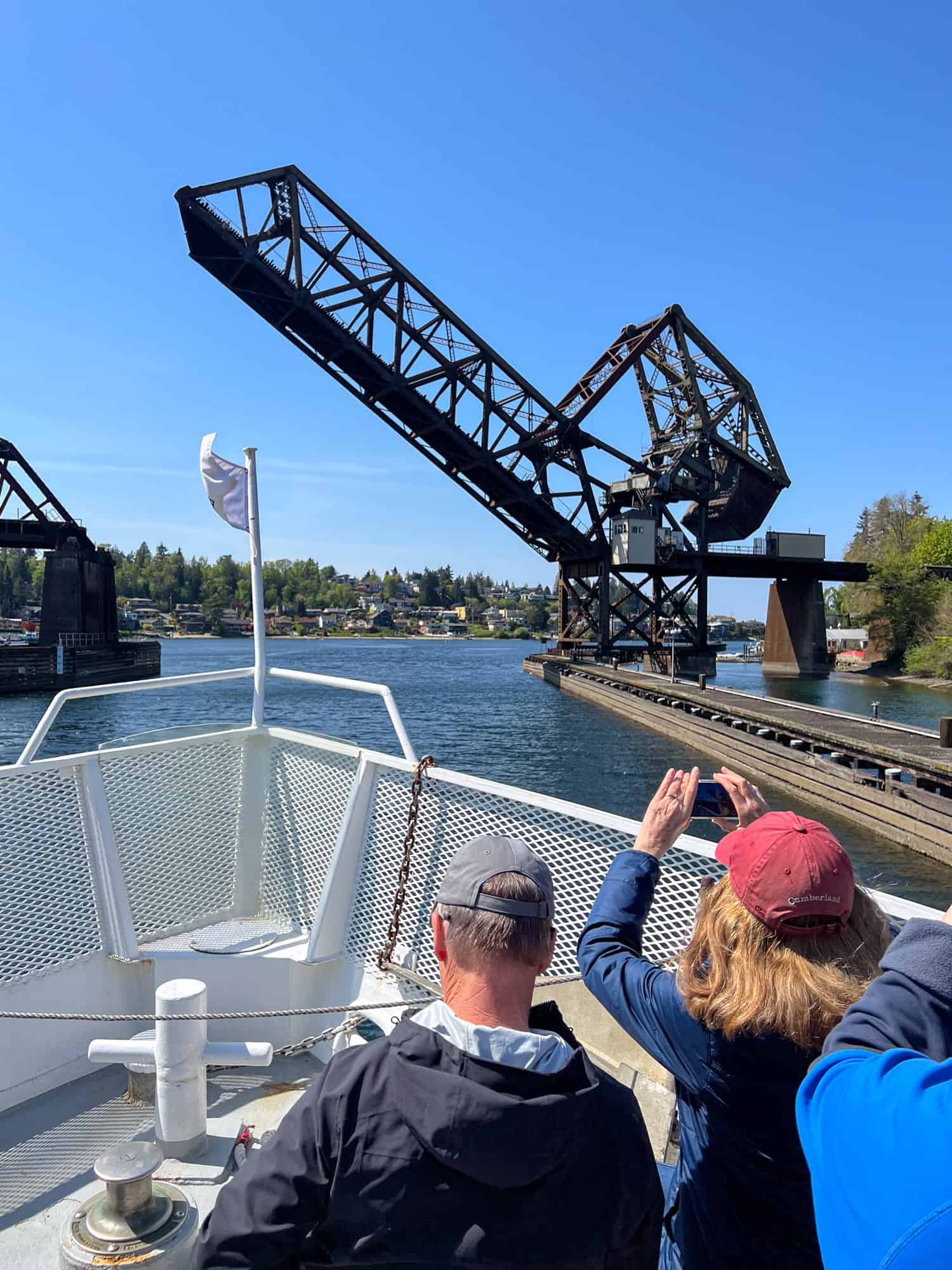
Arriving on Rapa Nui (Easter Island)

As we approached Rapa Nui, the pilots flew south of the island so the passengers on the plane's right side could see it first. The Dreamliner looped around and landed at Mataveri International Airport (IPC) from the west.

It was a beautiful blue-sky day, and we had the tarmac to ourselves. Passengers disembarked directly onto the tarmac, located in front of and behind the wings. There was plenty of time and space for photos on the walk to baggage claim.

Kel and the LATAM 787 Dreamliner after we landed on Rapa Nui.

Landing on Rapa Nui brought our LATAM Business Class flying experience to a close, one that we both thoroughly enjoyed and appreciated.

Since we carried on all our luggage, there was no need to wait by the conveyor belt. We quickly found the person handling our airport transfer to the guesthouse we rented in Hanga Roa and were on our way.

Read More From Our Trip

  1. 15 Free Things To Do on Easter Island
  2. Top 5 Moai Statue Sites
  3. The Stone Faces of Rano Raraku
  4. Where To Go on Easter Island with a Rental Car
  5. Discovering Orongo, Home to the Birdman Cult

The Best Small-Town Fireworks for Fourth of July Celebrations

Exciting fireworks shows have a magical way of uniting communities, especially in small towns, where the celebrations can be just as grand as those in big cities. Consider these great options if you're looking to celebrate the Fourth of July in a small-town way.

From the lush landscapes of Boyne, Michigan, to the rugged Snake River in Idaho Falls, Idaho, these small towns can light up the sky in honor of America's independence, offering some of the most exciting fireworks shows you'll ever see.

Table of Contents

  • Small-Town Fireworks
    • Melaleuca Freedom Celebration-Idaho Falls
    • Custer, South Dakota
    • Best 4th in the North-Boyne City, Michigan
    • 4th of July in Big Bear Lake, California
    • Small Towns, Big Fireworks

Small-Town Fireworks

Melaleuca Freedom Celebration-Idaho Falls

Fireworks in Idaho Falls (photo courtesy of Melaleuca Freedom Celebration).
Melaleuca Freedom Celebration

The Melaleuca Freedom Celebration in Idaho Falls gives fireworks a whole new meaning. This is the only show on this list that is entirely privately funded. Consumer goods company Melaleuca, headquartered in the town, pays for and oversees the fireworks in Idaho Falls each Fourth of July.

What started as a childhood passion for Melaleuca's executive chairman, Frank VanderSloot, has evolved into an enormous spectacle that pays homage to America's heroes.

A morning parade through the middle of town leads to Riverfest in the afternoon, a fun-filled time at the Snake River with food trucks, live entertainment, and even helicopter rides.

At around 10 p.m., more than 18,000 fireworks are launched from the banks of the Snake River, making this also the biggest fireworks show on this list (and one of the biggest fireworks shows in the country). No wonder Melaleuca calls it the "biggest fireworks show west of the Mississippi."

Custer, South Dakota

This area is where patriotism and natural beauty collide. During the day, enjoy a parade and festival, with fireworks in the evening. The next day (or the day before), head to Keystone, home of the legendary Mount Rushmore. Nestled in the Black Hills, Keystone is a beacon of American history and celebration.

Hike among the breathtaking landscapes and learn about the region's rich presidential and Native American history. Visitors can also enjoy horseback riding adventures and savor local wine tasting, making Keystone a quintessential patriotic destination.

Why watch the fireworks in Custer? Because, with the exception of 2020, the National Park Service doesn't allow pyrotechnics at the Mount Rushmore Memorial. But you can still enjoy the monument!

Best 4th in the North-Boyne City, Michigan

Michigan's Boyne City proudly boasts the Best 4th in the North, and rightfully so. The festivities span two days, offering everyone a medley of events and entertainment. The day begins with an Independence Day Run, a delicious breakfast, and multiple parades showcasing the town's vibrant Midwest spirit.

Of course, the highlight is the spectacular fireworks show that illuminates the night sky over Lake Charlevoix (pronounced like "sharlavoy"). The culmination of community spirit and small-town celebrations makes Boyne City a must-visit for a memorable Fourth of July experience.

4th of July in Big Bear Lake, California

Big Bear Lake in July (photo: Kahar Erbol).
Big Bear Lake in July (photo: Kahar Erbol)

There's nothing quite like watching fireworks over a lake surrounded by mountains. In the tiny town of Big Bear Lake, California, the 4th of July Fireworks Spectacular is a sight to behold.

Watch on the lake in a boat, in a comfortable chair on the shore, or find a special spot along a mountain trail with just the right view. Wherever you watch the fireworks, the display will create quite an ambiance in this tiny mountain town.

For those seeking an elevated experience, figuratively and literally, the Above the Boom fireworks viewing party at Snow Summit offers panoramic views and a DJ, taking your Fourth of July celebration to new heights.

Small Towns, Big Fireworks

While it can be great to experience Independence Day in a big city with orchestras, big-name celebrities, and endless food trucks, nothing quite beats the spirit of a small town, with its unique charm and local celebrations.

The spirit of Independence Day often shines the brightest in the hearts of these communities across America; sometimes, they also host the best fireworks!

_____

This story is published in partnership with Melaleuca Freedom Celebration.

Bavarian Alps Backpacking: History, Peaks, and Hidden Trails

Hikers and outdoor enthusiasts will find a mountain paradise in the southern German Bavarian Alps. With its charming villages, verdant valleys, and towering peaks, the region offers a unique blend of historical significance, scenic beauty, and cultural allure. Join us as we explore the history, famous mountain peaks, and hidden trails of the Bavarian Alps.
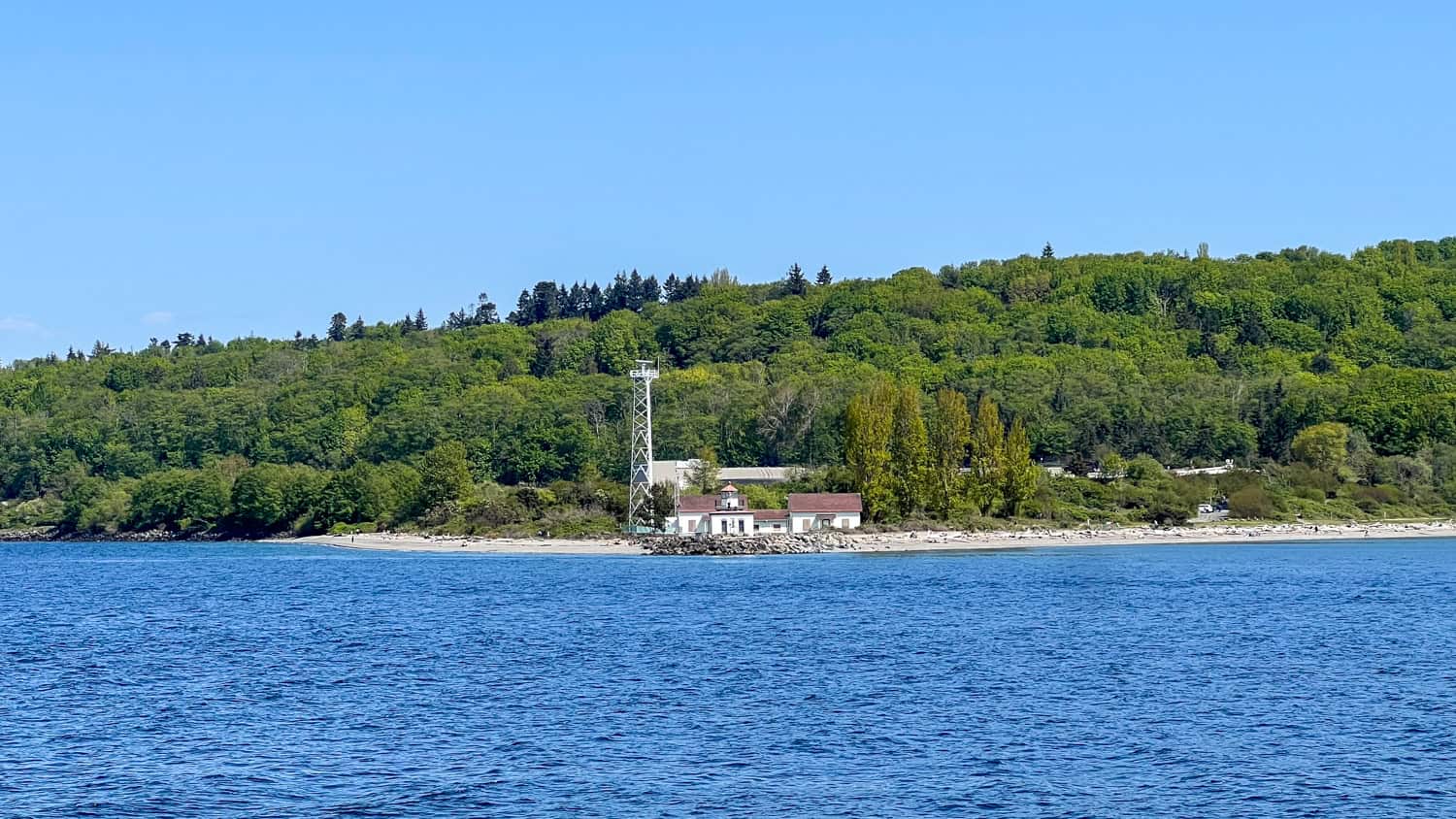
Garmisch Partenkirchen in the Bavarian Alps, Germany (photo: Sandra Grünewald)
Garmisch Partenkirchen in the Bavarian Alps (photo: Sandra Grünewald)

Table of Contents

  • 1. Historical Background
    • Ancient Times
    • Medieval Era
    • Modern History
  • 2. Iconic Peaks
    • Zugspitze
    • Watzmann
    • Alpspitze
    • Kehlstein Mountain
  • 3. Hidden Trails
    • Partnach Gorge (Partnachklamm)
    • Höllentalklamm
    • Reintal Valley
  • 4. Practical Tips for Backpackers
    • Best Seasons to Visit
    • Gear and Preparation
    • Accommodation Options
    • Local Culture and Etiquette

1. Historical Background

Ancient Times

The Bavarian Alps have a rich history, with early habitation sites dating back to Celtic groups. During the Conquest, they were integrated into the Roman Empire, constructing cities, highways, and forts. The Alps significantly shaped the region's cultural landscape, leaving a legacy of artifacts and cultural effects.

Medieval Era

During the Middle Ages, the Bavarian Alps experienced the growth of cities and trade routes, playing a crucial role in regional politics and wars. Castles, fortifications, and towns like Füssen and Garmisch-Partenkirchen served as strongholds during the conflict. The emergence of regional folklore and stories added a mysterious quality to the area's past.

Modern History

The Bavarian Alps have undergone significant changes due to world wars and economic shifts, but they remain a favored vacation spot due to their breathtaking landscape and diverse outdoor activities. Despite the socioeconomic changes, they remain a popular destination for adventure, culture, and history.

2. Iconic Peaks

Zugspitze

View from the top of Zugspitze (photo: Peter Burdon)

Zugspitze, Germany's tallest mountain, stands at 9,717 feet (2,962 meters) and offers breathtaking vistas of the Alps. Visitors can reach the peak via the challenging Höllental path, which crosses glaciers and passes through gorges. 

The summit also offers year-round activities like hiking, climbing, and skiing, allowing visitors to enjoy the expansive Alps spanning Germany, Austria, and Switzerland.

Watzmann

Mount Watzmann, Germany's third-highest mountain, is known for its tragic past and unusual silhouette. Its 8,900-foot (2,713-meter) ridge is a popular destination for climbers and hikers, offering breathtaking views and a sense of achievement. 

The mountain's association with legends of a cruel king and his family turning to stone adds a sense of mystery.

Alpspitze

Another famous mountain in the Bavarian Alps is the Alpspitze, which has a distinctive pyramidal form. Climbers of all skill levels go to the well-known Ferrata trail, the Alpspitze Ferrata. 

This path offers an exciting combination of trekking and climbing, with ladders and steel wires helping the ascent. A favored spot for outdoor enthusiasts, the summit rewards hikers with expansive views of the surrounding mountains and valleys.

Kehlstein Mountain

A peak rich in history, Kehlstein Mountain is home to the well-known Eagle's Nest and has breathtaking views. Constructed initially as Adolf Hitler's getaway, the Eagle's Nest, or Kehlsteinhaus, is today both a historical landmark and a restaurant. 

While taking in the expansive vistas of the Alps, visitors can delve into the region's historical significance. Band of Brothers Tours offers an exceptional way to fully experience the rich history of Kehlstein Mountain, combining breathtaking scenery with captivating storytelling.

The Eagle's Nest hike provides a blend of natural beauty and history, with many paths catering to varying degrees of difficulty. 

3. Hidden Trails

Hell Valley in the Bavarian Alps (photo: Joshua Kettle).
Hell Valley (photo: Joshua Kettle)

Partnach Gorge (Partnachklamm)

A hidden jewel in the Bavarian Alps, Partnach Gorge, also known as Partnachklamm, is renowned for both its visual beauty and geological significance. The Partnach River sculpted this tiny valley, which presents a breathtaking show of waterfalls, rapids, and rock formations.

The finest seasons to visit are spring and summer, when the river is fed by melting snow and has a tremendous flow. Walkers of all ages may utilize the well-maintained route that winds through the gorge.

Höllentalklamm

The Hell Valley Gorge, or Höllentalklamm, is an exciting journey through craggy and spectacular scenery. Alongside the raging Höllental River, the trail crosses bridges and passes through tunnels.

Preparation is essential for this climb because the terrain may be rugged, particularly after rain. You need a strong spirit of adventure, waterproof clothes, and sturdy shoes to explore this breathtaking gorge.

Reintal Valley

The Reintal Valley offers a serene getaway into nature for people looking for serenity and less busy trails. This picturesque valley is renowned for its verdant meadows, crystal-clear streams, and abundant wildlife. 

People of all ability levels may enjoy the moderate stroll in the Reintal Valley. You can stop and take in the beauty of the surrounding countryside and see various animals, including deer and other bird species.

4. Practical Tips for Backpackers

Backpacks on rocks.

Best Seasons to Visit

The best time to visit the Bavarian Alps depends on your chosen activities. Summer months are ideal for hiking, climbing, and scenic views. Winter is ideal for skiing and snowboarding. Fall and spring offer changing foliage and avoid crowds. Each season has unique highlights, so plan accordingly.

Gear and Preparation

The right equipment and planning are necessary for a successful backpacking trip in Europe. Essential items include waterproof gear, layered clothes, and sturdy hiking boots. 

Depending on the season, you may also need gear like ice axes and crampons for winter walks. Before leaving, always check the trail conditions and weather predictions. Don't forget to pack enough food and drink, a map, and a compass.

Accommodation Options

Finding the best accommodation for your backpacking adventure is crucial. The Bavarian Alps offer various lodging options for different tastes and budgets.

Mountain huts, known as Hütten, provide a rustic experience in picturesque settings. Camping sites are available throughout the area, while guest houses and motels near hiking paths in Berchtesgaden and Garmisch-Partenkirchen offer a more comfortable stay.

Local Culture and Etiquette

Respecting local culture and etiquette is essential when backpacking in the Bavarian Alps. Interacting with locals can enhance your experience, as they often have valuable insights and stories to share. 

Learn a few basic German phrases to facilitate communication and show respect. Additionally, always follow Leave No Trace principles to minimize your environmental impact. Respect wildlife, stay on marked trails, and carry out all waste.

_____

This story is published in partnership with Band of Brothers Tours.

Is the Amalfi Coast Worth Visiting?

The Amalfi Coast on Italy's Sorrentine Peninsula is incredibly popular with tourists. Five million travelers visit and get to experience Amalfi Coast venues every year. This article provides interested travelers with tips on getting the most out of their trip.

Places To See on the Amalfi Coast

The scenic Amalfi Coast (photo: Mike Morgan)

The sea is excellent for swimming at Maiori Beach, and the shore is perfect for beach games or sunbathing. Many cafes, shops, and stalls are on hand to cater to your every need.

Alternatively, you can take a boat or ferry from one of the nearby towns to the small island of Capri. The island has some beaches, but they're tiny and rocky. People visiting Amalfi Coast attractions in this region most likely won't be planning much swimming, sunbathing, or other beach activities.

In addition to shopping and fine dining, Capri Island offers boat tours around the island's beaches, cliffs, and grottoes. There are spectacular botanical gardens to visit, and the views from the top of the island's cliffs are unbeatable.

Limoncello is a popular Italian liqueur that tastes similar to lemonade. This article by Dolceterra explains how to enjoy Limoncello. For the best experience, it's essential to drink this liqueur sitting in the perfect Amalfi Coast location, enjoying the spectacular coastal views!

Other Activities

Ravello, Italy (photo: Gregory Smirnov)

In addition to the Mediterranean Sea views, spectacular mountain scenery is available. Anyone visiting Amalfi Coast towns like Ravello can enjoy the mountainous scenery in peace and quiet. Ravello is far from the main tourist track and provides magnificent coastline views from above. Travelers can visit Villa Rufolo, an authentic Roman villa nestled among the trees.

Just outside Amalfi, near a picturesque little village called Conca dei Marini, is the Emerald Grotto. This small cave formed over millennia as the sea gradually eroded the cliffs. Today, visitors can access the grotto from above by descending stairs cut into the rock or by boat from outside. When sunlight filters through the clear Mediterranean waters and strikes the cave walls, stalactites, and stalagmites, it really does make them appear emerald green!

Places To Stay

Regarding hotels and places to stay, the Amalfi Coast has something for everyone. The Hotel Miramalfi is unmatched for luxury and world-class service, but it has a price tag to match. On the other hand, accommodations like the Hotel Residence and the Hotel Villa Felice Relais offer top-quality facilities at competitive prices.

So, Should You Visit the Amalfi Coast?

With its turquoise seas and white beaches, it's no wonder that the Amalfi Coast attracts millions of tourists annually. There are so many tourists vacationing on the Amalfi Coast that it can become a bit of a nightmare in summer! However, innovative traffic regulations have been implemented to limit the number of motorists on the roads, and no doubt more will be added as needed to ensure that the coast remains the idyllic destination it is today.

Hidden Villages of Italy: Off the Beaten Path Adventures

Italy is the most popular tourist destination in the world. Beloved by everyone from the United States to mainland China, it has an incredible tourist industry and some of the world's most impressive historical sites. However, this does lead to some problems, such as crowds, price gouging, and fewer authentic eateries in and around the famous sites. Because of this, we believe it's worth seeking out some lesser-known gems generally found in hidden villages.

Table of Contents

  • Italian Villages
    • 1. Cinque Terre
    • 2. Matera, Basilicata
    • 3. Civita di Bagnoregio, Lazio
    • 4. Alberobello, Puglia
    • 5. San Gimignano, Tuscany
  • Conclusion

Italian Villages

1. Cinque Terre

Corniglia is one of many beautiful hidden villages in Italy (photo: Ansgar Scheffold).
Corniglia (photo: Ansgar Scheffold)

Cinque Terre is known for its five core villages, but hidden treasures like Corniglia and Manarola are often overlooked. Corniglia is perched on a hilltop, providing stunning vineyard views and a peaceful atmosphere. Manarola is another option, with colorful houses clinging to the cliffs and picturesque scenes all around.

These villages can be cut through when walking on the nearby 8-day trail. Essentially, you needn't plan which ones to visit as you will see so many and can hang around for a few hours longer at the ones you enjoy most. There are many hiking trails in Italy; generally, it's the best way to stumble across villages even we don't know about.

2. Matera, Basilicata

Matera, as seen from a cave at sunset (photo: Luca Micheli).
Cave view of Matera at sunset (photo: Luca Micheli)

Matera is renowned for its ancient cave dwellings, known as Sassi, which date back thousands of years. This UNESCO World Heritage Site offers a journey through time with its well-preserved structures.  Visitors can explore the winding streets and visit cave churches, gaining insight into the city's history. This highlights that the grand Roman history exists far beyond Rome. Authentic cultural experiences are all around, from sampling local food to learning about traditional crafts.

3. Civita di Bagnoregio, Lazio

Hilltop village of Civita di Bagnoregio (photo: Viviana Couto Sayalero).
Hidden village of Civita di Bagnoregio, Italy (photo: Viviana Couto Sayalero)

Civita di Bagnoregio, often called the "Dying City," sits atop a hill and is accessible only via a pedestrian bridge. It's a few hours outside Rome and boasts otherworldly medieval architecture and landscape views. The narrow, winding streets and ancient buildings are stunning and an incredible place to come as a photographer. Explore the old stone houses and small museums of Civita di Bagnoregio, which can take you off the beaten path when traveling in Italy.

4. Alberobello, Puglia

Trulli buildings in the hidden village of Alberobello, Italy (photo: Mathilde Ro).
Trulli buildings in Alberobello (photo: Mathilde Ro)

Alberobello is famous for its unique trulli houses with conical roofs. It's yet another UNESCO World Heritage Site, but this time, it showcases traditional Apulian architecture. You'll never get bored of walking through its narrow streets and whitewashed stone buildings, with plenty of places to learn about the history. Traditional Apulian food, such as orecchiette pasta and fresh seafood, can be enjoyed in the cozy local restaurants.

5. San Gimignano, Tuscany

Towers of San Gimignano (photo: Mattia Bericchia).
Towers of San Gimignano (photo: Mattia Bericchia)

Visiting San Gimignano, known for its medieval towers, is like stepping back in time. The historic town center is a UNESCO World Heritage Site and offers the opportunity to climb some towers for breathtaking 360-degree views of the surrounding Tuscan countryside. The town is famous for its wine, particularly Vernaccia di San Gimignano, which you can find in almost every eatery.

Conclusion

Exploring Italy's hidden villages is a much different experience from spending the weekend in Rome or Milan. While many of the same world-famous Italian sites are on travelers' bucket lists, these hidden villages and long countryside walks can offer respite. 

_____

This story is published in partnership with Orbis Ways.

A Practical Guide to Solo Travel in Italy

Italy, a country renowned for its history, art and architecture, and exquisite cuisine, is a top destination for solo travelers. From the stylish streets of Milano to the breathtaking views of Sorrento, Italy offers an abundance of experiences that cater to the solo traveler.

This guide provides practical tips on packing, safety, sightseeing, transportation, and nightlife, focusing on six must-visit destinations: Milano, Rome, Rimini, Naples, Sorrento, and Sicily. Designed for budget-conscious solo travelers, this guide will help you make the most of your Italian adventure.

A Vespa is one way to experience solo travel in Italy (photo: La So).
Somewhere in Italy (photo: La So)

Table of Contents

  • Packing Essentials
  • Safety Tips
  • Italian Destinations
    • Milano: The Fashion Capital
    • Rome: The Eternal City
    • Rimini: A Beach Haven
    • Naples: The Heart of Southern Italy
    • Sorrento: Gateway to the Amalfi Coast
    • Sicily: The Island of Wonders
  • The Perfect Accommodation Finder For Your Solo Travels

Packing Essentials

Packing smart is key to a successful solo trip. Here are some essentials to consider:

  • Comfortable walking shoes: Essential for navigating cobblestone streets and extensive sightseeing.
  • Layered clothing: Italy's climate varies by region and season, so pack layers to adjust accordingly.
  • Reusable water bottle: Tap water is safe to drink, and public fountains are common, helping you stay hydrated without spending on bottled water.
  • Portable charger: Ensure your devices stay charged for navigation and communication.
  • Travel guide/phrasebook: Basic Italian phrases can be beneficial, especially in smaller towns where English may not be widely spoken.

Safety Tips

Italy is generally safe for solo travelers, but it's always wise to be cautious. Use a money belt or anti-theft bag to secure your belongings, particularly in crowded areas where pickpocketing can be problematic.

Stay connected by sharing your itinerary with someone back home and checking in regularly; Wi-Fi hotspots in cafes or accommodations can help you stay in touch without incurring high data charges.

To blend in and avoid looking too much like a tourist, dress like a local and be discreet with maps and guidebooks. Familiarize yourself with the emergency number (112) and save it on your phone.

Italian Destinations

Milano: The Fashion Capital

Women reading in the Piazza del Duomo in Milan (photo: Vitaliy Zamedyanskiy).
The Piazza del Duomo in Milan (photo: Vitaliy Zamedyanskiy)

Start your Milan adventure at the Duomo di Milano, a stunning Gothic cathedral. Climb to the rooftop for panoramic city views. Nearby, the Galleria Vittorio Emanuele II is worth a visit for its impressive architecture and luxury shops. If you want to see Leonardo da Vinci's "The Last Supper" at Santa Maria delle Grazie, you'll need to reserve tickets several months ahead.

Milano's public transportation system is efficient and affordable. A 24-hour travel card costs around $7.60 (€7) and offers unlimited rides on trams, buses, and the metro.

For a lively night out, head to the Navigli district, known for its canals and spirited nightlife. Many bars offer aperitivo deals, where you pay for a drink and get a buffet of appetizers-a budget-friendly way to experience Italian cuisine and meet new people.

Rome: The Eternal City

The Colosseum is a must for first-time solo travelers in Italy (photo: Den Harrson).
The Colosseum (photo: Den Harrson)

Rome is an open-air museum filled with historical landmarks. Begin at the Colosseum, then head to the Roman Forum and Palatine Hill. The Pantheon is another must-visit site, with free entry. Don't miss the Vatican City; St. Peter's Basilica is free to enter, but the Vatican Museums and Sistine Chapel require a pre-booked ticket ($22, €20).

Rome's public transportation network includes buses, trams, and the metro. The 48-hour Roma Pass ($35, €32) offers unlimited travel and free entry to two museums or archaeological sites. For going out, Trastevere is the place to be. Its narrow streets are lined with bars and affordable restaurants. Join a pub crawl to meet fellow travelers and experience the local nightlife.

Rimini: A Beach Haven

Sunrise on a beach in Rimini (photo: Fabio Tura)
An ethereal sunrise on a beach in Rimini (photo: Fabio Tura)

Rimini is famous for its beautiful beaches and Roman history. Start your visit at the Arch of Augustus and the Tiberius Bridge. Rimini is best explored by bike; many hostels offer daily bike rentals for about $11 (€10). This allows you to explore the city and its beachfront at your own pace.

Rimini's nightlife is centered around its beachfront, with numerous clubs and bars. To keep your night out affordable, look for places that offer free entry or drink discounts, especially during happy hour.

Naples: The Heart of Southern Italy

Naples and Mount Vesuvius (photo: Grafi Jeremiah)

In Naples, ancient ruins meet vibrant street life in a captivating blend of the past and present. Visit the Naples National Archaeological Museum, which houses artifacts from Pompeii, and explore the historic center, a UNESCO World Heritage Site. A day trip to Pompeii is highly recommended; a return train ticket costs about $5.50 (€5).

Naples' public transportation system includes buses, trams, and the metro. A daily pass ($5, €4.50) offers unlimited travel, making it easy to get around the city. For a fun evening, head to the Spanish Quarter, known for its bustling bars and affordable eateries. Don't leave Naples without trying a classic Neapolitan pizza, which costs between $5.50 and $11 (€5 and €10).

Sorrento: Gateway to the Amalfi Coast

Swimming in Sorrento offers the perfect way to cool off for solo travelers in Italy (photo: Vincenzo Godono).
Swimming in Sorrento (photo: Vincenzo Godono)

Sorrento offers stunning coastal views and a charming town center. Take a stroll along Corso Italia and visit Piazza Tasso. For a budget-friendly day trip, take a ferry to Capri (around $43.50 or €40 round trip). Sorrento is easy to explore on foot.

For longer journeys, use the Circumvesuviana train to connect to Naples and Pompeii. Sorrento's nightlife is more relaxed than that of other cities. Enjoy a limoncello at a bar or watch a traditional tarantella dance show. These experiences offer a taste of Sorrento's culture and are perfect for winding down after a day of sightseeing.

Sicily: The Island of Wonders

Hikers on Mt. Etna in Sicily (photo: Matteo Badini)
Hiking Mt. Etna (photo: Matteo Badini)

Sicily offers solo travelers to Italy a blend of history, culture, and natural beauty. Visit busy markets like Ballarò and the stunning Palermo Cathedral (free entry) in Palermo. The Valley of the Temples in Agrigento ($13, €12), which you can visit free on the first Sunday of every month, and Mount Etna are must-see sites.

Sicily's public transportation can be unreliable, so buses are often better than trains. Consider renting a scooter ( from about $33, or €30 per day) for more flexibility, especially when exploring rural areas. Palermo's Vucciria market transforms into an energetic nightlife spot after dark, offering street food and local music.

In Catania, Via Etnea is the place for bars and clubs. Look for happy hours and promotions to save money while enjoying the Sicilian nightlife.

The Perfect Accommodation Finder For Your Solo Travels

For solo travelers on a budget, cozycozy is an invaluable accommodation finder search engine that simplifies the process of finding the perfect place to stay in Italy. Whether you're exploring the fashionable streets of Milano, the ancient wonders of Rome, the sunny beaches of Rimini, the historic charm of Naples, the coastal beauty of Sorrento, or the cultural richness of Sicily, cozycozy helps you locate the best options to suit your needs.

By aggregating listings from various accommodation providers, cozycozy offers a comprehensive comparison of prices and amenities, ensuring you get the best deal.

You can filter your search based on your budget, preferred location, and specific requirements, such as Wi-Fi, breakfast included, or proximity to public transportation. This makes it easy to find affordable hostels, B&Bs, or budget-friendly hotels catering to solo travelers, allowing you to enjoy your Italian adventure without breaking the bank.

Solo travel in Italy offers a unique blend of adventure, relaxation, and cultural enrichment. By following these practical tips on packing, safety, sightseeing, transportation, and nightlife, you'll be well-prepared to explore Milano, Rome, Rimini, Naples, Sorrento, and Sicily on a budget.

Embrace the freedom of solo travel and immerse yourself in Italy's incredible experiences. With careful planning and an open mind, your Italian adventure can be affordable and unforgettable. Buon Viaggio!

_____

This story is published in partnership with cozycozy.

Traveling for Night Owls: How To Get the Most Out of Your Trip

For those of us who love the life of a night owl, planning the perfect getaway means a lot of preparation and research on Google. So I know the pain when you plan the whole trip, book the hotel and flights, and still feel unsatisfied at the end because you didn't consider your preferences. 

Wherever we travel, the most interesting thing is our ability to discover the places in our own ways. Has it happened to you when two friends told you about the same country, and it felt like they were discussing completely different destinations?

That's not a strange thing; neither of them grasped the cultural uniqueness in the wrong way. To keep it simple, everyone experiences their travel individually, and if for me Venice can be a romantic city, for others, it may be an amazing place to experience the best nightlife.

The Moulin Rouge in Paris offers travelers a fun nightlife experience.  (photo: Lola Delabays).
Moulin Rouge, Paris (photo: Lola Delabays)

There you go, speaking about nightlife and night owls. Some time ago, I realized that being a nightlife person is a bit challenging. The principal guides on websites are for daytime activities and family trips, but don't worry-we will cover this. The article is about getting the best out of your trip when the adventures you chase are primarily at night.

Europe That Doesn't Sleep

When cool night vibes are the name of the game, trust that Europe's major metros are packing some serious after-hours heat. From raucous festivals to pulse-pounding dance clubs, this part of the continent seriously slays when the sun goes down, and the best nightlife in Europe welcomes tourists and locals alike.

Believe it or not, the party seldom stops in tourist cities like Berlin, Barcelona, and Budapest. Having been fortunate enough to experience the latter's legendary nightlife scene, I can attest that this underrated gem is a playground for vibrant public gatherings.

But the nocturnal jam-packed agenda continues beyond there. All across the European landscape, each calendar cycle brings world-renowned festivals and cultural happenings that completely upend the sleep schedules of locals and visitors alike. Think of Carnival's undying vivacity in Venice, Oktoberfest's frenetic energy in Munich, and the unparalleled spectacle of Estonia's medieval folklore festivals. Your weary daywalker souls just wouldn't be ready!

Traveling in the Daytime

First, I get it - as a dyed-in-the-wool night owl, mornings and you are decidedly not besties. But hear me out here: strategizing your travel times and flights can seriously upgrade your evening antics once you hit your destination.  

For instance, if you want to maximize those first crucial night-out hours upon arrival, opt for an afternoon or early evening departure time. Those cross-country redeye flights might seem convenient on paper, but all too often, they'll have you stumbling into your hotel lobby well after the real party has started popping off. It's not ideal for chasing down those long-awaited magic hours.

The better play? Departing on an afternoon-ish flight schedule that gets you boots on the ground in your night owl promised land right around evening-time. That way, you can check in, refresh, and hit the streets bright-eyed to dive into the late-night scene.

Plus, this approach generally allows you to score cheaper flight rates compared to those super early AM trips most folks sign up for. The average domestic late afternoon/evening flight on Wednesday or Sunday will cost you approximately $100 less than those aforementioned alternatives. So you're saving money while maximizing your night hawk hours - that's a prime travel tactic.

Is Solo Traveling a Good Idea?

Dancing at a Paris nightclub (photo: Peter Bucks)

I don't know whether this will be a newsflash for you, but more and more wanderlusters prefer to travel solo these days. One of the data sources mentions that 25% of Americans identified as "solo travelers" who took on at least one adventure entirely by themselves over the past year or so. 

Well, let's break down the advantages and the downsides: For one, solo journeying allows you to live on your own schedule without compromise. You can stay out into the latest hours, keeping an ear on the city's pulse, then sleep in as late as you please the next day to recharge those night hawk batteries. Moreover, especially for slow travelers, being solo is the perfect condition.

Additionally, flying 100% solo opens you up to more spontaneity while navigating new neighborhoods and nightlife districts. You're free to wander and embrace unplanned experiences, following your senses toward whatever sights, sounds, and scenes enliven your senses in that particular moment. 

On the contrary, hitting the town alone at night can pose some safety concerns for solo travelers. But with some basic precautionary savviness like sticking to well-lit areas, avoiding sketchy situations, and not overindulging, you can minimize risks and fully immerse in the nocturnal delights of your dream destination.

At the end of the day, whether you roll solo or not boils down to personal preference and comfort levels. But make no mistake - both paths can be incredibly rewarding for the nighthawk traveler in unique ways!

_____

This story is brought to you in partnership with Adventures & Sunsets.

The Ultimate Checklist for a Mountain Vacation

Mountain vacations offer the perfect escape from everyday life to enjoy the beauty of nature. These trips are ideal for those looking to relax in serene landscapes, partake in outdoor activities, and experience the tranquility that the mountains can provide.

One popular U.S. mountain destination that attracts more than 10 million visitors annually is Pigeon Forge, Tennessee, near the Great Smoky Mountains. Known for its scenic views, outdoor adventures, and family-friendly attractions, Pigeon Forge offers everything needed for a fun mountain getaway.

Mountain cabins in Pigeon Forge, TN (photo: Steven Van Elk).
Mountain cabins in Pigeon Forge, TN (photo: Steven Van Elk)

Having a comprehensive checklist is crucial when planning a mountain vacation. This article provides the ultimate checklist for a mountain vacation, helping you prepare for an unforgettable experience.

Table of Contents

  • Things To Consider
    • 1. Accommodation: Choosing the Perfect Cabin
    • 2. Packing Essentials: Clothing and Gear
    • 3. Food and Supplies: Planning Your Meals
    • 4. Safety and Emergency Preparedness
    • 5. Entertainment and Activities
    • 6. Local Attractions and Sightseeing

Things To Consider

1. Accommodation: Choosing the Perfect Cabin

Selecting suitable accommodation is one of the most important steps in planning a mountain vacation. Cabins are popular among many travelers due to their cozy ambiance and connection with nature. When choosing a cabin, it's essential to consider location, size, and amenities.

Staying in a well-equipped cabin can significantly enhance your vacation experience by providing the comfort and convenience you need after a day of outdoor activities.

For those planning a trip to or near the Smoky Mountains, large cabins in Pigeon Forge are an excellent option. These cabins provide ample space, making them ideal for families or groups of friends traveling together. With multiple bedrooms, spacious living areas, and fully equipped kitchens, large cabins ensure everyone has enough room to relax and unwind.

Additionally, many large cabins offer modern amenities such as hot tubs, game rooms, and Wi-Fi, allowing guests to enjoy rustic charm and contemporary comforts. 

2. Packing Essentials: Clothing and Gear

Scenic view of the Great Smoky Mountains (photo: Mika Matin).
Scenic view of the Great Smoky Mountains (photo: Mika Matin)

The proper clothing and gear are essential for a comfortable and enjoyable mountain vacation. Mountain weather can be unpredictable, so it's important to be prepared for various conditions. Dressing in layers is essential for maintaining comfort, as it lets you adapt to varying temperatures throughout the day.

To retain warmth during the colder seasons, begin with a base layer of thermal clothes, add insulating layers like fleece or down jackets, and finish with a waterproof and windproof outer layer. Remember to pack accessories such as hats, gloves, and scarves to stay protected from the cold.

In addition to clothing, packing the right gear for outdoor activities is essential. If you plan on hiking, bring sturdy boots that provide good support and traction. A backpack is necessary for carrying water, snacks, and other items during hikes.

Navigation tools, including maps, a compass, and a GPS device, can help you stay on track and explore safely. Other valuable items include a multi-tool, a flashlight or headlamp, and sunscreen to protect your skin at higher altitudes. Having the appropriate clothing and gear ensures that you are prepared for any adventure that comes your way.

3. Food and Supplies: Planning Your Meals

Proper meal planning is another key aspect of a successful mountain vacation. A well-thought-out meal plan can save you time and stress during your trip.

Start by stocking up on non-perishable and easy-to-cook items such as canned goods, pasta, rice, and instant meals. These items are convenient and can be stored without refrigeration.

Additionally, bring fresh ingredients like fruits, vegetables, and proteins for nutritious and delicious meals. Planning your meals allows you to make the most of your time in the mountains without worrying about food preparation.

Bringing the right cooking supplies is also essential for preparing delicious meals during your trip. Portable cooking equipment, such as a camp stove or grill, can be helpful. Pack essential cooking utensils like pots, pans, knives, and a cutting board.

Don't forget to bring along basic condiments and spices to add flavor to your meals. If you're staying in a cabin with a kitchen, check ahead to see what appliances and tools are available so you can plan accordingly. 

4. Safety and Emergency Preparedness

Autumn hiking in the Great Smoky Mountains (photo: Jack Prommel).
Autumn hiking (photo: Jack Prommel)

Being prepared for emergencies is essential when heading to the mountains. These locations' remote and rugged nature means that help may not be readily available, so it's important to take safety precautions seriously.

Pack a comprehensive first aid kit with bandages, antiseptic wipes, pain relievers, and personal medications. In addition, bring along emergency supplies like a whistle, fire-starting materials, and a multi-tool. These items can be lifesavers in case of accidents or unexpected situations.

Safety is also paramount during outdoor activities. Always inform someone of your plans and check weather forecasts regularly to avoid being caught in severe conditions. Familiarize yourself with the local wildlife to understand any potential dangers.

Carry a fully charged mobile phone, and consider bringing a portable charger or a power bank. By taking these precautions, you can enjoy your mountain vacation with peace of mind, knowing you're prepared for any eventuality.

5. Entertainment and Activities

Planning your activities can significantly enhance your mountain vacation experience. Mountains offer a wide range of activities, from hiking and fishing to skiing and wildlife watching. Research popular activities in your destination to make the most of your trip.

For instance, Pigeon Forge is known for its hiking trails, scenic drives, and outdoor adventure parks. By planning your activities ahead of time, you can ensure that you don't miss out on any must-see attractions or experiences.

It's also important to consider how you will spend your downtime. Bring entertainment options such as books, board games, or portable electronics to keep everyone engaged during the evenings or rainy days.

Engaging activities can make your vacation more enjoyable and provide opportunities for relaxation and bonding with your travel companions. Whether you prefer adventurous outings or quiet evenings by the fire, planning a mix of activities ensures a well-rounded and memorable vacation.

6. Local Attractions and Sightseeing

Exploring local attractions is a key part of any mountain vacation. Each destination has unique points of interest that can add to your overall experience.

For example, you can visit the Great Smoky Mountains National Park, the Dollywood theme park, or the Titanic Museum in Pigeon Forge. Researching these attractions beforehand allows you to create a balanced itinerary that includes outdoor adventures and cultural experiences.

When planning your sightseeing, consider the logistics of travel and time management. Also, check the opening hours and any required reservations to avoid disappointment.

By organizing your itinerary efficiently, you can ensure that you experience the best your destination offers. Balancing relaxation with exploration helps you make the most of your mountain vacation, creating lasting memories.

A solid checklist sets the stage for a successful mountain vacation. Choose the right cabin, pack essential gear, plan meals, prepare for emergencies, schedule fun activities, and explore nearby attractions to cover all the bases.

_____

This story is brought to you in partnership with Eagles Ridge Resort.

A Royal Escape: Your Guide to Visiting the Palace of Versailles

Imagine entering a realm where the splendor of French nobility is engraved into every golden detail and where the echoes of royal banquets resound throughout the atmosphere. The Palace of Versailles is more than simply a chateau; it's a window into the past and a display of extravagant historical design. Ensure your visit to the Palace of Versailles is nothing short of magnificent with this guide through the gardens and ancient corridors.

The Palace of Versailles (photo: aterrom, Adobe Stock)

Table of Contents

  • Planning Your Visit
    • Before You Go
  • Exploring the Palace
    • The Grounds and Gardens
    • The Trianon Estate
    • Dining and Gifts
  • Practical Information
  • Embrace the Charm or Versailles

Planning Your Visit

For most, the journey to Versailles begins in the heart of Paris. The most practical way is to take the RER C train to the Versailles Château Rive Gauche station, just a short distance from the royal gates. On-site parking is also available for those who are driving.

With fewer crowds and moderate weather, spring's bloom and autumn's crispness provide the perfect backdrop for your stay. On the other hand, summer months can be crowded, so plan for early morning visits to avoid long lines. With these details in mind, you're well on your way to a memorable visit to one of France's most iconic landmarks.

Before You Go

To enhance your experience, consider scheduling a guided tour by securing your Versailles ticket online. In addition to saving time in line by providing direct access to the Palace, this all-encompassing ticket is your golden key to the estate for a guided tour of the Palace and its grounds, including the Trianon Palaces and Marie Antoinette's domain. It's a savvy move that will spare you the infamous queues, leaving more time to wander the 2,300 rooms.

There are also many different guided tours to choose from. From half-day tours with guided audio to full-day options that include priority access and transportation from the center of Paris, finding the right tour to suit your time constraints and abilities is simple.

Exploring the Palace

Hallway at the Palace (photo: IvanMikhaylov)

Entering the Palace of Versailles, you find yourself on the same marble flooring that monarchs, queens, and courtiers walked centuries before. Every room in the State Apartments surpasses the one before it, creating a sensory extravaganza. A symphony of gold and red, the King's Chamber tells tales of royal slumber.

The Hall of Mirrors is the centerpiece and testament to the Sun King's vision. These 357 mirrors, which capture the movement of light and shadow, reflect the majesty of royal celebrations. It's a location where the reflection of the past is just as vivid as the present.

The Grounds and Gardens

The Gardens of Versailles are an exquisitely planned Eden where the natural world yields to human desire. The Orangerie houses citrus trees that have stood the test of time, while the Grand Canal allows you to relive Louis XXIV's languid boat journeys.

The Musical Fountains Show is a coordinated extravaganza of water and song that brings the fountains to life. Time your visit to take advantage of this magical show, which runs on select dates, and listen to the gardens come alive with the sounds of classical music.

The Trianon Estate

Beyond the main Palace is the quiet retreat of the estate of Trianon. With its pink marble facade, the Grand Trianon was the king's sanctuary from the pressures of court life. The Petit Trianon and the Queen's Hamlet offer a peek at Marie Antoinette's wish for seclusion from the spotlight.

Dining and Gifts

Enjoying some of France's world-famous cuisine is a must-do while visiting Versailles, especially if you want to be well-fed before a day of touring. Your taste buds will be delighted by the flavors of French cuisine, whether you're in the mood for a quick bite at the Angelina Tea Room & Restaurant or a lavish dinner at Ore by Alain Ducasse. 

If you have the time and the weather cooperates, you can even dine outdoors at the Brasserie de la Girandole. Located in the Gardens of Versailles, it is a place to relax in the shade and enjoy a treat before continuing your exploration.

The souvenir shops are veritable gold mines of memorabilia. If you'd like to bring home a keepsake that perfectly encapsulates your trip to Versailles, whether it is a delicate porcelain item, intricate tapestry, or even just a postcard, make sure to visit Marble Courtyard Shop or Librairie Des Princes.

Practical Information

The Palace of Versailles is open every day except Mondays, with the Palace opening at 9 a.m. and the Estate of Trianon at noon. The Park and Gardens are accessible daily, with free entry from November to March. There is an admission charge on days when there are musical gardens or fountain presentations. To ensure a seamless visit, schedule an audio guide-available in twelve languages or download the mobile app for audio tours and up-to-date information. 

The estate of Trianon is accessible by foot across the Gardens and Park thirty minutes from the main entrance, which is via the Cour d'Honneur. Remember that bags bigger than 55x35x25 cm cannot be checked into the Estate. Place d'Armes has car parking, and there are multiple bike parks there as well. To maximize your visit, make time to explore the Palace of Versailles for the entire day.

Embrace the Charm or Versailles

Enjoy the wonders of the day as you pause to appreciate the sun setting over the castle in golden light. The Palace of Versailles is more than just a place to visit; it's a historical narrative interwoven with a breathtaking display of natural beauty and architectural skill.

Spending a day in the lap of luxury and history at the Palace of Versailles will make your visit an experience to remember for years. With the help of this guide, set out on an adventure fit for a king or queen and allow the château's timeless charm to captivate you.

_____

This story is brought to you in partnership with Versaillestickets.com.

Ten Tips to Ensure Everyone Enjoys Your Next Family Vacation

Embarking on a family vacation can be one of the most rewarding experiences, creating cherished memories and strengthening familial bonds. However, the key to a successful trip where every family member returns home happy and satisfied lies in meticulous planning and choosing a destination like Pigeon Forge, a city in Tennessee surrounded by the Great Smoky Mountains.

Whether you're looking for the thrill of amusement parks, the beauty of natural trails, or the comfort of cozy cabins, Pigeon Forge caters to diverse tastes and preferences. A great vacation begins with a fantastic destination, and with thoughtful preparation, you can ensure that your family getaway is delightful and memorable.

Family hiking in the Smoky Mountains (photo: Margaret Wiktor, Shutterstock).
The Smoky Mountains (photo: Margaret Wiktor)

Table of Contents

  • Family Travel Tips
    • 1. Choose a Family-Friendly Destination 
    • 2. Consider Your Accommodation Carefully 
    • 3. Plan Activities Ahead of Time 
    • 4. Set a Flexible Itinerary
    • 5. Budget Wisely 
    • 6. Include Everyone in the Planning 
    • 7. Pack Appropriately
    • 8. Capture the Moments
    • 9. Emphasize Downtime 
    • 10. Stay Flexible and Patient 
  • Conclusion

Family Travel Tips

1. Choose a Family-Friendly Destination 

As mentioned, selecting a destination that caters to all age groups is crucial for a successful family vacation. Pigeon Forge offers several activities that appeal to both young and old. From thrilling rides at Dollywood to peaceful walks along the Little Pigeon River, there's something to satisfy every family member's taste and energy level. The key is finding a place that combines adventure with relaxation opportunities, ensuring no one feels left out.

2. Consider Your Accommodation Carefully 

Accommodations can make or break a vacation. In Pigeon Forge, cabins are a popular choice among families for several reasons. They offer a private, home-like environment where families can relax, often having multiple bedrooms and living spaces. You can even explore some Pigeon Forge cabins with pool access. These are perfect for keeping children entertained or for the family to enjoy a swim together, regardless of the weather. Choosing a cabin ensures that after a long day of activities, you have a comfortable place to return to where the family can unwind.

3. Plan Activities Ahead of Time 

It's wise to plan and book key activities beforehand to make the most of your vacation. This avoids the disappointment of sold-out events and long waiting times. For a destination like Pigeon Forge, consider booking tickets to shows and attractions like the Titanic Museum or the Smoky Mountain Alpine Coaster. Planning helps distribute activities throughout your stay to keep all days exciting yet manageable, preventing any family member from feeling overwhelmed or bored.

4. Set a Flexible Itinerary

While it's beneficial to plan, over-scheduling can lead to fatigue and frustration. A flexible itinerary that allows for unexpected explorations or rest periods is ideal. After a morning hike, the family may explore a local eatery instead of visiting another scheduled attraction. Such spontaneity can lead to delightful discoveries and relieve the pressure of sticking to a rigid schedule.

5. Budget Wisely 

Discussing and setting a realistic budget before the trip can prevent financial stress. Include all family members in this discussion to align expectations about dining out, shopping, and paid attractions. This transparency helps manage everyone's expectations and avoids potential conflicts during the trip. Setting aside a little extra for spontaneous treats or experiences that might catch your eye is also helpful.

6. Include Everyone in the Planning 

When planning your family vacation, make sure to involve every member of the family in the process. This makes everyone feel valued and heard and ensures that the activities selected cater to each person's interests and needs. Involvement in planning can range from choosing destinations to picking out specific activities or restaurants. For example, letting the kids choose some attractions at Pigeon Forge, like a visit to Ripley's Aquarium or a fun day at the Island in Pigeon Forge, ensures they are excited and look forward to the vacation. It's a shared journey right from the start.

7. Pack Appropriately

Packing appropriately is essential to ensure comfort and convenience during your vacation. Create a checklist that includes clothing suitable for the weather and activities planned. Also, pack essentials such as medications, sunscreens, and toiletries. Don't forget entertainment for downtime and travel-books, games, and portable electronic devices can be lifesavers during long car rides or rainy afternoons indoors. By packing wisely, you can avoid last-minute purchases that might exceed your budget.

8. Capture the Moments

Remember to capture the fun moments during your vacation! Take photos or even videos of your family enjoying different activities and places. These memories will be invaluable, serving as cherished keepsakes for years. You might also consider keeping a travel journal where each family member can write down their experiences and favorite moments of the trip. This can be particularly fun for children, giving them a tangible memory of their adventures and perhaps a fun way to share their experiences with friends.

9. Emphasize Downtime 

While it's exciting to see and do as much as possible, balancing activities with downtime is crucial. Schedule time to relax daily, whether enjoying a lazy morning in your cabin, taking an afternoon nap, or just lounging by the pool. This downtime allows everyone to recharge and prevents the exhaustion that can come from a packed itinerary. It also allows family members to process their experiences and enjoy each other's company in a relaxed setting.

10. Stay Flexible and Patient 

No matter how well you plan, there will always be unexpected challenges. It might start to rain unexpectedly, an attraction might be closed, or someone may need a slower pace for the day. Maintaining flexibility and patience is key. Be willing to adjust your plans. Remember, the goal is to enjoy your time together, not adhere to a rigid schedule. Staying positive and adaptable will help keep the atmosphere light and enjoyable.

Conclusion

Planning a family vacation where everyone has fun requires more than selecting the right destination. By following these tips, you can ensure your holiday is enjoyable and stress-free for everyone. The ultimate goal of any family vacation is to create happy memories together, so keep the plans flexible, engage everyone in the decision-making, and, most importantly, cherish every moment spent with your loved ones.

_____

This story is brought to you in partnership with Heritage Cabin Rentals.

Uncompromised Comfort: Navigating the Backpacking Trail in Wide Leg Jeans

Backpacking sparks a vision of rugged trails, breathtaking vistas, and the challenge of carrying essentials on one's back. Traditional gear typically involves synthetic materials designed for wear and tear, water resistance, and ease of movement. However, emerging trends and individual comfort preferences are reshaping trail attire.

Enter wide leg jeans for women, a surprising contender for your next outdoor adventure. Here's how these fashion-forward pants might be your best companion on the trails.

Female hiker in wide leg jeans (photo: iStock)

Table of Contents

  • The Benefits of Wide Leg Jeans
    • Durability Meets Fashion
    • Fit and Comfort Considerations
    • Accessorizing Your Jeans for the Trail
    • Environmental Considerations and Care
  • Conclusion

The Benefits of Wide Leg Jeans

While they may not be the first choice that comes to mind for rugged outdoor activities, wide leg jeans offer a variety of unexpected advantages for the modern backpacker.

Mainly, straight wide leg jeans boast a stylish and functional cut, making them an excellent addition to any outdoor enthusiast's wardrobe.

The loose fit allows ample air circulation, crucial when trekking through diverse climate conditions. Moreover, the heavier denim fabric protects against brush and brambles without compromising comfort or mobility.

Durability Meets Fashion

A key attribute that makes wide leg jeans suitable for the trail is their durability. Denim is known for its hard-wearing properties, which make it capable of enduring extensive physical activity and frequent washing.

This resilience makes them a feasible option for hikers on multi-day treks who need apparel that can withstand the elements and the wear and tear of the journey.

Yet, it's not only about utility. As more people seek a blend of functionality and self-expression in their gear, wide leg jeans stand out as a fashionable choice.

They can transition gracefully from a casual day hike to a leisurely evening at the campsite or after-hike gatherings. Their versatility extends beyond the trail, ensuring that backpackers don't compromise on looking good while feeling comfortable.

Fit and Comfort Considerations

The fit is paramount when choosing wide leg jeans for hiking. It's essential to select a pair that allows for freedom of movement without being too baggy, which could hinder walking or climbing activities.

A high-waisted pair can provide extra support and keep the pants securely in place, while a bit of stretch in the fabric can add comfort during strenuous hikes.

Equally, consider the practical implications of wearing jeans. In cooler climates, opt for lighter washes and thicker denim, while darker, thinner materials might be better for warmer weather.

This ensures that you're not overheating or unnecessarily bulky, which can affect your endurance and mobility on the trail.

Accessorizing Your Jeans for the Trail

Woman walking in the Alps (photo: bbtomas, iStock)
Woman walking in the Alps (photo: iStock)

Pairing wide-leg jeans with the right accessories can drastically enhance their functionality. A sturdy belt is a must to ensure they stay in place, regardless of the terrain or activity level.

Moreover, choosing the proper footwear is crucial; ankle boots or supportive hiking shoes that offer protection and grip while complementing the look of the jeans are your best bet.

Furthermore, pockets can be a significant bonus. Opt for wide leg jeans with deep or multiple pockets to carry small essentials like a map, trail snacks, or a compact camera. This aids in keeping important items within easy reach without always resorting to your backpack.

Environmental Considerations and Care

From an environmental standpoint, wisely choosing denim is significant. Many denim manufacturers are now adopting more sustainable practices, such as using organic cotton and reducing water usage and chemical dyes. Opting for brands that prioritize these practices can make your choice more ecologically friendly.

Proper care for jeans also enhances their lifespan and sustains their best qualities. Washing them only when necessary, using eco-friendly detergents, and air-drying them can prevent premature wear and tear and maintain the fabric's integrity and comfort.

Conclusion

Choosing wide leg jeans for your next hiking adventure might seem unconventional, but they offer a unique blend of comfort, durability, and style that can enrich your experience.

With careful selection and the right accessories, these jeans can transform into a functional part of your hiking attire that does not compromise comfort or performance.

Whether navigating steep trails or exploring gentle terrains, wide leg jeans might be the unexpected hero of your outdoor wardrobe, seamlessly fusing the worlds of fashion and rugged outdoor activity.

_____

This story is brought to you in partnership with Good American.

How To Make the Most of a Rainy Day in Dublin

Dublin, one of the more intriguing European cities, offers a unique blend of history, culture, and natural beauty. It's no coincidence that the country for which it is the capital is called the Emerald Isle - check here for breathtaking places to visit in Ireland.

Dublin pub (photo: stock photo license).
Inside a Dublin pub

However, when the weather takes a turn for the worse and rainy days come knocking, it helps to have a plan. Rainy days in Dublin are a chance to discover the city's unique indoor attractions. And there are plenty of unique things to see and do in the capital. From exploring ancient castles to enjoying traditional Irish music in Temple Bar's pubs, there's no shortage of ways to enjoy Dublin while staying dry. Here are some top suggestions for making the most of a wet day in the capital.

Table of Contents

  • Dublin Attractions
    • Visit the famous Guinness Storehouse Factory
    • Explore the Historic Trinity College Library
    • Get Lost in Temple Bar
    • Experience Traditional Irish Music Sessions
    • Indulge in Irish Whiskey Tasting
    • Discover Dublin's Museums
    • Dine in Dublin's Cozy Cafes and Restaurants
    • Phoenix Park
    • Howth Peninsula - A Taste of the Wilderness

Dublin Attractions

Visit the famous Guinness Storehouse Factory

Undoubtedly, one of the must-see attractions in Dublin is the famous Guinness Storehouse. Located in the heart of the city, this iconic brewery allows visitors to learn about the history and brewing process of Ireland's most famous beer. You can also climb to the top of the Guinness Storehouse to enjoy panoramic views of Dublin while sipping on a pint of the famous black stout.

Explore the Historic Trinity College Library

Visiting the Trinity College Library in Dublin is a good way to spend a rainy day (photo: stock photo license).
Trinity College Library

Visit the Trinity College Library and enter a world of knowledge and history. This iconic library is home to the famous Book of Kells, a beautifully illustrated manuscript dating back to the 9th century. Stroll through the Long Room, which houses over 200,000 books, and immerse yourself in the ambiance of this historic institution.

Get Lost in Temple Bar

If you're looking for a taste of traditional Irish culture, hit the Temple Bar district. Hanging out here is one of the best things to do in Dublin on a rainy day. This fun neighborhood is famous for its pubs, live music sessions, and vibrant nightlife. It's the best place to experience Irish folk music while enjoying a pint of Guinness, a Baby Guinness shooter (coffee liquor and Irish cream), or a glass of whiskey in one of the cozy pubs.

Dublin is home to many noteworthy pubs. Below are a few you won't want to miss:

  • The smallest pub in Dublin - Dawson Lounge
  • The oldest pub in Dublin (and Ireland) - Brazen Head (est. 1198)

Experience Traditional Irish Music Sessions

Singer at a Dublin bar (photo: Daniel Angele).
Singer at a Dublin bar (photo: Daniel Angele)

Immerse yourself in the soulful melodies of traditional Irish music by attending a live session. Many pubs in Dublin host regular performances where talented musicians gather to play historic and beloved tunes. Sit back, relax, and let the music transport you to the heart of Irish culture. Feel free to join in with a pint of Guinness in hand and experience the lively atmosphere that these sessions create.

Indulge in Irish Whiskey Tasting

No visit to Ireland is complete without tasting its world-famous whiskey. Dublin is home to several distilleries and whiskey bars that offer guided tastings. Learn about the distilling process and types of whiskeys and appreciate the unique flavors and aromas. It's the perfect way to spend a rainy afternoon and warm yourself up from the inside out.

Discover Dublin's Museums

National Gallery of Ireland (photo: Juliet Furst, Unsplash).
National Gallery of Ireland (photo: Juliet Furst)

Dublin boasts an array of fascinating museums that cater to various interests. The National Museum of Ireland, located in the heart of the city, houses archaeological treasures, natural history exhibits, and decorative arts collections. The Irish Whiskey Museum offers an immersive journey through the history of Irish whiskey, complete with tastings. The Little Museum of Dublin provides a glimpse into the city's cultural and social history. Rainy days are the perfect opportunity to explore these cultural offerings.

Dine in Dublin's Cozy Cafes and Restaurants

Rainy days call for comfort food and warm, cozy environments. Dublin is known for its vibrant culinary scene, offering various cafes and restaurants to suit all tastes. Enjoy a hearty bowl of Irish stew or traditional fish soup (seafood chowder), savor some fish and chips, or indulge in a warming cup of Irish coffee. Seek out the charming cafes in the city's narrow streets and enjoy good food and company for a relaxing afternoon.

Phoenix Park

If there's only a light rain in Dublin and you're ready to get outside, head to Phoenix Park, one of Europe's largest enclosed public parks. Phoenix Park offers a serene retreat and an opportunity to spot some wild deer roaming freely. Go for a walk or rent a bike to explore the park's lush plant life and historical monuments.

Howth Peninsula - A Taste of the Wilderness

Seal at Howth Peninsula (photo: stock photo license).
Seal at Howth Peninsula

Howth Peninsula is another outdoor spot that will leave you breathless, regardless of the weather. Located just a short train ride from Dublin city center, Howth offers sensational coastal walks with cliff views and a charming fishing village. Take a hike along the cliff path, spot seals, dolphins, and seabirds, and reward yourself with a delicious seafood meal in one of the local restaurants!

Dublin may be known for its unpredictable weather, but that shouldn't dampen your spirits. Rainy days can be an opportunity to explore the city's cultural, literary, and culinary delights. So, grab your umbrella, put on your walking shoes, and experience what Dublin offers: rain or shine.

_____

This story is brought to you in partnership with Freestyletraveling.com.

« Previous Page
Next Page »
Dave at Ahu Ko Te Riku on Rapa Nui (Easter Island), Chile.

Hi, I'm Dave

Editor in Chief

I've been writing about adventure travel on Go Backpacking since 2007. I've visited 68 countries.

Read more about Dave.

Footer

back to top

About

  • About
  • Archive
  • Privacy Policy
  • Cookie Policy

Follow Us

Contact

  • Contact
  • Work With Us
  • Submissions

Copyright © 2025 Go Backpacking