Go Backpacking

  • About
  • Travel Tips
    • Accommodations
    • Budgeting & Money
    • Adventure Travel
    • Food & Drink
    • Gear & Gadgets
    • Packing Tips
    • Travel Blogging
    • Travel Insurance
    • Trip Planning
    • UNESCO Sites
  • Destinations
    • Africa
      • Botswana
      • Egypt
      • Ethiopia
      • Morocco
      • Rwanda
      • South Africa
      • Tanzania
    • Asia
      • Cambodia
      • China
      • Hong Kong
      • India
      • Indonesia
      • Japan
      • Laos
      • Malaysia
      • Nepal
      • Philippines
      • Thailand
      • United Arab Emirates
      • Vietnam
    • Europe
      • England
      • France
      • Germany
      • Greece
      • Iceland
      • Ireland
      • Italy
      • Portugal
      • Spain
      • Switzerland
      • Turkey
    • North America
      • Canada
      • Costa Rica
      • Cuba
      • Guatemala
      • Mexico
      • Nicaragua
      • Panama
      • United States
    • Oceania
      • Australia
      • French Polynesia
      • New Zealand
    • South America
      • Argentina
      • Bolivia
      • Brazil
      • Chile
      • Colombia
      • Ecuador
      • Peru
  • Advertise
menu icon
go to homepage
  • About
  • Travel Tips
    • Accommodations
    • Budgeting & Money
    • Adventure Travel
    • Food & Drink
    • Gear & Gadgets
    • Packing Tips
    • Travel Blogging
    • Travel Insurance
    • Trip Planning
    • UNESCO Sites
  • Destinations
    • Africa
      • Botswana
      • Egypt
      • Ethiopia
      • Morocco
      • Rwanda
      • South Africa
      • Tanzania
    • Asia
      • Cambodia
      • China
      • Hong Kong
      • India
      • Indonesia
      • Japan
      • Laos
      • Malaysia
      • Nepal
      • Philippines
      • Thailand
      • United Arab Emirates
      • Vietnam
    • Europe
      • England
      • France
      • Germany
      • Greece
      • Iceland
      • Ireland
      • Italy
      • Portugal
      • Spain
      • Switzerland
      • Turkey
    • North America
      • Canada
      • Costa Rica
      • Cuba
      • Guatemala
      • Mexico
      • Nicaragua
      • Panama
      • United States
    • Oceania
      • Australia
      • French Polynesia
      • New Zealand
    • South America
      • Argentina
      • Bolivia
      • Brazil
      • Chile
      • Colombia
      • Ecuador
      • Peru
  • Advertise
search icon
Homepage link
  • About
  • Travel Tips
    • Accommodations
    • Budgeting & Money
    • Adventure Travel
    • Food & Drink
    • Gear & Gadgets
    • Packing Tips
    • Travel Blogging
    • Travel Insurance
    • Trip Planning
    • UNESCO Sites
  • Destinations
    • Africa
      • Botswana
      • Egypt
      • Ethiopia
      • Morocco
      • Rwanda
      • South Africa
      • Tanzania
    • Asia
      • Cambodia
      • China
      • Hong Kong
      • India
      • Indonesia
      • Japan
      • Laos
      • Malaysia
      • Nepal
      • Philippines
      • Thailand
      • United Arab Emirates
      • Vietnam
    • Europe
      • England
      • France
      • Germany
      • Greece
      • Iceland
      • Ireland
      • Italy
      • Portugal
      • Spain
      • Switzerland
      • Turkey
    • North America
      • Canada
      • Costa Rica
      • Cuba
      • Guatemala
      • Mexico
      • Nicaragua
      • Panama
      • United States
    • Oceania
      • Australia
      • French Polynesia
      • New Zealand
    • South America
      • Argentina
      • Bolivia
      • Brazil
      • Chile
      • Colombia
      • Ecuador
      • Peru
  • Advertise
×
Home

White Top Adventures: Quality Gear That Helps Van Travelers Go Farther

If you've spent time traveling in a van, you know how quickly it can start to feel cramped. That's why many travelers choose White Top Adventures for upgrades that make life on the road easier.

After a few long weekends or a cross-country trip, most van owners notice the same things. More storage would help, roof access could be easier, and a better bed setup would make nights more comfortable. That's where well-designed gear comes in.

A custom Sprinter van in action

White Top Adventures has built a loyal following among Sprinter and Transit van owners who want gear that is strong, practical, and made for real travel.

In this article, I'll introduce the company, explain how their mission connects with overland travelers, and highlight their most popular products with customer reviews. For more firsthand experiences, you can check out verified White Top Adventures reviews on their website.

Who Are White Top Adventures?

White Top Adventures was born out of its founder's surprise at the cost of aftermarket parts for customizing his new Sprinter van. With over 20 years in the manufacturing industry, he set out to build his own business catering to travelers like him.

The team learned what made life on the road easier and what didn't. Their goal became simple: build gear that improves every mile without adding extra weight or complexity.

Their mission is simple: create durable, affordable, easy-to-install equipment. Each product is built to handle long trips and the bumps, dust, and weather that come with them. They also rely on customer feedback, constantly improving details based on real travelers' experiences.

What Customers Love

Van travelers notice the small details, especially after a few long trips. That's why the steady flow of positive reviews stands out.

Owners mention the quality of the materials, the clean fit, the solid welds, and how each item feels as if it were made for its purpose. Installation comes up often in reviews. Even bigger upgrades, like roof racks or bed systems, are described as more straightforward to install than expected.

Customer support also gets high marks-shoppers like the quick answers before buying and the helpful advice during installation. Across many reviews, the message is clear: the gear is reliable, and the company stands behind it.

Top Products

This is where White Top Adventures stands out. Their products focus on the upgrades most van travelers need: racks, ladders, shelves, and bed systems that make life simpler and more organized.

Roof Racks for Sprinter and Transit Vans

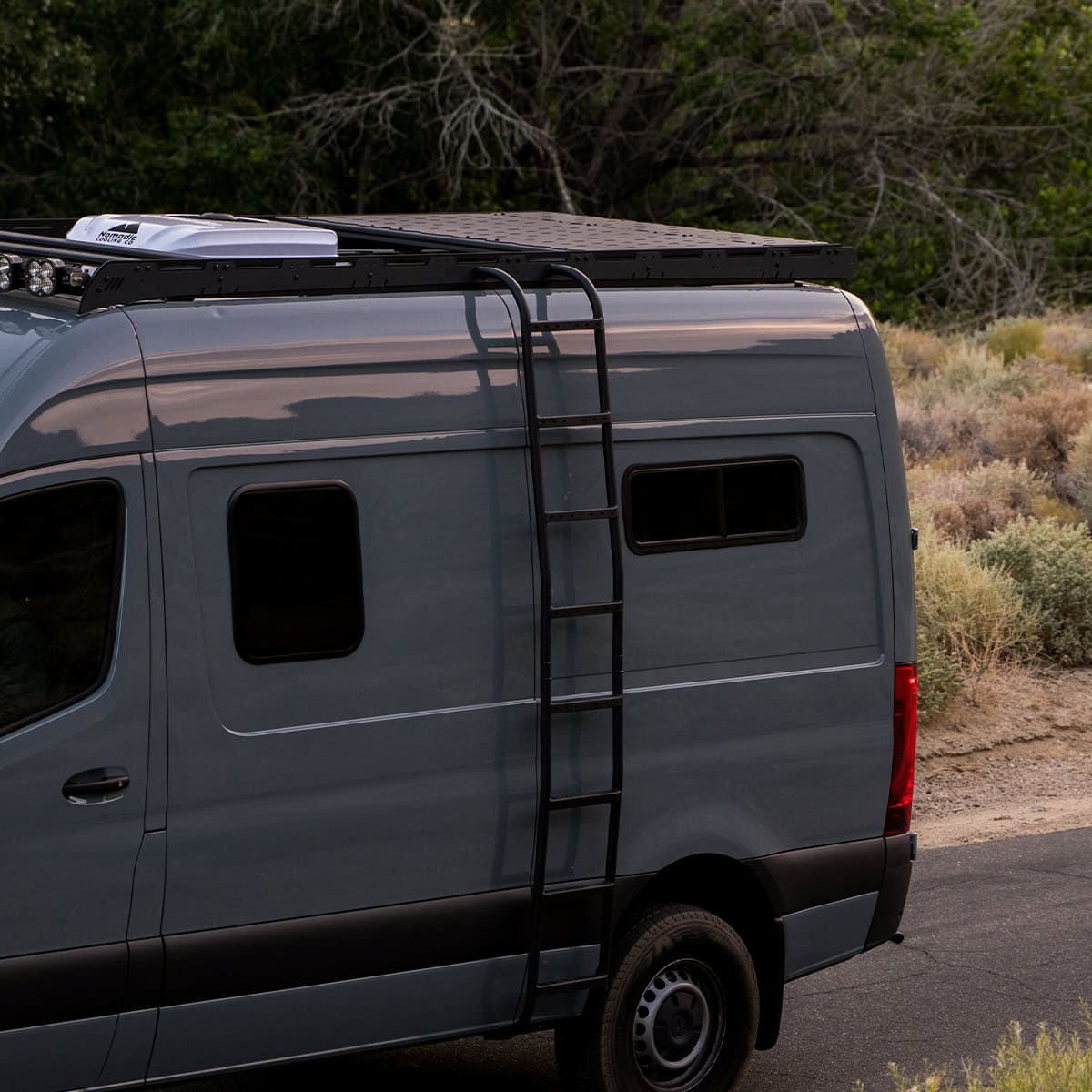
White Top Adventures roof rack on a grey Sprinter van.
White Top Adventures roof rack on a Sprinter van

These racks are some of their best sellers, and it's clear why. They're made from lightweight aluminum and use modular crossbars so you can customize your setup.

Travelers use these racks for solar panels, rooftop decking, storage boxes, and adventure gear. They come in different sizes for both Sprinter and Transit vans. If you want to explore more options, check out their collection of Sprinter accessories or their lineup of Ford Transit accessories.

Reviews highlight the rack's sturdy feel, clean lines, and its compatibility with ladders or solar setups.

Adjustable Bed System (3-Panel and 4-Panel)

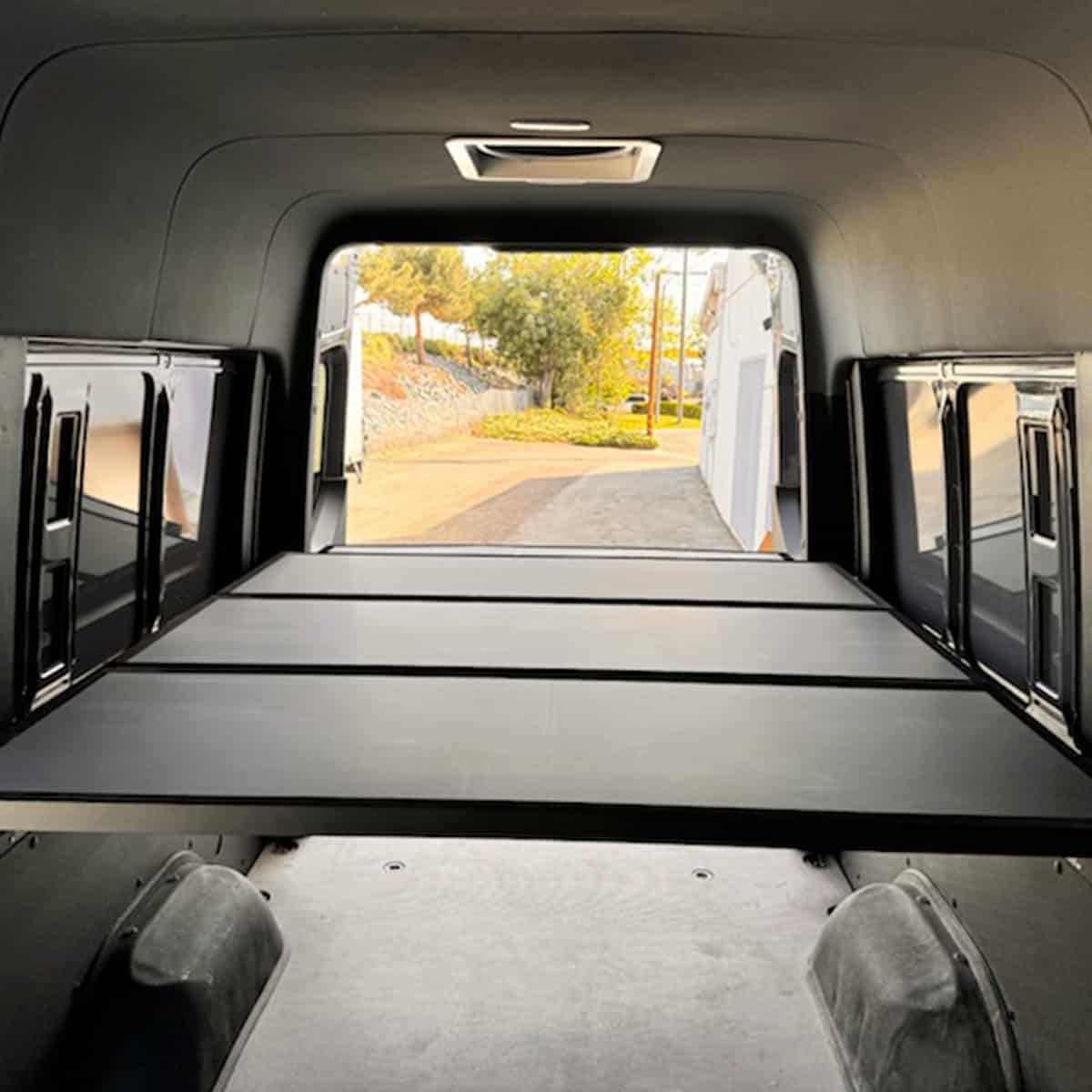
Adjustable bed system installed in a van.
An adjustable bed system installed in a van

This bed system is a favorite for full-time travelers. It lets you adjust the bed height to fit your storage needs and interior layout.

The three-panel version works well for solo travelers or smaller builds. The four-panel version gives taller travelers or couples more width and support.

Customers like the platform's flexibility and solid feel. Many say it changed their space by letting them store bikes or large bins under the bed while still having a comfortable place to sleep above.

Headliner Shelf System

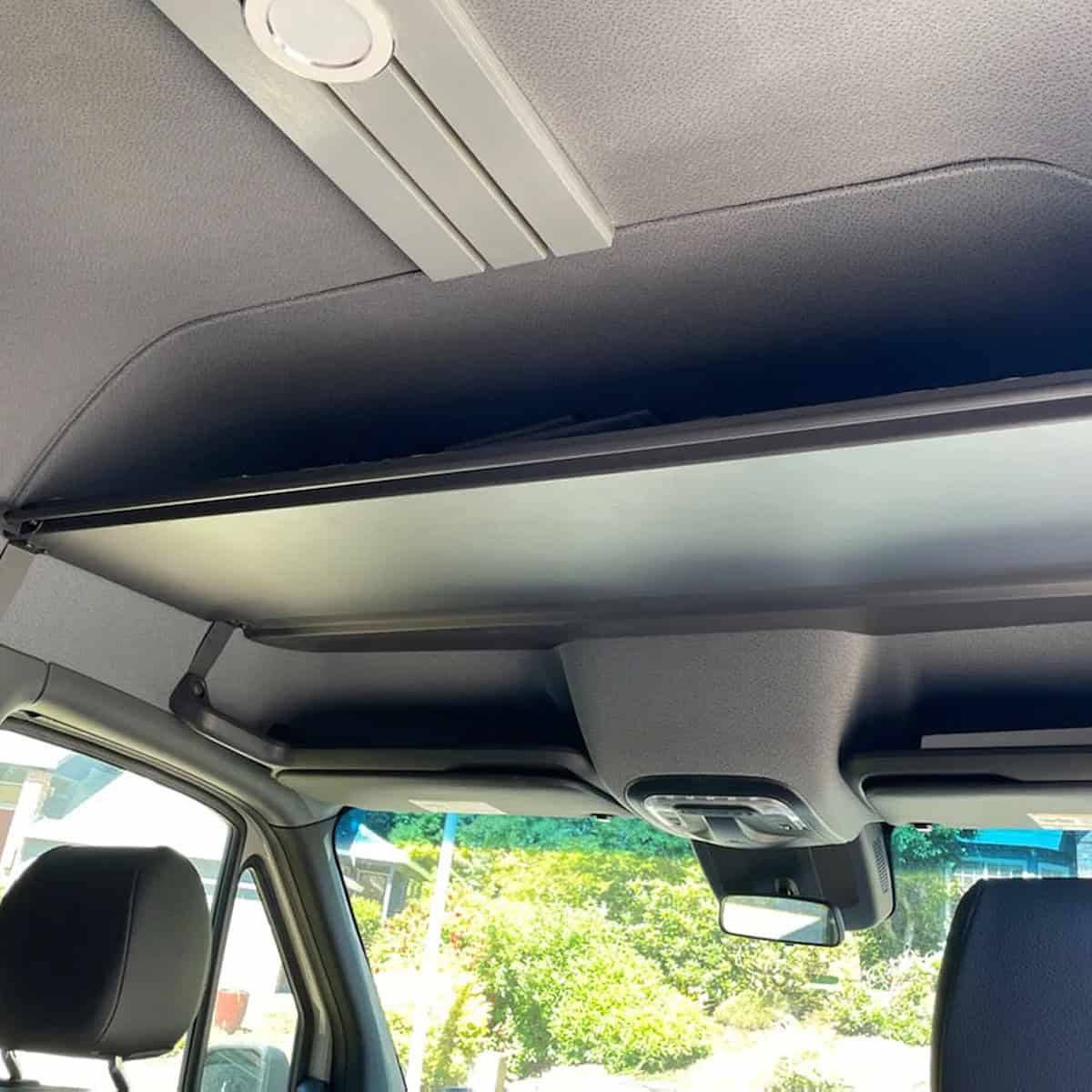
Sprinter Headliner Shelf.
Cabin space you didn't know you had

Sprinter and Transit owners know the front cabin often has unused space. This shelf turns that area into practical storage. It has a clean look that matches the van's interior and gives you a sturdy spot to store soft bags, jackets, camera gear, and other supplies.

Rear Tire Carrier Ladder

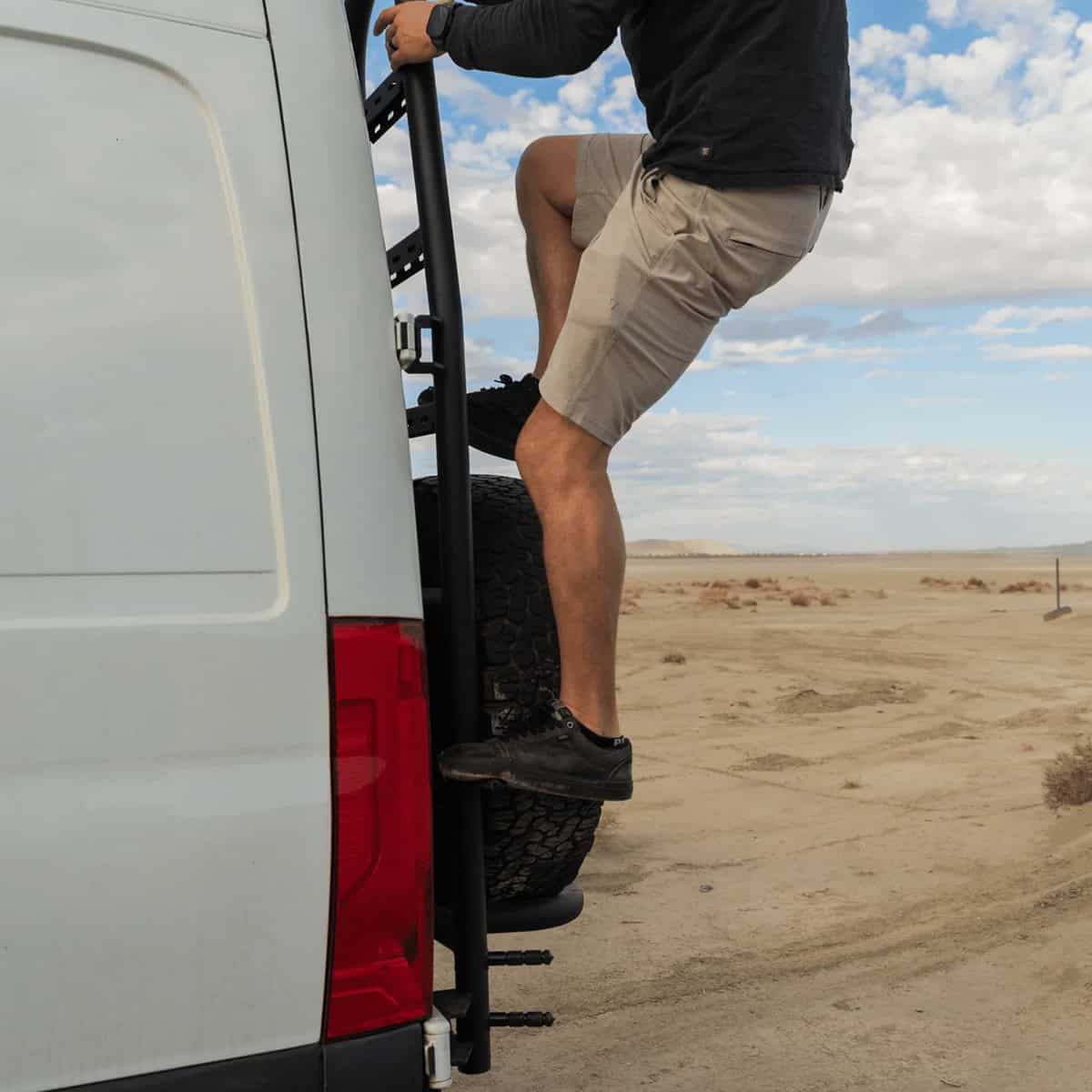
A man climbing up the White Top Adventures Rear Tire Carrier Ladder.
Climb up to your roof with confidence.

This design lets you mount a full-size spare tire and gives you safe access to the roof. It saves interior space and keeps the spare easy to reach. Travelers say the ladder feels steady, and the tire mount stays secure on long trips.

Side Ladders

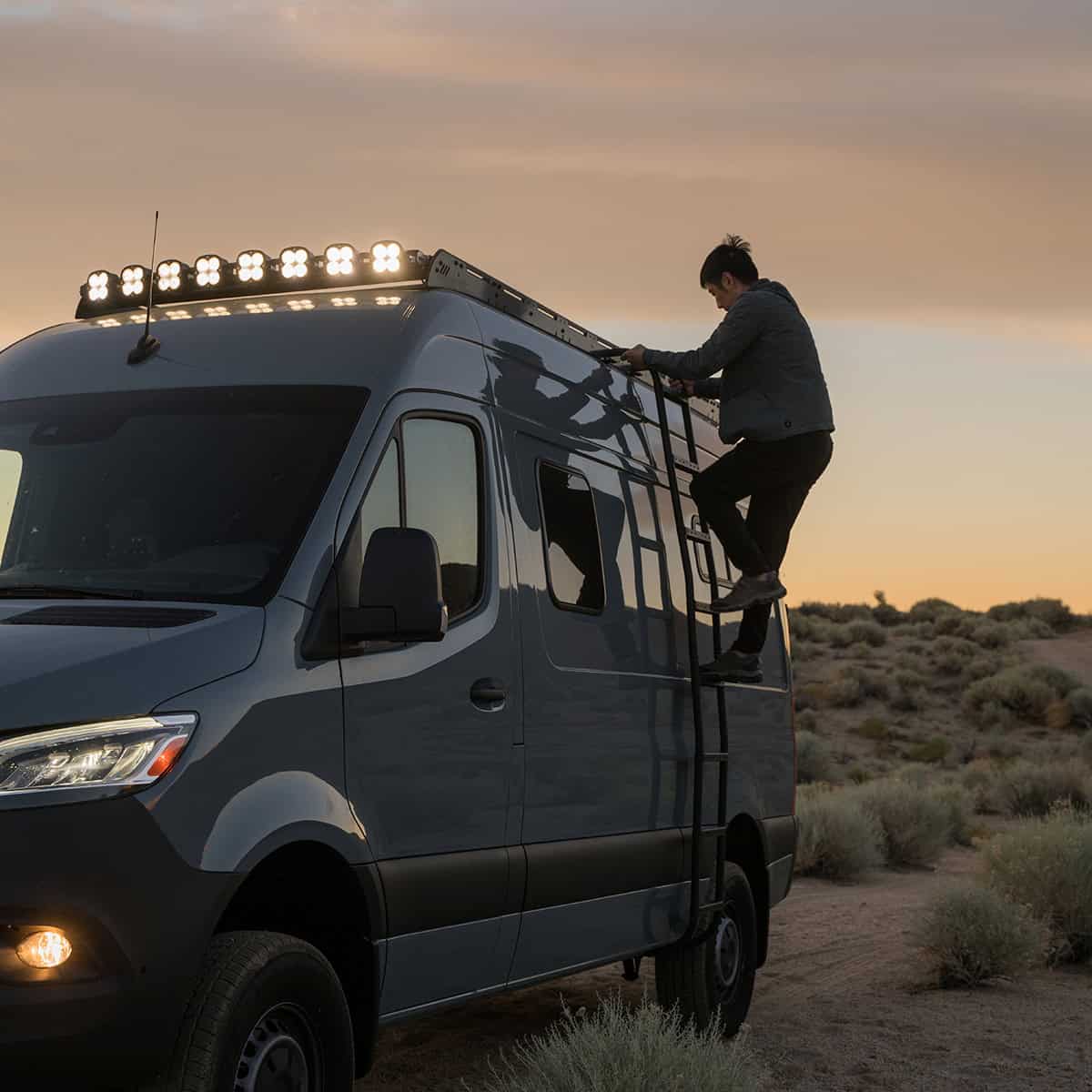
A side ladder in use on a Sprinter van.
Climbing up to the view at sunset

Side ladders are a must for anyone loading kayaks, surfboards, or other rooftop gear. White Top Adventures makes theirs from lightweight aluminum and attaches them to existing mounting points.

They fit well with the company's roof racks and give you quick access to anything on top. Reviews often mention the quiet ride and sturdy feel.

Gear That Works for Every Type of Van Traveler

Everyone has their own approach to van life. Some want simple upgrades for weekend trips, while others need a full-time home on wheels.

White Top Adventures makes products that work for all kinds of van travelers. Their gear helps campers stay organized, gives digital nomads smart storage, and supports overland travelers in rougher terrain.

Photographers, cyclists, and families often say the same thing: the right gear makes the van feel calmer, safer, and easier to live in.

Why White Top Adventures Stands Out

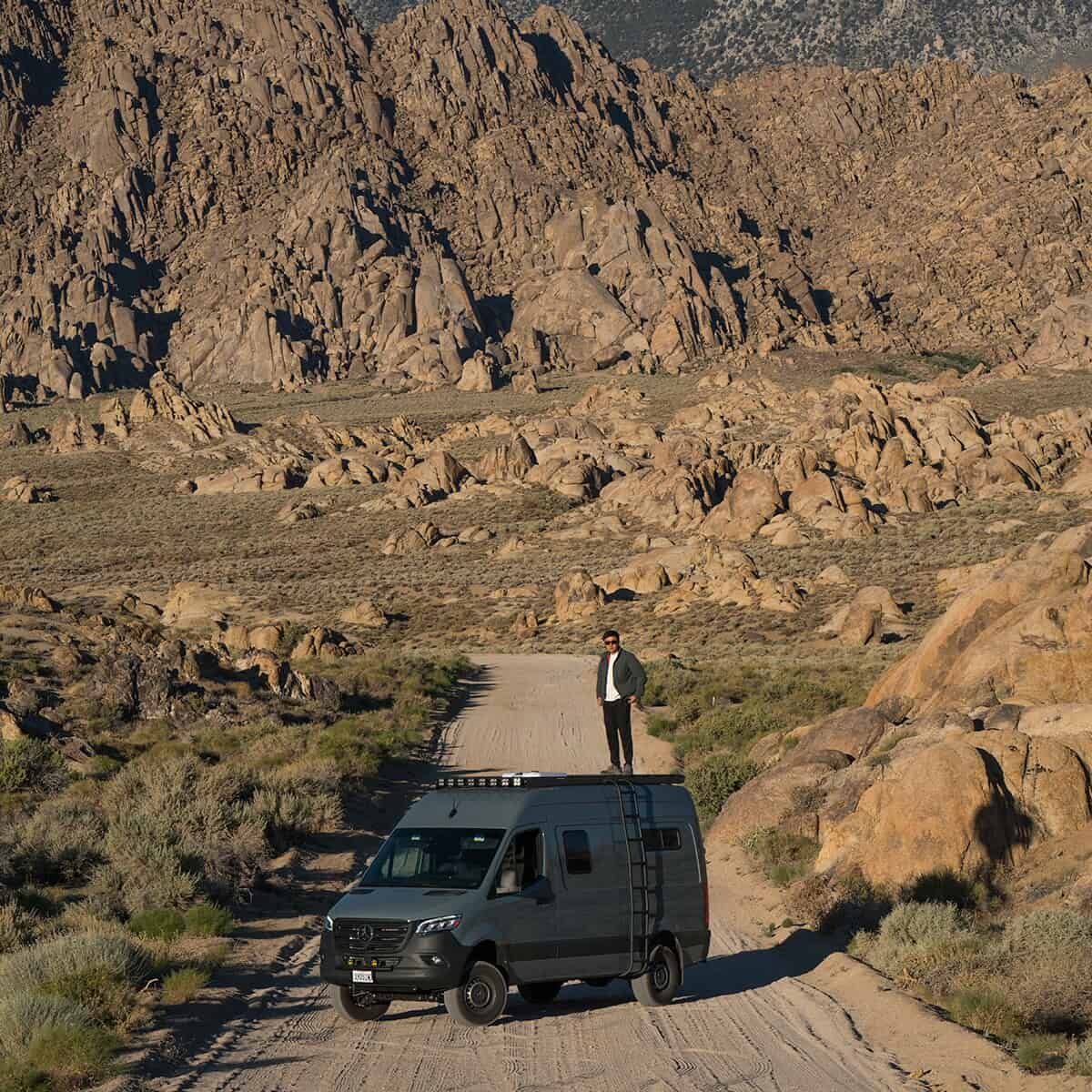
Man standing on a grey Sprinter van on a dirt road with a rocky landscape.
Van life

A few things set this company apart. Pricing is transparent, the materials feel high-quality, and the engineering is well thought out. Their designs keep improving with real-world feedback, and everything tends to work well with other aftermarket systems.

Most importantly, buyers value the support they get. That trust shows up again and again in White Top Adventures reviews, which is why so many owners come back for more gear.

Final Thoughts

Whether you're planning your first van build or improving a setup you already love, White Top Adventures has gear to help you travel farther and more comfortably. Their racks, ladders, shelves, and bed systems keep your van organized and your trips running smoothly.

If you want to see what they offer or read real customer stories, visit the White Top Adventures website and start planning your next upgrade.

_____

This article was produced in partnership with White Top Adventures. All opinions are my own. Images provided by White Top Adventures.

Inside Devils Punchbowl: My Low-Tide Walk Into Oregon's Sunken Cave

The Devils Punchbowl State Natural Area had been on our Oregon Coast wish list from the moment we started planning the spring trip.

Kel was especially excited about it, not just for the classic view from above at high tide, when waves crash and swirl inside the collapsed sea cave, but for the chance to walk into it at low tide.

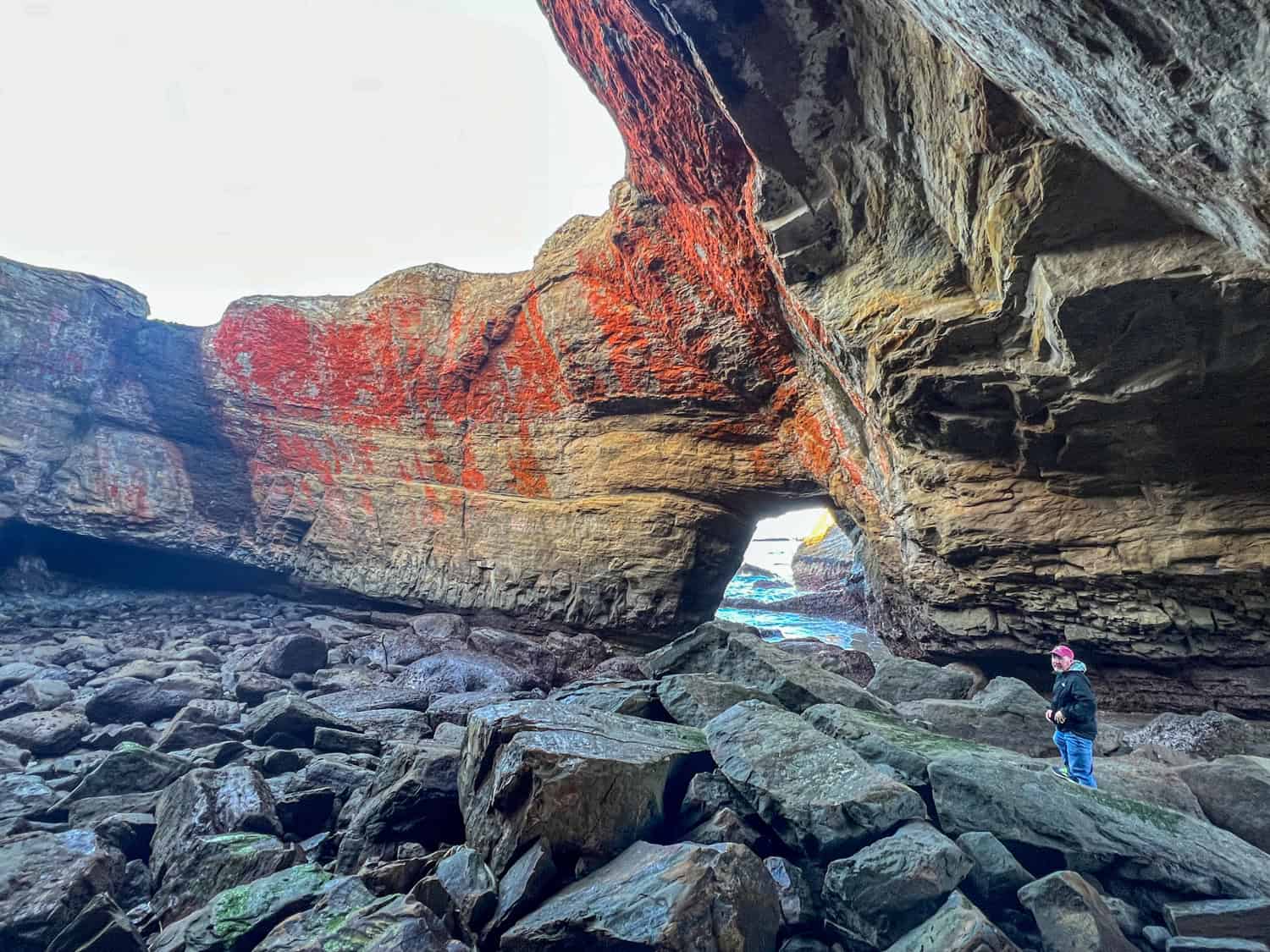
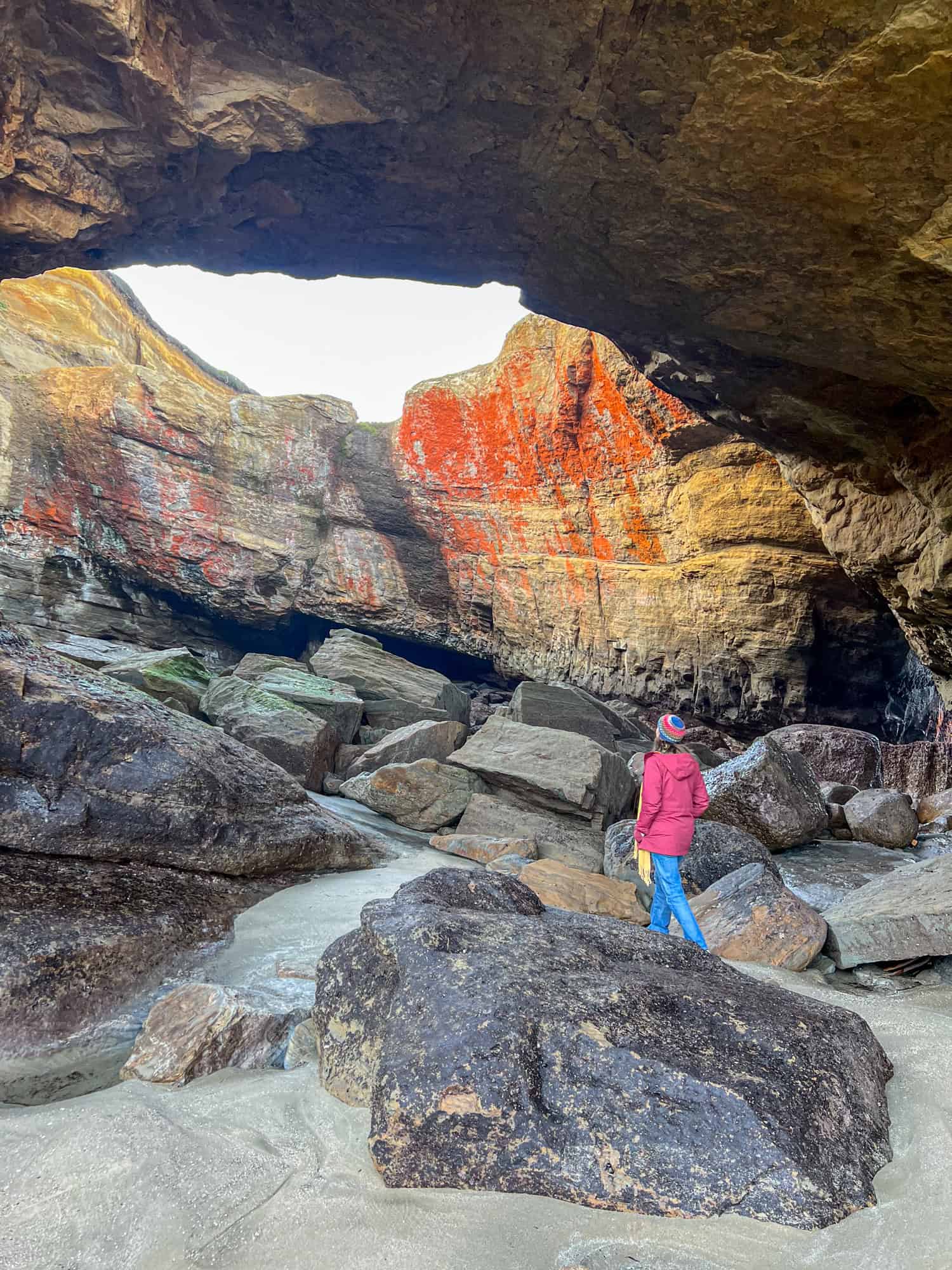
Dave in Devils Punchbowl at low tide (photo by Kelly Lemons).
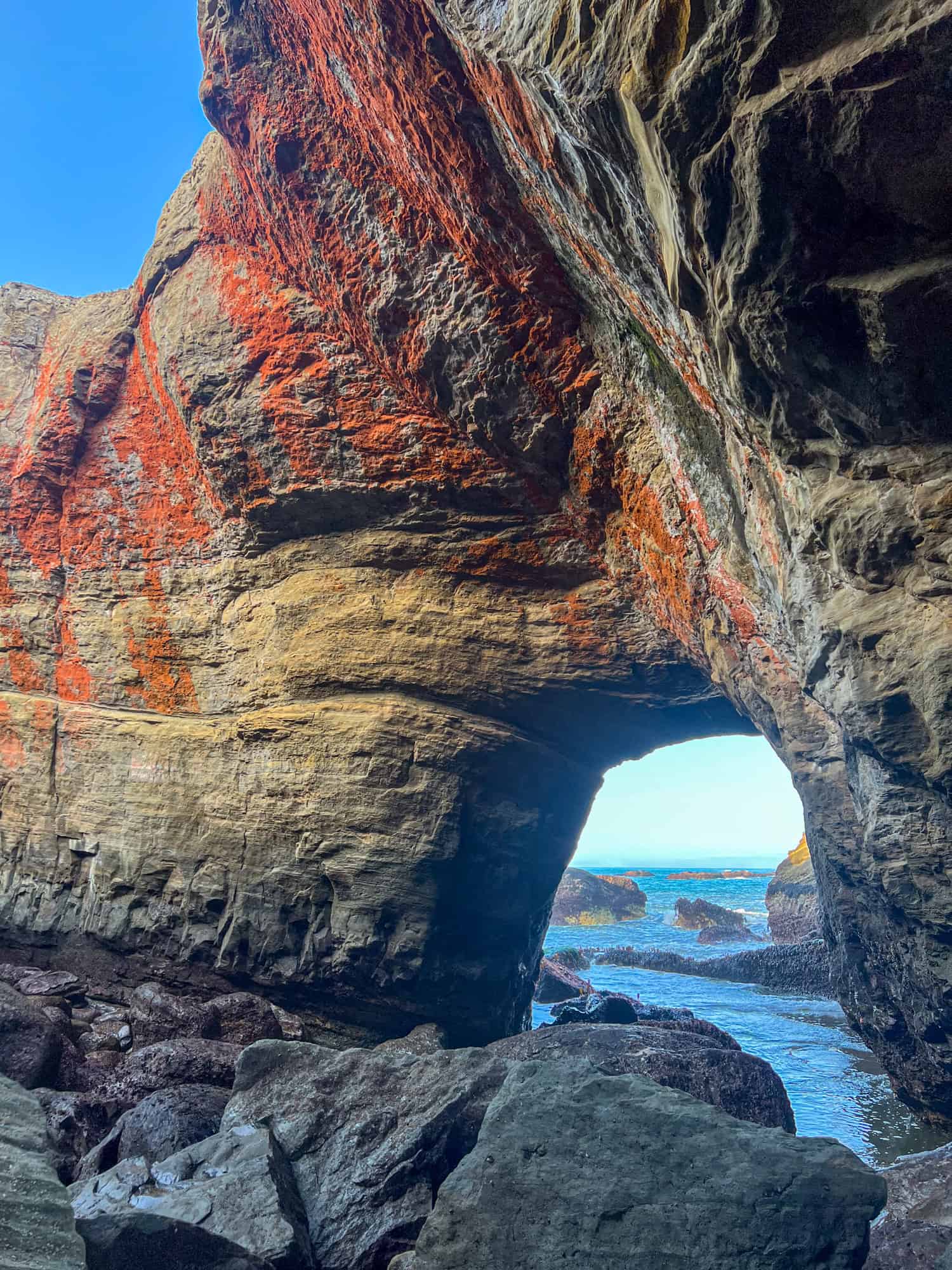
Inside Devils Punchbowl at low tide, where the sunken cave reveals its colorful walls and stone floor (photo by Kelly Lemons)

Before our visit, she tried searching for details on how to do that safely, but came up mostly empty-handed aside from one blog post.

So if we could pull it off, we'd share the experience with anyone else curious about stepping inside this wild, bowl-shaped wonder.

I'll admit, she was the confident one. I was the nervous half of the team, imagining a rogue wave rushing in and tossing us around the boulders.

But on the morning of our hike, as we stood on Otter Crest Beach and saw how far the tide had pulled back, that anxiety eased into curiosity.

The Punchbowl looked calm, exposed, and surprisingly accessible. We'd spent the night before at the Inn at Otter Crest so we could start early and catch the lowest tide on a Wednesday morning.

From our room, it was just a short walk down to the shoreline, no racing the clock, no scrambling for parking. This was to be one of the highlights of our Oregon Coast road trip, and the conditions couldn't have been better.

What follows is everything we wish we'd known ahead of time: how to get there, when to go, and what it's actually like to stand inside Devils Punchbowl at low tide.

Devils Punchbowl Hike

What To Know Before You Go (Logistics & Safety)

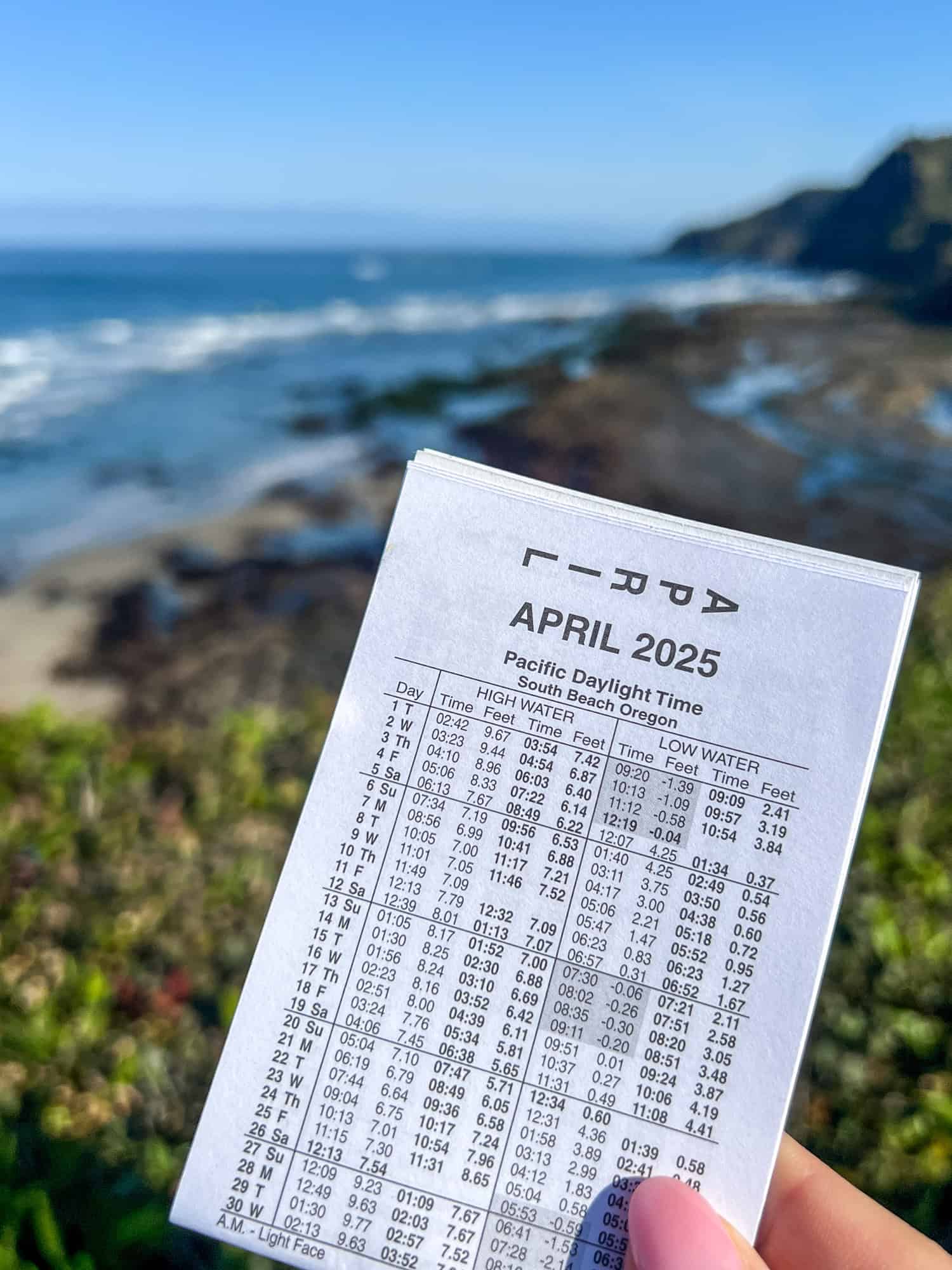
Oregon tide chart for April 2025.
Oregon tide chart

Before you step inside Devils Punchbowl in Oregon, a little planning goes a long way. This won't be a challenging walk for most hikers, but timing and conditions matter.

Check the Tide Charts First

You can only enter the Punchbowl at low tide, and even then, the window is short. Aim for the lowest tide of the day, ideally a minus tide, when the beach and rocks leading to the cave are fully exposed.

What's a Minus Tide? A minus tide occurs when the water level drops below the average low-tide mark. On the Oregon Coast, these tides expose far more of the shoreline than usual, revealing tide pools, rock formations, and access points you'd never see otherwise.

For Devils Punchbowl, a minus tide is ideal because it gives you the widest, safest window to walk into the cave before the water returns. These tides usually occur during new and full moons, and often in the early morning.

We lucked out: the one morning we had for this hike coincided with a minus tide. The early start also meant fewer people and calmer conditions.

A good rule of thumb:

  • If the tide is still dropping, the walk-in will be more relaxed.
  • If the tide is rising, plan to leave sooner than you think.

Visit the official website for the Devils Punchbowl State Natural Area for a PDF of Central Oregon tide charts. You can also find miniature paper versions in local shops and restaurants along the coast.

Know the Conditions

Waves and swell size matter just as much as the tide. On calmer days, the interior feels peaceful and open. On days with heavy surf or large swells, even a "low tide" can feel unpredictable.

If the ocean looks rough or water is still pouring into the cave, skip it. There's no shortage of safe viewpoints from above.

Parking and Access

Most people view the Punchbowl from the fenced clifftop area, but entering it means starting at Otter Crest Beach below.

You can reach it from public access points or by staying nearby, as we did at the Inn at Otter Crest. From the beach, you'll walk south along the exposed shoreline until the cave comes into view.

You won't find trail markers on the beach, so rely on satellite view (Google Maps) and obvious terrain to hug the cliffs to your left as you head south.

Footwear and Gear

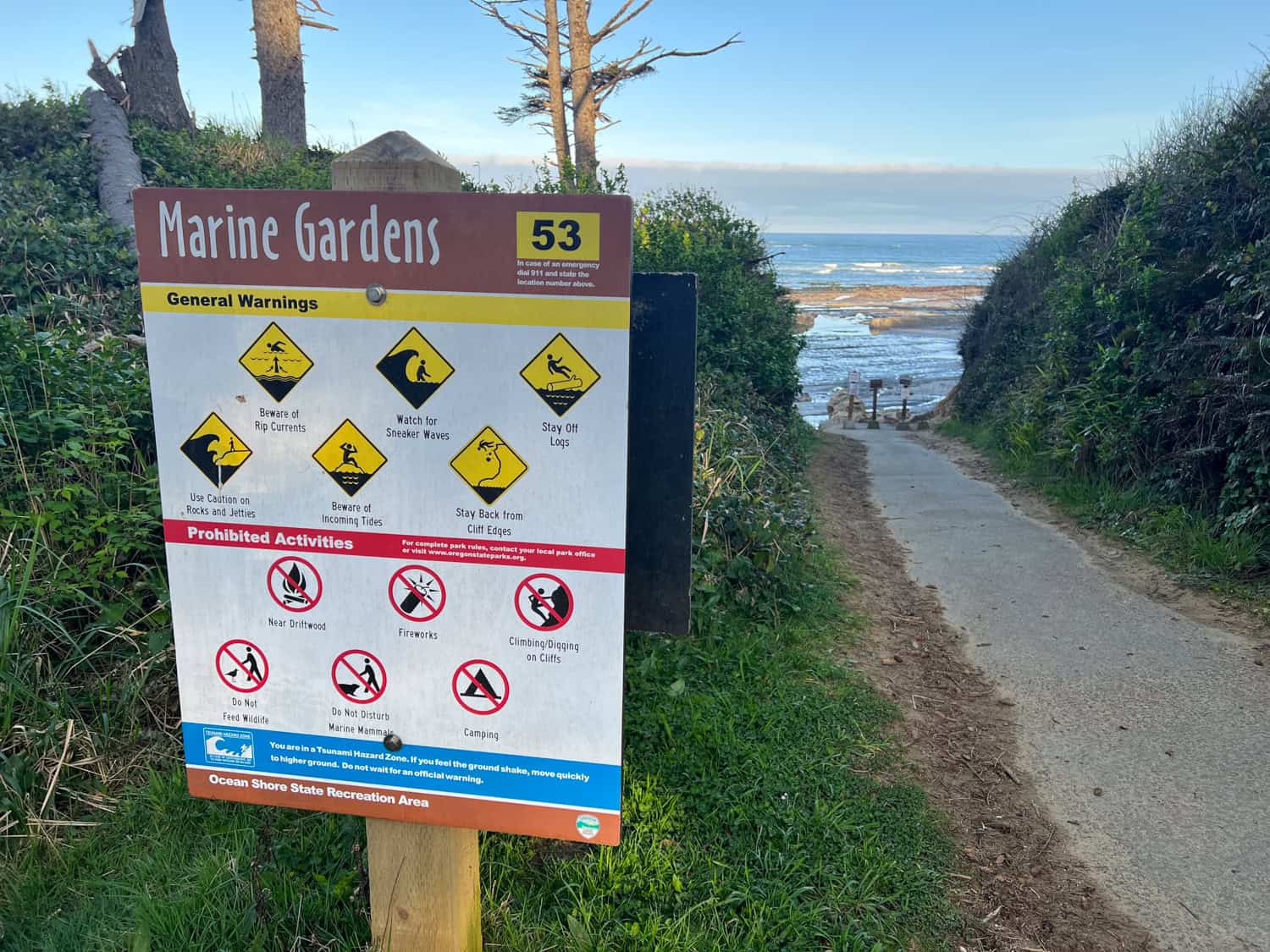
Marine Gardens warning sign on the path to Otter Crest Beach.
Trailhead signage at Otter Crest Beach

You'll be walking on:

  • Wet sand
  • Slick rocks
  • Seaweed-covered boulders
  • Shallow tide pools

Grippy shoes are essential. Water-resistant hiking shoes or trail runners work best; avoid flip-flops. Bring a light jacket if you're going early; it's cooler and breezier near the water.

Stay Aware Inside the Cave

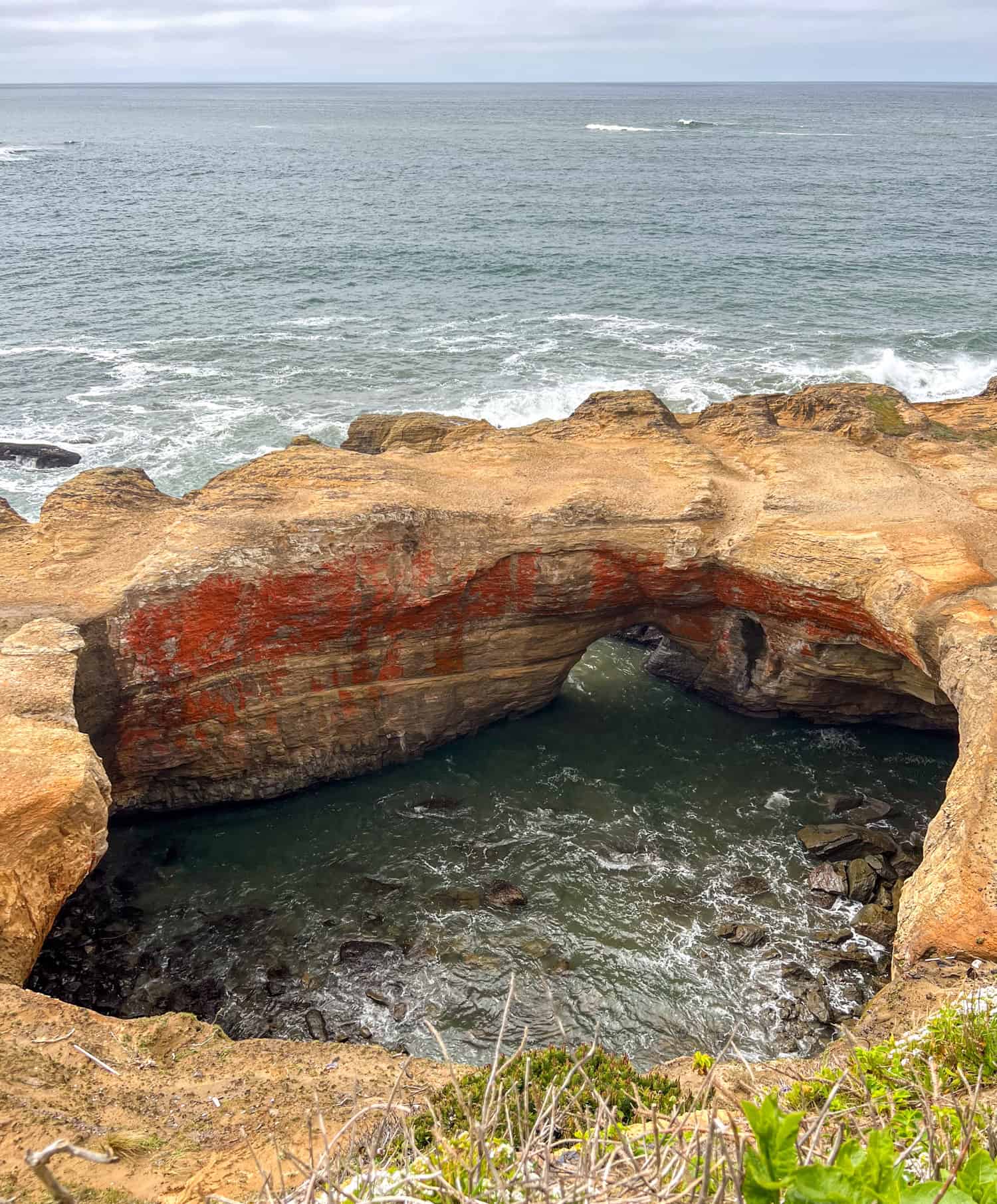
View of Devils Punchbowl from above at high tide.
Water swirls inside Devils Punchbowl at high tide.

Once you're in the Punchbowl, it's easy to get swept up in the scenery and lose track of time. But keep an eye on the waterline. If waves start creeping farther in or the sound changes, that's your cue to head out.

You can also set an alarm on your watch or phone to give you an audible signal when it's time to go. The exit is the same route you came in, so you'll want to leave with plenty of time before the tide shifts.

Begin at Otter Crest Beach

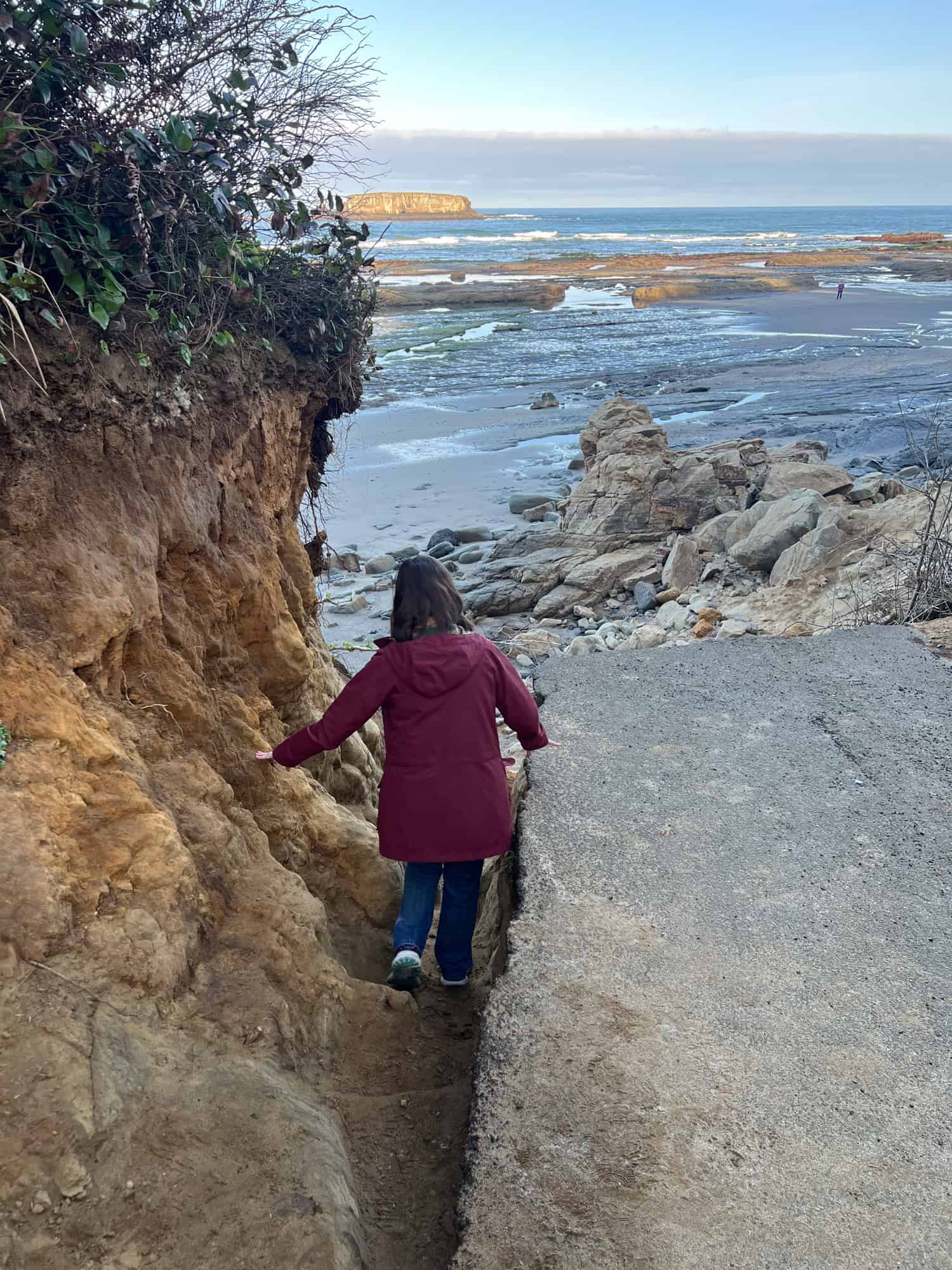
Kel hikes down to Otter Crest Beach where the sidewalk ends.
Where the sidewalk ends, Kel hiked down to Otter Crest Beach

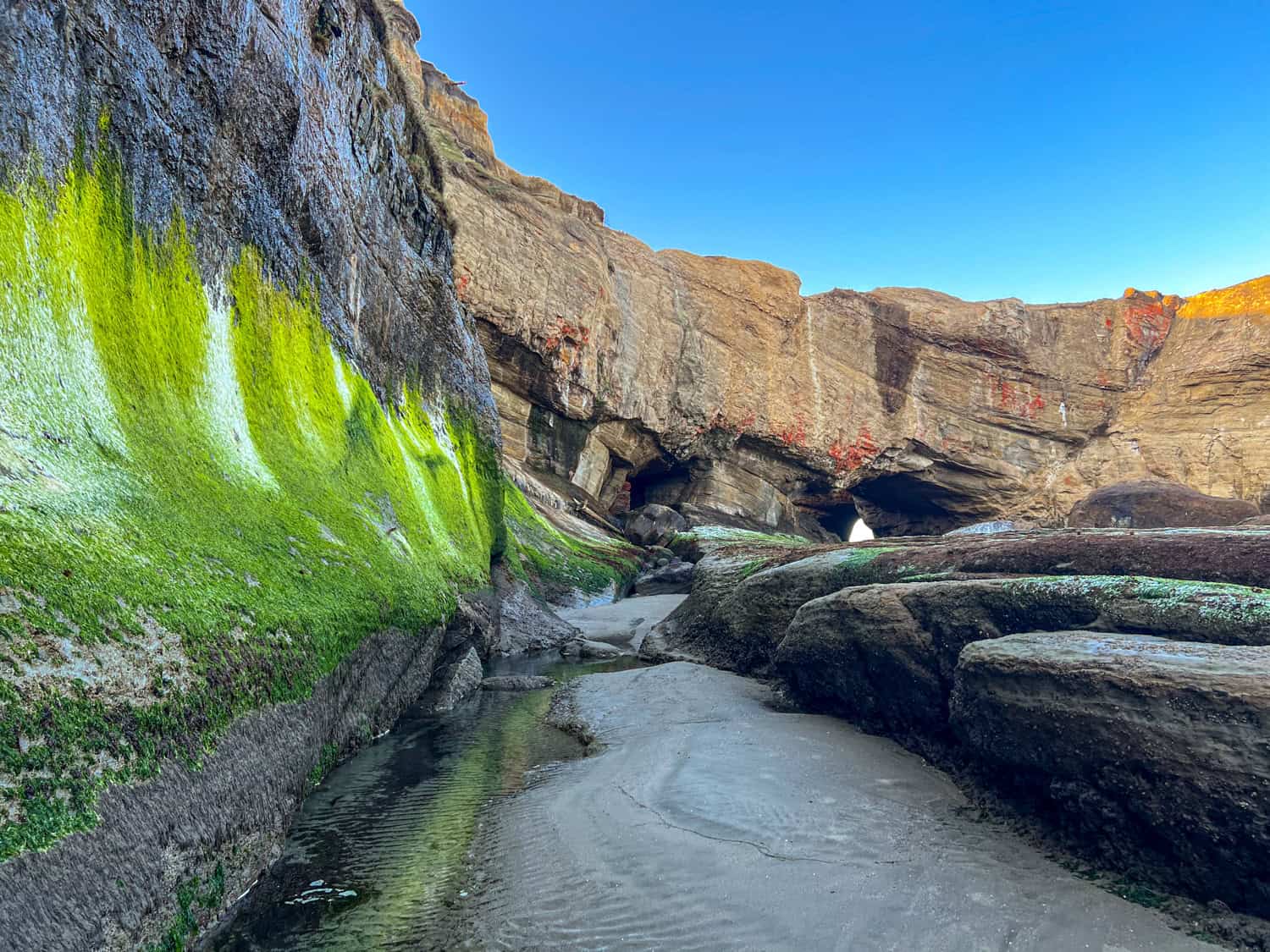
Our walk into the Devils Punchbowl, Oregon, began on Otter Crest Beach, which sits just north of the cave's opening. At low tide, this stretch of coastline turns into a broad, rocky runway, wet sand, and long ribbons of seaweed shining in the morning light.

Because we didn't want to lose any of the precious low-tide window, we headed straight toward the Punchbowl instead of stopping to explore.

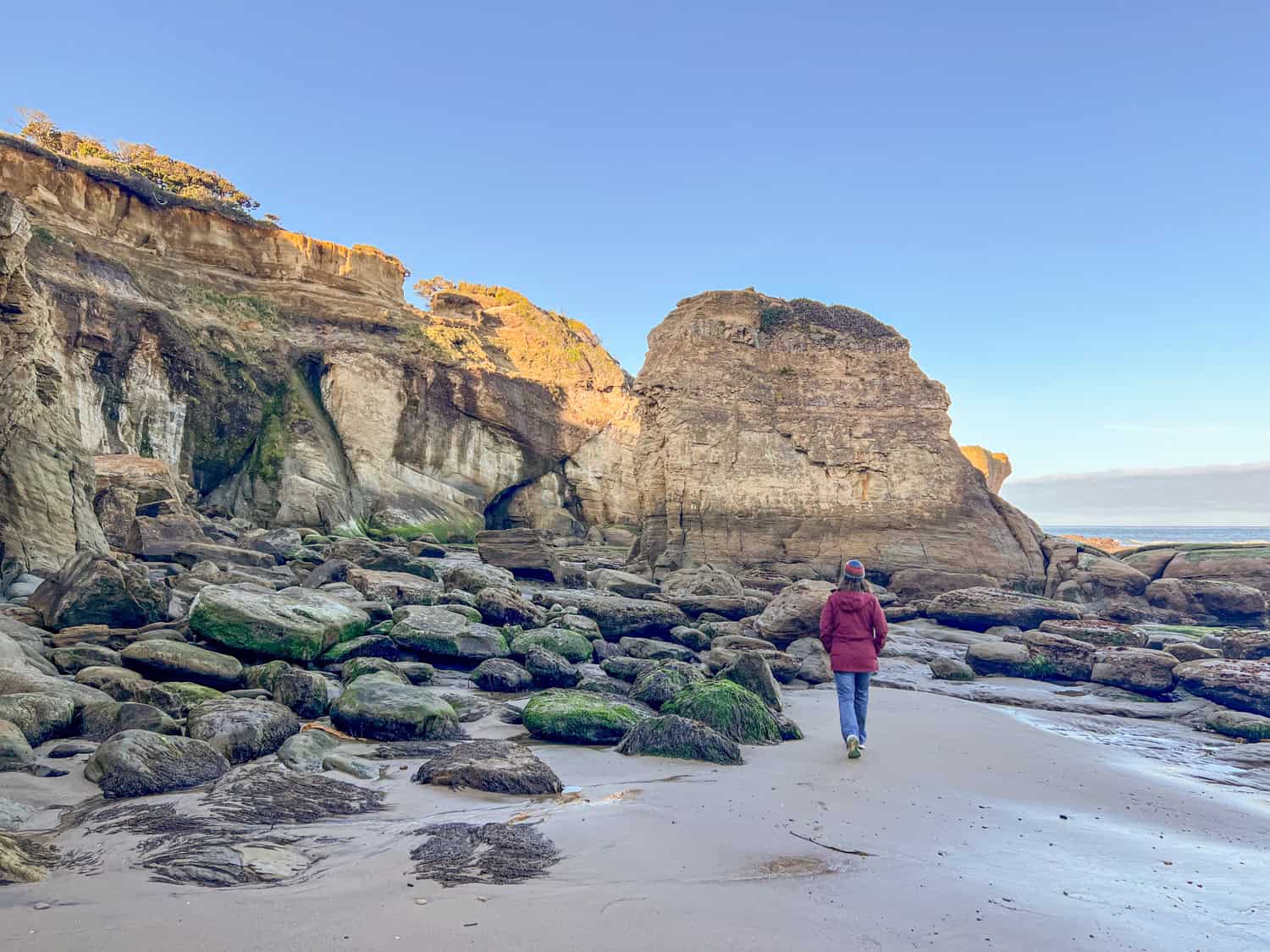
Kel walks across Otter Crest Beach on the way to Devils Punchbowl.
Walking south along Otter Crest Beach toward the entrance of Devils Punchbowl

The beach slopes gently south, and as you walk, the cave stays hidden at first. Only when you get closer does the entrance begin to take shape: a broad, shadowed arch cut into the sandstone, with the jagged rim of the collapsed roof visible high above.

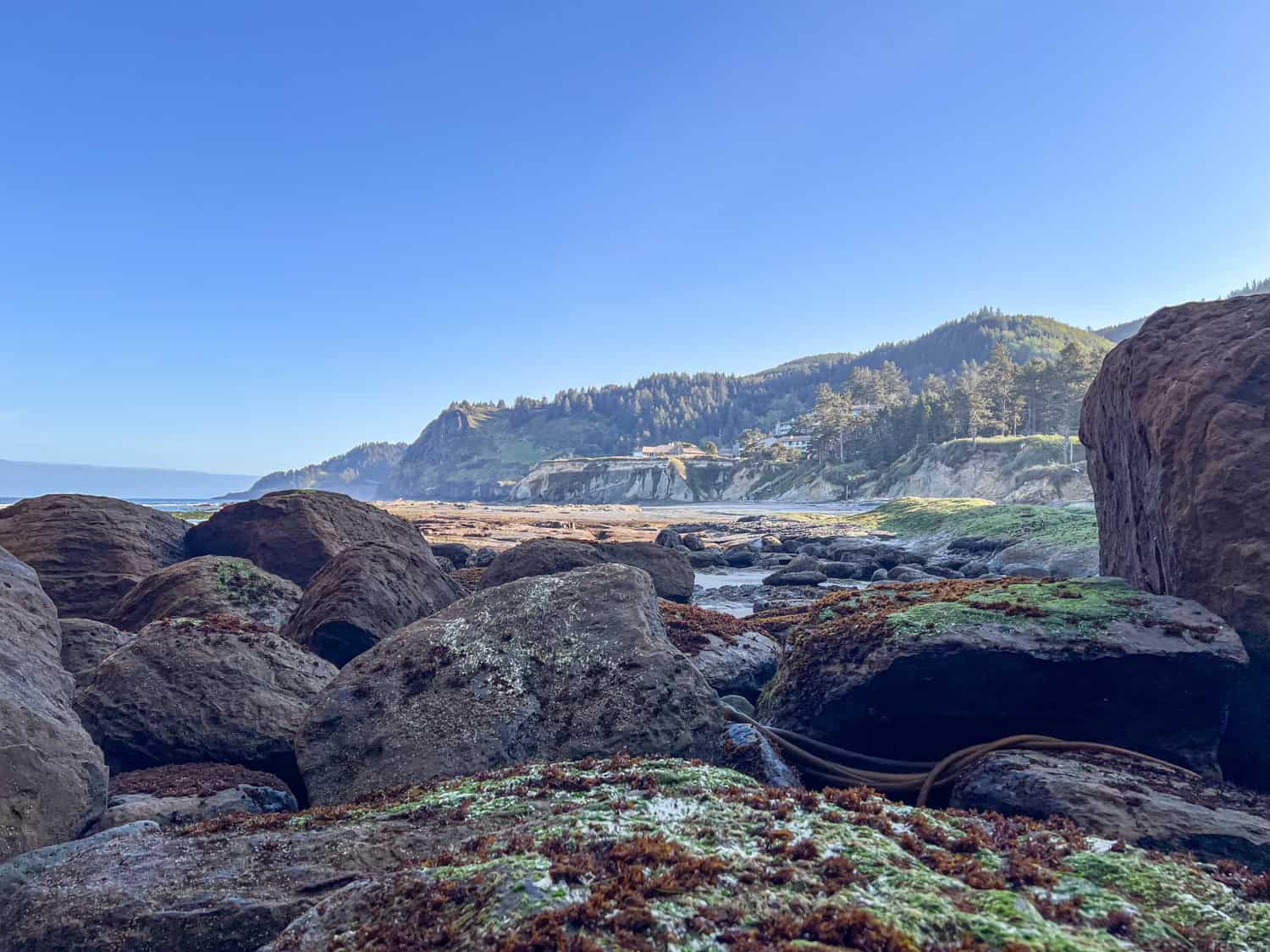
The terrain shifts underfoot as you go: firm sand gives way to slippery algae-covered rocks, tide pools, and boulders. You'll need to step around and over some rocks, but nothing technical.

Reminder: Never attempt this hike at mid- or high-tide.

Green moss marks the waterline at Devils Punchbowl State Natural Area.
Bright green moss marks the route
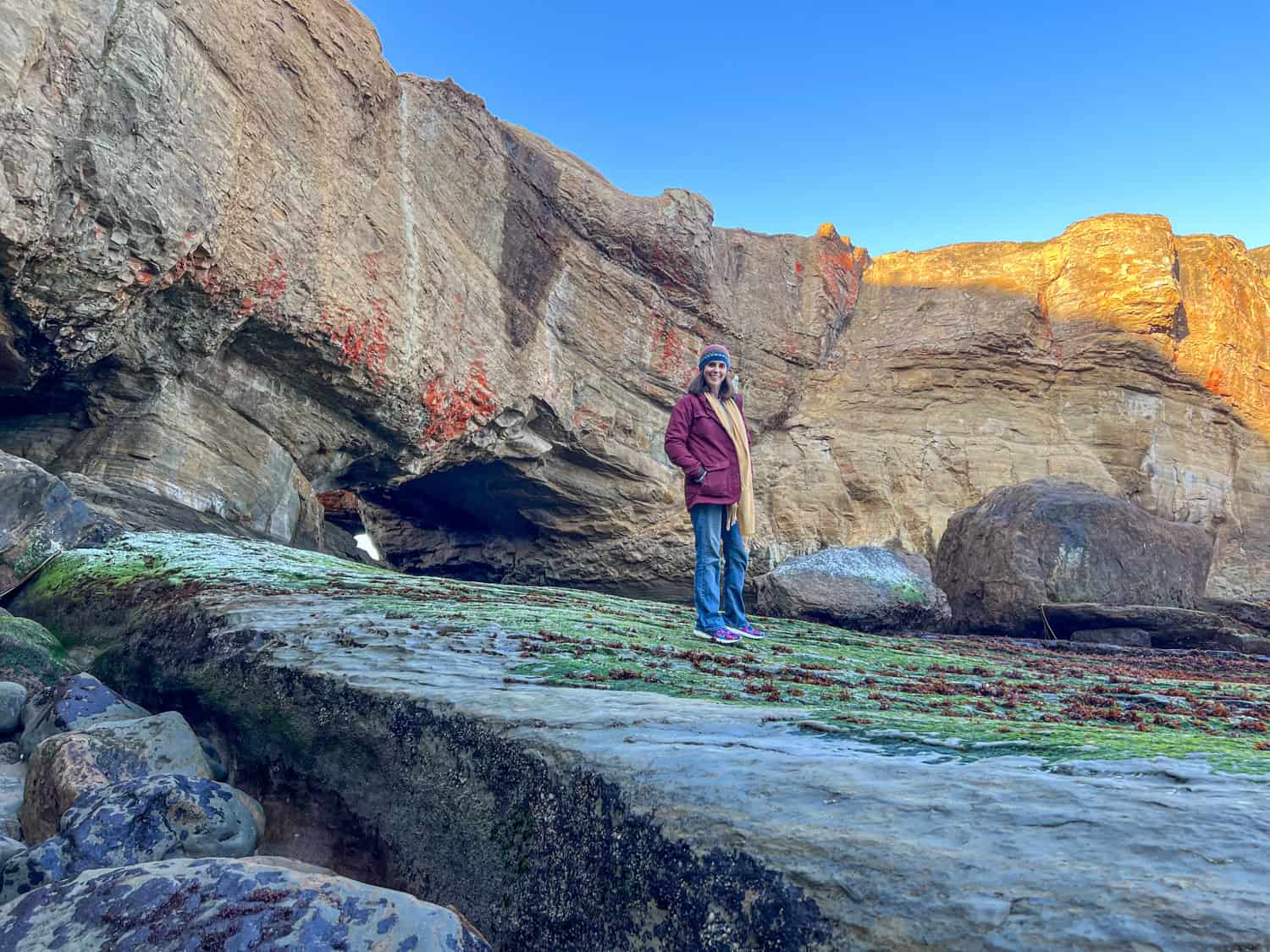
Kel standing on moss-covered rocks.
Kel poses before entering the cave.

With the ocean pulled far back, the whole approach was calm and quiet. Waves broke well offshore, leaving the entryway surprisingly approachable.

We kept a steady pace, saving the tide-pool wandering and photo stops for the walk back. At this point, the goal was simple: reach the Punchbowl while the tide was low, and the cave was wide open.

How To Follow the Correct Route

At low tide, the path isn't marked, but it's intuitive: stay close to the cliffs on your left as you walk south. This line keeps you on the most stable terrain and gives you the most straightforward approach to the Punchbowl's opening. If you drift too far right toward the waves, the rocks become slicker and the footing less predictable.

Entering the Punchbowl

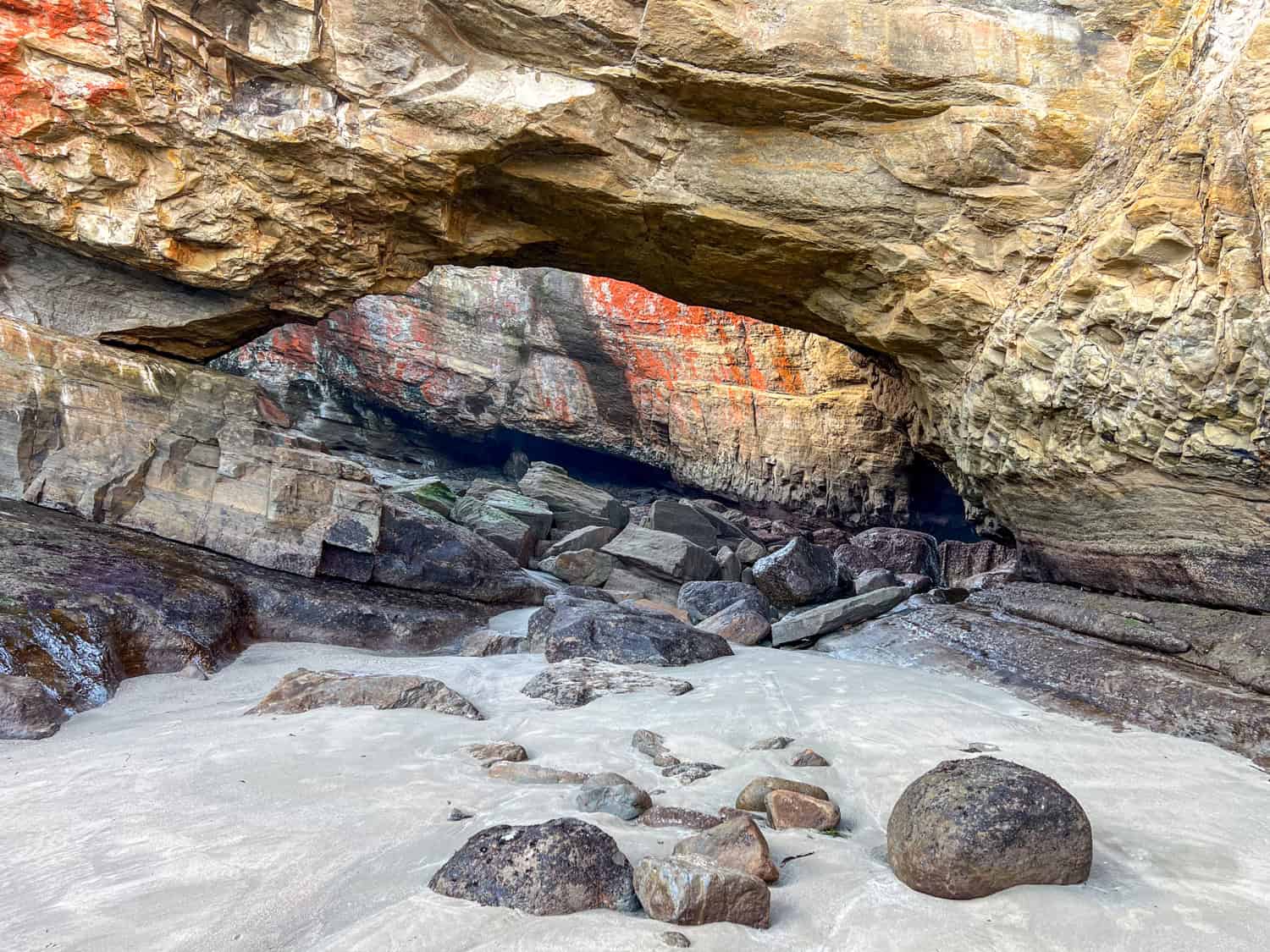
Entrance to Devils Punchbowl at low tide.
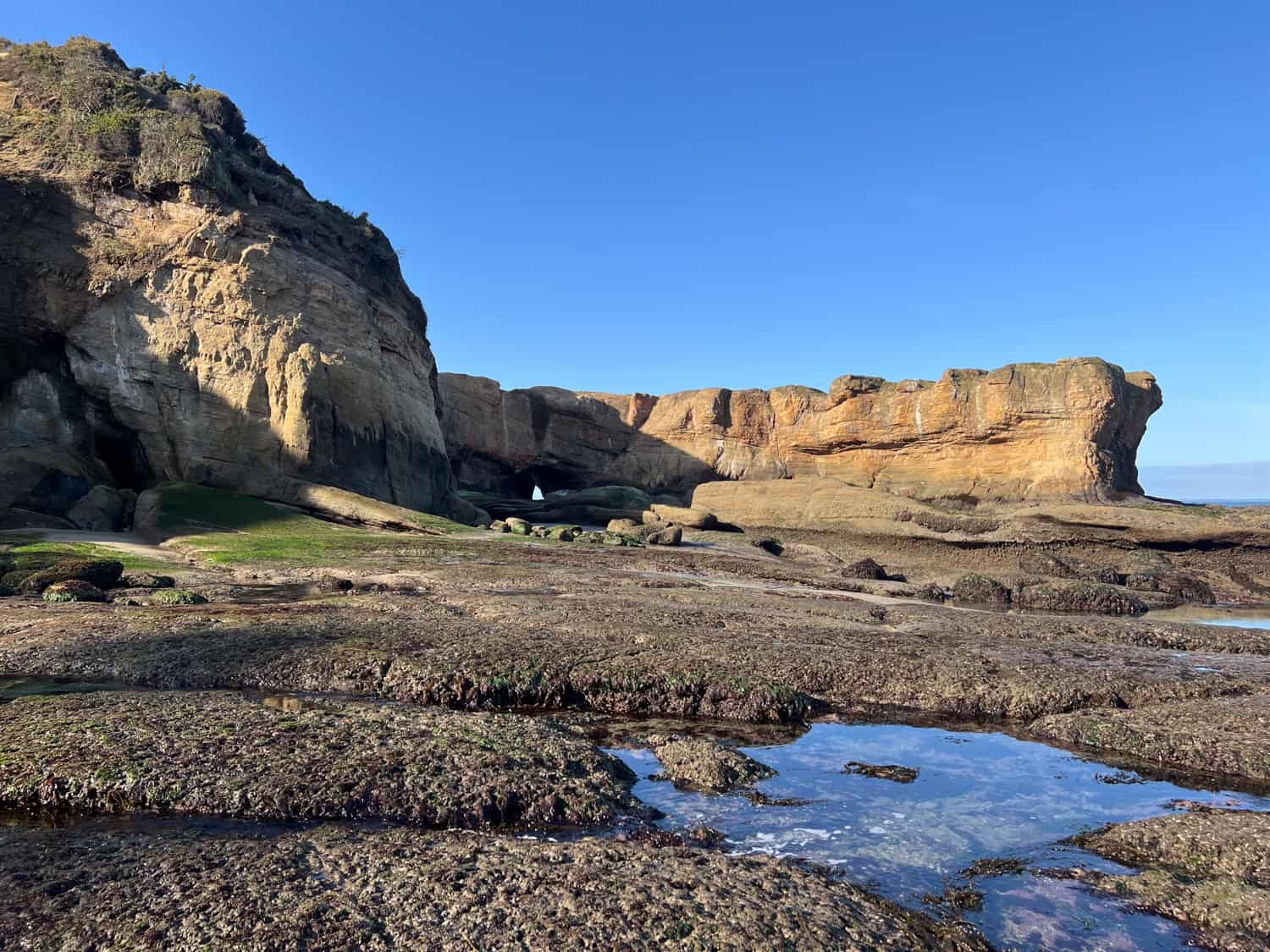
The low-tide opening of Devils Punchbowl

As we reached the opening of Devils Punchbowl, Oregon, the scale of the cave finally hit us. From above, the Punchbowl looks dramatic, but standing at its entrance gives you a whole new perspective.

The archway rises high overhead, carved out of layered sandstone that glows warm and golden in the morning light. The tide was so far out that we didn't have to time our steps or dodge incoming waves; we could walk in.

Kel enters Devils Punchbowl at low tide.
Kel enters Devils Punchbowl.

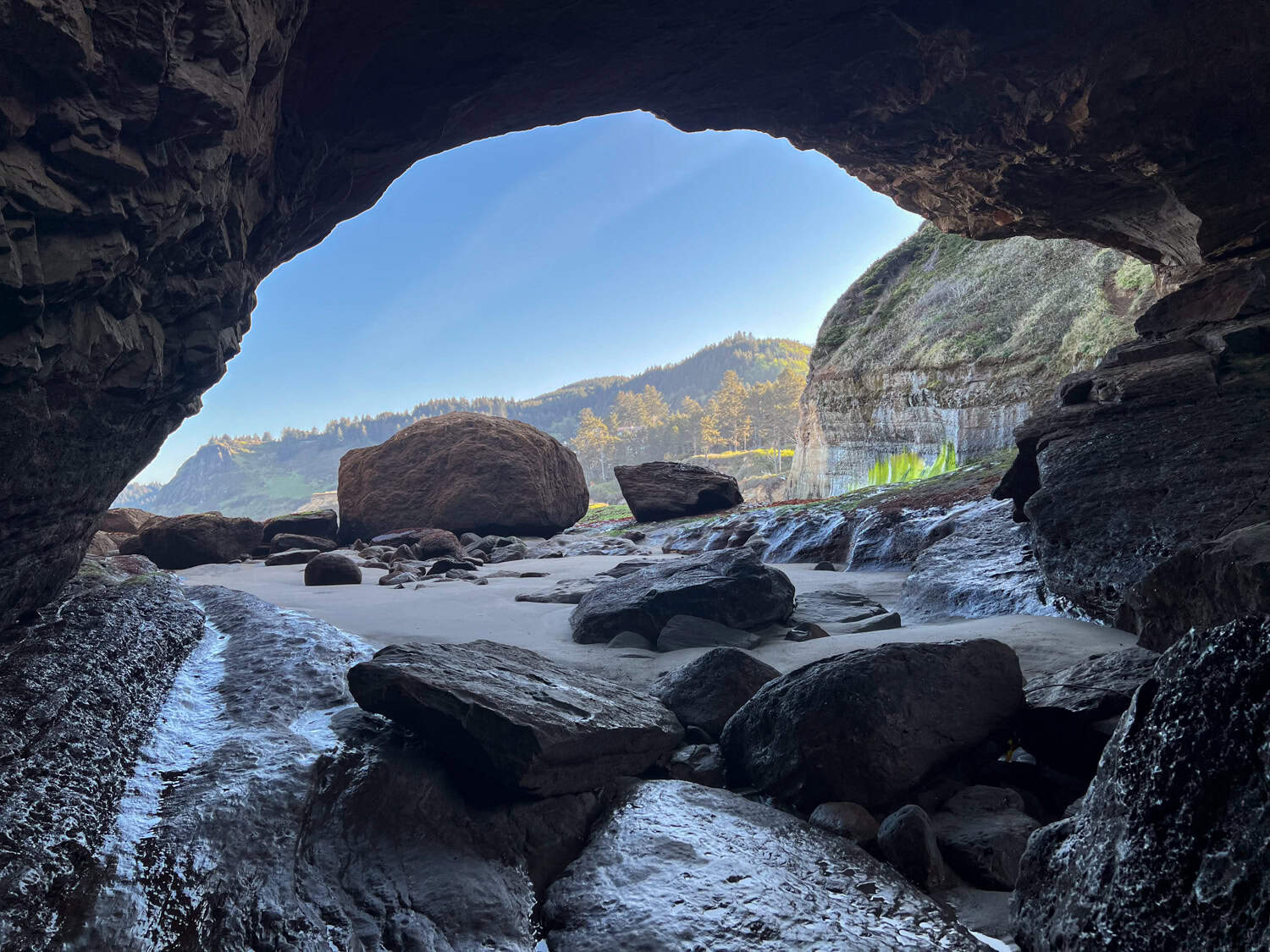
The floor of the Punchbowl is a mix of smooth sand, rounded stones, and scattered driftwood that has been tossed in during storms.

Pools of water linger along the walls, catching reflections of the rock above. Look up, and you'll see the broken rim of the Punchbowl framing a circle of sky.

Geologists believe the Devils Punchbowl is roughly 18 million years old, formed from sandstone and basalt layers that have been shaped by relentless coastal erosion.

The cave likely began as a small sea grotto carved out by wave action through fractures in the rock. Over thousands of years, the waves continued to hollow it out from below until the roof eventually collapsed (roughly 80,000 years ago), creating the open, bowl-like chamber we see today.

See also: Hiking Devil's Bridge in Sedona

An opening in the cave wall allows water to enter and exit with the tides.
Looking out toward the Pacific Ocean from inside Devils Punchbowl

What surprised me most was how calm it felt. After imagining worst-case scenarios, actually walking around inside the Punchbowl was peaceful.

The juxtaposition of quiet during my visit with the chaos/noise I imagined at other times reminded me of my experience visiting SpaceX at Boca Chica Beach.

Kel was already moving ahead, exploring the cave's curves and streaks of color on the walls: rust, tan, black, and muted green, each marking where the ocean had shaped the chamber over time.

The terrain inside isn't too tricky, but it does require attention. Some rocks stay slick even at low tide, and the ground can dip unexpectedly. Take your time, watch your footing, and stay mindful of the waterline.

Devils Punchbowl State Natural Area.
View north from Devils Punchbowl.

Only walk in as far as you're comfortable. The truth is, you can get a terrific view from the cave's entrance, so there's no need to risk injury climbing into the middle.

If you hear waves starting to creep farther in or notice a change in the swell outside, that's your sign to head out. We spent about 15 minutes exploring and taking photos inside the cave.

The Return Walk (and Tide Pools)

The Inn at Otter Crest is visible on a bluff overlooking Otter Crest Beach.
The Inn at Otter Crest is visible on a bluff.

After exploring the inside of the Punchbowl, we stepped back into the daylight and started our return up along Otter Crest Beach. With the primary goal checked off, we finally let ourselves slow down.

The tide was still low, revealing a long stretch of tide pools that felt like a bonus round to the morning. This part of the walk is more meandering than the hike in.

Otter Crest Beach tide pools.
Tide pools

We wandered between shallow pools filled with anemones, scuttling crabs, small fish, and carpets of bright green seaweed. The rising sun added a warm sheen to the rocks, making everything look a little more vivid than it had on our way in.

Eventually, we followed the cliffs back north toward our starting point, enjoying the easy walk as a few new visitors made their way to the cave. For us, this stretch of tide pools made the morning feel complete.

Related: Hiking the Lost Coast Trail in California

Otter Crest Beach at low tide.
Looking down at Otter Crest Beach (low tide)

Tide-Pool Etiquette

A few simple habits help keep Oregon's marine life healthy for future visitors:

  • Watch your step: Many creatures blend into the rocks and sand.
  • Don't touch or pry anything off the rocks: Anemones, starfish, and other residents are fragile.
  • Stay on durable surfaces: Walk on bare rock or sand rather than algae-covered areas.
  • Leave everything where you found it: Even small shells and stones can be part of an animal's home.

Final Thoughts

View of Devils Punchbowl at low tide and the Pacific Ocean.
View north along the Oregon Coast from above the Devils Punchbowl.

Walking inside Devils Punchbowl was one of the most memorable moments of our Oregon Coast road trip, not just for the scenery, but for the sense of discovery it offered.

Seeing the Punchbowl perched from above is impressive, but standing in the middle of its sunken walls, surrounded by color and texture at low tide, is more thrilling.

Sea cave selfie.
Sea cave selfie

The early start, the careful timing with the tides, and even my initial nerves were all worth it. Kel's confidence pushed us to try something we might have skipped otherwise, and I'm glad we didn't.

It's a rare chance to step into a place shaped by millions of years of ocean energy and see it during one of the few moments it's accessible. If you're planning your own Oregon Coast trip, make time for this adventure. Check the tides, pick a calm morning, and explore.


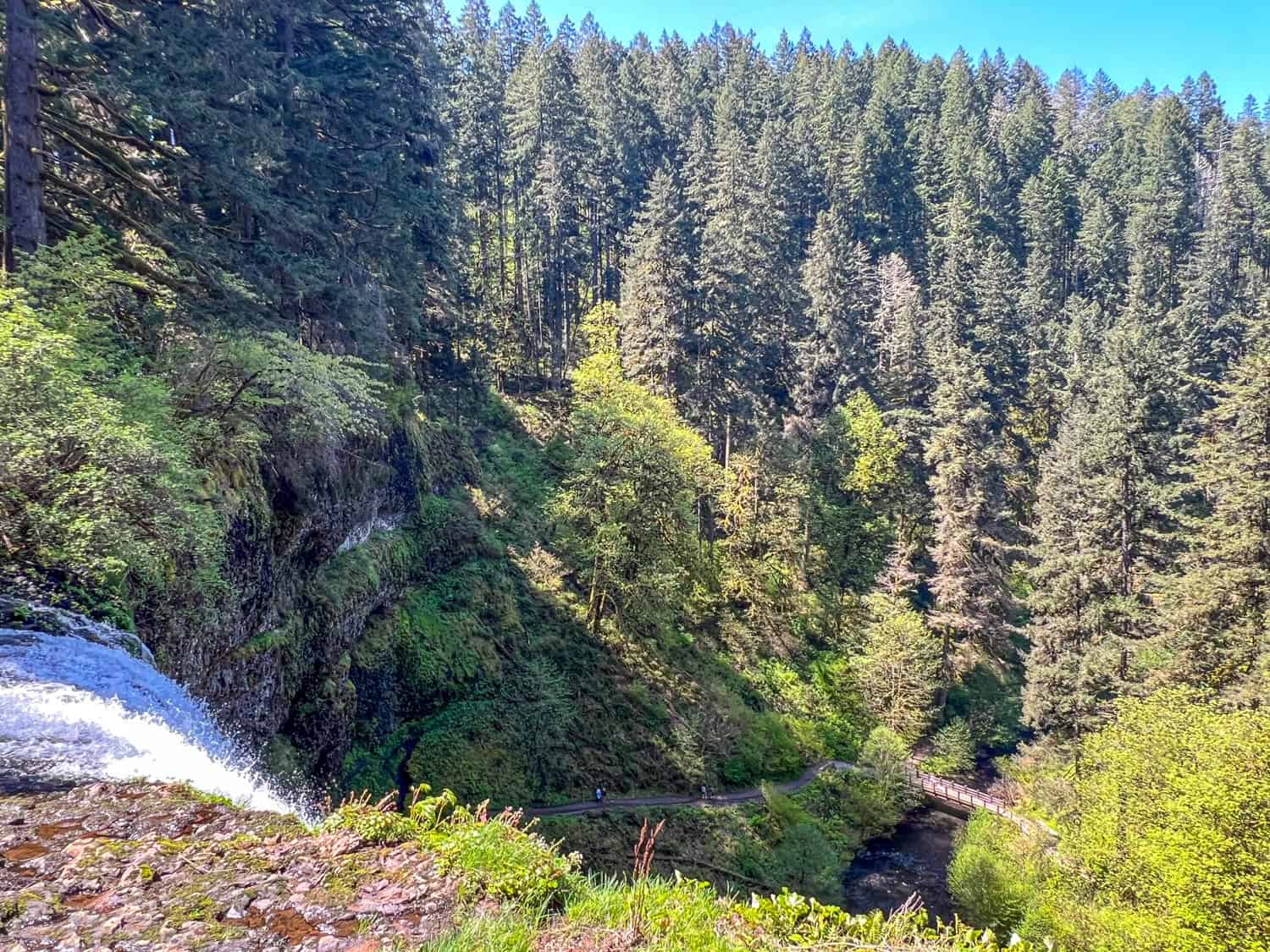
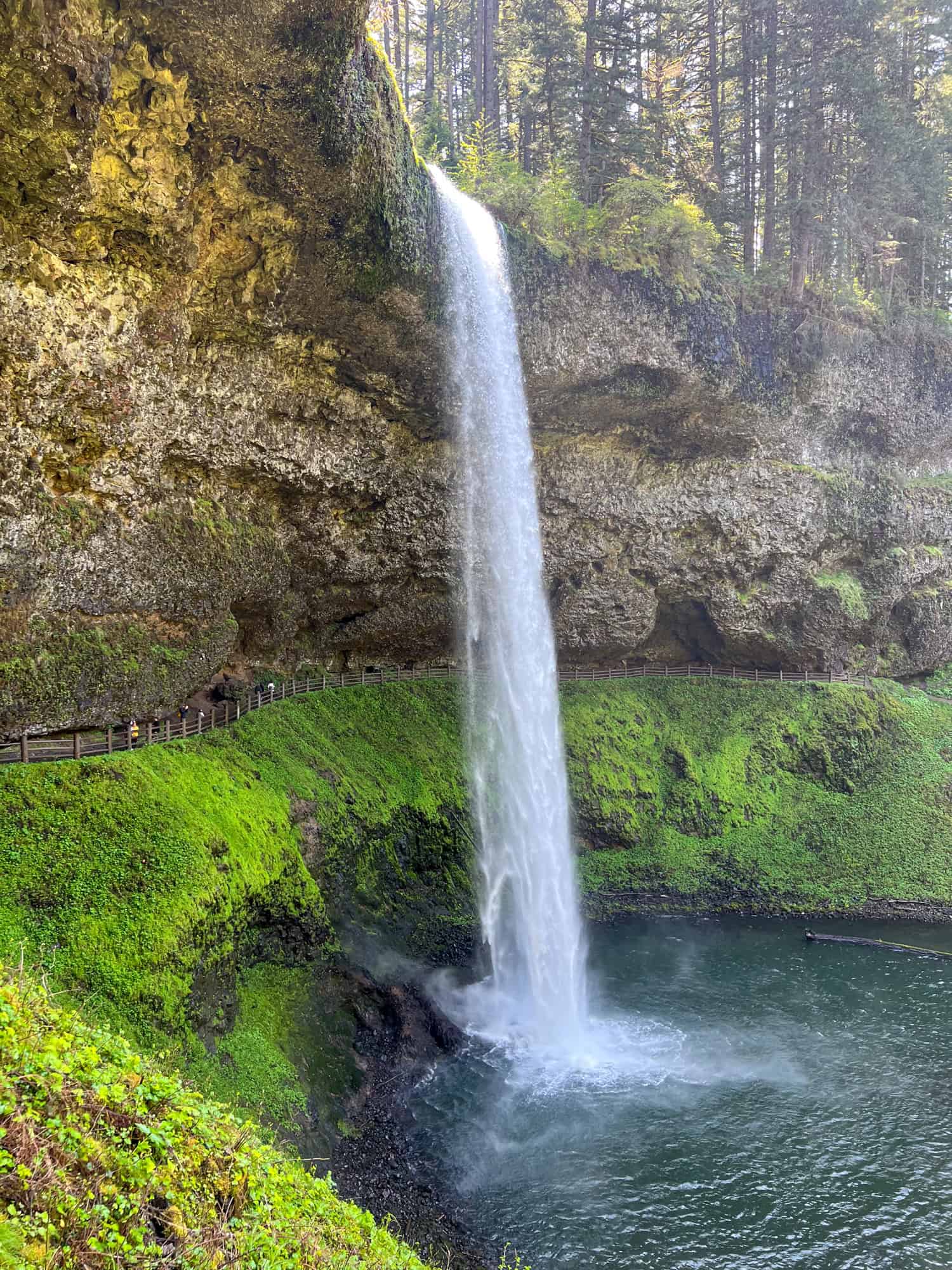
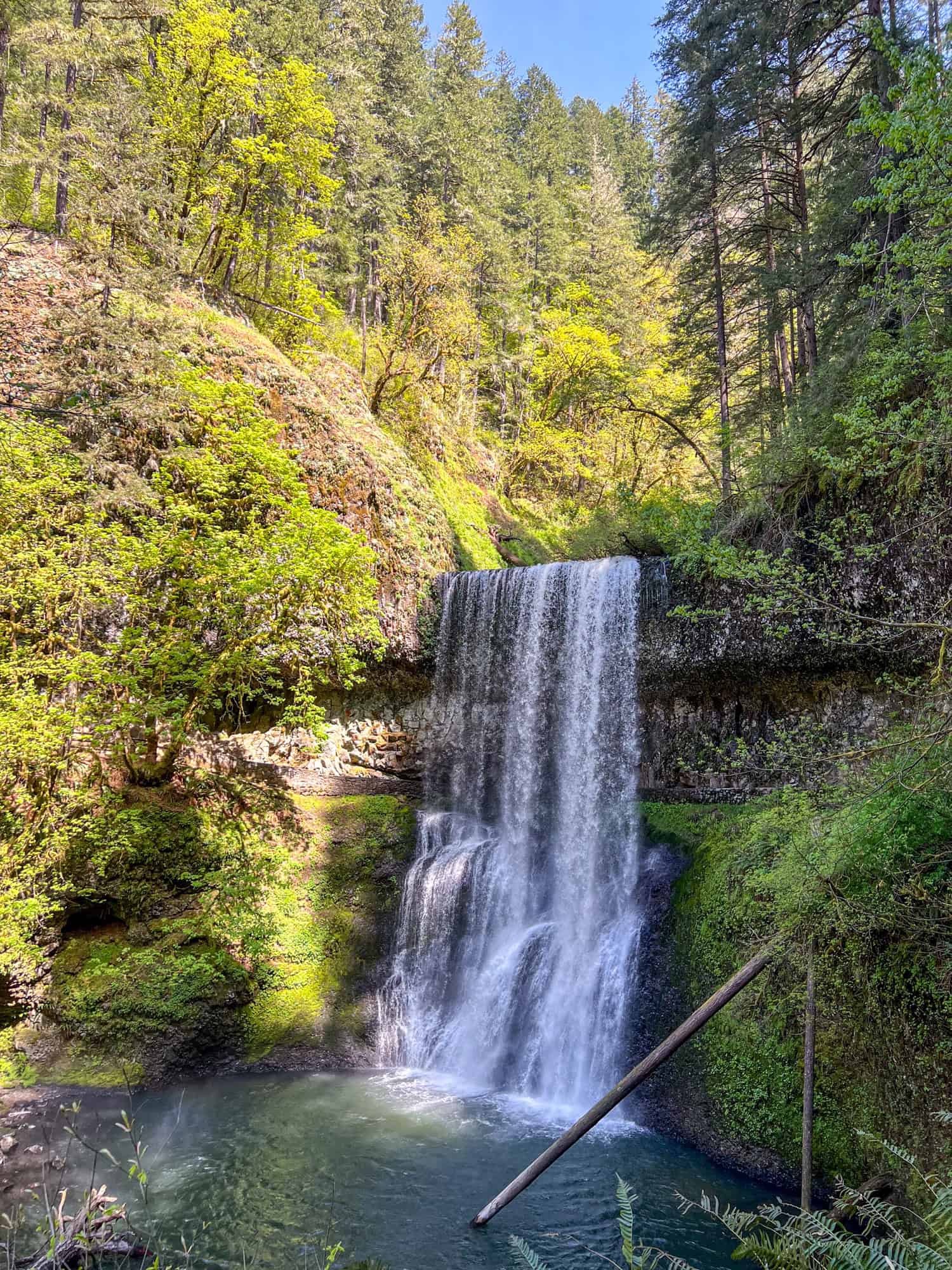
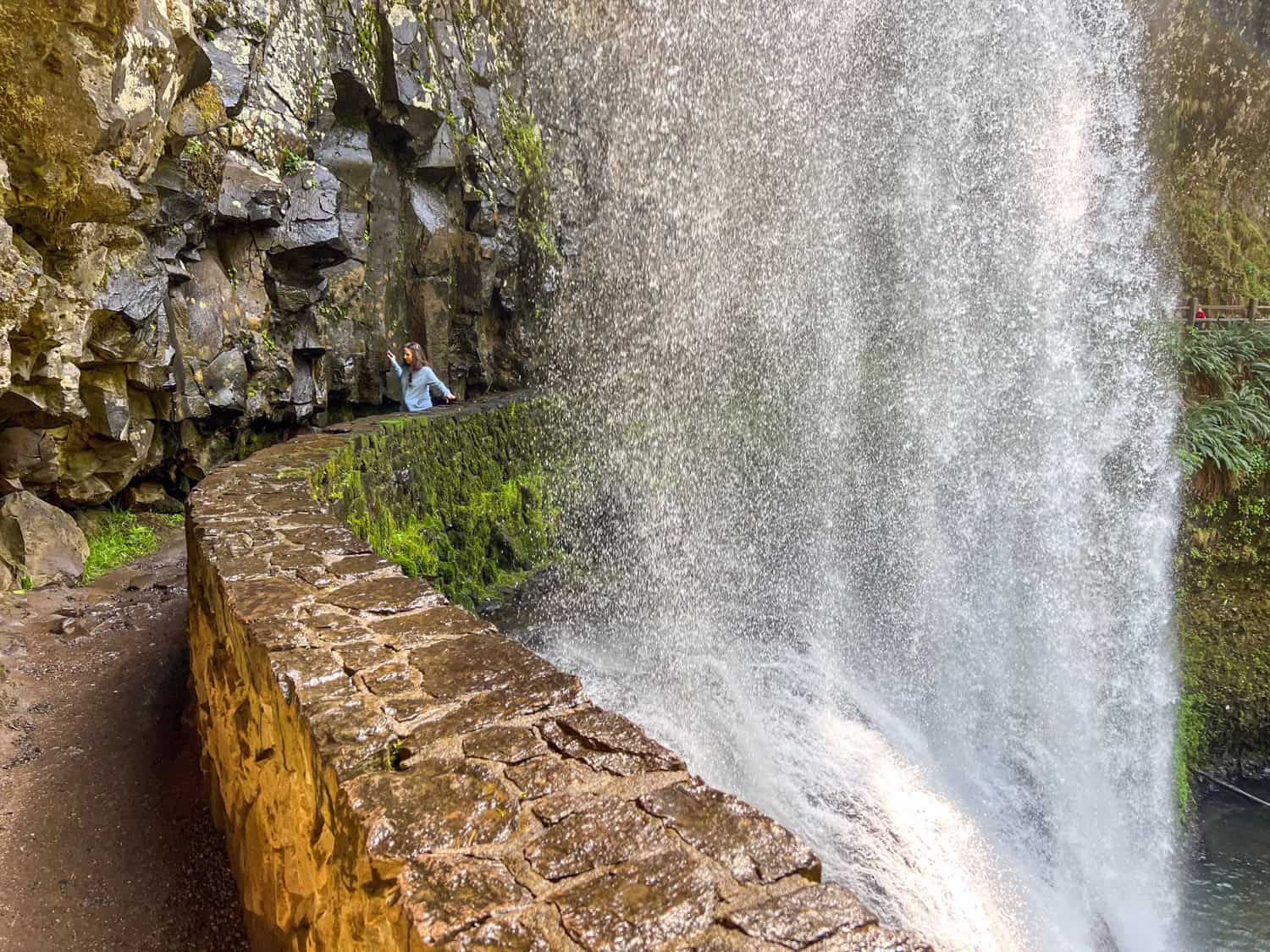
While the Devils Punchbowl is a quick stop along the Oregon Coast, travelers with more time should consider heading inland to explore Oregon's waterfalls. Nearby, Silver Falls State Park offers one of the state's most scenic hiking experiences, including the famous Trail of Ten Falls.

3 Smart Ways Customized Gear Elevates Adventure Trips

Imagine the sun just rising over the ridge while your group stands out in the early light. Everyone is wearing matching custom travel jerseys with neon trim and the trip's logo. When you gather for a summit selfie, the bright colors stand out against the soft sky, making a photo that grabs attention.

Whether you're heading out for a backcountry hike or a company retreat, more travelers are choosing custom gear. It's not just a trend-it's a smart way to bring your group together and stay safe. Here are three proven ways to use custom apparel on your next trip.

Hikers high-five in a canyon (photo by cookie_studio on Freepik).
Hikers high-five in a canyon (photo by cookie_studio on Freepik)

1. Strengthen Group Identity & Camaraderie

Wearing the same outfit helps a group feel united and gives everyone a sense of purpose. Try replacing random shirts with matching jerseys to showcase your group's identity. You'll notice even the quietest person joining in the fun.

Many online suppliers offer tools to help you organize group orders when designing your gear. For example, Sports Gear Swag's premium custom basketball jerseys make it easier for big groups to order together.

Real-World Scenario

Picture planning a national park trip with several families, including kids, teens, and adults who haven't met before. On the first night, everyone receives a custom trip shirt.

A nickname adds personality, and a small number on the sleeve matches a simple duty chart with one as navigator, two as pace checker, three as snack lead, and four as photo scout. Roles are easy to rotate.

Key Insight: A shared uniform does more than create good photos. It boosts feelings of belonging and collective purpose, turning strangers into a cohesive team from day one.

2. Increase Safety & On-Trail Visibility

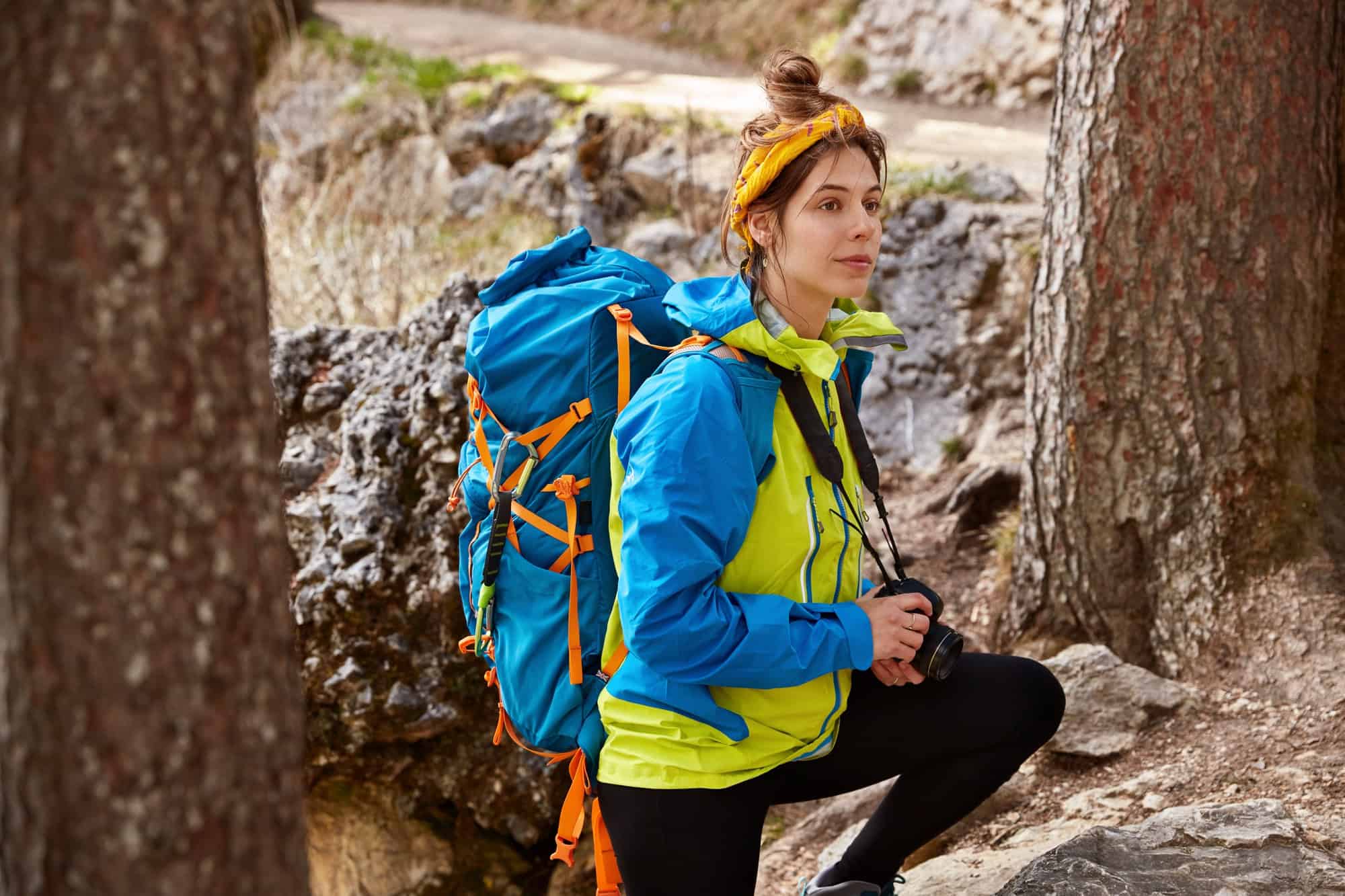
Woman hiker with blue backpack holding camera (photo: wayhomestudio on Freepik).
A backpacker in bright colors (photo by wayhomestudio on Freepik)

The National Park Service recommends wearing bright, contrasting clothing for backcountry trips, and research supports this recommendation. (Backcountry Safety Tips, n.d.)

Bright clothing makes it easier to spot people quickly and keeps everyone safer during early morning or evening walks. When your whole group wears high-visibility jerseys, you see the benefits right away.

You gain:

  • Instant headcounts at trail junctions.
  • Faster identification by rescue teams if someone lags behind.
  • Easy recognition amid busy viewpoints or crowded camps.

Gear Advice

Field studies confirm that fluorescent red-orange offers the highest detection distance in daylight.

In low-light conditions, another study shows that reflective trim color and placement significantly affect nighttime conspicuity. (Sayer et al., 2003) Many custom suppliers also offer UPF fabric, which adds sun protection.

Quick Planning Checklist: The 30-Second Jersey Safety Test

Before you finalize your design, ask these simple questions:

  • Does the jersey color contrast sharply with your destination's primary hues (e.g., avoid forest green in deep woods)?
  • Are at least two reflective elements visible from the front and back?
  • Did you order one spare for the group's first-aid kit in case of tears or mud disasters?

If you can answer yes to all three, you're set to start your hike.

Warning/Important: Never prioritize style over safety. Ensure your custom gear's color contrasts sharply with the environment and includes reflective elements for maximum visibility, especially during dawn and dusk.

3. Capture Iconic Photos and Lasting Keepsakes

Friends taking selfie by waterfall while hiking (photo by wirestock on Freepik).
Waterfall selfie (photo by wirestock on Freepik)

Part of the fun of any adventure is looking back at the memories, whether on social media or in slideshows years later. Matching jerseys make your photos look organized and polished. They give your pictures a unified look that stands out.

Mini-Guide to Frame-Worthy Photo Ops

Plan a few key shots to commemorate your journey:

  • Trailhead Start Shot: Line up under the entrance sign while jerseys are crisp and backpacks are still clean.
  • Mid-Route Milestone: Snap a panorama at a key viewpoint, arranging people in a V-shape for depth.
  • Summit or Finish-Line Pose: Hoist a homemade flag or trekking poles and choreograph a jumping shot for extra energy.
  • Night-Sky Silhouette: Use a long exposure to paint light streaks behind those reflective jersey strips.

Post-Trip Keepsake Ideas

Turn your gear into a treasured memento with these creative ideas:

  • Shadow-box a jersey alongside your summit pass and a trail map.
  • Sew leftover group jerseys into a memory quilt, which is ideal for reunion raffles.
  • Have everyone autograph one spare jersey, then frame it as "The Official Team Banner" for future trips.

These hands-on mementos often feel more special than any digital photo album.

Pro Tip: Think beyond the trip. Have everyone autograph a spare jersey and frame it alongside a map. This simple act creates a cherished "team banner" for future reunions.

Other Customizable Gear Worth Packing

Jerseys are important, but other custom items can also help your group stay organized and boost team spirit.

Here are a few ideas:

  • Silicone Luggage Tags: Helps you spot checked bags in seconds on a crowded carousel.
  • Packing Cubes: Add stitched patches to cubes for different gear categories, like "electronics" or "first aid."
  • Travel Backpacks: Many modern packs have a Velcro panel that welcomes custom morale patches.

Keep in mind, these helpful accessories are meant to go along with your high-visibility jerseys, not take their place.

A Smart Investment in Experience

Personalizing your gear isn't just for show-it adds real value to your trip. High-visibility clothing is a simple but often forgotten safety upgrade for group hikes. Think of your custom jerseys as a way to show your style while staying prepared.

Your Next Steps

Matching jerseys strengthen group identity, improve trail safety, and elevate your photos and keepsakes. Before your next trip, take a moment to plan for the best results.

  1. Lock in your travel dates and group size early in the planning process.
  2. Poll your crew for preferred colors, nicknames, and sizes to build excitement and ensure a good fit.
  3. Run your final design choices through the 30-Second Jersey Safety Test to ensure they are functional.

Pack smart, personalize boldly, and enjoy every mile of your next adventure.

_____

This story is published in partnership with Sports Gear Swag.

3 Proven Ways To Boost Outdoor Adventures

Every time you head outside, there's a new opportunity waiting to shape your adventure. Move beyond the usual hike and learn how to make every journey more fulfilling and memorable. Discovering new tactics and skills can significantly enhance your time spent under the open sky. 

These proven methods will equip you to tackle challenges and deepen your connection with nature. Below are three forward-thinking ways to keep you warm and mobile as temperatures drop. Outdoor adventures await just beyond your comfort zone.

Hiker trekking across a snowy mountain slope.
A hiker trekking across a snowy slope (photo: Weston Shop)

1. Optimize Your Trekking Performance with Essential Heated Gear

Long-distance trekking demands efficiency and sustained effort. Bulky fleece stacks and heavy down parkas once required trekkers to carry significant weight, draining energy and slowing pace. 

Today, lightweight heated clothing uses micro carbon fiber elements and rechargeable batteries to deliver on-demand warmth without the bulk, crucial for maintaining energy, pace, and safety on multi-day journeys.

A premium heated jacket from Weston Store offers reliable performance in changing conditions. The numbers back up what experienced trekkers have known for seasons: Warmth equals safety on the trail, making every mile more manageable.

How Heated Apparel Enhances Trekking Endurance

This modern gear has several distinct advantages over piling on conventional fabrics for warmth and protection, directly benefiting your endurance and mobility:

  • Adjustable temperature settings (often three to five heat levels) to quickly adapt to changing effort levels (e.g., climbing vs. resting).
  • Even heat distribution to the core and extremities prevents energy-sapping shivers and keeps muscles limber.
  • Compressible fabrics that free up pack space, allowing you to carry lighter, smaller packs for improved agility.
  • Eight-plus hours of run time on modern 10,000 mAh batteries, providing reliable warmth across full days of hiking.
  • Quick recharge via USB-C or power banks you already carry, ensuring minimal downtime on the trail.

Core Strategies for Smart Trekking with Heated Gear

To fully leverage your heated gear's ability to support your efforts on the trail, keep these simple strategies in mind:

  1. Layer smart for active movement. Place a thin wicking base layer beneath the heating element and a wind-blocking shell above it. This system manages sweat and heat to prevent chilling, a critical concern during stops.
  2. Conserve battery during high effort. Cycle between low and medium settings while actively hiking; reserve "high" for rest stops or unexpected exposure where maintaining core temperature is vital.
  3. Fly-friendly for adventure travel. TSA allows lithium-ion batteries with a capacity of 100 Wh or less in carry-on luggage. Pack spares in your daypack, not in checked bags, ensuring your power source is always accessible for the start of your journey.

Key Insight: Modern heated clothing delivers adjustable warmth without the restrictive bulk of traditional layers, freeing up precious pack space and enhancing mobility on any adventure.

2. Conquer Any Terrain on a Versatile Dirt Bike

Yellow Apollo youth dirt bike side view (photo: NTX Powersports).
Yellow Apollo youth dirt bike (photo: NTX Powersports)

Adventure travel isn't limited to footpaths. Dual-sport and adventure (ADV) motorcycles blur the line between pavement and single-track, giving riders freedom to chase remote sunsets and roll up to the café in town legally. This growing interest is backed by data showing a 50.3% increase in off-road motorcycle sales.

What Makes a Dual-Sport Bike Adventure-Ready?

These versatile machines are equipped with specific features that allow them to handle diverse environments.

  • Street legal lighting and registration. No trailer required.
  • Long-travel suspension to soak up rocky tracks.
  • High-clearance skid plates and radiator guards.
  • Luggage rack mounting points for panniers or dry bags.
  • Optional heated grips and hand guards to pair with heated apparel.

For budget-savvy explorers, certain lineups offer factory-direct pricing on models like those in the NTX Power Sports' premium dirt bike lineup. These often include C.A.R.B.-approved options that keep riders compliant on specific backroads.

Cold-Climate Riding Hacks

Riding in cooler weather requires a few extra preparations to stay safe and comfortable on the trail.

  • Slip a heated glove liner beneath armored gloves; wire the battery pack into a tank bag for quick swaps.
  • Drop tire pressure 2-3 psi on snowy trails to expand the contact patch, then air back up before asphalt miles.
  • Lube control cables with low-temp grease to prevent throttle freeze.

Warning/Important: Maintaining core body temperature is crucial for safety. Research shows it can reduce reaction-time lag by 15%, a critical advantage when navigating challenging or slick terrain on two wheels.

3. Pack Multi-Use Ultralight Gear

Backpackers on one of their group outdoor adventures (photo by rawpixel.com on Freepik).
Backpackers (photo by rawpixel.com on Freepik)

Shaving ounces makes every mile easier, especially when you're already hauling batteries and fuel. Multipurpose equipment lets you stay prepared without loading your panniers or pack like a pack mule. This approach aims to maximize utility while minimizing weight.

Why It Matters

The benefits of choosing multi-use gear extend beyond just a lighter pack on your back.

  • Weight-to-Function Ratio. Each listed item replaces two to three traditional pieces of gear.
  • Eco Footprint. Buying one durable item keeps multiple single-use products out of landfills.
  • Mobility. Less gear means faster transitions from bike to trail to camp, keeping you in the moment.

Consider a quick field test to see the difference for yourself. Swapping a legacy camp chair, flashlight, and bulky bag for the items above can cut over 3 lbs from your setup. This is enough to easily offset the weight of a spare heated-gear battery and a small fuel canister.

Pro Tip: Swapping just three legacy items, such as a chair, a flashlight, and a bulky bag for multipurpose gear, can cut over three pounds from your pack, offsetting the weight of spare batteries or fuel.

Your Next Steps

Innovation shouldn't sit on a wish list. Charge the batteries, thumb the starter, and point your wheels or your boots toward that frost-tipped horizon.

Modern heated apparel, versatile dirt bikes, and innovative ultralight gear make four-season exploration not just possible, but downright comfortable. See you out there, warm, nimble, and ready for whatever the trail sends your way.

_____

This story is published in partnership with Weston Store and NTX Power Sports.

How To Stay Connected in Europe: Top Connectivity Tips for Budget Travelers

Europe is a dream destination for many backpackers: dozens of countries, simple border crossings, rich cultures, and endless hostels with new friends.

However, there is a lot that goes into making sure the trip is worth your time and money. We're talking about managing train schedules, finding cheap accommodations, and being able to share moments with loved ones back home.

A traveler using her phone with an eSIM service in Italy (photo: Poike, iStock license).
A traveler using her phone in Italy (photo: Poike)

The key to many of these goals will be reliable connectivity while you're on your trip.

The good news? You don't have to use costly roaming or old airport SIM kiosks. With a little planning, you can access high-speed data, save yourself from the shock of roaming bills when you get home, and stay online from Lisbon to Budapest without spending half of your travel budget on connectivity.

These are the best connectivity tips for budget backpackers in Europe who want freedom, flexibility, and reliable Wi-Fi wherever they go.

Forget Traditional Roaming; It's Rarely Worth It

Most of the time, the add-ons provided by your home carrier are extremely overpriced relative to their local or online equivalents. Daily roaming charges can pile up fast, and the plans are often slow. That's not to mention charges that may apply if you go over your data limit.

If you're a backpacker on a tight budget, avoid roaming. Unless it's an emergency, it probably isn't worth it. Before you head out, it is much cheaper and safer to buy a local SIM. Even better, consider an eSIM.

Fast Hassle-Free Europe-Wide Coverage with eSIMs

Travelers are quickly seeing how eSIMs can be a game-changer. You do not need to hunt down a SIM card when you land or switch out the tiny plastic cards.

With eSIMs, you add a digital SIM card to your phone. Activation is also quick and easy. Travelers can also find plans for most countries, making them ideal for backpackers.

Many eSIM providers offer pan-European data plans that work in 30+ countries. With these plans, you can leave France for Germany or the Czech Republic and still stay connected. You don't have to buy a new plan every time you cross the border.

When you're researching and planning, it's worth reviewing eSIM options for traveling to Europe to compare coverage, speed, and price across the countries you plan to visit. With a bit of time and attention, you can select an option that fits your path rather than wasting money on data that you will not use.

Don't Rely on Hostel Wi-Fi

Hostel Wi-Fi may be okay when you're the only person using it. However, as soon as 40 individuals start streaming Netflix or posting photos on Instagram, the speed can drop to levels comparable to those of the dial-up era.

Hostel Wi-Fi is good for backing up data to the cloud and light browsing. It's not as good when you need it to book trains or find your way around unfamiliar cities.

As a tip, consider Wi-Fi before leaving by checking new reviews posted on platforms such as Hostelworld. Travelers usually comment on whether the connection is good or not.

Get Maps to Use When You are Offline

Even the best data plans can lose connections under certain conditions. You may be traveling through a tunnel or in or near an old European building.

That's why you should download key maps to keep on your phone while traveling. Google Maps and Maps.me maps are great resources.

This approach helps when:

  • A cab leaves you at a new and strange place.
  • You come home late at night and have to locate your hostel.
  • You are in smaller towns where cell towers aren't as strong.

Offline maps store information and are free.

Bring a Small and Cheap Backup Power Bank

Even reliable connectivity won't help you if your battery runs out halfway through the day. The cities of Europe are large, and spontaneous decisions can turn into long walks, hikes, or a sightseeing marathon you didn't plan on.

A small 10,000 mAh power bank is sufficient to charge your phone, which is essential when you need it for:

  • Navigation
  • Hostel confirmations
  • Train tickets
  • Translation apps
  • Emergency contacts

Use Messaging Apps Instead of SMS

In most of Europe, it is nearly always cheaper to use WhatsApp, Messenger, Telegram, or iMessage rather than your phone plan to text.

WhatsApp is popular among most travelers. It is very popular throughout the EU, particularly:

  • Hostel communication
  • Tour confirmations
  • Rideshares
  • Meeting locals

You won't miss traditional texting as long as you have the right apps and a reliable data connection.

Consider Country-Specific SIM Cards for Longer Stays

You can stay in one country for a while during your travels. Even if it's just for a few weeks, a local SIM plan might be the cheapest option.

For example:

  • Spain: Low-end brands such as Lowi and Simyo offer low-cost monthly deals.
  • Germany: Aldi Talk and O2 have prepaid data packages.
  • Italy: There are competitive short-term contracts from Iliad and WindTre.
  • France: Free Mobile is very cheap for travelers in France.

Local SIMs are typically registered using a passport and may be much cheaper with extended usage. For multi-country travel, however, an eSIM is almost always the winner.

Be Secure With Connection

You'll find free Wi-Fi in the airports, cafes, and many public squares throughout Europe. While it is convenient, security can be an issue. You don't want to have private information stolen when you use a random hotspot.

If you must use public Wi-Fi:

  • Avoid sensitive websites
  • Turn off auto-connect
  • Use a VPN if you have one

Better still, use mobile data primarily whenever dealing with anything crucial.

Store It All on the Cloud

Losing your phone can be stressful. However, losing all your photos and other personal information can make it worse. Ensure that your device is automatically backing up:

  • Photos
  • Videos
  • Hostel confirmations
  • Train and bus tickets
  • Passport scans

Google Photos, iCloud, and Dropbox are lifesavers in these instances. With mobile data and backups, you can seamlessly sync vital information.

Plan Connectivity Based on Your Route

Backpacking in Europe is hardly linear. You can have plans to visit Paris, Amsterdam, and Berlin. And then the next thing you know, you've made new friends at a hostel, and you're on your way to Krakow or Brussels. The old itinerary is suddenly out the window.

Since plans change, a connectivity solution for Europe-wide coverage is typically the best option. These eSIMs are ideal for such spontaneous traveling: no stores, no registrations, no waiting.

_____

This story is brought to you in partnership with ZenSim.

Backpacking Asia on a Budget: Essential Tips for 2025

A budget-friendly trip across Asia becomes easier when you start with strong tools and thoughtful planning. Many travelers save money by choosing an eSIM instead of expensive roaming or unreliable airport kiosks.

A low-cost data plan helps keep your map apps, booking tools, and translation features active while protecting your budget from surprise charges. With a few simple steps, backpackers enjoy more freedom on long travel days.

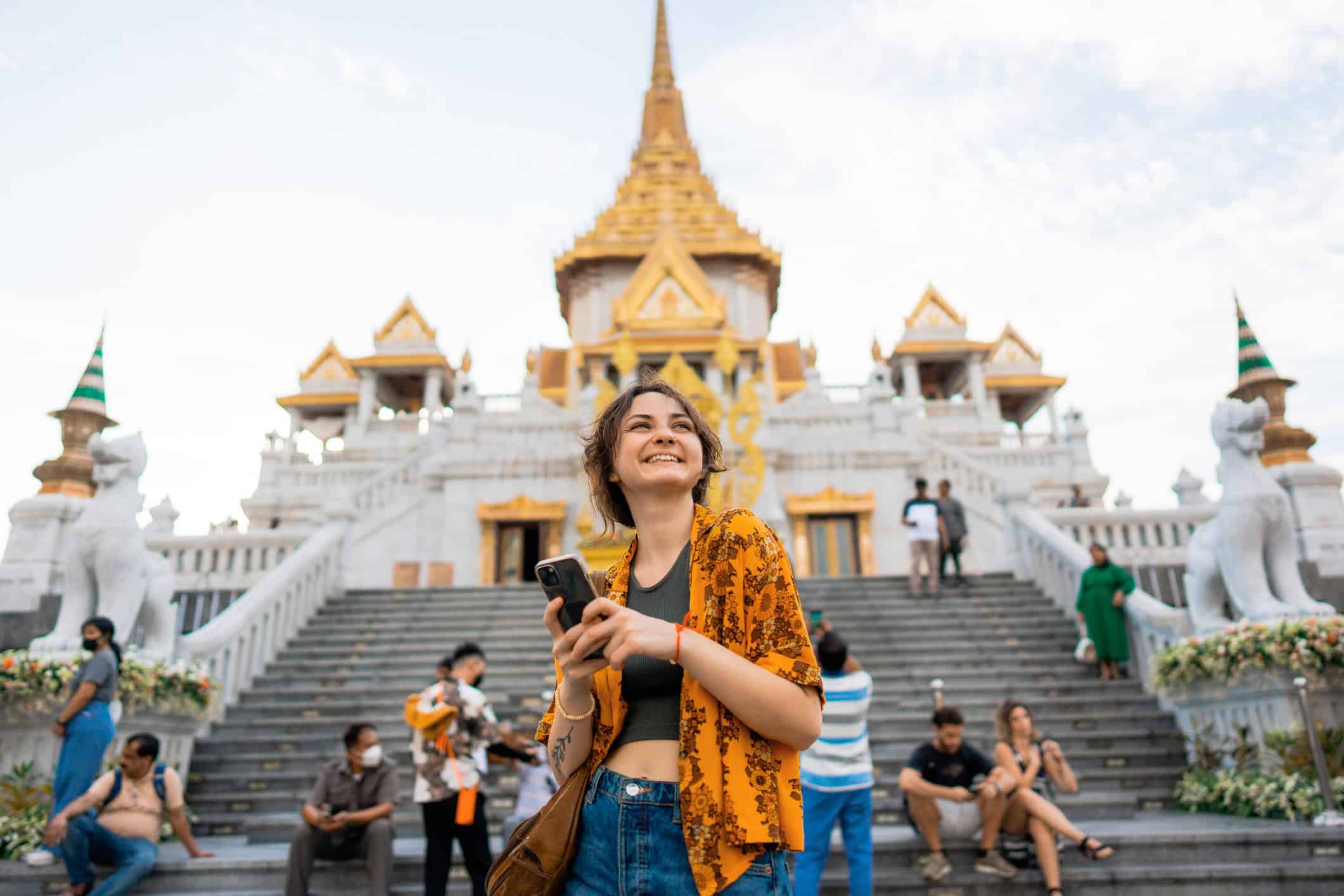
A woman using an eSIM with her phone at Wat Traimit in Bangkok, Asia (photo: Oleh Slobodeniuk, iStock).
A woman using her phone at Wat Traimit in Bangkok (photo: Oleh Slobodeniuk)

Asia offers incredible value for travelers who want adventure without spending too much. Affordable trains, night buses, street food, and hostels make the region a top choice for budget backpackers. With an Asia eSIM and a few money-saving tricks, your 2025 journey can feel smooth, safe, and unforgettable.

Smart App Choices for Daily Travel

Travel apps play a significant role in keeping costs low across the continent. Many backpackers rely on map apps with offline features for walking routes and transit guidance.

Transport apps help compare bus and rail prices without visiting multiple ticket counters. Hostel apps list affordable rooms in major cities and rural towns.

A steady connection helps these apps work at their best. With strong data access, travelers avoid unnecessary detours or last-minute changes that can raise expenses. Asia rewards those who stay organized with simple digital tools.

Cheap Transport Options for Long Routes

Asia offers countless transport options, many of which are budget-friendly. Overnight buses help you save money on both transport and accommodation.

Local trains connect cities at reasonable prices and offer views of farms, markets, and small towns you might miss otherwise. Smaller ferries help you reach islands without booking expensive private transfers.

Innovative ways to cut transport costs:

  1. Compare prices across multiple apps.
  2. Choose overnight routes to save on lodging.
  3. Travel light to avoid extra fees.

Finding Low-Cost Eats Across The Continent

Asia is famous for affordable street food, and backpackers take full advantage of it. Street stalls offer noodles, grilled meats, curries, and snacks at prices that fit almost any budget. Food apps help you find clean, popular stalls in cities and villages.

Many travelers also look for night markets, where dozens of options sit within a short walk. A calm approach helps you explore new dishes without overspending.

Simple meals from local vendors keep your budget in good shape, especially when traveling long distances.

Flexible Accommodation Choices

Budget-friendly hostels are easy to find across Asia, and many offer perks like breakfast or luggage storage.

Guesthouses provide more privacy at slightly higher prices, while capsule rooms offer a modern, compact option in major cities. Apps help compare amenities such as lockers, Wi-Fi strength, and laundry facilities. 

This matters for backpackers who stay on the road for several weeks. You save the most when you book rooms during weekdays or in neighborhoods outside city centers. Asia gives travelers a range of options that stay affordable without sacrificing comfort.

Region-Specific Tips for Stretching Your Budget

Backpacking requires flexibility because prices and routines vary from country to country. Many travelers learn simple patterns that help them adapt quickly.

Helpful tips to remember:

  • Use local buses instead of taxis.
  • Carry a bottle for refilling water.
  • Eat where locals gather.

These habits reduce long-term costs and match the rhythm of life in many parts of Asia. With a bit of awareness, you can keep your daily expenses lower without limiting your experience.

The Role of Smart Connectivity

Digital access helps you avoid unnecessary costs. A steady signal makes it easier to track bus stops, compare food prices, or search for hostels before you arrive in a new city. An Asia eSIM supports quick app updates and reliable messaging, which helps travelers stay connected without overspending.

Local SIM cards sometimes require extra documents or long waits, but eSIMs avoid those delays. They activate quickly, work across borders, and keep your phone ready the moment you land on the continent. This convenience supports your budget as you move between regions.

Simple Safety Practices While Backpacking

Safety matters, especially when traveling on a tight budget. Many travelers share their location with a trusted friend, check hostel reviews before booking, and choose well-lit routes at night. Daypacks with hidden pockets help keep valuables secure. 

Good connectivity also supports your safety routine. Online maps help you travel with confidence, translation tools support quick conversations, and messaging apps let you check in easily. Asia gives backpackers countless safe places to explore when they stay alert and prepared.

Backpacking in 2025 invites adventure, flavor, and unforgettable scenery. With wise transport choices, low-cost meals, and flexible accommodation, your budget can go a long way. Digital tools help keep plans simple, while careful packing and steady awareness add comfort to each day.

A reliable Asia eSIM supports navigation, translation, and booking apps without surprise charges. When your travel tools work well together, your journey across Asia becomes smoother, more affordable, and packed with experiences you will remember for years.

_____

This story is published in collaboration with Nomad eSIM.

ADHD, Motivation, and Nature: 7 Surprising Mental Benefits of Hiking for ADHD

Motivation can be one of the hardest challenges for people with ADHD. Tasks you want to do may still feel impossible to begin, and everyday responsibilities can drain your energy faster than they should.

If you tried everything to cope with ADHD symptoms and improve motivation, one thing that's proven scientifically to help and also feels nice. Hiking naturally stimulates the ADHD brain, offering numerous mental health benefits, which we present below.

A woman hiking in the forest (photo by Freepik).
Photo by freepik

Main Symptoms of ADHD

Around 400 million people worldwide have ADHD, which is a neurodevelopmental condition that can be detected with the Breeze ADHD test, a trusted online test, but confirmed only by a psychologist or psychiatrist.

The ADHD profile includes these common symptoms that can also be regulated with hiking:

  • Difficulty sustaining attention. Especially during repetitive, non-stimulating, or mentally demanding tasks.
  • Executive dysfunction. It's an umbrella term for problems with planning, organizing, prioritizing, and starting tasks, regardless of one's motivation. Executive dysfunction can also lead to difficulties with setting and sticking to routines. Luckily, Breeze Mental Health offers a reliable tool to help build a routine to reduce mental overload.
  • Impulsivity. Quick, half-baked decisions, interrupting, engaging in dangerous activities, etc.
  • Emotional dysregulation. ADHD symptom that explains intense reactions and overwhelming feelings that are hard to cope with.
  • Time blindness. A part of executive dysfunction that got separated into a distinct symptom because of its challenges in estimating how long tasks take or remembering deadlines.
  • Forgetfulness and memory challenges. These can make everyday tasks or conversations harder to manage.
  • Internalized challenges. This symptom includes mental overactivity, physical fidgeting, overthinking, and negative self-talk.
A woman stressed at work in front of a computer monitor (photo by Vasilis Caravitis, Unsplash).
Work stress (photo by Vasilis Caravitis)

7 Mental Benefits of Hiking for ADHD

1. Hiking Increases Motivation in ADHD

Motivation is a result of neurochemistry in our brains. When a task generates enough dopamine in the brain, people are motivated to do it.

However, people with ADHD have dysregulation of neurotransmitters in the brain, including dopamine. That's why most ADHDers have what's called low tolerance, meaning they want to start a task, but just can't.

What are the mental benefits of hiking? Hiking stimulates natural levels of dopamine by overcoming mild challenges and providing sensory stimulation.

This feeling of "I can do this" carries into the rest of the day. After a hike, many people with ADHD experience stronger follow-through, better task initiation, and a noticeable reduction in procrastination.

2. Aerobic Component of Hiking Reduces Impulsivity

Impulsivity in ADHD is linked to underactivity in the prefrontal cortex, the part of the brain responsible for self-control. It means that the impulsive decisions in ADHDers are made deep in the brain, and these impulses are almost impossible to fight.

A study of adolescents and kids with ADHD studied how the impulsive symptoms of subjects would react to 20 minutes of aerobic activity* [1].

The results are promising: short periods of aerobic activities decreased impulses and improved cognitive abilities. Continuous hiking showed even better results: subjects improved their physical fitness, motor coordination, self-confidence, and even interpersonal relationships.

*Aerobic activity means continuous activity that engages large muscle groups, such as running, hiking, swimming, dancing, etc.

3. People With ADHD Are More Concentrated Post-Walk

Physical movement has a powerful effect on cognitive function, especially for people with ADHD. But why does it have to be hiking? And what is it about being in nature? Why can't people with ADHD just go to the gym?

While every form of physical activity has a beneficial effect on ADHD motivation and on concentration, hiking in nature is actually even more valuable.

It was found that walks in urban vs. green environments result in different post-walk concentration gains [2]. Hiking in nature showed much more considerable and lasting effects on concentration.

P.S. This study also found that children born in green rural areas have a lower chance of developing ADHD. It's not something we can change, but you can control it for your kids if you plan to have any.

4. "Soft Fascination" Maintains Engagement

The reasons why habits, including physical activity, don't stick with ADHDers are that they're not stimulating enough.

Hiking in nature, however, provides a type of attention called soft fascination, a concept from Attention Restoration Theory. It refers to environments that hold your attention enough to keep you engaged, but not so intense as to overwhelm your mind.

For ADHD brains, this balance is ideal. Hard-focus tasks might feel exhausting, while unstructured silence can be distracting.

Hiking offers the perfect middle ground: rustling leaves, changing light, water sounds, shifting terrain, all of which stimulate the senses without demanding effortful concentration.

5. Hiking Regulates Neurochemicals in ADHD Brains

As we already know, ADHD brains do produce neurochemicals differently, which makes them act differently from what's considered "normal."

One of the mental benefits of hiking for ADHD is that physical activity stimulates blood flow to the brain. How does it affect ADHDers?

  • Brain flow is correlated with the production of dopamine and serotonin, neurotransmitters that ADHD brains desperately seek [1].
  • Better regulation of neurochemicals enhances neuroplasticity related to attention and impulse control.
  • This effect of aerobic activity is even comparable to that of certain ADHD medications.
  • It's essential that hiking feels enjoyable and engaging so that this effect takes hold.

6. Hiking Eliminates ADHD-Related Stress

Although everybody has stress, people with ADHD can experience constant stress because of worries they forgot something, internal restlessness, and feeling "different" from others, and even "debilitated."

Hiking helps regulate stress by naturally balancing cortisol, a key stress hormone. Even short walks can down-regulate the sympathetic nervous system (fight-or-flight) and activate the parasympathetic system (rest-and-digest).

For ADHD adults who often feel overwhelmed by noise, responsibilities, or emotional intensity, hiking can feel like a sensory "reset." The combination of fresh air, open space, and repetitive movement releases tension stored in the body.

This shift doesn't just feel good; it actually improves mood stability, reduces irritability, and supports recovery from emotional overload.

7. ADHDers Are More Confident After Hikes

We can all agree that hiking can be a challenging activity, especially if you struggle with attention or ADHD motivation. One of hiking's benefits is that it offers different difficulty levels for everybody.

Some adults with ADHD might carry years of criticism, shame, or failed attempts in academically or organizationally demanding areas. Hiking can be an outlet for building confidence that carries over to other areas of life.

Completing a trail creates a sense of accomplishment, boosting self-esteem. The act of moving forward step by step mirrors the progress ADHDers can struggle to see in daily tasks.

Mastering a new route, reaching the top of a hill, or simply finishing a walk can challenge the internal narrative of "I can't do things right."

Overall, hiking is an excellent sport for people with ADHD and a non-medication method to regulate symptoms. It can be a great help in combination with therapy.

Don't forget to consult a mental health professional for professional advice. However, hiking will always be there for you when you need that extra confidence boost.

Sources:

  1. Effects of physical exercise on children with attention deficit hyperactivity disorder. By Yuan-Shuo Chan, Jia-Tzer Jang, Chin-Shan Ho. Biomed Journal. November 2021. https://pmc.ncbi.nlm.nih.gov/articles/PMC9250090/ 
  2. Association between exposure to the natural environment, rurality, and attention-deficit hyperactivity disorder in children in New Zealand: a linkage study. By Geoffrey H Donovan, Yvonne L Michael, Demetrios Gatziolis, Andrea Mannetje, Jeroen Douwes. The Lancet. May 2019. https://www.thelancet.com/journals/lanplh/article/PIIS2542-5196(19)30070-1/fulltext

_____

This story was published in partnership with Breeze.

Greece Golden Visa: A Complete Guide by Mercan's Investment Experts

Among Europe's thriving residency-by-investment programs, the Greece Golden Visa stands out as one of the most accessible and rewarding options for global investors. With low entry thresholds, minimal stay requirements, and a clear path to citizenship, Greece continues to attract thousands of investors seeking both European residency and financial growth opportunities.

As of 2025, the Greece Golden Visa program has evolved to align with global standards while maintaining its trademark simplicity.

Santorini, Greece (photo: Claudia Aguilar).
Santorini (photo: Claudia Aguilar)

In this guide, Mercan's investment experts break down everything you need to know about the updated framework - from eligibility and cost to property options and the benefits of choosing Greece as your second home.

What Is the Greece Golden Visa Program?

The Golden Visa program allows non-EU citizens to obtain legal residency in Greece through qualifying investments. It was introduced in 2013 to boost foreign capital inflow and has since become one of Europe's most successful investment residency schemes.

Holders of the Greece Golden Visa receive a renewable five-year residence permit, which can later lead to permanent residency or citizenship after seven years of continuous residence.

Key Highlights:

  • Five-year renewable residence permit.
  • Residency extended to spouse, children under 21, and dependent parents.
  • Free travel across the Schengen Zone.
  • Pathway to citizenship through sustained residency.
  • No requirement to live in Greece full-time.

This flexibility has made the Greece Golden Visa 2025 program especially appealing for global entrepreneurs, families, and retirees.

Requirements

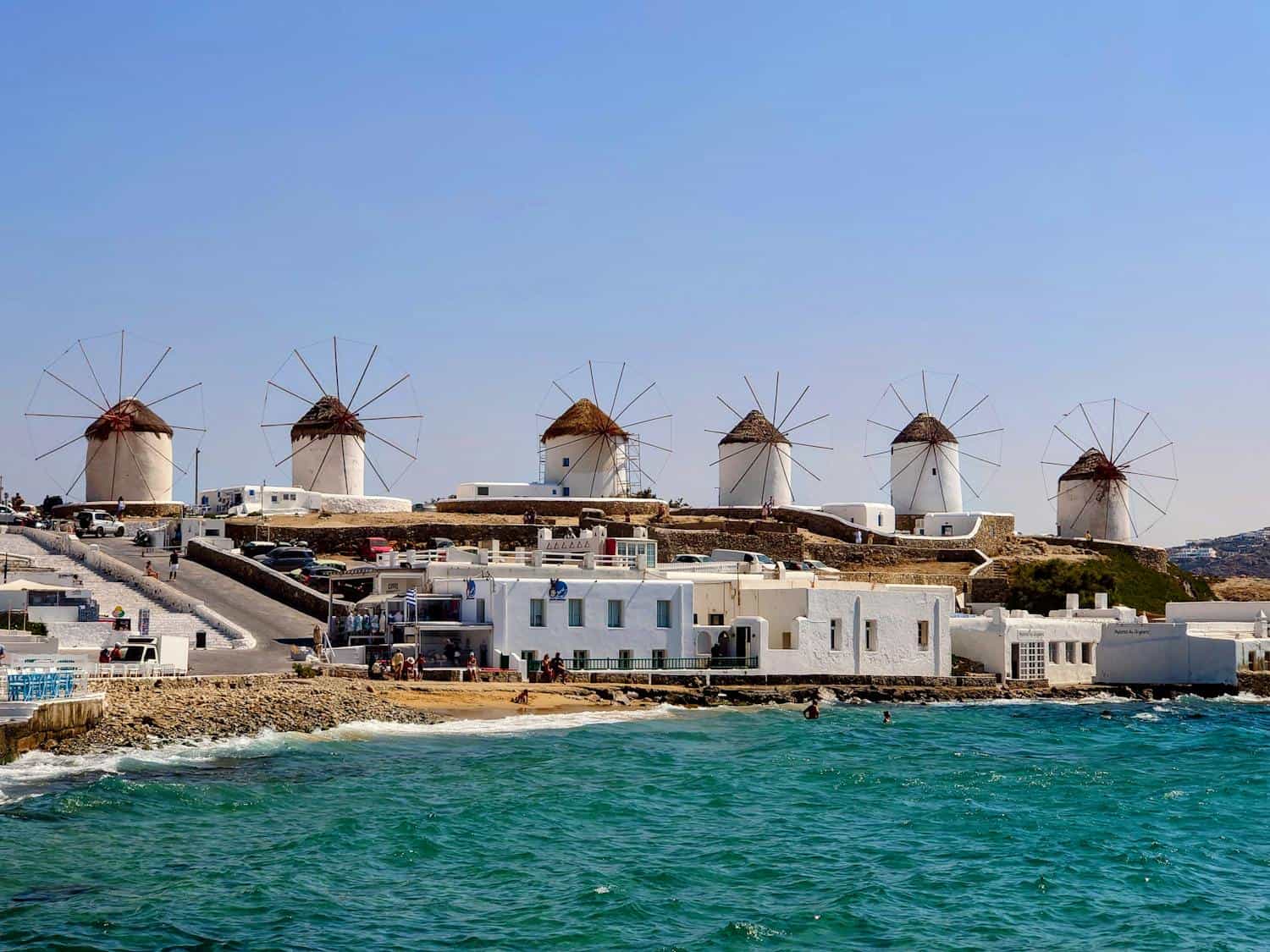
Mykonos windmills (photo: Viktoria Salas, Pexels).
Mykonos windmills (photo: Viktoria Salas)

To qualify for the Greece Golden Visa, investors must meet specific financial and legal criteria. These visa requirements ensure the integrity of the program while giving investors multiple paths to qualify.

1. Eligible Applicants

  • Must be a non-EU, non-EEA, and non-Swiss citizen.
  • Must have a clean criminal record.
  • Must have legal income and proof of investment funds.
  • Must possess valid health insurance covering all family members.

2. Investment Criteria

As of 2025, there are two main routes to invest in the Greece Golden Visa:

A. Real Estate Investment

  • Minimum investment: €250,000 (for select areas) or €500,000 (for prime regions such as Athens, Santorini, Mykonos, and Thessaloniki).
  • The property must be fully paid for and owned by the investor.
  • Both residential and commercial properties are eligible.

B. Capital Investment

  • Minimum investment: €400,000 in government bonds, corporate bonds, or shares in Greek funds or companies.
  • Must be held for the entire duration of residency.

Once the investment is made, applicants can file for a residence permit, which typically takes around 60 to 90 days for approval.

Cost Breakdown

The total Greece Golden Visa cost includes both the investment amount and administrative fees.

Expense TypeApproximate Cost (€)
Minimum Property Investment250,000 – 500,000
Government Application Fee2,000 per applicant
Legal and Administrative Fees3,000 – 5,000
Health Insurance300 – 600 per person annually

While these figures may vary, the overall cost remains among the most competitive in European investment residency programs. The Greece Golden Visa offers a low-cost entry point into the EU, especially when compared to countries like Spain, Portugal, or Malta.

Properties: Where To Invest

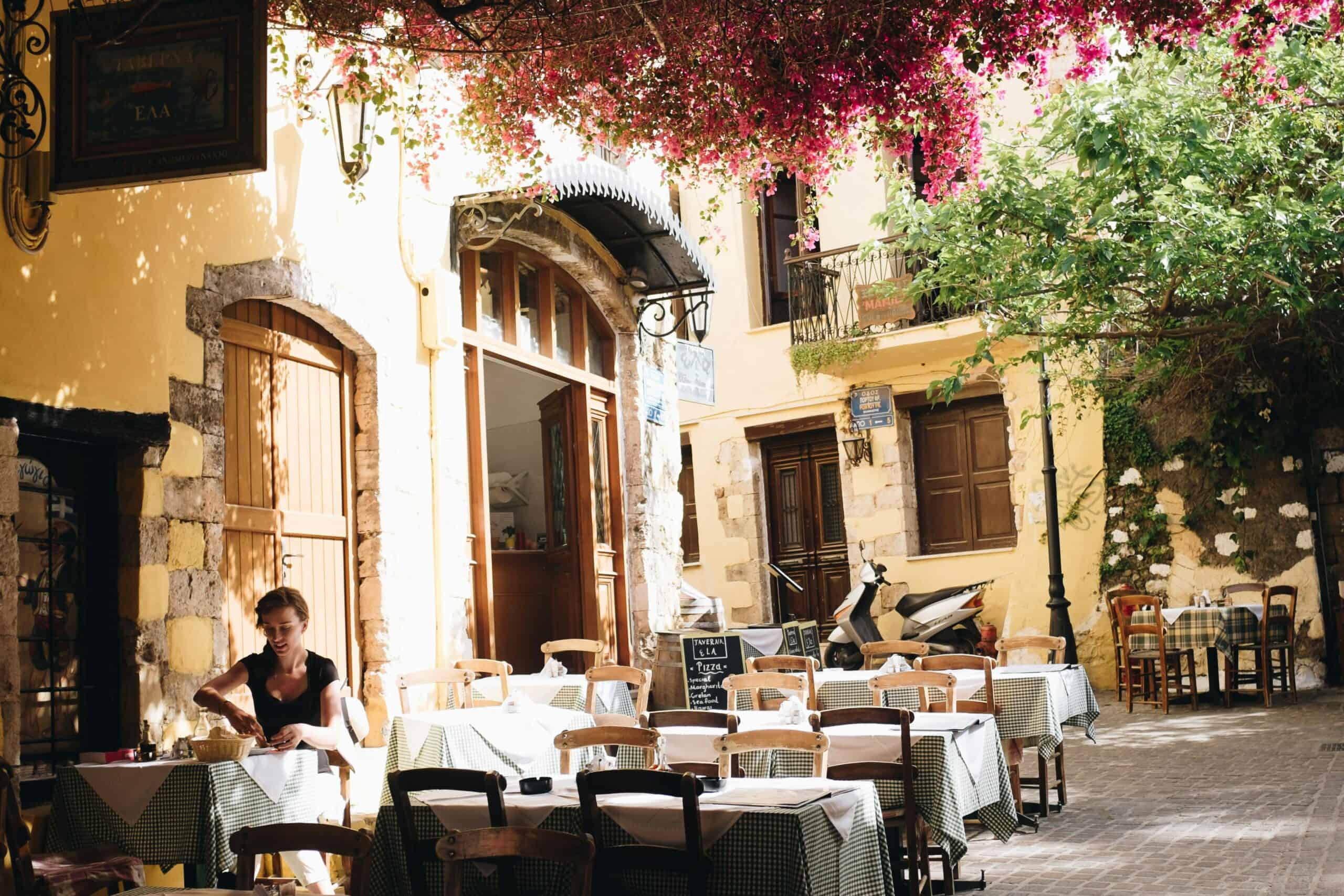
Dining al fresco in Chania, Crete (photo: Catia Matos, Pexels).
Dining al fresco in Chania, Crete (photo: Catia Matos)

Property investment remains the most popular route for obtaining the Greece Golden Visa. Investors can choose from a diverse portfolio of properties, including city apartments, coastal villas, or commercial developments.

  1. Athens: Ideal for investors seeking rental yields and urban convenience.
  2. Thessaloniki: A growing hub for education, healthcare, and technology.
  3. Crete: Offers beachfront villas and tourism-led opportunities.
  4. Santorini and Mykonos: High-end markets with premium investment potential.
  5. Peloponnese: Perfect for long-term investors seeking cultural charm and affordability.

Mercan.com's experts recommend selecting properties that align with long-term returns, lifestyle preferences, and potential citizenship goals.

New Rules in 2025

Recent regulatory changes have strengthened the integrity of the Greece Golden Visa program while maintaining investor appeal.

Key Requirements:

  1. Higher Property Thresholds:
    • €500,000 minimum investment now applies to high-demand regions such as Athens, Mykonos, and Santorini.
    • €250,000 continues to apply to other areas, keeping affordability accessible.
  2. Digital Application System:
    • The 2025 process is fully digitized through Greece's online platform, ensuring faster approvals and transparent tracking.
  3. Enhanced Due Diligence:
    • Tighter anti-money-laundering (AML) checks for investor protection.
  4. Sustainable Investments:
    • Preference given to eco-friendly and community-oriented projects under Greece's sustainable investment drive.

These updates make the Greece Golden Visa 2025 framework more secure, efficient, and aligned with global investor expectations.

Benefits of the Greece Golden Visa

View of Thessaloniki from the old city (photo: Dragos Gontariu).
View of Thessaloniki from the old town (photo: Dragos Gontariu)

The benefits of the Golden Visa go beyond residency - it's a gateway to business, travel, and family security.

1. Fast-Track European Residency

Greece offers one of the fastest processing timelines, typically within 90 days of investment completion.

2. Schengen Travel Freedom

Holders can travel visa-free across 27 Schengen countries, ideal for global entrepreneurs and frequent travelers.

3. No Residency Obligation

Unlike many European programs, Greece doesn't require investors to live in the country to maintain their permit.

4. Family Inclusion

The visa extends to the investor's spouse, dependent children, and parents from both sides.

5. Tax Benefits

Investors can opt into Greece's Non-Dom Tax Regime, paying a flat annual tax of €100,000 on worldwide income.

6. Pathway to Citizenship

After seven years of continuous residency, holders can apply for citizenship, gaining full EU rights, including the ability to live, work, and study anywhere in the EU.

How To Apply for the Greece Golden Visa

The application process for the Golden Visa program is straightforward when guided by experienced professionals.

Step-by-Step Process:

  1. Choose Investment Type - Select eligible real estate or financial instruments.
  2. Obtain Greek Tax Number (AFM) - Required for all financial transactions.
  3. Open a Local Bank Account - For investment transfers and property purchases.
  4. Complete the Investment - Execute property or fund transactions.
  5. Submit Application - Include investment proof, health insurance, and family documents.
  6. Attend Biometrics Appointment - Visit Greece for fingerprinting and verification.
  7. Receive Residence Card - Once approved, the five-year renewable permit is issued.

Mercan's dedicated team manages each step, ensuring compliance with all Greece Golden Visa requirements and supporting investors from application to property management.

What You Gain with Mercan:

  • Expert legal and property guidance.
  • Access to vetted, high-return Greece Golden Visa properties.
  • End-to-end assistance - from document preparation to post-approval support.
  • Transparent cost structure and reliable due diligence.

Mercan ensures every investor's journey is seamless, secure, and strategically aligned with long-term financial and residency goals.

Conclusion

The Greece Golden Visa continues to dominate Europe's investment residency landscape in 2025, thanks to its affordability, flexibility, and strong return potential. Whether you're seeking global mobility, European residency, or future citizenship, the program offers a pathway that balances investment value with lifestyle opportunity.

By partnering with Mercan's investment experts, you gain not just a visa but a strategic roadmap to prosperity in Europe's most timeless destination.

So if you're ready to invest in Greece Golden Visa, there's never been a better time - the Mediterranean lifestyle, stable economy, and transparent 2025 framework make it the perfect combination of investment and opportunity.

_____

This story is published in partnership with Mercan.

Gift Guide: Adventure-Ready Gear for Outdoor Explorers at Scheels

Shopping for gifts for outdoor adventurers isn't just about picking out gear. The right gift fuels their sense of adventure, keeps them safe, and shows you appreciate the way they connect with the world outside. The best presents are practical and personal, helping them create memorable moments under open skies.

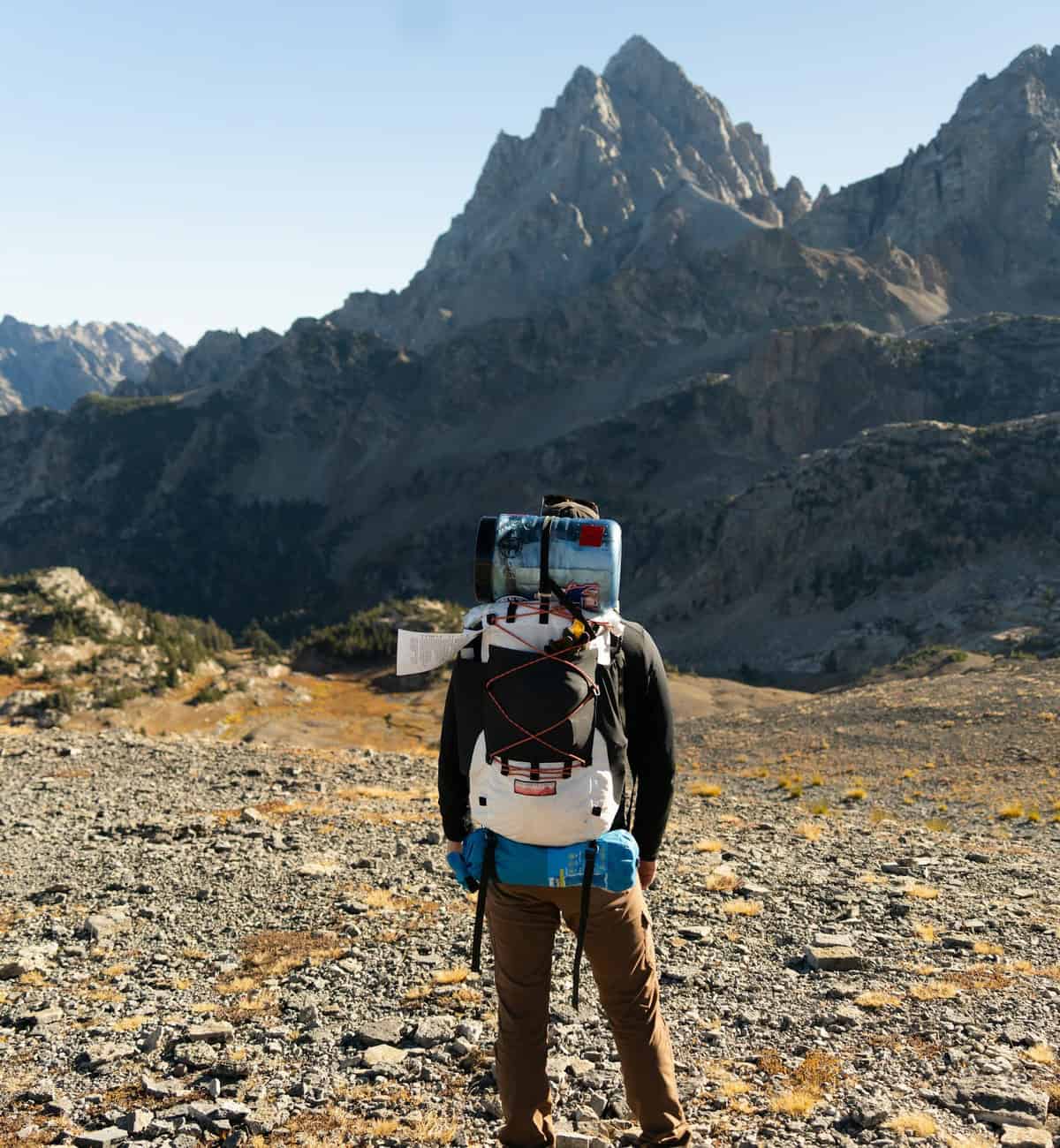
Hiking in Grand Teton National Park (photo: Alex Moliski, Unsplash).
Grand Teton National Park (photo: Alex Moliski)

A portable water purifier is one of the smartest choices you can make. Compact filters like the LifeStraw let hikers safely drink from natural sources, lighten their load, and cover long distances without carrying extra water.

Lighting is another category where a thoughtful gift goes a long way. A solar-powered, collapsible lantern is perfect for campsite evenings. Many models save battery power, pack down small, and even double as a power bank.

You can also lean into camp cooking essentials: a lightweight cookset, a portable stove, or a fire-starter kit adds a lot of comfort in remote places. Warm drinks on cold mornings are a staple, so an insulated mug or flask is always welcome.

Navigation and safety gear also make a meaningful impact. A reliable GPS or multi-sensor watch, one that tracks altitude, temperature, and direction, is invaluable for serious adventurers.

To add a personal touch, consider gifts that speak to their love of exploration: a custom trail map, an eco-friendly adventure journal, or even sustainable clothing or gear like a recycled-material jacket or a packable hammock. Small, thoughtful details can make all the difference.

Black Friday Sale at Scheels 

  • Sale Dates:? The sale is expected to run from Sunday, November 23, to Monday, December 1, 2025? 
  • Discount: Save up to 50%.

Peax Equipment Backcountry Duo Headlamp 

PEAX Backcountry Duo Headlamps are the ultimate gifts for outdoor adventurers.

The PEAX Backcountry Duo Headlamp is an intense, high-performance light that works well for strenuous outdoor activities like hunting and going into the woods. It has a strong XLamp® XM-L2 LED that delivers up to 1,000 lumens, producing a bright beam that goes a long way.

The lamp can run for a long time, up to 69 hours on its lowest setting, because it has a 3,600 mAh rechargeable 18650 battery. It has several brightness settings (Ultra, High, and Low) and Strobe and Fade modes, so you can change the brightness as needed without wasting power.

This headlamp is different from others because it can switch between two colors: white light for seeing and red (or green in some versions) to keep your night vision and keep things quiet.

This is very useful when you need to be silent or when you're hunting at night. The housing is made of 6061 machined aluminium, making it strong yet not too heavy. You can also rotate the lamp body up to 180 degrees to point it in any direction.

The headlamp has an IPX6 rating for environmental protection, meaning it can withstand heavy rain and splashes without damage. It is only about 3.5 inches long and weighs 2.65 ounces (79 grams) without the battery.

It's simple to use: you can switch modes with a single large button, and charging it is as easy as unscrewing the tail cap and plugging it in with a USB-C cable.

A 200-lumen white beam is usually used as a comparison for the red light mode, which reviewers say is very strong. This makes it highly useful for trail use while being stealthy.

The PEAX Backcountry Duo is a strong, well-made headlamp for people who love the outdoors and need a lot of light, a long battery life, and a rugged build.

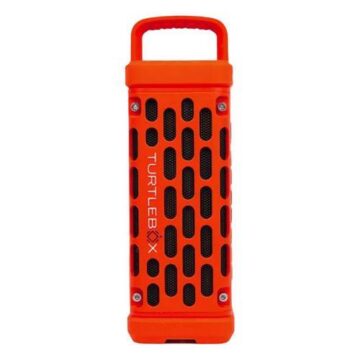
Turtlebox Ranger Portable Waterproof Speaker 

Turtlebox speaker.

This Bluetooth speaker is rugged, portable, and designed for outdoor use. It looks good and can handle harsh conditions.

The Ranger is entirely dust-, drop-, and crush-proof, making it very durable for use in harsh outdoor conditions. It can be submerged in fresh or saltwater (up to 3 feet deep for 30 minutes) without damage, thanks to its IP-67 waterproof rating.

The speaker supports Party Mode and True Wireless Stereo (TWS) mode. You can get stereo or bigger sound settings by connecting more than one Ranger unit (or a similar model).

It has a USB-C output that lets you charge other devices from the speaker, which is great for on-the-go use.

You can use the built-in strong magnets and tie-down points (made of stainless steel) to attach the speaker to things like boats, ATVs, or other outdoor gear.

The Turtlebox Ranger is an excellent choice if you want a speaker that can handle drops, dust, and water while still sounding good. Because it has TWS/Party modes and can charge devices, it is strong and flexible. This model is great for people who like being outside and dealing with bad weather and rough terrain.

Women's Vasque Talus AT Waterproof Hiking Boots 

Women's Vasque Talus AT Waterproof Hiking Boots.

These waterproof boots are designed for rugged trails. Choose them if it's critical to keep your feet dry, supported, and comfortable. 

Key Features 

UltraDry waterproof membrane: The boots are waterproofed, preventing water from entering the mudsoles, keeping your feet dry even in the rainy season. 

Outsole gripping: The Vibram(r) Mega Nuasi outsole on these shoes provides excellent grip and is suitable for a wide variety of surfaces. 

Stability and midsole: The shank and midsole are made of TPU and EVA, providing support and cushioning. This prevents its instability and fatigue. The upper is fashioned from nubuck leather and mesh, which wear out less easily. This makes it robust and allows air to pass through, enabling it to perform well over time. 

Footbed: The dual-density EVA footbed contributes to greater comfort by improving fit and ride. 

Use: This is a good hiking boot because it is rugged, waterproof, and not prone to getting wet in light snow or rain, and it handles rocky, dirty, and rooty terrain.  The reviews indicate they are true to size; however, as with most hiking boots, size can depend on the thickness of your socks and the shape of your feet.

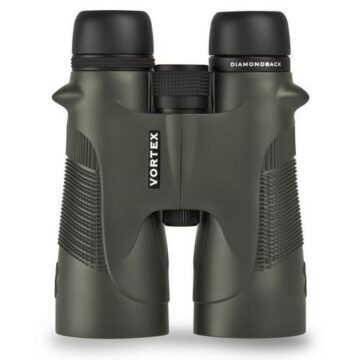
Vortex Diamondback 10x50 Binoculars 

The Vortex Diamondback 10x50 Binoculars are a handy gift for outdoor adventurers.

This pair of binoculars is excellent for outdoor enthusiasts, hunters, birdwatchers, or anyone who needs durable optical equipment.

The 10x50 size offers a good trade-off between high magnification and larger objective lenses, allowing more light to pass through. This comes in handy during morning and evening, or where there are trees.

They're capable of working through heavy weather and topography because they are constructed to serve as a survival. 

The 50 mm binoculars are large, allowing more light than other binoculars with a small objective lens. This is especially useful when the light isn't perfect. The rubber armor also makes it easier to hold and protects against bumps and drops when you're out in the field.

Key Features

  • 10× magnification with 50 mm objective lenses makes it easy to see faraway targets clearly and brightly.
  • Lenses that are fully multi-coated and prisms that are phase-corrected to make the image clearer and sharper, which is especially useful in low light.
  • The tough rubber armor protects against shocks and gives you a good grip. • The design keeps water and fog out, so the inside won't get wet or foggy. • According to the spec sheet, the field of view is 283 feet at 1,000 yards. • The distance to focus closely is about 9 feet.
  • Includes extras like a neck strap, an eyepiece cover, objective lens covers, and a custom-made carry bag. 

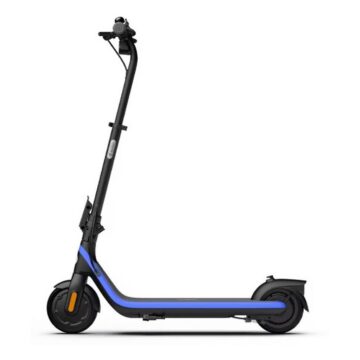
Segway C2 Pro Electric Scooter 

Segway C2 Pro Electric Scooter.

The Segway C2 Pro is an electric scooter that kids and teens can ride safely. It's fun, looks good, and is simple to use. Scheels says it can reach 12.4 mph and has a range of about 9.3 miles. This makes it great for short trips to work, weekend rides around the neighborhood, or just for fun.

The ambient RGB lighting is one of the best things about this bike. There are lights under the footboard that change color and pulse to the music, creating a cool effect. It also has a built-in Bluetooth speaker so that the rider can listen to music from their phone.

The C2 Pro is easy to carry and store when you're not using it because it is light and folds up. The 7-inch rubber tires make it easy to ride on most sidewalks and other surfaces, and the strong frame and reliable brakes make it safe.

The scooter has a 2.8-inch LED dashboard on the handlebars that displays speed, battery level, and riding mode. You can choose between three riding modes: Standard, Sport, and Power Assisting by double-clicking the power button.

The C2 Pro has a lithium-ion battery that can be charged and lasts for about three hours. It can hold people weighing up to 132 pounds.

Conclusion

Scheels' "Gifts for the Outdoor Explorer" collection brings together gear that helps adventurers stay prepared, comfortable, and excited for whatever the trail has in store. The list balances practical essentials with fun extras, think dependable lighting, trustworthy navigation devices, weather-ready clothing, and compact cooking kits.

Choosing something from this curated lineup means giving more than a present. You're offering tools that help outdoor lovers stay safe, enjoy their time in the backcountry, and feel inspired for future trips. For hikers, campers, and hunters alike, the right piece of gear can become a trusted companion on their next adventure.

_____

This story is published in partnership with Scheels.

Travel Days Are Chaotic - Here’s How Transfeero Helps

Travel days can feel like a sprint, and the last thing anyone wants is to wrestle with airport transportation. That's where Transfeero steps in. This global airport transfer and chauffeur service operates in more than 100 countries, offering a streamlined way to get from the terminal to your destination without the stress.

A female traveler arriving at an airport and pulling her luggage (photo: Atlantic Ambience, Pexels).
Photo by Atlantic Ambience

Transfeero aims to take the guesswork out of arrival and departure logistics. Prices are set in advance, drivers are fully licensed, and your ride adjusts automatically to real-time flight tracking. It's a polished, premium option, but is it worth the extra cost? Let's break it down.

The Pros of Using Transfeero

Reliability and Professionalism: The first advantage is Transfeero's reliability, as they're partnered with local operators worldwide. This ensures that drivers are professional, licensed, and knowledgeable about the area in which they operate. This is the case whether you are entering a busy city or a small airport, ensuring your transfer is smooth and on time.

Fixed Pricing: Another significant benefit is Transfeero's fixed-price model, used every time. While traditional taxis can charge higher fares without explanation, or due to heavy traffic or other factors, the company provides a clear, upfront price so you won't be left with any surprises.

Real-time Flight Tracking: One of the major pluses of the flight tracking feature is that a driver will be there when you land, even if your flight is delayed. Providing an excellent convenience for travelers, this is particularly true for people arriving after long international flights when the timing is not always known or obvious.

24/7 Support: Travel can be unpredictable, which is why Transfeero offers 24/7 customer support for peace of mind. This is the case whether you're struggling to find your driver or need last-minute changes for any reason. You will find that support to be both responsive and helpful.

Global Coverage: When services are available in over 100 countries, international coverage is always available, whether you're traveling for business or pleasure. You can book a reliable transfer to a wide range of destinations.

Cons

Premium Pricing: You can expect Transfeero to be more expensive than traditional taxis or apps like Uber, but the price is justified as there is an added value present in terms of the professionalism that is guaranteed, as well as the reliability. It may not be the best choice for those on a budget or looking for greater affordability.

Not as Available in Remote Areas: Transfeero provides services in over 100 countries so availability may be more limited in smaller or more remote destinations. In these cases, local transport options may be required.

Overall Thoughts

Transfeero offers the kind of premium, dependable airport transfer service that stands head and shoulders above traditional taxis or shuttle services. With professional drivers, fixed pricing, and added conveniences like flight tracking and 24/7 support, it's a good choice for travelers seeking a hassle-free experience. While it's no doubt on the pricier side, its reliability and global coverage make it a solid choice for those who care about a smooth, stress-free journey.

If you're looking for a safe, convenient, and high-quality airport transfer, Transfeero is a reliable option worth considering for your next trip.

_____

This story is published in collaboration with Transfeero.

Europe's 6 Best Travel Experiences in 2025

Europe never runs out of ways to surprise you. The range of European travel experiences is astounding, from its historic cities to its wild coastlines and mountain trails. The continent is so varied that you could spend a lifetime exploring it and still feel like you've only scratched the surface. If you're trying to decide how to experience all that Europe has to offer, you've got plenty of great options.

The seaside town of Menton on the French Riviera (photo: Photo by AXP Photography).
Menton, French Riviera (photo: AXP Photography)

This guide highlights some of the most memorable ways to travel through Europe in 2025 and beyond. Each idea offers its own kind of adventure. Pick any of them, and you'll be well on your way to a trip that feels unforgettable.

European Travel

1. Take Some Luxury France Tours

If you're looking for a genuinely luxurious private tour, then consider the offerings of Luxury France Tours. Guided tours are one of the best ways to see any part of the world, and when it comes to France in particular, this company offers incredible experiences. If you're interested in a truly bespoke French escape, you need look no further.

Luxury France Tours provides a customizable, tailor-made journey through France's more elegant and lesser-known corners. Expect private wine tastings, chateau stays, and much more. It's the kind of high-end itinerary you'll never forget.

Best For: Anyone who wants a genuinely bespoke and fully customizable experience is bound to appreciate the offerings of Luxury France Tours.

2. A French Riviera and Monaco Cruise

Another great option is a Mediterranean cruise along the French Riviera, stopping in Monaco along the way. This tiny principality bordering France was voted the best European destination for 2025 by global travelers (as announced by the European Best Destinations organization).

The glamorous French Riviera, with its beaches, capes, and hidden coves, also lives up to the hype it attracts. Enjoy Michelin-starred dining and a sophisticated coastal vibe. Add to that yacht tours and casino nights, and you can see why this is one of the best experiences you can have anywhere in Europe.

Best For: Travelers looking to experience a bit of luxury and satisfy a curiosity about the lifestyles of the rich and famous.

3. Chase the Northern Lights

Perhaps one of the world's most beautiful natural sights, and an absolute marvel to behold, the northern lights are a must-see for anyone who wants to see everything that Europe really has to offer.

Your best chance to see them is to travel to Scandinavia in the winter months, including Norway and the Lapland area of Finland.

Iceland is also an excellent destination for this bucket-list experience. But whichever country you opt for, there are going to be so many activities besides witnessing the aurora that make it worth your while, regardless of whether or not you get lucky with the lights themselves.

Best For: Those who want something a little magical and mysterious, or even romantic, are going to love this kind of trip. What's more, 2025 and 2026 are looking set to be great years for aurora sightings, so book now.

4. Explore Croatia's Adriatic Coast

Some of the world's most beautiful coastal sights lie along the stunning Adriatic, and Croatia in general is known for its beauty.

Picture medieval walled cities (some of which were used to film "Game of Thrones"), crystalline waters, boating between small islands, and romantic seaside villages. What's not to love? A vacation here is a mix of history, relaxation, and understated luxury.

Best For: Those travelers looking to escape the most tourist-heavy hotspots in the Mediterranean will find all they want and much more right here.

5. Lose Yourself in Prague

Walking across the Charles Bridge is a popular travel experience in Europe (photo: Igor Passchier).
Charles Bridge (photo: Igor Passchier)

If you want to experience a truly fairytale place, you'll want to check out Prague, a timeless European gem and still one of the world's most beautiful and inviting destinations.

Wandering its cobbled lanes, crossing the Charles Bridge, and exploring its Gothic architecture make for a dreamy journey into history, and it's got an affordable charm that makes it a must-see for many travelers.

Best For: The historic parts of Prague are befitting of fairytales, so this could be an excellent option for proposals, wedding anniversaries, and the like.

6. Savor Santorini

Santorini is a volcanic island, already in a warm part of the world, so if all you want is to jet off somewhere to lie in the sun, there are many worse places to go.

It continues to captivate crowds of all kinds with its cliffside whitewashed homes, dramatic calderas, and legendary sunsets, and once you add in private wine tours to the mix, you'll start to see why it is that so many people flock here year after year. It's one of Europe's most romantic and relaxing escapes for a very good reason.

Best For: The perfect combination of exploration and relaxation makes this a one-stop holiday all in itself, whatever you might be looking for.

Those are just some of the best travel experiences in Europe that you can expect to enjoy in 2025.

_____

This story is published in partnership with Luxury France Tours.

My Road Trip to the Goonies Filming Locations in Oregon

I grew up in the 1980s, the era of mixtapes, Saturday morning cartoons, and a certain ragtag group of kids from Astoria, Oregon, who went hunting for pirate treasure. Visiting Goonies filming locations as a road-tripping adult is a fun way to revisit those days.

"The Goonies" hit theaters when I was nine, and my parents took my brother and me to see it on the big screen. More than 30 years later, Kel and I found ourselves back in those same feelings after catching a screening at our local Alamo Drafthouse. That familiar mix of adventure, friendship, and booby-trapped chaos still held up.

Memorabilia and props from one of the Goonies filming locations in Astoria, Oregon.
Memorabilia and props from "The Goonies"

So when I finally made my first trip to Oregon earlier this year, tracking down the actual filming locations from the neighborhoods of Astoria to the dramatic stretches of the coast quickly became one of the highlights.

And now, with a sequel officially moving forward after four decades and Steven Spielberg on board as a producer, there's never been a better moment to revisit where the original magic was made. Here's a look at the iconic Goonies spots you can still explore today.

Map of Filming Locations

Oregon

Astoria: Where the Adventure Begins

Oregon Film Museum (Former Clatsop County Jail)

Our first stop on "The Goonies" trail in Astoria was the Oregon Film Museum, housed inside the old Clatsop County Jail. If you remember the opening jailbreak scene, Jake Fratelli faking a suicide note while Francis waits outside with a black getaway Jeep Cherokee, this is the place.

The building looks almost exactly as it did in the film, just without the mayhem and gunfire. Inside, the small museum leans into its Hollywood history with props, film trivia, and a few playful, low-tech sets where you can direct your own scene.

It doesn't take long to walk through, but it's a fun warm-up that drops you right back into the movie's first chaotic minutes.

The Oregon Film Museum was used as a Goonies filming location in Astoria.
Oregon Film Museum
Bullet holes in the Fratelli's Jeep Cherokee in Astoria, Oregon.
The original Jeep used in the movie, complete with bullet holes
Data's jacket, full of his own inventions.
Data's gear is on display in a prison cell.

Flavel House Museum (Across the Street)

Across the street sits the Queen Anne-style Flavel House Museum, which fans will recognize from the early montage where the Fratellis race through town. Later, Mikey's dad is seen there as he rides his bicycle through town.

Even if you don't go inside, it's worth pausing to admire the architecture and the classic Pacific Northwest setting that helped make those opening shots so memorable.

Flavel House Museum.
Flavel House Museum

Lower Columbia Bowling Alley

During the opening car chase, as various Goonies are introduced around downtown Astoria, we see Chunk squish his pizza and milkshake against a window as the Frattellis and police whizz by.

This Goonies filming location is inside the Lower Columbia Bowl (826 Marine Drive), a bowling alley that commemorates the window with a drawing of Chunk.

Mikey's House (The Goonies House)

Dave at the house where Mikey lived in "The Goonies" movie.
A selfie outside the house where Mikey lived

After leaving the Oregon Film Museum, I made my way up the hill to one of the most iconic spots in "The Goonies" universe: Mikey's house at 368 38th Street. Perched above Astoria, with views stretching toward the river, it's the backdrop for some of the film's most unforgettable moments.

This is where Mikey's (Sean Astin) friend and neighbor, Data (Ke Huy Quan), ziplines across the driveway and crashes through the screen door. Chunk (Jeff Cohen) is forced by Mouth (Corey Feldman) into the legendary "truffle shuffle" to gain entry.

The boys crowd into the attic and discover the treasure map. And then they tie up poor Bran (Josh Brolin) before racing down the driveway on their bikes to begin their search for One-Eyed Willy's treasure. Even after all these years, it's easy to picture the chaos unfolding right on that porch.

The house recently changed hands, selling for roughly $1.6 million to a superfan who has been renovating it to resemble the 1985 version as closely as possible.

From the street, the updates feel true to the movie's spirit without turning the property into a theme park. I've also read he's working on filling the house with movie memorabilia.

Standing there, I couldn't help thinking about one of my favorite moments in the film, when Cyndi Lauper's "Good Enough" kicks in and the whole story shifts into gear.

Movie fans are welcome to walk up the driveway and view the house respectfully from the designated areas, but it's still a private residence, as are the surrounding homes.

A little courtesy will go a long way toward ensuring those visiting the neighborhood after you are welcome. It's a quick stop, but for longtime fans like myself, it's priceless.

A sign instructs visitors on how to respectfully visit Mikey's house, which is a private residence.
A sign instructs visitors on behaving responsibly around Mikey's house.

Cannon Beach and Haystack Rock

From Astoria, the coast opens up into one of Oregon's most bucolic stretches, Cannon Beach, home to the unmistakable Haystack Rock.

Even if you've never seen "The Goonies," the 235-foot sea stack is one of the most photographed landmarks in the Pacific Northwest. But for fans, this beach instantly sparks memories of the movie's wild opening sequence.

In the film, the Fratellis drive past Ecola Inn before shifting into four-wheel drive and joining a 4x4 rally speeding north along Cannon Beach. The scene is pure 1980s excitement, and Haystack Rock looms in the background the entire time like an unofficial co-star.

Haystack Rock at Cannon Beach on the Oregon Coast.
Haystack Rock at Cannon Beach

Walking the beach now, it feels surreal how untouched it looks compared with the movie: the same long stretch of sand, the same booming surf, the same volcanic monolith rising out of the Pacific Ocean.

On my visit, Kel and I strolled along the water's edge, imagining the Fratellis' beat-up Jeep fishtailing across the sand. Cannon Beach is easy to visit year-round, and lovely at low tide when you can wander closer to the tide pools around Haystack Rock.

Related: Best Places to Camp in Oregon

Ecola State Park: The Fratelli's Hideout

Ecola State Park was one of the stops I was most excited about, a place where the movie blended real scenery with a bit of Hollywood magic.

The famous "Lighthouse Lounge" hideout wasn't an actual building on the coast; it was a set constructed just for the film. But the spot where it stood, high above the crashing waves, is very real.

You'll find it at Ecola Point, where the cliffs drop into the Pacific and the coastline unfurls in both directions.

Standing at the overlook, it's easy to imagine the weather-beaten shack perched on the edge, the Fratellis' car out front, and the kids creeping closer as the wind kicked up around them.

Today, there's no trace of the set (a restroom is in its place), but the view is exactly as it appears on-screen: mist drifting over the headlands, surf pounding the rocks, and that Oregon backdrop that made the hideout feel so remote.

On the way to Ecola Point, you'll drive the narrow, forested Ecola State Park Road. I believe the overhead shot of the Goonies biking through the trees (and Bran being driven off the road by Troy) was filmed along this same stretch. The tall evergreens, tight curves, and filtered sunlight make it instantly recognizable once you're there in person.

Ecola is an easy stop if you're already exploring Cannon Beach, and it's worth lingering for a bit. The park has short trails to Indian Beach, picnic spots, and sweeping views that capture the rugged, cinematic feel of the Oregon Coast.

Filming location for the Fratelli's house at Ecola Point.
Filming location for the Fratelli's hideout at Ecola Point
Dave at Ecola State Park with Cannon Beach in the background (photo by Kelly Lemons).
View of Bird Rocks and Haystack Rock from Ecola State Park (photo by Kelly Lemons)

Fans of the original "Point Break" starring Keanu Reeves may also recognize the beach seen from here, as it was used in the movie's final scene depicting big waves from a 50-year storm.

California

Sonoma Location That Closed the Film

Although most of "The Goonies" was filmed in Oregon, the movie's final shot of One-Eyed Willy's pirate ship drifting out to sea was captured hundreds of miles south on the Sonoma Coast.

Poor weather on the Oregon Coast forced the production to pivot, and Blind Beach at Goat Rock State Park became the stand-in for the big finale.

I visited Blind Beach a few years ago on a road trip up the Sonoma Coast from San Francisco, and it's easy to see why the crew chose it.

The coastline here feels striking, with steep bluffs, churning surf, and giant sea stacks scattered offshore. The tell-tale sign that you're in the right place is Arched Rock.

In "The Goonies," this beach is where the kids reunite with their families and watch One-Eyed Willy's ship emerge from behind the rocks before gliding into the open ocean.

Blind Beach is part of Sonoma Coast State Park. A small parking lot is accessible at sea level between Goat Rock Beach and Blind Beach, allowing you to stand in the same spot where the final scene was filmed.

It's a gorgeous stop, whether or not you're following in the footsteps of the Goonies, and ties the film's adventure to a completely different slice of West Coast scenery.

Blind Beach and Arched Rock in Sonoma, California, served as the final Goonies filming location.
View of Blind Beach and Arched Rock from atop the cliffs.

Visiting these Goonies filming locations brought back the same sense of adventure I felt watching the movie as a kid. Astoria's neighborhoods, coastal viewpoints, and forest roads all carry hints of the story that made the film so enduring.

The mix of nostalgia and real-world scenery makes this stretch of the Pacific feel timeless, and the bonus finale spot on the Sonoma Coast ties it all together. Fans can easily turn this into a road trip of their own, blending movie memories with some of the region's most beautiful landscapes.

Why Birmingham Tops UK Travel Lists for Smart Travelers

Birmingham isn't loud about its greatness - and that's precisely why it rewards those who are curious. It's a city with real substance: a layered history, bold reinvention, and a creative pulse that has earned it a rightful spot atop UK travel lists. Whether you're visiting or planning on staying, this Midlands powerhouse is full of surprises.

Birmingham canal (photo: Gabriel McCallin, Unsplash).
Birmingham canal (photo: Gabriel McCallin)

With more canals than Venice, one of the UK's most diverse food scenes, and neighborhoods that feel like mini-worlds of their own, Birmingham invites savvy travelers to look past the obvious-and dig in.

Hidden Gems by Area: Where Locals Go

Jewellery Quarter: History in Every Brick

Northwest of the city centre, the Jewellery Quarter blends Georgian townhouses with artisan workshops and sharp modern design. It's home to over 100 independent jewelers and some of the best coffee spots in the city. Don't miss The Button Factory for rooftop cocktails or St Paul's Square, a leafy pause surrounded by 18th-century charm.

If you're planning to convert a heritage space into a boutique Airbnb, measured building surveys here are essential - especially with listed buildings and tight planning controls.

Digbeth: Creative, Unfiltered, Alive

Digbeth doesn't try to be cool - it just is. Think neon-lit arcades, street food under old railway arches, and Europe's largest digital screen on a car park wall. Head to Red Brick Market for local makers, or The Ruin for a pint with attitude. On Saturdays, the Custard Factory's market scene is full of vintage finds and live music.

Property-wise, Digbeth's loft conversions and industrial spaces are in demand, whether you're buying to let or planning a quick turnaround sale.

Stirchley & Bournville: Quirky Calm

A bit further south, Stirchley is Birmingham's best-kept secret for beer lovers with craft taprooms like Attic Brew Co. and community co-ops replacing old working men's clubs. Next door, Bournville offers a slower pace with chocolate-box charm, thanks to the legacy of the Cadbury family.

If you're considering moving on, areas like this are ideal for those looking to sell a house quickly in Birmingham, especially among young families and remote workers seeking access to green spaces with city amenities.

Food, Culture & Indie Spirit

Skip the chain restaurants. Birmingham's real flavor is found in family-run spots, neighborhood bakeries, and hole-in-the-wall curry houses. The Balti Triangle still delivers the goods, but so does Kings Heath's Grace + James for natural wine and small plates.

Culture? Try MAC Birmingham in Cannon Hill Park for exhibitions and theater, or The Night Owl in Digbeth for Northern Soul nights. The city's indie streak runs deep, a bonus for those investing in short-term lets or creative refurb projects.

Canal Walks & Unplugged Wanders

Start at Gas Street Basin, where regenerated towpaths buzz with cafés and barges. Walk towards Brindleyplace or veer off into quieter stretches toward Edgbaston Reservoir. You'll pass warehouse conversions and new-build terraces - a mix of old and new that's textbook Birmingham.

Those restoring or extending waterside properties will benefit from measured building surveys, which help clarify usable space, access, and structural quirks before plans get underway.

Want to unplug? Hire a bike or boat, or just sit at Canal House with a local ale and watch the water do its thing.

Easy Day Trips With Big Payoff

  • Stratford-upon-Avon (45 min train): Shakespearean streets and riverside walks.
  • Lickey Hills (30 min drive): Hiking with panoramic city views.
  • Black Country Living Museum (35 min): Open-air heritage and fish & chips wrapped in nostalgia.

Birmingham's location makes it ideal for hub-and-spoke travellers; base yourself in the city, then branch out with ease.

Where to Stay: Find Your Vibe

  • For energy: Stay in the City Core or around Colmore Row for walkability, nightlife, and transit links.
  • For indie vibes: Moseley or Kings Heath offer leafy streets, record shops, and café culture.
  • For families: Harborne or Bournville blend calm with convenience.

Converted Victorian terraces are typical here. If you're hosting or renovating, a measured building survey can help optimize layouts, particularly for HMO compliance or holiday let designs.

Planning Like a Local: Practical Tips

  • Public transport: West Midlands Metro and frequent buses make the city accessible without a car.
  • Walking: Much of the central area is pedestrian-friendly. The route from Digbeth to the Jewellery Quarter is doable in under 30 minutes.
  • Travel smart: Visit outside school holidays for cheaper rates and smaller crowds.
  • Markets: Try Moseley Farmers' Market (last Saturday of the month) for hyper-local produce and people-watching.

If You're Planning on Staying or Moving

Smart Renovators & Hosts

Thinking of turning a Birmingham property into a guest rental or personal base? Measured building surveys provide precise internal dimensions and structural layouts, which are vital for anyone planning extensions, refurbishments, or efficient space utilization.

They're especially useful in older properties common in places like the Jewellery Quarter, Stirchley, or Harborne, where wall thickness, ceiling heights, and irregular shapes can complicate work. If you're bringing in architects or surveyors, a measured survey is often their first ask.

Relocating

Life moves. You may be relocating for work, rebalancing a portfolio, or shifting away from managing sublets. The good news? Demand in Birmingham remains strong, particularly in family-friendly suburbs and city-adjacent areas such as Kings Norton and Bearwood.

To sell a house fast in Birmingham, consider:

  • Highlighting proximity to transit and schools.
  • Refreshing key interiors (bathrooms, kitchens).
  • Getting professional valuation and floor plans early - measured building surveys can support this.
  • Working with buyers seeking chain-free deals (e.g., landlords, relocators).

Speed doesn't mean compromise. It means positioning right, from day one.

Why Birmingham's Not Just a Stopover

Birmingham rewards those who look beyond the brochure. It's affordable but ambitious, grounded but quietly experimental. Whether you're visiting for a weekend, converting a property, or weighing up a life move, the smart money's on Birmingham.

Explore it slowly. Plan it like a local. And when you're ready to act, whether that's booking a trip, starting a project, or moving on, you'll know what makes this city tick.

______

This story is published in partnership with Terrain Surveys and Property Rescue.

Souvenirs That Last: Why a Custom Poster Beats Any Airport Gift

Every traveler is familiar with the airport routine of rushing through the last-minute shopping in souvenir stores, where you can find magnets, mugs, and keychains. They appear to be the ideal little reminders of your adventure, until a few weeks later, they are lost in a drawer or covered in dust on a shelf.

Although these impulse purchases provide a short-lived pleasure, they hardly reflect what your trip is all about. On the contrary, custom posters from MYPOSTER are a way to turn your travel memories into a set of eternal reminders and art that captures the places you have been and how these moments have changed your life.

Image credit: MYPOSTER
image credit: MYPOSTER

The Problem with Typical Souvenirs

The airport souvenirs appeal is convenience. It's easy to take a snow globe or T-shirt with the name of a city when it is just minutes before you are on the plane.

The charisma of these two dies fast. They're generic, detached, and not necessarily in touch with your own experience. They could remind you of your trip, but they do not tell your story.

In the long run, these trinkets usually lose their way or get thrown away, among many others that once appeared unique.

In a world where travel is increasingly intimate and experienced through photography, it is natural that souvenirs are transforming as well, not as throwaways, but as artistic objects that can hold lasting value.

A Souvenir That Speaks Your Story

Suppose you have reached home after a visit to Iceland. You're flipping through the images on your phone - the lights of the North shining over a glacier, the unreal blue of the ice caves, and your grin are surrounded by the scenery.

You don't leave such pictures just hanging on your mobile screen, but turn them into a giant poster suitable for a gallery wall. Now, when you look at your wall, you're immediately transported back to that memorable moment.

A souvenir can create a lasting emotional impact. It is not something you have to take with you every day; it is a reminder of something you lived through. It makes a piece of art of your memory, a conversation, a design statement, and a personal reflection all in one.

Real Travelers, Real Memories

Consider the case of Sophia and Daniel, a couple of Berlin residents who visited Bali on their honeymoon. They might have reverted to buying the typical wooden figurines or trinkets on the beach.

However, for this trip, they uploaded their favorite photo of a sunset in Uluwatu Beach to MYPOSTER. As a result, Sophia sees that picture every morning in her living room. It's more than decor; it evokes a feeling.

Or consider Jamal, a Toronto-based solo traveler who backpacked in the Scottish Highlands. His view of snow-topped mountains in the distance made for a great wall print. It's not only a reminder of the landscape but also a reflection of how he felt there: free, alive, at ease, as he describes it.

It's evident from these stories that personal art can make the memories of traveling really last.

The MYPOSTER Difference

The personalization is not the only reason why custom posters from MYPOSTER stand out; it's the quality.

Each print is produced with high-quality materials and state-of-the-art printing technology, ensuring that the photos of your travels are preserved in their sharpness, depth, and color year after year.

You can order a matte or glossy finish, or even acrylic and aluminum; all options available in MYPOSTER can complement your existing interior design.

It's not merely a product, but a creative process. It's easy to post your pictures, customize designs, select frames, and preview your design before placing an order.

The simple online design is easy to use, allowing one to create something that can be displayed in a gallery, even without prior design experience. 

(For more inspiration, check out how MYPOSTER turns personal moments into statement pieces through their Wall Art Gallery.)

In the End: Memory Over Merchandise

The next time you feel like buying a last-minute gift in a shop, stop and think. Imagine your favorite images from a recent trip, the ones that can evoke good feelings. Just imagine how lovely it would look on your wall, as a reminder of the places that made you who you are.

This year, skip the disposable souvenirs and invest in what truly lasts, your memories, preserved as timeless art through custom posters from MYPOSTER.

_____

This story is published in collaboration with MYPOSTER.

How To Prepare for the Ultimate Solar Eclipse Vacation in Egypt

A Celestial Event Unlike Any Other

Travel to Egypt in 2027 to witness a solar eclipse like this one (photo: Jongsun Lee, Unsplash).
Solar eclipse (photo: Jongsun Lee)

Imagine standing in the Egyptian desert, surrounded by ancient wonders, as daylight slowly fades into an otherworldly twilight. The chatter quiets-the temperature drops. And for a few electrifying minutes, the sun vanishes completely behind the moon. That's what you can expect on August 2, 2027, when one of the longest total solar eclipses of the century crosses Egypt's skies.

It's more than just a natural phenomenon. It's a once-in-a-lifetime experience. And where better to witness it than in the land of the pharaohs? Between its cloudless skies, legendary landmarks, and mystical atmosphere, Egypt offers a front-row seat to the cosmos like nowhere else on Earth.

However, before you pack your bags, some thoughtful planning is involved. Here's how to get ready for the ultimate solar eclipse vacation in Egypt.

Why Egypt Is the Perfect Backdrop for the 2027 Solar Eclipse

Not every place on the planet gets a front-row seat to the universe's biggest show. Egypt does. The total solar eclipse in 2027 shall cast its shadow across the country, with some areas enjoying up to six and a half minutes of total darkness - one of the longest durations possible.

Add in Egypt's famously clear August skies, and you have the ideal conditions for perfect viewing. And it's not just about the sky. Where else can you watch the sun disappear over the pyramids, or feel the desert grow quiet as the stars emerge mid-day?

Beyond the spectacle, Egypt is a traveler's dream. Between the Great Sphinx, the Valley of the Kings, and the timeless Nile Valley, there's no shortage of magic to fill your days before and after the eclipse.

When and Where To Go

Karnak Temple, Egypt (photo: Sean Wang, Unsplash).
Karnak Temple (photo: Sean Wang)

Mark your calendar: August 2, 2027, is the big day. But you'll want to plan a little extra time around it. The eclipse itself might only last a few minutes, but the journey leading up to it (exploring Egypt's temples, cruising the Nile, tasting local cuisine) is what makes the trip unforgettable.

The best spots for eclipse viewing? Luxor, Aswan, and the Red Sea coast are top picks. Luxor is directly in the path of totality, making it one of the most sought-after locations for viewing the eclipse. Aswan offers incredible river views and a quieter atmosphere, while Hurghada and Marsa Alam provide the bonus of stunning beaches and coral reefs.

Since this event will attract travelers from all over the world, it's smart to book early. Tours are already filling up as astronomy enthusiasts, photographers, and adventure seekers plan their routes. Many visitors are opting for a 7 day eclipse tour, combining cultural exploration, Nile cruising, and guided stargazing with the main celestial event-without the stress of organizing every detail themselves.

Packing for Your Solar Eclipse Adventure

Packing for Egypt in August? Think light, comfortable, and sun-safe. The desert heat is no joke, so breathable fabrics such as cotton or linen are a good idea. Add a wide-brimmed hat, UV sunglasses, and plenty of sunscreen.

Walking shoes are essential - between temples, markets, and riverbanks, you'll be on your feet often. A lightweight scarf can also serve as sun protection or added modesty at religious sites.

Then, of course, there's the eclipse gear. Bring ISO-certified eclipse glasses (regular sunglasses won't cut it), a camera with a solar filter, and a tripod if you're serious about photography. Even if you're not a pro, capturing the eclipse's eerie glow is something you'll want to remember.

And don't forget the basics: travel adapters, reusable water bottles, and a few snacks for long days of exploring.

How To Make the Trip Smooth and Stress-Free

Traveling to Egypt is easier than many people expect, but a few simple preparations can make things even smoother.

Documents: Most visitors can get a tourist visa online or upon arrival. Please ensure your passport is valid for at least six months after your travel date.

Health & Safety: Egypt is generally safe for tourists, but it's essential to stay hydrated, use bottled water, and carry a small first-aid kit. If you're traveling with medication, keep it in its original packaging.

Money Matters: Egypt uses the Egyptian Pound (EGP). Credit cards are typically accepted in major hotels and restaurants, but smaller shops often prefer cash payments. Tipping is customary - small change goes a long way.

Connectivity: You'll find Wi-Fi in most hotels, but getting a local SIM card is cheap and keeps you connected anywhere. Perfect for sharing those eclipse photos in real time.

Exploring Beyond the Eclipse

A traveler looks around inside a pharaoh's tomb in the Valley of the Kings, Egypt (photo: Michael Starkie, Unsplash).
A look inside a pharaoh's tomb (photo: Michael Starkie)

Yes, the eclipse is the main event. But Egypt offers so much more than a few minutes of cosmic awe.

Allow yourself an afternoon to explore the Valley of the Kings, where ancient pharaohs were laid to rest in golden tombs. Wander through the towering columns of Karnak Temple, or take a felucca ride down the Nile River as the sun sets in a wash of orange and pink.

For thrill-seekers, the Red Sea beckons with world-class diving and snorkeling. Or, for something quieter, take a camel ride at dawn or enjoy a hot air balloon flight over Luxor - watching the desert glow from above is nothing short of magical.

Egypt isn't just a destination. It's a time machine, a cultural feast, and a front-row ticket to the universe's most extraordinary performance.

Your Once-in-a-Lifetime Journey Awaits

The 2027 total solar eclipse will be one of the most extraordinary astronomical events of our lifetime - and Egypt is the place to see it. Between the history, the scenery, and the thrill of watching the sun disappear over the pyramids, it's an adventure that stirs something profound inside.

So, what are you waiting for? Start planning now. Whether you're an astronomy lover, a traveler chasing rare moments, or someone simply looking for awe, this is your chance. Because when the sky turns to shadow and the stars come out at noon, you won't just be witnessing history - you'll feel it.

And as the sun returns and the world exhales, you'll realize something powerful: there are vacations, and then there are transformations. This one? It's definitely the latter.

_____

This story was published in partnership with Inside Egypt.

What Makes a Great Caravan Air Conditioner for Your Road Trips?

Imagine driving down the open road, taking in the beautiful sights, but the inside of your caravan feels like a sauna. That's when a nice caravan air conditioner makes all the difference. A good caravan air conditioner can transform your trip from hot and uncomfortable to cool and relaxing. But what does it mean to be "great?"

Car towing a camper (photo: Siggy Nowak, Pixabay).
Car and camper (photo: Siggy Nowak)

A great caravan air conditioner depends on how well it keeps you cool, its overall performance, and how easy it is to operate. Choosing the proper unit is a significant factor in determining your comfort on the road.

This post will discuss the key features to look for in a caravan air conditioner. That way, you can enjoy every mile of your road trip without getting too hot.

Features

1. Cooling Power and Capacity

The first thing to look at is cooling power, which is measured in BTUs (British Thermal Units). In simple terms, the more BTUs an air conditioner has, the more power it has. But bigger isn't always better. A huge unit could cool down too rapidly and waste energy if your caravan is modest in size. If it's too small, you'll feel hot and annoyed.

Consider the size of your caravan and the weather you'll be driving through. Hot, arid places need more cooling than mild coastal locations do.

A good caravan air conditioner should fit your space correctly. This balance protects the unit from working too hard while maintaining a comfortable temperature. Also, ensure the AC doesn't only chill one area of the caravan; it should cool the entire space.

In summary, choose a caravan air conditioner with sufficient capacity to cool your space without wasting energy or creating inconsistent temperatures; it's the foundation of a comfortable journey.

A caravan's air conditioner is vital in the desert (photo: Brian Wangenheim, Unsplash).
A vintage campervan in the desert (photo: Brian Wangenheim)

2. Energy Efficiency

Every bit of electricity is essential when you're on the road, so it's vital to be energy-efficient. An energy-efficient caravan air conditioner will keep you cool without consuming excessive power or incurring additional fuel or generator costs.

Select models with the highest possible Energy Efficiency Rating (EER). These units use less power to cool the same amount of space, which is critical if you're using a solar setup or running on batteries.

Another thing to check for is inverter technology. Inverter air conditioners adjust their speed to maintain a stable temperature, thereby using less electricity and producing less noise over time.

Saving money isn't the only reason to be energy efficient. It also means you can use your air conditioner for longer without worrying about running out of power, a significant advantage for road trips.

If you plan to travel for weeks or months, an energy-efficient caravan air conditioner will make your vacations more enjoyable and last longer.

3. Noise Levels

On long road journeys, you may spend time reading, napping, or talking to friends in your caravan. A loud, rumbling air conditioner is the last thing you want to ruin your peace.

A good caravan air conditioner should be silent, especially if you use it at night. Look for models that say they have quiet or low-noise characteristics. These keep the noise down while doing a good job of cooling.

Because of their position, roof-mounted AC units can be louder. Models under the bench are usually quieter but occupy space inside. The ideal solution depends on how much noise you can tolerate and the configuration of your caravan.

Before you buy, check the decibel rating. Anything below 50 dB is quiet and can help you sleep or relax better.

Caravanning in Tuscany (photo: Julian Ackroyd, Unsplash).
Caravanning in Tuscany (photo: Julian Ackroyd)

4. Ease of Installation and Use

You shouldn't need to be an engineer to install or use your caravan air conditioner. Look for ease of installation and user-friendliness.

Most new units are easy to install, especially if your caravan already has a roof opening that works with them. Some even come with kits and easy-to-follow assembly instructions. If you're not good with tools, get a model that a professional can assemble in a few hours.

Once set up, the controls should be easy to use and understand. Digital displays, preset modes, and remote controls make life on the road much easier. For example, you may set the temperature before bed and wake up feeling great.

5. Durability and Weather Resistance

On a road trip, you can drive through all kinds of weather, such as scorching sun, heavy rain, salty air by the coast, and dusty roads in the outback. Your caravan's air conditioner needs to handle a wide range of temperatures.

Being durable means more than just lasting a few years. The device should be well-made with materials that won't rust, corrode, or degrade from UV rays. Roof-mounted units, in particular, take a beating from the elements.

Because it is weatherproof, the AC can also perform well in hot or cold weather. Some less expensive models also fail to function in hot weather. Find brands that put their units through strict tests.

To prolong the lifespan of your air conditioner, look for sealed circuitry, a sturdy shell, and high-quality filters. A long-lasting unit can cost more upfront, but it will save you money and hassle in the long run. You don't want your AC to break down in the middle of nowhere.

RVs parked on the coast of Spain (photo: Willian Justen de Vasconcellos).
RVs parked on the coast of Spain (photo: Willian Justen de Vasconcellos)

Conclusion

A good caravan air conditioner does more than cool off the inside. It also makes the trip more comfortable, efficient, peaceful, and safe. The greatest unit for you will have the proper amount of cooling power, use less energy, be quiet, be easy to install, and handle all kinds of weather.

Selecting the right model makes your road trips easier, your nights more restful, and your travels more enjoyable.

Before going on your next trip, ensure you get the right air conditioner for your caravan. It might mean the difference between a long, sweltering vacation and a cool, fantastic adventure.

_____

This story is published in collaboration with Caravan RV Camping.

Weekend Escape 101: The Scenic Road Between Singapore and Kuala Lumpur

You know that itch that hits around Thursday evening - the one that whispers "get out of the city?" If you're in Singapore, you're spoiled for choices. There's Sentosa, Batam, or even quick flights to Bali. But when you want something that blends convenience, culture, and a little adventure, nothing beats the classic road trip on a bus from Singapore to Kuala Lumpur.

This isn't just a commute; it's a cross-border mini vacation. In fact, one of the most innovative and comfortable ways to travel is hopping on a KKKL Singapore coach, a name synonymous with reliability and comfort for road travelers in the region. And if you're wondering about the best SG to KL bus options - this guide breaks down why the journey is half the joy.

Singapore skyline (photo: Mike Enerio, Unsplash).
Singapore skyline (photo: Mike Enerio)

Why the Singapore-KL Route Is Every Traveler's Favorite

There's something oddly romantic about this route. You leave behind Singapore's slick skyline, glide past Johor Bahru's buzz, and then watch Malaysia unfold - palm groves, tiny kampungs, and open roads stretching toward the capital.

According to redBus data from 2024, the Singapore-Kuala Lumpur route is one of Southeast Asia's busiest cross-border bus corridors, carrying over 1.2 million passengers annually.

The average travel time? Just 5 to 6 hours, depending on your departure point and border clearance time. And it's not just about affordability. Travelers love it because it's flexible, scenic, and surprisingly restful.

RouteAvg. DurationAvg. Fare (SGD)Frequency (per day)
Singapore to Kuala Lumpur5h 30m25 – 3540+ buses daily
Johor Bahru to Kuala Lumpur4h 30m18 – 2550+ buses daily

Data compiled from redBus.MG and redBus.MY (2024)

The best part? You don't need to think about check-in lines, turbulence, or baggage weight. Just board, recline, and let the highway take you there.

Why KKKL Singapore Is a Top Operator

If you've traveled by road across borders, you'll know the difference between a budget bus and a good one. That's where KKKL Singapore stands out.

KKKL has built a reputation not just for punctuality but also for comfort. Their fleet includes superior express coaches with 27-30 reclining seats, USB charging ports, and individual entertainment screens on select routes. Many of their buses run overnight, meaning you can sleep through the trip and wake up in KL refreshed.

Their most popular boarding points in Singapore include Golden Mile Tower, Boon Lay, and Kovan Hub. In Kuala Lumpur, drop-off points such as Berjaya Times Square and TBS (Terminal Bersepadu Selatan) make onward travel simple.

Here's a quick look at KKKL's key performance snapshot:

ParameterDetails
Avg. Customer Rating4.6 / 5
Avg. On-time Performance92%
Seat Type27-seater Executive / 30-seater Super VIP
Wi-Fi AvailabilitySelect routes
Cancellation FlexibilityUp to 24 hrs before departure
Night RoutesYes (Singapore to KL: 11:30 PM departures)

KKKL's consistent service quality has made it one of the most-booked operators for the Singapore-KL route on redBus in 2024.

Scenic Stopovers Along the Way

Melaka is a popular tourist attraction along the Singapore to Kuala Lumpur bus route (photo: Aleksandra Khoroshykh, Unsplash).
Melaka river cruise (photo: Aleksandra Khoroshykh)

This journey is too pretty to rush. If you have a flexible itinerary, consider making a few stops - each offers a unique slice of Malaysian life.

  1. Malacca (Melaka) - Roughly halfway between Singapore and KL, this UNESCO World Heritage city is a perfect detour. Spend an afternoon wandering Jonker Street, sample chicken rice balls, and visit the Dutch-era Christ Church.
  2. Muar - Known as the "Royal Town," Muar is a quieter stop with riverfront cafes, murals, and authentic kopi.
  3. Seremban - Famous for its baked buns and traditional markets - it's an underrated stop for foodies.
StopoverDistance from SingaporeMust-Try Experience
Melaka240 kmJonker Walk & River Cruise
Muar170 kmLocal coffee & river views
Seremban290 kmChar Siew buns at Seremban Market

If you plan ahead, you can even break the journey into two days - arriving in Kuala Lumpur without the usual travel fatigue.

Tips for Flexible Itineraries

Flexibility is what makes road travel special. With over 40 daily buses on the SG to KL bus route, you can choose your departure time based on your schedule - early morning for sightseeing, late night if you prefer to sleep through the ride.

Here are a few traveler-approved tips:

  • Travel early on Fridays to avoid weekend congestion at the Tuas and Woodlands checkpoints.
  • Pick an overnight bus if you want to save on a hotel night and arrive in KL ready for a full day.
  • Book via redBus to compare operators and schedules side by side.
  • Carry your passport and immigration forms prepared to breeze through customs.
  • Pack snacks and power banks. While most premium operators offer Wi-Fi, mobile coverage can vary.

Many travelers also prefer taking the bus to KL and flying back to Singapore - but honestly, the road trip offers its own kind of calm that flights do not.

Why Slow Travel Adds Joy to the Journey

In a world obsessed with "getting there fast," slowing down can be the real luxury. The five-hour ride gives you a front-row seat to Malaysia's countryside - changing landscapes, local life, and that unhurried rhythm you rarely experience in airports.

You'll cross state lines, roll past endless greenery, and spot roadside hawkers serving durian or nasi lemak under tin-roof stalls. It's a reminder that travel isn't just about destinations; it's about connection - to the road, to small towns, and to yourself.

For weekenders, couples, or solo travelers seeking a balance of comfort and discovery, this route strikes the perfect balance. With KKKL Singapore, the journey becomes less of a commute and more of an experience - a smooth, scenic passage between two of Southeast Asia's most dynamic cities.

Data Summary Table: Key Facts at a Glance

CategoryDetail
Route Length~350 km
Avg. Travel Time5–6 hours
Avg. FareSGD 25–35
Operator Rating (KKKL Singapore)4.6 / 5
Peak Travel DaysFri–Sun
Busiest MonthDecember
Avg. Occupancy Rate87%

This isn't your typical point-to-point ride. It's a weekend story in motion - one that starts on a bus in the sleek streets of Singapore and ends with a teh tarik (milk tea) in Kuala Lumpur. Whether you're escaping for two days or a long weekend, let the highway remind you that sometimes, the journey is the destination.

_____

This story is brought to you in partnership with redBus.

Why Everyone Should Try Slow Travel at Least Once

In today's fast-paced world, travel often feels like a race, with sights checked off and destinations rushed through. While it's exciting to see as much as possible, this whirlwind approach usually leaves you feeling disconnected from the places you visit. Slow travel challenges this pace, encouraging travelers to stay longer and enjoy destinations at a more relaxed rhythm.

A train winding through the mountains near Da Nang in Central Vietnam (photo: Etienne Girardet).
A train winding through Central Vietnam (photo: Etienne Girardet)

Slow Travel Advice

"Stay Longer, Go Slower" - The Essence of Slow Travel

Slow travel is about embracing a slower, more immersive journey. Instead of hopping from city to city, you stay in one place for an extended period, often a week or more, and truly experience it.

This might involve exploring a small UK village, renting a cottage in the countryside, or opting for regional train or ferry journeys instead of flights. By taking things more slowly, you begin to truly appreciate your surroundings, the landscapes, the culture, and the rhythm of daily life.

Benefits for Mind, Body, and Local Immersion

One of the best aspects of slow travel is the time it allows for unwinding and truly experiencing a place.

Without the pressure of a tight itinerary, you can relax into local routines-visiting the same bakery each morning, chatting with market vendors, or discovering hidden gems that don't appear in guidebooks. These little moments often become the highlights of your trip.

Whether you choose a base and then use walking holidays to explore the surroundings at your own pace, or settle in one place and stroll to meet locals, the slower pace helps ground your experience. You return home feeling refreshed rather than exhausted, with a stronger connection to the places you've visited.

Sustainable and Responsible Travel

A quiet village in England (photo: Jay Chen, Unsplash).
A quiet village in England (photo: Jay Chen)

Slow travel encourages fewer flights, longer stays, and the use of local transportation, all of which reduce your environmental impact.

By staying longer and supporting small businesses-from family-run cafés to local guesthouses-you also contribute more meaningfully to the local economy.

As the travel industry shifts toward more responsible tourism, slow travel is increasingly viewed as a sustainable way to travel. It's a great time to embrace this approach, knowing that your choices are helping protect the places you love to visit.

Exploring Both Home and Away

You don't need to leave the UK to enjoy slow travel. Regional stays in places like coastal towns, quiet countryside villages, or national parks are perfect for slowing down and taking your time to explore.

Recently, UK islands have been praised as top destinations for slow travel, offering an idyllic setting to unwind and reconnect with nature.

Abroad, slow travel encourages you to pick one region, stay for an extended time, and truly get to know it-learning a few local phrases, trying seasonal dishes, and understanding local customs. Whether at home or abroad, slow travel can give you richer, more rewarding experiences.

How To Plan Your First Slow-Travel Experience

Planning a slow-travel experience doesn't have to be complicated. Begin by choosing a place you're curious about and look for accommodation options that cater to longer stays, such as holiday cottages, apartments, or small inns.

Build flexibility into your schedule rather than filling every day with activities. Allow for spontaneous discoveries, quiet afternoons, and unplanned conversations. Try travelling during the off-season, when places are more peaceful and authentic.

Slow travel offers a unique way to explore the world. By staying longer, going slower, and immersing yourself in local life, you create deeper memories, reduce your environmental impact, and gain a richer perspective on the places you visit.

So why not slow down on your next trip and see how much more you can experience when you take your time?

_____

This story was published in partnership with Inntravel.

Beyond the Lens: How Technology Helps Travelers Share the World More Clearly

The sun had just risen over Bali's rice terraces when Emma finally caught the shot she had been chasing for days - a farmer walking along the emerald slopes, the morning mist curling behind him like smoke. It was one of those moments that seemed to hold its breath. She lowered her camera, smiling, already imagining the photograph glowing on her travel blog.

Rice terraces in Bali (photo: Dmytro Vynohradov, Unsplash).
Rice terraces in Bali (photo: Dmytro Vynohradov)

Later that afternoon, back in her guesthouse surrounded by the scent of frangipani and fresh coffee, Emma scrolled through her photos. And there it was - the perfect image, except for a faint watermark sitting stubbornly in the corner.

It was an old logo from her early blogging days, something she'd forgotten to remove from her editing presets. Small, almost invisible, but enough to pull her out of the moment she had captured so lovingly.

That evening, she downloaded a simple watermark remover. It wasn't glamorous or complicated - just a quiet little tool that helped her restore the photo to what it was meant to be. Within seconds, the logo vanished, and the terraces glowed again with their natural light.

What she saw now was what she had felt that morning: peace, warmth, and wonder. It was a small victory, but it changed the way Emma thought about sharing her travels.

The Little Details That Tell the Bigger Story

Emma had always believed that travel photography was about honesty. She wasn't chasing perfection; she wanted her pictures to feel true to the places she visited. But she'd learned that even the slightest distraction - a watermark, a misplaced filter, a cluttered frame - could pull focus from the story.

Thus, as she continued traveling to the souks of Marrakesh, the small avenues of Lisbon, and the snowy streets of Kyoto, she began to treat technology as a silent creative companion, rather than an afterthought. A watermark remover turned out to be her solution for cleaning up her images without compromising the image's essence.

When she uploaded the new Bali shot on the internet, mixing up the composition was not the first thing that people noticed. It was the feeling. "It is so tranquil," one of her readers said.

Turning Travel Into a Story Worth Watching

A few weeks later, as she was traveling in Italy, Emma started to work on a travel vlog. She had portrayed all the tumult of the streets of Rome to the gentle murmur of the waves of the Amalfi Coast.

All the clips were memories -but putting them together, she saw that something was missing. She has required a thumbnail that is a tiny yet mighty image that would entice viewers to click and enter her narrative.

She used an AI thumbnail generator this time. The device examined her video and selected moments of illumination and emotion that she had hardly realized.

One of these was distinguished by the fact that she was standing on a hill in Tuscany with her arms open, and the fields of gold were behind her without an end. It was the type of image that stopped people in their tracks. It was not fake, but magnetic, a vision of what it actually feels like to be traveling and the world opening up to you.

At the time Emma posted the video, she did not anticipate a lot. But something silent was wrought by the thumbnail. People clicked. Comments flooded in, not of the destinations, but of the feeling of the trip. One viewer wrote, "It feels like I am there."

When Technology Becomes a Travel Companion

Emma has started to understand that storytelling is not just about the journey, but also about the way the journey is told. The watermark remover helped her safeguard her original photos, and the thumbnail generator helped her showcase her adventures to a broader audience.

Both applications were time-saving, but more to the point, they provided her with enough space to concentrate on the important things: the experiences themselves. At a time when travel stories have been lost in the clutter of social media, these little pieces of technology helped to showcase hers.

The Road Home

Years later, when Emma was sitting by the sea in Portugal, watching the sky burn into violet and rose, she thought of how travel had changed.

In the past, people used to send postcards, which would take weeks to reach their destinations. Stories are now transmitted with a single stroke of a button, through screens, voices, or light.

Technology might have enabled the telling of stories to be quicker, but it never made it less human. Tools such as watermark removers and thumbnail generators do not replace emotion; they help express it. They vacate the frame, sharpen the memory, and help others see the world through the eyes of travelers.

After all, traveling is not only about the places we pass between, but the way we recall. And sometimes all that is needed to share the beauty of a moment is some clarity, a good story, and the heart to say: "Look at this. Isn't it beautiful?"

_____

This story is brought to you in partnership with Vmake.

The Best Christmas Markets To Visit in Europe in 2025

As the holidays approach, Europe becomes a winter wonderland of twinkling lights and bustling markets. Every December, cities set up wooden stalls, sell handmade ornaments, and fill the air with carols and festive treats. Whether you want traditional gifts, local snacks, or a dose of holiday spirit, European Christmas markets are truly special.

If you're thinking about a 2025 holiday trip, visiting a Christmas market in Vienna or exploring the festive streets of Prague or Strasbourg could be the highlight of your year. Before you go, check out these top ten Christmas markets in Europe for a mix of tradition, culture, and holiday magic.

European Christmas Markets

Vienna, Austria - Classic Winter Fairytale

Woman with wine at a Christmas market in Vienna, Austria (photo: Alisa Anton, Unsplash).
Woman with wine at a Christmas market in Vienna (photo: Alisa Anton)

Vienna hosts some of the world's most famous Christmas markets, set among beautiful historic buildings.

The Christkindlmarkt at Rathausplatz is especially charming, with an ice-skating path through the city hall park, stands selling roasted chestnuts, gingerbread hearts, and handmade gifts.

Warm drinks and the sound of choirs singing in the cold make the experience even more special.

Strasbourg, France - Oldest and Most Authentic

Strasbourg, known as France's "Capital of Christmas," has one of Europe's oldest and largest Christmas markets, dating back to 1570. Timber-framed houses around the cathedral are decorated with thousands of lights, creating a magical atmosphere.

Nearly 300 stalls offer Alsatian art, local wines, and regional cakes like kugelhopf. The experience is truly unforgettable.

Prague, Czech Republic - Gothic Winter Dream

In December, Prague's Old Town Square becomes a winter wonderland, adorned with a huge Christmas tree lit with thousands of lights. Hundreds of stalls sell handmade ornaments, glass, and fun gifts. You'll also find Czech treats like sausages, gingerbread, and trdelník.

Other markets, like those in Wenceslas Square and the Castle courtyard, are also worth a visit. The Czech Republic is a wonderful place to experience Christmas in Europe.

Nuremberg, Germany - Christkind's Playground

Germany is home to some of the world's most famous Christmas markets, including the Christkindlesmarkt in Nuremberg. This market began in the 16th century and features white-and-red-striped stalls. Each year, the Christkind, a local figure, opens the market with a special ceremony.

Nuremberg sausages, a cup of mulled wine known as glühwein, and shopping for toys and wooden decorations - these customs have endured for centuries, making the Nuremberg experience truly enchanting.

Budapest, Hungary - Tradition and Modernity in One

Santa Claus at a Christmas market in Budapest (photo: Abhishek Singh, Unsplash).
Santa Claus at a Christmas market in Budapest (photo: Abhishek Singh)

Budapest blends old and new, and its holiday celebrations are truly unique. The main Christmas market at Vörösmarty Square offers Hungarian street food, including famous dishes like goulash and kürt?skalács, a sweet chimney cake.

St. Stephen's Basilica offers a modern touch with a light show projected onto its facade. If you return in summer, you can also enjoy Budapest's famous thermal baths, which locals love to visit to warm up during the winter.

Cologne, Germany - Cathedral Magic on the Rhine

Cologne's Christmas market sits beneath its impressive Gothic cathedral. With over 100 wooden stalls, you'll find handmade gifts, wooden toys, and festive sweets. The scent of cinnamon and roasted almonds fills the air while choirs sing under the stars.

However, Cologne has other smaller, decorated markets to check, such as the Angels' Market or the Harbour Market along the Rhine.

Bruges, Belgium - Medieval Charm with Belgian Chocolate

In December, Bruges looks like a snow globe. The Market Square is lined with medieval buildings, an ice rink, and around 60 wooden stalls selling everything from chocolates to lace.

The city's sparkling canals reflected the Christmas trees and lights. The smells of hot Belgian waffles and chocolate wafted into the castle. All of this takes place in a very small, idyllic environment that will not suit everyone but will be perfect for couples.

Copenhagen, Denmark - Nordic Touch at Tivoli Gardens

Christmas lights at Tivoli Gardens (photo: Filiz Elaerts, Unsplash).
Christmas lights at Tivoli Gardens (photo: Filiz Elaerts)

Experience a Nordic Christmas at Tivoli Gardens in Copenhagen, one of the world's oldest amusement parks. In winter, the park glows with lights, rides, and tasty treats, creating a magical atmosphere.

Try gløgg, a warm Danish mulled wine, snack on roasted almonds, and look for honey-inspired Nordic gifts. The blend of fun and culture makes Copenhagen one of Europe's most magical places to celebrate the season.

Kraków, Poland - The Christmas Spirit in Culture

In the ancient Main Square, shop for everything at Kraków's Christmas festival amidst Polish folk traditions and cheer this season.

Stalls brim with elaborate handcrafted glass baubles, traditional wooden Nativity scenes, and international pierogi and kielbasa for foodies. The carols and folk dancing, though, give the spot its remarkable buzz.

The festive spirit and centuries-old traditions in Kraków capture the true meaning of Christmas. For more history, visit nearby Wawel Castle or stroll the city's snow-covered cobblestone streets.

Basel, Switzerland - Refined Festival by the Rhine

Basel hosts Switzerland's largest and most elegant Christmas market. The city glows with lights, festive scents, and displays of Swiss craftsmanship. Enjoy raclette or fondue and take in the lively holiday atmosphere.

Why Europe's Christmas Markets Are Timeless

Europe's Christmas markets are both old and new, blending local culture, craftsmanship, and holiday cheer. Each market offers its own traditions, from German toys to Austrian pastries, French wines, and Czech sweets.

Beyond shopping and sightseeing, you'll find a sense of community and the true spirit of Christmas. Whether it's your first visit or a return trip, Europe's Christmas markets in 2025 promise warmth, comfort, and timeless memories.

_____

This story is published in partnership with ZenHotels.

Balancing Life, Training, and Fundraising Without Burning Out

Running, stretching, fuelling, and recovery… training for a charity run is challenging enough before you add work, family, social commitments, and fundraising on top of it. Sometimes it really can feel as if you're spinning plates.

This was certainly my experience. One of my most memorable charity events in recent years was the INVNCBL multi-terrain race in Cardiff, which I ran to raise money for the Neonatal Intensive Care Unit (NICU) at Singleton Hospital in Swansea.

Training and fundraising are key to a successful charity run (photo: Sherise Van Dyk, Unsplash).
Charity run (photo: Sherise Van Dyk)

This was my first-ever charity run, and while I loved the experience, I found balancing everything in the weeks leading up to the event to be far from easy.

Ultimately, burnout is a genuine risk for charity runners, but it's also avoidable with the right approach. In this article, I share how I avoided burnout while juggling training, fundraising, work, family, and recovery - and still managed to enjoy the process!

Have You Got a Plan in Place?

To give yourself the best chance of fitting in training runs, fundraising tasks, and everything else, scheduling is key. If you haven't already, invest in a good wall chart, calendar, or planner, and treat it as your training bible. 

I suggest planning a week or two in advance. Block out time for running, recovery, and your other commitments, including work, family, and social life. 

Note that while planning is essential, it's equally important to stay flexible. Life happens, and rescheduling or missing a run is not the end of the world. The goal is consistency over time, not perfection.

Is Your Training Plan Sustainable?

Marathon runners in Brussels (photo: Martins Zemlickis, Unsplash).
Marathon runners in Brussels (photo: Martins Zemlickis)

When you start training, focus on keeping it sustainable. Gradually build your mileage over several weeks to avoid injury, and add in complementary training, such as strength work and yoga, to improve muscle balance, stability, and mobility.

It's smart to follow a plan tailored to your race distance, whether that's a 10-mile race or a full marathon. You can find free training plans online or speak with a running coach for a personalized approach.

Wherever you are on your training journey, always listen to your body and adjust your approach as needed. "No pain, no gain" has some truth, but I'll be the first to tell you that overtraining can quickly derail your progress and your motivation.

How Can You Keep Fundraising Manageable?

While you're juggling training runs and recovery days, you'll also need to dedicate energy to fundraising. After all, whether you're running for a national charity or a small local cause like I did, raising money is why you're pushing yourself to perform at your best.

Start early to avoid last-minute pressure in the weeks leading up to race day. Break your fundraising goal into smaller milestones and celebrate every win, no matter how small, to keep yourself motivated.

You can also make life easier by automating parts of your campaign. Many donation platforms offer the ability to schedule social posts or automated reminders, which can take the pressure off you having to do everything manually.

Are You Making Time for Life Outside Running?

Training and fundraising can be time-consuming, but they can also be surprisingly enjoyable when you throw yourself into the process. But this is your reminder not to let it consume your entire life.

Each week, schedule time with family, nurture your hobbies, and leave space to relax. I'd often schedule in time to watch a film with my feet up!

Maintaining this balance will help prevent resentment from creeping in and keep your motivation intact all the way to race day.

So… Are You Ready To Run? 

Your charity run is about so much more than what happens on race day. It's the early morning runs, the fundraising milestones, and the countless small decisions along the way.

If you can strike the right balance between training, fundraising, work, rest, and play, you won't just avoid burnout - you'll actually enjoy the process. You'll arrive at the start feeling strong, focused, and proud of everything you've achieved before the race has even begun.

If you want to leave a lasting legacy beyond race day, consider looking into key ways, like free will writing services, to support your chosen charity even further.

_____

This story is brought to you in partnership with Macmillan Cancer Support.

No More Excuses: Exoticca's Black Friday Travel Sale Is On

The season of travel deals has officially begun. Black Friday has returned with record-breaking offers on worldwide trips, and this year's selection is already sparking interest among travelers who've been waiting to plan their next big journey.

A woman exploring Essaouira, Morocco (photo: Louis Hansel, Unsplash).
A woman exploring Essaouira, Morocco (photo: Louis Hansel)

The appeal of these deals goes beyond airfare discounts. Many tour operators are combining multiple elements of travel into single bookings, giving travelers everything they need in one place.

Exoticca is one of the companies that does just that, offering comprehensive vacation experiences that include flights, hotels, transfers, and guided tours. The brand's packages are designed for people who want to explore more of the world without juggling dozens of separate reservations.

Inside This Year's Black Friday Sale

The current event introduces several categories of limited-time offers. The Hot Deals section features twelve rotating trips each week, offering savings of up to 70 percent off.

The Best Sellers focus on tried-and-true tours that have consistently ranked among traveler favorites, while the Knockout Deals bring the steepest price drops of the entire campaign.

Trips to destinations such as Japan, Morocco, Costa Rica, and Greece are already seeing strong demand. Travelers seeking inspiration can browse this year's Exoticca Black Friday vacation packages, which feature a mix of cultural tours, nature-focused adventures, and multi-country itineraries.

The Time To Plan Ahead

Travel experts often note that Black Friday is one of the few times of the year when long-haul trips become significantly more affordable. With airfare and hotel prices expected to rise in 2026, early bookings during this sale could make the difference between another year of waiting and an unforgettable trip already on the calendar.

For those who have been saying "maybe next year," this might be the moment to stop postponing and start packing.

_____

This story was published in collaboration with Exoticca.

The Ultimate Checklist Before You Pick up Your Rental Car

Renting a car gives you the freedom to explore and make the most of your trip. Whether you're taking a scenic coastal drive, hunting down a hidden mountain town, or need the option of flexibility for your next business trip, having your own set of wheels means freedom like nothing else. But before you drive off the lot, there are some critical steps you can take to save yourself money, time, and unnecessary headaches, and that's where a rental car checklist comes in handy.

A female driver used a rental car checklist to make the most of her road trip (photo: pexels.com).

Preparation is everything - and this guide will walk you through the list of steps to ensure a smooth rental experience. If you're weighing your choices when it comes to reliability and service, Adobe Rent a Car is a great place to start when looking for trusted vehicle rentals that prioritize transparency and customer care.

Car Rental Tips

1. Confirm Your Booking Information

The first step is to double-check the details of your reservation. It's easy to overlook something small that could cause delays at the counter.

Confirm the pickup and drop-off locations, as well as the date and time, and ensure that your name and driver's license information are accurate.

Pay close attention to the type of vehicle you've booked. Many rental companies group cars by category rather than specific models, so you might not get the exact make you saw online.

If you're traveling to an airport, be sure to check if the rental counter is located on-site or off-site. Airport rentals may incur additional costs, but they are often more convenient.

If you're picking up from a neighborhood location, check the hours of operation and whether they allow after-hours drop-off.

2. Bring the Right Documents

When you show up to collect your rental car, there are a few essential documents you must provide.

Most rental companies require the following:

  • Valid driver's license
  • Credit card in the driver's name
  • Proof of reservation

International travelers may also need an International Driving Permit, depending on the laws of the particular country they are visiting.

Confirm that your credit card has enough available credit to cover the security deposit, as the amount may differ depending on the car and rental location.

Some rental companies also require a secondary identification, such as a passport or utility bill. Having these ready beforehand will ensure that the process goes smoothly.

3. Inspect the Car Thoroughly

Before you drive away, take a moment to inspect the vehicle, both inside and out. Inspect the car for scratches, dents, or chips on the paintwork and ensure that the rental company documents every mark before you sign the rental agreement. Use your phone to take pictures or videos from different angles, such as the odometer and fuel gauge.

Inside, inspect the cleanliness, seat condition, air conditioning, and any signs of damage or wear. Verify that all lights, indicators, wipers, and horn are functioning correctly.

It may seem like a tedious process, but these few minutes may save you from costly disputes in the future if the company attempts to charge you for pre-existing damage.

4. Understand the Fuel Policy

Every rental company has its own fuel policy, and misunderstandings can result in additional fees. The most common are "full-to-full" and "prepaid fuel."

With a "full to full" policy, you are given a full tank of gas in the car, and you are expected to return it full. This option is often the most cost-effective, as you only pay for what you use. Upon returning the vehicle, ensure that you refuel it at the nearest gas station and retain the receipt as proof.

If you've opted for the prepaid fuel option, you'll pay for a full tank of fuel in advance and return the car with an empty tank. This may be convenient, but you won't get your money back for fuel that you don't use, so it's generally better for long-distance travel.

5. Know What's Covered by Insurance

Rental insurance can get confusing, especially when you are at the counter, faced with several add-ons. Take a few minutes before your trip to review what is covered in your personal car insurance or credit card. In many instances, your current policies may already cover you for theft, collision, or liability.

If you're not covered, consider buying the Collision Damage Waiver (CDW) or Loss Damage Waiver (LDW) from the rental company. These reduce your financial responsibility in the event of damage or theft.

Just remember to read the fine print. Some waivers have notable exclusions, such as tire damage or undercarriage problems.

6. Get Acquainted with the Vehicle

Once you've signed the paperwork and done your inspection, spend a few minutes getting to familiar with the car before you hit the road. Adjust the mirrors and seat, locate the lights, wipers, and parking brake, and learn how to use the infotainment system or navigation.

Modern rental cars often feature advanced features, such as lane-assist systems or adaptive cruise control, which may differ from those in your own vehicle.

Take some time to learn the basics so you feel comfortable and confident when driving, especially if you're in a new country where road signs or driving customs may differ.

7. Review Mileage Limits and Road Restrictions

Some rentals offer unlimited mileage, while others have mileage limits that apply on a daily or weekly basis. Exceeding these limits can result in additional charges, so it's always best to know in advance if your planned route falls within the agreement.

You should also inquire regarding any geographical restrictions. Some rental companies even prohibit cross-border travel or driving on unpaved roads.

If you plan to travel to remote areas or multiple regions, ensure that your contract permits this; otherwise, you will void your insurance.

8. Plan Your Return in Advance

Before setting off, clear up the return procedure. Some companies charge extra for late returns or dropping off at a different location. Plan your timing carefully, especially if you have a tight flight or connection.

Before returning the car, top up the fuel if needed, clean out all of your personal items, and take one last round of photos for your records. Once the attendant has checked the car and is satisfied that there's no new damage, request a final invoice or written confirmation that the return is complete.

Picking up a rental car doesn't have to be stressful. It just requires a little preparation and attention to detail. By double-checking your paperwork, inspecting the vehicle, and understanding the terms of your agreement, you improve the odds of a hassle-free experience.

A rental car provides freedom to explore at your own pace, discover hidden destinations, and take spontaneous detours that public transportation can't offer. With this ultimate checklist in hand, you're ready to head off on your journey with confidence and the open road ahead.

_____

This story is published in partnership with Adobe Rent A Car.

Travel Lighter Without Giving Up What You Value Most

Traveling isn't just about the destination-it's about how you feel along the way. Carrying too much can slow you down, both physically and mentally. But traveling light doesn't mean leaving behind the things that matter to you. With some planning and smart packing, you can keep what you love without being weighed down.

Backpacker (photo: Suhyeon Choi, Unsplash).
Backpacker (photo: Suhyeon Choi)

A lighter bag means more room to breathe, move, and enjoy the journey. Whether it's your favorite outfit, a keepsake, or daily essentials, the key is finding more innovative ways to carry what's important and leave the rest behind.

Observation:
Many travelers end up packing for every possibility instead of what they truly need. But when they focus on what matters, their journey becomes smoother and more enjoyable. Traveling light isn't about losing-it's about gaining freedom.

Why Light Travel Works

Traveling light isn't just about having fewer things-it's about traveling smarter. When you reduce the amount of what you carry, you gain flexibility, save time, and make your journey less stressful.

Light travel lets you move through airports faster, keep your belongings organized, and focus on experiences rather than managing luggage.

It also gives you peace of mind knowing everything important is within easy reach. This approach helps you make better choices, bringing only the essentials and what truly adds value to your trip, not what fills space.

Expert statement:
A seasoned travel planner explains that packing light isn't a restriction-it's an advantage. Carrying less means fewer worries, fewer extra fees, and more energy for the journey itself. When travelers focus on essentials, they travel more freely and enjoy every part of the trip without feeling weighed down.

Prioritizing What Matters

The key to traveling light without sacrificing comfort is understanding what truly matters to you. Not everything you pack holds the same value.

Some items are just convenient, while others make the trip feel personal and meaningful. Identifying priority items lets you pack smarter rather than just packing more.

Think of it as curating your travel experience. A few thoughtful choices can cover multiple needs. One versatile outfit can replace several, and a small personal item can carry more emotional value than a pile of extras. When your luggage reflects your priorities, it becomes easier to move, enjoy, and feel fully present on your journey.

Smart Packing and Storage

Long boat in Krabi, Thailand (photo: Anastasiya Dalenka, Unsplash).
Long boat in Krabi, Thailand (photo: Anastasiya Dalenka)

Travelers often ask how to travel lighter without leaving behind the things they truly value. Here are a few common questions and straightforward answers to make the process easier.

How can I travel light without feeling unprepared?
Focus on packing versatile pieces that serve multiple purposes. Instead of preparing for every scenario, pack for what's most likely to happen.

Where can I safely store belongings I don't need to bring on the trip?
Using secure self storage in Bullhead City, Arizona, lets travelers keep valuables safe while taking only what's necessary. It's a smart way to reduce luggage without losing access to what matters.

What if I need something I didn't pack?
Most destinations offer easy solutions, such as stores, rentals, or services, that can fill small gaps. Traveling light gives you more freedom to adapt along the way.

How often should I reassess what I pack?
A quick review before each trip helps keep your luggage lean and practical. The more you travel, the easier it gets to identify what truly matters.

Making Space Without Sacrifice

Traveling light becomes much easier when you plan with intention. These quick tips can help keep your essentials close while avoiding clutter.

  1. Pack clothing that can be mixed and matched.
  2. Choose lightweight travel containers for toiletries.
  3. Keep valuables organized in one secure spot.
  4. Use small packing cubes to maximize space.
  5. Reassess your bag before every trip.
  6. Carry only meaningful personal items.
  7. Leave extra room for flexibility.

Benefits vs risks:

The benefits include easier movement, less stress, and greater freedom to enjoy the trip. The risks of overpacking are heavier bags, extra fees, and limited mobility. Packing smarter gives you control and comfort.

Travel Story

A frequent traveler who used to bring two large suitcases on every trip realized that most of what they packed went unused. Clothes stayed folded, accessories never left the bag, and carrying everything slowed down every leg of the journey. After one particularly exhausting trip, they decided to rethink their approach.

They made a list of what they actually used and started packing lighter. On their next trip, they carried only one small suitcase and a backpack. To keep personal belongings safe while traveling, they stored non-essential items at home and set aside valuables for safekeeping elsewhere.

The difference was immediate. Airport check-ins were faster, transportation was simpler, and they felt less tired throughout the trip. Most importantly, they didn't miss a single thing they left behind. Traveling lighter gave them more energy to enjoy their journey rather than worrying about managing stuff.

Key takeaway:
Traveling light is about understanding what matters most. It frees you from unnecessary weight -both physical and mental. By packing intentionally and using storage wisely, travelers gain flexibility, save time, and enjoy every step of the journey. It's not about losing-it's about choosing wisely.

Final Thoughts

Traveling isn't meant to feel heavy. When you bring only what matters and store the rest safely, you gain freedom to move easily and enjoy the moments in between.

Travel lighter without giving up what you value most by making mindful choices about what you carry. The less weight on your shoulders, the more space you'll have for unforgettable experiences.

_____

This story is published in collaboration with NSA Storage.

From Banff to the Bay of Fundy: Discover Canada's National Parks by Motorhome

Canada's national parks offer some of the most varied landscapes on earth - towering snowy peaks in the Rockies, misty coastal rainforests on Vancouver Island, and the vast tundra of the Arctic. And if you really want to slow down and savor it all, there's no better way than traveling by motorhome.

Imagine parking near a turquoise glacial lake or camping beneath star-studded skies. Still, in 2025, there are a few things to keep in mind before hitting the road.

On the road in British Columbia (photo: Gaetan Werp)

From areas still recovering from last summer's wildfires to new government policies that make visiting more affordable, here's a practical guide to what's open, what's changing, and how to plan a safe and comfortable trip across Canada's great outdoors.

Travel Tips

Park Reopenings and Policy Updates

Make sure you have the latest information on park access and closures. Wildfires swept across parts of Alberta in 2024, leaving visible scars in Jasper National Park.

While many trails and campgrounds have now reopened, some remain closed for safety and restoration activities. Check Parks Canada updates before you leave for specific information about the park that you intend to visit.

This year, Parks Canada has also expanded its Free Youth Admission program and introduced digital park passes to simplify entry. The new Discovery Pass app lets visitors manage bookings, view alerts, and even locate accessible campsites in real time.

These initiatives aim to encourage responsible travel while reducing pressure on popular destinations such as Banff and Yoho during peak months.

Choose the Right Parks for Motorhome Travel

Fall colors in Jasper National Park (photo: Michael Brandt, Unsplash).
Fall colors in Jasper National Park (photo: Michael Brandt)

From Banff's iconic peaks to the surf beaches of Pacific Rim National Park Reserve, you'll be spoilt for choice. For motorhomes, accessibility matters. Banff and Jasper have ample RV-friendly campgrounds with full services, while Pacific Rim offers a mix of serviced and rustic sites.

In contrast, northern parks like Aulavik are breathtaking but require more planning and are better suited to those ready for off-grid adventures.

The Bay of Fundy in New Brunswick also makes a stunning addition to any itinerary, with dramatic tides and coastal trails easily accessible by road.

Smaller regional parks en route, such as Fundy Trail Parkway, provide ideal overnight stops with facilities that welcome larger vehicles.

Route-Planning and Packing Essentials for Motorhome Life

Distances in Canada are vast. For example, a drive from Calgary to Vancouver takes 11 hours without stops - worth factoring in when you're plotting out fuel stops and overnight stays. Carry backup supplies, such as spare water, tools, food, and first-aid supplies.

Items such as solar panels or portable chargers will keep your tech running in remote areas. And make note of possible seasonal road closures ahead of time by checking the provincial government site for the park that you plan to visit, along with any permits you will need to camp there.

If you're new to motorhome travel, consider joining local online groups or forums for up-to-date advice from fellow travelers. Many Canadians share route suggestions, hidden campgrounds, and fuel-saving tips that can make a real difference to your journey.

Environmental and Safety Considerations

Bears in Jasper National Park (photo: Sneha Chandrashekar).
Bears in Jasper National Park (photo: Sneha Chandrashekar)

Wildlife encounters from elk wandering Jasper's campgrounds to black bears along highways are a reminder that parks are living habitats.

Follow leave-no-trace principles and respect Indigenous lands as part of your responsibilities when visiting. The wildfire damage in Jasper also highlights the need to stay flexible. Areas may close suddenly if conditions change or extreme weather hits.

Additionally, climate change is affecting travel conditions, with earlier thaws and more unpredictable weather. Travelers should check local advisories and pack accordingly. Snow chains and warm layers can still be essential well into spring in northern provinces.

Staying Online: Digital Tools for Modern Explorers

Visitor centers and campgrounds often offer Wi-Fi, but these networks can be crowded and insecure. Whenever you connect to a shared hotspot, use a trusted VPN to encrypt your traffic and protect your data.

Apps for route planning, campground availability, and real-time weather alerts can be lifesavers, while offline maps and robust mobile connections ensure you're never lost if the signal drops. Back up permits and photos to cloud storage for peace of mind if devices are damaged or lost.

If you prefer printed reassurance, Parks Canada still provides physical maps at visitor centers, which can be invaluable when technology fails in remote terrain.

Canada's Wild Beauty Awaits

Canada's national parks promise both grandeur and intimacy - vast wilderness balanced with quiet evenings by a campfire. With thoughtful planning, attention to safety, and an openness to adventure, a motorhome journey through these landscapes can become one of life's great stories.

Whether you travel from Banff to the Bay of Fundy or strike out towards the Yukon, every mile offers a reminder of how truly diverse and unforgettable Canada can be.

_____

This story is published in partnership with Proton VPN.

Why Corfu Shouldn't Be Overlooked as Your Next Holiday Destination

In a world of viral getaways, Corfu often slips under the radar. Still, this Ionian gem offers an irresistible mix of culture, nature, and laid-back charm, making it one of Greece's most rewarding holiday spots.

Santorini might have all the Instagram clicks, but Corfu offers everything from Venetian architecture to pristine beaches and mountain villages. It's an island that captures the true essence of Mediterranean life without losing its authenticity.

About Corfu

Culture, History, and Architectural Heritage

Old Town of Corfu (photo: Calin Stan, Unsplash).
Old Town of Corfu (photo: Calin Stan)

Corfu's history reads like a storybook of Mediterranean civilization. Influenced over the centuries by Venetian, French, British, and Ottoman rule, the island's culture and architecture reflect a blend of elegance and resilience.

Its capital, Corfu Town, is a UNESCO World Heritage Site and one of the most beautiful old towns in Greece. Stroll through its narrow Venetian-style alleyways and you'll encounter pastel facades, wrought-iron balconies, and lively piazzas.

Beyond the capital, small villages such as Gastouri and Kassiopi reveal equally rich traditions, with local festivals celebrating everything from olive harvests to Easter in spectacular fashion.

Natural Beauty and Diverse Landscapes

Porto Timoni beach on the island of Corfu in Greece (photo: Chris Karidis, Unsplash).
Porto Timoni beach (photo: Chris Karidis)

Corfu is often described as Greece's greenest island. Its rolling hills, olive groves, and coastal paths create a tapestry of landscapes. Along the coastline, travelers can discover everything from golden-sand beaches to secluded pebble coves.

Nature lovers shouldn't miss hiking the Corfu Trail, a 137-mile (220-kilometer) route crossing the island from south to north, winding through traditional villages, vineyards, and breathtaking coastal cliffs.

Inland, a drive into the mountainous interior reveals sweeping views, sleepy hamlets, and locals pressing olive oil in centuries-old mills. The island's protected wetlands and nature reserves, such as Lake Korission, are popular with birdwatchers and eco-travelers.

Accessibility and Increasing Flight Options from the UK

Getting to Corfu has never been easier. In 2025, new and expanded flight routes from major UK airports increased the number of direct connections to the island. This rise in flight availability has made Corfu more accessible than ever, with lower fares and greater flexibility in travel dates.

Many UK tour operators now provide competitively priced packages, making Corfu a convenient and affordable getaway for both couples and families.

Relaxation, Activities, and Authenticity

Aerial view of a beach and turquoise waters on Corfu (photo: Calin Stan, Unsplash).
Beach time (photo: Calin Stan)

Corfu offers something for every kind of traveler. Beach lovers can unwind on the soft sands of Glyfada or Paleokastritsa, while adventure seekers might opt for kayaking, sailing, or diving in the clear Ionian waters. A short boat trip to Paxos and Antipaxos reveals turquoise lagoons that rival the Caribbean.
For those seeking cultural immersion, exploring inland villages like Lakones or Pelekas brings you closer to Corfu's authentic way of life, where time slows down, and every meal feels like a celebration.

The island has also cultivated a growing scene of boutique hotels and luxury eco-retreats, designed to preserve its charm while offering modern comfort.

Food lovers will find delight in Corfu's culinary heritage-think fresh seafood, kumquat liqueur, and hearty dishes like sofrito and pastitsada, which reflect the island's Venetian influence.

Value for Money and Seasonal Deals

Despite its luxury appeal, Corfu holidays remain excellent value for money, and package holiday companies have been slashing prices to Greece in recent years. Visiting outside of the peak summer months (May-June or September-October) can stretch your budget even further, with fewer crowds and ideal weather.
Sustainable tourism initiatives are also helping to protect Corfu's natural beauty while supporting local communities, making every visit both responsible and rewarding.

So, for a real bargain, why not give Corfu a chance next year and discover that the most rewarding destinations are often the ones hiding in plain sight.

Corfu is far more than a summer escape-it's a destination that rewards curiosity, authenticity, and slow travel. Whether you're wandering through cobbled lanes steeped in history, savoring local dishes at a seaside taverna, or watching the sun dip behind olive-clad hills, the island's timeless beauty leaves a lasting impression.

_____

This story is published in collaboration with On the Beach.

The Joy of the Cold Season: How To Embrace the Magic of Winter Holidays

Winter holidays don't have to mean enduring chilly weather - they can actually end up being the most magical trips of the year. Imagine crisp air, glowing lights, and snow-covered landscapes creating a sense of serenity that summer can't match.
Whether you favor mountain slopes or snowscapes far from lifts, the season opens doors to unforgettable ski holidays and colder-climate escapes. From a rustic cabin in the Alps to a festive weekend in Vienna, here's how to make the most of your winter holiday, whether you're chasing adventure, comfort, or both.

Visit the Tallinn Christmas Market on a winter holiday to Estonia (photo: Dmitry Sumin, Unsplash).
Tallinn Christmas Market (photo: Dmitry Sumin)

Winter Holiday Travel

From Alpine Peaks to City Lights

Not all winter holidays are built alike. Some people are drawn to the powder and the thrill of the slopes. Others look forward to log fires, books, and a mug of hot chocolate after a snow-dusted walk.

Alpine ski resorts, fairytale towns, and forest lodges all offer their own kind of charm. Winter bookings are rising as travelers search for novelty and value, such as cross-country trails in Finland or a spa retreat in the Dolomites.

What restores you? Is it movement, solitude, or celebration? The right destination will answer that need.

A growing number of travelers are also discovering hidden gems such as Japan's snowy villages in Hokkaido and Sweden's ice hotels, where artistry meets adventure. Whether you crave festive city lights or untouched wilderness, winter has a destination waiting to surprise you.

Planning and Logistics: Travel, Gear, and Timing

Take care of practicalities when planning your snowy adventure. Peak snow months bring the best conditions, but unfortunately also the tourist crowds.

In the northern hemisphere, shoulder seasons in December or March can offer quieter slopes and lower prices. Research your routes early; some resorts are better reached by train or bus than by car.

Pack for layering, not bulk: thermal base layers, waterproof shells, gloves, and boots you can walk in all day. Consider renting your equipment to save yourself the hassle of carrying it (and luggage fees).

Check government travel advice on winter-sport safety, and ensure your insurance covers ski and snow activities.

Ski and Alternative Snow Activities

Dog sledding in Finland (photo: fox jia, Unsplash).
Dog sledding in Finland (photo: Fox Jia)

A winter holiday offers adventures for every traveler. If you ski, consider a few lessons to refresh your technique and learn local terrain etiquette. But you don't need skis to love the snow.
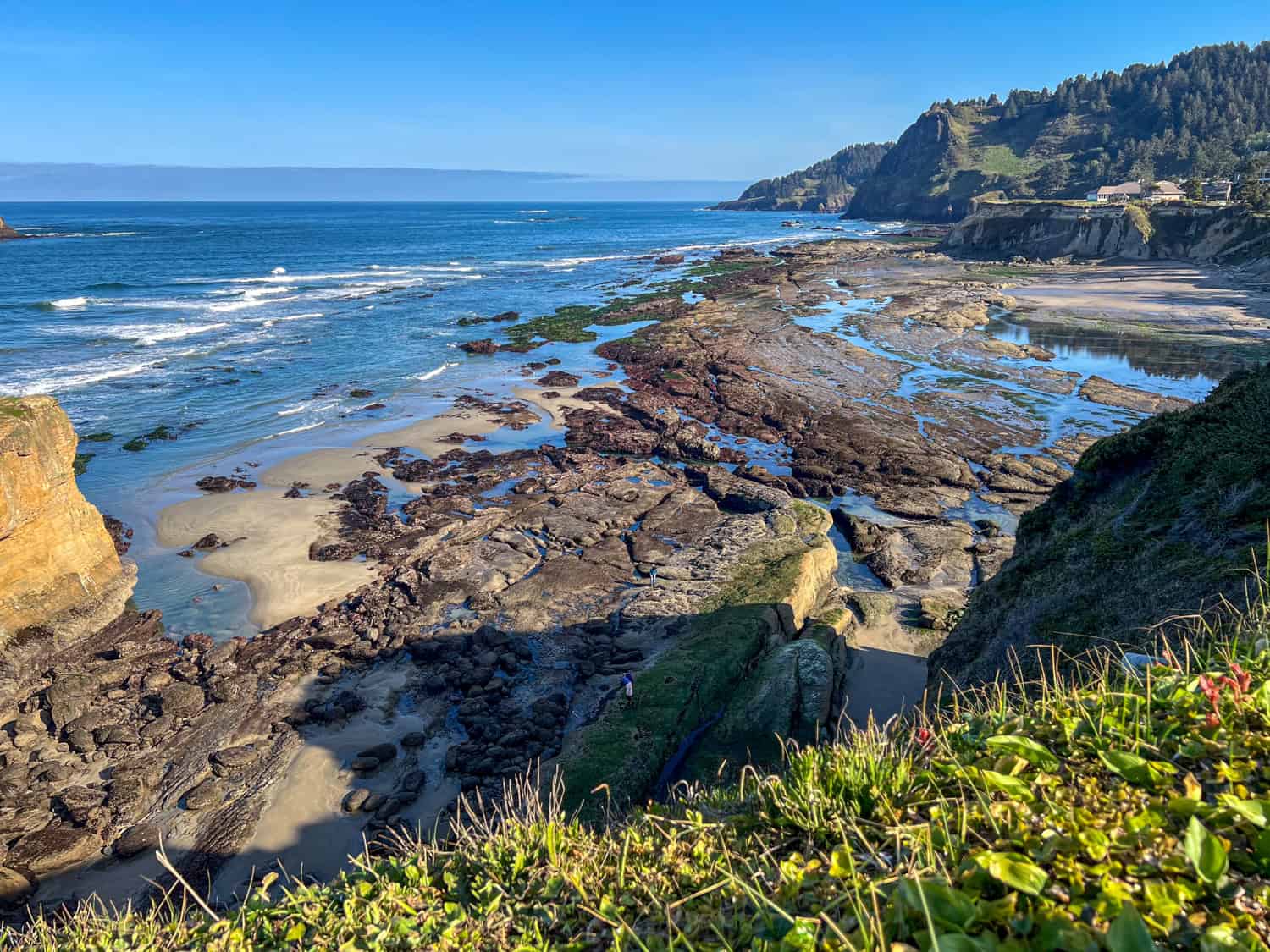
Why not try snowshoeing, sleigh rides, or scenic train journeys so that kids or non-skiers enjoy the stunning beauty of the mountains without the speed?

Embrace the Atmosphere: Firelight, Frost, and Festive Joy

Winter travel is as much about cozy ambiance as it is about physical activity. Think of all those cinematic moments associated with the season - firelit chalets, steaming mugs of mulled wine or hot chocolate, busy Christmas markets, and snow falling quietly to the ground. And depending on where you are in the world, you don't want to miss the magic of a once-in-a-lifetime Northern Lights display.

Pick accommodation that will allow you to soak in the winter spirit in peace - perhaps a wooden lodge with a spa and mountain views, or a small-town inn with candlelit dinners. Increasingly, travelers seek wellness and sustainability, making winter travel both reflective and responsible.

Keep Your Trip Safe, Calm, and Carefree

Remember that the weather can shift extremely fast in the mountains. Build in a few buffer days in case of weather-related or other delays. It's a good idea to book flexible stays or refundable tickets, if possible. Make backup plans for indoor activities (such as games or some spa time).

Carry a list of emergency contacts, and check slope and avalanche alerts. Also, don't skip travel insurance (especially if you'll be engaging in winter sports).

Clothing Thoughts

To fully embrace a winter holiday, travel with a curious mindset. Think of the 'cold' as just another kind of beauty. With the right mindset, you can learn to love winter's quiet. Let yourself slow down, breathe in the crisp air, and watch how light dances across the snow. In those still moments, you may find that winter doesn't just challenge you, it restores you.

_____

This story is published in partnership with Heidi.

One Must-Do Activity in Every Australian State

Mates, I'll be honest with you - I've spent the better part of my three years criss-crossing this massive country of ours, and every time I think I've seen the best Australia has to offer, something else comes along and completely floors me. But if you're planning a trip around Oz and you're wondering where to start, I've got you covered. These are some activities and experiences in every Australian state, and even months later, I'm still boring my friends with stories about them.

Collage of people dining on a Sydney dinner cruise; snorkeling at the Great Barrier Reef; Great Ocean Road and sunset at Cable Beach.

Things To Do in Australia

NSW - Sydney Harbour Dinner Cruises

I'm starting with home because, well, I live here. And I know what you're thinking - "harbour cruise dinners sound so touristy" - and yeah, I thought the same thing for ages.

I'd walk past Darling Harbour almost weekly, see those boats lit up at night, and think "that's for visitors, not for me." Then my sister's best friend was visiting from Perth, and she insisted we go on a Sydney dinner cruise. Best decision someone else ever made for me.

Here's the thing about Sydney Harbour - you think you know it until you're actually out on the water at sunset, watching the city light up around you.

The Opera House and Harbour Bridge are stunning from land, sure, but from the middle of the harbour with a beer in hand and the most delectable meal on your plate?

It's an entirely different experience. I've done it twice more since then, and I'm already planning the next one. Some experiences are worth repeating, right?

Queensland - Snorkel or Dive at the Great Barrier Reef

Of course, Queensland's got no shortage of incredible snorkeling spots. You've got the Whitsundays, Lady Elliot Island, and Heron Island - all stunning on their own. But if I had to pick just one? I would choose the outer reef sites around Cairns.

The moment I stuck my head underwater at the Great Barrier Reef, I actually gasped (pro tip: don't do it with a snorkel in your mouth). I'd seen the photos, watched the documentaries, and thought I was prepared. Mate, lemme tell you, I was not prepared. 

The colors are wild. Like, my brain had never processed that many shades of blue, green, and purple all at once. And the sea turtles, manta rays, clownfish, giant clams, etc., were casually swimming past like I was not even there. So, whether diving the Great Barrier Reef or snorkeling it, this is one of those bucket list things that actually lives up to the hype.

Victoria - Drive Down the Great Ocean Road

Driving the Great Ocean Road is one of the most popular activities in Victoria, Australia (photo: Wee Ping Khoo).
Great Ocean Road (photo: Wee Ping Khoo)

I'm not usually one for road trips. I get restless in cars. But the Great Ocean Road trip is different - it's the kind of drive where you don't mind being in the car because every bend reveals something out of the world.

I left Melbourne early one morning, grabbed a coffee in Geelong, and then it was just me and one of the most stunning drives on the planet. One minute you're driving through rainforest, the next you're hugging coastal cliffs with the Southern Ocean crashing below.

The Twelve Apostles are obviously the main event, and yeah, they're spectacular. But it was the random stops that got me - like pulling over at some unmarked beach near Lorne and having the entire stretch of sand to myself. Or the lighthouse at Split Point, where I watched whales migrating (in season, obviously - I'm not that lucky).

Pack snacks, take your time, and for the love of god, don't try to do it in one day. Stay in Apollo Bay or Port Fairy. You'll thank me.

Tasmania - Explore Hobart's MONA

The Museum of Old and New Art (MONA) is like if an eccentric billionaire were given too much money and told, "Build whatever you want." It's weird, it's confronting, it's uncomfortable (that's the whole point); I spent five hours there and still didn't see everything.

You climb nearly 100 steps, walk through spiraling staircases, and then it's just room after room of art that makes you think, laugh, or go, "wait, what?" I stood in front of a wall of vulvas for longer than I care to admit (it's an art piece, relax).

There's also a machine that literally mimics the human digestive system. Yes, literal sh*t on display. But beyond the shock value, there's genuinely incredible art at the MONA museum in Hobart, Tasmania.

Western Australia - Watch the Sunset at Cable Beach, Broome

Sailboat at sunset, Cable Beach (photo: Sheila C, Unsplash).
Sailboat at sunset, Cable Beach (photo: Sheila C)

I've seen a lot of sunsets. I live in Sydney-we're literally famous for them. But Cable Beach in Broome? That's on another level entirely.

The beach is 14 miles (22 kilometers) of white sand meeting the turquoise Indian Ocean, and when the sun starts dropping, the whole sky catches fire.

I did the camel ride thing at sunset (yes, it's touristy, and no, I don't care), and there's something surreal about swaying along on a camel while the ocean turns gold and the sky goes through every shade of orange, pink, and purple.

The sand, the water, the colors - it all just works together in this way that makes you understand why people travel across the world for this.

Even if you skip the camels, just being on that beach as the sun goes down is worth the trip to Broome alone. Bring a beer, sit in the sand, and watch the show.

South Australia - Wine Tasting in the Barossa Valley

Full disclosure: I'm not a wine expert. I'm the person who says things like "oohh, that's nice" and "this one's grapey." But even I couldn't mess up the Barossa Valley. It's ridiculously pretty - all rolling vineyards and cute stone buildings - and the wine is genuinely world-class. 

I spent two days there, hopping between cellar doors (with a designated driver, obviously), and every place had its own vibe. Some were fancy and serious, others were laid-back with friendly owners who clearly just loved talking about wine.

And the food! Oh my god, the food! Cheese platters, slow-cooked meats, bread fresh from the oven. Pair that with a Shiraz, sit outside overlooking the vines, and you'll never want to leave. Choose a Barossa Valley wine tour for a more curated experience! 

Northern Territory - Explore Kakadu National Park

Bird's-eye view of Kakadu National Park as it transitions from wet to dry season (photo: Rod Long, Unsplash).
Bird's-eye view of Kakadu National Park (photo: Rod Long)

Kakadu is vast. Like, bloody massive - nearly 12,500 square miles (20,000 square kilometers) of wetlands, escarpments, and ancient rock art. I spent four days there and barely scratched the surface, but what I saw completely changed how I think about Australia.

The rock art at Ubirr and Nourlangie is thousands of years old, and standing in front of it, knowing that people have been telling stories in this place for millennia, is overwhelming in the best way.

Then you've got the Jim Jim Falls (if you go in the wet season), yellow water billabongs filled with crocodiles and birds, and sunsets that paint the escarpments in red and gold.

This is Australia in its most raw and beautiful form. Don't skip it. There are also numerous Kakadu National Park tours if you don't want to explore it on your own.

So, ya. Australia's massive, and I know I'm lucky to have seen as much of it as I have. But if you're planning a trip and trying to figure out where to start, these seven experiences are the ones I'd do all over again in a heartbeat.

Each one gave me something different - whether it was that magic moment on Sydney Harbour, gasping at underwater colors, or standing in front of art that made me question everything. But mate, I'm still not done!  There's always another beach, another trail, another sunset waiting. And honestly? That's exactly how I like it!

_____

This story was brought to you in partnership with Australian Cruise Group.

Why Group Travel in Manchester Just Got Easier: Your Complete Guide

Manchester, a British city pulsing with culture, sport, and history, attracts millions of visitors each year. Whether you're planning a family celebration, a weekend getaway with friends, or a corporate event, navigating the city with a large group can quickly become overwhelming. From coordinating multiple vehicles to dealing with parking nightmares, group transportation in Manchester often presents more challenges than the travel itself.

Co-op Live Arena in Manchester (photo: Mylo Kaye, Unsplash).
Co-op Live Arena (photo: Mylo Kaye)

The solution? Professional coach hire services that transform potentially stressful logistics into seamless experiences. This guide explores everything you need to know about group travel in Manchester, ensuring your next outing is memorable for all the right reasons.

The Hidden Challenges of Group Transportation

Parking Chaos in City Centers

Manchester's city center wasn't designed for many cars arriving at once. Popular destinations like the Northern Quarter, MediaCityUK, and Old Trafford (Manchester United's stadium) become logistical puzzles when your group arrives in separate vehicles.

Parking fees multiply, spaces scatter across different areas, and coordinating meetup points wastes precious time.

The Coordination Nightmare

Ever tried syncing five different drivers using various navigation apps? Someone inevitably gets lost, traffic separates your convoy, and what should be a unified arrival turns into a staggered mess.

Mobile phone batteries drain from constant update calls, and the person elected as "group coordinator" deserves hazard pay.

Why Professional Coach Services Make Sense

Cost Efficiency That Surprises

When you calculate fuel, parking fees, vehicle wear-and-tear, and potential congestion charges across multiple cars, the numbers add up alarmingly fast. Professional Coach Hire Manchester services often prove more economical than you'd expect, especially when split among larger groups. You're not just paying for transport-you're investing in convenience, safety, and peace of mind.

Environmental Responsibility

A single coach replaces up to 50 cars on the road, dramatically reducing your group's carbon footprint. As Manchester pushes toward cleaner air initiatives, consolidating travel demonstrates environmental awareness that matters increasingly to both businesses and individuals.

Enhanced Experience

Imagine your entire group traveling together, building excitement en route to your destination. Conversations flow naturally, anticipation builds collectively, and nobody arrives frazzled from navigating unfamiliar roads. The journey becomes part of the experience rather than a frustrating prelude.

Popular Manchester Routes and Destinations

Old Trafford stadium is a popular group travel destination in Manchester (photo: Nat Callaghan, Unsplash).
Outside Old Trafford (photo: Nat Callaghan)

Corporate Events and Conferences

Manchester's conference venues-from Manchester Central to the Etihad Campus-regularly host major events. Professional transport ensures your team arrives together, on time, and ready to represent your organization professionally.

Airport Transfers

Manchester Airport ranks among Europe's busiest, and coordinating group departures or arrivals requires precision. Professional services monitor flight times, adjust for delays, and ensure smooth transitions between terminals and your accommodation.

Stadium and Arena Events

Whether catching Manchester United at Old Trafford, Manchester City at the Etihad, or concerts at the AO Arena, arriving as a unified group enhances the entire experience. No designated drivers, no parking stress-just pure enjoyment.

Wedding and Celebration Transport

Special occasions deserve special treatment. Coordinated guest transport adds elegance to weddings, milestone birthdays, and anniversary celebrations whilst ensuring everyone travels safely.

What To Look for in Quality Service

Modern, Well-Maintained Fleet

Reputable operators maintain vehicles to rigorous standards, with comfortable seating, climate control, and modern amenities. Don't settle for outdated coaches that compromise comfort.

Experienced, Professional Drivers

Skilled drivers who know Manchester's roads intimately make all the difference. They navigate efficiently, handle unexpected situations calmly, and ensure passenger safety remains paramount.

Flexibility and Customer Support

Plans change-quality providers accommodate reasonable adjustments without excessive fees or complications. Responsive customer service before, during, and after your journey indicates professionalism.

FAQ Section

How far in advance should I book coach hire for events in Manchester?

For major events like football matches or arena concerts, book at least 3-4 weeks ahead. Corporate events and weddings benefit from even earlier booking (8-12 weeks) to secure preferred vehicles and times during peak seasons.

What sizes of coaches are typically available?

Services typically offer minibusses (12-24 passengers), midi-coaches (24-35 passengers), and full-size coaches (49-57 passengers). Discuss your exact headcount to ensure optimal vehicle sizing and comfort.

Are refreshments and entertainment available onboard?

Most modern coaches include USB charging points, and some offer WiFi. For longer journeys, discuss options such as drink storage or entertainment systems when booking.

What happens if my flight is delayed for airport transfers?

Professional services monitor flight times automatically and adjust pickup schedules accordingly, typically without additional charges for reasonable delays.

Can coaches accommodate mobility requirements?

Many operators offer wheelchair-accessible vehicles. Always discuss specific accessibility needs during booking to ensure appropriate arrangements are made.

Making Your Decision

Group travel shouldn't feel like herding cats. The right transport solution transforms logistics from headache to highlight, letting you focus on what matters-enjoying Manchester's incredible offerings with the people who matter most.

When comparing options, consider the total value package: comfort, reliability, professionalism, and cost-effectiveness combined. The cheapest quote isn't always the best investment, whilst premium services deliver returns that extend beyond the journey itself.

Manchester's thriving event scene, world-class sporting venues, and vibrant cultural landscape deserve equally excellent travel experiences. Whether you're organizing a corporate outing or coordinating a celebration, professional coach services ensure your group arrives refreshed, together, and ready to create lasting memories.

_____

This story is published in partnership with SMC Coach Hire.

A Complete Checklist for Planning the Perfect Family Fishing Trip

Few experiences compare to preparing for a family fishing trip. The fresh air, open water, and chance to create lifelong memories together make for a great time.

Good planning makes all the difference, whether you're an experienced angler or heading out for the first time. With proper preparation, you can ensure a fun, safe, and successful day on the water.
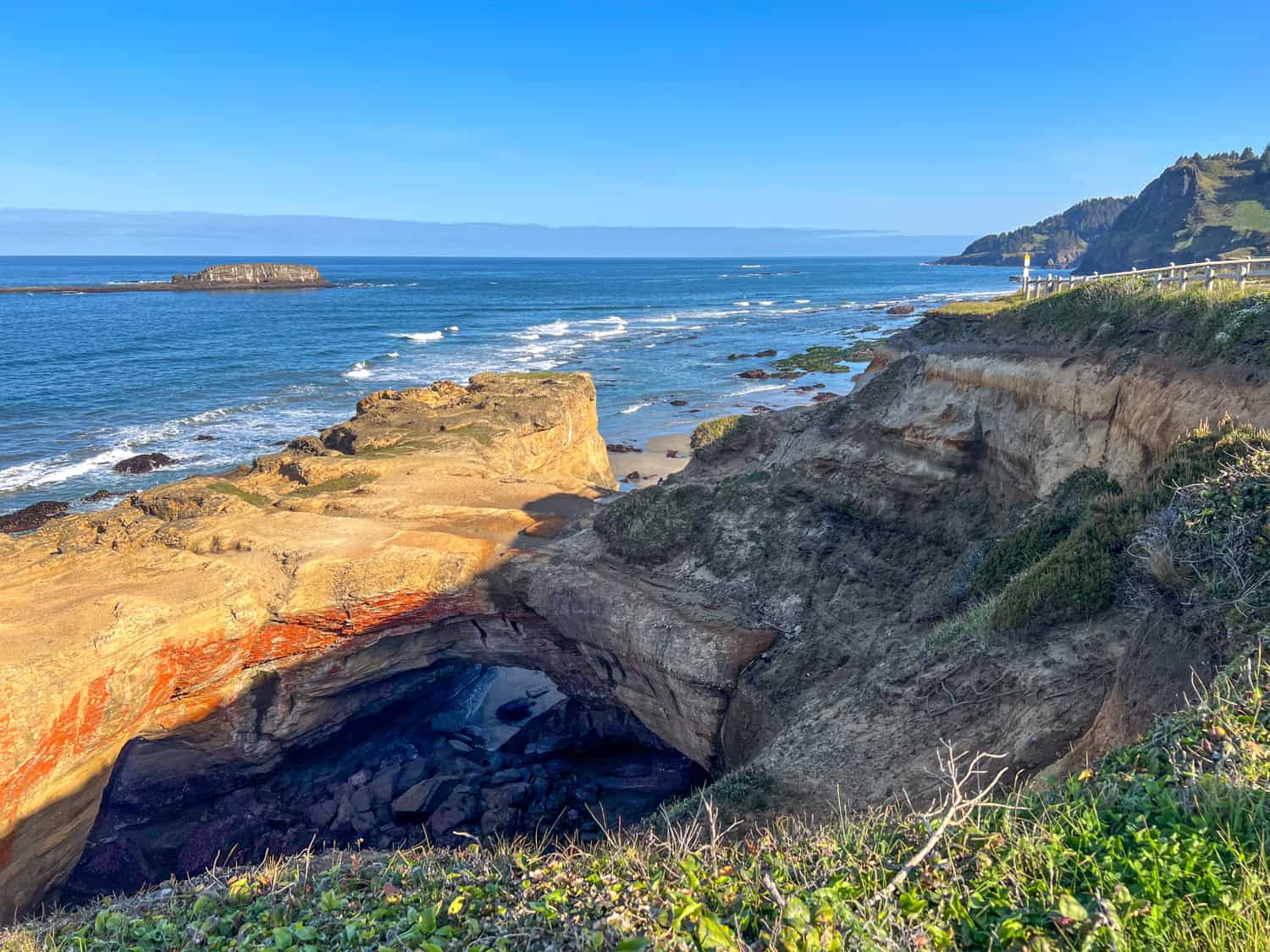
A family fishing together (photo: Derek Owens, Unsplash).
A family fishing together (photo: Derek Owens)

This guide will walk you through a step-by-step family fishing checklist, covering essential gear, required licenses, and important safety tips.

We'll also highlight practical digital tools, such as the Fishbox application, which makes trip planning easier, monitors fish activities, and provides the best locations to fish as a family.

Fishing Tips

Fishing is not merely about catching fish; it is also about bonding, teaching patience to kids, and spending time together in nature. With a bit of preparation, the whole family can enjoy itself. Read this list to ensure that your next adventure goes well.

1. Choose the Right Location

To improve the odds of a successful fishing trip, find places with family-friendly access and safety rules, such as a national park, a local lake, or a stocked pond. 

The most suitable fishing areas for the family usually offer picnic areas, open spaces, and a nearby bait shop where they can purchase live bait or lures.

When taking kids on a fishing trip, look for calm water and easy-to-access shorelines. Laid-back lakes or slow rivers are good places to start. 

Remember to research whether the place requires a fishing license. Several states permit children under a specific age to fish without a license, but adults may need one.

2. Check Local Rules and Regulations

Before going out, check with the state fish and wildlife department for local regulations. Rules may differ depending on the region, species, and season.

Certain waters may permit only barbless hooks or a specific type of bait. Attention to such details means keeping your family fishing trip within the margins and on friendly terms.

It's also prudent to verify catch and size limits, as well as any protected species, such as rainbow trout or yellow perch.

3. Watch the Weather and Water Conditions

Check the weather forecast before leaving home. The best fishing days are when calm winds, moderate weather, and mild sun are present. 

Weather and water conditions may also influence fish behavior. On cloudy days, the chances of catching fish are often higher than on sunny days.
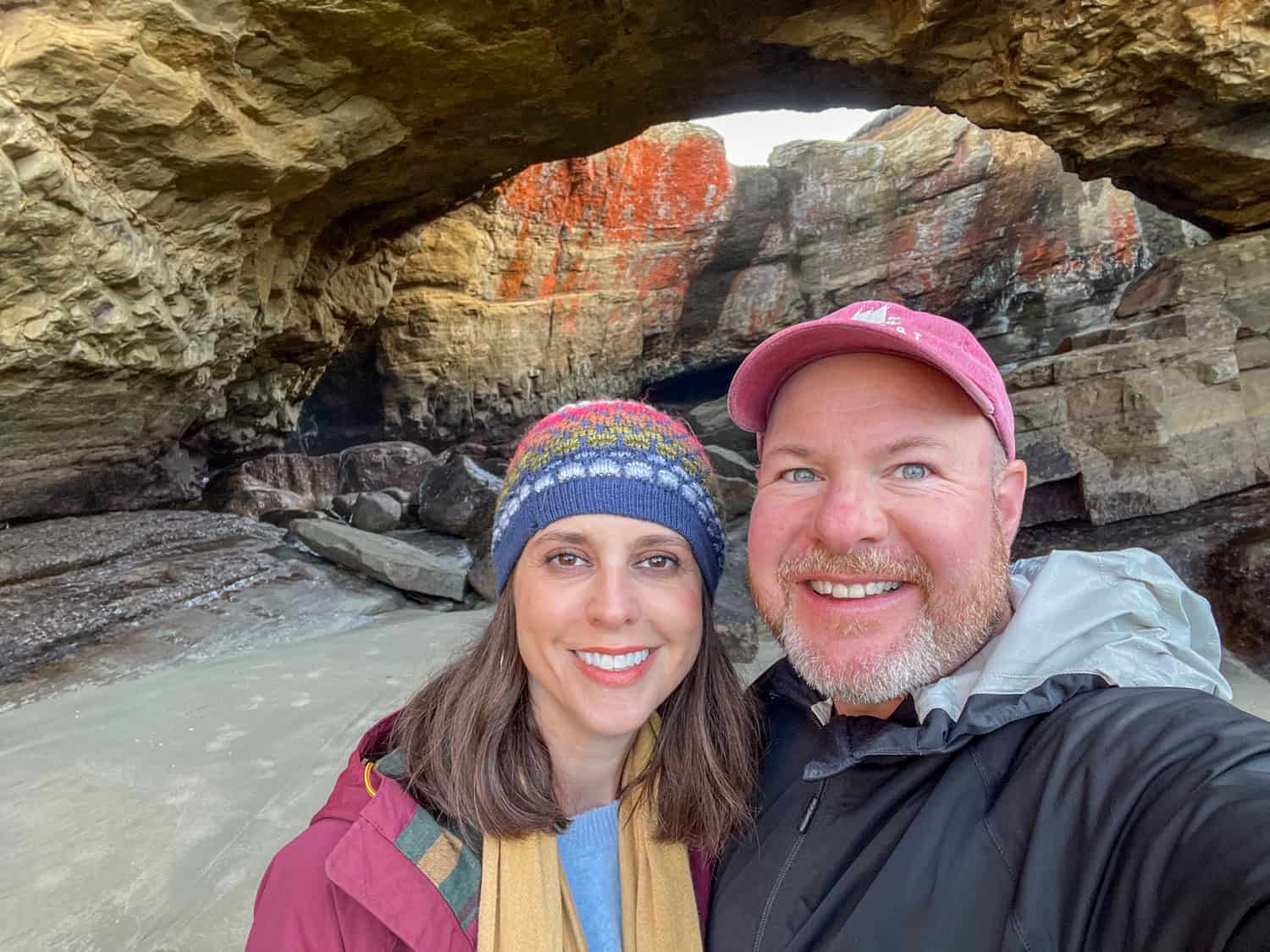
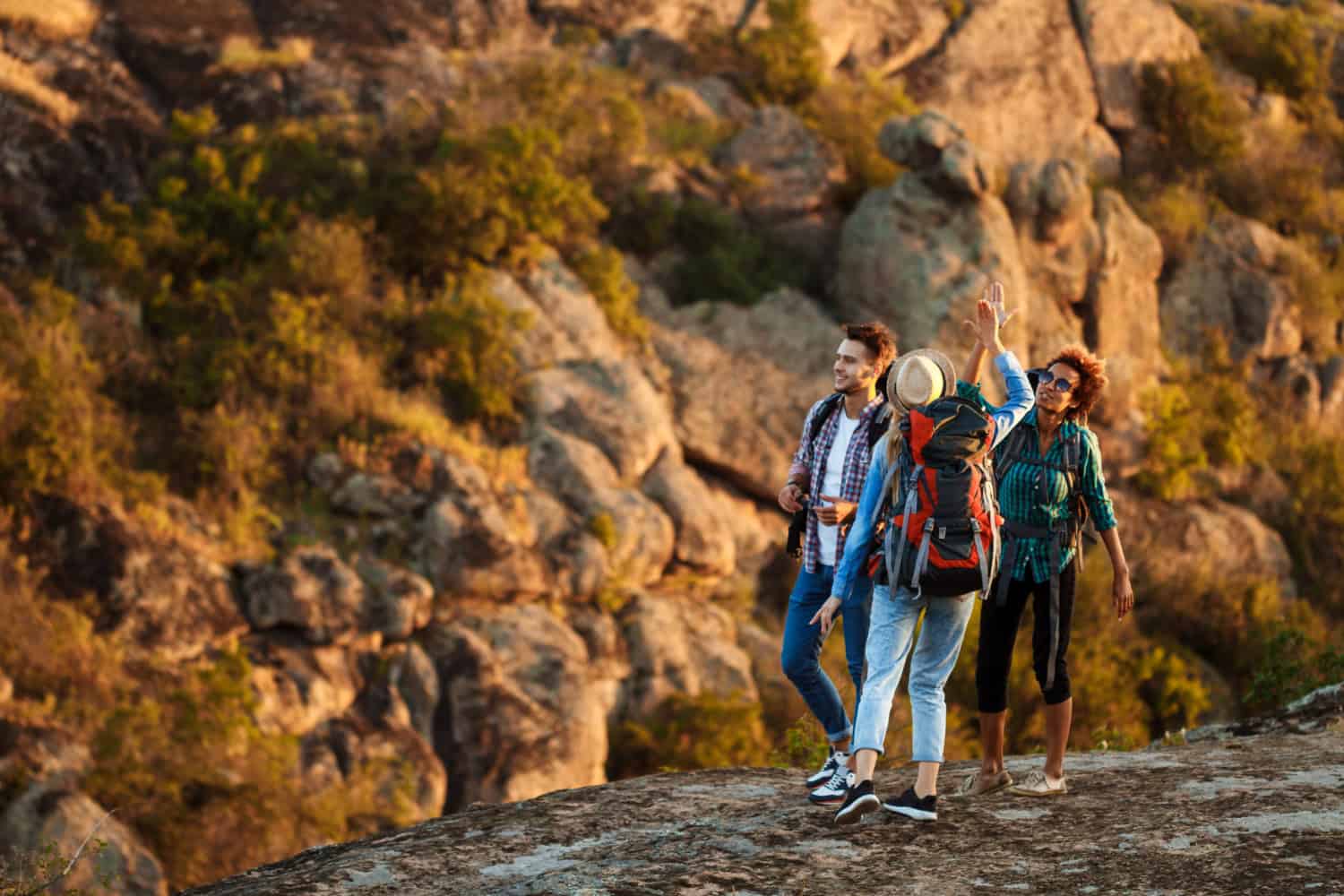
If you bring your kids, avoid extreme-temperature days. Ensure everyone is dressed appropriately for the conditions, wearing sunscreen, and feeling okay.

4. Prepare Gear in Advance

The proper fishing gear can make or break a trip. Make sure the rod and reel are in your house, pack spares, and test the lures or bait before you leave home. If your children are novices, use simple push-button reels that will be easy to handle.

The following should be a rapid list of preparing your equipment:

  • Rods and reels: One each, with preference to one replacement.
  • Hooks, lures, and bait: Have a collection of live and artificial baits for various types of fish.
  • Tackle box: Contains weights, swivels, and additional sharp hooks.
  • Polarized sunglasses: Helpful for seeing fish in the water and to avoid glare.
  • Bug spray and sunscreen: To feel comfortable and be protected.
  • Needle-nose pliers: To remove hooks from fish more easily.
  • Cooler: This is where drinks, snacks, and any fish you keep are put.

Even a small amount of preparation can make your trip more memorable.

5. Bring Essential Safety Items

Safety is paramount when fishing with kids. Bring a first aid kit with tweezers to remove splinters or hooks, bandages, antiseptic wipes, etc.

Everyone in a boat (including those who can swim) should wear a personal flotation device (PFD) or life jacket. Kids should be reminded to avoid steep banks when fishing from the shore.

Safety gear checklist:

  • Everyone boarding a boat needs life jackets.
  • First aid kit for scrapes, minor injuries, or cuts.
  • Zinc block and bug spray.
  • Fitting attire to keep oneself dry and warm.
  • Adequate water intake to avoid dehydration.

6. Pack Food, Water, and Comfort Items

Father and son fishing in a pond (photo: Vitaly Gariev, Unsplash).
Father and son fishing in a pond (photo: Vitaly Gariev)

An effective fishing trip can take several hours; therefore, anglers should carry plenty of food and water. Sandwiches, fruits, and healthy snacks are recommended. A cooler is also helpful for keeping food and beverages chilled (particularly in summer).

Bring a blanket or folding chairs if your fishing spot has picnic tables or a lawn. Invite everyone to pause briefly, watch birds and wild animals, and admire nature.

7. Plan for Fun and Learning

A family fishing trip isn't about who catches the biggest fish; it's about learning and having fun together. Spend time with kids, teaching them how to cast, identify fish species, and observe other wildlife. 

Train them in new skills such as knotting or getting hooked (under guidance). Celebrate every catch, even if it's small. Whether it's a little trout or sunfish, all catches are good when fishing with the family.

8. Practice Catch and Release

Teaching kids about ethical fishing will help them respect nature. If you aren't keeping the fish, practice proper catch-and-release methods.

Wet hands should be used when handling fish, and to minimize harm, they should be released into shallow water as soon as possible using barbless hooks. Respecting wildlife is essential so that fishing spots remain active for the next generation of anglers.

9. Don't Forget Comfort and Clean-Up Supplies

Carry towels, wet wipes, and trash bags to clean up after yourself. Always dispose of unused bait properly. One of the greatest environmental lessons of fishing with family is teaching kids to leave natural areas cleaner than they found them.

Gear Recommendations

Finding the appropriate fishing gear doesn't necessarily need to be a complex process. Start simple with a fishing rod, reel, and line matching your experience level. Spinning rods are good for families, and lightweight or push-button reels are ideal for beginners.

The following is what you should add to your list of gears:

  • Rod-and-reel combo: Select one that is easy to handle for both adults and children.
  • Tackle box: Prepare the tackle, including hooks, sinkers, and lures.
  • Bait: Carry worms, minnows, or fake lures depending on your species of interest.
  • Cooler: To store your refreshments and your catch.
  • Sunscreen, hat, and polarized sunglasses: To stay safe and cool under the sun.

The Fishbox application is available to make your fishing trips smarter. It assists fishers by providing real-time information on weather, water conditions, and fish activity. 

You can find family fishing spots, remind yourself of them, and even record some of your catches. It is like carrying a pocket dictionary to help make every outing successful.

Safety Tips for Family Fishing

Fishing is generally a calm outdoor activity; however, given the presence of children, safety negligence should never occur.

Follow these safety tips for family fishing:

  • Children should be regularly monitored around water.
  • The use of life jackets on the boat.
  • Sharp hooks or lures must be handled carefully.
  • Have a first aid kit around.
  • Remember to be hydrated and use sunscreen frequently.
  • Pay attention to variable weather.

Such minor safety measures would go a long way, as they help keep everyone safe and allow them to have a great day out in nature.

Conclusion

With some preparation and the appropriate family fishing checklist, you will surely make your next fishing trip safe and memorable. Whether packing fishing gear, checking for safety, or exploring scenic lakes, every detail makes it an experience. 

With tools like the Fishbox app, planning and exploring family fishing spots or traveling to a picturesque lake has never been easier. So, take your rods, pack your essentials, and create new memories with your loved ones on the water.

_____

This story is published in collaboration with Fishbox.

The Homecoming Logistics: Moving Out of Storage and Settling Down Locally

You did it! You survived years of visa runs, figured out airport logistics in three languages, and mastered the art of living out of a 40-litre backpack. You became an expert in minimalism, flexibility, budgeting and resourcefulness.

But now, after countless boarding passes and temporary addresses, you've decided to slow down, maybe not forever, but long enough to hang your clothes in a real closet.

Self-storage units (photo: Aga Adamek, Unsplash).
Self-storage units (photo: Aga Adamek)

You know the moment well, you've signed a lease, you're comparing coffee makers, and suddenly, you remember The Anchor, that life you packed away years ago in a storage unit or shipping container somewhere.

When you first decided to store your belongings, it made sense. The cost of keeping furniture, art, or sentimental items felt justified compared to replacing everything later.

For many long-term travelers, that balance point hits around the four-year mark, when storage costs start to catch up to replacement value. But now, as you transition from constant motion to stability, you face one last logistical challenge: retrieving your stored life and rebuilding a home base.

What's Waiting in Storage

After years of travelling light, it's easy to underestimate what's been sitting in that storage unit.

The moment you open the door, you'll rediscover a time capsule of your past life, a mix of memories, practicality, and sentiment:

  • Sentimental and Valuable Items - Family heirlooms, old journals, photo albums, or original artwork that you couldn't replace or leave behind.
  • Furniture and Essentials - The couch you loved, the bookshelf you couldn't part with, or high-quality appliances that made sense to store. A small unit (5'x5') might have cost $45-$60 a month, while larger spaces for furniture often run closer to $200.
  • Seasonal or Specialized Gear - Winter clothes, snowboards, or bikes that weren't worth lugging across continents but are still part of your lifestyle.

Now, the task isn't just about unpacking boxes, it's about shifting your mindset from the simplicity of carry-on travel to the complexity of a residential move.

Choosing the Right Moving Partner

Unpacking (photo: Vitaly Gariev, Unsplash).
A woman unpacking (photo: Vitaly Gariev)

When you're ready to reclaim your belongings and re-establish a home base, choose a moving company that fits your specific needs as a returning traveller:

  1. Experience with Storage Retrieval - Make sure they've handled long-term storage moves before, especially from secure facilities or containers.
  2. Complete Service Options - Look for movers offering all-in-one service: labour, equipment, and transport. These "storage-to-home" or "labour-only" packages mean you won't need to manage a thing.
  3. Insurance and Security - Confirm the company's coverage from the moment your items leave storage to when they're in your home.
  4. Flexibility and Transparency - Choose a reliable mover who communicates clearly, respects your timeline, and provides straightforward pricing.

This isn't just another move, it's the final step in a years-long transition. Treat it as such.

Settling Without Standing Still

Travel photo collage (photo: Juliana Malta, Unsplash).
Travel photo collage (photo: Juliana Malta)

Once your things arrive and you start unpacking, something shifts, your "travel self" meets your "home self." You may not be chasing flights anymore, but the mindset that carried you across the world doesn't just disappear.

Here's how to keep that explorer spirit alive, right where you are:

  • Be a Tourist at Home - Visit new cafes, markets, and cultural spots in your city. See your surroundings with the same curiosity you brought to every foreign neighbourhood.
  • Keep Micro-Adventures Alive - Plan weekend trips, hiking days, or local train rides to nearby towns. You don't need a passport stamp to feel the thrill of discovery.
  • Bring the World Into Your Space - Decorate your new home with pieces from your travels. Cook recipes from your favourite countries. Invite friends over for a themed dinner night, it keeps your travel energy alive.
  • Balance Routine and Wanderlust - Use the stability of having a home base to focus on work or creative projects, knowing you can still explore on your own terms.

Homecoming, Reimagined

Retrieving your stored life isn't just about moving furniture, it's about integrating your past adventures into your present foundation.

The nomadic chapter taught you adaptability, simplicity, and appreciation for experience over things. Now, you get to apply those lessons to a more grounded, intentional life.

This isn't the end of your journey. It's just a new phase, where the world doesn't shrink, it simply moves closer to home.

_____

This story is published in partnership with Let's Get Moving.

What To Pack for Your Child on a Family Backpacking Trip

When traveling with children, packing smart is just as important as choosing the right destination. Anyone who has explored a new city, hiked a mountain trail, or camped under the stars with a child knows that comfort and practicality matter most but that doesn't mean your child can't look and feel great, too.

A father and child hiking in Champoléon, France (photo: Mael Balland, Unsplash).
Hiking in Champoléon, France (photo: Mael Balland)

This guide covers how to choose children's clothing and hoodies for each travel season, combining comfort, function, and style to keep your young explorer ready for any adventure.

The New Wave of Kids' Travel Wear

Children's fashion has evolved far beyond cartoon prints and basic jeans. Today, parents seek versatile, durable clothing that works for long flights, outdoor adventures, and changing weather while allowing kids to express their personalities.

Think of it as a travel version of capsule dressing: a small collection of high-quality basics that can be mixed, matched, and adapted to different destinations, whether strolling through a European city in spring or hiking a national park in fall. Stylish boys clothes that combine function with comfort make it easier for parents to pack efficiently and for kids to travel confidently.

Essential Travel Clothing for Kids

A solid travel wardrobe should include lightweight, breathable layers that are easy to wash and quick to dry. Since laundry time is limited while traveling, focus on items that serve multiple purposes.

  • Base layers and T-shirts: Choose quick-drying, soft fabrics in neutral colors that pair easily with other pieces.
  • Hoodies: A lightweight boys hoodie is ideal for planes, cool mornings, or seaside evenings. For colder destinations, pack a fleece-lined hoodie that doubles as a jacket.
  • Bottoms: Sturdy joggers or convertible pants work well for hiking trails one day and city walks the next.
  • Jackets: Pick a packable puffer or rain shell light enough to carry but warm sufficient for sudden weather changes.

Goal: Fewer items, more functionality.

Seasonal Packing Tips

Summer Adventures

Heading to the tropics or a sunny European coast? Prioritize breathable fabrics like cotton and linen. A sleeveless hoodie or light pullover provides sun protection without overheating. Pair with shorts and sandals for a comfortable, easy-going travel outfit.

Winter Escapes

In colder climates, layering is key. Start with thermal base layers, add a long-sleeve tee or hoodie, and finish with a weatherproof jacket. Don't forget insulated footwear and small accessories like beanies, gloves, and scarves they make a big difference during chilly city tours or mountain hikes.

Sustainable and Travel-Friendly Choices

More families are choosing sustainable travel clothing a win for both comfort and the planet. Organic cotton, bamboo, and recycled materials are breathable, durable, and hold up well on long trips.

Look for items that pack small, dry quickly, and resist wrinkles. These features make living out of a backpack far easier and more efficient.

Dressing for Outdoor Adventures

A child hiking in New Zealand (photo: Sebastian Schuster, Unsplash).
A coastal hike in New Zealand (photo: Sebastian Schuster)

Whether hiking in the forest, camping in the desert, or exploring a coastal trail, the proper clothing can make or break the experience.

Opt for moisture-wicking fabrics to keep skin dry, and bring hoodies or jackets with UPF protection for sunny days. Invest in waterproof or trail shoes they handle puddles, pebbles, and playgrounds with ease.

Don't overlook accessories like wide-brimmed hats and lightweight gloves. These small additions help kids stay comfortable through long, active days outdoors.

Balancing Comfort and Culture

When traveling abroad, it s respectful to dress according to local customs. Avoid sleeveless tops or short shorts in places where they may be inappropriate. Lightweight pants and long-sleeve shirts can provide modest coverage while also offering sun protection.

Encourage your child to embrace local culture through clothing for example, wearing a hat from a market in Peru or a printed tee from Thailand. These small touches can become meaningful travel memories.

Keeping Clothes Adventure-Ready on the Road

Even the best gear needs care. For backpacking trips, plan a simple laundry setup: pack a small pouch of detergent, a quick-dry towel, and a few clothespins. Washing clothes in a sink or under a tap can become part of the travel routine and a fun lesson in responsibility for kids.

Choose fabrics that dry overnight and resist stains. Fold clothes neatly and set aside one clean outfit for travel days such as flights or long bus rides. A little organization goes a long way toward keeping your young traveler fresh and ready for the next stop.

Final Thoughts

Traveling with children is always an adventure full of surprises, laughter, and occasionally muddy shoes. With the right wardrobe, any destination can feel like home. From lightweight hoodies to convertible pants, smart packing ensures your child stays comfortable, confident, and ready to explore the world one backpacking trip at a time.

_____

This story is brought to you in collaboration with PatPat.

Long-Term Travel: Managing Your Gear and Home Base

Traveling for months, or even years, is the ultimate dream for many backpackers. There's the thrill of living from a single bag, the freedom to wake up in a new city each week, and the satisfaction of realizing how little you actually need to live well.

But for all its romance, long-term travel also demands a dose of practicality. What do you do with everything you own when you leave? How do you decide what stays behind and what comes with you?

Backpacking in Italy (photo: Daniele Franchi, Unsplash).
Backpacking in Italy (photo: Daniele Franchi)

Before setting out, many travelers turn to storage units to keep furniture, documents, or extra gear safe while they're away. It's a practical move that helps you detach from "stuff" without having to part with it forever.

Yet smart long-term travel isn't just about storage, it's about strategy. Managing your gear, rotating essentials, and maintaining a "home base" while on the move can make the difference between a chaotic trip and one that feels seamless and liberating.

Tips

Rethinking Your Relationship With Stuff

When you start planning a long-term trip, it's easy to feel overwhelmed by the amount of belongings you own. Closets and drawers hold memories of a stationary life, but long-term travel demands a minimalist mindset. Every object has weight, cost, and responsibility.

Most travelers go through a pre-departure "decluttering phase." It's part emotional, part practical.

Divide everything into three piles: what you'll take, what you'll store, and what you'll let go of. Keep the first pile small, the second organized, and the third freeing.

Ultimately, pack only what truly supports your mobility and comfort: a dependable backpack, sturdy shoes, versatile clothing, and compact electronics. Everything else should either find a new home or a safe place to wait for your return.

The Art of Packing for the Long Haul

Packing for a weeklong trip and packing for a year abroad are two very different exercises. When your backpack becomes your home, every inch of space matters.

The rule of thumb among experienced backpackers is simple: if it doesn't serve at least two functions, it probably doesn't belong in your pack.

For example, a thin rain jacket can act as a windbreaker, and a scarf can work as a blanket, a wrap, or even a makeshift pillow. The idea is to invest in flexible, multi-purpose gear that lightens your load without compromising comfort.

When it comes to clothing, follow the layering principle by using lightweight, breathable fabrics that you can mix and match. The experts at REI have an excellent guide to choosing functional clothing for long-term travelers.

The more you travel, the more you'll realize how few things you truly need. Every item you leave behind gives you one less thing to worry about, and one more reason to enjoy the simplicity of the road.

Creating a Smart "Home Base"

Man moving boxes into a storage unit (photo from Freepik).

Long-term travel doesn't mean abandoning everything back home. Keeping a small "home base", even if it's just a storage space or a friend's spare room, helps anchor your journey.

For most nomads, storage units are the ideal middle ground. They provide security, convenience, and peace of mind, letting you store clothes, books, furniture, or sentimental items without feeling weighed down. Think of it as a personal time capsule: your stuff stays secure while you're on the move.

A smart storage plan starts with organization. Use sturdy plastic bins, label everything clearly, and protect delicate items from moisture. If you're storing electronics or fabrics, consider a climate-controlled unit and verify whether your insurance covers off-site storage.

Some travelers even use storage units strategically between trips, swapping gear for different climates or seasons instead of carrying everything at once. It's a simple, practical way to stay light and travel farther.

Managing Your Home While You're Away

When you're gone for months at a time, your living space still needs attention. Some travelers sublet their apartments or list them on short-term rental platforms to offset costs, while others end their leases entirely and store their belongings. Whatever you choose, the key is to plan ahead.

If you maintain a home base, keep it simple: set up automatic payments for rent and utilities, remove valuables if you rent it out, and ask a friend or relative to check in occasionally.

Some digital nomads often maintain small "gear depots" to make it easier to return and reset. Others opt for total freedom with no fixed address, relying instead on a secure storage solution and a digital mailbox. There's no single right way, only what fits your comfort with uncertainty.

How To Handle Gear Rotation on the Road

One of the best ways to travel light over long periods is through gear rotation, swapping items in and out of your main kit based on season or destination.

If you start in the tropics but plan to hike the Alps later, don't carry winter gear from day one. Store it at home or in a storage unit, then have it shipped when needed. Once you're done with colder climates, send those items back and reload with lighter gear.

It takes some coordination, but the payoff is worth it: less time hauling luggage and more time actually enjoying the journey.

Documenting, Insuring, and Simplifying

Long-term travel involves more paperwork than most people expect. Before leaving, photograph and document everything you're storing or leaving behind.

This not only helps with insurance but also makes unpacking later far easier; you'll know exactly where everything is. Keep a digital copy of these inventories in the cloud, along with copies of passports, insurance documents, and emergency contacts.

While you're gone, simplify wherever possible. Cancel unnecessary subscriptions, switch to paperless billing, and use online banking for payments. These minor adjustments mean fewer surprises when you're off the grid, and fewer late-night calls trying to fix issues from a different time zone.

Minimalism in Motion

Even with all this preparation, you'll find that traveling itself continues to shape your sense of "enough." At first, it's hard to part with little comforts.

But as weeks turn into months, you begin to realize that carrying less means living more freely. You'll buy things and give them away, swap items with other travelers, or donate what you no longer need.

The key is to remain mindful. Every new purchase or souvenir adds weight, both physical and mental. A great habit is to reassess the contents of your bag periodically.

Ask yourself: have I used this recently? Would I buy it again today? If not, it might be time to let it go. The more intentional your packing becomes, the more liberating your travel will feel.

The Mid-Trip Reset

A sign held by a woman with circular arrows against a landscape (photo from Freepik).

No matter how experienced you are, at some point during a long journey, your backpack will start to feel like a portable attic. That's when it's time for a reset.

Many travelers choose a convenient city, such as Bangkok, Lisbon, or Medellín, and take a few days to reorganize. This is when you can donate unused clothes, ship souvenirs home, or send extra items back to your storage unit. Think of it as spring cleaning for travelers.

Doing this not only lightens your load but also refreshes your mindset. It's amazing how a leaner backpack can reignite your excitement for the road ahead.

Keeping Your Belongings Safe

Security should never be an afterthought. Before you leave, make sure your stored items are insured against theft, fire, or damage.

Keep important documents and backups in multiple locations, such as one digital copy online and one physical copy with a trusted person. If you're storing sentimental or valuable items, consider sealed containers with moisture absorbers or silica gel packs to prevent humidity damage.

Selecting a reputable storage facility with 24-hour monitoring and access logs will also provide you with peace of mind. Knowing that your things are safe makes it easier to focus on the present: the sunsets, the new friends, and the freedom.

Returning Home: Reconnecting With Your Things

After months or years on the move, coming home can feel like a surreal experience. Opening a storage unit or closet is like stepping into a time capsule, comforting yet strangely distant.

Many long-term travelers realize they no longer need half of what they left behind-living with less shifts how you see ownership and what truly adds value to your life.

Unpacking becomes an act of rediscovery, donating, rearranging, or even planning the next adventure before the dust settles.

Managing your gear and "home base" isn't just logistics; it's mindset. With the right mix of minimalism, smart storage, and foresight, your belongings can support your freedom instead of limiting it.

Because in the end, the best part of long-term travel isn't what you bring home, it's everything you make space to experience along the way.

_____

This story is published in partnership with Distinct Storage.

Why I'm Considering a Travel eSIM for Future Trips Abroad

No matter how many stamps fill my passport, one thing remains constant: I need a reliable internet connection when I arrive. That's why I'm intrigued by MobileSIM, a travel eSIM service offering instant setup in more than 190 countries.

Dave at Ahu Tongariki on Easter Island (photo by Kelly Lemons).
Dave at Ahu Tongariki on Easter Island (photo by Kelly Lemons)

For nearly twenty years, travel has been more than a hobby for me; it's been a way of life. From trekking to Machu Picchu to exploring Tokyo's nightlife or wandering among Easter Island's Moai, I've always tried to strike a balance between the freedom of unplugging and the need to stay connected.

These days, that balance is harder. As much as I'd love to toss my phone in a backpack and go off the grid in the Galápagos, the reality is that I run two blogs, Go Backpacking and Feastio, that rely on me staying connected, posting updates, and navigating foreign cities without wasting time searching for Wi-Fi.

The SIM Shuffle

I've relied on an iPhone as my primary travel camera since 2016, which is another reason I take it everywhere I go. My new iPhone 17 Pro is faster, brighter, and lighter than any camera I used to carry, yet one thing hasn't changed: the hassle of staying connected abroad.

Perhaps you know the drill. You land, clear customs, and begin scanning for a kiosk that sells prepaid SIM cards. Sometimes it's simple; other times, you're fumbling through language barriers, hoping not to overpay or accidentally buy a plan that runs out too soon.

In Peru, after visiting Machu Picchu for the first time, I recall standing in a small shop in Cusco, trying to top up my data. My Spanish is conversational, but even so, it took gesturing and Google Translate to make it happen. After experiencing enough of those moments, you begin to wish for a better way.

That's why the concept of a digital SIM (eSIM) makes so much sense for travelers like me-no plastic cards, no searching for stores-just a quick QR code scan before you fly.

With MobileSIM, setup takes under two minutes, and plans start for as little as $3, depending on your destination. It's the kind of convenience that would have saved me countless minor frustrations over the years.

What Makes MobileSIM Stand Out

Using a travel eSIM makes it easier to instantly share photos of Senso-ji, a Buddhist temple in Tokyo.
Senso-ji Buddhist temple in Tokyo

Plenty of companies offer eSIMs these days, but what caught my attention about MobileSIM is how simple and flexible it seems. Instead of juggling different SIM cards for every country, you can choose from local, regional, or global data plans, all managed through a single app for iOS or Android.

That flexibility matters to me because my travel patterns vary wildly. One month, I might take a short trip to Colombia; the next, I could be hopping between countries in Southeast Asia or Europe.

A regional plan would have been ideal during my time in Vietnam, when I moved from Ho Chi Minh City in the south to Da Nang, and later to Hanoi in the north. And when I flew from there to Tokyo, a global plan would have saved me the time (and minor panic) of trying to find a new SIM in Narita Airport.

Beyond convenience, MobileSIM offers 4G and 5G speeds, 24/7 live customer support with real people, and easy top-ups directly through the app.

Having real-time data isn't just about social media; it's what lets me book rides, translate menus, and find my way back to a hotel after dark in an unfamiliar city. Those small moments when everything goes right can make all the difference between a good trip and a stressful one.

Affordable Data, Anywhere You Roam

One of the most surprising aspects of MobileSIM is its pricing. Starting from $3 for some destinations and as little as $4.50 for an eSIM in Italy, it's competitive with local SIMs without the hassle of finding one. Data usage is transparent in the app, ensuring that there are no hidden fees or confusing conversion rates.

That would have come in handy on Easter Island, where prices for almost everything, including connectivity, are higher because of the island's isolation.

During that trip, I ended up relying on spotty hotel Wi-Fi and offline maps. Having an affordable, prepaid eSIM option could have made it easier to upload photos without having to wait until I got back to Santiago.

In short, MobileSIM appears to be designed for the kind of traveler who values autonomy, someone who wants to land anywhere and get going without technical obstacles.

Whether you're planning a weekend in Europe or a multi-country adventure across Asia, the ability to activate mobile data instantly feels like a practical upgrade to the way we travel.

Tech That Fits the Way I Travel Now

Grabbing a banh mi in Saigon (photo by Kelly Lemons).
Grabbing a banh mi in Saigon (photo by Kelly Lemons)

Over the past five years, my travel habits have changed a bit. I still seek new experiences, such as learning about Vietnamese coffee culture, but I'm also more selective.

My trips are often shorter and more intentional, blending exploration with remote work. That hybrid lifestyle, part digital nomad, part home-based writer, means I still depend on tech that keeps me connected without tying me down.

When I lived abroad in Colombia full-time, I met other expats who carried two phones: one for local calls, another with their U.S. number. Today, with dual eSIM support on newer iPhones and Android devices, that extra hardware is no longer necessary.

You can keep an American number active for banking and two-factor authentication while using an international data plan through a provider like MobileSIM. It's a slight shift, but one that keeps traveling and living abroad simpler.

How eSIMs Are Changing Independent Travel

If you've been backpacking for a while, you're likely aware of how travel technology continues to evolve. Years ago, we'd exchange memory cards and lug paperback guidebooks.

Then came Wi-Fi cafés, portable routers, and international roaming plans that cost more than a night in a hotel. eSIMs feel like the next step in digital evolution: lightweight, digital, and nearly instant.

They fit naturally into the way modern travelers move: spontaneously, globally, and often with just a backpack. With services like MobileSIM, travelers can now use a global eSIM for international travel, staying connected in over 190 countries.

For someone like me, who has spent half my adult life chasing new horizons, that's a no-brainer. The tools we carry should enable movement, not complicate it.

If you're planning a big trip abroad, such as to the far-flung Easter Island in Chile, Vietnam, or Japan, a reliable eSIM would be particularly useful.

Looking Ahead

After years on the road, I've learned to appreciate anything that makes travel easier. While I haven't used MobileSIM yet, it's clear how an eSIM like this could simplify future trips, from quick getaways to long journeys. If it delivers on its promise of reliability and ease, it might just earn a spot on my digital packing list.

_____

This story was written in collaboration with MobileSIM. As always, all opinions are my own.

My Oregon Coast Road Trip: A 4-Day Itinerary

After spending a week in Seattle, Kel and I set out on our first Oregon Coast road trip together, a four-day journey that would take us from the city to the sea and down one of the most scenic coastlines in America.

Kel was especially excited to revisit Oregon's north coast and show me more of the central coast, while I was eager to see filming locations from one of my favorite childhood movies, "The Goonies."

View of Cannon Beach and sea stacks from Ecola State Park on the Oregon Coast.
View of Cannon Beach and sea stacks from Ecola State Park

At 7:30 a.m. on a Sunday, we picked up our rental car (a sexy red minivan) in downtown Seattle and drove three hours south to Astoria, Oregon. We spent two nights in Cannon Beach and one night in Otter Creek before heading inland to Portland.

Although the coast offers nearly endless opportunities for hiking and outdoor adventure, this trip was more about taking in the views, coastal towns, and easy scenic drives-an accessible and rewarding way to experience the Oregon Coast in just a few days.

Oregon Coast Itinerary

To give you a bird's-eye view of our route, I've put together the highlights from our trip in the map below.

Day 1 - Astoria

The Astoria welcome sign.
Welcome to Astoria

As we rolled into Astoria, I played "So Long, Astoria" by The Ataris. Founded in 1811, Astoria is the oldest American settlement west of the Rocky Mountains.

Strategically located where the Columbia River meets the Pacific Ocean, it played a key role in the fur trade, fishing, and timber industries that fueled the region's early growth.

Today, Astoria is known for its Victorian architecture, steep hills, and maritime culture, which is showcased at the Columbia River Maritime Museum.

The city also draws visitors for its arts scene, craft breweries, and pop culture fame as a filming location for "The Goonies" and other hit movies (including "Short Circuit," "Kindergarten Cop," and "Free Willy").

Pier 39

Pier 39 in Astoria, Oregon.
Pier 39

Our first stop in Astoria was Pier 39. It was once home to the Union Fish Cannery, one of many canneries that lined the Columbia River in the late 19th and early 20th centuries.

At its peak, the cannery processed large quantities of salmon caught in the river's strong currents, helping Astoria earn its nickname as the "Salmon Canning Capital of the World."

Today, the restored pier preserves that legacy with a mix of shops and the Rogue Public House (craft brewery), offering visitors a chance to experience Astoria's working waterfront history firsthand.

Kel joined me as I grabbed a cappuccino at the busy Coffee Girl cafe, which was named in honor of the women who used to work at the cannery.

Another reason I wanted to stop at Pier 39 was the chance to see sea lions. And while we could hear them barking from a nearby dock, they were too far away to get a good look.

Goonies House

Mikey's house in The Goonies movie.
Mikey's house in "The Goonies."

Next, I visited the house featured at the beginning of "The Goonies," which is perched on a hill at 368 38th St. Signs at the bottom suggest they've been receiving curious film fans for many years.

The signs instruct you to park at the bottom of the hill and walk up, keep pets on a leash, maintain a low noise level, and be respectful.

News of a "The Goonies" sequel has been circulating online throughout 2025. According to Deadline, the scriptwriter submitted a first draft by August, and several of the original actors expressed enthusiasm for the project.

Lunch at Fort George Brewery

The northern shore of Astoria is full of restaurants, bars, and cafes, so deciding where to eat lunch wasn't an easy decision.

I suggested the two-story Fort George Brewery, where we got a delicious hot-from-the-oven pizza and cold cider. If you prefer to be on the river, there's also Astoria Brewing Company.

Oregon Film Museum

Oregon Film Museum in downtown Astoria.
Oregon Film Museum

After lunch, we visited the Oregon Film Museum, whose facade features in the opening of "The Goonies." Here you can see the original black 4x4 owned by the Fratelli's, complete with bullet holes in the back.

The museum costs $6 to enter, which I was happy to pay. Inside, you'll see memorabilia from the movie in a couple of tiny jail cells.

Astoria Column

The Astoria Column.
The Astoria Column

Our last stop in Astoria before continuing south along the Oregon Coast was the Astoria Column. Completed in 1926, it stands 125 feet tall atop Coxcomb Hill.

The column commemorates key moments in Oregon's early history, from the Lewis and Clark Expedition to the arrival of settlers via the Oregon Trail. Its spiral mural wraps around the column in a continuous frieze, telling the story of the Pacific Northwest's development.

Visitors who climb its 164 steps are rewarded with panoramic views of Astoria, the Columbia River, and the Pacific Ocean.

View of the Columbia River from the Astoria Column.
View of the Columbia River from the parking lot.

Drive to Cannon Beach

It took us about 45 minutes to drive the 25 miles down U.S. Route 101 from Astoria to the Surfsand Resort at Cannon Beach, where we'd spend two nights. Having previously visited the area, Kel chose this hotel for its beachfront location and views of Haystack Rock.

It was mid-afternoon when we checked in, so we used some free time to do laundry (at the nearby RV Resort at Cannon Beach). Dinner was leftover pizza and slices of pie we picked up at The Berry Patch Restaurant in Westport (east of Astoria).

We concluded the day with a sunset walk on the beach. While the sky was grey and overcast, it didn't dampen my excitement to see the Oregon Coast's most iconic rock.

Day 2 - Cannon Beach and Tillamook

Cannon Beach as seen from our balcony at Surfsand Resort (photo by Kelly Lemons).
Cannon Beach as seen from our balcony (photo by Kelly Lemons)

Cannon Beach, one of Oregon's most photographed coastal towns, is best known for Haystack Rock, a 235-foot basalt sea stack rising dramatically from the shore. This protected marine garden is a part of the Oregon Islands National Wildlife Refuge.

The town's name traces back to an 1846 shipwreck when a cannon from the Shark, a U.S. Navy schooner, washed ashore.

Once a quiet seaside village, Cannon Beach has evolved into a beloved getaway, renowned for its sandy beaches, tide pools, and arts scene. It also hosts an annual Sandcastle Contest, which has drawn visitors since the 1960s.

Tide Pools at Haystack Rock

Dave at Haystack Rock (photo by Kelly Lemons).
Dave at Haystack Rock (photo by Kelly Lemons)

Sunrise on Day 2 of our Oregon Coast road trip clocked in at 6:07 a.m.; however, it was still mostly cloudy. Around 7:30 a.m., with the tide out, we went tidepooling at Haystack Rock.

Mollusks and starfish were seen clinging to outcroppings around the base of the rock. The starfish were quite large and appeared in various shades of orange, red, and purple.

Low tide exposes mollusks and starfish at Haystack Rock.
Starfish in a tide pool.
Starfish

In addition to the marine life, Haystack Rock is a nesting site for several seabird species. The most notable are the adorable tufted puffins, which nest in burrows on the upper, grassy parts of the rock from spring through early summer.

Even if you're close to the rock, you'd be hard-pressed to see such small birds without binoculars. Common murres, pelagic cormorants, and western gulls also nest on its ledges.

Ecola Point Viewpoint (Goonies scene)

Dave at Ecola State Park (photo by Kelly Lemons).
Dave at Ecola State Park (photo by Kelly Lemons)

Next, we hopped in our rental car to visit Ecola State Park about three miles north of Haystack Rock. The Ecola Point Viewpoint provides a gorgeous view of Crescent Beach in the foreground, Cannon Beach, and the Oregon Coast.

Goonies fans may recognize this part of the park as the location of the Fratelli's hideaway in the movie. The wooden house was a temporary structure removed after filming. I believe the current restrooms located in front of a stand of trees occupy the same spot.

Neahkahnie Viewpoint

Highway 101 hugs the Oregon Coast as seen from Neahkahnie Viewpoint.
U.S. Highway 101 hugs the coast

Following our photo session at Ecola Point, we drove 14 miles south on U.S. Route 101 to Neahkahnie Viewpoint.

During this half-hour drive, we stopped only once at Sea Level Bakery + Coffee in South Cannon Beach. I was curious to check it out and left happy with a maple-bourbon latte and a cookie from Woodblock Chocolate (from Portland).

Returning to Neahkahnie Viewpoint, it offers impressive views, not least the highway curving around Neahkahnie Mountain. The retaining wall holding it up reminded me of some of the wild roads I rode along on a jeep tour of Sikkim in northeastern India.

The Big Cedar Tree

Kel walking through the coastal forest on the Rockaway Big Tree Trail.
The Rockaway Big Tree Trail

Our next stop was about 15 miles south in Rockaway Beach. Here, you can stretch your legs on a one-mile round-trip walk through the Cedar Wetlands Reserve to visit one of North America's largest western red cedar trees.

The trail is an elevated boardwalk, so there's no risk of getting muddy as you walk alongside the Saltair Creek.

Kel looking up at the big Western Red Cedar tree on the Oregon Coast.
Kel looks up at the big western red cedar tree.

"The Big Cedar," as it's colloquially known, rises 154 feet above the ground and is thought to be between 800 and 1,200 years old. The ancient tree has a 50-foot circumference and is absolutely worth the brief detour to see in person.

Lunch at Tillamook Creamery

Tillamook Creamery, Oregon.
Tillamook Creamery

Twelve miles south of Rockaway Beach, a cheese factory tour and lunch awaited us at Tillamook Creamery. Kel has been a fan of Tillamook's cheese and ice cream since we met, and deserves all the credit for turning me on to the brand.

We began our visit with a guided tour of the cheesemaking process and a brief tasting of several aged cheddar cheeses. Once we were on our own again, we ordered grilled cheese and cheese-topped chili in the cafeteria.

Dave sampling Tillamook Ice Cream (photo by Kelly Lemons).
Tillamook Ice Cream flights (photo by Kelly Lemons)

The main event for me, though, was the ice cream flights for dessert. Kel and I each ordered one ($10) with three flavors, totaling six scoops altogether.

As I wrote in my story about our visit to the Tillamook Creamery for Feastio, the Brownie Batter flavor was our favorite. The Campfire Peanut Butter Cup was my runner-up, while Kel's was Oregon Dark Cherry.

Blue Heron French Cheese Company

If you visit Tillamook Creamery, it's also worth stopping by their neighbor, the Blue Heron French Cheese Company. Housed in a charming blue-and-white barn, this store offers a diverse selection of items, including cheeses, chocolates, and wines.

Cape Meares Lighthouse

Cape Meares Lighthouse.
Cape Meares Lighthouse

After filling up on cheese and ice cream, we drove south through the town of Tillamook and west to the coast. Until now, our coastal adventure had been devoid of lighthouses, and that needed to be fixed.

The Cape Meares Lighthouse, built in 1890, sits on a cliff 217 feet above the Pacific Ocean. At just 38 feet tall, it's the shortest lighthouse on the Oregon Coast, but its vantage point gives it an impressive presence.

The lighthouse's first-order Fresnel lens, crafted in France, once guided ships navigating the rugged coastline until it was decommissioned in 1963. Today, it's part of Cape Meares State Scenic Viewpoint, where visitors can explore the restored tower and spot migrating gray whales (December to January, and March to May).

Related: Lighthouses of Maine

Octopus Tree

The Octopus Tree is a type of spruce.
This tree is a type of spruce.

If you visit Cape Meares Lighthouse as well, take the 0.1-mile path east to see the one-of-a-kind Octopus Tree (Sitka spruce). The 105-foot-tall tree has a 46-foot circumference with no central trunk. It's believed to be 250 to 300 years old.

By this time, it was mid-afternoon, and we were ready to make the 50-mile, 90-minute drive back to Cannon Beach.

Pilot House Distilling

A bottle of Oregon Single Malt Whiskey at Pilot House Distilling in Cannon Beach.
Oregon Single Malt Whiskey

Happy hour awaited us at Pilothouse Distilling, a small-batch craft distillery known for its locally inspired spirits, including vodka, gin, rum, and whiskey.

Founded in nearby Astoria, it opened a cozy tasting room in Cannon Beach where visitors can sample handcrafted cocktails and learn about the distilling process behind these Oregon-made spirits.

I enjoyed an Azalea gin cocktail, and Kel got the Garden Patio G&T. While we were hanging out, the bartender chatted with guests about their limited-edition A-O Come Hell or High Water. This Oregon single malt whiskey "is aged in-house, then put on local fishing vessels for a minimum of 6 months to a year."

Dinner at The Wayfarer Restaurant

We celebrated our anniversary with a low-key, beachside dinner at The Wayfarer Restaurant next to Surfsand Resort. It has been serving beachgoers for nearly 50 years. I got roasted halibut over wild mushroom risotto for my entree, and we shared a chocolate buttermilk cake for dessert.

Day 3 - Depoe Bay and Newport

Sea birds seen in Boiler Bay on the Oregon Coast.
Sign with info about migratory birds.

Depoe Bay and Newport are two highlights along Oregon's central coast. Depoe Bay, often called the "Whale Watching Capital of the Oregon Coast," is home to the world's smallest navigable harbor and a resident pod of gray whales visible much of the year.

Just south, Newport offers natural beauty and maritime history. It's known for its historic bayfront, Yaquina Head Lighthouse, and the Oregon Coast Aquarium, one of the best in the Pacific Northwest.

Newport also supports a thriving fishing fleet and seafood scene, making it a great place to enjoy fresh-caught Dungeness crab with some local craft beer.

Boiler Bay State Scenic Viewpoint

After checking out of our hotel in Cannon Beach, it took us about 2.5 hours to drive the 90 miles south to Boiler Bay.

We stopped briefly at the Boiler Bay State Scenic Viewpoint in Depoe Bay, but it was overcast, chilly, and windy. We didn't linger long.

It's a good vantage point for seeing gray whales and migratory sea birds such as the long-tailed Jaegers, which fly south from the Arctic.

Lunch at Tidal Raves Seafood Grill

Ocean view from Tidal Raves restaurant in Depoe Bay, Oregon.
View from Tidal Raves restaurant

As much as I'd like to claim credit for discovering Tidal Raves Seafood Grill on my own, I actually found it recommended in a Reddit thread. This coastal restaurant is open seven days a week, from 11 a.m. to 9 p.m., on a first-come, first-served basis.

We arrived at 11 a.m. on a Tuesday and secured a table for two by the windows overlooking the frothy seas of Depoe Bay.

Fantastic fish tacos at Tidal Raves Seafood Grill.
Fish tacos

A most wonderful lunch began with a glass of J. Wrigley Pinot Gris (Willamette Valley), followed by fish tacos, coconut shrimp, and a sizeable piece of tiramisu for dessert. It was one of the most memorable meals of our Oregon Coast road trip.

Buy Sandwiches at Bigfoot's Beach House

Sign for Bigfoot's Beach House

Maybe it was the name, or the colorful image of Bigfoot surfing. Perhaps it was all of the above that led me to Bigfoot's Beach House in Depoe Bay to pick up sandwiches for our dinner that night.

The Oregon berry turkey sandwich was so tasty that we returned the next day to pick up another for lunch. They also serve donuts, bagels, and a full complement of espresso-based drinks made with Stumptown Coffee (Portland).

Devils Punchbowl State Natural Area (High Tide)

The Devils Punchbowl Arch at high tide.
High tide at the Devils Punchbowl Arch

Sandwiches in hand, we continued south another five miles and 10 minutes to reach the Devils Punchbowl State Natural Area.

Geologists believe the Punchbowl was once two sea caves that eventually collapsed, likely several thousand years ago, when the rock between them gave way to the pounding surf.

The result is a bowl where waves crash and swirl with spectacular force. During low tide, visitors can explore tide pools teeming with marine life, while high tide transforms the Punchbowl into a roaring cauldron of churning water.

Our arrival on a Tuesday afternoon around 2 p.m. was timed to coincide with high tide, as we were curious to see this sea cave both when it was filled with water and when it as empty (the following morning).

The park is another excellent vantage point for whale-watching and enjoying the sunset.

The Inn at Otter Creek

We lucked out and were able to check in early to our room at the Inn at Otter Creek, a few minutes' drive north of Devils Punchbowl. We'd chosen it for its proximity to the stone arch and the ocean view from our room. Once we'd dropped our bags off, we hit the road again for more sightseeing.

Yaquina Head Lighthouse

Yaquina Head Lighthouse.
Looking west toward the Yaquina Head Lighthouse

Drive 6.5 miles south of Devils Punchbowl along U.S. Route 101, and you'll reach the peaceful Yaquina Head Outstanding Natural Area in Newport.

This oceanfront park on a peninsula offers access to Quarry Cove, Cobble Beach, a visitor's center, and the Yaquina Head Lighthouse, which first lit up in 1873.

Standing 93 feet above its basalt headland, the lighthouse's powerful Fresnel lens casts a beam visible up to 19 miles offshore. It's also notable for being the tallest lighthouse on the Oregon Coast.

Oregon Coast Aquarium

Tufted puffins

Fun for all ages (truly!) awaits at the Oregon Coast Aquarium, another six miles south of the Yaquina Head Lighthouse. Seeing the debonair tufted puffins up close was a joy, as was a ghost-white giant Pacific octopus clinging to the glass walls of its tank.

We also saw sea lions and harbor seals swimming outdoors, though we had no such luck with the sea otters. And you can walk through a glass tunnel for an up-close, personal view of several shark species (seven-gill, tope, and leopard among them).

Sea Lion Docks

California sea lions at Port Dock One in Newport, Oregon.
Visitors watch the sea lions in Newport.

Next, we drove north across the Yaquina Bay Bridge to reach Newport's historic bayfront. SW Bay Boulevard is lined with restaurants and bars, but we were there for the California sea lions that congregate by the dozens on Port Dock One.

California sea lions sunning themselves on a dock.
So many sea lions

Watching them from above, barking and hollering, and crawling over one and another made for a fun stop. It didn't hurt that the weather had improved and we were now enjoying blue skies and sunshine.

Dinner at Inn At Otter Crest

View toward Devils Punchbowl from our room at the Inn at Otter Crest.
View toward Devils Punchbowl from our room.

We wrapped up a very long and busy Day 3 of our Oregon Coast road trip with sandwiches and sunset as seen from our room at the Inn at Otter Crest. I was a bit nervous about our hike into the Devils Punchbowl at low tide the following morning, but it turned out to be easier than I imagined.

Day 4 - Otter Rock

Devil's Punchbowl (Low Tide)

Kel inside the Devils Punchbowl at low tide.
Kel inside the Devils Punchbowl

Our final adventure on the Oregon Coast was a 0.3-mile beach hike to Devils Punchbowl at low tide. We timed it perfectly and carefully traversed the tidepools and rocks, which were slick with wet moss and algae.

Walking into the entrance of the collapsed cave from the beach is genuinely awe-inspiring. Layers of sandstone and marine sediment took millions of years to build up here, only for it to come crashing down in multi-ton blocks a few thousand years ago (thanks, erosion!).

We had driven to a parking lot near the trailhead. However, on our walk back along the beach, I realized the Inn at Otter Crest provides beach access, and we hadn't even needed the car for our sea cave adventure.

Dave on Otter Crest Beach (photo by Kelly Lemons).
Dave on Otter Crest Beach (photo by Kelly Lemons)

From the coast, we drove inland through Salem to Portland, taking a few hours to hike through Silver Falls State Park along the way.

In just four days, our Oregon Coast road trip delivered sea stacks, lighthouses, sea lions, and plenty of small-town charm. It's an easy, scenic route that anyone can tackle, even with limited time.

Whether you're chasing "The Goonies" nostalgia like me, coastal views, or fresh seafood, this stretch of Oregon's Highway 101 makes for an epic adventure, and one I'd happily take again.

Top 10 Destinations To Visit on a Self-Drive Adventure in Uganda and Kenya

Your adventure in Africa would be incomplete if you did not include a self-drive safari in East Africa's leading destinations - Kenya and Uganda on your travel bucket list. While on a Uganda safaris adventure, there is a lot to see, including rare primates, and this is also the case with Kenya expeditions.

Tourists look at giraffes during a self-drive safari in Uganda.
Giraffe encounter in Uganda

From the lush savannahs of Kenya's Masai Mara National Reserve, famous for the Great Wildebeest Migration, to the wild landscapes of Tsavo National Park, and from Uganda's misty Bwindi Impenetrable National Park, home to nearly half the world's mountain gorillas, this road trip promises unforgettable experiences and lasting memories.

Exploring these fantastic destinations on a self-drive, which means you drive yourself within these places, will make everything about your trip much more memorable.

To easily navigate the rugged and tough terrains in these countries, you will need a 4x4 vehicle, such as a Land Cruiser or Land Cruiser Prado. They're strong enough to conquer challenging terrain, while also providing a hassle-free experience on both road and off-road conditions. 

Car camping in East Africa.
Car camping in East Africa

In this article, we will take you through what makes these countries exciting and introduce you to the top 10 destinations to consider for an authentic African experience.

Top Destinations

1. Masai Mara Game Reserve

In southwest Kenya, the Masai Mara is the country's most famous national park and one of the leading destinations in Africa amongst travelers from all corners of the globe.

This is the best place to spot the Big 5 game animals, which include elephants, lions, leopards, buffalo, and rhinos. It's also renowned for being the best park to witness the Great Wildebeest Migration.

The Masai Mara is also among the few game reserves that offer a year-round game viewing experience, where you will be able to spot various wildlife as they roam free in the open savannah. 

2. Diani Beach/Indian Coastline

This is yet another exciting destination to look out for during your self drive Kenya road trip in East Africa. Diani Beach is situated on the east coast of Kenya, along the Indian Ocean coastline, and stretches for approximately 15 miles (25 kilometers). 

Whether you're planning a honeymoon, family getaway, or a solo adventure, Diani Beach delivers. From the swaying palm trees and white sand to coral reefs, it has a lot to offer.

Outdoor activities you can enjoy here include deep-sea fishing, scuba diving, snorkeling, and much more. If you're also seeking a place to relax and unwind after your Kenya self-drive road trip, this is a good spot to consider. 

3. Lake Nakuru National Park

Flamingos in Lake Nakuru. Photo by Bibhash (Polygon.Cafe) Banerjee, Unsplash.
Flamingos in Lake Nakuru (photo: Bibhash Banerjee)

Famous for its large flamingo populations, Lake Nakuru National Park is one of Kenya's best-known birding destinations.

The park takes its name from Lake Nakuru, a shallow soda lake whose high alkalinity attracts over 450 species of birds, including pelicans, cormorants, and the vibrant pink flamingos that often blanket its shores.

Beyond its birdlife, the park is home to a diverse array of wildlife, including giraffes, buffalo, lions, leopards, and both black and white rhinos.

Lake Nakuru's setting, located along the floor of the Great Rift Valley, also provides visitors with sweeping views of escarpments, woodlands, and open grasslands, making it an ideal stop for photographers and nature lovers alike.

4. The Giraffe Centre in Nairobi

Situated just a few minutes from Nairobi's city center in Kenya, the Giraffe Centre, established by the African Fund for Endangered Wildlife (AFEW), is yet another exciting attraction. 

Here, you'll get an up-close experience with the rare Rothschild's giraffes and have the opportunity to feed them. Even if you're in Nairobi on business and plan to travel to other parts of the country, this is a must-visit attraction. 

5. Bwindi Impenetrable National Park

A baby mountain gorilla in Bwindi (photo: Gabriel Schumacher, Unsplash).
A baby mountain gorilla in Bwindi (photo: Gabriel Schumacher)

Your self drive Uganda road trip would be incomplete if you do not include a visit to Bwindi Impenetrable National Park, situated in southwestern Uganda.

Bwindi, one of Uganda's leading travel destinations, is renowned for its mountain gorillas and is among the few places in the world where you can spot these endangered gentle giants as they roam freely in their misty forest habitat.

Mountain gorillas share about 98% of humans' DNA, and an up-close experience with these species is truly remarkable. In Bwindi, you can spot mountain gorillas in four sectors or locations: Rushaga, Nkuringo, Ruhija, and Buhoma. 

To witness wild gorillas in Uganda, you must purchase a gorilla trekking permit through a licensed tour operator, such as Your Drive Uganda. Each permit costs $800 per person and allows you to spend up to one hour with the mountain gorillas once you have found them. 

To spot mountain gorillas, it's essential to book your tracking tour at least three months in advance. Permits are limited and sell out quickly. 

6. Murchison Falls National Park

Located in northwestern Uganda, Murchison Falls National Park is the country's most visited park. It's named after the dramatic Murchison Falls, where the Nile River forces its way through a tight gorge to create one of the world's most powerful waterfalls.

Apart from the waterfall, there are more activities to enjoy within the park's boundaries. These include game viewing, where you can spot various wildlife species as they roam through the open savannah. The park is home to lions, giraffes, elephants, warthogs, several species of birds, and antelope. 

In Murchison, travelers can also try the boat ride experience, which takes them to the base of the falls. From the cruise, species such as the Nile crocodile, hippos, and various water birds, as well as animals on the riverbank like elephants, can be observed. 

En route to and from Murchison, take the opportunity to stop at the Ziwa Rhino Sanctuary, the only place in Uganda (currently) where you can spot these endangered species.

7. Kibale Forest National Park

A chimpanzee in Kibale Forest National Park (photo: Simone Dinoia, Unsplash).
A chimpanzee in Kibale (photo: Simone Dinoia)

Also situated in the western part of Uganda is Kibale Forest National Park, popularly known as the "primate capital," because it's home to over 13 species of primates. 

A highlight of visiting this national park, located near the border of the DRC and within Fort Portal, is spotting chimpanzees as they play and hang from tree branches. Unlike mountain gorillas, these are playful and cheerful.

To spot them, you will need to obtain a tracking permit through a licensed tour operator, which costs $250 per person for foreign nonresidents. 

Apart from the chimpanzees, there are other enjoyable activities to experience in Kibale. These include the Bigodi swamp walk, which introduces you to various bird species that reside in the area.

In this local community, you can learn about the different activities that take place, such as regional winemaking and coffee brewing. 

8. Jinja 

Jinja might not be on your travel bucket list, but it's well worth a visit during your time in Uganda. Located just two to three hours from the capital, Kampala, this vibrant town has become a must-visit destination for international travelers.

It's best known as the source of the Nile River, which begins its long journey here before winding through Sudan, Ethiopia, and Egypt to the Mediterranean Sea.

Jinja offers numerous adrenaline-pumping sports to enjoy, including kayaking, whitewater rafting, and bungee jumping. 

If you would like to learn about the history of this part of town, which was once Uganda's industrial hub, a visit to the city will introduce you to the town's history. 

9. Kampala City Tour

Known as East Africa's most vibrant city, Kampala is a must-visit on your road trip. There are various historical sites, cultural attractions, and other amazing places to visit while in Uganda's busiest city. 

Visit landmarks such as the Kasubi Tombs, Namugongo Catholic Shrine, and Gaddafi Mosque, which offer sweeping city views. Then, experience Kampala's upbeat nightlife, where the energy and warmth of Ugandans truly shine.

You can wind down your self-drive road trip in Uganda with a stopover in Entebbe. Relax on the beaches or visit the Mabamba swamp, a popular destination for birders seeking to track shoebills.

10. Queen Elizabeth National Park

A lion hanging out in a tree in Queen Elizabeth National Park, which can be visited during a self-drive safari of Uganda (photo: Maarten van den Heuvel, Unsplash).
A lion hanging out in a tree (photo: Maarten van den Heuvel)

Last but not least is yet another destination that attracts a considerable number of travelers from all corners of the world. Queen Elizabeth in western Uganda is home to tree-climbing lions, which can be seen in the Ishasha sector of the park. 

While visiting Queen Elizabeth National Park, you can spot herds of elephants, buffalo, antelope, and numerous bird species, along with leopards. A boat cruise along the Kazinga Channel offers close-up views of hippos, crocodiles, and other wildlife along the water's edge.

The park also provides stunning vistas of the Rwenzori Mountains and easy access to nearby crater lakes.

There's more you can do on your adventure in Uganda and Kenya. Whether you would like to immerse yourself in their rich cultures, visit the various national parks, or do both, these countries have much to offer adventure travelers. 

_____

This story is published in partnership with Maranatha Tours and Travel, Your Drive Kenya, and Your Drive Uganda.

How To Integrate a Kayak Trip Into a Multi-Day Backpacking Adventure

Combining trekking and kayaking into a single multi-day journey opens up a new dimension of exploration. Many experienced backpackers overlook the transformative power of water routes when incorporated into an established trail plan.

Rivers, lakes, and coastal channels expand access to quiet corners that footpaths never reach. Early route mapping and careful gear selection create the foundation for a safe and efficient hybrid trip, and resources like The Equipment Guide support informed decisions without adding unnecessary weight.

A kayaker navigates a waterfall near Voss, Norway (photo: Rune Haugseng, Unsplash).
A kayaker navigates a waterfall near Voss, Norway (photo: Rune Haugseng)

Route Design That Lets Land and Water Work Together

A workable plan begins with maps that show both contours and water details simultaneously. Topographic layers reveal gradients and likely carry sections, while hydrographic or nautical layers clarify current direction, lake fetch, and shoreline landing sites.

Paddling speeds for touring boats typically range from 3 to 5 kilometers per hour on calm water, while hiking speeds often vary from 4 to 5 kilometers per hour on moderate terrain. Therefore, a route that alternates gentle hiking segments with short, calm crossings can sustain energy over several days.

Permits and access rules shape the plan as well. Regions such as the Boundary Waters in Minnesota or the Dalsland Canal system in Sweden offer clear portage corridors and posted campsite limits that support transparent decision-making.

Local management agencies often publish seasonal notes on fire risk, water levels, and invasive species control. Checking these notices reduces conflict with rangers and protects sensitive shorelines.

Timing Windows, Weather, and Seasonal Flow

Season sets both water temperature and daylight, which in turn define safety margins. In the summer at higher latitudes, long hours of light allow for flexible transitions between paddling and walking; however, afternoon winds can raise short, steep waves on small lakes.

During spring snowmelt, river discharge may double normal values, creating fast eddies that exceed the skills of beginners. Autumn brings cooler air and shorter days, so camp chores need strict timing to keep the group warm and fed before dark.

Forecast detail matters because small craft face rapid changes. Wind of around twenty kilometers per hour can already push a loaded kayak off course on wider lakes.

Water below 59 F (15 C) increases the risk of cold shock and calls for thermal protection, rather than just a light spray jacket. A conservative plan records bailout trails and secondary camps so that a shift in weather does not force risky crossings.

Gear Selection For Hybrid Travel

Choosing a Packable Kayak With Real Trail Value

Inflatable kayaks are ideal for trips combining trekking and kayaking (photo: Brenda Christiansen, Unsplash).
Inflatable kayaks at Rockport Reservoir, Utah (photo: Brenda Christiansen)

Packable kayaks make the land-to-water concept viable. Inflatable or folding designs often weigh 10 to 15 kilograms, which fits within a realistic carry for a strong backpacker.

High-quality models utilize welded seams, multiple air chambers, and pressure relief valves that withstand prolonged exposure to the sun and cold.

A compact repair kit, which includes patches, valve tools, and a small pump, adds only a few hundred grams yet protects the schedule when a scrape occurs on a gravel bar.

Tracking and durability are central quality signals. Stiffer floors, resulting from drop-stitch construction, improve glide and reduce fatigue during multi-kilometer crossings.

Removable skegs facilitate straight-line control on lakes but should be stowed before shallow landings to prevent damage. Clear manufacturer information about materials and service parts supports long-term use and reduces waste.

Packing Method, Weight Targets, and Dual Use Items

Balanced weight prevents sore hips and strained shoulders during portages. Many teams keep their total carried mass near 20 to 25 percent of their body weight, which includes the boat, paddle, food, and shelter.

Dry bags that compress, nested cookware, and a collapsible paddle save space while keeping essentials dry. Carbon or fiberglass paddles typically weigh between 900 grams and 1.2 kilograms, reducing arm fatigue compared to basic aluminum options.

Clothing works best when it suits both phases. Quick-drying trousers and synthetic base layers effectively handle paddle spray and trail sweat. Neoprene booties paired with lightweight trail shoes protect feet at cold landings and remain secure on mossy rock.

A compact personal flotation device stays on during every crossing and doubles as a warm vest at windy camps.

Carrying and Portaging Without Losing Pace

Portage Technique That Respects Trails and Bodies

Efficient carries rely on stable attachment. Boats ride well against a framed pack when using wide straps placed above the hip belt, ensuring the hull does not bounce with each step. Load lifters bring the center of mass closer to the body, reducing lower back strain on steep grades.

On long connectors beyond two kilometers, a compact portage cart with puncture-resistant wheels can spare knees on gravel access roads. However, many protected trails do not allow carts, which makes advance reading of the rules essential.

Transitions Between Shore and Path

Well-planned transitions save time and prevent mistakes. Gear should be packed into color-coded dry bags so that a paddle blade or map cannot be hidden under a seat.

Before landing, teams stow skegs and secure loose items, then step into shallow water for a clean lift rather than dragging the hull. After a portage, the first minutes on the water begin with a brief ferry angle practice to confirm that wind and current behave as predicted.

A Short Checklist For a Fifteen-Minute Portage

A simple mental script helps maintain order when energy wanes late in the day. First, confirm that electronics sit high and dry inside a small liner bag, since a slip during the carry can dunk a phone in a puddle.

Next, tighten the shoulder straps and hip belt, then test balance by walking ten steps before committing to the full path. Finally, agree on the next landing point and the time limit for the carry, which prevents rushed decisions if conditions shift.

Safety, Ethics, and Local Impact

Objective Risk Checks On Water

Paddlers on the Niobrara River in Nebraska (photo: Jeffrey Hamilton).
Paddlers on the Niobrara River in Nebraska (photo: Jeffrey Hamilton)

Simple numbers guide decisions. If whitecaps appear, fetch and wind likely exceed the comfort zone for a heavily loaded boat, which requires a pause on shore.

Currents that move faster than walking speed limit ferry options for most intermediate paddlers; an alternate trail may offer the wiser choice.

A group that treats each crossing as a discrete event tends to make better decisions than a group that tries to adhere to a fixed timetable.

Transparency, Quality, and Sustainability In Practice

Responsible trips look beyond performance. Brands that publish repair instructions and make spare parts easy to order extend product life and reduce landfill waste.

Local outfitters often maintain accurate records of seasonal closures, fishing regulations, and private land easements that impact shoreline access.

Cleaning hulls and footwear with hot water or approved solutions prevents the spread of invasive mussels and weeds between lakes, thereby protecting regional biodiversity and enhancing the future visitor experience.

Example Itineraries That Blend Trail and Water

Lake Chain and Ridge Traverse Over Three Days

A typical pattern begins with a gentle hike to a sheltered lake for an afternoon 5- to 7-kilometer crossing. The second day connects two lakes via a short portage and concludes with a ridge walk that offers broad views of the same water that carried the group in the morning.

The third day follows a stream valley back to the trailhead after a final calm paddle at first light. Camps are aligned with designated sites to support fair use and to preserve shoreline vegetation for the next party.

Why Hybrid Routes Change the Shape of Adventure

Hybrid travel, which combines trekking and kayaking, fosters a slower pace and encourages deeper observation. Wildlife encounters remain more frequent on quiet water than on busy ridge trails, and small islands offer solitude that few footpaths provide.

The method also teaches flexibility, since weather and water speak louder than plans on a screen. Most of all, the combination invites a respectful relationship with varied terrain, where choices favor safety, quality gear, and transparent local rules over speed alone.

_____

This story is published in collaboration with The Equipment Guide.

7 Best eSIM Providers To Consider in 2025

The way we connect abroad has changed dramatically in just a few years. Once upon a time, international travel meant either shelling out for eye-watering roaming fees or queuing up at an airport kiosk to buy a local SIM card you'd probably toss after a week. Now, thanks to eSIM technology, staying connected while crossing borders is easier, cheaper, and smarter than ever.

An eSIM plan makes it easy for tourists to take and share photos in Lisbon (photo: André Eusébio, Unsplash).
A couple taking a selfie in Lisbon (photo: André Eusébio)

An eSIM (embedded SIM) is built into your smartphone or tablet, allowing you to download a mobile data plan instantly without needing to handle any physical card. With a few taps, you can install a new plan, activate it the moment you land, and start navigating, messaging, or working without interruption. In 2025, there are dozens of eSIM providers competing for your attention, each with different strengths.

Some focus on budget-friendly data bundles, others on unlimited plans, and a few, like our top pick, Maaltalk, are reinventing the travel experience by combining connectivity with AI-powered assistance. Below, we take a closer look at the best eSIM providers in 2025, including both big names and some under-the-radar players worth considering.

eSIM Providers

1. Maaltalk

Best for: All-in-one travel experience with AI support and flexible data options

Among the growing number of eSIM providers, Maaltalk distinguishes itself by offering more than just data; it's an integrated travel companion. Its coverage spans over 180 destinations, and unlike many providers, it works closely with local carriers to ensure you're not just connected, but connected at high speed.

Travelers have a wide range of options: unlimited data plans for heavy users, daily bundles for short trips, regional passes for continent-wide travel, and local data packs for single-country trips. Better still, Maaltalk eSIMs are rechargeable, so if you burn through your data while abroad, you can top up through the app instead of reinstalling an entirely new eSIM profile.

What really sets Maaltalk apart, though, is its MaaltalkNow AI travel app.

Beyond managing your connectivity, it gives you:

  • Smart Lens: instantly translate signs, menus, or even cultural notes by pointing your phone's camera.
  • Budget Tracker: automatically logs spending in local currencies to keep your finances on track.
  • AI Agent: a virtual assistant to help you with itineraries, directions, or recommendations while abroad.

Add to that 24/7 customer service, regular promotions, and exclusive discounts (10% off through the AI Product Pick tool in the app), and Maaltalk stands out as the most well-rounded option on the market. It's ideal for travelers who don't just want data, but a smarter way to travel.

2. Simovo

Best for: Travelers who want a flexible balance between fixed data and unlimited plans

Simovo has been carving out a name in the eSIM market thanks to its broad international reach and the balance it strikes between affordable fixed-data plans and more generous unlimited options. Coverage extends across more than 180 countries, and the brand has built a reputation for no-nonsense pricing and straightforward activation.

It's particularly appealing for those who don't always want to pay for unlimited data but also don't like being limited to tiny data allowances. Simovo's regional bundles are also handy for multi-stop itineraries in Europe, Asia, or the Americas. While it lacks Maaltalk's AI-powered extras, it's a strong choice if your primary concern is striking a balance between flexibility and affordability.

3. eSIM4Travel

Best for: Simplicity and dependable coverage

Not everyone wants an app full of features or complicated plan options. eSIM4Travel thrives by keeping things as simple as possible. Its model is designed around straightforward data plans, covering a broad range of destinations without overwhelming the traveler with too many add-ons.

For light to moderate users, who primarily need maps, ride-hailing services, messaging apps, and browsing, eSIM4Travel offers a smooth and dependable experience. You don't get extras like virtual assistants or in-app discounts, but for those who want to "plug in and go," this provider is a refreshing, no-frills option.

4. Orange Travel

Best for: Traditional travelers who trust legacy telecoms

Orange Travel, backed by the major global telecom brand Orange, offers an eSIM service that blends the security of a well-established carrier with the convenience of digital connectivity. Its plans span 200+ destinations, and unlike many newer players, it includes voice and SMS bundles alongside data.

For travelers who want a familiar name and a more traditional mobile experience abroad, Orange is hard to beat. It may not be the cheapest option, but it delivers confidence, global scale, and the reassurance of a brand that has been in the mobile business for decades.

5. Sim Local

Best for: Travelers who want both digital and physical fallback

What sets Sim Local apart is its unique hybrid approach. While it offers eSIMs covering 150+ countries through its app, it also operates physical kiosks in major airports worldwide. That means if you arrive somewhere and run into issues activating your eSIM, you can get in-person help and walk away with a solution.

For less tech-confident travelers, this mix of digital convenience and real-world backup can be reassuring. It's also a rare option that bridges the gap between the fully digital eSIM world and the old model of airport SIM cards.

6. AloSIM

Best for: Persistent eSIM identity and credit-based flexibility

AloSIM has been quietly making waves with its unusual model: instead of offering one-off plans, it provides what some call a "lifetime" eSIM. You install it once, and then you top up data credits for each new trip. That means you keep the same eSIM identity across journeys, instead of downloading a new one every time you travel.

This makes it especially appealing to frequent travelers who want to minimize setup time. Just fire up the app, add credit, and you're connected again. For business travelers who frequently cross borders, or for families seeking a reusable solution, AloSIM is a practical and flexible option.

7. Firsty

Best for: Freemium travelers and budget backup

Firsty takes a different approach with its freemium model. It offers a free starter tier, giving you light access to mobile data in many destinations. While the free plan is limited in speed and volume, it's ideal as a backup solution for travelers who primarily rely on Wi-Fi but want the peace of mind that comes with having some data available at all times.

If you need more, you can easily upgrade to one of its premium plans. Firsty, it isn't a full replacement for heavy data use, but it's an innovative option for casual travelers, students, or anyone experimenting with eSIMs for the first time.

eSIM Provider Comparison 2025

ProviderDestinationsPlan TypesUnique FeaturesRechargeable?Extras
Maaltalk180+Unlimited, daily, fixed, regional, localAI travel app (Smart Lens, Budget Tracker, AI Agent), in-app discountsYes24/7 customer support
Simovo180+Fixed + unlimitedBalanced approach, fair pricingYesRegional bundles
eSIM4Travel150+Fixed dataSimple, no-frills serviceTypicallyBasic coverage
Orange Travel200+Data + voice + SMSLegacy telecom reliabilityYesLarge-scale brand
Sim Local150+Data bundlesAirport kiosks + digital appYesHybrid support
AloSIM175+Credit-basedPersistent “lifetime” eSIMYesLong-term reusability
Firsty120+Freemium + premiumFree starter planYesGood backup option

_____

This article contains sponsored content.

The Best Affordable Convertible Cars To Rent in Dubai

Dubai is a city built to impress. From futuristic skyscrapers to golden desert landscapes, every corner of this destination offers something spectacular. And while public transport and taxis are convenient, there's nothing quite like the thrill of driving through Dubai with the roof down in a convertible. The warm weather, scenic highways, and glamorous lifestyle make it the perfect place to rent a stylish car without spending a fortune.

Ford Mustang Convertible (photo: Igor Sergeyev).
Ford Mustang Convertible (photo: Igor Sergeyev)

Many travelers assume convertibles are always expensive, but Dubai's car rental market is highly competitive. With the right approach, you can find affordable convertible rentals that combine comfort, performance, and luxury at a fair price. Whether you're cruising along Jumeirah Beach Road, taking in the desert views, or pulling up at Downtown Dubai, a convertible turns the journey into an unforgettable adventure.

In this comprehensive guide, we'll cover the most budget-friendly convertible cars available in Dubai, along with insider tips for saving money, the advantages of long-term rentals, and important details about driving in the city.

Why Rent a Convertible in Dubai?

There are many reasons why renting a convertible in Dubai is such a popular choice among tourists and residents alike.

First, the city enjoys nearly year-round sunshine, which makes open-top driving both enjoyable and practical. The pleasant evening breezes and cooler winter months are perfect for cruising with the roof down.

Secondly, Dubai is filled with iconic scenery, from the Burj Khalifa and Palm Jumeirah to the sweeping desert highways. Experiencing these sights in a convertible adds a layer of excitement that regular cars cannot provide.

Another reason is the city's luxurious lifestyle. Dubai is synonymous with elegance and glamour, and a convertible fits seamlessly into that image. Thankfully, due to the variety of rental agencies and competitive pricing, it is possible to enjoy this experience without overspending.

Finally, renting a convertible ensures that the journey itself becomes just as memorable as the destinations you plan to visit.

Top Affordable Convertibles To Rent in Dubai

Ford Mustang Convertible

The Ford Mustang Convertible is one of the most iconic cars you can rent in Dubai. It boasts a bold muscle-car design, combined with a powerful engine, that makes driving through Dubai's highways an absolute thrill.

Despite its impressive performance and classic design, it remains one of the more budget-friendly convertibles compared to high-end European brands. This makes it an excellent option for travelers who want to enjoy both luxury and affordability.

Companies such as Renty frequently list the Mustang in their convertible fleet, offering competitive prices and flexible rental terms. Whether you are driving along Sheikh Zayed Road or exploring the quieter desert routes, the Mustang delivers an unforgettable driving experience without breaking the bank.

Mazda MX-5 Miata

The Mazda MX-5 Miata is another excellent choice for budget-conscious travelers. Famous for its lightweight build, sporty design, and superb handling, this car is both fun to drive and surprisingly affordable. It's particularly well-suited for solo travelers or couples who want to explore Dubai's vibrant city streets and scenic routes while keeping costs down.

Rental platforms like Renty have recognized the growing demand for low-cost convertibles and have added the MX-5 to their fleet. Its combination of affordability, efficiency, and stylish design makes it a perfect companion for those who want to enjoy Dubai on a budget while still turning heads on the road.

Mini Cooper Convertible

If you want a car that blends charm with practicality, the Mini Cooper Convertible is the ideal option. Its compact size makes it perfect for navigating Dubai's busy roads and tight parking spots, while its stylish look and responsive handling add a fun element to your driving experience.

Despite being smaller than the Mustang or Camaro, it offers plenty of personality and is a cost-effective way to enjoy open-air driving in the city.

Travelers who value fashion, comfort, and agility often find the Mini Cooper Convertible to be the best choice for city cruising. Renty also lists this car as one of Dubai's most popular affordable convertibles, making it easy to find at a reasonable price.

Chevrolet Camaro Convertible

Another car worth considering is the Chevrolet Camaro Convertible. Like the Mustang, it is a bold and aggressive-looking vehicle with strong performance. The Camaro is slightly larger than the MX-5 or Mini, providing more interior space and comfort.

It also strikes a balance between cost and performance, making it a great choice for those who want a car that looks powerful and stylish without requiring a luxury budget.

Tips for Renting an Affordable Convertible in Dubai

Sheikh Zayed Road (photo: Kent Tupas).
Sheikh Zayed Road (photo: Kent Tupas)

To secure the best deal on a convertible rental in Dubai, planning ahead is key. Booking in advance often gives you access to better rates and guarantees that your preferred model will be available. This is especially important during peak tourist seasons when demand for convertibles is high.

Another useful strategy is to consider long-term rentals. If you plan to stay in Dubai for several weeks or even a month, renting a car on a monthly basis is often far more affordable than paying daily or weekly rates. Agencies like Renty offer competitive monthly rental packages that significantly reduce the daily cost.

Comparing rental agencies is also essential. Prices can vary widely between companies, and many agencies offer seasonal promotions or special discounts that can save you a substantial amount of money.

At the same time, you should always confirm the details of your booking. Check whether insurance is included, understand mileage restrictions, and ask about any potential fees for late returns. These precautions help you avoid surprise charges.

Finally, once you have your convertible, take good care of it. Drive responsibly, avoid reckless behavior, and park in secure areas. Not only does this keep you safe, but it also ensures you don't face additional charges for damage when you return the car.

Rental Requirements in Dubai

Renting a car in Dubai is relatively straightforward; however, there are a few important requirements to consider. Tourists must present a valid driving license along with an international driving permit if their home license is not directly recognized in the UAE.

A passport and visa copy are also necessary for identity verification. Most agencies set the minimum rental age at 21, although some luxury models may require drivers to be at least 25 years old. Additionally, renters must have a valid credit card to cover the refundable security deposit.

Driving in Dubai: Things To Know

Dubai is known for its excellent road network and infrastructure, making driving in the city a pleasant experience. However, there are some things that newcomers should keep in mind. Speed limits are strictly enforced throughout the city with the use of cameras.

In urban areas, the speed limit typically ranges between 60 and 80 km/h, while highways often permit speeds of up to 120 km/h. Fuel is affordable compared to many countries, making driving a cost-effective option for tourists.

Parking is widely available, but it is usually paid, and fines apply if the rules are not followed. The city also enforces strict traffic laws. Seat belts are mandatory for all passengers, using a phone without hands-free is illegal, and drunk driving carries severe penalties.

For the most enjoyable convertible experience, the winter months from November to March are recommended, as the summer heat can make roof-down driving uncomfortable.

Pros and Cons of Renting a Convertible in Dubai

Driving a convertible in Dubai has many advantages. It allows you to explore the city in style, enhances your travel photos, and provides a more immersive experience when visiting landmarks and scenic routes. Convertibles also give you a taste of Dubai's luxurious lifestyle at a fraction of the cost of high-end luxury cars.

On the downside, the intense summer heat can make open-top driving less comfortable during peak afternoon hours. Convertibles also tend to have less luggage space compared to SUVs, which might be inconvenient for families or travelers with large suitcases. Additionally, insurance premiums can sometimes be higher for convertibles compared to standard vehicles.

Conclusion

Renting a convertible in Dubai is one of the best ways to experience the city's unique mix of luxury and adventure. Affordable options, such as the Ford Mustang, Mazda MX-5 Miata, Mini Cooper Convertible, and Chevrolet Camaro, make it possible to enjoy this experience without overspending. Each of these cars has its own unique strengths, allowing you to select the model that best suits your budget and driving style.

By booking early, comparing rental agencies, and considering monthly rental options, you can significantly reduce costs and maximize your time in Dubai. Pairing this with safe driving and an understanding of the city's traffic rules will ensure that your convertible adventure is smooth and enjoyable.

Dubai is a destination that blends modernity with tradition, luxury with adventure. Experiencing it from the driver's seat of a convertible makes your journey just as memorable as the destinations you'll explore. So drop the top, feel the desert breeze, and get ready for an unforgettable ride through one of the world's most iconic cities.

_____

This story is published in partnership with Renty.

The Best eSIM for Indonesia: Stay Online While Exploring Bali and Beyond

With its more than 17,000 islands, Indonesia provides endless opportunities for adventure. While Bali's iconic beaches capture the hearts of many, others are drawn to the cultural treasures of Yogyakarta or the vibrant energy of Jakarta.

When planning a trip to Indonesia, staying connected is usually high on every traveler's checklist. With thousands of islands to discover, having reliable internet makes it significantly easier to navigate, book transportation, and make the most of your journey.

Prambanan Temple in Yogyakarta, Indonesia (photo: Eugenia Clara, Unsplash).
Prambanan Temple, Yogyakarta (photo: Eugenia Clara)

The days of fussing with tiny SIM cards just to get connected are gone. Today, eSIM technology has become a more innovative and convenient way to stay online while traveling. 

In this guide, we'll look at why an eSIM for Indonesia is the smartest option, what to consider when choosing one, and why Jetpac is an excellent choice for staying connected in Bali and beyond.

Why Use an eSIM in Indonesia?

An eSIM (embedded SIM) is a digital version of the traditional SIM card that's built right into your smartphone. Rather than swapping out tiny plastic cards, you have to scan a QR code from your provider, and your data plan is ready to use within minutes. For travelers, this kind of convenience can make all the difference.

In Indonesia, using an eSIM comes with plenty of advantages:

  • Instant connectivity: Arrive at Ngurah Rai International Airport in Bali or Soekarno-Hatta in Jakarta, and have data ready the moment you switch off airplane mode.
  • No local shop hassle: Avoid the queues and paperwork often required when purchasing a local SIM card.
  • Flexibility: Easily switch between multiple plans if you're traveling across different regions or even neighboring countries.
  • Cost savings: Compared to international roaming, eSIM plans are often far more affordable, especially for data-heavy use.

For expats settling in Indonesia, an eSIM can also serve as a reliable interim solution until you arrange a long-term local plan.

What to Look for in the Best eSIM for Indonesia

A digital nomad can stay connected, even in Bali, Indonesia, thanks to eSIM technology (photo: Daria Mamont).
A digital nomad at work on Bali (photo: Daria Mamont)

Choosing the right eSIM comes down to a few important factors. While there are several eSIM providers nowadays, not all will deliver the experience you need. 

Here's what to keep in mind:

1. Network Coverage

Indonesia's geography is unique, spanning thousands of islands and varying landscapes. The best eSIM for Indonesia should connect to strong local networks, such as Telkomsel or XL Axiata, which offer wide coverage across major islands.

2. Data Packages

Consider how much data you'll actually need. If you're mainly using your phone for maps, messaging, and social media, a smaller plan will do. However, if you plan to upload photos, stream, or work remotely, a larger package will be best for you.

3. Duration of Stay

Some providers offer daily or weekly packages, while others provide monthly plans. A short holidaymaker's needs differ from a digital nomad who plans to work in Bali for months.

4. Easy Setup

The whole point of an eSIM is convenience. Look for providers that deliver your eSIM profile instantly via email or app, so you're not stuck waiting.

Jetpac: The Best eSIM for Bali and Beyond

When it comes to finding a reliable provider, Jetpac stands out as one of the best choices for travelers heading to Indonesia. The setup is fast and seamless. You'll receive a QR code immediately after purchase, and activation takes only a few minutes, so you can be online before you even leave the airport. 

Jetpac also offers affordable packages designed for short-term visitors and those planning longer stays, helping you avoid the high costs of traditional roaming.

Coverage is another strong point, as Jetpac partners with leading Indonesian networks to keep you connected whether you're exploring the vibrant streets of Jakarta, wandering through the rice terraces of Ubud, or venturing to more remote islands.

For travelers exploring beyond Indonesia, Jetpac's regional plans extend coverage to nearby countries like Thailand and Singapore, making it a flexible option for multi-destination trips. Altogether, Jetpac combines convenience, affordability, and dependable service, making it one of the smartest ways to stay connected in Bali and beyond.

So, before you pack your bags for Bali or plan your island-hopping adventure, secure your Jetpac eSIM for Indonesia. That way, you stay connected from the moment you arrive and focus on enjoying everything this incredible country has to offer.

_____

This story is published in partnership with Jetpac.

What Is Hike Footwear Good For? Exploring the Benefits of Barefoot Shoes for Foot Health and Everyday Life

When people discover minimalist footwear, one of the first questions they ask is, "What is Hike Footwear good for?" Known for its wide toe box, zero-drop design, and lightweight flexibility, Hike Footwear has become a popular choice among individuals seeking shoes that support natural movement. However, barefoot shoes are not just a trend - they offer benefits for health, comfort, and performance in everyday life.

Hike Footwear's barefoot shoes.

Promoting Natural Foot Health

Hike Footwear is designed to mirror the natural shape and movement of the human foot.

There are several benefits to this approach:

  • Toe freedom: The wide toe box allows toes to spread out naturally. This can improve balance and alleviate the cramped feeling commonly associated with narrow shoes.
  • Better alignment: With zero-drop soles, the heel and forefoot sit at the same level, encouraging proper posture and a healthier gait.
  • Stronger muscles: Flexible soles allow foot muscles to work more actively, supporting long-term strength and stability.

For many wearers, the result is reduced strain and increased comfort during daily activities.

Support for Foot Conditions

One of the most common reasons people turn to barefoot shoes is foot pain.

Hike Footwear can be beneficial for conditions such as:

  • Plantar fasciitis: The natural alignment reduces heel strain and encourages healthier pressure distribution.
  • Flat feet: Strengthening the intrinsic muscles of the feet can help with stability.
  • Bunions and toe pain: The wide toe box reduces pressure and gives space for natural toe positioning.

While barefoot shoes are not a medical cure, they can support recovery and comfort for individuals seeking alternatives to traditional footwear.

Everyday Comfort

Beyond health benefits, Hike Footwear is suitable for everyday life.

The brand offers shoes designed for:

  • Daily walking and commuting: Lightweight and breathable designs make them ideal for city use.
  • Hiking and outdoor activities: Special barefoot hiking shoes provide grip and water resistance without sacrificing flexibility.
  • Winter wear: Waterproof winter barefoot shoes keep feet warm and dry while maintaining natural movement.
  • Kids' footwear: Options for children help support healthy foot development from an early age.

This versatility makes Hike Footwear a practical choice for individuals seeking a single brand that suits a variety of seasons and activities.

Transitioning to Barefoot Shoes

Hike Footwear logo.

For those new to barefoot footwear, an adjustment period may be necessary. Hike Footwear recommends gradually increasing wear time to allow muscles and joints to adapt.

Starting with short daily walks and slowly moving to longer ones helps the body transition comfortably. Over time, many customers have reported improved posture, stronger arches, and increased comfort during physical activity.

Why Choose Hike Footwear

Hike Footwear stands out because it combines the benefits of barefoot design with carefully selected materials and ethical production.

The shoes are built to be:

  • Durable with reinforced stitching and high-quality soles.
  • Practical with collections suited to everyday, outdoor, and winter wear.
  • Comfortable whether worn barefoot or with socks.

By focusing on natural design and usability, the brand makes barefoot footwear accessible for both beginners and experienced minimalist shoe fans.

Care Tips for Long-Lasting Benefits

To get the most out of Hike Footwear, simple care practices go a long way:

  • Clean shoes regularly to preserve materials.
  • Air dry them naturally after exposure to moisture.
  • Rotate pairs if used heavily to extend their lifespan.

These steps ensure that the shoes maintain both comfort and performance over time.

Conclusion

So, what is Hike Footwear good for? It's beneficial for more than just walking. The brand supports natural foot health, helps relieve common conditions like plantar fasciitis, and delivers comfort for everyday life, hiking, and even winter wear. By choosing barefoot shoes that follow the natural shape of your foot, you invest in both health and comfort.

_____

This story is published in collaboration with Hike Footwear for entertainment purposes only. For medical advice, speak with a doctor.

Cruise Guide for Backpackers: How Repositioning and Fly Cruises Can Open Up More Destinations

For backpackers looking to combine adventure, flexibility, and efficiency, a Fly Cruise can be a game-changer. Flying to a cruise departure point and then sailing to multiple destinations allows travelers to cover long distances in a relaxed and low-stress manner.

It opens up opportunities to explore regions that might otherwise be tricky to reach by conventional travel methods, while also giving a chance to rest and recharge between stops. In this cruise guide, we'll cover why repositioning and fly cruises are good options for backpackers.

Cruise Advice

Repositioning Cruises: Traveling Smart and Relaxed

A cruise ship docked in Lisbon, Portugal (photo: Policarpo Brito, Unsplash).
A cruise ship in Lisbon (photo: Policarpo Brito)

One of the most overlooked options for backpackers is taking advantage of repositioning cruises. These trips occur when cruise ships move from one region to another, often between seasons, and they can offer an affordable way to travel long distances. Unlike regular itineraries, repositioning cruises usually have fewer stops, longer sea days, and more flexible onboard options.

For backpackers, this means getting from point A to point B without the hassle of multiple flights, trains, or buses. For example, a cruise repositioning from the Mediterranean to the Caribbean provides an opportunity to cross the Atlantic in comfort, while still enjoying the benefits of a ship's facilities.

The journey is part of the adventure, offering time to plan your next stops, meet other travelers, and enjoy the views from the deck.

Planning Your Trip Efficiently

Fly cruises are particularly useful for backpackers who want to see multiple regions in one trip. By flying to a strategic departure port, you can avoid unnecessary backtracking and focus on the destinations that genuinely excite you.

For example, flying into Lisbon to catch a cruise through southern Europe allows you to explore Portugal, Spain, and the Italian coast without the stress of moving between multiple cities and accommodations each night.

Booking your flights to coincide with the cruise departure also reduces travel fatigue. Many backpackers underestimate the exhaustion that comes with constant flights and transfers, so using a cruise as a mobile base helps conserve energy for exploring each destination.

Maximizing Budget and Experiences

Backpacking is often about stretching your budget while making the most of your experiences, and a fly cruise can help with both. Some cruises offer shared cabins or more affordable options that are perfect for travelers willing to prioritise experiences over luxury.

By planning ahead, you can also find repositioning cruises at lower rates than regular itineraries, which frees up more money for excursions, local food, or adventure activities at each port.

Another tip is to combine the cruise with hostel stays before and after the voyage. This gives flexibility in travel style while also allowing you to meet other travelers and share tips for each destination. A mix of cruising and land-based travel can be ideal for backpackers looking to cover large distances without burning out.

Packing for Life at Sea

A ship in the Bay of Kotor, Montenegro (photo: Rasmus Andersen, Unsplash).
A ship in the Bay of Kotor, Montenegro (photo: Rasmus Andersen)

Backpackers often travel light, but a cruise adds a few new considerations. Essentials like comfortable shoes for shore excursions, weather-appropriate clothing, and a daypack for short trips are key.

Unlike long bus or train journeys, cruises offer the luxury of unpacking once, so you can keep your backpack organised and only carry what you need for daily shore visits.

It's also helpful to have a few entertainment options available on sea days. Books, travel journals, or even a small laptop for planning future stops can make longer days at sea productive and enjoyable. For backpackers, this time can be used to reflect on previous adventures or map out the next leg of the journey.

Making the Most of Each Stop

European cruises are particularly appealing for backpackers because ports are close together and culturally diverse. Each stop can be planned according to your interests, whether it's sampling street food in Barcelona, cycling through Amsterdam, or hiking in the Greek islands.

To make the most of each destination, research local transport and walking routes in advance. Cruises usually dock close to town centres, which saves both money and time.

You can also look for free or low-cost attractions, local markets, and street performances, which often provide authentic experiences without blowing your budget.

Meeting Like-Minded Travelers

Another benefit of a fly cruise for backpackers is the chance to meet other travelers. Whether onboard during meals, excursions, or shared activities, cruises create a social environment where stories, tips, and recommendations are exchanged freely.

For solo travelers or small groups, this can enhance the journey, adding unexpected connections and friendships along the way.

Balancing Adventure with Downtime

One of the challenges of backpacking is maintaining a balance between constant movement and rest. Fly cruises naturally encourage this.

Long sea days provide ample time to relax, plan your next stops, or savor the rhythm of the ocean. For backpackers used to tight itineraries and crowded transport, this slower pace can be a welcome change, recharging both body and mind.

It also provides an opportunity to reflect on the journey so far and adjust plans if needed. Unlike rigid travel schedules, cruises offer flexibility to rest while still making progress towards your next destination.

A New Perspective on Travel

Ultimately, a fly cruise opens up possibilities that traditional backpacking routes may not. By combining flights and cruises, taking advantage of repositioning trips, and planning stops efficiently, backpackers can explore Europe and beyond in a way that is both adventurous and relaxed. It transforms travel from a logistical challenge into a continuous experience, where the journey itself is part of the story.

For those willing to think creatively about travel, a fly cruise offers a blend of mobility, comfort, and adventure that fits perfectly with the backpacking lifestyle. It allows you to reach more destinations, meet new people, and enjoy the journey without sacrificing energy or enthusiasm for the places you visit.

_____

This story is published in partnership with Bolsover Cruise Club.

« Previous Page
Next Page »
Dave at Ahu Ko Te Riku on Rapa Nui (Easter Island), Chile.

Hi, I'm Dave

Editor in Chief

I've been writing about adventure travel on Go Backpacking since 2007. I've visited 68 countries.

Read more about Dave.

Footer

back to top

About

  • About
  • Archive
  • Privacy Policy
  • Cookie Policy

Follow Us

Contact

  • Contact
  • Work With Us
  • Submissions

Copyright © 2026 Go Backpacking