Go Backpacking

  • About
  • Travel Tips
    • Accommodations
    • Budgeting & Money
    • Adventure Travel
    • Food & Drink
    • Gear & Gadgets
    • Packing Tips
    • Travel Blogging
    • Travel Insurance
    • Trip Planning
    • UNESCO Sites
  • Destinations
    • Africa
      • Botswana
      • Egypt
      • Ethiopia
      • Morocco
      • Rwanda
      • South Africa
      • Tanzania
    • Asia
      • Cambodia
      • China
      • Hong Kong
      • India
      • Indonesia
      • Japan
      • Laos
      • Malaysia
      • Nepal
      • Philippines
      • Thailand
      • United Arab Emirates
      • Vietnam
    • Europe
      • England
      • France
      • Germany
      • Greece
      • Iceland
      • Ireland
      • Italy
      • Portugal
      • Spain
      • Switzerland
      • Turkey
    • North America
      • Canada
      • Costa Rica
      • Cuba
      • Guatemala
      • Mexico
      • Nicaragua
      • Panama
      • United States
    • Oceania
      • Australia
      • French Polynesia
      • New Zealand
    • South America
      • Argentina
      • Bolivia
      • Brazil
      • Chile
      • Colombia
      • Ecuador
      • Peru
  • Advertise
menu icon
go to homepage
  • About
  • Travel Tips
    • Accommodations
    • Budgeting & Money
    • Adventure Travel
    • Food & Drink
    • Gear & Gadgets
    • Packing Tips
    • Travel Blogging
    • Travel Insurance
    • Trip Planning
    • UNESCO Sites
  • Destinations
    • Africa
      • Botswana
      • Egypt
      • Ethiopia
      • Morocco
      • Rwanda
      • South Africa
      • Tanzania
    • Asia
      • Cambodia
      • China
      • Hong Kong
      • India
      • Indonesia
      • Japan
      • Laos
      • Malaysia
      • Nepal
      • Philippines
      • Thailand
      • United Arab Emirates
      • Vietnam
    • Europe
      • England
      • France
      • Germany
      • Greece
      • Iceland
      • Ireland
      • Italy
      • Portugal
      • Spain
      • Switzerland
      • Turkey
    • North America
      • Canada
      • Costa Rica
      • Cuba
      • Guatemala
      • Mexico
      • Nicaragua
      • Panama
      • United States
    • Oceania
      • Australia
      • French Polynesia
      • New Zealand
    • South America
      • Argentina
      • Bolivia
      • Brazil
      • Chile
      • Colombia
      • Ecuador
      • Peru
  • Advertise
search icon
Homepage link
  • About
  • Travel Tips
    • Accommodations
    • Budgeting & Money
    • Adventure Travel
    • Food & Drink
    • Gear & Gadgets
    • Packing Tips
    • Travel Blogging
    • Travel Insurance
    • Trip Planning
    • UNESCO Sites
  • Destinations
    • Africa
      • Botswana
      • Egypt
      • Ethiopia
      • Morocco
      • Rwanda
      • South Africa
      • Tanzania
    • Asia
      • Cambodia
      • China
      • Hong Kong
      • India
      • Indonesia
      • Japan
      • Laos
      • Malaysia
      • Nepal
      • Philippines
      • Thailand
      • United Arab Emirates
      • Vietnam
    • Europe
      • England
      • France
      • Germany
      • Greece
      • Iceland
      • Ireland
      • Italy
      • Portugal
      • Spain
      • Switzerland
      • Turkey
    • North America
      • Canada
      • Costa Rica
      • Cuba
      • Guatemala
      • Mexico
      • Nicaragua
      • Panama
      • United States
    • Oceania
      • Australia
      • French Polynesia
      • New Zealand
    • South America
      • Argentina
      • Bolivia
      • Brazil
      • Chile
      • Colombia
      • Ecuador
      • Peru
  • Advertise
×
Home

Colombia's Love Affair with Arepas

Arepas con queso from street vendors are the best!

Arepas are a staple of the Colombian diet, and their ubiquity ensures most visitors to the country will try them either from street vendors, small shops, or as part of larger restaurant meals.

According to Wikipedia, "The arepa is a flat, unleavened patty made of cornmeal which can be grilled, baked, or fried. The characteristics of the arepa vary from region to region: It may vary by color, flavor, size, thickness, garniture, and also the food it may be stuffed with."

Arepa con queso (with cheese, topped with sweetened condensed milk) in Medellin.

An arepa with cheese from a street vendor is the one Colombian comfort food I missed the most while living back in the USA.  Usually priced at 1,500 Colombian Pesos, or about $0.80, they are heavy enough to fill me up for an entire lunch or dinner.

Inside the street arepas is a gooey, melted cheese that adds a richness plain arepas often served alongside lunches in restaurants are severely lacking.

Arepa con huevos y queso (eggs and cheese), with fresh mango juice.

While in Cartagena, I frequented a small juice and arepa shop called El Jugo on La Calle de Media Luna in the Getsemani neighborhood (where you find all the hostels).  Open only a few months, they offered 3 common arepa options.

Arepas served with fried eggs (and optionally, cheese) are a popular breakfast option.  Add salt at a minimum, or a little salsa if you want to spice it up.

It may look bland, however my favorite combo is Arepa con pollo y queso (chicken and cheese).

The arepas with chicken at El Jugo were divine.  It was the first time I'd tried this combination, and it made for a satisfying lunch.  Though the color may make it look a little bland, there was plenty of flavor from the salsa added to the chicken.  And, of course, there was melted cheese with every bite.

Arepa con carne y queso (meat and cheese).

An aprea with meat was my least favorite, though to be clear, I'm much more of a chicken fanatic.  Also flavorful, and bedded on melted cheese, it left me satisfied for an afternoon as well.

In Colombian homes, arepas can be cooked any number of ways.  Last year, while I was living with Martin from Germany, he would allow chocolate to melt atop his arepas as he cooked them on the stove.  Our Colombian roommate, Maira, would slice up a hot dog or chorizo and add them to hers.

Arepas are akin to a blank canvas, much like crepes in France. Their deliciousness is only limited by one's imagination.

____________

Medellin Travel GuideMy 138-page, all-original Medellín Travel Guide is now available for Kindle and PDF.


.

10 Secret Items to Pack as a Woman for Your Next Trip

One of the most exciting parts of any trip is packing. What do you wear? What shoes do you bring? Did you remember to pack socks?

For short-term trips, what to pack is directly related to how many days you will be gone.

For longer trips, like backpacking around the world, packing becomes more of an art.

Olga Garcia shares her secret items to pack on any trip.

There are dozens of lists like, What to Pack on Travel Independent that help both men and women determine the essentials for a backpacking trip.

All of their suggestions are practical and necessary, but they are missing the hidden essentials for women.

After wearing the same clothes for months, wearing flats so you can carry your backpack around, and moving from one hostel to another, you start to feel like you are losing that spark of femininity that you had before you left.

Don't let that air of grace disappear.

The following ten secret items to pack as a woman on your next trip are tried and true, straight from a female around-the-world backpacker.

Learn why they are essential to bring and where to get them.

Table of Contents

  • What to Pack
    • 1. Pair of black gaucho style pants
    • 2. One pair of shoes that make you feel sexy
    • 3. One tank top and one tube top that has pizzazz
    • 4. Bare essential makeup (lipstick, mascara, powder, blush)
    • 5. One headband and a set of bobby pins
    • 6. One scarf
    • 7. One pair of leggings
    • 8. Jewelry (3 necklaces & 3 pairs of earrings)
    • 9. Emergency items: Sewing kit, Cramp medicine, Pimple cream
    • 10. " Homesick" Calling Card

What to Pack

1. Pair of black gaucho style pants

Why? The great thing about gaucho-style pants is that they are versatile, comfortable, and can be dressed up or down.

Another great benefit to this type of pant is the ability to layer with it.

If you are traveling to somewhere cold first and then warm, you can wear the same pair of pants in both places by simply adding or removing a layer.

Where to buy them? Try places like Bebe, Victoria's Secret, or Express.

They may be a little more expensive, but the quality is better and, therefore, will last for your whole backpacking trip.

Match your gaucho-style pants with bamboo underwear for women. You'll feel more comfortable because bamboo fabric absorbs more sweat than cotton, keeping your intimate part dry, and odor-free.

2. One pair of shoes that make you feel sexy

Why? When you are backpacking and making friends along the way, the inclination to go out is enormous.

If you only have practical shoes, then you are selling yourself short of feeling sexy.

As women, we know what flats, heels, boots, etc., make us feel beautiful.

Pack just one of those so that you are prepared to be a backpacking vixen when the opportunity arises.

Also, pack a couple of pairs of socks in your luggage, especially when the weather in your intended destination is cold.

A foot cream or gel and ankle or foot padding also come in handy to relieve sore feet after long walks.

Where to buy them? In my experience, Nine West, Steve Madden, and surprisingly Pay Less have great comfortable shoes at affordable prices.

Wedges are an excellent solution for a little bit of height coupled with cuteness that are pretty easy to walk in (especially if you are in a big city where everyone walks to go out, like Valencia).

3. One tank top and one tube top that has pizzazz

Why? The best thing about being a female backpacker is that our clothing is small and compact.

When choosing your yearlong wardrobe, be sure to pack these two essential pieces.

Try to choose relatively simple tops with an extra something like subtle stripes, polka dots, or lace.

The reason for this is layering. You can transform one outfit into three by simply putting a cute top underneath it.

Your wardrobe will feel like it lasts longer, and you can spruce up any outfit to feel sexier.

Build a more authentic wardrobe by purchasing locally-made shirts or tops. Doing so lends your support to small business owners.

Where to buy them? No need to go expensive here. Try places like Forever 21, H&M, Target, or Wet Seal to get inexpensive tops that will transform you.

4. Bare essential makeup (lipstick, mascara, powder, blush)

Why? You don't have to bring the MAC makeup counter with you.

Give yourself a treat every once and a while with a bit of makeup makeover: a little mascara and some lipstick et voila, new you.

Using easy-to-apply makeup can make your trip more convenient while allowing you to stay fresh and beautiful in your photos.

Of course, you don't want to miss mingling with locals and travelers alike in your best look. Meeting new people and making new friends on your next trip can make for an unforgettable adventure.

Where to buy them? Remember, don't splurge on your makeup. Drug store brands like L'Oreal, Covergirl, Revlon, etc. will do the job well and won't break your wallet.

Besides, if you lose something or it breaks, your loss is minor.

5. One headband and a set of bobby pins

Why? Remember to take care of your hair. Although not a top priority when thinking of what to pack, your hair is your signature when traveling.

A headband and bobby pins can give you different looks without much effort.

Whether you want to make your hairstyle with braids or to prevent your hair from touching your eyes or your skin, bobby pins and a headband can help make your trip more hassle-free.

Both headbands and bobby pins can give you different looks without much effort.

Where to buy them? Stick with buying hair accessories from drugstores. And throw in some extra hair ties. You never know when you might need one.

A girl can never have enough hair ties!

6. One scarf

Why? Scarves are versatile. You can use them as an accessory, to pull your hair back, or as a shawl of sorts.

Try simple patterns or solid colors for a more significant combination potential.

Where to buy them? Try places like Forever 21, H&M, Target, or Wet Seal.

7. One pair of leggings

Why? Two words here: layering & comfort. Leggings can help you create different outfits and keep you warm when an unexpected trip to somewhere cold comes along.

Plus, they are comfortable for hanging out at your hostel.

Where to buy them? Brands like Poof and Free People have fabulous leggings that are super comfortable.

8. Jewelry (3 necklaces & 3 pairs of earrings)

Why? Don't forget these! A pair of earrings will always rescue an outfit from blahdom. Jewelry can get heavy, so make sure to choose your pieces wisely.

Remember only to bring jewelry that you wouldn't mind losing, just in case.

9. Emergency items: Sewing kit, Cramp medicine, Pimple cream

Why? These are your female staples. Trust me. You will thank yourself for bringing them along.

10. " Homesick" Calling Card

Why? Using Skype and internet cafes is great, but what happens when you need to talk to one of your girlfriends right after meeting the man of your dreams and computers are nowhere to be found?

Plenty of places still have payphones, and having a "homesick" calling card for those kinds of gossipy emergencies will help you feel connected to home.

Friday Flashback: Winter in Switzerland

The Swiss Alps (from left): Eiger, Monch, and Jungfrau

My week in Switzerland wasn't cheap, however I managed to save some money by couchsurfing with a friend in Bern, and another person in Geneva.  In Interlaken, I stayed at one of Europe's most popular hostels, Balmer's, but with snow on the ground, and a chill in the air, the guests were few and the atmosphere was non-existent.

Train rides through snow-covered valleys, and plenty of Swiss chocolate made the journey worthwhile.  Hopefully I'll have the opportunity to return when it's a little warmer.

  • The Bern Identity
  • The Einstein Museum and Work Delayed
  • Interlaken and Lunch Atop the Swiss Alps
  • The Golden Pass Train Rides to Geneva
  • Chillon Castle and My Geneva Couchsurf
  • The UN, Red Cross, and a Photo Safari

Gyokusendo Cave: Going Down in Okinawa, Japan

A rainy day or dark-cloudy skies won't keep Ryukyu Mike cooped up in his house waiting for the sunshine to burst out all over.

On a recent rainy Sunday in June, he grabbed his backpack and camera and headed to the southern part of Okinawa and visited Gyokusendo Cave, the second largest series of caves in Japan.

The cave meanders through 5 kilometers (roughly 3 miles) of limestone far below the steaming earth above.
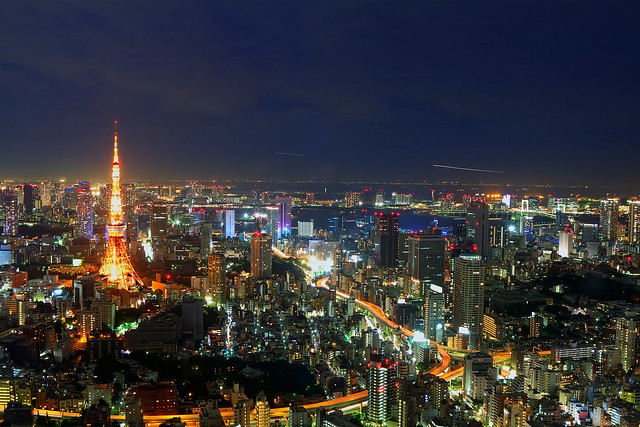
Visitors have access to 890 meters of well-lighted and safety-railed passageways.

Signs warn you not to shout or blow whistles, probably so as not to disturb some of the fragile stalactites (sharp stone icicles) numbering in the thousands that could come crashing down if you did.

Steel walkways meander through the cave.

Just a few meters from the entrance, you feel as if you've entered an air-conditioned room.

Stainless steel stairs and walkways make the journey through the cavern convenient but, they can also be slippery in spots where moisture has accumulated.

Special lighting illuminates the stalactites.

Stalactites grow at a rate of 1mm per year and some of the ones seen in the cave are several meters long.

Gyokusendo cave is estimated to be over 300,000 years old.

Motion detectors control some of the lighting as you travel through the cave and throw an assortment of colors on certain key attractions.

In 1974 one of the classic Godzilla movies (Godzilla vs Mecha Godzilla) was filmed here.

In parts of the cave stalagmite take on monstrous shapes and you can let your imagination decide what they might look like.

One of several streams flowing through the caves.

Small streams and waterfalls are seen at a couple of locations as you travel through the maze.

The one in this photo is at about the halfway point.

There's nothing quite as soothing as the sound of a brook and waterfall inside a cave.

This would be a choice spot to camp overnight, if such activities were permitted, the babbling brook and sounds of miniature waterfalls echo through the cave.

Underwater lighting
Underwater lighting

Underwater blue lights and external flood lamps accentuate the small sandbars formed by a stream flowing through the caverns in this scene.

Leaving this scene the walkway leads back up gentle slopes and stairways towards the exit.

Whether it's raining or the sun is shining, after spending an hour underground, the first thing you'll notice as you hit daylight above is the heat and humidity.

Mother Nature's air conditioning system has been left behind you.

Reportedly discovered in 1967 by a research group from a mainland Japan University, this treasure of a cave was probably well known to local Okinawans many years before it became the major tourist attraction it is today.

It appears the designers and planners did a fine job of balancing the need for tourism and concern for the wildlife inhabitants of the caves.

There are displays of some fish, reptiles, bugs, bats and other cave-dwelling critters along the walkways but in the labyrinth of uncharted areas the tourists never get to see, there are a few miles of safe haven for critters to do, whatever it is cave-dwellers like to do while the intruders meander through their living room.

The cave is open for visits between 9 AM and 6:30 PM daily.

____________

About the Photographer: Michael Lynch is a photographer and freelance writer living in Okinawa, Japan and he contributes to dozens of online sources. For more information, visit his website: www.mikesryukyugallery.com

Confessions of an Introverted Traveler

A few years ago, back when I was working in an office with too little natural light, I had a memorable conversation with my company's HR person.

It had to do with the way different people cultivate their personal energy. Her message was simple, and I've respected it ever since.

Extroverts gain their energy from being with other people, and likely feel something is missing during times when they're alone.

Natural introverts, such as myself, gain their energy in the absence of other people, and then proceed to expend it while attending social events or hanging out with friends/partners.

As a result of that conversation, I learned to allow myself time alone without feeling guilty about it. 

It can be a slippery slope, however, as I've used this concept in the past to be anti-social at times (especially in the year running up to my RTW trip).

Entrance to Hostal San Blas in Getsemani.

Upon arriving in Cartagena, I visited several hostels in search of one with the best price for a private room. 

In the past, when given the choice between a sub-$10 dorm bed, and a private room, I'd choose the dorm bed 99% of the time. 

I might spend my money on good restaurant meals while traveling, however, I was always willing to take a cheap bed in an effort to balance out such pleasures.

My priorities were clearly different on this trip.

I'd flown to Colombia 36 hours after a long weekend of hardcore networking and socializing at TBEX.  It was immensely fun, though draining.

I was as excited to feel a sense of independence again, as I was to visit Cartagena.

In 2009, I spent the first half of the year couchsurfing in Europe, living in a party hostel in Medellin, and sharing a 3-bedroom apartment in Envigado. 

Returning home to the USA, I lived with my parents for 11 months. 

Trips to Los Angeles and New York City involved staying as a guest with someone, and Rwanda was a whirlwind of overnight flights and hotel rooms, albeit comfortable ones.

Room 201 at Hotel Villa Colonial

Cartagena became my chance to decompress not just from the socializing at TBEX, I realized, but from more than a year of being dependent on others for a roof over my head.

I'm grateful for those who've hosted me (in particular my parents!), but I've missed the feeling of having my own space, no matter how small or minimally decorated.

So after staying in two hostels with noisy common areas (in the form of open-air courtyards), I settled into room 201 at the Hotel Villa Colonial. 

All of the rooms featured fans, air-conditioning, cable TV, free Wi-Fi, and private bathrooms, however it was Villa Colonial's small balcony that turned room 201 into a makeshift apartment to me.

Ironically, it's the balcony that makes the room far noisier then the ones at the other two hostels combined.

View from my balcony at Villa Colonial.

Every morning, I awake to the sounds of men walking along the street below, shouting "pescado, pescado" (fish) or a variety of fresh fruits, "mango, papaya!"

I brush the sleep from my eyes, turn the fan up a notch, and unlock the balcony doors. 

Swinging them open, my corner room is flooded with fresh air, sunlight, and the sounds of life in the neighborhood. 

In the afternoons, vallenato music reverberates from a bar down the narrow street.

Dogs bark, residents chat, teenagers practice their skateboard tricks, and every Sunday night is an impromptu block party as people hang out in the streets, drinking beers and enjoying the remnants of their weekend before going back to school or work the next day.

The inner streets of Getsemani aren't as clean and pretty as old Cartagena; there are homeless people laying out, drug-dealing prostitutes on one corner in the evenings, and some scrawny looking dogs and cats, however I've yet to feel threatened. 

There is a police presence once the sun goes down, and the density of hostels in such a small radius means the locals are used to foreigners, and vice versa.

All of the hostels in Getsemani feature interior courtyards like this one at Hotel Villa Colonial.

In my prior travels, I would always look for hostels with social common areas in order to meet other travelers.

After two weeks in my private room, I'm hooked on the ability to casually observe local life via the sounds of the street below, while writing, tweeting, watching World Cup matches from bed, and generally enjoying my own thoughts and company.

At times, I've felt self-indulgent or lazy. Shouldn't I be out exploring? 

Going to the beautiful Playa Blanca (beach) via boat, or slathering myself in mud at a nearby volcano? 

I'm not a guidebook writer, nor am I "on assignment" for someone else, so the answer I've come up with is a resounding "no."

And to me, therein lies the beauty and freedom afforded to travel bloggers.

____________

Medellin Travel GuideMy 138-page, all-original Medellín Travel Guide is now available for Kindle and PDF.


.

My First 24 Hours in Cartagena

Puerta del Reloj, or the clock tower, is the main entrance to the old walled city of Cartagena.

The Aires flight touched down at Cartagena's airport as scheduled, a few minutes shy of noon.  Stepping off the plane, and onto the tarmac, the strong sun and heavy tropical humidity were already inducing my body to sweat profusely.

One of the two baggage carousels was already surrounded by passengers who had arrived a few minutes earlier on an Avianca flight.  I staked out a spot at the empty carousel.  As much as I've traveled the last few years, I always await my checked backpack with baited breath.  Only after seeing the red, black, and gray bag with 101 straps make its appearance, can I breathe easy.

I grabbed my pack, walked outside, and picked up a ticket with a set rate for a taxi to the Getsemani neighborhood where the hostels are located.  The taxi driver had the air-conditioning on full blast as we drove south; the Caribbean Sea brushing up against the road to my right.  The mid-day traffic was heavy. Despite the heat and noise, it felt wonderful to be back in Cartagena after an all-too-short visit 16 months prior.

I looked at private rooms in a few hostels within a block or two of each other before settling into the one with the lowest rate ($16/night).  Tired from the overnight flight, I tinkered around online thanks to the free wi-fi, and called it an early night.

View toward Iglesia de San Pedro Claver from Plaza de la Aduana.

The next morning, I awoke well rested with a desire to walk around old Cartagena before the sun rose too high in the sky.  Figuring I'd be gone for an hour or two at most, I put on a pair of jeans and skipped the sunscreen.  I had a fashionable new hat from New York City to ensure the top of my head didn't burn up under the Equatorial sun.

To experience the charm of the old, walled Cartagena, one simply needs to walk the streets, admiring the Colonial architecture while mixing with the locals, and maybe munching on some fresh fruit.

I left the hostel around 9 AM, passing a bar I remember drinking at last year.  The area was strangely familiar.  My body was walking through the streets in the present, while my mind replayed scenes from February 2009.

When I walked through the clock tower, which acts as an entrance to the old city, I immediately saw Tu Candela, another bar I'd been to before.  More flashbacks, however this time I was traveling on my own, with no pressing deadlines to worry about.

Walking along Las Murallas (the walls) that suround and protect Cartagena's historic center.

I made my way to Las Murallas, the thick stone walls dating back to the 16th century, that encircle the old city.  Rusty canons face the sea, as though waiting for ghost ships from the past to lay siege today.

It was 9:30 AM, and I was already sweltering under the sun, when I came upon a foreign girl talking to a lone Colombian guy selling drinks.

As I got closer, he called out in my direction, "agua...cerveza!"

I walked closer,  tempted by the thought of a cold drink, which would also act as the perfect icebreaker to meet the girl.  I looked at her, asking if she wanted a cerveza.  She nodded yes, and I paid the guy for two Aguilas.

Sipping our cold beers, we walked further along the wall, engaged in standard backpacker dialogue.  Linda hailed from Germany, and was wrapping up a 3-month trip to Colombia.

As our beers ran dry, we descended the wall, and sought shade in the Parque de Bolivar (note: every Colombian city has a park named after Senor Bolivar, which usually includes a statue of him on a horse).  Lunch consisted of arepas con queso, chicken empanadas, and tintos from street vendors.

View of Castillo de San Felipe de Barajas

Walking Las Murallas was one experience I missed last year, and visiting the Castillo de San Felipe de Barajas was another.  An imposing stone fortress built upon a hill, it promised great views of the city, and a terrific photo-op with a giant yellow, blue, and red Colombian flag.   In a country without a universally recognizable tourist attraction, the giant flag was the best symbol of the country I could come up with.

Linda and I walked out of the old city, through Getsemani, and over to the old castle.  The entrance fee was a stiff $8, however we both agreed it'd be worth it.  Views from atop the castle are sweeping, and while you can see the sea, they skyline isn't particularly picturesque.
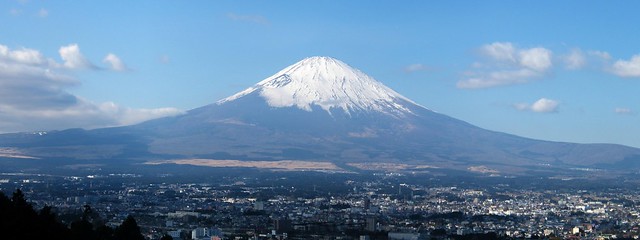
I would still recommend visitors pony up the money, as wandering through the underground tunnels in near darkness, and hanging out up there is a quiet diversion from the bustling streets below.

Linda (Germany) and I under the fort's giant Colombian flag.

I kept Linda company over a few more beers back at my hostel, before she had to catch an overnight bus to her next destination.  She reminded me (yet again) of how often I meet people when I least expect it.

By the time Linda left, and I had a chance to look in the mirror, I realized every uncovered part of my body was the color of boiled lobster.

Welcome to Cartagena, gringo!

____________

Medellin Travel GuideMy 138-page, all-original Medellín Travel Guide is now available for Kindle and PDF.


.

Friday Flashback: Celebrating New Year's Eve in Paris

Laura leads us through the Parisian streets.

Grey, dreary, cold and wet.  That sums up Paris in the final days of 2008.

On the bright side, the city has lots of lights up for the holidays, and it presented the polar opposite experience I'd first had when visiting Paris in the peak of Summer ten years earlier.  And I was staying with a local, Laura, who I'd met on a train in India months earlier.
  • Welcome to Paris
  • A Busy Day in Paris
  • New Year's Eve at a French House Party

South Africa - FIFA World Cup Backpacking Tourist Fever

South Africa is not typically considered one of the hot spots for backpackers or tourists, but the country has a lot to offer travelers.

With the World Cup buzz echoing across the planet, South Africa is center stage. As a keen traveler, you may be wondering if South Africa is somewhere for you to visit and how World Cup visitors are finding this uncommon tourist destination.

A few years back, I actually visited South Africa and had a brilliant time there, touring from Johannesburg to Cape Town over several weeks.

Looking out over Cape Town from Table Mountain.

World Cup to Boost Tourism?

South Africa is a country that has struggled with a tough image of high crime, which unfortunately is well deserved.

A few minutes in a major South African city and the signs of high crime are given away by the high security throughout.

Private armed guards outside hostels and hotels and tall walls topped with spikes are a common sight.

A friend of mine who emigrated from South Africa told me that some cars are booby-trapped with flame throwers. I don't know if that is true, but it would not surprise me.

With South Africa in the spotlight, the government has been working hard to minimize crime and look after tourists in the hope of extending the countries tourist industry.

That does not stop the rarer horror stories from getting attention in the news.

The South African government invested roughly R40bn (about $5 billion). Still, it has been estimated that the tourist injection of cash would only mount up to 8.8 billion rands ($1.1 billion), according to a new report from Grant Thornton consultancy.

However, it is not uncommon for any country to lose money from hosting a sporting event, but that has not stopped the local government from being optimistic.

Due to the recession and possibly a fear of crime, local experts have lowered their initial expectations of visitors from 450,000 to 300,000 over the four-week period.

Word of mouth from World Cup tourists will be a powerful factor in deciding whether South Africa's tourism will increase soon.

World Cup fever hits South Africa.

World Cup Ecstatic Fever

As is often the case with a country with a tough history of struggles, the pride, and energy of its people heightens.

South Africa is keen to be seen as a brilliant nation, and if you want to get a feel for that in Hollywood style, I recommend you watch the film Invictus.

As the most popular sport on Earth reaches its pinnacle World Cup conclusion, the energy in South Africa right now is both tense, joyous, and ecstatic. If you want to catch the final match online, you can watch it here.
With a few hundred thousand foreigners hitting South Africa during the World Cup matches, many will be experiencing South Africa for the first time. Many tourist services, from hotels to tours, are bustling, probably busier than ever.

There's no surprise the sex trade is also seeing a boom. 160,000 condoms have been distributed to Cape Town alone during the World Cup period by Cape Town Tourism. AIDS is still a serious problem in South Africa, so if you do visit, be careful.

It is certainly a great time to visit South Africa, but if you have not visited during the World Cup and your taste buds have been beckoned by the South African flavor, let me give you a quick overview...

South Africa Backpacking

Hostels: Hostels in South Africa are pretty cheap, with most being between $10-$20 per night. Although a little bit more expensive than they were a few years ago, the strong dollar is definitely helping keep prices down.

Overall, the hostels are of excellent quality, especially outside the cities, and some can be a unique experience.

In one hostel, wild monkeys would occasionally be found running across the wooden beams in the roof of your room!

Travel: There's only one way to tour around South Africa for backpackers, and that is the Baz Bus. The price is higher than other local transport, but it is made up in flexibility and experience.

Get off at any of the many Baz Bus stops throughout South Africa, and get back on and continue your journey when you are ready.

The best part of this is you will find yourself making friends along the way, and given the flexibility of traveling on the Baz Bus, you'll likely find yourself in a big friendly group of backpackers.

With a bus picking you up at the door of the hostel, and so many attractive gifts available along the way, you will want to make sure you don't get tempted to accidentally go overweight with your luggage.

I suggest this little travel weighing scale to know how much you can fit in your case for your onward flight.

Consider taking a lightweight shrinkable towel, too, as many hostels provide towels now, and your own big towel can take up a lot of space and weight.

Crime: This is another reason to use the Baz Bus, it is safer, and you'll find yourself befriended in a large group, and there is safety in numbers.

If you walk around, especially in the cities, I recommend walking around in groups of three or more or at least two, never alone.

Speak to the hostel owners to find out where it is safe and where it is not and follow the normal safety procedures like not showing off expensive belongings and never carrying too much money.

Wear shoes when you can instead of flip-flops. You will want the option to run if you have to. Crime is high in South Africa, but most tourists never run into trouble. Just be careful and be aware.

Hippo in St Lucia Estuary.

Destinations: South Africa has so much to offer, and every place brings a new experience, and more often than not, incredible natural views.

Inside the cities, there is an abundance of tours highlighting the interesting but troubled history of the country and guided tours of slums and orphanages for those who want to see something more real.

Table Mountain in Cape Town is a must-see and will only take about an hour to climb with breathtaking views at the top.

You also shouldn't visit South Africa without experiencing a Safari. You can expect to see Crocodiles, Giraffes, Lions, Hippos, and much more on any Safari tour around Johannesburg.

I recommended stopping off at Swaziland, a small country within South Africa on the Baz Bus route.

It is a developing country, and the people have a life expectancy of only about 40 years, but they were the happiest and welcoming people I have ever met.

St. Lucia (not to be confused with the island St. Lucia) is a hidden gem in South Africa. Not too far from the beach, close to an estuary abundant with wildlife from hippos to zebras, and a generally chilled out and relaxed atmosphere among the locals, this was one of my favorite stops.

_________

About the Author: Chris Tew runs a blog network and spends much of his time traveling the world. You can catch his thoughts on location independent living at BankableTravel.com or follow him on Twitter.

Seven Steps to a Solo Road Trip

One night I was listening to the Lost Girls speak about their travel experiences, and nearly 200 hours later, I already had my own solo 6-week cross-country road trip planned.

Well, for the most part.

In the past few weeks, I've heard all of it, from the "you're absolutely insane!" to the "I'm so jealous, you're so brave."

I get it. It does sound pretty daring to most people, but to this well-traveled community, I'm sure it just seems like another exciting set of plans.

Here are the tools that helped me come up with mine:

Into the great wide open

Table of Contents

  • 1. The Calendar
  • 2. The Atlas
  • 3. The Lodging
  • 4. The Car
  • 5. The Sustenance
  • 6. The Itinerary
  • 7. Technology

1. The Calendar

For some, there may not be any time restraints.

In my case, however, I have a tiny little thing known as a bank account that won't keep me on the road forever.

So, I glanced ahead at mid-October to my alma mater's Homecoming weekend, made that the end date, and then worked my way back to the beginning of September.

2. The Atlas

I first narrowed down a little more than a baker's dozen of cities that I wholeheartedly wanted to visit based on specific landmarks or loved one's homes.

Then, I went to the map, drew it out, and figured out the other 12 or so that I'd have to stop at for the sake of my sleep needs.

I'll have my Garmin with me, and Google Maps certainly helped as well.

I've also heard that some people may prefer to plan their entire routes along a highway, i.e., I-80 for the North, I-10 for the South, and I-80 for most of the states in between.

3. The Lodging

It's entirely too early for me to truly set my places to stay in stone (besides the houses of friends or family), but I've already joined Couchsurfing to prepare for it.

It'll be my first experience with the international hospitality network, and I couldn't be more excited!

Not only will it be economical, but it'll also allow for more friendly interactions and new friends along the way.

I cannot afford to stay in motels, and I don't have the nerve to camp by myself.

4. The Car

I probably should have made this the first on the planning checklist. Right? Ha.

Anyway, it is essential to have a vehicle that is in tip-top shape and highly recommended to have one that gets good gas mileage.

Luckily, I have both plus AAA. I don't know if my parents would let me leave town without it.

Renting a car and dropping it off at one end or the other is also a possibility for those over 26.

5. The Sustenance

Since I will be the only passenger in that car of mine, I'll want to pack some food and drinks in addition to a bag of clothes and toiletries.

I am a foodie, remember?

I'm thinking of bottled water, dry cereal, granola bars, chewing gum, and maybe even a small cooler to fill with fresh fruits and vegetables that I purchase along the way.

6. The Itinerary

I am all for leaving days up to a serendipitous chance when I have the time to do so.

On this trip, I am not spending more than 48 hours in any place other than Syracuse and San Francisco, so I want to make sure that I make the most of my time in each one.

Still, I am not making my lists too strict with only one museum, two restaurants, and possibly one more "bonus" activity like hiking.

Maybe in a few years, I can come back and rent a party bus with friends from Limo Find to have a big night out.

7. Technology

My Macbook and iPhone will surely be joining me, complete with a complimentary Wifi app and GasBuddy.com home page.

As for the GPS factor, I've already mentioned my Garmin. And a camera? Check.

Although, in all honesty, I'd love to get an SLR to bring my amateur photography skills up to par with the American beauty I'll surely be seeing.

There you have it: my amateur, un-tested, completely fool-proof-less planning tips.

In my mind, there are only three genuine opportunities for this kind of adventure: post-college, mid-life career change, and retirement.

And since I'm only at square one, let's hope that the number seven has some luck to it.

Scenes from Kuala Lumpur

Kuala Lumpur is a modern industrial city caught up in 20th-century technology, buildings, and media. 

Clutched in a triangle of three cultures: Malay, Indian, and Chinese, the city exudes the blending of these cultures in the new versus the old.

From the amazing Batu Caves with monkeys watching the Hindu traditions to the hawker stalls on Jl Pedling with mouth-watering Chinese and Malay delicacies, and the eclectic markets of Chinatown, evidence of the mixing cultures is everywhere.

Old and new architecture in Kuala Lumpur.

Rambutan (fruit) at the Chinatown market.

Preparing scallions.

The Hindu God, Lord Murugan at Batu Caves.

Drummer at Hindu temple at Batu Caves.

Petronas Towers
Petronas Towers

Clams at hawker food stalls.

Snails at hawker food stalls.

Street musician at Jl Pedaling.
Street musician at Jl Pedaling

____________

About the Photographer: Lauren Becker is a filmmaker turned travel writer who has been lucky enough to travel the world for work and fun.  She enjoys sharing her experiences through the written word, the still photograph, and moving image.  Read more at her personal website, my personal website is www.laurenbecker.net, or follow her on Twitter @filmlb.

Colombia's Aires Opens New Route: NYC to Bogota

Aires planes at the Bogota airport

Spirit Air was my first choice of airlines for the flight from New York City to Cartagena, if only for the cheap rates. 

When their pilots went on strike a few weeks ago, I didn't have the stomach to continue taking a "wait and see" approach.

I combed Kayak for other affordable options. The rates for Colombia's national airline, Avianca, were over $500, putting them in the same category as JetBlue (which only flies to Bogota) and other prominent international carriers. 

Then I recalled a contribution made to Medellin Living about domestic flights in Colombia.

I pulled up the Aires website and found they operated flights from New York City to various Colombian destinations via Bogota. 

At the time, I didn't know that this international route was brand new for the Colombian discount airline.

Unlike most of Spirit Air's flights, which would've cost about $260 to fly 1-way from NYC to Cartagena, including taxes and 1-checked bag (almost all of which involved long layovers at their hub in Florida), Aires' flights departed NYC at 3 AM, thereby putting me in Cartagena just before noon that same day. Perfect.

I paid the $289.20 for the 1-way ticket (including one checked bag) and breathed a sigh of relief.

Of course, Spirit's pilots settled their strike the next day, but it was too late. I was about to ride the friendly skies with Aires.

Aires plane
Aires plane

On my last night in NYC, I caught up with Olga over the phone, as we missed meeting in person that week. 

Incidentally, she is Colombian and spoke highly of Aires. Now I was curious.

A little before midnight, I left my brother's apartment in Chelsea and caught a taxi to JFK airport. 

At that hour, there was no traffic, and with the window rolled down, a cool breeze blew into the back seat.

Cab rides to and from airports are the quintessential travel experience for me. 

On the way to the airport, given you're heading to a new destination or beginning a new adventure, one's mind is filled with anticipation of the experiences that lay ahead. 

Taking a cab from an airport, upon arrival in a new city or country, you make your first observations while talking to the cab driver if you feel so inclined.

Seared in my memory are the cab rides from countless airports: Bali, Singapore, Kathmandu, Cairo.

It was at JFK, after waiting in a short line at the Aires ticket counter, that I learned my flight was only the second time the carrier had flown from NYC, and the first time was just two days prior. 

The newness of the route added to the excitement.  Not only was I getting a good deal on airfare, but I was also blazing a new path from my country to Colombia. Or something like that.

The plane was smaller than I expected, given the distance, we were covering. 

I had paid an extra $5 to sit near the very front, seat 2A.  On any other plane, it would've been the first or business class section. 

The two seats next to me were empty, so I made a vain attempt to lie down, which didn't last long because of the uncomfortable seat belt brackets poking up at my ribs.

It took about five mildly turbulent hours to reach Bogota (where, incidentally, there was free wi-fi at the airport). 

After an hour and a half on the ground, my shorter, one-hour flight to Cartagena took off.

Drinks other than water and coffee, as well as food, cost extra on both flights. The service was friendly, and I'm happy to recommend Aires as a result.

I will probably use them again for domestic flights while I'm here and a return trip to the USA, as it is not possible to book one-way tickets from Colombia to the USA on Spirit Air.

My Thoughts on #TBEX 2010

According to the calendar, it's been a week since the 2nd annual Travel Blog Exchange (TBEX) conference wrapped up in New York City, yet as I type this post, sitting on my firm double bed, under a twirling fan, listening to the street sounds of Cartagena on a sunny Sunday afternoon, it feels like a lifetime ago.

TBEX, for me, was an opportunity to meet the travelers, bloggers, writers, and editors I'd been reading and interacting with for months, if not years.  It was also a chance to reunite with many people I'd met only briefly once before.

As much as I'd like to give a shout out to everyone whose company I enjoyed, the list would be far too long.

Travel writing panel (from left): Alison Stein Wellner (freelance writer), David Farley (author), Don George (Lonely Planet), and Jim Benning (World Hum/Travel Channel)

The Panels

Trying to do justice to the art of narrative travel writing or strategies behind search engine optimization (SEO) in 55-minute panels is impossible, however there were plenty of valuable tidbits to grasp onto if one were so inclined.

In the first panel, I enjoyed hearing the likes of Don George, David Farley, and Jim Benning give nuggets of wisdom with regard to travel writing.  I'm sure that with practice, incorporating story arcs, quotes, and character development into my blog posts would get easier.  Being aware of these elements is a start.

In the second panel, my takeaway from Robert Reid of Lonely Planet was to experiment with video, even if you have no experience.  Learn as you go.

The scene outside The Central Bar at halftime during the USA v. Ghana World Cup match.

Due to the United States' strong showing in the World Cup, I missed the panels on working with Public Relations people, and Branding.  Judging from the crowd at Central Bar on the USA's weekday match, I wasn't the only one skipping work to cheer on the home team.

On the second day, during the ethics panel, it was interesting to hear how the Federal Trade Commission goes after the marketer first, not the blogger, when it comes to potential violations.  The bottom line from that panel seemed to be that all bloggers can breathe a sigh of relief.

The second day wrapped up with the panels on SEO and making money online, for which a whole day could've been devoted, and an abbreviated talk on podcasting.

My favorite talk of the weekend was given by Gary Arndt on the topic of travel porn, a term he coined to relay the reality that most people who read about a specific destination will never go there.  Instead, they enjoy the fantasy or hope that they'll one day be able to relax on a South Pacific island.

The following day, Gary was named one of Time Magazine's Top 50 bloggers of 2010.

Sean Keener (BootsnAll), Michaela Potter, and I at the BootsnAll/Eurocheapo afterparty.

The Parties

Kim Mance (founder of TBEX) knows her audience, so there were plenty of parties hosted by event sponsors.

The panels were informative, however for me, the parties were more important as that was when I had a chance to mix and mingle, and spend a little quality time interacting with people in person.  What a novel idea!

I'm happy to report that everyone's online personas match up well with how they are in person.  I take this as a great sign for our community -- we're a sincere bunch.  And there were a few people I hadn't talked to much online who were a lot of fun to hang out with in person.

Lunchtime (from right): Mike, Stephanie, Mike Richard, Matt, and me.

TBEX 2011 in Vancouver, Canada

Next year's TBEX is being hosted in Vancouver, Canada, which seems appropriate given the strong Canadian contingent of bloggers that showed up in New York.

It's still far too early for me to commit, especially given I don't have a brother in the city who can host me, however I certainly hope to be there.

Friday Flashback: Side Trip to Holland

Cathedral in Tillburg, Holland

This week's flashback is dedicated to my friend Gela, who I first met in Nepal and then went to visit in Tillburg, Holland.  Despite January's bitter cold, I was thankful she had the time to show me around her home town.

  • Tillburg or Bust

The 4,000 Islands of Laos

In southern Laos, near the border of Cambodia, is a region along the Mekong River collectively referred to as 4,000 Islands.  As the name implies, there are thousands of little islands dotting the river.

Among the most popular for backpackers is Don Det, due to its laid back atmosphere (and electricity!).

Approaching the Mekong River for the short boat ride to Don Det (island).

A cold beerlao is enjoyed alongside the slow-moving Mekong waters.

Lap Chicken: Minced chicken is mixed with fresh herbs and served over rice.

A large waterfall rages alongside the island of Don Khone.

Walking amongst the rice paddies of Don Det.

Exploring the island of Don Khone while enjoying a brief break in the clouds.

Kids at play.
Kids at play.

School kids cross the an old bridge built by the French to connect Don Det and Don Khone (islands).

A local boy goes for a ride.

Inexpensive accommodations line the edges of Don Det, with porches perfect for lounging around in hammocks.

Experiencing the World Cup in South Africa

This is a guest post by Craig Zabransky. 

The World Cup has been getting interesting, very interesting, and with two options: advance or go home. Last week, for instance, the USA advanced on a dramatic injury-time goal.

Partying before a USA match (the author is wearing the hat).

Two weeks ago, the host nation, South Africa, defeated France 2-1 but even with 4 points, the same as Mexico, they found themselves in third place in the group based on goal differential, (top 2 advance).

The rainbow nation became the first host nation not to make the round of sixteen knock out stage.

It might be disappointing for some, but as someone who traveled across South Africa for a full month prior to the first match, the green and yellow of Bafana Bafana clearly lifted a nation.

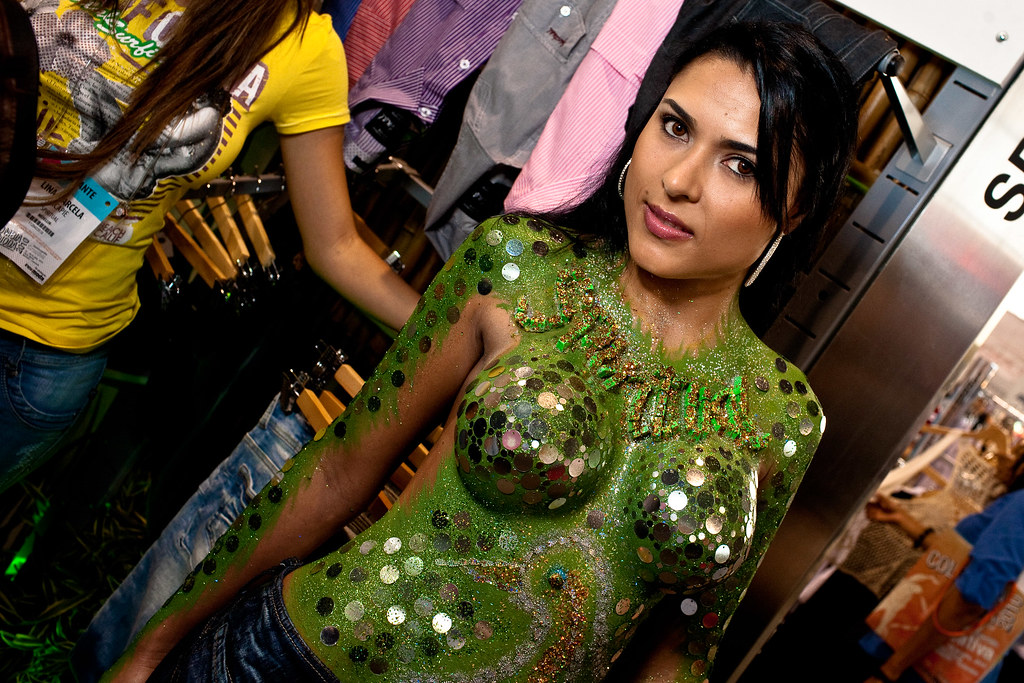
Face paint

In Pretoria at the time, I decided to watch the opening match in Hatfield Square.

I thought the local square lined with bars, restaurants, and a freshly installed large viewing screen might create the ideal setting. And thankfully, it did.

Upon my arrival, the energy, excitement, and emotion of the scene nearly caused me to shed a tear of joy.  Seriously.

With a constant Vuvuzela hum, flags waving, and a vivacious crowd of friendly foreigners and locals of all backgrounds, the match began.

The hum never stopped and I believe that sound carried the nation to its result against an arguably more talented squad.

Early in the second half, the square erupted. Elation and celebration swept through when Siphiwe Tshabalala rocketed a shot past the Mexican keeper.  It is he who essentially put South Africa back on the global map. That first goal, still in contention for the goal of the tournament, a rocket, continues to send shivers down my spine when I see the replay.

The game continued, as they often do, but I am not sure anyone surrounding me even watched the next three or four minutes. T

he eruption did not cool. The square was untied, flowing with love for a tournament, and for a nation. It was beautiful.

Unfortunately, the game ended in a tie as Mexico scored a late equalizer and Bafana Bafana's next match was left disappointed before its final game.

The team came up just a little short.

But as we know, it is more than a game, and the team has everything to be proud of decisively defeating last world cup's runner up, being Africa's first host nation, and showing the world how far the country has come in just sixteen years.

The author (left) meeting friends at a pub.

But on the soil of South Africa as a fan of the game, it was magnificent to discuss just the players, plays, and match, without the politics.

And as host of the world's biggest event, the country is leaving a positive impression not just on Africa, but one that extends to all of the other football-loving (or soccer) continents and countries.

Complete Ayoba!

___

About the Author:  Craig Zabransky is a freelance travel writer who appeared of Fox News, Sirius Radio and is published on numerous internet blogs and local publications.

You can find his travel blog at http://stayadventurous.wordpress.com or follow him on twitter @StayAdventurous


Friday Flashback: A Very Merry Belgian Christmas

Last-minute holiday shoppers in Brussels.

Traveling abroad can have its difficult moments, as I found out the first time I spent Christmas away from home....in Christchurch, New Zealand. 

The Kiwis weren't big on public holiday displays, and celebrating Christmas day in a Queenstown hostel when you're feeling anti-social doesn't help.

As my second Christmas of the 'round the world trip approached, I made it a point to be out of Egypt, and in a major European city. 

I picked Brussels because I'd never been there, and it was the cheapest flight from Cairo.

I shopped for warm clothing, and dived into the warm waffles and fries, and stocked up on rich chocolates. 

The evenings were dedicated to sampling the Belgian nightlife with a great group of American guys and Brazilian girls I met in the hostel.

  • Europe Revisited
  • Christmas Eve in Brussels
  • The Christmas Day Pub Crawl (hint: we ended up at an absinthe bar)

But all things being equal, I still prefer to spend Christmas with family.

Scenes from Medellin, Colombia

Medellin, Colombia is a city of 2 million that still feels like a village.  Situated in a valley 1,500 meters above sea level, and surrounded by green mountains, it is blessed with Spring-like weather year round.

With lots of universities, theaters, bars, clubs, and 2 professional soccer teams, there's always something going on, and there are plenty of modern malls to keep shoppers happy.

Green Andean mountains form the perfect backdrop for the San Diego mall (white building).

Looking down on the iconic sculptures of Botero Plaza in downtown Medellin.

Fans of Independiente Medellin, one of the cities two soccer teams, go wild in the stands.

The Metrocable connects the main metro line with poor neighborhoods along the mountainside.

The oversized Bandeja Paisa is a popular dish in Antioquia, consisting of: beans, white rice, ground meat, pork rind (chicharron), fried egg, plantains, chorizo, arepa, and avocado.

The ominous looking Biblioteca Espana was built on a mountainside to help revitalize a once dangerous neighborhood.

A 25-minute tandem paragliding flight can cost as little as $50 (USD) just outside Medellin.

A high-energy capoeira performance during Brazil night at Teatro Matacandelas.

Sunset atop Pueblito Paisa, a replica of 20th century traditional Antioquian towns.

Medellin's biggest aquarium (foreground) as seen from the nearby metro platform.

Dog Meets World: A Photo Diplomacy Project

A Rwandan boy poses with Foto, the symbol of the Dog Meets World project.

I met Carolyn Lane at February's #DCTravel tweetup, before heading off to Rwanda. 

She introduced myself, and us all, to Dog Meets World, a photo diplomacy project she was developing.

Carolyn explains her vision as follows:

My dream is to establish a movement to photograph the children of the world.

To seek children in their own settings, print their image to keep for a lifetime.

We have replicated Foto, the stuffed dog, to enable scores of world travelers to participate with this intentional project.

The dream of Dog Meets World is to empower travelers to make real connections to people in other cultures, in essence to become photo-diplomats.

When Carolyn explained her vision to me, I instantly identified with it based on my personal travels through such countries as Cambodia and Nepal. 

She offered to loan me a small inkless Polaroid printer for my Rwandan adventure so I could participate. 

In addition, I bought several packets of the special Polaroid paper that must be used. I think $20 afforded me 60 prints.

A Rwandan child shows the adults a photo.

Rwanda is full of children, so there was no shortage of opportunities to take photos and print them off right then and there. 

At times, I would be completely surrounded by 20 children, all curious about me, and the camera and printer I was holding above their heads. 

Eventually, I learned the value of crowd control or putting myself in a position that allowed enough space for the printer to work its magic.

For example, when we made stops along the road, kids would often come up to our SUV. 

I'd simply roll down the window, offer Foto, the stuffed dog for them to pose with, and take a picture. 

It took about one minute for a photo to be printed out. The kids seemed to love it.

After I gave one boy or girl a photo, he/she would often show it to the others.

The language barrier was never an issue when it came to these interactions. 

Many of the kids seemed familiar with the fact that they could see themselves in the displays of digital cameras, however, I'm fairly certain, few of the ones I photographed had ever received their own picture.

Polaroid Digital Instant Mobile Printer

When I returned from the trip, I was able to upload the photos I took to the Dog Meets World website, and Carolyn featured two of them on the blog. 

Overall, I greatly enjoyed the opportunity to photograph Rwanda and it's people while being able to give something back to them in the process.

According to the Dog Meets World website, over 4,000 photos have been given to people across 4 continents.

Recipes: Affordable & Appetizing Food on the Go

Figuring out what to pack is hard enough for a backpacker, and then comes the food problem.

You always want to make sure you have enough to survive, but you don't want to pack too heavy or hard to prepare food items.

Through my hiking trips, I've found it fun to find your food along the trail.

Most often, you will come across berries, flowers, nuts, seeds, or roots that are edible.

The only problem with finding food along the trail is knowing what you are doing!

It can be hazardous if you don't have the proper knowledge.

Just in case, I decided to let you all in on my personal top three items, food items I don't go backpacking without.

These items help to keep my pack light and my wallet full.

1. Ramen Noodles

I know that sounds crazy, but they are easy to pack! Also, it does not matter if they get broken up or moved around.

They'll always be tasty, light to pack, manageable, and easy to prepare!

Pack a few dried veggies and have yourself a Top Ramen Vegetable soup! Yummy!

2. Energy Bars

As expected, these can be a quick fix when you're hungry on the trail.

They also come in a variety of brands, flavors, such as Activity, Meal replacement, Protein, and Endurance.

The only downfall with energy bars is that they can be pretty expensive. I have found this recipe helpful when preparing for a hiking trip.

Trail Bars (makes about 12)

Ingredients:

  • 1 egg
  • ½ cup brown sugar
  • 1 tsp. vanilla or almond extract
  • 1 cup granola
  • ¼ cup raisins, dried cranberries, or dried cherries
  • ¼ cup other dried fruit (any will do, but some may need to be cut into smaller pieces)
  • ½ cup of your favorite nuts
  • 1.69-oz. pkg. M&M's

Directions:

  1. Preheat the oven to 350 degrees. Butter or oil an 8- x 8-inch square pan.
  2. Combine Eggs, Sugar, and Vanilla and mix thoroughly before adding the rest of the ingredients.
  3. Transfer ingredients to the pan and dispense evenly over the bottom. Press down firmly to make the top as flat as possible. Bake for 25 minutes. Cool and cut into bars or squares. Wrap them up, and away you go!

3. Instant Carbs

Two other items that I love to bring along on my backpacking adventures are instant potatoes and instant rice.

The original packaging can be big and bulky, so I would advise you to pour them into a zip lock bag and write the instructions on it with a permanent marker.

Just like Raman noodles, but more natural, they're easy to pack along and only need water to be tasty. If you want to get creative, though, try the recipes below:

Grandparent's Rice Breakfast (serves one)

Ingredients:

  • ⅓ cup dried milk
  • 1 ⅙ cup instant rice
  • ¼ cup raisins
  • ⅛ teaspoon cinnamon
  • 4 teaspoon sugar

Directions:

1. Combine all ingredients in a pan and bring to a boil with the amount of water indicated on the rice package.

Garlic Mashed Potatoes (serves two)

Ingredients:

  • 1 ½ cup potato flakes (Butter Flavored is my favorite)
  • ⅓ cup dried milk
  • 1 TBS garlic salt

Directions:

  1. Mix all ingredients in a plastic bag.
  2. Bring water to boil (according to package), dump the mixture in water, and stir.

I hope you eat well and enjoy your many backpacking adventures this summer!

______

About the Author: Marina Chernyak is a travel lover and has made it through half of Europe in the last three years. Currently, she is managing her Venetian Masks Store at 1001venetianmasks.com.

Friday Flashback: Aswan, Abu Simbel & Feluccas

Feluccas sail in front of Aswan on the Nile River.

Even though I chose to take a barge-like cruise ship up the Nile River, I still had plenty of time to enjoy felucca rides around Aswan.  As with everything in Egypt, the cost had to be negotiated, and it's best to bring your sense of humor.

  • Aswan, the Dams, and the Temple of Isis at Philae
  • The Sunrise Convoy to Abu Simbel
  • Felucca Rides
  • Couchsurfing Cairo
  • Final Thoughts: Egypt

Introducing Hansen: Briefcase to Backpack in Mexico

Buenos días fellow backpackers! My name is Hansen and I am the newest addition to the GoBackpacking team of contributors. I hail from... well I'm not quite sure. Currently, I am writing on some virgin beaches in Mazatlan. Born and raised in San Diego and educated in Los Angeles, I guess you can call me a Southern Californian. Here are  few points to help you get to know me better, quick:

    Photo Credit: Hansen Hunt

  • I love craft brew and haven't decided if Portland or San Diego is the best beer town; I will have to drink more.
  • I'm tempted to change my middle name to Tequila. It's the finest spirit in the world, and I can teach you all about it.
  • Football was my life for 12 years but recently converted to Ultimate Frisbee; the most international and social sport.
  • Cuban cigars complemented by Cuban mojitos in Tijuana is one of my favorites.
  • Movies really suck me in, so I apologize if I don't respond to your talking when the flick is on.
  • My girlfriend Karen and I have been together for over 5 years, since the first week of college.

The travel bug is deep inside of me, and I have let it out a few times so far. Growing up, I only ever visited Mexico. In college, I continued visiting Mexico but also took off for a semester in Denmark studying International Business. I love Denmark, but will only ever go there during summer from now on (remember, I'm from So Cal). My girlfriend and I drove across the US and up the east coast for a fun summer trip. And now, I have been in Mexico for over 3 months and my plane leaves in 2 weeks to visit San Diego and move up to Portland. Travel is in my blood, and I am just beginning my adventures around the world.

For a short time, I forced that travel bug back down and took a desk job. I know what you're thinking.... dreadful. It took me almost 2 years to realize that and another 2 months to act on it. I booked a 1 peso flight down to Guadalajara, put in my notice, and sold almost everything I owned for some travel cash. I needed to get out and meet new people, places, and cultures. The mundane day-to-day life was killing my free spirit and it was time to let the travel bug back out. Here I am 5 months later writing for one of my favorite blogs, GoBackpacking.com. Of course my family wanted to keep tabs on me, so I naturally started my own travel blog.

My next step is to start my own business creating and selling Sustainable Travel Guides. I studied socially responsible business and have always been passionate about sustainable travel. On GoBackpacking, I plan on sharing my travel stories and tips along with a few funny posts about backpacking. Please feel free to contact me or follow me on a few social networks. This is just the beginning of my adventure, thanks for coming along.

Photo Credit: Hansen Hunt

Follow me on:

Unomos Travel Blog

Twitter

Facebook

YouTube

LinkedIn

The Volcanic City of Cappadocia

Cave homes carved into the mountainside.

Hardly believing what we are seeing is actually real, the fairy chimneys of Cappadocia located in the center of Turkey are an exceptional natural wonder well worth visiting. 
These unique formations were formed due to volcanic eruptions fused with rocks from the erosion of rivers and wind over thousands of years. 
The cave dwellings have been settled since the 2nd Century BC, and many inhabitants still live in cave homes.

City of Goreme
City of Goreme
Hike through Rose Valley
Fresco from church carved in a cave in Goreme open air museum.
Buckle Church from 10th Century
A kitchen inside one of the underground caves.
Natural formations in the shape of a camel.
Cave room at Hotel Kelebek
Sunset from our hotel room in Goreme.

____________

About the Photographer: Lauren Becker is a filmmaker turned travel writer who has been lucky enough to travel the world for work and fun.  She enjoys sharing her experiences through the written word, the still photograph, and moving image.  Read more at her personal website, my personal website is www.laurenbecker.net, or follow her on Twitter @filmlb.

#DCTravel 8: Rooftop Party Edition

View of the Capitol from the Newseum rooftop.
View of the Capitol from the Newseum rooftop (Photo by David Lee)

On a beautiful, albeit steamy spring evening in downtown Washington, DC, I exited the Federal Triangle metro station with a backpack full of cold beer. 

Walking east along Pennsylvania Ave, I bumped into Stephanie from Twenty-Something Travel, who was carrying a few bottles of sparkling wine from Trader Joe's. 

It was our last time co-hosting a DC Travel tweetup together before I head for Colombia, and she takes off on her trip around the world in September.

We signed in at the reception area of the Newseum Residences and headed up to Carolyn's (Dog Meets World) apartment. 

She had offered us the use of her building's rooftop terrace for our monthly happy hour, as it delivers perfect views of the Capitol Building.

A large group of Capitol Hill staffers had already begun to set up shop in the area with the best view of the Capitol (you can see them all in the first photo above), so we brought some extra tables and chairs over and worked around them.

DC Travel Tweetup
Back (from left): Amanda, Dave, Stephanie. Front: Carolyn, Sebastien, Julia, Sonia, Marilyn, Kelsey, and Matt. (Photo by Tara)

The photographic firepower in our group was hard to ignore - 4 DSLR's, and me still trying to figure out how to use my Canon S90.

The turnout was one of our best yet -- a mix of regulars and newbies.

  • Michael - Co-founder and co-editor of World Hum.
  • Matt - Landlopers - Keep an eye on one of the DC area's newest travel bloggers! 
  • Kesley - Drifting Focus - Freewheeling nomadic photographer, writer, sidecar motorcyclist, reenactor, and blogger.
  • Sonia - Pulpology, and DC organizer for September's Meet, Plan, Go!
  • Marilyn - Intelligent Travel Blog. Chief Researcher at National Geographic Traveler
  • Julia - All About the Pretty.  Beauty, Travel, & Lifestyle Writer as featured in The Washington Post, The Washingtonian, Texas Monthly & Glamour.
  • Amanda - Global health aficionado, interested in sustainable development solutions, and dealing with a permanent case of wanderlust.
  • Sebastien - Adventurer, Manager @ Interactive Marketing Group 4 Hotels, Travel Analyst, Writer, Blogger, TCK, multicultural, Producer, Lead Editor @ Uptake.  (yeah, he does it all)
  • Tara - superstar photographer (she took most of the photos in this post).

Chocolate cake
Carolyn's homemade chocolate cake. (Photo by Tara)

In Carolyn's infinite wisdom, she made a chocolate cake for my departure. 

If you can't tell from the photo, it was delicious. But before we could enjoy it, Steph and I were asked to give impromptu speeches. 

Though I'd already had a few drinks and may have rambled on with an overly-sentimental tone, it was a small price to pay for the cake.

Thanks again, Carolyn!

Toasting
Toasting the DC Travel community. (Photo by Tara)

Speeches, sweets, and celebrations aside, the rooftop truly was a wonderful spot from which to enjoy a sunset. 

The stark white Capitol Building slowly began to glow orange as the sun went down from behind us.

While I'll be heading for the tropical beaches of Colombia's Caribbean coast in a few weeks, Stephanie will continue to organize monthly DC Travel tweetups. 

Singapore's Top 5 Museums

The Peranakan Museum

Fashionistas and shopaholics have been trooping to Singapore for years, lured by its many shopping malls that offer every brand and label to fulfill the (shopaholics') hearts' desires.

But while I do enjoy shopping, I don't relish the idea of going to penury to pay for a huge credit card bill. There are other ways of enjoying Singapore.

So instead of heading to the malls, I often go to Singapore's museums.

They are the best in Asia, benefiting not only from the government's vast resources (this wealthy country is competing with Hong Kong to be Asia's art center) and the city's state fondness for organization and efficiency.

That may be boring, but it has nevertheless produced well-curated art spaces.

Singapore's museums are accessible through public transport, air-conditioned, and have wheelchair-accessible facilities, restrooms, and souvenir shops.

Best of all, given that Singapore is one of Asia's most expensive cities, you only need to pay a small amount (about 5 to 10 Singapore dollars, or roughly 4 to 7 U.S. dollars) as an admission fee.

And some days, you can even go to the museums for free!

So when you're in Singapore, try visiting the following places.

Table of Contents

  • 1. The Peranakan Museum
  • 2. Singapore Art Museum (SAM)
  • 3. National Museum of Singapore
  • 4. Asian Civilisations Museum (ACM)
  • 5. Singapore Philatelic Museum

1. The Peranakan Museum

The only museum that showcases the arts and culture of a distinct ethnic group shaped and continues to influence Southeast Asia.

The Peranakan, which means "locally-born" in the Malay language, usually refers to the descendants of Chinese traders who settled in the straits Settlements of Singapore, Malacca, and Penang in the 14th century and married Malay women.

The Peranakans also included those who descended from unions between Indian merchants and local women during the 15th century.

This intermarriage produced a fusion of cultures and is reflected in the colorful cuisine, architecture, and fashion that form the multicultural mix of Singapore and Malaysia.

Address: 39 Armenian Street
Opening Hours: Monday - 1 pm to 7 pm/ Tuesday to Sunday, 9.30 am to 7 pm (to 9 pm on Fridays).
Admission Fee: 6 Singapore dollars. On Friday, 3 Singapore dollars.

Terracota sculpture of Mariang Banahaw, a goddess in Philippine folklore, and was made by Filipino artist Lorenzo Soriano. The sculpture is part of the permanent collection of Singapore Art Museum.
Terracotta sculpture of Mariang Banahaw, a goddess in Philippine folklore, by Filipino artist Lorenzo Soriano. 

2. Singapore Art Museum (SAM)

With over 7,000 Southeast Asian pieces of artwork in its permanent collection, SAM stands as the region's repository of visual art.

The collection includes paintings, sculptures, multimedia installations, drawings, prints, and photographs - eye candy for those who can't get enough of modern and contemporary art.

Address: 71 Bras Basah Road
Opening Hours: Monday to Sunday - 10 am to 7 pm / Friday - 10 am to 9 pm.
Admission Fee: 10 Singapore dollars. Free admission on Friday, 6 pm to 9 pm.

3. National Museum of Singapore

This is the custodian of the 11 National Treasures - the most important artifacts in Singapore's history.

It includes the Last Will and Testament of Munshi Abdullah, the Father of Modern Malay literature, the 1930's era Chinese glove puppet theater stage, and a collection of watercolor paintings of local floral and fauna commissioned by William Farquhar, the First Resident of colonial Singapore.

Visitors interested in Singapore's history should also go to the museum's Four Living Galleries, a showcase of artifacts, replicas, pictures, costumes, and even old films documenting Singapore's history of fashion, performing arts, and photography and cuisine.

Address: 93 Stamford Road
Opening Hours: 10 am to 8 pm, daily.
Admission Fee: 10 Singapore dollars.  Free admission from 6 pm to 8 pm, daily.

4. Asian Civilisations Museum (ACM)

This is a must-see for those who want to backpack around Asia.

A visit to the ACM is like going through a crash course on Asian studies.

It is the only museum dedicated to presenting artifacts and collections representing different regions of Asia, including China and the Middle East.

Address: 1 Empress Place
Opening Hours: Monday, 1 pm to 7 pm / Tuesday to Sunday, 9 am to 7 pm (up to 9 pm on Fridays).
Admission Fee: 8 Singapore dollars.

5. Singapore Philatelic Museum

The museum that appeals to the child in us, as who after all didn't have a stamp collection when they were kids?

The museum's collection includes stamps and archival philatelic material of Singapore from the 1830s to the present day.

The museum also encourages philately in Singapore, with its permanent galleries dedicated to the global history of stamps, and organizes workshops and talks on how stamps chronicle Singapore's history.

Address: 23-B Coleman Street
Opening Hours: Monday, 1 pm to 7 pm/ Tuesday to Sunday - 9 am to 7 pm.
Admission Fee: 5 Singapore dollars. Free admission on New Year's Day, the second day of Chinese New Year, National Day, Hari Raya Puasa, Deepavali, and Christmas Day.

______________

Prime

About the Author:

Prime is a journalist, blogger, and a genuine blue gypsy gal who's into art and food tripping. She blogs at www.gypsygalstales.com, where she offers stories and tips for independent women travelers.  Find her on Twitter @prime_sarmiento

Friday Flashback: Nile Cruise & Temple Tourism

Edfu Temple
Edfu Temple

Once I arrived in Luxor and joined the organized tour, I was insulated from most of the shenanigans and tourist shams (though one might argue I paid into the biggest of them all -- a prepackaged Nile cruise).

I ended up having a great time on the cruise.  My room was very nice, there was plenty of food, I hung out with some friendly Americans and Koreans, and didn't have to worry about how to get from point A to B.

The temples were often overwhelming in their grandeur and scale, while the passing Nile Valley offered wonderful scenery in between.

  • The Valley of the Kings and Luxor Temple
  • Edfu Temple and an Afternoon on the Nile
  • Sunset Cruise to Kom Ombo

Soccer Around the World

2007 marked the height of my soccer fever.  At home, I went to the most DC United games that year, and I fully intended to experience the excitement during my trip around the world.

I caught 3 matches on 3 different continents, and they were all exciting.

In homage to the kickoff of the 2010 Word Cup tomorrow morning, I present my favorite soccer photos from around the world!

When you sit in the Barra Brava fanclub section, expect difficulty seeing the game, smoke bombs, and beer thrown in the air after a DC goal.

Sydney FC vs. Melbourne Victory at Telstra Stadium in Sydney.

The players from FC Barcelona and Atletico Madrid shake hands before the match at Camp Nou, in Barcelona.

An FC Barcelona throw in. My seat was in the first row behind the VIP section and players' benches.

Lionel Messi (Argentina), one of the world's greatest players, prepares to enter the Atletico Madrid match in the second half.

Colombian police on horseback help maintain order outside Medellin's soccer stadium.

The fans of Atletico Nacional, one of Medellin's two professional teams, unfurl a massive banner before the game starts.

First aid workers are clearly visible at Colombian soccer matches.

Mountains former a picturesque backdrop to Medellin's soccer stadium, which played host to a 2010 World Cup Qualifier (Colombia vs. Peru).

My Mind is On A Plane to Cartagena

Relaxing at a friend's finca (country house) in Colombia.

I feel a funny sense of deja vu.

In a few weeks, I'll depart Virginia for New York City, just as I did almost two and a half years ago.

And yet again, I won't be coming back before spending extended time overseas. There are a few notable differences this time.

I'll be riding in style on the wi-fi enabled Megabus, versus the old Chinatown service.

To fulfill my technology fetish requirements, I'll be toting a 16-inch HP laptop for blogging, Blackberry Curve for tweeting, Cannon S90, and a Flip HD video camera.

Instead of going out for a low-key dinner with my best friend the night before departure, I'll be networking (ie. partying) my ass off with 300+ travel bloggers and PR reps at the Travel Blog Exchange conference.

And most notably, I not only hope my travel blog(s) will help support me financially, they ARE my financial support.

My business. My livelihood. Talk about pressure.

Maybe that's why, with three weeks still to go before I board a flight to Cartagena, I feel as though my mind has already checked itself out of my body, buckled itself into a seat, and begun to enjoy the passing view of the east coast 30,000 feet below.

Full of anticipation for adventures that lie ahead, it can almost taste the sugary sweetness of a properly mixed caipirinha. 

Feel the cooling effects of a Caribbean breeze blowing off the water. 

Appreciate the ever-present sounds of salsa, merengue, cumbia, reggaeton, and the accordion-heavy vallenato.

And with a big smile, remember the way it feels to once again be on the road.

GoLite's Tumalo Pertex Storm Jacket

Tumalo Pertex® 2.5-Layer Storm Jacket

A waterproof jacket is essential backpacker gear, yet it need not weigh you down.

GoLite's Tumalo Storm Jacket is seriously light at 9 ounces (245 grams). 

It includes two waterproof, zippered pockets in the front, a  fixed hood (which I prefer), and two zippers under the armpits which can be opened for ventilation.

The GoLite Storm Jacket kept my upper body dry in a terrential downpour.
The GoLite Storm Jacket kept my upper body dry in a torrential downpour.

But as nice as the jacket looks, the real test is in how dry it can keep you. 

So a few days ago, after hearing the crackle of thunder, I put on the jacket and stepped outside into a torrential downpour. 

Within 60 seconds, my shorts and shoes were soaked. 

The rain was coming down so hard, and the jacket is so thin, that I could feel the pressure of individual rain drops pelting my shoulders.

After a few minutes in the rain, I walked back inside and snapped some photos. 

Below, you can clearly see how well the jacket repels water by the way it is beading on the surface. 

Underneath, my t-shirt was perfectly dry.

Water beading on the jacket's surface.

The exterior of the jacket is 100% nylon, while the interior lining is a technology called Pertex Shield DS.

According to GoLite:

Pertex® Shield DS--Pertex® Shield DS combines a technically advanced face fabric with a proprietary bi-component polyurethane coating technology specifically engineered for unlined garments.

This durable and extremely lightweight fabric has exceptional stretch and provides the optimum balance of waterproofness and breathability.

The "dry touch" hydrophilic PU coating reduces internal garment condensation and eliminates the sticky, clammy feel of other coatings.

That's a bit too much tech-talk for me, however one thing I can say for sure is the jacket is as effective at repelling water as any of the past North Face jackets I've owned over the years.

Detail of the cord closures for the hood.
Detail of cord closures for the hood.

There is one feature of the jacket which I'd like to see improved. 

The cord closures for tightening the hood rely on a small piece of foam to keep the cord cinched. 

While I was standing in the heavy rain, I found myself fiddling around with them trying to get the hood tightened. 

I'd rather they sacrifice a few grams of weight and use a plastic widget, versus the foam which I found hard to get a handle on in the rain.

Otherwise, I liked everything about GoLite's Tumalo Storm Jacket - the fit, weight, and effectiveness. 

I'll be depending on it to keep me dry through Colombia's next rainy season.

GoLite gear is available at a variety of outdoor retailers, online and off, including REI.

  • Retails: $150
  • Available sizes:  S-XXL
  • Colors:  Ocean Blue, Rust, Chili Pepper, and Black.
  • GoLite Guarantee:  They will replace any gear with a manufacturing defect for the lifetime of the product, for free.

_____

Disclaimer:  I received a complimentary jacket to test and review on Go Backpacking.

Movie Review: A Map For Saturday

In 2005, Brook Silva-Braga quit his job at HBO in New York City to go backpacking around the world. 

Only Brook wasn't your typical backpacker. 

He had a background in video production and planned to create a documentary about long term travel based on his year-long experience.

I had a sneaking suspicion that watching A Map for Saturday after my own 'round the world trip would be pointless, and sure enough, there were few surprises. 

On the other hand, Brook did a great job of capturing often-overlooked downsides to long term travel, such as burnout and the concept of five-hour (or disposable) friends.

I recognized scenes and cities from many of the countries he visited, including Australia, Thailand, Nepal, India, and a variety of western European countries. 

I even stayed in the same Original Backpackers hostel in Sydney (2008) that's shown early on in the film. 

In that regard, it was like taking a stroll down memory lane.

Brook's adventures did happen to coincide with several noteworthy news stories, which made the documentary more interesting. 

He arrived on beautiful Koh Phi Phi in Thailand a few months after the tsunami, thus capturing the scenes of backpackers helping to clear debris. 

And he was in Nepal at a time when there was greater concern about travelers' safety due to the Maoist resistance.

Rent this movie on Amazon Video if you want:

  • A well-edited, honest, inside look at the modern backpacker lifestyle.
  • A way to kill time keep yourself inspired until you can take your own trip.
  • To reflect on travel experiences you've taken in the past.

Reliving Swingers at The Dresden

If during the course of my travels, I have the chance to visit locations used in movies and TV shows, I'll always do my best to take them. 

Actually, I'll even go out of my way to take them.  It makes for a novel experience, and sometimes that's all it takes.

Maya Bay (The Beach) and James Bond Island (Man With The Golden Gun) in Thailand. Schilthorn (On Her Majesty's Secret Service). Ta Prohm in Cambodia (Tomb Raider).

And on my recent trip to Los Angeles, I was excited to add The Dresden, which lays claim to the infamous Swingers scene above where Vince Vaughn gives Jon Favreau the "you're so money" pep talk.

Dresden
Dresden Restaurant

On my last night in town, after meeting some of Stephanie's friends at a tweetup in the Los Angeles Farmer's Market (where, incidentally, we spotted Fred Savage and his family looking for a late lunch), we headed over to The Dresden.

We entered through the front door and were immediately within the dark lounge where the scene had been shot. 

It was empty, but I was already visualizing Marty and Elaine singing "Staying Alive" and the guys from the movie sitting down in their regular booth. 

I picked it out correctly from amongst them all along the wall, but before I had the chance to suggest we move over there, a group of girls snagged it.

Dave and Summer
Reuniting with Summer, a former coworker

Joining us were Joel from Freedonia Post and Melanie and her husband from Travels With Two. 

One of my former coworkers, Summer, who had made her way across the country while I was busy traveling, also stopped by. 

She was loving California living, and after a few sunny days in the area, I was starting to see the appeal as well.

Later, several of Steph's friends from the tweetup also joined us, and the whole lounge, which looked straight out of the '70s, filled up.

Around 9 pm, Marty and Elaine started to play the piano and sing. While they sound just as kitschy in person now, as they did in Swingers 15 years ago, they are serious musicians. 

In other words, if you go to The Dresden, enjoy their music, but refrain from breaking out in uncontrolled laughter. 

They took a break after their first set, and during the second, Marty gave up the mic to a few guest crooners.

At the end of the night, when I asked for the tab, after multiple Grey Goose and tonics, I was surprised to find they were cheap!  About $6 a piece. 

No wonder, after all these years, The Dresden still packs a good crowd in on a Saturday night.

________

The Dresden Restaurant - 1760 North Vermont Ave, Hollywood, CA

New and Improved: DareMe! eBook

Dare Me! eBookLast Fall, I released a compilation of the 17 crazy dares I received while traveling around the world from 2007-2009.

It started out with an easy one, picking my nose in public, and then quickly ramped up to Andrew Zimmern-style culinary adventures and cage diving with Great White sharks!

I recently enlisted the help of Aly and John (Hop & Jaunt) to give the eBook a makeover.  They did an amazing job, and I'm excited to share the new and improved version with everyone today!

Sign up for Go Backpacking's twice-monthly newsletter and you can download the eBook for free, plus you'll receive links to the best content published here.

If you are already on the mailing list, the June 10th newsletter will include the download link so you can see the updated version too.

Friday Flashback: Cairo, Camels & the Great Pyramids

The Great Pyramids
The Great Pyramids

In 2001, I had plans to visit Egypt however 9/11 disrupted them and I'd had it on the back burner ever since.

In December 2008, I flew Egypt Air from Jo'burg to Cairo.  It was my first visit to a Middle Eastern country, and I was immediately struck by the dreariness of the Nile River as it runs through polluted Cairo.  But I found a room, smoked some sheesha, and walked like an Egyptian in front of the Great Pyramids.

As Paul Theroux said, "travel is only glamorous in retrospect."

  • From Dawn Till Dusk In Cairo (first impressions, and the Antiquities museum)
  • The Great Pyramids and Sphinx at Giza (includes tactics for negotiating a camel ride)
  • The Night Train to Luxor

Food Wars: Fatburger v. 5 Guys

Fatburger
Fatburger

Seeing as how I started my LA trip with the trendy sushi of Katsuya and a shared bottle of champagne at dinner in Malibu, it was only a matter of time before my wallet begged for a better balance.

Cue Fatburger, a California institution with a fast-food culture all its own.

Medium Fatburger meal

I ordered a medium cheeseburger meal which came with fries and a soda. 

The burger was certainly better than your typical McDonald's Quarter Pounder, but the fries were average. 

The atmosphere inside the little location we stopped at was quaint. I can't remember the last time I saw a jukebox in a fast-food restaurant.

But I couldn't help but compare my meal to that of the one I had at Five Guys before my DC to LA flight. 

I'd had their wonderful, thick-cut fries before, however, it was the first time I'd ordered a burger. 

It was just as good as Fatburger, which means in a head-to-head competition, Five Guys wins on the merit of its fries.

Fatburger's social media efforts.

And then something has to be said about Fatburger's totally un-PC approach toward marketing.

A sign next to the menu was a call to action - they need BFFs (Big Fat Friends). 

Fatburger can say they got their start in the 1950s all they want, but the reality of today is that the United States faces an epidemic of obesity, and their messaging rubbed me the wrong way.

What do you think -- savvy marketing or sending the wrong message?

Currency, a Literary Thriller by Zoe Zolbrod

I like to think that there are degrees of travel.

The first is the vacationing kind: one takes a trip to a beautiful place to relax and unwind and enjoy the foreign scenery, then as soon as one becomes comfortable in their new surroundings, one jet-sets right on back to "reality" at home. 

Next is the adventure-seeking variety: one delves somewhat deeper into their international location, most often on an environmental level as they explore the local thrill-seeking tourist or non-tourist activities. 

Third, I believe, is nomadic: one travels by foot or public transportation across a country or continent, stopping briefly into big cities and small towns and experiencing a glimpse of local culture and people.

Backpackers, I believe, usually lie in this one.

And fourth is the expat: An expat has the opportunity to truly familiarize themselves with a faraway place that will one day become home.

They get to know the geography, customs, and form relationships with both the native people and the passers-by.

One of the main characters in Currency, is Robin, a relatable traveler that falls somewhere in between the third and the fourth degree.

She is a young American twenty-something that had gone to and graduated from college, held a few odd jobs, and then decided to venture across Eurasia in pursuit of her dreams.

While in Thailand, she meets Piv, the other main character.

Piv is an English-speaking Thai, equally as motivated and driven as she, that has carved himself somewhat of a touristy career in Bangkok, and before long, the two fall in love.

But what begins as a romantic story of a cross-cultural couple, quickly evolves into a chilling adventure of trafficking, desperation, and trust.

Tangled within a web of international crime, both Robin and Piv struggle for monetary, romantic, and vital survival. And consequences ensue.

Currency is neither a travel memoir nor travel guide, but a literary thriller with enough the seductive power to transport you to a whole new world.

As author Laura van den Berg said of the novel, "From the first page to the last, Zoe Zolbrod's Currency had me hooked.

I loved the boldness of voice, the visceral and intoxicating landscape, the gripping and masterfully woven story.

Currency is a thrilling and unforgettable debut, and Zolbrod is a brilliant new voice that is sure to be with us for many years to come."

No matter where you may be or where you may be going, I highly recommend picking up this recently-released must-read.

I've never experienced anything quite like it.

Photo Essay: Delhi Architecture

The Jama Masjid of Delhi is India's largest mosque.

Delhi's architecture is a terrific reflection of India's diversity.

In two days, I crisscrossed the city with a hired driver to ensure I could catch a glimpse of as many of the sights as possible. 

The good news is you can see most of them that quickly, though I'd recommend spending more than a few days to enjoy it more fully.

A view toward the main gate of Jama Masjid from atop a minaret, with Delhi's Red Fort in the distance.

The Lahori Gate is one of the two main entrances to Delhi's Red Fort.

A Sikh temple
A Sikh temple

The India Gate in Delhi is one of India's largest war memorials.

The entrance to Raj Ghat, a memorial to mark the site of Mahatma Gandhi's cremation in 1948.

The Bahá'í House of Worship in Delhi is known as the Lotus Temple due to its shape. It is open to people of all faiths.

Humayun's Tomb
Humayun's Tomb in Delhi is the architectural precursor to the Taj Mahal.

Humayun's Tomb in Delhi is the architectural precursor to the Taj Mahal.
Humayun's Tomb


The Griffith Observatory: Los Angeles Landmark

Griffith Observatory

Rebel Without A Cause was required viewing for a college class I took called Music, Marketing, and Youth Culture.

When I tweeted about my trip to Los Angeles and asked for recommendations, Griffith Observatory was mentioned several times. 

I remembered it as a setting from the James Dean movie, which was reason enough for a visit.

Tribute to James Dean with Hollywood sign in distance
Tribute to James Dean with Hollywood sign in the distance

The clear blue skies and sunshine made for great views. 

Inside the observatory, there were plenty of astronomy displays to educate those interested. 

The giant telescope is free to use; however, it doesn't open until sunset. 

You can walk up on the roof, too, but it didn't occur to me at the time.

Related: The McDonald Observatory in Texas

View toward downtown Los Angeles

The views of downtown LA are good, but the skyline certainly doesn't compare to New York City. 

As we walked around the observatory, a couple took their wedding photos. 

There are a lot of hiking trails in the area, and I imagine it would make for a fun afternoon to use them and then finish up at the observatory for sunset. 

Stargazing through the telescope is optional.

Travel Blog Success: C'est Christine

C'est Christine

Four months ago, on February 1, I launched a unique online course and community called Travel Blog Success.

My goal was to provide the resources necessary for travelers and expats to build high-quality blogs for their adventures.

In some cases, I believed those blogs might even start to pay for their adventures, as they had for mine.

Christine was one of the first to join, and I recently caught up with her to learn more about her experience.

***

Travel Blog Success: How did you hear about Travel Blog Success?

Christine Amorose: I believe that it was a combination of Dave's Twitter updates and a review on the Twenty-Something Travel site.

TBS: Why did you join (ie. what did you hope to get out of the course and community)?

Christine: I had already decided to quit my job and move to France, and I knew that I wanted to blog.

When TBS launched, it just seemed like such serendipitous timing! I hoped to learn how to make a more professional blog, one that could eventually become a money-maker.

TBS: What was your experience level with blogging before joining TBS?

Christine: I did the typical "this is what I did today" name.wordpress.com blog when I was backpacking through Europe for five weeks last summer.

It was basically a quicker, easier way to update my family and friends as to what I was doing each day instead of sending individual emails or Facebook messages.

However, I was familiar with WordPress.org through my job in high-tech social media.

My background in journalism and social media had exposed me to a lot of different types of blogs, and I was reading travel blogs regularly.

TBS: How soon before leaving for Nice did you start going through the course? Was this enough time to go through the material and put it into practice?

Christine: I went through the course a few months before leaving for Nice, so I had plenty of time to go through all the materials.

I bought the whole course at once, so I took my time and read what interested me.

TBS: Which elements (course, blog, forum, audio interviews, social media group) of the community did you find most useful?  Why?

Christine: I found the forums most useful. Even though I wasn't able to apply all of the advice, having people take the time to review and critique my site was amazing.

All your friends and family will say it looks great, but having people look at the site who didn't know me or anything about the blog was really valuable.

The outside point of view showed me what first-time users to my site were seeing, which is hard to come by when you're staring at the site for hours every day.

TBS: What was the best piece of blogging advice you read or received through TBS?

Christine: While I haven't put it into practice yet, the SEO and monetization advice convinced me to buy TBS.

I have a journalism degree, as well as experience in social media and web design, so the writing and design tips were just good reminders of things I already knew.

However, I'm clueless when it comes to creating ad space and improving SEO. While I haven't monetized my site yet--I'm focusing on building readership for the next few months--it's great to have all that information handy and to know what to look for.

TBS: Would you recommend TBS to friends?

Christine: Absolutely! I think it's especially helpful if you haven't had any experience with blogging before since it has a lot of helpful, basic information.

However, the forums are really the most valuable part for me. It's great to have a community of people who are passionate about travel and blogging available for questions, critiques or support.

TBS: Do you have any additional comments or feedback?

Christine: Nope! Money well spent :)

***

You can read about Christine's exciting life on the French Riviera at C'est Christine.

Friday Flashback: Johannesburg & Soweto

The story of Soweto's people is painted on one of the two iconic cooling towers.

When visiting South Africa, it can be tempting to pass on Johannesburg altogether (aka Jo'burg, or Jozi amongst the locals).  It has a reputation of being very dangerous, and lacks the natural beauty of Cape Town.  Still, I found there was more than enough to do to keep me busy for a few days.

Most hostels are in the suburbs, as with any big city, there are legitimate reasons to be concerned about safety. I chose to hire a guide through my hostel, and went on two separate trips around the city with him.  On the second one, his young son even joined us for lunch and a trip atop Africa's tallest building.

  • Touring Soweto and the Apartheid Museum
  • Dare #17 - Completed - Sunday Smiley
  • Johannesburg City Tour
  • Final Thoughts: South Africa and Botswana

Go Backpacking Has A New Editor

Danielle in Istanbul

Last Fall, I opened the doors at Go Backpacking to guest posts for the first time, and was truly surprised by the high degree of interest from fellow travelers.

One of the first people to respond was Danielle Alvarez, a then senior studying magazine journalism at Syracuse University.

Danielle has been a regular contributor here for the last 7 months, writing book and restaurant reviews, and sharing her experiences from a year abroad in Chile, Ecuador, and France.  Hopefully you've been enjoying her stories as much as I have.

In my ongoing effort to build Go Backpacking into one of the web's top online travel blogs, I offered Danielle the opportunity to assist in an editorial capacity.  I'm excited to share that she has accepted these new responsibilities.

In addition to writing about her favorite topics, travel and food, she will now be assisting with other content such as sponsored reviews, and more importantly, taking an active role in soliciting, editing, and scheduling guest contributions, as well as helping with promotional efforts (ie. social media).

She also maintains her own blog at Danielle Abroad, and can be found on Twitter @danielleabroad.

Please join me in welcoming Danielle in her new role as Editor!

Food Wars: Sprinkles v. Famous Cupcakes

A colorful display at Famous Cupcakes.

While I was traveling around the world, a cupcake revolution was occurring in the United States. 

I didn't become aware of the new sugary movement until I returned home last Summer. 

By then, the Washington, DC area already boasted something crazy like 30 different shops dedicated to...cupcakes. Seriously.

Don't get me wrong. I love pastry and chocolate shops. 

They played a big part in why I visited Belgium, Switzerland, and France. But I grew up eating cupcakes. They were the norm. 

Mom would buy a box of six at the supermarket for a few bucks. Simple.

When I returned home, and the DC foodies on Twitter were all abuzz about their favorite local cupcakeries, well, I had to investigate first hand. 

Before the Rwanda trip, I went to Cupcakes Actually near my local REI store in Fairfax, VA. 

I picked out two, including Actually Dipped Peanut Butter, which was described as "ultra moist devil's food cupcake topped with our creamy peanut butter icing then dipped in our decadent chocolate fudge."

One bite, and I knew these weren't the same mass-produced cupcakes I grew up with.

Chocolate coconut cupcake

So when Stephanie (@AdventureGirl) was showing me around Beverly Hills last month and mentioned Kim Kardashian had a cupcake shop, I felt the need to compare the west coast offerings with the ones I'd had back home.

On a sunny Friday morning, just before heading to lunch, we stopped in Famous Cupcakes so I could sample the offerings. 

It was the most spacious interior I've seen yet for a cupcake shop. 

There was plenty of room for people to sit down and enjoy their cupcakes, though it was empty at the time. 

Given it wasn't even noon on a weekday, I can't hold that against them.

I opted for the Chocolate Coconut, missing the fact that there was whipped cream inside the cake portion, in addition to the frosting on the top. 

It was rich but a bit too much sugar for me. 

I realized then that I prefer a solid cake foundation in my cupcakes.  I washed it down with a cold cup of milk.

Total cost?  About $5 -- entirely reasonable for a snack in Beverly Hills.

Sprinkles cupcakes: a few chocolate variations with red velvet in the middle.

After lunch, Steph wanted to introduce me to the Beverly Hills cupcake institution known as Sprinkles. 

By now, it's probably a little after 2 pm. There was a 10-minute line extending outside the shop. 

Unlike Famous, this spot was tiny, with just a few stools inside for a few customers to sit down and consume their cupcakes on the premises.

I was still very full from my pre-lunch cupcake and lunch itself, but I felt the call of duty. 

We each had a chocolate cupcake and split the Red Velvet (my first). 

I liked them better than the Famous Cupcake, but it was like comparing apples to oranges. 

If I'm going to compare cupcake shops fairly, I"ll need to establish a common denominator, such as Red Velvet which seems to be an option at every shop.

After finishing my chocolate Sprinkles cupcake, I started to feel incredibly full. I felt ill. 

Did I mention I had a slice of cake after lunch too? 

Yea, I'd reached my limit, but I managed a forkful of the Red Velvet before tapping out altogether.

I took a nap before dinner.

Mini cupcakes for your dog.
Mini cupcakes for your dog

Photo Essay: The Temples of Angkor

Visiting Angkor, a few kilometers outside Siem Reap is a highlight for most visitors to Cambodia and Southeast Asia.

The complex covers a vast area, however, there are three main temples everyone visits: Angkor Wat, Bayon, and Ta Prohm.

Heading to Angkor Wat? Book a top-rated hostel here

Cambodian children try their best to sell visitors their trinkets.

The many faces of Bayon temple.

The mysterious Bayon smile.

Renting a bicycle to visit the temples is a popular option for visitors.

Amongst the ruins of Ta Prohm, where scenes from the movie Tomb Raider were filmed.

The growth of a large tree slowly takes its toll on the stone walls at Ta Prohm.

A pair of visitors take a break from exploring.

Angkor Wat
Angkor Wat

GoLite's Sarek Softshell Travel Hoody

The Sarek Softshell Travel Hoody by GoLite

Wherever I go backpacking, I take a hoody (hooded sweatshirt) with me. 

They're perfect for layering, whether you're hiking in the mountains or curled up on planes and buses whose air-conditioning is turned up too high. 

On my trip around the world, I went through 3 cotton hoodies. The downside to all of them was the material -- cotton, which weighs heavy and dries slowly.

When I was recently offered the chance to test and review the Sarek Softshell Travel Hoody by GoLite, the first thing I did was check out the company website. 

As the name implies, GoLite is dedicated to creating lightweight, high-performance apparel and products.

Their motto and contemporary values (Innovate, Sustain, Inspire) resonate with my own, as though they tore a page right out of my personal playbook:

Therefore I GoLite. This is our motto. This is what drives us. Less is more. Less is liberation. Less is our passion. But we didn't invent this philosophy. You did.

You want to get away from all the stuff, the blaring music, the gadgets, the never-ending load of work and the glut of more, more, more. So you go light. You head out on the trail, because you want to experience nature on its own terms.

You value adventure over advertising. Memories over souvenirs. You don't want to clog the planet with more stuff. You just want to have pure, simple, heart-pounding fun.

But let's get back to the hoody because it wasn't quite what I expected. 

Viewing it on their website, I thought it looked like a normal sweatshirt and didn't think much of it.

When it arrived in the mail, however, I was pleasantly surprised by its lightweight (15 ounces/426 grams), and appearance. 

It's made of 100% polyester, and the interior features a Mineraleâ„¢ lined hood.

GoLite describes Minerale as:

Our latest next-to skin fabric innovation utilizes Cocona Mineralea, which has a superior hand that's matched only by its impressive quick-dry capabilities. The natural technology uses microporous particles derived from minerals that improve fabric comfort and performance. It is permanently embedded in the fibers, so it will not wash off or wear out.

I'll admit I haven't gone for a walk in the rain it, but I can vouch for its comfort. 

I wore it on my trip to Los Angeles last month, including on both flights, and during the day I hung out with the rich and famous in Beverly Hills.

Hanging out with James Dean at the Griffith Observatory - Los Angeles, CA

The hoody is wind resistant, and in addition to the two normal external pockets, there are also two small interior pockets at the bottom of the front side, on either side of the zipper.

These are perfect for carrying a key if you're jogging, passport, extra cash, etc.

It's not as thick, and therefore warm, as the cotton sweatshirts I've used in the past, however, it packs smaller, weighs half as much, and will dry a lot faster.

I'm looking forward to taking GoLite's Sarek Softshell Travel Hoody to Colombia. 

It'll be perfect for breezy nights on the Caribbean coast, and the regular Spring-like weather of Medellin.

Retails: $125

Available sizes:  S-XXL

Colors:  shale blue, dark walnut, moss green, stone, and black.

_____

Disclaimer:  I received a complimentary hoody to test and review on Go Backpacking.

« Previous Page
Next Page »
Dave at Ahu Ko Te Riku on Rapa Nui (Easter Island), Chile.

Hi, I'm Dave

Editor in Chief

I've been writing about adventure travel on Go Backpacking since 2007. I've visited 68 countries.

Read more about Dave.

Footer

back to top

About

  • About
  • Archive
  • Privacy Policy
  • Cookie Policy

Follow Us

Contact

  • Contact
  • Work With Us
  • Submissions

Copyright © 2025 Go Backpacking