Go Backpacking

  • About
  • Travel Tips
    • Accommodations
    • Budgeting & Money
    • Adventure Travel
    • Food & Drink
    • Gear & Gadgets
    • Packing Tips
    • Travel Blogging
    • Travel Insurance
    • Trip Planning
    • UNESCO Sites
  • Destinations
    • Africa
      • Botswana
      • Egypt
      • Ethiopia
      • Morocco
      • Rwanda
      • South Africa
      • Tanzania
    • Asia
      • Cambodia
      • China
      • Hong Kong
      • India
      • Indonesia
      • Japan
      • Laos
      • Malaysia
      • Nepal
      • Philippines
      • Thailand
      • United Arab Emirates
      • Vietnam
    • Europe
      • England
      • France
      • Germany
      • Greece
      • Iceland
      • Ireland
      • Italy
      • Portugal
      • Spain
      • Switzerland
      • Turkey
    • North America
      • Canada
      • Costa Rica
      • Cuba
      • Guatemala
      • Mexico
      • Nicaragua
      • Panama
      • United States
    • Oceania
      • Australia
      • French Polynesia
      • New Zealand
    • South America
      • Argentina
      • Bolivia
      • Brazil
      • Chile
      • Colombia
      • Ecuador
      • Peru
  • Advertise
menu icon
go to homepage
  • About
  • Travel Tips
    • Accommodations
    • Budgeting & Money
    • Adventure Travel
    • Food & Drink
    • Gear & Gadgets
    • Packing Tips
    • Travel Blogging
    • Travel Insurance
    • Trip Planning
    • UNESCO Sites
  • Destinations
    • Africa
      • Botswana
      • Egypt
      • Ethiopia
      • Morocco
      • Rwanda
      • South Africa
      • Tanzania
    • Asia
      • Cambodia
      • China
      • Hong Kong
      • India
      • Indonesia
      • Japan
      • Laos
      • Malaysia
      • Nepal
      • Philippines
      • Thailand
      • United Arab Emirates
      • Vietnam
    • Europe
      • England
      • France
      • Germany
      • Greece
      • Iceland
      • Ireland
      • Italy
      • Portugal
      • Spain
      • Switzerland
      • Turkey
    • North America
      • Canada
      • Costa Rica
      • Cuba
      • Guatemala
      • Mexico
      • Nicaragua
      • Panama
      • United States
    • Oceania
      • Australia
      • French Polynesia
      • New Zealand
    • South America
      • Argentina
      • Bolivia
      • Brazil
      • Chile
      • Colombia
      • Ecuador
      • Peru
  • Advertise
search icon
Homepage link
  • About
  • Travel Tips
    • Accommodations
    • Budgeting & Money
    • Adventure Travel
    • Food & Drink
    • Gear & Gadgets
    • Packing Tips
    • Travel Blogging
    • Travel Insurance
    • Trip Planning
    • UNESCO Sites
  • Destinations
    • Africa
      • Botswana
      • Egypt
      • Ethiopia
      • Morocco
      • Rwanda
      • South Africa
      • Tanzania
    • Asia
      • Cambodia
      • China
      • Hong Kong
      • India
      • Indonesia
      • Japan
      • Laos
      • Malaysia
      • Nepal
      • Philippines
      • Thailand
      • United Arab Emirates
      • Vietnam
    • Europe
      • England
      • France
      • Germany
      • Greece
      • Iceland
      • Ireland
      • Italy
      • Portugal
      • Spain
      • Switzerland
      • Turkey
    • North America
      • Canada
      • Costa Rica
      • Cuba
      • Guatemala
      • Mexico
      • Nicaragua
      • Panama
      • United States
    • Oceania
      • Australia
      • French Polynesia
      • New Zealand
    • South America
      • Argentina
      • Bolivia
      • Brazil
      • Chile
      • Colombia
      • Ecuador
      • Peru
  • Advertise
×
Home

The Eco-Friendly Bulungula Lodge

Bulungula Lodge is situated amidst the rugged landscape of South Africa's Wild Coast.

It was built adjacent a Xhosa village, with the villagers owning a 40% stake in the Lodge.  Guest accommodations are in the form of traditional African rondavels.  And a variety of eco-friendly facilities are employed to ensure minimal impact on the surrounding land and culture.

A short list of the these features highlight the owners' considerations:

  • Electricity used sparingly, sourced from solar panels
  • Light is primarily from candles in the evening
  • Composting toilets
  • Paraffin wax "rocket" showers
  • Rainwater collection

Bulungula Lodge isn't easy to get to, but if you have the time, it's worth a few nights in your South African itinerary to experience this one of a kind backpacker lodge.

Driving through villages along South Africa's Wild Coast
As you get closer to Bulungula Lodge, paved roads turn to rock and mud, and eventually plain grass.


Bulungula Lodge is built with a low profile, and the guest accommodations are in the form of rondavels, the traditional Xhosa style 1-room homes.
The rondavels are made of mud blocks and thatched roofs. The interiors are brightly painted, and without electricity, candles are the only source of light at night.
Composting toilets require you pee in the front section of the toilet bow, while depositing the rest down the back side. After your done with #2, drop a few cups of the composting soil on top of your deposit.
In order to provide hot water showers, despite the lack of electricity, Bulungula Lodge provides paraffin wax "rocket" showers. Pour some of the melted wax in the teapot into the base of the black shower pipe, stick a few sheets of toilet paper into the wax, and then light it like a candle wick. Once the wax catches on fire, turn on the water, and the steam will heat it up.
A fire pit outside the lodge is the perfect place for a nighttime drum circle.
Inside Bulungula Lodge are comfortable common areas for hanging out and eating the communal meals, a library, bar, and kitchen.


Breakfast at Bulungula includes Xhosa-style bread made using solar power, eggs, and hearty slices of bacon.
Sunset view from Bulungula, taken after returning from an afternoon tour of the local Xhoxa village a short walk away.
Don't be surprised if you find a bunch of cows lounging around outside your rondavel. Just be sure to watch your step the next morning, as the cows may leave a few gifts behind.
If you don't have your own 4x4 transportation, it's best to arrange a pick-up and drop-off schedule with the Lodge. Expect a bumpy ride in the back of their 4x4.

Read more about my experiences traveling to Bulungula, experiencing the lodge, and going on the Xhosa village tour.

To learn more about the Lodge itself, check out their website.

Find Cheap Flights with Fly.com

No matter how many budget travel tips or tricks we use, traveling can get expensive. And it's frequently the flight's fault.

In the past year, the AP reported that the average cost of a domestic U.S. flight was $328.

When we consider the additional costs such as taxes and baggage fees, that number, of course, rises.

Flying en route to Mexico City (photo: Dave Lee)
En route to Mexico City (photo: Dave Lee)

As for the total cost of an international one? Oh my! Cheap flights have become a completely foreign concept.

So, when I heard the New York Times say, "it was fly.com that found the best bargain," I was intrigued.

Upon first glance, the site didn't stand out from other discounted flight search engines.

I reconfirmed the age-old adage that first impressions are not everything upon further investigation.

The layout on fly.com is as simple as the process. Type in the city you are traveling from; a list will automate with the airports in the metropolitan area, and choose one.

Then, type in the city you are traveling to, and repeat the same specifying routine. Simple yet ridiculously satisfying.

Large international airports are available for departure and arrival alongside local ones, and there is even the option to search both by checking the "include nearby airports" option.

Afterward, determine the dates, number of travelers and decide whether or not you'd prefer a nonstop flight.

Your cheap flights, allocated from the hundreds of travel sites, are served within a couple of minutes.

The cheap flights are listed in price order by pounds in the British version.

There's also an American and a German version ready for use, in addition to ten different currencies to accommodate a global bank account.

But that's only the beginning. You can designate a desired flight time, airline carrier, cabin types, airports, price, trip duration, and even layover duration from your list.

Yes, all of it, because I suppose one never really knows how particular of a mood one will be in when planning their next trips. 

The details are conveniently located on the left sidebar with sliders for accurate guesstimation.

Not to mention that a table of pricing (by stops and airlines), a distinction by class, and a calendar with daily fares is available at the screen's top center by tabs.

Once you've made up your mind (and don't worry, you have time to step away, the site will display your findings in the recent search list when you return), book your flight.

However, in the words of the site itself, please note that "we are not a booking engine. We help you decide which flights are right for you and show you where to book. When you find the right flight, simply click on the "book now" link to be taken directly to the supplier's website."

Fly.com is the property of Travelzoo, so it's no surprise that they seem to have figured out how to satisfy even the pickiest of poor travelers looking to find cheap flights.

As the site describes, Travelzoo has been "publishing the best travel deals for millions of subscribers for over ten years."

And at this rate, they will probably continue to do so for many years to come.

_____

This story is brought to you in partnership with Fly.com.

Traffic Insanity in Dhaka, Bangladesh

Dhaka ranks as the second dirtiest city in the world according to a study by Forbes Magazine, which I was unaware of while staying with a good friend in his hometown, the capital of Bangladesh.

It was virtually impossible to escape the city's grasp. I noted my own informal observations of its condition, accompanied by anecdotal tales from my Bengali friend.

Even more so than Bangladesh's number one attraction, its people, I was in awe of Dhaka traffic. The Forbes study attributes lead-poisoned air from traffic congestion as the key factor, which continues to worsen with vehicles emitting fatal amounts of air pollutants daily.

Dhaka Traffic

It's a long-running competition among travelers to debate which city in the world has the worst drivers. Aggressive Italians? Older American women? Bangkok's fearless tuk-tuk drivers? I'll confidently cast my vote for Dhaka, Bangladesh.

[youtube https://youtube.com/watch?v=Z5p_8_nUg44&version=3&hl=en_US]

Although chaotic, it's organized chaos on the barely paved, potholed Dhaka roads, with unofficial rules most drivers choose to ignore, but later accept the hard way. ErrrRRR...crash!

Buses speeding past a lone horse and buggy.
Buses are speeding past a lone horse and buggy.

It's common knowledge that buses and trucks always have the right of way. They will utterly destroy anything else on the road that tries to challenge their destined path.

However, this rule becomes complicated because the bus exteriors are assembled from soldered scrap metal. Therefore, the driver cares less about minor crashes that would damage his vehicle.

The general population's behavior balances this arrogance. Hundreds of Bengalis will focus their rage against the bus driver after an accident, even if the bus driver is not at fault.

Hence, the bus drivers fear for their lives because ordinary Bengali pedestrians, car drivers, and rickshaw drivers adopt the mob mentality, eager to each throw a punch at a driver until death.

If given the opportunity, the bus drivers avoid a beating by abandoning the vehicle, escaping on foot, or speeding away.

Riding in a C.M.G opposite a private car.
Riding in a CNG opposite a private car.

Next are the cars driven by a few middle-class people and wealthy private citizens. These drivers act like they own the road, absolutely despising pedestrians, CNG, and rickshaws blocking their way.

While riding in my friend's car, we mistakenly, though gently, hit a female pedestrian who had the right-of-way. My friend honked, screamed his favorite obscenities, and continued driving while the woman stood expressionless. Private cars will also cut off rickshaws and CNGs whenever possible.

Family exiting a C.N.G.
Family exiting a CNG

CNGs are actually motorcycles with attached cages built of the same scrap metal also used for bus exteriors. They are small enough to maneuver through busy streets and are common because they are the cheapest form of motorized taxi, as low as $2 for a 45-minute ride through traffic.

Fun fact: The CNG cages were only installed in the past five years due to thieves mugging passengers.

Rickshaws are a daily part of traffic in Dhaka.
Rickshaws are powering through the streets.

Finally, we have the rickshaws, which are bicycles with carts attached. They are ideal for short distances and even cheaper than the CNGs, at 25 cents for a 10-minute journey. Keep in mind that CNGs charge a minimum price that is far greater than a rickshaw's.

Except for pedestrians, the rickshaws are the turds of the road. They drive the slowest and are smaller than most everything else on the road. They stick to one side, except during traffic when they drive like a person with a mental health condition in a straitjacket.

Highway Driving in Dhaka

I should also mention that there are other vehicles, such as motorcycles. Riding one of these in Dhaka traffic is suicide.

The first time I saw one riding through traffic, I mentally noted how dangerous it looked. Ten minutes later, we passed the same motorcycle lying on the road, blocking traffic after a major crash!

Horse and buggies still exist in Dhaka traffic.
Horse and buggies still exist.

The only times I saw horses and buggies on the road were when they had children driving them. It seems like good practice before graduating to a rickshaw!

Even lower of the totem pole are bicycles.
Even lower on the totem pole are bicycles.

It's a slow day at work for this street vendor. After his shift, he rides his bicycle with the goods attached to the back, trying to survive the endless number of other bicyclists and drivers doing the same.

    Dhaka's busy port
Dhaka's busy port

Oh no, it's not over yet. Many Bengalis travel by water through the city to transport products or avoid the never-ending traffic.

An advertisement under a bridge.

Some people even live under the bridges. Even without a motorboat, it appeared that one of these paddle boats could arrive at a destination in less time than it would take with road transportation, given the lack of traffic.

For others the river offered respite or a fun swim.
For others, the river offered respite or a fun swim.

People are everywhere. The Buringanga River is used by small paddle boats, as well as some bigger ferries and ships. The river is Dhaka's main outlet for sewage waste, and up to 80% of Dhaka's sewage is untreated.

In addition to sewage, several industries spew chemical waste into the river. A paddle boat down the river may be Dhaka's most dangerous form of transportation.

_________

About the Author: Jason Batansky is a location-independent traveler running two full-time businesses. His blog, Locationless Living, combines writing about his sustainable travel and business. His latest site is Flashpacker Guy.

El Penol: Antioquia's Picturesque Monolith

El Penol - at one point, there was an effort to paint "Guatape" across the face of the monolith.

During my weekend getaway to Guatape, a small lakeside pueblo a few hours east of Medellin, Colombia, I also visited a popular landmark called El Penol.

Pitstop to refuel the tuk-tuk we took from Guatape to El Penol.

We hired a tuk-tuk, which zipped as quickly as it could from one pueblo to the next, however knowing how Colombian buses are driven, I felt a little uneasy every time we entered a sharp turn.

A winding staircase leads up the rock face.

The 220-meter tall monolith begs to be tackled by visitors young and old.  While we were there, climbers were taking the adventurous route up the rock face, while myself, Troy, and the regular parade of Colombian and international tourists climbed the 600+ stairs which were ensconced in a large crack.

Stunning 360-degree views of the surrounding lakes and hills reward those who climb the monolith.
360-degree views of the surrounding lakes and hills reward those who climb the monolith.

Once I reached the top of the rock, I knew why so many Colombians had recommended I make the day trip from Medellin to visit.  The landscape of rolling green hills, surrounded by the blue waters of the artificial lake, were picture-perfect.

Atop El Penol are several small tiendas where visitors can rest and enjoy the views with a drink or ice cream.

____________

Medellin Travel GuideMy 138-page, all-original Medellín Travel Guide is now available for Kindle and PDF.


.

Why You Should Be Using Couchsurfing Groups

I am three months into a West African journey of indefinite length, and I have been couchsurfing for the entire time. If you are unfamiliar with Couchsurfing, I recommend checking out some of Andi Perullo's earlier GoBackpacking.com articles here.

Couchsurfing

I have become something of a CS evangelist, and if you have done some amount of surfing or hosting, there's a good chance you've become one as well.

Today, I'm going to discuss CS groups specifically and explain why they are one of the most valuable aspects of the Couchsurfing website. Groups are essentially message boards based on a specific topic. They are a great place to meet people, ask questions, and find valuable information.

In this article, I will be highlighting some of the benefits of CS groups, using my own experience in Côte d'Ivoire as a case study.

Couchsurfing Groups are an Extraordinary Resource

While I was still in Ghana, I joined the Côte d'Ivoire group and began searching through previous posts.

Most guidebooks on Côte d'Ivoire are worthless. They are filled with outdated and unreliable information. Some have not been updated since the country was at war.

After twenty minutes of browsing through the CI group, I have a better understanding of what to expect when traveling overland, including where to listen to reggae in Abidjan and whether it's safe in the northern part of the country.

I posted a question of my own about overland travel from Abidjan to Bamako and received some great advice.

Many people participate in CS groups because they enjoy sharing their knowledge and helping others. Join a few groups and watch how much you learn about your destination.

Couchsurfing with great hosts in Abidjan, Côte d'Ivoire.
Couchsurfing with great hosts in Abidjan, Côte d'Ivoire

Couchsurfing Groups Can be Used to Scope Out Potential Hosts

Within the Côte d'Ivoire group, I noticed several members were particularly active. Their profiles provided a lot of information about them, but what they said in the group was more revealing.

First, I got a sense of who was proficient in English. I was hoping to unearth my French after several years of neglect, but I liked the idea of staying with someone who spoke English when I first arrived.

Secondly, I noticed several group members were exceptionally knowledgeable and eager to share what they loved about Côte d'Ivoire.

One particular member, who spoke both English and French, had posted some humorous, enthusiastic, and informative messages. I contacted her, and she became my first host in Côte d'Ivoire.

As I write this, I've been staying with her and her boyfriend for almost three weeks. I now consider them great friends as well as incredible hosts.

Use Couchsurfing Groups to Find Great Parties and Events

If you're looking for something to do, check out CS groups for cities and, if possible, neighborhoods. Depending on the location, you can find CS parties in people's homes, events at bars and restaurants, concerts, and organized activities such as dance classes and city tours.

In Côte d'Ivoire, I got in on a meetup for reggae lovers at a bar called Parker Place. Missing my weekly dose of Patty Boom Boom, my favorite reggae spot in DC, Parker Place has been an excellent stand-in, allowing me to meet some awesome Ivorians who share the same musical tastes as I do.

Post an Event, Meetup, or Introduce Yourself

CS groups are democratic, and anyone can post a new topic. If you arrive somewhere and find it challenging to meet people, or if you want to organize an event or activity, consider posting about it in a relevant group.

I haven't done much of this myself, but I have joined groups and introduced myself, explaining why I was traveling to a particular country or city. You'd be surprised how often this starts a discussion, and in Ghana, I ended up meeting people in real life through one of the threads I started in a group.

I have watched as others have posted threads about events and activities, and within days, many people have expressed interest in participating. These reasons are primarily aimed at those who are traveling, but groups are also beneficial for hosts.

Couchsurfing is about meeting people more than anything else. Groups provide one more way to do that. Even if you are not traveling or hosting, try participating in a group and see what happens.

You may learn something new about your city or the one you are visiting, and you may end up meeting some great new friends.

___________

About the Author: Phil Paoletta is taking a break from teaching middle school in Washington, DC. He is currently traveling in West Africa indefinitely, collecting and making music along the way. You can follow along with him at http://philintheblank.net.

Loans That Change Lives: An Introduction to Kiva

This is a guest post by Paul Duan. If you'd like to guest post on Go Backpacking, please read the guidelines.

I've found that the more I travel, the more I realize how fortunate I have it. Even in our modern world, many places still lack running water and electricity. There are still places where you'll find kids without shoes playing in garbage lined streets; see dozens of people living in cramped, dark tin shacks; and encounter mothers begging for food. It's a humbling and sobering reminder that there is still a lot of poverty in our world.

But there are ways to help. One of my favorites is Kiva. If you haven't heard of it by now, Kiva is a non-profit microfinance site that connects lenders (you) with entrepreneurs in developing countries. What follows is an introduction to Kiva.

How it Works

Kiva partners with local field partners who have lists of qualified entrepreneurs. As the lender, you choose from these lists and lend to either a person or a group. The field partner disburses the money to the entrepreneur and your loan backfills the field partner. Your money is then paid back over the next several months which can then be re-loaned to other people.

While not exactly peer-to-peer because the loans are pre-disbursed (the money has already been given to the person even before you decide to lend), you still have a choice of where your money is going.

Here are a few things I like about Kiva:

Anyone can do it - By definition, microfinance involves small sums of money. This makes it accessible to pretty much anyone. Most of the loan requests are below $1,000 and are aggregated through many members, resulting in a minimum loan amount of only $25. So for the cost of a nice dinner, you could be changing someone's life.

There's a personal touch to it - Although loans are pre-disbursed, you still get a choice of who to loan to. Kiva has several filters which include gender, sector, country and group vs. individual. Each entry also has a picture and a story which describes who the person is, what they are planning on using the money for and miscellaneous other details. All of this really adds a personal connection. I've found that most of my loans have been to countries where I've visited.

Ease of use, proven track record and low risk - The user interface is very intuitive and funding is through PayPal or credit card. As the largest and most well known microfinance site around, Kiva has a proven track record. Field partners all have ratings for delinquency, default and foreign exchange loss rates; with the majority having little or no losses. You can pretty much expect to get all you've loaned out back.

It costs you nothing - With the tough economy and what not, donations can be difficult. But Kiva is a loan, not a donation. Really, the only thing you'll be losing is some interest. If you do decide to take your money out, there's an option to cash out via PayPal.

You're helping the builders of the world - This is the best thing I like about Kiva. Unlike giving money to a beggar on the street, your money is going towards building businesses and promoting economic growth in countries that need it the most. I think the proverb, "Give a man a fish and you feed him for a day. Teach a man to fish and you feed him for a lifetime." sums it up the best.

There you have it. You've got nothing to lose and you'll be helping someone across the world. So go sign up, make a difference and give the gift that keeps on giving.

Editor's Note:  Once you register for Kiva, be sure to join the Go Backpacking lending team.  Together, our members have made loans totaling $825 this year.

_________

About the Author: UC Berkeley alumni and based in San Francisco, Paul Duan is a cube monkey by day, and aspiring travel writer by night. Life in a Sack was started back in April 2010 as a personal creative outlet and has since grown to become a written record of past backpacking trips and a source for useful backpacking information.  Twitter: https://twitter.com/LifeinaSack

Vacation Homes of Pablo Escobar

Visitors to Guatape, the lakeside pueblo two hours east of Medellin, Colombia, will find there are two main ways to cruise around the lake by boat.

First, you can opt for a large, slow boat with a bar and upper deck for dancing as you motor along.  This is your typical party boat, and it's very cheap to get on board, though you do have to pay for drinks thereafter.

The second, more exciting option, is to hire a small motorboat to cruise at high speeds around the lake, taking in the views, wind in your hair.  This option is much more expensive, but you can bring your own beer.

Walking around the lakeside area of town, you'll get the same "lake tour" pitch and price from all the guides.  Approximately 80,000 pesos, or $44 for a one hour tour with a bunch of sites that you've never heard of....and Pablo Escobar's farm.  Needless to say, Troy and I were chomping at the bit to see the former head of the Medellin cartel's vacation home, but we wanted more time on the water.  Eventually, we negotiated with a guide for a 1.5-hour tour for 90,000 pesos, or $50.

Our little boat comfortably held four people, and we took off sporting colorful orange life jackets.  As it turned out, the emphasis of the tour seemed to land squarely on the vacation homes of Pablo Escobar, his family, and his main drug cartel rival.

This is the lakeside home Pablo Escobar bought for his mother.

View of El Penol from the lake.

The home atop this hill belonged to the head of the Cali Cartel, one of Pablo Escobar's archenemies. The billboard below advertises a new high-end real estate development being built there.

This lakeside bar was on Pablo Escobar's property. He survived an assassination attempt by the Cali Cartel by escaping through an underground tunnel that exited a hundred plus meters away.

Pablo Escobar's old lake home is now destroyed. We wanted to get off our small motorboat to walk around and take more photos, however the guide said it was private government property and we needed permission. Or, we needed to get there at 7am when nobody was around to see us!

The view from behind of Pablo Escobar's house on Lake Penol (right), and that of his bodyguards (left).

Just left of center in the hillside, you can see the exit of the tunnel Escobar used to escape at least one attack.

This house belonged to one of Pablo Escobar's brothers, however as it is now government property, he can no longer make use of it.

In order to create the lake in El Penol and Guatape, and provide fresh water to Medellin, it was necessary to build a dam and submerge a town. The metal cross of a submerged church acts as a constant reminder.

Guatape: My First Colombian Pueblo

The colorfully painted panels of Guatape.
The colorfully painted panels of Guatape

Colombia's big-city dwellers from Bogota, Medellin, and Cali love to get away from their noisy urban landscapes whenever possible. 

Weekends, holidays, and school breaks are all cause for them to head to nearby pueblos usually no more than an hour or two away by car or bus. 

Vacation homes or apartments in these pueblos are called fincas, and if you're lucky enough to be invited to stay in one -- go!

In August, Troy and I accepted such an invitation to Guatape, a popular weekend destination for Medellin residents.

Carrying the basics in a daypack, we paid no more than $10 for a one-way bus ticket. 

We left on Friday afternoon, the trip is about 2 hours. 

My seatmate was a real estate broker in Medellin who offered me a 10% finder's fee for anyone I could refer to her. 

She said she made the trip to Guatape every weekend. 

I tracked our progress in real-time using GPS and Google Maps on my BlackBerry.

Rolling hills surrounded by lakes create picturesque views.

As we neared Guatape, the landscape turned into rolling hills, with small lakes surrounding them. 

Geographically, I hadn't seen anything like it before.

The bus dropped us off in Guatape's central plaza, which was bustling with the usual mix of people, motorbikes, cars, and buses.  Unlike big cities, there were also tuk tuks. 

I immediately had flashbacks to Southeast Asia and India, though my first ride in one was actually in another Latin American country, Guatemala.

Guatape's tuk tuks await their next passengers in the main plaza.
Guatape's tuk-tuks await their next passengers in the central plaza.

We dropped off our bags and grabbed a few beers and arepas con queso in the central plaza. 

People continued to arrive via bus as it got dark, including another friend joining us for the weekend.

In the evening, the four of us went out dancing at a small bar. 

It was crowded. However, we managed to get a table in a back corner, where a speaker was in the perfect position to blast us with popular salsa, merengue, and reggaeton songs. 

Around 11 pm, police walked into the bar, and an announcement was made, followed suddenly by a mass exodus of people. 

The message was that kids under 18 needed to leave! 

There must be a local ordinance or curfew, because the following night at the town's larger lakeside club, the same thing happened. 

Whatever the reason, it left more room for the rest of us.

Testing my strength against Guatape's viscious alligator garbage can!
I am testing my strength against Guatape's vicious alligator garbage can

On Saturday, we awoke to beautiful blue skies.  While walking along the lake, we were approached by several guides hawking boat tours. 

At the mention of Escobar's farm, I knew we'd be getting on one of those boats to visit the vacation homes of Pablo Escobar.

Other lakeside activities include a reasonably long zipline and renting jet skis.

A tuk-tuk parked outside Guatape's main church.
A tuk-tuk parked outside Guatape's main church

The rest of Saturday afternoon was spent walking around Guatape -- it's not large; however, it's very idyllic, and as such, lends itself well to lingering around without purpose. 

There were a lot of little observations to be made.

The popular gambling game in a tent across the street from the church.

The teenage kids are walking around with gallon bottles of Aguardiente or cheap wine, again, across the street from the church.

The variety of panel art on the facades of homes and businesses, each depicting unique aspects of the regional geography, culture, and lifestyle.

A gambling game in Guatape's main plaza.
Across the street from Guatape's main church, in the central plaza, was a tent with a gambling game that always drew a crowd. The premise was simple, bet on the color that the rolling ball will come to rest upon

Saturday night, we found ourselves in a larger club more reminiscent of what you'd find in Medellin. 

It's safe to say a lot of the kids in there drinking and dancing that night were from Medellin.

Bandeja con Pollo is a traditional Antioquian dish.
Bandeja con Pollo is a traditional Antioquian dish, including chicken, beans, rice, egg, salad, arepa, and plantains.

Sunday afternoon was spent visiting El Penol, a monolith in a nearby town by the same name.

Check back tomorrow for more about our visit to this giant rock, which is also a popular day-trip destination from Medellin.

____________

Medellin Travel GuideMy 138-page, all-original Medellín Travel Guide is available for Kindle and PDF.


.

Friday Flashback: Press Trip to Rwanda

A song and dance performance for children in a Rwandan town.

It's been about 6 months since my press trip to Rwanda.  Looking back, I still feel incredibly lucky to have had the opportunity to hop aboard Ethiopian Airlines and jet off to eastern Africa for a week.

The jetlag was rough, and we had a tiring itinerary, but the sense of adventure was high, and I shared the journey with friendly, talented writers and photographers.

Below is a selection of my favorite posts and photos from the trip:

  • The 3-Day Journey to Rwanda on Ethiopian Airlines
  • Mountain Gorilla Trekking in Volcanoes National Park
  • Photo Essay: The Mountain Gorillas of Rwanda
  • Remembering the 1994 Tutsi Genocide
  • Cruising Lake Kivu by Speedboat
  • Photo Essay: Batwa Village in Rwanda

For more, see the full listing of the posts associated with my adventures in Rwanda.

_________

Scheduling Update

When I introduced Friday Flashbacks a year and a half ago, my goal was to give new readers easy access to my previous travel experiences.  As I've been traveling less frequently since then, I'm all caught up!

The weekly videos will be now be published on Fridays instead of Saturdays.

3 Travel Bloggers and a Baby: The Adventures

The Medellin crew (from left): me, Cole, Christine, Troy, and Drew

In addition to interviewing Troy and me for their video documentary about location independent professionals, Christine, and Drew wanted to capture moments from our daily lives, as well as scenes from around Medellin.

Early on in her visit, before the events of the Feria de Las Flores got underway, I recall Christine mentioning that the city was overwhelming. 

Clearly, she was still trying to get her bearings after having become familiar with Bogota.

Two big benefits of working for yourself are the ability to set your own priorities and create your own schedule. 

Assisting with the filming of a documentary in which I had the chance to be featured was priority #1 at the time. 

Well, in addition to enjoying my first Feria de las Flores!

Luckily, the two priorities overlapped often, and what follows are the adventures of 3 travel bloggers and a baby.

Colombian men sing traditional songs and play their guitars in Parque Berrio.

Medellin is a wonderful city, however, it lacks a singular icon to represent it, such as the Empire State Building in New York City, Opera House in Sydney, or Big Ben in London. 

My best recommendation was Botero Plaza, which features a large collection of statues from Colombia's (and Medellin's) most famous artist, Fernando Botero.

Christine and Cole pose in front of a Fernando Botero sculpture.

One afternoon, after wrapping up an interview with Troy, we headed to the downtown area known as Centro to get photos and footage of the plaza. 

The commercial hub of the city can be very crowded, and usually, I put myself on high alert for pickpockets and other unsavory characters when I go down there.

Troy gets some baby Cole time inside The Museum of Antioquia.

Drew was clearly anxious about taking the expensive video camera out, and I couldn't blame him. 

The three of us walking around with a baby and giant video camera with furry boom mic was anything but incognito. 

People are robbed for a lot less every day.

Fortunately, Christine got the shots she wanted and we didn't run into any trouble.

Troy (left) and Drew (right) gained access to a bridge above the parade route for La Feria de las Flores.

Trying to film the Feria de las Flores was another challenge. 

I met up with Christine and Drew for the antique car parade on a sunny Saturday afternoon, however, crowds had gathered along the parade route long before we arrived. 

I'm sure Drew would be off scrambling for a good angle, while I kept Christine and the baby company in the shade, sipping a Pilsen beer and trying to snap my own photos without getting my pocket picked again.

The next day at the flower parade, it was even more crowded, and we had an even more difficult time finding a vantage point from which to get clear shots of the procession. 

When we had all but given up, Troy noticed a television camera crew on an unfinished bridge over the parade route. 

The next thing I knew, we were waving thousands of dollars in photography and video gear in front of a young soldier in an effort to convince him that we should be allowed on the bridge as well.

If the soldier wasn't fully convinced, the Colombians around him were, and he relented. 

The result was an opportunity for Drew to get clear shots of Medellin's biggest annual parade, and festival, as it came to a conclusion.

Drew takes off on his first paragliding flight.

Our last great adventure together was a paragliding trip in the mountains north of the city. 

It was Christine's idea to have Drew run off the side of a mountain, and given the inexpensive cost of 25-minute tandem flights (80,000 pesos, or $45), Troy and I were happy to go along for the ride.

We met on a weekday morning at the northern bus terminal and took a short but steep ride up out of the valley. 

The weather looked perfect, and Troy connected us with our pilots for the day -- two Colombian brothers with 10+ years of experience, and thousands of flights under their belts. 

Given the last time I went paragliding in Medellin the thermal energy wasn't very strong and I didn't get too high, I was hoping for a better outcome this time around. And I got it.

Christine captures the paragliders in action.

Drew suggested I could go first, so Troy and I took off with the two brothers. 

Unlike the last time I went paragliding there, I didn't almost fall off the mountainside due to a lousy takeoff. 

This time, I only needed to walk a few steps and I could feel the canopy pull us up off the ground.

Then, it was as simple as sitting back in the fabric seat and letting the pilot take control.

Of the three times I've been paragliding, this flight was by far the best. 

I wasn't wearing my watch with altimeter, however, I was high enough off the ground to be fully satisfied with the flight. 

Toward the end, we did have a little trouble gaining altitude to hit the landing zone, however, I eventually landed gently...on my butt.

Mr. Blue Eyes
Mr. Blue Eyes

Other memorable experiences include devouring massive amounts of sushi for dinner, a lackadaisical afternoon lunch at Brasarepa (an Envigado restaurant featured on No Reservations), and having long, opinionated conversations about all that was going on in the world of travel blogging.

____________

Medellin Travel GuideMy 138-page, all-original Medellín Travel Guide is now available for Kindle and PDF.


.

3 Travel Bloggers and a Baby: The Interviews

Christine interviews me on the balcony of my Medellin apartment.

When Christine Gilbert of Almost Fearless contacted me over the Summer about being interviewed for her video documentary about the digital nomad lifestyle, I had to set aside my camera shyness once again and seize the opportunity. 

Frankly, I was flattered she thought of me, seeing as how I spend much of my non-travel days watching and interacting with an ever-growing number of savvy, talented bloggers via social media.

After TBEX wrapped up in New York City this past June, I flew to Cartagena for some R&R, while Christine, her husband Drew, and baby Cole went to Bogota to do their first pair of interviews with Jeff of Career Break Secrets and Jason and Aracely of Two Backpackers. 

I watched her tweets as they began to discover Colombia for the first time. 

I imagine they were also learning a lot about shooting a documentary, seeing as how this was their first.

And then it was my turn to welcome the Gilbert family to Medellin proudly. 

We all arrived at a high point of the year for city events as Colombiamoda, the country's annual fashion week, was leading right into the 10-day Feria de las Flores festival.

Christine and Drew set up the video camera, while baby Cole hangs out.

At the time, I was temporarily living in an apartment in the Belen, Malibu neighborhood. 

The 4-story building is on a quiet side street. However, it is frequented by city buses which can be unbelievably loud.  On top of that, we were situated at the north end of the domestic airport. 

During the day, planes are regularly taking off and landing, and the noise is enough to require a pause in even a normal conversation, let alone a recorded one.

I had suggested we do my interview at the apartment because of the 360-degree mountain views from the rooftop. However, I failed to consider the utter unpredictability of the weather in this city. 

On my interview day, the sky was overcast, and the air was hazy. Plus, Christine thought the mountainous background would be too similar to Jeff's interview in Bogota.

Instead, my interview took place on the 3rd-floor apartment balcony. It was a tight fit. However, Christine was pleased with the backdrop of green palm fronds behind me, and that's all that mattered.  I put on a mic, and they tested the sound. 

It was good, though once we got started, the noise from buses and planes required us to stop and start many, many times.

To my surprise, I wasn't at all nervous during the interview. 

I think it was partly due to the nature of the questions -- all about my life of travel the last few years, and how I make a living as a blogger, versus say, global politics. 

Christine was also very good at making me feel comfortable (i.e., letting me know that I looked and sounded good on camera). As a result, instead of feeling anxious, I felt excited!

I held the video camera for Troy's interview, recorded on a balcony in the mock Antioquian village of Pueblito Paisa.
I held the video camera for Troy's interview, recorded on a balcony in the mock Antioquia village of Pueblito Paisa.

I wasn't the only one being interviewed in Medellin.

Troy Floyd, amateur photographer and regular contributor here at Go Backpacking, was also interviewed for the documentary as he makes his money trading stocks online.

He wanted to be interviewed next to a small pond in Medellin's botanical gardens, however by the time we got there one weekday afternoon, Christine set up her camera and began asking questions, the sunlight had faded.

Troy picked an alternate location, Pueblito Paisa, for a follow-up interview. 

Drew had to hang back at the hostel to do work for his day job, so I played the part of cameraman. 

Their Canon video camera may look small; however, when you're trying to hold it still for thirty minutes, it quickly starts to weigh heavy in your hands.

Drew bounces Cole around on location in Medellin's botanical gardens.

I assumed, wrongly as it turned out, that Christine and Drew would be in and out of Medellin rather quickly. 

Instead, they spent three weeks, which allowed Troy and I plenty of time to show them around. 

In the process, we shared a lot of laughs, a few adventures, and built great friendships.

In particular, I found myself increasingly enamored with Cole.  Never before in my 33 years had I spent so much time around a baby. 

It might sound hard to believe. However, I come from a small family, and many of my best friends didn't start getting married until their early 30's, let alone procreate.

At five months, baby Cole was a drooling machine, with the occasional spit-up to keep his mom on her toes. 

I watched with constant amazement at the amount of saliva the little guy produced.

There were only a few occasions when he cried for long periods, like when I met Christine and Drew for our first dinner in Medellin. 

Otherwise, he was a real trooper during the interviews, restaurant meals, and other activities around town.

And everywhere we went, Colombians of all ages, male and female, would comment on how beautiful a baby he was. 

The older women (clearly moms or grandmothers themselves) would walk up and play with him, often asking if they could hold him.

Their faces consistently lit up at the sight of Cole's big blue gringo eyes beaming back at them.

Tomorrow, I'll share a little more about our adventures in Medellin.

And yes, that means more baby photos!

____________

Medellin Travel GuideMy 138-page, all-original Medellín Travel Guide is now available for Kindle and PDF.


.

Blog & Life Update From Medellin

It's hard for me to believe that almost three months have passed since I left the USA to begin living in Medellin, Colombia, again. 

This also means I'm just three months away from flying back for Christmas.

I used to love backpacking because it always felt as though time slowed down when traveling through new countries; however, the more time I spend in Medellin, the more normal it feels.

Time is marching forward, and I'll be celebrating my 34th birthday this Saturday, September 25th. 

I'm looking forward to a fun night of salsa dancing.

Medellin Living blog
Redesign of Medellin Living blog

Medellin Living

The last few weeks have been quiet here at Go Backpacking as I've been focusing on updating the design of my other blog, Medellin Living, as well as sharing my recent experiences in the City of the Eternal Spring.

If you haven't been over there yet, here are a few posts to get you started:

  • Vacationing on the Colombian Island of San Andres
  • La Cabalgata (Horse Parade)
  • Book and Culture Festival
  • Brasarepa Restaurant in Envigado (as featured on Anthony Bourdain's No Reservations)

I try to ensure a fun mix of content, including the nightlife, culture, local festivals, music, finding accommodations for more extended stays, tips for finding work as an English teacher, and other highlights from around the country.

Cali Trip

For a mere $72, I've booked a 1-way flight on Avianca to Cali, Colombia, for September 29th.

Now that I'm settled in Medellin, it's time to explore some new territory, and Cali is the salsa dancing capital of the country. 

I'll be spending a long weekend there with GB contributor Troy and Todd, the co-owner of a new residence called The Art House in Envigado.

Instead of flying back to Medellin with them, I'll be taking a few short bus rides through the coffee region, which I've only heard good things about. 

I imagine it will be a relaxing way to unwind after all the partying and late nights that are bound to occur in Cali.

Blogging Projects

Earlier this year, I launched a new site, Travel Blog Success, to help travelers build high-quality blogs.

The feedback from members has been overwhelmingly positive, which reinforced my decision last Fall to dedicate four months to the project. 

Before the end of the year, I intend to revisit and update (as needed) the 12 original lessons and add new content related to social media, press trips, and making money.

In association with this new content, as well as hitting the 100-member mark (which should happen very soon), I intend to increase the price of admission, so if you've been on the fence, now is a great time to join!

Building a membership site from scratch was a tremendous learning experience.

Before I left the USA a few months ago, I was throwing around the idea of creating another one on a travel-related topic other than blogging.

Earlier this year, I did some private consulting work for a fellow travel blogger. 

It worked out well for both of us, and in the next month or two, I intend to make myself more widely available.

I also have some domain names I bought last year and have yet to develop into websites. 

I've been thinking more and more about working on them since returning to Colombia.

Most of my online income currently comes from text link sales, and I think it'd be a new challenge to build informative, static sites based on outsourcing the content creation  (and maybe SEO too).

And last year, a friend suggested I write an eBook guide to Medellin. 

Given I often get the same questions asked of me via my Medellin blog, Twitter, and email, this idea continues to linger in my mind as well.

A Quick Word About My Online Income

I began blogging in January 2007, and each year, I was able to double my online income.

As of August 2010, I'm tripling my monthly earnings over the same time last year and can, therefore, afford to live comfortably in a large South American city of my choice (sweet!). 

If you're curious about how much I earn month to month, I publish regular breakdowns over at Blog to Travel.

***

My 138-page, all-original Medellín Travel Guide is now available for Kindle and PDF.

Friday Flashback: Travel Events in Washington, DC

Bruce, founder of GAP Adventures, stops by a DC Travel happy hour.

In addition to spending a lot of time networking in New York City, I also looked for opportunities to meet people closer to home.

Aside from attending events at National Geographic headquarters, and happy hours hosted by other bloggers, I began to co-host my own series of happy hours.

It was a fun, relaxed way to bring together local travel writers, bloggers, and enthusiasts.

Along the way, I became especially good friends with my co-organizer (and future RTW'er), Stephanie from Twenty-Something Travel.

Here are some of my favorite 2009 travel events in Washington, DC:

  • A National Geographic Evening with Simon Winchester
  • World Hum & Art of Non-Conformity Happy Hours
  • The First DC Travel Tweetup (Nov 2009)
  • Recap: The 2nd DC Travel Tweetup (Dec 09)
  • Dogs & Beers: DC Travel Happy Hour #4 (March 09)
  • DC Travel Happy Hour Meets GAP Adventuers (May 09)
  • #DCTravel 8: Rooftop Party Edition (June 09)

Friday Flashback: Networking in New York City

Sunday street market outside the Chelsea Hotel.

After the conclusion of my 'round the world trip, I landed back in northern Virginia.  I used the next 11 months to meet as many people in the online travel community as possible.  This effort entailed networking in New York City over the course of 4 separate trips, which coincidentally coincided with all four seasons (Summer, Autumn, Winter, Spring).

I easily met dozens (and hundreds after TBEX) of travel aficionados, bloggers, writers, and entrepreneurs I'd previously only known from blogs, Facebook and Twitter.  These short-term social whirlwinds acted as a needed counterbalance to the time I was spending alone, writing and blogging from my parent's house.

  • Sosauce / Matador BBQ in Brooklyn
  • The Best American Travel Writing 2009
  • Navigating the Adventures in Travel Expo
  • Travel Gets Social at 92YTribeca
  • #Twitaoke: Travel Blogger's Rock NYC's Koreatown
  • Recap: Social Media and the Travel Industry Roundtable
  • My Thoughts on #TBEX 2010

How To Be Lost Without Looking Lost

This is a guest post by Jasmine. If you'd like to guest post on Go Backpacking, please read more here.

This sign probably won't help you find your way (Port of Spain, Trinidad).

You've ventured out to explore your new city, and you have no clue where you are. You also happen to be in a region in which you stick out like a store thumb, and the stares you're getting seem to intensify the situation.

Your map is in your bag - but do you really want to pull it out on that busy street corner or that dodgy neighborhood?

No, you don't.

Here's how to be lost without looking lost.

Don't Look Up

While you're lost, you begin to read the names of every single street and every single sign that you pass. A lot of these indicators will be above your line of sight, so your head resembles something like a pinball that has been shot furiously by the right flipper. Do you see the locals looking up, or looking around wildly? No. They are well aware of how tall their buildings are - looking up is a dead giveaway that you're not from around here.

Ask. Rinse. Repeat.

It's okay to ask for directions. The best way to do this covertly is to duck into a corner store, buy a pack of gum or a snack, and ask the cashier for help. If you confuse yourself again, do it again in another store. So you're six packs of Trident richer - at least you made it back to your hostel! And your breath will be minty fresh. It's a win/win.

My 8th cafe mocha of the day (Christchurch, New Zealand).

Hesitate And Perish

Have you ever sat in an outdoor cafe in a new city and watched its inhabitants walk by? Generally speaking, large city dwellers (that's dwellers of large cities, not overweight city dwellers) tend to walk quickly and confidently. Even in smaller towns and coastal destinations, the people walk with a definitive purpose. They are going somewhere.

I, on the other hand, am rarely going somewhere. I like to wander, hence the name of my blog. One thing I don't do, though, when I'm trying not to look lost, is hesitate. Your mind goes, "Wait, was it that street or the next one?" and your body makes this complete, dramatic, obvious stop. Next thing you know, all eyes are on you. Keep it moving until you figure out where the hell you're at. Reducing your pace gives you some more time; just make sure it's in line with the rhythm of the other people around you.


A great opportunity to hide a map (Sihanoukville, Cambodia).

The Clandestine Map Glance

You're itching to have a look at the map in your bag, sure that you could find your present location on it. What I normally do is fold the map up in my purse so that only the part I need is showing. That way, I can easily open up my purse, acting as if I'm digging around for something else, when really I'm looking at my map. If the map is too big for that, I take a seat in a park or on a bench and try to hide the map from view by placing it in my notebook or another book I might be carrying. (Note: not a guidebook. Duh. Another dead giveaway).

No Backtracking

Strolling down the street in a general state of confusion, you reach the corner, and all of a sudden you realize this is not where you were trying to go. You do an abrupt about-face and retrace your steps. Now you've gotten the attention of everyone on the street: the two guys leaning against the wall talking, the woman chatting with a neighbor, and the motorcyclist parking his bike. To avoid this one, have a walk around the block. You'll end up back where you started, and no one will be the wiser.

It's okay to be lost. It's an unavoidable part of travel. However, there are ways to be cool about it, and there are ways to look like a traveling freak show.

May all your wrong turns be stealthy!

___________

About the Author: Jasmine is a 20-something female traveling around the world solo. She is currently falling in love with Colombia, eating arepas, drinking tinto, and saying "chimba." Catch up with her adventures at Jasmine Wanders Travel Blog and follow her on Twitter @jasminewanders.

Friday Flashback: Going Home

My JetBlue flight from Bogota to Washington, DC

All good things must come to an end, and I'd already extended my 15-month trip around the world by an extra 5 months in Medellin, Colombia.  In July 2009, I packed up my backpack one last time and made the journey back to northern Virginia.

Posts about going home:

  • Making My Way Back Home
  • Unpacking My Souvenirs
  • How to Survive Reverse Culture Shock
  • 6 Reasons I Appreciate Being Home

Tea Tasting in China

As a fan of green and white tea before my trip around the world, I was excited to reach China where tea drinking is the norm.  I spent a lot of time tea tasting in China (mostly black and green), and people watching in the parks.

Large thermuses of hot water are given to customers who order tea in the People's Park of Chengdu, China.

Snow on Green Lake Jasmine tea

All of the accutrements are on display for a typical Chinese tea tasting ritual.

The more expensive teas are sold in discs or blocks.

Adam, from England, gave me his copy of The Beach before we went our separate ways in China. The photo was taken while I was reading and enjoying a glass of hot, herbal tea in a Chengdu park.

A pitcher of thick, salty Tibetan butter tea was way more than I could handle.

When you go to a tea shop in China for a tasting, they'll serve you as many refills of the little cups as you can handle.

Loose green tea for sale at a shop in Chengdu, China.

10 Travel Blogs Looking for Guest Posts

Writing from the road (Koh Phangan, Thailand).

I'm trying to grow my blog and I'm guessing because you are reading this, that you are too.

Like me, you have probably been told that guest posting is a great way to showcase your writing, get the word out about your website, and improve search engine rankings.

As a backpacker, I recognize that every single item I buy will not only subtract from my travel budget but will also add to the weight of the pack I'm toting around on my back.

The same logic can be applied to the hours spent researching good places to offer up our writing.

Every hour spent in research is an hour lost posting to our own blogs so when I found 12 travel blogs looking for guest posts I shared them with my readers and freed up the night for something else.

Later I realized I had still missed a trick. I should have guest posted the article about guest posting.

This time I have not made the same mistake with the following ten blogs that would be interested in your guest writing.

In the Know Traveler

ITKT promotes original stories, blogs, and features written by seasoned pros and articulate novices alike.

Substantial submission guidelines and a checklist for writers are readily available and for some articles and blog posts a small payment is made.

Past guest posts:

  • Haji Ali Masjid in the Mumbai Monsoon
  • Malta, the Cart Ruts Mystery

Indie Travel Podcast

Traveling full time, Craig and Linda have built ITP into an excellent multimedia travel site attracting around 20,000 unique visitors a month.

Past guest posts:

  • Andes Mountains Adventure Train

foXnoMad

Anil promises to read and consider every submission he receives to his large repository of ways and gadgets vagabonds can use to save money, stay in touch, and make the most of their travels.

Past guest posts:

  • Remedy for Post Travel Blues: 7 Ways to Bring Your Trip Back Home
  • Photo Essay: Ecuador's Crazy New Year's Celebration

The World is my Jungle Gym

Brendan van Son's site is meant to allow the reader to close their eyes and see the sights, smell the scents, and feel the emotion as if they were there alongside the writer.

Guest posts are accepted if not necessarily encouraged.

Past guest posts:

  • The Photo Vulture: 5 Steps to Avoid Becoming a Bird of Prey
  • San Andres, Lost in the Caribbean

Wild Junket

Nellie Huang is a fairly prolific guest blogger herself and her own blog welcomes the writings of others for the Your Wildest Adventure series.

Past guest posts:

  • Your Wildest Adventure: Escaping Robbers Cave
  • Your Wildest Adventure: Lost in the Lava Fields

__________

About the Author: Shane Donovan writes about working and traveling around the world in The Working Traveller. He also edits the Jobs Abroad Bulletin.

Photos by David Lee.

How to Choose the Best Seat on a Bus

Traveling across a country via bus can be a lot of fun and can also be very painful. Choosing the best seat can make or break a 12-hour bus ride. Everyone has their preferences, but I will break down several factors to consider when boarding your next long-distance bus ride.

These insider tips on how to choose the best seat on a bus are geared towards bus rides over three hours in length in Mexico but can easily be applied to other countries.

There's strategy in learning how to choose the best seat on a bus in Mexico.
Buses in Mexico (photo: Dave Lee)

Trying to figure out where to go next? Check out the available deals at Travelocity.com.

Things to consider before selecting a seat

  • Do the windows open and close?
  • Are there blinds?
  • Do the seats recline?
  • Is there a bathroom onboard?
  • Are there movie screens, and where are they located?
  • Are there assigned seats?
  • Is there air conditioning?

See also: Safety Tips for Riding Buses in Ecuador

Know in advance what you want to get the best seat on a bus.
A bus station in Mexico (photo: Dave Lee)

How to choose your seat on the bus

Aisle or Window Seat

Some people love the view, gazing out the window on a scenic mountain drive. Unfortunately, if someone sits down in the aisle seat next to you, you will need to have them move every time you need to get up. The window seat also has limited legroom. In the aisle seat, you have the space but not the view.

Access to the bathroom is easy, but you also get bumped by every person walking by. If you can stay seated for extended periods and don't mind limited space, the window seat is for you. For me, it's the aisle.

View of Movie Screen

If you know there are TVs onboard, pick a seat with a direct view. Killing time has never been easier than watching three movies straight in a different language.

Distance to Restroom

You never want to be directly next to the restroom because of the foul smell, but being somewhat close can be helpful.

If you know you'll need to use it a few times during the ride, a front-row seat isn't great because you bump into people every time you need to run to the toilet. About five to six rows from the back will work fine, reducing the smell but keeping you within a moment's reach.

Electronic Seat Selection

If you can choose your seat ahead of time, the best bet is to select an aisle seat in an empty row. No one wants to have to squeeze past a stranger to get to the window seat, leaving you with a good chance of having two places to yourself. If the bus is packed, your aisle seat may be helpful if the person beside you is larger than average.

Time of Day

After making this mistake a few times, I finally learned an important tip: Know where the sun will be during your journey! Sitting in the sun will only worsen things if you're already feeling hot.

For a more comfortable trip, sit on the left side of the bus if you're heading north in the morning, and on the right side if you're heading south. Just remember, the sun rises in the east and sets in the west.

Last-Minute Adjustments

Once the boarding begins, does it look like the bus will fill up? If not, jump over to an empty row before someone else takes advantage of it. The worst that can happen is that the person whose seat you stole jumps on board at the last minute, and you head back to your place.

If I were boarding an 8-10 hour bus in the morning heading south that had TVs, AC, seat selection, and a bathroom, I would sit five to six rows from the back in a right-hand aisle seat, praying no one sat next to me.

When the mom with the crying baby or sumo wrestler plop down next to you, at least you have the movies to stare at, right?

Friday Flashback: Celebrating Carnaval in Colombia

Parade float
Parade float

In early 2009, I knew I wanted to live in Medellin, but before I could settle down, I had to head for the coast to experience Colombia's largest Carnaval celebration.

Having never been to New Orleans for Mardi Gras or Brazil for Carnaval, I went on a mission to experience similar festivities in Shakira's home town of Barranquilla.

I quickly met up with a motley crew of Europeans and Australians, and we hit the parades and street parties for two days straight.

Celebrating Carnaval in Colombia:

  • Overnight Bus to Barranquilla
  • Hotel Olimpico vs Couchsurfing
  • Carnaval in Colombia
  • Carnaval - Day 2 - Dancing in the Streets

Book Review: What Boundaries, Live Your Dream

As a reader of travel books and memoirs, I think it's safe to say that I am passionate about other people's journeys. 

Keep in mind, however, that these journeys I speak of are hardly ever the physical ones.

Each globetrotter, nomad, and wander-luster explores the world for his or her own unique reasons, experiences it in his or her special way, and grows from it in a defining manner that can only be applied on an individual basis.

Take Lisa Chavis and Cheryl MacDonald, for instance: Two forty-something, house-owning, well-established women who left everything behind to embark on a 12-European-country backpacking excursion that transformed them from naive tourists to experienced globe travelers.

In January of 2010, they published the beginning of their story with What Boundaries, Live Your Dream.

It was not their Irish horror stories of food poisoning that kept me interested.

Not even their recounts of heavenly gelato in Tuscany nor of the beauties of the French coastline kept me hooked. I read for their honesty.

I sympathized as they spent possibly too money purchasing the best of the best backpacker's backpack and ended up regretting the heavy investment.

I understood the feeling as the two ladies bickered from transportation exhaustion.

I laughed as they became stained in red at Spain's La Tomatina Festival or nearly got trampled by wild horses in Austria (don't worry, they were laughing too).

I felt as if I were there because often I had been, and even if I hadn't there was enough dialogue to feel like I was in the middle of their international conversations.

As we rode the bus back to the boat that afternoon, she [Cheryl] explained, "This trip. This time. This place. All these are very meaningful to me. I feel like I was meant to take this journey to find them. And a part of me that was lost."

I [Lisa] understood perfectly.

No matter what your level of travel "expertise" (whatever that is) I doubt that you'd be able to relate either.

Since Europe, the dynamic duo has traveled to 4 continents, 30 countries and over 200 cities.

You are more than welcome to be inspired by part one of their world travels in, What Boundaries, Live Your Dream, and then continue following their adventures on their blog.

And after that? Well, if you want to go backpacking through Europe, or do just about anything else, just do it.

Or rather, in the words of Lisa and Cheryl: Live your dream!

The 6,000 Horses of La Cabalgata

A woman keeping cool control of her horse. I was surprised to find a lot more women riding than I expected. Many of them were young, and stylishly dressed. This is Medellin after all.
A woman keeping cool control of her horse. I was surprised to find a lot more women riding than I expected. Many of them were young and stylishly dressed. This is Medellin after all.

The day after fireworks kicked off the 2010 Feria de las Flores (Flower Festival) in Medellin, I met up with Lily, a Colombian friend, for La Cabalgata (horse parade).

Imagine 6,000 horses trotting through your city, the streets lined with onlookers drinking, eating, and cheering them on.

Don't imagine the smell of all that horse crap after a few hours; it stinks, to say the least, and there's a good chance you'll be walking over it at some point, so if you are lucky enough to attend, do not wear sandals.

Despite multiple advanced warnings by Lily, I was so busy taking photos that I missed the pickpocket swiping my BlackBerry Curve 8900 from my front jean pocket.

It was an expensive lesson to learn and put a damper on the end of my first Cabalgata experience.

On the bright side, I still had my camera.

Riders, both men and women, passed around bottles of liquor to drink during the parade. Police on horseback were in the mix to keep the event under control.
Riders, both men, and women, passed around bottles of liquor to drink during the parade. Police on horseback were in the mix to keep the event under control.

The parade route was congested with a mix of horses, people, and trucks.

A woman holds up a bottle of Aguardiente (the local firewater), while a donkey carries custom speakers blasting vallenato music.

The mariachi band rolling along on a converted pick-up truck was a crowd favorite.

A pickpocketer's paradise. Industrious Colombians and regular street vendors sold everything from coffee, ice cream, beer, and liquor to packs of gum.

Traditional hats such as these are more commonly seen in the countryside (vs. the large cities). To celebrate La Feria de las Flores, many more people were wearing them then normal.
Traditional hats such as these are more commonly seen in the countryside (vs. the large cities). To celebrate La Feria de las Flores, many more people were wearing them than normal.

Typical Colombian street food: chicken, chorizo, potatoes, and (possibly) crispy pig ears to the right.

Tents were set up by families and friends along the parade route. Food was grilled, alcohol was consumed, and there were even a few tents with DJ's and people dancing.

The parade winds down at sunset.

Feria de las Flores: Medellin's Biggest Street Party

Friday night fireworks kick off the start of the 2010 La Feria de las Flores.
Friday night fireworks kick off the start of the 2010 La Feria de las Flores

A little after 9 pm on the last Friday night of July, multi-colored fireworks began exploding over downtown Medellin. 

The streets below, closed to vehicular traffic, were packed with partying Paisas ready to enjoy the first weekend of the city's 2010 Feria de las Flores (Festival of Flowers).

Troy, a long-time contributor here at Go Backpacking, and I were in the thick of this first of many street parties and parades scheduled to celebrate Antioquean culture.

According to Wikipedia, the first Festival of Flowers took place on May 1, 1957.

Since that first flower parade, the festival has expanded into a week-long series of events so numerous they can quickly leave a visitor's head spinning.

One of the many women riding horses in La Cabalgata.
One of the many women riding horses in La Cabalgata

The following day (after a late night out, and a lot of rum), I met up with Lily, a Colombian friend, and some others to attend La Cabalgata. 

Even though we only caught the tail end of the 6,000-horse parade, it was still my favorite event of the entire 10-day festival.

I'd heard anyone could rent a horse and thereby participate. 

Given the amount of alcohol being consumed, and general rowdiness of the crowds and riders, you'd better know how to control a horse before you pay the pesos to hop on the saddle.

Speaking of alcohol, I was also informed that there was supposed to be a ban on drinking while riding the horses this year, given the trouble it can cause. 

Despite plenty of police on horseback, there was no evidence of riders being restricted from openly passing bottles of rum and Aguardiente around.

Alongside the parade route, families, friends, and vendors had set up tents from which to enjoy the action, and make a few extra bucks. 

The scope of the event was far bigger than I imagined, and I quietly vowed to be around in 2011 to experience La Cabalgata more fully.

During the week, there were plenty of open-air concerts and activities occurring throughout the city. However, I preferred to focus on the more prominent events the following weekend.

The one exception was the orchid exhibition that was held in Medellin's botanical gardens.

I was there with Christine of Almost Fearless, and husband Drew, as they garnered additional footage for their documentary, plus Troy and Ana (a new contributor for Medellin Living). 

A producer for a regional television channel noticed Drew's video camera, and a discussion ensued.

The result? We were interviewed on live television within minutes, with Ana helping to translate for us!

Pilsen, a local beer company, issued "Paisa" branded beer cans to celebrate La Feria de las Flores. Colombians originally from the Antioquia region (including Medellin) are called "paisas."

On the second Saturday of the Flower Festival, I attended the antique car parade. 

A grease monkey I am not, however, who can argue with enjoying a few cold beers under a warm, early-afternoon sun?

This parade was much more family-friendly in comparison to La Cabalgata, and there were plenty of kids hoisted on their parent's shoulders to get a good view.

An antique car rolls down Avenida Las Vegas in El Poblado.

The cars and trucks were driven, mostly by their proud owners, in roughly the order from newest to oldest. 

P in the cars dressed up in the style of the period from which it was manufactured.

In addition to regular vehicles, there was also a range of others, such as old police cars, fire trucks, and army vehicles. 

Sixties muscle cars were well-represented, such as Mustangs, as were the antique cars.

The people carrying the flower displays (silletas) are called silleteros.
The people carrying the flower displays (silletas) are called silleteros

La Feria de las Flores ended with none other than the flower parade on a partly sunny Sunday afternoon.

The fresh flower displays are all handmade in Santa Elena, a small pueblo outside Medellin, the day before the parade. 

Corporations can even buy advertising, in the form of a flower display, to be carried in the parade. 

All of the flowers, which are mounted on wooden frames, are carried on the backs of men and women from around Santa Elena.

The ideal way to view and photograph the parade would be from the bleachers set up along the route, however, where's the fun in making life easy?

Instead, Troy, Drew, and I ended up ducking under a makeshift fence and walking fast and furiously along the parade route to try and find an opening in the crowd of onlookers. 

This approach didn't fare too well, and judging by the people perched in trees, more aggressive tactics were required.

The silletas for the parade are handmade in the nearby town of Santa Elena.
The silletas for the parade are handmade in the nearby town of Santa Elena

As we continued to move down a street that paralleled the parade, we bumped into Robert Rose (of Raw Travel), another American recording parade footage for a video project.

He joined our roving gang in search of a clear vantage point.

Even the dogs got into the act, pulling little wheeled carts with miniature silettas.
Even the dogs got into the act, pulling little wheeled carts with miniature silettas

Eventually, after nearing the end of the parade route, and backtracking to reunite with Christine and baby, someone noticed a TV crew taping the parade from above an unfinished bridge extension. 

The liberal use of a popular media outlet's name later, and we too had access to the bridge.

Perched above the street and crowds, we had unfettered views of the parade's final 30 minutes, with the red brick apartment buildings and green mountains of Medellin providing a picturesque backdrop.

Towards the end of the parade, the Colombian army was represented.
Towards the end of the parade, the Colombian army was represented

In 2009, I traveled to Barranquilla to attend Colombia's biggest Carnaval celebration. 

While it's fun to spray strangers with specially formulated shaving cream, the street party is limited to one weekend.

I was pleasantly surprised to find the annual Feria de las Flores in Medellin offers the same festive (and highly intoxicating) atmosphere over 10 days as you'd get in Barranquilla over 3-4 days, plus the variety of parades keeps it interesting.

________

Note:  If you plan to attend Medellin's annual Feria de las Flores, book your accommodation early, and expect to pay especially high (possibly double the normal) rates. Also, beware of pickpockets as they operate best in large crowds such as those that gather for the parades.

____________

Medellin Travel GuideMy 138-page, all-original Medellín Travel Guide is now available for Kindle and PDF.


.

Top 10: Where To Find The Cheapest Deals In The World When Traveling

International currencies

Thinking about traveling or moving to a new country but not sure what to expect on prices for food, hotels, and taxis?

Have you ever wanted to know what a beer costs in your city compared to what it will cost on your next vacation destination? 

Want a simple program that will do it all for you and show you these numbers?  Well then check out Numbeo.com!

Numbeo is a collection of Web pages containing numerical data, designed to enable anyone to contribute or modify content. Numbeo provides statistical analysis of collected data, calculates various indexes using aggregate data and periodically publishes analysis of collected data.  As of 18-Aug-2010 Numbeo database contains information for 774 cities from 3111 different contributors.

Numbeo is a free/user supported website that allows you to compare city costs from around the world in a fast and efficient way.  When I first glanced at this site I wasn't impressed until I started playing around with it.  

[Note: one can easily waste away a whole day looking things up on here!]

If your going to a new country and want to know how much a liter of gas is or what a Pepsi costs, then give it a try.  

The side-by-side comparison of cities is a great visual way to know how much to save before your trip, and what the average costs will be when you go there.  

I played around with it on a few countries that I know pretty well and the results were what I expected. 

Although I found a few things that I disagreed on, overall it was pretty accurate.

If your city is not listed, you can submit information to start a listing for it.

Remember, the more people who update it,  the more accurate it will be.
Table of Contents

  • Want to know some facts according to the site?
    • Cheapest Place to Backpack in the World
    • Where to Find the Most Expensive McDonald's Big Mac Meal
    • Can Cigarettes Really Cost That Much in Australia?
    • Best Place in The World For a Cheap Taxi
    • Where to Get the Best Price For a Coca-Cola!
    • Cheapest Place in The World For an Apartment
    • World's Most Expensive Fuel Costs
    • Cheapest Place to Get a Movie Ticket
    • Best Deal on a Loaf of Bread
    • Where to Get The Most Bang For Your US Dollar

Want to know some facts according to the site?

(all prices are listed in USD)

Cheapest Place to Backpack in the World

Where is the cheapest place to backpack in the world?

None other than Ahmedabad, India for as little as $17.00 per day!  

You might want to stay only a few days in Stavanger, Norway though because at $181.55 per-day you're going to be broke in a month!

[Prices take into account: the minimum price of 1 star and 2-star hotels, 1 meal in McDonald's or similar, 1 meal in inexpensive restaurants, 1 Coke or Pepsi, 1 water, 1 domestic beer and 4 one-way tickets in public transport.]

Where to Find the Most Expensive McDonald's Big Mac Meal

Did you know that the cheapest average Combo Meal at McDonald's or Similar is in Kharkiv, Ukraine at only $2.00 but the highest is in Lausanne, Switzerland for $16.16!  

Who knew a Big Mac was worth so much?

Can Cigarettes Really Cost That Much in Australia?

Sydney, Australia has the highest priced Pack of Cigarettes (Marlboro) in the world at $18.50 but they only cost $0.50 in Karachi, Pakistan.  

So no bumming a smoke from amigos in Oz my friends, because at almost a dollar a pop, it's no "mi casa es su casa."

Best Place in The World For a Cheap Taxi

Taxis (5km within the center) in Esfahan, Iran costs as little as $0.30, while the same ride in Gotheborg, Sweden averages around $40.45.

Translation: fuel is cheaper then water in Iran!

Where to Get the Best Price For a Coca-Cola!

Thirsty?  A Coke/Pepsi (0.33 liter bottle) in Manila, Philippines costs only pennies ($0.30) compared to the same drink in Copenhagen, Denmark which will set you back $4.31.  

Note to self: when visiting Denmark, load up on Coca-Cola before departure and sell on the Black Market upon arrival.

Cheapest Place in The World For an Apartment

Thinking about retiring somewhere?  

Try an Apartment (1 bedroom) in City Center of Vadodara, India for an average months rent of $30.01.  

If you want to know where not to retire on a budget, then heads-up on the same size apartment in Monaco because at $2,564.00 per month average for rent... you're not going to be retired for very long, as you'll need to pick up a new job to cover costs!

World's Most Expensive Fuel Costs

Who needs fuel? For $0.04 you can get one liter of petrol in Caracas, Venezuela but in Istanbul, Turkey it will run you as high as $2.41 per liter.  

So on a side note: you can take a dip in a bathtub full of gasoline for a mere $5 in Caracas because when it's that cheap, why not!

Cheapest Place to Get a Movie Ticket

Ever see a movie in Tehran, Iran before because the cost for a Cinema, International Release, 1 Seat will set you back only $1.70 while in Vienna, Austria it can be as high as $25.64!  

And they wonder why all the piracy websites are in Austria... people can't afford the original stuff!

Best Deal on a Loaf of Bread

In Algiers, Algeria the average costs of a loaf of fresh bread is only $0.13.  

Want something a little more gourmet? Then go to Pescara, Italy where a loaf of bread will break your wallet at $4.49.  

There had better be some spaghetti in that bread for that much!

Where to Get The Most Bang For Your US Dollar

If you go to Chennai, India you can get 89.05% more for your dollar then if you lived in New York City. That's a lot of extra curry dishes you could eat!  

Click here to see Local Purchasing Power.

Likewise though, if you go to Geneva, Switzerland you will take a 38.75% hit compared to what you could have gotten in New York City.  

So buy the Swiss Army Knife back home my friend and you will save.
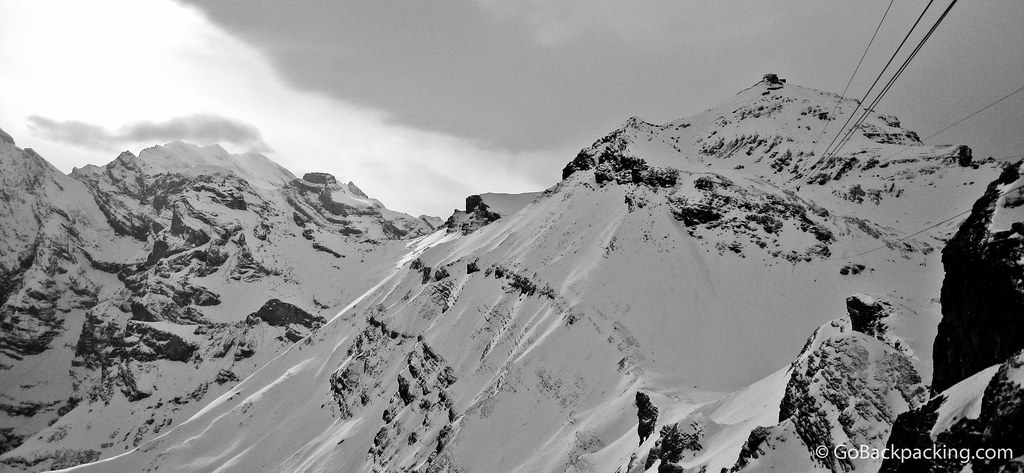
Cost of Living Index (current: 18Aug10)

 
Disclaimer: This is not a sponsored post.  All numbers were pulled from Numbeo.com and listed by the author.  Photo credits were linked back to original Flicker.com page or owners website-homepage.
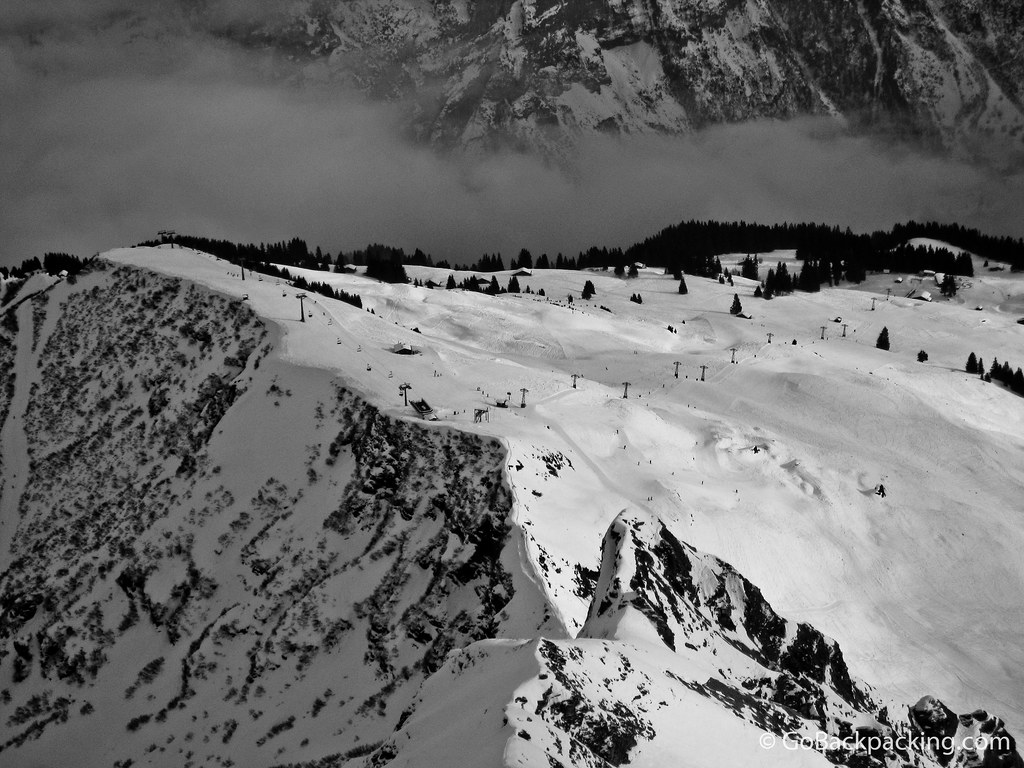
Friday Flashback: Sightseeing in Medellin

View of Medellin from atop Pueblito Paisa (a small, centrally located hill).

Here I am, drafting this post while living in Medellin once again. It feels like the last year and a half since I first arrived in the city has flown by. Looking back, I packed a lot of sightseeing in my first few weeks in the city.

  • The Botanical Garden and New Aquarium
  • Parks and Pueblito Paisa
  • Plaza Botero and Bandeja Paisa
  • Medellin's Cable Car
  • Teatro Lido
  • Pablo Escobar's Grave
  • Capoeira in Colombia

The Greek Islands (a Photo Essay)

When my sister and I decided to explore the Greek islands last summer, we had trouble with the logistics. We wanted to go to so many places, but to say that the ferry schedules were confusing is an understatement.

Yes, it's really like the movies; the island of Mykonos is full of picturesque white-washed churches with blue domes.

Many of the islands we wanted to visit didn't have direct ferry routes to and from each other, and I kept hearing that ferry schedules changed often and frequently ran late. That many flights would be too expensive.

We found out that Louis Cruises operates cruises through the Greek islands, and it turned out to be the perfect way for us to cover a lot of territory without the hassle of dealing with the logistics.

It was smaller than your average commercial line, and the low-cost, five-night cruise took us to Mykonos, Patmos, Rhodes, Crete, Kusadasi, and Santorini.

We didn't get to spend too much time in any one place, but it gave us a taste of many islands and helped me figure out where I want to return and spend more time (Mykonos and Santorini, of course!).

We also started and ended in Athens, so we took a few days to explore it. I was awed by the blue water and white buildings-the Greek islands were just as gorgeous as I had imagined. Here are some of my favorite photos from that trip.

Octopus are a popular part of Greek cuisine. I found these octopi drying on a sailboat in Mykonos.
Octopus is a popular part of Greek cuisine. I found these octopi drying on a sailboat in Mykonos.
This beautiful section of Mykonos is called Little Venice because its narrow buildings sit directly on the Aegean Sea.
These windmills are the one Mykonos's trademarks. They were once used to grind agricultural produce, and while they are no longer operational, they are still an impressive sight.
These windmills are one of Mykonos's trademarks. They were once used to grind agricultural produce, and while they are no longer operational, they are still an impressive sight.
The island of Patmos is home to the Monastery of St. John (the brown structure pictured in the top right corner). It is also home to the Cave of the Apocalypse, where it's said that St. John the Divine wrote the Book of Revelations.
The island of Patmos is home to the Monastery of St. John (the brown structure pictured in the top right corner) and the Cave of the Apocalypse, where it's said that St. John the Divine wrote the Book of Revelations.
The Old Town part of Rhodes, Greece is still surrounded by its impressive medieval wall.
The Old Town part of Rhodes, Greece, is still surrounded by its impressive medieval wall.
Here's an interior shot I took of the walled-in Old Town Rhodes. Rhodes has 14 mosques due to an Ottoman takeover in the 1500s, one of which you can see in the bottom left. While you're here, be sure to visit the Archeological Museum housed in the restored Hospital of the Knights.
Here's an interior shot I took of the walled-in Old Town Rhodes. Rhodes has 14 mosques due to an Ottoman takeover in the 1500s, one of which you can see in the bottom left. While here, visit the Archaeological Museum housed in the restored Hospital of the Knights.
I took this image as our boat approached the island of Santorini. You can see the white buildings perched on craggy cliffs.
I took this image as our boat approached the island of Santorini. The white buildings are perched on craggy cliffs.
To visit Santorini's capital, Fira, you have to ride up in a cable car or take a donkey ride. I took this image of us ascending in the funicular.
To visit Santorini's capital, Fira, you must ride up in a cable car or take a donkey ride. I took this image of us ascending in the funicular.
The island of Santorini was once a volcanic cone whose top was blown off, and then became a caldera. From Santorini, you can see several nearby dark volcanic islands, such as those pictured here. As you can see, the cafes on Santorini have breathtaking views.
The island of Santorini was once a volcanic cone whose top was blown off and became a caldera. Several nearby dark volcanic islands, such as those pictured here, can be seen from Santorini. As you can see, the cafes on Santorini have breathtaking views.

_____

About the Author: Emily Starbuck Gerson is a writer based in Austin, Texas. She's a copywriter in the travel industry by day. She runs her travel blog, Maiden Voyage, in her free time and does freelance writing and editing. Follow her on X @TheMaidenVoyage.

Friday Flashback: Coffee and Couchsurfing in Bogota

Plaza Bolivar - Bogota, Colombia

Before leaving Spain, I'd already had my wallet stolen by a pickpocket.  Was traveling to Colombia going to be that much more of a risk than getting on a crowded metro after an FC Barcelona match?

Due to a Couchsurfing stay in Bogota, I quickly began to feel at ease in a country with a violent past, and a troubled present (America's ongoing demand for cocaine doesn't help).

  • My Latin American Arrival
  • Bogota Living - La Candelaria, Botero's Art, and The Simpsons
  • Cerro de Montserrat and Museo del Oro
  • Poker Night with the Expat Community
  • Photos from Around Bogota
  • Friday Night in Zona Rosa

Fireworks at the Feria de Las Flores in Medellin

Fireworks for the Fiesta de Flores, Medellin, Colombia
The fireworks were launched off the top of this building next to the concert stage.

The night of July 30th kicked off the annual Fiesta de Flores here in Medellin, Colombia.  

It's the biggest festival of the year for Medellin and one not to be missed if you are in the area in the first week of August.  

Every day there is something different going on, from horse parades to car shows, street parties and lots and lots of drinking and eating!

To start the festival, they had live music downtown with a fireworks show at the end.

Below are the photos I took that night, all of which were taken with my travel camera.  

I dragged my expensive tripod down there too (hoping it wouldn't get stolen) just to get some nice long exposures, but forgot the clamp to mount the camera to the tripod.

I cursed myself for such a rookie mistake but was able to get a few good photographs even with the low light conditions and having to handhold the camera.

Fireworks for the Fiesta de Flores, Medellin, Colombia
... but something tells me that if the insurance company knew this they would flip!

Fireworks for the Fiesta de Flores, Medellin, Colombia

Fireworks for the Fiesta de Flores, Medellin, Colombia


Fireworks for the Fiesta de Flores, Medellin, Colombia


Fireworks for the Fiesta de Flores, Medellin, Colombia


Fireworks for the Fiesta de Flores, Medellin, Colombia


Fireworks for the Fiesta de Flores, Medellin, Colombia


Fireworks for the Fiesta de Flores, Medellin, Colombia

Fireworks for the Fiesta de Flores, Medellin, Colombia

Fireworks for the Fiesta de Flores, Medellin, Colombia
10 minutes after this photo was taken it started to really pour.  If you had an umbrella it was a great way to get close to a girl.  Note to Self: Carry an umbrella at all times!

How to Deal with Traveler's Diarrhea

This is a guest post by Phil Paoletta. If you'd like to guest post on Go Backpacking, please read more here.

I am a little over a month into my travels around West Africa and for the first time on this trip, I have experienced catastrophic, explosive diarrhea. This was inevitable - my eating habits have been reckless and I often purchase sachet water (" pure water" sold in 500ml bags for about 3 cents) that tastes like dirt.

This particular brand of diarrhea wakes you up in the middle of night and offers you a few seconds to find a toilet (or something toilet-like). If you make it to the toilet, you can find solace in that fact alone, because what happens while you are sitting on it is absolutely horrific. There is no relief, only terror, when pure fluid is coming out of your ass. When you stand up, vertigo takes hold and you have a splitting headache. You realize that along with your life-force in general, you've also just pooped out your cranial fluid. You stagger back to bed - anything else is impossible.

So what do you do about it?

First, be proactive, travelers diarrhea is avoidable. If it's a fruit or vegetable, don't eat it unless it's cooked or you can peel it. Don't eat foods that are lukewarm, especially meat and dairy. Drink bottled water or water that you purify. Avoid ice. Unless you're in North America or Europe, steer clear of anything coming out of a well or a tap.

Many people will expand these guidelines in an attempt to preserve GI health. Even if you are exceptionally careful, however, you may still fall victim to traveler's diarrhea and you should be prepared to deal with it.

Before you leave, go to a travel clinic for a consultation and create an arsenal of the following items:

Traveler's Diarrhea Arsenal

Oral rehydration salts, Travelers diarrhea can be miserable, but dehydration is really its only threat (unless you are seeing blood in your stool). You lose a lot of fluids when you have diarrhea and you can't just replenish them by drinking water alone. Oral rehydration salts are typically a combination of sodium and potassium chloride (salts) with glucose (sugar), both ingredients being necessary to effectively absorb water. You can find them at travel clinics, pharmacies and most camping/outdoor recreation stores. If you run out of them on the road, try to find a Gatorade-like energy drink or powder. If you can't find that, put a teaspoon of salt and a teaspoon of sugar into a glass of water.

Pepto-Bismol, Will not get rid of the diarrhea, but will ease stomach and intestinal discomfort.

Imodium AD, " Controls the symptoms of diarrhea." What they mean to say is that it temporarily holds the diarrhea in your body. In other words, the destructive bacteria is still in your gut wreaking havoc.

Antibiotic, Depending on where you're going, you will most likely be prescribed Ciprofloxacin. It will be your most potent weapon. Cipro is an antibiotic (the same used to treat anthrax poisoning in fact) that is akin to an atomic bomb. It will destroy everything in your system, good (as in beneficial bacteria in your gut) and bad.

When traveler's diarrhea strikes, follow these steps:

1) At the onset of diarrhea, look at your stool. If there is blood, get yourself to a clinic. If you can't get to a clinic, start taking antibiotics immediately.

2) Take note of additional symptoms. I once had a brutal bout of diarrhea and it was accompanied by an atrocious fever. Turns out I had Malaria. If you have other symptoms (especially a fever), go to a clinic.

3) Begin rehydrating (with the rehydration salts) like its your job.

4) Try to avoid eating for one day. After a day, start eating BRAT foods (bananas, rice, apple sauce (unsweetened), plain toast).

5) The diarrhea may last several days. If possible, clear your schedule and just focus on rest, rehydration, and going to the bathroom.

6) Go to the bathroom as often as you need to do. Holding it in will only make the diarrhea last longer.

7) If you absolutely must do something absurd like take a 12-hour bus ride, bust out the Imodium and Pepto-Bismol. You must understand though, when you get off that bus, there will be hell to pay.

8) Did I mention rest and rehydrate?

9) If the diarrhea persists past two days without improving start taking the antibiotic.

10) If the diarrhea does not improve within a day of taking the antibiotic, go to a clinic.

Ideally, you will not encounter travelers diarrhea on your trip. Depending on where you are traveling, however, there is a good chance you will. These tips are designed to ease the misery and to restore your humanity as quickly as possible.

______________

About the Author: Phil Paoletta is taking a break from teaching middle school in Washington, DC. He is currently traveling West Africa indefinitely, collecting and making music along the way. You can follow along with him at http://philintheblank.net.

Friday Flashback: Madrid

An artist sells his paintings outside the Prado.

Spain's capital of Madrid was my last stop on a whirlwind trip through western Europe.

The Prado (museum) houses a large number of masterpieces, and I recognized quite a few from my days of studying art history in college. 

It's now one of my favorite museums, along with the Musee d'Orsay in Paris (impressionists) and the National Gallery of Art's East wing (modern) in Washington, DC.

My couchsurfing host also took me out to the popular La Latina nightlife area my last night.

  • Couchsurfing and the Prado Masterworks
  • Plaza del Sol, Royal Palace, and La Latina
  • Final Thoughts - Brussels, Netherlands, France, Switzerland, and Spain

Getaways by Robert Verdi

A few weeks ago, I had the pleasure of joining fashion and travel writers and editors at a Robert Verdi Twitter Party.

It was unlike anything I've ever been to: the apartment was chic and decorated with beach, as well as exotic accents.

There were platters of sliced vegetables, bread, meats, and cheeses.

Bacardi Torched Cherries were served generously as men and women sat on smartphones updating their Twitter accounts by the minute.


Before long, the real fun began, as Robert sat fabulously at the front of the room and introduced the best in products and services for every traveler-- creative, stylish, luxe, and coastal, amongst others.
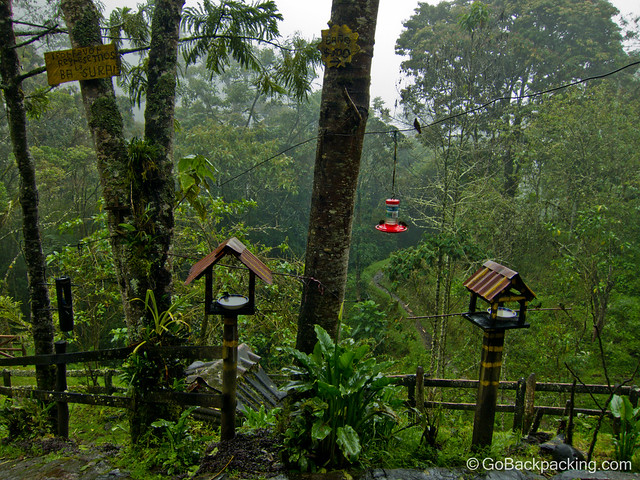
The selection was above and beyond what I've become accustomed to, a.k.a. there was no speak of hostels.

That's not to say, however, that I couldn't relate. The travel they spoke of reminded me of family vacations and the kind of trips I hoped to be able to take one day.

Along the way, I also learned a few invaluable tips from experts like how to spruce up a limited clothing selection, scarves, or when booking flights, try midnight, when traffic is low, or early morning when systems reset.

I also walked away with quite a few valuable getaway items, including a face moisturizer with sunscreen, luggage tags, a bathing suit, and one of Lonely Planet's freshest new guides, New England Trips.

As Robert Reed explained, the series provides unique itineraries on exciting trips across the United States and, in this case, specifically within the New England region.

Each page of this comprehensive guide features insiders tips and expert advice on how to get to the heart of historical, modern America.

There are iconic trips, regional music playlists, a green index, and even pet-friendly listings.

For many, like myself, it is perfect for a weekend escape and reveals a lot of gems within my local area.

If you happen to live in the northeast or plan on visiting soon and are in the market for a quick travel thrill, please leave a comment below about what makes your hometown special.

One winner will be randomly chosen to win a Lonely Planet New England Trips guide of their own in two weeks!

Update: Congratulations to Two Backpackers! Enjoy and have multiple great trips.

Colombian Models at Fashion Week in Medellin

Every July, Colombian models descend on Medellin, which hosts Colombia's annual fashion week, Colombiamoda.

Billed as one of the biggest fashion events in South America, the three-day show is an opportunity for local and international designers to share their latest collections, both in a public expo-center setting by day, and on the runways at night.

On the first day, I headed over to Plaza Mayor with Dave to catch a glimpse of the Colombian models, and snap a few photos.

Entry to the show cost 80,000 COP, or about $40 USD, and our badges stated that we were "International Buyers." It was a fun day.

Models at Fashion Week in Medellin, Colombia
Swimsuit models! These girls rocked and were fun to photograph. Every time we walked past them, they struck a pose for us.
Colombian model wearing tie-dye.
The first model of the day that I shot. I awarded her as the winner for the best smile!
An Orbis Ring flash highlights this woman's eyes.
I used an Orbis Ring flash to get this photo effect. I love it because it makes the eyes pop and gives a soft shadow around the body. Voted her for best eyes! Go figure on that one huh!
A Colombian woman in white lingerie.
Lingerie model that was about 6'2" (189cm) tall! I voted her the sexiest model of the show.
Seated model at Colombiamoda in Medellin.
We did an interview with her for the "Faces Series" ...more to come on that! Voted her as the "Girl Next Door!"
Female Colombian model
A model that we talked with for 15min. Voted her as the most approachable model of the day.
A woman wearing paint and sequins.
She is wearing a painted-on shirt. Took me an hour to get this photo because the line around her was crazy the whole time. Voted as "Least Shy" model of the day!
Male models
Yes, something for you ladies too. But the ratio of female-to-male models was about 15-1.
Women wearing street clothes
Street clothes models!  Voted them the "Please tell me they are single and looking" award.

.           Models at the Fashion Show Medellin, Colombia Models at the Fashion Show Medellin, Colombia Models at the Fashion Show Medellin, Colombia

Asking For Directions... The Rule of 3

Getting lost and traveling go hand in hand and everyone who ventures out into the unknown has experienced asking for directions from a total stranger who barely (if at all) speaks your language. You would assume the local you are asking knows their way around, and you heed their advice which leads you in... the completely wrong direction!

You trusted their advice and after 20 minutes of wandering around, you wondered if they had an evil motive and were trying to get you lost on purpose, or simply made a huge mistake. This is where the RULE OF 3 comes into play.

While backpacking in Mexico, everyone in the hostel soon realized that they had been given the wrong directions numerous times, and in order to save a little sanity, they would need to ask multiple people for the same directions. The actual number differs by country, but the rule in Mexico is the rule of 3, and sometimes 5.

Hitchhiking in Mexico

Here is an example of how the process works:

  1. Venture out with a destination in mind.
  2. Ask one of the first people you see who looks helpful.
  3. Wander one block in the direction they pointed.
  4. Find someone else to ask for directions.
  5. If the answer was the same as the first, continue one more block that direction. If it was different, head one block in the direction the second local pointed in.
  6. Ask one more friendly stranger how to get where you are going, then stand for a second and ponder all three sets of directions.
  7. Take a general average and head that way or choose the one person you felt was most confident and trust them.

TIP: When there is a language barrier, be sure to know the translation for the following words: left, right, straight, and blocks. These will get you closer to your point of interest by making sure you aren't totally screwing up.

When all three sets of directions don't seem right, head towards a more trustworthy source of information such as a tourist info center, hotel concierge, detailed map, or just give in and pay the taxi. Chances are you are headed somewhere none of the locals ever go.

Lost and Out of Gas
Lost and Out of Gas

TIP: Walk one block (and maybe two) between asking locals simply to be polite. It would seem very rude to ask someone for directions and then immediately ask the next person on the road showing that you obviously don't trust the first person.

The lesson to learn is that most people are over-generous to lost travelers and want to help in any way they can. If you ask someone for directions in Mexico and they don't know the correct way, they will not tell you they don't know but simply give you the best guess they have.

Well thanks, but no thanks. I would have been better off with a simple "no". People's generosity has led me astray numerous times which is why I now usually will stretch the rule to a "sometimes 5."

6 Indisputable Reasons to Teach English Abroad

Teaching English in China
Teaching English in China (Photo: Rozel09)

Going traveling, backpacking, whatever you want to call it, it is a rite of passage for young westerners hailing everywhere from Los Angeles to London.

But is it the best way to experience another culture, or do you spend weeks flitting from place to place with little to show for it but snapshots and kitsch souvenirs?

If you want to experience another culture, I reckon it's time to ditch your backpack and grab your TEFL certificate.

Here's why:

1. Spending time with people just like you? That isn't experiencing another culture!

Ah, hostels, the spiritual home of the backpacker.

Great for cheap accommodation, but is spending all your time with other backpackers who are just like you making the most of your time abroad?

Hell, you could have just stayed home!

Opt to teach abroad, and your working life will be spent surrounded by locals, both students, and other staff.

Great for getting under the skin of the country's culture.

2. You'll be paid to be there.

Unless you've got a bulging bank balance, spending any length of time in a country is out of the reach of most travelers.

That means quick hops here and there, only seeing the don't miss' sights that guidebooks rave about.

With TEFL, you'll be getting paid to be in a country for anything from six to 12 months, which means you can experience everything a country has to offer (not just the selected extras) and not feel like you have to cram it into too short a time.

3. You'll get to know the people whose country you're visiting.

While it's easy to pass through a country and have nothing more than a few brief exchanges with waiters and taxi drivers, teaching abroad forces you to get to know the people you're teaching, working with, and even living with.

Sometimes cultural differences can be a bit of a challenge, but you didn't fly halfway around the world to have everything run as it does back home!

Before you know it, you'll be mastering local drinking games, cracking jokes with your boss, and making friends with the old lady who lives in the apartment next to yours.

4. You're already qualified to do it!

If you're a native English speaker, you're already qualified to teach English abroad.

Yes, you might need to do a TEFL course to get your hands on the best jobs and not make a total mess of your time in the classroom, but you don't need any previous teaching experience or the ability to speak another language.

5. Don't just take snapshots, be in the picture yourself.

Go to any major tourist attraction, and you'll see backpackers snapping away, trying to peer into an alien culture.

Want to know the best way to get to know the place you're visiting?

Stop hiding behind your camera and dive in feet first, get to know people and you'll soon find that you're not on the outside looking in, you're in the picture yourself.

6. You'll get the lowdown on the coolest stuff in town.

Have you ever read a guidebook for your hometown?

Flick to the bar and restaurant section, and I bet the cool bar you and your friends go to on a Friday night isn't in there.

By the time that book hit the shelves, it was already out of date.

That's why working abroad is so great, because you'll make friends with so many locals and long-term expats, you'll know exactly where's good to go on the weekend and it won't be yet another dodgy tourist bar.

__________

About the Author: Honor Baldry works for TEFL course provider i-to-i. She ditched her backpack to teach English in China and reckons it's the best way to travel. To find out how to start teaching abroad yourself, download a free copy of TEFL Uncovered: How to Teach Your Way Abroad with TEFL!
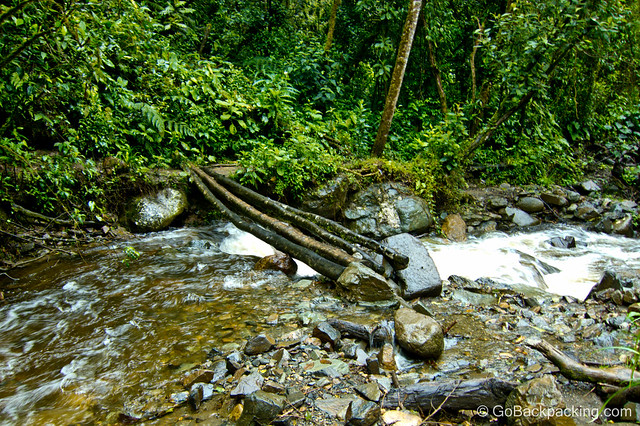
5 Ways To Get a Real Feel of Puerto Rico

Although Puerto Rico is a U.S. territory, it boasts a rich culture and history of its own. Its culture is a strong mix of Spanish, African, and native Caribbean influences.

San Juan, Puerto Rico (photo: Amy Irizarry)
San Juan (photo: Amy Irizarry)

So, how can you experience this blend to the fullest? Here are five ways to absorb some of these influences and get a "real" feel for Puerto Rico.
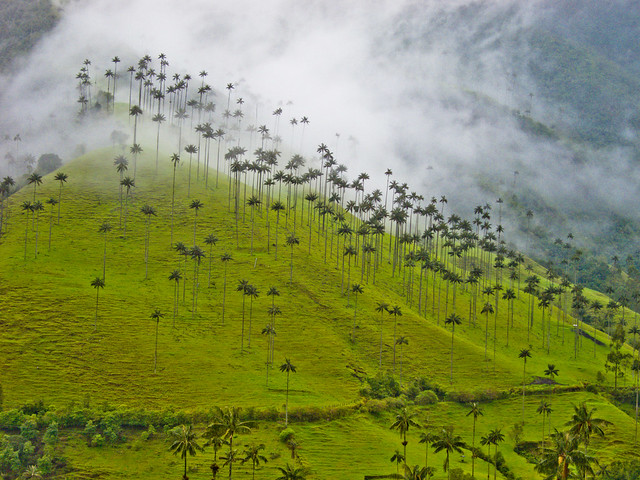
Table of Contents

  • Puerto Rico Travel
    • 1. Try some "criolla" food
    • 2. Take salsa dancing lessons
    • 3. Explore the different regions
    • 4. Look back at its history
    • 5. Feel the beat of the night

Puerto Rico Travel

1. Try some "criolla" food

The traditional cuisine of Puerto Rico, known as comida criolla, is a blend of Spanish and native Caribbean influences. Most traditional dishes include rice and beans, arroz con habichuelas. Add to this some plantains, and you have a typical daily meal.

For dessert, try the flan, a custard made with flavors such as cheese, coconut, or vanilla. Or the tembleque, a local bread pudding with a coconut flavor.

If you genuinely want to experience the full Puerto Rican experience, visit a lechonera. These casual roadside eateries are mainly located outside the metropolitan area, so a little bit of travel is required, but it's worth it.

They specialize in roasted pork, known as lechon, a must-have at any Puerto Rican holiday dinner. The best lechoneras are in Guavate, just 30 minutes away from San Juan.

2. Take salsa dancing lessons

Dave from Go Backpacking with his salsa teacher

Salsa dancing, without any doubt, is a big part of Puerto Rican culture. So why not learn the basics? In San Juan, you will find many places that offer free salsa lessons.

Some of these include The Courtyard by Marriott (Thursday at 8 pm), The Latin Roots (every day at 7 pm), Oyster Bar (Sunday at 8 pm), and others.

Now, where to dance? The best places to dance salsa are Rumba in Old San Juan and Nuyorican Cafe, where the band plays till 4 am on the weekends.

If you want to experiment outside the tourist area, head to the bars along Roosevelt Avenue and Avenida Universidad, which are approximately 20 minutes away from Old San Juan.

Most students love hanging out and dancing at El Ocho de Blanco in Avenida Universidad, next to the most prominent college campus on the island. If you think salsa is too complicated for you, try dancing the local reggaeton (made hugely popular by Daddy Yankee, Don Omar, among others).
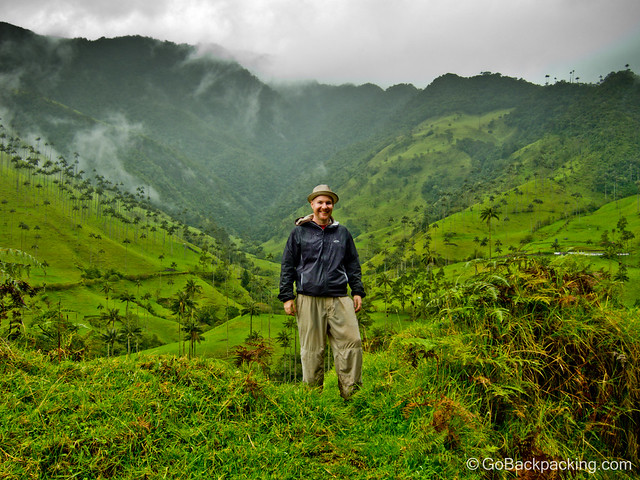
Don't worry. There's no science to it. Just take a partner, get close to each other, and start rubbing your bodies together in a rhythmic motion. Sorry, I have no better description without going into crass details. But you get the point. Be sensual; that's keeping with the spirit of reggaeton dancing.

3. Explore the different regions

Get out of the metropolitan area. Each part of the island offers a diverse range of attractions, including Puerto Rico boat rentals, ecological adventures, beach retreats, 19th-century cultural displays, and more.

The island is small enough to drive across from east to west in under three hours. Explore the mountainous regions and climb Toro Negro (the tallest point, 4,930 ft. tall).

Visit El Yunque Rainforest and swim in its rivers; locals adore them. Visit the sister islands of Vieques and Culebra. They have some of the best beaches in Puerto Rico, and most of them are secluded.

If you need professional Spanish translation services, click here to check out Magma Translation.

4. Look back at its history

Old San Juan (photo: Stephanie Kepacki)

Old San Juan has some of the oldest buildings on the island. Walk through its narrow cobblestone streets and feel the solid Spanish Colonial influence, a hallmark of this UNESCO World Heritage Site. Four centuries of history are surrounded by the massive fortress walls that once protected this city from foreign invasion.

Visit El Morro and San Cristobal Fort, two dramatic fortresses classified as National Historic Sites.

5. Feel the beat of the night

Without a doubt, the metropolitan area is your place to go if you want to experience the nightlife. There are many ways locals enjoy spending the night, from dancing and playing pool to betting at casinos and simply relaxing at a bar or lounge.
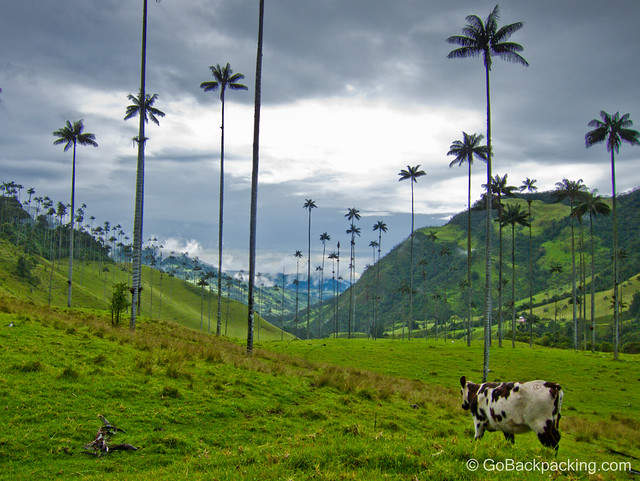
If you're looking for a "chic" night at a lounge, go to Condado. For a great dance club experience, head to Old San Juan and Santurce. And for a good time in a bar, go to Isla Verde.
If you're unsure which one to choose, don't worry; all four counties are located next to each other. You can easily hop from one place to the other and enjoy the night in your preferred way.

Friday Flashback: Barcelona!

Barcelona beach in January

Visiting Europe on my 'round the world trip, I was trying to catch up with some popular spots I missed my first time around back in 1998.  Switzerland was one, and Spain was the other.

Barcelona kept me busy with Gaudi's buildings and Picasso's art.  The beaches were almost empty, however I found plenty of people at the FC Barcelona soccer match I attended.

  • The Trains to Spain
  • Walking Barcelona By Day and Night
  • Gaudi's La Sagrada Familia and Barca's Beaches
  • FC Barcelona v. Atletico Madrid
  • What's In Your Wallet (having my pocket picked)

The Colorful Streets of Cartagena: Part II

This is Part II of the photo essay about street life in Cartagena, Colombia.  To see Part I, click here.  David Lee took all the photos from Part I and I (Troy Floyd) took all the photos for Part II.  It is interesting to see these photos from two people who visited the same place, that took different shots of the city.

Styles vary hugely with photographers and this is a good example of why it's always best to have a different perspective on one thing.  What David might have seen, I didn't, and vice versa.

I hope you enjoy the below photos... let us know which one you liked best and why!

Woman selling fruit along the streets. You can find her every day at the Plaza de San Diego.

The sunsets in Cartagena are some of the best in all of Colombia. Add on top of this the striking architecture and you almost feel like your in Havana, Cuba!

Man sitting on the street selling BBQ sticks for $1 USD each. Cartagena doesn't have much street food (compared to say Thailand) but at the end of the night, it's a refreshing treat to get something quick and easy outside the bar when nothing else is open at 2am.

Lamps and arches are always present in the architecture of Cartagena. The colonial style makes one feel like they are in a time warp!

The Cathedral of Cartagena is a highlight at night for taking photos, but don't pay for the outrageously priced $5 USD tour. There is not much to see on the inside, and better photos can be taken from the outside for FREE! Besides, is it right for churches to charge that kind of money, as it's a religious place of worship?

Art work is all over the streets in the Old Town. Mostly copied stuff from Colombia's most famous artist, Fernando Botero. His signature style is paintings and sculptures of very "large" people.

You can take a romantic carriage ride through the Old Town. If nothing else, it's great just to grab a few bottles of wine and ride around the city getting tanked up and seeing all the beautiful architecture!

"Plaza Santo Domingo (Santo Domingo Square). The square is home to the sculpture Mujer Reclinada ("Reclining Woman"), a gift from the renowned Colombian artist Fernando Botero." ~ Wikipedia. This is a popular place for tourists to visit because it's Cartagena's most famous plaza. It's filled with many nice restaurants, but it is all way overpriced. My recommendation is to have one drink and go around the corner where drinks are ½ the price.

I never get tired of seeing the windows and doors in the Old Town of Cartagena.

Dave took this same picture in the first photo essay. He saw the most unusual drug store ever and I saw a perfect photo summing up Cartagena's Old Town. Exact same building, but as you can see, it is very different then David's picture. Just goes to show you why it's best to have different perspectives from more then one person.

Let's Just Be (Facebook) Friends: Getting Dumped by Backpacking Buddies

This is a guest post by Caroline Eubanks. If you'd like a guest post on Go Backpacking, please read more here.

It's the same old story- You arrive at a hostel. You look around at the other travelers, hoping for some piece of familiarity that you can use as a catalyst for conversation. A sports jersey or an accent or fondness for a brand of beer. " You like Chiang beer too? What a coincidence!" And so it begins. You don't know it yet, but you will eventually spend hours with these people, wandering the streets of your destination, acting as if you have known each other for years.

At the beach with the Brits (Split)

In this true backpacker formula, my British roommates and I were best friends within two hours of meeting. We bonded and laughed for hours in the air-conditioned dorm rooms over the linguistic differences between the Brits and Americans, such as " khaki pants" and " aluminum."

In those two days, my new friends and I went to a traditional Croatian dinner, splurged on cherries from the fruit stand downstairs (or rather, I splurged for all three of us), watched Jackass 2 and other terrible examples of American entertainment, rated girls as " deal" or " no deal" as we walked by, and went beer for beer on a pub crawl. They reminded me of the boys I had grown up with in the States: cocky, flirtatious, witty and often vulgar. It was a perfect travel friendship because I didn't have to wander around alone and they got to harmlessly flirt with an American girl they would never see again. They even added me on Facebook, so that had to count for something, right?

But to my surprise, by the time I got home they had already deleted me. Why would they do this?, I wondered. Didn't we share some laughs over our two days in Split? And then a better question: Why did I care? The truth is that although we seemed like friends in Croatia, it never would have made us friends in real life. They wrote me off that morning I checked out of the hostel (one of them more so because I turned him down, but still). I would never see them again, but I felt like this made our fun two days meaningless. And as naïve as it sounds, I wasn't used to the people I meet on the road not liking me. At least not openly. It felt like getting rejected in high school.

Riva, Split
Riva, Split

I should have been grateful to them. It made me more realistic about the people you meet while traveling. Sometimes you meet amazing friends who you click with, keep in touch with and live to travel another day with. I have some great ones of these like Tamar, who I met in Washington DC in 2005 and who has visited me in Atlanta almost every year since. Other people were the product of timing, convenience, and most likely alcohol, that you will probably never see again. Obviously these British boys fit into this category. I could overanalyze it as much as I wanted to, but you know which people are meant to stay in your life. Both kinds of people have a place in your adventures. And at the very least, they certainly make the stories more interesting.

"”"”

About the Author: Caroline Eubanks is a freelance writer based in Atlanta, Georgia who has covered everything from fashion shows to sugar daddy bars and aerial yoga to drag shows in her career. Since writing gigs don't pay all the bills, she has worked as a gift wrapper, label sewer, taco seller, and errand runner. Her preferred outlet for writing is her blog, Caroline in the City, where she documents her adventures around the world as a city girl with the occasional taste for the country. Follow her on Twitter and Facebook.

Seafood Al Fresco at La Cevicheria

On my first visit to Cartagena in early 2009, I invited my new Peruvian friends to join me for lunch at La Cevicheria, the restaurant featured in Anthony Bourdain's "Colombia" episode of No Reservations.

Despite an address I found on the Travel Channel website and the company of two fluent Spanish speakers, we could not locate the restaurant on our own or by asking around.

Outside La Cevicheria in Cartagena's upscale San Diego neighborhood.

Fast forward to mid-2010, and I have all the time in the world to the right this tragic foodie wrong. 

Seeing how I'd already eaten at Brasarepa, the Envigado restaurant featured in the same episode, it was now a matter of pride that I tracked down La Cevicheria too.

This time, I got the address from the comfort of my hostel room, thanks to my laptop and solid Wi-Fi signal. Then, I identified the location via Google Maps on my BlackBerry Curve. 

The restaurant is in the upscale San Diego neighborhood at the north end of old Cartagena. It was surprisingly easy to walk there from the iconic clock tower.

La Cevicheria is situated on a quiet little cobblestone side street. Three tables, taking up the combined width of a single parking space, are set up for al fresco dining each afternoon. 

I took a seat at the middle table and began to decipher the menu, which was all in Spanish. A photo of Anthony Bourdain and the owner was featured on the back.

Peruvian ceviche of fish and shrimp, served with plantains and salad.
Peruvian ceviche of fish and shrimp served with plantains and salad.

A Thai-American woman named Tania, and her Colombian boyfriend Daniel, who had seated themselves inside before I had arrived, came out to keep me company. 

They were doctors working in the USA and spoke perfect English so that I could enjoy their conversation and the fresh seafood.

I went with the Peruvian ceviche of fish and shrimp, served alongside crispy plantains smothered in guacamole, a fresh salad of lime and tomato, and a small piece of corn on the cob. 

The presentation showed attention to detail, and I dug right in. 

I've had a bite of ceviche here and there before; however, this was the first time I ordered it as a main course.

The shrimp and whitefish were coated in lime-based juice.

As with sushi, I find eating raw seafood to be a unique experience that is often more about the pretty presentations and textures of the food than the actual flavors.

The portion size could easily have fed 2-3 people. 

The price was about $20 based on the current exchange rate; including a glass of fresh orange juice, tip, and tax, the total bill was $27.

Mexican ceviche with shrimp, avocado, corn, and sour cream served in BBQ sauce with tortilla chips.

Satiated by my first authentic ceviche experience, I uploaded photos back at the hostel, only to find that my new 4-gigabyte SD card wasn't working. 

As I wasn't about to write of this meal without photos (the photo of the Peruvian dish was taken with my BlackBerry), I deemed it necessary to return a few days later.

I took the same middle table outside. However, dark clouds were rolling over old Cartagena this time, and I knew my time outdoors would be limited. 

I ordered the Mexican ceviche with shrimp, avocado, corn, and sour cream, served in a thick and tangy barbecue sauce accompanied by tortilla chips.

The dish might not look like much from the photo; however, there must've been 100 shrimp. 

As a light rain began to fall, I held steady at my outdoor table, loading the tortillas with the sauce-coated shrimp. 

Again, the serving size could satisfy 2-3 people, and despite my best efforts, I left a lot of good shrimp behind that rainy afternoon.

I love avocado, and it's a big part of why I chose the Mexican-style ceviche, so I was surprised that the dish was so rich in shrimp and severely lacking in avocado. 

The small pieces were about the size of the corn kernels, meaning the sauce and shrimp greatly overshadowed them.

Rice with coconut.
Rice with coconut.

I also ordered a regional favorite, arroz con coco (rice with coconut). It, too, was delicious, and I only wish I'd eaten more of it while I was in Cartagena.

The small kitchen at La Cevicheria.

Eventually, the rain turned from a light sprinkle to a torrential downpour, and I escaped to La Cevicheria's interior dining area, which included an open kitchen and three small tables. 

A framed photo of Anthony Bourdain and the owner hung on the wall, along with various seafood-oriented decorations.

I asked for more chips, as the shrimp ceviche was too rich to eat without them.

They weren't quite what I expected, tasting more like a light version of Doritos than a Mexican-style corn tortilla chip.

And I waited, and waited, for the rain to let up. By then, fully satisfied, I dreamt of sleeping off my second divine ceviche experience.

PS - I like to make jokes about Colombia's food being the one downside to living here; however, after enjoying several meals at La Cevicheria, I realized the cuisine is much more varied than the typical set lunches of soup, chicken/meat, and salads.

______

La Cevicheria - Calle Stuart #7 - 14, San Diego, Cartagena (in the north of the Old City, Calle 39, between Carrera 7 + 8.  Landline phone: 5-664-5255. Cellular: 315-655-4120.

____________

Medellin Travel Guide

My 138-page, all-original Medellín Travel Guide is available for Kindle and PDF.

.

The Beaches, Ruins, and Jungles of Honduras

People travel all over the world on their backpacking trips, and Central America is often on the list of places to go.

Mexico draws in people for its array of beaches, Guatemala pulls in those looking for an insight into its Mayan past, and Costa Rica offers jungles and pristine beaches side by side.

But Honduras is rarely mentioned and often used as a simple stopover as backpackers work their way down through the continent.

The beaches of Roatan.

This is a significant oversight. For all its recent political difficulties, Honduras has many stunning places to visit, most of which are yet to be tainted too heavily by the tourist development brush.

There's plenty to keep the backpacker entertained in this troubled country, from beautiful beach destinations to historical monuments.

The Bay Islands

The Bay Islands are usually atop the traveler's list, with Utila and Roatan the most popular of the three.

Utila is the place to go for your scuba diving exploits but offers little else outside of happy hour. 

If it's the paradise island experience you're after, then you should head to Roatan.

It's beginning to get more developed as American tourists become increasingly aware of its idyllic setting, but that is for a good reason.

Stunning beaches, crystal clear waters, and incredible marine life make it the perfect beach getaway.

West End is where backpackers flock to, and this is where most of the hostel accommodation is found, though it's worth venturing to the eastern end of the island at some point to soak up some of the Garifuna culture.

This is characterized by brightly colored local dress, the beating drums, maracas, and outrageous, hip-shaking 'punta' dancing.

You won't believe how high the Garifuna girls can shake it!

Horseback riding around Copan Ruinas.

Copan Ruinas

Outside of the Bay Islands, Copan Ruinas is another common destination.

Home to Mayan ruins worthy of a day's exploration, its real beauty is in the surroundings; rolling hills that play host to coffee plantations and hot springs, amongst others.

There's plenty to explore, and the best way to do it is on horseback.

I'd never ridden a horse before I visited, but before I knew it, I was knee-deep in a gushing river and galloping along the banks!

It's a real adventure and one I'd recommend to any traveler who has stopped in to see the ruins.

The town itself is beautiful as well; a labyrinth of cobbled streets and pristine monuments, you could sit out for hours on end with the best coffee you've ever tasted, watching the world and its horse go by.

On the 'cayuco' in La Mosquitia.

The Eastern Jungles

But the real diamond in the rough is a road rarely traveled by tourists' feet.

The eastern part of the country comprises near-total jungle: the area known as "˜La Mosquitia' ("˜the mosquito').

This is a place that is borderline inaccessible and has no roads. All transport is via the interlinking rivers flowing between the trees.

To get there, you have to fly in a small biplane that touches down on a strip of grass hidden in the foliage.

On my visit, there were kids playing football on the runway as we came into land!

From there, you jump on a "cayuco" (a dugout canoe) and head into the jungle on the river, not knowing when you'll next step on dry land. 

As you chug along the vast waters, you can see monkeys jumping from tree to tree, hear birds singing, and very occasionally see a crocodile's eye sparkle in the undergrowth of the riverbank.

After what seems like an endless amount of time, you come across villages dotted along the rivers, populated by people who haven't been outside the jungle walls.

They know the 30 people who live in the huts around them and have seen a few other faces in their lives.

Depending on the length of your trip, you'll stay in various villages along the way and get further into the jungle, getting to know the people and feeling more like an explorer every day.

It's an enriching place, and I doubt that I'll ever visit anywhere as remote again.

So there you have it, Honduras should be on your list! And that's just the half of it.

There are great towns sprinkled across the country, National Parks that will take your breath away ("˜La Tigra' to name but one), and beach towns littered along the north coast.

Find the adventurer in you and give Honduras a go.

Friday Flashback: Bordeaux, France

French pastries
French pastries

While I did fly into the Bordeaux airport, and eat a few meals in the city, most of my time was spent farther south in the region around Arcachon Bay.

I was staying with Sebastien and Magali, a French couple I met on the way to a small eco-hostel called Bulungula.  The moment they suggested a visit to Bordeaux, I knew I'd be seeing them again.  And it didn't hurt that I later found out Magali was working at a pastry shop.

  • An Introduction to Life in Bordeaux
  • Wine Tasting in St Emilion
  • The Grand Tour of Arcachon Bay (where I learned to appreciate oysters)

The Colorful Streets of Cartagena

Cartagena's charming colonial architecture helped earn it UNESCO World Heritage status.

The old city is filled with enough character and colorful facades to keep any photographer engaged day after day.

View down a typical street in walled area of Cartagena.

Weathered and worn down buildings await renovation throughout the city.

Not your average corner drugstore, is it?

Balconies and hanging lamps are common on the building facades in the old city center.

Juicy watermelon for $0.50 a cup is a refreshing treat in the mid-day heat.

I was struck by the vibrance of the matching green doors of this hotel and salsa club as I was walking down Calle de Media Luna.

The Plaza de los Coches is centrally located within the walled city. This is the best place to find horse and carriages to hire for a romantic ride through the city.

The Church of San Roque in Getsemani.

« Previous Page
Next Page »
Dave at Ahu Ko Te Riku on Rapa Nui (Easter Island), Chile.

Hi, I'm Dave

Editor in Chief

I've been writing about adventure travel on Go Backpacking since 2007. I've visited 68 countries.

Read more about Dave.

Footer

back to top

About

  • About
  • Archive
  • Privacy Policy
  • Cookie Policy

Follow Us

Contact

  • Contact
  • Work With Us
  • Submissions

Copyright © 2025 Go Backpacking