Go Backpacking

  • About
  • Travel Tips
    • Accommodations
    • Budgeting & Money
    • Adventure Travel
    • Food & Drink
    • Gear & Gadgets
    • Packing Tips
    • Travel Blogging
    • Travel Insurance
    • Trip Planning
    • UNESCO Sites
  • Destinations
    • Africa
      • Botswana
      • Egypt
      • Ethiopia
      • Morocco
      • Rwanda
      • South Africa
      • Tanzania
    • Asia
      • Cambodia
      • China
      • Hong Kong
      • India
      • Indonesia
      • Japan
      • Laos
      • Malaysia
      • Nepal
      • Philippines
      • Thailand
      • United Arab Emirates
      • Vietnam
    • Europe
      • England
      • France
      • Germany
      • Greece
      • Iceland
      • Ireland
      • Italy
      • Portugal
      • Spain
      • Switzerland
      • Turkey
    • North America
      • Canada
      • Costa Rica
      • Cuba
      • Guatemala
      • Mexico
      • Nicaragua
      • Panama
      • United States
    • Oceania
      • Australia
      • French Polynesia
      • New Zealand
    • South America
      • Argentina
      • Bolivia
      • Brazil
      • Chile
      • Colombia
      • Ecuador
      • Peru
  • Advertise
menu icon
go to homepage
  • About
  • Travel Tips
    • Accommodations
    • Budgeting & Money
    • Adventure Travel
    • Food & Drink
    • Gear & Gadgets
    • Packing Tips
    • Travel Blogging
    • Travel Insurance
    • Trip Planning
    • UNESCO Sites
  • Destinations
    • Africa
      • Botswana
      • Egypt
      • Ethiopia
      • Morocco
      • Rwanda
      • South Africa
      • Tanzania
    • Asia
      • Cambodia
      • China
      • Hong Kong
      • India
      • Indonesia
      • Japan
      • Laos
      • Malaysia
      • Nepal
      • Philippines
      • Thailand
      • United Arab Emirates
      • Vietnam
    • Europe
      • England
      • France
      • Germany
      • Greece
      • Iceland
      • Ireland
      • Italy
      • Portugal
      • Spain
      • Switzerland
      • Turkey
    • North America
      • Canada
      • Costa Rica
      • Cuba
      • Guatemala
      • Mexico
      • Nicaragua
      • Panama
      • United States
    • Oceania
      • Australia
      • French Polynesia
      • New Zealand
    • South America
      • Argentina
      • Bolivia
      • Brazil
      • Chile
      • Colombia
      • Ecuador
      • Peru
  • Advertise
search icon
Homepage link
  • About
  • Travel Tips
    • Accommodations
    • Budgeting & Money
    • Adventure Travel
    • Food & Drink
    • Gear & Gadgets
    • Packing Tips
    • Travel Blogging
    • Travel Insurance
    • Trip Planning
    • UNESCO Sites
  • Destinations
    • Africa
      • Botswana
      • Egypt
      • Ethiopia
      • Morocco
      • Rwanda
      • South Africa
      • Tanzania
    • Asia
      • Cambodia
      • China
      • Hong Kong
      • India
      • Indonesia
      • Japan
      • Laos
      • Malaysia
      • Nepal
      • Philippines
      • Thailand
      • United Arab Emirates
      • Vietnam
    • Europe
      • England
      • France
      • Germany
      • Greece
      • Iceland
      • Ireland
      • Italy
      • Portugal
      • Spain
      • Switzerland
      • Turkey
    • North America
      • Canada
      • Costa Rica
      • Cuba
      • Guatemala
      • Mexico
      • Nicaragua
      • Panama
      • United States
    • Oceania
      • Australia
      • French Polynesia
      • New Zealand
    • South America
      • Argentina
      • Bolivia
      • Brazil
      • Chile
      • Colombia
      • Ecuador
      • Peru
  • Advertise
×
Home

Buying, Selling, and Renting Backpacker Cars in New Zealand

New Zealand is a backpacker's paradise; hitting the road is the best way to see it all. If you plan to buy, sell, or rent a car, this guide will help you navigate your options. 

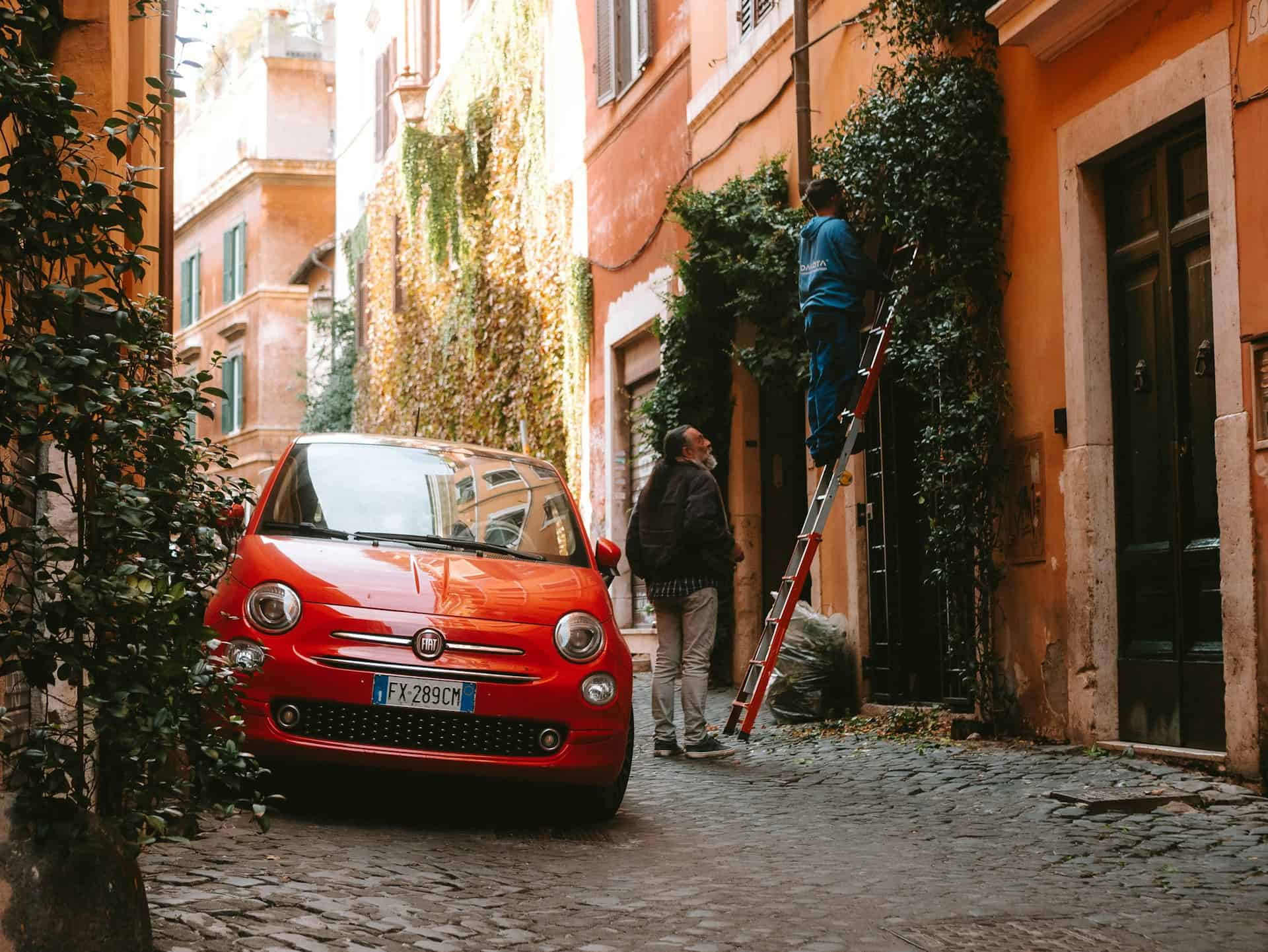
Campervan in New Zealand.

Table of Contents

  • Buying a Backpacker Car
    • Why Buy a Car? 
    • A Campervan Marketplace
  • Selling Your Car
    • How To Sell Quickly
  • Renting a Car
  • Final Tips for Backpackers

Buying a Backpacker Car

Why Buy a Car? 

Buying a car is perfect if you're staying in New Zealand for a while and want the freedom to explore. With your own wheels, you can:

  • Go wherever you want, whenever you want.
  • Visit off-the-beaten-path spots that buses don't reach.
  • Share the cost with fellow travelers to save money.

What To Look For

  • Self-Contained Vehicles: If you want to camp for free in designated spots, ensure the car has a self-contained certification.
  • WOF and Rego: These are proof that the car is roadworthy and registered. Check they're up-to-date.
  • Reliable Brands: Go for trusted brands like Toyota and Nissan-they're popular for a reason.
  • Service History: A well-maintained car is less likely to give you trouble on the road.

A Campervan Marketplace

Travel Cars NZ is an online platform and dealership that offers reliable, road-ready cars. Many of their vehicles are self-contained, so you're good to go for freedom camping immediately.

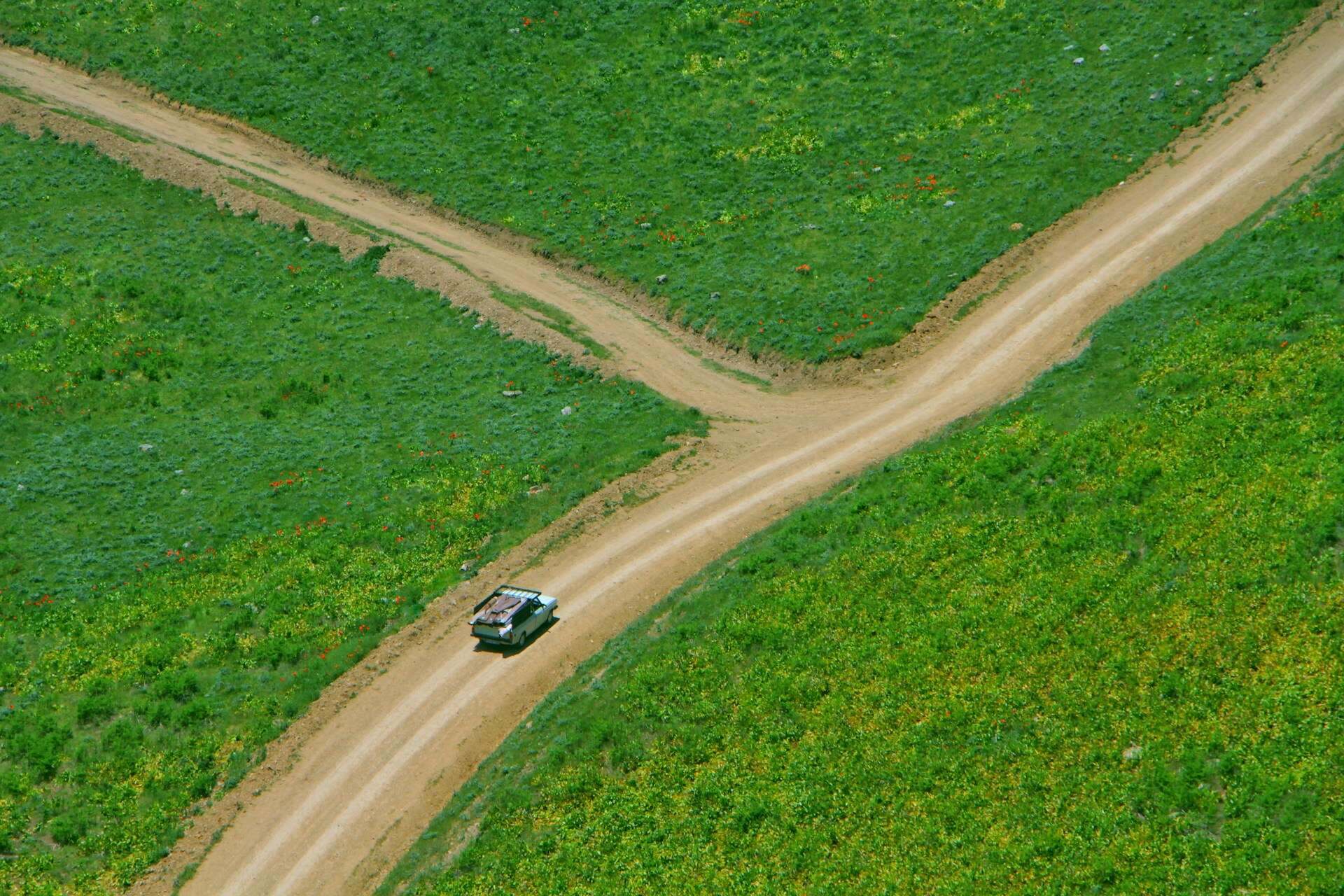
Backpacker car

Selling Your Car

When to Sell Timing is everything. Sell during:

  • Summer (November to March): This is peak backpacker season when demand is high.
  • Big Cities: Places like Auckland and Christchurch have more buyers, making it easier to sell.

How To Sell Quickly

  • Set a Fair Price: Check what similar cars are selling for.
  • Make It Presentable: A clean, serviced car attracts buyers.
  • Advertise Smartly: Use online platforms, backpacker Facebook groups, and local boards.

*Travel Cars NZ's Buy-Back Option Travel Cars NZ makes selling stress-free. They offer a buy-back option, so you can sell your car to them when your adventure ends.

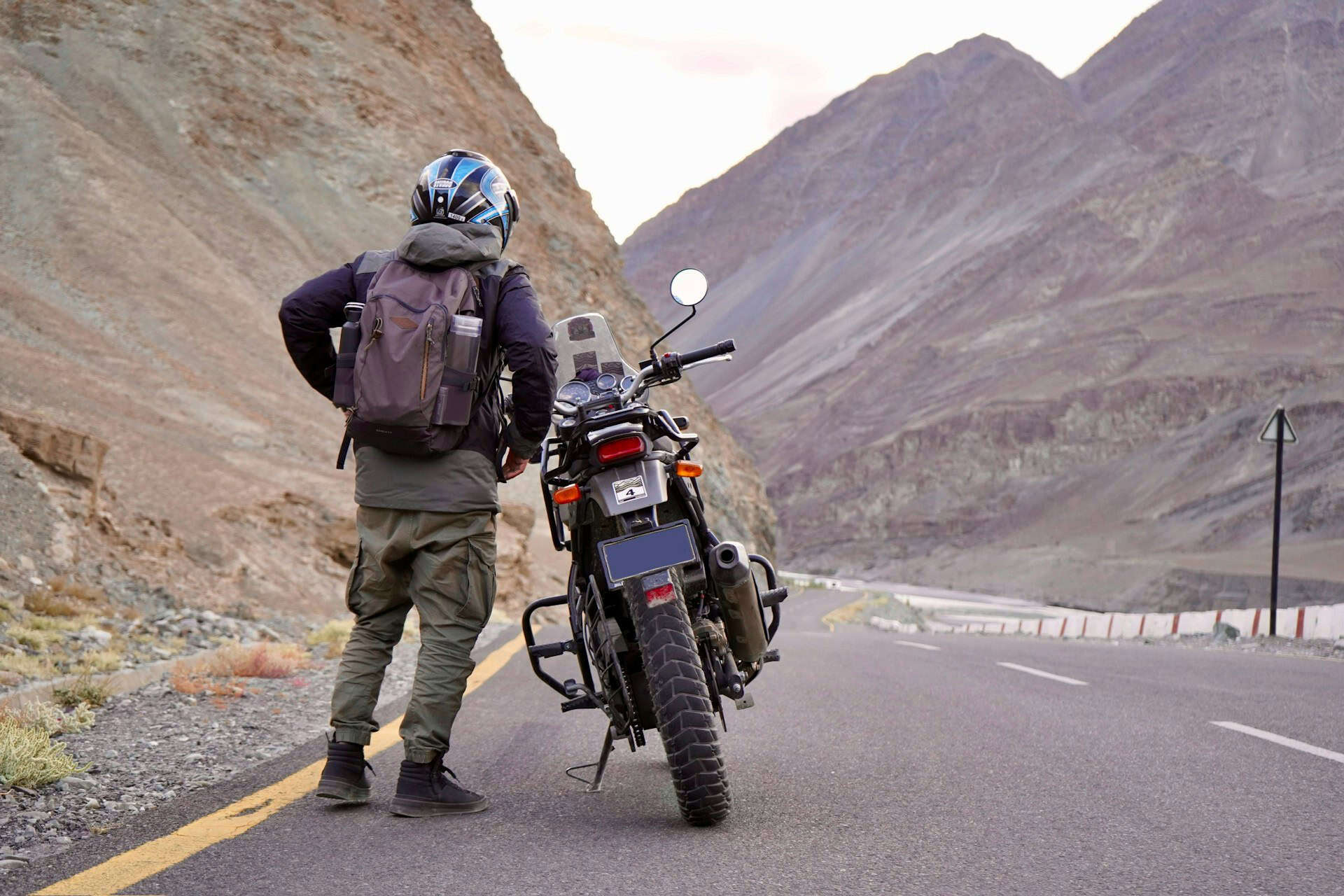
A campervan driving at night in New Zealand.

Renting a Car

Renting is ideal for short trips or if you're not ready to own a car. With a rental, you:

  • Don't have to worry about maintenance.
  • Get insurance and roadside assistance included.
  • Can pick a vehicle that suits your trip, from budget-friendly to fully equipped campervans.

Travel Cars NZ Rental Perks Travel Cars NZ has a great range of rental vehicles. Their packages often include:

  • Unlimited kilometers.
  • Full insurance options.
  • 24/7 roadside help.

*You can compare campervans for rent on their website; regardless of where you want to collect your car, it will give you the best price for your available dates. Their search tool compares hundreds of rental companies all around New Zealand. 

A trusted platform by backpackers. Here's why:

  • Affordable Options: Cars to fit every budget.
  • No Hidden Fees: What you see is what you get.
  • Friendly Support: The team helps with all your travel needs.

Convenient Locations: Find them in major cities for easy pick-up and drop-off.

Final Tips for Backpackers

  • Plan Your Budget: Remember to account for fuel, insurance, and camping fees.
  • Learn the Rules: Kiwis drive on the left, and speed limits are strictly enforced.
  • Be Flexible: The weather can change quickly, so keep your plans open.

With some preparation and the right vehicle, your New Zealand road trip will be an adventure you'll never forget.

_____

This story is brought to you in partnership with Travel Cars NZ.

The Best Greek Islands and Regions To Visit in 2025

For centuries, Greece has captivated travelers with its magnificent beaches, ancient ruins, and cultural traditions. With over 200 inhabited Greek Islands and a mainland steeped in heritage, the options are endless. 

Whether you're searching for pristine beaches, charming villages, or archaeological wonders, Greece has something to offer every type of visitor. Here are some of the best Greek islands and regions to explore in 2025.

Table of Contents

  • Greek Destinations
    • Santorini - A Cycladic Icon in the Aegean Sea
    • Crete - Home to the Best Beaches in Greece
    • Corfu - A Jewel in the Ionian Sea
    • Athens - Where Ancient Meets Modern
    • Kasos - The Most Southern Island in the Aegean Sea
    • Paros - A Blend of Tradition and Modern Charm

Greek Destinations

Santorini - A Cycladic Icon in the Aegean Sea

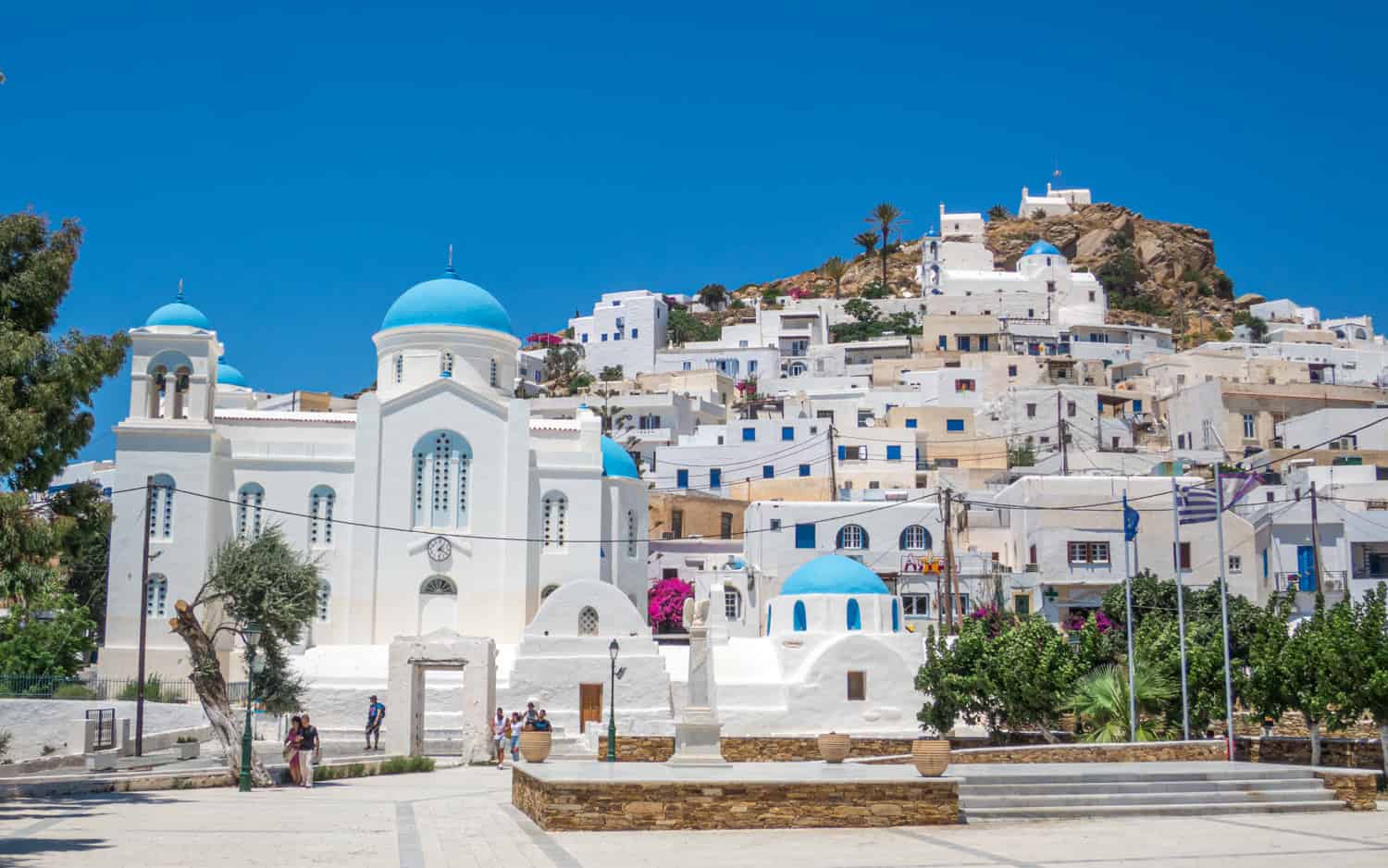
Whitewashed buildings on the Greek island of Santorini (photo: Stepan Konev).
A hillside on Santorini (photo: Stepan Konev)

Santorini, part of the Cyclades archipelago, is one of Greece's most iconic destinations. Renowned for its whitewashed houses and blue-domed churches, this volcanic island offers picture-perfect views at every turn. The caldera's dramatic cliffs provide an unforgettable backdrop for sunset, making it a favorite spot for romantic getaways.

Santorini's beaches are equally striking, with volcanic black and red sands creating a unique coastal experience. Popular spots include Red Beach, with its rugged cliffs, and Kamari Beach, where the dark sand contrasts beautifully against the turquoise waters.

For those looking to explore beyond the island's shores, hiring a boat for the day opens up a world of hidden coves and secluded swimming spots. A boat trip also offers the chance to visit nearby islands, allowing you to discover the Aegean Sea at your own pace. Consider sailing in Greece for a unique adventure. 

Crete - Home to the Best Beaches in Greece

Elafonissi Beach, Crete (photo: Marcel Hoberg).
Elafonissi Beach (photo: Marcel Hoberg)

As Greece's largest island, Crete combines natural beauty with rich history, making it an unmissable destination. The island's diverse landscapes include rugged mountains and picturesque coastal villages, but it is the beaches that steal the spotlight.

Crete is home to some of Europe's most spectacular beaches, including Balos Beach, known for its lagoon-like waters, and Elafonissi Beach, famous for its pink-hued sands. These idyllic locations are perfect for sunbathing, swimming, and water sports.

Beyond the beaches, Crete is an excellent destination for history enthusiasts. The ancient Palace of Knossos, a remnant of Europe's earliest civilization, offers a fascinating glimpse into Minoan culture.

Corfu - A Jewel in the Ionian Sea

The Achilleion Palace on Corfu, Greece (photo: Bente Hagens).
Achilleion Palace (photo: Bente Hagens)

Corfu is a lush, verdant island in the Ionian Sea, blending natural beauty with cultural charm. Its unique character is derived from its Venetian-style architecture, influenced by centuries of foreign rule.

The Old Town of Corfu, designated a UNESCO World Heritage Site in 2007, is characterized by its cobblestone streets, pastel-colored buildings, and hidden courtyards. The Achilleion Palace, once a royal residence, provides a glimpse into 19th-century elegance and offers panoramic views of the island.

For beach lovers, Corfu offers a variety of options, from the tranquil waters of Paleokastritsa to the bustling shores of Glyfada Beach. Whether exploring historical landmarks or simply soaking up the sun, Corfu promises an unforgettable experience.

Athens - Where Ancient Meets Modern

A woman photographing the Parthenon at the Acropolis in Athens (photo: Arthur Yeti).
A woman photographing the Parthenon at the Acropolis (photo: Arthur Yeti)

As Greece's capital, Athens seamlessly combines ancient history with contemporary culture. The iconic Acropolis, crowned by the Parthenon, is a must-see for history enthusiasts and offers a glimpse into Greece's classical past.

Beyond its archaeological treasures, Athens boasts a vibrant, modern side. Neighborhoods like Plaka and Monastiraki are filled with lively tavernas, boutique shops, and street art, creating a dynamic atmosphere.

Athens also serves as a starting point for the Greek islands, making it ideal for travelers embarking on an island-hopping adventure.

Kasos - The Most Southern Island in the Aegean Sea

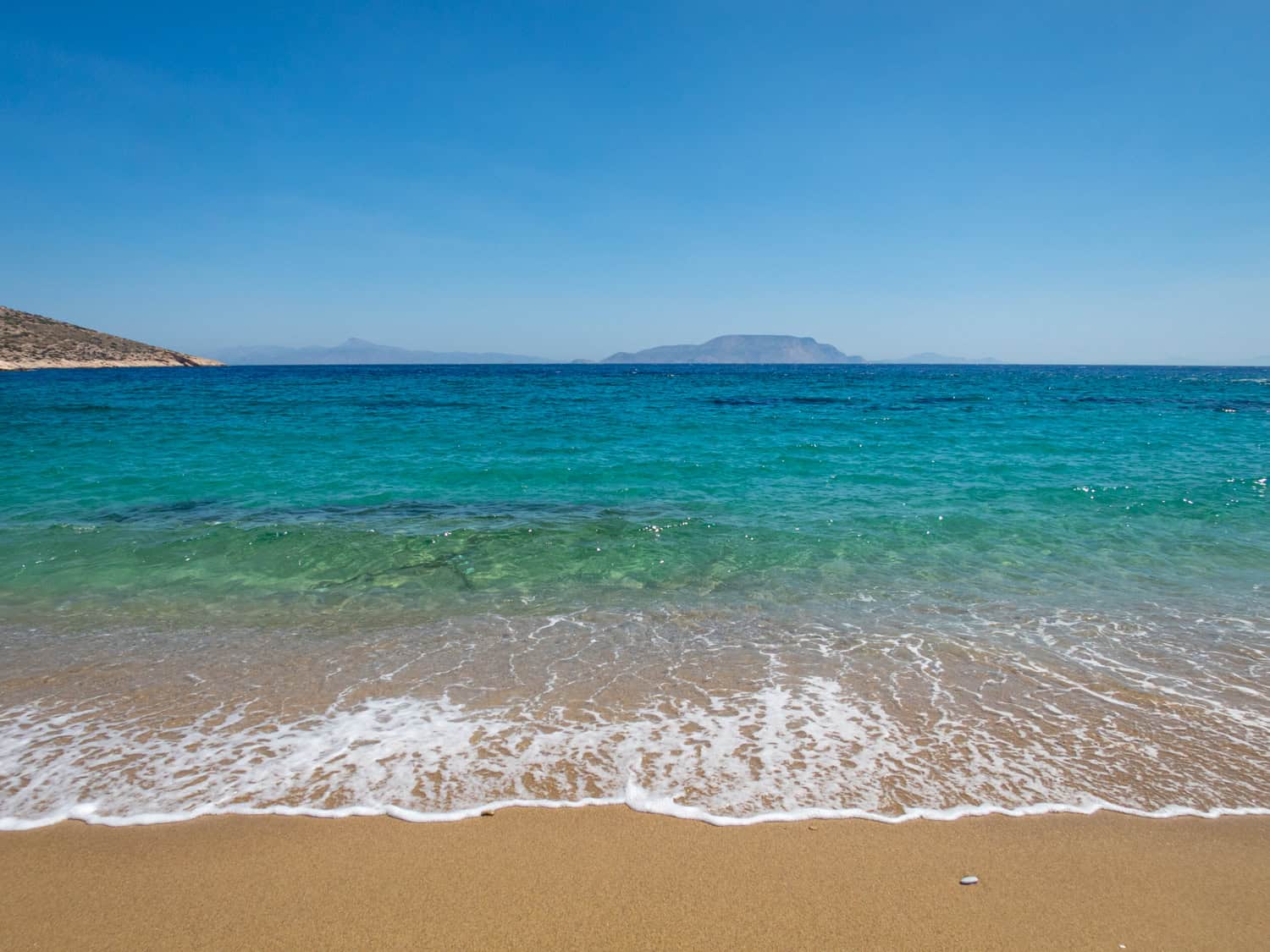
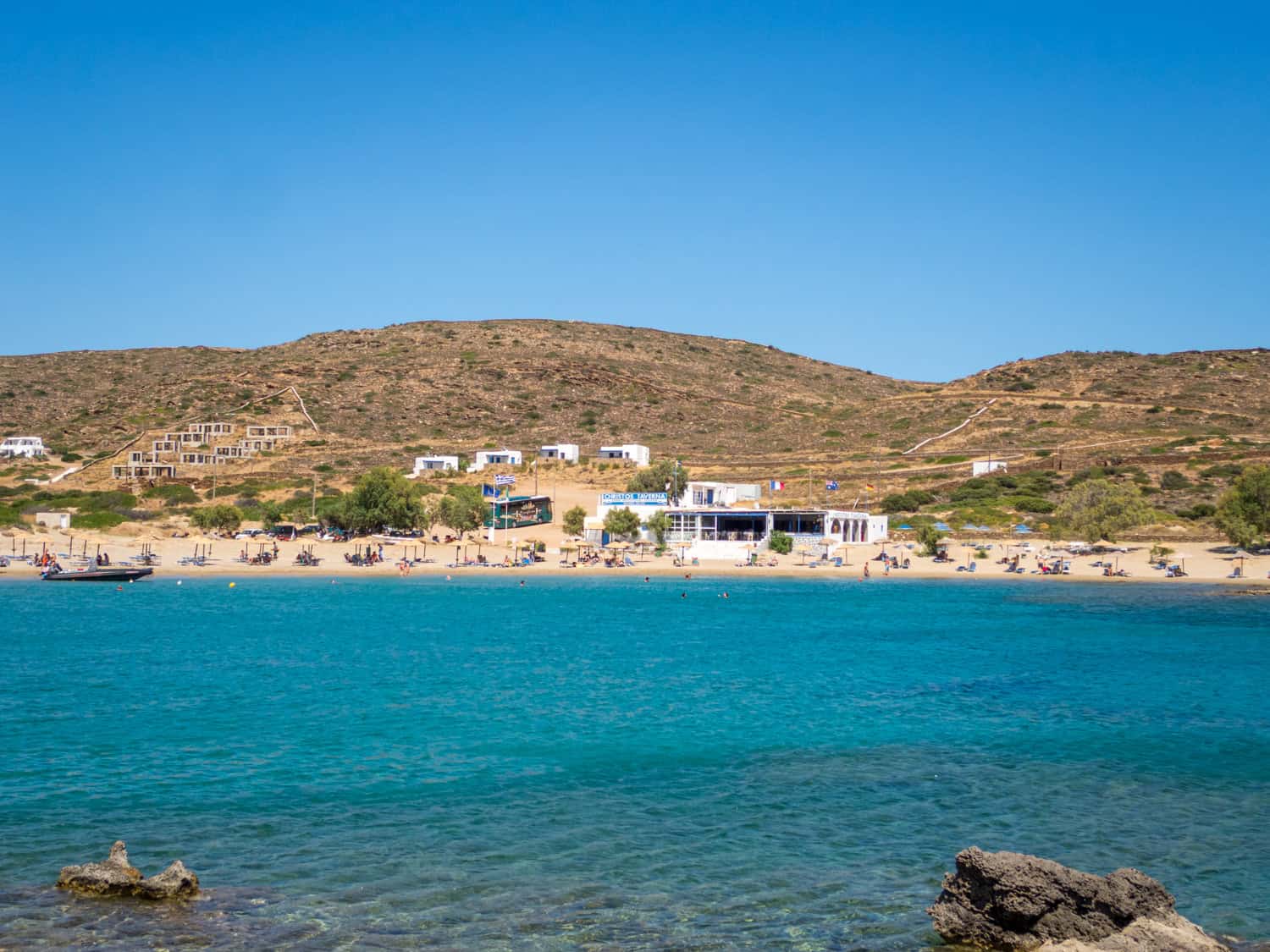
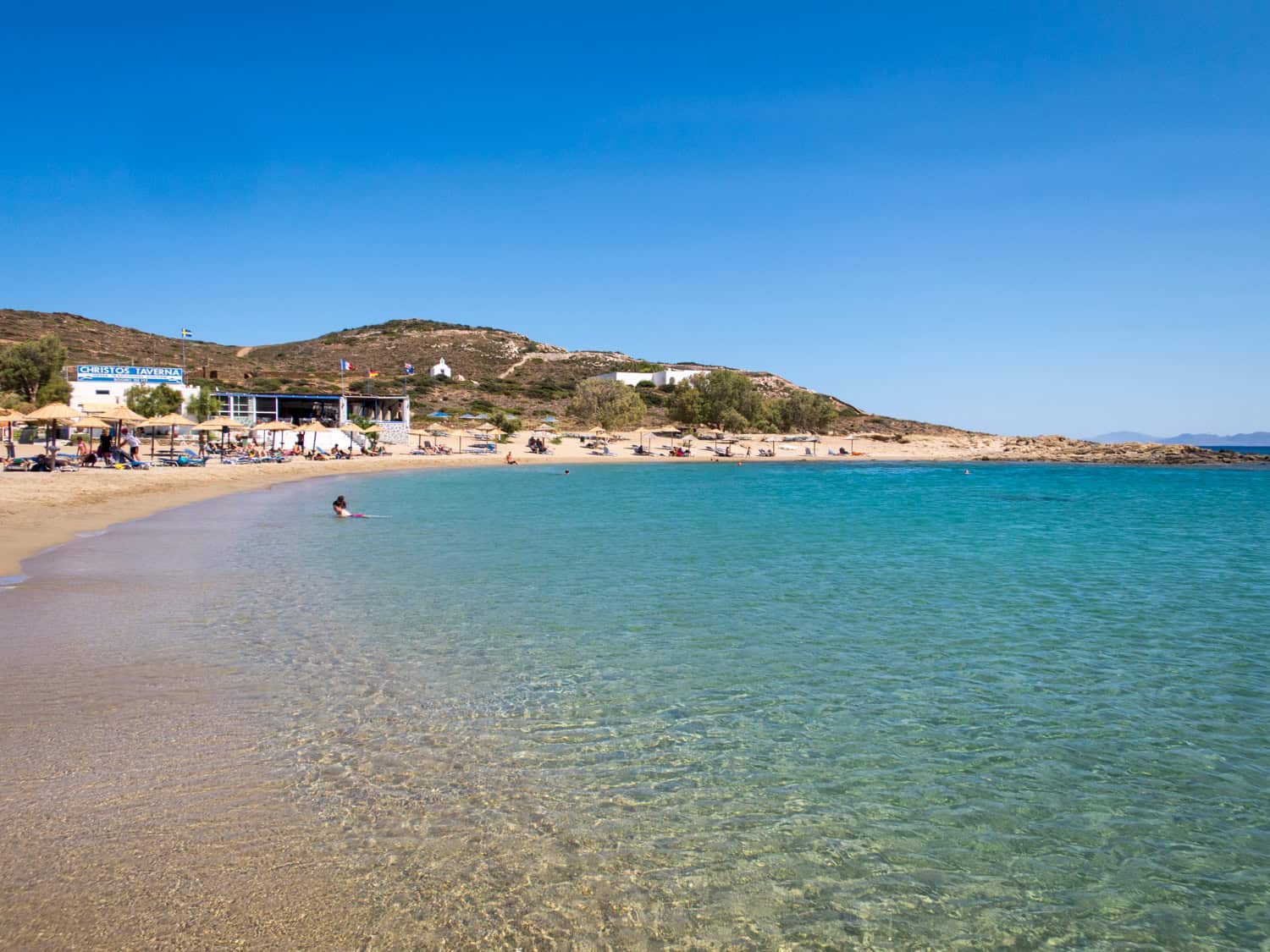
Kasos is a hidden gem for those seeking a quieter, more authentic Greek experience. Located in the southernmost region of the Aegean Sea, this island is perfect for those looking to escape the crowds.

Kasos is characterized by its rugged landscapes, traditional stone houses, and unspoiled beaches. It's a relaxing place to wander through sleepy villages or lounge by the sea. With its laid-back charm and slower pace, Kasos is ideal for anyone craving tranquillity and a deeper connection with nature.

Paros - A Blend of Tradition and Modern Charm

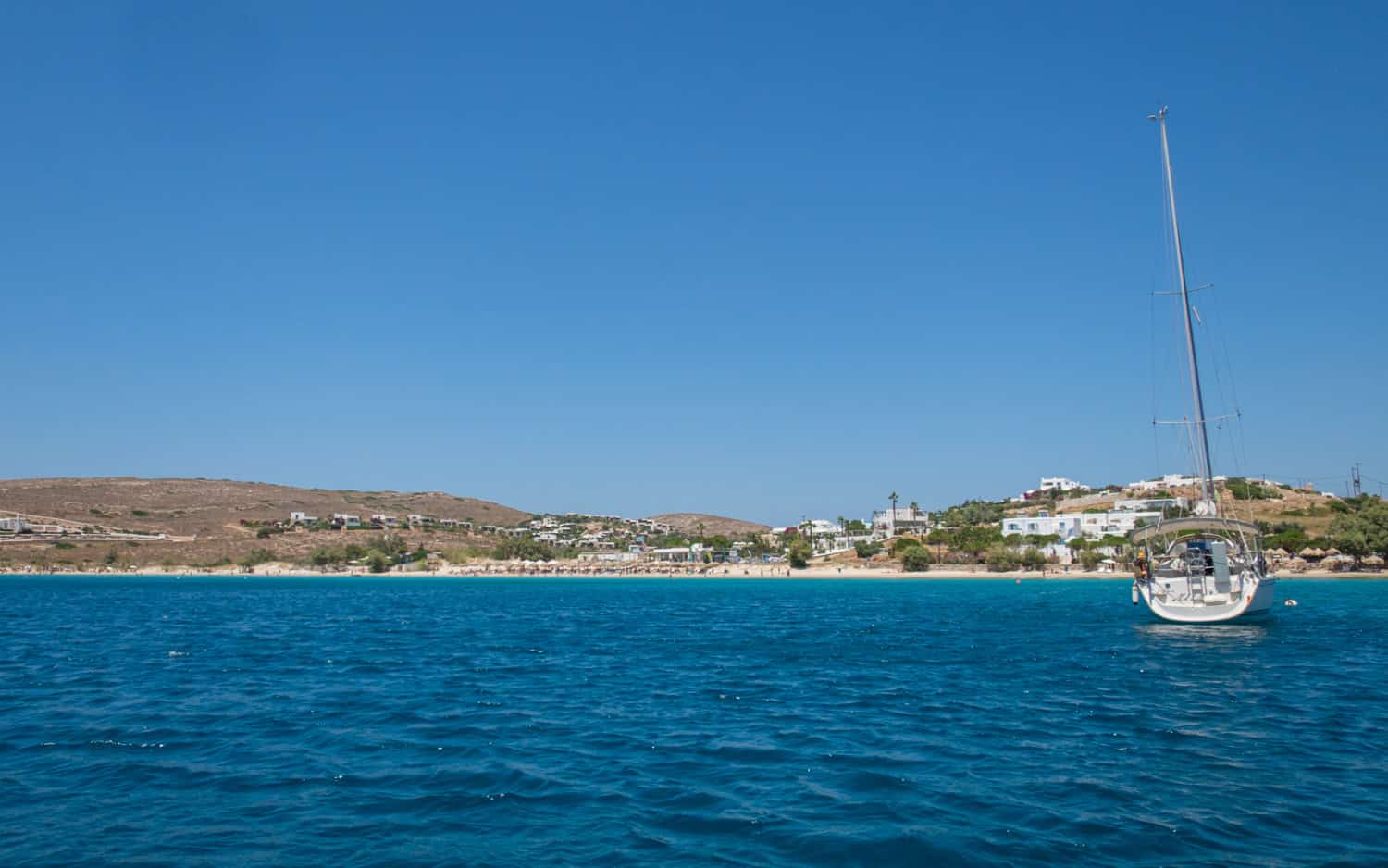
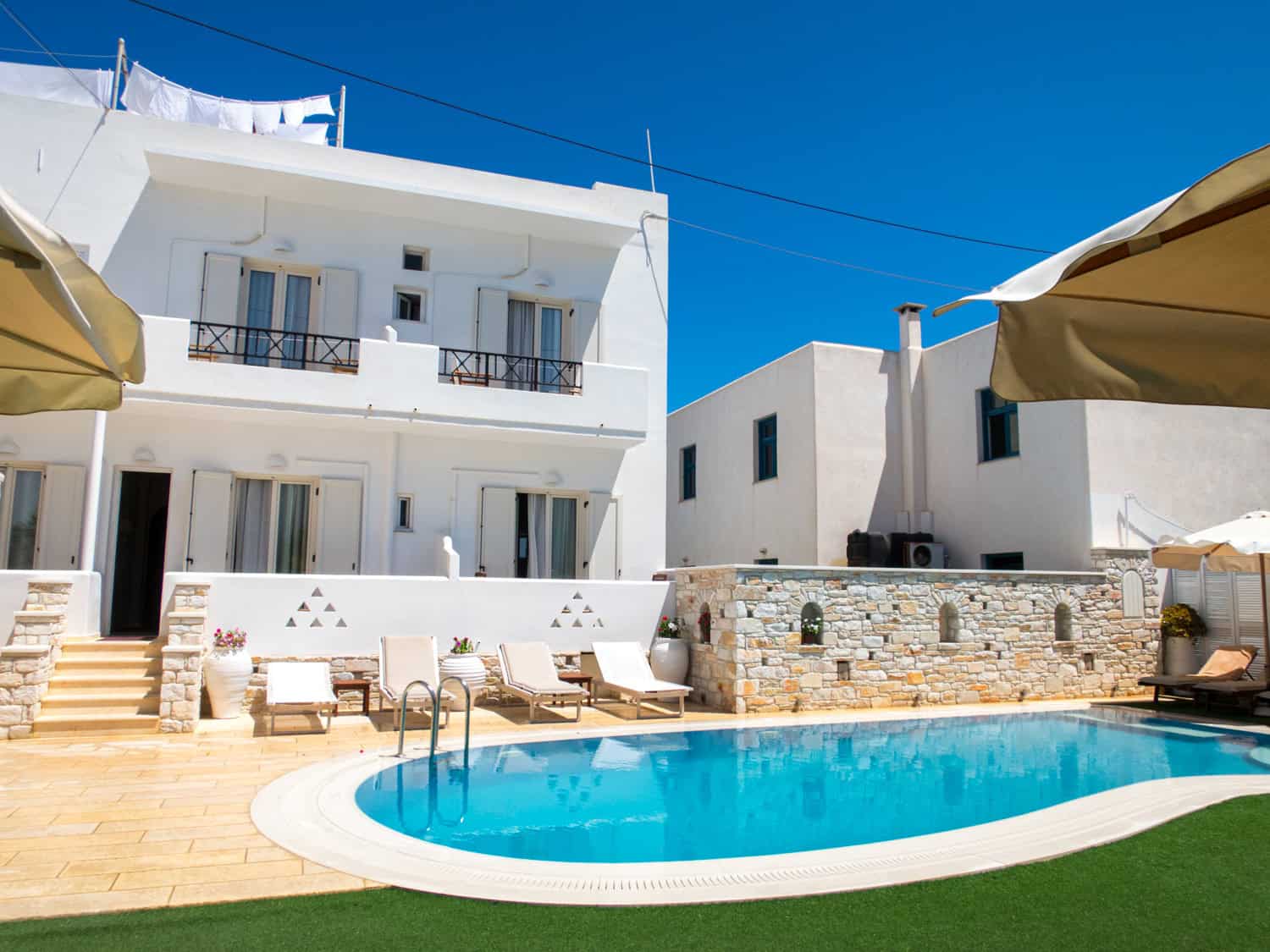
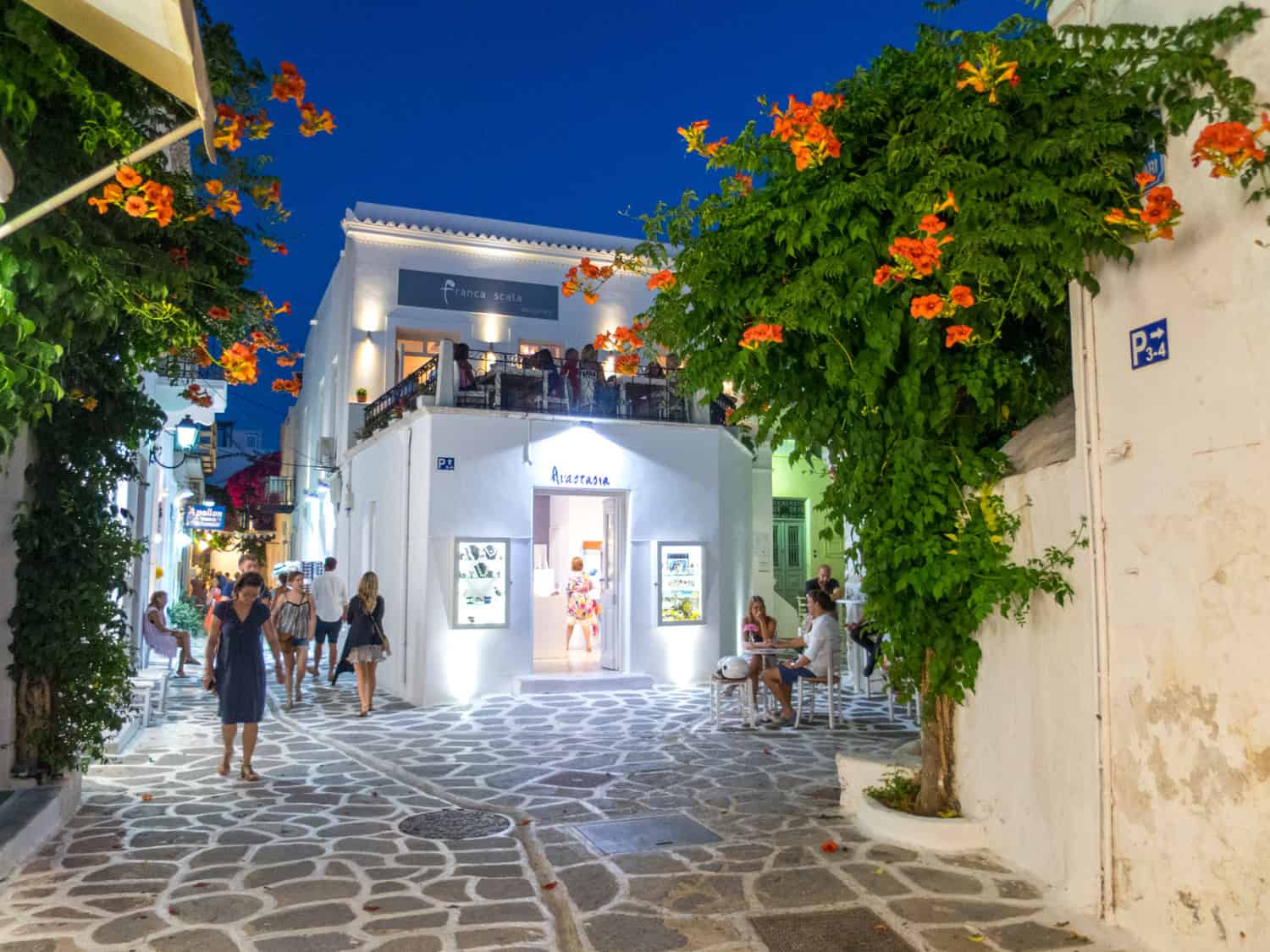
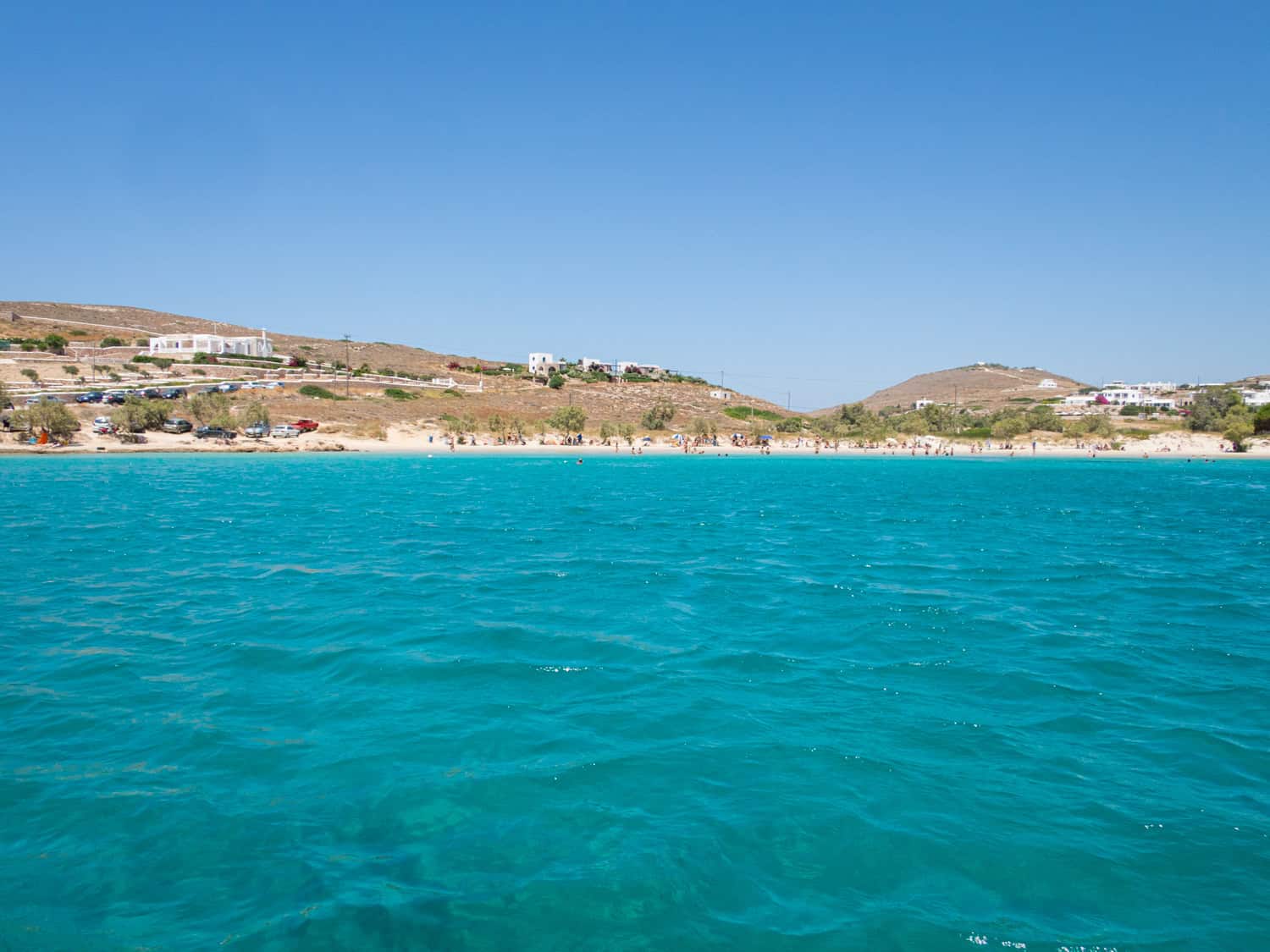
Paros (photo: AXP Photography).
Whitewashed Paros (photo: AXP Photography)

Paros, located in the Aegean Sea, is a destination that strikes a balance between traditional Greek charm and modern amenities. Its whitewashed villages, narrow cobblestone streets, and lively harbors make it one of the most scenic islands in Greece.

The island's main town, Parikia, boasts ancient ruins and landmarks, including the Church of Panagia Ekatontapiliani, one of Greece's oldest Byzantine churches.

In contrast, Naoussa, a quaint fishing village, offers a more laid-back atmosphere, complete with waterfront tavernas, boutique shops, and a scenic marina.

Paros is also well-known for its beaches. Kolymbithres Beach stands out for its unique rock formations and clear waters. Paros has something for every traveler, whether you're looking to relax, enjoy water sports, or explore hidden coves. Its mix of natural beauty and culture makes it an ideal destination for those seeking relaxation and exploration.

_____

This story is brought to you in partnership with Vintage Travel.

2024 Travel Highlights: From Easter Island to the Texas Gulf Coast

As the year wraps up, I'm reflecting on a full 12 months of travel, both near and far. The highlight of my 2024 travel experiences was a bucket list trip to one of the world's most remote inhabited islands-Easter Island (Rapa Nui) in Chile.

Closer to home, I explored Texas, discovering its beauty by land and air. Whether you're visiting Go Backpacking for the first time or have been following along at any point over the past 17 years, thank you for being here!

Table of Contents

  • Chile
    • Exploring Easter Island
    • Dinner at Borago
    • Touring Valparaiso
  • United States
    • Spring Break in New York City
    • Visiting Kansas City
    • Austin FC in Minneapolis
    • Texas
  • Final Thoughts
    • Prior Annual Reviews

Chile

Exploring Easter Island

Dave at Ahu Tongariki, one of his top 2024 travel experiences.
Dave at Ahu Tongariki

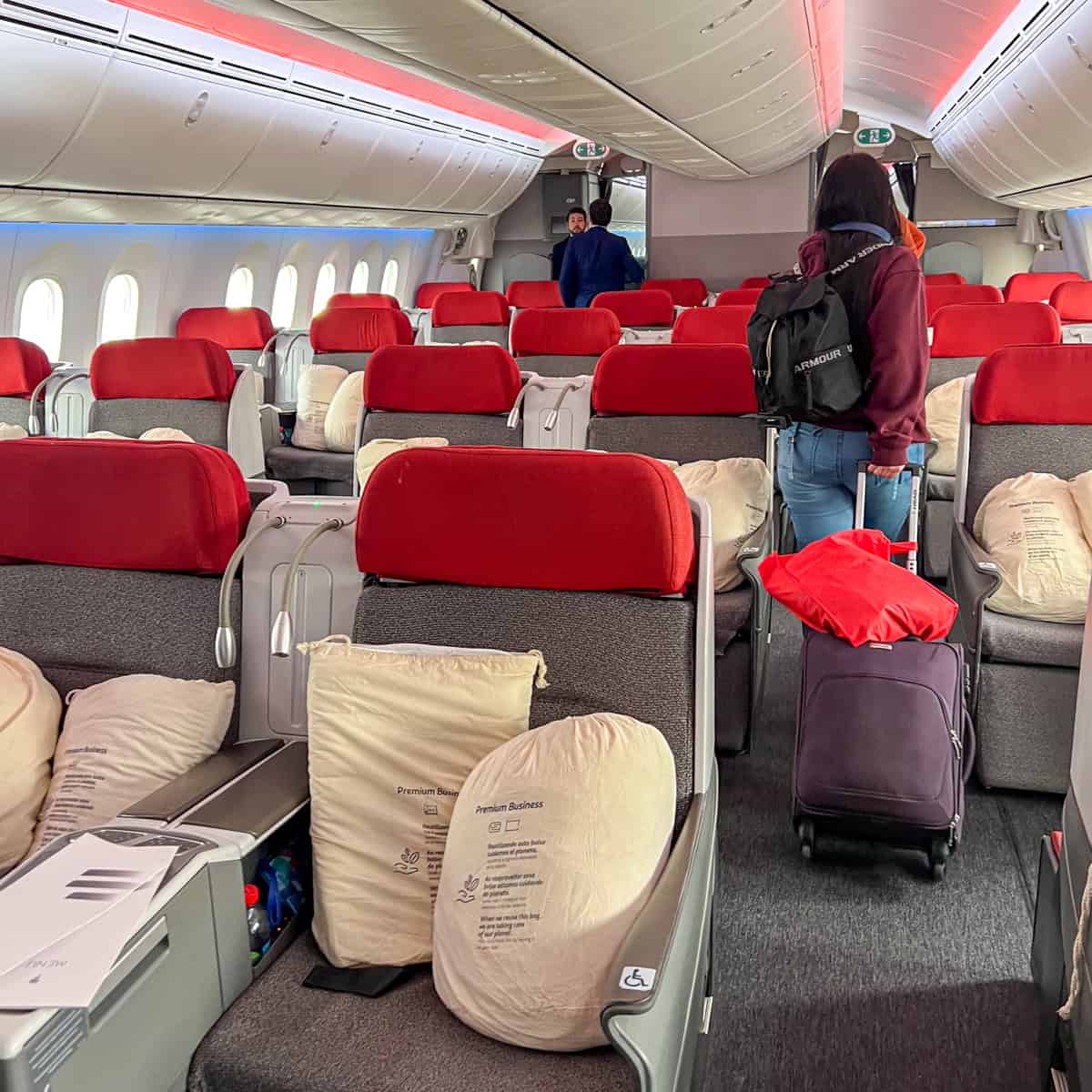
The most exciting trip of the year was a two-week jaunt to Chile, half of which was spent on Easter Island. Kel and I flew Business Class from Santiago to Rapa Nui on LATAM Airlines and settled into a cozy coastal studio apartment rental for the first four nights.

Our days were spent visiting the various archaeological sites, from the easily accessible moai in Hanga Roa to the most important, Rano Raraku, where the mega-monoliths were sculpted.

We mixed guided tours of the moai with exploring in a rental car. It was also fascinating to learn about the Birdman cult of Orongo, which succeeded the moai society.

Evenings were spent staring up at the sparkling stars above the South Pacific Ocean and enjoying the restaurants of Rapa Nui. Our last two nights on the island were spent at the Nayara Hangaroa resort.

Dinner at Borago

After Easter Island, we returned to Santiago for four nights. I had the opportunity to play tour guide for Kel, having first visited Santiago in 2012 after backpacking through Argentina and Uruguay.

We celebrated our anniversary with a modern Chilean dinner at Borgao, one of Latin America's best restaurants.

Touring Valparaiso

To make the most of our time in Chile, we signed up for a full-day tour of Valparaiso on the Chilean coast. During my 2012 trip, I spent a rainy weekend in Valparaiso, a UNESCO World Heritage Site, but it was hard to appreciate given the weather.

Twelve years later, we visited in the same month (May), and it was warm and sunny. My chance at a re-do was worth every dollar, with the highlight being a guided walk through Valparaiso's street art lining the historic district.

United States

Spring Break in New York City

Kel and Dave at the Statue of Liberty in NYC.
Kel and Dave

For the second year, I joined Kel on a March work trip to NYC. We managed to squeeze in some fun experiences, like a taping of The Late Show with Stephen Colbert and a morning trip to the Statue of Liberty.

The former required patience (i.e., waiting in line for hours despite having tickets). The latter was my first trip back to Lady Liberty since I was a child. Returning as an adult was long overdue and well worth the cost.

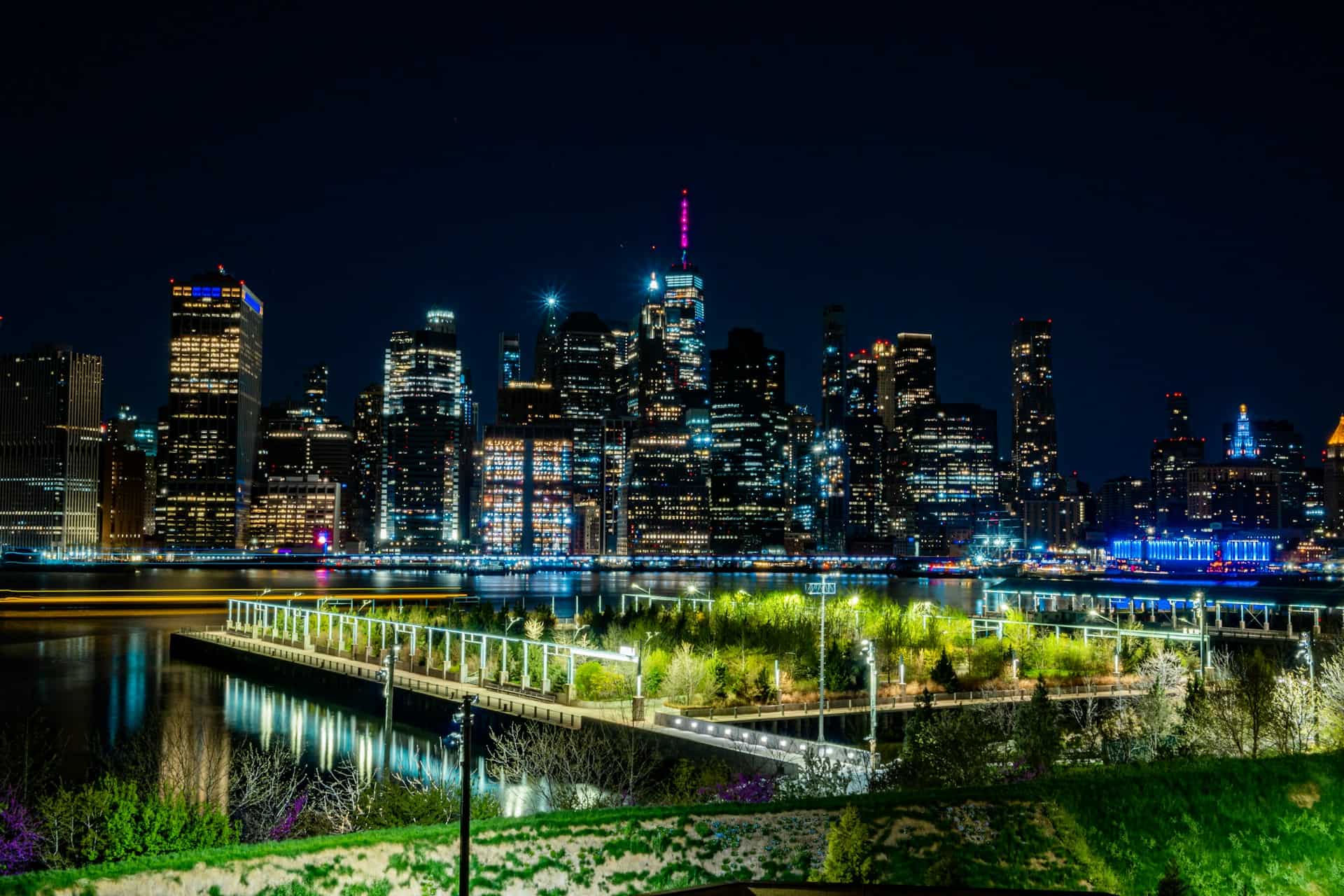
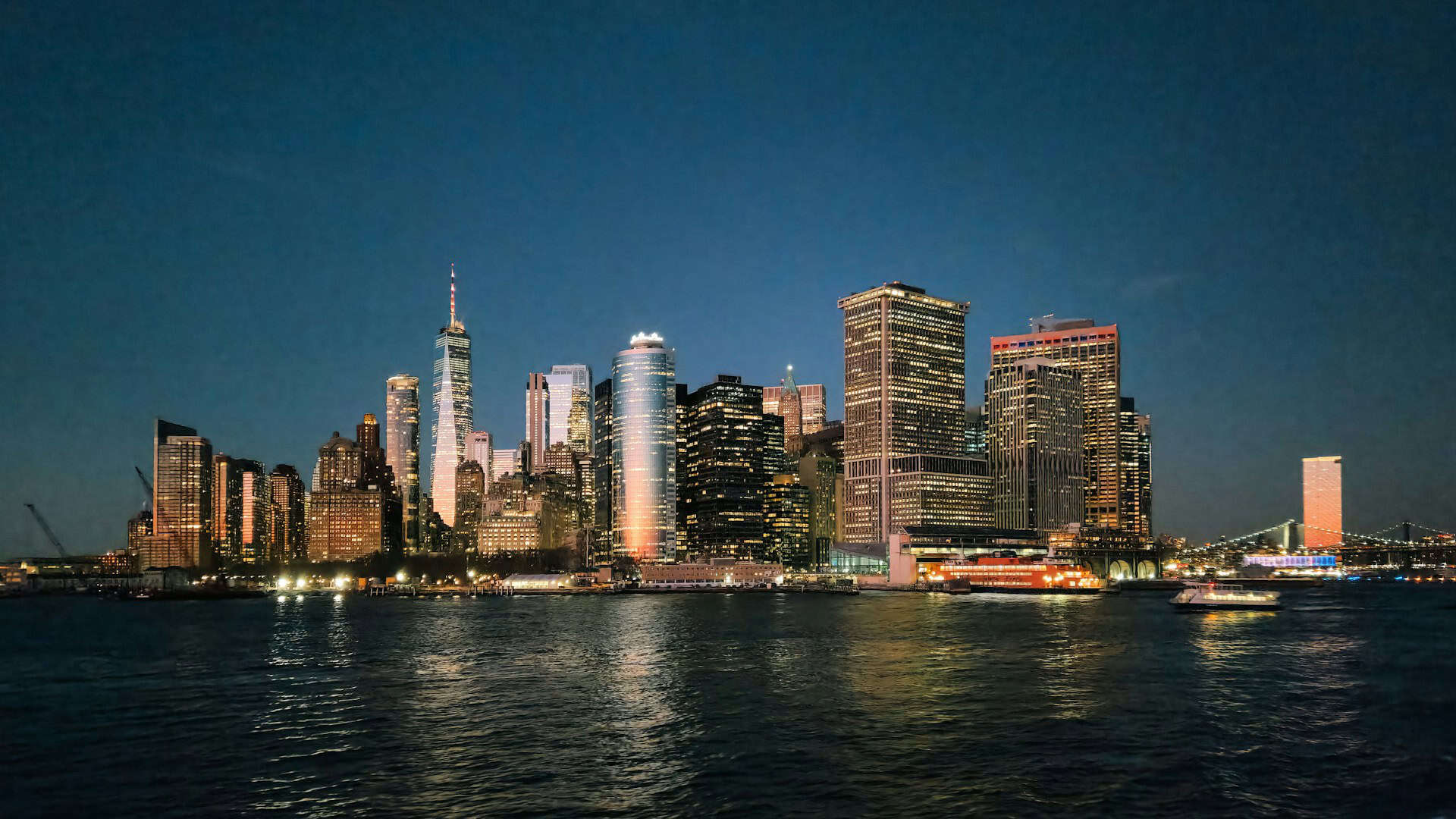
While it was overcast the first half of the trip, the clouds began to clear ahead of the return ferry ride, and we got some prettier photos of the statue and Lower Manhattan.

Visiting Kansas City

The view of Kansas City, Missouri, from atop the National World War 1 Museum and Memorial.
Kansas City skyline

Another of Kel's business trips took us to Kansas City, which was a first for me. Sightseeing highlights included the National WWI Museum and Memorial, the Harry S. Truman Presidential Library & Museum, Truman's childhood home, and the world-class Nelson-Atkins Museum of Art.

I also used the opportunity to delve into the KC barbecue scene for a story on Feastio.

Austin FC in Minneapolis

Second-row seats at Allianz Field

Seeing an Austin FC game in Minneapolis was the pitch for a weekend trip to Minnesota to visit one of Kel's friends and her husband. It was my first time seeing Austin's fourth-year MLS team play an away game, and we had field-level seats for the occasion.

I loved being so close to the action, an experience I've had a few other times with soccer, including an FC Barcelona match in 2008 during my trip around the world and a Gold Cup match in Nashville.

Texas

It's safe to say Texas travel dominated my 2024 calendar. Close to home, I took two overnight trips to Fredericksburg (Texas Wine Country), about 90 miles west of Austin, and two 90-mile trips north to Waco. Further afield, there were three road trips to San Antonio and four to Houston!

Galveston

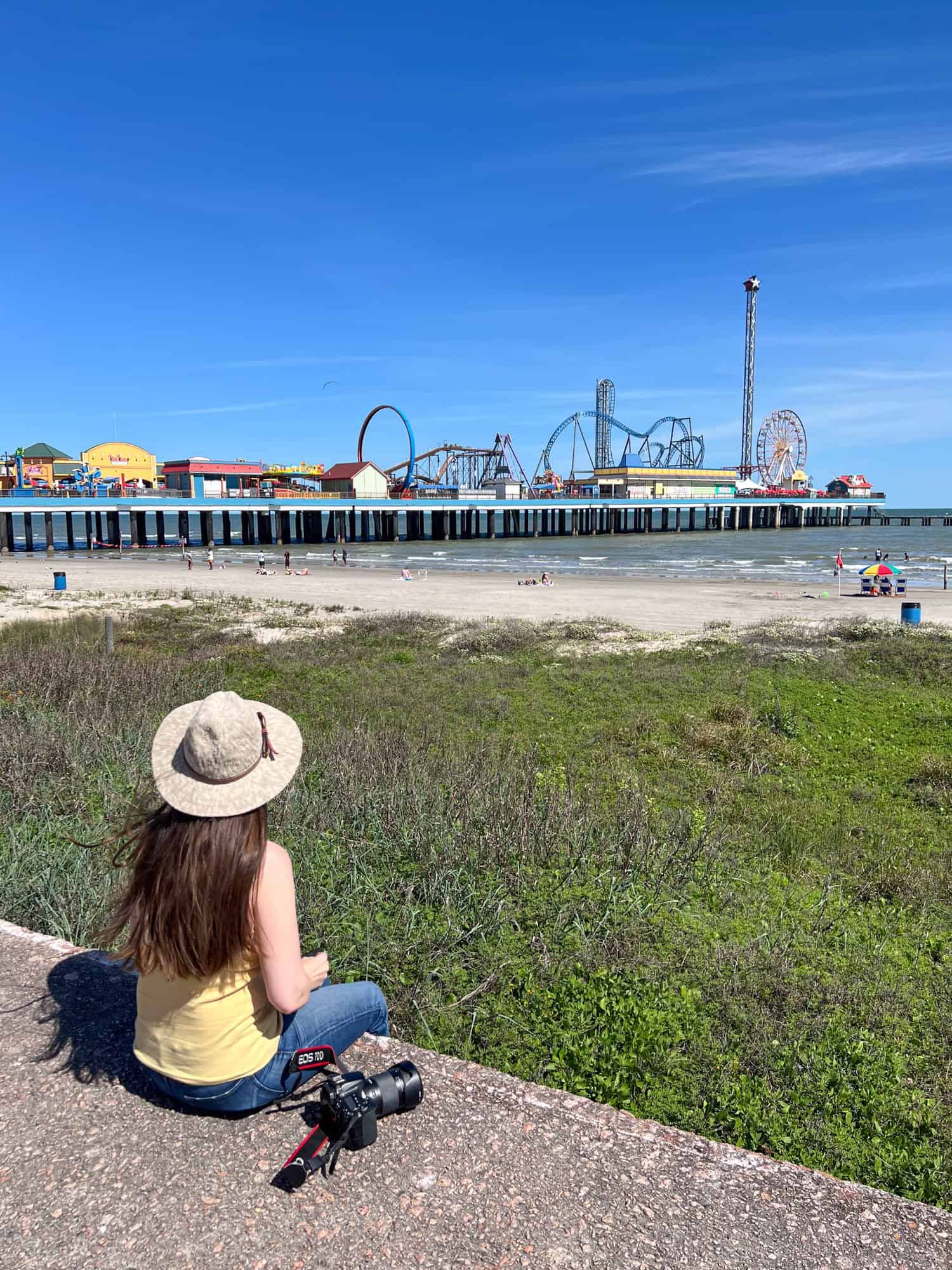
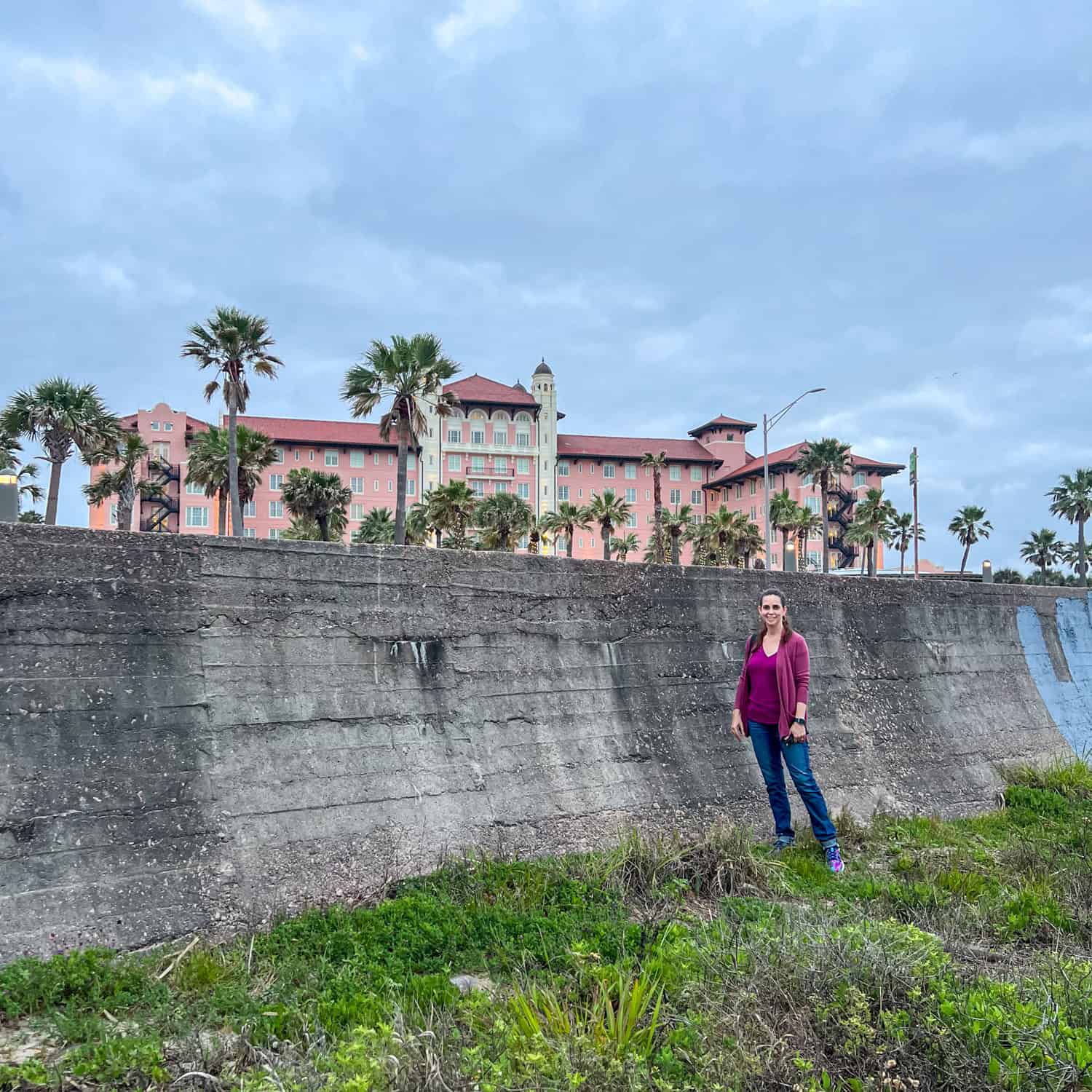
Dave and Kel near the Galveston Pier; this beach trip was one of his favorite travel experiences in 2024.
Dave and Kel are near the Galveston Pier

While I enjoyed delicious food and good times in all those cities I'd already been to, the trips to new places are the ones I'll remember best.

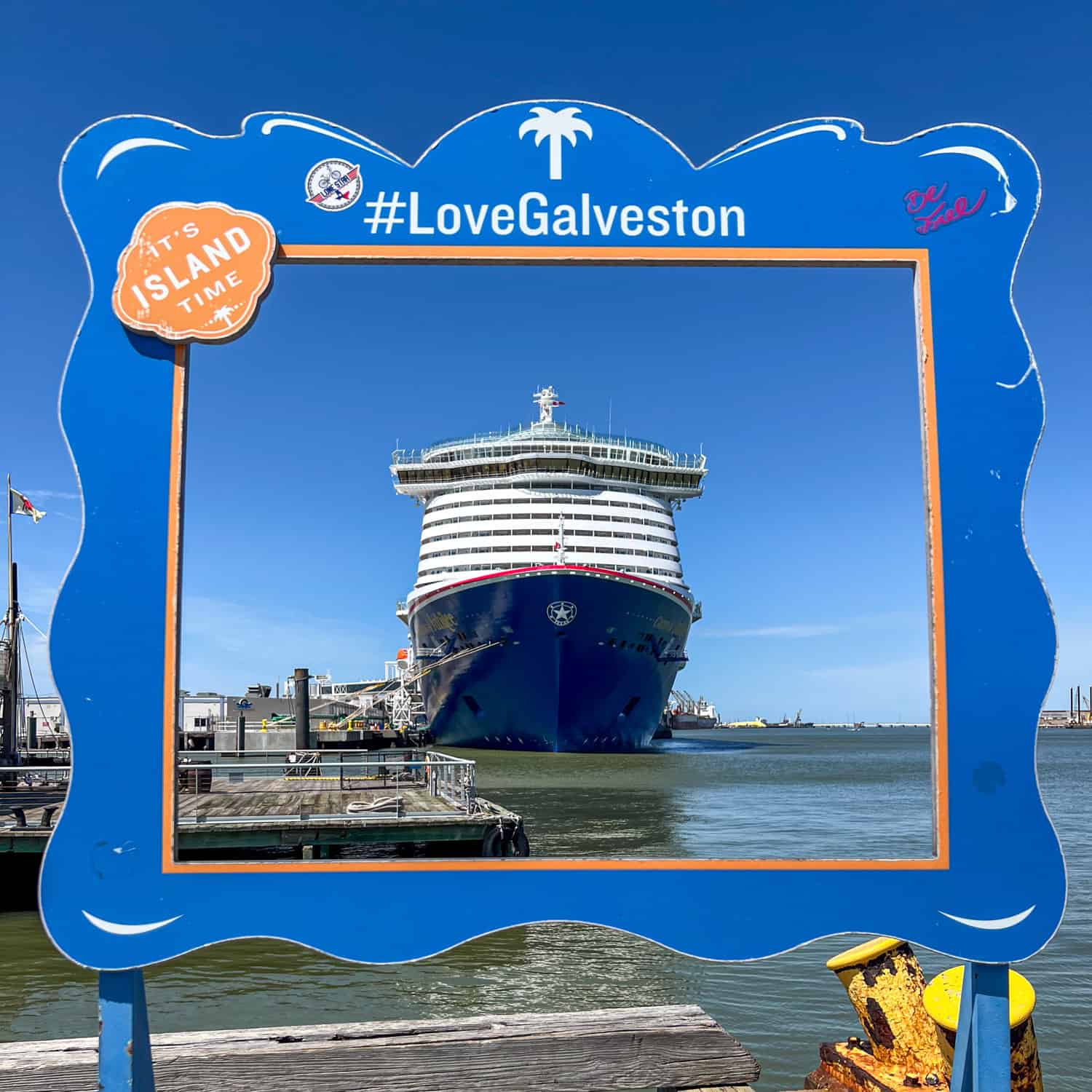
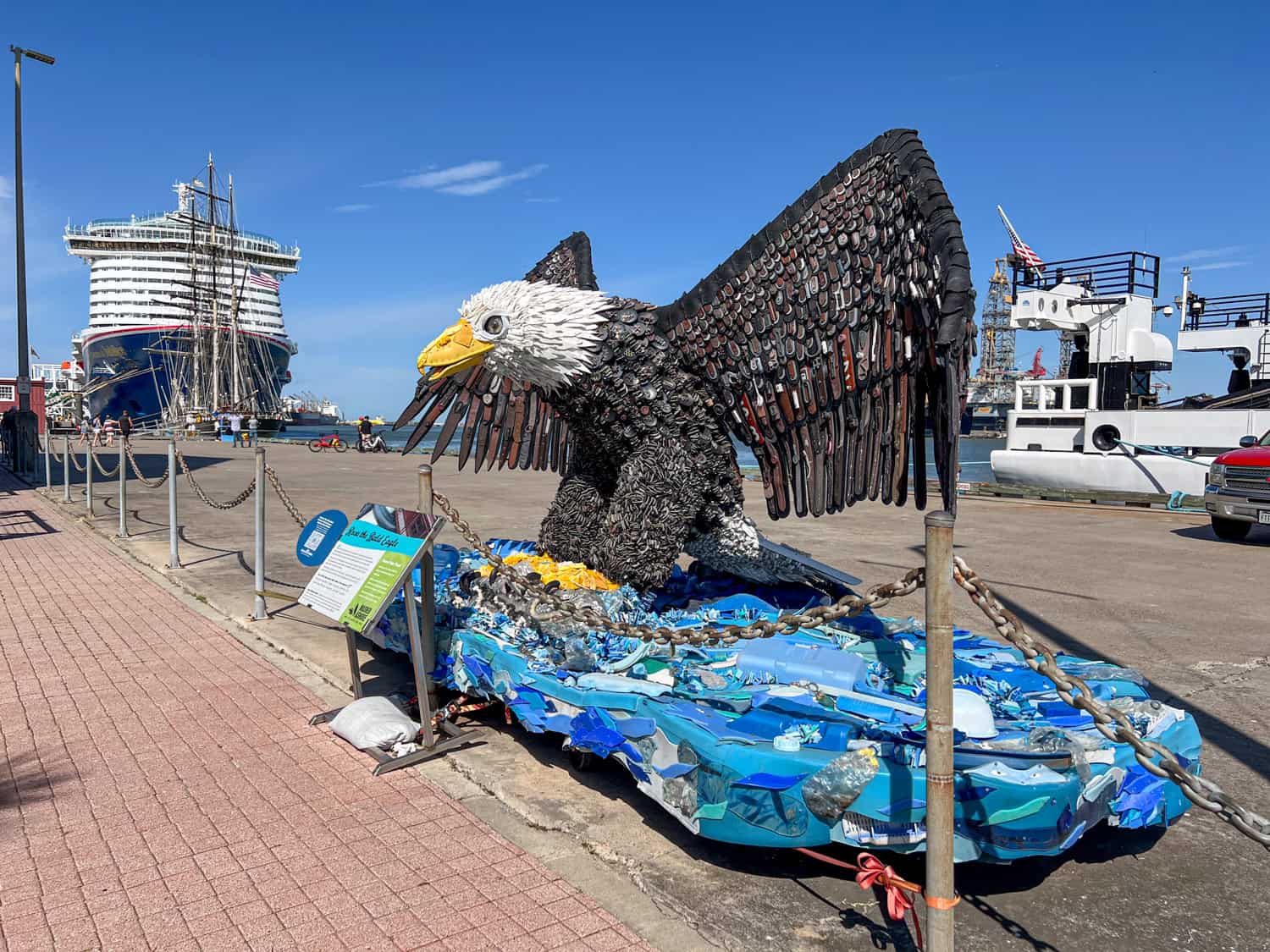
First, there was Galveston on the Texas Gulf Coast. This historic port city has miles of beaches and many fun things to do, regardless of the time of year you visit.

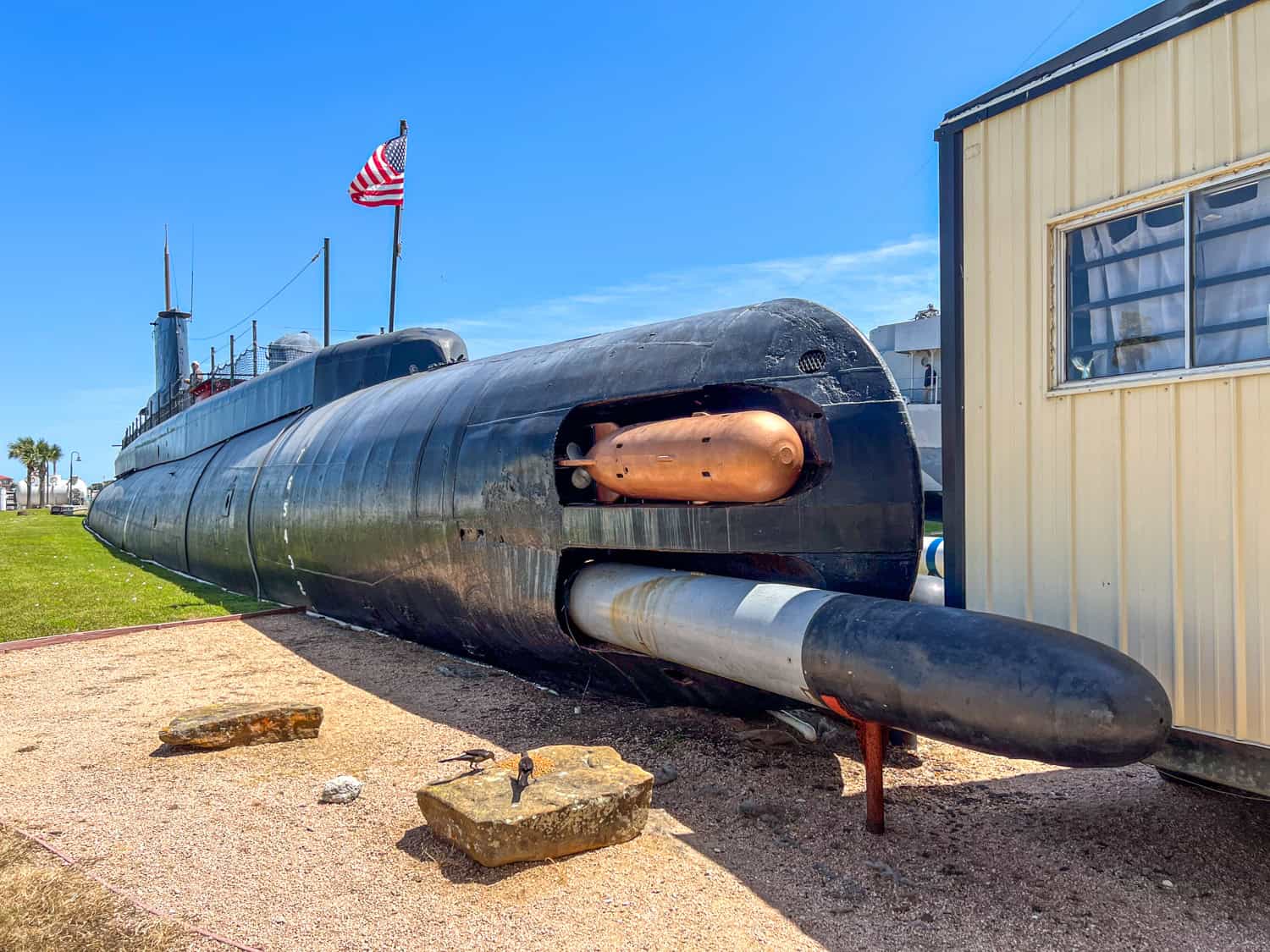
Highlights from Galveston:

  • The Strand Historic District
  • Ocean Star Offshore Drilling Rig and Museum
  • Galveston Naval Museum
  • Galveston Railroad Museum
  • Moody Mansion
  • The Bryan Museum
  • Moody Gardens (Aquarium and Rainforest Pyramids)
  • Galveston Island State Park

I also saw the Battleship USS Texas, which has been undergoing a multi-million dollar restoration and will eventually open to the public as a WWI and WWII Historical Museum.

Given how much I enjoyed touring the USS Missouri in Pearl Harbor, returning to Galveston to visit the USS Texas will be a no-brainer.

Lubbock

Dave with the Buddy Holly Statue in Lubbock, TX.
Dave at the Buddy Holly Statue

Next, we flew to Lubbock, West Texas, for a Baylor Bears football game against the hometown Texas Tech Red Raiders. The college game was a great excuse to explore a part of Texas neither Kel nor I had visited before. Like Galveston, I found plenty to keep first-timers like us busy.

Highlights from Lubbock:

  • Texas Air Museum (including an impromptu tour from one of the pilots)
  • Silent Wings Museum
  • Lubbock Lake National Historic Landmark
  • Prairie Dog Town (even though we only saw one)
  • Watching Baylor beat Texas Tech at Jones AT&T Stadium

Two of the more memorable Lubbock restaurants we ate at were Evie Mae's BBQ and The Nicolett.

South Padre Island

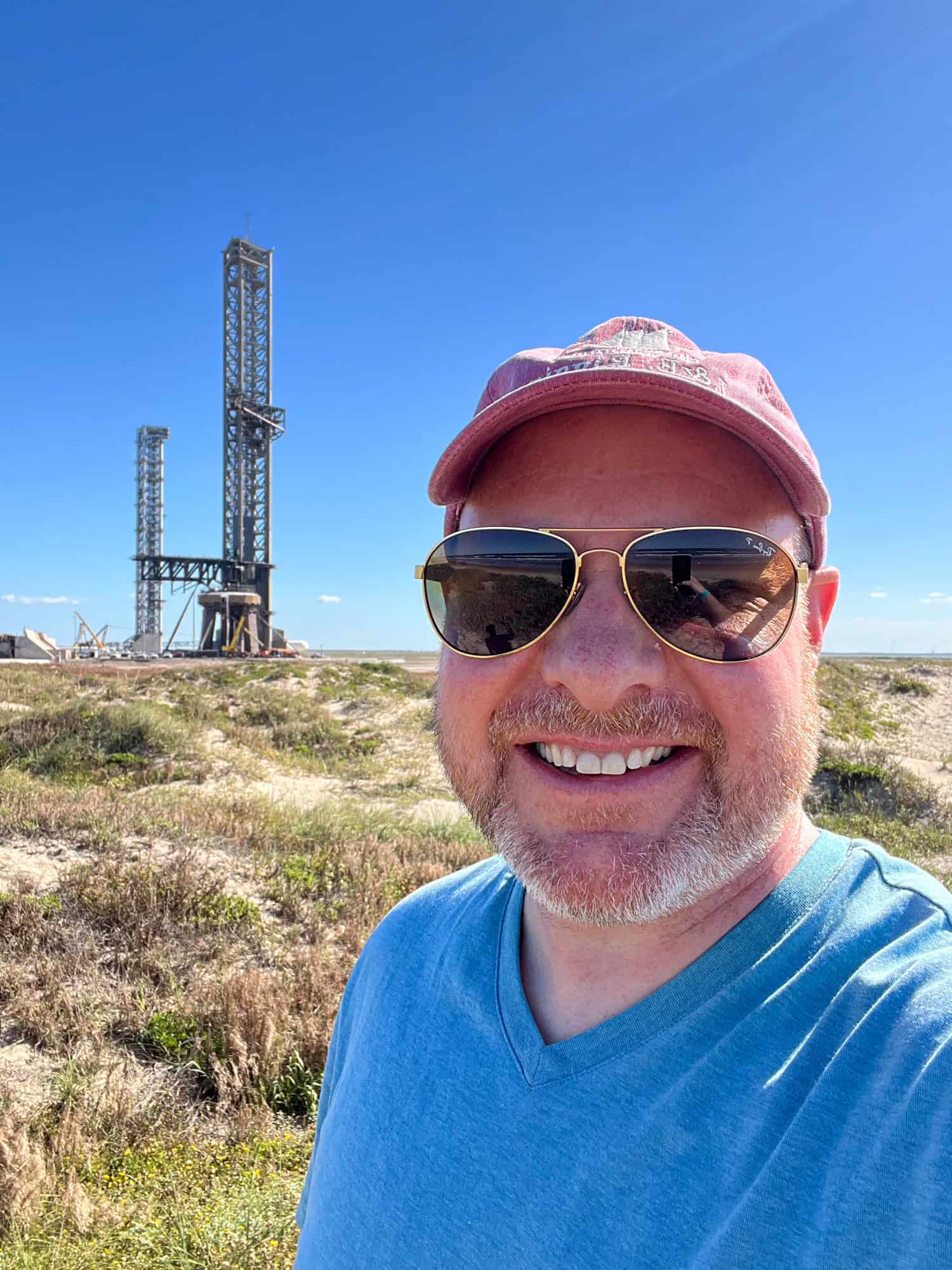
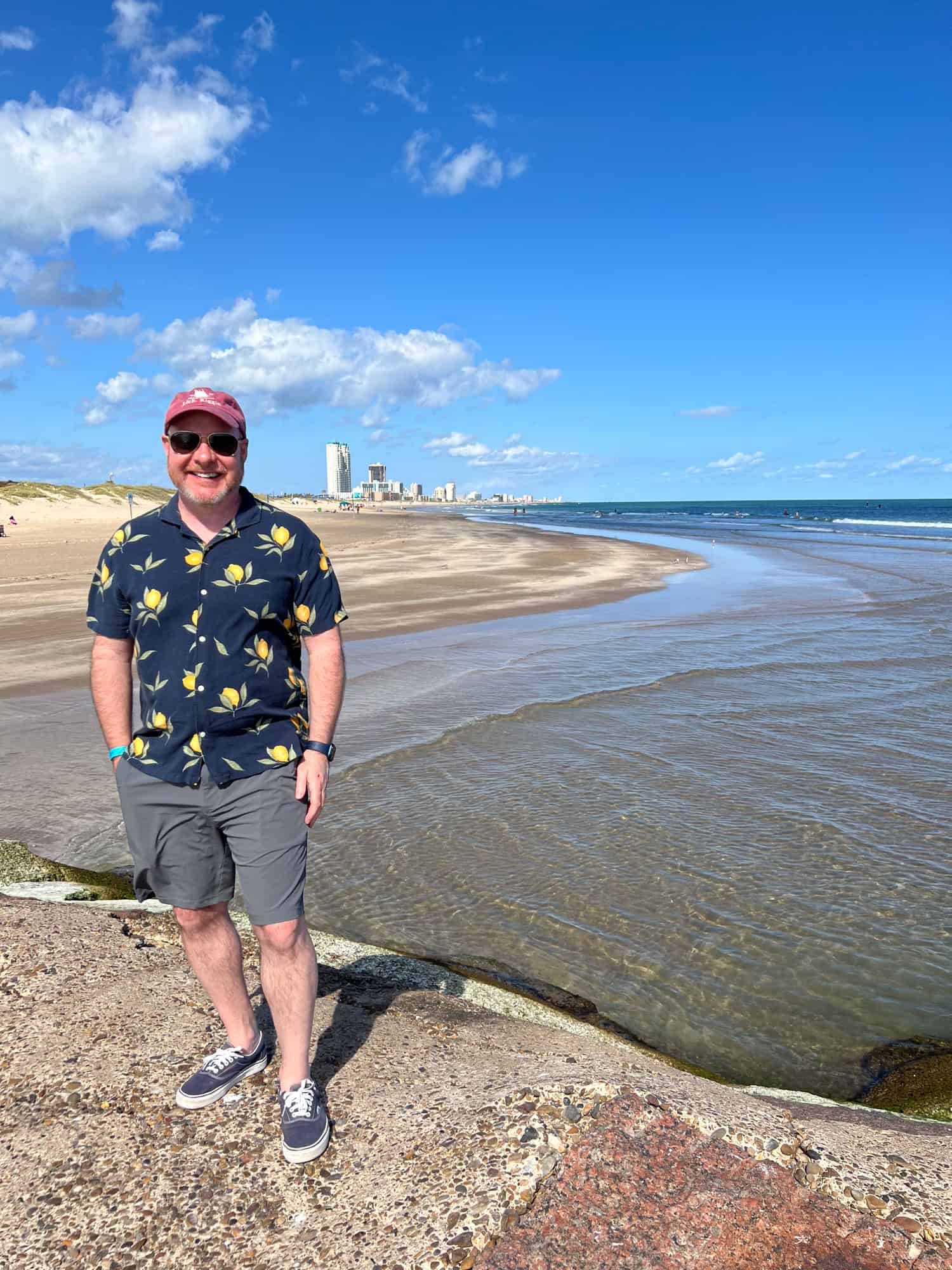
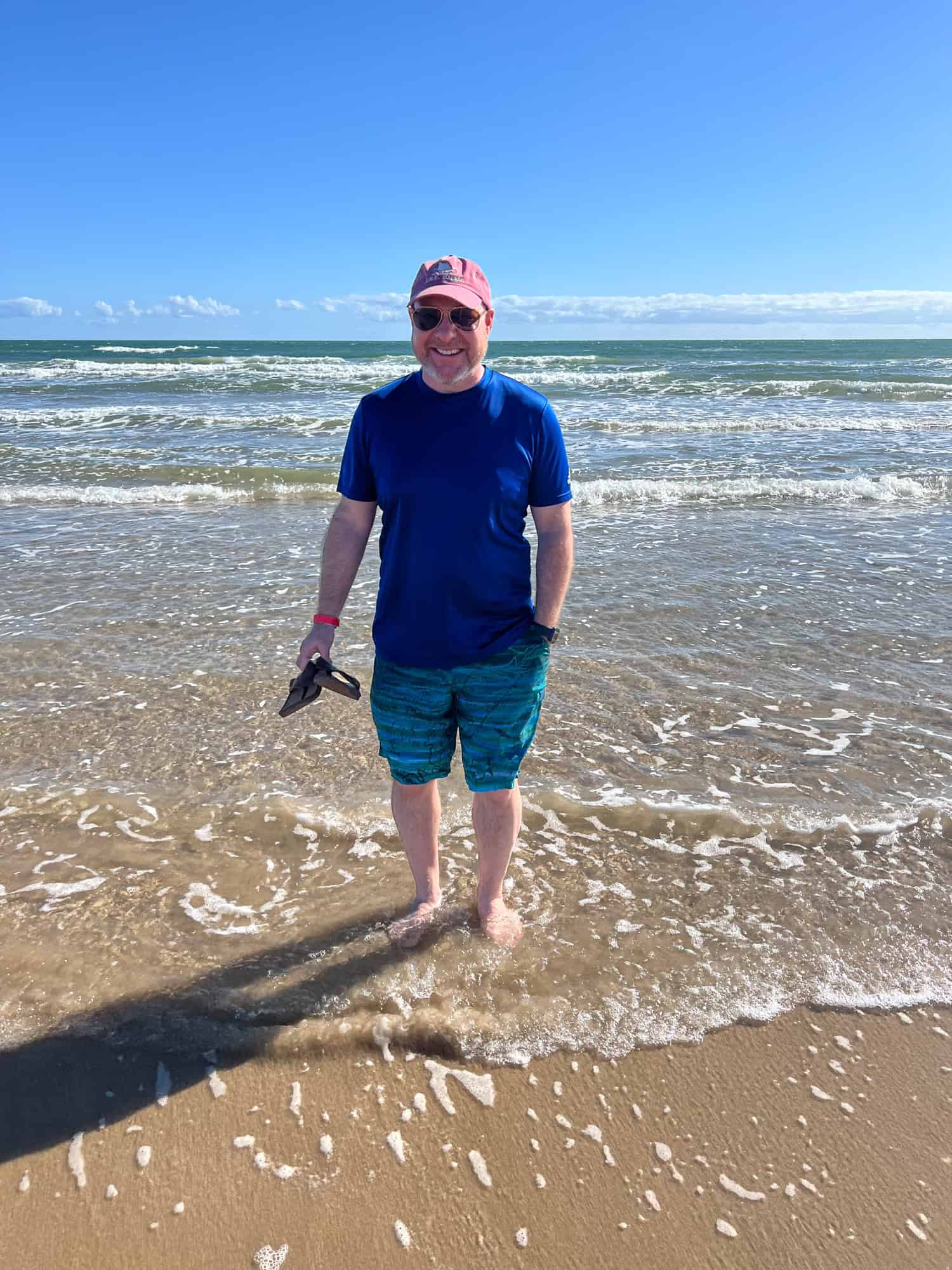
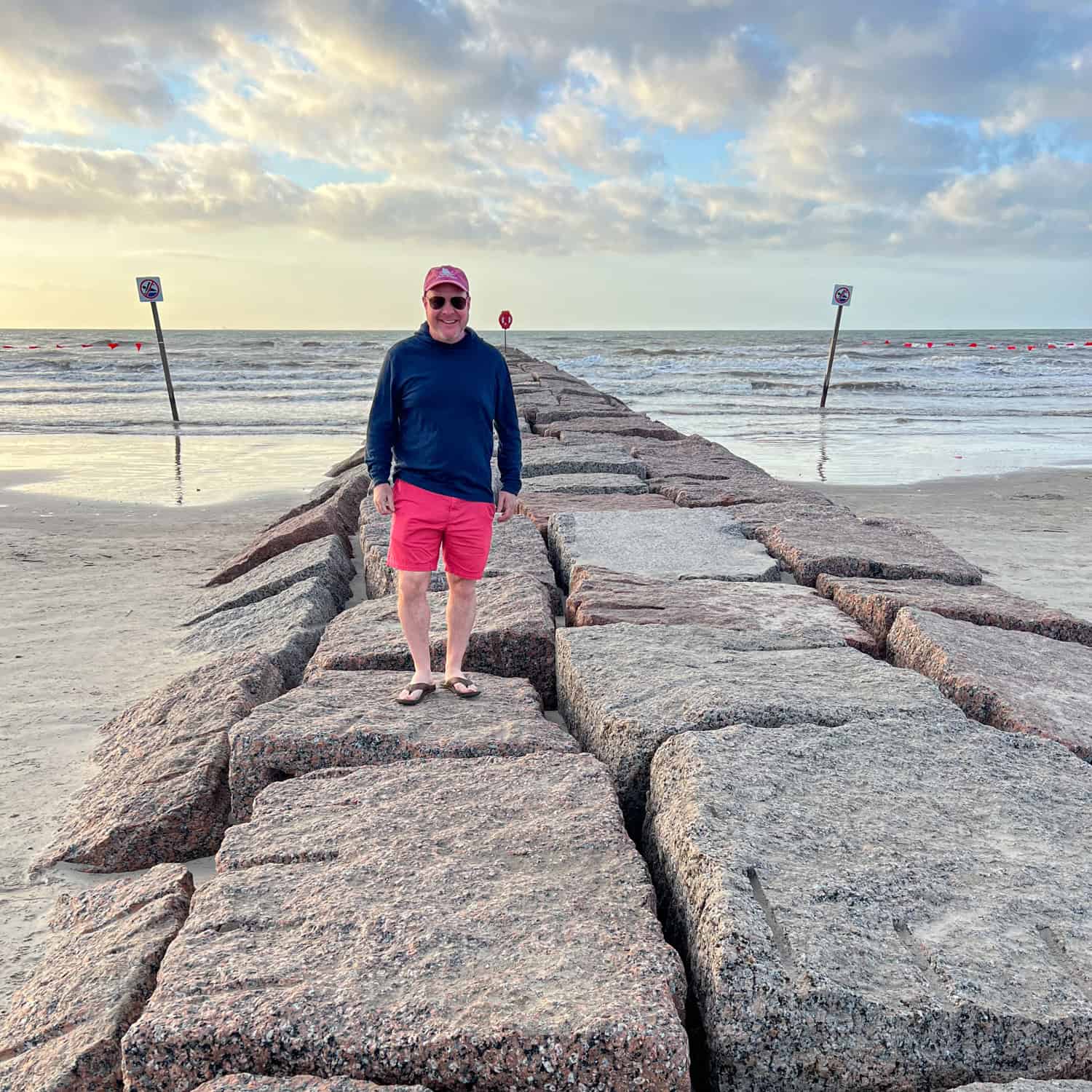
Dave poses on a dune on South Padre Island (photo by Kelly Lemons).
South Padre Island (photo by Kelly Lemons)

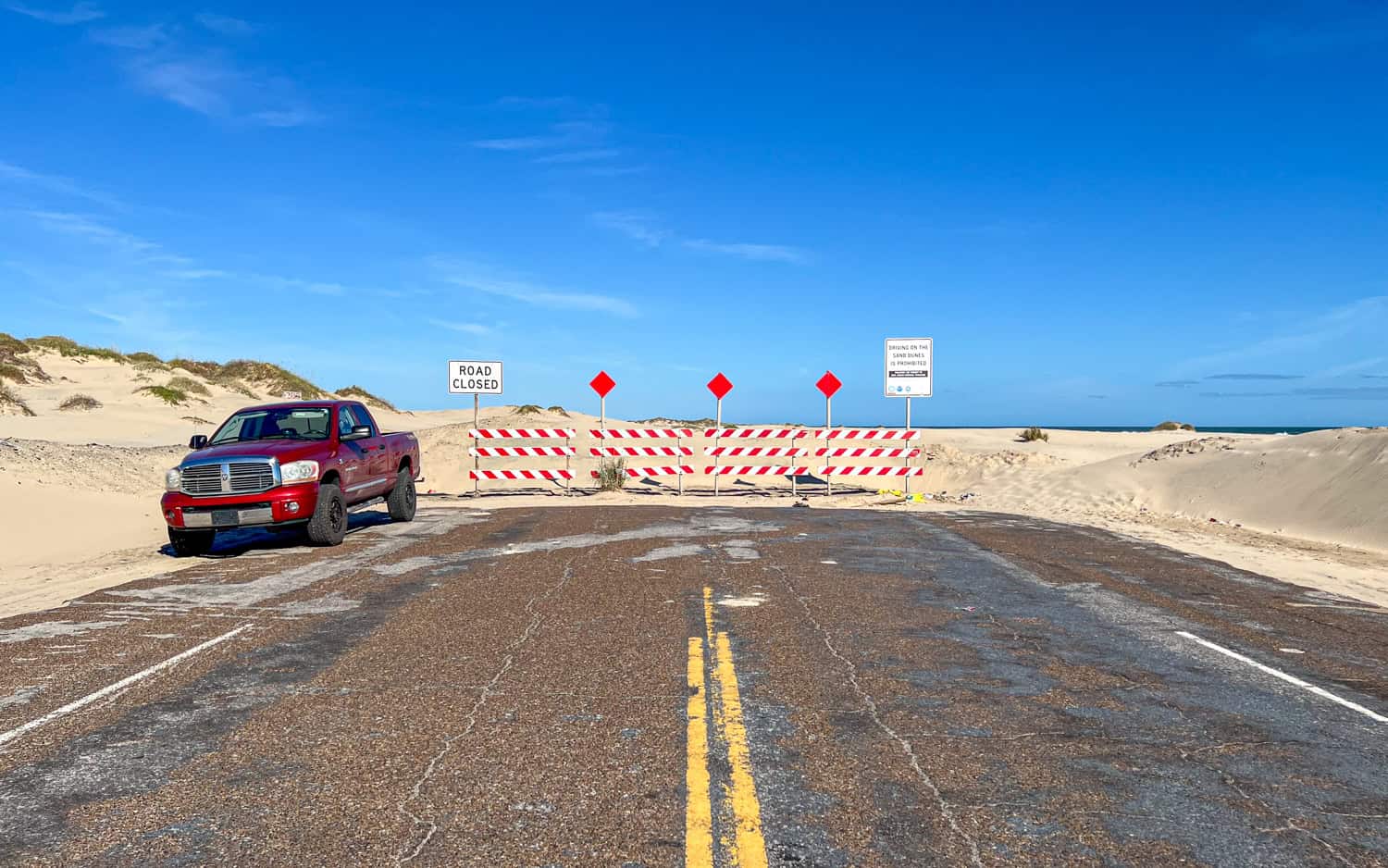
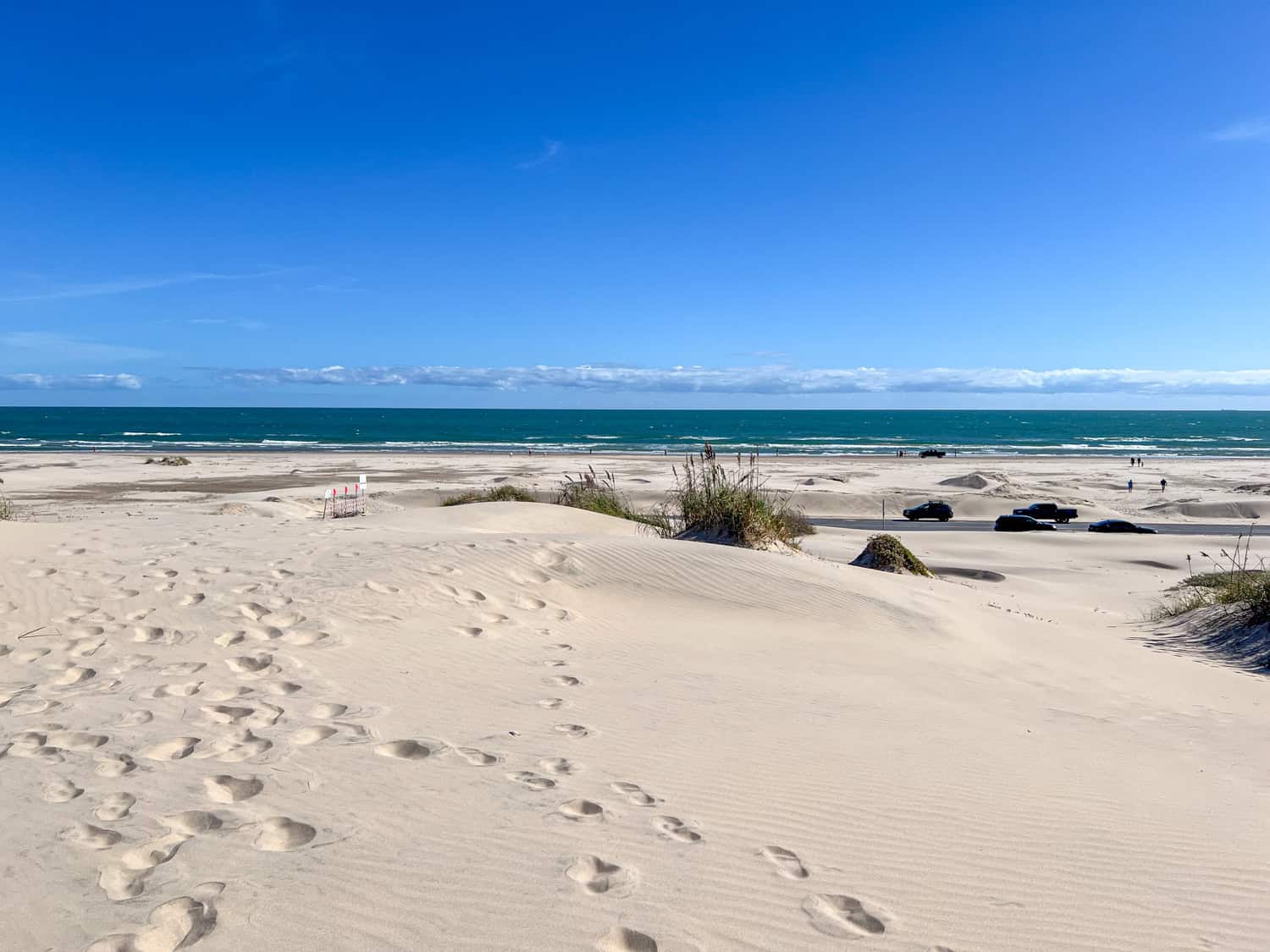
Finally, and at my request, we vacationed on South Padre Island in South Texas. Kel grew up in the region, and after four years together, I wanted to see it firsthand.

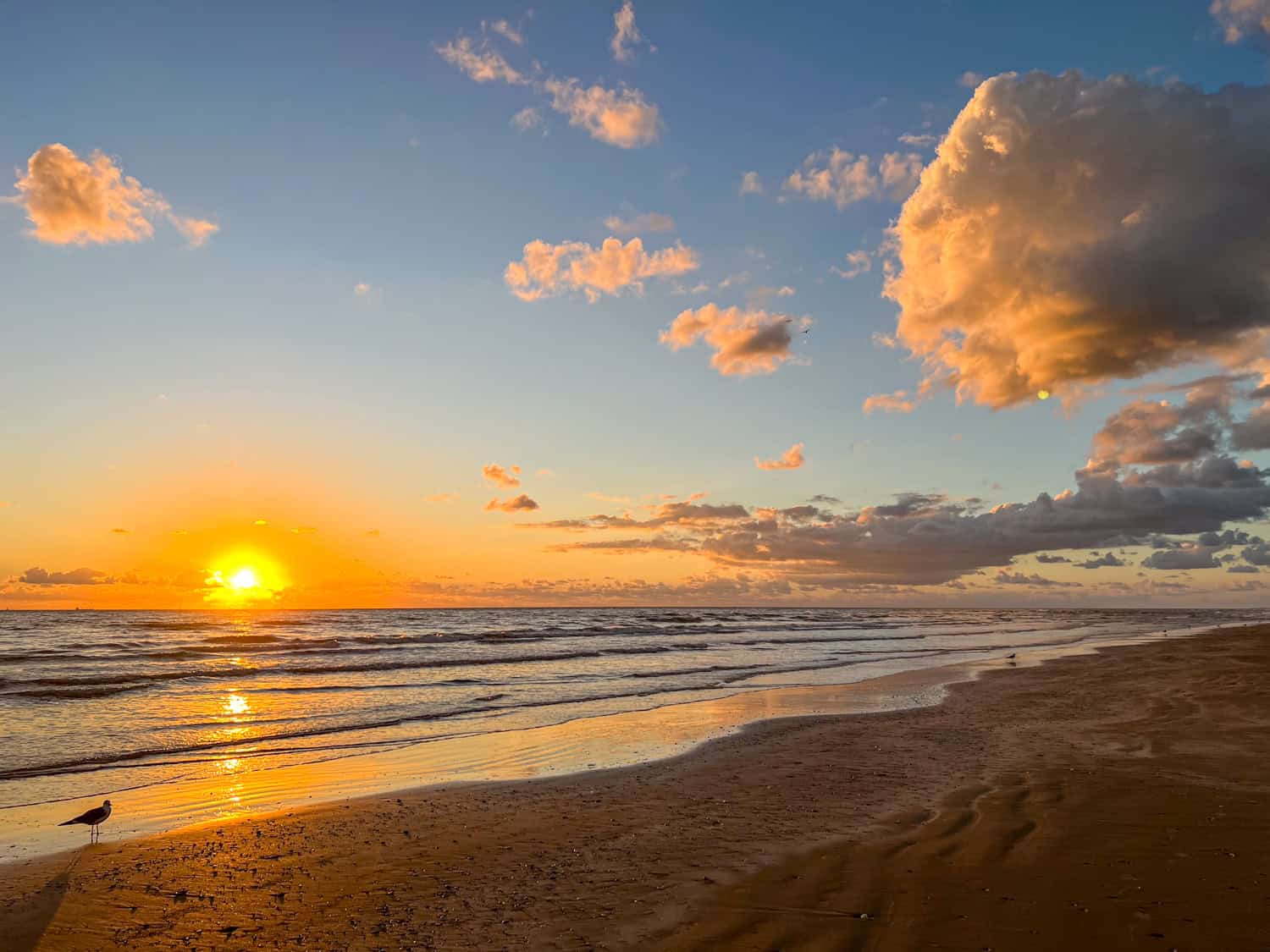
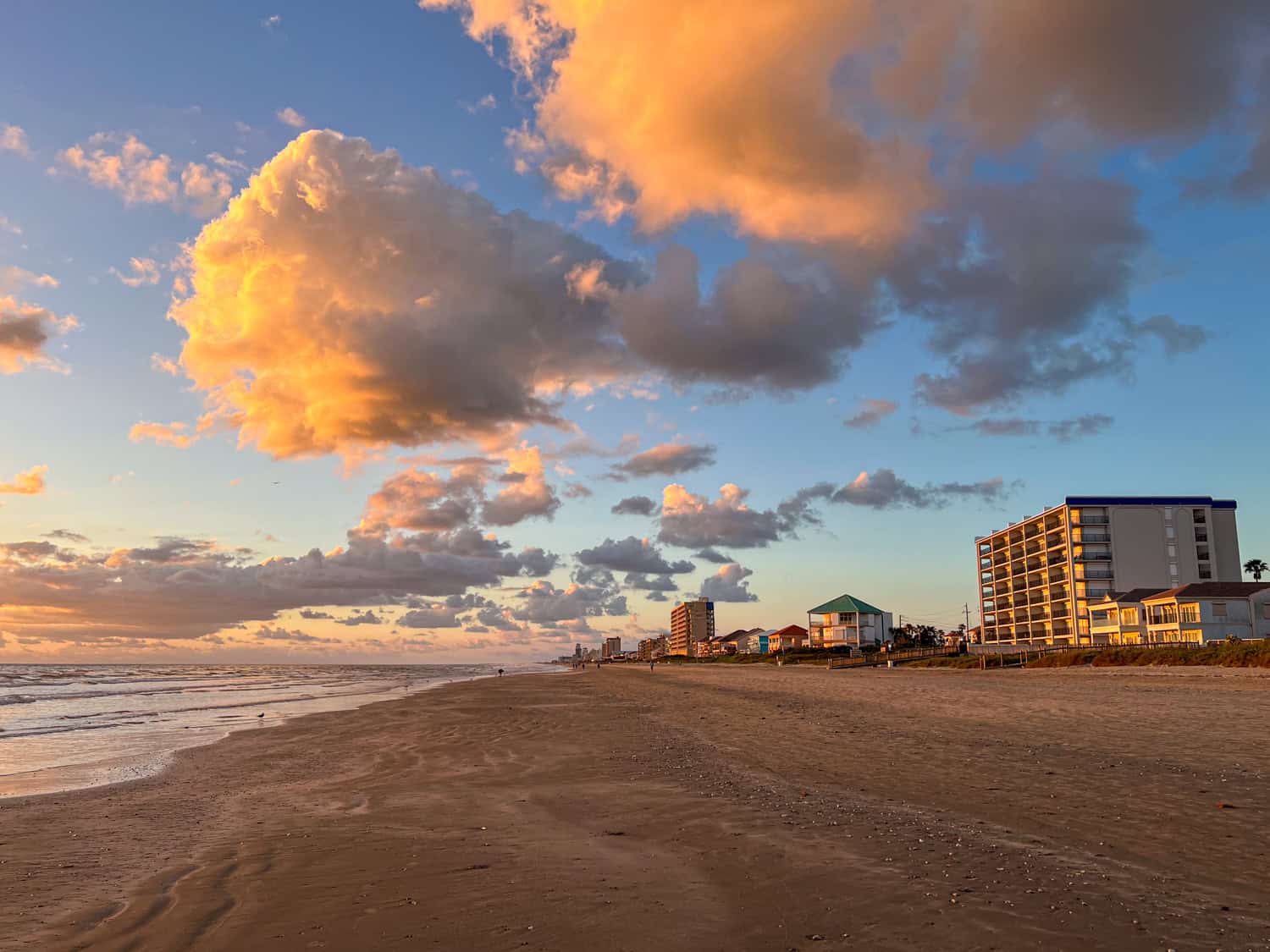
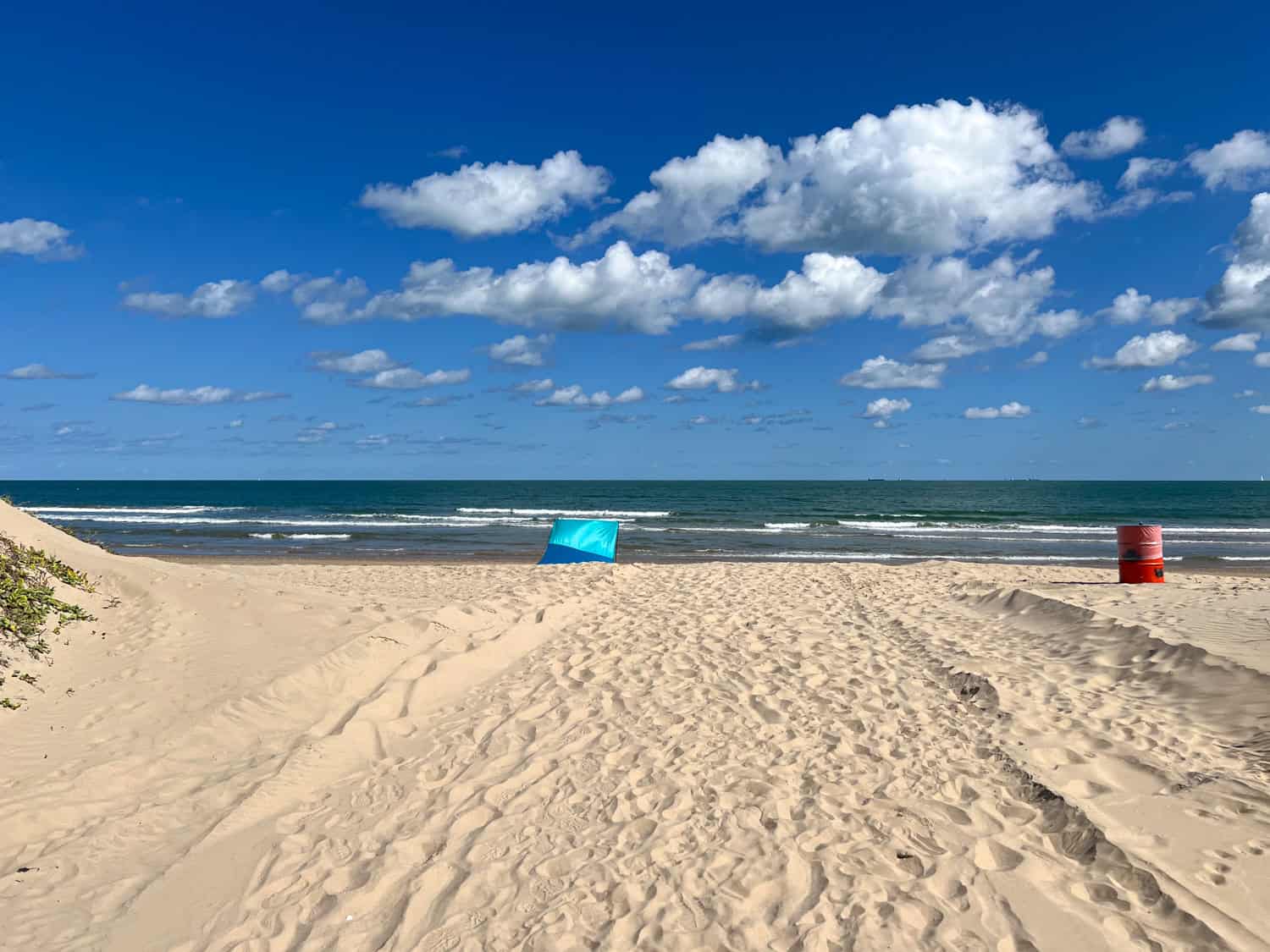
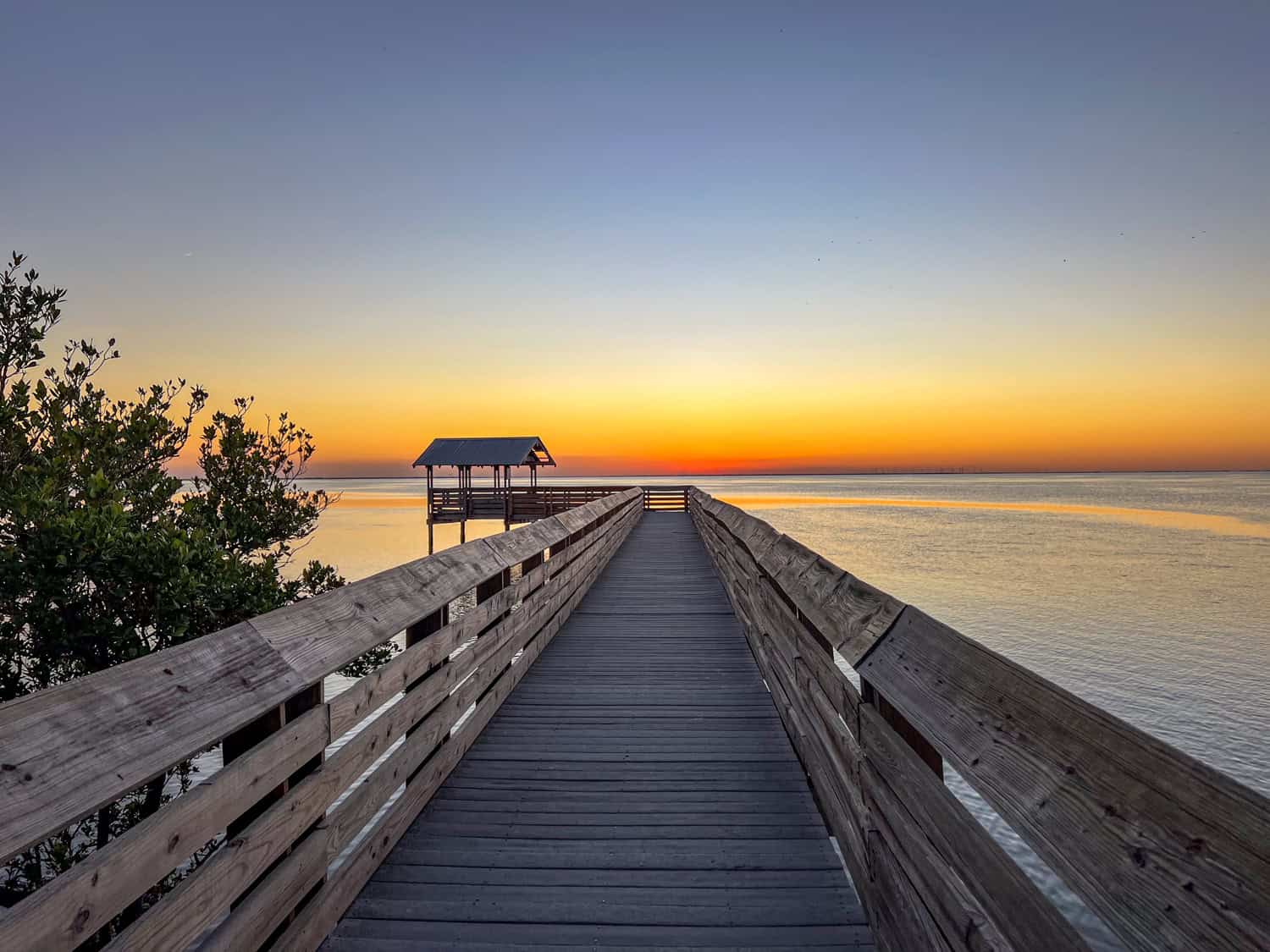
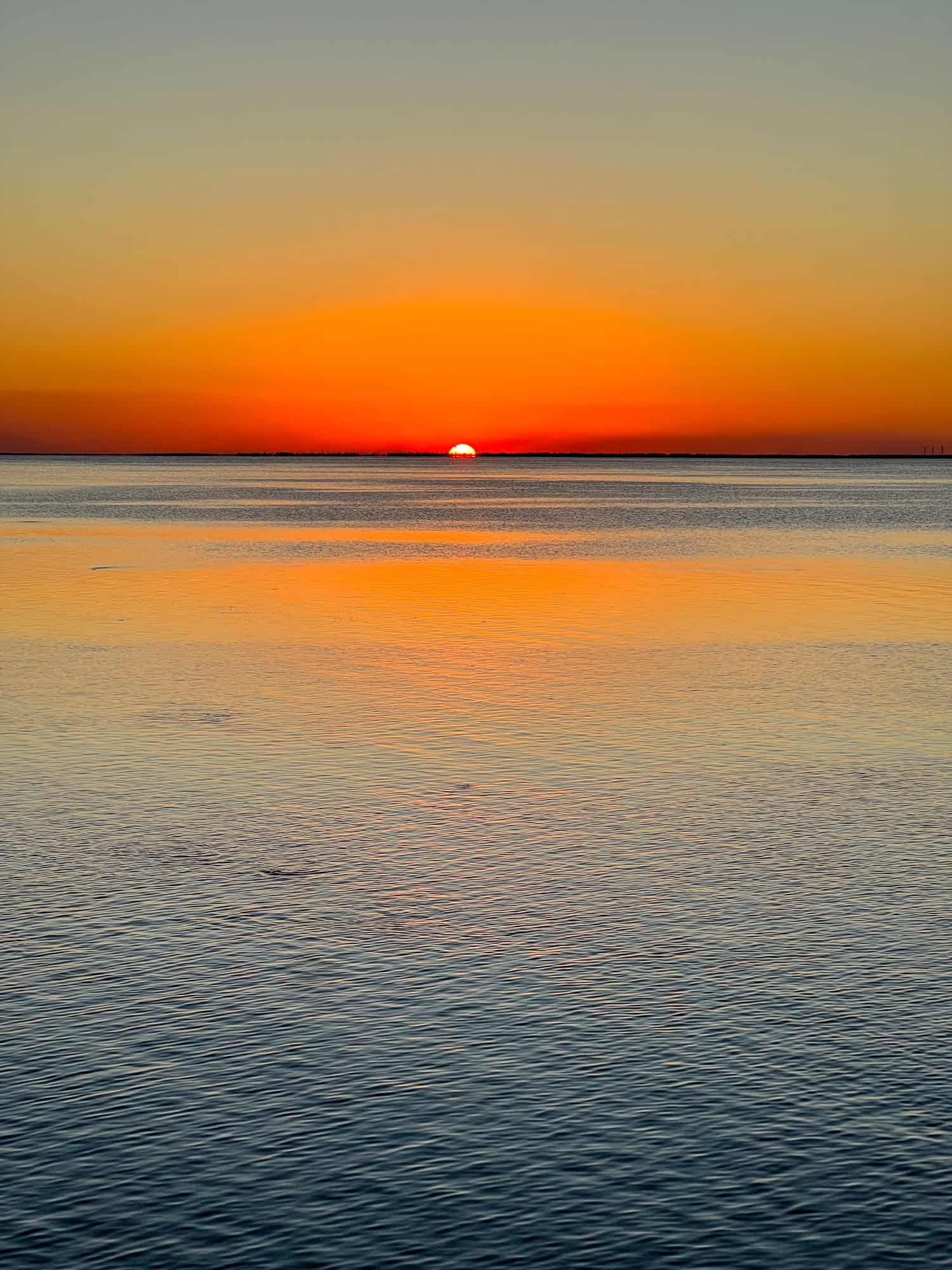
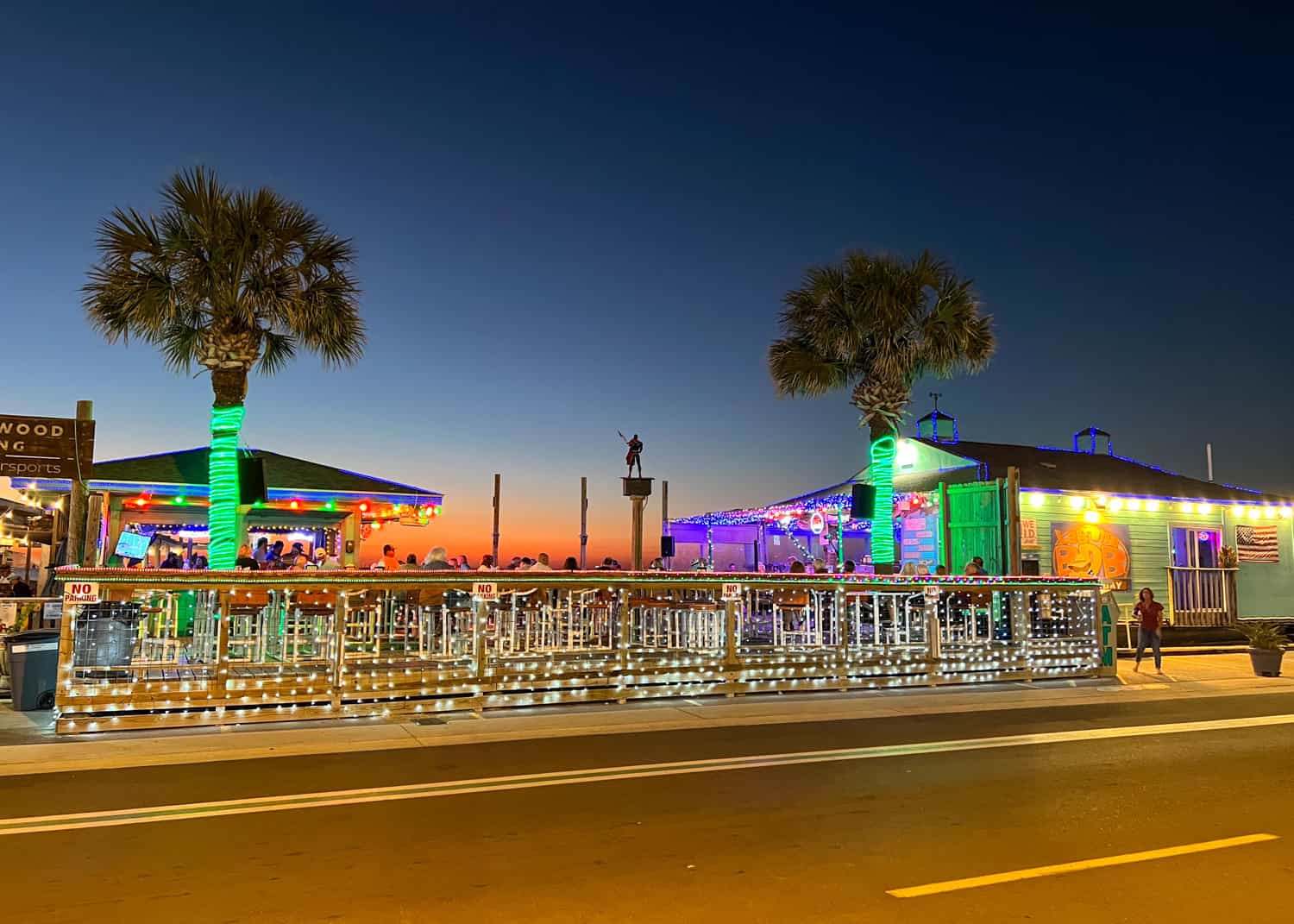
The week before Thanksgiving was warm and sunny, though the Gulf waters were too cold for me to go for a swim. Instead, we savored peaceful sunrise walks on the beach and sipped frozen drinks during sunset happy hours.

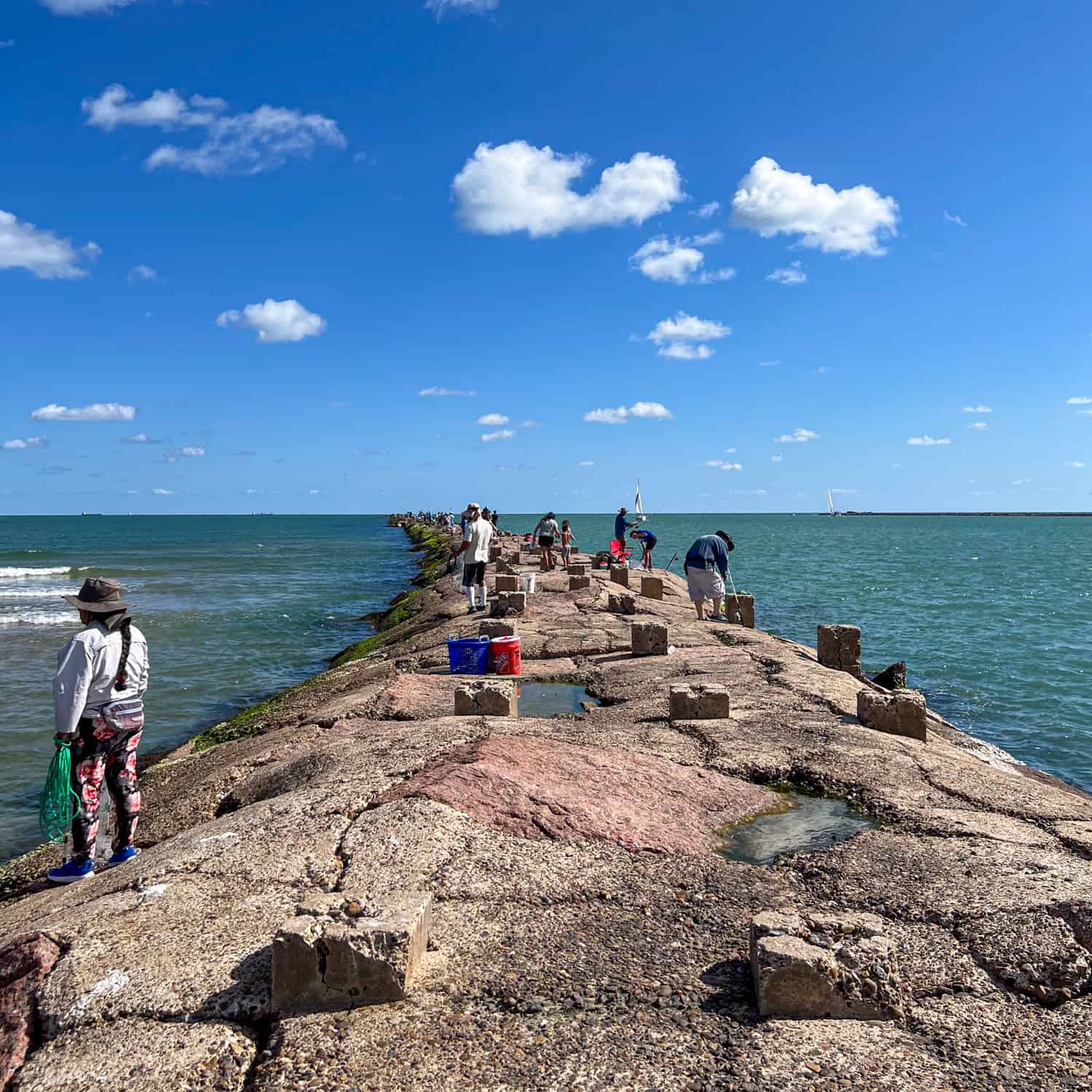
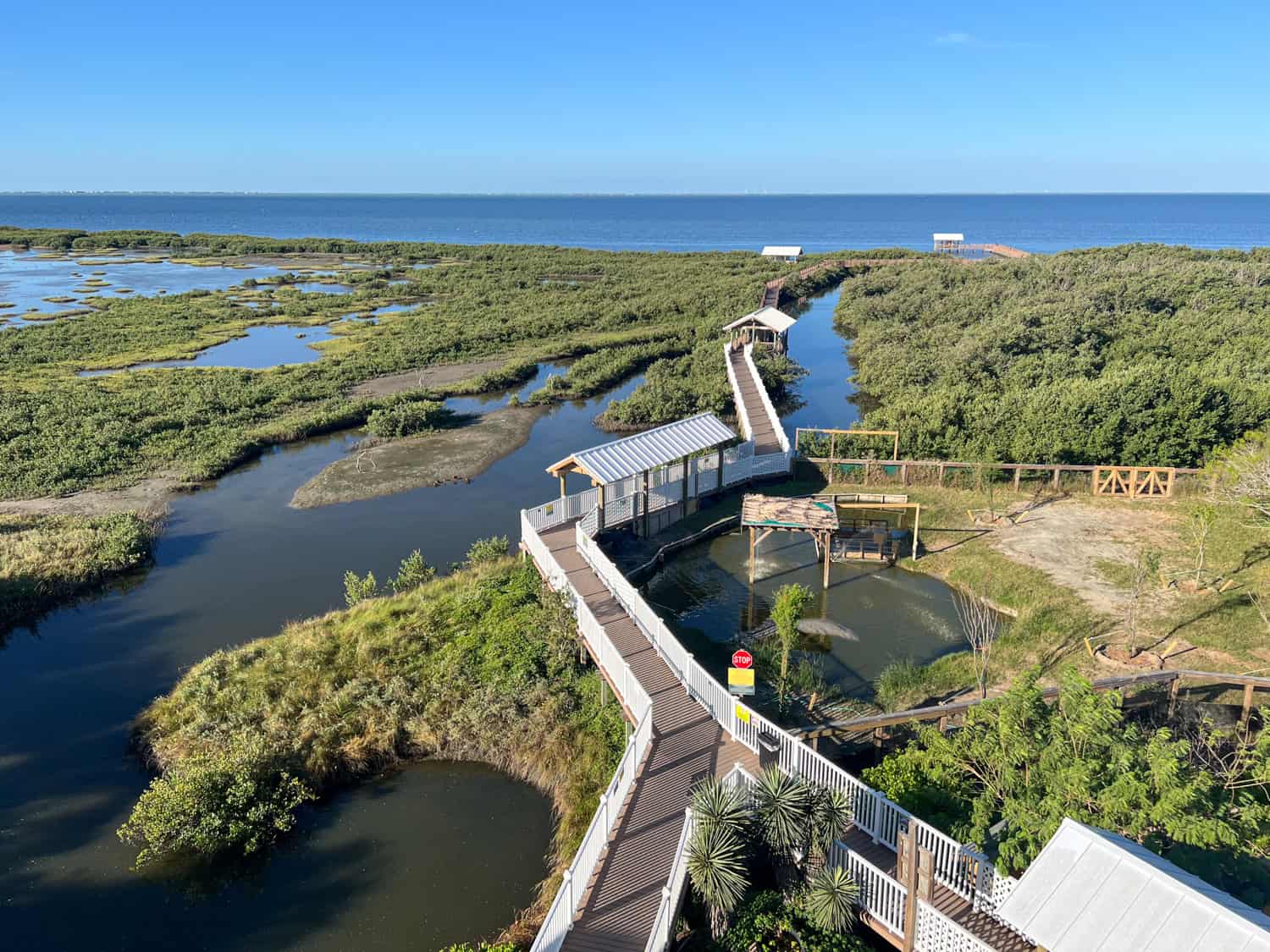
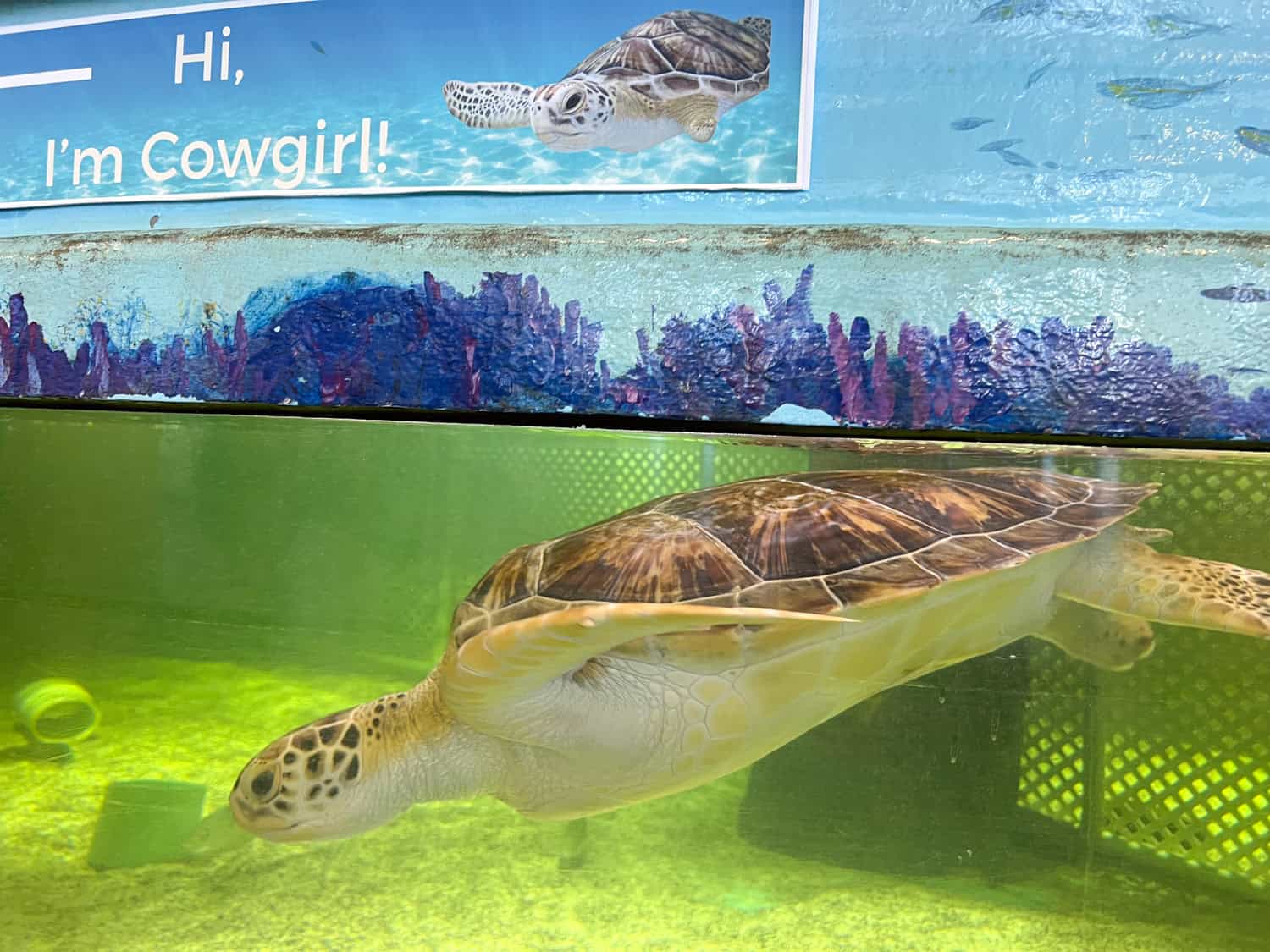
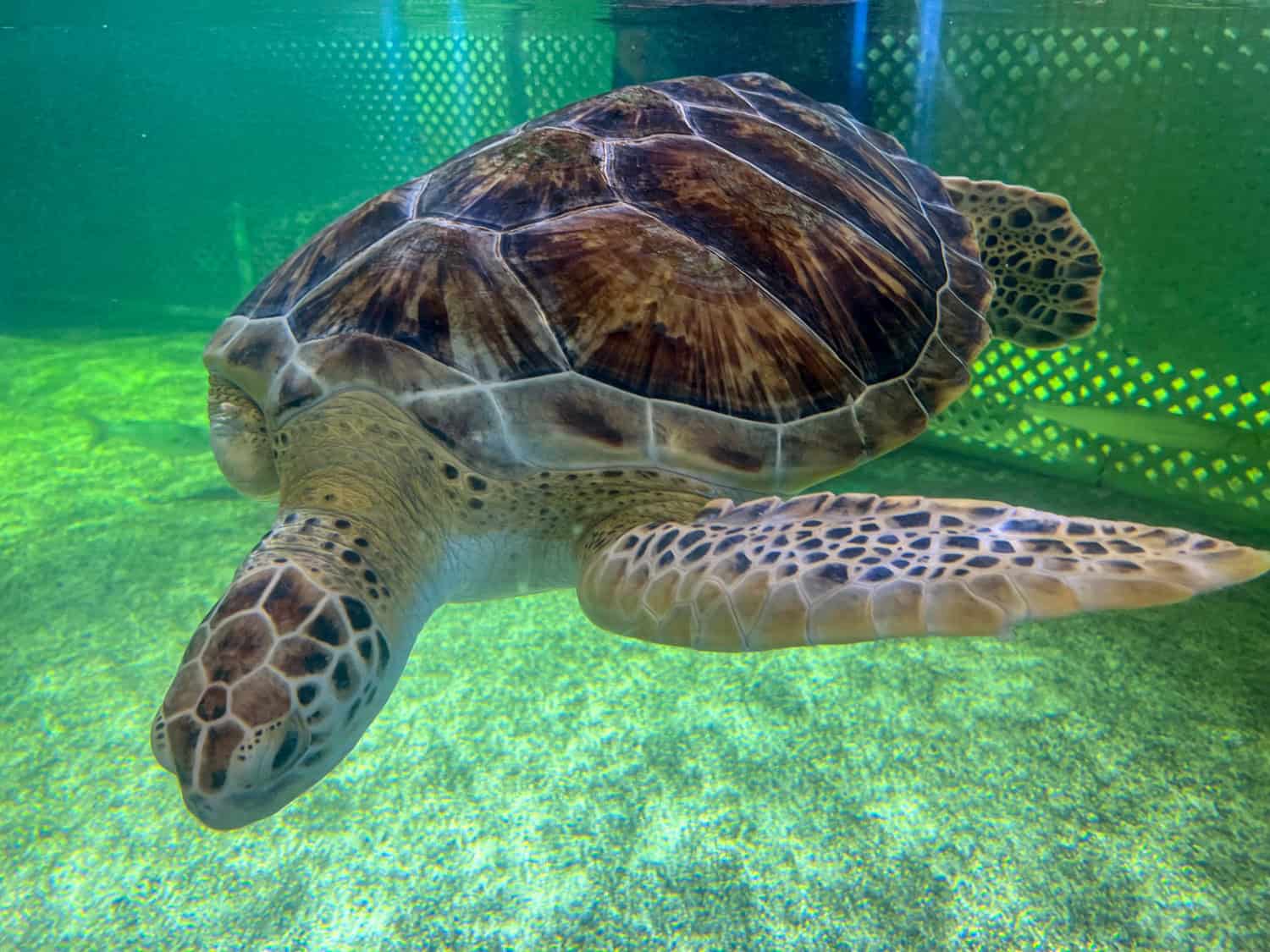
Between these moments, we found plenty to do on the island, from visiting Sea Turtle, Inc. to see rescued and rehabilitated turtles to exploring the South Padre Island Birding and Nature Center and strolling along the fishing jetties at the island's southern tip.

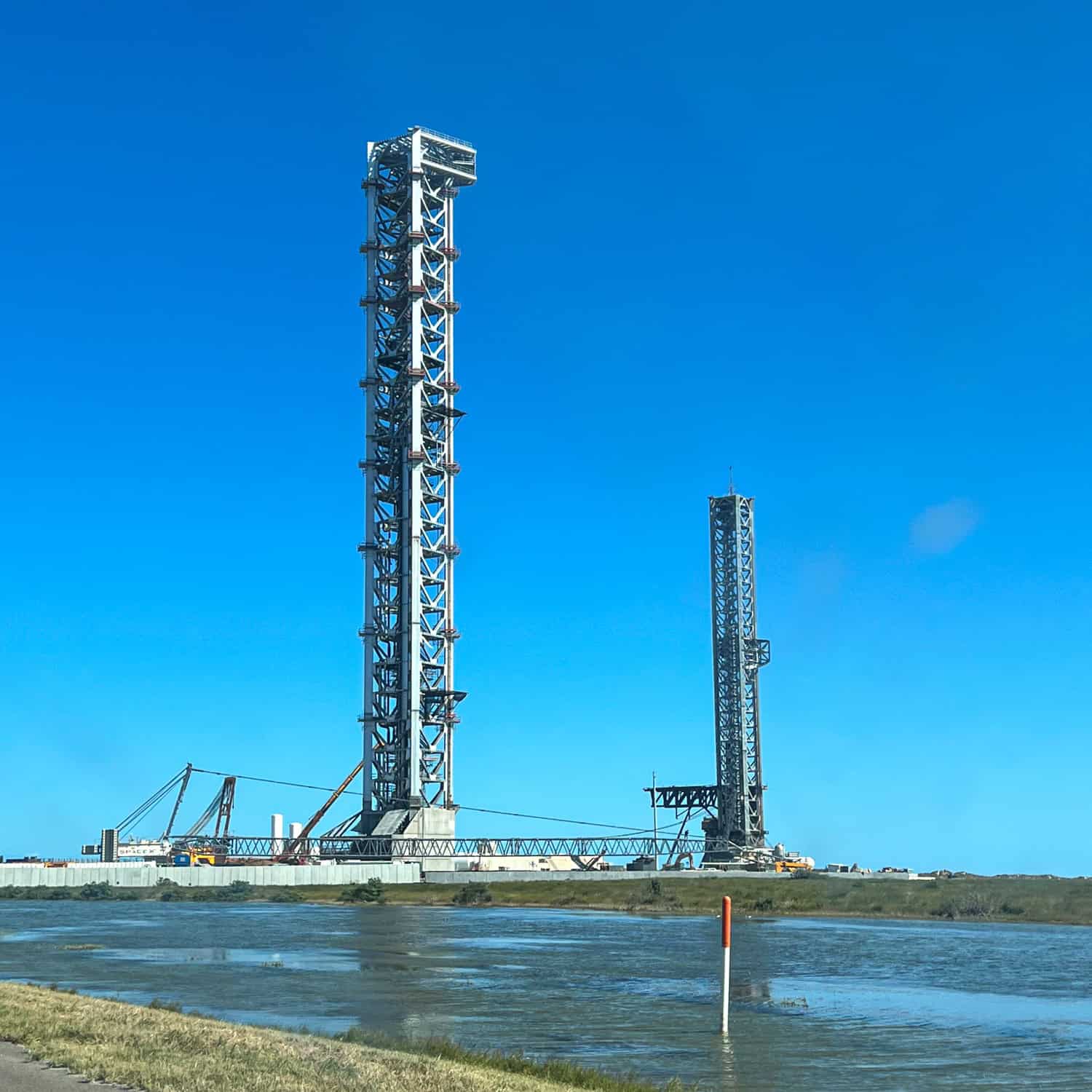
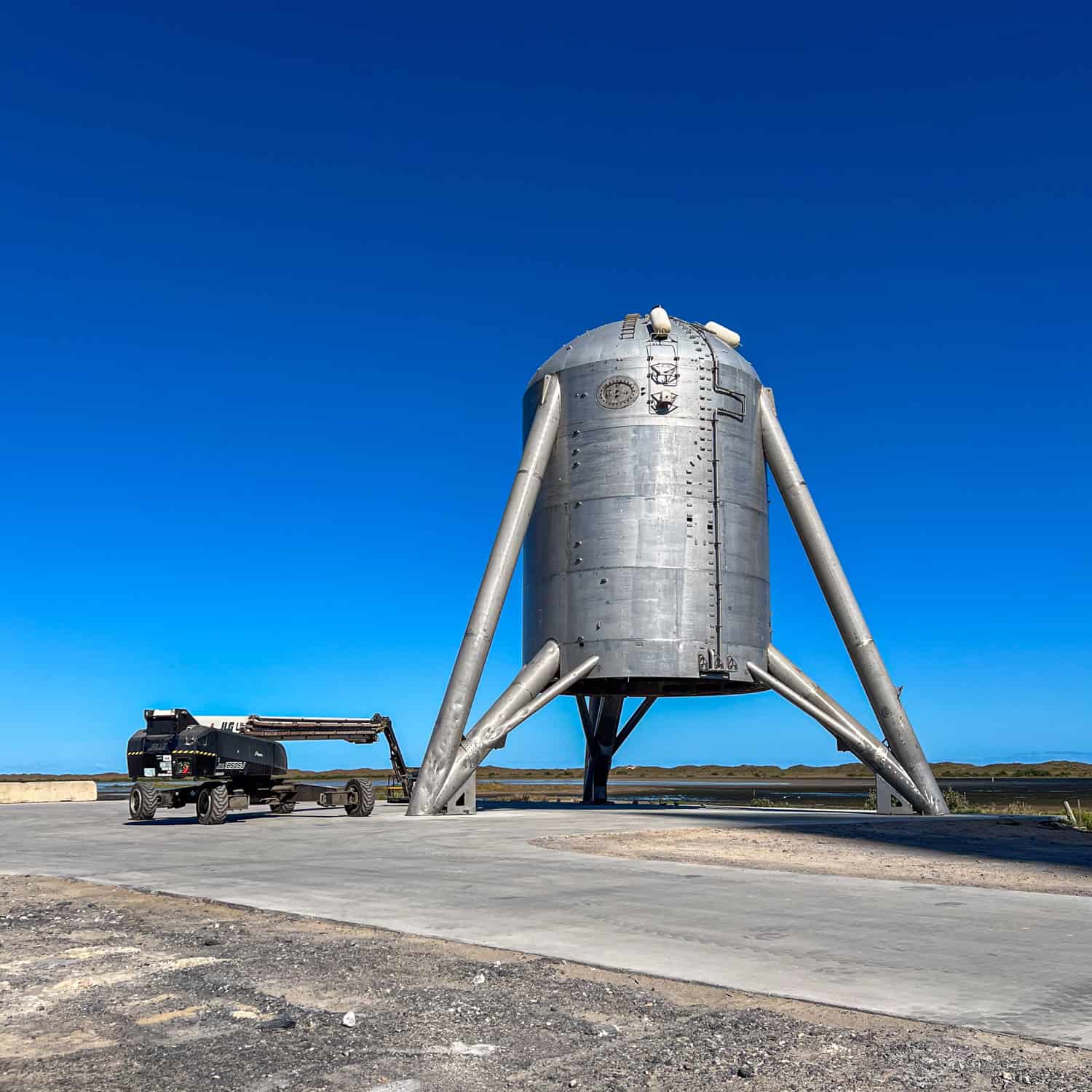
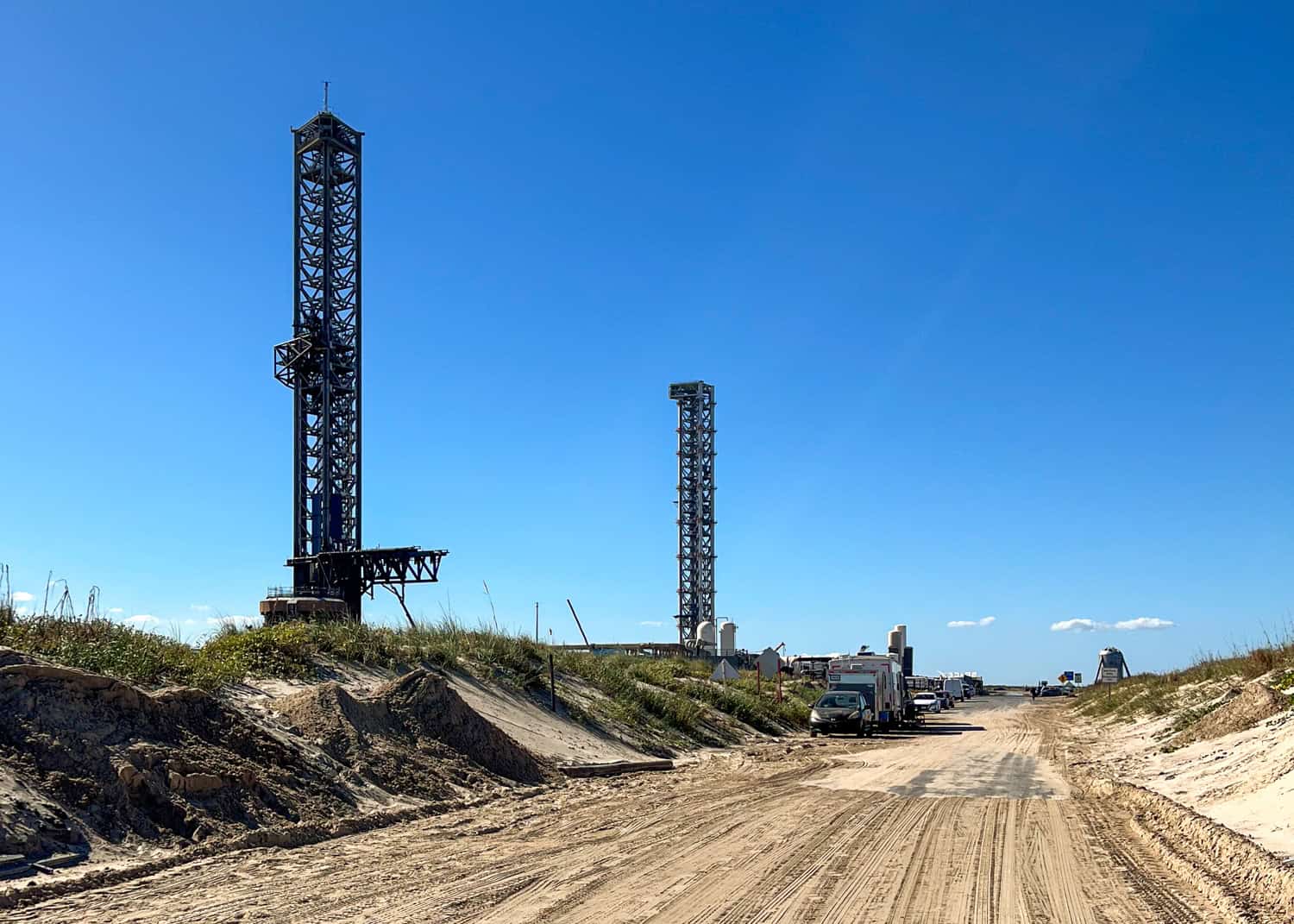
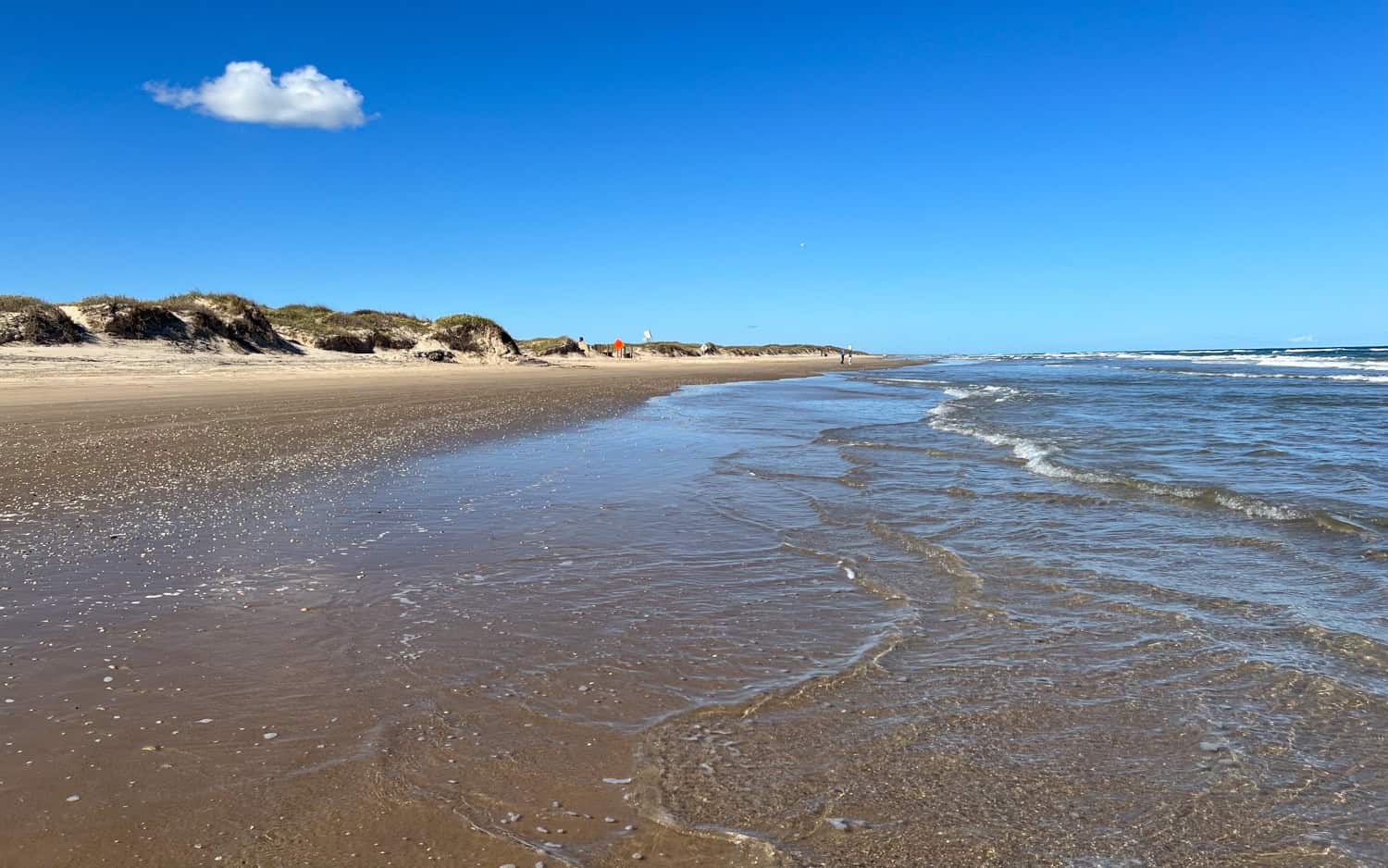
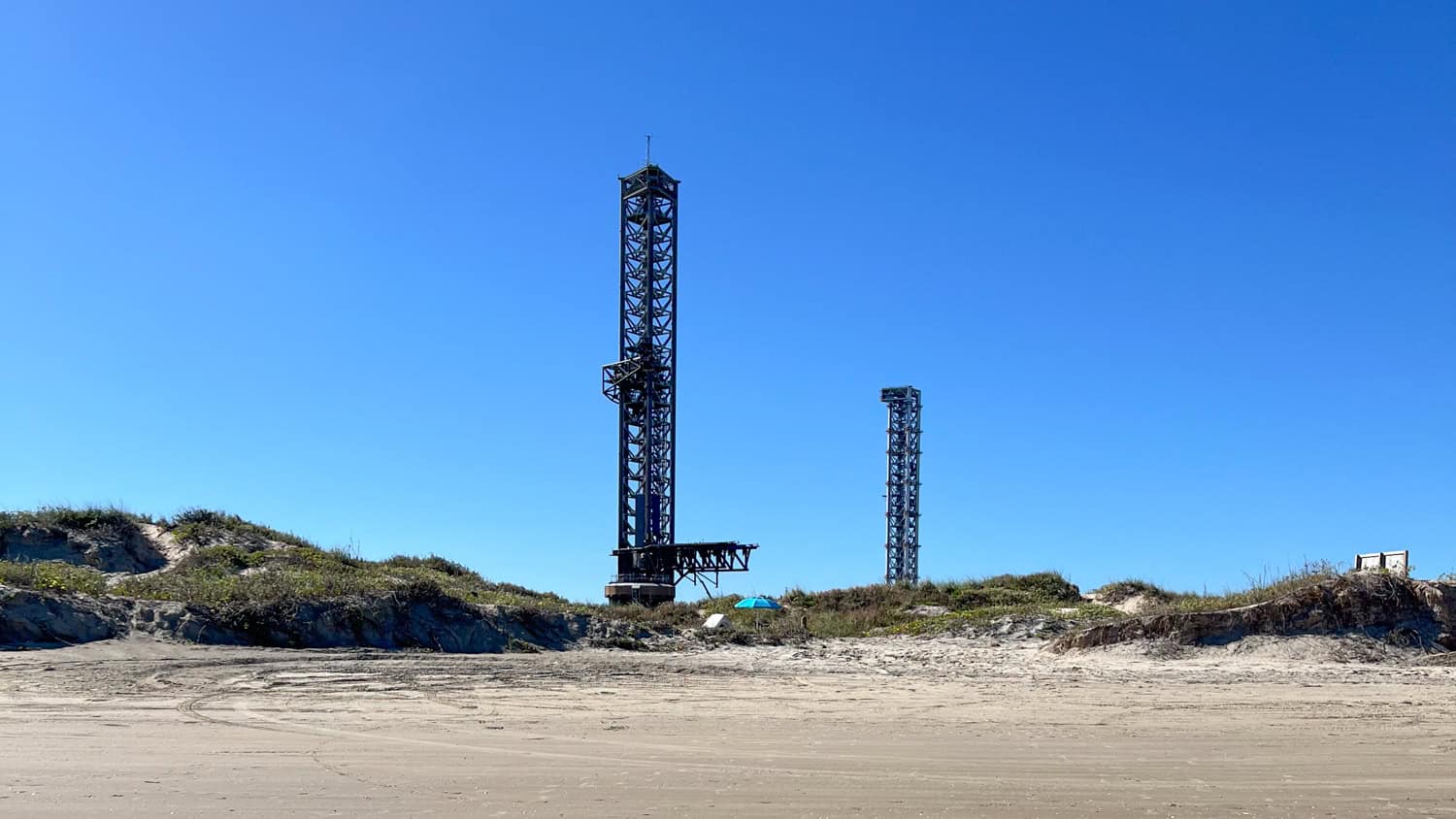
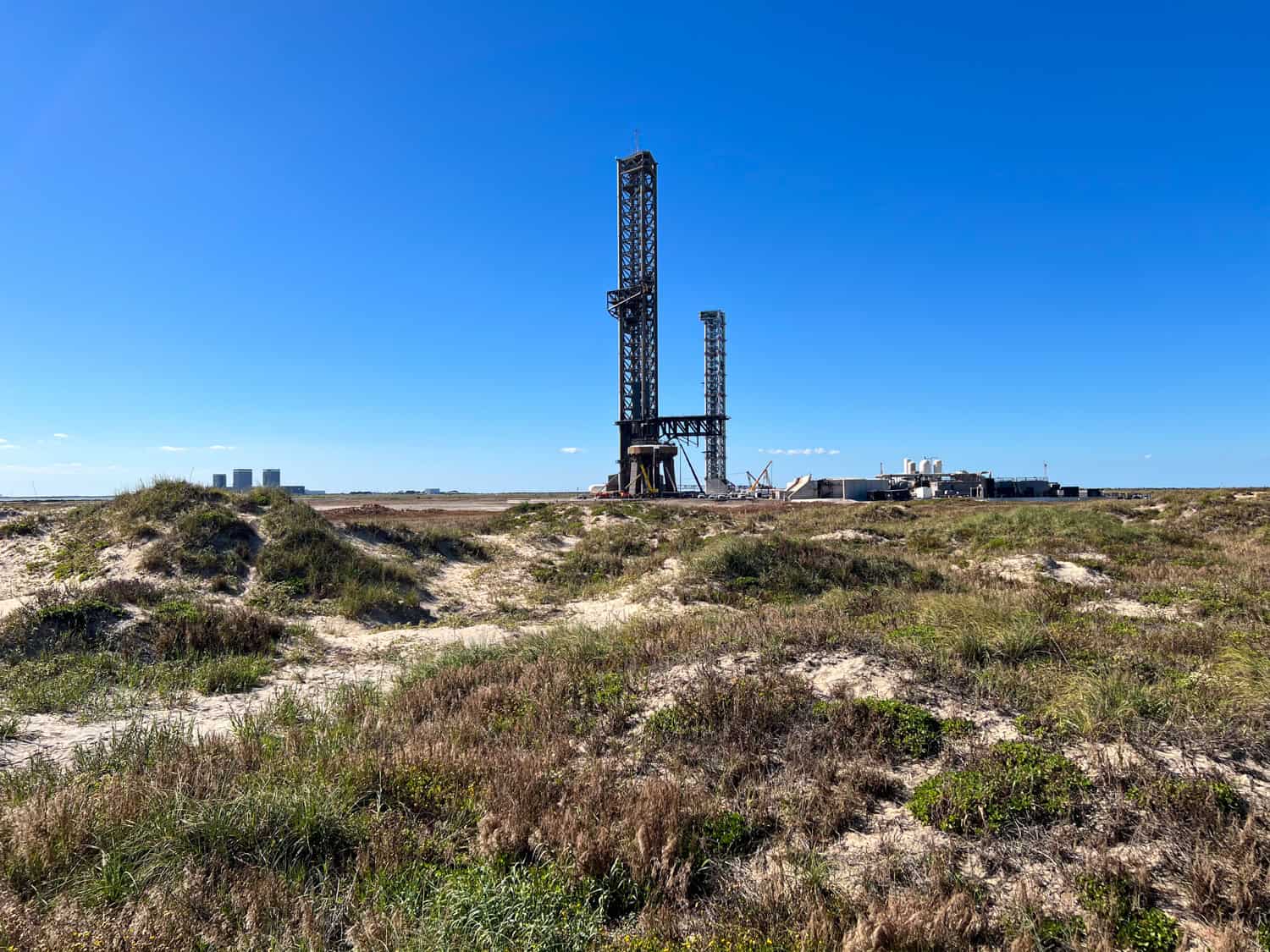
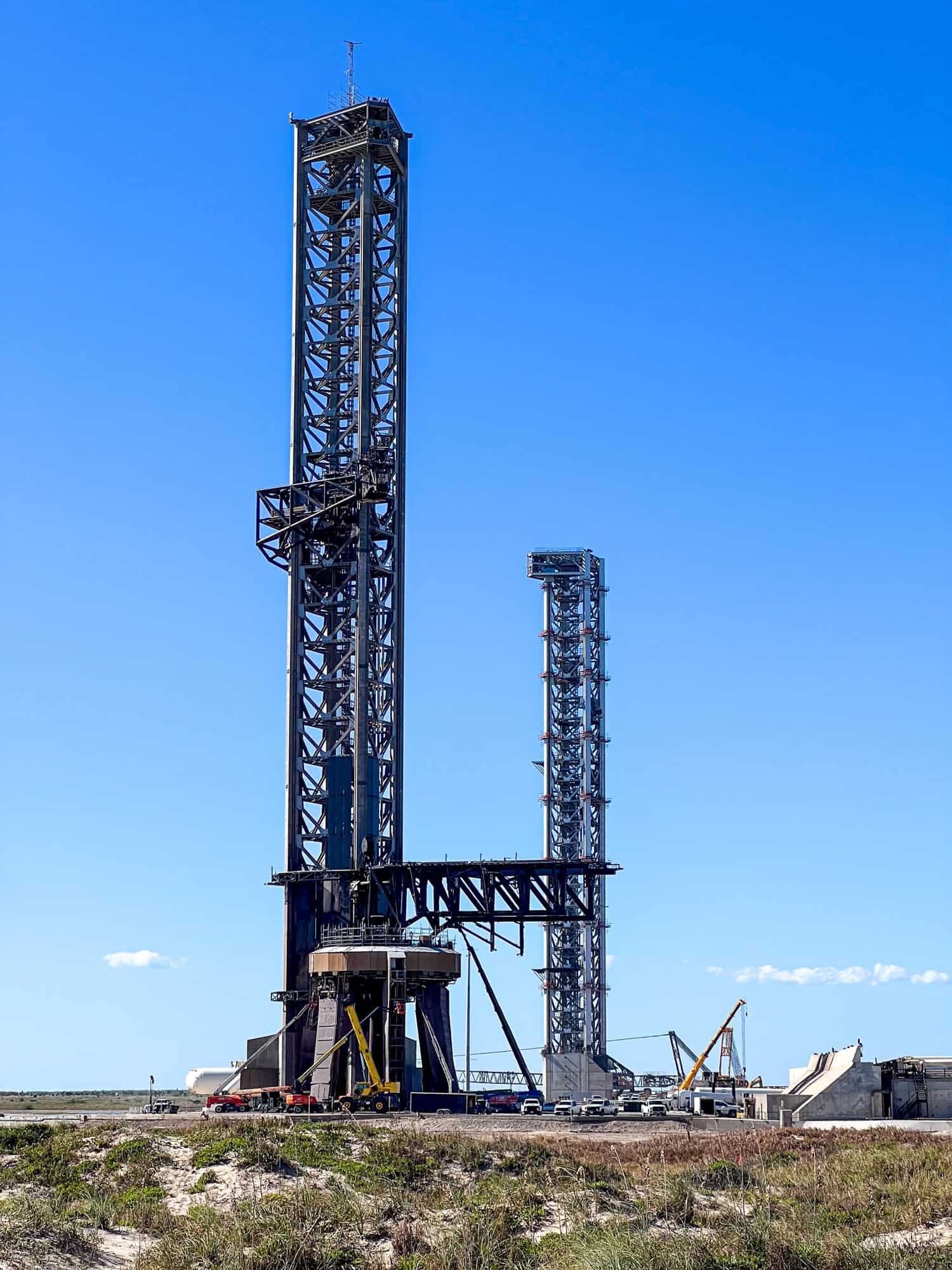
We also ventured off the island to visit a lighthouse in Port Isabel, eat barbecue in Brownsville, and visit Boca Chica Beach, located next to the SpaceX rocket launch facilities.

Final Thoughts

Business-wise, 2024 was among the most challenging of my 17 years as a travel blogger.

Google algorithm changes that began in September 2023 continued to negatively impact the visibility of my stories in search results. Therefore, the number of visitors to Go Backpacking and Feastio. Ad revenue dropped, resulting in cost-cutting and a need to travel closer to home.

However, when I look back at the past year, I'm grateful for every trip I took. As long as I live in Austin, it makes sense to continue exploring the massive Lone Star State.

Prior Annual Reviews

Living in Texas

  • 2023 - Vietnam, Japan, USA
  • 2022 - Peru, USA
  • 2021 - The Bahamas, USA
  • 2020 - a year without travel
  • 2019 - Canada, Sweden, Denmark, Colombia, USA
  • 2018 - Peru, Mexico, Cuba, Colombia, Italy, Spain, USA
  • 2017 - Mexico, USA (I didn't write a recap)
  • 2016 - Mexico, Canada, Peru, Brazil, USA

Living Abroad

  • 2015 - Colombia, Turkey, Georgia, Armenia, Greece, Germany, Romania, England, USA
  • 2014 - Guatemala, Honduras, El Salvador, Nicaragua, Italy, Mexico, Peru, USA
  • 2013 - Colombia, Mexico, Canada, Panama, USA
  • 2012 South America - Peru, Argentina, Uruguay, Chile, Bolivia, Colombia
  • 2012 Europe and Asia - Iceland, Spain, Germany, Indonesia, Czech Republic, Austria, Slovakia, Hungary, Slovenia, Italy, England, Wales, Luxembourg, France, Monaco, Andorra
  • 2011 - Japan, Colombia, Ecuador, Peru
  • 2010 - Rwanda, Colombia, USA

Living in Tuscany: The Most Beautiful Places To Relocate

Tuscany is one of the world's most beloved and renowned regions, thanks to its unique cultural, scenic, and culinary heritage. Art and nature blend here, making it a sought-after destination for tourists and those seeking a new home. With medieval villages, art cities, enchanting hills, and coastal locations, more and more people are interested in Tuscan houses for sale so they can move or simply enjoy their holidays. But where are the best places in Tuscany to live as an expat? Let's find out together!

Table of Contents

  • Why Choose Tuscany?
  • The Main Cities of Tuscany: Where To Live
    • Florence
    • Arezzo
    • Siena
    • Lucca
    • Pisa
    • Grosseto
  • Villages and Farmhouses: Living in Authentic Tuscany

Why Choose Tuscany?

A vineyard in Tuscany (photo: Amit Janco).
A vineyard in Tuscany (photo: Amit Janco)

For many, relocating to Tuscany means embracing a lifestyle that combines beauty, tradition, and modernity. The breathtaking landscapes, from the Chianti vineyards to the Maremma beaches, set the stage for a tranquil life filled with opportunities.

The region is famous for its high-quality services, efficient infrastructure, and rich cultural scene, which includes museums, festivals, and historical events. This makes Tuscany a highly livable region and, most importantly, a place where boredom is unlikely.

Furthermore, the many foreigners who have moved to Tuscany make it an ideal region for those from abroad, offering a welcoming and inclusive environment.

The Main Cities of Tuscany: Where To Live

A woman exploring a park in Florence (photo: Elena Popova).
A woman exploring a park in Florence (photo: Elena Popova)

In Tuscany, there are countless places where you can choose to live or purchase a holiday home in Italy. However, certain cities stand out for their appeal. These include:

Florence

Florence, repeatedly named the most beautiful city in the world, is the ideal place for culture, art, and food lovers. The city offers a unique heritage, including landmarks like the Uffizi Gallery, the Duomo, and the Ponte Vecchio. On a practical level, Florence boasts an efficient transportation system and excellent educational and healthcare services, making it perfect for families and professionals.

The Duomo in Florence (photo: David Bruwer).
The Duomo, an icon of Florence (photo: David Bruwer)

Arezzo

Arezzo combines tradition and tranquility, ideal for those seeking a slower pace of life. Known for its Antique Fair and the Joust of the Saracen, it offers a welcoming atmosphere and a strategic location for traveling to other regions of Italy.

Siena

Famous for its Palio and its UNESCO-listed historic center, Siena is a city that takes you back in time. Its surrounding hills and proximity to the Chianti region make it a dream destination for those desiring a life immersed in history and nature.

Lucca

Lucca is a charming city characterized by its Renaissance walls and well-preserved historic center. Perfect for families and retirees, Lucca offers tranquility, prestigious cultural events, and a strategic location near the sea and the mountains.

Pisa

Pisa is a lively city famous for its Leaning Tower and dynamic university scene. It is perfect for those who wish to live in a picturesque yet youthful setting rich in work and academic opportunities. Additionally, the presence of an international airport and its proximity to the sea make Pisa an excellent choice for those seeking convenience in transportation.

Grosseto

Grosseto is undoubtedly one of the best options for nature and sea lovers. Located in the heart of the Maremma, this city offers vast green spaces, proximity to the coast, and an excellent quality of life. Grosseto's strategic location allows for living near the sea and various art cities. It's also easier to reach regions like Umbria and Lazio from this area of Tuscany.

Villages and Farmhouses: Living in Authentic Tuscany

San Gimignano is a popular choice for expats living in Tuscany (photo: Flo P).
San Gimignano (photo: Flo P)

One of the significant advantages of relocating to Tuscany is the ability to choose from various types of homes. Many people are drawn to purchasing a Tuscan house for sale in the countryside or one of the charming medieval villages.

Medieval villages and countryside hamlets in the Chianti region, such as San Gimignano, Montepulciano, or Pienza, offer the chance to purchase farmhouses and characteristic villas surrounded by nature. Many of these properties are surrounded by vineyards, vegetable gardens, extensive gardens, and olive trees.

The buildings, often carefully restored, combine the charm of the past with modern comforts. At the same time, those who want to live near urban centers without sacrificing tranquility can opt for villas and farmhouses in the countryside around cities like Florence, Siena, and Arezzo.

These homes allow residents to enjoy spacious areas and breathtaking views while remaining just minutes away from urban amenities.

_____

This story is brought to you in partnership with Gate-away.com.

Explore Albania: Your Ultimate Travel Guide

Albania, the Mediterranean's hidden gem, is rapidly emerging as Europe's most exciting tourist destination. From its rugged northern Alps to its pristine southern coastline, this Balkan nation offers an incredible mix of natural beauty, rich history, and warm hospitality-all at surprisingly affordable prices.

A river runs through the mountains of Theh, one of Albania's many scenic destinations (photo: Ilse, Unsplash).
A river runs through the mountains of Theh, Albania (photo: Ilse)

Table of Contents

  • Getting There
  • Transportation
  • Northern Albania: The Albanian Alps
    • 1. Theth National Park
    • 2. Valbona Valley
    • 3. Shkodra
  • Central Albania
    • 4. Tirana
    • 5. Kruja
    • 6. Durrës
  • Albanian Riviera
    • 7. Sarande
    • 8. Ksamil
    • 9. Himarë
    • 10. Dhërmi
  • Cultural Heritage Sites
    • 11. Berat
    • 12. Gjirokastër
    • 13. Butrint
  • Natural Wonders
    • 14. Lake Ohrid
    • 15. Blue Eye Spring
  • Must-Try Albanian Food
    • Traditional Main Dishes
    • Regional Specialties
    • Desserts and Snacks
    • Drinks
  • Comprehensive Travel Tips
    • Best Times to Visit
    • Budget Planning
    • Transportation Details
    • Safety and Health
    • Communication
    • Cultural Etiquette
  • More Reasons To Visit Albania

Getting There

Before we dive into the destinations, here's what you need to know about reaching Albania:

  • Direct flights to Tirana International Airport from major European cities
  • Budget airlines like Wizz Air and Ryanair offer flights starting from €30
  • The best time to find cheap tickets: October to March
  • Consider flying to nearby Corfu (Greece) and taking a ferry to Sarande

Transportation

Getting around Albania is both affordable and flexible:

  • Rent a car in Albania using a local agency like Cria, which often has budget-friendly rates (€20/day)
  • Recommended cars for some mountain areas: SUVs or 4x4s
  • For coastal regions: Any standard vehicle will do

Northern Albania: The Albanian Alps

1. Theth National Park

The Church of Theth (photo: Linda Gerbec).
The Church of Theth (photo: Linda Gerbec)

Nestled deep in the Albanian Alps, Theth National Park is a masterpiece of nature that seems frozen in time. The valley is surrounded by dramatic peaks reaching over 8,200 feet (2,500 meters), creating an amphitheater of natural beauty. Standing solitary against the mountain backdrop, the iconic stone church symbolizes this remote paradise.

Visitors can explore numerous hiking trails, including the path to the Blue Eye of Theth, a natural spring with stunning turquoise waters. The Grunas Waterfall, plunging 98 feet (30 meters) down a rocky cliff, offers another spectacular sight.

Traditional kulla houses, tower-like structures once used for protection during blood feuds, dot the landscape, providing insight into the region's rich cultural heritage.

2. Valbona Valley

Valbona Valley is a popular hiking destination in Albania (photo: Abenteuer Albanien).
Hiking in Valbona Valley (photo: Abenteuer Albanien)

Valbona Valley National Park, often called the "Miracle of the Alps," is a pristine wilderness area that showcases some of Albania's most dramatic mountain scenery. The valley floor, carved by the crystal-clear Valbona River, is flanked by jagged limestone peaks that create an awe-inspiring landscape.

The famous Valbona-Theth hike, a challenging but rewarding 6-8 hour trek, takes you through some of the most spectacular mountain scenery in the Balkans.

Traditional guesthouses offer authentic local cuisine and warm hospitality, while the star-filled night sky provides an unforgettable natural show. In winter, the valley transforms into a snow-covered wonderland, perfect for snowshoeing and winter hiking.

3. Shkodra

The ruins of Rozafa Castle in Albania (photo: Linda Gerbec).
Rozafa Castle ruins (photo: Linda Gerbec)

Shkodra, Albania's cultural capital, seamlessly blends history and modernity. The imposing Rozafa Castle, perched on a rocky hill, offers panoramic views of the city, Lake Shkodra, and the surrounding mountains. According to legend, the castle's walls were built with the sacrifice of a young woman, a tale that reflects the region's rich folklore.

The city's pedestrian-friendly center features Italian-influenced architecture, vibrant cafes, and the fascinating Marubi National Photography Museum, which houses over 500,000 photographs dating back to the 19th century. Lake Shkodra, the largest lake in Southern Europe, offers boat trips, bird watching, and fishing.

Central Albania

4. Tirana

Tirana (photo: Pearb Spathara).
Downtown Tirana (photo: Pearb Spathara)

Tirana, Albania's vibrant capital, is a city of contrasts, where Ottoman and Italian architecture meet communist-era buildings and modern developments. The heart of the town, Skanderbeg Square, perfectly represents this fusion with its National History Museum, Et'hem Bey Mosque, and the modernist National Theater.

The trendy Blloku district, once restricted to the communist party elite, now pulses with life as Tirana's premier entertainment zone. Here, fashionable bars and restaurants sit alongside boutique shops and coffee houses. The city's recent transformation is evident in projects like the New Bazaar, where traditional market life meets contemporary urban design.

Don't miss Bunk'Art, a massive Cold War bunker turned museum offering a haunting glimpse into Albania's communist past. The Grand Park provides a peaceful escape with its artificial lake, where locals gather for jogging, picnics, and outdoor concerts. The nearby Dajti Mountain, accessible by cable car, offers panoramic views of the city and the surrounding landscape.

5. Kruja

Kruja Castle (photo: Miguel Alcântara).
Kruja Castle (photo: Miguel Alcântara)

Perched dramatically on a mountainside, Kruja is a living testament to Albania's resistance to Ottoman occupation. The town's crown jewel is Kruja Castle, where national hero Skanderbeg defended Albania against Ottoman forces for 25 years. The Skanderbeg Museum, within the castle complex, brings this epic history to life through artifacts, weapons, and multimedia displays.

The Old Bazaar of Kruja, one of the oldest in the Balkans, stretches along a cobblestone street. Its wooden shops sell traditional crafts, antiques, and handwoven carpets. Each shop is a treasure trove of Albanian culture, where artisans maintain centuries-old crafting traditions.

The Ethnographic Museum, housed in a traditional 19th-century Ottoman house, offers insights into Albanian lifestyle and customs.

6. Durrës

Durres, a beautiful beach destination in Albania (photo: Árpád Czapp).
A beach in Durres (photo: Árpád Czapp)

Durrës, Albania's main port city, seamlessly blends ancient history with beach tourism. The city's centerpiece is the Roman Amphitheater, one of the largest in the Balkans, which once seated 20,000 spectators. Built in the 2nd century AD, it features rare early Christian mosaics and crypts, offering a fascinating glimpse into the city's Roman past.

The Archaeological Museum houses an impressive collection of artifacts dating back 3,000 years. Along the beachfront, a 10-kilometer stretch of sandy beach is lined with restaurants serving fresh seafood and local specialties. The Byzantine city walls and Venetian Tower remind visitors of the city's strategic importance throughout history.

Albanian Riviera

7. Sarande

Sarande (photo: Abenteuer Albanien).
Coastal promenade in Sarande (photo: Abenteuer Albanien)

Sarande, the unofficial capital of the Albanian Riviera, rises from the sea in an amphitheater of white buildings. This vibrant coastal city enjoys over 300 days of sunshine annually, earning it the nickname "The City of Sun." From the hilltop Lëkurësi Castle, visitors can enjoy breathtaking sunsets over the Ionian Sea and views extending to the Greek island of Corfu.

The city's palm-lined promenade comes alive in the evening, with locals taking their traditional xhiro (evening walk). Just outside the town, Mirror Beach offers crystal-clear waters and white pebbles.

Nearby Butrint National Park combines archaeology with natural beauty, while numerous restaurants serve fresh Mediterranean cuisine with a distinctly Albanian twist.

8. Ksamil

Bathers and umbrellas in Ksamil, a beach destination in Albania (photo: B, Unsplash).
Ksamil (photo: B)

Often called the "Albanian Maldives," Ksamil is a slice of paradise featuring four small islands accessible by swimming or boat. The village is surrounded by the Butrint National Park, creating a unique combination of natural and archaeological heritage. The white sand beaches and turquoise waters rival any Mediterranean destination while being considerably more affordable.

Local restaurants specialize in fresh seafood, particularly mussels farmed in nearby Lake Butrint. The islands feature hidden coves and small beaches, perfect for snorkeling and exploring.

Despite its growing popularity, Ksamil maintains a laid-back atmosphere, especially in the early morning and late evening when day-trippers have departed.

9. Himarë

Drymades Beach, Himare (photo: Herolinda Pollozhani).
Drymades Beach, Himare (photo: Herolinda Pollozhani)

Himarë combines ancient history with beach life in perfect harmony. The old castle town, perched high above the sea, offers a glimpse into medieval life with its narrow streets and traditional stone houses. The local population maintains a distinct culture and dialect influenced by centuries of Greek heritage.

Livadhi Beach, with its long stretch of white pebbles and clear waters, is one of Albania's finest. Porto Palermo, a short drive south, features a picturesque Ottoman castle on a peninsula and a secluded bay perfect for swimming.

The surrounding villages, clinging to the mountainsides, offer authentic Mediterranean experiences and excellent hiking opportunities.

10. Dhërmi

Dhermi beach in Albania (photo: Artem Bryzgalov).
Beach in Dhermi (photo: Artem Bryzgalov)

Dhërmi represents the perfect blend of mountain and sea. Traditional stone houses cascade down the mountainside to meet the crystal-clear waters below. The village's beach is one of Albania's most famous, featuring white pebbles and deep blue waters set against a dramatic mountain backdrop.

Drymades Beach, just south of the main beach, offers a more secluded experience with several beach bars and camping spots. The nearby Gjipe Beach, accessible only by boat or a challenging hike, rewards visitors with a pristine canyon beach. The village bursts into life during summer evenings with beach parties and music festivals, making it a favorite among younger travelers.

Cultural Heritage Sites

11. Berat

Houses in Berat (photo: Konpasu.de).
Houses in Berat (photo: Konpasu.de)

Known as the "City of a Thousand Windows," Berat's Ottoman-era houses seem to climb up the hillside, their numerous windows watching over the Osum River like eyes. The UNESCO-protected city is divided into three historic neighborhoods: Mangalem, once the Muslim quarter; Gorica, the Christian quarter across the river; and the castle district (Kalaja) crowning the hill.

The castle district remains inhabited today, making it a unique example of a living fortress city. Within its walls, the Onufri Museum, housed in a 16th-century church, displays masterpieces of Albanian iconography.

The city's numerous Byzantine churches and Ottoman mosques reflect its rich religious heritage, while traditional restaurants serve local specialties like Berat's famous lamb dishes.

12. Gjirokastër

Gjirokaster (photo: Drini Teta).
Gjirokaster (photo: Drini Teta)

Gjirokastër, the "City of Stone," is a perfectly preserved Ottoman town built by wealthy merchants in the 17th and 18th centuries. The city's dramatic setting, dominated by its vast castle, is enhanced by the steep cobblestone streets lined with characteristic slate-roofed houses. Each house resembles a small fortress, a distinctive architectural style that earned the city its UNESCO World Heritage status.

The castle, one of the largest in the Balkans, houses a military museum and a former political prison that tell complex stories of Albania's past. The Old Bazaar maintains its traditional character, with artisans working in small shops. The Ethnographic Museum, the birthplace of former dictator Enver Hoxha, provides insights into traditional urban life in Albania.

13. Butrint

Butrint National Park (photo: bleronsalihi).
Butrint National Park (photo: bleronsalihi)

Butrinti, Albania's most important archaeological site, tells the story of Mediterranean civilization in a microcosm. This UNESCO World Heritage site features remains from the Greek, Roman, Byzantine, Venetian, and Ottoman periods. The ancient city's location, surrounded by lakes and channels, creates a mystical atmosphere enhanced by the dense vegetation.

The Greek theater, dating from the 3rd century BC, is remarkably well-preserved and still used for summer performances. The Roman baths, with their intact hypocaust system, and the early Christian baptistery, with its detailed mosaics, demonstrate the site's architectural evolution. The Venetian castle offers panoramic views of the surrounding lagoon and the Corfu Strait.

Natural Wonders

14. Lake Ohrid

Sunset at Lake Ohrid, one of Albania's prettiest destinations (photo: Kristijan Arsov).
Sunset, Lake Ohrid (photo: Kristijan Arsov)

Lake Ohrid, one of Europe's oldest and deepest lakes, straddles the Albania-North Macedonia border. The Albanian side offers a more untouched experience, with the village of Lin preserving its traditional fishing culture.

The lake's crystal-clear waters host unique species found nowhere else, granting it UNESCO protection for its natural and cultural significance.

The Lin Peninsula, with its early Christian church ruins and mosaics, provides historical context for the lake's long human history. Small beaches and fishing villages dot the shoreline, offering authentic experiences and excellent fish restaurants. The surrounding mountains provide numerous hiking opportunities with spectacular views of the lake.

15. Blue Eye Spring

The Blue Eye (Syri i Kaltër) is a natural phenomenon in which a karst spring creates a hypnotic pool of deep blue water. The spring's depth remains unknown, and divers have reached 164 feet (50 meters) without finding the bottom. The transparent water bubbles up with such force that it's impossible to dive into the center of the spring.

The surrounding area features pristine forest and several restaurants built over streams flowing from the spring. The intense blue color, surrounded by lush greenery, creates perfect photo opportunities. While swimming is possible in the streams, the spring's frigid waters (50 F or 10 C year-round) and strong currents make it suitable only for viewing.

Must-Try Albanian Food

Albanian cuisine reflects its geographical position and historical influences, combining Mediterranean freshness with Balkan heartiness. Here's what you shouldn't miss:

Traditional Main Dishes

  • Tavë Kosi: Often called "sour milk casserole," this national dish combines baked lamb, rice, and eggs in a fermented yogurt sauce. It is best tried in Tirana or Elbasan, where it originated.
  • Fërgese: A rich dish of peppers, tomatoes, and cottage cheese, often served with fresh bread. The Tirana version includes liver for added flavor.
  • Byrek: Flaky phyllo pastry filled with spinach, cheese, meat, or pumpkin. Available everywhere but particularly good from traditional bakeries in Kruja and Gjirokastër.
  • Qifqi: Rice balls with herbs and cheese, a specialty of Gjirokastër.
  • Pite: A layered pie filled with vegetables or cheese, different from byrek's preparation method.

Regional Specialties

Coastal Cuisine

  • Fresh seafood, especially grilled fish from Lake Ohrid
  • Mussels from Butrint Lake
  • Kalamari filled with cheese and herbs
  • Fresh fish soup (supë peshku)

Mountain Cuisine

  • Slow-cooked lamb (mish qengji)
  • Mountain tea (çaj mali)
  • Dried meat (mish i thatë)
  • Boiled Beans with Dried Meat (fasule me mish te thatë)
  • Wild mountain herbs and mushrooms

Desserts and Snacks

  • Trilece: A three-milk cake that's become extremely popular
  • Kabuni: Sweet rice pudding with raisins and mutton
  • Ballokume: A sweet cookie from Elbasan
  • Gliko: Preserved fruits in syrup, a specialty of southern Albania

Drinks

  • Raki: Grape-based brandy, often homemade
  • Albanian wines: Try Indigenous varieties like Shesh i Zi and Kallmet
  • Mountain tea: Collected from wild herbs in the Albanian Alps
  • Turkish coffee: Served throughout the country
  • Boza: A fermented wheat drink popular in winter

Comprehensive Travel Tips

Best Times to Visit

Peak Season (July-August)

  • Highest temperatures (86-95F, or 30-35C)
  • Crowded beaches
  • Maximum availability of tours and activities
  • Higher prices for accommodation
  • Booking in advance is essential

Shoulder Season (May-June, September-October)

  • Pleasant temperatures (68-77F, or 20-25C)
  • Fewer crowds
  • Lower prices
  • Perfect for hiking and sightseeing
  • Most facilities are still open

Off Season (November-April)

  • Coldest months (32-59F, or 0-15C)
  • Lowest prices
  • Some coastal facilities closed
  • Good for cultural visits
  • Skiing is possible in northern areas

Budget Planning

Budget Travel (€30-50/day)

  • Hostel dormitories: €8-15
  • Local restaurants: €3-7 per meal
  • Public transportation
  • Free walking tours
  • Public beaches

Mid-Range (€50-100/day)

  • Private rooms or mid-range hotels: €25-50
  • Restaurant meals: €10-20
  • Car rental shared between travelers
  • Paid activities and tours
  • Beach club access

Luxury (€100-200+/day)

  • Boutique hotels and resorts: €100+
  • Fine dining: €25+ per meal
  • Private tours
  • Private beach clubs
  • High-end car rental

Transportation Details

Public Transport

  • Furgons (minibuses): Cheap but irregular schedules
  • Buses: Connect major cities, comfortable but slow
  • Trains: Limited network, not recommended for tourists

Car Rental

  • International companies: Higher prices but reliable service
  • Local companies: Better rates, but check insurance carefully
  • Required documents: International driving permit recommended
  • Road conditions: Improving but still challenging in rural areas

Alternative Transport

  • Bicycle rental is available in major cities
  • Taxi services are affordable in urban areas
  • Boat services along the coast in summer
  • Hiking trails between some northern villages

Safety and Health

General Safety

  • Albania is generally very safe for tourists
  • Take normal precautions in cities
  • Mountain hikes should be done with guides
  • Keep valuables secure in beach areas

Health Considerations

  • Tap water is not recommended for drinking
  • Modern medical facilities in major cities
  • Travel insurance is strongly recommended
  • Pharmacies are widely available in urban areas

Communication

Language

  • Learn basic Albanian phrases
  • English is widely spoken in tourist areas
  • Italian commonly understood
  • Greek is spoken in the south

Internet and Phone

  • Buy a local SIM/eSIM card for the best coverage
  • Free WiFi is typical in urban areas
  • Download offline maps
  • Keep emergency numbers handy

Cultural Etiquette

Do's

  • Accept coffee or raki when offered
  • Greet people with a handshake
  • Dress modestly when visiting religious sites
  • Learn a few Albanian words

Don'ts

  • Don't refuse hospitality
  • Avoid political discussions unless initiated by locals
  • Don't photograph military installations
  • Don't drink tap water

More Reasons To Visit Albania

Albania stands at a unique crossroads of history, culture, and natural beauty. Its rapid emergence as a tourist destination means visitors can still experience authentic Balkan culture while enjoying modern amenities at affordable prices.

From the snow-capped peaks of the Accursed Mountains to the sun-drenched beaches of the Riviera, Albania offers experiences that rival more famous European destinations at a fraction of the cost.

The country's complex history has left an indelible mark on its culture, architecture, and cuisine, creating a fascinating tapestry for visitors to explore.

Whether you're an adventure seeker looking to hike the Albanian Alps, a history buff exploring ancient ruins, or a beach lover searching for pristine Mediterranean shores, Albania provides an authentic and rewarding travel experience.

As tourism infrastructure improves and word spreads about Albania's charms, the country will likely see increasing visitor numbers. Now is the perfect time to discover this hidden gem of Europe while it maintains its authentic character and before the secret gets out to the masses.

Remember to approach your Albanian adventure with an open mind and a sense of flexibility. While some aspects of travel might be more challenging than in Western Europe, the rewards - authentic experiences, warm hospitality, and untouched beauty - far outweigh any minor inconveniences.

Albania is more than just a destination; it's an adventure waiting to be discovered, a culture ready to be explored, and a place where traditional hospitality still reigns supreme. Visit now, and you'll understand why this once-hidden corner of Europe is rapidly becoming one of the continent's most exciting travel destinations.

5 Lesser-Known Activities Awaiting Discovery at Oktoberfest

Oktoberfest and beer tents go hand in hand, but there's much more to this famous festival than meets the eye. Beyond the frothy mugs and lively cheers, a world of hidden adventures awaits those who crave excitement. From the death-defying stunts at Pitt's Todeswand to the old-fashioned charm of the Krinoline ride, complete with a lively brass band, these lesser-known activities bring Oktoberfest's tradition, history, and thrills to life.

Crowds enjoying Oktoberfest in Munich (photo: Pexels).
Crowds enjoying Oktoberfest in Munich (photo: Pexels)

Table of Contents

  • Oktoberfest Attractions
    • 1. Pitt's Todeswand
    • 2. Krinoline
    • 3. Russenrad (kleines Riesenrad)
    • 4. The Flea Circus 
    • 5. Teufelsrad - Devil's Wheel
  • Conclusion 
  • FAQ

Oktoberfest Attractions

There is much more than enjoying beer and dancing all day in Oktoberfest. Let's take a closer look at the hidden fun waiting in Theresienwiese, the fairgrounds in Munich where Oktoberfest is held. 

1. Pitt's Todeswand

Towering 26 feet high and 39 feet across, the Death Wall gives motorcycles and go-karts just enough room to perform stunts you have to see to believe. The acrobats' driving skills are described as not of this world, making it a must-see for anyone looking for astonishing performances during their visit to Oktoberfest.

Anyone brave enough to face the Death Wall at Pitt's Todeswand is welcome. The acrobats' daring performance will keep you spellbound, no matter how often you flinch or cover your eyes. You won't move until the show is over.

Pitt's Todeswand has showcased motorsport stunts and steep wall artistry for over 80 years, emphasizing the importance of history and tradition. It's hard to believe, but a new wall is not planned! 

2. Krinoline

The Krinoline at the Munich Oktoberfest is a unique, nostalgic ride from the twenties. Dating back to 1924, it initially relied on manual labor and required three to four people to operate.

Later, in 1936, when Operate Michael Großmann started running it with electricity, things changed. Despite a maximum speed of nine miles per hour, it faced competition from faster, modern rides in the thirties.

What truly set it apart was the introduction of brass bands in 1938 by operator Michael Großmann, adding an extra layer of excitement. Ever since, visitors have enjoyed the Krinoline ride accompanied by lively brass music.

The sixteen-seat Grandola swing is for everyone who loves to spend money on the hidden treasures of Oktoberfest. It is a must-try to experience magical moments with long-lasting nostalgia. 

3. Russenrad (kleines Riesenrad)

Commonly known as "Russian Swings" or "wheels," they have a history dating back to the 18th century in German-speaking countries and even earlier in Russia and Turkey. These attractions were featured at Oktoberfest from 1818 onward, and the first Russian bike dates back to 1925.

Despite its modest size of 46 feet, the main attraction is its surprising speed, which causes the twelve gondolas to rock and provides a thrilling experience. The design was changed during the post-war period; however, the driving mechanism (with salt water) remains the same to keep the historical aspect intact. 

4. The Flea Circus 

Fleas are trained to perform tricks at Oktoberfest; isn't that interesting? Yes, it's true. The Flea Circus creates the illusion that fleas are trained to perform tricks, such as jumping through hoops or pulling miniature carts.

The performance uses intricate miniature sets and props to make it appear that fleas interact with tiny objects. The success of the Flea Circus relies on the skill of the human performer, who uses sleight of hand, misdirection, and showmanship to entertain the audience.

Flea Circuses have a historical background, with claims of their existence dating back to the early 19th century. They were popular as sideshow attractions at fairs, carnivals, and variety shows.

5. Teufelsrad - Devil's Wheel

Feldl's Teufelsrad, an amusement park ride at Oktoberfest in Munich (photo: Birgit).
Feldl's Teufelsrad (photo: Birgit)

Teufelsrad, translated as "Devil's Wheel" in English, is a traditional German amusement ride that combines elements of a rotating platform and a game. 

The Teufelsrad typically features a large, circular platform that spins rapidly. Participants, often spectators from the audience, stand on the platform. The primary objective of Teufelsrad is to maintain balance and stay on the rotating platform as long as possible. However, you may face challenges such as sudden changes in speed or direction.

The Devil's Wheel has become a cultural icon associated with the lively and spirited atmosphere of Traditional Dirndl and Lederhosen. It adds an element of fun and excitement to the overall carnival experience.

While Teufelsrad's basic concept remains the same, its design and the specific challenges presented to participants can vary. Some versions may incorporate additional elements like obstacle courses or themed settings.

Conclusion 

Oktoberfest Beer tents are the highlight of Oktoberfest, and you cannot deny how wild people get in the beer tents. However, there are a lot more things to enjoy at the festival, especially when you are with family. Eat, dance, and enjoy these remarkable hidden gems to the fullest. 

FAQ

What makes Oktoberfest fun?
The fun at Oktoberfest goes beyond beer. It's a prominent cultural event as well. Outside the beer tents, you can explore a carnival atmosphere, including games, rides, and other activities for all ages. 

Where is the most authentic place to experience Oktoberfest?
Munich, a city in Bavaria, Germany, offers the most authentic Oktoberfest experience, keeping its originality intact. From beer tents to rides and other fun activities that resonate with history, you can experience it here.

The Best Way To Stay Connected in Bali

The moment I stepped off the plane in Bali, I could feel the tropical warmth wrap around me like a comforting embrace. With its swaying palm trees, stunning beaches, and vibrant culture, the island promised a journey of relaxation and adventure.

But there was one thing I needed to figure out right away-how to stay connected. From navigating the bustling streets of Ubud to capturing the sunsets of Uluwatu for friends back home, having a reliable Travel eSIM was non-negotiable.

Finding the right eSIM Travel SIM provider was easier than I expected, thanks to some research and recommendations from fellow travelers. Here's what I found to be the top three providers for a Bali adventure.

Tourists photographing a traditional Kecak dance with their phones at Uluwatu on Bali (photo: Takashi Miyazaki).
Kecak dance at Uluwatu (photo: Takashi Miyazaki)

Table of Contents

  • eSIM Providers
    • 1. SimsDirect
    • 2. Simify
    • 3. InternationalSimCard.com.au
  • Experiencing Bali
  • Final Thoughts

eSIM Providers

1. SimsDirect

I ultimately chose SimsDirect as my provider and couldn't have been happier. Their Travel eSIM Bali offered seamless connectivity from the moment I landed. The setup was incredibly straightforward, and I could connect to the local network within minutes.

The data speed was fast, which was a huge plus when I was trying to navigate through Bali's winding roads or book last-minute tickets for a traditional dance show. With SimsDirect, I never had to worry about finding a WiFi hotspot or missing out on sharing those beautiful rice terrace views with my loved ones.

2. Simify

Coming in at a close second, Simify offered a similar experience with solid connectivity throughout Bali. Their Travel eSIM was easy to activate and provided good coverage, even in some of the more remote parts of the island.

Whether enjoying the exciting Seminyak nightlife or hiking up Mount Batur at dawn, Simify kept me connected without interruptions. It was reliable and affordable, making it an excellent choice for anyone looking for an easy solution.

3. InternationalSimCard.com.au

Another excellent option was InternationalSimCard.com.au. They provided superb customer service, and their Travel SIM had competitive pricing, making it a budget-friendly choice.

I appreciated that their SIM covered multiple countries, which would be perfect for someone planning to visit other Southeast Asian destinations after Bali. The connection quality was stable, and while it might not have been quite as fast as the others, it was still dependable for browsing, mapping, and staying in touch.

Experiencing Bali

Rice fields in Tegallalang (photo: Sofianna P)

With my eSIM sorted, I could finally immerse myself in the beauty of Bali without any worries. I explored Tegallalang's verdant rice terraces, watched the sun dip below the horizon at Tanah Lot, and even took a yoga class overlooking the lush jungle.

Each experience was made even better because I could instantly share it, calling family back home from the beach, sharing photos of the stunning temples, and easily navigating the island.

The ability to stay connected without any hassles meant I could enjoy my journey through Bali to the fullest. Whether it was finding the best vegan cafes in Canggu, booking a scooter to ride through the scenic countryside, or learning more about Balinese culture, my Travel eSIM gave me the confidence to explore.

Final Thoughts

For anyone planning a trip to Bali, I highly recommend investing in a Travel eSIM from one of these providers. My top choice would be SimsDirect for its speed and reliability, followed closely by Simify for its solid coverage, and InternationalSimCard.com.au for its affordability and multi-country option.

Staying connected has never been easier, and with the right eSIM, you can make the most of every moment on this beautiful island. From the busy markets of Denpasar to the tranquil beaches of Nusa Penida, having a reliable eSIM made all the difference in my journey.

It was the key to experiencing everything Bali had to offer without limits, and I'd recommend it to every traveler who wants to stay connected and make the most of their adventure.

_____

This story was published in partnership with SimsDirect.

Green Madrid: Parks and Natural Spaces in the City and Its Surroundings

Madrid isn't just about bustling streets, historic architecture, and world-class museums-it's also a city rich in green spaces where you can escape the city sounds. From tranquil gardens in the city center to sprawling natural parks on its outskirts, Madrid offers plenty of options for nature lovers.

Whether you're arriving on one of the many flights from Miami to Madrid or planning your next getaway, here's a guide to the city's best parks and gardens, perfect for unwinding and reconnecting with nature.

Table of Contents

  • Parks in Madrid
    • El Retiro Park: Madrid's Green Jewel
    • Casa de Campo: Madrid's Largest Green Space
    • Parque del Oeste: Gardens with a View
    • Madrid Río: Urban Oasis Along the River
    • Real Jardín Botánico: A Botanical Haven
  • Excursions Beyond Madrid: Natural Parks and Day Trips
  • Why Madrid's Green Spaces Stand Out
    • Tips for Exploring Madrid's Natural Spaces
  • Conclusion: Embrace Madrid's Green Side

Parks in Madrid

El Retiro Park: Madrid's Green Jewel

Boaters at El Retiro (photo: Lynn Van den Broeck).
Boating at El Retiro (photo: Lynn Van den Broeck)

No visit to Madrid is complete without a stroll through El Retiro Park, a UNESCO World Heritage Site and one of the city's most iconic landmarks. Spread across 125 hectares, this lush space offers something for everyone.

  • Highlights: Rent a rowboat on the tranquil lake for a picturesque experience, visit the Glass Palace (Palacio de Cristal) for stunning architecture amidst greenery, or explore the Rosaleda, a rose garden in full bloom during spring.
  • Photography Tip: Early mornings and late afternoons provide the best lighting for capturing the park's serene beauty.

Located in the city center, El Retiro is easily accessible, making it a great first stop after landing on flights from Miami to Madrid.

Casa de Campo: Madrid's Largest Green Space

Casa de Campo is Madrid's largest public park, covering over 1,700 hectares, five times the size of New York's Central Park.

 It's ideal for families, joggers, cyclists, and anyone looking for outdoor adventures.

  • Activities: Rent bikes, hike, or visit the Madrid Zoo and Aquarium, located within the park. Casa de Campo also features a scenic lake where you can enjoy paddle boating or grab a bite at lakeside restaurants.
  • Getting There: Take the Teleférico (cable car) from Parque del Oeste for breathtaking views of the park and the Madrid skyline.

Parque del Oeste: Gardens with a View

Located near Plaza de España, Parque del Oeste is a peaceful retreat known for its landscaped gardens and historical significance.

  • Top Spot: The Temple of Debod, an ancient Egyptian temple gifted to Spain, is a highlight here. It's especially stunning at sunset when it reflects beautifully in the surrounding pools.
  • Seasonal Beauty: In spring, don't miss the park's rose garden (La Rosaleda), which features a variety of blooms and vibrant colors.

For visitors arriving on evening flights from Miami to Madrid, this park is an excellent choice for a relaxing walk under the stars.

Madrid Río: Urban Oasis Along the River

Man sitting in Madrid Río park (photo: Mari Vlassi).
Man sitting in Madrid Río park (photo: Mari Vlassi)

Madrid Río is a modern green space stretching along the Manzanares River. This urban park is a favorite among locals for its contemporary design and diverse recreational options.

  • Family Fun: The park boasts creative playgrounds, water features, and plenty of space for picnics, making it a great spot for families with kids.
  • Cycling and Walking Paths: Madrid Río's paths connect various neighborhoods, making it a scenic route for bikers and walkers alike.

Real Jardín Botánico: A Botanical Haven

Nestled near the Prado Museum, the Royal Botanical Garden is a tranquil spot for plant enthusiasts and photographers.

  • Collections: The garden features over 5,000 species of plants and flowers from around the world, including tropical greenhouses and seasonal exhibits.
  • Cultural Connection: Combine your visit with nearby museums for a day of nature and art.

Excursions Beyond Madrid: Natural Parks and Day Trips

If you have time to venture beyond the city, Madrid's surroundings are home to breathtaking natural parks perfect for hiking, picnics, or simply enjoying fresh air.

  • Sierra de Guadarrama National Park: Located just an hour from Madrid, this mountain range is ideal for hiking and spotting wildlife.
  • El Escorial Gardens: Adjacent to the historic Monastery of El Escorial, these gardens combine manicured landscapes with sweeping views of the Sierra de Guadarrama.
  • Hayedo de Montejo: This UNESCO-listed beech forest is a must-visit during autumn. Its colorful foliage provides a perfect backdrop for nature photography.

Why Madrid's Green Spaces Stand Out

Rose garden and fountain at El Retiro park in Madrid (photo: Jacob Thomas).
Rose garden in El Retiro (photo: Jacob Thomas)

Madrid's parks and gardens are more than just relaxing places-they're integral to the city's character. From historical gardens to modern urban parks, these spaces reflect the balance Madrid achieves between its rich cultural heritage and its commitment to sustainable living.

Tips for Exploring Madrid's Natural Spaces

  1. Choose Flights That Maximize Your Time: Opt for flights to Madrid that arrive in the morning to give yourself a full day to explore the city's green spaces.
  2. Pack for Comfort: For a day outdoors, bring comfortable walking shoes, a reusable water bottle, and sunscreen.
  3. Plan Around Seasons: Spring and autumn are the best times to visit, offering mild weather and stunning natural colors.

Conclusion: Embrace Madrid's Green Side

Madrid's parks and gardens provide a refreshing escape from the city's lively streets, offering spaces to relax, recharge, and immerse yourself in nature. Whether you're picnicking in Retiro Park, cycling along Madrid Río, or exploring the scenic outskirts, these green spaces promise unforgettable moments.

_____

This story is brought to you in partnership with AirEuropa.

Experience the Best Norwegian Fjords Cruise and See Norway Like Never Before

The Norwegian fjords are a masterwork of natural beauty, where towering cliffs, tranquil waters, and charming coastal villages create a spellbinding landscape. Taking a cruise in this region offers travelers a unique vantage point to experience its grandeur, with stops at destinations that showcase the charm of Scandinavia. Discover the best Norwegian fjords cruise and learn why Ponant is the top choice for an unforgettable experience.

A Ponant cruise ship navigates the Norwegian fjords (photo credit: ©StudioPONANT-Noémie WATEL).
Photo credit: ©StudioPONANT-Noémie WATEL

Table of Contents

  • 3 Reasons to Cruise the Norwegian Fjords
    • Iconic Natural Beauty
    • A Unique Cultural Experience
    • Adventure and Relaxation
  • Top Destinations
    • Geirangerfjord
    • Flam and the Flåm Railway
    • Bergen
    • Tromsø and the Arctic Fjords
  • What to See and Do on a Fjords Cruise
    • Scenic Cruising
    • Wildlife Spotting
    • Local Cuisine
  • Why Choose Ponant for Your Norwegian Fjords Cruise
    • 1. Smaller Ships
    • 2. Sustainable Cruising
    • 3. Expert-Led Excursions
    • 4. Luxurious Accommodations and Amenities
    • 5. Unique Itineraries
  • Wrapping Up

3 Reasons to Cruise the Norwegian Fjords

A Norwegian fjord cruise is more than a vacation; it's a journey into one of Earth's most spectacular natural landscapes. These deep, glacially carved inlets are surrounded by dramatic mountains, waterfalls, and lush greenery, offering breathtaking vistas at every turn.

Iconic Natural Beauty

The West Norwegian fjords of Geirangerfjord and Nærøyfjord are UNESCO World Heritage sites renowned for their pristine landscapes. Each fjord has its appeal, from the world-famous Geirangerfjord, known for its Seven Sisters waterfall, to the serene Nærøyfjord, one of the narrowest and most picturesque inlets.

A Unique Cultural Experience

Beyond natural beauty, the fjords are home to villages that exemplify traditional Norwegian culture. Stroll through Flåm, a quaint town at the end of the Aurlandsfjord, or explore Bergen, a historic city with colorful wooden houses lining its harbor.

Adventure and Relaxation

Norwegian fjord cruises offer options for every type of traveler. Adventurer-seekers can participate in kayaking, hiking, or fishing. At the same time, those looking to unwind can enjoy the peaceful landscapes from the comfort of a well-appointed ship.

Top Destinations

Geirangerfjord

Geirangerfjord (photo: Freysteinn G. Jonsson).
Geirangerfjord (photo: Freysteinn G. Jonsson)

One of Norway's most famous fjords, Geirangerfjord, is a must-visit destination on any cruise. Known for its iconic waterfalls, such as the Seven Sisters and Bridal Veil, this fjord offers incredible opportunities for hiking and photography.

Don't Miss: A guided tour to Dalsnibba Skywalk, one of Europe's highest viewpoints, for a panoramic view of the fjord.

Flam and the Flåm Railway

Flåm is famous for the Flåm Railway, one of the world's steepest and most scenic train rides. The journey takes you through stunning landscapes of waterfalls, valleys, and snow-capped peaks.

Don't Miss: Hiking trails around Flåm that lead to lesser-known vantage points of the fjord.

Bergen

Often referred to as the "Gateway to the Fjords," Bergen is a vibrant city steeped in history. Its UNESCO-listed Bryggen Wharf is a cultural highlight, and the surrounding mountains offer scenic views.

Don't Miss: A ride on the Fløibanen funicular to Mount Fløyen for a panoramic view of the city and fjords.

Tromsø and the Arctic Fjords

For those seeking a taste of the Arctic, Tromsø offers a chance to explore fjords aglow by the Midnight Sun or Northern Lights, depending on the season.

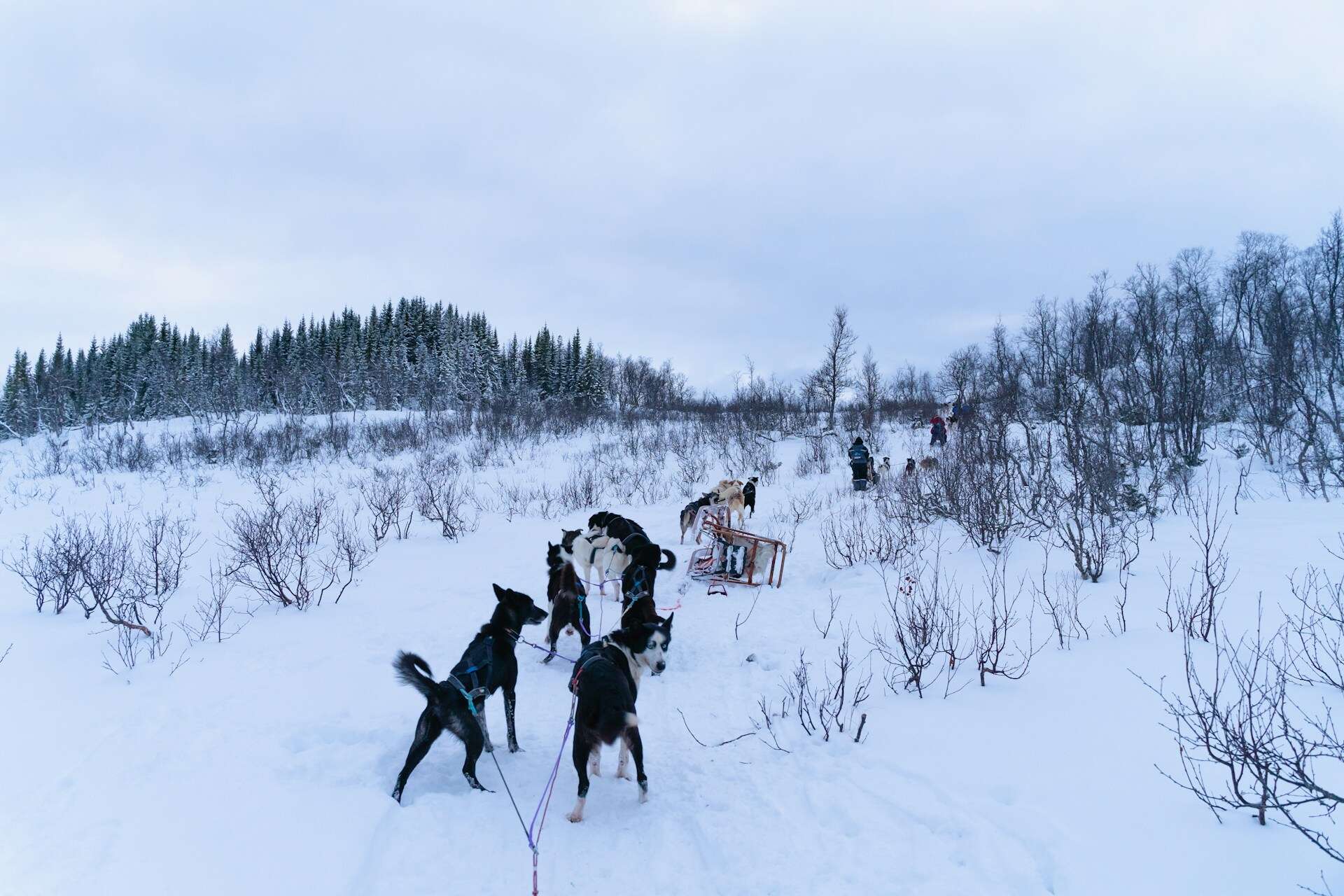
Don't Miss: Dog sledding or whale watching for a unique Arctic experience.

What to See and Do on a Fjords Cruise

Kayaking Nærøyfjord (photo: Max van den Oetelaar).
Kayaking Nærøyfjord (photo: Max van den Oetelaar)

Scenic Cruising

Highlights of a Norwegian fjords cruise include witnessing sheer cliffs rise dramatically from the water, cascading waterfalls, and remote villages from the deck, all of which are unforgettable experiences.

Wildlife Spotting

Norway's fjords are teeming with wildlife. Look for seals, porpoises, and even orcas in the waters. Bird enthusiasts will delight in spotting puffins, sea eagles, and other seabirds.

Local Cuisine

Sampling local cuisine is a must. Indulge in fresh seafood, including smoked salmon and king crab, or try traditional dishes like rakfisk (fermented fish) and lefse (a soft Norwegian flatbread).

Why Choose Ponant for Your Norwegian Fjords Cruise

When it comes to luxury and exploration, Ponant offers an experience like no other. Here's why you should choose Ponant for your Norwegian fjords adventure.

1. Smaller Ships

Ponant's smaller ships allow for a more intimate and luxurious experience. They visit ports and hidden spots inaccessible to larger vessels. You'll enjoy more personalized service and less crowded spaces with fewer passengers.

2. Sustainable Cruising

Ponant is committed to sustainable travel. Their ships are equipped with advanced eco-friendly technology, ensuring minimal impact on the pristine Norwegian environment.

3. Expert-Led Excursions

Ponant's expert guides lead exclusive excursions, offering insights into Norway's culture, history, and wildlife. Whether it's a guided hike, a cultural visit to a local village, or a wildlife safari, these experiences will enrich your journey.

4. Luxurious Accommodations and Amenities

Ponant ships provide five-star accommodations, gourmet dining, and spa facilities. After a day of exploring the fjords, you'll unwind in style and comfort.

5. Unique Itineraries

Ponant's carefully curated itineraries ensure you visit iconic sites and off-the-beaten-path destinations. Every cruise is designed to showcase the best Norwegian fjords while offering unique experiences tailored to your interests.

Wrapping Up

A cruise through the Norwegian fjords with Ponant is more than a vacation-it's a once-in-a-lifetime journey combining natural beauty, cultural discovery, and luxurious comfort. Every moment stands to be memorable, whether you're marveling at the pretty landscapes, exploring historic towns, or enjoying gourmet dining aboard a Ponant ship.

Embark on the best Norwegian fjords cruise with Ponant to experience adventure, relaxation, and luxury. Start planning your journey today, and let the wonders of Norway's fjords captivate your soul.

_____

This story is brought to you in partnership with Ponant.

The Best December Travel Destinations (And Why You Should Consider Winter Trips)

From ice skating beneath the iconic Rockefeller Center tree in New York City to soaking up summer sunshine on Australia's beaches, December offers a wide range of travel opportunities. With quieter attractions, festive celebrations, and appealing deals, it's the perfect month to plan a getaway-whether you dream of snowy landscapes or warm, sunny shores.

Rockefeller Center is a popular December travel destination in the United States (photo: Kaydn Ito).
Ice skaters at Rockefeller Center (photo: Kaydn Ito)

Table of Contents

  • Benefits of Winter Travel
    • 1. Traveling in winter can help you avoid crowds.
    • 2. The best places to travel to in December have seasonal experiences.
    • 3. The weather can be ideal.
    • 4. Prices are often lower when traveling in winter.

Benefits of Winter Travel

1. Traveling in winter can help you avoid crowds.

One of the biggest perks of traveling in winter is escaping the bustling crowds that swarm trendy destinations during the summer. December is the ideal time to experience famous landmarks without the overwhelming lines and packed streets, making for a far more immersive experience.

Imagine strolling through the Louvre in Paris or visiting iconic attractions in Rome without the typical shoulder-to-shoulder crowds; it can be a completely different, almost serene experience.

Some of the best places to travel to in December are the ones you'd usually avoid during peak tourist seasons. Southeast Asia, for instance, remains an attractive choice but is far less crowded in winter than in the high-summer months.

Likewise, many U.S. National Parks, such as Yosemite and Bryce Canyon, are great to visit in winter. They are less crowded and transform into quiet winter landscapes, providing peaceful settings for hikes, photography, and snow-laden scenery. 

While Christmas and New Year's travel can be hectic with festive markets, celebrations, and shopping, outside of this period can be a good time to explore normally busy locations. This off-peak season can offer a fresh perspective on even the most iconic spots, allowing travelers to connect with these destinations in a way that's harder to achieve during summer. 

A grey wolf is spotted in a snowy Yosemite Valley (photo: Caleb Woods).
A grey wolf spotted in Yosemite Valley (photo: Caleb Woods)

2. The best places to travel to in December have seasonal experiences.

December offers a range of unforgettable seasonal experiences that make traveling in winter truly magical. Holiday markets, festive light displays, and ice skating create an atmosphere unique to this time of year. Europe is especially enchanting, with cities like Vienna, Prague, and Berlin hosting some of the most renowned Christmas markets.

These markets, brimming with handcrafted gifts, mulled wine, and traditional treats, draw visitors from all over. Each market has its own charm, transforming city squares into warm, festive hubs against the winter chill.

Across the Atlantic, New York City is an excellent holiday destination with an iconic winter experience: ice skating under the Rockefeller Center Christmas tree. This tradition combines holiday cheer with the thrill of gliding across the ice in the heart of Midtown Manhattan, all while surrounded by dazzling lights and towering skyscrapers.

Meanwhile, one of the best places to visit while backpacking in the UK is London, which takes holiday lights to another level. In December, streets like Oxford Street and Covent Garden are decorated with glowing displays that are hard to resist. These unique seasonal touches make December one of the best times to travel in winter, turning beloved destinations into festive wonderlands. 

Christmas lights, Regent Street, London (photo: Jamie Davies).
Christmas lights adorn Regent Street in London (photo: Jamie Davies)

3. The weather can be ideal.

December's destinations range from snowy retreats to tropical escapes, allowing travelers to choose between cold, cozy settings and warm, sunny paradises. If snow-capped landscapes and wintry activities are calling, places like Switzerland and Japan offer skiing, hot springs, and picturesque mountain villages. There's nothing quite like watching the snowfall over a quiet town or enjoying après-ski by a roaring fire.

For those seeking sunshine, December is an ideal time to visit Egypt as it's more comfortable in winter with cooler temperatures that make visiting ancient sites like the pyramids far more enjoyable than in the scorching summer heat. Similarly, Southeast Asia and the Caribbean provide a comfortable, mild climate with low rainfall, perfect for exploring without the summer crowds. 

If you're set on backpacking around Thailand, the cool season between November and February typically means milder temperatures and less rainfall after the previous wet season. Alternatively, Australia starts its summer season in December, when beach weather and outdoor activities are in full swing.

Long tail boats on Koh Phi Phi, a popular December travel destination (photo: Frankie Spontelli).
Long tail boats on Koh Phi Phi, Thailand (photo: Frankie Spontelli)

4. Prices are often lower when traveling in winter.

Summer is often a peak travel time, but December provides an off-peak alternative that can be easier on the wallet. Early December, in particular, offers more budget-friendly options, as airlines, hotels, and tours tend to lower their prices to attract visitors before the major holiday rush.

Europe is an excellent example of this price advantage. Cities like Madrid and Budapest tend to have lower accommodation rates in early December than in summer, making it a fantastic time for backpackers to explore famous sites without breaking the bank.

Similarly, winter falls outside the peak tourist season in Southeast Asia, so popular backpacking spots in Vietnam or Indonesia can be more affordable, with fewer crowds and lower accommodation costs.

In South America, Peru and Colombia are also excellent places for budget-conscious travelers and backpackers to travel in the winter. December brings milder weather, lower rainfall, and more competitive prices for tours and lodging, allowing for a cost-effective adventure. However, prices can spike over Christmas and New Year, so for the best deals, aim to book before or after these dates.

If you're thinking about traveling in winter this year, the season opens the door to unique, crowd-free adventures that summer can't match. From festive markets to warm beaches, December offers a world of contrasts perfect for any traveler.

_____

This story is brought to you in partnership with Brightsun Travel.

Fort Lauderdale Hotel Guide: Where to Stay and Play

Who wouldn't want to check out a place many people call the Venice of the U.S.? Whether you're staying at a Fort Lauderdale hotel or just visiting, the city delivers sunny beaches, scenic canals, and a nightlife scene that thrives well after sundown. From yacht soirées to laid-back beach bars, there's a spot here for every evening adventure.

Fort Lauderdale beach (photo: Pixabay).
Fort Lauderdale beach (photo: Pixabay)

Now, staying overnight in Fort Lauderdale is about more than having somewhere comfortable to sleep. It's about finding the perfect place that suits your style and budget. This city is packed with a diverse range of hotels, from luxe resorts with ocean views to budget-friendly backpacker hostels right near the action. Whatever your preference, Fort Lauderdale has you covered. 

If you're ready for a night (or three) of unforgettable fun, let's get into where to stay and play in Fort Lauderdale.

Table of Contents

  • Where to Stay
    • For the Luxe Beach Babe
    • For The Chic City Lover 
    • For Budget-Conscious Backpackers
  • Where To Play
    • Elbo Room
    • Sway Nightclub
    • America's Backyard
  • Final Thoughts

Where to Stay

Fort Lauderdale has hotel accommodations for every style and budget. Here are our top picks for your stay.

For the Luxe Beach Babe

If you're after a bougie experience where no expense is spared, opt for the Four Seasons Hotel & Residences Fort Lauderdale. As the city's first-ever AAA Five Diamond award winner, this place is all about luxury and stellar service. Lounge by the two sundeck pools with ocean views, or settle in on the beach with your own chic cabana.

When it's time to relax and recover after dancing the night away, the spa has you covered, offering everything from medical-grade facials to the signature 'Ebb & Flow' massage. Later, when you're ready to pregame again, the glamorous Honey Fitz lounge serves up wine and Champagne in style. Then, dine at Evelyn's, where Chef Brandon Salomon whips up Eastern Mediterranean dishes with a creative flair.

Other high-end beach stays we recommend include Conrad Fort Lauderdale Beach, the pet-friendly W Fort Lauderdale, or The Ritz-Carlton.

For The Chic City Lover 

If your idea of the perfect getaway involves late city nights, the Hyatt Centric Las Olas is your hotel. Right in the heart of Downtown Fort Lauderdale, this sleek boutique venue puts you steps away from Las Olas Boulevard's best bars, the Riverwalk, and more cool cultural spots than you can count. Rooms come with serious perks, too, like balconies with cityscape views or front-row seats to yacht-watching on the New River (plus, that golden-hour sunset is amazing for some pre-night Insta pics).

The Hyatt knows how to keep things interesting. There's a rooftop pool and bar, ELEV8, where you can sip cocktails with skyline views, and a Champagne vending machine in the lobby for all your bubbly needs. And if you're in the mood for something a little exclusive, try to get the password for Room 901, a guest room turned sultry speakeasy.

If you're looking for a place to stay in Fort Lauderdale that's still chic but a little more affordable, we recommend The Riverside Hotel. It's a highly rated option that won't break the bank, allowing you to enjoy your stay without worrying about your budget.

For Budget-Conscious Backpackers

Got your sights set on saving some cash for a night out? We feel you! Sheridan Hostel is the spot to crash close to all the fun without emptying your wallet. Nestled near Dania Beach, this chill hangout is great for party animals who still want a comfy (and quiet) place to crash later.

The friendly outdoor area is ideal for mingling with fellow travelers, making it super easy to meet new pals before heading out for the night. When it's time to kick back, you're just a quick walk from the beach for sun-soaked relaxation. With free Wi-Fi and cozy dorms, Sheridan has all the essentials for a budget-friendly, hassle-free stay.

Where To Play

Ready to dance, drink, and make some unforgettable memories? Here are some of the best places to let loose.

Elbo Room

Located at the intersection of Las Olas Boulevard and A1A, the Elbo Room is a legendary hotspot that's been a party staple for ages. With fantastic drink deals (hello, cheap beer!) and a vibe that screams fun, it's the perfect place to kick off your night after a day on the beach. Open daily from 10:00 am. to 3 am at 241 S. Fort Lauderdale Beach Blvd.

Sway Nightclub

Sway Nightclub in the buzzing Himarshee District brings together singles, groups, and partygoers ready to turn up the energy. With doors opening at 10 pm and the party rocking until 4 am, Sway offers plenty of drink deals and ample space for dancing. Grab a table with your friends and enjoy the glamorous VIP sections if you want a more upscale evening. 

America's Backyard

For an unforgettable party, make your way to America's Backyard. It's the ultimate and most epic cookout atmosphere of the year. This expansive 15,000-square-foot venue lets you hula hoop by the bar while dancing to your favorite DJs who spin until 4 am! They pride themselves on being the ultimate hangout spot where you can kick back and relax with friends or meet new ones. Enjoy their ice-cold beers, refreshing spritzes, and signature cocktails, all crafted to keep the good times rolling.

Final Thoughts

Boating in Fort Lauderdale (photo: Michelle Raponi).
Boating in Fort Lauderdale (photo: Michelle Raponi)

So there you have it-our complete rundown of the best spots to stay and play in Fort Lauderdale.

Now, not to be a total buzzkill, but let's quickly chat about some safe international travel tips. After all, you want your memories to be about good times, not bad surprises!

  1. Stick to well-lit, popular areas after dark: It's tempting to wander into quieter streets for a more local experience. However, it's best to keep your adventures in the bustling parts of town where the crowd (and safety) are in numbers. 
  2. Keep an eye on your belongings: Trust us, it's all too easy to get caught up in the moment and forget about that phone or wallet. Use a crossbody bag or a money belt to keep your valuables close and out of sight. Be mindful of pickpockets, especially in crowded areas.
  3. Always have a solid plan for getting back to your hotel. Before you hit the town, be savvy and familiarize yourself with local transportation options. Whether it's a reliable rideshare app, public transport schedules, or even a map for walking back, knowing how to get home can save you from unnecessary stress. 

By following these tips, you can enjoy all the amazing nightlife Fort Lauderdale has to offer while staying smart and safe. So grab that cocktail, hit the dance floor, and make those unforgettable memories-just do it wisely!

_____

This story is brought to you in partnership with Skyscanner.

The 5 Things I Learned Climbing Chimborazo, Ecuador's Highest Peak

Chimborazo's snow-capped peak under a clear sky.
Chimborazo as seen from basecamp

Table of Contents

  • What It's Like To Climb Chimborazo
    • The Snow Line
    • A Steep Climb
    • Chimborazo Summit Push
  • What I Learned Climbing Chimborazo
    • 1. High Altitude Is No Joke; Sleeping at High Altitude Is Even Worse
    • 2. Locals Are the Way to Go - Avoid Tour Companies
    • 3. It's Not Whether You're Afraid, It's How You Respond
    • 4. Don't Worry About Getting All the Way - Just Move Another Ten Steps
    • 5. Accept That You Won't Be Comfortable - Embrace the Discomfort
  • Conclusion

What It's Like To Climb Chimborazo

It's 10 pm, I'm at 15,912 feet (4,850 meters) at base camp, facing a Chimborazo climb, and I can't sleep. High altitudes tend to do that. I lay there, feeling the panic that little oxygen brings, and am writing a death note to my family.

Is it a little dramatic? Probably. But I'm also about to go up to 20,547 feet (6,263 meters) above sea level, and I'm anxiously reading blogs about the experience, which sounds terrifying. I'm not sure why I'm doing it.

At 11 pm, we suit up. I shove my crampons and mountaineering boots into my bag, grab some water and snacks, and look at my guide, Frank, a local man of 50 who has probably been up and down this mountain a hundred times.

We begin our trek with a two-hour hike up rocky terrain. I tell Frank that I can go faster, but he's adamant. "This is the pace until we reach the top."

An hour in, I understand why. I am gasping for breath and feeling slightly dizzy. He's not breaking a sweat.

The Snow Line

Two hours in, we hit snow. We sit down, and I switch my hiking boots for a pair of mountaineering boots. I strap on my crampons and take out my ice axe. I feel the chill even after just a few minutes of not moving.

The wind is howling over the mountain. We begin to walk on ice, and the first thing we hit is a little ice bridge, about two feet wide, with a sheer rock wall on one side and a steep, 80-degree icy slope on the other.

I am not really afraid of heights, but this terrifies me. I'm roped up to Frank, but I can't help thinking that my 190-pound frame would drag this 130-pound Ecuadorian man with me if I fell. "Don't fall," I think, but I feel myself trembling.

A Steep Climb

The next six hours are a brutal climb up icy switchbacks along a 70-degree slope. This mountain isn't "technical," but I feel unprepared for the severity of the conditions and climb. It's testing everything I have.

I keep looking up the slope, as far as I can see, to see where the other climbing groups are. All I can see are the faint lights of headlamps far up the mountain. No matter how much I climb, they stay just as far away. It feels endless.

Icy ridge with a clear blue sky.
A glacial ridge

My chest aches, my stomach feels nauseous, and I am scared. Scared of falling, scared of dying, scared of failing, scared of hurting. I tell myself I will walk 20 steps and then briefly stop to breathe. I keep this pace for hours.

All the while, Frank tells me to hurry up. He doesn't really need to tell me this since stopping is not an option. Just a brief minute stop chills me to my bones.

I barely have enough energy to adjust the hood on my head, let alone take off my backpack and get some food. So I went the entire climb without eating or drinking.

Periodically, I check my phone to see our elevation: 16,000 feet, 17,000 feet, 18,000 feet. At 18,500 feet, it's 3 am, and part of me wants to quit.

We encounter one of the other groups making a descent. We're informed that one of the climbers couldn't finish the climb and decided to turn back.

My heart sinks. Secretly, I hoped they would tell us that the mountain was inaccessible and we would need to turn back. But no, the mountain is good to go, and we keep climbing.

Chimborazo Summit Push

Finally, at around 7 am, eight hours after we began our climb, we started to reach the summit. My feet feel like lead. I can walk about ten steps before I feel like I need to vomit (which I later do on the way down).

Suddenly, we round the peak. Checkered snow meets yellow light as the sun pours over the horizon. I feel like leaping for joy and collapsing into a sob simultaneously.

Frank asks for my phone, and I begrudgingly pull my frozen hands out of my gloves and hand it to him. He snaps a few photos.

I stand for a few minutes, admiring the view from the highest point in Ecuador. It feels like looking out the window of a 747. Then, we begin the treacherous climb down.

Noam standing on the summit of Chimborazo after climbing Ecuador's tallest mountain, with the sunrise in the background.
The author, Noam, on Chimborazo's summit

What I Learned Climbing Chimborazo

Climbing Chimborazo, Ecuador's highest peak, is no small feat. Standing at 6,263 meters (20,549 feet), this inactive volcano challenges physical stamina and tests mental resilience.

As I discovered, the journey to the top is filled with highs, lows, and invaluable lessons extending beyond the mountain.

If you're considering climbing Chimborazo or want a taste of what high-altitude climbing entails, here are five important lessons I learned on this life-changing journey.

1. High Altitude Is No Joke; Sleeping at High Altitude Is Even Worse

Altitude is a game-changer, and you can't fully appreciate it until you experience it. Above 15,000 feet, breathing becomes labored, every step feels heavier, and simple tasks can leave you gasping for air.

The most shocking aspect for me was how hard it was to sleep above 15,000 feet. It feels like lucid dreaming. I kept waking up, feeling panicked. My mind was calm, but it felt like I was having a panic attack. I didn't manage to sleep at all. (Insomnia is an early symptom of altitude sickness.)

It's a reminder not to underestimate the altitude. If you ever go to these heights, please prepare your body through proper acclimatization.

2. Locals Are the Way to Go - Avoid Tour Companies

Finding a local guide rather than using a large tour company in Ecuador makes for an amazing cultural experience. I was fortunate to have a local guide, Frank, who was deeply knowledgeable about the mountain and its nuances.

He hosted me at his house for several days before the climb, and I got to meet his family and practice my Spanish. While tour companies offer flashy packages and all-inclusive deals, locals often know the terrain better and can offer a more personal experience.

I highly recommend supporting local guides and the community by choosing someone with firsthand mountaineering experience. Look for personal recommendations or ask around in nearby towns. I recommend doing a lower-stakes climb first to ensure you work well together.

Related: How To Get Ready for a High-Altitude Climb

Signpost showing directions to various mountains, including Illinizas, Corazon, Denali, and Aconcagua.
Next stop, Ecuador's highest mountain

3. It's Not Whether You're Afraid, It's How You Respond

I felt tremendous fear throughout the entire climb. What I learned is that fear is inevitable. The question is whether you can stay relaxed and present through the fear.

It comes down to being willing to experience fear as fully as possible. Breathe deeply and allow the fear to penetrate every part of your body. Relax your shoulders and focus on the next step.

4. Don't Worry About Getting All the Way - Just Move Another Ten Steps

One of my biggest takeaways was learning to focus on the next few steps rather than the entire summit. At that altitude, looking up at the peak feels overwhelming and exhausting.

Breaking the climb into small, manageable goals helped me stay motivated. I would focus on making it just another ten steps, then another. This approach kept me moving, even when my body wanted to stop.

Tip: Break down the climb into tiny goals. Focus on progress instead of the peak, and celebrate each small achievement along the way.

Related: Climbing Mt. Kilimanjaro

5. Accept That You Won't Be Comfortable - Embrace the Discomfort

Chimborazo isn't a comfortable climb. From the cold winds biting through your layers to the physical strain of ascending, discomfort is guaranteed.

One of my hardest lessons was realizing that the discomfort wasn't going away-it was part of the experience. The sooner I accepted it, the easier it became to push through.

Tip: Prepare mentally for discomfort, and remind yourself that it's part of the adventure. Embracing it will help you overcome it.

Conclusion

Climbing Chimborazo volcano in the Ecuadorian Andes was an adventure filled with both challenges and triumphs. Each lesson I learned on that mountain became a valuable insight into not just climbing but life itself.

Whether you're facing the daunting task of scaling Chimborazo or tackling any arduous journey, remember to take it one step at a time, embrace the discomfort, and lean into the fear. The summit may be the goal, but the journey is where the growth happens.

Veeniix V11PRO Drone: The Ultimate Gift for Travel Creators

Imagine gifting the travel creator in your life the ability to capture their adventures from a bird's-eye view. The Veeniix V11PRO drone can deliver this perspective, allowing amateur travelers to record their experiences in ways previously reserved for professional filmmakers.

According to a 2024 YouTube survey, "65% of Gen Z respondents consider themselves to be 'creators.'" And I can't say I'm surprised.

As a member of the earlier Gen Z generation, I began travel blogging in 2007 and turned it into a full-time career by 2010. Today, there's still nothing more I'd rather be doing than using my creativity to inspire others to travel.

Whether shopping for the holidays, a birthday, or treating yourself, let's consider why the Veeniix V11PRO drone is the ultimate gift for travel creators.

Table of Contents

  • Drone Features
    • Unpacking the Veeniix V11PRO
    • Camera
    • Usability
    • Flight Time
    • Long-Range Transmission
    • Safety and Compliance
  • Cost
  • Conclusion

Drone Features

Unpacking the Veeniix V11PRO

What's in the box: Veeniix V11PRO drone, remote control (phone not included), two batteries, USB charging cable, propeller holder, portable case, and user manual).
What's in the box: drone, remote control (phone not included), two batteries, USB charging cable, propeller holder, portable case, and user manual.

The Veeniix V11PRO quadcopter is designed with travelers in mind. Its compact, foldable structure fits seamlessly into a provided rigid case (included), which you can secure in your backpack or luggage. Weighing approximately 600 grams (1.32 pounds), it balances portability and durability, essential for withstanding life on the road.

Despite its small size, the drone offers Level 5 Wind Resistance, which means it can operate with wind speeds of about 19 to 24 miles per hour. While this is the upper limit, it's best reserved for experienced drone pilots as it can make flying this or any drone more challenging.

If you're new to flying drones, avoid windy conditions in favor of bright, calm days. It'll be less stressful on you as a pilot, and you'll improve the odds of returning home with excellent video footage.

Camera

Camera 8k picture 4k video.

At the heart of the V11PRO is its impressive Sony camera system. Equipped with a ½ CMOS sensor, it delivers 8K photo resolution and 4K video at 30 frames per second, ensuring your travel moments are beautifully captured.

The 3-axis gimbal camera reduces shakiness, producing smooth, professional-quality footage. A 5x digital zoom helps owners capture details on the ground. The footage is recorded directly to an SD card, making transferring files to a computer easy.

Usability

For those new to flying drones, the V11PRO offers an intuitive experience. The accompanying app provides a straightforward user interface, allowing you to easily control the drone and access various features.

Intelligent modes like Waypoint Flight and Cruise Control help you plan flight paths and maintain consistent speeds. These features enable you to capture the shots you want without complex maneuvers.

Additionally, you can edit photos and videos within the app and use one-click sharing to send your images and clips straight to social media.

Flight Time

One of the Veeniix V11PRO drone's standout features is its impressive flight time. It comes with two lithium-ion batteries, each providing up to 40 minutes of flight (80 minutes per outing).

Additional battery-specific features include:

  • Auto-discharging: If you don't use the batteries within 48 days, they'll auto-discharge for safety.
  • Real-time monitoring: If the battery gets too low, the drone will return to its takeoff point, avoiding potential crashes.
  • 2-hour fast charging (USB)

Following Veeniix's guidance regarding properly maintaining the drone's batteries can help ensure they serve you well in the long term.

Long-Range Transmission

The V11PRO drone can transmit digital video up to 6 kilometers (about 3.7 miles), letting you cover and record large areas. This range is handy for capturing vast landscapes and reaching spots that are tough to access otherwise, such as mountains, forests, and ravines.

Safety and Compliance

Flying drones safely and responsibly is vital for protecting your gear and the people around you. Again, the V11PRO has features that will help make piloting it easier.

It has a built-in Remote ID that meets FAA rules so that you can fly legally. Plus, if the signal drops or the battery gets low, the GPS auto-return feature brings the drone back to where it started.

Some best practices for pilots include:

  • Pre-flight Checks: Inspect for damage, ensure the propellers are securely attached, the batteries are fully charged, and the drone's firmware is up-to-date.
  • Location: Pick open spaces away from power lines, tall buildings, airports, and military bases. Ensure you're allowed to fly your drone there. Fly on calm, clear days. Avoid precipitation and windy weather.
  • Line of Sight: Maintain a line of sight with your drone to quickly respond to any problems.
  • Start Slowly: Learn how to control the drone skillfully at low altitudes before sending it high.
  • Protect Privacy: Do not fly over private property without permission, and be mindful of others' privacy when taking photos or videos.

Cost

At the time of publishing, the V11PRO is available on Amazon.com for $519.99 (when taking advantage of a $60 digital coupon) and boasts a 4.9 (out of 5) star rating. Overall, V11PRO owners give it high marks for image quality, ease of flight, quality of construction, and responsiveness.

Recent customer feedback from verified buyers includes Max G, who said on October 28, 2024, "I recently purchased this Veenix V11 PRO drone, and it exceeded all my expectations." A day later, Glenn shared, "...this is a good drone for beginners and more experienced pilots. It has high-end functionality along with easy-to-use controls."

Conclusion

Adding aerial shots to travel content brings a fresh perspective that grabs attention. The V11PRO camera drone captures high-res images and smooth videos, giving blog posts and social media a unique view.

Given how young people have been drawn to watching more video content online and producing it themselves, it's safe to say drones will continue to make for attractive gifts. For travel creators earning money from their work, adding drone footage can help increase their earnings.

Whether showcasing a lively city, tropical beach, or empty desert, the V11PRO can help travel creators of all ages share their stories in new ways. If you're ready to give the gift of flight, the Veeniix V11PRO drone is available on Amazon.com.

_____

This story was written and published in partnership with Ruko.

Top Five Most Haunted Cities in the United States

The United States has many destination cities, each offering unique adventures. From San Francisco to New York, Baltimore to Butte, and Albuquerque to Atlanta, they all have something to offer. But many travelers don't stop to consider what happens in these cities when the sun goes down.

Trees with Spanish moss in Savannah (photo: Ashley Knedler).
Trees with Spanish moss in Savannah (photo: Ashley Knedler)

I'm not talking about the nightlife, the bustling bars and nightclubs, the endless nights that blend into the light of the following day. But the spirits of grizzly murders and vicious betrayals that turn the day's pages into the dark night. 

These ghastly apparitions tell the story of America's finest and worst moments. Every city has them, but it is unclear how they got there (unless you know where to look). Here are the five most haunted cities in the United States. So, the next time you go out looking for the ghosts of this nation's past, beware, you may find them. 

Table of Contents

  • Haunted Cities
    • New Orleans 
    • Savannah 
    • Baltimore 
    • Boston
    • San Francisco

Haunted Cities

New Orleans 

LaLaurie Mansion in New Orleans, one of the most haunted cities in the  United States (photo by US Ghost Adventures).
LaLaurie Mansion in New Orleans (photo by US Ghost Adventures)

New Orleans is an incredible destination for those seeking a thrilling and spooky adventure. Renowned for its vibrant party scene and a rich history spanning over three centuries, it is full of hauntings around every corner.

One of the most well-known haunted places around the world is the LaLaurie Mansion, where a cruel woman brutally murdered and tortured dozens of her former enslaved people. They say her house is full of these tormented spirits and that it's even cursed. 

The French Quarter is full of fascinating haunts and stories like this one. Visit the Ursuline Nun Convent, the birthplace of North America's first vampire story, or follow the trail of the Axe Man at the Haunted Hotel.

Breathe new life into your Big Easy adventure while walking under the gas lamps of the Quarter and stop at Lafitte's Blacksmith Shop. They claim to be the oldest bar in America and are haunted by the ghost of the famous pirate Jean Lafitte!

Savannah 

Statue of Little Gracie Watson (photo by US Ghost Adventures).
Statue of Little Gracie Watson (photo by US Ghost Adventures)

Savannah is in a heated contest with New Orleans for the title of the most haunted city in the United States. There is no shortage of paranormal beauty or wonder in Savannah, and the spirits see to it. They watch over the Antebellum town with a spine-chilling gaze. 

Since 1846, the beautifully designed Bonaventure Cemetery Park has been a common meeting ground for Savannahians, both alive and dead. Victorian walkways lead under drooping Spanish moss hanging from the sturdy branches of the Live Oak trees. The ghost of Little Gracie Watson often appears alongside her delicately carved tombstone to ensure her grave's beauty stays intact. 

Baltimore 

The Horse You Come In On Saloon in Baltimore, MD (photo by US Ghost Adventures).
The Horse You Come In On Saloon in Baltimore (photo by US Ghost Adventures)

Baltimore is often overlooked, but it easily holds its value as one of the spookiest cities in America because the famous Gothic author Edgar Allan Poe once called it home.

The Horse You Rode In On Saloon was the last place he was seen alive. Now, the chandeliers of this 1775 establishment swing to and fro, and many blame the famous Victorian author. Whiskey shots are often left out for him and disappear without a trace. 

Elsewhere in Baltimore, the city's marine history bleeds through. The Admiral Fell Inn is one of the many haunted hotels across Maryland that hold on to their Naval traditions. Inside are the spirits of lone sailors, with their wallowing widows waiting for their return.

Room 413, where a grizzly murder took place, is rumored to be the most haunted in the building. Guests in this room have felt phantom hands on their shoulders and strange voices in the air. 

Related: The Best Haunted House in America

Boston

Boston Commons at night (photo by US Ghost Adventures).
Boston Commons (photo by US Ghost Adventures)

The Cradle of Liberty is a highly sought-after destination for those looking to explore the nation's foundations. Freedom Trail is one of the most sought-after adventures in this New England destination, but watch out! You may run into more than just a dressed-up Boston tour guide.

Boston Common, the oldest public park in America, has a fascinating history. It began in 1634 as a communal livestock grazing space.

Many visitors and locals share intriguing stories of unique sights and feelings, especially near the area where the majestic Great Elm, affectionately called "Boston's oldest inhabitant," used to thrive. But this nickname came with a dark story. Hangings and executions took place at this local landmark for two hundred years before it fell in the winter of 1876. 

Unsurprisingly, there are loads of ghost stories to be discovered in Boston Common. A weeping woman is said to haunt the tree that has seen anyone from Native Americans to  Pirates strung up by the neck.

San Francisco

The Curran Theatre in San Francisco, one of many haunted cities in the USA (photo by US Ghost Adventures).
The Curran Theatre in San Francisco (photo by US Ghost Adventures)

San Francisco's past and tendency to attract a strange crowd have made it a haunted destination only for the most adventurous souls. We'll count the living and dead in that category because some of the ghosts here live up to the city by the bay's bewildering reputation. 

Many visitors to San Francisco choose to spend their time in the leisurely and verdant Golden Gate Park. Perhaps they are there to see the Buffalo or the Japanese Tea Gardens. Whatever their intentions, they are lucky to avoid the lady of the lake. She haunts Stow Lake with a vengeance, forever searching for her drowned baby. 

Meanwhile, The Curran Theatre is one of the places where the strange mixes eloquently with the more illustrious side of San Franpsycho. This 1922 theater was the site of a seemingly random act of violence whose paranormal residue has seeped its way into our world in disturbing ways. The ghost of a murdered ticket taker has been seen on the streets and in the theater's mirrors.

There are many more haunted cities across the United States. The country's rebellious and often violent history lends to it. But these five are undoubtedly the places to go if you are looking for an adventure into the paranormal world.

_____

This story is brought to you in partnership with US Ghost Adventures.

The Ruko F11PRO 2: A Drone for Adventure Travelers

In 2024, capturing incredible aerial photography and 4K video is more accessible than ever. The new Ruko F11PRO 2 drone is lightweight, user-friendly, and full of high-tech capabilities. Filming your adventures from the sky, whether hiking along a rugged coastline or exploring a hidden trail, has never been easier.

If you're a backpacker, amateur photographer, or professional travel blogger (vlogger or influencer), you should check out the F11PRO 2 drone. Here's why it could be your new favorite travel gadget.

Ruko F11PRO 2

Table of Contents

  • About the Ruko F11PRO 2
    • Real-Life Uses
    • Key Features
    • What's Included
    • Video Review
    • What Customers Are Saying
    • Cost
    • Return Policy
  • How To Maximize Your Drone Experience
  • Final Thoughts

About the Ruko F11PRO 2

Real-Life Uses

Imagine hiking through a remote valley in Iceland, and with a quick setup, you send the Ruko F11PRO 2 drone soaring to capture sweeping aerial footage of the dramatic landscape below.

It's ideal for documenting hard-to-access hidden spots, giving you unique perspectives of waterfalls, mountain ridges, or secluded beaches. It's your ticket to capturing the world from a whole new angle.

For travel bloggers, the drone is an excellent tool for creating dynamic content. Whether you're vlogging about your latest hike or sharing a sunrise on Instagram, the F11PRO 2's high-resolution camera lets you capture footage that stands out.

Its long flight time and easy-to-use controls make it practical for solo travelers who want to record epic visuals without being bogged down by complicated gear.

Footage captured with the F11PRO 2

Key Features

  • High-Quality Camera: The camera and Sony lens offer 6K photo resolution and 4K videos at 30 fps, allowing you to capture breathtaking landscapes and intricate details.
  • Stability in Tough Conditions: A 3-axis brushless gimbal with ultrasonic and optical flow sensors provides smooth footage, even in harsh environments.
  • Extended Flight Time: Two batteries provide 35 minutes of flight time each and a combined 70 minutes total per outing (ideal for day-long hikes or excursions).
  • Extended Range: A 10,000-foot digital transmission range allows you to explore and capture vast areas with a first-person view (FPV).
  • Wind Resistance: Level 6 wind resistance ensures stable footage even in windy coastal areas or high-altitude adventures.
  • Night Mode: Improve performance in low-light conditions.

The "Follow Me" mode allows for easy, hands-free operation, while the "Return To Home" (RTH) feature helps ensure the drone returns to its takeoff point with the push of a button. And backpackers will appreciate the Ruko F11PRO 2's portability, as it weighs just 12.6 ounces (357 grams).

What's Included

Each Ruko F11PRO 2 drone comes with two batteries, a rechargeable remote control, a carrying case, and accessories (charging cable, extra blades, screws, a screwdriver, and a user manual).

Video Review

Check out the video below for a hands-on review of Ruku's new F11PRO 2 drone and to see the video quality you can expect. Make sure you're watching at 2,160p for 4K quality video.

What Customers Are Saying

"The Ruko F11PRO 2 Drone is a remarkable piece of technology, and so far, I love everything about it." -- Kenny J Kim, Amazon Verified Purchase

"I recently just started flying drones. My first purchase was a Ruko F11GIM2 a few months ago. I loved it so much, and the customer service from the company was so amazing that I wanted to purchase another Ruko. When I heard that the new F11PRO2 was being released on the market, I had to have it. Definitely a 5 star purchase. If I could give it 10 stars, I would!" -- Adam G, Amazon Verified Purchase

Cost

The Ruko F11PRO 2 costs $459.99, whether ordered from Amazon or directly via the company's website. At this price point, it offers a good balance of features and affordability. The drone's high-end capabilities, typically in more expensive models, make it a solid choice for those seeking premium performance without a hefty price tag.

Return Policy

Ruko offers a 15-day return policy and a 30-day window for exchanges. All of their policies are outlined on the Ruko website.

How To Maximize Your Drone Experience

Planning and being mindful of a few factors is essential to get the most out of your Ruko F11PRO 2 while traveling.

First, always check the local drone regulations at your destination. Some countries and regions have strict rules about where and how you can fly a drone, so doing a little research before you go can save you a lot of hassle (such as fines and the potential confiscation of your drone).

Regarding battery management, ensure you're prepared for long days by charging both batteries in advance. Since the F11PRO 2 offers 70 minutes of flight time, you'll have plenty of opportunities to capture sensational footage, but you'll want to keep a power bank handy in case you need to recharge while on the move.

Also, remember to store batteries safely in your carry-on bag when flying, as most airlines have specific rules for lithium batteries (i.e., they're not allowed in checked luggage).

Lastly, be aware of the weather. While the F11PRO 2 handles windy conditions well, it's always a good idea to check the forecast before flying. Rain, snow, or extreme cold can affect performance, and windy days, while manageable, require extra caution.

Planning your drone flights for sunny days in open areas will ensure the best lighting and smoothest footage.

Final Thoughts

The Ruko F11PRO 2 drone is a versatile, affordable option for adventure travelers and bloggers looking to capture aerial footage easily. Its portability, long flight time, and high-quality camera make it a worthy companion for your next trip.

Whether documenting a multi-day trek, vlogging from a mountain yurt, or exploring new angles, this drone delivers professional-level results without breaking the bank. With some preparation and practice, you'll be ready to take your travel photography and video-making to the next level.

To learn more about the Ruko F11PRO 2 drone and read verified customer views, visit Amazon.com.

_____

This story was written and published in partnership with Ruko.

Dreaming of a Holiday Home in Portugal? Here’s What You Need to Know

It's no surprise that more people are considering purchasing property in this beautiful country. Whether you plan to use it for personal vacations, rental income, or both, understanding the essentials of buying property in Portugal is crucial.

Sao Rafael Beach area in Albufeira, Portugal (photo: Frederico Ferreira, Unsplash).
Albufeira (photo: Frederico Ferreira)

Table of Contents

  • Why Choose Portugal?
  • Where Are Expats Moving to in Portugal?
    • Lisbon
    • Porto
    • The Algarve
    • Setúbal and Cascais
    • Madeira
  • Understanding the Property Market: Key Steps to Buying a Holiday Home
    • 1. Research the Market
    • 2. Set Your Budget
    • 3. Understand the Legalities
    • 4. Consider Financing Options
    • 5. Inspect the Property
    • 6. Make an Offer
    • Complete the Purchase
  • Renting Your Holiday Home
    • Key Considerations for Rentals
  • Portugal Awaits

Why Choose Portugal?

Portugal stands out with its captivating history, varied scenery, and affordable cost of living, making it an appealing choice compared to much of Western Europe. The country's hospitable climate-especially in regions like the Algarve and Lisbon-and its stunning coastlines and lush countryside make it an ideal place for a holiday home. Additionally, Portugal has a growing expat community, making it easier for newcomers to settle in and feel at home.

Where Are Expats Moving to in Portugal?

Expats in Portugal are drawn to various regions, each offering a unique lifestyle. We've highlighted the most popular cities and areas below.

Lisbon

Lisbon, the capital city, is a top choice for expats due to its lively atmosphere, job opportunities, and rich cultural scene. Neighborhoods like Alfama, Bairro Alto, and Chiado blend historic charm with modern amenities, making them popular among newcomers.

Porto

A beautiful day in Porto, Portugal (photo: Evan Verni).
Beautiful Porto (photo: Evan Verni)

Porto is perfect for those seeking a more relaxed, affordable lifestyle. Known for its stunning architecture and riverside views, the city offers a mix of history and a laid-back vibe. It's especially popular for those interested in wine, with the famous port wine cellars along the Douro River.

The Algarve

For sun-seekers and retirees, the Algarve region boasts some of the most picturesque beaches in Europe. Towns like Lagos, Tavira, and Albufeira are expat-friendly and known for their relaxed pace of life and vibrant communities.

Setúbal and Cascais

Just outside Lisbon, these coastal towns offer a balanced lifestyle between city living and beachside tranquility. They are becoming increasingly popular due to their proximity to the capital while providing a more peaceful, scenic environment.

Madeira

Bathers at Doca Do Cavacas Natural Pools in Funchal, Portugal (photo: Mick Kirchman).
Doca Do Cavacas Natural Pools in Funchal (photo: Mick Kirchman)

The stunning archipelago of Madeira is gaining popularity among expats for its breathtaking landscapes, mild climate, and friendly atmosphere. Madeira, often called the "Pearl of the Atlantic," boasts stunning natural landscapes and offers a range of outdoor adventures, from whale watching and hiking to wandering through vibrant gardens.

Funchal, the capital, provides a lively cultural scene and a welcoming community, making it an attractive option for those seeking adventure and tranquility.

Understanding the Property Market: Key Steps to Buying a Holiday Home

Colorful houses in Lisboa, a popular city for buying property in Portugal (photo: Hugo Sousa).
Colorful houses in Lisboa (photo: Hugo Sousa)

1. Research the Market

Empower yourself by conducting thorough research on different regions of Portugal before making any decisions. Consider factors such as proximity to amenities, climate, and the type of lifestyle you desire. Online property platforms, local real estate agents, and expat forums can provide valuable insights.

2. Set Your Budget

Determine your budget, factoring in extra costs such as property taxes, maintenance, and potential renovation expenses.

In Portugal, consider:

  • Property Transfer Tax (IMT): The amount varies depending on the property price and location.
  • Notary and Registration Fees: These are necessary to finalize your purchase.
  • Legal Fees: It's a good idea to hire a lawyer to help guide you through the buying process.

3. Understand the Legalities

Handling the legalities of buying property in Portugal can be challenging.

Essentials include:

  • NIF (Número de Identificação Fiscal): This tax identification number is required for any financial transaction in Portugal, including buying property.
  • Due Diligence: Conduct comprehensive checks on the property, including ownership verification and checking for any debts or liens.

4. Consider Financing Options

If you need a mortgage, look into local banks and financial institutions that provide loans for foreign buyers. Many lenders have specific products for expats, but it's crucial to understand the terms and conditions, including interest rates and repayment periods.

5. Inspect the Property

Ensure peace of mind by always visiting the property and conducting a thorough inspection before finalizing the purchase. Check for any repairs needed, the condition of the infrastructure, and the overall environment. If possible, arrange for a professional inspection.

6. Make an Offer

After finding your ideal property, submit a formal offer. This usually includes signing a promissory contract (Contrato de Promessa de Compra e Venda) and providing a deposit.

Complete the Purchase

After agreeing on the terms, you'll need to sign the final deed of sale (Escritura) in the presence of a notary. Ensure all documentation is in order before finalizing the sale.

Renting Your Holiday Home

If you plan to rent out your holiday home, familiarize yourself with the local laws regarding short-term rentals. Many cities have specific regulations and licensing requirements. Register your property with local authorities to operate legally and avoid fines.

Key Considerations for Rentals

  • Property Management: Consider hiring a property management company to manage bookings, maintenance, and guest services on your behalf.
  • Marketing: Use platforms like Airbnb, Booking.com, or local vacation rental sites to attract guests.
  • Insurance: Obtain adequate insurance coverage for rental properties to protect against damages and liability.

For more detailed information about buying a holiday home in Portugal, please see the complete guide.

Portugal Awaits

Buying a holiday home in Portugal can be a rewarding investment, whether for personal use or as a rental property. Understanding the market and following the necessary steps allows you to navigate the purchasing process smoothly. Take your time to research and consult with professionals to make informed decisions, ensuring your Portuguese getaway becomes a cherished part of your life. Enjoy your journey!

_____

This story was published in partnership with Fresh Portugal.

Thermal Treasures: Discover Italy's Unmissable Hot Springs

Italy is renowned for its historical landmarks, artistic heritage, and incredible cuisine. Yet another hidden attraction often goes unnoticed by travelers: its hot springs. From the hills of Tuscany to the volcanic regions near Rome, Italy offers a variety of thermal baths that have been attracting visitors for centuries.

Italy's hot springs are a must-visit if you're looking for a relaxing retreat with some history and nature. Whether traveling by the convenient Rome to Florence train or exploring southern Italy, these thermal treasures are not to be missed.

Table of Contents

  • Italy's Hot Springs
    • Saturnia: A Tuscan Oasis
    • Bagno Vignoni: Thermal Baths with a View
    • Ischia: A Volcanic Island Retreat
    • Cascate del Mulino: Natural Beauty Near Rome
    • Bagni San Filippo: A Hidden Gem in the Tuscan Hills
    • Petriolo: Where History and Nature Meet
  • Practical Tips for Visiting Italy's Hot Springs
  • Conclusion

Italy's Hot Springs

Saturnia: A Tuscan Oasis

Natural hot springs at Saturnia in Italy  (photo: Sheila C, Unsplash).
Natural pools at Saturnia (photo: Sheila C)

Tucked away in the heart of Tuscany, Saturnia is arguably one of Italy's most famous hot springs. Known for its cascading thermal waterfalls, the natural pools of Saturnia offer a unique experience. The water, rich in minerals like sulfur, flows at a comfortable 99.5 F (37.5 C), providing relaxation and therapeutic benefits. Saturnia is a must-visit for anyone exploring Tuscany and is a short drive from cities like Grosseto and Siena.

While Saturnia is free to visit, it can get busy, especially during peak tourist seasons. For a more exclusive experience, consider the nearby Terme di Saturnia Spa. This spa offers luxury treatments and a more controlled environment, perfect for those seeking privacy and additional pampering.

Bagno Vignoni: Thermal Baths with a View

Swimming pools at Adler Spa Resorts Lodges in Tuscany (photo: Meg von Haartman, Unsplash).
Pools at Adler Spa Resorts in Tuscany (photo: Meg von Haartman)

Another hotspot in Tuscany is Bagno Vignoni. Unlike most hot springs, Bagno Vignoni is set in a quaint medieval village, where the main square is a thermal pool. This town has been a popular spa destination since Roman times, with famous visitors like Pope Pius II and Lorenzo de' Medici coming to enjoy its healing waters.

Though the main square pool is no longer accessible for bathing, you can still soak in the thermal waters at nearby spas, which offer stunning views of the Val d'Orcia countryside.

Bagno Vignoni is perfect for a day trip if you're exploring Tuscany, especially if you're interested in combining a bit of history with relaxation. Afterward, you can wander through the village, enjoying the charm of its ancient streets and sampling local Tuscan wines.

Ischia: A Volcanic Island Retreat

Bathers enjoy thermal waters in Ischia (photo: Arno Senoner, Unsplash).
Bathers enjoy a thermal park in Ischia (photo: Arno Senoner)

Moving southward, Ischia is a volcanic island in the Bay of Naples, known for its thermal parks and natural hot springs. The island is home to several thermal bath complexes, such as Poseidon Gardens and Negombo, which offer stunning seaside views alongside their healing thermal pools. With waters rich in minerals like bromine and iodine, Ischia's hot springs are renowned for their rejuvenating effects on the skin and respiratory system.

If you're traveling through southern Italy, Ischia is a must-visit for those seeking an all-encompassing wellness retreat. After a day of soaking in the hot springs, you can explore the island's beautiful beaches, picturesque towns, and the impressive Aragonese Castle.

Cascate del Mulino: Natural Beauty Near Rome

One of the most accessible hot springs from the Italian capital is the Cascate del Mulino. It is located near Saturnia but is often overshadowed by its more famous neighbor.

This natural site features stunning cascades that flow into a series of limestone pools, creating a breathtaking setting for relaxation. The water here is slightly cooler than Saturnia's but still offers many of the same mineral benefits.

For those visiting from Rome, it's an easy trip to combine with other regional attractions. You could easily take the Naples to Rome train and then explore the region, heading towards Tuscany for a soak in Cascate del Mulino's healing waters.

Bagni San Filippo: A Hidden Gem in the Tuscan Hills

Hot springs at Bagni San Filippo, Italy  (photo: Roby Allario, Unsplash).
Hot springs at Bagni San Filippo (photo: Roby Allario)

Bagni San Filippo is located in southern Tuscany and offers a more secluded and intimate thermal experience. Known for its striking white limestone formations, known as "The White Whale," these hot springs are hidden deep in a forested area, giving them a truly magical, off-the-beaten-path vibe. The thermal waters here are cooler but still provide plenty of health benefits, particularly for the skin and joints.

Bagni San Filippo is an excellent choice for those who want to escape the more popular tourist spots and immerse themselves in nature. After your soak, consider taking a short hike to explore the surrounding woodland.

Petriolo: Where History and Nature Meet

Another well-kept secret in Tuscany is Petriolo, which dates back to Roman times. The ancient baths of Petriolo offer a blend of historical ruins and natural beauty, with the hot springs along the Farma River.

These springs are rich in sulfur and are known for their anti-inflammatory and healing properties. They are a popular destination for those looking to improve their well-being.

Petriolo remains a quieter option compared to the more well-known springs, and its proximity to Siena makes it an ideal stop for those exploring the Tuscan countryside. Be sure to visit the ancient ruins that dot the area, as they provide a unique insight into the historical significance of these hot springs.

Practical Tips for Visiting Italy's Hot Springs

Cascate Del Mulino Di Saturnia (photo: Ulf Meyer, Unsplash).
Cascate Del Mulino Di Saturnia (photo: Ulf Meyer)

Italy's hot springs are easily accessible by car, but many are also reachable by train, especially if you're exploring the country's more famous regions like Tuscany and Lazio. Train routes can quickly get you to areas where these thermal wonders are located.

Renting a car or joining a local tour can then make it easier to reach some of the more remote springs, particularly those in the Tuscan countryside.

When visiting these natural wonders, remember to bring a towel, swimwear, and a change of clothes, as many outdoor springs don't offer changing facilities. Also, it's best to visit early in the morning or late in the evening to avoid crowds and enjoy a more peaceful experience.

Conclusion

Italy's hot springs are often overlooked, yet they offer a perfect blend of relaxation and connection to the country's rich history and natural landscapes. From the soothing pools of Saturnia to the volcanic springs of Ischia, these thermal spots provide a peaceful escape from daily life. Whether soaking in Tuscany's night skies or unwinding in Ischia's thermal parks, Italy's hot springs offer a unique experience worth exploring.

_____

This story is published in partnership with High Speed Trains.

Discovering Orongo, Home to the Birdman Cult of Easter Island

Easter Island is famous for its moai, which the Rapa Nui people carved from the volcanic rock of the Rano Raraku crater. However, visitors to Easter Island will also discover an equally captivating story at Orongo, a ceremonial village on the southern slopes of another volcano, Rano Kau.

Built on the crater's edge, above towering cliffs, the stone village offered members of the Birdman cult (tangata manu) a commanding 360-degree view of the crater lake and Pacific Ocean. Three islets visible from Orongo played a prominent role in the cult's most important ritual.

Photographing Orongo structures
Touring the village of Orongo

Orongo village is in Rapa Nui National Park, a UNESCO World Heritage Site. Therefore, all visitors must purchase and carry their park pass to enter. You must have a licensed guide, and like Rano Raraku, you may only visit Orongo once during your stay on Easter Island.

Here, I'll share our experience visiting Rano Kau and Orongo as part of a half-day guided tour. You'll learn about the origins of Orongo, the Birdman cult, and their annual death-defying competitions to choose new leaders. You'll also discover why the cult and its rituals disappeared from Easter Island.

Rano Kau Volcano

Rano Kau crater lake
Inside Rano Kau

Let's begin with the 1,063-foot-tall Rano Kau Volcano, situated along the southern coast of Easter Island-the youngest rocks at this extinct volcano date from about 150,000 to 210,000 years ago.

Visitors can marvel at the freshwater lake and marsh in the caldera and snap epic photos from a lookout point along the road to Orongo's visitor center. At the southernmost edge of the volcano, you can see how the Pacific Ocean is slowly eating away at the crater, causing the walls to crumble.

Dave and Kel atop the Rano Kau crater on Easter Island in Chile.
Dave and Kel at Rano Kau

From the lookout and in the photo below, you can pinpoint the village of Orongo, where the horizon over the ocean meets the crater's rim. Rano Kau's interior slopes range from 45 to 65 degrees.

Interior slopes of the Rano Kau crater.
Interior slopes of the volcano

The crater contains obsidian, a hard black volcanic glass used by the Rapa Nui stoneworkers to carve the moai statues at Rano Raraku Volcano at the northeastern end of Easter Island.

In addition to seeing the crater, the lookout at Rano Kau offers an excellent view north of Mataveri International Airport, the town of Hanga Roa, and Mount Terevaka, Easter Island's tallest volcano (1,664 feet).

You do not need a guide to see the crater. You can drive up if you have a rental car on Easter Island. Other options include cycling or hiking. We spent about 25 minutes here during our small group tour before continuing to Orongo at the southwestern edge of the crater.

Orongo Ceremonial Village

Orongo stone buildings
Buildings on the edge of Rano Kau
Ceremonial village of Orongo on Rapa Nui.
A walking path through the village of Orongo

After the era of moai carving ended, the Rapa Nui people built and occupied the village of Orongo from the 18th to the mid-19th century.

Fifty-three elliptical stone houses were constructed on the outer slopes of Rano Kau above one-thousand-foot cliffs. Unlike the porous volcanic rocks used to carve the monumental moai, heavier, flat stones were used to build the village.

The choice of rock and low-profile design gave the structures a sturdy presence and protected them from the strong winds on the crater's exposed slopes. Sod roofs provided natural insulation, keeping the interiors cool, while the absence of windows further helped regulate the temperature.

Round stone buildings.
Ceremonial houses
Entrance to a stone house.
Each building has a single small entrance.

Birdman Cult

Orongo was the ceremonial center for the Birdman cult of Easter Island, which emerged in the 16th century as a significant religious and political tradition, replacing the island's earlier focus on constructing moai statues.

Rooted in the worship of Makemake, the god of fertility and creation, the cult centered around an annual competition to determine the next "Tangata Manu" or Birdman.

The competition involved tribal representatives racing to retrieve the first egg laid by the sooty tern bird (manutara) on nearby Motu Nui, the largest of three islets south of Easter Island.

It may not look like much from the surface, but Motu Nui is the summit of a volcano rising about 6,500 feet from the sea floor. The sooty tern is a common migratory seabird that returns to land to breed and lay eggs. It's found in equatorial areas.

Three islets off the south coast of Easter Island, as seen from the village of Orongo.
Three small islands, as seen from Orongo
Motu Nui is the largest of the three islets, followed by Motu Iti (middle) and Motu Kao Kao.

The Birdman competition was a dangerous, life-or-death race. Some men fell to their deaths while scrambling down steep cliffs to reach the ocean. Once in the water, others faced the threat of shark attacks or drowned from sheer exhaustion.

Watch the Kevin Costner-produced movie Rapa Nui (Amazon Prime) to get a feel for this race's extreme difficulty and intensity.

The individual who successfully returned with the egg (by swimming back and scaling the cliffs) secured immense power and prestige for their group. At the same time, the Tangata Manu held a position of spiritual authority for the following year.

Central to the Birdman cult were beliefs in divine intervention and the cyclical renewal of life, symbolized by the birds and their eggs. The cult's ceremonies also reinforced the social hierarchy, with tribal leaders vying for control over resources and influence. 

Many petroglyphs depicting the Birdman cult's iconography were carved at Orongo, but unfortunately, many such priceless artifacts were removed during archaeology surveys.

The End of Orongo

Kel at Orongo.
Kel at Orongo

By the mid-1800s, Europeans had discovered Easter Island and brought with them diseases, which killed off many of the Indigenous people. Peruvians had also begun traveling to Easter Island with the express purpose of enslaving the Rapa Nui people and bringing them back to Peru.

As few as 100 Rapa Nui people are believed to have survived this onslaught, and many were converted to Christianity. As a result, the ceremonial village of Orongo fell into disrepair. The last known Birdman competition is believed to have occurred in 1866 or 1867.

In 1868, the British crew of the HMS Topaze removed the 7-foot-tall, 4.2-ton Hoa Hakananai'a moai from Orongo and took it to England. The birdman and sooty tern are carved into the basalt moai. Today, the moai remains on display at the British Museum despite a formal request by the Governor of Easter Island in 2018 that it be returned.

The Rano Kau crater rim on Easter Island (people visiting Orongo can bee seen to the center-right)
Rano Kau crater rim (people visiting Orongo can be seen to the center-right)

Orongo's cultural and architectural significance makes it a must-see for visitors to Easter Island. Perched atop the stunning Rano Kau volcano, it offers more than just breathtaking views-it's the best place to truly appreciate the history of the Birdman cult and the annual race that took place there.

The Backpacker's Guide to Choosing the Right eSIM

While the beauty of backpacking may come from experiencing the world with the barest of necessities, there's one modern convenience that every traveler can't live without-the internet. Staying connected while backpacking ensures you can access important booking information and navigate foreign places without fear of getting lost.

However, not all connectivity solutions fit the backpacking lifestyle, here's why: 

  • Pocket Wi-Fi devices are reliable, but they are also quite bulky. 
  • Physical SIM cards can be a convenient alternative, but installation can be pretty complicated, especially if you have to do it for every new trip. 
  • Roaming plans can get very expensive. 

Enter the eSIM-a digital alternative to the traditional SIM card. eSIMs eliminate the hassle of physical SIM installation, such as juggling multiple SIM cards and devices, lining up at store kiosks, and expensive fees. With eSIMs, you can travel with ease, knowing that your connectivity needs are taken care of.

But with so many options available, how do you choose the right eSIM for your backpacking adventures? To help you, we've created a guide with everything you need to know.

Table of Contents

  • What Is an eSIM?
  • Why You Should Consider Using an eSIM
  • How To Choose the Right eSIM
    • 1. Check coverage
    • 2. Determine How Much Data You Need
    • 3. Ease of Setup and Data Management
    • 4. Customer Support and Flexibility
  • Why We Recommend Truely eSIM
  • Pro Tips for Using an eSIM While Backpacking
  • Final Thoughts

What Is an eSIM?

"eSIM" is short for embedded SIM. It's a small chip inside your smartphone or device that allows you to switch between mobile network providers without physically inserting or replacing a traditional SIM card. 

eSIM cards of various sizes.

Why You Should Consider Using an eSIM

Backpackers are always on the go, often venturing into remote areas or crossing multiple borders in a short time. Having a reliable internet connection is not a luxury but a necessity.

Here's why an eSIM is a great solution: 

  • Ease of use: Unlike physical SIMs, eSIMs can be activated remotely. There is no need to find a store, deal with language barriers, or waste time hunting for local SIM cards.
  • Multiple plans, one device: You can store numerous plans on one device, allowing you to switch providers effortlessly. This flexibility is ideal for multi-country trips, where you may want to activate a new plan as soon as you arrive at a new destination.
  • Cost-effective data plans: With the growing number of eSIM providers, many offer affordable local and regional plans tailored to budget travelers or backpackers. You'll always find a plan that suits your budget and data needs. 
  • No need to carry multiple devices: For backpackers traveling light, every ounce counts. Going digital with an eSIM eliminates the need for extra cards, devices, or chargers. 

How To Choose the Right eSIM

A backpacker using Truely eSIM to connect in the backcountry.

There are dozens of eSIM brands available today, so deciding on one can get overwhelming.

Here are some things to consider before making a choice: 

1. Check coverage

Some eSIM providers offer global plans, which may seem like the most convenient choice. However, it's important to consider the places you're visiting.

Global plans tend to be more expensive, so unless you're visiting multiple continents, we suggest reviewing prices for regional plans for a multi-country trip or a country-specific plan if you're only visiting one country. 

For instance, if you're visiting multiple European countries, you can check out an eSIM Europe plan and review the covered destinations. 

Tip: If you plan to travel to off-the-beaten-path destinations or rural areas, contact your eSIM provider's customer service team to ensure its partner networks have coverage. Some remote locations may have limited options, so it's always good to double-check.

2. Determine How Much Data You Need

Your connectivity needs may vary depending on how much time you spend online. One thing you'll surely need your data for is navigation.

While there's no easy formula to determine how much data you need, here's a quick guide: 

ActivityEstimated Usage
Web browsing & email50MB/hour
Social media browsing100-150MB/hour
Music streaming150MB/hour
Video streaming500MB-1.5GB/hour depending on video quality
Navigation5MB/10 mins

To get an idea of how much data you need, multiply the estimated usage by the hours you expect to spend doing each activity. 

Tip: If you're on a budget and still unsure how much data you need, you can buy the cheapest plan and top up when you run low. Most eSIM providers should allow easy top-ups. 

3. Ease of Setup and Data Management

Convenience should always be the top factor when deciding on an eSIM provider. You'll want the process to be as straightforward as possible. Ideally, your eSIM provider should offer a seamless activation process, enabling you to purchase and install the eSIM directly on your device using a QR code. The less steps, the better. 

Once you've installed the eSIM and activated your plan, tracking your usage and topping up should be easily accessible. 

4. Customer Support and Flexibility

While most eSIMs are designed to be hassle-free, technical issues can arise. Look for an eSIM provider with a responsive 24/7 customer support team. Since you're dealing with multiple time zones, waiting for office hours isn't inconvenient. Feeling confident you can quickly resolve issues while traveling provides peace of mind.

Tip: Look for eSIM providers with fair refund and cancellation policies. This is an easy way to determine if you're making the right decision. 

Why We Recommend Truely eSIM

A hiker using their cell phone with Truely eSIM in the mountains.

Most eSIM providers already promise global coverage, but what makes Truely different is its lifetime eSIM feature, which they call Switchless™. Unlike other brands, Truely's eSIM only needs to be installed once and continues to work worldwide.

This means that after using up all your data on your trip, you can keep it for the next one without going through the installation process. This feature saves you time and effort and ensures you're always prepared for your next adventure.

They also have one of the market's most affordable and flexible plans. For instance, Truely has an eSIM Asia plan covering 16 countries. At the same time, many of the popular eSIM providers only offer country-specific plans for Asia. 

Truely's installation process is very straightforward. Your plan will be up and running in less than five minutes, and you won't have to stress about adjusting your phone's settings. 

If you're overwhelmed by the number of eSIM providers, Truely is a noteworthy choice. Their Customer Support team is also very responsive (and human!), so you'll always feel at ease. 

Pro Tips for Using an eSIM While Backpacking

  • Download before you go: It's always a good idea to download the eSIM and set it up before you leave for your trip. This ensures you have immediate access to data as soon as you land.
  • Save data by connecting to Wi-Fi: Use Wi-Fi whenever possible to conserve data. Many hostels, cafes, and public spaces offer free Wi-Fi, which can help you save on your data plan.
  • Download offline essentials: Even though eSIMs are reliable, signals may fluctuate in remote areas. Apps like Google Maps and translation apps offer offline versions, which are invaluable in areas without reliable internet. Download these before your trip.

Final Thoughts

With the right eSIM provider, you can enjoy seamless connectivity, access to local networks, and the flexibility to switch plans at the touch of a button. Plus, it's one less device to pack and more weight off your shoulders! Wherever your backpacking journey takes you, an eSIM can make your travels smoother and worry-free.

_____

This story is brought to you in partnership with Truely.

From Tents to Togetherness: How Family Camping Builds Bonds

Stepping away from the hustle of daily life to embrace the quiet of nature is a truly magical experience. Camping offers families the perfect opportunity to disconnect from electronics, strengthen their bonds, and create lasting memories.

That first trip can spark a lifelong love for camping, fueled by your enthusiasm to make it an unforgettable adventure for everyone. Whether sleeping under the stars, exploring the wilderness, or toasting marshmallows over a crackling fire, camping can leave an indelible mark.

A girl roasting a marshmallow over a campfire (photo: Drazen Zigic, iStock license)
A girl roasting a marshmallow over a campfire (photo: Drazen Zigic)

Table of Contents

  • Family Camping Tips
    • 1. Choosing the Perfect Campsite
    • 2. Packing the Essentials
    • 3. Embracing Nature's Simplicity
    • 4. Setting Up Camp
    • 5. Campfire Bonding
    • 6. Exploring the Great Outdoors
    • 7. Staying Safe and Prepared
    • 8. Disconnecting to Reconnect
    • 9. Making Mealtime an Adventure
  • Wrapping Up

Family Camping Tips

1. Choosing the Perfect Campsite

When planning a family camping trip, the first step is to choose a suitable campsite. For first-time campers, it's best to pick a family-friendly campground that offers amenities like restrooms, picnic areas, and marked trails.

Consider your family's ages and experience levels when selecting a destination. Some campgrounds are more remote and offer fewer facilities, providing a more tranquil experience. Ultimately, choose a campsite that suits your family's needs and ensures everyone stays entertained during your trip.

2. Packing the Essentials

Although packing for a camping trip can seem daunting, it doesn't have to be. Begin with basics: a solid tent, sleeping bags, and suitable clothing. When choosing these items, consider factors like the size of your family, the weather conditions at your destination, and the level of comfort you want to achieve.

Give young kids a list to help them pack what they need. Invite older kids to create their own packing list. This will take some pressure off you and teach them responsibility and organizational skills.

3. Embracing Nature's Simplicity

Camping offers a great chance to escape the distractions of modern life. Without screens and devices, families can focus on nature's simple pleasures-like watching sunsets, listening to the wind in the trees, and stargazing around the campfire. These moments stay with you.

Encourage your family to appreciate these experiences. Bring a guidebook on local plants and wildlife, or make the trip more interactive with a scavenger hunt to engage the kids. Let nature set the stage for meaningful conversations and help your family reconnect with the outdoors.

4. Setting Up Camp

Campsite (photo: Xue Guangjian)

Establishing the campsite can be fun and family-friendly. Show the kids how to set up the tent, gather wood for a fire, and stack it. Everyone has the opportunity to participate AND experience some wins. 

This activity will also help keep wildlife away, as a quiet campsite may invite unwelcome visitors. If you're in bear country, store food away from the tents and off the ground, and ensure the fire pit is debris-free.

It is also essential to set up your campsite safely. Avoid hazards like dead trees or steep slopes. Always supervise children when they help with these tasks. Experience shows that children can learn to become responsible for the environment.

5. Campfire Bonding

A camping trip doesn't feel complete without the warmth and glow of a crackling fire. Sitting around it, sharing stories, laughing, and roasting marshmallows brings a sense of togetherness. The fire creates a space for comfort, reflection, and connection that feels almost magical.

Teaching kids how to build a fire safely and letting them take turns roasting their favorite treats can be a fun and memorable activity. Whether you're telling heartwarming or spooky stories, campfire moments are a cherished part of camping culture. They will become memories you'll hold onto for years.

6. Exploring the Great Outdoors

One of the best parts of camping is immersing yourself in nature. Whether hiking through mountains, swimming in a lake, or simply walking, there's always an adventure waiting. For the best experience, plan activities that match your family's abilities and interests.

Taking your kids on nature hikes allows them to explore different ecosystems, spot wildlife, and improve their observation skills. It's a great way to introduce them to the wonders of the outdoors.

You can search for birds with binoculars or track animals in the forest together. Camping teaches families that it's not just about the destination but the shared journey that brings everyone closer.

7. Staying Safe and Prepared

Safety is one of the most critical considerations when camping, especially with kids. Bring a first aid kit for minor incidents. At night, family members should carry flashlights when outside their tents. Ensuring everyone knows what to do in an emergency will give you peace of mind and let your family enjoy the camping experience without fear.

8. Disconnecting to Reconnect

Camping offers a rare opportunity to unplug and come together as a family. With the constant barrage of emails, social media notifications, and other distractions, it's easy to get caught up in the chaos of everyday life. But all that noise fades away as you gather around the campfire or relax at your campsite, allowing for genuine face-to-face connections.

Without phones or tablets, everyone can focus on bonding, laughing, and simply being present with one another. Use this time to start meaningful conversations, play games, and embrace a slower pace of life. It's a refreshing reminder to set aside our devices and experience something far more meaningful than a holiday video.

9. Making Mealtime an Adventure

Camp cooking (photo: Clem Onojeghuo)

Cooking at a campsite is part of the adventure. There's something special about preparing meals over an open fire or portable stove. Involve the whole family in making delicious campfire food. Let the kids pitch in by gathering ingredients or setting up the cooking area.

Roast hot dogs over the fire, cook foil-wrapped veggies and make s' mores for a classic camping experience everyone will enjoy. To make mealtime more enjoyable, consider planning a menu that includes everyone's favorite campfire foods or organizing a cooking competition where each family member can prepare a dish.

It's also an excellent opportunity to teach basic cooking skills in a fun and educational way. Eating outdoors adds a layer of satisfaction to the meal and creates lasting memories.

Wrapping Up

Planning your first family camping trip involves much more than pitching a tent and toasting marshmallows. It's an opportunity for everyone to unplug, explore, and strengthen their connections. From campfire stories and outdoor adventures to taking in the beauty of nature, camping naturally creates lasting memories.

So pack your gear, including a good flashlight, and immerse yourself in the experience. This journey will impact you and your family, creating memories that will stay with you forever.

_____

This story is published in partnership with Fenix Lighting.

Unlocking Easter Island: Rent a Car and Choose Your Own Adventure

There's something liberating about hopping into a tiny rental car and charting your own course, especially in a place as remote as Easter Island. With its pastoral scenery, towering moai statues, and rugged coastline, the island invites adventure at every turn. There are no set schedules, no guides-just you, the car, and miles of untamed beauty.

Kel with our rental car near Ovahe Beach on Easter Island.
Kel, with the keys to our rental car

We started our week on Easter Island by exploring Hanga Roa on foot, focusing on the free activities. On our second day, we joined a full-day tour of Rano Raraku, Ahu Tongariki, and other sites that require a guide.

Once we'd seen a little of the island, we rented a car for our final three days, blending half-day guided tours with independent excursions. We often felt like we had the South Pacific island to ourselves while driving our compact Suzuki along its paved roads.

Based on our experience, I've compiled a one-day itinerary to illustrate what you can see and do independently. But first, let's look at some of the rental options and costs available to travelers.

Table of Contents

  • Renting a Car
  • Easter Island Attractions
    • Sunrise at Ahu Tongariki
    • Cave Paintings
    • Ahu One Makihi
    • Rano Raraku from a Distance
    • Ahu Hanga Poukura
    • Lunch at Akankena Beach
    • Ovahe Beach
    • Papa Vaka Petroglyphs
    • Pu o Hiro
    • Sunset at Ahu Tahai
  • Wrapping Up

Renting a Car

Kel picking up our Suzuki rental car in Hanga Roa.
Picking up our rental car

One of Easter Island's great charms is its diminutive size. On the day our LATAM flight from Santiago landed, we checked into our seaside guesthouse and took a leisurely walk through Hanga Roa, the island's only town.

From the moment we'd committed to visiting Easter Island in 2024, Kel was intent on renting a car so we could have maximum flexibility to photograph the moai.

As we walked down Atamu Tekena, one of the main north-south streets in Hanga Roa, we stopped at several shops to inquire about rental car rates. The quoted prices became progressively cheaper the more places we visited, which shows it's worth shopping around.

Our first stop was Haunani Rent a Car, where the menu ran from a compact, automatic Suzuki Celerio for 90,000 pesos ($96) to a manual Land Rover Defender for 250,000 pesos ($268).

All prices are for 24 hours. We were quoted a slightly discounted price for a two or three-day rental.

Haunani Rent a Car rate sheet on Easter Island.
Haunani Rent a Car rate sheet.

The lowest price was on the same street at O Nei Rent a Car, where an automatic Suzuki Spresso went for 70,000 pesos (about $75 per 24 hours).

In addition to the low base rate, we received a discount for renting the car for three days. The total cost for our Easter Island rental car was $208.

Moreover, the vehicle was practically brand new, with less than 5,000 miles on it. Given the island's remoteness, rental car insurance isn't available, so use a travel credit card with some coverage.
Rates at O Nei Rent a Car.
Rates at O Nei Rent a Car

Since the island is so tiny, you're unlikely to use a lot of gas to get around. Even in our little car, we didn't use a full tank. Refilling it at the central gas station, Bomba de Becina, cost us $18.42.

Now that I've shared the logistics and costs of renting a car on Easter Island, let's explore what an epic day of self-driving can look like.

Easter Island Attractions

Sunrise at Ahu Tongariki

Sunrise selfie at Ahu Tongariki on Rapa Nui.
Sunrise selfie at Ahu Tongariki

Watching the sunrise at Ahu Tongariki, at the northeast end of Easter Island, is a popular activity. For a few months of the year, the sun rises directly over the Pacific Ocean behind the ahu (platform) with the 15 restored moai statues.

However, as we'd learned during a previous guided visit, May was not one of those months. Instead, the sun would rise further north over the nearby Poike volcano and hit the statues at an angle.

Of course, we were up for whatever nature had in store, so we departed our guesthouse in the rental car at around 6:30 a.m. for the 12-mile drive across Easter Island.

It takes about 30 minutes, and traffic is one thing you won't have to worry about! About a dozen other cars were parked in the small dirt lot adjacent to the site when we arrived.

Without a guide, we had to remain outside the stone wall encircling the protected area to take photos. Kel had her Canon DSLR, and I took pictures with my iPhone Pro as usual. I'd brought a light tripod I bought for our trip to Big Bend National Park.

From 7 a.m. to 8 a.m., as the sun rose into a mostly cloudy sky, we watched it change colors multiple times. At first, there were fiery reds, oranges, and yellows. These gave way to a cooler purplish hue, and then streaks of pink reflected across the clouds.

A rainbow and horses drinking water on Rapa Nui.
An early morning rainbow

At 8 a.m., a group of horses trotted to a pond behind us just as a rainbow appeared. The rainbow began in a field and ended over Rano Raraku volcano, the quarry site where the Rapa Nui people carved the island's moai statues.

We spent about an hour and forty-five minutes photographing and watching the sunrise over Ahu Tongariki. Since we weren't on a group tour, we had the luxury of time and witnessed everything that emerged that morning, from the sun, surf, and horses to a beautiful rainbow.

Cave Paintings

Dave looking at Rapa Nui cave paintings (photo by Kelly Lemons).
I am looking at cave paintings (photo by Kelly Lemons).

When you leave Ahu Tongariki, drive south briefly along the coast for about 0.8 miles to the turnoff with a road leading north to Rano Raraku. There should be a sign for it.

Park on the ocean side of the road and look for the entrance to a cave (I geotagged it on Google Maps). We only knew there was something to see because another car had already parked there.

Inside, visible rock art depicting birds adorned the walls. Before our trip, we'd read about how the Rapa Nui people used these naturally formed volcanic caves. But nothing in the books brings them to life like standing where they were created hundreds of years ago.

Rapa Nui cave art.
Rapa Nui cave art

I never did get the name of this particular cave. However, there are many others, some of which are accessible and others that are not.

Ana Kai Tanata is just south of the airport runway, along the coast, and is visible from above (or by boat). It's nicknamed the "Cave of the Cannibals."

Another well-known cave is Ana Kakenga, north of Ahu Tahai. In Spanish, it is called Cueva de las Dos Ventanas ("Cave of Two Windows").

Ahu One Makihi

Toppled moai at Ahu One Makihi.
Toppled moai at Ahu One Makihi

Just south of the cave Kel and I visited is Ahu One Makihi, an ahu that doesn't look all that interesting from the road. While it hasn't been restored, it's still worth a closer look.

As we walked around the side of One Makihi, two fallen moai were resting on their backs, one heavily eroded and the other with a very distinguishable nose. The top knots carved from red scoria lay nearby.

Rudimentary signs (here and wherever moai are found) warn visitors not to touch them. And while we both longed to get closer, we remained at a safe distance as avoid disturbing the archaeological site.

Rano Raraku from a Distance

Moai at Rano Raraku.
Moai at Rano Raraku
Moai lie where they fell hundreds of years ago near Rano Raraku.
Moai lie where they fell near Rano Raraku

Restaurante Julio Calderon Chave is about 0.8 miles from Ahu One Makihi, near the exit of Rano Raraku. While you need an official guide to enter the quarry where moai were sculpted, you can still admire the scenery from afar.

Kel and I had already taken a tour of Rano Raraku when we got our rental car, so we'd seen the moai up close. But I'm glad she wanted to return, as it's such a unique spot.

The massive moai and their placement on the volcano's slopes make them visible even from a distance, offering a breathtaking view.

Ahu Hanga Poukura

Moai face down at Ahu Hanga Poukura.
Moai face down at Ahu Hanga Poukura

Drive about eight miles west toward Hanga Roa town from Rano Raraku, and stay to the left instead of veering right on the paved road to reach Ahu Hanga Poukura.

This unrestored site along the coast features many partially buried moai. The guardrails surrounding them are also a bit neglected.

A warning: You'll be on a stretch of dirt road for a minute or two, and I'd advise against this if it's raining. The only time we grew concerned about our little Suzuki's capabilities was in the rain on this dirt road when the tires, caked in mud, lost traction, and the car began skidding (fishtailing). Kel slowed down, and we made it to the platform and back to the paved road, but it was momentarily harrowing!

Lunch at Akankena Beach

The author at Anakena, a sandy beach on Easter Island accessible with a rental car (photo by Kelly Lemons).
The author at Anakena Beach (photo by Kelly Lemons)

Chances are you'll be eating most of your meals in Hanga Roa town, so I recommend driving to Anakena Beach for lunch.

From Ahu Hanga Poukura, it's about a 10-mile drive that takes about 20 minutes. And it's not much further if you're driving from Hanga Roa.

Anakena offers the only sandy beach on Easter Island and a nice change of scenery from the rough volcanic rock coastline.

Several vendors will be happy to prepare delicious food and drinks for you. They take credit cards, so there's no need to carry cash. I had one of my best meals of the week at Kona o' Pule: a Polynesian ceviche with local tuna.

Once you've eaten, you can walk over to the restored moai at Ahu Nau Nau and Ahu Ature Huki and swim (FYI, the water was super cold).

One thing I regret not doing is taking the time to walk to the Mirador de Veleros at the far end of the beach. It would've been a good vantage point to capture the entire scene.

Ovahe Beach

The coastal view south of Ovahe Beach toward Poike volcano.
View south toward Poike volcano.

Anakena is far and away the most significant beach on Easter Island. However, nearby Ovahe Beach is also worth a quick look. A small caldera (that appears as a grassy hill) separates Anakena from Ovahe.

Unless you want to hike around it, hop in your rental car and follow the Easter Island roads south and northeast for one mile to a small parking lot.

You'll see "Ovahe" carved into a rectangular rock, along with a beat-up metal sign warning of dangerous currents and falling rocks.

Walking down a small dirt path, you'll see a gorgeous coastline view. Looking south in the afternoon toward Poike volcano, it's easy to imagine the molten lava that once flowed into the ocean.

Ancient mariner cremation site at Ovahe Beach.
Ancient mariner cremation site

An outcropping, like a tongue of black volcanic rock reaching toward the waves, is marked by a slender wooden sign bearing some words in Spanish. The sign says to be respectful, as these rocks were once used as a cremation site.

If you look north from this point, you'll see a small cove home to Ovahe Beach. We were there in the afternoon when the caldera shaded it from the sun. It appeared to be high tide, so water covered most of what I presume was the beach.

Ovahe Beach at high tide.
Ovahe Beach (center left) is barely visible at high tide.

Photos from users who've left reviews of Ovahe Beach on Google Maps show there is sand there, though it was hard to tell if that's still true. Given that the beach was mostly covered by water due to high tide and that you had to climb over volcanic rocks to reach it, we didn't get closer.

Papa Vaka Petroglyphs

Papa Vaka is a site with petroglyphs (rock carvings).
Papa Vaka

Driving your rental car about two miles east of Ovahe Beach will take you to Papa Vaka, the site of the largest petroglyph discovered on Easter Island.

The immense rock slab in the ground features a carving of a canoe with two hulls measuring 39 feet (12 meters). The site is named after it, as Papa Vaka means "stone canoe."

The two horizontal lines depict the hull of a canoe at Papa Vaka, a petroglyph site you can visit with a rental car on Easter Island.
Two curved lines depict the hull of a canoe.

The figures carved into the rock have a marine theme, signifying the importance of fishing in Rapa Nui culture. In addition to the canoe, a fish hook, tuna, shark, octopus or squid, and crab are depicted.

Despite the grass blown across the rocks, we could recognize and appreciate some carvings. However, this is one site where you'll benefit from a local expert who can show you the best places to stand, what you're looking at, and what it means.

We also noticed a small entrance to a cave at the site. Regarding lighting, the best times to visit Papa Vaka are early morning and dusk, when the sun is lower in the sky.

Pu o Hiro

Pu o Hiro is the site of a rock once used as a musical instrument.
An ancient musical instrument.

One mile east of Papa Vaka is Pu o Hiro, a small rock with a hole through it that was once used as a musical instrument.

Pu o Hiro means "trumpet of Hiro," the god of rain. This ceremonial stone would've been used to call for rain during periods of drought.

At the time, I was more interested in the dramatic view looking northwest, back to where we'd come from. The turquoise waters starkly contrasted with the dark and gathering storm clouds.

See also: Staying at Nayara Hangaroa Hotel on Easter Island

Dave photographs storm clouds while on a break from driving a rental car around Easter Island (photo by Kelly Lemons).
An approaching storm (photo by Kelly Lemons)

Kel and I managed to snap some photos just before the sky opened up with more rain. May, the month that worked best for our trip to Easter Island, is historically the wettest of the year.

Sunset at Ahu Tahai

Sunset at Ahu Vai Uri in the Tahai Ceremonial Complex.
Sunset at Ahu Vai Uri

It's about a 13-mile, 30-minute drive from Pu o Hiro on the northeast coast to the Tahai Ceremonial Complex north of Hanga Roa on the west coast.

Get the timing right, and you can end your day as it began, watching the sun move through a colorful sky with moai and the ocean as your backdrop.

Wrapping Up

Rapa Nui road sign.
Rapa Nui road sign


Easter Island's small size and open roads make it perfect for a day of self-guided exploration in a rental car. Renting a car allowed us to discover its iconic moai, hidden caves, and sweeping coastal views at our own pace.

From watching a colorful sunrise at Ahu Tongariki to winding down with a sunset at Ahu Tahai, we soaked in every bit of the island's beauty. I hope this one-day itinerary inspires your adventure on this remote, magical island.

Read More From Our Trip

  1. Flying LATAM Business Class to Easter Island
  2. 15 Free Things To Do on Easter Island
  3. Top 5 Moai Statue Sites
  4. The Stone Faces of Rano Raraku
  5. Discovering Orongo, Home of the Birdman Cult

10 Life Lessons You Can Learn From Traveling

Traveling is an excellent way to escape from your daily routines; however, it can be much more than that. Traveling opens many opportunities to grow, learn, and expand your horizons. Whether strolling through city streets, hiking through forests and national parks, or relaxing on a tranquil beach, every experience offers the opportunity to discover something new about yourself and the world. Let's look at some valuable life lessons you can learn while traveling.

A hiker traveling through the mountains in Romania (photo: Andrei Tanase).
Trekking in Romania (photo: Andrei Tanase)

Table of Contents

  • Lessons
    • Embracing Different Cultures 
    • Learning To Adapt 
    • Building Your Communication Skills 
    • Understanding Geography and History 
    • Growing Confident and Independent
    • Realizing the Importance of Community 
    • Understanding the Value of Experiences 
    • Fostering Problem-Solving Skills
    • Expanding Your Culinary Horizons 
    • Learning To Live In the Moment 
  • Conclusion 

Lessons

Embracing Different Cultures 

One of the most enriching aspects of travel is the opportunity to immerse yourself in different cultures. Every city, country, and neighborhood has unique traditions, customs, and ways of life. By stepping slightly out of your comfort zone, you open yourself to a world of wonder and discovery, experiencing how others live, connect, and celebrate.

Fostering empathy and tolerance can help you develop a deeper appreciation for the diversity of human experiences. Engaging in new activities-like trying local foods, talking with people, or attending festivals-allows you to gain firsthand insight into how others live around the world. This can enable you to challenge preconceived notions and better understand people on a personal level.

Learning To Adapt 

You will find that a trip often goes differently than you'd planned. The weather may change, your accommodation might not look exactly how it did online, and flights get delayed. Many things can go wrong. When this happens, it may test your adaptability and flexibility. Learning to go with the flow is a good idea, and then you can apply the skill to other areas of your life.

For example, you might be navigating through the streets of a foreign city and get lost. Rather than getting yourself into a panic, you learn to rely on your instincts, ask a friendly local for directions, and use your problem-solving skills. Adapting to changes in circumstances can help build your resilience and make you more capable of handling life's surprises. 

Building Your Communication Skills 

Traveling can help you become more adept at communicating. You will naturally learn basic phrases and use gestures or other ways to convey a message. All these experiences will help you grow your ability to express yourself clearly and understand others better, even if you don't share a common language.
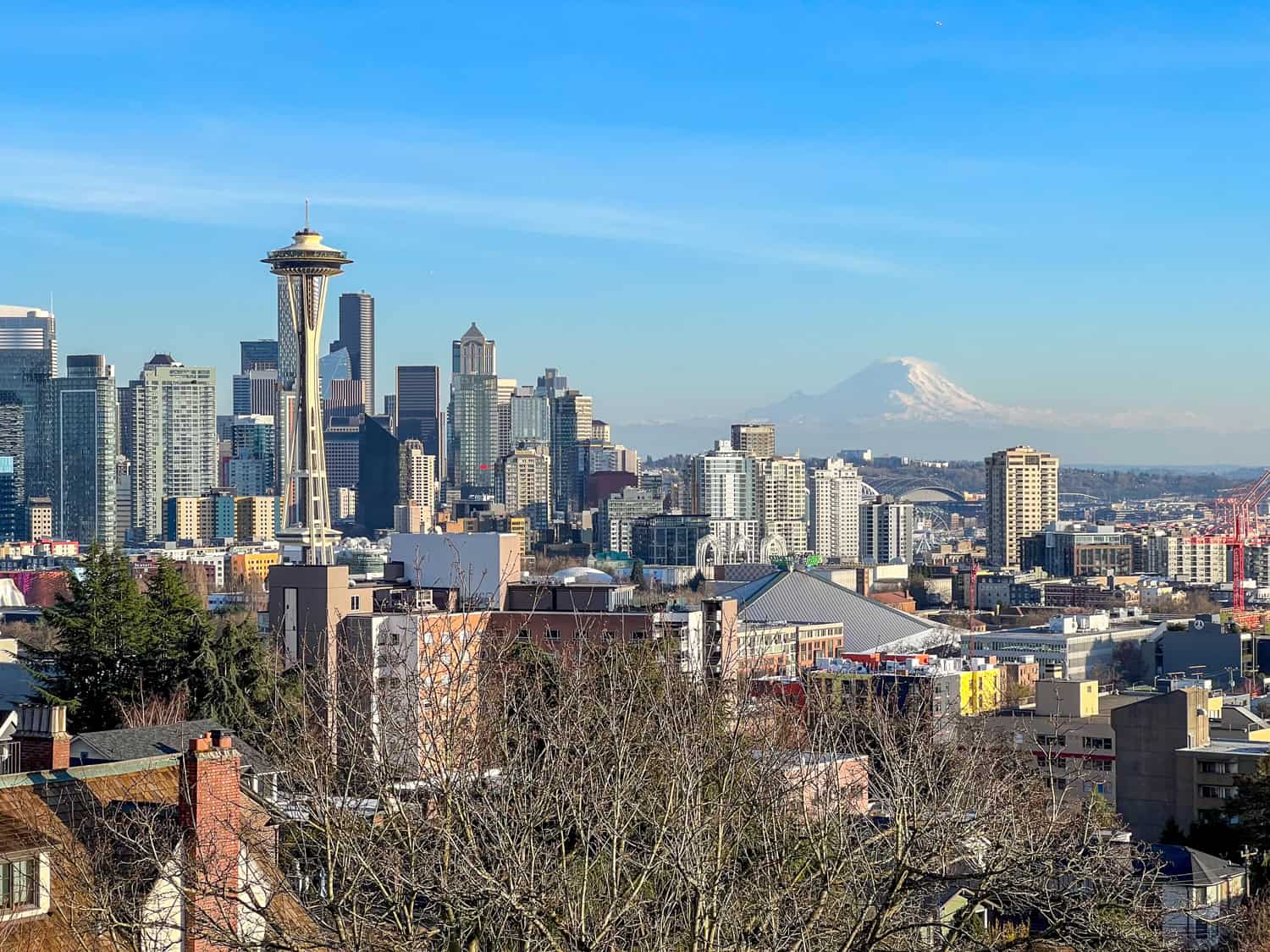
In addition, you will learn to listen better and read nonverbal cues, such as facial expressions and body language. These improved communication skills are invaluable for everyday life and traveling. 

Understanding Geography and History 

Travel allows you to see and feel the places you read about in history books. When you visit historical landmarks, museums, or ancient ruins, you can better understand a country's past, triumphs, and struggles.

For example, standing before the Colosseum in Rome or the Great Wall of China would make you feel like history has come alive. This is an entirely different experience than reading about them in a textbook.

Exploring varied landscapes like forests, deserts, mountains, and lakes can help you understand geography and the natural world. You can gain firsthand experience of how natural formations shape the lives and cultures of people around them.

For example, you could visit Lake Superior, the largest of the Great Lakes, which can teach you about the unique geological formations that appear here. You will also find beautiful Lake Superior's precious stones with mesmerizing patterns. Learn more about Lake Superior Agates.

Growing Confident and Independent

A tourist photographing ruins in Israel (photo: Haley Black).
A tourist photographing ruins (photo: Haley Black)

Whether embarking with friends, as a couple, or solo, traveling requires independence, a trait that can help boost your confidence. You're navigating unfamiliar places, dealing with foreign currencies, adapting your itinerary, and making numerous decisions as you go.

As you journey, you will inevitably face challenges and overcome them, such as finding your way when lost, managing a crisis far from home, or negotiating prices. These experiences can contribute to your resilience and resourcefulness, instilling a sense of empowerment in other areas of your life and equipping you to face challenges more assuredly. 

Realizing the Importance of Community 

Travel inevitably brings you into contact with many people who can quickly become friends. From fellow travelers sharing hostel rooms with you to a local guide showing you around a city's hidden gems, the connections you make while traveling can be meaningful and profound.

These interactions teach you the value of collaboration, community, and human connection. You will realize that despite linguistic, cultural, or geographic differences, people around the world share a similar desire for love, security, and happiness. Traveling can help you understand that we're all part of one big global community.

Understanding the Value of Experiences 

One of the most profound realizations you can have while traveling is that the most valuable souvenirs are not the things you can buy but the experiences you gain. Whether it's a breathtaking view, a pleasant conversation with someone you've met, or a taste of something delicious and new, these moments create lasting memories that far surpass anything that holds monetary value.

Travel helps you shift your focus from collecting material items to cherishing the experiences you have in your life, fostering a deeper appreciation for the simple joys of life. 

Fostering Problem-Solving Skills

When you travel often, you may encounter unexpected situations that require you to think on your feet. For example, your accommodation may be unavailable, your luggage may have been lost, or you may find yourself in a place where no one speaks the same language.
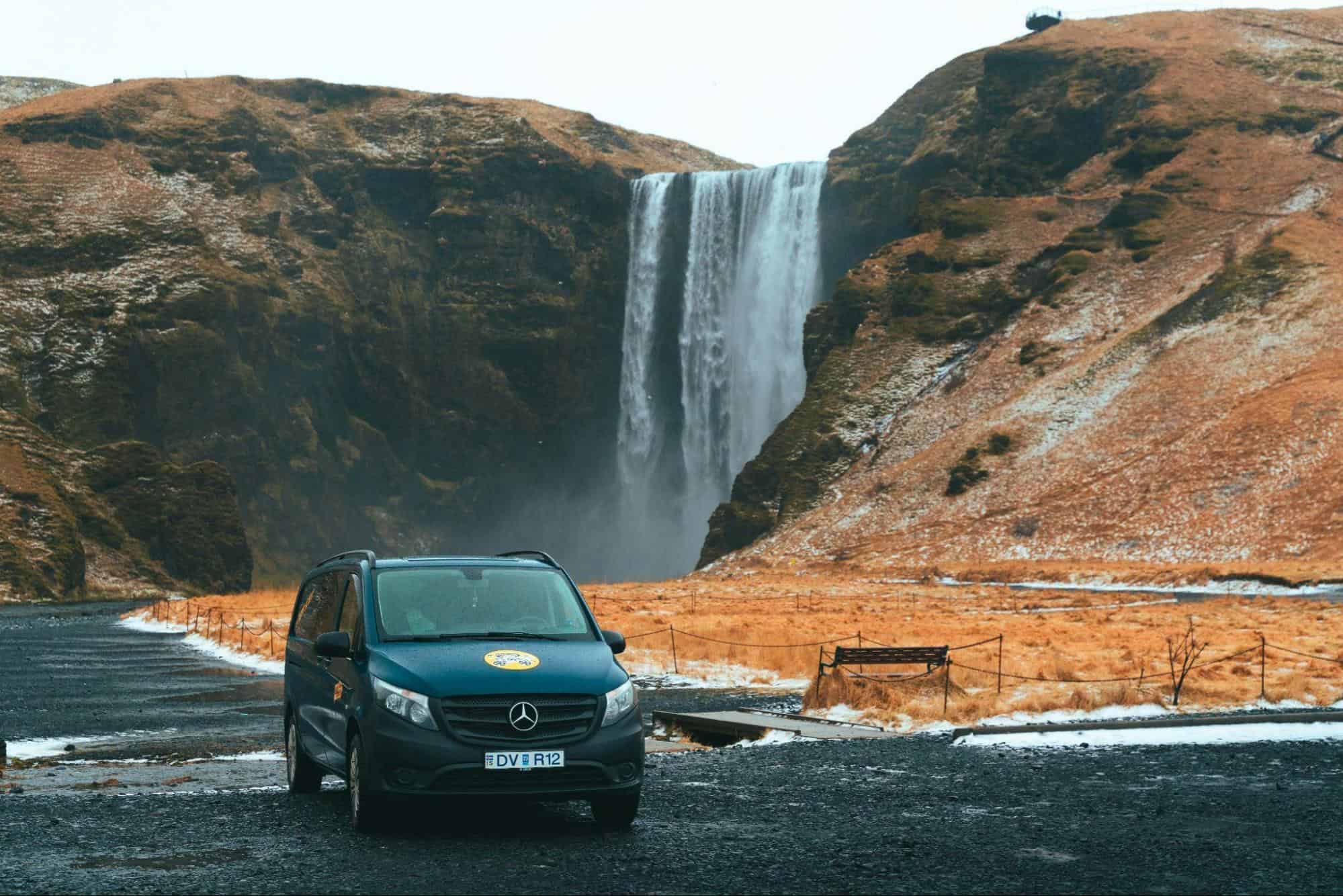
These scenarios require you to solve problems quickly and creatively using limited resources. Each time you face an issue like this, you can overcome it and make yourself more resilient and resourceful. Think outside the box, remain calm, and find solutions when you might not expect to see them. 

Expanding Your Culinary Horizons 

Fresh pasta hangs at a restaurant in Italy (photo: Eilis Garvey).
Fresh pasta hangs at a restaurant in Italy (photo: Eilis Garvey)

Food is an integral part of any culture, and traveling is a brilliant way to expand your culinary horizons. Each time you visit a new place, you'll be offered unique dishes that reflect its history, resources, and traditions. For example, you could try savory street food in New York, fresh pasta in Italy, or local delicacies like frog legs in France. All of this adds to your travel adventure.

You'll come to appreciate the ingredients and maybe learn some new cooking techniques unique to each destination. You may even discover new recipes that you want to try at home. Food is a great way to connect with the history of a place, and it can be one of the most enjoyable aspects of traveling. 

Learning To Live In the Moment 

If travel teaches you anything, it's how to live in the present moment. Whether exploring a new destination or revisiting one, you'll become more aware of your surroundings.

You might notice the smell of freshly baked bread or the sound of waves crashing on the shore. These small moments remind you to slow down, enjoy the present, and be mindful of the here and now. This is a valuable lesson, especially if you live in a fast-paced environment where it's easy to get swept up in the hustle and forget to enjoy life.

Conclusion 

Travel offers more than just the opportunity to visit new places; it provides a variety of learning experiences that can enrich your life. From discovering new cultures and their histories to building problem-solving skills and deepening your knowledge of the past, travel opens your mind and broadens your perspective. So, pack your bags, step out of your comfort zone, and embark on an adventure to learn more about yourself and the world around you.

Are you planning on going on any adventures soon? Let's hear about them in the comments below.

_____

This story is published in partnership with OnLakeSuperior.com.

The Stone Faces of Rano Raraku: Uncovering the Secrets of Easter Island's Moai

Five hundred years ago, on the southern slopes of Easter Island's Rano Raraku volcano, the Rapa Nui people skillfully carved monumental moai statues from volcanic rock. The quarry was more than just a workplace. It was also a spiritually significant site. The moai are thought to represent the ancestors of the Rapa Nui people, embodying the spirits of their ancestors.

The author posing with moai at Rano Raraku on Easter Island (photo by Kelly Lemons).
Posing with the moai (photo by Kelly Lemons)

Approximately one thousand statues were produced between the 12th and 15th centuries, most of which were transported around the island's coastline at places like Ahu Tongariki and the Tahai Ceremonial Complex. Still, about 400 moai remain in the quarry in various stages of completion.

Today, visitors with a Rapa Nui National Park pass and a registered guide can walk among the stone faces of Rano Raraku and see evidence of how the moai were produced. This is precisely how Kel and I spent our first morning on Easter Island.

Moai statues at Rano Raraku on Easter Island.
Moai statues at Rano Raraku

After a brief breakfast in Hanga Roa, we walked to the Mahinatur office we'd encountered on our initial stroll through town a day earlier. We'd reserved a spot on a full-day group tour that included visits to Rano Raraku, Ahu Tongariki, Ahu Akahanga, and Anakena Beach. The cost was 60,000 Chilean pesos or about $30 per person (80,000 pesos / $40 with lunch).

We paid for the tours by credit card and met our multilingual local guide, Luis, and five other tourists. Departure was at 9:30 a.m., as scheduled, and it was raining. Travelers to Easter Island can only visit Rano Raraku once during their stay. We were nervous we'd committed our one opportunity to see it to a morning when the weather was conspiring against us.

Table of Contents

  • Arriving at Rano Raraku
  • Touring the Quarry
    • Meeting the Moai
    • How Moai Were Moved
    • Unfinished Statues
    • Tukuturi Moai
  • Departing Rano Raraku

Arriving at Rano Raraku

A distant view of Rano Raraku volcano on Rapa Nui.
The Rano Raraku volcano crater

The 12-mile drive from Hanga Roa to the entrance of Rano Raraku at the eastern end of the island took about 45 minutes. Thankfully, the rain had let up when we reached the gate, and the sun had begun peeking through the grey clouds above the volcano.

Each visitor had to show their Rapa Nui National Park pass, which was then stamped along with their passport. These park passes must be purchased in advance (either in town at the tourism office or online).

Before we entered the site, Luis showed us samples of the various materials used by the Rapa Nui workers to create the moai on Easter Island:

  • Tuff is a soft, porous grey rock made from compressed volcanic ash used to make the moai.
  • Hawaiite (basalt), the hardest rock on Easter Island, was used as a chisel to carve the tuff.
  • Red scoria is porous, like tuff, and lighter. It was used to sculpt the hats placed on some moai. The scoria was quarried at Puna Pau on the western side of Easter Island.
  • Obsidian is a black volcanic glass used to make the pupils of the moai statues after they were placed on their ahus (stone platforms).
  • White coral was used for the eyes.

I'm glad we had a chance to hold the rock samples, as it was helpful to experience the difference in weight between the heavier basalt used for tools and the lighter tuff and scoria from which the statues were carved.

Touring the Quarry

Our tour group walks toward the moai quarry (photo by Kelly Lemons).
Walking toward the moai quarry (photo by Kelly Lemons)

After learning about the materials used to build the moai, Luis led us along the gently sloping gravel path toward the quarry on the south side of Rano Raraku's crater. The route's total distance is about 1,500 meters, and a standard group tour takes about 90 minutes. I found this sufficient; however, I suggest paying extra for a private guide if you want more time there.

Meeting the Moai

We passed a pair of fallen moai, one facing up with its head broken off at the neck. They were probably being transported to another part of the island and discarded for some reason. There's still a lot of uncertainty around why the moai production at the quarry stopped.

One of the most striking things we learned is illustrated in Luis's photo (below), which depicts one of the partially buried moai. The photograph, taken during an archaeological dig in 1956, shows that about half the total length of one moai wasn't visible.

Our local guide shows a photo depicting the buried body of a moai statue.
Luis, our local guide

Keeping the height of these monoliths, up to 33 feet (10 meters), in mind as we passed between them on the trail made the experience all the more fascinating.

The statues at Rano Raraku exhibit different carving styles, suggesting that the moai evolved over time. Earlier statues tended to be smaller and less detailed, while later, moai became larger with more refined facial features.

One of the first upright statues on the path faces south and acts like a host, welcoming visitors. It's the first spot visitors may feel inspired to stop and pose for a photo in Rano Raraku.

Moai statue.
A moai statue welcomes visitors.
Silhouette of a moai.
Silhouette of a moai

The path leads up a small hill beyond this moai, where you can get panoramic views from east to west. The view east, with the moai seeming to tumble down the slopes of Rano Raraku and the Pacific Ocean as the backdrop, was one of my favorite scenes on Easter Island.

Tour guides lead their groups here so they can temporarily step off the narrow trail and share more of the site's history and the Rapa Nui people's process for sculpting the moai. While Luis spoke in Spanish with a group member, I couldn't help but notice how few people were at Rano Raraku.

It felt like we had this special place in the heart of the South Pacific all to ourselves. Although Easter Island has experienced a steady increase in tourism over the past 20 years, with around 100,000 visitors annually, this number is still a tiny fraction of the millions who visit Machu Picchu, South America's most famous archaeological site, each year.

View east toward the Pacific Ocean.
Moai.
Looking west on the trail.
A moai face down in the ground.
A moai face down on the ground.

How Moai Were Moved

Various theories have been suggested to explain how the multi-ton moai were moved from the slopes of Rano Raraku to ahus (stone platforms) around the island. The lack of modern equipment makes this feat almost unimaginable. I rank it right up there with the building of the Great Pyramids in Giza and Stonehenge.
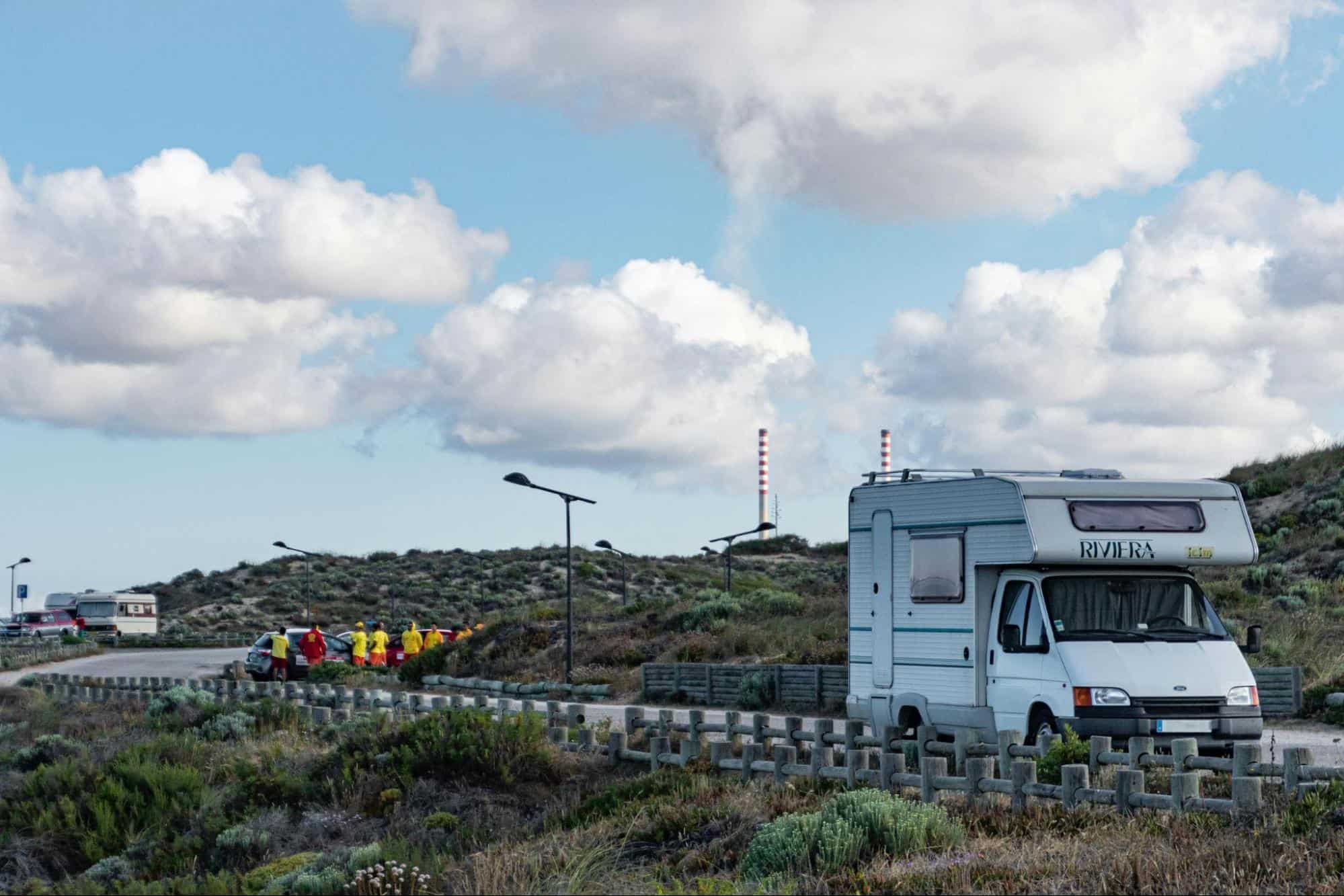
Theories include:

  • Walking the moai upright using ropes around the neck and body. The bottom of the statues are curved, not flat, which has been shown to aid in this approach. This is the most widely accepted option.
  • Rolling the moai on logs, which contributed to the destruction of forests on Easter Island.
  • Pulling the moai on their backs using ropes.

PBS outlined the theories and their potential in their 2024 NOVA episode, Easter Island Origins (which I highly recommend).

A moai lies face up while others are buried at various angles (photo by Kelly Lemons).
A moai lies face up while others are buried at various angles (photo by Kelly Lemons)
Kel photographing a moai statue.
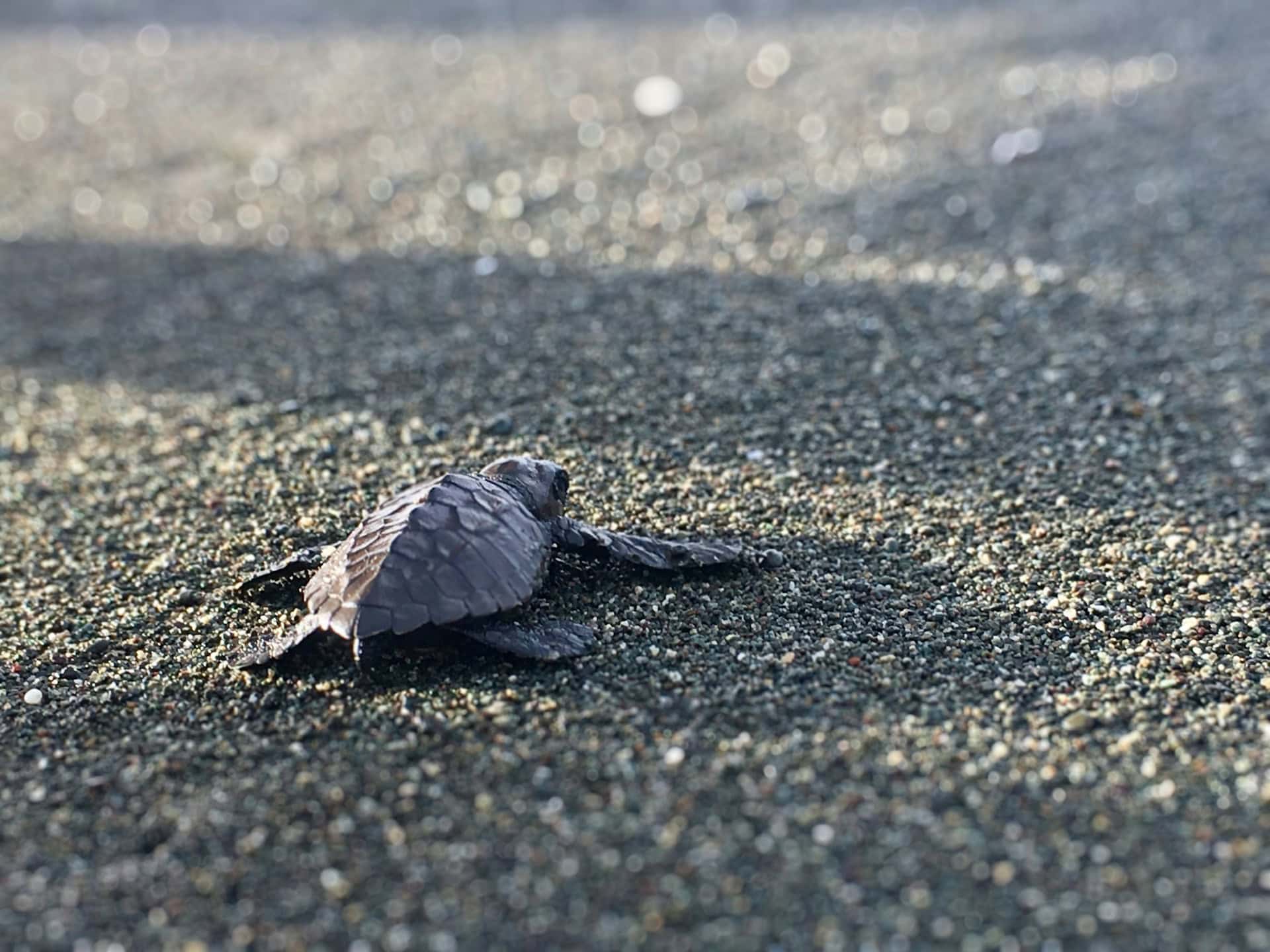
Kel photographs the moai.
Once we'd taken our share of photos from the lower path, Luis led us up the crater's slopes to view partially carved moai that were ultimately abandoned where they lay.

Unfinished Statues

Moai were carved directly from the side of the crater.
A closer look at unfinished moai carvings in the volcanic rock.
Three unfinished moai can be seen here.

Due to the hefty weight of even the smallest moai, the statues were carved out of the crater from the top down. The back of the moai was the last section to be chipped away, at which point ropes were attached to control the statue's descent.

Without such coordination, releasing tens of thousands of pounds of volcanic rock from the crater could have deadly consequences. The 1994 adventure movie Rapa Nui, produced by Kevin Costner, depicts such scenes and is well worth watching.

The largest moai ever sculpted is named "El Gigante" and rests at an angle against the crater. It is 72 feet (21.6 meters) tall and weighs approximately 320,000 to 360,000 pounds (145 to 164 tons). A photo of it is below.

"El Gigante" moai at Rano Raraku.
"El Gigante" (center) weighs 145 to 165 tons.

Some experts believe some unfinished statues in Rano Raraku were never intended to be moved from the site. Was El Gigante one of them? Or did the Rapa Nui people only realize they couldn't move such a giant statue after they'd already begun carving it? We'll never truly know.

For comparison's sake, the largest moai to ever be successfully erected on a platform is Ahu Te Pito Kura, 32.6 feet (9.8 meters), weighing about 180,000 pounds (82 tons).

Our higher vantage point at this point on the tour of Rano Raraku afforded even more sweeping views of the site and coastline. The dozens of moai left haphazardly around the site indicate how active the quarry must've been at its peak.

View south from Rano Raraku.
View south from Rano Raraku
Our tour group.
Our tour group

After briefly descending, we were treated to another monumental moai left unfinished. This one is lying flat on its back, and you see it at eye level.

Large unfinished moai.
Large unfinished moai
Kel photographs an unfinished moai statue.
Kel photographs an unfinished moai

As we continued eastward along the path, around the southern edge of the crater, we came upon one of the most unique moai on Easter Island, Tukuturi Moai.

Tukuturi Moai

Unlike his brethren, the 12-foot (3.7-meter) Tukuturi Moai kneels with his hands on his thighs. Indeed, his name means "squatting moai." Another unique aspect of this moai is that it's the only one in Rano Raraku facing the quarry instead of outward toward the ocean.

Look past Tukuturi Moai; you can see Ahu Tongariki and Poike volcano in the distance. The statues at Ahu Tongariki were initially toppled during infighting on Easter Island. In 1960, a tsunami caused by an earthquake off the coast of Chile swept them further inland.

Tukuturi moai
Tukuturi Moai
View of Ahu Tongariki from Rano Raraku.
Ahu Tongariki

The moai at Ahu Tongariki were restored using modern equipment during a five-year campaign in the 1990s. Today, they are one of Easter Island's most photographed spots.

Departing Rano Raraku

After following the trail around Tukuturi Moai, we began our final descent of Rano Raraku and soon found ourselves on level ground again. We passed more moai face down on the ground.

Turning around and looking back at Rano Raraku offered another new perspective on the site. As we were taking pictures, a group of horses ran from east to west between us and the quarry, adding further to the moment's magic.

Looking north toward the moai (photo by Kelly Lemons).
Looking north toward the moai (photo by Kelly Lemons)
Horses (photo by Kelly Lemons).
Horses (photo by Kelly Lemons)

As we left Rano Raraku behind, the weight of its history and mystery lingered with us. The rain had cleared, revealing the island in all its rugged beauty, and the quiet presence of the moai felt even more profound.

Easter Island is not just a place of ancient wonders but a reminder of human ingenuity, spirituality, and resilience. Walking among the unfinished statues and gazing at the Pacific clarified why this remote land is fascinating. Our morning at Rano Raraku was just the beginning of understanding the stories these stone giants still have to tell.

Kel descending from Rano Raraku volcano.
Kel descending from Rano Raraku.
Base Toromiro-3 (where we exited Rano Raraku).
View of Rano Raraku crater from the exit.

Read More From Our Trip

  1. Flying LATAM Business Class to Easter Island
  2. 15 Free Things To Do on Easter Island
  3. Top 5 Moai Statue Sites
  4. Where To Go on Easter Island with a Rental Car
  5. Discovering Orongo, Home to the Birdman Cult

Tips for a More Memorable and Joyful Vacation

Traveling offers the perfect escape from the grind of daily life, allowing you to explore new places and experience the world in a whole new way. While travel can sometimes feel overwhelming, time spent planning can iron out many of those stressful worries.

Hiking the Colorado Trail makes for a memorable vacation (photo: Caleb Jack).
Hiking the Colorado Trail (photo: Caleb Jack)

By preparing in advance, you'll set yourself up for unforgettable journeys that leave you feeling recharged and grateful you made the leap. Let's dive into a few essential tips to make your next vacation memorable.

Create A Travel Budget

Knowing how much money you have to spend on your trip can be empowering. Now is an excellent time to revisit your finances and better understand how much you need to save.

Drafting a travel budget can help you narrow down the destinations you want to visit based on what you can afford.

You'll need money to reach your destination and support yourself once you get there. Don't risk returning home with regrets that you couldn't afford activities and tours or went into serious debt by paying with credit cards.

Document Your Travels

Documenting your travels can make your vacation break more memorable. Capturing every moment, from the breathtaking views to exhilarating activities, can add an extra layer of excitement to your trip. Be sure to bring your smartphone or camera to take photos while you're away.

Printing off your pictures and creating a collage that you can hang on your walls can be fun and exciting. You may also want to keep a journal of your outdoor travel adventures to have these memories to reflect on one day. It's a great way to record all you saw and did on vacation. 

Choose the Right Accommodations

You'll also want to choose suitable accommodations for your trip. This can significantly impact your overall travel experience, providing a sense of security and comfort.

If you decide to stay at a hotel, make sure that there are plenty of amenities to enjoy. Before committing to a place to stay, go online and read reviews from other travelers.

Consider factors such as location, amenities, and reviews from other travelers. Remember that you may not want to stay at a kid-friendly hotel while traveling alone or as a couple. There are many different options for where to stay besides a hotel.

Hostels, for example, offer a relatively affordable and highly social atmosphere. You can also rent a campervan and sleep under the stars or a house with a kitchen. 

Unplug & Stay in the Moment

Technology can be addictive, and you don't want to let it ruin your vacation. Work ahead at the office so you can completely unplug on your trip. Have someone cover for you, and choose to check messages once per day (if at all).

You'll have a more memorable and joyful vacation when you practice mindfulness and decide to stay in the moment. By unplugging, you can fully immerse yourself in the travel experience, appreciate the beauty of your surroundings, and create lasting memories.

You're more likely to have an unforgettable trip when you aren't always playing on your mobile devices or plugged into work.

_____

This story is published in partnership with Routespunkt.

4 Questions To Ask Yourself Before You Book Your Next Trip

Traveling is a luxury many people don't experience often, so be thoughtful when planning your next trip. Booking a trip is a significant expense that can affect other areas of your life. If you're eager to plan your next adventure, now might be the perfect time to ask yourself some straightforward trip-planning questions.

Hiking in Torreneules, Spain (photo: Marc Rafanell Lopez).
Hiking in Torreneules, Spain (photo: Marc Rafanell Lopez)

This doesn't mean your trip won't happen; it just ensures you make the best choice for yourself in the long run. With that in mind, here are four questions to consider before you hit 'book now' on your upcoming trip.

Table of Contents

  • Questions
    • 1. Have I Done My Research?
    • 2. Have I Considered Travel Routes?
    • 3. Have I Created a Realistic Budget?
    • 4. Have I Finalized the Trip Dates?

Questions

1. Have I Done My Research?

Spending a little time researching before you book a trip is always a good idea, especially if you want to check out what a specific place offers regarding hotels, attractions, sightseeing, and more. Doing your research via a reliable source such as Footsteps Travel Blog will give you the confidence to create a schedule for your trip. Whether looking for the best places to stay in a particular area or hoping to uncover secret restaurants, there is so much to learn by doing some online research.

2. Have I Considered Travel Routes?

Knowing how to get to your chosen destination is essential; considering various travel routes will also give you an idea of the cost and how long it will take to get from A to B.

3. Have I Created a Realistic Budget?

When planning a trip, getting your budget right from the outset is vital. It's not just about setting a budget but a realistic one you can stick to. As costs can quickly add up as you add more and more things to your itinerary, having a clear budget for travel, accommodation, activities, and spending money while you're there will help you stay in control and enjoy your trip without worrying about overspending.

4. Have I Finalized the Trip Dates?

When taking a vacation, there is no right or wrong time of year to book your trip. However, you will find that certain times of year are much busier than others, making the price much higher. Finalizing your trip dates may depend on whether you can get time off work or get the right people together simultaneously. Either way, you need to know what dates you're aiming for before making your trip happen.

These questions are designed to help you make thoughtful travel decisions. By carefully considering your options, you'll create an incredible trip you'll be excited about. Remember, a great vacation isn't just about the destination but also the journey to get there, including the planning and booking. So, embrace every step of the process and enjoy the fun along the way!

_____

This story is published in partnership with Footsteps Travel Blog.

4 Travel Audiobooks That Are Perfect for Long-Haul Flights

Long-haul flights are notoriously draining, with hours spent in cramped seats and lackluster air quality. Premium cabins and airlines like Norwegian Air's 787 Premium can offer some comfort, with hot meals and four and a half feet of legroom. However, the journey can still feel endless for most travelers. To make the experience more enjoyable, many often turn to in-flight entertainment like movies. On some airlines, passengers can also take part in simple games.

However, audiobooks are another engaging option that's perfect for long-haul trips. Unlike screen-based entertainment, audiobooks allow you to rest your eyes and immerse yourself in a story while staying relaxed throughout your flight. Because they're more private, you don't have to worry about strangers looking in on your business.

Woman with headphones listening to a travel audiobook on a flight  (photo: Eugen Fedorov).
Woman with headphones (photo: Eugen Fedorov)

Audiobooks are also more economical. As seen on Everand, you can download inspiring travel audiobooks and memoirs in advance, whether it's new favorites such as A Walk in the Park or trending titles such as Nowhere for Very Long. This will help you avoid additional charges for using the plane's Wi-Fi while offering entertainment and inspiration as you journey toward your next destination.

If you travel often, an affordable monthly subscription to a digital library-costing about the same as a single physical book or movie ticket-is a wise investment that won't strain your vacation budget. With that in mind, we've selected four travel audiobooks to inspire your future adventures while you relax and pass the time on your current journey.

Table of Contents

  • Audiobooks
    • A Walk in the Park by Kevin Fedarko
    • Nowhere for Very Long: The Unexpected Road to an Unconventional Life by Brianna Madia
    • River Town: Two Years on the Yangtze by Peter Hessler
    • A Moveable Feast by Ernest Hemingway

Audiobooks

A Walk in the Park by Kevin Fedarko

This 14.5-hour audiobook, narrated by the author, Kevin Fedarko himself, recounts his grueling 750-mile trek across the Grand Canyon. Listeners experience the highs and lows of traversing one of the most unforgiving landscapes in America, making it perfect for long flights like those from New York to Tokyo or beyond.

The audiobook is particularly immersive due to Fedarko's engaging narration. Some readers wish Fedarko were less gifted in his descriptive powers, having explained how the intense heat of the canyon can cause the proteins in human cells to "denature and congeal as if one were boiling an egg." Nevertheless, this breathes authenticity into the tale, resulting in a mesmerizing blend of adventure, nature writing, and personal reflection. 

Nowhere for Very Long: The Unexpected Road to an Unconventional Life by Brianna Madia

For those dreaming of solo adventures, Nowhere for Very Long is a captivating listen. This six-hour audiobook explores Madia's decision to leave behind societal norms and live on the road in her van. Her raw, authentic voice adds a deeply personal touch that's rare in many travel memoirs, making it easy to feel you're along for the ride.

"All my life, I'd assumed it was only brave people who did brave things. I'd never once considered how many of them were absolutely terrified," she claims. If you're one of these people sitting alone on a long-haul flight en route to a new adventure, this audiobook is for you.

River Town: Two Years on the Yangtze by Peter Hessler

This classic travel memoir from 2001 takes listeners on a journey through Fuling as Hessler chronicles his time teaching in the small town by the Yangtze River. With a runtime of over 14 hours, it's perfect for those long flights from the U.S. to East Asia, especially China.

Berkrot's narration highlights the cultural nuances and challenges Hessler faced, making it an educational listen that pairs perfectly with a flight heading towards any destination in the region. As Hessler expressed in an interview, everything in China moves quickly, so his deep dive into Chinese culture and history can help provide a thoughtful prelude to your arrival.

A Moveable Feast by Ernest Hemingway

For those bound for Paris or any European cultural hub, A Moveable Feast is a literary gem that brings 1920s Paris to life. Experience The City of Light through Hemingway's eyes, visiting his favorite parts of the city like Jardin du Luxembourg, La Closerie des Lilas, or even Place de la Contrescarpe.

Learn about the drinking habits of Irish writer James Joyce, who "only drank Swiss white wine," or explore the culture along the banks of the Seine, where Hemingway claimed, "I could never be lonely along the river." This will surely offer a blend of nostalgia and timeless wisdom that transports you to the heart of Parisian cafés and boulevards.

Whether you're navigating the harsh terrains of a canyon, reflecting on life's twists while traversing the globe, or soaking in cultural narratives, there's a travel-themed audiobook to match your journey. Happy listening!

Cheap Business Class Flights to Madrid

Imagine comfortably flying business or first class from the United States to Madrid without breaking the bank. Sound too good to be true? It's not. The Flyer Club travel alliance makes this possible, offering affordable luxury flights, top-tier hotels, and exceptional service. Our business class flights to Madrid offer exclusive, one-of-a-kind options-choices you won't find elsewhere. Select the plan, route, and timeline that best matches your needs and preferences. With Flyer Club, you no longer have to choose between great prices and high quality - you get both.

View of sunset from Calle Gran Via in Madrid, Spain (photo: Florian Wehde).
Madrid sunset (photo: Florian Wehde)

Table of Contents

  • Flying Business Class to Madrid
    • What happens when you don't have support?
    • How it works when you take advantage of Flyer Club.
  • How Is This Possible?
  • The Advantages of Being a Flyer Club Client
  • Why It's Better to Plan Flights with Flyer Club?

Flying Business Class to Madrid

Every trip has the potential to create unforgettable memories, but it can also be exhausting. The process can be overwhelming, from planning and searching for tickets to booking and revising plans. Last-minute changes can add to the stress, often diminishing the enjoyment of your flight, hotel stays, and the thrill of exploring new destinations.

What happens when you don't have support?

  1. You must search for tickets weeks or months in advance to find available seats and avoid overpaying. Airlines implement a policy of early sales for the best tickets, and closer to the flight date, there might not be any business class seats left, or the price for them becomes sky-high.
  2. Hotel bookings made in advance may need to be changed if the flight date is suddenly rescheduled. Deposits, if made, are often lost and non-refundable.
  3. It's impossible to foresee all the nuances of the route in advance. Sometimes, plans change due to personal circumstances, weather conditions, or work events. As a result, the trip becomes chaotic and emotionally and physically exhausting.

How it works when you take advantage of Flyer Club.

  1. You can choose and book flight tickets for any date and great seats in business class or first class, even if you need to fly tomorrow. At the same time, you get a price that's the same or even lower than if you had booked a month before the flight.
  2. The package includes accommodation in the best hotels in Madrid. As Flyer Club clients, you can book rooms with the best conditions at the best prices when you know all the details of your route. This means you no longer have to cancel old bookings, lose the booking deposit, and search again for what fits. Flyer Club will find the best options for the correct date; you only need to choose what you like best.
  3. Along with an affordable flight and comfortable living conditions, you'll enjoy high-quality service at every stage of your journey. Every Flyer Club client feels special because the company's main task is to create all the conditions for this.

How Is This Possible?

Business class seat on Emirates (photo: Frugal Flyer).
Business class seat on Emirates (photo: Frugal Flyer)

Flyer Club has been in the travel business for over 15 years. During this time, the founders of the travel alliance have understood from the inside what every traveler needs and, most importantly, how to get it. Experience, multiplied by exclusive partnerships with airlines and hotels, has created what exists today as Flyer Club.

The Flyer Club travel company has exclusive partnerships with Lufthansa, Emirates, Etihad, Air France, and United Airlines-more than 50 carriers in total. The travel alliance ensures that these companies have loyal regular clients, and the airlines offer exclusive prices available only to Flyer Club members.

The same applies to hotels. Partnerships with them allow for conditions and prices that are not publicly available on the Internet. Therefore, when you use Flyer Club's services, traveling more cheaply for business or leisure is almost impossible unless you plan several months.

The Advantages of Being a Flyer Club Client

Affordable and comfortable first- and business-class flights are just a few clicks away. All you need to do to get a flight or hotel room at the best price is to submit a request on the website. After that, you will be contacted by a Flyer Club travel company manager. During the consultation, all details regarding the departure and return dates, personal hotel preferences, and other aspects of the trip are clarified.

After the details are finalized, you'll receive an email with a comprehensive list of available options, including prices and any additional information that might be helpful. Select the option that suits you best, inform your manager, and you're all set! Whether you need a one-way or round-trip ticket, accommodation, leisure activities, or additional services, everything can be arranged in less than one business day.

Why It's Better to Plan Flights with Flyer Club?

  • You communicate and agree on the plan with a manager who considers your needs precisely.
  • The manager can easily resolve emergencies and plan changes. Even if problems arise, such as forgotten documents, a personal assistant assigned to each client helps handle any difficulties and quickly fix everything.
  • You can count on the best seats in business class or first class.
  • Flyer Club's team supports you 24/7, so you can count on qualified assistance at any stage of your journey.
  • You can use individual private rates for all Flyer Club partner airlines.
  • You can immediately choose hotel rooms along your route with up to 30% discounts. Discounts are available at Hilton, Hyatt, and Marriott chains.

Travel affordably and comfortably with a USA-Madrid flight planned quickly and at unbeatable prices-lower than the budget airlines offer. Plus, your journey will be more than just comfortable; it will be exceptional. Enjoy fine wines, top-notch in-flight entertainment, and gourmet cuisine that elevate your experience.

Say goodbye to the stress and exhaustion that typically come with flying. With our well-planned routes, unbeatable prices, and a focus on relaxation and enjoyment, every minute of your journey will be a pleasure.

_____

This story is published in partnership with Flyer Club.

Surefire Strategies To Take The Stress Out of Traveling

Traveling can be magical, but it can also be stressful. We've all had trips that didn't go as planned. If planning vacations overwhelms you or navigating airports feels like a nightmare, we're here to help. We've compiled a list of foolproof strategies to make your future vacations enjoyable and take the stress out of traveling.

A woman on a boat in Thailand (photo: Te lensFix).
Enjoying Thailand (photo: Te lensFix)

Table of Contents

  • Travel Tips
    • Choosing the Right Destinations
    • Making Travel Plans: Getting from A to B Seamlessly
    • Packing Made Simple
    • Enjoying the Journey
    • Creating a Customized Itinerary
    • Avoiding Arguments with Travel Partners
    • Staying Safe Overseas
  • In Summary

Travel Tips

Choosing the Right Destinations

The world may be your oyster, but when choosing a location to visit, some destinations may be more suitable than others. Whether you're going for a weekend, a vacation, or an extended adventure, it's wise to think carefully about where to go.

Consider how much time you want to spend in transit, how much money you can afford to pay, and what you want to see and do.

Set a budget, research journey times and transportation options, and determine how you want to spend your time. For example, if you only want to take a short flight, you can rule out long-haul destinations like Easter Island from the outset.

Suppose you don't fancy airport transfers, long bus rides, train journeys, or island hopping by seaplane or boat. Those preferences will restrict your options to more easily accessible destinations. 

Deciding what type of vacation you want is an excellent way to narrow your options. You have the freedom to choose. Are you desperate to go on a Hollywood-style road trip?

Do you want to explore cultural treasures, or are you eager to escape it all and spend as much time as possible soaking up the rays on a deserted beach?

Are you keen to combine sightseeing and going to the beach, or is an adventure holiday more your cup of tea? The possibilities are endless, and each is a new experience waiting to be discovered.

Once you know what you want to do, you can research cities, regions, and countries to get inspiration. You can choose a destination that covers all bases or plan a multi-stop tour. 

If you're on a budget, consider a lower-profile destination. For example, the famous city break locations may be much more expensive than lesser-known gems.

If you can't afford a luxury trip to New York City, Rome, London, or Paris, check out Budapest, Lisbon, Ljubljana, Riga, or Valencia. Rest assured, there's always a destination that'll fit your budget.

For beach vacations, avoiding tourist hotspots can save you money. Look for hotels outside the main tourist areas or for less popular destinations.

The Greek Islands, for example, are incredibly popular. If prices are too high or hotels are full, why not head to Croatia or Montenegro to enjoy the sunshine?

Making Travel Plans: Getting from A to B Seamlessly

A UK survey revealed that baggage collection, going through security, and waiting for transfers were the most stressful elements of going on vacation.

Other common stressors included rushing at the airport, delays on the way to the airport, flight delays, and making connecting flights.

People walking through an airport (photo: Sammy-Sander).
People walking through an airport (photo: Sammy-Sander)

Going away is supposed to be relaxing, but for many, getting to the final destination can cause anxiety. Preparing for or avoiding delays and disruptions is sometimes impossible, but there are many ways to minimize stress.

The most important rule is to give yourself enough time. Nothing is worse than getting stuck in queues, weaving through crowds, and sprinting to the gate in time. Give yourself ample time to get to the airport, clear passport control, and reach the gate.

Book parking or airport transfers in advance. Remember that in some airports, you may have to take a shuttle to the terminal or walk 15-or even 30 minutes to your gate.

If you plan to eat before you fly or are a fan of airport shopping, leave more time. Watch departure boards and listen for updates. 

Packing Made Simple

Most of us will have been in situations where we've had to chuck things into a backpack or luggage at the last minute because we haven't been organized enough.

Packing can be stressful, but only if you leave it until the last minute. If you have plenty of time and have everything you need, packing a suitcase should be a breeze.

Write shopping and packing lists a couple of weeks before your trip. Buy everything you need before you travel, and start packing items you won't need before your vacation.

Put essentials and valuables in your carry-on luggage and check restrictions. For example, ensure you have larger bottles of fragrance, sunscreen, and other toiletries and cosmetics in your checked bag.

Keep smaller items in a clear bag in your carry-on bag. This will save you time at the airport and ensure nothing gets confiscated at the last minute. 

Packing light is critical if you only take carry-on luggage or want to avoid extra luggage charges. Create a capsule wardrobe for your trip, share toiletries with your partner, friends, or family members, and use packing cubes to save space.

Enjoying the Journey

If you dread getting to your destination, try to adjust your mindset. Embrace the adventure and take steps to turn it into a positive experience.

Prepare in advance, get organized to prevent airport stress, and seize the opportunity to relax, catch up with TV shows you've missed, chat, or have fun playing games or watching movies during the journey.

A movie plays on a seatback display on a plane (photo: Alev Takil).
Movies remain a popular way to pass the time on flights (photo: Alev Takil)

Many of us don't have enough time to chill out. If you've got a long flight ahead, try to see it as a chance to sleep, watch a movie, listen to music, start a new box set, or hone your Minesweeper skills. Enjoy your time with your family or friends, or chat with fellow travelers.

Read books and magazines, download some podcasts or audiobooks, or do some work to help relax. Keep yourself busy so that time passes quickly, or grab the opportunity to kick back and recharge your batteries. 

Creating a Customized Itinerary

Going on vacation or planning a trip should allow you to spend time doing things you love or visiting places you want to see.

When organizing your itinerary, ensure it reflects your interests, passions, and travel objectives. Research local tours, attractions, and excursions, get ideas for activities, and list interesting places to discover.

Reading travel guides and blogs, and getting ideas from reviews, is helpful, but chatting with locals is also beneficial. While you may need to book some tours or attraction tickets in advance, leave time in your schedule for spontaneous activities or trips.

Plan your itinerary based on what you want to see and do. If you're going to spend all your time relaxing on the beach, don't feel pressured to draw up a schedule that includes all kinds of cultural experiences or action-packed activities.

Likewise, suppose you want to see different areas or immerse yourself in the destination's culture and history. In that case, you don't have to make time for relaxation by the pool just because others are doing it.

Tailor your plans to suit your preferences. If you're traveling with others, ask for input so your itinerary suits everyone, or set aside time for different activities in smaller groups. 

Avoiding Arguments with Travel Partners

Going on vacation or backpacking with your partner, kids, friends, or relatives can be incredible. Still, arguments and clashes are a common source of travel-related stress.

If you're living with other people or going on long journeys together, you might feel like you're on top of each other. Minor issues can spiral.

A couple looks at Sigiriya Rock in Sri Lanka (Lou Lou B Photo)

To combat these problems, involve everyone in planning the trip, ask people to give honest opinions and share ideas, and make sure everyone has space and time for themselves.

This is particularly important if your friends or family members have different interests or prefer a different vacation style. Respect everyone's preferences and understand that you don't have to go everywhere or do everything together.

Tackle minor issues before they escalate. Focus on having fun and creating memories. Don't sweat the small stuff. It's essential to make the most of valuable opportunities when you've been looking forward to a trip for ages and are in a beautiful place with people you love. 

Staying Safe Overseas

Following a few basic rules can help you prevent travel stress and stay safe overseas. Start by ensuring you have comprehensive travel insurance. Avoid taking risks you wouldn't take at home, and use recommendations from locals and other travelers to find safe routes and reliable activities.

Plan your tours carefully, and rely on trusted sources to connect with reputable local agencies, operators, and guides. Keep your money safe by avoiding large cash withdrawals, and protect your online security by using secure websites and not sharing sensitive personal information.

In Summary

Traveling can be life-changing, but it can also be stressful. Many people find that planning trips and getting to their destinations causes anxiety. Issues may also arise during vacation. You can reduce these risks by planning, staying organized, and identifying everyday stressors.

Give yourself ample time to pack, get to the airport, and board your flight. Check your travel documents and insurance, and enjoy the journey.

Plan a tailored itinerary based on your interests and travel goals, relax, and take advantage of the opportunity to explore new places and enjoy quality time with friends or family. Don't let minor arguments spiral.

Follow simple steps to stay safe. Stick to secure areas, take advice from locals and other travelers on board, and don't take risks you wouldn't entertain at home. 

_____

This story is published in partnership with 24/7 Games LLC.

Unpacking Adventure: Essential Tips for Backpackers and Digital Nomads

Are you an avid traveler, ready to see the world? It's time to embrace a lifestyle of freedom, exploration, and adaptability. Whether planning a weekend getaway or setting out on a months-long trek across continents, the key to a successful adventure lies in preparation. Here's a guide to ensure your journey is smooth and unforgettable.

Backpackers with Mt Whitney in the background (photo: Dennis Yu).
Hiking near Mt Whitney, CA (photo: Dennis Yu)

Table of Contents

  • Travel Tips
    • Packing Light and Smart
    • Staying Connected on the Road
    • Choosing the Right Accommodation
    • Embracing Local Culture
    • Balancing Work and Play

Travel Tips

Packing Light and Smart

The cornerstone of any backpacker or nomad's journey is mastering the art of packing light. Start with versatile clothing that can be layered for different climates. Prioritize items that serve multiple purposes, such as a scarf that doubles as a blanket or a jacket that can withstand rain and cold. 

Staying Connected on the Road

Consider investing in a portable Wi-Fi device or an international SIM card to ensure you're never offline when needed. If you plan on working while you travel, co-working spaces can be a great way to meet fellow travelers and get some work done in a productive environment.

Choosing the Right Accommodation

One of the first things to consider when planning your travels is where you'll stay. Whether you're hopping from city to city or settling into a new locale for a few weeks, it's worth exploring platforms that offer tailored deals. Websites like HotelSpecials provide excellent options that can help you save money without sacrificing comfort. They cater to various preferences, ensuring you can find something that fits your travel style, whether a cozy bed and breakfast or a chic urban hotel.

Embracing Local Culture

Finding a deal that suits your budget is essential for spontaneous trips or extended stays. This is where platforms offering weekend getaway offers come into play, allowing you to explore new destinations without breaking the bank. 

Part of the beauty of travel is immersing yourself in the local culture. Wherever you go, make it a point to learn a few basic phrases in the local language and understand cultural norms. Don't shy away from trying new foods, exploring off-the-beaten-path locations, and participating in local traditions. Your journey will be much richer for it.

Balancing Work and Play

It's easy to get caught up in the excitement of new surroundings, but it's essential to maintain a routine that allows you to meet your work obligations and a balanced life. Set aside dedicated wellness hours and stick to them. Explore, take in the sights, and unwind, knowing you've earned it.

_____

This story is published in partnership with HotelSpecials.

Ten Ways To Enjoy a Cheaper Trip to Atlanta

Atlanta is a city brimming with history, culture, and endless activities, but your trip can quickly strain your wallet if you're not careful. The good news? You don't have to break the bank to experience the best of what Atlanta, Georgia, offers. With a few savvy tips, you can explore this dynamic Southern city while keeping your budget in check.

So, whether you're visiting family or friends or backpacking through the United States, these ten tips will help you keep the costs down while ensuring a memorable experience.

Young people enjoying the summer at a bar patio in Atlanta, GA (photo: Sebastian Enrique).
Summer hangout (photo: Sebastian Enrique)

Table of Contents

  • Atlanta Travel Tips
    • 1. Choose Budget-Friendly Accommodation
    • 2. Take Advantage of Free Attractions
    • 3. Explore Affordable Dining Options
    • 4. Use Public Transport
    • 5. Enjoy Atlanta's Green Spaces
    • 6. Plan for Discounted or Free Museum Days
    • 7. Attend Free Festivals and Events
    • 8. Shop Smart at Local Markets
    • 9. Embrace the City's Cultural Offerings
    • 10. Walk the City's Historic Neighborhoods

Atlanta Travel Tips

1. Choose Budget-Friendly Accommodation

Accommodation can be one of the most significant travel expenses, but Atlanta offers many options. Premium hotels like Forth Hotel Atlanta can be an excellent choice for comfort and convenience. Still, more budget-conscious travelers can find savings at places like hostels. Additionally, consider booking your stay during the off-peak season to take advantage of lower rates and fewer crowds.

Hostels and shared accommodations are excellent options for those who enjoy a more social experience. Staying in a hostel, like those found near Atlanta's lively downtown, saves money and provides opportunities to meet fellow travelers. This will especially appeal to backpackers who want to connect with others on similar journeys.

2. Take Advantage of Free Attractions

Atlanta is home to many completely free attractions, making it possible to explore the city on your trip without spending a fortune. The Atlanta BeltLine is a perfect example. This 22-mile-long path is ideal for walking, cycling, or simply taking in the scenery. It connects various parks, neighborhoods, and art installations, offering a unique way to experience the city's culture.

Another must-see is Martin Luther King Jr. National Historical Park, which offers free entry to the public. The park provides an in-depth look into the life of one of America's most important civil rights leaders. Visitors can tour his childhood home, the church where he preached, and his final resting place, making it a meaningful and cost-free way to spend an afternoon.

3. Explore Affordable Dining Options

Breakfast at Buttermilk Kitchen (photo: Jennifer Kim).
Breakfast at Buttermilk Kitchen (photo: Jennifer Kim)

Dining out can quickly add up, but Atlanta has a thriving food scene that caters to all budgets. Head to local favorites like Mary Mac's Tea Room or The Varsity for authentic Southern comfort food without the hefty price tag. These iconic spots serve classic dishes like fried chicken, collard greens, and peach cobbler at reasonable prices.

Food trucks are another fantastic way to enjoy delicious meals without breaking the bank. They can be found throughout the city, offering everything from tacos and burgers to international cuisine. Attending food truck events, which often have live music and entertainment, is a fun and affordable way to sample the city's culinary delights.

4. Use Public Transport

Getting around Atlanta doesn't have to be expensive. The city's public transport system, MARTA (Metropolitan Atlanta Rapid Transit Authority), is efficient and budget-friendly. MARTA trains and buses can take you to most major attractions, including the airport, making it a convenient option for tourists.

Day passes are available for unlimited trips, allowing you to explore different parts of Atlanta without worrying about the cost. Alternatively, suppose you're staying in the downtown area. In that case, many of the main sights are within walking distance, which can save even more on transport costs while letting you soak in the city's atmosphere.

5. Enjoy Atlanta's Green Spaces

Bird sculptures at Atlanta Botanical Garden (photo: Holly Landkammer).
Atlanta Botanical Garden (photo: Holly Landkammer)

Atlanta is known for its beautiful parks and green spaces, offering plenty of free opportunities to enjoy the outdoors. Piedmont Park, located in the heart of the city, is a popular spot for locals and tourists alike. With expansive lawns, scenic walking trails, and stunning skyline views, it's ideal for a picnic, a stroll, or simply relaxing in the sun.

Another green gem is the Atlanta Botanical Garden, which, although not free, offers discounted admission on certain days. This oasis is home to various plants, flowers, and art installations, providing a peaceful retreat from the city's hustle and bustle. Watch for free events and special offers to enjoy these spaces without overspending.

6. Plan for Discounted or Free Museum Days

Atlanta is a city rich in history and culture. Numerous museums offer insight into various aspects of art, history, and science. Plan ahead to make your trip more affordable and take advantage of discounted or free admission days offered by many of the city's museums.

For instance, the High Museum of Art offers free admission on the second Sunday of each month. This world-class museum houses an impressive collection of art from around the globe, providing a cultural experience that won't cost a penny if you time your visit right. Similarly, the Atlanta History Center occasionally offers free or discounted admission, allowing you to delve into the city's past without spending too much.

7. Attend Free Festivals and Events

Atlanta's vibrant culture is showcased through its numerous festivals and events held throughout the year. Many of these events are free to attend, making them a perfect way to experience the city's energy without spending much money. The Atlanta Dogwood Festival, held every spring, is one of the city's oldest and most popular events. It features live music, art exhibits, and food vendors, all set against the backdrop of blooming dogwood trees in Piedmont Park.

Music lovers should also check out the various free concerts held around the city. The annual Music Midtown Festival often has free performances in addition to ticketed events. At the same time, smaller venues and parks frequently host local bands and artists. These events provide a great way to enjoy Atlanta's music scene on a budget.

8. Shop Smart at Local Markets

Ponce City Market (photo: Jennifer Kim)

For those who enjoy shopping, Atlanta's local markets offer a unique experience without the high prices of shopping malls. The Atlanta Farmers Market, one of the largest in the country, is a great place to find fresh produce, handmade goods, and local delicacies at reasonable prices. It's also an excellent spot to pick up affordable souvenirs that are representative of the region.

The Sweet Auburn Curb Market is another must-visit for budget-conscious shoppers. Located in the historic Sweet Auburn district, this market features a variety of vendors selling everything from fresh food to handmade crafts. It's a fantastic way to support local businesses while finding unique items that won't break the bank.

9. Embrace the City's Cultural Offerings

Atlanta's diverse cultural scene offers plenty of opportunities to experience art, music, and theater without spending a fortune. The historic landmark Fox Theatre often provides discounted tickets to its shows, especially if booked in advance. Catching a matinee or attending a weekday performance can also result in significant savings.

For art enthusiasts, Atlanta's numerous galleries often host free exhibits and openings. These events provide a chance to see the works of both established and emerging artists, offering a cultural experience that's easy on the wallet. Keep an eye out for special events during Atlanta Celebrates Photography, when galleries and public spaces throughout the city showcase photo exhibits, many of which are free.

10. Walk the City's Historic Neighborhoods

Exploring Atlanta's historic neighborhoods is an excellent way to soak up the city's charm without spending a dime. Areas like Inman Park, the city's first planned suburb, are filled with beautiful Victorian homes, tree-lined streets, and quaint shops. Walking through these neighborhoods gives you a glimpse into Atlanta's past and present while enjoying the city's unique architecture and atmosphere.

Another neighborhood worth exploring is Little Five Points, known for its eclectic mix of shops, street art, and alternative culture. It's a great place to wander around, people-watch, and enjoy the creative energy that defines this part of Atlanta. Even if you don't spend anything, the experience of simply being in these parts of Atlanta is worth the trip.

_____

This story is published in partnership with FORTH Hotel.

A Foodie’s Guide To Marseille, France

One of the quirky, inexplicable truths of traveling as a dedicated foodie is that you often remember the meals more vividly than the attractions or scenery. Marseille, a city on the southern coast of France, will surely fill you with memories of unforgettable restaurant experiences. It's not just the exquisite food in this French port city; it's also the unique settings where you dine that make eating in Marseille a revelation for any food lover. As you explore this fascinating food scene, travel light. Book a luggage storage facility in Marseille so you can focus on menus and drinks, not backpacks and belongings.

Marseille, France, as seen from Notre-Dame de la Garde (photo: Olivia Chaber).
Marseille (photo: Olivia Chaber)

Marseille's culinary options aren't restricted to French; many other worldwide cuisines are available. But why go to a place famous for fish and eat pizza? If you're a true foodie, you'll look the other way when you pass a Chinese, Indian, or Italian restaurant and seek out that little French bistro down a back street that serves traditional dishes. It's one way to make your stay in Marseille genuinely memorable.

Table of Contents

  • Where and What To Eat in Marseille
    • Vieux Port
    • City Center Sightseeing Snacks
    • Gourmet Experiences
    • For the Vegan Foodies

Where and What To Eat in Marseille

Vieux Port

Vieux Port is the oldest part of Marseille, and the fish served in the restaurants lining this picturesque port could only get fresher if it leaped out of the sea and straight onto your plate. All restaurants here buy their fish directly from the fishermen and women who line up on the quay with their catch every morning.

Try two things in Vieux Port: bouillabaisse (fish soup) and moules marinière (sailor-style mussels). These classic French dishes taste even better when eaten at one of the local restaurants along Marseille's waterfront.

Le Miramar - Le Miramar is a restaurant on the port with a glassed-in terrace. It offers outdoor dining with a superb view at any time of the year. It's the perfect spot to discover the savory delights of France's famous seafood soup. Le Miramar specializes in making bouillabaisse the traditional way. While it comes with fresh seafood, it won't be a low-cost experience.

Au Doyen - When the weather's too warm for hot soup, grab a table on the terrace at Au Doyen and dig into some mussels. You've got two options for enjoying them: the classic French way, moules marinière, served straight from the pot they were cooked in, or the less traditional but equally delicious moules frites. Though moules frites originated in Belgium, it's now a popular choice in Marseille. The combination of mussels and fries is a simple dish that must be tasted to be fully appreciated.

Cooked mussels with bread (photo: Paul Einerhand).
Mussels with bread (photo: Paul Einerhand)

City Center Sightseeing Snacks

Every country has its own version of street food. Grab-and-go in Greece is cheese pie. In Italy, it's pizza al taglio. And in Marseille, it's, among other things, pissaladière or panisse. Pissaladière is a must-try for any foodie visiting Marseille.

Boulangerie Cafe Pain Salvator - The Boulangerie Cafe Pain Salvator on Boulevard Louis Salvator is the ideal bakery to pop into to try this delicious snack. There are two variations of pissaladière. One is made with puff pastry, and the other with flatbread dough. They come tray-baked, cut into squares, and topped with onions, olives, and anchovies. They also stock a range of vegan bread and pastries that will tempt any food lover.

La Boite a Panisse - Sit at one of the rickety tables outside of La Boite a Panisse on Rue Caisserie and try this vegetarian chickpea or polenta fries snack. You can pick up a bag and munch on them as you walk around, but they taste much better when accompanied by a dip and washed down with a cold beer.  

Bouillabaisse, a traditional French fish soup (photo: Henry Perks).
Bouillabaisse (photo: Henry Perks)

Gourmet Experiences

Any foodie visiting Marseille, budget permitting, won't be able to resist trying some of the first-class gourmet cuisine in the city's top restaurants. Not only will the meal be indelibly imprinted in your brain forever, but the size of the bill will be, too. Still, sometimes, one-off experiences can be worth the expense.

L'Epuisette - L'Epuisette is a restaurant built on the rocks in Vieux Port. The uninterrupted sea views from this restaurant's dining room and the food are incomparable. L'Epuisette serves several different tasting menus mainly focused on fish and seafood. The plates are small but so well crafted that you'll probably spend longer looking at them than eating them.

Restaurant Alcyone - The Restaurant Alcyone at the Hotel Dieu in Marseille is in a class of its own. The dining room's very classy beige and slightly Victorian décor certainly doesn't detract attention from the food. Here, they offer tasting menus, too. This is a Michelin-starred restaurant, so you can expect artful deliciousness on every plate.

For the Vegan Foodies

You don't have to consume meat or fish to be a dedicated foodie. However, if you're vegan or vegetarian, your restaurant choices for finding gastronomic delights can be tricky unless you're somewhere like Marseille.

C'est Bon Restaurant Méditerranéen Végétarien - The C'est Bon Restaurant on Avenue du Maréchal Foch offers exceptionally high-quality vegan and vegetarian food based on Mediterranean cuisine. They promise sunshine on a plate, which they deliver without charging exorbitant prices. The menus change with the seasons and produce availability, so you'll be in for a super surprise if you dine here.  

La Cantine de Cru - La Cantine de Cru is a relatively new addition to the Marseille vegan scene. Located on Rue Saint-Saëns, they're developing a new concept of raw and vegetable-based food that needs to be tried by every vegan foodie. It'll tantalize your taste buds, that's for sure.

_____

This story is brought to you in partnership with Bounce.

Tips for a Fun Family Travel Experience in Sevierville, TN

Sevierville, Tennessee, is not just a gateway to the Smoky Mountains; it's a unique and charming destination with many family-friendly activities. Nestled against the foothills, the town's blend of natural beauty, rich history, and attractions for all ages makes it an enchanting spot for families seeking relaxation and adventure. Whether exploring historic sites or basking in the great outdoors, Sevierville provides the perfect backdrop to create enduring family memories.

Table of Contents

  • Things To Do in Sevierville
    • Plan Your Visit Around Local Events
    • Explore Family-Friendly Attractions
    • Enjoy the Great Outdoors
    • Visit Interactive Museums and Educational Sites
    • Embrace Adventure at Local Amusement Parks
    • Discover Unique Dining Experiences
    • Check Out Local Shopping Spots
    • Participate in Seasonal Activities
  • Safety Tips for Family Travel
  • Capture the Memories
  • Wrapping Up

Things To Do in Sevierville

Sevierville, TN (photo: Nathan Anderson).
Sevierville, TN (photo: Nathan Anderson)

Plan Your Visit Around Local Events

One of the best ways to kickstart your family adventure in Sevierville is by syncing your visit with local events. The town boasts a vibrant calendar of festivals and events that appeal to all ages.

From the Sevierville Bloomin' BBQ & Bluegrass Festival to the Smoky Mountain Harvest Festival, these events offer families a taste of local culture through music, food, and crafts. Attending these events will enhance your travel experience and provide unique entertainment options that are hard to find elsewhere.

Explore Family-Friendly Attractions

When it comes to things to do in Sevierville, TN, the town offers a variety of family-friendly attractions for all ages. SkyLand Ranch and the Dolly Parton Statue are popular spots where families can enjoy interactive experiences and learn about local icons.

Other attractions include interactive farms, adventure parks, and historical sites that can engage and entertain your entire family. Each location provides an educational, fun experience and is perfect for making lasting family memories.

Enjoy the Great Outdoors

A riverside mill (photo: Eva Varlioglu).
A riverside mill (photo: Eva Varlioglu)

Sevierville's proximity to the Great Smoky Mountains National Park presents countless opportunities for outdoor adventures. Families can enjoy hiking, picnicking, and wildlife watching within the park. The trails range from easy walks suitable for young children to more challenging hikes that older kids and adults can appreciate.

Beyond the National Park, local parks like Sevierville City Park offer playgrounds, sports facilities, and walking paths, providing a more relaxed way to enjoy the great outdoors.

Visit Interactive Museums and Educational Sites

Sevierville is home to several fun and informative museums and educational sites. The Tennessee Museum of Aviation is a hit among families, featuring an impressive collection of aircraft and exhibits that trace aviation history.

For a hands-on experience, the Sevier County Heritage Museum offers interactive displays that explore the area's Appalachian heritage. These make history come alive for children and provide an educational dimension to your vacation.

Embrace Adventure at Local Amusement Parks

Sevierville is home to thrilling amusement parks like Wilderness at the Smokies, which features water rides, wave pools, and mini-golf. These parks offer a mix of excitement for thrill-seekers and gentler options for younger kids, ensuring a fun-filled day for the entire family. Dive into adventures that strengthen family bonds and create unforgettable memories.

Discover Unique Dining Experiences

Dining out in Sevierville can be a delightful experience, thanks to various restaurants catering to all tastes. The town offers everything from Southern comfort food to international cuisines, ensuring that even the pickiest eaters find something to enjoy.

Local specialties, such as Tennessee barbecue and homemade desserts, provide a taste of the region's culinary traditions. Many restaurants also feature kid-friendly menus and play areas.

Check Out Local Shopping Spots

Shopping in Sevierville offers something for every family member. The town is famous for its Tanger Outlets, where you can find great deals on brand-name clothing, accessories, and more.

Additionally, downtown Sevierville features a variety of shops selling local arts and crafts, homemade goods, and souvenirs that reflect the region's culture. Shopping here isn't just about purchasing; it's about experiencing local commerce and craftsmanship, which can be an entertaining exploration for kids and adults.

Participate in Seasonal Activities

Sevierville shines with seasonal activities that enhance any family trip. In the winter, the town transforms into a festive wonderland with Christmas lights and decorations, offering holiday shows and winter markets.

Families can enjoy the changing leaves in autumn with a scenic drive or participate in Halloween events and pumpkin patches. Each season brings unique activities, ensuring that no matter when you visit, there's always something special to experience.

Safety Tips for Family Travel

Safety is paramount when traveling with family. In Sevierville, it's important to remember a few safety tips to ensure everyone has a secure and enjoyable trip. Always have a planned meeting spot in case anyone gets separated during outings.

Keep young children close in busy areas and use child safety seats and appropriate restraints. Additionally, check weather forecasts and prepare for outdoor activities to avoid unexpected weather-related issues.

Capture the Memories

A family trip to Sevierville can be full of memorable moments, and capturing these through photographs and keepsakes is a beautiful way to preserve them. Visit picturesque spots like the banks of the Little Pigeon River or the historic Sevier County Courthouse for excellent photo opportunities.

Buying postcards, local art, or handcrafted items can also serve as lasting mementos of your trip. Encouraging children to keep a travel journal or collect items along the way can also engage them more deeply with the journey.

Wrapping Up

In conclusion, Sevierville offers a variety of activities perfect for families looking to blend adventure with relaxation and learning. From a wealth of local events and shopping opportunities to seasonal activities and a safety-conscious environment, Sevierville provides a family-friendly atmosphere that's hard to match.

Whether you hike through the Smokies, explore local museums, or enjoy a meal together, your trip to Sevierville will surely be filled with enjoyable and enriching experiences for the whole family.

_____

This story is brought to you in partnership with Visit My Smokies.

Thailand on Two Wheels: Essential Tips for Renting a Motorbike

The quintessential visuals that remind you of traveling in Thailand often include elephant pants, street food stalls, and Chang Beer shirts. Still, one can't forget the hundreds of motorbikes weaving through congested streets. Scooters in Thailand (used interchangeably with motorbikes) are the preferred method of transportation for most locals and some gutsy travelers. For many visitors, renting a motorbike in Thailand adds to the authentic experience.

Eryn visiting Buddhist temples in Bangkok.
Eryn in Bangkok

Motorbikes are narrow, quick, and easy to squeeze into the pockets of space between cars parked in gridlocked traffic. But still, the sheer number of motorbikes on the road can make all those aforementioned points moot because it gets incredibly crowded during rush hour. In Thailand, there are approximately 22 million registered motorbikes on the streets. 

Seeing twice as many motorbikes on the road as cars may tempt travelers who want to chase the local experience. While renting a motorbike in Thailand is popular, there are precautions to remember. This article discusses the experience of a Thailand motorbike rental and how you, as a traveler, can protect yourself and drive responsibly. 

Table of Contents

  • Can You Rent a Scooter in Thailand? 
  • How To Get an International License 
  • Tips for Renting a Scooter in Thailand 
    • Research Rentals Before You Arrive 
    • Practice Your Driving Skills Before You Get on the Road 
    • Expect the Unexpected 
    • Prepare for the Worst-Case Scenario 
  • Navigating Thai Roads Like a Local 

Can You Rent a Scooter in Thailand? 

Renting a motorbike in Thailand is a rite of passage for many travelers.

Yes, travelers from anywhere in the world can rent a scooter while visiting Thailand, but with one important caveat. You must possess a valid international license. Obtaining an international license will allow you to rent from a reputable scooter company. It will keep you out of trouble if pulled over by the police. 

Unfortunately, many online sources claim that renting a motorbike without a license is acceptable. These sources claim that if you get caught without a license, most officers will accept a bribe and allow you to continue on your way. 

This mentality that it's not illegal unless you get caught can potentially lead to some serious consequences. As a traveler, you do not hold the same rights as citizens, and you may forfeit the right to return or even end up with a huge fine. Also, taking the chance that an officer will accept a bribe might insult them and land you in even bigger trouble. It's simply not worth the risk. 

How To Get an International License 

With a little effort and pre-planning, getting an international license is relatively easy before your trip. Suppose you live in the United States and have a valid driver's license. In that case, you can contact your local AAA office, and they'll get you approved for an international license. 

You need to submit a photocopy of your license and a one-time fee of about $20, at which point the international license will be mailed back to your address. It comes as a paper booklet and is valid for six months. 

The good news for backpackers is that this license is valid for any international country that requires it! You can continue using the same booklet if you plan to travel to different countries near Thailand. Just keep it safe in a waterproof bag and always carry it with you when operating a vehicle.

Tips for Renting a Scooter in Thailand 

The author's motorbike rental in Thailand.

You've already booked your flights to Thailand and mapped out your journey. Getting there is easy, but ground transportation will be a unique experience when you arrive. 

Getting around by taxi or tuk-tuk is relatively easy in large cities. You'll cruise through Bangkok or check out Chiang Mai night markets by Bolt, a ride-hailing app. However, the transportation options become sparse when you explore less developed places. Although Koh Samui is one of the most visited islands in Thailand, the cabs are expensive and hard to get. 

The most common transportation method used by travelers is the scooter. Many tourists navigate the roads alongside Thai locals. 

Research Rentals Before You Arrive 

Working with the right company will elevate your motorbike rental experience in Thailand. Like buying the proper insurance, you often only realize how important it is once something goes wrong. Research top-rated companies on Google or ask travelers in a Thailand Facebook group about personal experiences with rental companies. 

A reputable renter will ask you about your driver's license and disclose any rental fees and potential repair charges upfront. They will also supply a contract agreement that plainly outlines all the terms and conditions of your rental agreement. Be wary of a company that doesn't use a contract; they could be attempting to scam you for more money than you agreed on. 

Some red flags to look out for when renting a motorbike in Thailand: 

  • They ask to hold onto your passport as collateral.
  • They will allow you to rent without an international license.
  • They don't provide a contract for you.
  • They aren't available by phone or text if you have questions.

While exploring Koh Samui, I rented a scooter through ID Scooter Rental. The owner, Ian, was a friendly, down-to-earth guy who helped me figure out all the bike's control mechanisms instead of leaving me to figure it out alone. 

Practice Your Driving Skills Before You Get on the Road 

Gasoline for sale in Thailand.
Gasoline for sale in Thailand

The first time I rode a scooter was the first time I rented one. I found a rental agency (ID Scoot Rental, the one mentioned above) that would drop off the scooter at my apartment in Koh Samui. When I told Ian I didn't know how to drive it, he said, "Don't worry, it's like riding a bike!" 

Admittedly, it was not like riding a bicycle, and I had a steep learning curve. The throttle was too powerful, and the bike was so heavy that I had difficulty getting the kickstand in place. My turns were jerky and awkward. 

If you're not confident in your riding, find a safe place to practice for a few hours before you get on the road. I was lucky enough to stay in an apartment complex with a huge parking lot, where I spent hours driving laps. 

Expect the Unexpected 

Driving in Southeast Asia is a bit like finding yourself in the middle of another society on another planet. If you're from a Western country like the United States, where driving rules are more or less abided by, be prepared for a totally different philosophy on driving. The general etiquette on the road (especially among motorbike drivers) is that driving rules are guidelines and not exact procedures. 

At any given time, there will be motorbikers whizzing past and driving alongside you. You will likely need to compete with other drivers because some intersections don't have lights. Also, if you're an American like me, be prepared to drive on the left side of the road, which alone is a harrowing event. 

If you are easily perturbed, consider spending extra time on step #2 and practice driving until you're confident. The last thing you want to do while juggling these external factors is forget which handlebar controls the breaks and which one the throttle. Despite the chaos, you will find that most Thai drivers are incredibly kind and will stop to help you if something goes wrong. 

Prepare for the Worst-Case Scenario 

Motorbikes are convenient, (usually) cheap, and make it super easy to trim time off your commute. Residents and visitors use scooters as their preferred transportation method for getting around Thailand. But let's not overlook one crucial detail. 

Motorbikes can be really, really dangerous. You should always trust your judgment before getting onto a motorbike, gauging your comfort level with driving and your abilities. There is absolutely no shame in returning your bike early if you decide riding isn't for you. 

It's important to be confident while driving but be prepared for the worst-case scenario. I was highly confident after driving a motorbike for a few days in Koh Samui. I was looping around the island and cruising along busy roads like it was part of my regular routine. And then, one day, I took too sharp of a turn and crashed in the middle of a busy street. I was lucky to walk away with a scratch and a $20 repair on the bike, but there was a potential for that situation to end worse. 

Regardless of how others drive around you, take extra precautions to protect yourself and the bike. Looking both ways, driving slowly, pulling over to let a crowd pass, and always wearing a helmet are all things that go a long way when renting a motorbike in Thailand. 

Navigating Thai Roads Like a Local 

A tuk-tuk taxi on a path to the beach.

Any die-hard motorcyclist will fully stand by their passion and claim that riding is like flying without leaving the ground. Similarly, the feeling once you get the hang of riding a motorbike and cruising among other drivers is a bit indescribable. You might find yourself in the center of a hundred other motorists and feel like a surfer who just caught the perfect wave. The feeling is somewhere between the spectrum of exhilarating and terrifying. 

Some veteran travelers will tell you that renting a motorbike is the only proper way to get a vibe for Thai life, and there may be some truth to that. Authentic experiences start by mirroring the locals, which gives you a deeper understanding of how Thai people live.

You'll also gain a new appreciation for road rules. If you have an adventurous spirit, try traveling around Thailand on two wheels.

7 Practical Tips To Go on Your First Road Trip (and Enjoy It)

Taking your first road trip can be an unforgettable experience, but being prepared is essential. While any long journey overland promises plenty of excitement and benefits, they're not without challenges. It's more than just jumping in your car and hitting the road.

Fortunately, getting ready doesn't have to be overwhelming. Focusing on a few practical tips can make the process smooth and stress-free. With the proper preparation, you'll be on the road, enjoying your adventure in no time.

Table of Contents

  • Why a Road Trip?
  • 7 Road Trip Tips
    • 1. Inspect Your Car
    • 2. Get Your Home in Order
    • 3. Have Emergency Contact Information
    • 4. Download Your Entertainment
    • 5. Get Plenty of Sleep
    • 6. Book Accommodation in Advance
    • 7. Don't Forget to Budget
  • Wrapping Up

Why a Road Trip?

Woman sitting on a car during a road trip (photo: Averie Woodard).
Photo by Averie Woodard

Before we get into the details, it's worth pondering why you should consider a road trip. Friends and family may have been on one before and kept telling you to give it a go.

There are more than a few reasons for this. It's one of the more accessible vacations you can take, and you'll have a lot of control over where you go and when.

On top of that are a few other benefits, like:

  • Seeing More of the Country - On a traditional vacation, you often only experience a small part of your destination. But with a road trip, you can explore many sights along the way. The unexpected places you discover can be especially appealing and are often worth the detour.
  • Having More Room for Luggage and Souvenirs - Packing for a vacation that involves flying can be challenging, especially when you want to bring souvenirs home. However, this is easier on a road trip because you have more space to carry everything.
  • Saving Money - One of the more notable benefits of a road trip is that you'll save a lot of money. Flights can be expensive, and you'll save money even when you factor in the cost of the gas. You can even bring food to save more money than you would've thought.
  • Being Able to Bring Pets - Pet owners know how challenging and costly bringing their furry friends on vacation can be. However, this becomes much easier on a road trip. However, this becomes much easier on a road trip. Although you'll still need to find pet-friendly accommodations, you won't have to deal with the hassle of bringing a pet on a flight.
  • Spending Quality Time with Companions - On a road trip, you'll spend a lot of time with your travel companions, giving you the perfect chance to bond and enjoy quality time together. It's an opportunity to create lasting memories, share conversations, and have fun.

These benefits might be enough to convince you to take your first road trip. However, it's not just a matter of jumping in the car and taking off-you must be adequately prepared. While you might think this requires much time and effort, it doesn't have to.

Focusing on a few practical tips can make the process surprisingly easy. Below are seven tips that can make a big difference, helping you enjoy your first road trip more than expected. It's worth exploring each one.

7 Road Trip Tips

Road through Monument Valley, AZ (photo: Brian Stegman).
Monument Valley, AZ (photo: Brian Stegman)

1. Inspect Your Car

Given how much you'll be relying on your car during your road trip, ensuring there are no mechanical issues before you get going is essential. A little effort can go a long way. Usually, this means having a mechanic inspect your car for problems with the engine or other systems.

Even if your car seems fine, you don't want to be surprised by an undiagnosed problem once you're on the road. A quick check-up will only take a few minutes and can save you a lot of stress during your trip.

2. Get Your Home in Order

Although this isn't directly related to the trip, ensuring your home is secure and taken care of before you leave is essential. Making sure it's locked up is just the start.

Other routine tasks may be required, such as removing garbage and recycling, doing the dishes, getting rid of food that will spoil while you're gone, and other routine tasks. You don't want to deal with unexpected smells (or bugs) when you return home.

Consider giving a trusted neighbor or family member a key to bring in the mail and water plants, and generally keep an eye on your home every day or two. Also, consider setting at least one indoor light on a timer so it turns on at night-an easy way to deter potential thieves.

3. Have Emergency Contact Information

Something can always go wrong on a road trip, just as with any vacation. Still, the added concern of car trouble makes preparation even more critical. It's wise to be ready for any situation.

Keep emergency contact information for medical professionals and others on hand. Don't forget to have the number for reliable roadside assistance services. Even if you don't need them, these resources can be invaluable if an issue arises.

4. Download Your Entertainment

Entertainment is essential for any road trip, and while much of it will come from chatting and playing games with your companions, you'll also want other options.

For example, when you're at your accommodation, you might want to watch a movie or TV show. This can be tricky in remote locations or without a reliable internet connection, so planning ahead is wise. Download shows, movies, and other entertainment before you hit the road to ensure you're covered.

5. Get Plenty of Sleep

Driving while sleep-deprived is dangerous, so getting enough rest each night is crucial. If you share driving duties, you can catch up on sleep during the day, but don't neglect your nightly rest.

Aim for at least eight hours of sleep to ensure you're alert behind the wheel. Prioritize sleep in your schedule to avoid feeling drowsy while driving, and you'll stay safe on the road.

6. Book Accommodation in Advance

Choosing the right accommodation can make or break a successful road trip, so it's important to plan ahead. Book all your accommodations before you set off to ensure you have a place to stay each night. Waiting until the last minute could leave you without a spot or stuck with options you don't like. Booking in advance also helps you plan your route and activities more effectively.

7. Don't Forget to Budget

While road trips are generally more affordable than other types of vacations, they still come with expenses. Accommodation, gas, food, and similar costs can add up, so it's essential to budget for them.

Set aside some funds for any emergencies that might arise. Plan a budget that covers all your needs for the trip. It doesn't have to be large, but it should be enough to cover everything comfortably.

Wrapping Up

After your first road trip, you'll quickly understand why many people love them. It can be an incredible experience that you're sure to enjoy. However, don't just jump in the car and go-proper preparation is key to making the most of it.

Luckily, getting ready doesn't have to be time-consuming or complicated. With a few practical tips, you'll be on the road and having fun in no time. Given all the benefits a road trip offers, there's every reason to try it.

_____

This story is published in partnership with Action Towing.

Exploring Easter Island: Top 5 Moai Statue Sites

Researching which moai statues to visit on Rapa Nui (Easter Island) in Chile can be overwhelming. I speak from experience, having spent many hours planning to make the most of a week on this mystical and remote South Pacific island.

However, the names and places I read about quickly became familiar once Kel and I arrived on Easter Island via the daily LATAM Airlines flight from Santiago. By the end of our week, we'd visited all the major moai sites and many minor ones. Instead of swamping you with every possible moai site on Easter Island in this article, I prefer to focus on the five most impressive and photogenic ones.

If you're short on time, know you can visit all five incredible archaeological sites in a single (albeit busy) day. However, I recommend giving yourself as many days on the island as possible. Kel and I enjoyed visiting several of these spots multiple times.

Table of Contents

  • Moai Sites
    • 1. Rano Raraku
    • 2. Ahu Tongariki
    • 3. Ahu Nau Nau
    • 4. Ahu Tahai
    • 5. Ahu Akivi

Moai Sites

1. Rano Raraku

Rano Raraku on Easter Island.
Rano Raraku

The most important archaeological site on Rapa Nui is Rano Raraku, a volcano on the island's eastern side that the Indigenous people used as a quarry. The volcanic crater is made of tuff, a soft volcanic rock ideal for carving. From 1100 to 1500 AD, roughly one thousand moai statues were carved from the crater's eastern slope. The statues honor ancestors, chiefs, and important figures in Rapa Nui society.

Rano Raraku provided the majority of the moai found on the island, and over 400 statues in various stages of completion are still present at the site. One of the fascinating aspects of touring Rano Raraku is the chance to see moai statues in different stages of construction.

Some unfinished multi-ton statues remain attached to the ground by their backs, as the back was the last part to be carved before the moai were moved. Others stand upright with their head and shoulders above ground while their bodies remain buried in the soil. Several statues were left face-down, possibly because they didn't meet the builders' standards or were abandoned before being transported to their intended ahu (ceremonial platform).

Kel at Rano Raraku.
Kel with moai statues at Rano Raraku

Visiting the Quarry

Rano Raraku is part of Rapa Nui National Park, a UNESCO World Heritage Site. Visitors must purchase a ticket, available online through the official Rapa Nui National Park website, for 72,000 Chilean pesos (about $77).

Tickets are valid for ten consecutive days from the start date. Due to the ecological and archaeological sensitivity of this moai site on Easter Island, you must visit with a guide, and you're only allowed one entry.

Note: The ceremonial village of Orongo, home to the Birdman cult, which succeeded the moai-centric society, is the only other site limited to one visit.

Budget-conscious travelers can visit Rano Raraku with a local tour company like Mahinatur, which has an office in Hanga Roa town. This was our approach, and the 90 minutes we spent at Rano Raraku, the first stop on a day-long tour, was sufficient.

However, suppose you'd like more time and flexibility during a visit to Rano Raraku. In that case, paying more and hiring a private guide through the park website is better. I recommend a private tour for anyone who wants to produce a video of the site or control the time of day you visit.

Moai statue at Rano Raraku on Rapa Nui.
Moai statue

Speaking of timing, we were at the mercy of Mahinatur's schedule since we took a group tour. It was raining when we left town from their office on the tour bus. Thankfully, by the time we reached Rano Raraku, 12 miles east of town (and about a 30-minute drive), around 9:15 a.m., the rain had stopped.

Most of the moai statues face south, so it'd be tricky to get their faces fully sunlit regardless of whether you go in the morning or afternoon. Plus, there's always the possibility of clouds interfering. Another variable is the sun's position in the sky, which changes throughout the year.

2. Ahu Tongariki

Moai statues at Ahu Tongariki.
View of Ahu Tongariki from a 9-ton moai at the site's entrance.

About one mile east of Rano Raraku volcano is Ahu Tongariki, the largest ahu complex on Easter Island with 15 moai statues. We first saw it from above while walking through Rano Raraku. The ahu is over 200 feet long, and the moai were positioned facing inland to watch over the community. It was built between the 13th and 15th centuries and served as a ceremonial site.

Recent research on Easter Island, published in the Plos One journal in 2019, showed that the placement of ahus around the coast corresponds with sources of freshwater, which would've been vital to the survival of Rapa Nui society.

In 1960, a massive tsunami triggered by the Valdivia earthquake off the coast of Chile knocked the moai statues at Ahu Tongariki off their platform. The fact that these multi-ton statues were swept inland and left in ruins speaks to the power of the wave.

From 1992 to 1996, the Chilean government, the Rapa Nui community, and Japanese archaeologists and engineers led a restoration effort. Modern equipment was used to restore the moai statues to their rightful place on the platform. Ahu Tongariki is a testament to the cultural importance of the moai and the resilience of the Rapa Nui people. It's one of the most visited and photographed sites on Easter Island.

Dave at Ahu Tongariki (photo by Kelly Lemons).
Dave at Ahu Tongariki (photo by Kelly Lemons)
Moai statues at Ahu Tongariki.

Tips for Tongariki

The restored moai statues of Ahu Tongariki are one of the more spectacular sites on Easter Island. Rano Raraku may have more moai, but most are partially buried, uncompleted, or face down in the ground. At Ahu Tongariki, you can better understand what these monoliths looked like in their final placements around the island. The site is also home to petroglyphs named Papa Tataku Poki.

Ahu Tongariki is part of Rapa Nui National Park, so you must present your park pass and enter with a licensed guide. We visited Tongariki after Rano Raraku as part of a group tour, which allowed us to walk around the entire ceremonial platform and get some close-up shots of the moai statues.

Three days later, we returned at about 6:20 a.m. in a rental car to photograph Ahu Tongariki at sunrise. Since we didn't have a guide, we couldn't enter the site, but it didn't matter. We got some excellent photos from outside the rock wall that encircles the site. At various times, the sky was purple, orange, and pink. Before we left, we also saw a complete rainbow over nearby Rano Raraku!

3. Ahu Nau Nau

Ahu Nau Nau (left) and Ahu Ature Huki (right) at Anakena Beach on Rapa Nui (Easter Island).
Ahu Nau Nau (left) and Ahu Ature Huki (right)

Constructed atop Anakena Beach on the northern coast of Easter Island, Ahu Nau Nau is one of the most well-preserved and scenic moai spots on the island. The beach is the legendary landing site of Polynesian chief Hotu Matu'a, leader of the island's first settlers, sometime between 400 and 700 AD.

As the only sand beach on an otherwise rough coast made up of volcanic rock, it was also the place where European explorers came ashore in the 19th and 20th centuries. More recently, American anthropologist William Mulloy and Norwegian explorer Thor Heyerdahl conducted field research in the 1950s.

Ahu Nau Nau features seven moai statues restored to their platform in the 1970s. Two of the statues are missing their heads and parts of their bodies. The moai at Ahu Nau Nau are among the best-preserved on the island because, after being toppled, they were buried in sand and protected for centuries. This preservation has allowed the intricate carvings on their backs to remain visible. Four moai are topped with red scoria topknots (pukao), symbolizing high status and power.

To the right of Ahu Nau Nau is Ahu Ature Huki, which consists of a single moai sculpture. Ahu Ature Huki is notable for being the first moai to be re-erected in modern times (1956) by the island's community with the help of Thor Heyerdahl, thus marking the beginning of Easter Island's restoration efforts.

Ahu Nau Nau.
Ahu Nau Nau
View looking inland toward the back of the moai statues at Ahu Nau Nau.
Looking inland at the backs of the moai statues at Ahu Nau Nau

Getting to Anakena Beach

There are many ways to get to Anakena Beach to see Ahu Nau Nau and Ahu Ature Huki. Our first visit was with the small group tour that began at Rano Raraku and Ahu Tongariki. Three days later, we returned with our rental car to grab a seafood lunch (highly recommended) and take some photos.

If neither a guided tour nor a rental car appeals to you, you could take a private taxi or shuttle bus from Hanga Roa town. With a cab, I'd recommend setting up a pick-up time to collect you in advance. The food vendors at Anakena now offer Wi-Fi, but I wouldn't rely on it. Shuttle services like Te Ao Tour will have schedules you can depend on to get to the beach and back.

You could rent a bike and cycle from town to Anakena Beach and back for exercise. It's about 10 miles one way (20 miles round trip), so set out early and take plenty of water. Finally, if you can access a boat or want to hire one to take you around the island, that could be another option.

4. Ahu Tahai

Tahai Ceremonial Complex.
Tahai Ceremonial Complex

Situated on the west coast of Easter Island, within walking distance of Hanga Roa town, the Tahai Ceremonial Complex is one of the oldest and most important moai statue sites. The early Rapa Nui used it for religious ceremonies, ancestor worship, and social gatherings.

The complex includes three restored ahu:

  • Ahu Vai Uri (five statues, constructed around 1200 AD)
  • Ahu Tahai (one statue built around 700 AD)
  • Ahu Ko Te Riku (one statue with eyes and hat)

Like many other moai sites, the Tahai complex was abandoned in the 17th Century as the Rapa Nui society faced ecological challenges and social conflicts. The statues were toppled, only to be restored in the 1960s and 1970s.

The effort, led by William Mulloy, included erecting the moai statues, reconstructing the ahu platforms, and restoring the moai's eyes on Ahu Ko Te Riku. The remains of Mulloy and later his wife Emily were buried within view of the statues and are marked by a large stone and plaque.

Ahu Vai Uri moai statues at Tahai Complex.
Ahu Vai Uri moai

Tahai at Sunrise and Sunset

Due to its proximity to town, Kel and I visited Tahai four times during our week-long stay on Easter Island. The half-mile walk before sunrise offered a peaceful experience; the day was beginning, horses were grazing, and few tourists were around. Mornings are ideal if you want to catch the sun illuminating the faces of these moai.

The Tahai Ceremonial Complex is more frequently visited at sunset, as the sun goes down behind the statues. This can make for a colorful sky; however, the statues' faces will be dark. And you'll likely be sharing the view with more tourists.

5. Ahu Akivi

The moai at Ahu Akivi are the only ones on Easter Island who face the Pacific Ocean.
The moai at Ahu Akivi are the only ones on Easter Island who face the ocean.

For the fifth must-see moai statue site on Easter Island, I'd like to highlight Ahu Akivi, constructed in the 16th Century. Located on the western side of Rapa Nui, Ahu Akivi is one of the few ceremonial platforms inland rather than on the coast.

The seven similar moai at Ahu Akivi are uniquely oriented to face the Pacific Ocean. This is unusual as all the other moai on platforms face inland. According to oral tradition, the seven moai represent the seven explorers sent by the island's first king, Hotu Matu'a, to find the island before the king's arrival.

During the Spring Equinox, they face sunset; during the Autumn Equinox, they have their backs to sunrise. This precise placement indicates that Ahu Akivi was once used as an astronomical observatory.

Ahu Akivi was restored in the 1960s, led by William Mulloy and Gonzalo Figueroa. The ahu (platform) was repaired, and the moai were again placed on top.

Kel walking away from Ahu Akivi.
Kel is walking away from Ahu Akivi.

Visiting Ahu Akivi

Kel and I visited Ahu Akivi on a half-day group tour we booked through Mahinatur in town. Although it was raining when we were there, the site on the side of Monte Terevaka, Rapa Nui's tallest volcano, still offered a nice view. Ahu Akivi is about four miles northeast of town.

Exploring the moai statues of Rapa Nui (Easter Island) is a unique experience, offering a glimpse into the island's cultural heritage and stunning vistas. Whether you're visiting the iconic Rano Raraku, the expansive Ahu Tongariki, or the scenic Ahu Nau Nau, each site presents its own story and significance.

By prioritizing these top five moai sites, you can make the most of your time on Easter Island and immerse yourself in the mystique of this remote South Pacific destination.

Read More From Our Trip

  1. Flying LATAM Business Class to Easter Island
  2. 15 Free Things To Do on Easter Island
  3. The Stone Faces of Rano Raraku
  4. Where To Go on Easter Island with a Rental Car
  5. Discovering Orongo, Home to the Birdman Cult

How To Turn Any Travel Experience Into a Real Adventure

If you love to travel, chances are you have a list of things that make each trip memorable. But sometimes, even the best journeys can feel like they're missing a spark. What if you could add a little more thrill to your travels?

Adventure is the secret ingredient that can transform an ordinary trip into something unforgettable. So, if you're ready to crank up the excitement and make your next journey one for the books, here are some fun and easy ways to turn any travel experience into a real adventure.

Climbing atop fjords in Geiranger, Norway makes for an unforgettable travel experience (photo: Julie Aagaard).
Cliff in Geiranger, Norway (photo: Julie Aagaard)

Table of Contents

  • Travel Tips
    • Go off the Beaten Track
    • Consider Your State of Mind
    • Travel in Style
    • Go on an Expedition
    • Do Something That Scares You
    • Learn New Things

Travel Tips

Go off the Beaten Track

One of the easiest ways to inject real adventure into your travels is to venture off the beaten path. In other words, go where the crowds don't. It's even more exhilarating if it nudges you out of your comfort zone. Think about those places that aren't usually on your radar, and consider adding them to your travel plans. You might be surprised at how exciting and memorable your trip becomes when exploring the unexpected.

You don't need to visit a completely uncharted territory to have an adventure. Instead, explore the hidden sides of popular destinations-do things most people skip and see spots where the crowds don't go.

This way, you'll have more space to move around and feel less like a tourist, making your travel experience far more enjoyable. So, if you crave adventure, consider stepping off the beaten path. It can transform your trip and make it truly memorable.

Off-roading in Indonesia (photo: Ahmad Syahrir).
Off-roading in Indonesia (photo: Ahmad Syahrir)

Consider Your State of Mind

Your mindset plays a huge role in whether or not your travels feel like a true adventure. Adventure isn't just about what you do-it's also a way of thinking. By embracing an adventurous mindset, you can turn any situation into an exciting experience.

So, next time you travel, take a moment to check in with yourself. Are you ready to be more daring? Sometimes, a slight mental shift can transform your trip into something extraordinary. Adventure is a state of mind-cultivate it, and your experiences will become even more thrilling and memorable.

Once you realize that adventure is something you bring with you, not something you have to discover in the world, it can completely change how you experience travel and life. So, try to carry a sense of adventure wherever you go, and you'll notice it can make a big difference in how you experience your journey. After all, who doesn't love a little adventure?

Travel in Style

How you get to your destination and move around once you're there can make a big difference in your travel experience. Traveling in style doesn't just add comfort-it can turn your journey into a true adventure.

Whether you're cruising around in a C6 Corvette, exploring the city by hopping on and off different types of public transport, or even taking a helicopter ride for the first time, the way you travel can enhance the thrill of your trip.

Consider mixing up your transportation options to add an adventurous twist. Trying something new or unusual can make your journey even more exciting. So, as you plan your next trip, remember that traveling in style can transform your experience and bring a sense of adventure to every moment.

A man enjoying the mountain view from a cave (photo: M Venter).
View from a cave (photo: M Venter)

Go on an Expedition

Big adventures often take the form of an expedition. If you're craving a real taste of adventure, consider joining one. Expeditions can take many forms, but they embrace the wild and the unknown at their core. This makes them one of the best ways to ensure you have a genuine adventure during your travels.

There's no strict definition of an expedition-it can be any experience that pushes you out of your comfort zone and into the great outdoors (like climbing Kilimanjaro). You'll likely be part of a group, which adds an element of safety and camaraderie. Whether trekking through a remote jungle or exploring uncharted terrain, an expedition might be the ultimate way to transform any trip into a true adventure.

Do Something That Scares You

Earlier, we discussed stepping outside your comfort zone, but let's take it a step further. Doing something that scares you is a surefire way to inject some thrills and excitement into your travels. If you want to add more adventure to your trip, consider occasionally trying something that frightens you (bungee jumping, anyone?).

Of course, it's essential to prioritize your safety-there's no need to put yourself in real danger. However, many things that might scare you aren't physically risky, like speaking in public or walking into a crowded dance hall. Using your trip as an opportunity to push your boundaries can make your experience feel more adventurous and leave you feeling more confident and empowered afterward.

Learn New Things

Learning something new always adds a touch of adventure to your journey. If you want to make the most of your next trip, staying open to new experiences and knowledge can completely transform your adventure.

It doesn't matter what you learn-what matters is that you embrace the opportunity to grow. So, on your next trip, think about how you can stay curious and open to learning. This mindset will enhance your experience, making your adventure more enjoyable and memorable.

No matter where you go, adding a little adventure can turn any trip into an unforgettable experience. You'll make the most of every journey by stepping out of your comfort zone, trying new things, and embracing an adventurous mindset. So, the next time you hit the road, remember to bring a sense of adventure with you-it's the key to making your travels genuinely extraordinary.

_____

This story is published in partnership with Corsa Performance.

A Guide to Sustainable Living in Panama City: Eco-Friendly Tips

Panama City, known for its stunning beaches and vibrant culture, is a paradise for tourists and a thriving community for its residents. As the city grows, so does the importance of adopting sustainable living practices to preserve its natural beauty and resources.

This guide will provide practical eco-friendly tips to help you contribute to a greener and more sustainable Panama City. Whether you're a long-time resident or a newcomer, these strategies will assist you in making environmentally conscious decisions every day.

Panama City Beach, FL (photo: Zac Gudakov).
Panama City Beach, FL (photo: Zac Gudakov)

Table of Contents

  • The Importance of Sustainability
  • Eco-Friendly Tips
    • Reduce, Reuse, Recycle: The Three R's of Sustainability
    • Support Local and Sustainable Businesses
    • Embrace Green Transportation
    • Conserve Water and Energy
    • Community Involvement
  • Conclusion

The Importance of Sustainability

Sustainable living involves making choices that reduce environmental impact and promote the planet's well-being. In a city like Panama City, where tourism and local industries play significant roles, the need for sustainability is paramount. The benefits of adopting sustainable practices include reduced waste, lower energy consumption, and a healthier environment for future generations.

One of the first steps towards sustainable living is understanding the significance of proper waste management. Effective Panama City waste management practices are essential to keep the city clean and reduce the strain on local landfills. By managing waste efficiently, we can minimize pollution and conserve valuable resources.

Eco-Friendly Tips

Reduce, Reuse, Recycle: The Three R's of Sustainability

The most commonly applied process of green living is the 3Rs: reduce, reuse, and recycle. Adopting the three Rs mentioned above will go a long way toward reducing our environmental impact.

Reduce: Begin by changing simple habits and avoiding single-use plastics and other non-recyclable products. Say no to plastic bags, containers, and water bottles; use eco-friendly alternatives. Be conscious of your power consumption, and switch off lights and appliances when unnecessary. Also, minimize food waste. Buying a lot of food and letting it go bad is unproductive.

Reuse: Then, consider whether the items can be used again or if their parts can be used elsewhere. For instance, glass jars can store food and worn clothes can be repurposed into cleaning rags. Another way to repurpose items one no longer finds useful is to host swap parties with friends and neighbors.

Recycle: Make it a routine to separate your recyclable items from other waste products to ensure recycling is done effectively. Learn the recycling rules to avoid waste sorting in the wrong manner. Most areas in Panama City have facilities for collecting recyclable materials, which ensures they are disposed of correctly.

Collecting glass bottles (photo: Polina Tankilevitch)

Support Local and Sustainable Businesses

Buying locally produced goods from environmentally conscious shops is another possible way to live an environmentally friendly lifestyle. The majority of Panama City's merchants focus on environmentally friendly products, waste reduction, and partiality to the environment.

When grocery shopping, try to buy from farmer's markets, where you are likely to source fresh, organic foods. This not only helps the local farmers but also cuts the overall cost of transportation, which has been attributed to long-distance travel. Search for restaurants and cafes that use seasonal, locally produced ingredients and include vegetarian or vegan food choices.

Embrace Green Transportation

Transportation has long been one of the most significant contributors to carbon emissions. However, we can improve the quality of the environment by choosing greener travel options. Panama City has various biking trails, and biking is one of the most efficient ways to move around the city in an environmentally friendly way.

If possible, try to use your feet or two wheels for short and local trips when riding a car is unnecessary. It benefits the environment and the people as it will help them get an excellent workout while viewing the city's beauty.

Public transport is an option for longer distances but may take longer than a private car. However, the city's well-developed and accessible bus system can help you avoid relying on private vehicles most of the time.

Conserve Water and Energy

Water and energy management are two sustainable living factors that cannot be overemphasized. Small changes in daily habits can significantly reduce the consumption of some resources.

It is also necessary to repair any leakage as soon as one notices it and use water-efficient products like showerheads and sink faucets. This means you should endeavor to reduce your shower time and refrain from running the dishwasher or washing machine unless they are full.

There are ways to save energy, including using energy-saving appliances and lighting. Instead of using incandescent bulbs, opt for LED bulbs, which are more economical and last longer. Also, purchasing a programmable thermostat that helps regulate heating and cooling systems in your home to minimize energy loss would be helpful.

Community Involvement

Panama City offers many opportunities for residents to participate in community activities that support environmental sustainability. Some ways to contribute to the city's green initiatives are organizing local clean-up events, planting trees, and participating in ecological programs.

Another way to get support is to join community groups or organizations that align with the programs you're implementing at home. These groups organize events, share information, and advocate for environmental conservation laws.

Conclusion

Therefore, it is crucial to focus on sustainable living in Panama City to reduce environmental impact and improve the community's quality of life. Positive changes can be made by properly disposing of waste, supporting local produce, using eco-friendly transportation, conserving water and energy, and participating in community activities. Every small action is valuable and contributes to Panama City as a beautiful, sustainable place to live for future generations.

_____

This story is published in partnership with Waste Removal USA.

Discover the Cultural Roots of Popular Games

Gaming offers more than just gameplay; it can provide a cultural experience. Video games and other games have evolved beyond mere entertainment. They now act as windows into various cultures and histories, giving players access to traditions, myths, and daily life in ways that textbooks cannot. In this article, we'll explore popular games that serve as cultural ambassadors, offering an engaging way for players to gain insight into societal nuances and artistic influences from different regions.

Table of Contents

  • Popular Games
    • The Origins of Mahjong
    • Poker
    • Bridge
    • Rummy
    • Journey: Discovering the Mystique of the Desert
    • Okami: Brush With Japanese Folklore
    • Never Alone (Kisima Ingitchuna): Exploring Alaska Native Culture 
    • Assassins Creed: Origins 
    • Spiritfarer: An Emotional Journey into the Afterlife
    • God of War: Exploring Norse Mythology
  • Conclusion

Popular Games

The Origins of Mahjong

Mahjong is a popular Chinese game (photo: Mick Haupt).
Mahjong tiles (photo: Mick Haupt)

Mahjong is an intriguing ancient Chinese game with roots dating back to its development during the Qing Dynasty in the mid-19th century. Today, it remains an enjoyable form of social bonding among friends and family.

Originally played with cards before transitioning into its current tile format, Mahjong represents much more than mere gameplay. Its cultural relevance extends far beyond; it represents centuries of customary Chinese customs and philosophy.

Cultural Significance 

At its core, Mahjong is a game of skill, strategy, and calculation. Players aim to assemble sets or melds from a collection of tiles. But more than simply being competitive in nature, Mahjong fosters communication and cooperation as it embodies values ingrained into Chinese culture, such as community and family ties.

When players engage with this particular form of entertainment, they also partake in its accompanying social rituals. These rituals strengthen bonds among players through shared experiences or celebrations of wins or losses.

Mahjong Around the World

Though Mahjong originated in China, its influence has spread worldwide. Different countries have adopted variations and rules specific to them based on cultural influences from their societies.

Japan, for instance, has adopted Riichi Mahjong, while Western adaptations often simplify the rules to make gameplay more accessible to their populations. Mahjong is a compelling cultural bridge that connects disparate populations through gameplay while honoring its heritage.

Poker

Poker is a classic card game that has delighted millions of players worldwide for over 200 years. It captivates players with its combination of strategy, psychology, and chance. Poker began in America in the early 19th century and gained worldwide popularity by the 1840s. Over time, several variants have emerged, including Texas Hold 'em and Omaha.

Betting often plays a part in these versions, too; players usually bet or wager to have the best hand at a showdown or persuade opponents to fold. Poker's competitive nature has birthed numerous tournaments, such as the World Series of Poker, to showcase these talents from around the globe.

Bridge

Bridge is a four-player trick-taking card game played in partnerships. Widely considered one of the most intellectually challenging card games, bridge focuses on communication and strategic thinking. Players use knowledge of probability and tactics to outwit their opponents while adhering to complex bidding rules.

Since its origins in England during the 19th century, bridge has grown incredibly popular worldwide. It is played at clubs and tournaments, making this pastime beloved among enthusiasts.

Rummy

Playing cards (photo: Jack Hamilton).
Playing cards (photo: Jack Hamilton)

Rummy is a family of card games characterized by matching cards of the same rank or sequence into sets or runs. There are various variations, such as gin rummy and Indian rummy, to make rummy an accessible game that appeals to a broad demographic.

Rummy is a card game that originated in early 20th-century China and Mexico. Its simple rules make it ideal for casual play with friends or family. The engaging gameplay encourages strategic thinking, as players must decide which cards to hold or discard to form sets and complete melds quickly.

Journey: Discovering the Mystique of the Desert

"Journey" invites players to navigate a vast desert landscape with ancient ruins and mysterious structures. The game's gorgeous visuals and minimalist gameplay create an experience evoking Middle Eastern art and architecture. At the same time, players navigate sandy dunes, encountering environmental storytelling elements evoking culture's connection to the desert's vastness and mysteries while emphasizing themes of companionship and discovery, creating an emotional narrative deeply rooted in its cultural essence of origin.

Okami: Brush With Japanese Folklore

"Okami" is an engaging exploration of Japanese folklore, drawing heavily upon Shinto mythology. Players assume the role of Amaterasu, the sun goddess, as she travels across ancient Japan in an immersive world inspired by traditional Japanese art forms.

Players use celestial brushes to interact with their environment and restore life to the cursed land. This unique blend of storytelling, cultural references, and artistic elements immerses players into Japan's mythical narratives while exploring themes such as nature renewal and life cycles.

Never Alone (Kisima Ingitchuna): Exploring Alaska Native Culture 

"Never Alone" offers an extraordinary immersion into the Inupiat culture of Alaska. Players guide a young girl named Nuna through a visually captivating snow-laden landscape while encountering traditional Inupiat tales and teachings.

As Nuna navigates with her companion, an arctic fox named Frostie, she encounters "insight" videos that deepen her understanding by providing insight into the customs and beliefs of these Indigenous people. This culturally immersive approach entertains and educates players about respecting nature and maintaining cultural identities through storytelling.

Assassins Creed: Origins 

Set in ancient Egypt, "Assassin's Creed: Origins" allows players to take control of Bayek as they navigate its turbulent history and tangible landscapes. Boasting rich historical contexts throughout, players experience everything from its majestic pyramids, mysterious Nile currents, intricate society dynamics, and the daily lives of ancient Egyptians through quests that provide an engaging historical education while making for engaging gameplay for history lovers and casual gamers alike.

Spiritfarer: An Emotional Journey into the Afterlife

Spiritfarer, while not explicitly targeted towards any culture, offers a heartwarming narrative that explores different beliefs surrounding death and the afterlife from diverse cultural viewpoints. Players take on the role of Stella, who acts as Spiritfarer tasked with leading spirits towards their afterlives based on culturally specific traditions, customs, or stories embodied within each spirit's body.

This gives players insight into various backgrounds, customs, and stories from multiple civilizations. The narrative invites players to contemplate life values while remembering memories or community involvement across civilizations.

God of War: Exploring Norse Mythology

Playstation controller (photo: Nadine Shaabana).
Playstation controller (photo: Nadine Shaabana)

"God of War" invites players into the vast and varied world of Norse mythology through Kratos and Atreus' eyes, exploring through exploration gameplay mixed with deep mythological themes featuring iconic gods and creatures from Norse mythology.

Players travel across gorgeously designed realms while uncovering the ethics, legends, and cultural figures that define Norse mythology. They also follow an unfolding tale about fatherhood, legacy, and moving beyond past struggles. This immersive journey through Norse mythology will keep players entertained while they learn more than they ever imagined about what lies within its pages.

Conclusion

This blog post has revealed that video games serve more than mere entertainment. They also serve as cultural bridges, connecting players to different societies' histories, traditions, and values. Games such as Journey, Okami, and Never Alone promote understanding and appreciation for other cultures while enriching gaming experiences in unique ways.

These games remind us of the power of storytelling and play, showing that exploring another culture can be equally enjoyable and educational. Card and tile games like poker and Mahjong have long been known to unite people, and modern video games continue this tradition in their own ways.

So next time you pick up a controller or sit at your computer to play games, remember that you are embarking on an experience that explores culture beyond mere entertainment.

_____

This story is published in partnership with 24/7 Games LLC.

Remove the Boredom of Flight Delays With These Fun Tips

Delayed flights are no fun, especially when you're eager to reach your destination. Over 30,000 flights are delayed daily worldwide (7,000 to 9,000 in the U.S., according to FlightAware), so you're not alone in this frustration. While waiting at the airport can feel tedious, there are ways to make the most of this shared experience.

Does this sound familiar? Do you want to avoid the boredom of flight delays and use your time productively? You're not alone. Don't worry; we've got you covered with these tips to help you stay occupied during airport waits so you won't just sit there bored.

Airport seating (photo: Suganth)

These tips can help you occupy yourself during airport waiting times. They offer a variety of activities so you won't just sit there bored. Whether you're in the mood for retail therapy, a relaxing massage, a stimulating game, or a good book, there's something for everyone to make the most of your wait.

Table of Contents

  • How To Enjoy Flight Delays
    • Go Shopping
    • Check Out the Amenities
    • Play Games
    • People Watch
    • Read a Book
    • Rest
    • Get Ahead
    • Watch a Movie or Box Set
    • Get Into a Lounge

How To Enjoy Flight Delays

Go Shopping

Now, you don't have to buy anything, but you can embark on a shopping tour of all the retail units in the airport and discover what they have on offer. If you're with a group, you can turn it into a scavenger hunt and see what unique items you can find (with minimal disruption to other passengers). But strolling around the shopping areas can be an exciting way to pass the time, even if you're just window shopping.

Check Out the Amenities

Different airports offer various amenities. For instance, Changi Airport in Singapore, a 12-time winner of the best airport in the world, will provide much more luxurious amenities than a smaller regional airport. Exploring these amenities can make your wait more enjoyable. You might discover a salon or a spa. You could find a massage parlor or even a sleeping section to get some R&R before your flight.

The Jewel waterfall at Changi Airport in Singapore (photo: Aarush Kochar).
The Jewel waterfall at Changi Airport (photo: Aarush Kochar)

Play Games

Downloading games to your phone or tablet can help you kill some time before boarding. There are thousands of mobile games you can download to your devices to help you occupy yourself and avoid the never-ending boredom that comes with flight delays.

Why not play a game of online chess? You can also download popular games like Candy Crush, Minecraft, Sims, Sudoku, or any other game that suits your fancy. The more it captures your imagination and entices you to rack up those digital hours, the faster your wait will go, and you'll be on the flight before you know it.

People Watch

This isn't everyone's cup of tea, but taking some time out to watch people can be a fun activity if you like that kind of thing. If you're with others, why not make it a game by guessing who does what job for all vision, where people are going, or what their backstory is? Just remember to respect others' privacy and not make them feel uncomfortable.

Read a Book

Another excellent idea is to pick up a book from one of the shops at the terminal and find a quiet spot to read without any interruptions. Alternatively, you can download a book to your device if you prefer. Reading can be a great way to relax and escape the hustle and bustle of the airport. If you have a delay, you can finish a book before you board the flight, which can also keep you occupied during your flight.

Rest

Now is the perfect time to do absolutely nothing. Stop, rest, relax, and enjoy this unexpected downtime, even if you have things to do and places to be. Many airports offer paid sleeping or rest areas where you can get quality sleep, relax, and escape the crowds for a while. If these are not available, you can find a quiet corner of the airport to settle down and catch some sleep or relax before your flight departs.

Catching up on sleep is a good way to make the most of travel delays. Here, a backpacker sleeps at an airport in Germany (photo: Ilnur Kalimullin).
A backpacker asleep at a German airport (photo: Ilnur Kalimullin)

Get Ahead

It's not exactly most people's idea of fun, but using this time productively-especially if you're on a business trip-can help you reduce some of your workload that you were planning on doing on the plane or that you need to catch up on.

While it's not exactly fun, it is practical. If you're traveling for business, it can be a blessing in disguise, giving you much-needed time to get organized or ahead before landing.

Watch a Movie or Box Set

Are you stuck for ways to spend your delayed flight waiting time? Crack open that laptop, get your tablet out, and download or stream a movie or box set.

Depending on the time you have to waste, you can finally watch that show on your to-watch list, check out the latest viral show or film everyone is talking about, or indulge in a guilty pleasure. Getting lost in a movie or a TV show is the perfect way to escape the business of an airport and avoid clock-watching until it's your time to take off.

Get Into a Lounge

Airport lounges offer a secluded space to relax and enjoy food and drinks away from the general crowd. To gain entry into a lounge, you might need to join a loyalty or rewards program or pay a fee for lounges associated with the airport only, which do not have a dedicated customer base.

But if you can gain entry, you can typically find a range of food, drinks, and amenities not on offer to other passengers, so you can relax and wait for your flight in style instead of those uncomfortable airport chairs that will no doubt already be accommodating at least one sleeping passenger.

_____

This story is brought to you in partnership with 24/7 Games LLC.

Rainy Camping Days Ahead? Here's How To Make Them Enjoyable

Rain comes and goes as often as the sun does. While getting caught out in it can be horrible, it's not uncommon, and it's certainly something we can prepare for. However, if you're currently pitching a tent at the start of what was supposed to be a fun camping trip, but it's suddenly pouring it down, you might be tempted to call the whole thing off and head back to the car. We wouldn't blame you for doing so, either.

But rainy camping days can be fun-trust us, they really can. Ensure the tent is pitched correctly and bolted down, then head inside. Cozy up with some blankets and whoever is camping with you, and enjoy the atmosphere around you. And if that sounds next to impossible right now, don't worry-we're here to help. 

Wet camping tents at Sugarloaf Provincial Park in Canada (photo: Tim Foster).
A wet weekend camping in Canada (photo: Tim Foster)

A rainy camping day can be used to make memories. You might not be able to enjoy the great outdoors, swim in a nearby lake, or bask in the sunshine with the tree whispering around you. However, you can still do a lot within the tent's walls. Here are some ideas that might make this one of the most memorable days of the entire trip. 

Table of Contents

  • Rainy Day Camping Tips
    • First, Make Sure it's Going to Stay Dry 'Indoors'
    • Watch the Rain with a Hot Cuppa
    • Arrange a Feast
    • Have a Puzzle Tournament
    • Set Up an Awning
    • Buy Some New Board Games
    • Set the Atmosphere with an Appropriate Podcast
    • Try a New Craft Together

Rainy Day Camping Tips

First, Make Sure it's Going to Stay Dry 'Indoors'

Is your tent going to withstand the rain? Maybe it's only suitable for a few brief showers. If so, now's the time to reinforce the outside and ensure that no water makes it inside. Rainy camping days will be no fun if you get flooded out.

You can add extra layers to your tent, put an awning over the top, or pick it up and move it somewhere harder for the rain to touch (such as inside the tree line). Hit a local outdoor store and see if you can find items for the former; you want to give yourself plenty of extra defense against potential torrential rain, so don't be afraid to buy a few layers to make sure. 

Watch the Rain with a Hot Cuppa

Campfire coffee in Ledges State Park, Madrid, USA (photo: Lexi Anderson).
Campfire coffee (photo: Lexi Anderson)

Sipping coffee or tea is one of the nicest ways to enjoy the rain while in the tent. If you've got a camping stove, you can still use it outside when it's raining-they're set up to ensure that only the heaviest rain stops the gas from lighting. 

So, set one up just outside the door of your tent, add a kettle full of water, and let it boil. Try to make enough to fill a flask so you don't have to do this again without being able to knock back two or three cups each first.

Once you have your hot cuppa, open the tent door and watch the rain come down. The sound and sight of rain can be quite healing and refreshing, and if you go camping to escape the noise and find some peace, this will certainly help. 

Arrange a Feast

If you must stay inside for the foreseeable future, ensure you have some ready-to-eat foods. Finger foods and little snacks are perfect for this, such as big bags of chips, deli meats and cheese, bottles of your favorite soda, or even a bottle of wine if you and your partner are on the trip together. An in-tent feast is a lovely way to pass the time; you certainly won't get hangry with each other during it. 

Have a Puzzle Tournament

A puzzle tournament is super easy to set up. If you have a puzzle book or two on you (as all campers tend to!), break them out while the rain is on and work your way through them. However, don't complete the puzzles alone - turn it into a competition with anyone camping with you. 

Indeed, if you're not camping alone, why not pass those puzzle books back and forth and take turns putting answers into a crossword or numbers into a sudoku? Time yourselves to make sure no one gets more than two minutes to take a turn, and even if they're not finished or halfway through writing something in, you have to swap again.

This can turn into a bit of fun, where you can laugh and pretend to argue over what people think are the correct answers, and then there can still be a winner at the end. You could even create your own puzzles geared towards each other's knowledge and see how long it takes you to get through them. 

Set Up an Awning

Many tents can have awnings attached to the front. If you can, pick up an awning the next time you're near an outdoor store - setting one up will give you a lot more space to use when the rain is coming down hard. 

When there's a protective awning, you can move outside. Set up some camping chairs beneath it, and you can watch the rain while enjoying any other activities we've listed here. 

You could also use the space to invite other campers over and talk the night away. You could even eat dinner outside and enjoy the fresh air as you dig in. Tent awnings are a valuable addition to any camping trip, and you should always have one ready to go just in case the weather turns on you. 

Buy Some New Board Games

Board games are perfect for days like these. If all you have right now is a tent, and the rain will continue for at least a couple of hours, get the board games out and find a new family favorite. 

You'll likely have some old favorites, such as Monopoly or Settlers of Catan, but you don't want to rely on those here. Bring them along, but make sure the new games you want to try outweigh the old favorite ten to one. 

After all, discovering new games is the most fun thing, and you don't want to accidentally bore yourself by playing something you've gone about a million rounds on already.

Set the Atmosphere with an Appropriate Podcast

The rain brings a sense of mystery with it. If there's rain coming down and clouds overhead, which usually means there are grey skies above and maybe even a little fog rolling in, you might even be tempted to call the atmosphere spooky. 

If that's the kind of environment you're seeing around you right now, why not crank it up to the max and set the atmosphere inside to match? As long as you've got some comfortable and warm blankets to curl up in and you're sure no rain is coming inside the tent, you can combine all these elements and turn this rainy day into fun. 

Do you know one of the best ways to create this cozy yet spooky atmosphere? Put on an appropriate podcast that explores the intrigue we all feel about whether ghosts are real or unexplained happenings that no one can be sure about. There are many podcasts like this, so you'll be sure to find one that fits your vibe and makes your rainy day much more enjoyable.  

Try a New Craft Together

You're stuck in a tent with no idea how much time you'll have until the rain passes-what can you do? Try out a new craft with anyone who's stuck inside with you. Crafting can be quite a simple pleasure, and materials are pretty easy to gather together. You could try anything that sounds fun and will help the time pass faster. 

So, whether you fancy taking up crochet or want to make some collages out of natural materials in the world around you, this is our final tip for rainy camping days. Crafts can be easy to share, even if there are three or four of you in the tent, and if need be, you can all laugh over how badly your creations come out on your first attempt. 

If there's a rainy camping day ahead, or you're stuck in the middle of one right now, use tips like these to make your time enjoyable again. You can have fun when the heavens have opened up and released it all on you - you've just got to think outside the box a little! 

The more you do, the less you dread the rainy days ahead. Instead, you'll see them as the opportunities they are: part of the camping experience and a chance to get the most out of your trip.

_____

This story is brought to you in partnership with 24/7 Games LLC.

Managing Lack of Sleep When You're Jet-Lagged

Jet lag is a common and often frustrating experience for travelers crossing multiple time zones. It occurs when your body's internal clock, or circadian rhythm, is out of sync with the local time at your destination. This desynchronization can lead to various symptoms, including fatigue, difficulty concentrating, irritability, and disrupted sleep patterns.

The impact of jet lag can vary depending on the number of time zones crossed and individual differences. Still, it generally affects one's overall well-being and enjoyment of the trip.

A traveler catching some sleep at an airport, possibly due to jet lag (photo: Ray Sangga Kusuma).
Catching some sleep at an airport (photo: Ray Sangga Kusuma)

Adjusting to a new time zone can be particularly challenging when traveling east, as this direction of travel involves "losing" time and having to advance your internal clock, which is generally more difficult for the body to adjust to than traveling west. 

Understanding the mechanisms of jet lag and implementing effective strategies to manage it can significantly enhance your travel experience and reduce the discomfort associated with these disruptions.

When you travel east, you effectively shorten your day, forcing your body to adapt to an earlier schedule. This adjustment is counterintuitive to your natural circadian rhythm, which is more inclined to extend the day rather than shorten it.

As a result, the body struggles more with advancing the internal clock than delaying it. This difficulty in adjustment is why jet lag symptoms can be more severe and persistent when traveling east.

Table of Contents

  • How To Manage Jet Lag
    • Go to Bed When the Locals Go to Bed
    • Be Physically Active
    • Eat at the Right Time
    • Be Mentally Active
    • Have an Easy Visit Plan for Day One

How To Manage Jet Lag

Go to Bed When the Locals Go to Bed

The most common tip for overcoming jet lag is to align your sleep schedule with the local time as soon as possible. This means going to bed when the locals do, even if it initially feels unnatural. However, this is easier said than done.

Upon arrival, your body is still operating in your home time zone, making it hard to stay awake until the local bedtime or to sleep through the night. The temptation to take a nap or go to bed early can be overwhelming, but doing so will only prolong the jet lag adjustment period.

To adjust your internal clock, you may need to combat daytime sleepiness. Resist the urge to nap or sleep at inappropriate times. Staying awake and active helps your body acclimate to the new time zone.

Going to bed at the local bedtime rather than when you feel tired helps reset your internal clock faster. This synchronization can significantly reduce the duration and severity of jet lag symptoms. So, what can you do to stay awake and adjust more quickly?

Be Physically Active

Staying physically active is a powerful way to combat daytime tiredness. Physical activity increases blood flow and energy levels, helping you feel more alert and refreshed.

For instance, going for a walk when you feel tired but it's not bedtime can reinvigorate you. Fresh air and movement stimulate your senses and keep your energy levels up. Alternatively, jumping jacks in your hotel room can increase your heart rate and oxygen flow to your brain, making you feel more alert and less drowsy.

Eat at the Right Time

Eating at the appropriate times at your destination can also help manage jet lag. Your meal schedule plays a crucial role in adjusting your circadian rhythm. Eating meals at local times helps signal to your body that it's time to be awake and active. This synchronization of eating habits with local times can help shift your internal clock.

Selecting the right foods is also essential. Avoid excessive caffeine, which can interfere with your ability to sleep when needed. Opt for lighter, easily digestible meals, as jet lag can often cause digestive issues. Foods rich in protein and complex carbohydrates can provide sustained energy, helping you stay awake and alert.

Be Mentally Active

A person playing Sudoku (photo: Richard Bell).
A person playing Sudoku (photo: Richard Bell)

Engaging in mentally stimulating activities can help keep you awake and focused, delaying the urge to sleep. These activities require cognitive effort, which can distract you from feelings of drowsiness and prevent your mind from drifting toward sleep.

Mental engagement boosts alertness and helps maintain energy levels, making it easier to stay awake until the appropriate local bedtime. Thus, it allows one adjust more effectively to the new time zone.

Playing games that require concentration, like Sudoku or other puzzles, can distract your mind from feelings of fatigue. These activities require mental effort, which can keep you engaged and alert.

While reading a book might seem like a good way to pass the time, it can sometimes lead to drowsiness, especially if you're tired. Books can have a lulling effect, making you fall asleep faster and earlier than intended. Thus, opt for more interactive and stimulating activities to stay awake.

Have an Easy Visit Plan for Day One

Carefully planning your first day is crucial, as this is typically the most challenging day for jet lag. Keep moderately busy to avoid falling asleep too early. Engage in activities like walking through the city, swimming if you're near the sea, or exploring local markets. These activities are stimulating enough to keep you awake without being overly exhausting.

Try not to overdo it. Plan activities that are enjoyable and engaging but also allow for some rest. This balanced approach helps you stay awake and adjust without overwhelming yourself.

Avoiding Alcohol During the First Few Days

It's best to avoid alcohol during the initial days of jet lag. Alcohol can dehydrate you and disrupt your sleep patterns, exacerbating jet lag symptoms. Opt for healthy drinks like smoothies or fruit juices, which keep you hydrated and provide essential nutrients. Proper hydration is key to feeling alert and energized.

While caffeine can temporarily boost alertness, limiting your intake is essential, especially later in the day. Excessive caffeine can interfere with your ability to sleep at the appropriate local time, delaying your adjustment to the new time zone.

_____

This story is brought to you in partnership with 24/7 Games LLC.

Your Ultimate Solo Travel Guide: Keeping It Fun and Fresh

Picture this: you've just touched down in a vibrant new city, adventure at your fingertips, and you're riding solo-exciting, right? But here's the thing: keeping entertained when you're in your own company can be a bit of a puzzle. Don't worry; I've got you covered with excellent ideas to make every solo journey an absolute blast.

Solo hiker on a mountain top (photo: Pixabay).

Table of Contents

  • Solo Travel Tips
    • Discover the Undiscovered: Quirky Walking Tours
    • Chef Mode: On-Cooking Classes Abroad
    • Rainy Day Rescue
    • Art Buff Alert: Museums and Art Galleries
    • Bookworm Heaven: Local Bookstores and Libraries
    • Nature's Call: Lace Up for Adventure
    • Live and Loud: Music and Theatre
    • Sporty Spice: Get Active with Local Sports
    • Time Traveler: Historic Sites and Monuments
    • Capture the Moment: Photography Walks
    • Your Phone, Your Best Bud: Tech Tips for Traveling Solo
    • Safety Smarts: Travel Solo, Not Solo Yolo
  • Wrap-Up: Your Journey, Your Rules

Solo Travel Tips

Discover the Undiscovered: Quirky Walking Tours

Ever wondered what secrets lie hidden in the nooks and crannies of a new city? Walking tours are your best bet to uncover these mysteries with the added spice of local lore. They're not just educational; they're ridiculously fun and often full of surprises.

You can find tours that show you everything from haunted sites to famed food spots. Just sign up, lace up your walking shoes, and you're all set. You'll get some exercise, meet new people, and, at the end of it, you'll have stories that sound like they're straight out of a travel magazine.

Chef Mode: On-Cooking Classes Abroad

Imagine whipping up a storm in a foreign kitchen, learning to make paella in Spain or sushi in Japan. Cooking classes are a fantastic way to learn about the local cuisine and culture, and they're also a great place to mingle with fellow food lovers.

You'll start with a market trip, which is an adventure in itself. You'll pick the freshest ingredients alongside locals. After the class, you get to eat your creations, which, let's be honest, is the best part. And who knows? You might find your new favorite dish.

Rainy Day Rescue

Got some downtime, or are you hiding out from a downpour? It's the perfect moment to indulge in a game of solitaire online. It's easy to lose track of time laying down cards and strategizing your next move. Plus, it's a chill way to keep your mind active without stepping out.

You can grab a cozy spot at a cafe, order something delicious, and be set for a relaxing afternoon. It's simple, fun, and, hey, it's a great way to claim a little 'me' time without feeling guilty about missing out on touristy things.

Art Buff Alert: Museums and Art Galleries

A woman at the Musee d'Orsay in Paris (photo: Diane Picchiottino).
A woman at the Musee d'Orsay in Paris (photo: Diane Picchiottino)

Stepping into a museum or gallery can feel like walking through a portal to another world. Whether modern art or ancient relics, each piece tells a story. Cities like Paris and New York are treasure troves of artistic works waiting to be discovered.

Don't rush; take your time to really absorb the art. You can often join a guided tour to get the insider scoop on the masterpieces. Plus, it's a fabulous way to escape the hustle and bustle of the city streets for a few hours.

Bookworm Heaven: Local Bookstores and Libraries

Exploring the labyrinth of shelves in a quaint bookstore or the grand halls of an old library has a unique charm. Each book you pull from the shelf holds a world waiting to be explored.

In cities like Portland or Dublin, bookstores are not just shops but cultural hubs where ideas flow as freely as coffee. Spend an afternoon or an entire day; no one's rushing you. Strike a conversation with a local about their favorite author, or enjoy the silence and open a good book.

Nature's Call: Lace Up for Adventure

Whether it's the rolling hills of the English countryside or the rugged peaks of the Rockies, nature calls to every solo traveler. Hiking rejuvenates the soul and offers stunning vistas that make photo ops.

Pack a picnic and plenty of water, and hit the trail. Remember, safety first-let someone know where you're going. The best part? Reaching the top gives you an unmatched sense of achievement. Plus, the fresh air is a great way to clear your mind.

Live and Loud: Music and Theatre

Hamilton on Broadway in New York City (photo: Sudan Ouyang).
Hamilton on Broadway (photo: Sudan Ouyang)

There's something magical about the energy of a live performance, whether it's a rock concert in Berlin or a Broadway show in NYC. The music, the crowd, the vibe-it's exhilarating. Grab a ticket, maybe even a last-minute one, and join the audience.

Clap, cheer, dance-let yourself go. It's a wonderful feeling to be connected, even when you're out there on your own. And let's not forget that you might stumble upon your new favorite band or play.

Sporty Spice: Get Active with Local Sports

Have you ever tried yoga at sunrise on a Balinese beach or cycled through the vineyards of Tuscany? Participating in local sports can be thrilling and a great way to meet people.

Many cities have parks where locals play games and are happy to let you join in. It's fun, keeps you fit, and breaks up the monotony of sightseeing. Plus, there's no better way to work off those vacation meals.

Time Traveler: Historic Sites and Monuments

Visiting historic sites is like traveling back in time without a machine. From the pyramids in Egypt to the ancient temples of Kyoto, these places are mesmerizing. Take your time to experience the history around you. Many sites offer nighttime tours, which can be amazing. Standing in the Roman Colosseum under the stars is a bucket-list experience.

Capture the Moment: Photography Walks

Sculpture of a man hanging by an umbrella in Prague (photo: Nastya Dulhiier).
Sculpture in Prague (photo: Nastya Dulhiier)

There's an artist in all of us, and what better way to express it than through photography? Cities like Marrakech and Prague are visual feasts with vibrant markets and stunning architecture.

Even if you're not a pro, capturing the moments on your phone can be incredibly satisfying. Plus, it's a great way to document your journey. Share your shots on social media or keep them for a personal album-it's your story to tell.

Your Phone, Your Best Bud: Tech Tips for Traveling Solo

Who says you can't enjoy tech on the go? Your smartphone is basically a Knife in your pocket. Load it up with all the travel-helping apps you can find. Think maps, local guides, and even apps that help you meet up with other travelers.

Remember to download podcasts or e-books for those long train rides. And about those headphones-they're absolute lifesavers when you need a little peace and quiet. A charger is non-negotiable. Staying plugged in helps you navigate new streets, snap awesome pics, and update your mom so she knows you're doing fine.

Safety Smarts: Travel Solo, Not Solo Yolo

Let's talk safety-because, let's face it, it's the less glamorous part of traveling alone, but oh-so-crucial. Always loop someone in on your travel plans-it could be a friend or even a new buddy from the hostel. Nighttime in a new city? Exciting, but keep your wits about you. Those local scams? A quick Google search before you go can save you a headache later.

And hey, investing in some smart travel gadgets isn't silly-it's smart. Consider a money belt or a door-stop alarm for extra peace of mind. Being prepared means you can dive headfirst into your adventures, worry less, and explore more. So go on, step out of that comfort zone safely.

Wrap-Up: Your Journey, Your Rules

Solo travel isn't just about exploring new places; it's about diving deep into the most thrilling adventure of all-your own life. Armed with these super fun activities, you can bet boredom won't be your travel buddy. Every day pops up like a fresh, blank canvas-what will be your next masterpiece?

So, don't just sit there? Jump into this solo journey with both feet. Savor every moment, from the busy streets to the quiet corners of the world. It's all waiting for you, so go ahead and spice things up your way!

_____

This story is brought to you in partnership with 247 Games LLC.

« Previous Page
Next Page »
Dave at Ahu Ko Te Riku on Rapa Nui (Easter Island), Chile.

Hi, I'm Dave

Editor in Chief

I've been writing about adventure travel on Go Backpacking since 2007. I've visited 68 countries.

Read more about Dave.

Footer

back to top

About

  • About
  • Archive
  • Privacy Policy
  • Cookie Policy

Follow Us

Contact

  • Contact
  • Work With Us
  • Submissions

Copyright © 2025 Go Backpacking