Go Backpacking

  • About
  • Travel Tips
    • Accommodations
    • Budgeting & Money
    • Adventure Travel
    • Food & Drink
    • Gear & Gadgets
    • Packing Tips
    • Travel Blogging
    • Travel Insurance
    • Trip Planning
    • UNESCO Sites
  • Destinations
    • Africa
      • Botswana
      • Egypt
      • Ethiopia
      • Morocco
      • Rwanda
      • South Africa
      • Tanzania
    • Asia
      • Cambodia
      • China
      • Hong Kong
      • India
      • Indonesia
      • Japan
      • Laos
      • Malaysia
      • Nepal
      • Philippines
      • Thailand
      • United Arab Emirates
      • Vietnam
    • Europe
      • England
      • France
      • Germany
      • Greece
      • Iceland
      • Ireland
      • Italy
      • Portugal
      • Spain
      • Switzerland
      • Turkey
    • North America
      • Canada
      • Costa Rica
      • Cuba
      • Guatemala
      • Mexico
      • Nicaragua
      • Panama
      • United States
    • Oceania
      • Australia
      • French Polynesia
      • New Zealand
    • South America
      • Argentina
      • Bolivia
      • Brazil
      • Chile
      • Colombia
      • Ecuador
      • Peru
  • Advertise
menu icon
go to homepage
  • About
  • Travel Tips
    • Accommodations
    • Budgeting & Money
    • Adventure Travel
    • Food & Drink
    • Gear & Gadgets
    • Packing Tips
    • Travel Blogging
    • Travel Insurance
    • Trip Planning
    • UNESCO Sites
  • Destinations
    • Africa
      • Botswana
      • Egypt
      • Ethiopia
      • Morocco
      • Rwanda
      • South Africa
      • Tanzania
    • Asia
      • Cambodia
      • China
      • Hong Kong
      • India
      • Indonesia
      • Japan
      • Laos
      • Malaysia
      • Nepal
      • Philippines
      • Thailand
      • United Arab Emirates
      • Vietnam
    • Europe
      • England
      • France
      • Germany
      • Greece
      • Iceland
      • Ireland
      • Italy
      • Portugal
      • Spain
      • Switzerland
      • Turkey
    • North America
      • Canada
      • Costa Rica
      • Cuba
      • Guatemala
      • Mexico
      • Nicaragua
      • Panama
      • United States
    • Oceania
      • Australia
      • French Polynesia
      • New Zealand
    • South America
      • Argentina
      • Bolivia
      • Brazil
      • Chile
      • Colombia
      • Ecuador
      • Peru
  • Advertise
search icon
Homepage link
  • About
  • Travel Tips
    • Accommodations
    • Budgeting & Money
    • Adventure Travel
    • Food & Drink
    • Gear & Gadgets
    • Packing Tips
    • Travel Blogging
    • Travel Insurance
    • Trip Planning
    • UNESCO Sites
  • Destinations
    • Africa
      • Botswana
      • Egypt
      • Ethiopia
      • Morocco
      • Rwanda
      • South Africa
      • Tanzania
    • Asia
      • Cambodia
      • China
      • Hong Kong
      • India
      • Indonesia
      • Japan
      • Laos
      • Malaysia
      • Nepal
      • Philippines
      • Thailand
      • United Arab Emirates
      • Vietnam
    • Europe
      • England
      • France
      • Germany
      • Greece
      • Iceland
      • Ireland
      • Italy
      • Portugal
      • Spain
      • Switzerland
      • Turkey
    • North America
      • Canada
      • Costa Rica
      • Cuba
      • Guatemala
      • Mexico
      • Nicaragua
      • Panama
      • United States
    • Oceania
      • Australia
      • French Polynesia
      • New Zealand
    • South America
      • Argentina
      • Bolivia
      • Brazil
      • Chile
      • Colombia
      • Ecuador
      • Peru
  • Advertise
×
Home

Couples Guide for a Fun-Filled Pigeon Forge Vacation

Every couple deserves a getaway that allows them to unwind from the daily grind and strengthens their bond through shared experiences. Pigeon Forge offers a perfect blend of adventure, relaxation, and romance in the heart of the Smoky Mountains. This charming town is a testament to Tennessee's natural beauty and a hub of endless entertainment and cozy retreats.

Pigeon Forge (photo: Kruck20, iStock license)
Pigeon Forge (photo: Kruck20)

Whether it's your first vacation together or a much-needed escape, Pigeon Forge promises an unforgettable experience for every couple. Let's dive into why this destination should be next on your travel list and how to make the most of your romantic getaway.

Table of Contents

  • About Pigeon Forge
    • 1. Discover the Great Outdoors
    • 2. Choosing the Perfect Accommodation
    • 3. Experience Dollywood
    • 4. Romantic Dining Options
    • 5. Enjoy Live Shows and Entertainment
    • 6. Adventure Activities for Two
    • 7. Relaxation and Spa Treatments
    • 8. Exploring the Arts and Crafts Community
    • 9. Seasonal Events and Festivities
    • 10. Tips for a Stress-Free Vacation
  • Conclusion

About Pigeon Forge

1. Discover the Great Outdoors

Pigeon Forge is a gateway to countless outdoor adventures that can bring couples closer to nature and each other. The nearby Great Smoky Mountains National Park offers several trails for all skill levels, from leisurely walks through lush forests to challenging hikes that lead to breathtaking vistas.

For a more relaxed experience, couples can take a scenic drive or picnic by the Little Pigeon River, enjoying the peaceful sounds of flowing water and wildlife. These outdoor activities rejuvenate the body and provide a serene backdrop for couples to share profound moments and conversations.

2. Choosing the Perfect Accommodation

A vacation can only be relaxing when you've got the right place to stay. Among the many places to stay in Pigeon Forge, cabins offer an unparalleled lodging experience for couples. Unlike hotels or resorts, cabins provide a secluded haven, ensuring privacy and tranquility for you and your partner.

Imagine waking up to serene views of the Smoky Mountains from your window, with no sounds but the whispering trees. Cabins range from rustic to luxury, catering to every taste and budget. They come equipped with amenities like hot tubs, fireplaces, and decks overlooking the mountains. By choosing a cabin, you're not just booking a place to stay; you're securing a personal retreat that amplifies the romantic ambiance of your vacation.

3. Experience Dollywood

Your Pigeon Forge vacation won't be complete without visiting Dollywood. This iconic theme park combines thrilling rides with live entertainment and traditional crafts, offering a uniquely fun experience. Couples can enjoy roller coasters and water rides, watch live performances ranging from bluegrass to gospel, and explore artisan demonstrations, all in one place.

Dollywood also provides a glimpse into the culture of the Smoky Mountains, making it a must-visit for an unforgettable day filled with excitement and discovery.

4. Romantic Dining Options

The culinary scene in Pigeon Forge caters to all tastes and occasions, making it easy to find the perfect spot for a romantic meal. From intimate, candlelit tables at upscale restaurants to unique dining experiences with breathtaking views, there's something to satisfy every craving.

Couples can indulge in Southern specialties, gourmet meals, or international cuisine while enjoying the warm, welcoming atmosphere that Pigeon Forge is known for. Dining in this charming town is not just about the food; it's about the experience of sharing delicious meals and moments with your loved one.

5. Enjoy Live Shows and Entertainment

Pigeon Forge's vibrant and diverse entertainment scene offers many live shows and performances. Couples can spend an evening enjoying country music concerts, magic shows, comedy acts, and much more. These live entertainment options provide a night of fun and a chance to experience the region's rich culture and talent.

Whether you're clapping along to a musical performance or laughing at a comedy show, these moments of shared joy contribute to a deeper connection between partners.

6. Adventure Activities for Two

Chair lift in Pigeon Forge, TN (photo: Milly Montoya, Unsplash)
Chair lift in Pigeon Forge (photo: Milly Montoya)

Pigeon Forge is a great vacation destination for couples craving adventure. Beyond the serene hikes and peaceful picnics, adrenaline-pumping activities await. Ziplining through the lush canopies offers a bird's-eye view of the stunning landscapes, while white-water rafting on the Pigeon River presents a thrilling challenge that couples can tackle together.

These experiences give you an adrenaline rush and can help strengthen the bonds between partners, as they encourage trust, teamwork, and mutual support. Moreover, horseback riding or taking a helicopter tour can add a unique twist to the adventure, offering excitement and unforgettable memories.

7. Relaxation and Spa Treatments

After the thrill, relaxation becomes a vital element of any romantic getaway. Pigeon Forge is home to several spas specializing in couples' treatments, providing tranquility and rejuvenation. From massages that ease the muscles after a day of exploration to facials that glow under the mountain sun, spa treatments offer a pause, allowing couples to unwind and connect in a serene setting.

Opting for a spa day is not just about the treatments; it's about taking a moment to relax together, away from all the stress and responsibilities you have to deal with back home.

8. Exploring the Arts and Crafts Community

The Pigeon Forge Arts and Crafts Community is a must-visit for couples who appreciate creativity and craftsmanship. This vibrant enclave showcases the talent of local artisans and offers a glimpse into the region's rich cultural heritage.

Browsing through studios and shops, couples can find unique souvenirs, from handmade pottery to custom jewelry, capturing memories of their trip in tangible forms. 

9. Seasonal Events and Festivities

Pigeon Forge's calendar offers seasonal events and festivals that can add a unique flavor to your trip. Each season brings charm, whether it's the Spring Wildflower Pilgrimage, the colorful fall celebrations, or the Winterfest light displays.

These events offer a window into the community's traditions and festivals, providing couples unique experiences, from tasting local delicacies to enjoying seasonal entertainment. Planning your trip around these events can make your vacation even more unique, immersing you in the local culture and festivities.

10. Tips for a Stress-Free Vacation

A memorable vacation flows smoothly, allowing couples to focus on each other rather than on logistical hassles. Booking accommodations and tickets in advance, exploring off-peak times for popular attractions, and packing appropriately for activities are just a few tips to enhance your experience.

Also, embracing spontaneity within your plans can lead to unexpected adventures, making your trip uniquely yours. Remember, it's about enjoying the journey together and making every moment count.

Conclusion

A vacation in Pigeon Forge offers couples not just a break from their routines but plenty of memories to cherish. By blending excitement with relaxation, tradition with creativity, and planning with spontaneity, couples can forge a more profound connection amid the natural beauty and warmth of Pigeon Forge. As you leave, you'll carry not just souvenirs but precious shared experiences, bringing you closer and strengthening your bond.

_____

This story is brought to you in partnership with Pigeon Forge, TN Guide.

Discovering the Art of Slow Travel

Slow travel is becoming increasingly popular as a transformative method of seeing the globe in this fast-paced society. This way of thinking about travel advocates spending some time getting fully immersed in the local surroundings, customs, and culture.

Slow travel prioritizes quality experiences over the number of attractions visited to foster a closer bond with the area. By living in the present, travelers can relish every moment of the trip and make lifelong memories.

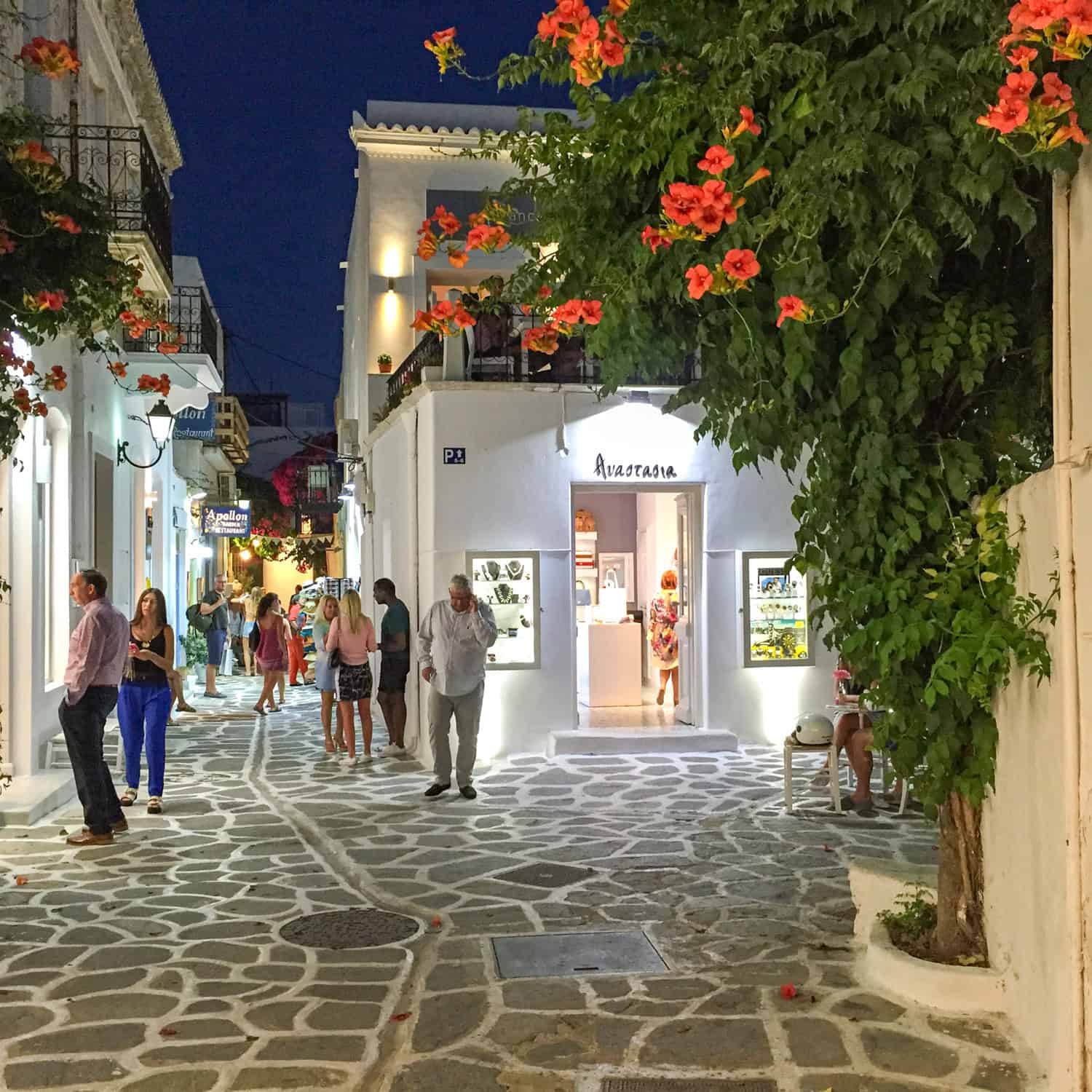
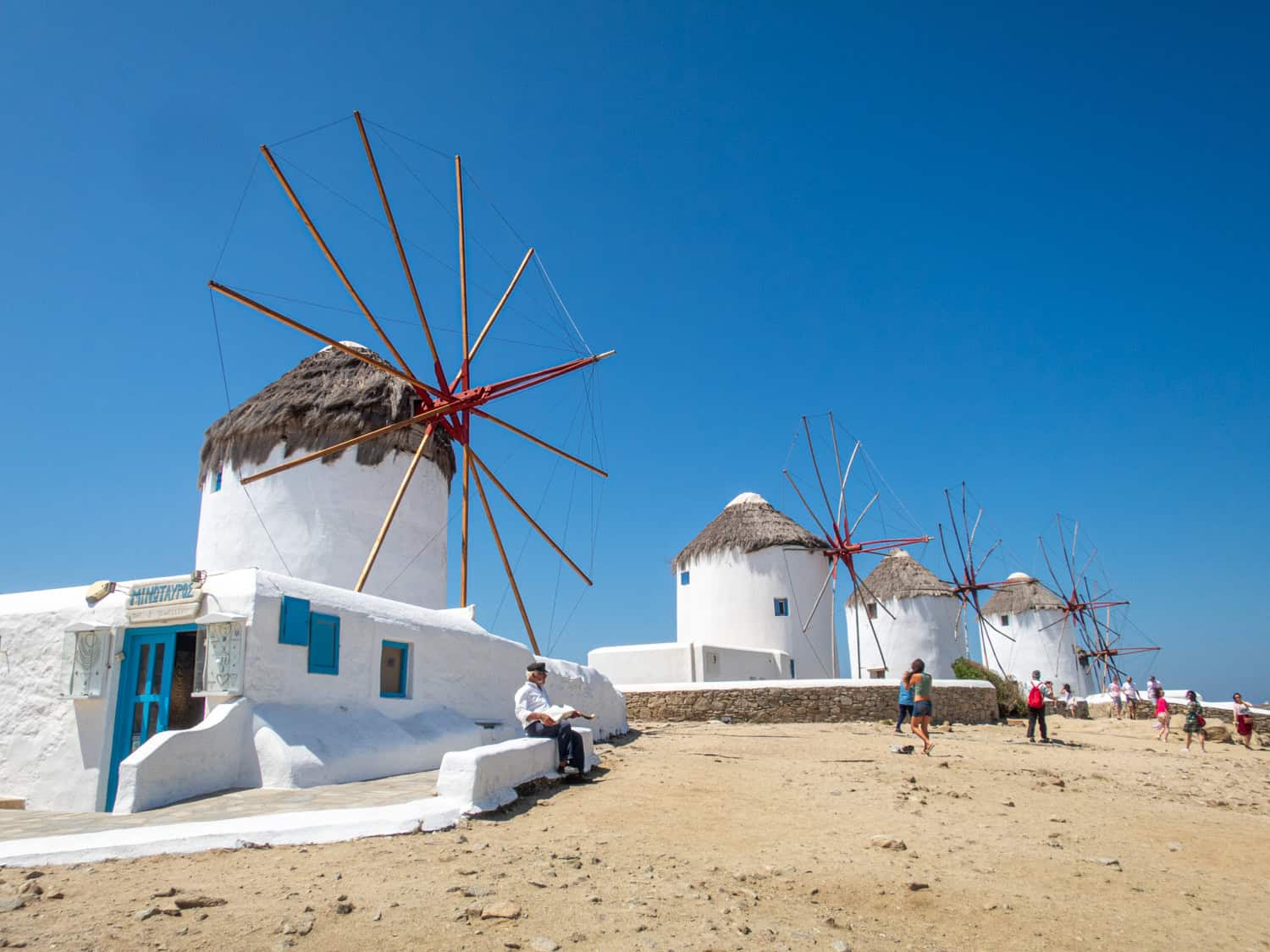
A woman meditating on Mykonos in Greece, an example of slow travel (photo: Santorines, iStock license).
A woman meditating on Mykonos (photo: Santorines)

Among the myriad of experiences that align with slow travel are the serene sleep tourism locations. These locations are intended to offer peaceful and revitalizing experiences, enhancing the slow travel philosophy by enabling visitors to stop and establish meaningful connections with their environment.

The essence of slow travel is the immersive involvement with the local pace of life, which fosters a deep understanding of the area's culture and people, even though these areas offer a unique component of the travel experience.

Table of Contents

  • About Slow Travel
    • Engaging Deeply with Local Life
    • Positive Impacts of Slow Travel
    • Starting Your Slow Travel Journey
  • Conclusion

About Slow Travel

Engaging Deeply with Local Life

Traveling is the same as experiencing local life and customs in their truest form. Slow travelers may spend more time in one location than a quick tour of popular attractions, immersing themselves in the local way of life, picking up some local language, or participating in local activities.

This method enhances the trip experience with depth and authenticity by enabling a deeper connection with the destination and providing insights into the customs and daily lives of the locals.

Positive Impacts of Slow Travel

Beyond just enhancing one's life, slow travel positively affects the environment and local economies. Extended stays in one place allow visitors to reduce their carbon footprint and engage with the environment more sustainably.

Local communities gain economically from tourists' propensity to shop locally, eat at restaurants in the area, and buy handcrafted goods, all of which boost the regional economy and promote environmentally friendly travel strategies.

Starting Your Slow Travel Journey

When starting a slow adventure, a new outlook on travel is necessary, emphasizing immersive experiences above lengthy excursions. Choosing travel venues that provide a breadth of cultural experiences and permit more extended visits can improve a person's comprehension and enjoyment of a place.

The essence of leisurely travel is highlighted by the most genuine and enriching experiences that can arise from being open to impromptu and unplanned encounters.

This method establishes stronger relationships with regional people, customs, and environments, turning a routine travel experience into a meaningful voyage of self-discovery and development. Thus, slow travel improves the traveler's experience and encourages a more responsible and sustainable type of tourism that benefits both the host community and the traveler.

Conclusion

Slow travel is a manner of seeing the world that promotes awareness, understanding, and connection rather than just a way of traveling. It encourages visitors to take their time, connect fully, and enjoy the subtle beauty of their trip locations.

Adopting the concept of slow travel can help people have more rewarding travel experiences, support the sustainability of the places they visit, and promote a stronger sense of respect and kinship among people everywhere.

_____

This story is brought to you in partnership with Faye.

12 Essential Apps Every Backpacker Needs

Apps can be invaluable tools for backpackers. There are apps for whether you need to find your way around a new city, plan your public transport route, or even prepare for possible emergencies.

A backpacker in the Caucus Mountains (photo: Dmitrii Vaccinium)
A backpacker in the Caucasus Mountains (photo: Dmitrii Vaccinium)

But it's important to remember that you won't always have access to mobile data, and even when you do, you might not want to use your roaming allowance to figure out how many Vietnamese dongs you can get for a dollar. Below, we look at 12 apps you shouldn't be without when backpacking in any country.

Table of Contents

  • Mobile Apps
    • 1. VPN
    • 2. Communication App
    • 3. Photo Backup
    • 4. Emergency Location App
    • 5. Translator
    • 6. Weather Apps
    • 7. Currency Conversion Calculator
    • 8. Hostel Finder
    • 9. Couchsurfing Apps
    • 10. Location Review Apps
    • 11. Ride-hailing Apps
    • 12. Maps
  • Conclusion

Mobile Apps

1. VPN

Using a VPN, you can log into your banking app and watch TV shows from home that you wouldn't usually be able to access while abroad. You may also need a VPN to access restricted sites in certain countries. Without a VPN, you won't be able to access sites like Google in countries like China, for example. 

VPNs work on any device, so whether you're a loyal iOS user or prefer Android, you can install a VPN app to support safer connections.

Some VPNs work better with one operating system over the other, so if you love Apple, find a VPN that works well with your phone, and if you're dedicated to Android, find a VPN that offers Android device protection. 

2. Communication App

It isn't just Google that's banned in some countries. Access to the popular messaging app WhatsApp is also restricted, and while you can get around this using your VPN, you should have backup communication apps ready.

Download and install WeChat and other messaging services, and have emergency contacts do the same so you can be sure you can reach them if needed. You can also use these apps for general catch-ups and to send photos and other media you capture on your adventures.

3. Photo Backup

While traveling, you will likely amass many photos and video clips documenting your activities. Losing them can be heartbreaking. Many backup options are available, including some offering generous free options.

Google Drive and Apple iCloud are both very accessible, and you can sync your phone and other devices, so everything is safe. You can also upload photos and video files when connected to Wi-Fi to avoid using your data allowance.

4. Emergency Location App

You can't count on cell phone reception when trekking the Great Himalayan Trail. While that's great for disconnecting and can do wonders for mental health, it's not great if you have an accident.

Whether the weather changes and you're stuck or you suffer an injury that prevents you from getting back down, you will need to be able to contact the emergency services.

An emergency location app like the what3words app gives you a precise location that can be easily tracked. It could be a lifesaver.

5. Translator

Generally, you should try to learn at least a few words of a native language before you travel to a country. But unless you're fluent, there will come times when you can't get your message across or when you can't understand answers to your questions. A translator app will help.

The Google Translate app is an excellent free option. You can download the languages you need online to use the app offline. A language teaching app like Duolingo can also help you master the basics with just a few minutes of daily practice.

6. Weather Apps

Most cell phones have weather apps already installed, but they aren't always the most reliable. Install a trusted local weather map that includes emergency alerts. Use the app to plan your activities.

If there's any danger of storms, avoid the area and look for alternate activities. It can also help plan travel routes and itineraries.

7. Currency Conversion Calculator

The internet offers instant access to live currency conversions. But if you don't have access to mobile internet while you're traveling or don't want to use your mobile data whenever you want to make a simple conversion, a currency calculator can help.

It will update while you're online and can be used offline to give a reasonably accurate and up-to-date conversion. XE Convert is a decent example of a currency conversion app that will prove helpful.

8. Hostel Finder

Backpacking is about saving money wherever possible, and hostels are an age-old technique. They offer cheap accommodations and opportunities to meet fellow travelers, trade travel tales, and get recommendations from others.

Hostels vary according to price, comfort level, amenities, and locale, though a hostel finder app can help you find a local place to stay that won't cost the earth.

9. Couchsurfing Apps

An alternative to staying in hostels is to couchsurf. With a couchsurfing app, you don't have to know people in every city or country. You pay minimal costs, help with cooking or other chores, and you can typically stay right among the locals to give you a better idea of what life is like in the area.

Always be careful when staying with somebody you don't know, and try to use an app that requires you and the couch owners to be verified. You must be a verified user if you want to couchsurf in Japan.

10. Location Review Apps

Whether you're planning a stay in an affordable motel or an expensive hotel, you want to ensure you're getting your money's worth. That's where location review apps are handy.

They offer access to genuine reviews from genuine users who have stayed in, eaten at, or otherwise visited and used the locations you're considering.

TripAdvisor has a mobile app and is one of the most popular destination review services, which means you should be able to find reviews for everything.

11. Ride-hailing Apps

Uber and Lyft are two of the best-known ride-hailing apps and can prove invaluable when traveling. You won't need to pay expensive cab fares, which can be devastatingly high in some cities, and with the app, it is easy to find local rides.

Check which service is the most popular in the area you're visiting and download that app, though. While Uber might be the most popular in some countries, it isn't even available in Bulgaria or other countries.

12. Maps

There's a good chance your cell phone or mobile device already has a map app installed, whether from Apple or Google. These apps are generally accurate and reliable. However, you may want something more trustworthy if you're backpacking away from main routes.

Check for apps that include hikes and trails in the area you're visiting. For example, the OS Maps app in the UK will prove an invaluable tool in your backpacking arsenal.

Conclusion

Backpacking can be an affordable way to travel to new destinations, but it does pose particular challenges. Using the mobile apps above, you can plan your journey, keep a better record of your trip, and stay safe while adventuring.

Most of the apps can be used offline, which is also essential if you have limited access to the internet. They also allow you to make the most of any Wi-Fi time you have when settling down for the night.

_____

This story is published in partnership with Techopedia.

11 Reasons Branson Is a Great Vacation Destination for Families

Branson, Missouri, stands out as a top destination for family vacations in the United States. It offers abundant activities, entertainment, and natural beauty for all ages. From the neon lights of the Strip to the serene waters of Table Rock Lake, Branson blends the excitement of live entertainment with the tranquility of the Ozark Mountains.

Branson is a place where families can create lasting memories, whether they're seeking adventure, relaxation, or a bit of both. This guide explores why Branson is perfect for families looking to make the most of their time together.

Table Rock Lake is a popular vacation destination in Branson, Missouri (photo: WorldExotc21, iStock license)
Table Rock Lake in Branson

Table of Contents

  • Why Branson?
    • 1. Family-Friendly Attractions
    • 2. Natural Beauty and Outdoor Activities
    • 3. Unforgettable Entertainment
    • 4. Educational Experiences
    • 5. Shopping and Souvenirs
    • 6. Accommodation Options for Every Budget
    • 7. Seasonal Festivals and Events
    • 8. Water Parks and Aquatic Adventures
    • 9. Exceptional Dining Variety
    • 10. Accessibility and Convenience
    • 11. Warm Hospitality
  • Conclusion

Why Branson?

1. Family-Friendly Attractions

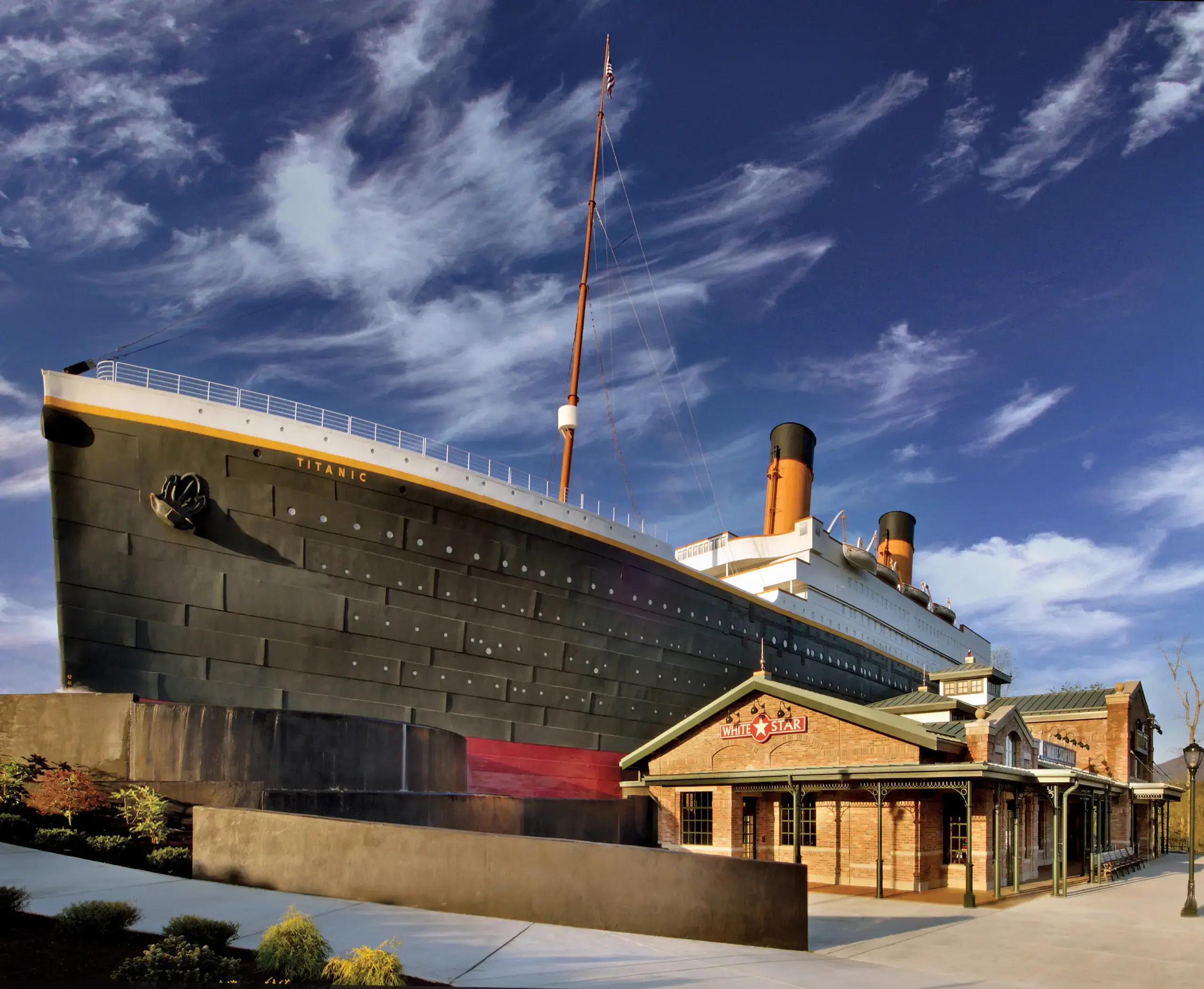
Branson is home to many attractions designed with families in mind. From the thrills of Silver Dollar City, known for its roller coasters and 1880s theme, to the interactive exhibits at the Titanic Museum, there's no shortage of ways to keep the entire family entertained. Each attraction offers unique experiences that educate, fascinate, and thrill visitors of all ages.

2. Natural Beauty and Outdoor Activities

The breathtaking natural scenery in and around Branson provides a perfect backdrop for outdoor adventures. Families can explore the hiking trails of Dogwood Canyon Nature Park, go boating on Table Rock Lake, or enjoy a picnic at Lake Taneycomo. These natural wonders offer a peaceful retreat from city life and a chance for families to reconnect with nature.

3. Unforgettable Entertainment

Branson dinner shows are a staple of the local entertainment scene, combining delicious meals with outstanding performances. A standout attraction is the Dolly Parton's Stampede Dinner Attraction. Here, you'll not only enjoy delicious meals but also captivating entertainment.

Arriving early to dinner allows you to witness the renowned "Horse Walk," where kids can meet the show's stars on four legs! Be sure to explore the gift shop, which offers soft plush animals, toys, games, and other memorable gifts that children will adore.

4. Educational Experiences

Branson offers numerous opportunities for educational enrichment through fun and engaging activities. The Butterfly Palace, for example, allows children to learn about tropical ecosystems while wandering among thousands of live butterflies. Similarly, the Branson Dinosaur Museum fascinates with its prehistoric exhibits, making learning about ancient history an exciting adventure for young minds.

5. Shopping and Souvenirs

Branson transforms shopping into an adventure, offering more than just a chance to find the perfect souvenir. The city has unique boutiques and craft shops where local artisans sell handmade items, from traditional Ozark quilts to custom leather goods.

Outlet malls provide bargains on brand-name goods, making shopping in Branson both a hunt for treasures and an opportunity for savings. For families, this means taking home a piece of their vacation and discovering the stories and craftsmanship that define the region.

6. Accommodation Options for Every Budget

The array of lodging choices in Branson ensures that every family can find the perfect place to stay, regardless of budget. Luxury resorts offer pampering and relaxation with views of the Ozarks, while cozy cabins provide a rustic retreat in the arms of nature.

Numerous hotels and motels offer competitive rates for those looking for value without compromising comfort or convenience. This variety means families can select accommodations that fit their financial plan and enhance their vacation experience.

7. Seasonal Festivals and Events

Branson's calendar includes festivals and events that add a special touch to any visit. Spring brings colorful flower festivals, while summer offers music and food events that celebrate the heart of American culture.

Craft fairs and autumn celebrations mark fall, and winter shines with holiday lights and parades. These events not only offer families fun and festivity but also a glimpse into the community spirit and cultural richness of Branson.

8. Water Parks and Aquatic Adventures

Branson's water parks are perfect for families seeking to cool off and have a blast. These spots feature a range of water-based attractions, including exhilarating slides and kid-friendly play zones. Lakeside resorts offer many water sports and activities catering to water enthusiasts of all ages, making them ideal destinations for those visiting during the summer months.

9. Exceptional Dining Variety

Mealtime in Branson is an opportunity to explore various culinary delights. The city's dining scene includes everything from classic American diners serving hearty breakfasts to fine dining establishments offering excellent regional cuisine. Themed restaurants add fun to dining out, while local eateries serve Ozark specialties. This diversity ensures families can find dining options for every taste and occasion.

10. Accessibility and Convenience

One of Branson's greatest strengths is its ease of access and navigability. The city is designed to be family-friendly, with attractions, dining, and shopping all conveniently located. This compactness and thoughtful layout mean families can spend less time traveling and more time enjoying what Branson has to offer. In addition, the availability of public transportation and the walkability of many areas further enhance the convenience factor.

11. Warm Hospitality

Perhaps what truly sets Branson apart is its people's genuine warmth and hospitality. Visitors are greeted with open arms and friendly smiles, creating a welcoming and safe atmosphere. This sense of belonging and community is what many families remember long after their vacation ends, contributing to Branson's reputation as a place where memories are made.

Conclusion

Branson isn't merely a destination; it embodies a shared adventure, presenting unique experiences for every family member. The joyous rides in theme parks and the tranquil moments amidst the Ozarks offer a blend of fun, learning, and exploration.

This combination can help you create cherished memories. It's a place where simple moments transform into lasting memories, and every turn presents a new chance to bond, explore, and uncover something extraordinary.

So, when planning your next family vacation, view Branson not just as a place to visit but as an invitation to immerse in the magic of holidays: an opportunity to break from the routine and create moments of happiness and togetherness with your loved ones.

_____

This story is brought to you in partnership with Dolly Parton's Stampede.

6 Captivating Central European Castles To Visit

Central Europe is full of historical landmarks, with its magnificent castles standing as testaments to the region's rich past. From the grandeur of Germany's Bavarian palaces to the medieval fortresses of the Czech Republic, each castle tells a story of power, intrigue, and architectural innovation. Let's look at six of Central Europe's most captivating castles.

Table of Contents

  • Central European Castles
    • 1. Prague Castle
    • 2. Neuschwanstein Castle, Germany
    • 3. Hohensalzburg Fortress, Austria
    • 4. Cesky Krumlov Castle, Czech Republic
    • 5. Hluboka Castle, Czech Republic
    • 6. Wawel Castle, Poland
  • Wrapping Up

Central European Castles

1. Prague Castle

Prague Castle (photo: Florian van Duyn)
Peering up at Prague Castle (photo: Florian van Duyn)

Prague Castle, in the heart of the Czech Republic's capital, stands as a monument of the country's storied past. Recognized as the world's largest ancient castle (at roughly 7.5 million square feet or 70,000 square meters) by the Guinness Book of World Records, this sprawling complex has been the epicenter of Czech governance and culture for centuries. Prague Castle contributes to the Historic Centre of Prague's recognition as a UNESCO World Heritage Site.

Within its expansive grounds lie the awe-inspiring Gothic St. Vitus Cathedral, the historic Old Royal Palace, and the quaint, colorful alleyway known as Golden Lane. Visitors are often captivated by the ceremonial elegance of the changing of the guard, a tradition that offers a window into Prague Castle's ceremonial past.

Tip: It's easy to travel by train from Berlin to Prague, where you can explore this castle and city in depth.

2. Neuschwanstein Castle, Germany

The scenic Neuschwanstein Castle (photo: Felix)

Neuschwanstein Castle is a fairy-tale vision brought to life in the Bavarian Alps. Commissioned by King Ludwig II of Bavaria in the 19th century, this castle is the epitome of Romantic architecture, with its soaring turrets and intricate facades.

A visit to Neuschwanstein offers a glimpse into the king's imaginative world, with opulent interiors that include the Throne Room and the Singers' Hall. While in the region, consider taking the train from Munich to Vienna to explore some of Austria's architectural wonders, such as Schonbrunn Palace.

3. Hohensalzburg Fortress, Austria

Hohensalzburg Fortress (photo: Thomas Hackl)

Perched atop Festungsberg Hill, Hohensalzburg Fortress dominates Salzburg's skyline. This formidable structure, one of the largest medieval castles in Europe, dates back to 1077.

A tour of the fortress reveals a blend of Gothic, Romanesque, and Baroque architectural styles, as well as panoramic views of the city and the Alps. The castle's chambers, including the Golden Hall and the Bedchamber, are adorned with ornate decorations and historical artifacts.

4. Cesky Krumlov Castle, Czech Republic

Cesky Krumlov Castle (photo: Nick Night)

Situated in the picturesque town of Cesky Krumlov in the south of the Czech Republic, this castle complex is a UNESCO World Heritage Site and one of the country's most visited attractions. The castle's architecture is a mix of Gothic, Renaissance, and Baroque styles, reflecting its long history of construction and renovation.

Highlights include the Baroque theater, complete with original stage machinery, and the castle gardens, which offer a tranquil escape with their manicured lawns and sculpted hedges.

5. Hluboka Castle, Czech Republic

Hluboka Castle (photo: Leonhard Niederwimmer)

Not far from Cesky Krumlov, Hluboka Castle is a romantic 19th-century chateau inspired by England's Windsor Castle. Its white neo-Gothic facades and opulent interiors, including the Knight's Hall and the private apartments of the Schwarzenberg family, make it one of the Czech Republic's most beautiful castles.

6. Wawel Castle, Poland

Wawel Castle (photo: Chris Linnett)

Located in Krakow, Wawel Castle is a symbol of Polish national identity. The castle complex includes a royal residence, a cathedral, and several museums. Visitors can explore the State Rooms, Royal Private Apartments, and the Crown Treasury and Armory, which houses an impressive collection of jewels, weapons, and armor.

Wawel Castle's architecture reflects a blend of Renaissance, Gothic, and Romanesque styles, making it a must-visit in Poland for history and art enthusiasts.

Wrapping Up

In conclusion, Central European castles are not just stone and mortar but the keepers of history, art, and culture. From the expansive grounds of Prague Castle to the fairy-tale beauty of Neuschwanstein and the historical significance of Wawel Castle, each fortress has its own unique story to tell.

These architectural marvels are a testament to the region's past and continue to captivate visitors with their grandeur and historical intrigue. Whether you're a history buff, architecture enthusiast, or simply searching for breathtaking views, Central Europe's castles will enchant and inspire.

_____

This story is brought to you in partnership with Rail Ninja.

The Best Yacht Destinations Around the World

Embarking on a yacht journey offers a unique blend of adventure and relaxation. You can explore some of the world's most beautiful destinations from the comfort of your own vessel. Whether you daydream of a luxury charter while watching Below Deck or can make it a reality, here are some of the top yacht destinations, each offering its charm and attractions.

Table of Contents

  • Yachting Destinations
    • St. Barts - The Caribbean
    • Amalfi Coast - Italy
    • Côte d'Azur - French Riviera
    • Seychelles - Indian Ocean
  • Conclusion

Yachting Destinations

St. Barts - The Caribbean

Gustavia in St. Barths, one of the world's top yacht destinations (photo: Sean Pavone, iStock)
Gustavia, St. Barths (photo: Sean Pavone)

Nestled in the Caribbean, St. Barts, or Saint Barthélemy, is a picturesque island known for its stunning beaches and laid-back luxury. The island's clear turquoise waters and pleasant climate make it a favorite among yacht enthusiasts. With its quaint boutiques, gourmet restaurants, and lively nightlife, Gustavia Harbor is a perfect spot to anchor your yacht. St. Barts is not just about luxury; it's also a place to connect with nature. Explore the marine life with snorkeling or diving, and enjoy the island's natural beauty.

Amalfi Coast - Italy

Positano (photo: Lea)

The Amalfi Coast in Italy is a breathtaking stretch of coastline renowned for its colorful cliffside villages, lemon groves, and rich cultural heritage. Cruising along the coast offers stunning views and a taste of la dolce vita. Anchor in Positano or Amalfi to wander charming streets, savor authentic Italian cuisine, and explore historical sites. The Amalfi Coast is a feast for the eyes and a region steeped in history, offering a blend of natural beauty and cultural experiences.

Côte d'Azur - French Riviera

Saint-Tropez (photo: La coccinelle)

The French Riviera, or Côte d'Azur, is synonymous with chic coastal living. From the glamour of Monaco to the relaxed vibe of Saint-Tropez, this region offers a variety of experiences. Monte Carlo's marina is a hub of luxury, while Cannes and Antibes offer a mix of film festivals and private beaches. The French Riviera is not just about glitz and glamour; it's also a place to enjoy stunning landscapes, with the Alps as a backdrop and the Mediterranean Sea at your feet.

Seychelles - Indian Ocean

The Seychelles is a top yachting destination on account of beaches like these. (photo: iStock)
Beach in the Seychelles (photo: iStock)

Seychelles, an archipelago of 115 islands in the Indian Ocean, is a paradise of white-sand beaches, lush jungles, and crystal-clear waters. Yachting in Seychelles offers a unique opportunity to explore secluded islands and enjoy the tranquility of nature. Anchor off La Digue or Praslin to experience otherworldly landscapes with granite boulders and vibrant coral reefs. The Seychelles is a sanctuary for rare wildlife, making it a perfect destination for those seeking a blend of luxury and untouched natural beauty.

Conclusion

These luxury yacht destinations offer a diverse range of experiences, from the vibrant cultures of the Caribbean and the Mediterranean to the serene beauty of the Indian Ocean. Each destination has unique attractions, from historical sites to natural wonders, making them ideal for those looking to explore the world from the comfort of their yacht. As you set sail, these destinations await, offering a blend of adventure, relaxation, and unforgettable memories.

_____

This story is brought to you in partnership with Superyacht Life.

Traveling to Spain? Here Are Some Things To Keep In Mind

Ready for a Spanish adventure? Spain offers travelers a rich blend of history, culture, and stunning landscapes. From Madrid's buzzing streets to Barcelona's sun-kissed beaches, there's a slice of paradise for everyone. But before you jet off on your first trip to Spain, here are some essential tips to ensure a smooth experience.

Beach in Cala del Moraig, Spain (photo: Eduardo Kenji Amorim)
Beach in Spain (photo: Eduardo Kenji Amorim)

Table of Contents

  • Spain Travel Tips
    • Language
    • Currency
    • Climate
    • Cultural Etiquette
    • Eating Out
    • Health and Safety
  • Conclusion
  • FAQ

Spain Travel Tips

Language

Spanish is the official language, but English is widely spoken in tourist hotspots. Brush up on basic Spanish phrases to enhance your experience and connect with locals. Don't forget to download a translation app for hassle-free communication.

Currency

The Euro is the currency used in Spain. While credit cards such as Visa and Mastercard are widely accepted, it's wise to carry some cash for those quaint village shops or beachside bars (chiringuitos). Also, before you leave home, verify which of your credit cards (if any) have no foreign transaction fees so you can use those. And it's always a good idea to inform your bank about international travel plans to avoid any unexpected hiccups.

Climate

Spain boasts a Mediterranean climate with warm summers and mild winters. But the weather can vary. Coastal areas offer gentle breezes, while inland spots might surprise you with scorching heat or chilly winds. Check the forecast and pack accordingly.

Cultural Etiquette

Spanish culture is known for its warmth, hospitality, and emphasis on socializing and having fun. When interacting with local people, be humble and observe cultural norms. Greetings typically include a handclasp or two kisses on the cheek (starting with the left cheek). It's also customary to say "please" (por favor) and "thank you" (gracias) when making requests or expressing gratitude.

Street performers in Cathedral Square, Barcelona (photo: Richard Hewat)
Street performers in Barcelona (photo: Richard Hewat)

Eating Out

Spanish cuisine is world-renowned for its variety, with each region having specialties and cooking procedures. When eating out, lunch is typically served between 1:30 p.m. and 3:30 p.m., and dinner begins around 8:30 p.m. or later. Tapas, small plates of snacks, are a customary dining choice and an easy way to sample diverse dishes.

Health and Safety

Spain's healthcare is top-notch, with public and private hospitals available nationwide. European Union citizens, bring your EHIC for emergency care. For non-EU travelers, ensure your travel insurance covers medical needs. Stay vigilant to avoid petty theft, especially in crowded spots.

Conclusion

Spain is a vibrant blend of ancient wonders, delicious food, and lively culture. With these tips in hand, you're set for an unforgettable journey. Whether you're exploring cities, lounging on pristine beaches, or hiking scenic trails, Spain promises to enchant and inspire. Get ready to create lasting memories in this beautiful land!

FAQ

1. Do I need a visa to go to Spain? Visitors from the United States and European Union often don't need a visa for short trips to Spain, but always verify visa requirements based on your nationality and trip purpose.

2. What is the ideal period to visit Spain? The best time to visit Spain varies, but spring (April to June) and fall (September to November) typically offer mild weather and smaller crowds.

3. Is it safe to drink tap water in Spain? Yes, drinking tap water in Spain is safe, especially in major cities and tourist areas. However, some may prefer bottled water for peace of mind.

_____

This story is brought to you in partnership with Omio.

Tips for Your Next International Business Trip

Planning your next international business trip doesn't have to be daunting. With the right mindset, you can turn nervous energy into excitement that will leave a lasting impression on you and any clients.

Imagine arriving in a new and exciting locale and representing yourself as a blogger or influencer at a travel conference. While the pressure might be on, it's also an opportunity to explore, discover, and create new memories.

Business travel isn't just about presentations, meetings, and networking. It can be a chance to step out of your comfort zone and immerse yourself in different cultures. With a positive attitude and a sense of adventure, you can make the most of your trip.

If you're new to international business travel, we have tips to make your trip a rewarding and enjoyable experience. Let's redefine how we travel for work and turn it into an opportunity for growth, exploration, and fun.

Working by a hotel pool on an international business trip (photo: Humphrey Muleba)
Working by a hotel pool (photo: Humphrey Muleba)

Table of Contents

  • Business Travel Tips
    • Research Your Destination
    • Prepare Your Itinerary
    • Make Reservations
    • Pack the Essentials
    • Secure Storage Drives
    • Prepare for the Unexpected
    • Choosing Accommodation
    • Enjoy Yourself
  • Wrapping Up

Business Travel Tips

Research Your Destination

Before you jet off, you'll want to do a little homework-but don't worry-it's fun. Do some research about your destination to ensure a smooth trip. Find out if your hotel has all the resources you love, like a gym to keep you fit, Wi-Fi to keep you connected, and maybe even a spa to help you unwind after a long day.

And while you're at it, why not check out the local news? It's always good to know if a big festival or event is happening that might throw a wrench in your plans.

Now, let's talk culture. You're not just traveling; you're a global citizen. Get cozy with the customs and etiquette of your destination. A little knowledge of the local language and traditions can go a long way, especially when trying to impress your business partners.

Last but not least, make a list of must-see spots. Yes, you're there for work, but who says you can't mix in a little play? Discovering new places is half the fun of traveling, so go ahead and plan some adventures for your downtime!

Luckily, numerous guides to different travel locations will make this process easier for you, so ensure you take advantage of them.

Prepare Your Itinerary

Heading off on a business trip isn't like throwing a dart at a map and jetting off for a weekend adventure. This time, you're on a mission, and it's all about blending your agenda with a sprinkle of your savvy planning.

Crafting an itinerary is like having a secret weapon in your travel arsenal. A game plan will help you dodge that overwhelming feeling of "What do I do next?" When you touch down at your destination, instead of feeling like a deer in headlights, you'll have a clear path laid out for you.

So, take a moment to map out your days-pencil in those conferences, meetings, and must-do tasks. With a solid itinerary, you'll glide through your trip with the confidence of a seasoned traveler, knowing exactly where you need to be and when. Plus, it leaves room for a bit of spontaneity!

Make Reservations

Let's face it: while business trips might not be all about kicking back and relaxing, that doesn't mean you can't sneak in a bit of fun. The key to a stress-free journey? Planning. Lock in your accommodation, sort out your travel plans, and maybe even book a few restaurants to ensure you're not scrambling for a last-minute meal.

The more you prepare, the smoother your trip will be. So, get those ducks in a row and set yourself up for a business trip that's not only productive but also has a dash of adventure.

Pack the Essentials

On an international business trip, it's not just about packing suits and nice shoes. Sure, you may need to dress to impress for meetings, but don't forget to throw in some comfy clothes for your off-duty hours.

Let's talk tech. Your gadgets are your lifelines on the road. From staying connected with your team to catching up with family and friends, your laptop, phone, and trusty universal adapter are must-haves. Whether working from a coffee shop or winding down in your hotel room, ensure you're geared up to stay plugged in and productive.

Secure Storage Drives

Thanks to ever-improving technology, you can keep your sensitive files locked up tight with secure storage devices. No more fretting over the safety of your data. Investing in these handy gadgets is wise for any traveler, giving you much-needed peace of mind while on the go.

Prepare for the Unexpected

Let's be honest: things can go sideways, even on a business trip. Delays? They're practically a rite of passage for travelers. That's no reason to sweat it. Pack your bag or luggage with essentials like chargers and noise-canceling headphones to keep your trip running smoothly.

If you're looking to up your travel game, consider using any accumulated credit card points toward a business-class flight. It's not just about the extra legroom-it's about creating a space where you can be productive and comfy. So, why not treat yourself? After all, a relaxed traveler is a happy traveler!

Choosing Accommodation

If you're in charge of picking your place to stay, here's a pro tip: Choose accommodation as close to your conference or meeting spots as you can afford. Every minute counts on a business trip, and you don't want to spend half your day commuting.

Plus, traffic jams and busy transport networks can turn a short trip into a marathon. So, do yourself a favor and stay close to the action-it'll save you time and sanity.

Enjoy Yourself

Naturally, your business trip involves nailing those meetings and events on your agenda. But don't forget to steal a few moments for yourself. When you're not in the thick of work, take the chance to soak up the local sights and culture.

Trust me, it's not just about sightseeing-it's about gathering insights into the local customs and vibes. This little exploration can go a long way in helping you connect with people and make your meetings even more impactful. So, when you get a breather, dive into the surroundings and let your trip be more than just business.

Wrapping Up

As you wrap up planning for your international business trip, remember that it's more than just meetings and presentations. It's a chance to broaden your horizons, immerse yourself in new cultures, and maybe even have fun.

You'll impress your clients and enrich your life with a well-thought-out itinerary, the right tech gear, and a spirit of adventure. So embrace the journey and make your business trip memorable!

_____

This story is brought to you in partnership with SkyClub.

Pilgrimage to Ethiopia's Holy Land: A Once-in-a-Lifetime Trip

Ethiopia is significant religiously for several faiths, including Christianity, Islam, and Judaism, and is a popular pilgrimage destination. For Christians, Ethiopia is one of the oldest Christian nations in the world, with a rich history dating back to biblical times. Many Christians undertake pilgrimages to visit sacred sites such as Lalibela, home to ancient rock-hewn churches, and Aksum, believed to house the Ark of the Covenant.

Ethiopia is also important in Islamic history, as it was one of the first destinations for Muslim refugees fleeing persecution in Mecca. Harar, known for its ancient mosques and vibrant Islamic culture, attracts Muslim pilgrims from around the world.

Rock church in Ethiopia (photo: Hadas Hamerovv)

Ethiopia is historically significant for Judaism, with legends suggesting the presence of the Ark of the Covenant in Aksum. Some Jewish pilgrims visit Ethiopia to explore these historical connections and visit sites of religious importance.

Table of Contents

  • Prepare Your Documents
  • The Essence of Ethiopian Pilgrimage
    • Addis Ababa, the Capital
    • Lalibela: The Jerusalem of Africa
    • Mesmerizing Lake Tana
    • Mountains of Faith: The Simien Mountains
    • The Holy City of Aksum
  • In Conclusion

Prepare Your Documents

Ethiopia implemented its electronic visa (e-Visa) system in June 2017, enabling citizens from all nations to access it for tourism and business purposes. Submit an online application for your Ethiopia visa here. 

Only citizens of two countries can enter Ethiopia without a visa. Kenyans can stay for a maximum of one year, while Djibouti citizens can stay visa-free for up to three months.

The Essence of Ethiopian Pilgrimage

Beyond its religious diversity, Ethiopia holds a profound spiritual significance for many. The tranquil landscapes, the warm hospitality of its people, and the sense of reverence that permeates the air all contribute to a deep sense of spiritual awakening. For pilgrims seeking solace and enlightenment, Ethiopia offers a sanctuary for the soul.

Addis Ababa, the Capital

The journey begins in Addis Ababa, the bustling capital city serving as the gateway to Ethiopia. Modernity meets tradition in a vibrant mix of sights, sounds, and flavors. From the busy markets of Mercato to the serene beauty of the National Museum, Addis Ababa offers a glimpse into the heart and soul of Ethiopia.

In Addis Ababa, modern skyscrapers stand alongside ancient churches, reflecting the country's rich cultural heritage. You can explore the vibrant street art scene, sample authentic Ethiopian cuisine, or soak in the sights and sounds of this dynamic city. 

Lalibela: The Jerusalem of Africa

Lalibela rock church (photo: Volker Repke)

From Addis Ababa, the pilgrimage continues to Lalibela, often called the Jerusalem of Africa. Here, amidst the rugged landscapes of northern Ethiopia, lies a cluster of ancient churches carved from solid rock. Built over 800 years ago, these remarkable structures are a testament to the ingenuity and devotion of their creators.

The rock-hewn churches of Lalibela are more than just architectural marvels; they are living testaments to the enduring faith of the Ethiopian people.

Carved deep into the earth, these sacred sanctuaries offer a glimpse into a bygone era and a chance to connect with the divine. For pilgrims, visiting Lalibela is a journey back in time and a step closer to the divine.

Mesmerizing Lake Tana

From Lalibela, the pilgrimage continues to Lake Tana, Ethiopia's largest lake and the source of the Blue Nile. Revered by Ethiopians as a sacred body of water, Lake Tana is home to many religious and cultural treasures, including ancient monasteries and churches dating back centuries.

Dotting the shores of Lake Tana are a series of monastic islands, each with its own storied history and unique charm. You can explore the ancient monasteries adorned with vibrant frescoes and ancient relics or take a boat ride to the remote islands where time seems to stand still.

Mountains of Faith: The Simien Mountains

No pilgrimage to Ethiopia would be complete without a visit to the Simien Mountains, a UNESCO World Heritage site renowned for its breathtaking beauty and rich biodiversity. Towering peaks, deep gorges, and lush valleys make this mountain range a paradise for nature lovers and adventure seekers.

For pilgrims, the Simien Mountains offer more than just scenic beauty; they provide a sacred space for contemplation and reflection.

Whether hiking through pristine wilderness or gazing out over dramatic vistas, you can't help but feel a sense of awe and reverence in the presence of such natural splendor. In the quiet solitude of the mountains, the spirit is free to soar.

The Holy City of Aksum

The ancient Orthodox Church in Aksum, Ethiopia is a pilgrimage destination (photo: hamerovv)
The ancient Orthodox Church in Aksum (photo: hamerovv)

Continuing our journey, we will visit Aksum, the ancient capital of Ethiopia and a UNESCO World Heritage site. Steeped in history and legend, Aksum is home to some of Ethiopia's most iconic landmarks, including the legendary Ark of the Covenant.

According to Ethiopian tradition, the Ark of the Covenant, containing the tablets of the Ten Commandments, is housed in the Church of St. Mary of Zion in Aksum. While the authenticity of this claim is debated, the Ark remains a powerful symbol of faith for millions of Ethiopians and pilgrims alike.

In Conclusion

The dry season, which typically spans from October to May, is also generally considered the best time for pilgrimage to Ethiopia. During this period, the weather is more predictable, with minimal rainfall and comfortable temperatures, making it conducive to outdoor exploration and visits to sacred sites.

Many religious festivals and events occur during the dry season, allowing pilgrims to participate in traditional rituals and ceremonies alongside local communities.

These festivals, such as Timkat (Epiphany) and Meskel (Finding of the True Cross), are deeply ingrained in Ethiopian culture and provide pilgrims with a unique opportunity to deepen their spiritual connection and understanding of the country's religious heritage.

_____

This story is published in partnership with Ethiopia Visa Travel.

Top Airlines for Travel in the Middle East

Air travel has revolutionized how we connect to different cultures and traditions. It is the backbone of international commerce, tourism, and diplomacy, shrinking vast distances and bringing people together. 

Modern efficiencies, safety, and comforts begin when people enter bustling airport terminals. Frequent fliers favor certain airlines due to their excellent service and world-class amenities.

Emirates plane (photo: Tim Dennert)

This guide is for travel enthusiasts. Regardless of where you're from, you can book flights from the United States to Middle Eastern countries (United Arab Emirates, Egypt, Jordan, Saudi Arabia) with budget-friendly carriers.

You can also benefit from city-to-city routes such as a Dammam to Jeddah flight, Rome to Venice, NYC to Washington, DC, or other cities within the same country. Suppose you're looking to book flights from one city to another in a country whose travel attractions you're excited to explore.

Table of Contents

  • Discover Your Path: Wherever You Want To Go
    • 1. Flynas Airline
    • 2. Saudia Airline
    • 3. Delta Airlines 
    • 4. Emirates Airline
    • 5. Gulf Air
  • Final Thoughts
  • Frequently Asked Questions (FAQ's)

Discover Your Path: Wherever You Want To Go

People travel for exploration, relaxation, cultural diversity, business, and adventure. Traveling enables people to broaden their horizons, achieve different perspectives, and escape routines. Travel empowers personal development, increases empathy, and promotes understanding.

Some of the world's best airlines with routes in the Middle East are:

  1. Flynas
  2. Saudia Airlines
  3. Delta Air Lines
  4. Emirates
  5. Gulf Air

1. Flynas Airline

Based in Riyadh, Flynas operates internationally and in the Kingdom of Saudi Arabia. It offers comfortable seating options, a selection of hot meals, and well-disciplined staff. With its commitment to excellence and affordability, Flynas has significantly impacted the region in which it operates and is known as the cheapest airline in Saudi Arabia.

Amenities

A list of facilities and amenities provided by Flynas is below:

  • Adjustable headrests with comfortable seating.
  • Inflight entertainment services.
  • Wi-Fi connectivity is available.
  • Meal options with dietary restrictions.
  • Amenity kits, including blankets, pillows, and eye masks.
  • Duty-free shopping facilities at airport terminals.
  • Power outlets with USB ports.
  • Comfortable and premium lounges for customers with specific memberships.

2. Saudia Airline

Saudi Arabia's national airline, Saudia Airlines, is known for its excellence in the aviation industry and has gained a reputation for its commitment to excellence, safety, and affordability. This airline operates domestically and internationally, connecting people across all continents. It provides state-of-the-art facilities and offers travelers a seamless journey. 

Luxury Amenities

A list of amenities and facilities provided by Saudia Airlines is listed below:

  • Inflight entertainment, such as TV shows and music.
  • Comfortable seating options.
  • Wi-Fi connectivity facilities are available for customers
  • Duty-free shopping at airport terminals.
  • A prayer facility is available for religious customers.
  • Amenity kits.

3. Delta Airlines 

As a leading airline in the United States, Delta Airlines stands out for its commitment to excellence in affordability, comfort, and customer experience. Connecting people globally and locally with multi-city flight routes, Delta ensures efficient travel with premium amenities and facilities.

Premium Amenities

  • Enjoy open and closed suite seats for a stylish and comfortable journey.
  • Delight in delectable breakfast, lunch, and dinner options.
  • Amenity kits with blankets, pillows, and eye masks for added comfort.
  • Experience superior audio with high-quality headphones provided to all customers.
  • Stay entertained throughout the flight with inflight entertainment, including TV shows and music.
  • Access spacious and relaxing lounge facilities at airport terminals.

4. Emirates Airline

Emirates is known as a global leader in aviation and optimizes for luxury air travel. The airline is based in Dubai (United Arab Emirates) and boasts a fleet of modern aircraft and a global network of routes. Emirates Airlines offers travelers an unparalleled experience, whether traveling for business or leisure.

State-of-the-Art Amenities

A list of amenities and facilities provided by Emirates Airline is listed below:

  • Snacks are provided.
  • Inflight entertainment, such as live TV.
  • Slippers are provided.
  • Do not disturb or wake up masks.
  • Seat-to-seat chat technology.
  • Playing cards and writing kits.
  • Free Wi-Fi service.

5. Gulf Air

Based in Bahrain, Gulf Air is another prominent player in the aviation industry. The airline serves a network of destinations across the Middle East, Asia, and Europe. This airline provides customers with remarkable experiences and top-notch facilities and is well-known for its hospitality and commitment to customer satisfaction. 

Premium Amenities

A list of amenities and facilities provided by Gulf Air is listed below:

  • On-board Wi-Fi.
  • A variety of meals for any diet.
  • Spacious check-in services.
  • Inflight entertainment services.
  • Comfortable seating.
  • Airport pick-up and drop-off services.

Final Thoughts

Picking the best airline for any flight can be subjective and dependent on individual preferences, travel routes, cabin amenities, service quality, and pricing.

Several airlines consistently receive praise for their outstanding services and offerings. These airlines are known for their luxurious amenities, extensive route networks, punctuality, and excellent customer service. It is essential to research and consider factors vital to your choice of airline for your next journey.

Frequently Asked Questions (FAQ's)

Q: How early should I arrive at the airport before my flight?

A: It is recommended that you arrive at the airport at least two hours before domestic and three hours before international flights. However, this may vary depending on the airport and other factors, such as security wait times and check-in requirements.

Q: What items are prohibited in carry-on luggage?

A: Common prohibited items in carry-on luggage include liquids exceeding 3.4 ounces (100 milliliters), sharp objects such as scissors or knives, firearms, explosives, and flammable materials. Review the Transportation Security Administration's (TSA) guidelines for a comprehensive list of prohibited items.

Q: Can I change or cancel my flight reservation, and what are the associated fees?

A: Most airlines allow passengers to change or cancel their flight reservations, although fees and policies vary. Typically, changes made closer to the departure date incur higher costs.

_____

This story is published in partnership with Almosafer.

Exploring the Dominican Republic: A Budget Backpacker's Guide

Are you a budget traveler longing for adventure in a tropical paradise? Look no further than the Dominican Republic (DR), a hidden gem in the Caribbean that offers a wealth of experiences for backpackers on a budget. 

The Dominican Republic's history is deeply intertwined with the legacy of Christopher Columbus, who arrived on the island of Hispaniola during his first voyage to the New World in 1492. His landing marked the beginning of European colonization in the Americas and initiated centuries of cultural exchange and conflict. 

Woman sitting on the beach in Las Galeras, Dominican Republic (photo: Michael Baron)
Las Galeras, DR (photo: Michael Baron)

Santo Domingo, the capital of the Dominican Republic, is the oldest continuously inhabited European settlement in the Americas. It served as the seat of Spanish colonial power in the region. 

Visitors can explore the cobblestone streets of the Zona Colonial, a UNESCO World Heritage site, and marvel at architectural treasures such as the Alcázar de Colón, the former residence of Columbus's son Diego.

Table of Contents

  • Why Choose the Dominican Republic?
    • 1. Diversity of Landscapes
    • 2. Affordability
    • 3. Rich Culture and History
    • 4. Easy Entry Requirements
  • Getting Around
    • 1. Public Transportation
    • 2. Hitchhiking
    • 3. Renting a Car
  • Accommodations
    • 1. Hostels
    • 2. Guesthouses and Homestays
    • 3. Camping
  • Must-Visit Destinations
    • 1. Santo Domingo
    • 2. Punta Cana
    • 3. Samana Peninsula
  • Budget-Friendly Activities
    • 1. Beach Hopping
    • 2. Hiking and Nature Trails
    • 3. Cultural Experiences
  • Safety Tips
    • 1. Exercise Caution in Tourist Areas
    • 2. Respect Local Customs and Traditions
    • 3. Stay Informed
  • Conclusion

Why Choose the Dominican Republic?

1. Diversity of Landscapes

The DR is blessed with diverse landscapes, including white sandy beaches, towering mountains, dense jungles, and picturesque waterfalls. 

2. Affordability

One of the biggest draws of backpacking in the Dominican Republic is its affordability. From budget-friendly accommodations to cheap eats, transportation, and activities, you can stretch your travel budget further here than in many other Caribbean destinations.

Punta Cana, Dr (photo: Marko Rajevic)
Punta Cana (photo: Marko Rajevic)

3. Rich Culture and History

Immerse yourself in the vibrant culture and fascinating history of the DR as you explore its colonial cities, visit local markets, and interact with friendly locals. From the lively rhythms of merengue and bachata to the mouthwatering flavors of Dominican cuisine, you'll be captivated by the country's unique cultural heritage.

4. Easy Entry Requirements

It's essential to review the visa requirements applicable to your country to determine whether you need both an e-ticket and a visa. If your country is exempt from visa requirements, you can enter using only your DR e-ticket and passport.

Getting Around

1. Public Transportation

The Dominican Republic has an extensive network of buses, guaguas (minibuses), and motoconchos (motorcycle taxis), making it easy to get around on a budget. While public transportation may be crowded and chaotic at times, it's a great way to experience local life and connect with fellow travelers.

2. Hitchhiking

For the more adventurous traveler, hitchhiking is a popular and relatively safe way to get around the DR. Just be sure to use common sense and trust your instincts when accepting rides from strangers.

3. Renting a Car

If you prefer more freedom and flexibility in your travels, renting a car is convenient for exploring the DR at your own pace. Remember that driving in the DR can be challenging due to poor road conditions and aggressive drivers, so proceed cautiously.

Christopher Columbus statue (photo: Robin Canfield)

Accommodations

1. Hostels

Hostels are the go-to choice for budget-conscious backpackers in the Dominican Republic. With dormitory-style accommodations and communal facilities, hostels offer a fun and social atmosphere where you can meet like-minded travelers from around the world.

2. Guesthouses and Homestays

For a more authentic and intimate experience, consider staying in a guesthouse or homestay with a local family. You will save money on accommodations and gain insights into Dominican culture and customs that you won't find in a traditional hotel.

3. Camping

For the ultimate budget-friendly experience, bring your tent and camp out under the stars in one of the DR's many national parks or beachside campgrounds. Just be sure to check local regulations and obtain any necessary permits before pitching your tent.

Must-Visit Destinations

1. Santo Domingo

As the capital city of the DR, Santo Domingo is a must-visit destination for history buffs and culture vultures alike. Explore the cobblestone streets of the Zona Colonial, a UNESCO World Heritage Site, and visit iconic landmarks such as the Alcazar de Colon and the Cathedral of Santa Maria la Menor.

2. Punta Cana

Renowned for its pristine beaches and all-inclusive resorts, Punta Cana is a paradise for sun-seekers and water sports enthusiasts. Spend your days lounging on the beach, snorkeling in crystal-clear waters, or zip-lining through the jungle canopy.

3. Samana Peninsula

Located on the northeastern coast of the DR, the Samana Peninsula is a hidden gem waiting to be discovered. Explore secluded beaches, hike to breathtaking waterfalls, and embark on a whale-watching excursion during the winter months.

Female surfer in the Dominican Republic (photo: Kevin Wolf)
Surfer in the DR (photo: Kevin Wolf)

Budget-Friendly Activities

1. Beach Hopping

With over 1,000 miles of coastline, the DR is home to some of the most beautiful beaches in the Caribbean. From the turquoise waters of Playa Rincon to the vibrant nightlife of Playa Bavaro, there's a beach for every taste and budget.

2. Hiking and Nature Trails

Lace up your hiking boots and explore the DR's lush rainforests, rugged mountains, and scenic nature trails. Don't miss the opportunity to hike to the summit of Pico Duarte, the highest peak in the Caribbean, for panoramic views that will take your breath away.

3. Cultural Experiences

Immerse yourself in Dominican culture by attending a traditional dance performance, sampling local cuisine at a street food market, or joining a guided tour of a coffee plantation or rum distillery.

Safety Tips

1. Exercise Caution in Tourist Areas

While the DR is generally safe for travelers, petty crimes such as theft and pickpocketing can occur, especially in crowded tourist areas. Keep your valuables secure and be aware of your surroundings at all times.

2. Respect Local Customs and Traditions

Dress modestly, ask permission before taking photographs, and greet people courteously and respectfully to show respect for the local culture and customs.

3. Stay Informed

Stay informed about current events and travel advisories in the DR by monitoring local news sources and registering with your embassy or consulate before traveling. Read things to know before visiting the RD. 

Conclusion

Backpacking in the Dominican Republic offers an unparalleled opportunity to experience the Caribbean's beauty, culture, and adventure on a budget. With its diverse landscapes, rich history, and warm hospitality, the DR will leave a lasting impression on every traveler who ventures off the beaten path to explore its hidden treasures.

_____

This story is published in partnership with DR Easy Ticket.

Exploring Istanbul on a Budget

Istanbul is one of the most fascinating cities in the world, with its stunning architecture, vibrant culture, and mouthwatering cuisine. While a trip here can be expensive, exploring Istanbul on a budget is possible if you plan carefully. Follow these tips to keep your costs low while still experiencing the magic of this fantastic city.

Table of Contents

  • Istanbul Travel
    • Getting Around
    • Accommodations
    • Street Food and Markets
    • Free Attractions
    • Avoid Tourist Traps
  • Istanbul Delights

Istanbul Travel

Explore Istanbul on a budget by using the tram to get around (photo: RuslanKaln, iStock license)
Tram at Taksim Square (photo: RuslanKaln)

Getting Around

Public transportation in Istanbul is inexpensive, extensive, and easy to navigate. Purchase an Istanbul Kart for discounted fares on all buses, metros, trams, and ferries. This rechargeable card saves you 20-25% per ride and can be loaded up at small shops and newsstands.

Stick to public transit to get around the city without breaking the bank. The buses and metro system cover most parts of Istanbul. Use maps and apps to find the best transit routes to your desired destinations.

Ask locals for help choosing the quickest routes. This blog post on how to get to and from Istanbul's Main Airports covers everything you need to know if you arrive by air. 

Accommodations

Stay in budget-friendly hostels rather than expensive hotels. Many Istanbul hostels offer complimentary breakfast, mixed dorms for around $8-15 per night, private rooms for $25, common rooms to socialize, and organized activities.

Look for hostels near public transportation so you can easily explore while saving on accommodations. Read hostel reviews thoroughly before you book to ensure they offer good amenities and are located in safe areas. Before you arrive, confirm what is included, like breakfast, linens, towels, and Wi-Fi.

Street Food and Markets

Skip sit-down restaurants in favor of Istanbul's delicious and affordable street food. For just a few dollars, try simit (sesame-crusted bread rings), döner kebab (spit-roasted meat wrapped in bread), midye dolma (stuffed mussels), and more.

Wander through bustling markets like the Spice Bazaar and Grand Bazaar to snack on Turkish delights and other treats. Handcarts along the streets sell seasonal whole fruits for under $2.

Talk to vendors to learn about traditional foods and learn their recommendations on what to eat. Feel free to negotiate prices at street stalls and small shops. 

Free Attractions

Many of Istanbul's top sites offer free admission, including the famous Blue Mosque, lively Taksim Square, artsy Galata district, and historic Sultanahmet area. You can also wander parks and neighborhoods without paying a cent.

Top museums like the Istanbul Archaeology Museums and Museum of Turkish and Islamic Art are free to enter on certain days. Check opening days and hours for free entry to maximize these opportunities. Arrive early at the most popular free sites to beat crowds. 

Avoid Tourist Traps

Steer clear of overpriced restaurants and attractions aimed at tourists. Ask locals for their favorite eateries and hidden gems off the beaten tourist track. Venturing blocks away from major sites leads to more authentic experiences for a fraction of the cost.

Follow locals' leads, and you'll enjoy Istanbul like an insider: research blogs and vlogs to uncover recommended hole-in-the-wall cafes, rooftop terraces, Turkish baths, and other hotspots.

Istanbul Delights

Exploring Istanbul on a budget is easy and rewarding. With free attractions, cheap transportation and street food, budget hostels, and insider tips from locals, you'll delight in all this world-class city has to offer without breaking the bank! 

Wander and explore different neighborhoods each day. Stay flexible to take advantage of unexpected adventures that pop up. Immerse yourself in Istanbul's captivating, budget-friendly offerings.

_____

This story was published in partnership with The Istanbul Insider.

What To Expect on a Whale-Watching Tour from Boston

The opportunity to see a friend get married in Boston led to one of the best whale-watching tours of my life. Based on previous excursions in Ecuador and Iceland, I had low expectations. But Boston beat them by a long shot, and I didn't even have to leave the United States.

In this post, I'll share my experience on a whale-watching catamaran cruise from Boston Harbor and some fun facts about the humpback, fin, and minke whales you can see.

Table of Contents

  • Whale Watching Tour
    • Boston Harbor
    • Aboard Sanctuary
    • Stellwagen Bank National Marine Sanctuary
  • Wrapping Up

Whale Watching Tour

Boston Harbor

The Sanctuary, a New England Aquarium whale watching ship
Our ship, The Sanctuary

On Monday, July 3, 2023, at 2 p.m., Kel and I arrived at Long Wharf in Boston Harbor for our cruise. The day before, we had attended my friend Kate McCulley's wedding in Boston Public Garden. The day after, we planned to drive up the New England coast to Portland, Maine.

We booked the $74 per person tour through Get Your Guide's website. Their email confirmation instructed us to arrive 30 minutes before departure and to pick up physical tickets at the Boston Harbor City Cruises kiosk. Once those were collected, we got in the long line to board the Sanctuary, a New England Aquarium Whale-Watching vessel.

At 2:15 p.m., the boarding process began. I don't know how many hundreds of people these whale-watching boats can carry, but it's impressive to see everyone fit on board. I worried the capacity crowd would make it hard to get a good vantage point to see whales when the time came.

Our tour departed Long Wharf on time at 2:30 p.m. and puttered through calm Boston Harbor at a safe speed. As we made our way east out of the channel, planes could be seen landing at Boston Logan International Airport to the north. The sky was mostly cloudy.

Departing Boston Harbor
Boston Harbor

Aboard Sanctuary

Whale watching tours from Boston travel east through Massachusetts Bay for about 21 miles to reach the Stellwagen Bank National Marine Sanctuary. The 842-square-mile reserve is between Cape Ann in Rockport, MA, to the north and Cape Cod to the south. The protected waters are considered part of the Gulf of Maine, the fastest-warming body of water on the planet due to global warming.

A few months earlier, I learned about the superheated Gulf of Maine waters on a lobster boat tour in Bar Harbor. The warm waters are causing lobsters to migrate north toward Canada, thereby threatening Maine's lobster industry.

During our trip to the marine reserve, I couldn't help but notice how loud the boat was. An app on my watch registered 75 decibels in the first-floor interior cabin and a very loud 90 db out back by the engines once we were traveling at full speed. Unfortunately, the rear is the best place to sit for passengers prone to seasickness. Bring earplugs if that may be you.

After 45 minutes of cruising, I could still see land and had some 5G cell coverage. We reached the reserve after 75 minutes and saw our first whales around 2:55 p.m. (85 minutes after departing Long Wharf).

Stellwagen Bank National Marine Sanctuary

Whale watching
Whales are surfacing to breathe.

The catamaran slowed as we entered an area with other tour boats and whales breaching the surface to breathe. We'd been instructed to look for the sprays of water from their blowholes, and we soon saw many. One of the guides on board began narrating the scenes, drawing our attention to whales based on their location relevant to the ship.

My concerns about having difficulty seeing the whales due to the crowd were unfounded. People lined the edges of all three decks, and while the ship felt full, it didn't feel overcrowded. I was also able to move from one deck to another.

The three kinds of whales you're likely to see when whale watching from Boston are humpback whales, fin whales (finback whales), and minke whales. Atlantic white-sided dolphins may also be seen along with them in these waters. While the majority of whales we saw were humpbacks, I'd like to introduce you to all three.

Two whales
Two whales
Detail of a whale's blowhole

Humpback Whales

Humpback whales are the stars of the show on Boston whale watching tours. These magnificent creatures, known for their acrobatic displays and haunting songs, can grow to 60 feet long and weigh 40 tons. They can live 80 to 90 years.

During the tour, you might be lucky enough to witness their incredible behaviors, such as breaching, where they propel their massive bodies out of the water, or tail-slapping, creating a thunderous splash. Humpbacks are known for their long migrations, traveling thousands of miles between their feeding grounds in the cold waters off Boston and their breeding grounds in warmer climates.

Fin Whales

Due to their speed, fin whales have been nicknamed the "greyhounds of the sea." These sleek and fast swimmers are the second-largest whale species (after blue whales), reaching lengths of up to 85 feet.

Fin whales are easily recognizable by their distinctive coloring: dark back, white underbelly, and unique asymmetrical coloration on their lower jaw. They're often seen gracefully gliding through the water, occasionally showing their dorsal fin and blowing a tall water spout into the air.

A week after this incredible whale watching tour out of Boston, I saw fin whales during a windjammer cruise in Maine. Seeing these massive whales from the deck of a sailboat was extraordinary.

Minke Whales

Minke whales are the smallest and most elusive baleen whales you might encounter on a Boston whale watching tour. They typically measure 20 to 30 feet long and are known for their sleek, dark bodies and white underbellies.

Minke whales are often shy and quick, making them more challenging to spot. However, their curious nature sometimes brings them closer to boats, offering lucky observers a closer look. Despite their size, minke whales can be acrobatic, occasionally breaching or showing their graceful movements as they navigate through the waters of the North Atlantic.

Related: Snorkeling with Whale Sharks in Cancun

Whale flukes (photo by Kelly Lemons)
A whale's fluke surfaces as it begins to dive, as seen on a whale-watching tour from Boston. (photo by Kelly Lemons)
Whale fluke (photo by Kelly Lemons)

North Atlantic Right Whales

The 50-foot-long, 70-ton North Atlantic right whale also visits the Stellwagen Bank National Marine Sanctuary but is critically endangered. Boats are prohibited from approaching them, so whale-watching tours focus on the other three species that allow for close encounters.

Wrapping Up

We spent about 35 minutes in the presence of many whales, some of which came incredibly close to our vessel. The guide, who spoke to us the whole time, sounded legitimately impressed by the numbers.

It's hard to know whether our experience was indicative of all July whale-watching trips or whether we were fortunate. Regardless, the tour set a new high mark for me regarding what to expect on a whale-watching tour.

By comparison, my low mark was set on a whale-watching trip from Reykjavik, Iceland. We didn't see any whales (only dolphins), though I was visiting at the tail end of the season (April to September).

Once we had spent time with the whales, the high-speed catamaran took about 90 minutes to return to Long Wharf in Boston Harbor, where we disembarked. The tour lasted about 3.5 hours and aligned with what the companies advertised.

10 Essential Tips for Traveling Safely in a Used Vehicle

Taking a trip in a pre-owned car can be an affordable and thrilling way to see the world. However, thorough preparation and thought are necessary to guarantee a trouble-free and seamless travel experience.

The top ten suggestions for traveling in a used car are provided in this article, along with helpful advice to help you have a stress-free and pleasurable trip.

Campervan driving in Big Sur (photo: Nathan Dumlao).
Campervan driving in Big Sur (photo: Nathan Dumlao)

Table of Contents

  • Used Car Tips
    • 1. Get a Vehicle History Report
    • 2. Conduct a Thorough Inspection
    • 3. Routine Maintenance Checks
    • 4. Emergency Kit Preparation
    • 5. Plan Your Route and Stops
    • 6. Pack Smart
    • 7. Monitor Tire Pressure
    • 8. Stay Updated on Weather Conditions
    • 9. Stay Connected
    • 10. Know Your Vehicle's Limits
  • Conclusion

Used Car Tips

1. Get a Vehicle History Report

Understanding the vehicle's history is essential when traveling in a used car. Obtain a reliable vehicle history report to uncover past accidents, title issues, or odometer discrepancies. Websites like A Better Bid's VIN decoder can provide detailed information, giving you peace of mind about your vehicle's background.

2. Conduct a Thorough Inspection

Conduct a comprehensive inspection of your used vehicle before hitting the road. Check the tires, brakes, fluids, lights, and overall mechanical condition. Addressing any potential issues beforehand can prevent breakdowns and ensure a safer journey.

3. Routine Maintenance Checks

Maintaining your vehicle regularly is essential to trouble-free travel. Make sure you replace your car's oil, filters, and other necessary fluids according to the manufacturer's recommendations. Inspect the battery, belts, and hoses to reduce the possibility of breakdowns.

4. Emergency Kit Preparation

Put together an emergency kit so that you are ready for any eventuality. Add necessities like a spare tire, jack, jumper cables, basic tools, a first aid kit, and a flashlight. In an emergency, a well-stocked emergency pack can save your life.

5. Plan Your Route and Stops

Your travel experience can be improved with careful route planning. Make use of navigation applications to select the most picturesque and practical routes. Schedule downtime and pauses to refuel, relax, and enjoy the intriguing sights along the route.

6. Pack Smart

Ensure you pack light and consider your vehicle's weight distribution. Vehicle performance and fuel economy can be affected by overloading. Sort necessities first, and don't forget to bring any necessary paperwork, such as your ID, insurance, and registration.

7. Monitor Tire Pressure

Maintaining proper tire pressure is crucial for both safety and fuel efficiency. Check the tire pressure before your journey and monitor it periodically. This simple step can help prevent blowouts and ensure optimal performance.

8. Stay Updated on Weather Conditions

Pay attention to the weather reports as you go. Unfavorable weather might present difficulties, so try to anticipate it. Make the necessary adjustments to your trip schedule and be ready for any weather changes.

This tip is critical during winter travel in regions that receive snow, such as the Colorado Rockies, the Swiss Alps, and Iceland's Ring Road.

9. Stay Connected

In the digital era, connecting to the internet while traveling can improve your experience. For extra security, bring a portable battery pack and a dependable phone charger in case you need to call for roadside help. Having a functional phone is crucial in an emergency.

10. Know Your Vehicle's Limits

Every car has limitations, particularly regarding its ability to tow and carry weight. Recognize the limitations of your car, and don't push it too far. This knowledge can help ensure a safer travel experience by preventing mechanical issues.

Conclusion

Traveling today is more than just exploring new places; it's a dynamic experience woven together with ease, connectivity, and awareness. Technological breakthroughs have ushered in a new era of traveler ease, making it possible to see the world like never before.

Furthermore, there is a growing awareness of sustainability in travel culture. Conscientious travelers are starting to prioritize eco-friendly travel options, including eco-friendly lodging and electric cars. The focus on responsible tourism has fostered an understanding of regional cultures, surroundings, and moral behavior.

If you're prepared to pay attention to details, driving a used car can be a fulfilling experience. By heeding these best practices, you can reduce the possibility of unforeseen problems and have a fantastic trip.

Remember to perform comprehensive inspections, use dependable tools such as a Better Bid's VIN decoder, and maintain your car proactively. Happy travels!

_____

This story is published in partnership with A Better Bid.

A Traveler's Guide to Handling Lost or Damaged Luggage

Discovering that your luggage has been stolen or damaged during your travels is a distressing experience for anyone. Unfortunately, this is more common than many realize.

It's important to remember, though, that this can happen to the best of us, regardless of how careful we are. Knowing what steps to take immediately can alleviate some of the stress of such situations.

Learn how to handle lost luggage at the airport.

Whether you're reading this to be prepared for future travels or you're currently figuring out what to do about your lost or damaged luggage, this guide will provide a comprehensive overview of the immediate actions you should take and how to seek compensation to recuperate your loss.

Table of Contents

  • Immediate Steps To Take
    • Report the Incident
    • Document Everything
    • Seek Interim Solutions
  • Navigating Claims for Your Lost or Stolen Luggage
    • Claiming From the Airline
    • Claiming From Your Travel Insurance Provider
    • Taking Legal Action as the Last Resort
  • Making a Claim
  • Turning a Negative into a Positive

Immediate Steps To Take

Report the Incident

When you realize your luggage is lost or damaged, you must immediately report it to the relevant authorities. If the incident occurred at the airport, contact the airline's baggage claim office.

Hotel management should be your first point of contact for hotel-related incidents, whereas thefts elsewhere require a report to the local police.

Prompt reporting is not just about seeking immediate resolution; it's a necessary step for any future insurance claims. Airlines, hotels, and insurance companies will require an official report as part of the claims process. Acting swiftly ensures you've documented the issue, laying a solid foundation for any compensation claims.

Document Everything

Documentation is your best friend when your bags are lost, stolen, or damaged. Take detailed photos of the damage or the place where your luggage was last seen. Gather all related reports, such as police reports or communications with the airline or hotel.

These documents are invaluable when filing an insurance claim or seeking compensation from the airline, as they provide clear evidence of the incident. Thorough documentation supports your case and can expedite the claims process.

Seek Interim Solutions

Once your missing bag is reported, you might need to wait for the airline or hotel to locate it. In the meantime, purchasing essentials is often necessary.

Airlines generally consider expenditures on items like clothing and toiletries as reasonable expenses for reimbursement.

However, they typically require original receipts for any purchases made due to delayed or lost luggage, so remember to keep your receipts if you're purchasing any essentials!

Traveler with leather bag

Navigating Claims for Your Lost or Stolen Luggage

Claiming From the Airline

If your luggage was lost during a flight, it's essential to understand the specific airline's policy on lost or damaged bags. Each airline has its terms and conditions of carriage, which outline your rights and the process for filing a compensation claim.

These policies can vary significantly between airlines and destinations, so reviewing them beforehand can clarify your entitlements and the procedures to follow.

Claiming From Your Travel Insurance Provider

Review your travel insurance policy to understand coverage specifics for lost or damaged luggage. Different policies offer varying levels of coverage, deductibles, and exclusions, which can significantly impact the compensation you receive. This is why making thorough travel insurance comparisons before purchasing is so essential! 

Once you've determined your eligibility for compensation, begin the claim process by contacting your insurance provider and providing them with all the necessary documentation.

This may include a detailed account of the incident, police or airline reports, and any receipts for emergency purchases. You should follow your provider's guidelines closely to ensure a smooth and efficient claims process.

Taking Legal Action as the Last Resort

Should all else fail, pursuing legal action through small claims court within two years of the flight is an option. This route can be costly and time-consuming and is typically considered a last resort.

If you decide to proceed legally, it is advisable to consult with a litigation lawyer to assess your case's merits and navigate the legal process.

Making a Claim

When making a claim, whether with the airline or through your travel insurance, ensuring you have all the necessary documentation is crucial for a smooth process. This includes reports, receipts for emergency purchases, and any relevant communication.

Legal action, such as suing the airline, is a long-drawn and costly process, so it's used sparingly and only after seeking professional legal advice.

Turning a Negative into a Positive

If you're currently dealing with lost or damaged luggage, remember that this experience, albeit frustrating, can serve as a valuable lesson.

It's an opportunity to learn and adopt more thoughtful, more secure travel practices for the future. With the proper precautions and appropriate travel insurance coverage, you can confidently protect your belongings while traveling.

_____

This story is published in partnership with SingSaver.

The Best Beaches in Hawaii and What To Do at Each

Hawaii is one of the world's most famous tourist destinations, with good reason. It has breathtaking beaches with gorgeous white sands, turquoise waters, and varied wildlife. Hawaii should be on everyone's bucket list.

In this article, we'll look at five of the best beaches in Hawaii, unique activities you can participate in while there, and amazing events and festivals to attend. So grab your sunscreen and sense of adventure; let's dive in!

Table of Contents

  • Top Hawaii Beaches
    • 1. Waikiki Beach, Oahu
    • 2. Ka'anapali Beach, Maui
    • 3. Poipu Beach, Kauai
    • 4. Hapuna Beach, Big Island
    • 5. Lanikai Beach, Oahu

Top Hawaii Beaches

1. Waikiki Beach, Oahu

Waikiki Beach, one of the best beaches in Hawaii (photo: AussieActive)
Oahu's Waikiki Beach (photo: AussieActive)

Waikiki means "spouting waters" in Hawaiian, and it was once a playground for Hawaiian royalty. It gained popularity in the 19th century when it became a favorite retreat for Hawaiian chiefs and, later, for visitors worldwide. Today, it is one of the world's most iconic and beloved beaches.

Waikiki Beach is a great beach to visit year-round; however, April to June and September to November offer ideal weather and fewer crowds.

It also allows you to attend the Waikiki Spam Jam and Waikiki Hoolaulea. These are significant events held in April and September. Waikiki has a vibrant nightlife and is perfect for families and solo travelers. 

Treat yourself to one of the best Marriott hotels in Hawaii. All of them exemplify luxury travel. A good example is the Ritz-Carlton Hotel on Waikiki Beach.

2. Ka'anapali Beach, Maui

Couple walking on Kaanapali Beach, Maui (photo: arkanto)
A couple walking on Kaanapali Beach, Maui (photo: arkanto)

Ka'anapali Beach, Maui, has pristine golden sands, crystal-clear waters, and breathtaking sunsets. This pretty beach was once the royal retreat of Maui's kings and queens.

In the 1960s, it was named a world-class resort destination, with the iconic Black Rock as a historic landmark and popular cliff diving spot. 

Some great activities to do at Ka'anapali Beach:

  • Snorkeling at Black Rock
  • Cliff diving  
  • Seasonal whale watching
  • Beachfront luaus
  • The Maui Whale Festival, which happens from February to March
  • The Ka'anapali Fresh event in September

3. Poipu Beach, Kauai

Turtle on Poipu Beach (photo: Zane Persaud)

Poipu Beach is one of the best things to do in Kauai, with a rich history dating back to ancient Hawaiian times when it was a favored fishing and surfing spot for Hawaiian chiefs. Today, it is a beloved destination, offering visitors a glimpse into Kauai's cultural stories.

The beach has protected swimming areas, diverse marine life, including endangered Hawaiian monk seals, and stunning natural beauty. It also hosts the Kauai Polynesian Festival in May and the Kauai Coconut Festival in October.

You can make your visit enjoyable by snorkeling with sea turtles, taking surfing lessons, or hiking the nearby Maha'ulepu Heritage Trail. The trail will give you a glimpse of life in Hawaii long ago. It has many archaeological sites with old settlements and homes.

4. Hapuna Beach, Big Island

The stunning Hapuna Beach in Hawaii (photo: Kris S)
The stunning Hapuna Beach (photo: Kris S)

Hapuna Beach is one of Hawaii's largest and most beautiful beaches. It has excellent facilities and an expansive coastline. This Hawaiian beach is a geological marvel.

It was formed by lava flows from Mauna Kea's eruptions thousands of years ago. Historically, it was a gathering place for Hawaiian communities to fish, play games, and conduct ceremonies. 

If you want unforgettable carnival experiences, try the Kona Coffee Cultural Festival in November. The festival honors Hawaii's coffee culture and includes farm tours, tastings, workshops, art exhibits, live music performances, and cultural demonstrations.

The Big Island Chocolate Festival, held every April, celebrates the art of chocolate making. It includes chocolate tastings, cooking events, chocolate-inspired dinners, and seminars on cacao cultivation and chocolate production.

Visitors can sample a variety of chocolate creations, from truffles and bonbons to chocolate-infused cocktails and savory dishes.

Beyond the festivals, you can enjoy bodyboarding, sunbathing on the expansive white sands, and beach volleyball. Hapuna Beach is a testament to Hawaii's volcanic origins and a popular destination for beachgoers seeking adventure and relaxation.

5. Lanikai Beach, Oahu

The Mokulua Islands and Lanikai Beach (photo: clean_fotos, iStock)
The Mokulua Islands and Lanikai Beach (photo: iStock)

Lanikai Beach means "heavenly sea" in Hawaiian. It has long been revered for its tranquil beauty and spiritual significance. Historically, it was believed to be a place of healing and renewal where Hawaiian royalty would come to rest and rejuvenate. Today, it is a sanctuary for visitors seeking solace on its serene shores and beautiful vistas.

Oahu is a great destination year-round, but May to September offers the calmest waters for swimming. You can also enjoy kayaking to the Mokulua Islands, a scenic drive on Oahu, hiking the Lanikai Pillbox Trail, or having a romantic beach picnic.

The Mokulua Islands, also known as the Mokes, are two small islands off the eastern coast of Oahu, Hawaii. They are home to diverse native flora and fauna, including seabirds, shorebirds, and marine species. 

The islands are critical nesting grounds for several species of seabirds, including wedge-tailed shearwaters, red-tailed tropicbirds, and brown boobies. Conservation efforts are ongoing to preserve and restore the islands' natural habitats and ensure the survival of their resident seabird populations.

You can enjoy the annual Lanikai Canoe Club regatta in July and the Lantern Floating Hawaii in May. Enjoy adventure, relaxation, and the beauty of nature on Hawaii's beaches.

_____

This story is published in partnership with Luxury Travel Diary.

Discovering Paris: Must-See Bridges, Cafes, and Landmarks

For years, Paris, the capital of France, has remained at the forefront of the world's most visited destinations. Its astonishing success is underpinned by the city's captivating history and its spectacular cultural heritage. Additionally, Paris serves as a cradle of art in its myriad forms.

Eiffel Tower in Paris (photo: Aswathy N, Unsplash)
Paris (photo: Aswathy N)

Together, these factors create an aura around the city that ignites the imagination of people from all corners of the globe. Such immense commercial success might tempt one to idealize the city, leading to the risk of dissatisfaction or disappointment if reality doesn't match expectations.

A well-planned itinerary can help avoid this, ensuring your visit to Paris meets your expectations. Read on for some tips on visiting the City of Light.

What are the must-see sights in Paris?

The Seine divides the city in half. The bridges across the river are among the city's most beautiful attractions, with the Pont Alexandre III being particularly magnificent. The Pont Alexandre III offers stunning river views and nearby landmarks, including the golden dome of Les Invalides, where Napoleon Bonaparte is entombed.

Les Invalides in Paris (photo: Yiwen, Unsplash)
Les Invalides (photo: Yiwen)

The Seine is dotted with islands. One houses the city's most important symbol - the Gothic Notre-Dame Cathedral, whose construction began in 1163 and took 180 years.

Nearby is Sainte-Chapelle, famed for its exquisite stained-glass windows - a must-see. A short walk from here is the Hotel de Ville, a spectacular piece of architecture and the seat of city government.

The Eiffel Tower is a must-visit in Paris. Standing 1,083 feet (330 meters) tall, several observation decks offer breathtaking views of the City of Light. In the evening, the tower lights up with thousands of twinkling lights, creating a unique atmosphere.

A great idea is an evening river cruise on the Seine, during which you can admire the illuminated landmarks with a glass of French wine-perfect for a romantic outing.

Also, don't miss the Church of Madeleine, a neoclassical Catholic Church that resembles a Greek temple with monumental columns and a lavishly decorated interior. From there, stroll down Rue Royale to reach Place de la Concorde, where the Luxor Obelisk, a gift from Egypt to France, stands. The nearby fountains add elegance and charm to the area.

No visit to Paris is complete without exploring the Louvre, one of the world's largest museums and a former royal residence. Leonardo da Vinci's famous Mona Lisa is among its many impressive artworks.

Close to the Louvre are the charming Tuileries Gardens, an ideal place to relax after sightseeing. For a change of pace, visit the Catacombs, the city's oldest burial place, to learn about Paris's early history.

How To Experience the Parisian Atmosphere

The heart of the city beats in its cafes and restaurants. To experience Parisian life, visit the local cafes, including the iconic Cafe de Flore and Les Deux Magots on Boulevard Saint Germain, one of the city's most prestigious addresses.

Also, stroll along the Avenue des Champs-Elysees, ending at the Arc de Triomphe, which commemorates those who died for France in wars at the end of the 18th and beginning of the 19th centuries.

Arc de Triomphe (photo: Florian Wehde)

As night falls, the perfect idea is to visit Moulin Rouge, the birthplace of cabaret and a symbol of Parisian nightlife. Montmartre is the city's artistic center, where many important painters of the late 19th and early 20th centuries lived and worked. It still retains its character and is home to many local artists.

Free Walking Tour - Paris

Paris, a bustling city of diverse attractions, can be overwhelming. To navigate it efficiently, consider joining a guided free Paris walking tour. Walkative! organizes regular tours of the city's major attractions.

Our free tours are ideal for couples, families, solo travelers, and small groups of friends. Guides will show you the most exciting and authentic aspects of Paris. It's the perfect way to gain extensive knowledge in an accessible manner and see the city through the eyes of a local.

The rules of the free walking tours are simple-there are no set prices. You reserve a spot on the Walkative! website, show up at the meeting point and decide how much to pay for the guide at the end.

_____

This story was brought to you in partnership with Walkative!

Armstrong Redwoods SNR: A Walk Among Giants in California


Embark on a journey with me to the awe-inspiring Armstrong Redwoods State Natural Reserve in Northern California.

Tucked away in Sonoma County, about 75 miles north of San Francisco, this 805-acre reserve offers a peaceful retreat into an ancient coast redwood forest where towering trees have stood for centuries.

As I wander the winding trails with Kel for the first time, I'm captivated by the sheer size of these magnificent trees, the world's tallest. This is a story of first-time discovery in a forest that feels timeless.

Kel on the trail, among the Armstrong redwoods
Kel on the trail

Table of Contents

  • Armstrong Redwoods State Natural Reserve
    • Getting There
    • About the Redwoods
    • Pioneer Nature Trail
  • Wrapping Up

Armstrong Redwoods State Natural Reserve

Getting There

Kel and I departed downtown San Francisco for Sonoma in a rental car on a beautiful spring morning.

We drove north across the Golden Gate Bridge before connecting with California State Route 1, the Pacific Coast Highway (PCH), and visiting Bodega Bay for brunch.

We then turned east, driving inland on Route 116 through the Russian River Valley until we hit the town of Guerneville. From there, we turned north onto Armstrong Woods Road, which led us to the park entrance in a matter of minutes.

Driving into Armstrong Redwoods State Natural Reserve in Northern California
Driving into Armstrong Redwoods

I was instantly in awe at the towering redwoods as we followed a silver Porsche with California plates past the Visitor Center to a parking area with a group picnic area and restroom facilities.

The cost to enter Armstrong Redwoods State Natural Reserve with a vehicle is $10. It's essentially a parking fee and a small price to be surrounded by such wonders of the natural world.

About the Redwoods

Before humans walked the Earth, redwood trees covered Europe, Asia, and North America. In California alone, there were about two million acres of coast redwoods. However, due to natural climate change, their range shrank significantly.

Today, redwoods are limited to just three small regions, two of which are in the United States:

  • Southern Oregon to Central California is home to the coast redwood (Sequoia sempervirens), the world's tallest tree. These trees enjoy abundant fog and can grow to 350 feet and more!
  • California's Sierra Nevada boasts giant sequoias (Sequoiadendron giganteum), the world's largest tree by volume (with trunks as wide as 40 feet).
  • Central China is home to the dawn redwood (Metasequoia glyptostroboides), the only deciduous redwood, meaning it loses its leaves annually.

California's virgin redwood forests were further reduced by man's lust for lumber in the 19th century. An estimated 95% of redwoods were cut down. Those remaining, such as the ones at Armstrong Grove and Muir Woods, are now protected.

Unfortunately, human-caused climate change has led to increasingly hotter, more destructive forest fires, threatening the remaining redwoods.

After years of watching fires threaten thousand-year-old trees on the news, I prioritized walking among these gentle giants in this natural park before it was too late.

Pioneer Nature Trail

Hiking trail
Hiking trail

As we were on a day-long self-guided trip through Sonoma County, we had limited time to spend at Armstrong Redwoods State Natural Reserve. Several self-guided nature trails make it effortless to explore.

The main park features are accessible along the .75-mile-long Pioneer Nature Trail. The 1.5-mile round-trip hike was easy, as the trail is relatively flat and well-maintained. No bikes, horses, or dogs are allowed, and it's wheelchair accessible.

I was surprised to see a park sign warning of rattlesnakes, as I associate them more with the deserts of West Texas and Sedona.

Fire Ecology

We weren't walking on the trail long before we came across a striking example of a fire-damaged coast redwood. It was easy to picture flames rising up the trunk based on the blackened bark that remains.

Fire-damaged redwood tree

Interestingly, coast redwoods evolved to be fire-resilient. Their 12-inch-thick layers of red bark help protect them from fire, fungi, and insects.

In addition to their thickness, redwood bark is rich in tannins and other chemical compounds that help prevent fires from reaching the core of redwoods.

According to a park sign, even if the center of a redwood is burned, the tree compensates by growing stronger at its base around the burned area. The added stability allows it to remain standing for many more years.

Icicle Tree

Coastal redwoods also have an uncanny ability to sprout new growth from their trunks (in addition to growing from seedlings in the soil). These growths, which resemble icicles, are called burls and can be seen near the base of the trees.

On the Pioneer Trail, you'll see a sign for the Icicle Tree, the nickname given to a redwood with an easy-to-see burl growth.

Burl growth on the "Icicle Tree"
The Icicle Tree is named after its burl.

The burl growths contain dormant buds in case the redwood is damaged by natural disasters such as a fire, flood, high winds, or earthquake.

The bud can sprout and grow a new trunk in such an event. As a result, a single tree can support two trunks.

I saw some examples of this while walking through Armstrong Redwoods State Natural Reserve and likened them to two stalks of celery attached at the base.

Dave admiring a redwood on the walking trail
Dave is admiring a redwood.
Armstrong Redwoods State Natural Reserve

According to the National Park Service, windthrow (the uprooting of a tree by wind) is the primary cause of death in mature coast redwoods. Perhaps that's not surprising, considering the roots of the world's tallest trees are only 10 to 13 feet deep.

Despite their lack of depth, coast redwood roots grow horizontally 60 to 80 feet, forming a web of interconnected roots with other redwoods that helps stabilize them.

Suggested Reading: The Hidden Life of Trees

Kel with a downed redwood tree on the Pioneer Nature Trail
Kel with a fallen redwood

As we continued our walk along the Pioneer Nature Trail, we passed redwoods standing tall along Fife Creek and others that had fallen across the trail and forest floor, left in place by park rangers.

Colonel Armstrong Tree

It wasn't long before we arrived at Colonel Armstrong, the oldest tree in Armstrong Redwoods State Natural Reserve.

From the northern section of Pioneer Nature Trail, it's accessible via the 0.3-mile Armstrong Nature Trail. If you're arriving from the south, you'll take the 0.2-mile Discovery Trail.

Kel at Colonel Armstrong

The 1,400-year-old coast redwood is named after Colonel James Armstrong, a lumberman and investor who began buying land in this forest during the late 1800s and set aside hundreds of acres for preservation.

Armstrong's daughter, Lizzie Armstrong Jones, and others carried out his wishes to preserve the forest after he died in 1900. The 310-foot Parson Jones tree, the reserve's tall redwood, is named after Lizzie's husband.

As a result of their collective activism, Armstrong Woods became a Sonoma County park in 1916. Later, in 1934, the California State Park system took over management.

A tenth of a mile west of Colonel Armstrong is the Redwood Forest Theater, a large outdoor amphitheater which

At this point in our adventure, it was time to head back to the car and carry on to Sonoma Valley. If you've got more than one hour to spend here, I highly recommend it.

Wrapping Up

Kel among the tall trees
Kel among the redwoods

As our journey through Armstrong Redwoods State Natural Reserve came to a close, I couldn't help but feel deeply grateful for the opportunity to walk among these remarkable trees. The old-growth redwoods are a testament to the resilience and wonders of the natural world.

This reserve is a must-visit destination for nature lovers, offering a chance to connect with Earth's ancient past and reflect on our role in preserving these majestic forests for future generations.

For more information, visit the California Department of Parks and Recreation.

Secure Your Home by Using Self Storage When Traveling

Embarking on a journey, whether a brief getaway or an extended exploration, ignites excitement and a bit of worry, especially about the safety of one's home and possessions left behind. Utilizing self storage units offers a seamless solution to this dilemma, transforming travel into a truly worry-free experience.

Securing valuables, personal items, and even vehicles in a storage unit allows travelers to embark on their adventures with peace of mind, knowing their belongings are safely housed.

Self storage units (photo: yalcinsonat1, iStock license)
Self storage units (photo: yalcinsonat1)

This proactive step minimizes the risks of leaving a home unattended and deters potential break-ins by keeping valuable items out of sight.

As we delve deeper into the benefits of self storage for travelers, it becomes clear that this option is not just a convenience but a strategic move to safeguard one's peace of mind while exploring the world.

Table of Contents

  • The Benefits of Storing Valuables Away
  • Choosing the Right Self Storage Unit
  • Pre-Travel Storage Checklist
    • Short vs. Long-Term Storage Options
  • Tips for Efficient Packing and Storage
  • Travel with Peace, Thanks to Self Storage

The Benefits of Storing Valuables Away

In the modern age of travel, the safety of personal belongings and valuables becomes a paramount concern for those planning to spend time away from home.

Opting for self storage offers an unparalleled layer of security, ensuring that items of both monetary and sentimental value are well-protected.

This approach deters potential thefts and shields belongings from environmental damages, such as moisture or pests, which can occur in less secure, unmonitored spaces.

Learning how to pack furniture for storage will ensure it's in excellent condition when you return from your travels, whether you've been gone a few months or years.

By transferring valuables to a storage unit before departure, travelers can significantly reduce the vulnerability of their homes to break-ins, as the most tempting targets for thieves are out of sight.

This strategic move provides security and peace of mind, allowing travelers to immerse fully in their adventures without the nagging worry about the safety of their possessions.

Choosing the Right Self Storage Unit

Selecting the ideal self-storage unit is crucial for travelers looking to safeguard their belongings while away. It involves more than just finding available space; it's about matching specific needs with the right features. 

Size is the first consideration, as units range from small lockers for personal items to large spaces that accommodate furniture or vehicles.

Climate control is another essential factor, especially for sensitive items like electronics, artwork, or wooden furniture, which could be damaged by extreme temperatures or humidity.

Security features, such as surveillance cameras, gated access, and individual alarms, add a layer of protection, ensuring that belongings are stored and meticulously guarded. 

By carefully evaluating these aspects, travelers can secure a storage solution that offers peace of mind. They can know their possessions are stored in a unit tailored to their specific needs, allowing them to focus on the joys of their journey.

Woman unlocking storage unit (photo: Nikolay Tsuguliev, iStock license)
Woman unlocking storage unit (photo: Nikolay Tsuguliev)

Pre-Travel Storage Checklist

Preparing your belongings for storage before setting off on your travels is a pivotal step to ensuring they remain in pristine condition during your absence.

A comprehensive pre-travel storage checklist is invaluable for this process, covering all necessary bases:

  • Inventory Your Items: Catalog everything you're storing to keep track of your belongings.
  • Clean and Dry: Ensure all items are clean and completely dry to prevent mold and mildew.
  • Proper Packing: Use sturdy boxes, bubble wrap, and furniture covers for protection.
  • Label Everything: Clearly label boxes and containers for easy identification.
  • Choose the Right Facility: Opt for a storage facility with robust security features and climate control options.

For further guidance on preparing your items for storage, resources like the National Association of Professional Organizers offer general tips and advice on decluttering and organizing, which can be applied to packing and storing items effectively.

By following these steps, you can ensure your belongings are well-preserved and secure, allowing you to enjoy your travels with greater peace of mind.

Short vs. Long-Term Storage Options

When planning for travel, the duration of your trip plays a significant role in deciding between short and long-term storage solutions.

Short-term storage is ideal for brief vacations or business trips, offering a quick and flexible option for safeguarding personal items.

In contrast, long-term storage caters to extended absences, such as gap years or long explorations, providing a stable environment for possessions over months or even years.

Regardless of the length of storage needed, it's essential to consider adding an extra layer of protection for your belongings. 

Investing in travel insurance can offer peace of mind, covering potential losses or damages during your journey. This comprehensive approach ensures that your items are secure and insured whether you're gone for a week or a year, allowing you to focus on the experiences ahead.

Tips for Efficient Packing and Storage

Efficient packing is crucial for maximizing the safety and accessibility of your belongings in storage.

To ensure everything from delicate heirlooms to bulky furniture remains in top condition, consider these strategic steps:

  1. Dismantle Furniture: Break down furniture pieces to save space and prevent damage.
  2. Vacuum Seal Clothing: Use vacuum-sealed bags for clothes to protect against dust and save space.
  3. Utilize Original Boxes for Electronics: If possible, pack electronics in their original boxes to ensure optimal protection.

For those seeking authoritative advice on packing and storage techniques, educational resources provided by organizations like the American Moving & Storage Association offer a wealth of information on best practices for packing various items securely.

Embracing these tips can make storing your possessions more organized and stress-free. This will ensure that when you return from your travels, everything is as you left it, ready for your next adventure.

Travel with Peace, Thanks to Self Storage

As we wrap up our exploration of how self storage can be a traveler's best ally, it's clear that the benefits extend far beyond mere convenience. Self-storage units empower adventurers to roam freely, unburdened by worries about their possessions, by providing a secure and flexible storage solution.

The peace of mind from knowing your items are safely stored allows for a more immersive and enjoyable travel experience. Embrace the freedom and security self storage offers, and make your travel dreams a reality without the weight of worry.

_____

This story is brought to you in partnership with StorAmerica Self Storage.

Kate's Real Food Recipes: Delicious, Whole-Food Energy Bars

Finding nourishment on the go is a challenge we all face in a world that often races at a breakneck speed. Fortunately, Kate's Real Food has emerged as a beacon of wholesome sustenance, offering a delightful array of energy bars beyond the ordinary. Crafted with care and passion, these bars are not just snacks; they're a testament to the art of creating delicious, whole-food experiences.

Kate's Real Food white chocolate macadamia bar
White chocolate macadamia bar

Table of Contents

  • A Passion for Real Ingredients
  • Blending the Perfect Smoothie
  • The Health Benefits
  • Sustainable Practices and Ethical Choices
  • Kate's Real Food: More Than a Snack, a Lifestyle

A Passion for Real Ingredients

At the core of Kate's Real Food philosophy lies an unwavering commitment to using natural, unprocessed ingredients. This dedication ensures every energy bar is a powerhouse of nutrients, providing sustained energy for your daily adventures. From organic oats to nut butter made in-house, Kate's recipes embrace the goodness of nature, allowing you to fuel your body with genuine, wholesome ingredients.

The Craftsmanship Behind the Bars: A Glimpse into the Kitchen

Step into Kate's kitchen and find a carefully orchestrated symphony of flavors. Each ingredient is meticulously chosen, measured, and blended to perfection. The process is more art than science, resulting in a collection of energy bars that taste heavenly and pack a nutritional punch. It's a labor of love, and you can feel it in every bite.

Kate's Real Food: A Blend of Taste and Nutrition

Creating energy bars that strike the delicate balance between taste and nutrition is an art form, and Kate's Real Food has mastered it. The bars are not just about filling your stomach; they're about tantalizing your taste buds with various flavors. From the sweet notes of honey to the satisfying crunch of nuts, each bite is a journey through a carefully crafted blend that makes snacking an experience to savor.

Blending the Perfect Smoothie

As we delve into the world of whole-food energy, it's impossible to ignore the seamless integration of Kate's Real Food bars into blenders and smoothies. Imagine the velvety texture of a banana, the creaminess of almond milk, and the burst of flavor from your favorite Kate's Real Food bar whirling together in your blender. It's a match made in heaven-a fusion of convenience and nourishment.

Elevating Your Smoothie Experience

Enhance your morning routine by incorporating Kate's Real Food bars into your daily smoothie ritual. The bars add a depth of flavor and nutrition that transcends the ordinary. Whether you opt for the Tram Bar with peanut butter goodness or the Grizzly Bar with dark chocolate delights, each bar brings its unique personality to your blender party. The result? A smoothie that not only fuels your adventure but also delights your taste buds.

Exploring Flavor Combinations

Experimentation is the key to discovering the perfect blend. Try combining Kate's Real Food Handle Bar with fresh berries for a burst of fruity goodness, or mix the Stash Bar with greens for a nutritious, energy-packed smoothie. The possibilities are endless, and the joy of crafting your unique smoothie recipe is an adventure in itself.

Fuel Your Adventure: The Perfect Blend

Amid our bustling lives, it's easy to forget that fueling our adventures goes beyond the physical. It's about savoring the moments, relishing the flavors, and nourishing our bodies with intention.

As you blend your smoothie and indulge in the goodness of Kate's Real Food bars, remember that you're not just consuming sustenance; you're creating a masterpiece, a symphony of taste that accompanies you on every journey.

The Health Benefits

Beyond the delectable taste and convenient packaging, Kate's Real Food bars offer many health benefits. Packed with essential nutrients, they are designed to keep energy levels steady throughout the day.

The natural sugars from ingredients like honey provide a quick energy boost, while the protein and fiber content ensure a sustained release, keeping you fueled and focused.

A Boost of Natural Energy

Say goodbye to the artificial energy spikes and crashes. Kate's Real Food bars offer a natural, sustained energy release, making them the perfect snack for a pick-me-up without the jitters. Whether hiking a mountain trail or navigating a busy workday, these bars provide the fuel your body craves.

Nutrient-Rich Goodness

Nutrition is at the forefront of Kate's Real Food mission, and it's evident in every bar. With a blend of whole grains, nuts, seeds, and dried fruits, each bite delivers a spectrum of essential vitamins and minerals. It's a convenient way to ensure you meet your nutritional needs, even when life gets hectic.

Gut-Friendly Ingredients

In the era of mindful eating, gut health has taken center stage. Kate's Real Food bars boast ingredients that taste great and promote a healthy gut. The fiber content aids digestion, while the absence of artificial additives and preservatives ensures that you nourish your body with pure, wholesome goodness.

Sustainable Practices and Ethical Choices

In a world increasingly conscious of its environmental impact, Kate's Real Food stands out for its commitment to sustainable practices.

From sourcing organic ingredients to using eco-friendly packaging, the brand prioritizes ethical choices that align with the values of conscientious consumers. So, when you fuel your adventure with Kate's Real Food, you're nourishing yourself and contributing to a healthier planet.

Organic Ingredients for a Better Tomorrow

The decision to use organic ingredients is not just about the absence of pesticides; it's a pledge to support sustainable agriculture. By choosing Kate's Real Food, you're endorsing a farming approach that prioritizes soil health, biodiversity, and the well-being of farmers and consumers.

Eco-Friendly Packaging: A Small Footprint, Big Impact

Kate's Real Food takes a stand with eco-friendly packaging in a world drowning in single-use plastic. The bars are wrapped in compostable materials, reducing the environmental footprint of each delicious bite. This small change speaks volumes about the brand's commitment to preserving the planet for future adventures.

Empowering Communities: A Socially Responsible Approach

Kate's Real Food doesn't just stop at sustainable sourcing; it extends its impact to the communities involved in the production process. By supporting fair labor practices and engaging with local farmers, the brand ensures that every bar contributes to the well-being of the people who make the art of crafting these energy bars possible.

Kate's Real Food: More Than a Snack, a Lifestyle

As we unravel the layers of Kate's Real Food, it becomes clear that this is more than just a brand; it's a lifestyle. From the mindful selection of ingredients to the dedication to sustainable practices, Kate's Real Food invites you to embrace a holistic approach to nourishment.

So, the next time you reach for a Kate's Real Food bar, know that you're not just snacking; you're making a conscious choice to fuel your adventure in a way that honors your body and the planet.

A Taste of Adventure, One Bar at a Time

Every bite of a Kate's Real Food bar has a taste of adventure - a reminder that life is a journey meant to be savored. Whether you're embarking on a grand outdoor expedition or navigating life's daily challenges, these bars are your companions, fueling your adventure with each delicious morsel.

Join the Real Food Movement

The art of crafting delicious, whole-food energy bars is an ongoing journey, and Kate's Real Food invites you to be a part of it. Join the real food movement, where taste meets nutrition, and every choice you make contributes to a healthier, more vibrant world. Fuel your adventure with Kate's Real Food, and let every bite be a celebration of the art of living well.

Crafting a Better Future, One Bar at a Time

As we conclude our exploration into the artistry behind Kate's Real Food, it's evident that this brand goes beyond being a mere purveyor of snacks. It's a testament to the belief that what we consume matters - not just for our well-being but for the planet's well-being.

So, the next time you unwrap a Kate's Real Food bar, savor it not just for its delectable taste but also for the journey it represents-a journey towards a healthier, more sustainable future.

_____

This story is brought to you in partnership with Kate's Real Food.

Traveling Light: Minimalist Packing for Maximum Experience

Embarking on a travel adventure can be exhilarating, filled with anticipation of thrills ahead. Yet, one nagging concern often overlooked during these exciting expeditions is excess baggage.

Minimalist packing offers liberation from overstuffed suitcases and bulky backpacks by discarding unnecessary items, prioritizing experiences over possessions, and emphasizing simplicity over excess.

In this guide, we'll explore the art of traveling light, offering valuable tips and insights that can help you maximize your adventure while lightening your luggage load.

Backpacker in Thailand (photo: Nopphon Pattanasri, iStock by Getty Images)
Backpacker in Thailand (photo: Nopphon Pattanasri)

Minimal packing provides many advantages, including increased mobility and decreased stress and environmental impact, making your journey lighter overall and letting you fully experience all that travel has to offer. 

Table of Contents

  • The Philosophy of Minimalist Packing
  • Benefits of Traveling Light
  • Practical Tips for Minimalist Packing
    • Plan Ahead 
    • Choose Versatile Clothing 
    • Pack Multifunctional Gear 
    • Limit Toiletries 
    • Embrace Digital Nomadism 
    • The One-In, One-Out Rule 
    • Roll, Don't Fold 
    • Be Firm 
  • Final Thoughts

The Philosophy of Minimalist Packing

Minimalist packing exemplifies a philosophy that prioritizes experiences over possessions, stemming from an understanding that the value in traveling lies in the depth of your experiences.

By adopting a minimalist mindset, you free yourself of unnecessary baggage, leaving room for spontaneity and exploration and creating deeper bonds with those around you. This approach fosters a sense of freedom, enabling travelers to fully immerse themselves in the moment without material distractions obstructing their view.

Skilled travelers can enhance their minimalist journeys by discovering Google Flights hacks. These hacks include using tools and strategies to find the best offers and optimizing travel plans to ensure a seamless and enriching travel experience from start to finish.

Benefits of Traveling Light

Minimal packing offers tangible advantages, such as increased freedom, stress reduction, and significant financial and environmental benefits. Traveling light may also save considerable money.

As airlines continue to hike up fees for checked baggage, embracing minimalist packing can lead to substantial savings in the long run. By swapping out bulky suitcases for sleek carry-on or backpack options, you dodge extra charges and free up funds for more fulfilling travel experiences.

In 2023, approximately 76% of travelers desired to adopt more sustainable travel practices within the next 12 months. By reducing their carbon footprint and waste output, minimalist travelers actively contribute to environmental preservation and advocate for eco-friendly travel practices.

Each conscientious choice to pack light serves as a step towards fostering a healthier planet for current and future generations.

So, minimalist packing isn't simply a lifestyle choice. It's also an act of responsible travel that benefits us and future generations. Let's embark on our journeys with a lighter load and a brighter future.

Practical Tips for Minimalist Packing

Working on a laptop at an airport. Digital nomads are experts at minimalist packing. (photo: iStock)
Working at an airport (photo: iStock)

Plan Ahead 

Before you even consider packing, research the particulars of your destination. Investigate climate, cultural norms, and any activities you plan to participate in, as these can impact packing decisions.

For instance, if you're heading to a tropical paradise, it would be wise to prioritize lightweight clothing that dries quickly while looking for unexpected weather patterns that could arise along your travel route.

Choose Versatile Clothing 

Clothing selection requires versatility. Your priority should be lightweight pieces that easily transition between daytime activities and formal events. Neutral black, white, and beige hues should work seamlessly into your existing wardrobe.

Lightweight fabrics offering comfort and easy packing should also be carefully considered; these make excellent investments worth keeping.

Pack Multifunctional Gear 

When packing efficiently, opt for multipurpose accessories and gear that serve multiple functions simultaneously. A sarong can serve as a beach towel, picnic blanket, and makeshift curtain. Similarly, investing in a multitool can save space.

Limit Toiletries 

When it comes to toiletries, less is usually more. Instead of carrying large shampoo bottles, conditioner, and lotion, consider transferring smaller amounts into travel-size containers for easier transportation.

Or, consider investing in eco-friendly solid products such as shampoo bars or solid perfumes that quickly pass TSA security checkpoints.

Embrace Digital Nomadism 

Modern digital resources simplify travel planning, eliminating the need for heavy guidebooks or maps. Relying on digital travel apps, ebooks, and maps on your phone or e-reader instead can save space while making information readily available when you're on the move.

The One-In, One-Out Rule 

As you pack, remember the one-in, one-out rule to prevent overpacking. Any time a new item is added to your packing list, evaluate its necessity against any existing ones that can be sacrificed to make it fit.

This simple but effective strategy ensures balance throughout your journey while keeping your luggage neat and orderly.

Roll, Don't Fold 

Make more space in your luggage by rolling clothes instead of folding them to save space and prevent wrinkles while fitting more items into your bag. This method reduces wrinkles and maximizes packing efficiency.

Be Firm 

To pack light, be ruthless in your pursuit of minimalism. Consider whether each item is essential and whether you can live without it for the duration of your journey.

Final Thoughts

Minimal packing doesn't just mean traveling light; it means doing it right. By downsizing and prioritizing simplicity, minimalist packing can unexpectedly transform your travel experience.

So, the next time you set off on an adventure, remember: less is indeed more. Pack light but live large while taking advantage of every meaningful experience along your journey!

_____

This story is brought to you in partnership with Matt's Flights.

Driving Abroad: Effortless Tips for a Serene Journey

Are you planning on driving when you reach your next vacation destination? Many travelers opt to drive their own vehicles to avoid the complicated process of hiring a car and the eyewatering fees that come with it. This allows travelers to enjoy a sense of autonomy at their destination and not be at the mercy of confusing public transport or private taxis.

Driving in Mallorca, Spain (photo: Eugene Zhyvchik)

However, while driving can make perfect sense, it's easy to be put off by the anxiety of navigating new roads, not forgetting the different road laws, rules, and signage. It's easy to think that driving overseas isn't for everyone, but with the right attitude, knowledge, and confidence, you'll wonder why you didn't try it sooner. 

In this article, we'll explore some effortless tips to ensure that every car journey is a serene one. Read on to find out more.

Table of Contents

  • International Driving Tips
    • Remember Your Insurance
    • Do A Little Research
    • Plan Your Routes
    • Emergency Contact Details
    • Learn Some Language Basics
    • Always Have Some Loose Change
  • Final Thoughts

International Driving Tips

Remember Your Insurance

Auto insurance is essential for driving anywhere in the world, so you'll need to explore your options before you drive overseas. While adding overseas comprehensive cover to your policy can seem like a considerable expense, it's worth remembering that you can easily compare car insurances online to find the right policy at the right price. 

Remember, if you're involved in an accident, it's essential to keep calm and contact the police and your insurance company as soon as possible. You should also take down the other driver's details and take photographs of the damage to both vehicles. 

Do A Little Research

The more you know about driving on unknown roads, the more confident you'll feel and the less confused you'll be. What are the road signs like at your destination, and what do they mean? Are there any laws you need to be aware of that you're unfamiliar with? Which side of the road should you be driving on? 

Remember that overtaking while on the opposite side of the road can be a little disconcerting, especially in a right-hand drive vehicle. Conduct as much research as possible to boost your confidence.

Check out these research suggestions for driving in a new country:

  • Traffic Rules/Regulations: You'd be amazed at how much traffic laws differ from country to country. Ensure you understand the speed limits, road signs, and the habits of local drivers - their driving style may be a little surprising.
  • Paperwork and License: What kind of license do you need to have permission to drive in your chosen location? And is it valid? Are you required to have an IDP (International driving permit)? All these are important factors you'll need to research before traveling.
  • Road Conditions: Do the road conditions vary throughout your chosen destination? Will you be mostly driving on highways or through winding village roads? Is traffic bursting at the seams, or are facilities like gas stations and breakdown covers hard to come by? Understanding your driving conditions can help you feel prepared for any scenario. 
  • Fuel and Gas Availability: Knowing where to access fuel and gas is essential. So, check your planned driving route and anywhere else you intend to drive, and ensure you can fuel up if necessary. 

Plan Your Routes

Planning a Scottish road trip (photo: Johnny Briggs)

Are you driving straight to the hotel from the border? Where is the nearest car park to the beach? If you're planning specific trips or routes, it makes sense to explore the surrounding roads and familiarize yourself with the most straightforward option. You can do this by heading to Google Maps and checking out the street views to get used to the location. 

If you're planning to visit attractions or events, the event website may also offer recommendations on travel and routes, so it's worth exploring for further information and peace of mind. 

Emergency Contact Details

If you were involved in a traffic collision or needed help, would you know which number to call? The emergency services number varies from country to country, so make sure you have a list written down in your vehicle and stored digitally in your smart device so that you can contact the local authorities no matter what happens. It's also a good idea to know local hospitals and pharmacies. 

Learn Some Language Basics

You don't have to be fluent in the language of your destination, but getting to grips with some helpful phrases can give you the confidence to ask for help and get out of some potentially sticky situations. These simple phrases are an excellent place to start. 

  • Hello/Goodbye
  • Thank you
  • I need help.
  • My car has broken down.
  • Where is the nearest/hospital/car park/police station/gas station?

Remember, you can write them down or store them on a smart device if learning languages isn't your forte. 

Always Have Some Loose Change

Loose change (photo: Roman Wimmers)

Did you know that many European roads still have tolls? And many of these tolls are cash only. Therefore, having a few coins in your purse or car can make your journey more manageable. If you do use change, make sure to replace it. If you have plenty of change during your travels, you won't be limited to larger stores or outlets. 

Cash makes smaller payments much more convenient. You can easily buy small trinkets from vendors at the side of the road, purchase items from markets, and pay for food and drink, all while supporting the local economy with cash. Interestingly, paying with cash also allows you to practice your money and language skills while traveling. 

Final Thoughts

Driving abroad can be an incredible experience and opens up many other opportunities. You'll find yourself moving around like a local, practicing your language skills, and becoming familiar with driving habits and local road etiquette. Although it may initially seem overwhelming, the tips above will help you hit the road with confidence and excitement. Happy travels!

_____

This story is brought to you in partnership with MoneyExpert.

Tour the Imperial Palace in Tokyo for Free

Japan's Imperial Palace in central Tokyo has been the official home for Emperors since 1868; visitors can experience it up close on a free guided tour. The Imperial Palace stands on the site of Edo Castle (est. 1457), a symbol of Japanese history and the seat of power for the Tokugawa shogunate during the Edo period (1603-1868).

Kikyo-mon Gate at the Imperial Palace
The tour begins at the Kikyo-mon Gate.

When Emperor Meiji moved the capital from Kyoto to Tokyo in 1868, the castle transformed into the Imperial Palace, the residence of Japan's Imperial Family. It's a testament to Japan's enduring monarchy, one of the oldest in the world, and represents the cultural and historical continuity of the nation amid rapid modernization and change.

In this article, I'll share my experience of touring the Imperial Palace for free on my second trip to Tokyo and how you can do the same.

Table of Contents

  • Touring the Imperial Palace
    • Fujimi-yagura
    • Kokyo Kyuden Chowaden
    • Nijubashi Bridge
    • Fushimi-yagura
  • Free Walking Tours

Touring the Imperial Palace

Dave and Kel at the Kikyo-mon Gate during a free tour of the Imperial Palace in Tokyo, Japan
Dave and Kel at the Kikyo-mon Gate

Kel and I hit the breakfast buffet early at the Hilton Tokyo before walking to Shinjuku train station, a few blocks east of the Imperial Palace, for the ride to Tokyo Station. I wanted Kel to experience the impressive Tokyo subway system at least once during our brief stay en route from Vietnam to Texas.

The Imperial Palace, with its moats and gardens, covers a massive 280 acres in the center of Chiyoda City, a district in the middle of Tokyo. We arrived at the parking lot outside the Kikyo-mon Gate by 9 a.m. and received a numbered ticket (#56) for the morning's free tour.

Due to work schedules, our only opportunity to see the palace grounds together was that morning. Since we had no idea how great the demand was for these free tours, we were grateful to have gotten there early enough.

At 9:30 a.m., the staff began collecting the tickets, and the free 90-minute tour of the Imperial Palace began near the East Gardens with a walk across the first of several bridges and through the Kikyo-mon Gate. The large stone walls of the gate and inside the palace grounds reminded us of the Inca walls of Machu Picchu.

Fujimi-yagura

Fujimi-yagura
Fujimi-yagura

The Fujimi-yagura, also known as the "Mt. Fuji-viewing tower," is one of the few remaining watchtowers of the original Edo Castle, which now forms part of the Tokyo Imperial Palace complex.

This three-story tower holds significant historical and architectural value. It is strategically located on the castle's northeastern corner, traditionally considered vulnerable to evil spirits in Japanese geomancy.

Constructed in 1659 during the Edo period, the Fujimi-yagura is an excellent example of traditional Japanese castle architecture. It features stone foundations, white plaster walls, and characteristic tiled roofs with curved eaves.

The Fujimi-yagura castle is overshadowed by the modern Marunouchi business district buildings in central Tokyo.
The Marunouchi business district overshadows the Fujimi-yagura castle.

The tower was used for defense and as a lookout point, offering panoramic views of the surrounding area, including Mount Fuji, on clear days-hence its name. The Fujimi-yagura is one of only three remaining towers on the grounds of the Imperial Palace and is designated by the Japanese government as an Important Cultural Property.

Its significance lies not only in its architectural features but also in its role as a symbol of the shogunate's power and the continuity of Japan's imperial tradition.

Kokyo Kyuden Chowaden

Chowaden Reception Hall at the Imperial Palace in Tokyo
Chowaden Reception Hall

The second noteworthy building you visit on a free tour of the Imperial Palace in Tokyo is the Kokyo Kyuden Chowaden (or Kyuden for short). This grouping of interconnected buildings includes the Chowaden Reception Hall, the largest building on the palace grounds.

These modern, steel-reinforced concrete buildings were completed in 1968, after the originals were damaged by fire in May 1945, toward the end of World War II.

Kokyo Kyuden Chowaden, the Reception Hall at the Imperial Palace in Tokyo
Kokyo Kyuden Chowaden and plaza

The Japanese Emperor and Imperial family publicly appear from a balcony here twice yearly: on January 2 for a New Year's Greeting and on February 23 for the Emperor's birthday.

Kyuden Plaza, from which I took these photos during the tour, can hold thousands of visitors for such events. The Kyuden complex includes a State Banquet Hall and the Emperor's offices.

Behind the Kyuden lie the palace's inner grounds and the Imperial Residence, home to the Emperor of Japan, which is neither visible nor accessible during the tour.

Nijubashi Bridge

Moat
Moat and "Eyeglass Bridge"

Our tour of the Imperial Palace in Tokyo continued with a walk south through the Nishinomaru Gate to the Nijubashi Bridge.

The Nijubashi Bridge is one of the most iconic and picturesque features of the Tokyo Imperial Palace. Its name means "Double Bridge" and refers to the two distinct bridges that cross the moat to the palace's main entrance.

The outer stone bridge is called Meganebashi or "Eyeglass Bridge" because its arches resemble eyeglasses when reflected in the water. The Kokyo Gaien National Garden and the modern Marunouchi business district are visible beyond it.

The inner bridge, closer to the palace, is a wooden bridge officially named Nijubashi, although the term often refers to both bridges collectively.

Nijubashi Bridge holds architectural and symbolic significance. It serves as the ceremonial entrance to the inner palace grounds, where the Imperial family resides, and is often seen in photographs and representations of the palace.

The bridge's elegant design and reflection in the moat create a serene and picturesque scene, making it a popular spot for foreign tourists and photographers. The inner bridge is only accessible on a guided tour.

Fushimi-yagura

View of Fushimi-yagura from the Nijubashi Bridge

While standing on the inner Nijubashi Bridge and looking west, visitors can admire Fushimi-yagura, another of the surviving watchtowers in the Tokyo Imperial Palace.

This two-story tower is at the southern end of the palace grounds, near the Sakurada-mon Gate. It is named after Fushimi Castle in Kyoto, as it is believed that the materials used in its construction were brought from there.

The Fushimi-yagura is an important historical structure showcasing traditional Japanese castle architecture with its white walls, tiled roof, and wooden interiors. It served as a defensive lookout point, providing a strategic vantage point for monitoring the surrounding area and guarding the castle against potential threats.

Fushimi-yagura
Fushimi-yagura

At this point in our complimentary tour of the Tokyo Imperial Palace, we began the short walk back to where we started, retracing our steps past the Kyuden (Reception Hall) and Fujimi-yagura castle.

We were reminded that the East Gardens of the Imperial Palace were free to visit and did not require a guide. This area includes Sannomaru Shozokan (The Museum of the Imperial Collections), which requires advanced booking and timed entry (1,000 yen or $6.65). If you don't take the tour, this museum is accessible via the Ote-mon Gate.

In addition to these beautiful gardens, Kitanomaru Park, a short walk north, offers several more attractions. These include the National Museum of Modern Art, the Science and Technology Museum, and the Nippon Budokan concert hall.

I called for an Uber to take her back to the hotel while I continued on foot to lunch at Sezanne, which I was excited to cover for Feastio, my food blog.

Free Walking Tours

Imperial Palace tour

Free guided tours of the Imperial Palace in Tokyo can be organized by following the instructions on the official website. Each tour is limited to 200 people.

There, you'll also find instructions for walk-in registration if you prefer to try your luck on the day of the tour you want. You'll need a government ID such as a passport or Driver's License. A maximum of 300 people are allowed for these guided tours.

We took the latter approach, and I'm sure we benefited from visiting in February instead of during the warmer spring and summer months. We had about 50 people on our tour, which felt like a lot, so I can't imagine several hundred at a time.

If you prefer a more curated and personal experience, you can pay for a private tour through a booking site like Get Your Guide.

6 Best Places for Walking in San Francisco

San Francisco is best explored on foot. From the historic streets of Chinatown to the beautiful landscapes of Golden Gate Park, walking through San Francisco provides a unique and immersive experience.

In this article, we'll explore the best places to see San Francisco on foot, uncover exciting places to visit, and embrace the city's rich culture and history one step at a time. So, lace up your comfortable shoes and get ready for a journey through the heart and soul of San Francisco.

Table of Contents

  • Where To Walk in San Francisco
    • 1. The Embarcadero
    • 2. Fisherman's Wharf
    • 3. Telegraph Hill
    • 4. North Beach
    • 5. Chinatown
    • 6. Union Square
  • Wrapping Up

Where To Walk in San Francisco

1. The Embarcadero

Ferry Building on the Embarcadero, one of the best places to walk in San Francisco, CA (photo: Dave Lee)
Ferry Building (photo: Dave Lee)

The Embarcadero is a scenic waterfront area along San Francisco's eastern shoreline. Walking here provides stunning views of the San Francisco Bay, Bay Bridge, and Treasure Island. Free walking tours in San Francisco allow you to take in these picturesque sights leisurely, allowing for a more immersive experience.

Walking along the waterfront, you'll encounter iconic landmarks such as the Ferry Building, with its clock tower and vibrant marketplace. On foot, you can better appreciate these landmarks' architectural details and historical significance.

The Embarcadero features public art installations and sculptures, adding a creative and cultural dimension to your walk. You can engage with these artistic expressions at your own pace.

2. Fisherman's Wharf

Sea lions at Pier 39 (photo: Dave Lee)

Fisherman's Wharf is a famous waterfront area along San Francisco's northern shore. If the weather is clear, walking around the Wharf will afford attractive views of the San Francisco Bay, Golden Gate Bridge, and Alcatraz Island. The picturesque waterfront provides a serene and captivating backdrop for your stroll.

Fisherman's Wharf is home to several historic landmarks, including Ghirardelli Square and the USS Pampanito, a WWII-era submarine turned museum. The lively atmosphere at Fisherman's Wharf includes street performers, musicians, and entertainers.

The Wharf is renowned for its fresh seafood offerings. Walking will allow you to explore the various seafood stalls and restaurants, indulging in delicious clam chowder, Dungeness crab, and other local specialties.

3. Telegraph Hill

Coit Tower (photo: Nathan Barteau)

The ascent to Telegraph Hill, west of the Embarcadero, provides breathtaking panoramic views of San Francisco. At the summit of Telegraph Hill stands Coit Tower, a historic landmark with a distinctive design.

Walking allows you to appreciate the Tower's intricate details up close and offers the chance to explore its murals and observation deck, showcasing the city from different perspectives.

Telegraph Hill is known for its secret staircases that wind through residential neighborhoods. Walking provides opportunities to discover them, often surrounded by lush gardens and historic homes, providing an intimate and authentic glimpse into the local community.

En route to Coit Tower, Pioneer Park is a tranquil green space with benches and picnic areas. Walking through the park, surrounded by nature, provides a peaceful break before reaching the Tower.

Telegraph Hill boasts a mix of architectural styles, from lovely cottages to grand mansions. Exploring Telegraph Hill on foot also provides opportunities to check out local cafes, shops, and boutiques.

4. North Beach

City Lights Bookstore in North Beach, one of the most interesting parts of San Francisco for walking. (photo: Dave Lee)
City Lights Booksellers (photo: Dave Lee)

North Beach is a San Francisco neighborhood west of Telegraph Hill and south of Fisherman's Wharf. It's a vibrant and culturally rich area, and walking there immerses you in its historic charm.

The neighborhood is known for its Italian heritage and was once the center of the city's Beat Generation. Strolling through its streets allows you to appreciate the well-preserved architecture and feel the energy of its history.

North Beach is known for its diverse culinary scene. You can explore the local cafes, authentic Italian restaurants, and bakeries that line the streets. From espresso in traditional coffee shops to delicious pasta dishes, walking allows you to savor the flavors and aromas of North Beach.

You can also visit Washington Square Park, a central gathering spot in North Beach. Cafes surround the park, offering a tranquil space to rest, people-watch, and soak in the atmosphere. This area is home to vibrant street art and murals that tell stories of the neighborhood's culture and history. In summary, visiting North Beach on foot can create lasting memories of exploring this iconic San Francisco district.

5. Chinatown

Chinatown mural (photo: Matt Briney)

Exploring Chinatown on foot offers a unique and immersive experience beyond the typical tourist itinerary. Walking allows you to absorb the lively and bustling atmosphere of Chinatown. You can witness the vibrant colors, hear the sounds of local businesses, and engage with the dynamic street life that characterizes this cultural enclave.

Strolling through Chinatown allows you to interact with locals, experience authentic cultural practices, and sample traditional cuisine. It also allows you to discover local markets and authentic eateries that you may miss when using other modes of transportation.

Chinatown has many small shops, art galleries, and cultural institutions. Walking around the area provides a more personalized experience, as you're more likely to stumble upon these hidden treasures.

6. Union Square

Rise Up With Asians Rally & March in Union Square (photo: Jason Leung)
Rally in Union Square (photo: Jason Leung)

Walk south of Chinatown, and you'll arrive at Union Square in the heart of San Francisco. Hotels and high-end shops surround the city park.

The cultural epicenter of The City by the Bay features theaters, galleries, and museums. Walking allows you to explore these cultural offerings at your own pace, whether taking in an art exhibition, catching a live performance, or visiting a museum.

Union Square is known for its upscale shopping, offering flagship stores of famous brands. You can window-shop or indulge in a retail therapy session by exploring the luxury boutiques and department stores lining the streets.

San Francisco is a culinary hotspot, and Union Square reflects this with its diverse dining options. You'll find it all here, from cocktail bars and cafes to world-class restaurants.

Wrapping Up

In conclusion, San Francisco's lively neighborhoods, each with a distinctive character, are best explored on foot. From the waterfront allure of the Embarcadero and Fisherman's Wharf to the history of Telegraph Hill and the cultural vibrancy of North Beach and Chinatown, each step reveals a little more of the city.

Walking through San Francisco is more than just a journey; it's an experience that captures the essence of the city's spirit, history, and beauty. With every corner turned, a discovery awaits, making San Francisco a walker's paradise and an unforgettable adventure.

_____

This story is published in partnership with FreeTour.com.

Water Adventures to Explore When Traveling

Travel broadens the horizons and offers ample opportunities to explore new cultures and cuisines and take in the beauty of the natural world. While land-based attractions such as national parks, historical sites, and scenic drives offer travelers a range of unique experiences, the appeal of water adventures should not be overlooked.

From serene waters that soothe the soul to the exhilaration and thrill of rushing rapids, the water offers a variety of adventures to suit every taste and appetite. In this article, we're sharing a selection of water-based activities to explore to help make your next trip as memorable and enjoyable as possible.

Table of Contents

  • Water-Based Activities
    • Sailing
    • Water Sports
    • Snorkeling or Diving
    • Shark Diving

Water-Based Activities

Sailing to Santa Catalina Island makes for a fun water adventure (photo: Luke Bender)
Santa Catalina Island (photo: Luke Bender)

Sailing

What better way to leave your cares behind and bring peace to your mind than by setting sail on a boundless sea?

Floating along on a gentle tide, under the auspices of the setting sun or a starry night sky, can bring a profound sense of tranquility and oneness with Mother Nature.

From catamarans and dinghies to schooners and sloops, your choice of sailboat is endless. Each vehicle has a specific design and capabilities based on speed, comfort, performance, and more.

By researching your options, you can find a vessel that meets your needs and offers a unique sailing experience on your future travels. 

Water Sports

If you are searching for something to get your pulse racing, a water sports activity could be what you need. Jet skiing allows you to race across the water at high speeds in your personalized watercraft while you deftly navigate the tides and explore the vastness of the open water.

Whether you enjoy the speed and spray solo or with a passenger at the back, jet skiing offers a sense of adventure and freedom that can rarely be experienced elsewhere.

Why not try water skiing or wakeboarding to heighten the adrenaline rush a little more? Both these activities are more physically demanding, testing your strength, balance, and maneuverability on the water as you are aided by a ski or wakeboarding boat.

Boats and tropical fish off the coast of Jupiter, FL (photo: Chase Baker)
Off the coast of Jupiter, FL (photo: Chase Baker)

Snorkeling or Diving

Explore the breathtaking beauty and wonder of the aquatic realm through snorkeling or diving. These activities will allow you to immerse yourself in the vibrant display of colors and underwater creatures that grace our oceans and sea beds.

From intricate coral reefs and kaleidoscopes of tropical fish to majestic sea animals such as manta rays, dolphins, and jellyfish, the mesmeric landscape of the world beneath the ocean will leave you wanting more.

Shark Diving

For those seeking some added excitement and adventure, consider shark diving. This activity can be done in open water or with a cage, bringing you close to these magnificent and formidable marine creatures.

While this can be an unforgettable experience, it is essential to research and choose a reputable operator who regularly undertakes dives to the same location and has an excellent record of safe and successful dives.

Whether exploring uncharted waters on a sailboat or ripping up the tides on a jet ski, water-based activities and adventures can be a great way to inject some fun and excitement into your travels while opening you up to a world of new experiences.

_____

This story is published in partnership with Moomba Boats.

15 Most Unusual Things To Do in Orlando

Orlando is known for its theme parks and sunny weather, but it offers much more than the usual popular tourist attractions. The city of Orlando, Florida, also offers plenty of unique, unusual, and unforgettable experiences, whether you're on a budget or ready to splurge. 

And if you're looking for some things to do with your friends or roommates in Orlando, what better way to bond than by diving into these unconventional activities together? Here are the 15 best unusual things to do in Orlando.

Seeing an albino alligator at Gatorland is one of the most unusual things you can do in Orlando, Florida (photo: David Valentine)
An albino alligator at Gatorland (photo: David Valentine)

Table of Contents

  • Unusual Orlando Activities
    • 1. Lake Eola Park's Swan Boats
    • 2. The Great Escape Room
    • 3. Leu Gardens Movie Night
    • 4. Jack Kerouac House
    • 5. Orlando Cat Café
    • 6. Skeletons: Museum of Osteology
    • 7. The Wheel at ICON Park 
    • 8. Orlando Science Center
    • 9. Quantum Leap Winery
    • 10. Gatorland
    • 11. Orlando Balloon Rides
    • 12. Sportscar Driving Experience
    • 13. Chef's Table at the Edgewater
    • 14. Bioluminescent Kayaking
    • 15. Private Helicopter Tour
  • Wrapping Up

Unusual Orlando Activities

1. Lake Eola Park's Swan Boats

In the heart of downtown Orlando, Lake Eola Park offers an affordable escape. Rent a swan-shaped paddle boat and enjoy the downtown skyline from a different perspective. It's an affordable way to enjoy the outdoors with your friends. You could even take a picnic and make a day of it!

2. The Great Escape Room

Challenge your mind and teamwork skills at The Great Escape Room. Solving puzzles and cracking codes is a fun and budget-friendly way to spend an afternoon with friends or roommates. And with various themes, from The President's Bunker to Houdini's Final Contact, you can choose the one that's right for you.

3. Leu Gardens Movie Night

Harry P. Leu Gardens hosts movie nights in their beautiful garden setting. Bring a blanket and snacks, and enjoy a classic film under the stars. It's a perfect, low-cost evening out you can do alone or with friends.

4. Jack Kerouac House

Calling all writers and literature enthusiasts! Discover the house where Jack Kerouac lived while writing "Dharma Bums." This is a hidden gem for book lovers and a testament to Orlando's diverse cultural scene. It even offers a residency for writers. Make sure to check out their website for more information.

5. Orlando Cat Café

Got $10 to spare? Combine your love for coffee and cats at the Orlando Cat Café. It's a unique experience that lets you enjoy tasty treats while playing with adorable cats. Like all cat cafes, this one is super popular, so they advise making a reservation beforehand to avoid disappointment.

6. Skeletons: Museum of Osteology

Science enthusiasts will love this one unusual thing to do in Orlando. This quirky museum showcases over 500 skeletons of various animals. It's both educational and a bit eerie, offering a unique perspective on the animal kingdom. Adult tickets are $13 per person, but it's worth the small price you pay.

7. The Wheel at ICON Park 

The Wheel (photo: s. asah)

Ride on The Wheel at ICON Park to discover breathtaking views of Orlando. This attraction is stunning at night and a great way to see the city from above. The wheel takes around 20 minutes, but with all the different shops, other attractions, and restaurants on-site, you can make a whole day of it.

8. Orlando Science Center

The Orlando Science Center is not just for kids. It offers fascinating exhibits on science and technology. If you're looking for a fun, interactive way to spend the day, we recommend trying this one.

9. Quantum Leap Winery

Quantum Leap Winery offers a unique experience for wine enthusiasts looking to try something local and eco-friendly. This is also Orlando's first and only sustainable winery. It's a great activity to do with friends and family.

10. Gatorland

A staff member handling an alligator at Gatorland (photo: David Valentine)
Alligator at Gatorland (photo: David Valentine)

Gatorland is the best way to experience Florida's wildlife up close. It's a bit of a splurge at $34.99 for a day pass, but this unusual thing to do in Orlando will offer an unforgettable experience. Beware - with alligator feeding and gator shows; this activity might not be for the faint of heart.

11. Orlando Balloon Rides

For those willing to spend a bit more, a hot air balloon ride over Orlando is a magical and unforgettable experience. It's a fantastic way to see the city and is perfect for special occasions, from birthdays to dates.

12. Sportscar Driving Experience

Are you a petrolhead? Fulfill your need for speed with an supercar driving experience. Drive a Ferrari or Lamborghini on Orlando's race tracks and experience an adrenaline-pumping day.

13. Chef's Table at the Edgewater

If you're looking for a high-end, gourmet experience, we recommend booking the Chef's Table at the Edgewater. This culinary journey offers a multi-course meal with expert wine pairings. It's worth the splurge, in our humble opinion.

14. Bioluminescent Kayaking

For a truly unique experience, go kayaking in waters that glow with bioluminescence. It's an otherworldly adventure best enjoyed on a warm summer night. (We wouldn't say no to the sunset package, either!) They recommend booking early to avoid disappointment, as spots tend to go quickly.

15. Private Helicopter Tour

Lastly, a private helicopter tour over Orlando is an extravagant but unforgettable way to see the city. It may be expensive, but It's a once-in-a-lifetime experience perfect for celebrating special moments. So if you're looking for something you'll remember forever, this is certainly the activity for you.

Wrapping Up

Orlando is a beautiful city full of surprises, offering so much more than its famous theme parks. Whether you're on a tight budget or willing to indulge in a lavish experience, Orlando has enough unusual things to do to suit everyone's tastes.

_____

This story is provided in partnership with SpareRoom.

20 Best Things To Do in Hanoi, Vietnam's Capital City

Hanoi, Vietnam's energetic capital, offers a mesmerizing blend of ancient culture and modern charm. From the buzzing streets and tranquil temples to exquisite cuisine, I'm here to help you discover the best things to do in Hanoi.

The last few days of my first trip to Vietnam were spent in Hanoi, following a week of sightseeing in Ho Chi Minh City (Saigon), my friend's wedding, adventures in Central Vietnam, and a Ha Long Bay cruise.

Despite our short stay, Kel and I fit a lot in. Here are the highlights and a few places we didn't have time to get to (but you might).

Table of Contents

  • Hanoi Attractions
    • Historic Sites
    • Museums
    • Temples
    • Food and Drink
    • Other Notable Places

Hanoi Attractions

Historic Sites

1. Hanoi Old Quarter

Hanoi Old Quarter
The densely-packed Old Quarter of Hanoi

Hanoi's Old Quarter, the historic heart of Vietnam's capital, brims with timeless allure. With its narrow streets and centuries-old architecture, this bustling area radiates an old-world charm.

Each street, named after the specific goods once sold there, offers a unique glimpse into local craftsmanship and daily life.

The quarter buzzes with scooters, vendors, and cafes while fragrant aromas from street food stalls entice visitors. Amid this lively atmosphere, ancient temples and heritage houses stand quietly.

2. Hoan Kiem Lake

The Huc (red bridge) at Hoan Kiem Lake in Hanoi, VIetnam
The Huc (red bridge) at Hoan Kiem Lake

Hoan Kiem Lake is a small oasis amid Hanoi's Old Quarter to the north and west and the affluent French Quarter to the east. Encircled by leafy paths, the lake is a favorite spot for locals and tourists, ideal for strolls and morning tai chi sessions.

The iconic red bridge, The Huc, leads to Ngoc Son Temple, a peaceful sanctuary on a small island.

Rich in legend and beauty, the lake's calm waters reflect the sky and surrounding cityscape, creating a picturesque setting that blends nature and urban life in Hanoi.

3. Ho Chi Minh Mausoleum

Ho Chi Minh's Mausoleum in Hanoi, Vietnam
The final resting place of Ho Chi Minh


Ho Chi Minh's Mausoleum in Hanoi is a monumental tribute to Vietnam's revered revolutionary leader. Inspired by Lenin's Mausoleum in Moscow, the imposing granite structure exudes solemnity and grandeur.

Inside, under dim, respectful lighting, lies the preserved body of Ho Chi Minh, a site of profound national significance. Visitors, often in silent reverence, file past the glass coffin, reflecting on the life and legacy of "Uncle Ho."

The memorial is surrounded by meticulously maintained gardens and guarded by military personnel.

4. Ho Chi Minh's Stilt House

Ho Chi Minh's Stilt House

On the grounds of the Presidential Palace in Hanoi, Ho Chi Minh's Stilt House is a modest yet significant structure.

This simple, two-story wooden house, poised gracefully on stilts, reflects the humility and minimalist lifestyle of Vietnam's beloved leader, Ho Chi Minh.

Overlooking a tranquil carp-filled pond, the house is surrounded by lush gardens, creating a peaceful retreat.

Inside, the living quarters, preserved precisely as Ho Chi Minh left them, offer a glimpse into his daily life and work, resonating with his dedication to simplicity and the Vietnamese people.

5. Presidential Palace

Vietnam's Presidential Palace


The Presidential Palace in Hanoi, a striking building painted in bright yellow, symbolizes French colonial architecture.

Constructed in the early 20th century, it was initially intended for the French Governor-General of Indochina. Today, it serves as the official residence of the Vietnamese President.

While the majestic building is not open to the public to maintain its official functions and preserve its historical integrity, visitors are welcome to stroll through the beautifully landscaped gardens surrounding the palace.

6. Imperial Citadel of Thang Long

Building at the Imperial Citadel (photo: Siddhesh Mangela)

The Imperial Citadel of Thang Long in Hanoi is a fascinating relic of Vietnam's history, recognized as a UNESCO World Heritage site.

Once the heart of ancient Hanoi, this sprawling complex showcases over a millennium of cultural and historical significance. The citadel's impressive gates, palaces, and ancient relics speak volumes of the dynastic power that once ruled the land.

Its remaining structures and archaeological treasures, unearthed through meticulous excavations, offer a unique window into the past. Visitors are invited to explore the citadel's grounds, delving into the heritage that's helped shape the nation's identity.

Museums

7. Hoa Lo Prison Museum (Hanoi Hilton)

Memorial at Hoa Lo Prison Museum (Hanoi Hilton)
Prison memorial

The Hoa Lo Prison Museum in Hanoi, often called the "Hanoi Hilton," is a stark reminder of Vietnam's turbulent past. Initially built by the French colonists to detain Vietnamese revolutionaries, the prison was notorious for its harsh conditions and brutal treatment of prisoners.

Later, during the Vietnam War, it housed American POWs, including future U.S. Senator John McCain. Today, transformed into a museum, it serves as a poignant memorial and educational site.

Exhibits display chilling artifacts and recount harrowing stories of survival and resistance by political prisoners, offering visitors profound insights into the resilience and suffering experienced within its walls.

8. Ho Chi Minh Museum

The Ho Chi Minh Museum in Hanoi is dedicated to the life and legacy of Vietnam's revolutionary leader, Ho Chi Minh. Situated near the Mausoleum, the museum is architecturally striking, symbolizing a lotus flower.

Inside, an extensive collection of artifacts, photographs, and documents meticulously chronicles Ho Chi Minh's journey from early life to pivotal roles in Vietnam's fight for independence.

The exhibits are arranged thematically, shedding light on his personal life and the global and historical contexts that shaped his ideology and leadership.

9. Vietnamese Women's Museum

The Vietnamese Women's Museum in Hanoi is a tribute to the roles and contributions of Vietnamese women throughout history.

This enlightening institution, situated in the heart of the city, unfolds over several floors, each dedicated to showcasing different aspects of women's lives in Vietnam, including family, history, and fashion.

Exhibits feature poignant stories, photographs, and artifacts that highlight Vietnamese women's resilience, resourcefulness, and strength in cultural, social, and wartime contexts.

Interactive displays and personal narratives offer deep insights into women's crucial role in shaping the nation, making the museum a vital repository of cultural heritage and gender empowerment.

Temples

10. Temple of Literature

Temple of Literature (photo: San Nguyen)
Inside the Temple of Literature (photo: San Nguyen)

The Temple of Literature in Hanoi, a Confucian temple, is a testament to Vietnam's scholarly heritage. Established in 1070, it was the country's first university, primarily educating royalty, nobility, and elites.

The temple's five courtyards are tranquil sanctuaries of manicured gardens, ancient pavilions, and reflecting pools. Stelae of doctoral candidates are mounted on turtle backs, symbolizing longevity and wisdom.

The temple celebrates learning and literature and offers a peaceful retreat from the city's pace. Its well-preserved architecture and scholarly legacy make it a revered site, embodying Vietnam's respect for education and cultural traditions.

11. Ngoc Son Temple

Ngoc Son Temple
Tourists at Ngoc Son Temple

Ngoc Son Temple, perched on a small island in Hanoi's Hoan Kiem Lake, is an iconic symbol of spiritual and historical significance.

Accessible via the picturesque red wooden Huc Bridge, the temple is dedicated to General Tran Hung Dao, who repelled Mongol invasions and other venerable figures.

Its calm setting and traditional Vietnamese architecture create a relaxed ambiance amid the city noise. The temple complex, with its ornate altars and ancient artifacts, offers a quiet space for reflection and reverence.

Ngoc Son Temple provides spiritual solace and offers 360-degree views of the surrounding lake, making it a beloved landmark in Hanoi.

12. Bach Ma Temple

Bach Ma Temple in Hanoi's Old Quarter is revered as one of the city's oldest and most significant temples. Established in the 9th century to honor a white horse, a divine symbol in local folklore, the temple is a spiritual cornerstone for the local community.

Its architecture, a harmonious blend of Vietnamese and Chinese styles, features intricate woodwork, elaborate altars, and vibrant sculptures, encapsulating centuries of religious traditions.

13. Quan Thanh Temple

Quan Thanh Temple
Quan Thanh Temple

Quan Thanh Temple, near the shores of Hanoi's West Lake, is a venerable Taoist temple dating back to the 11th century.

Dedicated to Tran Vu, a revered deity in Vietnamese folklore known for his mythical strength and protection against evil spirits, the temple is a site of cultural and spiritual significance.

Its impressive gates and ancient banyan trees lead visitors into a courtyard that houses a colossal bronze statue of Tran Vu, a masterpiece of Vietnamese craftsmanship.

14. Tran Quoc Pagoda

Tran Quoc Pagoda
Tran Quoc Pagoda

Tran Quoc Pagoda, gracefully poised on a small peninsula in Hanoi's West Lake, is regarded as the oldest Buddhist temple in the city, dating back over 1,500 years. With its towering pagoda and manicured bonsai gardens, this striking structure exudes tranquility.

The pagoda's richly decorated interiors, filled with ancient Buddhist statues and relics, reflect the spiritual heritage of Vietnam. Its iconic red stupa, visible from afar, is a beacon of peace and contemplation.

15. Voi Phuc Temple

In the serene Thuy Khue district near Hanoi's West Lake, Voi Phuc Temple is steeped in legend and history. Constructed in the 11th century, it honors Prince Linh Lang, a revered figure celebrated for his courage against invaders.

The temple is famously guarded by two kneeling elephant statues, symbolizing loyalty and strength. Its architecture, characterized by traditional Vietnamese motifs and tranquil courtyards, invites reflection and reverence.

Visitors who explore the temple's ornate altars and historical artifacts are immersed in a narrative of sacrifice and devotion.

Food and Drink

16. Egg Coffee at Cafe Giang

Vietnamese egg coffee at Cafe Giang in Hanoi
Vietnamese egg coffee

Savoring a hot egg coffee at Cafe Giang is a quintessential Hanoi experience steeped in tradition.

Nestled in a narrow alley, this unassuming Hanoi cafe is credited with inventing egg coffee. The drink, a velvety blend of robust Vietnamese coffee topped with a creamy layer of whipped egg yolk and condensed milk, offers a luxurious taste contrast.

The multi-level cafe's modest, cozy ambiance, often humming with a mix of intrigued tourists and locals, adds to the charm. Enjoying this rich, indulgent concoction at Cafe Giang, where it was first crafted, offers a caffeine fix and a sip of Hanoi's innovative cafe culture.

17. Bun cha at Huong Lien

Dave is eating lunch at Bun cha Huong Lien
Lunchtime!


Huong Lien restaurant is the best place to get bun cha, a popular Vietnamese dish.

Bun cha, a Hanoi culinary staple, consists of grilled pork patties and slices, served alongside a plate of white rice noodles (bun) and a bowl of nuoc cham, a mouthwatering dipping sauce with pickled vegetables.

Huong Lien, a modest yet popular eatery, gained international fame in 2016 when President Barack Obama and celebrity chef Anthony Bourdain enjoyed the local cuisine here, casually dining on bun cha and bonding over cold beers.

Their meeting, captured in a Vietnam episode of Bourdain's show "No Reservations," turned Huong Lien into a must-visit spot, forever linking its authentic flavors with the conversation of both men.

18. Drinks at Beer Corner

Beer corner in Hanoi
Beer Corner

Beer Corner in Hanoi's vibrant Old Quarter pulsates as the epicenter of the city's nightlife.

This busy intersection, formally known as Ta Hien and Luong Ngoc Quyen streets, comes alive at dusk as locals and travelers converge to revel in its lively atmosphere.

The narrow, pedestrian-only streets are lined with small bars and street vendors, making it a great place to enjoy local beers, notably the famous Bia Hoi, a light and refreshing draft beer.

The area hums with the clinking of glasses, spirited conversations, and street performances, creating an infectious energy that encapsulates the dynamic spirit of Hanoi after dark.

Other Notable Places

19. Hanoi Train Street

Hanoi's Train Street is a narrow residential alley with railway tracks running directly through it, offering a vivid slice of local life.

Twice a day, residents tuck away their belongings and retreat to a safe distance as a train passes mere inches from their doorsteps. This close-knit community has adapted ingeniously, with cafes and shops seamlessly blending into the daily rhythm.

The street has become an iconic spot for visitors, drawn by the thrill of witnessing the train's close passage and the chance to capture the compelling contrast between the rumbling locomotive and the tranquil daily life of Hanoi's inhabitants.

Note: cafes tend to have a drink minimum if you want to find a spot to sit and wait for the train to pass.

20. West Lake

Hanoi's largest freshwater lake offers opportunities for relative quiet amid the busy capital. West Lake has upscale neighborhoods, ancient pagodas, and lush gardens. The InterContinental Hanoi Westlake, one of the city's luxury hotels, offers rooms over the water on the eastern side.

Locals and tourists enjoy leisurely bike rides, tranquil walks along the tree-lined shore, or paddle boating. Known for its beautiful sunsets and relaxed atmosphere, West Lake also hosts a variety of upscale restaurants and cafes.

***

Exploring Hanoi, the capital of Vietnam, offered a memorable conclusion to my two-week trip. From the historic streets of the Old Quarter to hanging out on Beer Corner with friends, this spirited city in Northern Vietnam offers a compelling mix of heritage, culture, and culinary delights.

Must-Have Travel Essentials from Print on Demand

Traveling is an adventure that brings along its own set of challenges. From packing to choosing the gear, every traveler understands the importance of being well-prepared.

Luckily, with the emergence of print on demand services, creating and personalizing your travel essentials has become easier than ever. This post will explore travel gear you can customize and order through print on demand platforms.

"See the World" custom passport cover, a product you can create yourself with print on demand services. (photo: WanderLabs, Unsplash)
Custom passport cover

Table of Contents

  • Gear Ideas
    • Personalized Bag Tags
    • Tailored Travel Accessories
    • Apparel for Adventurers
    • Unique Travel Journal and Stationery
    • Wall Art and Prints
    • Personalized Travel Tumblers and Bottles
    • Tailored Travel Tech Accessories
  • Conclusion

Gear Ideas

Personalized Bag Tags

When it comes to traveling, luggage tags are crucial for identifying and retrieving your luggage. Why settle for ordinary tags when you can have ones that reflect your personal style? With the services of print on demand companies, you can design bag tags featuring your photos, unique designs, or even inspiring quotes.

These tags will make it effortless to spot your bag on the luggage carousel and add a distinctive touch that sets your luggage apart.

Tailored Travel Accessories

A range of accessories can elevate your journey, from passport covers and travel wallets to neck pillows. Thanks to print on demand options, you can now add a personal touch to these items.

Imagine having a passport cover that showcases a photo from your favorite destination or a cozy neck pillow adorned with a quote. These personalized travel accessories serve their purposes and remind you of cherished memories during your journeys.

Apparel for Adventurers

When exploring new places, it's essential to have comfortable yet stylish clothing options. With print on demand services, you can design t-shirts, hats, and hoodies that express your love for adventure or feature designs inspired by cultures around the globe.

These apparel choices will not only keep you comfy throughout your travels but also make you stand out as a fashion-forward explorer wherever you wander.

Unique Travel Journal and Stationery

Keeping a travel journal is a fantastic way to capture your experiences and preserve memories from your trips. Thanks to print on demand, you can personalize your travel journal with custom covers, pages, and layouts that reflect your style.

Additionally, you can create personalized stationery items, such as postcards and notepads, to make letter writing or jotting down notes special while on the go.

Wall Art and Prints

What better way to relive your cherished adventures or fuel your excitement than by embellishing your walls with prints that evoke a sense of wanderlust?

With print on demand services, you can explore a collection of prints with travel themes that beautifully capture the essence of exploration. From awe-inspiring landscapes to vibrant cityscapes, these prints will remind you of your passion for travel.

Personalized Travel Tumblers and Bottles

Filling a water bottle in the mountains (photo: Kate Joie)
Filling a water bottle (photo: Kate Joie)

Staying hydrated during your travels is essential, so water bottles are a must-have in every traveler's backpack. Why settle for ready-made bottles when you can have truly one-of-a-kind ones?

Print on demand services enable you to personalize your travel tumblers and water bottles with designs or photos that mean something to you. This makes it easier to spot your bottle among others and adds a personal touch to every sip.

Tailored Travel Tech Accessories

In this era, no travel experience is complete without our trusted gadgets. Print on demand services now offer the convenience of customizing tech accessories that further enhance and elevate your travel tech experience.

Whether you're looking for a custom phone case featuring your travel destination or a tablet sleeve with a design that matches your wanderlust, personalizing your tech accessories not only keeps your devices safe but also showcases your style.

Embrace the convenience of print on demand services to create one-of-a-kind travel tech gear that seamlessly combines functionality and personal touch.

Conclusion

Traveling should be an enjoyable experience filled with joyous moments. By taking advantage of print on demand services, you can enhance your journey with travel gear representing your style and personality.

Whether customized luggage tags, stylish clothing options, or personalized travel journals, these essentials will elevate the practicality and aesthetics of your globetrotting adventures like never before. 

So don't miss out on the possibilities offered by print on demand platforms - get ready for your adventure equipped with travel gear as extraordinary as you are!

_____

This story is published in partnership with Gelato.com.

Best U.S. Cities for Travel Lovers to Relocate

Moving to a new city in the U.S. offers a unique opportunity for travel enthusiasts to immerse themselves in diverse cultures and experiences. Each city has its charms and attractions, appealing to different interests and lifestyles.

Whether it's the vibrant street life of New York, the historic allure of Boston, the scenic beauty of San Francisco, or the musical heritage of Nashville, each destination offers a distinct flavor of American life.

San Francisco is a popular choice for people relocating to the U.S. (photo: Shen Pan)
San Francisco (photo: Shen Pan)

For those passionate about travel, relocating to a U.S. city isn't just a change of address; it's an opportunity to explore new horizons right at their doorstep. This introduction delves into what it means to move to a city known for its tourist appeal, highlighting the considerations, opportunities, and excitement of such a decision.

It sets the stage for understanding how relocating can continue a travel enthusiast's journey, providing daily adventures and new experiences in the rich tapestry of American urban landscapes.

Table of Contents

  • What To Consider When Moving
    • Evaluating Top Cities for Travel Enthusiasts
    • Cost of Living in Popular Tourist Destinations
    • Balancing Tourism and Daily Life
    • Travel Opportunities in New Cities
    • Community and Social Life for Movers
    • Embracing a New Travel-Focused Life

What To Consider When Moving

Evaluating Top Cities for Travel Enthusiasts

When considering a move for travel enthusiasts, evaluating top U.S. cities becomes crucial. Each city offers unique attractions, cultural experiences, and lifestyle opportunities that cater to different interests.

For instance, cities like New Orleans and Las Vegas are renowned for their nightlife and entertainment. At the same time, Denver and Portland attract those who love the outdoors with their proximity to natural wonders.

Urban hubs like Chicago and Los Angeles offer a blend of cultural experiences, from museums and theaters to diverse culinary landscapes. Factors such as accessibility to various attractions, a thriving tourist economy, and the availability of diverse experiences must be considered. 

Engaging a moving company experienced in relocating to these popular destinations can provide valuable insights and assistance. They often have first-hand knowledge of the nuances of each city, making the transition smoother for those seeking to embrace a travel-oriented lifestyle.

Choosing the right city involves balancing personal preferences with practical considerations, ensuring a fulfilling and exciting new chapter for travel enthusiasts.

Cost of Living in Popular Tourist Destinations

Fenway Park, Boston (photo: Clark Van Der Beken)

Understanding the cost of living is crucial when relocating to popular U.S. tourist destinations. These cities often have varying living expenses, influenced by their tourist appeal and geographical location. 

Key factors to consider include:

  • Housing Costs: Rent and real estate prices can vary greatly.
  • Utilities and Services: Including electricity, water, and internet.
  • Transportation: Availability and cost of public and private transportation.
  • Food and Groceries: Expenses for dining out and home cooking.
  • Entertainment and Leisure: Costs for enjoying local attractions and activities.

The Bureau of Labor Statistics offers comprehensive data on living expenses across the U.S., providing valuable information for potential movers. This information is essential for budget planning, as living in a tourist hotspot often comes with a premium price tag. Housing, transportation, and everyday expenses can significantly impact the overall cost of living. 

By thoroughly researching and understanding these costs, individuals can make informed decisions about relocating to a U.S. tourist city, ensuring it aligns with their financial capabilities and lifestyle expectations.

Balancing Tourism and Daily Life

Living in a popular tourist destination requires balancing the excitement of a travel-centric environment with the realities of everyday life. Residents of such cities often experience unique challenges and benefits.

On one hand, they enjoy constant access to world-class attractions, cultural events, and diverse culinary options. On the other, they may face issues like crowded streets, seasonal fluctuations in the city's pace, and a transient community vibe.

This balance involves navigating tourist-centric areas while establishing personal routines in quieter neighborhoods. It's about finding hidden spots away from the tourist trail and participating in community events to foster a sense of belonging. 

Additionally, residents must adapt to the dynamic economic landscape shaped by tourism, which can affect job opportunities and the cost of services.

Successfully blending into the fabric of a tourist city means embracing its vibrant culture and energy while carving out a personal space that offers tranquility and a sense of home. This duality is what makes living in such locations both challenging and rewarding.

Travel Opportunities in New Cities

New York City (photo: Jermaine Ee)

Relocating to a new city, especially a tourist hotspot, opens up many local travel opportunities. These can significantly enhance the experience of settling into a new place. 

To fully embrace the local culture and attractions, consider the following steps:

  1. Explore Landmarks: Dive into the history and significance of well-known spots.
  2. Discover Hidden Gems: Seek out lesser-known locations for a unique experience.
  3. Participate in Community Events: Engage in festivals and events to understand the local culture.

For more insights on exploring new cities, National Geographic Traveler offers resources and guides that can be incredibly helpful. By actively seeking these travel opportunities, newcomers can feel more connected to their new city. It's a way to transform the everyday into an adventure, blending the novelty of travel with the comfort of home.

Exploring these aspects of the city enriches the personal experience and fosters a deeper appreciation for the new community and its unique offerings.

Community and Social Life for Movers

Adapting to a new city involves more than just physical relocation; it's also about integrating into the community and building a social life. This aspect is particularly crucial in tourist-heavy cities where transient visitors may overshadow the regional culture.

Engaging with the community often starts with participating in events and activities, from neighborhood gatherings to city-wide festivals. Joining clubs or groups that align with personal interests is another effective way to meet residents and form lasting connections. It's vital to balance enjoying the tourist attractions and finding one's place within the resident community.

Establishing a social circle in this way can transform a tourist destination into a proper home. This social integration is essential for personal well-being. It helps develop a deeper connection with the new city, enriching the moving experience and settling in a new place.

Embracing a New Travel-Focused Life

Wrapping up, relocating to a U.S. city known for travel offers an enriching blend of adventure and daily living. Embracing this new life means immersing yourself in local culture, balancing tourist attractions with community involvement, and exploring what makes a city unique. This transition provides an opportunity to see life through both a traveler and a local lens, offering a rich and fulfilling experience.

_____

This story is brought to you in association with Safebound Moving & Storage.

Spooky Games To Pack For Your Camping Trip

Did you know that in the UK, camping ranks as one of the top choices for a weekend getaway, with over 60% of campers seeking unique experiences? But here's a twist for thrill-seekers: combining the rustic charm of camping with the intrigue of spooky games is becoming a new trend.

Imagine the British countryside, with its rich history and folklore, as the perfect backdrop for a night of ghostly tales and paranormal adventures. 

Ghost with a lantern in a field (photo: Monstera Production, Pexels.com)
Ghost in a field (photo: Monstera Production)

Taking a camping trip can be exciting. If you are into spooky and supernatural things, packing in some spooking games can add to the excitement of passing the time. 

Going to a campsite known for being haunting sites or having eerie vibes can heighten the tension of being spooked by a ghost.

You can visit SpiritShack to find more spooky tips to make your camping trip more fun. Let's discuss how you can add spookiness to your camping trip. 

Table of Contents

  • Spooky Games
    • Flashlight Tag
    • Campfire Stories 
    • Ghost in the Graveyard 
    • Paranormal Investigation 
    • Nighttime Scavenger Hunt
  • Decorate the Campsite
  • Pack Pumpkins
  • Create a Horror Playlist
  • Benefits of Playing Spooky Games 
  • Conclusion 

Spooky Games

Playing board games, which form part of the usual camping trip activities, can be relaxing, but why not make things more interesting? Here are some spooky games you can add to your camping trip. 

Flashlight Tag

This game only requires a flashlight and all members to participate. One person has to be the designated ghost who will try to catch the rest of their flashlight beam. 

Campfire Stories 

Everyone gathers around the campfire and shares spooky tales. Give each person in the circle the chance to tell a story to spook the rest.

You can also listen to creepy stories from podcasts or urban legends, especially if you find narratives about the area you're in. This is a surefire way to increase the scariness factor.  

Another game that can be played around the campfire is charades. Players can act out famous horror movies and characters, and other players must guess who they are. 

Ghost in the Graveyard 

Ghosts in the Graveyard is a classic spooky game that can be played while camping. One person is labeled the ghost and hides while the other participants try to find them. The goal is to find the ghost before it tags you. 

Paranormal Investigation 

Go on a paranormal investigation while camping; bring a ghost-hunting kit or other equipment like voice recorders and EMF meters to explore the campsite for any occurrences that can become eerie. 

Nighttime Scavenger Hunt

Create a scavenger hunt for spooky-themed items that can be found in the dark. You can use a flashlight or a glowstick to navigate and search for hidden objects. 

Decorate the Campsite

Decorate your campsite with creepy lights or create lighting, such as cutting shapes out of brown paper bags and putting lights in them to up the spooky element. Use battery-powered lights, not candles, as these can start a small fire if the bag moves. 

You can decorate the campsite with creepy carved pumpkins, skeletons, and skulls. However, avoid using decorations that will blow away in the middle of the night and ones that are easy to spot so that when you clean up, you don't risk leaving them behind. 

Pack Pumpkins

Carving jack-o-lanterns and playing spooky games can make for a fun camping trip. (photo: Miguel Teirlinck)
Jack-o-lantern (photo: Miguel Teirlinck)

Host a pumpkin-carving competition while camping. Each person can carve a face into a pumpkin to see who can make the best jack-o-lantern. 

Create a Horror Playlist

Setting the mood with a horror playlist will make the campsite spookier. Host a dance competition, with the winner receiving a mysterious prize. 

Benefits of Playing Spooky Games 

It's important to remember that everyone's tolerance for scary games is different. Keep this in mind when setting up games. Here are the benefits of playing spooky games.

  • Adrenaline Rush: These games heighten one's sense of fear and suspense, giving individuals an exciting thrill while playing these games. 
  • Cognitive Stimulation: Most games involve critical thinking, strategic decision-making, and problem-solving skills that will help enhance mental agility and cognitive skills. 
  • Emotional Catharsis: These games will provide a sense of emotional release or catharsis, allowing people to feel fear in a controlled environment. 
  • Social Interaction: These games can be played with friends, allowing for social interaction and creating opportunities for bonding, friendly competition, and teamwork. 
  • Entertainment and Enjoyment: Spooky games give players a thrilling and immersive experience to engage in suspenseful storylines. You will enjoy solving supernatural challenges and solving mysteries. 

Conclusion 

As the campfire dims and the stars twinkle above, your camping trip has been transformed into an epic tale of thrill and excitement, thanks to these spine-chilling games.

Remember, it's not just about the shivers and screams; it's about creating unforgettable memories with friends and family, bonding over shared stories and laughter in the face of fear.

Whether you're a seasoned ghost storyteller or a first-time paranormal game player, these spooky activities will leave a lasting impression.

So, as you pack up your tents and head back to reality, take a moment to relish the unique experiences you've shared. And who knows? These spooky games might become a cherished tradition for future camping adventures.

Until then, keep the spirit of adventure alive and remember: sometimes, the best way to truly connect with nature and each other is to embrace the mysterious and the unknown.

Spooky games can be fun and exciting but remember to be mindful of how other people feel and set the game's scare level at a reasonable level to avoid overwhelming players.

The games mentioned above all require little packing space. Try the ones that stand out to you, and have fun.

_____

This story is brought to you in partnership with SpookyShack.

Exploring the Enchanting Amazon Rainforest in Peru

The Amazon rainforest in Peru beckons adventurers and nature enthusiasts to South America with its unparalleled biodiversity and cultural richness. Spanning more than 60% of Peru's territory, this lush and vibrant ecosystem is a sanctuary for unique plant and animal species.

Table of Contents

  • Importance of the Amazon Rainforest
    • When to Visit
    • Geography and Biodiversity
    • Conservation Status and Endangered Species
    • Things to Do in the Peruvian Amazon
    • Responsible Travel
  • Conclusion

Importance of the Amazon Rainforest

Amazon jungle, Peru (photo: Renting C)
Amazon, Peru (photo: Renting C)

The Amazon rainforest is paramount in the Earth's ecosystem, serving as the planet's lungs. Its trees act as massive carbon sinks, absorbing vast amounts of greenhouse gases and contributing significantly to the fight against climate change.

Moreover, this lush expanse generates a staggering 20% of the world's oxygen, vital for sustaining life on Earth. Beyond its atmospheric contributions, the Amazon rainforest hosts significant global biodiversity that is pivotal in maintaining ecological balance.

When to Visit

Visiting the Amazon in Peru is an extraordinary experience, offering unique adventure and wildlife observation opportunities. The Amazon can be explored from various points, but two of the most notable are Iquitos in the north and Tambopata in the south. Each region has distinct characteristics, and the best times to visit can vary.

Travelers can choose between peak and off-peak seasons, with each offering a unique perspective on the rainforest's splendor. Some travelers combine a trip to Northern Peru's Amazon region with a Galapagos cruise in Ecuador for a once-in-a-lifetime eco-adventure.

Iquitos - The Gateway to the Northern Amazon

Iquitos, only accessible by air or river, is a vibrant city in Peru surrounded by the lush Amazon rainforest. It's known for its floating houses and the bustling Belen Market.

High Water Season (December to May): This period is ideal for riverboat tours, as higher water levels make more rivers navigable. It's perfect for those exploring remote areas and seeing aquatic wildlife like river dolphins. The rainforest is in full bloom during this season, creating breathtaking scenery. However, expect heavy rainfall and humid conditions.

Low Water Season (June to November): This is the best time for jungle trekking and wildlife spotting on land. Water levels recede, revealing hiking trails and making terrestrial animals more visible. While there are fewer mosquitoes, the heat and humidity remain high.

Tambopata - Wildlife in Southern Peru

Tambopata, known for its rich biodiversity, is part of the larger Tambopata National Reserve. It has much to offer wildlife enthusiasts, including macaws, monkeys, and jaguars.

Dry Season (May to October): This season is ideal for wildlife viewing and avoiding heavy rains. Trails are more accessible, and the reduced foliage makes it easier to spot wildlife. The weather is more comfortable, with cooler temperatures and less humidity.

Wet Season (November to April): The rainforest is lush, and water levels in rivers and lakes are high, allowing for excellent river tours. Birdwatching is fantastic as many species are mating and nesting. However, be prepared for regular rain showers and higher humidity.

Geography and Biodiversity

Crocodile in Southern Peruvian Amazon (photo: Renting C)

At the heart of the Amazon rainforest lies the majestic Amazon River, the world's largest by volume. Its meandering waters carve through the diverse and lush rainforest, creating a thriving habitat for various wildlife species.

The rainforest's biodiversity is awe-inspiring, with towering trees and colorful orchids, elusive animals like jaguars and the iconic pink river dolphin, and more.

Conservation Status and Endangered Species

As visitors embark on this ecological adventure, it's essential to be mindful of the conservation status of the Amazon rainforest and its inhabitants. The term "conservation status" is a crucial indicator, highlighting species at risk of extinction.

Endangered species, in particular, face a high risk of vanishing from the wild, primarily due to human activities such as habitat destruction and climate change. Responsible tourism plays a pivotal role in supporting conservation efforts and ensuring the long-term survival of these remarkable species.

Things to Do in the Peruvian Amazon

Bird in Lake Sandoval, Tambopata (photo: Jean Vella)

1. Jungle Trekking: Experience thrilling jungle treks in the heart of the rainforest. Hike through tropical landscapes, encounter native wildlife, and discover hidden waterfalls and mysterious caves. Adequate preparation and adherence to safety measures are essential for a memorable and secure trekking experience.

2. River Cruising: For a more relaxed exploration, river cruising offers a tranquil and scenic journey along the Amazon River. This leisurely pace allows for intimate and luxurious experiences, with opportunities to explore various stops along the river path, each revealing a unique facet of the rainforest.

3. Wildlife Viewing: Engage in the thrilling recreational activity of wildlife viewing, observing animals in their natural habitats. This fosters an appreciation for biodiversity and contributes significantly to global ecotourism industries. Through responsible wildlife viewing, travelers actively participate in conservation efforts.

4. Community Visits and Cultural Immersion: Beyond the natural wonders, the Amazon rainforest provides opportunities for cultural immersion through community visits. These experiences offer invaluable insights into different cultures, foster social understanding, promote inclusivity, and raise global awareness through direct engagement with diverse communities.

Responsible Travel

Respecting the delicate balance of the rainforest is crucial for sustainable and responsible tourism. Stay on marked trails, avoid littering, and dress appropriately for the environment.

On the flip side, don't disturb the wildlife, remove plants, or engage in activities that may harm the delicate ecosystem. Interaction with local animals should be avoided; feeding them is strictly discouraged.

Conclusion

Embarking on a journey into the Amazon rainforest in Peru is not merely a vacation but a chance to connect with nature at its most pristine. Visitors can contribute to preserving this vital ecosystem by understanding its rhythm, appreciating its ecological significance, and actively participating in responsible tourism practices.

The Amazon rainforest is breathtakingly beautiful, inviting all to explore, learn, and leave with a profound sense of wonder and responsibility toward the planet we call home.

_____

This story is brought to you in partnership with Aqua Expeditions.

Natural Bridge Caverns: A Geologic Wonder in San Antonio

A short drive north of San Antonio, Texas, the Natural Bridge Caverns are an awe-inspiring geologic wonder, perfect for adventure-seekers of all ages.

Discovered on March 27, 1960, by four college students from nearby St. Mary's University, these caverns are named for the massive, 60-foot limestone bridge spanning their entrance. The bridge was created when a sinkhole formed around it.

Limestone bridge
Limestone bridge

The caverns date back to the early Cretaceous Period, 66 to 145 million years ago. Artifacts dating to 5,000 B.C. and human remains as old as 8,000 years have been found here.

After learning about the presence of the cave, Clara Wuest, the landowner, worked with one of the students and others to develop and open the cave to the public on July 3, 1964.

Natural Bridge Caverns has remained in the family ever since, and in 1971, it was named a U.S. National Natural Landmark. Today, it's the largest commercially-operated cave in Texas.

Visitors can embark on guided tours to explore vast underground chambers with stunning formations like stalactites, stalagmites, and flowstones. And that's precisely what I did on my way home from celebrating the Holidays on Houston Street in San Antonio.

Table of Contents

  • Cavern Tours
    • Natural Bridge Caverns Discovery Tour
    • Hidden Worlds Tour
  • Surface Attractions
  • Final Thoughts

Cavern Tours

Natural Bridge Caverns tickets

Before I take you below ground to see some of the cave system's most spectacular formations, let's review the cavern tour options.

Discovery Tour: This guided tour takes you into the first cave discovered in 1960. The tour lasts about 60 minutes, reaches a maximum depth of 180 feet, and covers a distance of 0.75 miles.

Hidden Wonders Tour: Launched in spring 2023, this tour introduces visitors to a new cave. The tour is about 75 minutes long, reaches a maximum depth of 160 feet, and requires 0.5 miles of walking.

Combo Tours: The combo tour ticket allows you to do both the Discovery and Hidden Wonders tours on the same day, with a break in between.

Same-day adult entry fees are $31 for the Discovery Tour and $32.75 for the Hidden Wonders Tour; the Cavern Combo Tour is $53.50. And you can save a few dollars by buying tickets online in advance.

Adventure Tours: If you want to go off-the-beaten-track, are comfortable in tight spaces, and don't mind getting dirty, Natural Bridge Caverns offers two more adventurous cave tours. Ticket prices are higher, but so too are the risks.

The 2 to 3-hour St. Mary's Adventure Tour for $129.99 takes you into a "wild" portion of the Discovery Tour cave, where you'll sometimes use ropes.

The 3.5 to 4-hour Discovery Adventure Tour for $169.99 recreates portions of the initial cave explorers' expedition. You can do both tours for $249.99 for a full day of adventure. A box lunch is included.

The caves' temperature is consistent at 70 F (21 C) with 99% relative humidity. Wear comfortable shoes with some grip, like trail running sneakers or hiking shoes. Avoid flip-flops, sandals, or anything that may cause you to slip on wet surfaces.

To make the most of my visit with Kel, we chose the Combo Tour; we did the Discovery Tour first, followed by Hidden Wonders.

Natural Bridge Caverns Discovery Tour

Discovery Cave entrance

A few minutes before our 2 p.m. start time, we met our tour guide, Ryleigh, who reviewed the cavern rules.

They include the importance of staying on the walking trail and not touching any rock formations, many of which have been forming for thousands of years. There are no restrooms once you descend into the caves; no food, drinks (other than bottled water), or smoking is allowed.

We descended a paved path beneath the limestone bridge and into the Discovery Cave. The first noteworthy sign we saw was labeled The Bear Pit, where 8,000-year-old black bear remains were found at a depth of 45 feet.

Fifteen minutes into the cavern tour, we were walking past a narrow and low-to-the-ground passageway that marked the entrance to the cave. Crouching down and peering into it, I couldn't imagine squirming through the rocky crevice with only the light of a headlamp to guide me.

Pluto's Anteroom

The first large chamber we entered is named Pluto's Anteroom (dept: 108 feet). Here, we paused so Ryleigh could share more facts about what we were seeing. There were some stone benches for those who preferred to sit.

Pluto's Anteroom on the Discovery Tour
Pluto's Anteroom

The most fascinating feature she shared was the black markings on the ceiling, which resulted from a bat colony that once lived in the cave. The discoloration results from the bats' bodies rubbing against the ceiling for who knows how many years.

Bat markings on the chamber ceiling at Natural Bridge Caverns
Bat markings on the cave ceiling

From Pluto's Anteroom, we continued to descend into the cave. An impressive grouping of stalactites and stalagmites named Sherwood Forest is seen at a depth of 180 feet.

The delicateness of many of these formations, combined with the knowledge that they've been forming over thousands, perhaps tens of thousands of years, is truly astounding.

Sherwood Forest stalactites and stalagmites

We left Sherwood Forest to walk above Purgatory Creek. At 211 feet, it's the deepest point in the cave. It was also one of my favorite rooms on the Discovery Tour.

Once I reached the opposite end from which we entered, I turned back to look again in appreciation at the otherworldliness of the environment.

Purgatory Creek
Purgatory Creek

It also occurred to me that building these pathways in the caves and installing the lighting must have been a slow and methodical process. I'm sure every effort was made to avoid damaging the delicate formations and disturbing the ancient mud.

Castle of the White Giants

The next big chamber we entered, named Castle of the White Giants (dept: 150 feet), featured shallow running water that formed pretty little pools on the cave floor.

Watchtower, the tallest column in Natural Bridge Caverns at 50 feet, rose from a larger pool of crystal-clear water.

The Watchtower as seen on the Discovery Tour at Natural Bridge Caverns in San Antonio, TX
The Watchtower
King's Throne
King's Throne

I tried to choose photos I felt would show up best, whether you're reading this on a phone, tablet, or laptop. However, none hold a candle to what it's like to walk through the cave chambers firsthand.

Kel, who'd driven by Natural Bridge Caverns countless times throughout her life in Texas, was equally impressed. She'd been the one to suggest we check them out.

Kel at Natural Bridge Caverns
Kel on the Discovery Tour

Emerald Lake glistened as we walked past it. Unlike the many beautiful bodies of water I've encountered from Thailand to the Bahamas, there would be no swimming here.

Emerald Lake in Natural Bridge Caverns
Emerald Lake

Fun fact: the largest underground lake in North America is called The Lost Sea at Craighead Caverns in Tennessee. It's 800 feet long and 220 feet wide; it's so large visitors board glass-bottom boats on their cave tour.

Hall of the Mountain King

At a depth of 135 feet, the Hall of the Mountain King is the largest chamber in the cave and our way out. The chamber was illuminated after we had had a minute to take in the scenery from below with the lights out up top.

A long and winding path leads visitors up and out of the deepest areas of the Discovery Cave. Given the 99% relative humidity, walking this section will make you sweat.

This steeper section of the trail has handrails and a special surface to provide good traction.

Hall of the Mountain King
Ascending the Hall of the Mountain King at the end of the Discovery Tour.
Ascending the Hall of the Mountain King

Throughout the Discovery Cave tour, you're getting up close (within arm's reach) to the rock formations. This felt especially true on the walk up the cavern's biggest chamber.

At the top, there's a water fountain where you can take a sip of the cave water. It's at this point that the tour concludes. Guests can exit the remainder of their way at their own pace. After tipping Ryleigh for a job well done, we emerged into the late afternoon sunlight after an hour below ground.

Watch the video below to learn more about the history of the caverns from two of the four college students who found it in 1960.

We had about a 45-minute break between the end of the 2 p.m. Discovery Tour and the start of the 4 p.m. Hidden Wonders Tour, the newest to be offered at Natural Bridge Caverns.

We used the free time to grab snacks at the concession stand opposite the admission counter, check out the gift shop, and use the restrooms.

Hidden Worlds Tour

At 4 p.m., we met a new guide for our second foray into the underground world beneath San Antonio.

There were about double the number of visitors for this tour, including many little kids and at least one baby. No strollers are allowed, so any kids need to be able to walk on their own or be carried.

The experience began with reviewing the safety tips and introducing how the cave was discovered.

In short, several small exploratory holes were drilled in the same area as the Discovery Tour, and the fourth one suggested a new and massive underground chamber.

Well Shaft #4 was widened to a diameter of four feet, and a spelunker attached to a winch was slowly lowered through it. The rest is history. Our guide pointed out the shaft in the cave's ceiling once we were underground.

Lecture during the Hidden Wonders cave tour
Hidden Wonders tour

The multi-million-dollar development of this particular cavern began in 2017, and it started seeing visitors in May 2023.

Unlike the Discovery Tour, which was accessible from a natural opening in the ground, the Hidden Wonders cave had been entirely sealed off throughout human history.

Whereas the Discovery Cave begins with tight passages and small rooms, with Hidden Wonders, you'll be immediately presented with an enormous underground chamber.

Hidden Wonders Tour cave entrance
Entering the Hidden Wonders cave
Rock formations
Rock formations

A staircase with handrails allows guests to descend safely, taking in the captivating rock formations. Guests on the Hidden Wonders Tour reach a maximum depth of 160 feet.

The Ballroom

Near the cave's end is a 5,700-square-food dome chamber dubbed The Ballroom. This unique space now serves as an event space.

Underground event space at Natural Bridge Caverns
Special events space

Box Canyon

Box Canyon is another immense space at the far end of The Ballroom. Visitors are treated to a state-of-the-art music and light show before they exit the cavern.

Chamber used for a music and light show during the Hidden Wonders tour.
Box Canyon

Belt Assisted Transport

Speaking of exits, the folks at Natural Bridge Caverns spared no expense when they developed the world's first Belt Assisted Transport (B.A.T.) out of a cave.

The 700-foot-long conveyor belt rises at a sufficient speed and incline to get you safely out after a few minutes.

That said, guests more comfortable walking out of the tunnel are invited to do so. Handrails and bench seating are available at several points along the path.

Kel on the Belt Assisted Transport as we exit the Hidden Wonders cave
Kel on the Belt Assisted Transport as we exit the Hidden Wonders cave.

The highlight of the Hidden Wonders tour was the initial experience of walking down the stairs in the first chamber.

Overall, I'm glad we gave Natural Bridge Caverns an entire afternoon so we could do both the Discovery and Hidden Wonders tours.

If you're short on time or only want to choose one, I'd recommend the Discovery Tour, as I felt like there were more unique formations to see in that cave.

Surface Attractions

Zip Rails and Ropes Course

The activities at Natural Bridge Caverns may have begun with a cave tour, but they've since expanded to include many above-ground experiences.

Chief among these is the 60-foot high Zip Rails and Ropes Course, one of the most extensive setups I've seen in person. The rope course I recently navigated while ziplining in Tampa Bay is dwarfed by comparison.

A 5,000-square-foot maze and the chance to mine for gems and fossils are a few of the attractions aimed at kids.

Since we visited in December, we also saw the Christmas decorations displayed at Natural Bridge Caverns for the holidays. These included a 30-foot tree, a ⅓-mile trail of lights, campfires and s'mores, live music, and ice skating for kids.

Big Daddy's restaurant at Natural Bridge Caverns
Big Daddy's Sweets

Regardless of what time of year you visit Natural Bridge Caverns, you'll find sweets like fudge and Blue Bell ice cream, barbecue, and beer at Big Daddy's. If we hadn't been full from our brunch at Market Square in downtown San Antonio, I would've tried the brisket.

Final Thoughts

As our day at Natural Bridge Caverns drew to a close, I couldn't help but feel a sense of awe and appreciation. These caverns are not only a testament to the natural beauty in the state of Texas but also rank among its best attractions.

Exploring these underground marvels, formed millions of years ago, far beneath the Earth's surface, is humbling and exhilarating. It's a journey that connects us to the past in a profound way, reminding us of the incredible forces that shape our planet.

Whether you're an adventure seeker, a cave enthusiast, or simply someone who appreciates the wonders of the natural world, Natural Bridge Caverns is a remarkable destination worth your time.

For more information and to purchase tickets, visit the Natural Bridge Caverns website.

_____

I received complimentary Combo Tour tickets in collaboration with Natural Bridge Caverns.

A Guide to Camera Gear for Traveling

Whether going on a vacation for a few weeks or traveling long-term, packing a travel kit for camera gear can be challenging for photographers. On the one hand, you want to have as much relevant camera gear as possible to account for whatever landscapes you encounter; on the other hand, packing light and minimal and sticking to the essentials is also necessary.

If you have a trip coming up soon and packing photography gear is giving you trouble, keep reading this article to learn about the essential camera gear you might need when traveling.

Table of Contents

  • Camera Gear Tips
    • 1. Lens
    • 2. Small Speedlight
    • 3. Suitable Power Bank and Spare Batteries
    • 4. Reflector
    • 5. Memory Cards
    • 6. Tripod
    • 7. Travel Backpack
  • Wrapping Up

Camera Gear Tips

1. Lens

Photographing a butterfly (photo: Jamie Street).
Photographing a butterfly (photo: Jamie Street)

Deciding which lens to take with you can be tricky, as you may encounter various scenarios while traveling, and different lenses have different advantages. We recommend going for zoom lenses over prime ones for travel photography. Zoom lenses give you a more flexible focal range without having to double up or take multiple lenses with you for different shot types.

However, if you want to cover all the different types of lenses you might need while keeping it light, consider purchasing the following three lenses:

  • A walk-around lens is a versatile option for portraits or shots of food, landscapes, and buildings
  • An ultra-wide or wide-angle lens for architecture, astrophotography, or landscapes
  • A telephoto lens for wildlife

If you're still confused, try getting advice from fellow photographers or signing up for photo workshops, as they can help you better understand this subject.

2. Small Speedlight

You'll need a light source to shoot portraits or food photography. Consider packaging a flashgun, speedlight, or LED panel. Choosing a flashgun with rechargeable batteries is helpful, as you'll get more flashes out of one charge without buying many AA batteries. Speedlights can help lower unnecessarily high contrast in pictures without editing the images and tweaking the shadows, reducing their quality.

3. Suitable Power Bank and Spare Batteries

Owning a high-capacity power bank is essential when traveling. Most mirrorless cameras have an in-camera charging feature, which means you can use a power bank to charge it. You'll also be able to charge any other gadgets like a laptop or phone.

Additionally, keeping spare batteries is essential. Charge them before you go so that you don't have to worry about them later, and pack rechargeable lithium-ion batteries for your Speedlight.

4. Reflector

A hiker stops to take photos in Tongariro, New Zealand (photo: Thomas Schweighofer)
Tongariro, New Zealand (photo: Thomas Schweighofer)

Another item you need to keep in your backpack is a reflector with reversible colors. Reflectors can help mimic two light sources without investing in them separately. They usually come in four colors: gold, silver, gold/silver, white, and black, each with its use.

The silver surface is good for giving a cooler light, whereas the gold one gives a warmer glow. Similarly, the white surface is suitable for diffusing incoming light, whereas black helps absorb excess light.

5. Memory Cards

Always pack more memory cards than you think you will need. You never know how many pictures you will shoot, and if you cannot transfer photos from a full memory card to make space for more, you will have to miss shots.

Memory cards can also get damaged, corrupted, or lost, so having extra on hand can always be helpful. There are various options to choose from, and your camera's file output size and the speed of its continuous burst mode will determine which one you need.

6. Tripod

Though tripods are not always necessary for travel photography, they can help you improve your landscape photography. If you ever want to shoot dreamy seascapes or do some astronomy and wildlife photography, having a tripod on hand for stabilizing the camera will be essential.

You don't need something expensive or fancy; sometimes, a tabletop tripod can work. It's also small, lightweight, and easy to carry.

7. Travel Backpack

Having a comfortable travel backpack is essential for having a good time. Without one, you won't have an enjoyable time, no matter how light you pack or how much it weighs.

When buying a travel backpack, try to go to a shop rather than getting it online. Try it on, see how it adjusts, how comfortable or padded the straps are, if it has an airflow system to keep your back cool, and whether it has external pockets for a water bottle or tripod. There are many options, so try to look at as many as possible and choose the best one for yourself.
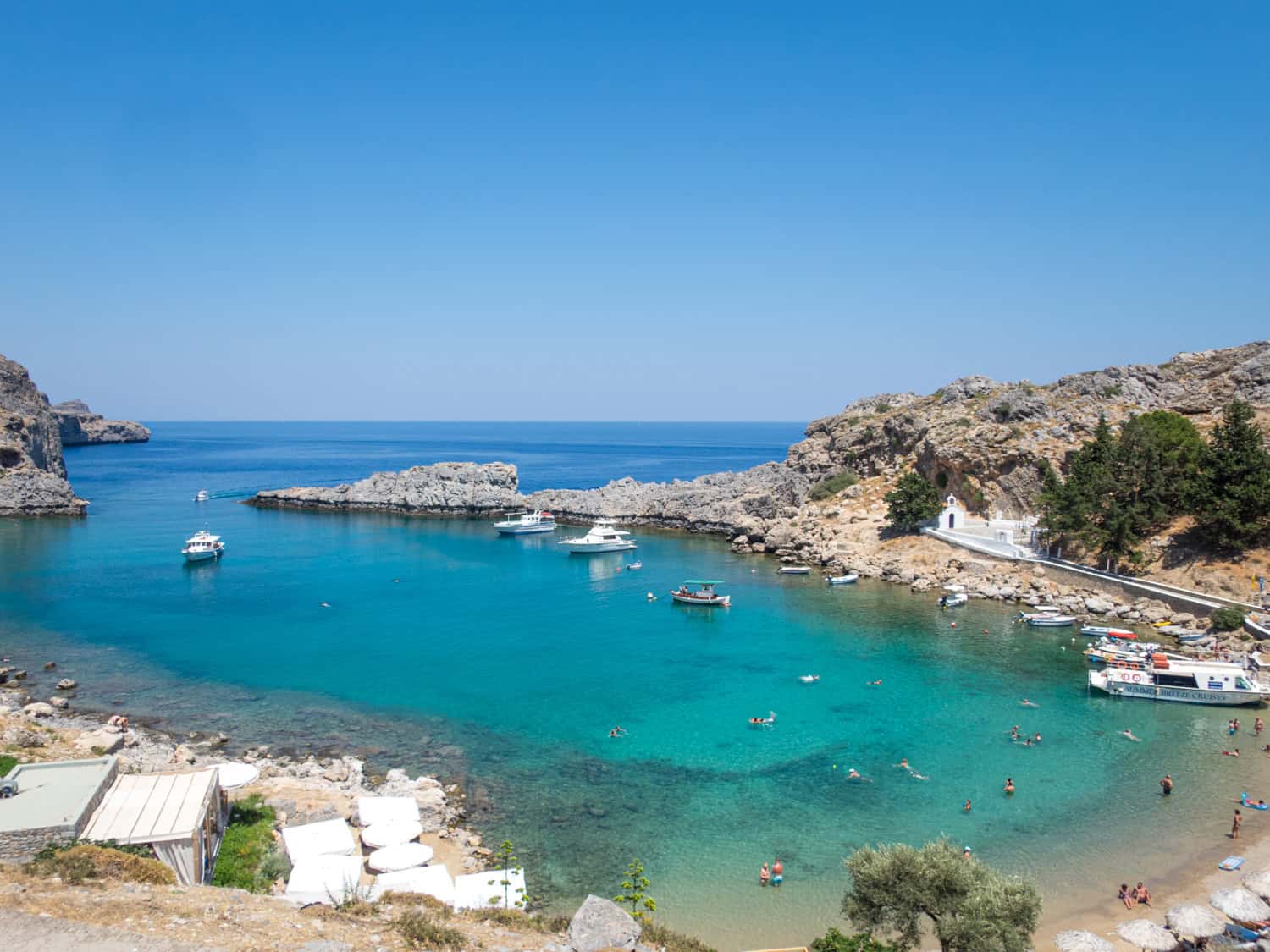
Wrapping Up

Packing for trips is always confusing. You don't want to leave anything behind, as everything seems essential; however, you also know that it's important to pack light and keep things minimal.

When packing camera gear, it is important to keep essentials like rechargeable batteries, spare memory cards, reflectors, and speed lights, and have a travel tripod with you.

To save space and weight, try to limit yourself to one camera body and a couple of versatile lenses. By following these tips, you can ensure your photography gear stays safe and ready for action during your travels.

_____

This story is brought to you in partnership with Action Photo Tours.

5 Reasons To Take a Band of Brothers Tour in Normandy

The invasion of Normandy, the most talked-about of all D-Day military operations, fascinates World War II history buffs to this day. It's one reason Normandy is such a tourist attraction, and many tour operators have stepped up to claim their share of this market. But for a unique and enriching experience focused on honoring the heroes of Normandy's D-Day, there is only one choice-a Band of Brothers tour. 

Beach in Normandy, France (photo: Tony Knight, Pixabay)
Normandy, France (photo: Tony Knight)

Are you looking for the ultimate historical tour with experiences you'll never forget? Then, keep reading and discover five reasons to take a Band of Brothers tour in Normandy.

Table of Contents

  • Band of Brothers Tour
    • 1. Historical Significance and Expert Guidance
    • 2. Immersive Experiences at Iconic Sites
    • 3. A Personal Connection to History's Greatest Moments
    • 4. New Experiences and New Friendships
    • 5. An Impact That Lasts Long After the Tour Has Ended 

Band of Brothers Tour

1. Historical Significance and Expert Guidance

A Band of Brothers Tour is not just another WWII site tour that takes you to a few museums and memorials and calls it a day. It's a respectful and honest representation of WWII history, its triumphs and tragedies.

So, if you are looking for a historically accurate depiction of WWII's defining moments, this tour will give you that. The tour takes you to all five of Normandy's D-Day landing beaches, where you can soak up the history and the beauty of Northwestern France. 

The knowledgeable Band of Brothers tour guides provide detailed insights into all the key battles, locations, and events that shaped the outcome of the Second World War.

You'll not only have the trip of a lifetime, but you'll also leave with a deeper understanding of the sacrifices made by the soldiers on D-Day. And at Normandy's American Cemetery, you can pay your respects to the fallen soldiers and reflect on their bravery.

2. Immersive Experiences at Iconic Sites

Tombstones at Normandy American Cemetery, one of the sites you can visit on a Band of Brothers Tour  (photo: Richard Hedrick)
Normandy American Cemetery (photo: Richard Hedrick)

We all enjoy different types of vacations. Some people holiday in style or visit iconic locations. Others prefer trekking through the wilderness or meditating on mountaintops.

You rarely find a tour that combines comfort, adventure, historical authenticity, and moments of deep reflection in one thrilling package. All while honoring some of history's greatest heroes. 

A Band of Brothers Tour takes you on an unforgettable journey that will delight every type of traveler. But while you enjoy top-notch comfortable accommodation and delicious authentic cuisine, you'll also gain deeper insights into WWII than you ever thought possible.

An 11-day tour will continue from Normandy into other iconic European WWII sites. You can crouch in authentic WWII foxholes in Belgium. And walk in the footsteps of the Easy Company soldiers whose story they immortalized in the acclaimed "Band of Brothers" miniseries.

3. A Personal Connection to History's Greatest Moments

WWII bunker in Normandy, France (photo: Spencer James Lucas)
WWII bunker in Normandy (photo: Spencer James Lucas)

There will be moments of sadness, too, as you learn about the lives lost, cut short in their prime by a devastating war. A Band of Brothers tour is a fully immersive experience featuring the thrills and chills of WWII history. 

The horrors of war go beyond the facts and the statistics. Sure, you'll hear about those and the military strategies that ultimately won the war. But on a Band of Brothers tour in Normandy, you get a more profound sense of the personal cost of war.

You'll hear the less familiar stories about the soldiers of D-Day-their personal experiences and anecdotes.

And at the end, you'll be able to pause to reflect on all you've learned. This will foster a deeper emotional connection to the history of the Normandy battle and the brave individuals who lived it.

4. New Experiences and New Friendships

Statue at Omaha Beach, one of five beaches visited on a Band of Brothers tour (photo: Mark Lawson)
Statue at Omaha Beach (photo: Mark Lawson)

What's better than the trip of a lifetime? A journey that you share with your friends. But if you don't start the tour surrounded by friends, don't worry - you'll undoubtedly end it that way. 

This opportunity for friendship and camaraderie is perhaps one of the best benefits of all. A tour like this offers opportunities for forming new friendships, the kind that is built on sharing meaningful experiences with like-minded people.

You'll meet others who share your passion for WWII history and, like you, will never forget the sacrifices made so you could live in a free world. Like the stories of camaraderie between Allied soldiers who fought together on the shores of Normandy, these experiences will be a bond that will last forever.

5. An Impact That Lasts Long After the Tour Has Ended 

For your next vacation, do something that will make an impact that lasts long after the tour has ended. Take a Band of Brothers tour in Normandy. 

You'll gain a renewed appreciation for the significance of the D-Day landings and World War II's broader impact. You'll make new friends along the way. And you'll leave with reverence and gratitude for these brave soldiers who fought for freedom.

It's the perfect way to ensure that the sacrifices of those who fell on Normandy's sands are never forgotten.

_____

This story was published in partnership with Beaches of Normandy Tours.

2023 in Review: Vietnam, Japan, Maine, and More

It's been an incredible year of travel and adventure, and I can't wait to share my top experiences of 2023 with you. As a food and travel blogger based in Austin, Texas, I've had the privilege of exploring some fantastic near and far destinations. It's been a whirlwind from road trips in the Lone Star State to my first trans-Pacific journey in more than ten years.

Join me as I reminisce about the places I've explored in this year's travel retrospective. I hope it sparks a little wanderlust in you for the year ahead.

Table of Contents

  • International Trips
    • Vietnam
    • Japan
  • United States Travel
    • Nashville, TN
    • New York City
    • Tampa, FL
    • San Francisco and Sonoma, CA
    • Maine
    • Houston, TX
    • Fredericksburg, TX
    • San Diego, CA
    • San Antonio, TX
    • New Orleans, LA
  • Wrapping Up
    • Prior Annual Reviews

International Trips

Vietnam

Dave and kel in front of a Buddha statue in the Marble Mountains of Central Vietnam, a top travel experience of 2023.
Dave and Kel in the Marble Mountains, Vietnam

My most extensive trip of the year was in February when I flew to Saigon (aka Ho Chi Minh City) via Tokyo to attend the wedding of my good friend Nick. Kel joined me, as did several of our friends from the Austin area, which made it all the more fun.

Our first week was spent sightseeing in Saigon and attending the rehearsal dinner and wedding. We then joined the bride and groom on a budget-friendly five-day tour of Vietnam.

Kel wrote about our activities in Central Vietnam, including visits to the Marble Mountains, Golden Bridge, and the ancient city of Hoi An.

Next, we flew from Da Nang to Hanoi in Northern Vietnam for an overnight cruise in Ha Long Bay. Afterward, we balanced thrifty accommodations earlier in the trip with a more luxurious stay at the InterContinental Hanoi Westlake.

I returned from the two-week trip with a greater appreciation for Vietnamese coffee, cuisine, and culture. There's still a lot of Vietnam left to see, should Kel and I return.

I was, however, ready to leave after two weeks. The chaotic traffic, the constant din of motorbikes, and the air pollution in Hanoi were all getting under my skin. I wanted relief, and I knew we'd find it in Tokyo.

Japan

Dave and Kel at the Imperial Palace in Tokyo

My first trip to Japan was in February 2011, so I found it fitting to return 12 years later to the month for my second.

Unlike my first solo visit to the Japanese megalopolis, where I couchsurfed to save money, we shared the cost of a comfortable stay at the Hilton Tokyo in Shinjuku. Our sky-high room afforded beautiful views of the entertainment district day and night.

I ventured out on my own for a few lunches at Florilege and Sezanne, both of which I wrote about for Feastio. The U.S. dollar was robust against the Japanese yen. In the evenings, Kel and I wandered the streets of Shinjuku in search of casual dinners.

We enjoyed creative cocktails at Bar Benfiddich, one of the world's best bars. And drinks at the New York Bar atop the Park Hyatt Tokyo, where scenes from Lost in Translation were filmed.

Another highlight was showing Kel the Tokyo subway, which we used to visit the Imperial Palace, home to the Emperors since 1868. I would love to return to Japan in spring or summer to see more of the country. Autumn in Japan is also quite pretty.

United States Travel

Celebrating St. Patrick's Day with my brother Jon at McSorley's in NYC
St. Patrick's Day at McSorley's, NYC

Nashville, TN

Most of my travel in 2023 was in the United States, starting with a bachelor party weekend in January for Nick, whose wedding I attended in Vietnam. It was as much fun as my first trip to Music City in 2019, when I went for the July 4th celebrations.

Read more about Tennessee:

  • Best Times to Visit Memphis
  • Sweetwater: Home of America's Largest Underground Lake
  • Plan the Perfect Pigeon Forge Vacation

New York City

After returning from Asia in late February, I had a few weeks to recover from jet lag before heading to New York City the week of St. Patrick's Day. While Kel was working, I caught up with friends and family while visiting NYC's oldest bars on St. Patty's Day, including McSorley's Old Ale House. The older but lesser-known Ear Inn dates back to 1817 and was one of my favorites.

We also caught a Broadway show together: the 2023 revival of Some Like It Hot, which garnered 13 Tony Award nominations (and won four). I highly recommend it!

Tampa, FL

Dave driving a motorboat in Tampa Bay, Florida
I am driving a motorboat.

I made three trips to Tampa, Florida. The first was in collaboration with Visit Tampa Bay, which allowed me to explore downtown Tampa before joining my Dad, brother, and Kel for a Yankees spring training game.

I returned for Thanksgiving with my Dad in November and Christmas in December. I can count the times I've not spent Christmas with my parents on one hand (2007 in Queenstown, 2008 in Brussels, and 2020 in Austin).

After experiencing what Christmas is like away from home on my 'round the world trip, I've made an effort to return for it ever since.

Read more about Tampa:

  • Things To See and Do on the Tampa Riverwalk
  • Ziplining at Empower Adventures Tampa Bay
  • Ybor City Walking Tour

San Francisco and Sonoma, CA

Dave in Muir Woods
Dave in Muir Woods

In April, I returned to San Francisco for the second time in three years. The highlight was a full-day tour of Muir Woods, Sausalito, and Alcatraz Island.

Hiking in Muir Woods, in particular, fulfilled a bucket-list item for me: spending time among towering redwoods. It was awe-inspiring, and I wouldn't have to wait long to repeat it.

Following our time in San Francisco, Kel and I rented a car and drove up the California coast to Sonoma County.

Along the way, we saw filming locations from The Goonies and The Birds, hiked through Armstrong Redwoods State Natural Reserve, and enjoyed a free California Champagne flight at Korbel Winery.

We spent two nights in Sonoma Valley in collaboration with the destination, allowing me to taste wine in Northern California for the first time.

We also visited the Jack London Historic State Park, one of more than a dozen fun things to do in Sonoma Valley.

Read more about California:

  • Point Reyes National Seashore
  • Where To Go Lake Camping in California
  • Discover Bakersfield, California

Maine

Dave on Schooner J & E Riggin's yawl boat heading to shore. Cruising on a windjammer in Maine was one of my favorite travel experiences of 2023.
Dave on Schooner J & E Riggin's yawl boat

In early May, I traveled to Portland, Maine, for the first time to attend AdventureELEVATE 2023, the Adventure Travel Trade Association's North America-focused conference.

It was my first time attending this smaller regional conference after having had incredible experiences attending ATTA World Summits in Tuscany and Gothenburg, Sweden, in 2018 and 2019, respectively.

As is customary, I went on a few tours before the conference began. First, we drove up the coast to the charming coastal town of Bar Harbor. From there, we went e-cycling in Acadia National Park.

Our first outing was cycling the Schoodic Peninsula, and our second was spent on the busier Park Loop Road. On the way back to Portland for the conference, we also hopped aboard the historic Schooner Olad for a pleasure cruise.

Attending the conference led to an invitation from the Maine Windjammers Association to go on a windjammer cruise out of Rockland in July. Kel joined me a few days beforehand to attend my friend Kate's wedding in Boston and see some of Maine's historic lighthouses.

I left my two trips to Maine with a great affinity for the Pine Tree State. I look forward to returning to drive the northern coast and explore the interior.

Houston, TX

In 2022, I visited Houston for the first few times and followed those road trips with three more in 2023, primarily in service of eating for Feastio. Check out my top Houston restaurant recommendations, including where to find excellent Texas barbecue.

Fredericksburg, TX

Kel and I spent a weekend wine tasting in Fredericksburg and the Texas Hill Country in what has become an annual tradition. A highlight of this trip was the chance to meet Blake, a southern white rhino, at the Rhinory.

San Diego, CA

Pretending to be Tom Cruise (photo by Kelly Lemons)

In late July, I joined Kel on a short business trip to San Diego, a city I became enamored with after visiting in 2018. I introduced her to Kansas City Barbecue, which opened in the early 1980s and was made forever famous as a filming location in the first Top Gun movie. We also had dinner with a friend and checked out some new speakeasies to update a story on Feastio.

The final scene in Top Gun was shot at Kansas City Barbecue.

San Antonio, TX

Kel and I made the first of two trips to San Antonio in October. She had to work there, and I wanted to use my AMEX Platinum credit card benefits for a night at The St. Anthony Hotel before they expired.

I also saw inside The Alamo for the first time and explored the historic Pearl District, a former brewery that has been redeveloped into a modern shopping and dining destination.

Soon after, I was invited back by Visit San Antonio to help promote the city's first Holidays on Houston Street, a combination of events including festive lights, live entertainment, and a weekend Christmas market.

The opportunity allowed me to see the city in a new light, check out more San Antonio restaurants, and meet other travel writers and influencers from around Texas.

During some free time in our schedule, Kel and I went to see Mission Concepcion, one of five Catholic missions established in the area during the 1700s to spread Christianity among Native Americans. The San Antonio Missions are the only UNESCO World Heritage Site in Texas.

New Orleans, LA

St. Louis Cathedral in Jackson Square. Visiting New Orleans was one of my top travel experiences of 2023.
St. Louis Cathedral in Jackson Square

Finally, there was New Orleans, which we visited before Halloween. My parents introduced me to the Big Easy when we spent a weekend there in 2017, and I've been going back ever since.

This food-focused trip enabled me to update stories on where to find the best restaurants, cocktail bars, and beignets in New Orleans. I also added a few new spots to my article about the best jazz clubs on Go Backpacking.

Plus, I produced two new stories for Feastio about NOLA bakeries and the historic Hotel Monteleone in the French Quarter. I also intend to write about the city's many museums for Go Backpacking.

Read more about Louisiana:

  • 15 Fun Things To Do in New Orleans
  • New Orleans Food Tour with Doctor Gumbo
  • Whitney Plantation: Tour of an American Slavery Museum

Wrapping Up

As I look back on my travels in 2023, I'm filled with gratitude for the incredible experiences and destinations I've been able to explore.

This year has been full of adventure, from the buzzing streets of Saigon to the tranquil beauty of Muir Woods, from the vibrant culture of New Orleans to the historic charm of San Antonio.

Thank you for joining me on this journey. Here's to new adventures, delicious discoveries, and unforgettable moments in 2024!

Prior Annual Reviews

Living in Texas

  • 2022 - Peru, USA
  • 2021 - The Bahamas, USA
  • 2020 - a year without travel
  • 2019 - Canada, Sweden, Denmark, Colombia, USA
  • 2018 - Peru, Mexico, Cuba, Colombia, Italy, Spain, USA
  • 2017 - Mexico, USA (I didn't write a recap)
  • 2016 - Mexico, Canada, Peru, Brazil, USA

Living Abroad

  • 2015 - Colombia, Turkey, Georgia, Armenia, Greece, Germany, Romania, England, USA
  • 2014 - Guatemala, Honduras, El Salvador, Nicaragua, Italy, Mexico, Peru, USA
  • 2013 - Colombia, Mexico, Canada, Panama, USA
  • 2012 South America - Peru, Argentina, Uruguay, Chile, Bolivia, Colombia
  • 2012 Europe and Asia - Iceland, Spain, Germany, Indonesia, Czech Republic, Austria, Slovakia, Hungary, Slovenia, Italy, England, Wales, Luxembourg, France, Monaco, Andorra
  • 2011 - Japan, Colombia, Ecuador, Peru
  • 2010 - Rwanda, Colombia, USA

Beyond Borders: Backpacking Europe with eSIM Freedom

Embarking on a backpacking adventure through Europe is a rite of passage for many travelers. The continent's diverse landscapes, rich history, and vibrant cultures offer unparalleled experiences for those willing to explore it on foot and with a backpack.

In this guide, we'll delve into the essence of backpacking through Europe, providing valuable insights, practical tips, and the added convenience of using eSIM technology to stay connected seamlessly.

Table of Contents

  • The Role of eSIM in Backpacking
    • Why eSIM for Backpacking?
    • Benefits of eSIM for Backpackers
    • How to Use eSIM for Backpacking
  • Embracing the Spirit of Backpacking
    • 1. Planning the Route
    • 2. Packing Smart
    • 3. Hostel Culture
    • 4. Navigating Public Transportation
  • Culmination of Memories

The Role of eSIM in Backpacking

Hiking in Rila, Bulgaria. eSIM technology can help hikers stay connected in Europe. (photo: Luba Ertel)
Hiking in Rila, Bulgaria (photo: Luba Ertel)

Amid the thrill of exploring Europe, staying connected is essential for navigation, communication, and sharing your journey with loved ones. Here, the revolutionary technology of eSIM comes into play.

Why eSIM for Backpacking?

Traditional SIM cards can be cumbersome for backpackers. Dealing with different providers, language barriers, and the need for physical cards can be a hassle.

Enter eSIM, a virtual SIM that eliminates these challenges. With eSIM, you can activate a local data plan directly on your device, ensuring seamless connectivity without the need for physical SIM cards.

This is particularly advantageous when moving between countries, as you can easily switch between local plans to suit your needs; check it out!

Benefits of eSIM for Backpackers

  • Flexibility: You can change your data plan or provider without needing a physical SIM swap. This flexibility is invaluable when crossing borders with different telecom providers.
  • Cost-Effective: Avoid international roaming fees by selecting local data plans wherever you go. eSIM enables you to choose affordable options tailored to your specific data usage.
  • Convenience: Activate and manage your eSIM directly from your device. This eliminates the need to visit local stores or navigate language barriers when purchasing a SIM card.
  • Real-Time Connectivity: Stay connected in real-time by sharing your travel experiences, accessing maps, and communicating with friends and family without interruption.

How to Use eSIM for Backpacking

  1. Check Device Compatibility: Ensure that your device supports eSIM functionality. Most modern smartphones and tablets have this feature.
  2. Choose eSIM Providers: Research eSIM providers in the countries you plan to visit. If you are visiting Europe, consider using Holafly, which offers a hassle-free experience for tourists, and you will avoid expensive roaming bills upon your return. 
  3. Activate eSIM Plans: Upon arrival in a new country, activate a local eSIM data plan to ensure seamless connectivity. This can usually be done through the device's settings or a dedicated app provided by the eSIM provider.
  4. Enjoy Seamless Connectivity: With eSIM, enjoy uninterrupted connectivity as you explore Europe. Switch between plans as needed, and relish the freedom of staying connected without borders.

Embracing the Spirit of Backpacking

The landscape of Paros, Greece (photo: Henry Gillis)

1. Planning the Route

Backpacking in Europe is all about the journey, not just the destination. Begin by outlining a rough itinerary, taking into account both iconic landmarks and lesser-known gems.

Whether it's the historical cities of Rome and Paris or the serene landscapes of the Swiss Alps, a well-thought-out route ensures you make the most of your backpacking adventure.

2. Packing Smart

The essence of backpacking lies in traveling light. Pack versatile clothing suitable for various climates, a compact backpack, and essentials like a durable pair of walking shoes.

Choose lightweight, quick-dry fabrics, and remember that less is often more. A well-packed backpack provides the freedom to explore without the burden of excess baggage.

3. Hostel Culture

Europe's hostel scene offers a wealth of shared experiences and opportunities for cultural exchange. Opt for hostels, which not only provide budget-friendly accommodation but also camaraderie. It's a chance to meet fellow backpackers, share stories, and gain insider tips on the best local spots.

4. Navigating Public Transportation

Europe's efficient and extensive public transportation network makes it easy to move between cities and countries. Embrace trains, buses, and budget airlines to cover longer distances, and don't forget to explore cities on foot or by bike to immerse yourself in the local environment.

Culmination of Memories

Backpacking through Europe is not just a physical journey; it's a transformative experience that leaves an indelible mark on the soul. Whether you're savoring gelato in a Roman piazza, hiking through the pristine landscapes of the Scottish Highlands, or sharing stories with fellow travelers in a Parisian hostel, each moment becomes a thread in your European adventure.

As you navigate Europe's diverse cultures, languages, and landscapes, let the convenience of eSIM technology enhance your journey. Stay connected, share your discoveries, and revel in the freedom of backpacking through Europe - a journey that transcends borders and embodies the essence of exploration, discovery, and the joy of the open road.

_____

This story was published in partnership with Holafly.

6 Best Places for Trekking Adventures in Northern Thailand

Thailand has always been a top destination for adventure seekers looking to delve into its diverse landscapes through exhilarating trekking expeditions. Northern Thailand is home to many mountains and dense jungles where adventurers can find hidden waterfalls, temples, impressive viewpoints, and cultural landmarks.

The Land of Smiles offers a vast network of trails waiting to be explored. Trekking is one of the most fun and sustainable activities here, so it should be included in all adventure-oriented Thailand tours. This article will list the six best places in Northern Thailand for trekking adventures and provide information and facts about each. 

Table of Contents

  • Trekking in Chiang Mai
    • 1. Doi Inthanon National Park
    • 2. Chiang Dao
  • Trekking in Chiang Rai
    • 3. Mae Salong
    • 4. Golden Triangle Region
  • Trekking in Mae Hong Son
    • 5. Pai Canyon
    • 6. Tham Lod Cave

Trekking in Chiang Mai

1. Doi Inthanon National Park

Doi Inthanon National Park (photo: Bharath Mohan)
Sunset in Doi Inthanon National Park (photo: Bharath Mohan)

Doi Inthanon National Park is the highest peak in Thailand, situated at 8,415 feet (2,565 meters) above sea level. The National Park offers breathtaking panoramic views of the surrounding landscapes and has a diversity of flora and fauna.

The trekking trails within the park lead through diverse ecosystems, including mossy forests, providing opportunities to encounter various plant and animal species. On your trekking adventure at Doi Inthanon National Park, you will explore beautiful natural spots and visit the Royal Pagodas. 

At the summit, trekkers can explore the stunning King and Queen Pagodas, which are dedicated to the beloved Thai monarchs and are surrounded by lovely gardens. The park also boasts numerous waterfalls and lakes, such as Siriphum Waterfall, Mae Klang Luang, and Vachiratharn Waterfall.

Kew Mae Pan Nature Trail is one of the most popular trekking routes at Doi Inthanon National Park. This trail is renowned for its stunning vistas and the chance to spot unique bird species, making it popular with birdwatchers.

In addition to the above, you can explore other notable attractions, such as Karen Hill Tribe Villages and the different climatic zones at the various elevations in the national park. Trekking at these various elevation points allows visitors to experience different climatic zones. 

2. Chiang Dao

Chiang Dao landscape (photo: creartiva)
Landscape in Chiang Dao (photo: creartiva)

Chiang Dao is home to the third-highest peak in Thailand, Doi Chiang Dao. At approximately 7,300 feet (2,225 meters) above sea level, it offers one of the most challenging trekking experiences in northern Thailand.

The trekking routes include visits to Chiang Dao Cave, a complex cave system featuring impressive formations and providing a subterranean adventure. In addition to the cave, you will also have the opportunity to enjoy stunning views of the scenic rice fields.

While embarking on a trek in Chiang Dao, you can also explore Wat Tham Pha Plong temple, a mountaintop Buddhist temple nestled in the jungle. It is accessible by a steep ascent of approximately 500 steps and provides breathtaking views.

Some trekking trails lead to traditional hill tribe villages, allowing trekkers to interact with the Karen and Lisu communities. This experience will give visitors insights into their daily lives and customs. 

One of the most attractive spots in this region, often visited on a multi-day trek or a single-day trip from Chiang Rai, is the "Sticky Waterfall." Bua Thong (the waterfall's original name) offers a unique trekking experience as visitors can climb the limestone formations due to their mineral-rich and grippy surface.

There is a lot to explore in Chiang Dao, so one day is hardly enough. Multi-day trekking options allow adventurous travelers to fully explore the region's diverse landscapes and attractions.

Trekking in Chiang Rai

3. Mae Salong

Northern Thailand tea plantation (photo: 1965937, Pixabay)
Tea plantation

Chiang Rai is one of the most beautiful provinces to explore in Northern Thailand, and Mae Salong is one of the most popular trekking destinations in Chiang Rai.

This region has many tea plantations. On a trek through these picturesque tea plantations, you will enjoy stunning views of rolling hills covered in neatly manicured tea bushes.

In addition to the beauty of the tea plantations, visitors can explore the Akha Hill Tribe. The trek to Doi Mae Salong provides panoramic views of the surrounding mountains and valleys, rewarding trekkers with spectacular scenery.

During the winter months, Mae Salong hosts a Cherry Blossom Festival. Trekkers visiting at that time can witness the bloom of cherry blossoms along their routes to the top of the hill, adding value and interest to the experience.

In addition to the natural beauty and tea plantations, trekkers to Doi Mae Salong will also encounter Buddhist temples on the hillsides and caves. One of the prettiest caves is Tham Luang Cave. 

The region exhibits a strong Chinese cultural influence, evident in its architecture, traditions, and cuisine. It provides a unique cultural trekking experience, blending Thai and Chinese customs. 

4. Golden Triangle Region

Mekong River at the Golden Triangle (photo: Josch13)

The Golden Triangle region is at the very northern end of Thailand. It's located along the Mekong and Ruak rivers, forming a natural border between Thailand, Laos, and Myanmar.

This region offers many opportunities for exploration. Trekking trails often lead to hill tribe villages, allowing visitors to experience the unique cultures of ethnic groups such as the Akha, Yao, and Karen.

Treks may also include visits to Chiang Saen, an ancient city with historical ruins and temples dating back to the Lanna Kingdom, one of the oldest districts in Thailand.

Some trekking routes may involve boat trips along the Mekong River, offering scenic views of the surrounding landscapes, with Thailand on one side and Myanmar or Laos on the other. You can also join a boat ride with fishermen to explore the region further.

Another great place in the Golden Triangle region for trekking is Doi Tung. Treks to Doi Tung provide opportunities to explore royal projects for sustainable development and environmental conservation.

Trekking in Mae Hong Son

5. Pai Canyon

Pai Canyon is a popular trekking destination in Northern Thailand (photo: Polina Kocheva)
Hikers in Pai Canyon (photo: Polina Kocheva)

Pai Canyon, also known as Kong Lan, is one of the best spots for trekking in Northern Thailand. It features narrow ridges, deep gorges, and natural sandstone formations, creating a dramatic and challenging trekking landscape for all adventurers. 

Trekkers are drawn to Pai Canyon for its stunning sunset views. The changing colors of the sky over the unique terrain offer a spectacular and tranquil experience.

Some trekking routes in Pai Canyon include crossing wooden bridges that span gaps between the sandstone formations, adding an element of excitement.

During the rainy season, natural pools may form in certain sections of Pai Canyon, providing a refreshing break for trekkers.

Trekkers who can reach higher elevations within the canyon will be rewarded with 360-degree panoramic views of the Pai Valley and distant mountains, making the effort worthwhile.

Pai Canyon is easily accessible from the town of Pai, making it a popular day trip destination for hikers and nature enthusiasts seeking a challenging trekking experience. 

6. Tham Lod Cave

Tham Lod Cave, a popular trekking destination in Northern Thailand
View from inside Tham Lod Cave

Tham Lod Cave is a vast limestone cave complex in the Pang Mapha district. It offers a unique and enchanting trekking experience. The trek often includes bamboo rafting along the underground river that runs through the cave, adding an adventurous element to the journey.

The cave is home to various creatures, including bats and swifts, providing trekkers with a glimpse of the diverse ecosystem thriving in its dark recesses. It also contains ancient coffins and artifacts, offering a historical and cultural dimension to the trek as visitors explore the remnants of past civilizations.

_____

This story is brought to you in partnership with Royal Vacation.

Vargo Outdoors: A Brand for Hikers, by Hikers

While most people have hobbies, only a few can truly make a living from them. Brian Vargo is one of the lucky few. From humble beginnings, Vargo Outdoors has become one of the more well-known brands in the backpacking, hiking, and ultralight communities. Their secret: simplicity and titanium.

Table of Contents

  • How It All Started
  • Vargo Outdoors
  • Reaching Even Higher
  • Not Always an Easy Journey
  • A Company of Firsts

How It All Started

Vargo banner

One can say that Vargo's founder, Brian Vargo's, journey as a successful businessperson mirrors that of a thru-hike in that it started with a thru-hike. And like a thru-hike, it took patience and relentlessness before they reached success.

It all started with the Appalachian Trail. Vargo wanted to try finishing that long hike, inspired by the stories he had read. Of course, as someone who had just discovered it, he let curiosity drive him and devoted himself to learning everything about what it takes to go on such a long journey.  

After some time, he went from owning no backpacking gear to someone ready to go. Like all long journeys, the hike changed him.

Along the way, he was asking questions, both philosophical and mundane. These questions and the experiences he gained along the way became the building blocks of his next venture.

Sometime after finishing the trail, Vargo founded a website called hike-advice.com. There, the student became the teacher.

It became a website where people offered and received advice about hiking and backpacking. The result was an outlet to answer some of the questions he had back on the Appalachian Trail, as well as to ask more questions. After a few years, the website gained considerable traffic, and he started dabbling in e-commerce.

Vargo Outdoors

Brian Vargo, founder of Vargo Outdoors
Founder Brian Vargo

When Vargo started selling camping gear, they did not just sell any other camping gear. Instead, they surveyed the gear market and found a good approach.

The hiking and backpacking community has always been obsessed with keeping things light. It is a necessity, after all; walking for miles and miles is already hard work for the body, and any means to ease the burden is always welcome.

This became Vargo's focus, looking for lighter and more portable products that are also durable. This is where titanium comes in.

Vargo wasn't the first one to use titanium for camping gear. In the late 90s, two Japanese brands, Evernew and Snowpeak, already sold simple titanium cookpots. Because of their aforementioned qualities, these became widely popular. However, supply was pretty limited.

Knowing this, Vargo endeavored to fill in that gap. They started small. Some of the first products that they sold included a spork, a stove, and tent stakes. These products also showed Vargo's straightforward tenets: portability, ease of packing, reliability, and durability. 

These initial products were met with general enthusiasm, and Vargo's product line grew quickly.

Reaching Even Higher

Hexagon Wood Stove
Hexagon Wood Stove

Seeing success, it is easy for some companies to rest on their laurels and stop growing altogether. Vargo isn't like that. Exploring new niches wherever they may be found, Vargo continued to innovate their products.

New backpack ideas emerged, from an alcohol stove with an integrated pot stand to a titanium pot that can be turned into a water bottle with just a screw-top lid.

Vargo continues to take charge of making unique and exciting products that are extremely useful for the camper. One such product is the Dig Dig Tool. Despite its silly-sounding name, it is one of their more successful products. 

The tool became Vargo's answer to customers asking for a titanium trowel. Not satisfied with selling a simple trowel made of the material, he labored to think of a unique design that was more than just a trowel.

He developed a unique dual-use tool that serves as a trowel and a tent stake. Its serrated edges slice through challenging ground and roots, making it more efficient in digging than the usual trowel. An ergonomic design allows the user to handle it more easily and efficiently, and the rounded handle won't dig into the user's hand.

Not Always an Easy Journey

That said, not all of Vargo's products are met with success. As in thru-hiking, where setbacks can happen, or no progress can be made, Vargo has had its fair share of unpopular products that don't sell well. 

Like their line of ultralight external frame packs (some consumers think the design looks old) or their tents (some people are unsure of the design), not all their products are suitable for everybody. However, when they do reach consumers' hands, they will always stand by them.

A Company of Firsts

Vargo banner

These setbacks testify to Vargo's willingness to innovate and tread new ground. While it would be easier to follow trends and sell what's popular, Vargo would rather forgo that and think of something new, creative, and engaging while maintaining their motto of "simple is good, good is simple."

Maybe it is for this reason that Vargo Outdoors has become a company of firsts. Vargo Outdoor believes that they are the pioneers in:

  • The first titanium alcohol stove.
  • The first to use a strainer-type lid on cookware.
  • The first to create colored titanium sporks.
  • The first to develop a genuine water bottle and cooking pot hybrid.
  • The first to make a titanium wood stove.

Despite this, Vargo Outdoors is not done. As a company rooted in innovation, it will continue to develop interesting, simple, and valuable products. Just as hikers are inspired to walk as long as there is a path, Vargo, too, will endeavor to create products as long as a need exists.

You can be sure of that, as Vargo will make gear they are willing to use. After all, Vargo Outdoors is a brand for hikers made by hikers.

_____

This story is brought to you in partnership with Vargo.

Unveiling the Most Picturesque Travel Destinations Worldwide

Even though the days are getting shorter and we're in late autumn, the weather has remained unseasonably sunny and warm, which scientists say is unquestionably a consequence of climate change.

The Iberian Peninsula is feeling the brunt of the heat in Europe, with record temperatures continuing in October. In the United States, California is also experiencing a heat wave, with heat advisory notices still in place, which is strange considering it is almost winter.

Therefore, it's not unusual to see that many of those who wouldn't have imagined traveling anywhere beyond August are now thinking about packing their bags and embarking on a trip yet again. Here are some picturesque travel destinations to consider visiting if you haven't already.

Table of Contents

  • Dubrovnik 
  • Tulum 
  • The Maldives 
  • South Downs 
  • Boa Vista  

Dubrovnik 

Dubrovnik is one of the most picturesque travel destinations in Croatia (photo: Stuart Claggett)
Dubrovnik, Croatia (photo: Stuart Claggett)

By the Adriatic Sea, in southern Dalmatia, one of Croatia's historical regions, lies Dubrovnik, a city with a history dating back to around the 7th century. The city's historical center is well-known to visitors worldwide as the filming location for the fantasy series Game of Thrones.

The city walls, running for around 1.2 miles around the city and with added towers and turrets to protect it, are easily recognizable as the city of King's Landing, the fictional capital of Westeros in the show. If you love history, you'll discover that you can spend hours marveling at the perfectly preserved old buildings and monuments.

Several local dishes should also be sampled, such as Pasticada, a braised, sweet, and sour beef dish; Sporki Makaruli, a pasta dish with a meat sauce flavored with cinnamon; and a wide variety of seafood, including the classic grilled fish as well as quirkier recipes like octopus salad.

Since you'll want to keep in touch with everyone back home, get an eSIM Europe that lets you maintain seamless communication and use the internet regardless of location.

Tulum 

Tulum ruins (photo: Laura LaBrie)
Mayan ruins (photo: Laura LaBrie)

Tulum is one of Mexico's hidden gems, a place you want to visit if you love history. The area is home to the remains of a Mayan-walled city that flourished between the 13th and the 15th centuries.

Even after the Spanish occupation, the Mayans continued occupying the city but eventually abandoned Tulum, a popular tourist destination. Make sure to bring an international SIM card when you travel so you can send all the beautiful pictures you take back home.

Apart from the ruins, you'll enjoy the beautiful landscape, vast blue skies, and the Caribbean Sea. Tulum is well-known for its cenotes, natural sinkholes resulting from limestone collapses that expose the groundwater underneath.

Remember to be mindful of the natural environment, and don't do anything that could damage or harm the area's natural beauty. Even as a tourist, you mustn't forget your responsibility towards the environment.

The Maldives 

Diving in the Maldives (photo: Sebastian Pena Lambarri)

The famous South Asian archipelago in the Indian Ocean lies southwest of India and Sri Lanka and is one of the most popular tourist destinations in the world.

November marks a seasonal transition for the Maldives as the weather gets sunnier, meaning it is the perfect time to lounge at the beach or try jet skiing and windsurfing. Since the water visibility is also excellent, you can try snorkeling or scuba diving.

The region's beauty and stunning landscapes have long been touted as some of the most beautiful in the world, but you must see them yourself to understand.

The Maldives is home to the world's first underwater hotel and the famous overwater bungalows. There are many spas on the island where you can spend a relaxing day and leave behind all your stress and worries.

South Downs 

Seven Sisters cliffs (photo: Luca Upper)
Seven Sisters (photo: Luca Upper)

These chalk hills extend over 260 sq miles (670 square kilometers) across southeastern England. The peak is at Butser Hill, but the landscape is beautiful, and valleys and turf intersperse the rolling chalk hills.

The region is associated with numerous writers, including Jane Austen, Alfred Tennyson, and Rudyard Kipling. After his retirement, Arthur Conan Doyle's Sherlock Holmes resided close to the South Downs and became a beekeeper.

The Seven Sisters are perhaps the most famous image of the Downs that most people have, a series of cliffs eroded by the sea over the years. The picturesque region has long attracted filmmakers and has appeared in Harry Potter, Atonement, and Robin Hood: Prince of Thieves.

National nature reserves in the South Dow include Kingsley Vale, Lullington Heath, and Castle Hill. Two chalk hill figures on the slopes, the Long Man of Wilmington and the Litlington White Horse, can be visited.

The Clayton Windmills, colloquially referred to as Jack and Jill, are a well-known English nursery rhyme. They were built in the 18th and early 19th centuries and are easily accessible by road via the A273. A bridle path leads to the Chattri, a war memorial dedicated to Indian soldiers from World War I.

Boa Vista  

Dunes and volcanoes on Boa Vista, a picturesque travel destination in the Atlantic(photo: Nick Fewings)
Dunes and volcanoes on Boa Vista (photo: Nick Fewings)

Boa Vista means "good view" in Portuguese, and that's precisely what you'll get if you travel to this area. It is part of the Cape Verde Islands, an archipelago in the Atlantic Ocean. Traveling in November guarantees that you can enjoy the sunlight.

The nearby island of Sal is also popular among tourists. It offers a more relaxed atmosphere than Boa Vista, which is more natural and better suited for those who want something more adventurous. 

Both islands are arid, so if you enjoy the heat, this is the place for you. You can visit the Curral Velhd in southern Boa Vista, a little over 12 miles (20 kilometers) from the capital, Sal Rei.

This abandoned settlement dates back to the 17th century. Right nearby there's a beautiful beach where you can relax. You can also go turtle watching or enjoy the vibrant traditional music in Boa Vista.

Most people travel during the summer, but if you didn't take the time to relax then, you can do so now.

_____

This story was published in partnership with Holafly.

Louvre Museum Ticket Hacks: How To Save Money in Paris

The Louvre Museum is one of those places that, no matter how many times you've gone to Paris, you still can't get enough of. The museum is often considered among the best in the world due to its extensive collection of works of art and artifacts spanning more than 9,000 years of human history.

However, getting into the Louvre Museum can be challenging due to its great demand and correspondingly high ticket prices. The good news is that you can visit the museum for less money without compromising on the quality of your day there. Here are the essential tips and tricks to help you save money during your Louvre Museum visit.

Table of Contents

  • Louvre Museum Ticket Tips
    • Make the Most of Free First Sundays
    • Buy Tickets in Advance
    • Take Advantage of Winter Discounts
    • Student and Youth Discounts
    • Combine Tickets with a Paris Pass
    • Guided Tours and Package
    • Membership Package
  • Conclusion: A Budget-Friendly Louvre Experience

Louvre Museum Ticket Tips

There are numerous ways to save on a Louvre Museum ticket (photo by OliverFoerstner, Adobe Stock)
Louvre Museum (photo by OliverFoerstner)

Make the Most of Free First Sundays

If you arrange your visit to the Louvre just right, you can save significant money. The museum offers free admission on the first Sunday of every month, making it an excellent alternative for individuals on a limited budget.

This is a fantastic chance to check out the museum's collections without spending money. However, it's crucial to remember that these free admission days attract large crowds.

Planning an early arrival will allow for a less crowded and leisurely trip, enabling you to make the most of the savings offered by this package.

Buy Tickets in Advance

The Louvre Museum draws many visitors, leading to long queues, especially during peak tourist seasons. Consider purchasing your Louvre tickets online to streamline your experience and bypass the hassle of waiting in line.
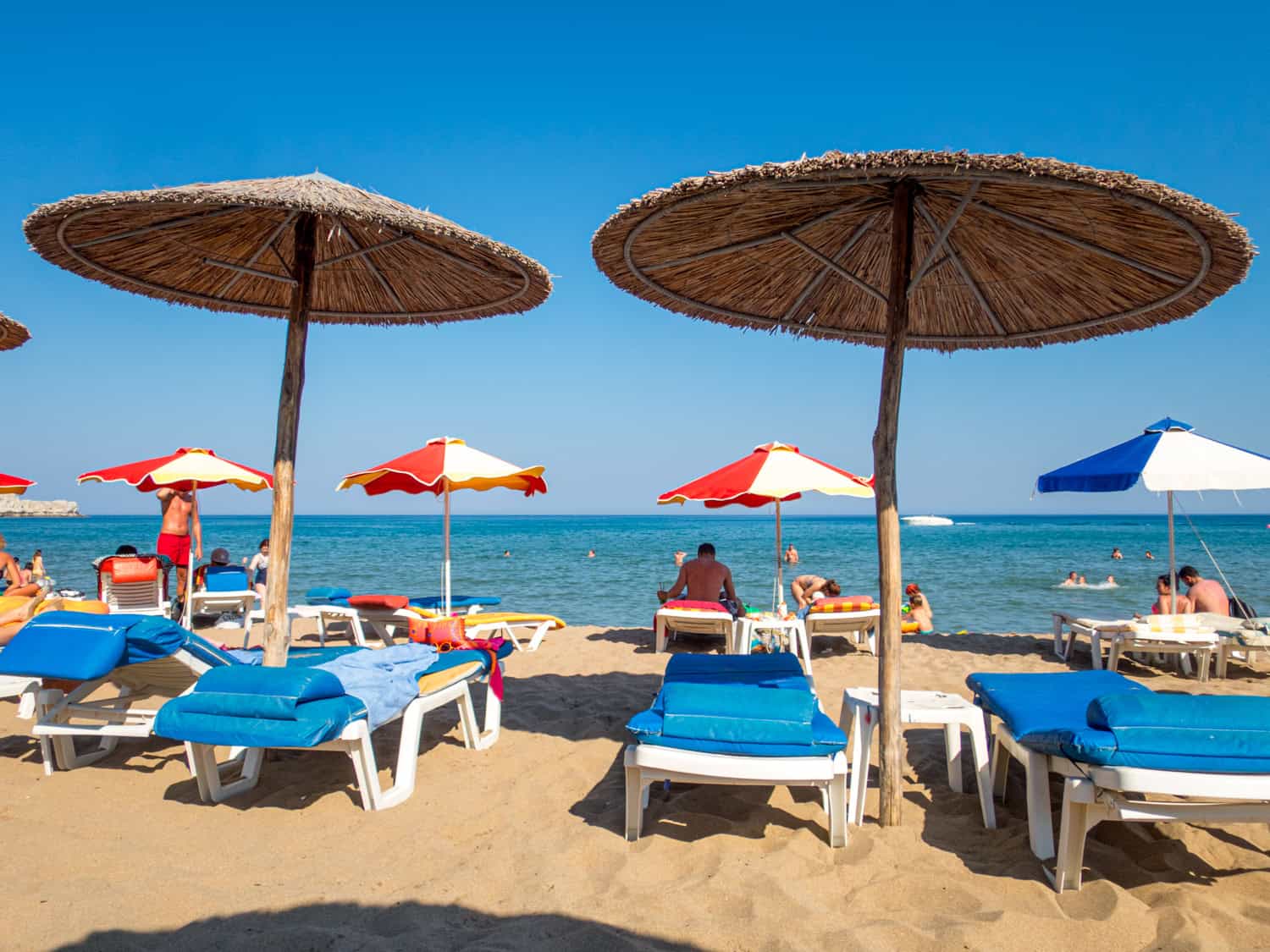
By securing your tickets in advance, you will avoid waiting in line for tickets on-site and also be able to choose the time window that aligns with your preferred visit.

Moreover, online ticket prices are often more affordable than those purchased directly at the museum entrance. Plan ahead for your Louvre visit to save time, skip the lines, and save some money.

You can get your Louvre Museum tickets on pariscityvision.com and avoid the hassle of long lines and potential disappointment. Paris City Vision provides a user-friendly platform for advance ticket purchases. This saves you time and includes enticing package deals such as skip-the-line access, guided tours, or combination tickets for multiple attractions.

The Louvre's glass pyramid (photo: Mika Baumeister, Unsplash)
The Louvre's glass pyramid (photo: Mika Baumeister)

Take Advantage of Winter Discounts

If you are thinking about traveling to Paris during the winter season, you have a one-of-a-kind chance to take advantage of inexpensive tickets to the Louvre Museum.

Like other museums in Paris and around France, the Louvre offers lower entrance costs during the winter season, which is less crowded than other times of the year.

This option is ideal for travelers mindful of their budget, aiming to economize while avoiding the substantial crowds often encountered at the museum during the peak tourist season.

If you plan a winter escape to the City of Lights, consider seizing this invaluable opportunity to explore the Louver's extraordinary treasures, including unraveling the enigmatic Mona Lisa's secrets.

Student and Youth Discounts

Students and young people are eligible for reduced admission prices to the Louvre Museum. This is great news if you are younger than 26, as it allows you to have an economical opportunity to explore the museum's extensive collection of exhibits without burdening your wallet.

To be eligible for these special prices, you must bring a valid form of identification to prove your age. This is an excellent opportunity for anyone on a tight budget to learn about art and history first-hand without sacrificing a memorable experience.

The Mona Lisa (photo: Juan Di Nella, Unsplash)
The Mona Lisa (photo: Juan Di Nella)

Combine Tickets with a Paris Pass

Buying a city pass is another way to save money on a trip to the Louvre. Many of these tickets provide free or cheap admission to the Louvre, among other sites.

They are also an excellent choice to see other Paris attractions. Some city passes let you skip the line, allowing you to make the most of your Parisian adventure without waiting.

The Paris Museum Pass is a popular choice since it provides admission to more than 50 attractions, including the Louvre. Other passes, such as the Paris Passlib and the Paris City Pass, offer benefits and savings. Compare them to find the best fit for your preferences.

Guided Tours and Package

Although it may not seem like it would save money at first, taking a guided tour of the Louvre is a great way to explore the museum and may save you money.

These trips usually offer more for your money because they include perks like skip-the-line access, knowledgeable guides, and exclusive access to select sites.

Additionally, guided tours often bundle entrance fees, transportation, and sometimes even meals, creating a seamless and cost-effective way to delve into the wonders of the Louvre.

View from inside the Louvre's glass pyramid (photo: Jonathan Velasquez)
View from inside the glass pyramid (photo: Jonathan Velasquez)

Membership Package

If your Parisian adventure extends beyond a brief visit, consider the advantages of joining the Louvre's membership program.

The Société des Amis du Louvre offers various annual membership packages catering to diverse preferences-whether you're a young visitor, a solo explorer, part of a duo, or a family. The membership fees range from a budget-friendly €15 ($16) to a comprehensive €140 ($154).

As a member, you can take advantage of several benefits. These include unrestricted entrance to the Louvre, skipping the wait at the front desk, and saving 5-10% on purchases at the museum's gift shops, bookstores, and the diverse range of cafes and dining venues scattered throughout the iconic museum.

For those who frequent the Louvre or harbor a genuine passion for art, this membership can be a remarkably cost-effective option, enhancing your overall cultural experience in Paris.

Conclusion: A Budget-Friendly Louvre Experience

Embarking on a Parisian adventure without exploring the Louvre is like missing a chapter in a captivating novel. With these ticket hacks, you can make your journey even more memorable by saving money without compromising the splendor of the Louvre's artistic treasures.

Plan wisely, embrace the beauty, and let the Louvre unfold its magic as you unlock the secrets of centuries past on a budget-friendly Parisian escapade.

_____

This story is provided in partnership with Paris City Vision.

Island Escapes: Top Tropical Beaches From Maui to the Maldives

The magnetic pull of a tropical island retreat can become irresistible as the pace of modern life increases. Imagine yourself on untouched shores adorned with powdery white sands, immersed in the embrace of crystal-clear turquoise waters, while a gentle breeze blows.

These paradises transcend mere picturesque landscapes. They're sanctuaries of serenity, inviting individuals to unwind, recharge, and intimately connect with the essence of nature. Embark with us on a journey through some of the globe's most captivating island retreats.

Table of Contents

  • Top Islands
    • Sanibel Island: For Beach Enthusiasts
    • Maldives: Epitome of Tropical Bliss
    • Bora Bora: A Pacific Paradise
    • Seychelles: Where Nature and Luxury Coexist
    • Phuket: Thailand's Tropical Gem
    • Maui: Hawaii's Diverse Oasis
  • Final Words

Top Islands

Sanibel Island: For Beach Enthusiasts

Sanibel Island (photo: Drew Darby)

Nestled along the Gulf Coast of Florida, Sanibel Island is a pristine place for beach enthusiasts and nature lovers.

Known for its shell-strewn shores and abundant wildlife at the J.N. "Ding" Darling National Wildlife Refuge, this barrier island boasts a serene escape from the everyday grind.

One key element for a seamless Sanibel experience is securing accommodation in advance. Researching and booking lodging well before your arrival is imperative for planning and ensuring a stress-free stay. 

With many options available, it's advisable to search online for Sanibel Island vacation rentals, where you can explore a range of accommodations, from charming beachfront cottages to luxurious condos.

This strategic approach guarantees a comfortable abode and lets you focus on the island's natural wonders and compelling landscapes without worrying about last-minute arrangements.

Maldives: Epitome of Tropical Bliss

Seaside villas (photo: Rayyu Maldives)

Located in the heart of the Indian Ocean, the Maldives embodies tropical bliss, seamlessly intertwining luxury and tranquility.

This mesmerizing archipelago consists of 1,190 coral islands and unveils an exquisite display of coral reefs, vibrant marine life, and opulent overwater bungalows that redefine the essence of indulgence.

Immerse yourself in the ethereal underwater world as you snorkel through the coral gardens, pamper your senses with a spa treatment featuring an unparalleled ocean view, or surrender to the stillness of sun-kissed beaches.

In every facet, the Maldives extends an invitation to experience relaxation, promising an idyllic escape where the boundaries between luxury and nature seamlessly dissolve.

Bora Bora: A Pacific Paradise

Bungalows in Bora Bora, a favorite island escape for luxury travelers (photo: Thomas Stadler)
Bungalows in Bora Bora (photo: Thomas Stadler)

Often referred to as the Pearl of the Pacific, Bora Bora is a dream destination for those seeking the epitome of tropical beauty.

The iconic overwater bungalows perched above turquoise lagoons are a hallmark of this French Polynesian paradise.

From swimming with sharks and rays in the vibrant coral gardens to hiking Mount Otemanu for panoramic views, Bora Bora offers a harmonious blend of adventure and repose.

Seychelles: Where Nature and Luxury Coexist

Anse Lazio, Seychelles (photo: Alin Meceanu)

Seychelles, an enchanting archipelago in the Indian Ocean, is a marriage of nature and luxury that unfolds in perfect harmony.

The landscape is adorned with striking granite rock formations, pristine beaches with sugary sands, and lush jungles that whisper tales of tranquility.

The islands boast a unique blend of flora and fauna, featuring the rare Aldabra giant tortoise as a testament to their biodiversity.

Delve into the immersive experience of the Seychelles by exploring the UNESCO World Heritage Site, Vallee de Mai Nature Reserve.

Or revel in the unspoiled beauty of the beaches, where granite boulders stand as silent sentinels to the untouched serenity of this paradisiacal destination.

Phuket: Thailand's Tropical Gem

Kata Noi Beach, Phuket (photo: Miltiadis Fragkidis)

Phuket, Thailand's largest island, offers a variety of cultures, vibrant nightlife, and stunning landscapes. While Patong Beach buzzes with energy, there are secluded corners of Phuket where tranquility reigns.

Kata Beach and Karon Beach offer a more laid-back atmosphere with their soft sands and clear waters. Take a boat trip to the Phi Phi Islands for a taste of paradise, complete with emerald waters and limestone cliffs.

Maui: Hawaii's Diverse Oasis

Wailea Beach in Maui, one of the United States' top island escapes (photo: Alan Rodriguez)
Wailea Beach, Maui (photo: Alan Rodriguez)

Known as the Valley Isle, Maui is the second-largest Hawaiian island and a diverse playground for nature enthusiasts. From the otherworldly landscapes of Haleakala National Park to the lush and vibrant Hana Highway, Maui's beauty is varied and alluring.

The island boasts golden beaches like Wailea and Kaanapali, where visitors can bask in the Hawaiian sun and witness mesmerizing sunsets against the backdrop of the Pacific Ocean.

Final Words

Island escapes offer a respite from the demands of daily life, providing an opportunity to reconnect with nature and rejuvenate the spirit. The soft touch of sand underfoot and the warmth of sunshine on your skin make for an experience like no other.

Whether you opt for Sanibel Island, the Maldives, Bora Bora, the Seychelles, Phuket, or Maui, these places beckon with the promise of relaxation and adventure.

_____

This story is published in partnership with bnbfinder.com.

How To Choose a Moving Company When It's Time To Settle Down

It's not uncommon for a backpacker to come across a new country that changes your perspective on life so much that you consider moving there.

Logistically, moving to a new country comes with plenty of challenges, but how do you deal with them along the way? Below, we'll get into that and more. Let's get started.

Table of Contents

  • Choosing a Moving Company
    • 1. Consider Your Location
    • 2. Choose the Right Moving Service
    • 3. Insurance
    • 4. Time of Year
    • 5. Guaranteeing Security
  • Let's Review

Choosing a Moving Company

Choosing a moving company wisely can save you a lot of money. (photo: Theo Dorp, Unsplash)
Moving in Hong Kong (photo: Theo Dorp)

1. Consider Your Location

Where you're moving is important because it affects the moving companies you can choose from.

When you're relocating overseas, it can be a daunting task for any movers. Thankfully, services like Three Movers operating worldwide won't have any issues.

Understand that overseas shipping can be expensive, especially if you plan to bring all your belongings. Consider selling off some items, such as furniture, to reduce the load.

If you're moving domestically, shipping becomes much less expensive, and you can bring along most of your stuff for a more affordable rate. 

The longer the distance, the more it'll cost, so try to get a few quotes to negotiate down the price for your big move.

2. Choose the Right Moving Service

Like all businesses, there are good and bad moving services. You want to look out for bait-and-switch pricing, which can often lead to 25% increases in price when the delivery driver arrives to handle your belongings.

Always vet your transport company by checking out the Department of Transportation's website, Trustpilot, Facebook Reviews, Google Reviews, and any other review aggregator to check whether the moving company is legit.

Reviews can also be faked, so you mustn't choose a company with ten reviews that are all five stars. A mix of good and bad reviews is typical, even for the best company, so use your best judgment.

If you're going overseas, then it's also essential you work with a moving company that knows the ins and outs of overseas shipping. You don't want any problems during shipping, so always go with companies capable of fulfilling your order without any issues.

3. Insurance

Going from living out of a backpack to moving to a new country will bring its own set of problems. Avoid the most significant challenge by understanding the type of insurance coverage you'll have for your belongings during transport.

Many transport companies use what is known as "reduced value insurance," which means that you will only receive 60 cents per pound if anything happens to your belongings.

If you lose electronics or personal items, the problem is that you're likely looking at a considerable discrepancy in the money you receive from the claim and what you'll be getting in return.

If you're shipping expensive items, you will want to go with full value coverage, which insures your items for their total value. It will cost a little bit extra, but it's worth the extra peace of mind when moving.

4. Time of Year

Moving boxes (photo by Michael B, Unsplash)

If possible, avoid moving during the winter months. This is because, logistically, tons of packages are moving across the globe as the fourth quarter revs up. With the holidays on the horizon, it will lead to higher shipping rates.

You can also check the best times to move to your new destination and align a date with the best times to move during the year for lower costs from moving companies. Alternatively, ship ahead of time and leave your items in storage, although this will incur a higher charge.

5. Guaranteeing Security

Moving to a new country after traveling as a backpacker can be stressful. You do not want to take any risks when it comes to working with any moving company. That's why it's paramount that you guarantee your security, as there are plenty of shady companies out there.

A great moving company can offer round-the-clock support, and they aren't afraid to speak with you over the phone. They should also be respectful and not pressure you to make quick decisions.

Never put any money down until you have a clear-cut quote and a guarantee that your items are adequately insured DURING transit and not just carrier shipment. If a deposit is necessary, make sure it can be canceled if you are unsure of your upcoming move.
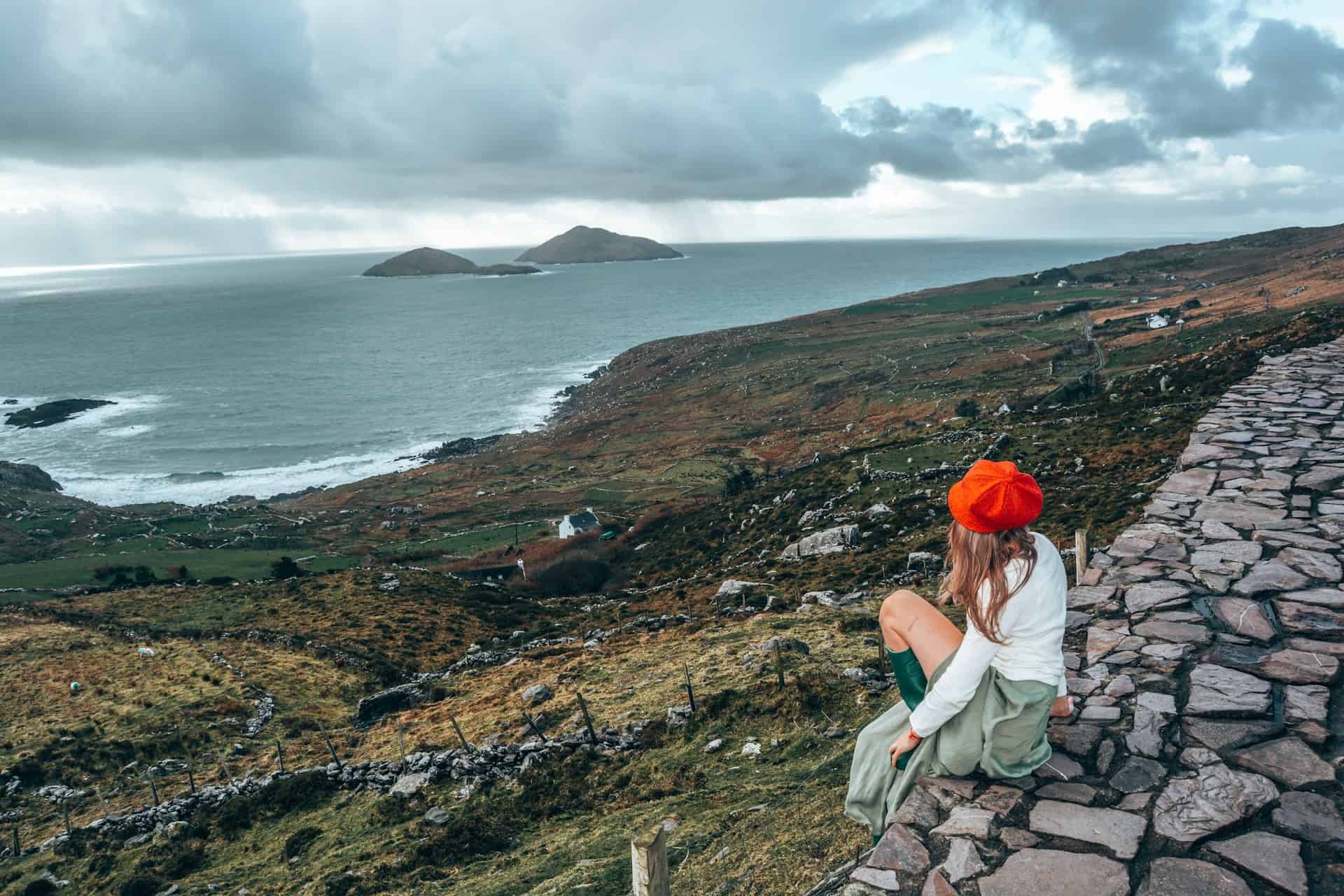
Always rely on free quotes, and don't put down any money until necessary. As long as you take the proper requirements to protect yourself and your belongings, you shouldn't have any problems along the journey.
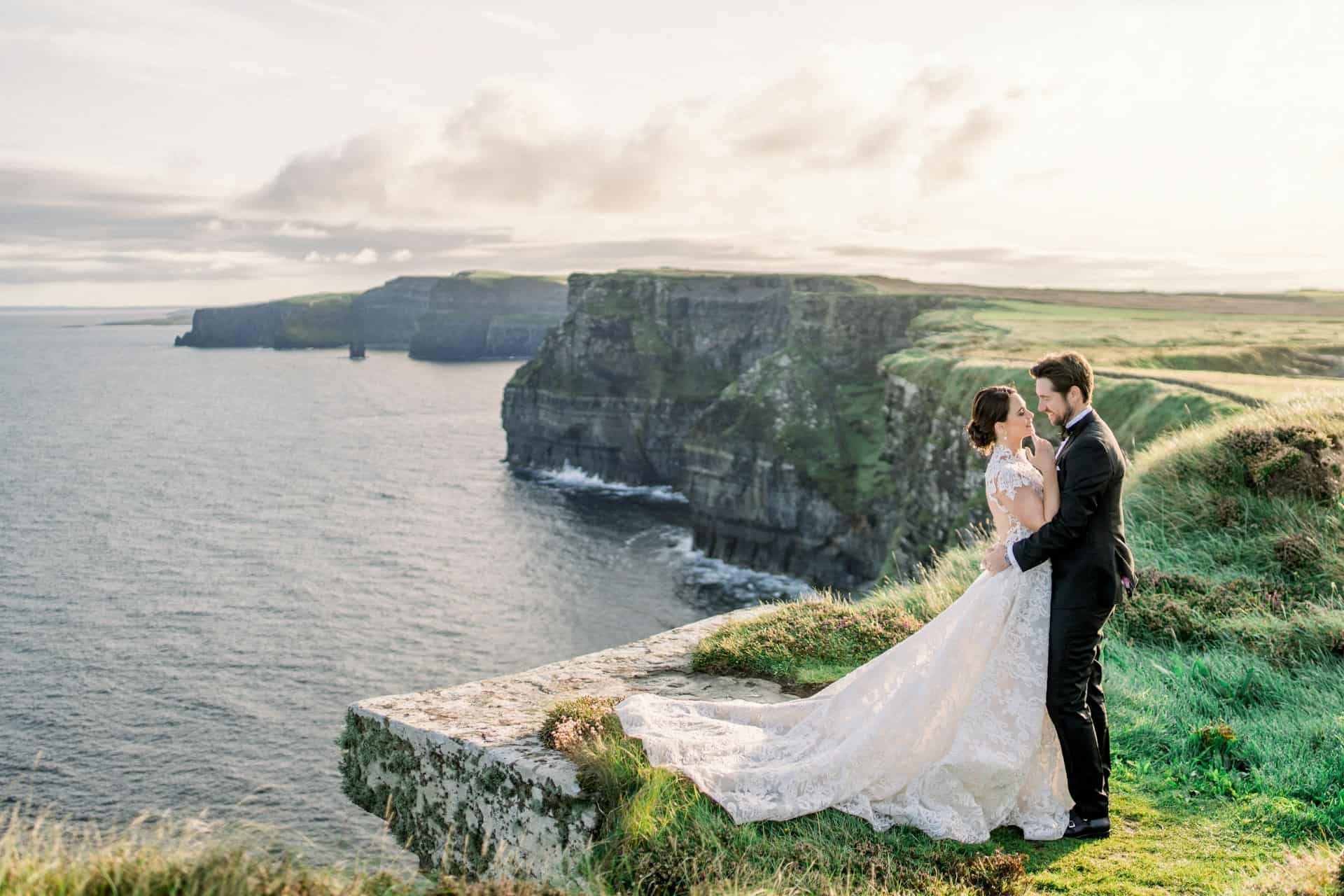
Expert moving consultant Chris Townsend says, "While moving and transport can seem like a confusing journey for most, as long as you know a few tricks of the trade, you shouldn't have any problem relocating anywhere in the world with safety and security that you won't be left out to dry."

Let's Review

First and foremost, evaluating your destination is crucial to determining the type of moving service required.

Understanding the logistics and associated costs is essential, whether it's a domestic or international move. Selling unnecessary items can significantly reduce expenses, especially for overseas relocations.

Selecting a reputable moving service is essential. Bait-and-switch pricing tactics can lead to unexpected costs, making it crucial to vet companies through reliable sources like the Department of Transportation's website, Trustpilot, and various review platforms.

Recognizing the potential for fake reviews, a mix of positive and negative feedback provides a more accurate assessment of a company's reliability.

Considering insurance is another vital aspect of the moving process. While reduced-value insurance may be standard, opting for full-value coverage for valuable items ensures adequate protection. Though it may come at an extra cost, the peace of mind offered during the move is invaluable.

Timing plays a crucial role in the cost and efficiency of the move. Avoiding peak seasons, especially during winter and holidays, can lead to lower rates. Planning the move based on optimal times for both departure and arrival can also contribute to cost savings.

Security is non-negotiable when entrusting a company with your belongings. Seeking round-the-clock support, honest quotes, and proper insurance coverage during transit is essential.

Never commit to a deposit until you are confident about the move, and always prioritize free quotes to make informed decisions.

_____

This story is brought to you in partnership with Three Movers.

« Previous Page
Next Page »
Dave at Ahu Ko Te Riku on Rapa Nui (Easter Island), Chile.

Hi, I'm Dave

Editor in Chief

I've been writing about adventure travel on Go Backpacking since 2007. I've visited 68 countries.

Read more about Dave.

Footer

back to top

About

  • About
  • Archive
  • Privacy Policy
  • Cookie Policy

Follow Us

Contact

  • Contact
  • Work With Us
  • Submissions

Copyright © 2025 Go Backpacking