Go Backpacking

  • About
  • Travel Tips
    • Accommodations
    • Budgeting & Money
    • Adventure Travel
    • Food & Drink
    • Gear & Gadgets
    • Packing Tips
    • Travel Blogging
    • Travel Insurance
    • Trip Planning
    • UNESCO Sites
  • Destinations
    • Africa
      • Botswana
      • Egypt
      • Ethiopia
      • Morocco
      • Rwanda
      • South Africa
      • Tanzania
    • Asia
      • Cambodia
      • China
      • Hong Kong
      • India
      • Indonesia
      • Japan
      • Laos
      • Malaysia
      • Nepal
      • Philippines
      • Thailand
      • United Arab Emirates
      • Vietnam
    • Europe
      • England
      • France
      • Germany
      • Greece
      • Iceland
      • Ireland
      • Italy
      • Portugal
      • Spain
      • Switzerland
      • Turkey
    • North America
      • Canada
      • Costa Rica
      • Cuba
      • Guatemala
      • Mexico
      • Nicaragua
      • Panama
      • United States
    • Oceania
      • Australia
      • French Polynesia
      • New Zealand
    • South America
      • Argentina
      • Bolivia
      • Brazil
      • Chile
      • Colombia
      • Ecuador
      • Peru
  • Advertise
menu icon
go to homepage
  • About
  • Travel Tips
    • Accommodations
    • Budgeting & Money
    • Adventure Travel
    • Food & Drink
    • Gear & Gadgets
    • Packing Tips
    • Travel Blogging
    • Travel Insurance
    • Trip Planning
    • UNESCO Sites
  • Destinations
    • Africa
      • Botswana
      • Egypt
      • Ethiopia
      • Morocco
      • Rwanda
      • South Africa
      • Tanzania
    • Asia
      • Cambodia
      • China
      • Hong Kong
      • India
      • Indonesia
      • Japan
      • Laos
      • Malaysia
      • Nepal
      • Philippines
      • Thailand
      • United Arab Emirates
      • Vietnam
    • Europe
      • England
      • France
      • Germany
      • Greece
      • Iceland
      • Ireland
      • Italy
      • Portugal
      • Spain
      • Switzerland
      • Turkey
    • North America
      • Canada
      • Costa Rica
      • Cuba
      • Guatemala
      • Mexico
      • Nicaragua
      • Panama
      • United States
    • Oceania
      • Australia
      • French Polynesia
      • New Zealand
    • South America
      • Argentina
      • Bolivia
      • Brazil
      • Chile
      • Colombia
      • Ecuador
      • Peru
  • Advertise
search icon
Homepage link
  • About
  • Travel Tips
    • Accommodations
    • Budgeting & Money
    • Adventure Travel
    • Food & Drink
    • Gear & Gadgets
    • Packing Tips
    • Travel Blogging
    • Travel Insurance
    • Trip Planning
    • UNESCO Sites
  • Destinations
    • Africa
      • Botswana
      • Egypt
      • Ethiopia
      • Morocco
      • Rwanda
      • South Africa
      • Tanzania
    • Asia
      • Cambodia
      • China
      • Hong Kong
      • India
      • Indonesia
      • Japan
      • Laos
      • Malaysia
      • Nepal
      • Philippines
      • Thailand
      • United Arab Emirates
      • Vietnam
    • Europe
      • England
      • France
      • Germany
      • Greece
      • Iceland
      • Ireland
      • Italy
      • Portugal
      • Spain
      • Switzerland
      • Turkey
    • North America
      • Canada
      • Costa Rica
      • Cuba
      • Guatemala
      • Mexico
      • Nicaragua
      • Panama
      • United States
    • Oceania
      • Australia
      • French Polynesia
      • New Zealand
    • South America
      • Argentina
      • Bolivia
      • Brazil
      • Chile
      • Colombia
      • Ecuador
      • Peru
  • Advertise
×
Home

Looptail: How One Company Changed the World by Reinventing Business

It's a moment I'll never forget. In Fall 2009, while routinely checking my Twitter account for new followers, I was surprised to find Bruce Poon Tip, founder of G Adventures.

I immediately followed him back while wondering why the founder of a global travel company was following me.

His tweets served as my introduction to the unique culture and values of a company he'd spent 20 years building from scratch, a topsy-turvy story documented in his first book, Looptail: How One Company Changed the World by Reinventing Business.

Looptail by Bruce Poon Tip

At its heart, Looptail is a book about the challenges and rewards of building a global travel business with sustainable tourism practices, exceptional customer service, and an engaging and supportive company culture.

What makes the G Adventures story unique is that Bruce was always ahead of the curve concerning the direction he was steering his business, as evidenced by the fact that he was building a presence on Twitter years before other travel companies caught on to the platform's potential.

And, rather than putting restrictions on the use of social media by employees (to punish the few abusers), he instead empowered them all to become active on Twitter too.

Another example from around the same time was the launch of the Wanderers in Residence program, which sought top travel bloggers as brand ambassadors.

By 2010, G Adventures was big enough to contract with A-list celebrities (think Cameron Diaz), but they chose to work with bloggers instead.

One thing all the Wanderers have in common is that they are incredible storytellers, a skill Bruce emphasizes early on as being necessary for entrepreneurs.

Clockwise from bottom left: Carolyn, Bruce, Dave, Stephanie, and Sebastien
Bruce (center, left) makes time to stop by a DC Travel Happy Hour in May 2010

But don't let the themes of business and customer service scare you off.

There's plenty of Bruce's personal travel stories weaved throughout Looptail, which I believe broadens its appeal.

For example, after a very warm foreword by His Holiness the 14th Dalai Lama, we're introduced to Bruce as he prepares to enter Tibet, his 100th country, before 30.

To encourage Tibetan monks about the status of their spiritual leader in exile, he smuggles images of His Holiness into Tibet.

Was that wise? I don't know, but it had an immediate and positive impact on the monks he gifted the images to.

I've dreamed of visiting Tibet for more than ten years and narrowly missed my first attempt in 2008, so there was no better way to capture my attention and imagination.

Bruce also takes us along as he describes the first tours he began to set up in Belize and Ecuador. Venezuela was an early third choice but didn't prove as popular.

Oh, and there was the time he was imprisoned in Burma.

And the South Pole. Yeah, he's been there too, sharing photos on Twitter to prove it.

I enjoyed reading Looptail for all its themes, from leadership and management to travel and entrepreneurism.

Whether you're trying to build your own business, manage someone else's, or are simply interested in a behind-the-scenes look at how an innovative global brand is developed, there's plenty to learn from Bruce's story.

Looptail: How One Company Changed the World by Reinventing Business is currently available on Amazon.

Incredible Buildings of Jaipur

View of Jaipur, India

Jaipur, known as the Pink City, is the largest and one of the most famous cities in the state of Rajasthan, India.

On my first day in the city, I climbed the small mountain leading to the Nahargarh Fort to get an overall view of the city. The scenery was fantastic.

The Hawa Mahal
The Hawa Mahal

The most famous landmark and easily one of the most recognizable structures in Jaipur is the Hawa Mahal. Its 953 small windows make this building an impressive sight to see.

Entering into Jaipur's City Palace

In the center of Jaipur is the City Palace, a luxurious compound that was formerly the capital of Rajasthan.

There's a lot to see and admire in this series of buildings set up as a museum.

City Palace
City Palace

The courtyards and doorway entrances at the City Palace are spectacular.

Raj Mandir
Raj Mandir

The Raj Mandir Cinema is one of the most famous places in India to watch Bollywood Hindi movies.

Jantar Mantar
Jantar Mantar

Built by Sawai Jai Singh in the mid-1700s, Jantar Mantar is an impressive astronomical observatory with several instruments used to tell the time and trace celestial objects.

Jal Mahal
Jal Mahal

Heading out of town is the water palace known as Jal Mahal.

Amber Fort
Amber Fort

Eleven kilometers outside of central Jaipur is the Amber Fort (or Amer Fort).

The light yellow-colored fort occupies the entire face of the mountain.

Inside the Amber Fort

There are always plenty of tourists at the Amber Fort, but luckily, it's enormous, so there are many sections and chambers to explore.

Interesting buildings in Jaipur, India

One of the things I loved doing in Jaipur was wandering around and looking at the interesting buildings and decorations - there's so much to see.

Monkeys, cows, and goats, enjoying the view of Jaipur
Monkeys, cows, and goats enjoying the view of Jaipur

Walking around Jaipur, you'll often be followed by animals, goats, monkeys, or cows being widely spread throughout the city.

With its history, forts, temples, and palaces, Jaipur is a must-visit city in India.

Camping and Caravanning in Perth

It's well known that Perth is the world's most isolated city.

With a yawning gap of 2,700 kilometers between it and its nearest big city, Adelaide, traveling to the West Australian capital is no mean feat.

Here's what you can expect to find when you get there.

The Swan River
The Swan River (photo: Rachael Parun)

Capital Culture

Situated on the banks of the Swan River, Perth also embraces many European sensibilities.

The city has a few independent movie theaters, small clusters of local shops, and a preponderance of coffee bars with a relaxed atmosphere.

Start in the heart of the city center.

A great place to people watch, some inner suburbs, such as Northbridge, house some of Perth's most exclusive restaurants and vibrant nightlife.

If you seek an education, why not take a trip to the award-winning Perth Mint, where you can witness liquid gold overflowing into special casts and view Australia's most extensive collection of natural gold nuggets.

By that time, you're probably in the mood for a great coffee.

Travel 30 minutes south of Perth to Fremantle and its famous 'Cappuccino Strip.'

It is only a hop and a skip to the Fremantle Prison, the WA Maritime Museum, and the Fremantle Arts Centre.

Scarborough
Scarborough at sunset (photo: Tama Leaver)

Exploring Outer Perth

Beach bums united! Perth has some beautiful beaches that touch the cool turquoise waters of the Indian Ocean.

Scarborough Beach is well-known for having some of the whitest sand in the world.

While Rottnest Island is home to some spectacular sunsets and off-shore fishing spots.

Take a tour of the WW2 tunnels for a bit of history - these were used for storage and now are mostly empty.

On the modern front, the Aquarium of Western Australia is a great way to learn more about the ocean - there's even an underwater observatory tunnel.

Related: Where to Go for Australia's Finest Wine

Visit the Margaret River while caravanning in Perth, Australia
Margaret River (photo: bram_souffreau)

Margaret River

The Margaret River is a bit further down the road (3 hrs one way) but is Western Australia's wine country and worth a couple of days if you have the time.

Closer to town, Swan Valley (in the Hills) is home to locally owned-and-loved Houghton Wines.

Getting There

Hiring a campervan in Perth is a popular mode of travel for travelers - particularly one-way drives and then flying home.

Why? Because it allows you to visit sites en route that are incredibly remote, such as Uluru and Alice Springs, as well as some of the many remote national parks in Western Australia.

One of the best known is the Nullarbor Plain, which offers a stark view of the country's diverse geography. There's also Wave Rock, located near Hyden.

Most caravan parks are on the edge of town, but nearly all of them are on major bus routes, so you can park and get settled.

_________

This post was brought to you by Britz.

6 Tips for Caravanning on a Budget

Campervan
Campervan in Australia (photo: Christian Haugen)

Hiring a campervan is a great way to see Australia on a small budget.

It also allows you to enjoy a flexible schedule where you can experience the open road without the constraints normally experienced on a tour bus.

Indeed, campervan hire allows you to travel in relative comfort and freedom. Hiring a campervan is simple where Mighty offers cheap affordable options and Maui Motorhome Hire is also a preferred dealer.

If you are traveling on a shoestring and it’s your first trip in a campervan, here are 6 tips to help you stick to your budget while out on the open road.

1. Make sure you get the right campervan size

Many first-time campervan travelers assume bigger is better, but bigger campervans usually come with a hefty price tag. They are also harder to drive if you are not used to driving a big vehicle.

Instead, choose a campervan that will fit all your gear and allow everyone to be comfortable. You’re probably not planning to spend all your time in the campervan so you don’t need a lot of space.

2. Sign up for camp-site loyalty programs

Of course, with a campervan, you have the freedom to spend the night wherever you wish, but if you want that bit of extra security, many caravan parks across Australia have loyalty clubs and programs that cost little or nothing to join and can save you a bundle on your nightly stays.

3. Ask your campervan company about the fuel efficiency of their cars

Fuel costs can really eat into your budget, especially if your trip will end up being more than 5,000km.

Check sites like fuelwatch.com.au, which can help you find the cheapest refueling option in your current location. As a precaution, always carry a can of extra fuel onboard, especially if you are heading to the Outback.

4. Plan your grocery needs a week out

Fuel stops and campsite restaurants are rarely the cheapest option – the grocery store is your best bet.

Since grocery stores aren’t always nearby, plan out a week’s worth of meals, including lots of items that don’t require refrigeration for a full week.

5. Know the terms and conditions of your campervan contract

One common mistake many travelers make is failing to read the T’s and C’s. For example, driving a 2WD vehicle on non-sealed roads may void your insurance or cost you extra to hire.

In addition, returning the vehicle with an empty tank may also mean the hire company will hit you with an extra charge.

6. Know the depot hours and make sure you return your campervan on time

Returning your vehicle after-hours often means incurring a late fee or worse yet - paying for another night’s stay.

Carefully plan the last few days of your trip so you can return your hired campervan to the depot in time.

________

This post was brought to you by Mighty and Maui Motorhome Rental.

5 European Dream Destinations

The summer season has drawn to a close in North America and Europe, which means it's time to begin daydreaming about where to go next year!

Amongst the holidays with Cosmos, there are a bunch of sunny seaside destinations I have my eye on. Photos inspire me, perhaps more than anything else, when choosing a destination. I hope these inspire you when you're thinking about where to vacation next summer.

Table of Contents

  • 1. Greece
  • 2. Croatia
  • 3. Canary Islands
  • 4. Turkey
  • 5. Italy

1. Greece

Mykonos in Greece is a European dream destination for many (photo: Sol@rpowered).
Mykonos (photo: Sol@rpowered)

Greece is quickly becoming my Thailand of five years ago. I feel like everybody's been there, partied there, and island-hopped there but me.

I passed up my first opportunity to visit in 1998, during my backpacking trip through Europe. I'd been in Italy for two weeks and only had so much time left on my trip. Instead of hopping a ferry, I high-tailed it to Ireland, but that's another story.

As recently as last year, I considered heading to Greece, but I was in Europe during the fall and felt it wouldn't be quite as lovely as spring or summer.

Mykonos is my top pick, if only for the beautiful seaside setting, with white-painted buildings contrasting against the deep blue waters. I'd love to photograph it.

This Greek island also looks ideal for travelers who value privacy and luxury. Villas for rent in Mykonos offer an upscale way to enjoy this iconic island, combining pretty views, luxe amenities, and easy access to its world-famous beaches and nightlife.

2. Croatia

Dubrovnik, Croatia (photo: Mike McHolm).
Dubrovnik, Croatia (photo: Mike McHolm)

Croatia is another seaside country I'm long overdue to visit. My parents were there long ago on a cruise, and as recently as last year, my brother and best friend went for yacht week. I've also heard it praised by many travel bloggers in recent years.

For such a small country, there are many cities to visit, including Dubrovnik (pictured above), Hvar (party central), Split, and Zagreb (the capital). But, because it's small, it's perfect for a quick vacation; a week or two should suffice.

I know nothing of Croatian cuisine, though I imagine it's heavy on seafood. It'd be interesting to discover that aspect of the country and culture.

3. Canary Islands

Playa de Agaete on Gran Canaria (photo: Vin Crosbie).
Playa de Agaete on Gran Canaria (photo: Vin Crosbie)

The Canary Islands were recently featured in the Hollywood blockbuster Fast and the Furious 6. Located 100 kilometers off the southern coast of Morocco, this archipelago belongs to Spain.

Known for its friendly climate, beaches, and varied landscapes, the Canary Islands attract millions of vacationers every year. Surprisingly, they feature the world's third-tallest volcano, Mount Teide, according to Wikipedia.

4. Turkey

Kaputas Beach in Kalkan, Turkey (photo: Marcia Taylor).
Kaputas Beach in Kalkan, Turkey (photo: Marcia Taylor)

Turkey is another destination I hadn't thought much about until friends started visiting and spending time there over the last few years. At the crossroads between Europe and Asia, there's a lot of history and foreign culture for me.

My top priorities would be to explore Istanbul and experience a Turkish bath. The latter is something I've wanted to do since seeing Anthony Bourdain suffer through it on one of his old TV shows.

5. Italy

Santa Margaita on the Italian Riviera, a European dream destination of mine (photo: Rodrigo_Soldon).
Santa Margherita on the Italian Riviera (photo: Rodrigo_Soldon)

My fifth and final European dream destination is Italy, and specifically, the Italian Riviera.

Last year, I visited the Spanish Riviera, known as Costa Brava, for the first time, as well as the French Riviera for the second, but I've yet to experience Italy's version.

The main hub is Genoa. And while I still find it humorous that their beaches are often a pile of round rocks, it seems to deter the Europeans from enjoying the sun in summer.

5 Tips for Taking Better Travel Photos

I have always enjoyed looking at photos of beautiful locations and food, but photography is not something I was initially interested in doing myself.

But the more I traveled and took photos with my little point-and-shoot, the more I wanted to record better, more emotional, and more eye-catching pictures as I traveled. So, a few years ago, I finally jumped from a point-and-shoot to a DSLR.

A DSLR and tripod can help you with taking better travel photos
Camera set up

A DSLR does improve a camera's quality and functionality, but it doesn't necessarily improve the subjects or scenery we see when we travel.

No matter what kind of camera you use, we can all achieve better results by learning some photography tips.

After getting my DSLR camera, I purchased a copy of the Getting Out of Auto ebook, and it was a great introduction to photography, especially to developing an eye for better photos.

I'm still learning a lot about photography (and want to learn more), but here are some things I've learned over the years.

Table of Contents

  • Photography Tips
    • 1. Bring your camera everywhere you go
    • 2. Be confident
    • 3. Details
    • 4. People
    • 5. Don't overdo it

Photography Tips

1. Bring your camera everywhere you go

This doesn't mean you need to take a photo wherever you go, but having your camera with you at the right time in the right place is crucial for getting good images.

Except when I'm somewhere unsafe where it's dangerous to carry valuables, I carry my camera with me every day, everywhere I go.

Be sure to protect your camera, whether walking around or going to the beach, but you never know when a unique photo opportunity will arise.

2. Be confident

I've hung out with a couple of pro photographers during my travels, and one thing I've learned from them is to be confident in taking pictures.

While I'm often intimidated or shy about taking photos in certain places (especially when there are many people around), the pros know exactly what they're doing and shoot pictures quickly and discreetly.

Being confident, not stuttering, and pressing the shutter quickly are ways to get memorable shots.

Observing these professional photographers in action has shown me the importance of confidence when using photography cameras, enabling them to capture memorable shots even in busy environments.

3. Details

I only took far-off shots of beautiful landscapes when I started taking travel photos. But then I realized we notice so many details when traveling, making for extraordinary images.

Remember the details

Taking close-up shots of details is an excellent addition to any travel photo folder, no matter where you go.

4. People

One of the most challenging aspects of photography is photographing people. And yet, every time I get a good shot of a human (both portraits and action shots), I think they are the most powerful travel photos.

Coffee man in Zanzibar

There are two ways to take photos of people: doing it quickly without asking, or asking permission. Both work, and each method takes plenty of confidence to pull off, yet the results make for some of the best travel photos.

5. Don't overdo it

Something I have personally struggled with and am working on is not to overdo it when taking photos.

It's easy to snap as many photos as possible in every possible angle and lighting condition while almost neglecting to look at the subject you've come to see with your very own eyes.

I've found that if I take my time and think before snapping, I get better shots and don't spend all my time with one eye on the camera and the other closed.

Take some photos, and then enjoy whatever you see with your own eyes! Photography is a wonderful way to remember and share what we see, eat, and do when we travel.

No matter what kind of camera we use, we can all improve our picture-taking.

And if something goes wrong with your memory card on the road, there is SD card recovery software to help recover lost travel photos and videos.

Top 3 Things to Do at Chamonix Mont Blanc

Chamonix Mont Blanc is one of the most visited towns in the French Alps, mainly due to the sheer amount of skiing and mountaineering offered all year round. As well as Chamonix being regarded by many as a mecca for skiing and alpinism, the town itself hosts some of the most amazing attractions, which will take your breath away. You must see three things if you plan to visit Chamonix Mont Blanc.

The Aiguille du Midi Cable Car

Midi
Midi

Situated 3,842 meters above sea level, the Aiguille Du Midi is the highest cable car in Europe and, after its completion in 1955, the highest cable car in the world for 20 years.

This fantastic feat of engineering is probably the most significant non-skiing attraction in Chamonix and takes thousands of visitors to its panoramic viewing platform every day throughout the year.

From the peak, you can enjoy beautiful views of neighboring Italy and the Matterhorn, Switzerland's most famous mountain, over 40 miles away.

As well as peering into the surrounding countries from your sky-high platform, you also get the best view of Mont Blanc, which stands next to the Aiguille du Midi at a staggering 4810 meters tall.

At nearly a full kilometer higher than the Aiguille du Midi, the experience of standing below Mont Blanc and still being so high puts this extreme mountain range into perspective.

After enjoying the spectacular views of the Aiguille Du Midi, you can also have lunch and a glass of the finest French wine at the top.

With various snacks and hot and cold meals on offer, it's no wonder that scores of people choose to take advantage and have lunch nearly 4 kilometers above sea level in this extraordinary restaurant.

When lunch is finished, you can visit the gift shop next to the restaurant to buy some fantastic memorabilia, and you can even buy postcards and post them in the post box they have there - pretty impressive, to say the least!

Just remember that because the summit is so high, the temperatures are often in the minus figures, so remember to wrap up warm when heading up, even on the hottest summer days.

Mer de Glace

Mer de Glace
Mer de Glace

At 7 kilometers long and up to 650ft deep in some places, the Mer de Glace, which translates to "sea of ice," is the longest-running glacier in France!

Like all glaciers, the Mer de Glace is constantly moving. It is estimated to move up to 90 meters per year down the valley it has naturally carved over thousands of years.

Every year, the team based at the Mer De Glace cuts large caves on the side of the glacier. Once the caves are large enough, sculptures are made in them, again from ice.

These range from full domestic rooms like bedrooms and kitchens to smaller objects like marmots and ice-carved skiers.

They even have a large Saint Bernard dog that sits to have his photo taken with the daily visitors in the ice caves during the summer and winter. He is super friendly, as well as being super slobbery.

Slobber aside, taking your picture with him will make for a great holiday snap and bring a smile to anyone's face for years to come.

The ice caves are a truly magical place, and with lighting, the ice caves in the Mer de Glace are transformed into something you are very unlikely to experience anywhere else in the world.

The Merlot Parc

Ibex
Ibex

In addition to the glaciers and famous ice caves, Chamonix has a fantastic animal park where you can spend a day experiencing some of the natural wildlife the French Alps offer.

Unlike a zoo, Chamonix's Merlot Parc is a vast open area that allows all the animals that live there to roam at their will. Situated approximately 5 km out of Chamonix town center, the Merlot Parc is home to many animals you would not usually see, such as Ibex, Buff, Marmottes, and Lamas.

In addition to the selection of Alpine animals, the views offered by the Merlot Parc are incredible. Mont Blanc, Le Bossons Glacier, and various other Aiguilles (mountain points), such as the Aiguille Des Dru, are all visible from the elevated viewing point.

With prices of only €5 per person and babies going free, visiting the Merlot Parc can make for a great low-cost relaxing day out for all the family whilst taking in the spectacular views of the Chamonix Valley.

So there you have it-three of the biggest attractions Chamonix Mont Blanc has to offer that don't involve putting on skis and helmets and racing down the side of a steep mountain!

_______

Article by Chamonix first - Geneva to Chamonix transfer provider.

Hua Hin - A Bangkok Beach Getaway

Hua Hin
Hua Hin

Located just 2.5 hours from Bangkok by road, Hua Hin is one of the most popular beach towns catering to Bangkok residents.

The beach itself is not nearly as impressive as places in the south of Thailand like Phuket or Krabi, but its location and the peace and quiet of the town is what attracts visitors.

Many Thais come down for the weekend, so during weekdays Hua Hin in relatively quiet, but the population swells every weekend.

There are tons of hotels and guest houses to choose from, some of them facing the ocean, while many of the budget options are a little back from the beach in the neighborhoods of the town.

Beach at Hua Hin
Beach at Hua Hin

Hua Hin is a classic beachside resort town offering many seaside activities like pony rides, flying kites, or taking a thrilling ride on a banana boat.

Along with lazying by the ocean or swimming pool or doing watersports, Hua Hin has quite a few other attractions specifically for those that want to get away from Bangkok without touching the water.

One day when we were in Hua Hin, we decided to check out a place known as Plearn Wan.

This retro cowboy village was set up to look like the Wild West.

Within the small touristy center there's a number of cafe's, restaurants serving Thai noodles, and all sorts of antique and boutique shops.

I couldn't help but chuckle seeing groups of Thais taking photos and excited to be in the Wild West!

Hua Hin fresh market

Hua Hin's main night market, located directly in the center of town and outside the daily fresh market, is one of the best places to visit during the evening.

The street closes to all motor vehicles and stalls of clothes, souvenirs, crafts, artwork, and restaurants open up.

One of the best places to eat dinner is in the Hua Hin night market where you'll find a variety of incredibly tempting seafood restaurants.

Lobster
Lobster

Like everywhere else in Thailand, food is one of the main attractions, and there is no shortage of restaurants in Hua Hin to cater to every taste.

For dinner, as I mentioned above, there's no better place for seafood than the night market.

I went to a restaurant called Lung Ja Seafood restaurant, and though I had no plans to eat it beforehand, I ended up ordering an entire 1-kilo lobster. It was marvelous!

Breakfast is served at many of the hotels, but if you're looking for a local experience, you can head over to the streets opposite the night market where they serve a variety of breakfast Thai dishes like jok (rice congee porridge), khao moo daeng (red pork and rice), and khao man gai (rice and chicken).

Night market in Hua Hin

On weekend evenings in Hua Hin, there's another night market which opens on the edge of town.

It attracts huge crowds that come for the upscale arts and crafts, the food court, and the live drama performance (though it's only in Thai).

Hua Hin is not the greatest beach destination, but it does have quite a few interesting things to check out and is especially a wonderful escape from the business of Bangkok.

Copper Canyon: 5 Adventures in North America's Largest Canyon

Mexico's Copper Canyon
iewingMexico's Copper Canyon, in the state of Chihuahua, is, in fact, a network of canyons which together are several times larger than the Grand Canyon in Arizona

Copper Canyon, or Barranca del Cobre in Spanish, is a system of canyons in northwestern Mexico that are deeper and longer than the celebrated Grand Canyon across the border in Arizona.

I'm getting the Grand Canyon comparison out-of-the-way right at the beginning because, let's face it, if we're talking about canyons in North America, that's the one that's going to come up.

The truth is, I've been to both Copper Canyon and the Grand Canyon, and the one in Arizona is a fabulous photo opportunity. Still, Copper Canyon is a visit to another planet.

It's an adventure into some of the most startling landscapes you've ever seen, and there's far more to do than look at them.

You can hike into the canyon, zipline over it, mountain bike through it, ATV next to the edge of it, repel down it, or go for a run through it with the famous Tarahumara.

The Tarahumara recently had their own Nike barefoot running shoe modeled after them.

This is, after all, is where the Tarahumara Indians started ultra-marathoning, a people so bad-ass they started running sixty miles through the canyons in flip-flops for fun.

Copper Canyon is about eleven hours from El Paso, and it's still only about as far south as Corpus Christi, Texas.

It's in the southwest corner of the border state of Chihuahua and is not that far a trip from the Southwestern U.S., including Los Angeles.

If you want to take pictures of a large hole in the ground, head to Arizona with the other retirees.

If you want to play hard in one of the most beautiful and treacherous landscapes on the planet, and do so without fighting crowds, head to Copper Canyon.

Boarding the train to Copper Canyon
Leaving before sunrise to board the train to Copper Canyon

Table of Contents

  • 1. Copper Canyon Railway Engineering Marvel
  • 2. Second Longest Zipline Course In The World
  • 3. Rappelling, Tarzan Swinging, and High Ropes Course
  • 4. Advanced Mountain Biking into Tarahumara Territory
  • 5. Ripping Along The Edge of Copper Canyon by ATV
  • Parting Thoughts

1. Copper Canyon Railway Engineering Marvel

The best way to reach Copper Canyon is by train. Yes, there are other ways to get there, but the Chihuahua al Pacifico Railroad, also known as "El Chepe"  is the best, most scenic, and the most fun.

You can get on the train as far north as the city of Chihuahua, the state capital, and ride it to the ocean side city of Los Mochis.

But the train's selling point is the middle, where it cuts through the canyon and provides some of the most astonishing vistas you'll ever see.

Copper Canyon Train Selfie (1 of 1)
Breathing the fresh air on the way to Copper Canyon

There's a dining car, and the train makes a few stops at small canyon villages where locals sell you Mexican street food, handmade baskets, and pottery. This is not the imported stuff from China, folks.

Coming south from Chihuahua, watching the landscape turn from flat farmland to hilly pine forests and finally to mountains before entering the canyon itself was remarkable.

The scenery turns more beautiful by the minute.

Don't shoot too many pictures early in the trip, although I know it's tempting. The good stuff is at the end as you inch closer and closer to Copper Canyon.

Cost: $265 - 1,400 Mexican pesos ($20 - $107) per person depending on the class and city of departure

Tirolesa in Copper Canyon
How does it feel when you zip line at 80km/h five hundred meters?

2. Second Longest Zipline Course In The World

Near the El Divisadero station is the Copper Canyon Adventure Park.

The facility sits on the edge of the canyon and extends over it. There's a restaurant with a glass floor that lets you look down into the canyon while floating above it.

There are a few different activities here. The first one I did was ziplining.

The facility has a set of seven ziplines and two suspension bridges totaling a 4,100 meters route as high as 450 meters above the ground.

With the longest zipline at over one 1,000 meters, you will soar over 80 miles per hour.

The concept of ziplining is simple, but such an intense zip line system required the most precise calculations.

I've been on a lot of ziplines in my life. Generally, they are all the same. This one was not.

I flew, at first clutching the straps and venturing a peek down every few seconds.

Everything was up to code, and the staff was very vigilant in making sure all safety procedures were being followed.

So after I got comfortable with the idea of cable-based flight, I was soaring like a gringo eagle, arms wide, and eyes alternating between the canyon floor thousands of feet below and the spectacular skyline.

There are some long ziplines on this course.

There were a few times when I had to ask for clarification to see where it was that I was supposed to be landing. Other times, I preferred not to know.

Copper Canyon Zipline Platform
Flying high atop Copper Canyon

Interestingly enough, the local Tarahumara were instrumental in hauling the heavy materials across the rugged Copper Canyon terrain to build the zipline circuit and all facilities along path zip.

These days, the Tarahumara are also working as guides and maintaining the route.

While this trip did not focus on getting to know the Tarahumara people, you will want to contact a local tour operator, Dave Hensleigh of Authentic Copper Canyon, who has a great relationship with them.

Hours:  9 AM or 1 PM, daily
Cost: $600 Mexican pesos ($45 USD) per person
Time: 2.5 hours

Rappelling into Copper Canyon

3. Rappelling, Tarzan Swinging, and High Ropes Course

Another attraction at the Adventure Park was the High Ropes Course.

On the zipline, I had lived out my childhood fantasy of flying; I was Superman in a hard hat.

On the High Ropes Course, I was Spider-Man and even Tarzan at times, a few of my childhood favorites.

The course began as I rappelled down a sheer rock.

The course was intense as I was swinging on cables, which I embarrassingly referred to as a "web" in front of the rest of the tour while in full childhood fantasy fulfillment mode.

Danging above the Copper Canyon

It's a little more physically demanding than the zip line course, but it's still okay for beginners.

You feel like an expert, which is a testament to the skill of the instructors and the design of the course.

This is how you defy death

Hours: Between 9:00 AM and 3:00 PM every day
Cost: 450.00 Mexican Pesos per person
Time: 1 ½ hours

The meadows of the Tarahumara people

4. Advanced Mountain Biking into Tarahumara Territory

It was during mountain biking that I came to appreciate the incredible intensity of the landscape and the jagged challenges every few feet of rock presented.

When you fly above something or climb down it, you don't understand it on a tangible level. It is abstract beauty, nature as aesthetic.

Mountain biking through the canyons and into the fantastic scenery in the vicinity, which included riding through pine forests next to babbling brooks and into sun-melting meadows watched over by cacti, gave me a real appreciation for the simultaneously beautiful and brutal ecosystem of the canyons.

Mountain biking
Carrying our bikes

It was more than just a mind-boggling series of ditches.

It's amazing how the environment is alpine at the top and sub-tropical closer to the heat at the bottom of the canyons.

There was a great deal of walking the bikes over steep terrain, which was fine by me.

This trail was challenging, which meant stumbling down it while walking the majority of the way.

Copper Canyon ATV Tour
Posing for a vanity shot on my ATV ride along the edge of Copper Canyon

5. Ripping Along The Edge of Copper Canyon by ATV

After enjoying the sweaty tranquility of a mountain bike ride, I had earned the noisy and effortless privilege of cutting along the canyon's edge on an ATV.

The ATV trails were broader and less winding than the mountain biking trails, but they kept us on the canyon rim viewing the stunning scenery.

It was also exciting to rip along with an engine between your legs while an insane dropoff lingered just a few feet away. Of course, it was perfectly safe.

But like any good roller coaster, the experience was safe with just enough implied danger to increase your heart rate.

How to Participate:

Parque de Aventuras Barrancas del Cobre
Phone: 01 (635) 589 6805, or contact the Office of Tourism in Chihuahua at [email protected] or by phone in Mexico at 01 800 508 0111 / (614) 429 3596

Parting Thoughts

Copper Canyon is a place to play, pure and simple.

Sure, you could visit a nearby hotel deck and sip margaritas while watching some of the most breathtaking sunsets you've ever seen. I did that too.

But I imagine the satisfaction I felt sipping strong tequila and watching the canyon turn a pinkish glow as the sun descended into the canyon floor would not have been nearly as sweet without first getting some of the canyon under my fingernails.

________

My trip to Copper Canyon in the Mexican state of Chihuahua was provided in collaboration with Ah-Chihuahua, Conexion a La Aventura, ATMEX, Hotel Divisadero, Visit Mexico, Mansion Tarahumara Club Resort & Spa, and Chepe Ferrocarril Barrancas del Cobre. All opinions expressed above are my own.

Jantar Mantar: Jaipur's Sophisticated Astronomical Observatory

Jantar Mantar in Jaipur, India

One of the most famous attractions in the heart of Jaipur, Rajasthan, is the Jantar Mantar complex.

This series of giant instruments were built in the mid-1700s by Sawai Jai Singh of Rajasthan.

Jantar Mantar is a compound full of geometric sculptures dedicated to making astronomical observations, things like telling the time, forecasting the moon cycles and earth cycles, measuring celestial objects, and predicting eclipses.

The site is now a UNESCO World Heritage Site for its design, preservation, and the precise measurements it records.

Jantar Mantar
Jantar Mantar

When I first arrived, I thought the complex just looked like a bunch of abstract pieces of modern art sculpture - the kind that only really make sense to the artist and are used as decorations outside of large building or in public spaces.

But the more I hung around, observed each and every instrument, and read the description of what each sculpture was used for, I gained a much broader appreciation for this attraction.

The instruments were mainly constructed of local stones from Rajasthan and marble, and though it remained in quite good condition, it was restored in the mid 1900's to what it is today.

The reason many of the instruments are so large is to make them more accurate, a bigger surface area to cast shadows and show measurements.

nadivalya yantra
nadivalya yantra

The nadivalya yantra looked almost like an artistic house, a set of stairs leading around a large circular disc.

The equatorial sundial was used to tell time in relation to the Earth's axis.

Ram Yantra
Ram Yantra

There are a number of Ram Yantra instruments at Jantar Mantar.

They were mostly used to tell the coordinates and azimuth (which I had no idea what it was until my visit) of objects in space.

Somehow the ring and the top of the structure makes a shadow that falls on one of the inner triangular-shaped radials.

digamsa
digamsa

Another instrument, known as the digamsa, was used to determine the azimuth of a celestial object.

I'm not sure exactly what the measurement was useful for, but its pretty cool that they could do such complex calculations.

Pictured, you can see the acute markings etched into the stone.

Vrihat Samrat Yantra

The most impressive of all the monuments, or the supreme instrument as it's known, is the Vrihat Samrat Yantra.

This huge triangular structure is a sundial, and as the sign indicated, it has the ability to tell time to an accuracy of two seconds.

Now I don't begin to even come close to understanding how the sundial really worked, but somehow the sun shining on the triangular wall cast a shadow that moved with the sun and indicated the time.

Something so giant to tell the time, and yet it worked with precision.

The Vrihat Samrat Yantra is 90 feet tall, making it the largest and most important structure at Jantar Mantar.

There's also a very similar Jantar Mantar complex in Delhi, built also by Sawai Jai Singh, but it's not quite as well-preserved or as large as the complex in Jaipur.

Fourteen different objects, all precisely crafted to observe the stars and planets, measure the time, and track celestial objects, makes for a pretty interesting attraction in Jaipur.

Cultural Highlights of Rio de Janeiro

View from Corcovado
View from Corcovado

Rio de Janeiro has something so different from other cities. It attracts travelers from all over the world, and makes them never want to leave.

There are many reasons for this. It’s called the Wonderful City for a reason!

The best thing you can do before arriving is to buy a Rio Guide, which can make it easier to explore the highlights of the city.

View from Sugar Loaf

Morning Views from Sugar Loaf Mountain

Of course you have to wake up early to visit the famous Sugar Loaf Mountain in Rio, and it’s the best advice I can give you.

When you reach the top of the cliff early in the morning, you will see the city in a unique light. Your first view of Rio will be special, thanks to Sugar Loaf.

When you visit Rio de Janeiro for the first time, you know what you have seen from TV or what others told you; but soon you will discover one of its wonders that will be in your heart forever: its people.

All I can say would be little to describe the richness of their culture and their way of living life to the fullest every day.

Just walking through Ipanema or Copacabana you will notice the healthy and relaxed atmosphere around you.

Muscled Cariocas playing beach volleyball, women with tiny bikinis and sun tanned skin…

If you want to feel like a real Brazilian, put on a pair of Havaianas, swimwear and go to the beach, buy a delicious "abacaxi" (natural pineapple) juice and enjoy the moment!

Landscape from Favela Rosinha

Eating Like a Local

Besides its healthy way of life, there is another thing you have to try before you leave Rio: picanha.

This dish is a succulent cut of meat that is served with rice and vegetables. You can taste it in their restaurants called Rodizio.

Once you sit at a table, you can eat all you want. Waiters offer you different types of meat and you can choose if you prefer one kind of cut or another.

When evening falls, there’s nothing more rewarding than going to the top of one of Ipanema’s little mountains and enjoying the most beautiful sunset. What more could you ask for?

Learning to Samba

Now is the time to discover another piece of Brazilian culture: samba! Are you ready?

The first time you try to dance Samba, you won’t be able to do it. It’s impossible! So, the best way to learn it is from Brazilians who meet every weekend at "escolas de samba".

Samba Schools are located near favela neighborhoods where Cariocas rehearse their dances for Carnival. You will enjoy non-stop dancing for hours, and the Brazilians will help you learn how to do it!

It’s the perfect way to immerse yourself in Brazilian culture and tradition. Your movement doesn't look like theirs at all, but it's so fun!

Hang Gliding experience

Hang Gliding from Sao Conrado

After a perfect night, you should sleep deeply because you can’t leave Rio de Janeiro without trying one of the most exciting experiences: hang-gliding from Sao Conrado.

You will feel like a bird and will see the most stunning views of the entire city from the air.

When it’s time to leave the city, remember that the famous Rio de Janeiro statue is looking down on you, and hoping that some day you decide to go back to live their culture and traditions again.

_________

This post was written by Sara Rodriguez, and brought to you by MyRioTravelGuide.com.

Top 5 Things to Do in Rio de Janeiro

Street art in Rio de Janeiro (photo: Craig Martin)
Colorful street art in Rio de Janeiro

Rio de Janeiro has a well-deserved reputation for being one of the planet's top places to party, but there's something here for everyone -- not just those who like to stay up all night.

A Rio de Janeiro travel guide will have a lot more detail, but here's some of my favorite things to get you started.

Drinking from a coconut on Copacabana (photo: Craig Martin)
Drinking from a coconut on Copacabana

Table of Contents

  • 1. Beaches
  • 2. Sugar Loaf
  • 3. Selarón Steps
  • 4. Christ the Redeemer
  • 5. Santa Teresa

1. Beaches

Might as well just put that out there to begin! The city's odd geography means that there are plenty to choose from, including the famous Copacabana and Ipanema beaches.

In summer, you'll want to have more than just one drink at one of the many beach bars -- though it's a good idea to limit the alcohol.

Coconut juice drunk straight out of a chilled green coconut is the prefect choice for a hydrating drink on a sweltering day -- it's cheap, refreshing, and naturally packaged!

Each beach has its own strictly delimited neighborhoods - so if you don't like where you are, walk 200 meters and the people will change.

It's also refreshing to see that people of all body types are welcome on Rio's beaches; you'll see people of every size and shape sunbathing, swimming, or playing beach volleyball. So if you have a bit of a hang up about your body, this might be a good place for you to come.

2. Sugar Loaf

One of Rio's iconic symbols, the Sugar Loaf Brazil rock formation dominates the skyline.

It's possible to hike to the top, or — as most people do — take the cable car.

Completely renovated at the turn of the century, the anti-glare windows provide spectacular views during the two stages of the ride.

After you reach the top, you'll find a stunning 360 degree panorama of the city and ocean.

The Selarón Steps (photo: Craig Martin)
The Selarón Steps

3. Selarón Steps

In the suburb of Lapa, you will find one of the city's most interesting sites: The Selarón Steps.

A Chilean artist, Jorge Selarón, who lived in one of the houses off the steps, started decorating them with tiles and bits of broken crockery in 1990.

Today almost every square centimeter of the steps and their surrounding walls are decorated in a striking mosaic, and until recently the artist himself was a common feature of any visit there.

He was found dead in rather mysterious circumstances on the steps in January 2013: a sad end to a life dedicated to art.

Christ the Redeemer statue (photo: Craig Martin)
Christ the Redeemer statue

4. Christ the Redeemer

Perched on the top of Rio's highest hill, the statue of Christ the Redeemer is unmissable, whether you visit it or not -- except in terrible weather, Jesus is visible from most parts of the city.

It's worth the effort of getting to the top, whether you go by foot, public transport, or private tour. The views are amazing and you can get the almost-obligatory photo of yourself with your arms out like the Rio de Janeiro Jesus.

If you fancy a slightly different view of the statue and the city, helicopter trips take off from about a kilometer south of the summit… Definitely not suitable for a backpacker's budget.

5. Santa Teresa

After the beaches (yes, all of the beaches!) my favorite spot to relax with a drink is Santa Teresa. Street art, cafes, galleries and the remains of a tram system that's been shut down since 2011.

The narrow streets are perfect for exploring though — head uphill until you find a café you like the look of, recuperate with a beverage of choice, then take your time heading back down.

I'm hoping to head back to Rio de Janeiro one day… What else should I see next visit?

________

This post was written by Craig Martin, and brought to you by MyRioTravelGuide.com.

Top 10 Things to Do in Hong Kong

Daylight view of Hong Kong Island's skyline from Kowloon

Visiting Hong Kong on my trip around the world was a no-brainer.

One of the world's great cities, alongside the likes of New York and London, it was my first foray into an Asian megalopolis.

For a guy whose travel mainly was limited to the USA and Western Europe by that point, it was overwhelming.

In terms of accommodations, there are enough Hong Kong hotels to suit any budget.

Without further ado, here are my top 10 things to do in Hong Kong, based on my week in the city.

My best Bruce Lee impersonation

Table of Contents

  • 1. The Skyline, Tsim Sha Tsui Promenade, and the Avenue of Stars
  • 2. Symphony of Lights Show
  • 3. Central Mid-Levels Escalator
  • 4. Victoria Peak
  • 5. Tian Tan Buddha on Lantau Island
  • 6. Chungking and Mirador Mansions
  • 7. Temple Street Night Market
  • 8. Eating Out
  • 9. Shopping
  • 10. Arcades

1. The Skyline, Tsim Sha Tsui Promenade, and the Avenue of Stars

Hong Kong's skyline was the biggest reason for my visit. I'm a New Yorker, so I feel a tad guilty saying this, but I think it beats New York City.

Let's chalk that up to the simple fact that it's newer.

The best place to view the skyline on Hong Kong Island is from the Tsim Sha Tsui Promenade, which also features the Avenue of Stars.

The Avenue of the Stars is Hong Kong's version of the Hollywood Walk of Fame.

One of the most popular features is the statue of Bruce Lee. I challenge you to walk by it and not pose for a picture. Impossible!

The nightly laser light show on Hong Kong Island, as viewed from Kowloon

2. Symphony of Lights Show

The Tsim Sha Tsui Promenade is also the place to be at 8 PM when the nightly Symphony of Lights show kicks off.

Set to music, the lights and lasers across the bay on Hong Kong Island come alive and put on quite a show.

I wish New York City would do something like this for their skyline.

It was truly a fantastic experience and completely free to watch.

The longest series of escalators in the world

3. Central Mid-Levels Escalator

Constructed in 1993, the Central Mid-Levels Escalators on Hong Kong Island are the longest series of covered escalators in the world.

The system covers a length of 800 meters and rises 135 meters in elevation from bottom to top.

It takes about 20 minutes to ride the full length of the escalators, and like the laser light show, it's completely free.

Many shops, restaurants, and bars have opened up along the route.

If you plan to visit and want to add a little fun to the experience, make a bar crawl out of it, or at least stop for lunch at along the way up.

View from Victoria Peak
View from Victoria Peak (photo: Yuya Sekiguchi)

4. Victoria Peak

The top of Victoria Peak is another excellent vantage point for checking out the Hong Kong skyline.

Due to smog, it can be hard to see the city even from up there, which is why it might make more sense to visit at dusk or in the early evening when you'll benefit from the colorful lights below.

There are plenty of bars and restaurants at the top of the mountain but expect to pay higher than normal prices due to the view.

When I went with a British friend, Adam, we grabbed a beer at Bubba Gumps.

The Tian Tan Buddha as viewed from a mock Chinese village (set up for tourists)

5. Tian Tan Buddha on Lantau Island

The Mid-Levels Escalator wasn't the only monumental project completed in 1993.

That year, work was also completed on the Tian Tan Buddha, the world's largest outdoor seated bronze Buddha.

Located atop a mountain near Po Lin Monastery on Lantau Island, the complex is accessed via an aerial gondola, conveniently accessible from the metro system.

Tian Tan Buddha is 34 meters tall, weighs 250 tons, and it's possible to walk right up to the base of it for a closer look.

Chungking Mansions
Chungking Mansions (photo: Byron Villegas)

6. Chungking and Mirador Mansions

The Chungking and Mirador Mansions are two buildings in Kowloon known for hosting the cheapest accommodations in Hong Kong.

Built in the mid 20th century, these two buildings originally housed Chinese people, however over the decades, they began to see a great influx of foreigners from around the world.

These buildings are now a tourist destination in their own right, on account of the diverse mix of ethnic minorities and businesses operating out of them.

Temple Street Night Market
Food stall at the Temple Street Night Market (photo: shankar s.)

7. Temple Street Night Market

Foodies will want to check out the Temple Street Night Market, which takes place daily in the Jordan and Yau Ma Tei parts of Kowloon.

Here, you can sample cheap food as the locals like it.

Plus, there are plenty of other stalls selling everything from clothing and electronics to souvenirs.

Duck at a restaurant in Kowloon

8. Eating Out

Speaking of food, Hong Kong has one of the world's top restaurant scenes.

In 2012, it featured 62 Michelin-starred restaurants, a number beaten by only four other cities in the world (Tokyo, Paris, Kyoto, and NYC).

But you don't need to have deep pockets to appreciate the Asian cuisine on offer in the city.

One of my first desires upon landing in Hong Kong was to order duck at a local restaurant, which incidentally was my first time trying to eat duck breast with chopsticks!

Hong Kong was also the first city where I sat down at a conveyor belt to serve myself sushi.

Heading into the Golden Computer Arcade to do a little laptop shopping

9. Shopping

Hong Kong also happens to be one of the great shopping cities in the world.

Whether you're looking for luxury alligator bags from Louis Vuitton, a cheap laptop, or an obscure video game, Hong Kong's shops and malls have you covered.

When I met Adam, my British friend, I was enamored with his ASUS netbook.

At about 16 ounces, it was exactly the kind of laptop I needed for my travels.

Together, we went to the Golden Computer Arcade, a colossal electronics mall, to find me one for the lowest price possible. Coming from the USA, I'd never seen a mall quite like it.

While I perused laptops, Adam couldn't take his eyes off all the video games, many of which dated back to the era of the original Nintendo Entertainment System.

Rocking out to Guitar Freaks

10. Arcades

Speaking of video games, I can't tell you how much fun I had dropping coins in the arcades around Kowloon's waterfront district.

Growing up in the US, I loved playing arcade games as a kid, but it was an experience I left behind as I got older.

Until that is, I found myself entering Asia, where arcades feature the latest games.

Whether it was tapping away on a plastic guitar to keep up with the beat, or drumming, dancing, and generally jumping around, hanging out in Hong Kong's arcades made me feel like a kid again.

_______

This post was brought to you by SLH, a great online source for finding hotels in Hong Kong.

September Hiatus

I will take a hiatus from writing on Go Backpacking in September to focus on my next book, a travel guide to Lima.

I am co-writing it with Colin Post of Expat Chronicles.

By devoting more attention to this project in the coming month, we hope to publish the guide well before the end of the year.

I've already written and scheduled a few final Mexico posts for September, and Mark will continue to contribute weekly.

I'll still be active on Facebook, Twitter and sending out the weekly newsletter.

Larco Museum
The Larco Museum in Lima

Why Lima?

Between 2011-2012, I spent about seven months in Peru, and six of those months were spent living in Lima.

I feel like I got to know the city well. I can't imagine having spent any less time there and could easily have stayed longer.

Combined with Colin's knowledge from living in Peru for a much more extended period, I think we're both in a terrific position to publish a high-quality travel guide.

To refresh your memory, here are a few of my many highlights from Peru:

Northern and Central Peru

  • Keulap: Fortress Ruins in Northern Peru
  • Moche Ruins: Huaca de la Luna y Huaca del Sol
  • A "Day of the Dead" Visit to Huascaran, Peru's Tallest Mountain
  • Pastoruri Glacier: Journey to 5,000 Meters

Cusco and Machu Picchu

  • The Salkantay Trek to Machu Picchu
  • Machu Picchu in Pictures
  • Alpacas: Cute, Soft and Delicious

Lima

  • Lima Travel Guide
  • Astrid & Gaston: The High Art of Peruvian Cuisine

The Amazon

  • Jaguars and Thunderstorms on the Tambopata River
  • Top 5 Wildlife Moments in Peru's Amazon Basin
  • Photo Essay: Wildlife in the Tambopata National Reserve

In October, I'll pick up with my stories and photos from Bolivia, share more from my last European train adventure, plus let you in on how I spent two weeks in Panama. Stay tuned!

A Day in Rio de Janeiro: The Wonderful City

Sugar Loaf Mountain
Sugar Loaf Mountain (photo: Luiz Gadelha Jr.)

[T]here’s a traditional carnival march that goes “Cidade maravilhosa, cheia de encantos mil, cidade maravilhosa, coração do meu Brasil...”

(Wonderful city, filled with a thousand charms, wonderful city, the heart of my Brazil…).

All over Brazil people happily and proudly sing that song in February, year after year. I remember dancing to that as a child, going round and round until I was too dizzy to stand straight.

That is how Rio de Janeiro is known in Brazil, as the “Cidade Maravilhosa”, the “Wonderful City”.

It’s the Brazilian way of repeatedly honoring the beauty of this city – and forgiving its social and economic troubles.

And after having been away for many years, I wanted my friend Emily, visiting with me from Washington DC, to experience the Wonderful City.

Our visit to Rio was short and it had been raining for a whole day off and on so boy were we excited to see clouds slowly lift.

Copacabana Beach
Copacabana Beach (photo: dr_tr)

This morning the plan was to see the two most well-known attractions of the city: The Sugar Loaf Mountain and Christ the Redeemer Statue, both of which I had never visited myself even though I had been to Rio several times before.

Cloudy mornings make me hungry. And so do sunny mornings, coming to think of it. But anyway, I was looking forward to a somewhat late breakfast in one of the dozens of little coffee shops in Copacabana.

For me, “café com leite e dois pães de queijo” (coffee with milk and two cheese buns) right out of the oven. I mean the cheese buns, of course.

Sugar Loaf Mountain

Well fed and happy, we set off on foot as it's always my preference, towards the neighborhood called Urca, the location of Sugar Loaf in Rio.

From the Copacabana Palace Hotel, a landmark in Copacabana, to Morro da Urca, it took us a leisurely hour and a half, the most pleasant part of the walk being the southern portion of Copacabana beach towards Leme.

Rio is doing a wonderful job of keeping that part of town clean and safe. Police presence is constant and visible.

“Cariocas” (people who were born in Rio or who have lived there long enough to fake the cute local accent pretty well) and visitors alike happily walk, bike, run, sun, play volleyball and soccer on the beach, and relax with a cup of coffee or a cold beer in the countless kiosks along the sand.

It's the kind of scene in which I wish time would freeze...

The Sugar Loaf photographed from Morro da Urca
The Sugar Loaf photographed from Morro da Urca (photo: Cyro A. Silva)

Then we came to the access to Sugar Loaf Mountain and it couldn't have been less organized. Emily and I stood in confusing lines, in the hot sun, for two hours before we could get our tickets.

It’s the kind of scene in which I wish time would go as fast as light… Ah, the Wonderful City was not being particularly kind to its visitors.

I noted that assistance in foreign languages was either non-existent or really difficult to find, even though Rio attracts tourists from all over the world.

Even with fluent Portuguese it was hard to figure out which line to stand in, where the long lines were going, or how long it was going to take it before we could get out of the scorching sun.

The good news is, we finally did. And as the sights unfolded in front of my eyes, I forgot all about lines and crowds.

Pause for useful information: The "Complexo Turístico Pão de Açúcar" or the Sugar Loaf Mountain Complex is open daily from 8:00 am to 9:00 pm (I would like to go back to visit after sunset sometime. It must be awesome).

Tickets are sold until 7:50 pm. Trams leave the station every 20 minutes or when they reach full capacity, about 65 people. The journey has two stops. The first stop is the Morro da Urca. The second stop is Morro do Pão de Açúcar. We enjoyed both stops. For each adult round ticked we paid R$53, approximately US$26 based on the conversion rate at the time.

Living against the Morro da Urca

Coming back out from the Sugar Loaf we were ready to continue our walk towards Flamengo, past some of the quaint old houses in Urca built right up against the solid rock walls of Sugar Loaf.

Imagine that, living with this immense block of granite right in your backyard... It’s not like a big massive chunk of it couldn’t fall off one night and come rest right on top of your cute little head…

Christ the Redeemer Statue

Now the afternoon was upon us and the idea was to see a little bit of Flamengo and then catch some kind of transportation to the Corcovado and Christ the Redeemer statue. Trouble is, and Emily is a witness to this, that did not leave us time for lunch!

Yes, that did bring some complication to the matter since we were nowhere near anything looking vaguely as a place where we could eat.

Besides, there was the weather. The statue of the Christ is high enough that if the cloud cover is too thick, the views of the Guanabara bay, the best feature of a visit to the Christ, are not available.

So, as we walked along lovely Urca streets, through the Marina da Urca and along the Flamengo beach, we kept peeking back over the city towards the Morro do Corcovado to check on the clouds.

View from Corcovado
View from Corcovado (photo: Nico Kaiser)

We were approaching the Aterro do Flamengo when Emily stopped and said like she meant it, “I have to eat. Now.” I then looked to my right and realized we were standing right by the famous restaurant Porcão. What a nice coincidence. But the story doesn’t end as you expect it.

We could not eat at Porcão. First we did not have two hours to fuss over pieces of meat. Second we didn’t have the money to pay for it (or maybe that was first). So anyway, we walked for another 30 minutes along the Flamengo beach and across the Aterro to the first place we could find.

After lunch, one more peek at the Christ… and wow, there they were, clear bright blue skies. I promise you. We walked so fast to the train station, if this story were a cartoon our legs would have whipped up into spinning circles!

Pause for more useful information: Getting to the Christ Redeemer from Flamengo required combining different kinds of transportation. I worried we were not going to make it with daylight. But we did. The Christ Redeemer statue is located on the top of Morro do Corcovado, part of the Tijuca Forest Park.

To catch the train or shuttles to the top of the Corcovado, take the underground to Largo do Machado and then bus 422 or 498 and get off in front of the Sao Judas Tadeu Church. From the church, you can take the train to the statue. Adult return train ticket that includes access to the statue: R$44.00 (approximately US$22.00 then). The train fills up quickly and the wait can be long.

Another alternative is to take a shuttle, which costs about the same. This is what we did. And boy, was it worth it...

Christ the Redeemer
Christ the Redeemer

Evening fell quickly and temperatures dropped as fast. It's hard to imagine that you would need a warm jacket in Rio but July is a tricky month for temperatures and the statue rises 2,328 feet above sea level.

Emily and I both wished we had been better prepared. So do bring at least a light jacket if you are visiting at the end of the day so that you can fully enjoy the spectacular views from the feet of the Christ Redeemer.

If you are traveling solo or are going to be in Rio for the first time, I would advise picking up a Rio travel guide. The Wonderful City has its quirks and in particular it is good to have solid, up-to-date guidance on how to stay safe.

Cidade maravilhosa, cheia de encantos mil, cidade maravilhosa, coração do meu Brasil...

_______

This post was written by Beatriz Coningham, and brought to you by My Rio Travel Guide.
Photos: Beatriz Coningham, unless otherwise noted.

Fun Things To Do In Juarez: The Unexpected Revelation

Flying to Juarez
Flying to Juarez

One of my favorite parts of my travels around the world is discovering unappreciated cities or destinations, places people would normally overlook, and discovering the fun and beauty they have to offer.

Juarez, Mexico, is a place most people leave off their itineraries, but with so much to offer in terms of adventure, dining, and natural beauty they're making a mistake.

After only one full-day in Juarez, I can appreciate how much I do not know about the destination. In this case, the sky is, literally, the limit.

Trepachanga Adventure Park

Morning: Trepachanga Eco-Adventure Park

I started my day of discovery with one of the most fun things to do in Juarez, flying hundreds of feet above the ground on a zip line at Trepachanga Eco-Adventure park many miles outside of Juarez proper.

(Where to find it: Galerias Tec., Av. Technologico 1770 52D, Ext. Col. Las Fuentes / (656) 286-8365 / [email protected])

Wrapped only in a safety harness, you get to enjoy the view at what feels like a reasonable speed for a few seconds immediately before gravity does its thing and you drop into high-speed forward motion.

Ziplining
Ziplining

This is the closest we will ever get to careening through the air Superman-style, and the wind is a great distraction from the Juarez heat and overwhelming flies.

As soon as I hit the ground after a series of different ziplines, it was time to take to the air again on the high ropes course, scrambling on loose bridges and across tightropes while looking across the Juarez landscape.

The view of Juarez
The view of Juarez

Afterward, it was time to relax and grab a bite to eat from the best place in the city to get burritos, Burrito Crisostomo delivered straight to us at the adventure park.

I chose a chicken mole burrito that was tasty and juicy with tortillas so warm and soft.

Mexican burritos
Mexican burritos

Most of the cities I've been to in Mexico don't actually serve burritos, so I always imagined it to be an American invention.

Turns out, all of Mexico just doesn't want to have to compete with Burrito Crisostomo.

Sand dunes
Dunes

Part 2: Samalayuca Dunes

Next, I headed to the Samalayuca Dunes with Lourdes from Conexion a La Aventura and a bunch of new friends.

I had originally read about from Stay Adventurous, which lies fifty or so kilometers outside of Ciudad de Juarez.

Hanging out at the sand dunes is one of the most least popular but most unique things to do in Juarez.

It's just a tight community of adventurers, mostly local Mexicans, who are able to find a way to the dunes in their jeeps.

Other locals I spoke with have often never had the opportunity or desire to go because they don't know anyone with a jeep.

Juarez jeeps
Juarez jeeps

The dunes are a community event, where dozens of locals park their jeeps and tailgate with their Coronas or Bud Light, and other cheap and terrible American beers, before pulling out their ATVs, souped-up jeeps, and motocross gear to use out on the sands to do some jumps.

Jeep hangouts
Jeep hangouts

Another common sight is watching people sandboarding, which is exactly what it sounds like.

Strapping boards to their feet, these adventurers plow down the side of smooth tan sand dunes, like a snowboarder hurtling down a snow-capped mountain.

Falling Sand Dunes
Falling Sand Dunes

I tossed on a board, after a little convincing from my fellow travelers, and launched myself down the biggest dune I could find.

Ordinarily, I would be scared of something like this, but less than two hours ago, I was literally suspended in mid-air.

This seemed like the easy part. For the second time in a day, the hot desert wind blew past my face and I felt an appreciation for all Juarez has to offer rising in me - along with my adrenaline levels.

Sandboarding
Sandboarding

Samalayuca Dunes ATVS
Samalayuca Dunes ATVs

The Dunes are a local tradition, held deep in the local culture for all ages, and that makes them one of the best places outside Juarez to chill out and have a relaxing day.

5TragosSotol
5TragosSotol

Part 3: Drinking The Best Liquor You Would Have Never Heard About

Tired and covered in sand, my crew and opted to carry-on with sand in our pants, inside our ears, and in places you don't want to know about, and finished the evening with one of my favorite fun things to do in Juarez (or in any other city) -- srinking!

Traveling seemingly in the middle of nowhere but close enough to the dunes, we found ourselves at The Sotolera distillery, home of Cinco Tragos sotol.

Although Mexico is best known for tequila and mescal, there are a few lesser-known regional specialties that are distilled from completely different plants, and sotol is the signature of Chihuahua.

Cinco Tragos is the smoothest, highest-quality sotol on the market, and I found myself prendido a private party hosted by Ariana Apraez Leon, the distillery's founder.

Showing off the versatility of her drink, Ariana treated us to a full meal, where everything on the menu had been treated with sotol.

From the guacamole to the marinade on the arrachera (skirt steak), the distinct flavor of Cinco Tragos was everywhere.

Sotol Dinner

I also found myself becoming educated in the proper appreciation of this rare drink when Ariana brought out several styles of sotol and led us in tasting lessons.

The flavor of sotol is complex like wine or whiskey, and I was glad to have an expert teaching me what I was supposed to be detecting.

Ariana is clearly proud of her product, and she should be. She built a school project into an emerging international business, and it's one of the best success stories in the city.

Sotol

Reflecting on the day with a bit of a sotol buzz, I looked out at my friends around the party and thought about Juarez.

Much like the sotol, Juarez is a well-kept secret, but for those of us daring or lucky enough visit, there's an incredible experience to be had.

I'm certainly glad I got to gain this even just a small understanding of what the city and surrounding area has to offer. And that's not just the Cinco Tragos talking.

________

My trip to Juarez in the Mexican state of Chihuahua was provided in collaboration with Ah-Chihuaha,Conexion a La Aventura, and ATMEX. All opinions expressed above are my own.

Pin for Later

Exploring Boston: Historic Landmarks and Green Hideaways

Boston is a clean, small, and relaxed town, one of the oldest cities in the United States. Although Boston has a lot to offer all year round, winter is not the best season to visit the city. Not only are winters miserable, but Boston is just gorgeous in spring and fall, and summers are temperate and breezy.

On the Freedom Trail in Boston (photo: r h)

Table of Contents

  • Boston Attractions
    • Historic Walks
    • Harvard University
    • Museums
    • Parks and Gardens
    • Fenway Park

Boston Attractions

Historic Walks

When you are making the move to Boston, your first stop should take you to local historic landmarks. After all, the city is America's "Cradle of Liberty." To make the day easier, drop your bags with Nannybag in Boston and set out hands-free.

The Freedom Trail is a 2.5-mile-long stretch with 16 sites dealing with the Revolutionary War. You can take a guided tour or purchase a map and explore the Freedom Trail on your own.

The Black History Trail on Beacon Hill highlights events central to the African American history of the 19th century. It includes the African Meeting House, for instance, where Frederick Douglass held his anti-slavery speech in 1860.

However, even if you don't care too much about US history, you might enjoy the architecture of Boston's historic neighborhoods.

Harvard University

Harvard campus (photo: Kelly Delay)

Of course, Boston is also famous for its institutions of higher education, including, notably, Harvard, one of the country's most renowned universities.

Even if you have no interest in studying in Boston, the campus is still very much worth a visit. It hosts a few museums and a memorial church, offering a perfect opportunity to escape the hustle and bustle of Boston Life without leaving the city.

Museums

Institute of Contemporary Art
Institute of Contemporary Art (photo: Soe Lin)

The Institute of Contemporary Art is a must-see for architecture enthusiasts, as its exterior is quite interesting, featuring glass fronts and sharp angles. The building's back end hovers over Boston Harbor, making for a fantastic view.

Art aficionados should definitely stop at the Museum of Fine Arts. It's New England's largest art museum and is well-known for its collection of works by Monet. In fact, the museum has the largest assemblage of French Impressionist paintings outside of France.

Parks and Gardens

Boston Public Garden
Boston Public Garden (photo: Bill Ilott)

Despite its numerous historical and cultural sites and landmarks, Boston is not lacking in beautiful outdoor spaces. The Charles River Esplanade, for instance, runs from the Museum of Science to the Boston University Bridge. It is a scenic path that is perfect for a relaxing walk.

Boston Public Garden is the nation's oldest botanical garden and is famous for its swan boats. If you wish to escape, Jamaica Pond and the Boston Harbor Islands are ideal destinations. The former is slightly off the beaten path and is part of the city's "emerald necklace."

The Islands, on the other hand, offer countless opportunities to hike, swim, and camp under the stars. You can reach the Boston Harbor Islands by ferry.

Fenway Park

Fenway Park (photo: Charlie Walker)

Of course, sports fans don't miss out on a visit to Boston. Fenway Park is home to the Red Sox, Boston's beloved baseball team.

The atmosphere in the stadium during a game is incomparable and something you shouldn't miss. If you can't get tickets to a game, you can visit the stadium during a guided tour.

If you don't mind touristy places, you should definitely swing by Cheers Boston. The pub, formerly known as the Bull and Finch Pub, is famous for its appearance on the TV show "Cheers." Located on Beacon Hill, it has become a typical tourist trap, but it is a must-see for fans of the show nonetheless.

_______

About the Author: This post was provided by Internations.org.

Street-Side Hot Pot Dining in Laos

Hot pot in Laos
Hot pot in Laos

[W]hat is a hot pot?

Also known as a steamboat or a shabu shabu, a hot pot is a meal that includes a boiling pot of soup placed in the middle of your table accompanied by a selection of raw meats and vegetables.

The idea is to cook the raw ingredients on your table in front of you, adding to the experience of a social and relaxing meal out.

An important aspect of any hot pot is a heat source. I've had hot pot meals that are heated with electric burners, built-in stoves, gas burners, and my favorite of the methods, over charcoal.

Though likely originating in Mongolia, hot pots are very common throughout the history of Chinese cuisine (most notably in the form of the spicy Sichuan hot pot) and still today.

But nowadays, different versions of hot pots can be found throughout Asia, including a Laos hot pot.

Fresh vegetables
Fresh vegetables

Along with countless opportunities to eat green papaya salad, grilled fish and chicken, and sticky rice, another common meal option in Laos is a hot pot.

Normally served on the sides of the street or along the river's edge, the main indicator for a Laos style hot pot are the brown clay pots which are immediately evident for a restaurant that serves the dish.

Boiling our pot of soup

As soon as you order a Laos hot pot, your clay pot will be delivered to your table on top of a small clay grill filled with burning charcoal.

The soup, which is normally a flavorful blend of meat broth (pork or chicken) combined with herbs and roots like galangal, lemongrass, and coriander root, forms the base of the hot pot.

You then order plates of whatever you'd like to eat. In this particular case in Laos, I ordered a huge mixed plate of fresh vegetables which included morning glory, napa cabbage, and some mushrooms, glass vermicelli noodles and a couple of eggs for protein.

They also normally have plates of chicken, pork, and sometimes fish available.

Me, cooking a Laos hot pot in Savannakhet, Laos

Sitting on low plastic chairs, enjoying the view of the river, and boiling our Laos hot pot, was a fantastic way to have a relaxing meal.

The basic cooking technique is to toss a few handfuls of veggies in the soup, add some vermicelli noodles, and finally crack an egg into the mixture.

After just a few moments the soup becomes boiling hot and the ingredients are cooked and ready to be consumed.

Laos hot pot condiments

The condiments for a Laos hot pot normally include crushed chilies and minced raw garlic, lime wedges, a chili sauce, and sometimes fish sauce or soy sauce (though normally the soup is salty enough so you don't need extra salty seasonings).

After my hot pot soup was fully cooked, I dished out a spoon of both vegetables and broth into my bowl and seasoned it with a few scoops of fresh chillies, garlic, chili sauce, and a squeeze of lime juice.

Digging into my first helping

It's often so piping hot that it's necessary to wait a few minutes before digging in, unless your mouth can handle scorching heat.

In just a few moments you'll be slurping down wonderful vegetables and vermicelli noodles, with an occasional chunk of egg, all accompanied by a boost of chilies and garlic.

After finishing all the ingredients from round one, toss in more vegetables, vermicelli noodles, and other ingredients and repeat the process.

A hot pot is intended to be a leisurely meal, and in Laos it's not only relaxing to sit outdoors cooking a hot pot, but it's also pretty healthy!

San Juan Chamula, a Mayan Village in San Cristobal de las Casas

We arrived bleary-eyed in San Cristobal de las Casas after the overnight bus ride from Oaxaca. Our G Adventures CEO, Gaby, recommended booking a half-day tour of San Juan Chamula and another Mayan village. 

Specifically, the morning tour would free up our afternoon and the following day to do whatever we wanted.

She warned us that our local guide could be a bit intense, but it was out of a sense of duty to protect the local culture.

Graveyard at an old church in San Juan Chamula

I'm sure that also implied keeping the villagers happy because they could quickly end the tours if the problems they created outweighed the revenue being generated.

The cost of the four-hour tour is 200 Mexican pesos ($15), with a portion going to each of the villages visited.

We all agreed, and after breakfast, met with other travelers near San Cristobal's cathedral.

From there, we met our local guide and boarded a minivan for the 10km drive to the first village, San Juan Chamula.

San Juan Chamula

We stopped short of the town center to visit a graveyard surrounding an abandoned church.

Villagers were attending one of the graves, and our guide took the opportunity to talk to us about photography.

He said it was OK to take photos of them from afar, but not up close.

This first opportunity was an easy call for me. I prefer not to take photos of anyone visiting a gravesite, regardless of the country or culture.

Instead, I focused on the graves themselves, decorated with flower-bearing wooden crosses.

Church of San Juan Chamula

After a brief stop at a villager's souvenir shop, where we learned about various forms of local dress, we walked for about ten minutes to the central plaza.

Located 2,200 meters (7,200 feet) above sea level in the Chiapas Highlands, San Juan Chamula boats a population of about 50,000 people.

One of the most interesting things about the village is its autonomy from the rest of Mexico.

For example, common Mexican laws do not apply here, nor do Mexico's police or army patrol here.

Chamula has its own police force and some eye-opening forms of justice.

Our guide made it a point to show us the jail, whose cell features a "window" out onto the street. Prisoners are kept no more than one day in prison.

That might seem like a light sentence, but justice is also served in a more Draconian fashion.

He explained that a few weeks earlier, three men attempted to steal a car.

One of them was caught and burned alive on the spot to warn others not to steal.

That story caught all of our attention based on the speed and severity of punishment.

Lesson: don't mess with Chamula.

Another interesting facet of village life in Chamula is the mix of Catholic and ancient Mayan religious traditions.

The church of San Juan Chamula looks normal from the outside, with its whitewashed walls, but the interior is unlike anything I'd ever seen.

And I've walked through hundreds of churches and cathedrals in my travels.

Before entering, our guide instructed us that absolutely no photographs were allowed because the indigenous Tzotzil Maya people believe cameras could steal their souls.

Not only could we not take photos, but we also had to make sure our cameras were either in our pockets or for those with DSLRs, that they were in a bag or otherwise covered.

The church is incredibly dark inside, with lighting provided by hundreds of candles.

The floor is covered in pine needles. There are no pews, which makes it one big open space.

Both walls are lined with religious figures in wooden and glass cases.

In front of the various figures are villagers of all ages lighting candles of multiple colors.

Our guide informed us the colors of the candles coincide with the colors of corn: red, black, yellow, and white, plus green (which represents Earth).

Some are there with shamans, or medicine men, who perform elaborate ceremonies to help them or their family members overcome problems, such as illness.

The shaman also uses sodas of various colors.

While it seems odd for Coca-Cola and Fanta to be used in a religious ceremony, our guide suggested it may be the color of the soda they're after and that in the past, they may have used corn-based drinks instead.

The shamans sacrifice chickens in the church. One of the travelers in our group saw such a chicken awaiting its demise.

Upon exiting the church, we were given 15 minutes to walk around the plaza on our own.

Of course, I took this time to buy ice cream and contribute to the local economy.

Textiles for sale
Textiles for sale

San Lorenzo Zinacantán

The second Mayan village we visited was Zinacantán, 7km west of San Juan Chamula.

Our first stop was a family home where souvenir textiles were produced.

The invitation to sit in the kitchen was more interesting to me than the textiles-one of the ladies cooked up fresh tortillas.

A woman cooks fresh tortillas for our tour group
A woman cooks fresh tortillas for our tour group.
The fresh tortillas with crushed pumpkin seed and salt were surprisingly delicious
The fresh tortillas with crushed pumpkin seed and salt were surprisingly delicious.

The tortillas would've been bland by themselves, but they also offered us a mixture of crushed pumpkin seed and salt to spread across them.

Once you rolled up the tortilla and bit into it, the pumpkin seed melted in your mouth, offering plenty of flavors to go along with the tortillas.

It was incredibly simple, yet very tasty, and a combination I'd never been offered before.

Church of Zinacantán

Once we'd had our fill of tortillas, we took a brief walk through the Church of Zinacantán, which looked similar on the inside to Western-style churches.

The pews, sunlight, and lack of shamans and sacrificial chickens presented a stark contrast to the religious traditions in nearby Chamula.

___

My Mexico Ancient Civilizations tour was in partnership with G Adventures. Any opinions expressed are entirely my own. 

Tatio Geysers: A High-Altitude Geothermal Adventure

The Tatio Geysers before sunrise

[F]eaturing over 80 geysers, El Tatio Geyser field in northern Chile is the third largest in the world after Yellowstone and Dolina Giezerov in Russia.

At an altitude of 4,300 meters (14,100 feet), it is also one of the highest geyser fields in the world.

Getting there from San Pedro de Atacama is easy, if you're willing to accept a 4 AM departure.

The Tatio geysers are most active around sunrise, therefore tour vans leave San Pedro super early in order to arrive at Parque Geotermico Geyser del Tatio, near the Bolivian border, by 7 AM.

It's only 90km away, but the roads are bad, and the vans are driving in the pitch black.

Despite being in the desert, the lack of sunlight, combined with the high altitude ensure freezing cold temperatures.

Seriously, when you first arrive, you'll be standing around in the frigid cold, barely able to see anything until the sun begins to rise.

Dress warmly, but in layers, as you'll want to peel a few off by midday, as your tour makes its way back to San Pedro.

I paid $29 for the tour, which included guide, transportation, and a light breakfast. In addition, there was a $10 park entrance fee.

The rising sun slowly illuminates the landscapes around us

One of the over 80 geysers blowing off steam

Proving once again that it's not easy to smile with a face full of hot steam blowing out of the ground at you

Tourists are advised to keep their distance from the geysers, as the crust around them can be thin. Our guide warned us that more than one person had been injured and killed over the years, as a result of falling into the boiling water.

Once the sun was up, the sky turned a brilliant blue, offering a sharp contrast against the steam of the geysers

Tourists walk towards one of the field's largest geysers

The geysers are natural vents for magma that heats up an underground water source
The geysers are natural vents for magma that heats up an underground water source. The steam is released at 85 degrees Celsius, or 185 degrees Fahrenheit.

A dreadlocked visitor takes a break next to one of the largest geysers

Tatio Geysers
The Tatio Geysers can reach up to 30 feet

While not the largest geyser field in the world, the surrounding scenery makes it one of the most spectacular to visit

An optional dip in a natural hot spring is a popular activity. There are no changing rooms, so plan ahead, or prepare to bare your bottom.

One last look at El Tatio Geysers in Chile's Atacama Desert

Top 10 Things to Do in Oaxaca, Mexico

The Church of Santo Domingo de Guzmán

My original inspiration for spending time in Mexico this year was Oaxaca.

Specifically, it was Uncornered Market's Instagram photos from the year before that lead me to want to visit.

My G Adventures tour allowed just two days in this wonderful city, forcing me to prioritize my time.

The first day, while the rest of the group took a full day excursion to visit sites in the surrounding area, including a petrified waterfall and mezcal distillery, I spent the day discovering Oaxaca's historic city center.

Here's what I came up with for the top ten things to do in Oaxaca.

Table of Contents

  • 1. Church of Santo Domingo de Guzmán
  • 2. Museum of Oaxacan Cultures
  • 3. Zocalo and the Cathedral of Oaxaca
  • 4. Photograph the Colorful Buildings
  • 5. Monte Albán
  • 6. Sample the Moles
  • 7. Benito Juarez Market
  • 8. Eat Fried Grasshoppers
  • 9. Browse the Art Galleries
  • 10. Visit Hierve el Agua

1. Church of Santo Domingo de Guzmán

Built in the Baroque style over the course of 200 years, from the 16th to the 18th century, the Church of Santo Domingo de Guzmán is an imposing structure that can't be missed.

Facing a large open plaza that acts as a gathering point for local events and festivals, the church is located a few blocks from the Zocolo (main plaza) and Cathedral.

The austere facade does little to give away the incredibly ornate interior, much of which is painted with gold.

The 30-foot tall altarpiece can go up against the best of them in Europe.

Turquoise-encrusted skull

2. Museum of Oaxacan Cultures

Adjacent to the Church of Santo Domingo is the Museum of Oaxacan Cultures.

This museum is well worth a visit, not only for the interesting artifacts recovered from throughout the region, including the ruins of nearby Monte Alban but also for the architecture of the former Dominican monastery itself and the views of the surrounding Ethnobotanic Garden.

My favorite piece was the turquoise-encrusted skull pictured above. This alone was worth the $4.75 price of admission.

I paid an extra $4 for an English audio guide, but listening to all the available information about the building and galleries quickly overwhelmed me.

Cathedral of Oaxaca
Cathedral of Oaxaca

3. Zocalo and the Cathedral of Oaxaca

Oaxaca's Zocalo, or main plaza, isn't nearly as impressive as the larger cities of Guadalajara and Mexico City, but it's still worth a visit.

Despite a grand exterior, the Cathedral of Oaxaca's interior can't hold a candle to the Church of Santo Domingo.

It is better to visit the former first, so you can allow yourself to be WOW'd by the latter later.

La Casa de la Abuela restaurant

The Zocalo is the heart of Oaxaca and the location of special events and festivals.

The plaza is actually quite large, with plenty of trees to offer shade from the midday sun.

Lots of bars and restaurants surround it. Based on our guide's suggestion, we had a group dinner at La Casa de la Abuela on our second night.

Colorful building in Oaxaca's historic city center

4. Photograph the Colorful Buildings

Oaxaca's buildings are beautifully preserved, and walking the cobblestone streets, taking photos of the pretty buildings is enough to keep me happy.

The colors reminded me of Cartagena and the pueblos of Colombia.

The best time of day to take photos is in the early morning, around sunrise, and in the late afternoon, just before sunset.

Monte Albán
Monte Albán

5. Monte Albán

According to UNESCO:

Monte Albán is an outstanding example of a pre-Columbian ceremonial centre in the middle zone of present-day Mexico, which was subjected to influences from the north - first from Teotihuacan, later the Aztecs - and from the south, the Maya.

With its pelota court, magnificent temples, tombs and bas-reliefs with hieroglyphic inscriptions, Monte Albán bears unique testimony to the successive civilizations occupying the region during the pre-Classic and Classic periods.

A short bus ride from downtown Oaxaca, at the cost of just $4 roundtrip, Monte Albán is a must-see complex of ruins built atop a mountain that was artificially leveled.

Pre-dating other popular ruins like Palenque and Chichen Itza, Monte Albán is well-preserved and easy to walk around.

Another traveler, Sergio, and I paid a total of $25 for a two-hour tour from one of the private guides hanging out at the entrance.

While there are signs in both Spanish and English, we both got a lot more out of the experience with our guide versus going it alone.

Black Mole with Chicken at Catedral Restaurante

6. Sample the Moles

Oaxaca is known for food, specifically its moles, those rich, thick, and spicy sauces smothering chicken, pork, and other meats in Mexican dishes.

I knew I was going to go crazy for mole once I arrived in Mexico, and the ones I tried in Oaxaca were by far the best of the best (OK, the one in Puebla was awesome too).

Did you know there were seven varieties? I didn't either until I arrived there and started seeing various colors on the menu.

Black mole (pictured above at Catedral Restaurante) is the standard, featuring a mix of spices, chiles, and dark bitter chocolate. Mmm, chocolate!

I also sampled a green mole with suckling pig at Casa Oaxaca, but the black mole with chicken remains my favorite.

Related: The Best Restaurants in Oaxaca

Benito Juarez Market

7. Benito Juarez Market

Market aficionados will enjoy the Benito Juarez Market, located a block or two from the Zocalo.

It's an immense maze of stalls offering everything from cow stomachs to handbags and clothing.

Outside, you'll find lots of food stalls selling local snacks, which was the primary reason for my visit.

Fried grasshopper
Grasshopper

8. Eat Fried Grasshoppers

Fried grasshoppers are a popular snack, at least for tourists looking to challenge their palates. I bought a small bag of them for about $1, but I wish I could've bought just one.

I took my bag back to the Zocalo, took a seat, and proceeded to nibble on the little critters.

It wasn't my first time tasting fried bugs, as I'd eaten peanut-stuffed grasshoppers from a food cart in Battambang, Cambodia. Neither experience left me hungry for more.

I tried to give away the remainder of my crickets to some of the locals walking by but got no takers and ultimately dropped them in a garbage can.

Cafe Brujula y Galeria

9. Browse the Art Galleries

Art galleries are everywhere you look in Oaxaca, from the big ones occupying entire buildings to little ones in cafes.

Oaxaca was the only place where I purchased a souvenir in Mexico, two small paintings from a local artist.

One to give as a gift, and the other to wait for the day when I finally settle down.

Hierve el Agua
Hierve el Agua (photo: Eduardo Robles Pacheco)

10. Visit Hierve el Agua

As I mentioned previously, there's a petrified waterfall (right side of the photo above) viewable from hot springs overlooking a verdant valley.

Yea, I didn't go there, but everyone else in my group who did had an amazing time. I kind of wish I did, but then I would've had to rush my time in Oaxaca's historic center.

At least I have a good reason to go back.

UNESCO

___

The Historic Center of Oaxaca and Monte Albán became a World Heritage Site in 1987. Click here for the full list of UNESCO sites Dave has visited.

My Mexico Ancient Civilizations tour was in partnership with G Adventures. Any opinions expressed are entirely my own. 

For more photos from Oaxaca, check out the Visual Adventure I contributed to the G Adventures blog. 

The Pro's and Con's of Various Modes of Transport

With so much guidance for backpackers focused on how to get from A to B as cheaply as possible, a newcomer might be forgiven for thinking that world travel is all about getting as far as you can within your budget.

Train station in Budapest
The train station in Budapest (photo: David Lee)

It isn't, of course, and it's worth a reminder that all forms of transport come with unique pros and cons, adaptable to different occasions.

Is that long, bumpy bus ride the only way to travel through Laos, or can you get a cinematic and far more memorable boat ride up the Mekong for a tiny bit more money?

Do cheap car rentals to see remote temples with a few trusted fellow travelers work out more affordable - and meaningful - than signing up to that touristy backpacker coach trip?

Table of Contents

  • Trains
  • Planes
  • Bicycle
  • Hiking
  • Car
  • Bus
  • Boat
  • Motorbike

Trains

Rail travel has so many things going for it. You get a rolling panorama and often the opportunity to meet local people who're making the same journey.

At their best, trains are affordable, environmentally friendly, scenic, sociable, and romantic. And at their most frustrating, trains can be a bureaucratic nightmare to book, and the cheapest bunks on long journeys can be little more than a plank in a communal sleeping carriage.

The latter is fine if you're confident and fairly hardy, but it's not ideal if you're at all uncomfortable about being unconscious in the company of strangers.

Likewise, if you're suffering from any illness, you'll probably be more comfortable in a pricier berth. It'll eat up more of your budget, but you'll recover faster and waste less time at your destination.

Rail travel within many countries is amazingly affordable, and in more expensive places like Europe, you can get rail passes that drastically reduce your costs. Once you start looking into international rail travel, however, prices rapidly shoot above the cost of flying.

Planes

Departing Bocas del Toro, Panama
Departing Bocas del Toro, Panama (photo: David Lee)

I spent years pretending to myself that I loved flying because it felt like such a cosmopolitan luxury - being able to hop on a plane and zoom to another part of the world in a matter of hours.

In recent years, however, I've conceded that it's actually bloomin' uncomfortable. My eyes and nostrils slowly dry up in the incessant air-conditioning.

It's noisy. The whole concept of being airborne in a winged metal tube is insane when you ponder it - typically 30,000 feet up and halfway across Siberia.

And, what's with that oxygen-deprived drowsiness that keeps you hovering halfway between sleep and awake, but never fully into either?

It's boring, my word, it's so dull. Not to mention being bad for the ozone layer.

That being said, it's often the fastest way to get across the globe, and on long journeys, it's often the cheapest. The best way to approach flying is a necessity at the start and end of your trip, using land-based modes in between.

Bicycle

You have to be fit, and in some places brave, but bikes are a fantastic and cheap way to explore the landscape around your base. Make sure you hire a reliable one; test the brakes before you set out, and press the tires to check for slow punctures.

Learn how to repair tires if you're going to spend more than a couple of hours in the saddle, and always take a bicycle pump and plenty of water. Padded cycling shorts may also be a bonus.

Hiking

The Salkantay Trek in Peru
The Salkantay Trek in Peru (photo: David Lee)

Again, fitness is essential; even if you do a lot of walking at home, remember that you might struggle in a different climate.

Don't underestimate the importance of proper footwear - hiking sandals at least. Too many backpackers spontaneously hike off in flip-flops and suffer for it.

Hiking is fundamentally free, but don't just trek off anywhere without first asking questions about dangerous animals, land mines, terrorist organizations, and so forth - the cost of fixing these situations would immediately cancel any savings you made by hoofing it alone instead of hiring a guide.

Car

This depends on your terrain and how many people you go with. Rent a car and fill it with fellow travelers, and you have a reasonably eco-friendly and affordable ride, with the added benefit of being very flexible.

A car will let you go off and explore sites that may be well off the coach-crammed tourist trail. However, some terrain is simply unsuitable for the average car - do your research first to save wasted time and money.

Bus

Typically, the cheapest of all public transport options in most countries, but often also the least comfortable.

Bus journeys usually take much longer than rail or plane, too. However, they're sometimes the only way to get where you're going, and they can be lots of fun if you're traveling with the right people.

If you're really doing it on a shoestring, bus travel can help eke out your budget.

Boat

A klotok travels upriver in Indonesian Borneo
A klotok travels upriver in Indonesian Borneo (photo: David Lee)

Although some boat journeys are on a par with bus travel in terms of comfort, there is something inherently more exciting about whizzing - or at least puttering - along between jungle-clad riverbanks than heaving along a concrete-walled cutting in a jittery old bus.

If there is a riverboat option, and if you can swim, do try it for at least one leg of your journey.

Motorbike

If you're confident on two motorized wheels, this is a great way to explore the back roads around your base - for some hardened travelers, even getting from A to B, although you'll need minimal luggage.

As with hiring any vehicle, make sure yours is fully functioning before you head off. Cheapest is not always best here, and it might be worth taking a guide.

Ko Kred - A Cultural Island in the Chao Phraya

Chao Phraya River
Chao Phraya River

The Chao Phraya river is what gives Bangkok life; It cuts through the heart of the city.

This essential waterway begins in Nakhon Sawan in central Thailand, and then continues to flow through Bangkok and on to the Gulf of Thailand.

Just north of Bangkok, in a city area known as Nonthaburi, the Chao Phraya river begins to widen and spread, making way for a man-made island known as Ko Kred.

It's just an hour away from central Bangkok and still part of the metro urban area, but Ko Kred feels like you're in a country village, far removed from the city.

Map of Ko Kret
Map of Ko Kret

The easiest way to get to Ko Kred is by taking Bangkok's public river boat service to the final Nonthaburi pier.

From the public pier, you can then purchase a ticket on board a small longtail boat to take you the remaining distance.

Longtail boats in Thailand

The longtail boats slice through the water and normally dock at one of the temples on the island.

At this point you are free to disembark and continue your exploration of this relaxing island in the Chao Phraya.

Ko Kred is not a natural island, it was created back in 1722 as a result of digging the extensive canal system.

During Thailand's history, the area and also the island was mostly inhabited by ethnic Mon, originally from Burma.

Now there are seven main small villages on the island, each very sleepy and peaceful.

Snack vendors
Snack vendors

Ko Kret is most busy and visited during the weekends when local Bangkok residents come to the island for a day out on the town.

Though you can visit any day of the week to see local life and explore on your own, many more shops and restaurants are open on Saturday and Sunday.

Along with passing through a handful of Buddhist temples, the east side of the island is filled with vendors that serve all sorts of trinkets and snacks.

Deep fried snacks
Deep fried snacks

Deep friend flowers and fritters are a famous and widely available snack on the island.

You'll also find plenty of small coffee shops and a selection of restaurants serving mostly soup noodles, like tom yum noodles or boat noodles.

Pottery
Pottery

Ko Kred is especially famous for its pottery, a tradition that came with the ethnic Mon population.

Many of the stores sell all sorts of different clay pots, some of which are plain and others that are neatly detailed and decorated.

If you're looking to purchase a souvenir from the island, pottery is the best option.

Taking a motorbike about Ko Kred

Along with shopping for pottery and eating, one of the most popular things to do at Ko Kret is to rent a bicycle and circumference the island.

For 50 THB for the day, you'll be able to peacefully cycle along the elevated concrete walkways, passing small villages on the way. The entire route is about 5 - 6 kilometers.

For a quicker trip around the island, you can jump on the back of a motorbike and they'll deliver you from one side to the other in just a few minutes.

Last time I visited Ko Kred, I was in a little bit of a time constraint, so I hopped on a motorbike and had a fun speedy trip through the island.

Visiting Ko Kret makes a great weekend day trip from Bangkok!

Salar de Tara: Landscapes of the Atacama Desert

Located a few hours east of San Pedro de Atacama, northern Chile's Los Flamencos National Reserve encompasses 740 square kilometers near the Bolivian border. From San Pedro, it's easy to do a full-day tour to visit the Salar de Tara (salt flats) located within the reserve.

A small salt flat
Taking a coffee break at a small salt flat on the drive to Salar de Tara.

I paid $88 for my tour, which included a picnic lunch of rice and chicken. During the bumpy drive out to the salt flats, you make several stops to take photos and explore the fantastic geology of the region.

These stops also help you acclimate, as the region's altitudes can reach up to 4,860 meters (16,000 feet) above sea level.

Despite the harsh environment, small tufts of grass manage to grow in the Atacama Desert. Closer to the road, you can still see some snow.
Despite the harsh environment, small tufts of grass grow in the Atacama Desert. Closer to the road, you can still see some snow.
Rock spire
Rock spire. Can anyone guess how it was formed?
To get a sense of scale, I'm standing on the rock formation, while another person looks up at it.
I'm standing on the rock formation to give a sense of scale while another person looks at it.
Looking down at our tour van from atop a rocky outcropping.
We are looking down at our tour van from atop a rocky outcropping.
Snow-capped mountains, jagged rock formations, and a whole lot of desert.
Our first view of Salar de Tara (the Tara salt flats).
Llamas grazing by the water in Salar de Tara, Chile
Llamas grazing by the water
The water offers a perfect reflection of the nearby mountains
A lone flamingo feeds at the water's edge
The view of Salar de Tara from where we ate our picnic lunch.
Taking a moment to appreciate the raw beauty of the Atacama Desert.
I am taking a moment to appreciate the raw beauty of the Atacama Desert.
It's amazing llamas, flamingos, or any animal can live in a desert environment 4,000 meters above sea level.
It's incredible llamas, flamingos, or any animal can live in a desert environment 4,000 meters above sea level.
How does one pose in the desert? Here, I try to convey the vast expanse of space in Salar de Tara using only my arms.
How does one pose in the desert? Here, I try to convey the vast expanse of space using only my arms.
A herd of vicuñas graze on the little grass there is to be found in the desert.
Posing by the entrance sign to Reserva Nacional Los Flamencos on our way back from Salar de Tara to San Pedro de Atacama.
We were posing by the entrance sign to Reserva Nacional Los Flamencos on our way back to San Pedro de Atacama.

A Taste of Oaxacan Food at Casa Oaxaca

Maracuya and habanero sorbet
Maracuya and Habanero sorbet

Lunch began with the spicy kick of habanero peppers in an otherwise sweet maracuya sorbet.

The icy sorbet at once began to cool me down, while the pepper flavor awakened my taste buds for the three-course Oaxacan food feast I was about to indulge in.

Casa Oaxaca El Restaurante (Constitución 104-4, Col. Centro) is one of the top-rated restaurants on TripAdvisor, and I'd sought it out for a decadent lunch our first day in the city.

While the rest of my G Adventures group was off visiting thermal springs in the surrounding mountains, I chose to spend a relaxing day in town.

Tableside salsa preparation
Fresh salsa
Fresh salsa

Casa Oaxaca features both indoor and outdoor dining. I chose a table on the upstairs terrace, which faces one side of the Church of Santo Domingo.

I practically had the restaurant to myself, which ensured prompt and attentive service.

Once my taste buds were awake, fresh salsa was prepared tableside. The result was far beyond what I could eat by myself, but it was a nice touch.
Flatbread with crumbled Oaxacan cheese

In addition to the sorbet, chips and salsa, I was also presented with a flatbread topped with Oaxacan cheese. Mmm...cheese.
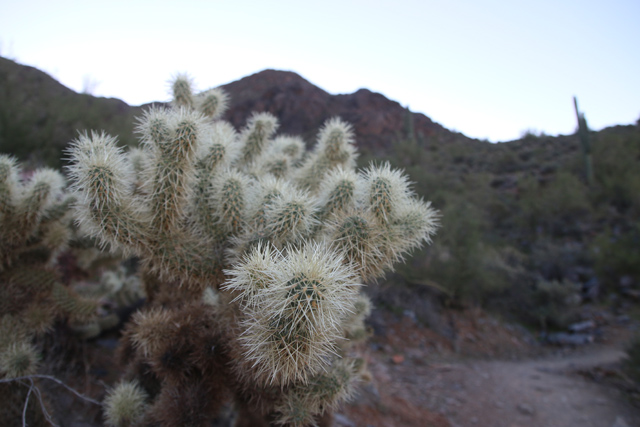
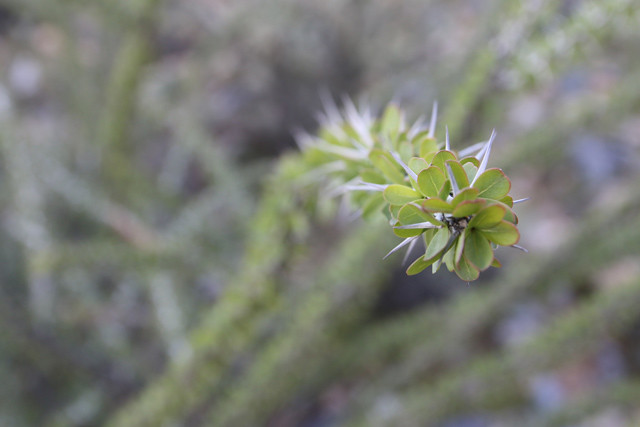
The menu featured a range of traditional cuisines, all given a modern twist to them.

When I encounter a menu with so many delicious options, I default to ordering a three-course meal to taste as much as possible.

Ricotta Stuffed Squash-Blossoms with honey and epazote
Ricotta-stuffed squash blossoms 

For my first course, I ordered the ricotta-stuffed squash blossoms with honey and epazote. It was my first time encountering these treats, but I immediately became a fan.

The soft, creamy ricotta practically oozes out of the flower blossoms, the whole thing melting in your mouth. Each was a little taste of heaven.

Green Mole with Suckling Pig served with organic vegetables

My first taste of mole in Mexico was at Pujol Restaurant in Mexico City, followed soon after by a black mole with chicken in Puebla's historic city center.

By the time I reached Oaxaca, I was willing to experiment a little. I opted for the green mole with suckling pig. Mmm....suckling pig.

The piece of pork that was produced glistened with fat and greasy goodness. As I pushed my fork down, layer upon layer of pork slipped apart.

It was the most decadent dish of lunch and my first foray into anything other than a black mole with chicken.

Oaxacan Chocolate Mousse with hibiscus and agave worm salt

For dessert, sweet dessert, I chose Oaxacan chocolate mousse.

Normally mousse is a serious hit or miss dessert in Latin America, but Casa Oaxaca isn't playing around with this one. They got it right.

Three scoops of rich, creamy chocolate mousse were presented on a plate.

I could've done without the agave worm salt. I order mousse for the silky smooth texture, but the flavors more than made up for the garnish.

By the time I'd finished lunch, I had to waddle my way out of the restaurant to take a siesta back at the hotel.

______

My Mexico Ancient Civilizations tour was in partnership with G Adventures. Any opinions expressed are entirely my own. For more photos from my time in Oaxaca, check out this Visual Adventure on the G Adventures blog. 

The Beauty and Culture of Kathmandu

View of Kathmandu
View of Kathmandu

[S]ituated within a giant valley, Kathmandu is the largest and capital city of Nepal.

It's a busy city that has numerous attractions and plenty of interesting areas of town to explore.

Durbar Square
Durbar Square

Kathmandu's Durbar Square, an old plaza area near the former palace,  is one of three similar Durbar Squares within the valley.

Right in central Kathmandu, the Durbar Square is a historical area packed with interesting museums and structures.

Many local Nepalis hang out around the square.

Bhairava
Bhairava

The statue depicting Bhairava, or the fierce version of Hindu Shiva, is a main gathering point within Durbar Square.

There is continuously a group surrounding the monument and giving offerings.

Details in Durbar Square

Pay attention to the details while walking around Kathmandu, there are so many interesting gems throughout the city.

Dried fish and spices

Tucked into small stores that look almost like ancient wooden closets, markets in Kathmandu are colorful and plentiful.

Fresh produce
Fresh produce

Throughout the day you can purchase fresh vegetables and fruit at nearly every corner of the old city.

Mandarin oranges
Mandarin oranges

Little mandarin oranges are everywhere in Kathmandu, and they are extremely cheap, juicy and sweet.

Potatoes and chickpeas for breakfast

For breakfast I'd often stop for a street side plate of fried potatoes and seasoned chickpeas.

Along with a few cups of hot chai to wash things down, it made for a great light meal.

Monkey temple
Monkey temple

Swayambhunath, also known as the Monkey Temple in Kathmandu, is located on top of a hill in the city and offers a wonderful view.

Along with Boudhanath (pictured below), it is one of the most important stupas and sites for Tibetan Buddhists.

Boudhanath
Boudhanath

Removed from the ancient part of Kathmandu is the famous Boudhanath, or just Boudha, stupa.

This UNESCO World Heritage Site is one of the largest stupas in the world, and is an extremely holy place for Tibetan Buddhism.

Everyday, thousands of followers come to Boudha and walk laps around the stupa. It's an incredible area to experience when you're in Kathmandu.

5 Classic Summer Experiences in New York City

The new Yankee Stadium
Catching a summer game at the new Yankee Stadium

Growing up in the suburbs of New York City, I had the chance to enjoy many quintessential New Yorker experiences at a young age.

Summer was always a highlight, with family trips to baseball games and the beach.

Twenty-five plus years later, I still look back on those experiences fondly.

As an adult, they still hold the same appeal for me and countless others, whether they've been a New York for life or are visiting the city for the first time.

So grab a room at one of the many New York boutique hotels, and start planning your trip with my top picks for enjoying Summer in New York.

Table of Contents

  • 1. Catch a Baseball Game at Yankee Stadium
  • 2. Shakespeare in the Park
  • 3. Ride the Cyclone at Coney Island
  • 4. Walk the Highline
  • 5. South Street Seaport

1. Catch a Baseball Game at Yankee Stadium

Physically, the new Yankee Stadium may not be "The House That Ruth Built," but the Babe's spirit is alive and well in the new design.

As a kid, my parents would take us to the old Yankee Stadium, the one built in 1923, which was home to so much of the Bronx Bombers' history.

Today, I still can't think of a better way to spend a Summer afternoon or evening than at the ballpark, with a Kosher hot dog in one hand and a beer in the other.

Unlike football, tickets to a regular-season baseball game are still affordable for most, and the games attract men and women of all ages, races, and backgrounds.

Shakespeare in the Park
Ticket to Shakespeare in the Park (photo: Steel Wool)

2. Shakespeare in the Park

In addition to being a big sports city, New York is also home to Broadway and some of the world's top theatrical performances. But you needn't spend a lot of money to catch a show.

Every Summer, people line up early each morning to collect tickets to Shakespeare in the Park, a longstanding tradition of free, outdoor public performances.

Meryl Streep, Martin Sheen, Christopher Walken, Anne Hathaway, and Julia Stiles have performed here.

Tickets are made available daily at 1 PM, and the performances start at the Delacorte Theater (near 81st Street) each night at 8:30 PM.

Currently running is the musical Love's Labor Lost.

Cyclone (photo: Eric)

3. Ride the Cyclone at Coney Island

Originally opened in 1927, the Coney Island Cyclone is one of America's oldest roller coasters. On July 12, 1988, it was declared a New York City landmark.

Located in Brooklyn, the Cyclone has had a rocky history over the years, but today it in wonderful condition and still thrills riders.

In fact, after being afraid of roller coasters since my childhood trips to Disneyworld (don't get me started on Space Mountain), it was the Cyclone where I chose to face my fear as an adult.

And I'm happy to report I overcame it with a giant smile on my face!

The Cyclone is located on the beach, so you can make a bigger day of your visit by bringing a bathing suit or simply going for a walk along the boardwalk.

Highline (photo: Jessica Sheridan)

4. Walk the Highline

The Highline is a shining example of a successful urban renewal project that cuts through Manhattan.

The long-abandoned, elevated train tracks have been transformed into parks and gardens, offering visitors the chance to escape the streets' traffic below.

The Highline also offers you the chance to get wonderful views of New York's ever-changing skyline.

South Street Seaport
South Street Seaport (photo: Julien Menichini)

5. South Street Seaport

New York City has always been a fascinating mix of new and old. Some of the world's first skyscrapers contrast against the newest, most technologically advanced building designs.

These contrasts are also on display at the South Street Seaport, where tall ships from a bygone era contrast against the modern glass and steel buildings.

Like the Yankees games, the South Street Seaport is a place I first experienced as a kid. I can still recall my fascination with the saltwater taffy we'd buy there.

If you're looking to take a nautical twist this Summer, head to the South Street Seaport to explore the boats and enjoy your favorite seafood by the water.

_________

This post was written by Dave and brought to you by Slh.com.

Your Guide to Seeing Maui on a Budget

Maui on a budget
Maui beach (photo: Bettina Nørgaard, Pixabay)

Often, travelers on a tight budget have to make compromises in their itineraries and dream destinations because they'll hear the name of a place and naturally assume that it is out of their price range.

True budget travelers, however, know that such places do not exist. Maui, Hawaii, is just one of the many so-called paradise destinations tailor-made for travel of any budget.

It's got loads of fun activities and cheap things to do that don't charge an extortionate entrance fee. There are plenty of free shows, free hula lessons and live music to enjoy.

The following Maui vacation daily budgets do not include airfare:

Maui Shoestring Daily Budget: $20-$40

  • (Couchsurfing/camping, public transportation, cooking own food, D.I.Y. tours

Maui Moderate Daily Budget: $60-$85

  • (hostel/shared Airbnb apartment, cheap restaurants, equipment from rental companies, car rental)

Maui Higher End Daily Budget: $100-$200

  • (basic resort/hotel/B&B, a mix of restaurants, equipment rentals, budget tours, shared rental car)
Hawaiian Airlines
Hawaiian Airlines (photo: Simon Clancy)

Table of Contents

  • Getting to the Island of Maui
  • Where to Stay
  • What to Do
  • Getting Around Maui
  • Eating on a Budget
    • Paia
    • Makawao
    • Lahaina
    • Kahului
  • The Final Say

Getting to the Island of Maui

No matter where you're coming from, the biggest impediment to seeing Maui on a budget is going to be getting there.

There is no way around this expense, but there are some cheap flights, usually leaving from Los Angeles, California.

To get a good deal, use sites like Bing Travel or Kayak, which have built-in fare trackers that can predict when the price of flights will be going up or down. (Note that some of these sites charge a small commission).

Study ahead and monitor the prices as they rise and fall to avoid seasonal extra cost.

Make sure you do this with your internet browser's cookies turned off or in an incognito or private browsing window.

If the airlines track multiple identical searches from the same point, then they will increase rates.

Also, be prepared to make trade-offs, like extra layovers, to get the best deals.

Maui Bed and Breakfast

Where to Stay

There's no need to stay in expensive resorts when Maui has many hostels and motels.

However, the fancier accommodations can be attractive options because many resorts like the Napili Kai Beach Resort, boutique hotels like The Paia Inn, or B&B's like The Old Wailuku Inn at Ulupono include nearly everything, from self-catering kitchens and laundry machines to free breakfast and beach access.

If you're traveling in a large group, you can split the costs and rent a great condo, apartment, or villa on Airbnb from individual owners.

Or try Couchsurfing in Maui to stay with a local. This is one of the simplest and smartest ways to see Maui on a budget because you'll be staying with other world travelers who will also have ideas of where to go and what to see.

Maui's hostels are also part of the tourism industry and are just as likely to be clean and safe as any hotel and have accommodations like free wi-fi at a fraction of the cost.

While there are only seven hostels on the island as of July 2013, the three listed below provide the best value.

  • Banana Bungalow Maui - from $37
  • The Northshore Hostel Maui - from $25
  • Lahaina's Last Resort - $39

Lastly, if you are incredibly adventurous, why not sleep in your rental car or try some camping in the wilderness inside the crater of the Haleakala Volcano?

Jason
The author

What to Do

Once you're there, the "Now what?" question should be the most straightforward part of planning for Maui on a budget.

People-watching at the beach is completely free and one of the most relaxing things you can do in the comfortable tropical warmth.

It gets even better when the stars come out, and you see everything through the clear Hawaiian night sky.

However, since you can't just sit on the beach forever (or can you?), there are fortunately many free and cheap ways to explore the island which can keep you busy the whole time.

Lahaina

The city of Lahaina should be a definite stop for any Maui budget traveler.

With free concerts and free gallery showings and museums, it's a great way to immerse yourself in Hawaiian culture without paying too much.

The town itself is full of great places to do some shopping and eat on the cheap.

And if you know that you have to see a hula show while you are on the island, many hotels and shopping centers will hold free shows in their courtyards throughout the week so that you can say you got the experience without paying resort prices.

The Road to Hana

If you've got a day to kill, it's worth it to splurge a little and rent a Jeep to drive the famous Road to Hana.

This famous 68-mile coastal highway is more than just a drive; it's a veritable treasure trove of waterfalls, bamboo forests, and black sand beaches, most of which you can stop at along the way.

La Perouse Bay

There's excellent swimming, snorkeling, and surfing to be found at this inlet of volcanic rock. There are also many hiking trails, including ones leading to the top of the Haleakala Volcano.

Surfing and Windsurfing

On the road to Hana, you can stop at Ho'okipa Beach Park, known as the best place in the world to windsurf or kite surf.

This is where many professionals practice, so it's best to stick to watching if you're not experienced in these activities.

There is an excellent small reef for swimming and relaxing, though.

Snorkeling and Stand-Up-Paddleboarding

For more relaxed activities, the cove south of Black Rock at Kaanapali Beach is commonly known as "Turtle Town" because of the tendency for the hard-shelled green guys to pop up.

It's a hidden cove on private property, so you'll need to ask permission from the local resorts to visit, but the lava shore and black sand beach will be worth it.

Tiki Man SUP sunset
Tiki Man SUP sunset

Whale Watching

You can book a tour for a more comfortable experience and closer encounters, but you can sneak a peek at whales from most of the island without ever leaving the land from December through April.

Haleakala National Park

There are excellent and relaxing nature trails throughout the park, many of which contain endangered species not found anywhere else on the planet.

Enjoy yourself surrounded by nature in a subtropical rainforest.

Makawao State Forest

Rent a mountain bike and hit some of the most beautiful and adventurous trails in the world. Enjoy the cooler temperatures, and ride through beautiful and unique Koa trees and ginger plants.

Wainapanapa State Park

Another must-see Hana Highway stop, you can walk along this black sand beach and explore the sea caves - with no admission fee and free parking. You can also camp here, but a permit is required.

Iao Valley State Monument

Wander through abandoned ruins and get a view of the Iao Needle rock formation. Or take a dip in one of the valley's many natural pools.

Maui Rental Car
Driving my Rental Car

Getting Around Maui

Let me skip straight to the point and tell you to rent a car rather than attempt to ride the buses around Maui or hitchhike.

Sure, if you have weeks on the island and don't mind waiting around, the buses are cheap, and hitchhiking is mostly safe and somewhat common.

However, a car is the most convenient and realistic option for maneuvering around Maui. It's also the only way to get to most places without paying for expensive tours.

Gas is expensive on Maui. An economy or compact rental car will go easier on your budget.

There is free parking throughout most of Maui, so at least you don't need to worry about those extra costs.

And fortunately, the island is quite small, so long road trips are far from the norm.

Maui Food Truck
Maui Food Truck

Eating on a Budget

All the usual fast-food places are available in the more populated areas, including Taco Bell, Subway, and McDonald's, if you need a quick and cheap bite.

You can even find local food trucks and local farmers markets on the side of highways. The average price is very reasonable.

However, if you want to be more discerning and still not break your budget, there is plenty of fresh produce and good food at an affordable price in most parts of the island.

Find a local restaurant or a local market for a good deal on local food.

The following list contains some of the best places for low-end to fine dining in Maui for when you are ready for a quick bite of spam sushi at Da Kitchen or to splurge on seafood at Mama's Fish House.

Paia

  • Paia Fish Market
  • Flatbread Company
  • Mama's Fish House
  • Mana Foods
  • The Hana Bay Picnic Co.
  • Anthony's Coffee Co

Makawao

  • Haliaimaile General Store
  • Market Fresh Bistro 
  • T. Komoda Store Bakery 
  • Polli's Mexican Restaurant
  • Casanova Italian Restaurant
  • Kula Lodge & Restaurant 
  • Grandma's Coffee House

Lahaina

  • Old Lahaina Luau
  • Star Noodle
  • Leoda's Kitchen & Pie Shop
  • Aloha Mix Plate
  • Pineapple Grill

Kahului

  • Da Kitchen

When it comes to bars, one pro tip is to keep a lookout for a happy hour being advertised. The best time to go is at around 6 pm.

This is a good option if you don't want to spend a ton of money to have a great time.

The Final Say

For the conscientious traveler, seeing Maui on a budget is an attainable goal.

Like anywhere else, it's all about what you know before you go and how willing you are to adapt when you get there.

There are always ways to make your travel schedule work for you, even if you have to get around that whole pesky money thing.

Even the island paradise of Hawaii is not off-limits. You have to not go in for the ridiculously overpriced corporate-manufactured resort packages.

With this guide to Maui on a budget, you can say "Aloha!" to your financial worries and say "Aloha!" to your days on the beach.

______

My trip to Maui was provided in collaboration with Maui, the Magic Isle. The opinions expressed above are my own.

Andy, and the American Southwest

This story is about life, death, family, and finding one's place in the world.

My Uncle Andy was the cowboy of the family. A few weeks ago, we learned he passed away at 72.

Sunrise in Kingman, Arizona (photo: Candie_N (Welcome Spring))

Nothing stops you in your tracks like a death in the family, even if you never knew the person as well as you would've liked.

Despite receiving the news over a week ago, his passing didn't hit me fully until this morning, after my parents had a chance to fly out there and hold a funeral for him.

A winding Road near Kingman (photo: Marcin Wichary)

The year was 1973, three years before I was born.

In his mid-30s, Andy left New York to start a new life in the American Southwest.

He chose Kingman, Arizona, a town of just 28,000 people located along the famed Route 66 highway, 85 miles southeast of Las Vegas and 165 miles northwest of Phoenix.

There he lived, at the edge of the Mojave Desert, for the next 40 years.

Andy's friends described him as an intelligent man, but that wasn't news to us. We've always known he had a genius IQ, which sometimes would make his life choices all the more perplexing.

I can't fault him for finding a place in the world he loved and having the courage and determination to make a life for himself there.

Subconsciously, perhaps, it was this independence streak in my Uncle which contributed to my desire to travel the world and have the courage to start a new life in Medellin more than five years ago.

Monument Valley (photo: Project 1080)

Andy marched to the beat of his own drummer. He wasn't too good at staying in touch and had little desire to return for visits to the East Coast.

My best memories of him are from a family vacation we took to Arizona when I was around 11.

We flew into Phoenix and began our sightseeing in Scottsdale. From there, we traveled north, meeting him in Sedona.

Not only did he have the spirit of a cowboy, but he also dressed the part, complete with a hat and bolo tie. His car of choice was a VW Thing, painted camouflage green.

[All these years later, he still owned it, and it's still in running condition.]

Before accompanying him to Kingman, we visited some of America's most beautiful sites, including the Grand Canyon, Monument Valley, and the Painted Desert.

A 1888 Single Action Colt Revolver (photo: The_Gut)
An 1888 Single Action Colt Revolver (photo: The_Gut)

In his hometown, he brought a few guns from his collection over to our motel to show us kids.

At the time of his death, his collection numbered over 200, including 31 Single Action Colt Revolvers and numerous rifles.

Every Wednesday night, he'd get together with friends on the outskirts of town, holding target practice together.

They'd cook dinner over an open fire, debate politics, or talk about whatever was on their minds that week.

He even made his ammunition. And a lot of it, according to the company tasked with cleaning his home.

We waved goodbye to Andy in Kingman and traveled to Laughlin, across the Hoover Dam, and ultimately, on to Las Vegas, from where we flew back to the East Coast.

Related: How Spending Time Traveling Can Help with Grief

Shadow Puppets in Kingman (photo: tombothetominator)

As much as I don't know about my Uncle Andy, I know he wasn't afraid to live on his own terms.

He found a part of the world where he felt comfortable and happy and committed his life to it. If I can take solace in anything, it's knowing he was happy there.

If there's one thing I try to do through this blog, it's encourage others to do the same, whether living among the hustle of New York City, the suburbs of Virginia, a desert town in Arizona, or another country altogether.
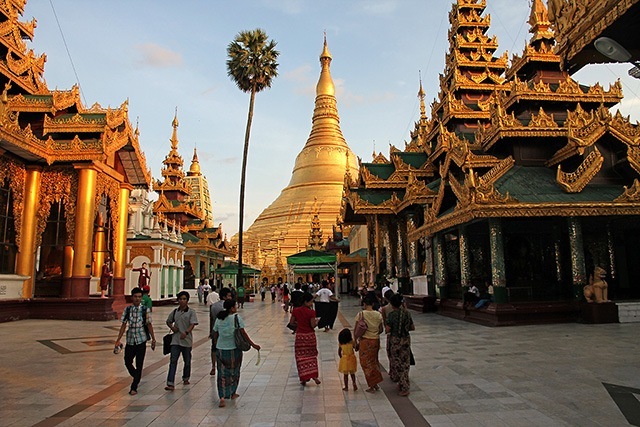
Andy's passing has given me pause to reflect on what matters most in my life.

And it's not all the minutiae I tend to get swept up in every day, like how much money I'm making, how many countries I've visited, or how many people are visiting my websites.
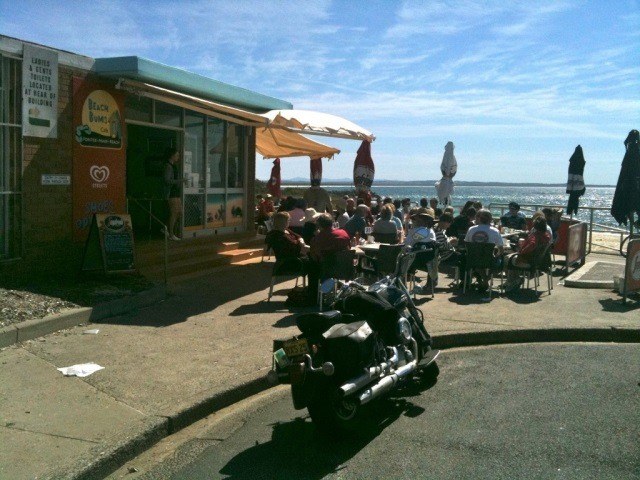
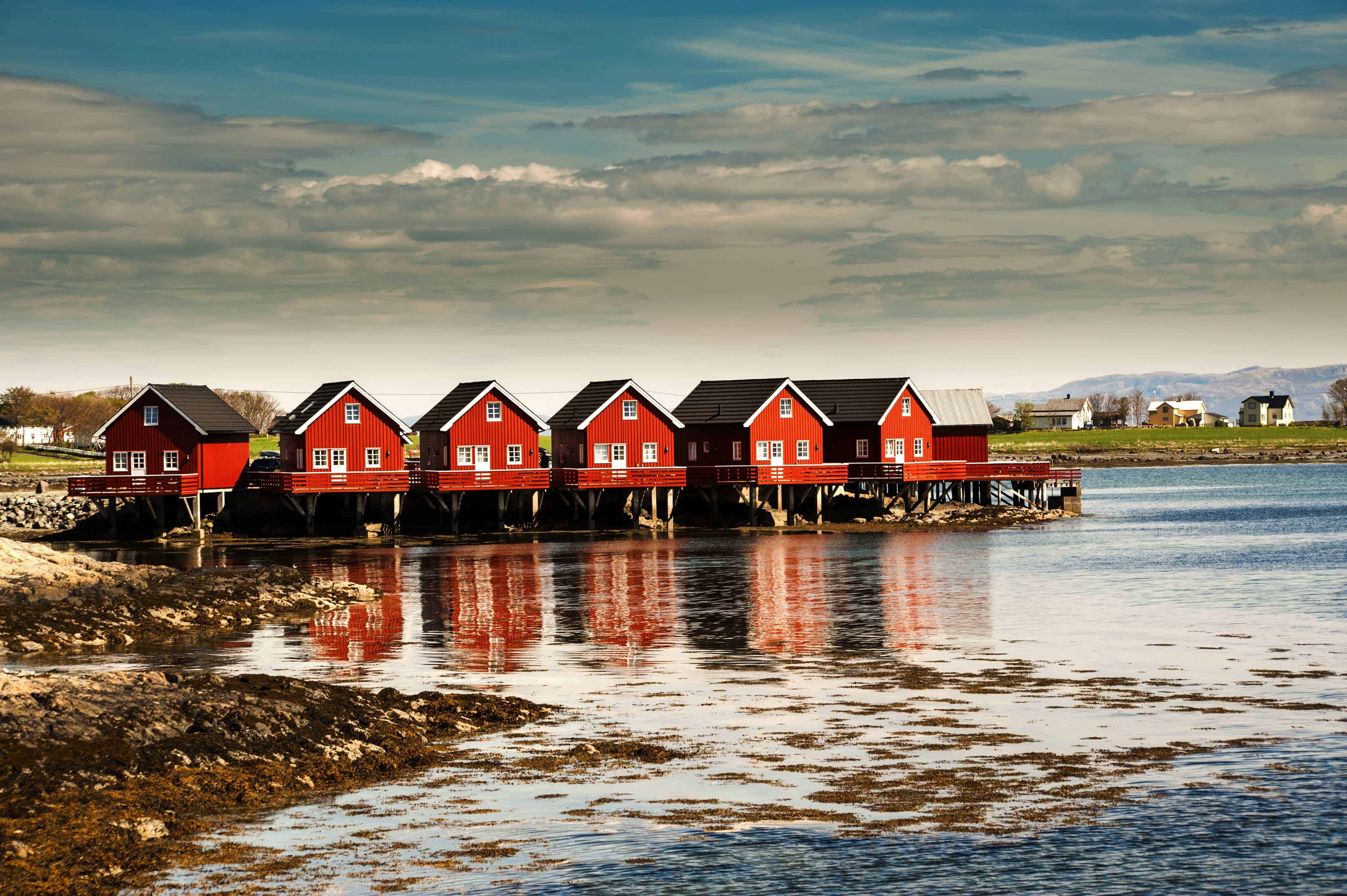
It's not whether or not I've crossed everything off my bucket list or planned the next trip to some foreign locale.

What matters most to me are relationships and how I treat others.

Is it with honesty, respect, and compassion? Am I helping people?

If I were to die tomorrow, I would want my family, friends, and readers to know I was happy here in Medellin.

In the years ahead, the city and country may change, but like my Uncle Andy, I now know how personally satisfying it feels to etch out a new life in a place that inspires one daily.

Haida Gwaii: A Dream Fishing Destination

The author, with fishing guide and fishing buddy. Smiles almost as big as the fish.
The author, with a fishing guide and buddy

The quest to find the Holy Grail of fishing spots can take a lot of years and a lot of miles logged by truck, plane, and boat-not to mention a few charges on the credit card.

But if you love fishing as I do, it's all worth it. That quest is what brought me to Haida Gwaii.

Haida Gwaii, also known as the Queen Charlotte Islands, is an archipelago located in northern British Columbia, Canada.

Populated by the Haida people, who have lived there for thousands of years, and by a small community of residents working in fishing, logging, and tourism, it is remote, ruggedly beautiful, and rich in wildlife and history.
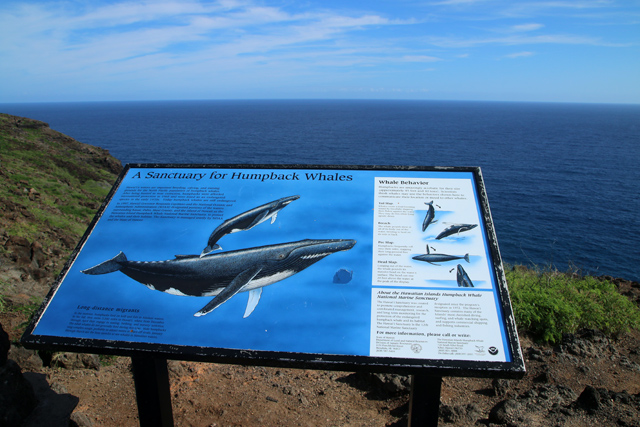
It also has the best salmon fishing in the world. Which, of course, is why I was there.

Sightseeing Haida Gwaii style. Orcas swim nearby a lucky angler.

But, it's not just about fishing. As you troll down the coastline, casting lines for 60-70 lb Chinook salmon (also known as King salmon or Springs), you will be treated to some of the best wildlife watching anywhere.

From orca or killer whale swimming beside your boat to Sitka deer and black bear ambling down the shoreline to bald eagles swooping overhead, I've been to few places where you can experience nature, like in Haida Gwaii.

This is a real Canadian wildlife vacation. But don't think that means you have to rough it. On the contrary.

At Queen Charlotte Lodge, which is the fishing outfitter I used, 10-hour days on the water are followed by fine dining and luxurious accommodations, all in the middle of pristine wilderness.

The Queen Charlotte Lodge: an angler's oasis.
Queen Charlotte Lodge: an angler's oasis

How Does It Work?

When you're traveling thousands of miles to go fishing, you're not expected to bring your boat or even rod and reel.

Queen Charlotte Lodge has a fleet of top-of-the-line boats rigged up with top-of-the-line fishing gear. Just choose whether you want a guided and self-guided package.

Self-guided means you operate the boat yourself without a guide, which doesn't mean that you're on your own.

Highly trained staff make sure every angler is prepared before heading out on the water, and once your rods are down, you can expect check-ins from the "fish master" who keeps tabs on the self-guided boats via Zodiac.

Still, self-guided may be more appropriate for experienced boaters looking for a little more adventure (but maybe a few less fish).

Indeed, if you go with a guided package, you head out on the Pacific with some of the most experienced salmon fishermen in the world.

Each of the guides spends almost 1,000 hours per season on the water, more than the average fisherman will spend fishing in a lifetime!

And that means you're getting serious insider knowledge on where to land the best and biggest Springs.

These guys forget more about fishing in a summer than most anglers learn in their whole lives. So it's a treat to hear them tell a fish story-all true, of course!

Note: If you like to shop before any trip, be sure and check out online fishing gear reviews for the latest products and recommendations.

The author and his dad size up the catch of the day.
The author and his dad size up the catch of the day

Where to Stay and What to Do

Queen Charlotte Lodge, located in Naden Harbour, is a self-contained fishing resort that boasts fantastic accommodations and facilities, making it a great fit for a group of fishing buddies or the whole family.

Besides the second-to-none fishing on the Pacific, there are also guided hikes that include visiting the historic sites of the Haida people and learning about their history and culture.

Breathtaking views on the trip to Naden Harbour.
Breathtaking views on the trip to Naden Harbour

How to Get There

The adventure starts even before you get to your destination.

Fly direct to the town of Masset on Haida Gwaii from Vancouver's South Terminal Airport.

From there, a stunning 15-minute helicopter ride gets you to the lodge. Find out more at queencharlottelodge.com.

For the avid angler, it's a Canadian fishing adventure that's not to be missed. As for me, I'm already planning my next trip.

________

About the Author: Brent Mcnamee is the co-founder and Chief Operations Officer at Fresh Air Educators, Inc., the leading provider of online education for Boating, Hunting, Snowmobile, and ATV across North America. 

LEGAL DISCLAIMER: Nothing in the aforesaid article should be considered personalized advice. The article may contain errors, and the writer's opinion may change substantially or in part based on actual facts and any number of variables. Any decision you make as a result of the above-noted articles is your sole responsibility.

The Ultimate Camping Trip Along Australia’s East Coast

With relaxing ocean views and top facilities, the east coast of Australia is one of the best places in the world for camping. Whether your style is rustic or upscale, you'll find the perfect amenities and many attractions.

Blue water and beach in the Whitsunday Islands (photo: Brewbooks).
Blue water and beach in the Whitsunday Islands (photo: Brewbooks)

The best way to plan a camping trip is to choose your destinations first, then pick the campsites to suit your taste. You will then have a better idea of what are the best camping gadgets you will need to bring. From Cairns to Melbourne, here are some of the ultimate camping spots along the east coast of Australia.

Table of Contents

  • Cairns
  • Whitsunday Islands
  • Fraser Island
  • Byron Bay
  • Lakes Entrance

Cairns

While Cairns feels like the end of the road along the east coast (some roads go north, but mostly more minor dirt roads), it is a fantastic holiday spot for campers.

Most campervan parks and campsites around the city have top reviews for amenities, atmosphere, and cleanliness. Still, given the reefs just off the coast, some beautiful rural spots, such as the Kuranda State Forest, are just north of town.

Whitsunday Islands

The Whitsunday Islands are perhaps the most gorgeous islands on Earth, and they rose to international acclaim when the local tourist board held a "best job on earth" contest featuring them. Turquoise waters and clean white beaches can be found for miles.

Plan to spend some leisure time here-there are lots of places to tuck away and relax in this area. You can also use the camper shuttle service, called the "Scamper," to move from island to island.

Fraser Island

Fraser Island (photo: Mike Lawton)

What more of an ultimate camping trip than to camp on the world's largest sand island?

Fraser Island has six campsites on the island itself, making it a very charming and rustic experience come evening, when all tourists have boarded their ferryboats back home.

Camping is available on the headlands just across the mainland, but for the best experience, plan ahead and book on the island.

Byron Bay

Byron Bay (photo: eGuide Travel)

Known more as a backpacker town than anything else, Byron Bay also has quite a few camping and lodging options, making it an excellent spot to explore the southern stretch of Queensland.

You're a good bit south of Brisbane and over an hour south of the Gold Coast, meaning there's a bit more room to stretch out here, while still offering plenty of amenities and things to do, from the cafes and bars to beach strolls in the afternoon.

Lakes Entrance

Entrance (photo: Phil Whitehouse)

Last but certainly not least is a stop in Lakes Entrance, a spot in Victoria about two-thirds of the way from Sydney to Melbourne.

There are several national parks within an hour's drive. These include The Lakes National Park (a gorgeous sand spit that extends for miles), Colquhoun National Park, Cape Conran National Park, and state forests in all directions heading away from the coast.

If you like to hike or walk, this spot will keep you busy for at least a week.

For more tips and ideas on camping on the Australian east coast, pick up a copy of Kerryn Burgess' book, Cool Camping Australia: East Coast, which features in-depth reviews of campsites and destinations across the entire east coast.

_________

This post was written and brought to you by Britz Australia. Learn more about a campervan holiday with Britz today.

Planning the Perfect New South Wales Wine Trip

Hunter Valley Means Vineyards (photo: F Delventhal)

Although New South Wales is the second largest wine-producing state in Australia, it’s the number one when it comes to wine consumption.

It’s also the most popular state to visit from foreign travellers, as there are 14 wine regions within New South Wales; most of them are to the south and east, as these areas are the most favorable grape growing conditions.

Whether it’s a spicy Shiraz or a cool Sauvignon Blanc you are after, here are some tips to planning the perfect NSW wine trip.

Hunter Valley - Famous, and Close to Sydney

Hunter Valley is Australia’s most famous wine growing region, and the oldest; vines were planted here in the 1820s.

The two grapes most well-known from this region are Semillon and Shriaz, though many of the picturesque wineries here offer a robust selection of wines.

There are quite a few wine tours (such as this one) that depart from Sydney, if you aren’t up for the drive.

Once here, there are few large chain hotels; the bulk of the accommodation is boutique hotels and B&Bs; try basing yourself in Pokolbin, Wollombi, or Lovedale for the best selection, plus amenities and quick access to the wine trail.

Road Scenes. Orange, Katoomba NSW (photo: Amanda Slater)

Orange - Cool, and for the Foodies

Orange has earned the distinction of Australia’s “most exciting new wine regions” and the label is not just marketing talk.

With the higher altitude here in Orange, the wines have a fine nuance, and Orange’s signature grape, Sauvignon Blanc, has been perfected since the first vines were planted here in the 1980s.

Orange is also well-known with the food crowd, and you’ll have plenty of occasions to visit here: there is the Slow Summer Festival (Feb), the Orange Food Week (Apr), the Frost Festival (Aug), and the best of the bunch, Orange Wine Week (Oct).

For accommodation, you may find the surplus of serviced apartments, complete with their own kitchen, to be right up your alley.

Misty Southern Highlands, NSW (photo: grace_kat)

Southern Highlands - For the Pinot

Another cooler region near the coast, the Southern Highlands has been racking up the awards for its popular Pinot Noir, which seems to just get better and better every year.

With over 60 wineries and 15 open cellar doors, there’s plenty to taste – consider following the official wine trail centered around Mittagong, Bowral, Berrima, and Moss Vale; quite a few escorted tours leave from Mittagong, allowing you to sip and sample in comfort and without having to worry about the drive back to your rustic hotel.

When to Go?

All four seasons are a great time to visit Australian wine country. Summer can be particularly hot, especially in warmer regions like the Hunter Valley – so hydrate.

Harvest starts around January and continues through March – this is an exciting time to be in the region, but it also may mean some tasting rooms are closed as all staff are working on the production lines!

Autumn is particularly picturesque, as the leaves change color; that’s a great time for the photography buffs to get a few great snaps.

Winter can be chilly at night but it’s often a cosy time to explore the vineyards, as tourism can be a bit slower.

And then comes Spring, where many regions have their own flower festivals in August and September – the perfect time for sipping wines throughout the afternoon while listening to the local musicians practice their trade.

________

This post was written and brought to you by Britz Australia. Learn more about a campervan holiday with Britz today.

Love With a Chance of Drowning (Review)

Love with a Chance of Drowning

[I] first learned of Torre DeRoche's Love with a Chance of Drowning more than a year ago.

My friend Christine from Almost Fearless had read it, and believed it was an amazing book.

She was helping Torre promote her new memoir about life and love on the high seas.

A few weeks after it went on sale, it was taken off the market, before I had a chance to buy it.

Not only had Torre sold the publishing rights in the UK, Australia, and the USA, she'd also sold the movie rights to a Hollywood producer!

The book was revamped, and earlier this year, on May 14, 2013, it was re-released to the world.

This time, I didn't wait around to buy it.

The story, as the trailer above so succinctly puts it, starts with Torre leaving Australia to spend a year working abroad in San Francisco.

She promises everyone at home she'll only be gone a year.

It sounds like a promise made to be broken, and when she encounters a handsome Argentinian man in a bar one night, her life is blown off course in a direction she never imagined.

Amazing Grace at Sea

Ivan and his family had immigrated to the United States from Argentina when he was 17.

He worked his way through college, took some sailing lessons at UCLA, crewed a boat across the Atlantic, and by the time he was 30, had his own ocean-ready boat named Amazing Grace, and plans to sail it around the world.

Torre and Ivan
Torre and Ivan

When it becomes clear they have more than casual feelings for one another, Ivan invites Torre to join him on a crossing of the South Pacific.

The problem is she's deathly afraid of the ocean, and all the sharks and critters that live within it.

I mean REALLY afraid.

And that's not including concerns about seasickness, storms, and all the other things that can go wrong sailing.

In New Zealand, I met a young woman who sailed across the Pacific with her Dad. At one point, they had to stop for repairs because lightning struck their mast (that important pole that holds up the sails)!

Clearly by the photos I'm sharing, Torre decides love trumps fear, and agrees to join Ivan on his Pacific crossing, which includes an initial 26-day stretch in the open ocean.

And by that I mean no land in sight. For 26 days. Straight.

The idea alone had my stomach doing somersaults and I was only laying in bed reading about it.

Torre does exactly what I'd do if I had the guts to stand in her shoes, overcompensate for her fear by trying to prepare and plan as best as possible.

Starting from zero sailing knowledge, she begins picking up things quickly, especially once they're both living on the boat, and preparing it to set sail.

Toau Tuamotu Atoll
Toau Tuamotu Atoll

Once they sailing adventure gets underway, things go wrong, but Torre seems at times more adept than Ivan at fixing them.

In fact, Ivan takes on something of a role as comic relief for all the trouble he gets himself into during the journey.

For personal reasons, I was excited to read about their experience approaching French Polynesia, including Tahiti and Moorea.

Those are the only two islands I've visited in the South Pacific, and it was at the start of my trip around the world. I wish I'd given myself more than 5 nights between the two.

It was also interesting to learn about the sailing culture as it relates to island hopping, accessing areas where regular tourists don't go, and seeing how sailors often befriend and even live with locals for days and weeks at a time.

I read Love with a Chance of Drowning in a matter of days.

It would've been less, but when I'm enjoying a book, I purposefully try to slow my reading down so I can allow the story to extend a little longer than it would otherwise.

The Little Gracie dinghy in Tahuata
The Little Gracie dinghy in Tahuata. It was used to help them travel between the sailboat and shore.

The more I read, the more I imagined how perfect this book would be on the big screen.

Would it be adapted as a romantic comedy, or a serious drama? Who would play Torre? Ivan?

I've got my fingers crossed it'll be made into a movie, and seen by a wider audience.

Until then, if you're looking for an escape from everyday life...to venture off into the Pacific on a little sailboat, with a comical couple, check out Love with a Chance of Drowning.

_______

All photos courtesy of Torre DeRoche.

Camping in the Snowy Mountains, Australia

Camping Among Gum-Trees & Kangaroos (photo: Tatiana Gerus)

Although the Snowy Mountains are in New South Wales, it's about as far as you can get from anywhere else in the state - 460km from Sydney, to be precise.

Here are some tips and recommendations to best enjoy your camping holiday in the Snowy Mountains.

What to Do

With the country's largest national park, Kosciuszko National Park, and the country's highest peak, the Snowy Mountains can keep active travelers busy for weeks.

You'll have plenty of options as far as keeping yourself busy, such as:

  • Mountain Biking: bike hire is available, or bring your own.
  • Wine and Spirits Tasting: the region is home to a craft distillery and wineries.
  • Caving: the Yarrangobilly Caves are considered one of the top must-dos of the region.
  • Take a Hike.

Whether you choose to go on one of the Segway Eco Tours, the "Discovery Tours" that highlight attractions throughout the park, or plan your own half-day, full-day, or multiple days walk, there are miles of trails to explore in the area.

The Snowy Mountains are also home to two spa treatment centers, and most villages host several local art galleries. Both are good ways to further connect with this rural destination's local culture.

Getting Around

You'll most likely want a car while camping in the Snowy Mountains because the distances between attractions are quite far. While there is public transport, it isn't necessarily the most integrated.

There are flights into Canberra, one of the closest airports with regular service, and then you can hire a car there to drive the final stretch.

Bus service operates into Cooma and Tumut, where you can catch onward connections on local operators and tour guides or pick up a hire car.

A few official "routes" take you past some of the region's best offerings, such as the Kosciuszko Alpine Way or the Snowy Mountains Drive - maps of these routes are available at most visitor information booths or national parks offices throughout the area.

Please note there is a daily fee for park usage: $16/vehicle in summer, $27/vehicle in winter, and some roads may be impassable for cars without chained tires in winter months.

Where to Setup Camp

You have a handful of choices on where you want to set up your base camp.

Two trendy choices:

Kosciuszko Mountain Retreat near Jindabyne offers one of the best setups, including self-contained alpine cabins, as well as tent sites. It is situated for walking access to both the town for amenities and several walks in the area. It gets top recommendations from travelers.

If you have pets, you'll like the Alpine Tourist Park in Adaminaby, which has cabins and tent sites as well. It's a very tranquil place, in a wonderful location that affords you easy access to the town shops, skiing, kayaking, and boating on the lake, as well as numerous hikes.

For more tips and advice, visit the official Snowy Mountains tourism website, which features seasonal travel advice and downloadable directories of businesses and camping providers.

________

This post was written and brought to you by Mighty Campers Australia. Take a look at our range of cheap campervans and experience Australia when and where you want.

The Road to Halabja Part VIII - Iraqi Road Trip

Halabja statue
Halabja statue

This is the next guest post in a series by Kevin Post. Read the previous installment here.

[B]efore dawn had the chance to blanket the landscape I heard a knock at the door that woke me up from a very light sleep.

No alarm had been set and I was already dressed for a day to a border town along the Iranian frontier. I was after all going to complete one of my main objectives in Iraq: Halabja.

I chose to visit for the purpose of showing respect to the Kurds who've taken great care of me throughout the Middle East. Halabja means a lot to the largest ethnic group without a homeland of their own.

Halabja mosque
Halabja mosque

Halabja is a town roughly 10 miles (16 km) from the Iranian border and is infamous for the death of thousands of Kurds in a rain of chemical and biological weapons from the Baath Party’s arsenal on March 16th, 1988.

More than 5,000 Kurds were killed in a matter of minutes and as many as 30,000 were severely injured. An estimated 52% of the population was exposed to the toxic gases.

The Kurds are the largest civilian population ever exposed to chemical and biological weapons according to Mike Amitay, director of the Washington Kurdish Institute.

Monument outside of Halabja honoring those who were killed by Saddam.

I had the honor of spending time with a Kurdish Pêshmerge (in Kurdish, the word for soldier is literally translated as “those who face death”) hired by Mahmed to be my own personal driver, bodyguard and time saver regarding checkpoints.We did not share a common language but created a bond in a single day.

He spoke Arabic and Soranî, two languages I wasn’t familiar enough with to have a basic conversation so I relied on my Turkish and English with hopes that the Soranî or Arabic equivalent would have been similar.

We played a game as old as Homo sapiens have been around: I’ll point to something and say it in my language and you say it in mine.

A dog crosses the road, I say “köpek” the Turkish word for dog and he follows by saying, "saa".

Arbil Iraq
Stopping for a bathroom break on the way to Eastern Iraq

The sun was so bright that morning much of the drive I spent squinting.

The closer we came  to As Sulaymaniyah (Second largest Kurdish city in Iraq) the more lush the landscape became but alas, the powerful Spring sun created a glare on the windshield which didn’t allow for me to take descent photos.

After exhausting the extent of our tangible linguistic abilities Mohammad put in cassette tape of Daddy Yankee's "Barrio Fino."

As a religious man, I am happy that Mohammad didn’t understand Daddy Yankee's lyrical content. I wanted to giggle but refrained from doing so.

The checkpoints became more common the further we drove but with Mohammad's wave of his left hand hours had been saved.

We arrive in Halabja, a town situated in a lush valley with a tragic past.

Halabja, once know for a being an agricultural hub and one of the largest producer of fruit in Iraq is now forever a reminder of genocide and one cannot escape this fact while in the town.

The mountains separating Iraq from Iran

Monument after monument forcing us to never forget the tragedy that occurred.

I met with Spanish journalists filming a documentary on the tragedy of Halabja and how exemplary the Kurdish region was for the rest of Iraq.

It was a relief to speak a language I knew well even though I was slipping in Turkish words out of habit from the past few weeks.

I wonder if I, being American, was mentioned in the Spanish documentary regarding the safety of Iraqi-Kurdistan; "If an American can come here safely anyone can!" I imagined they'd write in their article.

Long list of those who've died in the chemical attacks

Constant reminder
Constant reminder

Upon entering a cemetery in Halabja

Halabja grave
Halabja grave

It was a solemn place and the mood never rose above depressing.

Mohammed, the man who took me to Halabja, had never been, and I saw a man tough as they come wipe tears from his eyes.

We left after a quick prayer in the mosque. I could have spent several more days exploring the lovely scenery around Halabja but tourism visa was running out quicker than expected.

After a melancholy day in Halabja, the road trip back to Arbil and then to Zakho lifted my spirits greatly on my way back to Turkey.

TO BE CONTINUED...

Series: The Road to Halabja

  • Part I - Border Crossing
  • Part II - No Turning Back
  • Part III - Arbil Awaits
  • Part IV - A Bad Time to Arrive
  • Part V - Penniless in Iraq
  • Part VI - Should I Stay or Should I Go
  • Part VII - A True Muslim
  • Part VIII - Iraqi Road Trip
  • Part IX - Iraqi Hitchhikers & A Life of Prayers
  • Part X - Kurdish Farewell
  • Part XI - Smuggler's & Turkey's Loving Embrace

Top 5 Places To Go Skiing in New Zealand

While New Zealand is more traditionally considered a hiking destination than a ski destination, skiing in New Zealand offers excellent value for your money when you choose a ski trip here.

New Zealanders are fanatics about outdoor sports, and skiing is no exception. Because of the local demand, visitors can enjoy fantastic amenities and well-groomed runs.

New Zealand's ski season runs from June until October, and most of the commercial ski runs are on the South Island, with one notable exception on the North Island. So, grab your ski goggles. Here are the top five places to go skiing in New Zealand.

Table of Contents

  • Where To Ski
    • 1. Queenstown
    • 2. Mt Ruapehu
    • 3. Wanaka
    • 4. Methven
    • 5. Lake Tekapo

Where To Ski

1. Queenstown

Flying into Queenstown in Winter (photo: Kiwi Discovery Queenstown)
Flying into Queenstown in winter (photo: Kiwi Discovery Queenstown)

The adventure capital of New Zealand (and perhaps the world) never rests on its laurels, making ski fun a priority during the winter season.

The two ski fields closest to Queenstown are The Remarkables, a thrilling and family-friendly resort, and the Coronet Peak Ski Area, which some say is one of the best ski resorts in the southern hemisphere. Both are less than 45 minutes from town and feature a good balance of challenging runs with easier terrain.

2. Mt Ruapehu

Mt Ruapehu Ski Fields (photo: Ian Armstrong)
Mt Ruapehu ski fields (photo: Ian Armstrong)

New Zealand is one of the few places in the world, apart from Iceland and the United States, where you can ski on an active volcano.

The Whakapapa Ski Area and Turoa Ski Area are two ski runs on Mt Ruapehu, the only commercial ski area on New Zealand's North Island. Mt Ruapehu is the only place on the North Island with glaciers, making it an exceptional spot.

Don't worry about that volcano-it is technically one of the world's most active, but visitors always have plenty of warning before an eruption; the last eruption was in 2007.

3. Wanaka

Treble Cone Ski Field (photo: Gregor Ronald)
Treble Cone ski field (photo: Gregor Ronald)

Perhaps second only to Queenstown is the lovely ski resort town of Wanaka. It is near several great ski runs; closest to Wanaka is the Treble Cone ski field, the largest ski area in New Zealand. It's famous for some of the region's longest runs and fantastic off-piste opportunities.

While in Wanaka, consider the Cardrona ski field, which is about halfway to Queenstown. This field features a broader variety of medium and challenging runs, all on wide-open trails, allowing you to have some fun.

4. Methven

Skiing in New Zealand (photo: Steve Jurvetson)
Skiinng at Porters (photo: Steve Jurvetson)

A short drive from Christchurch will bring you to Methven, a gateway village to two fantastic ski fields: Porters and Mt. Hutt.

Mt Hutt features several more difficult runs for the more experienced skier, whereas Porters has a well-rounded ski base. Both are family-focused and have strong community ties, including numerous local ski instructors who offer group and private classes.

5. Lake Tekapo

Learning to ski (photo: Merav Benaia)

Last but certainly not least is the picturesque hues of Lake Tekapo in the foreground as you ski one of the South Island's finest ski runs, Round Hill.

This Mackenzie County background field has beginner trains and classes, the world's longest and tallest rope tow, and the most significant vertical drop of any trail in Australasia. The resort has all the amenities to make this a memorable ski holiday.

_________

This post was written and brought to you by MightyCampers.co.nz, a campervan hire provider in New Zealand. Take a look at our blog for some great adventure stories and special offers.

Backpacking Solo – Where to Go and How to Prepare

If you're seeking adventure and travel to distant destinations without the need to stick to an itinerary, nothing beats the freedom and independence of solo backpacking.

This was the kind of holiday that, until relatively recently, was very male-dominated - but now there are more women than ever packing their rucksack, strapping it to their back, and disappearing on a trip of wonder and discovery.

St. Antony's Monastery in Egypt
St. Antony's Monastery in Egypt (photo: Darla Hueske)

There are no hard and fast rules for women when it comes to solo backpacking, apart from being sensible when it comes to safety. It would be true to say that, every year, thousands of women are backpacking solo around Europe and indeed the rest of the world, without coming to any harm.

This is primarily thanks to homework, planning, and sticking to basic guidelines about where to go and what to bring. It is also worth bearing in mind that bad news makes the news, whereas the hordes of people traveling safely go unreported.

Table of Contents

  • Lighter is Better
  • Dress for Every Occasion
  • Stay in Touch
  • The Financials
  • Accommodation Concerns
  • Where To Go
  • Getting from A to B
  • Final Thoughts

Lighter is Better

Backpacking has one straightforward rule: as small and as light as possible. You want a bag big enough to carry the essentials, but not so big that it gets in the way when you're on trains or buses, and you may not realize how often you'll have that bag on your back.

So be sensible and don't rush out to find the biggest pack you can, as it simply won't be practical. An ultrasonic portable washing machine can be invaluable in such circumstances. It is a space-efficient and affordable option, ideal for living in an apartment or traveling frequently around the globe.

Dress for Every Occasion

A solo backpacker's gear (photo: Nestor Lacle).
Packing list (photo: Nestor Lacle)

Depending on where you intend to go, taking clothes and shoes to suit every eventuality is a must. Keep in mind that some countries experience significant temperature fluctuations between daylight hours and nighttime.

During your pre-planning, you will also need to research any dress codes you must adhere to, such as those in Muslim countries.

Shoes should be suitable for the terrain you plan to visit. If your destinations are mainly towns and cities, then you don't need a pair of heavy hiking boots.

Go for multi-purpose footwear that is strong and comfortable, rather than weighing yourself down with a variety of shoes and boots.

Stay in Touch

If you intend to venture out into the unknown as a solo traveler, you might want to consider a Smartphone with a GPS navigation app, and an international SIM card may well get you out of trouble.

Let people know where you are regularly. Oh, and don't forget the charger and international power adapter!

The Financials

You would be wise to keep a record of your credit card details, as well as the contact information of your bank and card issuer, in a secure location.

Try to avoid carrying large amounts of cash, but use ATMs whenever possible. There will usually be fees involved for cash withdrawals, but it's better than losing a large amount of money.

A wise investment would be that of travel insurance at an appropriate level for the trip you are planning.

Rather than risking inadequate coverage with a one-size-fits-all policy, consider approaching a company like Columbus Direct, whose motto is "If you are happy to go there, we are happy to insure you."

Accommodation Concerns

Camping on the Inca Trail in Peru (photo: fortherock)

Regardless of your gender, if you're backpacking solo, consider ruling out camping as an option. It's for safety reasons, especially in countries you don't know.

Also, avoid the extremely cheap hostels, as you may find yourself sharing a dorm with homeless individuals who have found a bed for the night or long-term residents who are unable to fend for themselves.

When searching for hostels, look for amenities such as a communal kitchen and laundry facilities, including a washing machine.

Read the hostel reviews on independent sites, as some will be a haven for party-loving backpackers, and if that is not your scene, you will have a miserable time as well as a complete lack of sleep.

A good tip to remember is that even if the dorm is empty when you go out for the day, it will likely be occupied when you return, so make sure your bag is in a locker and that you have left nothing valuable lying around.

Where To Go

The only regions considered no-go areas for single female travelers are the Middle East and North Africa, including Syria, Tunisia, and Egypt. The current political unrest makes these places somewhat off-limits to backpackers seeking to escape the main tourist areas.

It is pure common sense not to wander around strange places on your own at night, and steer clear of dark alleyways, deserted areas, and anywhere else that could represent a possible danger. Once again, there is a wealth of information available online from other solo backpackers and their experiences in various countries.

Western Europe is considered one of the safest regions for female backpackers. Travelers have also reported traveling solo to Thailand and Mexico without any trouble and are keen to return. The vast distances between inhabited areas mean the US requires advanced planning.

Solo backpackers heading across the Atlantic are advised to stick to urban areas and avoid trying to save money by hitchhiking, a practice that should not be undertaken by a single traveling woman anywhere.

Getting from A to B

While you may want to go with the flow when moving between countries, it is advisable to have a prepared understanding of the available transport links and a rough guide to times and pricing.

Print-offs weigh nothing, so when planning your route, albeit roughly, check timetables for trains, buses, and ferries you might need to use and print them off.

Also, bear in mind that the further east you travel in Europe, the less chance you have of clerks at railway or bus stations speaking English. Make a note of the train or bus you want to take, and count the stops between where you get on and where you want to get off.

Most place names are now signed in Latin and Cyrillic, but you may come across the occasional one that isn't.

If you are traveling on trains at night, avoid an empty carriage, as tempting as it may seem. Aim for one that has fellow travelers in it, or sit as near the front of the train as possible, so if something does occur, you have the best chance of attracting the driver's attention.

Final Thoughts

Casting yourself adrift on the sea of fate with a backpack on your back can be an exhilarating and rewarding experience. With the right amount of forethought and a bit of planning, you can also vastly increase the chances of it being a safe experience.

_______

This post was brought to you by Columbus Direct.

The Road to Halabja Part VII - A True Muslim

Kurdish Flag
Kurdish Flag

This is the next guest post in a series by Kevin Post. Read the previous installment here.

I slept incredibly well the night before with a full belly and peace of mind that things were going to work out after being rest assured that Iraq wasn’t as bad as other people made it out to be.

I’m not sure if Mahmed took time off of work or happen to have the day off but he managed to spend every second of the day making sure that my time in Arbil was full of learning opportunities.

We visited several beautifully decorated mosques for my introduction to Islam. Mahmed was a devote Muslim and as a believer it was his duty to share with non-Muslims Islamic values and teachings; something I had always wanted to learn more about.

The entire day consisted of me learning to wash before prayer, what to say during prayer, the history of Islam, poetry, love and numerous stories of westerners who’ve left their religion for Islam.

It was an incredible learning experience and experiences like these are primary reasons why I travel. I have to admit, I was tired and a little overwhelmed at times.

The pace changed as we went to Southern Arbil to meet with a group of young Turkish engineers.

After a 7 hour condensed Islam lesson I needed a break and the Turks offered me just what I needed: an afternoon free of politics and religion with impeccable English.

We watched a soccer match instead and talked about food. When the call to prayer blared from the nearby mosque one of the engineers shrugged and said with a smirk, “we’re not particularly religious.”

Walking down the streets of Arbil at night with my new Turkish friends seemed so normal that I completely forgot where I was.

I could have been in Turkey or Latin America for that matter if it weren’t for Arabic and Kurdish advertisements above us.

The supermarkets were filled with Turkish goods, a strange familiarity for me, which goes to show how intertwined Turkish and Kurdish communities really are.

They are brothers but often don’t seem to want to admit it.

I was embarrassed that everyone around me was treating me to food, transportation and entertainment. It was time for me, an appreciative guest, to start paying my share of things.

I met up with Mahmed once again and asked if he could take me to an ATM that would take my debit card. Everywhere we went it didn’t work.

“I have to leave tomorrow Mahmed,” I said embarrassingly.

“Why?” he replied with a hint of insult.

I explained that I had no money and had to return to Turkey where my debit card actually worked.

“No…” he replied followed by a pause, “You must see my country!”

He had me wait in the living room as he went upstairs to later hand me two crisp $100 bills. This man who I just met offered to help me continue my journey to Halabja near the Iranian border. I felt tears of joy welling up.

“Is there a Western Union in Zakho?” I asked. With a nod from Mahmed I assured him that I would pay him the money he lent me within two months. Mahmed shrugged unconvinced followed with a thick accented “okay”.

With my positive change in plans and without an alarm, I slept on the couch by the front door waiting for an early morning knock arranged by Mahmed.

I was heading towards Halabja.

TO BE CONTINUED...

Series: The Road to Halabja

  • Part I - Border Crossing
  • Part II - No Turning Back
  • Part III - Arbil Awaits
  • Part IV - A Bad Time to Arrive
  • Part V - Penniless in Iraq
  • Part VI - Should I Stay or Should I Go
  • Part VII - A True Muslim
  • Part VIII - Iraqi Road Trip
  • Part IX - Iraqi Hitchhikers & A Life of Prayers
  • Part X - Kurdish Farewell
  • Part XI - Smuggler's & Turkey's Loving Embrace

Sandboarding San Pedro de Atacama

It's a slow, hot slog up the sand dune

[P]eering up the 40 percent incline of the monumental sand dune in Valle del la Muerte, I told myself the views would be worth the climb.

I didn't know much about northern Chile before my arrival, but I knew I wanted to go sandboarding in the Atacama Desert.

I grabbed a snowboard, and began the slow slog up as Guns 'n Roses blasted from the tour van's stereo system.

Climbing sand dunes at the beach is hard enough, let alone 2,400 meters above sea level in the middle of the dryest desert on the planet.

But climb I did, along with a dozen other travelers, each of whom paid $20 for the experience.

One step at a time, slowly but surely, we made our way up the dune with our snowboards.

Our van at the bottom of Valle de la Muerte (Death Valley)

From the top, we had incredible 360-degree views of the Martian landscape.

Rising thousands of feet into the air, the two snow-capped volcanoes were the most striking feature on the horizon.

I'd first seen them the day before from the streets of San Pedro de Atacama, but the added height of the sand dune, gave me a new appreciation for their grandeur.

Valle de la Muerte (Death Valley)

Running along the opposite side of the valley from our sand dune were striated rocks.

Our guide handed out wax, and we began rubbing it on the base of our boards, the same way you would if you were going snowboarding or surfing.

The wax smooths out the surface, which decreases the friction between the board and the sand.

The badass dune we had to climb

In sandboarding, unlike the other sports, you have to wax your board before every run, or you'll barely move.

The combination of intense sun, sand, and wax reminded me of my first experience sandboarding in Jeffrey's Bay, South Africa.

I was alone on that occasion, on a much smaller dune, though it was just as hot.

Sandboarding in the Atacama Desert

Once the board was waxed, I strapped myself in, and made sure someone got a photo of me this time.

Modified bindings allowed us to use our own close-toed footwear.

My Merrill sneakers worked fine, though you do feel a little less stable without boots that support your ankles.

Epic view of snow-capped volcanoes and mountains in the Atacama Desert

The next step is to point your board straight down the 150-meter long dune, and lean forward.

In theory, it sounds simple, but when you're up there looking down a 40-degree slope, the thought of going straight is a little more anxiety-provoking.

All the same, I'd done it before, and had snowboarded for many years before, so I dropped in and made a few turns before my first fall.

Poof!

A cloud of red sand erupts around me. Sand I knew I'd be washing out of my ears, nose, skin and clothes for days to come.

To be completely honest, the payoff for climbing the dune isn't the few seconds riding down, but the views you get up there. It's the atmosphere of watching others give it a try, and the punk rock music filling the valley below.

It was so exhausting, I only took two runs, and climbed a third time with just my camera to get photos.

Sanboard San Pedro offers morning, afternoon, and even night trips. I recommend the afternoon trip, which starts around 1pm, because you'll be able to catch the sunset from the nearby Valle de la Luna (Valley of the Moon).

Have you been sandboarding? Share the location in the Comments below! 

Lucha Libre: Monday Night Mexican Wrestling in Puebla

Bodies were flying out of the ring left and right. Every time a masked wrestler hit the ground, the crowd cheered louder. Even though the entire match was choreographed for maximum entertainment value, these wrestlers had skills. The average person couldn't walk away from such aerial acrobatics.

Lucha Libre poster with the night's match-ups

Afterward, Gaby joked that the trick to appreciating Lucha Libre was having a few drinks beforehand. She'd been leading trips for G Adventures for several years and attended the Monday wrestling matches in Puebla a dozen times or more. But she said she enjoyed the experience the most with our group. The difference was in the drinks.

Instead of getting there at the official start time of 9 p.m., when the lesser-known wrestlers were in the ring, we were busy drinking and playing Cards Against Humanity at the hotel.

It was everyone but Gaby's first time playing the game, so it was new to us all. I can't remember the last time I laughed so hard for so long. In addition to lubricating our sense of humor for the evening, it was also the night we began bonding as a tour group.

The female wrestlers are in the ring
The female wrestlers are in the ring.

From the hotel, we walked for 10 minutes to the Puebla Arena (13 Oriente 402 in the historic city center), where the Monday night fights are held. Our tickets cost 85 Mexican pesos, or about $6.60.

Because we arrived late, we were initially seated in a second-tier bleacher section, which is what correlated with the cost of our tickets. However, we were soon moved to floor seating behind the ring.

A match of lesser wrestlers was going on as we got situated and waved down the beer guy. A little more lubrication was only going to enhance the experience.

The atmosphere inside the arena was energetic and loud. Mexicans of all ages attended, from kids wearing the masks of their favorite luchadors (wrestlers) to their parents and other adults who seemed equally invested.

This was as authentic a Mexican cultural event as you could hope for. Several models walked down the catwalk to the ring, signaling the new matches. Although unfamiliar with the wrestlers, cheering for the models walking by was an easy way to get engaged.

And our group was VERY engaged, hooting and hollering with every wrestler that smacked down hard against the ring's floor or went airborne over the ropes. In contrast, I occasionally glanced at another group of Western tourists to see them sitting in their section, stone-cold sober.

They probably thought this was a ridiculous, fake show, and "why am I here?" That would've been my reaction without the rum 'n cokes beforehand.

It was hard to focus on the match at times, with the sexy models walking up and down the catwalk
Models and wrestlers in action.

The first full match we watched was between the female wrestlers. It was three-on-three, with Goya Kong and Luna Magica facing Amapola and Princesa Blanca. In the following two matches, the female wrestlers were more comical and exaggerated than the men.

Throughout the event, I noticed better wrestlers were more nuanced and performed more complicated and harrowing acrobatics. Occasionally, one of the female wrestlers was thrown out of the ring, but it was nothing compared to what we'd see in the main event.

Showboating at the Puebla arena

It was time for the main event after the lady's match and another group of men. The headliners were Mistico, Mascara Dorada, and El Valiente versus Averno, Mephisto, and Ephesto. These guys were unbelievable. My back hurt just watching them get flung back and forth against the ropes, being thrown up in the air only to smack back down onto the floor.

Overall, the event was a lot of fun. The key to enjoying Lucha Libre is not taking it seriously. It's entertainment and a terrific opportunity to experience a unique slice of Mexican life.

_______

UNESCO

The Historic Center of Puebla became a World Heritage Site in 1987.

Click here for the complete list of UNESCO sites Dave has visited during his travels.


___

My Mexico Ancient Civilizations tour is in partnership with G Adventures; any opinions expressed are entirely my own.

Introduction to San Pedro de Atacama

Inside Blanco Restaurant

[I]t was dark when I arrived in San Pedro de Atacama, a small pueblo in the middle of northern Chile's Atacama Desert.

My series of flights from Santiago were uneventful, aside from the fact that it looked like we were landing on the surface of Mars.

The minivan dropped me off in the middle of the dimly lit town.

It was colder than I'd expected, and after gaining my bearings, I checked into Hostal Rural, which I chose for its central location, and $20 dorm beds, a bargain by San Pedro standards.

The reception desk was located in an open courtyard, under the night's sky. A ping-pong table featured prominently, and there were a few hammocks slung around the space.

I checked in, dropped my bags in a cramped 6-bed dorm, and stepped out for dinner.

Chicken with a sage butter sauce, and roasted potatoes

I didn't have to go far. On a nearby corner, I found Blanco Restaurant advertising a set dinner menu for 7,000 Chilean pesos ($14).

Entering the restaurant, I found a rustic, Earthen atmosphere. True to its name, everything from the walls to the tables and chairs were white.

A wood burning stove was alight near the entrance, drawing me in further with its warm orange glow.

I took a booth, and unsure about the quality of salmon now that I was in the desert, opted for the chicken with sage butter sauce, and roasted potatoes.

I was more confident about the Chilean wine, ordering a glass of red to accompany my entree.

The presentation was on par with my expectations for a Santiago-based restaurant. It was a welcome surprise to see such attention to detail in the middle of nowhere.

Creamy chocolate mousse

Dessert was chocolate mousse. Creamy, rich and delicious.

Mousse can be a real hit or miss dessert in Latin America, but they got it right at Blanco, to my taste buds' delight.

Oh, and there was Wi-Fi. At this restaurant. In the middle of the desert.

I hadn't been in San Pedro long, but I was quickly discovering this little town offered more in terms of comfort and convenience than I'd expected.

View of snow-capped volcanoes from the main tourist street in San Pedro de Atacama

The next morning, I awoke to bright blue skies. Not a cloud in sight.

In the light of day, I could see snow-capped volcanoes in the distance, lending more credence to the idea that I had, in fact, landed on another planet the day before.

The main tourist street in San Pedro is nothing more than a dusty dirt road, lined with restaurants, souvenir shops, and tour agencies.

Church of San Pedro de Atacama

There's not a whole lot to see in San Pedro itself, aside from the 19th century church built on the same location where the original, 16th century one was once erected.

But you don't go to San Pedro de Atacama for the "San Pedro" part, it's the "de Atacama" (of Atacama) that inspires tourism to the region.

San Pedro is base camp for exploring the high-altitude, desert landscapes around you.

The remoteness of San Pedro de Atacama also means little to no light pollution, making it one of the best places in the world to practice astronomy.

It should then come as no surprise, the first tour I signed up for was a tour of the night's sky with SPACE (San Pedro de Atacama Celestial Explorations, $35).

If there's one tour you shouldn't hesitate to take, it's the astronomy one, both because it'll be awesome, and they don't run in the days immediately before/after the full moon each month.

It's also weather dependent, so don't put it off if your time is limited.

La Estaka Restaurant and Cafe

Dressed in as many layers of clothes as I could manage, I wandered over to the meeting point near the SPACE shop later that night.

Along with a dozen others, we were driven to Solor, south of town. It's here that Alain, an astronomer, and his wife Alejandra, built their home and telescopes.

Today, they operate the largest public observatory in Chile, and also use their facilities to conduct private research on Near Earth Asteroids and Comets.

The moon through a telescope, taken during my astronomy tour

But the first part of the two and a half hour tour is learning about the night's sky with the naked eye.

And the sky above the Atacama Desert is one of the most spectacular I've ever seen.

Our guide, an astronomer, pointed out the Milky Way, which was visible as a swath of bright stars across the sky. It was the first time I'd seen our galaxy with my own eyes.

He also pointed out numerous constellations, several of which I'd never seen before, including Orion.

He used a green laser pointer which seemed to stretch millions of light years into the distance.

As fascinating as it was to be there, it was also hard to ignore the bitter cold. Everyone was feeling it, but we endured without complaint because you don't often see stars and planets so brightly in your life.

The second half of the tour included the use of a dozen or so telescopes of varying sizes and magnifications.

Through one, he helped us take pictures of the Moon's cratered surface. Through another, we saw the rings of Saturn.

Wrapping up, we entered the house for a warm beverage, and question and answer time. Then, we made the drive back to San Pedro.

I was excited for my next activity, sandboarding in Death Valley.

How to Stay Safe While Backpacking the World

Travel Books
Travel Books (Photo: Martin Burns)

[W]hether you’re a first time backpacker on your gap year from university, or you’re a seasoned traveller hitting the road one more time, it’s always good to check up on the latest ways to stay safe, save money and find tips and tricks to enjoy backpacking as much as possible.

Backpacking is one of the best ways to see lots of sights, experience other countries in a different way and really get stuck into the local culture without spending thousands of pounds.

But you need to make sure you stay safe.

After all, you’re launching yourself on a country where you’re unlikely to know the language, understand local customs and where you’re generally a fish out of water.

And, of course, you don’t have a handy tour rep on hand to show you the way.

This is, of course, part of the attraction for the intrepid traveller - most backpackers want to throw themselves into the experience without a guide - it’s about surviving, enjoying and really becoming part of the city or country you’re visiting.

It’s still wise to get some information together and get a few things sorted before you jump on that plane.

Table of Contents

  • Plan Before You Go
  • Check Visas and Entry Information
  • Plan Your Itinerary
  • Get Your Communication Sorted
  • Go with Other People
  • Be Vigilant

Plan Before You Go

There are plenty of resources online to really get an insight into your intended destination - check out one of the many traveller forums online and consult Lonely Planet and TripAdvisor for advice on where to stay and how to find cheap accommodation that is safe.

Lonely Planet and Rough Guide are particularly useful for giving you the heads up on stuff you need to be aware of to stay safe.

For example, if you’re really going off the beaten path and outside of the normal destinations frequented by tourists, then you need to be aware if there are any social or political circumstances that would preclude Western tourists from being welcome.

This doesn’t mean you can’t take the risk and still go, but it’s best to equip yourself with all the information before you leave.

Check Visas and Entry Information

The Foreign Office website is an invaluable resource - not only will it tell you if there is anything to be on the alert for in your destination countries, it will advise you on whether to go at all and will list the documentation and Visa information you might need to get into the countries.

Make sure you have plenty of time left on your passport - some countries won’t let you in if you only have a few months to go.

Plan Your Itinerary

Your family will be glad of it - it’s good to give friends and family at home an idea of where you will be going and when.

If you change your plans on the way, make sure you tell people as well, as this can be invaluable should you run into trouble along the way.

Get Your Communication Sorted

You may be intending to blog about your travels or at the very least share a lot of your adventures on social media.

Be aware of how very expensive this can be if you’re using your normal SIM card - even going online using roaming for a few minutes can result in ‘bill shock’ when you get home.

One of the best ways to make sure this will never happen and to get sorted before you go is to buy a local SIM card for your destination countries before you go.

Ritesim.com sell local online SIM cards which will give you a local phone number for your destination country, along with local customer service and local rates on calls, texting and data usage.

This means that people from home can call you without being charged and international call rates are slashed.

You can order the SIM cards before you leave home and have them ready to go as soon as you arrive - all you need is a cheap unlocked phone (it’s best to leave your fancy smartphone and tablet at home anyway, as you run the constant risk of it being nicked).

Go with Other People

No matter how prepared you are, it’s definitely more risky to go travelling alone - being in a group or with just one other person makes you much less vulnerable.

Be Vigilant

Passport, visa, cash, valuables - you have to be constantly alert to the risk of getting these stolen, particularly if you’re crashing in public hostels.

Keep your documents and cash on your person at all times, preferably under your clothes.

Don’t let your rucksack out of your sight and lock it up whenever you can. Dress in a way that helps you blend into the crowd and not stand out - basically try to not look like a tourist if at all possible.

And beware touts outside of stations and airports offering services that will most likely turn out to be a rip off.

Most of all, have a great time!

______

This post was written and brought to you by Kaye Batten from ritesim.com.

« Previous Page
Next Page »
Dave at Ahu Ko Te Riku on Rapa Nui (Easter Island), Chile.

Hi, I'm Dave

Editor in Chief

I've been writing about adventure travel on Go Backpacking since 2007. I've visited 68 countries.

Read more about Dave.

Footer

back to top

About

  • About
  • Archive
  • Privacy Policy
  • Cookie Policy

Follow Us

Contact

  • Contact
  • Work With Us
  • Submissions

Copyright © 2025 Go Backpacking