Go Backpacking

  • About
  • Travel Tips
    • Accommodations
    • Budgeting & Money
    • Adventure Travel
    • Food & Drink
    • Gear & Gadgets
    • Packing Tips
    • Travel Blogging
    • Travel Insurance
    • Trip Planning
    • UNESCO Sites
  • Destinations
    • Africa
      • Botswana
      • Egypt
      • Ethiopia
      • Morocco
      • Rwanda
      • South Africa
      • Tanzania
    • Asia
      • Cambodia
      • China
      • Hong Kong
      • India
      • Indonesia
      • Japan
      • Laos
      • Malaysia
      • Nepal
      • Philippines
      • Thailand
      • United Arab Emirates
      • Vietnam
    • Europe
      • England
      • France
      • Germany
      • Greece
      • Iceland
      • Ireland
      • Italy
      • Portugal
      • Spain
      • Switzerland
      • Turkey
    • North America
      • Canada
      • Costa Rica
      • Cuba
      • Guatemala
      • Mexico
      • Nicaragua
      • Panama
      • United States
    • Oceania
      • Australia
      • French Polynesia
      • New Zealand
    • South America
      • Argentina
      • Bolivia
      • Brazil
      • Chile
      • Colombia
      • Ecuador
      • Peru
  • Advertise
menu icon
go to homepage
  • About
  • Travel Tips
    • Accommodations
    • Budgeting & Money
    • Adventure Travel
    • Food & Drink
    • Gear & Gadgets
    • Packing Tips
    • Travel Blogging
    • Travel Insurance
    • Trip Planning
    • UNESCO Sites
  • Destinations
    • Africa
      • Botswana
      • Egypt
      • Ethiopia
      • Morocco
      • Rwanda
      • South Africa
      • Tanzania
    • Asia
      • Cambodia
      • China
      • Hong Kong
      • India
      • Indonesia
      • Japan
      • Laos
      • Malaysia
      • Nepal
      • Philippines
      • Thailand
      • United Arab Emirates
      • Vietnam
    • Europe
      • England
      • France
      • Germany
      • Greece
      • Iceland
      • Ireland
      • Italy
      • Portugal
      • Spain
      • Switzerland
      • Turkey
    • North America
      • Canada
      • Costa Rica
      • Cuba
      • Guatemala
      • Mexico
      • Nicaragua
      • Panama
      • United States
    • Oceania
      • Australia
      • French Polynesia
      • New Zealand
    • South America
      • Argentina
      • Bolivia
      • Brazil
      • Chile
      • Colombia
      • Ecuador
      • Peru
  • Advertise
search icon
Homepage link
  • About
  • Travel Tips
    • Accommodations
    • Budgeting & Money
    • Adventure Travel
    • Food & Drink
    • Gear & Gadgets
    • Packing Tips
    • Travel Blogging
    • Travel Insurance
    • Trip Planning
    • UNESCO Sites
  • Destinations
    • Africa
      • Botswana
      • Egypt
      • Ethiopia
      • Morocco
      • Rwanda
      • South Africa
      • Tanzania
    • Asia
      • Cambodia
      • China
      • Hong Kong
      • India
      • Indonesia
      • Japan
      • Laos
      • Malaysia
      • Nepal
      • Philippines
      • Thailand
      • United Arab Emirates
      • Vietnam
    • Europe
      • England
      • France
      • Germany
      • Greece
      • Iceland
      • Ireland
      • Italy
      • Portugal
      • Spain
      • Switzerland
      • Turkey
    • North America
      • Canada
      • Costa Rica
      • Cuba
      • Guatemala
      • Mexico
      • Nicaragua
      • Panama
      • United States
    • Oceania
      • Australia
      • French Polynesia
      • New Zealand
    • South America
      • Argentina
      • Bolivia
      • Brazil
      • Chile
      • Colombia
      • Ecuador
      • Peru
  • Advertise
×
Home

Mexico: Reflections on a Five-Week Trip

I underestimated Mexico. I scheduled a five-week trip with few expectations but quickly discovered it wasn't nearly enough time.

My itinerary took me from Puerto Vallarta on the Pacific coast, through the capital of Mexico City, to Cancun and the famed Riviera Maya.

Here's a look back at the stories and photos from my biggest adventure of 2013, broken up by region.

Beach in Puerto Vallarta on the Pacific coast of Mexico.
Puerto Vallarta

Table of Contents

  • Pacific Coast
  • Guadalajara
  • Mexico City
  • Puebla
  • Oaxaca
  • San Cristobal de las Casas
  • Mayan Ruins
  • Riviera Maya

Pacific Coast

I began my trip in Puerto Vallarta because I wanted to visit my friends Christine and Drew Gilbert.

As luck would have it, another friend and Shannon O'Donnell were wrapping up a three-month stay in San Pancho. Shannon was recently named National Geographic's 2013 Traveler of the Year.

  • Puerto Vallarta
  • Sayulita Beach
  • San Pancho Beach 
Guadalajara Cathedral

Guadalajara

A week after arriving in PV, it was time to strike off on my own.

I had a G Adventures tour to join in Mexico City but wanted to see a little of Mexico's second-largest city along the way.

This is where I kicked off my run of 12 UNESCO World Heritage Sites, starting with a tequila tour.

  • Scenes from Guadalajara's Historic City Center
  • Hospicio Cabanas, and the Murals of Jose Clemente Orozco (UNESCO)
  • Tequila Tour: Agave Landscape and the Industrial Facilities of Tequila (UNESCO)
Palacio de Bella Artes in Mexico City
Palacio de Bella Artes

Mexico City

Mexico City was overwhelming, not just in size but in things to do.

I crammed as much as I could do into my three days, including a fantastic lunch at one of the world's top restaurants and visits to three UNESCO World Heritage Sites in a single day (not recommended).

Mexico City is one of the few mega-sized Latin capitals where I'd like to go back and spend more time.

  • The Central Campus at Universidad Nacional Autonoma de Mexico (UNESCO)
  • Architect Luis Barragan's House and Studio (UNESCO)
  • The Time I was Ripped Off By a Taxi in Mexico
  • Pujol Restaurant: The Best Mexican Food on the Planet
  • Casa Azul: The Former Home and Studio of Frida Kahlo
  • Teotihuacan: The Ancient Pyramids of a Lost Civilization (UNESCO)
  • 48 Hours in Mexico City (UNESCO, G Adventures blog)
Colorful Puebla
Colorful Puebla

Puebla

Puebla was the first stop on my Ancient Civilizations tour with G Adventures.

The highlight was playing Cards Against Humanity for the first time, followed by watching live Mexican wrestling.

  • Discovering Puebla's Historic City Center (UNESCO, G Adventures blog)
  • Lucha Libre: Monday Night Wrestling
Black mole with chicken at Catedral Restaurante in Oaxaca, Mexico
Black mole with chicken at Catedral Restaurante

Oaxaca

Oaxaca was all about the food for me, and I couldn't get enough of the moles.

I could've spent a few weeks here, eating my way through every restaurant menu.

  • A Taste of Oaxaca
  • Top 10 Things to Do in Oaxaca (UNESCO)
  • Visual Adventure: Oaxaca, Mexico (G Adventures blog)
Doorway in San Cristobal de las Casas

San Cristobal de las Casas

The highlight of San Cristobal de las Casas was the Mayan village tour, specifically the church and religious practices of San Juan Chamula.

  • Mayan Village Tours
Mayan ruins of Palenque

Mayan Ruins

So many ruins, so little time. I struck off from my group on a few occasions to see less-visited ruins like Monte Alban near Oaxaca and Uxmal south of Merida.

As a result of the latter, I never did visit a cenote (underground pool).

  • Palenque (UNESCO)
  • Uxmal (UNESCO)
  • Chichen Itza (UNESCO)
  • Top 5 Archaeological Ruins Between Mexico City and Playa del Carmen (UNESCO, G Adventures blog)
Playa del Carmen
Playa del Carmen

Riviera Maya

The group tour finished in Playa del Carmen, a town I was evaluating as a potential place to camp out and work for a few months at a time.

I loved Playa, but it may be best reserved as a vacation spot, the same way I think of Thailand.

I managed a day trip to Cozumel, and an overnight trip to Tulum, before finishing my trip with some fun activities in Cancun.

  • Playa del Carmen: Fish Tacos and First Impressions
  • Cozumel Day Trip: An Afternoon at Playa Palancar
  • Sian Ka'an Biosphere Reserve (UNESCO)
  • Tulum
  • Snorkeling with Whale Sharks in Cancun
  • Exotic Rides Cancun: Racing a Ferrari F430
  • Swimming with Dolphins on Isla Mujeres
  • Exploring Mexican Cuisine, One Taco at a Time (G Adventures blog)

Overall, I had a fantastic time in Mexico, and despite all I've seen and written, I know there's much more to the country.

I can even picture myself living there one day.

Tulum, Mexico: 24 Hours of Beautiful Beach Views

As much as I enjoyed the comforts of Playa del Carmen, I couldn't resist taking an overnight trip to Tulum, an hour south by bus.

In the days leading up to my departure, I fantasized about escaping the business of Playa del Carmen for a quiet night in a seaside bungalow.

As I began researching potential places to stay online, I quickly found that bungalows in Tulum are not budget-friendly.

Sea view in Tulum, Mexico
Sea view

Reviewers on TripAdvisor were finding fault with eco-hotels that charge hundreds of dollars a night.

I was already splurging on my $40/night hotel in Playa del Carmen and didn't feel like shelling out double or triple that for a single night alone in mediocre lodging.

I decided that if I weren't going for quality, I'd go for the cheapest option I could find. I gave up my online efforts and decided to pound the pavement once I arrived.

Note: There are hostels in the town of Tulum, which is located a few kilometers inland from the beaches and ruins. One can rent a bicycle for transportation or take local buses or taxis, but that wasn't the experience I had in mind.

Cabanas Playa Condesa in Tulum
Cabanas Playa Condesa

The bus dropped us off near the Tulum ruins, and I began walking toward an access road that runs from the ruins south along the coast.

It was mid-day, and the sun was beating down. I didn't account for how unpleasant it'd be walking around looking for a place to stay in such heat.

Luckily, there was a taxi waiting just outside the ruins. I was already dripping in sweat and opted for the taxi instead of walking any further. It'd cost me $4 but was well worth it.

The first place I checked out had a super cheap room, merely a bed in a concrete box on the beach.

It was around $25 for the night, but there was no restaurant on the premises, so I returned to the taxi, and we continued further south.

My "room" for the night at Cabanas Playa Condesa

The second place, Cabanas Playa Condesa, was better. It offered a variety of cheap bungalows, but only what appeared to be the most ghetto option was available.

I didn't expect to find anything cheaper than $32 and didn't want to lose the afternoon looking, so I took it.

In addition to gorgeous views, a restaurant served a simple menu of Mexican dishes.

After paying for the night and putting my stuff down, I grabbed three chicken tacos with fresh avocado and tomato for $9.

Gorgeous
Gorgeous

Aside from the rustic construction, this hotel is cheap because Playa Condesa is on a rocky section of the coastline, not a sandy beach.

But a two-minute walk north takes you to perfect white sand beaches, so even if I had planned to hang out on the beach, it wouldn't have bothered me to stay there.

Tulum's coastline is what I imagine Playa and Cancun looked like before the developers, and international hotel chains got their hands on them.

Long, uninterrupted stretches of beautiful white sand beaches set against palm trees and forests.

Thankfully, they're making an effort to keep it that way, but that's also what drives up the cost of accommodation.

After lunch, I booked it down to the Sian Ka'an Biosphere Reserve, which I highly recommend.

Sunset in Tulum
Sunset in Tulum
A romantic, moonlight dinner for one at Mezzanine, a Thai restaurant

By the time I got back, it was sunset. Next door to my cheap hotel was a much nicer one called Hotel Mezzanine.

The rooms here start at $120/night and go up from there, but the view is almost the same.

The mezzanine features an authentic Thai restaurant, which offered a nice break from all the tacos I'd been eating. 

I took a table on the deck and ordered a Corona and spicy curry with chicken ($20).

I can't claim to have slept well that night, but I did enjoy falling asleep to the sound of crashing waves.

Related: Best Places to Party in Mexico

Caribbean sunrise
Caribbean sunrise

The following day, I was awake early enough to watch the sunrise. 

The early start of the day turned out to be a blessing in disguise. I took advantage of the hour and walked up the beach to the Mayan ruins of Tulum.

The sand was as soft as talcum powder, and there was barely a person to be seen.

It's the kind of scene that clarifies why Mexico has become such a popular wedding destination for couples. If you need help planning your destination wedding, check out Paradise Weddings.

Early morning walk on the beach in Tulum
Early morning walk on the beach

The actual view of the Tulum ruins, at least from the beaches south of them, isn't much to write home about.

I went as far as I could before cutting left into an access road that took me toward the entrance.

I arrived too early and had to wait for the ticket booth to open. Adult admission is $4.50.

The experience of being the first person inside the ruins was reminiscent of my visit to Machu Picchu.

Mayan ruins in Tulum

Due to Tulum's proximity to Playa del Carmen and Cancun, many visitors choose to make a day trip to see the ruins and, therefore, arrive late morning or early afternoon.

Those who spend the night in Tulum have the advantage of arriving early before the day-trippers make their way down.

View from the cliffs

The Mayan ruins of Tulum aren't as grand as some of the others I'd seen on my travels through Mexico, but their location along the seaside cliffs certainly ensures they have the prettiest setting.

These ruins are the third most visited after Teotihuacan and Chichen-Itza, though unlike those two, it's not a UNESCO World Heritage Site.

View South
View South

Once I'd seen the ruins, I walked back to the hotel along the access road and enjoyed a big breakfast of fresh fruits and an omelet served with rice and beans ($11) before catching the ADO bus ($5) back to Playa del Carmen.

If you want to stay at the beach in Tulum, it's going to cost you. But the views are worth it, let alone the powdery white sand. And if you're into kite surfing, there's that too!

How to get to Tulum?

When you arrive at the Cancun airport, you'll see many options for ground transport. However, it's best to book your Cancun airport transportation to Tulum in advance using a service such as eTransfers.

6 Countries and Many Adventures in 2013

Walking through Delhi

The end of the year is always a great time to reflect on the things we've done, what we've accomplished, and what we've learned along the way.

This 2013, was one of the most rewarding years of my life. It's the year I got married (so you can probably guess my travel style has shifted a bit, but luckily she loves to eat too).

We were able to visit six different countries, eat lots of delicious food, and learn so much about different cultures and foods.

This is a quick recap of the countries and adventures I had in 2013.

Varanasi, India
Varanasi, India

Table of Contents

  • 1. India
  • 2. Nepal
  • 3. Thailand
  • 4. Tanzania
  • 5. Ethiopia
  • 6. United States

1. India

When January 1st, 2013, rolled around, we were already in India.

India was a country I had dreamed and hyped up in my mind of visiting nearly my entire life, and it did not let me down.

Let me say that India is not the easiest place in the world to travel (especially with my wife - girlfriend at the time), things are hard to accomplish, there's always crowds, you have to be careful of scams and stares, etc.

But the omnipresent energy, the creativity of everything, the history and architecture, and the food (which I'm not even going to get started on, because this post might never end), were absolutely amazing.

Highlights included Kolkata street food, ghats of Varanasi, and Old Delhi.

The beauty of Nepal
The beauty of Nepal

2. Nepal

When we went to India, we weren't sure if we would go to Nepal, but the benefits of little planning paid off, and after a few days of thinking, we were on our way to Nepal.

Nepal is an incredible country all around. Many of the people are friendly, the food was hearty and delicious, and the scenery was unbelievable.

The major highlight was the Ghorepani Poon Hill trek.

Doing what I do best in Thailand

3. Thailand

Thailand is my home base, so normally after any trip, I find my way back to Thailand eventually.

In 2013, I spent about 4 - 5 months in Thailand, mostly staying put in Bangkok, sitting at the laptop for 10 - 15 hours per day, and eating lots of Thai food.

Highlights... well I think I sat at my computer the entire time I was in Thailand this year, but I did manage to eat at some places like Mahachai.

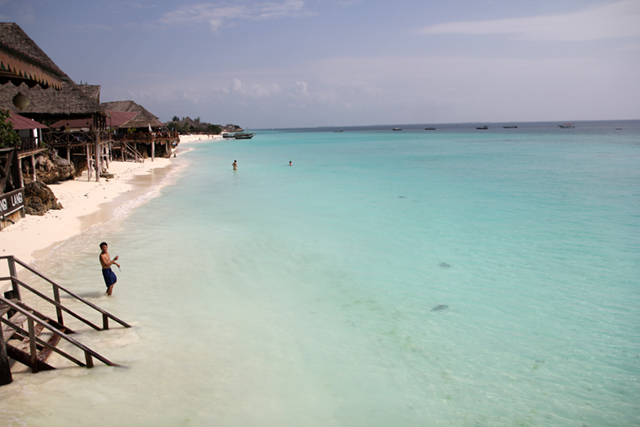
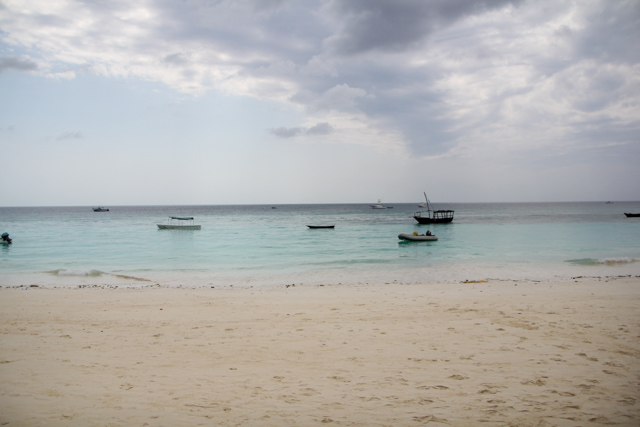
On the beach in Zanzibar

4. Tanzania

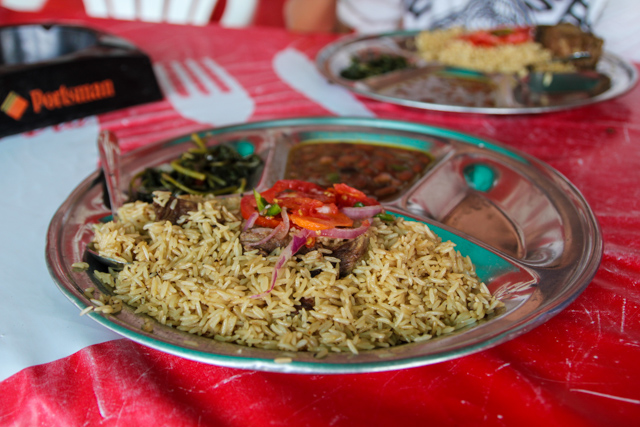
We didn't do any kind of safari this trip to Tanzania, but we mostly explored Dar Es Salaam, ate all sorts of Tanzanian food, and took a few weeks to travel through the island of Zanzibar.

Zanzibar is an island just off the coast of Tanzania with an interesting mixture of local, Indian, and Middle Eastern influence. The food was great and the beaches were also spectacular.

Highlights were hanging out on the beaches of Zanzibar and eating at Lukmaan restaurant.

Getting ready to dig in

5. Ethiopia

Taking Ethiopian Airlines from Thailand to Tanzania, we had a layover in Addis Ababa.

So I decided to extend our layover (at no extra cost) to stay in Ethiopia for three weeks.

From the moment I first tasted Ethiopian food, I think I was about 10 years old or so, I was in love, and much like India, I had wanted to visit nearly my entire life. The opportunity came in 2013.

Ethiopia proved to be one of the most amazing countries I've ever visited.

The people were friendly, the scenery and history were fascinating, the coffee was perfect, and the food was worth flying there just to eat.

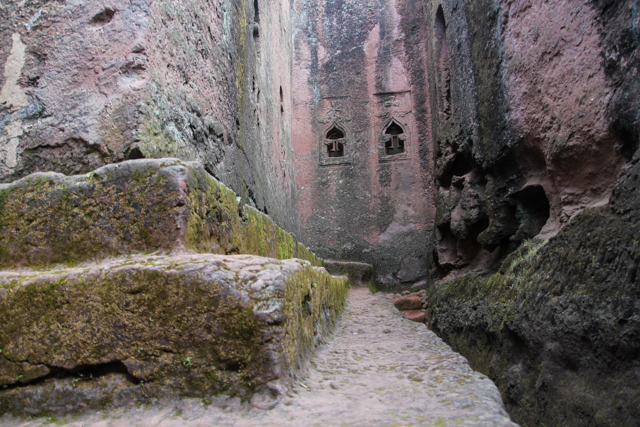
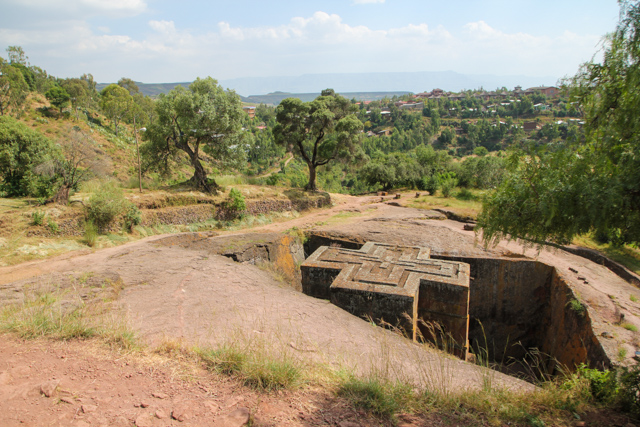
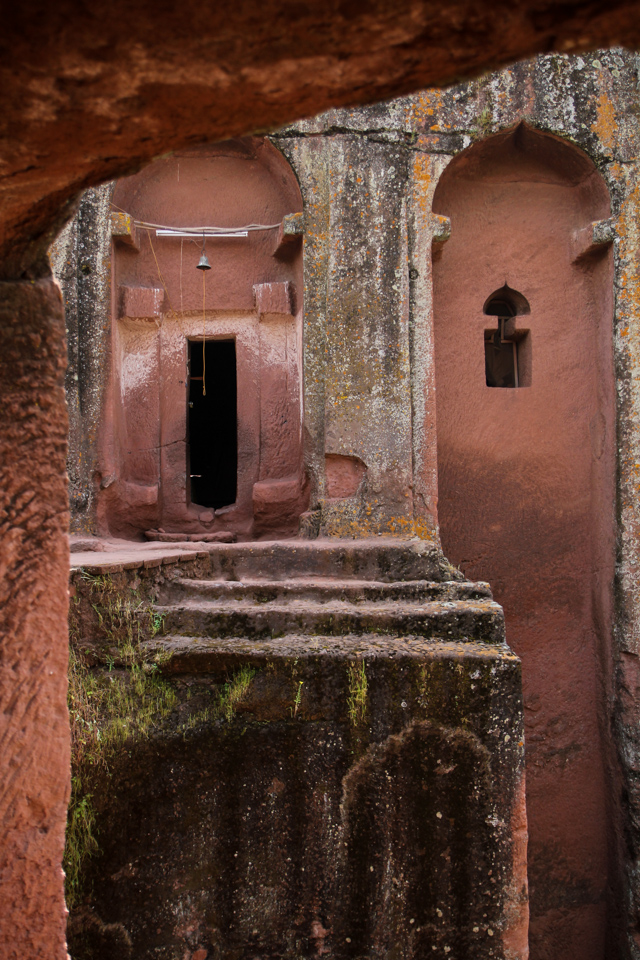
Highlights included the food, the people, and the churches of Lalibela.

Poke, one of my favorite foods in the world

6. United States

Finally, to wrap up this incredible 2013, we caught a flight to the United States.

Half of my relatives are from Hawaii, so we spent a few weeks there before coming to Phoenix, Arizona, to see the other half of my family.

Hawaii is where I initially learned to love food.

There's a diverse mixture of Chinese, Japanese, Filipino, Korean, and Hawaiian cultures living in Honolulu, and the restaurants and local food reflect that.

And as for Phoenix, I'm excited to devour some Mexican food, one of the only cuisines that I really miss when I'm living in Asia.

A year is really not a long time, and it goes by extremely fast. So at the end of this year, I just want to encourage you to go for it.

Whatever it is you have dreamed about or have thought of doing, either make effort to do it now, or set goals and work towards that dream.

To Nepal With Love: A Travel Guide for the Connoisseur

Today, I'm excited to share several of my stories from Nepal, which first appeared here on Go Backpacking in 2008 and are included in a new book, To Nepal With Love: A Travel Guide for the Connoisseur.

Nepal was one of the highlights of my trip around the world, and more than five years later, the country and its rich mix of cultures and scenery continue to hold a special place in my heart.

It's a similar sentiment shared by everyone who's spent time there.

To Nepal with Love book cover

In early 2010, I was contacted by Kim Fay, Editor of the To Asia With Love guidebook series, about contributing several stories.

Together with her help, we revised and improved two of them, the first about my experience at a weekend meditation retreat in Pokhara and the second about my decision to leave the hectic tourist hub of Thamel in Kathmandu for the more spiritual and peaceful Boudha.

Until I arrived in Florida last week, I had no idea who else was featured in the book.

Therefore it was a fun surprise to see two friends and fellow travel bloggers, Shannon O'Donnell and Sherry Ott, also contributed.

Shannon's story is about her time in Pokhara, while Sherry has several related to her trek in the Annapurna mountains.

Plus, there are dozens more stories from other authors, as well as commentary from the editors and color photos, all of which come together to paint a beautiful portrait of a country we all know to be unique and wonderful.

If you're looking for inspiration to visit Nepal or simply want to experience the country as an armchair traveler, To Nepal With Love is the book for you.

Unlike traditional guidebooks filled with maps and detailed lists of hostels and restaurants, this guide and series aim to inform and entertain you through storytelling.

In this respect, it serves to complement, not replace, guidebooks from companies like Lonely Planet.

To Nepal With Love

Book Giveaway

To celebrate the release of To Nepal With Love, which represents the first time my stories have appeared in a printed book, I'm giving away four copies ($20 value each).

Participation is limited to residents of the continental United States.

To enter, share a comment below about 1) why you want to go to Nepal, or 2), if you've already been, what was your fondest memory.

Terms and Conditions

The contest ends at 11:59 pm (EST), Friday, December 27, 2013.

Winners will be chosen at random and notified on December 28, at which point I'll request a shipping address. Books will be mailed on December 30.

The prize is transferable as long as the shipping address is within the continental USA.

Hiking to the Makapu'u Lighthouse on Oahu

Seeing the islands' natural beauty is one of the best reasons to visit Hawaii, and hiking offers an excellent opportunity for stunning panoramic views.

While Hawaii can be an expensive destination, hiking offers free and gorgeous entertainment.

There are many hikes on the island of Oahu, but one of the easiest, yet with some of the most rewarding views, is the short hike to the Makapu'u Lighthouse.

Makapu'u lighthouse hike
Makapu'u Lighthouse hike

The hike is officially in the Kaiwi State Scenic Shoreline park, but most people refer to it as the Makapu'u Lighthouse, which you can see at the top of the trail. 

The Makapu'u Lighthouse is located at the very southeastern tip of the island of Oahu. There's a parking lot where you can leave your car to begin hiking.

The hike is very easy as the entire trail is paved and gradually increases in elevation.

There are plenty of people who come to exercise up and down the mountain, and it's also an excellent place to bring kids or even infants in a stroller.

A sanctuary for humpback whales

Another reason to take the hike is the likely chance of seeing humpback whales at the right time of the year.

The season typically runs from about December through March or April each year, and the sight of giant bus-sized humpback whales in the blue seas below is impressive.

The last time I went, I saw a few whales breaching out of the surface of the water below.

Flora and fauna
Flora and fauna

For the most part, the Makapu'u area and the entire southeast region of Oahu are pretty dry compared to other parts of the island.

There's no jungle-like on the higher mountains of Oahu, but the landscape is made of low-lying brush, grass, small trees, and flowers.

The coast shoreline is mainly rocky cliffs until you go a little north, where there are more sandy beaches.

The lighthouse
The lighthouse

The Makapu'u Lighthouse, being on the very southeasternmost point of Oahu, is in a very strategic position.

When it was formerly in use, it would direct ships en route to Honolulu from the mainland of the US.

The lighthouse was constructed in 1909, and at the time of being built, it had the largest lens of any lighthouse in the United States.

It is 46 feet high, has an intensity of 115,000 candlepower white, and can be seen from 17 nautical miles.

When you arrive at the end of the hike, from the main viewpoint, look down, and you'll see the lighthouse.

The lighthouse itself is now shut and can only be viewed looking down from a distance.

Related: Maine's Best Lighthouses

Stunning view on the hike to Makapu'u Lighthouse
Stunning view

The main attraction is the incredible view that never gets old. At the top of the hike, the view of the windward side of Oahu is spectacular.

It gives you a great perspective of the rugged mountains, rough seas, and beautiful beaches of the island's southeastern tip.

The Makapu'u Lighthouse hike only takes about 30 minutes to complete, and it's an easy climb up a paved road.

For such a short and easy hike, it offers some incredible panoramic views of the island and the coast of Oahu.

Budget Friendly Ways to Get Around Australia

Jetstar flight
Jetstar flight from Cains to Sydney (photo: David Lee)

If you're backpacking around Australia, one of your greatest expenses will be the cost of transportation.

With over 7 million square kilometers, Australia is a simply massive country that takes some time to get around.

For those on a budget, this can present a dilemma.

However, there are several different options to choose from.

By comparing these carefully, you can see what the most convenient form of transport would be that fits within your time frame and budget.

Low-Cost Flights

The easiest way to get from one side of the country to the other is by flying, but this can also take a serious bite out of your budget.

Unlike Europe, there isn't a wealth of low-cost carriers just yet, so you'll probably be using a big name like Virgin or Qantas.

Sign up for low-cost flight alerts far in advance and be ready to move when a low fare comes up because these go quickly.

Virgin often offers package deals that can save you money, so keep an eye out for low prices on hotels along with your flights.

Greyhound Australia
Greyhound Australia (photo: David Lee)

Long-Distance Buses

The bus network in Australia is pretty detailed, and it's far less expensive than taking the train.

Backpacker busses like Oz Experience or Easyrider Tours offer activities along popular backpacker routes and decent value for money.

You will probably find a cheaper deal by using a public bus company like Greyhound, however, but you'll need to factor in the cost of activities on your own.

Like flights, you'll find the best deals if you book them in advance.

Car Rental or Purchase

If you're traveling in a group of friends or can connect with other backpackers via ride-sharing websites, pitching in to cover the cost of a car is usually the cheapest way to travel.

You can either rent a car for the duration of your journey or think about purchasing a used vehicle from a local listings site like Carsales.com.au. This gives you access to 4x4 vehicles that could get you into the outback safely.

When you buy a car, you have the option of reselling it at the end of the trip, thus making back some if not all of your money.

In any case, driving allows you to share costs, travel to remote locations without hassle, and be more spontaneous.

Hitchhiking

One of the most classic options for backpackers, hitchhiking, is also a possibility in Australia.

However, it can be challenging to find a ride in remote areas like the outback, and each state has different laws, so you'll want to brush up on those before you give it a try.

It's illegal in most areas to ask a vehicle to stop in a non-stopping zone, such as bridges or intersections. Most freeways also have limited access available for pedestrians.

It is generally safer to try arranging rideshare over the internet rather than wing it as a hitchhiker in Australia.

Most backpackers will want to try some combination of these different techniques.

Flights can be ideal for spanning long distances if you don't have much time, but when you have more time on your hands, having a car will allow you to get out into the countryside at your leisure.

_________

This post was brought to you by Carsales.com.au.

Sian Ka'an Biosphere Reserve Day Trip

The clock was ticking on my time along Mexico's Riviera Maya. After my day trip to Cozumel, I headed south to Tulum and the Sian Ka'an Biosphere Reserve.

While it's only an hour south of Playa del Carmen by bus, there was too much to see and do down there for me to squeeze it into a single day.

Boat dock in Sian Ka'an Biosphere Reserve
Boat dock in Sian Ka'an

Upon arriving and checking into the cheapest bungalow I could find ($32/night), I hopped a local bus thirty minutes further south to the Sian Ka'an Biosphere Reserve. 

It was little more than a gravel road leading off the highway.

Sian Ka'an was the last of the 12 UNESCO World Heritage Sites I'd visit during my five-week journey across Mexico.

UNESCO's website describes it as follows:

In the language of the Mayan peoples who once inhabited this region, Sian Ka'an means 'Origin of the Sky'.

Located on the east coast of the Yucatán peninsula, this biosphere reserve contains tropical forests, mangroves and marshes, as well as a large marine section intersected by a barrier reef.

It provides a habitat for a remarkably rich flora and a fauna comprising more than 300 species of birds, as well as a large number of the region's characteristic terrestrial vertebrates, which cohabit in the diverse environment formed by its complex hydrological system.

There wasn't a lot of time. The sun was already heading toward the western horizon, and I was committed to seeing the reserve before heading back to Tulum for the night.

It was a ten-minute walk from the highway to the little pier where boatmen hang out, waiting to give rides to tourists like me.

Navigating the waterways of the biosphere reserve by boat.
Navigating the waterways

I negotiated a one-hour boat ride for $48. I don't know if that's a good deal or not, but I was by myself and didn't have any other options.

We took off across the lagoon. My eyes were wide open with excitement.

The protected reserve is massive, encompassing 120 kilometers of coastline and 5,280 square kilometers.

It would deserve its protected status if it were all as beautiful as what we saw on the boat ride.

The scenery at Sian Ka'an Biosphere Reserve reminded me of the Okavango Delta in Botswana
The scenery reminded me of the Okavango Delta in Botswana

Once we reached the opposite end of the first lagoon, we entered a shallow channel bordered by tall grasses.

Navigating through these waters was a delicate task with such a big motorized boat, yet it still reminded me of the human-powered mokoro rides in Botswana's Okavango Delta.

Along the way, we passed mangrove trees. The water was so clear I could see fish swimming around.

The reserve is also home to the West Indian Manatee.

Beautiful blue lagoon
Lagoon

Upon emerging from the narrow canal, we entered another lagoon, even more beautiful than the first.

A few local men were swimming from their boat near the coast, but otherwise, it felt like I had the whole reserve to myself. There wasn't another tourist in sight.

There would've been group tours if I'd arrived earlier in the day, but my decision to squeeze in a late, independent trip had paid off.

I was a little rushed to get there, but time slowed down once we were on the boat, and I allowed myself to breathe the fresh air and enjoy the scenery.

Mangroves in Sian Ka'an
The waterways are lined by mangroves.

Further away from these waters, the tropical forests of Sian Ka'an are home to some big cats, including the jaguar, puma, and ocelot.

With all the attention on the natural beauty, one might forget the Mayans once lived here too.

Old Mayan temple in the Sian Ka'an Reserve
Old Mayan temple

The climax of the boat ride was a stop at a small Mayan temple, one of 23 Mayan sites in the reserve.

I got out of the boat at a little pier and took a quick walk around the temple. Engravings could still be seen on the building.

My time-limited, I returned to the boat, and we wasted no time getting back to the main pier just before the reserve closed.

Whether you go solo or feel more comfortable taking an organized group tour, I highly recommend allowing yourself the time to spend a few hours in the Sian Ka'an Biosphere Reserve.

___

UNESCO

Sian Ka'an became a World Heritage Site in 1987.

Click here for the complete list of UNESCO sites Dave has visited during his travels.

Have Your Cake and Eat It in Sorrento, Italy

There's an old saying about traveling: "It's the journey, not the destination." Well, when it comes to a Sorrento holiday in Italy, that adage can be changed to, "You can have your cake and eat it, too." Why is that? I'm glad you (I) asked. Allow me to answer my question.

Sorrento, Italy
Sorrento, Italy (photo: ekieraM)

The Journey

Sorrento holidays require you to get to the Italian resort first. While this is decidedly subjective, the drive along the Amalfi Coast is among the most beautiful and thrilling in the world.

Starting in the small Italian town of Salerno, it's a two-hour bus ride south. Along the way, you'll be entranced by the beauty of the Mediterranean Sea while on the edge of your seat due to the steep 500ft drop that awaits any wayward driver.

If a break is needed, stop by the town of Positano. What this small town specializes in the most is scenery. The city is perched on an enclave alongside a hill that winds down toward the coast. Here, you can stroll alongside the beach and soak in the beauty. Sit on the left side during this bus ride, as that will offer the best views.

The Destination

Once you finally get to Sorrento, there are many things to see. In the middle of town lies the Chiesa di San Francesco. While Italy has no shortage of churches, what makes this one special are the cloisters attached to it. You can almost see the monks walking through this unique building when it's lit up at night.

A short walk from there, near Piazza Tasso, one of the main streets, awaits a site few tourists know. Called Vallone Dei Mulini (Deep Valley of the Mills), this 10th-century mill lies between the city's cliffs. While you cannot go down into the ravine, the lush vegetation surrounding it is a perfect photo opportunity, especially when lit at night.

Eating Cake

Along with the ocean, the people, the churches, and all the other beautiful things in Sorrento, there's a wealth of culture to experience.

One good way to soak up Sorrento's history is to visit the Museo Bottega della Tarsia Lignea. Besides extremely long names, Sorrento is famous for its Intarsio (designed, inlaid woodwork) furniture. This inexpensive museum shows numerous examples of this type of woodwork.

In Sorrento, one must also drink as the locals drink, and their drink of choice is Limoncello, a flavored liqueur. Check out Limonoro, where you can see how this tasty drink is made. Another great option to waste a few hours is the Dali Universe. This Salvador Dali exhibit houses many of his exhibitions, including numerous sculptures he completed.

Keeping these suggestions in mind, a Sorrento holiday can be delightful if you walk around and take in everything. That's why it's such a great destination. No matter what you do, it'll be done with the Italian coast as your backdrop.

Mahachai: One of Thailand's Largest Seafood Markets

View of Mahachai, Thailand

Mahachai is a small town located in the Samut Sakhon province of Thailand, about an hour drive from central Bangkok.

On the drive there, you barely even leave the city, but once you're there it definitely has a much smaller and more country feel to it than bigger Bangkok.

Mahachai has one of the largest fresh seafood markets in Thailand, and it's one of the main seafood distribution centers that cater to the hungry population of Bangkok.

Seafood producers from around the country go to Mahachai to sell their catch, which is then bought and sold to seafood dealers.

As soon as you arrive in Mahachai, and step out of the car, you can actually smell the light whiff of seafood in the breeze.

For seafood lovers, this is a dream come true!

Fried fish
Fried fish

So the other day I met up with a friend and we decided to head to Mahachai to take a walk around, check out the market, but mostly to take advantage of the seafood restaurants that are plentiful and delicious.

We ate at a restaurant known as Ran Ahan Pi, a legendary local seafood restaurant that is tucked into the neighborhood and housed in a home transformed into a restaurant.

The entire assortment of Thai seafood dishes, including quite a few unique house-made specialties, were on the menu.

The restaurant owner is known to have quite a personality, and as the story goes, when someone ordered an omelet with rice, he threw a fit of anger and told the customer to leave his restaurant.

The bottom line: you go to eat seafood, and seafood only. No chicken or omelets.

We ordered butterfly cut shrimp soaked in chili flakes, fish sauce and lime juice, squid stir fried with salt-cured egg yolks, and a crispy deep-fried fish served with sour green mango sauce on the side. Everything was fresh and amazing.

Mahachai market
Mahachai market

Despite our stomachs being so full we could barely walk, we decided to go for a stroll through the main Mahachai seafood market.

It was the middle of the day, so the main commercial seafood trade was finished for the day, but there were still plenty of vendors selling seafood on an individual basis.

Squid at the market
Squid at the market

Both fresh and dried seafood were displayed in huge quantities.

The squid, in particular, were neatly laid out in rows according to grade and size.

There were also dried squid, wrapped up in bags to snack on, and additionally, there were vendors all over the place selling temptingly fresh grilled squid on the side of the road.

If you like squid, you'd surely enjoy a grilled jumbo squid on a stick.

Crossing the river at Mahachai

Walking along the river in Mahachai we enjoyed the faint smell of seafood paired with plenty of interesting sites.

We spotted a group of monks, dressed in their finest orange ceremony robes, boarding the ferry to go to the other side of the river. We passed both Chinese and Thai temples and saw all things from the sea in huge quantities.

Mahachai is an off the beaten path destination that makes a good place to explore and eat seafood.

Cozumel Day Trip: An Afternoon at Playa Palancar

Where do we go now? It was the question on all our minds after disembarking the ferry from Playa del Carmen, surviving a gauntlet of touts trying to rent us cars and scooters, and reaching the end of a shop-lined pedestrian street in San Miguel de Cozumel.

Boarding the ferry for a Cozumel day trip in Mexico.
Boarding the ferry to Cozumel

Under the intense mid-day sun, Will and Renae were looking for a quick answer, but I didn't have one.

Getting us to Cozumel was the easy party, requiring only that we pay $25 for a roundtrip ferry ticket at Playa de Carmen's tiny port.

Where to go once we arrived? That was the real challenge for the lackadaisical traveler.

Approaching Cozumel
Approaching Cozumel

Located a mere six miles off the coast of Mexico, Cozumel's small size and turquoise waters have been attracting divers, cruise ship passengers, and Spring Breakers for years.

Taking a day trip to Cozumel was my idea, yet I hadn't found much information for independent travelers online. I figured we'd arrive, and the answers would magically present themselves. They didn't.

We approached a nearby taxi and asked about our beach options. He said there were only a few public beaches on the island and recommended Playa Palancar on the southwestern edge of Cozumel.

It was about a 20-minute drive and would cost us each about $5 (or $15 total, one way).

Playa Palancar is one of the few public beaches
Playa Palancar is one of the few public beaches.

Upon arrival, we asked our driver to wait while we scoped out the beach. It was perfect, so we paid him and took shade under one of the thatched umbrellas.

The beach may have been public, but you're expected to spend some money on drinks, if not food. We hadn't eaten lunch by then, so it wasn't a tough sell.

Restaurant menu at Playa Palancar
The restaurant menu at Playa Palancar

I ordered (three) chicken tacos, fresh coconut water (served in the coconut), and at least one other drink. Including tips, the total came to $18. They only accept cash, so come prepared.

Beers, including Corona and Modelo, cost $2.30 apiece, which still isn't bad by Western standards. A pina colada and most other mixed drinks will run you double that, or $5.45.

Playa Palancar, Cozumel

After lunch, we all went for a swim. The water was a little murky right along the beach, but we were told it could be crystal clear on a good day.

We'd gotten a late start to the day in Playa del Carmen, so by the time we'd eaten lunch and taken a quick dip, the staff at Playa Palancar were beginning to close up shop.

A few taxi drivers had been camped out in the parking lot, so we were quickly able to get a ride back to the island's main city, San Miguel de Cozumel.

Related: 24 Hours in Tulum, Mexico

The perfect places to watch the sunset

As we closed in on the pier in San Miguel, I asked the driver if there was a good place to grab a drink and watch the sunset.

He dropped us off at one of several thatched-roof beach bars facing west toward Mexico.

We had the place to ourselves, and the staff even allowed me to plug in my iPhone so we could listen to some Bob Marley.

Sunset
Sunset

One of the night things about Mexico's Pacific coast and beach towns like Sayulita and San Pancho is the ability to watch beautiful sunsets over the Pacific Ocean on a nightly basis.

If you're making a day trip to Cozumel, I recommend sticking around long enough to catch the sunset.

Statues along the boardwalk

Once the sun faded below the horizon, we began walking back to the pier along the boardwalk.

Along the way, a series of interesting statutes appear all the more dramatic against a colorful sky.

The smallest Hard Rock Cafe in the world

Last but not least, we poked our noses inside Cozumel's very own Hard Rock Cafe, billed as the smallest Hard Rock in the world.

The inside was decorated with the usual music memorabilia, including a white Fender Stratocaster signed by the Red Hot Chili Peppers, but it was by no means small.

In retrospect, our day trip to Cozumel was a relaxed approach toward doing things on Mexico's Riviera Maya.

More ambitious visitors might be inclined to rent a car or scooter and drive around the entire island, visiting as many beaches and points of interest as possible. We were happy to take our time and enjoy one.

Hiking Tasmania’s Famous Overland Track

Winding its way through the glacially carved landscape of central Tasmania, the Overland Track is one of Australia's most iconic bushwalks.

Stretching 65 kilometers through Cradle Mountain-Lake St. Claire National Park, this 6-day trek begins at Ronny Creek in Cradle Valley and journeys through hidden rainforests, open valleys, towering waterfalls, and even Mount Ossa - Tasmania's highest mountain peak at 1,617 meters above sea level - before finishing at Narcissus Hut at Lake St Clair.

If you are a keen bushwalker and want to attempt the journey, here is some critical information you need to know.

Waterfall Hut campsite, Overland Track
Waterfall Hut campsite, Overland Track (photo: Rick McCharles)

Getting There and Away

Tiger Airways, Jetstar, and Virgin Airways have regular flights to Launceston and Hobart from as little as $60 one-way, depending on the season.

If you prefer to arrive on four wheels, you can reach the Apple Isle via Melbourne on the Spirit of Tasmania.

Prices on the Bass Strait cruise liner will set you back are $289 for an Ocean Recliner seat over the Christmas break or $587 for a Deluxe Cabin.

Once you reach the port at Devonport, it is about a 3-hour drive to Cradle Mountain, or you can catch a bus via Cradle Mountain Coaches.

Cost

Bookings are required for each walking season (1 October to 31 May) of the Overland Track, and walkers must pay an Overland Track Fee of $200 per person.

This fee only applies during the peak walking season, and all proceeds go towards the long-term sustainability of the Track.

In addition, you will have to purchase a National Park Entry Pass to be inside the National Park.

Gear

For walkers of the Overland Track, it is not uncommon for snow to appear in the middle of summer as a large part of the track is above 1,000 meters sea level along exposed plateaus.

For this reason, it is essential to stay warm with breathable clothing designed to protect you from the wind, snow, and rain.

Also, while there are huts to sleep in at every stop, you still must carry a tent.

The cabins can be full of walkers, especially in the high season, and you cannot book a room in the cabin beforehand. Therefore, you must be prepared to camp if there is no room.

The huts also do not have cooking facilities, utensils, or food, so you must bring your own.

Ensure you always have a map of the Track with you, and never walk alone. If you are flying solo, you can hire a licensed guide to escort you along the Track.

These can be booked on the day or before your journey, and for further information on booking guides, visit www.discovertasmania.com.

Moreover, many people are surprised at the variety of track surfaces on the Overland Track.

Two-thirds of the track is a natural surface, including boulders, tree roots, forest litter, gravel, and mud. So you must have a pair (or two) of good quality walking boots.

While the Overland Track has its challenges, it is an experience that should be on the bucket list of every bushwalker.

If you want to learn more about the Overland Track, check out the Tasmanian Parks and Wildlife Service website.

________

This post was brought to you by Discover Tasmania.

Yangshuo: Bike Ride and a Marvelous Chinese Farmer's Lunch

Heading out on our bikes in Yangshuo

[S]pending time in the small and beautiful town of Yangshuo, China, is one of the fondest memories I have as a traveler.

I would wake up each morning to a slight fog, cool and fresh air, and the unbelievable view of karst mountain peaks sprouting up from the rice fields. Yangshuo is far removed from the bustling streets and modern skyscrapers that China is nowadays so famous for.

Yangshuo is quite a Chinese touristy town, and for this reason there’s an entire section of town dedicated to tourists from the big Chinese cities who come to Yangshuo is search of natural beauty and a relaxing holiday.

The great thing is, the domestic tourists who visit, stay in a very small portion of the town, and very few venture off the beaten path of attractions.

This is the reason why taking a bike ride just a very short distance from town, you’ll find yourself in the midst of ancient Chinese villages and the rural beauty of the countryside.

In the kitchen
In the kitchen

One of my favorite activities is eating, and if a meal can be paired with a bike ride into the beautiful farming fields and the gorgeous backdrop of mountain peaks, I’m psyched to go!

So one day after my leisure morning wake up, drinking a few cups of Chinese green tea, and munching down some fruit and a boazi, we hopped on our bicycles, en-route to a farmer’s restaurant.

You might be familiar with the term “farmer’s market,” a gathering of fresh and normally organic local produce and food all set up in a friendly little market setting.

Likewise, a Chinese farmer’s restaurant in the countryside of Yangshuo, is pretty much the same thing, only they also go the extra step to cook incredibly tasting dishes for you to eat, and you don’t need to do any shopping - I really like this idea!

Stir fried pumpkin
Stir fried pumpkin

So we arrived at the relaxing restaurant, basically a home overlooking the river with a beautiful view and the smell of food permeating the premises. Tables were scattered around, some on top of the hill, others next to the river, and others under a tent of shade.

If more than one group comes to eat, you can sit as far away from them as possible in order to enjoy your own space and comfort.

The food was nearly all prepared from ingredients grown or raised nearby. The produce was big and beautiful, the chickens and fish were alive moments before being ordered, and you could just tell the spices and herbs were quality and crisp.

The feast is served
The feast is served

Rice of course, is the staple and we loaded our plates with overflowing helpings.

Along with rice, our feast included pumpkin stir fried with garlic, scrambled duck eggs fried with chives, a huge platter of fresh local fish cooked with beer sauce, fresh bamboo shoots stir fried with beef, and cabbage fried with taro.

Fresh greens
Fresh greens

Without hesitation, we started to dig into our farmer’s lunch ferociously, poking and scooping as large of bites as possible with our chopsticks. Hungry from the bike ride and eager to taste such freshness, I couldn’t hold back.

Every single dish was expertly made, and it wasn’t just the cooking, but also the fact that all the ingredients were local, unpreserved, and fresh.

The veggies were crisp, the meat and fish had real flavor, and the seasonings were perfect. I also particularly enjoyed dousing each bite in chopped garlic and chili sauce.

The beauty of Yangshuo

Stomach overwhelmingly happy, we got back on our bicycles and pedaled our way back to Yangshuo, this time around, a lot slower than before!

Playa del Carmen: Fish Tacos and First Impressions

My two-week G Adventures trip through Mexico came to a wonderful conclusion with two days and nights in Playa del Carmen.

Like the islands of Thailand, I felt as though everyone and their mother had already been to Mexico's Riviera Maya, the country's crown jewel of tourism along the eastern edge of the Yucatan Peninsula.

Statue in Playa del Carmen, Mexico
Statue near the pier

Cancun was the over-developed epicenter with an international airport, dozens of towering hotels, and a reputation for Spring Break partying.

Meanwhile, Playa del Carmen, an hour south by bus, has managed to keep development under control, which is not to say it hasn't been completely transformed over the last 10 to 20 years.

[Tip: If you'd prefer to skip the bus, you can book a shuttle from the Cancun Airport to Playa del Carmen.]

But at least you can walk the length of town along a quiet, pedestrian-only street, and there are no hotels towering overhead or cars to contend with.

Table of Contents

  • Exploring Playa del Carmen
    • Night 1
    • Day 2
    • Day 3
    • Day 4 and Beyond

Exploring Playa del Carmen

Night 1

Mandala dance club in Playa del Carmen
Mandala dance club

We arrived after a long bus ride from Merida, taking in the ruins of Chichen Itza along the way. Once checked into our hotel for the next two nights, Gaby, our guide, led us to dinner at 100% Natural.

We walked most of the way along Playa del Carmen's main drag, a pedestrian-only street lined with shops, restaurants, cafes, and bars. One block over was the beach.

The weather was perfect, and many vacationers were out enjoying themselves. I knew immediately that Playa del Carmen was my kind of town.

100% Natural is a Mexican-owned restaurant chain featuring a menu of health-oriented fruit smoothies and dishes. I ordered a salmon filet with fruit salsa accompanied by wild rice.

After dinner, we went to another Gaby recommendation: a dive bar with cheap mixed drinks served in giant Styrofoam cups. Everyone liked the place, and we played a drinking game or two to pass the time.

Around midnight, we walked around the streets again and checked out the nightlife. It was early in the week, but there were still people out.

Playa del Carmen is one of those places where time stands still. Every night feels like a Saturday night because everyone is on vacation, looking to let loose and have a good time.

We began splitting up as some people returned to the hotel, but I managed to last a few minutes in a small reggae bar with a live band before I, too, called it a night.

Day 2

Playa del Carmen's white sand beaches
White sand beaches

The next day, we had no activities planned, so I slept late and took some time to explore the town independently.

Surprisingly, I ran into Will Peach, a British travel blogger, walking along the beautiful white sand. We made plans to hang out later and went our separate ways.

Fusion Beach Hotel, Bar and Grill
Fusion Beach Hotel, Bar & Grill

Gaby took us to the Fusion Beach Hotel Bar & Grill for dinner that night. Oddly, it was one of the few beach bars and restaurants still active at night.

Due to the size of our group, we took a table inside. A constant Caribbean breeze blew through the place, and I loved it.

Delicious fish tacos

I ordered fish tacos, some of the best of my trip and far better than those I'd ordered way back in Puerto Vallarta for my first lunch in Mexico.

Fusion isn't the cheapest place in Playa, but it's hardly the most expensive. And considering the atmosphere couldn't be beaten, I was happy to pay. My four fish tacos cost 160 pesos ($12).

I'd return to Fusion at least three more times during my stay in Playa. Some nights, they'd have a belly dancer perform; other nights, fire dancers would perform on the beach. It reminded me of Thailand.

Playing drinking games at a dive bar
Playing drinking games at a dive bar.

Dinner was consumed, and we returned to the dive bar with its styrofoam cups. Alex, our guide-in-training (who also worked as a ski instructor for the Aspen Ski School during the Winters), taught us a silly drinking game called Moose.

The premise was simple, but it was pretty entertaining. A person points to another in the circle. The person pointed to has to raise both hands to their head like a moose.

The person on each side of the target also needs to raise one hand. Whoever gets it wrong has to drink. We laughed so much from the drinking games like Moose that other patrons looked at us like we were nuts.

La Vaquita dance club

It was officially the last night of the G Adventures Mexico Civilizations trip, so we were all in a party mood.

After the dive bar, we walked down to the club zone and entered La Vaquita (The Little Cow), which had no cover that night. Cows hung from the ceiling, and the music was so loud it was impossible to hold a conversation.

I lasted one beer, or about 30 minutes, before excusing myself because of the loud music. Even though I wasn't there long, I could tell upon leaving that I'd hurt my left ear. Sounds were muffled.

Having experienced short-term hearing loss in my twenties after a deafening Warped Tour concert, I knew it would take weeks, possibly months, for my ear to feel normal again. Until then, I'd have to avoid loud music and clubs and wear earplugs.

Day 3

My ivy-covered hotel, the Delfin, was just a block from the beach in the heart of Playa
My ivy-covered hotel, the Delfin, was a block from the beach.

The following day, I checked out of the G Adventures hotel and into the Hotel Delfin. Covered in green ivy, it was located in the middle of Playa del Carmen, one block from the beach.

I took a room with a window looking over the main pedestrian street. At $41 per night, it was more than I had planned to pay, but I didn't care.

I knew the Delfin would be a convenient base from which to enjoy my time in Playa. I also believe I negotiated a discounted rate for a week's stay. The Wi-Fi was dependable, and they offered free spring water, so I wouldn't have to waste a lot of plastic.

Sand sculpture on the beach in Playa del Carmen
Sand sculpture

Once settled in the Hotel Delfin, I walked over to 100% Natural for whole wheat pancakes with a few girls from our trip who were in town for a few more days.

That night, everyone still in town met up for dinner at another of Gaby's restaurant recommendations, El Fogon Fiesta Jarocha, a taco place with a loyal following. El Fogon was easy on everyone's wallets, and both floors were packed when we were there.

If you're still with me, what should come next is no big surprise. We returned to the same dive bar for the third night. The manager gave us a free round of blue shooters for our loyalty. I had no idea what it was, but we all took one.

Day 4 and Beyond

The next day, I grabbed a juicy cheeseburger at Fusion before walking down the beach past incredible sand sculptures and local kids playing soccer. I wanted to check out the ferry prices to Cozumel.

Senor Frog's, a famous restaurant and bar known for Spring Break parties, was on the far side of the pier. On the southern side of the pier, larger hotels were also present, though their height had been limited.

Babe's Noodles and Bar

In the evening, I met up with a few of our remaining cast for Thai food at Babe's Noodles and Bar. In addition to a giant strawberry daiquiri, I give them props for their Thai Red Curry with Chicken (148 pesos, $11).

By now, I was in the Playa del Carmen groove. I slept late, walked around lazily during the day, ate well, and had a few drinks with friends each night. It was bliss.

Additional meals and places worth mentioning include:

  • Grilled fish filet on a bed of green beans, with garlic and walnuts, sweet potato puree, and mango-ginger sauce at Zabor Restaurant on the beach.
  • Hawaiian pizza on La Azotea rooftop bar.
  • Smoking sheesha at Pita House.
  • Live bands at Fah Restaurant.
  • Spicy Maya chocolate ice cream at Ah Cacao.

I also managed to find the time for that day trip to Cozumel, an overnight trip to Tulum (an hour south), snorkeling with whale sharks, swimming with dolphins, and driving a Ferrari F430.

Okay, so I did the latter two from Cancun before leaving Mexico, but they're just as easy to do from Playa del Carmen. I mention them here because I was so unimpressed with Cancun that I won't be writing about my time there.

If you genuinely want to escape city vibes, you can take a Cancun to Tulum shuttle and skip the more developed parts of the coast.

Live bands and drink specials draw big crowds
Live bands and drink specials draw big crowds at Fah Restaurant

On the other hand, Playa del Carmen is one of my new favorite places. Another reason I wanted to visit it was to evaluate whether it's a place I'd like to spend a few months.

The answer is an emphatic "yes," but my experience must differ. To keep costs down, I'd rent an apartment on the edge of the tourist area, not be in the middle.

I wouldn't be able to eat out at the nicer restaurants every night or go out for drinks. In short, knowing I had to work there would change how I view the place.

For that reason alone, I may choose to continue viewing it as a vacation destination rather than the place where I'll sit down to write my next book.

___

My Mexico Ancient Civilizations tour was in partnership with G Adventures. 

Create Your Own East Coast Road Trip

If you fancy combining backpacking with exploring the open roads of the east coast of America, then fly-drives are a great way to experience the States as they're meant to be experienced: overland.

A three-week road trip on Highway 95 takes you fifteen hundred miles, ten states, and Washington, DC, all the way down to Miami.

From the old center of Boston to the Latin-influenced Miami and all the fun holiday attractions of Florida, the East or Atlantic Coast of the U.S. stretches through fourteen states, so it's a lot to take in.

Road Sign on I-95 South
Road Sign on I-95 South (photo: Ken Lund)

A good place to begin is by looking at Boston on a map and marveling at the familiar names of English towns and cities dotted around: Oxford, Worcester, Marlborough, Enfield, Glastonbury, Plymouth, Northampton, Manchester alongside New London, New Britain, and the wonderfully named Woonsocket.

After a day exploring the pleasant cobbled streets of Boston itself, driving south on Highway 95 and passing through Connecticut, you will hit New York.

Spend a couple of days here to bite into and savor the Big Apple for yourself, whether you want to stroll through Central Park, go to the Museum of Modern Art, or get lost in its avenues.

Carry on driving south on Highway 95, and you'll pass through Philadelphia: rich in history, this city will captivate you with its colonial charm.

150th Gettysburg Reenactment 2013
150th Gettysburg Reenactment 2013 (photo: SPakhrin)

Make sure you stop at Gettysburg in Pennsylvania and witness the monument paying homage to the 50,000 Union and Confederate soldiers killed in the Civil War of 1863.

Further down the road, a one hundred and the forty-mile drive takes you to Washington, the world's most powerful city.

You can, if you wish, pick up the famous Route 66 here and head west into West Virginia.

But we recommend carrying on south, exploring the Colonial Parkway, and aiming for the Outer Banks of North Carolina, the world's longest stretch of barrier islands.

After driving through Charleston, you will reach Savannah.

Spend an evening and a day here visiting the lighthouse and looking at the lovingly restored colonial properties before heading down to Jacksonville.

Jacksonville is the largest city in Florida.

Its deep port played a strategically important part in the Civil War, changing hands between the Unions and the Confederates several times.

Kennedy Space Center
Rocket Garden at the Kennedy Space Center (photo: Stig Nygaard)

After you've been dazzled by the length and breadth of Florida state - the beaches, Kennedy Space Center, the amusement parks - carry on down to the glamorous nightlife and art deco buildings of Miami.

Here you can park your automobile ready to be collected, kick off your backpack and lose yourself in everything Miami has to offer.

Go and see the parrots in Jungle Island Miami, stroll down Ocean Drive, or use Miami as a base to go off and explore the Bahamas; the holiday atmosphere of this warm southern state is sure to be a reward for all those weeks of driving.

________

This post was brought to you by Smartsave. 

Addis Mercato: The Largest Market in Africa

Addis Mercato
Addis Mercato

[A]ddis Ababa, the capital city of Ethiopia, is not the biggest city in Africa, but it is home to the biggest open air market on the entire continent!

The Addis Mercato as its known, the term coming directly from Italian, is a giant sprawling market that’s home to anything and all things Ethiopian that you’d ever want to purchase.

Donkeys and other livestock run around freely, buses and trucks load and unload countless bundles of supplies, and shoppers comb the streets looking for the best deals on exactly what they're looking for. For market lovers, the atmosphere couldn’t be better.

Shopping in Addis
Shopping in Addis

So what’s there to do when you visit the Mercato in Addis? First thing is to go shopping.

Though it can be hectic and difficult to navigate, if you just take your time and walk around, you’ll discover some things that you might want to purchase. If you’re looking for specific things to buy, it can definitely be helpful to go with a local Ethiopian friend or guide who has experience.

The market is incredibly sprawling, but luckily there’s a somewhat organized system of sections that sell similar products (that is if you know the sections). For instance kitchen ware is all grouped together, fresh ingredients, or kids toys, are all in the same general area.

The market is especially well-known for its supply of Ethiopian garments of the traditional variety, Ethiopian souvenirs and religious relics, and coffee beans and supplies.

When I was at Addis Mercato, I bought a small jebena, one of the clay coffee pots used to make traditional Ethiopian coffee.

People watching at the market

Along with shopping, the Addis Mercato also offers a wonderful glimpse into the busy hectic life of a market vendor and worker in Ethiopia.

If you enjoy people watching, observing culture, or shooting street photography, the market is a must visit when you’re in town.

One of the things I enjoyed watching were the men that distribute all the products to stores. I’ve seen plenty of people carrying things on their heads, but I don’t think I’ve ever seen such insanely massive loads being carried on heads while pushing through narrow alleys.

You’ll see just about everything you can imagine, from stacks of new mattresses to huge cooking pots to containers of oil, all piled high on someone’s head.

A minibus transporting market goods

Just like any busy place in the world, you should always be mindful of what you carry and take safety precautions.

Don’t bring wads of cash, and do be careful of your camera and your pockets. That being said, if there is an attempt at robbery, it will likely be in a secretive manner, such as a slick pickpocket.

Overall, when I spent some time walking around the market, I felt alright, and I was happy to see quite a lot of security guards and police patrolling the paths and lanes.

Visiting the Addis Mercato is a wonderful overdose of both culture and busy market life. It’s a great place to find bargains in Ethiopia, but also just to wander and observe the excitement.

New Zealand's Beaches and Coastal Delights

Summer in New Zealand is a great time to get "beached as, bro."

With over 9,000 miles of coast ringing its two main islands, New Zealand has hundreds of unspoiled beaches to explore for swimming, surfing, chilling by seaside natural hot springs, or simply discovering a secluded beach with no one else in sight and not a footprint in the golden sands.

If this is the kind of holiday you seek, here are six beaches that should be on your radar.

Table of Contents

  • New Zealand Beaches
    • Karekare Beach, West Auckland, North Island
    • Hot Water Beach, Coromandel, North Island
    • Koekohe Beach, North Otago, South Island
    • Manu Bay, Raglan, North Island
    • 90 Mile Beach, Cape Reinga, North Island
    • Raglan, North Island

New Zealand Beaches

Karekare Beach, West Auckland, North Island

Karekare Falls (photo: Natalia V)

With its black sands and looming craggy cliffs, Karekare Beach was made famous as the location of the 1993 film "The Piano."

While the surf here is challenging, this beach is more about the spectacular landscape.

From the beach, you can walk to nearby Karekare Falls. Spot seals sunbaking on the rocks or hike the bush-clad green hills.

If you're a seasoned surfer, you can paddle to the big waves or head to Piha, the next bay north, to find one of New Zealand's top surf breaks.

Hot Water Beach, Coromandel, North Island

Hot Water Beach is a popular New Zealand beach on the North Island (photo: Colin Bowern)
Hot Water Beach (photo: Colin Bowern)

The Coromandel Peninsula is famous for its many beautiful beaches, but the most unusual is Hot Water Beach.

For two hours on either side of low tide, heated geothermal mineral water beneath the beach bubble to the surface, and you can dig your hot spa in the sand and relax. Spades can be hired at local cafes.

Koekohe Beach, North Otago, South Island

Moeraki Boulders (photo: Jan Smith)

The big attractions at Koekohe Beach are the mysterious Moeraki Boulders. These massive spherical boulders are strewn like the eggs of a gigantic prehistoric creature all along the tide line.

Koekohe Beach can be crowded with sightseers daily, so take your camera at dawn or dusk for some quiet contemplation and to capture the otherworldly atmosphere.

Manu Bay, Raglan, North Island

Raglan is a New Zealand beach popular with surfers (photo: Natalia V)
Raglan (photo: Natalia V)

Five miles from the laid-back bohemian center of Raglan, Manu Bay is a seasoned surfer's mecca, with swells breaking over a distance of 1000 feet and 10-foot-plus waves lined up ready for action.

Manu Bay was featured in the 1966 cult classic surf film The Endless Summer and continues attracting surfers worldwide.

It's claimed that Manu Bay has the longest, most accessible, and most consistent left-handed break in the world and that a surfer with enough skill can catch a wave and cruise along the break for up to a mile.

90 Mile Beach, Cape Reinga, North Island

Boasting the longest stretch of sand in New Zealand, 90 Mile Beach is actually 64 miles of golden sand.

A favorite here is to race down the beach in a specially equipped tour bus, with salt spray lashing the windows.
Swimming and surfing are best at the beach's southern end at Ahipara.

90 Mile Beach is also a hot spot for fishing for snapper, and, at the northern end, you can sled down the huge Te Paki dunes.

Raglan, North Island

Raglan is a surfing mecca set amid a dramatic and scenic coastline of black sand beaches.

The town of Raglan is a bohemian center that attracts people seeking alternative lifestyles and is a laid-back place to hang out in its cafes, bars, surf shops, and galleries.
While Manu Bay is the big draw here for serious surfers, Ocean Beach is an excellent spot for a swim, bodyboard session, or surf lesson.

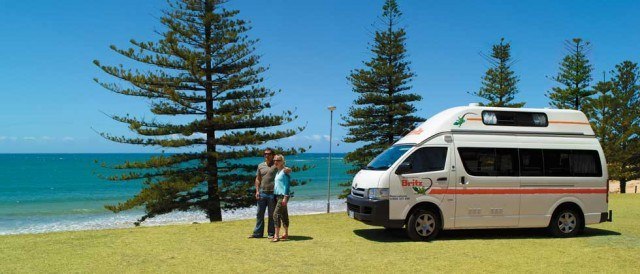
If you are planning a surfing trip to some of New Zealand's best coastal hotspots, one of the best and most affordable ways to explore the beaches of the Land of the Long White Cloud is to hire a campervan such as those from Britz Campers. Having a fully equipped campervan is ideal for a small group traveling light.

______

This post was brought to you by Britz.

Chichen Itza: Mexico's Most Famous Mayan Ruins

The Pre-Hispanic City of Chichen Itza is located on Mexico's Yucatan Peninsula, making for a long day trip from either Merida or, more commonly, the Riviera Maya.

While Chichen Itza was the Mayan ruins everyone in my group was most looking forward to at the start of our trip, Palenque became our favorite.

Chichen Itza seemed a little too well restored, too clean, too touristy, whereas Palenque was still very covered up by the jungle, with far fewer tourists.

The 30-meter tall Temple of Kukulkan, known as El Castillo ("the castle") at Chichen Itza.
The 30-meter tall Temple of Kukulkan, known as El Castillo ("the castle").

Throughout its nearly 1,000-year history, different peoples have left their mark on the city.

The Maya and Toltec vision of the world and the universe is revealed in their stone monuments and artistic works.

The fusion of Mayan construction techniques with new elements from central Mexico make Chichen-Itza one of the most important examples of the Mayan-Toltec civilization in Yucatán.

- UNESCO
For safety reasons, tourists are no longer allowed to climb El Castillo
For safety reasons, tourists are no longer allowed to climb El Castillo.
The Great Ball Court at Chichen Itza is 150 meters long, the largest and best preserved of the 13 ball courts discovered in Mesoamerica
The Great Ball Court at Chichen Itza is 150 meters long, the largest and best-preserved of the 13 ball courts discovered in Mesoamerica.
The walls of the Great Ball Court are 8 meters high at Chichen Itza.
The walls of the Great Ball Court are 8 meters high.
Rings carved in the shapes of intertwined serpents are built high up on each of the side walls of the Great Ball Court
Rings carved in the shapes of intertwined serpents are built high up on each of the sidewalls of the Great Ball Court.
Members of my G Adventures group stand in front of the Templo del Hombre Barbado (Temple of the Bearded Man) located at the northern end of the Great Ball Court
My G Adventures group members stand in front of the Templo del Hombre Barbado (Temple of the Bearded Man), located at the northern end of the Great Ball Court.
During times of drought, the Mayans would perform sacrifices at this cenote, named Cenote Sagrado (Sacred Cenote).
Templo de los Guerreros (Temple of the Warriors) at Chichen Itza.
Templo de los Guerreros (Temple of the Warriors)
El Caracol (The Snail) is believed to have been used as an observatory for astronomical events
El Caracol (The Snail) is believed to have been used as an observatory for astronomical events.
La Iglesia (The Church) is a small temple decorated with carved carved masks
La Iglesia (The Church) is a small temple decorated with carved masks.
A parting shot of El Castillo
A parting shot of El Castillo.

___

UNESCO

The Pre-Hispanic City of Chichen Itza became a World Heritage Site in 1988.

Click here for the complete list of UNESCO sites Dave has visited during his travels.

___

My Mexico Ancient Civilizations tour was in partnership with G Adventures. 

Discover New Ways to Relax in Fiji

Modriki Island
Modriki Island (photo: Christian Haugen)

[Y]ou have a meeting in 15 minutes and three reports due by the end of the day. Your work is piling up. How are you going to get through it all? Panicking won’t help. You’ve already done that.

Suddenly, you spot the office nark, Kyle, swaggering towards you. You can feel your stress levels rising.
“The boss wants to see you in his office,” he says with a smirk on his face.
You sigh and think: Urrgh! I need a break.

You stare out the window. Rain hammers the glass and an umbrella wildly tumbles past, chased by a desperate and drenched pedestrian.

Yes, a break.

Preferably, somewhere warm and tropical with clear turquoise waters, palm trees and a hammock. Somewhere where everybody is smiling and where you can lay back on the beach and just relax.

No rain, no reports, no Kyle.

If this sounds like your typical day, then perhaps it’s time to heed the call, and hop on the next Fiji Airways flight to Fiji for some well-earned R & R.

Located just 2000 miles North-east of New Zealand, Fiji has a temperate climate perfect for those looking to re-charge the batteries.

If you are looking to bask in the sun, one of the best times of the year to go is during the warm season between November to April.

Here are some of the great relaxation activities you can experience in Fiji.

Traditional Therapy

Treat yourself to something indulgent, such as a traditional Fijian Bobo Massage.

Practiced for centuries by Fijian grandmothers, the massage incorporates firm massage techniques and rich, exotic oils such as coconut oil, to increase circulation and improve health.

Unlike other traditional Polynesian massage techniques, Bobo combines different rubbing styles with the thumb, knuckles and finger tips, which relax the muscles and loosen the knots.

After your massage it’s time for an internal body cleanse. Flush out of all the toxins and reduce muscular aches and pains with a warm poultice of Fijian medicinal herbs, such as Makita and Macou.

Yoga class
Yoga class (photo: Daku Resort Savusavu Fiji)

Yoga and Meditation

Other alternative methods of relaxation are available in Fiji including yoga and meditation where the body and the mind sync together to relax and create balance and wellbeing.

Most resorts in Fiji offer yoga classes but if you are serious about your relaxation, then try the Daku Resort on the Northern Island of Vanua Levu which is one of Fiji’s premiere yoga retreats. Their three day intensive course begins from F$250.

Watersports

On the flip side, if you like your relaxation to come at a higher octane pace, then Fiji still has you covered with a host of water sports designed to get the heart pumping.

For example, dive into some of the world’s most colorful and untouched snorkeling reefs off the Mamanuca Islands or hang-ten one of the world’s best surf breaks at Cloudbreak.

Check out the delightful Musket Cove Resort for an enjoyable, adventure filled holiday in the Mamanucas.

Forget the rain and the boss. Whatever you prefer to do you’ll find it in Fiji, where your daily office dreams become a relaxation reality.

________

This post was brought to you by Fiji Airways.

Adventures in Creel: Off the Beaten Track in Mexico

San Ignacio Mission
Respite at the San Ignacio Mission with Tarahumara indigenous children

One of the most fascinating sensations I've ever come across during my travels is the feeling you get when you've arrived at a land mostly untouched by humanity, one of the few vestiges of Earth still left primarily controlled by nature.

This feeling is rare but well-known to travelers, and it is the one I experienced on my way by mountain bike just outside Creel in Mexico's Cusarare vicinity.

After hiking into the nearby Copper Canyon, ziplining over it, mountain biking through it, ATVing next the edge of it, repelling and down it, I was ready to visit the surrounding area.

Rappelling into Copper Canyon

The journey began in the tiny alpine village of Creel, known by locals as the gateway to the Copper Canyon.

As we set off down the 22-kilometer dirt pathway to the mission of San Ignacio, my bike became more and more indistinguishable from the dirt and loose rocks, and large stones it tore through.

Upon entering the Valley of The Monks, I was stricken by the size of the massive black rock spires jutting out into the sky.

This wasn't the only amazing rock formation the canyons of the Sierra Madre had in store either.

Valley of the Monks
Valley of the Monks filled with enormous and tall rock spires

Further down the road, I entered the aptly named Valley of the Mushrooms and Frogs, where, unsurprisingly, the rock formations looked exactly like mushrooms and frogs.

You may not consider a rock shaped like a mushroom to be much to write home about, but when surrounded by these examples of millions of years of unfettered tectonic movement, I was reminded why we travel through the natural world.

Valley of the Mushrooms and Frogs
Crafts sold at the Valley of the Mushrooms and Frogs

There are so many startling things, built both by man and by Earth, that your mind has to discover more once you've started.

Finally, I dismounted at the stone church of The San Ignacio Mission. 

The structure was simple and deliberate, and the stones that comprised the building appeared similar to the ones we had just passed, making this place look as if it had risen from the Earth itself.
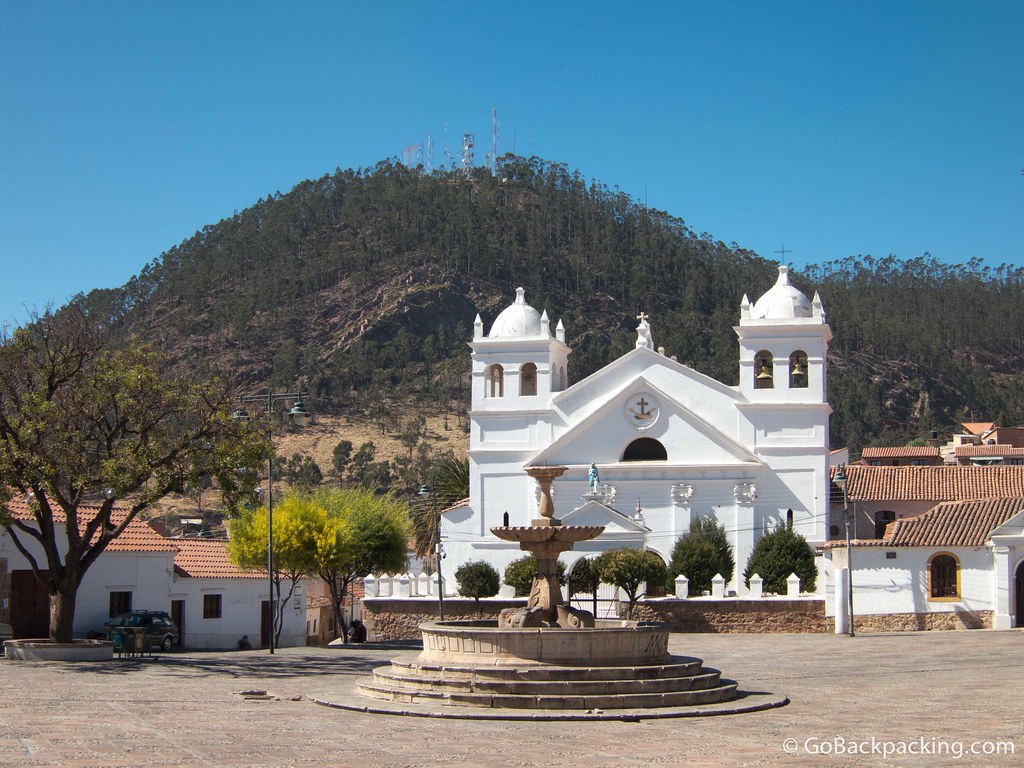
However, the fascinating point of this part of the journey happened a few minutes later, when a loud HROOF sound introduced me to a dog who had been amazingly in pursuit behind me for the entire ride from Creel.

With the dog, which I dubbed "Speedy," in tow, I continued my ride through Mexico's scattered villages.

I began to see many Raramuri talking to one another in the center of town and attending to their daily chores.

A young man riding a horse with his younger brother called out "¿De donde eres?" and was excited to hear a reply in the affirmative, "Soy de Los Estados Unidos".

Just like anywhere else in the world, we proceeded with a small chat.

Advice from the welcoming Tarahumara
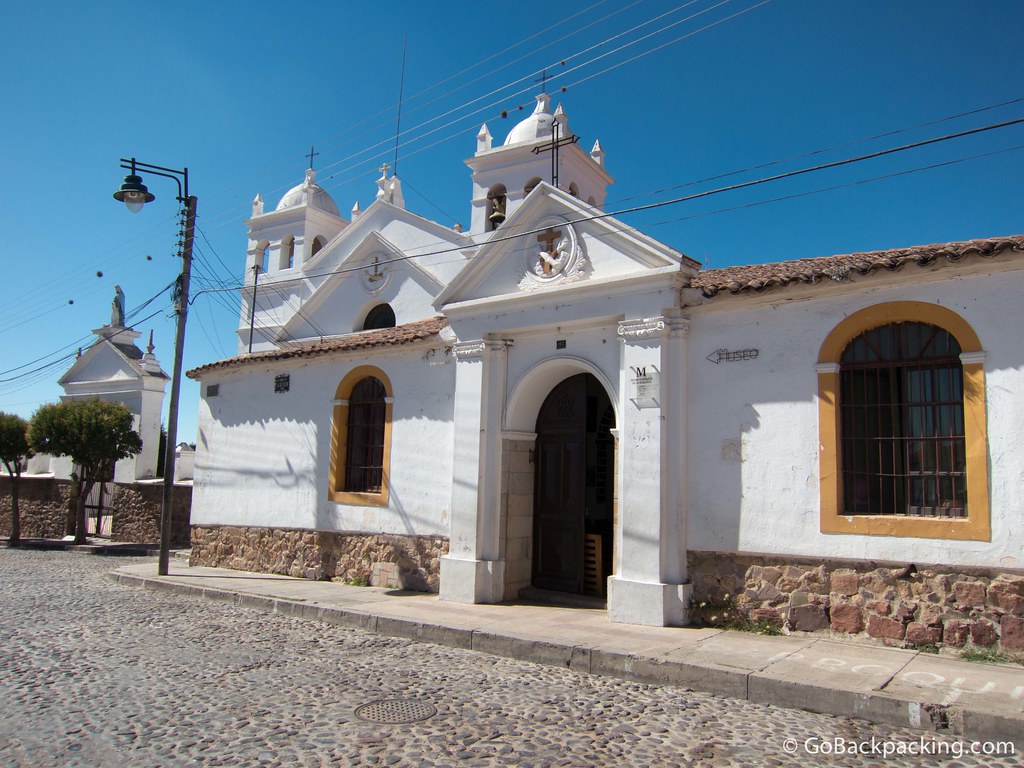
Advice from the welcoming Tarahumara. Clearly, not all indigenous people of the world appear as they come from a National Geographic magazine. This is more the norm.

He told me about his favorite places to visit in the area as we spoke in Spanish, neither of which is our native language.

He speaks Tarahumara, an indigenous Mexican language spoken by around 70,000 people in the world today.

He proceeded to speak proudly of his town, his people, and all the things I should be sure to do before I left.

The conversation with the man just a few years younger than I served as a reminder that no matter how far I travel, there's nothing to compare to pride in your own home.

The valleys, nature, and way culture both in Creel and outside of the town is undoubtedly a marvel to be proud of, and despite its appearance of being untouched by time, I was amazed by how much the locals found new and exciting every time.

At the finish line, our tour operators greeted us with shots of sotol, a distinct alcoholic beverage only found in this region of Mexico.

Sotol in Creel
Shots of sotol after a pleasant bike ride outside of Creel

It goes to show that the best part of travel, or of being home, is sharing it with others, just like the citizens of Ciudad Juarez surprised me days before.

That is, even if you're just sharing it with an incredibly determined canine called "Speedy".

________

My trip to Creel in the Mexican state of Chihuahua was provided in collaboration with The 3 Amigos Adventures by Amigo Trails, Ah-Chihuahua, Conexion a La Aventura, ATMEX, and Visit Mexico. All opinions expressed above are my own.

Melbourne in 24 Hours

Melbourne
Melbourne (photo: Cosette Paneque)

A city with rich culture, spectacular food, and vibrant shopping, Melbourne is a fantastic place to visit on a day layover.

Creative, exciting, multi-cultural and ever-changing, Melbourne is a city full of surprises, with new discoveries and delights in every unique precinct, basement, rooftop and laneway.

If you only have 24 hours in the Victorian capital, it’s advised to take a walk off the beaten path and discover some of the city’s amazing sights and activities.

Morning

Melburnians take their coffee seriously, so start the day with a perfectly mellow latte at one of the city’s funky little alleyway cafes or at Queen Victoria Market in North Melbourne. 

Here, you can taste your way around the huge variety of food stalls after your morning caffeine fix.

Next, head to Bourke Street Mall for some high-class retail therapy.

Melbourne’s grand 1864 post office has been stunningly refurbished and converted into an elegant retail hub focusing on fashion, luxury goods and dining.

Find more fabulous, cutting edge fashion in Flinders Lane or bohemian Brunswick Street.

Federation Square
Federation Square (phone: Cosette Paneque)

Midday

With bags of shopping around your arm, your next stop is Lygon Street, Carlton and Melbourne’s vibrant Italian precinct, where you can experience a relaxed lunch at a street-side cafe with a dash of la dolce vita.

Then hop on the free City Circle tram, clattering and clanging along in a vintage tram and stopping off at the arts hubs and architectural masterpieces of Federation Square, Docklands and the National Gallery of Victoria, followed by the hallowed turf of the Melbourne Cricket Ground.

Evening

Once evening closes in, head to the Yarra-side Riverland for a cooling ale or cocktail beneath the bluestone arches.

Come dinner time, Melbourne offers a heady variety of dining choices, from cheap and chic to the headily glamorous, covering almost every international cuisine imaginable.

Kicking on after dinner?

Curtin House offers three venues in one. On level one, is smart beer hall Cookie, upstairs is civilized live music and cocktail venue Toff in Town, while the often raucous Rooftop Bar offers a convivial atmosphere and skyline views to complete your day out and about in Melbourne.

If you are planning a holiday to the Garden State capital, but are looking to explore more than the treasures within in the city’s borders, why not take a trip to the Apple Isle.

From the Melbourne Wharf, it’s only a hop, skip and a jump on the Spirit of Tasmania to Tasmania where you can sample further culinary delights and amazing sites of the Apple Isle.


________

This post was brought to you by Spirit of Tasmania.

Tanzanian Food: Typical and Traditional Cuisine

Breakfast in Tanzania

Tanzania, located on the East coast of Africa, has a cuisine that's been influenced by several cultures and flavors.

Indian, Middle Eastern, and local African ingredients and cooking techniques are all fused to form the base of food culture in Tanzania.

We'll begin with breakfast, and then I'll walk you through a day of eating in Tanzania.

Wish to visit Tanzania? Check Travelocity for travel deals!

Like in many countries, breakfast usually is light and straightforward.

Often in the morning people will drink a cup of chai (tea with milk and about three spoons of sugar) paired with some bread.

Common choices are just typical white bread, a chapati, or a mandazi, which is a slightly sweet deep-fried square of dough.

Uji, a millet porridge, is also a breakfast option.

A big filling Tanzanian lunch

Lunch is typically eaten at about 1 pm throughout Tanzania, and at small local restaurants, there are some great dishes to choose from.

Ugali, just like in Kenyan food, is a grain starch usually made from cornmeal or sorghum flour. The flour is cooked with water until it becomes a thick paste.

Rice is the second staple throughout Tanzania.

Occasionally along the coast, you'll also find pilau rice or rice that's been cooked with a variety of spices like cumin, coriander, and cardamom.

Indian flatbreads, especially chapatis, are also often available. These options make the base of nearly all meals.

Along with rice or ugali, beans and a vegetable called mchicha (kind of like spinach) are two of the omnipresent side dishes.

The beans are often cooked quite plain, seasoned with a just a bit of salt and pepper and tomatoes.

The mchicha is typically fried with oil, garlic, onions, and tomatoes.

Grilled chicken
Grilled chicken

Rice or ugali, beans, and mchicha is a standard Tanzanian meal, and from there you can order delicious things like grilled chicken, nyama choma (grilled meat, which happens to be my favorite), fried chicken, fried or grilled fish (depending on which part of the country you're in), meat stew, or curry.

Along the coast, you'll find amazing dishes like octopus curry, which is simmered in a rich coconut cream sauce that's seasoned with spices.

Tanzanian snacks
Tanzanian snacks

When it comes time for a snack, Tanzania doesn't have too many options, but what's available is tasty.

Samosas, originally brought over from India, are available both on the streets and at restaurants throughout the country.

There are usually both vegetarian and meat-filled versions.

The meat samosas are a combination of minced beef with onions, garlic, and spices, all wrapped into a pastry shell and deep-fried.

Another of the most common snacks in Tanzania is roasted maize (corn).

Using white field corn that's mature, the corn is husked, then slow-roasted over open coals until it chars on the outside.

The corn tastes best when brushed with some lemon chili salt.

Greasy chips
Greasy chips

Dinner is often quite similar to lunch, rice, and ugali with some beans and vegetable, plus a form of meat if it can be afforded.

Mishkaki
Mishkaki

There's also barbecue, which is similar to Indian tandoori or Middle Eastern kebabs, yet it has its own Tanzanian flavors added.

Mishkaki as it's known, is usually made from beef, goat, chicken, or fish, that's marinated, skewered and grilled over charcoal.

They roast the meat until blackened, giving it a lovely fiery flavor.

Mishkaki is especially popular during the late afternoon and throughout the night for those that want to chow down on delicious piles of tender meat.

I like to eat mishkaki with garlic naan or a side of greasy chips (French fries).

It's not the most diverse cuisine in the world, but with the influence of both Indian and Middle Eastern flavors, paired with the wonderful tropical fresh ingredients, there are some delicious meals to eat in Tanzania!

Pin for Later

tanzanian food

The Best Things To Do in Majorca

The island of Majorca is an extremely popular tourist destination. If you're planning a trip, browse our suggestions below to get an idea of the diverse range of activities and attractions Majorca offers.

Hit the Beach

Cala Mondrago (photo: Misty).
Cala Mondrago (photo: Misty)

The beaches in Majorca are amazing. A wide variety of beaches are available, from powder soft sand beside clear warm seawater, to more rugged beaches backed by pines.

Some of the best beaches in Majorca to visit include Es Trenc in the south, where you can relax on a slice of paradise, Cala Mondrago in the southeast, where you can go snorkeling, and Cala Mesquida in the northeast. If you enjoy surfing and are heading to the northeast, make sure you visit Cala Mesquida.

Explore Palma

Bellver Castle
Bellver Castle (photo: Cristian Bortes)

Palma de Mallorca is the capital and largest city in Majorca. Its beautiful architecture is worth seeing, including Bellver Castle, which has a fantastic view of Palma, the Almudaina Palace, which is open to visitors most days of the week, the Arabic baths in the city's medieval quarter, and the unforgettable Gothic cathedral.

Many bustling local markets occur daily, including craft, flea, and fresh produce markets. At the end of the day, why not try some of the local cuisine? Majorca is famous for paella, seafood, and sobrassada spicy sausage, as well as its locally produced wine.

See the Sights

Puig Major
View of Puig Major (photo: Molly SVH)

Majorca is filled with places to see and explore. There are rural villages such as Deia, a picturesque town with stone houses and terracotta roofs. Valldemosa, the highest village in Majorca, is also located in the Tramuntana mountain range.

If you are in the area, why not take a trip around the surrounding Serra de Tramuntana, which also offers some great hiking opportunities? To see more of Majorca's mountains, visit Puig Major, the highest peak on the island.

For more natural sites, visit the Caves del Drach, the largest underwater lake in the world. Here you can see some impressive stalagmites and stalactites.

Sport

Palma de Majorca
Palma de Majorca (photo: Cristian Bortes)

You are spoiled for choice when it comes to sport in Majorca. Majorca has some superior golf courses to play on if you are a golf enthusiast.

If cycling is more your style, Majorca's diverse mix of rolling hills and flat terrain makes it a perfect location for beginners, novices, and experts.

As well as cycling tracks, there are some interesting walking paths and hiking routes. You can explore the coast or mountainous ranges and take in the surrounding views at your own pace.

There is an array of water sports to try, including wakeboarding and water skiing. Both of these activities are easy to learn, so you don't need to worry about taking many lessons before you can start having fun.

We hope these suggestions inspired you to start planning your trip to Majorca today.

________

This post was brought to you by Holiday Gems.

Uxmal: Ancient Mayan Ruins South of Merida

Sixty-two kilometers south of Merida is the Pre-Hispanic Town of Uxmal.

While everyone else in my G Adventures group decided to visit cenotes (underground pools) outside of Merida, I chose to strike off on my own (again) to see Uxmal, my 10th UNESCO World Heritage Site in Mexico at that point.

This was the only UNESCO-listed ruin I visited in Mexico without a guide.

The initial view, upon entering Uxmal, is the east view of the House of the Magician
The initial view at Uxmal is the east view of the House of the Magician.

The Mayan town of Uxmal, in Yucatán, was founded c. A.D. 700 and had some 25,000 inhabitants. The layout of the buildings, which date from between 700 and 1000, reveals a knowledge of astronomy.

The Pyramid of the Soothsayer, as the Spaniards called it, dominates the ceremonial centre, which has well-designed buildings decorated with a profusion of symbolic motifs and sculptures depicting Chaac, the god of rain.

The ceremonial sites of Uxmal, Kabah, Labna and Sayil are considered the high points of Mayan art and architecture.

- UNESCO

To save time and money, I went gonzo style, running around the near-empty site on my own.

Part of this had to do with the bus schedule, and the other part was the blazing sun.

I'd arrived around noon, and it was searingly hot, with little shade available.

On the Yucatan Peninsula, Chichen Itza gets the lion's share of the attention and tourists.

Uxmal, by comparison, is too far away from the Mayan Riviera to do as a day trip, so it gets far fewer visitors.

I also liked how well-preserved it was and the abundance of iguanas.

The western, front view, of the House of the Magician
The western, front view of the House of the Magician
Intricate stonework on a building in the Nunnery Quadrangle
The Ballgame court (foreground) was built in the late 9th century, and was used for prestigious ceremonial games
The foreground of the Ballgame court (foreground) was built in the late 9th century and was used for prestigious ceremonial games. They are a staple of the major Mayan cities, with the largest being at Chichen Itza.
Iguanas are everywhere at Uxmal, and due to their excellent camouflage, you'll be walking near them at not even notice until they start to run away
Iguanas are everywhere at Uxmal, and due to their excellent camouflage, you'll be walking near them at not even notice until they start to run away.
A view toward the Nunnery Quadrangle
Intricate stone reliefs atop the Great Temple (aka Great Pyramid)
View from atop the Great Temple on a beautiful day
A wider view of Uxmal from the Great Temple
A more expansive view of Uxmal from the Great Temple
A closer view of the House of the Magician as seen from the Great Temple
The Governor's Palace has one of the longest facades in Pre-Colombian Mesoamerica
A detail of one corner of the Governor's Palace reveals more intricate reliefs

___

UNESCO

The Pre-Hispanic Town of Uxmal became a World Heritage Site in 1996.

Click here for the complete list of UNESCO sites Dave has visited during his travels.

___

My Mexico Ancient Civilizations tour was in partnership with G Adventures. 

How To Spend 48 Hours in Toronto

In June, I visited Canada for only the second time-Toronto, to be specific. I was in town for the annual North American TBEX conference, so I didn't have much time to go sightseeing, but I did try to squeeze in a few "must-see" things. Below is a 48-hour itinerary I came up with for Toronto, perfect for a quick weekend trip, especially if you're a first-timer. So go ahead and permit yourself to splurge on one of the luxury hotels in Toronto, and let's prepare to hit the town.

Table of Contents

  • Day 1
    • CN Tower
    • Steam Whistle Brewery
    • The Art Gallery of Ontario (AGO)
    • Hockey Hall of Fame
    • Eat Poutine
  • Day 2
    • Niagara Falls Tour

Day 1

CN Tower

Toronto's Skyline
Toronto's skyline is under construction.

At 553 meters (1,815 feet), Toronto's CN Tower, completed in 1976, was the world's tallest tower (and free-standing structure). Today, it still holds a respectable fifth place. Adult admission to the Tower Experience is $27.20, but the SkyPod, the highest point, costs $39.20.

Toronto Skyline
Toronto Skyline featuring the CN Tower in the middle

The views from either level are sweeping as you look down on Toronto and across Lake Ontario. CN stands for "Canadian National," the railway company that built it. A mere hundred meters from the tower entrance is the Toronto Railway Heritage Centre, where you can walk amongst old train engines and a giant circular switching station.

Steam Whistle Brewery

Steam Whistle Brewing
Steam Whistle Brewery

The Toronto Railway Heritage Centre is a multi-purpose park home to the John Street Roundhouse, formerly used to repair locomotives. Today, it houses the Steam Whistle Microbrewery, among other shops and restaurants. Tours are available every day of the weekend, though it gets busier on the weekends, and each includes a free beer tasting at the end.

The Art Gallery of Ontario (AGO)

Located in downtown Toronto's Grange Park, the Art Gallery of Ontario features over 80,000 works spanning almost 2,000 years. It has the most extensive collection of Canadian art and works from the European Renaissance and Baroque periods. The museum has undergone several renovations, the latest of which was completed in 2008 by famed architect Frank Gehry. Adult admission costs $19.50.

Hockey Hall of Fame

Ice hockey is Canada's most prominent sport and one of its claims to fame. Established in 1943, the Hockey Hall of Fame functions as a museum and a place to recognize the most significant players and coaches. Adult admission costs $17.50.

Eat Poutine

Classic poutine
Classic poutine

I discovered poutine for the first time in New York City at a TBEX conference back in 2010, thanks to Jodi Ettenberg (proud Canadian). But Toronto was the first time I tried this deliciously bad-for-you snack in the country that first produced it.

What's not to love about French fries and cheese smothered in gravy? If that's not enough for you, you can get all sorts of additional toppings. Poutine is the perfect post-party, late-night comfort food. For a few dollars, you can indulge in this tasty treat. You won't regret it.

Day 2

Niagara Falls Tour

It's possible to visit Niagara Falls during 48 hours in Toronto, Canada.
Niagara Falls

After my conference, I dedicated a whole day to a Niagara Falls tour, which was awesome! You don't need more than a day to make the trip from Toronto, but trying to do it in less time means missing out on incredible opportunities. I'm speaking specifically about taking a helicopter ride over the falls and a ride in the traditional Maid of the Mist boats, which take you up close to the world's most powerful waterfall.

_______

This post was written by Dave and brought to you by SLH.com. 

The Beauty of Pokhara, Nepal

Phew Lake in Pokhara

[P]okhara, located near the Annapurna range of Himalaya mountains in Nepal, is the type of town you'll want to stay in for longer than you planned.

It's easygoing, has all the comforts you need, it's affordable, the people are friendly, and most of all the scenery is spectacular.

Pokhara is the starting point for many treks such as the Annapurna Circuit, Annapurna Sanctuary trek, or the Ghorepani Poon Hill trek.

Pokhara, Nepal
Pokhara, Nepal

There are two main parts of Pokhara, one area that's mostly local and then there's a street, which they call "lakeside," that's home to countless guesthouses, shops, restaurants, and facilities that cater to travelers and trekkers.

Friendly ladies who served me lunch

Along the lake you'll find all sorts of Western restaurants (and even a Korean one), but there are some marvelous local restaurants as well.

Dal bhat
Dal bhat

Dal bhat as you already know, is the staple and most common meal in Nepal. A pile of rice, dal, potatoes, and assorted other vegetarian curries makes the meal complete.

Chili chicken
Chili chicken

Another dish I enjoyed eating was chili chicken, deep-fried boneless pieces of chicken that are coated in a tangy chili sauce. It goes well with rice!

Pastries in Pokhara
Pastries in Pokhara

Additionally, there are quite a number of European cafes and bakeries where you can grab some tasty pastries.

The peacefulness of Phewa Lake

One of the things I enjoyed most about staying in Pokhara was being so close to nature, yet still having all the comforts, like a clean bed, internet, and restaurants to choose from, of a town.

The banks of Phewa Lake are a nice place to take an early morning stroll.

Beautiful Pokhara
Beautiful Pokhara

There's a small temple that sits on an island within the lake that you can visit. Also, if you're interested you can rent a boat to cruise around Phewa Lake for the day.

Taking a walk through the town

The town is spread out and walking around you'll be greeted by friendly kids and find all sorts of interesting neighborhoods to explore. Most of all, anything you do will be peaceful and relaxing.

Catching a morning view of the clear peaks

Still, nothing impresses like the view of the mountains. Due to a hill blocking the view, the range is not always visible from the lakeside street in Pokhara, but if you head a little into town, you can get some breathtaking scenery.

Pokhara is a great little town, and a must visit stop when you're in Nepal.

Beyond Bali: 3 Lesser-Known Island Paradises In Indonesia

Most people who go to Indonesia flock to Bali. And it's no wonder why.

Bali is one of my favorite places with beautifully terraced rice fields, looming volcanoes, and luxurious spa treatments.

But, quite frankly, its beaches are pretty terrible. They aren't stunning, there is trash everywhere, and the water isn't very clear.

Beyond Bali, Gili Meno is a less-visited island paradise in Indonesia.
Gili Meno

It's my job to discover the best beaches and islands in the world, so last time I went to Bali, I decided to see what the rest of Indonesia had to offer.

(After all, there are over 18,000 other islands in Indonesia to choose from.)

And I was pleasantly surprised.

Thatched hut on Gili Air, a tiny island compared to Bali.
Thatched hut on Gili Air

1 . Gili Air

Gili Air is an island just off the coast of Lombok and is reachable by a quick one-hour boat ride from Bali.

There are actually three Gili Islands: Gili Air, Gili Meno, and Gili Trawangan. Gili Air is my favorite.

Gili Trawangan is too much of a party scene for me, and Gili Meno is too quiet for my taste.

Gili Air reminds me of what Gili Trawangan used to be about eight years ago.

There are nice chill-out open-air bars and a few Goa-style outdoor dance parties that happen along the beach.

But mainly, what you experience is a vibe of peace and quiet that's very rare to find anywhere else in the world.

The difference in the beaches on Gili Air from Bali is quite dramatic. The aquamarine water is clear and sparkling.

It's the kind of place that the minute you arrive, all of your cares disappear as you sink deep into the white powder sand, contented, knowing you have finally found Paradise.

Kei Kecil boat
Kei Kecil Transportation

2. Kei Kecil, Maluku

Kei Kecil is one of the original spice islands. If you are looking for a Gilligan's Island type of feel, this is it.

There are very few restaurants or places to stay on this island. But what you will find is gorgeous, incredible snorkeling and beaches.

The sunsets are stunning, and you will have most of it to yourself. Mind you, your accommodations will probably be very rustic.

I stayed at the Coaster Cottages, where the bathrooms only have mandis with which to bathe yourself.

But the hotel was on one of the prettiest beaches I've ever seen, so it was worth it!

There were no restaurants nearby, so I just ate whatever the hotel served each night.

There was also no wi-fi, but I enjoyed being disconnected in a place as beautiful and remote as Kei Kecil.

Related: Best Places to Visit Cruising Indonesia

Raja Ampat beach house on stilts.
Raja Ampat Beach House

3. Raja Ampat

Any serious diver has probably heard of Raja Ampat. It is a group of islands in the Indonesian part of Papua, and it has some of the best diving in the entire world.

These islands are in the most bio-diverse region on earth. (There are 1,430 species of reef fish alone).

I swam with sharks, sea turtles, manta rays, giant clams, and the most vibrant coral that I've ever seen.

This is a place that takes the conservation of its marine resources very seriously, so the aquatic underworld there is pristine and untouched.

Yes, Raja Ampat is about as far as you can get from Bali and still be in Indonesia, but I recommend taking the journey.

Most beaches aren't your typical white sand beaches, so if you are a sun worshiper, it may not be your kind of place.

Usually, the jungle goes right to the edge of the ocean. But, if you are a diver, Raja Ampat is a spot you don't want to miss.

I hope these islands encourage you to get out and go somewhere new and unusual besides the usual tourist spots.

It's always good to leave the beaten path and explore somewhere that hordes of tourists haven't discovered yet.

A Festive Tour of Europe's Best Winter Markets

Strasbourg Christmas Market
Strasbourg Christmas Market (photo: notfrancois)

It is fast approaching that magical time of year when children start writing their letters to Santa and grown-ups start creating their Christmas list.

Some are sitting at home all cosy and warm, ordering things unseen through the internet.

Others decide to leave everything until Christmas Eve and endure the hectic and stressful, 'free for all', at their local retail park.

However, there is a way to make the Christmas shopping experience, festive, fun and enchanting.

Many people are now making their Christmas shopping trip part of their Christmas holiday.

They travel all over Europe in search of unique craft items or homemade produce, to treat their loved ones back at home.

Here the good people at the Radisson Hotel Heathrow give their views on the best markets in Europe.

Lille, France

For the less adventurous the Lille Christmas Market in France is just a 70-minute drive from the Eurotunnel Calais terminal.

The rustic log cabins and artificial snow create the perfect Christmas scene, with twinkling lights and Christmas Carols completing the effect. Various crafts and Nativity figure are available as well as a selection of wines and sweet treats.

The market is from the 20th of November until the 30th of December.

Strasbourg, France

Probably the most famous Christmas Market in Europe is in Strasbourg, it has been an annual event since 1570 and draws up to 2 million visitors each year.

The medieval architecture with its German influence gives the whole market a real, 'Hansel and Gretel' feeling.

As well as the many stalls and decorations, the air is filled with the sound of choirs, amid the magical winter displays.

The Great Christmas Tree is a reminder of the true spirit of Christmas with gifts being left under it for those in need.

The Strasbourg Christmas Fair is from the 30th of November until the 31st of December.

Christmas Market in Stuttgart
Christmas Market in Stuttgart (photo: David Blackwell)

Stuttgart, Germany

One of the largest Christmas markets in Germany is in Stuttgart, it is also one of the oldest with a tradition going back over 300 years.

The authentic medieval city provides the perfect backdrop for the delightfully decorated stalls whilst the aroma of roasting nuts, gingerbread, and spiced wine drifts through the air.

An added delight for children of all ages is the fairy grotto with its steam train and real-life Nativity scene.

The Stuttgart Christmas Market is from the 27th of November until the 23rd of December.

Valkenburg
Entrance to the caves in Valkenburg (photo: Chris Friese)

Valkenburg, The Netherlands

One of the most unusual Christmas Markets in Europe is in Valkenburg, in The Netherlands.

The market is located in a maze of subterranean passageways which run under the town, creating an amazing real-life magic grotto, complete with Santa and his reindeer.

The caves are decorated with murals and sculptures which add to the atmosphere, as do the traditional crafts on display.

The Valkenburg Christmas Market is from the 15th of November until the 23rd of December.

The choice of Winter markets around Europe is limitless, it would take a lifetime to see them all and each visit would be a unique and memorable experience.

So, for the price of a budget airline ticket and some cheap travel insurance, Winter Wonderland fun can be had by all.

_________

This post was brought to you by Radisson Hotel Heathrow.

Ghorepani Poon Hill Trek in Nepal (Photos)

Beginning the Poon Hill trek in Nepal

When we were traveling in Nepal, one of my goals was to take a trek.

Being with my wife, I wanted a trek that wasn't extremely strenuous or too high in elevation, but that provided great scenery.

So we choose to do the Ghorepani Poon Hill trek, a 5 days hike through the lower Annapurna range.

Great views of villages and hillside farms

From the very first day, the views were incredible. We passed through many small villages and farms, hiking along both dirt and stone trails.

The rocky trail
The rocky trail

We took it pretty easy, only hiking for 6 - 8 hours per day. But even so, there were some pretty steep climbs and descents that got our hearts racing.

The meal I ate everyday
The meal I ate every day

The national meal of Nepal is dal bhat, a plate of rice served with a side of dal soup, and often a few curried or fried vegetables. 

It sure felt good after a strenuous hike to be able to chow down on a hearty fresh meal.

Our first peak at the snowy peak
Our first peek at the snowy peak

Catching the first glimpses of the snowy Himalayan peaks was breathtaking.

View of Annapurna on a clear morning

There are a number of main Annapurna peaks, the highest reaching over 8,000 meters.

Waking for sunrise
Waking for sunrise

The climax of the Ghorepani Poon Hill trek is waking up for the sunrise at the top of Poon Hill.

At 3,200 meters in elevation, it's not extremely high, but it provides a picturesque panoramic view of the full Annapurna mountain range.

Annapurna
Annapurna

Again, the view was beyond spectacular.

Basketball court in the Himalayas
A basketball court in the Himalayas

In the town of Ghorepani, a small mountain village is where I found what has to be one of the world's most beautiful basketball courts.

Cairns marking the trail

Our 5-day trek offered an incredible glimpse of the Himalayas on a well-maintained trail that wasn't too difficult. The scenery was breathtaking!

Two "Must See" Attractions in Downtown Rio de Janeiro

The Rio de Janeiro Metropolitan Cathedral

[T]here is way more to be seen in Rio de Janeiro than Sugar Loaf, Christ the Redeemer Statue and Copacabana Beach.

Without a doubt, you can't go to Rio and not visit these three sites. However, in addition to those, you can visit sites that are not as famous, but yet worth a visit.

One of the areas in Rio de Janeiro with a high concentration of attractions is downtown. The area nowadays serves mainly as the business district, but it was once the heart of the city, hence all the colonial architecture.

Here are two of the many sites that can be visited in downtown Rio de Janeiro.

Saint Sebastian Metropolitan Cathedral of Rio de Janeiro

The Saint Sebastian Metropolitan Cathedral of Rio de Janeiro

Most Brazilians are Catholic -- Brazil is the country with the highest number of Catholics in the world.

In Rio de Janeiro, Catholics are also the majority (followed by Protestants), and the main Catholic church in Rio de Janeiro is the Saint Sebastian Metropolitan Cathedral of Rio de Janeiro.

This cathedral is different from most churches for one main reason: it does not look like a typical church at all.

In fact, the architecture was inspired in the Mayan pyramids of Mexico. At the time of construction in the 1960's, many Catholics did not like how the main church in the city was going to look.

Do not underestimate its looks seen from the outside, though, since this church is very impressive as seen from the inside, featuring four huge stained glass windows from top to bottom.

Most visitors are surprised by what they see upon entering the monument.

Colombo Cafe in downtown Rio de Janeiro

Colombo Café

Colombo Café is not the oldest café in Rio, but old enough (1894) to be worthy not only of a visit, but a seat at one of the many tables in the main room.

Highlights include the enormous mirrors shipped from Belgium, as well as the stained glass ceiling.

Assortment of pastries at Colombo Cafe in Rio de Janeiro

In addition, the pastries, the savouries, the coffee, and other delicacies should be tasted on site or taken away.

If you make it to Colombo Café don't miss one unique and delicious item recently added to the menu: the caipirinha pastry.

If you happen to visit on a Saturday, and you're into fine dining, have lunch on the first floor, where feijoada is served, the national dish.

_______

About the Author: Madson, a native Brazilian, has been working as a Rio de Janeiro tour guide since 2004. Since then, he has guided more than 4,500 visitors from more than 40 nationalities on his private tours. Get in touch with him on RioPrivateTours.com

Splendour in a Campervan

Campervan
Campervan (photo: Tetsumo)

[T]he music is fresh and loud, your best friends are gathered around you in a make-shift caravan city and in the distance you can see the serene setting of Byron Bay.

Suddenly the heavens open, and the rain comes tumbling down. Luckily you have your campervan to keep you dry.

This is Splendour in the Grass, Australia’s number one winter music festival, which draws big name acts from Australia and around the world such as Jack White, Smashing Pumpkins, Lana del Rey, Mumford & Sons, Empire of the Sun and Kimbra.

The three-day event is well-known in music circles as one of the top places to see not just big name musicians but also some of the best new talent in the country.

The festival is chock-a-block with fans, musos, fried food, lots of booze and partygoers letting their hair down after being cooped up most of the winter.

If you are planning to make the journey to Byron Bay in July for the festival, you might want to think about staying on-site, but in comfort while you’re there.

Rather than getting eaten alive by mozzies or washed away in a tent during the regular downpours, why not opt for a Mighty Campervan hire instead?

As sponsors of the Festival, Mighty know what it takes to have a blast. The campervans are fully equipped homes on wheels that are ideal for a bunch of mates traveling to Byron together and provide everything you need to rock on while you’re visiting the festival.

That said, if you’re heading to the festival, it’s important to stock up with all the essential gear – firstly, pack a few mates to head-bang alongside of and to share the driving with, and don’t forget to pack plenty of water and snacks for the cruise to Byron.

Of course, you’ll need all your standard gear like a sleeping bag and other camping essentials for a restful night; plenty of toilet paper (because we all know it will run out fast) and a pack of baby wipes to save yourself the effort of lining up for hours for a cold shower.

Everyone is going to stink by the end of the three days anyway, so you might as well think of it as a vacation from showering!

It’s also a good idea to pack a Frisbee for some action in between acts; a bandana for when your hair gets greasy or full of gum; and a big flag, poster or other brightly colored banner that you can use to spot your campervan from a distance.

It’s a good idea to scope out the layout of the event before you head off as well. If you’re traveling to Splendour in a campervan then you’ll need to buy a Vehicle Entry Pass online before you leave.

The good news is, if you’re traveling with a group of friends, you get a refund on this cost if your vehicle has three or more people in it when you enter the campground.

Head to the aptly named “Trailer Park” area in the campgrounds to set up, but remember not to park other vehicles in or be too close to other patrons.

Other festival etiquette to keep in mind is to be respectful of the people around you and always try to be friendly – everyone is just there to have a good time.

Be patient in lines, help people if they need it, and oh, don’t hog the toilet paper either!

_______

This post was brought to you by Mighty.

Pista Cláudio Coutinho: A Hidden Treasure Near Sugar Loaf in Rio

Atlantic Ocean as seen from Claudio Coutinho walking path

[I]t is known that Sugar Loaf is one of the must-see sites in Rio de Janeiro, Brazil.

In fact, this impressive hill is the second most visited attraction in Rio, second to the Christ the Redeemer Statue atop Corcovado Mountain. Both should be visited when visiting Rio as the views complement each other.

Despite the number of Sugar Loaf visitors being close to 2 million per year, very few Brazilian and overseas tourists take time to explore the beautiful surroundings near Sugar Loaf, such as Pista Cláudio Coutinho.

Marmoset on Pista Claudio Coutinho in Rio de Janeiro

Pista Cláudio Coutinho is a 1.2 km (1,300 yard) oceanside pedestrian pathway offering great views over the Atlantic Ocean, unique perspectives of Sugar Loaf and of Vermelha Beach (a tiny beach popular with local families due to its calm waters).

Besides, when taking a stroll at Pista Cláudio Coutinho, pedestrians usually come across local fauna such as butterflies, birds, and marmosets (non-aggressive cute little monkeys).

Sugar Loaf seen from Claudio Coutinho Pedestrian Walkpath

The adventurous and reasonably fit visitors can take the opportunity to hike (from Pista Cláudio Coutinho) for about 25 minutes to the top of Urca Hill, from where one can witness great vistas of Rio de Janeiro, including Guanabara Bay, Botafogo and Flamengo Beaches, Downtown, Santos Dumont airport, and other sites.

This pedestrian pathway is open every day from 6 am to 6 pm. Since Sugar Loaf opens only at 8 am, this is a great spot to explore before or after visiting Sugar Loaf.

The gate to the path is at only 200 meters (218 yards) from the Sugar Loaf ticket office and cable car ground station.

In addition, Pista Cláudio Coutinho is surrounded by military institutions, therefore it's a safe area to walk.

Sugar Loaf seen from Vermelha Beach

Not feeling like walking? Then, Vermelha Beach (right next to the entrance to the pedestrian pathway) might be the spot for you before or after visiting Sugar Loaf.

This beach is very small, so it can get a bit too crowded on sunny summer weekends.

However, on weekdays is the perfect place to watch the gondolas go up and down Sugar Loaf, while sipping a refreshing coconut milk, and getting a tan for Rio de Janeiro's vibrant nightlife.

________

About the Author:  Madson, a native Brazilian, has been working as a Rio de Janeiro tour guide since 2004. Since then, he has guided more than 4,500 visitors from more than 40 nationalities on his private tours. See photos of Rio on his website TourGuideRio.com.

Thrill Seeker's Guide to Queenstown

The bridge where AJ Hackett first began offering bungy jumps outside of Queenstown (photo: David Lee)

[Q]ueenstown is one of the best places in the world to visit if you feel the need for an adrenaline hit.

From bungy jumping and sky diving, to heliskiing and white water rafting, there is a bunch of cool extreme activities you can do from the base of Queenstown.

Bungy Jumping

It was in Queenstown, New Zealand that bungy jumping got its name and one of the most established operators in the area is AJ Hackett Bungy, who pioneered this adrenalin sport way back in 1988.

These days the company offers a range of intense experiences, such as the Nevis Bungy (New Zealand’s highest, reached from a 134m high cable car, costing $260 NZD, or $221 USD for adults); the Nevis Swing (120m rope length that can be swung in multiple directions, in a 300m arc, 160m above the river, costing $180 NZD, or $153 USD for adults); and the Ledge Bungy (a freestyle bungy jump that allows customers to twist, flip and dive, or even night jump in winter, costing $180 NZD, or $153 USD for adults).

With this heart-pumping action you’ll no doubt be very glad you have a change of clothes nearby afterwards!

Sky Diving

For adrenaline junkies who love to feel the wind on their face, sky diving in Queenstown could be the perfect choice.

NZONE Skydive was the first tandem skydive operation in New Zealand and has been offering dives since 1990, with over 200,000 passengers having jumped to date.

The country’s most experienced skydive operators will have you free-falling from 15,000 feet above the ground at 200km per hour in no time!

Launch yourself from a plane and soar over the Remarkable alpine ranges like an eagle for one of the most spectacular views you will ever experience.

Tandem skydives with this tour operator range from $299 NZD ($255 USD) for a 9,000 feet high jump and progress up to $439 NZD ($374 USD) for the ultimate 15,000 feet high jump.

White Water Rafting

You’ll be happy you have a set of warm clothes handy in your campervan after you take on the Shotover River rapids during Queenstown Rafting’s half day tour.

The action-packed excursion begins with a drive up twisting Skippers Canyon, before a safety brief with your river guide and then on to a rafting journey through the spectacular river.

The trip includes rapids such as the aptly named After Shock, Sharks Fin, Toilet, Pinball and Jaws; a paddle through the 170m long Oxenbridge Tunnel; and then ends with the final Cascade Rapid to ensure your heart is racing hard enough.

White-water rafting tours last approximately 4.5 hours and cost around $199 NZD ($170 USD) per person.

Heliski

If winter temperatures and light powder are more what gets you out of the bed in the morning, then a heliski adventure with Alpine Heliski in Queenstown is sure to get your pulse racing.

The tour company provides visitors with day, multi-day or private charter heliskiing and boarding runs on untouched alpine terrain where you’ll have no difficulty calling “first tracks” each day!

Alpine Heliski offers adventures to suit all skill and experience levels and prices start from $825NZD per person for a day’s adventure that includes three separate runs.

If you’re on a budget but still want to experience all the adrenaline rushes possible in Queenstown, one of the easiest and most affordable ways to save some cash on accommodation is to opt for a Mighty Campervan hire.

A fantastic option for backpackers and friends travelling together, the campervans start from just $49 NZD ($42 USD) per day, come fully equipped and are ideal for small groups.

You can use the campervan as the perfect base for all your adventure activities and can even keep your skis, snowboards, spare clothes and a pocket flask on hand to make each day’s entertainment extra convenient and “choice, bro."

_______

This post was brought to you by Mighty.

Dar Es Salaam Village Museum: The Homes of Tanzania's Tribes

Village Museum, Dar Es Salaam

Dar Es Salaam, Tanzania, is not the most touristy big city in the world.

In fact many of the tourists that visit Tanzania skip the city altogether and go to Zanzibar, Mount Kilimanjaro, or the game reserves like Serengeti near Arusha.

But if you ever visit, there are a few interesting things to do in Dar Es Salaam.

The Village Museum is a hands-on museum that showcases the traditional homes and living conditions of a number of tribes from Tanzania.

Of course, it's not as good as the real thing - as in seeing the villages and huts of the tribes that are currently being used in the countryside - but it's a decent alternative.

Waha hut
Waha hut

The Village Museum is quite extensive, showcasing at least 15-20 different traditional dwellings.

You just simply walk from hut to hut, taking a look inside, and then reading the description on the sign outside the door.

The very small grass hut above is the traditional home of the Waha tribe.

Like most of the tribes in Tanzania, most of the people in the village spend their time outdoors, so the hut is normally just reserved for sleeping and storing possessions.

Haya hut
Haya hut

The Haya hut, was pretty interesting, almost appearing like a heap of grass.

But the hut included a nice little entrance area, and there were interior sections, the walls constructed of thin bamboo poles.

Inside a hut
Inside a hut

The best part about the Village Museum is being able to enter each of the huts to see the interiors, including their authentic decorations and furnishing.

Pictured above is a wooden vessel used for brewing local liquor.

Construction
Construction

One of the things that could have used some improvement was the lighting... there was none.

Many of the Tanzanian huts are built with almost no natural light (other than from the entrance). It's rare to find any windows apart from the doorway. 

This is partly because huts are normally only used after dark, and partly could be due to some superstitious beliefs.

Though this is normal, it did make it a little hard to see inside the huts. 

So I had to use my cell phone as a light, but some small bulbs (for the purpose of the museum) could have been nice.

Inside the hut
Inside the hut

There are two main types of hut construction, some being made with grass and thatch walls, while others are made of mud and dung.

With both hut construction, usually a wooden frame is first assembled using bark to lash beams together.

Along with the actual huts, the Village Museum also showed different tribes and their traditional ways of setting up villages and homes.

The Gogo tribe for instance, have a separate hut for the young boys (away from the family) and near the livestock pen.

Dancing at the Village Museum

The Village Museum in Dar Es Salaam also offers optional traditional dances for an extra fee, more like a tip.

The dances are a  mishmash of tribal dances all to the sounds of a very upbeat drum rhythm. The dances are definitely worth hanging around for!

Tanzania has a very rich tribal culture and many people in the countryside still live in traditional homes.

The Village Museum offers a chance to get a quick look at village life in Tanzania and to see a variety of different home construction all in one place.

Terror Behind the Walls: The Best Haunted House In America

After Dark VIP Tour
In 2013, Terror Behind the Walls runs on select evenings from September 20 through November 9. Photo via Jeff Fusco.

Eastern State Penitentiary in Philadelphia has always been one of the most imposing and surprising sites in the city.

Set in the quiet neighborhood of Fairmount described in a previous guide to Philadelphia neighborhoods, its massive stone walls can be a bit of a shock to anyone who wasn't expecting to see a full colonial fortress in between their bookstores, coffee shops, and cafes.

Year-round, visitors to the museum can explore its many corridors and cells, but the most spectacular and chilling adventure of the year happens every night during the Fall, when the museum turns into an interactive haunted house during its annual Terror Behind the Walls event.

This October marks the haunted house's 22nd year and it will run from September 20 through November 9.

Eastern State is believed to be one of the most haunted places in the country, and the attention to detail along every corridor turns the prison into a horror movie set.

Eastern State Pen
One of 200+ actors each night. Photo via Jeff Fusco.

The tour is host to over 200 Terror Behind the Walls actors playing characters every night, from evil doctors to zombie inmates, to a murderous barber.

They dart in and out of crowds, behind corners, in fake walls, and hiding in the mist, never breaking character for a second.

Any good horror fan understands that atmosphere and surprise are the keys to proper scares.

To ensure your fright is its freshest, each room in Terror Behind The Walls has a different way of scaring you. This mammoth gothic building's 30-foot high fortress walls is the first step towards ensuring that.

One room may use bright lights and loud noises, while another may take away your sight by having you walk through fog and mist.

The best room is the 3-D room, where Terror Behind The Walls  dispenses 3-D glasses, which make the walls in this labyrinth of neon and black lights really pop out at you - both figuratively and literally.

The Experiment Room
One of many terrifying rooms. Photo via Andrew Garn.

According to the 2013 Eastern State Penitentiary programming this year will be far different from the past. As their website explains,

"For the first time in the event's history, visitors will be confronted with a critical decision: should they explore the prison and watch the action, or should they mark themselves to truly interact with the denizens of the cellblocks? Those who opt in for true interactivity may be grabbed, held back, sent into hidden passageways, removed from their group, and even occasionally incorporated into the show. They will deal with the consequences of their decision through six long attractions."

If you’re looking for the ultimate in fright, the site offers private flashlight-lit tours of the facility, including Al Capone’s cell and underground punishment cells prior to the main event as part of their VIP tour package.

You can also go through the whole night, with you and up to three other people– by yourselves.

 Eastern State Penitentiary Lithograph
1833 Lithograph by Childs and Inman of Eastern State Penitentiary. Photo via easternstate.org.

Details

  • Price: $13-$39 online, or $19-$45 at the door
  • Hours: 6:30 PM - 12:30 AM
  • Location: 22nd & Fairmount Avenue, Philadelphia, PA 19130
  • Phone: (215) 236-2985

_______

My trip to Philadelphia was provided in collaboration with the Latham Hotel and Greater Philadelphia Tourism Marketing Corporation (GPTMC). You can find them at VisitPhilly.com or at uwishunu.com for more trip ideas and weekly events. All opinions expressed above are my own.

Is Australia Still a Value Backpacking Destination?

Byron Bay
Byron Bay (photo: David Lee)

Australia – the land of sun, sea, surf, and barbecues, and over the last few decades a top travel destination for backpackers from across the globe.

Traditionally Oz has been seen as not only one of the most exciting and enthralling places to visit but also one of the most affordable for backpackers on a budget, with the Australian dollar providing great value against the pound.

However, the days of three Aussie bucks for a pound sterling are long behind us, which begs the question: should Australia still be considered a value backpacking destination?

Pricing Itself Out of the Market

There is a growing feeling amongst backpackers and tourism bodies that Australia may be pricing itself out of the market as a destination for budget-conscious travelers, primarily due to the country’s decision to hike up the cost of the working holiday visa, which, unless you have considerable savings, you are going to need to have to fund your trip.

As of January 2013, the cost of a working holiday visa is $360 AUS (£215), up from $280 AUS.

However, it’s not solely the cost of the visa that backpackers have to worry about; there is also the requirement for applicants to prove they have $5,000 AUS (almost £3,000) and a return plane ticket, which is a pretty big financial commitment before you have even step foot in the country.

The plane ticket in itself is also a cause for concern. Flights to Australia cost in the region of £600-£700 one way; however, if – like most other travelers – you do not know when you are going to be ready to leave, you will require an open ticket, which could be as much as double the cost of a standard flight!

Factor in other essentials – backpacker travel insurance, first aid kit, cosmetics, clothing, and footwear – and you are looking as some serious cash.

The initial finances required even to visit Australia mean that the country is slowly becoming less favorable than low-priced backpacking adventures to South East Asia and South America.

Whitsunday Islands
Whitsunday Islands (photo: David Lee)

Daily Living Expenses

So, the cost of being able to visit Australia doesn’t make for great reading, but you have to remember what the country has to offer in terms of things to do and places to see.

There’s the Great Barrier Reef, Airlie Beach, Byron Bay, Hervey Bay, Uluru, and Alice Springs, and the Great Ocean Road – and that’s without mentioning all of the wonderful major cities, each one of which is worth a visit.

Factoring in the lifestyle, the people, and the sheer beauty of the country does make that initial outlay seem a lot less harsh.

If you decide to travel to Oz, you’re going to need to know about living costs. In the nineties, when you could get pretty much three dollars to the pound, living the high life on a budget was easy; today, you’ll need to be much more stringent.

The current rate of the Aussie dollar against the pound is $1.68 AUS. Some travel guides put daily spend as a backpacker at around £15-£25; however, it is more likely to be upwards of £40.

The way you choose to live during your trip will determine how much you spend daily.

If you like to stay in hotels and eat in restaurants, then expect to spend £100 or more. Stay in hostels and eat at street stalls and fast-food outlets, though, and you should be able to keep costs to a minimum.

The key things you’ll be spending money on are accommodation, food, travel, and, possibly, booze.

For accommodation, you should always look to stay in a hostel, preferably in a dorm (private rooms are more expensive). This will cost around £10-£17 per night, depending on how many people are sharing a room.

For food, as we have already said to look to eat at fast-food outlets where you can get a meal for less than £5. Most hostels will also offer cheap food for backpackers, and you may be able to pick something up for even cheaper.

When it comes to transport, stay away from taxis, and ride public transportation. Local trains and buses cost less than £2, while the Greyhound service is a great way to travel cross-country and see the sights, with passes starting at around £60.

If you book early enough, you may also be able to grab a cheap flight between cities.

Booze should always be considered a luxury, and there are better ways to spend your money; however, if you are drinking in bars, expect to pay around £3 per drink.

Is It Worth It?

Overall, taking into account flights, working visas, travel insurance, and living costs, Australia is not the value-for-money destination it once was, especially when compared to nearby South-East Asia. There are few better places to visit in life than the land down under!

6 Common Sense Tips for a Successful European Trip

The Brandenburg Gate in Berlin, Germany
The Brandenburg Gate in Berlin, Germany (photo: David Lee)

So, you're thinking of taking a backpacking trip across Europe?

Great, you have exhilarating days ahead. It's not always easy to follow your dream and explore multiple countries on foot with nothing but your backpack.

The joys and freedom that come from being on the road without a care in the world are particularly thrilling and appealing. 

To make that dream a reality, there are some things you need to do and beware of while on the road.

Table of Contents

  • 1. Always Make Sure of Your Safety
  • 2. Pack an Emergency Supply Kit
  • 3. Know the Layout and Read the Maps
  • 4. Travel Light
  • 5. Find Groups
  • 6. Arrive in Cities During the Day

1. Always Make Sure of Your Safety

Safety is key. Most people are generally kind and would probably like to help you.

So, during your trip, you'll often find that you'll need to hitch a ride, meet new people, and make new friends. 

That's all fine. But, there are a few unscrupulous elements who just want to rob you of your belongings.

While I'm not saying you should be paranoid, looking over your shoulder all the time, you'll probably sense it when someone is following you.

If you notice that, get to the nearest police station or dash into a shop and ask the clerk or receptionist how to contact the police.

2. Pack an Emergency Supply Kit

During your trip, you might have to stay in a hostel or somewhere crowded.

Make sure to always carry an emergency kit of sorts, nothing fancy.

Maybe just an antifungal cream, some bandage, and methylated spirit, in case you unintentionally cut or bruise yourself. 

If you don't have access to a methylated spirit, just about any spirit will do.

3. Know the Layout and Read the Maps

Get an updated map. Thanks to Google maps, that's easy these days. But you also need to have physical maps for when there's no 3G connection outside that small village in France.

If you feel like you're lost or going around in circles, chances are you probably are.

Ask the locals, preferably the police, for directions on where to go and how to get back on track.

4. Travel Light

Europe is a fantastic continent, and you'll mostly find everything you need on the road. There's no need to carry excess luggage.

If you want to travel fast and far, take only the most essential things.

You'd be surprised how little you need to travel internationally, whether for a few weeks, or even months.

5. Find Groups

Chances are that you'll find people who share similar backpacking interests on the road and become fast friends with them. That's okay. There's comfort in numbers.

Even if your intention is a solo backpacking trip, be sure to mingle with groups that you feel comfortable with occasionally. If you're feeling lost, they can often straighten you.

I feel it's always better to approach a fellow backpacker for advice on directions than some of the locals.

6. Arrive in Cities During the Day

The best time to arrive in cities is during the day. This will improve your chances of settling in, finding everything you should, and, most importantly, having a place to stay.

To save some cost, you should probably look for late holiday deals online as soon as you can find an internet café or a wireless network.

That's it. Follow these common-sense tips, and you'll have a fantastic backpacking trip.

________

This post was brought to you by Owners Direct.

Top 5 Things to Do in Chengdu, China

Chengdu, capital of the Sichuan province and home to over 10 million people, offers visitors a wealth of things to do.

From visiting big, cuddly panda bears to watching fire-breathing performers at the Sichuan Opera and wandering the grounds of ancient monasteries and temples, there's something for everyone.

While I flew to Chengdu from Shenzhen, near the coast, on my own, it's also possible to book China tours from Hong Kong if you'd like extra support.

Below are my top five things to do in Chengdu, based on my two weeks in the city.

Visiting the Giant Pandas is one of the top things to do in Chengdu, China.
The Giant Pandas attract foreign visitors from around the world to Chengdu and China.

Table of Contents

  • 1. Chengdu Research Base of Giant Panda Breeding
  • 2. Sichuan Opera
  • 3. Du Fu's Cottage
  • 4. Jinli Pedestrian Street
  • 5. People's Park

1. Chengdu Research Base of Giant Panda Breeding

The #1 ranked activity on TripAdvisor, and a perennial favorite amongst all travelers to Chengdu, is a visit to the Giant Panda Research Base.

Founded in 1987 with a mere six giant pandas rescued from the wild, the successful breeding program produced 124 panda births within the first 20 years, and it's still going strong.

Our goals are to be a world-class research facility, conservation education center, and international educational tourism destination. -- Chengdu Research Base

The Research Base is open all year, from 8 am to 6 pm daily.

The best time to visit is in the morning, between 8:30 am to 10 am when the pandas are fed.

This is when they're most active. You'll be able to see adults, adolescents, and cute little panda cubs too.

Fire breathing at the Sichuan Opera
Fire-breathing at the Sichuan Opera

2. Sichuan Opera

My friend Charlie, with whom I stayed in Chengdu, insisted I go to the Sichuan Opera.

On my last night in the city, I attended a performance and was blown away.

It's not an opera in the traditional sense, but a variety show which exposes those in the audience to a series of performances, from the musical and acrobatic to comedy and a climactic fire-breathing finale.

One of the best things to do in Chengdu is visit Du Fu's Cottage.
A sculpture of Du Fu, an ancient Chinese poet

3. Du Fu's Cottage

Du Fu was an ancient Chinese poet who moved to Chengdu in the mid-8th Century to escape the An-Shi Rebellion. 

He set up a thatched cottage and proceeded to produce over 240 poems during the following four years.

Today, the cottage and associated museum stand as a testament to his spirit and contributions to Chinese literature.

My experience walking around the grounds on my own was a pleasant and relaxing one.

The grounds are beautifully manicured, and the pathways are filled with bonsai trees.

Jinli Pedestrian Street

4. Jinli Pedestrian Street

The Jinli Pedestrian Street is lined with tea shops, souvenir stalls, and places to fill your belly with traditional Sichuan foods.

On my visit one early evening, I stopped at a restaurant to sample two exotic dishes: pig's tail served with spicy ground pepper and chicken gizzards.

I was a fan of the first, but not the second.

Despite the design attempts to make the street look like an ancient alleyway, there was no escaping the glow of a green and white Starbucks coffee sign.

A performer in the People's Park attracts a crowd of onlookers

5. People's Park

The People's Park is a massive urban park where locals go about their daily life.

For foreign visitors, it offers a fascinating glimpse into a different way of life.

Large groups of locals can be seen doing group aerobics classes. Performers sing and dance to large crowds.

And then there's the beauty of the gardens and flowers.

I arrived at the start of Spring, as cherry blossoms and other flowers were slowly starting to bloom and bring bright natural colors back to the park.

I also found a tea stall on the edge of a pond and treated myself to a green tea with flower blossoms.

Served along with a giant thermos of hot water, it felt like I had all the time in the world to sit back, relax, and observe everyone around me.

Honorable Mentions

These were my favorite experiences, but there was much more to my visit.

Other highlights included:

  • Eating late night "Hot Pot"
  • Shopping for tea, and experiencing the tea tasting ceremonies
  • Visiting the Little Tibet neighborhood

China has so much to offer, and I realize my two weeks in Chengdu were the tip of a monumental iceberg.

For those unsure about visiting on their own, consider China tour packages to get you the support you need to make your visit a reality.

_______

This post was brought to you by China Tours Tailor.

Travel Frustrations: How to Handle Minor Annoyances on the Road

Sometimes it's best to just take a seat and calm down

[N]o matter how great traveling looks, wherever you go (or even if you just stay at home), frustrations and annoyances are an inevitable part of the journey.

Sometimes things just don't go according to the expectations you had or things just don't work out the way you had imagined.

Maybe the internet is down in your hotel when you really need it, your bus broke down, you got ripped off, your phone got stolen… you get the idea (travel isn't always pretty).

But when these frustrating or annoying circumstances occur, here are a few things to keep in mind.

Table of Contents

  • 1. Keep calm
  • 2. Don't worry
  • 3. Don't let little things get to you
  • 4. Be flexible and rearrange
  • 5. Take a day off

1. Keep calm

Keeping calm and not overreacting is the first step when something frustrating occurs.

If you still have a chance to work out the problem, for instance someone overcharging you (and you catching it), be sure to still remain calm and work out the situation without getting angry.

Depending on what culture you're visiting, showing loud emotions may or may not be appropriate, but even if it is, it's best as the foreigner to relax, keep calm, and move on.

2. Don't worry

Sometimes I've showed up at a destination with no hotel booking, only to find that nearly all the hotels are fully booked.

It's easy to worry when you think you have nowhere to sleep for the night, but even in tough situations, it's still best not to worry. Worrying just makes things worse in our heads and makes us exaggerate the situation.

So when it comes to any sort of annoyance or frustration, don't worry, but instead think about how you can resolve the situation, even if it takes some effort.

3. Don't let little things get to you

Whenever a big frustration gets to me, a lot of other little frustrations then follow.

After getting annoyed and thinking about a big annoyance all day, little things like someone who talks too much or a waiter who brings me the wrong dish on accident, get me much more annoyed than they would have on a normal day.

So even though the big annoyance happened, try to not get annoyed at future events and not take your frustration out on someone innocent.

4. Be flexible and rearrange

Two of the overall best attributes to have when you travel is flexibility and patience, a good handle on both will go a long way when you travel.

I need the internet to work when I travel, but sometimes the internet is down, the power is off, or the speed is just downright horrible.

In times like these I do my best to not get annoyed waiting for my email to load in 10 minutes, but to switch what I'm doing to something like video editing or writing.

5. Take a day off

Sometimes I've had bad days traveling, when many things seemed to not work out according to what I wanted - the internet at the hotel broke, I was overcharged for a taxi, I couldn't find the right restaurant I was looking for - some days like this I just head back to my room, and kind of just take the day off from traveling.

Relaxing for a day in your hotel room when things just aren't going so well, can be a good way to refresh yourself.

Travel frustrations and annoyances will happen, it's just a matter of when.

So just remember to keep calm, don't worry, even take a day off from wandering, and things will usually be just fine in the end.

A Guide to Unknown Philadelphia Neighborhoods

Spruce Street Harbor Park in Philadelphia
Spruce Street Harbor Park

Philadelphia is a city rich with culture and history, and any time spent downtown will make that abundantly clear.

Sightseeing tours are always available by bus or on foot, and statues of the founding fathers point you anywhere you need to go in Philly's heart.

You can flock to the birthplace of America and take as many pictures of the Liberty Bell as your Facebook can handle, and that's fine for tourists.

But what about actual travelers who want to experience the city the way it has grown in the years after the Revolutionary War?

For them, we have this handy guide to some of the Philadelphia neighborhoods that are often overlooked, along with lists of the best attractions and eateries in each one, to show what the city has to offer today.

The first thing you will notice as you explore the neighborhoods is public art everywhere - murals galore.

El Principe Fresco
The Fresh Prince of Bel-Air - en Espanol

Table of Contents

  • Northern Liberties and Fishtown
  • Fairmount / Spring Garden
  • Queen Village
  • Bella Vista
  • Graduate Hospital
  • University City

Northern Liberties and Fishtown

Easily accessible from the L train, NoLibs is one of the artsiest and hippest of Philadelphia neighborhoods. Or rather, the hipster-est.

Because of its easy walkability, abundant coffee shops and studio space, and great nightlife, Northern Liberties are Philly's home for tattoos, facial hair, and PBR.

You can see art performances lit by outdoor Christmas lights on any night or take in a craft beer at a small brewery.

Always in search of another place you've never heard of, the youth movement has already begun to spread to neighboring Fishtown, making these Philadelphia neighborhoods two of the coolest places to be.

Loco Pez - Mexican gastropub - 2401 E. Norris Street, (267) 886-8061, locopez.com

Memphis Taproom - Vegan-friendly bar, restaurant, and beer garden with an extensive bottled beer list and craft beers on tap. - 2331 E. Cumberland Street, (215) 425-4460, memphistaproom.com

Pizza Brain - World-class pizza with the most extensive collection of pizza memorabilia in the world. - 2313 Frankford Avenue, (215) 291-2965, pizzabrain.org

Barcade - Hey, you nerd! Drink some beer while playing over 40 classic arcade machines. - 1114 Frankford Avenue, (215) 634-4400, barcadephiladelphia.com

Greensgrow Farm - Sample fresh produce at this urban farm. - 2501 E. Cumberland Street, (215) 427-2702, greensgrow.org

Little Baby's Ice Cream - Forget a pint of Ben & Jerry's in your bathtub. Be social and find homemade ice cream with flavors, even Ben & Jerry's have never thought of. Balsamic banana ice cream, anyone? - 2311 Frankford Avenue, (267) 867-8567, littlebabysicecream.com

Johnny Brenda's - An intimate concert venue with three bars serving local beers and a continually changing menu. - 1201 N. Frankford Avenue, (215) 739-9684, johnnybrendas.com

Random Tea Room and Curiosity Shop - Relax to over 40 artisanal teas and house-created herbal concoctions. - 713 N. 4th Street, (267) 639-2442, therandomtearoom.com

Eastern State Pen
Fairmount's Eastern State Penitentiary by day. Can you imagine the creepiness at night?

Fairmount / Spring Garden

For those looking for Philadelphia neighborhoods that are a little quieter and more reserved, there's the comfortable cafe feel of Spring Garden and Fairmount, also known as the Museum District.

Fairmount is home to the more traditional art scene in Philadelphia, as well as plenty of history you won't get downtown.

A tour through an old prison built like a medieval fortress is just one of the unusual learning experiences in-store around the neighborhood.

There's also plenty of bistros and used bookstores to curb the hunger of both your stomach and your brain.

Zorba's - The real Greece in Philly done right in a family restaurant. - 2230 Fairmount Avenue, (215) 978-5990

Jack's Firehouse - An old firehouse transformed into a restaurant and bar complete with the fireman pole still standing tall in the center. - 2130 Fairmount Avenue, (215) 232-9000

Mugshots Coffeehouse & Cafe - A local café chain with more character than the local café chain in your city! Mugshots sweeten the deal with a community environment, organic and local ingredients, and plenty of options for vegans and carnivores.  - 1925 Fairmount Avenue, (267) 514-7145

Bookhaven - This independent used bookstore spans two stories where you will find your favorite book you have never heard of. - 2202 Fairmount Avenue, (215) 235-3226

Eastern State Penitentiary - An old prison and Urban Explorer's best friend, as you will find it left in the same state as when it closed down the doors many decades ago. Trees grow out of prison cells, and during the month approaching Halloween, you will find a haunted house that truly is haunted. - 2027 Fairmount Avenue, (215) 236-3300, easternstate.org

Pet Store in a famous Philadelphia neighborhood
A funky pet store on Philly's famed South Street

Queen Village

Like several other Philadelphia neighborhoods, Queen Village reconciles the historical with the modern.

Now home to the best concerts and coolest boutiques and thrift stores in the city, Queen Village has been in full-on Renaissance mode since the late '80s.

Its mosaic-tiled buildings and tree-lined streets make a comfortable tangle to get lost in a while discovering stores and bars with unique Philly style and sensibility.

Blue Belly BBQ - A small spot with big flavor, Blue Belly is the place to try barbecued and roasted meat from around the world, including slow-roasted pig, Korean beef, and jerk chicken. - 600 Catharine Street, (215) 238-0615

New Wave Café - Blending fancy with casual the way only Philly can, this sports bar offers organic fare for its patrons, but also knows that when the game's on, bring on the drink specials. - 784 S. 3rd Street, (215) 922-8484, newwavecafe.com

Little Fish - A one-room BYOB with an ever-changing menu, Little Fish can offer unique and interesting choices of seafood you've never imagined. It all depends on the day's catch, so there's always something new to try.). - 746 S. 6th Street, (267) 455-0172, (www.littlefishbyob.com)

Decades Vintage - A Fabric Row specialty shop full of retro clothing and rare garments, perfectly willing to help you hunt down exactly what you need. 739 S. 4th Street, (215) 923-3135

Wilbur: Vintage & Designer Clothing - If you're looking for more mod or unique accessories, shoes, and other clothing, Wilbur has an excellent selection you're unlikely to find anywhere else. - 716 S. 4th Street, (215) 413-5809, wilburvintage.blogspot.com

Eye's Gallery - A shop and gallery specializing in folk art, crafts, jewelry, and textiles, from Mexico, Peru, Haiti, South America, and the Caribbean. - 402 South Street, (215) 925-0193, eyesgallery.com

Bella Vista, an one of several ethnic Philadelphia Neighborhoods
The Bella Vista neighborhood doesn't just house Italian culture, but you will find a mix of Asian businesses and dozens of restaurants straight from Puebla, Mexico.

Bella Vista

"Bella Vista" literally translates to "beautiful sight," and for a hungry traveler, is it ever!

Of all the Philadelphia neighborhoods, Bella Vista has the best options for eateries and will challenge even the most experienced gourmand.

Best known for its Italian Market, Bella Vista has also become the center of all of Philly's international cuisine scene, offering taquerias and Asian soup parlors, and other delicacies that are available at any hour of the day.

Cucina Forte - The most well-known bit on the Cucina Forte menu is the ricotta gnocchi, the restaurant's claim to fame. Weightless and flavorful, an order of these plates of pasta will brighten your day and prepare your appetite for all of the kitchen's daily specials. - 768 S. 8th Street, (215) 238-0778, cucinaforte.com

Ralph's - Traditional Italian fare at an establishment over 100 years old. One bite of their sausage and peppers, and it's easy to see why Ralph's is filled with loyal patrons and curious tasters every single day, making it the oldest Italian restaurant in the country. - 760 S. 9th Street, (215) 627-6011, ralphsrestaurant.com

Sam's Morning Glory - The most well-known brunch spot in Bella Vista, this place takes its breakfast seriously, serving up fluffy frittatas and rich, warm biscuits and flapjacks. 735 S. 10th Street, (215) 413-3999, themorningglorydiner.com

Isgro Pastries - The best cannoli in the city - possibly in the country - can be smelled down the street from this amazing bakery, which also specializes in pound cake and shortcake. Be prepared to take a number, but it is worth the time. - 1009 Christian Street, (215) 923-3092, bestcannoli.com

Italian Market - Originally Italian-based, the oldest and biggest outdoor market in the nation has steadily expanded its borders past Christian and Federal streets and stretched its gourmet boundaries to include all sorts of international fare, from Asian soup markets to taquerias, alongside dozens of vendors for fresh produce, meat, seafood, and cheese.

Philadelphia's Magic Gardens - There's no describing the Magic Gardens adequately. It has to be seen to understand. Since the 1960s, mosaic artist and mad genius Isaiah Zagar has added tiles and ornaments to the South Street area. The magic Gardens are the epicenter of his junkyard creations. - 1022-1024 South Street, (215)733-0390, phillymagicgardens.org

Magic Gardens
The indescribable building turned into a living mosaic

Graduate Hospital

Southwest Center City is one of the Philadelphia neighborhoods with many nicknames, but the locals refer to it as Graduate Hospital or G-Ho.

One of the fastest-growing Philadelphia neighborhoods but still under-the-radar, G-Ho offers plenty of affordable dining options and a formidable cheap pub crawl scene.

Bob & Barbara's Lounge - Bob and Barbara's brings out a new event almost every night, from ping-pong to live jazz to karaoke to drag shows; Bob and Barbara's is the place for fun. It's also the home of the Philly Special-a Jim Beam shot/ Pabst Blue Ribbon can for $3.50. - 1509 South Street, (215) 545-4511

Jamaican Jerk Hut - Tasty Caribbean food, live music, and outdoor dining make this establishment a modern Philly must-see. - 1436 South Street, (215) 545-8644

Jet Wine Bar - For those who prefer grapevine to hops, you can get wine from around the world at Jet Wine Bar. Tuesday is the best day to go, with half-glasses at half price and a build-your-own-flight option for only $10. - 1525 South Street, (215) 735-1116, jetwinebar.com

Robert's Twi-Lite Lounge - A hidden local secret, The Twi-Lite Lounge is not your average bar, surprising its clients with live jazz and keeping the music, beer, and soul food flowing. - 700 S. 20th Street

Ants Pants Cafe - A unique Australian-inspired cafe with delicious breakfast options and dinner service from Wednesday to Saturday. - 2212 South Street, (215) 875-8002, antspantscafe.com

Macaroni & Cheese
No matter which part of Philly you visit, food must always be on your agenda.

University City

Named for its ownership of Drexel, University of Pennsylvania, and Philadelphia University of the Sciences, U-City is the most distinguished and educated of Philadelphia neighborhoods.

It's not all academic, however. You can't have this many college students in one place without offering plenty of cheap places to eat and drink.

Between the books and the brews, University City is sure to have some impact on your cognitive abilities.

The Blockley - Every week, the Blockley brings in new music acts, both local and on-the-road. In the center of the room, domestic and craft beers pour from a circle-shaped bar. - 3801 Chestnut Street, (215) 222-1234

White Dog Cafe - The White Dog Cafe is the most socially conscious of foodies, focusing on organic ingredients. Set in a Victorian mansion, the atmosphere can vary from room to room, so it's a unique dining experience every time. - 3420 Sansom Street, (215) 386-9224, whitedog.com

Avril 50 - If you have a penchant for international culture, this shop provides coffee, chocolate, tobacco, and tea from all over the world. You can also get publications and periodicals from Europe, China, Israel, and Lebanon. - 3406 Sansom Street, (215) 222-6108, avril50.com

These are just some of the great Philadelphia neighborhoods you can explore when you leave the touristy destinations behind.

Keep in mind that this is not a comprehensive guide.

You can also visit places like the Race Street Pier, Eastern State Penitentiary (briefly covered in this article), and even more restaurants and bars. Philly is so much more than history and cheesesteaks; it's a living city that needs to be explored and experienced.

No matter which of the Philadelphia neighborhoods you end up in, it's sure to be a memorable experience.

________

My trip to Philadelphia was provided in collaboration with the Latham Hotel and the Greater Philadelphia Tourism Marketing Corporation (GPTMC). You can find them at VisitPhilly.com or uwishunu.com for more trip ideas and weekly events. All opinions expressed above are my own.

Project Nuevo Mundo Seeks to Transform Central America

The Odyssey will stop at various small villages to teach workshops and complete projects.

Recently fellow backpacker and friend of mine Clayton Gaar told me about how he's become involved in an organization called Project Nuevo Mundo, which seeks to travel through Mexico and Central America, helping local villagers in various ways through sustainable projects.

I was moved by the project and managed to catch up with him this week to ask him a couple of questions about what Project Nuevo Mundo is and the incredible trip his team is planning for the near future, which they are currently raising money for.

1. What is Project Nuevo Mundo

Project Nuevo Mundo (PNM) is an emergent organization with the mission to build an on-the-ground permaculture network through providing regenerative technology, skills, labor, and professional media to festivals, impact centers, and communities within the United States, Mexico, and Central America.

Imagine an Earth Odyssey on each continent, building self-sufficient homesteads and villages from the ground up while training and empowering passionate individuals to make their own sustainability dreams come true.

One of the 21 Econauts, Javier, building a retention wall with tires and rammed earth.

2. How did you get involved in Project Nuevo Mundo? What made you decide to want to take this epic trip?

About a month ago, as fate would have it, my friend shared with me the announcement that PNM was accepting applications for econauts to comprise its inaugural "Earth Odyssey," so I applied, interviewed, and was elated when they asked me to be a part of the trip!

I've backpacked independently and with friends through Central America several times in the past few years and have absolutely fallen in love with the region, so when I saw this opportunity to explore the region with a mobile village of like-minded sustainability experts doing amazing work projects, I knew it was an opportunity of a lifetime.

3. Why Mexico and Central America?

One of the goals of PNM is to work together with indigenous tribes and visit villages where we can learn from these cultures, and perhaps teach them some helpful things that our team has picked up along the way.

And finally, there are so many communities and centers that have amazing life-serving initiatives in that region. Still, they could use resources to help get their projects off the ground or give them the extra publicity or support in other ways to take it to the next level of effectiveness.

Econaut and visionary artist Jessica Perlstein's vision of a new world.

4. Why did you choose to become involved in sustainable building and living?

I chose to become involved in permaculture and regenerative design because I was tired of observing our wildly disconnected world and hoping someone else would fix it.

I spent the last five years of my privileged life, traveling, partying, and consuming, and my soul was aching for something deeper and rooted.

I moved to Asheville, North Carolina, and dove deep into the most connected, hopeful work I have found thus far on the planet - Permaculture.

Now, my life has more meaning and inspiration in each day because I am practicing and sharing skills that are growing a new paradigm from the ground up.

It's exciting life-giving work that is continually evolving and fractaling into discoveries, and that's something I can do for the rest of my life!

Earth Odyssey

5. Tell us more about your fund-raising efforts for Project Nuevo Mundo on Indigogo (e.g., how can we donate, etc.)

The Earth Odyssey trip is relying on crowdsourcing to make it happen. The entire team of Econaut experts is donating their time for the cause.

We are in the final week of our campaign, so we'd be eternally grateful for any sized donation. Every dollar helps pay for the travel costs to do this work.

And if you are interested in becoming a future econaut, be sure to contact us:

Project Nuevo Mundo has so far raised nearly $10,000 of the $22,000 they need to make this epic trip happen.

You can check out their Indigogo project here: http://www.indiegogo.com/projects/project-nuevo-mundo-s-earth-odyssey

________

About the Author: Freddy Lansky wrote this post.

Palenque: Ruins of a Pre-Hispanic Mayan City

During my trip through Mexico, I visited the sites of many significant ruins from Mexico City to Tulum on the Maya Riviera.

Our entire G Adventures group agreed that Palenque was the best, beating out the famed Chichen Itza.

Why did Palenque strike a chord with us? I believe it was the setting.

The Temple of the Skull at Palenque
The Temple of the Skull

Teotihuacan, Monte Alban, Chichen Itza, Uxmal and Tulum are all very exposed.

Several are in almost a desert-like setting, whereas Palenque is amidst the lush green jungle.

The setting helps give it a mystical feel, which is something it shares in common with Tikal, another great ruined city located in Guatemala.

The skull relief which gives the Temple of the Skull its name
The skull relief which gives the Temple of the Skull its name.
The Temple of the Inscriptions, which features Pakal's tomb discovered in 1952
The Temple of the Inscriptions, which features Pakal's tomb discovered in 1952.
The top of the Temple of the Inscriptions, which is not open to tourists to climb
The top of the Temple of the Inscriptions, which is not open to tourists to climb.
Inside the Palace, adorned with intricate reliefs
Inside the Palace, adorned with intricate reliefs.
Amazingly, original paint can still be seen on the walls inside the Palace
Amazingly, original paint can still be seen on the walls inside the Palace.
An accidental Jesus pose
An accidental Jesus poses with the rest of my G Adventures group. Alex, our CEO (guide) in training has the bright blue shirt on. Not pictured, Gaby, our Chief Experience Officer.
Temple of the Sun
According to our guide, the Temple of the Sun is a complete structure in Palenque because of the delicate stonework that still exists on the very top.
View of Palenque from atop the Temple of the Cross
View of Palenque from the Temple of the Cross.
View of the Palace from atop the Temple of the Cross at Palenque.
View of the Palace from atop the Temple of the Cross.

___

UNESCO

The Pre-Hispanic City and National Park of Palenque became a World Heritage Site in 1987.

Click here for the complete list of UNESCO sites Dave has visited during his travels.

___

My Mexico Ancient Civilizations tour was in partnership with G Adventures. 

Enjoying the French Vineyards Backpacker Style

Bordeaux: Chateau Smith Haut Lafitte
Bordeaux: Chateau Smith Haut Lafitte (photo: Megan Mallen)

[O]n a European inter-rail trip France is one of the most popular destinations.

As well as the obligatory trip to Paris many backpackers also want to explore the famed French countryside.

Favored by a host of iconic artists and poets, rural France offers a unique landscape and color palate that is both charming and romantic.

The other big draw for backpackers in rural France are the vineyards where some of the world's most celebrated wine is produced.

Traveling on a shoe-string budget doesn't mean that you have to miss out on a wine tour of the country. Below you will find two ways you can appreciate French wine country backpacker style.

Volunteering

One of the most popular and rewarding ways to see France's vineyards is by volunteering at one.

By making use of websites such as WWOOF and WorkAway it is possible to find a number of vineyards that are currently seeking volunteers.

Help is predominantly needed during the grape harvest but it is possible to secure positions all year round.

By offering a few hours a day in exchange for food and board you can enjoy the classic wine regions of the Loire Valley, Bordeaux and Champagne on a modest backpacking budget.

Volunteering also presents the opportunity to get immersed in the French wine making culture and meet local people, adding to the truly authentic traveling experience.

Cycling

If you don't fancy volunteering then that doesn't mean you have to miss out on the vineyard experience. Another fairly low-budget way to enjoy one of the wine regions of France is to book into a hostel and hire push bikes.

Cycling around the French countryside visiting vineyards for wine tasting makes for a highly enjoyable and low-cost activity for a few days or even a few weeks.

Package vineyard tours, by bicycle or otherwise, can be expensive. By planning your own itinerary and hiring bikes it is possible to enjoy all the same perks at a much lower price. Just make sure you don't get too carried away with the wine tasting before the cycle back to the hostel.

Try part of the EuroVelo6 route, which links the Black Sea to the Adriatic, to take in the vineyards of Southern Burgundy, as well as some intriguing historic sites and medieval towns dotted along the unbroken route.

Make sure you stop off at Provence and Languedoc for some excellent wine tasting, amazing honey, bread and olives in the south of France too.

However you choose to do it, exploring the wine regions of France is one of the most classically European activities to enjoy on a tour of the continent.

_______

This post was brought to you by one of our partners.

« Previous Page
Next Page »
Dave at Ahu Ko Te Riku on Rapa Nui (Easter Island), Chile.

Hi, I'm Dave

Editor in Chief

I've been writing about adventure travel on Go Backpacking since 2007. I've visited 68 countries.

Read more about Dave.

Footer

back to top

About

  • About
  • Archive
  • Privacy Policy
  • Cookie Policy

Follow Us

Contact

  • Contact
  • Work With Us
  • Submissions

Copyright © 2025 Go Backpacking