Go Backpacking

  • About
  • Travel Tips
    • Accommodations
    • Budgeting & Money
    • Adventure Travel
    • Food & Drink
    • Gear & Gadgets
    • Packing Tips
    • Travel Blogging
    • Travel Insurance
    • Trip Planning
    • UNESCO Sites
  • Destinations
    • Africa
      • Botswana
      • Egypt
      • Ethiopia
      • Morocco
      • Rwanda
      • South Africa
      • Tanzania
    • Asia
      • Cambodia
      • China
      • Hong Kong
      • India
      • Indonesia
      • Japan
      • Laos
      • Malaysia
      • Nepal
      • Philippines
      • Thailand
      • United Arab Emirates
      • Vietnam
    • Europe
      • England
      • France
      • Germany
      • Greece
      • Iceland
      • Ireland
      • Italy
      • Portugal
      • Spain
      • Switzerland
      • Turkey
    • North America
      • Canada
      • Costa Rica
      • Cuba
      • Guatemala
      • Mexico
      • Nicaragua
      • Panama
      • United States
    • Oceania
      • Australia
      • French Polynesia
      • New Zealand
    • South America
      • Argentina
      • Bolivia
      • Brazil
      • Chile
      • Colombia
      • Ecuador
      • Peru
  • Advertise
menu icon
go to homepage
  • About
  • Travel Tips
    • Accommodations
    • Budgeting & Money
    • Adventure Travel
    • Food & Drink
    • Gear & Gadgets
    • Packing Tips
    • Travel Blogging
    • Travel Insurance
    • Trip Planning
    • UNESCO Sites
  • Destinations
    • Africa
      • Botswana
      • Egypt
      • Ethiopia
      • Morocco
      • Rwanda
      • South Africa
      • Tanzania
    • Asia
      • Cambodia
      • China
      • Hong Kong
      • India
      • Indonesia
      • Japan
      • Laos
      • Malaysia
      • Nepal
      • Philippines
      • Thailand
      • United Arab Emirates
      • Vietnam
    • Europe
      • England
      • France
      • Germany
      • Greece
      • Iceland
      • Ireland
      • Italy
      • Portugal
      • Spain
      • Switzerland
      • Turkey
    • North America
      • Canada
      • Costa Rica
      • Cuba
      • Guatemala
      • Mexico
      • Nicaragua
      • Panama
      • United States
    • Oceania
      • Australia
      • French Polynesia
      • New Zealand
    • South America
      • Argentina
      • Bolivia
      • Brazil
      • Chile
      • Colombia
      • Ecuador
      • Peru
  • Advertise
search icon
Homepage link
  • About
  • Travel Tips
    • Accommodations
    • Budgeting & Money
    • Adventure Travel
    • Food & Drink
    • Gear & Gadgets
    • Packing Tips
    • Travel Blogging
    • Travel Insurance
    • Trip Planning
    • UNESCO Sites
  • Destinations
    • Africa
      • Botswana
      • Egypt
      • Ethiopia
      • Morocco
      • Rwanda
      • South Africa
      • Tanzania
    • Asia
      • Cambodia
      • China
      • Hong Kong
      • India
      • Indonesia
      • Japan
      • Laos
      • Malaysia
      • Nepal
      • Philippines
      • Thailand
      • United Arab Emirates
      • Vietnam
    • Europe
      • England
      • France
      • Germany
      • Greece
      • Iceland
      • Ireland
      • Italy
      • Portugal
      • Spain
      • Switzerland
      • Turkey
    • North America
      • Canada
      • Costa Rica
      • Cuba
      • Guatemala
      • Mexico
      • Nicaragua
      • Panama
      • United States
    • Oceania
      • Australia
      • French Polynesia
      • New Zealand
    • South America
      • Argentina
      • Bolivia
      • Brazil
      • Chile
      • Colombia
      • Ecuador
      • Peru
  • Advertise
×
Home

Top 10 Things to Do in Santiago

Patio Bellavista
Patio Bellavista

The epic bus ride from Mendoza to Santiago brought me to one of South America's most modern and beloved capitals.

Santiago is often praised for its idyllic location, surrounded by snow-capped mountains easily visible from the city. In terms of natural beauty, I was curious to see how it stacked up to Medellin.

I took a taxi from the bus station to the Bellavista Hostel, which featured some of the most comfortable bunk beds, complete with down comforters, I've ever experienced.

As I continued to make my way back to Lima for a scheduled trip into the Peruvian Amazon, I was forced to give Santiago four short days. Despite the rush, I managed to see quite a lot.

Without further adieu, here are my top ten things to do in Santiago.

Graffiti in Bellavista

Table of Contents

  • 1. Bellavista
  • 2. Cerro San Cristobal
  • 3. La Chascona (Pablo Neruda's House)
  • 4. Museum of Memory and Human Rights (Museo de la Memoria y Los Derechos Humanos)
  • 5. Plaza de Armas
  • 6. Cerro Santa Lucia
  • 7. Chilean National Fine Arts Museum (Museo Nacional de Bella Artes)
  • 8. Santiago Museum of Contemporary Art (Museo de Arte Contemporaneo)
  • 9. Mercado Central
  • 10. Parque Las Esculturas

1. Bellavista

After catching a good night's sleep, my top priority was to check out the bohemian neighborhood of Bellavista.

Upon leaving the hostel, I immediately began to notice lots of excellent graffiti.

In Patio Bellavista, an outdoor mall featuring a variety of bars and restaurants, I jumped on the opportunity to eat fresh sushi for lunch.

There was an (imported) salmon shortage in Buenos Aires during my stay, but since Chile is one of their leading suppliers, it was a non-issue in Santiago.

The salmon nigiri at Fukai was the best I'd had since leaving Lima a few months earlier.

After lunch, I continued to walk around the neighborhood, taking in the vast number of discotecas that lined the streets.

This was my kind of neighborhood, and I could picture myself spending a lot of time in Bellavista if I ever chose to live in Santiago.

View of Santiago from atop Cerro San Cristobal

2. Cerro San Cristobal

In addition to a busy restaurant and nightlife scene, Bellavista is also the point of access for a funicular leading up to the top of Cerro San Cristobal.

At an elevation of 880 meters, it's the second-highest point in the city.

Open Mondays from 2 PM to 7 PM, and the rest of the week from 10 AM to 7 PM, a roundtrip ride to the top costs 1,800 Chilean Pesos ($3.75).

Halfway up the hill, you can get off the funicular and visit the National Zoo of Chile for an additional 3,000 Chilean pesos ($6.30).

The zoo is built into a hillside reminded me of the zoo in Banos, Ecuador, and the Darjeeling Zoo in India.

Highlights include a white Siberian tiger, African lions, and jaguars, but if its scenic city views you're after, it's best to head straight for the top of the hill.

Once you reach the top, you'll be treated to sweeping views of Santiago, although if you're in the city any time but in Summer or after a heavy rain, don't be surprised if a blanket of smog disrupts that view.

The summit also features a theater, sanctuary to the Immaculate Conception (a little church), and a giant white statue of the Virgin Mary.

Part of of La Chascona
Part of La Chascona

3. La Chascona (Pablo Neruda's House)

Pablo Neruda is Chile's Nobel Prize-winning poet. One of his homes, La Chascona, is also located in the Bellavista neighborhood, a few blocks from the funicular.

I wasn't familiar with Neruda before arriving in Santiago but found the guided tour of his home to be both interesting and well worth the 4,000 Chilean peso cost ($8.40).

In particular, he purposefully designed his homes to resemble boats. Later, I would visit La Sebastiana, another of his houses-turned-museums, in Valparaiso.

Pablo Neruda has been in the news recently, as his body was exhumed to determine whether he was poisoned, as some believe, or died from natural causes (prostate cancer).

Museum of Memory and Human Rights

4. Museum of Memory and Human Rights (Museo de la Memoria y Los Derechos Humanos)

If you can tear yourself away from Bellavista, I highly recommend the Museum of Memory and Human Rights, which opened on January 11, 2010.

For starters, the architectural design of the museum is unlike anything I've ever seen.

A large green rectangular box sits on two concrete pedestals to form a bridge of sorts.

The museum commemorates "the victims of Human Rights violations during the Military Regime led by Augusto Pinochet between 1973 and 1990" (Wikipedia).

As an outsider unfamiliar with Chilean history, I found the museum to be eye-opening.

In addition to tourists, there were numerous schoolchildren there to learn about these tragic events.

National History Museum in the Plaza del Armas

5. Plaza de Armas

The Plaza de Armas forms the historic city center of Santiago.

The large plaza features the Metropolitan Cathedral of Santiago, the Central Post Office, and the National History Museum.

I consider any central plaza of a capital city a "must-see," but I didn't find this one to be especially attractive or interesting.

Atop Cerro Santa Lucia

6. Cerro Santa Lucia

For a different perspective on the city, climb up Cerro Santa Lucia.

At 629 meters, it's a few hundred shorter than Cerro San Cristobal, and its location closer to the city center allows for better views of Santiago's modern skyscrapers.

I climbed the hill's many stony stairs at sunset, only to find a yellow smog obscuring the views.

National Fine Arts Museum

7. Chilean National Fine Arts Museum (Museo Nacional de Bella Artes)

Inaugurated in 1910, the National Fine Arts Museum features a fantastic architectural design, both outside and within.

The 600 pesos ($1.25) entrance fee makes it accessible to visitors of all budgets, and it's worth taking a peek inside the grand hall, which is lined with sculptures.

The grand hall is the only room where photography is allowed.

A Fernando Botero horse stands in front of the Museum of Contemporary Art

8. Santiago Museum of Contemporary Art (Museo de Arte Contemporaneo)

Located in Parque Forestal, behind the Fine Arts Museum, is the Museum of Contemporary Art.

The entrance is marked by a giant horse sculpture by Colombian artist Fernando Botero, and the entrance fee is the same, 600 pesos ($1.25).

Inside Mercado Central (the seafood market)

9. Mercado Central

Foodies should make it a point to stop by Mercado Central for lunch or dinner.

Santiago's chaotic seafood market is a mix of fishmongers selling the fresh catches and the restaurants that cook them.

It was recommended that I grab lunch at Tio Willy's restaurant, which was not located in the main hall (pictured above).

I ordered swordfish, with a side salad, for 6,980 pesos ($14.60), but I wasn't impressed and wished I'd eaten in one of the more renowned restaurants like Augusto, which offered more in the way of atmosphere.

Check out Anthony Bourdain's No Reservations: Chile (Season 5, Ep.10) for more info.

Parque de las Esculturas
One of my favorite sculptures from Parque de las Esculturas

10. Parque Las Esculturas

The Parque Las Esculturas was one of the last sites I managed to squeeze in before boarding a bus to Valparaiso on the coast.

It was also one of my favorites, and you can't beat the cost (free).

I lucked out with beautiful blue skies, which made walking through the park all the more enjoyable.

The park doesn't seem to make the other top 10 lists out there, but I'd highly recommend a visit.

On a clear day, you'll also have excellent views of Cerro San Cristobal.

24 Hours in Bratislava, Eurotrip Edition

My inspiration for visiting Bratislava, the capital of Slovakia, was to relive the scene above from one of my favorite travel movies, Eurotrip.

It's not the first time a movie has inspired me to visit a new place. The Beach led me to Maya Bay in Thailand, and I relived Swingers at The Dresden in Los Angeles.

A warm greeting at the Bratislava train station.
A warm greeting at the Bratislava train station

Unfortunately for Bratislava, I was visiting as winter was rearing its grey and chilly head. After taking a short train ride from Vienna, I was greeted with a giant "Welcome to Slovakia" sign at the Bratislava train station.

On a tight schedule, I immediately decided to allocate just one night in Bratislava and made the most of it.

Colorful buildings mark the historic center of Bratislava in Slovakia.
Colorful buildings mark the historic city center.

I dropped off my belongings at a guesthouse, picked up a map at the local tourism office, and began walking around the medieval city center. According to Wikitravel, many of the buildings have undergone renovations in recent years.

As I walked around, I couldn't help but note all the bars. Despite the dreary weather, I had to cut Bratislava some slack. The historic center had the potential to be a lot of fun during the warmer months of Spring and Summer.

Pub in the city center
One of the more interesting vantage points

Short on time, I didn't even make an effort to visit Bratislava Castle. Dating back to 907 AD, it is situated on a hill with a commanding view of the city. Instead, I wandered the streets, looking for interesting photos.

Eventually, I made my way back to the central plaza and popped into a crowded cafe as the sun began to set. A long list of hot chocolate variations filled a page of the menu. I kept it simple, opting for a classic hot chocolate.

Seriously thick hot chocolate

The consistency was thick and rich. Heavy on the chocolate and milk, or maybe it was cream.

When I asked my waitress for a restaurant recommendation, somewhere I could get authentic Slovak food, she pointed me next door. The restaurant, also overlooking the central plaza, was practically empty.

Goulash of deer meat with thyme and homemade dumplings

I ordered the goulash made with deer meat, thyme, and homemade dumplings. The presentation, akin to slop on a plate, left a little to be desired, but the actual flavors and meat were delicious.

St. Clare's Church and the central square lit up on a cold and rainy night

By the time I stepped out of the restaurant with a full belly, it was completely dark. The colorful buildings of the central plaza, including St. Clare's Church, were nicely lit. I walked back to the guest house, anxious to board a train to Budapest the following day.

_________

My travel to and from Bratislava by train was made possible with a Global Eurail Pass, courtesy of Eurail.com.

Final Thoughts: Argentina

Buenos Aires
Buenos Aires

Last year, I spent two and a half months traveling in Argentina. From six weeks in Buenos Aires to Patagonia, I covered a good amount of ground. There was a lot to appreciate in the country. Patagonia was by far my favorite region, followed by Mendoza and Cordoba. If and when I return, it'd be to visit Iguazu Falls, Bariloche, and Salta.

Ice climbing in Patagonia
Ice climbing in Patagonia.

Highlights

  • My First 24 Hours in Buenos Aires, where I met up with friends Mike and Stephanie.
  • Ice Climbing on Viedma Glacier was a dream come true, and we got to walk under it.
  • Perito Moreno Glacier
  • Flying a plane over the Beagle Channel in Ushuaia
  • Tango Porteno dinner show in Buenos Aires
  • Learning to dance tango
  • Boca Juniors soccer match
  • Graffiti tour
  • Buenos Aires Zoo
  • Japanese Zen Gardens
  • Proximity to Uruguay (an easy day trip to Colonia or Montevideo by ferry)
  • Churches of Cordoba
  • Che Guevara's house in Alta Gracia
  • Bicycle wine tour in Mendoza (one of two wine tours I did there)
  • A scenic bus ride from Mendoza to Santiago
Japanese gardens in Buenos Aires

Lowlights

My Canon S100 camera broke on the last day of my Patagonia trip, on the flight from Ushuaia back to Buenos Aires.

I later learned it was due to a manufacturer defect. Luckily, Eric and Shaun of Overyonderlust.com had a friend coming to visit from the USA, and he was willing to receive and bring me a replacement S100.

Coming back to a hostel to find my storage "locker" ajar and immediately thinking the other guy in the room (who'd checked out while I was gone) had robbed me. All my belongings, money, and passport were OK, but I'm now much more careful about securing my belongings.

Steak with blue cheese at La Cabrera in Buenos Aires

Food & Drink

  • Easily the best steaks I've had in Latin America
  • Copious amounts of Argentine wine
  • Alfajores
  • Gelato is the best I've had in Latin America, and it competes with the Europeans.
  • Dulce de Leche
  • Mate, their herbal tea
  • Eating my way through Patagonia (King Crab chowder and the lamb, especially)
  • The Best Parillas in Buenos Aires
  • 5 Restaurant Recommendations in Palermo Soho
My studio apartment in Palermo Soho

Average Cost Per Day

I don't have exact figures, but I was surprised at the cost of living in Argentina. It was higher than I expected. I'd estimate 25% higher than Colombia or Peru.

Sample Expenses:

  • $800 - Studio apartment rental in Buenos Aires' Palermo Soho neighborhood (via Airbnb)
  • $140 - Cost of entry/tourist visa for American citizens
  • $120 - Boca Juniors game (when booked as an organized trip through a hostel)
  • $50 - Hourly rate for private tango lessons
  • $20 - Cost of a dorm room at a popular hostel in Buenos Aires (old building, average facilities)

By comparison, I found Uruguay to be about 25% more expensive than Argentina.

Top 10 Things To Do in Vienna

My first visit to Vienna was in 1998, as I backpacked Europe with friends for the summer after my college graduation. After an exciting few days in Prague, we boarded a train for Vienna.

Upon arrival, we left the station and hopped on a trolley that took us around the city, but we had no idea where we were going. Less than an hour later, we were back at the train station with our sights on Italy.

Inside the Kunsthistorisches Museum, you can find one of Raphael's masterpieces, The Madonna of the Meadow (1505). This museum is one of the best things to see in Vienna, Austria.
Inside the Kunsthistorisches Museum, you can find one of Raphael's masterpieces, The Madonna of the Meadow (1505).

Looking back, I have to smile because that's the kind of spur-of-the-moment decision-making possible when traveling with a Eurail pass.

My subsequent exposure to Vienna came through the lens of Richard Linklater in the 2004 cult classic Before Sunrise (one of my all-time favorite travel movies).

In the fall of 2012, I made it a point to give Vienna another try, this time traveling solo. I discovered a city rich in culture, art, and grand palaces. What follows are my recommendations for the top things to do in Vienna.

Table of Contents

  • Vienna Attractions
    • 1. Museum of Fine Arts (Kunsthistorisches Museum)
    • 2. MuseumsQuartier
    • 3. Schönbrunn Palace
    • 4. Tiergarten (Zoo)
    • 5. St. Stephen's Cathedral (Stephansdom)
    • 6. Naschmarkt
    • 7. Belvedere Palace (Schloss Belvedere)
    • 8. State Opera House (Staatsoper)
    • 9. Sigmund Freud Museum
    • 10. Spanish Riding School (Spanische Hofreitschule)

Vienna Attractions

1. Museum of Fine Arts (Kunsthistorisches Museum)

The Kunsthistorisches Museum, Vienna's Museum of Fine Arts, is immense. At 14 euros, or $18, it's expensive, but I guarantee you'll get your money's worth.

One can find everything from collections of Egyptian art and Greek antiquities to medieval armor and modern art. My favorite period is the Italian Renaissance, which I studied extensively in college.

Stumbling across Raphael's Sistine Madonna in the Old Masters Gallery in Dresden was a real surprise, but Vienna had one of my favorites by Raphael, The Madonna of the Meadow (1505).

Also, you can view numerous other masterpieces by Titian, Hieronymous Bosch, Peter Bruegel, Jan Vermeer, and Albrecht Durer. Best of all, unlike in Dresden, non-flash photography is allowed.

2. MuseumsQuartier

Leopold Museum
Leopold Museum

Across the street from the Museum of Fine Arts is the MuseumsQuartier, a complex featuring several smaller museums focused on more contemporary art, a performance space, and a few cafes.

Most notably, the white Leopold Museum (€12, or $16) is dedicated to Austrian art from the 19th century onward, while the black stone Museum of Modern Art (MUMOK, €10 or $13) features permanent exhibits of 20th-century art and rotating exhibitions.

When I visited the MUMOK, there was a temporary exhibit by Dan Flavin entitled "Lights," which consisted of various galleries lit up by multi-colored fluorescent lights.

See also: Best Museums in Stockholm

3. Schönbrunn Palace

Touring the massive Schönbrunn Palace is a popular thing to do in Vienna.
The massive Schönbrunn Palace

According to its website, "Schönbrunn Palace is part of the World Cultural Heritage and Austria's most visited sight."

What initially started as a hunting lodge at the end of the 17th century was later transformed into the Summer residence of the Habsburgs (the ruling family of the time). Between the place and expansive gardens, this palace is on a similar scale to France's Versailles.

Audio and human-guided tours are timed throughout the day, with admission prices depending on how much you want to see. The Imperial Tour with an audio guide costs €11.50, or $15.

More so than the palace's interior, which you're not allowed to photograph, I enjoyed walking through the well-manicured gardens just as the Autumn colors were at their peak.

4. Tiergarten (Zoo)

Nepalese red panda
Nepalese red panda

Accessible from Schönbrunn Palace, at the cost of €15 or $20, is Tiergarten. Built in 1752, it's the world's oldest zoo, featuring a variety of animals, including panda bears, lions, tigers, cheetahs, and rhinos.

I rarely pass up the chance to visit a capital city zoo, but I found this one to be pretty small, yet it's so convenient if you're already seeing the palace. You may not want to skip it, either.

See also: 5 Days in Salzburg

5. St. Stephen's Cathedral (Stephansdom)

One of the best things to do in Vienna is to visit St. Stephen's Cathedral
St. Stephen's Cathedral

Another of Vienna's most famous and visited sites is St. Stephen's Cathedral. Built in 1147, its 137-meter spire made it the tallest building in Europe for quite some time. As you can tell from the photo above, it was undergoing a massive renovation at the time of my visit.

The results are astounding if you compare the before, the dark-colored side, with the after, the lighter-colored front facade. The steeply pitched, zig-zagging tile roof adds color to an otherwise drab Gothic church.

6. Naschmarkt

Fruit and vegetable stalls at the Naschmarkt

One thing I noticed during my brief stopover in Brno, Czech Republic, is that Europeans still love to buy their fruits and vegetables at open-air markets.

Vienna features several large outdoor markets, the most popular of which is Naschmarkt. My Wombat's Hostel was located across the street from the market, so visiting it was the first thing I did in Vienna.

A dizzying labyrinth of around 120 market stalls offers everything from fruits and veggies to sausages, pastries, and ice cream. If you want to save on food costs, skip the restaurants (which the market also features) and eat from the streets.

Every evening, the locals also frequent the market to enjoy drinks at any of the numerous bars, most of which offer a combination of indoor and outdoor seating. To my surprise, colder temperatures didn't deter anyone from shopping and hanging out at the market.

See also: Top Things To Do in Munich

7. Belvedere Palace (Schloss Belvedere)

The Upper Belvedere Palace

The Belvedere Palace consists of two large Baroque buildings, the Upper and Lower Palaces, separated by a large garden. The Upper Belvedere, which I visited, features several art galleries.

A variety of admission tickets are available for one or more buildings in the complex. A combo ticket for everything costs €21.50, or $28.

Located a 5-minute walk from the train station used to reach Bratislava, the Upper Belvedere Palace is easy to squeeze in if you're already in the neighborhood. Luggage can be checked in the clock room.

8. State Opera House (Staatsoper)

State Opera House (photo: Alberto da Sienta)

Fans of the performing arts, including opera, will be hard-pressed to find a more fitting and stately venue than the State Opera House, known locally as Staatsoper.

Performances have occurred here since 1869, and tickets can be booked online. Proper attire is required. Curious visitors just looking to take a peek inside can take advantage of the guided tours that are also available.

9. Sigmund Freud Museum

Furniture inside the Freud Museum, one of the top things to do in Vienna
The furniture inside the Freud Museum

In the #9 spot, we have the Sigmund Freud Museum in the famous doctor's former office and living quarters. This small museum features a collection of Freud's former belongings and aims to educate visitors about the man behind the psychology. At €8, or $10, it isn't cheap (though it is one of the least expensive things to do in Vienna).

10. Spanish Riding School (Spanische Hofreitschule)

Spanish Riding School (photo: Rp72)

The Spanish Riding School in Vienna is the only institution in the world that has practiced for over 440 years and continues to cultivate classical equitation in the Renaissance tradition of the haute école.

School website

As exciting as that might sound, I decided to skip the Spanish Riding School in person after reading about Andrew McCarthy's experience in The Longest Way Home.

___

UNESCO

The Palace and Gardens of Schönbrunn became a World Heritage Site in 1996, and the Historic Centre of Vienna was listed in 1996. Click here for the list of UNESCO sites Dave has visited during his travels.

_________

My travel to/from Vienna by train was made possible by a Global Eurail Pass, courtesy of Eurail.com.

Day Trip to Kolkata's Belur Math and Dakshineswar Kali Temple

Kolkata, in West Bengal, India, is one of the loudest and most chaotic cities I've ever visited-but it's also one of the most exciting! After visiting Mother Teresa's Home, Victoria Memorial, and several other famous places in Kolkata, I was ready to go on a more extended excursion to see Belur Math and the Dakshineswar Kali Temple.

Belur Math

Belur Math temple in Kolkata, India.
The Hindu temple of Belur Math

These are two famous 19th-century temples north of the city, and one day during my visit, I decided to go to both of them on a little day trip. The first stop was Belur Math, a temple dedicated to Ramakrishna Math and Mission, a branch of Hinduism.

We took a taxi from the Howrah station to the temple gate to get there. Unlike a few other Kolkata attractions, Belur Math was quiet and peaceful.

After entering the gates, I was relieved to find no touts hanging around and no one trying to sell me anything. Unfortunately, they had a very strict no-photo policy, and if anyone tried to snap a photo, a guard would immediately run up and enforce the rule. So, the only picture I captured was this glimpse from the river.

The architecture of Belur Math in Kolkata is mainly Hindu and Buddhist in design, but it also uses Islamic (Mughal) and Christian ideas and decorations in the construction. There's a place to remove your shoes and safely store them as you walk around the interior.

Boat Ride

Entering the pier after touring Belur Math.
Entering the pier

After walking around Belur Math for about an hour, I proceeded to the banks of the Hooghly River to catch a boat to the Dakshineswar Kali Temple.

You can either take a private boat (for which you'll have to pay the entire fee) or wait until enough people have gathered to take a shared boat. I waited about 15 minutes until enough people could share a boat.

After we were jam-packed onto a tiny boat, the ride took about 20 minutes and cost just 10 Rupees per person.

Riding the boat.
Riding the boat
View of the Hooghly River.
Hooghly riverbank

On the boat ride, it was nice to see the life on each side of the river while the small engine of the boat slowly battled its way upstream.

The Hooghly River is a distributary (meaning it's an offshoot) of the sacred Ganges River, which Hindus also consider holy water. Along its banks, many people bathe, wash their clothes, and splash in the water.

Bathing in the Hooghly River.
Bathing in the Hooghly River
Food and drink stalls outside Dakshineswar Temple in Kolkata.
Food and drink stalls outside the temple

Dakshineswar Temple

We finally arrived at Dakshineswar, a much larger temple than Belur Math. Since I went on a weekend, many people were at the temple complex, most of them waiting in line to enter the central part of the temple and pay respect to the Kali Goddess. There's no entry fee. However, donations are accepted.

Surrounding the temple were many Hindu religious items, such as statues of Lord Shiva, for purchase, and plenty of snacks and beverages. The line to enter the main temple stretched for miles as Hindus waited for their turn.

After visiting Belur Math in Kolkata, we saw Dakshineswar Kali Temple.
Dakshineswar Temple in Kolkata

Not having the time to wait hours to get in, I mostly explored the surrounding area, observed the river, and walked around for different views of the temple. The Dakshineswar Kali Temple almost didn't look real; it looked like a painting!

After a few hours of exploration, I jumped in a yellow Kolkata taxi and returned to the city center. It was another wild ride through the narrow and always teeming streets of Kolkata, a city where everything you do is an adventure!

Peaceful Beauty of Gangtok, India

View of Gangtok city

Gangtok is a pleasant town located in the Sikkim state of India.

In the Eastern Himalayas, the city is gorgeous and populated by a mixture of Nepalis, Tibetans, and Indians.

One of the highlights was riding the Gangtok Ropeway, a cable car that offers some incredible scenery of the mountains and city.

One of Gangtok's jeep stations

Gangtok is most easily accessible by jeep.

The closest railroad station is about 4 hours away and there are many neighboring villages that are reached by jeep on dangerous bumpy roads.

Friendly students in Gangtok

Many people in Gangtok are extremely friendly and this group of students were excited to have their photo taken.

Waiting for LPG
Waiting for LPG

Being in the mountains, getting things like cooking gas can sometimes be challenging.

While walking around one day, I noticed a long line of residents waiting patiently to get refills on their LPG tanks.

MG Marg walking street

One of the nicest aspects of Gangtok is the walking street.

Off limits to motored vehicles, MG Marg road is a nice street that's lined with flowers and home to businesses and restaurants.

Deep fried pakoras
Deep fried pakoras

Since Gangtok is inhabited by a diverse quantity of ethnicities, there's a variety of cuisine.

Central Indian food and snacks like onion pakoras are widely available and delicious.

Fresh plate of chicken momos

Tibetan / Nepali foods like steamed momo dumplings are also extremely popular.

These momos from Taste of Tibet restaurant were filled with chicken and I couldn't resist a big dab of hot sauce on them before devouring them all.

Ranka Monastery
Ranka Monastery

Just a 45 minute jeep ride away is the Tibetan Buddhist Ranka Monastery.

There are quite a number of temples and monasteries around Gangtok and some of them make a great day trip.

Tibetan prayer flags

At the top of the Gangtok hill, where the ropeway begins is a mountain park that offers some spectacular views.

The windy trees are decorated with countless Tibetan Buddhist prayers flags adding to the lovely atmosphere.

Do Drul Chorten Stupa
Prayer wheels at the Do Drul Chorten Stupa

Gangtok is a beautiful little town that's nestled in the Himalayas.

Though there aren't too many attractions to see, the beauty, the scenery of the mountains, and the pleasantness of the town make it a great place to spend some time.

___________

Editor's Note: Dave here. Mark's photos bring back memories of my own journey to Sikkim in 2008. 

In addition to exploring Gangtok, you can book a variety of jeep tours to Tsomgo Lake (where you can ride a yak), and further north on precarious roads to Tsopta Valley and Yumthang (Valley of Flowers).

History of Mardi Gras, Then and Now

New Orleans Mardi Gras 2013
Fat Tuesday in full force

Mardi Gras, which translates to French as “Fat Tuesday,” is ostensibly a religious celebration.

But ask anybody who has been to New Orleans for Mardi Gras about the religious nature of the festivities are, and you will get a chuckle.

Mardi Gras is now a purely hedonistic celebration. It’s a celebration of Jesus about as much as Christmas time at the mall.

Mardi Gras Hedonsim
In search of hedonism

How Mardi Gras in New Orleans went from being part of the Catholic observation of the time before lent to a party in the streets known for its bead and bare breast exchange market is a little bizarre.

The truth is New Orleans is certainly not the only city in the world to celebrate the period before lent.

Catholics everywhere celebrate the carnival season as sort of a sin stock up for the dry season of lent.

Carnival in Brazil is probably the most famous example of this. Or Colombia.

But in the United States, Mardi Gras has become synonymous with New Orleans, which has incorporated the traditions of Carnival with jazz and voodoo mysticism to create a celebration that couldn’t exist anywhere else.

See also: New Orleans Cocktail Tour: A History of Mixed Drinks

Mardi Gras Beads
Weeks after carnival beads remain in the trees

In the U.S., the first Mardi Gras celebrations were in Mobile, Alabama, which was also part of the French territory that Thomas Jefferson would later buy off of Napoleon.

It wasn’t until 1856 that New Orleans’ Mardi Gras got weird, however, when a bunch of dudes, inspired by Mobile’s Cowbellion de Rakin Society, the first secret mystic society in the U.S. to wear masks, organized a new secret society in the French Quarter that celebrated Mardi Gras with a formal parade.

Mardi Gras Parade
2013 Mardi Gras parade

I’m not sure how you can claim to be a secret society when you are organizing public parades, but that’s the point.

These guys were having fun dressing up and doing “secret” things. It’s silly and fun, and so is Mardi Gras.

Mardi Gras Costumes
Modern Mardi Gras costumes

The state of Louisiana made Mardi Gras (the day, not the whole celebration, which is referred to as Mardi Gras season) a holiday in 1875.

Although most people associate Mardi Gras with Bourbon Street in New Orleans, none of the parades that run daily for the two weeks of Mardi Gras pass down Bourbon Street, mostly because the streets are too narrow and there are constant obstructions overhead.

Mardi Gras parades
Yours truly celebrating one of the parades

The parades are organized by Carnival krewes, which create floats and awesome costumes and dance through the streets, often repeating the same route for years.

This is part of what makes Mardi Gras so cool: even though it’s a huge celebration, so much of it is still organized at the grassroots, community level.

New Orleans Floats
One of the locally organized floats

Mardi Gras is a party, and it has rightfully become associated with drinking and flashing breasts in the popular imagination.

Street scene
Street scene

But in actuality, it is so much more than that.

It is a celebration of a local culture that is like no other, and its costumes, traditions, music, and floats demonstrate incredible creativity and passion that goes far beyond just getting wasted.

Beads
Beads adorn the gates of houses everywhere

It’s a celebration of life in nearly all of its complexities.

You can get drunk and party anywhere. You can only get Mardi Gras in New Orleans.

KFC costume
KFC costume

Mardi Gras suave
Mardi Gras suave

Bourbon Street
Bourbon Street

London bus
London bus

Mardi Gras Elvis
Mardi Gras Elvis

Costumes
Costumes

The author
The author (left)

Siriraj Medical Museum: Bangkok's Freaky Medical Museum

Bangkok's Medical Museum

Skeletons, human deformations, and death from accidents sound interesting to you?

You'll love Bangkok's freaky, yet incredibly insightful medical museum.

Among the many interesting things to do in Bangkok, is the Siriraj Medical Museum.

Siriraj is the most famous and one of the best hospitals in all of Bangkok; it's also a huge training hospital where medical professionals learn, watch, and gain experience.

Located within the hospital is the museum, which is not only used to train soon-to-be-doctors, but is also open to the public.

I'll admit, I wasn't too excited the first time I went - in fact I was a little nervous, not exactly wanting to be in a room surrounded by cadavers and gory human tentacles.

I pictured a dark damp room, like the movies, where human bodies would be showcased in frightening postures.

Finally, I built up enough confidence to go one day and experience exactly what it was all about.

It wasn't as freaky as I had imagined... though it was still a little on the scary side!

After paying an entrance fee of 40 Thai Baht you can then enter the museum.

Unlike the dark damp room I had imagined, it was well lit and nicely air conditioned - without any smells of death.

The first exhibition I walked through was an overview of the disastrous tsunami that occurred in the south of Thailand in 2004.

The displays showed pictures and there was even a video of the injuries that came about as a result of the catastrophe.

I continued to browse through a number of galleries, some that showcased infant deformations and injuries.

Though still sad and disturbing, the cadavers were preserved in glass-encased containers filled with liquid solution, making the exhibits more comfortable to view.

Some of the infants had passed away while they were still in the womb, tiny fetuses and embryos.

Check out this arm!
Check out this arm! (photo by vmos)

The main human anatomy room in the back of the museum is where things got a little creepier.

It's in this room where you'll find all sorts of ancient and creaky wooden cabinets and glass containers filled with all sorts of interesting body parts, entire bodies, and bones.

While it was amazing to look at a real cross section of a human head, it was also a little scary to look at it for too long (at least for me).

There was also an entire body that was shriveled and dried so you could see the muscles.

Another huge section of the museum was the bones section. This area was the most non-queasy section for me to browse through, and it was very interesting to see the different bones.

Along with many of the bones were detailed descriptions about the injuries they had sustained. Some of the head injuries weren't very pretty.

About 30 minutes in Bangkok's medical museum and I had seen just about all I wanted to see and headed out.

Though it wasn't as cheery as visiting a museum like the three-headed elephant, it was a very educational and worthwhile experience.

If you would like to check out one of Bangkok's lesser-visited museums, and if you're alright with seeing human anatomy up close and personal, you'll really enjoy the Siriraj Medical Museum.

The Scenic Mendoza to Santiago Bus Ride

I may have entered Argentina by plane, but my departure via the scenic bus ride from Mendoza to Santiago (Chile) was worth the extra transit time.

In Mendoza, I bought my bus ticket from Andesmar a few days in advance for just $36.

By comparison, flights cost several hundred dollars, and you miss some of the most beautiful landscapes outside of Patagonia.

Breathtaking scenery on the bus from Mendoza to Santiago
Breathtaking scenery on the ride from Mendoza to the Argentina-Chile border

The bus ride from Mendoza to Santiago lasted about seven hours, including the time it took to pass through Argentina and Chilean Immigration.

The highway passes by Puenta del Inca, but this natural geologic bridge can't be viewed from the bus. My photo in this article was taken a few days earlier on a separate tour.

Another point of interest you can see from the bus if only for a few seconds, is Aconcagua, South America's tallest mountain at 22,837 feet (6,960 meters).

I lucked out in that it was a beautiful, clear day. Thanks to the GPS on my iPhone, I snapped a photo of the cloud-shrouded peak as we passed it by.

A small complex of blue-roofed buildings offers space for corporate retreats far from the nearest city.
The landscape looks more like Mars than Earth on the bus ride from Mendoza, Argentina, to Santiago, Chile.
At times, the landscape looks more like Mars than Earth. An old railway line can be seen running alongside the road.
A ski resort nestled in a valley awaits the winter snow.
The Puente del Inca is a natural geologic bridge once used by the Incas to cross the river.
The Puente del Inca is a natural geologic bridge once used by the Incas to cross the river. In modern times, a spa was built under it to take advantage of the natural hot springs.
At 22,837 feet (6,960 meters), Aconcagua is South America's tallest mountain and the tallest peak in both the Western and Southern hemispheres.
An avalanche warning sign on the road through the Argentina-Chile border.
Looking backward at the mountain road, some sections are covered by a cement roof to protect against avalanches.
Our bus outside the Chilean immigration office, which has the distinct appearance of a ski chalet.
Our bus parked outside the Chilean immigration office, which has the distinct appearance of a ski chalet.
A hairpin turn on the bus ride from Mendoza to Santiago.
One of many hairpin turns on the steep descent from the border crossing.
A long series of hairpin turns lead down the mountain in Chile.
A long series of hairpin turns lead down the mountain.
A closer look at those turns!
The remainder of the bus ride to Santiago isn't nearly as exciting. As the highway leads you to lower altitudes, the landscapes are mostly dry and scrubby. In this photo, you can see a red train crossing the mountain's lower section.

Mexico Ancient Civilizations Tour with G Adventures

Later this month, I'm leaving Colombia to discover Mexico's food, beaches, and ancient civilizations with G Adventures. A little over one year ago, I first had the opportunity to travel with G Adventures in Patagonia.

The experience surpassed my expectations in every way, from our friendly mountain guide, Christian, and the nightly feasts of Patagonian lamb and king crab to the breathtaking scenery and optional activities like ice climbing.

Playa del Carmen
Playa del Carmen

When you factor in airfare, Patagonia is one of the more costly regions of Latin America to visit. By contrast, Mexico remains one of the cheapest, most easily accessible destinations in North America.

The two-week itinerary below hits all the hot spots from Mexico City to Playa del Carmen on the Mayan Riviera. There are so many optional activities in each city that I won't even try to list them all.

Mexico Ancient Civilizations

It was last year that two of G Adventures' Wanders in Residence, Daniel and Audrey of Uncornered Market, sold me on Oaxaca through their vivid Instagram photos of food and daily life. Add to that Playa del Carmen's massive appeal as a hotspot for digital nomads, and I could no longer delay visiting Mexico.

Last weekend, while researching which UNESCO World Heritage Sites I've visited so far, I found that I may be able to see as many as six new sites on this 15-day tour alone.

  • Historic Centre of Mexico City and Xochimilco
  • Historic Centre of Puebla
  • Historic Centre of Oaxaca and Archaeological Site of Monte Albán
  • Prehistoric Caves of Yagul and Mitla in the Central Valley of Oaxaca
  • Pre-Hispanic City and National Park of Palenque
  • Pre-Hispanic City of Chichen-Itza

As always, I'll provide live coverage of the trip through Facebook, Twitter, and Instagram and follow up with articles on Go Backpacking and the G Adventures blog. Expect lots of food photos as I delve into one of my favorite world cuisines!

I'll be arriving in Mexico a week early to visit friends in Puerto Vallarta, and after the tour, I'll spend an extra two weeks exploring Playa del Carmen and the region on my own.

Jaipur: The Pink City

Hawa Mahal
Hawa Mahal

[T]he city of Jaipur, located in the famous Indian state of Rajasthan, is one of the most popular cities to visit in North India.

The "Pink City," as it's nicknamed, offers numerous attractions and a glimpse into Rajasthani Indian culture.

We'll begin our tour of Jaipur right in the center of the town. The most famous landmark of the city is the Hawa Mahal, a building that's known for its five story wall filled with 953 small windows.

The palace represents a beehive and it was designed for a breeze to flow through.

Once you're inside the main entrance of the Hawa Mahal (on the opposite side), you can climb around the palace, walk around each level, and even climb to the very top to have a look out the window.

Jantar Mantar
Jantar Mantar

Next to the Hawa Mahal is Jaipur's Jantar Mantar, a compound filled with a variety of instruments that were specifically designed for astronomy research.

Among the many objects, some were used to track the cycles of stars and planets, and others were used to tell the time.

Due to the complexity of this UNESCO World Heritage sight,  if you visit Jantar Mantar, it's best to either hire a guide from the entrance, or to rent the self audio tour to make sense of all the complicated instruments.

City Palace
City Palace

The City Palace in Jaipur was formerly the capital of the state of Rajasthan.

Now the palace is a museum where you can walk around the complex and see the many different exhibitions occupying various halls.

The intricately painted wall murals in the inner courtyard are very impressive with colorful patterns etched into the doorways.

You can also see the world's largest sterling silver vessels which were used to hold and transport holy water from the Ganges river for Maharaja Sawai Madho Singh II.

Albert Hall
Albert Hall

Just outside the old city walls is the Albert Hall Museum, which is the national state museum of Rajasthan.

Though the collection at the City Palace is more extensive, if you do enjoy museums, it's worth a visit.

Inside you'll find lots of paintings, ceramics, and a good collection of weapons and arms.

Tiger Fort
Tiger Fort

Though the fort is not overly well-preserved, it's the view that's the main attraction at the Nahargarh Fort.

You can either take a taxi, or you can choose to hike to the top of the hill which takes a bout 30 minutes. At the top you'll get a great view of the Pink City.

Amber Fort
Amber Fort

Located about 11 kilometers from the Pink City is the Amber Fort, an attraction that just about all tourists who visit Jaipur come to see. From the road, overlooking the lake and surrounded by rolling hills you'll see the mighty fortress.

It's interesting to notice the differences between the Rajasthani built Amber fort and the Mughal constructed Agra Fort. Both very impressive but designed in different styles.

Since the fort is perched on a small hill you can either walk to the top, or for a small price you can ride an elephant.

Each day, the elephants are brightly painted in beautiful Rajasthani designs.

Jal Mahal
Jal Mahal

Finally, in-between the center of Jaipur and the Amber Fort is the Jal Mahal, the palace that's famous for being half-submerged in Man Sagar Lake.

Though you can just see it from the shore, you can also take a Rajasthani boat to the palace to get a better look.

Jaipur is a fascinating city in India and a great place to begin your adventures in Rajasthan.

The city offers numerous world-class attractions, a wealth of history, and many interesting places to explore.

Scenes from Cordoba, Argentina

The multi-colored entrance to Igelisa del Sagrado Corazon

[S]mack dab in the middle of Argentina, lies the university town of Cordoba.

Unlike Rosario, it was immediately apparent there's a lot to do in Cordoba, beyond a day trip to visit the childhood home of Che Guevara in nearby Alta Gracia.

For starters, Argentina's second largest city features the Jesuit Block, which is made up of historic churches, as well as university buildings and residences. In 2000, the Jesuit Block was inscribed as a UNESCO World Heritage Site.

Being that it's a city filled with college students from all over Argentina, there's a palpable sense of youth culture present, in addition to all the restaurants, bars, and dance clubs that cater to students.

Add to that dozens of museums and parks, and it felt like a very livable city. If I were to return to live in Argentina, I'd pick Cordoba over Buenos Aires.

Facade of Iglesia del Sagrado Corazon

The gargoyles and flying buttresses of Iglesia del Sagrado Corazon (Church of the Sacred Heart)

Iglesia de la Compania de Jesus (1645-1654)

Iglesia Catedral (1694)

Detail of the Catherdal's dome

Plaza opposite the Cathedral

Museo Provincial de Bellas Artes Emilio E. Carrafa

Circle sculpture installation to celebrate Argentina's bicentennial in 2010. Each circle is engraved with a notable event from the city's history, and now, lots of graffiti too.

Ernesto "Che" Guevara poster
Ernesto "Che" Guevara's image is alive and well in Cordoba

Dance clubs line the streets near the universities

One of the bars inside Central, an upscale lounge and restaurant
One of the bars inside Central, an upscale lounge and restaurant where I grabbed sushi for dinner one night

Fernet and Coke
Fernet and Coke, a popular mixed drink in Argentina that tastes like cough syrup. I forced myself to give it a try in Cordoba, before I left the country.

Entrance to Galeria San Placido

Lots of little outdoor cafes, shops, and art galleries are waiting to be discovered

If you have to pick a place to live in Argentina for a year, which city would you choose? Why?

Panama Canal: Day Trip to the Miraflores Locks

The Panama Canal has been called one of the wonders of the modern world, and it's hard to argue that it isn't one of the greatest engineering feats of all time. It probably ranks behind the Pyramids of Giza and ahead of whatever ridiculous project the bored oil barons in Dubai are working on this week.

Panama Canal Sign
Obligatory Panama Canal tourist pose

Consider some of the following statistics, and then consider what a pain in the ass it must have been to sail around the tip of South America if building the canal was considered a time saver.

The Panama Canal is 48 miles long and cost the U.S. $375 million. And that's after the U.S. took over for the French, who had been working on it for years.

Seventy-five thousand people worked on the canal, with 40,000 employed at the peak of construction. Five thousand six hundred nine workers died, and 204,900,000 cubic meters were excavated during the construction.

See also: Backpacking Panama: A Two-Week Itinerary

Canal slaves
A depiction of the workers

Needless to say, it was a big project. It was also a big labor draw since the work was done under a cushy government contract, and pay was high.

Still, the workers were living in swamps and jungles, fighting diseases and landslides. It was not easy. Thankfully, today you can visit the canal, specifically the famous Miraflores Locks, and you don't have to get a job as a deckhand on some frigate to do it.

You can spend a day at the visitor's center, see the boats pass, tour a museum, and have a pretty phenomenal meal. And it's all just a few minutes from Panama City.

Maratime traffic control
Calling all the shots

It's also pretty cheap. There are different rates for residents of Panama and tourists, but foreigners still only have to pay $8 for access to the various exhibitions and observation decks.

Miraflores Locks
The observation deck

The main observation deck has stadium seating, and you get to sit right above the locks as one of the ships passes through the locks.

There are two sets of locks at either end of the canal, each with three chambers. They are the mechanism by which ships are raised above sea level to Gatun Lake and then lowered back down to sea level after passing through it. (And you thought the canal was just one big ditch, didn't you?)

The locks are pretty cool to watch, and a bilingual announcer gives a play-by-play over the loudspeaker as the locks fill and empty and the ships pass through. Although it's not exactly exciting to watch the space shuttle launch, it is an engineering marvel in action.

Amazingly, the system used now is fundamentally the same one used to move ships from the Atlantic to the Pacific (and vice versa) when the Canal opened in 1914.

See also: Incredible Things To Do in Panama

Bored at Panama Canal
I wouldn't be checking my phone if this were a space shuttle launch

There's also just an incredible volume of water used to fill and empty the locks: 52 million gallons of freshwater are used in every transit. There are also some very cool exhibitions on the canal's history and the day-to-day lives of the people who built it.

Panama Canal Museum
Huddled with others inside the museum

But what is really cool about the canals is the Miraflores Restaurant, located on the facility's roof. Frommers has ranked it as one of the five best dining experiences in Panama, and I agree with them.

It's a little pricey, but I mean, look at the view. There are terrific views of not only the canal but Panama City as well, and the buffet was incredible.

See also: Discovering the San Blas Islands

Panama Canal Buffet
The first plate of many

The restaurant is open until eleven at night, and it's the night views you want to catch. The line of ships waiting to make the journey to the canal is stretched out into the ocean, their lights forming a kind of oceanic constellation.

You can watch all of this while enjoying some top-of-the-line Panamanian food. I bet you can't get that at a space shuttle launch.

Why Flight Prices Change, According to Flightfox Co-Founder

Editor's Note: After Flightfox saved me money on my recent flights from Medellin to Puerto Vallarta, I chatted with Lauren, the co-founder. She offered to help demystify why airline prices can fluctuate so wildly.

If you want to pay less for flights, it's important to understand the drivers of flight pricing. In this post, I investigate why prices change so often and how to ensure you get the best deal.

Load Factor

Airlines want one thing: to maximize profit by filling their planes. To measure whether a plane is full, airlines calculate its Load Factor.

Load Factor LF = Revenue Passenger Miles ÷ Available Seat Miles

This calculates the percentage of purchased seats on a flight. A 747 typically has 300 to 400 seats. If 200 out of 300 seats are sold, the load factor is 67%. Notice that award flights (flights purchased using frequent flyer miles) are not counted because they generally don't produce revenue.

Airlines tend to manage Load Factor by changing the types of tickets available. If the Load Factor is low and demand is low, an airline will increase the availability of cheaper fares. If the Load Factor is high and demand is high, the airline will reduce the availability of cheaper fares.

Fare Buckets

We all know about the economy, business, and first-class fares. But did you know there are many buckets within these? This is why your neighbor may have paid hundreds more (or less) for the same flight.

Let's take a look at a Sydney SYD to Los Angeles LAX flight on a Qantas Boeing 747. The following fare buckets all have different prices. They also have different restrictions and earn frequent flyer miles at different rates.

Business: J, C, D, I, U (5 in total)

Premium Economy: W, R, T, Z (4 in total)

Economy: Y, B, H, K, M, L, V, S, N, Q, O, G, X, E (14 in total)

Most airlines make their flights available to book 300-330 days before the departure date. At that time, they'll offer tickets in various buckets.

If you get in early, you can book the cheapest buckets available. As departure approaches, cheaper buckets sell out, which is why prices increase so often.

A great example is a recent "Business Class RTW" contest on Flightfox. By using only the cheapest business class fare buckets, the winner (Xavier) built an itinerary for less than it would usually cost in economy.

Xavier's business-class itinerary to six continents cost only $2,569! Typically, RTW to six continents in business class is over $10,000-even simple international round-trips in business cost twice this much.

Revenue Management

We've learned that airlines aim to maximize Load Factor by managing the availability of different fare buckets. But what influences their decision to change the availability of cheaper fare buckets?

Airlines consider the following in managing their revenue:

  • Current Load Factor
  • Other airlines' prices on the same route
  • Time to departure and opportunity risk
  • Input costs, such as fuel, labor, and more
  • Special events and holiday periods
  • Historical pricing trends

As we approach the departure date, the Load Factor is usually high, so airlines restrict cheaper fare buckets to maximize revenue.

If a competitor is charging less, they may increase availability of medium-priced buckets, but don't expect too much discounting. Airlines would rather have a few empty seats than create a long-term price war.

Ensuring the Best Prices

Quite simply, it pays to book early or be flexible.

By booking as far in advance as you can, you'll have access to the cheapest fare buckets. Sure, the airline may put on a sale later, but you can't rely on this happening. That's why Flightfox experts often suggest booking early.

Otherwise, a lot can be done to find a great fare if you're flexible with your destination and/or dates. This involves experts using industry tools to find similar flights with the cheapest buckets.

In some cases, this may involve longer flights or more stops, but in many cases, it can uncover more convenient or adventurous routes. Happy travels :)

________

About the Author: Lauren McLeod is one of the co-founders of Flightfox. Like everyone on the Flightfox team, Lauren is an adventurer at heart. She was among the first women to cross Mongolia's Gobi Desert entirely on foot over 1,000 miles and 52 days.

Photos Essay: The Incredible Agra Fort

Agra Fort
Agra Fort

[T]he Taj Mahal is majestic, but Agra's slightly lesser known attraction, the Agra Fort, in my opinion is equally if not more impressive to witness.

A couple years ago, Dave visited Agra, so I'll just share a few of my favorite photos of the Agra Fort from my recent vist.

Jahangiri Mahal
Jahangiri Mahal

As soon as you enter the fort, which is actually an entire walled in city, you'll notice the outstanding preservation and design of the structures.

The Jahangiri Mahal is one of the landmark buildings within the fort.

Carvings in the red sandstone

While I love to look at historical buildings and architecture from a distance, it's also nice to see close up detail, and there's no shortage of magnificent detail on the walls and decorations of the fort.

View of the Taj Mahal from the window

The Taj Mahal is only a few kilometers from Agra Fort, so looking through the windows or from the verandas you can get a great view.

Agra Fort in India
Agra Fort in India

One of my favorite rooms was this octagonal look-out room that was surrounded by Mughal arches and full wall sized windows which are covered with latticework carved from marble.

A room of pure marble

The Agra Fort is constructed mainly of red sandstone and white marble. The carved marble halls are amazing, incredible displays of Mughal Islamic architecture and artwork.

Diwan-i-Khas, Red Fort

Again, there's a great view of the Taj Mahal from this section of the Diwan-i-Khas, a part of the fort that was the hall used for private royal guests.

Private marble mosque

Within the walls of the fort is a small private mosque, called the Nagina Masjid, and built from pure marble. It is very small, yet the craftsmanship and design are extraordinary.

Diwan-i-Am
Diwan-i-Am

Finally, at the front of the fort is the Diwan-i-Am, a public hall where members of royalty associated with guests and held public discussions.

While Delhi also has a similar Red Fort, I thought the Agra Fort was more awe-inspiring.

When visiting Agra, definitely spend time admiring the Taj Mahal, but ensure you have enough time to thoroughly explore the Agra Fort as well.

Top 10 Things To Do in Brno (Czech Republic)

I visited Prague during my first backpacking trip to Europe a long time ago. I had a great time, but during my second swing through the Czech Republic last fall, I wanted to go somewhere new.

Brno, Czech Republic

Once again, readers came through on Facebook, suggesting I visit Brno, the capital of the Moravia region and the country's second largest city, on my way from Dresden to Vienna.

Knowing nothing of Brno, I arrived to find a compact and endearing old town, with lots of interesting historic sites. Brno was founded over 1,000 years ago.

In one full day of sightseeing, I covered my list of the top ten things to do in Brno. If you have the time, I recommend spreading them out over at least two days. Tourist information is easy to find, and your Brno hostel or hotel may have a free map.

Table of Contents

  • 1. Old Town Hall
  • 2. Cabbage Market
  • 3. Cathedral of St. Peter and Paul
  • 4. Mummies of the Capuchin Crypt
  • 5. Phallic Clock
  • 6. Visit a Brewery
  • 7. Dine on the Local Czech Cuisine
  • 8. Visit the Mendel Museum of Genetics
  • 9. Explore Spilberk Castle
  • 10. Villa Tugendhat

1. Old Town Hall

Old Town Hall
Old Town Hall

The Old Town Hall was the first building of interest I encountered when I set out to explore Brno. It's the oldest secular building in Brno and features an ornate Gothic Gate. The sculpture's interesting feature is the lopsided central tower.

According to legend, this wasn't a design fault-a mason exacting his revenge on a city council that failed to pay him for his work.

2. Cabbage Market

Cabbage Market
Cabbage Market

The city's Cabbage Market is a half block from the Old Town Hall. Every morning, it fills with vendors setting up their stalls to sell fresh vegetables and flowers. If you like perusing food markets, this is good, though it's not very large.

In the center of the square stands a 318-year-old fountain, depicting scenes from Greek mythology.

3. Cathedral of St. Peter and Paul

Cathedral of St. Peter and Paul

Walk through the Cabbage Market and up Petrov Hill to reach the Cathedral of St. Peter and Paul. With its matching spires, it dominates the Brno skyline.

Entrance to the cathedral is free, but you'll have to pay 35 Korunas ($1.75) to visit the towers and crypt. The cathedral doesn't open until 11 AM (or 11:45 AM on Sundays), so it's best to visit a few other sites first.

4. Mummies of the Capuchin Crypt

Capuchin Church and Crypt
Capuchin Church

On the opposite end of the Cabbage Market from the cathedral is the Capuchin Church and Monastery. The side of the church is adorned with Baroque statues, but the cool part about the building lies below ground.

Inside one of the many rooms in the Capuchin Crypt

Due to the unique soil composition and system of air holes incorporated into the Capuchin Crypt, the bodies of the monks laid to rest there have been amazingly well-preserved.

Yes, the Capuchin Crypt is filled with dozens of mummies, and it's open to the public for 60 Korunas ($3) per person. Walking through the creepy yet sterile crypt was far and away my favorite experience in Brno.

5. Phallic Clock

Postmodern clock, in the shape of a big, black bullet

Located in Freedom Square and built at a cost of 12 million Koruna ($600,000), this giant phallic-shaped granite clock is an odd sight for both locals and tourists.

The symbol of a bullet refers to the 1645 Battle of Brno. If the Swedish didn't capture the city by Noon, they planned to retreat. To trick them, Brno sounded its bells at 11 a.m., an hour early.

Every day at 11 AM, a glass ball descends from the top of the clock to the bottom. Tourists and residents alike can be seen sticking their arms in various holes, hoping to be the lucky one to catch the glass ball that day.

6. Visit a Brewery

Starobrno Brewery
Starobrno Brewery

You can't visit the Czech Republic, the birthplace of beer, without taking the time to enjoy a glass. Starobrno is the traditional city beer, and the brewery, while a bit of a walk from the city center, is a worthy destination.

7. Dine on the Local Czech Cuisine

Young breast of chicken with corn, potato dumplings, and mushroom ragout in cream and semi-sweet South Moravian wine

I didn't have time to check if Starobrno offered brewery tours, nor was I interested in going on one. They're always the same. I did, however, have to eat some lunch, and the Pivovarska restaurant was right there, sharing the same building with the brewery.

The weather was chilly, and the beer garden was all but deserted, but inside, there was a cavernous, three-level restaurant. I quickly found myself seated amongst a cloud of secondhand smoke and retreated to an area void of others.

There, I ordered a succulent chicken breast, served on a bed of potato dumplings, covered in mushroom ragout and cream. It was a decadent dish. The dumplings were soft and fluffy. I need to eat more dumplings.

8. Visit the Mendel Museum of Genetics

Outside the Mendel museum

The Mendel Museum of Genetics showcases a permanent exhibit in honor of Gregor Johann Mendel, an Augustinian monk who developed the principles of heredity in 1865. It's a small museum, and honestly, unless you're a genetics buff, I'd save the 60 Korunas ($3) admission fee.

9. Explore Spilberk Castle

One of the many large walls around Spilberk Castle

Constructed in the mid-13th century, Spilberk Castle has a long history of being used as a military fortress and prison. Today, it houses the Brno City Museum and features several permanent exhibitions about the castle's history.

View of Brno from Spilberk Castle
View of Brno's cathedral from Spilberk Castle

One of the upsides of traveling around Europe in the Fall is the added colors the leaves give city views, like the ones you have from the walls and parks surrounding Spilberk Castle. For me, these views made the walk up the hill worth the effort.

10. Villa Tugendhat

Villa Tugendhat by Mies van der Rohe (1930)
Villa Tugendhat by Mies van der Rohe, 1930 (photo: Timothy Brown)

Last but not least is Villa Tugendhat, designed by legendary German architect Mies van der Rohe in 1930. It is listed as a UNESCO World Heritage Site in recognition of its design, which exemplifies the Bauhaus style.

I wanted to visit, but due to its popularity and the limited number of English tours offered each day, reservations must be made well in advance. At least this can be done easily through their online ticketing system.

While Brno may not be as large or well-known as Prague, it has much to offer tourists and expats.

______

A Global Eurail Pass, courtesy of Eurail.com, made my train travel to/from Brno possible.

Che Guevara's House in Alta Gracia

Che Guevara's house in Alta Gracia

Until my visit to Ernesto Che Guevara's house in Alta Gracia, my knowledge of Argentina's most popular Marxist revolutionary was limited to his depiction as a young adult in The Motorcycle Diaries.

I watched the movie in 2011, in which we see Che leave his privileged home and life only to encounter poverty and suffering in South America.

In addition to providing some context for how and why he went on to foster revolution in Cuba, and later Bolivia, it's a terrific travel movie.

Ernesto "Che" Guevara

After seeing Patagonia, taking tango lessons in Buenos Aires, and exploring the beaches of Uruguay, I began my overland journey from Buenos Aires to Santiago, Chile.

The next big city en route to Santiago is Cordoba, which is known for its many universities.

It's also the jumping-off point for a visit to the small, nearby town of Alta Gracia, which was where Che Guevara lived as a kid.

Inside Che's house, which now functions as a museum

On July 14, 2001, Che's childhood home opened to the public in the form of a museum, housing a collection of his furniture, personal items, family photos, and lots of handwritten letters.

Despite the small size, and the hefty cost of $15 for foreigners to enter it, I valued the fact that it was created within Che's former home.

Going from room to room, you can see how his life progressed, from boy to Marxist rebel.

It was also in this museum that I learned how he died on October 9, 1967.

After success in Cuba, he was attempting to lead a rebellion in Bolivia when he was captured and killed by their army.

Replica of the 1936 Norton motorcycle Che used during one of his trips through South America

Toward the end of my walk through the house, I noticed a few color photos of Fidel Castro and the late Venezuelan President Hugo Chavez.

Both had visited Che Guevara's house in Alta Gracia in 2006. It's probably the only place in the world where I can say I stood in the same place as both those men.

It's a shame the cost of admission is so high, as I know it's enough to dissuade a certain percentage of backpackers from making the trip to Alta Gracia.

While I wouldn't go out of my way to visit Alta Gracia, I believe it's a worthwhile side trip for those planning to pass through Cordoba.

_______

What You Need to Know

How Much:  75 Argentine pesos ($15) for admission. Argentinians only need to pay 15 pesos.

Museum Hours:  9 am to 8 pm, daily

Difficulty:  Easy

Where to Book:  Do it yourself (no organized tour required).

What to Bring:  Camera

The trip from Cordoba to Alta Gracia takes less than an hour each way, and only costs a few bucks. From the Alta Gracia bus station, it's a short 10-minute walk to Che's house, and I picked up the bus to go back just a few blocks from the museum.

Kuala Lumpur's Central Chow Kit Market

Chowkit Market
Chow Kit Market

Kuala Lumpur is one of my favorite large cities in Asia. The skyline is impressive, including the mega twin Petronas Towers and the towering Menara KL.

I also love the tropical greenery, which is nicely evident along the sides of the streets and within lush public parks.

And while the entire city is quite pleasant, nothing makes me more excited about a trip to Kuala Lumpur than the thought of the outstanding realm of Malaysian food to consume.

Nasi lemak, coconut-infused rice topped with a variety of flavorful curries, a wide range of Indian food, and plenty of authentic Chinese restaurant choices all add to the smorgasbord.

While I love to eat in Kuala Lumpur, I also love to walk around fresh markets and see the ingredients that are used to prepare the local cuisine.

Chow Kit is an area in Kuala Lumpur that's mainly known for being home of one of the city's largest fresh wet markets. A bounty of colorful fresh ingredients fill the narrow aisles of the market each day.

Stink beans
Stink beans

One of my favorite things in the world to eat is something known in English as stink beans (in Malay they are known as petai and in Thai as sataw). These green, pinto beans sized, beans come housed in long pods that grow from huge trees.

They didn't get their name for nothing, sure they do have a pungent aroma to them, but when cooked in a curry, or even just eaten raw, the stink bean is indeed one of my favorites things to eat in the world.

Chow Kit market happens to be packed with stink beans!

Fish vendor at Chow Kit market

As for protein, fish, goats, chickens, and and cows are all widely represented.

While pork is frequently eaten, especially by the Chinese communities in Kuala Lumpur, this markets mainly caters to to a Muslim majority, so pork is not as available.

The wonderful supply of fresh fish, prawns, squid, and octopus makes Malaysia another wonderful seafood lovers' paradise.

Fuit
Fruit

Finally, as I've already mentioned about Kota Kinabalu market (located in Malaysia but on the island of Borneo), Malaysia is a land that's seriously blessed by its supply of fresh fruit.

All sorts of tropical fruits are available in large quantities. If you're a fruit lover, you'll be salivating at the selection of delicious sweet looking fruit at Chow Kit.

Chow Kit Market
Chow Kit Market

As much as I love eating at restaurants and street stalls when I visit any city, I also love to wander around local markets to get a behind-the-scenes glimpse at where the fresh ingredients are coming from.

It's incredible to see all the things that go into the food we eat.

On a quick side note: Some local Malaysians have warned me that Chow Kit is regarded as not the safest area of the city, apparently crime has been on the rise in the area. That being said, it's still a wonderful place to visit, but going with a few friends during the daylight hours is a good idea.

Top 5 Things to Do in Dresden (Germany)

Opera House (Semperoper)

During my travel through Germany last year, I celebrated Oktoberfest in Munich and marveled at the architecture of Berlin. I was pressed for time but wanted to squeeze one more city into my visit.

Heeding the advice from Go Backpacking's Facebook page, I visited Dresden for a few nights, en route to the Czech Republic.

Despite nearly being bombed to oblivion toward the end of World War II, the historic buildings were all reconstructed. Today, given the attention to detail, you'd hardly know the difference.

The city's historic center is compact, making it easy to cover most of the highlights in a single day. Here are my top 5 things to do in Dresden.

Table of Contents

  • 1. Tour the Opera House (Semperoper)
  • 2. Explore Zwinger Palace (Old Masters Gallery, Nymph's Fountain)
  • 3. Climb the Church of Our Lady (Frauenkirche)
  • 4. Dine al Fresco
  • 5. View the Procession of Princes (Fürstenzug)

1. Tour the Opera House (Semperoper)

The plaza outside the opera house, Semperoper, is an excellent spot to begin a walking tour of downtown Dresden.

Casual visitors will appreciate the rich exterior design, while culture vultures can take a 45-minute guided tour ($12) to learn about the history and acoustics of the Semperoper. Tours are offered in both English and German.

And of course, opera and music aficionados can always purchase a ticket to one of the varied nightly performances.

Zwinger Palace
Zwinger Palace

2. Explore Zwinger Palace (Old Masters Gallery, Nymph's Fountain)

Adjacent the opera house is the Zwinger Palace, which was my favorite site in Dresden.

Aside from the ornate exterior, designed in the Baroque style, it boasts the Gemäldegalerie Alte Meister (Old Masters Picture Gallery, $13 admission), which houses a priceless collection of Baroque and Renaissance art.

Far and away the best-known piece of art in the collection is the Sistine Madonna by Raphael, with its often-reproduced pair of angels at the bottom.

Being a student of the Italian Renaissance in college, it was both a surprise and pleasure to find Dresden houses such a world-class collection.

Nymph's Fountain
Nymph's Fountain

The palace also features the Dresden Porcelain Collection, one of the world's largest.

Don't miss the Nymphaeum, an enclosure with featuring, you guessed it, loads of nymphs. It's one of the most exquisite Baroque fountains in Germany.

Frauenkirche
Frauenkirche

3. Climb the Church of Our Lady (Frauenkirche)

Situated in a large open plaza, the Frauenkirche offers 360-degree views of Dresden from its roof.

View of Dresden
View of Dresden

Even on a grey and dreary Fall day like the one I had, it was worth the $10 admission to get a bird's eye view of the city.

Hopefully, you'll have beautiful blue skies when you visit.

Al fresco dining near Frauenkirche

4. Dine al Fresco

Restaurants in all directions surround the Frauenkirche, and thus it makes the perfect place to grab lunch or dinner.

It's here that I began to imagine how pleasant the environment would be in the Spring and Summer, when a mix of Germans and tourists are all out drinking coffee or beer, and enjoying the local cuisine.

A restaurant-filled street

Alas, I was here as the city verged on what I imagine to be a bitterly cold Winter.

I was drawn into the warm glow of a restaurant-filled side street near the church. Gas heaters were in full effect.

Goulash of emu with potatoes

After casing the alley several times, I settled on Ayers Rock, an Australian-themed restaurant.

I ordered the pumpkin cream soup refined by ham and cranberries ($5) to start, followed by a goulash of breeding emu, served with potatoes ($21).

Procession of Princes (Fürstenzug)

5. View the Procession of Princes (Fürstenzug)

After dinner, on my way back across the river to the hostel where I was staying, I happened across the Procession of Princes, a 101-meter long mural depicting a procession of the Wettins, Saxony's ruling family in the 1870's.

My first impressions of Dresden were quite positive, and my Spidey senses tell me it'd be a city I'd enjoy for at least a few weeks, if not a few months, during a warmer time of year.

_________

My travel to/from Dresden, Germany by train was made possible by a Global Eurail Pass, courtesy of Eurail.com.

Beaches of Uruguay: Traveling the Coast in Search of Paradise

When traveling in Uruguay, the #1 thing to do is hit the beaches. The country's primary draw is its coastline, and the peak beach and tourism season runs from mid-December through February. It's very quiet the rest of the year. I visited in May, and even the most popular destinations were deserted.

The only benefit of visiting during the offseason is the ability to save a little money on travel costs. Still, I wanted to experience the country, so I pressed onward through Uruguay's most popular beaches in search of my little paradise. Here's what I found.

Table of Contents

  • Uruguay Beaches
    • 5. Colonia del Sacramento
    • 4. Montevideo
    • 3. Punta del Este
    • 2. Cabo Polonio
    • 1. Punta del Diablo

Uruguay Beaches

5. Colonia del Sacramento

Beach in Colonia del Sacramento, Uruguay (photo: Josiah Mackenzie).
Beach in Colonia del Sacramento (photo: Josiah Mackenzie)

The historic town of Colonia del Sacramento is a short ferry ride from Buenos Aires, making it a popular day trip destination.

While there are no real beaches in Buenos Aires, there is a legitimate one in Colonia, making it an especially popular Summertime destination for tourists and porteños. But don't be fooled by the water. Like Buenos Aires, Colonia is situated along the Rio de la Plata, not the Atlantic Ocean.

Colonia offers the quickest and most accessible beach access from Buenos Aires, as long as you don't mind swimming in river water. I found Colonia to be a cute town, but it didn't appeal to me as a beach destination.

4. Montevideo

Beach in Montevideo.
Beach in Montevideo

Uruguay's capital, Montevideo, is located a few hours east of Colonia by bus and along the Rio de la Plata. A long boardwalk connects a series of beaches along the city's coastline, making it a popular spot for walking, jogging, or biking.

Some beaches looked a little nicer than others, and I believe the best are located furthest from the city center. I imagine in the high season, people can be seen sunbathing and hanging out on the beaches throughout the city, but I didn't find any of them too attractive.

Montevideo may be a good option for those seeking to combine a beach by day with an active nightlife. However, if you're looking for a more idyllic and relaxing environment, then Montevideo may not hold much appeal.

3. Punta del Este

Everyone who visits Punta del Este gets a photo taken with the giant hand.
Everyone who visits Punta del Este gets a photo taken with the giant hand

Take another short bus ride east of Montevideo, and you'll reach Punta del Este, the Monaco of South America. This once-sleepy fishing village has blown up into one of the hottest Summer destinations on the continent.

Due to its proximity to Argentina and Brazil, it attracts a large number of beachgoers during the high season. This is where South America's rich and beautiful go to party.

Related: Cost of Travel in Uruguay

This beach in Punta del Este, Uruguay, is perfect for watching sunsets.
This beach is perfect for watching sunsets.

Punta del Este feels like Miami Beach, and it's clear why it'd be a hot spot in the summer. Easily accessible beaches and a notoriously wild nightlife offer visitors the perfect recipe for a good time.

The rest of the year, it's a ghost town. Tall buildings filled with luxury condos stand dark and empty. The beautiful beaches are empty. And there's barely a tourist catching one of the colorful sunsets.

In the offseason, it's a complete bore. You feel the potential, but most clubs are closed or only open once a week.

2. Cabo Polonio

Cabo Polonio in Uruguay.
Cabo Polonio

Hop another bus east for Cabo Polonio, a little hippie hamlet that still reflects the old-world ways of Uruguay's coastal fishing villages.

To access Cabo Polonio, you need to transfer from the bus to a special 4x4 "taxi," as the town does not have paved roads. Instead, the 4x4 shuttles visitors several times a day across the wide-open beach, distancing Cabo Polonio from the rest of civilization.

During the high season, Cabo Polonio attracts a bohemian crowd. Like Punta del Este, they're there to party, only on a budget, and prefer a more rural atmosphere.

Cabo Polonio
Cabo Polonio

During the low season, it's even more boring than Punta del Este, as only a few hostels remain open year-round, and I recall no restaurants. If you arrive without food, you will need to purchase it at one of the few small shops. Cabo Polonio has loads of character, but the beaches of Punta del Este are more beautiful.

Related: Discover Uruguayan Food

1. Punta del Diablo

Punta del Diablo
Punta del Diablo

Furthest east, near the Brazilian border, lies Punta del Diablo. This fishing village is what Punta del Este was like before developers took over.

When the bus drops you off in the middle of town, you'll step out onto dirt roads. Several popular hostels are located within a 5-minute walk, overlooking the main beach.

Seven or eight restaurants remain open all year, providing visitors in the offseason with a few meal options beyond cooking for themselves.

Montevideo's beaches were unattractive, and the urban environment was not relaxing. Punta del Este offered lovely beaches, but the city itself lacked character. Cabo Polonio offered character but with less attractive beaches.

The main beach in Punta del Diablo

Punta del Diablo hit the sweet spot for me. It had beautiful beaches, character, and a relaxing vibe. Despite being one of only a handful of tourists, I spent four nights in the area. I caught up on writing with an ocean view, took daily walks on the beach, and made the most of my alone time.

Punta del Diablo was the paradise I was seeking in Uruguay, and I imagine it attracts the kind of crowd I'd enjoy in the high season. A mix of backpackers and budget travelers would come from southern Brazil, Buenos Aires, and other parts of Uruguay to enjoy this little fishing village.

Cabo Polonio is too far from the main coastal highway to change much, but Punta del Diablo could become a mini Punta del Este. The dirt roads are paved, and small beach cabins are bulldozed for luxury condos. It's only a matter of time.

Uruguay offers many more beaches than those listed here, but these are the most popular stops along the coast for those with limited time.

A Historical Walk Through Kuala Lumpur

Kuala Lumpur Railway Station

An initial look at Kuala Lumpur, Malaysia, and you'll probably notice huge modern skyscrapers and fancy shopping malls that seem to engulf the entire skyline.

But Kuala Lumpur is a city that's rich with history, and luckily some of the buildings from its colonial days have been well preserved.

The last time I was there, along with taking a trip to the Batu Caves, I decided to get away from the glamour of Kuala Lumpur central and take a wandering stroll around the old section of town.

I started at the Kuala Lumpur Railway Station. This old station was opened in 1910, yet it's still in use today.

Though the inside looks like many other train stations around the world, it's the exterior architecture that stands out.

Its design is a cross between Western construction ideas mixed with Malaysian and Islamic styles.

Directly across the street from the Railway Station is the Railway administration building, another impressive old building that's not accessible but nice to view from the outside.

National Mosque of Malaysia

A short distance from the railroad station, you'll arrive at Masjid Negara, also known as the National Mosque of Malaysia.

The mosque can accommodate up to 15,000 people and is famous for its 73-meter tall minaret.

Before entering, you'll have to remove your shoes and deposit them in the available lockers.

If you don't happen to be wearing long pants and shoulder covering sleeves, you will also be provided with a stylish purple gown, but it's better if you come pre-dressed in modest attire.

Visiting Hours
Visiting Hours

The National Mosque visiting hours schedule is a little complicated, as you can see from the photo above.

However, if you happen to arrive a little early, you can walk around or sit in the gardens surrounding the mosque.

Islamic Arts Museum Malaysia

The Islamic Arts Museum Malaysia, which is not housed in a historic building, is a modern facility that showcases some magnificent works of Islamic art.

Among the many galleries (which are set up in an open space rather than being sectioned off like most museums) are items from the Indian Mughal empire, Chinese Islamic ceramics and other pieces of Chinese artwork, and a wealth of Islamic art from the Malay peninsula and across the islands of Southeast Asia.

Merdeka Square and Sultan Abdul Samad Building

Merdeka Square, translated as Independence Square, is where the Malaysian flag was raised for the first time to declare independence.

The flagpole is a whopping 95 meters in height and waves a giant Malaysian flag. Stare up at the swaying flag for too long, and you'll surely get a little dizzy!

Towards downtown and on the opposite side of the street as the flagpole is the Sultan Abdul Samad Building, a famous landmark in Kuala Lumpur.
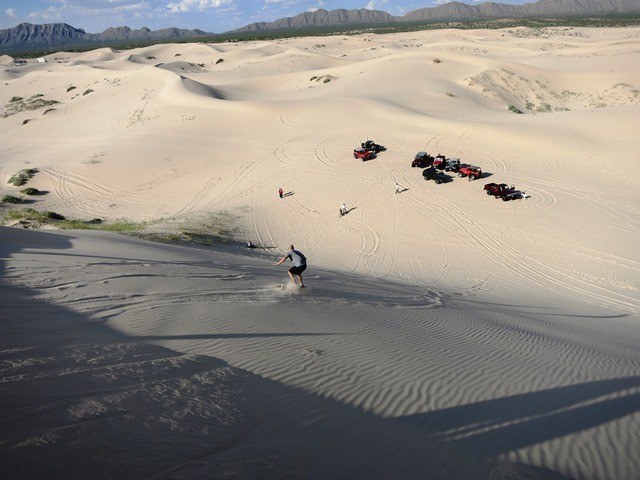
The building, Moorish in design, was formerly the high court of Malaysia; It now houses several different government ministries.

After a few hours of strolling around the historical area of Kuala Lumpur and admiring the giant flag pole of Merdeka Square, it's just a short walk back to Central Market.

There you can go shopping and further explore or jump on the metro to get back to a different part of town.

Taking a relaxing historical walk through Kuala Lumpur is an excellent addition to any visit!

The Many Benefits of Eco-Tourism

Bulungula, an eco-lodge on the coast of South Africa
Bulungula, an eco-lodge on the coast of South Africa (photo: David Lee)

Want to escape the traditional tourism trail?

Eco-tourism offers a unique opportunity for anyone planning a holiday to experience a different side of a country to the one usually seen.

While many head for the beach, eco-tourism holidays allow tourists to glimpse beyond traditional holiday destinations, embracing local communities, culture, and unspoiled nature.

Efforts to reduce carbon footprint and 'go green' have become increasingly popular worldwide, and countries are gradually offering a wider choice of eco-tourism holidays to suit everyone.

More and more countries are introducing aspects of eco-tourism to tourists, bringing benefits to the countries visited and enhancing holiday experiences and memories.

Eco-tourism tends to be on a smaller scale and incorporates locally owned activities.

Popular eco-tourism activities help encourage local interaction and often involve nature, wildlife species, and natural resources.

Nature and culture become the main attractions hand in hand with a unique tourism experience.

Tourist activities through eco-tourism help preserve natural resources and the environment for future generations to enjoy.

This sustainable type of tourism has a low impact on nature, and its carbon footprint is minimal.

It allows tourists to venture into unspoiled scenery and closer to nature, on less-traveled paths, for a new experience without fear of damaging the view and surroundings.

Eco-tourism works in harmony with the environment, with a strong commitment to protecting plants, animals, wildlife species, natural resources, and scenery.

Bulungula, South Africa
Bulungula, South Africa (photo: David Lee)

To the tourist, this may be a horse ride with friends along unspoiled beaches and secluded waters, touring mountains and lakes, watching a sunset from a less traveled vantage point, or trekking through well-preserved forest or jungle into local communities.

Eco-tourism promotes responsible travel and enables local communities to engage with tourists building up and sustaining their economies.

Local communities often rely on tourism as the main source of income and employment.

In exchange, tourists often get the chance to admire local craftwork and take home original souvenirs from rural villages and communities, conserving the countries heritage.

This direct contact with a host's culture opens up remote places across the globe to tourists charmed by the simplicity and richness of the community visited.

Interaction with local communities can reveal an insight into different rituals and customs, sampling traditional dances, home-grown food, locally prepared drinks, and unique celebrations, often unseen by tourists.

When traveling, always make sure to ask your travel agents about activities such as these, as they will often know.

Cultural preservation is often achieved through eco-tourism and can be a major draw for tourists across the globe.

Many local cultural landmarks and experiences worldwide require regular upkeep and management for future generations to enjoy.

Cultural preservation has an important historical role for most countries and is achieved best through the tourist trail.

Museums, castles, palaces, landmarks, and other cultural experiences help preserve a nation's culture by providing one-off holiday experiences.

If tourists have a combined love for travel and nature and a commitment to environmental protection, bargain holidays allow tourists to embrace culture and tradition alongside natural surroundings.

Eco-tourism holidays involve travelers opting for a true 'green' experience, incorporating many of these activities into an unforgettable adventure. 

________

About the Author: This is a guest post from Travelling Blogger.

The Medellín Travel Guide

It's here! My first book, the Medellín Travel Guide: Insider Advice from an American Expat in Colombia, is now available.

Since announcing the good news on my Medellín Living blog, nearly 100 copies have been sold in PDF and Kindle formats. Plus, it's now available through Barnes & Noble for the Nook.

Medellin Travel Guide

Reviews and feedback have been overwhelmingly positive, and I'm thankful for everyone who has taken the time to share their thoughts.

Below are a few quotes from the early reviews on Amazon.com:

"As the Co-ordinating Author of Lonely Planet Colombia (5th ed.), it is my pleasure to recommend David Lee's new guidebook to Medellín." -- Jens Porup, Author, Lonely Planet

"...the overriding aspect that makes this a book to buy is the warmth of David Lee as he shares his own experiences - like an old friend who acts as a reliable guide to give you first hand advice on how to enjoy the City of Eternal Spring." -- Grady Harp, Hall of Fame Reviewer, Amazon.com

"In every section, you get a real understanding of how the culture works, how people meet, eat, and enjoy life in Colombia- something that no traditional guidebook has captured yet." -- First Time Twins Mama

This travel guide includes ALL the advice I would've wanted in a guide when I first arrived in Colombia over four years ago, including tips for:

  • How to enjoy the nightlife
  • Where to get the best food
  • Sightseeing
  • Which pueblos to visit
  • Where to stay
  • Getting around
  • How to stay safe

It lays the groundwork for visitors to get the most out of their time in Medellín, whether a quick weekend trip or more.

I was recently chatting via email with a male expat who is married to a paisa. Even he could learn a thing or two from the guide, and he's been living in Medellín for years!

And it's not just for foreigners. Another person who bought the guide was a Colombian from Cali who lived in the United States and wanted to learn more about Medellín.

For the rest of this week, you can pick up the Kindle version for the cost of a beer. Starting next week, I'm going to begin raising the price.

The PDF version is available for the cost of a mojito, but I don't expect the low price to last much longer, either.

If you have any questions about the guide, please leave them in the comments below, and I'll be happy to answer them.

Lagoons and Lakes Around Turkey’s Turquoise Coast

Olu Deniz
Olu Deniz (photo: William Neuheisel)

The area of southwest Turkey known as the Turquoise Coast, and sometimes even the Turkish Riviera, is best known for its wonderfully soft, sandy beaches lapped by water that's so brilliantly blue, it's almost luminous.

However, the Aegean and Mediterranean seas' open waters aren't the only places in which to dip your toes on the Turquoise Coast, as there are also many stunning lakes and lagoons waiting to be discovered.

One of the most well-known is the secluded Blue Lagoon of Olu Deniz, which also goes by 'Sea of the Dead.'

This is because of a legend associated with the Blue Lagoon in which a father and son were caught in a storm here, and just before their boat hit the rocks, the area transformed into the tranquil, pine-lined bay that you'll find here today.

The Blue Lagoon has to be one of the most relaxing places to visit in all of Turkey and is now a nature reserve, so don't miss your chance to visit this breathtakingly beautiful beach.

Great Spotted Cuckoo
Great Spotted Cuckoo (photo: Ian White)

A Watery Paradise

Much further inland on the Turquoise Coast is the serene Köyceiz Lake, around which is the traditional Turkish town of the same name where you won't find any of the tourist trappings of the larger resorts.

The broad lake is almost impossibly placid, surrounded by forest-covered mountains.

There are many cafes and restaurants around the lakeshore with terraces overlooking the water so you can sip a Turkish tea (or something stronger!) as the sun goes down.

On the other hand, Tuzla Lake is a little less peaceful. It's a nature reserve on the Bodrum Peninsula that offers sanctuary to various bird species throughout the year.

Tuzla Lake's nourishing wetlands lure thousands of greater flamingos to congregate here, as well as accommodating the region's largest population of white storks.

Pelicans, Osprey, Great Spotted Cuckoo, and Red-footed Falcon are also among the birds you can spot here, so if you're a keen bird-watcher or just a lover of all nature, you'll fall in love with Tuzla Lake.

What's more, the lake is set against a mountainous backdrop.

The rich history of the area is evident in the ancient remains that rise from the water, making Tuzla Lake a unique place to visit anywhere on the Turquoise Coast.

Book your holiday to Turkey with Jet2holidays for a great deal and the opportunity to explore the lagoons and lakes of the Turquoise Coast.

___________

This article was brought to you by Jet2holidays.

Hukilau Cafe: Hawaiian Comfort Food on Oahu

While dreaming of Hawaii often depicts perfect scenes of green mountains and sandy beaches, food comes first to my mind.

One of my favorite things to do on the Hawaiian island of Oahu, along with stand-up paddleboarding and straight-up relaxation, is enjoy the island's fabulous food.

The Asian fusion food, which has become uniquely Hawaiian, offers a tasty repertoire for anyone who loves to eat.

Hukilau Cafe on Oahu (photo: Dave Lee)
Hukilau Cafe (photo: Dave Lee)

The last time I was in Hawaii, I took a day to drive around Oahu, which takes about three to four hours if you don't stop anywhere, but we stopped at the Hukilau Cafe for brunch.

The Hukilau Cafe name is especially famous for being used in Adam Sandler's 50 First Dates, a romantic comedy starring Drew Barrymore. However, only the name was used.

The 50 First Dates restaurant, as seen in the film, was constructed at the Kualoa Ranch and removed a long time ago.

Despite their newfound fame, Hukilau serves delicious home-style Hawaiian favorites. It is located just off the highway in a quiet neighborhood in the town of Laie, near the beautiful beaches of the North Shore.

The cafe is in a small trapezoidal house that's been converted into a restaurant, and you'll know you've arrived when you notice the stream of vehicles parked on the side of the street.

The restaurant attracts tourists looking for good food (and driving around the island) and locals from Honolulu and Laie.

Related: Planning for Hawaii on a Budget - Oahu

Teri chicken plate
Teri chicken plate

The menu is quite simple, including typical dishes like teriyaki chicken and beef, loco moco (a hamburger patty over rice topped with a fried egg and smothered in brown gravy), chicken katsu, and the Hukilau burger.

They are also famous for serving macadamia nut pancakes, but I was more interested in the lunch dishes the day I went. We ordered a good selection of food, which was quickly delivered to our table.

The teriyaki chicken and teriyaki beef were excellent, gracefully sitting on a pile of hot steamed rice and complemented with a creamy macaroni salad.

Loco moco
Loco moco

The loco moco, which I learned was eaten by Adam on the TV show Man vs. Food, in my opinion, was not nearly as glorious as the version from Papa Ole's restaurant, but it still wasn't bad.

Hot steamed rice was first piled onto a plate before the meaty grilled beef burger was placed on top. A fried egg, which was cooked sunny side up with an oozing yolk, was laid on the burger, and finally, the combination was drowned in a generous scoop of thick brown gravy.

     >>> Discover more things to do on Oahu at Travelocity.

Hukilau Burger
Hukilau Burger

The final dish we ate was the Hukilau Burger, and I must say, it was impressive. Within the toasted bun were a beef patty, a fried egg, cheese, raw onions, tomatoes, a leaf of lettuce, and the absolute stunner, a mouthwatering slab of teriyaki beef. The harmony of the flavors in each bite was a winning combo.

If you drive around the island of Oahu, make a pit stop for breakfast or lunch at the Hukilau Cafe!

Address: 55-662 Wahinepee St, Laie, Hawaii, 96762, United States

___

If you liked this story, check out Feastio, the new food blog from the founder of Go Backpacking. 

5 Ways To Sleep For Free In Europe

Backpacking in Europe is expensive. Aside from the flight, your subsequent most significant expenditure is often accommodation, and hotels will ruin your budget unless you're traveling with friends.

Hostels aren't much better, with a bed in a dorm averaging around $22 (20 euros) a night. Add this with food costs, and you're looking at $44 (40 euros) daily.

Fortunately, there are ways to sleep for free in Europe. Unfortunately, you will have to sacrifice a bit of comfort and convenience.

There are plenty of spots, from train stations to McDonald's, where you can sleep safely, relatively comfortably, and best of all, for free. 

While getting a decent night's rest might be challenging, you might eventually prefer it to a night in a hotel.

Whether you're looking to save money on accommodation or arrive too late to check into a hotel, below are five spots where you can sleep for free in Europe.

Table of Contents

  • 1. In Train & Bus Stations
  • 2. Camping
  • 3. In 24-Hour Restaurants
  • 4. On Couches
  • 5. In Parks
  • Conclusion

1. In Train & Bus Stations

Except for London's King Cross and a few other German stations, most train and bus stations remain open all night.

It is not unusual to find fellow backpackers camped out all over the floor during the summer backpacking season.

The station attendants generally don't mind, and since police are usually nearby, it is relatively safe. This is one of the best places to sleep for free.

2. Camping

Although there are generally designated campsites, which require a small fee, there are also loads of beaches and forests where you can camp for free.

In Western Europe, it's best to pick a concealed spot away from the city. This way, police or potential thieves won't bug you.

If you are in Eastern Europe, it is safer to stay near the city. Here, the police usually don't care if you camp and will add a degree of safety.

3. In 24-Hour Restaurants

There are many American fast-food chains throughout Western Europe, including McDonald's and Starbucks.

They are often found near the train station and usually stay open until 3 or 4 AM, if not all night. If you buy a burger from the dollar menu, the staff usually lets you rest for the night.

4. On Couches

Couchsurfing is another great way to get free accommodation. Although you need to plan this by connecting with others through their website, it allows you to make new friends and sleep comfortably.

When browsing the Couchsurfing website, you'll see various options, from actual couches to beds with different types of mattresses.

While Couchsurfing is relatively safe, trust your instincts and politely decline if you get a bad feeling.

5. In Parks

City parks aren't your best option, but they are better than an alley. It is often best to pick a spot out of sight to avoid homeless people and police.

However, in some parks, you might find other backpackers camping out for the night, in which case it's not a bad idea to try to make friends.

Conclusion

You might be stuck without a hotel in the middle of the night or maybe want to save funds to help you travel longer. Either way, the former spots are some of the best ways to sleep for free.

While most are relatively safe spots, it's always best to keep your guard up. If you can, always try to join another backpacker group. The more people around you, the less likely you are to end up in a dangerous situation.

_________

About the Author:

When Leif was 16, he ran away from home and explored much of Europe and the Middle East without a dime. He is working on a book about this adventure as he continues making new ones while traveling the world.

Through his experiences, advice, and adventures, he hopes to prepare, empower, and inspire others to travel. Follow him on Facebook or visit him at RunawayGuide.com.

Bangkok's 3 Headed Elephant - Erawan Museum

Erawan Museum - Bangkok

Bangkok is one of the most popular tourist cities in the world.

The Grand Palace, Wat Phra Kaew, and Chatuchak weekend market are just a few of the attractions that nearly every visitor has on their bucket list.

However, there are also many other Bangkok attractions that are not so well known, yet equally spectacular.

Located just outside the border of Bangkok in a province called Samut Prakan, is the 3 headed elephant Erawan Museum, one of my favorite sites in the city.

Approaching the monument you'll see the humongous sculpture, proudly towering over the highway and shimmering in the Bangkok sunshine.

Khun Lek, the private commissioner of the project, built the Erawan Museum as a facility to house his collection of religious relics and art.

He also wanted to preserve Thai cultural heritage by showcasing a few of the sacred objects he had accumulated over the years.

After much thought, Khun Lek finally decided to construct a three-headed elephant, influenced by Airavata (known as Erawan in Thai) - a mythical elephant in Hinduism.

After paying the entrance fee, you enter the compound where there's first a Buddhist shrine.

At the base of the elephant structure is the main part of the museum where you can enjoy a short tour before heading upstairs to the sanctuary section of the museum.

Inside, the decorations are so elaborate, it almost feels like you've been transported to a fantasy playground reminiscent of Narnia.

At the top of the building (which happens to be right below the section where the elephant actually starts), is a large stained glass overhead dome - something that's not common to see in Thailand.

The interior is extremely colorful and includes an array of artistic cultural works of art.

Shrine inside the head of the elephant
The shrine inside the head of the elephant

But the highlight of visiting the Erawan Museum is getting the chance to finally go into the head of the elephant.

You can either choose to take the elevator or climb the circular staircase to the top.

Once you're at the top, the room opens into what feels like a cavern.

The darkness is broken by blue lighting, and red royal chairs lead to the front where a golden statue of Buddha stands.

Gardens at the Erawan Museum

After wandering around the inside, the next part of visiting the Erawan Museum is the beautiful tropical gardens that surround.

Along the small pathways that lead through the lush plants and trees, are a series of Thai sculptures, benches, and covered pagodas if you'd like to relax.

While the Erawan Museum doesn't have the cultural or historical significance that some of the other temples and palaces in Bangkok do, in my opinion, it is still one of the most breathtaking man-made structures in town - and few tourists visit.

The biggest downside is the 300 baht (around $10) entrance fee, which is quite expensive when compared to the cost of traveling in Bangkok.

However, if you are visiting Bangkok and looking for a spectacular attraction that's off the beaten track of "top-10's," I would highly recommend a visit to the Erawan Museum.

***

Need a place to stay? Check out our guide to the best hostels in Bangkok.

How To Enter Israel Without Being Detained

The border between Egypt and Israel
Israeli Land Border

[I]srael is one of the most historically enlightening and beautiful countries in the world.

From the seaside resort of Eilat to the Holy Temples, Churches, and Mosques in Jerusalem, to the nightlife in Tel Aviv, Israel is a backpacking destination not to be missed.

Unfortunately, Israel is consistently plagued by wars with its Palestinian neighbor. As a result, Israel lives in constant fear of terrorist threats.

It requires all citizens to serve in the military and maintain their weapon even after their service is complete. They station heavily armed police at shopping malls, bus stations, and even at McDonalds.

And when it comes to border security, it doesn’t get any tighter.

Subsequently, as a backpacker there is a good chance you will be detained. It doesn’t matter whether you’re American, European, or Arab, everyone is a suspect at the border.

So, in order to reduce your chances of being held and interrogated, below are few essential tips to help you look less like a threat.

my friend with a briefcase at the israeli border
Briefcase = Bad News

Table of Contents

  • 1. Do Not Carry A Brief Case
  • 2. Look Presentable
  • 3. Be Honest, But Not Too Honest
  • 4. If You're A Travel Blogger, Don't Mention It
  • 5. Pretend To Be Loaded
  • Conclusion

1. Do Not Carry A Brief Case

The briefcase bomb is the oldest trick in the book and you will be detained if you're carrying one. Not only that, but there is a good chance you will be hauled off and surrounded by armed guards until your brief case checks out.

And even if it does check out, it is likely they will take it away from you anyways. It's best to just leave it at home.

2. Look Presentable

If you look like a dirty, sweaty, sleepy, dreadlocked vagabond with nothing but a backpack, passport control is going to think you’re looking for work.

So be sure to hit the bathroom before you get in line, and try to make yourself look a bit less like a migrant worker.

3. Be Honest, But Not Too Honest

You don’t need to go into detail about your entire life story. Definitely don’t tell them about the time you farted at a batmistva. Don’t even mention your love for Latkas or Kugel.

Just answer their questions succinctly and truthfully. Too much detail will only lead to further questions and suspicions.

The Palestinian wall in Bethlehem
The Wall

4. If You're A Travel Blogger, Don't Mention It

If you were just in Egypt writing about the revolution, it’s best to leave that part out.

In general, Israeli security doesn’t take kind to politically inclined independent journalists.

And since travel blogging and journalism are inextricably linked, don't even think about promoting your blog here.

5. Pretend To Be Loaded

No matter what border you are trying to cross, if you have sufficient funds, you are going to have a lot easier time convincing them that you aren't looking for work.

It's best to have a few hundred dollars in cash as well as a bank statement with at least $1,000. But In truth, the more money you can prove you have, the better.

Conclusion

Unfortunately, even if you abide by the former tips, there is still a chance you will be ushered into a poorly lit back office and interrogated until you admit every fun-loving joke about Judaism you ever made.

If this does happen, be sure to stay calm, be patient and don’t take it personally.

After all, given the amount of rockets and bus bombs in the region, you really can’t blame them for being tough.

_________

About the Author:

The Runaway GuideWhen Leif was 16 he ran away from home and explored much of Europe and the Middle East without a dime. He is currently working on a book about this adventure as he continues to make new ones traveling the world.

Through his experiences, advice and adventures, he hopes to prepare, empower, and inspire others to travel. Follow him on Facebook or visit him at RunawayGuide.com.

How to Enjoy London Theater on a Budget

For such a small country, there's a mind-boggling amount of things to do in Great Britain.

While I've had the chance to explore more of the country on previous visits, it was the World Travel Market, something of an industry trade show, that brought me back to London last November. But, it wasn't all work and no play during my 5-night stay.

There was one musical I'd been waiting to see in the West End since my last visit in 1998, The Phantom of the Opera.

The cool thing about buying tickets to the theater in London is that it doesn't have to be expensive. By buying last-minute tickets, you can save big money off the regular cost.

Theaters try to sell every ticket, for every show, and are therefore willing to release excess inventory at a discount.

Back in '98 I'd buy same-day, restricted view tickets from a stand in Leicester Square for under $20 a pop. On the weekend, I doubled up, catching a matinée performance in one theater, and an evening show in another.

Les Miserables, Rent, Chicago. I saw some of the top shows of all time on a backpacker's budget.

Fish & Chips at Pier 1

This time around, I bought my tickets from a stand in Picadilly Circus. Situated under the giant neon signs, it's all but impossible to miss.

You can pay in cash or credit, and ticket prices to the popular shows now run around $60 - $70. You never know what's available, but you'll often have a choice of tickets that are cheaper and further from the stage, or a little more costly and closer.

Bought about 7 hours in advance, My Phantom of the Opera ticket cost $71.83, and I was no more than 10-12 rows away from the action.

The West End, London's theater district, is filled with restaurants where you can grab a bite to eat before your show.

To make it a quintessential British experience, I sat down for a plate of fish and chips. Hardly the healthiest option, but I do appreciate a lightly fried, crispy filet of cod as much as the next guy.

The smashed peas, on the other hand, did not find a fan in me.

Her Majesty's Theater

After dinner, I walked further down the street to Her Majesty's Theatre, which was the current home to The Phantom of the Opera.

The interior of the theater was smaller than I expected, but given the nightly performances, and the fact that it's one of the longest continuously running musicals ever, it made sense.

I'd been wanting to see The Phantom since '98, when I was unable to get an advance ticket during my second trip to London. Since then, the movie version had been released, and I became a huge fan of the music.

The live production lived up to my expectations, and the movie version. Perhaps I'd be more critical of the movie had I seen it live first.

One thing that surprised me was the stage. It was tiny, yet they were able to put on the whole production as though they had much more space to work with.

I chalked it up to the magic of live theater in London!

______________

This article was written by Dave, and brought to you by Visit Britain.

The Gathering: Ireland Opens Its Arms in a New and Novel Way

[S]ince my first visit in 1998, Ireland has and will always be one of my favorite countries. And I'm not just saying that because I appreciate a good Guinness. Ireland has events, activities and festivals to cater to a wide variety of interests.

This year, Tourism Ireland is launching a creative new campaign called The Gathering.

The idea is to open Ireland up to tourists through promoting gatherings or meetups around common interests, whether they be art exhibitions, annual cultural festivals, sporting events, or just about anything you can think of.

The whole interactive campaign is available to view on Ireland's Facebook page (which you can visit by clicking the video above).

After playing around with it for a while, I think it's quite an amazing setup. Basically, once you approve the app, you are able to view the calendar of gatherings through Facebook. It's very elaborate too, like a whole website within Facebook.

As you can see in the screenshot above, you can search by date, category, or location. When you find an event you like, you can click the green "Attend" button, the orange "wishlist" button, or the blue "share" button to share the event on your Facebook page.

The app keeps a running list of which events you want to attend, or keep on your wishlist. Plus, because it's on Facebook, it also shows you how many of your friends plan to attend.

The Irisharod

For further details about any given event, you can click on the title, and get a synopsis, along with details of where and when the gathering will take place.

I never would've guessed there's such a thing as "The Irisharod" (Tails N Trails Irish Dryland Mushing Championship Finals).

In addition to readers who may be interested in going to Ireland this year, hundreds of travel bloggers will be descending upon Dublin in early October for the 2013 European TBEX conference.

The Gathering ensures everyone planning a visit to Ireland will have no shortage of interesting activities to attend.

__________

This post was written by Dave and brought to you by Ireland Tourism.

Gambia: Affordable Adventure on the West African Coast

With its laid-back vibe, subtropical wildlife, and appealing climate, the Gambia has long been a magnet for backpackers seeking a taste of the West African coast.

In recent years, the former British colony has emerged as a popular package tour destination, thanks to its idyllic beaches, safari opportunities, and affordable facilities.

Cyclist in Gunjur, Gambia (photo: Mishimoto).
Cyclist in Gunjur, Gambia (photo: Mishimoto)

Holidays to Gambia are some of the most accessible on the continent, with just a six-hour flight time and a long, hot summer from November to June.

The modest land which surrounds the mighty River Gambia packs in enough interest to satisfy even the most adventurous of travelers, but you don't need to go it alone to see the best of it.

There's a variety of excursion options available in holiday packages now, including the 300 species of birds at the Abuko Nature Reserve, the inhabitants of the Kachikaly Crocodile Pool, or exploring the country's cultural heritage amid the stone circles on Janjangbureh Island.

As a seasoned backpacker, you may be accustomed to camping and basic lodges. Still, suppose you pick quiet fishing villages like Kartong in the south.

In that case, package accommodation is affordable even on a budget, and the secluded beaches won't disappoint if you want to escape the crowds.

The popular resorts of Kololi and Kotu are busier. Still, they're also a hotbed for bargain deals in the winter, often including local activities from jet-skiing to whale-watching.

Sunset over Banjul, in The Gambia (photo: ambabheg).
Sunset over Banjul (photo: ambabheg)

If it's a slice of Gambian life you're after, you'll find it in the jostling harbors of capital Banjul or at Bakau.

General prices are cheap compared to Europe, and even if you've treated yourself to a hotel, you can sample the fresh seafood and colorful wares at the markets for very little here.

The resort restaurants are also of a high standard for what you pay, and when you go all-inclusive, there's no worrying about your daily food budget.

It's worth exploring what you can get for your money in a country as rich in culture as it is affordable. You can always combine a few days of solo adventuring with a hotel stay if you plan, and many packages are flexible in terms of optional trips and extras.

With its enduring friendly atmosphere and beautiful coastal attractions, the success of the package deal here ensures that this is one African country that won't remain overlooked for long.

Tibetan Ranka Monastery in Sikkim, India

Prayer wheels
Prayer wheels

Gangtok is a city located in the Sikkim province of India, within the Himalayas.

In the far northeastern portion of the country, the province is in between Tibet, Nepal, and Bhutan.

Ranka Monastery
Ranka Monastery

From the small city of Gangtok, it was about a 45 minute shared jeep drive, followed by a 15 minute uphill walk to get to the Ranka Buddhist Monastery.

On the peaceful side of mountain we finally arrived at the monastery and were greeted by Tibetan prayer wheels leading to the entrance.

Wall murals
Wall murals

The brightly colored paintings and murals on nearly all walls were amazing to see.

Busting a kung fu move!

These young monks were practicing their kung fu moves as they playfully made their way to the mess hall for lunch.

Boys have energy, no matter what country you visit!

Soaking up some sunshine

While walking around I spotted another young monk, resting over the ledge while enjoying the warm sunshine, despite the air outside being quite cold.

I think he was trying to skip out on an official event because it wasn't long before an older monk yelled at him to come.

Entrance to the main temple

When we arrived, the main temple doors were closed, but after asking a monk, he politely got the keys and opened the doors to let us in.

Door handle
Door handle

The details of the Ranka Monastery were incredible; here's a close up shot of the handle of the temple doors.

Painting details
Painting details

Unlike many of the Thai Buddhist temples (Theravada Buddhism) which are mostly brown and gold in color, Tibetan Vajrayana Buddhist temples are extremely bright and colorful.

Beautiful colors
Beautiful colors

Again, the colors were remarkable.

One of the main temple pillars

Here's a photo of one of the major pillars just outside the door of the main temple.

Visiting the Ranka Monastery was a refreshing experience and made a great day trip from Gangtok.

How To Plan a Ski Trip on a Backpacker's Budget

Traditionally, skiing and backpacking haven't been a likely combination, what with the cost of rentals and insurance, not to mention all those pricey restaurants and top-level mountain resorts.

But it's not always necessary to go with the Michelin-starred option. Considering alternative locations and travel options, you may find you can do a budget ski holiday after all.

Skiing at Montgenevre (photo: Michael Coiffard)

The first thing to look at is your destination. You may have heard of the Three Valleys in France and the Tirol region in Austria, but if you delve further east, there are little-known gems in places like Romania and Bulgaria.

Slovenia shares the same Alpine good looks as neighboring Switzerland, but a holiday to Vogel can offer family-run hotels within walking distance of the slopes for much lower rates.

For Western Europe, Andorra has always offered a cheaper alternative to France, though recent years have seen redevelopment and raised prices.

However, resorts like Soldeu are still a good alternative for backpackers with their duty-free shopping and self-catering options.

Going for the underdog can make skiing much more affordable. Try the French Pyrenees instead of the Alps and enjoy the small, traditional villages around Avajan while you're at it.

Montgenevre (photo: Will Noakes)

Or avoid the obvious and stay in Montgenevre on the French-Italian border rather than Sestriere.

It's more family-oriented, but the savings and the relaxed, low-key vibe may be worth it.

Some general tips will still help when planning your ski holidays. Group travel can save you significantly if you split a chalet and share a hire car.

Another way around the budget is to stay within traveling distance of the good snow without paying the doorstep rates.

So access the Kitzbuheler ski area by Soll, situated in the middle of ten ski areas, with a doable 1 km journey to the slopes via the ski bus.

Bottom line: it's all about shopping around and getting your timing right.

The peak months of February and March are best avoided, and if you don't mind the less reliable snow forecasts, the time for deals is November or April.

Gear costs can also be controlled by looking for sales in advance or searching online. For example, if you check out the best freestyle snowboards during the off-season, you'll likely get at least 10-25% off the price.

The good news is that ski holidays on a shoestring are perfectly possible, so long as you're prepared to sacrifice a little convenience and do some bargain-hunting.

__________

This post was brought to you by Inghams.co.uk.

Dig This in Las Vegas: A Construction Theme Park

In the United States, Las Vegas is often billed as a place where dreams can come true; I am living proof. Dig This in Las Vegas, a construction theme park, is one of the weirdest attractions I have ever seen.

They provide the opportunity and instructions to safely play with heavy machinery at the Dig This Heavy Equipment Playground.

EXCAVATOR
This is Not A Toy

Since I was a child playing with Tonka trucks, I have dreamt of operating heavy machinery. I remember the joy I felt as a child when I looked out my window and saw a bulldozer and an excavator sitting dormant at the end of the cul-de-sac where a foundation for a new house was being dug.

I ran down the street and sat in the driver's seat of each, pulling handles, hitting buttons, and imagining that I was digging gigantic trenches and destroying lawns.

No keys were left behind, but I longed to become a grown-up and drive these bad boys around one day. But somewhere between voting for the first time and seeing my friends get married, I realized that grown-ups do not drive construction vehicles often, and certainly not for fun.

That is, until the geniuses at Dig This Las Vegas realized there was money to be made on the unfulfilled childish desires of grown men. Next, they should invent a pool filled with ice cream or a go-kart track made of bubble wrap.

EXCAVATORS Las Vegas
A big kid in a super-sized sandbox

Table of Contents

  • Intro to Dig This
  • Safety Orientation
  • Controlling an Excavator
    • The Tire That Got Away
  • Conclusion

Intro to Dig This

Dig This is located a mile from the Las Vegas Strip, which is convenient but also feels like a world away. This enormous construction site has all sorts of bulldozers and excavators.

The business model was created when a construction site closed due to a lack of funding, and some intelligent entrepreneurs made a grown-up playground out of it.

You can have a great experience playing for 90 minutes for $299, the standard package, or even play around all day.

They have all sorts of group packages, so if you want something that doesn't involve drinking while in Vegas (and you can't drink, there's a breathalyzer test before you hop behind the controls), this might be about the best thing.

I was traveling with my Swiss friend Bastian, and we arrived at the site in the early afternoon, ready to move earth and dig canyons for an hour and a half.

We quickly realized my reservation did not include Bastian, but the crew was incredible about it and were able to accommodate us. Incidentally, playing with heavy machinery is just one of the many wild things to do in Las Vegas for couples and a group of your closest friends.

Safety Orientation

Before we started, we had to get a little tutorial and safety demonstration because, you know, we were about to operate heavy machinery with no certification, experience, or any guarantee of competent hand-eye coordination.

If the "grown-up playing in a grown-up sandbox with grown-up toys" parallel wasn't obvious enough, they demonstrated how the driving experience would go in a…you guessed it…sandbox.

While our experienced instructor stressed safety to the 12 or so of us standing around, he did so while making jokes and keeping the presentation from getting boring.

We were then broken into two groups of heavy equipment operators, with half of us getting behind the controls of excavators and the other half in track-type bulldozers.

Controlling an Excavator

I got behind the levers of an excavator. And when I say levers, I mean levers-there are no steering wheels. As a result, it takes a little while to learn how to move.

But you're wearing a headset, and the leader is in your ear, taking you through all the controls and ensuring you know what you're doing.

After some basic instructions and equipment orientation, we started digging a trench.

No, this is not a way for a business to use sucker tourists to pay them for the opportunity to do the company's job (and yes, that is a dig at every "pick your own" orchard out there).

This was a lot of fun, and there were no limits to how I could move soil from one place to another.

I quickly realized I had dug a trench all around myself, creating a sort of defensive moat, which was appropriate because moving hundreds of pounds of earth made me feel like a King, nay, a God.

Another cool thing about Dig This in Las Vegas is that you don't just dig holes and build huge mounds, even though I would've been okay with that for 90 minutes. They have games for you to play.

Next, I got to stack one of those gigantic tires you only see on Earthmovers and the most menacing transformers. It was great fun.

The Tire That Got Away

By this point, I was becoming quite confident in my ability to stack tires (see the earlier comment about becoming a deity), so I wanted to see how high I could lift one of those 2,000-pound tires into the air and fling it onto the pile.

When I did this, the tire did not land on its side. It hit the ground and rolled precisely how a tire should, fast and direct.

As it bounced toward the high chain-link fence forming the perimeter of the facility, I saw a woman walking on the other side of the fence along the sidewalk, walking toward where the tire was going to hit.

I immediately began yelling and waving my arms at the woman, which did nothing.

I watched in horror, relief, and, I'll admit it, amusement once I realized that the fence was, of course, built to withstand much more than a stray tire as it crashed into the fence next to the unsuspecting pedestrian. She was more than a little surprised, of course.

See also: Top Vegas Attractions

Dig This Las Vegas Experience
Could the state of Nevada recognize this?

Conclusion

After inadvertently terrorizing innocent bystanders, we completed the day by playing excavator basketball. The goal was to throw a basketball into the center of the stacked tires, forming a convenient hoop.

That was also a great time, and I was glad I was given an excavator. But the fun was soon over, and I admit time seemed to have flown by.

I felt fulfilled, productive, and a little sweaty; in short, I felt like I had done an honest day's work while also having one of my life's more unique vacation experiences.

Las Vegas Strip
Las Vegas during New Year's Eve

Soon, Bastian and I returned to what we did best in Vegas: drinking and partying. But this time, having done Dig This in Las Vegas, I knew (or deluded myself) that I had earned it.

If you're looking for a good time as a Las Vegas tourist, I suggest booking their most popular experience, which includes using the bulldozer or excavator for 90 minutes for $299.

_____

My trip on the Dig This: Heavy Equipment Playground was provided at no cost in collaboration with digthisvegas.com. All opinions are my own.

7 Ways To Stay Safe In Africa

Bus Crash In Sudan
Bus Crash In Sudan

[T]here is no adventure like an African Adventure.

It is as raw and demanding as travel can get. In many places, little has changed since David Livingston embarked to discover the source of the Nile.

The roads if any are treacherous, there is a lack of the rule of law, there is a high potential for disease, and tribes, gangs and militias are abundant.

Needless to say there are plenty of ways you can die in Africa. So if you’re thinking about backpacking through Africa, be sure to avoid the following.

Table of Contents

  • 1. Car Accidents and Bus Crashes
  • 2. Gun Wielding Farmers
  • 3. Malaria
  • 4. Plane Crashes
  • 5. Being Kidnapped
  • 6. Revolutions and Mass Protests
  • 7. Drinking The Water
  • Conclusion

1. Car Accidents and Bus Crashes

With poor roads, few police, defective cars and drivers who think their in a F1 race, car accidents are incredibly common in much of Africa.

In a two-week period I had the pleasure of experiencing not one but two bus crashes. Fortunately I had a premonition each time and was able to brace myself properly before impact.

The only way to avoid being in an African accident completely is to fly and even then, accidents do occur.
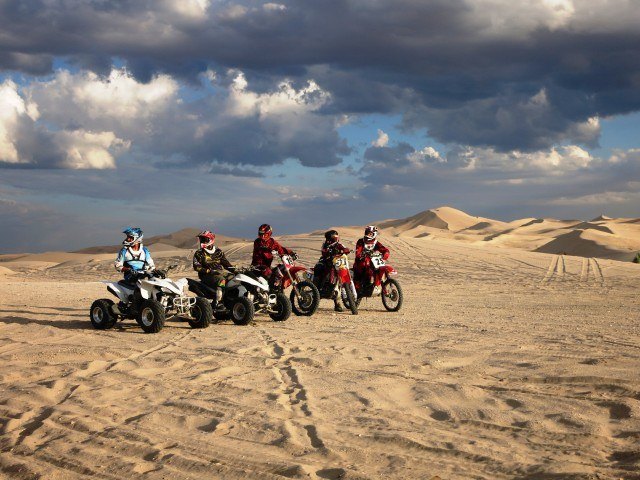
Ethiopian Farmer With A Rifle
Ethiopian farmer with a rifle

2. Gun Wielding Farmers

Like American farmers, African farmers also carry guns. The only difference is there aren't many authorities around to dissuade them from using them.

During my time in Ethiopia I heard countless stories of backpackers being murdered for merely the clothes on their backs. I myself was even hunted while hitchhiking.

The best was to keep from getting killed or robbed is to refrain from hitchhiking and stick to the cities.

3. Malaria

Malaria is the biggest killer in Africa. It is known as a vector born disease, which means it is transmitted through mosquitos. As a result it is very hard to avoid.

I have met countless travelers who, if it weren’t for their malaria pills, could have potentially died. Therefore it is definitely a good idea to stock up on pills before your trip.

4. Plane Crashes

There are multiple small and relatively unknown airlines in Africa. Due to their poor track record, the UN classifies such airlines as dangerous.

Despite this, I decided to fly Marsland Airlines to Sudan.  Although nothing happened, the aged and faded fuselage of the plane was definitely a point of concern.

Though it costs more, if you want to improve your survival, fly big western airlines.

5. Being Kidnapped

Kidnapping for ransom and human trafficking in Africa is big business. Not only does it happen to Africans but also to backpackers and tourists.

Though fortunately I haven’t had any experience with this, I have heard of some who have.

The best way to avoid this is to travel in cities and with guides.

Egypt Revolution
The Egyptian Revolution

6. Revolutions and Mass Protests

Few events are as exciting and dangerous as a big African protest.

During my time at the Egyptian Revolution, I narrowly avoided suffocating from tear gas, being hit by both rubber and real bullets and being trampled in a stampede.

Although I was lucky, many Egyptians were not.

Protests and death go hand in hand, so if you want to improve your chances of survival, it's best to stay in your hostel.

7. Drinking The Water

Another big killer in Africa especially among children is diarrhea from polluted water. The worst diarrhea I ever had resulted from drinking the local water in Sudan.
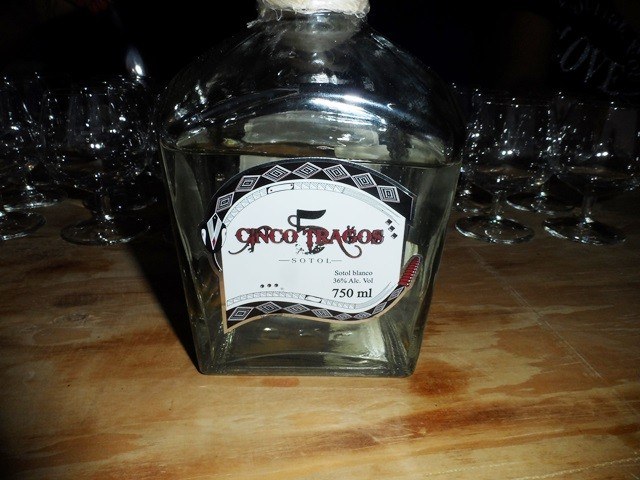
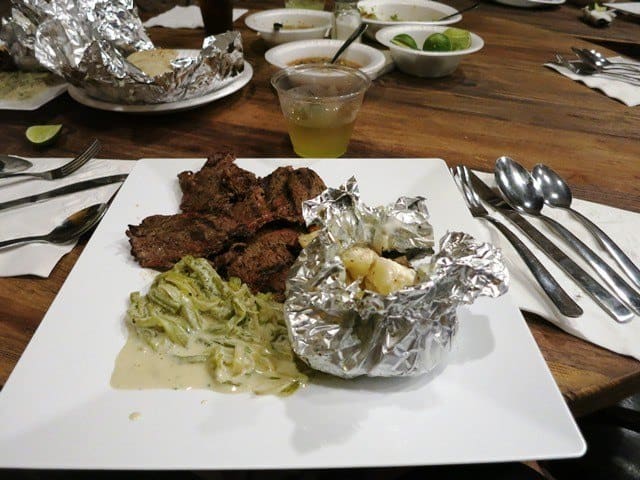
As a veteran of travelers diarrhea I can tell you that this was something new. The pain was so unbearable that I ended up passing out on the pot. Although you could die from diarrhea, there is a good chance you won’t.

Never the less, it is a good idea to stick to bottled water or bring purification tablets.

Conclusion

Although traveling in Africa can increase your chances of death, if you take advantage of my former misadventures and misfortunes you can greatly increase you chance of survival.

The truth is that there are plenty of places in Africa that really aren’t all that dangerous. And since people are people wherever you go, they would much rather help you than harm you.

Yes Africa can be dangerous, but that’s what makes it so exciting. It shouldn’t prevent you from experiencing Africa for yourself.

_________

About the Author:

The Runaway GuideWhen Leif was 16 he ran away from home and explored much of Europe and the Middle East without a dime. He is currently working on a book about this adventure as he continues to make new ones traveling the world.

Through his experiences, advice and adventures, he hopes to prepare, empower, and inspire others to travel. Follow him on Facebook or visit him atRunawayGuide.com.

How to Travel the World on $50 a Day (Review)

How to Travel the World on $50 a Day[M]att Kepnes (aka Nomadic Matt) is on a mission to show the world travel doesn't have to be expensive.

In his new and improved book, How to Travel the World on $50 a Day, he goes in-depth to break down the numbers that make such a statement possible.

Our first review of the book was almost two years ago, in April 2011, soon after he self-published it.

Having just finished the expanded version, published by Penguin, I can say a lot of what we thought back then still holds true.

The 272-page book is broken into three major sections.

The first section covers everything from getting over any fear of travel you may have to pick the right bank and credit cards to stretch your savings on the road.

Matt's tips on choosing the best bank and cards are some of the best in the book.

He explains the benefits of buying round-the-world tickets versus paying as you go, as well as the importance of travel insurance. I remember having a lot of questions about both when planning my RTW trip.

Section two covers how to make your money last longer once you're on the road, including how to save on accommodation, food, transport, and activities.

And lastly, the third section breaks down average costs by region, including Europe, Australia/New Zealand, Southeast Asia, and Central and South America.

I appreciated that he states up front that he's focusing on only the most popular destinations (especially for first time travelers), not the entire world (sorry Uzbekistan).

Throughout the book, he incorporates not only his own advice, learned from six years of traveling the world, but the advice of other world travelers (including yours truly). While the book is most definitely in his own voice and writing style, I like that he presents a variety of perspectives.

The idea that you can travel the world on X dollars per day is not a new one. After all, there was once a book purporting that you could travel Europe on $5 a Day. What Matt's book does is bring us up to date, using data collected through 2012.

If you've been following his blog for several years, you may recognize some of the material in the book. He's covered several topics individually over time, but there's definite value in it all being organized and packaged together.

I'm happy to recommend How to Travel the World on $50 a Day, which I believe is best suited for new backpackers and budget travelers, especially those planning a long-term trip.
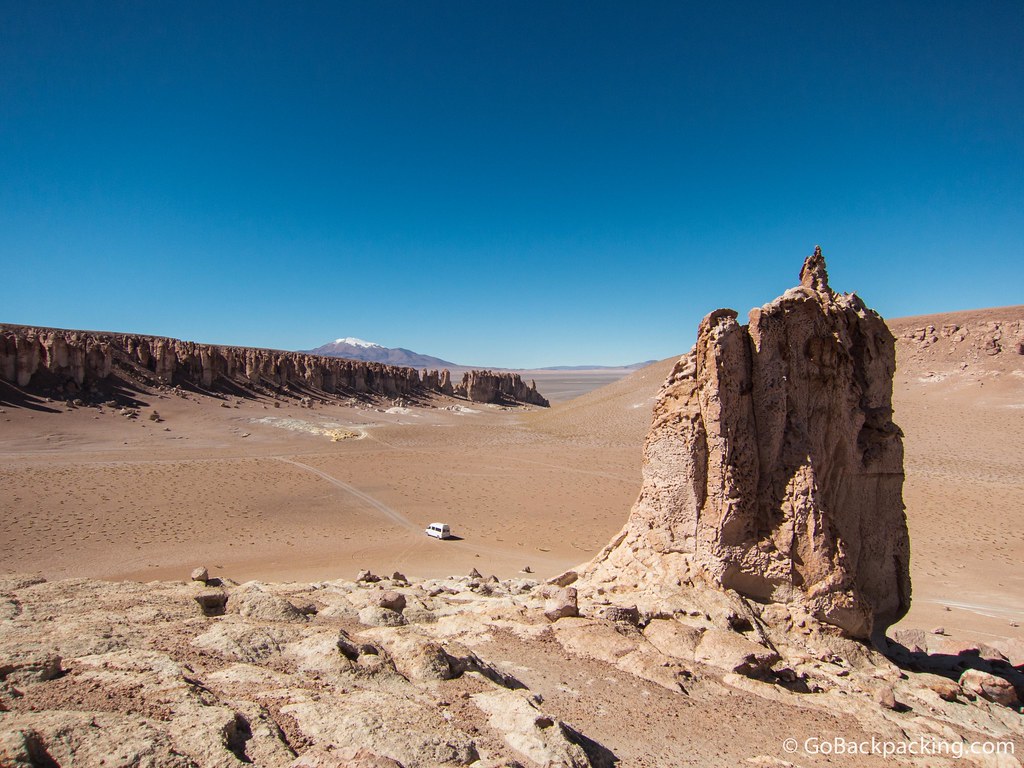
It's currently available on Amazon.com in both Kindle and paperback.

Coming Home After A Year Abroad At 16

Overthinking things
Overthinking things

Editor's Note: This is the first in a short series of guest posts by Leif, the blogger behind The Runaway Guide.

[M]y hands are clammy, my legs are twitching and my neighbor probably thinks I’m suffering from severe airplane food flatulence. I just can’t help it though. All the unknowns that await my arrival plague my consciousness.

How will my mother and sister react? Will any of my friends still be around? Will I be able to find myself in society again? What am I going to do when I get home? The anxieties are endless.

Suddenly, the sound of the planes screeching wheels wakes me from my distressed daze. I am instantly struck with joy, fear, relief and apprehension all at once. It is a feeling of a new journey, a life altering change, and I realize that I am truly home at last.

Reuniting with my mother at Newark Airport

The Reunion

I wasn’t sure how my family would receive me. My mother never condoned my trip. In fact she sent out the world's police forces to put an end to it. However, more so than being angry, my family lived in fear and worry. As a result, I was terrified that they would not forgive me and maybe even ask me to leave.

To my relief, they welcomed me home with open arms. In no time, the familiarity and comfort of being home returned.

The great thing about coming home is that no matter what you do or how long you are away for you can always return. Being away makes you appreciate your family and hometown that much more. I sometimes wonder whether part of the reason why I travel is simply to renew my appreciation for home.

My Albanian beach fort

Finding The New Me

For an entire year I had existed on the fringes of adopted societies around the world. I defined myself and drew confidence from the fact that I was a world citizen, a nomad and a rebel. I felt as though there was nothing I couldn’t do and nowhere I couldn’t go, except…my own home.

During the first few weeks, the culture shock, solitude and fear of returning to the person I once was sent pangs of anxiety through my heart. I didn’t know how or where to fit into a society so familiar yet now so foreign. I refused to leave my room while I struggled to create a new me.

In time I learned how to incorporate the old me with the new. I found balance. I realized that I could be both a traveler at heart and still have a place in society. I didn’t have to submit to cultural norms unconditionally and I could forge my own person. With no one to look up to, I decided I would become my own role model.

My experiences abroad, that so many people assumed were a misguided waste of time, taught me a profound confidence. The things I learned through my travels irrevocably changed who I was and who I believed I could be. The new me was stronger, surer, and had the courage to take greater risks in my day-to-day life.

Travel is life altering at any age. This can be frightening to say the least. It can often uproot conceptions of the self, but in the long run it will make you stronger, more unique, and ultimately happier.

Achieving my goals
Achieving my goals

Purpose Through Perspective

Although I had gained confidence, I still wasn’t sure what I was going to do next. The prospects of returning to a sedentary and predictable life dictated by a routine was anything but attractive to the new me. I chose to carve my own path.

I harnessed my new perspective and decided I would become my own boss. My travels in the developing world had made me appreciate the relative wealth and resources I was blessed with. I had a car, fast internet, and no overhead. I took business courses at a community college and started my own delivery service, All Kind Delivery.

After a year though, I realized that making deliveries would not suffice my growing thirst for knowledge. I sold the business in exchange for an education.

My decision to attend University and later graduate school with the United Nations was based on my ambition toward gaining the necessary skills to one-day ameliorate the human suffering I had witnessed.

At the University of California Santa Barbara, I became a Global Studies major, specializing in subjects such as economic development and conflict resolution. The potential practical application of what I learned excited me and this led to my academic success.

Finally, 7 years later, with a wealth of world knowledge and travel experience, I decided to start my own travel blog. I had seen Nomadic Matt’s Travel Site, and was irrevocably inspired.

Not only would it allow me to be my own boss and travel the world, but it would provide a medium by which I could share my love of travel, my story and the issues I felt strongly about. To me, nothing was and still is more ideal than becoming a successful travel blogger.

All of these accomplishments and ambitions were a direct result of the perspective granted from my very first journey and subsequent homecoming.

If I Can Do It, So Can You

As far as homecomings go, few are under such intense circumstances. If a psychologist had diagnosed me at the time, they would have probably destined me to a life of drug use and failure.

But despite all the statistics against me, I overcame and even flourished. My relationship with my family grew even stronger, and after overcoming culture shock, I became a more self-assured person.

Finally, with my newfound courage and perspective, I started a business, went to college, and started my blog, The Runaway Guide.

Yes long-term travel is frightening and it is a leap of faith, but I assure you, as long as you stay positive and trust in the universe, everything will work out in the end.

As Honore De Balzac so truthfully states, “Our greatest fears lie in anticipation.” Stop worrying about the future, live in the present, and go travel! I guarantee you won’t regret it when you finally return home.

Disclaimer

Although I managed to survive for a year alone with no money at 16, I wouldn’t want to re-live it. It was a tough year, full of suffering for both my parents and I. Yes, it all worked out in the end, but I could have met my death on multiple occasions and not returned home at all.

I hope that everyone will go travel at some point but I highly recommend you do so with your parents support and with sufficient funds.

_________

About the Author:

The Runaway GuideWhen Leif was 16 he ran away from home and explored much of Europe and the Middle East without a dime. He is currently working on a book about this adventure as he continues to make new ones traveling the world.

Through his experiences, advice and adventures, he hopes to prepare, empower, and inspire others to travel. Follow him on Facebook or visit him at RunawayGuide.com.

5 Asian Noodle Dishes You’ll Never Stop Slurping

Boat Noodles (Thailand)

Table of Contents

  • 1. Boat Noodles (Thailand)
  • 2. Ramen (Japan)
  • 3. Pho (Vietnam)
  • 4. Mohinga (Myanmar)
  • 5. Lamien (China)

1. Boat Noodles (Thailand)

There are more varieties of soup noodles in Thailand than you can count on a few hands.

While the Thai “tom yum” soup noodles are particularly famous, boat noodles are probably the most locally beloved noodle soup dish in Bangkok.

A bowl of boat noodles begins with a choice of either thin, thinner or thick rice noodles, a few blanched sprigs of green morning glory, and normally either pork or beef. But for boat noodles, it’s not about the noodles themselves, but about the broth.

The broth is a porky brew that starts with a spoon of pork blood that’s mingled together with a scorching hot scoop of pork soup so the blood curdles and creates a rich soupy gravy.

A few chili flakes and a spoon of spicy vinegar and you’re ready to begin slurping down boat noodles like a champ.

Ramen (Japan)
Ramen (Japan)

2. Ramen (Japan)

Not only is Japan a country for seafood lovers, but it's also a country that has a repertoire of soup noodle dishes to be proud of. Great passion, fresh ingredients, and culinary precision are used in a good bowl of ramen.

Ramen noodles are most often made with wheat and combined with a fish or meat flavored broth.

Nearly every part of Japan has its own unique recipe for ramen - a varied flavor of soup or specialized extra ingredients.

Pho (Vietnam)
Pho (Vietnam)

3. Pho (Vietnam)

A conversation about Vietnam doesn’t last long without the mention of pho - the country’s ubiquitous noodle soup.

Though there are many different styles of pho, the basics of the dish consists of rice noodles swimming in a meat flavored broth (both beef and chicken are very popular).

What makes a great bowl of pho are the herbaceous toppings that often include bean sprouts, sweet basil, onions, and a squeeze of lime.

Pho is available all over the streets of Vietnam.

Mohinga (Myanmar)
Mohinga (Myanmar)

4. Mohinga (Myanmar)

One of the staples and widely available dishes in Burma is a rice noodle soup dish known as mohinga.

It’s most common as a morning meal, however, it can be found throughout the day as well.

The noodles used are freshly prepared soft rice vermicelli and the soup is more of a thick stew curry rather than a watery soup. The curry is commonly made with fish, chickpea flour, and a host of seasoning ingredients.

Garnish a bowl of mohinga with a squeeze of lime, crushed pieces of chickpea fritter and some cilantro.

Lamien (China)
Lamien (China)

5. Lamien (China)

There are plenty of tasty soup noodles from around Asia, but all the countries in Asia serving soup noodles have China to thank.

Chinese ancient culinary discoveries and ideas have influenced the entire continent (if not the world).

Lamien also referred to as hand-pulled noodles, are flour based noodles made by stretching and folding dough multiple times.

The process takes great expertise and those with the most experience can create an entire bowl of noodles that consists of just a single thin strand.

The unique cooking process and the freshness of lamien make it one of the best noodles in the world.

Asia is a haven for noodle soup lovers, and though there are hundreds of choices, these five dishes shouldn't be missed.

Visiting Mother Teresa's House in Kolkata

Kolkata, India
Kolkata, India

Kolkata is one of the loudest, most polluted, and poverty-filled cities in the world.

Yet in the midst of the many hardships and the never-ending chaos is a city filled with kindness and hope.

We've all heard or Mother Teresa - in fact her name has become synonymous with compassion, care, and love throughout the entire world.

Mother Teresa, who is known as Mother Teresa of Calcutta, received a calling to serve others in India, and though she traveled all over the country and world, she did much of her work right in Kolkata.

It was on Christmas day when I decided to visit Mother Teresa's home, a place that's now referred to throughout the city as the "Motherhouse."

Mother Teresa
Mother Teresa

Just off AJC Bose Road and a short walk from Mother Teresa Sarani (yes, a road named after her), is the Blessed Missions of Charity Motherhouse.

Marked by a small wooden name sign and guarded by 2 soldiers I arrived at the charity.

Though it is a pilgrimage destination for those that visit Kolkata (and also a popular place to volunteer), it was extremely peaceful, and there were only about 2 other visitors when I went.

Entrance of Mother Teresa House

After entering the initial doorway, the corridor opened up with a few potted plants, a statue of Mary, and also a statue of Mother Teresa.

I then proceeded to enter the small chapel in the compound to view the tomb of Mother.

Unlike the Taj Mahal or other massive mausoleum monuments, Mother Teresa's tomb was housed inside a very average looking facility.

Tomb of Mother Teresa

It was adorned with brightly colored flowers and a few candles that shimmered in the dimly lit room.

Around her tomb were a few photographs of Mother.

On the other side of the room, a small Christmas day service was taking place.

A gathering of priests and nuns calmly sang Christmas carols as I sat quietly and paid respect to Mother Teresa.

Located in the next room beside the chapel and tomb was a small museum that housed many of Mother Teresa's possessions.

On display were some of her garments and the sandals she wore while walking through the streets of Kolkata.

Finally, the last part of visiting Mother Teresa's home was a chance to walk up a single flight of stairs to view the room where she lived for nearly 50 years.

One of the sisters informed me that photography wasn't permitted inside of her room, so I'll just do my best to describe it.

It was a small room, just big enough to fit a single bed and a desk and bench.

Her bed was simple, a light metal frame topped with a thin mattress.

Just a few feet away from her bed was a well-used table paired with a bench.

Apart from a few notable items, like a cross and wreath of thorns on the wall, that was about all she had in her room.

It was quite a sobering sight to see, especially when I read that she had passed away on September 5th, 1997, in that very room, while on that very bed.

In the courtyard at Mother Teresa House

Mother Teresa's house in Kolkata is a memorable and moving place to visit.

It's open every day except Thursday, and closed on Easter Sunday and the 26th of December (I didn't know at the time, but I'm glad I visited the day before).

In the words of Mother Teresa, "I alone cannot change the world, but I can cast a stone across the waters to create many ripples," and she indeed created many ripples throughout the world.

Top 5 Beaches in Europe

This post is being brought to you by Direct-Travel.co.uk.

There is nothing like relaxing on a crisp white beach, looking out at the sparkling blue water with a cocktail in your hand. Here, we give our top five beaches in Europe that you should consider when booking your next holiday.

Table of Contents

  • 1. Egremni, Lefkada, Greece
  • 2. Warnemünde, Germany
  • 3. Ile de Re, France
  • 4. Sesimbra, Portugal
  • 5. Cala d'en Serra, Ibiza

1. Egremni, Lefkada, Greece

Egremni Beach
Egremni Beach (photo: constant progression)

Greece and Spain are often the first European destinations travelers consider when booking a beach holiday, and for good reason.

If you want to avoid spending your time in the company of thousands of tourists, then this beach is the one for you.

It is much more peaceful than some of the more popular beaches and better suited to those who prefer a more tranquil atmosphere.

The cliff steps take you down into the fine pebbly beach, where you can relax in front of the picturesque Mediterranean.

2. Warnemünde, Germany

Germany is not necessarily the first place you would think of when you want to go on a beach holiday. However, if you are looking for something a little more traditional, pay a visit to Warnemünde.

Warnemünde Beach
Warnemünde Beach (photo: Dirk Vorderstraße)

Located on the Baltic Sea, the white sandy beaches are ideal for relaxing, while the water is perfect for sports such as windsurfing and sailing.

Beware of taking a dip in the water, though; it can be a bit on the cold side, even in summer. This is ideal when you want to cool off from the sun.

There is even a naturist area for those who are a bit more adventurous!

3. Ile de Re, France

This is one of the more traditional areas of France, and the island is lined with quaint French architecture.

Ile de Re
Ile de Re Beach (photo: Alexandre Vialle)

The beach is ideal for those who prefer to get away from the commercial, tourist-filled beaches found in more popular holiday destinations.

Those who enjoy walking and nature holidays will love the beach here, as there are plenty of coves to explore and pine forests to hike through.

Sea life is abundant, and you can even go for a cycle around the island.

4. Sesimbra, Portugal

Swimming and sunbathing are the best parts of a beach holiday, and Sesimbra has plenty of this to offer.

Sesimbra
Sesimbra (photo: Bernt Rostad)

When you get hungry, you can pick up some fresh fish from the fishermen who sell their catch on the beach.

This area of Portugal is more traditional, and the Arrábida mountain towers over the beach, making it more secluded.

It is also not far from Lisbon, so you could even spend the day in Sesimbra if you book up for Lisbon.

5. Cala d'en Serra, Ibiza

Last but certainly not least is the famous holiday destination of Ibiza. Although Ibiza holidays are mostly associated with 18 to 30 packages and the party lifestyle, there are also some beautiful stretches of sand to be found.

Ibiza
Ibiza (photo: David Sim)

This beach is one of the most popular, but if you take a walk along the cliff paths, you will find some coves which are quieter than the main beach.

This beach is near Portinatx, where families often holiday, but it is relatively hidden behind the rocky cliffs.

You can go snorkeling, and you can enjoy some fresh fish from the only café on the beach.


How to Learn Tango in Buenos Aires

Marquee for the Tango Porteno dinner show

Intimate, intense, and sexy, the Argentine tango is a world away from the salsa I'd learned in Colombia.

If I had any hope to learn the tango in Buenos Aires, it'd require throwing out everything I knew from salsa, and starting from scratch.

Well, that's not exactly true. Developing my salsa skills over the previous three years taught me what does and doesn't work when you want to learn a new style of dance. And it all begins with a good teacher.

1. Find a Good Teacher

Enter Maria José Grattarola, the former tango teacher of Benny Lewis.

She began learning the tango in the Uruguayan capital of Montevideo in 1995 and has well over 10 years of experience teaching the dance.

Ever since I'd referred Benny to my salsa teacher in Medellin, I'd been looking forward to taking lessons with Maria José in Buenos Aires.

Small group lesson with my tango teacher (far right)

2. Invest in Private Lessons

Confident in Benny's recommendation, I reached out to Maria and scheduled my first private, one-hour lesson.

They may be more expensive ($50/hour) and more intensive than group lessons but I guarantee you'll learn faster.

Plus, you can usually get a discount by booking four or more classes at once.

This was especially important for both Benny and me, as we were counting our time in the city in weeks, not months or years.

I met Maria José at a shared studio space in downtown Buenos Aires one afternoon.

I could immediately tell she was passionate about the dance, and her passion began to rub off on me.

She warned me, right from the start, that once I got a taste of tango, I may soon forget salsa.

I brushed her comment off, but as she began showing me the proper posture, and basic steps, I realized she might be right.

Dancing tango felt overly formal, yet incredibly intimate. The intimacy is bred by the close proximity with which the partners dance.

There's a subdued sexual tension I never experienced with salsa or any of the other Latin dances.

The hardest part, by far, was trying to keep my upper body still. In tango, the man leads with his chest.

It's a concept that takes some getting used to and the best way to do that is practice.

Tango demonstration at La Viruta

3. Practice, Practice, Practice

You can take all the private lessons in the world, but becoming an expert at dancing with a teacher who can anticipate your moves, and recover from your mistakes, won't help you when it comes time to dance with new partners.

This is especially true for men, whose job it is to lead the woman for the duration of the song.

In Buenos Aires, the venues where people come to watch and dance tango are called milongas.

There are tons of them, enough for anyone to go out dancing to a different one every night of the week.

And at the hostels, you'll see at least one girl a night leaving for a milonga, tango shoes ($100/pair) in hand.

La Viruta Tango is one of the most popular milongas, especially for beginners.

They offer group tango classes Tuesdays through Sundays. Simply check the schedule on their website, and show up at your preferred time.

I went with Michael Tieso one night. Arriving early, we actually went through a Rock 'n Roll (Swing) class, before getting to the introductory tango class.

The class was given in Spanish, which made it all the more helpful that I'd already taken one or two private classes on my own.

Practice time and social dancing after the group tango lessons at La Viruta

Another way tango differs from salsa is the movement of everyone on the dance floor.

Couples dance the tango in a counter-clockwise rotation, whereas with salsa, you generally stay in the same area for the whole song.

This extra dynamic makes tango that much harder to learn. If you're not moving forward, it's only a matter of time before another couple bumps into you.

The milongas in Buenos Aires can vary greatly, from great beginner spots like La Viruta to more austere, old school places where you dare not step on the dance floor as a beginner (lest you mess up the rotation for the more experienced dancers).

To emphasize again, you can spend thousands of dollars on private lessons, but unless you get out and practice with a variety of partners, of all skill levels, shapes, sizes, and ages, you'll be limiting yourself.

I limited myself. For a variety of reasons, some personal, I didn't give tango my all while living in Buenos Aires for six weeks.

I knew from salsa that if I wanted to reach a certain skill level, it'd take years of dedication, and dancing with hundreds of different partners.

It was only while trying to learn the tango that I truly realized how much time and energy I'd dedicated to salsa.

And there was no way I wanted to go through that process again to gain proficiency at tango, at least not unless I was learning with a girlfriend, versus a wide array of strangers.

Below is a video from my final private lesson, capturing the results of my six-week attempt to learn the tango in Buenos Aires.

The song is "Al Compas de un Tango" by Ricardo Tanturi.

Maria José Grattarola offers individual and group tango lessons.

She can be reached via email at [email protected] or by cell phone in Buenos Aires at 15-5734-7795.

Art in Paradise: A Thai Cultural Experience in Pattaya

Art in Paradise
Art in Paradise

[A]rt in Paradise is one of the latest Thai tourist attractions.

Situated in the beachside town of Pattaya (a town known for its nightlife), about 1.5 hours from Bangkok, many fashionable Thais make the trip to Pattaya to catch a glimpse of this hyped museum.

So one day, we decided to go check it out for ourselves and see just what Art in Paradise was all about.

After getting out of the car, and seeing crowds of teens taking photos by the entrance, I knew we were not just going to walk around a peaceful museum, but it was going to be an entire cultural experience.

While I have an obsession with taking photos of everything I eat, young Thai kids have an obsession of taking photos of everything they eat... and everything they do. They absolutely love taking photos of themselves.

Little did I know, Art in Paradise was entire warehouse museum dedicated to taking goofy and awkward photos.

So after paying the entrance fee, which to my disliking was 5 times more for foreigners than Thailand residents, we proceeded on to the entrance.

At this point, I still had little clue as to what exactly was inside, other than knowing there would be illusion paintings.

I had no idea the museum would be a hands on frenzy that catered perfectly to Thai culture.

Throughout the warehouse museum, the walls were filled with giant illusion murals and paintings, many of them were very well done.

Illusion painting museum

Now since none of the paintings were three-dimensional, all the illusion took place in two dimensions by being framed and then the scene overflowing past the frame - to make things look like they were coming alive.

For each painting, there was a little description next to it explaining how one should pose for the best possible photo.

The shark painting!
The shark painting!

Since we went on a Saturday, there were thousands of people there.

Groups would run from painting to painting, hardly even taking a look at what it was, but just jumping in front of it, making a goofy pose, and snapping a photo. Then the group would run to the next painting.

Young kids in elementary school, groups of university students, and even middle-aged women all participated in a similar fashion - running from painting to painting trying to get as many photos taken as possible.

It was quite an amusing sight to see group after group dart from scene to scene, merely attempting to take a photo.

This was hilarious!
This was hilarious!

I think the highlight of my visit to Art in Paradise was wandering through the awkward section of classical art, which included famous paintings by Salvador Dali, as well as quite a few famous nude portraits.

My joy was not in the paintings themselves, but rather seeing these kids pose in innocence next to a nude portrait while their brother snapped a photo using his iPad.

I couldn't stop chuckling to myself. What's their mother going to say about that one? It's just art, right!

Kenya painting
Kenya painting

My favorite illusion painting was the Kenya wildlife scene. One person would run into the corner as about ten people would take her photo, then another person would run into the corner, and the process would continue.

Was it worth it to visit Art in Paradise?

I would have to say that for the foreigner price (500 THB - about $15), in my opinion it wasn't. The paintings were cool to look at and they were really well done and creative, but the price was a little too steep.

However, even more than seeing the artistic creations, I couldn't help thinking they had created a museum that is perfectly catered to Thai culture.

« Previous Page
Next Page »
Dave at Ahu Ko Te Riku on Rapa Nui (Easter Island), Chile.

Hi, I'm Dave

Editor in Chief

I've been writing about adventure travel on Go Backpacking since 2007. I've visited 68 countries.

Read more about Dave.

Footer

back to top

About

  • About
  • Archive
  • Privacy Policy
  • Cookie Policy

Follow Us

Contact

  • Contact
  • Work With Us
  • Submissions

Copyright © 2025 Go Backpacking