Go Backpacking

  • About
  • Travel Tips
    • Accommodations
    • Budgeting & Money
    • Adventure Travel
    • Food & Drink
    • Gear & Gadgets
    • Packing Tips
    • Travel Blogging
    • Travel Insurance
    • Trip Planning
    • UNESCO Sites
  • Destinations
    • Africa
      • Botswana
      • Egypt
      • Ethiopia
      • Morocco
      • Rwanda
      • South Africa
      • Tanzania
    • Asia
      • Cambodia
      • China
      • Hong Kong
      • India
      • Indonesia
      • Japan
      • Laos
      • Malaysia
      • Nepal
      • Philippines
      • Thailand
      • United Arab Emirates
      • Vietnam
    • Europe
      • England
      • France
      • Germany
      • Greece
      • Iceland
      • Ireland
      • Italy
      • Portugal
      • Spain
      • Switzerland
      • Turkey
    • North America
      • Canada
      • Costa Rica
      • Cuba
      • Guatemala
      • Mexico
      • Nicaragua
      • Panama
      • United States
    • Oceania
      • Australia
      • French Polynesia
      • New Zealand
    • South America
      • Argentina
      • Bolivia
      • Brazil
      • Chile
      • Colombia
      • Ecuador
      • Peru
  • Advertise
menu icon
go to homepage
  • About
  • Travel Tips
    • Accommodations
    • Budgeting & Money
    • Adventure Travel
    • Food & Drink
    • Gear & Gadgets
    • Packing Tips
    • Travel Blogging
    • Travel Insurance
    • Trip Planning
    • UNESCO Sites
  • Destinations
    • Africa
      • Botswana
      • Egypt
      • Ethiopia
      • Morocco
      • Rwanda
      • South Africa
      • Tanzania
    • Asia
      • Cambodia
      • China
      • Hong Kong
      • India
      • Indonesia
      • Japan
      • Laos
      • Malaysia
      • Nepal
      • Philippines
      • Thailand
      • United Arab Emirates
      • Vietnam
    • Europe
      • England
      • France
      • Germany
      • Greece
      • Iceland
      • Ireland
      • Italy
      • Portugal
      • Spain
      • Switzerland
      • Turkey
    • North America
      • Canada
      • Costa Rica
      • Cuba
      • Guatemala
      • Mexico
      • Nicaragua
      • Panama
      • United States
    • Oceania
      • Australia
      • French Polynesia
      • New Zealand
    • South America
      • Argentina
      • Bolivia
      • Brazil
      • Chile
      • Colombia
      • Ecuador
      • Peru
  • Advertise
search icon
Homepage link
  • About
  • Travel Tips
    • Accommodations
    • Budgeting & Money
    • Adventure Travel
    • Food & Drink
    • Gear & Gadgets
    • Packing Tips
    • Travel Blogging
    • Travel Insurance
    • Trip Planning
    • UNESCO Sites
  • Destinations
    • Africa
      • Botswana
      • Egypt
      • Ethiopia
      • Morocco
      • Rwanda
      • South Africa
      • Tanzania
    • Asia
      • Cambodia
      • China
      • Hong Kong
      • India
      • Indonesia
      • Japan
      • Laos
      • Malaysia
      • Nepal
      • Philippines
      • Thailand
      • United Arab Emirates
      • Vietnam
    • Europe
      • England
      • France
      • Germany
      • Greece
      • Iceland
      • Ireland
      • Italy
      • Portugal
      • Spain
      • Switzerland
      • Turkey
    • North America
      • Canada
      • Costa Rica
      • Cuba
      • Guatemala
      • Mexico
      • Nicaragua
      • Panama
      • United States
    • Oceania
      • Australia
      • French Polynesia
      • New Zealand
    • South America
      • Argentina
      • Bolivia
      • Brazil
      • Chile
      • Colombia
      • Ecuador
      • Peru
  • Advertise
×
Home

Why Is Jet Lag Worse When Traveling East?

Jet lag is often worse when traveling east (photo: Unsplash)
Woman on airplane

Whether you are a frequent flyer or seasonal traveler, you have probably already experienced the notorious jet lag at least once.

It is, at the same time, the worst enemy and faithful companion of every traveler.

Unfortunately, with long flights and layovers, it is hard to avoid jet lag.

Short trips are one way to get around it, but only when they are scheduled during the daytime.

A two-hour-long flight at 2 AM will also disrupt your sleep routine.

We choose our destinations based on our vacay preferences, and we hardly even consider are we traveling east or west, because it is irrelevant for our travel plans.

On the other hand, in terms of jet lag, it seems that it is not so meaningless.

Apparently, traveling east is going to cause far worse jet lag symptoms than going west.

Of course, no one is going to cancel their trip because of that or go the other way around the globe, but it is interesting to know because it helps us prepare better.

Table of Contents

  • Jet Lag
  • To the East or West?
  • Jet Lag Symptoms
  • Tips for Hacking Jet Lag
    • Choose flights that arrive in the local evening hours
    • Advance your circadian rhythm
    • Arrive a few days early for scheduled events
    • Avoid caffeine and alcohol
    • Plan ahead for overnight flights
    • If you arrive at your destination during the daytime
  • The Bottom Line

Jet Lag

Jet lag is a blanket term that stands for various symptoms people experience when flying and changing time zones.

This temporary disruption of our sleep-wake pattern is our body's natural reaction to being thrown into a different time zone.

Our circadian rhythm is synced with the shift of lightness and darkness in our surroundings, so when we travel through time zones, we can expect that our sleep-wake cycle will have to change upon our arrival to the new destination.

To the East or West?

Do you know how it is always easier to stay up a little bit more and go to bed later than to fall asleep earlier when you are not even tired enough?

Well, that is the difference between traveling to the east or the west.

Going eastward is like traveling forward through time. For example, when in Miami it is 11 PM, in Paris it is only 5 AM.

So when you are flying to Europe, you are going to arrive exhausted from your long flight, and proper bedtime is not going to be anytime soon.

You can either let go and fall asleep early and then wake up at 2 AM to explore the nightlife in Paris or struggle to stay awake until the evening hours.

Both options are complicated; you can choose to suffer a bit on the first day and then wake up the next morning, all fresh and ready to explore.

If you fall asleep earlier, you are risking to suffer from jet lag a few days longer and to struggle with normal functioning.

Traveling eastward shortens our day, while when we are going west, we get more time, so it is like our day had more than 24 hours.

Changing only one or two time zones will not strike you so hard, but the more time zones you go through, the more severe symptoms you can expect.

It is believed that our body needs one full day to recover for every time zone we traveled through. 

For example, a flight from Austin to London crosses six time zones and therefore it could take six days for your body to feel like normal again.

Jet Lag Symptoms

From fatigue, nausea, and pure physical pain, I have been through it all, so here is the list of the most common symptoms you can expect, and later on, I will share my tips for dealing with them.

The most common consequences are disrupted sleep routine and insomnia-like symptoms.

Depending on how far you are from your time zone, you can experience daytime sleepiness, waking up before the dawn, or the inability to fall asleep at night.

Pretty much all the other symptoms come from poor sleep and sleep deprivation.

You are not thinking; clearly, you are out of focus, so it affects your decision making and leads to many errors.

Many people have headaches and even nausea; unfortunately, it is all normal.

Mood swings are another thing that you can expect.

Irritability, strong emotional reactions, grumpiness, sadness, happiness, and then all over again, without any particular order. In one single day.

This rollercoaster of different feelings is hard to control, and it affects your travel partner or group, so keep that in mind because it can ruin your relationships with people and also your vacation.

If you have a sensitive stomach, then you can assume how it will react to specific changes, so it is another thing to think about.

Constipation and diarrhea are the usual symptoms of it.

Be careful with food choices on the plane; it is not the best time to indulge in local cuisine or experiment with food.

But a nervous stomach is not only triggered by food. If you are feeling anxious or exhausted, it also affects it.

Tired woman (photo: Unsplash)
Tired woman

Tips for Hacking Jet Lag

After numerous jet lag experiences over the years, I must say that it does not get much more comfortable, but I have learned what to do to mitigate the symptoms and make the transition as smooth as possible.

Another thing is, I am always extremely positive when traveling.

It does not matter where am I going, or how long I am staying, nothing can ruin my mood and readiness to explore and run even on inadequate sleep.

However, I am aware that that is not the case with everyone.

I have also had some rough experiences before, sometimes it just not my day, and I have seen how my travel companions struggle in different ways.

So based on that, here is my small contribution to this hot topic among travelers. Want to know how to fight jet lag? Then keep reading.

Choose flights that arrive in the local evening hours

Since sleeping is a huge factor for overcoming jet lag, my first and most important tip is to always go for flights that arrive in the local evening hours.

When I was younger, I always went for overnight trips because I wanted to arrive in the morning and have a full first day.

However, during that day, I would be so tired, and I would usually give up and fall asleep at some point during the afternoon, and then wake up in the middle of the night. Ooops.

Learn from my mistakes; it is not worth it.

Advance your circadian rhythm

If you have time, I advise you to prepare for your trip to the east several days before by advancing your circadian rhythm.

A week before your journey, try going to bed slightly earlier than usual.

You will also wake up earlier and be able to adapt to a new time zone quicker.

When going west, do the opposite thing and stay up a bit longer.

Arrive a few days early for scheduled events

When traveling for work meetings, or some important events that you have to attend, it would be better to arrive at the destination at least two days earlier.

I was once a bridesmaid at a friend's wedding, and I could not get enough days off work, so I arrived basically on the day of the wedding.

Worst thing ever, I was dead before the cake arrived, and I do not have to mention how I looked on the pictures. Not good.

Avoid caffeine and alcohol

I know that some airline companies offer plenty of refreshment drinks and coffees, but that is not the best choice on a long flight.

Taking caffeine and alcohol will only make you dehydrated, which will also impact your symptoms of jet lag.

I always drink only water, it keeps me hydrated, and I find it better for my stomach too.

Sitting for several hours can become painful, so when you notice signs of discomfort, take a brief walk to stretch your legs.

Plan ahead for overnight flights

For overnight flights, pack the right equipment, and try to sleep at a time when it is nighttime on your destination.

I recommend packing a small sleep-aid kit, which includes earplugs, eye masks, earphones, and a neck pillow.

Wear comfortable clothing, and use some of these sleep aid items to isolate yourself from noisy, bright surroundings, and induce sleep.

If you arrive at your destination during the daytime

If you cannot follow my first advice and arrive in the evening, it is not all lost.

When arriving during the daytime, I know it is much easier to surrender and fall asleep the minute you enter your hotel room.

But that is going to cause more problems for you in the long run.

Instead, going out and exposing yourself to bright sunlight will help you wake up and stay alert.

You do not have to rush sightseeing, take it easy, go for a walk around your hotel, and find a place to eat a proper meal.

You will feel much better and capable of staying awake for a few extra hours.

The Bottom Line

We have to admit, traveling eastward is slightly more challenging and requires preparation and planning.

However, that should not stop us from traveling. With a bit of effort and research, it is all manageable.

And after your first jet lag experience, I am pretty sure you will already know what to do next time to improve some things.

Jet lag comes in a few common symptoms, but we all go through them differently, and they do not all hit us equally hard.

So eventually you will develop your custom strategy for fighting jet lag, regardless of where you are traveling.

And in the meantime, keep planning for your next travel adventure.

4 Things to Do in Your Brand New RV

An RV in British Columbia (photo: Sabrina B, Pixabay)
An RV in British Columbia (photo: Sabrina B)

Renting an RV is one of the best ways to experience a location without being restricted to a particular area.

If you don't like the RV campground you're staying at, you can always move elsewhere.

Depending on the RV you rent (try RV for sale Canada), you can get a full kitchen equipped with a fridge, stove, oven, and more. 

The RV'er has many options for things to do.

Outdoor activities include hiking, fishing, camping, golfing, cycling, kayaking, canoeing, and even rock climbing.

Indoors, there are crafts and line dancing and cooking to capture the interest and imagination of the RV'er.

Most RV parks and campgrounds offer a variety of activities. And of course, sightseeing in the local area is a favorite pastime.

Here are four things to do in your brand new RV.

1. Doing Nothing

That's right; the number one activity of RV'ers is doing absolutely nothing.

This could be taking a nap, sitting under the awning, watching a campfire burn, reading a book, watching other campers, etc.

It's great fun. You should try it sometime. There's nothing better than having nowhere to go and all day to get there! 

2. Clubhouse

Many RV parks and campgrounds have clubhouses or activity centers.

Check the schedule to see if the park you're in has any scheduled events that you can take advantage of during your rainy stay.

Many of today's campgrounds are destinations in and of themselves, offering a wide range of getaway activities that go beyond the standard swimming pools and camp stores.

Campgrounds located near popular tourist destinations frequently offer shuttle transportation to and from town. 

3. S'mores

A crackling campfire + warm, gooey treats = instant smiles. Set up a s'mores bar or pie iron station and let everyone assemble their dessert.

There are tons of easy pie iron dessert recipes. Gather everyone around the fire to share their favorite activities of the day while making treats.

4. Geocaching

Geocaching is super popular. It's a giant scavenger hunt on wheels, how fun!

You will use clues and GPS coordinates to find small hidden objects in a box.

When you find the box, you will take the item the previous group left, sign the book to let others know who was there, and leave your own item for the next group to get there.

Many national parks have official geocaches setup, but you don't need to go to a national park to enjoy this fun activity.

There are thousands of geocaches all over the United States if you do some searching on the web. 

______

This story was brought to you in partnership with CanaDream.

Golan Trail: Hiking in Northern Israel

The Golan Heights in Israel
The Golan Heights

The Golan Heights is a mountain range in the northeastern corner of Israel, near the border with Syria.

On the west, it rises very steeply from the Jordan valley rift before flattening into a vast plateau.

The steep western slopes are characterized by deep canyons that penetrate it, some of them providing excellent hiking, and one of them even suitable for canyoning.

Enjoy the trail while using specially designed water reservoirs like hydration packs as it allows you to maintain your fluid intake. Visit Best Hydration to learn more about the best hydration pack for hiking, running, and trekking.

The most accessible place to experience them is in the Yehudia natural reserve.

The plateau area is characterized by rolling hills, disturbed from time to time with cone-shaped extinct volcanos.

The elevations rise gradually from 400 m ALS in the south to 1200 m ALS in the north.

The area is full of natural, cultural, and historical attractions.

The best way to experience is by hiking the 130 kilometers long Golan Trail.

The trail crosses the Golan Heights from north to south, mostly in the eastern section.

Most of the path is easy, traversing between the rolling hills of the Golan plateau.

Depending on fitness and character, it takes between 5 to 10 days to complete the trail.

Tip: The Golan Trail doesn't pass through any of the canyons. If you have time, you should allocate a day or two for a detour.

Related: Yam le Yam: Hike from the Mediterranean to Sea of Galilee

Wildflowers in the Golan

Table of Contents

  • When to backpack the Golan Trail
  • Who will you meet on the trail?
    • Kibbutz
    • Moshav
  • Points of interest on the Golan Trail
  • Why is it a perfect backpacking hiking trail?

When to backpack the Golan Trail

The trail can be walked anytime between October and May. The period between June and September is dry and very hot.

October and November are almost free from rainfall, but the landscape is still arid, and the vegetation is yellow and withered from the long summer.

December, January, and February are the rainier periods (accounting for about 40 percent of rainy days with a total of 130 mm per month).

Temperatures are excellent for hiking, and the air is fresh. If you are not afraid of the rain, it's a great season.

The best period is March-April. The chance for rain is much lower, and the landscape is green and dotted with carpets of colorful wildflowers.

If you love flowers come in March. If you want to reduce the chance of rain further, but still enjoy the green landscape, come in April.

Mount Bental
Mount Bental

Who will you meet on the trail?

The Golan is a rural area. The only town is Katzrin (population 7,000 people).

Besides Katzrin, the Golan is dotted with small villages. Many of them are settlement forms that are unique to Israel.

Kibbutz

Kibbutz is a unique cooperative settlement for Zionism and Israel.

The first Kibbutz was formed in 1909 based on Zionism's desire to renew Jewish presence in the land of Israel and on socialist values - equality between people and total economic co-operation.

The kibbutz is usually a small community of hundreds of people, earning a living from agriculture and industry.

In the historical Kibbutz, all income and property belonged to the community, and people had no private property at all.

In recent decades, the level of economic cooperation had been decreasing gradually to adapt to modern life in Israel.

Visiting a Kibbutz is still an interesting experience, and the Golan trail passes through several of them (Merom Golan, El Rom, Ein Zivan, and Mevo Hama).

Moshav

Moshav is another rural settlement form that is unique to the State of Israel, which brings together a group of residents (mostly farmers) in a cooperative economic framework.

People living in the Moshav are referred to as "members."

Unlike the traditional kibbutz, the family is an independent economic unit that operates within a framework of mutual aid rules.

Each member gets an area of land, which in most cases, is used for agriculture.

The Golan Trail passes though some Moshavs.

Some of them are Religious Moshav that combines orthodox religious lifestyle with the other Moshav values (Alonei Habashan, Keshet, and Yonatan).

Druze Villages

The Druze are a Middle Eastern Arabic-speaking ethnic group, maintaining a unique religion that split from Shiite Islam in the 11th century.

Israel is the southernmost country with Druze citizens. The Druze tend to live in small agricultural settlements. Few of them are located in the Golan Heights.

The trail passes through two of them. Magdal Shams and Masada.

An experience not be missed, is to have a tasty traditional Druze meal or stop by for authentic street food.

See also: Walking Nepal's Great Himalaya Trail

Snow in Bashanit Ridge

Points of interest on the Golan Trail

There too many sights to cover all of them, but let's review some of the main highlights:

  • Lake Ram: A small lake in an extinct volcano crater
  • Mount Bental summit: One of the most beautiful lookouts in Israel. The views encompass Israel, Lebanon, and Syria.
  • Odem forest: Ancient Oak forest.
  • Bashanit ridge: Another oak forest area with fine views on the Golan plains.
  • Rugum El Hiri: An ancient mysterious megalithic monument consisting of concentric circles of stone with a tumulus at the center. It is also nicknamed the "Israeli Stonehenge."
  • Gamla: Impressive remains on the edge of a cliff of an ancient fortified Jewish city that flourished in the 1st century BCE.
  • Ein Keshatot: An ancient synagogue from the Mishnah and Talmud period (2nd century CE). It is one of the most impressive of this period found in the Land of Israel.
  • Mevo Hamma Cliffs: Amazing panorama of the Sea of Galilee from above.
Rugum El Hiri (photo: Yitzhak Marmelstein, Wikimedia)

Why is it a perfect backpacking hiking trail?

Trail: The trail is very well waymarked. It has its unique markings of Green/White/Blue blazes painted on poles, rocks and sings along the way.

The trail is divided into 15 segments. At the beginning of each section, there is an information board with a map, elevation chart, and other practical information.

Logistics: Because the trail passes nearby many of the villages mentioned above, the logistics are easy. There are enough settlements along the path where you can get supplies.

Lodging: Wild camping with your equipment anywhere along the trail is allowed.

Another option is to camp in organized campgrounds that are located near the trail. In some of them, it is possible to rent a tent and/or mattress.

  • Masade (Druze village near lake Ram): Bambook Village
  • Moshav Odem: Deer Forest.
  • Keshet Yonatan: Keshet Yonatan Camping
  • Givat Yoav: Genghis Khan Mongolian tents village

Also, there are two locations near the trail with friendly hostels that provide budget accommodation in dormitories.

  • Odem: Golan Heights Hostel
  • Givat Yoav: Genghis Khan from above also offers dormitories

Trail Angels: The trail angels are residents that volunteer to help travelers along the Golan trail.

This help varies and can include a mix of consultation, permission to set up a tent in their yard, shower, dinner, and more.

Each "Angel" describes what he is capable of assisting. The service is always free of charge and with a big smile.

Here is an updated list. The list is only in Hebrew, but you can manage it with Google Translate.

***

Check out "Israel by Foot" Golan Trail Guide for more details.

Husky Trekking with Spruce Island Husky

Growing up, I always wanted a Siberian husky, so the opportunity to go husky trekking with Spruce Island Husky in Västerbotten, Sweden, was like a childhood dream come true. 

Spending a few hours with 31 Siberian and Alaskan huskies is surely therapeutic, whatever ails you. 

These dogs are adorable and friendly and bounce off the fences to go for a run (or at least a fast walk, as I soon discovered). 

Husky
Husky

Arriving at Spruce Island Husky

"I love you all," I proclaimed with arms wide open as we entered the outdoor kennel at Spruce Island Husky, a few minutes' drive from our lodging at Granö Beckasin.

There was a chorus of barking when the husky dogs smelled us entering their territory.

I tried to take it all in as they did their best to communicate an urgent desire to get out of their husky enclosures and run around.

These are trained sled dogs who've spent their whole lives associating groups of strange people with either going for a hike in the woods (during the warmer months) or dog sled tours (in the winter, from December to March). 

Huskies at Spruce Island Husky in Vasterbotten, Sweden
Two dogs share each pen for company and warmth.

Initially, we walked around and looked into the pens of these delightfully rambunctious creatures. 

Some dogs jumped up on their hind legs to meet us at eye level, while others were happy to observe from their dog houses. 

My initial impression was that these pups have been provided a loving home and are well-cared for, given the spacious pens, cleanliness of the grounds, and healthy appearance. 

I later confirmed the Swedish authorities ensure kennels adhere to specific regulations, including the amount of space the dogs need.

I was a little surprised at how small they seemed, as I always imagined sled dogs to be larger, given they pull heavy loads long distances. 

As we later learned, they are fed a special diet every fall to help them bulk up for the more strenuous winter tour season. 

This change to their diet coincides with physical training on summer trails, where they pull ATVs instead of sleds. 

Spruce Island Husky is located in Vasterbotten, Sweden
Who let the dogs out (woof, woof)

The owner of Spruce Island Husky (pictured above) let four of the huskies out so we could go dog trekking with them in the surrounding forest. 

Instead of letting out a dog for every person, it was easier to take half that number and have us take turns with them during the walk.

Dave and a few sled dogs
Me and a few husky dogs

For this unique experience, each dog was outfitted with a special harness to pull stuff (like me) safely, and every human was given a waist belt to wear. 

A stretchy cord with metal hooks connected the Siberian husky to its human. 

The need for a stretchy cord was apparent once the fence to the outside world was slid open.

The team of huskies was off and running, or at least moving as quickly as possible, given the slower humans creating resistance.

Husky Trekking in the Woods

Husky trekking with Spruce Island Husky in Swedish Lapland
Husky walk
The dogs wear special harnesses

It's an exciting experience having one of these energetic dogs pulling you through the forest. 

They only occasionally stopped to sniff one another or take a sip of water from a creek; otherwise, it was full steam ahead the whole time. 

Going uphill was fine. However, you had to lean back on the downhill sections to ensure you didn't slip. 

I noticed that some dogs leaned heavily to the left side while others leaned right. 

Dogs, it turns out, can be left and right-handed (pawed?) just like humans. 

I imagine it's essential to consider these tendencies when putting together a team of dogs to pull a sled. 

Our expert guide, the company owner, said huskies only care about running, eating, and making puppies. Not a bad way to live life! 

Dave of the Travel Dave UK blog walking a dog
Walking in Swedish Lapland
Husky hike

It was an instant physical release when I unclipped a husky from my belt to allow someone else to give husky trekking a try.

Only after you unhooked them did you see how much force they exerted.

The experience left me wanting to go dog sledding, and badly! At Spruce Island Husky, you're provided a sled and a team of dogs to mush!

Of course, instruction is provided, but you can take the reigns for a few hours (or days if a longer trip is of interest).

Related: Things to Do in Stockholm

Husky sled dogs
Husky sled dogs

Lunch with the Huskies

The experience only improved after we wrapped up our husky hiking in the woods. 

Back in the safe confines of the kennel, more cute dogs were let out of their pens, and it was a full-on husky play party. 

They ran full speed, panting, sniffing, peeing, and doing anything but standing still for pictures. 

Organic vegetable soup

I took a break from trying to snap photos when we were offered hot drinks and organic vegetable soup cooked over an open fire. It felt appropriate, given the cool autumn weather.

The only place the dogs stood still was the water bowl
Husky drinking water

After the soup, I discovered the secret to snapping photos of Siberian huskies -- camp out next to the water bowl.

It was the only time they stood still long enough to get clear shots with my iPhone. And all of these photos were taken with my phone. Thank you, Apple. 

***

Are you planning a trip to northern Sweden? If you schedule time in Västerbotten, I highly recommend including these dogs in your agenda.

Husky trekking during the warmer months and dog sledding under the northern lights in winter months with Spruce Island Husky can be booked through Granö Beckasin lodge. 

To keep up with these adorable furballs, follow them on Instagram. 

_____

My tour of Västerbotten was arranged in partnership with the Adventure Travel Trade Association, Visit Västerbotten, and Granö Beckasin as part of my attendance at the 2019 Adventure Travel World Summit. 

Granö Beckasin: A Base for Adventure in Northern Sweden

In the village of Granö in northern Sweden, the Granö Beckasin lodge offers the modern comforts of hotel rooms in the form of a treehouse or "bird's nest," as they call it.

The treehouse concept still elicits my childhood curiosity about living above the ground amidst bark and birds.

Forming a circle around the top of a small hill along the banks of the Ume River, the six unique bird's nest studios offer incredible views of the surrounding water and pine trees.

Birds nest at Granö Beckasin
Bird's nest at Granö Beckasin

When the northern lights are in the forecast (fall and winter), they can be visible from these rooms. 

However, there's much more to staying at Granö Beckasin than living in the trees, as I soon discovered during my four-day trip to Vasterbotten.

Granö Beckasin makes an excellent base to go on adventures in northern Sweden. But first, I want to introduce you to all the options for getting a good night's sleep at this unique lodge.

Table of Contents

  • Accommodation Options
    • Bird's Nest Room
    • Eco-hotel
    • Cabins
    • Camping
  • Restaurant at Granö Beckasin
    • Breakfast
    • Dinner
    • Dessert
  • Local Adventures in Västerbotten
    • Husky Trekking (and Dog Sledding)
    • Hiking
    • Moose Safari
    • Yoga
    • Sauna and Hot Tub
    • More Summer Activities
    • Winter Activities

Accommodation Options

Grano Beckasin birds nest
A room in the trees

Bird's Nest Room

The bird's nests are a popular choice for visitors to Västerbotten. 

Comfortable beds, a full bathroom with running water, lots of windows, floor heating, flat-screen TV, Wi-Fi, a coffee maker, and a small seating area outdoors are included with each nest. 

As they were fully booked when I was there, I only had the opportunity to visit, not sleep, in one of these great rooms. The nightly rate starts at 2900 krona or about $300. 

Eco-hotel at Granö Beckasin

Eco-hotel

In 2014, Granö Beckasin expanded to include a 12-room eco-hotel. 

The rooms are about 300 feet (100 meters) up a gentle incline from the bird nests and restaurant. 

Double hotel room
Double room

Each room features a full bathroom, TV, and vertical window offering natural light and views of the surrounding trees.

Geothermal heat warms the rooms and building, ensuring guests sleep well, even in the cold winter. The nightly rate starts at 1190 krona or about $124. 

Cabins
Cabins

Cabins

Individual cabins line the access road between the bird's nests and the eco-hotel. 

Each cabin is about 49 square feet (15 square meters) and includes a double bed and sofa bed (enough to sleep four people).

The small kitchen is equipped with a microwave, refrigerator, and kettle. Benches are available outside if you want to enjoy nature day or night. The nightly rate starts at 1190 krona or about $124. 

Camping

If you're on a tight budget or prefer sleeping on the ground, Granö Beckasin offers 21 campsites, all near the river. The nightly rate is 260 krona or about $27.

Restaurant with a river view
River-view restaurant

Restaurant at Granö Beckasin

Breakfast

The restaurant at Granö Beckasin offers a direct view of the river, which I enjoyed every morning at breakfast. 

A light breakfast buffet includes pastries, bread, deli meats, and cheeses. I also tried caviar-in-a-tube for the first time, which I ate with a hard-boiled egg. It's super salty! 

Mushroom soup and cheese bread at the hotel restaurant
Mushroom soup and cheese bread
Meat and vegetables
Meat and vegetables

Dinner

For dinner, Granö Beckasin offers a small menu with several meat-based dishes and a vegetarian option.

Each dinner began with crispy Swedish flatbread, butter, and mushroom soup made from local produce.

The first night, I ordered the main course of smoked arctic char (fish) with potatoes and browned butter with yuzu and sesame. 

The second night, I went with the steak and mixed vegetables, which were excellent. 

Related: Swedish Food - My Best Bites

Sea buckthorn ice cream
Sea buckthorn ice cream with cloudberries

Dessert

The dessert options were also impressive, considering Granö Beckasin is in a town of 200 residents. 

I ordered the sea buckthorn ice cream with caramelized almonds, butter-fried lemon cake, merengue, and cloudberries on my first night. 

The second night I ordered the chocolate mousse with raspberry ice cream. Entrees are priced from $23-$29; desserts are $3-$11 each.

When booking a room, you can choose a rate inclusive or exclusive of dinner.

Related: Discover Traditional Swedish Food in Lapland

Husky sled dogs
Husky sled dogs

Local Adventures in Västerbotten

Once you've confirmed your stay at Granö Beckasin, it's time to focus on how best to spend your time. 

As I visited in September, my experiences below are based on things to do before the snow starts to fall. 

All of these activities and more can be arranged through the lodge.

Husky sled dog walk
Husky sled dog walk

Husky Trekking (and Dog Sledding)

The highlight of my stay in Granö was husky trekking at Spruce Island Husky, a dog-sledding company that allows you to take their dogs for walks in non-winter months.

Or, I should say they allow their dogs to take you for a walk. 

Guests are given a waist belt, and a stretchy cord connects the dog's harness to the belt. 

The dogs are energetic -- they prefer to run, so there's a constant tension as they pull you along. 

This is an excellent activity if you want quality time with a furry friend. 

If you're planning a winter trip between December to March, you can go dog sledding instead! 

Forest
Forest

Hiking

The forest around Granö Beckasin is easily accessible, and lots of care has been put into creating safe, easy-to-follow trails. 

We spent about five hours in nature on our first full day, starting with a short ride on a timber raft, continuing with a nature walk, and culminating with an outdoor lunch of moose meat cooked over an open fire.

A recent kill from a moose hunt

Moose Safari

Moose safaris allow guests to go out with a local guide around dusk and look for wild moose. 

When the sun sets earlier in the evening during the fall and winter, there's less daylight available to spot them. 

Following an early dinner, we went out for a few hours, but it wasn't until it was almost dark that we began to spot some moose a hundred or more meters away. 

As a result, my best photo was outside a hunter's lodge. Hunting moose is widespread, given Sweden has the densest population in the world.

Our guide informed us that moose safaris in the summer allow up to five hours of viewing, as the sun doesn't set until midnight. 

Glass house at Granö Beckasin hotel
Glass house at Granö Beckasin

Yoga

One of the most fantastic features at Granö Beckasin is the glasshouse, surrounded by bird's nests. This glass and steel structure with floor-to-ceiling windows is used for yoga. 

You can either practice independently or arrange for a professional instructor from the city of Umea to visit.

On our last morning, I attended a beginner yoga class for our group. While I didn't participate (due to a lower back issue), I did enjoy spending time inside the glasshouse observing the class.

Hot tub with a view
Hot tub with a view
Sauna
Sauna

Sauna and Hot Tub

Another offering by Granö Beckasin to help you relax during your visit is the outdoor hot tub and on-site sauna. 

As you can see above, the hot tub offers a beautiful view of the river and forest, while the sauna can comfortably seat a small group of guests.

More Summer Activities

  • Bicycling
  • Rafting
  • Fishing

Winter Activities

Winter in Swedish Lapland has a lot to offer, especially when it comes to getting physical. 

You can use Granö Beckasin as a base for many wintertime adventures:

  • Dog sledding
  • Snowmobiling
  • Snowshoeing
  • Cross-country skiing
  • Downhill skiing and snowboarding
  • Northern lights tour
  • Ice fishing

As you can see, the Västerbotten region of Swedish Lapland is a playground for adventure sports, wildlife, and time in nature.

Based on my three-night stay, I highly recommend Granö Beckasin as your base for adventure in northern Sweden.

_____

My tour of Västerbotten was arranged in partnership with the Adventure Travel Trade Association, Visit Vasterbotten, and Granö Beckasin as part of my attendance at the 2019 Adventure Travel World Summit. 

8 Things To Do In The Algarve, Portugal

The Algarve is the southernmost part of Portugal, making it the sunniest and warmest part of the country. It's easy to get there with daily flights from Europe to Faro, the area's capital. There is so much to do in the Algarve that it's hard to know where to start. Lucky for you, we've put together a guide to some of the best things to do in the Algarve.

Table of Contents

  • Top Attractions
    • 1. Explore the Coastline
    • 2. Surfing
    • 3. Golfing
    • 4. Go Diving
    • 5. Explore the Islands Around Faro
    • 6. Visit Lagos
    • 7. Go Sailing
    • 8. Visit a Vineyard

Top Attractions

1. Explore the Coastline

The Algarve, Portugal.
The Algarve coastline, Portugal

The Algarve's coastline is beautiful and diverse. As you move from east to west, the coast changes from long sandy beaches and dunes to dramatic cliffs, fascinating caves, and hollowed-out features.

If you are so inclined, you can even do some amazing fishing here. Exploring couldn't be easier, and you can access all the beaches by car.

One of the best tours is based in Lagos. Hop on a boat, drive past the stunning cliffs, explore secluded beaches, and see some of the coastline's fantastic features.

If you're into exploring the coast, then the cliffs of Sagres are hugely dramatic, and a drive to Praia Do Castelejo is a must. You'll cruise down a windy cliff face to find an idyllic beach and a little beachside restaurant with great seafood.

2. Surfing

A surfer.
Surfer

Portugal is renowned worldwide for its waves; some of the best are found in the Algarve. A prime area for surfing is located around the southwestern tip, near Sagres and Arrifana.

Here, the Atlantic swell hits the rugged coastline on the west and can create some huge waves, but it will also wrap around to the south, meaning you can find smaller waves, too. It's perfect for every level of surfer, whether you're learning or a pro.

The coastline is dotted with surf schools where you can book lessons and hire the needed gear. If you have never tried surfing, Portugal is an excellent place to start.

3. Golfing

Playing golf.
Golf by the coast

If you enjoy hitting the links with your favorite Sunday golf bag, the Algarve is one of the best places in the world to do so. Portugal is one of the most popular European golf destinations and was named the world's best golfing destination in 2014.

Two of the country's top five courses are in the Algarve: San Lorenzo and Monte Rei. The courses are beautiful, with the ocean to the south and mountains to the north; you couldn't ask for better scenery.

There are over forty courses along the coast, each with its own challenges and features. Most of the courses are found near Quinta do Lago, Vale do Lobo, and Vilamoura, and there are more inland if you want to play somewhere more sheltered than by the sea.

4. Go Diving

The Algarve is home to the most extensive artificial reef in the world, aptly named The Ocean Revival Underwater Park. The site was designed by divers who purposely cut routes and paths through four sunken ships. This means you can swim through and explore all four boats, seeing the extraordinary life that now inhabits them.

Conditions in the Algarve provide divers with 300 good days a year, and several dive centers will take you out to the reef. They also offer courses for those who wish to learn or improve their skills.

A good one to support is called SubNauta, based in Portimão. They played a significant role in establishing the Ocean Revival Underwater Park.

5. Explore the Islands Around Faro

Faro in the Algarve region of Portugal.
Beach at Faro

The Ria Formosa Natural Park is just outside Faro. It is a series of saltwater waterways, lagoons, and islands that begin in Faro and extend to Tavira in the east.

If you need a car to reach Faro, consider checking Enjoy Travel for car hire; they often offer affordable prices. The park was designed to protect the small, traditional fishing communities and their surrounding wildlife. It is full of birdlife, and the underwater world is alive too.

The best way to explore the waterways is on a boat tour that departs from Faro and costs approximately 30 euros for a four-hour duration. The tour will take you to all the islands and through the beautiful waters and lagoons.

Some of the highlights are relaxing on the beach of Ilha Deserta, the Algarve's quietest and most isolated beach. If you like birds, you'll have the opportunity to see egrets, storks, and pochards all year round, and if you are lucky, migratory birds like flamingos, spoonbills, and wigeons can also be seen.

The tour will also take you to the charming fishing village of Ilha da Culatra, where there are no roads or cars, and you can snorkel in the calm lagoons and see the world's highest concentration of seahorses.

6. Visit Lagos

The beautiful Lagos Beach in the Algarve of Portugal.
Lagos Beach

Lagos is the liveliest town in the western Algarve, home to winding streets of whitewashed houses. Many little shops, cafes, bars, restaurants, and fun nightlife exist. It's a great place to enjoy and experience Portuguese life, but it's also rich in history and boasts stunning beaches.

The town boasts numerous castle walls, historic churches, and museums to explore, as well as one of the most beautiful coastlines in the Algarve. The waters are blue and crystal clear, and there are caves, colorful cliffs, and some of the most scenic beaches in the Algarve.

7. Go Sailing

Sailboat.
Sailboat

From Vilamoura, you can book a sailing cruise up the Algarve's coast. It's a fantastic way to see the coastline, and there is nothing quite like the feeling of sailing out at sea with the wind in your hair. A few options include a half-day sail or a sunset cruise.

All the options allow you to hop in the sea, relax, and see the famous beaches of Praia da Falésia, Praia de Santa Eulália, and Praia da Oura. The cruises usually last around three hours, and some include drinks. The prices range from € 30 to € 50 per person.

8. Visit a Vineyard

Visiting vineyards is one of the tastiest things to do in the Algarve.
Wine grapes

If you didn't already know, Portugal is home to some fantastic wines, and some of the best vineyards are found in the Algarve. Quinta dos Vales is in the western Algarve near Estombar, between Portimão and Lagoa. It is in a stunning rural setting and is an excellent break from the beach.

Quinta dos Vales has an award-winning wine cellar, gorgeous gardens featuring sculptures, and a panoramic terrace. The vineyard grows fifteen different varieties of grapes, which produce a diverse range of red, white, and rosé wines.

A wine-tasting tour allows enthusiasts to taste three of the leading wines from the vineyard or some of the award-winning wines from the Grace Vineyard. Experts are on hand to provide information about the wines and help anyone new to wine tasting. Quinta dos Vales also offers excellent accommodation, a large outdoor pool, and fun cycling and hiking tours.

Top 5 Reasons to Visit Dubai Right Now

Dubai is the top destination on the wish list of many passionate travelers around the globe. It is no surprise as the city has everything on earth to sate your wanderlust. The world-renowned skyscrapers, soulful beaches, and unparalleled luxury make it a one-of-a-kind city.

Dhow in the marina
Dhow in the marina

Sea changes often happen here in the blink of an eye. A barren land that you see every day would become a dense forest within a short period, just like Dubai Safari Park.

The city always believes in changing for the better. Dubai is where innovation meets perfection.

The reasons are endless if you are thinking about why you should visit Dubai right now.

Table of Contents

  • 1. The stunning skyline
  • 2. Luxurious experiences
  • 3. Endless adventures
  • 4. Go shopping
  • 5. Great food

1. The stunning skyline

Several tallest and largest titles made Dubai the land of superlatives. The iconic landmarks designed by the top architects adorn the Dubai skyline.

Witness their magnificence at close quarters. Roam around the city and see the esteemed towers, which made headlines for all good reasons.

Begin your city tour at Burj Khalifa, the tallest building in the world. Then move to swanky restaurants like Burj Al Arab and Atlantis the Palm.

Dubai Marina is also one of the most celebrated tourist spots in the world.

Visit Dubai and take a ride on a yacht
Yacht in Dubai

2. Luxurious experiences

Dubai is synonymous with luxury. The most opulent hotel in the world, the tallest building, and the fascinating residential areas are just a few to mention.

You would have seen the police officers dashing in a Lamborghini or Bugatti Veyron.

This crème de la crème lifestyle has made Dubai the playground of the uber-rich.

Tourists flock to the city to taste the luxurious experiences. Yachts and Dhows are two experiences that most tourists admire.

Yacht rental in Dubai enables you to see the cityscape from the water.

Most of the elegant structures stand on the shore of the deep blue ocean. So, hiring a yacht is the best idea to behold their beauty to the fullest.

Dhows are wooden boats that offer a leisure ride across Dubai Marina. Dhow cruise will give you a premium dining experience while watching live entertainment shows.

The showstopper on a Dhow is the Egyptian folk dance called Tanoura.

Dune bashing
Dune bashing

3. Endless adventures

Thrill-seekers are going to love this city like no other. Do you dream about flying in the sky or zooming over a zip line? Name it; Dubai has it.

Let's start with the natural landscape. Vast deserts are some of the best places to try adventures because the loose sands reduce the risk of injury.

Dune bashing, sandboarding, camel riding, and quad biking are some of the most popular activities in the desert. Go for a desert safari to try all the exciting activities.

The numerous adventurous parks are for you if you don't mind lightening your wallet.

Wild Wadi, Aquaventure Waterpark, Ski Dubai, and Motiongate are famous spots to feel the adrenaline rush.

4. Go shopping

A delightful thing about travel is buying great stuff from different places. Shopaholics will pick Dubai as their favorite destination.

The shopping malls in Dubai have an extensive collection of international brands. Note that shopping in the city is expensive.

Dubai Mall, Mall of the Emirates, and Mirdif City Centre are just a few. However, head to Old Dubai if you wish to buy things at affordable prices.

Deira and Bur Dubai have traditional souks where you can try your skills at bargaining.

Apart from these, festivals like Dubai Shopping Festival (DSF) and Global Village attract tourists.

5. Great food

Being a city almost made of expats, Dubai is a mix of different cultures, making it a paradise for foodies.

Though you are away from home, find everything that tantalizes your taste buds on the table.

The numerous restaurants in the city offer varied dishes from popular cuisines worldwide.

Continental, Arabic, and Asian foods are a culinary treat for tourists and locals.

You can find humble and top-notch restaurants suitable for your budget.

Each moment will be a celebration when you are in the most happening city in the world.

The festive mood, splendid nightlife, and extravaganza are more than enough to lure tourists.

Above all, the city is safe by every means. So, don't look for another destination to spend your holiday with your family, friends, or beloved ones.

Pack your bags and get ready to fly to the magical city of Dubai. Have a great holiday!

____

This story was brought to you in partnership with Al Wasl Yachts, Al Wasl Dhow, and Palm Oasis Tourism. 

Fall Escape to Västerbotten, Swedish Lapland

The promise of husky and reindeer encounters led me to leave Stockholm for Västerbotten in Swedish Lapland. 

Västerbotten is at the southern edge of the Lapland region, along the Gulf of Bothnia, the body of water between Sweden and Finland.

I was making the journey with a small group of adventure travelers, all fellow members of the Adventure Travel Trade Association I joined last year.

Wooden raft
Wooden raft at Granö Beckasin

Together, we spent four days in the serenity of Swedish nature in a region of Lapland often passed over by foreign tourists in favor of the northern tip of the country.

If you'd like to experience Swedish Lapland without contributing to overtourism, a fall escape to Västerbotten is just the ticket.

Table of Contents

  • Escape to Västerbotten
    • Day 1: Arriving at Granö Beckasin
    • Day 2: Nature Walk and Moose Safari
    • Day 3: Husky Dogs and Whitewater Rafting
    • Day 4: Yoga, Brunch, and Touring Umea
  • Plan Your Trip to Västerbotten
    • How to Arrive
    • Where to Stay
    • Things to Do in Fall

Escape to Västerbotten

If you're flying into Västerbotten, you'll arrive in Umea, the county's capital city.

Västerbotten is about 5,800 square miles but only has about 220,000 residents. And a third of them live in Umea. 

Cabins at Granö Beckasin

Day 1: Arriving at Granö Beckasin

Upon arrival at the airport, we boarded a van and drove an hour northwest of Umea to the village of Granö (population: 200). 

Here, we checked into an eco-hotel called Granö Beckasin, which served as our base for the next three nights. 

Granö Beckasin offers four types of accommodation:

  • Birds nests (treehouses)
  • Cottages
  • Eco-hotel
  • Camping

The birds' nests are the most in-demand option, which is understandable once you see these treehouses with comfortable interiors and scenic views.

Of course, they're also the most expensive option. 

The individual cottages include kitchens and are more easily accessible as you can park your car right outside them. 

See also: Granö Beckasin - A Base for Adventure in Northern Sweden

Eco-hotel at Granö Beckasin in Västerbotten, Sweden
Eco-hotel at Granö Beckasin

I stayed in the eco-hotel, which is located beyond the cottages and has 12 comfortable, clean, and well-heated double rooms. 

Weary from our day in transit, we were treated to a beautiful three-course dinner at Granö Beckasin's restaurant.

Dishes included:

  • Traditional Swedish flatbread with butter
  • Mushroom soup
  • Smoked arctic char with potatoes and sweet peas
  • Sea buckthorn ice cream 

A glass of white wine washed it all down, and it wasn't long before we were retiring for the night.

Nature walk in Vasterbotten, Swedish Lapland
Enjoying nature in Sweden

Day 2: Nature Walk and Moose Safari

We enjoyed a small breakfast buffet in the dining room the following day before boarding a motorized wooden raft for a short trip to a river inlet near the hotel. 

Once the raft was tied up, we began a nature walk in the woods.

Our guide, the Swedish hotel owner, pointed out everything from the local lingonberries and blueberries, which we picked and ate ourselves, to the history of tar production in the area.

Stepping off the trail at times, you walk on green mossy earth that sinks like a sponge under your weight. 

The forest felt incredibly alive, and the air was clean. Aside from us, the only sounds we heard were from nature.

It was an idyllic introduction to Västerbotten and Swedish Lapland. 

Cooking up a moose stir fry

Outdoor Lunch

We arrived at a campsite operated by the hotel at the end of our walk.

Provisions were unloaded from the raft, and our guide started a fire to cook our lunch. 

First, he prepared a vegetarian stir fry for the vegetarians in the group. Then, he threw heaps of thinly sliced moose meat on the pan.

The meat sizzled and smoked as we all looked on with curiosity and hunger. He added local vegetables, mushrooms, milk, salt, and pepper.

Moose meat stir fry
Moose meat for lunch

The result was delicious. Moose meat has a similar taste as beef-- a little fatty but otherwise excellent.

Our outdoor lunch and time in nature continued with coffee made over the campfire. 

Stockholm is a clean, organized city; however, it seems like a busy place in contrast with rural Västerbotten.

I realized I don't prioritize spending enough time in nature each year. I miss the peacefulness of it. 

See also: Discover Traditional Swedish Food in Lapland

A recent kill from a moose hunt

Moose Safari

Our itinerary initially had us visiting reindeer after lunch. However, their owner was sick, so we instead went on a moose safari after dinner. 

A local hunting guide drove us around forest access roads while we all looked out the windows for moose. 

In the summer months, when the sun doesn't set until after midnight, it's easier to spot them. You have more hours of daylight. 

The days are quickly getting shorter by fall, and so is the window for seeing moose. 

To our guide's credit, he used the time to inform and entertain us, as well as answer all our moose-related questions.

Before arriving in Västerbotten, for example, I had no idea Sweden was home to more moose than the rest of the world combined!

That's a lot of moose, which explains why hunting and eating the moose is a part of the culture in Lapland. 

Our best moose sighting was the one recently killed by our guide's friends. The fresh carcass was lying outside a structure used by the hunters.
A small trailer held a little five-wheeled tractor to help move the moose's body.

As daylight faded, we did see some of these animals in the distance of a field or two. But, despite my 20/20 vision, I only saw them as dark figures in motion a few hundred meters away.

Spruce Island Husky is located in Vasterbotten, Sweden
Spruce Island Husky

Day 3: Husky Dogs and Whitewater Rafting

Spruce Island Husky

On our third day in Västerbotten, we left Granö Beckasin after breakfast to visit one of the hotel's activity partners, Spruce Island Husky.

Arriving at the outdoor kennel of this dog sledding company, I immediately fell in love with all 31 of their Alaskan and Siberian huskies. Yes, all of them!

Husky sled dog walk in Västerbotten, Swedish Lapland
Dave Brett being walked by a husky

After taking some photos of the dogs in their pens, the owner let a few out and put harnesses on them.

Then we put belts on and were shown how to hook and unhook ourselves from the elastic leashes we'd be using to walk the dogs in the surrounding forest.

As we soon found out, it was more like the dogs were walking us (humans). 

According to their owner, huskies only care about three things, "eating, running, and making puppies."

Dave and a few huskies
Me and a few huskies

In Autumn, the dogs begin their training for the winter season by pulling ATVs on forest trails.

The dog sledding season in Granö begins in December and runs through March.

During the rest of the year, you can visit the kennel as we did and go for walks with the dogs.

Following the walk, we returned to the fenced-in area for organic vegetable soup cooked over an open fire, coffee, and more playtime with the dogs. 

It was a thrill to watch them run around, interact, and chase each other.

I couldn't get enough of them, but there was more to our day than adorable sled dogs, so we eventually had to say goodbye.

Dog sledding tours with Spruce Island Husky can be booked through Granö Beckasin. Click here for details.

Forsknäckarna wilderness camp
Campfire with a view at Forsknäckarna

Forsknäckarna Wilderness Camp

Our second stop of the day was the Forsknäckarna Wilderness Camp, which offers rustic accommodation, dining, and a variety of outdoor activities. 

They guide whitewater rafting trips on the Vindelalven River during the warmer months. 

In winter, they'll take you ice climbing and snowmobiling. The on-site sauna and hot tub are available year-round.

The camp can host solo travelers and groups, bachelor/bachelorette parties, and corporate retreats. 

To help you disconnect, the camp doesn't offer Wi-Fi.

Whitewater rafting
Whitewater rafting

Whitewater Rafting

Our group split into two at the camp, with four or five people going whitewater rafting.

The rest of us drove out to watch them put the rafts in the river, and then we sped ahead and walked through the woods to a spot near some rapids where we could take photos.

Along the way, we picked wild blueberries and lingonberries to eat.

I like the blueberries, but not the raw lingonberries; I prefer them to be cooked or incorporated into ice cream.

The largest rapids that day were Class III-IV, which signifies moderate difficulty. I believe that's what you see in the photo above.

See also: Rafting Nepal's Kali Gandaki River

Swedish sauna
Swedish sauna

Sauna

Once we got the photos, the rafters continued downriver while the rest of us returned to Forsknäckarna. 

I used my free time for my first Swedish sauna. It was a dry sauna and plenty hot.

I lasted about 20 minutes, which was hopefully enough time to sweat out some toxins.

After the sauna, I hung out by the campfire with a view of the river as dusk approached.

Västerbotten cheese pie

Dinner

Once all the rafters were back and rested, we reunited for dinner in the dining hall. 

A large fire pit was at the center of the building, and reindeer skins hung from the walls. Dinner was by candlelight. 

It began with wine and a traditional slide of Västerbotten cheese pie.

Our second course was thinly sliced reindeer meat with almond potatoes, salad, and lingonberry jam.

The meat tasted similar to moose, which is to say like beef; however, it didn't seem as fatty. I'm a fan.

Dessert was a delicious cloudberry ice cream produced by a local dairy farmer.

Yoga in the glass house at Granö Beckasin
Yoga in the glasshouse at Granö Beckasin

Day 4: Yoga, Brunch, and Touring Umea

Yoga in the Glass House

Our last day at Granö Beckasin in Västerbotten began with breakfast and a 9 AM beginner yoga class in the glasshouse. 

The glass and steel building is in the middle of the small hill on which the treehouses were built. 

While I sat out of the yoga class out of concern for my lower back, I sat inside to watch and enjoy the view of nature. 

Granö Beckasin hosts yoga retreats in the space regularly. 

Umea City Hall
Umea City Hall

Umea

After yoga, we checked out of the hotel and drove back to Umea to see a little of the city before our afternoon flight to Gothenburg.

There was a light rain, so we didn't linger outside for very long. 

Brisket and corn at Harlequin's in Umea

Brunch at Harlequin's

A relaxing brunch at Harlequin's restaurant and wine bar in Umea's city center was the highlight of the afternoon.

Harlequin's serves traditional Swedish fare, including reindeer and locally-caught seafood.

We were served brisket with corn on our visit, which was terrific.

It was here that I was introduced to the Copenhagen Sparkling Tea Company, which produces organic sparkling teas. They offer both low-alcohol and alcohol-free varieties. 

The tea is bottled like champagne with a cork and everything, and when poured into a champagne flute, it'd be easy to mistake for sparkling wine. As a tea fan, I loved the flavors, too.

Unfortunately, the Copenhagen Sparkling Tea Company's products aren't available in the United States (yet).

According to their website, it's only distributed to parts of Europe and one restaurant in Hong Kong. 

The first church in Västerbotten
The first church in Västerbotten is seen outside the county museum

Västerbottens Museum

The Västerbotten Museum was our final stop before heading to the airport. 

This small museum features several exhibits, including one on the history of skis. 

Prehistoric skis were used across northern Europe as early as the Stone Age. The Västerbottens Museum is home to the second-oldest ski ever discovered. 

The Kalvtrask ski dates back to BC 3350 to 3000, about 5,000 years old.

Looking at it in the display case, it just seems like an old, dark wooden plank with a few holes in it.

But, it's incredible to think humans were using such skis to traverse snowy Sweden so many years ago.

Plan Your Trip to Västerbotten

At this point, it should be obvious I had a fantastic time in Västerbotten in Swedish Lapland. 

Here are a few quick links to wrap up and help you plan your trip:

How to Arrive

Daily flights from Stockholm serve Umea. I flew Norwegian.

Where to Stay

Granö Beckasin has everything you need for accommodation, dining, and booking activities in the surrounding region. 

Things to Do in Fall

  • Guided nature walks
  • Moose safaris
  • Husky trekking with Spruce Island Husky
  • Whitewater rafting with Forsknäckarna
  • Chill out in a treehouse and enjoy the nature

_____

My tour of Västerbotten was arranged in partnership with the Adventure Travel Trade Association, Visit Vasterbotten, and Granö Beckasin as part of my attendance at the 2019 Adventure Travel World Summit. 

Tips for Traveling to Moscow and St. Petersburg in Winter

If you plan to visit Russia, you might think traveling during the winter is a wild idea. But as long as you don't mind the cold and are well prepared, winter is often one of the best seasons to visit this country.

The beautiful St Basil's Cathedral, a winter travel destination in Moscow, Russia (photo: Eliane Meyer, Pixabay).
St Basil's Cathedral in Moscow (photo: Eliane Meyer)

There is still plenty to do, and since it couldn't be further from the high season, you'll often find that museums, galleries, and other attractions in Moscow and St Petersburg are less crowded with shorter queues. And it's easier to find tables in restaurants.

However, like visiting Russia at any other time of the year, you must be fully prepared and know what to expect to enjoy a memorable trip. We've compiled some tips for visiting Russia's capital cities in the winter.

Table of Contents

  • Russia Travel Tips
    • 1. What To Pack: Wrap Up Warm
    • 2. Get Your Documents in Order
    • 3. Arrange Your Travel
    • 4. Check the Events Calendar

Russia Travel Tips

1. What To Pack: Wrap Up Warm

First, pack plenty of warm clothes for your winter visit to Moscow and Saint Petersburg. The temperatures can easily drop below zero, so wearing plenty of layers is wise.

The more layers you wear, the better-after all, you can get warm when you go indoors, so if you can take a couple of layers off when you're warm, you can stay comfortable. If you're wondering what to pack, here are some basics.

A coat

This one is not to be scrimped on! Before you head to Moscow and Saint Petersburg in the winter, you must invest in a thick, padded jacket. Finding a coat with a thermal base layer is even better to ensure you're well-protected from the cold.

Thermals

Thermal underlayers will be your best friend throughout the winter when traveling in Russia. You can wear them underneath your regular clothing to lock in heat and act as an extra protective barrier against the elements.

Hat, scarf, and gloves

Warm and cozy accessories are essential in Moscow and Saint Petersburg during the winter. A thick scarf will keep your shoulders warm, and a hat that protects your ears from the cold is ideal. Skip the leather gloves, as they don't always offer much protection against the cold.

Boots

Sturdy, warm boots are ideal if you'll spend a lot of time walking. The ground can get icy, so it's worth investing in good winter boots with sturdy tread.

State Historical Museum (photo: Eliane Meyer, Pixabay).
State Historical Museum in Moscow (photo: Eliane Meyer)

2. Get Your Documents in Order

No matter what time of year you plan to visit Moscow and Saint Petersburg, make sure that your travel documents are in order. Your passport must have at least six months left on it from your date of travel, and you may need to apply for a visa to enter Russia.

Even if you're traveling from a European country, you will need a visa to enter Russia, so it's worth keeping this in mind. The rules for issuance of visas are similar for all EU citizens. To obtain a visa, you must first receive an invitation to Russia. This could be from a relative or friend who is a citizen there, or you may be able to get an invitation from your tour company.

Church in St Petersburg (photo: gorbachevsergeyfoto, Pixabay).
Church in St Petersburg (photo: gorbachevsergeyfoto)

3. Arrange Your Travel

Getting from St. Petersburg to Moscow and vice versa can be quite a lengthy journey, so it's worth arranging your travel plans beforehand. Use this trusted website to find tickets for Russian railways. Check the times, as they could differ during the winter, particularly around public holidays. Visit Russian Train Tickets to learn more about the route between the two capitals and pre-arrange your tickets.

You can book tickets online, but you must print them out and have them ready when you arrive at the station. It's also a good idea to update yourself regularly on travel, as extreme weather may cause disruptions.

Don't forget about travel when you are getting around the cities, too - you can get around in various ways, including metro, bus, trolley bus, and tram in Moscow, and metro, bus, trolleybus, and aquabus in Saint Petersburg. You can purchase travel cards for use on public transport in each city. The easiest way to get a ticket is at a ticket office, which you can find at both major stations.

Visiting the Christmas market at The Kremlin is a popular winter travel experience in Russia (photo: Marina Stroganova, Pixabay).
Christmas market at The Kremlin (photo: Marina Stroganova)

4. Check the Events Calendar

Finally, it's worth checking out the events calendar before your trip, whether you want to avoid the celebratory crowds or are planning to get involved. Several different events are held throughout the winter in Russia. Christmas markets are held in each city from late November through December and January.

If you visit after Christmas Day, you'll be thrilled to know that Christmas markets will still be open, as Russian Orthodox Christians celebrate this holiday in early January. But bear in mind that if you visit around January 6th or 7th, it's the peak Christmas season, and many shops and restaurants may be closed for the week.

New Year's Eve is also a massive celebration in Russia. If you want to enjoy the country's biggest party of the year, then this is the perfect time to go and celebrate with the locals.

If you're in Moscow, head to Red Square to participate in the celebrations-concerts, fireworks, and food stalls are plentiful. The locals hold street parties all night, waiting for the President's New Year message to be broadcast at midnight. In Saint Petersburg, every major restaurant will host New Year's Eve events, with many parties and celebrations.

Traveling to St Petersburg and Moscow in Russia during the winter can be a fantastic trip, but make sure you're fully prepared!

____

This story was brought to you in partnership with Firebird Tours.

4 Exceptional Places to Visit in Cuba

Colorful Havana is one of the best places to visit in Cuba
Colorful Havana, Cuba

The best places to visit in Cuba highlight the country's history, the countryside, colonial architecture, and beaches.

A trip to Cuba had been high on my bucket list for nearly a decade, ever since I got hooked on salsa dancing in Colombia. 

Salsa music has its origins in Cuba, as does the mojito (one of my favorite cocktails) and daiquiri.

Once I confirmed U.S. citizens can still travel to Cuba independently, my next question became where to spend my time.

As Cubans still don't have widespread, easy access to high-speed internet and require the internet to work, I gave myself ten days. And I wanted to make the most of it!

Based on my research and experience traveling to Cuba, here are four places to visit in Cuba you won't want to miss.

Salsa musicians perform at sunset

Table of Contents

  • Can't Miss Places to Visit in Cuba
    • 1. Havana for a Taste of City Life
    • 2. Viñales to Breathe in the Countryside
    • 3. Trinidad's Colonial Old Town
    • 4. Varadero Beach

Can't Miss Places to Visit in Cuba

1. Havana for a Taste of City Life

Most trips to Cuba begin and end in Havana; the capital city's airport offers the most connections internationally. 

Havana's old town has everything you'll need for an incredible time. Accommodations range from cheap rooms to the best 5-star hotels in Cuba.

It's easily walkable, so you can explore for free on foot. Twenty bucks will get you a joyride in a classic car in mint condition.

Ernest Hemingway tours abound. I took a half-day tour that included stops at Hemingway's favorite bars - La Bodeguita del Medio (birthplace of the mojito) and Floridita (birthplace of the daiquiri), his former home, and lunch.

If all you have time for is a weekend in Havana, I still recommend visiting, as it's a fun city with a lot to offer.

Hotels such as the Iberostar Parque Central are well-located within the old town, offer comfortable rooms with city views and pools to help you keep cool.

Havana is also known for its nightlife.

I had the opportunity to go out to a salsa club with a Canadian friend and her Cuban friends on my first night.

It was a hot, sweaty experience I'll never forget.

A tobacco farm in Vinales, one of the prettiest places to visit in Cuba
A tobacco farm in Viñales

2. Viñales to Breathe in the Countryside

After two nights in Havana, I paid for a shared taxi to Viñales.

The drive takes about three hours, a little less if you're in a private car or a little longer by public bus.

Viñales is a small town in the rural, tobacco-growing region of western Cuba.

The Viñales Valley is a UNESCO World Heritage Site, and described as follows:

The Viñales valley is encircled by mountains and its landscape is interspersed with dramatic rocky outcrops.

Traditional techniques are still in use for agricultural production, particularly of tobacco.

The quality of this cultural landscape is enhanced by the vernacular architecture of its farms and villages, where a rich multi-ethnic society survives, illustrating the cultural development of the islands of the Caribbean, and of Cuba.

Once I'd checked into my accommodation, I had a quick lunch and joined an afternoon tobacco tour. 

The clean air, quiet, and idyllic views were a welcome change from the noise and busyness of Havana. 

We visited a tobacco farm and learned about how its grown, harvested, and dried. We also learned how to roll Cuban cigars.

The farmer then brought out some Cuban coffee (and vodka) to enjoy with our freshly-rolled cigars.

The tour ended with a sunset drink at an organic farm and restaurant at the edge of town. 

I spent the next day visiting some local caves and points of interest outside of town.

However, the tobacco tour remained the highlight of my stay.

Tropical Trinidad
Tropical Trinidad

3. Trinidad's Colonial Old Town

I spent most of my fifth day in a pair of shared taxis from Viñales to Trinidad. The trip took about seven hours.

When planning my stops, I was unsure whether to include Trinidad given how long it'd take to get there, but I'm so glad I did.

Trinidad, located in the central Cuban province of Sancti Spíritus, was founded in the early 16th century but owes its existence and its historical raison d'être to the sugar industry that flourished there and in the nearby Valley de los Ingenios (Valley of the Sugar Mills) from the late 18th century to the late 19th century.  

-- UNESCO

Plaza Mayor and the Church of the Holy Trinity lie at the center of this historic town. 

Along the right side of the church are a series of steps and terraces where outdoor musical performances are held.

Locals and tourists alike congregate here in the evenings. Several bars serve tropical drinks.

I didn't do any tours in Trinidad. For me, hanging out in the city itself was the experience.

I climbed up church staircases for the views, tipped street musicians playing Buena Vista Social Club, and went out to a nightclub (Disco Ayala) in a cave above the town.

Varadero Beach is one of the best places to visit in Cuba
A public beach in Varadero

4. Varadero Beach

My fourth stop in Cuba was the famous Varadero Beach, known for its fine white sand and turquoise-blue waters.

It's about a four-hour taxi drive northwest of Trinidad or just two hours west of Havana.

Much of Varadero caters to international tourists through all-inclusive resorts with big pools and private beach access. 

If that's not your style, rest assured, the public beaches are just as pretty and easily accessible as the private ones. 

I recommend a salsa bar called Calle 62, where locals and tourists come together and dance to live music in the evenings.

***

I left Varadero Beach by private taxi as it was only a few hours back to Havana. There, I spent my final night before returning home to the United States.

I believe the best places to visit in Cuba range from the urban capital to the tobacco farms of Viñales, cobblestone streets of Trinidad, and sandy beaches of Varadero. 

This itinerary will give you a taste of four distinct regions of the country.

My first trip to Cuba was everything I hoped it would be and more. I hope yours is too!

______

This story was written by Dave and brought to you in partnership with Iberostar Hotels and Resorts.

4 Travel Hacks And Tips For Netflix Lovers

Castillo de San Felipe de Barajas in Cartagena, Colombia
Castillo de San Felipe de Barajas in Cartagena

What Is A VPN?

A virtual private network (VPN) is a way for you to mask your internet protocol (IP) address while you surf the internet.

It protects your personal computer, all devices, including mobile phones and tablets.

A VPN creates a tunnel where your information travels from your device to its desired location.

The information that travels through the tunnel is encrypted, which means no one can see any of the information that is in the tunnel.

You should always consider a secure VPN for travel because it provides protection no matter your location and even while you travel. 

Why Should I Use A VPN When I Travel?

A secure VPN for travel should be on your packing list if you do not already have one.

When you travel outside of the country, you cannot be sure what type of network you may be able to access.

You cannot be sure of the kind of security those networks may have.

You may have to bounce from network to network, which leaves your information susceptible to hacking.

The way a VPN works for you while you travel is it encrypts your location so no one can tell where you are located.

The VPN reroutes your traffic to another server on the internet, which is typically in a different country. 

Some countries ban the people in their country from accessing various websites.

Netflix restricts access to its content based on your location, and a VPN can mask your location so you can gain access to the content.

With a VPN, you do not have to worry about the various restrictions and laws put in place by other countries. 

If you are planning to travel with a group of friends, if you have the right VPN, you can share it with your friends so they can be protected while traveling.

When you are deciding about a VPN, be sure to get one that covers the area in which you plan to visit. 

You should be aware that certain countries ban the use of VPNs. Currently, those countries are North Korea, China, Russia, and Iraq.

Before you travel, you should verify if the country to which you are going has not banned the use of VPNs.

Netflix on MacBook Air (photo: Jade87 from Pixabay)

4 Travel Hacks And Tips For Netflix Lover

Now that you know a little bit about how a VPN can help you while you travel, there are some other hacks that you should know about Netflix while you travel.

1 - Download movies and shows while you are connected to a secure internet connection.

You can watch them from your queue, and you do not have to worry about your Wi-Fi acting up and preventing you from streaming.

2 - Netflix expanded to other countries a few years ago. However, the service is not the same for everyone based on their location.

Also, the cost of the services varies based on where you live, even when the services are not the same.

The best way to avoid this restriction is to use a VPN when you travel so you can stream Netflix the way you are used to streaming it. 

3 - In some countries, Netflix does something called geo-blocking.

This means that even though you may live in the US and pay for a US subscription, Netflix will block your access based on the country where you are physically located at any given time.

A VPN can allow you to sign into a server in the US so you can stream Netflix like you would from the US.

4 - A VPN allows you to avoid Internet filtering. This happens in countries such as China, Portugal, Vietnam, and Spain.

The government of these countries block your ability to access sites because they are concerned about the potential for revolt by the people in their country. 

How Do I Select A VPN?

There are many different VPNs from which you can choose, so it is essential to understand the differences between them.

You should find the one that fits your needs. You need to verify the strength of the service that the VPN provides.
Some VPNs allow you to access thousands of servers, while others restrict you to hundreds.

What is most important is where the servers are located instead of how many servers you can access. 

You should verify how many connections you can have at the same time so you can share your VPN with your friends.

You want to make sure whichever VPN you select that it is compatible with whatever platform you use.

If you are using an Android device, you want to make sure your VPN supports it.

The same is true if you use Apple products, you want to make sure that your VPN can support it.

If you have something specific like a fire stick that you want to use, you should make sure that the VPN you select supports it.

These VPNs are harder to find. You must read the details of whatever VPN you choose to make sure it has the appropriate coverage you need and in the area in which you want to travel.

_______

This story was brought to you in partnership with Surfshark.


8 Things to Expect From A Kid-Friendly Hotel

Las Vegas (photo: David Vives, Pexels)
Las Vegas strip

Having kids is probably the most incredible thing there is, and your life will never be the same afterward.

To hold that new life in your hands is a feeling you can’t possibly fathom until it happens to you, knowing you brought that soul into the world.

It’s not without its challenges, though. Raising children is hard, especially with everything that goes on in the world today, and it’s going to take a lot of effort on your end.

Sometimes you’ll want to break free and enjoy a little peace and quiet, but there are no such things once you’re a parent.

A particular challenge a lot of parents face, though, is going on a vacation with their kids, mostly because there aren’t many children-appropriate hotels out there.

There are plenty of kid-friendly hotels, but you’ll need to make sure that the one you’re checking into includes all the right things for you to have a nice vacation.

Lisa of Family Destinations Guide explains that Vegas is one of the most popular destinations with a lot of family-friendly hotels providing services that cater to everyone.

These are some of the things you can expect to find in a kid-friendly hotel.

Table of Contents

  • 1. Location
  • 2. Babysitting Service
  • 3. Equipped Rooms
  • 4. Kid-Friendly Menu
  • 5. Kids' Camps
  • 6. Kids' Items
  • 7. Extra Amenities
  • 8. Preset Tours

1. Location

Location is the first and one of the most important things you should look for in a kid-friendly hotel.

It has to be a central location in the heart of everything, and this is one point that you can’t overlook when you’re looking for a hotel for you and the family.

For starters, a hotel in the heart of the town provides easy access to local attractions, which is definitely something you'll appreciate when you want to take your kids to museums, zoos, etc.

On the other hand, a hotel that is centrally located will put you closer to public transportation, which is another thing you have to consider.

You need to be able to move freely to and from the hotel without having to worry about whether or not you can make it back.

Most kid-friendly hotels will be close to local attractions, or at least a bus ride away, not to mention very close to bus and subway stations.

The hotel will also have anything you might need around it, especially for emergencies.

That means 24/7 pharmacies, hospitals nearby, and supermarkets in case the kids get hungry at 4 a.m.

These details about location may seem trivial, but you can expect to find all of those boxes checked if you stay in any major hotel that is kid-friendly.

Don’t expect to find such luxuries if you’re going to a cabin in the woods, which may be better suited for travel without the kids.

Barcelona, Spain (photo: Tibor Janosi Mozes, Pixabay)
Barcelona, Spain

2. Babysitting Service

Now this one might be a bit more difficult to find, but it’s essential nonetheless.

Some hotels have babysitting services or kids’ clubs. All you need to do is call in advance to make a reservation. This can allow you to get some quality time with your spouse or partner.

You naturally love your children, and you want to spend as much time as possible with them, but you also could use some time alone with your significant other.

Just imagine being in Paris and not being able to have a romantic dinner and walk with your spouse because you’re too busy watching the kids.

A babysitting service will make for a happier vacation, and it’ll give you a much-needed break from the grueling responsibility of being a parent.

3. Equipped Rooms

You need to have high expectations when it comes to hotel rooms. If it’s any decent place that cares about being kid-friendly, you will not be disappointed.

For starters, you can expect larger rooms to accommodate families traveling with children, and this is one angle you can’t overlook.

You didn’t travel all that way to barely have room to move around with your family in your hotel room.

The room also needs to be soundproofed, which is an option a lot of hotels have.

That way, you ensure that your kids’ loud noise or baby’s crying won’t disturb the neighbors and keep everybody up at night.

It might seem like a small detail to you, but soundproofed rooms are available in several hotels to avoid the disputes that arise from guests being disturbed by kids’ noise.

Separate toilets are welcome because a family of four would have a hard time using one bathroom. It could be a long line before your turn comes up.

Most kid-friendly hotels will also provide rooms with bathtubs, which isn’t always the case if you’re traveling with your spouse.

But a bathtub is vital if you want to bathe your kids after playing outside for too long, and it will save you a lot of grief throughout your trip.

4. Kid-Friendly Menu

There’s nothing quite like a hungry kid asking for food in the middle of the night.

If you don’t have anything to feed them, you’ll need to buy something, which can be frustrating, especially if you're far from a store.

Fortunately, most kid-friendly hotels now provide kid-friendly menus in their room services.

The great thing about these hotel room services is that they are open for services 24/7, so whenever you or your little ones get hungry, there’s always an answer.

And now you can all stay in the comfort of your hotel room, without having to drive to the nearest supermarket—if you even found one open late at night.

Swimming pools can be part of a kid-friendly hotel (photo: Juan Salamanca, Pexels)

5. Kids' Camps

Babysitting aside, a lot of kid-friendly hotels put effort into creating some exceptional programs for children. These allow them to spend all day having fun and enjoying themselves, while the parents go off to explore or relax.

Vegas is one of the destinations that is known for hotels that provide visitors with this kind of service all the time, which is why many love coming back.

The article at https://familydestinationsguide.com/best-vegas-hotels-kids/ explains that some hotels have unique camps and fun activities for children, including treasure hunts, live performances by magicians and entertainment performers, carnivals, and a lot more.

These activities allow the kids to be outdoors under supervision, having fun, and learning new things. Meanwhile, you and your spouse can enjoy some quality time on your own.

Some hotels have swimming lessons for preteens. They may also offer exciting water sports and interactive activities that ensure the kids learn something or walk out with an interesting experience under their belts.

6. Kids' Items

You’d be surprised at the number of things kid-friendly hotels provide to make your child’s stay more enjoyable. More importantly, they'll make you feel safe that your kids are in good hands.
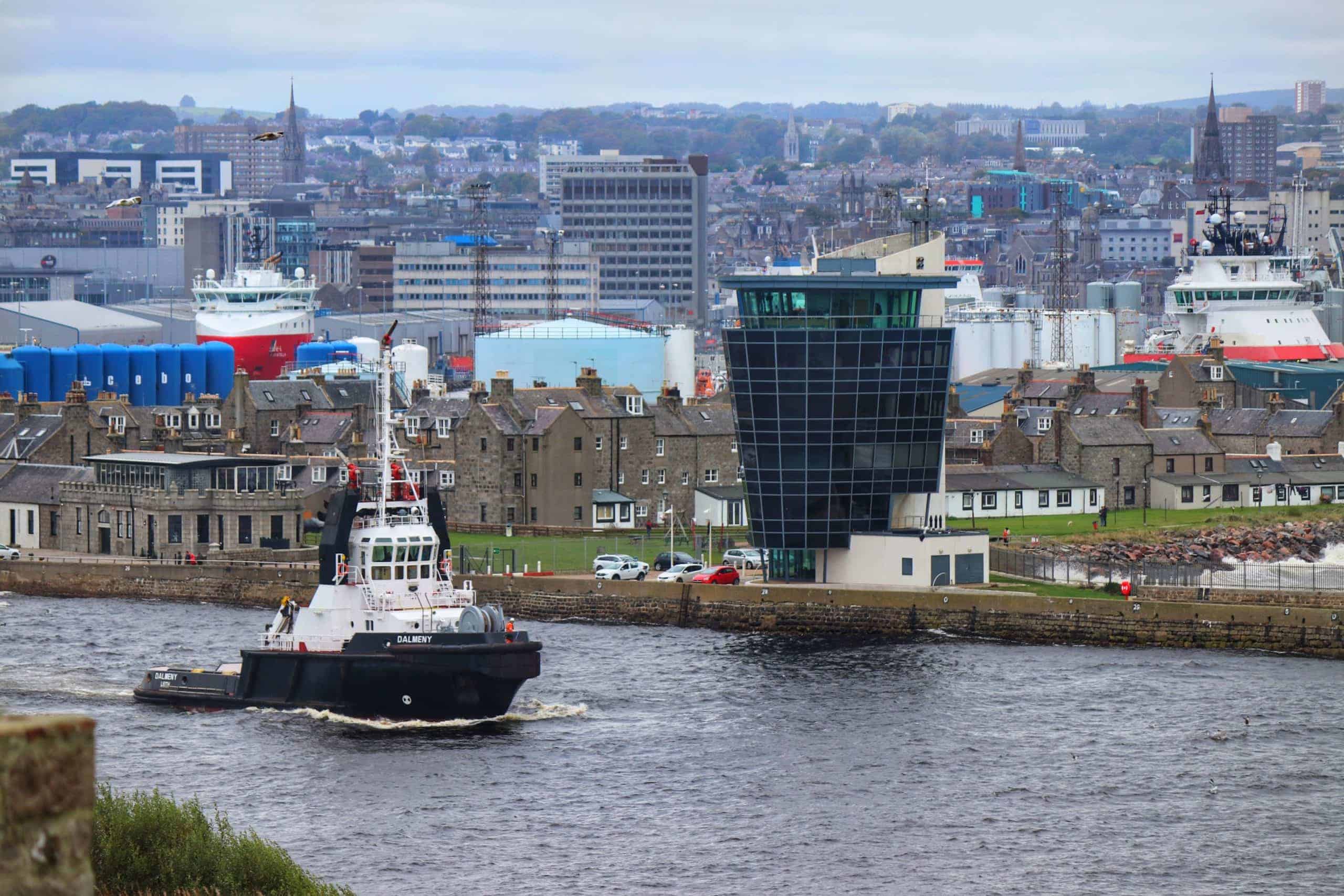
They start by handing out welcome gifts for the little ones, including a lot of toys and things to play with, which will make your kids happy.

More importantly, a hotel that genuinely cares about children will baby proof the entire room and as much of the premises as possible.

So, you get safer corners and tables that you won’t have to worry about your toddler tripping over or bumping into. The floors are reliable, and there are no sharp objects in sight.

Some hotels even go as far as providing diaper genies and step stools, and a host of other products that aim to make you relaxed during your time there, not having to worry about the well being of your child.

Having a hotel that pampers you and your kids is quite exciting. And when you and your kid walk out of the shower with matching bathrobes, you’ll know just how fun and relaxing this experience can be.

7. Extra Amenities

With the number of hotels around the world these days, it shouldn’t come as a surprise that they’d be racing to provide extra amenities for families traveling with kids. This is what separates one from the other.

For instance, you’ll find that a lot of hotels provide cribs for babies, and they can be of the highest quality, too.

You’ll naturally want to inspect the crib to make sure it is safe for your child to use. But it’s a great option to have, and it will save you the trouble of having to bring your own.

Some hotels, on the other hand, offer adjoining rooms for parents who’d like their privacy––and with kids old enough to sleep alone––but would like to keep a close eye on their children still.

Other hotels go about it differently and provide sofa beds or roll away ones in the room so that the kids could sleep in the same room as their parents -- a great option either way.

These gestures might not seem like much, but they do make a difference to a lot of parents.

They show that the hotel honestly does care about being child-friendly and providing all available means of comfort for the families that plan on staying there.

You can also expect to find accommodating room service in kid-friendly hotels.

In other words, you’ll find that warm cup of milk your kid needs to drink before bed if you want.

And most of them also provide child-appropriate meals for the young ones, and you could order those meals whenever you want through room service.

Regular hotels that don’t want to invest in families with kids won’t have such options. You may have a hard time finding a proper meal for them to eat throughout the day, especially if they are very young.

8. Preset Tours

Even if you did your research, it could still be challenging to find exciting things to do in a city, especially if you have kids with you.

Fortunately, a lot of hotels prepare packages and tours to help you better explore the city with your kids.

You’ll find that they offer tours to tourist spots around town, with a trained guide to help you and your kids learn something and explore new horizons.

You’ll most likely get picked up by a shuttle bus from the hotel premises, and they’ll also return you safe and sound.

If you want to go to the movies, they’ll help you get tickets and find out what’s showing in town, and what movies you could take your children to, and so on.

Other tours some hotels provide will include family activities like going to the zoo together, and some even give you discounted prices for such excursions.

Kid-friendly hotels do go above and beyond when it comes to accommodating families with children. This allows you to have a great vacation with your kids without having to feel like they’re burdening you—which would come with a lot of guilt.

You need to do a little digging to find a hotel that will be this kid-friendly because when you do, you’ll experience a whole other trip.

They will make your life easier, allowing you to enjoy your trip more fully.

_____

This story was brought to you in partnership with Family Destinations Guide.

4 Lesser-Known Places To Visit in Jamaica

Jamaica has been ranked the number one Caribbean destination by TripAdvisor for 2019. Therefore, it's no wonder backpackers are adding this vibrant island nation, with its hidden gems, to their travel bucket list for 2020 and beyond.

Beach in Jamaica (photo: Peggy und Marco Lachmann-Anke, Pixabay)
Beach in Jamaica

As you plan your trip, consider all of your options in terms of sightseeing, not just the places and activities that are well-known and expected. To help you get started, here is a quick round-up of four hidden gems in Jamaica.

1. Castleton Gardens

Arrived at your all-inclusive resort in Jamaica and are now in search of peace and tranquility? You will find it in abundance at Castleton Gardens, one of the oldest botanical gardens in the western hemisphere, situated in the quaint village of Castleton on the outskirts of Kingston.

Sit beside the Wag Water River and admire the view, or throw down a picnic blanket like the local Kingstonians do and make the most of the experience.

2. Nine Mile Village

Located in Ocho Rios and the birthplace of reggae legend Bob Marley, Nine Mile Village is a hidden gem that culture-seekers are sure to appreciate. It takes some doing to get there, think an arduous trek up extremely narrow, winding village paths, but it is truly worth the effort.

Once there, be sure to pay a visit to the Bob Marley Mausoleum, which is home to countless artifacts, including guitars, awards, and photographs.

If you're a massive fan, you will also want to make a stop at the famous Rasta-colored "rock pillow," which is the exact spot on which Marley is said to have lain his head when seeking inspiration for his music.

3. Lover's Leap

Lover's Leap, a 1,700-foot cliff overhanging the sea, offers more than just an incredible view and a romantic setting. It's also where foodies will find a traditional Jamaican restaurant best known for serving up classic dishes and drinks.

Lover's Leap got its name based on the legend of the tragic love story between Mizzy and Tunkey, two 18th-century enslaved people who tried to escape to avoid being separated.

The legend claims that they were chased to the edge of the cliff, and instead of allowing themselves to be caught and split apart, they decided to end their lives together by jumping to their deaths. It's essentially the Jamaican version of Romeo and Juliet!

4. The Blue Hole

The Blue Hole natural spring is one of many hidden gems of Jamaica
Blue Hole (photo: Geoff Stearns)

The Blue Hole is a clear, bottomless spring located in Ocho Rios and is tucked away high up in the mountains, away from the bustling crowds. You can enjoy its natural beauty at a limited cost or opt to participate in various activities there, such as tubing and horseback riding.

There are many combos to take advantage of if you wish to maximize the experience and make the most of a deep discount. There's no denying that Jamaica is a magical destination promising equal parts adventure and relaxation. So get your backpack ready - it's time to head on over!

_____

This story was brought to you in partnership with Sandals.

10 Fun and Free Things To Do in Sarasota

Sarasota, Florida, is not a cheap destination like Southeast Asia or South America, but there are ways to make your holiday to Sarasota a little more affordable. You can keep costs down on the Gulf Coast by mixing expensive activities with free things to do in Sarasota. I do love a good freebie!

Your wallet will thank you, plus these free activities are pretty awesome.

The Ringling Museum of Art in Sarasota

Table of Contents

  • 10 Free Things To Do in Sarasota
    • 1. Community Drum Circle   
    • 2. Siesta Key Beach
    • 3. Ringling Museum of Art
    • 4. Turtle Beach
    • 5. Unconditional Surrender Statue
    • 6. Coquina Beach
    • 7. Marietta Museum of Art and Whimsy
    • 8. Lido Key Beach
    • 9. Celery Fields
    • 10. Bayfront Park
  • Bonus: Affordable Things To Do in Sarasota
  • Wrapping Up

10 Free Things To Do in Sarasota

Sarasota is a cool town. There's heaps to do in the area, including some great activities that won't break the bank. The beaches in Sarasota are among the best in the country thanks to their picturesque white, fluffy quartz-crystal sand.

The city is also home to one of the best museums we've ever visited (don't roll your eyes just yet - we aren't even "museum people"). Okay, without further ado, here are ten fun and free things to do in Sarasota.

1. Community Drum Circle   

We heard about the Community Drum Circle from a spiritual lady we met in Sarasota. There are a lot of hippies in Sarasota. I imagine they are partial to the city due to the healing properties of the quartz-crystal sand, but that is just a wild guess.

If you are in Sarasota on a Sunday, you are in luck. The "hippie" Community Drum Circle is held every Sunday at Siesta Key Beach one hour before sunset.   

The Sarasota community loves and gets involved with this ritual-chanting, dancing, and singing. If you are looking for the Community Drum Circle, it is between lifeguard stands 3 and 4 on Siesta Key Beach. 

2. Siesta Key Beach

Siesta Key Beach - one of the nicest beaches in Sarasota

Even if your stay doesn't fall on a Sunday, we strongly recommend visiting Siesta Key Beach, our absolute favorite beach in Sarasota County. And we are not the only ones who feel it is a fantastic beach.

It has been awarded Best Beach in the United States numerous times-in 2004 by the Travel Channel, in 2011 by Dr. Beach, and in 2015 by TripAdvisor. The beach is highly regarded for its blinding white quartz-crystal sand.

Aside from the stunning sand, colorful lifeguard stands are also all over the beach, which is perfect if you want an Instagram-worthy photo. Siesta Key Beach offers free parking, which is rare in Florida.

Booking a rental car at Sarasota Airport will save you time, so you can spend more of it beach-hopping.

3. Ringling Museum of Art

The Ringling Museum of Art is free for visitors on a Monday
The Ringling

If you are in Sarasota on a Monday, you MUST visit The John & Mable Ringling Museum of Art. The museum is usually $25 a person, but admission is free on Mondays, which might be the best deal in Sarasota.

One interesting fact about Sarasota is that it was once a circus city. John Ringling owned a circus in Sarasota called "The Greatest Show on Earth."

Long story short, John purchased a large piece of land in Sarasota, where he collected various interesting and unusual works from around the world. He eventually turned part of his home into a museum you can still visit today.

Even if you are not interested in art, we highly recommend visiting the Ringling Museum of Art, as the premises are beyond opulent. 

The Ca' d'Zan building is the most impressive in the complex. John hired a New York architect to build a Venetian Gothic-style palace on the water.

The house is 36,000 square feet and has 41 rooms and 15 bathrooms. It cost him a staggering 1.5 million dollars back in 1924.

The Ringling Museum of Art is an excellent place to visit. We aren't at all surprised by the great Tripadvisor reviews. In short, go here.

4. Turtle Beach

Turtle Beach is one of the best free things to do in Sarasota
Turtle Beach

If you are interested in seeing turtles while in Sarasota, Turtle Beach is the best place to go. The best time to see turtles in Sarasota is during nesting season, from May to October.

In saying this, sadly, your chances of seeing wild turtles are pretty low year-round, as turtles come out after dark when there are fewer predators around.

Regardless of turtles, Turtle Beach is a great place to visit in any event. While the sand is dark and grainy, the water is stunning. The beach also offers the most amazing sunsets.

For those traveling to Sarasota on a budget, you will be happy to know that there is a great campground nearby. Parking at the campground is tight, but it's right on the beach.

If you drove to Sarasota and brought your women's bike, you can put it to good use, cruising from this beach to the others. We will be putting Turtle Beach back on our list of fun, free things to do in Sarasota the next time we visit.

5. Unconditional Surrender Statue

The Unconditional Surrender Statue is a symbol of the end of WW2
The Unconditional Surrender Statue

One of the most popular things to do in downtown Sarasota is to visit the Unconditional Surrender statue.

The statue of a United States Navy Sailor kissing a nurse is a famous icon depicting the end of World War II. It's based on a photo of George Mendosa and Greta (Zimmer) Friedman in New York.

Interestingly, there is controversy around the famous statue as the pair did not know each other before the photo, sparking claims that the image captured a sexual assault.

The story goes that George Mendosa was so happy to find out the war was over (and being a little drunk) that he grabbed Greta Friedman, a random nurse in the streets, and kissed her.

Many argue that the statue is an assault and should not be glorified. Due to the assault claims, the statue in Sarasota has been subjected to graffiti by "Me Too" protesters in recent years.

While George and Greta are now deceased, there appeared to be no bad blood between them as they met up numerous times for interviews and to recreate the memorable moment in New York.

It is free to enter and view the Unconditional Surrender Statue in Sarasota.

6. Coquina Beach

Coquina Beach is one of the most popular beaches on the Gulf Coast
Coquina Beach

Coquina Beach is a fabulous free beach to visit in Sarasota. It is a popular beach for locals and tourists as with perfect white, fluffy quartz-crystal sand and warm water ideal for swimming.

One quirky element of Coquina Beach is that it is home to thousands of very friendly squirrels who live in the woodlands just off the beach. They're probably fed by tourists who visit the beach, as they're ridiculously friendly.

We were a little scared of a squirrel attack while at the beach. After the fact, it was super fun to laugh about the squirrels at Coquina Beach. Like most beaches in Sarasota, Coquina Beach has free parking.

Travelers exploring more of the Gulf Coast often pair Sarasota with the St. Pete area, where Isla del Sol St Petersburg rentals provide easy access to beaches and nearby attractions.

Related: Clearwater Beach, Florida

7. Marietta Museum of Art and Whimsy

The Marietta Museum of Art and Whimsy

The Marietta Museum of Art and Whimsy is another excellent free activity in Sarasota. This museum is a winter activity set up for snowbirds. It closes for the summer and reopens the day after Thanksgiving on November 29.

In winter, in Sarasota, you will find a variety of interesting art in the museum, from paintings to sculptures.

While it is free to enter, they ask for a $5 donation as they are a not-for-profit organization. This donation is entirely at your discretion and not mandatory to enter.

8. Lido Key Beach

Lido Key Beach is one of the most beautiful beaches near Sarasota
Lido Key Beach

If you decide not to head to the Siesta Key area, we recommend a trip to Lido Key-the beaches on Lido Key are stunning.

Lido Key Beach is the rival beach to Siesta Key Beach in Sarasota. Like Siesta Key Beach, the sand is white and fluffy, and the water is perfect for swimming.

South Lido Key Beach is also a lovely beach in the area; however, swimming's not possible due to strong currents. It is popular with anglers as the waters are teeming with fish.

Parking is free at Lido Key Beach, except at the North end, where Sarasota County recently installed pay-and-display parking Monday through Friday.

9. Celery Fields

The celery fields are excellent places for nature lovers in Sarasota, particularly for those who enjoy bird-watching and photography.

The celery field is essentially a large wetland area in Sarasota. The park offers a few good elevated nature trails for more up-close and personal bird watching.

You can see much of the same wildlife here that you can view at Myakka River State Park, a paid State park just outside Sarasota. The celery fields in Sarasota are entirely free to visit!

10. Bayfront Park

Bayfront Park in Sarasota is perfect for an afternoon stroll
Bayfront Park

You will find Bayfront Park and the Children's Fountain, located along Palm Avenue, next to the Statue of Unconditional Surrender.

It is entirely free to enter Bayfront Park in Sarasota. The park is a great place to stroll on the Sarasota waterfront.

Families like to bring their children to play in and around the water fountains. There are also great picnic spots, kayak rentals, and a fun tiki bar.

Bonus: Affordable Things To Do in Sarasota

There are a few inexpensive activities we recommend in Sarasota. The Marie Selby Botanical Gardens is an affordable activity in Sarasota that the whole family will love. It costs $20 per person to enter the picturesque gardens.

The Myakka River State Park is another good place to visit in Sarasota if you love the great outdoors and want to see wildlife, including alligators and deer.

The State Park is also home to the popular, well-rated Myakka Canopy Walkway, offering terrific views of the Sarasota area. You can camp at Myakka River State Park for $26 a night, or get a day entry pass for $6 per vehicle.

The last reasonably affordable activity we recommend is the Mote Marine Laboratory and Aquarium. At $46 per adult entry, this is a popular option for family fun in Sarasota County, as it allows visitors to see Florida manatees.

Wrapping Up

As you can see, Sarasota, Florida, offers many free and affordable activities for all interests. From the enchanting beaches like Siesta Key and Turtle Beach to the cultural spots like the Ringling Museum of Art, there's no shortage of experiences that won't cost a dime.

Whether joining the Community Drum Circle, admiring the Unconditional Surrender Statue, or exploring the Marietta Museum of Art and Whimsy, Sarasota proves that the best things in life can be free.

And with budget-friendly options like the Marie Selby Botanical Gardens and the Mote Marine Laboratory, Sarasota is the perfect destination for travelers seeking value and variety.

So pack your bags and head to this Gulf Coast paradise where budget-friendly adventures await!

9 Best Places in the UK for a Walking Holiday

Coast of Cornwall, England (photo: InspiredImages, Pixabay)
Coast of Cornwall, England 

Walking holidays are an incredible way to explore the natural bounty in and around the UK. It is the best way to rejuvenate your senses and lift your spirits.

Enhance your mood with the surrounding natural spaces, witness the sunset and moonrise, get surprised with unexpected adventures and do so much more.

Even better, enjoying a walking holiday through the British countryside can also be easy on your wallet, making it the best way to have a budget-friendly trip in the UK.

Here are some of the best places in the UK which are perfect for experiencing an exciting walking holiday.

Table of Contents

  • 1. South West Coast
  • 2. Lake District
  • 3. Thames Path
  • 4. Peak District
  • 5. Wye Valley
  • 6. Rob Roy
  • 7. Northumberland Coast
  • 8. Snowdonia
  • 9. Dartmoor
  • 10. North Highlands

1. South West Coast

From the very start of the South West Coast path, you can experience fantastic natural views featuring dramatic cliffs which are popularly known as the Seven Sisters.

This path passes through Firle Beacon, which is one of the South Down’s highest points. From here, you can witness 360 degrees of panoramic views of the surrounding landscapes.

While walking along this path, look out for kingfishers and heron flying through the river margins and buzzards, which are along the downs.

You would also come across a quiet small village which is named Alfriston.

Lake District in Cumbria (photo: AndyLoynes, Pixabay)
Lake District in Cumbria 

2. Lake District

Ullswater is undoubtedly a hidden gem of the Lake District, which must be checked out when on a walking holiday in the UK.

It exudes immense tranquility and unspoiled charm. The pathways around this lake are the best way to admire the beauty of this lake.

The same path leads to Glencoyne Deer Park, which is an ancient woodland famous for housing numerous species of wildlife.

While strolling through these paths, you can even get an opportunity to witness red squirrels, red deer, peregrine falcons, holly blue butterflies, and ravens.

3. Thames Path

When strolling through Thames Path, you can witness endless serene river views with substantial properties in the backdrop.

You also get the chance of sighting impressive red kites that fly low.

As you move further, you pass the famous Dorney Lake, which was conceived originally by Eton College in the early 60s.

You can even take a break from your walk and experience rowing through the Dorney Lake waters.

This lake has been highly acclaimed since its introduction and has even been the hosting spot for Olympic rowing events.

Keswick Lake District (photo: 3855198, Pixabay)
Keswick Lake District

4. Peak District

This route passes alongside several quaint villages and goes through the Dovedale region, where you can witness a pristine river accommodated with a variety of limestone rock formations.

You also pass through the well-known stepping stones when you venture into this area.

As you go along, you come across the old Tissington trail, which features viaducts and old rail lines.

This trail skirts the Tissington village and hence the name Tissington trail.

Introduced for the visitors in 1971, this limestone pathway stretches for about 13 miles. Quintessential barns and dry-stone walls can be seen throughout this route.

Wye Valley (photo: Krisztina Papp, Pixabay)
Wye Valley

5. Wye Valley

The Wye is a stunning river meandering through a steep and deep gorge offering frequent breathtaking views.

This river accommodates a varied assortment of birds, which can be seen when you stroll through the Wye Valley.

If you are lucky, you would also get to see wild boars and red deer along the way while passing through the forests in the valley.

One part of this walking route goes through the enchanting Oake Dyke, which is a prehistoric earthwork that follows all along the English-Welsh border.

6. Rob Roy

On this route, from start to finish, you would be blessed with eye-pleasing views of the mountains.

Many sections of this route feature lochs, rivers, and waterfalls, but the best view can be seen from an elevated position above Lochearnhead.

Sightings of mining infrastructure and old rail can also be witnessed while on this route.

Flanked by towering hills on either side and stunning views of the Dochart waterfalls, Rob Roy is a route that must not be missed when on a walking trip in the UK.

7. Northumberland Coast

Alnwick Castle is one of the must-visit spots when you plan a walking tour through the Northumberland Coast.

This castle gained popularity after being featured in the Harry Potter movie series as Hogwarts.

You will come across extensive coastlines along this path where you can enjoy breathtaking views of the magnificent beaches.

This area has abundant birdlife and plenty of fishing villages. You can even spot a few seals if you are lucky.

8. Snowdonia

The Rhyd Ddu path in Snowdonia is one of the distinct paths in the UK which must be visited for an intriguing experience.

You can witness the highest mountain in Wales, Snowdon, while strolling through this path.

Take a brief stop at the summit cafe before heading to the Llanberis Path, which is another famous walking path in the region.

For a hearty post-stroll grub, you can make a stop at Pete’s Eat, which is located in the quaint village of Llanberis.

If you are famished after your walk, you can even take a Sherpa bus back to the starting location.

The west part of Snowdonia houses the Nantlle Ridge, which can be explored for a unique experience.

9. Dartmoor

When it comes to exploring any region by walking through the paths, the rugged interior of Devon is hard to beat.

Don’t miss out on strolling through the Ivybridge, which features weathered rocky hilltops, ancient stone formations, and historic hill forts.

For an enriching experience, take along a tent and camp in Devon for a night.

From Devon, you can head towards the Two Moors Way and get a chance to check out the magnificent Erme Plains before moving on to Higher Hartor Tor for witnessing the picturesque birds-eye view of the surroundings.

10. North Highlands

Torridon is the famous region in North Highlands for a unique strolling adventure.

Start your walk here from the Lower Diabaig and head north.

You will truly enjoy the experience of walking through a path surrounded by sea loch on your left and towering peaks on your right.

Continue your walk till you reach Redpoint, where you can witness the mesmerizing orange sand beach and glorious dunes.

Make sure that you complete your walk well in time and return to Craig for a night halt.

***

Ditch the traditional way of exploring the UK and gear up for a unique experience by strolling through the British lanes.

Remember to explore the places mentioned above in the UK for an incredible vacation with your loved ones.

____

This story was provided in partnership with one of our advertisers.

10 Best Things to Do in Stockholm (Sweden)

The best things to do in Stockholm include visiting a centuries-old wooden warship and royal palaces and exploring the Old Town on foot. 

I'd wanted to visit Stockholm for years; however, I always heard how expensive it is to travel in Sweden.

View of Stockholm's Old Town

When it was announced the 2019 Adventure Travel World Summit would be in Gothenburg, Sweden's second-largest city, I decided it was my time to go. 

I used credit card points to fly premium economy for free with Norwegian from Austin to London and then London to Stockholm to keep my costs down. 

A four-bed dorm at City Backpacker's Hostel was $30 per night, so $120 total for my four-night stay.

It wasn't the cheapest bed in the world, but it was less than the cost in many popular US and European cities. 

I also saved money on sightseeing with the Stockholm Pass, which I was provided for free by the local tourism office to help me see as much of the city as possible.

Had they not offered it, I still would've bought the pass as it's designed to save you money.

It also saves you time entering places that charge admission as you don't have to pay individually every time. The more places you visit, the higher the savings.

Now that you know how I kept my costs down, let's dive into the best things to do in Stockholm.

Table of Contents

  • Museums
    • 1. Vasa Museum
    • 2. ABBA The Museum
    • 3. Royal Palace
    • 4. Nobel Prize Museum
  • Walking and City Views
    • 5. Wander Gamla Stan (Old Town)
    • 6. Strandvägen
    • 7. Stockholm City Hall
  • Swedish Food in Stockholm
    • 8. Fika 
    • 9. Traditional Swedish Dinner 
  • Day Trip
    • 10. Drottningholm Palace

Museums

Visiting the Vasa Museum is one of the best things to do in Stockholm
Vasa warship

Stockholm has a surprisingly large number of museums if you include palaces in this category (which I do). 

I fought jetlag to visit as many as possible but missed a few biggies. You could spend a few days visiting museums if that's your thing.

If not, I highly recommend visiting the Vasa Museum, the most visited museum in Scandinavia.

1. Vasa Museum

The Vasa was a 17th-century wooden warship built in Stockholm that sank on its first day at sea. 

Over 300 years later, in 1961, it was miraculously raised from the seabed due to an incredible feat of engineering and divers willing to risk their lives. 

Vasa Museum
Vasa Museum

Over 50 years, the vessel has been restored to its former glory. An incredible amount of research has gone into the restoration, including which pigments were available to paint the exterior at the time. 

A scale model shows how beautiful it looked when it set sail. While you can't walk on the ship, the multi-level museum allows you numerous vantage points from the boat's bottom to views on the main deck. 

I've been to countless museums worldwide, and the Vasa Museum is one-of-a-kind. 

Admission is included in the Stockholm Pass. Address: Galärvarvsvägen 14, Stockholm. vasamuseet.se

2. ABBA The Museum

ABBA members in wax (photo: pasja1000, Pixabay)
ABBA members in wax (photo: pasja1000)

Fans of the Swedish pop band ABBA will want to head to ABBA The Museum, which features a collection of the group's memorabilia.

The group is so popular that the museum also features an integrated hotel, complete with a bar and restaurant, in case you want to fully immerse yourself in the world of ABBA. 

One of the women I met during my conference stayed at this hotel and said she enjoyed the experience. As for me, this is one of the museums I didn't visit in my limited time. 

Address: Djurgårdsvägen 68, Stockholm. abbathemuseum.com

3. Royal Palace

Royal Palace
Royal Palace

The 600-room Royal Palace occupies a commanding presence on the edge of Gamla Stan, Stockholm's Old Town.

The palace is one of Europe's largest and the official residence of His Majesty the King of Sweden. It's open to the public and still used for formal events. 

The Royal Apartments are an excellent place to start, as you can pass through one opulently decorated room after another. 

The palace also features three museums: the Treasury, the Tre Kronor Museum, which tells the palace's history, and the Museum of Antiquities. And there's a daily changing of the guard ceremony, too. 

I only visited the Royal Apartments in the interest of time and saved the rest for another visit.

Admission is included in the Stockholm Pass. Address: Slottsbacken 1, Stockholm. kungligaslotten.se

4. Nobel Prize Museum

Nobel Prize Museum
Nobel Prize Museum

In 1895, Alfred Nobel, a Swedish chemist known for inventing dynamite, established the Nobel Prize in his will. 

He dedicated 94% of his estate (valued at nearly $500 million today) to awarding annual prizes in five categories: chemistry, literature, peace, physics, and medicine. 

All of the prizes are given out at a ceremony in Stockholm. The exception is the Nobel Peace Prize, awarded in Oslo, Norway.

The Nobel Prize Museum is small but interesting. It's filled with examples of discoveries made by past Nobel Prize winners.

Some tools used in the discoveries have been donated to the museum and are on display.  

Admission is included in the Stockholm Pass. Address: Stortorget (square) in Gamla stan (Old Town), Stockholm. nobelprizemuseum.se

Related: Must-See Museums in the Swedish Capital

Walking and City Views

Stortorget is the oldest square in Stockholm, Sweden
Stortorget is Stockholm's oldest square

The central core of Stockholm is easily walkable, and because of its unique geography, there are many scenic views to enjoy. The city is stunning when the sun is out, and the sky is blue.

If you're staying outside the central area, you can take the subway or an Uber downtown for sightseeing. The Stockholm Pass includes the use of the Hop On Hop Off tour bus.

5. Wander Gamla Stan (Old Town)

Gamla Stan refers to Stockholm's Old Town, a historic neighborhood on a small island.

Plenty of walking tours are available; however, it's easy to walk around alone and get a feel for the place. 

Highlights

  • The Royal Palace
  • Stortorget - the city's oldest square
  • The Nobel Prize Museum
  • Storkyrkan - a Gothic cathedral
  • Riddarholmen Church - resting place of the Swedish monarchy
  • House of Nobility - a 17th-century meeting house containing 2,330 coats of arms

Järnpojke ("Iron Boy")

Järnpojke sculpture
Järnpojke sculpture

One of my favorite spots in Gamla Stan was one I discovered serendipitously while using Google Maps.

At just 15 centimeters in height, the Järnpojke sculpture is Sweden's smallest public monument. 

The sculpture dates back to 1967 when Swedish artist Liss Eriksson created it to add something of interest to the small courtyard in which it sits.

It was initially called "The Boy Who Looks at the Moon" but is now known as "Iron Boy." It's believed that leaving a coin or rubbing the boy's head will bring a person good luck.

Locals dress the boy according to the season with little hand-knit scarves and hats.

The statue is a half-block from the Nobel Prize Museum. Address: Trädgårdsgatan 2, Gamla Stan, Stockholm. 

6. Strandvägen

View of Strandvagen from Skeppsholmsbron bridge
View of Strandvagen from Skeppsholmsbron Street bridge

Strandvägen is a tree-lined waterfront boulevard constructed for Stockholm's World Fair in 1897. 

The beautiful architecture, harbor setting, and luxury shopping combine to make this one of the most exclusive neighborhoods in the city.

I passed through Strandvägen quickly in an Uber on my way to and from the Vasa Museum. However, had jetlag not been an issue, it would've been nice to walk back along it.

On my last day, I caught another glimpse of the water while walking along Skeppsholmsbron Street to the Modern Art Museum.

Address: Strandvägen, Stockholm

7. Stockholm City Hall

Visiting Stockholm City Hall was one of my favorite things to do
Stockholm City Hall

Stockholm City Hall was built in the National Romantic style. Eight million bricks were used in its construction.

It occupies a picturesque plot of land overlooking the water, with views of Gamla Stan in the distance. 

In addition to housing local government offices, Stockholm City Hall hosts the annual Nobel Prize banquet on December 10.

Following dinner, guests move to the Golden Hall for dancing, which features 18 million gold mosaic tiles.

The interior of the building can only be seen on a guided tour, either public and booked the same day or private and booked in advance. The day I visited, no tours were available due to a private event. 

Address: Hantverkargatan 1, Stockholm. international.stockholm.se

Related: Fall Escape to Vasterbotten (Swedish Lapland)

Swedish Food in Stockholm

Red velvet croissant and cardamom bun

Now to my favorite part of any new country: the food! I was delighted to discover the Swedes have a severe sweet tooth.

I read somewhere the average Swedish person eats 300 cinnamon buns a year. They even have a holiday to celebrate their favorite pastry. October 4 is National Cinnamon Bun Day.

8. Fika 

Fika is a Swedish custom involving a coffee break and something sweet, usually a cinnamon bun.

You can fika solo or use it to catch up with friends, colleagues, partners, or family. You can enjoy fika at any time of day.

At Mr. Cake on my last morning in Stockholm, the cashier wished me a "happy fika" when I paid for my red velvet croissant and cardamom bun. 

Both were incredible pastries, so I'm recommending Mr. Cake for your fika experience.

Address: Rådmansgatan 12, Stockholm. mrcake.se

9. Traditional Swedish Dinner 

Pelikan restaurant
Pelikan restaurant

Ahead of my trip, I re-watched the old Swedish episode of Anthony Bourdain's No Reservation (Season 2 Episode 5).

I wanted to see if there were any spots I could visit from the show. As it turns out, one historic restaurant is still open today and looked appealing. 

Established in 1733 in Gamla Stan, Pelikan restaurant has been serving traditional Swedish food for centuries.

About 100 years ago, they relocated to their current address, which features a large dining room with tall ceilings and a large, two-story window facing the street.

On the show, Tony's guests were a couple of pro skiers who ordered the Swedish meatballs, while Tony went with the boiled pig's knuckle ($22).

I'd already tried Swedish meatballs a few days earlier (I loved them!), so I went with the pig's knuckle. It's mostly a giant ball of juicy ham with a sprig of cilantro on top.

There's more than enough meat to feed two people; sharing is an option to keep your costs down. 

Meatballs, reindeer, ox cheek, and various seafood dishes are also available.

Tip: In Sweden, tipping at restaurants isn't usually expected; however, 5-10% is standard at nicer places. 

Address: Blekingegatan 40, Stockholm. pelikan.se

Day Trip

10. Drottningholm Palace

Drottningholm Palace (photo: ykaiavu, Pixabay)
Drottningholm Palace (photo: ykaiavu)

Constructed in the 17th century, Drottningholm Palace is one of Sweden's best-preserved royal palaces and, as a result, one of the country's three UNESCO World Heritage Sites. 

I wanted to make it out to this elegant palace, but I didn't have enough time in the city to make the boat trip. Next time!

Admission and boat tour included in Stockholm Pass. Address: 178 02 Drottningholm, Sweden. kungligaslotten.se

_____

I received a complimentary Stockholm Pass from Visit Stockholm AB. All opinions are my own.

5 Most Delicious Meals in Delhi (India)

Butter chicken
Butter chicken (photo: shankar s)

Nothing will tantalize your tastebuds more than Indian food.

Whether you are a spice connoisseur or a curious foodie, the combination of spices from Indian dishes will awaken all your senses and above all, WOW your sense of taste.

Each spoon of forkful, whatever your preference, is bound to tell a story from start to finish. It is always an exciting adventure when indulging in the rich tastes of Indian cuisine.

From breakfast dishes to entrees, desserts, drinks, and accompaniments, every taste has a place.

Throughout this culturally rich and diverse nation, there are variations to everyday dishes.

Here, we will look at five popular and tasty meals in Delhi and how they are prepared.

Table of Contents

  • 1. MurghMakhani - Moti Mahal Butter chicken
  • 2. Tandoori Chicken
  • 3. Momos
  • 4. Rabrifaluda
  • 5. Dahi Bhalla

1. MurghMakhani - Moti Mahal Butter chicken

MurghMakhani - Moti Mahal Butter chicken is an intensely aromatic, creamy chicken dish that became a success due to an error made by a cook.

He was making tandoori chicken and accidentally mixed it in a buttery tomato sauce.

It is prepared in two parts. The chicken is marinated in a flavorful combination of spices and yogurt to tenderize it.

The sauce is a creamy, decadent taste explosion in which the chicken is added later. It is served with either rice or naan.

Tandoori chicken (photo: ArtificialOG, Pixabay)
Tandoori chicken (photo: ArtificialOG)

2. Tandoori Chicken

Enjoyed in Northern India as well as around the world, tandoori chicken is named for the cylindrical clay oven (tandoor) in which the chicken is cooked.

They say that this meal was invented by a Hindu Punjab named Kundan Lal Gujral, who retreated from Pakistan after the 1947 partition and opened Moti Mahal, a restaurant that exists today.

It was in this restaurant he invented not only tandoori but also butter chicken.

The chicken is amply spiced and marinated in curd to bring about its identifiable red color. It is then cooked at a high temperature in the tandoor.

This mind-blowingly tasty meat can be served in pieces or on the bone with flavourful spiced rice.

Momos
Momos (photo: Silver Blu3)

3. Momos

Momos are delicious dumplings sold as street food in Delhi. They are also served at parties or as snacks whenever you're hungry.

For whatever reason you choose to nibble on them, it's a decision you won't regret.

There are several varieties of momos. The fillings can be either vegetarian or non-vegetarian.

To cook them, they can either be steamed or fried. And you can eat them with your fingers or in a soup. 

See also: Introduction to North Indian Food

4. Rabrifaluda

Rabrifaluda is a refreshing, sweet drink that is rich in flavor and served with a spoon. It is suspected to have Persian roots. In summer, it is a delicacy that provides instant relief.

It is made of vermicelli noodles "faluda," and a traditional pasty sweet called rabri, made of boiled milk, cream, sugar, nuts, and cardamom.

Rabri is scooped on top of a glass of faluda, and the drink is then topped with crushed ice and mixed well.

5. Dahi Bhalla

Dahi Bhalla is another delicious snack bound to cool you off on a scorching hot Delhi day.

It is made of creamy Dahi, or yogurt, and Bhalla, which are bready fried lentil fritters.

The Bhalla, which has a peppery taste, gets drenched in yogurt, then topped with tangy pomegranate seeds, fun yellow raisins, and yummy tamarind chutney.

The result is a creamy, spicy, and sweet combination of flavors.

With Delhi being the home to the most fragrant, flavourful spices, they have mastered the art of using the right combinations over the proper meats to create incredible meals.

These dishes are sure to not only satisfy your stomach but also fascinate your tastebuds.

New Delhi is a fantastic place to visit for food and sightseeing. Travelling is more fun when you travel to the right place.

If you would like to enjoy the benefit of a discounted plane ticket to take full advantage of the trip, you can receive this offer now with a ranchi to Delhi flight fare. Happy travels!

_____

This story was brought to you in partnership with Cleartrip.com.

Philly Food: From Food Trucks to Fine Dining

Philadelphia as seen from South Street Bridge
Philadelphia as seen from South Street Bridge (photo: James Loesch)

Philadelphia is a food town. Sure, Philadelphia has excellent restaurants, but when it comes to Philly food, I'm talking about something much broader and deeper. 

From food trucks to fine dining and from each neighborhood's ethnic cuisine to the famed Reading Terminal Market, Philadelphia is a city that loves to eat.

As with any urban area, the topographical dining map of Philadelphia can be categorized in different ways.

It's easy to get frustrated and direct your Uber in the direction of the closest T.G.I. Friday's. (Don't do that.)

Two of my favorite ways to dice up the selection are by geography and price - that way, no matter where you are, you can find a meal to match your moola. In this article, I've done both.  

Follow me through Philadelphia on a tour of three dinner-dense neighborhoods. In each neighborhood, I'll give you the best of the high, the middle, and the low.

That way, you'll have a destination for that once-a-year extravagance and a go-to for those Tuesday night munchies. 

By the end, I guarantee you'll have some Philly Food in mind for your next trip through the City of Brotherly Love.

'As long as you remember what you love and why you love it, it will never be far from your heart - or your plate' - Jose Garces, Philadelphia Chef and Restaurateur 

Table of Contents

  • Society Hill & Queen Village
    • Zahav
    • Hungry Pigeon
    • Jim's Steaks
  • Fishtown & Port Richmond
    • Suraya
    • Frankford Hall
    • The Tot Cart
  • Rittenhouse 
    • Lacroix
    • Tinto
    • Revolution Taco

Society Hill & Queen Village

Society Hill and Queen Village are some of the oldest neighborhoods in Philadelphia. 

Because of that, they have a wide variety of eateries, ranging from the most acclaimed, chef-driven concepts to your basic corner grub. 

Just because the neighborhood is old, doesn't mean the scene is stale. This area has some of the best and brightest for all our price points.

Zahav

Israeli - $$$

If you Google 'Best Restaurant in Philadelphia,' Zahav will likely show up at the top of your first screen. (Try it right now.) 

Since opening its doors in 2008, this Israeli eatery has been winning the hearts (and stomachs) of local Philadelphians and eliciting praise from both tourists and critics. 

In a wood-fired Taboon, Zahav bakes its own laffa bread to order and takes the same hand-crafted approach to all of its dishes.

While the restaurant allows BYOB, you can also order an award-winning cocktail or a bottle of Israeli wine from an unparalleled list. 

Part of Zahav's appeal is its affordability.

While it's possible to rack up quite a bill, if you BYOB and keep to the small plates, you can experience special-occasion Philly food on a not-so-special-occasion budget.

Hungry Pigeon

Comfort Food - $$

Nestled in the heart of Queen Village, Hungry Pigeon presents a rather ordinary corner-cafe appearance. It is anything but ordinary.

Somehow this unpretentious, hip spot manages to stretch the expectations of what a neighborhood cafe should be while maintaining a seriously comfortable atmosphere. 

Here's a sample of the language from their menu:

"What's our cafe like? Well, there's a long counter where you can have a croissant and a coffee in the morning, lots of tables for groups of two or four during the day, and a couple of large tables as well.

Breakfast and lunch are casual counter service. Dinner and weekend service you can kick back and we'll wait on you."

As you can tell from the description, the venue is also exceedingly dynamic.

Depending on your arrival time at Hungry Pigeon, you may find a comfy breakfast spot, a hip happy hour rendezvous, or an intimate setting for dinner. Oh, and the food's not bad, either.

From freshly baked croissants to whole fried chickens, they choose to cook what they like, and they cook it very well.

Jim's Steaks

Cheesesteaks - $

Yes. I put a cheesesteak place on the list. You almost made it through without one, but here it is - a cheesesteak place. 

The thing is, while millions may now flock to Philly for some seriously diverse cuisine, many also still come for the cheesesteaks. 

If you're in that latter group, you may as well know the best place. And no, it's not either of those two brightly-lit monsters caddy-cornered from each other on Passyunk. 

Since 1976, Jim's Steaks has been an unassuming little joint in the heart of the 'South Street' corridor. Now in its 2nd generation of proprietorship, Jim's is friendly, fun, and fast.

If you don't want to depart your first Philly food excursion without the menu item, it's most known for; this is your best bet. 

Now - if you don't know how to order a Philadelphia Cheesesteak, you better study up. You wouldn't want to look like a tourist.

Philly food fills the streets of the City of Brotherly Love
Philadelphia skyline (photo: Evgenii)

Fishtown & Port Richmond

Philadelphia's adjoining neighborhoods of Fishtown and Port Richmond are riverside boroughs, and traditionally blue-collar areas of the city. 

In the past twenty years, both have been on the rise as hip, new spots for residence, dining, and nightlife.

While the dive bars and family-owned greasy spoons are still plentiful, I was able to carve out three unique examples of Philly food at its finest.

Suraya

Lebanese - $$

Voted the 'Best New Restaurant of 2018' by Phillymag.com, Suraya is an inspired Lebanese cafe, restaurant, and outdoor garden. 

Named for the grandmother of founding siblings Natalie Richan and Roland Cassis, the menu features Levantine-inspired creations such as Sawdat Djej and Kafta Kebab. 

Suraya complements this assortment of hot and cold tapas-style dishes with a thoughtful beverage menu.

The latter features both Arak Cocktails (made with the namesake anise liqueur) and traditional cocktails with names such as 'Builders of Bridges' and 'The Optimist.' 

While I've featured Suraya as my top-tier choice for Fishtown and Port Richmond, dinner and drinks for two may only run you $50 - $75.

If you put the tab on one of your best travel credit cards, you may make that back in points and rewards.

Frankford Hall

Beer Hall - $$

Ostensibly a German Biergarten, Frankford Hall is a bit more - and worth a pit stop on your quest for some of the best Philly food. 

Located off of Frankford Avenue in the heart of Fishtown, the industrial-chic conversion from old warehouse space is a hotspot for active, young neighborhood residents. 

In addition to the German and American beers, Frankford Hall has a barrage of open-seating picnic tables (both covered and open-air), fire pits, ping pong tables, and a variety of other parlor and party games (e.g., Jenga). 

Although many party-hungry parishioners might overlook this, it's a restaurant too.

From Kasekrainer to an 'Impossible' Veggie Burger (both served with house-cut fries), Frankford Hall brings its A-game to high-end bar food.

The Tot Cart

Food Truck - $ 

Considering the name of the article, I had to get this in somewhere.

Although Philly may not be quite as known for its Food Truck scene as some of its East Coast compatriots, it still has some mobile gems. 

And while it goes against the spirit of the thing to confine a Food Truck to one neighborhood, The Tot Cart calls Port Richmond home as much as anywhere else. 

Started by tot enthusiast Julie Crist, this rolling bit of gourmet grease is making a name for itself all over the city and surrounding areas. 

The menu is structured to build-your-own tot creation from 'Gourmet Tot Toppings' such as Gravy or Buffalo Sauce to 'Deluxe Tot Toppings' creating dishes such as the 'Pork Roll' and the 'Reuben.' 

More often than not, The Tot Cart is frying at a public or private event.

Rittenhouse 

Named after the first director of the United States Mint, Rittenhouse Square and the surrounding neighborhood are some of the most exclusive and posh areas of Center City Philadelphia. 

While this locale skews toward the high-end, we can still enjoy great eats at all price points.

Lacroix

Global - $$$$

Located in the Hotel Rittenhouse (arguably Philadelphia's premier hotel) and overlooking Rittenhouse Square, Lacroix is one of the most well-regarded fine dining restaurants in the city. 

While the name is French, the cuisine boasts both global influence and fresh farm-to-table ingredients. 

Executive Chef Jon Cichon inherited the kitchen from his mentor, Jason Cichonski, and has grown the menu to include seasonal dishes such as Hay Roasted Squab and Bethmale Chevre.

The wine program is one of the city's most exclusive, and the two bars are both elegant and well-stocked with premium spirits. 

While the price point might relegate Lacroix to a once-a-year occasion, it's the perfect opportunity to try out some of the best hotel credit card offers of 2019. However you pay, you won't be disappointed in the experience.

Tinto

Spanish - $$$

Opened when he was still in his mid-twenties, Chef Jose Garces' second restaurant Tinto, has been thriving only a few blocks from Rittenhouse Square. 

Tinto is a Basque wine bar and tapas restaurant serving small plates such as bocadillos (finger sandwiches) and brochettes (skewers) paired with some of the best wines from Rioja, Ribera del Duero, and other famed Spanish domains. 

Just next door, another Garces creation Village Whiskey operates as a whiskey tasting bar and Prohibition-themed gourmet burger joint. 

The two locations share a kitchen, a loyal clientele, and a fantastic vibe.

From Distrito to his flagship Amada, the Garces Group restaurants are some of the most exciting authentic ethnic experiences in Philadelphia and the best examples of famed Philly food.

Revolution Taco

Tacos - $

Honestly, the Rittenhouse Square neighborhood of Philadelphia doesn't lend itself well to economical fare, but our next destination, Revolution Taco, fits the bill.  

As with Lacroix, although the name suggests a more restrictive cuisine, Chef Carolyn Nguyen prides herself on using the taco shell as a vessel for a variety of globally-inspired dishes. 

Notable menu items include roasted duck tacos, Korean beef tacos, and vegan BBQ cauliflower tacos. 

With prices starting in the single digits, Revolution Taco qualifies for special notice as an affordable bit of Philly food.

***

Philadelphia food is a whole lot of fun. Like its big brother New York City, Philly offers a wide variety of options on a massive scale of price points. 

Because Philly is considerably smaller than NYC, all of the neighborhoods I've just toured you through are a $20 cab or Uber right apart. 

Do yourself a favor and spend a weekend eating your way through Liberty City.

Then come back and add a few restaurants (or even a new neighborhood) to my list.

***

If you've got a taste of the luxury life and are thinking of upgrading your vehicle you can sell your old car to Junk That Car and purchase your new ride.

Bicycle Touring: Lessons Learned from 20,000 Miles in 10 Years

Bicycle touring in Spain (photo: Ingi Finnsson, Pixabay)
Bicycle touring in Spain (photo: Ingi Finnsson)

Bicycle touring is one of the most fascinating ways to travel and explore the world.

When riding a bike, you’re going fast enough to cover meaningful distances, but slow enough to be able to observe and experience things. 

My first bicycle tour happened when I was 20 years old, and I got hooked immediately. At first, I thought I hated it, but the pieces of the puzzle soon started coming together.

After ten years of regular bike travels through several different countries and continents, I feel like I have a couple of things to share. 

If you’re thinking about doing a bicycle tour, but you’re not sure whether it’s the right type of traveling for you, this article will give you a better idea of what to expect.

If you’ve already done a bike tour, but you’re not sure whether you did everything right, you might recognize yourself in the notes below.

Table of Contents

  • Bicycle Touring is Hard
  • Traveling by Bike Buys You Time
  • You Might Not Enjoy Every Moment, and That's OK
  • Learn How to Repair Your Bike
  • Bring Only the Necessary Items
  • Bike Touring Can Be Cheap or Expensive-It's up to You
  • Even If It Goes Bad-You'll Want More

Bicycle Touring is Hard

Imagine riding your bike for 50-60 miles over flats and hills. Sounds hard, right? 

Now imagine doing that day in and day out, sometimes for months, with 50 to 100 lbs of gear strapped onto your bike.

Moreover, imagine having to do that on hot and cold days, as well as on rainy and windy days. You get the point, bicycle touring is hard. 

However, it depends on you how difficult you want to make it.

There are different types of bike touring – guided, self-guided, supported, unsupported, credit card bike tours, and many others.

None of them come without challenges, but some offer more comfort than others. 

Yet, even though traveling by bike is more difficult than traveling by car/bus/airplane, it’s the most rewarding thing you can do. 

Bicycle touring in Germany (photo: MissVip, Pixabay)
Bike tour in Germany (photo: MissVip)

Traveling by Bike Buys You Time

Some of the most popular bike facts tell us that cycling will make us healthier, fitter, and happier.

However, you don’t often hear that cycling and traveling by bike will buy you time.

On top of prolonging your life by being active, you will experience time passing by more slowly when you’re on a bike tour. 

Think about something that happened to you a week ago. If you spent your entire week in an office and at home, you’ll feel that a week ago was yesterday.

When you’re on a cycling trip, a week ago seems like a month ago. That’s because your days are jam-packed with new experiences.

Something new and exciting happens all the time—you meet new people, see new landscapes, learn new things, etc.

Therefore, I can confidently say that a month on a bike is like living a year off your bike.

You Might Not Enjoy Every Moment, and That's OK

A lot of people idealize bicycle touring before they make their first trip.

They expect a life-changing experience, imagining that they will enjoy every moment of the trip.

That’s not exactly how things go when you’re on the road, turning the pedals all day long, exposed to the elements. 

At times, your bicycle trip will suck big time. It’s important to realize that that’s normal and completely OK. Everyone has a bad day from time to time.

What matters is that you are likely to have more good than bad days than if you didn’t make the trip. 

Mountain biking in the Italian Dolomites (photo: Simon Steinberger, Pixabay)
Mountain biking in the Italian Dolomites (photo: Simon Steinberger)

Learn How to Repair Your Bike

One of the most important things I want to stress about bicycle touring is that you should learn how to repair your bike.

Ideally, you should understand how different parts work and what they do.

Of course, nobody expects you to get better at it than the servicemen at your local bike shop, but you should learn the basics. 

This is especially important if you travel off-road and visit places away from inhabited areas. Even the best gravel bikes out there are not invincible.

You will have to do regular maintenance on them, change some parts, and do minor repairs from time to time. 

Experience can teach you a lot, as well as the trial and error approach.

However, I recommend watching YouTube videos and reading how-to posts before hitting the road.

Bring Only the Necessary Items

One reason why bicycle touring is challenging is that you are carrying a lot of stuff on your bike.

If you go on an unguided, self-supported trip and choose to camp, you will have to carry your bedroom, kitchen, living room, and your closet all on your bike. 

Therefore, make sure not to make your trip more complicated than you need to by carrying only the essentials.

My go-to strategy is to pack everything I think I will need, unpack it, and then remove everything that I think I can live without. If necessary, do this a couple of times. 

After a couple of bike tours, you will already know which items you use a lot, which rarely, and which never at all.

Make sure to bring some “pleasure items” as well; there’s no point in going “full Spartan.”

A cyclist touring Spain (photo: knordback)

Bike Touring Can Be Cheap or Expensive-It's up to You

Bike touring is one of the cheapest ways to travel. Bike touring is one of the most expensive ways to travel.

Both of these statements are 100% true. It depends on you how cheap or expensive you want to make your bicycle trip. 

You can have the time of your life riding a 20-year-old mountain bike that had been gathering dust in your garage, relying on cheap used gear, and sleeping in a tent from Walmart.

On the other hand, you can also ride a bike that costs $2,000, sleep in a tent that costs $600, and use additional gear that costs up to $1,000 in total. 

My first bike tour was much like the first scenario, and I absolutely loved it.

Over time, I learned about gear, figured out what my priorities are, and upgraded things one by one.

See also: How to Save Money for Your Next Trip

Even If It Goes Bad-You'll Want More

Last but not least, one of the most important notes from my ten years of traveling by bicycle is that you’ll always be craving for more.

Even if your whole trip goes bad, at the end of it, when the impressions settle down, you’ll only remember the good things. 

So, if you plan to start bicycle touring, prepare to get hooked from the first trip you complete.

The sense of accomplishment when you get home and realize that you have covered hundreds or thousands of miles only with the power of your body and mind is something nothing else can replace.

____

This story is brought to you in partnership with Bicycle-Guider.com.


Instagram & Comparison Culture: Healthy Ways to Use IG

Social media is weird. It feels like we all have this bizarre, adversarial love-hate relationship with it. We love to post, we love the likes, and we love to check in and see what our friends are up to, but we also can't help but hate it. We hate the desperation for likes, how it makes us feel, and the picture-perfect lives other people seem to have.

We can't seem to crack it. We want to unplug and appreciate the "now," but we also want to feel included in what's happening in the world. We want to show off our lives to our friends when we feel ours are empty and not good enough. Is it just me, or does this brand-new social media phenomenon seem to be short-circuiting our brains? What is it doing to us? 

Gilad, the author
Gilad, author of this guest post and blogger at The Overthinker's Passport

This is a comparison culture. It's pervasive, it's intense, and it's backing us into a corner. It keeps us stuck between a rock and a hard place. Do we contribute, or do we unplug? Do we stay in the world of what's happening or remove ourselves? The answer is neither. Let me explain.

Table of Contents

  • What is Comparison Culture?
  • How Does it Work?
    • Filtering
    • Cropping
    • Posing
    • Selective Posting
  • How Does Comparison Culture Affect Us?
    • FOMO (Fear of Missing Out)
    • Mental Contrarianism
    • Inescapability
  • So What Can We Do About It?
    • Ask Yourself Some Hard Questions
    • Add a Mental * to Your Newsfeed
    • Recognize the Algorithm
    • I Don't Know

What is Comparison Culture?

Comparison Culture is the phenomenon of social media pitting us against each other by making us repeatedly compare ourselves to the faked and curated versions of each other. Our friends use Instagram, Facebook, & Twitter to create a "brand" of themselves that they want the world to see.

And then we take that brand, incorporate it into our worldview, and decide that our friends' lives are far more exciting, happy, and wholehearted than ours. Everyone's life is distilled into a gallery version of a photoshopped supermodel: curated, filtered, contextless, and unrealistic. And the crazy part is that it's all fake. 

How Does it Work?

Because social media is a relatively new invention, people are continually devising new and creative ways to use it to boost their brand and self-esteem. Pictures that used to be spectacular or eye-catching quickly fade out of sight in the endless newsfeed scroll, so Instagrammers have developed innovative techniques to stand out. And they all feed the comparison culture beast. 

Filtering

If there's one Instagram technique I'm hugely guilty of, it's filtering. It used to take teams of people to touch up and airbrush photos for magazine covers, but only recently did we get the tools to do it ourselves. We've developed digital marketing skills and become our own agencies and, as a result, have warped the images of our lives to fit the brand we want them to convey. We know model influencers don't have wrinkles, so we smooth ours out. We see those travel influencers don't have cloudy days, so we boost the saturation. 

Example: Boosting your pictures' saturation to make them look more beautiful & vibrant than they are. 

The issue is because we all do it, the world looks far brighter and far more vibrant on our newsfeeds than it does in real life. Suddenly, a beautiful sunset or a mountaintop view seems dull and underwhelming compared to what we've seen in each other's newsfeeds. The world, in reality, becomes a bit less interesting than the world online, and as a result, our world becomes a bit less attractive than other people's worlds. 

Cropping

Cropping is the intentional removal of aspects of our pictures that don't fit the brand or tone we're trying to set. We all crop, and we do it shamelessly. Have you ever tried to take a picture of the Eiffel Tower or the Leaning Tower of Pisa, but those pesky tourists keep getting in the way? A quick snip of the edges or a brief wait for that one millisecond of tourist-free space will do the trick. And boom. All of a sudden, you've posted a beautiful, serene, iconic photo of one of the world's wonders without context and with all those annoying imperfections removed. But what does that do to us?

Angkor Wat
Crowds at Angkor Wat

Example: Taking a picture of an iconic travel site without flipping the camera to show the bazillion other tourists doing the same thing. 

When we see a picture intentionally cropped to remove other tourists, garbage, or debris, we strip that picture of its reality. The crowds, the bustling nature of these places, and those annoying things that live on the fringes of your photographs are part of the experience. When you remove them, you tell the world they don't exist.

So when I, for example, go to the Eiffel Tower or Leaning Tower of Pisa and expect it to look like it did in your picture, I'll be disappointed and deflated by the crowds and imperfections inherent in the experience. The same will happen to you. 

Posing

Posing genuinely makes my skin crawl. We've all seen it. People ask their friends to take a picture of them and then stand in front of a beach, looking away mysteriously, hand in their hair as if to make it seem like it was a candid moment. And then they filter and post it with a Maya Angelou quote to give the impression that they're deep and reflective. What bugs me in particular about posing is how transparently fake it is.

Man posing
Man posing

Example: Posting the headshot above with the caption: "Never make someone a priority when all you are to them is an option."

To see people freeze-frame while pretending to laugh or a person pretend to walk down Fifth Avenue in Manhattan makes me cringe. It sells this horrible narrative that our actual lives aren't good enough to take snapshots of. Instead, to get a picture of ourselves looking good while living our lives, we need to take 36 of the same photos and pick the one that looks best. Fake candids and poses remove the spontaneity of pictures and make it seem like other people's lives are generally filled with laughter and devoid of awkward obstacles when the reality is that we all struggle with the same issues. 

Selective Posting

Selective posting is interesting because it's less about what you do with your pictures and more about which photos you share. If you scroll through almost anyone's Instagram feed, you'll be bombarded with images of happy couples, adventurous hikes, beautiful sunsets, and gorgeous models. You won't see any pictures of arguments, unhappy marriages, loneliness, anxiety, or depression. That's because people post what they want the world to know about them. 

Sunset
Messy bed

Example: Posting a picture of a beautiful beach sunset and not posting a photo of moving into a new apartment. 

In essence, selective posting removes the negative aspects of our lives in favor of the brands we want others to see about us. We want to appear as the fun-loving model type who flies to Thailand on a whim or the happy couple who travels the world together. We never want people to know about our more negative moments, such as our breakups, boring jobs, or financial struggles. We keep those things locked in a box just for us to see so everyone else can still assume that our lives are as glamorous as we wish.

How Does Comparison Culture Affect Us?

Comparison Culture is a hugely problematic issue in our world today, and there are tons of studies that back that up. Many psychologists have noticed that the more connected we are to our social media, the higher our incidences of depression and anxiety likely are. There have been dozens of scientific studies that examine the psychological effects of internet addiction on our minds. I think that there are three big reasons why Comparison Culture is dangerous. 

FOMO (Fear of Missing Out)

For those who don't know what FOMO is, it's shorthand for the "fear of missing out." The fact that this word was only developed within the past few years is a huge testament to its relation to social media. The fear of missing out begins with scrolling through our newsfeeds and seeing all the fun things people around the world are doing. Now, did FOMO exist before Instagram? 100%. But did it get worse since it became popular? Definitely. 

Our world's pre-social media existed within our little bubble. We knew about what our circle of friends and family was doing, and that's about it. We never knew that a loose acquaintance was partying in Mykonos or that some random influencer was out trekking in Argentina. Our circle of comparison was much, much smaller. Now, however, that we have people from around the globe within our daily sights, our circle expands globally and shows us every little thing we're missing out on. And with all the fun stuff other people do, how can we not feel bad?

In addition to our wider circle of "friends," the very fact that social media is a constant highlight reel of other people's lives triggers the FOMO in us. I can be doing some of the coolest hiking and traveling that the world has to offer, but if I see someone else doing the same thing with more friends or with a spouse, my experience suddenly seems diminished. It's a lose-lose game. The more you participate, the more deeply entrenched you get in that pesky trap. 

Mental Contrarianism

One of the most irritating parts about social media to me is that I know that I'm being fed enhanced versions of people's lives, but I buy into it anyway. It's the classic logic vs. emotion dilemma: On a logical level, I know that what I'm seeing is a highly filtered, unrealistic version of a person's life. But on a deeply emotional level, my envy is real, and I feel powerless to control it. 

This drives me up the wall because I am aware of the frustration I'm putting myself through, and I still can't find a way to remove myself from it. I think many of us feel this way: we know what we're seeing is fake, but still, somehow believe deep down that there's a lifestyle we're missing out on. We kick ourselves for buying into it while still buying into it anyway. 

Inescapability

I think every argument surrounding social media comes down to the one dead-end we all share: we're not going to delete our Instagrams. We're not going to block our friends and family. We're not going to magically tune out everything online that's happening around us. That's just the direction the world is going, and it can be infuriating. We're essentially drinking the Kool-Aid daily despite knowing that it's making us sick. Of course, that'll have detrimental effects on our brains. 

IG likes

So What Can We Do About It?

I know, at this point, things seem rather bleak. Social media isn't going away, and neither is its propensity to fuel Comparison Culture. So, we must ask ourselves what we can do about it. How do we get these logical arguments to stick? How can we reinforce the notion that social media isn't real and that our lives are extraordinary, just as they are? I'm not sure.

Cultivating a healthy relationship with Instagram is challenging because it requires cultivating a healthy relationship with yourself. All the issues we face regarding social media are just symptoms of much bigger internal insecurities that we're not dealing with. But I think there are some tools we can use to help get the ball rolling on self-love and build enough momentum to make positive strides. 

Ask Yourself Some Hard Questions

In my opinion, comparison culture is rooted in a collective deep insecurity. When we see other people seemingly living their best lives, all of our shame, worries, and concerns jump into action. The only way to tame those feelings is to understand why those pictures elicit such a reaction in us in the first place.

So the next time you're scrolling through your feed or posting a picture and feel that wave of envy bubbling up inside you, take a second and ask yourself some critical questions. 

  • Why am I removing the bad parts of this picture?
  • Why am I boosting the saturation or cropping out the crowd?
  • What gaps am I trying to fill in this story that I'm unhappy with?
  • What do I wish was true about this picture that isn't? 

These questions are difficult to ask and even more challenging to answer, but they're essential because they're the keys to the root of the problem. If insecurities are a gunshot wound, lying about the quality of your life is a Band-Aid, and you can't treat a gunshot wound with a Band-Aid. For me, this has been the most positive and beneficial way to handle my social media envy, not only because it reframes my relationship with it but because it puts other people in context as well. 

Add a Mental * to Your Newsfeed

When emotion trumps reason, sometimes you have to inject reason back into it. This logical mental asterisk is the second most useful tool I've found when combating Comparison Culture. Put a little * next to the images you see on your feed to remind yourself that this isn't the whole picture. This is the filtered, curated version of a person they want you to see, and they're posting these highlights purposefully to convey a particular lifestyle. Keep that logical argument in your back pocket, and remind yourself daily that these people whose lives you envy feel the same way you do. 

Recognize the Algorithm

When it comes to likes and comments, remember that Instagram uses an algorithm to calculate your visibility. Therefore, the quality of your posts generally has little to do with their popularity. In short, pictures don't necessarily get likes because they're good.

They get them because of a complex and impenetrable algorithm that has everything to do with the Instagram platform and nothing to do with you. It's not your fault if your posts don't get much attention. It's not because people don't like you or what you posted isn't interesting. It's that Instagram controls what your followers see. For example, if you have 600 followers, Instagram will likely only show your pictures to 75 of them. 

I can't tell you how many bathroom selfies I've seen that get over 50,000 likes when my pictures from the tops of volcanoes get 100. Practice removing yourself from the blame. It'll take a lot of weight off your chest.  

I Don't Know

If I'm candid, I'm not too sure what the future holds for social media. I think that people are beginning to catch onto its harmful effects, which will hopefully spur some change. Instagram recently released a test version of a feature that wouldn't show other people how many likes you've gotten on a post. That makes me hopeful.  However, we must remember that social media is a recent experiment in which we're all participating.

Never before have we been able to be our own modeling agencies and roll out our own red carpets. We're in uncharted territory, so I don't think we know how things will turn out. I'd love to hear from you. What do you think? Do you think social media is as harmful as I do? What can we do to fix some of the problems it has created?

How to Camp Without a Tent

Hammocks offer an easy way to sleep off the ground (photo: Pixabay)
Hammocks offer an easy way to sleep off the ground

Tents can be useful, but it takes a lot of energy to carry them. They're heavy and can take up a lot of room in your backpack, which is why you may be eager to try an alternative. What if we tell you that you can learn how to camp without a tent?

Our team did the research, and we discovered you don’t need a tent for camping. Take a look at the tips below, and get yourself ready for your first tent-free adventure!

Tips for Camping Without a Tent (Warm Weather)

Did you check the weather forecast and it seems like the weather will be hot these days?

If you have never camped without a tent, it would be smart to pick warm and rain-free weather for your first trip.

You won’t have to worry about rain, and that makes things easier. However, you will still need to invest time and effort to prepare for the night.

Here are the essential tips you should consider:

Find a good shelter - there is no rain, but it may be windy during the night. That is why you should look for a position where you will be protected from the wind.

Don’t stay near the water - it is not only that you can expect a lot more bugs, but big animals might come to drink water.

Choose popular parks and other safe places - you need to consider wildlife because you don’t want a bear getting into your camp in the middle of the night. Always stick to popular parks, and get local rangers or authorities to confirm the safest places for camping.

Inspect the area for poisonous plants - poison sumac, oak, and ivy are some of the plants that could cause problems. If you are not an expert, avoid all plants that have three leaves.

Always use a bug spray - you can even consider a mosquito net, but a bug spray is essential, especially if you are sleeping on the ground.

Find a level ground for sleeping - you wouldn’t want to find yourself waking up at the bottom of a hill, would you?

If it is your first time to sleep outside without a tent, we would suggest taking one as a safety net.

You might not need it, but if you feel like you are not ready for a tentless sleep, you will have an alternative.

Quinzhee
Building a Quinzhee (photo: Sterling College)

Below-Zero Camping Without a Tent

Things get a bit trickier when the temperature gets below zero. If you don’t feel like entering survival mode, you should consider getting a cold weather tent. But if you are ready for below-zero temperatures, get prepared for a real adventure!

First of all, the ground is cold, and possibly, wet. That is why you shouldn’t sleep on the ground. You can use a hammock, sleeping bag, and even a light pop-up tent.

For those who want to enter full survival mode, here are several options:

Trench Shelter – use snow to make two walls, and close the top to protect yourself from rain. The idea is to create a small shelter so that you can stay warm during the night.

Bough Bed – get some logs and arrange them on the ground. Use leaves, grass, and boughs to make a sleeping mattress. Keep in mind that this won’t protect you from the wind, rain, or snow.

Quinzhee – similar to an igloo. The building idea is simple – make or find a big snow pile, and make a hole in the middle. It will take skill because this shelter carries the risk of collapsing on top of you during the night.

If you don’t want to do it the easy way and use a waterproof tent, we suggest a combo of trench shelter and bough bed.

You should always get everything you need ready before nightfall. It's easier to find everything during daylight hours, and you can relax knowing that you are ready for nighttime.

The good news is that you don’t have to worry about bugs if the temperature goes below zero.

Despite that, you may want to wear a beanie hat to stay warm. We lose a lot of heat through our heads. 
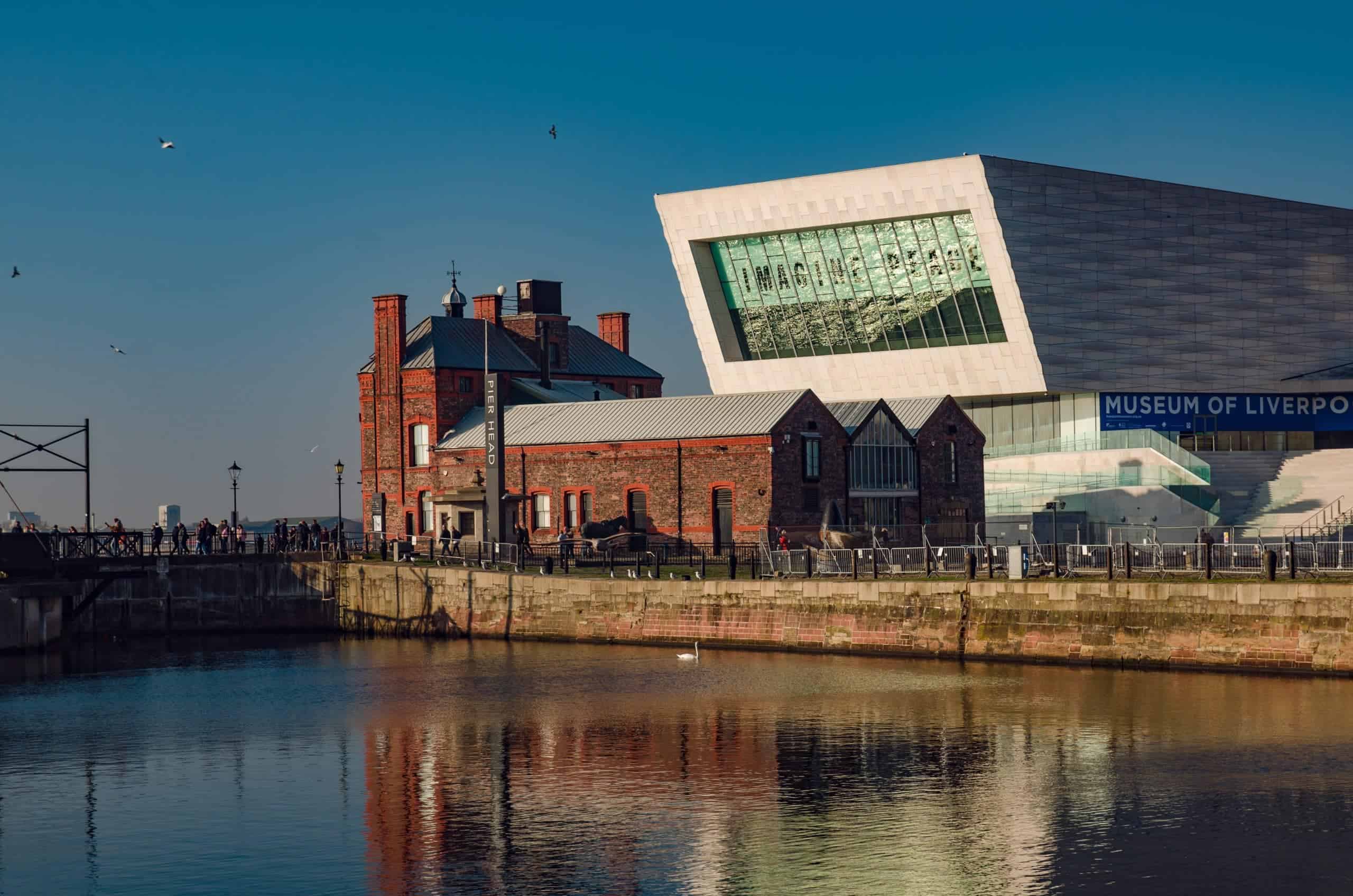
Conclusion

We hope that our quick guide on how to camp without a tent offered helpful tips ahead of your next adventure.

The crucial thing is to be careful to protect yourself from animals and bugs and build a proper shelter. If it is cold outside, you also want to ensure that you are warm.

As long as you achieve that, you are set for one of the most memorable camping experiences of your life!

*

If you decided to try camping without a tent, you certainly need to have a good and affordable sleeping bag for your adventure. The WildProofGear team offers its research for top-rated budget sleeping bags.
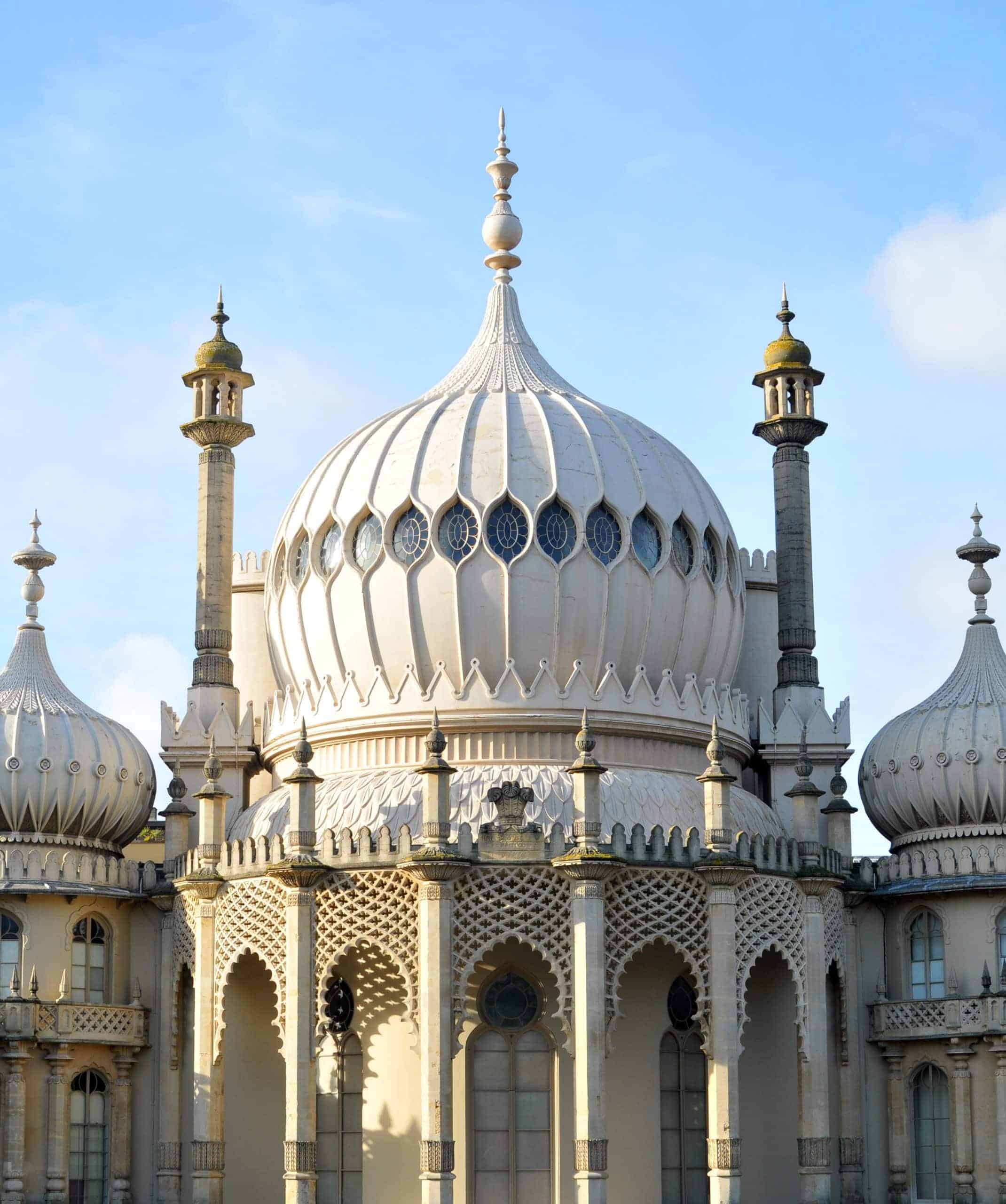
Read their full review at https://wildproofgear.com/best-backpacking-sleeping-bags-under-100/  

_____

This story was brought to you in partnership with WildProofGear. 
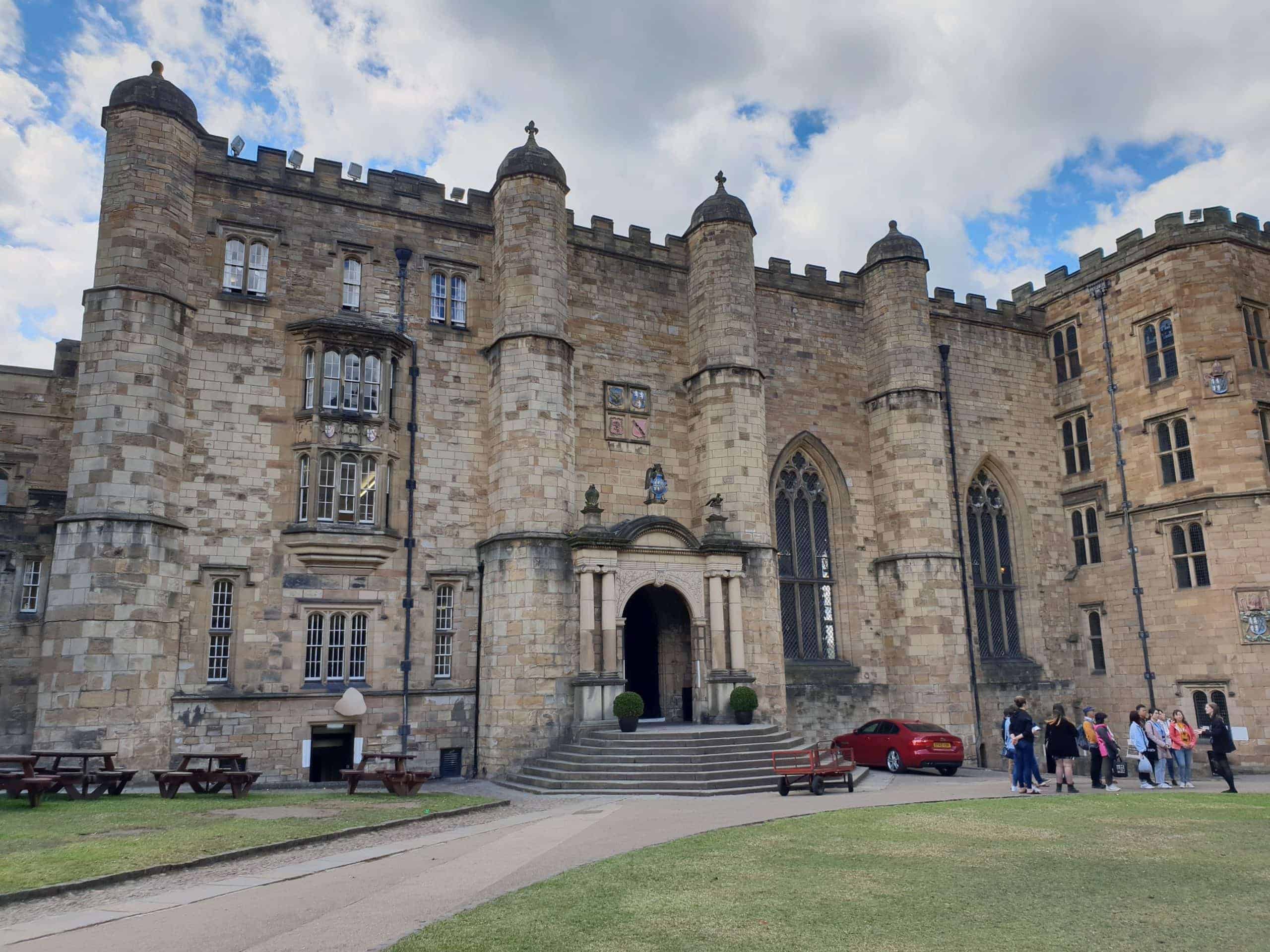
 

3 Iconic Places to Visit in New York City

New York City
New York City (Credit: Aurelien Guichard)

When you hear the name New York City, what comes to mind?

Yellow cab-filled streets, bright lights in Madison Square, a famous mob movie, maybe?

For me, I think metropolitan, high-fashion, upbeat, trendy, diverse, but yet still showcases a little art and history.

In New York City, when things need to happen, they happen quickly because there is always something to do and people to see.

With so much happening around one of the most buzzworthy cities in the world, naming just three iconic places is a little challenge. However, I am about to give it a go. I hope you like them as much as I did!

1. The Empire State Building

Of course, one cannot go to New York and not visit the building which has featured in “Sleepless in Seatle," "An Affair to Remember," "Elf," and more recently, "Spiderman.”

Towering at a whopping 1,454 feet, with 103 stories, it was once the tallest building in the world. Today, it is still a magnificent sight with 6,514 windows so dazzling birds confusingly fly into them.

Towering over Manhattan, the 86th and 102nd floors have been made into observatories where tourists can take in epic views of the city.

2. The Statue of Liberty

A formidable figure which stands over Liberty Island is the famous gift given from the French to the Americans in the year 1886 called the Statue of Liberty.

Being a symbol of freedom as its name suggests, it is one of the world’s tallest statues standing at 152 feet tall. To fully take in this iconic statue, a tour to the island is required.

Once there, you can explore the statue's base, enter the pedestal, and if you’re willing to pay a little for a VIP experience, go up to the statue's crown.

The tour also allows you to visit the immigration museum, where countless immigrants were processed into the American borders.

3. Rockefeller Center

John D Rockefeller was an American industrialist who kept future generations in mind.

Making his money as an oil tycoon, today their family is worth $11 billion, making them one of the world’s wealthiest families.

It would come as no surprise to know that Rockefeller Center is home to a state-of-the-art metropolitan experience.

With specialized shops, motifs, and sculptures, Rockefeller Center is home an impressive array of famous artwork.

You would also be able to learn about how Rockefeller’s vision became a reality.

Encapsulated in the middle of the center, is a unique garden which provides an escape from the hustle and bustle New York gives.

Amongst other fascinating things to do in the center, one worth a quick mention is the NBC studio tour, which blends the education of what broadcasting is about with the behind the scene glimpse.

Lastly, but certainly not least, to visit, is the radio city music hall where you could either choose to attend a performance or go on a backstage tour.

You can visit some more best places in New York City like Coney Island, Chinatown, the Bronx Zoo, 9/11 Memorial and museum, etc.

I hope that after reading this list of the three must-visit destinations in New York City, you would agree that these places have come to symbolize the city.

But, although I have done my best at painting a picture of what New York has to offer, your best bet would be to get out there and experience it for yourself! You can get affordable and reliable parking options through JFK Parking with Parkos.

_____

This story was brought to you in partnership with Parkos.


How to Protect Against Petty Theft in Any Country

Near Quito's historic center

A while back, I visited Quito, Ecuador, and was surprised with how many stories were passed around about petty theft in the city.

It seemed to be so commonplace, and it was concerning.

The topic of theft was the main thing I discussed with people who had been there. Furthermore, several people I knew were actually robbed in Quito.

I am happy to report that I traveled throughout Ecuador without being robbed, but I think it was largely due to the precautions I took.

I try to be aware of potential petty theft and take steps to minimize the chances of it affecting me.

So without further ado, here is how you plan for it (and plan to avoid it).

1. Minimize the Stuff That Can Be Stolen

The first way to handle potential petty theft is simple: try not to have everything on you at any one time.

Although this is impossible while you're in transit from one place to another, it is a smart thing to do once you get to your hostel.

Once you get to your lodging, take some time to secure certain things that you won't take out with you during the day.

This can include your passport (carry a copy), ATM cards (take cash), your laptop, and extra phones. Lock them up somewhere, like in this travel safe.

There's no reason to carry around your full wallet, passport, and phone everywhere you go.

You can thin out your wallet considerably by taking enough cash for the day and leave everything else locked up at the hostel.

Think about it-- if you are only carrying $75 in cash during the day and no ATM card, then the maximum anyone could rob you of would be the $75.

It would sting, but wouldn't be too great of a loss.

Also, consider where you might be going-- do you really need to take your expensive camera?

Unless you are specifically going to do a photoshoot, taking your $2,000 DSLR camera might be unnecessary.

You can snap pics on your phone if you need to.

Speaking of phones, consider offloading the data of your phone (or using a cheaper one) when you go out in a place where petty theft might occur.

Make sure your private information like passwords, private photos, and personal data are not easily accessible on your phone.

That way, if someone does steal your phone, you've minimized the damage that can occur.

A simple way to do this would be to have a second phone -- one that has a good camera, but which doesn't carry a lot of apps or personal data.

Perhaps it could include a translator app, Google Maps, and a list of things you want to see and do, but not much else.

Again, in the event you are robbed, you wouldn't be losing as much as you could, and you wouldn't have to worry about getting your identity stolen on top of it.

See also: How to Choose the Best Travel Camera

Medellin, Colombia
Medellin, Colombia

2. Have Backups and Backup Plans for Your Most Valuable Stuff

If you plan to use only one phone on your trip, it's a good idea to backup your phone before going out.

In the event that someone swipes your phone, you don't want to lose all the data and pictures, plus all your communications with friends and family, apps, notes, etc.

In short, don't make yourself vulnerable by having all your data and photos in only one place.

So, there's no reason not to make backups. I use an external hard drive like this one.

It has a couple of terabytes of space, so I know I can store practically anything on it.

I'd consider it a must-have for anyone traveling to areas of the world where petty theft is common.

In addition to backing up your phone, make sure you back up important documents such as your passport.

I'd make at least five color copies of your passport and store them in various places so that you always have a copy handy.

Also, you could make a digital copy of your passport and keep it on your computer.

Other things to have digital copies of including your ATM cards, credit cards, and any other personal identification you have.

Snap photos of your luggage, computer, and other valuables so that you can easily show the authorities (and your insurance company) what was lost.

The easiest thing to do is to store them in your email (send them to yourself) or in the cloud (using a secure site like Dropbox).

For password protection, password managers have gained significant popularity recently. Some of them offer a free version of their services as well, as is the case with NordPass.

Again, the reason why you need these backups is to minimize the effect of any potential petty theft.

In the worst-case scenario, you'll be ok. Also, your mind will be relieved that you've backed up everything.

You could also consider getting travel insurance, which could replace the cost of your phone and other valuables if they are stolen.

I'd recommend this for anyone carrying expensive cameras, laptops, or other electronic equipment around with them.

See also: The Best Travel Insurance for Backpackers

Petty theft is an ongoing problem in Barcelona, Spain
Barcelona is known for having a lot of pickpockets

3. Minimize the Chances of Anyone Robbing You

Assuming you've taken the precautions thus far, you have minimized the effect that any incident of petty theft could have on you.

So you can relax. But not completely.

There still remains a piece of rather obvious advice (but one that people can forget during an exciting trip abroad): do simple things to avoid being robbed in the first place.

That means above all that you should avoid specific places-- like the more dangerous parts of town, dimly-lit streets at night, and desolate city parks.

If you have to walk through these places, try to do so in a group, preferably six or more. Thieves often work in small groups of two to three people. A larger group is likely to deter them.

If you find yourself walking alone, try to walk at a brisk pace and keep an eye on your surroundings.

Try to know exactly where you are going, especially at night.

While some people enjoy getting lost in a city, I have heard many stories of this type of wandering ending with a crime being committed.

Another way to minimize the chances of anyone robbing you is to avoid appearing like you have a lot of money.

This means that it's probably not a good idea to be walking around town in a $200 shirt, a sparkling watch, and Gucci loafers.

(Believe me, some will dress like this on a night out!)

If you dress in this manner, you are attracting the wrong kind of attention. Especially in a place like Latin America, you can bet that the wrong types of characters will notice any bling-bling you wear.

Finally, get into the habit of checking your phone only in certain places-- like inside a coffee shop or a mall, for example.

If you are constantly checking your phone out in the street, you are running the risk that a bad actor will see it and try to take advantage of you.

Phones are the most common item stolen these days.

They carry a lot of value and can be grabbed out of thin air by a passing cyclist, who escapes at high speed within seconds.

They can be swiped by someone at a restaurant who sees your phone sitting out on the table.

They can easily be taken out of the back pocket of your jeans (always put the phone in the front pocket!).

You minimize your chances of having your phone stolen by keeping it inconspicuous.

Again, we're not saying you'll never get robbed, as that is impossible to predict.

We're talking about minimizing your exposure to petty theft, which is an unfortunate reality in many parts of the world.

See also: Pick-Pocket Proof Pants by Clothing Arts

Conclusion

If you have done the steps I've outlined above, you've taken all the appropriate precautions, short of staying locked in your apartment.

While it is very unpleasant-- even traumatic-- being the victim of petty theft, you can minimize the chances that the effect on you will be too severe.

Unfortunately, petty theft is a reality in many of the coolest countries in the world.

Recognizing the potential for theft and taking steps to protect yourself is part of being a courageous traveler.

____

Photo Credit: All photos by Dave Lee

Why Should You Travel To Tanzania

Are you looking for a magical place in Africa to take a vacation? Travel to Tanzania, and you'll have the time of your life. This country in East Africa has lots of wildlife, making it the perfect destination for an African safari.

A cheetah rests on a termite mound in the Serengeti (photo: ostpost39, Pixabay)
A cheetah rests on a termite mound in the Serengeti (photo: ostpost39)

It also boasts stunning beaches, the highest mountain in Africa, fantastic food, welcoming people, and much more. In this article, I'll show you some of the best things to do if you visit Tanzania.

To travel to this country, you'll need to apply for a visa, which you can apply for online. For example, if you travel from Canada, you must meet Tanzania's visa requirements for Canadian citizens.

The online application process will take minutes, and if approved, your visa will be sent to you via email. So here are the must-do things when in Tanzania.

Table of Contents

  • 1. Visit the National Parks
  • 2. Relax on the Beach in Zanzibar
  • 3. Climb Mt. Kilimanjaro
  • More Things to Do in Tanzania
    • Mt. Meru
    • Eating Swahili Cuisine
    • Forodhani Gardens Food Market
    • Maasai Village
    • Olduvai Gorge

1. Visit the National Parks

Travel to Tanzania to see elephants in Serengeti National Park (photo: Nici Keil, Pixabay)
Elephants in Serengeti National Park (photo: Nici Keil)

Tanzania has several national parks where you can see the big five (lions, elephants, buffalo, leopards, and rhinos).

The most popular of its national parks is Serengeti National Park. The Serengeti is where the wildebeest migration, one of the world's seven new wonders, occurs yearly.

The wildebeest migration is a spectacular event in which 2 million wildebeests, gazelles, and zebras move from Serengeti National Park into Kenya's Maasai Mara, searching for greener pastures.

To do this, the animals must cross the crocodile-filled Mara River. Some of the animals don't make it through the river. This event takes place from July to October.

Some other parks you can visit in Tanzania to see wild animals in their natural habitat include:

  • Ngorongoro Conservation Area
  • Selous Game Reserve
  • Gombe National Park
  • Katavi National Park
  • Lake Manyara National Park
  • Tarangire National Park

Here you'll find hyenas, wild dogs, hippos, giraffes, cheetahs, and over 1,100 species of birds.

2. Relax on the Beach in Zanzibar

Zanzibar (photo: Sebastian Kopf, Pixabay)
Zanzibar (photo: Sebastian Kopf)

Zanzibar is a tropical island in Tanzania famous for its white sandy beaches and warm weather. If you're looking for a relaxing beach vacation, Zanzibar is one of the best places to chill out, soak up the sun, swim, snorkel, and scuba dive.

Zanzibar also has Stone Town, an ancient city that was declared a UNESCO cultural heritage site in 2000.

Called Mji Mkongwe by the locals, Swahili for Old Town, the area is rich in the history and culture of Arab, Persian, Indian, and European elements. Touring this town will be a delight.

While the weather in Zanzibar is good year-round, the best time to visit is cool and dry from June to October and December to February.

3. Climb Mt. Kilimanjaro

Campsite on Kilimanjaro. Climbing Africa's tallest mountain is a popular reason to travel to Tanzania. (photo: foxycoxy, Pixabay)
Campsite on Kilimanjaro (photo: foxycoxy)

Mount Kilimanjaro is often referred to as the roof of Africa, and this is because it has the highest peak at 5,895 meters. You can go up this mountain in 5-7 days if you're physically fit.

If mountaineering is not your thing, you can still view the highest free-standing mountain in the world from a distance.

More Things to Do in Tanzania

There are many more places to see that will be worth your time. Here are a few more to consider.

Mt. Meru

Kilimanjaro may get the lion's share of attention. However, you can see another famous mountain in Tanzania -- Mt. Meru. It's Africa's fifth-highest mountain.

Eating Swahili Cuisine

Sample Swahili cuisine in local markets. Try Nyama Choma and Ugali, roasted cow or goat meat, and an accompaniment.

Forodhani Gardens Food Market

Visit the Forodhani Gardens food market in Zanzibar to sample some Swahili seafood meals.

Maasai Village

Visit a Maasai village to meet and interact with Maasai warriors known to battle it out with lions and win. It will also be interesting to learn about their simple lifestyle, which involves limited use of technology and electricity.

You can also join them in their iconic Maasai dance, which has become world-renowned.

Olduvai Gorge

See what is said to be the first home of humans at Olduvai Gorge. This is where archaeologists Mary and Louise Leakey discovered the first human species dating back 3 million years.

Tanzania has many fun activities you can do, so book your trip there. I guarantee you won't regret making travel to Tanzania a part of your future.

_____

This story was brought to you in partnership with tzvisas.com.

7 Best Treks in Nepal: Options for Every Skill Level

Have you dreamed about trekking in the Himalaya, but are not sure how to start planning to make the experience a reality?

Here we present the seven best treks in Nepal. These are can't-miss opportunities to explore the world's biggest mountain range.

Everest Base Camp
Everest Base Camp

Nepal has always been known for trekking. Thousands of people visit Nepal every year to experience the adventure it offers.

The drive to conquer the mountains brings them here. Away from the hustle and bustle of city life, the serenity of the mountains embraces you in peace.

The beauty and the wilderness of the Himalaya are something travelers are attached to, and no matter how hard the climb may seem, the result is always worthwhile.

Each step along the way is rewarding. The astounding views and the memories you create along the way are bound to make your trek an experience to remember.

Nepal may be a small country, but it offers incredible natural beauty. The diverse trekking trails range from 59 meters to 8,848 meters above sea level. The country is home to beautiful summits, including 14 of the world's highest mountains.

If you've never been to the region, you may feel overwhelmed or confused by the options available. The Everest and Annapurna regions get most of the attention. However, there are plenty of other trekking opportunities to consider.

Check out what we consider the seven best treks in Nepal, and choose the one that's best for your next adventure.

Table of Contents

  • 1. Everest Base Camp Trek
  • 2. Annapurna Circuit Trek
  • 3. Langtang Valley Trek with Gosainkunda
  • 4. Manaslu Circuit Trek
  • 5. Annapurna Base Camp Trek
  • 6. Mardi Himal Trek
  • 7. Upper Mustang Trek

1. Everest Base Camp Trek

The mighty Mt. Everest is the dream of every adventurer. The classic Everest Base Camp trek is an aspiration for many trekkers.

Taking on these strenuous treks, you'll be rewarded with the beauty of majestic Everest up close.

The Everest Base Camp Trek is challenging, but worth the 11 days of hard work to see it. Walking for more than five to eight hours every day through rocky trails, winding paths, steep slopes, and unpredictable weather, this arduous journey offers the most beautiful views.

You can see panoramic views of Everest, the glaciers of Khumbu, Ngozumpa, and the Cho-La pass, to name a few. Also, the cultural and ethnic aspects of the trek can be experienced by visiting the Tenzing Hillary Museum, Tengboche Monastery, and Namche Bazaar.

This famous trek starts and ends in Lukla itself. And you can see more than 100 people trekking towards it daily.

2. Annapurna Circuit Trek

The Annapurna Circuit trek is one of the seven best treks in Nepal
Annapurna Circuit trek

Another trek that combines cultural and natural beauty is the Annapurna Circuit, which starts and ends in Pokhara.

It is one of the top seven treks in Nepal because you'll see the historically significant Muktinath Temple and experience the Thakali people's way of life.

One of the highest mountain passes in the world is the Thorong La pass. When the weather is clear, it offers expansive views of the Annapurna range.

Likewise, the Kali Gandaki Gorge, which is the world's deepest gorge, is bound to astound you. So keep your hearts open to wild adventures. You'll also be delighted by the tastiest apples in Marpha village.

3. Langtang Valley Trek with Gosainkunda

Langtang Gosaikunda trek

The 16-day Langtang-Gosainkunda trek is a strenuous, but worthwhile trek. The journey is tough, but the tranquility of Gosainkunda Lake will make it worthwhile.

The mountains filled with snow, the glaciers, traditional monasteries, temples, and Chortens will accompany you throughout the journey. The valley is famous for Tibetan Buddhist culture, which you will also get to experience.

Gosainkunda Lake, a sacred lake, is a famous destination for Hindu and Buddhist pilgrimages. There is a belief that this lake rids you of your sins, so a lot of people visit this lake based on their religious beliefs.

For offering the complete package of culture, nature, wilderness, and diversity, the Langtang-Gosainkunda trek makes our list of the best treks in Nepal.

4. Manaslu Circuit Trek

Manaslu Circuit trek

The Manaslu Circuit trek is on this list of the seven best treks in Nepal because of its popularity with trekkers. The beautiful Manaslu ranges, lush forests, and enchanting rivers will accompany you throughout the trail.

During peak seasons, you might be able to catch varieties of indigenous flora. Similarly, its wildlife is another prominent factor, as you might encounter animals such as mountain goats, pikas, and even blue sheep in some areas.

The highest point is Larka La Pass at 5,167 meters. The tea houses you will be staying at are cozy and will provide the best hospitality. The locals are Nepali and Tibetan, so you will gain insights into the everyday lives of both ethnicities.

No matter how tough this 14-day trek seems, the mighty scenery of the Manaslu, Cheo Himal, and Annapurna ranges will make it amazing.

5. Annapurna Base Camp Trek

Annapurna Base Camp.
Annapurna Base Camp trek

Annapurna Base Camp Trek highlights the cultural and natural beauty of the Annapurna region. Trekking for 14 days leads you to the fantastic panoramic view of the Annapurna summits, accompanied by the forests of magnificent rhododendron trees and bamboo.

With nature's beauty as a backdrop, you will experience the ethnic lifestyle of the Gurung and Magar people in Ghandruk. The locals have preserved their authentic religion, which you can see in their farming and in the everyday lives of the villagers.

This trek will not only serve you with the impressive peaks of the Annapurna range, but also the beauty of Mt Machhapuchhre.

6. Mardi Himal Trek

Mardi Himal trek.
Mardi Himal trek

One of the shorter treks, the Mardi Himal trek is perfect for travelers who are just getting into mountain trekking. This 11-day trek is pretty new, so there won't be crowds. The Mardi Himal trek provides epic views of the Annapurna range, Mardi Himal, Machhapuchhre, and Hiunchuli.

This trek, which only takes about five to seven days, is best for people with time constraints who still want to experience the wilderness the mountains have to offer. Along the way, you will be greeted by the rhododendrons and the natural beauty of this region.

So, this short yet thrilling trek is one of our seven best treks because of its versatility within such short time frames.

7. Upper Mustang Trek

Upper Mustang trek
Upper Mustang trek

The final trek on our list of seven best treks in Nepal is the one and only Upper Mustang trek.

Also known as Nepal's hidden kingdom, this region is isolated from the world. Preserving their culture, the locals' lifestyle still reflects authenticity.

You will see everyday life in the local community and spend time in a culturally rich environment. This 15-day trek starts in Kagbeni and returns there.

Following the Kali Gandaki River and crossing the bridges, you will see the homes of people in Mustang.

Despite the fact that it is a bumpy area, it is more like a desert as there is little development. Likewise, it will, in general, get windier and dustier at times.

The beautiful, distinct style of the houses and the kindest of people will keep your heart warm. Regardless of whether you tour the town or bicycle around the dusty slopes, your time here will be extraordinary.

We accept that time invested in venturing is time saved. With each progression, you learn, comprehend, and appreciate a considerable amount about yourself and the nature around you.

Each new obstacle you experience is another lesson learned. What's more, every spot you overcome, you take a section of it with you. In this way, decide, gather your bags, and prepare for new experiences.

These treks are just a step away for your wandering soul. Pick one, or visit them all. We are prepared to help you with everything you want to do.

_____

This story was brought to you in partnership with the Nepal Hiking Team and Escape Himalaya.

4th of July in Nashville, Celebrating in Music City

The 4th of July in Nashville, Tennessee, is billed as one of the biggest Independence Day celebrations in the United States. But does it live up to the hype, I wondered?

Since moving to Austin, Texas, I've experienced two 4th of July fireworks displays. For one of the largest states in the union, the annual pyrotechnics show over Ladybird Lake leaves something to be desired. Would the capital of Tennessee, a city similar in size to Austin, be any different? 

Nashville, Tennessee
Downtown Nashville, Tennessee

Beyond the promise of a big fireworks display, I'd been curious about Nashville since settling in Austin. The cities share a love of music. Nashville, aka "Music City," is famous for country music, while Austin is the "Live Music Capital of the World."

Not being a traveler who visits just one city per trip, I used my first visit to Boston in June as an opportunity to spend the 4th of July in Nashville before returning home.

Table of Contents

  • Where To Stay in Nashville
  • Things to Do in Nashville 
    • Honky-Tonks on Broadway
    • Johnny Cash Museum
    • Frist Art Museum
    • Live Country Music at the Grand Ole Opry
    • Tour and Whiskey-Tasting at Jack Daniel's Distillery 
    • Gold Cup Semifinal Match at Nissan Stadium
    • War Memorial Building and State Capitol Building
    • Places I Missed
  • 4th of July Events in Nashville
    • Concerts on Broadway
    • Where To Watch the Fireworks

Where To Stay in Nashville

Nashville Downtown Hostel
Common area at Nashville Downtown Hostel

My flight from Boston touched down at Nashville International Airport early on Monday afternoon. It was the first day of July, and I'd given myself a few days to explore the city before the big show. 

I ordered an Uber for the 20-minute ride from the airport to the aptly named Nashville Downtown Hostel (which has since closed). I'd looked for a hotel in Nashville on Booking.com, but the hostel made more sense for my budget.

Plus, the hostel is affiliated with Hostelling International USA, meaning it meets their standards. The most significant advantage was the low cost, followed by the convenient downtown location, which would later prove perfect for watching the 4th of July fireworks.

The disadvantage was the loud air-conditioning system, which was on 24/7. Thankfully, the noise didn't make it harder to fall asleep. And the individual showers in the men's bathroom were fine, but they didn't offer as much privacy as I would have liked.

For travelers planning an extended stay, it's worth checking out BlueGround for furnished apartments in Nashville, a flexible option for travelers, remote workers, or digital nomads who want the comforts of home without long-term leases.

Now that you know where I spent my nights, let's explore some of the fun things to see and do in Nashville. 

Things to Do in Nashville 

Honky-Tonks on Broadway

Honky-tonks in Nashville
Honky-tonks compete for attention while crews set up for the 4th of July

My first stop after the hostel was Broadway, a road lined with honky-tonks running west from the Cumberland River through downtown Nashville. This is where the action happens!

I took a tip from my friend Kristin, a local, and went to Acme Feed & Seed for lunch. After devouring a hot chicken sandwich at the ground-floor bar, I took my Ole Smoky Moonshine slushee to the rooftop for a commanding view of Broadway and Nissan Stadium across the river in East Nashville.

Details: Acme Feed & Seed is at 101 Broadway.

Johnny Cash Museum

Johnny Cash Museum
Johnny Cash's guitar

I was introduced to Johnny Cash through Social Distortion's cover of "Ring of Fire" in the mid-'90s.

I began listening to his music in the last five or six years after learning more about his life story in the "Walk the Line" biopic. Whether you're a superfan of Cash or a casual fan like me, you'll want to check out the Johnny Cash Museum.

The museum does an excellent job of tracing his life and development as a musician. It's full of memorabilia, guitars, a family piano, and even a handwritten letter he wrote to his first wife, Vivian.

At the exhibit's end, a TV plays Cash's cover of Trent Reznor's "Hurt" above the chair he sat in when the video was recorded.

His beloved second wife of 35 years, June Carter, also appears in the video; she passed away a year later. Four months later, he died too. They lived in Nashville then and are buried outside the city in Hendersonville.

Details: 9 a.m. - 7 p.m., daily. Adult admission is $19.95, plus tax.

Frist Art Museum

Frist Art Museum
Entrance to the Frist

Eight blocks west of the river on Broadway is the Frist Art Museum, which opened in April 2001. I had the chance to see two incredible exhibits featuring some of my favorite artists.

  • Frida Kahlo, Diego Rivera, and Mexican Modernism (ends September 2, 2019)
  • Monsters & Myths: Surrealism and War in the 1930s and 1940s featuring works by Salvador Dali (ends September 29, 2019)

Details: 10 a.m. to 5:30 p.m., Monday through Wednesday, Saturday; 10 a.m. to 9 p.m., Thursday through Friday; 1 p.m. to 5:30 p.m., Sunday. Adult admission is $15.

Live Country Music at the Grand Ole Opry

Lee Greenwood performs at the Grand Ole Opry
Lee Greenwood performs at the Grand Ole Opry.

The Grand Ole Opry began as a radio show in 1925 and continues to showcase country music today. Though I haven't listened to much country music, I'm a fan of live music, and a night at the Opry was a given for my trip to Nashville. 

It turned out to be a lot of fun, which I think is primarily due to the format. Eight artists were featured over two hours, giving each artist about 15 minutes to perform. This was enough time for about three songs and a little chit-chat. 

The performers were a mix of veteran country musicians and contemporary artists. Lee Greenwood was the last act, performing his hit song "God Bless the USA" in honor of Independence Day. 

Photos are allowed during the show, but no video. A backstage tour is also possible during the day or after a show. 

Details: Tickets are available online at Opry.com.

Tour and Whiskey-Tasting at Jack Daniel's Distillery 

Jack Daniels distillery in Lynchburg, TN
Jack Daniel's distillery

Jack Daniel's Distillery is only an hour and a half south of Nashville, in the small rural town of Lynchburg, TN. Whether you prefer to drive or, as I did, pay for a group tour, it's a fun and easy side trip.

I took the Jack n' Back tour offered by Tennessee Whiskey Tours, which includes:

  • Round-trip transport from downtown Nashville.
  • Angel's Share distillery tour (including a whiskey tasting).
  • Enough free time for a quick lunch and a walk around Lynchburg's main square.

The tour is full of interesting facts about Gentleman Jack and the legendary brand he created. For example, every bottle of Jack Daniel's comes from the same county as Lynchburg. And it's a "dry" county, meaning you can't order alcohol in a bar or restaurant.

Details: Jack Daniel's offers daily tours from 9 a.m. to 4:30 p.m. Tours with whiskey tastings cost $20-$30. Visit the website for more info. 

Gold Cup Semifinal Match at Nissan Stadium

The US men's soccer team scores against Jamaica in the Gold Cup semifinal match
The US men's soccer team scored against Jamaica.

On July 3, 2019, the US Men's National soccer team played a semifinal match against Jamaica in the Gold Cup. The game was held at Nashville's Nissan Stadium, home of the Tennessee Titans. 

Despite a mid-match rain delay, it was a fun night. The US won 3-1 to advance to the finals (where they later lost to Mexico). The stadium dominates the view east across the Cumberland River. It's easily accessible on foot or by Uber from downtown. 

Details: Check out the stadium website for future events.

War Memorial Building and State Capitol Building

War Memorial Plaza
War Memorial Building (left) and Tennessee Capitol (right)

Early in the afternoon on July 4, I walked to War Memorial Plaza, which features the War Memorial Building dedicated to the 3,400 Tennessee soldiers who died fighting in World War I. 

The plazas, Legislative Plaza and War Memorial Plaza, feature sculptures dedicated to other soldiers, including the Women of the Confederacy, the Korean War, and the Vietnam War.

On the opposite side of Charlotte Avenue is the stately Tennessee Capitol building. During the week, the building is open to the public, and free guided tours are available.

While the building was closed for the July 4th holiday, I walked around it and discovered a giant statue of Andrew Jackson and the tomb of President James K. Polk. Underneath the plaza are government offices and the Motlow Tunnel, which connects it to the state Capitol building.

Details: The Capitol is open from 8 a.m. to 4 p.m., Monday through Friday. Visitors should use the West entrance. Tours run on the hour from 9-11 a.m. and 1-3 p.m. See the website for details.

Places I Missed

Country Music Hall of Fame and Museum

As much as I squeezed into my first visit to Nashville before the 4th of July celebrations, I still missed a few significant sights. 

The next time I'm in Nashville, these are the spots I'll hit first:

  • Musician's Hall of Fame and Museum
  • Country Music Hall of Fame and Museum
  • Music City Walk of Fame Park
  • Ryman Auditorium (The original location of the Grand Ole Opry, where Johnny Cash met June Carter.)
  • Tennessee State Museum
  • The Parthenon (A life-size recreation of the ancient Greek building.)

I also have many bars and restaurants I didn't get to on my first visit. All combined, I have plenty left to plan a follow-up trip. 

4th of July Events in Nashville

Regarding the 4th of July events, Nashville puts on a show. I already had a ton of fun discovering the city -- the holiday events were the cherry on top.

Concerts on Broadway

4th of July concert in Nashville
July 4 concert in Nashville

They shut down Broadway to traffic for two days of free live music. If hanging out in the street isn't your thing, duck into any of the dozens of honky-tonks lining Broadway for more minor live acts and plenty to drink and eat. 

For example, when it started to rain mid-afternoon, I ducked into Nashville Underground. The indoor/outdoor rooftop bar featured a dance floor, which I imagined to be a lot of fun in the evenings.

Since I couldn't stand outside, I grabbed a hot chicken lunch at the ground-floor bar and watched local musicians perform while waiting for the weather to improve.

Where To Watch the Fireworks

Nashville riverfront

One of the best free places to view the fireworks is 1st Avenue on the downtown side of the Cumberland River. There's a well-manicured park where people began claiming space early in the day. 

I was resting at the Downtown Hostel right before the fireworks. At about 9:15 p.m., I walked outside and found people lined up along Gay Street, a few steps away. The show started at 9:30 p.m., and the view was perfect.

The rooftop at Acme Feed & Seed, as well as other bar rooftops, is no doubt an excellent vantage point. However, I didn't want to pay to see free fireworks or deal with a crowded bar.

Related: Celebrate Independence Day in a New City

4th of July in Nashville.
4th of July fireworks (my view from Gay St Con)

As for the fireworks themselves, it was the best show I've seen as an adult. It was 30 minutes of intense action. And if you're watching from Gay Street or 1st Avenue, that's as close as possible.

It's LOUD, so if that could bother you, bring some noise-canceling headphones or foam earplugs. I've never been in a warzone, but between the constant flashes of light and explosions, it made me think of one. By the finale, the sky was filled with smoke; the fireworks only lit it up in various colors. 

To say Nashville's 4th of July fireworks display blows Austin out of the water would be an understatement. Afterward, as I walked back into the hostel, a woman told me she thought it was better than the fireworks she had seen on the National Mall in Washington, D.C. 

Music City delivered on July 4. I'm glad I took a chance and went somewhere new, and I wouldn't hesitate to return.

Off The Beaten Track in Barcelona

View up Las Ramblas (photo: hoelli, Pixabay)
View up Las Ramblas (photo: hoelli)

Barcelona is truly one of the jewels of the Mediterranean.

Nestled between the Collserola mountain range and the Mediterranean Sea, it's not hard to see why Barcelona is one of Europe's most visited cities.

There's plenty of well-known tourist sites for you to choose from, including the legendary Casa Milà & still under construction Sagrada Familia, but Barcelona is much more than that.

In this story, I'll provide insider tips and tricks on how you can beat the crowds and get off the beaten track in Barcelona.

First, a quick breakdown of the districts of Barcelona.

What people think of as one place, is actually around eight different barrios (neighborhoods), each with their own distinct culture and festivals.

Table of Contents

  • Neighborhoods in Barcelona
  • How to Get Off the Beaten Track in Barcelona
    • Hang Out with Locals in Gracia 
    • Eat Tapas in Eixample
    • Ramble Down The Rambla de Poblenou
    • Relax in the Parc de Montjuic at Poble Sec
    • History at the Monestir de Pedralbes in Sarria 
    • Grab A Bargain at the Mercat dels Encants in Clot
    • Soak in the Sunset/Sunrise from the Bunkers of Carmel in Guinardó 
    • Find the Perfect Beach in Castelldefels 
    • Skateboard around MACBA in Ravel
    • Hike in The Park De Collserola
  • Getting Around Barcelona
    • Don't Buy A Single Metro Ticket
  • Staying Safe

Neighborhoods in Barcelona

Gracia - An old bohemian part of the city, with tight, narrow streets. The barrio's festival runs from August 15-21 and is legendary across the city.

Sarria - One of the wealthiest areas of the city, known for its wider streets and small-town atmosphere; previously, it used to be a distinct village.

Eixample - If you ever see Barcelona from the air, this is the first neighborhood you'd notice. It features a grid structure extending from one side to the other. The area is known as the king of tapas. You'll also find the Sagrada Familia here. 

Poble Sec- A compact district running east/west between the harbor and Paca d'Espanya. Known for having excellent taps places.

Ciutat Vella - The old town, made up of three barrios called Gotico, Ravel & Born. These are the busiest and liveliest areas of the city. 

Poblenou - What was once the industrial heart of Barcelona has slowly been turned into a bustling residential district, with probably the best Rambla (a broad street) in the city. 

Clot - Mainly a residential district, contains one of the biggest flea markets in Europe. 

Horta / Guinardo - Built during the 60s & 70s, this is mainly one big residential area, except of course for the magnificent bunkers.

If you're looking at apartments in Barcelona, be sure and keep these distinct neighborhoods in mind.

How to Get Off the Beaten Track in Barcelona

Hang Out with Locals in Gracia 

If you head out for a drink, or a night in the city center, especially down around the Rambla, your chance of meeting locals is pretty much zero.

My recommendation is to head up to the top of Passeig de Gracia and join the hip young folks in the trendy suburb of Gracia.

Once a distinct town, before being absorbed into Barcelona in the late 18th century, it still maintains a unique Bohemian vibe.

There's a local Spanish tradition here called 'Botellón' where young and old gather in the pedestrianized squares on warm summer nights to drink beer and chat.

The most popular is in the Plaza del Sol in Gracia. Keep the noise to a minimum after 1 am, though. 

Tapas in Barcelona
Tapas in Barcelona

Eat Tapas in Eixample

For a country synonymous with food, you're probably surprised I haven't mentioned it yet. Don't worry, though, here it is.

Barcelona is packed full of restaurants, but so many tourists head to the same ones on the Rambla or Passeig de Catalunya.

I recommend heading up into Eixample, that large neighborhood organized in a grid system, which was designed and built in the late 19th/early 20th century by Ildefons Cerdà.

You will find plenty of small Catalan restaurants around here, especially on Carrer d'Enric Granados.

Don't bother using TripAdvisor or anything; just see which places are busy and head inside.

Pro tip: try not to eat dinner before 9 pm, as the locals eat later in the evening.

Ramble Down The Rambla de Poblenou

Now, as we all know the main attraction in Barcelona is the Rambla, a pedestrianized road that runs from the Plaza de Catalunya to the port.

It's usually packed full of people though, so I recommend if you're in the area, heading across to the Rambla de Poblenou.

It's as picturesque as the main Rambla and much less crowded. You'll be able to walk in a straight line!

Relax in the Parc de Montjuic at Poble Sec

Most people have heard of the famous Parc de Ciutadella, situated close to the Arc de Triomf, a favorite amongst selfie stick wavers.

But for my money, the Parc de Montjuic is better and a much less busy place to spend your time.

Situated on a small hill overlooking the city, it is easily accessible by two cable cars and a funicular.

The park contains plenty of interesting sights, from one of the world's most picturesque swimming pools used in the 1992 Olympics to an old fortress and at the base of the park, the fantastic Museu Nacional d'Art de Catalunya.

There's also plenty of little hidden little quiet green spots for you to explore as well.

See also: How to Enjoy Barcelona on a Budget

Monastery of Pedralbes

History at the Monestir de Pedralbes in Sarria 

Nestled towards the top of the city, far away from the hustle and bustle of the center, the Monestir de Pedralbes is a historic monastery worth your time.

Founded in 1326, it's still fulfilling its original purpose with a small community of nuns living in an attached building.

It's the perfect place to spend a quiet afternoon marveling at the historical architecture and fabulous old paintings.

One more thing you can do here is a walk to Sarria. This is one of the wealthiest parts of Barcelona and retains a sort of village feel to it.

You'll find some of the best tapas in Barcelona here, second only to Example. 

Pro tip: head there on a Sunday afternoon after 3 pm, as it is free! 

Grab A Bargain at the Mercat dels Encants in Clot

You'll probably be told Mercat dels Encants is one of the oldest flea markets in Europe. I am not too sure if that's precisely true, but it's undoubtedly one of the biggest.

Open four days a week, Monday, Wednesday, Friday, and Saturday from 9 am to 8 pm; this is one of the best places to grab a bargain in the whole of Barcelona.

Just remember you can't take a sofa home with you on the plane!

See also: Andalusia on a Budget

Bunkers
Bunkers

Soak in the Sunset/Sunrise from the Bunkers of Carmel in Guinardó 

The military Bunkers of Carmel offer some of the best views in the city, as long as you don't mind a little bit of hiking.

Access is completely free, but watch your step as it can be a little bit dangerous at times.

The views from up there are absolutely stunning. You can see across the entire city, including once in a lifetime views of La Sagrada Familia.

Head up there for the sunset/sunrise which dazzles the city in bright orange light.

It's sometimes a bit busy, but mainly with locals and the occasional well-informed tourist. 

Find the Perfect Beach in Castelldefels 

It's an open secret amongst the residents of the city that the main Barcelona beach is pretty rubbish.

The sand is horrible, and you won't get a moment of peace.

But, if you head just 25 minutes down the coast by train, you'll find one of the most magnificent beaches in all of Spain.

This golden sand beach stretches for over 10km from the airport to the mountains.

It's not hard to see why this is the home of many of Barcelona football (soccer) stars.

Even Leonel Messi has a mansion here, tucked away high up in the hills.

Skateboard around MACBA in Ravel

Situated in the heart of the (at times) rough-and-ready neighborhood of Ravel is the Museu d'Art Contemporani de Barcelona.

This museum hosts some fantastic events, including my favorite from 2018, a Stanley Kubrick exhibit.

Outside MACBA is a large park that is famous for skateboarders and hipsters alike, who come to practice their tricks and hang out during the long warm summer nights.

Grab a beer from the local shop and join in on the fun.

Everyone here is very welcoming, and someone always brings a speaker. Chill out and enjoy the evening.

See also: Paradiso - Barcelona's Hidden Bar Behind a Pastrami Shop

Hiking in the park
Hiking in the park

Hike in The Park De Collserola

From wherever you stand in Barcelona, you can't help but see this impressive mountain range looking down on you.

With a peak of over 500m above sea level, this is the perfect place to stretch your legs.

During the weekends, the Carretera de Les Aigües, a 9km long dirt path that runs along the side of the park offering great views of the city, is packed with people.

Runners, bikers, and families head up for a picnic -- escaping the city for the park is practically a Catalan tradition. 

Expats in Barcelona may also make their way up The Park de Collserola.

Getting Around Barcelona

Don't Buy A Single Metro Ticket

To visit a few of the places I've mentioned, you'll probably have to use public transport.

Here's a very important tip -- don't buy a single ticket on the metro.

What you need to do is buy a T-10. Costing just €10,20 it offers you ten trips, up to 90 minutes each.

You can use it with multiple people, passing the ticket through the machines one after each other.

This is a lot cheaper and much more environmentally friendly than using taxis. 

Staying Safe

In terms of staying safe, it's essential to know that Barcelona has a well-deserved reputation for pickpockets.

I suggest you keep your mobile phone and wallet in your front pants pockets. Leave all the rest of your valuables at your hotel.

If you go to the beach, don't take anything valuable with you at all.

This way, you can enjoy the city without having to worry about having your prized possessions stolen.

So, there you go. My top tips for exploring Barcelona and getting away from the tourist trail.

Though, of course, do make time to visit the Sagrada Familia. It truly is a fantastic structure.

It turns out some things are on the tourist trail for a reason.

How To Make the Best of Your Ireland Getaway

When it comes to European trip destinations, Ireland is by far one of the most interesting and beautiful. This country is packed with vibrant culture, an impressive history, and stunning natural beauty.

Dingle Bay (photo: EMersinger, Pixabay)
Dingle Bay (photo: EMersinger)

For travelers to Ireland, no matter what you end up doing, you're sure to be captivated, surprised, and inspired by every Irish destination you set foot in. With so much to see and do on this fantastic Celtic island, a trip to Ireland should be on any keen traveler's European bucket list.

On one side, there are vibrant, bustling cities to explore, each interesting, urban, and distinctive. Cosmopolitan destinations such as Dublin, Galway, and Cork have long been sought after by culture and art enthusiasts, music lovers, foodies, and shoppers.

And on the flip side, Ireland is also an ideal destination for those seeking a relaxing and peaceful break away from the hustle and bustle of city life.

Heading off the beaten path will take you to vast grasslands adorned with glacial lakes, stupendous sea cliffs overlooking the Atlantic Ocean, and ancient castles of old surrounded by picturesque scenery.

With so much to offer, it's no surprise that planning an Ireland vacation can be daunting. If you're not sure where to get started exploring, check out these things to do and make the most of your Ireland getaway.

Table of Contents

  • Cruise Along the River Shannon
  • Explore an Ancient Castle
  • Visit Kilmainham Gaol
  • See the Bend of the Boyne
  • Visit Killarney National Park
  • Shopping

Cruise Along the River Shannon

No adventurer should miss out on a boat cruise along the beautiful River Shannon. The longest river on the island, the Shannon, snakes down from the slopes of Cuilcagh Mountain, flowing to Limerick City, where it becomes one with the sea.

Limerick to the Lower Lough Erne in Northern Ireland is the most navigable area of the river. And with breathtaking scenes along the 500km of waterway, a boat cruise can easily be the highlight of your trip. You can rent boats of all sizes, with the most popular route being from Portumna to Carrick.

Explore an Ancient Castle

Dublin Castle (photo: papagnoc, Pixabay)
Dublin Castle (photo: papagnoc)

With countless ancient castles scattered across the country, there's no better way to go back in time and learn more about the vast and fascinating history of Ireland. Each fortress has its own story to tell. Some castles even open their doors to tourists who want to stay.

Ashford Castle in County Mayo has been around since 1228, but today it offers a luxurious 5-star suite service. The most popular place to start your Irish castle adventure is at Dublin Castle, where you can join a guided tour to the State Apartments and Chapel Royal.

Many Ireland tours include castle visits. So, if you're doing a whistle-stop tour and want to include some ancient history, booking a tour is a great plan.

Visit Kilmainham Gaol

Kilmainham Gaol prison (photo: Jim McIntosh, Pixabay)
Kilmainham Gaol prison (photo: Jim McIntosh)

Although visiting a jail on your vacation might seem a little bit of a morbid excursion, Kilmainham Gaol in Dublin is a must-visit for anybody interested in history.

Now a museum, the former prison is also home to an impressive art gallery, where you can view an array of paintings and sculptures by prisoners who were once incarcerated.

It's no surprise that the prison attracts thousands of visitors every year. Here, they learn more about the men who led the 1916 Easter Rising and admire the impressive interior of the structure.

If you're up for it, you can even step inside the very same cells where civil prisoners lived their last moments before facing execution. It's perhaps a creepy, but very unique way to learn more about this country's turbulent past.

See the Bend of the Boyne

Bend of the Boyne is a significantly historic location not just for Ireland, but for the entire continent of Europe. Predating even the Egyptian pyramids, the origins of this complex megalithic site can be traced back to the Neolithic period, dating back to around 32 BC.

Today, it's listed as a World Heritage Site thanks to its rich history. Many visitors would agree that the way this structure was built is the most striking aspect of it.

It features an array of chamber stones, henges, standing stones, and grave passes that were constructed from a surprising knowledge of science and astronomy. Many believe people during those times could not have built it without divine help or at least support from computers (or aliens).

The construction is unbelievably sophisticated; certainly, pay a visit so you can see it for yourself. It's certainly worth adding to your list if you're planning a European adventure; follow this link for Triptile - the best tool to plan a trip to Europe.

Visit Killarney National Park

Lake in Killarney (photo: Ciaran O Muirgheasa, Pixabay)
Lake in Killarney (photo: Ciaran O Muirgheasa)

If you want a peaceful leisure activity surrounded by beautiful nature, then you should add a trip to Killarney National Park to your Ireland itinerary. It's well-known as one of the best places to connect with nature and the only place in the country where you can see red deer grazing in the wild.

It is also home to over 140 species of birds. If you enjoy fishing, head to the glacial Lough Leane, which is teeming with perch, salmon, and trout. Walking through the park reveals stunning views of mountainous landscapes in the background, as well as parks, gardens, moorlands, and waterways.

The Ring of Kerry has some of the most beautiful scenes in Europe, with Roos Castle, Stone Pillars, Gap of Dunloe, and Torc Waterfall just some of the many highlights along the route.

Shopping

If you're planning a city break or a visit to an Irish city, shopping should be on your itinerary. Whether you enjoy traversing through the local markets or adding travel souvenirs to your collection, you'll find everything from craft and antique fairs to modern malls.

If you love antiques, head to Dublin's Francis Street, where you'll find the annual Antiques and Collectables Fair held in April. Or explore the several boutique stores lining the streets in Cork, Kilkenny, Limerick, and Galway. Which of these Irish adventures will you enjoy first?

____

This story was brought to you in partnership with Firebird Tours.

30 Free Things To Do in Boston

Despite growing up in New York, I had never spent time in Boston, so I gave myself a few days to explore while I was there for TravelCon. I discovered dozens of free things to do in Boston. 

Upon arriving at Boston Logan International Airport, I hopped in an Uber for a short ride to the HI Boston Hostel. Located downtown, HI Boston is just a few blocks from Boston Common and Boston Public Garden, two beautiful green spaces in the heart of the city. It's the perfect place to base yourself.

Boston Public Gardens

Many of the free things to do in Boston that I've listed below are within walking distance. And if you need guidance or company, HI Boston offers free volunteer-led tours daily!

Table of Contents

  • Parks, Walks, and Historic Landmarks
    • Relax in the Boston Public Garden
    • Find the Good Will Hunting Bench
    • Walk the Freedom Trail 
    • Experience The New England Holocaust Memorial
    • Tiptoe Through the Boston Public Library
    • Explore the Back Bay Neighborhood
    • Cross Harvard Bridge
    • Take the Harborwalk
  • Universities in Boston
    • Go to Harvard University
    • See the Great Dome on the MIT Campus
  • Food and Breweries
    • Browse The Boston Public Market
    • Tour the Samuel Adams Brewery
  • Culture
    • Get Lost in The Museum of Fine Arts
    • Geek Out at the MIT Museum

Parks, Walks, and Historic Landmarks

Boston, founded in 1630 by English settlers, is one of the oldest cities in the United States and has played a prominent role throughout the country's history. 

Relax in the Boston Public Garden

Established in 1837, Boston Public Garden was the first botanical garden in the United States. The park features a lagoon and plenty of green space for hanging out, whether you prefer sun or shade. 

Historical figures, including George Washington and Charles Sumner, are memorialized as statutes. The Ether Monument is dedicated to the successful use of ether as a surgical anesthetic. The park is free and open daily from 9 am to 7 pm. 4 Charles St, Boston.gov

Find the Good Will Hunting Bench

Bench from the movie Good Will Hunting

The Boston Public Garden also featured an emotional scene in the 1998 Acadamey Award-winning movie Good Will Hunting. As a massive fan of the movie, I found the exact bench where Sean (Robbin Williams) talks to Will (Matt Damon) about living a rich and full life. 

The bench is unmarked, though Google Maps has a marker to help you find it. Once I saw it, I waited a few minutes for a seated couple to leave and then sat down. 

The view from the bench is beautiful, but it's by no means the only pretty place to sit in the park. When an older woman came and sat next to me to feed the squirrels, I took it as my cue to move on. Directions: I faced the water north of the Boston Public Garden Bridge.

See also: Things To Do in New Orleans

Walk the Freedom Trail 

The Freedom Trail seal

The Freedom Trail is a must for any first-time visitor to Beantown. Walking the trail was my highest priority during my three days in Boston. The 2.5-mile trail begins at the Visitor's Center in Boston Commons and winds past 15 historic buildings, monuments, churches, meeting houses, and cemeteries. 

The trail can be walked independently for free. Access to Google Maps can help keep you on track. Red bricks laid into the sidewalk serve as a physical manifestation of the trail and a helpful visual aid. 

Boston Commons

Boston Commons
Beautiful Boston Commons

Boston Commons, created in 1634, is the oldest public park in the United States. The 44-acre park is adjacent to the Public Garden in downtown Boston.

Like the Public Garden, it's worth walking around and features several monuments and statues, including the Soldiers and Sailors Monument (1877), dedicated to those who fought in the Civil War.

To start walking the Freedom Trail, head to the Visitor's Center on the park's east side, near the intersection of Tremont and West Street. Be like Dorothy (in The Wizard of Oz) and follow the red-brick road. 139 Tremont St, Boston.gov

Massachusetts State House

Massachusetts State House

Looking out over Boston Common from the other side of Beacon Street is the gold-domed Massachusetts State House. The State House has been home to the Massachusetts government since it opened in 1798. 24 Beacon St, malegislature.gov

Park Street Church

Park Street Church
Park Street Church

The Park Street Church, built in 1809, features a 217-foot-high steeple, which was once the first thing visitors saw when approaching the city. The interior is rather dull compared to other churches on The Freedom Trail. However, Park Street Church is free to enter, so don't hesitate to take a quick peek inside. 1 Park St, parkstreet.org

Granary Burying Ground

Paul Revere's grave in the Granary Burying Ground
Paul Revere's grave

Established in 1660, The Granary Burying Ground is the eternal resting place of approximately 5,000 Bostonians, including notable figures in American history such as Paul Revere and Samuel Adams.

The cemetery, situated next to Park Street Church, is named after a granary building that once stood on the site. The most significant burial marker is an obelisk dedicated to Benjamin Franklin's parents. 1 Park St, Boston.gov

King's Chapel and Burying Ground

King's Chapel
Inside King's Chapel

King's Chapel, founded in 1686, is home to Boston's oldest burial ground. The current church, built from granite in 1754, is open to the public. Instead of long pews, you'll see partitioned box seats where families worship together.

I don't recall ever seeing a church with this feature, at least not in the United States. The Corinthian columns linking the nave add grandeur to the space. An elegant pipe organ sits above the entrance, so look upward on your way out. 58 Tremont St, kings-chapel.org

Local Tip: Across the street from King's Chapel is the Omni Parker Hotel, where the Boston cream pie was invented. My food blog, Feastio, offers information about this and other must-see Boston foodie experiences.

Old City Hall, Benjamin Franklin statue, and site of former Boston Latin School

Statue of Benjamin Franklin

Boston's Latin School, founded in April 1635 and opening for classes in 1645, was the first public school in the United States. The school offered free education to boys regardless of their family's status or wealth, while girls were taught at home.

Notable alums include Benjamin Franklin, whose statue marks the school's site but dropped out before graduating, Samuel Adams, and John Hancock. All three were later signatories of the Declaration of Independence. 45 School St, oldcityhall.com

Old Corner Bookstore

Constructed in 1718, the Old Corner Bookstore is Boston's oldest commercial building. In a sign of the times, it is now home to a Chipotle Mexican Grill. Still, that's a better fate than the demolition it faced in 1960; it would be nice if the city repurposed it as something other than a fast-food restaurant. 238 Washington St

Old South Meeting House

Old South Meeting House

Constructed in 1729, the Old South Meeting House was Boston's largest building in colonial times. The building served as a place for Puritans to meet, debate, and protest British rule. 

On December 16, 1773, 5,000 men debated the tea tax here. When they failed to compromise, Samuel Adams signaled the start of the Boston Tea Party, which resulted in the dumping of more than 300 chests of tea into Boston Harbor. 310 Washington St, osmh.org

Old State House

Old State House
Old State House

The Old State House, dating back to 1713, is Boston's oldest public building. The exterior is free to explore. Inside, there's a small museum with American Revolution-era artifacts. However, there's an entrance fee of $12 for adults. Intent on saving money, I skipped it. 206 Washington St, bostonhistory.org

Location of the Boston Massacre

Site of the Boston Massacre

Behind the Old Meeting House is a cobblestone circle marking the site of the Boston Massacre on March 5, 1770. What began as a street fight between Bostonians and a British soldier led to a riot with British troops (known as "Redcoats") firing on Bostonians, killing five people. 

The violent event helped unite Americans against British rule and is seen as a precursor to The American Revolutionary War, which began on April 19, 1775. 206 Washington St, bostonhistory.org

Faneuil Hall

Faneuil Hall
Faneuil Hall marketplace

On a lighter note, the next stop on The Freedom Trail is Faneuil Hall, a market built in 1741. Today, the three halls are filled with cafes, bars, restaurants, and shops. 

There's a nice mix of indoor and outdoor dining spaces. It's easy to linger here. While I walked through Quincy Market and was tempted to eat every cookie and cupcake I saw, I resisted the urge to indulge and held out for lunch elsewhere. 4 S Market St, faneuilhallmarketplace.com

Paul Revere House

Paul Revere's house
Outside Paul Revere's home

Paul Revere's House is a welcome change from the larger public buildings along the Freedom Trail. Initially built in 1680, Paul Revere owned it from 1770 to 1800. 

Viewing the house from the street is free, and a short walk through the interior carries a $5 admission fee for adults. Several furnished rooms are inside the oldest original structure, which still stands in downtown Boston. No photos are allowed. 19 N Square, paulreverehouse.org

Old North Church

Old North Church
Old North Church

Built in 1723, the Old North Church is the oldest in Boston. It's famous for being the site where Paul Revere began his horseback ride on April 18, 1775, to warn colonists that the British were approaching. The church is free to view from the street.

Admission to see the interior (without a tour) is $8 for adults. I paid to look around but skipped the guided tour. The all-white interior is the most impressive of the churches you visit on The Freedom Trail, and numerous plaques provide information about significant events and historical figures. 193 Salem St, oldnorth.com

Copp's Hill Burying Ground

Copp's Hill Burying Ground

The Copp's Hill Burying Ground, the third and final cemetery on The Freedom Trail, is up the street from the Old North Church. It dates back to 1659 and is Boston's most significant colonial burying ground. It had taken me about five hours to reach this point on the Freedom Trail, so I called it a day and returned to the hostel. Hull St and Snowhill Rd, Boston.gov

USS Constitution

Follow The Freedom Trail across the North Washington Street Bridge and turn right to visit the USS Constitution. Nicknamed "Old Ironsides," this warship is the oldest in the U.S. Navy and remains operational today. Visiting is free; however, a donation of $10-$15 is suggested. A photo ID is required for individuals 18 years of age or older. 3rd St, ussconstitutionmuseum.org

Bunker Hill Monument

The Bunker Hill Monument is the 16th and final stop on the Freedom Trail. This 221-foot-tall obelisk memorializes the Battle of Bunker Hill. Ascend the hill for scenic city views and mark the end of your free walking tour. Monument Sq, Charlestown, nps.gov

Experience The New England Holocaust Memorial

Visiting the Holocaust Memorial is one of many free things to do in Boston, MA
Holocaust Memorial

The New England Holocaust Memorial is a thoughtful tribute to the genocide that occurred at the hands of the Nazis from 1939 to 1945 when six million Jewish people were murdered. The six glass towers, each symbolizing a death camp, reach a height of 54 feet.

Steam rises from grates at their base, an ominous reminder that the Nazis used gas chambers for mass murder. Walking through the memorial is free and a must for those of us who vow never to forget such atrocities. It's located a block from Faneuil Hall, making it an easy stop on The Freedom Trail. 98 Union St, nehm.org

Related: Nazi Concentration Camps in Poland

Tiptoe Through the Boston Public Library

Boston Public Library
The reading room at the Boston Public Library

Established in 1848, the Boston Public Library was the United States' first big, free city library. It's across the street from Copley Square and free to walk through. Free daily public tours are also available. Visit the website for times. 700 Boylston St, bpl.org

Explore the Back Bay Neighborhood

Walking around the Back Bay neighborhood is a free and fun way to spend an afternoon in Boston
Back Bay neighborhood

Back Bay is an affluent neighborhood bordered by the Charles River to the north, Boston Public Garden (and downtown) to the east, and Fenway Park to the west. The tree-lined streets are easily walkable.

I recommend starting in the Public Garden and walking west through the park parallel to Commonwealth Avenue. The path offers shade and several intriguing statues.

This route is primarily residential, with expensive townhouses on both sides of the park. To get a drink, bite to eat, or do some window shopping, walk back along Newbury Street. Commonwealth Ave and Newbury St

Cross Harvard Bridge

View of Boston from Harvard Bridge

At the western end of Back Bay is the Harvard Bridge, which connects the city of Boston with Cambridge on the other side of the Charles River. The bridge's northern end (closer to the Cambridge side) offers spectacular views of the Boston skyline. If you cross the Harvard Bridge, you'll be on the MIT campus, which I'll mention shortly as another free place worth visiting. Massachusetts Ave Bridge

Take the Harborwalk

The Harborwalk is a free system of paths around the Boston waterfront
Boston Waterfront

The Harborwalk is a system of pedestrian paths that line the Boston Harbor. You probably won't have time (or the desire) to walk the entire network. Just be aware of it and incorporate some time to visit it as you explore other sites. Various locations. Go to 88 Sleeper St (for the view above), bostonharborwalk.org

Universities in Boston

Go to Harvard University

Harvard University
Buildings on the campus of Harvard University

Boston is a university city, and no university is more well-known or highly respected than Harvard. Technically, Harvard is in Cambridge, across the Charles River from Boston. Visiting the campus is easy and free of charge.

I took an Uber. However, you can also take the subway's red line to the "Harvard" station, which exits at Harvard Square. From there, you must cross the street to enter Harvard Yard, the main campus and home to dormitories and the imposing Widener Library.

Free, student-led guided tours are also available, but I enjoyed walking alone. Several museums are located on the campus, which you can visit for a fee. I skipped them in the interest of time.

As my dad attended Harvard Business School, I walked across the North Havard Bridge to check out that campus. Unlike Harvard University, there were absolutely no tourists there. Harvard Yard, 2 Kirkland St, harvard.edu

See the Great Dome on the MIT Campus

MIT University
The Great Dome at MIT

Cambridge is also home to the Massachusetts Institute of Technology (MIT), one of the world's most respected technical schools. The Great Dome, a university symbol, is located in the Barker Engineering Library, which is open to the public and free to visit.

Good Will Hunting fans may also recognize the building from a movie, as it's where Will worked as a janitor when his mathematical genius was discovered. Memorial Dr, MIT campus, libraries.mit.edu/barker/

Food and Breweries

Browse The Boston Public Market

Boston Public Market

The indoor Boston Public Market is just a block north of Faneuil Hall, making it another free and easy thing to see along The Freedom Trail. The market is home to 40 New England food providers, ensuring you support local farms and food entrepreneurs if you choose to eat here. 100 Hanover St, bostonpublicmarket.org

Tour the Samuel Adams Brewery

Sam Adams Brewery
Sam Adams Brewery

Samuel Adams led the craft beer charge in the 1990s, and I've been a fan ever since. Beer fans will make the pilgrimage to their Boston brewery. Free tours are available daily, and a complimentary tasting of three beers, along with a souvenir glass, is included.

Additional paid tours that introduce you to barrel-aged beers are also available. You must be at least 21 years old to participate. Sam Adams is always a good decision! 30 Germania St, samueladams.com

Related: Steamboat's OktoberWest

Culture

Get Lost in The Museum of Fine Arts

Museum of Fine arts
Impressionist gallery at the Museum of Fine Arts

The Boston Museum of Fine Arts is a world-class institution. It features one of the largest collections of Claude Monet's paintings outside of France, as well as works by artists such as Vincent Van Gogh and Paul Gauguin.

The regular admission cost is $25 for adults. However, access is free every Wednesday after 4 pm. Admission is also free on five "Open House" days each year. Visit the website for details. 465 Huntington Ave, mfa.org

Geek Out at the MIT Museum

Robot exhibit at MIT Museum

Last but not least, I want to share the MIT Museum, which is free on the last Sunday of each month, September through June. By sheer luck, my schedule allowed me to enter free on my last night in Boston, and I thoroughly enjoyed the experience. 

The ground floor features old robots, while the upper level showcases several exhibits, including a fascinating one entitled "Gestural Engineering: The Sculpture of Arthur Ganson." If you can't make it on the last Sunday of the month, adult admission is $10. 265 Massachusetts Ave, mitmuseum.mit.edu

I hope you enjoyed my list of dozens of free things to do in Boston. About half of the ideas are along the Freedom Trail, with the rest scattered throughout downtown Boston and Cambridge. I'm confident it's enough to keep any first-time visitor busy. 

If you're wondering what to do after visiting Boston, consider spending a weekend in Nantucket. It is a 3.5-hour drive, and you can rent a cozy house with a great view.

____

My stay at HI Boston was made possible through a partnership with Hostelling International USA.

5 Benefits to Hiring an Adventure Travel Guide

When it comes to adventure travel, an ounce of prevention is worth a pound of cure. The many benefits of hiring an adventure travel guide can more than make up for the cost. In my early twenties, my most incredible adventure during a summer backpacking trip in Europe was the act of city-hopping.

Indrahar Pass (left of the peak) in northern India

It wasn't until seven years later, when I took a backpacking trip to Costa Rica that I began incorporating adventure sports such as zip-lining, surfing, and jumping off waterfalls into my days.

Adventure travel became an even bigger theme as I planned my trip around the world. Although I had only camped overnight in the woods a few times as a kid, I dreamed of trekking in the Himalayas and hiking to Machu Picchu in the Peruvian Andes.

Such adventures were well beyond my experience, comfort level, and risk tolerance. Hiring a local guide made them achievable. Today, companies like 57hours make finding highly trained adventure guides easier than ever. 

57hours is a mobile app and website that helps adventurous people find professional guides for rock climbing, backcountry skiing, avalanche education, surfing, kiteboarding, and mountain biking. From climbing the Gunks in New York to skiing in the Arctic Circle, there's an adventure and a guide to lead it for just about everyone. Here are five key benefits of hiring a professional adventure travel guide.

Table of Contents

  • Why Hire a Guide?
    • 1. Safety
    • 2. Companionship
    • 3. Regional Knowledge
    • 4. Personalize Your Tour
    • 5. Support the Local Economy

Why Hire a Guide?

1. Safety

Me at 4,300 meters, a few steps below Indrahar Pass
At 4,300 meters, a few steps below Indrahar Pass in India

First and foremost, hiring a guide can help you stay safe while you're pushing physical, psychological, and emotional boundaries.

You can depend on hiking guides to know the route, weather, and good places to take breaks, eat, and camp for the night. They can ensure you're acclimatizing correctly at high altitudes, helping minimize the effects of altitude sickness. Backcountry skiing and snowboarding instructors will know avalanche conditions and plan accordingly. For rock climbing, they'll set up ropes and belay you.

Guides should have first-aid training and, in extreme instances, may be able to save your life. Such was the case during my trek in northern India.

Trekking in Northern India

Ashok, an adventure travel guide in northern India
Ashok, our Indian guide

A Swiss traveler and I hired a local Indian guide, Ashok, and a porter in McLeod Ganj to lead us on a four-day trek to Indrahar Pass (4,320 meters). We climbed for four hours on our third day to reach the mountain pass. However, my Swiss friend was not feeling well. He had a headache and looked unsteady.

As we descended, he slipped on an unstable rock and began falling toward the edge of a cliff. Ashok jumped on him without hesitation and immediately arrested (halted) his fall. The scene unfolded in the blink of an eye. Later, the Swiss man acknowledged he was in trouble, and our guide likely saved his life.

2. Companionship

Dave in front of Dhaulagiri, the world's 7th tallest mountain
In front of Dhaulagiri, the world's 7th tallest mountain

As much as I love solo travel, I do not have the experience or confidence to hike long distances alone in the wilderness. For solo travelers, hiring a guide means more than having someone there to ensure your safety. An excellent guide will answer all your questions, educate you on local customs and culture, and find ways to entertain you and keep your spirits high. All of the above was true, and more when I trekked in Nepal.

Annapurna Sanctuary Trek in Nepal

Mohan, our Nepali adventure travel guide (left) and Nima Sherpa (middle)
Our Nepali guide (left) and porter (middle) clap to a local song

By the middle of our third day trekking in the Annapurna region of Nepal, I was certifiably exhausted. We'd stopped for lunch at a teahouse, yet my breathing remained labored, and my hands tingled. 

Our Nepali guide, Mohan, gave me the option to continue another day and a half to Annapurna Base Camp (4,200 meters) or stay nearby with our porter, Nima Sherpa, until he returned with the other trekker. 

I stayed behind rather than risk further physical problems. Nima took good care of me and encouraged me to keep my spirits up. When Mohan returned with the other trekker, we resumed the trail together. Thanks to the extra rest, I was energetic and had a great time the remaining five days.

Throughout the trek, our guide sang popular Nepali songs and made many jokes. I can't imagine having done the trek without our guide and porter. Their presence and friendship added richness to the experience.

3. Regional Knowledge

Colombian mountain biking guides

An excellent adventure travel guide will have a strong understanding of the area where they operate. This entails knowing local trails, conditions, weather, and risks. Guides will also ensure you have all the necessary equipment before you begin. Depending on the type of tour, you may be provided with equipment that should always be in good working order. 

Mountain Biking in Colombia

While living in Medellin, Colombia, I had the opportunity to go mountain biking outside the city. Living in a big city, I had fallen into a rut and was not getting much physical activity. Escaping to forest trails in the countryside was a breath of fresh air. I hadn't owned a bike since I was a teenager, and I got a kick out of riding a modern, full-suspension Trek mountain bike.

4. Personalize Your Tour

Rock climbing in Laos on my birthday
Rock climbing in Laos

Independently hiring a local travel guide makes it a lot easier to personalize your tour, too. Whether traveling solo, with a partner, friends, or family, you make the decisions. A good guide will ensure a fun time, partly by providing an experience tailored to your skill level. This is also done for safety reasons.

Rock Climbing in Laos

A rock climbing guide in Laos prepares to belay me
My rock climbing guide prepares to belay me.

During my round-the-world trip, I spent my birthday in Vang Vieng, Laos, and celebrated by rock climbing. I hired a local rock climbing guide who took me to a popular wall. I belayed him to set up the rope on a beginner route.

He belayed me as I slowly climbed up the sharp limestone wall. I was able to get within a few meters of the top. I also tried a more leisurely route, which was more manageable. However, I still fell a few meters short of the top before having to abseil down.

Spending a few hours challenging myself physically, with lush views of the Laos countryside behind me, made for a memorable birthday. And it wouldn't have been possible without a local guide. Check out some of the most popular rock climbing spots worldwide.

5. Support the Local Economy

Dave on Salkantay trek
Me on the Salkantay trek in Peru

Hiring local adventure travel guides also helps put money in the pockets of locals in the areas you visit. Your money helps them live a good life and often supports their families. I believe in tipping generously and not subscribing to the idea that a few US dollars is generous in places like Nepal and Peru. 

Adventure travel guides often lead strenuous, dangerous activities. Trekking guides are away from their families for days, sometimes weeks (or even months). Tipping generously shows you appreciate their services, support, and care.

Salkantay Trek to Machu Picchu

Our guide (orange) briefs us on day two of Salkantay trek to Machu Picchu
Our guide (orange) briefs us on day two of the Salkantay trek to Machu Picchu.

When I arrived in Peru, I knew I wanted to trek to Machu Picchu instead of hopping on a train. I wanted to earn the experience and see the surrounding region along the way. Hiring a local guide in Cuzco for the Salkantay trek made the experience possible on a backpacking budget.

Our guide, who spoke English well, took good care of us. On our second day, when one woman was experiencing the adverse effects of altitude, he helped her hire a mule and led them over the 4,600-meter pass. The porters saved us time and energy by setting up our tents, cooking, and cleaning our dishes. It was a team effort, and I was happy to tip them well when it all ended.

I hope I've convinced you of the benefits of hiring an adventure travel guide. A good one will keep you safe, educate you about the local culture, and help you push your limits.

Are you ready to plan an adventure but unsure where to start? Check out the wide variety of outdoor adventures at 57hours. 

____

This story was brought to you in partnership with 57hours.

Singapore on a Budget: 10 Tips to Save You Money

It may be one of the most expensive cities in Southeast Asia, but it's still possible to visit Singapore on a budget.

The cost of food, accommodations, and tourist attractions in this city-state is generally higher than in neighboring countries such as Thailand and Malaysia.

In some cases, prices are relatively close to those in the United States, so your expenses can add up quickly. That being said, Singapore is a fantastic place to visit.

It offers top-notch attractions, diverse culture, and world-famous cuisine, so high prices shouldn’t deter you if you are trying to decide whether you should visit this place or not.

If you want to visit Singapore, but not sure how to cut your costs, I can tell you that you can still have a great time in the lion city without breaking your bank.

Here are some things you can do lower your costs of travel when visiting Singapore.

Table of Contents

  • 1. Choose budget accommodations
  • 2. Use public transportation
  • 3. Skip fancy restaurants
  • 4. Choose free entertainment
  • 5. Visit cultural sites
  • 6. Skip bottled water
  • 7. Hit the beach
  • 8. Save the tips
  • 9. Shop smart
  • 10. Learn Singapore laws

1. Choose budget accommodations

Singapore has many world-class hotels with panoramic views of the Marina Bay area.

While these accommodations provide incredible amenities with stunning overlooks, their prices start anywhere from a few hundred dollars an up.

Luckily, there are tons of cheaper alternatives in Singapore that range from mid-priced hotels to hostels where a night costs between $20-40. For example, Chinatown has many budget-friendly options.

And the good part about booking budget accommodation in Singapore is that you can easily get around on MRT ( Mass Rapid Transportation ) and get to downtown Singapore and other parts of the city within 20 minutes.

Another good rule to follow is to book your accommodations early, especially if your trip falls on the peak tourist season.

If you book your place months before your trip, you can save from tens to hundreds of dollars.

     >> Check availability and prices on Hostelworld.

2. Use public transportation

Singapore has an excellent transportation system.

If you plan on staying in the city for three days, I recommend purchasing Singapore Tourist Pass at Changi Airport that is available for anywhere from one to three days. It can be purchased at one of the vending machines at the train stop.

A three-day pass costs 30 SGD ( Singapore dollars ). The pass allows access to trains and buses around Singapore and is a great way to save money.

As a rule, I would recommend skipping taxis. The rate for a single taxi cab ride could be pricey depending on where you want to travel.

Unless you are in a hurry or have to travel during the hours when public transportation is not available, you can also use Singapore’s version of Uber that is called Grab.

All you have to do is download the app and request a ride. Grab is also popular in other destinations in Southeast Asia, but keep in mind that you always have to pay for your trips in cash.

3. Skip fancy restaurants

Singapore’s cuisine is known around the world.

If you travel on a budget, you might mistakenly think that you will not be able to indulge in those delicious dishes unless you are willing to spend tons of money. This assumption couldn’t be further from the truth.

Singapore has tons of eateries for any budget that allow you to enjoy some of the most amazing food you’ve ever tried.

Check out the city’s hawker centers, large food areas that are typically located in an open-air complex.

Hawker centers are common in Singapore, Malaysia, Hong Kong, and Indonesia and are excellent for those who want to try delicious food on a budget.

Similarly, you can find cheap meals in the ethnic neighborhoods of Singapore, such as Chinatown.

One of the most popular hawker centers in Singapore is the Maxwell Food Centre located in Chinatown.

And it's not just tourists who like to come here to get a taste of the traditional meal. You will also find plenty of locals enjoying the Chinese dishes.

However, if you don't want to wait in line, you can always grab a quick meal at one of the food kiosks throughout the city.

4. Choose free entertainment

Singapore has several landmarks that require you to pay entrance fees. However, if you want to save money, it also offers tons of free options.

For example, the Supertree Grove at Gardens by the Bay doesn’t require an entrance fee.

Same applies to the famous light show that plays at 8 p.m. every night. However, if you want to visit the Cloud Forest, you will have to pay for the ticket.

Singapore Botanical Gardens, the city’s only UNESCO site also has a free entrance. It’s a fantastic place to walk around and enjoy free concerts on weekends.

Are you craving a break from the big city? MacRitchie Nature Trail and Reservoir Park is a perfect place to hike and unwind. And the good news is it’s free to enter.

Singapore has no shortage of things to do. And the best part is that you don’t have to spend a ton of money to enjoy them.

See also: How to Save Money for Your Next Trip

5. Visit cultural sites

Singapore is an incredibly diverse country full of contrasts, traditions, and history.

It's made up of Malay, Chinese, Indian, Middle Eastern and many other cultures as can be seen through the city's ethnic neighborhoods.

After you explore the Marina Bay, take some time to explore the city's impressive museums.

A good number of them offer a free entrance, so you don't have to spend a single penny to learn about the culture and history of Singapore.

Among the free museums are:

  • National Museum of Singapore, the oldest museum in Singapore that offers an overview of the Singapore history
  • National Gallery Singapore, which houses an extensive collection of contemporary Singaporean and Southeast Asian artworks
  • Singapore Art Museum that boasts a large collection of modern art from around the world

And if you want to learn more about the culture, make sure to visit at least a few temples that are scattered throughout Singapore.

For example, Buddha Tooth Relic Temple and Museum located in Chinatown offers guided tours that showcase Buddhist artifacts and history.

The temple is one of the most prominent landmarks in Chinatown thanks to its impressive style featuring five stories.

Not far from Buddha Tooth Relic Temple sits Sri Mariamman Temple, Singapore's first Hindu Temple.

You will easily spot it from a distance thanks to its entrance tower featuring dozens of mythological sculptures from the Hindu culture.

If you happen to visit this temple in the evening, you will have an opportunity to observe one of the colorful rituals that take place every night.

6. Skip bottled water

Singapore water is perfectly safe to drink, and water fountains can be found in many places throughout the city.

And with high humidity, refilling your water bottle several times daily will quickly add up to significant savings.

Doing so will also cut back on single-use plastic and help the environment.

7. Hit the beach

While Singapore doesn’t boast the idyllic beaches like neighboring Thailand or Malaysia, you can find a decent size beach on Sentosa Island and other places about 30 minutes from the city.

While you have to hop around on MRT, you will be able to find a decent-size stretch of the beach and take a refreshing swim.

Visiting the beach is free. All you have to do is pay for the transportation.

8. Save the tips

Tipping is not common in Singapore culture. Whether you are in a taxi or restaurant, you are not required to leave tips.

This might come as a surprise to American travelers who are used to leaving tips for customer service workers.

9. Shop smart

Singapore is known for its big shopping scene. Orchard Road, The Shoppes at Marina Bay Sands and Raffles City Shopping Center have tons of stores that attract locals and tourists alike.

No need to say that you will probably not find too many deals there unless you shop during sales or special events.

An excellent alternative to pricey malls of Singapore is the Mustafa Center located in Little India.

While the quality of certain things might be questionable, you will surely find virtually anything here at very low prices.

10. Learn Singapore laws

Singapore is famous for its strict rules, so it shouldn’t come as a surprise that some of them carry hefty fines and even more severe punishments.

To avoid getting in trouble, and ultimately ruining your dream vacation, make sure to do some research on Singapore laws before visiting the country.

Conclusion: Singapore is a great place to visit whether you travel on a budget or not.

The city has a myriad of restaurants, accommodations, and attractions for every price point, so if you are trying to save up, don’t think that you will be priced out.

Careful research and planning ahead are the two main ways to enjoy your trip on a budget.

So don’t be afraid, go ahead and book your trip to Singapore!

The Benefits of Hiring a Campervan in Portugal

Looking to have the travel adventure of your lifetime? Backpacking may be the way to go. While it might not be as famous as some other European destinations, Portugal is a backpackers' paradise.

It is relatively inexpensive and has fantastic weather, magnificent landscapes, and amazing hiking trails, all of which make for an incredible experience.

Porto, Portgual (photo: nathsegato, Pixabay)
Porto, Portugal (photo: nathsegato)

However, the traditional backpacking experience of traveling with just the essentials and camping in tents or sleeping in hostels might not be a fun experience for some people.

It is thus no surprise that there are backpackers who cheat when traveling to get a more comfortable experience - by hiring a cool campervan to explore their destinations, such as Portugal.

Campervan backpacking is a great experience, as it allows you to explore your favorite destinations from the comfort of an RV.

Below is a look at some of the top benefits of hiring a campervan in Portugal.

Table of Contents

  • Campervan Travel
    • 1. Comfortable and private accommodations
    • 2. Flexible itinerary and increased mobility
    • 3. Home-cooked meals
    • 4. Power for your devices
    • 5. No time wasted setting and packing up a camp

Campervan Travel

1. Comfortable and private accommodations

Camping can give you a thrilling, living-in-the-wild experience when you are backpacking through Portugal.

However, one of the things you have to contend with is sleeping on the ground, either in a sleeping bag or an air mattress.

And while it might be a fun experience, it can become quite uncomfortable over time.

Sleeping in hostels can also be a thrilling backpacking experience, but having to share your space with up to dozens of other travelers (strangers) can grow old quickly.

On top of that, you are likely to experience some backpacking hostel nightmares, such as dirty hostels, bed bugs, snoring roommates, stolen stuff, and more.

Backpacking in a campervan is thus a great way to avoid all of these uncomfortable situations.

To start with, you get a comfortable bed in your RV, where you can lie down at any time of the day or night.

You also get to enjoy a private and peaceful living space; you don't have to worry about sharing (with strangers), your stuff being stolen, unpleasant roommates, etc.

See the West Coast Algarve when you rent a campervan in Portugal (photo: Karl Egger, Pixabay)
West Coast Algarve (photo: Karl Egger)

2. Flexible itinerary and increased mobility

Another benefit of backpacking in a campervan is that it helps to make you more mobile and, at the same time, allows your itinerary to become more flexible.

The campervan offers you an easy way of getting around, where you don't have to rely on hectic public transportation or expensive (and sometimes unavailable) private transport.

With a campervan, you also get to travel to any destination you desire and at your own pace since you do not have to worry about departure and arrival schedules. Therefore, you can include any destination you want in your itinerary.

You can also modify your destinations as you desire - adding new destinations along the way and removing the ones you do not feel like visiting.

Another great thing about hiring a campervan when backpacking is that you can stop wherever you want.

If you come up across a beach on your way, you can stop for a few hours, enjoy the sun, swim, surf, and perhaps even camp.

You can also discover some hidden locations along your way and stop to explore them.

On top of that, you can stop and camp in the wild -- nature parks, close to hiking trails, fishing spots, and so on. You just need to make sure that you are not breaking any local regulations.

Fish and vegetables (photo: Mogens Petersen, Pixabay)
Fish and vegetables (photo: Mogens Petersen)

3. Home-cooked meals

Camping in tents or staying in a hostel during your backpacking vacation in Portugal can make it hard to prepare your meals.

To start with, some hostels might not have kitchen facilities and appliances.

As for camping, you must carry with you the appliances you need, which will only add weight to your backpack. And unless you hire a car, moving around with the extra stuff can be an inconvenience.

It is thus no surprise that most backpackers usually end up opting for restaurant meals, street food, and takeout, as opposed to cooking their meals.

Luckily, with a campervan, cooking homemade meals when backpacking is an easy task.

Most campervans in Portugal, especially modern ones, come with a fully functioning kitchen. Therefore, you can shop for foodstuffs and groceries and make your home-cooked meals.

This will help you to save money (on the usually expensive restaurant meals and takeout) while allowing you to enjoy healthy and delicious meals.

Monastery of Batalha (photo: Andrzej Stawujak, Pixabay)
Monastery of Batalha (photo: Andrzej Stawujak)

4. Power for your devices

If you decide to camp in a tent while backpacking through Portugal, one of the luxuries you might have to give up on is power for your devices.

The best you can do is carry a big power bank or portable solar panels to power your devices, but this will add to your luggage size.

Alternatively, you can seek out places with power along the way to charge your devices.

However, you might not always come across places to charge, especially if you are in a hurry or camping in remote areas. Traveling by campervan in Portugal can help to solve this problem.

Modern motorhomes come with solar power, and some even have generators and mains electricity connection (when comping in areas with electricity).

Therefore, regardless of where you are, you are guaranteed enough power for all of your devices.

As a result, you can bring along devices such as a laptop, tablet, smartphone, and camera.

With a campervan, you don't have to worry about being bored or not being able to capture memorable moments because your devices lose their charge.

Madeira, Portugal (photo: Bischoff49 from Pixabay)
Madeira, Portugal (photo: Bischoff49)

5. No time wasted setting and packing up a camp

Another downside of opting to camp when backpacking is that you spend a lot of time searching for a campground and setting up a tent.

Also, when moving to the next destination, you have to pack up the camp and then begin the process all over again in the following location.

The time you take to set up and pack up your camp can eat into your vacation time, thus making you miss out on some amazing attractions.

This is why hiring a campervan for your backpacking vacation is such a great idea. With a campervan, you do not have to worry about setting up a camp and packing it up when you are done.

You simply stop where you want to spend the night, relax, and pick up again the following morning. While camping can be a fantastic experience when touring Portugal, it is not as comfortable.

If you are looking to enjoy some much-needed comfort during your backpacking trip, hiring a campervan in Portugal is the way to go.

From a comfortable bed, private living spaces, flexible itinerary, cheap and convenient transportation, and more, a campervan can make your vacation smooth and stress-free, thus ensuring that you enjoy it to the fullest.

_____

This story was brought to you in partnership with Siesta Campers.

5 Amazing Outdoor Places To See in Arizona

Arizona is the perfect place to go on vacation if you love the outdoors. The U.S. state is best known for being the home of the Grand Canyon, one of the world's seven natural wonders. But the Grand Canyon State, the nickname given to Arizona, has more going for it than this impressive attraction. Arizona has some of America's most scenic landscapes and many exhilarating outdoor activities. This article will show you some of the most beautiful places to see in Arizona and the activities you can do there.

Horseshoe Bend in the Grand Canyon is one of the many amazing places to see in Arizona (photo: ? ?, Pixabay)
Horseshoe Bend - Grand Canyon 

Table of Contents

  • Where To Go in Arizona
    • 1. Grand Canyon National Park
    • 2. Lake Mead National Recreation Area
    • 3. Saguaro National Park
    • 4. Organ Pipe Cactus National Monument
    • 5. Petrified Forest National Park

Where To Go in Arizona

1. Grand Canyon National Park

The Grand Canyon is Arizona's most visited tourist destination. Over 6.7 million people visit this out-of-this-world attraction each year. The canyon, which the Colorado River has carved out over millions of years, is now 277 miles (446 kilometers) long, close to 18 miles (29 kilometers) wide, and a mile (1.6 kilometers) deep. You must see it when you take your trip to Arizona.

The Grand Canyon has two sides: the South and North Rim. The South Rim receives more visitors and is open all year. Here, you can take guided canyon tours, drive up to overlooks that offer stunning views, or visit the museum to learn more about the attraction.

The North Rim is where you can access the highest elevations of the Grand Canyon. This side, however, is not open all year; from October to May, tourist access is limited primarily because of snow. Here are my favorite outdoor activities at the Grand Canyon.

A woman looking out over the Grand Canyon, an awe-inspiring place in Arizona (photo: Bettina Nørgaard, Pixabay)
Grand Canyon (photo: Bettina Nørgaard)

Hiking

You can explore various trails, and you don't have a pro hiker to do this. There are hiking routes for all skill levels. Arizona can be hot, especially during the summer, so if you plan to do some hiking, do it early in the morning or later in the afternoon when it's a bit cooler. Winter is often the best time for hiking.

Photography

You want to capture the magical beauty of the Grand Canyon; therefore, don't forget to carry your camera or phone to take plenty of pictures.

Whitewater rafting on the Colorado River

Camping at the park

The Grand Canyon National Park camping sites receive many tourists and locals. To ensure you get a place to camp, I suggest you book a space.

Take a helicopter tour of the canyon.

The aerial views of the Grand Canyon are fantastic; you'll love them.

Ride a mule

If you don't like hiking, you can cover the trails of the Grand Canyon on a mule.

2. Lake Mead National Recreation Area

Lake Mead (photo: David Mark, Pixabay)
Lake Mead (photo: David Mark)

This lake covers over 1.5 million acres and has about nine trillion gallons of water. Its proximity to Hoover Dam and the Colorado River makes it the largest reservoir in the United States. You can do a lot at this attraction, such as swimming, sailing, water skiing, and fishing. Activities you can do off water include hiking, cycling, nature photography, and camping.

What I like about Lake Mead National Recreation Area is that if you want to be more adventurous instead of camping on the land, you can rent a houseboat and spend a couple of days living on the water.

3. Saguaro National Park

Saguaro cacti like you'll see in Arizona (photo: skeeze, Pixabay)
Saguaro cacti

This park is named after a rare cactus at the 92,000-acre national park. The saguaro cactus is tall, weighs several tons, and can live for over 250 years. The cactus only grows in small portions in Arizona and Mexico. Because of this fact, saguaros are protected by the state of Arizona. If you harm one in any way, you could be jailed or given a hefty fine.

So you can visit the Saguaro National Park to see these iconic cacti. The best time to visit the park is late May when the cacti bloom and produce beautiful flowers. While there, you can hike some of the 150 miles of well-maintained and marked trails. You can also spend a few days camping. The park has a desert climate, so bring lots of water.

4. Organ Pipe Cactus National Monument

Organ Pipe Cactus (photo: kchild, Pixabay)
Organ Pipe Cactus (photo: kchild)

This park is close to the US-Mexico border, so as a backpacker, you can easily continue your international travels and visit Mexico after spending some time here. If you decide to cross the border, make sure your U.S. visa allows you to get back into the U.S. If it is about to expire, check how to renew EVUS online.

The attraction is named after a type of cactus, the organ pipe cactus, whose stems look like pipe organs. At this national monument, you can learn how plants and animals survive in the desert, take scenic drives, hike in the wilderness, or camp. I am sure all these activities will make any outdoor enthusiast more than happy.

Petrified wood (photo: Brigitte Werner, Pixabay)
Petrified wood (photo: Brigitte Werner)

5. Petrified Forest National Park

What if I told you I had seen wood that turned into stone? You would probably say that is not possible. But that is precisely what you will see at this park: wood that has turned to stone.

This happens through a process called permineralization, where the organic materials of wood change over the years to create the stone. What is formed through this process is called petrified wood, and you can see a lot of it at Petrified Forest National Park.

At the park, you can also see fossils of dinosaurs; these creatures lived here millions of years ago. This is a beautiful place to put on your hiking boots and wander around, taking in the history. It is also a stunning location for photography.

Arizona has so many more places you can visit to enjoy nature. Other areas worth mentioning include:

  • Monument Valley
  • Oak Creek Canyon
  • Desert Botanical Gardens -- featuring over 20,000 plants
  • Canyon de Chelly National Monument
  • Hoover Dam -- built in the 1930s to control the Colorado River
  • Sonoran Desert
  • Wupatki and Sunset Crater National Monuments

Wherever you travel in Arizona, I hope you have a magical time being one with nature.

Barcelona on a Budget: A Guide to Save You Money

Barcelona is a city alive with culture, the streets buzzing with activity from morning till night; it's no wonder figuring out how to see Barcelona on a budget is a popular topic.

Versatile, Barcelona has something for everyone, but as with most European cities, visiting can leave you with a light wallet.

View of Barcelona from the roof of MNAC
View of Barcelona from Museu Nacional D'Art De Catalunya (photo: Dave Lee)

I spent a year teaching just outside of Barcelona and often stayed in the city on weekends.

As an English teacher in Spain, I was paid more in experience than euros, so I quickly learned how to explore Barcelona on a budget. Here are my top tips!

Table of Contents

  • Save Money on Transport in Barcelona
    • Avoid Taxis - Take the Trains, Metro, and Walk
    • Purchase a T10 Ticket
    • Walk -- It's Free!
  • Avoid Hotels -- Book Hostels and Try Couchsurfing
  • Things to Do in Barcelona
    • Admire the Art from the Streets
    • Free Entry to Museums, Get Discounts if You Can
    • Enjoy an Afternoon in the Park
    • Make the Most of the Beach
    • Avoid the Tourist Traps
  • Know Where to Eat Cheaply
  • Research Free Events in Advance

Save Money on Transport in Barcelona

Avoid Taxis - Take the Trains, Metro, and Walk

Barcelona has an excellent public transport system. When you arrive at Barcelona International Airport, the closest airport to the city center, avoid the taxis and cross the enclosed footbridge to the train station.

The RENFE train runs every 30 minutes, and it's a 25-minute journey to Barcelona Sants.

Musicians often busk onboard, playing their guitars and saxophones from carriage to carriage - it's a brilliant way to start your trip by getting amongst the colorful locals.

It's €4.20 ($4.75) for a single ticket from the airport. Alternatively, you can purchase a T10 ticket - see below.

If necessary, you can lighten your load by taking advantage of Barcelona luggage storage services in train stations and around town.

Purchase a T10 Ticket

For travel around Barcelona, I found the most economical option to be the T10 ticket.

Available to purchase from all metro and train stations, it entitles you to 10 journeys within zone 1 of the city, which includes almost everything you'll want to see and do, including travel to and from the airport.

Providing you're willing to walk shorter distances, this should cover you for a weekend break. At only €10.20 ($11.50), it's a steal!

Gothic Quarter
Gothic Quarter (photo: Dave Lee)

Walk -- It's Free!

Not only does walking cost you nothing, but it's also by far the best way to see the city. Barcelona has a hidden treasure around every corner, and there are so many things you'll miss while on the metro.

Las Ramblas is the main wide walkway that snakes through the city. Brimming with market stalls and lined with tall trees that shade you on hot summer days, you can't visit Barcelona without taking a stroll down this iconic street.

Walking in and out of the alleyways to explore cafes and shops and grab a gelato at one of the many vendors is the perfect way to explore Barcelona.

Avoid Hotels -- Book Hostels and Try Couchsurfing

Barcelona has thousands of hotels and hostels, so selecting accommodation on a budget can prove challenging.

Hotels are often costly, particularly in the city center, so they are best avoided if you don't wish to spend lots of money on accommodation.

Search for hostels in advance as Barcelona is a popular city, and you may struggle to find a decent deal at short notice. If you don't fancy sharing, I often find deals on private rooms in hostels.

If you plan to venture out in the evening, pick somewhere near the city center to get home quickly at the night's end.

I often booked hostels in the Gothic Quarter as this is an ideal location for daytime sightseeing and nightlife.

If you've never Couchsurfed before, or even if you have, there are plenty of hosts in Barcelona offering free accommodation in many great locations.

Couchsurfing is also the perfect way to mix with fellow passionate travelers, as many hosts have been in your position and are often full of advice that hostels and tourist offices are unlikely to offer.

A fantastic tip for Couchsurfing is to take your host for dinner on the first night. It is a kind gesture, and they often tell you the best spots to visit for the rest of your stay - always listen to the locals!

See also: How to Find a Cheap Place to Stay

Park Guell
Park Guell

Things to Do in Barcelona

Admire the Art from the Streets

Barcelona is famous for its art scene, home to Picasso and a favorite haunt of Salvador Dali; it is second to none for all art lovers.

Though visiting galleries and museums can offer a fantastic insight into the history of some of its most famous artists, there's nothing like seeing their work in its raw form.

Admire it for free by walking down some of Barcelona's most famous streets.

View Gaudi's weird and wonderful architecture at Casa Batlló on Passeig de Gràcia or venture to Casa Milà, a modernist masterpiece strangely alluring in its peculiar aesthetic.

Park Güell can also be visited free of charge; though the Monumental Zone is ticketed, the park's sections can be explored freely.

Save money by avoiding the Güell bus and instead catch the Metro green line 3 to Lesseps station - although it is a 20-minute walk up lots of steps from here, it is included in your T10 ticket so it won't cost you anything extra.

Las Ramblas is also home to plenty of art, featuring work by Joan Miró, who gifted four public art pieces to the city.

Street artists El Pez and Xupet Negre have also left their mark throughout Barcelona, and the beach promenade and Gothic Quarter are full of street art from names big and small.

Sculpture in Basilica of Santa Maria del Mar
Sculpture in Basilica of Santa Maria del Mar (photo: Dave Lee)

Free Entry to Museums, Get Discounts if You Can

If you plan to visit any of Barcelona's museums and exhibitions, you will always save money by booking online.

Students, be sure to come with your student ID, and you'll most likely get around a fifty percent discount.

For those under 25 or over 60, you'll also be entitled to a discounted price at certain places, so bring proof of age.

If you happen to be visiting on the first Sunday of the month, many venues offer free entry for the main exhibits, so get there early to guarantee access.

You can't leave Barcelona without getting Sagrada Familia tickets. While regular admission is €15 ($17), you can gain free entry by attending one of the international masses if you get there early on a Sunday.

Don't expect a guided tour; however, this is a unique experience if you're respectful. Or admire the building's stunning exterior - which costs nothing!

Budget Tip: Save money in Barcelona with Go City. Buy a 1, 2, 3, or 5-day all-inclusive pass to enjoy tours, museums, and more at a discounted rate. Get your Go City pass here.

Venetian Towers at Placa d'Espanya
Venetian Towers at Placa d'Espanya (photo: Dave Lee)

Enjoy an Afternoon in the Park

Some of my most memorable afternoons in Barcelona were spent with a takeaway coffee in the city's prettiest parks.

If you are tired from a morning of sightseeing, pack a drink, a book, and something to sit on and sun yourself in the park.

Parc de Cervantes is one of my favorites, with tall trees for shade and a vast collection of picturesque roses.

The mountain-side park Mirador del Migdia is another must during your stay - quiet, it offers some of the city's best views, away from hordes of tourists.

Start at Plaça Espanya, take the stairs to the Museu Nacional D'Art De Catalunya (MNAC Museum), and walk up the hill.

It's a long but easy walk, best started in the early evening when the weather is cooler, and you can finish off by enjoying the sunset with panoramic views.

Beach in Barcelona (photo: Artepoli Pierre Rivero, Pixabay)
Beach in Barcelona (photo: Artepoli Pierre Rivero)

Make the Most of the Beach

One of Barcelona's greatest perks is the city's very own beach, just minutes away from the hustle and bustle of the center.

When I wanted to unwind from a day of sightseeing, I often enjoyed a swim, followed by a couple of hours of lazing on the beach.

Bring a towel and avoid getting caught out by the many vendors wandering up and down the shoreline, selling drinks.

Instead, go to the local supermarket and fill up a backpack with whatever tipple you fancy, even if it's just water.

Though many beach bars look enticing, they often charge a premium for their location, so they are best avoided unless you fancy treating yourself.

Avoid the Tourist Traps

While there are lots of places worth visiting during your time in Barcelona, there are also a few to avoid if you wish to value your time and money.

Barcelona's aquarium is heavily advertised, but with an entrance fee of €21 ($23.70) for an adult; even if you have kids, I recommend taking them to any free spectacles the city offers.

This includes the colorful nighttime fountain show at Plaça d'Espanya (most evenings every 30 minutes) or a walk around the labyrinth at Horta Park (free on Wednesdays and Sundays).

Another venue to be sure to avoid if you don't fancy splashing the cash is Plaza Monumental de Barcelona.

While the outside is impressive and worth a look at, it was the last commercially run bullfighting ring to operate in Catalonia before the ban; the inside is simply an overpriced shopping center.

Don't fall prey to buying souvenirs here or any other of the gimmicky tourist shops.

Instead, grab a bargain at Mercat dels Encants - one of Europe's largest flea markets. It has anything and everything you can think of for unbelievably low prices.

Related: Off the Beaten Track in Barcelona

Pintxos
Pintxos (photo: Dave Lee)

Know Where to Eat Cheaply

Barcelona is a cosmopolitan city; the choice of food is vast, and your price varies hugely. Pintxos are the ideal way to try Spanish cuisine.

Stop off at almost any bar, and they will offer a menu featuring a variety of pintxos - the name refers to the cocktail stick the food is spiked with; these are then counted after you've eaten, totaling up your bill.

These small snacks can be anything from small Spanish omelets to muscles - they are just delicious, and at as little as €1 ($1.12), they don't break the bank.

Taberna Blai Tonight, on Carrer de Blai, is a tasty and popular choice with great sangria.

Many restaurants approaching the beach also have fantastic deals at lunchtime - they advertise their set menus on boards outside, allowing you to decide if you fancy what's on offer.

You can indulge in a three-course meal for around €15 ($17), including a drink. I was never disappointed with the delicious seafood, so be sure to try it yourself.

Holi Festival of Colour

Research Free Events in Advance

Barcelona has a calendar full of free and low-cost events, which can be a fun addition to your stay.

You can soak up Barcelona's culture and meet new people from Blues festivals and fairs to slam poetry events and outside music festivals.

Do a quick search online to see which events take your fancy before you leave, then plan one of your days or nights around the event.

One of my favorites was the Holi Festival of Colour - Barcelona's version of India's Hindu festival. Grab some powder paint, get creative, and have a good old dance amongst the crowds.

So be sure to pick Barcelona for your next European city break and use these top tips to do Barcelona on a budget!

Canadian Grand Prix: Attending an F1 Race in Montreal

In June, I flew to Montreal to attend the Formula 1 Canadian Grand Prix, visit my friend Jodi, and get to know the city better. Before moving to Austin, Texas, I wasn't familiar with F1 racing, and the idea of traveling to see a car race had never occurred to me.

Dave pictured with a giant F1 sign at the Canadian Grand Prix.

I'd visited Monaco and seen the famous Fairmount hairpin turn, but only because it's where I got picked up for my Ferrari driving experience.

Austin, however, hosts the annual US Grand Prix every October, so I've been twice now with a friend who is a huge racing fan.

Experiencing a Formula 1 race in person doesn't get any cheaper than watching it in your city for the cost of a general admission ticket ($100) and an Uber ride.

The weather was beautiful for both races, and while I didn't have a favorite driver or team, it was a fun way to spend a Sunday afternoon. What began as a curiosity in my backyard became a growing interest in following Formula 1. 

Naturally, I began thinking about where else to watch a race without breaking the bank. Montreal and Mexico City made the most sense.

I first visited Montreal in the spring of 2016, a month after moving to Austin, and loved it. I'd wanted to go back ever since.

The Canadian GP motivated me to book a flight, and I was also excited to check out more restaurants for my food blog.

Once I decided to see my first Formula 1 race in another country, it was time to do research. Beyond watching races and documentaries, I also started looking for F1 travel tips to understand ticket options, race-day logistics, and which cities make the most sense for first-time fans.

Then I watched "Formula 1: Drive to Survive" on Netflix. This beautifully shot series takes you behind the scenes of F1 race seasons as you get to know the teams and drivers. Learning the backstories, drama, and politics of the sport further increased my interest. 

I also watched "Senna," an incredible documentary about Brazilian driver Ayrton Senna, a three-time F1 champion, who died tragically in a race crash at 34.

Now that you understand where I'm coming from, let's head to Montreal for a taste of Canadian Grand Prix weekend. 

Table of Contents

  • Arriving in Montreal
  • Pre-Race Events
  • Formula 1 Canadian Grand Prix
    • Food
    • Fan Zone
    • Views from General Admission 
    • View from Grandstand 34
    • Watching the Canadian Grand Prix
    • Leaving the Race
  • Plan Your Canadian Grand Prix Weekend
    • Tickets 
    • Where to Stay
    • Where To Eat

Arriving in Montreal

Lewis Hamilton's F1 Mercedes
Lewis Hamilton's F1 car outside the Ritz Carlton

I used points from travel hacking to book a United Airlines flight from Austin to Montreal, arriving on Wednesday.

This gave me three full days to explore the city, try some restaurants, and see my friend before race weekend.

I stayed at the Hotel M Montreal in the Gay Village neighborhood. Several guys in my dorm were also in town for the Formula 1 race.

It was more of a boutique hostel than a hotel, and only a few minutes' walk to the metro. And from there, the racetrack was just one stop away. 

I learned there was overlap between race fans and foodies when I met another American F1 fan while dining at Joe Beef, a favorite of Anthony Bourdain.

The next night, I ran into him again at Au Pied de Cochon, where I met a California woman in town for the race.

Related: Ferrari Museum in Maranello

Pre-Race Events

Montreal F1 fan zone

Events related to the Canadian Grand Prix began Thursday evening, with the track opening to ticketholders on Friday. Tickets are sold by the day, and I only bought a ticket for the final race on Sunday. 

At least one of the guys in my dorm bought a 3-day race ticket entitling him to all the events at the racetrack, including:

  • Driver practice sessions on Friday.
  • Qualifying sessions on Saturday.
  • The race on Sunday.

In addition to watching the drivers, there were many Porsche and Ferrari driving challenges on the track and F1 experiences for fans at the Monster Energy Compound, like skateboard and freestyle moto demos, DJs, and live music.

I spent the day before the race visiting my friend and checking out the scene on Crescent Street in downtown Montreal. 

I spotted one of Lewis Hamilton's old F1 race cars on display outside the Ritz Carlton, and a pristine red Ferrari 488 Spider like the one I drove in Maranello.

Ferrari 488 Spider
Ferrari 488 Spider

The Crescent Festival, celebrating the Canadian Grand Prix, was in its 20th year. A DJ was performing, and the streets were full of race fans and curious locals wandering about. 

There was a pit-lane challenge where you could try to use the machines to change F1 car tires. And at least two Lamborghinis were on display, one white and one purple with white rims.

F1 pit stop challenge
Lamborghini
Lamborghini

The festival also featured many food stalls, and there was easy access to the neighborhood restaurants. I knew race day would involve large crowds, so I didn't linger long at this event. 

Formula 1 Canadian Grand Prix

Arriving at Circuit Gilles Villeneuve for the Canadian Grand Prix.
Arriving at Circuit Gilles Villeneuve

Sunday morning was the big day, and arriving at the Circuit Gilles Villeneuve from the Hotel M Montreal couldn't have been easier. 

I walked five minutes to the Berri-UQAM metro station and took the train to Jean-Drapeau, one stop away. This metro station is on St. Helen's Island, in the middle of the St. Lawrence River. 

One of the first things you see as you exit the metro is a geodesic dome built for the 1967 World Expo, which is now part of the Biosphere Environmental Museum.

The Circuit Gilles-Villeneuve is on a second island, accessible on foot from the metro station. 

Walking from the Jean-Drapeau metro station to the racetrack, including passing through security and crossing a bridge over the St Lawrence River, only takes 15 minutes. 

I arrived two and a half hours before the race, leaving plenty of time to walk around. 

Food

Food at Canadian Grand Prix
The food at the Canadian Grand Prix (in Canadian dollars)

I ate a few hot dogs (3.50 Canadian, $2.70 US) and ice cream for lunch, washing it down with bottled water. Montrealers steam their buns and refer to their hot dogs as "steamies."

It was a hot, sunny day, and my seat in Grandstand 34 inside the hairpin curve offered no protection from the sun. 

I'm glad I got some food in me early, as the lines grew a lot longer as the start of the race drew near.

Credit to the guys I saw walking around in such heat with bowls of poutine (gravy-covered cheese curds and fries).

Fan Zone

Canadian Grand Prix demo car
Fans have a chance to change the F1 car tires.

Once again, the fan zone at the Canadian Grand Prix featured opportunities to try changing tires. This seemed to be a running theme!

I watched a freestyle moto demo at the Monster Energy Compound, but there was no shade, so I eventually retreated to the trees near the entrance to the hairpin turn. 

Views from General Admission 

General admission viewing at Montreal racetrack
General admission view near the exit of Turn 10

Arriving early also gave me a sense of the views you can get with general admission tickets. 

The friend with whom I'd watched the US Grand Prix races had been to Montreal the year before recommended I buy a seat as it's hard to see from the ground. 

I quickly found he was right, unless you know the track well enough to find a good view and get there early. Very early. 

On the plus side, it's cheaper (about 100 Canadian dollars) and as close as you'll get to the cars.

View of Grandstand 34 inside Turn 10 at the Canadian Grand Prix in Montreal.
View of Grandstand 34 inside Turn 10
Grandstand 34
The back of Grandstand 34

I'd researched online about the best grandstands before buying my ticket, but it wasn't until I started writing this story that I discovered The F1 Spectator. 

This F1 blogger has photos and descriptions of all the seating areas around the track in Montreal.

Ultimately, I felt a seat in Grandstand 34 inside Turn 10, the hairpin curve, offered the best value.

As this was a last-minute trip, the official ticket packages had sold out, and I had to accept paying a premium on StubHub ($268, including fees).

View from Grandstand 34

View from Grandstand 34, inside the hairpin curve at Turn 10.
View from Grandstand 34, inside the hairpin curve at Turn 10

Once I reached my seat, I knew I'd made the right call to spend a little extra. The weather was perfect, if a little hot, and the view was excellent. 

Military jets performed a flyover after the Canadian National Anthem, and the race began. First, the drivers took a formation lap (a low-speed warm-up lap to heat their tires). 

The second time I saw them enter Turn 10, it was as if they were braking from a top speed of 186 mph (300 kmph) to about 37 mph (60 kmph). 

The sounds of these cars are intense! The video clip above doesn't do it justice. I'd first experienced it walking around the track in Austin, so I was prepared with earplugs, but it was a different feeling being seated for the whole race. 

It's worth listening to them without ear protection, but doing so for 70 laps over two hours would've been too much.

Watching the Canadian Grand Prix

Sebastian Vettel
Sebastian Vettel leads coming out of Turn 10

In red for Ferrari, Sebastian Vettel began the race in the pole position and dominated through 48 laps.

It was his race to lose. Unfortunately, he made a mistake that gave Lewis Hamilton, driving for Mercedes, the lead (and ultimately, the win).

With Lewis Hamilton hot on his heels, Vettel momentarily veered off the track into the grass. 

He brought the car back onto the track. However, officials penalized him for five seconds, stating his recovery was dangerous to other drivers.

Specifically, Hamilton, who at best lost a chance to pass Vettel to take the lead and, at worst, was almost struck by the Ferrari driver.

Lewis Hamilton exiting Turn 10 in the lead at the Canadian Grand Prix.
Lewis Hamilton exiting Turn 10 in the lead.

These events happened in a different part of the track, so I couldn't see them live. There's a jumbo TV screen inside Turn 10; however, I was far from it, so it was hard to follow what was happening. 

My T-Mobile connection in Canada wasn't working properly, so I didn't have mobile internet to follow the race. I had to rely on the guy sitting next to me to clue me in. 

The race was over faster than I expected. It was all but clear Hamilton would win in the final laps, so I left early to beat the crowds of Canadian F1 fans to the metro. 

Leaving the Race

I returned to Hotel M Montreal from the racetrack in about 15-20 minutes, where I chilled out in the air-conditioning for a while. 

As other guys returned to the room from the race, they discussed the controversial penalty that handed Hamilton the win.

Sebastian Vettel finished second, and Charles LeClerc, also driving for Ferrari, came in third. Max Verstappen, the future winner of the 2021 World Championship, came in fifth for Red Bull.

I wrapped up my first Canadian Grand Prix weekend with delicious poutine at Frite Alors near the hostel. 

Bunk beds at Hotel M Montreal

Plan Your Canadian Grand Prix Weekend

Tickets 

Buy from Formula 1 Grand Prix du Canada for the best ticket rates. And keep an eye out for pre-sale tickets. 

I found plenty of tickets available one month out from the race; I just waited a few more weeks to buy, and by then it was sold out (and I had to use StubHub). 

Where to Stay

Hotel M Montreal - this boutique hostel is the clear favorite in Montreal, with a 9.5 guest rating on Hostelworld. The sturdy bunk beds include privacy curtains, secure lockers, reading lights, and electric outlets.

The location is excellent, whether you're in town for the Grand Prix or sightseeing. There are several rooftop jacuzzis and a bar in the basement for socializing. Check prices on Hostelworld.

HI Montreal - As an alternative, the HI Montreal Hostel is downtown, closer to some of Montreal's terrific museums and the pre-race fan festival on Crescent Street.

However, the trip to/from the race track via the metro will be longer. The hostel has a solid 9.2 guest rating on Hostelworld.

Where To Eat

Montreal is full of cheap eats and excellent mom-and-pop restaurants. A few of my favorites included Wilensky's Light Lunch (34 Avenue Fairmount O, wilenskys.com) and Beauty's Restaurant (93 Mont-Royal Ave W, beautys.ca).

Check out Feastio for my complete list of the best places to eat in Montreal.

Travel Q&A with Matthew Kepnes, Author of Ten Years a Nomad

Turning one's passion for travel into a career and business is challenging work. Matt Kepnes, the author of the new book Ten Years a Nomad: A Traveler's Journey Home, knows this well. 

Matt with a lemur in Madagascar

I had the opportunity to read an advance copy of Matt's new travel memoir, which traces his early life from childhood and adolescence through to today. 

In it, I saw many parallels with my journey as a man, traveler, and entrepreneur, including his desire to build a business around blogging to keep it going. 

To celebrate the release of his new book, Ten Years a Nomad, I sent Matt a few questions so you can hear from him directly.

***

Go Backpacking: Tell us about yourself!

My name is Matt Kepnes, and I run the website Nomadic Matt, which helps people travel cheaper, better, and longer.

I grew up in the Boston area and went to school to be a high school history teacher. 

I ended up taking a job at a hospital doing administrative work while I tried to find a teaching job and ended up there for three years.

In 2006, after meeting some backpackers in Thailand, I quit my job to travel the world. My plan was to travel for about a year, and then I ended up traveling for a decade! Now, I use my blog as a resource to help others do the same.

In addition to my blog, I started a conference called TravelCon and co-own a hostel in Austin, Texas, called HK Austin.

Matt Kepnes in Africa

Did you travel before you quit your job back in 2006?

Barely. I didn't actually go on my first real trip abroad until I was 23. Travel wasn't a really big part of my upbringing. We did mostly domestic travel to theme parks or to see my parents.

After I graduated from college and got a job, I took a tour of Costa Rica. And I know it will sound cliché, but this trip really did change my life.

It opened my eyes to all the amazing opportunities and experiences that travel offers. That was when I first caught the travel bug.

Then, in 2005, I went to Thailand for a few weeks. It was there, in Chiang Mai, that I met a group of backpackers who opened my eyes to the world of long-term travel.

Like most Americans, up until that point, I just thought of travel as something you did as a vacation.

You go away for a short trip, spend too much money, and then come home and go back to work. But these backpackers showed me that travel could actually be a lifestyle.

Related: Introducing FLYTE, a Non-Profit to Encourage Student Travel

Matt in Southeast Asia

How did you afford your trip?

For the next year, I saved every penny that I could. I worked overtime, sold my things, and stopped going out. I needed every cent for my trip.

By 2006, I was ready. I quit my job, got rid of the rest of my things, and kicked off a round-the-world adventure that has essentially continued to this day.

Along the way, I taught English in Thailand and Taiwan to make some extra money.

Eventually, I started a blog as a way to keep my friends and family up to date with my travels and to hone my writing (I had dreams of being a travel writer at the time).

While I never did end up writing for Lonely Planet, my blog grew and slowly evolved into my full-time job. It's been keeping me busy ever since!

How has travel changed since your first trip?

Technology has really changed how people travel.

Back when I started (which in internet terms was the stone age), there were no smartphones, no Google maps, no fancy cameras or laptops.

If you wanted to contact home, you had to find an internet café or use a payphone.

If you got lost, you had to figure it out on your own. And in hostels, everyone hung out together instead of just sitting on their phones.

To be fair, it was much more challenging and could be much more frustrating. But it was also more rewarding too. You had to figure things out on your own - there was no Google to save you.

So, when you finally solved a problem and arrived where you needed to be, there was a greater sense of accomplishment.

That being said, travel is much more affordable and accessible now than it was, and all this technology has gotten people out the door more, which is a good thing.

Yes, we have the problem of overtourism now, but more people traveling is a good thing.

Nothing destroys prejudice like travel, which is why I'm still out here encouraging people to get out there and see the world!

Matt Kepnes, author of Ten Year's a Nomad: A Traveler's Journey Home
Matt in Iceland

What destinations do you recommend for new solo travelers (or just new travelers in general)?

For new travelers, I always recommend Thailand. It's my favorite country and a perfect destination for both new and veteran budget travelers.

It's cheap and has amazing food, stunning beaches, fun nightlife, great diving, and lots of history and culture. No matter what you like, you'll find it in Thailand.

Southeast Asia as a whole is also a great region for new travelers.

There is a well-worn backpacker trail from Vietnam all the way down to Singapore and over to the Philippines and Indonesia. It's an affordable region, easy to get around, and safe.

Plus, there are tons of other backpackers and budget travelers there, so it's easy to meet people and make friends if you're traveling solo.

You can find accommodation here for under $5 a day and meals for less than $1.

It's a budget traveler's paradise and a great place for new travelers to test the waters.

After a decade of travel, you've likely been to some amazing places. What have been some of the highlights from your travels over the years?

The standard answer here is to list the places I really liked, such as Bangkok, Paris, Amsterdam, London, and Stockholm (I like big cities, what can I say!).

But there is more to travel than just visiting cool destinations.

One thing I've realized over the years is that, more often than not, it's the people who make a trip memorable.

The great thing about traveling solo is that you'll meet tons of people over the course of your travels. Solo travel forces you out of your shell and opens you up to the world.

It lets you connect with like-minded travelers in a way that I don't think you can do back home in your everyday life.

Travelers form fast friendships because we have so many shared experiences. To me, it's those friendships that are the highlights of any trip.

For example, I spent a month relaxing on Ko Lipe in Thailand with a great crew of friends I met while traveling, which to this day is probably my favorite travel memory.

Ten Years a Nomad book

You're about to head out on a book tour. Tell us about your new book!

It's called Ten Years a Nomad, and unlike my book How to Travel the World on $50 a Day, this book is a memoir and not a "how-to" kind of book.

No budget tips. No packing suggestions. Just stories, advice, and reflections on my travels.

It covers my ten years traveling around the world and the lessons I learned from traveling. It also features lots of stories I've never told on the blog before.

In a nutshell, Ten Years a Nomad traces the entire journey of a trip around the world: getting the travel bug, planning an adventure, quitting my job and setting off, the highs and the lows of life on the road, the friends you make, and what happens when you eventually have to come home.

Why did you want to write a memoir instead of another "how-to" book?

I wanted to share my thoughts, experiences, and stories in a way that could do them justice, as a simple blog post can never really capture everything.

I wanted to share the why of travel. What motivates people to travel long-term? How does that change as you get older? What's it like to travel long-term? And how can people learn from this experience?

I wanted something that could reach a wider audience than just another "how-to" book, and this is it! This is my opus on travel.

***

As I mentioned at the top, I had the opportunity to read Matt's new book. Despite knowing him as a friend and peer since 2009, I still learned a lot about his life.

It's not easy to be vulnerable in today's world, let alone when you have millions of people reading your travel tips. 

Yet, he was willing to talk about the challenges he experienced, from being bullied as a kid to building relationships as an adult. 

Ten Year's a Nomad: A Traveler's Journey Home is a coming-of-age story set amidst a fleeting moment in time when digital publishing upended the traditional path to becoming a travel writer.

Available now on Amazon

Tehran: Iran’s Top Tourist Destination

Tehran, the capital of Iran, is a cosmopolitan city with numerous vibrant monuments, museums, eateries, and lush green landscapes. In recent years, there has been a growing interest among tourists in visiting this ancient city due to its numerous attractions.

Tehran, Iran (photo: Mohammad Rezaie, Unsplash)
Tehran, Iran (photo: Mohammad Rezaie)

The availability of cheap Air Arabia flights has also been helpful to a large extent, as Tehran can now be reached from many worldwide destinations. For hotel and flight bookings, you can rely on Cleartrip.

Compared to other Middle Eastern cities, Tehran has a cooler temperature, and the air tends to be dry for much of the year. The highest peak of Iran is also located very close to the city, on its northern fringes in the Alborz ranges. During winter, ski enthusiasts travel there in large numbers.

Additionally, there are many other places tourists can visit in the city. Let's examine some of them, as their appeal helps explain why tourism interest in Tehran is increasing.

Table of Contents

  • Things To See and Do in Tehran
    • 1. The Azadi Tower
    • 2. National Museum of Iran
    • 3. Milad Tower
    • 4. Treasury of the National Jewels
    • 5. Jamshidieh Park
    • 6. Chitgar Lake
    • 7. Saadabad Palace

Things To See and Do in Tehran

1. The Azadi Tower

Azadi Tower (photo: Mahdiar Mahmoodi, Unsplash)
Azadi Tower (photo: Mahdiar Mahmoodi)

The vibrant tower can be reached through the Azadi Square subway station. It was built to commemorate the 2,500th anniversary of the Persian Empire and is constructed in accordance with Islamic and Sassanid architectural styles.

The entire area is well-maintained, featuring lush greenery and ample facilities. The main entrance to the tower is below the vault. In the basement of the structure lies the Azadi Museum, where visitors can view numerous exhibits and artifacts dedicated to the Persian Empire.

2. National Museum of Iran

The large National Museum of Iran is divided into two parts to showcase the country's history in ample detail. The old building houses collections from the pre-Islamic period, featuring carvings, stone figures, and other artifacts spanning from the Neolithic to the Sassanid periods.

The three halls of the building have artifacts from the Neolithic, Chalcolithic, Median, Bronze Age, Seleucid, and Sassanid periods.

The new building is more oriented towards displaying collections that are reminiscent of its 1,400-year history as an Islamic site. It has three floors and features exhibits that include artworks, pottery pieces, adobe calligraphy, textiles, and many other items.

3. Milad Tower

Milad Tower (photo: Siamak Mokhtari, Unsplash)
Milad Tower (photo: Siamak Mokhtari)

The Milad Tower can be reached by taking the Metro Tarasht or the Metro Hemmat from any part of the city. It is a gigantic tower that can be seen from all around the city; it is the fourth-tallest tower in the world.

Standing at 435 meters high, it is also the 12th-tallest freestanding structure in the world. There are two viewing decks and an art gallery that can also be visited here.

The view of the city from its decks is simply stunning. It also features a skydome; visiting the dome with kids is sure to be a fantastic experience.

There are numerous places to eat around the tower where you can savor the diverse flavors of Iranian cuisine.

4. Treasury of the National Jewels

For all the gold and precious jewels fanatics reading, the Treasury of the National Jewels is the place to be to catch a glimpse of some of the most precious jewels in the world. There is a free-standing golden globe that has been carved from 34 kilograms of gold.

Then, there is the "Sea of Light," touted as the world's largest pink diamond. The place has a rich collection of over 51,000 precious stones, and a visit here can be pretty revealing.

There are shields, tiaras, thrones, crowns, loose gems, and numerous aigrettes, along with a large number of diamonds, emeralds, and rubies. The exhibits also feature many items from the 2,500-year reign of the Shahs of Iran, which can be seen closely.

5. Jamshidieh Park

Niavaran Park (photo: Mohammad Hoseini Rad, Unsplash)
Backflip in Niavaran Park (photo: Mohammad Hoseini Rad)

The Park is also known as Niavaran Park, as it is located in the Niavaran district of the city. It is one of the most picturesque parks in the town, situated on the foothills of the Kolakchal Mountains and south of the Niavaran Palace Complex.

It features ample greenery, making it a must-visit destination for escaping the city's heat. The proximity of the mountain provides it with a scenic setting, making the visit all the more enjoyable.

6. Chitgar Lake

Birdwatchers will be highly delighted to visit Chitgar Lake, as it is a natural setting for many types of migratory birds. It is also known as the "Lake of Martyrs of the Persian Gulf" and features a very serene atmosphere all around it.

The entire complex spans a sprawling area of 250 hectares, with the park occupying approximately 130 hectares. There are many resorts in the area, as well as a coastal region.

7. Saadabad Palace

The Pahlavi dynasty of Iran built this magnificent palace in the Shemiran region of the city. It was the residence of the Qajar kings and the royal family during the 19th century. There are many museums within the complex, and visitors can explore each one.

The Klara Abkar Painting Museum, Fine Arts Museum, Mahmoud Farshchian Miniature Museum, Ethnological Research Museum, and Vessels Museum are among the notable museums within the complex, alongside many others.

The Reza Shah working room, the Ceremony Hall, and the Reza Shah dining room can be seen here at the Green Palace.

Visiting the Saadabad Palace is sure to be a memorable experience, with its numerous exhibits that showcase the country's history and rich cultural heritage.

Internationally, Tehran has attracted a significant number of tourists in recent years and continues to make waves with its tourist-friendly offerings.

The city offers ample accommodation, complemented by some lovely cafes and restaurants that cater to all tastes. Hence, visiting Tehran will be a pleasurable experience for any tourist. For hotel and flight bookings, you can rely on Cleartrip.

______

This story was brought to you in partnership with Cleartrip.

11 Travel Essentials to Make Your Next Trip Easier

When it comes to packing, space in our backpacks is at a premium. Therefore, we're always searching for the best travel essentials. 

Most travelers struggle with everyday tasks and the surprises of being out on the road. Just this morning, I had to find my hostel with no charge on my phone. 

I managed to make it to my hostel, but it would have been much quicker if I had my usual gadgets to lead me there.

It's these moments that spurred this piece. Here are the travel essentials I use to make my trips as stress-free as possible. 

The Ryno solar charger is one of Adam's favorite travel essentials

Table of Contents

  • Essential Travel Accessories
    • 1. External charger (solar power)
    • 2. Airtight bags
    • 3. Headphones (especially for digital nomads)
    • 4. Miniature flexible tripod
    • 5. Tile
    • 6. Anti-Skimming Passport Wallet
    • 7. Battery case
    • 8. Packing Cubes
    • 9. Vapur
    • 10. Kindle Paperwhite
    • 11. TK 120 Tactical Flashlight by EcoGear FX
  • Travel Essentials to Make Life Easier

Essential Travel Accessories

1. External charger (solar power)

An external charger is something I have traveled with ever since my first backpacking trip in 2015. Sometimes, I will carry it on me even when not traveling.

Extra battery power is just one of those resources you never know when you'll need. 

It is almost inevitable, though, you will encounter a time while traveling when the extra phone charge could come in handy (like me this morning while trying to find my hostel).

I have had several external chargers in the past. Some work better than others, but I prefer a decent solar-powered external battery over the ones that need to be charged themselves.

In my opinion, the purpose of an external battery source is for emergencies, and having a battery source that can be charged by the sun is the safest bet.

Right now, I am traveling with this Ryno Tuff Solar Charger, and it has held up well through all conditions and never let me down. It has been about six months, and I highly suggest having it.

Buy it on Amazon

Spacesaver

2. Airtight bags

I was always curious about airtight packing bags.

I have known about them for a long time, but it wasn't until recently (Christmas of 2018) that I decided to try them. 

I'm glad I did; they have been a pleasure to use and have saved space as organizers in my backpack, which has traditionally been an unorganized mess.

It feels like I have been traveling with a new nifty backpack ever since I started using the airtight bags, and it does make a difference.

The only thing I wish I had done was to get bigger bags. I use them mainly to transport smaller items such as socks, underwear, and swimwear. 

It is hard to find a combination of the right size of bags on Amazon, but I've been traveling with these Spacesaver Premium Vacuum Travel Bags this year. 

I don't suggest traveling with six of them, and I usually bring along two to three, but six was the smallest quantity Spacesaver offers. 

Buy it on Amazon

COWIN E7 PRO headphones

3. Headphones (especially for digital nomads)

I spend a lot of my days out on the road working. I know it sounds boring, but I've got to pay for my travels somehow! 

A lot of times, I am working in not-so-ideal conditions. Usually, it is loud or busy with many things happening around me. 

To focus, I use my noise-canceling headphones, which I splurged on because I must be able to focus on the road. 

Beyond digital nomads, many people (myself included) can only sleep in hostels or on airplanes, buses, or trains with earphones in.

Good earphones/headphones for your purpose are worth the investment.

Right now, I use the COWIN E7 Pro Noise-Cancelling headphones, which are a cheaper alternative to BOSE products (in my opinion). 

It is a bit of a splurge, but this isn't a bad deal compared to the market value for headphones. 

We also recommend you check out the xFyro Wireless and waterproof earbuds.

The award-winning engineers at xFyro audio created the most advanced pair of best Bluetooth earbuds on the market, bringing next-generation technology to today's active listener.

Bonus Headphone Recommendation

Before I wrap up, I have one more pair of headphones to recommend -- ReduxBuds, one of the best noise-canceling wireless earbuds with an AI Powered Active Noise Cancelling (ANC) feature.

Made by a group of sound engineers and audiophiles, ReduxBuds is the perfect fit if you don't want to worry about charging your earbuds.

These wireless earbuds push the boundaries with a 90-hour charging case! You want to check these out.

UBeesize tripod

4. Miniature flexible tripod

I will admit I no longer travel with a tripod; it's on this list because it used to be one of the handiest travel essentials in my backpack. 

However, I no longer focus my travels on smartphone photography or taking photos.

It has become less of a priority, and the tripod did get to be pretty bulky in packing.

That said, if you are remotely into photography or respect the art more than a dorky selfie, you may want to consider one.

I couldn't tell you how many times it helped me in my years of traveling. 

I liked the UBeesize Tripod, in particular, for its foam-like grip. It seemed to grip more sturdy than others I have used. 

Buy it on Amazon

See also: How to Choose the Best Travel Camera

Tile Mate

5. Tile

Tile is a travel gadget I have recently started using as a precaution. Are you looking for a bit of peace of mind? This is your product.

Tile is a "find my phone" product that uses little tile tracking devices on all your valuables while traveling.

Connect one to your keys, camera, laptop, phone, wallet, passport -- whatever you can. 

Using an app on your phone, you can track down the location of all your belongings. 

If you lose your phone, pressing the button on your Tile Mate will automatically make your phone ring out loud so you can find it if nearby.

Buy it on Amazon

6. Anti-Skimming Passport Wallet

Everyone generally keeps their passport in a safe case, but how secure is yours? 

There are tactics that scammers use out on the streets, which make it as easy as bumping into you to rip off all your passport and credit card information. 

Your passport and credit cards don't need to be in plain sight. Scary, right?

You can protect your information from this type of scam with this waterproof Passport Wallet Holder.

You never know when it might come in handy.

Buy it on Amazon

7. Battery case

Another option to solve your lack of phone battery while traveling is a case that charges your phone itself.

It can, at least, provide a few extra charges to your phone. 

There are a ton of different options available for all models of phones. 

Buy it on Amazon

Packing cubes

8. Packing Cubes

Packing cubes are a travel product that can help keep your backpack organized while on the road.

The cubes would also be helpful in a hostel for a few days. 

I haven't personally used this product yet, but have been recommended several times. I will purchase these for my next trip to see how helpful they are.

However, since several fellow travelers have already recommended them, I'm sure there is some effectiveness to them.

Buy them on Amazon

Vapur water bottle

9. Vapur

Vapur is a company I have supported from the get-go.

They specialize in reusable, super convenient, and portable drinking solutions. 

Their innovation is top-notch, and their mission is even more honorable. Not to mention, their product is super helpful for eco-friendly travelers. 

I would 100% recommend this product to every traveler. 

Buy it on Amazon

Kindle Paperwhite

10. Kindle Paperwhite

For all readers, this product will save you space and, in the long run, probably money.

If you have a passion for reading, the Kindle Paperwhite is the best e-reader for you. 

Admittedly, I don't read as much as I need to. Generally, I only desire to start reading as soon as I travel. Please don't ask me why. 

However, the Kindle Paperwhite is perfect for traveling, and if you also read at home, you will only get more value from it. 

It is super reasonably priced, and I love it!

Buy it on Amazon

TK 120 Tactical Flashlight by EcoGear FX

11. TK 120 Tactical Flashlight by EcoGear FX

Having a flashlight with you is always a good idea when traveling. 

This tactical flashlight from EcoGear FX is water-resistant and compact, and lightweight. It is built with high-quality aluminum alloy.

It can be seen from 4,000 yards and has a tactical strobe light. They cost $39.99.

Buy it at EcoGearFX.com

Travel Essentials to Make Life Easier

I could name more handy items I have seen other backpackers with during my travels.

I could also name things I have seen, which, to me, seem completely unnecessary. But, to every man/woman, their own. 

I don't take all of these travel essentials with me on every trip. It certainly matters where you are going and for how long.

New Orleans Cocktail Tour: A History of Mixed Drinks

My New Orleans cocktail tour began at Tiki Tolteca bar.

The Big Easy is historically significant as the birthplace of the cocktail. Taking a New Orleans cocktail tour with Doctor Gumbo is not only fun, but it's also educational. 

If you're looking to add context to your drink consumption or are traveling solo and prefer some company for a bar crawl, this lighthearted tour is for you. 

Mai Tai
Mai Tai

Table of Contents

  • Cocktail Bars
    • 1. Tiki Tolteca
    • 2. SoBou Restaurant
    • 3. Tujague's Restaurant
    • 4. Bourbon "O" Jazz Bar

Cocktail Bars

1. Tiki Tolteca

The tour began at Tiki Tolteca (301 N. Peters St), a Latin American tiki bar that opened in the 1980s and bills itself as the first tiki bar in New Orleans. 

Here, I met the others in our tour group, along with Ben, our larger-than-life tour guide. 

Ben acknowledged that there was no particular reason the first bar of the tour was Tiki Tolteca, other than it wasn't typically busy at 5 pm. 

Mai Tai

He brought us each a mai tai (rum, lime, curacao, and orgeat syrup) in a plastic cup.

Consuming alcohol on the street is legal in New Orleans so long as it's in a plastic cup. As a result, many bars serve drinks in plastic instead of glass. 

Related: 15 Cheap and Fun Things to Do in New Orleans

Sazerac (left) and Brandy Crusta (right) are highlights of a New Orleans cocktail tour.
Sazerac (left) and Brandy Crusta (right)

2. SoBou Restaurant

Once we'd introduced ourselves and finished our mai tais, we walked a block and a half to SoBou Restaurant at the W Hotel New Orleans (310 Chartres St). Here, we had the outdoor courtyard to ourselves.

While waiting for our cocktails, Ben showed us a copy of The Bartender's Guide, a comprehensive collection of recipes published by Jerry Thomas in 1862.

At the time, Jerry Thomas was the most renowned bartender in the United States. His guide became the go-to resource for bartenders everywhere.

It's here that we also learned which ingredients make up a cocktail:

  • Spirits
  • Sugar
  • Water
  • Bitters

Absent any of these ingredients, and you're not technically drinking a cocktail. That was my biggest takeaway from the New Orleans cocktail tour.

Gin and tonic, vodka and cranberry, and the screwdriver are just three of the many mixed drinks I always thought of as cocktails. 

Brandy Crusta
Brandy Crusta

Sazerac

The first cocktail we tried was the Sazerac, which dates back to 1838 when Antoine Peychaud created it in his New Orleans apothecary.

Widely recognized as the world's first cocktail, it was initially made with brandy, sugar, bitters, and absinthe. 

In the early 20th century, when brandy became harder to come by, rye whiskey was substituted.

At SoBou, the Sazerac is made with rye whiskey, brandy, bitters, Steen's cane syrup, and Herbsaint rinse. It's garnished with lemon peel and served clean (without ice). 

I found the Sazerac too strong for my tastes. I'm not a whiskey drinker, so it's not something I'd order in the future.

Our New Orleans cocktail tour group.
Our cocktail tour group

Brandy Crusta

The Brandy Crusta was more to my liking, invented by bartender Joseph Santini at his New Orleans bar, Jewel of the South, in the 1850s. 

The Brandy Crusta is made of cognac, lemon juice, curacao, maraschino liqueur, and bitters.

The rim of the glass is dipped in sugar, and it's garnished with a long slice of lemon peel. 

By this point, our lively group was getting along well. As you can tell from the photo above, there wasn't a lot of us. 

There were two sisters, a couple, myself, and our guide Ben (far right). A few others had signed up but couldn't make it. 

Side note: In late 2019, I happened to be in town for the opening of a new incarnation of Jewel of the South, which immediately became one of the best cocktail bars in New Orleans.

Grasshopper
Grasshopper

3. Tujague's Restaurant

Our third stop of the New Orleans cocktail tour was a 10-minute walk away.

Founded in 1856, Tujague's Restaurant (823 Decatur St) is New Orleans' second oldest restaurant.

Tujague's mid-19th-century cypress bar, imported from Europe, lacks stools. It's standing room only, just as it has always been. 

Grasshopper

It's here that the grasshopper was invented in the early 20th century. 

The cocktail is made by shaking equal parts creme de menthe and creme de cacao, heavy cream, and ice, then straining the chilled liquid into a glass.

The result is thick, heavy, and sweet. I generally enjoy sugary drinks, but the creaminess of this was too much for me. It's like a liquid chocolate mint dessert.

French 75 at Tujague's cocktail bar.
French 75

French 75

We also sampled the French 75 at Tujague's, which became my favorite drink of the night. This cocktail is made with gin, Champagne, lemon juice, and sugar. 

Unlike the previous three cocktails we tried, the French 75 doesn't originate in the Big Easy. The French 75 was created in 1915 at the New York Bar in Paris, France. 

By this point, I was having a hard time keeping up with Ben and his storytelling. 

Related: History of Mardi Gras, Then and Now

Ruffagnac
Ruffagnac

4. Bourbon "O" Jazz Bar

Our fourth and final stop of the night was the Bourbon "O" Jazz Bar at the Bourbon Orleans Hotel (717 Orleans St), a mere five-minute walk from Tujague's. 

The bar is managed by Cheryl Charming, who in 2015 was named Mixologist of the Year by New Orleans Magazine.

It's right on Bourbon St and features live jazz nightly, making it an excellent spot to end the tour. 

The "Ruffagnac"

We were served the "Ruffagnac" in a plastic cup, which I liked according to my Instagram Stories archive.

But I have no recollection of what's in it, and it's no longer on the bar's menu!

Can you blame me, though? If you can reach the end of Doctor Gumbo's cocktail history tour in New Orleans, remembering everything your guide has shared, I commend you. 

Tours run most nights, from 5 to 8 pm. Check the website for availability and to book your tour.

The cost is $70 per person and includes drinks. If you want to go on the tour but prefer not to drink, the price is $35.

Doctor Gumbo also runs a three-hour New Orleans food tour every afternoon.

Where to Stay:  The HI New Orleans hostel opened on Canal Street on July 1, 2019, and offers easy access to the French Quarter (just across the street). Dorm beds with privacy curtains and electric outlets, plenty of private rooms, and an on-site cafe and bar are a few more reasons to stay here. Click here to check availability.

____

My trip to New Orleans was in partnership with Hostelling International USA; this tour was provided compliments of Doctor Gumbo Tours. All opinions are my own.

How To Travel Poland on a Budget

From the ashes of a war-torn Europe, Poland has emerged as one of the most popular destinations on the continent. Traveling to Poland on a backpacker's budget is very doable. You'll enjoy stunning scenery, vibrant cities, a rich culture, history, heritage, and excellent hospitality.

Traveling Poland on a budget can include a visit to Warsaw, the capital city.
Warsaw - the capital city of Poland (photo: andrzej_b, Pixabay)

There's robust tourist infrastructure, good transport connections, and world-class accommodations available, and it is considerably cheaper than almost everywhere further west.

But as with all travel, costs can soon add up, and budget advice is always welcome. With that in mind, we've decided to write this guide on how to travel to Poland on a budget.

It helps that we're actually from Poland, and although our budget blogging days are over in favor of adventure travel, we remember well how to spend one day in Warsaw for $21 and other such pearls of budgeting wisdom.

So, check out the following advice, and you'll hopefully save a significant amount of money on your next visit to Poland.

Table of Contents

  • Accommodation
    • Hostels
    • Couchsurfing
    • Airbnb / Homestays
  • Getting Around Poland
    • Buses
    • Hitchhiking
    • Ridesharing
  • Food and Drink
    • Dining
    • Bars
  • Sightseeing on a Budget
    • The Tourist Card
    • Free Walking Tours
    • Free Museum Days
  • The Takeaway

Accommodation

First, you'll want to source cheap places to stay while you're in Poland, as paying for the right accommodation when traveling is one of the biggest drains on your resources. Fortunately, there are numerous budget-friendly options available.

Hostels

Poland has a reliable network of world-class hostels, all at affordable prices, with Kraków, in particular, offering such an abundance of choices that it'll be tough to make a decision. For a dorm bed in comfortable surroundings, you'll spend somewhere between $5-$15.

Couchsurfing

What's better than cheap accommodation? Free accommodation! Poland boasts a robust Couchsurfing network, offering an excellent way to meet locals, make new friends, and gain insider tips on what to see and do, thereby saving you from depleting your travel funds.

But remember - while it's "free," always treat your host with respect. It's also nice to offer to cook or bring a gift to show your appreciation.

Airbnb / Homestays

Hugely popular in rural areas, farm stays are all the rage in Poland. "Agroturystyka" or "rural accommodation" is an affordable way to escape the cities and explore Poland's stunning countryside. Failing that, Airbnb is a decent option to save some cash, too.

Getting Around Poland

Buses

City buses make it easier to travel Poland on a budget (photo: Jacqueline Macou, Pixabay).
Buses in Warsaw (photo: Jacqueline Macou)

While train service is available, the network isn't nearly as extensive as the bus system and is considerably more expensive. There's stiff competition between the bus companies, too, so it's possible to price the same route and choose the cheapest option. FlixBus (Polski Bus) is the leading operator.

Hitchhiking

This age-old form of getting around is still going strong in Poland and remains a popular, safe, and effective way to travel. Poland is one of the most hitch-friendly countries in Europe, if not the world. If you want to save, don't be afraid to try it. Waiting times are low, drivers are friendly, and you'll get to your destination faster than any other mode of transport.

Ridesharing

If you're not quite comfortable hitching it, try a ridesharing app. Carpooling is booming in Poland, and it's a great way of getting around. Try BlaBlaCar to check when and where people are setting off on their journey and need some company.

See also: Walking Among Ghosts at a Concentration Camp

Food and Drink

Dining

Pierogis
Pierogis

I have two words for you - Milk Bars! Bar mleczne is the go-to place for cheap eats and low waiting times. Expect a cafeteria vibe and tray service, but the food can be surprisingly delicious, considering you'll be paying under $4 for it. You'll be rubbing shoulders with the locals too - and a visit to Poland isn't complete without eating in one.

Alternatively, follow the students! Low-priced dining can often be found in and around university districts. And don't even think about ordering from a "tourist menu."

Bars

It's extremely easy to get caught up in Poland's blossoming clubbing and pubbing scene, particularly in cities like Warsaw, Kraków, and Wroclaw. But if you want to be exploring Wroclaw for less (or any Polish city, for that matter), you should try to watch your drinking.

If you really must indulge, look out for happy hours and discounted drinks. Most bars will offer something of that ilk, especially in a party town like Kraków. You'll no doubt run into large stag and hen (bachelor and bachelorette) groups, too, so be prepared for the inevitable!

Sightseeing on a Budget

The Tourist Card

Royal Castle in Warsaw, Poland  (photo: Jacqueline Macou, Pixabay).
Royal Castle (photo: Jacqueline Macou)

In the larger and more popular Polish cities, you should be able to pick up a tourist card. This is essential if you're spending a few days there, as it will afford you cheap travel and discounted entry to many attractions and museums. Pop into the local tourist information center to inquire about one.

Free Walking Tours

You can't go wrong with a free walking tour led by a knowledgeable local who is passionate about their city. You'll find several options in most major tourist destinations, so go online or ask your accommodation for the best recommendations. Remember, though - while it is "free," it is common courtesy to tip your guide at the end of the tour and show your appreciation.

Free Museum Days

Get a bit of culture in you and pay a visit to a museum on a free open day. Most museums in the big cities will offer this awesome scheme, and you can check online at your current destination to see what's on offer during your stay there.

See also: Nazi Concentration Camps - Walking Among Ghosts

The Takeaway

As one of the most inexpensive countries in Europe, we're confident you can travel around Poland on a budget. The country shouldn't do too much damage to your wallet, but it's always nice to have some insider tips.

We might be a bit biased, but it truly is a beautiful country and well worth spending as much time as possible there to get to know it, especially if you can experience the Polish Christmas traditions! Witamy w Polsce!

15 Fun Things to Do in New Orleans

New Orleans is one of my favorite cities in the United States. Rich in history, culture, food, and music, New Orleans has no shortage of fun things to do.

I first visited NOLA, also known as "The Big Easy," with family in spring 2017. Our time together revolved around eating-lots and lots of eating, and I've wanted to go back and explore on my own ever since. 

Strolling the French Quarter is one of many fun things to do in New Orleans.
Early morning in the French Quarter

Then came the opportunity to return in partnership with Hostelling International USA to preview their new HI New Orleans hostel. Located on Canal Street, just across the French Quarter, the hostel is housed in a historic building with a fully renovated interior. 

Walking into the spacious lobby feels more like a hotel than a hostel. A local artist was commissioned to create a large, colorful painting that greets all visitors checking in. 

HI New Orleans Hostel (photo: HI USA)

On the second floor, a modern open kitchen welcomes guests to cook their meals, reheat leftovers taken from the last restaurant they visited, or participate in one of the hostel's free community cooking events. NOLA is known for food, so it's the ideal space to hang out and meet some of the hostel's international guests.

Another unique space is the street-level cafe, where guests can grab a quick cup of coffee in the morning or kick off happy hour with a local beer in the afternoon. I highly recommend checking out HI New Orleans when planning your trip.

And now, without further ado, I want to share 15 fun things to do in New Orleans (most of which are cheap, free, and easily accessible). 

Table of Contents

  • Walking and People Watching
    • Explore the French Quarter
    • Watch a Parade on Bourbon Street
    • Admire the Mississippi River
    • Walk Magazine Street in the Garden District
    • New Orleans Botanical Gardens
  • Live Music
    • Frenchmen Street 
    • Louis Armstrong Park 
    • Lafayette Square
  • The Arts
    • New Orleans Museum of Art
    • Sydney and Walda Besthoff Sculpture Garden
    • National World War II Museum
    • Live Theater 
  • Eating and Drinking
    • Eat Award-Winning Southern Food
    • Drink at a Prohibition-Era Speakeasy
    • Cool Off with a Snoball

Walking and People Watching

Catching an unexpected parade on Bourbon Street in the French Quarter.
Parade on Bourbon Street

New Orleans is a very walkable city. I use Uber to cover more considerable distances between neighborhoods, but I prefer to be on foot for the most part. It's also a diverse city with interesting characters, making it a fun place for people-watching. 

Explore the French Quarter

The French Quarter lies at the heart of New Orleans, its east edge running along the Mississippi River banks. Famously home to the city's annual Mardi Gras parades and celebrations, this area offers much more than naked body parts and raucous partying.

The French Quarter has historic buildings, restaurants, bars, and shops. Streets are based on a grid system, so it's easy to find your way around and hard to get lost.

Watch a Parade on Bourbon Street

I always associated parades and bead-throwing on Bourbon Street with Mardi Gras; however, it happens all year. It's just part of the culture. When I was there in March, I heard a parade would be celebrating Italian culture, so I made sure to be on Bourbon Street when it happened. 

Catching an unexpected parade on Bourbon Street is another of the many fun things to do in New Orleans. When planning your trip, check the city website's calendar of events to see what's going on.

Admire the Mississippi River

Mississippi River
Mississippi River

Ah, the mighty Mississippi. Few rivers in the US inspire more nostalgia for days gone by. New Orleans is the last big city on the river before it empties into the Gulf of Mexico, which, of course, makes it the historic entrance for boats and people heading north. 

The riverfront has been cleaned up and improved since the 1970s, and now offers visitors plenty of space to walk around and enjoy the views. 

From Jackson Square, walk east across Decatur Street, up the stairs, and past the Washington Artillery Park to reach The Moonwalk Riverfront Park. This green space offers plenty of benches to take a break and watch the water.

Walking south along the riverbank leads to a giant working paddleboat, Woldenburg Park, and the new Holocaust Memorial.

Walk Magazine Street in the Garden District

Magazine Street follows the Mississippi's curve, running six miles from the French Quarter in the east to Audubon Park in the west. The street is lined with commercial buildings, shops, restaurants, and historic homes dating back to the 19th century.

I find the grand old homes captivating. On a future visit, I'd like to take a walking tour here. You can get a sense of them in passing from a car. However, it's worth walking a stretch, so you can enjoy coffee, a bite to eat, or window shopping.

The Magazine Street website features an event calendar detailing future sales, happy hours, and fun things to do in New Orleans.

New Orleans Botanical Gardens

Visiting the Botanical Gardens is one of the more relaxing things to do in New Orleans.
New Orleans Botanical Gardens

Escape the busy city streets by walking through the peaceful New Orleans Botanical Gardens. The Botanical Gardens are located at the south end of City Park, a vast green space about a 10-minute drive from the French Quarter. 

My favorite area was the Historic Train Garden, which features working model trains in an outdoor garden. Open 10 am - 5 pm, daily. Adult admission is $8.

See also: Whitney Plantation: An American Slavery Museum

Live Music

Frenchmen Street musicians
Washboard Chaz performs on Frenchmen Street

New Orleans is widely considered the birthplace of jazz, which developed around the turn of the 20th century. Live music is a hallmark of the city and well worth seeking out. 

Frenchmen Street 

Frenchmen Street, which lies just beyond the French Quarter's northern edge, is lined with music clubs. Walk around and window shop until you find one you like, then head inside. Some venues charge a cover, although you may be able to avoid it if you arrive early.

On my first trip to New Orleans, my brother and I went out to Frenchmen Street both nights after dinner. My favorite venue was The Spotted Cat, where we saw Washboard Chaz, a singer who plays a washboard worn around his neck. Though originally from New York, he's lived in NOLA since 2000 and has become associated with the city.

See also: Best Jazz Clubs in New Orleans

Louis Armstrong Park 

Louis Armstrong Park

One of the greatest jazz musicians, Louis Armstrong, was born in New Orleans. To the northwest of the French District, just across North Rampart Street, is the 31-acre Louis Armstrong Park. The park is home to the Mahalia Jackson Theater for the Performing Arts and hosts live concerts, films, and other events.

Adjacent to the park is Congo Square, an open space that by 1803 had become a popular place for enslaved Africans to congregate, drum, dance, sing, and trade on Sunday afternoons.

According to the sign, these early forms of artistic expression eventually "developed into Mardi Gras Indian traditions, the Second Line, and eventually New Orleans jazz and rhythm and blues."

Lafayette Square

Lafayette Square
Beautiful Lafayette Square

Lafayette Square sits in the heart of the Central Business District, just south of the French Quarter. The park has hosted jazz concerts for the last 150 years and continues with Wednesday at the Square, a free concert series from March to May. In the fall, Lafayette Square hosts a blues festival. 

The Arts

In addition to the music scene, the arts are alive and well in the Big Easy. 

New Orleans Museum of Art

New Orleans Museum of Art

Like the Botanical Gardens, the New Orleans Museum of Art (NOMA) is located at the southern end of City Park. Opened in 1911 with just nine pieces of art, it now boasts a permanent collection of over 40,000. 

Highlights from my visit included two temporary exhibits: one by Louisiana-born Tina Girouard, featuring sequined prayer flags she created with artists in Haiti, and another by Keith Sonnier, showcasing his work with colorful neon lights. 

Museum hours

  • Tue-Fri: 10 am to 6 pm
  • Sat: 10 am to 5 pm
  • Sun: 11 am to 5 pm

Admission is $15 for adults, $10 for older citizens and active military, $8 for university students, and $6 for children (age 7-12).

Sydney and Walda Besthoff Sculpture Garden

A highlight of my second visit to New Orleans was a relaxing walk through the Sydney and Walda Besthoff Sculpture Garden.

Walking the Sydney and Walda Besthoff Sculpture Garden is one of my favorite things to do in New Orleans.
Horse sculpture

Located adjacent to the New Orleans Museum of Art and free to visit seven days a week, the garden features art by 20th and 21st-century artists.

Soon after my visit, a six-acre, $15 million expansion was completed, effectively doubling the Sculpture Garden's size and creating space for an additional 26 works of art to be displayed. Re-visiting the sculpture garden is high on my list of fun things to do the next time I'm in town.

National World War II Museum

World War II Museum
Inside the World War II Museum

On my first visit to New Orleans, I visited the National World War II Museum with my brother (a Marine veteran who served in Iraq).

According to their website:

The National WWII Museum tells the story of the American experience in the war that changed the world-why it was fought, how it was won, and what it means today-so that all generations will understand the price of freedom and be inspired by what they learn.

Beyond the history it tells, I was enamored with the number of military planes hanging from the ceiling. They also had a small WWII-era tank and a few other vehicles on an outdoor patio. 

Having never served in the military, I find military museums a way to honor and remember those who made the ultimate sacrifice fighting for my country. 

Museum hours

  • Daily, 9 am to 5 pm

Admission is $28 for adults, $24 for older citizens, $18 for active military and students, and free for WWII veterans.

Live Theater 

Hamilton playing at the Saenger Theater.
Saenger Theater

As if street parades, live music, and world-class museums aren't enough, New Orleans also offers fans of the dramatic arts numerous venues to catch a show.

When I visited the new HI New Orleans hostel on Canal Street, I noticed Saenger Theater was hosting Hamilton, one of my all-time favorite musicals. The historic theater opened in 1927 and recently underwent a $53 million restoration to bring it up to modern standards.

Curious, I entered the ticket box and asked about pricing and availability. For the next night, a seat was available only about 20 rows back from the stage. Granted, seeing Hamilton was neither free nor cheap in New Orleans, but I splurged and did it anyway because YOLO (you only live once)!

Touring Broadway shows aside, there are plenty of smaller productions that are available at more backpacker-friendly prices.

Eating and Drinking

Award-winning fried chicken at Willie Mae's Scotch House.
Fried chicken

One of the reasons I became an instant fan of New Orleans is the food scene. It's off the hook! A mix of historic restaurants serving southern food and trendy upstarts gives food fans plenty of options.

And did you know the cocktail was born in New Orleans? I didn't until I took a cocktail history tour in the French Quarter. 

Eat Award-Winning Southern Food

Willie Mae's Scotch House (2401 St. Ann Street) opened in 1957 and was voted the best fried chicken in the United States by The Food Network. This restaurant, named after James Beard award-winning Chef Willie Mae, is a NOLA institution.

I went for an early lunch at 10:30 am on a Monday, and it filled up within minutes of my arrival. I ordered a three-piece fried chicken plate, red beans and rice (a NOLA tradition on Monday mornings), and some fries. True to its reputation, the fried chicken was excellent. Be sure and check it out. 

See also: New Orleans Food Tour

Drink at a Prohibition-Era Speakeasy

Live jazz at a speakeasy

There may be no better city to drink a cocktail than New Orleans. After all, it's where the concept of the cocktail was invented. Take the experience further by going to one of the best speakeasies in the city, the 21st Amendment at La Louisiane (725 Iberville St). 

According to their website: 

"Franklin D. Roosevelt officially ratified the 21st Amendment on December 5, 1933 (referred to as Repeal Day) and repealed the 18th amendment that created Prohibition. The, 21st Amendment at La Louisiane celebrates the resurgence of the cocktail in a building with a rich and colorful French Quarter history dating back to 1881."

I stopped into this small, historic bar for a cocktail and was happy to see a live jazz band performing. 

Cool Off with a Snoball

Cooling off with a Snoball is fun thing to do in New Orleans on a hot day.
Thai Trio snoball: ginger, coconut, and lime

Warm weather comes early to New Orleans, with summer months that can be incredibly humid. A favorite local dessert is the snoball made of shaved ice topped with delicious syrups. 

And there's perhaps no better place to try your first snoball in New Orleans than Hansen's Sno-Bliz (4801 Tchoupitoulas St) in the Garden District. This family-run business was conceived during the Great Depression and has served many New Orleans locals ever since. 

As you can tell from this list, New Orleans has no shortage of fun things to do. Whether you're traveling solo, as a couple, or with family or friends, there's something for everyone in the Big Easy.

____

My trip to New Orleans and this story are brought to you in partnership with Hostelling International USA. 

Top 5 Marble Structures in Europe

Leaning Tower of Pisa
Leaning Tower of Pisa (photo: Dave Lee)

The use of marble to create artistic structures has been in place for centuries.

Both the Romans and the Greeks selected marble for their structures due to its allure and elegance.

The process of mining marble, however, was quite lengthy, especially in the day before machinery.

Hammers and wedges were used to chisel around and loosen the stone.

The marble was then pulled from the earth, assisted by archaic, yet remarkably effective pulleys, winches, levers, and wooden beams.

Throughout the centuries, sculptors have experimented with a variety of materials such as bronze, wood, and clay.

But marble has captivated artist and art-enthusiasts alike, and since then, marble has taken a pretty prominent place in sculptures throughout the world.

Table of Contents

  • Marble claims its fame across the world
    • 1. Discobolus
    • 2. Pietà by Michelangelo
    • 3. Moses by Michelangelo
    • 4. David by Michelangelo 
    • 5. Aphrodite of Milos

Marble claims its fame across the world

Marble has carved a place for itself in history. Some of the most famous and influential buildings in the world were either made from or included a large quantity, of marble.

One of the most widely used building materials in the entire world, buildings made of marble leave a lasting mark on visitors.

Marble is popular because of its durability in a wide variety of weather conditions.

Structures that are now many centuries old and made from marble are still standing to this day, and look as pristine as the day they were crafted.

This makes the soft stone ideal for various aspects of home construction, and especially indoor features as well.

When you don’t need to worry about the sun, wind, rain, or snow having any direct impact, you know that the feature is going to last you a long time, all while still looking as good as the day you had it installed.

These famous buildings were made from marble:

  • The Taj Mahal in Agra, India. Construction took place from 1632 to 1648.
  • Odeon of Herodes Atticus Theatre in Athina, Greece. The building was first completed in 161 AD and was renovated in 1950.
  • The Washington Monument in Washington DC. Construction started in 1848, and the monument was officially opened in 1888.
  • The Supreme Court Building in Washington, DC. Construction was completed in 1935.
  • The Pantheon in Rome, Italy. It is believed that the building was completed in 126 AD.
  • The Leaning Tower of Pisa in Pisa, Italy. Construction on the tower started back in 1173.

Artists look to marble for alluring and enduring sculptures

For the same reasons that many architects and designers of years ago turned to marble, artists have turned to marble.

The soft stone is easy to work with, and it is built to last. Ancient sculptors of Greece and Rome used marble in free-standing sculptures and relief carvings.

The malleability of marble enabled carving so precise that it could imitate the detailed form of a human, in stone. And artisans favored the human body as a subject for their art.

For all these reasons, Europe is now known as being the home of some of the world’s most precious marble sculptures.

Discobolus
Discobolus (photo: djedj, Pixabay)

1. Discobolus

This Greek sculpture was constructed at the beginning of the classical period and depicted a young Greek athlete throwing a discus.

It is believed that this piece was created around 462-450 BC. The original piece was thought to be made of bronze and was lost over time.

Numerous copies, however, have been created using full-scale marble, which was more affordable than bronze.

2. Pietà by Michelangelo

This sculpture was made during the Renaissance period is kept in St. Peter’s Basilica in Vatican City.

The sculpture was commissioned by Jean de Bilheres, a French cardinal.

This famous piece of art was made out of Carrara marble for the cardinal’s monument at his funeral.

However, in the 18th century, it was relocated to St. Peter’s, and it is the only sculpture by Michelangelo that was signed by the artist.

The piece shows Jesus lying on the lap of Mary, his mother, after his crucifixion.

3. Moses by Michelangelo

This sculpture of Moses with horns in his head was created from 1512 to 1515 by Italian artist Michelangelo Buonarroti, and Pope Julius II commissioned it in 1505.

4. David by Michelangelo 

The statue of David was created during the Renaissance period between 1501 and 1504.

The sculpture stands at 17 feet in height and depicts a nude male, intended to represent the biblical David, who was a favored subject in the Italian art world.

The statue became a symbol of protection in the city-state Republic of Florence, Italy.

David’s eyes were directed towards Rome and are believed to have symbolized a glare of warning.

5. Aphrodite of Milos

This statue is one of the most prominent works of art from ancient Greece.

The sculpture was constructed around 130-100 BC, and it is assumed it was made by Alexandros of Antioch.

Others believe that the sculptor was Praxiteles. The statue represents the Greek goddess of beauty and love known as Aphrodite.

Others believe that she depicts the Greek goddess of the sea, the Amphitrite.

This sculpture measures 6 feet and 8 inches tall. Over the years, part of the arm and the original plinth have gone missing.

This piece is currently displayed at the Louvre in Paris, France, and is one of the main pieces of art (along with the Mona Lisa) that drives tourists to visit the museum every day.

Modern artists continue to use marble due to its elegance and long-lasting beauty.

The softness of the stone is attractive to artists who want to create an iconic piece with a malleable material.

Marble is easy to carve, and artists can easily create smooth curves and shapes that would be nearly impossible in harder stones like granite.

The marble used most often for carving the human form is not opaque. Instead, it is translucent, so that when it is well lit, it seems to glow.

This allows artists to create artwork that looks like it is alive instead of just hard and shiny.

With the notoriety and fame that marble artwork has seen over the centuries, it is assumed that sculptors will continue to turn to this elegant stone for centuries and centuries to come.

____

This story was brought to you in partnership with Marble.com. 

« Previous Page
Next Page »
Dave at Ahu Ko Te Riku on Rapa Nui (Easter Island), Chile.

Hi, I'm Dave

Editor in Chief

I've been writing about adventure travel on Go Backpacking since 2007. I've visited 68 countries.

Read more about Dave.

Footer

back to top

About

  • About
  • Archive
  • Privacy Policy
  • Cookie Policy

Follow Us

Contact

  • Contact
  • Work With Us
  • Submissions

Copyright © 2025 Go Backpacking