Go Backpacking

  • About
  • Travel Tips
    • Accommodations
    • Budgeting & Money
    • Adventure Travel
    • Food & Drink
    • Gear & Gadgets
    • Packing Tips
    • Travel Blogging
    • Travel Insurance
    • Trip Planning
    • UNESCO Sites
  • Destinations
    • Africa
      • Botswana
      • Egypt
      • Ethiopia
      • Morocco
      • Rwanda
      • South Africa
      • Tanzania
    • Asia
      • Cambodia
      • China
      • Hong Kong
      • India
      • Indonesia
      • Japan
      • Laos
      • Malaysia
      • Nepal
      • Philippines
      • Thailand
      • United Arab Emirates
      • Vietnam
    • Europe
      • England
      • France
      • Germany
      • Greece
      • Iceland
      • Ireland
      • Italy
      • Portugal
      • Spain
      • Switzerland
      • Turkey
    • North America
      • Canada
      • Costa Rica
      • Cuba
      • Guatemala
      • Mexico
      • Nicaragua
      • Panama
      • United States
    • Oceania
      • Australia
      • French Polynesia
      • New Zealand
    • South America
      • Argentina
      • Bolivia
      • Brazil
      • Chile
      • Colombia
      • Ecuador
      • Peru
  • Advertise
menu icon
go to homepage
  • About
  • Travel Tips
    • Accommodations
    • Budgeting & Money
    • Adventure Travel
    • Food & Drink
    • Gear & Gadgets
    • Packing Tips
    • Travel Blogging
    • Travel Insurance
    • Trip Planning
    • UNESCO Sites
  • Destinations
    • Africa
      • Botswana
      • Egypt
      • Ethiopia
      • Morocco
      • Rwanda
      • South Africa
      • Tanzania
    • Asia
      • Cambodia
      • China
      • Hong Kong
      • India
      • Indonesia
      • Japan
      • Laos
      • Malaysia
      • Nepal
      • Philippines
      • Thailand
      • United Arab Emirates
      • Vietnam
    • Europe
      • England
      • France
      • Germany
      • Greece
      • Iceland
      • Ireland
      • Italy
      • Portugal
      • Spain
      • Switzerland
      • Turkey
    • North America
      • Canada
      • Costa Rica
      • Cuba
      • Guatemala
      • Mexico
      • Nicaragua
      • Panama
      • United States
    • Oceania
      • Australia
      • French Polynesia
      • New Zealand
    • South America
      • Argentina
      • Bolivia
      • Brazil
      • Chile
      • Colombia
      • Ecuador
      • Peru
  • Advertise
search icon
Homepage link
  • About
  • Travel Tips
    • Accommodations
    • Budgeting & Money
    • Adventure Travel
    • Food & Drink
    • Gear & Gadgets
    • Packing Tips
    • Travel Blogging
    • Travel Insurance
    • Trip Planning
    • UNESCO Sites
  • Destinations
    • Africa
      • Botswana
      • Egypt
      • Ethiopia
      • Morocco
      • Rwanda
      • South Africa
      • Tanzania
    • Asia
      • Cambodia
      • China
      • Hong Kong
      • India
      • Indonesia
      • Japan
      • Laos
      • Malaysia
      • Nepal
      • Philippines
      • Thailand
      • United Arab Emirates
      • Vietnam
    • Europe
      • England
      • France
      • Germany
      • Greece
      • Iceland
      • Ireland
      • Italy
      • Portugal
      • Spain
      • Switzerland
      • Turkey
    • North America
      • Canada
      • Costa Rica
      • Cuba
      • Guatemala
      • Mexico
      • Nicaragua
      • Panama
      • United States
    • Oceania
      • Australia
      • French Polynesia
      • New Zealand
    • South America
      • Argentina
      • Bolivia
      • Brazil
      • Chile
      • Colombia
      • Ecuador
      • Peru
  • Advertise
×
Home

Thailand's Royal Barge Procession

Display at the Thai Royal Navy

[T]he Thai Royal Barge Procession is a celebration that occurs just once every 5 - 6 years.

The history of the boat procession dates back to the 14th century during the Ayuthaya Period of the Kingdom.

The Royal barges, as you'll see in the photos below, are elaborately designed and impressive to see.

The Chao Phraya River, which is normally bustling with boats and ferry traffic, came to a complete halt as the parade of boats sliced through the glassy top of Bangkok's central water vein.

Paddling upstream prior to the procession

Prior to the official procession, I was able to see a few of the barges make their way up stream to the starting point.

Barges Arriving
Barges Arriving

I wasn't the only one there to catch a piece of the ceremony; I was surrounded by numerous other photographers, making my camera lens look wimpy in comparison.

Navy Boat Crew
Navy Boat Crew

The Chao Phraya River was heavily patrolled by police and navy crews, keeping the waters safe and clear.

Royal Barges with the Grand Palace in the background

Being positioned directly across the river from Bangkok's Grand Palace, made the entire scene even more beautiful.

Royal Barge Suphannahong

It was the Royal Barge Suphannahong that left me the most impressed.

This pure teak wood "golden swan," with a crystal ball hanging from its mouth, is 44.9 meters long and was rowed by 50 oarsmen.

The barges gliding through Bangkok

Along with the spectacular scenery, each of the oarsmen peacefully chanted a tune that was composed for the procession.

The eerie chant paired with the legendary barges floating in perfect formation created a magical atmosphere.

If you'd like to see the full experience and hear the chanting, here's a video.

The procession is finished!

After just 15 minutes, the barges had fully passed and the event was over.

Soft shell crab... delicious!

And finally, any event or celebration in Thailand always includes food.

This soft shell crab which was deep fried, laying on a bed of jicama, and drizzled in sweet tangy sauce, was melt-in-your-mouth delicious.

It was an honor to attend the Thai Royal Barge Procession and it was one of the most memorable events I've seen in Bangkok.

Travel Blog Success: Stephen Bugno of Bohemian Traveler

Great Sand Dunes
Stephen at the Great Sand Dunes in Colorado (Photo: Juno Kim)

This past October, I had the opportunity to travel with Stephen Bugno of Bohemian Traveler.

We were both invited on a trip through Indonesia in order to help promote tourism there.

It wasn't long after we met in Jakarta for the first time that he mentioned Travel Blog Success.

Specifically, he said if it weren't for the community, he wouldn't be there with me, riding a boat upriver into Borneo to visit endangered orangutans.

Travel Blog Success: When and why did you decide to join Travel Blog Success?

Stephen: I joined Travel Blog Success in November 2010.

At this time my blogs were a year and a half old and I had yet to make any money off them. I was living with my parents and working a part-time job to support myself.

My father soon started nagging me about the time and effort I was putting into my blogs and the fact that I was earning no money from all this work. Part of him was right.

How long could I keep working at something without earning any money?

I kept telling him I would soon be earning money. Was I sure about that? Not really. That's when I decided to join Travel Blog Success.

TBS: Which resource did you find most useful within the community? 

Stephen: In the beginning I found the written lessons very useful. I read over the lessons about the early stages of blogging and tried to correct a lot of the mistakes I made when I first started my blogs and had no idea what I was doing.

I then continued through to the lessons geared towards the middle and later stages of blogging, like the ones about making money and growing my business.

After I joined, I also found the forum an advantageous place to get feedback and questions answers.

It's still a great place for detailed advice but is now more of a resource and has been replaced by the instant gratification found in the in the private TBS Facebook Group Page.

I would also say one of the greatest resources is the group of experienced bloggers.

They are a really supportive group and on hand to give advice and knowhow to the newbie bloggers.

Tiger Leaping Gorge
Stephen at Tiger Leaping Gorge in China (photo: Juno Kim)

TBS: Was there a single piece of advice which had the greatest impact on your approach to running a blog?

Stephen: I guess I would say perseverance. Some people work for more than a year on their blogs without monetizing them (like me).

If you stick with it, and make the right moves, monetization is a reality.

If I hadn't joined TBS and made the necessary improvements to my blog, as well as generating an income, I probably would have let my blogs, and my dreams of location independence, die.

TBS: What are some of the benefits and opportunities you've experienced as a result of building your own audience through Bohemian Traveler?

Stephen: One of the benefits is the press trips that I get invited to from time to time.

Most recently the Ministry of Tourism in Indonesia hosted a two-week trip for 8 international bloggers.

It was an incredible opportunity and an all-expenses paid trip that was available to me only because I was a blogger and active on various social media channels.

Occasionally when I travel, a city tourism board or private travel company supports me with hotels and tours.

Although it's not "free" (because I'm working for them) it does save me money not having to pay for those things.

Visiting Iceland
Traveling Iceland (Photo: Juno Kim)

TBS: How has running a successful travel blog changed your life?

Stephen: The biggest benefit for me has been the ability to become location independent.

My goal from the beginning was to be able to work from wherever it was traveling or living. I was tired of working a job to save up to leave for traveling.

Now I'm a digital nomad and make my office wherever I am, be it at a guesthouse in Vietnam, a friend's apartment in Switzerland, or a coffee shop in Philadelphia.

All I need is a connection to the internet. Even though there are stresses and struggles, the bottom line is, I'm living my dream.

TBS: What's your #1 piece of advice to people who eventually want to support themselves and their travels from a blog?

Stephen: I think this is a path you pursue for the lifestyle. If your dream is to be purely a travel writer or photographer, I think there are slightly different tracks to take.

If you're not passionate about the traveling and digital nomad way of life, there are easier careers to follow.

My advice would be to educate yourself on all the various aspects of blogging.

You aren't only a writer, you're a small business owner and that means you've got to negotiate ad contracts, design your website, edit your own photography, plan and execute your travels, write engaging content, be current with social media.

There is no easy road to success and making money from your blog. You've got to be dedicated and persevere.

Walking Berlin: First Impressions of the German Capital

Checkpoint Charlie
The ersatz guard-house as seen from what was the American side of the former border between West and East Berlin

I set out on my first day in Berlin with a folded paper map and a loose sense of direction.

Neither Berlin nor Germany had held much appeal for me in the past. It wasn't until I started meeting hundreds of German travelers around the world that I began to become curious about the country and culture.

Motivated by Oktoberfest, my first stop in the country had been Munich five days prior. Aside from visiting the fairgrounds, and taking a quick walk to the city center, I hadn't done any sightseeing.

In Berlin, the sightseeing opportunities unfolded before me with minimal effort. It's one of those cities where you can head in any direction and find something noteworthy.

Table of Contents

  • Checkpoint Charlie
  • My First Currywurst
  • The Brandenburg Gate
    • Holocaust Memorial and Museum
    • The Berlin Wall at Potsdamer Platz
    • Modern Architecture at The Sony Center
    • The Reichstag
    • The Berliner Dom
    • Fernsehturm Television Tower

Checkpoint Charlie

Walking north along Friedrichstraße, I targeted Checkpoint Charlie as my first major sight in a city so filled with history, it'd take months to fully explore.

During the Cold War, this American military checkpoint marked the border between West Berlin, which was controlled by the Allies, and Soviet-controlled East Berlin.

Today, it's a major stop for all the group tours, as was evident by the number of buses parked nearby.

I ducked into the Haus Am Checkpoint Charlie on the same street. The multi-story museum was filled with everything from newspaper clippings to old cars used to smuggle people across the border.

The amount of information was overwhelming, and my eyes quickly began to glaze over as I walked through the various rooms.

Unless you're a history buff, I'd save your $16 (the cost of adult admission).

Curryworst and fries
Currywurst and fries

My First Currywurst

Exiting the museum, my stomach was grumbling. I spotted Checkpoint Curry, a small shop selling one of Germany's most popular fast foods, the currywurst.

For $2.60, the fried pork sausage was sliced, seasoned with curry powder, and topped with ketchup.

Along with a side of fries, it made a salty but tasty snack.

The Brandenburg Gate

The Brandenburg Gate

I continued further north along Friedrichstraße until I reached Unter den Linden, the main road which crosses through Berlin's city center from east to west.

Hanging a left, I began walking toward the Brandenburg Gate, which was rebuilt in the 18th century.

It just so happened that my first day in Berlin was October 3, which is a public holiday known as German Unity Day.

Since the fall of the Berlin Wall in 1989, the Brandenburg Gate has come to symbolize both Berlin and German reunification. As such, it's the epicenter of festivities for the annual unity celebrations.

Behind the gate, a stage was set up where musicians were performing throughout the day, and the street was lined with food and beer vendors for as far as the eye could see.

A sea of Germans, in addition to the regular tourists, were out enjoying the weather, Fall colors, and festivities.

Memorial to the Murdered Jews of Europe
The Field of Stelae at the Memorial to the Murdered Jews of Europe

Holocaust Memorial and Museum

At the Brandenburg Gate, I hung another left and walked one block to the Memorial to the Murdered Jews of Europe, which features two parts to explore.

"The enormity and scale of the horror of the Holocaust is such that any attempt to represent it by traditional means is inevitably inadequate ... Our memorial attempts to present a new idea of memory as distinct from nostalgia ... We can only know the past today through a manifestation in the present." -- Architect Peter Eisenman, 1998

Above ground, is the Field of Stelae consisting of 2,711 concrete slabs (stelae). Below them is an underground information center, which is free to enter.

The Berlin Wall
The Berlin Wall

The Berlin Wall at Potsdamer Platz

After visiting the Holocaust memorial, I continued south along Ebertstraße for three blocks until I arrived at Potsdamer Platz, which I recognized from the night before.

It was here, amongst modern buildings and shopping centers that I emerged from the Berlin metro after arriving from Munich by train.

In the daylight, I was able to see several sections of the Berlin Wall were on display. They presented an interesting contrast to the modern office buildings around them.

While it may not seem like much, this would be the only section of the Wall I'd see during my time in Berlin.

Roof of The Sony Center

Modern Architecture at The Sony Center

The design of roof at the nearby Sony Center drew me in. The umbrella-like roof shelters an open plaza, surrounded by restaurants and bars.

Above the commercial space are apartments, which I imagine are quite costly. The complex also houses a multiplex.

I found the space fascinating, and was happy to simply gaze up, and take photos from various angles.

If you're looking for a hotel in Berlin (you can do so on trivago.com), Potsdamer Platz would make the perfect base for both sightseeing, and shopping, while giving you loads of food options within a short walk.

The Reichstag
The Reichstag

The Reichstag

From Potsdamer Platz, I reversed course, and walked north, back past the Brandenburg Gate to the adjacent Reichstag.

The Reichstag is home to the German parliament. An austere and imposing building, it was severely damaged during World War II, and not fully reconstructed and renovated until after German reunification in 1990.

When I first arrived in Munich, it was with mixed emotions. After all, it was Adolf Hitler and Germany that drove to take over Europe and eliminate the entire Jewish population.

Six million Jews died in the Holocaust. I'm Jewish by birth. If I was living in Europe 67 years ago, I would've been put on a train to the concentration camps, or simply killed outright.

I'd never thought about that much until I got to Germany.

Walking around Berlin, the sightseeing had helped temper these thoughts. But standing in front of the Reichstag, they filled my mind once again.

Thoughts of a bygone war contrasted sharply with the scene before me. In an effort to reconcile them, I tried to stay present in the moment.

It was a crisp Autumn day. The grass was filled with Germans enjoying a break from work and school, while tourists were busy queuing for a chance to walk around the Reichstag's glass dome.

The Berliner Dom
The Berliner Dom

The Berliner Dom

Walking east, Unter den Linden turns into Schloßplatz, which crosses an island in the Kupfergraben River.

On that island stands the stately Berliner Dom or Berlin Cathedral.

As I approached it through a grassy square, the sun emerged from behind the clouds and illuminated the entire front facade.

Bathed in an unexpected splash of warm natural light, I made sure to get a few photos, before buying a $9 ticket to visit the roof.

Berlin's skyline
View of Berlin's skyline from atop the Berliner Dom

A musical group was rehearsing in the cavernous interior, while tourists listened and watched.

Atop the dome, you're treated to 360-degree views of the city.

The Fernsehturm television tower

Fernsehturm Television Tower

Further east past the cathedral is the Fernsehturm TV Tower, which stands at 679 feet (207 meters).

I shelled out $16 for a ticket, but after waiting around for a half-hour, I realized it would be several hours more before my number gained me access to the top.

Thankfully, I'm not the only impatient tourist, because I was able to wait in line again and get a full refund. It was at this point, with the sun setting, that I felt completely worn out from my first day walking Berlin.

Fully satisfied with how much I'd seen in a single afternoon, I hopped a metro train back toward my accommodation and called it a night.

________

Disclosure: This was a sponsored post, written by Dave.

Graffiti Tour in Buenos Aires

Graffiti
The colorful wall where we began our tour

[O]ne of my favorite activities of 2012 was a graffiti tour in Buenos Aires. I used Graffitimundo, which I was referred to by friends.

Living in Colombia, I grew accustomed to seeing a lot more street art than I ever saw in the USA. And the quality was often excellent.

During the graffiti tour in Buenos Aires, which lasted about two hours, and was conducted around the Palermo Soho neighborhood, we learned about the history and culture of street art in the Argentine capital.

Interestingly, artists can only get in trouble with the police if the property owners report them. And because many residents view the graffiti as real art, they are often OK with their buildings being used as canvasses (especially by the top artists).

I've pulled together some of my favorite scenes from the tour, but this barely scratches the surface of what's on display in just one neighborhood.

House covered in graffiti
A massive piece covering an entire building
Graffiti
The left is a piece based on the famous painting, Napoleon at the St. Bernard Pass, by Jacques-Louis David. The piece with the boxing bulls to the right is by Jaz, an Argentina artist.
Graffiti
A psychedelic mushroom and a molotov cocktail make up two elements in what was one of my favorite pieces of the tour
Our guide
Our guide chats about the montage of stencils and graffiti on this wall. Can you spot the stencil of Robert de Niro?
Graffiti
Lots of blue and yellow stencilled words on a garage door
Graffiti
An intricate piece. The two battling figures on the right are definitely by Jaz
Polar bears by Jaz
Polar bears by Jaz
Street art
Facade of an street artist's studio in the Palermo neighborhood
Mao graffiti
What's in Mao's mind?
Shop in Palermo
The colorful facade of a shop in Palermo Soho
Graffiti artist
Toward the end of our tour, we lucked out and got to watch a stencil artist (blue sweatshirt) put up a figure with a lion's head (left of center)
Post Street Bar
The tour finished atop the Post Street Bar, which was covered with, you guessed it, graffiti

Hit the High Road to the Scottish Highlands

Lake Windermere
Lake Windermere

Hiring a car and journeying from London to Edinburgh can be the perfect start to a backpacking jaunt around the Scottish countryside.

It gives you the chance to see Britain from the road trip angle, and cross off a whole host of sights and scenery - particularly attractive if you're coming from outside the country and have limited time.

The beauty of car hire is you can pick up the vehicle in London and leave it in Edinburgh, allowing you to fly in and out of two different cities without repeating a long drive.

There are countless ways to undertake such a trip. Here's one suggestion that gives you three days of holiday, starting in London and ending in the Highlands.

Day One

Set off from London and head up the M6. This takes you along the west coast, generally considered the more picturesque route.

The journey takes between 6 and 7 hours straight, but you'll want to make a couple of stops so head off early in the morning - plan to start the road trip by 8 am.

Sometime around noon, you'll find yourself driving alongside the Lake District, the perfect place to stop for lunch and scenery.

Pull off the motorway and head to Lake Windermere - this will add around an hour and a half's time onto your journey.

After a leisurely lunch and a digestive stroll, hit the road by 3 pm and you'll be pulling into the capital of Scotland come dinner time.

Check into a city center hotel so you can fully appreciate the historic surroundings of Edinburgh's Old Town. Spend the evening sipping whiskeys and get some rest!

Day Two

Drive up to the world-famous Loch Ness and you're firmly in the Highlands.

If you plan to backpack, there is no shortage of campsites and hostels close to the Loch. But you can do a round trip with a few hours of rambling in between and still be back in Edinburgh by evening time.

The weather can be unpredictable at best, so it's a good idea to have the option of driving home if you're not made of stern enough stuff.

Alternatively, be sure to pack sensibly and include a hip flask with a warming dram or three.

Edinburgh Castle
Edinburgh Castle

Day Three

This is your chance to explore everything Edinburgh has to offer. The famous Edinburgh Castle. The haunted vaults. The unique architecture of the Scottish Enlightenment.

The rich history of the city comes alive when you walk through the wynds and closes of its oldest parts, and climb and descend the steep hills for which it is famous.

Be sure to book your flight home for late in the evening so you have plenty of time to drop the hire car and have a farewell drink to Edinburgh.

_________

This post was brought to you by Enterprise.co.uk.

The Annual Nakhom Pathom Temple Festival

Wat Phra Pathom Chedi in Nakhon Pathom

Along with plenty of annual holiday celebrations every year in Thailand, there are also lots of festivals, fairs, and carnivals.

Throughout Bangkok, huge festivals take place on the grounds of famous temples, sometimes as a one-time fundraiser, and other times as a planned event each year.

A festival in Thailand is all about shopping and food. Rides and games are also commonly available, but it's the shopping and snacking that dominates.

Nakhon Pathom Fair
Nakhon Pathom Fair

One of the biggest annual market fairs near Bangkok takes place towards the end of November at the Wat Phra Pathom Chedi in Nakhon Pathom, a city about an hour from central Bangkok.

The fair attracts a huge amount of locals from throughout Bangkok who are searching for great deals and tantalizing food.

As soon as you enter the temple grounds, you will be immersed into an aroma of grilled chicken.

I couldn't help myself from grabbing a stick of freshly grilled chicken and a bag of sticky rice as soon as I arrived.

A Local Style Thai Fair

The shopping is what draws in the majority of the crowd.

Just like Chatuchak Weekend Market in Bangkok, at all Thai festivals, nearly everything you could ever need or dream of is available, and then more.

The latest fashion, used shoes, sandals, puppies and other pets, potted fruit trees, all kinds of makeup, DVD's and the newest music cd's, military camouflaged clothing, and retro cowboy gear were just a few of the things I saw while quickly browsing through the fair.

However, I'm personally not much of a shopper and prefer the food side of Thai festivals.

Khao Lam
Khao Lam

I started with a Thai dessert known as Khao Lam, which is quite famous and widely available in Nakhom Pathom.

There are two types, one made with regular white sticky rice, and the other made with black sticky rice and sweet beans.

If you ever get a chance to try Khao Lam, I'd highly recommend the more flavorful black rice version.

Sticky rice is first mixed with palm sugar and coconut cream before being stuffed into hollow bamboo cylinders.

The sticks of bamboo are then roasted over low heat as the sticky rice cooks and melt into the coconut cream and palm sugar.

The result is a marvelous sweet sticky rice that includes a hint of smokiness and is the flavor of rich custard.

Though not the main attraction of fairs in Thailand (as food and shopping are more popular), there were a few rides and games available.

Many of the games were shooting games where contestants were given a cap gun, and the aim was to shoot down as many little stuffed animals as possible to accumulate points and win a prize.

Another famous Thai festival game includes a small portable baby swimming pool (one of those plastic pools that's about two meters in diameter and contains about ¼ of a meter of water) that is filled with water and little fish.

Contestants are given a net that is not made of mesh, but rather a sheet of paper.

The goal is to try and grab a fish before the paper dissolves.

Sen yai radna
Sen yai radna

More than the shopping or the games, I was in pursuit of the food, which was never more than a few steps away.

Sen yai radna, or wide rice noodles in a porky gravy sauce, was what I settled for.

The noodles were first stir-fried on super high heat to give them a slight char flavor before being combined with the slowly strewed pork gravy.

A few spoons of vinegar, a scoop of chili flakes, and a dash of pepper made it tasty and delicious.

Stuffed full of snacks, I jumped back onto the bus to head back to central Bangkok.

The Wat Phra Pathom Chedi temple festival takes place annually towards the end of November.

Waving Goodbye to Brooke Schoenman

Brooke and Pat on a train in Russia

I knew I lucked out when Brooke Schoenman accepted my invitation to write for Go Backpacking in 2012.

During the past year, she's provided a wealth of advice and tips for female travelers, as well as couples, including birth control on the road and the awkward topic of how to use a squat toilet.

She introduced us to her beloved Kyrgyzstan in central Asia, and took us on trans-continental train journeys.

And of course, she provided heaps of advice for current and future expats in Australia.

I'm hugely thankful for her contributions each month, and I hope you've been entertained and informed by them too!

I've pulled together most of Brooke's posts on Go Backpacking, in case you're new to the blog.

In addition, you can continue to follow her writing on Brooke vs. the World or via Twitter @BrookeSchoenman.

Women's Travel

  • A Woman's Guide to Using Squat Toilets (most popular)
  • Birth Control Options for Female Travelers
  • 5 Destinations for Hot Guys Around the World
  • 11 Quick Ways to Feel Feminine on the Road
  • Extra Items in a Female Traveler's Toiletry and Medical Kit

Couples Travel

  • 7 Reasons to Travel as a Couple (vs. Going Solo) 
  • Couples Travel: 5 Lessons Learned
  • 7 Reasons Italy is Better Traveled as a Couple

Working and Volunteering Abroad

  • 7 Alternative Travel Ideas
  • Traveling as an Archaeological Dig Volunteer
  • Tips for Choosing a Language School Abroad
  • Is ESL Teaching Right for You
  • 4 Tips for Surviving the Holidays as an Expat
  • Au Pair Abroad: 4 Stories of Travel and Cultural Immersion

Australia

  • 5 Things I Wish I'd Known Before Becoming an Expat
  • Can you Travel Australia on a Budget?
  • How to Prepare for a Cross-Country Train Trip
  • 6 Ways to Experience the Australian Outback
  • The Truth About Deadly Animals in Australia
  • 5 Fun Ways to Explore Sydney
  • Before a Working Holiday in Oz: Top Concerns with Advice
  • Top Places to See Australia's Native Animals

China

  • 5 Travel Hotspots in Western China
  • Basic Tips for the First Time Traveler to China

Kyrgyzstan

  • 7 Reasons to Visit
  • How to Get Around
  • Adventure Activities
  • Foods in Kyrgyzstan: 5 Delightful Dishes
  • Lake Issyk Kul: A Kyrgyz Summer Holiday Retreat
  • Kashgar's Sunday Attractions: The Famous Bazaar and Animal Market

Russia

  • The White Nights of St. Petersburg
  • Exploring Olkhon Island on Lake Baikal
  • 8 Reasons to Ride the Trans-Siberian Railway
  • 4 Hurdles to Overcome When Planning a Trans-Mongolian Train Journey

Turkey

  • Falling in Love with Cappadocia
  • Top Attractions in Çanakkale, Turkey

Ukraine

  • 5 Ukranian Cities Worth a Visit


Stand-Up Paddleboarding for the First Time

When I returned to Hawaii to visit some of my relatives at the beginning of 2012, I was able to try a new sport for the first time: stand-up paddleboarding (also known as SUP, or stand-up paddle surfing).

This old traditional style of surf rowing was never previously considered a sport on its own.
Still, it has become popular in the last few years, and now there are even paddleboard championships held throughout the world.

Oahu, Hawaii
Oahu, Hawaii

Luckily one of my relatives in Hawaii had already been paddleboarding for a few years, so I had a board to get started.

It proved to be a lot more fun than I had imagined, and great exercise too.

What is Stand Up Paddleboarding?

Being the first to discover surfing on waves, Hawaiians are also credited with being the first to practice stand-up paddleboarding.

Initially, it was just a convenient and more effective way to get from the shore to the sea where the waves were breaking.

Stand Up Paddle Boarding
Stand-up Paddleboard

There are three necessary objects to stand up paddleboard: a long thick surfboard specifically designed for the sport, a long-handled paddle, and a body of water.

Someone stands upright on the board and rows through water using the paddle to keep the explanation as simple as possible.

Apart from technique and lots of practice, that's just about all there is to it.

Beginners paddle in calmer water, while experts can even take on giant waves in the middle of paddling.

After catching a wave while surfing the usual way, you must lay on the board and painfully paddle back out to find another wave.

With stand-up paddleboarding after catching a wave, you paddle back out while still standing.

It's possible to catch a lot more waves in a shorter amount of time.

Mark goes stand-up paddleboarding for the first time
Here I am, getting a feel for the water

Is It Hard?

Have you ever tried skateboarding?

At first, it's very hard. But unlike skateboarding or even normal wave surfing, stand-up paddleboarding gets easier much faster.

When I first jumped on the board, I couldn't keep my legs from remaining steady, so I'd shake and then lose my balance and topple off the board.

But after practicing for just thirty minutes or so, I was able to gingerly stand on the board and even get some very slow paddles in.

Then a micro 5-inch wave would roll in, and I'd be back in the water.

A few hours later, I could stand up comfortably and paddle harder and go faster, but still, the choppy water would sometimes throw me off.

After three days of paddleboarding all around, I felt pretty comfortable on the board, and I could paddle with all my strength to propel myself forward.

I even took a 3-kilometer paddleboard journey across the Hale'iwa coastline while paralleling the shore about 100 meters out.

The learning curve is much faster than learning to surf on waves or skateboard. Progress comes quickly.

When surfing waves, you get a thrilling burst of a ride, and then it's over until you slowly paddle with your hands back out and wait for another wave.

Paddling a kayak is fun, but it can get a bit boring hour after hour unless the scenery is stunning.

Stand-up paddleboarding is the ultimate sport that fits right in between.

Gracefully gliding through the ocean while still having the freedom to stand up, ride waves, and jump in the water at any moment, was what I loved so much about my experience paddleboarding.

I'm nowhere near ready to start paddling and riding large waves at the same time, but after a bit of practice, I felt pretty comfortable sailing through the calmer water.

If you ever get a chance to try stand-up paddleboarding, give it a shot!

Relaxing in the Countryside of Northern Thailand

Peacefulness and fresh air in Northern Thailand
The peacefulness and fresh air in Northern Thailand

A couple of weeks ago, I was able to escape the smog and congestion of Bangkok to visit the countryside near the city of Khon Kaen in Northern Thailand.

Bungalow overlooking the rice fields

Though there weren't many options for accommodation, these little bungalows overlooking the sleepy rice field made a perfect and quiet place to relax.

Countryside herbs and vegetables

Salads made with fresh herbs and vegetables are a huge part of the diet in Northern Thailand.

Since I enjoy browsing fresh markets so much, it was a joy to walk around and see all the ingredients in the low-key local market.

All things looked like they had been harvested just moments before arriving at the market.

Waiting to be fried and snacked on!

Silkworms are a popular local snack item.

Fry them up in hot oil, give them a generous dash of salt, and they make a tasty countryside (protein rich) snack.

Great view of the local lake

One day we took a little drive to the side of the lake for a lovely view.

Fermented fish sausage

A sausage known as naam in Thai is one of the specialties in the area. Though often made with pork, this version was made with local fish.

The fish is first mixed with spices and then wrapped into a banana leaf and left to ferment for a few days.

The result is a sausage that has an excellent sour tinge and is served with raw chilies and garlic.

Spirit house teeming with statue animals

Along the lake, I came across a huge Thai spirit shrine teeming with all sorts of animal statues including zebras, elephants, dogs, horses, and roosters.

Relaxing at a restaurant over the water
Relaxing at a restaurant over the lake

When the hot afternoon sun kicks in, there's absolutely nothing better to do than head to one of the restaurants on stilts above the water.

The environment paired with the excellent food made the dining experience one of the most perfect meals I've had in Thailand.

Steamed mushrooms and flowers

Like I mentioned before, the produce in the Northern Thailand countryside is excellent, fresh, and crisp.

This plate of steamed mushrooms and flowers served with a chili dipping sauce was delicious.

Green papaya salad in Northern Thailand

The green papaya salad, prepared with local red shrimp (much redder than a normal plate of green papaya salad in Bangkok), was also delightful.

For the quiet atmosphere, clean air, and fresh food, one of the enjoyable things to do in Thailand is spend a few days every now and then relaxing in the countryside!

4 Quirky Christmas Getaways

Family of Grizzly bears in Alaska
Family of Grizzly bears in Alaska (photo: Yosemite James)

That festive time of the year is coming around fast, Christmas lights are going up, and the nagging thought of having to buy presents is in the back of everyone's minds.

What if these Christmas things were a little different, and instead of wrapping presents, you only had to pack a bag.

Every Christmas offers something special, but why not try something different, it will be sure to be one of the most memorable?

To find some inspiration, take a look at these winter holidays with a difference.

4. Alaska

If you are one for outdoor activities, then Alaska is the place for you.

With several outdoor sports to choose from, including the likes of dog sledding and ice fishing, not to mention the incredible scenery, Alaska is one exciting place to be.

You are sure to catch sight of the wildlife that inhabits Alaska, from humpback whales to bears. Be sure to bring your binoculars!

3. Finland

Finland has a very quirky side to it, with such events as the wife-carrying world championship and air guitar world championship, it certainly offers something different.

If these events don't take your fancy, then why not try the boutique hotel that was formerly a prison?

Can you get any more boutique than that?

With its intriguing interior, which features elements of the old prison, this is one enjoyable stay.

Finland's charming hotels don't stop there.

If you're looking for something that will allow you to appreciate the beautiful scenery yet stay warm and cozy, then take a trip to Kakslauttanen Igloo village.

Choose between igloos made of snow or glass.

And don't worry, temperatures within both igloos remain at room temperature, even when the outside has dropped to -30 degrees.

Gateway to the Cotswolds
The town of Burford is regarded as the Gateway to the Cotswolds (photo: gailf548)

2. England

So maybe not the most exotic destination, but you'd be surprised at what's on offer.

If you are a fan of delicious chocolates and delightful puddings, then you might be in luck.

Did you know there is a pudding club that meets every winter in the Cotswolds?

On offer is a stay in a pudding themed bedroom (don't eat the cushions, they aren't chocolate), and of course, an array of pudding tasting opportunities.

Stay in luxurious surroundings while feasting on your favorite meal.

The Maldives
The Maldives (photo: Ahmed Zahid)

1. The Maldives

White sandy beaches, palm tree covered coastlines, and an array of luxury hotels is what most people will think of, and they are not wrong.

Besides scuba diving and relaxing, visitors to the Maldives may soon be able to play on the most elaborate golf course in the world.

With plans to build a floating golf course, accessed by underwater tunnels, this may turn into a golfers' haven.

With so many exciting places to visit, why not swap the Christmas tree for a palm tree or go to the other extreme and spend a few days in an igloo?

_______

This post was provided on behalf of and brought to you by TUI.

Experiencing Bali, Then and Now

The pool at Kokonut Suites in Seminyak

Dig far enough back through the Archives on Go Backpacking, and you'll find Bali was the first place in Asia I visited on my trip around the world.

It was my first time in Asia, too, so the culture shock hit me hard and fast.

Walking around Kuta my first day, I quickly learned to stop making eye contact with vendors and touts and focus on going about my business.

My first hotel had a beautiful swimming pool, complete with Swedish women. I quickly learned how much those platinum blonde Scandinavians love Bali and Southeast Asia.

I remember it all like it was yesterday, yet here I was, landing on Bali over four years and thirty countries later.

Would it look and feel the same since the Eat, Pray, Love craze took hold?

Upon our arrival from Komodo National Park, we ran into traffic on the ordinarily quick, 45-minute drive from the airport in Denpasar to Seminyak.

This wasn't a little traffic; it was bumper to bumper, reminiscent of the 495 Beltway around Washington, DC traffic.

But, hopefully, it is temporary--the result of a construction project south of Kuta that is ultimately aimed at reducing congestion on the main highway.

Upon arrival at the Kokonut Suites, we were greeted by friendly staff with fresh coconut water and lots of smiles.

Sunset at Uluwatu, on the southern coast of Bali
Sunset at Uluwatu, on the southern coast of Bali. Note the Uluwatu Temple perched high atop the seaside cliffs to the right.

We hopped back in our vans almost immediately and drove south, past the airport, to Uluwatu Temple.

Uluwatu, as I learned in 2008, is a popular place to go and watch the sunset. We arrived just as the sun dipped below the clouds on the horizon.

Unlike my first visit to the temple complex, I didn't witness a monkey steal anyone's hat, it didn't start to rain, and I had the chance to attend an exciting Kecak dance performance.

Kecak dance performance
Kecak dance performance at Uluwatu

We slipped into the show and were seated on the ground behind the performers.

The shirtless men of varying ages chanted in unison, providing the soundtrack to a theatrical performance involving a love story and a heroic white monkey.

We'd previously seen the same story performed in the Javanese style in Yogyakarta, but I found the version at Uluwatu to be much more exciting.

It was also less than half as long (about one hour), which we all appreciated as well.

Palace in Ubud
Palace in Ubud

The following day, we left for Ubud in central Bali. I have fond memories of my first visit to Ubud, which I did as a day trip from Kuta.

Visiting the Monkey Forest in 2008, I completed a reader dare (bet) and earned myself $20 for getting a monkey to climb on me.

A baby monkey at the Monkey Forest in Ubud

This time around, I didn't feed the monkeys, but I did manage to capture some adorable shots of the babies.

It was interesting to observe how the older monkeys moved around the baby and mother to interfere with the tourists taking photos.

We outsized them, but thanks to survival instincts, it didn't mean they weren't going to try to protect their young.

Roast suckling pig at the famous Bebek Bengil in Ubud

We also visited Bu Oka to sample the local delicacy, roast suckling pig (babi guling).

I had previously been here, too, as it had been featured on Anthony Bourdain's No Reservations.

My taste for pork skin and blood sausage has not changed, but the tender, juicy meat remains worth the trip.

The suckling pig was a snack, and we'd later have lunch at a restaurant famous for its duck, but I'll be sharing those photos in a future post.

Sunset as seen from Potato Head Beach Club
Sunset as seen from Potato Head Beach Club in Seminyak

I was signed up to go surfing on our third day, but I was feeling exhausted and unwell by then, so I relegated myself to bed rest.

(See Stephen's post on Bohemian Traveler for terrific photos from his and the others' surf session in Kuta.)

By late afternoon, I was feeling better. I joined the other bloggers, along with our entire supporting crew and a representative from the Ministry of Tourism, for happy hour drinks and dinner at Bali's hottest nightlife spot, the Potato Head Beach Club.

There, we were treated to another gorgeous sunset. Along with India, Bali is one of the few places I've seen purple sunsets.

The same sunset, thirty minutes later, casts an entirely different light over Bali
The same sunset, thirty minutes later, casts an entirely different light over Bali's Potato Head Beach Club

Dinner at the beach club was one of the best of the two-week trip, and along with the duck restaurant in Ubud, I'll be sharing those photos in a future post.

On our final morning in Indonesia, we were all treated to one-hour Balinese massages at Taman Air Spa.

Over the last four years, I've had massages in a dozen different styles and countries around Asia, and the world and the Balinese aromatherapy massages are still my favorite.

Kuta
Kuta

With time running out before my flight back to Berlin, I squeezed in a quick stop at Kuta Beach. It was just as I remembered it, though more developed.

Modern hotels were built amidst the fast-food restaurants, and a stone wall divided the beach from the street. The sidewalks had also been improved.

I was pleasantly surprised by the cleanliness and modern image presented by the new development along the main street in Kuta.

My return to Bali was a mix of reliving old memories and experiencing new restaurants and bars.

The more upscale Seminyak better suits me four years later. However, for the budget-minded who still go to Bali for the surfing and parties (Australians, I'm looking at you), Kuta appears to be heading in the right direction.

___________

Note: My visit to Indonesia was in conjunction with a blog trip hosted by the Ministry of Tourism and Creative Economy. We took all of the trash associated with lunch with us when we left the beach.

Top Places to See Australian Native Animals in Natural Habitats

Kangaroos in Australia
Kangaroos

[A]nyone can go and see the Australian native wildlife in a zoo or secure habitat, but isn't the experience much more exciting when it happens out in nature?

I know when I first arrived in Australia, I was ecstatic to see some kangaroos out at the Sydney Taronga Zoo, but nothing compared to the morning I woke up in a cottage in the Hunter Valley with dozens hopping about in the front yard.

Australian animals are iconic, and they are a big part of the adventure for travelers down under. If you want to see some of the country's iconic wildlife out in their natural habitats, here is where to look.

Table of Contents

  • Kangaroos: EVERYWHERE
  • Wallabies: Near Kangaroos
  • Dingoes: Outback and Fraser Island
  • Tasmanian Devils: Tasmania
  • Wombats: Southeastern Australia and Tasmania
  • Cassowary: Mission Beach and Tropical North Queensland
  • Koalas: East Coast of Australia
  • Quokka: Rottnest Island

Kangaroos: EVERYWHERE

I'm not joking... they are everywhere. If you grew up in a place where deer were a nuisance, then you'll know what I mean. It is to the point where many Australians consider them a pest of sorts.

Just getting outside of Sydney city, you will have a chance at encountering a kangaroo in the wild. The lands around the Hunter Valley wine region (the region nearest to Sydney) has heaps of kangaroos, and if you want to head south from Sydney, you can catch kangaroos on the beach at Pebbly Beach.

Then, of course, there's Kangaroo Island in South Australia.

When you head towards the dry and arid regions of the Outback, you will notice more red kangaroos bouncing around. These are the largest kind of roos, and marsupials for that matter, reaching sizes comparable to adult male humans, so please keep an eye on the road when you're driving as they will do some damage.

Not funny: When I told my boyfriend I'd be writing this article, for kangaroos, he said just to tell them to look on the side of the road. He was referring to the time we drove to Broken Hill (the Outback) and counted 25 dead ones that had been hit by cars. So sad.

Adorable rock wallaby
Adorable rock wallaby found in Mareeba.

Wallabies: Near Kangaroos

Wallabies are smaller versions of kangaroos, and they inhabit most all the same places, meaning pretty much anywhere in the country.

However, there is one special type of wallaby that can't be found everywhere: the rock wallaby.

Of all the wallaby types, these are the smallest and the cutest (trust me) kind of wallabies that are only found in areas of cliffs or loose boulders. Although rare, I have seen, petted and fed these cute creatures at Mareeba, Queensland and on Magnetic Island, also in Queensland.

Dingo on Fraser Island
A dingo on Fraser Island.

Dingoes: Outback and Fraser Island

"A dingo ate my baby."

That's actually a true story. So, while these beautiful dog creatures look like something you want to run up and play with, don't.

Dingoes are said to be most closely related to the Asian grey wolf, and they have a violent side to match.

If you want to see dingoes in the wild, they are predominantly found in the Outback, but Fraser Island has a healthy and managed population as well.

Tasmanian devil
Tasmanian devil (photo by robertnyman)

Tasmanian Devils: Tasmania

As the name suggests, the Tasmanian devil is found only on the island of Tasmania, except for in zoos.

These little marsupials have the ability to turn vicious at the drop of a hat, so if you do run into one, keep your distance.

However, chances of that happening are dwindling now that the species is at risk because of a facial tumor that is transmitted to other devils through biting – a normal part of the common fighting process.

Wombat
Holding a wombat: I do not recommend doing this. (photo by christianhaugen)

Wombats: Southeastern Australia and Tasmania

The wombat is another marsupial, but this one comes with a very stocky appearance. With stubby legs, these hefty little guys manage burrow in the ground and tend to only make it on land at night.

Seeing one in the wild is much rarer than a kangaroo or koala, especially because they are nocturnal.

Cassowary
The cassowary.

Cassowary: Mission Beach and Tropical North Queensland

The flightless bird, the cassowary, resembles a cross between an emu and a dinosaur.

It inhabits the area of northeastern Queensland, especially around Mission Beach where cassowary signs can be seen on the sides of the road warning people to drive slow and watch for the bird.

If you do encounter a cassowary in the wild, it is wise to keep your distance as their feet have giant claws that can slash.

Koala
Koala, photo by tomsaint

Koalas: East Coast of Australia

The cuddly little koalas are marsupials that live in the eucalyptus trees across the east coast of Australia. They are far fewer in numbers these days because of loss of habitat and traffic accidents.

Although it is possible to spot a koala hanging in the trees in the east coast, Magnetic Island up in Queensland has a high population for such a small area, including a special koala sanctuary, so chances of spotting them there are good.

Koalas are not found in Tasmania, Western Australia or in the Northern Territory.

Quokka
A quokka (photo by gregthebusker)

Quokka: Rottnest Island

Rottnest Island sits off the coast of Perth in Western Australia, and it is home to the quokka, a small marsupial that resembles a rock wallaby with a smaller tail.

They, at some angles, resemble slightly giant rats, which is where the name “Rottnest Island” comes from.

Being around people so often, the quokkas on Rottnest do not fear humans, and they instead have a habit of running up to them in hopes of food.

If you liked this post, you might also enjoy The Truth About Deadly Animals in Australia.

Pink Beach: Snorkeling on Komodo Island

Pink Beach
Pink Beach in Komodo National Park

Way back in March 2008, when I first visited Indonesia, I learned Komodo Island was known not just for being home to the world's largest monitor lizards, but for the high quality of its dive sites and underwater life as well.

But unless you're a diver, you're probably not aware of the crystal-clear waters, teeming with coral and all forms of marine life in Komodo National Park.

After coming face to face with Komodo Dragons in the morning, we boarded our speed boat for a short ride to Pink Beach, on another part of the island.


Arriving at high tide, we were able to pass over the coral and jump directly off the boat and onto the sand.

When standing on the beach itself, it's hard to see the pink hue, a color given to it from the red coral that erodes and washes ashore here.

Luckily, there's a small bluff at the far end where you can get a better perspective on it.

When I asked about the fact that we were still on an island filled with dragons, I was told they don't inhabit the area where we were.

The turquoise waters at Pink Beach
The clear, turquoise waters at Pink Beach offer ideal conditions for snorkeling. The bluff at the top center of this photo is worth the short walk for a better perspective on the pink hue of the beach.

Pink Beach may be the most popular and visited beach in Komodo National Park, but we were kindly informed it was hardly the only one featuring rose-colored sand.

We were told the beaches of Indonesia get increasingly pretty the further east you go.

And if you look at a map, you'll realize Komodo Island is far from the easternmost island in the Indonesian archipelago.

Once we were all ashore, it was time for lunch. Staff were already making use of a small gazebo to barbecue a fresh seafood feast for us all, including fish and squid.

Pink Beach
Pink Beach gets its name from the ground-up red coral that washes ashore

But our collective attention was on the sparkling waters awaiting us. A few people from another tour were already on the beach when we arrived.

One girl in a red bikini was sunbathing on her own, clearly in a state of bliss. A few of the guys in her group were lounging around in the shallow water further down.
At one point, two of them decided to race, bare-chested, the length of the beach. That certainly caught all the girls' attention.

Once lunch was hastily consumed, we grabbed the snorkeling gear.

The shallow depth of water, combined with the sunshine, allowed for terrific visibility. I've never seen so much live, healthy-looking coral in my life.

There were dozens of fish species too. I even found Nemo!

If it weren't for the high likelihood of getting sunburned, I would've spent all afternoon swimming around.

Enjoying a cold Bintang beer on the beach

Emerging from the waters, I reached into a plastic cooler and pulled out a cold Bintang beer. It was the perfect way to cap an epic day of dragons and clownfish.

During our time at Pink Beach, the first group left, and another arrived. By the time we were ready to leave, just before the sun had begun to set, the tide had gone out.

Stephen, against others' advice, and in what turned out to be one of the funniest moments of the trip, tried to swim to our boat, anchored further out.

He soon returned, shouting that we should not try to swim out. He'd discovered, the hard way, that there wasn't enough water covering the coral for him to swim.

Instead, some locals with dugout canoes helped shuttle us from the beach to the boat.

Between both the dragons and the snorkeling, Komodo National Park exceeded my expectations. With short, direct flights from Bali, it's going to quickly become a trendy side trip for visitors to Bali.

___________

Note: My visit to Indonesia was in conjunction with a blog trip hosted by the Ministry of Tourism and Creative Economy. We took all of the trash associated with lunch with us when we left the beach.

Wild Orangutans in Borneo (Video)

[T]oday I'm extremely excited to share a video clip highlighting my time with the endangered orangutans in Borneo.

I hope this footage help brings to life the experience of riding up rivers into the jungle, in an effort to observe these amazing creatures.

My favorite orangutan, Sweet Hope, makes a cameo, and you'll also see footage of a dominant male who looks like he belongs in a "Got Milk?" commercial.

PS - This was my first attempt at editing video footage. If you liked it, please head over to YouTube to give it a "like" or share your feedback. Thanks!

___________

Note: My visit to Indonesia was in conjunction with a blog trip hosted by the Ministry of Tourism and Creative Economy.

How to Enjoy Winter in Portugal

If you fancy a European trip during the winter, then Portugal is worth a look.

In terms of temperature, it is a country of contrasts at this time of year - the beaches remain open in the southern Algarve region, while skiing is available in Serra de Estrela in the east.

If you fancy something in between, New Year's Eve in Lisbon is lively and friendly. Here are my three suggestions for making the most of Portugal this winter.

Winter Walking in the Algarve

Cliff Walk in the Algarve

Winter is a great time to visit the traditionally touristy Algarve region, served by Faro Airport.

Rail links are good in Portugal. Inexpensive car hire can also be picked up during winter and is a great way to see the region.

Although some restaurants and shops will close, most remain open, with the only nod to the season being slightly reduced opening hours.

The climate during the winter is excellent for walking. 

Try the rugged cliff-top paths between Salema and Luz or, for the more committed walker, the Algarve Way runs across the region, from the Spanish border in the east to Cape St Vincent, where Portugal's south and west coasts meet.

New Year's Eve in Lisbon

Lisbon
Lisbon, Portugal (photo: Yudis Asnar)

New Year's Eve in the capital Lisbon centers on Praça do Comércio (Commerce Square), or Terreiro do Paço (Palace Square), as confusingly it is often still known due to the palace that stood here until the late 18th century.

Located by the River Tagus, the evening typically involves a big-name band performing and fireworks to mark the beginning of the new year.

You don't have to be in the square to enjoy the fireworks - somewhere near the river is probably best and less crowded.

Afterward, it's a good plan to head to the Bairro Alto district, about a 15 to 20-minute walk away, where it's still lively, but a better selection of bars will be open through the night.

Skiing in Serra da Estrela

Fresh snow in Serra da Estrella, a popular area for skiing during winter in Portugal
Fresh snow in Serra da Estrella (photo: Luis Fonseca)

The Serra da Estrela National Park in western Portugal boasts the country's largest mountains, and during winter, there is skiing available.

It's not the biggest ski resort ever, but there are four lifts and nine runs, and it is ideal if you're into snowboarding or maybe just fancy a day or two on the slopes as part of a more extensive trip around the country. Even if you don't ski, the park looks stunning this time of year.

I love Portugal in the winter as it offers infinite possibilities, particularly in the south where the weather is temperate and the coast less crowded than at other times of the year.

___________

About the Author: This post was written by Duncan Constable.

Komodo National Park: Visiting Wild Dragons

Entrance gate to Komodo National Park on Rinca Island

The stories began on Rinca Island.

A park ranger ambushed in his office when the door was accidentally left open.

An elderly villager attacked. A local child killed.

Our guides seemed to take it all in stride, having grown up amongst endangered Komodo monitors, the world's largest living lizard, all their lives.

As a visitor, I was both fascinated and increasingly worried.

The only tool guides carry to fend off aggressive Komodo dragons, as they are more commonly known, is a carved, two-pronged stick.

The lack of weapons, even a hunting knife, reminded me of my game walks in Botswana's Okavango Delta, where it was illegal for the local guides to carry guns.

Instead, the guides' knowledge of dragon behavior minimizes the potential for tourists to find themselves in dangerous situations.

And if such instances do occur, they could be handled by non-lethal means by following the guide's instructions (which, I kid you not, may include climbing up a tree).

A guide explains the local trains around Rinca Island

Rinca Island

It was a few minutes' walk from the pier leading to a stone gate, welcoming us to Komodo National Park.

To recognize and further protect the dragons, the park was declared a UNESCO World Heritage Site in 1991.

Beyond the gate was a small village, where we met the guides who would be taking us on a walk to observe the dragons. Rinca currently offers visitors two short trail walks, two medium walks, and one long walk.

For safety reasons, all visitors are required to walk with a guide, and no visitors are allowed to sleep overnight on the island.

After a short briefing, we only needed to walk a few meters before spotting our first dragon, camped out in the shade underneath a building.

Like all reptiles, Komodo dragons need to regulate their body temperature continuously. In the early morning and late afternoon, they search for food.

During mid-day, when the sun is strongest, they lie in the shade. After sundown, they return to their nests at the forest's edge or in the ground and sleep through the night.

The dragons on Rinca Island are smaller than those on Komodo Island, however, because Rinca is also smaller, the density of dragons make them easier to spot.

Disabled Komodo Dragon

Nearby, an emaciated dragon with two broken front legs also lay motionless, except for its eyes. The injuries occurred years earlier, probably in a fight with another dragon, yet it continues to survive.

Komodo dragons do not actively hunt their prey. Instead, they rely on camouflage, and patiently wait for prey along game trails. There, they execute surprise attacks.

Our guide, for example, said he recently saw a Komodo Dragon eat an entire monkey in a single bite.

As a result of this behavior, the injured dragon is still able to catch small prey, which unwittingly walks in front of it.

A Komodo Dragon lies patiently under a kitchen porch for handouts which will never be given

In addition to small animals, such as monkeys, common prey includes deer, wild boar, water buffalo, and horses.

The larger prey, such as the buffalo, can require up to 20 dragons working together to take down.
It's this violent image of multiple dragons ferociously attacking an animal that has stuck with me from the little footage I've seen in nature documentaries.

Under the kitchen was another dragon. I was astounded to see the villagers sitting casually on the elevated staircase directly above it.
The dragons are drawn to the kitchen by the smell of food, but the people and park have a policy against feeding them.

Female Komodo Dragon
A female Komodo Dragon guards her nest (not pictured)

We walked a short distance further, out of the village and into the forest, to a dragon's den.

From our perspective, it was a short mound of dirt with two holes used to enter and exit.

Unlike orangutans, dragons re-use the same nests, perhaps to save themselves the work of always having to build new ones.

Dragons reach their sexual maturity in 6-8 years and can live up to 50 years.

Interestingly, female dragons can birth male dragons without mating, but to produce female dragons (and therefore ensure the survival of the species), they require intercourse with a male.

This might explain the ratio of over three male dragons for every female dragon. Perhaps the ladies like to see all those males fight over them? It might be their way of ensuring a strong mating partner.

Male dragons, we were surprised to learn, have two penises. Science has yet to explain the purpose of their second reproductive organ.

Mating season occurs every year between July and August, with the females laying 15 to 30 eggs in August and September. It can take 8-9 months for the eggs to hatch.

It's common for young dragons to live in the trees in their first few years, to avoid being eaten by their elders.

Long-tailed macaques are part of the Dragons' regular diet

While I would've liked to follow the trails further into the island, our time was limited.

We returned to the village, where we enjoyed lunch in a newly built, open-air building while watching long-tail macaques run through the surrounding fields.

From Rinca Island, we left by boat to visit another, smaller island, for an afternoon of snorkeling.

Welcome to Komodo Island

Komodo Island

If Rinca Island was the teaser, arriving on Komodo Island was the main event.

In 2008, during my first visit to Indonesia, I was aware of Komodo but passed up the opportunity to join a friend for the trip, which required two days to reach from Lombok, the island just east of Bali.

I always imagined Komodo to be an unfriendly and ugly place, so my preconceived notions were immediately smashed when we approached the clear, turquoise waters washing up against the beach.

Guides ensure a Komodo dragon keeps its distance from Olga, an Indonesian model and TV personality who joined us for the trip to Komodo Island

Disembarking the boats, we walked down the long pier and onto the island. Local guides greeted us immediately, carrying their tell-tale sticks to fend off aggressive dragons.

I'm slightly embarrassed to admit that we didn't even need to leave the seaside village to get our fill of dragon action.

The dragons on Komodo Island are larger than those on Rinca, growing up to three meters (nine feet) in length and weighing up to 150 kilograms (330 pounds).

Up close with a wild Komodo dragon

It's a common misconception that they are poisonous. Still, it's up to 50 different kinds of bacteria in their saliva that can cause infections and death in prey (and human victims), not venom.

After the dragon bites its prey, death does not always come immediately, especially with the larger animals.

Instead, the dragon will follow the injured prey, for several days if necessary, until it is further weakened, or dead. Then, it feasts.

Komodo Island
You didn't think I was going to leave the island without getting this shot, did you?

In the village, a large, alpha male Komodo dragon was especially active upon our arrival.

It was interesting to see deer just 20 meters away from their predators. Such a site is common during safaris in Africa, as well.

Toward the end of our visit, we followed an enormous dragon onto the beach, where the direct sunlight fully illuminated its scales and colors.

Komodo dragons are capable of swimming several hundred meters out to sea.

Fact: Komodo dragons can swim!

The next Swimsuit Illustrated cover model?

After seeing the dragon on the beach, we walked back to the pier and hopped in our boats for an afternoon of snorkeling.

Believe it or not, we would be snorkeling off Komodo Island.

___________

Note: My visit to Indonesia was in conjunction with a blog trip hosted by the Ministry of Tourism and Creative Economy.

Backpacking the Turks and Caicos

Beach in the Turks and Caicos
Beach in the Turks and Caicos (photo: Ben Ramirez)

The allure of the open road and the convenience of carrying all your possessions with you when you travel make backpacking an engaging way to see the world.

Backpacking demands a leisurely pace, perfect for delving into a culture and mixing with the locals in a way that is not possible from the decks of a cruise ship.

While backpacking in the Caribbean can present its own unique set of challenges, it is possible to utilize this form of travel in order to have a truly rewarding and meaningful Caribbean experience.

The primary challenge for backpackers in the Caribbean is traveling from one island nation to another.

While there are often ferries or boat tours from island to island within one particular grouping of islands, it can be challenging to find passage on a ship bound for another nation.

As most island chains in the Caribbean are sovereign nations, entry visas or other legal matters become a factor when backpacking across the region.

For this reason, there are no regular ferries traveling between many parts of the Caribbean, so meticulous planning would be necessary when plotting a route.

Travel by airplane is a viable, if expensive, option for traveling between islands.

Boats in the Turks and Caicos (photo: Rian Castillo)

Another alternative is to strike up a friendship with locals or visit city bulletin boards to see if private boats are traveling in the right direction.

Sometimes boat captains will exchange passage across the sea for work as crew members.

However, this is not a reliable option and should be saved as a last resort.

Some islands are equipped for tourists traveling on cruise ships or staying at resorts, rather than backpackers.

As there is sometimes a shortage of available camping areas, a good strategy is to remain flexible and utilize many different accommodation venues.

The countries bordering the Caribbean, such as Costa Rica, Mexico, or Colombia tend to have convenient sites to camp, while the smaller island chains such as Turks and Caicos focus on resort-style accommodation.

A backpacker could, for example, stay at a Club Med resort while visiting this island chain and sleep in a self-service cabana on the beach in other places where this option is readily available.

The U.S. and the British Virgin Islands or the Bahamas have a network of camping venues and good travel options between the islands, making this part of the Caribbean a good place to begin any backpacking journey.

Then, with a little luck and a lot of planning, a rich and rewarding journey across this stunningly beautiful part of the world can become a real possibility.

________

This article was brought to you by Club Med.

Giving Thanks

Exploring San Pedro de Atacama
Exploring the Atacama Desert in northern Chile

[T]oday is one of the United States' most cherished holidays, Thanksgiving.

Traditionally, Americans kick off their 4-day weekend by feasting on food all day long, and then watching American football on television. It's a celebration of gluttony, but also a chance to reflect on what we're thankful for in our lives.

I'm writing this post from Nice, a beach town in the French Riviera. It was 14 years ago that I arrived here for the first time, as part of my first backpacking trip abroad.

Not a lot has changed. The beaches are still rocky, and the sunsets are still spectacular.

In honor of Thanksgiving, I'd like to take a moment to give thanks.

To My Family and Friends

I know you may not have always known what I've been trying to do the last 6 - 10 years, but I appreciate your patience, and attempts to understand and support me.

To Readers

I wouldn't be able to continue to do what I do if it weren't for your interest, and words of appreciation.

To Mark and Brooke

Words can't express how appreciative I am of your contributions throughout 2012. Yours stories on this blog have inspired, motivated, educated, and entertained tens of thousands of readers.

To Advertisers and Corporate Partners

Go Backpacking is advertiser-supported, and I also wouldn't be able to keep going without your generous support. I continue to choose projects carefully.

This year, I had the chance to work with some terrific organizations, including:

  • G Adventures for a trip to Patagonia.
  • Rainforest Expeditions for a trip to the Amazon in Peru.
  • Skyscanner for a fun summer giveaway, which received over 300 entries, and resulted in one reader winning a new iPad 3!
  • Costa Brava tourism for trips around Catalonia, Spain.
  • Eurail for allowing me the chance to re-live my first trip through Europe by rail.
  • Indonesia tourism for my recent 2-week trip to visit orangutans and dragons.
  • Wales tourism for a long weekend in Cardiff.

I've had the chance to see some of the world's great landscapes this year. I still have so much to write about my time in Argentina, Chile, and Bolivia. Patagonia was just the tip of the iceberg, so to speak. And then we still three months of travel in Europe to cover.

Once again, I'd like to wish all my American friends a Happy Thanksgiving.

Eat a turkey leg for me!

Safestay Hostel Review: London's Newest Budget Accommodations

First floor sitting room at Safestay Hostel
First-floor sitting room at Safestay Hostel

Large, boutique-style hostels are emerging as a tour de force in Europe's major cities.

My first experience with this new class of hostels, catering to backpackers with modern designs and facilities, was in Wombat's Hostel in Vienna.

I enjoyed the experience so much I immediately booked a few nights at the newer Wombat's Hostel in Budapest.

Around the same time, I, along with several other bloggers, was offered the chance to stay at Safestay Hostel in London while attending the annual World Travel Market expo.

When Marcello, who was coordinating things, mentioned Kash listed Safestay as one of Europe's top luxury hostels, I agreed immediately.

I'd met Kash at TBEX in Costa Brava and trusted his opinion, as well as Marcello's.

If they said it was a top-notch place, I had to check it out for myself.

Table of Contents

  • Location
  • Dorm Rooms
  • Common Areas
  • Internet
  • Breakfast
  • Final Thoughts

Location

London is a humongous city, and one can find hostels scattered in the various neighborhoods.

Interestingly, Safestay occupies a building south of the Thames River, within a five-minute walk of the Elephant & Castle underground station.

When I later departed, I could catch a bus on the same block, straight to Victoria Coach Station (for my Megabus to Cardiff).

This isn't an area I'd usually have chosen, but the hostel was easy to find.

The underground station had direct access to the Northern and Bakerloo lines, so getting to major tourist sites, such as Trafalgar Square and the London Bridge, and my favorite part of the city, Picadilly Circus, was relatively easy.

The neighborhood itself felt very working-class and very diverse.

For example, when I met up with a Colombian friend, she mentioned going there specifically to get arepas, traditional food from Colombia.

I grabbed lunch in one of the Thai restaurants one day and noticed Caribbean ones.

Bunk beds with privacy curtains

Dorm Rooms

My stay was in an 8-person dorm made up of 4 bunk beds. Each of the beds featured a privacy curtain, which I've grown to appreciate.

While it's nice to have a little privacy, I've found their ability to block out light allows me to get a better night's sleep.

The mattresses were comfortable, as were the duvets.

Underneath the lower bunks were two metal cages, which you could roll out and use to lock up all your belongings.

The ensuite shower
The ensuite shower

There was an ensuite shower and toilet, both with sinks, in separate rooms.

The showers were of the push-button variety, though they were timed to allow about 20-30 seconds of water, which wasn't bad.

For a hostel as big as Safestay, I can understand the need to conserve water and keep the utility bill under control.

First floor decor
First-floor decor

Common Areas

The first thing you notice upon walking into Safestay's lobby is the purple color scheme.

The reception desk looks more like that of a hotel than a hostel.

Computers for internet access

Off to the right are computers where you can pay for internet access, as well as a small sitting room with a flat-screen TV.

To the left are two additional sitting rooms, and another TV, with a wall partitioning them

. A few vending machines offer chips, candy, and drinks.

A small part of the spacious basement level common area

Going downstairs to the basement level brings you to the hostel's main common area.

This is the only area in the hostel where you can reliably access Wi-Fi.

It also features a small bar serving alcoholic drinks and simple sandwiches, a foosball table, and a pool table.

Unlike the Wombat's hostels, it was clear by Safestay's small bar that they were not trying to re-create a discotheque in the basement but instead offer a way for guests to order drinks and beers casually.

The décor is modern, comfortable, and colorful, like a scene out of Charlie and The Chocolate Factory.

Several large, flat-screen TVs play music or news throughout the day.

There's also a big outdoor patio, perfect for smokers and enjoying a few beers in the warmer months.

Outdoor patio
Outdoor patio

Internet

The Wi-Fi Internet access is the one area where I think the hostel could stand to improve.

Upon a long travel day from Venice, the only thing I wanted to do was sit down in the common room and get some work done. Unfortunately, I couldn't get a connection.

I asked another traveler with a laptop, and he mentioned that sometimes it's hard to connect, especially if many other people are already online.

Looking around, the common room had no more than a dozen people. I gave up on it that night.

The next day, when I ran into Marcello, he suggested that the staff reset one of the wireless routers hanging from the ceiling.

This worked, but I'd continue to experience slow connection speeds throughout my stay.

My advice to Safestay is to upgrade their Wi-Fi to better handle the load created by a more significant number of people accessing the internet at once.

I can understand why they don't have Wi-Fi access in the rooms, as that was the case in the other large hostels I've used, but it makes it all the more critical that the area where Wi-Fi is available can handle everyone who wants to access it.

Traveling around Europe, I've noticed almost everyone has Wi-Fi-enabled devices, whether a smartphone, iPad, Kindle, or laptop.

Making it as easy as possible for travelers to get a reliable internet connection can make a big difference in their experience at a hostel, especially those who work as they travel.

Breakfast at Safestay Hostel

Breakfast

Breakfast is included, and I was pleased with what was on offer.

Every morning, I grabbed two croissants, a yogurt, milk and cereal, an orange juice, and either a coffee or hot chocolate.

Croissants are way better than regular bread, which most hostels rely on when offering free breakfasts.

On the weekend, the line at the coffee machine grew quite large, and a few of us wondered why they didn't turn on the second coffee machine to alleviate the wait.

Final Thoughts

After five nights, I left Safestay and London for Cardiff.

On my way from Cardiff to France, I spent an extra night in London and decided to stay at one of the more centrally located hostels for comparison's sake.

The one I picked was in the heart of Picadilly Circus. The location was excellent, but the interior décor was akin to a psychiatric ward in a horror movie.

Orange-painted walls and large, prison-style black numbers were painted on the doors.

It was one of the most depressing hostel environments I'd ever seen.

Breakfast wasn't included, and there was no Wi-Fi (I was told to visit one of the local cafes).

The showers were small, and I had to hang my clothes on hooks outside the curtain (requiring brief nudity to get dressed after drying off).

I didn't visit the upper-level lounge, but it gave me a glimpse of the older hostels that still operate in the city.

By comparison, Safestay Hostel was a Ritz Carlton, and any minor inconveniences I experienced were far outweighed by the colorful décor, friendly staff, and clean facilities.

Would I stay there again?

Definitely.

________

I was provided with a complimentary stay at Safestay to share my experience. 

The 5 Best Markets in Southeast Asia

Chatuchak Market in Bangkok

Along with natural beauty and vibrant food, Southeast Asia is particularly well known throughout the world for its shopping malls and sprawling markets.

Here are five of the best, most exciting markets in the region.

Table of Contents

  • 1. Chatuchak Market
  • 2. Long Bien Market
  • 3. Luang Prabang Night Market
  • 4. Tomohon Market in Sulawesi
  • 5. Singapore Kreta Ayer Wet Market

1. Chatuchak Market

Bangkok’s enormous Chatuchak Weekend Market is one of the city’s biggest draws and attracts a crowd of both locals and tourists.

The market consists of around 15,000 individual sellers ranging from permanent stalls and stores to roaming carts.

Though nicely organized and set up with section names and stall numbers, it can still be a challenge to navigate the narrow shopping alleys without getting lost a few times.

As an open-air market in Bangkok, you can be assured no matter what weekend day you choose to visit, Chatuchak will be hot.

Be sure to drink lots of water and get a refreshing and healthy bottle of pennywort juice known as nam bai bua bok.

Long Bien Market in Hanoi

2. Long Bien Market

Vietnam is one of the most energetic countries in the entire world - busyness is an understatement.

Hanoi’s biggest central food distribution market is known as Long Bien Market.

Every day in the early morning hours, the market is alive and booming with customers, transportation, and delivery vehicles.

The considerable quantity of fresh produce, giant piles of herbs, tons of vegetables, and tropical fruit cover the market and sprawl onto the adjacent streets.

I had an incredible time standing out-of-the-way on the side near the entrance of the market while gazing at the ridiculous amount of motorcycles and double basket porters scurrying back and forth.

3. Luang Prabang Night Market

Laos, on the whole, is probably the most laid back, quiet, and relaxing country in all of Southeast Asia.

With a much smaller population than neighboring countries like Vietnam and Thailand, Laos remains less affected by industrialization and generally more rural.

The Luang Prabang Night Market, which sets up each evening at about 5 pm, brings together a crowd of vendors, many of whom are from the surrounding countryside.

The market is not exactly exciting busy like the other markets on this list, but more exciting for the cool selection of crafts, traditional clothing, and art. Some of the most popular items to purchase are the colorful Laos style shoulder bags and purses.

Also, the Hmong Food Market, located on the far side of the night market, is a great place to grab an authentic Laos meal.

4. Tomohon Market in Sulawesi

Indonesia’s Tomohon Market, on the island of Sulawesi, is one of the most interesting markets in Southeast Asia.

If you can handle the exotic animals on display, you’ll discover some truly unique things and probably gasp at a few things too.

Local Sulawesi are known throughout Indonesia as being rather adventurous when it comes to delicacies.

Rats, monkeys, dogs, snakes, sloths, and bats are a frequent sight when at Tomohon. Keep an open mind and enjoy the excitement!

Market in Singapore (photo by fabrizioelavinia)
A market in Singapore (photo by fabrizioelavinia)

5. Singapore Kreta Ayer Wet Market

Rated as one of the top fresh food markets in the world, Singapore’s Kreta Ayer Wet Market is the place to go if you want to see where the food you’re eating comes from.

Every ingredient you need to cook local Singaporean specialties is available somewhere in the market, including a selection of exotic and imported goods as well.

Though vast and packed with food, Kreta Ayer is well maintained and quite a bit cleaner than some of the other food markets in Southeast Asia.

When you’re tired of browsing fresh ingredients, head upstairs to grab a bite at the hawker food court.

In Southeast Asia everywhere you go or look you'll find markets along the street, hidden in the alleys, or sprawling indoors.

Since markets are where life happens, they are not only great places to shop but also great places to browse and observe the local culture.

7 Reasons Italy is Better Traveled as a Couple

Italian cappuccino (photo: roevin, Flickr)
Italian cappuccino (photo: roevin)

Would your opinion be that Italy is one of the most romantic destinations in the world?

As someone who has traveled there a few times on holiday and once for a semester of study abroad, I would say that Italy exudes a bit of a sexy vibe overall as a culture.

There is a passion for life and for love that other places sort of take for granted or might be missing altogether.

Italy is best traveled as a couple rather than solo – unless, of course, you're after picking up an Italian beauty on your adventures. Why? I'm glad you asked.

Gondola in Venice
Gondola in Venice (photo by Mark Heard)

Table of Contents

  • 1. Because a gondola ride in Venice should not be taken alone
  • 2. Because a wheel of Italian cheese should be accompanied by a romantic picnic in Tuscany
  • 3. Because a bottle of Italian red wine should be shared with someone you love
  • 4. Because Juliet's house should be adorned with love notes between you and your partner
  • 5. Because the combination of passion and food is perfect for couples
  • 6. Because riding a Vespa is more fun with two
  • 7. Because you will get hassled less as a girl

1. Because a gondola ride in Venice should not be taken alone

Venice is the city of canals and the iconic gondola boats.

What was once a primary form of transportation with nearly 10,000 in circulation is now mainly a tourist attraction with only 500 boats on the water.

Gondola rides are seen as romantic, and while singing is not a standard part of the experience, I've seen it happening briefly in the distance.

Who wouldn't want to snuggle up close to their special someone while being chauffeured throughout the narrow waterways of an ancient, beautiful city in a fancy boat?

Tuscan vineyard
Head to the Tuscan vineyards with your Italian cheese and wine. (photo: letorri)

2. Because a wheel of Italian cheese should be accompanied by a romantic picnic in Tuscany

Italy is known for making nearly 400 types of cheese – everything from bocconcini to ricotta -- for fillings of pasta or cannoli, or for topping crackers and salads.

Italian cheese, some fruit and a loaf of fresh bread are the things that picnics are made of, and what better place to picnic than in than the rolling hills of Tuscany near wineries?

Of course, with a good bottle of wine too!

Red wine and cheese
Red wine and cheese (photo: jdickert)

3. Because a bottle of Italian red wine should be shared with someone you love

As the fifth leading country in per capita wine consumption, you can be sure that finding a good bottle will never be difficult.

The wine flows like water in Italy; in fact, it is often cheaper to purchase wine with dinner than a bottle of water!

With wine knowledge as rich as the history of production is long, a bottle of delicious and spicy red should be sipped with your significant other, especially because one bottle is quite a lot for one person!

Juliet's Balcony
Juliet's Balcony in Verona (photo by spencer77)

4. Because Juliet's house should be adorned with love notes between you and your partner

The house may not be real, but today a special home and balcony in the city of Verona have been marked as Juliet's where dozens of love-struck youth and travelers gather to take photos and graffiti walls with messages of love.

After having your photo next to Juliet's statue and perusing the inside of the house-turned-art-gallery, stick a love note to your special someone on the walls for all to see.

Italian chef
Chef preparing sumptuous Italian food. (photo: drbeachvacation)

5. Because the combination of passion and food is perfect for couples

As mentioned in the points about wine and cheese, food, in general, provides a passionate palette for loved ones to enjoy in Italy.

From decadent risotto to perfectly cooked pasta, every bit of the Italian cuisine screams indulgence.

For those visitors looking to keep their shapely figures, sharing wood-fire pizzas and cups of gelato also brings a bit of romance to the table.

Vespas
Vespas - made for 2. (photo: mikuzz)

6. Because riding a Vespa is more fun with two

It's the motor scooter made famous by Audrey Hepburn in the film Roman Holiday: the Vespa.

These small forms of transport are popular in Italy because they help Italians to travel through the narrow and ancient streets of many cities.

And, just like in the film, they are just more fun when you get to ride on the back with your loved one racing around from one iconic landmark to the next.

For those wishing to recreate that moment, there are Vespa rentals in just about every major Italian city. Just be sure to bring your driver's license.

Bicycle Italy
Avoid [some of] the catcalls in Italy by traveling as a couple. (photo: lucavioletto)

7. Because you will get hassled less as a girl

I'm all for a self-confidence boosting trip to Italy for any woman, but the catcalls, watching eyes, and shouts from cars and street corners can get to be a bit much if you are there any significant amount of time.

When an 80-year-old man starts barking at you, it's time to sling a beau around your arm, right?

I found that traveling with my boyfriend made any attempts by Italian guys at hitting on me more of a flattery experience for him.

Burricleta: Do the Electric Bike Ride in Costa Brava

Electric bikes
Burricleta's electric bikes

Renting and riding motorized scooters remains on the shortlist of travel experiences I continue to avoid.

I've seen the walking wounded on the islands of Thailand, bandages covering their road rash, or carrying old scars on their legs from touching a hot tailpipe.

“No thank you,” I say.

So it was with mild anxiety that I approached Burricleta's neatly organized row of electric bikes in the village of Sant Hilari Sacalm, Costa Brava, Spain.

I cased the bikes, wondering if I had the technical know-how to ride them.

And if I did, whether I'd drive myself right off a mountain road, or would be forced off by a cabbage-filled truck, like my dear friend Jodi.

Upon choosing a stylish helmet, our group was given instructions on riding the electric bikes.

As you pedal, turn the right handle forward to speed up, and use the hand brakes to slow down.

Coming around the bend

I climbed on my chosen bike and took a test lap around the town square.

There was a zip to the bike, thanks to the electric motor, which made pedaling all but unnecessary.

I instantly got the hang of it, and my fears turned to excitement for the ride ahead.

We began by cruising a few of the surrounding streets, stopping by two of the more than 100 antique stone water fountains still in use today.

Then, ahead of the pack, I and another woman veered off onto a forest trail.

The bike handled surprisingly well on the dirt path, which was covered in leaves and pine needles.

Whenever I wanted an extra boost of acceleration, such as on an incline, I simply revvved the right handle grip and zoooooooom!

When we approached a fork in the road, the woman confidently turned down toward the right.

Following the woman ahead of me, who was part of our entourage, I took in the mountain views but started to notice we were all alone.

After about ten minutes, she stopped to answer her phone.

It was another leader of our group, calling to inform us we'd gone the wrong way at the fork in the road.

Posing with my ride
Posing with my ride

Considering the distance we'd covered in just ten minutes, the prospect of riding back would've been draining on a regular bike.

There were a lot of ups and downs, but on the electric bike, the extended ride had little impact on my energy level and respiration rate.

Riding an electric bike almost felt like cheating, at least if you're more focused on physical fitness than a leisurely ride through the forests of Costa Brava.

Upon returning to the fork in the road, we veered left, and within a few minutes, were reunited with the rest of the group.

What You Need to Know

How Much: $32 for a half-day rental, $45 for a full day

Points of Departure: Check the Burricleta website for the various departure points in Catalonia.

Time Required: 1.5 to 3 hours for the region we covered around Sant Hilari Sacalm. Multi-day trips are also available.

___________

My electric bike ride was organized in conjunction with a blog trip hosted by the Costa Brava Tourism Board.

Backpacking Bulgaria: The Hidden Jewel of Europe

Covered bridge at the Bulgarian city of Lovech
Covered bridge at the Bulgarian city of Lovech (photo: Klearchos Kapoutsis)

This is a guest post from Sam Jones, a travel writer for the HomeAway group.

[M]y introduction to Bulgaria eight years ago, was a revelation.

Standing on a hill in Romania after spending a month there, I could see the hills of Bulgaria across from me on the other side of the Danube Delta.

At that time, Bulgaria was not in the EU, visas were required for stays longer than one month and the border crossings were slightly intimidating. That of course, has changed a lot and it is now simply a matter of presenting your EU passport.

I had heard Bulgaria described as the hidden jewel of Europe, and indeed it turned out to be just that.

A country that was left high and dry after the collapse of communism, Bulgaria is still a poor country and everywhere you go, the stark concrete tower blocks are an ugly reminder of how Russian influences dominated this corner of Europe until the collapse of communism in 1989.

Approaching any sizable town, these tower blocks form an intimidating ring around the outskirts.

However, Bulgaria is a country of contrasts and on the roads for example, you might see an ancient horse-drawn cart being overtaken by a brand new stainless steel tanker lorry.

And so it is with the towns. Get beyond the hard shell, and the kernel inside is very sweet and satisfying.

You will discover that beyond those blocks, the centre of a Bulgarian town is full of wide boulevards, modern shops, pedestrian walkways and shaded café bars.

Sinemorets beach
Sinemorets beach (photo: Vladislav Bezrukov)

The Bulgarian Coast

Heading down to the Bulgarian coast from my border crossing at Silistra, it was apparent that Bulgaria is primarily an arable country.

Vast swathes of lush and obviously fertile cultivated land stretch out across the plains that lie between the mountains that border Bulgaria both east and west.

Stretching from Romania across to Turkey the contrasts are evident even along the coast.

Near to Romania there are some quieter coastal resorts like Balchik and Kavarnah and then towards the central areas, bigger built up tourist orientated resorts like Golden Sands and Sunny Beach.

If you want to capture the flavour of an authentic Bulgarian coastal resort, you need to get through to the other side of Bourgas and explore the idyllic sandy beaches that stretch across towards Turkey.

Look out for places like Sozopol and Kitten and the wilder unspoiled sandy beaches around Vavara.

Painted fresco inside Rila Monastery
Painted fresco inside Rila Monastery (photo: Klearchos Kapoutsis)

The Bulgarian Mountains

Bulgaria is a very mountainous country and an up and coming skiing, hiking and adventure sports destination.

Every sort of terrain is available from the rolling pine-clad Rhodoppes through to the lakes and high mountains of the Rila range.

Whether it is adventure sport you are after or perhaps you are a seeker of quiet contemplation, the mountain resorts, traditional mountain villages, lakes, rivers and monasteries plus the majestic terrain, will provide something to suit you.

Whilst in the mountains, I headed to the spectacular Rila Monastery which is the largest and best known Orthodox monastery in Bulgaria.

There is a campsite about a mile up the road which makes a great base for exploring the stunning mountain scenery like the Seven Lakes of Rila.

The church of Cveta Paraskeva in Sofia
The church of Cveta Paraskeva in Sofia (photo: Klearchos Kapoutsis)

Backpacking in Bulgaria

You will find Bulgaria very easy on the wallet. Food, drink and accommodation is often less than half the cost in Western Europe.

You can of course, head to the major resorts and pay western prices if you so wish, but there are many more interesting places to visit that won’t charge inflated prices.

Getting around in Bulgaria is easy with a good national coach service that will cost you less than 20 pounds ($32) to get from one end of Bulgaria to the other.

Trains are regular and even cheaper, but very slow because they visit all the little villages en-route (not always a bad thing!).

Some of the coastal areas and mountains have camping facilities, where you can rent a small wooden bungalow that is little more than a hut with basic facilities, for as little as 10 pounds ($16) a night.

You can expect sunshine from April through to October with the hottest months being July and August when temperatures can rise above 40 degrees Celsius. Contrast that with the winter when in January and February they often fall below minus 10 and you have a country of extremes.

Bulgarian people are warm, friendly and welcoming, and English is spoken by many of the younger generation.

Bulgaria is a great place to visit and definitely a rewarding destination for the backpacker. It is much more than a destination that you merely pass through and deserves a decent slice of any travelling schedule.

When it comes time to move on, Bulgaria has borders with Greece, Turkey, Serbia, Macedonia and Romania, which makes for a great choice of onward travel.

Mount Bromo: Sunrise and Hiking the Crater

Mount Bromo at sunrise
Sunrise at Mount Bromo. The crater (left of center) where the smoke is rising

Stumbling out of bed, I skipped the shower, brushed my teeth, and stepped outside into the cool darkness.

Craning my head toward the night's sky, I was greeted with a scattering of white stars. It was a good sign.

In a trip filled with early mornings, getting up at 3 AM to watch the sunrise over Mount Bromo in East Java was the earliest.

We'd been warned to dress warmly, as temperatures can drop close to freezing, but I didn't even find a hat or gloves to be necessary.

Upon meeting the rest of the group outside the entrance to Java Banana Lodge, we piled into a caravan of 1970's-era BJ40 Toyota Land Cruisers for the short ride up to the lookout point.

After 15 minutes of twisting and turning in the dark, we reached the parking area at the foot of a dirt path leading further up Mount Penanjakan (2,770 meters). From here, we were on foot.

It was hard to see in the pre-dawn hours, but the entire path at this point was covered in a fine layer of grey ash from Mount Bromo's latest eruption in 2011.

At 2,292 meters, Mount Bromo is hardly the tallest mountain in Indonesia (that would be the 4,884 meter Puncak Jaya on the island of New Guinea), but it draws a crowd on account of its setting.

Sunrise to the east of Mount Bromo

The walk to the lookout point took 20 to 30 minutes. By 4:30 AM, a crowd of several hundred tourists and their guides had arrived for sunrise.

Coffee, tea, and snacks were being sold by the members of the indigenous Tengger community, whose ability to wake up at an ungodly hour every morning amazed me. 

While the Javanese are predominantly Muslim, the Tengger practice Hinduism.

Our guide handed us surgical masks to help protect against the ash being kicked up by everyone.

I felt funny wearing it at first, but later, it'd be essential to hiking on Mount Bromo.

The first signs of sunlight began to appear behind a horizontal band of clouds hovering over the horizon.

Unlike the sunrise at Borobudur Temple, it appeared we would be in for a colorful sky.

Forty-five minutes later, at 5:15 AM, I was watching one of the most spectacular sunrises of my life.

The sun also cast a warm glow over Mount Bromo and the surrounding Sea of Sand, the name given to the vast plain between us and the volcanos.

Bargaining for horse rides

Almost as soon as the sun had risen, groups were already leaving the lookout point for the drive down and subsequent hike to Mount Bromo's crater.

Our group lingered, taking photos, and was, therefore, one of the last to make its way down the mountain.

Upon reaching the Sea of Sand, we began driving over a carpet of grey ash.

In the parking area, we were immediately approached by locals offering horse rides to the crater.

A few people in our group chose the horses, while the majority, including myself, opted to walk.

Walking toward Mount Bromo
Hiking up to Mount Bromo's crater

It was at this point that the surgical masks became necessary.

A lot of ash was being kicked up by the people and horses as they walked to and from Mount Bromo.

The closer we got to the volcano, the deeper the ash.

At the point where the incline to the crater begins, the ash in the middle of the trail was several inches deep.

Walking became more comfortable on the edges of the trails, where you were more likely to connect with solid ground.

My camera had begun giving me lens error messages, the result of ash getting into the spaces around the lens.

I began to choose my moments more carefully, to prevent further damage.

Wind-swept ash clouds the final staircase to the crater

The horses let off their passengers just before stairs leading to the crater's edge.

Here, the winds whipped ash across the side of the volcano, making the surgical masks or any face-covering a necessity.

The staircase had seen better days, though the broken steps and rails seemed fitting considering its location on the side of an active volcano!

Inside Mount Bromo's crater
Looking down into Mount Bromo's active crater

We were informed that if you watch the sunrise from Mount Bromo's crater, you can see the red from magma in the crater. 

During the daylight hours, though, you were only able to see the smoke.

I've hiked around the active Arenal Volcano in Costa Rica, and as a kid, walked up to flowing lava in Hawaii, but this was the first time I'd peered into the crater of an active volcano.

Surprisingly, there wasn't an odor of sulfur in the air.

See also: Hike to Diamond Head Crater

The view walking back to the jeeps
The view walking back to the jeeps reminded me of Egypt

The walk back to the vehicles went a lot faster. The scene on the valley floor was reminiscent of Egypt and images of the Middle East.

But instead of a sandstorm, we were shrouded in volcanic ash.

I worried about the health of the indigenous people and horses, who were there every day catering to tourists and trying to earn a living.

In the distance, we could see a lookout point halfway up the mountain from where we watched the sunrise.

___________

My visit to Indonesia was in conjunction with a blog trip hosted by the Ministry of Tourism and Creative Economy.

4 Tips for Surviving the Holidays as an Expat

Countries of the world. (photo by iamagenious)

[I]t's that surreal time of year again – the one where the sun starts shining hotter and hotter in Australia while my Facebook feed is filled with photos of fuzzy sweaters, fall colors, and winter holidays.

As an expat, I would say the hardest time to be abroad would be from the months of October to January when it's a string of some of my favorites: Halloween, Thanksgiving, Christmas and New Years.

From what I've deduced, others in my situation find the holiday season abroad to be equally difficult to manage, whether that be because they miss their family and friends back home, or because they miss the ways in which their favorites are actually celebrated.

I wouldn't say I'm the best at coping with this time of year abroad, but I manage. Here are some tips that might help you, too.

1. Invite Family to Visit

If it is family you miss most, invite them over to visit during the holidays in your new home country.

As much as I'm sure they would be happy for you to come home for the holidays, seeing family will hopefully be a two-way street.

Plus, it will help to bring that at-home holiday spirit to your new place of residence, which could carry over into following years.

2. Plan Ahead

If you're the type that gets extremely homesick at this time of year, plan ahead and book a flight home well in advance.

I had a friend that booked a flight from Sydney to the US at the spur of the moment (she felt very homesick) for the Christmas season and ended up spending over $3k roundtrip.

Planning ahead and shopping for flights well in advance could have saved her anywhere up to $1,000. Plus, she had a bit of trouble paying her upcoming rent because of such a huge unexpected expenditure hitting her bank account.

3. Incorporate Your Traditions

If you're celebrating abroad with new friends and loved ones, chances are they will be celebrating the holidays in their traditional way.

As nice and interesting as that may be, if it is not the same as you grew up with, you will most likely start missing how you think it should be... if not the first year, perhaps the next.

Trust me. Christmas has not felt like Christmas in Australia, with all of its hot weather and hit-the-beach activity.

For that reason, it is important to incorporate a bit of your own traditions into the mix. My boyfriend, for example, has never really celebrated Halloween in Australia, but I miss that fun immensely. This year, I forced him to watch heaps of scary movies, including the classics, and indulge in a pumpkin beer or two with me.

It's the little things!

4. Celebrate With Other Expats

The biggest method of support while being abroad for the holidays has been to find other expats in similar situations... and then to celebrate with them!

My experience in Sydney for American Independence Day has been nothing but enjoyable; several establishments offer American-focused food and décor for this day.

And even when it's not the holidays, my group of local American friends just know what I'm going through and can always be counted on to get me through the tough times of being an expat in general.

A few good places for meeting other expats include:

  • Meetups: There are expat meetup groups in 250 cities around the world.
  • Twitter: I've met my best expat friends through Twitter.
  • Expat forums and Facebook groups: Plenty of sites have forums to connect and ask questions, and Facebook groups offer the same.

How do you cope with being an expat during the holidays? I'd love to hear your tips in the comments.

The Most Exciting Sporting Events on the Canary Islands

Tenerife
Tenerife (photo: Ian Palmer)

The year-round great weather with which the Canary Islands are blessed makes them a great location for a number of sporting events, many of which are as popular with tourists as with the locals themselves.

Whether you’re a sports fan or just want to witness a unique event whilst visiting the Canary Islands on cheap flights with airlines like Jet2.com, here’s our pick of the best sports events in Lanzarote, Tenerife, and Gran Canaria.

Las Galletas Half Marathon, Tenerife, April 7th, 2013

The annual Las Galletas Half Marathon will be in its 17th year in 2013, marking almost two decades of the tough yet picturesque dash around one of Tenerife’s loveliest fishing villages.

There are trophies and cash prizes up for grabs in a number of categories and participants age from 18 to 65, so there’s no reason not to make your holiday in Tenerife a little more interesting!

If you don’t fancy lacing up your running shoes, you can cheer on the runners from the sides of the course and take in the stunning views of the surrounding village in the shadow of Mount Tiede. It is a holiday, after all.

Ironman cyclists compete on Lanzarote
Ironman cyclists compete on Lanzarote (photo: Ian Hughes)

Ironman, Lanzarote, May 18th, 2013

One of the most grueling endurance races in the world is Ironman, held each year on Lanzarote and attracting only the toughest entrants from dozens of countries.

Strength, character, and excellence of both the mind and body are what’s needed for a chance to complete this race, which entails a 3.8km swim followed by a 180km bike course and finishes with an unbelievable full marathon of 42.2km.

With a total prize fund of $25,000 up for grabs, it’s as exciting to watch as it is to participate, but we think we’d rather be watching with a cool drink in hand than putting ourselves through the challenge!

Rally Islas Canarias
Rally Islas Canarias (photo: Pamela Heywood)

Rally Islas Canarias, Gran Canaria, May 2013 (Date TBD)

The normally peaceful island of Gran Canaria goes full-throttle once a year for the well-established Rally Islas Canarias, in which some of the world’s most skilled rally car drivers pit against one another in a crucial round of the Intercontinental Rally Challenge.

Based around the island’s capital of Las Palmas, the rally is an exciting slice of Gran Canarian life and thousands of people head over each year to witness the action, so if you’re planning to join them, book your flights early!

________

This post was written by Steven, and brought to you by Jet2.com.

Gudeg Yu Djum: Famous Yogyakarta Restaurant

Walking into the kitchen of Gudeg Yu Djum, a famous restaurant in Yogyakarta, was a walk back in time. The heat from the flames was almost unbearable, the lack of air circulation stifling.

A surprisingly tall, young, shirtless man in flip-flops entered the room. Male or female, it was hard not to notice his abs, covered in sweat and seemingly carved from stone.

A woman folding banana leaves

He deposited a shovel full of red-hot coals underneath one of the many large cooking pots without a word and left the room again.

Known for producing gudeg, a local delicacy of young jack fruit mixed with coconut milk, palm sugar, and spices, Gudeg Yu Djum had established itself as one of the top restaurants in Yogyakarta for the dish.

Gudeg, produced 24 hours a day, seven days a week in the location we were visiting, is then shipped to additional restaurants throughout Yogyakarta.

Cooking up coconut milk
Cooking coconut milk
Sauce
Arek is a mixture of salt, brown sugar, and coconut milk combined with jackfruit.

When I signed up for a food tour, I expected we'd visit a local market, photograph some vegetables, and maybe stop by a few shops.

Standing amid a working Indonesian kitchen, wearing flip-flops myself, as hot coals were being shoveled and large cuts of wood were used to keep the fires going, wasn't even within my realm of previous experience.

Taking apart the chickens
Chicken heads
A pot full of chicken heads

The whole scene, unfolding before me, was raw and fascinating. In the largest room, various pots and cauldrons were used to boil and prepare the coconut milk and spices.

Meanwhile, in a smaller side room, no less than six people sat in front of plastic buckets, dismembering chickens with casual efficiency.

The air was thick and heavy, and there was little spare room to stand and observe.

A pot of jackfruit cooks for 24 hours
A pot of jackfruit, the main ingredient in guleg, cooks for 24 hours.
Rays of sunshine
Rays of sunshine cut through the smokey kitchen.

On the other side of the chicken room was a rectangular room with beams of sunlight streaming through. This room captivated me even more so than the others.

As I repositioned myself to take photos, I could feel the heat from the open flames against my back.

I tried to picture myself in the position of those working in the kitchen daily, producing the best gudeg in Yogyakarta, if not all of Indonesia.

Surely, they felt a sense of pride working there, but you wouldn't know it just from watching.

The finished product: Nasi Gudeg Telur (rice, jackfruit, and egg)
The finished product: Nasi Gudeg Telur (rice, jackfruit, and egg). The golden yellow bits are krecek, made of beef skin.

The rectangular room was incredibly smokey and seemed to be the central kitchen, where most of the cooking was done.

When I noticed the others in my group were no longer around me and I was the only one still taking photos, I retreated to the front dining room.

On the table, there was a green banana leaf with a fresh serving of gudeg, along with the regular accompaniments of white rice (nasi) and a hard-boiled egg (telur). Also, there were golden bits of beef skin (krecek).

After watching the hard work that goes into the production of this local favorite, I was anxious to try it for myself. It was sweeter than I expected, with lots of flavor. Instantly, I understood its popularity.

What You Need to Know

  • How Much: 8,000 Rupiah ($0.83) buys you a serving of Nasi Gudeg Telur
  • Address: Jl. Wijilan 31 | Kraton and Jalan Kaliurang km 4.5, Karangasem CT III/22, Yogyakarta, Indonesia
  • Hours: 6 AM to 10 PM daily

_____

Note: My visit to Indonesia was in conjunction with a blog trip hosted by the Ministry of Tourism and Creative Economy.

Batu Caves: The Most Sacred Hindu Temple in Malaysia

The Batu Caves complex is one of Malaysia's most cherished historical religious attractions.

Even though the caves are located just 15 kilometers from the high-rise district of central Kuala Lumpur, the beautiful natural atmosphere and the site's cultural significance make it seem far from any skyscrapers or highways.

Entrance to the Batu Caves in Malaysia
Entrance to the Batu Caves

Dedicated to Lord Murugan, the Batu Caves are Malaysia's most sacred Hindu shrine and one of the most revered Hindu pilgrimage locations outside of India.

Climbing the steps to the top

Though the steep climb to the top looks quite challenging from the ground, it wasn't all that difficult.

The 272 steps went pretty quickly, especially since I was peering up to the top with my eyes on the goal of reaching the summit the entire time.

I think it took me just 5 minutes, and though I was sweating, I was greeted by a cool breeze coming from the mouth of the cave.

Along the hike, you'll encounter some not-so-friendly monkeys that are cute to look at but have hearts of mischief. Bust out some food on the steps; you'll have to share!

Temple Cave
Temple Cave

The first cave you encounter is Temple Cave, a massive cathedral-looking open area with a ceiling over 100 meters in height.

The main path leads straight through this cave, passing several shrines on either side and reaching the next shorter flight of steps.

Batu Caves
Lord Murugan temple

After walking through Temple Cave and ascending the final flight of steps, you'll get to the Lord Murugan temple. This temple is minimal in design but intricately painted and decorated with bright colors.

See also: Natural Bridge Caverns in San Antonio

Hindu statues at the Batu Caves

A big hole in the rock at the top of the cave allows natural light to illuminate the area.

Though most of the Batu Caves complex is dedicated to Hindu religious shrines, certain areas have recently been developed for sports, leisure, and tourism.

The Dark Cave, located below the main Temple Cave, is set aside for caving tours. Several unique animal species live within the cave, including rare spiders and fruit bats.

The dramatic limestone cliffs also make the Batu Caves a wonderful place to rock climb.

Away from the shrines, you'll find beautiful climbing routes along the cliff walls. Some routes are accessible with simple handholds, while others can be technical and include overhangs.

Along with rock climbing, a cliff in the area is also used as an official BASE jumping (free jumping with nothing but a parachute) launch pad.

Rewarding meal at the Batu Caves

At the base of the caves are a series of pure-vegetarian Indian restaurants. As soon as I arrived, I debated whether I should eat before climbing the steps or after.

Luckily, I chose the latter option to reward myself with a delicious Malaysian food meal after descending.

Served on a banana leaf, this Southern Indian-style meal consisted of rice, daal (lentils), a potato curry, some vegetables, and an awesome-tasting bitter gourd curry.

The great thing about these restaurants is that they will replenish your rice and curries until you're stuffed and satisfied. After two large helpings, I had happily replaced all my lost calories from the climb.

The Batu Caves, with their natural beauty and religious significance, shouldn't be missed when you visit Kuala Lumpur.

Borobudur Temple: The World's Largest Buddhist Monument

Dawn atop Borobudur Temple
Dawn atop Borobudur Temple. 72 Buddha statues are ensconced in the stupas around the top level.

Approaching the stone steps of Borobudur Temple in the pre-dawn hours, the sky slowly began to lighten, revealing a blanket of grey clouds.

Getting up at 4 AM was no longer about seeing a multi-colored sky, but experiencing one of Indonesia's most celebrated cultural landmarks with as few people as possible.

Borobudur Temple is the world's largest Buddhist monument, its construction dating back to the 8th and 9th centuries (300 years before Cambodia's Angkor Wat).


The stone structure, built atop a hill, measures 123 square meters and features more than 2,600 carved reliefs and 500 Buddha statues.

The monument is dedicated to Buddha, while the reliefs depict his life and teachings.

The precision required to construct such a perfectly symmetrical building, 1,000 years before modern construction equipment was developed, boggles the mind.

In 1991, it was listed as a UNESCO World Heritage Site and has since become one of Indonesia's top tourist attractions, thanks in part to its easy access from the nearby city of Yogyakarta in Central Java.

Restoration work
Restoration work

Freezes etched in stone surround the temple's many levels

Entrance to the Borobudur monument before sunrise is gained through the nearby Manohara hotel.

A sarong is required for men and women, and available for free to visitors (as well as a flashlight).

The climb to the top of the monument is steep, but short, and can be done in as little as five minutes.

Upon reaching the top-level, visitors are offered a 360-degree view of the lush landscape covering the surrounding Kedu Valley.

In the mornings, light fog drifts through the valley, adding to the mystical nature of the sacred location, which remains first and foremost, a site of Buddhist pilgrimage.

Borobudur Temple
Borobudur Temple

A guided tour will help you get the most out of a visit to Borobudur Temple. 

There's too much symbolism and Buddhist iconography for a layperson to decode on his or her own.
It wasn't until I began preparing for this trip to Indonesia that I became aware of Borobudur.

Given my long-standing fascination with Buddhist culture, I found the monument to be a welcome surprise in the world's biggest Muslim nation.

Borobudur Temple, along with the orangutans in Borneo, is another example of how much this country has to offer beyond Bali.

________

Note: My visit to Indonesia was in conjunction with a blog trip hosted by the Ministry of Tourism and Creative Economy.

Before a Working Holiday in Oz: Top Concerns with Advice

Kangaroos in Australia
Kangaroos in Australia (photo by chrissamuel)

Something must be in the air around the world because the amount of questions I've been getting lately via email about working holidays in Oz have been booming.

Or, maybe everyone is just fearing the fast approaching winter and craving the sunshine painting most days in Australia instead.

Potential working holiday makers often look to me for advice because I myself have partaken in a working holiday down under, and they come with some key concerns.

To answer these frequently asked questions, I'm going to share the key concerns below, as well as my personal advice for each.

What sort of job can I get?

It is of extreme importance to not have unreal expectations of the type of work you will be offered while in Australia.

Since you are on a working holiday, restrictions are applied to your working rights – namely the fact that you can't work at the same job for more than 6 months.

With that in mind, many employers in more professional roles are not willing to hire someone who is essentially temporary.

For that reason, the types of jobs that working holidaymakers usually get are those in the service industry: barista, waitress, fruit picker, and shop assistant.

That said, there are plenty of cases where individuals arrived in Australia on a working holiday visa and ended up getting sponsored.

If you have a good skill set, using the time on a working holiday visa to network and target potential roles is not a bad idea.

You will have more luck locking down a job if you are there in person.

Another tip: Research the rules and regulations surrounding your working holiday visa. Some companies might not know the rules, and that could keep them from being interested in hiring you, or even just taking another look at your application.

Australian money
Australian money (photo by martinhoward)

How much money will I need?

A question of this nature is not easy to answer as everyone's travel style will vary.

Not only that, it depends on how long it takes for you to get a job after you arrive, where you plan to live, and whether or not you want to spend time traveling.

Australia is not by any means a budget travel destination.

Cost of living comes in at one of the highest in the world, so when you're spending twice as much on groceries and three times as much on housing, don't be surprised.

A good base for budgeting your non-working life in Australia is to look up hostel bed rates, and then double that to find a cheap food and accommodation rate for when you don't have an apartment or job.

For budgeting, a good rule of thumb is to figure out what you think you should bring, and then take double.

However, I recommend taking no less than 2 months worth of living expenses since 1) unexpected expenses always surface, and 2) it may take a while before you get your first paycheck.

Read more about traveling Australia on a budget.

Fruit picking
Fruit picking is a seasonal job in Australia (photo by stephanridgway)

What time of year is best to arrive?

I'm sure you know this, but for the sake of this article, the Australian seasons are backward to those in the Northern Hemisphere.

That means that the best weather occurs around the Christmas holiday season, and while it's a perfect time to travel around Australia, it might not be the best to start off a working holiday.

If your primary goal is to start the job and apartment hunt immediately, arriving around holiday season would be a poor idea.

Most of Australia goes on holiday for several weeks between Christmas and New Years.

People with flats to rent have most likely tied those loose ends before the holidays so they could also take a break.

And since everyone is off work, getting hired seems virtually impossible.

Consider your job prospects before choosing your travel dates.

A common job for backpackers in Australia is fruit picking (mostly because it helps fulfill rural working requirements for those able to apply for a 2nd-year visa), and this type of work is seasonal.

Learn about the fruit picking seasons in order to time your visit to Australia just right.

Enjoy an endless summer by traveling north in the winter months (May – July), and then back south during the official summer when it becomes extremely hot and humid in places like Queensland.

Melbourne
Melbourne, Sydney, or a smaller beach town. So many potential places to live in Australia on a working holiday. (photo by Herr_Bert)
Should I base myself in Sydney?

Normally this question comes up because the interested party wants to know where the best place to find work would be in Australia.

Obviously, in the larger cities like Sydney and Melbourne, job opportunities are more plentiful.

That said, Sydney costs more money, and its expansive size is difficult to navigate at times. Perhaps the small beach town vibe would suit you better.

If so, numerous beach towns line the coast from Sydney to Cairns to choose from, but do remember that job prospects may become limited.

Thai Vegetarian Festival 2012: White Clothes, Flaming Torches, and Delicious Snacks

Thailand Vegetarian Festival 2012

[I] previously wrote about the history and beginnings of the vegetarian festival in Thailand, but for this article I'll be focusing more on the experience, the sights and tastes.

Last year, while living in Bangkok, I somehow persuaded myself to eat a strict vegetarian diet for the entire nine-day festival.

This year, I didn't make that commitment as I simply had too many things going on, but I was still able to take advantage of a few vegetarian meals and activities that revolved around the festival.

The annual event, which happens to be one of the most anticipated festivals in the county, took place this year from October 15th to the 23rd.

For nine days straight, plus a few days on either end, Bangkok was a frenzy of street hawkers and restaurants scrambling to prepare pure vegetarian food to cater to probably 50% of the population that attempted to switch from a pork diet to a veggie filled diet.

Some accomplished the task for the full nine days while others slacked a bit and made it through just three days or even one.

With roots in Chinese Doaist beliefs, Bangkok's Chinatown is the epicenter of the events in the city. One day during the festival I headed down to Chinatown to see what I could discover.

No white clothes, no entrance

In order to get into the local temples and also to fit in more to the festival, it's mandatory to dress in all white from head to toe.

This mainly signifies purity, a fresh beginning, and an overall cleanse of the body.

Luckily, I had borrowed some white clothes from my girlfriend so I had access to the main temples.

Fan Jao Jo Sur Kong Chinese temple

Fan Jao Jo Sur Kong Chinese temple is where many of the rituals take place during the festival in Bangkok. The area is kind of like an outdoor open air gym.

There's an indoor shrine section on one side of the temple and the Chao Phraya River on the opposite side.

One of the main religious practices for Thai Chinese during the festival is to purchase either a huge candle, a massive incense torch, or a lantern - all of which will eventually be burned.

As soon as someone purchased an item, the crew of staff would quickly erect the torch or candle into an upright position, and then light it on fire to burn until fully turning to ash.

Likewise, if the commissioner chose a lantern, the staff would proceed to hang it high on a rafter of the roof to be burned at a later point.

Observing the clouds of smoke rising to the roof from the smoldering cluster of incense torches and candles was a very interesting sight.

Vegetarian Meal in Chinatown Bangkok

The highlight for myself, was of course, was the fabulous selection of vegetarian Thai food and snacks that surrounded the temple and which were available around the entire city.

When I arrived to Chinatown I was hungry, and after a little exploration I discovered a restaurant tucked into the back streets that was serving a mind-blowing selection of pure vegetarian food.

As a side note, during the festival all vegetarian food is marked by yellow flags and streamers, indicating that it is meatless.

It was a tough choice to choose which dishes I wanted to devour, but eventually I settled upon some stewed tofu and bean curd, a piece of tender cabbage, and a plate of fried yellow noodles. Though all vegetarian, I'd have to say I was pleasantly surprised at how good it all tasted.

Just outside the gates of the temple was a famous stall serving deep-fried dumplings.

The wrappers were not crusty old ordinary casings, they were intensely crunchy on the outside and gooey on the inside-outer layer. Packed with a combination of cabbage, carrots, and mushrooms, they were delicious.

It's pretty interesting to watch them make this candy!

Another one of my favorite snacks during the festival was Khanom Dub Dab, a hand pounded sweet peanut brittle candy.

Two guys, each armed with a wooden hammer, alternated taking hits until the peanuts were fully crushed into the sugary candy (you can see the pounding process in this video - it's really cool).

The candy is extremely sweet, tastes very similar to a Butterfinger candy bar, and I think it goes particularly well with a cup of black coffee (though I cheated, because coffee is actually not permitted if you are really participating in the cleanse).

Though I was only able to participate in the Thai vegetarian festival for a single day in 2012, I had an enjoyable time observing the festivities in the temple and tasting some delicious snacks.

The vegetarian festival in Thailand takes places annually in either September or October.

Camp Leakey, An Effort to Save Borneo's Endangered Orangutans

A mama orangutan and her baby
A mama orangutan lets out a consistent vocal warning every 30-60 seconds, warning us not to get any closer

This is the third installment of a three-part series. Check out part one and part two as well.

Following the epic photoshoot with the delightful Sweet Hope, we devoured a breakfast of toast, fruit, and fried rice aboard the klotoks, and then disembarked.

By then, two dozen other tourists had arrived to watch the morning's orangutan feeding.

We walked a few minutes along another raised boardwalk until we reached the ranger station.

Behind one of the buildings, a mother orangutan was hanging from a tree trunk, along with her adorable baby.

The mother was making a distinct noise every thirty seconds, her way of warning us not to come closer, but as one guide mentioned, a sign of impatience as she awaited the morning feeding as well.

Female orangutans raise their young for 7-8 years before parting ways. This timeframe is the longest of any mammal, besides humans.

Remember, orangutans and humans share 97% of the same genetic code.

The long period mothers devote to raising their young is another example of how easy it is to relate to the behavior of orangutans.

It's easy to think they are similar to us, but in reality, it is we humans that are similar to them.


Got Milk? Tom, an alpha male orangutan, slurps up vitamin-enriched milk at a park feeding.

Feeding #2: An Alpha Male in Action

A few minutes before 9 AM, we proceeded further into the jungle to a raised wooden platform.

Bundles of bananas, along with a yellow plastic bucket of vitamin-fortified milk, were placed out.

In the distance, a large nest of leaves and branches could be seen perched high up a tree.

There was a rustling, and then the profile of a significant figure slowly descending the tree trunk.

Tom, an alpha male orangutan, was making his way to the food. None of the other orangutans in the region would approach the platform while he was on it.

Tom dives head first into the bucket of milk
Tom dives headfirst into the bucket of milk

As a dominant orangutan, Tom gets to eat first, unless another domineering, or up-and-coming male orangutan chooses to challenge him.

Dominant males, like Tom, can be distinguished by their large cheek pads, which can appear in as little as six months.

Not all male orangutans will grow them, and it's believed that certain males are genetically predisposed to be dominant.

Disturbing but true is the fact that Tom's preferred mating partner is his mother.

An orangutan takes his bananas up the tree

Once Tom had consumed his fill of milk and bananas, he departed the platform.

Within a few minutes, the mother and baby descended a tree to collect bananas, as did other medium-sized orangutans.

Most of the orangutans chose to grab the bananas and return to the treetops to consume them.

Orangutans spend most of their time in the tree canopy, where they're less likely to run into danger.

A pair of crab-eating macaques (also known as long-tailed macaques)

After observing the second feeding, we headed back to the klotoks, and a boat ride further upriver to Camp Leakey, where the observation and preservation of wild orangutans in Borneo first began, decades earlier.

Tanjung Puting National Park features several species of primates, in addition to orangutans.

Crab-eating macaques (aka long-tailed macaques) are easily distinguished due to their grey color and long tails, which often hang perpendicular to tree branches.

Proboscis monkeys are also common, especially at dusk in the trees along the river.

They are identified from a distance by their orange color hair, though they also feature huge noses (and thus the name).

According to our guides, the male monkeys are known for always being ready to mate.

Specifically, they always have an erection, which makes it hard to motor past them without a good laugh.

In addition to these two species, and the orangutans, you can also spot the occasion gibbon in the park, as we would soon find out.

Other exciting animals include sun bears, clouded leopards, red leaf-eating monkeys, and crocodiles (one of which is known to have attacked and killed a tourist on the river's edge near Camp Leakey).

The river's dark waters around Camp Leakey
A klotok's image is reflected in the dark (but clean) waters around Camp Leakey

By the time we reached Camp Leakey, the water had turned dark black.

Contrary to what you might think, the black water is cleaner than the brown water we'd seen downriver.

Unfortunately, there's a mining industry that sends a steady stream of pollutants downstream. The black water is the natural color of the unpolluted water.

Feeding #3: The Main Event at Camp Leakey

Camp Leakey was established in 1971 by Dr. Birute Galdikas and Rod Brindamour.

Galdikas was encouraged in her dream of studying wild orangutans in the forests of Southeast Asia by the late paleoanthropologist Dr. Louis Leakey who also mentored Jane Goodall and the late Dian Fossey in their respective studies of chimpanzees and mountain gorillas.

Camp Leakey is the site of the longest continuous study by one principal investigator of any wild non-human animal in the history of science.

Dr. Galdikas and her associates have logged over 100,000 hours of observation on focal wild orangutans in the 50 km (squared) study area associated with the camp. -- sign at the entrance of Camp Leakey

A Gibbon crashes the feeding
A Gibbon (grey) crashes the orangutan feeding

At Camp Leakey, we first toured an information center filled with photos of the local orangutans, and information gained from the tens of thousands of hours of study that have happened there.

Today, the biggest threat to the already endangered orangutans is deforestation.

As jungle is cleared to plant palm oil plantations or mine for precious minerals, the orangutans are losing their habitat.

Without the trees, they lose their source of food, as well as their home.

While they are protected within Tanjung Puting National Park, it occupies an obscenely small portion of Indonesian Borneo and the island of Borneo altogether.

Orangutan Foundation International (OFI), which was set up by Dr. Birute Galdikas in 1986 to help protect the orangutans, is actively making an effort to buy additional land, as well as educate the local landowners and workers.

Sadly, many Indonesian workers come from other islands and having no experience with these large yet gentle primates, kill them out of fear alone.

We heard one such story from Freddie Galdikas, son of Dr. Galdikas. He told us about how an orangutan, in search of food, was in a tree on a plantation.

The orangutan wouldn't come down, and the workers, unsure of what to do, lit a fire at the base of the tree, which eventually lead to the orangutan's death.

Another threat comes from poaching. As the mothers take care of the young until 7 or 8 years of age, the poacher's must kill the mother to kidnap and sell the baby.

Baby orangutans are sold for $1,000 in Jakarta, and more in Thailand, where they are kept as pets.

These stories are heartbreaking to hear, and after hearing them direct from Freddie, who grew up around the orangutans at Camp Leakey, I had to get involved.

Tom's mom, and her baby
Tom's mom and her baby

Orangutan Foundation International offers a host of ways to protect and save these beautiful creatures.

There are a variety of products that can be purchased online, and for as little as $100, you can foster an orphan orangutan, or sponsor an acre of land in the Rawa Kuno Legacy Forest.

OFI is trying to raise $640,000 to purchase 6,400 acres of critical forest habitat.

Every $100 donated allows you to sponsor one acre of forest. This was the option I chose.

Whether you choose to help by sharing this article via social media, and thereby helping to educate others about the plight of orangutans, or by donating yourself, I ask that you please do something.

The Orangutans of Borneo may be endangered, but together, we can still work to protect and save them.

This is the third installment of a three-part series. Check out part one and part two as well.

________

Note: My visit to Indonesia was in conjunction with a blog trip hosted by the Ministry of Tourism and Creative Economy.

Witnessing the Northern Lights in Iceland

At 11:45 PM, standing in the pitch black outside Reykjavik, the bitter cold was almost too much to bear. But standing in the dark, freezing your butt off is the price you pay to catch one of the natural world's most magical shows: the northern lights in Iceland.

The Northern Lights in Iceland
The northern lights in Iceland

The aurora borealis, also known as the northern lights, appeared over Iceland early this year. Luck was on my side, as I'd scheduled my 10-day trip during the shoulder season, just as winter snowstorms began to close the ring road along the northern coast.

A few nights a year, the Lights are strong enough to be seen through the light pollution of Reykjavik, but your odds of seeing them are much better on any given night if you take a ride outside the capital city. The clearer the sky at sundown, the better your odds.

I paid $37 to hop on a large bus with a few dozen tourists from around the world. The excitement on the ride out of the city was palpable. If you want comfort and luxury, renting a premium 4x4 campervan from a good company such as Cozy Campers will be your best bet.

Along the way, our guide rattled off scientific facts about what causes the sky to turn various colors on cold Arctic nights.

In actuality, the northern lights in Iceland are present throughout the year, but the summer sunshine stretches too long into the evenings for them to be visible then.

Further out, our guide mentions the lights are most active around a quarter to midnight, and that's when the real show begins.

It's only 10:45 PM when they first appear, faintly, out of the left side of the bus. We're still driving toward the dark and desolate parking lot where we'll disembark the bus to wait, fingers crossed, for a show worth writing home about.

On the bus, though, we see enough to get our adrenaline flowing. The green lights aren't moving, but they're definitely unlike anything else I'd seen before.

Upon arrival at the parking lot, we're informed that the bus door will be left open in case we want to warm up while we wait. I initially shrug off the idea and begin snapping photos of the lights in the distance.

Several tourists are well prepared for the event, setting up their DSLRs on tripods to ensure clear photos in the near-total darkness.

My fingers quickly begin to feel the cold. The static green lights in the distance start to fade. I wait, hopping up and down to try and generate warmth. It doesn't work, and after ten minutes of waiting and hoping, I retreat to the warmth of the bus.

Inside the coach, I wait along with a dozen other people who could no longer bear the freezing temperatures.

True to the guide's word, around 11:45 PM, he entered the bus to inform us of the main event. I exit the rear of the bus and look up once again to the horizon, where the green lights of the aurora borealis dance across the sky.

Unlike before, when they appeared in horizontal strips, they were now vertical towers. Undulating up and down, they appear faint to my eye, but a darker shade of green in my camera's images.

Surprisingly, my handheld Canon S100 can capture a few decent photos of the spectacle. Later, I would have camera envy after seeing the crystal-clear clarity of photos taken with a DSLR and a tripod.

The green lights put on a superb performance for us that night, lasting a solid 20 minutes. The experience was well worth the cold and cash.

In a way, though, the whole experience was anti-climactic. No polar bears were drinking Coca-Cola, no soundtrack playing to multi-colored lights whose movements were sped up through time-lapse video.

Witnessing one of nature's remarkable phenomena, while raw and fascinating, may not meet everyone's expectations. But you'd be silly to miss the chance to decide for yourself.

What You Need To Know

How Much: $37 for the bus tour

Season: September to April. The tour company may cancel the same day if the sky isn't clear enough. If you go and don't see the lights, most companies will offer you the chance to stay additional nights until you do.

Where to Book: Any hostel or hotel, and most travel companies. Pick up from your accommodation is around 9:30 PM, and you can expect to get back around 1 AM.

What to Bring: Warm clothes, a tripod, and your patience.

The Many Faces of Sweet Hope

Meet Sweet Hope, she's sexy and she knows it

This is the second installment of a three-part series. Read part one here.

Upon waking up around 6 AM on the morning of our second day in Indonesia's Tanjung Puting National Park, I surveyed the scene.

We were tied up to the same dock where we'd eaten dinner the night before. A few crew members were up and about, while most of the other bloggers were still asleep.

In the trees to the right of the boardwalk, I spotted an orangutan. Her name was Sweet Hope, and for the next 40 minutes, she entertained us like no other orangutan we saw.

She played and posed, and approached us with curiosity and comfort. When it was all over, I looked back at the photos, amazed at the wide range of expressions and poses she gave us in such a short time.

Without a doubt, she knew she had our undivided attention, and she was going to have fun with it.

I felt strangely emotional putting these photos together as if we formed a bond during our time together early that morning.

Our group would observe two more feedings, but none of those experiences would hold a candle to my time with Sweet Hope.


Sweet Hope cautiously approaches the dock from the trees above. Can you spot her?
Sweet Hope cautiously approaches the dock from the trees above. Can you see her?

Showing off her pearly whites
Showing off her pearly whites.

Sweet Hope
Sweet Hope is only a few years old, so she's still growing. How cute are her little ears?!

Orangutan laugh
Sweet Hope laughs up a storm. Why? We'll never know.

Feeling more confident, Sweet Hope approaches the bench
Feeling more confident, Sweet Hope approaches the bench...

Apparently she's ready to start her morning yoga routine
...to prepare for her morning yoga class.

Vogue
Vogue

You talkin' to me?
You talkin' to me?

Sweet Hope settles down for a brief moment, before departing down the boardwalk into the forest

This is the second installment of a three-part series. Read part one here, and check back tomorrow for part three.

________

Note: My visit to Indonesia was in conjunction with a blog trip hosted by the Ministry of Tourism and Creative Economy.

Orangutans in Borneo: Discovering Tanjung Puting National Park

Looking deep into their eyes, knowing you, as a homo sapien, share 97% of the same genetic code, it's hard not to feel a kinship with orangutans.

The endangered orangutans in Borneo first entered my consciousness when I met Gela, my Dutch trekking partner in Nepal.

The silhouette of an orangutan, swinging from tree to tree
The silhouette of an orangutan swinging from tree to tree in Tanjung Puting National Park

I remember seeing a photo of her sitting next to one of the large, orange-haired primates and knowing then that I wanted to see them too.

Borneo, the commonly known name of the Asian island shared by both Indonesia and Malaysia, has always sounded extraordinarily remote to me.

My mind conjures up challenging travel conditions, thick jungles, machetes, and remote wilderness. In short, I'd built up a trip to Borneo to be a chore and an expensive one to boot.

But so many of my preconceived notions about travel to Borneo, specifically to see the wild orangutans in Tanjung Puting National Park, were smashed during my three-day.

Commercial tourism has arrived in Borneo, and while it requires an adventurous spirit, it's a surprisingly easy experience for travelers of all ages and budgets.

This is not something I can say about visiting the mountain gorillas in Rwanda, which requires $1,500 for the trekking permit alone.

Disembarking our Kalstar flight
Disembarking our Kalstar flight upon arrival in Borneo

Flying From Jakarta to Central Kalimantan, Borneo

My journey began in Jakarta, where seven other international travel bloggers and I met with representatives from the Ministry of Tourism and the Creative Economy of Indonesia.

Visiting the orangutans in Borneo was our first stop on a two-week tour of the country.

We departed Jakarta's International airport for Pangkalan Bun on Kal Star Aviation, an Indonesian airline in operation since 2007. 

The flight was just one hour, and they even provided us with a snack.

The proliferation of flights offered by regional and discount airlines in Indonesia is helping to improve accessibility to the country's more remote islands.

We landed at Pangkalan Bun's little airport and exited the plane directly onto the tarmac (a process I always associate with landing in remote areas).

Inside the terminal, I saw the world's smallest baggage carousel - it wasn't a full circle but a straight, 15-meter conveyor belt extending from a hole in the wall.

Despite the regular flights, it was good to see the growth in tourism had yet to necessitate a more extensive baggage delivery system.

One of our klotoks
One of our klotoks, a traditional wooden boat used for transport along the rivers

Adapting to Life on a Klotok

Upon exiting the airport, we jumped into air-conditioned SUVs for the 20 to 30-minute drive to the river dock where we'd be boarding our klotok.

Klotoks are the traditional wooden boats used to navigate the local rivers.

Due to narrow sections and areas of shallow water, the maximum width of a klotok is 4 meters (12 feet).

The standard klotok is two levels. The lower level features the bathroom (with a Western-style toilet), crew quarters, and a "kitchen" where the food is prepped and cooked.

One of our klotoks, a traditional wooden boat used for transport along the rivers
Profile view of a klotok

Some larger klotoks also feature showers and air-conditioning, though the generator required to keep guests cool creates noise pollution, thereby drowning out the sounds of nature in the evenings.

If given a choice, skip any attempts at air-conditioning, which will probably increase the cost and the noise.

The upper level is for the guests, where the meals are taken, and sleeping mattresses (with mosquito nets) are laid out at night.

We quickly adapted to life on our klotoks. Our group was large enough to require two, as they could carry four guests each.

There were other klotoks and tourists on the river. Most were occupied by couples, though there were families and what appeared to be the occasional group of backpackers too.

Our first lunch on the klotok included fresh crab, fish, salads, rice, and watermelon
Our first lunch on the klotok included fresh crab, fish, salads, rice, and watermelon.

A group of women on one of our klotoks was responsible for preparing the food during our two-day trip.

Given the working conditions, we were impressed with the consistently excellent meals.

It reminded me of the time I went trekking in northern India and experienced some of the best food in the country, all prepared in a rock cave barely big enough to fit four people.

Our first lunch set the stage: fresh crab and fish, vegetable salads, soybean cakes, and fresh watermelon.

In addition to the meals, every time we came back to the klotok from observing the orangutans, there'd be a snack, such as fried bananas, waiting for us.

Cold beverages were also a treat, with Coke, Sprite, and bottled water on offer. Due to religious reasons, beer is not available on the Indonesian side of Borneo.

Adult orangutan in Tanjung Puting National Park
An adult orangutan scopes out the scene upon arrival at the feeding

Feeding #1

After a few hours of riding upriver in our klotoks and enjoying a fresh seafood lunch, we crossed back onto land to observe the first of three orangutan feedings.

Park rangers established these feedings for the local orangutans to ensure the population remains strong and healthy.

If no orangutans show up, it's a positive sign because it means they can find enough food on their own.
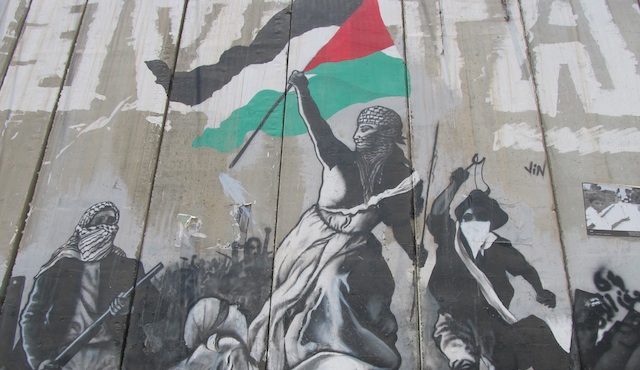
They gobble up a plentiful supply of bananas and vitamin-fortified milk if they do appear.

Of course, tourists don't appreciate it if none appear, but as long as you avoid the first few months of the year, there's a high probability you'll see them every time as we did.

An orangutan grabs bananas provided by the park rangers

Being close to them as they did their daily business was a fascinating experience.

We were the last tourists to arrive at that particular camp, so a few dozen other people, who'd already taken their photos, were still around.

A few of these people were especially loud, so I asked them to keep it down. The disbelief on their faces was unforgettable, but I didn't care.

I was annoyed that they were carrying on as though they were drinking cappuccinos at a Starbucks.

Ultimately, it's up to the guides to ensure their customers respect the environment, orangutans, and other visitors around them.

Chicken satay by candlelight

Overnight on the Klotok

Dinner was taken back on the klotok after we motored further upriver, past the other boats, to the dock of the second camp we'd visit the following morning.

The tables and chairs were moved to the old wooden structure, and we ate by candlelight.

The chicken satay was popular with everyone and among the best of our two weeks in Indonesia.

The guests sleep on mattresses on the top deck, while the crew is down below
The guests sleep on mattresses on the top deck while the crew is down below.

As we ate, the crew set up our beds and mosquito nets for the night.

It may not look like much in the photo above, but I and most of the others slept surprisingly well.

The nets kept the bugs out, and the tarps blocked the three kinds of poisonous snakes, and crocodiles, from boarding our vessel.

The orangutans spend their nights sleeping in nests built in the trees. 

They build a new nest every day, a process which can take 20 to 30 minutes (which sounded fast to me, but if you're doing it every night, you must get good at it).

In the morning, I would awaken to a sweet surprise.

________

Note: My visit to Indonesia was in conjunction with a blog trip hosted by the Ministry of Tourism and Creative Economy.

Flying Business Class on Qatar Airways (Berlin to Jakarta)

When Indonesia's Ministry of Tourism gave me the opportunity to choose my own flights from Berlin to Jakarta for a press trip, I jumped on Skyscanner and searched. Qatar Airways was one of the first airlines to appear for that route, so I knew my search was over, but little did I know I'd be flying Business Class.

Drinking a glass of pre-flight champagne in business class on Qatar Airways
Drinking a glass of pre-flight champagne in Business Class on Qatar Airways

I'd flown Qatar on another long, two-day route from Bangkok to South Africa. The service, and especially the food, impressed me so much that I wrote about it at the time. Fast-forward four years, and I'm standing first in line at the Qatar Airways check-in desk at Berlin's Tegel Airport. I'd arrived three hours early, only to learn check-in didn't start until two hours before the scheduled flight.

Table of Contents

  • The Upgrade
  • Flight #1: Berlin to Doha
    • Amenities
    • The Food: Dinner #1
  • Layover in Doha
  • Flight #2: Doha to Jakarta
    • The Food: Dinner #2

The Upgrade

When the counter opened, I approached as usual, but this time, I was given the surprise of my adult flying life-a free upgrade to Business Class! Thomas Stetz, an Airport Services Manager for Qatar Airways, delivered the good news while I stood there in disbelief.

I don't mess around with loyalty programs and collecting frequent flyer miles, so "Business Class" and "airport lounges" are not part of my flying experience. After completing the check-in process, I was given directions to the airport lounge.

The quiet, comfortable atmosphere was a refreshing change from the rest of Tegel airport, which I didn't particularly care for (and which will close in 2013 due to the opening of Berlin's newer, larger airport).

Flight #1: Berlin to Doha

Later, upon passing security and boarding the flight, I took my window seat, 1A, at the front of the plane. To my right was a German businessman sipping a glass of champagne. When the stewardess offered me a pre-flight drink, I pointed at his drink and said, "I'll have what he's having."

Amenities

Then came the amenities. My favorite was the noise-canceling headphones. Now I understand why people walk around cities wearing these oversized headphones; they make a big difference. I don't know how I can go back to using my Apple earbuds after hearing how well the noise-canceling headphones block out the constant roar of plane engines.

Noise canceling headphones
Noise-canceling headphones
Socks and eye mask
Socks and eye mask

Another bonus was the designer toiletries by Salvatore Ferragamo, offered both for him and her. The accompanying nylon bag was nice enough to keep, thus replacing the Hefty Ziploc bag I'd been using recently.

Toiletry bag by Salvatore Ferragamo

After takeoff, we were served mixed nuts and more drinks. I powered up the Oryx in-flight entertainment system, which featured many movies, TV shows, and music. The selection is the same for all passengers, which is an excellent aspect of flying Qatar Airways, whether in Business Class or Economy.

In-flight entertainment system
About to watch "Rock of Ages" on the in-flight entertainment system

The Business Class bathrooms had extra amenities, including toothbrushes (precisely what I want after a long flight) and disposable razors. It also smelled nice. Because there were fewer passengers per bathroom, there was little to no wait time whenever you needed the facilities.

Amenities in the business class bathroom
Amenities in the Business Class bathroom include toothbrushes and toothpaste.

The Food: Dinner #1

Along with the entertainment system, I remembered the food best from my 2008 flights. I appreciated the food in Economy back then; Business Class blew my mind. The menus were akin to a restaurant on the ground, featuring the creations of celebrity chefs who'd designed them while considering the effects of eating in a dry cabin at 35,000 feet.

Classic arabic mezze
For an appetizer, I chose the classic Arabic mezze

Every meal began with the setting of a white tablecloth. It added an elegant touch to the otherwise mundane atmosphere. A large, white cloth napkin was also provided, along with enough utensils to last a 7-course meal.

What impressed me most about the food in Business Class was that it tasted good, and so much attention was given to detail and presentation. I don't know how the chefs, stewards, and stewardesses pull it off, but they deserve to be commended.

Chicken breast with arabic style mixed vegetables and saffron rice
I selected the chicken breast with Arabic-style mixed vegetables and saffron rice for my main course.
Opera cake for dessert, along with another glass of champagne

I couldn't resist another few glasses of champagne during the flight. It was a novel experience, and who knows if I'll ever have the chance again. After dessert was served, we were presented with a box of two Godiva chocolate truffles. Even I have my limits. I tucked the box away in my backpack to enjoy the following day.

Layover in Doha

Arriving in Doha
Arriving in Doha late at night

I didn't get any sleep on the flight from Berlin to Doha and was in a semi-conscious state when I was deposited in the main transfer terminal. Qatar Airways operates a separate terminal specifically for premium members, but due to my last-minute upgrade, I couldn't use it.

In 2013, Doha will be opening a new airport twice the size of the current one. I imagine the services for premium members at the new airport will be outstanding. The regular Doha transfer terminal was just as I remembered it. This time, I could access a lounge with free food and drinks.

Flight #2: Doha to Jakarta

Business class on the Qatar Airways flight from Doha to Jakarta
Business Class seating on the Boeing 777 flight from Doha to Jakarta. The TVs were larger, and the seats fully reclined to a near-horizontal position

Two and a half hours later, I boarded the Boeing 777 from Doha to Jakarta. This nine-hour flight necessitated a larger plane, allowing for a larger Business Class cabin. The seat positions were controlled by buttons on the armrest, and massage options were available. The TVs on the 777 were larger, though I thought the resolution was better on the smaller screens used on the previous flight.

We received the same amenities as before, including the noise-canceling headphones. Additionally, we were given Qatar Airways pajamas. They consist of a long-sleeve shirt and thin, sweatshirt-like pants. I didn't see anyone using them, but it was nice to have the option.

The Food: Dinner #2

I enjoyed another pre-flight glass of bubbly and perused the dinner service menu. I was still full from dinner on the first flight but wanted to continue sampling the Business-Class food, so I chose a few light options.

Black cod with lemon
My starter on the second flight: black cod with lemon
Pea and mint soup
Pea and mint soup

Ok, maybe chocolate mousse isn't "light" per se, but it was easily the best dessert I've eaten at 35,000 feet. Once the final morsels were consumed, I turned off the entertainment system, fully reclined my seat and slept for a few hours.

The chocolate mousse cake in Business Class on my Qatar Airways flight to Jakarta.
Chocolate mousse cake with white and dark chocolate sauce and clotted cream

When I woke up, breakfast was being served. Still full from my two in-flight dinners, I chose the continental breakfast, which included a croissant, bread, and a fruity marmalade in a glass jar. Before I knew it, we landed on the tarmac in Jakarta, and my Indonesian adventure was about to begin.

Whether flying Business Class like a rock star or economy class (which I flew on my return flights), Qatar Airways continues to impress me with its friendly, attentive service and commitment to high-quality food.

________

The Ministry of Tourism and Creative Economy of Indonesia arranged my Berlin to Jakarta flights in conjunction with a two-week trip to the country. Thank you again to Qatar Airways for the surprise upgrade to Business Class.

Go Goa: Experience a Cultural Christmas Like No Other

Goan Coast
Goan Coast

[I]f you’re tired of yet another dreary December, consider asking Santa for a summer sea change this year. If you’re looking for those picture-perfect beaches (minus the luxury resort price tag), then the tiny state of Goa should go straight to the top of your Christmas wish list.

So, what’s so special about Goa, I hear you ask? Situated on the west coast of India, this bubbling hotspot boasts not only 70km of sun, sand and sea, but also a diverse cultural Christmas hub thanks to its rich Portuguese heritage.

December marks the city’s peak holiday season, and as the 25th creeps up the calendar, Goa gets right into the festive spirit with beaches and bars overflowing with Christmas cheer.

A former Portuguese colony, Goa is the only Christian state in India – meaning Christmas is one of the most important festivals of the year. Whether you’re looking for a budget-friendly getaway or simply some fun in the sun, Christmas in Goa is a definite must-see event.

A heady combination of tropical paradise and the Western world, it’s definitely not what you might expect to find in India (unless you’re accustomed to seeing candy canes line up along the beachside shacks and Santa surf a few waves before packing his sleigh).

So if you want to catch all the Christmas action, head to Goa at least a week before the 25th.

Church of St Cajetan, Old Goa, India

From mid-December onwards, local families take Christmas trimmings to a whole new level – colourful paper and poinsettias transform boring brick homes into rainbows of festive shades, while Christmas trees take pride of place around the town, decorated from tip to trunk with everything from cotton flakes and sparkling stars to cakes and even socks.

Churches play host to detailed nativity scenes, while the town buildings are all lit up with sparkly tinsel and bright fairy lights.

As you start to count down the sleeps until Santa comes your way, make sure to get involved in one of the many street parties – check out local notice boards for small, celebratory get-togethers in clubs, bars and local organisations.

The Goans love their whiskey, so grab a bottle and come ready to eat, drink and be merry until the early hours of the morning.

Three Kings Celebration, Reis Magos Church Coco Beach, North Goa

Save some festive spirit for the all-important Christmas Eve. On the 24th, follow the crowds of Catholics and head down to the traditional midnight mass, Missa de Galo.

You’ll need to save room in your pack for some good clothes – you’ll find yourself surrounded by suits and sequins so respect the customs and dress up as much as possible.

As Christmas Day dawns, head down to the beaches for more partying. Old-fashioned Goans will celebrate with their families, but the bars and clubs are still open for plentiful business, with drinks at the ready and the music pumping.

Dubbed the ‘sunburn festival’, make sure you’re prepared with the SPF for one sizzling hot Christmas season. And the best part is, Boxing Day is all about recovery. Spend the next day relaxing in a palm-covered hammock – you are on holiday after all.

Now doesn’t that sound better than huddling around the fireplace and overdosing on plum pudding?

_________

About the Author: This post was written by Kimberlee Oo, writing on behalf of Cosmos holidays, and letting you in on why you need to get going on your Goa holiday to have yourself one very merry little Christmas.

The Salvador Dalí Museum in Figueres

The Salvador Dalí Museum in Figueres
Exterior view of the The Salvador Dalí Museum in Figueres. Large, white eggs line the roof, while golden pieces of bread are represented across the red walls.

[L]ocated in his home town of Figueres, the Salvador Dalí Museum hosts an immense collection of the artist's paintings, sculptures, and jewels.

Everything from the building facade, to the layout of the interior courtyard, reflects the Spanish artist's perspective on the world.

The day before the TBEX conference kicked off, I had the chance to visit along with a group of fellow bloggers.

While our guided tour of the museum showcased the highlights, it deserves a good 3-4 hours if you want to take it all in.

I'd recommend a guided tour for the information, plus additional time to wander and explore on your own.

Entrance to the Salvador Dalí Museum in Figueres
The entrance to the Teatro Museo Dalí features dead people, and knight's armor balancing bread on their heads. Golden, Oscar-like statues appear with their arms held high along the roof.

Picasso by Salvador Dalí

The open-air inner courtyard features a suspended sailboat

Down below, a Cadillac draws visitor's attention in the inner courtyard

Two images are present in this painting. From a distance, one sees a portrait of Abraham Lincoln, while standing closer reveals a nude image of Dalí's wife, Gala Dalí.

A massive ceiling fresco depicts Salvador Dalí (blue) and his wife, Gala Dalí, ascending toward heaven.

Salvador Dalí's tomb
The final resting place of Salvador Dalí, who preferred to be buried alongside his wife, but for political reasons (money, perhaps?), ended up at his museum in Figueres.

A gold ring in the shape of a corset, designed by Dalí

The Royal Heart
The Royal Heart is mechanically designed to pulse, in imitation of a real heartbeat. Far and away, this is my favorite piece of artwork by Salvador Dalí.


_______

What You Need to Know

How Much: $15.50 (includes entrance to the jewel exhibition)

Address: Gala-Salvador Dalí Square, 5, E-17600 Figueres, Spain

How to Get There: Figueres can be reached by bus or train, most easily as a day trip from Girona. For serious fans, it's also possible to do it as a long day trip from Barcelona.

Time Required: 3-4 hours

___________

My visit to the Salvador Dalí Museum was as a guest of the Costa Brava Tourism Board.

Review: The Longest Way Home by Andrew McCarthy

Andrew McCarthy, one of the famous actors from the 1980's-era "Brat Pack," recently released his first book, The Longest Way Home: One Man's Quest for the Courage to Settle Down.

The Longest Way Home by Andrew McCarthy

I'd noticed Andrew's name popping up in the travel-sphere the last year or two, and like many others, no doubt found it curious that a well-known actor would turn his efforts toward the realm of professional travel writing.

He certainly didn't do it to gain fame nor fortune, so what drove him to court a dubious Keith Bellows, Editor in Chief of National Geographic Traveler, for a writing gig with the preeminent travel mag?

I'm still not sure I know the answer to that after reading The Longest Way Home, but I was surprised to gain access to his deeply introspective thoughts and fears about who he is as a man, son, husband, father, and traveler.

And it's that last role, as a world traveler, where I found myself identifying with one of the 1980s's hottest actors.

The book starts in New Jersey, where the author retraces his early years. He wasn't a good student, but he did show an early talent for acting, which led him to his eventual role as an 80s teen heartthrob.

By chance, he buys a copy of a book detailing a walk along the Camino de Santiago in Spain. Several months pass before he reads it, but soon after he does, we're along for the journey as he attempts to walk it himself.

It's here that the drudgery of the walking, day in and day out, takes its toll on him.

"I was miserable, lonely, and anxious."

Despite the challenging emotions and fear he experiences, he labors on, and a few weeks later, experiences an epiphany.

"And suddenly I was smiling. It was the first time I remembered smiling since I left New York. And then I knew what was missing, what I hadn't carried with me that morning. Fear."

By the time he reaches Santiago, he notes:

"I needed no validation, no outside approval--I was myself, fully alive and satisfied in simply being."

Reading these words reminded me that I'm not alone in experiencing the fears of solo travel and the redemption one can experience by completing a trip.

Perito Moreno Glacier in Argentina.
Perito Moreno Glacier (photo: David Lee)

McCarthy's subsequent travels, on assignment for various print publications, take him to remote destinations, including Patagonia, the Osa Peninsula in Costa Rica, the Peruvian Amazon (outside Iquitos), and the peak of Tanzania's Mt. Kilimanjaro.

The more I read of The Longest Way Home, the more I realized how many of these places I, too, had visited. Earlier this year, I stood in awe at Argentina's Perito Moreno Glacier.

While I hadn't made it to Osa, I did spend a few weeks in Costa Rica eight years ago. Peruvian Amazon? I had the chance to visit Tambopata in the south this past June.

But it wasn't only these distant locales where I could relate to his experiences; it was in the seemingly mundane, such as the Baltimore Harbor and Fells Point, where I bought green Manic Panic hair dye for the first time (age 18).

Heck, I'm writing this review from a hostel in Vienna, a city that plays a prominent role in his decision to ultimately commit to marrying his wife (referred to only as "D").

Their struggles as a couple are woven throughout his tales of travel. Again, anyone who has devoted their life to travel or a job that requires a lot of travel will be able to relate to the stresses such a life can place on relationships.

Somehow, seeing his struggle play out and ultimately end with marriage in Dublin gives me hope that I, too, can have them both--the adventures abroad and the family.

Andrew McCarthy's book, The Longest Way Home, is now available on Kindle.

Travel as Contact Sport

Northeast Cambodia
Off the beaten path in northeast Cambodia (photo: David Lee)

Editor's Note: This is a guest post by Mark Manson, a traveler, and blogger I met earlier this year in Medellin. Mark has been to almost 50 countries. 

There are two ways to travel: to get away from your life or to change your life. Although there’s not necessarily anything wrong with the former, I’m interested in the latter, and I hope you are too.

If you read a lot about travel, you’re no doubt familiar with the terms such as “authentic local experience” or “getting off the beaten path.” They’re ubiquitous, but unfortunately usually just marketing.

Authentic travel experiences are like the stock market: if you’re reading about it from someone else, then you’re too late.

The deserted beach in Brazil, the untouched cave in the hills of Turkey, the private roof parties in Copenhagen – these experiences can’t be found in a guidebook or on a website, because if they were, then they would cease to be authentic experiences.

The so-called authentic travel experience is not read about or followed, but instead created. It’s something you must invent yourself.

Here’s how:

1. Ditch the guidebook

Not that guidebooks are useless or that they don’t show you cool things to do, but they can only go so far. As long as you’re following the path of a guidebook or website, you’re still on the beaten path.

So get your tourist fix, do the pub crawl or bar-hopping thing for a night or two, and then prep yourself for something new and different.

Also, once you’ve tossed the guidebook, pick up a phrasebook instead. Knowing a few basic phrases, questions or even sentences in the local language is going to get you a LOT further than the guidebook, as we’ll see.

2. Start talking to locals

Talk to locals and talk to them everywhere. Talk to the waitress, the bus driver, the guy selling candy on the street corner. Avoid the brochures in your hostel and go straight to the girl working at the front desk instead.

Become annoying with your questions, personal questions. Ask them: What do they do for fun? Where do they go? What’s something cool to do that they’ve never seen a foreigner do before? What are their friends doing that weekend?

Yes, it’s a bit pushy and presumptuous, and sure, you will get some blank stares occasionally. But you will be surprised by the opportunities this simple habit will open up to you.

3. Just say “Yes” (within reason)

Unless someone is giving you the creeps, when in doubt, go with “yes.”

Forget about you 8 AM city tour the next day. Who cares if you aren’t sure how to call a taxi back home yet. The more you talk to people, the more you’re going to find unique opportunities in front of you.

4. Get introduced and stay in touch

Once you’ve managed to attach yourself to some local activity, no matter how drab or boring, make a point to introduce yourself to their friends and family. Also, keep in touch.

When I’m abroad, I always spend the extra money to buy a cheap throwaway phone. Facebook still works as well.

To employ this strategy of travel, you have to be willing to step outside of your little bubble, and you definitely cannot be shy.

If you do feel shy or nervous approaching random strangers in another country, start simply by asking for directions and then start asking them further questions. You’ll be amazed by how friendly and approachable most people in the world are.

Just a few examples of the type of shenanigans this has gotten me into:

Colombia

After befriending the front desk girl at my hostel in Colombia, she and a couple of her friends were taking a road trip to a small town in the mountains to visit her family. She invited me along.

Once there, I met her friends and family and found myself drinking a locally brewed liquor in a high school gymnasium with her father, while her friends made futile and hilarious attempts to show me how to salsa dance.

There was a beauty pageant, and I was introduced to the girl who won. I then embarrassed myself trying to dance with a Colombian beauty queen. Not many people can say that.

I had no idea where I was or what I was doing or what the event was (much less the music), but it was one of the highlights of my entire time in the country.

Brazil

In Brazil, at a Couchsurfing meeting, I managed to talk my way into becoming a Brazilian guy’s roommate for the next month (forgoing my other so-called “plans” in the country).

I started playing football (soccer) with him and his friends, where one day I met a beautiful Brazilian girl. She offered to take me to a secluded beach a few hours outside of town that she knew of. Nope, that wasn’t in the guidebook.

Cambodia

In Cambodia, I talked to some locals who ran the internet café across the street from my hostel. They invited me out to play snooker (a mutation of billiards, I came to find out) with them. We drank $1 beers all night.

I was tired from touring Angkor Wat all day, but they told me about a local orphanage that some westerners were teaching and working at. The next day they took me down there.

Despite having never seen an orphan in my life, much less a Cambodian one; and despite initially having no interest in Siem Reap beyond visiting the temples, I spent much of the next two days playing with the little rugrats and helping them with basic English words. It was more enjoyable than the temples.

I often describe travel as a “contact sport.” It’s best experienced when you’re bumping into others. It’s not always pleasant. And at times it can be painful. But it’s the most gratifying and fulfilling.

Because I’ve come to find that the greatest memories and moments occur when you’re out of your comfort zone, when you’re out exploring beyond your borders, personal and otherwise.

_______

About the Author:  Mark Manson is a writer and entrepreneur. He blogs at MarkManson.net. He is the author of Escape Plan: Ditch the Rat Race, Discover the World, and Live Better with Less.

Escape Plan

Win A Free Trip to Komodo National Park (Airfare Included)

Komodo Dragon
A large male Komodo Dragon

One of the highlights from my recent trip to Indonesia was a chance to see endangered Komodo Dragons in the wild.

We visited them on two of the only four islands in the world where they exist: Rinca and Komodo.

Now, I'm happy to share that Indonesia Travel is giving away a free trip to Komodo National Park, so 5 lucky winners will have a chance at the same amazing adventure!

To enter and be eligible to win, participants must:

1. Fill out a complete profile via the quiz page.

2. “Like” the Indonesia.Travel page on Facebook.

3. Follow the official tourism account, @indtravel on Twitter.

4. Then, answer the quiz questions (using the available hints). Each correct answer gets you 5 points. You can answer a maximum of 5 questions per day, earning you up to 25 points.

To earn additional points, and increase your odds of winning one of the 5 free trips, you can invite others to participate by using the Facebook “share” button, or your unique promotional link. You'll earn 1 extra point for each person that logs in to take the quiz.

The goal is to earn as many points as possible in the 30-day qualifying period, which runs from October 18 until November 18, 2012.

The quiz winners will be announced on November 23, 2012, at Indonesia.travel, Indonesia's Facebook page, and via the @indtravel account on Twitter.

Terms and Conditions

Indonesians, related parties, and quiz organizers are not allowed to participate.

The 5 people with the highest point total will win a free, 3-day/2-night trip to Komodo National Park, including international airfare (economy class), domestic flights in Indonesia (economy), accommodation, and meals.

Winners will be contacted via email. Winners who are not eligible will be replaced by the participants with the next highest point total.

The cost of traveling outside the trip period will not be covered. For example, if you win, you may choose to stay in Indonesia for 8 additional nights, however, all of the costs associated with the extra time are the sole responsibility of the winner.

* Note: I've paraphrased a few of the most important terms here, but please read them all on the Indonesia.travel website before participating.

If you have any questions regarding the contest, quiz, or terms, email quiz(at)indonesia.travel

I would love to see one of Go Backpacking's readers win this trip.

Good luck!

Top 5 Things to Do in Reykjavik

Reykjavik, Iceland
View of Reykjavik from atop Hallgrímskirkja, the largest church in Iceland

[I]celand's capital city, Reykjavik, is the perfect base camp for exploring the island nation.

The sheer number of activities on offer by the tour companies can leave your head spinning, but most can be done as half or full day trips from the city.

The ability to rest your head on the same pillow every night can be a welcome relief for the travelers constantly on the go.

Renting an apartment can be a great alternative to hostels or hotels. In the past, I've used companies such as Wimdu to find short term apartment rentals.

I took this approach during my recent, 10-day visit. On the days when I didn't have an activity booked, I walked around Reykjavik, getting to know Iceland's quaint capital.

Read on for 5 of my favorite things to do in the city.

Harpa concert hall
Day or night, a walk inside the new Harpa concert hall is a fascinating experience

Table of Contents

  • 5. Pretend You're In An MC Escher Drawing at Harpa Reykjavík
  • 4. Visit the (World's Only?) Phallological Museum
  • 3. Take in the Scenic View from Hallgrímskirkja
  • 2. Eat Iceland's Most Famous Hot Dogs at Bæjarins Beztu Pylsur
  • 1. Drink the Night Away on an Icelandic Bar Crawl

5. Pretend You're In An MC Escher Drawing at Harpa Reykjavík

Address: Austurbakki 2 (along the harbor)

Opened in May 2011, the Harpa concert hall is a modern, steel and glass structure situated along the city harbor.

Harpa is home to the Iceland Symphony Orchestra and Icelandic Opera, but you don't need to attend a performance from either to enjoy the architecture.

Step inside the building, and you'll be transported into one of those MC Escher drawings where the stairs (in this case escalators) seem to go off in all directions. Take the elevator to the top floor for a different perspective.
Don't be afraid to linger. There's a small cafe on the ground floor offering drinks and desserts, thereby allowing you to soak in the atmosphere of this unique space.

Icelandic Phallological Museum
Whale penises dominate inside the Icelandic Phallological Museum

4. Visit the (World's Only?) Phallological Museum

Address: Laugavegi 116

Yes, "phallological" is the scientific way to say you're visiting a "penis" museum.

But once you get over any residual embarrassment  you'll find you're not alone in feeding your curiosity about the size of a male humpback whale's reproductive organ.

Speaking of whale penises, they dominate, not only in size but in quantity. Perhaps that's because they are the key attraction.

More interesting to me were the ones belonging to mythical creatures, like a "merman" and from the elves that are believed to live in the hills of Iceland.

Hallgrímskirkja
Hallgrímskirkja, the largest church in Iceland

3. Take in the Scenic View from Hallgrímskirkja

Address: Top of Skolavordustigur Street (or just look up from anywhere in the city)

Perched on a hill in downtown Reykjavik, Hallgrímskirkja is Iceland's largest church.

For a few Euro you can take an elevator to the top of the 73-meter high spire for 360-degree views of the city and coastline.

The interior of the church itself is rather sparse, but worth a look if only for the massive pipe organ situated over the entrance.

Hot dogs from Bæjarins Beztu Pylsur
Iceland's #1 place for hot dogs is Bæjarins Beztu Pylsur

2. Eat Iceland's Most Famous Hot Dogs at Bæjarins Beztu Pylsur

Address: Tryggvagotu 1

Icelanders are very proud of their hot dogs, which are often referred to as the national food. The best place in Reykjavik to grab one or two is Bæjarins Beztu, which operates a small stand downtown, near the harbor.

Seriously, this hot dog stand is so small I walked straight by it the first time I tried to find it.

The hot dogs, which have been eaten by former President Bill Clinton, and Metallica's James Hetfield, are also amongst the cheapest food you'll find in the city, and Iceland for that matter.

The cost is 300 Krona, or about $2.40 per dog.

Toppings include: ketchup, sweet mustard, raw onion, fried onion, and a mayonnaise-based sauce with sweet relish. Order "the works" to get everything (as pictured above).

B5 on a Saturday night
Inside B5, one of Reykjavik's most popular clubs, on a typical Saturday night

1. Drink the Night Away on an Icelandic Bar Crawl

Address: The B5 club is located at Bankastraeti 5

Reykjavik's downtown area, where all the tourists stay, is also the most popular nightlife district in the city. It's low key Sunday through Wednesday, with the partying reaching an epic climax every Saturday night.

On this night, Icelanders dress up regardless of the cold and hit a series of bars and clubs. Because the city is so small, it's easy to from one venue to the next, even if it's cold, or in the Winter, snowy.

At B5, a popular club which is more like a big bar, the patrons dress up. It's the first time I've seen men wearing suits, and even tuxedos, at a club. And the young women live up to their reputation of being quite stunning.

Icelanders love to stay out late, and speaking from experience, get completely smashed in the process. I didn't arrive back at my hostel until 6 or 7 AM Sunday morning. You've been warned!

What's your favorite thing to do in Reykjavik?

________

This post was written by Dave, and brought to you by Wimdu.

« Previous Page
Next Page »
Dave at Ahu Ko Te Riku on Rapa Nui (Easter Island), Chile.

Hi, I'm Dave

Editor in Chief

I've been writing about adventure travel on Go Backpacking since 2007. I've visited 68 countries.

Read more about Dave.
Footer

back to top

About

  • About
  • Archive
  • Privacy Policy
  • Cookie Policy

Follow Us

Contact

  • Contact
  • Work With Us
  • Submissions

Copyright © 2025 Go Backpacking