Go Backpacking

  • About
  • Travel Tips
    • Accommodations
    • Budgeting & Money
    • Adventure Travel
    • Food & Drink
    • Gear & Gadgets
    • Packing Tips
    • Travel Blogging
    • Travel Insurance
    • Trip Planning
    • UNESCO Sites
  • Destinations
    • Africa
      • Botswana
      • Egypt
      • Ethiopia
      • Morocco
      • Rwanda
      • South Africa
      • Tanzania
    • Asia
      • Cambodia
      • China
      • Hong Kong
      • India
      • Indonesia
      • Japan
      • Laos
      • Malaysia
      • Nepal
      • Philippines
      • Thailand
      • United Arab Emirates
      • Vietnam
    • Europe
      • England
      • France
      • Germany
      • Greece
      • Iceland
      • Ireland
      • Italy
      • Portugal
      • Spain
      • Switzerland
      • Turkey
    • North America
      • Canada
      • Costa Rica
      • Cuba
      • Guatemala
      • Mexico
      • Nicaragua
      • Panama
      • United States
    • Oceania
      • Australia
      • French Polynesia
      • New Zealand
    • South America
      • Argentina
      • Bolivia
      • Brazil
      • Chile
      • Colombia
      • Ecuador
      • Peru
  • Advertise
menu icon
go to homepage
  • About
  • Travel Tips
    • Accommodations
    • Budgeting & Money
    • Adventure Travel
    • Food & Drink
    • Gear & Gadgets
    • Packing Tips
    • Travel Blogging
    • Travel Insurance
    • Trip Planning
    • UNESCO Sites
  • Destinations
    • Africa
      • Botswana
      • Egypt
      • Ethiopia
      • Morocco
      • Rwanda
      • South Africa
      • Tanzania
    • Asia
      • Cambodia
      • China
      • Hong Kong
      • India
      • Indonesia
      • Japan
      • Laos
      • Malaysia
      • Nepal
      • Philippines
      • Thailand
      • United Arab Emirates
      • Vietnam
    • Europe
      • England
      • France
      • Germany
      • Greece
      • Iceland
      • Ireland
      • Italy
      • Portugal
      • Spain
      • Switzerland
      • Turkey
    • North America
      • Canada
      • Costa Rica
      • Cuba
      • Guatemala
      • Mexico
      • Nicaragua
      • Panama
      • United States
    • Oceania
      • Australia
      • French Polynesia
      • New Zealand
    • South America
      • Argentina
      • Bolivia
      • Brazil
      • Chile
      • Colombia
      • Ecuador
      • Peru
  • Advertise
search icon
Homepage link
  • About
  • Travel Tips
    • Accommodations
    • Budgeting & Money
    • Adventure Travel
    • Food & Drink
    • Gear & Gadgets
    • Packing Tips
    • Travel Blogging
    • Travel Insurance
    • Trip Planning
    • UNESCO Sites
  • Destinations
    • Africa
      • Botswana
      • Egypt
      • Ethiopia
      • Morocco
      • Rwanda
      • South Africa
      • Tanzania
    • Asia
      • Cambodia
      • China
      • Hong Kong
      • India
      • Indonesia
      • Japan
      • Laos
      • Malaysia
      • Nepal
      • Philippines
      • Thailand
      • United Arab Emirates
      • Vietnam
    • Europe
      • England
      • France
      • Germany
      • Greece
      • Iceland
      • Ireland
      • Italy
      • Portugal
      • Spain
      • Switzerland
      • Turkey
    • North America
      • Canada
      • Costa Rica
      • Cuba
      • Guatemala
      • Mexico
      • Nicaragua
      • Panama
      • United States
    • Oceania
      • Australia
      • French Polynesia
      • New Zealand
    • South America
      • Argentina
      • Bolivia
      • Brazil
      • Chile
      • Colombia
      • Ecuador
      • Peru
  • Advertise
×
Home

5 Signs You're Ready for Expat Life

Once you've made the decision to move overseas at some point in your life, the next pressing question will be - when is the right time to go?

Figuratively speaking, there's no right or wrong time. However, if you find yourself procrastinating on the matter, it might mean that you're not quite ready to make the move.

If you find yourself relating to the following, it may be a sign that you're ready for expat life.
Living the terrace house dream in London

That's fair enough - it's a big decision. The moment will come, probably sooner than you expect it.

On the flip side, if you find yourself relating to any of the following, it may be a sign that you're ready for expat life.

Planning to move abroad? Book a hostel for the first few days here!

Table of Contents

  • You have a decent wad of cash saved up
  • You're slightly dissatisfied with your life in your home country
  • You don't have any pets or dependents
  • You can't concentrate on anything else
  • You've got nothing to lose

You have a decent wad of cash saved up

Some people make the move overseas with the promise of a job at the other end.

Not all of us are so lucky.

Getting a job is one of the first things you'll find yourself having to do when you move countries. This can take days. Or weeks. Even months.

It took me several weeks to find a job when I first moved to London. I would have been up the creek without a paddle had I not had a chunk of savings at my disposal.

This meant I could pay my rent, feed myself and still squeeze in a trip to Switzerland (which is not the world's cheapest country) until I found a job.

Not only that - once I did start working, it took a good six weeks for my hard-earned pounds to hit my bank account. Oh, the joys of monthly pay!

I ended up needing every last dollar I'd saved up, particularly due to the conversion rate I was working against at the time.

Having a financial safety net to fall back on will save you in the long run. It's something every would-be expat should consider accounting for before making the move overseas.

If you find yourself relating to the following, it may be a sign that you're ready for expat life.
Is Melbourne where you're meant to be?

You're slightly dissatisfied with your life in your home country

It's not that you don't like your life. You don't mind your job, have a good circle of friends, and are fond of your native country.

You're just a bit bored. Restless. Sick of the monotony of your day-to-day life?

You're ready to shake things up; throw yourself headfirst out of your comfort zone.

What better way to do that than to move overseas?

You don't have any pets or dependents

Once partners, children, or pets get thrown into the mix, life automatically becomes more complicated.

I'm not saying it can't, nor shouldn't be done. Yet, it is easier to move overseas when you have no one to account for but yourself.

If you're single, have no pets, and you want to try the expat life, then there's probably no better time than the present.

Luckily houseplants don't count for too much, as they can always be gifted to family or friends!

If you find yourself relating to the following, it may be a sign that you're ready for expat life.

You can't concentrate on anything else

Say, for example, you're enamored with Germany. Moving to Berlin is all you want to do.

You're studying the language, day and night. You're eating your body weight in Bratwurst and Sauerkraut.

You've suddenly started dressing in all black, and you've caught yourself singing Atemlos durch die Nacht in the shower.

Maybe, just maybe, it's time to stop dreaming about your life in Berlin. Start making plans, buy that plane ticket, and turn that dream into reality.

You've got nothing to lose

The best sign is often to step outside of your current situation and have a good, hard look at it. Realistically, what impact would moving overseas have on your life as it is?

For example, if you've worked hard at your job and a promotion is in the works, then it might be best to stick it out a few more months just to see what happens.

However, if you've risen as far as you can in your current role and feel there's nothing else to learn, you're probably in a good position to leave.

If you know you want to eventually settle back into your home country (a reality for most people who live overseas on short-term visas), it never hurts to lay the foundation for the life you want to lead there. Cultivate some work contacts.

Make lasting friends. You may even consider investing in some property, so you'll be set up when you return from overseas.

Once you find yourself in a place where you can walk out on your current life with no regrets, then you'll know that the timing is right. And you can start planning to make the move of a lifetime.

6 Ways to Secure Your Home While Traveling

Home security
Home security (photo: IntangibleArts)

Home security should not be taken lightly, even though you might feel secure in your neighborhood.

Did you know that the Bureau of Justice Statistics found that home burglary rates are at their highest during the summer?

It's the season for long weekends and getaways - and the last thing you want is a burglar snooping around your empty home while you're out soaking in the sun.

Whether you're planning to get away for the day or take an extended vacation, put these safety tips and some DIY solutions to work to make one of your best investments (your home) less of a target for burglars.

Table of Contents

  • Upgrade your home's architecture
  • Never publicize your travel plans
  • Install the latest tech
  • Avoid placing extension cords through the window
  • Think twice when someone's at the front door
  • Hide your valuables from plain sight
  • Keep a record of valuables
  • Final thoughts

Upgrade your home's architecture

As your first line of defense, all entrances to your home should be well-protected and upgraded.

Ask your local construction firm to quote a remodeling/reconstruction job on key areas.

You can also save big by commissioning the guy-next-door currently on the lookout for construction jobs.

Focus on the doors, windows, and even fireplace - all areas where burglars may enter your house.

Never publicize your travel plans

Informing your immediate family members and trustworthy neighbors is fine, but posting your travel plans on Facebook and Instagram?

Not a good idea - unless you want everyone to know that your house will be empty during your entire vacation.

Your social media pages might not be as private as you think - why take the risk?

Install the latest tech

There are thousands of home safety devices you can buy on the Internet.

Devices like FakeTV, which can mimic the flickering light of a TV, will make burglars think you're home. Install one where your TV is at, and you are ready to go.

You can also buy fake (or better yet, real) closed-circuit televisions (CCTV) for your home.

Just install above the front and back door entrances, and the bad guys will think twice about breaking in.

Avoid placing extension cords through the window

While string lights are good at illuminating your outdoor area during the summer months, running electrical cords through windows is not a good idea if they prevent you from closing them.

Unlatched windows will send the baddies a good signal to come uninvited.

Think twice when someone's at the front door

Some burglars pose as charity workers looking for solicitation/donation. Please don't open the door: ask for their identification cards, which link them to the charity.

Even then, don't let them in as you might only give them the chance to memorize the arrangements of your house.

Hide your valuables from plain sight

That top-of-the-line gadget you just bought, your favorite piece of jewelry - anything valuable you forget to stash out of sight could pose a problem if sighted by would-be burglars.

Before heading out-of-town or on vacation, do a quick walk-through of the entire house and hide everything of value.

Keep a record of valuables

Take snaps of your valuable stuff, costly items such as TVs and laptops. Keep jewelry in a secure place as well as keeping serial numbers in a safe place.

Should a burglary occur, you'll have a record of what items have been taken and be able to get them back if the police recover the items.

Final thoughts

Traveling can be so exciting - do not let bad events ruin it for you. Secure your home, so you can be confident that even while you're away, your house is in good shape.

________

This is a sponsored story.

5 Reasons You Should Visit Marrakech


Morocco was never high on my list of places I needed to see in my lifetime. I ended up visiting the city of Marrakech because a friend wanted to go, and she promised it would be sunny and warm in the middle of January. That's appealing enough in itself.

Here are five reasons why you should consider making a plan to visit Marrakech.
Marrakech

That said, I think it's good to visit places for which you have little to no expectations. In my experience, these destinations tend to be the most rewarding. I left feeling utterly enamored with the city.

I'll be making a return trip for sure. Here are five reasons you, too, should consider making a plan to visit Marrakech.

Table of Contents

  • Why Visit Marrakech
    • Learn To Haggle in the Souq
    • Chill Out in the Jardin Majorelle
    • Eat Your Body Weight in Tajine and Other Delicious Foods
    • Explore the Atlas Mountains
    • It's the Gateway To the Sahara Desert

Why Visit Marrakech

Learn To Haggle in the Souq

I learned to haggle while living in Doha and was excited about the opportunity to strengthen this particular skill in Marrakech. In the souqs, you can get just about anything-food, artwork, jewelry, clothing, and traditional Moroccan lamps.

As a rule of thumb, I tend to take the seller's price and counter with a third of that particular number. That way, you're far more likely to strike a deal with the figure you initially wished to pay. With practice, haggling becomes a fun game you'll never tire of, as long as you have plenty of time!

Chill Out in the Jardin Majorelle

Here are five reasons why you should consider making a plan to visit Marrakech.
Majorelle Gardens

The Majorelle Gardens are a peaceful oasis in the middle of a hectic city. They're named after the French artist Jacques Majorelle, who was captivated by the city of Marrakech and moved there for good around 1919.

He purchased the plot of land, and the gardens became his artist's studio and sanctuary. In 1961, the artist was forced to sell a portion of the garden and studio due to a severe car accident and subsequent medical bills. He died the following year in Paris.

The garden fell further into disarray until it was purchased by Yves Saint Laurent and Pierre Bergé in 1966. The two painstakingly restored it, keeping it as close as possible to Majorelle's initial vision.

Upon Saint Laurent's death in 2008, the site was opened to the public and remains a popular destination for visitors to Marrakech today. The entrance to the garden is 70 Moroccan Dirhams, with an additional 30 if you wish to enter the on-site museum.

Eat Your Body Weight in Tajine and Other Delicious Foods

Food always plays a big part in my travels, and Moroccan cuisine did not disappoint. I enjoyed everything that passed over my lips, from traditional tajines and couscous to more daring concoctions such as pigeon pie.

I challenge you to journey to Marrakech and not become addicted to Moroccan mint tea. Avert your eyes if you ever witness someone brewing the tea-that is, if you want to remain blissfully ignorant of how much sugar is packed into this beverage.

See also: Planning Your First Backpacking Trip

Explore the Atlas Mountains

Here are five reasons why you should consider making a plan to visit Marrakech.
Heading towards the Atlas Mountains in Morocco

The nearby Atlas Mountains are accessible from Marrakech and are easily covered on a day trip. We organized ours through our Riad housemistress, who hired a private driver to take us there and back in a few hours.

From there, you can visit a Berber village to see how the Indigenous people of North Africa live. We were also given a tour of a factory that produced Afghan Oil and climbed a mountain to see a waterfall for the hell of it.

There's no denying that the Atlas Mountains are beautiful, and it's interesting to get even a faint glimpse of how Indigenous communities live.

It's the Gateway To the Sahara Desert

The Sahara Desert is the sole reason I plan on venturing back to Marrakech in the future. I was gutted that we were unable to fit it into our itinerary. Unfortunately, it was a tour that included an overnight stay, and we just didn't have enough time to do it justice.

Everyone I know who has seen the Sahara raves endlessly about it. It's bucket list material, for sure. If you're planning a trip, consider the Morocco Sahara tour for an unforgettable overnight desert experience.

I recommend visiting Morocco's fourth-largest city in the winter. January was a particularly good month for me.

This is a fool-proof plan if you live in a country prone to bleak weather at this time of year. For the handful of days we were there, we enjoyed sunny days and mid-seventies (the twenties in Celsius) weather.

A small taste of Morocco, but I'm hooked. I can't wait to have a second helping.

Lesser-Known Facts About Fraser Island

Shipwreck on Fraser Island
Shipwreck on Fraser Island (photo: f. ermert)

Fraser Island, known as K'Gari to the Aborigines, is located in southeast Queensland, Australia.

It's a popular tourist spot, attracting over 350,000 people a year, yet there are many things about the island you may be surprised to learn.

We take a look at some of the lesser-known facts about Fraser Island, a place full of natural beauty and fascinating history.

The island is named after a Scottish shipwreck survivor

Fraser Island was occupied by the Butchulla people for 5,000 years, although some say it could have been as long as 20,000 years.

They gave the island its original name of K'Gari (pronounced "gurri"), which fittingly means 'paradise.'

In 1770, the island was discovered by Captain Cook, who was responsible for giving 'Indian Head' it's long-lasting title.

It's said he named it this after noticing a group of three Aboriginals standing on the rocky outcrop.

Matthew Flinders initiated European contact of the island in 1802.

Initially, it was infrequent and limited to escaped convicts, explorers, and shipwreck survivors.

The ship Stirling Castle wrecked in 1836, and some of its survivors lived on the island for about six weeks. Eliza Fraser, the wife of the ship's captain, was one of those survivors.

She was the one that the Europeans named the island after.

Fraser Island infographic

Half of the world's perched freshwater dune lakes are located on the island

The island is home to 40 perched freshwater dune lakes, half those known to exist on earth.

Perched lakes are unique in the sense that the waters they hold do not flow from the ocean or come from a stream but are in fact rainwater.

Lake McKenzie (Boorangoora) is one of the most famous perched lakes to be found on the island.

It has a depth of five meters and measures over 150 hectares.

The water is a gorgeous vivid blue, not what you would expect from your average lake.

Due to its popularity and the fact that parking is limited, it is recommended that you get there early, preferably before 10:30 a.m.

The freshwater dune lakes offer immense environmental, recreational and cultural value to the island and were of great importance when it came to the island being successfully nominated as a World Heritage Area in 1992.

The secluded island was used as a secret training base during World War

One fact that is not generally known is that Fraser Island was a secret training base for commandos during World War II. 

The Special Reconnaissance Department (SRD), Special Operations, ran the Fraser Commando School, the first of which was established in October 1943 for basic training.

The SRD was a nondescript cover name used for Z Unit, which was formed in response to the rapid Japanese invasion of the Pacific area.

The only ones to know about this particular unit were the Prime Minister and High Command.

The island was chosen because of its varied and challenging terrain, as well as its seclusion.

The environment lent itself perfectly to both amphibious and jungle training.

The preparation was intense, troops were not allowed local leave, and were trained every day from early in the morning, until late evening.

The base trained over 900 personnel of the Services Reconnaissance Department, teaching skills such as jungle craft, unarmed combat, and physical training, demolitions and weapons training, and folboats (canoes).

It wasn't until after the war that these details became publicly known.

For those interested in visiting, remnants of the camp can still be seen at the North White Cliffs site.

Spider on Fraser Island
Spider on Fraser Island (photo: Master Man)

For every square meter of land, there is said to be a venomous spider

If you're scared of spiders, you're not going to like this fact. It is said that for every square meter of land on the island, there is a venomous spider. Spiders can be found all over Fraser Island, both venomous and non-venomous.

The island is home to the Funnel Web Spider, of which 40 different species can be found in Australia.

They tend to stay in moist, dark places such as logs, around tree trunks, in rainforest leaf matter, and ferns, since they have problems with drying out in less humid environments.

However, you don't need to worry too much, as the most dangerous of these is the Sydney Funnel Web Spider, and it's only found within 160 kilometers of Sydney.
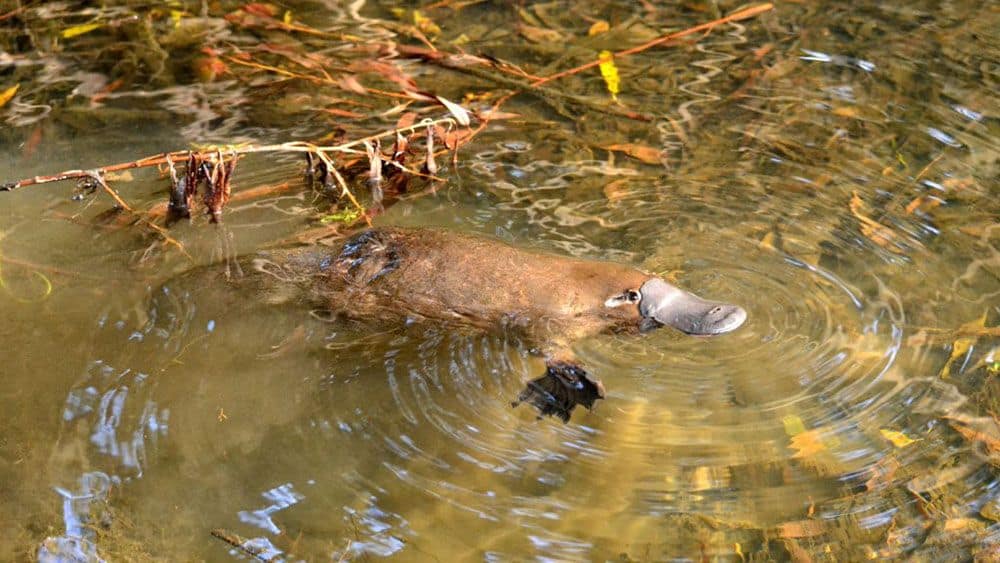
Other spiders found on the island include the Red Back Spiders, which are close relatives of the North American Black Widow Spider, and the Golden Orb-Weaver Spider.

Dingo
Dingo (photo: Master Man)

You will need permits for vehicles and camping

There are a lot of rules and regulations you need to be aware of before traveling to Fraser Island.

For one, all vehicles traveling to the Island must have an official permit attached to the windshield. These must be obtained before you arrive.

Due to the beaches and sandy forest tracks, you need high clearance four-wheel-drive vehicles to get around.

All-wheel-drives and caravans are not recommended, so keep this in mind if you plan on visiting the island.

Some areas are no-vehicle zones, and you should always check beach conditions before setting out.

There are 35 camping areas on the island, and you will need permits for the QPWS areas.

These need to be bought before you set up camp and be clearly displayed at your campsite.

Another important fact to be aware of is that domestic animals are not allowed in the Fraser Island part of Great Sandy National Park.

This is because they pose a risk to the local dingo population. If you bring a domestic dog onto the island, you risk a $100 fine.

If the animal is not removed within 24 hours, you face an extra $200 penalty.

Don't forget to do your research

The last thing you want is to end up having to pay a fine, and worse, endanger local wildlife because you brought your pet along with you on vacation!

_______

This story was brought to you in partnerships with FraserFree Tours. 

Meet Israel: From the North to the South - It's Magical

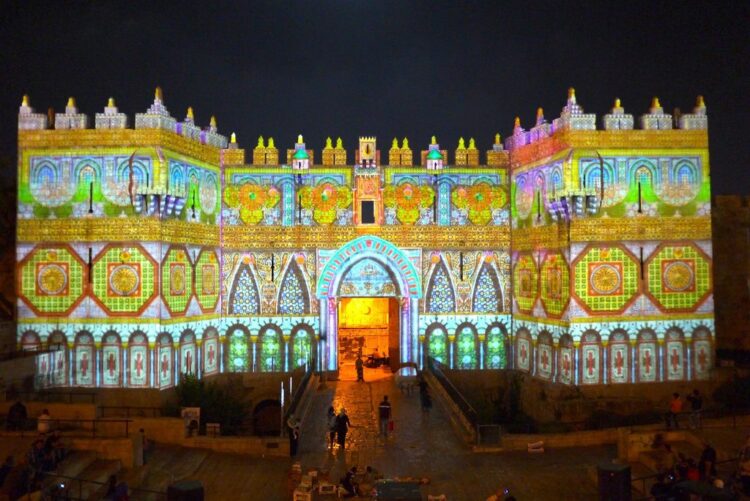
Old city in Jerusalem
The old city in Jerusalem (photo: Christian Haugen)

Israel is a beautiful and fascinating country to explore. Home to some of the holiest of sites and steeped in rich history, it's been one of the most popular places to travel since ancient times.

From Bethlehem and ancient Jerusalem to Tel Aviv and Hanging Gardens, your journey awaits.

Table of Contents

  • An Adventure Through the Old City of Jerusalem
  • Trip to Bethlehem
  • Floating in the Dead Sea
  • Desert Fortress Masada
  • The splendor of Tel Aviv
  • Ruins of Caesarea
  • Tantalize your Palate
  • The Sea of Galilee
  • Hanging Gardens in Haifa

An Adventure Through the Old City of Jerusalem

If you have the time and money, there are so many wonderful places to explore in the coming year.

The old city of Jerusalem is one of the many spots that needs no introduction.

Visitors can take their time strolling where only the most biblical legends have traveled.

Guests can get lost in the preserved architecture of holy sites that include the Church of the Holy Sepulchre.

Trip to Bethlehem

Israel is an excellent destination for any traveler. You can visit Tel Aviv and begin your beach, party, cultural and hiking experience by clicking here.

Imagine taking in the sights and sounds of the holy places that you've only heard about in stories and books.

Guests can navigate their way across the West Bank and into historic Bethlehem.

As you make your way from Manger Square to the center of the city, you'll find exciting landmarks such as the Mosque of Omar and Church of the Nativity.

The Dead Sea
The Dead Sea near Ein Gedi Kibbutz (photo: Israel Tourism)

Floating in the Dead Sea

The Dead Sea is a must with travelers, as it allows them to prove their buoyancy in the unusually warm waters.

Whether you've

Whether you travel a short distance or have traveled the globe, you'll also want to immerse your body in the mud of the Dead Sea.

It's known to have therapeutic and healing properties that can soothe your body.

Desert Fortress Masada

Head to the cliff-topped fortress of Masada via cable car for a breathtaking view of the Dead Sea.

Here you'll find the classical Roman architectural remains that were constructed during the reign of Herod the Great. This is one adventure that is worth exploring.

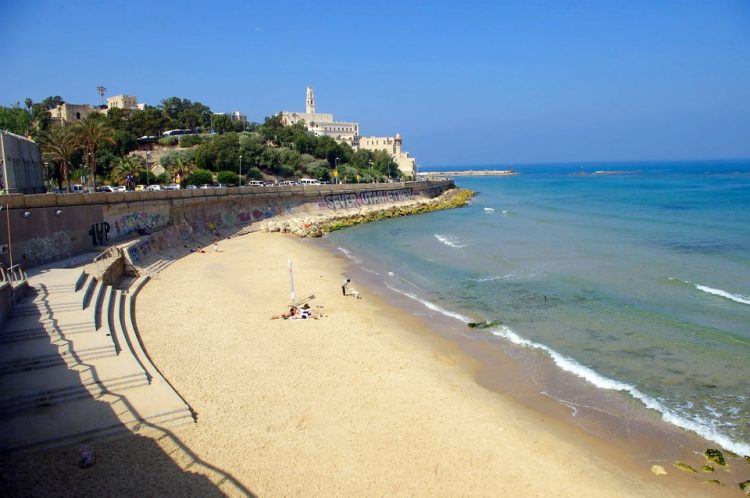
Tel Aviv
Tel Aviv (photo: Israel Tourism)

The splendor of Tel Aviv

When you need a break from touring historical sites, you can soak up the sun in Tel Aviv.

Tel Aviv's metropolis is staggered along a sunny stretch of the Mediterranean coastline.

Here you'll find a bit of old and new to explore. From the modern exteriors to the ancient history of Old Jaffa, you'll be navigating some of the most amazing coastlines in the world.

Ruins of Caesarea

Sitting on the Mediterranean coast between Haifa and Tel Aviv is Caesarea.

This amazing city is brimming with archeological finds. Visitors can spend hours trekking through theaters, ancient churches, aqueducts, and much more.

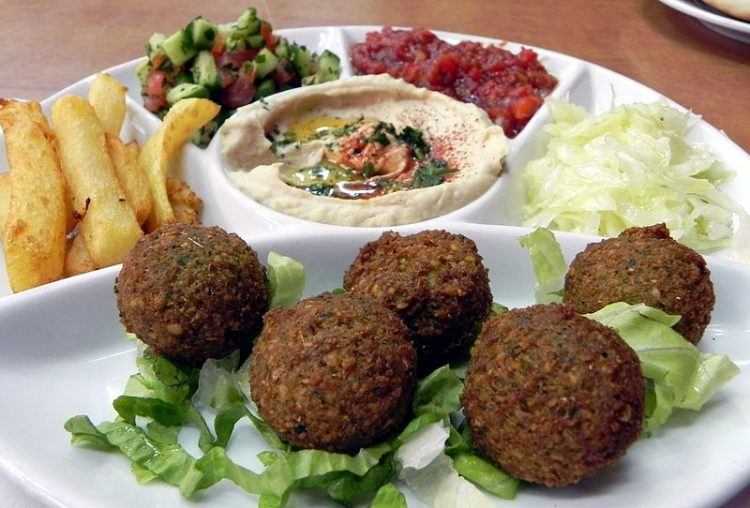
Falafel
Falafel (photo: momo)

Tantalize your Palate

Israel's food is both flavorful and diverse. Falafel is a well-known treat made with smashed chickpeas.

It's also served with hummus and pita bread. Other powerful palate-pleasing dishes include Me'oravYerushalmi, shakshouka, and couscous.

When you're visiting the small towns or big cities, don't be afraid to sample the many dishes.

The coffee, lemonade, and fruit shakes are especially tasty because most of it is made using locally grown produce.

The Sea of Galilee

The biggest freshwater lake in Israel is the Sea of Galilee. It's also known for its well-known for its Gospel-like associations with Jesus.

Even today, it continues to be an integral pilgrimage for Christians.

Visitors can hike the many trails to discover the peace and tranquility of this sacred place on their own.

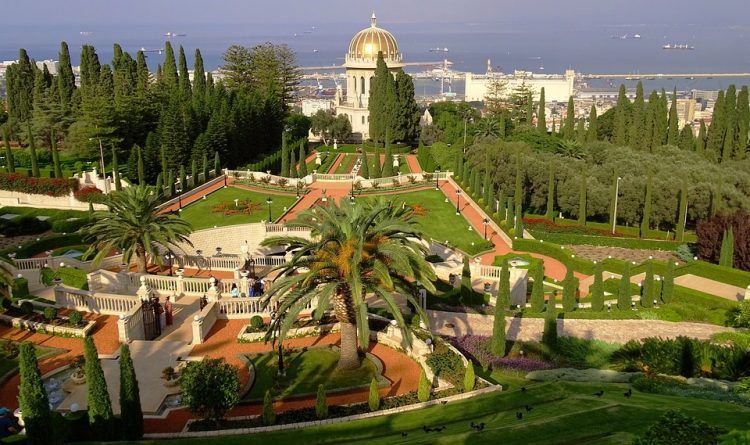
Hanging Gardens in Haifa
Hanging Gardens (photo: young shanahan)

Hanging Gardens in Haifa

The well-manicured Hanging Gardens of Haifa are situated on Mount Carmel.

Surrounding the shrine of the Bab, the place is a special pilgrimage site for those in the Bahai faith.

Guests to the area can stroll around the gardens from terrace to terrace. Here they'll find incredible views and breathtaking beauty.

5 Reasons to Visit Egypt Other than the Pyramids

St. Catherine's Monastery
St. Catherine's Monastery (photo: Vyacheslav Argenberg)

A visit to Egypt reminds us of the dawn of civilization and the ancient customs that shaped our early history.

Structures like the Pyramids and the Sphinx have a lasting hold on our imagination, but once you have visited these tourist hotspots try taking a trip to one of the following places.

Table of Contents

  • St Catherine's Monastery
  • Siwa Oasis
  • Hamata
  • The White Desert
  • Abydos Temple

St Catherine's Monastery

This sacred monastery at the foot of Mount Sinai is one of the oldest in the world and closely associated with the story of Moses leading his people to the Promised Land.

It was at this spot that Moses met with God to deliver the Ten Commandments on ten stone tablets.

The monastery was built in the 6th Century AD. If you go inside, you will find the world’s oldest continually running library.

Even if you’re not a religious person, look out for The Chapel of the Burning Bush and the Basilica of the Transfiguration. These early Christian structures are full of character.

Siwa Oasis

350 miles southwest of Cairo, mud-brick houses, and rocky outcrops surround a series of pools and oases.

This small patch of fertile land close to the Libyan border supports thousands of date palms and olive trees.

In ancient times, it was the seat of an oracle’s temple which was consulted by famous figures such as Alexander the Great.

Now the Siwa Oasis is inhabited by the rural Berber people who export dates, olives and hand weaved baskets.

This beautiful site is a bit off the beaten track but worth the trip.

Fanous East Reef in Red Sea
Fanous East Reef in Red Sea (photo: Derek Keats)

Hamata

Along with the Pyramids of Giza, the Valley of the Kings and other ancient Egyptian ruins, many people visit Egypt to go diving.

Within the diving community, the tiny resort of Hamata at the very southern edge of the Red Sea is known as a hidden gem.

Hamata offers access to some of the most pristine coral reefs anywhere in the world, including the famous Fury Shoals. Experienced divers can explore

Experienced divers can explore the wreck of a Chinese Tugboat that sank in the 1940s.

Beginners can get in touch with the local wildlife, ranging from tuna and barracuda to dolphins and sharks. Diving heaven!

The White Desert

This desert region in the west of the country is the perfect place to explore the Egyptian wilderness.

Out here in the remote whiteness, travelers will encounter wind-sculpted limestone rock formations that have an otherworldly quality.

The town of Farafra is the main population center, where you can see traditional architecture and have a relaxing dip in the local hot springs.

One of the best ways to experience this unique landscape is to spend a night camping out under the stars.

Hire a Bedouin guide from Farafra and embark on one of the most unforgettable nights of your life.

Abydos temple
Abydos temple (photo: Vyacheslav Argenberg)

Abydos Temple

The Great Temple of Abydos is one of the most important archeological sites in Egypt.

For many centuries, this was the place where Pharaohs were entombed, and it is home to series of mysterious hieroglyphs that seem to depict modern vehicles; a tank, a submarine, and a fighter plane.

This has fuelled speculation by conspiracy theorists about ancient aliens and time travel – weird!

Have you been inspired to visit Egypt?

Thankfully, going to Egypt is not nearly as mysterious as some of the ruins, buildings, and artifacts you’ll find there.

Take advantage of cheap flights to the country by all-inclusive holiday operators and you won’t look back.

_______

About the Author: This story was written by Jill Frazer and published by Go Backpacking in partnership with Transitions Abroad and First Choice Holidays. Jill is a travel blogger from Montreal, Canada. She has traveled to 87 countries and believes in the power of travel to change lives for the better.

My Biggest Travel Regrets

Road tripping in Iceland as an adult, not a broke student.

Being told to live your life without regrets seems like pretty useless advice to me.

If you're very lucky, you're going to spend 70+ years on this planet. That's a long time. You're not going to get everything right. In fact, much of what you do will seem wrong. That's okay. You're only human after all.

I know that already there's a lot in my life that I wish I'd done differently. Especially where travel is concerned.

Rather than ignoring past events by sweeping them under the carpet, it's important to reflect on what might have been.

Why? Well, by doing so you may avoid making similar mistakes in the future.

There were a few key moments in my past where I could have gone traveling. For whatever reason, I didn't.

It's a shame. I could have broadened my horizons, or further expanded on my knowledge of the world.

I can tell you this - I won't be making these sort of mistakes ever again.

These are some of my biggest travel regrets.

University is still a blast, no matter where you are.

Going on exchange when studying

Having been interested in traveling abroad from an early age, I decided that the best way to kick things off would be to go on exchange for a semester while at university.

During my second year, I applied to do just that. I was accepted into my second choice, at a university in Norway.

I was so excited to go and had saved up for some time. However, I'd been scrimping all my cents together with my first choice, a university in the UK in mind. I wasn't sure if I could afford to spend a semester in a country that was reputed to be as expensive as Norway.

Mixed into that was a general confusion in navigating a foreign university system and a lack of guidance from my supervising professor. In the end, my plans fell through.

Things did work out. The semester I was planning to spend abroad ended up being the most interesting and fulfilling of all my time studying.

Still, I often think of what might have been, had life worked out differently.

Taking a gap year

A favorite tradition among the youth of Australia is to take a year off before heading on to university.

This year can be spent working at home or abroad. Better yet, many school leavers choose to go backpacking for the entire year.

During this year, you travel in a way that you never will again in your life. You have no money and no care factor. You're happy to sleep in the dingiest hostels and take long, uncomfortable bus rides to exotic destinations.

You see the world at the tender age of 18 and 19. That's a pretty big thing.

This is a partial regret for me. I'm glad I jumped straight into studying while I was still in the headspace to do so.

However, I never actually ended up backpacking in the way you do in your youth - for an extended period, with reckless abandon. So, there's a bit of regret mixed in there.

Absolutely thrilled to be in the USA, years later.

Traveling solo when I first had the chance

A good friend of mine managed to score a very cool job, straight out of school.

Shortly upon graduating, she moved to the city of Chicago to become an au pair.

Around the time that it was becoming clear that I wouldn't be going to Norway, she invited me to come and visit her instead.

She'd be busy with work and study around that time, but we'd have weekends together. As she noted, the USA is quite a big country. Why didn't I make plans to travel elsewhere while there - perhaps New York City?

I shake my head in wonder now, but at the time, the thought of traveling overseas by myself to a city like New York was daunting.

In the end, I decided to stay home and used my savings to spend a year living out of home instead.

I do regularly mentally kick myself about this one. Especially when I went to New York several years later.

For the Big Apple and me, it was love at first bite.

I guess you live, and you learn, right?

Do you have any travel regrets of your own? I would love to hear about them. Feel free to commiserate in the comments section below.

Interview with Amber Young, Travel Videographer

Young travelers heading out to explore the world have more opportunities to work while they travel than many of us thirty-something travelers imagined five to ten years ago.

For ambitious women like Amber Young, the chance to combine travel and work can be a dream come true.

Amber preparing to cliff dive
Amber is preparing to cliff dive

GO BACKPACKING: Tell us a bit about yourself.

AMBER: I'm a 20-year-old from Cardiff, Wales. So far, I've managed to visit a few places in the Americas, Africa, Europe, and Asia. However, I'm currently an expat living in Sydney, Australia, on a working holiday visa.

I found a job with Intro Travel, a company that runs awesome group tours for young people in Australia, Thailand, and Bali.

I'm lucky in that I've managed to combine two of my favorite interests (traveling and filmmaking) and get paid while doing them! Although I haven't had the time or tools since I started traveling, I also love doing art.

So you are a videographer: what camera do you use and why?

I use a GoPro Hero 4 when filming for a number of reasons. First, it is compact, yet still really good quality, waterproof, and shockproof (all useful features when filming adventurous activities).

Second, there are heaps of accessories you can add to adjust it for different filming situations. I use a Sony ILCE-5000 for stills because it's good quality and relatively compact for a DSLR.

Bali
Bali, Indonesia

Where are you right now?

I'm currently with a Balintro group on Gili Trawangan Island in Bali, Indonesia. I could think of worse places to be writing this from.

Tell us about your job. What's a typical day?

There's no such thing as a "typical day" (probably one of my favorite things about the job), but I'll give it a go.

Every morning, I sort out my cameras and equipment while I charge all batteries and upload and organize footage every night. The rest of the day consists of filming some incredible spots.

Even if it's a place I have already been to before, it's being explored with a new group of people each time-making it a completely different experience. I'm always discovering new angles and capturing more details.

Tell us about your favorite moment capturing an experience.

It would have to be the elephant sanctuary in Koh Phangan, Thailand. Capturing footage of such incredible animals was amazing, but seeing the group members' reactions to them made the trip even more memorable.

Watching people's faces when they first saw the elephants or when they grabbed food from their hands made it one of the best experiences I've had as a filmmaker!

Swimming in Thailand

What is your most amazing experience in Southeast Asia or Australia?

I'd say the best part of it all has to be the people I've met along the way. Having friends, you can reminisce with about all the incredible things you've experienced together is almost as good as the experience itself.

What have you learned while backpacking around Australia, Thailand, and Bali?

Way too much to fit into a book! I'm going to be ridiculously cliché and say I have learned to value experiences over material possessions, in addition to taking risks and doing more things outside my comfort zone.

What advice can you give someone wanting to do this as a job?

If you're passionate about becoming a travel videographer or photographer, shoot videos and take photos every time you travel to build your portfolio. The more you create videos from trips, the more you will have to show a potential employer.

Most importantly, the more you practice, the better you get at it. Persevere because there's nothing better than waking up excited to go to work.

videographer interview, intro travel

Best Road Trips in the U.S. To Experience

If you're a keen traveler, retired, taking a gap year, or just feeling adventurous, this summer is the perfect time for one of the best road trips in the U.S.

And you don't have to travel far, as the United States has a well-developed highway system that can get you to any state.

Highways are also a great place to see some of the country's untouched scenery, including mountains, deserts, forests, and historic buildings.

Table of Contents

  • Top 5 Road Trips
    • Route 66
    • Overseas Highway, Florida
    • Pacific Coast Highway, Route 1
    • Boston To Seattle Via I-90
    • Route 12 in Utah

Top 5 Road Trips

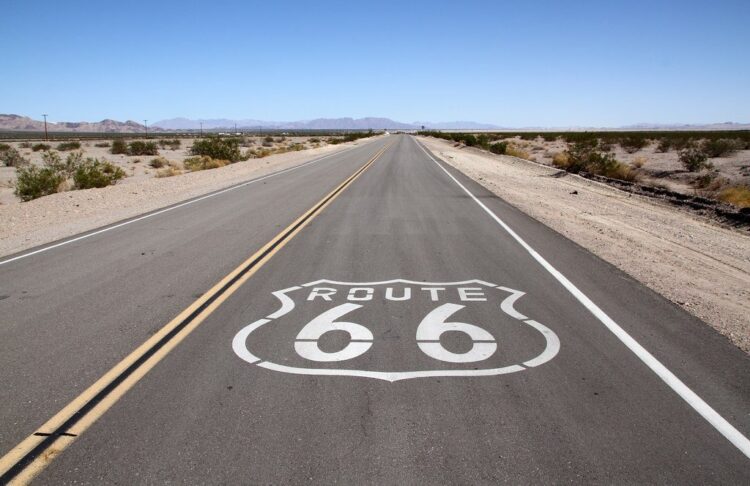
Route 66

Route 66 is one of the best road trips in the US.
Route 66 (photo: Karlis Dambrans)

This highway takes those who choose to travel from Illinois to California. It is, without a doubt, the best-known route and is on most road trippers' bucket lists. You can also start and end in various places.

For example, if you start in Albuquerque, where you can still spot a neon Route 66 sign downtown, you can then drive through the Cibola National Forest until you reach Tijeras and the Singing Road.

If you continue to Moriarty, you'll be able to see more Route 66 relics.

Overseas Highway, Florida

Route 1 from Key Largo to Key West is fun, although the first part of this highway from the Florida mainland to Key Largo may seem a little dull.

However, if you continue on this route from Key Largo through Islamorada to the terminus of Route 1 in Key West, you'll be rewarded with a turquoise sea.

You'll get to cross the 7-Mile Bridge and find secluded islands, shipwrecks, and, if you're into fishing, some of the best fishing spots in the Caribbean.

Plus, there's the chance to see turtles, dolphins, and North America's smallest species of deer.

Pacific Coast Highway, Route 1

Pacific Coast Highway
Pacific Coast Highway (photo: jcookfisher)

Another of the best road trips in the U.S. is Route 1 -- you'll travel through California, Oregon, and Washington.

The ride from Santa Barbara to the Canadian border provides incredible views of the Pacific Ocean and coastal mountains.

Although the Pacific Coast Highway has 123 official miles, Route 1 is much longer and offers more for roadtrippers.

The 17-mile drive runs across California's Monterey Peninsula from Pacific Grove to Carmel while passing through the famous Pebble Beach golf course.

Boston To Seattle Via I-90

If you want to see a large part of America this summer, take an epic journey from coast to coast.

If you want to travel across this vast country, take the long route: I-90, which connects Boston to Seattle and is the longest interstate in the U.S. You'll pass through 13 different states.

Some drivers have completed this route in about six days, but if you want to appreciate each state, take your time and make detours.

Route 12 in Utah

Route 12 in Utah
Route 12 in Utah (photo: Ian Bruce)

This road is also known as one of the most beautiful drives in the world, as it runs from Capitol Reef National Park to Bryce Canyon National Park in Utah.

The route is 124 miles, and roadtrippers experience forested mountains and the mountains around Boulder.

The road also begins to follow a narrow ridge along the red canyons of Grand Staircase-Escalante and Bryce Canyon National Parks.

While we focused on some of the most popular routes in the U.S., a lot depends on where you want to travel.

Remember to research what you'll find before you set off, no matter which one of the best road trips in the U.S. you decide to take. You wouldn't want to miss any sights along the way!

The Best Dive Sites in the Gulf of Thailand

Gulf of Thailand best dive sites
Whale Shark (photo: Big Blue Diving)

While some argue Thailand’s finest diving is found around the Andaman Sea (West Coast), I beg to differ for a moment.

Phuket and Krabi can get extremely crowded, with significant amounts of young partiers year-round.

Moreover? Diving the Andamans is much more expensive than anywhere else in the region.

In my opinion, the East Coast islands feel cozier and more charming--particularly Koh Tao--in the summer (June-July).

Crowds never reach the unbearable levels of Phuket or Koh Phi Phi around that time (except perhaps Haad Rin during Koh Phangan’s Full Moon Party).

For these reasons, I recommend you take in the best dive sites in the Gulf of Thailand, sprinkled throughout the Samui Archipelago and Koh Chang. Below, my top five!

Table of Contents

  • Chumphon Pinnacle
  • Sail Rock
  • Ang Thong National Marine Park
  • Koh Nangyuan Pinnacle and Japanese Gardens
  • HTMS Chang

Chumphon Pinnacle

Like a roll of the dice, a dream dive site can be night and day, depending on weather and just plain luck. This was my experience at Chumphon Pinnacle.

A storm had hit days before my arrival, so sand had been stirred up, and Chumphon wasn’t all that on my first dive. My dive masters at Crystal Dive were horrified:

A good day in Chumphon will change your life. Give it another chance.

During my three weeks in Koh Tao, I did three to four immersions at the most acclaimed dive site on the island.

On my last day, the video you watched above happened. Wow.

Needless to say, you can’t miss this dive site! With up to 30 meters visibility, Chumphon Pinnacle is what a diver’s wet dreams are made of.

While the more chill, yet still an excellent diving season in Koh Tao is between June and July, you want to be there between March-April or September-October to increase your chances of swimming with whale sharks.

Coral at Sail Rock
Coral at Sail Rock (photo: Ryan Lackey)

Sail Rock

Locally known as Hin Bai, Sail Rock is one of Thailand's top wall dives according to PADI. I went on a day trip from Koh Tao via Big Blue Diving and enjoyed two fantastic immersions.

Gigantic groupers, massive schools of fusilier, many tunas, and even exotic critters such as painted shrimp, reef crabs, and nudibranch sprinkle the lively wall.

Ang Thong National Park (photo: Steve Jurvetson)

Ang Thong National Marine Park

If you are based out of Koh Samui or Koh Phangan, a day trip to Ang Thong is a must. In two or three dives you’ll be able to cover the best this national park has to offer.

Better yet? Since most sites are sheltered and shallow, this is an excellent spot for divers of all levels and even snorkelers.

With a good average dive depth of 15-18 meters, though, you'll see everything from staghorn corals and sea fans; large groupers and red snappers; shoals of fusiliers and rabbit fish; to even fun swim-throughs and caverns.

Most popular stops include Koh Wao, Hin Yippon, and Koh Wao Lek.

Want to visit Ang Thong? Book your Koh Phangan hostel here

Gulf of Thailand diving attractions
Baby Turtle (photo: Crystal Dive Resort)

Koh Nangyuan Pinnacle and Japanese Gardens

Koh Nangyuan is that picturesque island with a triple-sided beach you see in almost every Koh Tao advertisement.

Red Rock (also known as Nangyuan Pinnacle) will have you swimming through some amazing caves and over little sea mountains; in addition to spotting giant clams, barracudas, trevally, and sea urchins. One of my most fun dives around Koh Tao for sure.

Not far away are the Japanese Gardens, easily combined with a trip to the aforementioned pinnacle.

Excellent for both divers and snorkelers, this shallow site is home to an outstanding variety of life, including several types of coral, shoals of tropical fish, and even Hawksbill turtles.

Gulf of Thailand best diving
Shipwreck (screenshot by Tawan Buasuwan, YouTube)

HTMS Chang

After more than two decades sailing through several continents during World War II and the Korean War, the USS Lincoln County was decommissioned and later sank by Koh Chang Island.

Planning to visit Koh Chang? Book your hostel here

Known as HTMS Chang since its handover to the Royal Thai Navy in the 60s, this shipwreck is one of the finest artificial reefs in Thailand. Swim through its briefing rooms and cabins while being engulfed by a variety of underwater creatures. Top-notch!


Special thanks to Crystal Dive Resort and Big Blue Diving for the photos and complimentary dives. The Gulf of Thailand best dive sites were chosen by the author (a PADI-certified Rescue Diver, 90+ logged immersions), however. Selections were based on several interviews with diving experts and her honest opinion. 

The Highlights of Ancol Bay in Jakarta

Jakarta
Jakarta, Indonesia (photo: Wikipedia)

Indonesia is considered a hotspot for travelers for many reasons. The country comprises over 17,000 islands, with the sort of natural beauty that will make you go weak at the knees.

Indonesia's tourism industry has continued to thrive because it caters to so many different types of travelers.

You can relax by any one of the country's many beaches or find inner peace and increased flexibility at a yoga retreat.

Alternatively, you could invest in a Bintang singlet and party hard with other revelers.

There are endless sites for divers to explore, and the animal crazy among us can even go trekking with orangutans on the island of Sumatra.

As with many other countries around South East Asia, it is still generally cheap to travel through.

If you're heading to the capital of Jakarta at some point in your travels, you can always plan a visit to the bay, which is located on the waterfront in the far north of the city.

Here you'll find Ancol Dreamland, an amusement park, which is open to the public 24 hours a day.

The self-contained park has nightclubs, shops, and various attractions, such as an oceanarium and a range of different parks.

You can don your bathing suit to ride the artificial waves at the water park, known as Atlantis Water Adventure.

As the name suggests, the park is themed on the mythical underwater island of Atlantis.

There are several water slides and a continuously flowing river pool, among other watery attractions.

Dunia Fantasi, or Fantasy World as it's also known, is Indonesia's answer to Disneyland.

Ride a range of attractions from bumper cars to a corkscrew roller coaster or Hysteria, a ride that will dangle you over the park before plummeting back to the earth.

Ancol boasts its own SeaWorld. The name is a mere coincidence, as this park is wholly unaffiliated with those based in the U.S.

The giant oceanarium has more than 4,000 sea creatures, which can be seen while wandering through the 80-meter long Antasena tunnel.

There are live shows throughout the day (such as the feeding of the sharks) and screenings of educational films at the local theater.

Once a golf course, the Ocean Ecopark is now a 34-hectare open space, perfect for those hoping to expand upon their botanical knowledge.

The park is divided into several zones, such as Eco Care, Eco Nature, Eco Art, and Eco Energy.

You can learn about gardening, how renewable energy is implemented in Indonesia, or check out the local eco-market.

The Ecopark offers many outdoor adventures, such as canoeing, zip-lining, paintball, or bike riding around the park.

Pasar Seni Jakarta
Pasar Seni Jakarta (photo: Kampus STDI)

Are you interested in local artistry? You can head to Pasar Seni, Ancol's local art market.

Here you can watch the Indonesian artists working on their creations, ranging from paintings, puppets, traditional Indonesian jewelry, and portraits.

Souvenir prices are often not set, allowing you to sharpen your haggling skills.

The area is home to traditional and modern art displays, and regular live performances are held there, consisting of classic plays, folk dances, and contemporary dramas.

Depending on your preferences, it can take a few days to experience everything Ancol has to offer. So, many traveling to this region of Jakarta choose to stay on-site within the Bay City area. 

So, many traveling to this region of Jakarta choose to stay on-site within the Bay City area.

The best hotel in Ancol offers amenities such as Wi-Fi and a self-contained swimming pool while being within walking distance of many of the local attractions.

This region of Jakarta is also close to many other highlights, such as the city's History Museum, local beaches, and Mangga du Square, a shopping district.

No matter your preference, Ancol is the ideal area to head to if you're visiting Indonesia's capital and looking for a place to rest your hat.

_______

This story was brought to you in partnership with Traveloka.

The Benefits of Traveling Plastic Free

A plastic free bagel.
A plastic-free bagel.

Let me introduce you to one of my favorite games.

I open up Google Maps, look at where I live (London) and then examine at all the countries within close proximity. Then, I pick where I'd like to travel to.

Not that they're always tangible travel plans - sometimes it's pure speculation.

Either way, living in Europe makes me feel a bit like a kid in a candy store.

I'm writing this post as I decided to take advantage of my current situation and do a bit of traveling over the summer. For four consecutive weeks, I want to travel through a handful of countries in Europe, with one goal in mind.

I want this experience to be entirely plastic free.

rosewaterperfume
Making perfume.

Attempting to live plastic free

I've worked hard to cut as much plastic as possible from my day-to-day life as an expat in London.

I discovered early on that I'd have a greater chance at success if I broke the process down into sections.

It was easy to say: "Right! I'm going plastic free, from this day forth!" Then someone would stick a straw in my drink, or I'd go shopping, forget to take a reusable bag and feel like a failure.

Instead, I broke my everyday life down into sections.

I'd look at my beauty regimen and wonder how I could swap plastic encased products for those sold in reusable jars. I'd try making products. I'd experiment.

I took note of what did and didn't work. I had some small successes. There were failures too, of course. I tried not to feel disheartened anytime I was forced to go back to the drawing board.

You can't change your lifestyle in one day. You are, after all, breaking down and reworking many little habits and routines. This is a process that above all, takes time.

Plastic ruining an otherwise nice shot in Aix en Provence.
A plastic bag is ruining an otherwise nice shot in Aix en Provence, France

Attempting to travel plastic free

There's no doubt that travel opens your eyes up to the world around you.

The more of the world I saw, the more two particular facts became apparent.

The world is beautiful. There's no doubt about it. However, the beauty of this planet is slowly getting ruined by our over-consumption of disposable items.

Once you see it, the more you notice it.

There was the time I went swimming in Miami Beach and felt something hit my leg. I figured it was just seaweed and pulled it out of the water. It was a plastic bag.

I've seen people go to the effort of stuffing rubbish into places like the slats of benches... when there are trash cans only a couple of feet away.

Even the streets of cities like London are covered in discarded chip packets, scraps of plastic and candy wrappers. This, in a country like Britain that has more parks and green spaces than anywhere else I've ever been.

This is reason enough to take up the challenge. However, I believe that even as individuals, we can each benefit from traveling plastic free.

Here's why.

Rubbish accumulated from a few hours out and about.

Savings in money

I never understand why people drop countless dollars on items such as plastic water bottles when traveling - particularly when they're in a country where you can drink water straight from the tap!

Buy a reusable bottle and fill it up everywhere you go. Easy.

What about places where the water is either unsafe or brackish?

A simple investment at the start of your travels will end up saving you money in the long run and reduce your plastic consumption.

Here's a helpful comparison of the merits of a SteriPen against a filtered water bottle, if you're struggling to make a decision.

The opportunity to eat well and stay in good health

Traveling plastic free all but eliminates fast food from your life.

Local produce will become your friend. You'll make a beeline for farmer's markets. You'll experiment with all kinds of different foods, not necessarily ones that will have a harmful effect on your health.

If you've got a massive sweet tooth like me, there's nothing stopping you from walking into a bakery and getting a delicious pastry to go - in your own, re-washable cotton bag.

keepcup
Forgot your reusable cup? Don't despair!

Savoring the moment

We are all a bit rush in every aspect of our lives, let alone travel.

Traveling plastic free gives you the opportunity to slow down and take note of the world around you.

Dying for coffee, but have no cup on you? Stop at the nearest café, order a latte and indulge in one of travel's greatest pleasures - people watching.

Growth in self-confidence

Entering a shop with your own containers and bags isn't exactly a normal thing to do. People will give you funny looks, ask questions and in some cases, ignore your requests.

You have to speak up and make yourself heard. I found this cripplingly difficult at the start. I worried what people would think of me. I didn't want to put anyone out, cause too much of a disturbance.

However, I soon realized that it just wasn't that big of a deal. It doesn't take someone any longer to put a brownie in your bag, rather than a plastic or paper one.

Be friendly and polite and you'll almost always see the same in return.

Giving back

There are so many opportunities to give back when traveling.

You can volunteer your time to a worthy cause, stay in eco-hotels and hostels, give rescue animals some TLC and lend farmers a hand around the world.

I support all these methods and means of travel whole-heartedly! However, going plastic free is just another way you can give back to the planet, on a personal level.

I'll be writing more about my quest over the weeks to come. Feel free to follow me on my journey - on Go Backpacking and my blog, through social media or, make it a mission of your own!

Athens, Greece: A City for All Seasons

What imagery comes to mind when you picture Greece? Is it Santorini, where whitewashed cubist houses line the cliffs, a sight that draws countless travelers to the island year after year?

Parthenon Acropolis - Athens
The Parthenon (photo: Kristoffer Trolle)

Or perhaps you envision the UNESCO World Heritage-listed buildings in Old Town, Corfu, where a history of the ages can be found between the cobblestone streets.

Perhaps the imagery is straightforward: Athens and yachts, dips in the ocean, cocktails in the sun. A carefree, leisurely vacation spent in the company of friends and other like-minded people from around the world.

What about the capital, a city steeped in history many of us can barely comprehend? Here at Go Backpacking, we're teaming up with Expedia to give a brief overview of Athens city breaks.

Having had almost a feverish interest in the ancient city of Athens since I was knee-high to a grasshopper, I felt I would be doing myself a disservice if I didn't stop in Greece's largest city.

So, during my trip planning, I was sure to draw up an itinerary that involved a few days' stay in the center of Athens. I'm happy I did. Athens completely blew me away, and here's why.

Table of Contents

  • About Athens
    • The Weather
    • The City Should Be Considered a Beach Destination
    • Athens Is a Bit Hip
    • The Food Completely Blew My Mind
    • The Entire City Is Steeped in History

About Athens

The Weather

View of the Acropolis (photo: David Tip)

I've been quick to discover the delight of visiting a city during what is traditionally known as the "off-peak" season. Why? You're almost guaranteed smaller crowds, affordable prices for flights and hotels, and pleasant temperatures.

I visited Athens in mid-October. Contrary to London, where I live, the weather was perfect. The temperature bounced around the mid-70s F (mid-20s C), and the sun blazed from the sky.

It was warm enough to suit every activity, whether taking a quick dip in the nearby ocean or wandering around the city. Greece is seen as a destination for summer revelers, but I wouldn't hesitate to go there any time of the year - even in the dead of winter!

The City Should Be Considered a Beach Destination

Athens beach lifeguard tower (photo: Peter Kellfur)
Beach in Athens (photo: Peter Kellfur)

Speaking of beaches, I was pleasantly surprised by the caliber of those I visited during my time in the city. With winter looming in the not-too-distant future, spending time by the ocean was one of my top priorities.

The two beaches I went to were easily accessible by public transport. I caught a tram outside our accommodation and traveled a mere 20 minutes before finding myself by the water's edge.

There are even better beaches a bit further away from town. I recommend hiring a car to explore Athens' understated coastline in greater depth.

Athens Is a Bit Hip

I love a grungy city, and Athens certainly fits the bill. While the Greek Islands are traditional hotspots for partygoers, having a rockin' night out in the capital city would be relatively easy.

Psiri is Athens's nightlife district, with plenty of bars and restaurants. My favorite was Six Dogs, a trendy bar with a relaxed atmosphere, an excellent outdoor area, and an impressive cocktail menu.

My opinion of the place was greatly aided by my travel partner and me receiving our last drink on the house. Although, to be fair, we'd consumed a few in the interim leading up to this moment. When on vacation, I suppose.

The Food Completely Blew My Mind

A cute street in Athens (photo: Marco Montero Pisani)

While stunning, the islands are notorious for how much they have been Anglicized. As much as I love a hearty, full English breakfast, I don't like going on vacation to eat what I could have at home.

Athens impressed me with its range of Greek cuisine. I sampled traditional and modern-day dishes, as you should in a new country. However, I found delight in other restaurants, such as the French restaurant where I feasted one night.

My opinion of a place often relies directly on the quality of the meals on offer. Athens went above and beyond in delivering on this.

The Entire City Is Steeped in History

You can't go to Athens without immersing yourself in the city's history. The biggest problem is that there's so much to choose from.

As it is one of the world's seven wonders, the Acropolis tickets should be on your list. If you're journeying there in the middle of summer (or are a keen photographer), you'll be best served by visiting earlier or later in the day.

A highlight for me was the Acropolis Museum. Rammed with ancient artifacts and interesting information, visiting the site was a childhood dream.

While the islands are spectacular, every trip to Greece should include a break in the country's understated capital city. No matter what kind of vacation you're after or what time of the year, you will find something interesting.

***

Discover Athens in a truly unique way with Rent from Locals. This innovative platform connects you directly with local car owners, offering an authentic and eco-friendly exploration of Greece's historic capital. It's more than a simple car rental; it's your ticket to experiencing the city's vibrant culture and rich history from a local perspective.

Choose a vehicle that aligns with your travel needs while embracing sustainable tourism. Immerse yourself in Athens' lively streets and hidden gems while supporting the local community and enjoying genuine Greek hospitality.

The Carry-On Traveller: The Ultimate Guide to Packing Light (Review)

The Carry-On Traveller: The Ultimate Guide to Packing Light.
Erin and Simon

Packing drives me crazy.

I always leave it to the last-minute, that often being the morning of my departure. It's often a case of cramming everything in and making a mad dash out the door.

That, and I do believe I've spent some of the best years of my life waiting to check baggage in at various airports around the world.

I don't know exactly how it's happened, but over the last seven years of traversing the globe, I have somehow got worse at packing and not better. It doesn't seem very fair at all, but a fact is a fact.

I'm not one to look to for advice in this area. So, thank goodness there are people like Erin McNeaney in the world.

Erin has traveled the globe with her partner Simon for six years. They're digital nomads, who have whole-heartedly embraced the concept of slow travel, writing about their adventures on their website Never Ending Voyage.

Over the course of the last few years, they've visited over 30 countries. During this time, they have never checked in a bag. As Erin says:

All of our possessions fit in a single carry-on backpack each, and we haven't missed owning more.

Yeah, my jaw hit the ground when I read that too. As someone who is inclined to pack everything but the kitchen sink when preparing for a trip, I was eager to learn of how the couple had managed to do this.

Luckily, Erin has compiled all the knowledge she has gained over the years into her newly released book The Carry-On Traveller: The Ultimate Guide to Packing Light.

There is so much to learn from traveling with just carry-on luggage. As she points out, it saves you time and money, reduces the stress of full-time traveling and saves your back from long-term damage.

The Carry-On Traveller

Why Erin's Book is a Must Read for Travelers

Traveling with hand luggage only is easier said than done.

In your quest to downsize to the bare minimum of what you need, you'll have plenty of questions.

  • Should you use a suitcase or a backpack?
  • Which suitcases and backpacks are viable options?
  • How do you pack for constantly changing weather?
  • What about airline liquid restrictions?
  • How can you travel with heavy electronics and the rest of life's necessities, without checking your luggage in?

Erin answers all these questions and more.

Her book is divided into four sections.

She begins by explaining her reasoning behind traveling with carry-on only. This is followed by a detailed explanation of both airline restrictions and which sort of carry-on luggage you should choose (complete with personal recommendations).

In part two, she covers essentials for travel - clothing for both men and women, toiletries, electronics and the like.

Erin's well-versed in what you'll find you don't need and offers alternative suggestions, such as swapping high heels for compact ballet flats and sourcing locally made soap instead of using laundry detergent.

Part three covers pre-departure preparations - how to pack without losing your mind and organising the contents of your bag.

She explains how she doesn't balk away from wearing clothes more than once, offering tips on how to get the most mileage out of your fabrics.

The last few chapters of the book consist of various interviews with other carry-on travelers from all walks of life - young families, yoga-enthusiasts, an artist and a fashionista.

Yes, you can pack light and keep up your signature style, throughout any weather, simply through fabric choice and a bit of forethought!

The Pros of Traveling With Carry-On Luggage

I missed a connecting flight earlier this year, a fact I'm still rather dirty about.

What irritates me the most about this experience is that I'm convinced that I would have made my connection, if it weren't for my checked in luggage.

I was in a situation where my luggage had to undergo multiple screenings, which took over an hour. Having missed my original flight, it took me another two days to get home.

However - if I had traveled with hand luggage only, I would have been out of the terminal and onto my next flight in less than ten minutes.

I would have saved myself a significant amount of both time and money - plus I'd probably have a few less grey hairs from unnecessary stress.

It happens to everyone. Late last year, I saw a traveler getting grief over his hand luggage not fitting into an airline's size restrictions. The poor man stood on top of his suitcase, trying to compress it into luggage sizer to avoid having to pay a fee.

There are so many tips and tricks to avoiding these sort of scenarios and Erin describes them in full detail in her book.

Minimalism is Key

I firmly believe that we've all been conditioned to think that we need more items than we do.

There's nothing wrong with wearing clothes more than once, before washing them. You can manage without most toiletries. Technology is ultimately designed to save space and make our lives easier, not be cumbersome.

Erin's book is a resource I wish I had when I started packing for travel. Yet, it's never too late for change.

I'll be incorporating the knowledge I've gained from reading The Carry-On Traveller: The Ultimate Guide to Packing Light into my next adventure abroad and hopefully save myself some time, money and stress in the process.

As Erin says, there's no harm in trying it out. However, she remains convinced that once you've had a taste of traveling with minimal items, you'll never look back.

You can read The Carry-On Traveller: The Ultimate Guide to Packing Light now through Amazon Kindle for US $4.99 (or local equivalent).

The Carry-On Traveller


10 Best Kayaking Spots in the USA

Kayaking the Colorado River
Kayaking the Colorado River (photo: Mary Madigan)

If you’re an adrenaline junkie, action sports super fan, or just an outdoor lover, there is nothing better than hitting the open water on your kayak.

Facing bone-crushing currents, mammoth rocks, and raging rapids provide a challenge not equaled by any sport on earth.

As many have experienced, battling nature for an afternoon while taking in its beauty makes for an enjoyable and rewarding day.

But, you may be surprised to find out that kayaking isn’t just for those looking to conquer powerful rivers.

Plenty of people are using the crafts to navigate to hot fishing spots. Wading out into deep pockets or next to protruding rocks can offer some fruitful angling. Kayak fishing is on the rise in recent years.

In 2011 alone, there was an increase of nearly 200,000 participants — and that number isn’t shrinking.

Whether you’re wading into the middle of a stream to pull out your next big trophy, or facing gushing white ripples, there are plenty of spots to take advantage of the popular activity. From the East Coast to the West Coast, waters wind with the opportunity to bring home a new story.

So, are you ready to find the perfect fishing kayak and get to it? Good. These destinations should be first on your list.

Table of Contents

  • 1. Colorado River
  • 2. Gauley River
  • 3. Arkansas River
  • 4. Devils River
  • 5. Chesapeake Bay
  • 6. Lake Guntersville
  • 7. Indian River Lagoon
  • 8. Prince William Sound
  • 9. Eleven Point National Scenic River
  • 10. Tyger River

1. Colorado River

Famed for its incredible rapids, the legendary river winds through three states and is full of adventure.

If you’re just jumping on for a rush, you’ll be missing out. Awesome scenery surrounds all 297 miles of the river.

As you wind through Arizona and Utah, you’ll find plenty of spots to cast a rod and relax.

There’s nothing more soothing than lying back between the walls of the Grand Canyon and reeling in a big one from your kayak. And at nights, simply pull your craft onshore and camp out.

2. Gauley River

West Virginia is renowned for its beauty and never-ending mountains. Nestled in those rolling hills are some fierce waterways perfect for kayaking.

Tackling the river during September and October will prove to be challenging, but well worth the adventure.

If you’re looking for a one-day trip, it’s hard to do better than the backcountry of the Mountaineer State.

Kayaking Arkansas River
Kayaking on the Arkansas River (photo: logos.opticos)

3. Arkansas River

From class II to class IV rapids, the sixth-longest river in the United States offers it all.

This meandering waterway begins in Colorado and finishes in its namesake’s state — and you can bet that there are plenty of spots to stop and test your angling skills.

Enjoy the 14,000-foot Rockies on either side before you descend into the Royal Gorge.

4. Devils River

There’s arguably no better spot for kayak fishing than this Texas river. Natural beauty engulfs the cove as you enjoy the fresh fish of the spring-fed body.

Hiking to the reserve can be a bit strenuous, but you won’t be disappointed.

Chesapeake Bay
Chesapeake Bay (photo: dwstucke)

5. Chesapeake Bay

Perhaps the most complicated body of water to maneuver in, the 4,500-square-mile bay provides deep pockets, jagged shorelines, and ample room to catch a trophy.

If you’re heading to the area, make sure to hit the Lower bay, where the Chesapeake Bay Bridge Tunnel provides the best fishing.

6. Lake Guntersville

No list of the top kayak fishing spots would be complete without a Southern stronghold. This Alabama lake is the largest in the state, with over 69,000 acres of water.

As with most of these sites, camping is recommended if you’re looking to maximize your experience.

7. Indian River Lagoon

Snag yourself a Bull Red Drum, Gator Speckled Trout, or Tarpon in one of the IRL’s three fantastic Florida members.

Kayaking Prince William Sound
Kayaking Prince William Sound (photo: Matt Zimmerman)

8. Prince William Sound

Visit the opposite end of the map when you travel to an Alaskan glacial gulf. You may want to check out some of their on-site cabins to fully enjoy the trip.

9. Eleven Point National Scenic River

In what looks more like an excerpt from the Amazon than rural Missouri, the Eleven Point River is calm enough to drift through on a warm summer day and exciting enough to offer some fun.

10. Tyger River

Another staple of the South, this South Carolina river flows through Sumter National Forest at a depth of two to six feet.

Head to an access point and start your kayak fishing adventure amidst the wildlife-loaded waterway.

________

This story was brought to you in partnership with Sportsman's Warehouse.

Where To Find London's Best Views

As far as London is concerned, you don't get a feel for just how vast or old this city is until you look at it from a near bird's eye view.

Imagine standing on an observation deck, staring out at one of the greatest capital cities in the world, packed full of centuries of history and people from all walks of life.

View from Sky Garden
Skygarden view

Luckily, there are plenty of opportunities to do just that. Forget the London Eye, which is both dull and overpriced.

Whether you're just passing through and need to use London luggage storage or are in town for a while, here are some of the city's best views for a range of budgets.

Table of Contents

  • London's Top Views
    • The Shard
    • The Sky Garden at 20 Fenchurch St.
    • Dine at Duck and Waffle
    • The Monument
    • Pagoda at Kew Gardens
    • Waterloo Bridge
    • Greenwich Park

London's Top Views

The Shard

Here are some of London's best views.
The Shard

I see the irony in dissing the London Eye only to move on to the equally expensive Shard, but hear me out.

The Shard is a 95-storey skyscraper with the honor of being the tallest building in both London and the European Union. The tower has a privately run observation deck called the View from the Shard.

Tickets aren't cheap. At the time of writing, they are priced at $43.75 (£30.95) per adult (for an extra $14, you get champagne!) and $112.95 (£79.95) for families.

I like the Shard because the view is genuinely impressive, and the lines tend to be shorter than those at the London Eye. That and you can stay and leave at your leisure.

If the View from the Shard is a must-do, try to time your visit for either sunrise or sunset. Sunsets over London are among the most beautiful things I've witnessed during my years on this earth.

The Sky Garden at 20 Fenchurch St.

Sky Garden
Sky Garden

Did you blanch at the price of the View of the Shard? I can't say I blame you if you did. Luckily, there's a cheaper alternative that you can choose to visit - just across the River Thames.

The Sky Garden is precisely what the name suggests - a garden in the sky on the 35th story of 20 Fenchurch St., colloquially known as the "Walkie-Talkie." Bookings in advance are essential, which can be done via their website.

Admittedly, I'd feel jipped if I had to pay to get into the Sky Garden. But, for zero dollars/pounds, it offers, in my opinion, superior views to the Shard for one particular reason.

I, among many others, regard The Walkie-Talkie as a blip on London's skyline. There is something about that building that just isn't aesthetically pleasing.

The Sky Garden website suggests "uninterrupted views of the city." I can only imagine this is the case, as The Walkie-Talkie isn't in it. This isn't the first time I've made that joke, and it won't be the last.

Dine at Duck and Waffle

Breakfast at the Duck and Waffle

Duck and Waffle is a restaurant located within Heron Tower, another of London's skyscrapers that unfortunately doesn't have a nickname.

There are two remarkable things to note about this particular establishment. Not only is it the highest restaurant in the UK, but it's open 24/7.

You can feast on their signature dish and many others at any time of the day or night - from early afternoon to 4 in the morning.

As you can imagine, Duck and Waffle is a popular place to eat out, so making a reservation in advance would be in your best interest.

The Monument

View from The Monument (photo: Chris Eason)

Although London's skyscrapers are impressive, they are a testament to the city's most recent history.

Let's take a step back in time and imagine how London would have looked to visitors and residents alike in times past.

The Monument was erected in 1677 to commemorate the Great Fire of London, near where it began.

Those who know anything about London's history will know of the fire that wiped out some 436 acres of the city, including St. Paul's Cathedral.

So, although the city itself sometimes seems as old as the ages, much of what we're looking at is less than four centuries old.

Although the Monument is now dwarfed by the skyscrapers surrounding it, it's still worth a visit - if not for the view, then for the history of the building itself.

Tickets cost $ 5.65 (£4), and you can count the 300-odd stairs to the top as part of your daily exercise.

Pagoda at Kew Gardens

Pagoda at Kew Gardens (photo: Andy Hay)
Credit: Andy Hay

The Pagoda at Kew Gardens was constructed in 1762. At the time, Londoners were fascinated with all things Eastern, and the building remains a testament to the Chinoiserie craze sweeping the city.

The original building boasted 80 dragons carved from wood and gilded with gold. According to the Kew Gardens website, the dragons disappeared in the 1780s.

They were rumored to have been sold to pay off the Prince Regent's debt, but it's thought they rotted away over time.

The Pagoda has undergone renovations for two years. In 2018, it reopened to the public, giving visitors the chance to experience a bird-eye view from the perspective of Georgian London.

In the interim, the Pagoda can be seen from the Kew Gardens, which are worth a visit.

Waterloo Bridge

Waterloo Bridge (photo: Matthew G)

Here's a chance to witness the best of London while keeping your feet firmly on the ground.

While Waterloo Bridge is probably one of the duller structures spanning the Thames - it offers the best views, no matter which side of the bridge you're gazing out from.

So, take your camera and brave the crowds to see firsthand the many famous icons that make up London's international identity.

Greenwich Park

Greenwich Park (photo: Visit Greenwich)

For a different perspective, head straight to Greenwich Park. If you walk up to the top of the hill where the Royal Observatory is located, you'll be rewarded in two ways.

You'll be able to observe the line that represents Greenwich Mean Time in the flesh. You'll then be able to gaze out across the park and Greenwich University to the glittering building of Canary Wharf in the distance.

From there, you can visit the planetarium, wander the streets of this historic village, or go full British and picnic in the park.

To my eternal disappointment, it has rained every time I've been to Greenwich Park, but I'm sure it would be quite the sight to behold on a sunny day.

There are plenty of ways to see London, for all different budgets, without spending the best years of your life waiting in line at the London Eye.

7 Incredible Trips to Experiences in 2016

Istria, Croatia
Istria, Croatia (photo: zolakoma)

Make 2016 the year you experience a vacation that is truly different from your day-to-day existence.

Relax, recharge and take in the breathtaking sights that these incredible experiences have to offer.

Table of Contents

  • 1. Walking in the Alps
  • 2. Explore the Villages of Istria
  • 3. Volga River Cruise
  • 4. Amazon River Excursion
  • 5. Witness the Great Migration
  • 6. Dog Sled Ride in Finland
  • 7. Explore Ancient Egypt

1. Walking in the Alps

Explore walking in the Alps. This beautiful mountain range stretches from France to Slovenia, and it offers many adventures for travelers.

You can stay in basic shelters, luxurious accommodations or anything in between. With 1,200 kilometers to explore the options are endless.

2. Explore the Villages of Istria

Visit the villages of Istria in the northern peninsula of Croatia for a truly amazing vacation.

You can visit the town of Pula, and take in the splendor of Triumphal Arch of the Sergii and its famous arena that is one of the oldest surviving Roman amphitheaters that is still used today. Depending on the time of year that you visit you may be able to watch a concert, an ice hockey match, or a film festival.

Visit Rovinj where you can explore a maze of narrow streets filled with medieval buildings as well as the beautiful Cathedral of St Euphemia. The area is known for its truffles so be sure to experience them before you leave.

Lock on Volga River in Russia
Lock on the Volga River (photo: flowcomm)

3. Volga River Cruise

Hop on a boat and take a river cruise in Russia. If you travel along the Volga River, you can take a trip from Moscow to St. Petersburg. Hop off your boat and experience the stunning architecture that these two historic cities have to offer and immerse yourself in the culture.

From St Petersburg, you can take another cruise down the Svir River and experience the wonders of nature that this country has to offer.

4. Amazon River Excursion

Take a trip down the Amazon and experience the most diverse ecosystem in the world.

You can experience the thrill of seeing a four-meter anaconda basking in the sun, see pink dolphins frolicking in the water and take in the beautiful flora, fauna, and many other unique creatures.

You can leave from Bolivia, Columbia, Ecuador, Peru, or Venezuela to travel along the more than 10,000 kilometers of river.

5. Witness the Great Migration

Get back to nature and take a luxury safari in Kenya. You can watch The Great Migration of the wildebeests and zebras if you visit in the late summer.

Experience the thrilling Masai Mara crossing where the animals plunge into crocodile-filled waters. You can also see elephant, flocks of brilliant pink flamingoes, giraffes, and other unique creatures that are only found in Africa.

Dog sledding in Finland
Dog sledding in Finland (photo: Guillaume Baviere)

6. Dog Sled Ride in Finland

Try navigating a sled dog team through the snow and ice in Finland. You get a team of dogs and a sled that you'll be trained how to use.

The dogs travel up to 20 kilometers per hour, and you'll no doubt leave all of your worries behind as you adventure into the Arctic Circle.

7. Explore Ancient Egypt

Explore the pyramids in Egypt. There are more than one hundred and the three largest and best preserved can be found in Giza, which is on the outskirts of Cairo.

Explore the wonders that these three pyramids have to offer and take in the stunning beauty of the Great Sphinx. Immerse yourself in the thousands of years of history and the architectural marvel of these remarkable monuments built for the pharaohs.

__________

This story was brought to you in partnership with Exeter International and Africa Odyssey.
The Top 7 Haunted Tourist Destinations in the World

St. Augustine Lighthouse
St. Augustine Lighthouse (photo: Cliff)

Wherever you travel in the world, you’ll find famous haunted mansions and other places where people have felt the cold and seen ghosts and spirits for centuries.

Most of these places offer tours for the outdoor traveler, where you can hear the stories and wait for the apparitions to manifest. Whether you get scared because of the hype or because of a genuine haunting is for you to decide.

Here are seven of the top places in the world where travelers hope to experience the paranormal.

Table of Contents

  • 1. St Augustine, Florida Lighthouse
  • 2. The Goldfield Hotel
  • 3. The Bhangarh Fort, Bhangarh, India
  • 4. Famous Haunted Road Trips
  • 5. Banff Springs Hotel, Alberta, Canada
  • 6. Eastern State Penitentiary, Philadelphia, Pennsylvania
  • 7. The Tower of London, England

1. St Augustine, Florida Lighthouse

St. Augustine, Florida is the oldest, European-founded city in the United States that has been continuously occupied.

The Spanish explorer Juan Ponce de Leon was looking for the Fountain of Youth in 1513, and the city was founded in 1565. This means there is at least 500 years’ worth of ghosts lurking in the vicinity.
The St. Augustine Lighthouse and Maritime Museum offers a Ghost Tour that promises only ghosts and no gimmicks.
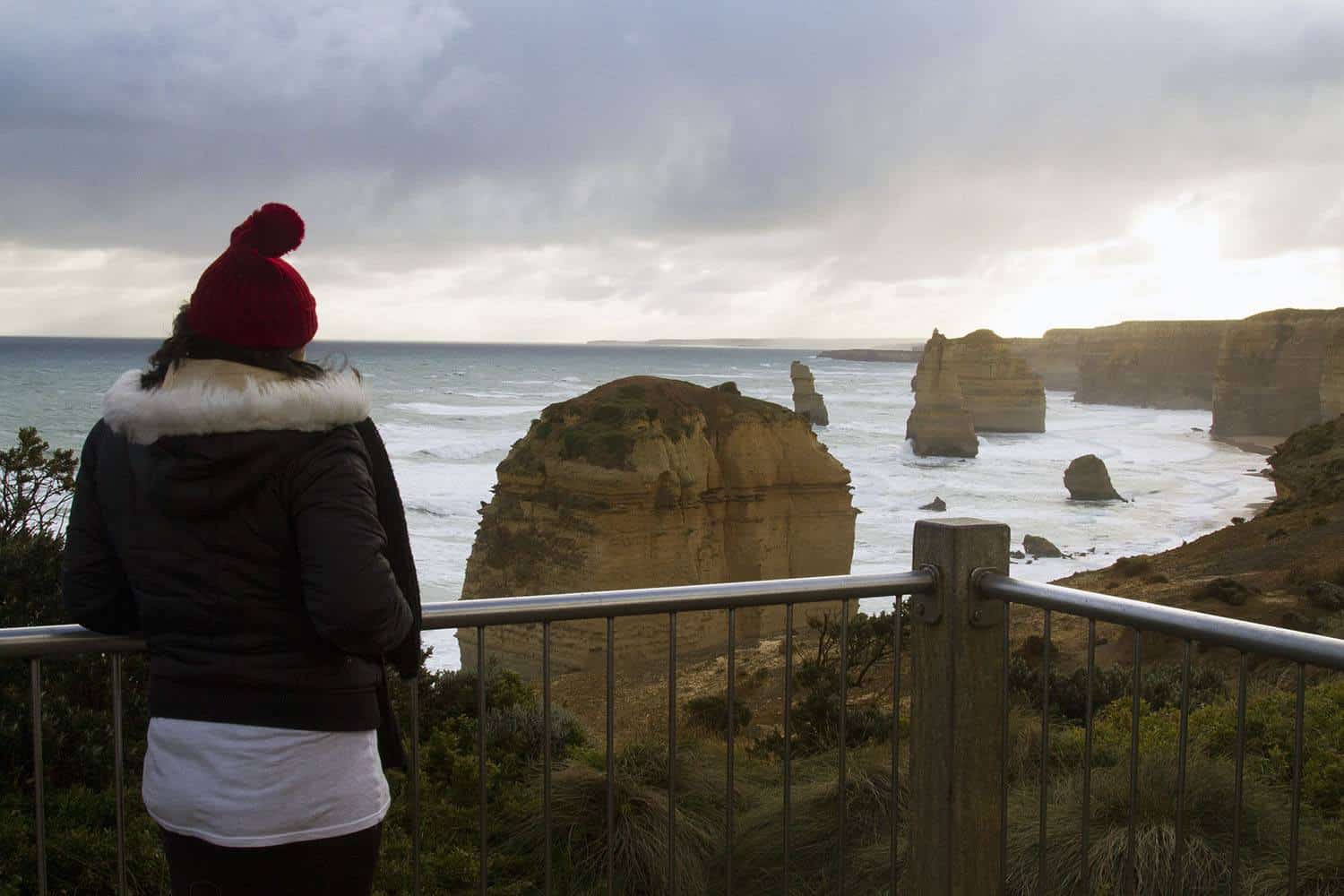
Visitors are almost guaranteed a weird photo, and tour attendees often leave thoroughly spooked after hearing and seeing two girls who died in 1870 during the lighthouse’s construction. They have been seen on the tower catwalk and heard laughing in the tower.

2. The Goldfield Hotel

The Goldfield Hotel is located in a small desert town in Nevada. The town of Goldfield was founded in 1902 when gold was discovered in the area. It was the biggest city in Nevada for a few years with a population of more than 35,000 people.

The hotel has been examined by many paranormal investigators who have experienced temperature drops, flying bricks and the wailing of a woman in room 109, where she is said to have died in childbirth.

The town has a population of 500 people today, but the hotel gives ghost tours, and it is considered one of the most haunted buildings in the country.

Bhangarh Fort
Bhangarh Fort (photo: Shahnawaz Sid)

3. The Bhangarh Fort, Bhangarh, India

Considered by some as the most haunted place in India, the fort is in Rajasthan and said to be cursed. A sorcerer tried to trick a princess into marrying him, and when it didn’t work, he cursed everyone in the area to die a horrible death.

The local people don’t consider it a legend and tourists are not allowed to enter the fort between sunset and sunrise.

4. Famous Haunted Road Trips

There are several highways in the U.S. that are considered haunted.

In the Chicago area, Archer Avenue that runs from the St. James-Sag Church to Resurrection Cemetery is considered the most haunted. It passes through forests, by lakes and many cemeteries and each has a terrifying tale.

There are ghostly monks around St. James-Sag and the Gray Baby near Sacred Heart Cemetery. You can also see phantom horse riders cross in front of your car and the famous Resurrection Mary, who hitchhikes her way down the avenue where she was hit by a car and died more than 80 years ago.

Mona Lisa Drive in New Orleans City Park is the lurking place of a young woman who was thwarted in love and died. It is said that lovers who come to park there hear her moaning and, on occasion, scratch at their car windows.

Banff Springs Hotel
Banff Springs Hotel (photo: Julia)

5. Banff Springs Hotel, Alberta, Canada

The hotel was built more than 125 years ago as a stopping point for train travelers on the Canadian Pacific Railway. Located in the gorgeous Canadian Rockies, it is considered one of the most haunted places in Canada.

A bride died on her wedding day and walks the staircase and dances in the ballroom. A family was supposedly murdered in room 873, and the room has been bricked up, but guests still see the family lurking near the place where the door used to be.

There is also a bellman that will help guests to their rooms and even unlock doors, but if you try to give him a tip, he disappears.

6. Eastern State Penitentiary, Philadelphia, Pennsylvania

The first prison to introduce solitary confinement, it had many inmates driven to insanity.

Visitors hear an evil cackling in cellblock 12, see shadowy figures slide down walls and quickly turn away in cell block five, and ghostly faces have been observed in cell block four.

The Tower of London
The Tower of London (photo: DncnH)

7. The Tower of London, England

The Tower of London is famous for at least nine centuries of torture and executions and is considered the most haunted place in the United Kingdom, which is saying a lot because there are many seriously haunted places in the UK.

Anne Boleyn is the most famous ghost. She is seen walking the corridors headless. Lady Jane Grey is seen looking out a window waving to her children who were on the other side of the building.

The most terrifying is the appearance of two children seen throughout the tower wearing nightgowns and holding hands. They look terrified and are considered to be the two Prince’s murdered in the tower by their uncle.

It seems ghosts lurk in many buildings all over the world, and travelers can take tours to experience the paranormal thrill when the shades walk by.

_________

This story was written by and provided in partnership with Outdoor Traveler.

Top 10 Tips for Visiting the Czech Republic

The Czech Republic has become an increasingly popular tourist destination, yet historic cities like Prague remain surprisingly affordable compared with much of Europe, even after years of rising visitor numbers.

Prague is a must when visiting the Czech Republic (photo: Roman Boed).
Prague (photo: Roman Boed)

Architectural treasures can be found all over the country, and as the home of the original Pilsner Urquell beer, the town of Pilsen is a typical tour stop. Many Czechs commonly speak English, while the local currency is the Koruna. Here are 10 top tips for visiting the Czech Republic.

Table of Contents

  • Czech Republic Advice
    • 1. Beer
    • 2. Tipping Etiquette
    • 3. Showing Respect
    • 4. Best Time to Visit
    • 5. Hiking in the Czech Republic
    • 6. Getting Around the Czech Republic
    • 7. Visas and official documents
    • 8. Prague Winter Festival
    • 9. What to eat in the Czech Republic
    • 10. Staying safe and healthy

Czech Republic Advice

1. Beer

If there is one thing that the Czech Republic is famous for around the world, it is beer. Czechs are believed to be the heaviest beer drinkers in the world, and alcohol tends to be cheap in the country compared to other European nations.

Head to the town of Pilsen to sample the original Pilsner Urquell beer at its source, while Budweiser Budvar and Staropramen are also very popular, both with locals and tourists.

Czech beer is well-suited as an accompaniment to the local cuisine, which often features heavy dishes like duck or pork.

2. Tipping Etiquette

Tipping is not compulsory in the Czech Republic, unlike in some parts of the world. However, since waiting staff tend to be relatively low-paid, it is recommended to leave a tip of around 10% of the bill when eating in a restaurant, provided the service was satisfactory.

It is also more common to give the tip directly to the waiter and not leave the money on the table as you exit. Rounding up to the nearest 20 CZK or 100 CZK is also satisfactory for those who want to leave a tip.

3. Showing Respect

Tourists should always aim to be respectful when visiting a new country, and there are a few good ways to stay on the right side of the Czech people.

Avoid referring to the Czech Republic as being in eastern Europe, as Czechs consider themselves to be central European.

Take care when discussing the country's communist past, as this is still a sensitive subject. It is also important to remember that even though the nation was a part of the Soviet Bloc, it was not part of the Soviet Union.

Saying hello ("Dobry den") and goodbye ("Na shledanou") is polite too.

4. Best Time to Visit

Summer - between April and September - is the most popular time of the year to visit the Czech Republic, but this is a destination that has plenty to offer all year round.

July and August are the peak Czech tourist season, and this is when the country is busiest, while the winter sports crowd tends to dominate from around December through to March.

For sightseeing, perhaps Spring is the best time of the year to enjoy the charms of the Czech Republic, as this is when the temperatures are not too high and the country is starting to come into full bloom.

5. Hiking in the Czech Republic

Karlštejn Castle in the Czech Republic (photo: Arian Zwegers).
Karlštejn Castle (photo: Arian Zwegers)

Hiking is undoubtedly one of the best things to do on a holiday in the Czech Republic, with its system of trails as sophisticated as anywhere in Europe.

There are marked trails all over the country, and many of them begin directly outside railway stations, where visitors have a choice of routes. Good quality maps for hikes can be found in most large bookstores in the Czech Republic.

For one of the country's best hikes, check out Karlštejn Castle and the holy cave monastery.

6. Getting Around the Czech Republic

Trains can be used to reach even the most remote parts of the Czech Republic, but journey times can often be long, especially when traveling through the countryside.

Buses can sometimes be a better option, with the buses from Student Agency handy for some trips.

For those planning to rent a car in the Czech Republic, be aware that Czech drivers can be pretty aggressive, and road quality may not be consistently good outside of main motorways.

A vignette is also required to drive on Czech highways, while there is zero tolerance for drunk-driving offenses. Hitchhiking is also very common in the Czech Republic.

7. Visas and official documents

Visas are not typically required when visiting the Czech Republic for a shorter period than 90 days, although some nationalities will need a Schengen visa. If you require one, you can find information on Schengen visa appointments here.

Tourists should always carry documents such as passports on their person, as they may be required to show them.

Citizens of EU countries can stay in the Czech Republic indefinitely and do not need a visa.

Customs practice is also simple - when arriving at Prague's Vaclav Havel airport, take the green line if you have nothing to declare. Bags do not tend to be checked by airport officials either.

8. Prague Winter Festival

New Year's Eve 2016 in Prague (photo: Jan Fidler).
New Year's Eve in Prague (photo: Jan Fidler)

Many tourists would not even think of visiting the Czech Republic outside of the summer - but they would be missing out.

Prague Winter Festival is one of the best events on the country's annual calendar, with the nation's capital hosting this great festival every January.

From classical music, opera, and ballet, to jazz, folk, and dining, the Prague Winter Festival is arguably the best time of the year to visit the Czech Republic.

The beautiful State Opera House is one of the many venues used for festival activities, while the famous Charles Bridge looks great in winter too.

9. What to eat in the Czech Republic

Czech cuisine tends to be quite hearty and can be fatty, with a three-course lunch of hot soup, meat, and something sweet typically consumed by the locals.

Street food is big in the Czech Republic, and one of the most common meals to eat on the go is hot dogs, which are commonly served in a whole baguette with an array of condiments and other extras.

The Czechs are not big vegetable consumers, and some main dishes will feature no greens at all.

One of the best Czech foods is houskové knedlíky (bread dumplings), which are a typical side dish.

10. Staying safe and healthy

The Czech Republic is not unsafe for tourists, but visitors should be aware of pickpockets, especially when in a busy public place in Prague.

Taxi drivers have been known to overcharge visitors, so it is best to negotiate a price before you get in a cab.

Tap water is generally safe to drink, especially in Prague, although the chlorine content can be strong in remote parts of the country.

Over-the-counter drugs, such as painkillers like aspirin, are not sold in grocery stores, so you will need to go to a pharmacy (lekarna).

Ticks are common in parts of the Czech Republic, so carrying an insect repellent can be a good idea.

Finally, a foreign clinic is available at Na Homolce Hospital in Prague.

_______

This story was provided by and brought to you in partnership with The Crazy Tourist.

6 Ways to Add More Adventure to Your Life (Without Traveling)

Most of us can't travel all the time. Whether it be work-related commitments, financial expenses, or our dependents' needs, something is often holding us back. That itch in our feet still haunts us-that insatiable desire to discover and explore.

Here are a few ways you can add more adventure to your life... without traveling.
Campsite

So, what do you do when you're desperate to travel but cannot see this dream come to fruition? Distract yourself with adventures on native soil, of course! I've got a few ideas to get you started. Here are a few ways to add more adventure to your life without traveling.

Table of Contents

  • Adventurous Activities
    • 1. Set up camp in your backyard
    • 2. Have a country-themed potluck dinner party
    • 3. Pack a bottle of water and your camera to explore your neighborhood
    • 4. Get lost among the pages of a decent travel book
    • 5. Socialize with other travelers via Couchsurfing or Meetup
    • 6. Attend a foreign film festival

Adventurous Activities

1. Set up camp in your backyard

Did you ever camp outside your house as a child? Do you remember how excited you were? Being an adult should never get in the way of having fun. Get out your tent, swag, mat, sleeping bag, and bivvy. Bring a portable stove, some healthy food, and coffee for the morning if you feel inclined.

Don't have a backyard? Well, I'd like to introduce you to wild camping. When you "wild" camp, you pitch a tent wherever you want - usually somewhere private and secluded (like in a forest or a field). The idea is to spend the night alone (or with friends) in the great outdoors. Remember to leave no trace behind.

What about winter? Well, don't let cold weather deter you. Avoid the chill by layering up - coat, sweater, tracksuit pants, and two pairs of socks. There's nothing more comforting than the crackle of an open fire on a cold winter's night.

If you plan to do this with friends, consider buying a larger tent to accommodate everyone. Check out some 8 person tents reviews for a selection of cozy, comfortable, and great-looking tents available.

2. Have a country-themed potluck dinner party

Here are a few ways you can add more adventure to your life... without traveling.
Baked pasta (Credit: Personal Creations)

For many people, the joy of travel isn't just seeing beautiful scenery, experiencing different cultures, and meeting new people from all walks of life. Some people travel purely to sample new cuisines. I don't know about you, but I think that's a good reason. You can quickly eat your way around the world and improve your culinary skills without leaving your kitchen.

Invite some friends for a potluck dinner and choose a country for the theme. Say you pick Germany. You may find yourself having pork, potato dumplings, and sauerkraut for dinner, with apple strudel for dessert. Wash it down with a stein of Löwenbräu. Prost!

3. Pack a bottle of water and your camera to explore your neighborhood

I live in London. I realized earlier this year that I was doing myself and the city a massive disservice by traveling elsewhere when I had a few days off from work.

England's capital is the kind of place with abundant things to do, and I realized it would be silly not to cash in on this while I was living as an expat here. It can be challenging to motivate yourself in the colder seasons or if you work a lot. So, I set myself a daily challenge.

I would spend my lunch break exploring the area around my work, armed with a camera. This experience has helped me see the various icons of this part of the city in a different light. Plus, it's turned into a fun, creative experiment that has spurred me to explore London further.

Related: Turn Any Travel Experience Into an Adventure

4. Get lost among the pages of a decent travel book

Not too keen on the idea of roughing it outdoors? Luckily, there's a way to go on a truly inspiring adventure without leaving the comfort of your favorite lounge chair. Reading is one way to add more adventure to your life without lifting a finger (except when you have to turn a page). Here are some options to get you started.

5. Socialize with other travelers via Couchsurfing or Meetup

If you find yourself in a position where you can't travel, you can compensate by having the travelers come to you! Open your doors to Couchsurfers looking for a place to rest their heads for the night.

Many expats and travelers use websites like Meetup to connect with locals. Your area may have various groups, from language to film, book clubs, and sports. You'll find plenty of opportunities to meet new people and expand your cultural horizons.

6. Attend a foreign film festival

Here are a few ways you can add more adventure to your life... without traveling.
Theater (Credit: Eelke)

There are cinemas in cities of all sizes that, along with the latest blockbusters, will often screen smaller, lesser-known foreign films or even have weekend film festivals. Take London. Massive festivals, such as the annual BFI Film Festival, are held throughout the year. Meanwhile, a small community cinema in the southeast regularly screens foreign films from all over the world.

Are you keen to go to Georgia? I recently watched a movie where the protagonist had to come of age in a country reeling from its newly gained independence. Fans of Latin America will note that a Colombian film was nominated for an Oscar in 2016, signifying a revival of the country's film industry.

Like books, films are a relatively inexpensive way to enjoy the voyeuristic experience of entering a new country without leaving behind the comforts of your own. These are just a few ways to occupy yourself until the next adventure.

4 Books That Will Get You Excited for Travel

Are you in-between trips? Dreaming of the next adventure? Unsure of where you should travel to next? I don't know about you, but I'm most inspired when leafing through the pages of a decent (or sometimes decidedly trashy) book.

Many of us can't travel all the time, so it's comforting to know that a great adventure is only a turn of a page away. Here are four books that will get you excited for travel.

Table of Contents

  • Travel Books
    • The Cargo Ship Diaries: 2.5 years, 25 countries, 0 flights
    • Reading Lolita in Tehran: A Story of Love, Books and Revolution
    • Vague Direction
    • Girls Who Travel

Travel Books

The Cargo Ship Diaries: 2.5 years, 25 countries, 0 flights

The Cargo Ship Diaries by Niall Doherty

Niall Doherty is one cool dude. He spent 44 months traversing the globe without flying, which is a pretty impressive feat. His memoir, The Cargo Ship Diaries, is based on his real-time experience traveling from Japan to Peru via freighter.

In this story, he intertwines anecdotes from his prior adventures-tales from India, Iran, Thailand, and many other places around the globe. Niall's book serves as a kick-in-the-bum for anyone with second thoughts about crafting a life of their own design.

Reading Lolita in Tehran: A Story of Love, Books and Revolution

Reading Lolita in Tehran by Azar Nafisi

Iran seems to have leaped onto the "must-see" lists of many travelers worldwide. I don't know about you, but it is a country shrouded in mystery to me. I don't know much about the people or the history. It's a situation that needs to be rectified.

I had vaguely heard of Reading Lolita in Tehran, being a big fan of Nabokov's most infamous novel. I flicked through the pages of this book on a whim one day, and it sucked me straight in.

Iran in the 1990s is a world that will come across as so foreign, so alien to anyone who hails from the western world. I was equally intrigued and infuriated as I dove deeper and deeper into the pages of this book.

For those unfamiliar with this story, it is a memoir by Iranian professor Azar Nafisi. After being either expelled or voluntarily leaving three universities in Tehran, she picks seven of her best students and invites them to her home every week to discuss books.

In this literary environment, they find an escape from the reality that is imposed on them by Iran's radical government - where women are seen as a threat to morality and treated accordingly.

Nafisi is a rare kind of teacher-one who believes in and supports her students. She encourages them to look to these classics of Western literature to find some sense within the world they inhabit and to look at and find peace deep inside themselves.

Vague Direction

Vague Direction by Dave Gill

Dave Gill's greatest fear is to wake up one morning and realize that he has wasted his life. At the age of 23, he recognizes that it's good to catch these feelings early on, as it gives you the opportunity to do something about them.

He puts his life on hold - quitting his job and selling almost everything he owns, to head to North America. Here, he embarks upon a year-long journey around the USA and Canada on a bike he scored for £150 off eBay without prior training.

He meets all sorts of personality types along the way, rolls through constant mechanical traumas with his bike and suffers a series of exhilarating highs and all-time lows ("It's this weird way of life where nothing is moderate. It's great or it's shit. Rarely, it's in between.").

That longing for adventure seems to be part of the human condition. Most of us spend ample time wishing to break away from the monotony of everyday life. Yet, who ends up doing it? Or more importantly, how many people are in a position where they can justifiably get away with falling off the edge of a map for a year?

Maybe just enough. Gill's book is a read for anyone who is raring to give up everything they've got for a great adventure but needs a final push.

Girls Who Travel

Girls Who Travel by Nicole Trilivas

After finishing Reading Lolita, I was reeling, so I needed something light and easy to dive into. As it turned out, Girls Who Travel was the book I was looking for.

23-year-old Kika Shores is finding out the hard way that she is not suited to corporate life. After returning from a yearlong backpacking trip, she only wants to get back on the road. When offered a job as an au pair in London, she jumps at the opportunity to live overseas and get paid for it.

Many travelers strongly believe you must do just that - travel to find adventure. This book proves that sometimes you don't need to search for adventure - it can find you.

This book is a quick and easy read-I finished it in twenty-four hours. It is perfect for a day at the beach, a long-haul flight, or any other activity that encourages mindless switching off. So, pour yourself a cup of tea, settle into your favorite chair and get lost in the pages of your next adventure.

Things To Remember When Backpacking In The EU

Peschichi, Italy
Peschichi, Italy (photo: David Lee)

Although the idea of living out of a backpack for a few months might seem daunting to some, for many it's the beginning of an exciting adventure.

Backpacking around Europe whether you’re going at it alone or with friends will be a great experience. Europe has so much to offer from vibrant cities to quaint little villages.

Before you leave for your backpacking trip, there will be things you need to plan for like a valid passport, an up-to-date EHIC, which you could get from https://www.ehic-application.com/ and photocopies of relevant documents.

Table of Contents

  • Packing: Less is More
  • Events In Europe
  • Accommodation
  • Use the Trains
  • Embrace The Local Life

Packing: Less is More

The key to packing is to pack as lightly as you can as you'll be carrying that weight around with you for the duration of your trip.

If you adopt a less is more attitude and only pack the essentials (hint: fewer clothes), you'll save your back a lot of stress.

You'll also save money with airlines for not paying extra for overweight luggage or checked bags.

And keep your items safe by padlocking your backpack in whatever way possible.

If you keep a lock on you won't be totally reliant on working storage lockers in hostels, and you'll have an extra measure of protection for trains, buses, and ferries.

Events In Europe

In Europe, there's always some festival, party or event that is happening.

Even if you don’t plan your trip around a particular festival, such as the running of the bulls in Spain, once you arrive in a country you'll easily be able to find out if any local events are happening.

If you do want to plan your trip around popular events, like being in Ireland on St Patrick’s Day, you'll want to plan in advance as the best accommodation is often booked weeks or months in advance.

Accommodation

When it comes to backpacking, traveling and finding places to stay will be the biggest expenses.

If you're planning a short trip, you can book your preferred places online before you leave. Although you may not want to organize everything before you leave home, having a bit of a plan, especially in the beginning, will ensure your trip runs smoothly.

Hostels are the default choice for most backpackers the majority of the time.

Couchsurfing has also grown in popularity since the mid-2000s, but it can be hard to find a place to stay in the most popular cities.

Hostels are budget-friendly, and many feature kitchens, where you can cook your meals to help you further stretch your travel funds.

Use the Trains

If you some sense of where you'll be backpacking, like Northern Europe, then you can easily get a pre-purchased train pass from a company like Eurail.

If you book your passes before you go, it'll allow you to travel to certain countries for a set amount of time which will keep costs down.

If you can make your longest journeys overnight, you'll be able to sleep on the train and will save money on accommodations for some nights too.

Embrace The Local Life

On your trip to Europe, you'll experience some of the world’s greatest cuisines so make sure you savor them.

As you're backpacking, you'll be on a budget, but that shouldn’t stop you as there are many traditional local dishes you can purchase cheaply. Once in a while, don’t forget to splurge now and then.

When you splurge, it may be in the form of eating at a fancy restaurant in Italy or staying in a boutique hotel room for one night.

As well as trying all the locals’ cuisine, why not try and pick up a few phrases.

Most locals will happily teach you a few words, and it's a terrific way to break the ice.

_________

This story was brought to you in partnership with EHIC Applications UK.

Alternatives To Climbing Uluru in Australia

Ayers Rock, also known as Uluru, is an iconic symbol of Australia. More than 250,000 people visit the red center of the country each year. It's an effort to journey out there alone. Australia is a big country and not exactly what you'd call densely populated.

Uluru from the sky
Uluru from the sky

Flying to Uluru takes a good three hours from the capital cities of most Australian states. If you're travelling by car, the quickest route is 29 hours of straight driving.

It stands to reason that anyone who commits to journeying out to the heart of the Australian desert would be determined to get something out of it. Unfortunately, many tourists conclude that the best way to do this is to climb the rock itself.

An alternative place to climb instead of Uluru in Australia.
Case in point

This is an act that is not only very dangerous but considered to be highly disrespectful to the Aboriginal people who still call this part of Australia home.

They believe that ancestral beings formed Uluru during the Dreamtime (the creation of the earth). Some areas of the structure are said to represent ancestral spirits, and rituals are still held in sections of the rock today.

Uluru is considered sacred to them, which is why they would prefer that people honor this by not climbing it.

Luckily, there are other means of experiencing Uluru that are far more rewarding than scaling a small section of the monolith could ever be. Here are some alternatives to climbing Uluru in Australia that you might want to consider.

I survived the Uluru Base Walk!

Table of Contents

  • Walk Around the Perimeter of the Rock
  • Ride a Bike
  • Ogle Uluru During Sunrise or Sunset
  • Dine in the Desert, With the Rock as Your Companion
  • Opt for a Bird's Eye View Instead

Walk Around the Perimeter of the Rock

This is by far the best way to take in the full scope of Uluru. The Uluru Base Walk is 10km (6.21 miles) long and takes around three hours to complete.

The track is marked with relevant information about the Anangu people, who have resided there for thousands of years, detailing how they lived off the land and their traditional stories.

There are even some cave paintings that have survived the test of time and foolishness of early tourists to the rock (tour guides used to throw water on them, the better to show them off to the crowds!)

Some parts of the rock are still considered to be especially important to the Aboriginal people, and they ask that you refrain from taking photos in these sections.

Don't worry. They're all clearly marked, so you'll know when you're able to start snapping away again.

Uluru
The path begins

If you have any strength left in your legs after completing the walk, take the two-kilometer path out to the Uluru-Kata Tjuta Aboriginal Cultural Centre.

You'll have the opportunity here to learn a bit more about both the rock and the people who called the area home before European settlement. After that, you can eat whatever you wish for dinner that night-you've earned it!

Ride a Bike

Bikes are available on site and offer a speedier option for journeying around the base of Uluru.

Ogle Uluru During Sunrise or Sunset

The author's post-sunset smile at Uluru.
Post-sunset

Uluru will take your breath away with its magnificence at any time of day. That being said, it's worth making the time to see it either during sunrise or sunset.

I was lucky enough to experience seeing the rock in the light of the setting sun. Uluru glowed a deep, earthy red, which it and the Australian outback are world-famous for. It was one of the most spectacular sunsets I have ever seen.

If you're carless, buses are available in Yulara (the village where all visitors to Kata Tjuta National Park are required to stay) for both sunrise and sunset sessions. These can be booked at the tourist information center in the town square or at your hotel.

Dine in the Desert, With the Rock as Your Companion

Uluru Base Walk.
How's that view for a dinner partner?

There are two options available when dining with Uluru and Kata Tjuta as your companions.

The Sound of Silence experience features a buffet meal that showcases quintessentially Australian bush tucker. You'll find yourself gnawing on crocodile, kangaroo, barramundi, and quandong (an Australian desert plant).

You'll knock back Champagne and watch the sunset over the rock to the soothing sound of a didgeridoo. The night concludes with dessert and a detailed explanation of the constellations visible in the night sky from this part of the globe.

Tali Wiru is a similar deal, with a few notable differences. The setting is much smaller. You'll find yourself dining with no more than 16 other people.

Rather than a buffet, you select your dishes straight from a menu, and they may be some of the best meals you'll consume in your life. I experienced Tali Wiru for myself last year. It was a magical evening that I'll never forget.

Opt for a Bird's Eye View Instead

Taking a helicopter ride is one alternative to climbing Uluru.
Not a bad view at all

If you have a bit of extra cash to spare, I highly recommend splurging on either a plane or helicopter flight. Don't sit in the front seat if you're as terrified of heights as I am. There will be a glass floor at your feet; you'll be looking straight down, and you will be utterly terrified.

Flights are available via both helicopter and plane at any time of the day. If you're going to do it, I recommend shelling out a bit more to see the rocks at either sunrise or sunset. It's worth it!

As travelers, it's essential to respect the local beliefs and culture of the countries that you visit. This way, you can experience Uluru at its very best, without causing any offence to the traditional inhabitants of this part of Australia.

3 Ways to Spend Your Day While Visiting Sri Lanka

Surfing Sri Lanka
Surfing Sri Lanka (photo: Amila Tennakoon)

Sri Lanka has a rich cultural history that goes back thousands of years.

Whether you enjoy pristine landscapes or unique cultural traditions, there's something for everyone.

Here are three ideas of ways to spend your day to get you started with a plan.

1. Go Surfing

With miles of beaches for you to explore, there's no better place to enjoy an afternoon of surfing.

Even if you've never tried it, surfing can be an enjoyable experience and there are many instructors on the island who can help you learn.

Once you've got the basics down, you'll be able to enjoy surfing in similarly exotic locales around the world.

Alternatively, many visitors choose to relax on the beaches of Sri Lanka every day, so this is another option if you want to spend your time away from the town center.

Lion Entrance guarding Sigiriya summit
Lion Entrance guarding Sigiriya summit (photo: McKay Savage)

2. Tour the Island

Sri Lanka has lots of interesting cultural traditions.

Check to see if there are any festivals planned during your visit.

Experiencing the cultural events of Sri Lanka can be an exciting part of your trip, and you may remember it as the highlight of your visit.

Once you get involved with one of the local festivals it becomes easy to lose track of time, so make sure you plan ahead.

Pinnawala Elephant Orphanage
Pinnawala Elephant Orphanage (photo: Amila Tennakoon)

3. Go for an Adventure

There are many pathways to be found through the beautiful landscape of Sri Lanka and you can go for a hike on your own or find a guide to lead the way for you.

With stunning waterfalls and amazing wildlife you're sure to enjoy your time surrounded by the natural beauty.

For example, you could visit Sigiriya to see the monument that is considered by many to be the 8th wonder of the world.

Even if you spend the day wandering the trails and don't visit any of the main highlights, you'll still have a great time.

No matter where you go, Sri Lanka is a beautiful island and just being on the trails will be a wonderful experience.

Before arriving, review your options and plan for how you want to spend your time. In doing so, you'll get the most out of your visit to the incredible island of Sri Lanka.

______

This story is brought to you in partnership with TUI.

Travel to Cuba: Top 5 Things to Know Before Taking a Trip

Colorful Cuban buildings

A Cuban trip has always featured quite high on the list of places I would like to visit. This year I realized that if I was going to go, it may as well be now and started planning accordingly.

I researched the Caribbean country extensively before I set off, yet was still left in a state of confusion. I found a lot of the information I found online to be quite contradictory and wasn't sure of what to expect.

Heading to Cuba? Click here for a complete guidebook

Hindsight is, of course, a wonderful thing and I learned a lot during this particular trip abroad. It's too late for me now!

If you are determined to get yourself to this island country at some point soon, I have a few insights to share with you.

Table of Contents

  • 1. You Can Get Away With Winging It, Even in Peak Season
  • 2. You May Get Terribly Ill, Be Prepared
  • 3. Do Bring a Visa Card, Don't Bring U.S. Dollars
  • 4. Taxis are Cheaper than Rickshaws
  • 5. Even a Small Amount of Spanish Will Help

1. You Can Get Away With Winging It, Even in Peak Season

We were traveling in the high season (December through to March). As such, I was told that it would be foolhardy to arrive in Cuba without having prior organized accommodation. Easier said than done when the country in question barely has access to the internet.

We found some Casa Particulares (rooms within the houses of Cuban families that are rented out to tourists) online, but each one we rang or emailed was already booked.

They laughed at us for not being properly prepared, and I envisioned a future where we spent our entire holiday sleeping on the streets.

Fast forward to halfway through our trip, when we rocked up in Havana after a last-minute change of plans. There we were, in the most touristy part of town, knocking on doors and asking if there were rooms available. We succeeded in finding a bed for the night at the fifth place we tried.

The same goes for transport. Buses can be booked a day in advance, and private taxis are often available at an affordable price.

If you're the kind of traveler who likes to go with the flow, you'll do just fine in Cuba.

Cuba
An old car in Cuba

2. You May Get Terribly Ill, Be Prepared

Essentially everyone I met suffered an ailment during their time there.

A few had upset stomachs. Others (including myself) got a horrible vomiting bug that lasted for days. I won't go into too much detail, but I can assure you, it wasn't pleasant.

Perhaps there was a virus going around, or maybe the water had somehow entered our systems. Who knows what caused it, but I wish it hadn't happened.

I suppose the trick would be to be especially wary of what you're eating and drinking. And don't enter the country without a packet of Gastro-Stop packed somewhere in your bag.

3. Do Bring a Visa Card, Don't Bring U.S. Dollars

Although by all accounts it's come a long way, exchanging money in Cuba can be a confusing affair.

Most travelers bring Euros, Canadian dollars or British Pounds to swap for Cuban cash. You can use U.S. dollars, but you'll be charged a fee of 10% for doing so.

There are ATMs in bigger cities such as Havana, Vinales, and Trinidad. They're few and far between and sometimes just won't work. MasterCard isn't accepted, but Visa should be okay.

On top of that, Cuba has two forms of currency: the Peso, which is for locals (CUPs) and the Cuban Convertible Pesos (CUCs), intended for foreigners.

Most tourists will be charged in CUCs, but it doesn't hurt to have a few pesos up your sleeve, particularly when the possibility of street food is on the cards.

Cuban flag
Cuban flag

4. Taxis are Cheaper than Rickshaws

Rickshaws are everywhere in the bigger cities such as Havana and Trinidad, as are taxis - commonly in the form of old American cars. These have, of course, come to represent modern Cuba from an international point of view.

You can get around Havana in these super fun cars for a few CUCs a trip. Settle on a price before starting the journey (and don't forget to haggle!), which will count for all occupants inside the vehicle.

The bikers, however, will quote you a number and charge you it per person. So either haggle low or avoid them entirely.

I would always opt for the old American cars over the rickshaws, as they are about twenty million times more fun to travel around in any case.

5. Even a Small Amount of Spanish Will Help

I don't know any Spanish, and I regretted not getting even a little bit up to speed before arriving in the country.

Rest assured, you will be okay with minimal knowledge of the language (hola's, por favor's and gracias will go a long way). That being said, there were many moments when I kicked myself for not allocating even a few hours in the week's before our trip to get a bit of a grasp of Spanish before we set off.

I feel it would have saved us a bit of confusion in the long run and possibly some precious cash dollars too.

If you're embarking on travel to Cuba at some point in the near future - have fun and enjoy yourself! I wish you a stress and sickness-free holiday in this fascinating corner of the globe.

Don't Leave Hawaii without Trying These 10 Foods

Mixed poke bowl
Mixed poke bowl (photo: photoskate)

Hawaii boasts a diverse collection of foods that come from cultures all around the globe.

If you're here on vacation, don't leave until you've tried some Hawaiian food dishes that only the locals seem to understand.

If you're booked in a hotel, it may be of interest to you to know that most Hawaiian restaurants follow a particular style of cooking that's a fusion of the different ethnic culinary influences on the islands.

Dubbed "Hawaii Regional Cuisine" or HRC, this trademarked cooking style follows authentic Hawaiian food recipes using locally grown and locally sourced food ingredients.

But to complete your vacation, try stepping out of the comfort zone and sample some staple Hawaiian comfort street foods.

Don't leave the islands without trying these ten truly Hawaiian foods:

1. Poke, which is like a cold seafood salad, is typically made with raw yellowfin tuna as well as with a variety of other fresh seafood selections like octopus, shrimp, salmon, and more.

It is prepared with shoyu or sweet soy sauce, salt, sea urchin roe, kukui not relish, chopped white onion, fresh ginger, minced garlic, sesame seeds, sesame oil, furikake, and different types of limu or seaweed.

There is a vast range of poke styles to choose from.

2. Laulau, one of Hawaii's popular comfort foods, is traditionally prepared by wrapping pork and taro greens into luau leaves then steaming them.

It can also be made with chicken, beef, and salted fish.

It is typically served with steamed white Calrose rice, macaroni salad, and other traditional Hawaiian food items like poi, Lomi Lomi salmon, squid luau, haupia, and more yummy grinds.

Related: 5 of the Tastiest Hawaiian Fusion Foods

Spam musubi
Spam musubi (photo: LWYang)

3. Spam musubi, another favorite comfort food, is based on the traditional Japanese snack of rice balls wrapped in seaweed and stuffed with powerfully flavored ingredients.

But instead of pickled plums or salted fish roe, inside you'll find a slab of grilled Spam, glazed with a little soy sauce and sugar.

4. Chicken Long Rice, originally a Chinese dish that was brought to Hawaii by immigrants in the mid-1800's, it has since evolved into a Hawaiian local fare staple.

This dish is made with chicken thighs, smashed ginger, garlic, green onions, sweet soy sauce, chili pepper water, and bean thread noodles.

5. Saimin is a noodle and soup dish inspired by Japanese ramen, but thinner, milder and salty, drawing on dried shrimp and fish for flavor.

It is made with thin Chinese rice noodles or Japanese ramen noodles, sweet soy sauce, green onions, sliced Portuguese sausage, sliced deli ham or SPAM, egg, and Korean cabbage.

6. Huli Huli Chicken is the Hawaiian version of grilled teriyaki chicken.

Typically served with steamed Calrose rice and a salad, Huli Huli Chicken is grilled twice, once on each side.

7. Garlic Shrimp, plump, curled shrimp sauteed with an entire head of garlic, diced finely, this favorite street food is made even more popular with TV's Hawaii Five-O where it is a staple at Kamekona's Shrimp Truck, a frequent setting for most episodes.

Coconut Haupia
Coconut Haupia (photo: Gregg Tavares)

8. Coconut Haupia, a Hawaiian dessert that's traditionally made by mixing heated coconut milk with ground arrowroot, served cut into squares and chilled like gelatin.

9. Kulolo, a traditional Hawaiian dessert made from taro, coconut, sugar, and milk.

10. Shave Ice, made with shaved, not crushed ice, the dessert typically comes with a scoop of ice cream, azuki beans, mochi balls, and sweetened condensed milk.

Syrup flavors range from local fruits like lilikoi to more exotic ones such as Thai tea.

If you're a foodie like us, you will surely enjoy these unique foods that you can taste in beautiful Hawaii.

So, make sure you plan your future trip properly, which includes researching your travel destination, purchasing reliable travel insurance, and staying for as long as needed in order not to leave the islands without trying Hawaii's most famous dishes.

__________

This story was brought to you in partnership with Globelink.

The Top 7 Things to See and Do on a Blue Cruise

Alaturka Blue Cruise

Swim through culture, history, and nightlife along the Turquoise coast of Turkey and nearby Greek Islands on a personalized blue cruise

While the possibilities of exploration are endless along the Turkish Riviera and nearby Greek Islands, there are unique specialties for every city.

After embarking on a blue cruise Turkey with Alaturka Cruises, sit back, relax, and enjoy the warm sea breeze.

Table of Contents

  • 1. Paragliding in Fethiye
  • 2. Convene with Nature in Olympos
  • 3. Dive in Kas
  • 4. Photograph the Sunken City of Kekova
  • 5. Eat Local Cuisine in Rhodes
  • 6. The Nightlife in Bodrum
  • 7. Sunbathe on the Beaches in Paros

1. Paragliding in Fethiye

Jumping from the top of Babadag Mountain is one of the most sought after activities in the Fethiye region.

Fly peacefully over Oludeniz and Butterfly Valley, where throngs of tourists laze about on the beaches below.

If paragliding isn't your cup of tea, then head to the summit of the mountain and watch the sunset over the Aegean Sea.

2. Convene with Nature in Olympos

After the skipper throws the gulet's anchor into the sea, jump overboard and take a leisurely swim to the pebbled shore.

It is a pleasant stroll through pine forests and flowering oleander intertwined with scattered and fractured ruins left behind by the ancient Lycians.

If you have the time and inclination, then head over to Goynuk canyon, where a canyoning safari or zip line adventure awaits you.

3. Dive in Kas

World-renowned for the diverse marine life, Kas is one of the ultimate diving destinations in Turkey.

For experienced divers, explore the Uluburun shipwreck dating back to the Bronze Age or the WWII bomber plane near Flying Fish Reef.

Beginners and amateur divers can take half-day or full-day dives with experienced instructors.

If you want to stay onshore, pull up a chair at one of the many pubs and cafes to soak in the sea and city views while enjoying a cold Efes pilsner.

Gulet charter
Gulet charter

4. Photograph the Sunken City of Kekova

When the gulet pulls into the bay near Kekova, an ancient Lycian rock tomb seems to be floating in the water, ready to welcome you on a walk back in time.

After exhausting your arm with selfies, go to shore and hike up to Simena Castle, built in the 4th Century BC by the Knights of Rhodes.

Grab some homemade ice cream before heading back to the yacht.

5. Eat Local Cuisine in Rhodes

While the 4,000-year-old island of Rhodes is famous for the Acropolis, 13th-century church, and the beautiful beaches, locally caught seafood and fresh fruits and vegetables prepared to perfection are a highlight of this blue cruise destination.

For local food served in a family atmosphere, try Artemida Taverna in Psinthos.

Sip on a cold Mythos while you wait for your meal of vegetarian moussaka or grilled pork loin.

In Rhodes town, be prepared to stand in line, but don't miss the chance to dine at TAMAM.

The small and comfy restaurant is open for lunch and dinner and worth the wait!

Try the king prawns with fettucine or go for dessert and enjoy the flavors of freshly made profiterole washed down with a crisp red wine.

6. The Nightlife in Bodrum

In Bodrum, Halikarnas is believed to be the largest and loudest outdoor club in all of Europe.

The only way to understand is to visit the massive disco and dance the night away with laser lights shimmy above your head.

Posh is a popular club blasting all the latest Turkish club hits, attracting locals and international travelers alike.

The huge club hosts live performances throughout the summer, along with gorgeous professional dancers to entertain those resting their dancing feet.

For a more relaxing and slightly quieter evening, head over to Trata Meyhanesi for the traditional experience of raki balik, or Raki and fish.

Raki is the anise-flavored Turkish spirit.

When combined with fresh shrimp casserole, yogurt, and purslane salad or any of the various meze appetizers offered will create unforgettable holiday memories.

Ask for barbunya pilaki, which is locally caught red mullet cooked with garlic, fresh herbs, tomatoes, carrots, and spices.

7. Sunbathe on the Beaches in Paros

Paros is a small Greek island known for the fine white marble that was mined here for centuries.

Today's attraction is the sandy beaches that welcome every sun-worshipper that steps upon the shores.

Parikia and Naoussa are the most popular beaches so go here if you enjoy people watching while drinking cold beer.

Watch the azure blue waters roll onto the warm golden sands of Santa Maria, Kolymbithres, or Parasporos beaches as you lounge in the shade.

Golden Beach and New Golden Beach are located on the southeastern side of the island, where kitesurfing is popular for those who have had enough of lounging in the sun.

As you can see, the possibilities for relaxation and adventure are endless in the many destinations visited on blue cruises through Turkey.

The hardest decision you will have to make is which adventure you want to take!

_________

Amy Hume wrote this story for Alaturka Cruises.

Why Travel Insurance Is Vital For Backpackers

Why Travel Insurance Is Vital For Backpackers (photo: Peter Walters, Flickr)
Peace of mind if your flight gets canceled (photo: Peter Walters)

Saving money when we backpack is always a bonus. Spending as little as we can on food, accommodation and transport costs all allow us to spend more time on our backpacking routes.

But the one thing that none of us should cut the spending on is travel insurance.

It may seem like a luxury. After all, you probably don't care if your flight gets delayed, or you lose a couple of t-shirts, but what happens when you're far away from home, and the unexpected happens - you have an accident or fall ill.

You may think that if you're visiting a developing country such as Thailand, having insurance won't matter, but the last thing you want your family and friends to have to do is to start a crowdfunding campaign for your medical bills.

So, do you need insurance when you travel?

The simple answer is yes. Travel insurance is vital, and you really shouldn't think about going away without it. Even if your credit card offers free travel insurance, you should shop around for the best policy. Travel insurance such as Securiglobe, will cover you for all the essentials for your trip.

Here is why travel insurance is vital for backpackers.

Table of Contents

  • If Your Vacation Gets Cancelled
  • Losing Your Phone Or Laptop
  • Adventure Sports
  • Losing Cash
  • Legal Expenses

If Your Vacation Gets Cancelled

We don't like to think of it, but if a family member falls ill when we're away, we would want to get back as soon as possible.

You could fall ill before your trip and need to cancel it, and if you've booked a cheap flight ticket which can be tough and costly to change, your insurance may cover this so that you can move the dates back or even cancel your ticket.

Losing Your Phone Or Laptop

You may not worry too much about losing your favorite traveling dress or a brand new pair of sneakers, but drop your phone in a swimming pool or lose your laptop to a thief in the new city you arrive in, could spoil your trip.

Travel insurance can cover your personal belongings up to a certain amount.

If the value of what you want to insure is more than the typical amount, you can probably pay an extra premium to ensure that it is covered.

For example, some only cover up to $200 per item, which may cover the cost of your phone but won't be enough for your tablet or laptop. Decide what you can't live without and take steps to get it covered, just in case.

Adventure Sports

If bungee jumping, white-water rafting, or rappelling off the side of a cliff are on your bucket list, then travel insurance is a must.

Even if you are planning to trek higher than 3,000 meters, then you need insurance to cover you for altitude sickness or any injuries.

Check the small print to see if your activity is included. If not, make sure you can pay extra to get it covered.

You can buy additional winter sports cover, which means that the insurer will pay your hospital bills if you get injured or fall ill during your trip.

Losing Cash

Unfortunately, it can happen whether losing your money through an ATM scam, having your wallet stolen or worst case scenario - an express kidnapping (where a robber will take you from ATM to ATM until you have withdrawn all of your money).

Being stuck in a country with no access to money is no fun for anyone. Travel insurance can cover your lost cash, so you don't have to call home and rely on your family to bail you out.

Legal Expenses

Paying corrupt policemen when we're caught for allegedly "speeding" may only cost us a few extra dollars to continue with our trip, but what happens if you find yourself in an accident, and it wasn't your fault?

We may be used to the idea of "innocent until proven guilty" in our countries, but other countries and cultures may have a different way of looking at it.

This way, you know that you have legal access within that country if you need it, and you won't end up losing your life savings in the process.

Overall, having travel insurance gives you peace of mind, and it shows other backpackers that you are travel savvy. So lead by example and get covered. It will save you in the long run.

If you forget to buy insurance before your trip, you can find companies that will insure you while you're already on the road.

__________________

This story was brought to you in partnership with Securiglobe.

Top 5 Safari Budget Accommodations

Top 5 Safari Budget Accommodations
A drive-through safari in England (photo: Louise Jayne Munton)

Although synonymous with Africa, safaris don’t necessarily mean big cats and the Big Five. Instead, you can visit safaris in the most unlikely of countries.

Here are five safari budget accommodations from around the globe for you to consider.

Table of Contents

  • 1. England - Longleat Safari Park
  • 2. Indonesia - Taman Safari
  • 3. Colombia - Hacienda Nápoles
  • 4. Kenya - Masai Mara
  • 5. Tanzania - Serengeti National Park

1. England - Longleat Safari Park

This may surprise you but back in 1966, the first Safari Park opened outside of Africa - in England.

Longleat offers an actual drive-through safari with the opportunity to get close to wildlife without flying to South Africa. You can witness zebras and rhinos crossing and try to avoid the monkeys as they climb on top of your car.

The park is home to over 100 different species including giraffes, cheetahs, lions, elephants, rhino and wildebeests. Next time you’re planning a trip to Europe, take a short hop to England to experience a safari.

Accommodation - The Dove Inn

And once you’ve finished your wildlife experience, you can stay overnight in a British pub.

The Dove Inn is a proper country pub in the Wiltshire countryside and is one of the best budget hotels if you are visiting Longleat Safari Park. It is in a picturesque location near to the River Wylve and offers the English quintessential experience.

Prices cost from $128 a night for a single occupancy (based on prices through VisitWilshire.co.uk).

Lion
You can't get much closer to a lion that this (photo: myview11)

2. Indonesia - Taman Safari

Travel East and Indonesia may surprise you. “But Indonesia doesn’t have safari parks” you may say, but they do.

Taman Safari is one of Indonesia’s most famous theme parks and houses species of birds, reptiles, and animals from over five continents. Established as the first wildlife conservation park in the country, the park sits on a former tea plantation.

The most popular ways to see the best that the park has to offer is either on an adventurous safari trek or by taking a night safari.

Accommodation - Royal Safari Garden

Royal Safari Garden Resort is an affordable 3.5-star hotel just five kilometers away from the park.

It has a reptile area and bird park, as well as mini golf, a water park, and a fish spa - for those who want a bit of an indulgence while they are on safari. Plus you get to taste Indonesian dishes in the fresh mountain air of Cisarua while you are there too.

Prices cost from $55 a night for a deluxe twin room (based on prices through Traveloka).

Top 5 Safari Budget Accommodations
A rhino at Escobar's old home (photo: Carlos Eduardo Gomez Arenas)

3. Colombia - Hacienda Nápoles

If you’ve watched Narcos you’ll be familiar with Pablo Escobar and his home in Colombia which has been turned into a safari theme park. Don’t expect to be racing around in a jeep buggy spotting giraffes here.

Instead, his former home is a Colombian theme park with hippos, rhino, zebra, ostriches, tigers and lions, and lots of giant plastic dinosaurs.

You still get to cruise around in a zebra-striped rickshaw and can learn more about this notorious drug lord during your visit as well as pay a visit to his private airstrip while you’re there.

Accommodation - Africa Hotel 

Because it takes over three and a half hours to travel here from Medellín, it is worth staying the night. Africa Hotel is located inside the theme park and is a luxury hotel with an Africa theme.

Inspired by the Masai, Bantu, and Zulus, you’ll be forgiven for thinking that you were on a South African savanna, instead of the grounds of one of the most famous drug lords of all time.

Prices cost from $53 a night for a single room (based on prices through Haciendanapoles.com)

Top 5 Safari Budget Accommodations
A family of elephants cross the Masai Mara (photo: Ralf Kaevyea)

4. Kenya - Masai Mara

If you are heading to Africa, there are more safari lodges than giraffes that you’ll be able to spot. Situated in the Great Rift Valley, the Masai Mara is the largest and most famous, named after its Masai tribes.

The park is home to the Big Five: buffalos, elephants, lions, leopards and rhino and is the classic safari archetype with an abundance of wildlife across its open savannah from gazelles, impalas, and warthogs, to hyenas, zebras and cheetahs, as well as being home to the largest concentration of African lions.

Accommodation - Aruba Mara Camp & Safaris

If the like the thrill of camping in a safari park, Aruba Mara Camp & Safaris is ideal for those on a budget and is nine kilometers from the Masai Mara. You don’t have to sleep on a rolling mat either as the tent comes with a proper bed.

Plus some also include a terrace or patio with views of the river, and they offer a free airport shuttle to pick you up.

Prices cost from $70 per tent (based on prices through Booking.com).

Zebras running in the Serengeti (photo: Diana Robinson)

5. Tanzania - Serengeti National Park

It is Tanzania’s oldest safari park and a world heritage site and the Serengeti National Park is famous for its annual migration. Between July to October each year millions of wildebeest transcend through the park during their Great Migration, and though the Mara River in Kenya.

If you choose to visit outside of these months, expect to see lions, cheetahs and hyenas in Tanzania’s most famous national park.

Accommodation - Serengeti Serena Safari Lodge 

There is a choice of accommodation here, and although it may be slightly more than a backpackers budget, Serengeti Serena Safari Lodge also includes all meals. This 4-star guesthouse has an outdoor pool and spa services as well as plenty of trails to hike and bike.

Prices cost from $200 for a standard room (based on prices through Hotels.com).

_____________

This story was brought to you in partnership with Traveloka.

Top 5 Places to Party Before Sunrise at Angkor Wat

No Name Bar
No Name Bar

One of the most spectacular temples in Asia, if not the world, is the Angkor Wat Temple.

But for a budget-conscious backpacker, the options are limited.

A one-day ticket will set you back $20, and a three-day ticket is $40 (all prices in USD).

Let’s be honest, most backpackers want to have it all, and in Siem Reap, you can have it all.

Spending a few extra days exploring the markets, cafe’s and bars, and, of course, the temples, will be well worth your time.

In the heart of this tiny French colonial town is the infamous Pub Street.

While most guidebooks will claim that this is the place to be and the center of activity — keep looking.

If you are visiting Siem Reap and want to party all night, get a tuk-tuk to pick you up somewhere at 5 a.m. to see the sunrise at Angkor Wat; these are the top five places to be.

Table of Contents

  • 1. No Name Bar
  • 2. Funky Flashpacker
  • 3. Soul Train
  • 4. X-Bar
  • 5. YOLO Bar
  • BONUS

1. No Name Bar

This is the kind of bar that makes you feel at home. The local staff is young, hip, and all speak great English.

They open in the early afternoon, but the intensity gets cranked up during their happy minute drink specials (from 7:30-7:31 p.m.).

If you miss this hilarious spectacle of bar-side mayhem, there are plenty of hilarious hand-painted signs to entertain your mind as you sip on a cold Cambodia beer.

With clever quotes like, “Bury me under this bar so my husband will visit me 7 days a week," or “The past, present and future walk into a bar.

It was tense,” you’ll feel comfortable knowing the laid back attitude extends to their customers as well.

Located just off the main strip, on Sok San Road, this bar is located next to lots of restaurants that offer happy pizza.

Most tourists come to Siem Reap to see the temples and at night, they all want to go to the pub street.

If you want a true experience of the nightlife, you’ve got to stop by the No Name Bar.

2. Funky Flashpacker

With a Rooftop Skybar and 360° panoramic views of Siem Reap, the Funky Flashpacker is by far the most upscale place you can party all night, yet stay within a backpackers budget.

The balcony terraces are great to sit down with friends, the food is phenomenal, and they will even let you go for a swim in the amazing LED pool any time of day.

It’s not a secret anymore; this is one of the hottest places in town to party.

There is even an advisory when you check-in “Please Note: This is a ‘Party Hostel,' so, at select times, the music will be turned up a little higher at the Pool and Sky Bar.”

This isn’t just ANY hostel; this is the Funky Flashpacker!!

3. Soul Train

The Soul Train is the perfect spot for a group of friends to go and feel like they own the place.

The staff loves having customers take over their DJ stand, and some of the best DJ’s passing through town have been found playing intimate sets at all hours of the night.

Seyha is the man behind the bar, making great cocktails, and Hong, the owner, is one of the most positive and happy people you'll ever meet.

The talent of DJs, like Klaim, keep the party going until sunrise.

4. X-Bar

Welcome to the beating heart of Siem Reap's nightlife.

Angkor Wat, the jewel of Cambodia and the cornerstone of its tourism industry sit only 45 minutes away from this breezy rooftop venue.

After a day of exploring ancient temple cities, you can relax and look out over the hustle and bustle of Pub Street.

X Bar opens in the afternoon and usually closes around dawn, and stopping by at any point in your nightlife adventure will yield a different atmosphere: everything from relaxing acoustic jams or mixed favorites just as dusk falls to the hardcore madness of a 4 a.m. drum and bass session.

Food and drinks are served until close.

The music played at X Bar is not genre-specific, check show & event listings, or Facebook for an idea of what you will hear on any particular night.

So why aren't you here already?

5. YOLO Bar

A great spot to hang out, meet expats, get insider tips, and enjoy the spirit of the term Y.O.L.O (you only live once).

Just a min walk from Pub Street, this is one of Siem Reap’s best watering holes.

Locally owned and open from 5 p.m. it keeps going until late. With the right crowd, the YOLO Bar can be Siem Reap’s best place to be.

Delicious hot dogs at the owner's mom’s hot dog hut next door, and the staff always make you feel like you’re home.

Sean Hayes - Sunset Ninja Jump - Angkor Wat Temple

BONUS

Want an insider backpacker tip for when you buy your ticket for the temples in Siem Reap?

Get a tuk-tuk or buy your ticket at 5 p.m. for the following day, they will let you into Angkor Wat to watch the sunset. It’s the temple equivalent to a happy hour 2 for 1 deal!

The final itinerary is this:

  1. 5 p.m., have a tuk-tuk driver take you to buy a ticket for a one-day temple tour.
  2. Watch the sunset at Angkor Wat, return to the city.
  3. Get a phone number for the tuk-tuk driver.
  4. Start drinking at any of the five bars above.
  5. Stay up all night and have an awesome time.
  6. 5 a.m., ask to use someone's phone, pay $0.25, call tuk-tuk driver tell him where to pick you up.
  7. Spend as much time as desired pretending you're Angelina Jolie from Tomb Raider
  8. Go back to your hostel and get some sleep - you're a wild and crazy backpacker!

5 Most Romantic, Undiscovered Places on Earth

In light of Valentine's Day, let's hang up our backpacks for a moment and daydream about romantic dream destinations for couples.

It's normal to get tired of the daily routines we have at home, and, to be honest, romances can start fading away as well.

But, if you don't want that to happen and wish to see the world with your beloved, consider saving up for a once-in-a-lifetime trip to one of the five incredible, undiscovered places below.

A beach in The Seychelles, one of several undiscovered places to consider for a romantic getaway.  (photo: Jean-Marie Hullot)
Seychelles (photo: Jean-Marie Hullot)

These destinations are perfect for travelers who want to spend time with that special someone. And, of course, for newlyweds looking for the ideal honeymoon spot, too!

Table of Contents

  • Romantic Destinations
    • 1. Cayo Espanto, Belize
    • 2. North Island, Seychelles
    • 3. Mandarin Oriental Sanya, Hainan, China
    • 4. Fowl Cay Resort, Exumas, The Bahamas
    • 5. Hapuku Lodge, New Zealand

Romantic Destinations

1. Cayo Espanto, Belize

Belize is a small yet amazingly diverse country. The country's islands, known as "cays" (pronounced as "keys"), offer a multitude of options for couples looking to relax on sandy, palm-fringed shores.

First, the weather is incredible all year, so it's the perfect getaway regardless of the season.

Second, at four small acres, Cayo Espanto is tiny and offers guests plenty of privacy. It's only a few miles from San Pedro on Ambergris Cay, making the logistics of getting there easy.

And third, if you decide to stay here, you'll get a private overwater bungalow off a private dock and, most amazingly - your own private island.

Of the destinations on this list, Belize is one of the more budget-friendly to reach from the United States.

2. North Island, Seychelles

If you are a fan of the British royal family, spend your romantic dream vacation or honeymoon in Seychelles. Why?

Seychelles, located off the coast of East Africa in the Indian Ocean, was the honeymoon destination for Great Britain's Prince William and Kate! And it is easy to understand why.

First, it is widely known that Seychelles is an idyllic chain of tropical islands. And once again, the weather there is perfect.

But what is even more amazing about these islands, especially the North Island, is that at this resort, the staff of 130 people looks after a maximum of just 44 guests.

Expect world-class service and as much privacy as you (or a prince and princess) need.

3. Mandarin Oriental Sanya, Hainan, China

The Mandarin Oriental Sanya is often called the Hawaii of China, and for a good reason. This small island will pamper you with fabulous weather, warm water, and luxurious resorts.

Moreover, this is a well-known surf spot in China. So, in these respects, there's certainly a similarity to Hawaii.

If you're traveling from North America, staying here will be a bit more expensive than in the Caribbean, but it's also an opportunity to stretch your boundaries.

4. Fowl Cay Resort, Exumas, The Bahamas

Tropic of Cancer Beach - Great Exuma, Bahamas
Tropic of Cancer Beach - Great Exuma, Bahamas (photo: Barbara Guida)

The Exuma Cays belong to The Bahamas, and if you're a fan of celebrities, you may find yourself in the company of one vacationing here. Johnny Depp, for one, has a private island nearby.

Fowl Cay Resort is also a good option for a couples getaway, as you can get your own private island.

5. Hapuku Lodge, New Zealand

And finally, one of the most uncommon but still very romantic places can be found in the faraway land of New Zealand.

It is unique for a good reason - the Hapuku Lodge is not technically built on earth but on trees!

The suites are built 30 feet off the ground on steel supports among local manuka trees so that you can spend a few nights in an actual treehouse.

What makes it even more unique is the mountain scenery. Hence, you won't only have fun staying in a tree, but you'll also get a chance to gaze your eyes upon the spectacular scenery.

You've Moved Overseas. What Happens Next?

You've done it. You've saved up some cash, quit your job, packed up your life, and moved overseas. Well done and welcome to the expat club!

Everything you've done in your life over the last few weeks/months has built to this moment, which has now come and gone.

You've moved overseas. What happens next?

Essentials for moving overseas - passport, sunglasses, cash euros. (photo: Mike)
Essentials for moving overseas - passport, sunglasses, cash euros. (Credit: Mike)

Life as an expat can be quite hard at times. The whole process of moving overseas is momentous and challenging.

There are lows among the highs - which can be somewhat avoided with a bit of pre-planning.

My advice is to hit the ground running and work on getting yourself settled in your new home as quickly as possible. Here's how.

Table of Contents

  • Put the Feelers Out for Work, ASAP
  • Start Hustling For Your Own Space
  • Re-Establish Your Routine
  • Find Yourself a New Hobby
  • Start Planning Some Adventures

Put the Feelers Out for Work, ASAP

Some people move to new countries because they get transferred by their employer. Not all of us are so lucky.

From my experience, it's best to start searching for work within the first few days of moving overseas (or even beforehand, if you have the time).

Finding a new job can be a drawn-out process that may take a lot longer than you anticipated. As the adage states: "It's easier to find a job when you already have one."

Even if you have substantial savings to back you up, you'd be surprised at how quickly these funds can deplete.

Money disappears out of your wallet twice as fast if you've moved to a country with a stronger currency than your own.

I had quite a bit of money socked away when I moved from Australia to the UK, but the strength of the pound made my dollars drain faster than I could have ever expected.

So be sure to save an amount that will allow you to survive for at least two months and get hunting.

Don't worry if you can only find bar work or have to wait tables for a little while. Better to have a little money coming in than your life savings flooding out.

Keys (photo: Images Money)
Keys to a place of your own - the dream (photo: Images Money)

Start Hustling For Your Own Space

Equally as important as finding a job is pinning down somewhere to live.

Securing accommodation in cities like London, New York, and Sydney is no easy feat. Space is competitive and prices are high.

Rather than paying for a hostel, see if you can stay in a sublet, house sit for a friend, or crash on the couch of an acquaintance.

Sometimes even friends of friends will allow you to stay - particularly if they're expats themselves. They'll empathize with your current situation, having been there themselves!

Having your own place will go a long way towards helping you feel at home. So, it's a pretty high priority on the list.

If you're moving to New York City, Zeromax moving can help you get set up.

Re-Establish Your Routine

Once you've got a bed to call your own and a job, the next best thing for you to do will be to set up a routine.

I made a big mistake in moving to London. In Sydney, I was a gym bunny and took the time to work out at least four times a week.

England's weather and the bother of getting to a gym without a car put me off joining for a good twelve months.

I was restless and moody - until I made myself start exercising again. After a few weeks back at spin class, I felt like my old self again.

Did you go to the movies every week in your last town? Find a nearby cinema.

Like to go out for brunch on a Sunday morning? Try out the cafes in your area until you find one that's a good fit.

The sooner you set up a bit of a routine, the sooner you'll start feeling like you're living your life again.

Related: Why I'm Moving Back to Medellin

Paintbrushes (photo: Celeste Lindell)
Always wanted to learn how to paint? Now's a good time to give it a try. (photo: Celeste Lindell)

Find Yourself a New Hobby

Let's face the reality of this situation. You've moved to a new place where you probably only know a handful of people (if you're lucky), with your family being miles/countries away.

Your social calendar will not be as packed as it used to be. Rather than despairing, find something interesting to fill your hours.

Maybe now's the time to start self-defense lessons or life-drawing classes. Join a writer's workshop or start studying that language you've always wanted to learn.

Bonus points if it's in a group setting, as that's a way you can meet people and make some friends.

Start Planning Some Adventures

Your hunger for adventure led you to move overseas, wasn't it? So, start planning!

Start exploring your new city suburb by suburb. Take a bus or train trip to a different part of your new country. Or make a whole trip of it and start exploring the continent. And beyond.

It takes a while to settle into expat life - from six months to even a year.

Yet, the sooner you start earning money, set up a routine, and find a place to lay your hat, the sooner your new country will start feeling like home.

15 Tips for Backpackers in Israel

Backpacking in Israel is very popular; there are many hostels, often centrally located; street food is delicious and not that expensive; plenty of free outdoor attractions; an extensive bus system; hitchhiking is legal; and the people are friendly.

Tel Aviv
Tel Aviv (photo: Xiquinho Silva)

Without a doubt, Tel Aviv and Israel, in general, are great places for backpackers, although they may not be the cheapest travel destination you visit.

Here are a few tips to help you plan your spending while in the Holy Land.

Table of Contents

  • Arriving
  • Where to Stay
  • What to Eat
  • How to Get Around
  • What to See
  • Where to Party

Arriving

1. From Ben Gurion to Tel Aviv

You will probably arrive at Ben Gurion Airport; the cheapest way to reach Tel Aviv (New Central Bus Station) is by the Egged Company public bus.

It would be best if you changed buses starting with the 5 bus from the terminal and changing at the El Al Junction to the 268 bus.

The total journey takes about an hour and costs about 14.7NIS. You will need a "Continuing Trip Ticket," which allows you to change buses without paying again.

Traveling from Ben Gurion to Tel Aviv by train is more convenient and faster.

Ben Gurion to Tel Aviv by train costs about 16NIS, but it will only bring you to one of the city's four stations.

The most central of these stations are "Tel Aviv Merkaz" (Arlozorov), "HaShalom" (near a shopping mall), or "Tel Aviv HaHagana" (close to the New Central Bus Station).

Once you arrive at one of the Tel Aviv train stations, you will have to continue to your hostel or hotel by bus or taxi.

Another alternative is to catch a "sherut" (more about that under "getting around Israel), a shared taxi.

Where to Stay

2. Alternatives to hotels

As in other major capitals, you can find friendly locals willing to let you sleep on their couches on the website Couchsurfing.

Israeli homes also open their doors and spare rooms on Airbnb and at homestays through Gomfy and HomestayFinder.

Look for hotels, inns, B&Bs, and hostels further away from the city center to save money on accommodation.

3. Top Israeli hostels

Some Israeli hostels have become iconic because they are housed in unique historic buildings or have unbeatable personal service.

The Fauzi Azar Inn in Nazareth is housed in a 200-year-old mansion in the city center and has won many awards.

Tour guides run the Green Backpackers Hostel in Mitzpe Ramon with a passion for the surrounding nature. It has several special activities, tours, events, and a welcoming atmosphere.

In Tel Aviv, the HaYarkon 48 Hostel is in the heart of the nightlife scene and just a few meters from the beaches. There are even sea views from the rooftop hangout.

The Little Tel Aviv Hostel is ranked as one of the best in the city, with private rooms and bathrooms.

4. Sleeping under the stars

If the weather is good (which it usually is) and you are near the Sea of Galilee, don't think twice but roll out your sleeping bag and stay at one of the many campsites on the edge of the sea.

The sites have toilets, showers, BBQ stands, and electrical outlets.

You don't have to book in advance, and in the morning you can walk straight from your tent or sleeping bag a few meters and stand in the sea.

This is an excellent accommodation option except during national holidays when you should stay clear of the Kinneret campsites, which get overcrowded with Israeli tourists and very noisy with several karaoke machines and loud speakers blasting simultaneously.

Prices at Sea of Galilee campgrounds are about 60NIS per person for 24 hours to 150NIS for a car.

In Eilat, you can also sleep under the stars on the edge of the Red Sea. If you are traveling to Eilat at the height of summer, it may be too hot for you, but the rest of the year is an excellent idea and free.

Other places in Israel where camping is a good budget option are on a Dead Sea beach (for free).

Stay at the Israel Nature and Parks Authority campgrounds in forests or on beaches for about 60NIS each camper or 450NIS for a hut that sleeps four people.

Carmel Market
Carmel Market (photo: Jorge Láscar)

What to Eat

5. Markets and supermarkets

You'll find the Tel Aviv HaCarmel Market in the heart of the city selling cheap vegetables, fruit, snacks, meat, and cheese - enough to make a delicious meal.

There are similar markets throughout the country, like the famous Mechane Yehuda Market in Jerusalem.

6. Local is cheaper

Look for worker's eateries in industrial areas or the tiny hole-in-the-wall take-out restaurants where you see long lines of hungry locals. Get used to falafel, shawarma (gyro), and hummus to enjoy budget Israeli street food.

Other well-priced local foods include the Iraqi sabich sandwich and Yemenite food like chicken soup or ziva.

Like all countries, stay away from tourist areas when looking for food and drink.

Recommended Tel Aviv cheap eats include the Beer Bazaar, The House of Hummus, and Itzik HaGadol.

Many take-out shawarma and falafel places and grill restaurants have a free salad bar when you order a meal.

Watch out for the restaurants where it is not free, and your table is loaded with lots of little plates that you will be paying for individually!

Israeli water is potable, so you can refill your water bottle instead of buying bottled water.

Bicycling in Tel Aviv, Israel
Tel Aviv (photo: IsraelTourism)

How to Get Around

7. Public buses - the Anonymous Rav-Kav Card Daily Pass

A regular paper ticket for an Israeli inner-city bus costs 6.9NIS within 1 zone (Tel Aviv/Gush Dan, for example) and 10.9NIS between zones; the ticket can be used for 90 minutes.

Israel has a Smart transportation card called a Rav-Kav (similar to the Oyster Card in London).

There are two kinds of Rav-Kav - one is personal and used only by Israeli citizens, and the other is anonymous and can be utilized by tourists.

The Anonymous Rav-Kav Card is not insured, so you have lost your money if it is stolen, damaged, or lost.

These cards can be purchased at select central bus stations or on the bus. The card gains you about 20% discount on public transport.

You can use the same card to simultaneously pay for more than one traveler.

Using a Rav-Kav, you can "load" a Kartisiya - 52.8NIS for ten rides within the city or 40.6NIS for five rides between zones.

Or you can "load" your card as an e-wallet where you simply "top" up the amount of money on the card and use it to pay for tickets (at a discount) until the amount is used up.

The most economical use of the Rav-Kav for tourists is the daily pass (hofshi-yomi) on your Rav-Kav for 14.5NIS, valid for travel from 9 a.m. until the end of the day's bus service within 1 zone. After two bus rides, you will have covered your costs.

8. Sorry, students, no discounts here

Students studying in an Israeli institute can get a 50% discount on many forms of transport in Israel, including intercity buses and trains, on the presentation of their student card.

However, discounts for international students are less prevalent, and you must show your international student card.

Some museums will offer you a 10-50% discount on the presentation of your international student card. Student discounts for buses and Rav-Kav Cards are only available to Israeli citizens.

9. Shared bike system - tel-o-fun

Tel Aviv's public bike-sharing scheme provides bike stands throughout the city where you can use your credit card (not possible by cash) to rent a bike for next to nothing.

The bikes are available 24/7 and charged according to an access fee plus usage rate.

Up to 30 minutes is free, up to 60 minutes is 6NIS, 90 minutes is 12NIS, 150 minutes 32NIS, and 210 minutes costs 72NIS.

The daily access fee is 17NIS (23Nis on Saturdays and public holidays), and the weekly access fee is 70NIS.

So, for example, two and a half hours bike rental in Tel Aviv would cost you the access fee of 17NIS plus 32NIS.

Read the website of tel-o-fun carefully to find out about penalties when returning a bike late or damaged.

10. Israeli trains

Israel's train system is sound in terms of service, efficiency, and cleanliness, but it is constrained and cannot get you to many places.

If you haven't rented a car, you might consider using the train system to get you from Tel Aviv to Acre or Nahariyya (the most northerly point on the train line) and then continue exploring the north of Israel by bus.

The same goes for the south; take the train to its most southerly station - Be'er Sheva- and continue by bus to the Dead Sea or Eilat. This will save you time and money.

The train system is also a good option if you are going to Haifa for the day.

11. Shared taxis - Monyot Sherut

Sherut buses are minivans that act as shared taxis running on regular bus routes in the city and between the main cities from the central bus stations.

The advantages of a sherut bus are that they drop you off wherever you want along the route; they are about 10% cheaper than buses (about 6NIS); sherut buses can be hailed on the street or found at fixed places like the airport arrivals terminal and sherut buses run 24/7 (including Saturdays).

On Saturdays and Friday nights when the buses don't operate, sherut buses are more expensive.

The downside is stopping at all the other people's destinations along the way, but the bonus of being dropped off at your destination (along the route, not off the route) is an advantage.

The driver waits for the bus to fill up, tells you the price for your destination, and off you go.

12. Other ways of getting around

For more remote destinations like Masada or Bethlehem (where independent travelers cannot visit alone), taking an organized tour with a company like Bein Harim Tours can be cheaper and more convenient.

The short solution for transportation on a Friday or Saturday in Israel is to avoid it and reserve Saturdays for the beach.

Hitchhiking is a good option unless you are in the West Bank. You'll find Israelis friendly and willing to give you a lift.

YadVaShem Holocaust Museum
YadVaShem Holocaust Museum (photo: Ricardo Tulio Gandelman)

What to See

13. Israeli museums

Unfortunately, almost all Israeli museums not only charge an entrance fee but also don't have a "free day" like many European or U.S. museums.

An excellent site to check out for Israeli museums (in English) is ilmuseums.

Traveling during Passover, you can enter over 40 Israeli museums for free.

International Museum Day (18 May) also sees about 75 museums open to the public for free.

YadVaShem Holocaust Museum is one of the few free museums, which is also a must-see for any visitor to Israel.

Many museums are free for kids under 18 years old.

Of course, most of Israel is one big open-air museum, so walking the streets and the old cities can give you enough history and archeology.

If you want to choose one museum to invest your meager funds in, then I recommend the Israel Museum in Jerusalem.

14. Free Walking Tours and other free attractions

Sandeman offers free two-hour walking tours in Jaffa and Jerusalem daily at 11 a.m. and 2 p.m.

At Serona Tel Aviv, free walking tours on Fridays at 11 a.m. leave from 34 Eliezer Kaplan Street.

These tours take you through the Templar colony, which has been converted into a chic, trendy shopping precinct.

The Bauhaus Center offers free walking tours of the White City every Saturday at 11 a.m. from 46 Rothschild Blvd. This tour focuses on the Bauhaus architecture of the city.

Although museums may not be free, there is an extensive list of free things to see and do in Israel, including:

  • Walking the old city of Jerusalem
  • Church of the Holy Sepulchre
  • Western Wall
  • Yad VaShem Holocaust Museum
  • Markets
  • Beaches
  • Jaffa port
  • Parks
  • Shopping malls

Where to Party

15. Pick the cheapest pub, nightclub, and place to party

Tel Aviv has a dynamic nightlife, including the LGBT scene.

Bars and nightclubs open late and stay open until the early hours. Club drinks are usually expensive, so invest in a bottle of something from the supermarket to keep in your room.

Cofix is an Israeli chain offering cheap, quality coffee-house fare for a fraction of the price.

Almost everything on their menu is 5NIS, and the good news for party-goers is that they also have a chain of Cofix BAR.

In a country where alcohol is notoriously expensive, Cofix BAR sells drinks for 5NIS, including wine, vodka, whiskey, Jagermeister, Tequila shots, and 250ml glasses of Goldstar beer.

Drink Point is another cheap drink chain with one branch in Tel Aviv at Ebn. Gvirol 33. Here a 250ml beer will cost you 17NIS, and a shot of vodka will cost you 13NIS.

_________

This post was brought to you in partnership with Bein Harim Tours. 

Why You Should Carry a USB When Traveling

USB drives (photo: USBMemoryDirect.com)

You’ve been hit by a car in Rome. You lost your wallet. Need to get online in a sketchy internet café in Rio? Don’t you wish you had a USB flash drive on you?

Getting stuck in a strange country with no money, no credit cards, no ID, and no medical or insurance documents can be pretty inconvenient. In a medical emergency - life-threatening.

A travel flash drive that has your medical and emergency contact information might just save your life, though. Here’s how to make your own.

Table of Contents

  • Pick a Good USB Drive
  • Categorize and Encrypt Your Data Files
  • Hold it in a secure place
  • Extras
  • Back Up Photos
  • Extra Entertainment Storage

Pick a Good USB Drive

All you need is a small and simple flash drive; somewhere in the 1GB memory range will do the trick. For example, the Kingston DataTraveler GE9 is small, durable and has a loophole you could use to hang it off of stuff. It also looks cool.

If you’d like, you could always mark your drive so that EMTs, doctors, police, etc. would know to look at it. Just grab a red permanent marker or some red nail polish and mark your drive with a little red cross, the international emergency symbol.

For craftier folks, make a white background for the red cross which will make it stand out better. You could use some white electrical tape and wrap it around your USB. It's that simple and you can be sure it’ll scream “look at me in case of emergency” even when you can’t.

Categorize and Encrypt Your Data Files

The best way to go about doing this is to split your drive into two halves; open and encrypted.

The encrypted section should include:

  • Scanned image of your passport, driver's license, and another state issued photo ID.
  • Scanned images of your credit and debit cards, front and back.
  • A file with your credit and debit card information. List the card and account numbers, expiration dates and CVV numbers of your cards. Include the toll-free contact numbers and international collect call numbers for each card company as well.

To encrypt files, use 7-Zip. You could find specialized flash drives that come with this extra security feature, but they can be pretty costly. 7-Zip is a free, reliable and cheap alternative to keeping your data secure.

Put all your important documents into one folder then use 7-Zip to encrypt the folder and everything in it.

The open section could include:

  • A file titled "EMERGENCY." Having it all caps will make them open this file first. In it, include your name, address, and nationality. Also, include a list of emergency contacts with their names, phone numbers, and email addresses.
  • A file titled "Medical." List your medications, allergies (food, bugs, and drugs) and your primary health care physician's contact information. Make sure to include that you have health insurance somewhere in there just in case. You never know what doctor might not be willing to help you because they don't think you're ensured - it's happened before.
    • Include a scanned image of your insurance card, front and back.

Hold it in a secure place

One way to hold on to your drive is having it mounted on a sturdy chain and wearing it around your neck as a necklace or pendant. Alternatively, if you carry a money belt, you can slip it in there along with your passport and other relevant documents.

Ladies, don’t wrap it around one of your purse/bag handle loops - what if you get robbed?

Make sure you choose a good quality flash drive too. You can rest easy that it’ll be pretty water-resistant and won’t damage easily.

Extras

You might also want to include a portable version of your web browser. You can get portable versions of Chrome, Firefox and more that run directly from your drive through PortableApps.com. You never know what kind of snoopware they have running in public internet hubs and cafes. It’s best just to be safe.

Put whatever else you want on your drives. The stuff listed above are just the basics. Are you a parent whose son or daughter travels often? Gift them with a personalized emergency flash drive. USB Memory Direct can help you skip the arts and crafts part, and you can show your employees you care about them and their safety. The MM2 custom flash drive should do the trick nicely.

Here are some other neat ways a USB flash drive can come in handy when traveling.

Back Up Photos

A USB flash drive is a highly portable option for backing up all those photos you’ve been taking and freeing up some space in your camera’s memory card. Use any computer at your hostel or at an internet café to copy pictures from your camera to the flash drive.

Extra Entertainment Storage

One area most lightweight travel tablets and laptops lack in is storage space. Given that most tablets only have 8 to 16GB of space and small laptops often come with only 128GB, loading them up with enough music, movies, and other distractions to get you or your kids through an entire vacation might not be possible without some help.

Nowadays you can find a good USB flash drive with 64GB of memory that cost less than $20. With one of these, you can make sure you’ll have enough entertainment for even the longest of long trips and flights. Pack it with all those shows and movies you never found time to watch, and you’re all set.

Have any other suggestions to put on your drive? Hit the comments below.

________

This story was brought to you in partnership with USB Memory Direct.

Sydney's Hippest Suburbs: 5 Fun Places to Live

Foreigners often tell me that Sydney isn't as cool as Melbourne, which both confuses me and hurts my feelings.

My native city cops a lot of slack - it's seen as pretentious, expensive, and a bit too pretty for its own good. Well, there's much more to Sydney than initially meets the eye.

Sydney - a city that is as multi-layered as an onion. (Credit: Arran Bee)
Sydney (Credit: Arran Bee)

I've always viewed my hometown as a city for its residents rather than catering solely to tourists.

Only when you live there can you see Sydney for what it truly is - the most vibrant, interesting, and beautiful city in the world!

To prove my point, here's a lowdown on the hippest of Sydney's suburbs - must-visits if you ever venture to the Land Down Under.

Traveling to Sydney, Australia? Book your hostels here

Sydney's less famous Anzac Bridge leads the way from the CBD to Balmain. (Credit: Jason James)

Table of Contents

  • Sydney Suburbs
    • 1. Balmain
    • 2. The Inner-West
    • 3. Bondi
    • 4. Surry Hills and Redfern
    • 5. Parramatta

Sydney Suburbs

1. Balmain

The suburb of Balmain in inner Sydney is home to historic houses, trendy cafés, and some of the city's best views outside of Darling Harbour and Circular Quay.

Stroll down Darling Street on a Saturday for second-hand shopping at Rozelle Markets.

Check out the Tali or Kate Owen Gallery if you're in the mood for a spot of art. Or book a guided tour on nearby Goat Island, which is integral to Australia's heritage.

2. The Inner-West

Neighboring Newtown's credibility was lost to us for perhaps forever when the band Coldplay chose it as the setting for a music video in 2014.

"A Sky Full Of Stars" by Coldplay

While I mourn Newtown's "fall from grace" with a heavy heart, the nearby suburbs of Petersham, Stanmore, Marrickville, and Enmore maintain elements of street cred.

The Enmore Theatre remains my favorite venue for standup and live music in the city.

Along Enmore Rd, you'll find plenty of quirky shops, restaurants, and cafés that will be packed with brunching Aussies come any weekend morning (brunch in Australia isn't just a meal - it's an institution).

A special shout-out goes to the Oxford Tavern in Petersham. The dessert menu is small but features what is known as "The Jelly Wrestle."

It's a plate intended to be shared and remains the most disgusting and ingeniously delicious dessert to be conceived in that suburb.

Bondi Beach (Credit: Richard Moross)

3. Bondi

Bondi may not be my favorite part of the city, but there's no denying it's a hotspot.

There are plenty of trendy shops, cafés abound, and there are healthy eats for the more organically inclined.

The area is famous among Sydneysiders for a specific type of hipster. If you keep your eyes peeled, you'll be sure to spot one (honestly, probably without even trying).

Bondi Beach may be iconic, but it's far from being Sydney's nicest stretch of sand.

I recommend doing the 3.7-mile (6-kilometer) Bondi to Bronte walk, stopping at Tamarama for some sand and surf, or forgoing all three beaches for the far less touristy Clovelly Beach or Gordon's Bay.

4. Surry Hills and Redfern

Once known as the slums of the city, Surry Hill and Redfern are now two of the trendiest hot spots for students and young professionals.

You can get food of any ethnicity on Crown Street (Nepalese and Mexican are two favorites of mine).

The street is also home to Messina, which is probably the best place to get gelato in the city. The queue stretches far down the road at night, but it's well worth the wait.

Redfern is going through rapid gentrification due to its proximity to the Central Business District (CBD).

Along with some great cafés for brunch, it's home to the headquarters of Work-Shop. This initiative provides short creative courses in anything from typography to welding and taxidermy.

It even has its own incarnation of speed-dating for creatives known as "Craft Singles," people pair up and are given five minutes to bond over completing a crafty task before moving on to the next person and challenge.

Read more: Budget Traveler's Guide to Sydney

The sun shines on the river. (Credit: Mertie)

5. Parramatta

Parramatta's seen some tough times. A bustling 'burb in the late 80s and early 90s, it was once a hub for young professionals.

It's garnered a bad wrap over the last couple of decades, as workers have been forced to move to jobs in the CBD and north of the city.

However, low(ish) rent has led to a revival of the suburb, with many young people setting themselves up again in the area.

This has resulted in an influx of restaurants, clubs, and shops and the introduction of many festivals, events, and street fairs.

The suburb is perched on the edge of Parramatta River, and ferries to the suburb depart daily from Darling Harbour.

This trip makes for a standout way to see the city. You can follow it up with a picnic in any of Parramatta's parks or reserves.

Parramatta was the stomping ground of my youth, and it warms my heart to know that life is being breathed back into this corner of the city that always has and will be home.

The best thing is that this is just the tip of the iceberg of what Sydney suburbs offer. There is more to Australia's most famous city than meets the eye.

Top 5 Most Creative Ways to Get to the Airport on a Budget

In Luang Prabang in northern Laos, you can take a moto-rickshaw to the airport (photo: Dave Lee)

I'm often surprised by how easy airports make everything. It can be your first time in an enormous airport and finding your way to the gate won't be that bad.

They're set up in a way that facilitates the traveling experience. I am someone who takes advantage of this and doesn't expect delays or loss of luggage.

This could be because when planning a trip, we often get so excited about our destination, we leave the question of how to get to and from the airport for last.

"They'll have plenty of options," and "I'll find transportation it's not a big deal," we'll think.

We might not consider the amount of money we'll have spent at the end of our trip on, say, delicious food or elaborate necklaces that, let's face it, we'll never wear.

So, what if you're on a budget? Suddenly, the possibility of airport transportation digging a hole in your pocket on the way is a very real, worry. But worry not, here are five creative ways to get to the airport on a budget.

Table of Contents

  • 1. See if a Couchsurfing host or friend can meet you
  • 2. Use the shuttle provided by a hostel
  • 3. Ride local-style on a moto-taxi
  • 4. Gather other travelers and make luxury affordable
  • 5. Take the train

1. See if a Couchsurfing host or friend can meet you

If you're into Couchsurfing, or happen to be staying with a friend you've met in the course of your travels, see if it'd be convenient for he/she to pick you up at the airport.

During Dave's 2007-2009 trip around the world, his Couchsurfing host in Tahiti greeted him at the airport.

Later on the same trip, a South African friend he made in Koh Phangan, Thailand met him at the Cape Town airport and gave him a ride to The Backpack, a hostel he recommended.

Not only are these scenarios free, but you'll have some quality time to catch up during the trip.

2. Use the shuttle provided by a hostel

This one is not "last-minute" and not always available. However, some hostels offer airport shuttle transfers for free, or if you're staying a minimum number of nights.

This could mean that you're staying in a neighborhood you didn't plan on staying in, like a more touristy area, and that you'll have to have this detail sorted out before you even land in the city.

3. Ride local-style on a moto-taxi

See what the locals do that's within your budget. That could include a taxi-style motorcycle or "moto-taxi" offered in many countries, such as Thailand.

These taxis are less conventional than the cars, but can be a real thrill. Hop into the backseat of a motorcycle, and have an eccentric ride to your flight.

4. Gather other travelers and make luxury affordable

If you're all about simplicity and quick execution, ask around at your hostel to see who's heading to the airport when you are and book Blacklane's airport transfer service together.

They have luxury vans and SUV's to accommodate up to five passengers with their bags, allowing you a chance at a comfortable ride on a budget.

Blacklane is available in over 180 cities around the world. Unlike other services, you can book ahead and schedule a day and time when you'd like to be picked up. You can also choose the car that best fits your crew and budget.

Trip planning can be hectic, so they'll remind you on the day of your flight via e-mail and SMS.

5. Take the train

Some cities, like Vancouver and Tokyo, have an airport train station that connects directly to the train/subway/buses in the metro area. This makes going to and from the airport simpler and more affordable.

You'll have to remember to plan ahead as waiting times and train schedules could delay your arrival. City maps will usually help you when finding of the correct stations and transfers.

With these tips, suddenly you won't feel so bad about the eccentric souvenirs you purchased; you'll soon be on your way home.

________

This story was brought to you by Blacklane.

7 Ways to Be Kinder to the Environment While Traveling

garden majorelle
The immaculately kept (and rubbish-free) Garden Majorelle in Marrakech

If you're like me, you'll find traveling hard. This is because you want to see the world, but you worry about the impact you're having upon it, due to your nomadic desire.

There's no denying travel is important. It opens your mind and gives you a type of education a classroom never could.

So, there must be ways in which we can see our planet, in all its glory, while doing as minimal harm to it in the process.

With that in mind, here are some ways you can be kinder to the environment while traveling.

Table of Contents

  • 1. Don't country hop
  • 2. Book flights as a last resort
  • 3. Take a water bottle and bag
  • 4. Be wary of greenwashing
  • 5. Don't adopt a wasteful attitude, bring what you need and put thought into it
  • 6. Make your toiletries, rather than buying travel sized versions
  • 7. Leave no mark

1. Don't country hop

One thing I've noticed among my own people at least (Australians), is that there is a tendency to "compare countries."

Everyone has their "number," which they know of by heart. Whoever's been to the most countries has to be more worldly and, therefore, a better traveler, right?

Well. Everyone has their style of travel, but I think it is important to remember that it isn't a race. There's nothing wrong with spending an extended amount of time in a country.

It gives you the opportunity to get a better sense of its land, culture and people, which can't be anything other than a rewarding experience.

Embrace the concept of slow travel. Give yourself time to appreciate each place you visit. You're a lot kinder to the environment and yourself in the process.

Desert Plane
Sometimes there are few other options.

2. Book flights as a last resort

Plane travel is often inevitable due to its convenience. For example, I know I won't be jumping on a boat from England to Australia any time soon. The 24-hour plane trip is upsetting enough!

However, traveling by flight isn't the be all, end all. Trains, buses, boats, car sharing, heck, even bicycles are often on offer as alternative forms of transport. They're often a lot more pleasant than flying, which is becoming more and more of an ordeal as time goes on.

Rather than flying around Europe, consider using Eurail, Eurostar, or Interrail. The prices can be decent when booked in advance. Or, organize a whole adventure based on a train ride, such as the famed Trans-Siberian Railway.

Sometimes the journey can be just as sweet as the destination, and you rarely get that when traveling by plane.

3. Take a water bottle and bag

This is a favorite of mine and pretty straightforward. Plastic bags and bottles are pointless. Bring your own bottle and put a reusable bag in your pocket or day bag. You'll stay hydrated, and the bag will be there if you need it. Easy.

4. Be wary of greenwashing

Green is the new black and eco-tourism is a concept that is only going to grow in popularity. However, just because a company says they're going green, doesn't necessarily mean they are.

I liken it to organic food. Organics are an ongoing craze. As the word itself is not required to adhere to any regulations, you'll often find it slapped on products that, well, aren't organic - not in the slightest.

Be discerning and do your research.

kinder to the environment
The haul from a local farmer's market in London, purchased using my own bags and Tupperware.

5. Don't adopt a wasteful attitude, bring what you need and put thought into it

I see a lot of guides on the internet, which say things like "don't worry if you forget/don't bring 'x' item - you can pick it up on the road!"

Yes, you can, but you should only do this as a last resort. If you already own a fairly new toothbrush, then do you need to go to the expense of buying another? Especially if you just end up discarding it at the end of the trip.

If you put a bit of pre-planning into your travels, you can often cut down on expenses on the road. Make a list of what you think you need and try to stick to it.

I've found I'm less likely to forget things when I do this, or over pack. I don't need to buy unnecessary items, which means more money for important things, like food.

6. Make your toiletries, rather than buying travel sized versions

I can't think of how many times I'd buy those useless itty bitty deodorants or shampoos, only to lose them in the back of the cupboard when I arrived home.

These days, I tend to make my toiletries. It saves me money, and I like the fact that I now have a better idea of what I'm putting on my skin.

7. Leave no mark

This one's a bit of a stretch of the imagination, but it's a good one to remember none the less. It's a case of being mindful - such as avoiding single-use items and not producing unnecessary food waste.

Win a 9-Day Culinary Adventure in Chile

Chilean juice stand
Chilean juice stand

Editor's Note: The following contest is brought to you in partnership with LAN Airlines.

If you're not a food lover and Chile-phile before this 9-day trip, you will be after it. Should you be fortunate enough to be the Grand Prize Winner of our Chile a la Carte Sweepstakes, you and a guest will take a trip your palates--and your spirits--will never forget.

The trip begins with a flight to Santiago (on LAN, of course, where you'll experience our award-winning in-flight service), and then a quick transfer to a flight to beautiful Chiloé Island.

Here you'll go horse trekking on the beach, kayaking through scenic bays--even take a private yacht tour. You'll stay at a well-established eco-lodge, where you'll enjoy spectacular meals.

From there, it's back to Santiago, where you'll have a private cooking class with Ambrosia's master chef Carolina Bazán. Later that evening, you'll return to Ambrosia, where you'll have dinner as Chef Bazán's special guests.

You'll begin the next day with a gentle bicycle tour of Santiago, then transfer to the Santa Rita winery in the nearby Maipo Valley.
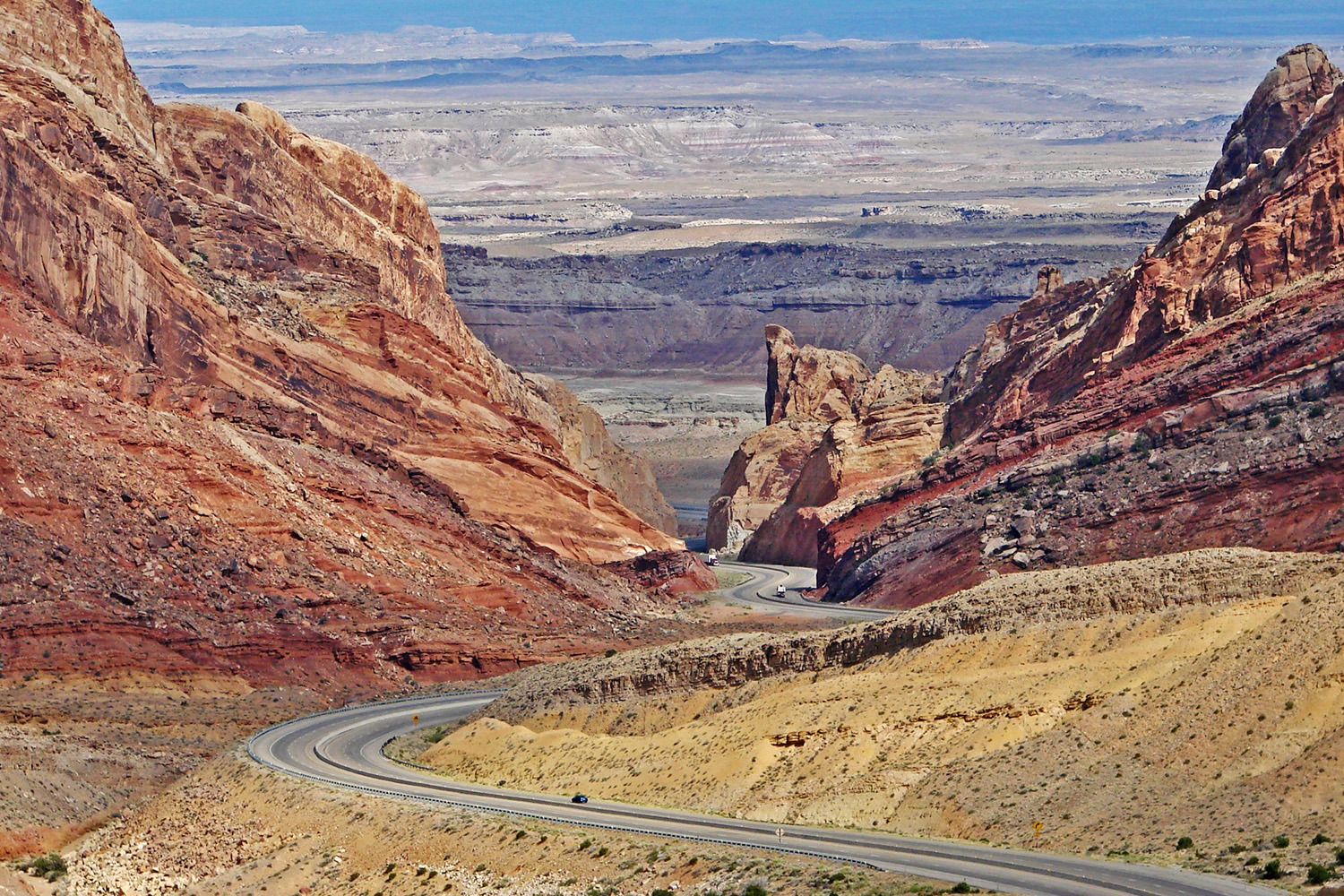
You'll spend two nights at the splendid Casa Real, the former landowner's estate that has been converted into a luxury lodge. Of course, you will have ample opportunity to savor world-class Santa Rita wines (including the mixed case that will be sent to your home.)

The colorful, bustling UNESCO port town of Valparaiso is your next stop. Here you'll explore hilly streets and fine restaurants, before one final dream meal in the seaside town of Viña del Mar.

And as if this gastronomic adventure itself weren't enough, you'll also receive three outfits per person from Toad&Co. travel gear for two from Eagle Creek and a $250 gift certificate from Wine.com.

Now that your appetite has been sufficiently stimulated, all you have to do is enter to win. But don't wait too long, the Chile a la Carte Sweepstakes ends at 11:59 p.m. EST, March 4, 2016.

 ***** ENTER NOW *****


Eligibility: The Sweepstakes is only open to "legal residents of the forty eight (48) contiguous United States and the District of Columbia." Full Terms and Conditions are available on the entry page.

Koh Tao Attractions: Beyond Diving in the Gulf of Thailand

While Koh Samui and Koh Phangan mostly attract families, package tourists, and partying backpackers, Koh Tao lures divers with its stunning coral gardens and vibrant marine life.

What many visitors don't know, though? Koh Tao attractions go beyond PADI diving certifications and immersions!

Conservation initiatives, rock climbing, mixed martial arts, and even flying trapeze are some alternative activities travelers can enjoy when passing by this speck on the Gulf of Thailand.

Things to do in Koh Tao, motorcycle road trip
Motorcycle road trip

Table of Contents

  • Koh Tao Activities
    • Motorbike or Hike up Koh Tao's Many Viewpoints
    • Volunteer in Eco-Friendly Events
    • Snorkel with Sharks and Turtles
    • Go Beach Hopping
    • Feel like a Circus Acrobat at Flying Trapeze School
    • Go Rappelling, Rock Climbing, Bouldering
    • Stay Fit with Mixed Martial Arts, Muay Thai, or Gladiator Training
    • Sample Koh Tao's Finest Seafood--Or Go Vegan
    • Join a Pub Crawl

Koh Tao Activities

Motorbike or Hike up Koh Tao's Many Viewpoints

Not quite into extreme sports, but still an adventurous spirit? For about 200 baht (approx. $5.50) a day, you can rent a motorbike and drive up to some spectacular viewpoints.

Some of my favorites include:

  • Mango Bay
  • Two Views
  • Chalok Baan Kao
  • Moon Dance Magic View Bungalows' Deck
  • The Viewpoint - "love Koh Tao" sign, overlooking Tanote Bay

Please note: some roads are either in that condition, made of dirt or simply too steep. For this reason, you should rent at least a 250-cc scooter or a more powerful motorbike to make it.

Alternatively, you could ride up to the base of most viewpoints, hiking the last few kilometers.

Koh Tao attractions, reef building
Artificial reef building by Crystal Dive Resort's Eco Koh Tao program

Volunteer in Eco-Friendly Events

One of the things I love most about Koh Tao is the strong conservation goals most of its businesses have.

Locals, expats, and visitors alike join forces often to organize everything from beach cleanups and recycling programs to turtle releases and coral implantation and regeneration.

Some of the island's largest dive shops, such as Crystal Dive and Big Blue, regularly pioneer eco-friendly events.

Visit their websites and Koh Tao's chapter of Trash Hero for more information on how to take part in their sustainability efforts during your visit.

Snorkeling with sea turtles in Koh Tao

Snorkel with Sharks and Turtles

Scared of the deep but still love the water? You can't miss snorkeling at Shark Bay, also known as Thiang Og Bay.
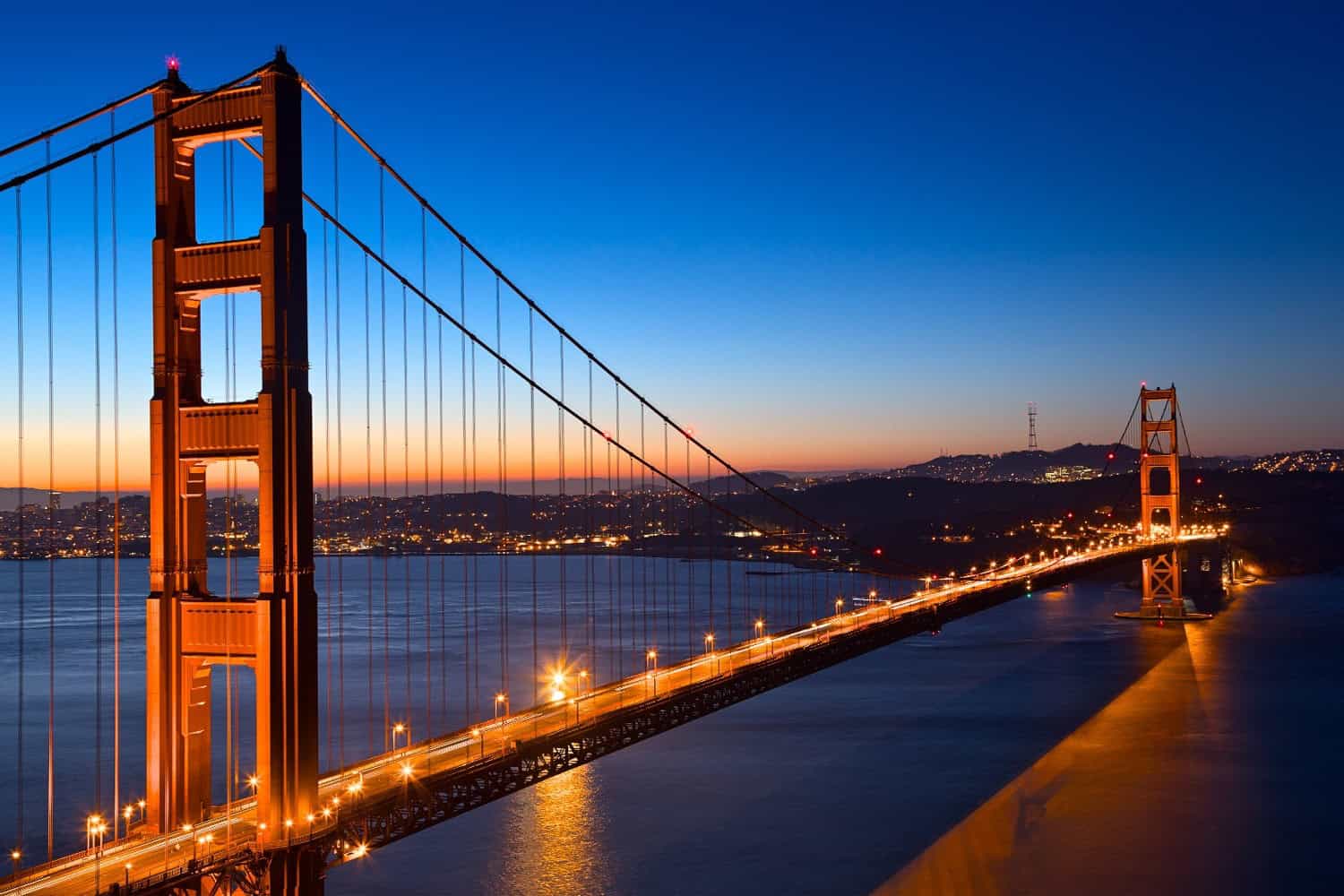
It is a stunning spot for lounging and tanning and a lively reef attracting feeding sharks and giant turtles late afternoon.

Other spots with beautiful underwater life include Sai Daeng Beach and Hin Ngam. You can rent snorkel equipment at nearby hotels or shops on your way there.

Koh Nang Yuang, Koh Tao day trip
Koh Nang Yuang

Go Beach Hopping

Speaking of motorbikes and beaches, beach hopping is one of the best things to do in Koh Tao when you have your own transportation.

Despite its growing popularity, Koh Tao still boasts quiet, unspoiled beaches, coves, and bays.

Some of my favorite spots include:

  • Freedom Beach, one of the island's most secluded on the south
  • Laem Thian, a secluded spot great for cliff jumping and snorkeling as well
  • Sai Daeng Beach, with free access through A-Na-Lay or Horizon Resorts
  • Tanote Bay only accessed by powerful motorbike, 4x4 vehicle, or taxi boat
  • Koh Nang Yuang, albeit a touristy boat ride away, is undoubtedly beautiful
flying trapeze, unique things to do in Koh Tao
Flying trapeze (photo: Maike Crosscastle)

Feel like a Circus Acrobat at Flying Trapeze School

What traveler could ever imagine being able to fly across the sky like a circus acrobat in a small tropical island in Thailand?!

Flying Trapeze Adventures offers some of the most exciting classes in Koh Tao. Outdoors--among palm trees and puffy white clouds--you will learn how to perform several flying trapeze tricks.

I saw some backpackers fly and being caught mid-air in just one lesson.

Better yet, charity events and other flying trapeze shows are organized throughout the year, so make sure to check out their calendar during your visit.

Rappelling, Koh Tao attractions
Rappelling

Go Rappelling, Rock Climbing, Bouldering

Hilly Koh Tao is filled with beautiful rock faces and peaks to climb and abseil from. While you could bring your equipment, find a map, and go for it, I highly recommend booking a trip through an agency.

A well-established one is Goodtime Adventures. Their guides are experienced, safe, and patient--even if you have never climbed before.

They taught my friend Daniela how to tackle the rock face while I rode up to a stunning viewpoint and then rappelled down it. We both loved it!

Muay thai match
Muay Thai in Koh Tao (photo: Sheila Dee)

Stay Fit with Mixed Martial Arts, Muay Thai, or Gladiator Training

Other exciting things to do in Koh Tao include full-body combat sports such as MMA and Muay Thai.

You can see a show, sign up for Muay Thai classes, or even full-blown courses, all led by experienced fighters coming from all corners of the world.

The most well-known fitness centers on the island are:

  • Island Muay Thai on Haad Sairee offers both shows and training, from beginner to advanced levels, for all genders.
  • Monsoon Gym (also in Sairee), however, is a full-sized Western-style fitness center that offers not only Muay Thai but also MMA and traditional boxing training--in addition to daily Gladiator high-intensity workouts.
Best restaurant in Koh Tao, Barracuda
Barracuda's irresistible seafood platter

Sample Koh Tao's Finest Seafood--Or Go Vegan

Upon stepping foot on the island, expats and travelers alike raved about Barracuda--arguably Koh Tao's best restaurant.

Such is Barracuda's popularity that locals consider it a can't-miss attraction in itself.

I recommend the house specialty: the all-in seafood platter. It's a sampler of the day's best catch, accented by the executive chef's creative sauces and preparation.

Other top dishes of Sairee's foodie hotspot include:

  • Breaded barracuda fingers or prawns (made with an incredible, zesty lemongrass/kaffir leaves batter) and spicy red curry mayo dip
  • Asian-infused bruschetta with tuna sashimi marinated with ginger, soy, sesame seeds, and chili
  • Baked barracuda filet stuffed with feta cheese and tomatoes, then wrapped in Parma ham
Vegetarian food
Vegetarian dish

Vegetarian or vegan? Not a problem! Koh Tao also boasts outstanding vegan restaurants like La Carotte Qui Rit.

Located close to the main port in Mae Haad, its offerings include a variety of Thai dishes with a twist.

I promise you. Its spiced-up creations will tempt even carnivores.

My favorite vegan dishes include:

  • Curry with stir-fried vegetables and steamed rice noodles
  • Haw mokk: red curry 'salad' filled with kaffir lime leaves, carrots, broccoli, and cauliflower
  • Stir-fried glass noodles and vegetables
Koh Tao attractions include fire shows on the beach
Koh Tao beach fire show (photo: Jeffery Wong)

Join a Pub Crawl

Want a sample of Sairee Beach's nightlife without having to do much research? Just join the Koh Tao Pub Crawl, running every Sunday, Monday, Wednesday, and Friday night.

For 380 baht, you get a T-shirt, one bucket, two shots, and all-night drink specials at four selected locations.

Stops include a cabaret show, a beach party, a pool party, and even live music. Pubs and bars rotate around special nights and events.

Mango Bay viewpoint
Mango Bay viewpoint

4 Travel Memoirs That Will Feed Your Wanderlust

travel memoirs
Unfortunately, the reality for many of us is that we can't spend our lives traveling. Boo!

Luckily, we have the option to live vicariously through other's adventures due to the power of the written word. So, that's something.

If you find yourself bouncing off the walls of your home, unable to distract yourself from the itch in your feet, I recommend you dedicate a few hours of your day to getting lost among the pages of the following travel memoirs.

Travels With Charley - In Search of America

Travels with Charley

A restless John Steinbeck procures a camper, christens it “Rocinante,” rounds up his poodle Charley and embarks upon a road trip across America.

Along the way, he offers his insights, views and overall analysis of his country and its people, much of which will resonate with anyone reading the book today.

The USA is the kind of country that's just begging to be driven across, with its incredibly diverse landscape.

To hear states like Maine and Montana get described in detail by an award-winning novelist is a treat.

There have been some questions over time about the authenticity of Steinbeck's experiences - how much happened verbatim and what was simply made up.

The man was a novelist at heart after all. Either way, it's both an excellent and memorable read.

Buy it on Amazon

The Good Girl's Guide to Getting Lost: A Memoir of Three Continents, Two Friends, and One Unexpected Adventure

Good Girl's Guide

Rachel Friedman's travel memoir grabbed me in a way that many other books on the same topic have failed to.

Friedman has recently given up on what she thought was her dream of becoming a professional classical violist.

She moves to Ireland to work in Galway for four months, hoping to figure her life out.

Here she meets Carly – an Australian girl addicted to travel. Carly convinces Rachel to join her in Australia and then South America and they have some pretty fabulous adventures together.

Rachel eventually heads back to America, having met her soul mate (a Kiwi in an Irish bar in Peru) along the way, finally feeling ready to take on her life as a young professional woman.

There was a lot I liked about Friedman's book. But if I'm going to condense it it's this - it wasn't preachy, instead being totally relatable.

We all feel a little lost in our lives from time to time, and it’s commendable and uplifting to hear or read about someone who is actively doing something about it, rather than the alternative – moping from now until the end of eternity.

Buy it on Amazon

What I Was Doing While You Were Breeding: A Memoir

What I Was Doing While You Were Breeding

Kristin Newman predominantly works throughout the year as a comedy writer in Hollywood, something anyone could guess from reading her novel.

The wonderful thing about working as a comedy writer (or, one of the wonderful things as I'm sure there are many) is that it allows you from anywhere between three to 12 month's "off" a year, in Newman's words.

So while everyone around her is getting together, marrying and doing their bit to keep the population going, Newman travels. To Russia. Iceland. Brazil. Argentina. Paris. Australia. New Zealand. Hawaii.

All over the world, while having multiple love affairs along the way.

I'll be honest - there were parts of this book that I found hard to read. Newman is quite frank in the descriptions of her sexual exploits, and as it turns out, I'm a prude. Yet, her book is amusing.

At its completion, I felt that familiar itch in my toes and days later, found myself looking up flights to Argentina in a moment of boredom.

Buy it on Amazon

The Road to Little Dribbling - More Notes From a Small Island

The Road to Little Dribbling

Bill Bryson seems to be one author that people either really, really like, or passionately hate. I fall into the former group and have been slowly and steadily making my way through his books over the last few years.

I read his novel about the United Kingdom - Notes From a Small Island when I first moved to London. I was quite pleased to find out he'd soon be releasing a sequel, marking the twentieth anniversary of his first book.

The Bryson who has penned this novel writes in a different tone from the first.

He is still very much in love with his adopted country but spends much of his text comparing the Britain of now to the Britain of ages passed. He wonders if much of his nitpicking is due to his age.

Well, I consider myself to be in the first flush of youth and I agreed with much of what he said.

Among the many tidbits of facts and historical information that scatter the pages of all Bryson's books, he speaks in earnest of the importance of conservation.

Having lived here for some time and seen a vast amount of it myself, I can verify that the UK is as glorious as he says it is. It deserves to be taken care of.

Buy it on Amazon

With luck, these books will hopefully both feed and fan your wanderlust, until you find yourself hitting the road for some adventures of your very own.

Expat Life vs. Long-Term Travel

Expat life vs. long-term travel-which is the better choice? I sometimes wonder if I made the right decision by moving overseas.

Maybe I should have taken my meticulously saved-up dollars and gone traveling instead. I could have spent ten months or a year traveling around Europe, Asia, and the Americas. Who knows how my life would have turned out?

Expat Life vs. Long-Term Travel
Bags packed, ready to go. (Credit: Elitatt)

Yet, almost two years ago, I decided to live as an expat, not a long-term traveler, for the following reasons.

Planning long journeys? Book your hostels here to save money!

Table of Contents

  • Reasons to Choose an Expat Life
    • 1. You're Less Likely to Burn Out
    • 2. You Can Get to Know an Entire City Inside Out
    • 3. Building a Stronger Sense of Community
    • 4. It May Help Your Career
    • 5. You'll Take Better Care of Your Health
    • 6. You Can Still Travel - Sometimes for Longer

Reasons to Choose an Expat Life

1. You're Less Likely to Burn Out

Travel can be quite exhausting. You're constantly planning where to go, how exactly to get there, what you'll eat, and where you'll sleep.

If you're lucky, you'll go through this process minimal times as an expat. Everything is new and confusing when you first move overseas. Then, you find a place to call your own. You have furniture and a bed.

You can take your clothes out of your suitcase and arrange them in your wardrobe, rejoicing in the lack of wrinkles when you wear them out. You know your food in the fridge will remain uneaten unless you have particularly devious housemates.

You are, in a word, settled. Having your own place and a routine can go a long way in ensuring that you keep your energy levels and, often, your sanity intact.

2. You Can Get to Know an Entire City Inside Out

London
London - where I call home.

When traveling, you may spend only a handful of days or weeks in a city. Living as an expat allows you to know a place more deeply.

I live in London - a massive city with an abundance of things to do. Living here allows me to truly experience England's capital in a way I would never have if I had only passed through.

As a result, when I finally leave London to move on to somewhere else, I know I will have explored it as much as possible. I'll know this city in a way that I only know a handful of other places. I'll never regret allowing myself to experience any place in this particular way.

3. Building a Stronger Sense of Community

One of the most rewarding aspects of expat life is the opportunity to form deeper connections with people around you. Unlike short-term travel, where friendships can be fleeting, settling in one place allows you to build meaningful relationships with locals and other expats.

You become part of a community, attending local events, celebrating traditions, and navigating daily life with a sense of belonging. This level of integration can also help with practical matters, such as understanding cultural nuances or finding a reliable residency service to navigate legal requirements.

Over time, these connections transform a foreign city into a proper home, offering stability and companionship that long-term travelers may struggle to find.

4. It May Help Your Career

Although many travelers embrace entirely new careers as digital nomads, this isn't the case for everyone. Some people who travel like the jobs they're leaving behind-they may just want to take a career break or see the world while they can.

Moving overseas can help your career in more ways than one. You may end up picking new skills that you wouldn't have gained working in your own country.

You may have the chance to further your education, increasing your employment prospects when you head home. You may seem more diversified to potential future employers-having international experience on your resume never hurts.

Working the same job in a different country could lead you to realize that you're happy with the direction your career is heading. Or, it could lead to a few home truths - in that, it might be time to try something new. Either way, you'll gain work experience while earning money, and there isn't any harm in that!

5. You'll Take Better Care of Your Health

Some people are pros at staying healthy on the road. Their mastery at cooking cheap and nutritious meals from the confines of hostel kitchens knows no bounds. They work out. They can sleep without the aid of earplugs. They're an inspiration to us all.

Not me. When I travel, I eat all the things, and the only exercise I get is walking around museums or historical sites.

It's only when I have a home base that I start taking care of myself-doing yoga, going to the gym, cooking deliciously healthy food, and sleeping throughout the night. As a traveler, I'm a hot mess. As an expat, I'm far more in control of my life.

6. You Can Still Travel - Sometimes for Longer

Oslo
Oslo, Norway - one of the many places I traveled to in 2015.

Here's the best part about living as an expat overseas-you can still travel. While living in London, I visited 16 other countries on three different continents.

I've also traveled around England, seeing many villages and cities that other travelers to the UK simply do not have the time or funds to visit.

Better yet, I've been able to travel longer than I would have if I'd chosen the nomadic lifestyle. As long as I keep earning money, I can maintain my lifestyle indefinitely (until the urge to return home to Australia grows too strong to resist).

There's no right or wrong way to travel. Some may genuinely enjoy a nomadic lifestyle, while others may find themselves unable to give up the comforts that come from having a home base. Either way, you're living your life and seeing the world. That's all that matters in the end, after all.

Diverse Tourism in Goa, India

Baga Beach, Goa, India
Baga Beach (photo: McKay Savage)

When searching for their next destination, travelers usually look at travel trends, or for off-the-beaten-track places. Goa, in a way, is both.

Located in the coastal Southwest India, Goa is known for its lively beach environment.

It has been called a “party city” or a center for hippies but has much more to offer hidden among its extensive of coastline.

Goa’s climate attracts those looking to defrost on its scenic beaches, but its culture also brings in tourists who long for a taste of architecture, gastronomy, and tranquility.

Table of Contents

  • About Goa
  • Beaches
  • Nature and Adventure
  • Architecture
  • Foodies

About Goa

Goa is usually referred to by regions (North and South) and has a population of almost 1.5 million.

The area continually brings in tourism, both foreign and domestic, which has been stably rising over the past few years.

Goa has made headlines for the diverse attractions it holds for its visitors, including a feature in the New York Times’ “36 Hours in” series.

At this rate, Goa is progressively catching the curious eye of more and more travelers around the world. So, the incentive to visit is clear, and after booking flight tickets to Goa, it’s all about what you want to visit and experience.

Beaches

As I mentioned, a trip to Goa isn’t complete without a visit to its beaches. Offering a  variety, Goa welcomes tourists into relaxing under the sun with a tide brushing your feet.

Among the top beaches in Goa, you can find Mandren Beach in North Goa, one of the most scenic beaches in Asia. It is a common destination for honeymooners and couples.

The village is small, which allows for slow days of swimming and sampling the cuisine, both elements of a zero-itinerary vacation. Other beaches include Cavelossim, Candolim, and Baga.

Nature and Adventure

Goa is full of life. Along the Mandovi River, you'll find the Dudhsagar Falls, around 40 miles away from Panaji. The waterfalls have a height of over 1,000 feet and a width of about 100.

A forest surrounds the falls and holds a rich diversity of wildlife. This is a good option to visit during Monsoon Season.

A second option is the Bondla Wildlife Sanctuary, in Northeastern Goa.

It's great for animal encounters (the good kind), and you may find yourself face to face with wildlife such as the sambar deer, Indian bison, and others.

It acts as a sanctuary due to the protection it brings to injured leopards that have come too close to civilization only to be hurt in the process, as well as dancing bears and cobras that have been retired from their lives as entertainers.

Shantadurga Temple
Shantadurga Temple (photo: Jon Hurd)

Architecture

There are also many significant temples in North Goa that are open all year and worth visiting.

The largest and most visited is the Mangheshi Temple, which has a long history and has gone through several renovations. 

You can see the daily rituals and take it all in. If you're going to visit, however, beware of the dress code.

Other commonly visited temples include the Mahalakshmi Temple, the Gopal Ganesh Temple, and the Nagesh Temple.

Foodies

While TripAdvisor has plenty of suggestions, bloggers have made a point of trying and writing about great places to eat in Goa.

What better place to spice up your little black book of exquisite dishes than spicy Goa?

Pair a good meal with some beautiful views, friendly people or even live music and you have yourself foodie heaven.

There's more than meets the eye when it comes to Goa and your inner nature-lover, architecture hunter, and foodie will thank you for going.

_________

This post was brought to you by Southall Travel.

« Previous Page
Next Page »
Dave at Ahu Ko Te Riku on Rapa Nui (Easter Island), Chile.

Hi, I'm Dave

Editor in Chief

I've been writing about adventure travel on Go Backpacking since 2007. I've visited 68 countries.

Read more about Dave.

Footer

back to top

About

  • About
  • Archive
  • Privacy Policy
  • Cookie Policy

Follow Us

Contact

  • Contact
  • Work With Us
  • Submissions

Copyright © 2025 Go Backpacking