Go Backpacking

  • About
  • Travel Tips
    • Accommodations
    • Budgeting & Money
    • Adventure Travel
    • Food & Drink
    • Gear & Gadgets
    • Packing Tips
    • Travel Blogging
    • Travel Insurance
    • Trip Planning
    • UNESCO Sites
  • Destinations
    • Africa
      • Botswana
      • Egypt
      • Ethiopia
      • Morocco
      • Rwanda
      • South Africa
      • Tanzania
    • Asia
      • Cambodia
      • China
      • Hong Kong
      • India
      • Indonesia
      • Japan
      • Laos
      • Malaysia
      • Nepal
      • Philippines
      • Thailand
      • United Arab Emirates
      • Vietnam
    • Europe
      • England
      • France
      • Germany
      • Greece
      • Iceland
      • Ireland
      • Italy
      • Portugal
      • Spain
      • Switzerland
      • Turkey
    • North America
      • Canada
      • Costa Rica
      • Cuba
      • Guatemala
      • Mexico
      • Nicaragua
      • Panama
      • United States
    • Oceania
      • Australia
      • French Polynesia
      • New Zealand
    • South America
      • Argentina
      • Bolivia
      • Brazil
      • Chile
      • Colombia
      • Ecuador
      • Peru
  • Advertise
menu icon
go to homepage
  • About
  • Travel Tips
    • Accommodations
    • Budgeting & Money
    • Adventure Travel
    • Food & Drink
    • Gear & Gadgets
    • Packing Tips
    • Travel Blogging
    • Travel Insurance
    • Trip Planning
    • UNESCO Sites
  • Destinations
    • Africa
      • Botswana
      • Egypt
      • Ethiopia
      • Morocco
      • Rwanda
      • South Africa
      • Tanzania
    • Asia
      • Cambodia
      • China
      • Hong Kong
      • India
      • Indonesia
      • Japan
      • Laos
      • Malaysia
      • Nepal
      • Philippines
      • Thailand
      • United Arab Emirates
      • Vietnam
    • Europe
      • England
      • France
      • Germany
      • Greece
      • Iceland
      • Ireland
      • Italy
      • Portugal
      • Spain
      • Switzerland
      • Turkey
    • North America
      • Canada
      • Costa Rica
      • Cuba
      • Guatemala
      • Mexico
      • Nicaragua
      • Panama
      • United States
    • Oceania
      • Australia
      • French Polynesia
      • New Zealand
    • South America
      • Argentina
      • Bolivia
      • Brazil
      • Chile
      • Colombia
      • Ecuador
      • Peru
  • Advertise
search icon
Homepage link
  • About
  • Travel Tips
    • Accommodations
    • Budgeting & Money
    • Adventure Travel
    • Food & Drink
    • Gear & Gadgets
    • Packing Tips
    • Travel Blogging
    • Travel Insurance
    • Trip Planning
    • UNESCO Sites
  • Destinations
    • Africa
      • Botswana
      • Egypt
      • Ethiopia
      • Morocco
      • Rwanda
      • South Africa
      • Tanzania
    • Asia
      • Cambodia
      • China
      • Hong Kong
      • India
      • Indonesia
      • Japan
      • Laos
      • Malaysia
      • Nepal
      • Philippines
      • Thailand
      • United Arab Emirates
      • Vietnam
    • Europe
      • England
      • France
      • Germany
      • Greece
      • Iceland
      • Ireland
      • Italy
      • Portugal
      • Spain
      • Switzerland
      • Turkey
    • North America
      • Canada
      • Costa Rica
      • Cuba
      • Guatemala
      • Mexico
      • Nicaragua
      • Panama
      • United States
    • Oceania
      • Australia
      • French Polynesia
      • New Zealand
    • South America
      • Argentina
      • Bolivia
      • Brazil
      • Chile
      • Colombia
      • Ecuador
      • Peru
  • Advertise
×
Home

Top 20 Things To Do in Ho Chi Minh City (Saigon)

The sheer number of fun and exciting things to do in Ho Chi Minh City, formerly known as Saigon, may seem overwhelming at first. This is Vietnam's largest city, after all. However, many of the most popular activities and attractions are within District 1, making it more manageable.

A friend's wedding in Ho Chi Minh City motivated me to make up for lost time and visit Vietnam after I skipped it during my first backpacking trip through Southeast Asia in 2008.

Kel and I arrived five days before the wedding to acclimate to the new culture, food, and traffic patterns. As our sleep improved, we saw and experienced more of Saigon.

What follows is a list of the best things we did during five full days of sightseeing. I've also included a few attractions and day trips on my to-do list that we didn't have time for.

Table of Contents

  • What To See in Saigon
    • 1. War Remnants Museum
    • 2. Independence Palace (Reunification Palace)
    • 3. Central Post Office
    • 4. Notre Dame Cathedral
    • 5. People's Committee Building
    • 6. Saigon Opera House
    • 7. Saigon Deck at Bitexco Financial Tower
    • 8. Landmark 81 - Vietnam's Tallest Building
    • 9. Ho Chi Minh City Museum of Fine Arts
    • 10. Ben Thanh Market
    • 11. Tao Dan Park
    • 12. Jade Emperor Pagoda
    • 13. History Museum of Ho Chi Minh City
    • 14. Giac Lam Pagoda
  • Food & Drink
    • 15. Vietnamese Coffee
    • 16. Vietnamese Cuisine
    • 17. Street Food Tour
    • 18. Nightlife in District 1
  • Day Trips
    • 19. Cu Chi Tunnels
    • 20. Mekong Delta Tour

What To See in Saigon

1. War Remnants Museum

U.S. fighter jets outside the War Remnants Museum, one of the most popular things to do in Ho Chi Minh City, Vietnam
U.S. fighter jets outside the War Remnants Museum

One of the most challenging, albeit eye-opening, things to do in Ho Chi Minh City is to visit the War Remnants Museum, which is dedicated to preserving the memory of the Vietnam War. Previously known as the "Museum of Chinese and American War Crimes," it was established in 1975, shortly after the end of the war.

Everything here is told from the perspective of the Vietnamese. The alternative viewpoints are thought-provoking for Americans like me, who grew up with different narratives.

The museum features a variety of exhibits that showcase the terrible effects of the war on the Vietnamese people, including photographs, weapons (i.e., guns, landmines), and documents. Several outdoor displays include larger military equipment such as tanks, helicopters, and howitzers.

One of the most powerful exhibits is the "Agent Orange Room," which displays the effects of the defoliant and chemical weapon on Vietnamese civilians.

The museum also has a section on the war crimes committed by American troops, including the My Lai Massacre, which resulted in the murder of more than 500 civilians. The images are sometimes graphic, but I believe it's essential to view them as a reminder of the horrors of war and why it's best avoided.

You can visit the War Remnants Museum on your own or do a guided tour that includes the Ben Thanh Market (the city's largest market). Emotionally, the experience reminded me of walking through S-21, the former Khmer Rouge prison in Phnom Penh used during the Cambodian genocide.

2. Independence Palace (Reunification Palace)

Independence Palace
The front entrance to Independence Palace

Independence Palace, also known as the Reunification Palace, is a historic landmark. It was constructed in the 1960s as the official residence and workplace of the President of South Vietnam.

The palace's modernist design blends Eastern and Western architectural styles. It features spacious halls, conference rooms, a helipad, and underground tunnels.

The palace played a significant role in the Vietnam War, as it was the site of the war's end when a North Vietnamese Army tank crashed through the palace gates on April 30, 1975.

Related: Vietnam's Golden Bridge

U.S. helicopter on the roof of the War Remnants Museum. The red circles are the spots where bombs were dropped during the Vietnam War.
U.S. helicopter on the roof of the War Remnants Museum. The red circles are spots where bombs were dropped during the Vietnam War.

Today, the palace serves as a museum, where visitors can explore its rooms and exhibitions showcasing Vietnam's history and culture. The rooftop is especially poignant, as two bombs were dropped by the North Vietnamese (Viet Cong) on it during the war.

The palace has been preserved in its original state, including the tank that crashed through the gates, making it a fascinating destination for history buffs and architecture enthusiasts alike.

3. Central Post Office

The facade of Saigon's Central Post Office
Saigon's Central Post Office

The Central Post Office is a pretty French colonial building located in the heart of Ho Chi Minh City. Built between 1886 and 1891, it was designed by Gustave Eiffel, the famous architect behind the Eiffel Tower in Paris.

The building features a spacious interior with a high arched ceiling and ornate decorations, including a large mural of the city's founder, Hung Vuong.

Visitors can send postcards and letters from the post office or admire the architecture and historical significance. It's considered one of the city's top tourist attractions.

4. Notre Dame Cathedral

Scaffolding covers much of Notre Dame Cathedral as it undergoes renovations in 2023.
Scaffolding covers much of Notre Dame Cathedral

Across the street from the Central Post Office is Notre Dame Cathedral, a byproduct of French colonial rule. Completed in 1880, the Notre Dame Cathedral in Ho Chi Minh City was constructed entirely of building materials imported from France, including thousands of red bricks from Marseille.

Stained glass windows and a high-vaulted ceiling are hallmarks of the interior's European design. During my visit, the front facade was covered by scaffolding as the building was being renovated.

5. People's Committee Building

Motorbikes drive past the People's Committee Building Saigon in Saigon
Motorbikes drive past the People's Committee Building

The splendid People's Committee Building is a few blocks south of Notre Dame Cathedral. Completed in 1908 by French architect Ferret Eugene, the building was initially named the Hotel de Ville and served as the colonial government's administrative center. The building features an attractive blend of French Renaissance and classical motifs.

Ho Chi Minh statue
Statue of Ho Chi Minh

This is a great place to linger if you have the time. Watch the many motorbikes whiz by every time the nearby traffic light turns green. Behind you, facing the opposite direction toward a long pedestrian mall, is a statue of Ho Chi Minh.

6. Saigon Opera House

Saigon Opera House
The Saigon Opera House

The Saigon Opera House, also known as the Municipal Theatre of Ho Chi Minh City, is a majestic colonial-era building. Constructed in 1897 by French architect Eugene Ferret, it blends European and Vietnamese design elements. The spacious interior has ornate decorations and a grand staircase.

The Opera House hosts cultural events, including operas, ballets, and concerts, and is considered a symbol of Vietnam's cultural heritage.

We stopped by the entrance and learned there was a Bamboo Circus performance the same week we were in town. The tickets weren't expensive, but we didn't have time.

7. Saigon Deck at Bitexco Financial Tower

Bitexco Financial Tower
The Bitexco Financial Tower

Walk about four blocks south of Ho Chi Minh's statue along the pedestrian street (D. Nguyen Hue), and you'll arrive at the Bitexco Financial Tower, home to the Saigon Skydeck.

When completed in 2010, it was Vietnam's tallest skyscraper at 861 feet. The observation deck, on the 49th floor, is among the best places for panoramic city views.

Contrary to my initial thinking, the large circular platform near the top of the building is a helipad, not an outdoor observation platform. The Skydeck is just below it and fully enclosed by glass windows.

From here, you'll see Landmark 81, a newer skyscraper that is the second-tallest tower in Southeast Asia and currently holds the record for the tallest building in Vietnam (1,513 feet). In addition to the views, there's a small museum dedicated to the Ao Dai, a traditional Vietnamese dress.

8. Landmark 81 - Vietnam's Tallest Building

The Landmark 81 building as seen from Saigon Skydeck at Bitexco Financial Tower
The Landmark 81 building is visible from the Saigon Skydeck.

Vietnam's tallest building, Landmark 81, is a short ride from District 1. Like the Bitexco Financial Tower, it was constructed alongside the curvaceous Saigon River. At nearly twice the height of the Bitexco, you'll notice the difference as your ears pop riding up Landmark 81's super-fast elevator.

View toward District 1 from Landmark 81 tower
View toward District 1 from the Landmark 81 tower.

Once you reach the 79th floor, you have the top three floors to explore. Tickets include a small free drink (Vietnamese coffee, tea, or juice).

Related: Places to Visit in Vietnam

9. Ho Chi Minh City Museum of Fine Arts

Art lovers will want to check out the Ho Chi Minh City Museum of Fine Arts
Museum of Fine Arts

The Ho Chi Minh City Museum of Fine Arts occupies the former residence of a Chinese-born businessman, once one of Vietnam's most affluent residents. The yellow-and-white colonial-era mansion was constructed in the early 1930s; the museum took over in 1987.

The three-story fine arts museum showcases an extensive contemporary and traditional Vietnamese art collection, including paintings, sculptures, ceramics, and lacquerware. It's home to more than 21,000 pieces, ranging from classical to modern, reflecting Vietnam's diverse artistic culture.

10. Ben Thanh Market

Entrance to Ben Thanh Market. A visit is one of the most popular things to do in Ho Chi Minh City.
Entrance to Ben Thanh Market

The Ben Thanh Market is bustling and iconic in the city center. It is popular with both locals and tourists in Ho Chi Minh City. Various goods are for sale, from fresh produce and local Vietnamese delicacies to clothing, jewelry, and souvenirs.

The market is known for its lively atmosphere, with vendors competing for customers' attention. Bargaining is expected, so remember to negotiate before you buy. It's also a great place to sample traditional Vietnamese street food, such as pho (soup) and banh mi (sandwich).

11. Tao Dan Park

Dave at Tao Dan Park (photo by Kelly Lemons)

Adjacent to Independence Palace to the southwest is Tao Dan Park, a green oasis in the heart of Ho Chi Minh City. Covering 25 square acres, Tao Dan Park is a popular attraction for locals and tourists. This peaceful park features a range of flora and several ornamental lakes and fountains.

Visitors can enjoy a stroll and perhaps catch locals practicing Tai Chi. The park also hosts cultural events and festivals throughout the year, making it a vibrant hub of activity.

12. Jade Emperor Pagoda

Jade Emperor Pagoda in Ho Chi Minh City (Saigon)
Entrance to the Jade Emperor Pagoda

Opened in 1909, the Jade Emperor Pagoda is dedicated to the Taoist god Jade Emperor and features a mix of Taoist, Buddhist, and Confucian influences in its design and art.

Visitors can see intricately carved wooden statues, colorful paintings, and porcelain figurines depicting scenes from traditional Chinese mythology. The temple is filled with smoke from incense sticks, which devotees light throughout the day.
13. History Museum of Ho Chi Minh City

History fans may consider visiting the History Museum of Ho Chi Minh City briefly. Housed in a French colonial building, this museum showcases the history of Vietnam from its earliest times (the Prehistoric period, 500,000 years ago) to the present day.
14. Giac Lam Pagoda

The Giac Lam Pagoda is one of the oldest temples in Ho Chi Minh City. Initially built in the 18th century, this Buddhist temple has been renovated and expanded.

Visitors can see a range of architectural styles, from traditional Chinese to French colonial, as well as ornate carvings, statues, and murals depicting Buddhist themes. The pagoda also houses several relics, including a 300-year-old statue of Buddha and a bell cast in 1799.

See also: Things To Do in Central Vietnam

Food & Drink

I want to turn your attention to the coffee shops and Vietnamese food to fuel your adventures.

15. Vietnamese Coffee

Sampling Vietnamese egg coffee is one of the tastiest things to do in Ho Chi Minh City
Vietnamese egg coffee

Vietnam is the second-largest coffee exporter in the world after Brazil, a fact I didn't know until I arrived there. If you like coffee, one of the top places to enjoy a cup is Soo Kafe, my favorite Saigon cafe. It's across the street from the west side of the Ben Thanh Market.

Soo Kafe is the first place I tried traditional Vietnamese egg coffee. This specialty coffee was developed in Hanoi in the 1950s and is now available nationwide. Vietnamese iced coffee, yogurt coffee, and salt coffee are also worth trying.

16. Vietnamese Cuisine

Vietnamese street food on the grill in Saigon
Street food on the grill

Traditional Vietnamese cuisine is known for its fresh ingredients, intricate preparation, and a balance of flavors and textures.

Common dishes include:

  • Pho: Noodle soup made with beef or chicken broth, rice noodles, and meat or seafood.
  • Banh mi: Sandwich made with a French baguette filled with grilled meat, pickled vegetables, and fresh herbs.
  • Bun cha: Grilled pork served with rice noodles, fresh herbs, and a dipping sauce.
  • Spring rolls: Fresh vegetables and herbs wrapped in rice paper and served with a peanut dipping sauce.
  • Banh xeo: A crispy, savory pancake made with rice flour and stuffed with pork, shrimp, and bean sprouts.

If you're unfamiliar with Vietnamese food, you'll quickly find a few typical dishes you'll enjoy.

17. Street Food Tour

Cafe stop on a street food tour, a fun thing to do in Ho Chi Minh City
Cafe stop on a street food tour.

A Saigon street food tour led by a local guide can serve as a terrific introduction to Vietnamese food and drinks. It's also a great way to make new friends, if only for a night.

My friend Nick, who got married, organized one for us. It was one of the first things we did upon arriving in Ho Chi Minh City. Over two to three hours, we walked around District 1, eating at various street food stalls and drinking Vietnamese iced coffee and locally-produced craft beer.

18. Nightlife in District 1

Cocktail at Summer Experiment

The fun doesn't end when the sun goes down in Ho Chi Minh City; some may say it's only getting started. The nightlife in District 1 is a fun mix of sidewalk dining, rooftop bars, and speakeasies.

On Bui Vien Street, you'll find everything from cheap beers, live music, and a party atmosphere to creative drinks at world-class cocktail bars like Summer Experiment and Stir.

Day Trips

19. Cu Chi Tunnels

One of the most popular day trips from Ho Chi Minh City is a guided tour of Cu Chi Tunnels, a vast underground network with 137 miles worth of tunnels used during the Vietnam War. Visitors (who are not claustrophobic) can crawl through the tunnels to understand what it must've been like to live and fight from them during the war.

Cu Chi Tunnel tours are available as a half-day standalone morning or afternoon experience, or combined with activities like the War Remnants Museum or the Mekong Delta.

20. Mekong Delta Tour

A boat ride along the Mekong Delta is another way to spend time outside Ho Chi Minh City. All sorts of options are available, such as a Mekong Delta tour with a cooking class or a two-day tour that includes time spent at Cai Rang, the largest floating market in the Mekong Delta.

3 Travel Destinations Suitable for Students on a Small Budget

Attention students with a sense of wanderlust! Are you itching to explore the world but think your tight budget won't allow it? Think again! From breathtaking mountain ranges to historical wonders, plenty of fantastic travel destinations can be enjoyed on a small budget.

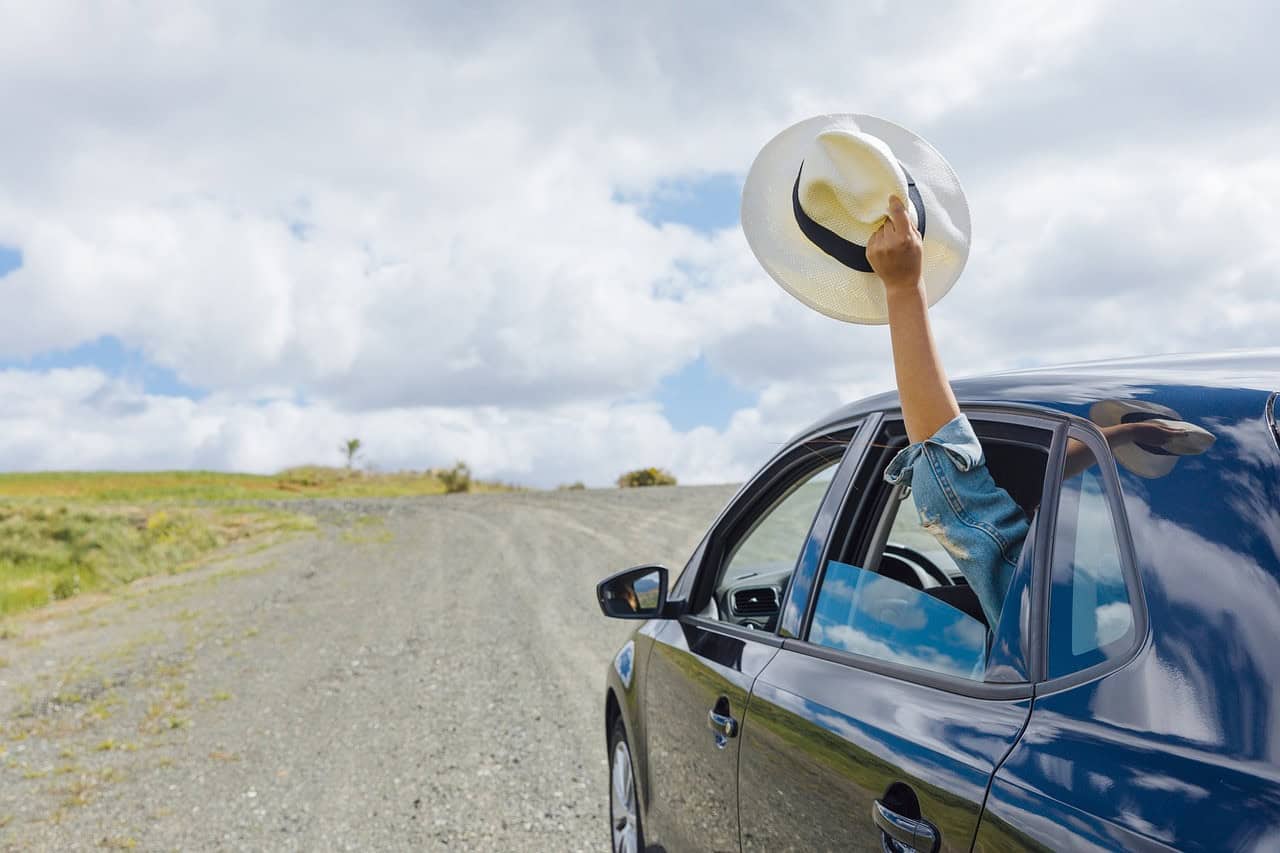
A car driving on the open road in Galicnik, North Macedonia (photo: Ervo Rocks)
The open road in Galicnik, North Macedonia (photo: Ervo Rocks)

In this article, I'll introduce you to some of the most budget-friendly destinations in Europe. Get ready to pack your bags, leave your worries behind, and embark on an adventure of a lifetime without breaking the bank.

Table of Contents

  • North Macedonia: Hidden Gem of the Balkans
    • Off-the-Beaten-Path Attractions
    • Budget-Friendly Outdoor Experiences
    • Mouthwatering Local Cuisine
  • Albania: Affordable Mediterranean Paradise
    • Impressive Historical and Cultural Sights
    • Delicious Traditional Albanian Cuisine
  • Bosnia and Herzegovina: The Balkans' Best-Kept Secret
    • Beautiful and Historic Sarajevo 
    • Delicious, Affordable Bosnian Food
  • Final Thoughts

North Macedonia: Hidden Gem of the Balkans

North Macedonia is often overlooked as a tourist destination, but it has much to offer scholars on a budget. It's a fantastic country in the heart of the Balkans, full of culture, adventure, and stunning natural beauty.

From majestic mountains and crystal-clear lakes to ancient architecture and colorful folklore, North Macedonia is a budget-friendly destination sure to make any student's trip unforgettable.

Off-the-Beaten-Path Attractions

The beautiful city of Ohrid, a budget-friendly destination in North Macedonia (photo: Ljupco Dzambazovski)
Ohrid (photo: Ljupco Dzambazovski)

North Macedonia is an excellent destination for students on a tight budget. From hiking and camping in Mavrovo National Park to exploring the historic city of Ohrid (where the Cyrillic alphabet was invented), there's something for everyone in North Macedonia.

And don't forget to explore the vibrant capital of Skopje. This lively city is full of cafes, shops, and historical monuments that you can experience at your own pace. 

There are many things to observe and share on social media. Remember to resize photos for Facebook before publishing or sending them to your friends; the proper format will make all the difference (and your friends' jaws will drop).

Budget-Friendly Outdoor Experiences

A man on a bicycle rides over a bridge in Skopje, Macedonia (photo: Toa Heftiba)
Bicycling in Skopje (photo: Toa Heftiba)

North Macedonia is the perfect destination for outdoor lovers. You can explore pristine national parks, such as Galicica National Park, and plenty of skiing, kayaking, rafting, and mountain biking opportunities.

For those looking for something a little more relaxed, there are many beautiful beaches along the Adriatic Sea and lovely hiking trails through the rolling hills of the Balkans.

Mouthwatering Local Cuisine

One of the best parts of visiting North Macedonia is sampling the delicious yet affordable local cuisine. From hearty stews in traditional restaurants to freshly made burek pastries in street stalls, there's something for everyone.

Don't forget to try the delicious street food in Skopje's bustling markets. You can also find many international foods, including Greek and Italian dishes. 

Albania: Affordable Mediterranean Paradise

Komani Lake, Albania (photo: Johnny Africa)

Albania is a beautiful Mediterranean and Ottoman paradise with a unique blend of cultures, breathtaking natural landscapes, and rich history.

Despite its stunning beauty, it is one of the most budget-friendly countries in Europe, offering travelers an unforgettable experience without breaking the bank. 

Albania is known for its stunning nature, with some of Europe's most beautiful beaches and parks. The coastal towns offer white sand beaches and crystal clear waters, ideal for swimming and sunbathing.

The lush mountainous regions provide excellent hiking trails and scenic views for the more adventurous travelers.

National parks such as Llogara National Park offer horseback riding, kayaking, and many other activities. Best of all, access to all of these attractions is very affordable.

Impressive Historical and Cultural Sights

Albania has a rich cultural heritage with many impressive historical sites to explore. Visit the ancient city of Butrint or walk through Tirana's bustling streets and historic buildings.

Explore the colorful Ottoman Hagia Sophia Mosque in Berat or visit the gorgeous Byzantine churches in Kruja. These attractions are far from pricey and will give you an insight into the country's fascinating history and culture. 

Delicious Traditional Albanian Cuisine

The best part about traveling to Albania is the delicious, budget-friendly local food. Albanian cuisine is hearty and flavorful, with delicious seafood dishes and grilled meat.

Try tavë kosi, the country's national dish: a lamb and rice casserole cooked in a clay pot. Traditional Albanian restaurants in the cities are affordable and offer an excellent selection of regional dishes at very reasonable prices.

Related: Experiencing Albania as an Expat

Bosnia and Herzegovina: The Balkans' Best-Kept Secret

Starimost Bridge in Old Town Mostar (photo: Yu Siang Teo)

Tucked away at the heart of the Balkans, Bosnia and Herzegovina is one of Europe's best-kept secrets. The country has a rich history, with a mix of Ottoman, Austro-Hungarian, and Slavic influences dating back centuries.

This heritage makes Bosnia and Herzegovina an intriguing destination for those traveling on a shoestring budget. From the capital city of Sarajevo to its lush landscapes, there are plenty of things to do without spending a fortune and compromising on quality.

Beautiful and Historic Sarajevo 

Sarajevo is a thriving city full of culture and history. Its cobblestone streets are lined with reminders of its turbulent past.

One way to explore this on a budget is by taking a free walking tour of the city, which offers an insightful introduction to Sarajevo's history, stretching from the Ottoman Empire to modern times.

There are plenty of cheap cafes, restaurants, and bars in the city, perfect for sipping delectable Bosnian coffee and absorbing the atmosphere.

Bosnia and Herzegovina has natural beauty stretching from dramatic mountainscapes to rolling hills and forests.

You can enjoy outdoor activities without regard to your financial resources, such as mountain hikes that lead to awe-inspiring views or skiing in the winter months.

You can even explore some of the country's hidden gems - such as ice caves, waterfalls, and canyons - at no cost to experience something truly unique.

Delicious, Affordable Bosnian Food

What trip to Bosnia would be complete without sampling the country's delicious cuisine?

There are plenty of restaurants in Sarajevo and beyond that serve classic dishes such as burek (pastries stuffed with cheese or meat), cevapi (grilled meat served in pita bread with onion-this one is my favorite, hands down), and sarma (cabbage rolls stuffed with rice and minced meat).

Be sure to try some of the delicious traditional sweets, too. These treats are often inexpensive and perfect for a quick, tasty snack.

Final Thoughts

Tjentiste War Memorial in Bosnia and Herzegovina (photo: Luke Vodell)

Don't let a small budget keep you from experiencing the world's wonders. From sampling mouthwatering cuisine to admiring stunning landscapes, exploring rich history and culture, and indulging in outdoor adventures, your student budget can stretch farther than you ever thought possible.

Above all else, meet lovely fellow travelers and locals who will make your journey a blast! So what are you waiting for?

Pack your bags, grab your passport, and prepare to embark on the adventure of a lifetime that will leave you with memories and stories to last a lifetime.

______

This story is brought to you in partnership with VistaCreate.

Advice on Travel From Australia to Egypt: What’s New in 2023

With travel quickly returning to normal, consumers are ready to compensate for lost time and work on filling up their passports again. Travelers are heading to off-the-radar destinations where entry requirements are minimal and the cost of travel is low.

Hieroglyphics at the Theban Necropolis in Egypt (photo: Mo Gabrail)
Hieroglyphics at the Theban Necropolis (photo: Mo Gabrail)

The good news for Australians is that they can travel to 186 visa-free destinations, a wealth of options for hungry travelers, according to the Henley Passport Index.

Egypt has been ranked as one of the top travel destinations for 2023 by the Washington Post. The post notes that it is a classic destination that might have fallen off the radar as trendy destinations took over the internet. But it is ready for a travel renaissance. 

This is a look at everything you need to know for travel from Australia to Egypt in 2023.

Is Egypt Safe for Travel?

Many travelers have reservations about visiting Egypt, with the constant threat of civil unrest, terrorism threats, and tourism scams being a concern. That said, Egypt is not the only destination that should be scrutinized, with many countries currently being politically, religiously, and socially volatile. 

Travelers should err on the side of caution when traveling to Egypt, but millions of visitors have trouble-free experiences in the country annually. There are, however, regions that should be avoided due to ongoing unrest and unpredictable military operations.

The Governorate of North Sinai, between the Gulf of Zeus and the Gaza Strip, is a definite no-go zone, and the western desert on the border of Libya should also be avoided.

Cairo is not currently under threat, and the regions along the Nile, southwards to Luxor, are also suitable for traveling. The Red Sea Peninsula, with all its lovely resorts and beaches, is also safe for people looking for an idyllic getaway.

Safety for Specific Groups

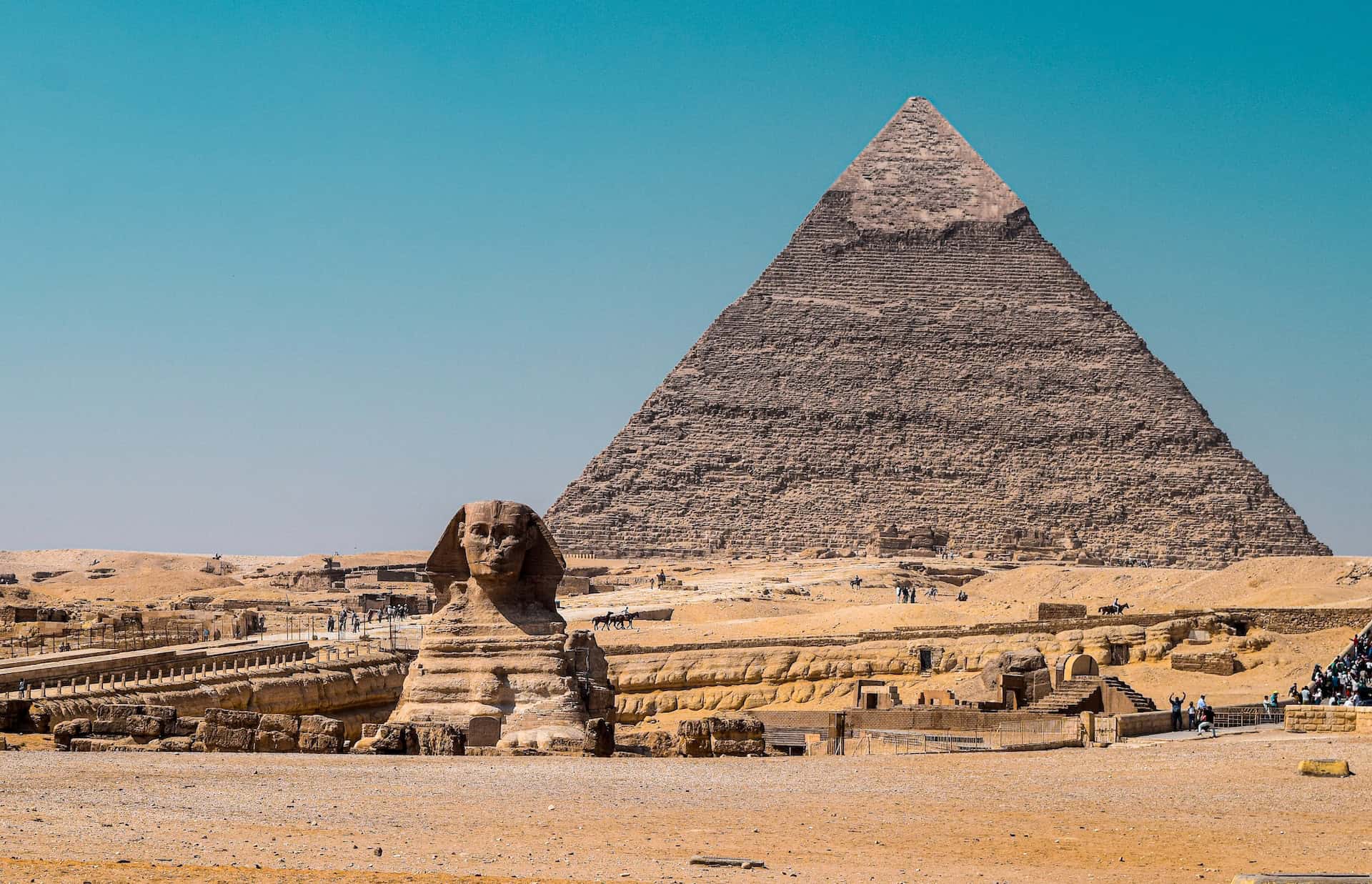
The Sphinx at Giza (photo: Lea Kobal)

Some safety precautions should be mentioned for specific groups of people. Solo female travelers are urged to join pre-arranged tours, as there have been instances of harassment and assault.

Women don't need to wear face or head coverings, although many local women choose to do so. However, visitors should dress respectfully and cover their heads when visiting mosques and temples.

Members of the LGBTQIA+ community should also be cautious about public displays of affection, as they could lead to harassment or discrimination. Homosexuality is not illegal in Egypt, but violence against gay people is not uncommon, and the authorities are not likely to step in. 

The Nile River flows through Cairo in Egypt (photo: Sherif Moharram)
The Nile River, Cairo (photo: Sherif Moharram)

Egyptian Travel 2023

Egypt anticipates more than 50 million visitors between 2023 and 2026 and is targeting 11.5 million arrivals this year alone. 

TripAdvisor's "Traveler's Choice: Best of the Best 2023" also brought good news to Egypt, naming Hurghada and Cairo as its top three destinations for the year.

For the honors, they beat out glamorous destinations like Doha, Abu Dhabi, and Manama, proving that visitors still highly regard these ancient cities. 

Egypt's tourism sector also hit a record high in the first quarter of the 2022-2023 financial year. 

The Central Bank of Egypt revealed that tourism revenue reached $4.1 billion from July to September 2022, an impressive 43% increase. During the same period, the number of tourists visiting Egypt increased by more than 50%, reaching 3.4 million people.

Abdel Fattah al-Assi, a former Assistant Minister of Tourism and Antiquities, explained what might be behind this welcome surge.

"After the COVID-19 lockdowns, more people will spend their holidays abroad, and Egypt has many advantages for tourists as it enjoys nice weather and offers reasonable prices (for tourists)," he said.

He also added that tourist destinations in Egypt are receiving an upgrade, and roads are being improved, which should attract many more visitors.

Turquoise waters at Marsa Matrouh, Egypt (photo: Marsa Matrouh)
Marsa Matrouh, Egypt (photo: Marsa Matrouh)

Safety Tips for Australians in Egypt

  • Only consume alcohol at licensed restaurants, but use moderation during Ramadhan.
  • Always carry your passport or identification document with you, as authorities may check you on the spot.
  • Avoid large crowds and gatherings. They can be targets of terrorism or quickly turn violent.
  • Use a taxi app like Uber because taxi scams targeting foreigners are common.
  • Beware pickpockets in busy tourist areas like the Pyramids of Giza or the bazaars. 
  • If possible, use your home medical insurance for emergency services or your travel insurance for any covered medical expenses, as doctors and pharmacies have been known to scam tourists with high charges. 
  • Do not venture into the Western Desert and the Sinai Peninsula, as there is a danger of unexploded landmines.
  • Only use ATMs inside banks to withdraw cash, as standalone ATMs are at risk of being tampered with.
  • Do not criticize the government, make sweeping statements on social media, or post photos of yourself breaking the law; authorities can and will use it to create a case against you.

Egypt is an incredible destination with treasures unlike any other. It can also be a perfectly safe destination to visit from Australia if you stay vigilant and observe local rules and customs with respect.

_____

This story is brought to you in partnership with EgyptVisasPro.com.

Useful Tips for Choosing the Best Pet-Friendly Accommodation

Pets are a big part of families nowadays, whether a family of two (you and your pet) or a larger one with kids. More and more families are factoring in their pets while planning their vacations. This also means added logistics, like looking for pet-friendly accommodations.

Hiker with her dog in Utah (photo: Patrick Hendry)

When selecting accommodation, choosing the right pet-friendly hotel is very important. While many hotels claim to be pet-friendly, only some may genuinely welcome pets.

There is a big difference between hotels that allow pets to stay and hotels that make the place more accessible to pets. The latter provides amenities for your pet to make the stay more enjoyable for everyone.

Table of Contents

  • Questions to Consider
    • 1. Is the Hotel Really Pet Friendly?
    • 2. Are There Breed or Weight Restrictions?
    • 3. Check for Hidden Pet Fees
    • 4. Choose Hotels with Pet-Friendly Activities
    • 5. Confirm the Hotel Restaurant is Pet Friendly
  • The Bottom Line

Questions to Consider

1. Is the Hotel Really Pet Friendly?

So, how do you know whether a hotel is pet-friendly? Do your due diligence to learn if the hotel is genuinely pet-friendly or just saying so to attract more customers.

Over several years, we have observed that many hotel chains claim to be pet-friendly but are better described as pet-tolerant.

Call the hotels in advance and ask about the amenities they'll offer your pet. Have they allocated a separate play area for the pet, and is there a garden where you can take your pet to relieve itself?

The hotel should also provide doggy food and treats on request and offer dog grooming services. Additionally, it's beneficial to book a hotel that can provide a dog sitter in case you decide to visit a few sites locally that are not pet-friendly.

2. Are There Breed or Weight Restrictions?

Man holding a large white fluffy dog (photo: Spencer Davis)
Man holding a large white dog (photo: Spencer Davis)

Many hotels are selectively pet friendly, meaning they only allow certain breeds of dogs, usually smaller ones; they typically do not allow larger breeds.

A few hotels also restrict breeds like pit bulls and rottweilers, which have a bad reputation for being violent, which is not valid in most cases.

When you travel with a designer breed such as a doodle, you should double-check with them as their list of breeds may not cover these specially bred dogs. To learn more about doodle breeds, check WeLoveDoodles.com.

Similarly, many hotels call themselves pet-friendly, but by pets, they only refer to dogs, not cats. Hence, when you read that a hotel is pet-friendly, please do not assume it will allow your dog or cat.

You must call them to confirm if your pet's breed can stay in the hotel. Any confusion could disrupt your vacation.

Also, some hotels only allow pet owners to stay in a few limited room types. Ask about that before you reserve or arrive at a hotel.

Check for other restrictions, such as a cap on the number of pets each guest can have in the room. If you're traveling with multiple pets, check the hotel's pet policy before making your reservation.

3. Check for Hidden Pet Fees

Finding pet-friendly accommodations can allow your dog to enjoy your vacations too (photo: Rachel Coyne)
Chihuahua in bed (photo: Rachel Coyne)

Several hotels charge extra for pet accommodation; sometimes, while you reserve your room, they might not even mention it.

Some hotels hide this cost and ask you for the charges upfront at the desk. Some hotels also charge the pet parents a substantial deposit, which is non-refundable, along with a cleaning fee.

Call the hotel before you book a room and ask about any extra costs associated with pets to ensure you understand their rates.

4. Choose Hotels with Pet-Friendly Activities

If you're vacationing with a dog, you want your pet to enjoy the stay as much as you do. Look for a pet-friendly restaurant and any activities they offer.

For example, it'd be convenient to have public gardens accessible to your pet for evening strolls. Pet-friendly trails and hikes would also be helpful.

Even if the hotel doesn't offer these facilities, you're in good shape if it's near a public dog park. To make walking your dog more manageable, look for a hotel away from a busy street.

The more pet-friendly restaurants around the hotel, the more options you'll have for eating out with your pet instead of confined to the hotel room.

While you may be excited about different activities you can do with your pet while traveling, remember safety. Carry any necessary safety gear and follow precautions to ensure your pet's safety throughout the vacation.

This is especially important when visiting climates they're not accustomed to. To learn more about this topic, visit TrendingBreeds.com.

5. Confirm the Hotel Restaurant is Pet Friendly

Brown dog by a pool (photo: Helena Lopes)
Dog by a pool (photo: Helena Lopes)

When you stay in a hotel, you may wish to dine in its restaurant out of convenience. But if the restaurant does not allow pets, it can get tricky.

Some pet-friendly hotels have a policy not to leave your pet alone in the room without supervision. On the other hand, your pet is not allowed inside the restaurant.

This means that you can only order food to be delivered. However, room service is always more expensive, and food costs can add up over several nights. Familiarize yourself with a hotel's policies before booking the space to avoid any last-minute surprises.

The Bottom Line

Bringing your pet on vacations can lead to fantastic experiences and lasting memories. However, if you choose a hotel with limited pet-friendly amenities, it could become challenging to manage your pet there.

And if your pet is restrained from using gardens and confined to staying inside the room, neither of you will enjoy the trip as much. Therefore, choose a hotel that is not just pet-tolerant but genuinely pet-friendly, thus helping ensure your pet and you have an enjoyable stay.

_____

This story is published in partnership with We Love Doodles.

6 Traditional English Food Dishes: Sampling the Best Local Cuisine

England is undoubtedly one of our top favorite places to visit when we think of Europe. A few things that make England popular are Big Ben, David Beckham, the Beatles, fish and chips, and many other English food dishes!

The culinary techniques, customs, and unique dishes that are distinctively English are a big part of why the country's cuisine is so famous among locals and tourists.

Fish and Chips in London (photo: Laurenz Kleinheider)

Traveling is about exploring the local customs, and eating traditional food is a part of that cultural experience. And if your future trip to England highlights food discovery, you'll need a guide to help you decide what to eat.

Table of Contents

  • English Food Dishes to Try
    • 1. Fish and Chips
    • 2. Full English Breakfast
    • 3. Sunday Roast
    • 4. Bangers and Mash
    • 5. Lancashire Hotpot
    • 6. Cornish Pasties
  • Conclusion

English Food Dishes to Try

Although hundreds of English foods may be mentioned, only a decent number are worthy of recommendation. Take a look at our list below!

1. Fish and Chips

Fish and chips is one of the most common English food dishes in the UK (photo: Nick Fewings)
Lunch with an English ale (photo: Nick Fewings)

Fish and chips have been a traditional British staple for decades. The ultimate British comfort dish consists of battered cod atop hot chips.

Brighton and Hove's fish and chips are some of the best in the nation, making it a beachfront paradise for many tourists, especially Brits who crave the salty air. Of course, you must travel there before enjoying your fish and chips. It's simple to reach Brighton and Hove.

It takes just under an hour from London by train, and from London Gatwick Airport, it takes only 30 minutes. Rather than taking a cab or a plane, the eco-friendly choice is to purchase London to Brighton train tickets and hit the rails.

Remember, whether you grab it from a chip shop, a diner, or the seaside, you cannot leave England without trying this dish.

2. Full English Breakfast

A full English breakfast (photo: Jonathan Farber)
Breakfast is served! (photo: Jonathan Farber)

The full English breakfast is a centuries-old tradition, a staple of British culinary culture, and a proud tradition that various generations of British society have fervently preserved.

As one might think, a full breakfast is offered in the morning, but it is also popular later in the day and sometimes serves as a substitute for lunch. Full breakfasts are common in bed and breakfasts, as guests feel incomplete without one.

The traditional English breakfast typically consists of fried eggs, bacon, sausages, mushrooms, tomatoes, and sometimes white or black pudding. It goes great with hot tea or coffee and warm buttered toast.

3. Sunday Roast

The origin of the great Sunday roast may be traced back to England, where it was prepared as a meal to be enjoyed following Sunday church services.

As Brits ate roast beef so frequently, the French began to refer to them as "rosbifs" in the 18th century. The term "Sunday roast" is still often used, even though most meat is now baked in an oven rather than roasted over an open fire.

Typical sides for a Sunday roast include roasted potatoes, cauliflower cheese, and vegetables like cabbage, carrots,  and greens. The beef juices are used to make a thick gravy that is then poured over the top.

4. Bangers and Mash

Bangers and Mash (photo: Dmitry Dreyer)
Bangers and mash (photo: Dmitry Dreyer)

Sausages and mashed potatoes, known as "bangers and mash," are a traditional British pub meal. The famous British slang phrase refers to gravied sausages and creamy mashed potatoes.

Cumberland's sausages, a sort of pork sausage seasoned with pepper, sage,  thyme, cayenne, and thyme, are the usual choice, though lamb or beef sausages can be used instead.

A serving of green peas typically complements the dish, and the mash can be made with or without herbs like green onions and parsley. 

Gourmet variants of this meal can be found in upscale gastropubs. They may feature rare sausages or mash made from potatoes of a different variety.

5. Lancashire Hotpot

The Lancashire hotpot is a humble but beloved wintertime dish in pubs in Northwest England. Although this hearty stew was originally famous only in Lancastrian households, its popularity soared after it was published in The English Cookery Book in 1859.

The dish's ingredients are lamb chops, onions, potatoes, and carrots, which are simmered in beef stock until soft and tasty. It's pretty light for a meat course, so try it with a Chardonnay or another similarly lightly oaked white wine.

6. Cornish Pasties

A woman eating a Cornish pasty, a typical English food (photo: Harry Grout)
Cornish pasty (photo: Harry Grout)

The history of the Cornish pasty, a traditional English pastry, dates back to the 1200s in Cornwall, Southwest England. These pasties were a staple in the lunch boxes of miners and loggers across the Midwest decades ago.

Cornish pasties were first cooked by tin miners' wives and mothers when the region's mining industry was booming. Beef, potato, swede, and onions are the typical filling ingredients. When cooked together, they produce a rich gravy that is sealed inside the pastry.

The pasties are great as a hot or cold snack during a picnic, alongside some baked beans and a dark drink.

Conclusion

When you travel to England, you open yourself up to discovering a unique culture and sampling the local cuisine. England has always been multicultural, and their cuisine undoubtedly reflects this.

The modest neighborhood pubs are perfect for sampling English food dishes as you enjoy the dynamic urban communities and antiquated destinations.

_______

This story is published in partnership with Rail Online.

Bike Travel: 6 Things To Know Before Taking a Cycling Trip

Bike travel is one of the most freeing and exhilarating ways to explore the world. You can go at your own pace, cover more ground than you could on foot, and get a feel for a place by pedaling through it.

Mountain biking British Columbia (photo: Greg Rosenke)

Going on an extended bike tour can be one of the most rewarding experiences of your life. However, it is essential to plan adequately beforehand to ensure a comfortable and safe trip.

Whether you're planning on cycling a few miles or taking a cross-country biking journey, there are some essential things that you need to know before setting out. 

Table of Contents

  • 1. Choose the Right Bike
  • 2. Invest in a High-Quality Bike and Accessories
  • 3. Pack Light and Smart
  • 4. Map Out Your Route
  • 5. Bring Repair Tools for Emergency Fixes
  • 6. Research Local Bicycle Laws

1. Choose the Right Bike

Depending on the terrain, consider a road bike or mountain bike.

Before you set out on any bike trip, choosing the right bike for you is essential. What works best depends on the terrain and its ruggedness. For example, a mountain bike is the way to go if you tackle steep hills and winding paths in mountainous terrain.

If the roads you'll be cycling on are primarily flat and paved, then a road bike could be more suitable. Utilize online resources.

For example, velodeals.com has a great selection of bikes for any type of adventure. All of their bikes have been tested over multiple terrains worldwide, so you can rest assured that whatever option you choose will fit your riding style and experience level.

2. Invest in a High-Quality Bike and Accessories

When planning a bike trip, it's vital to consider equipping yourself with the right accessories. Investing in a good quality helmet is necessary to protect yourself from accidents or unexpected falls.

You should also invest in good quality locks to secure your bike when you're away from it, and lights or reflectors as they improve your visibility and others on the road during nighttime rides.

If you're looking to invest in high-quality yet affordable biking accessories, velodeals.com offers a wide range of options with exclusive discounts that help make cycling an enjoyable experience.

Bike travel in Switzerland (photo: Kay Liedl)

3. Pack Light and Smart

Choose items that are multi-purpose and easy to carry.

To ensure an enjoyable and practical journey, packing light is essential. Your bike will be your primary mode of transportation, so choose items that take up little room and aren't too heavy. 

Go for multi-purpose and easy-to-carry clothes and gear. Think of creative ways to make the most of the space available.

For instance, perhaps you can use hats or hoodies as pillows if you are camping along the way, or select a jacket that doubles as a raincoat and keeps you warm.

Smart packing will not only give you more freedom of movement when biking but also save much-needed energy for all the adventures that lie ahead.

4. Map Out Your Route

Plan for rest stops and potential hazards.

If you're planning a bike travel adventure, it's essential to correctly map out your route and plan for potential rest stops and hazards before setting off. This will allow you to make the most of your journey and help you stay safe on the roads or trails.

In addition to knowing which routes offer the most scenic views and are deemed safe for cyclists, it's equally important to be aware of potholes and other obstacles that can cause damage to your bike.

By perfecting detailed route planning, estimated mileage tracking, difficulty level assessments, and researching accommodations or camping spots, you can look forward to a much more enjoyable and well-rounded biking experience.

Bikepacking through Denmark (photo: Niklas Ohlrogge)

5. Bring Repair Tools for Emergency Fixes

To guarantee a safe and trouble-free adventure, you must bring a kit of repair tools. This should include spare bike tubes, tire patches, a pump, an adjustable wrench set, and other tools that could come in handy if something goes wrong or breaks down.

In addition to ensuring these items are included in luggage, it's recommended that travelers familiarize themselves with how bike repairs work in an emergency. Knowing how to get your bike back up and running quickly can give any traveler peace of mind.

6. Research Local Bicycle Laws

Each region can have different cycling regulations, such as helmet use, traffic signals, and lane-sharing, so do your research before leaving to ensure you know all relevant rules.

This will help keep you safe on your journey and protect you from any legal trouble that could arise. Knowing and following bicycle laws in the areas you visit will help make your cycling vacation memorable!

______

This story is published in partnership with Velo Deals.

5 Best Places To Visit in Croatia

Croatia is a beautiful country, a destination that has many wonders just waiting to be discovered. No matter the time of year, whether winter or summer, there is so much to see and do that you'll want to keep returning.

Dubrovnik is one of the best places to visit in Croatia (photo: Geio Tischler)
Dubrovnik (photo: Geio Tischler)

When deciding which places to visit in Croatia, reflect on your reasons for traveling there and the activities you typically enjoy in a new country.

Are you looking to explore, and would you consider a catamaran charter in Croatia? Would you prefer to relax and enjoy Croatia's major cities, or would you like a combination of time on land and water? 

From Dubrovnik and Plitvice Lakes National Park to Zagreb and Zadar, we explore Croatia's best places to visit. 

Table of Contents

  • 1. Dubrovnik 
  • 2. Zagreb
  • 3. Plitvice Lakes National Park
  • 4. Nugal Beach 
  • 5. Zadar 

1. Dubrovnik 

One of the first places to consider is Dubrovnik, a popular destination that millions flock to each year to explore. Many will have heard of Dubrovnik because it is a significant part of Game of Thrones - you can see some of the sets when visiting.

Others will know of the delicious foods available in the city as well as the countless things that you can do. If you want to try something new in Dubrovnik, why not rent a boat? It's a great way to see the place from a different perspective. 

2. Zagreb

A beautiful day in Zagreb (photo: Maja Vujic)

Just as when you visit England, you must visit London, the same can be said: when visiting Croatia, you must see Zagreb.

The capital of Croatia has many fun things to see and do. You'll want to visit the Cathedral of Zagreb, Park Maksimir, St Mark's Church, Stone Gate, and the Botanic Gardens.

Whether visiting on a romantic vacation, a family holiday, backpacking solo, or going with friends, Zagreb will show you a good time. 

3. Plitvice Lakes National Park

Walking through Plitvice Lakes National Park in Croatia (photo: Dominik Lange)
Walking through Plitvice Lakes National Park (photo: Dominik Lange)

We've mentioned two major cities to see in Croatia, and now we want to share a national park that should be on your agenda. The Plitvice Lakes National Park is a magnificent place to visit - you don't want to forget your camera when visiting.

You can hike on the trails or take boats along the upper and lower lakes. You won't want to miss the waterfall, among all the other beautiful scenery.

4. Nugal Beach 

Overhead view of Nugal Beach (photo: Ante Hamersmit)

Some would argue this is one of the most beautiful beaches in Croatia. Expect crystal clear waters as far as the eye can see. Nugal Beach is only accessible on foot, so it tends to be quieter than other significant beaches in Croatia.

Here you can relax and unwind, sunbathe and read a book, enjoy the waters, and snorkel or test your nerve by jumping off the local cliffs nearby (be safe when doing so, of course). It's worth noting this is a nude beach, so don't be surprised to see people sunbathing without clothes. 

5. Zadar 

Historic building in Zadar, one of the top places to visit in Croatia (photo: Lothar Boris Piltz)
Historic building in Zadar (photo: Lothar Boris Piltz)

If you're into history, Zadar should be on your shortlist of places to visit in Croatia. Full of Roman and Venetian ruins, it's a historian's dream - the food here is also delicious - as part of your trip, you will want to visit the Roman Forum and the Land Gate.

The Bell Tower is also particularly fascinating. If you are not interested in history, this shouldn't stop you from visiting. Zadar has many other things to do, such as speed boat tours, walking tours, and pub crawls. Buggies and spear diving are also available. 

Weather-wise, it's a lovely place to visit all year round. Outside dining is popular in the summer, and there are plenty of indoor activities during the winter months.

The landscape itself is beautiful; you'll want to walk around to take it all in and, of course, take many photos. The sunsets and sea views are magnificent, some of the best in Croatia.

We hope the above five destinations give you some insight into Croatia's best places to visit. Deciding where to go can be challenging, as many beautiful spots exist.

Your interests will also be a significant factor in your decision. Before booking anything, do your research and make sure it matches your requirements. 

Have you been to any of the above five places? Which one of them are you planning on visiting? Is there a place you think we should include that we haven't?

Please let us know in the comment box below if you have anything to share that will help our readers. We would love to hear from you. 

_____

This story is published in partnership with Click&Boat.

Solitude and Stars: Dispersed Camping in 12 States

Are you an outdoor enthusiast looking for an off-the-beaten-path camping experience? Do you prefer the peace and quiet of nature to the noise of a crowded campground? If so, dispersed camping might be just what you're looking for.

Dispersed camping is a form of camping that takes place outside of designated campgrounds and recreational areas.

Camping on Cucamonga Peak (photo: Tommy Lisbin)

It allows campers to immerse themselves in the natural beauty of the great outdoors and discover creative ways to spend time, while enjoying a more secluded, private camping experience.

With its growing popularity, many U.S. states now offer dispersed camping opportunities for visitors. Whether you're a seasoned camper or a newcomer to the activity, you will find the perfect spot in one of the following states.

Table of Contents

  • Dispersed Camping in the U.S.
    • 1. California
    • 2. Wyoming
    • 3. Washington
    • 4. Arizona
    • 5. New Mexico
    • 6. Idaho
    • 7. Colorado
    • 8. Oregon
    • 9. Utah
    • 10. Montana
    • 11. Alaska
    • 12. Minnesota
  • Takeaway

Dispersed Camping in the U.S.

1. California

Camping under the stars in Death Valley National Park, California  (photo: Wilson Ye)
Camping under the stars in Death Valley (photo: Wilson Ye)

California's diverse landscapes and mild, year-round weather make it a dream destination for dispersed campers. Whether it's the rugged coastline or the rolling hills of the Central Valley, the Golden State offers countless spots to pitch a tent and soak in its natural beauty.

In particular, the Eastern Sierras offer breathtaking views and plenty of dispersed camping, with sites like Mono Lake and Bodie State Park popular destinations. Websites such as Outdoor Scott can be helpful if you are looking for the best dispersed campsites in the Golden State.

2. Wyoming

The Tetons form a beautiful backdrop for dispersed camping in Wyoming  (photo: Karsten Winegeart)
The Tetons (photo: Karsten Winegeart)

Wyoming's vast open spaces and stunning scenery make it an ideal destination for dispersed camping. From the rugged peaks of the Teton Range to the rolling prairies of the Great Plains, the Cowboy State offers countless picturesque spots to pitch a tent and connect with nature.

The Bridger-Teton National Forest, the Shoshone National Forest, and the Bighorn National Forest are just a few picturesque locations for primitive camping in Wyoming.

3. Washington

Mount Baker in Washington, a fantastic state for dispersed camping (photo: Michael Denning)
Mount Baker (photo: Michael Denning)


With its lush forests, rugged coastline, and towering mountains, Washington is a paradise for nature lovers. Dispersed camping is permitted in many national forests and BLM lands throughout the state, making it easy to find the perfect spot for a peaceful camping trip.

Popular areas for free camping include the Olympic, Mount Baker-Snoqualmie, and Okanogan-Wenatchee National Forests.

4. Arizona

Arizona is a top camping destination with its stunning deserts, towering mesas, and unique rock formations. From the iconic red rock formations of Sedona to the towering peaks of the Grand Canyon, there are plenty of places to pitch a tent and escape from the hustle and bustle of city life.

The Coconino, Tonto, and Kaibab National Forests are among the best places in Arizona for dispersed camping.

5. New Mexico

Tent in Las Cruces, NM (photo: Ben Curry)

New Mexico's breathtaking deserts, towering mesas, and distinctive rock formations make it a premier camping destination. The Santa Fe, Cibola, and Gila National Forests are among the best places to find dispersed campgrounds in New Mexico.

Related: The Camping.Tools Mobile App

6. Idaho

Idaho's rugged mountains, pristine lakes, and dense forests make it an ideal destination for dispersed camping. With numerous national forests and wilderness areas, the state offers plenty of excellent spots for primitive camping.

The Boise National Forest, the Clearwater National Forest, and the Nez Perce National Forest are beautiful areas in Idaho where you can pitch a tent.

7. Colorado

Jupiter shines bright above the Sangre de Cristo wilderness of Colorado (photo: Andrew Gloor)
Camping in the Sangre de Cristo wilderness of Colorado (photo: Andrew Gloor)

Colorado is another top state for free primitive camping, with endless possibilities for outdoor adventure. The state's diverse geography, including the Rockies, the Great Plains, and the Southwest, offers a range of camping options, from high-altitude mountain camping to more desert-like areas.

The San Juan National Forest, the Rio Grande National Forest, and the Gunnison National Forest are all top destinations for free camping in Colorado.

8. Oregon

Oregon is a nature lover's paradise with its lush forests, pristine lakes, and rugged coastline. Dispersed camping is permitted in many national forests and on Bureau of Land Management lands throughout the state, making it easy to find the perfect spot for a peaceful camping trip.

Popular camping areas include the Mount Hood, Umpqua, and Siuslaw National Forests.

9. Utah

Hikers take a break in Arches National Park, UT (photo: Brie Odom-Mabey)

With its iconic red rock formations and stunning vistas, Utah is a top destination for dispersed campers. From the towering cliffs of Canyonlands National Park to the wide open spaces of the West Desert, there are plenty of places to pitch a tent and escape from the hustle and bustle of city life.

Some of Utah's best dispersed campgrounds are located in the Moab area, the San Rafael Swell, and the Dixie National Forest.

10. Montana

Montana's towering peaks, rolling hills, and pristine lakes make it a prime destination for dispersed camping. The state has numerous national forests and wilderness areas, offering plenty of excellent spots to pitch your tent.

The Lolo National Forest, the Kootenai National Forest, and the Flathead National Forest are just a few recommendations for primitive camping in Montana.

11. Alaska

Camping at Holgate Glacier in Alaska  (photo: Joshua Sukoff)
Camping at Holgate Glacier (photo: Joshua Sukoff)

Thanks to its vast wilderness, Alaska is a top destination for dispersed camping. From the Kenai Peninsula's rugged coastline to the Chugach Mountains' towering peaks, there are plenty of places to set up camp and enjoy the beauty of the Last Frontier.

Alaska's top camping spots are the Chugach National Forest, the Tongass National Forest, and Denali National Park.

12. Minnesota

Minnesota's pristine lakes, rolling hills, and lush forests make it a top choice for dispersed camping. The state boasts numerous national forests and wilderness areas, each providing outstanding opportunities for free camping.

For many visitors, trips to these northern forests start in the Twin Cities, where arranging off-site parking near the Twin Cities airport keeps logistics simple before you head into the wilderness.

Some of Minnesota's gorgeous camping areas are the Superior National Forest, the Chippewa National Forest, and the Boundary Waters Canoe Area Wilderness.

Takeaway

Regardless of where you choose to camp, it's essential to follow the area's rules and regulations. This means obtaining necessary permits, following fire restrictions, and respecting the land and wildlife.

Primitive camping can offer a truly unique and unforgettable outdoor experience; these states are among the best places to start. Whether you're a veteran camper or a newcomer to camping, it is a great way to immerse yourself in the beauty of the great outdoors.

The states above offer everything you need for a memorable camping adventure. Each has unique attractions and natural beauty. So pack your gear, grab your map, and hit the road for an unforgettable camping trip.

5 Best Cozumel Snorkeling Spots

Cozumel is one of the most popular destinations in Mexico for snorkeling and scuba diving, both of which will introduce you to an incredible underwater world. San Miguel de Cozumel, better known as Cozumel, offers a beautiful coastline and ideal island geography for snorkeling and other fun activities.

To begin, look for tour operators that can provide sustainable tours and a fantastic travel itinerary to help you get the best experience. Here are five Cozumel snorkeling spots to consider.

Table of Contents

  • Snorkeling in Cozumel
    • 1. Palancar Reef
    • 2. El Cielo
    • 3. Paradise Reef
    • 4. Villa Blanca Reef
    • 5. Punta Sur Shallows

Snorkeling in Cozumel

1. Palancar Reef

Sea view from Cozumel (photo: Devin H)

With majestic coral formations and excellent snorkeling conditions, Palancar Reef is one of Cozumel's top spots for snorkeling. Located on the island's southwest side, snorkelers and scuba divers can explore the vast ocean area beneath.

Here, you can explore spiny lobsters, angelfish, barracuda, crabs, sea turtles, and plenty of marine life. The crystal clear water provides excellent visibility for snorkelers and scuba divers, making it a perfect location for underwater sports activities. 

2. El Cielo

A yacht and swimmers off El Cielo beach, an excellent Cozumel snorkeling spot in Mexico. (photo: Fernando Jorge)
A yacht and swimmers off El Cielo (photo: Fernando Jorge)

Another excellent destination for snorkeling in Cozumel is El Cielo, a scenic white beach on the island's southwest coast. The only way to reach El Cielo Cozumel is via boat.

El Cielo is located close to the Colombia Reef and provides excellent snorkeling. Unlike other locations, it features a white sandy bottom, home to countless starfish.

While enjoying these waters, it's important not to disturb the starfish. Please don't pick them up, move them, or take them out of the water for pictures, as they are delicate creatures. Apart from the starfish, you can also find grey southern sting rays and trunkfish cruising around these waters. 

3. Paradise Reef

If you're relatively new to snorkeling, consider exploring Paradise Reef, south of San Miguel. Paradise Reef is inside a protected national marine park, so you can find great snorkeling options.

The best part about this reef is that it is shallow and divided into two parallel sections. This also provides gentle currents, which are ideal for new snorkelers. You can get some gorgeous shots of the marine life in Paradise Reef.

4. Villa Blanca Reef

A brown pufferfish in a reef off  Cozumel (photo: Vlad Tchompalov)
A brown pufferfish in Cozumel (photo: Vlad Tchompalov)

There are many amazing things to do in Cozumel, including on the north side near the Puerta Maya cruise terminal. Explore the Villa Blanca reef, which provides an exceptional snorkeling experience. Its shallowness allows you to make the most of the ocean geography.

If you don't want to snorkel, you can enjoy the glass-bottom boats that allow you to explore the marine life below. You can make the most of your trip with plenty of seahorses, puffer fish, and local marine life. 

5. Punta Sur Shallows

The Punta Sur Eco Park is home to the Punta Sur Shallow reef, another excellent location for new and expert snorkelers. If you don't have snorkeling gear, you can always rent some here and dive in to enjoy some of Cozumel's best marine life.

Mexico remains one of the top destinations for travelers wanting to relax and unwind. It offers some of the best beaches in the world, delicious Mexican food, exciting and inexpensive nightlife, and pleasant weather.

If you're looking for water sports and adventure, look no further than Cozumel, an easily accessible island on Mexico's Yucatan Peninsula.

_____

This story is brought to you in partnership with Odigoo Travel.

Safety Tips for Traveling Solo in Europe

Solo travel can be a thrill, which is one of the reasons why it's a dream for so many people worldwide. Traveling solo gives you complete control over where you go, when, and how long you stay. However, there are risks, too, especially if you don't take the necessary precautions.

Before going on a solo trip, you'll want to research the places you intend to visit, the prevailing crime rates, typical scams affecting tourists, and the support available. 

Following essential safety advice when traveling solo should always be a priority, regardless of where you go. However, this article will focus on popular European destinations and recommendations for travelers.

Table of Contents

  • Working Remotely
  • Destination-Specific Advice
    • Amsterdam, The Netherlands
    • Tresco, Isles of Scilly, England
    • Budapest, Hungary 
    • Munich, Germany 

Working Remotely

A woman working remotely in a cafe (photo: Samantha Eaton)
A woman working in a cafe (photo: Samantha Eaton)

Professional commitments might compel us to work even when we're vacationing. If you can't avoid the corporate grind while traveling, you must protect the office data on your laptop or tablet. 

Travel with lightweight, fast-paced laptops like the 13.3" HP ENVY, Microsoft Surface Pro 7, and Apple MacBook Air M1. Install antivirus and VPN software to protect your device(s) from malware and ensure all data travels safely online.

A VPN for Windows devices creates an encrypted network between your laptop and the server, shielding it against online surveillance or hacking attempts. Virtual Private Networks (VPNs) allow access to news, entertainment, and messaging in censored areas. 

Destination-Specific Advice

Amsterdam, The Netherlands

Bicycles on a bridge in Amsterdam (photo: Gaurav Jain)

The Dutch capital has long been a backpacker favorite, ticking all the boxes as a cultured, friendly, and progressive city.

Amsterdam's legacy of the golden age of the 17th century can be seen everywhere in wonky townhouses, gabled facades, and elaborate canal waterways. Famous sights include the Van Gogh Museum, Stedelijk Museum, Anne Frank House, Rijksmuseum, etc.

Turn your city tour into a food tour, stopping at any of the sprawling cafes and hipster bars for tasty drinks and traditional delicacies. Try deep-fried snacks of veal cooked in gravy, delicious cheeses, mini pancakes with maple syrup and icing sugar, and authentic apple pies. 

Safety advice for Amsterdam:

  1. Never show off with your money.
  2. Keep an eye on your wallet and purse while visiting red-light districts.
  3. Bike thefts are common - avoid taking an expensive bike to unknown locations. 
  4. Don't drink too much while bar-hopping at night; you'll become an easier target.
  5. Tulip scams involve buying flowers that never produce blossoms. Check whether tulips are in season before buying them. 

Tresco, Isles of Scilly, England

If you want to experience a subtropical paradise and the friendliness of a European village, then Tresco in the Scilly Isles is the right choice.

The lush white sand beaches and windswept, rugged northern landscapes offer plenty to do for solo travelers. Rent a kayak or a bike around.

Tickle your taste buds with Mediterranean delicacies like crab linguine, maple bacon, sausage rolls, and stone-baked pizzas. 

Stay safe with these tips:  

  1. Most locales are closed from 5 to 6 p.m., and shops in Scilly villages are often closed on Sundays. 
  2. Most rocky areas are secluded; regular coastal guard patrols provide surveillance. Always carry your identification. 

Budapest, Hungary 

Fisherman's Bastion in Budapest (photo: Emma Fabbri)

When it comes to nightlife, Budapest and Berlin take the crown. The Danube River running through Budapest, the Hungarian capital, is grand and alluring.

The city offers excellent food and activities for solo travelers. Nightclubs in Budapest are often friendlier and have more open policies than their counterparts in Berlin.

Artists' studios, galleries, leafy courtyards, cafe bars, and the Brody House demonstrate the eclectic atmosphere of cultural credibility and hipster vibes. 

Staying safe in Budapest:

  1. Pickpockets and bag-snatchers come with a red alert. These are some of the major crime issues.
  2. While traveling solo, avoid taking your passport out into the streets. 
  3. Be aware of fraudulent taxi rides in the city and money exchange offices. 

Munich, Germany 

Munich has centuries of tradition and cultural influence and is Bavaria's capital for architectural geniuses. However, Munich is also youthful, tourist-friendly, and contemporary.

The city has historic hotels, fine churches, traditional restaurants, famous beer halls, and many bars and cafes. One of the most adventurous activities for solo travelers is surfing on the Eisbach River in the middle of the city. 

As safety tips are concerned:

  1. Avoid train station areas at night, especially in the Hauptbahnhof. 
  2. Always carry cash in the streets, especially while shopping. 
  3. The native language is German, but with a Bavarian dialect. Thus, even if you know German well, it could be challenging to understand and speak it.  

All travelers need to prepare to have an enjoyable and safe trip. Solo travelers, in particular, must take some extra time to figure out the safety of their surroundings. After all, nothing will frustrate you more than falling for silly scams or having your belongings stolen.

______

This story is brought to you in partnership with Worldpackers.

Savvy Savings Tips for Your Next Vacation

Everyone needs a break now and then. The sooner you plan your vacation, the more likely you are to have a great experience.

You'll have the time to save enough money to give yourself the trip you deserve. Planning and budgeting are essential to having a stress-free and affordable holiday. 
Rice fields, Bali (photo: Jamie Fenn)

Table of Contents

  • Savings Tips
    • Set a Budget
    • Deals and Discounts
    • Low-Cost Accommodation
    • Fly Smart
    • The More People, the Cheaper
    • Shorter Vacations
    • Fun for Free
    • Flexibility
  • Final Thoughts

Savings Tips

Set a Budget

Setting a budget is the most important step. Determine how much money you'll ideally need. As well as how much money you can comfortably save in the allotted time before the trip.

Ensure that your budget includes expenses before you arrive at the destination, such as airfare, ground transportation, and accommodation. Then, budget for your expenses, such as shopping, food, and entertainment. This blog post has a few ideas on how to save quickly towards your goal.

Deals and Discounts

Using deals and discounts can be a great way to fund luxury vacations at more affordable prices. You can also use this method to pick your destination based on what's within your budget. Try to find discount codes for your next holiday by TUI.

So, do some digging for deals before booking your vacation. Depending on what's included, all-inclusive packages can often be more affordable in the long run. You can find flight, accommodation, and activities deals on various websites. 

Train travel in Goa, India (photo: JK)

Low-Cost Accommodation

Luxury hotels are amazing places to stay. They're beautiful, and everything is handled for you. But they usually cost an arm and a leg-and sometimes a kidney!
You can save money by booking something much cheaper. Consider alternatives like couchsurfing, self-catering accommodation, and Airbnb. Hostels are also a good choice. They typically have single and family rooms that are still quite affordable.

Fly Smart

Flights can account for most of your holiday budget, depending on where you're flying and how many flights you need to catch. Do more digging and use price comparison sites to get the best flight deals and prices. 

Also, do your best to avoid any extra in-flight costs. This means ensuring your luggage falls within the free amount allowed, whether for carry-on, checked, or a combination of both.

Avoid paying exorbitant fees for business class (and even premium economy, at times). Don't pick your preferred seat if you have to pay a fee. Here are a few more tips on getting the best flight prices.

If possible, consider alternate methods of transportation. Taking a train or a bus can be cheaper than booking a flight.

You should also consider driving where you can. With one of these transport modes, you can also make the journey part of the vacation.

Paron Lake, Peru (photo: Willian Justen de Vasconcellos)

The More People, the Cheaper

To cut costs, consider going on vacation with a few friends or family members. You can find great group deals and discounts for accommodation and activities.

If you can't find group deals, you'll still have some people with whom you can split expenses. Pick people you'll enjoy spending a few days with.

Shorter Vacations

If you're looking at holiday packages, avoid the ones for longer than a week. The longer your holiday is, the more you'll have to pay. Going somewhere for a few days rather than seven will be more affordable.
Fun for Free

Research the area you're visiting and the surroundings before you book anything. Try to find free or affordable things to do, and consider planning your trips around those events. Taking advantage of free events can help you reduce your spending on entertainment.

Flexibility

Being flexible with your dates can help you score cheap, last-minute deals on your dream vacation. This is especially true if you're open to traveling during the off-season, when prices will likely be more reasonable. 

Being flexible when planning a holiday is a must. Working within budget requires creativity and flexibility to get the best results.

The best flights might have long layovers, late at night, or early in the morning. What's in your price range might be somewhere closer to home.

Final Thoughts

The key to having a great vacation is doing a lot of work before you can have fun. Dedicate some time to research, deal hunting, planning, and budgeting. Also, ensure that you book everything in advance-flights, accommodation, and any events you want to see.

_______

This story is brought to you in partnership with TUI.

6 Hidden Gems in Thailand You Must Visit

If you've visited Thailand regularly, you may think you've seen all it offers. But the Land of Smiles hides a treasure trove of unique places for those who go off the beaten path. 

When we say hidden, we mean places that may be challenging to reach without a guide. So, depending on where you're based, be prepared to spend a little more on transport.

However, with the cost of living in Thailand being much lower than in most Western countries, these hidden gems shouldn't be out of reach, even for most broke backpackers.

If you're looking for something extraordinary beyond crowd-laden Bangkok, these are the best places in Thailand to experience tropical paradise in solitude. 

Table of Contents

  • Hidden Gems in Thailand
    • 1. Khao Sok / Cheow Larn Lake 
    • 2. Nui Beach
    • 3. Tham Kra Sae Bridge 
    • 4. Suan Lamai 
    • 5. Wat Rong Khun
    • 6. Talay Bua Daeng (Red Lotus Sea)

Hidden Gems in Thailand

1. Khao Sok / Cheow Larn Lake 

Sunrise in Khao Sok National Park, one of the hidden gems in Thailand. (photo: Robin Noguier)
Khao Sok National Park (photo: Robin Noguier)

Cheow Larn is a 103 mile² (165 km²) artificial lake tucked deep in the thickets of the Khao Sok rainforest. This lake was formed in 1987 and is a truly magical place where deep blue waters meet a scenery of lush rainforest and over a hundred peaks of towering limestone cliffs. 

Over thirty years after its creation, Cheow Larn Lake remains relatively untouched. In addition to swimming, canoeing, and boat rides, it is an excellent place to have close and personal encounters with clouded leopards, tigers, wild elephants, and Malayan sun bears. 

Another unique feature of Cheow Larn Lake is its Instagram-worthy Floating Bungalows that make up for a truly authentic Thai experience. 

2. Nui Beach

Yanui Beach, a few minutes south of Nui Beach on Phuket in Thailand (photo: Vitaly Sacred)
Yanui Beach, a few minutes south of Nui Beach (photo: Vitaly Sacred)

Phuket, the southern province of Thailand, is home to some of the best beach destinations in the country. If you want to avoid the large crowds that characterize Patong and Karon, Nui Beach is a worthy consideration. 

Nui Beach is not a secret in the true sense of the word. However, due to its location, most people find it a challenge to get to. Some years back, there was an entrance fee of up to 100 baht.

While the fee has been lifted, the transfer service down the treacherous road and parking fee (if you choose to drive yourself) still limit most would-be visitors. But this is a small price if you don't want other beachgoers and vendors bothering you. 

Nui Beach is between Kata Viewpoint and Nai Harn Beach on Phuket's southwest coast. It's a good place for swimming, snorkeling, and snapping photos for social media. You'll also find a restaurant and a mix of bars where you can order Thai food and drinks. 

3. Tham Kra Sae Bridge 

The Tham Kra Sae Bridge is another hidden gem in Thailand and a must-visit for history buffs. It is a tragic and historical wooden bridge that was part of the infamous Death Railway. While it's a sight to behold, it's sad knowing that it was built by prisoners of war and Asian laborers during WWII. 

The Tham Kra Sae Bridge is best experienced on a slow one-hour-long train ride from the station. The train ride gives you breathtaking scenery of the bridge, the river below it, and the Krasae cave. The cave is said to have been a residence and hospital for the prisoners.

Riding the Death Train and taking photos of the river are some of the best things to do at Tham Kra Sae Bridge. But there's also a zipline nearby and a street market where you can polish your bargaining power. 

4. Suan Lamai 

Our next pick is another place that doesn't feel like part of Thailand. In Rayong province, just two hours southeast of Bangkok, Suan Lamai is a family-friendly caravan park in a rural area surrounded by mountains and a thick natural forest.

The caravans are permanently moored and have everything you'd need for a comfortable camping experience, including AC, a shower, and a barbecue. They're built around a well-maintained pond, and a sheep farm nearby complements the rural setup. 

Suan Lamai is nicknamed the Kingdom of Fruit on the Mountain because of its Thai fruit buffet. Its location on the mountainside treats its visitors to magnificent views and makes it idyllic for nature lovers and those looking for a relaxing destination in Thailand. 

5. Wat Rong Khun

Wat Rong Khun (White Temple) is a hidden gem in Thailand (photo: Miguel Urieta)
The White Temple (photo: Miguel Urieta)

There are over 40,000 temples in Thailand, but a few stand out from the rest. Wat Rong Khun, or the White Temple, is a departure from traditional Buddha temples in terms of style and symbolism.

While most temples in Thailand are painted red, orange, saffron, green, or a combination of these colors, Wat Rong Khun has a majestic white exterior.

Chalermchai Kositpipat, the owner of this temple, says that he chose that color to honor Buddha's purity. But that's just one thing that makes Wat Rong Khun unique.

The all-white structure is adorned with glasses and mirrors, symbolizing Buddha's wisdom that shines throughout the universe. Another distinctive feature of the White Temple is the contemporary artwork of fictional characters, such as Superman and The Matrix.

To the left of the building is an ornately decorated restroom covered in gold leaf depicting people's obsession with material wealth. 

Wat Rong Khun is located about 9 miles (15 kilometers) southwest of Chiang Rai town and about 107 miles (173 kilometers) from Chiang Mai. It's open from 8 a.m. to 6 p.m. daily. Entry to the White Temple is free, although donations not exceeding 10 baht are allowed. 

6. Talay Bua Daeng (Red Lotus Sea)

Sunrise on a boat in the Sea of Red Lotuses - Udon Thani, Thailand (photo: Georgios Kaleadis)
Sunrise on a boat in the Sea of Red Lotuses (photo: Georgios Kaleadis)

Most foreign tourists visiting Thailand have their eyes fixated on Bangkok, Phuket, Pattaya, and Krabi. That's why the lesser-visited cities like Udon Thani are becoming popular destinations for gem seekers. 

About 31 miles (50 kilometers) north of Udon Thani is Talay Bua Daeng, or the Sea of Red Lotus. Calling it a sea is a misnomer because Talay Bua Daeng is an inland lake, and the lotuses aren't exactly red.

Nevertheless, drifting through a carpet of pink lotuses in their full glory during the morning hours is among the best things to do in Udon Thani. 

There are two options for boat tours: small boats with a capacity of four people and big boats that can carry up to seven people. The big boats cost 500 baht (approximately $15) to hire, while the smaller boats charge 150 baht per person for a one-hour ride.

You don't need to prebook. It's natural for the lotuses to close from noon due to the hot weather. That said, it's best to visit the Red Lotus between sunrise and 11 a.m.

As you can see, Thailand has no shortage of hidden gems, despite its long-time appeal to backpackers and budget travelers.

_____

This story is brought to you in partnership with Remote Year.

How to Maintain Your Fitness Routine While Traveling

Traveling can be fun, but it can also be tiring. Whether you're traveling for work or pleasure, exercise is essential. But when you're constantly on the go and moving around, finding the time to work out can be challenging. Here are some ways to make exercise a habit to maintain your fitness routine while traveling. 

Man running to maintain his fitness routine while traveling (photo: Jenny Hill)
Man running (photo: Jenny Hill)

Table of Contents

  • Travel Fitness Tips
    • Do Your Research
    • Use the Mornings to Exercise
    • No Nearby Gym? Exercise in Your Room
    • Use the Stairs
    • Take Walks 
    • Get Enough Sleep
    • Have a Healthy Breakfast
    • Stay Hydrated
    • Do the Intense Workouts Before Your Trip
  • Takeaway

Travel Fitness Tips

Do Your Research

Before taking your trip, find out if your accommodation has gym facilities or if there is a nearby gym you can easily access. You can use Google or ask management at the hostel or hotel where you plan to stay. 

Use the Mornings to Exercise

Whether your trip is for business or pleasure, you'll likely get too busy during the day. Schedule some time in the morning to exercise at the gym or in your room. 
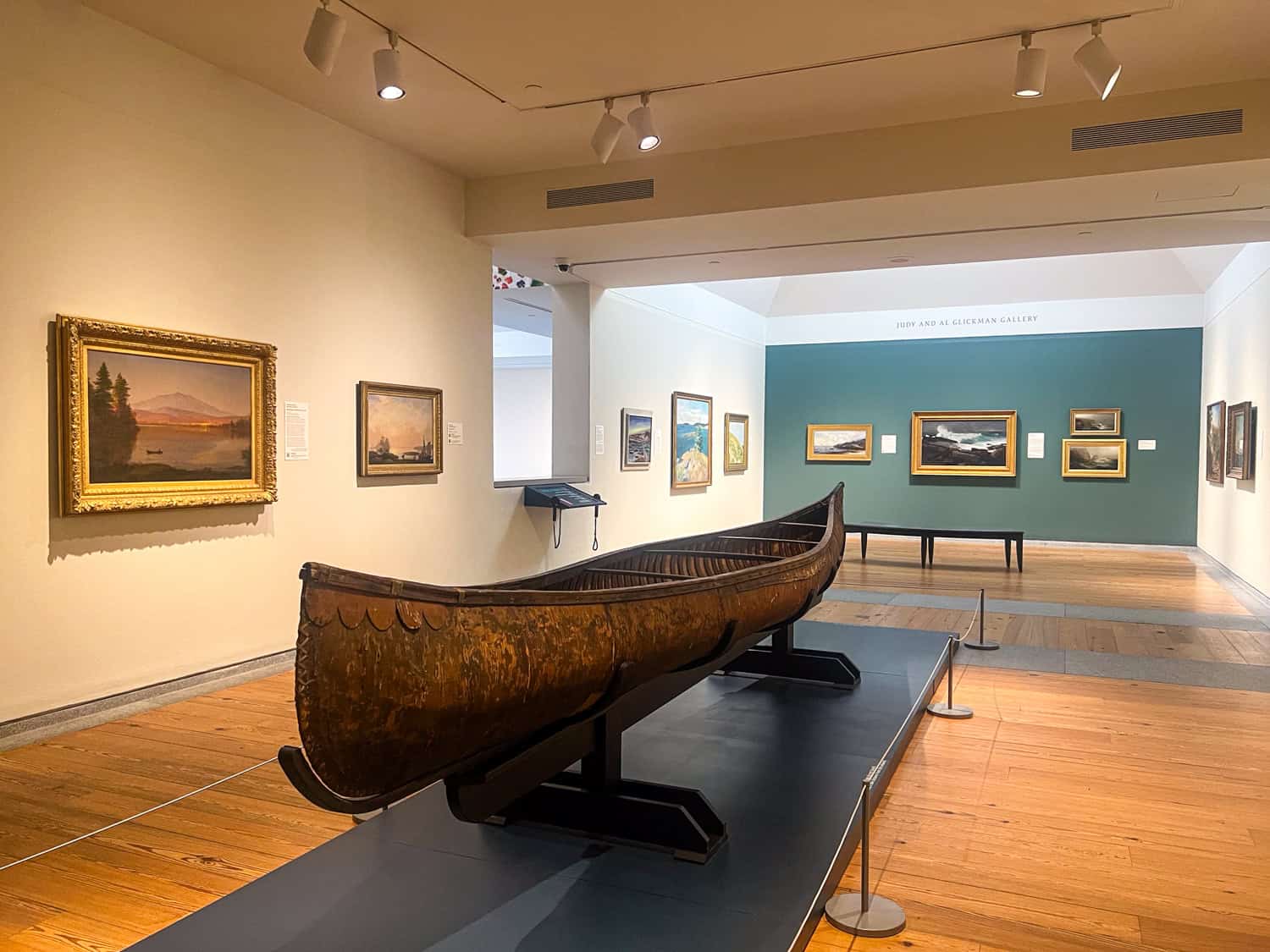
No Nearby Gym? Exercise in Your Room

You can do various "on-the-go" exercises in your room, requiring little equipment.

These include:

  • Push-ups
  • Jump squats
  • Lunges
  • Burpees 
  • Mountain climbers

Use the Stairs

Pick the stairs whenever you have to choose between taking an elevator or using the stairs. Unless, of course, you have a medical reason not to. 

Taking the stairs can strengthen your leg muscles and bones and improve cardiovascular health. It is also an excellent way to burn calories and lose fat. 

Take Walks 

If you must choose between transportation and walking to get around, walk. You'll burn some calories and tone your muscles while exploring that part of the world. 

Get Enough Sleep

You'll likely get little sleep as you get busy doing as much as you can with your limited time. So make sure to get the recommended 7-9 hours of sleep. 

Getting enough sleep helps your body recover from the day's activities, so you're refreshed and ready for more exercises and everything else on your itinerary. 

Have a Healthy Breakfast

Breakfast is the first meal of the day. It gives your body and brain the energy they need for the day's activities. 

Oatmeal in Bali (photo: Alexandra Andersson)

Stay Hydrated

Drink lots of water so you have enough fluids in your body, as it replaces water and electrolytes lost when you sweat. It prevents muscle fatigue and helps you recover after exercising. 

Do the Intense Workouts Before Your Trip

Spend more time on exercises that require more equipment while at home. This is particularly important if there isn't a (well-equipped) gym where you're going.

You'll be able to focus on workouts you can do anywhere without needing much equipment. Here are some more of those exercises. 

Takeaway

Maintaining your fitness routine while traveling can be challenging, but with some planning and effort, it's not impossible. These tips will help you stick to your routine while away from home. All it takes is some discipline and a little motivation. Good luck, and have fun!

______

This story is brought to you in partnership with Kickoff.

All You Need To Know About Travel Insurance For Rental Cars

Nowadays, it can be too expensive to own a car. Maintenance, service repairs, and the cost of spare parts can keep increasing as the vehicle gets older. Rental cars are a potential solution for those worried about the long-term expenses of owning a car. 

Driving through Death Valley National Park in a rental car (photo: Jamie Street)
Driving through Death Valley (photo: Jamie Street)

It would be best to remember some things while getting travel insurance to cover a car rental. First, the country or countries you visit should be included in that policy, as sometimes policies only cover specific countries. You'll want to read the fine print before agreeing to a rental.

Have you ever wondered how insurance works with rental cars? This article will cover critical aspects of rental car insurance and address some of the most common questions related to car rental insurance.

Table of Contents

  • How Does Rental Car Insurance Work?
    • 1. Collision Damage Waiver (CDW)
    • 2. Theft Protection
    • 3. Third-Party Liability
  • Additional Car Rental Insurance Coverage
    • Super Collision Damage Waiver (SCDW)
    • Personal Accident Insurance (PAI)
    • Uninsured Motorist Protection (UMP)
    • Supplemental Liability Insurance (SLI)
    • Roadside Assistance Cover (RSA)
    • Full Protection

How Does Rental Car Insurance Work?

Insurance for rental cars is different than personal car insurance. The benefits and coverage of regular car insurance are more straightforward than rental car coverage, as the latter varies based on the rental company and geographic location. Standard types of coverage offered in rental car insurance are listed below.

1. Collision Damage Waiver (CDW)

As per the name, Collision Damage Waiver will cover you against any damage to the car. Typically, damage to windshields, tires, batteries, the interior, and engine/gearbox is not included under CDW; it covers only bodywork damage.

Damages to the car due to aggressive driving or driving under the influence of alcohol are also not covered.

2. Theft Protection

A benefit of car rental insurance is that it usually includes theft protection, so if the car you rented is stolen, then the theft protection coverage will save you money. Also, it covers damages to the vehicle, which takes place if anyone attempts to steal it.  

3. Third-Party Liability

The third-party liability coverage you get with rental car insurance covers damages to property and life by third parties. However, if you've been observed breaking the law in such situations, then this coverage won't apply.

Additional Car Rental Insurance Coverage

Car hire insurance coverage is an essential aspect of renting a vehicle, as when you lease a car, you're responsible for damages caused to the vehicle. 

Damage, theft, and harm to third-party property are typically included (or available for an extra fee) with rental car insurance policies. 

Listed below are additional benefits of rental car insurance coverage.

Super Collision Damage Waiver (SCDW)

The Collision Damage Waiver (CDW) solely covers damages to the car's bodywork, while the Super Collision Damage Waiver covers numerous extra components of the vehicle. SCDW offers you peace of mind, even if the rental car is severely damaged.

Personal Accident Insurance (PAI)

If you or any occupants of the rented automobile are injured, Personal Accident Insurance coverage will pay out the costs of medical treatment incurred.

Uninsured Motorist Protection (UMP)

If the worst happens, and you're in an accident where another driver does not have auto insurance, Uninsured Motorist Protection will cover any damages or medical expenses to treat injuries.

Supplemental Liability Insurance (SLI)

Supplemental Liability Insurance will increase the maximum amount of money paid by a legally responsible third party.

Roadside Assistance Cover (RSA)

The RSA (Roadside Assistance) coverage will be helpful if your rental car breaks down. Somebody will assist you if the vehicle runs out of fuel, suffers a puncture, or breaks down entirely.

Full Protection

As the moniker suggests, Full Protection is the union of all the above coverages. It covers damage/theft, RSA fees, and different charges associated with processing claims.

_____

This story is brought to you in partnership with Allianz.

Hiking Huayna Picchu, the Mountain Behind Machu Picchu

Hiking Huayna Picchu mountain, the iconic peak in the background of every visitor's photos of Machu Picchu, is a short but strenuous undertaking.

What began as a miscommunication ended as a magnificent addition to our Peruvian adventure. For years, I've longed to see Machu Picchu in person. Dave visited twice, first trekking in 2011 and again on a seven-day Machu Picchu tour he won.

When he discovered the ancient city in South America was high on my destination bucket list, he went into planning mode to make it happen.

That's when the misunderstanding occurred. As we discussed the trip, I mentioned my desire for a picture with the ruins below me.

Photo of us at Machu Picchu, the shot I wanted.
This photo of us at Machu Picchu is the shot I wanted.

Dave interpreted this as a bird's-eye view. In the past, this required purchasing Huayna Picchu tickets in Cusco in addition to Machu Picchu tickets; however, the process has changed in recent years.

To get that shot today, we needed to buy Machu Picchu tickets for Circuit 4, the only route that provides access to climb Huayna Picchu (also spelled Wayna Picchu).

Only months later, Dave realized I meant the classic shot tourists take at the Machu Picchu citadel. It was too late; we were already in Aguas Calientes, Peru, and committed to climbing Huayna Picchu.

Pro Tip: While Machu Picchu is a year-round destination, the rainy season runs from November to March and brings a greater chance of wet weather.

However, Dave's first two visits were in November and February, and he didn't experience rain. If you want to play it safe, the best option is to plan for the dry season between May and September.

Huayna Picchu mountain towers over the ruins of Machu Picchu below (photo by Dave Lee)
Huayna Picchu mountain towers over the ruins of Machu Picchu below. (photo by Dave Lee)

Table of Contents

  • About Huayna Picchu
  • Choosing a Circuit for Machu Picchu
  • Historical Guidance
  • Huayna Picchu Hike
    • Top of Huayna Picchu
    • Hiking Down Huayna Picchu
    • Completing Circuit 4

About Huayna Picchu

While Machu Picchu is the big draw for visitors, you shouldn't overlook an opportunity to hike Huayna Picchu. In Quechua (the language of the Incas), "Wayna Picchu" means "young mountain." The peak looms in the background of most Machu Picchu tourist photos. 

The Incas utilized granite at Machu Picchu to build their massive citadel in the 15th century. Their superior stonework is also evident on Huayna Picchu, the mountain behind Machu Picchu. 

Terraces, like the ones found at the main site, were likely used for agriculture. Stone dwellings were also built on Huayna Picchu, which locals believed housed the high priest, and may have been used for religious services.

Machu Picchu mountain (left) and Huayna Picchu. (photo by Dave Lee)

Choosing a Circuit for Machu Picchu

On Dave's initial visit to Machu Picchu, his trekking guide led him through the site, after which he could wander more freely than visitors can today. 
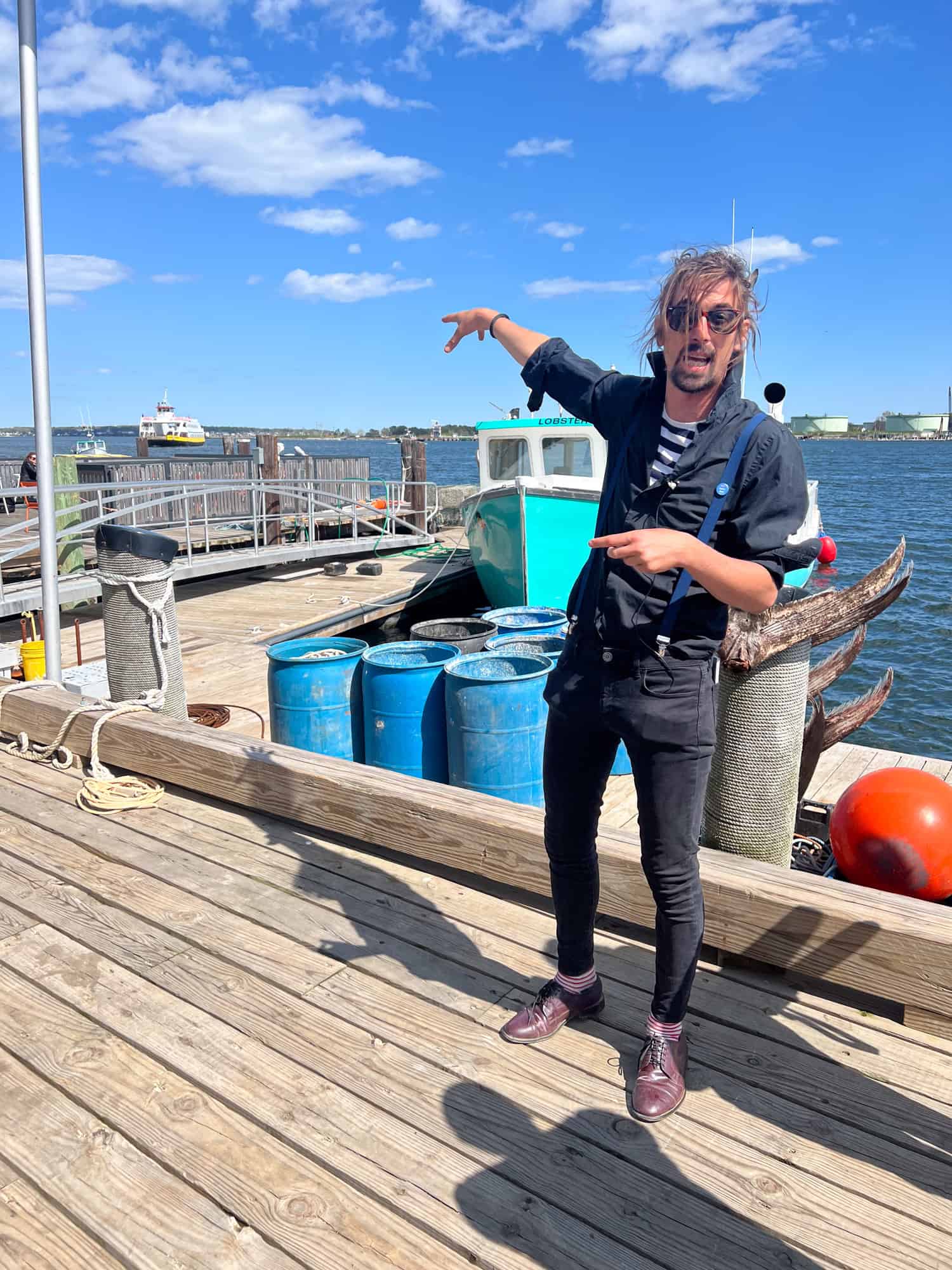
In recent years, regulations have become stricter; visitors must choose a circuit to walk in advance when they book their tickets and can't backtrack. 

Keep this in mind, as you won't see every aspect of the Incan ruins. When buying tickets, visitors must choose one of five circuits that take different paths through the ancient Incan ruins. 

To climb Huayna Picchu, you must choose Circuit 4. With only 400 permits issued daily, booking tickets months in advance is best. 

Dave purchased our tickets through Get Your Guide, although you can also buy them from the official website run by the Peruvian government. 

Dave wrote about the complicated process of getting to Machu Picchu, which included trains, planes, and automobiles.

We chose the 8 a.m. entrance time for Machu Picchu, knowing early mornings offer cooler temperatures and potentially fewer people. Considering the weather conditions, crowds, and sleep, we thought this was the best time.

After booking it, we received our Machu Picchu ticket with an entrance time of 7 a.m., as it takes 40 minutes or more to reach the entrance to Huayna Picchu, and our access to that mountain is from 8 to 9 a.m.

It was a smart move as we had two hours in the main park and two hours to climb the majestic mountain overlooking Machu Picchu.

Machu Picchu (photo by Dave Lee)

Historical Guidance

A tour guide, Linder, led us along the paths throughout the Machu Picchu portion of our trip. It's required to hire a guide, and we aptly chose the slightly more expensive private tour option. 

We passed a larger group trying to listen to the guide and take in the surroundings, and it was clear they weren't having the same experience as we were. Linder was knowledgeable and fun, gamely taking photos and suggesting picturesque spots. 

His knowledge of the site reinforced stories I read in Take a Left at Machu Picchu, a captivating retelling of American explorer Hiram Bingham's "discovery" of the city in the clouds. 

Although Peruvians knew of the ancient Incan site, it had been abandoned for centuries and was unknown to the rest of the world until 1911. Bingham's photos and story in a 1913 issue of National Geographic created quite a sensation.

In 2019, a record 1.5 million visitors saw Machu Picchu in person. Thanks to Bingham, it was the find of the century.

After we trekked through the granite citadel and admired the precisely cut stones, Linder led us to the base of Wayna Picchu. He recalled climbing the mountain and was happy to say his goodbyes without revisiting the experience.

Our guide, Linder, with Wayna Picchu in the background. (photo by Kelly Lemons)

Huayna Picchu Hike

We signed the logbook with our names, entry times, nationalities, and passport numbers at a small guardhouse at the base of Huayna Picchu. 

The mountain, at 8,750 feet (2,667 meters) above sea level, was slightly intimidating to us amateur climbers. And Dave has a mild fear of heights.

But we were also excited to see Machu Picchu from the peak of Huayna Picchu and check out the additional stonework on the taller mountain.

A large sign at the trailhead led us up the first of many stairs. The wide stairs were an easy entryway to our journey upward. 

A trail sign for Huayna Picchu (photo by Kelly Lemons)

As we rose higher, the stairs became narrower and steeper. Steel cables and wooden handrails made it more manageable, and we were rewarded with sneak peeks of Machu Picchu below. 

As Linder suggested, we took breaks as needed to adjust to the higher altitude. I can't stress enough the importance of acclimatizing to the altitude before embarking on this hike. 

It's recommended to spend a day or two at a higher elevation in Cusco before going to Machu Picchu. This can help you avoid the adverse effects of altitude sickness.

Climbers on their way down encouraged us, estimating how much more of an ascent was before us. We also noticed people chewing coca leaves, an ancient Andean method of helping the human body cope with high altitudes. In preparation, we'd sipped coca tea the previous days and at breakfast that morning.

Dave and Kel at the first terrace with a bird's eye view of Machu Picchu.
Dave and Kel are on the first terrace, which has a bird's-eye view of Machu Picchu.

Winding around the mountain, we kept climbing. After an hour, we reached the first remnants of civilization, other than stone steps. A steep set of terraces greeted us, and we could see the walls high beyond, a physical announcement of our final destination. 

The first terrace offered a clear view of Machu Picchu below and all the surrounding mountains. You don't truly grasp the city's vastness until you see it from above. Bird's eye view indeed.

We encountered narrow, steep steps adjacent to the terraces. The railings helped, but I utilized my hands where they didn't exist as we drew closer to the top. 

It was a steep ascent, but I always felt safe climbing. We were a bit tired but knew the summit was near. With our thighs trembling, we soldiered on.

Dave on a steep set of stairs by the terraces. With the rails ending, Kel crawls up the stairs for a safe climb of Huayna Picchu.
Dave and Kel are climbing Huayna Picchu.

Top of Huayna Picchu

Before reaching the top of the mountain, we visited a stone building with open windows and doorways, which provided breathtaking views of the Andes. 

The intricate stonework at Machu Picchu is a fantastic feat, particularly the granite blocks that fit so flawlessly that there is no mortar. But to see that same craftmanship on a mountain even taller is another testament to the Incas' ingenuity and determination. 

Leaving the granite house, we reached the final stairs to the summit. A daunting final climb, these stairs have lovingly been dubbed the "Stairs of Death."

While the slopes are steep and the climb doesn't look very safe, it's an easier climb than it appears. On the open side, there are terraces below, so there is no real danger of falling. 

Hiking the Stairs of Death on Huayna Picchu (photo by Kelly Lemons)
The Stairs of Death (photo by Kelly Lemons)

Looking back down, the Stairs of Death appear more menacing than they are in reality. At the top, we snapped pictures with the elevation sign and wandered to the edge.

To say it was majestic views is an understatement. In every direction were blue skies and green mountains. Below, the Urubamba River snakes around the Putucusi mountain, cutting through the Andes.

Kel on Huayna Picchu (photo by Dave Lee)

At the summit, the Andes mountains greet you in all directions. Arrows directed us around the mountain, returning us to magnificent views of Machu Picchu.

Numerous spots were available for photos, including rocks that were easy to sit on and looked more treacherous than they were. This vantage point provided epic views of the ancient city nestled among the mountains.

We relished the emptiness of a nearby ledge. For a few moments, it felt like we had Huayna Picchu and Machu Picchu to ourselves. 

View of Machu Picchu from Huayna Picchu's summit (photo by Dave Lee)

We also felt safe standing near the ledge, considering there was another ledge about three feet down. We spied several tourists climbing onto a large granite rock jutting out of the sprawling citadel below. 

Waiting our turn, Dave and I gamely climbed out while a local, perched on a higher rock, took individual pictures of us. In hindsight, although I like seeing the winding bus route up the mountain, I prefer the photo from the easier-to-get-to vantage point.

On the left, there's an easy rock to walk up and safely sit on for pictures. On the right was a more challenging spot where you had to climb over rocks and carefully scoot up the incline.

Kel and Dave pose atop Huayna Picchu; Machu Picchu is seen below us.
Kel and Dave pose atop Huayna Picchu; Machu Picchu is below us.

Hiking Down Huayna Picchu

What we weren't expecting was trekking through a natural cave to go back down. Following the signs, stone stairs led us through a small crevice in the rocks. 

Ducking, we walked through the small enclosed passage and toward the other end; I wedged myself through the opening and, thankfully, back into the light.

After passing through the tunnel, we were reunited with the original path and headed back down the mountain. 

A spur trail also leads down to Gran Caverna and the Temple of the Moon (you'll need extra hiking time if you plan on taking this side trail).

Kel emerging from cave (photo by Dave Lee)
Kel emerging from the cave (photo by Dave Lee)

Heading back down from the summit of Huayna Picchu was a quicker venture, and as was done for us, we encouraged climbers on their way up. Multiple visitors asked how much further, and also, like our predecessors, I'm sure our estimates were wildly off. 

We signed out of the logbook at the bottom, and I was pleased to see that the trip took us around two hours in total.

As we headed back to the grounds of Machu Picchu, I looked back to admire the mountain we had climbed. It is an easy trek for the experienced climber; average hikers in good physical condition can make the trip in two to three hours. 

You'll hike about 2.5 miles with about 1,000 feet in elevation gain. The ascent is steep at some points, so take time to catch your breath and rest your thighs; they will hurt the next day.
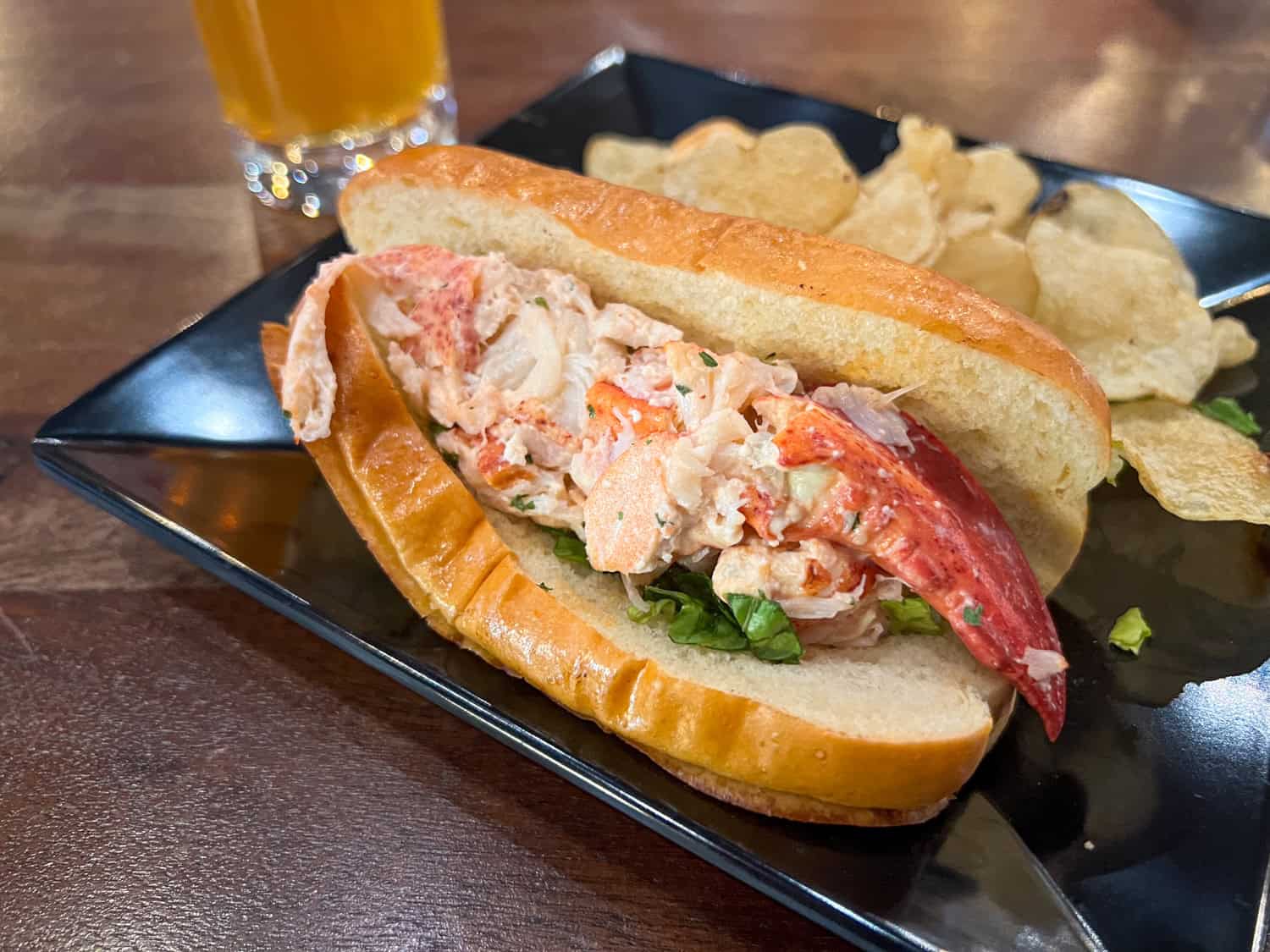
Dave on his way out of Machu Picchu after hiking Huayna Picchu in the background. (photo by Kelly Lemons)
Dave is heading out of Machu Picchu after hiking Huayna Picchu in the background. (photo by Kelly Lemons)

Completing Circuit 4

Upon leaving Huayna Picchu, you'll resume Circuit 4 through Machu Picchu until you reach the exit. It's one more opportunity to admire the stonework and the massive grounds.

It's awe-inspiring to see the number of buildings, walls, and terraces that make up the citadel on a mountain. Their standing more than 500 years later, despite erosion and earthquakes, is a testament to the Incas' building skills. 

As we headed out, we had one more chance to snap that iconic image everyone takes at Machu Picchu. Thanks to a misunderstanding, I had the image I wanted and one I didn't know I needed.

If you can visit the Inca citadel of Machu Picchu, it's worth the extra effort to hike Huayna Picchu. From the top, you'll enjoy some of the best views of the ruins.

The Best Time To Visit Memphis for Budget Travelers

Memphis is the second-largest city in Tennessee, behind Nashville, and a city full of music, cultural history, nightlife, museums, and food. If you're a history and music lover, this city should be on your bucket list. Now your question may be, when's the best time of the year to visit Memphis? It depends on your priorities and what you are looking for.

Memphis sign on Mud Island (photo: Joshua J. Cotten)

Table of Contents

  • Peak Season
  • Best Time for Sightseeing
  • Best Time to Explore Memphis' Musical History 
  • Suitable time for budget travelers  
  • Best Budget Hotels in Germantown
    • Homewood Suites by Hilton Memphis-Germantown  
    • Fairfield Inn & Suites Memphis Germantown  
  • Memphis Attractions
    • Beale Street  
    • National Civil Rights Museum
    • Graceland - Elvis Presley's Memphis Home
    • Sun Studio 
    • Big River Crossing  
    • Mud Island  

Peak Season

The city attracts many visitors during the summer. Its warm, dry climate is perfect for outdoor activities and festivities. The price of lodging increases along with the number of visitors, so book early to get your preferred accommodation.

In May, the smell of barbecue is in the air. The legendary World Championship Barbecue Cooking Contest draws BBQ fans nationwide. The annual Beale Street Music Festival also occurs every May. In 2023, both events were held at Tom Lee Park on the downtown Memphis riverfront.
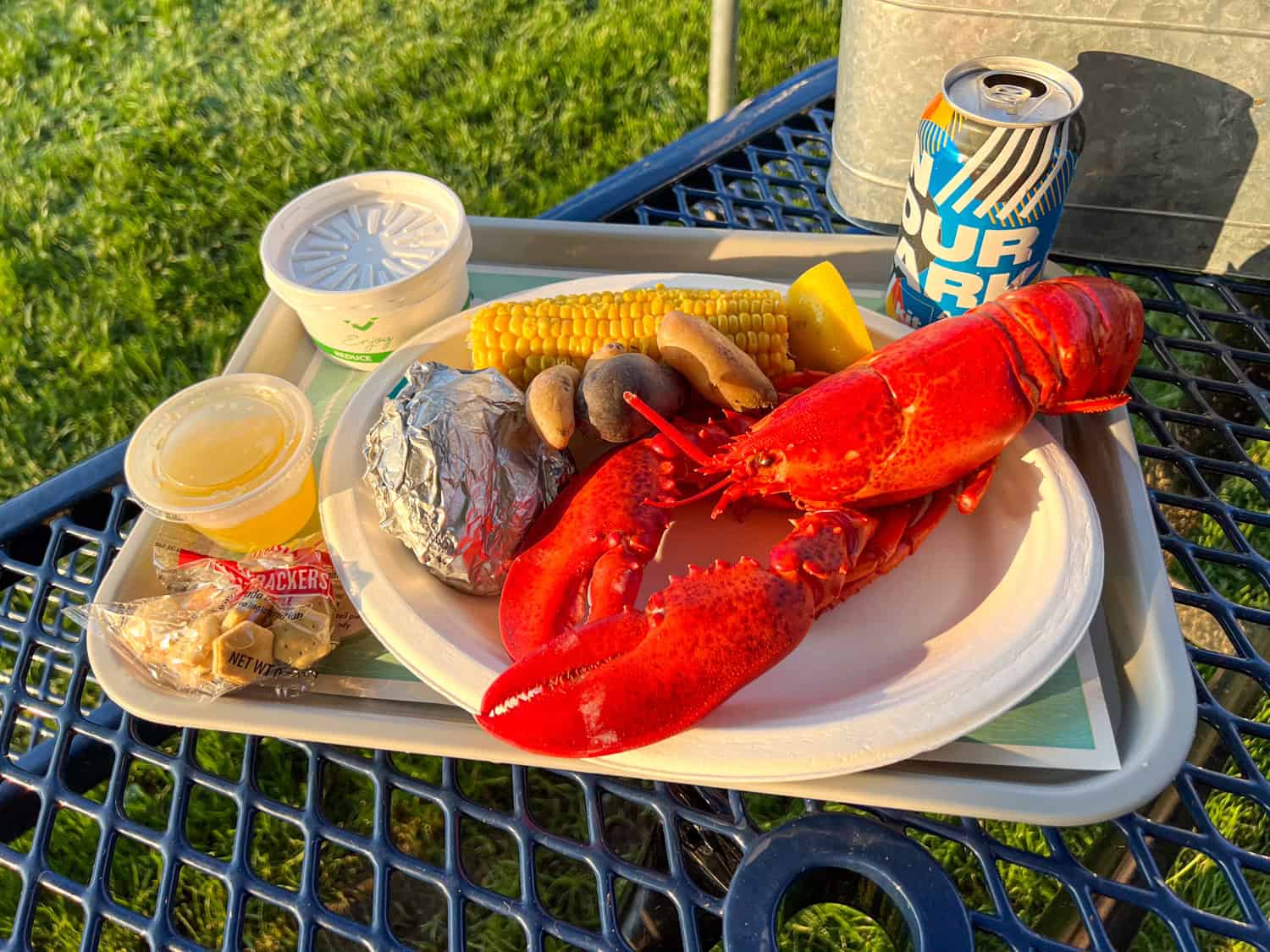
By June, the city starts to feel slightly more tropical as the humidity and temperature rise. Explore the public park and museum on Mud Island (a peninsula, not an island). Return to downtown and find a rooftop bar to enjoy a cocktail with views of the Mississippi River at sunset.

Best Time for Sightseeing

If you want to avoid crowds at popular attractions like Graceland and Beale Street, mid-September, November, and April are the best months to visit Memphis. You're more likely to be able to tour museums, Elvis' home, Sun Studios, Mud Island, and more without as many tourists as in the high season.

A woman holds an Elvis record (photo: Jamakassi)

Best Time to Explore Memphis' Musical History 

August is an excellent time to visit Memphis for its musical history. Thousands of fans gather in the city yearly to celebrate the King of Rock and Roll during Elvis Week.

Take part in free karaoke events, dance parties, and free visits to the meditation garden at Graceland. This full-week celebration can get crowded, so book up to a year in advance if you want to go.  

One option is the Fairfield Inn & Suites by Marriott hotel. It's only five miles from the Memphis International Airport and 6.8 miles from Elvis Presley's Graceland (where the main event happens during Elvis Week). This hotel is worth checking out as it's an ideal distance from popular tourist attractions.

Suitable time for budget travelers  

If money is tight and you want to visit Memphis on a budget, the winter off-season in December and January is best. The exceptions are the birthdays of Dr. Martin Luther King Jr. and Elvis.

In the off-season, prices fall along with temperatures, and you can lock in better rates by booking flights and hotels early. The average temperature during this time is 46 F to 64 F, so remember to dress in layers.

Memphis has much to offer first-time visitors, from its importance in the Civil Rights Movement to being the birthplace of Blues music and rock 'n roll. 

"I Am a Man" protest mural (photo: Joshua J. Cotten)

Best Budget Hotels in Germantown

Germantown is a safe neighborhood in southeast Memphis. Staying here gives you convenient access to the airport and greater peace of mind when sleeping at night.

Homewood Suites by Hilton Memphis-Germantown  

The Homewood Suites' excellent location close to the highway makes reaching the best Memphis tourist attractions easy. Downtown is just 18 miles from the hotel, while Beale Street is only 16 miles away.

The 24-hour fitness center and fully equipped kitchens are available at this all-suite hotel. Check out more about this hotel's amenities on their website.

Instead of just emphasizing comfort, there is a genuine understanding of the small details that tourists genuinely value, such as the ability to bring their pets on vacation.

Fairfield Inn & Suites Memphis Germantown  

The vibrant Memphis atmosphere is within reach when staying at the Fairfield Inn & Suites. Given that they are both close to the hotel, you might benefit from the selection of eateries and shops that The Shopping at Saddle Creek and The Avenue at Carriage Crossing offer.

A good breakfast and coffee are complimentary every morning. This hotel in Germantown, TN, is an excellent choice for vacationers and business travelers.

Memphis Attractions

Beale Street  

Beale Street at night (photo: Heidi Kaden)
At night, Beale Street comes alive (photo: Heidi Kaden)

Beale Street is the epicenter of nightlife in Memphis and is home to bars, restaurants, musical history, and entertainment. During the day, you can walk the street, grab food, see the big guitars, or get an old-fashioned soda at A-Schwab.

At night, street performers like the Beale Street Flippers show a different side of the city. Music is also available in almost every bar, and you can find some fantastic local acts on the weekends.

National Civil Rights Museum

You can't leave Memphis without seeing the National Civil Rights Museum, which focuses on the civil rights movement from the 17th century to the present.

The museum is a sobering experience worth two to three hours of your time and attention. It features many exhibits that show the progression of African American rights in the country and spotlight many pivotal moments in the cause.

The museum was built at the Lorraine Motel, where Dr. Martin Luther King Jr was shot and killed. Visitors will see the room he stayed in before that fateful event.

Graceland - Elvis Presley's Memphis Home

This sprawling property allows guests to tour Elvis' home and see how it was decorated while he lived there. It's a blast to see, and you're given an audio tour on an iPad that tells you about each room you are looking at. 

After exploring the home, you can visit a half-dozen museums on the property dedicated to everything from his cars and stage outfits to numerous gold records. Two of his planes are displayed, and you can walk into each.

Sun Studio 

Outside Sun Studio in Memphis, TN (photo: Frédéric Barriol)
Outside Sun Studio (photo: Frédéric Barriol)

Sun Studio is one of the two world-renowned music studios in Memphis. This small studio was the first to record Elvis, and he and Johnny Cash would record many of their hits here.

The studio is open for guided tours. The tours take you upstairs to memorabilia and photos from its music-making history. They also take you into the recording studio, where you can take pictures with the equipment and microphone used to record famous songs.

If you are a music lover, you must visit this place to understand how Memphis impacted popular music and culture.

Big River Crossing  

Big River Crossing is one of the more active recommendations on this list. Budget travelers don't have to spend a penny to see the mesmerizing view of Memphis from this bridge.

The bridge is one of the longest pedestrian bridges in the United States and the longest that crosses the Mississippi River. It's almost a mile long, and at the halfway point, you'll cross from Tennessee into the state of Arkansas.  

Mud Island  

Mud Island Park is one of the best places to walk in the city. This peninsula is across from downtown Memphis. You can take a monorail, a museum, and a walking path to explore. The walking path has a small-scale topographical representation of the Mississippi River as it runs its entire course to the Caribbean Sea.

Memphis offers many fun activities and experiences, from its rich history to a great music and rock and roll vibe. With some research and planning, you can have a great vacation in Memphis, even on a backpacker's budget.

_____

This story is brought to you in partnership with Stealth Management Group LLC.

Where To Go Lake Camping in California

Camping by a lake in California can be a rewarding way to spend time in nature. Whether in Northern or Southern California, it's an opportunity to enjoy the beautiful scenery and do various water sports, from swimming and boating to water skiing, fishing, and much more.

South Lake Tahoe (photo: Rod Flores)

When we talk about California, we usually think of the Pacific coastline and world-famous beaches seen in movies. However, California is a diverse state with many interesting inland places.

There are numerous lakes in California, large and famous (like Lake Tahoe), and less popular spots near small ponds, so you have a wide selection. Lakeside camping is a terrific option if you want to trade city noise for the sounds of the natural world.

So, get your gear ready, collect more information about your area of interest, find helpful tips like how to stop condensation in a tent, and enjoy a fun lakeside camping experience. Here are some exciting spots in California worth visiting if you're looking for fantastic lakeside locations that support camping.

Table of Contents

  • California Campsites
    • 1. Lake Siskiyou
    • 2. Big Bear Lake
    • 3. Serrano
    • 4. Clear Lake
    • 5. Trinity Lake
    • 6. Lake Berryessa
    • 7. Holcomb Valley Campground

California Campsites

1. Lake Siskiyou

Mount Shasta as seen from Lake Siskiyou, which offers camping in California (photo: Jeffrey Eisen)
Mount Shasta (photo: Jeffrey Eisen)

On the southwest side of Lake Siskiyou in California, there is a stunning resort where you can set up a tent and enjoy the magnificent scenery. It offers excellent views of Mount Shasta and the National Forest, providing a pleasing visual experience.

In addition, various activities are available on Siskiyou Lake. While camping, you can swim, fish, or take a boat ride, enjoying the surroundings.

2. Big Bear Lake

Big Bear Lake is near the San Bernardino National Forest and offers a fantastic camping spot. Tourists can choose from various activities here, such as fishing, snowboarding, skiing, hiking, and mountain biking. Camping here is not boring.

Big Bear offers lovely scenery and plenty of outdoor recreational opportunities. It's a beautiful place to visit any time of the year, making it a versatile option for camping with friends or family.

Related: How To Handle Bear Encounters

3. Serrano

Hiker at Big Bear Lake, a terrific spot for lake camping in California (photo: Austin Distel, www.distel.co)
Hiker at Big Bear Lake (photo: Austin Distel)

It is another good camping spot, located next to the previous one. Many visitors often stop here as they make their way to Big Bear Lake.

In Serrano, you can access modern campsites with developed infrastructure and natural beauty. If you like to enjoy fresh air while in comfortable conditions, this place is perfect for you.

4. Clear Lake

Clear Lake State Park is in Kelseyville, an excellent place for outdoor activities. This park is a great water sports and recreation zone, so you can relax and discover different types of water sports here. With an area of approximately 600 acres, you can enjoy kayaking, canoeing, swimming, and sunbathing.

Moreover, the park has about 150 campsites with developed infrastructure, which is a great bonus, because instead of setting up your camp, you can focus on more fun and exciting activities, which is enough here.

5. Trinity Lake

Trinity Alps (photo: Eric Sheffer)

Alpine View Campground is next to Trinity National Forest, along Trinity Lake. This place is perfect for hikers and picnic lovers. There are plenty of well-developed trails here, and a picnic area with a table and fireplace is easily found.

One of the interesting facts about Trinity Lake is that it is an artificial rather than natural body of water formed by the Trinity Dam.

6. Lake Berryessa

The campsite near Lake Berryessa is close to San Francisco Bay and offers many water-based activities. In addition to waterskiing, boating, kayaking, and canoeing, you can take a houseboat here and have a good time while enjoying the astonishing views of Berryessa.

The location has plenty of trails for hiking, biking, and even motorcycles, as well as water sports. Therefore, this place is perfect if you like various outdoor activities, camping, and natural scenery.

7. Holcomb Valley Campground

The Holcomb Valley is an excellent spot for family camping near Big Bear Lake. You have developed campsites with the necessary infrastructure for picnics and comfortable stays. One camp can accommodate a group of up to eight people.

However, remember that this location does not offer early booking, so it's first-come, first-served. Also, this campground is only available from May to October, so consider this when planning to visit.

California is a great state where you can always find a new camping location, such as spots along the lakes, the Pacific Ocean, national forests, or desert landscapes.

One of the benefits of camping is the opportunity to constantly explore exciting places and get new experiences, making your life more eventful and full of good memories.

So, plan your trip, make all the necessary preparations, and learn more about camping tips and gear, especially if you're a beginner and wonder, "where do I buy 2-person camping tents?" Once you are ready, do not miss the chance to go on a trip, as it is worth it.

______

This story is brought to you in partnership with RBM Tents.

10 Tips To Help Get Your Visa Application Approved

Traveling abroad can be an exciting and enriching experience. If you plan to visit a country outside the United States, you'll usually need to apply for a visa. As an American citizen, there may be a few steps you'll need to take to ensure your visa application is approved.

Visa stamps passport (photo by Global Residence Index, Unsplash).

By preparing correctly, you can make the visa application process as smooth and stress-free as possible. Follow these easy tips, and you'll be on your way to getting your visa application approved.

Table of Contents

  • Visa Application Tips
    • 1. Understand the requirements for the visa you're applying for
    • 2. Gather all required documents
    • 3. Complete the application accurately and thoroughly
    • 4. Provide proof of ties to your home country
    • 5. Show proof of financial stability
    • 6. Be prepared for an interview
    • 7. Include a travel itinerary
    • 8. Check the processing time
    • 9. Be flexible and have a backup plan
    • 10. Follow up with the embassy
  • Conclusion

Visa Application Tips

1. Understand the requirements for the visa you're applying for

Different countries have different visa requirements. It's essential to understand what's required for the visa you want. For example, a work or student visa will have different requirements from a tourist visa. Make sure you research the specific requirements for the country you will visit.

2. Gather all required documents

Gathering all the necessary documents for your visa application is crucial. At a minimum, this includes your passport and photographs (made in a photobooth photo service or specialty shop).

For non-tourist visas, you may need to supply financial documents, copies of college diplomas, and more. Ensure you have all the necessary documents before you begin the application process.

3. Complete the application accurately and thoroughly

It's essential to fill out the application carefully and thoroughly. Double-check all the information to ensure that it is accurate and consistent. Any errors or inconsistencies can delay the processing of your application or even lead to rejection.

4. Provide proof of ties to your home country

One of the biggest concerns for visa officers is whether or not you will return to your home country after your trip. You'll often need proof of ties to your home country to assuage these concerns.

This can include evidence of a job, property, or family, indicating that you have a reason to return to the United States after your trip.

5. Show proof of financial stability

The consulate wants to see that you have the financial means to support yourself during your stay abroad. This is meant to deter visitors who may be a drain on the country's resources and social services.

This can include bank statements, pay stubs, or a letter from an employer. It's important to show that you have enough money to cover your expenses abroad.

6. Be prepared for an interview

Some visa applications require an in-person interview. Be prepared to answer questions about your plans and reasons for traveling. Be honest and transparent in your answers, and have a compelling reason for wanting to visit or stay in the country.

7. Include a travel itinerary

Providing a detailed travel itinerary that includes your flight information, hotel reservations, and any planned activities can help demonstrate your intentions and the purpose of your trip. It also helps to show that you have a plan and are not just traveling aimlessly.

8. Check the processing time

Be mindful of the processing time for the visa you're applying for. Some countries may have a longer wait time than others. Keep this in mind when applying for your visa and plan accordingly.

9. Be flexible and have a backup plan

Be prepared for the worst-case scenario. You might get rejected for a visa, or your application might take longer. A backup plan in case something goes wrong can help you feel more secure and less stressed.

10. Follow up with the embassy

After submitting your application, it is important to follow up with the embassy to check on the status of your application. This will also help you avoid any delays or confusion.

Conclusion

It's important to remember that the visa application process can vary depending on the country and embassy you're applying to and the regulations and laws that apply to that specific country. Always read the instructions carefully and double-check all the information before submitting your application.

Even with the best preparation, there is always a chance that your visa application may be denied. However, following these tips can increase your chances of success and make the process as smooth as possible.

And remember, being denied a visa doesn't mean you'll never be able to travel to that country; it just means you'll need to reapply or consider other options.

Ultimately, the most important thing is to avoid getting discouraged and keep trying. The visa application process may be complicated, but it's a minor obstacle in the grand scheme and shouldn't discourage you from pursuing your travel dreams.

______

This story is brought to you in partnership with MixByte Inc.

18 Best Things To Do In Las Vegas with Kids

Las Vegas, the city of endless lights, offers dozens of exciting things to do with kids, from hot air balloon rides and museums to shopping trips and wildlife encounters.

With its world-renowned attractions, vibrant culture, and non-stop excitement, there's no shortage of things to do in this desert metropolis.

Vegas at night (photo: Julian Paefgen)
Las Vegas at night (photo: Julian Paefgen)

Whether you're looking to immerse yourself in the city's history, take in breathtaking views, or indulge in sweet treats, there's something for everyone in Las Vegas. Get ready for a family adventure like no other as we explore the lively city of Las Vegas!

Table of Contents

  • Las Vegas Activities
    • 1. Enjoy a Show
    • 2. Explore the Hoover Dam
    • 3. Visit the Grand Canyon
    • 4. The Mob Museum
    • 5. Take a Gondola Ride
    • 6. Bellagio Conservatory and Botanical Gardens
    • 7. Dine at a Gourmet Restaurant
    • 8. Shop at the Premium Outlets
    • 9. Take a Stroll on the Strip
    • 10. The Neon Museum
    • 11. Take a Hot Air Balloon Ride
    • 12. Fremont Street Experience
    • 13. Eiffel Tower at Paris Las Vegas
    • 14. Shark Reef at Mandalay Bay
    • 15. Red Rock Canyon
    • 16. Helicopter Tour
    • 17. M&M's World
    • 18. The High Roller Observation Wheel

Las Vegas Activities

1. Enjoy a Show

Las Vegas is renowned for its extravagant shows, such as Cirque du Soleil, and performances by famous musicians. From magic shows to musicals, there is a show for every interest.

Choose from various venues, including large theaters or intimate lounge settings. To score cheap tickets in Vegas, it's recommended to plan ahead and book online in advance, as prices can be more affordable than purchasing at the door. Don't miss out on the chance to see a spectacular show in Sin City!

2. Explore the Hoover Dam

Learn about this engineering marvel's history and inner workings, located just a short drive from the city. Guided tours of the Hoover Dam are available, which include access to the power plant and visitor center.

You can also walk across the dam for stunning views of Lake Mead and the surrounding landscape.

3. Visit the Grand Canyon

The Grand Canyon is one of the Seven Natural Wonders of the World and a must-visit for any nature lover. There are several tour options to choose from, including scenic flights, guided bus tours, and even mule rides.

4. The Mob Museum

Visiting the Mob Museum can be a fun thing to do in Las Vegas with kids (photo: Kenny Eliason)
The Mob Museum (photo: Kenny Eliason)

This interactive museum offers an in-depth look at the history of organized crime in America. The museum features artifacts, multimedia displays, and interactive exhibits that tell the story of the Mob and its impact on American society.

5. Take a Gondola Ride

Venice-style gondolas can be found in The Venetian Hotel, offering a romantic and relaxing way to explore the hotel's canals. The gondoliers are dressed in traditional attire and sing classic Italian songs as you glide along the water.

6. Bellagio Conservatory and Botanical Gardens

Admire the beautifully landscaped and themed floral displays that change with the seasons. From stunning floral arrangements to elaborate sculptures made from flowers, the conservatory is a feast for the eyes.

7. Dine at a Gourmet Restaurant

Las Vegas is home to some of the finest dining establishments in the world, featuring top chefs and impeccable cuisine. From French haute cuisine to fusion dishes, there is a restaurant to suit every taste and budget.

8. Shop at the Premium Outlets

Treat yourself to some shopping therapy at this outdoor mall with over 150 high-end stores. You'll find discounts of 25% to 65% off retail prices on top brands and designer items.

9. Take a Stroll on the Strip

Take in the sights and sounds of the city by walking along the famous Las Vegas Boulevard. Stop at the various hotels, casinos, and attractions for a unique experience.

From the towering fountains at the Bellagio to the iconic Welcome to Fabulous Las Vegas sign, there is always something to see and do on the Strip.

10. The Neon Museum

The Neon Museum is a must-visit for anyone interested in the history of Las Vegas. The outdoor museum features more than 200 vintage neon signs, including some of the most iconic signs from the city's past.

Visitors can take a guided tour of the boneyard and learn about the history of neon signage in Las Vegas, including how the signs were made and the artists who created them.

11. Take a Hot Air Balloon Ride

Hot air balloon rides are a unique and exciting way to experience the beauty of Las Vegas and the surrounding desert. During the ride, you'll soar high above the desert and enjoy breathtaking views of the city and the surrounding landscape. The peaceful, slow-moving ride is a relaxing and memorable experience for all ages.

12. Fremont Street Experience

The Fremont Street Experience is a pedestrian mall located in the heart of downtown Las Vegas. It's lined with vintage neon signs, street performers, and a stunning light show.

The canopy overhead provides a light show that runs every hour, making it a fun and unique place to explore with the whole family.

This lively attraction is suitable for families and children of all ages, providing an entertaining and educational experience in the heart of the city. Take a stroll down the historic street and be mesmerized by the colorful lights and sounds of the city's past.

13. Eiffel Tower at Paris Las Vegas

A woman looks at the Eiffel Tower (photo: Crosby Hinze)

The Eiffel Tower at Paris Las Vegas is a half-scale replica of the original tower in Paris, France. Visitors can take a leisurely elevator ride to the observation deck, where they can enjoy panoramic views of the city.

The Eiffel Tower is a popular spot for photos, and it's a fun way to experience Paris without leaving Las Vegas.

14. Shark Reef at Mandalay Bay

The Shark Reef at Mandalay Bay is an interactive aquarium that features more than 2,000 animals, including sharks, rays, and sea turtles.

Visitors can get up close and personal with these fascinating creatures and learn about the different species on display. The aquarium also features a touch pool, where visitors can touch and interact with some of the animals.

15. Red Rock Canyon

The Red Rock Canyon is a stunning natural area just a short drive from the city. The scenic drive features numerous overlooks and hiking trails, allowing visitors to explore the beautiful desert landscape. The area is also home to wildlife, including bighorn sheep, coyotes, and other desert animals.

16. Helicopter Tour

Helicopter tours are a unique and exciting way to experience the city and the surrounding desert. During the tour, you'll soar above the city and enjoy breathtaking views of the Strip, the Grand Canyon, and the surrounding desert. The tour is a memorable and exciting experience for all ages.

17. M&M's World

M&M's World is a colorful and fun candy store on the Strip. It's filled with every M&M's flavor imaginable, including classic milk chocolate, peanut butter, and other fun flavors. Visitors can create customized M&M's, browse the different flavors, and indulge in a sweet treat.

18. The High Roller Observation Wheel

The High Roller is the world's tallest observation wheel and offers panoramic views of the city. The 30-minute ride is a unique and relaxing way to see the city.

______

This story is brought to you in partnership with Vegas Lens Inc.

How To Get To Machu Picchu in Peru

Seeing the Inca citadel of Machu Picchu is a dream for adventure travelers worldwide. If you're wondering how to get to Machu Picchu in Peru, you're in the right place.

I've been fortunate enough to travel to Machu Picchu on three occasions: as a budget-conscious backpacker on the Salkantay trek, on an all-inclusive group tour, and booking everything independently. This article focuses on the last approach, the steps required to organize a trip to Machu Picchu independently.

Dave and Kel at Machu Picchu in Peru
Dave and Kel at Machu Picchu

Table of Contents

  • Planning Your Trip
    • One-Week Itinerary
    • Machu Picchu Tickets
    • Hiring a Machu Picchu Guide
    • Shuttle Bus Tickets
    • Hotels in Aguas Calientes
    • Train Tickets to/from Aguas Calientes
    • Flying to/from Cusco
    • Flying to/from Lima
  • Conclusion

Planning Your Trip

Once you've decided to visit Machu Picchu in South America, you'll need to figure out what kind of experience you want and how much time and money you've got. Let's assume you're going on a one-week vacation, as I did on my most recent visit with Kel.

One-Week Itinerary

Here's a brief overview of the logistics involved:

  1. Book a round-trip flight from your home city to Lima, Peru.
  2. Make a hotel reservation for Lima.
  3. Book a round-trip flight from Lima to the city of Cusco.
  4. Arrange a private transfer from the Cusco airport to the Ollantaytambo train station.
  5. Buy train tickets to the town of Aguas Calientes and back to Cusco.
  6. Reserve a hotel for one night in Aguas Calientes.
  7. Purchase a timed-entry ticket for Machu Picchu. Choose your circuit wisely.
  8. Hire a tour guide, as it is required to enter Machu Picchu.
  9. You can buy a round-trip shuttle bus ticket from Aguas Calientes to the main entrance of Machu Picchu (or, as I did the first time, spend one hour hiking up the mountain for free).
  10. Arrange for a private transfer from the Cusco train station to your hotel.
  11. Fly from Cusco back to Lima.
  12. Depart Lima for home.

That's a lot to comprehend, and arranging it yourself is a time-intensive process. It wasn't until my third trip to Machu Picchu in Peru that I realized how complicated it is to get there.

Independent Trip vs. Group Tour

Tour operators ran my first two visits; one was a trek with a local agency, and the other was a G Adventures tour I won. As I began designing the third trip, my girlfriend saw the work involved. She said she would have booked a group tour had I not taken on the planning required.

I want that effort to be of service to you as well. But if you get to the end and realize you'd rather pay for a group tour to make life easier, I wouldn't blame you! There is no best way to see Machu Picchu. Do what is best for you and your travel companions.

My biggest takeaway from figuring out how to get to Machu Picchu in Peru was that the best strategy was to buy your entrance tickets first and build your trip around that day.

Machu Picchu Tickets

Inca stonework at Machu Picchu in Peru
Inca stonework

Due to Machu Picchu's popularity as a UNESCO World Heritage Site, the Peruvian government has implemented new rules to improve the site's sustainability. While these measures can present challenges when planning, they're intended to protect and preserve the archaeological site.

Since 2019, these regulations have included timed-entry tickets assigned to specific circuits (routes) through the Inca ruins. Travelers must adhere to the path specified on the ticket they purchase, and are not allowed to backtrack.

The tricky part is that not all routes offer the same views or features. Being forced to choose a circuit means missing out on some areas and vantage points at the ruins.

I suggest having a sense of the flights and trains you want to schedule, but not buying those tickets until you've finalized your entry to Machu Picchu.

Sign for Circuit 4 at the Machu Picchu ruins
Sign for Circuit 4

Choosing a Circuit

Even for someone who has visited Machu Picchu in Peru before, it can be challenging to visualize and compare the different circuits.

The official government website, where tickets can be purchased online, is available in both English and Spanish. There, you can see maps of all five circuits through Machu Picchu.

The times indicated below are guidelines for the Machu Picchu site and do not account for the additional time required for side trips on Circuits 3, 4, and 5. You're given extra time if you choose those tickets.

  • Circuit 1 - Machu Picchu only (2 hours)
  • Circuit 2 - Machu Picchu only (3 hours)
  • Circuit 3 - Machu Picchu and Machu Picchu Mountain (1.5 hours)
  • Circuit 4 - Machu Picchu and Huayna Picchu (also spelled Waynapicchu) or Huchuy Picchu (2.5 hours)
  • Circuit 5 - Machu Picchu and Inca Bridge (1.5 hours)

The 1.5- to 2-hour hike to Inti Punku, the Sun Gate, is currently not permitted. The only way to see Machu Picchu from the Sun Gate is if you do the Inca Trail trek, as that's where you'll enter the ruins.

Unless you've read about and studied the ruins in detail, it can be hard to know what you're missing out on when you choose one circuit over another.

Making Your Decision

The easiest way to narrow your choices is to decide if you want a circuit with a side trip, such as climbing the famous Huayna Picchu. If you want to climb Huayna Picchu, your decision is made, because it's only an option on Circuit 4.

When Kel told me she wanted a birdseye view of Machu Picchu, I assumed she meant the view from atop Huayna Picchu, which I'd first climbed in 2011. Therefore, I bought our entrance tickets for Circuit 4.

It wasn't until we arrived at the ruins that we realized she was referring to the classic postcard photo, taken at the guesthouse, which is only available on Circuits 1 and 2. She took the mix-up in stride and emerged with an unexpected benefit from the experience.

View of Huayna Picchu mountain (to the left) from Circuit 4
View of Huayna Picchu mountain (left) from Circuit 4

Buying Tickets Online

While you can buy tickets through the Peruvian government website, it's not the most user-friendly experience.

Alternatively, I recommend purchasing your tickets to the Machu Picchu citadel through a reputable tour booking site, such as GetYourGuide or Viator. They're better designed and easier to use.

I purchased our non-refundable Machu Picchu and Huayna Picchu Entrance Ticket (Circuit 4) on GetYourGuide. Both the entrance to Machu Picchu and Huayna Picchu have specific times.

We chose the 8 a.m. time slot to enter Machu Picchu. Later, I learned that this choice meant we could enter Machu Picchu as early as 7 a.m. to begin Circuit 4.

The 7 a.m. time was specified on our ticket. That's because it can take 40 minutes or more to reach Huayna Picchu, and our access was from 8 to 9 a.m. I know it may sound confusing.

And if you are late and miss entering Machu Picchu between 7:00 a.m. and 8:00 a.m., you may be refused entry to the park.

In that event, you'd only be able to get in on the same day if you could obtain a new timed entry for later in the morning or afternoon. As you'll see, that can throw off the rest of your itinerary and travel plans.

Our Experience

I believe 8 a.m. (really 7 a.m.) is the best time for Circuit 4 because it offers a nice balance between sleep and having time in the park.

We still had an early morning:

  • 5:30 a.m. breakfast at our hotel
  • 6 a.m. briefing with our local guide
  • 6:30 a.m. shuttle bus to Machu Picchu entrance
  • 7 a.m. enter Machu Picchu
  • 8:30 a.m. climb Huayna Picchu

The tickets were $88 per person, totaling $176 for two people. I also bought our round-trip shuttle bus tickets from Aguas Calientes to the Machu Picchu entrance for an additional $35 per person.

The same non-refundable 8 a.m. Machu Picchu and Huayna Picchu tickets are available on Viator for $84 per person, totaling $168 for two people.

Once you purchase the ticket, you will receive confirmation via email. Additionally, with GetYourGuide, you will receive a second email containing the actual entry ticket from a local tour operator.

Hiring a Machu Picchu Guide

Selfie with Linder, a Machu Picchu guide, at the entrance to Huayna Picchu in Peru
Selfie with Linder, a Machu Picchu guide

We received emails for our Machu Picchu tickets from GetYourGuide and the local tour company, emphasizing that an official tour guide must be hired to enter Machu Picchu. It's a park regulation.

Being a budget-conscious traveler, I researched this online. I found that readers' comments on other blogs stated that a guide was not required or that people were not questioned upon entering Machu Picchu without a guide.

However, given our tight schedule and Kel's first trip to Machu Picchu, I didn't want to risk any last-minute problems. We hired a licensed, English-speaking private guide, Linder, for a two-hour tour at $78.

Getting a guide was easy through the tour operator that provided our Machu Picchu tickets. I could've also paid for the guide when I bought the entrance and bus tickets. A group tour through the same operator would've been $25 per person, or $50 total.

Shuttle Bus Tickets

Machu Picchu shuttle bus

In addition to your Machu Picchu ticket and guided tour, I recommend purchasing a round-trip shuttle bus ticket from Aguas Calientes to the entrance of Machu Picchu.

For foreign visitors, the round-trip cost is approximately $30 per person. Similar to the entry costs, it's significantly less for Peruvian nationals, students, and children.

This is a relatively inexpensive way to save yourself the time and energy of climbing up the mountain for an hour (while watching others in the buses whiz by). I speak from experience.

I was so excited on my first visit to Machu Picchu that I awoke around 5 a.m. and climbed up the mountain via the path that bisects the many switchbacks used by the buses.

If you're in good physical shape but are prone to motion sickness or want the added challenge, by all means, go for it! The views aren't great due to the foliage, and it will still be dark if you leave early in the morning.

Hotels in Aguas Calientes

Kel in Aguas Calientes. If you want to get to Machu Picchu in Peru, you'll visit here too.
Kel in Aguas Calientes

Now, we're making some progress. While you can visit Machu Picchu in Peru as a day trip from Cusco, it would be a long and tiring day that I wouldn't recommend.

On all three trips, I have stayed in a hotel in Aguas Calientes the night before visiting Machu Picchu. It's a small town, easy to navigate on foot, and offers opportunities to support this remote community through activities such as dining at restaurants, hotel stays, and shopping.

Expect basic but comfortable accommodation; this isn't the place for luxury hotels. All the materials and resources in town must be brought in via the train tracks or on foot.

I booked one night at Tierra Viva Machu Picchu via Booking.com for $118. There are cheaper choices, but I liked that this one is adjacent to the river running through town.

Check all the hotel prices in Aguas Calientes. It only takes about ten minutes to walk from one side of town to the other, so location doesn't matter too much.

Pro Tip: Despite the town being named after hot springs, they're not much to look at, let alone get into. It's a bit of a walk to reach them, and I wasn't impressed.

Train Tickets to/from Aguas Calientes

Peru Rail train at Ollantaytambo station

Aside from trekking, the only way to reach Aguas Calientes, and therefore Machu Picchu, is by train. Two train companies are operating in Peru: Peru Rail and Inca Rail. Both offer a variety of service levels and departure times. The only luxury train is Peru Rail's Belmond Hiram Bingham.

The train schedules are available on each company's website. We used Peru Rail, and I bought the tickets through their website. The 1:27 p.m. Vistadome train with panoramic windows departing from Ollantaytambo for Aguas Calientes was $95 per person and took 90 minutes.

Cusco to Aguas Calientes

If you stay in Cusco for at least one night before going to Aguas Calientes, you can catch an early-morning train from the city's train station (about a 30-minute taxi ride from the historic center).

This isn't a bad idea, as Cusco's elevation is higher than that of Machu Picchu. The time spent acclimatizing can help you avoid altitude sickness if that's a concern.

Lima to Aguas Calientes

If you want to travel from Lima to Aguas Calientes in a single day, as we did, then you'll need a morning flight from Lima to Cusco and a private transfer from the Cusco airport to the Ollantaytambo train station.

Our Expedition train from Machu Picchu (Aguas Calientes) to Cusco departed at 3:20 p.m. The cost was $72 per person, and the duration was 4 hours and 25 minutes. I'm not sure whether it was the train or the tracks, but it was a bumpy ride.

Upon arrival at the Cusco train station in the evening, there were not many taxis available, but we still managed to get one. Reaching our hotel in the historic center near the Plaza de Armas took another 20 to 30 minutes.

Transfer from Cusco Airport to Ollantaytambo Train Station

If you need to travel from the Cusco airport to the Ollantaytambo train station, you can either arrive and negotiate with a taxi driver at the airport or book a transfer in advance.

I chose the latter and again used the company that had sent us our Machu Picchu tickets. The 2-hour private transfer was $25 per person.

It's a similar amount to what I found when researching the cost of a taxi ride upon arrival at Cusco airport. On GetYourGuide, a private transfer costs about $55 per person, so it pays to shop around.

Flying to/from Cusco

A SKY Airline plane at the Cusco airport in Southern Peru
A SKY Airline plane at the Cusco airport

The Alejandro Velasco Astete International Airport is Cusco's main airport. There are direct flights from Lima to several destinations throughout the day, operated by various carriers.

SKY Airline is a low-cost carrier that provides daily flights between Lima and Cusco. The larger and pricier LATAM Airlines also covers this route. It's about an 80-minute flight, with a little more than one hour up in the air. We used SKY Airline for our round-trip flights between Lima and Cusco, and the experience was fine.

If I were to book Sky Airline flights a few months from the date I write this article, the base fare would be $14 each way, totaling $28. Expect to pay extra for seat selection and checked luggage.

Pro Tip: Prices can increase significantly during peak season (dry season) as demand surges. Your best option for a trip during the high season (think U.S. summers from June to August) is to book at least a month in advance to secure the times and days you prefer. The rainy season is in January, and it is best avoided.

Flying to/from Lima

American Air planes.
American Airlines

And finally, we arrive at the flights to and from Lima, or wherever you decide to enter and exit Peru. I like to begin with Kayak or Skyscanner to get an overview of carriers and costs.

We ended up flying from Austin to Lima via Miami with American Airlines. I used 49,029 Chase travel points, valued at $735, to cover the cost of my round-trip flight. Check out my story on travel hacking to learn more about how you can earn free flights.

Conclusion

If you're still with me, I appreciate your time and hope this information helped answer any questions about how to get to Machu Picchu in Peru.

The more time you can spend on this trip, the more relaxed it will be. However, if time is short, I can now attest to doing it in seven days and six nights.

One last tip. There's much more to Peru than Machu Picchu. From the desert coastline, once home to ancient civilizations like Chan Chan, to the snow-capped mountains around Huaraz and the Amazon rainforest of Tambopata, Peru is incredible.

How To Find Direct and Multi-City Flight Routes

For backpackers and avid travelers, searching for cheap multi-city flights and direct flights whenever possible is a never-ending task.

Money saved on flights can be used on the ground at your destination, whether touring historic sites in Latin America, relaxing on a beach in Southeast Asia, or exploring food markets in Eastern Europe.

Many websites, apps, and tools are available today to help you find the best deal. In this article, I'll introduce you to Direct Flights and FlightRoutes.com, and guide you through their use.

Cheap direct flights from Austin to JFK in New York City (image by Directflights.com)
Flight route from Austin to JFK in New York City

Table of Contents

  • Booking Cheap Direct Flights
    • Austin to JFK
    • Why use Direct Flights?
  • Booking Cheap Multi-City Flights
    • Austin to Ho Chi Minh City
    • Why use Flightroutes.com?

Booking Cheap Direct Flights

I always look for cheap direct flights when traveling in the United States. The time and energy saved by flying nonstop are worth the sometimes added cost.

Additionally, you're less likely to miss a connecting flight due to weather, system failures, or overbooking if you don't require one. If you're traveling with only a carry-on, you're also not at risk of lost luggage.

When you've got a connecting flight, there's less room for error, and given the soaring demand for air travel these days, it's best to minimize the odds of something going wrong.

Direct Flights offers the easiest way to search for more than 70,000 direct flights worldwide. Amazingly, you don't need to set up an account or log into the website.

Austin to JFK

As I write this story, I am researching direct flights from Austin-Bergstrom International Airport (AUS) in Texas to John F. Kennedy International Airport (JFK) in New York City. Entering those two airport codes gives me a wealth of data on the next screen (shown below).

Screenshot of the results page when searching Directflights.com for cheap direct flights from Austin to JFK
Results page for direct flights from Austin to JFK

I can quickly see that JetBlue (my preferred airline), American Airlines, and Delta all offer daily nonstop flights from Austin to JFK, with a typical flight time of 3 hours and 40 minutes.

A map shows the flight route from Austin to John F. Kennedy International Airport (JFK). Scrolling down the search results page reveals specific flight times for all airlines, as well as additional information about airline alliances, plane models, and arrival terminals.

Flight times for Austin to JFK trips

When I click the blue box labeled "Show Return Schedule," the return flight times for me to depart from JFK (New York City) to Austin, TX, are revealed. Clicking on any of the individual yellow boxes for a flight displays an information box with additional details.

If I click the green box to "check prices for AUS-JFK," a calendar appears, and I can select my travel dates, whether researching one-way flights or round-trip flights, the number of passengers, and the seat class (economy or business).

After entering my preferences, I click the green "check prices" button and am redirected to Kayak.com. There, I can see the cheapest flights and proceed to book the best option.

Why use Direct Flights?

The Direct Flights website is helpful in the early phase of flight research when you may only want to find out if there are direct flights between your departure city and destination.

It can be helpful whether you're looking for one-way tickets or round-trip tickets, and you don't even need to know the exact date(s). Additionally, it's free, easy to use, and doesn't require creating an account, which privacy advocates will likely appreciate.

Booking Cheap Multi-City Flights

Cheap multi-city flights from Austin to Ho Chi Minh City (image by Flightroutes.com)
Routes from Austin to Ho Chi Minh City

International flights or journeys to smaller airports may require booking multi-stop flights. I needed to take this approach after a friend invited me to his wedding in Ho Chi Minh City, Vietnam. Although I've already booked those flights, I'll use them to demonstrate how to find affordable multi-city flights on Flightroutes.com.

Austin to Ho Chi Minh City

I first enter my departing airport (AUS for Austin, TX) and destination airport (SGN for Ho Chi Minh City). You can type the city name, and the airport options will be displayed accordingly. Knowing airport codes is optional.

When the city name appears, click on it to auto-fill the search field. Otherwise, you'll be shown a blank screen.

Flight results on Flightroutes.com for Austin to Ho Chi Minh City
Flight results for Austin to Ho Chi Minh City

The resulting page shows that five airlines and three flights travel this route, each with one stop (layover). The minimum flight time is just under 24 hours.

A route map shows cheap multi-city flights that go eastward around the world from Austin and west across the Pacific Ocean. Either way, it'll be the longest I have ever traveled for a wedding!

Long-haul flights from Austin to Ho Chi Minh City (my final destination) include stops in:

  • San Francisco with United Airlines and Vietnam Airlines (22 hours 09 minutes)
  • London with Air France and Cambodia Angkor Air (23 h 20 m)
  • Frankfurt with Lufthansa and Vietnam Airlines (26 h 15 m)

Scrolling further down lets me see each route's layover times and flight distances. If I want to learn more about the San Francisco option, I click the "Schedule" button, and a pop-up appears showing departure days and times.

AUS to SGN flight info

Clicking on a specific day and time loads additional information about the route and flight numbers. If I click the green link for the flight prices and availability, I'm redirected to Kayak to continue researching those cheap flights.

Why use Flightroutes.com?

Flightroutes.com, run by the same Swedish company, Westcoast Digital AB, as Directflights.com, offers similar reasons for using it. The search engine provides a straightforward user experience and delivers fast results when researching a multi-city trip.

Booking cheap direct and multi-city flights isn't always enjoyable, but the best way to approach it is by finding efficient tools that can at least save you time. And if you're like me, discovering the best prices and the cheapest days to fly can offer a little thrill now and again.

______

This story is brought to you in partnership with Flightroutes.com and Directflights.com.

San Francisco’s Coffee Culture Unpacked

For travelers, coffee shops are essential. They're places to refresh yourself, take a breath, gather your thoughts, and plan your day. Additionally, they provide a convenient space to meet up with friends or make new ones. Therefore, understanding the cafe culture of the city you are visiting is always worthwhile.

Caffe Trieste, San Francisco (photo: Howard Malone)

In San Francisco, you're spoiled for choice. According to Matador Network and ApartmentGuide, the city has one coffee shop for every 2,297 souls, making it the third most caffeinated city in the States.

That's a lot, so why does San Francisco have so many cafes? To answer that question, we must look back to the days of the gold rush.

Table of Contents

  • History of Coffee in San Francisco
    • The Gold Rush
    • San Francisco as Roasting Hub
    • Temperance and Prohibition
    • The Italian and Dutch Influence
  • San Francisco's Coffee Scene
    • Major Brand Coffee
    • Independent Cafes
    • Coffee Innovators Riding the Third Wave

History of Coffee in San Francisco

The Gold Rush

Before the Gold Rush, San Francisco only had a population of around 1,000 residents. Most of those people were not in the city for long, as they were mainly whalers, sailors, trappers, and fishermen.

That all changed when gold was discovered in the nearby hills in January 1848. Within a year, the city's population had mushroomed to 25,000.

San Francisco as Roasting Hub

In 1850, coffee became popular in the city, and William Bovee's new Pioneer Coffee and Spice Mills made it possible for everyone to purchase ground coffee.

This innovation sowed the seeds for San Francisco to become a coffee hub. Within 25 years, most of the beans imported into the United States came through the city's ports.

Much of it was roasted and ground before being sent across the country. That marked the beginning of San Francisco's specialty coffee industry, which continues to thrive today.

San Francisco skyline (photo: Lili Popper)
SF skyline (photo: Lili Popper)

Temperance and Prohibition

The Temperance Movement was strong in the city, resulting in a surge in coffee sales. Prohibition helped to keep them that way.

The Italian and Dutch Influence

Espresso coffee took a long time to find a home in San Francisco.

Until the mid-sixties, only a few places used espresso machines, which were very old and worn. Then, the Italian Carlo Di Ruocco began importing espresso machines.

Around the same time, coffee impresarios like the Dutchman Alfred Peet began to craft a distinct type of coffee. He was the trainer of the founders of Starbucks.

So, that's how we got here. Now, let's take a look at the coffee scene in the present day and give you a flavor of what you can expect when you visit The City by the Bay.

Related: Perfect Coffee in Vietnam

Iced latte (photo: Demi DeHerrera)

San Francisco's Coffee Scene

It is universally agreed that San Francisco has some fantastic coffee shops. When Mandoe Media researched the best US cities for coffee, San Francisco came out very well.

It ranked second-best for value and third for quality. A combination that makes it easy to find great-tasting coffee without breaking the bank. This includes specialty coffee, which in other places tends to be expensive.

Major Brand Coffee

Just like all cities, big chain coffee outlets can be found here. For example, as of the last count, Starbucks has 77 cafes in San Francisco.

By comparison, Peet's Coffee has 33. However, that's not surprising, as the company began in the Bay Area in 1966; the original cafe is still open and well worth a visit.

Independent Cafes

However, unlike some cities, most of San Francisco's coffee shops are owned and operated by independent entrepreneurs. Many of them import, roast, and grind their beans.

According to Hoodline, only 24% of the city's coffee shops are part of a chain with 12 or more locations-a far lower percentage than in any of the other towns they examined. In today's multi-national world, it is heartening to see such businesses giving it a go and thriving.

San Franciscans have always been drawn to shopping and dining locally, which is part of the reason there is still room for independent coffee shops.

The city authorities are supportive, too. In 2004, they passed a law to stop "formula retail" from spreading further in the city.

If a firm with more than 12 outlets operating across the United States wants to open a shop in San Francisco, it must apply for a conditional use permit. That gives the neighborhood the final say in whether they open or not.

You can find out about the best of San Francisco's coffee shops here.

A colorful San Francisco coffee (photo: Fallon Michael)
Rainbow latte (photo: Fallon Michael)

Coffee Innovators Riding the Third Wave

The city's coffee makers are experimenters and have devised innovative ways to serve it. Andytown's Snowy Plover iced coffee is an excellent example, and the Maplewood served at Provender Coffee is another.

Many independent cafes have a signature drink, and several recreate famous coffee drinks from other countries. If you're looking for a way to experience the coffees of the world, San Francisco is a great place to begin. You'll taste beans from around the globe, prepared lovingly in hundreds of different ways.

_____

This story was published in partnership with Mandoe Media.

When Is the Best Time for Sailing in Greece?

Sailing is always a great vacation option, and it's an opportunity to try something new and exciting for those who don't sail regularly. There aren't many moments in our everyday lives when we're alone with nature, so sailing in Greece is a great option to reconnect with your surroundings and relax.

Sailing in Rhodes, Greece (photo: Dave Lee)
Sailboats in Rhodes (photo: Dave Lee)

You can't go wrong with choosing what to see in Greece and throughout the Greek Islands, since it has one of the most beautiful coastlines, but there is a right time for taking a sailing trip there.

What's the Weather Like?

When to take a sailing trip mainly depends on the climate. You want to consider several factors, such as temperature, winds, rainfall, and storms.

The Greek climate is Mediterranean, characterized by hot and dry summers with the highest temperatures in July and August.

The sea temperature is warm during this period, so it's great for swimming. If you're more into hiking and visiting landmarks, September might be better for you because of its lower daily temperatures.

As for the wind, high winds are most frequent in the middle of July and August, and they last for several days, while steady, reliable winds for sailing are common before June.

There are very few storms and low rainfall in mid-season, from May to October, so that you can sail peacefully.

Avoiding Crowds

A lone sailboat in Santorini (photo: Matthew Waring)

Another factor you want to consider is the number of people in marinas and on the coast. Sailing trips include anchoring in bays and visiting landmarks, trying local cuisine, and exploring nature. This means that you'll inevitably meet people.

The high summer season in Greece is between June and September, with June and August being the most visited months.

This means that the restaurants and marinas will be crowded, and the prices will be much higher. The peak season might be an excellent choice if you want to meet new people and party.

However, if you'd rather have a peaceful vacation away from the crowds, choose the end of August or even September and October. The sea is still warm in September, so you'll enjoy all the water activities without being surrounded by people.

A great way of avoiding people is sailing with a luxury yacht charter with everything you need, and you can spend most of your time on deck.

Traveling on a Budget

If you're traveling on a budget and trying not to spend too much money, you should visit Greece outside the peak summer season. Many things are cheaper off-season: restaurants, renting gear, and tickets for visiting landmarks and museums. 

Greece is an excellent option for travelers on a budget at any time of the year because even in its high summer season, the prices are lower than in many other countries during the same period. The experience of sailing in Greece will be unforgettable, whichever time of the year you choose to visit.

______

This story is brought to you in partnership with Sebastus.

17 Best Things To Do in Sedona, Arizona

Driving into Sedona is an awe-inspiring experience. Massive red rock mountains line the landscape. The best things to do in Sedona are outdoor activities that let you enjoy these spectacular views.

I visited Sedona in Northern Arizona as an 11-year-old on a family vacation to the American Southwest, though my memories are faint. There were scenic drives and a glimpse of the Grand Canyon during our 10-day road trip.

Thirty-five years later, I returned to Sedona one autumn weekend to celebrate my birthday. Adult Dave was excited to hit the trails, see the sights, and make new memories.

Based on my recent visit, I've compiled this list of the best things to do in Sedona and the surrounding area. All the spots are within city limits or within a 30-minute drive.

Table of Contents

  • Hiking
    • 1. Devil's Bridge
    • 2. Cathedral Rock
    • 3. Bell Rock
    • 4. Airport Mesa
  • Points of Interest
    • 5. Chapel of the Holy Cross
    • 6. Amitabha Stupa and Peace Park
    • 7. Sedona Heritage Museum
    • 8. Tlaquepaque Arts & Shopping Village
  • Additional Activities
    • 9. Visit a Vortex
    • 10. Mountain Biking
    • 11. Hot Air Balloon Ride
    • 12. Stargazing
    • 13. Wine Tasting
  • Things To Do Near Sedona
    • 14. Petroglyphs at V Bar V Ranch
    • 15. Montezuma Castle National Monument
    • 16. Oak Creek Canyon
    • 17. Slide Rock State Park

Hiking

1. Devil's Bridge

Dave on Devil's Bridge, one of the best things to do in Sedona, Arizona (photo: Kelly Lemons)
Dave on Devil's Bridge (photo: Kelly Lemons)

Let's begin atop a 57-foot-tall natural sandstone arch, ominously called the Devil's Bridge. It's one of the best places for a photo, and the hike to reach it isn't too challenging. We saw backpackers of all ages, from kids to older adults.

As this is the desert, and one of the most popular outdoor destinations in the United States, it pays to start early. The best time to begin hiking the Devil's Bridge Trail is sunrise, and going before sunset is another option if you don't mind potentially hiking out in the dark.

The starting elevation is 4,600 feet above sea level, with a 400-foot elevation gain. Our round-trip hike took 2.5 hours, including 20 minutes waiting in line for photos on the stone bridge.

2. Cathedral Rock

View toward the top of Cathedral Rock
View toward the top of Cathedral Rock.

A short but steep climb takes you up Cathedral Rock, another of Sedona's best hikes. We tackled this one the same day as Devil's Bridge; while shorter (about 1.2 miles round-trip), it's the more difficult of the two trails.

Some scrambling is required in one particularly steep section, so bring a small backpack with your water bottle, phone, and camera to keep both hands free. Proper hiking boots are also a good idea.

The views of the red rock formations are breathtaking. And if you ultimately decide not to climb up, you'll still see enough to know why visiting Cathedral Rock Trail is one of the most incredible things to do in Sedona.

3. Bell Rock

Bell Rock in Sedona, AZ
Bell Rock

Head to bucolic Bell Rock just off U.S. Highway 179 for an easy hike. We entered the parking lot at about 4 p.m. and walked the Bell Rock Pathway for one hour. The trail was relatively flat and easy to follow, and the nearby Courthouse Butte complemented the views of Bell Rock.

4. Airport Mesa

Sedona Airport Scenic Lookout

The Sedona Airport is located on Airport Mesa (also known as Table Top Mountain). This regional airport is used by small planes arriving and departing from Sedona, as well as helicopters offering scenic rides.

Beyond transportation, there are several other reasons to visit Airport Mesa. The Airport Loop Trail is a path that goes around the airport. If you don't have time for a hike, at least drive up to the Sedona Airport Scenic Lookout for a terrific view of West Sedona, Capitol Butte, and Wilson Mountain.

Stop by Mesa Grill Sedona at the edge of the runway for breakfast, lunch, or dinner. While eating brunch there, we saw many small planes take off and land.

Points of Interest

5. Chapel of the Holy Cross

The Chapel of the Holy Cross is built into the red rocks of Sedona, Arizona
A chapel built into the red rocks

Built into the red rocks for $300,000 in 1956, the Chapel of the Holy Cross is visible to the naked eye from as far away as Cathedral Rock. Inspired by New York City's Empire State Building, Marguerite Brunswig Staude, a local rancher and sculptor, commissioned the chapel.

The Roman Catholic chapel is a popular place for photographs. It is open daily from 9 a.m. to 5 p.m. Visitors are asked to remain silent and not bring food, drinks, or pets inside out of respect for the religious building.

6. Amitabha Stupa and Peace Park

Tibetan Buddhists built Amitabha Stupa and Peace Park to create a "spiritual destination for prayer, meditation, and the experience of peace in a sacred place." The serene park in Northwest Sedona features a stupa, a seated Buddha, and prayer wheels. It's an excellent spot for a few minutes of quiet reflection.

7. Sedona Heritage Museum

The Sedona Heritage Museum highlights the lifestyles and work of the people who settled in the city, dating back as far as 1876. Learn about ranching, cowboys, and movies made in the region at this small museum in Jordan Historical Park in Uptown Sedona. Self-guided adult tickets are $7.

8. Tlaquepaque Arts & Shopping Village

If shopping is a must for you, check out the historic Tlaquepaque Arts & Shopping Village near the intersection of Highway 89A and 179 (Red Rock Scenic Byway).

This craft village has a mix of art galleries featuring local artists, shops, cafes, restaurants, and the Oak Creek Brewery. It's the perfect place to pick up a souvenir from your time in Sedona.

Additional Activities

9. Visit a Vortex

Courthouse Butte Vortex
Courthouse Butte

Sedona is known for its vortexes (vortices), swirling centers of energy emanating from the earth. Health-conscious and spiritual travelers come to Sedona to spend time in these energetic fields. Meditation, yoga, and healing ceremonies are some of the ways they try to harness these unseen forces.

The four best-known Sedona vortex sites are:

  • Airport Mesa
  • Cathedral Rock
  • Bell Rock
  • Boynton Canyon

The Airport Mesa Vortex and Bell Rock Vortex are the most accessible and closest to the city center. Of the four, the Boynton Canyon Vortex is the furthest. All are labeled in Google Maps to make them easy to find.

I visited three of these energy vortexes and can't say I felt any different, though I was on the move, hiking trails and savoring the scenery, not feeling the rocks for vibrations.

10. Mountain Biking

One of the best ways to explore Red Rock Country is on a mountain bike. You'll cover ground more quickly than on foot, and it's more exciting, too.

Sedona offers mountain bikers 250 miles of singletrack suitable for all skill levels, from beginner to advanced. Bikers share these trails with hikers and horseback riders, so safe riding and good etiquette are a must!

The annual Sedona Mountain Bike Festival is held the first week of March and brings together more than 90 vendors and many biking enthusiasts. It's an excellent opportunity to demo bikes if you're in town.

11. Hot Air Balloon Ride

If you're not afraid of heights, consider a hot air balloon ride for amazing views of the red rock landscape. I ventured skyward in a hot air balloon over Cappadocia, Turkey.

While it scared me, the scenery and experience were unforgettable, and I imagine the same can be said for ballooning in Sedona.

12. Stargazing

The Milky Way Galaxy as seen from Sedona (photo: Taylor Wright)

Sedona's stunning views don't end when the sun goes down. The community has invested in reducing light pollution to make the night sky more visible.

As a result, Sedona was designated a Dark Sky Community in 2014. While you may be surprised by the number of stars you can see within city limits (as I was after dinner at Mariposa), there are places where the sky is even brighter.

My friend Valerie Stimac, author of "Dark Skies: A Practical Guide to Astrotourism" (Lonely Planet), compiled a list of incredible stargazing spots in Sedona. Check it out.

13. Wine Tasting

If you're looking for a break from outdoor adventures that involve climbing rocks and walking along cliffs, try a wine-tasting tour. The Verde Valley Wine Trail runs from Winery 1912 in Sedona to Cottonwood, about 19 miles to the southwest.

This is one of Arizona's newest wine regions, with seven wineries and eight tasting rooms open to visitors-just enough places to make a day trip out of it.

Things To Do Near Sedona

14. Petroglyphs at V Bar V Ranch

800-year-old petroglyphs at V Bar V Ranch
800-year-old petroglyphs

Get a glimpse of what life was like in the Verde Valley between A.D. 1150 and 1400 with a visit to V Bar V Ranch, home to the most extensive petroglyph site in Red Rock Country.

Centuries ago, indigenous people carved more than 1,000 images reflecting their way of living into 13 rock panels. Today, archaeologists refer to their approach as the Beaver Creek Rock Art Style. The ranch is about a 17-mile drive south of Sedona on Highway 179.

15. Montezuma Castle National Monument

Montezuma Castle National Monument
Montezuma Castle

Thirteen miles southwest of the petroglyphs, just off Interstate 17, is another notable archaeological site, Montezuma Castle. This 20-room dwelling near Beaver Creek was constructed within a limestone cliff and is a wonder to behold in person.

The building belonged to the Sinagua People. When it was established on December 8, 1906, it was the third national monument dedicated to protecting Native American culture.

If you're traveling to the Sedona area from the south, stop by Montezuma Castle on your way into town. The monument is open daily, from 8 a.m. to 4:45 p.m. Adult admission is $10, and it's a short walk from the Visitor Center to see the castle.

16. Oak Creek Canyon

A short drive north of Sedona lies Oak Creek Canyon, a forested area along the creek. The canyon is part of the Coconino National Forest, a 1.8-million-acre wilderness area encompassing Sedona's red rocks and mountains.

It's a great place to swim, fish, or camp. Check out KOA's overview of camping in West Sedona for more information.

17. Slide Rock State Park

West Fork Oak Creek Trail (photo: Jeremy Bishop)
West Fork Trail (photo: Jeremy Bishop)

The Slide Rock State Park is about three miles north of Oak Creek Canyon (and seven miles north of Sedona). The park is named after Slide Rock, an 80-foot natural waterslide.

There are also several short hiking trails (under a half-mile each) and places for swimming and fishing. The park is open daily, and admission is per vehicle, ranging from $10 to $30 depending on the time of year.

Sedona may not be the cheapest place to visit in Arizona for the budget-conscious, but if you can swing a visit, even for a few days, you'll be richly rewarded.

Top Spots for Sailboat Rentals in Europe: Ibiza, Mallorca, and Greece

Without a doubt, sailboat rentals make for a great vacation; the only question is where to go. Sailboat rentals in Ibiza are very popular, as are sailboat rentals in Mallorca. But the Balearics aren't the only famous places to sail.

Yacht in Es Vedera, Ibiza (photo: Jordan Irving)

Sailboat rentals in Greece are also gaining popularity. With this in mind, let's take a deep dive and explore the options.

Where To Charter a Sailboat

Sailboat Rentals in Ibiza

Ibiza is part of the Spanish Balearic Islands in the Mediterranean Sea. A sailboat rental in Ibiza makes the whole island accessible, which means quiet and secluded beaches and coves come into easy reach.

If you want to moor up and explore the island, you'll find it packed with beautiful things to see and do.

You can:

  • Visit San Antonio - Plenty of entertainment in the form of clubs, bars, restaurants, and vibrant beaches and promenades.
  • Water sports - Ibiza offers a wide range of aquatic activities.
  • Explore - Spend time around the island to get a complete picture of life in Ibiza.
Sailboats in Mallorca (photo: Eugene Zhyvchik)
Sailing in Mallorca (photo: Eugene Zhyvchik)

Sailboat Rentals in Mallorca

Mallorca is also part of the Balearic Islands and the largest one in the archipelago. It has lots of historical places to visit and offers the same attractions as its smaller cousin.

There are distinct differences between the two locations. Its larger landmass offers more diversity; however, finding secluded coves is a bit more challenging. It's simply a matter of what you want to do.

Things you can do in Mallorca include:

  • Visit Palma - The capital of Mallorca boasts historical sites, fantastic shopping, including boutique stores, excellent museums, and an abundance of bars and restaurants.
  • Pollenca - This quaint coastal town is perfect for reaching with your sailboat rental in Mallorca.
  • Alcudia - A historical town in the north of the island is packed with history, and the narrow streets give you a flavor of what life was like hundreds of years ago. Alcudia is also known for having excellent shopping.

Related: Stunning Spanish Destinations

Sailboat Rentals in Greece

Catamaran in Greece
Catamaran in Greece

The home of civilization, Greece, has some fantastic things to do from the deck of a sailboat rental. The islands are where many would-be sailors head, as each has its character.

Exploring the Greek islands is an unforgettable experience, and a sailboat rental in Greece offers you the opportunity to island hop and spend as much time as you like on each one.

Some of the best islands to visit in Greece include:

  • Crete - This trendy island has much more to it than tourist destinations. The island boasts secluded villages, stunning beaches, and numerous cultural attractions that will delight visitors.
  • Mykonos of the Cyclades Islands - Encompassing the best of both worlds, here you can enjoy the vibrant nightlife while in the daytime you can explore the islands from the deck of your boat!
  • Ithaca - The island of Homer's Odysseus is a perfect blend of dense forests, dunes, coves, and Greek mythology-a must-visit on any sailing vacation.

Which sailboat rental will you choose? The fact is that all three make for great sailing vacations. With this in mind, why not opt for all three and enjoy the best of Europe?

______

This story is brought to you in partnership with Oceans Evasion.

Top 5 Destinations To Go Pearl Diving

Wondering where in the world you can go pearl diving? In this article, we'll share five of the best locations in the Middle East, North America, and the South Pacific.

Table of Contents

  • What is Pearl Diving? 
  • Pearl Diving Destinations
    • 1. Pearl Diving in Bahrain
    • 2. Pearl Diving in Mexico
    • 3. The Farm Bora Pearl Company in Tahiti
    • 4. Love Here Pearl Farm in Tahiti
    • 5. Pearl Diving in the United States
  • Conclusion

What is Pearl Diving? 

As the name suggests, it involves diving into the sea to collect pearls. Typically, the pearl diving season lasts from June to September, when the sea water is warm. 

Pearl necklace (photo: Tiffany Anthony)

As the pearl diver, you aim to collect the black-lipped oysters with a small split and a small mollusk shell with a bead. You'll only dive to about 33 feet (10 meters) along the shore, but at a lagoon, you'll need to go deeper to about 98 feet (30 meters). 

Once you choose your pieces, the faulty ones are returned to the sea, likely for use in the next harvest. The pearls vary in color, shape, and size. You can decide to keep the pearls as they are or visit a jewelry shop to have a unique piece of jewelry created for you.

Whether you want a ring or a necklace, pearls are a classy gift to give to someone special in your life. Let's explore the top pearl diving destinations. 

Pearl Diving Destinations

1. Pearl Diving in Bahrain

Pearls from Bahrain on an oyster's shell (photo: Steve Tram, iStock license).
Pearls from Bahrain on an oyster's shell (photo: Steve Tram)

Bahrain is an island nation between the Qatar Peninsula and the northeastern coast of Saudi Arabia. The nation has been known since ancient times for its pearl fisheries.

Bahrain's pearling trail has three oyster beds. With a licensed diving permit, visitors dive on the northern tip of Muharraq. Beginners dive closest to the beach, and those without a license are limited to diving in the shallow waters. 

2. Pearl Diving in Mexico

Perlas del Mar de Cortez farm in Mexico keeps the tradition of pearl diving alive. It's the only commercial farm where loose-cultured rainbow pearls are grown.

The pearls are from rainbow-lipped pearl oysters, which produce them in striking colors of violet, bronze, red, and opalescent gray. You cannot dive for the pearls at the farm, but you will learn how the process works and watch the farm's divers.

3. The Farm Bora Pearl Company in Tahiti

French Polynesia is a top spot for pearl diving in the South Pacific (photo: Reiseuhu.de)
Moorea, French Polynesia (photo: Reiseuhu.de)

Are you looking for a Tahitian pearl? You can get the best from French Polynesia, a nation with more than 100 islands in the South Pacific. It's known for coral-fringed lagoons. Only 67 islands are inhabited, and Tahiti is the most famous. 

The Bora Pearl Company is a family-owned business in Bora Bora, operated by Tahitians. Divers swim to the lagoon and then move to various pearl farming sections.

A master diver guides every other diver to lines where oysters are attached, and they get to choose an oyster and harvest its pearls.   

4. Love Here Pearl Farm in Tahiti

The Love Here Pearl Farm is more of a working pearl farm than a tourist destination. Here, you will only observe the pearl harvesting process.

The farm features a wooden structure situated mid-sea, offering a panoramic view. Pearl diving in Tahiti is a bit pricy, but you are guaranteed to return home with pearls.

Tahitian pearls come in different shapes and sizes. The larger the size, the more rounded the shape, and the more valuable they will be. Jewelers help you drill a hole for stringing. 

5. Pearl Diving in the United States

Freshwater pearls are found in Texas, Minnesota, and Tennessee. Lots of harvesting is done in shallow riverbeds and lakebeds. However, some diving is required for pearl hunting in the Tennessee River.

You can dive for yourself and collect pearls if you have the necessary tools and skills. Ensure you have the required licenses and certificates for harvesting the mussels. 

Conclusion

Other pearl harvesting destinations exist, but they are too risky. The risks are attributed to strong currents and the pearls' dark, deep locations.

For example, Australia is too dangerous for divers-its waters contain venomous snakes and stonefish. Some places have jellyfish, which contain toxic venom. However, this shouldn't worry you; only commercial divers are permitted to enter such areas.

Which destination is ideal for you? What type of pearl would you love to get? 

______

This story is provided in partnership with ThePearlSource.com.

Common Misconceptions About Travel Insurance Debunked

Whether planning a weekend getaway or a long-term vacation, having the right travel essentials is vital for an enjoyable and stress-free journey.

A quality waterproof backpack, comfortable shoes, clothes suitable for any weather, and toiletries are must-haves for any trip. However, what many people often overlook is the need for travel insurance.

A woman backpacking in Thorsmork, Southern Iceland (photo: Charlotte Karlsen)
Hiking in Southern Iceland (photo: Charlotte Karlsen)

Travel insurance is often misunderstood, and many travelers feel a false sense of security about the coverage they're getting.

To ensure you're adequately covered and fully understand what your plan covers, here are some common misconceptions about travel insurance that we debunk.

Travel Insurance Myths

1. Travel Insurance Covers Everything

Contrary to popular belief, travel insurance doesn't cover everything. Understanding your policy's coverage before you purchase it is crucial.

Generally speaking, most policies will cover medical expenses and emergency evacuation in case of an accident or illness while traveling abroad. However, they may not cover extreme sports or hazardous activities like bungee jumping.

Some policies may not provide coverage for lost or stolen items, so it's essential to check with your insurer before purchasing a policy.

2. You Don't Need It if You Have Health Insurance

Don't let misconceptions about travel insurance prevent you from buying it before trekking in Nepal (photo: Christopher Burns)
Trekking in Nepal (photo: Christopher Burns)

Health insurance coverage at home doesn't necessarily mean you don't need travel insurance. While it's true that some health insurance plans may cover medical expenses incurred while traveling abroad, this isn't always the case.

It's important to check with your health insurance provider before leaving on a trip to ensure coverage in the event of an emergency.

Even if your health insurance covers medical expenses abroad, it may not cover other travel-related costs, such as lost luggage or flight cancellations.

3. Travel Insurance Is Too Expensive

Travel insurance doesn't have to be expensive. If you shop around, you'll likely find affordable options. The cost of travel insurance depends on the type of coverage you choose and the length of your trip.

Typically, the longer your trip, the more expensive your policy will be. However, if you're only going away for a few days or weeks, then you may find that travel insurance is quite affordable. Many different types of policies are available, so you can tailor your coverage to fit your needs and budget.

Overall, travel insurance is a great way to protect you and your belongings while traveling. Don't let misconceptions about travel insurance prevent you from taking advantage of this potentially life-saving service.

______

This story is brought to you in partnership with Rains.

6 Things To Remember When Camping in the Great Outdoors

Camping in the wild can be one of the most rewarding outdoor activities. You get to experience nature, take a break from the monotony of everyday life, and choose any trail you want.

Camping at Oeschinen Lake in Switzerland (photo: Dino Reichmuth)
Oeschinen Lake, Switzerland (photo: Dino Reichmuth)

However, camping can be as dangerous as it is exciting. From superficial injuries to freak accidents, a trip outdoors can quickly become a nightmare.

If you do decide to take such a trip, it's essential to take the necessary precautions to keep yourself safe. Here are six camping tips to keep in mind.

Table of Contents

  • Outdoor Camping Tips
    • 1. Plan Your Route
    • 2. Use Appropriate Gear
    • 3. Bring Plenty of Water
    • 4. Inform Someone
    • 5. Stay Away From Wild Animals and Plants
    • 6. Carry Emergency Shelter
  • Endnote

Outdoor Camping Tips

1. Plan Your Route

While spontaneous trips may be fun, they are risky, and a planned camping route reduces the chances of unexpected situations. Since you know where you're going and your course on the way back, you are less likely to encounter problems.

Additionally, if you don't plan a route spontaneously, your friends and loved ones will likely know your plans in detail, so they can send help if any mishap occurs or you lose contact. 

2. Use Appropriate Gear

Camping is only as fun as the gear you are using. Ensure that your shoes are appropriate for walking in rough terrain and will be comfortable for long periods. Carefully choose your clothes according to the weather, and ensure you have a first aid kit in case of any injuries.

3. Bring Plenty of Water

Hydration is critical, especially when on a long hike. You don't want to run out of water, as camping can be physically taxing. Dehydration, especially in the summer, can cause heat strokes, which can be deadly if not treated promptly. 

4. Inform Someone

Man with tent at sunset in Golden Ears Provincial Park, Canada (photo: Glen Jackson)
Golden Ears Provincial Park, Canada (photo: Glen Jackson)

Many trails are in remote areas with poor reception. In emergencies, it may not be possible to call for help.

You should inform someone who isn't going with you, so if you don't return in your expected timeframe, they can contact the authorities and send help. Letting other people know where you are going can make a massive difference if things worsen.

5. Stay Away From Wild Animals and Plants

The prospect of seeing animals such as deer and bears makes camping enticing, but getting too close to them is harmful to both you and them.

View them from a distance and do not engage them. While most animals on camping trails aren't dangerous, they can still attack if provoked.

Don't eat or touch wild plants, as they can be poisonous.   

6. Carry Emergency Shelter

Camping outdoors with a rooftop tent on an SUV (photo: Alfred Boivin)
Rooftop tent (photo: Alfred Boivin)

If you have to camp through the night, carrying an emergency shelter may be a good idea, including simple and fancier rooftop tents like the ones from iKamper.

Having something to rely on if your trip goes longer than expected or if you plan on a long journey in the first place can be especially helpful. Even for short trips, having a rooftop tent packed is a good idea if you decide to stay over.

Endnote

Camping is very rewarding, and those who haven't tried it are missing out on one of the most enchanting outdoor experiences. With so many places to choose from, it is one of the most sought-after tourist activities.

Before going on a trip, plan your route and pack enough supplies. Consider informing someone about your camping trip and carrying an emergency shelter. Camping outdoors is only a rewarding experience when you stay safe. Safety, as always, should be your priority.

_____

This story is brought to you in partnership with iKamper.

How To Get Business Class Fares to Germany From the USA

There are plenty of ways to score business class fares to Germany from the USA, and this article will share seven of the best methods. So whether you're looking to utilize airline miles, take advantage of a fare sale, or book early, you can find business-class tickets to Germany that fit your budget. Read on to learn how to fly to Germany in business class without breaking the bank!

Lufthansa offers business class fares to Germany from the United States (photo: Sergiy Seryogin)
Flight over Germany (photo: Sergiy Seryogin)

Table of Contents

  • Top 3 Websites To Get Business Class Fares to Germany
  • How To Get the Best Business Class Fare
    • Flight + Hotel Package Deals
    • Using Points
    • Online Travel Agents
    • Promotional Offers
    • Airline Partner Programs
    • Check Out Credit Cards
    • Search for Special Deals on Online Travel Agents
  • Final Thoughts

Top 3 Websites To Get Business Class Fares to Germany

Several websites offer business-class fares to Germany from the USA. Some of the more popular ones include Travelocity, Expedia, and Orbitz.

Websites like CheapOair and Priceline often offer good deals on business class fares to Germany from the USA.

  1. CheapOair: This website offers cheap fares on one flight only, with no discounts on other flights or airline services. The cheapest fare for a one-way trip is $745, with taxes included.
  2. Business Class Consolidator: This website offers business class fares on multiple business class flights to Germany. The cheapest fare for a one-way trip is $890, with taxes included.
  3. Travelocity: This website offers business-class fares on multiple flights. The cheapest fare for a one-way trip is $1,049, with taxes included.
A Lufthansa jumbo jet parked in Frankfurt, Germany (photo: Nick Herasimenka)
A Lufthansa jumbo jet parked in Frankfurt (photo: Nick Herasimenka)

How To Get the Best Business Class Fare

If you're looking for the best business-class fare, there are a few things you can do to increase your chances of finding a great deal.

Be flexible with your travel dates. As flight prices increase, you may find a cheaper fare if you travel on a less popular day or time. Check for business class ticket sales frequently, as many airlines offer deals. Here are also some other ways to save.

Flight + Hotel Package Deals

Germany is one of Europe's most popular tourist destinations due to its cultural heritage, spectacular landscapes, and fashion industry. Many hotels offer flight and hotel packages that offer business class fares to Germany from the USA at a discounted rate. 

Using Points

Many airlines allow you to redeem your frequent flyer points for flights. This can be very useful since it will enable you to save money while getting a business class fare to Germany from the USA.

If you do not have frequent flyer points but want to redeem them for a flight, consider purchasing airline miles at a discounted price from an online travel agent.

Online Travel Agents

Many online travel agents offer business class fares to Germany from the USA. You can find these websites by simply searching on Google or Bing.

The most significant advantage of using an online travel agent is that it offers different flight and hotel options at discounted rates.

Promotional Offers

Many airlines and online travel agents offer promotional offers that allow you to get discounted business-class fares to Germany from the USA. It is crucial to look for these special deals, as they can save you a lot of money on your trip.

In addition, many travel agencies offer great discounts during holiday seasons such as Thanksgiving, Christmas, New Year's Eve, etc.

You can also check the airline websites for any special deals they may be offering or if they have any promotional codes that you can use when booking your flight.

Cochem, Germany (photo: Kai Pilger)

Airline Partner Programs

Several airline partner programs allow you to redeem your frequent flyer points for a business class fare to Germany from the USA. These programs include United Mileage Plus Program, Delta SkyMiles Program, and American Airlines AAdvantage Program.

In addition, you can also get a discounted rate by participating in the Star Alliance program. Many airlines, including Lufthansa, offer discounted rates to their partners.

Check Out Credit Cards

If you are looking for a business class fare to Germany from the USA, check out credit card offers that provide airline miles as rewards.

Many credit cards, such as American Express and Chase Sapphire Preferred, allow you to redeem your points for discounted flights.

The American Express Gold Rewards Card offers additional benefits, such as unlimited access to over 1,000 airport lounges worldwide, complimentary concierge services, and more.

The Chase Sapphire Preferred Card also offers many perks, including free travel insurance, no foreign transaction fees, and pre-approved credit card upgrades.

Search for Special Deals on Online Travel Agents

Several online travel agents offer special deals on flights to Germany from the USA. These agencies include Expedia, Orbitz, and Kayak, and you can find these websites by searching on Google or Bing.

Keep an eye out for any special deals these online travel agents may offer. They can save you a lot of money on your trip. Discounts are typical during the end-of-the-year holiday season.

You can also check the airline websites for any special deals they may be offering or if they have any promotional codes that you can use when booking your flight.

Final Thoughts

There are many ways to score the best business-class tickets to Germany from the USA, and we've shared the seven best methods here. So, if you're planning a trip to Germany anytime soon, check out these tips!

______

This story is brought to you in partnership with Business Class Consolidator.

Top 5 Historical Places To Visit in Delhi

Delhi, the capital of India, has much to offer in terms of culture, historical places, and religious sites. It's home to some of the country's most iconic landmarks and is a must-visit destination for anyone interested in exploring India's rich past.

View of Delhi from the Jama Masjid mosque, one of Delhi's historical places (photo: confused_me)
View of Delhi from the Jama Masjid mosque (photo: confused_me)

Delhi has a humid subtropical climate at an elevation of about 1,043 feet (318 meters) above sea level. Due to its proximity to the Himalayas, the summers are scorching, with temperatures peaking at an average of 100 F (38 C).

The best time to visit Delhi is from October to March, when the weather is at its best. Foggy winters are a trademark of Delhi's weather.

So, find good hotels in Delhi during Diwali, Eid, Holi, and Christmas seasons. These are widely celebrated and popular festivals in Delhi. When planning your trip to India, consider visiting these top historical places in Delhi.

Table of Contents

  • Delhi's Historical Places
    • 1. Red Fort
    • 2. India Gate
    • 3. Jama Masjid
    • 4. Humayun's Tomb
    • 5. Qutub Minar
  • More About Delhi 
  • Why Choose a Treebo in Delhi

Delhi's Historical Places

1. Red Fort

Inside the Red Fort, an important and historical place in Delhi (photo: Ayan Ahmad)
Inside Delhi's Red Fort (photo: Ayan Ahmad)

The Red Fort, also known as the "Lal Qila," is a UNESCO World Heritage Site and one of Delhi's most iconic landmarks.

Built in the mid-17th century by the Mughal Emperor Shah Jahan, it is a testament to Mughal architectural excellence. The fort is a popular tourist attraction known for its red sandstone walls and the beautiful Lahori Gate.

2. India Gate

India Gate in Delhi (photo: Vishnu Pavan)

The India Gate is a war memorial located in the heart of Delhi. It was built to honor the soldiers who died in World War I and the Afghan Wars.

The India Gate is a popular tourist destination known for its beautiful architecture and the "Amar Jawan Jyoti," an eternal flame that burns in memory of the fallen soldiers.

3. Jama Masjid

People gather at Jama Masjid, one of the most important historical places in Delhi (photo: Naveed Ahmed)
People gather at the Jama Masjid (photo: Naveed Ahmed)

The Jama Masjid is a grand mosque located in Old Delhi. It was built in the mid-17th century by the Mughal Emperor Shah Jahan and is one of the largest mosques in India. The Jama Masjid is a popular tourist destination for its architecture and beautiful courtyard.

4. Humayun's Tomb

Humanyun's Tomb (photo: Sagar Dwivedi)

Humayun's Tomb is a UNESCO World Heritage Site and one of the most iconic landmarks in Delhi. It was built in the mid-16th century by the Mughal Emperor Humayun's wife, Bega Begum.

The tomb is a testament to Mughal architectural excellence and is known for its attractive gardens and marble structure.

5. Qutub Minar

The Qutub Minar at dusk in Delhi (photo: Marvin Castelino)
The Qutub Minar at dusk (photo: Marvin Castelino)

The Qutub Minar is a UNESCO World Heritage Site and one of the most iconic landmarks in Delhi. It was built in the mid-12th century by the first Muslim ruler of Delhi, Qutub-ud-din Aibak.

The Qutub Minar is a popular tourist destination for its beautiful architecture and intricate carvings on its walls.

These are just a few historical places to visit in Delhi. Whether you're interested in Mughal architecture or the history of India, or want to explore a new city, Delhi has something to offer.

More About Delhi 

When looking for places to stay in Delhi, consider these factors before making a final call. To experience the best of both worlds- food and shopping, search for hotels in Karol Bagh. If street shopping excites you, try the hotels near Paharganj.

To cater to corporate travelers' needs, hotels near Kailash Colony offer excellent accommodation without burning a hole in your pocket.

If you are traveling to the city by train, hotels near Delhi Railway Station offer decent rooms at relatively reasonable rates.

If you prefer to travel by flight or need to stop for a day or two, opt for hotels near Indira Gandhi International Airport. For interstate travel, you can stay at a hotel near the Delhi Bus Stand.

Why Choose a Treebo in Delhi

Treebo has a renowned, established chain of budget hotels in Delhi. The best hotels in Delhi aim to make your stay comfortable and memorable.

They offer on-site parking, swimming pools, rooftop cafes, in-house restaurants, and large and small event facilities. All Treebo hotels in Delhi provide basic amenities like air-conditioned rooms, cable/DTH-enabled TVs, complimentary Wi-Fi, and breakfast.

With a presence in all the major localities in Delhi and near the major tourist attractions, Treebo properties are conveniently located to suit all travelers.

______

This story is brought to you in partnership with Treebo.

My 2022 Travel Recap: From Texas Road Trips to the Andes Mountains

It's the final week of December, my preferred time to pause and reflect on my top travel experiences of 2022. If 2021 was a transition year, 2022 felt like settling into a new groove.

I continued to travel domestically in the United States, especially around Texas, where I live. Despite living in Austin for the last six years, it wasn't until 2022 that I began to appreciate better everything the second-largest state in the country has to offer.

Dave hiking in Machu Picchu with Huayna Picchu in the background. His third visit was a top travel experience in 2022. (photo by Kelly Lemons)
Hiking in Machu Picchu (photo by Kelly Lemons)

And my one international trip of the year took me back to a familiar favorite, Peru. Please join me in a look back at some of the many adventures, big and small, from a year of travel.

Table of Contents

  • Where I've Been
    • Waco, TX
    • Seattle, WA
    • Tampa, FL
    • New Orleans, LA
    • Los Angeles, CA
    • Memphis, TN
    • Fredericksburg, TX
    • Dallas, TX
    • Houston, TX
    • Peru
    • New York City
    • Sedona, AZ
    • Fort Worth, TX
  • Plans for 2023

Where I've Been

Waco, TX

Kel with an orangutan at Cameron Park Zoo in Waco, Texas
Kel with an orangutan

My first trip of the year was a road trip to Waco, Texas, about 90 minutes north of Austin (and 90 minutes south of Dallas). This was my second trip to Waco, the first being a Baylor University football game a few months prior.

Kel was excited to show me the Cameron Park Zoo, the highlight of which was the orangutan exhibit. Seeing these lovely creatures in person again reminded me of my trip to Borneo, where I met Sweet Hope and learned about conservation efforts to save orangutans at Camp Leakey.

Outside the zoo, we visited the Baylor Bears, Lady, and Joy, who live on the Baylor University campus. Sadly, Joy passed away in July 2022.

Seattle, WA

Kel and Dave at the Museum of Pop Culture in Seattle, WA, one of Dave's top travel experiences this year.
Dave and Kel at the Museum of Pop Culture

My first new city of 2022 was Seattle, Washington. Not only did I fulfill my teenage desire to visit the '90s capital of grunge music, but it was also my first trip to the Pacific Northwest.

Highlights included the Museum of Pop Culture and Museum of Flight, wine tasting in the Space Needle, touring Pike Place Market, breakfast at Salish Lodge (as featured in the Twin Peaks TV show), and researching Seattle speakeasies for a story on Feastio (my food blog).

Tampa, FL

New York Yankees spring training game at George M. Steinbrenner Field in Tampa, Florida
George M. Steinbrenner Field

March signaled the start of New York Yankees spring training, one of my favorite outdoor activities in Tampa, and an occasion to get together with family for a game.

Unfortunately, the Yankees again missed the World Series in 2022, but at least it was a historic year for Aaron Judge, who set an American League record with 62 home runs.

In 2023, I plan to continue this tradition, plus give myself a few days in downtown Tampa to learn more about the city center.

Read more about Florida

  • Clearwater Beach: Florida's Finest White Sand Beach
  • The Kennedy Space Center
  • Free Things to Do in Sarasota

New Orleans, LA

The NCAA Final Four opening ceremony at the New Orleans Superdome
Final Four at the Superdome

March Madness came to a head in New Orleans, Louisiana, and Kel and I were at the Superdome to see it. The Final Four featured NCAA powerhouses UNC, Villanova, Duke, and Kansas University, and Kansas took home the trophy.

I'll remember my first Final Four for the city hosting it, New Orleans, which I've come to appreciate immensely since I began visiting in 2017.

Beyond the basketball, I squeezed in a lot of new sightseeing, including:

  • Mardi Gras World (highly recommended)
  • Free People of Color Museum (highly recommended)
  • A tour of St. Louis Cemetery No. 1
  • Beauregard-Keyes House
  • New Orleans Jazz Museum
  • Ogden Museum of Southern Art
  • The Historic New Orleans Collection
  • New Orleans Historic Voodoo Museum
  • Southern Food and Beverage Museum & Museum of the American Cocktail

It was a few too many museums for one trip, though my motivation was to write an article about them eventually.

Read more about New Orleans

  • Best Jazz Clubs in New Orleans
  • Fun Things to Do in New Orleans
  • Food Tour with Doctor Gumbo

Los Angeles, CA

The Broad museum in downtown Los Angeles, California
The Broad museum

Kel and I were only home from New Orleans for a night before we flew to Los Angeles. I joined her on a business trip to downtown LA, my first time in that part of the city.

Highlights included walking around the wonderful Walt Disney Concert Hall, designed by Frank Gehry, and The Broad, a world-class modern art museum with an incredible collection including Andy Warhol, Basquiat, and Barbara Kruger.

If you have the time, a few other downtown LA museums worth a visit include:

  • The Museum of Contemporary Art
  • The Geffen Contemporary at MOCA
  • Japanese American National Museum

Despite a heat wave, I did quite a bit of walking in Los Angeles, including around Chinatown for lunch and Grand Park to see City Hall.

We also ventured out to other parts of the city so I could write about them for Feastio. These included Destroyer in Culver City, Mr. Chow in Beverly Hills, and Pasajoli in Santa Monica.

Memphis, TN

A Second Line marching down Beale Street in Memphis, TN
Beale Street

Three weeks after LA, I flew to Memphis, Tennessee, for the final TravelCon. I'd previously attended this travel blogging conference in Austin and Boston and was looking forward to reconnecting with friends in a new city.

Memphis highlights included:

  • Touring Graceland (Elvis Presley's mansion was my favorite part.
  • National Civil Rights Museum at the Lorraine Motel (where Martin Luther King, Jr. was assassinated.
  • View from The Pyramid (which houses a massive Bass Pro Shop)
  • Marching in a Second Line on Beale Street
  • Trying Memphis BBQ for the first time

Read more about Tennessee

  • 4th of July in Nashville
  • Best Scenic Drives in Tennessee
  • 10 Reasons to Vacation in Pigeon Forge

Fredericksburg, TX

Dave wine tasting at Augusta Vin winery in Fredericksburg, TX (photo by Kelly Lemons)
Wine tasting at Augusta Vin (photo by Kelly Lemons)

I spent Memorial Day weekend exploring Texas Wine Country with Kel. The region is accessible from the Texas capital, a 90-minute drive west of Austin.

Learning about various wine regions has been a constant in my travels:

  • Stellenbosch, South Africa
  • Bordeaux, France
  • Mendoza, Argentina
  • Tuscany, Italy

The historic town of Fredericksburg makes for an excellent base, with many Texas wineries within a 30-minute drive. Spring marks the start of peach season, and fresh Fredericksburg peaches are sold individually and by the bag from farms along Highway 290.

Dallas, TX

Mountain gorillas at the Dallas Zoo

In July, I visited Dallas for the first time. Once again, the catalyst was one of Kel's business trips. While she was working, I was sightseeing, eating at Dallas restaurants, and visiting with a friend.

On my first day, I braved the confusing tangle of highways to visit the Dallas Museum of Art and the nearby Nasher Sculpture Center in downtown Dallas.

I again stressed my nerves the following day by driving downtown to visit the Sixth Floor Museum at Dealey Plaza. The museum is inside the infamous Book Depository building, where Lee Harvey Oswald shot John F. Kennedy, killing the president in broad daylight as his motorcade drove by.

It was a surprisingly emotional visit, considering I wasn't alive then. I also saw the grassy knoll on the side of the road that's been the subject of conspiracy theories.

Hippo at the Dallas Zoo
Hippo smile

I also visited the nearby Dallas Holocaust and Human Rights Museum, which opened in September 2019. The last museum of my first visit was the excellent Perot Museum of Nature and Science, where you can see the full-size skeleton of a T Rex, among many other fossils.

We returned to Dallas at the end of September. The second trip's highlights included mountain gorillas at the Dallas Zoo, Pumpkin Village at the Dallas Arboretum and Botanical Garden, and the Texas State Fair. To my surprise, I'm finding lots to see, do, and eat in Dallas, and I look forward to visiting again in the new year.

Houston, TX

SpaceX Falcon 9 rocket at the Johnson Space Center in Houston, a top travel experience in 2022 (photo by Kelly Lemons)
SpaceX Falcon 9 rocket (photo by Kelly Lemons)

This was also the first year I visited Houston, the fourth-largest city in the U.S. and home to the NASA Johnson Space Center. I'd planned a weekend trip to Houston in March 2020, but unforeseen circumstances forced me to postpone that visit. It was nice to make up for lost time and to do so with Kel (also a space fan).

In addition to NASA, I saw many more museums on my two visits, including:

  • The Museum of Fine Arts
  • Cullen Sculpture Museum
  • Kinder Museum (modern art)
  • Menil Collection & Rothko Chapel
  • Houston Museum of Natural Science

I haven't written about Texas's biggest city for Go Backpacking yet, but I did produce stories on the best Houston restaurants and the Texas Renaissance Festival for Feastio.

Related: Driving To Starbase in South Texas

Peru

Selfie atop Huayna Picchu with Machu Picchu in the background

Late August brought our most exciting trip of the year, a one-week vacation to Machu Picchu. This was my third trip to the Sacred Valley and Kel's first. Previously, I did the 4-day Salkantay trek to Machu Picchu and went on a G Adventures tour (I'd won in a drawing).

Planning an independent trip with a tight timeframe turned out to be more labor-intensive than I anticipated. Planes, trains, and automobiles had to be booked and timed to line up perfectly. Entry to Machu Picchu is based on an assigned day and time, so there is no room for error.

Thankfully, everything went according to plan, and we had a terrific, albeit tiring, experience getting to Machu Picchu and climbing Huayna Picchu.

Afterward, we had a free day in Cusco to explore the historic center, a UNESCO World Heritage Site, take a cooking class, walk around the Saqsaywaman ruins, and tour the night sky at the Cusco Planetarium.

We also enjoyed a few delicious meals at two of the best restaurants in Lima, Central, and Mayta, which I wrote about for Feastio.

Read more about Peru

  • Top 5 Wildlife Moments in Peru's Amazon
  • Hiking Colca Canyon in Southern Peru
  • Visiting Huascaran, Peru's Tallest Mountain

New York City

The Oculus is home to the World Trade Center PATH Station in lower Manhattan
The Oculus

Within a week of returning home from Peru, I was on a plane to New York City to reunite with my dad and brother for sightseeing and a Yankees game. It had been years since my dad, who grew up in the city, visited, and so there were lots of new and impressive things to see:

  • The view from One World Trade
  • 9/11 Museum
  • Oculus
  • Vessel in Hudson Yards
  • View from Edge, a 100-story-high observation deck
  • Little Island Park
  • Yankee Stadium

We also ate lunch at Fraunces Tavern, the oldest bar in New York City (founded in 1762), and I grabbed a Guinness on my own at White Horse Tavern, the second-oldest pub (founded in 1880).

Famous writers, including Dylan Thomas, Jack Kerouac, and James Baldwin, enjoyed spending time at The White Horse. It was good to return to NYC for the first time since 2019, and I've already booked a trip for 2023.

Sedona, AZ

Walking across Devil's Bridge in Sedona, Arizona (photo by Kelly Lemons)
Walking across Devil's Bridge (photo by Kelly Lemons)

I returned to Arizona for the first time in 35 years to spend my birthday weekend in Sedona with Kel. We walked around Bell Rock, hiked to the Devil's Bridge at sunrise, and climbed Cathedral Rock.

My favorite birthday activity is a celebratory dinner. This year, that once-a-year meal was at Mariposa, a Latin-inspired grill with gorgeous views of the red rock canyons.

Read more about Arizona

  • Best Hike Near Phoenix
  • Best Hiking in Page, Arizona
  • 5 Amazing Places to See in Arizona

Fort Worth, TX

Dave endures a cold day at the historic Fort Worth Stockyards, one of his top travel experiences in 2022 (photo by Kelly Lemons)
Fort Worth Stockyards (photo by Kelly Lemons)

My last new destination in 2022 was Fort Worth, Texas, a medium-sized city within the Dallas metropolitan area (the "Metroplex"). The historic Fort Worth Stockyards is a must-see site, and if you go at the right time, you can see some longhorn cattle walking down the street.

Afterward, I tried on and bought a pair of buffalo leather cowboy boots in a Lucchese shop. I wore my first pair of cowboy boots to dinner at Lonesome Dove, and then we walked over to Billy Bob's. Walking inside the World's Largest Honky Tonk wearing the boots felt right, and I've had fun wearing them in Austin since then.

A few more city highlights included the Fort Worth Botanic Garden, Kimball Art Museum, Science Museum, and Modern Art Museum. We also waited in line for three hours to try Goldee's BBQ, rated #1 in Texas by Texas Monthly Magazine.

Read more about Texas

  • Things to Do in Marfa
  • Big Bend National Park
  • Solar Viewing at McDonald Observatory

Plans for 2023

My 2023 calendar is filling up quickly, a new experience since I don't typically plan more than a few months ahead. My first big trip of the year is to Vietnam for a friend's wedding. We'll be spending a few weeks there, as it's my first time, and stopping briefly in Tokyo on the way home.

The spring sees me exploring new and familiar territory in Florida, New York City, Houston, and San Francisco. I'm excited to have a conference in San Juan, Puerto Rico.

Since I began salsa dancing in Medellin, I've wanted to visit this Caribbean island. More road trips in Texas are a given, and there's plenty of room left for the unexpected!

Prior Annual Reviews

  • 2021
  • 2020
  • 2019
  • 2018
  • 2016
  • 2015
  • 2014
  • 2013
  • 2012 South America
  • 2012 Europe and Asia
  • 2011
  • 2010

Climbing Mount Meru in Tanzania: Everything You Need to Know

Mount Meru is 14,968 feet (4,562 meters) high, making it one of the highest mountains in Africa and the second-highest mountain in Tanzania.

This dormant stratovolcano is located in the Arusha Region of Tanzania, 43 miles (70 km) west of its "older brother"-the renowned Mt. Kilimanjaro.

While not as tall and popular as Kilimanjaro, Mt. Meru offers many opportunities for those interested in a less challenging but exciting and memorable climb.

Summit of Mount Meru in Tanzania (photo: Johnson Goyaale)
Mount Meru (photo: Johnson Goyaale)

In addition, climbing Mt Meru first will provide the ideal acclimatization for those aiming to summit Mt Kilimanjaro.

What is Mount Meru, and where is it located? Who was the first to climb it? What are the climbing routes, and how can you prepare? And why is climbing Meru a good idea? We'll answer all these questions and more in this brief article.

Table of Contents

  • Planning Your Mount Meru Summit in Tanzania
  • Frequently Asked Questions
    • Where is Mt. Meru located?
    • Is it a volcano?
    • Who was the first to climb Mt. Meru?
    • How high is Mt Meru?
    • What hiking routes are available on Mt Meru?
  • Why Climb Mt Meru?
    • Not as Difficult or Expensive as Kilimanjaro
    • Lots of wildlife and incredible scenery
    • Great warm-up before the Kilimanjaro trek
    • Mt Meru climb is a fantastic addition to any safari

Planning Your Mount Meru Summit in Tanzania

Since its early days, the Mount Meru climb has become much more accessible, safe, and comfortable-almost anyone of average physical health can complete this moderately paced 3-4 day trek.

Hut accommodation is available on the mountain; it's not luxurious but warmer and cozier than sleeping in a tent. No previous mountaineering experience or special equipment is required to summit Mount Meru.

The local porters will typically carry most of your luggage while the cooks ensure you enjoy tasty meals daily. It might be a good idea to book in advance and ask your tour operator about the logistics.

Frequently Asked Questions

A climber on Mt Meru (photo: Meny Arigur, Adobe Stock)
A climber on Mt. Meru (photo: Meny Arigur)

Where is Mt. Meru located?

Like Mt. Kilimanjaro, Mt. Meru is located in northern Tanzania, East Africa. The two peaks are 43 miles (70 km) apart, but on a clear day, it's easy to see Meru from Kilimanjaro and vice versa.

Mt Meru is north of Arusha, a city in the Arusha Region of Tanzania. Meru stands at the center of the Arusha National Park, famous for its diverse wildlife, including leopards, monkeys, and over 400 species of birds.

The mountain slopes rise above the savannah and are covered by lush forests that give way to sparser vegetation and rocky landscapes as you reach the summit.

The Kilimanjaro International Airport is only 35 miles (60 km) away, and it's easy to reach the starting point of the Meru climb from Arusha town.

Is it a volcano?

Yes, Mt Meru is a giant stratovolcano, like Mt Kilimanjaro or Mt Fuji in Japan. But don't worry; this volcano is dormant. The last minor eruption was in 1910.

Observing the craters and cones on the mountain tells you that there was more volcanic activity in the past.

The higher regions of Mount Meru also have plenty of geological evidence, such as volcanic rock of various shapes, to suggest past volcanic activity.

At the top of Mount Meru, you will also see its large horseshoe caldera, which formed during an enormous eruption many thousands of years ago.

Who was the first to climb Mt. Meru?

The first person to ascend Mount Meru in Tanzania more than 100 years ago was either Carl Uhlig in 1901 or Fritz Jaeger in 1904. Both were German mountaineers, and it's disputed to this day which of them made the first official ascent to the summit. 

Related: How To Prepare for High Altitudes

Mt Meru crater as seen from Little Meru, Tanzania (photo: Meny Arigur).
Ash cone in Mt. Meru crater (photo: Meny Arigur)

How high is Mt Meru?

Meru stands at an altitude of 14,968 feet (4,562 meters). While this height is significantly lower than that of its "older brother," Mt. Kilimanjaro, we should not underestimate it.

Mt Meru's peak is high enough to cause altitude sickness, especially if climbed too quickly. This is why Mount Meru trekking trips are usually 3-4 days; they allow for good acclimatization and ensure a very high success rate.

What hiking routes are available on Mt Meru?

Today, there is only one official route to the summit of Mount Meru - the Momella Route.

Meru treks start at the Momella Gate (4,921 ft / 1,500 m). On the first day, you will follow the path to Miriakamba Hut (8,250 ft / 2,514 m), passing through a savannah section that changes into a rainforest as you climb higher.

On the second day, you will continue the ascent through the forest section to the Saddle Hut (11,700 ft / 3,566 m). At this altitude, plant life becomes rarer and shorter.

On the third day, you'll typically get an early start (the best time is about 2 a.m.) to reach the summit in 5-6 hours, right around sunrise, when the scenic view from the mountain is incredibly stunning.

The climbing group would typically descend to the Momella Gate on the same day. The path is steep in some sections, and due to the altitude, you might be short of breath on your way up.

But overall, it is not a technical trek, so almost anyone who can comfortably walk about 6 miles (10 km) can do it. 

Why Climb Mt Meru?

There are several reasons why climbing Mt Meru in Tanzania might be an excellent idea for your African adventure. It's excellent preparation for summiting Kilimanjaro and a fantastic climb in its own right.

Not as Difficult or Expensive as Kilimanjaro

While many travelers come to Tanzania specifically to conquer the renowned Mount Kilimanjaro, the tallest mountain in Africa, the Mount Meru climb is not necessarily inferior.

You will find fewer tourists on Meru (popular routes on Kili are crowded during the peak season), and the climb is neither as long nor as challenging as the Kilimanjaro expedition.

While all Kilimanjaro routes except one do not have hut accommodation, you don't need to worry about sleeping in a tent when climbing Meru.

Meru is an excellent option if you're intimidated by the tallest mountain in Africa or do not have enough time on your vacation.

In addition, it is significantly more affordable than climbing Kilimanjaro; climbing Mount Meru is a good value.

Lots of wildlife and incredible scenery

Situated in the Arusha National Park, the lower regions of Mount Meru are teeming with wildlife.

Hikers will likely encounter wild animals in their natural environment, including antelopes, buffalo, black and white colobus monkeys, giraffes, and, with some luck, elephants and leopards.

An armed ranger will accompany your group up to the Saddle Hut to make your adventure safe and protect the animals from poaching. In addition, you will have spectacular views of Africa's magnificent landscapes.

Another spectacular sight rarely mentioned is the night sky with bright stars, unlike anything you can see in a light-polluted city.

Great warm-up before the Kilimanjaro trek

The Kilimanjaro trek is notorious for its challenges, including altitude sickness and the need to acclimatize. Reaching the peak of Mount Meru is a great way to acclimate for anyone who wants to prepare themselves best for climbing Kilimanjaro.

Being at a higher altitude for several days will make your body more comfortable in the high-mountain environment, making your Kilimanjaro climb smoother. 

Mt Meru climb is a fantastic addition to any safari

Finally, climbing Mt Meru can become the highlight of your safari trip. Many of Tanzania's stunning natural reserves are located relatively close to the mountain, making such a combination particularly attractive. This way, you'll be able to experience a broader range of experiences that Tanzania can offer!

______

This story is brought to you in partnership with Altezza Travel.

How to Plan a Successful Camping Trip

Planning a successful camping trip can be a fun and exciting experience, but it also requires careful preparation and organization to ensure everything goes smoothly.

Camping trip in Gros Ventre River Valley, Wyoming with views of the Tetons (photo: Jesse Gardner).
The Tetons, WY (photo: Jesse Gardner)

Whether you're a seasoned camper or new to the outdoor adventure scene, there are a few key steps you can take to ensure your trip is a success.

Table of Contents

  • Camping Tips
    • Find a Campsite
    • Collect Your Gear
    • Research Weather
    • Get to Your Campsite
    • Set Up Camp
    • Cooking
    • Leave No Trace
    • Emergency Planning

Camping Tips

Find a Campsite

First and foremost, it's essential to choose a camping destination that meets your needs and interests.

Consider factors like the distance from home, the terrain and vegetation, and the availability of amenities like restrooms and potable water.

Do you want to experience a rustic backcountry trip or a more luxurious stay at a developed campsite? Once you've chosen your destination, making a campsite reservation may be necessary.

Many popular camping areas can fill up quickly, especially during peak season, so booking your site as far in advance is best. Some campsites may require a deposit or have cancellation fees, so read the terms and conditions before booking.

Collect Your Gear

Camping gear (photo: Karson Chan).
Camping gear (photo: Karson Chan)

Once you've secured your destination, gather the camping gear and supplies. This will likely include a tent, sleeping bag, other essential camping equipment, food, water, and other items.

Make a list of everything you'll need, and double-check it before you leave to ensure you haven't forgotten anything important.

In addition to the standard gear, safety items such as a first aid kit, a whistle, and an LED headlamp or flashlight must be packed. Bring bear-proof containers for food and other scented items when camping in bear country.

Staying by the Baltic Sea (photo: Mattias Helge).
Camping by the Baltic Sea (photo: Mattias Helge)

Research Weather

Studying the area where you'll be camping before setting out on your trip is also a good idea. This might include checking for weather forecasts or advisories, learning about the local flora and fauna, and identifying any potential hazards.

If you're planning to do any activities like hiking or fishing, be sure to acquire any necessary permits or licenses you'll need.

No matter where you are camping, being prepared for any weather is vital. Ensure you bring plenty of layers and a waterproof jacket or poncho in case of rain.

If you are camping in an area with extreme weather, such as high altitude or extreme heat, research and pack accordingly.

Get to Your Campsite

How you get to your campsite will depend on the distance and location of your destination. If you're driving, ensure your vehicle is in good condition and has a map or GPS to help you navigate.

If you're flying or taking public transportation, plan how to get from the airport or station to your campsite.

Related: Hiking the Lost Coast Trail

Set Up Camp

Camping in Southern Utah (photo: Christian Schrader)

Once you've arrived at your campsite, you'll want to set up your tent first. This might seem simple, but there are a few key things to remember to ensure that your tent is set up correctly.

First, choose a level and well-draining spot for your tent, and avoid setting it up too close to bodies of water or other potential hazards. Next, unroll your tent and lay it flat, removing any rocks or debris that might puncture the fabric.

Follow the manufacturer's instructions to set up your tent, using stakes and guylines to secure it. Once your tent is set up, it's time to focus on the rest of your campsite.

This might include setting up a camp kitchen with a stove, cooler, and other supplies and organizing your gear and supplies so that they are easy to access.

You might also want to consider setting up a system for collecting and storing water and a waste disposal plan.

Related: Big Bend National Park

Cooking

Bacon sizzling in a cast iron skillet (photo: Casey DeViese).
Campfire bacon (photo: Casey DeViese)

One of the fun parts of camping is cooking over a campfire or stove, but it's important to plan to have enough food for the duration of your trip.

Make a list of all the meals you need and pack enough non-perishable food and supplies to cook them. Remember to bring utensils, pots, pans, and a cooler to keep your food fresh.

Leave No Trace

Respecting the environment and making as little impact as possible while camping is crucial. This means following the "leave no trace" principle, which involves leaving the campsite as you found it and not littering or damaging the surrounding area.

It's also a good idea to be mindful of local wildlife and to avoid disturbing or harassing animals you might encounter.

Emergency Planning

Finally, be prepared for the unexpected. Even with careful planning, things can go wrong on a camping trip. Be sure to bring a first aid kit and other emergency supplies, and plan for unforeseen events.

With careful preparation and some luck, you can have a successful and enjoyable camping trip that you'll remember for years.

_______

This story was published in partnership with Military 1st.

The Budget Traveler's Guide To Seeing Sydney

Sydney is one of Australia's most popular travel destinations, and it's no wonder. From the iconic Sydney Opera House to stunning Bondi Beach, there's something for everyone in this vibrant city. 

However, traveling to Sydney can be expensive. Fortunately, there are a few ways to stretch your budget and still see all the sights.

View of Sydney Opera House from the Pylon Lookout (photo: Alexa Soh)
Sydney Opera House (photo: Alexa Soh)

Whether you're looking to save money on accommodation, food, or activities, there are plenty of ways to see Sydney on a budget.

With planning, you can enjoy all the city offers without spending a fortune. Here are some tips for stretching your budget when visiting the City of Sails.

Table of Contents

  • Sydney Travel Tips
    • Accommodation To Fit Your Budget
    • Multi-day Pass for Public Transport
    • Free Activities 
    • Discounts From Local Businesses
    • Inexpensive Activities
    • Purchase an iVenture Card

Sydney Travel Tips

Accommodation To Fit Your Budget

This one might seem like a no-brainer, but when traveling on a budget, finding the right accommodation can be more difficult than you think. Here are a few things to keep in when sourcing cheap accommodation.

Try a hospitality swap

Free accommodation fits everyone's budget, so why not stay with someone who already lives in Sydney?

Websites like Couchsurfing and Home Exchange list residents willing to open their homes to travelers looking to immerse themselves in a new community.

Stay in a hotel and earn points

With so many hotels in Sydney, it's easy to source one that offers a reward program where you can earn points each time you stay.

It's a great way to experience a few more creature comforts while earning discounts and saving money on other travel expenses.

Book multiple nights

Many budget travelers are tempted to move from one hostel or hotel to another to find the best deal, but many places often get cheaper the longer you stay, so don't rule it out when booking. 

Sydney water taxi (photo: Pawan Kawan)

Multi-day Pass for Public Transport

If you're looking to save money while exploring all Sydney offers, one of the best things you can do is purchase a multi-day Opal pass for public transportation. 

With a pass, you'll be able to use buses, trains, and ferries to get around the city, and you'll receive significant discounts on fares.

Additionally, many attractions in Sydney offer discounted or free admission for holders of a public transportation pass. 

So not only will you save money on transportation costs, but you'll also be able to enjoy some of the city's most famous attractions without breaking the bank.

Whether you're visiting Sydney for business or pleasure, a multi-day public transportation pass is a great way to save money and see the city on a budget.

Royal Botanic Gardens in Sydney, Australia (photo: Andy Wang)
Royal Botanic Gardens (photo: Andy Wang)

Free Activities 

It can be easy to blow your budget when there are so many fun things to do in Sydney. However, there are also plenty of free activities.

The Royal Botanic Gardens offer a serene oasis in the city's heart, with beautiful gardens to explore and plenty of picnic spots.

Hyde Park is perfect for a stroll or a game of frisbee, while the Art Gallery of New South Wales houses a world-class collection of artwork. 

Whether you're looking to save money or experience some of Sydney's best attractions, take advantage of these free activities.

Discounts From Local Businesses

If you're visiting Sydney on a budget, there are plenty of ways to take advantage of discount offers from local businesses.

For example, many restaurants offer discounts for early diners, and many hotels offer reduced rates for booking in advance. 

You can also often find discounts for attractions and activities, so it's worth researching before you travel.

Related: Sydney's Hippest Suburbs

Bondi Beach (photo: Johnny Bhalla)

Inexpensive Activities

The city offers something for everyone, from the world-famous Sydney Opera House to the bustling Central Business District (CBD).

If you're traveling on a budget, there are plenty of ways to save money without sacrificing your enjoyment.

Consider inexpensive activities like taking a walk or bike ride through one of Sydney's many parks or taking a ferry ride around the harbor.

And if you want to experience some of the city's nightlife, plenty of bars and clubs won't bust your budget. With a bit of planning, you can easily visit Sydney without spending a fortune.

Harbour Bridge (photo: Christopher Burns)

Purchase an iVenture Card

The iVenture Card is a great way to save money when visiting Sydney on a budget.

With the card, you can get discounts of up to 50% off at over 60 attractions, including the Sydney Opera House, the Sydney Harbour Bridge, and the Sydney Zoo. 

The card also includes unlimited public transportation, so you can quickly get around the city without spending a fortune on taxis or rental cars.

And if you're traveling with family or friends, the card can be used for up to four people so that you can enjoy the savings together.

So if you're looking for a way to stretch your travel budget, pick up an iVenture Card before your next trip to Sydney.

Sydney is a city that offers plenty of opportunities for budget travelers. With careful planning, you can see many of the sights and attractions that Sydney has to offer without mismanaging your budget.

From free walking tours to affordable accommodation and dining options, there are plenty of ways to enjoy this beautiful city without spending a fortune.

_____

This story is brought to you in partnership with Qantas.

10 Reasons to Vacation in Pigeon Forge, TN

Pigeon Forge is loved worldwide, with more than ten million tourists praising its quaintness and vibrant life each year. Whether you're looking for an adventure, a peaceful retreat, or an escape from the ordinary, a Pigeon Forge vacation offers something for every traveler.

Pigeon Forge (photo: Solar_Vulpine, Adobe Stock)
Pigeon Forge (photo: Solar_Vulpine)

Since the main attraction is the mesmerizing views of the Great Smoky Mountains, most people struggle to decide between Gatlinburg and Pigeon Forge. So, to make it easier, here's why you should plan your next vacation in Pigeon Forge.

Table of Contents

    • 1. Natural Mountain Beauty
    • 2. So Much to Do
    • 3. Amazing Dinner Shows
    • 4. Affordable Vacation
    • 5. Delicious Cuisine
    • 6. Less Crowded than Other Areas
    • 7. Several Options for Getting Around
    • 8. Take Home a Souvenir
    • 9. The Moonshine Distilleries
    • 10. Spot Wildlife in Their Real Habitat
  • Final Thoughts

1. Natural Mountain Beauty

Nature lovers rejoice! Pigeon Forge lets you connect with nature and admire its beauty. From towering mountains and cascading waterfalls to sprawling forests and rushing rivers, you can experience nature's raw beauty in all its glory.

Spend your days trekking along trails, paddle boarding in the lake, or simply soaking up the sun and enjoying all that nature offers. The Great Smoky National Park is minutes away so you can indulge in all its outdoor activities.

2. So Much to Do

With theme parks and museums, Pigeon Forge is a perfect place for families. There are many mini golf courses, outdoor activities, go-karts, bumper boats, and arcades to keep the kids entertained.

The Island in Pigeon Forge is splendid. You can ride on the Great Smoky Mountain Wheel, a giant Ferris wheel that offers spectacular views of the mountains.

Other attractions include Dollywood Theme Park, the ultimate amusement park with adrenaline-pumping roller coasters, thrilling water slides, and shows. Whether you're a thrill seeker or a nature lover, there are many things to do in Pigeon Forge. 

Ferris wheel in Pigeon Forge (photo: Steve Shreve)
Ferris wheel at sunset (photo: Steve Shreve)

3. Amazing Dinner Shows

Pigeon Forge is known for its variety of fantastic dinner shows. These shows provide a unique experience and will surely add something special to your vacation.

You can also learn about the area's history, enjoy old-time music, and even watch an interactive play. If you're traveling with friends, you and your squad will love a comedy show.

The Dixie Stampede, the Hatfield and McCoy Dinner Show, and The Comedy Barn Theater are some of the most popular shows in town. We recommend reserving your tickets in advance.

4. Affordable Vacation

Pigeon Forge is an excellent option for budget travelers. Food, entertainment, and lodging costs are relatively low, and you can find good deals on flights.

You can also easily find accommodation that fits your budget. Most people prefer to book a cabin instead of staying in a hotel, as they provide greater privacy and a sense of serenity.

They are also spacious, and you can easily find one with a breathtaking view of the mountains. You can find many high-end cabin rentals and resorts if you're looking for a luxurious stay.

5. Delicious Cuisine

Pigeon Forge has many delicious restaurants, offering classic American cuisine and international flavors. Savor Appalachian delicacies like fried green tomatoes, smoked trout, and succulent smoked BBQ, or try new dishes you won't find anywhere else.

There are also plenty of all-you-can-eat buffets and fast food options for those looking for something quick. Homemade fudge is the must-try food item in Pigeon Forge. It's available at many local shops.

If you're a pancake lover, you'll love the breakfast spots in Pigeon Forge. Fluffy pancakes, maple syrup, and sausage are some of the delicious treats available here.

Old Mill (photo: Scott Prokop, Adobe Stock)
Old Mill (photo: Scott Prokop)

6. Less Crowded than Other Areas

Pigeon Forge is an excellent spot if you're looking for a quieter place to vacation. Its area is more extensive than Gatlinburg's, so it doesn't get so compacted with tourists.

It makes it easier to explore the area without getting overwhelmed by the crowds. You can take your time taking in all the sights and sounds.

Pigeon Forge is most crowded during the peak seasons, so plan your trip accordingly if you want some peace.

7. Several Options for Getting Around

Getting around Pigeon Forge is easy and convenient. You can either rent a car or use the public transportation system.

There are also trolley services and ride-hailing services that can take you to your destination. The trolley charges $2 per person, while the ride-hailing services are a bit more expensive.

If you don't want to worry about driving, several tour companies offer guided tours of the area. Some tourists also enjoy the luxury of getting around in a golf cart.

8. Take Home a Souvenir

The great thing about visiting Pigeon Forge is the souvenirs you can take home with you. You can purchase many keepsake items, from handmade crafts and jewelry to antiques and vintage items.

You'll also find various specialty stores that offer unique items like pottery, sculptures, and artwork. Since haggling is often allowed, you can get a good bargain on souvenirs. Of course, you mustn't forget to pick up some scrumptious local jams and jellies, too.

Related: Best Places To Backpack with Friends

Ole Smoky Distillery (photo: ehrlif, Adobe Stock)
Ole Smoky Distillery (photo: ehrlif)

9. The Moonshine Distilleries

Have you ever wanted to tour a moonshine distillery? Now you can! Pigeon Forge is home to several world-famous moonshine distilleries, and you can tour them.

You'll learn all about the history of moonshine in Tennessee, sample some fantastic moonshine, and even try to create your personalized one.

The distilleries are a great place to take photos and make memories that will last a lifetime. Ole Smoky Distillery and Sugarlands Distilling Company are two of the most famous distilleries in town.

10. Spot Wildlife in Their Real Habitat

Many of us are intrigued by wildlife, so why not take a chance to spot them in their natural habitat? The Great Smoky National Park has an abundance of wildlife.

You can stroll through the woods and spot deer, bears, wild boars, coyotes, and spotted salamanders. You might even see a bobcat or a cougar if you're lucky.

However, keep your distance and don't feed the animals. Read the park's rules and regulations before you enter.

Final Thoughts

Pigeon Forge is beautiful and full of fun activities. Whether you're looking for a peaceful and relaxing vacation or something more adventurous, you won't be disappointed that you chose to visit Pigeon Forge.

Always prepare your arsenal of knowledge with the background information of your destination before you go. That way, you'll be prepared for whatever this wonderful mountain town has to offer. Pick up a travel brochure to get the most out of your trip.

______

This story is brought to you in partnership with Visit My Smokies.

7 Must-See Places for Reptile Lovers in the U.S.

Reptile lovers who travel always look for new and exciting places to view these scaly creatures. Most people may think that you can only view these reptiles in specific areas of the world. However, that isn't true!

Reptiles can be viewed anywhere on the planet, whether at a zoo, national preserve, wildlife park, or simply in your backyard! The United States, in particular, is full of exciting spots to view and find reptiles, whether in the wild or captivity.

So, if you're a reptile lover currently in the U.S. or hoping to visit and want to know about a few spots to view your slithering or crawling scaly obsession, keep reading to find out!

Table of Contents

  • Destinations for Reptile Lovers
    • 1. Zion National Park - Utah
    • 2. Franklin Mountain State Park - Texas
    • 3. Everglades National Park - Florida
    • 4. Mojave National Preserve - California
    • 5. The Grand Canyon National Park - Arizona
    • 6. Reptile Gardens - South Dakota
    • 7. Nashville Zoo - Tennessee

Destinations for Reptile Lovers

1. Zion National Park - Utah

Juvenile rattlesnake in Cannonville, Utah, where reptile lovers have lots of species to look for (photo: Cy Lindberg / Unsplash)
Juvenile rattlesnake in Cannonville, Utah (photo: Cy Lindberg / Unsplash)

The United States' first-ever National Park, Zion, is in Southwest Utah.

In the rocks and canyons of this 229 square miles of red rock landscape, a reptile lover can quickly run across a plethora of different lizards, snakes, and tortoises, such as:

  • The western banded gecko, the Great Basin collared lizard, the desert spiny lizard, the Gila monster, and the western skink.
  • Whipsnakes, gartersnakes, rattlesnakes, kingsnakes, and patch-nosed snakes.
  • The desert tortoise.

You can also take the park's canyon shuttle to soak in some stunning views. While you're there, don't forget to learn about the area's rich pioneer and Native American history.

2. Franklin Mountain State Park - Texas

Ring-necked snake in Texas (photo: Melissa McMasters / Flickr)

Franklin Mountain State Park, located in El Paso, Texas, is one of the largest state parks in the U.S. It covers 26,000 acres of rocky canyons, desert mountains, and grasslands full of different reptile species.

If you're traveling to El Paso, you'll be happy to know that the state park sits within the city limits, so a car, bus, or taxi should get you there just fine.

A couple of reptiles you'll be able to find in the area include:

  • The eastern collared lizard, the ornate tree lizard, and the greater earless lizard.
  • Texas banded gecko, common checkered whiptail, and Chihuahuan spotted whiptail.
  • The ring-necked snake, Chihuahuan nightsnake, southwestern blackhead snake, and eastern patch-nosed snake.
  • Big Bend patchnose snake and a few venomous rattlesnake species, like the eastern black-tailed rattlesnake (so be careful).

Related: Things To Do in Big Bend National Park

3. Everglades National Park - Florida

American Alligator in Gainesville, Florida (photo: Joshua J. Cotten / Unsplash)

If there's one thing Florida is known for, it's its animals. After all, it's one of the few places in the U.S. with many different species that you can only find there. In short, it's a reptile lover's dream!

The Everglades National Park, a 1.5 million-acre plot of nothing but wetlands and animals, is one of the best places to look at reptiles. It's even ranked as one of the top four national parks in the U.S.

A couple of reptiles you should be able to find in this vast national park include:

  • Alligators, crocodiles, and caiman.
  • Anoles, geckos, iguanas, skinks, and lizards galore.
  • Kingsnakes, boa constrictors, rat snakes, water snakes, and corn snakes, to name a few.
  • Turtles and tortoises.

Everglades National Park offers many different tours, including bus tours, regular boat tours, and airboat tours.

4. Mojave National Preserve - California

If you plan on traveling to the West Coast, the Mojave National Preserve in Essex, California, is the place to go for reptile lovers. This national preserve stretches through California's beautiful Mojave Desert, teeming with reptilian life.

A couple of reptiles to look out for would include:

  • The chuckwalla, western banded gecko, Gila monster, great basin collared lizard, and desert iguana.
  • Kingsnakes, gopher snakes, rattlesnakes, and glossy snakes.
  • Desert tortoise.

Dirt and paved roads have been established throughout this park, allowing visitors to drive through the entire desert. However, extra care must be taken to ensure you don't harm any of the natural wildlife in the area.

5. The Grand Canyon National Park - Arizona

One of the most well-known national parks on this list is the Grand Canyon in Arizona; this park encompasses more than 200 miles of rivers and canyons. Shuttle buses make navigating this vast national park easy and give you the time to soak in all the beauty.

The park is home to 22 snake species, 18 lizard species, and one tortoise species, including:

  • The greater short-horned lizard, Gila monster, and yellow-backed spiny lizard.
  • Gopher snakes and rattlesnakes.
  • The Desert Tortoise.

A few snake species in this park, including the Gila monster, are venomous. Therefore, visitors should only look at reptiles from a safe distance.

6. Reptile Gardens - South Dakota

Reptile Gardens, located in southern Rapid City, South Dakota, has grown into one of the largest reptile zoos in the world.

During your visit, you should easily be able to see reptile species, including:

  • Crocodiles and alligators.
  • Turtles and tortoises.
  • An abundance of different lizards, including Gila monsters and Komodo dragons.
  • A bunch of different snake species, including the venomous cottonmouth and copperhead snakes.

The grounds are also home to a beautiful botanical garden, many other non-reptile animal species to learn about, and a cafe to relax in during downtime. Reptile lovers should no doubt be able to have a blast on their trip here.

Related: The Truth About Deadly Animals in Australia

Reptile lovers may enjoy seeing the common snapping turtle (photo: Jene Yeo / Unsplash)
Common snapping turtle (photo: Jene Yeo / Unsplash)

7. Nashville Zoo - Tennessee

Last but certainly not least, we have the Nashville Zoo. Located in Nashville, Tennessee, the Nashville Zoo has an impressive array of reptiles in its Unseen New World, Critter Encounters, and Alligator Cove exhibits.

A couple of these reptiles include:

  • The caiman lizard, Haitian giant galliwasp, green crested basilisk, and Mexican beaded lizard.
  • The eastern diamondback rattlesnake, eyelash palm pit viper, green anaconda, and northern copperhead.
  • The American alligator and dwarf caiman.
  • The alligator snapping turtle, the Aldabra tortoise, the mata mata, and the Galapagos tortoise

If you want to see other animals, the zoo has many different exhibits that are full of fun and interesting information.

Is Peru Safe To Visit?

If you've been longing to experience the famous Inca ruins of Machu Picchu but are wondering whether Peru is safe to visit, this article is for you. I had the good fortune to return to Peru, one of my favorite countries in South America, in August 2022. It was my girlfriend's first visit, and I'd traveled there every other year since 2011.

Dave in Peru standing atop Huayna Picchu with Machu Picchu below.
Standing atop Huayna Picchu with Machu Picchu below.

In previous trips, I've backpacked through Peru's northern, central, and southern cities, from the Pacific coast to the snow-capped Andes mountains and lush Amazon jungle.

Of the countries I've visited in South America, including Colombia (where I lived), Ecuador, Bolivia, Chile, Argentina, Uruguay, and Brazil, Peru is among the safest. I base that on my travel experience and the stories I hear from friends, readers, and other bloggers.

That said, there are always risks involved when you travel. The best way to protect yourself when planning a trip to a new country is to read the advice of travelers like you who've recently been there. Below are steps you can take to experience Peru safely.

Table of Contents

  • How To Stay Safe in Peru
    • Check government travel advisories.
    • Know where you're going.
    • Get rides via Uber and taxi apps.
    • Use a VPN.
    • Don't wear expensive-looking jewelry.
    • Invest in travel insurance.
    • Don't drink tap water.
    • Drink lots of water at higher elevations.
    • Avoid illegal drugs.

How To Stay Safe in Peru

Check government travel advisories.

Streets around the Municipal Palace of Lima and Main Plaza closed due to government protests.
Streets around the Municipal Palace of Lima and the Main Plaza were closed due to government protests.

As part of my pre-trip research, I quickly looked at the U.S. Department of State website for the country I'm visiting. However, I long ago learned to take what I see there with a grain of salt.

Often, the warnings are hyperlocal and related to specific towns, border areas, or regions of conflict far from the places most travelers visit. It can also be helpful to do a quick web search to see if any news from the country is worth considering.

For example, Peru has been experiencing political turmoil at the presidential level for the last few years (okay, more like 30 years). However, these problems don't generally impact tourism, an important sector of their economy.

Peruvian authorities provide beefed-up security and police presence in popular tourist areas, including the Miraflores, San Isidro, and Barranco neighborhoods in Lima, the historic center of Cusco, and Aguas Calientes (the town closest to Machu Picchu).

Know where you're going.

The Bridge of Sighs in Barranco, Lima
Bridge of Sighs - Barranco, Lima

Latin American capital cities aren't good places for getting lost and wandering aimlessly, and such behavior makes you an easier target for thieves. The best way to look and feel confident walking around a large city I'm visiting for the first time is to have a plan, know where I'm going, and know how I'm getting there.

It's worth spending a few minutes familiarizing yourself with a neighborhood on Google Maps so you're less inclined to pull out your phone in the street later. Duck into a cafe or store when you need to get your bearings. Being alert and aware of your surroundings is hard when immersed in your phone.

Get rides via Uber and taxi apps.

Before Uber arrived, getting around Peru's capital, Lima, was a major hassle. Taxis there don't use meters, so you have to negotiate with every driver and agree on a price before getting in the car. Otherwise, you risk being ripped off on arrival.

The introduction of Uber solved this problem and made it easier to pay. Everything is handled electronically in the app, and you know who gave you the ride, should anything inappropriate happen. Unlike major U.S. and European cities, getting around Lima using Uber is cheap despite the city's heavy traffic.

As I've gotten older, I've made my traveling life a little easier by arranging airport transfers ahead of time. I feel safer in regular cars or SUVs than in taxis, especially at night. Having someone waiting with your name on a sign after a long flight is always nice.

If you need taxis in other cities in Peru, download Cabify, an app similar to Uber. If using mobile apps isn't an option, ask your accommodation to call for a taxi and estimate the cost of getting where you're going.

Use a VPN.

Salkantay trek to Machu Picchu

A Virtual Private Network (VPN) allows you to access the internet anonymously while protecting your mobile phone from hackers. This is especially important if you rely on free Wi-Fi in Peru. Apps like Surfshark VPN also include ad-blockers, which can reduce your data usage and save you money.

Don't wear expensive-looking jewelry.

Whether the items are real or fake doesn't matter. If they could attract unwanted attention in the streets, you're safer leaving them at home. Use it as an opportunity to buy jewelry crafted by local artisans.

The same goes for expensive-looking designer clothes and sneakers. Peru isn't the place to be flaunting wealth. There's a lot of poverty, even if it's not immediately apparent where you stay.

Invest in travel insurance.

Before I began buying travel insurance, how many smartphones were stolen from me while living in Medellin, Colombia? Two.

Thankfully, I was insured for the third occurrence, which reimbursed me about $200, enough to cover my deductible with Apple so I could replace my iPhone.

Trust me, I speak from experience. Do not take an expensive mobile phone to Latin America without insurance. While they're indispensable, they also make you an easy target for petty criminals.

But, as long as you're financially covered in case of theft and have your data backed up to the cloud, handing a phone over is little more than an inconvenience.

Resisting a robbery risks physical harm. A good rule of thumb is to assume any thief, big or small, is armed and dangerous. Stay calm, and don't do something rash that could escalate the situation.

Don't drink tap water.

Unfortunately, tap water in Peru is not clean enough to drink, so you'll need to buy bottled water or filter your own.

Doing so can help prevent unwanted illnesses, ranging from an upset stomach and traveler's diarrhea to more severe waterborne diseases like cholera.

Remember this when ordering drinks such as fresh fruit juices or anything with ice. Confirm the ice is made with filtered water, or take your drink without it.

Related: Emergency Antibiotics for a First-Aid Kit

Drink lots of water at higher elevations.

Dave in the snow at Peru's Pastoruri glacier, elevation 16,467 feet
Pastoruri glacier, elevation 16,467 feet

The lack of potable tap water may mean that some travelers consume less water. However, everyone needs to double their water intake at higher elevations (particularly above 9,800 feet or 3,000 meters when altitude sickness can become a problem).

Visitors to cities at higher elevations, such as Cusco (elevation 11,152 feet / 3,400 meters) and Puno (12,556 feet / 3,827 meters), should drink more water than they're used to, which helps our bodies adapt to the lower-oxygen environment.

Avoid illegal drugs.

I bet you didn't know Peru is a major producer of cocaine. It's a little-known fact because all the negative attention has been heaped on Colombia. As a result, illegal drugs can be cheap and easy to come by if that's what you're looking for.

But keeping your nose clean is an easy way to stay out of trouble in Peru. Not only do you risk getting arrested or locked up abroad, but you can never be 100% sure of the quality.

If you're looking for a straightforward yes/no answer to whether it's safe to travel to Peru, I can't give you that. Based on my experience traveling throughout South America since 2009, I can say that it's felt like one of the safest countries on the continent.

Most travelers who visit can expect a positive experience. Remember these tips, pack your common sense, and enjoy your trip to Peru.

______

This story is brought to you in partnership with Surfshark.

Why Manchester Should Be On Your List of Places to Visit

National Geographic recently announced Manchester as one of the top cities to visit in 2023, claiming it as a "mecca for soccer fans and a growing arts and culture hub." Often left in the shadows of London, the northern English city is a cool, edgy, progressive city.

Etihad Stadium in Manchester, England (photo: Jonny Gios)
Etihad Stadium in Manchester (photo: Jonny Gios)

The birthplace of the Industrial Revolution and the spirit of many a cultural movement, most notably acid house in the late 1980s and early 1990s.

And it's the city's spirit that is one of its most appealing draws and the reason why it should be on your must-visit list in 2023. Amongst other reasons, of course. So, why exactly should you visit Manchester in the next 12 months?

It's Become a Culinary Capital

After a long wait, Manchester finally received its Michelin Star in 2019 with the restaurant Mana, located in the Ancoats area of the city. The trendy neighborhood is home to many restaurants serving all types of cuisine.

While you'll find plenty of fantastic street food and food halls, too, whether you're craving a burrito, pizza, or something a little different. 

For those looking for something local, a trip to Bury for some Bury black pudding is a must. The Manchester egg is also a delicacy in the town; it's a take on a Scotch egg with black pudding inside.

Its Music is Still Excellent

Vok performs live at The Deaf Institute in Manchester (photo: Old Youth)
Vok performs at The Deaf Institute (photo: Old Youth)

Manchester has long been known for its music scene and has played a part in several influential decades, most notably in the 1970s and 1980s, into the 90s.

Joy Division, New Order, Happy Mondays, Stone Roses, and Oasis all hail from the city. And while you may associate it with opulence, dancing, and many of its stars ending up in drug rehab, times have changed somewhat, without losing its musical identity.

Today, bands such as Blossoms, Everything Everything, The 1975, and many more represent the city, with dozens of great music venues hosting the "next big thing" every night.

It's Becoming a Greener Place

Park in Manchester (photo: Merve Selcuk Simsek)

Manchester has an honest reputation for being grey and rainy. While the weather isn't going to change anytime soon, it is becoming a much greener city.

It was once a place with little greenery running through the city center. However, two new parks have opened in the last 12 months, and more and more developments are integrating sociable outdoor spaces within the city center.

The Castlefield Viaduct National Trust site is akin to New York's High Line, while Mayfield Park, by Piccadilly train station, is also now offering a green, peaceful escape from the city's hustle and bustle.

Outside the center, there are also HS Bridgewater, Fletcher Moss, and many more beautiful spaces, ideal for exploring on a relaxing afternoon.

______

This story is brought to you in partnership with Primrose Lodge.

Hiking Cathedral Rock Trail in Sedona

Staring up the steep and narrow red rocks on Cathedral Rock Trail in Sedona, Arizona, I was at the edge of my comfort zone. Losing your balance on this section could easily result in a painful, potentially fatal fall, as nothing can slow your momentum.

Looking up the most difficult section of Cathedral Rock Trail in Sedona, Arizona
Looking up the most challenging section of Cathedral Rock Trail

We'd already climbed higher than Kel had the first time a year earlier when she wore running sneakers that lacked grip on the smooth rock. Despite her recommendation that I buy hiking shoes, as she'd since done, I figured I could get by as I had during our hikes in Big Bend National Park.

I was wrong, and it was more than evident. I hadn't considered the slick rock we'd be traversing, let alone a vertical scramble with few obvious handholds and lots of loose rock.

The Cathedral Rock Trail was among the most popular hikes in Sedona. How challenging could it be, I thought? Unlike the Devil's Bridge hike, I didn't even read about it. And now I was wondering if I'd make it to the top.

Table of Contents

  • Getting to Cathedral Rock Trail
    • Parking and Shuttle
  • The Hike
    • The Steep Part
    • Resting
    • Going Down
  • Final Thoughts on Cathedral Rock

Getting to Cathedral Rock Trail

Cathedral Rock Trail map
Cathedral Rock trail map

After our sunrise hike to Devil's Bridge, we had a terrific brunch with pizza and cocktails at Hideaway House. Then, we visited V Bar V Ranch to see petroglyphs before driving toward the Cathedral Rock Trailhead.

The best times to visit Cathedral Rock in the Coconino National Forest are sunrise and sunset when the sun is low in the sky and (hopefully) the temperatures are cooler. But we didn't have the luxury of time, as we only had one full day in Sedona and wanted to make the most of it.

Parking and Shuttle

The day before, we'd used a credit card to pay $15 for a weekly Red Rock Pass, which allows you to use the small parking lots at trailheads. Purchasing a pass is required; the day pass is $5.

Unfortunately, but predictably, there were no parking spaces available in the two Cathedral Rock Trailhead parking lots, so we again had to rely on the free Sedona Shuttle to get us there.

The departure point for Cathedral Rock Trailhead is the North SR-179 Park and Ride on Google Maps. The shuttle departs every 15 minutes between 7 a.m. and 4:30 p.m., Thursday through Sunday. It's a 10-minute drive.

To return, the Sedona Shuttle departs the Cathedral Rock Trailhead every 10 minutes from 7:10 a.m. until 5:12 p.m.

Keep these times in mind if you're aiming to watch the sunset from atop Cathedral Rock, as you'll need to rely on your own transportation or plan for a longer hike if you can't park nearby.

The Hike

Cathedral Rock Trail

The Cathedral Rock Trail is only a 1.2-mile round-trip hike. The challenge is in the 741 elevation gain, including one steep climb that requires both hands to be free.

It feels like a walk in the park when you're starting at the base of Cathedral Rock. Watch for the trail signs and rock-filled basket cairns in this first section.

Given the hike's popularity, you'll likely see other people on their way up or down, though, so it'd be hard to get lost during daylight hours.

Bring a headlamp to ensure a safe descent if you're heading up in the late afternoon for sunset. The sun sets on the opposite side of Cathedral Rock Trail, so you begin to lose sunlight mid-afternoon.

View from Cathedral Rock
Incredible views from Cathedral Rock

After only 10 minutes on the hiking trail, we walked up the gentle slopes of red rock and reached a plateau with spectacular views toward the east and south.

If you know where to look toward the east, you can spot the Chapel of the Holy Cross, a church constructed amid the red rocks in the 1950s, which is beautiful to some and controversial to others.

View south toward Courthouse Butte, as seen hiking Cathedral Rock Trail in Sedona, Arizona
View south toward Courthouse Butte.

Looking toward the south, we could see Courthouse Butte and the tippy-top of Bell Rock, which we'd hiked around the day before. I'd have been satisfied with the views if this were as far as we went. If you're afraid of heights and what you read next, I'd suggest you not write off Cathedral Rock altogether.

The Steep Part

Dave smiles nervously while climbing  (photo by Kelly Lemons)
Dave is climbing Cathedral Rock (photo by Kelly Lemons)

Lacking a technical climbing term to describe it, let's say this next section of Sedona's Cathedral Rock Trail was challenging. The intrusive thought of slipping, falling, and bouncing off the rocks on my way down quickly entered my mind as I stared upwards.

We were there long enough to watch some hikers descend, most using both their hands to steady themselves on the rocks. One guy was wearing gloves, which I realized makes a lot of sense when you have to use your hands on rocks that've been soaking up the sun all morning.

An older woman (perhaps in her 50s) encouraged us, saying this short climb was the most challenging part and that "if I can do it, so can you!"

Kel went first to her credit and scrambled up the red rocks like a champ. I followed soon after, heart pounding. At one point, I took a break so she could snap a photo of me smiling nervously.

I was frustrated by the lack of grip on my new Brooks running sneakers. Also, while I'd brought plenty of water in a 20-ounce metal bottle, it was cumbersome.

I hadn't realized I'd need both hands to be free for the Cathedral Rock hike, so I was forced to awkwardly carry my metal bottle in the pocket of my Prana shorts; thankfully, it fit.

View of Sedona from the top of the steepest section of the trail
View from the top of the steepest section of the trail

Encouraged by my girlfriend's ascent, I slowly made my way up the vertical section until I reached its top. The views were similar to what we'd experienced at the plateau below.

Resting

My heart continued to pound, and I wondered whether the descent would be more complicated than the ascent. I was tired from a long day and worried about a potential slip on the way down.

Despite knowing that the hard part was over and the rest of the hike up Cathedral Rock was more manageable, I felt I'd gone as far as possible.

Memories of exhaustion on day three of my Annapurna Sanctuary trek in Nepal 14 years ago still affect me.

So did the time a Swiss man with whom I was doing the Indrahar Pass trek in Northern India tripped and almost fell off a precipice above 13,000 feet (4,000 meters).

Not that hiking in Sedona is as extreme as multi-day treks in the Himalayas. But those experiences still tend to trigger my anxiety.

View toward the top of Cathedral Rock
View toward the top of Cathedral Rock.

Kel continued to hike higher toward the towering rock formations but decided not to go to the top because of the time it might have taken (about 30 minutes round-trip).

In retrospect, continuing with her would've taken my mind off the steep slopes. Instead, I sat down and enjoyed the view where I was until she returned. Since we didn't reach the trail's end, I've included a few images from others below.

View west from the top of Cathedral Rock (photo by Nico)
View west atop Cathedral Rock (photo by Nico)
Man on a narrow ledge (photo by Tommy Tang)
Man on a ledge (photo by Tommy Tang)

Going Down

When we reunited, Kel began climbing down the steep section of Cathedral Rock Trail. The best way down it is to use both hands to steady yourself.

To my great surprise, it felt easier to move down this section than to climb up it. I didn't have the same pounding heart and wasn't as dependent on finding suitable handholds as before. And, worst case, I knew I could always slide down on my butt.

Kel's descent
Kel descending

We paused for a photo when we reached the bottom of the steepest section. I was feeling grateful to have made it back down without incident. Here, we ran into a pair of hikers with a small dog who said they'd need to go back and drop their dog off before returning to do the climb.

As we hiked back to the parking area to catch the Sedona Shuttle, we passed more hikers getting started. Some asked about what lay ahead, and we did our best to encourage them as others had done for us.

Related: Hot Springs Canyon Trail in Big Bend

Final Thoughts on Cathedral Rock

Kel smiles after descending the most challenging part of Cathedral Rock Trail
Kel at Cathedral Rock

I learn something new from every hike, especially the ones that don't go as planned, whether because of the weather, my anxieties, or some other factor.

My key takeaway for Cathedral Rock in Sedona is to bring proper hiking boots. They don't have to provide full ankle support, but they should have a grippy tread.

Since this moderate hike requires some scrambling, it's better to bring a small backpack for water, snacks, a camera, etc. I had one but left it in our rental car, thinking I could carry the water bottle as it was a short trail.

Wear gloves to protect yourself from the rock faces that heat up in the sun. Gloves also provide extra grip when moving up/down steep sections.

Lastly, if you're bold enough to take in the beautiful views of Cathedral Rock at sunset, bring an LED headlamp. You don't want to scramble down the trail in the dark.

The Importance of Ski Goggles on the Slopes

Ski vacation, ski season, or hitting the slopes in your local area? Wherever and however you decide to ski, you've got to ensure that you have the proper clothing and equipment to enjoy your sessions. Goggles are an essential item for skiing. We will explore their importance here, so read on to learn more.

Person with Oakley ski goggles in Tignes, France (photo: Steve Johnston)
Skiier in Tignes, France (photo: Steve Johnston)

Ultimate Protection and Safety

Skiing is often a fast-paced, adrenaline-pumping sport. In addition to this, it can also be high risk at times, especially with the more challenging black diamond runs. That's why you always need to protect your eyes sufficiently.

Not only will this help you to see while you're speeding down the slope, but it'll also mean you are much less vulnerable to injury than otherwise. Ski goggles are also designed to combat UV rays and blinding glare that can reflect off the snow.

When skiing, you need to see clearly so that you don't take the wrong route or crash into other people or things (like trees) in your environment. 

Aesthetics and Vibrancy

Ski goggles are typically bold and vibrant and can be very attractive. Opt for brighter colors when you ski to stand out to fellow skiers, and your companions can spot you from afar.

That's why most ski kits do come with so much flair. So, the brighter, the better for you to look great and be prominent to other skiers and ski buddies.

You can find goggles that fit your head perfectly, as they come in different sizes and plenty of style options.

Related: Where To Ski in New Zealand

Helmet Compatibility 

Sun reflecting off goggles (photo: Louis Tricot)

Ski goggles are designed to be compatible with your helmet, as both are necessary to protect yourself fully.

Although nothing is guaranteed, wearing these two accessories reduces the risk of a major injury, which can give you more peace of mind.

Plus, the helmet and goggles work so well together that you'll be super comfortable and shouldn't get distracted by your kit as you hurtle down the snow. 

Advanced Features

Your ski goggles go beyond protection and vibrancy. These days, there are so many advanced features for you to make the most of-for example, you've got Prizm technology that can ultimately enhance what you see through the lens.

Prizm lenses offer high contrast, improved clarity, and visibility, resulting in maximum performance when you ski.

As well as this, you can get goggles that are fog-resistant or for enhancing your peripheral vision. There are so many great options on the market for you to consider.

These are all fantastic for making your ski spells more enjoyable and allowing you to take your skills to the next level. Never go skiing without your trusty goggles!

______

This story is brought to you in partnership with Oakley.

6 Common Travel Mistakes To Avoid

When traveling, it is essential to be prepared for anything. Unfortunately, many people make common mistakes that can ruin their trip. This blog post will discuss some of the most common mistakes people make when traveling and how to avoid them. Whether planning a trip abroad or just a weekend getaway, keep reading for our tips.

Backpacking in Mount Rainier National Park (photo: Tristan Pineda)

Table of Contents

  • Typical Travel Mistakes
    • 1. Not Doing Enough Research Before a Trip
    • 2. Being Unaware of Cultural Differences
    • 3. Not Budgeting Your Money Wisely
    • 4. Not Being Careful With Your Belongings
    • 5. Overpacking
    • 6. Not Taking Adequate Care of Your Health
  • Is Traveling to Another Country Difficult?
  • Bottom Line

Typical Travel Mistakes

Traveling should not be taken lightly; it requires careful planning and preparation. Unfortunately, many people make mistakes that can ruin their trip or endanger them. Here are six common mistakes to avoid when traveling.

1. Not Doing Enough Research Before a Trip

Before you set off for your destination, take the time to research the place you're going to thoroughly. Read up on the culture, understand what kind of visas and required documentation you need to enter the country, and check for any safety warnings or advisories.

Not doing your research can lead to surprises that could ruin your trip. For example, failing to research local laws may result in being caught breaking the law without knowing it. There are no excuses for this; you must always do your research before traveling.

2. Being Unaware of Cultural Differences

Being aware of the cultural differences between where you are from and your destination country is essential. Common courtesy can vary significantly between countries, and some behaviors that may be acceptable in one country may be seen as offensive in another.

Always try to learn as much as possible about the culture of your destination before you depart, and respect local customs whenever possible.

3. Not Budgeting Your Money Wisely

Not budgeting wisely is a common travel mistake to avoid. Pictured: various currencies (photo: Jason Leung)
Various currencies (photo: Jason Leung)

Budgeting is essential to traveling; it'll be hard to enjoy yourself if you run out of money halfway through your trip. Plan and budget for accommodation, food, transport, activities, and emergencies. Consider setting aside a certain amount daily to ensure you don't overspend.

If you need to have your money exchanged before traveling, do it at a legitimate place like Crown Currency. Avoid exchanging money with unofficial vendors, as they may charge you more than you should pay.

4. Not Being Careful With Your Belongings

It's always important to be mindful of your belongings when traveling; pickpockets and thieves are common in many cities, so it pays to be cautious.

Avoid carrying large amounts of cash, and store your valuables in secure locations like hotel safes or locked luggage.

Finally, never leave your belongings unattended; even if you are in a safe location, someone could take advantage of an opportunity to steal.

5. Overpacking

While being prepared for any eventuality when traveling is essential, try not to overpack. Carrying around too much stuff can be a burden and make it harder to move around quickly.

Pack only the essentials and use a backpack or duffel bag for easy carrying. When packing for a trip, always prioritize comfort and convenience.

6. Not Taking Adequate Care of Your Health

Hiking down to Muktinath from Thorung La pass, Nepal (photo: Simon English)
Hiking down from Thorung La pass, Nepal (photo: Simon English)

Traveling can take a toll on your body, so staying healthy while away is essential. Get plenty of rest, drink lots of water, and eat mostly healthy foods. If you plan to do any physical activities while away, stretch and warm up beforehand.

Finally, don't forget to pack any medications you may need during your trip. It's always best to be prepared for the worst-case scenario; if something happens to you, you will have the necessary items on hand instead of searching for them in a foreign country.

By avoiding these common mistakes, you can make the most of your trip and ensure it is enjoyable and safe. From doing your research to budgeting wisely, there are many steps you can take to minimize any potential pitfalls when traveling. Remember these tips to have a great time on your next adventure!

Is Traveling to Another Country Difficult?

Traveling to a different country is not as difficult as it may seem. However, a few common mistakes can make the experience more difficult or even ruin the trip. Despite all the challenges with traveling, there will always be a solution.

The key is to be aware of the common mistakes people make when traveling and to research before embarking on a journey. This way, you can enjoy your trip and avoid any unnecessary problems.

Bottom Line

Traveling is good for the soul, but can be stressful and expensive if you're not careful. Common mistakes people make when traveling include packing too much stuff, not researching their destination, overspending on tourist attractions, relying heavily on unreliable public transportation options, and forgetting to budget for emergencies.

To ensure a successful trip, travelers should plan by researching their destination, researching transportation options, setting a budget for souvenirs and attractions, and packing only the essentials. With proper preparation and forethought, travelers can have a great trip without making costly mistakes.

_____

This story is brought to you in partnership with Crown Currency Exchange.

Interesting Facts for Tourists Visiting Prague

Designed and built to be one of the most magnificent cities in central Europe, Prague represents the continent's cultural diversity and rich historical heritage.

Home to some of Europe's most timeless architectural buildings, Prague gives tourists a glimpse of the old world as they walk through its broad and narrow alleys.

The Saint Vitus Cathedral is known as Prague Castle (photo: Raik Loesche)
Prague Castle (photo: Raik Loesche)

Many describe visiting the city as a once-in-a-lifetime experience. Those who have toured Prague's castles, museums, theaters, and churches have learned much.

Table of Contents

  • Facts About Prague 
    • The Czech Crown Is King
    • Bread in Restaurants Isn't Free
    • Tipping Waiters and Waitresses
    • Free 4G Connectivity
    • Arrive Early at the Best Sites
    • Can't-Miss Music Festivals
    • Shopping for Souvenirs

Facts About Prague 

This knowledge has benefited those who cared to implement it in their daily lives. Among other unique things Prague has to offer, its citizens and dwellers are somewhat underrated, as they impact tourists the most.

Prague's people are a loving group and prepare some of the best delicacies in Europe. Here are some of the most interesting facts about Prague so you know the best things to do whenever you visit.

The Czech Crown Is King

It might surprise you that the euro is not a generally accepted currency in Prague despite the Czech Republic being a vital member of the Eurozone. Most local stores within the city only accept the country's official currency, the Czech crown (also known as the Czech koruna), for payment.

With no law forbidding the use and acceptance of euros in the country, tourists, especially those visiting from within the European Union, might be perplexed about this unpopular policy among store owners.

However, the reason for the no-euro policy can be tied to civic pride. Prague's store owners believe that accepting only the Czech crown shows their patriotism to their country. So, when visiting Prague, you should change all or most of your euros to Czech crowns for faster and easier transactions.

Bread in Restaurants Isn't Free

Italian cafe in Prague (photo: Louis Le Pessot)

Walk into any restaurant in Prague, and you'll surely see baked bread with a fantastic aroma on the table. This bread is not complimentary; you'll be charged for it. Most tourists make the mistake of taking a bite because it's on the table.

Always ask your server to confirm whether the bread costs extra to avoid confusion about what you are and aren't paying for. Then, depending on your budget, keep or return it.

Tipping Waiters and Waitresses

After enjoying your meal in a Prague restaurant or cafe, don't be surprised to see the waiter or waitress hanging around or asking if you are satisfied with their services.

In Prague and other European cities, it's a custom that diners tip their servers in appreciation for their services. So, show your gratitude if you enjoy your meal.

Depending on the level of service, a typical tip is usually 5-10% of the bill. Loyal customers who pay high tips regularly are typically treated equally as well.

Free 4G Connectivity

Sharing your Prague travel experience with your family and friends is easy with the city's fast internet connection. Many cafes, hotels, and businesses offer free and open Wi-Fi, so updating your social media status by posting photos and video clips of exciting things is a breeze.

To enjoy this free internet connection in any cafe, buy coffee or a glass of juice, sit with your fully charged mobile devices, and enjoy surfing the internet.

However, with most Wi-Fi open and unsecured, you must be careful not to expose your private details to hackers. Using a VPN is an excellent way to secure your connection.

Arrive Early at the Best Sites

Sunrise from the Charles Bridge, a worthy site when visiting Prague (photo: Lachlan Gowen)
Sunrise from the Charles Bridge (photo: Lachlan Gowen)

Prague welcomes millions of tourists annually, which makes the competition for who can get the best view of the city intense.

If you want to enjoy the best views in Prague, be prepared to wake up early. Places like the Charles Bridge, which welcomes large crowds for sunrise daily, can be difficult to enjoy for latecomers.

Arrive by 5 a.m., when the city (and most tourists) are still asleep, to get a good spot for photos from the Charles Bridge.

Can't-Miss Music Festivals

Visiting Prague without participating in the city's music festivals can be considered a crime against fun. The city hosts dozens of music concerts annually, with some of the world's biggest and best artists in attendance. No reason will justify your absence.

The Prague Spring International Music Festival and Bohemia JazzFest bring out the city's vibrant side and breathe some life into the city's old walls.

Summer is the best and most exciting time to visit and enjoy these concerts, as the weather is most favorable. These concerts also allow you to tap into the city's musical history. 

Shopping for Souvenirs

Clock in the Old Town Square of Prague (photo: Abdullah Y?lmaz)
Clock in the Old Town Square (photo: Abdullah Ylmaz)

You can't say you've visited Prague without a souvenir as evidence. Thanks to the hundreds of artisans in the country, there is always something to buy to remind you of your visit.

However, avoid buying cheap but beautiful Russian dolls when getting a souvenir, as they are not from the Czech Republic. Instead, buy a Prague puppet or a lovely knitted scarf or sweater to remind you how fun, warm, and comfortable you were in the city.

Visiting Prague is always a fun and exciting experience. The city can be enjoyed any time of year; however, music festivals and warmer weather make spring and summer the ideal seasons.

______

This story is brought to you in partnership with Prague.org.

« Previous Page
Next Page »
Dave at Ahu Ko Te Riku on Rapa Nui (Easter Island), Chile.

Hi, I'm Dave

Editor in Chief

I've been writing about adventure travel on Go Backpacking since 2007. I've visited 68 countries.

Read more about Dave.

Footer

back to top

About

  • About
  • Archive
  • Privacy Policy
  • Cookie Policy

Follow Us

Contact

  • Contact
  • Work With Us
  • Submissions

Copyright © 2025 Go Backpacking