Go Backpacking

  • About
  • Travel Tips
    • Accommodations
    • Budgeting & Money
    • Adventure Travel
    • Food & Drink
    • Gear & Gadgets
    • Packing Tips
    • Travel Blogging
    • Travel Insurance
    • Trip Planning
    • UNESCO Sites
  • Destinations
    • Africa
      • Botswana
      • Egypt
      • Ethiopia
      • Morocco
      • Rwanda
      • South Africa
      • Tanzania
    • Asia
      • Cambodia
      • China
      • Hong Kong
      • India
      • Indonesia
      • Japan
      • Laos
      • Malaysia
      • Nepal
      • Philippines
      • Thailand
      • United Arab Emirates
      • Vietnam
    • Europe
      • England
      • France
      • Germany
      • Greece
      • Iceland
      • Ireland
      • Italy
      • Portugal
      • Spain
      • Switzerland
      • Turkey
    • North America
      • Canada
      • Costa Rica
      • Cuba
      • Guatemala
      • Mexico
      • Nicaragua
      • Panama
      • United States
    • Oceania
      • Australia
      • French Polynesia
      • New Zealand
    • South America
      • Argentina
      • Bolivia
      • Brazil
      • Chile
      • Colombia
      • Ecuador
      • Peru
  • Advertise
menu icon
go to homepage
  • About
  • Travel Tips
    • Accommodations
    • Budgeting & Money
    • Adventure Travel
    • Food & Drink
    • Gear & Gadgets
    • Packing Tips
    • Travel Blogging
    • Travel Insurance
    • Trip Planning
    • UNESCO Sites
  • Destinations
    • Africa
      • Botswana
      • Egypt
      • Ethiopia
      • Morocco
      • Rwanda
      • South Africa
      • Tanzania
    • Asia
      • Cambodia
      • China
      • Hong Kong
      • India
      • Indonesia
      • Japan
      • Laos
      • Malaysia
      • Nepal
      • Philippines
      • Thailand
      • United Arab Emirates
      • Vietnam
    • Europe
      • England
      • France
      • Germany
      • Greece
      • Iceland
      • Ireland
      • Italy
      • Portugal
      • Spain
      • Switzerland
      • Turkey
    • North America
      • Canada
      • Costa Rica
      • Cuba
      • Guatemala
      • Mexico
      • Nicaragua
      • Panama
      • United States
    • Oceania
      • Australia
      • French Polynesia
      • New Zealand
    • South America
      • Argentina
      • Bolivia
      • Brazil
      • Chile
      • Colombia
      • Ecuador
      • Peru
  • Advertise
search icon
Homepage link
  • About
  • Travel Tips
    • Accommodations
    • Budgeting & Money
    • Adventure Travel
    • Food & Drink
    • Gear & Gadgets
    • Packing Tips
    • Travel Blogging
    • Travel Insurance
    • Trip Planning
    • UNESCO Sites
  • Destinations
    • Africa
      • Botswana
      • Egypt
      • Ethiopia
      • Morocco
      • Rwanda
      • South Africa
      • Tanzania
    • Asia
      • Cambodia
      • China
      • Hong Kong
      • India
      • Indonesia
      • Japan
      • Laos
      • Malaysia
      • Nepal
      • Philippines
      • Thailand
      • United Arab Emirates
      • Vietnam
    • Europe
      • England
      • France
      • Germany
      • Greece
      • Iceland
      • Ireland
      • Italy
      • Portugal
      • Spain
      • Switzerland
      • Turkey
    • North America
      • Canada
      • Costa Rica
      • Cuba
      • Guatemala
      • Mexico
      • Nicaragua
      • Panama
      • United States
    • Oceania
      • Australia
      • French Polynesia
      • New Zealand
    • South America
      • Argentina
      • Bolivia
      • Brazil
      • Chile
      • Colombia
      • Ecuador
      • Peru
  • Advertise
×
Home

The City of King David at Kotel cam

Western Wall
Western Wall

When you hear something about Jerusalem, what appears in your mind?

You might think that Jerusalem is a city that is famous for its sacredness to the three largest Abrahamic religions, right?

The most significant and the most popular place in Jerusalem is the Wall of Tears. But if you want to visit it right now, is it even possible? With Kotel cam, it is possible!

History

The Garden of Gethsemane in Jerusalem is primarily associated with the events described in the Bible.

According to the research, scientists were able to determine the age of the olive-growing here. It turned out to be over 900 years old.

They seem to grow from the roots of the very ones that witnessed the events of the Gospel.

Trees bear fruit abundantly, gardeners harvest, and some pilgrims try to secretly take a leaf or a small twig from the holy place.

At the Lion Gate of the Old City, there is the Greek Orthodox Monastery of St. Anne. Dedicated to the Mother of God.

It is believed that this was the place where the house was where the "Honest Cherubim and the Most Glorious without Comparison Seraphim stood." 

If you go down, you can find yourself in the old room. This is the most sacred place in the monastery here. The great event of the Nativity of the Mother of God took place.

The next cave, according to legend, is the place of the original burial of Joachim and Anna.

Online Tourists

Live webcams of the world is a free service. Anyone can connect an electronic gadget to the internet and travel around the planet by switching cameras. 

Thanks to this, in one minute, you can move from The Western Wall in Jerusalem at Kotel cam to Miami Beach, visit Yellowstone National Park, and find yourself in a cage with penguins in an American zoo. 

Web cameras will come to the rescue not only for those who dream of visiting a country or city but also for those planning to fly out or leave there soon.

With the help of cameras, you can see the current weather conditions and evaluate the quality of service at a paid beach or hotel. 

In general, online cameras provide convenience and stir up interest.

Together with them, you can be in the center of important events for the country or the world, and see everything with your own eyes, without waiting for an emergency news release.

It is customary for tourists to put notes with various requests between the stones of the Western Wall.

Pilgrims from all over the world come to Jerusalem to see the shrine and leave their message to the Almighty.

Throughout the pandemic, the whole world went online. You can "visit" the Western Wall at Worldcams.tv.

It became a place of prayer after the destruction of the Temple. When the Jews began to mourn the destroyed shrine and pray to God for the revival of Israel, hence its name - the Wailing Wall.

_______

This story is brought to you in partnership with Worldcams.tv.

Is Solo Travel With Social Anxiety Possible?

Solo travel has become increasingly popular in recent years, primarily among women. It grants a great deal of freedom and confidence to those traveling alone. However, solo traveling can generate some anxiety. After all, you're just one person in a place you have never been or aren't comfortable with yet.

This is even more so the case for people who have social anxiety. With this type of anxiety disorder, doing anything by yourself can be a challenge, let alone traveling. So, is it possible to solo travel with social anxiety? We're going to discuss this question in this blog post.

What is Social Anxiety?

Vernal Falls, Yosemite (photo: Luo Lei)

Many people struggle with some level of social anxiety. Whether it just be nerves from walking into a room with people you don't know or feeling incapable of socializing. But did you know social anxiety is a diagnosable disorder?

Over 15 million adults in the United States alone have been diagnosed with social anxiety. So, even though social anxiety can feel isolating, you are not alone in this type of anxiety disorder.

Social anxiety is defined as an anxiety disorder in which people feel anxious socializing with others outside their comfort zone. According to WebMD, this includes using public restrooms, attending parties, attending school, and even starting conversations.

If you feel anxious to the point where you would rather curl up into a ball in your room during a social interaction, you likely have social anxiety. However, you can't be sure until you get a diagnosis from a licensed counselor.

Although it may be anxiety-provoking at first, partaking in solo travel can be a great way to overcome your social anxiety. Admittedly, it can feel nearly impossible, but it can be done if you have the means and tools to travel alone.

Benefits of Travel with Social Anxiety

Believe it or not, solo travel can be the perfect treatment for social anxiety. Many counselors and therapists believe in Exposure Therapy, which involves the patient diving into a situation that usually causes them anxiety or panic. When it comes to solo travel, this situation may help you overcome your anxiety about socializing.

Solo traveling is the perfect way to get out of your comfort zone. Understanding that seeing anyone from where you're visiting again is slim can help you feel less anxious.

You are in a position to rely only on yourself, and you can leave a situation if you get too nervous. With solo traveling, you can gain the confidence to start conversations with strangers. You'll be forced to go to restaurants on your own and will get more comfortable being by yourself.

Related: Solo Travel For Teens

How to Meet People

Backpackers in Salerno, Italy (photo: Annie Niemaszyk)
Salerno, Italy (photo: Annie Niemaszyk)

Meeting people is a top concern for people who have social anxiety. Although you can travel wholly alone and talk exclusively to your waiter or concierge, it's more fun to make friends while traveling, and this is even more so when you are traveling for several days.

Here are some ways to meet people when solo traveling:

  • Sign up for tour groups
  • Ask your friends if they know anyone in the area
  • Talk with your waiter or waitress and see if there are any local attractions you should visit or attend
  • Chat with people next to you on the plane, train, or in a restaurant
  • Sign up for an app to meet local friends such as Bumble BFF or Friender

When Not to Travel Solo

It's important to note that solo traveling may not be for everyone. Even for someone who doesn't have social anxiety, going to a new place can be frightening.

So, if you feel you can't travel to a new location alone, solo travel is not for you. However, if you are determined to get free from the chains social anxiety can put on you, consider going to a nearby location.

This may be a local beach or lake. It could be going to the nearby mall. Whatever it is, starting small can help you feel more confident when you conquer your anxiety. Then, once you feel no anxiety when going to local places, you should consider partaking in solo travel.

***

If you feel ready to travel alone, just jump into it. When you are prepared and have an itinerary, you'll likely have a great time. Not to mention, you're exposing yourself to new situations that can help your social anxiety.

_______

This story is brought to you in partnership with BetterHelp.

Things to Do in Singapore in 4 Days: The Ultimate Mini-Guide

One of the smallest countries in the world, Singapore is affectionately known as the "little red dot" thanks to its depiction on world maps. However, despite its compact size, Singapore has every chance to win your heart. 

The country immediately amazes with its rich history and the juxtaposition of historical streets and modern skyscrapers-often within blocks of each other! The sights of Singapore attract travelers in search of culture, pristine nature, chic hotels and boutiques, and historical monuments. 

Merlion Park in Singapore (photo: Joshua Ang)
Merlion Park (photo: Joshua Ang)

However, with so many things to do, squeezing everything into your 4-day itinerary can be challenging unless you have this guide! Once you know the Singapore arrival card requirements and are ready to explore the country, our guide will show you where to go.

Table of Contents

  • Explore Singapore's Central District
  • Enjoy Gardens by the Bay 
  • The Singapore Flyer
  • Singapore's Museums
  • Try Michelin-Worthy Food

Explore Singapore's Central District

The center of the country is called the CBC, or the Central Business District. Giant skyscrapers harmoniously combine with colonial-style buildings, while the best shopping malls intermingle next to ancient museums, delicious restaurants, temples, and more.

No trip to Singapore is complete without familiarizing yourself with the Merlion, a mythical half-lion, half-fish creature symbolizing Singapore. There are currently six Merlion statues scattered around the nation, with the most famous in the aptly named Merlion Park.

Other exciting places to explore in central Singapore include the waterfront of the famous Clark Quay entertainment street, trendy Orchard Road, where you can shop for upscale goods, and Esplanade Park. 

Singapore is famous for its diverse and exciting neighborhoods - don't forget to stop by Chinatown, Little India (check out the gorgeous and intricate temples!), and Arab Street. 

Enjoy Gardens by the Bay 

After exploring the bustling city center, it's time to kick back and relax at the peaceful yet futuristic Gardens by the Bay. The Gardens by the Bay consist of three gardens-South, East, and Central-and are dedicated to showcasing the vegetation of South America, Africa, and Asia.

Some of the most noteworthy attractions in the park are two giant greenhouses, a 'grove' of futuristic super-trees reminiscent of a scene from the movie Avatar, and a restaurant on top of one of these trees. The gardens are so huge that you can keep busy all day!

Singapore Flyer (photo: Gem Lyn)

The Singapore Flyer

Like the Pacific Park Wheel in Santa Monica or the London Eye in the UK, the Singapore Flyer is a prominent staple in the country's skyline. At 165 meters, the Flyer is the second-highest Ferris wheel in the world and offers a beautiful view (in comfortable, air-conditioned cabins!), day or night. 

A complete turn of the wheel takes half an hour and will surely be an unforgettable experience during your trip to Singapore. 

Singapore's Museums

What better way to learn about a country than by spending a day or two strolling through its museums? Start your journey at the National Museum of Singapore. Housed in a historic Victorian building, the museum includes touch screens, audio guides, and interactive displays to immerse you in the vibrant history of Singapore. 

After traveling through history, it's time to transport yourself to the future with a visit to the ArtScience Museum. The museum is located in an unmissable lotus-shaped building on the coast of Marina Bay-in fact, the lotus petals are designed to illuminate the showrooms with natural light! The museum features exciting exhibitions exploring art, science, culture, and technology. 

One final museum to add to your itinerary is the Asian Civilizations Museum, where you can learn about Singapore's cultural and historical heritage over the past two centuries. Discover artifacts like the Tang Shipwreck collection, contemporary Asian art, and more. 

Try Michelin-Worthy Food

Michelin restaurants are often associated with astronomical price tags. However, that's not the case in Singapore! The Hong Kong Soya Sauce Chicken Rice and Noodle food stall received a Michelin star in 2016 and is one of the most famous street food stalls in the entire country. 

The outlet owner, Chan Hong Meng, has been preparing his signature soy sauce chicken dish for over 35 years and, judging by rave reviews, has achieved perfection. The best part about the dish is its price, which is a budget-friendly $2 SGD (about $1.50 USD). Where else can you taste a Michelin-worthy dish for a few coins?

______

This story is brought to you in partnership with Singapore Visa.

How Spending Time Traveling Can Help with Grief

Morning yoga in Ubud, Bali (photo: Jared Rice)
Yoga in Ubud, Bali (photo: Jared Rice)

Relaxation and taking time for yourself are essential to living the healthiest life possible.

This is not only when you are feeling down or are going through a season of difficulty. It's important to do it regularly.

However, when you lose a loved one, the last thing you want to do is focus on yourself.

Instead, you want to focus on their death and process it. But, traveling can be the best time to grieve the loss of someone you were close to.

This article will discuss how traveling can provide the healing you need.

Table of Contents

  • What is Grief Travel?
  • The Benefits of Traveling While Grieving
    • You Have a Designated Time to Think Through the Loss
    • You Can Partake in Healing and Restorative Activities
    • You Can Focus on Something Else

What is Grief Travel?

Believe it or not, so many people travel while grieving that there is a coined phrase for it.

"Grief travel" is where you book a vacation to focus on grieving and healing.

Many people choose to go to a remote location where they have time to think through their profound loss. Or, they go to a location that reminds them of the person they lost.

This could be somewhere that the person who passed away loved, or somewhere they went with the person.

No matter what you decide to do, booking a vacation to delegate time to experience grief is more common than you think.

The Benefits of Traveling While Grieving

For many people, there are several benefits of traveling while grieving. However, it's essential only to travel while grieving if it's right for you.

For example, if you feel the need to be close to family and be home, then grief travel is not for you.

On the other hand, if you are someone who just wants to get away when you lose someone, it may be the best way to grieve for you.

If you are the second type of person, below are the benefits of traveling while grieving.

Berawa Beach, Bali (photo: Rio Lecatompessy)

You Have a Designated Time to Think Through the Loss

Complicated grief takes a lot of thinking and understanding.

First, you need to learn how to get through the loss of the person you care about.

This can be done by reading about grief, such as through blog posts like the ones from Mind Diagnostics. Or, it can be done by seeing a licensed counselor online (since you want to keep the same counselor outside of your travel destination).

Second, you must learn about yourself and think through how your life is different without the person in your life.

You Can Partake in Healing and Restorative Activities

During grief travel, many people choose to book spa days or yoga classes. These activities can be restorative to your body and mind, which can help you grieve healthily.

Some people also choose to go to comedy shows so they can finally laugh for the first time in weeks or months. The restorative activities you decide to do depend on what feels best to you.

So, when you book your vacation, also book a healing and therapeutic activity such as a massage to enjoy.

You Can Focus on Something Else

When you lose someone particularly close to you, it can be all-consuming.

Perhaps you are the executor of their estate. Or, maybe you inherited everything they had and now have to find somewhere to put it all.

No matter what it is, it can be a heavy burden to bear, especially while grieving their loss. So, a vacation may be a well-deserved event.

Focusing on something other than your loss and what you have to do to take care of their belongings can be freeing.

You can just focus on yourself, grieving their loss, and having a bit of fun while traveling.

***

If grief travel sounds like something you would benefit from, you should book a trip. This could be just a different city or going to a foreign country altogether.

The beautiful thing about grief travel is that it's all up to you. You get to do what's best for you and reap the benefits of traveling while grieving.

_______

This story is brought to you in partnership with BetterHelp.

11 Awesome Things To Do in Yosemite National Park

Yosemite National Park was one of those places that completely blew us away. We heard about how incredible it was before visiting, but nothing compares to being there and seeing it for ourselves. From waterfalls to wildlife, here are my favorite things to do in one of the world's most beautiful places.

Photographer at Glacier Point (photo: Don B)

Table of Contents

  • Yosemite National Park Attractions
    • 1. Take your camera up to Glacier Point
    • 2. Go camping 
    • 3. Climb the Half Dome 
    • 4. Explore Yosemite Valley 
    • 5. Marvel at El Capitan 
    • 6. Visit Yosemite Falls 
    • 7. Try to spot bears
    • 8. Hike the Four Mile Trail 
    • 9. Kayak along the Merced River 
    • 10. Stop at Tunnel View
    • 11. Check out the legendary Ahwahnee Hotel
  • Conclusion

Yosemite National Park Attractions

1. Take your camera up to Glacier Point

We began our visit with a drive up to Glacier Point. This road is closed much of the year, opening around the end of May when all the snow has melted.

It is a beautiful drive, twisting in parts, with some stopping points to take in the ever-expanding views.

The higher you get, the more the trails appear leading off the road. But avoid the temptation to start exploring, as the best is at the top.

At the end of this road, there's a parking lot, restrooms, a small museum and store, and a gentle path leading to the viewpoint overlooking Yosemite Valley.

Grab your camera. You've probably seen this view on National Geographic - but nothing can surpass the panoramic grandeur of just standing and staring from here.

We got some trail maps from the store and took a short hike. The trails up here are marked, but you need those maps as it can be easy to get lost. As an aside, you can learn more about maps by checking out what Muir Way offers.

2. Go camping 

There are multiple campsites throughout Yosemite National Park (you can find a complete list at Recreation.gov). Some have excellent facilities, and some are located in absolute wilderness.

If you want to hike and camp in the wild, you need to get a Wilderness Permit for the overnight stays; these are free, and you can pick one up from a Wilderness Center, facilities that are dotted around the park.

We pitched for our first night at the Bridalveil Creek site down the road from Glacier Point-a lovely remote campsite with plenty of space and basic facilities in stunning woodland.

We were lucky to show up and get a pitch - a week later, and it would have been reservations only.

Half Dome and Yosemite landscape (photo: Dan)

3. Climb the Half Dome 

We left early for the Half Dome for some serious backpacking the following day. You need an advance permit for the Half Dome trail.

We were lucky enough to get this with our Wilderness Permit because it was early in the season. It's a challenging but fantastic trail with views you will never forget.

At the Half Dome itself, there's a cable walkway to help with the climb, and it is so worth it for the sense of achievement on reaching the top.

You will need gloves for those cables, sturdy boots for the rocks, and plenty of water as it got hot out there!

We found a great place to pitch our tent on the valley floor and watched the sunset slowly change the colors of the rocks around us.

4. Explore Yosemite Valley 

West of Half Dome is Yosemite Valley, an exquisite narrow valley with an excellent Visitor Center and village stores. There are many small hiking trails, campsites, and picnic areas.

We rented some bikes and cycled around the area, stopping for a picnic at Mirror Lake, which was fun and much less strenuous than the previous day's backpacking.

5. Marvel at El Capitan 

Fully refreshed from a leisurely day biking, we headed downriver to see El Capitan, a massive sheer plug of rock carved by ancient glaciers in the valley.

This is a classic Yosemite view where the Merced River widens before curving around El Capitan, producing photo opportunities since the 1860s for that essential social media post.

We weren't going to attempt it, but El Cap is world-famous for rock climbing. Numerous routes of varying difficulties wind up its vertical faces.

In June 2017, rock climbing phenom Alex Honnold became the first person to free solo the 3,000-foot face of El Capitan. This meant he climbed it without the use of ropes.

The movie produced about his incredible feat, Free Solo, won an Academy Award for Best Documentary.

Midnight at Yosemite Falls (photo: Jeb Buchman)

6. Visit Yosemite Falls 

Probably one of my favorite hikes was the route to Yosemite Falls. We were lucky to be here in June when the last winter waters are still crashing through - they can be significantly reduced in the summer months.

It is a beautiful hike through changing terrain with stunning vistas and, of course, the faves.

A few different trails leading from Yosemite Valley past the lower and upper falls cross each other and have varying difficulty levels, so you can make the hike as long or as short as you want.

You are going to need a map. Your cellphone might work perfectly in the village, but it's not far up here before the signal, data, and even GPS become unreliable.

7. Try to spot bears

Like all visitors, I guess part of me desperately wanted to encounter a black bear, and part of me also felt a bit uneasy about it.

We ensured all our food was in airtight canisters so it wouldn't attract them; my biggest fear was being woken at night by a bear clawing the tent.

While on the trails, we kept an eye out for tracks and movement in the undergrowth, but it always turned out to be a raccoon or deer.

The Yosemite National Park is 750,000 acres; we saw less than 4,000 acres in our tour of Yosemite Valley, so maybe those bears were hiding elsewhere! 

8. Hike the Four Mile Trail 

The Four Mile Trail runs from Sentinel Beach on the Yosemite Valley floor up around 3,500ft to Glacier Point.

We saw the trailhead at Glacier Point on our first day and picked up a map of the route. It's closer to 4.5 miles each way and took us just under eight hours for the round trip.

It's a good, strong trail with spectacular views of the valley, falls, and Half Dome at every step. You'll need plenty of water and plenty of energy to make it to the top.

Much of the trail runs through the forest, and parts are steep and twisting, slippery when wet. Allow enough time to get up and back before sunset, as you don't want to do this in the dark.

9. Kayak along the Merced River 

One of the best things to do in Yosemite is go kayaking, and the best place to do that is Merced River after hiring a kayak from the activities kiosk at Curry Village, the same place where you can also hire bikes.

Alternatively, you can hire an inflatable raft, which we did. We gently paddled downriver for a mile and stopped on a sandy bank for lunch; it's a fantastic way to take in some of Yosemite National Park's incredible scenery. 

Tunnel View at Yosemite National Park (photo: Anukrati Omar)
Tunnel View (photo: Anukrati Omar)

10. Stop at Tunnel View

We began at Tunnel View with the sunrise for our last day in Yosemite. It was a truly magnificent experience, with views of the valley coming to life and vistas revealing themselves as the sun rose.

It's almost impossible to describe this place in words or photographs because it's about the sounds, smells, and feelings just as much as the sights.

From Tunnel View, the little-known Artist Trail rises 500 feet at the start and then flattens to impressive views with almost nobody else around.

It was a short hike of fewer than three miles, but we enjoyed it as much as any for the relaxed solitude and closeness to nature. We probably spotted more wildlife on this short hike than on any other trail.

11. Check out the legendary Ahwahnee Hotel

We checked into the Ahwahnee Hotel for our last night in Yosemite Valley. It is a beautiful and quaint 1920s mountain hotel with a bar, pool, restaurant, and decor that can only be described as a whacky Tibetan monastery-a perfect end to our wonderful Yosemite National Park trip.

Conclusion

From the awe-inspiring vantage points of Glacier Point and Tunnel View to the adrenaline-pumping climb up Half Dome, our adventure in Yosemite National Park was nothing short of breathtaking.

Whether you're an avid hiker looking to tackle challenging trails or someone who wants to enjoy the serenity of nature, Yosemite offers an array of experiences that cater to all levels of outdoor enthusiasm.

There's something for everyone: camping under the stars, kayaking down the Merced River, or simply taking in the sunset with a cocktail at the legendary Ahwahnee Hotel.

This list is just a starting point regarding things to do in Yosemite National Park. With its 750,000 acres of rugged wilderness, dramatic cliffs, and tranquil meadows, the park is a living testament to the grandeur of the natural world.

Trust us, each visit reveals something new, so don't be surprised if you find yourself coming back to explore more of what this national treasure has to offer. After all, we've only scratched the surface and can't wait to return. Cheers to your Yosemite adventure!

Backpacking as Therapy: 10 Best Hiking Trails in the United States

There's something magical about being surrounded by nature and the wilderness without a care in the world. On the best hiking trails in the United States, you can contemplate your journey, look within yourself without distractions, and appreciate nature's serene beauty. 

The Havasupai Trail, one of the best hiking trails in the United States (photo: Loren Isaac).
Havasupai Trail (photo: Loren Isaac)

Backpacking provides unique benefits to mental and physical well-being that few other activities can replicate. It helps strengthen bones and muscles, improves cardiovascular health, increases mental clarity and focus, improves mood, memory, and cognitive abilities, and so much more. 

It's the perfect activity for extroverts and introverts alike as you can backpack solo or with a group depending on your preference. Keep reading for a list of some of the best backpacking trails in the United States.

Table of Contents

  • Backpacking in the USA
    • 1. Havasupai Trail
    • 2. Rim-to-Rim Trails
    • 3. John Muir Trail
    • 4. Pacific Crest Trail
    • 5. Olympic National Park
    • 6. Angels Landing Trail
    • 7. Zion Narrows
    • 8. Highline Trail
    • 9. Wonderland Trail
    • 10. Thunder Lake

Backpacking in the USA

1. Havasupai Trail

Adjacent to the Grand Canyon is a hidden natural wonder that boasts stunning waterfalls, crystal clear creeks, and lush foliage in an unforgiving desert. The Havasupai Trail is eight miles long and a moderately strenuous hike, perfect for those new to backpacking. Pack plenty of water and sunscreen for this hike, and enjoy this hidden oasis in Arizona. 

2. Rim-to-Rim Trails

This incredible hike, over 24 miles, takes you from one side of the Grand Canyon to the other. While it can be hiked in a day, it is not recommended. Instead, take your time to enjoy the wonders of the Grand Canyon and take 2-3 days to hike this trail.

During those days, you will see one of nature's most famous wonders from various viewpoints, and you'll have a crystal-clear view of the starry sky every night you camp. It's worth it not to rush this scenic trail.

3. John Muir Trail

John Muir Trail (photo: James Morehead)

At 211 miles, this trail is not for the faint of heart but for those seeking to see Yosemite National Park's hidden areas. Often described as "America's Most Beautiful Trail," it can take 2-3 weeks to complete. 

While this hike is more crowded than many others on this list, it is more than worth it to see the breathtaking views, lush waterfalls, wildlife sightings, and exquisite natural beauty this incredible national park offers. 

4. Pacific Crest Trail

The Pacific Crest Trail runs along the Pacific Coast from Mexico to Canada. This unique hiking trail can be experienced in its entirety or broken down into smaller, more manageable chunks. Hiking it in its entirety can take a full five months! 

If you're looking for a once-in-a-lifetime experience and have the time, grit, and determination, this trail shouldn't be missed. You'll experience breathtaking deserts, deep forests, the glaciers of the north, and incredible views of volcanic peaks. There's no other experience quite like it in the world. 

5. Olympic National Park

Olympic National Park (photo: Ben Eubank)

Located in scenic Washington, this 30-mile trail runs from Dosewallips to Lake Quinault in Olympic National Park. Along the way, you'll pass through a rainforest, wide-open wildflower-filled meadows, and designated wildlife preservation regions. 

On average, the weather is lovely and temperate, the views are spectacular, and you'll feel like you're miles away from anything that could cause you stress while surrounded by trees that touch the sky. 

Once you have finished this trail, you will have many other parts of Olympic National Park to explore and numerous different ecosystems to experience. Take your time and see everything this fantastic park has to offer.

6. Angels Landing Trail

At only five miles long, Angels Landing can sound misleadingly simple. Although it is a short trail, some grueling climbs and massive drops are not for the faint of heart. For experienced hikers, however, the view at the top is nothing less than breathtaking. From the top, you'll see the entirety of Zion Canyon.

This trail is for adventure seekers, and those without a fear of heights as some of the higher portions of the route get perilously narrow. Go slowly and use the guide chains to keep your footing, and you'll be rewarded for your perseverance. 

7. Zion Narrows

Also located in the heart of Zion National Park, the Narrows is a 16-mile hike that can be done in 1-2 days. Unlike the other hiking trails in the United States on this list, the Narrows will take you through the bottom of a canyon where you'll pass directly through the Virgin River.

It's recommended that you keep a spare and dry set of clothes and shoes for when you finish the hike. You'll see the gorgeous gorges and canyons of Zion National Park from the ground up, and the view is majestic.

There are a few challenging parts of this trail, as it narrows significantly at points, but overall, most hikers shouldn't have any difficulty completing it. 

Related: Where to Hike on a Road Trip to Zion

8. Highline Trail

View from the Highline Trail, an excellent hiking trail in the United States (photo: Sam Solomon).
View from the Highline Trail (photo: Sam Solomon)

Highline Trail is a part of the Continental Divide Trail, which passes through Glacier National Park. This portion of the trail runs 11 miles and is a smooth and relatively easy hike for beginners.

Along the way, you'll see meadows full of wildflowers and abundant animal life, including mountain goats and bears. You can visit the historic Granite Park Chalet toward the end of the trail.

9. Wonderland Trail

Located around Mt. Rainer, this 93-mile hike generally takes 10-14 days. This trail is recommended for experienced hikers and backpackers who are in good shape and well-equipped to deal with any weather concerns they may encounter. 

Hikers on this trail will see many rushing rivers, the 25 renowned glaciers of Mt. Rainer, waterfalls, sub-alpine meadows, and temperate rainforests. This is an experience not to be missed. On each day of the hike, hikers will experience a different and utterly unique aspect of the expansive park. 

10. Thunder Lake

Within Rocky Mountain National Park is a hidden trail that takes you through untouched sub-alpine forests, views of enormous mountain ridges on all sides, and a picturesque lake at the peak of the path. 

Spending time on one of the best hiking trails in the United States can do wonders for your mental health. Sometimes, getting the help you need is not as simple as taking a vacation. If you are experiencing difficulty with your mental health, reach out to the team at MyTherapist for help. 

______

This story is brought to you in partnership with MyTherapist.

How Backpacking Can Relieve Stress and Improve Your Mental Health

Few can deny the feeling of relaxation and peace that comes with being surrounded by nature. The sounds, smells, and sights that can only be found away from civilization profoundly affect our well-being and mental health. 

It's easy to feel overwhelmed and overworked in today's society. It's common to work long hours, work overtime, and have multiple stressors affecting you every day. No wonder over 70% of people in America will experience some form of mental health condition, such as anxiety or depression, at some point in their lives. 

Luckily, many ways exist to relieve stress and improve mental and physical health. One of the easiest and most effective ways to reduce feelings of overwhelm is to go hiking or backpacking!

Solo Backpacking and Hiking

Hiking in Morocco (photo: Louis Hansel)

Sometimes, getting away from everyone and everything can be nice for a little while. Going on a solo hike or backpacking trip can be a fantastic way to destress and reconnect with yourself and nature. 

If you plan to hike alone, always tell someone where you'll be going. While solo backpacking can be a great way to disconnect from the world, it is essential to do so safely. Check out these tips on solo hiking safety to make the most of your hike.

National parks, nature trails, and nearby camping areas are great places to hike and backpack. While it can be exciting to venture into the unknown, stick to well-traveled areas clearly marked for your first few excursions. 

This will ensure a good time and give you valuable knowledge and experience for future, more challenging hikes. Go slow and steady and enjoy nature's relaxing sights and sounds before you start pushing yourself.

Solo hiking can be an incredible and natural way to combat stress, anxiety, and depression. If you need additional mental health care or just an ear to listen, the team at MyTherapist can assist you.

Group Backpacking and Hiking

Trekking in Langtang, Nepal (photo: Tiago Rosado)

Some people may feel more comfortable hiking and backpacking in a group or with a few other people. Hiking with friends and family members can be a terrific way to foster and improve relationships and may help increase bonding. 

Additionally, it can be an excellent way to learn more about the people you care about! Away from the hustle and bustle of the busy city and the, at times, overwhelming amount of technology that our society lives with daily, it can be easier to have more meaningful conversations with those dearest to us. 

For some, this unique way of bonding can significantly help improve mental health. By strengthening and reinforcing the bonds of family and friendship in such a setting, you may feel a sense of belonging, improved self-esteem, and increased self-worth. 

Alternatively, if none of your friends or family members seem interested in hiking or backpacking, groups and clubs always accept new members. Check social media sites or community centers in your area to see if there are any open spots on an upcoming excursion. In addition to enjoying nature and feeling better, you might even forge new friendships and connections on your trip!

Benefits of Hiking and Backpacking

Drakensberg Mountains (photo: Dannii Coughlan)

We often find ourselves unable or unwilling to give up our free time to engage fully with other people. Society has drilled into us that we are somehow less valuable if we aren't doing something productive. 

This couldn't be further from the truth. It is vital to start caring for yourself and practicing self-care as often as possible. Hiking and backpacking offer a unique two-in-one experience in self-care, as they allow you to improve your mental and physical health simultaneously. 

Here are some lasting benefits that hiking provides:

Physical Benefits

  • Lower risk of heart disease.
  • Improve cardiovascular health.
  • Lower and manage blood sugar.
  • Increases bone density.
  • Build muscle strength.
  • Improve balance.
  • Helps with weight management and weight loss.

Mental Benefits

  • Improves self-esteem.
  • Reduces anxiety and depression.
  • Improves sensory perception.
  • Enhances cognitive abilities.
  • It helps combat negative thoughts.
  • It can relieve insomnia and boost sleep.
  • Improves memory and brain function.
  • Provides a sense of community and belonging.
  • Provides a sense of accomplishment.

All of these incredible benefits can be received from short hikes as well as long backpacking trips. Studies have shown that a 90-minute hike away from an urban setting significantly impacts mood, well-being, and overall health. 

It is essential to start slow and work your way up to more strenuous hikes. By starting on more accessible trails, you will feel accomplished at the end of them, encouraging you to continue your new hobby. It is better to ease your body into exercise rather than overexert yourself. Your body will appreciate the slow and steady approach. 

Overnight trips are even more beneficial to your mental and physical well-being as they allow you to disconnect from technology and society and recharge yourself more fully. Try going on a nature hike once a week for at least 90 minutes and see the difference it makes in your life!

______

This story is brought to you in partnership with MyTherapist.

Adventure Travel: 10 Packing Tips

Backpacking Moab (photo: Matt Gross)

Whether you are going on your first adventure trip or are a frequent globetrotter, it's always important to list the things you will need for your journey.

Forgetting to carry essential things may make your experience less fun or fulfilling; therefore, preparation is vital.

Consider these packing tips before you embark on your next trip.

Table of Contents

  • 1. Create a packing list
  • 2. Pack the right gear for your adventure
  • 3. Choose a suitable packing style
  • 4. Always pack less
  • 5. Check the weather before traveling
  • 6. Always pack some snacks
  • 7. Pack the necessary guidebooks
  • 8. Leave some room for souvenirs
  • 9. Compartmentalize
  • 10. Buy travel-size products

1. Create a packing list

A packing list is one of the most important things you can do to prep for your travel. If you need an outdoor gadget review of items that can be useful, you can check the internet.

Your list should contain all the basic stuff you'll want to carry. And it doesn't need to be long.

Stick to packing the essentials, including:

  1. Hydration items such as water bottles and hydration tablets.
  2. Important documents like your ID, visa, and passport.
  3. Electronic devices - cell phone and power bank.
  4. Medical products - malaria pills, painkillers, disinfectants, Band-Aids, etc.
  5. Photography equipment - camera, long-range lenses, tripod.

2. Pack the right gear for your adventure

Since you're going backpacking, you'll be on the move most of the time. Every item you pack matters, a lot.

Having a backpack on your back most of the time can be tiresome if you have heavy things in it.

Therefore, your load should not be too heavy. Carrying suitcases can be a challenging experience and are more suitable for vacations.

3. Choose a suitable packing style

If you pack your things randomly, you may have problems locating items when you're on the move or in a hostel.

It's best to come up with an organizational system. Try to be as neat as possible-aim to save space by not throwing your clothes randomly in the bag.

Instead, fold them nicely and place them on one side. Using compression cubes can help further.

Bikepacking (photo: Patrick Hendry)

4. Always pack less

Do not over-pack your clothes as if you are moving out.

If you shove everything in your bag, you will create a mess and end up carrying stuff you do not need and leaving the essentials at home.

Instead, try to cut down on your pack's weight as much as you can. You can even wear the same clothes a few days in a row since it is an adventure.

Dave, the owner of Go Backpacking, did this when he went to Japan in winter for ten days with nothing but a daypack.

5. Check the weather before traveling

Adventure travel can be challenging during rainy seasons. Ensure that you pack suitable clothing for the climate and weather you're expecting.

If it's the wet season, bring a rain jacket. Winter? Consider packing a heavier coat and sweaters or hoodies to stay warm.

6. Always pack some snacks

Airport food can be expensive, especially if you're on a tight budget and prefer to save your money for your destination.

Bring some homemade snacks to avoid the high prices of processed junk at the airport.

7. Pack the necessary guidebooks

You may not always have access to the internet, especially if you travel to remote areas or places with many trees.

Consider bringing a good old-fashioned paper guidebook to provide you with the necessary information about your destination.

You can also write the essential tips on a piece of paper while at home, which will guide you if your internet coverage is inadequate.

8. Leave some room for souvenirs

While traveling, you may find many things that you like in the local markets and gift shops.

As you pack, ensure that you leave some space for souvenirs, especially if you are a gift-giver.

If you end up doing a lot of unplanned shopping, the alternative is paying to ship everything home. This can cost a lot and take time away from enjoying your trip.

9. Compartmentalize

A few days into your adventure, you'll already have dirty clothes (and possibly shoes) that you have to carry with you until you get home.

To avoid mixing dirty items with your clean stuff, bring some plastic bags. Compartmentalizing will help you enjoy your adventure rather than spending time at laundromats.

10. Buy travel-size products

There's no need to carry that giant bottle of soap or lotion that you use at home.

Instead, buy some travel-size containers for the essentials, such as lotions, shower gel, shampoo, etc., as they are convenient. You can even make your own toiletries at home!

If you don't want to buy the containers to refill, you can also purchase small-sized products for everything you will need.

______

This story is brought to you in partnership with Outdoor Gadget Review.

Top 5 Villages You Must Visit in the Netherlands

Giethoorn is one of several scenic villages in the Netherlands
Giethoorn

The Netherlands or Holland is well-known worldwide for its many canals, tulips, windmills, cheese markets, wooden clogs, masterpieces of Old Masters, Amsterdam's "Red Light" district, and millions of bicycles.

There are just so many reasons to come to the Netherlands. Here are the top five villages you must visit in the Netherlands, and then some.

Table of Contents

  • Top Dutch Villages
    • 1. Giethoorn
    • 2. Noordwijk
    • 3. Kinderdijk
    • 4. Zaanse Schans
    • 5. Lisse
    • A lesser-known village, Schin op Geul

Top Dutch Villages

1. Giethoorn

Giethoorn is a unique village in the Netherlands. Known as the "Venice of Holland," Giethoorn is famous for having no roads, only footpaths, and canals.

As a result, you can float through the streets on your way to several tourist destinations.

The village is home to more than 2,000 residents, willing to share their beautiful village with visitors.

Today, more than 800,000 tourists - both local and international - come here every year to see what this picturesque Dutch village is all about. It is specifically popular with Chinese visitors.

The museums, restaurants, and nature reserves can keep you busy.

Still, the real draw is simply floating along the canals on a "whisper" boat past the adorable houses, farms, and pastures full of sheep, around the lakes, and under old wooden arch bridges.

You can stop your boat anytime to grab a snack or cold beer. The canals and lakes are even prettier in winter when they turn to frozen arenas for skaters.

Come to Giethoorn in the province of Overijssel when in the Netherlands. Hop on a train from Amsterdam Central or take your car for a picturesque drive to this amazing village.

Hoorn
Hoorn

Hoorn is not Giethoorn

Meanwhile, don't mistake Giethoorn with Hoorn, as they offer different types of fun and relaxation.

Hoorn is an important trade center and highlights beautiful Dutch architecture.

There are several terraces and restaurants to check out and places to wind down near the IJsselmeer lake.

Walk along the harbor, beaches, and dunes, and let your feet take you to the picturesque cobblestone streets.

Discover the many boutiques, gift shops, and antique stores, and learn why Hoorn is a well-known shopping destination.

If you are here on a Saturday, check out the local market or the Cheese Market Day on a Thursday during the summer.

Come to Hoorn to see the popular West Frisian Museum (Westfriesmuseum).

Here you will find a rich collection of paintings, silver artifacts, Delft porcelain, and ancient firearms from the Golden Age.

Built in the 17th century, the building itself is noteworthy and clearly one of the prettiest buildings in the village.

Another famous attraction here is the museum steam train. It can take you through Medemblik and Enkhuizen, showing the historic cities in North Holland.

Noordwijk village
Noordwijk village

2. Noordwijk

Noordwijk is a tiny village along the North Sea coast, the rougher side of the Netherlands. The sunsets and waters here are amazing.

You'll definitely love some downtime by the beach, watching seagulls fly over your head, and surfers braving the waves.

Noordwijk will definitely give you a different view of Holland - none of the usual canals, meadows, tulips, and more of the sun, sea, and waves.

It is home to 26,000 people and near an area called the "Dune and Bulb Region."

Noordwijk is also known as the home of Holland's best hotels with the best restaurants. Getting the best accommodation when coming here shouldn't be a problem.

Windmills in Kinderdijk

3. Kinderdijk

Kinderdijk is perhaps one of the most picturesque and most popular villages in Holland. People come here to see 19 amazing windmills that have stood the test of time.

They are fully functioning and have been managing the water levels of this watery village since 1739. The windmills of Kinderjik have been a UNESCO World Heritage Site since 1997.

Come here if only to take a selfie with these amazing ancient, human-made windmills. Two of them are open to the public. Kinderjik is near Rotterdam.

To get there, take a train from Rotterdam Central station Lombardijen and get on bus 90 from there.

A more picturesque option is a 30-minute ride on a waterbus from the center of Rotterdam near the Erasmus bridge.

Zaanse Schans
More windmills

4. Zaanse Schans

If you wish to see more windmills, visit Zaanse Schans. This village has several old windmills and houses that were built in the late 1500s to the 1600s.

There used to be more than 500 windmills here along the canals, but sadly, most of them are long gone.

Many of the windmills today have been restored and are in working condition. You can visit each of the five mills and even climb to the top for a small fee.

Zaanse Schans may not have its old glory now; it has nevertheless been restored to portray the original 19th-century Dutch village that it was.

Today, it is such a picturesque town to explore on foot, on a bicycle, or a boat. Try passing by the many museums and craft shops along the canal.

Tulips in Lisse
Tulips in Lisse

5. Lisse

The small town of Lisse is popular for many reasons, but more especially for the Keukenhof Gardens, one of the biggest flower gardens in the world and home to Holland's most attractive blooms.

Thousands of tourists come here in spring to the spectacular show of colorful tulips and the Bollenstreek Bloemencorso flower show.

Keukenhof Gardens are open for a few weeks only in March to mid-May, but the 17th-century Keukenhof Castle within garden premises will entertain and wow you all year round.

Two other attractions worth checking out are the large Sint Agathakerk catholic church, its amazing stained-glass windows, and the Museum De Zwarte Tulip or Black Tulip Museum.

Learn more about the history of Holland's most popular flower. You can see artifacts on bulb origins, cultivation, and development.

Lisse and the Keukenhof Gardens are only 30 minutes away from Amsterdam by car.

Schin op Geul
Schin op Geul

A lesser-known village, Schin op Geul

Meanwhile, there is a lovely town unknown to many international tourists.

Schin op Geul is an inviting village in the hills of South Limburg between Valkenburg a/d Geul and Maastricht.

It is popular amongst local tourists. A stroll on the hills and forests of Schin op Geul is surely a memorable experience, as you see old castles and churches.

You can perhaps reach the "3 Country Point" in Vaals where you can be in three countries at the same time - The Netherlands, Germany, and Belgium.

There are several other villages and landmarks in the Netherlands worth visiting.

Come and see the flower fields, experience local festivals, try the romantic boat rides, dine along the popular canals, and make friends with the charming Dutch people.

8 Tips To Save Money on Food on Backpacking Trips

You've spent forever saving for those precious plane tickets, and now you're heading out on the backpacking trip of a lifetime.

Asian food vendor

Keeping that trip going for as long as possible and paying for fun activities and excursions is much easier if you don't waste money on food. Check out our list of the best ways to eat well on a budget while backpacking.

Table of Contents

  • 1. Eat like a local
  • 2. Speak the lingo
  • 3. Look for the menu of the day
  • 4. Pack in the protein
  • 5. Create your own bar
  • 6. Hit the market
  • 7. Eat breakfast
  • 8. Take seasonal work
  • Conclusion

1. Eat like a local

Street food is a great way to learn a little about a place's culinary culture while enjoying a flavorful meal that won't break the bank.

For street food, always follow the crowd. If local people spend a considerable chunk of their lunch break waiting for food at a particular vendor, the quality is probably excellent.

Without the high overheads associated with offering customers indoor seating and table service, food trucks and carts can charge a much lower price for their dishes. Food is no less delicious when you enjoy it from a paper bag.

2. Speak the lingo

A top tip when traveling is to steer clear of places with bilingual menus. If you are in a non-English-speaking country but a translated menu is available, chances are that the establishment caters to a tourist crowd, with premium prices for convenience.

To get the most bang for your buck, stick with small family-run eateries with menus in the local language.

You can use a dictionary or an app to help you decipher what is on offer. Better yet, throw caution to the wind and ask your server to make a recommendation!

3. Look for the menu of the day

In many countries around the world, local cafes and restaurants offer a dish or a menu of the day. This is a set menu at a fixed price, so you might not have any choice about which dish you eat, but it is always a more cost-effective option.

Some set menus include soft or alcoholic drinks, bread, and desserts alongside a starter and main, so it might well be the only meal you can manage that day.

4. Pack in the protein

It may cost a little more upfront, but choosing high-protein meals is a great way to stay feeling fuller for a longer time.

Eating on a budget can sometimes feel repetitive and unhealthy, so splashing out on fish once in a while can help ensure that you are getting all the nutrients you need.

The levels of protein in salmon are comparable to those in chicken, but its Omega-3 content and amino acids make it a more nutrient-rich and filling choice.

5. Create your own bar

All alcoholic drinks are cheaper in small independent grocery stores or local supermarkets than bars. Instead of hitting the town, why not organize a party at your pad?

Socializing at your hostel can be a great way to meet like-minded people and save you a little money.

If local laws allow, perhaps you can have a little knees-up with friends on the beach or in the park. But find out whether they permit street drinking where you're going.

6. Hit the market

The chances are excellent that you can access kitchen facilities if you stay in a hostel.

One of the best ways to find affordable ingredients to cook up a storm is to visit the local market. There you will find competitively priced and beautifully fresh ingredients.

Go there to find local fruits, vegetables, meat, and eggs. You can also find many locally produced handicrafts. Markets are often community hubs and real treasure troves of inspiration.

7. Eat breakfast

Speaking of hostels, many offer a complimentary breakfast. It is usually straightforward: bread, perhaps local fruit, and some eggs if you are lucky. But a meal is a meal.

Stock up as much as you can to keep you going throughout the day and avoid spending money on expensive restaurants.

8. Take seasonal work

Many backpackers take casual jobs in bars and hostels to pay for their bed and board and extend their trips. However, you might find that more interesting opportunities are available that help to feed your tummy, too!

For example, in wine-making areas, you can work as a grape picker during the harvest. This will be in September and October in the Northern Hemisphere and around March in the Southern Hemisphere.

As well as getting paid (and sometimes having accommodation thrown into the bargain), many vineyards put on a fantastic party for their pickers when the work is finished. You can enjoy the fruits of your labor and kick back with engaging company.

Related: How To Save Money for a Vacation

Conclusion

If you take the initiative, you will find that eating on a budget while backpacking does not mean compromising on taste.

Hunting out the best street food and great-value daily menus will also take you to corners of the world that you might otherwise have missed, so it's a fantastic way to gain new experiences and meet new people, too!

Eating where the locals eat takes you to the heart of a place and its vibe.

_____

This story is brought to you in partnership with Wild Alaskan Company.

Why You Should Use a VPN When You Travel

Travelling can be a pain when you find that certain sites are blocked or when you can't find secure Wi-Fi anywhere.

Whether you're traveling for fun, work, or an emergency, keeping yourself secure online should be your top priority. 

Luckily, VPN apps can secure your online connection and protect your information from being stolen online. Here's how a VPN can help you stay safe out there. 

It hides your online activity.

Unfortunately, some countries ban certain websites and speech online, which could land you in hot water if you accidentally say the wrong thing on a platform under government surveillance.   

A VPN hides everything you do online by sending your data through an encrypted tunnel. Neither the government nor the ISP, hotel, bar, or building can see what you're doing, which is great for protecting yourself in unknown territories. 

Another benefit worth mentioning is that a VPN also hides your IP address, which is used to identify your device and location on the internet.

So, nothing can be linked to you personally either.    

Trekking in Norway (photo: Sébastien Goldberg)

It makes public Wi-Fi safe. 

Finding an internet connection when you're in a bazaar in Delhi or trekking in Norway isn't easy.

When you do, you're not going to wait around. But, take a minute to secure yourself before you connect. 

Internet connections are unsecured by default, which means that hackers who might be lurking in the network could steal your data.

You're also in danger of the people sitting near you because someone could hijack your connection and get into your device.

Once they've hacked your device, they can spread dangerous malware and spyware, which could unravel your digital life.

If you switch on your VPN app, it'll secure your connection instantly, keeping you safe from data theft. 

It unlocks Netflix.

OK. So we know that the whole point of traveling is to get away from the daily grind of TV shows, but sometimes you need a good movie on your rest days.

You might not know this, but the content on Netflix changes depending on what country you're in. Likewise, BBC iPlayer, SkyTV, or HBO can only be viewed in certain countries.

Geo-restrictions like this can all be bypassed with a VPN since VPNs let you spoof your location. One of the lesser-known things a VPN does is change your location.

The best VPNs give you plenty of servers around the world to connect to, which makes websites think you're based in that country.

So, if you want to watch BBC iPlayer in Cuba or Sky Sports in Australia, all you have to do is connect to a server in that country from the VPN's inbuilt menu.

You can also discover some incredible foreign films this way. 

Pink Cadillac in Cuba (photo: Alexander Kunze)
Cuba (photo: Alexander Kunze)

Get cheaper flights and shopping deals.

One of the other benefits of being able to change your location is cheaper shopping deals. And who doesn't need that?

If you need to book a flight ahead from Spain to Morocco, it might be cheaper if the website thinks you're a customer from Spain. 

This might sound unfairly discriminatory, but websites track your location and habits with cookies, which is how they decide what prices to show you.

(They can tell whether you're a returning customer, whether you've booked or not, and where you're booking from).

So, because a VPN hides your activity, it also prevents website and ISP tracking, including your searches.

No matter how many times you search for flights, they won't suddenly hike the prices up based on what you search for. 

Ready to get a VPN? 

With so much of our lives tangled up on the internet, like our finances, health records, and social security, online protection is about protecting yourself.

Scammers may spend months building a profile on you by collecting pieces of your identity online, while online surveillance is only getting worse. So, it's best to get a VPN before you go off into the world. 

One of the more popular choices is NordVPN, which you can use on up to 6 devices - from smartphones to laptops.

They also have a massive global network of servers in 59 countries, so you can still enjoy top speeds wherever you might be. NordVPN is currently on offer with 68% off, which works out at the same price as a cup of coffee per month.

If you're about to set off on your next adventure, remember to take care of the seemingly small things too.

_______

This story is brought to you in partnership with NordVPN.

Vaccine Delays May Impact Australians Planning Overseas Travel

Sydney Opera House (photo: April Pethybridge)
Sydney Opera House

While the New Zealand and Australia Trans-Tasman Travel Bubble has started, a level of uncertainty remains for travel between Australia and the rest of the world.

Many countries will soon be expecting vaccines to be given before a person can travel or enter their borders.

Australia is falling behind with its vaccination targets compared to countries like the UK and USA.

Airlines and individuals are unable to plan with certainty, unsure as to when Australians will meet overseas expectations. 

New Vaccination Targets Have Not Been Set

The Australian federal government has recently announced that they are dropping their previously stated target of first vaccine dose offered to every Australian by October this year.

They have not yet announced a new target date, causing unease and uncertainty for Australians and Australian businesses, particularly airlines. 

Part of the delay in the vaccination program is a change in which vaccines should be offered.

Medical evidence now suggests that AstraZeneca's vaccine has been linked to rare blood clots, as well as emerging news that the Johnson and Johnson vaccine has similar blot clot concerns.

The side effect is still 'rare'; however, it is causing concern among governments and the general public. 

The Australian government has been advised that people under the age of 50 should receive the Pfizer vaccine instead of the AstraZeneca one, to reduce the risk of rare blot clots.

This will mean that more Pfizer vaccines need to be ordered and delivered nationwide, as well as possible changes with storage and providing vaccine information to medical professionals and those taking the vaccine. 

Prime Minister Scott Morrison received criticism from the opposition party for making the vaccine delay announcement via social media.

This sort of announcement would usually be made in a media conference, where journalists would have been able to ask questions and possibly provide more clarity for the public.  

In his announcement, Mr. Morrison's defense for the abandonment of the vaccine timeline was that disruptions and supply issues do occur, and Covid-19 makes its own rules.

He said that it is better to just 'get on with it' without set targets than have people disappointed if they cannot be met for various reasons that are out of the government's control. 

Australian Airlines Face Uncertainty Over Future Flight Schedules 

Major Australian Airlines such as Qantas and Virgin Australia have expressed concerns over scheduling.

The public is now requesting that more international flights be available, but airlines cannot make guarantees given the current situation.

There is mounting pressure on airlines to expand services and give dates as to when schedules will be more regular, but they simply can't without the go-ahead from government officials and without knowing the vaccine timeline. 

Even without legal requirements or vaccine passports, many people may prefer not to travel until they are fully vaccinated against Covid-19 for their own safety.

Airlines cannot expect or prepare for bookings to increase as much until after a significant portion of the public has been fully vaccinated.

Without a vaccine timeline and targets, it's tough to determine when that will be. 

Being unable to plan and predict future sales puts strain on airlines, and they are unable to meet customer expectations and demands without sufficient data to back up those decisions.

They also have a responsibility to their customers to ensure that those traveling in and out of the country do so as safely as possible, under official medical advice. 

Virgin Australia has stated that they are currently focused on restoring domestic operations to what they were. They are taking a flexible approach to short-haul international travel. 

A spokesperson for Virgin Australia discussed passenger and crew public safety as a priority and the reliance on government and health officials' advice.

The airline, like others, is waiting for it to be 'safe' officially, for international flights to resume, and changes to be made to their services and flight schedules. 

Last month Alan Joyce, the CEO of Qantas, said that resuming international flights relied heavily on the progress of the Australian vaccination program.

The vaccination program protects those coming into Australia and protects Australians within the country from outbreaks and even deaths that may occur due to infected people coming in. 

Easy Travel Insurance remains one of the very few travel insurers supporting travelers through the pandemic, offering cover for some coronavirus-related risks.

The future of international travel in Australia is hanging on the success of the vaccination program.

An effective vaccination program will mean that those traveling in and out of Australia reduce their risks from Covid-19 and the risks for those around them.

______

This story is brought to you in partnership with Easy Travel Insurance.

How to Shoot in Panorama Mode on iPhone

This is a guest post by Scott Kelby, author of The iPhone Photography Book.

One of the most impressive features of the iPhone is its ability to shoot super-wide panorama images that capture way more of the scene we're standing in front of than a standard iPhone picture would give. 

Since you see more of the scene, it gives the viewer a sense of being there. That's a massive advantage for the outdoor photographer.

Not only does it capture more of the scene, but the fact alone that it's a long, thin panoramic image-and not the standard-sized iPhone photo we see day in and day out-makes it more interesting to the viewer. 

Besides giving us a more expansive view of the scene, shooting a "pano" gives us a much higher-resolution image because it's a bunch of photos all stitched together to make one big image. 

This is helpful if you decide to print your pano (more on this in a moment) because you'll have more than enough resolution to make a giant print. 

By the way, if you've ever seen an Apple billboard on the side of a building, 20-stories high, and it says, "Shot on the iPhone," and you thought, "Oh, come on now, how can that be?" it's because they got the resolution to put up that massive image by shooting in Pano mode.

You're not looking at just one iPhone image on the building-that's a whole bunch of photos stitched together to make one giant image. 

Pro Tip: Use an iPhone case to help protect your phone from accidental drops and damage while shooting outdoors.

iPhone panorama mode
Panorama mode

Plus, shooting a pano is easy: You open the Camera app on your iPhone, and right above the round shutter button, you'll see a list of the Camera app's shooting options. 

The default is Photo, so swipe to the left on that list until Pano is selected and appears right above the shutter button.

You'll now see a large, white arrow on a thin, yellow line appear in the center of your screen. 

Press the shutter button to start taking your pano, and as you start panning across the scene from left to right, you will want to keep that white arrow as centered on that thin, yellow line as possible so you get the best results. 

This is much easier to do if you pan slowly through the scene (and, if you go too fast, it will tell you, right onscreen, to "Slow Down"). 

When you're done, tap the shutter button again, or it will automatically stop when you get to the end of the yellow line. 

That's all there is to it: open the Camera app, choose Pano mode, and keep that white arrow centered along that yellow line as you pan, and your iPhone will do the rest. 

So, now that you know how to make a panorama on iPhone, I want to share five of my favorite tips for shooting them to help you capture your best outdoor pano images. Here we go!

Table of Contents

  • Shooting iPhone Panoramas
    • 1. You Don't Have to Only Shoot Wide Panos
    • 2. Don't Shoot "Too Wide"
    • 3. Don't Let the Arrow and Line Distract You
    • 4. How to Shoot a Backward Pano
    • 5. Printing Panos

Shooting iPhone Panoramas

Vertical panorama
Vertical panorama

1. You Don't Have to Only Shoot Wide Panos

Although we consider panoramic images wide, your iPhone's pano feature works just as well for shooting tall panos. 

So, the next time you're standing in front of a waterfall, a soaring sequoia tree, or a fantastic tall building, turn your iPhone sideways (so that the white arrow and yellow line are pointing straight up). 

Start at the waterfall's base (tree, building, etc.) and pan up to its top. It will stitch this tall image together perfectly, just as it does with the wide panos. 

Mountain panorama shot on iPhone

2. Don't Shoot "Too Wide"

If you are thinking of sharing your image on Instagram or Facebook, don't make your pano too wide because it has to fit in a horizontal space in the app, and if you make a very wide pano, it's going to be tiny when you post it. 

But, beyond that, panos tend to look their best when you don't go too wide-I try to go around twice or three times as wide as a regular photo when I'm panning, and you'll usually wind up with better-looking panos.  

Panorama mode arrow

3. Don't Let the Arrow and Line Distract You

When we shoot in Panorama mode on iPhone, that white arrow and the yellow line on your screen can take over your composition. 

By that, I mean it's easy to focus on putting the yellow line where it's easy to see that you're more focused on that line than composing a great shot. 

Your pano might look better if your camera is aiming a bit upward, or downward, or at some angle, and that's the most important thing-making an interesting composition-not centering the already centered line and arrow. 

So, try to ignore where that white arrow and yellow line are while you're composing the shot and instead, mentally focus on what would make the most interesting pano of the scene you're standing in front of. 

Only start paying attention to the arrow once you press the shutter button (and keep it centered on the yellow line) and ignore it the rest of the time. You'll come away with better-looking, more intentional panos. 

Also, try not to put that yellow horizontal line centered right along the horizon. That makes for some boring panos. 

Either put the horizontal line in the bottom third of your scene (if the sky is fascinating, so your pano shows more sky), or at the top third (if the sky is dull and you want to show less of it), and you'll make more dynamic panos. 

4. How to Shoot a Backward Pano

We generally shoot our panos from left to right (the same way we read), but if you want to shoot your pano from right to left, it's easy: tap once directly on the white arrow near the left side of your screen, and it flips over to the right side, facing back toward the left. 

Now you can shoot your pano from right to left. 

By the way, when you shoot panos, it's easy to find them later because Apple's Photos app automatically separates all your panos into a separate album. 

To find all of your panos fast, launch the Photos app, tap on Albums at the bottom of the screen, and then scroll down (keep scrolling-it's down there) until you come to Media Types, and you'll see an album already there called "Panoramas."  

Tap on it to see all your panos sorted by the time and date you took them. 

5. Printing Panos

Panoramic images look fantastic on your home or office walls, and a great way to print them is to print them on canvas. 

Because canvas, by its very nature, is so porous, it's also very forgiving on things like sharpness or resolution, so your iPhone panos look great when printed on canvas. 

The source I use to print them is canvasdiscount.com, and if you sign up for their newsletter, about every two weeks, they will send you an email with deals that are so cheap you can't believe they're legit. 

Literally, like 90 percent off on these- or two-day-only discounts, and I wait until those deals come around to make my canvas prints. 

I just looked on their site, and their 16x30" cinema-format canvas with a standard frame is only $39, which is incredible. And, that's not even the newsletter special-that's just listed on their site for anybody. 

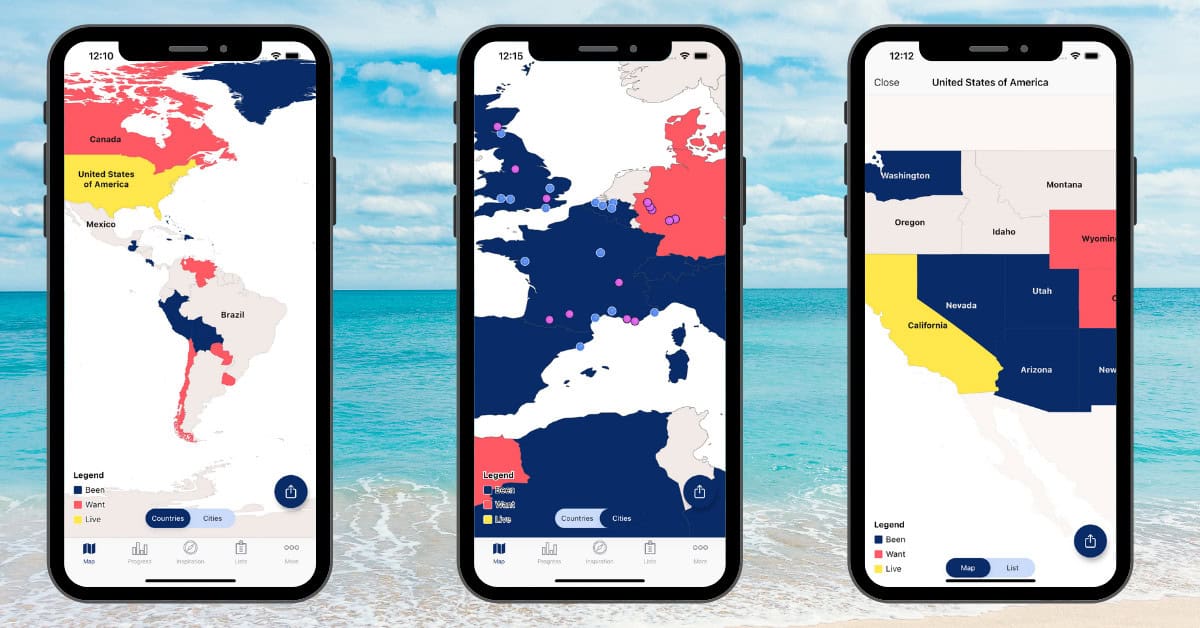
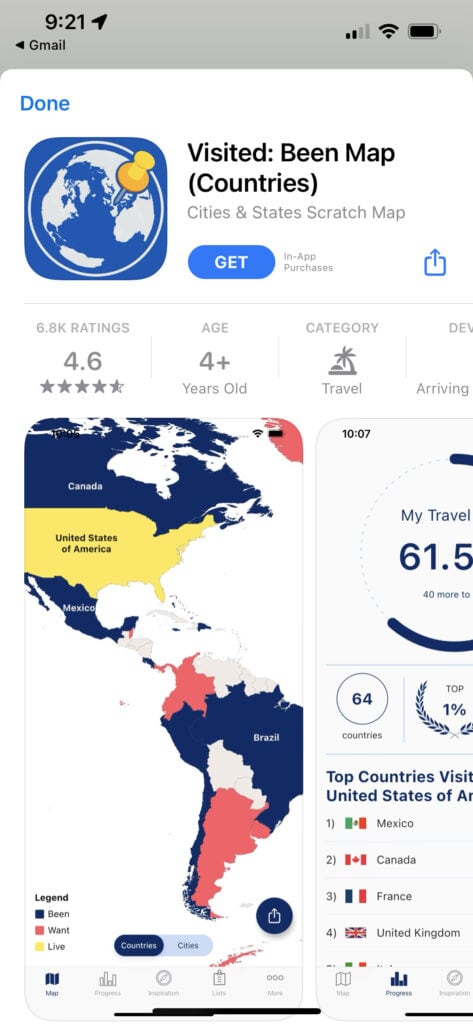
Related: Create Custom Maps with Visited Travel App

-CREDIT: ©SCOTT KELBY AND ADOBE STOCK/MARINA_DIKH

Well, there you have it-five of my favorite tips for making (and printing) your best iPhone panorama images ever! 

______

ALL IMAGES BY SCOTT KELBY UNLESS OTHERWISE NOTED.

5 Fun Activities for Solo Travelers in Dubai

Woman sandboarding in Dubai
Sandboarding

It's easy to think of Dubai as a city of sports cars, international fashion, stunning skyscrapers, and days wandering world-class shopping malls or relaxing in a massage center. People forget that Dubai, like the rest of the UAE, is also an excellent place for entertainment, even if you are a solo traveler. 

In today's post, we are looking at some of the best activities available in Dubai.

Table of Contents

  • 1. Desert Sandboarding
  • 2. Water Parks
  • 3. The Burj Khalifa
  • 4. Camel Rides
  • 5. Visit Old Dubai

1. Desert Sandboarding

Sandboarding in the desert? You can do that here! Dubai is a place that defies expectations. Sandboarding is a relatively new activity inspired by snowboarding. 

First, you'll climb a dune. Once at the top, expect to receive a few pointers from your guide before strapping your feet into a specialized sandboard. 

And then it's all downhill, as you point the board down the dune and take off, hopefully carving some turns along the way. 

Desert sandboarding is often included in desert tours, which you can book for yourself in Dubai. 

2. Water Parks

You might think of Dubai as a land of dry, dusty deserts and broad, modern streets, but it also boasts some of the world's finest water parks. 

They are a little expensive, but you can save when you book in advance. Some water parks offer truly unique and unforgettable experiences, too. 

If you want to stick to water slides, then there's plenty of them, but be mindful of height restrictions on some of the big-ticket rides.

Burj Khalifa (photo: Kon Karampelas)

3. The Burj Khalifa

The world's tallest building is captivating for people of all ages. It may surprise you to hear that even visitors who are afraid of height can fully enjoy it. 

Seeing the world from this incredible new perspective is a unique experience that can leave a lasting positive impression. 

It can humble you, fill you with awe, and spark your imagination.

4. Camel Rides

Once you're done with the sandboarding (see above), another great way to spend time in the desert is to go camel riding.

Lots of people have ridden horses before, but how many have ridden a camel?

It's not just the ride, either, but the fun interaction you can experience with these magnificent desert animals. Once again, you can book these on many of the desert tours that operate from Dubai.

Old Dubai (photo: Nick Fewings)

5. Visit Old Dubai

If you are tired of looking at the same old international-brand stores in the modern malls, then give yourself something fresh to look at in the form of an authentic old-Dubai souk shopping day. 

The markets are abuzz with sights, sounds, and aromas that many international travelers will never have experienced before. 

Show yourself a whole new world of retail as you haggle your way to the best deals you can get. Maybe you'll discover a hidden talent for negotiation!

***

At the end of a long and exciting day, you can spend some time unwinding in the massage center. 

And so you see, Dubai is so much more than meets the eye. It's a destination where every kind of traveler is appreciated. 

Solo travelers, in particular, will find many fun things to see and do. Explore what Dubai has to offer you as you plan your trip to the city.

_______

This story is brought to you in partnership with Armonia Spa.

How to Get Around in Queanbeyan NSW (Australia)

Queanbeyan (photo: Marko Mikkonen)

If you're visiting the beautiful Queanbeyan region in New South Wales (NSW) for the first time, you might be wondering how to get around the city and the surrounding areas. 

This article will explore the various options you have at your disposal.

Public Transport in Queanbeyan

Queanbeyan is a small city, with just a little over 36,000 residents, but it gets a lot of tourists as there are many attractions in the region, the Snowy Mountains being just one of them. 

Getting to Queanbeyan is easy as it's just a 15-minute drive from Canberra. 

Some might say that Queanbeyan is basically a Canberra suburb, but don't be fooled by that. It's a different city and it has its own public transport system. 

If you've just mastered the bus ticketing system in Canberra, be aware that it is not valid for Queanbeyan.

You can use local buses in Queanbeyan to move around the city or take a trip in the surrounding area.

Public transport fares are quite affordable and you can get discounts when you travel at off-peak hours. Also, seniors can get a 30% discount on public transport in Queanbeyan.

Taxi Services in Queanbeyan

Since it's a small city, a trip across town won't be long. Public transport is somewhat limited and it might not take you exactly where you need to go. 

As a stranger in town, finding a particular address can be quite a headache, so the sensible choice is to take a taxi.

You can, of course, hail a free taxi, but it's not always easy to find one. Best come prepared with the name and contact number for a reliable taxi service.

Take, for instance, a Queanbeyan cabs taxi which operates specifically in Queanbeyan. Save their number to your phone or better yet download the app. 

These days downloading an app is the preferred way of calling a cab no matter where you are. 

By using the QBN Cabs app, you can get a fare estimate before ordering a taxi. That's very useful when you're in a new city and you don't want some driver to scam you with an exorbitant fare. 

With the app, you can see how much the ride will be and how fast a driver can pick you up from your location.

Moving around by taxi is a great idea when you want to get to places nearby, such as Jerrabomberra Mountain Reserve, Googong, Sutton, and Murrumbateman. 

Taking a taxi is a bit more expensive than using public transport but you get complete freedom of movement.

 It's not just that a bus might not take you exactly where you need to go, but it's a question of timetable. 

If you want to go to someplace right outside Queanbeyan by bus you need to time your trip so it coincides with the bus timetable, which might not be convenient. 

When you're visiting a nice place and would love to spend more time, running back to the bus station is quite a drag. 

Instead, if you use a taxi you're free to do as you please because companies such as QBN Cabs operate 24/7. 

Alternatively, if you are heading into Canberra from Queanbeyan, you can consider using a local Canberra taxi service like ACT Cabs.

Enjoy your stay in Queanbeyan.

______

This story was brought to you in partnership with ACT Cabs.

5 Things Cambodia Is Best Known For

Angkor Wat (photo: Dave Lee)

Although Cambodia has famous neighbors such as Thailand and Vietnam, it is still very much an off-the-beaten-path destination. 

The country is often associated with beautiful pagodas, buzzing night markets, delicious food, and stunning nature, and there is so much more to it! Let's take a look at what Cambodia is best known for - I'm sure by the end of this post, you'll want to apply for your Cambodia visa for US citizens immediately! 

Table of Contents

  • Angkor Wat
  • Floating Villages
  • Night Markets
  • The Tuk-Tuk
  • Apsara Dance

Angkor Wat

Angkor Wat is probably the first thing that you'll think of when it comes to Cambodia.

With its famous towers and intricate architecture, this enormous temple complex is the world's largest religious structure by land area.

Angkor Wat is one of the most famous attractions in Cambodia, and many even call it "the eighth wonder of the world," so it's no wonder that its silhouette is depicted on the country's flag.

Interestingly enough, Angkor Wat was abandoned in the 14th century and was only discovered back in 1860.

You can spend a few days exploring Angkor Wat (most guidebooks recommend at least three days).

Travelers and photographers come here to see and experience the incredible sunrises and sunsets, second to none.

If you want to experience the true spirit of adventure, surrounded by jungles and ancient temples, there is no better place than Angkor Wat.

Floating home (photo: Dave Lee)

Floating Villages

Imagine that instead of roads, there are rivers. Instead of shops, floating kiosks take their place. An ordinary walk to a friend's house would be an entire journey to get there.

Yes, it sounds like a fantasy film plot, but you can see this traditional way of life with your own eyes in Cambodia.

One of the largest floating villages is Kampong Phluk, located on Tonle Sap Lake, just a few kilometers away from Siem Reap. 

Interestingly enough, the floating village houses are built on very tall stilts and only 'float' between May to October, when Cambodia's rainy season begins and the Tonle Sap Lake rises up to 10 meters.

Of course, locals can walk the village streets on foot during the dry season and make their way to their houses via long stairs.  

Night Markets

Similar to its Southeast Asian neighbors, night markets are a common sight in Cambodia. 

Unlike ordinary bazaars or shops, the night market vendors start putting their goods on display as soon as the sun sets - and then it's time to begin!

This 'schedule' is perfect for travelers who spend their daylight hours relaxing on the beach, exploring historic sights, or nursing their jetlag. 

Most night markets can be found in Siem Reap and Phnom Penh and feature everything from clothing to artisanal handicrafts, food and snacks, art, souvenirs, and more. 

A remorque (photo: Dave Lee)

The Tuk-Tuk

Tuk-tuks are one of the primary means of transport for locals and tourists in Cambodia and have become something of a pop-culture symbol.

Just like yellow taxis in New York or black cabs in London, Cambodia's tuk-tuks are so popular that you can even order one via the Grab app (similar to Uber or Lyft)!

Every tuk-tuk trip a little adventure through Cambodia's art and culture: many drivers customize their tuk-tuks with colorful designs both inside and outside their vehicles.

You'll see two types of tuk-tuks roaming the streets: the classic 'remorque' (a motorbike attached to a two-wheel trailer) and a three-wheeled auto rickshaw that is commonly seen in India.

Apsara Dance

Cambodia is a country rich in history and fascinating traditions, including the classical 'Cambodian ballet' dance called Apsara.

This dance is of such great significance that it was inscribed on the List of the Intangible Cultural Heritage by UNESCO in 2008.

Historical references of this graceful dance can be seen on ancient temples' walls and even depicted on a 49-meter bas-relief carved into Angkor Wat's walls. 

The main features of the Apsara dance are intricate costumes, headdresses, and hand gestures.

There are more than 1,500 hand gestures, each with its own meaning, from worshipping the spirits of nature to symbolizing a blooming flower or even referencing hundreds of Buddhist and Hindu legends. 

_____

This story is brought to you in partnership with Cambodia Online Visa.

How to Choose the Best Women’s Backpack for Hiking and Traveling

Bogota, Colombia (photo: Michael Baron)

Buying a new backpack is a challenge for all travelers. You want a sturdy material that doesn't wear and tear while hiking and can withstand a decent amount of rain.

You need to look for the correct size as a bag with little room for all your stuff is a waste of money, but it would be difficult to carry around if it's too big. 

Whichever backpack you end up choosing, you have to carry it on your back. And since men and women are not built the same way, the weight of a backpack is distributed differently across their bodies.

So if you are a woman buying a backpack for the first time or replacing your old rucksack for new adventures, you can factor in these differences to make a better purchase.

Table of Contents

  • Backpacks for Women - Are They Different?
  • Differences in Design
    • S-Shaped Shoulder Straps
    • Hip Belts
    • Torso Length
  • Backpack or Suitcase: Which One Should You Buy
  • How to Choose the Best Travel Backpack?
  • Size or Capacity
    • Daypacks
  • Features 
  • Fit
  • Weight

Backpacks for Women - Are They Different?

Do women need a different backpack? Or is it just a marketing gimmick created by travel gear companies to appeal to women wanderers- a profitable market segment?

Many women hikers would scoff at the idea of women backpacks and feel that companies are imposing their ideas of femininity on them.

But the differences between men and women's backpack goes beyond feminine colors. Let's take a deep dive and understand.

While the same fearless spirit fuels their intrepid adventures, there is a difference in the way men and women carry weight on their backs.

Men have wider shoulders and a longer torso, while women have narrower shoulders and a slender torso.

Also, women have a stronger lower body. So when they put on a rucksack, men tend to carry more weight on their shoulders, while women balance more weight around their hips.

Considering these differences, there are a few modifications in the design for women-specific backpacks, making them a better purchase for women travelers. 

Differences in Design

S-Shaped Shoulder Straps

Backpacks designed specifically for women have different shoulder straps. The straps are curved and set closer together to give a better fit to their narrow shoulders.

Whereas unisex backpacks or backpacks for men have J-shaped shoulder straps. These straps would fall in the middle of the chest of the wearer.

The J-shape straps can be uncomfortable for women with fuller breasts, which get painfully squished with such straps. Loosening the straps doesn't help much because the backpack would move from side to side while walking.

That's why backpack makers came up with S-shaped straps that are suited to the feminine contour.

Men with an athletic build would also appreciate these curved straps, allowing for more movement around the armpit region.

Hip Belts

Women's hips are curvier and have a greater weight-bearing capacity as compared to male bottoms. Their waists also have a smaller circumference.

A backpack is designed to place more weight on the hips than the shoulders is more comfortable for a woman while hiking or climbing.

That's why the hip belt of backpacks for women is narrower than other backpacks. The straps have more padding to prevent the narrow straps from causing discomfort while walking.

The straps are flared upwards, so when you put them on, they get appropriately placed on your higher hip bones.

Torso Length

The torso of an average woman is shorter than the torso of an average male. So a backpack of shorter length, covering the torso but not going beyond it, is better for their physique.

Whether you are a man or a woman, your backpack should not bob over your head or sag down below your hips.

It would be uncomfortable to put it on and move around, and it could also lead to aches or injuries. That's why you shouldn't head to a store and simply buy the biggest bag available.

If you are a woman, buying a women-specific backpack in the required capacity would be more suitable for your body.

Backpack or Suitcase: Which One Should You Buy

It's not that we don't like suitcases. They are great for a short trip or staying at one destination for a long time.

But if you plan to circumnavigate the world (or haul long distances), then a backpack is the right choice for you. 

  • You won't have to plan your trip worrying about your luggage- you can be in a luxury Airbnb one day and on a hiking trail in a village the following day. Your backpack is equally suitable for the cobbled roads of European destinations as it is for the rugged Himalayan landscape of Nepal. 
  • Your hands would stay free, so you can use your Google Maps to locate your hostel. And with the backpack on your back and your carefree adventure, you could officially call yourself a backpacker.
  • You also won't have to wait at the baggage claims area if you are traveling with a backpack. You don't have to worry about traveling on a bus as you could simply keep your bag with you.  You can easily take it up on a flight of stairs or get on an escalator. You can squeeze it in a tiny space or climb a hill carrying it. 
  • You don't have to worry about dragging a backpack on an uneven surface and wearing down the wheels. Backpacks are also quite rugged and can withstand years of exposure to elements of nature.

While the pros favor a backpack, you could always depend on a suitcase if you are going on a short trip to a comfortable location.

Many folks don't want to haul a backpack due to existing issues like backaches. In that case, it's easy to find lightweight suitcases which are great to travel with.

If you are a business traveler, then a suitcase would go better with your professional persona (and keep those formal dress-shirts unwrinkled).

How to Choose the Best Travel Backpack?

With the wide variety of travel backpacks available, buying your first backpack is puzzling. Apart from the women-specific features that you should look for, there are essential considerations to make.

Backpack storage

Size or Capacity

The backpack size is the first thing that you need to look for. You can't have a backpack that's too small to hold all the things you need for your trip.

An over-packed bag is difficult to carry, and packing too much stuff also overly stretches the material and ruins the zips.

You can't buy a backpack that's so huge that it towers over your head. It's very uncomfortable to balance such a bag, and it is terrible for your back.

Also, there is a maximum weight that all of us can carry, depending on our body weight and height.

So basically, we are talking about a bag that fits everything you need for the duration of your trip.

If you don't like to travel for more than a couple of days, you don't have much to worry about here. But if you are in for long adventures, then we have more to discuss.

You need a spacious bag that can hold everything together and still has some extra space left but is not bigger than you or weighs you down. 

Here is a guide that can help you decide the correct size.

Different capacities of backpacks

Daypacks

20 to 30 liters

If you believe in packing light and are heading out for a day hike, a daypack will serve you well.

The size accommodates enough for one to two days if you prefer to pack sensibly. Daypacks are great for night camping or desert hikes. 

A daypack comes with straps to fit your camping gear. And it has enough space and multiple zip enclosures to store a two-liter hydration pack, food items, first-aid box, space blanket, and light insulation layers.

You can also utilize your daypack for other purposes- you can take them to your office, gym, or when you need that a spacious bag for picking stuff from a store.

10 to 20 liters

This daypack is strictly for light-packing for a one-day trip. It has sufficient space for your food, water, emergency essentials, and light-weight clothing.

Less than 10 liters

This backpack is suitable for storing your hydration pack and a snack for a small hike or a long run or keeping your extra stuff accessible when you are on a trip.

Backpacks For extended trips

While daypacks are great for a one-day adventure, you need a larger backpack for longer journeys. 

40 to 50 liters

These backpacks have enough space to store all the things you need for a 4 to 5-day trip.

They could also be used for hiking or camping, as they can easily hold your sleeping bag, a two or three-person tent, mattress, your clothing and personal items, and the foodstuff you need for the adventure.

50 to 60 liters

These backpacks are more spacious, so if you like to carry extra stuff for comfort or your tent or sleeping bag is heavier, then it could be the right choice for you. You can keep more clothes or more food based on your plans. 

And for an average man or woman, the weight and the bag's size would be suitable enough to carry around.

For a hardcore adventurer who knows what to pack and what not to, a 60-liter backpack is enough for a couple of weeks.

(Then, some folks live several months out of their bags! But that's a territory not all travelers would charter, yet one can take cues from these folks on utilizing a backpack.)

70 liters

A 70-liter backpack means more space, which means you can keep more stuff. But more stuff would lead to more weight.

So you need to size yourself up and see if this bag goes well with your physique and body weight. Buy it only if your body is capable of carrying it, whether you are a man or a woman.

More than 70 liters

This backpack is strictly for folks who do some kind of trail work, like hauling supplies to a base camp and beyond.

Unless you are tall, well-built, and physically strong to carry heavy loads, we would not recommend a backpack this huge.

Features of a backpack

Features 

Many brands such as Kipling, Loungefly, UTO, Adidas, Motile, and such make backpacks with many features. Check some important features you need to see in your next bag.

Top-loading vs. Front-loading

Top-loading backpacks have a drawstring on the top. Hiking-style packs are usually top-loading.

The top opening is excellent for shoving down your sleeping bag and accommodating all your clothes and stuff around it.

But if you plan to vacation in a city and pack your outfits in a top-loading backpack, you would have to empty your whole bag to find your favorite skirt and that cute blouse.

You could opt for a front-loading backpack with a long zip-enclosure on the front for such trips. It makes packing and locating your clothes a lot easier. 

What's better is that you can also find bags with a top as well as a front enclosure. Such bags would give you the freedom to top-load or pack from the front so that you can use the same bag for hiking and the trip with your girls!

Other variants are panel or clamshell loading backpacks.

Front-loading bags have a long zipper for opening the bag, but a panel loading backpack lets you open a front panel or a flap. This makes it easier to pack and essentially gives you the convenience of loading your backpack like a suitcase.

Finding the right balance in a backpack

External Frames vs. Internal Frames vs. Frameless

External frame backpacks are heavy and are suitable for carrying a hefty load with lots of gear.

You won't see many adventurers with these as external frames have become obsolete, and makers have come up with better, lightweight alternatives.

Even if you get inspired by the travel movies of yore, don't invest your dime in an external frame pack.

Instead, opt for a backpack with an internal frame. Nowadays, most packs come with an inner structure that distributes the weight properly over your back and hip.

The internal frame is built of carbon or strong plastic, making it lighter than those old external frames. Also, there is no risk of the bag getting caught on anything. 

There is also an option of buying a frameless backpack. They don't have a supporting structure in place, so they are helpful only for travelers who pack pretty light and move quickly.

Frameless backpacks are often equipped to keep your back cool and sweat-free, and they can be easily squeezed into a suitcase. 

External Water Bottle Pocket vs. Internal Hydration Pocket 

If you prefer to carry a water bottle on your trips, then you should look for deep pockets on your backpack. Many low-quality or cheap variants have shallow water bottle pockets.

Frankly speaking, these don't serve any purpose as your bottle would easily pop out while you are walking around with your backpack.

Most hikers and travelers prefer a hydration pack over carrying a water bottle. That's primarily because they hold two liters of water (more than your average water bottle), and you can easily sip water from its pipe, even as you walk.

While if you carry a bottle, it's a bit of a pickle to take it out from the pocket and thrust it back again after drinking.

If you are more comfortable with a hydration pack, you can look for a bag with a separate pocket for it.

Many bags have this feature, along with a port and a clip that holds the water tube in place so that you can sip water without stopping in your tracks.

Back Ventilation

No woman (or a man either!) would feel comfortable after getting swamped with sweat on their backs after walking or hiking with their backpacks.

Many companies use open-cell foam and mesh lining on the back and shoulder straps to make the backpacks more breathable. This feature doesn't improve the backpack's overall performance, but it increases the comfort factor.

Padded Shoulder Straps

When you load your bag and put it on your shoulders, the shoulder straps weigh your shoulders down. If the straps are thin, they will cause significant discomfort to your shoulders.

You should always look for padded shoulder straps as they even spread the weight on your shoulders, make you feel comfortable, and last longer as well.

Sleeping Bag Compartment

While you can easily pack a sleeping bag inside a rucksack with more than 50-liter capacity, a separate sleeping bag compartment would simplify the whole packing process. 

Lockable Zippers

Each compartment of your backpack should have two zippers so that you can put a lock on them. You can always buy TSA locks with a special valve that TSA can open to check your bags.

Removable DayPack/ Hipbelt

Some backpacks come with a removable part that can turn into a daypack or a hip belt. If you plan to leave your luggage behind and roam around the town for a day or set a base camp at a place to do day-hikes, you don't need to take an extra small bag with you for the purpose.

You can simply use the detachable part to keep your wallet, water bottle, snacks, and other essentials.

Contoured/ Padded Back

A contoured or lumber-shaped back is comfortable to carry. And the shape of the bag leaves a space between its material and your back, allowing your back to breathe freely.

Compression Straps

These are useful for compressing and holding together your gear and temporarily attaching any other item.

Drawstrings/ Bungee Ties

You can use these to hold and carry the items you don't want to keep inside your bag, like your sleeping bag or dirty shoes.

Rain Cover

While a backpack can bear some moisture, you need a rain cover to protect it from the pouring rain. Many packs come with a rain cover and a pouch or a flap to store it so that you don't have to buy one separately.

Pockets

A bag cannot be 'the bag' unless it has multiple organizational pockets. An ideal rucksack should have numerous pockets at strategic locations so that you don't have to dump everything in the main compartment and empty the whole bag to search for something important.

  • Outer pockets - To store small, lightweight items that you would not want to keep inside the main compartment.
  • Elasticized side pockets - Pockets that are stretchable and deep, used for holding water bottles or any other object.
  • Shovel pockets -  A shovel pocket is rugged enough to store gears with sharp surfaces. These pockets are located on the backside of the pack, and you can keep your layers or crampons inside them and take them out quickly.
  • Hip belt pockets - To snuck in stuff that you need quick access to, like your energy bar or sunscreen. You can take them out without off-loading your backpack.
How to fit yourself for a backpack

Fit

We have discussed how backpacks made for women are designed to give them a better fit. The backpack fit plays a crucial role in ensuring weight distribution and comfort. 

To get a good fit, you should get yourself measured. Ask a friend to measure your torso.

You can place your hands on your waist just above your hips and have the distance between these areas to the base of your neck measured. Most women have a torso length of 14 to 18 inches. 

Since backpacks are available in many sizes, you can use your measurements to compare and choose the right size for your back.

You could also go for a backpack with adjustable suspensions if you find yourself confused between bag sizes.

Hip Belt Size

Since women carry more weight on their hips, they should pay extra attention to the hip belt size.

Women with a slender waist and smaller hips might find the hip belts of unisex or men's backpacks too big for them. That's why women's backpacks have smaller hip belts to fit the female form.

To ensure that the hip belt has a good fit for you, you can take your hip measurements before you purchase a backpack. Remember that the hip belt should cover your hip bone and not your waist, so you need to measure yourself accordingly.

Also, look for padded hip belts for extra comfort. After fastening the padded hip belt, there should be a gap of three to six inches between the belt's padded areas (over the buckle).

This will ensure that the belt is neither too loose nor too tight for you, and you won't have trouble while traveling with your backpack.

How to wear a backpack

Weight

Any man or woman should not carry more than 20 percent of bodyweight. For example, if you weigh 60 kgs, your backpack's total weight should be around 12 to 14 kgs. 

Always buy a lightweight backpack in your desired capacity to maintain the total weight of the backpack.

***

Before You Wander Away

Buying a new travel backpack is exciting as well as daunting, as a wrong purchase might spoil your travel experience.

If you are a girl gearing up for her next adventure, remember these tips before you head out to purchase a new backpack for yourself.

We would also suggest you buy or order from a store with an easy return policy- so that you can pack the new backpack, put it on and ensure that it's comfortable before you hit the roads.

______

This story is brought to in partnership with TopOfStyle.com.

Cappadocia Hot Air Balloon Ride: A Sunrise Adventure

An eery silence filled the sky as my Cappadocia hot air balloon ride had us ascending through the clouds over central Turkey. The quiet was only punctured by the occasional whoosh sound when our pilot, Mustafa, released the flame to heat the air, keeping us aloft.

Outwardly, the 360-degree scenery was straight from a fantasy novel, with ethereal balloons dotting the sky while the rising sun cast a golden glow over everything.

Cappadocia hot air balloon rides at sunrise
Balloons at sunrise

Internally, I was panicked. I may have signed up for this of my own free will, but I was increasingly petrified as the balloon continued to rise.

Unlike paragliding or skydiving, which I'd done before, no harness secured me to the pilot or parachute for protection. Nothing was connecting me to the balloon's basket other than gravity.

My life was in the hands of a pilot who admittedly had no way to steer the balloon once we took off. How did I get here, and more importantly, why was I purposefully doing something that I knew would scare me?

Table of Contents

  • Balloon Ride in Cappadocia
    • Facing Fears
    • Choosing a Balloon Company
    • Take-Off
    • Above the Clouds
    • What Goes Up, Must Come Down
    • The Landing
    • Final Thoughts

Balloon Ride in Cappadocia

Facing Fears

Prepping a hot air balloon
Heating a balloon

One of my favorite things about travel is its endless opportunities to face your fears. At home, in the United States, it's easy for me to feel comfortable and secure. On the road, halfway around the world, less so.

I am inherently more adventurous when away from home, which becomes a springboard from which I push my edge even further. I'd been saving the experience of a hot air balloon ride for Cappadocia, having seen the photos of what it looked like amidst an ancient landscape of fairy chimneys and rock castles.

The flip side of those years of waiting was the anticipatory anxiety that had room to grow. In general, it's easier to face one's fears if you treat them like ripping a band-aid off and doing what scares you as quickly as possible. I was stubbornly committed to a hot air balloon ride whenever I finally found myself in Cappadocia.

Choosing a Balloon Company

Boarding hot air balloon
Boarding a hot air balloon

It wasn't until I arrived in the town of Goreme, following my visit to Mount Nemrut, that I began researching which company to use for my sunrise hot air balloon ride.

As a backpacker traveling in Turkey, it's easy to follow the routine of always looking for the cheapest guide or tour company. I've done that in the past, but I wanted the added sense of security I'd feel by paying a premium.

After doing some online research, I chose Butterfly Balloons for my virgin balloon flight because I saw that it was the same company used by Rick Steves.

Me preparing for take-off
Excited for take-off

The cost was about $120 for a minimum one-hour flight, including ground transportation, buffet breakfast, and Champagne toast after landing. Ballooning is a big business in Cappadocia, so there's a lot of competition for your attention and money. Low prices are one way of attracting customers.

A week after leaving town for the coast, I saw a news article about a different balloon company crashing into power lines, sending some tourists to the hospital. I advise you to do your research and pay a little extra to ensure you're going with a company with an excellent safety record.

Note: I paid for my ride, and this article is not affiliated with the company I used.

Take-Off

Balloons taking off in Cappadocia
Up, up, and away

The morning began early, with me waking up well before dawn in my cave hotel. I wore a long-sleeved shirt, a light Prana jacket, and the Pickpocket-Proof Pants I love. I brought my Oakley sunglasses, camera, and iPhone.

It was a short walk to the Butterfly Balloons office, where about 30 other tourists and staff had gathered for a light buffet breakfast of fruit and pastries.

Once everyone was there, we were shuttled to our respective balloons in minivans. All around us, balloons were inflated on the ground, their baskets then tilted upright for passengers to board.

After climbing aboard my balloon, I nervously posed for a quick picture. As a safety measure, Butterfly Balloons has a 16-passenger limit.

Above the Clouds

Hot air balloons fill the sky over Cappadocia, Turkey
Hot air balloons fill the sky.
Balloons in Cappadocia
It almost doesn't look real.

The sky had already begun to brighten significantly; I was a little worried we would miss the sunrise. I wanted us to get moving. However, as the hot air balloon began rising, I felt my anxiety go up! There were dozens of balloons higher than us, and looking down, just as many were still waiting to take off.

The whole situation felt surreal, unlike anything I'd ever seen or done. Despite being in a basket floating gently upward, I looked for ways to ground myself and ease my anxiety.

Sunrise balloon ride
Sunrise
In the clouds
In the clouds

I turned inward toward the center of the basket and watched the pilot. If Rick Steves could trust Mustafa, who trained in Albuquerque, New Mexico, so could I. I made small talk with other travelers, including an Iranian couple. I asked someone to take a few photos of me (not knowing at the time that I had some food stuck in my front teeth).

After fifteen minutes, my anxiety began to ease. If you're familiar with exposure therapy, you know why. I'd been in the fear-invoking situation long enough to sense I'd be okay. My body began to relax a little, and I could better appreciate the beauty of this unique perspective.

Related: Best Places to Visit in Turkey

A balloon drifting back to Earth
Drifting back to Earth
Rock caves and balloons
Rock caves in fairy chimneys

What Goes Up, Must Come Down

We were above the clouds just long enough for my anxiety to ease, and then it was time for our return to Earth. Our pilot's skill was critical here, as there is no steering wheel on a hot air balloon. Instead of gently floating down and landing in a spacious field, Mustafa guided our balloon through the unique landscape of Cappadocia.

Gliding through tight valleys past fairy chimneys was a different kind of thrill. I was grateful to be closer to the ground and amazed at how skillfully the balloon could be maneuvered.

Balloons landing
Balloons landing

I'm presenting the photos chronologically, which I hope provides a sense of how our altitude increased and decreased, especially in the second half of the flight when we watched other balloons land. As much as I tried to appreciate the view above the clouds, riding closer to the ground was fascinating because I could see more details.

Balloons over Göreme
Flying over Göreme
A balloon flies by a scenic outlook
A balloon flies by a scenic outlook.

It was especially neat to fly over Goreme and past a ridge where other tourists gather to take photos of balloons every morning.

Hot air balloon flame
Hot air balloon landing
Coming in for a landing

The Landing

After watching many other balloons land in the fields around Goreme, our time came too. Incredibly, Mustafa guided our balloon to a gentle landing squarely on the trailer, towed by a Butterfly Balloons pick-up truck. That's the level of skill many of these pilots possess. Once we had exited the basket, it was time to exhale fully, relax, and revel in what we had just experienced.

Passengers disembarking a balloon basket
Passengers disembark a balloon basket.
Butterfly Balloons in Cappadocia, Turkey
Butterfly Balloons

A portable table was set up with fresh red strawberries and Champagne to toast our successful flight. If you wanted to skip the wine or make it a mimosa, orange juice was also available. Each passenger received a flight certificate, a cute touch that perhaps was more meaningful to some guests than me. Mustafa was kind enough to pose for pictures, too.

Dave and balloon pilot
Dave and Mustafa, his balloon pilot

Final Thoughts

Overall, I'm glad I faced my fear of heights and took advantage of a sunrise Cappadocia hot air balloon ride. While you can witness the spectacle from the ground and scenic viewpoints in Goreme, it's nothing like the experience of passing through the clouds with a hundred other balloons at once.

Travel Smart and Safe with the Right Tech

Traveling these days can be risky, with threats from disease to petty thieves, to cybercriminals. That's why you must take all the proper precautions before you begin your trip. 

Whether you're journeying for business, an emergency, or just have itchy travel feet, the following tips can improve your safety and security.

1. Download a Contact Tracing App

Many countries across the world, such as Canada, Australia, the U.K., South Korea, and Singapore, have launched national contact tracing apps to support the fight against COVID-19. 

These apps help healthcare workers identify, inform, and monitor people who have been diagnosed with an infectious disease.

If you have been in prolonged contact with someone who has tested positive in the last few weeks during your travels, the app can help you take the necessary precautions. 

For example, if you were in the same airplane cabin as someone who tested positive for COVID-19, the app may advise you to get tested and observe quarantine measures.

2. Use the Right Laptop Bag

According to research company Gartner, a laptop is stolen every 53 seconds. Many of these computers are stolen from buses, cafes, restaurants, shopping malls, and airports. 

To avoid losing your precious data, keep your laptop in a nondescript bag when traveling instead of a branded one.

For example, if you're carrying an expensive MacBook, avoid using a laptop blag that features the Apple logo. 

Here are some other steps you can take to keep your computer safe from petty thieves while traveling:

  • Always keep an eye on your laptop while traveling. Store it close to you, whether you're on the plane or the bus.
  • Make sure your hotel room is locked if you leave it behind. Keep it secure in a large and heavy suitcase.
  • Buy a sophisticated laptop lock to stop thieves from opening your computer.
  • Enable your laptop's "find my computer" system to locate your machine if it's misplaced or taken.
  • Set a strong login password that features numbers, alphabets, symbols, and letters.
  • Take advantage of biometric verification features if your computer has them.

Use cloud computing to back up your data regularly in case you lose your system. Use an encrypted hard drive to secure your vital data.

3. Install the Best Cybersecurity software 

Cybercriminals always keep an eye out for travelers to steal their data. 

You should visit a cybersecurity expert like Malwarebytes to download the latest and most proactive cybersecurity tools. For example, a highly rated Virtual Private Network (VPN) service will encrypt your data, hide your IP address, and even secure a public WiFi connection. Likewise, advanced antivirus software can stop dangerous spyware in its tracks.

A VPN is an excellent tool for a traveler because it even secures public Wi-Fi spots, which are usually exploited by cybercriminals. 

Within minutes, a hacker can copy your confidential information through an unsecured Wi-Fi network and gain access to your credit cards and banking info.

Likewise, it would help if you used advanced antivirus software to shield yourself from malware attacks. Malicious software like ransomware and spyware can result in all kinds of problems while traveling.

Although traveling can leave you exposed, proper hardware, software, and precautions can help you minimize risk and enjoy your adventures.

______

This story is brought to you in partnership with Malwarebytes.

Solo Hiking Safety: 13 Things to Keep in Mind

Backpacker in valley

Want to soak up some serene solitude? Go for a hike by yourself!

Solo hiking is without a doubt one of the best ways to sink into a state of calm and capture some blissfully awe-inspiring views with no one around to spoil them.

On the other hand, solo hiking presents some risks that you wouldn't have to think about if you were to head out on the trail with a group of friends. 

With the right hiking apparel, like merino wool clothes, and some helpful tips, you can safely conquer the trails on your own.

Here are a few crucial things to keep in mind should you decide to head out unaccompanied.

Table of Contents

  • 1. Tell at least two people where you're going
  • 2. Follow the Principles of Leave No Trace
  • 3. Bring your phone
  • 4. Bring a personal locator beacon 
  • 5. Bring additional emergency signaling devices
  • 6. Stay on the trail
  • 7. Skip the headphones
  • 8. Wear lightweight, thin clothing
  • 9. Layer up
  • 10. Pack a first-aid kit
  • 11. Bring a paper map and a compass
  • 12. Don't push yourself too far
  • 13. Don't Forget the Selfie Stick

1. Tell at least two people where you're going

The most important rule of solo wilderness exploration? Tell people where you're going and for how long you plan to be gone.

Make sure to be as specific as possible in terms of your route plans. It's best to send your plans via email or text, so there's no confusion. 

2. Follow the Principles of Leave No Trace

The Seven Principles of Leave No Trace serve as a framework for safely enjoying the outdoors without damaging the natural environment.

Not only can they help us preserve and respect natural areas, but they can also help ensure that we hike safely wherever we go, whether alone or as a group.

The first principle is Plan Ahead and Prepare. If you're reading this, we're willing to bet you're already doing just that!

3. Bring your phone

We know that part of the reason you're going off the grid on your own is that you want to disconnect-no shame in that.

But your phone can serve as quite a valuable tool for communication and wayfinding, so you should always bring it with you when you head out on the trail.

Of course, there's no guarantee that you'll have cell phone service, which is why you should bring a personal locator beacon with you for longer hikes. This leads us to our next tip.

4. Bring a personal locator beacon 

Personal locator beacons (EPIRBs) are devices that can be used to alert search and rescue services in an emergency.

Since they run on satellites, they can pinpoint your location in even the most far-off locales.

These devices have dropped in price significantly over the past few years, so they're a viable option for casual and serious hikers alike, especially on overnight and backpacking adventures.

5. Bring additional emergency signaling devices

In it for the long haul? You don't want to rely on your phone, which probably won't work if you're in a remote area, to signal to others you're in distress.

Make sure to pack an emergency kit that contains multiple forms of emergency signaling, including a whistle, flares, and stormproof matches, so that you can start a fire.

6. Stay on the trail

When you're feeling adventurous, going off-route can be super tempting. Indeed, many of the most pristine and unspoiled views are found off the beaten path.

But trails exist for a few important reasons - to keep you safe and easy to locate in the event of an emergency and to protect the natural habitat surrounding the trail from damage.

Woman in sunlight

7. Skip the headphones

We all love getting in the zone with a great playlist while on a relaxing walk, run, or bike ride, but wearing headphones is not a good idea while traversing trails on your own.

Listening to loud music or podcasts can leave you vulnerable to predators and wildlife and prevent you from hearing when something or someone approaches.

On top of that, it deprives you of the soothing sounds of nature!

8. Wear lightweight, thin clothing

As tempting as it is to pile on the heavy gear, coats, hats, scarves, and even sunglasses that are too big and bulky can get in your way, preventing you from moving naturally and even compromising your range of vision.

Instead, stick to thin, lightweight apparel that lets you move freely. We recommend layering up in merino wool because this material can thermoregulate and adapt to a wide range of temperatures yet is relatively thin, breathable, and lightweight for total comfort and safety.

9. Layer up

Layering is crucial whether you're hiking alone or as part of a group, as it can help you adjust to whatever Mother Nature throws your way - whether it be an unexpected downpour or the chill after dark.

Wear a base layer coupled with a merino wool mid layer. This mid-layer option is a fine choice because it can serve as both an insulating layer and a comfortable, protective top layer should you get too hot.

Merino wool also helps control sweat and odors, so you feel great along your journey.

10. Pack a first-aid kit

Scrapes, falls, cuts and bruises are par for the trail, so make sure you pack a first-aid kit just in case.

While you can easily find affordable options, you can also make your own hiking first-aid kit relatively cheaply.

Make sure to include bandages, gauze, a multitool with scissors, safety pins, pain relievers, antibiotic ointment, and more of the basics.

Backpacker in mountains

11. Bring a paper map and a compass

Even if you know the trail better than anyone and have hiked it a dozen times, you still want to make sure you bring along some wayfinding basics just in case you lose your way.

A laminated paper map is always a safe bet. Be sure to pack a compass as well.

12. Don't push yourself too far

It's not a good idea to try out an especially tough trek or go far out of your physical and mental comfort zone by yourself.

You might consider inviting a friend along to tackle a specific route before you attempt to conquer it on your own. 

13. Don't Forget the Selfie Stick

Are you heading somewhere photo-worthy? Don't risk missing out on the photo op of a lifetime!

Make sure you pack your selfie stick or a travel-friendly tripod so you can capture the memory for a lifetime. 

_____

This story is brought to you in partnership with Ibex.

10 Fun Outdoor Activities You Can Do with Your Dog

Dog with skiier

You already know that being outside is good for your physical and mental health. 

The experts say that time spent in the fresh air can help boost energy, lower stress, and improve your mood. 

And there's an easy way to double-down on the benefits of being outside - take your pup along with you! 

Yep, just like getting some fresh air, time spent with your four-legged pal brings some pretty amazing perks, like reduced stress and better cardiovascular health. Sign us up! 

Table of Contents

  • 1. Skijoring
  • 2. Go Dock-Diving
  • 3. Hit the Dog Park
  • 4. Go Swimming
  • 5. Try an Agility Course
  • 6. Take a Hike
  • 7. Hunt for Treasure
  • 8. Toss the Frisbee
  • 9. Go on a Bike Ride
  • 10. Play Tug of War

1. Skijoring

Break out your merino wool base layer and get your four-legged family member some doggie fleece because winter is as good a time as any to enjoy the brisk air with Fido.

Skijoring is a Norwegian sport that combines cross-country skiing with dog sledding.

The dog wears a harness and effectively tows his ski-wearing human for all sorts of fun and plenty of exercise for the both of you.

Note that skijoring is a serious workout, so leave it to the healthy, athletic dogs only.

2. Go Dock-Diving

Dock-diving is another excellent workout for the canine companion who can't stay out of the water.

It involves tossing a toy off a dock and seeing how far and high your pup will jump to retrieve it.

While this can be a fun, relaxing activity at the lake, it can also get super-competitive with organized events and leagues.

If you've got a pup who excels in athleticism, get ready to win a few trophies.

3. Hit the Dog Park

Running, playing, and exploring with other pets is undoubtedly great for your dog, but it may be good for you, too.

Time spent at the pup park is a great way to get exercise yourself and even meet new, like-minded people (AKA: other dog-lovers).

Oh yeah, and you'll also get to mingle with some cute pups while you're there.

Try to check out different dog parks in your area, so you don't get bored of the same old scenery.

Swimming dog

4. Go Swimming

Swimming is, without a doubt, one of the best ways to exercise for both you and your pup.

The best part about it is that it's relatively gentle on the joints, which means you can use it to strengthen and condition older dogs who have arthritis and achy hips or knees.

Younger pups can burn off a ton of energy and build strength by swimming laps or fetching a floaty toy.

Although it seems that swimming would be intuitive for dogs, remember that you do have to teach them to swim and be comfortable with the water.

5. Try an Agility Course

Teach your dog how to maneuver through various obstacles with a fun agility course.

You can set yourself up in your backyard or find a setup course at local parks, dog parks, and dog training facilities.

Teaching your furry friend agility not only helps them burn off excess energy and calories but also helps strengthen your bond.

Make sure to bring plenty of healthy treats (for encouragement) and water.

6. Take a Hike

Hiking is one of the best ways to work out, get some fresh air, and bond with your pup, which is why it's one of the most popular dog-and-owner activities.

Whether you go for a day hike or embark on a long overnight journey, hiking puts you in a great position to enjoy some of the best and most unspoiled views.

Make sure you're prepared for a trek with some quality merino wool apparel and plenty of water for the both of you.

Note that not all hiking trails are suitable for pets.

Slippery, rocky terrain, and protected wildlife areas may not be the best environment for your dog, so make sure you always get your miles in at dog-friendly parks.

7. Hunt for Treasure

You don't have to own a bloodhound to sniff out buried treasure! All four-legged friends can accompany you on a fun treasure hunt, especially if you go geocaching.

Nicknamed "the world's biggest treasure hunt," geocaching involves using an app - which provides guidance and coordinates - to discover treasure or "caches" hidden around your area.

There are millions of these caches stashed all over the world, so you and your dog can spend ample time discovering them in your city. 

Dog with frisbee
Dog with frisbee

8. Toss the Frisbee

There's no better way to rile up a retriever (or any breed) than with a good old-fashioned game of fetch.

But tossing an old tennis ball isn't always the most fun for you, so switch things up with a frisbee.

This is another one of those activities that are best left to the young, energetic, and athletic pups.

It involves a lot of sprinting and jumping, which could agitate arthritis, hip dysplasia, and other joint issues in order or sedentary dogs.

9. Go on a Bike Ride

If you're a fan of cruising on two wheels and you've got a brave, athletic pup, consider investing in a dog bike leash so the two of you can go rolling together.

Note that this requires a bit of training and practice, so don't expect your dog to get it right away.

It's essential to take it slow and start on a quiet, low-traffic trail or street with few distractions.

10. Play Tug of War

What dog doesn't love a good round of tug of war? Contrary to what you might have heard, the experts say that this game helps dogs release pent-up energy and can provide them with some much-needed mental stimulation.

Just make sure that you play in a way that protects your dog's mouth and teeth.

Don't use any hard objects (no sticks or bones), and don't pull too hard. In other words, it's best to let Fido win.

There are few things as wholly pure as time spent with an animal and time spent outdoors. 

Combining the two is an excellent way to double down on the good stuff for your physical and mental health. 

Whether it's a quick stroll in the neighborhood or a lesson in dock-jumping, you'll get so much out of enjoying the fresh air with your furry friend.

______

This story is brought to you in partnership with Ibex.

Best Beaches in Riviera Maya, Mexico

Every year, the best beaches in Riviera Maya on Mexico's Yucatan Peninsula attract travelers worldwide. Whether you're looking for comfort and convenience, the prettiest shades of water, or privacy, there's a beach for you.

Playa Norte on Isla Mujeres
Playa Norte, Isla Mujeres

Mexico's Riviera Maya runs from Cancun in the north to Tulum in the south, including the island of Cozumel. This stretch of the Caribbean coastline is easily accessible by car, bus, or motorbike. Since it's flat, let's add a bicycle, too!

This list of some of the best beaches in Riviera Maya is based on my time in the region. When you're ready to plan a trip, check out the various visa types for Mexico to ensure you follow the rules based on your reason for going and your citizenship.

Table of Contents

  • Riviera Maya Beaches
    • Playa Norte, Islas Mujeres
    • Playa del Carmen
    • Playa Palancar, Cozumel
    • Tulum
    • Sian Ka'an Biosphere Reserve

Riviera Maya Beaches

Playa Norte, Islas Mujeres

Playa Norte, Isla Mujeres
Playa Norte

Let's get this party started in Playa Norte ("North Beach") on Isla Mujeres, an island eight miles (13 kilometers) east of Cancun.

When I went snorkeling with whale sharks, our boat stopped at Isla Mujeres on the way back to Cancun. The captain dropped anchor, and we were afforded time to snorkel, swim, and hang out however we felt fit.

The water was calm and shallow; it was pretty relaxing. Boats from other tours were also in the area, so there was a bit of a scene. It wasn't a full-on party, but I could see how it could get that way in the high season.

Playa Norte is easily accessible as a day trip by ferry from Cancun, or you can stay longer at one of the island's hotels or resorts. Plenty of bars and restaurants keep you fed and feeling fine.

Playa del Carmen

Playa del Carmen, one of the best beaches in the Riviera Maya
Playa del Carmen

My favorite place in Riviera Maya is Playa del Carmen, an hour south of Cancun by bus or car. Here, you'll find white sandy beaches of varying depths.

The beach adjacent to the town center is narrower; however, the convenience can't be beaten. Further south, past the pier for ferries to Cozumel, the beach widens; you'll find a mix of resorts, condos, and casas (houses) for rent.

I like Playa del Carmen because it offers budget-friendly accommodations, is a block from the beach, and has plenty of rooftop restaurants where you can enjoy the Caribbean breeze.

If dancing late into the night is your style, there are loads of nightclubs catering to partiers. Playa del Carmen is also relatively safe. Whether you're on vacation or looking to live in Mexico, it's worth considering.

Playa Palancar, Cozumel

Playa Palancar on Cozumel island
Playa Palancar

During my first visit to Playa del Carmen, I took a day trip to Cozumel, connected via a ferry that runs throughout the day.

To make life easy, I booked a ticket that included the round-trip ferry ride and transportation to Playa Palancar. We could hang out on a small, unpretentious beach, eat lunch, and order drinks there.

Further south along this section of the coast is the larger Playa "El Cielo" ("The Sky"), which offers a broader expanse of turquoise waters. It's one of the best places for snorkeling on Cozumel, as it's got more of the reef.

If you want to skip over Cancun, Cozumel has an international airport with flights from the United States.

Tulum

Playa Paraiso at sunrise in Tulum
Playa Paraiso at sunrise

If Playa del Carmen is too big a city for you, you can continue south by bus or car to Tulum for another hour. Tighter rules around development in Tulum National Park have helped to protect the environment and beach from overdevelopment. That's the upside.

As a result, the downside is that accommodation is more expensive and primarily consists of small luxury eco-hotels. However, don't let that scare you away.

Bargains can be found during shoulder seasons, and there's always the option to sleep in the town of Tulum, a 15-minute bike ride inland from the beach.

I found a $29 bed for a night when I visited Tulum, as the hotel was located on a rocky outcropping. The water color was gorgeous; I just had to walk a minute to the north or south to reach the sand.

Playita Tortuga at Tulum ruins is one of the best beaches in Maya Riviera
Playita Tortuga at Tulum ruins

The morning after my arrival, I was up before dawn and walked along the beach to the Tulum ruins as the sun rose; I had the beach to myself, and it was terrific.

I was also one of the first visitors to the Tulum archaeological site that day. This former walled city, constructed between 1200 and 1450 AD, was one of the last cities inhabited by the Maya people.

Staircases have been built into the 40-foot cliffs to allow visitors access to some of the beaches below. Access to Playita Tortuga ("Turtle Beach"), pictured above, doesn't require stairs.

Sian Ka'an Biosphere Reserve

Sian Ka'an Biosphere Reserve
Mangroves in Sian Ka'an

Okay, this last one on my list isn't as much a beach as a biosphere reserve with tropical forests, mangroves, and marshes. Sian Ka'an ("Origin of the Sky") is a UNESCO World Heritage Site located south of Tulum.

It's a short trip by taxi or tour. I went independently and negotiated with a boat driver for a ride through the reserve.

Laguna Chunyaxché
Laguna Chunyaxché

We began in Laguna de Muyil and passed through marshland to reach the more expansive Laguna Chunyaxché. My guide pointed out the ruins of some tiny Maya buildings along the way. They sure knew how to live well back then.

The water's colors were spectacular. For inspiration, check out the satellite view of Sian Ka'an on Google Maps.

The reserve includes a marine area with a reef. A road runs along the coast, and a handful of small hotels are located there. So, if you want to get away from civilization, you can visit or stay at the beach in Sian Ka'an.

_____

This story is brought to you in partnership with Mexico Tourist Card.

Tips to Protect Your Data While Traveling Abroad

Laptop user in a cafe

Whether you are traveling abroad or working online, you need to ensure your sensitive data is protected from cybercriminals.

With growing concerns about the potential for cybercrime, you may want to consider taking some proactive steps to protect the data that is so important to you.

Read on for our essential tips for protecting yourself while traveling abroad.

Hide your IP address

Don't let cyber-criminals take advantage of your online identity!

Your IP address is not hidden from the websites you visit, putting your data at risk for identity theft and your computer for spam and even viruses.

Also, your internet service provider (ISP) can see what you do online if your IP address is not hidden.

ISP's can save your passwords and sell them to the highest bidder if you aren't careful.

Why you need to hide your IP address when traveling

A hidden IP is a unique address that allows you to browse the web without anyone knowing your real address. It's simple, fast, and easy to use.

Nobody will be able to track your new location after traveling since it will be hidden too.

Always get the privacy you deserve with a hidden IP address. You can stay private while you browse the internet.

For your data protection when traveling, use a VPN. First, a VPN service can help you stay anonymous and can protect your privacy. When using the internet, it is quite possible to identify you based on 3 things.

These can include your location, your internet provider, and the device you are using to get online (e.g. IP Address).

A VPN service allows you to mask or change these three identifying features of your activity so that others cannot determine what you are doing online.

Installing a good antivirus program

Antivirus software will do a great job at protecting your computer from danger while traveling.

It can detect and eliminate viruses that can destroy or damage your files and safeguard the important data you've worked so hard to accumulate.

Here are the features to look for in a good antivirus program.

Malware protection

The internet is full of malware that has been designed to steal important information, like credit card numbers, social security numbers, usernames, and passwords.

It's a serious threat, one that you don't have time to waste dealing with. Use antivirus software to protect your devices against malware.

When looking for one, make sure that it can detect and remove all kinds of malware such as ransomware, adware, Trojans, spyware, to name a few.

Email protection

Don't let annoying and potentially dangerous emails infiltrate your inbox. The best antivirus software will let you enjoy a clean inbox for your home or small business email accounts.

An antivirus program that offers email protection lets you know if any email is harmful to your computer before you download it, preventing anything that you don't want from getting in.

Ransomware protection

You need ransomware protection to protect your data while traveling. Ransomware is malware that installs itself into your computer system, encrypts your files, and asks for ransom money to give you access to your computer.

You can be protected against ransomware. Download the best antivirus software with ransomware protection to protect yourself from data loss.

Create strong passwords for your online accounts

Facebook, Twitter, Gmail, and Dropbox passwords that are easy to guess may be costing you $100 a year per account. Brute-force password hacking doesn't need human intelligence.

Password crackers can try every word in the dictionary in a few minutes. Don't be one of the four million people who get hacked. Create strong passwords to protect your data when traveling.

Here are the rules to follow when creating strong passwords:

  • Strong passwords are the first line of defense against cyber-attacks. 
  • Combining 8-12 characters that include numbers, upper and lower case letters, and special characters like punctuation marks is a good start.
  • Add in a few random words for more complexity.

Use a password manager

Using a password manager is essential when trying to create a secure online identity.

This helps you manage different login information types and makes sure that your passwords are strong enough to withstand cyber threats.

It will help you create a strong password when you need to make one, keep your passwords organized and prevent you from reusing the same ones across multiple accounts, which is a big security risk.

Do not use public Wi-Fi

When traveling, you might be tempted to use public Wi-Fi.

There are many dangers of using public/open Wi-Fi; identity theft, viruses, hackers, scam artists, malware, and more pose a significant risk to you and your personal information.

If you have to use a public Wi-Fi, use a VPN. A VPN provides privacy and security by using encryption and a secure tunnel to send data from one's computer to another network.

_______

This story is brought to you in partnership with VSS Monitoring.

9 Reasons Why You Should Consider Teaching English Abroad

When I started traveling over a decade ago, one of the first things I did was move abroad to teach English.

This allowed me to dive deeply into expat life, learn about a new culture, see a new part of the world, and save money for future trips.

I taught English in Thailand and Taiwan and used the money from those jobs to kick start my travels around the world.

Matt Kepnes on the beach in Hawaii, and sharing his thoughts on teaching English abroad.
On the beach in Hawaii

While I didn't continue teaching after those stints, I gained valuable skills and insight (and made many friends).

Whether you're looking for a new career or want an excuse to travel longer, learning how to teach English abroad is something I highly recommend.

Even if you don't plan on being a teacher back home, it's a job that will open all kinds of doors while letting you experience life in a new culture.

Not sure if teaching English overseas is for you? Here are nine reasons why you should consider it:

1. You get in-depth travel experience.

Traveling to a new country is a fantastic experience - but moving to one is life-changing.

You get to go deep, sample life as a local and immerse yourself in all kinds of activities your average traveler would miss out on. While it's not always easy (or fun), it is always rewarding.

Moving to a new country can be a daunting experience, but it will open your eyes to a new culture and way of life. Isn't that why we travel, to begin with?

2. You can save money for more travel.

Want to travel but lack the funds? Get a job overseas! While teaching in Thailand, I explored the country whenever I had vacation time.

Since I was making a decent salary as a teacher, I could afford to regularly travel around Southeast Asia, making the most of my new home base. Moreover, I was also able to save up money to travel full-time when I finally quit my job.

Could you stay in the US and save money? Sure. But the cost of living in Thailand is way cheaper, meaning you can save money much faster since the pay is proportionally better. Plus, why live in Boston when you can live in Bangkok?

3. It's good professional development.

While travel in and of itself isn't really "résumé worthy" (even though it can teach you a lot of hard and soft skills), teaching English abroad is a legitimate job you can add to your résumé.

Like teachers in your home country, as an ESL teacher, you'll need to manage students, prepare lessons, grade assignments, and handle administrative work, skills that translate to different jobs in various fields.

So even if you don't become a teacher back home, teaching English abroad is a great stepping stone for all kinds of careers. For example, check ESL teacher jobs in Calgary.

Visiting Pearl Harbor

4. There are jobs all around the world.

One of the best things about teaching English abroad is that there are so many opportunities out there all around the globe.

Salaries and perks will vary from country to country, but you can easily find jobs in every corner of the world.

Here's a quick overview of some of the most popular locations to work in:

  • Japan & South Korea - Lots of high-paying (but competitive) jobs with great perks. A bachelor's degree and TEFL certificate are usually required.
  • The Middle East - Many international schools make this the hub for high-paying jobs for qualified teachers (i.e., those with a degree in teaching).
  • Central & South America - Many low-paying opportunities with easy-to-meet requirements (usually just a TEFL certificate).
  • Southeast Asia & China - A mix of low-paying opportunities with no requirements (other than being a native English speaker) and mid-range jobs with decent pay and benefits (usually requiring a TEFL certificate and bachelor's degree).

5. There is always a high demand.

Since dozens and dozens of countries need ESL teachers, there is always demand.

While the best jobs will be more competitive, there are many other opportunities available if you're willing to invest the time and look for them.

As long as you're not picky about where you work, you can find a job without too much effort.

Here are some websites to help you find ESL job opportunities:

  • International TEFL Academy
  • i-to-i
  • TEFLPros
  • MyTEFL

The more qualifications you have, the more opportunities you'll find. If you don't have a bachelor's degree, consider getting a TEFL certificate.

One from any of the best TEFL companies will open many more doors and drastically improve your chances of finding a job.

6. It's an excellent choice for a career - or a career break.

Most ESL jobs are contract-based, making it easy for travelers to accept an appointment and see if it's their thing.

Most contracts are for one year and, in many countries, include a bonus if you complete the contract.

Not sure if teaching is for you? Give it a try! You can stay for a year and then move on to something else. 

Conversely, you can easily make this a career too - and it's a rewarding one. Contracts are available worldwide, so it's easy to teach somewhere for a couple of years and then move somewhere new.

There are also jobs in ESL administration, so there is room to grow professionally. It's a malleable industry.

7. It's open to all ages.

While most ESL teachers are in their twenties and thirties, plenty are older. I've seen ESL teachers in their fifties and sixties teaching all over the world.

Since there is a high demand for qualified teachers, teaching English can be a lifelong career - or a career you start later in life.

All that companies care about is that you have the skills and qualifications, and everything else is secondary. 

Whether you're a young college grad looking for your first job or are 50+ and looking for a career change, teaching English abroad can work for you.

8. There is a low bar to entry.

While most jobs require a bachelor's degree or TEFL certificate, there are many opportunities worldwide where the only requirement is that you are a native English speaker.

Sure, the pay might suck, and the hours might be terrible - but it's a start!

Getting your foot in the door with any ESL experience will help you move up the ladder and secure better jobs down the road. Leverage whatever opportunities you can.

Of course, getting a TEFL certificate is highly recommended, but there are still many jobs where you don't need one.

9. It can help you learn a new language.

Spending a more extended period in a new destination will give you a huge leg up when learning a language.

Immersion - while working day in and day out with locals - is one of the best ways to learn a language.

It's sink or swim, forcing you to step up your practice and giving you ample opportunity to learn from hands-on experiences. It can be intimidating, but it's super rewarding too.

By learning a language, you'll be able to unlock more doors in the ESL industry, interact with locals more authentically, and deepen your travel experiences during your stay. I can't recommend it enough.

***

I loved my time teaching English abroad. It helped me learn about new cultures, deepened my travel experience, and allowed me to save up money for more travel.

Whether you're looking for a career or want to try a new job in a new country, learning how to teach English abroad is a rewarding skill that's worth investing in. It changed my life - and I'm confident it will change yours too.

Visiting Chennai: 7 Places To See This Summer

Chennai, one of India's most populous cities, is located in the southern region and is the capital of Tamil Nadu state. Since Chennai is located along the Coromandel Coast of the Bay of Bengal, the weather is hot and humid most of the year. 

Temple in Chennai (photo: kk, Pixabay)
Temple in Chennai

The commonly spoken language in Chennai is Tamil; however, English and Hindi are also widely spoken.

Chennai's economy is multifaceted, ranging from automobile and software services to textiles and clothing. The city also boasts a thriving tourist industry. 

Formerly known as Madras, the city has a rich history and a vibrant culture. It has many temples and churches, a testament to the bygone British colonial era. Before the British arrived, the Dutch and the French ruled the city. 

Chennai offers a thriving city life. With various beaches, malls, shopping areas, and restaurants, the city has a lot to offer.

Here is an interesting fact for avid literary fans: Chennai houses Asia's largest library, home to more than 1.2 million books (more on this later).

If you plan to visit Chennai in the summer, there are various ways to get there. Airlines, such as Cathay Pacific, offer direct flights to Chennai. Such long flights often have one stop in between.

In addition, you can take a local flight from anywhere in India to Chennai. The flights take no more than a few hours.

Chennai Central train station (photo: Vellupura, Pixabay)
Central Train Station

If you are in the mood for adventure and exploration, you can also take a train to Chennai. Traveling via train takes longer, of course, but it allows you to discover the landscape and view the countryside.

The local trains offer convenience and economy for traveling within the city. Chennai is a must-visit place for a trip to Southern India. Here are seven places that you should visit in Chennai during the summer.

Table of Contents

  • 7 Places To Visit in Chennai
    • 1. Kapaleeswarar Temple
    • 2. Velleeswarar Temple
    • 3. Gurubaran Tanjore Art Museum
    • 4. Santhome Church
    • 5. Marina Beach
    • 6. Fort St. George
    • 7. Anna Centenary Library

7 Places To Visit in Chennai

Whether you are spending a few days in the city or are just transiting through it, the following sites are a must! Mylapore is Chennai's oldest neighborhood; some say it is about 1,500 years old. Within Mylapore, you will find many temples and historical monuments. 

1. Kapaleeswarar Temple

 Kapaleeswarar Temple (photo: wedschilde, Pixabay)
Kapaleeswarar Temple

The oldest temple is the Kapaleeswarar Temple, about a thousand years old. It's an iconic landmark that leaves all visitors in awe. The temple is a religious site, but it also hosts cultural events. 

2. Velleeswarar Temple

If you visit the Kapaleeswarar Temple, do not miss the nearby Velleeswarar Temple. The temples are around 300 years old and include important deities such as Lord Ganesha and Lord Muruga. 

3. Gurubaran Tanjore Art Museum

The museum showcases Tanjore paintings. These paintings are notable for various reasons. One reason is that it uses rich colors and often a gold foil. These paintings depict different scenes as well as deities.

Moreover, it uses glass beads and precious stones. These paintings are made on silk fabric and are local to the region. You can even purchase some of the art pieces.

4. Santhome Church

The Portuguese built the Santhome Church in the 16th century. It is also known as St. Thomas Cathedral Basilica. It is believed to have been made over the shrine of St. Thomas, one of Jesus's apostles, who was buried in Mylapore in 72 AD.

When you enter the church, the most striking feature is the contrast between the white interior and the wooden pews. The official website provides more information regarding the history and significance of the Santhome Church. 

Apart from these historical sites, Mylapore offers a rich cultural experience. In addition to the local restaurants, where tourists can try the local cuisine, you can roam around the streets for an immersive experience.

It will take you a good part of the day to visit the various sites in Mylapore.

5. Marina Beach

Beach in Chennai (photo: socialsudo)
Beach in Chennai

Spanning over 13 km, Marina Beach is India's largest beach. Since the climate in Chennai is humid throughout the day, the best time to go to the beach is at dusk or early in the day.

You can also avoid the rush during these hours. During this time, you can enjoy the cool breeze coming from the sea. While most people go to the beach to take a dip, swimming is not advised on Marina Beach.

Apart from swimming, there are several activities you can enjoy. Horseback riding is a popular activity. You can also enjoy local snacks from vendors along the beach.

6. Fort St. George

The British constructed the fort in the 1640s to curb the spread of Dutch and French influence in the city. The fort was primarily a trading post. Some say that it was the first British building constructed in India. The St. Mary's Church is inside the fort.

Also, there is Wellesley House (named after one of the Governors General of India). The fort is used as a government building; it recently opened to the public. 

7. Anna Centenary Library

An eight-story modern building, Anna Centenary Library, is not where you would find most tourists. The library contains books from various categories and even offers books for the visually impaired.

Moreover, it has a giant children's collection, which is bound to attract children. The library has no entry fee, so tourists can visit it for free.

Chennai offers tourists a unique experience. Remnants of the British colonial era are visible in the city's architecture and the local population.

But what is more striking is the city's historical landscape, which predates modern civilization. To say that the city offers the perfect mix of culture and history is not wrong.

______

This story is brought to you in partnership with Cathay Pacific.

5 Things to Do in Malta

La Valleta, Malta
La Valleta, Malta

Malta is an archipelago formed by three islands: Malta, Comino, and Gozo. 

It joined the European Union in 2004, and at only 316 km² it is one of the five smallest countries in Europe.

A fascinating fact about Malta is that despite its small size, the Maltese Islands have three sites inscribed on the UNESCO World Heritage List. 

The three sites are the City of Valletta (Malta's capital city), the Megalithic Temples, and the Hal Saflieni Hypogeum.

When you first start to explore Malta, you will be delighted by its turquoise waters (so characteristic of the Mediterranean Sea) and its breathtaking panoramic views. 

Here, we will explore the best five things to do in Malta and in some way demystify the idea that on an island, the only thing to do is to sunbathe or swim. 

Of course, Malta is great for relaxing, sunbathing, and swimming, but it also offers plenty of exciting sites to explore.

Table of Contents

  • 1. Tour in La Valletta
  • 2. Megalithic Temples
  • 3. Hal Saflieni Hypogeum
  • 4. Visit Ta'Qali Crafts Village
  • 5. Learning English

1. Tour in La Valletta

Valletta, the sunniest and smallest capital of Europe, is a city with a distinct personality.

Full of contrasts, this baroque city is full of history and culture. In 1980 Valletta was inscribed on the UNESCO World Heritage List and in 2018 became the European Capital of Culture. 

You can spend the entire day exploring Valletta's museums, shops, churches, cafes, and restaurants.

And, by night, find trendy and upmarket wine and cocktail bars that help entertain the Maltese and tourists alike until the early hours of the morning. 

Some places not to miss include:

  • Co-Cathedral of St. John
  • Upper Barakka Gardens
  • Lower Barakka Gardens
  • Triton Fountain
  • Manoel Theater
  • Valletta Waterfront
  • Strait Street
  • Merchant Street
Ggantija Megalithic temple (photo: kitmasterbloke)

2. Megalithic Temples

These prehistoric temples are older than the Egyptian pyramids! 

The Ggantija temples were listed as a UNESCO World Heritage Site in 1980. 

In 1992, UNESCO added five more megalithic temple sites:

  • Hagar Qim (in Qrendi)
  • Mnajdra (in Qrendi)
  • Ta'Hagrat Temples (in Mgarr)
  • Skorba Temples (in Zebbiegh)
  • Tarxien Temples (in Tarxien) 

3. Hal Saflieni Hypogeum

The Hypogeum is a Neolithic underground structure dating from the Zebbug Phase (ca 4100 - 3700 BC). 

Located in Paola, in the south of the country, it consists of a series of rock-cut chambers built on three different levels. 

Although carved in stone, the Hypogeum has similar features to the above-ground megalithic temples. 

The Hypogeum is famous throughout the world. It has been on the UNESCO World Heritage List since 1980 since as it "bears unique testimony to a civilization which has disappeared."

4. Visit Ta'Qali Crafts Village

Maltese glassware stands out for its beauty and lively colors thanks to the ancestral technique of blowing, introduced in the archipelago by the Phoenicians thousands of years ago. It turned into an industrial activity in 1968.

In the village, you will find various stores selling jewelry, glass, and wood items. There are many more artisans in the area, so if you like shopping, it's worth your time.

You can buy both in stores and in the factories themselves. Don't miss the live glassblowing demonstrations, an interesting experience!

Buy an original present handmade in Malta; you will have the opportunity to choose among pottery, vases, bowls, bottles, and glass figurines.

Maltese landscape (photo: Ferenc Horvath)

5. Learning English

Want to see all of the above and learn a new language? Did you know that English is one of the official languages in Malta? 

Thousands of keen language students visit the Maltese Islands every year to improve their English under the sun. 

Malta was an English colony until 1964, which is why English is one of the official languages. This allows English students to immerse themselves in the language outside of the classroom.

Malta is the perfect destination for learning or improving your English. You'll be able to practice the language all the time.  

One of the most recognized language schools for learning English in Maltalingua School of English due to its multiple awards and international EAQUALS accreditation.

The school also offers accommodation for students in comfortable apartments or the option to stay with host families. Students can choose how to live the experience. 

They also organize extracurricular activities to learn more about this charming island while studying and practicing your English.

These are just five places and activities for you to discover on the island of Malta. With over 300 days of sunshine each year, you will always find something new and fun to do! 

______

This story is brought to you in partnership with Maltalingua.

Traveling to the Netherlands: Sightseeing and Experiencing Nature

St. Catherine's Church (photo: Pedro)
St. Catherine's Church in Eindhoven

Considering traveling to the Netherlands? That makes perfect sense. The flat country has many beautiful landscapes ranging from tulips to canals and windmills.

Besides, it is quite convenient to go to the Netherlands from the UK. There are many options available such as a boat, train, and plane.

With the latter option, you can choose many local travel options such as car rental Eindhoven airport. This article will dive into the sights you can see and the places to visit. 

Start from Eindhoven: City of Light

Although Eindhoven is not the most historic city, it is worth a visit.

Eindhoven is located in the southern part of the country and is built on the foundation of Philips.

This large light bulb manufacturer turned to consumer goods and is now making medical devices.

Before Philips arrived, Eindhoven was a simple and small Dutch town.

But when the factories opened, the city was flooded with people from all over the country, thus giving Eindhoven its nice environment. 

Man driving (photo: Andy Art)

Affordable Car Rental Eindhoven Airport

The small airport makes it possible to be outside of the terminal within 15 minutes.

If you reserved a car rental beforehand, you have the option to select the 'valet rental' option.

This option allows you to collect the car directly outside of the terminal.

A representative of the car rental company will be waiting to receive you when you leave the terminal.

After a few quick checks, you will be able to start your journey conveniently.

No more hassle to travel to the car rental company or wait in long lines before you can leave the airport.

Biesbosch National Park (photo: Paul van de Velde)

Travel to the Biesbosch

This is one of the advantages of having a rental car in the Netherlands: you can go wherever you want.

The Biesbosch is a natural reserve park known for its beavers and spots to swim and enjoy water sports.

Here you can relax and enjoy nature or do some active hiking.

On your way to the Biesbosch, you can take your rental car to the Loonsche Duinen.

This is a mystical area with dunes that are known from medieval folk tales. A perfect getaway to enjoy nature and have a good hike.

Erasmus Bridge (photo: Flori & Almi Weit.Gereist)

Rotterdam: More than a Port

After you visit the Biesbosch, you can continue your travels to Rotterdam. This city is home to the largest port in Europe but is far more than that.

Rotterdam is home to incredible architecture, such as the Markthal and the Erasmus Bridge.

Due to its international character, you can find any type of restaurant and bar here, making everybody feel at home.

The Netherlands is a relatively small country, which allows you to start your journey from almost everywhere.

Take advantage of the flexibility in selecting your arrival airport and in choosing a rental service like bblcarrental.com.

_____

This story is brought to you in partnership with BB&L Autoverhuur BV. 

13 Incredible Things To Do in Cappadocia

Cappadocia is a city in central Turkey, famous for its unique natural landscapes, cultural heritage, and sunrise hot air balloon rides. But there are many more things to do in Cappadocia than ride in a balloon.

I arrived by bus after a day-long trip from Kahta, where I'd visited Mount Nemrut the day before. The initial bus broke down en route, causing delays. I didn't get into Cappadocia until after nightfall.

Aktepe "White Hill" is visible from Cappadocia in central Turkey
Aktepe "White Hill" in the distance

The views I missed on arrival were waiting for me the following day when I began to acquaint myself with the spectacular scenery. Cappadocia is a place where signing up for cheap sightseeing tours is an efficient way to use your time and money.

They're big business, run daily, and are easy to book on arrival if you're trying to keep your plans flexible. In this article, I'm sharing things to do in Cappadocia based on my five days in the city.

Table of Contents

  • Best of Cappadocia
    • 1. Uchisar Rock Castle
    • 2. Göreme Open Air Museum
    • 3. Fairy Chimneys
    • 4. Other Notable Rock Formations
    • 5. Derinkuyu Underground City
    • 6. Ihlara Valley
    • 7. Selime Monastery
    • 8. Pigeon Valley
    • 9. Sunrise Hot Air Balloon Ride
    • 10. Watch Balloons from Aydn Kiragi's viewpoint
    • 11. Watch the Sunset
    • 12. Sleep in a Cave Hotel
    • 13. Eat in a Cave Restaurant

Best of Cappadocia

1. Uchisar Rock Castle

Visiting the rock castle at Uchisar (far left) is one of the most interesting things to do in Cappadocia
Rock castle at Uchisar (far left)

Carved from volcanic rock, Uchisar Rock Castle is 197 feet (60 meters) tall and a dominant feature of Cappadocia. During Byzantine times, this multi-level castle housed up to 1,000 residents in rooms connected by tunnels, all carved from rock.

Due to erosion, many parts of the castle are no longer open to visitors. However, if you go to the top, you can still enjoy panoramic views of Cappadocia and the surrounding landscape.

2. Göreme Open Air Museum

Goreme Open Air Museum
Göreme Open Air Museum

The first significant site I visited in Cappadocia was the Göreme Open Air Museum, part of Göreme National Park, a UNESCO World Heritage Site since 1985.

In a spectacular landscape, entirely sculpted by erosion, the Göreme valley and its surroundings contain rock-hewn sanctuaries that provide unique evidence of Byzantine art in the post-Iconoclastic period.

Dwellings, troglodyte villages and underground towns - the remains of a traditional human habitat dating back to the 4th century - can also be seen there.

-- UNESCO

The Göreme Open Air Museum is a monastic complex featuring living spaces and churches carved into soft volcanic rock.

Related: Best Places to Visit in Turkey

Rock church
Rock Church
Interior of rock church
Interior of the rock church

Walking around the outdoor museum is a fascinating experience, as you can enter some of the rock churches and view their features and paintings up close.

Earlier decorations were kept simple, such as the crosses pictured above. Subsequent development included more sophisticated works of art. Unfortunately, erosion and vandalism have damaged all but the best-protected paintings.

If you like the Göreme Open Air Museum's look, the Zelve Open Air Museum is not as well-known and receives fewer visitors.

3. Fairy Chimneys

Walking among the fairy chimneys is one of the most common things to do when touring Cappadocia
Fairy chimneys

Following my walk around Göreme Open Air Museum, my tour took me to Pasabag ("Monks Valley"). Pasabag is home to some of Cappadocia's best examples of mushroom-shaped fairy chimneys.

These phallus-shaped geological formations, known as hoodoos, are formed by soft rock that forms a column, protected by a harder rock at the top.

Turkish travelers and me

Hoodoos are not unique to Cappadocia, although they're heavily associated with the city. They can also be found in the United States, Mexico, France, and Japan, among other countries.

While exploring the fairy chimneys of Pasabag, I ran into a group of Turkish travelers who asked for a photo. Far be it from me to turn them down!

4. Other Notable Rock Formations

The Three Beauties is a picturesque spot
Three Beauties

There is no shortage of interesting rock formations around Cappadocia. The Three Beauties is a worthy stop. You can sense the scale by noting the humans in the upper right of my photo above.

One wonders when the stronger rock at the top will topple over. Another spot worth considering is Devrent Valley ("Imagination Valley"), which features rock formations shaped like animals. I didn't make it to that one. There are so many rock formations to see and so little time!

See also: Things To Do in Istanbul

5. Derinkuyu Underground City

Cave staircase
Cave staircase

There's more to Cappadocia than what you see above ground. At least 250 underground cities lie below the surface. The largest, Derinkuyu, was constructed in the 7th or 8th century BC and had an estimated capacity of 20,000 inhabitants!

Carved into volcanic rock 279 feet (85 meters) below ground, the Derinkuyu Underground City is a maze of tunnels, vertical staircases, living and religious spaces, and animal rooms.

Approximately 15,000 ventilation ducts provide fresh air to the city from above ground, including a 180-foot (55-meter) tall vertical shaft, which also functioned well. This feature is visible to visitors.

Large, movable circular stone doors were carved as a defensive measure against potential invaders. These rudimentary yet effective doors evoke scenes from The Goonies and Indiana Jones movies.

I feel claustrophobic in tight spaces, such as the silver mine in Potosi, Bolivia. However, I'm glad I went underground to see Derinkuyu, as it's astonishing to believe an entire society developed down there.

6. Ihlara Valley

Ihlara Valley
Ihlara Valley

Following the underground city, the tour I was on took us to the Ihlara Valley. Carved by the Melendiz River over thousands of years, the valley is 328 feet (100 meters) deep and 8.7 miles (14 kilometers) long.

After the 4th century, priests and monks used the valley, and it became a center of monastic life. There are 105 rock churches and 10,000 caverns.

Daniel in the Lion's Den at Agacalti Kilise (Church Under the Tree)
Daniel in the Lion's Den

Descending the valley by a wooden staircase is easy, and once down there, the well-marked path is flat and follows the river. There are many notable stone churches you can visit.

One of the best church frescos I saw was Daniel in the Lion's Den at Agacalti Kilise (Church Under the Tree). Toward the end of the walk, my tour group stopped for a lunch of fresh fish at a riverside restaurant.

7. Selime Monastery

Walking the path to Selime Monastery
Path to Selime Monastery

At the end of the Ihlara Valley is Selime Monastery, one of my favorite rock dwellings to explore in Cappadocia. While it may be possible to walk there, my tour group drove about 15 minutes on a paved road to save time.

Walking up to the Selime Monastery is a theatrical experience, as seen in the photo above. Monastic rooms, a church, and a cathedral were carved into the rock facade by Christians in the first century AD who had escaped Roman persecution.

Exploring the cave monastery
Scenic views from Selime
Cathedral with paintings
Selime cathedral
Rock window
Rock window

My tour group spent about 40 minutes at Selime Monastery, which was plenty, though I could've easily doubled that if I were alone.

8. Pigeon Valley

Pigeon Valley is a top attraction in Cappadocia
Pigeon Valley

The last stop of my second full-day tour was Pigeon Valley, about an hour's drive from Selime Monastery. As the name suggests, you'll see lots of pigeons, an important bird in the lives of those who lived in ancient Cappadocia.

Pigeon droppings were a valuable resource. They were used as fertilizers for crops and grapes for winemaking. Plus, they were employed in the production of cave frescoes.

Caves in Pigeon Valley

Pigeon houses are carved into the rocks in this valley and throughout Cappadocia to attract pigeons and their precious droppings. Some remarkable stone facades are also carved into the rock here.

Hot air balloons over Cappadocia

9. Sunrise Hot Air Balloon Ride

I know you've been waiting for me to mention it. Magical hot-air balloon rides at sunrise draw travelers worldwide to Cappadocia every year, including me. My fear of heights was about to be tested like never before.

I've challenged myself many times over the years-skydiving at 23, jumping off a 30-foot waterfall in Costa Rica, a 100-meter canyon swing in Queenstown, and paragliding in Nepal and Colombia.

But giving up total control and lifting off into the clouds in a hot-air balloon, with no way down but to wait, was a challenge.

Hot air balloon rides are one of the most popular things to do in Cappadocia
Balloons landing

Thankfully, I stuck with it. Of course, once you were committed, there was no alternative. It's up, up, and away!

In retrospect, the whole experience was a rush, from watching and listening to a hundred balloons fire up before dawn to gently drifting back to earth, guided by the pilot's years of skill and experience in reading the winds and terrain.

It's worth paying extra for a highly reputable balloon company. I went with Butterfly Balloons after reading that Rick Steves used the same company. I'm happy to recommend them, too.

10. Watch Balloons from Aydn Kiragi's viewpoint

A hot air balloon passes a scenic outlook
A hot air balloon passes onlookers.

Whether or not the idea of waking up before dawn to board a balloon for the heavens sounds appealing, you can still catch them en masse from around town.

Shuffle up to Aydin Kiragi for the best views, the ridge pictured above. Be sure to give yourself enough time to get up there so you're not feeling rushed as the balloons begin to descend.

11. Watch the Sunset

Sunset in Cappadocia
Sunset viewpoint in Cappadocia

At this point, I hope it's evident how spectacular the scenery is around Cappadocia. There are plenty of places to view the sunset over this unique landscape, including the Aydn Kiragi ridge I mentioned above for balloon-watching.

12. Sleep in a Cave Hotel

Spending the night in a cave hotel is one of the most fun things to do in Cappadocia, Turkey.
My cave hotel room

I highly recommend staying in a cave hotel in Cappadocia to further your immersion in this beautiful little world. There are budget-friendly options for backpackers, so you won't have to break the bank.

I got a private room with a bathroom at Elif Star Cave Hotel (pictured above) and had a pleasant stay. Each of the rooms in my hotel featured different stone-carving motifs. Mine was full of pigeon houses.

13. Eat in a Cave Restaurant

Topdeck Cave Restaurant

Last but not least, I suggest eating in at least one cave restaurant during your stay in Cappadocia. They're all over the place and offer a unique dining experience.

There are also some terrific rooftop restaurants. Places like Topdeck Cave Restaurant are multi-level, offering diners the option of eating underground or with a view.

There you have it-my recommendations for incredible things to do in Cappadocia, Turkey. Between sightseeing in caves and underground cities and sleeping and dining in caves, you might get a feel for what life would've been like for Cappadocia's inhabitants over the last few millennia.

Hvar: Croatia’s Most Beautiful Island

The queen of all Croatian islands, with the title of the best island in Europe in 2019, Hvar has continued to maintain its spot at the top of the list. 

Since ancient times, Hvar has been significant due to its strategic position and maritime contributions.

Hvar, Croatia (photo: Ann)
Hvar, Croatia

Today, it attracts a diverse range of tourists, from those seeking a good time at nightclubs and parties to those seeking to learn about the culture and history.

Thanks to the warm summer days, Hvar is an ideal destination from which to explore the city and its surroundings. 

Whether you're the newly arrived owner of a dream house in Murter, Zadar, or Primošten, or you're just visiting Dalmatia for a few days, taking a trip to Hvar is something you can't skip!

Sightseeing in Hvar

Hvar Cathedral (photo: Call Me Fred)
Hvar Cathedral

History plays a crucial role in shaping any place into what it is today, endowing it with character and uniqueness. Founded in 385 BC as a Greek colony, Hvar's Old Town, initially called Pharos, is the center of historical ruins and monuments.

When going on a walking tour around it, don't miss the Tvrdalj Castle and Petar Hektorovi?'s home, representing the fishers' lifestyle. In addition to the Castle, the churches of St. Stephen, St. Rok, St. Peter, and St. Nicholas, all historic landmarks, are ready for your visit.

Outside of the Old Town, there's an adventure waiting. Španjola Fortress (also known as Fortica) offers a perfect viewpoint. You can get there by hiking, bus, or car. Explore as much as possible and ensure you see the former prison cells. 

For those who love the crystal clear sea and want to explore nature and beaches, it's time to head out to the Pakleni Islands. Known for Palmižana beach, on the Pakleni islands, you can witness a fantastic collection of exotic plants. 

You only need to decide when you're going - renting a boat or calling a taxi boat are options to reach this great area of Hvar's surroundings.

The list goes on. To keep this brief, be sure to also visit the Franciscan and Dominican monastery, the Arsenal, the Theatre, and the town of Jelsa.

The Beaches

Beach in Hvar (photo: Colton Jones)
Beach in Hvar

As you will most likely be visiting Hvar during the summer, here are some natural treats for you.

Dubovica beach is unique and probably the most beautiful beach in the area. This pebble beach offers you a chance to see heaven on Earth. Although it is very well-known, it is never too crowded. 

Zarae Beach, easily accessible by boat or car, is a secluded beach located 20 to 30 minutes from Hvar town. The fact that many people haven't heard of it allows you to escape from the world and be at peace.

Mlini Beach is located on Marinkovac Island, one of the many Pakleni Islands.

Boy jumping in pretty water (photo: Nikola Radojcic)
Hvar waters

Like every other island in this archipelago, Mlini beach offers you the most transparent and brightest sea, enticing you to jump in for a swim. In addition to these, there are sandy and pebble beaches around the island of Hvar, ideal for tanning and relaxation. 

Finally, to round out your experience, take a break from sightseeing, swimming, and hiking to try Dalmatian specialties in restaurants like Dalmatino, Gariful, and Grande Luna.

After the meal, sign up for boat tours from Hvar to other fabulous destinations where you can stay in the villa of your dreams!

______

This story is brought to you in partnership with Sea Tours Croatia.

How to Travel by Train After Lockdown

Train station in northern Denmark (photo: David Lee)
A train station in Denmark (photo: David Lee)

The coronavirus pandemic has changed the world.

It's not going away anytime soon, so instead of restricting ourselves, we should be committed to leading a more cautionary life to keep those around us safe.

While heroes with gowns continue to save lives on the frontlines, many industries have been hit badly, especially travel. Overall travel bookings are down by 95%. 

However, a public health problem of this scale cannot be ignored.

Nations have enacted "stay at home" orders of varying strictness, airlines hotels have gone bankrupt, companies are laying off workers, and some hotels are now hospitals. 

When the pandemic has been brought under control, the world will be completely different in some ways, especially in the travel industry. 

In this article, we'll cover essential safety tips for travel by train after lockdown.

But first, a quick recommendation. If you want to book a hotel, look at the TAJAWAL website to search by whatever criteria you prefer.

Table of Contents

  • Tips for Safe Train Travel 
    • Book tickets in advance
    • Avoid busy trains
    • Save money
    • Avoid excessive luggage 
    • Hands. Face. Space. 
    • Necessary precautions
    • Essential guidelines for traveling by train: 

Tips for Safe Train Travel 

Book tickets in advance

The pandemic has changed ticketing. For your safety, it is mostly online now.

If you have to physically buy tickets, try to stay contactless, maintain your distance, and buy in advance to avoid getting stuck in a potentially crowded place. 

Avoid busy trains

According to the current situation, any crowded place is dangerous, including busy trains and stations.

Avoid traveling during peak hours; choose odd hours so that there is a minimal chance of getting stuck in a crowded car.

Save money

Railcards can save you money when traveling by train, and they typically remain valid for a long time.

As a result, you'll have greater flexibility of when to travel and feel less pressure.

Avoid excessive luggage 

It's always a good idea to keep your baggage to a minimum.

An excessive amount can be a physical burden when traveling by train and potentially cost you extra. 

Hands. Face. Space. 

Now, this is perhaps the most important thing to keep in mind right now.

Keep your hands sanitized, face washed, and distance from other passengers maintained to reduce the risk of getting sick.

These precautions are necessary not just to keep you safe but also to keep others around you out of harm's way. 

Keep those most vulnerable in mind, including the elderly and obese.

Remember that even healthy-looking people can be at high risk for COVID-19 due to health conditions you can't see, such as diabetes.

Arlanda Express in Stockholm, Sweden (photo: David Lee)
Arlanda Express in Stockholm (photo: David Lee)

Necessary precautions

COVID-19 and its variants continue to spread globally, and many regions are currently seeing a huge increase in cases.

Despite this, many of us have resumed travel in some measure. 

Instead of an immediate return to previous habits, practice safe alternatives during your journey and stay at your destination. 

Be considerate about where you stay and whether the place you are staying follows proper procedures. 

Some of us prefer air travel more than ground transportation, especially while visiting regional destinations that are not close to home. 

Be careful when you book your airline tickets online or while using car rentals. 

With spring in the northern hemisphere just around the corner, the percentage of people traveling is likely to increase; take expert advice before traveling in times like these. 

Trains offer both regional and long-distance routes. 

For the travelers who prefer trains or would rather nap, read, and take in the sights versus managing navigation and traffic, trains offer a good alternative. 

Essential guidelines for traveling by train: 

Before Travel 

  • Stay up-to-date about travel conditions and restrictions. 
  • If possible, get an e-pass/ e-ticket and make sure everything is in order. 
  • Anticipate your needs. 
  • Prepare for the trip with all your standard necessities. 

During Travel

  • Minimize touching surfaces whenever possible. 
  • Follow social distancing guidelines. 
  • Sanitize or wash your hands with soap for at least 20 seconds after using a public bathroom.
  • Avoid buying food and water at the train station; keep everything with you instead. 

After Travel

  • Sanitize your hands or wash them for at least 20 seconds. 
  • Change the mask you wore during your travel and replace it with a fresh one. 
  • Avoid crowds in the cafeterias or at your workplace. 

All these tips and tricks are to keep you safe on your train travel and make it easy and straightforward at the same time. 

Follow all the recommended public health advice to stay healthy, safe, and out of harm's way.

Other than that, keep traveling and exploring and have an incredible journey!

______

This story is brought to you in partnership with tajawal.

Safety Implies Many Different Things to Travelers

Volcanoboarding in Nicaragua (photo: David Lee)

There is nothing quite like setting aside the cares of the world for a couple of weeks of uninterrupted travel. 

Whether that means backpacking across Europe or spending weeks exploring Africa's Serengeti plain, travel is invigorating and enlightening. 

It can also be dangerous to a certain degree. Therefore, safety is often on the minds of travelers from the very moment they leave home.

The thing about travel safety is that it implies so many different things.

Ask ten people to describe how they travel safely, and you are likely to get dozens of answers. 

We talk about safety in terms of:

  • health and well-being
  • avoiding criminal activity
  • protecting data and privacy
  • protecting against financial loss

There are as many safety concerns as there are people who worry about them. That makes it tough to nail down what it truly means to travel safely. 

Yet, that doesn't stop us from looking at those safety concerns that are most important to us.

Table of Contents

  • Health and Well-Being
  • Avoiding Criminal Activity
  • Protecting Data and Privacy
  • Protecting Against Financial Loss
  • Travel Safety Is a Personal Matter

Health and Well-Being

For some travelers, safety is all about health and well-being. 

Safety revolves around making sure you have enough prescription medication and researching buying guidance for first aid kits. It is about making sure the entire family enjoys illness- and injury-free travel.

When this is the focus, a lot has to be considered. What kinds of activities are on the agenda? 

Things like skiing and snowboarding tend to pose a greater risk than lying on the beach. But that's not all. 

Travelers have to consider everything from local weather to the potential for suffering from gastroenteritis or catching a cold. 

And nowadays, coronavirus exposure is a risk wherever you go.

Avoiding Criminal Activity

Safety for other travelers may be about avoiding criminal activity. Hand-in-hand is political unrest. 

There are plenty of travel destinations where both are legitimate risks. 

Who wants to travel to a destination where political insurgents and criminal thugs jeopardize one's safety?

Dealing with such issues centers around the research. You go online and look for government warnings about travel to individual hotspots. 

You also check travel websites for personal reviews from other travelers.

You brush up on what the professionals say regarding the destinations you plan to visit.

Providencia, Colombia (photo: David Lee)

Protecting Data and Privacy

Not all safety issues revolve around the dangers posed by injury, illness, crime, and political unrest. Some are related to data and privacy. 

Too many travelers have learned that the hard way, after discovering their identities were stolen while overseas.

Unfortunately, unfamiliar tourists engrossed in seeing the sights make easy targets. 

And make no mistake about it; scammers abound in all of the most popular tourist destinations. 

They seek out visitors who are not paying attention to their surroundings.

Maintaining data security and privacy under such circumstances requires diligence. 

For starters, travelers can never be too careful about using mobile devices on public wi-fi networks. 

Public wi-fi is an open door to identity theft. The best thieves in the business can steal information from a mobile device without actually handling the device itself.

Other safety tips in this category include things like using social media judiciously, not broadcasting to the world where you are or where you are going, not giving out personal information to unknown people, and so forth.

Protecting Against Financial Loss

Perhaps the one safety issue that doesn't get talked about enough is that of financial loss. 

Travelers suffer substantial losses more often than you might imagine. 

Said losses occur due to things like unexpected illness and missed flights. Just the cost of getting ill overseas could be substantial.

Imagine falling ill and requiring hospitalization in a foreign country.

Depending on your country of origin, you may have no way to pay for the care you receive. 

Take American travelers, for example. A lack of universal healthcare forces Americans to pay for services either out-of-pocket or with private health insurance.

Being hospitalized overseas could leave an American with a hefty bill. That bill could be even higher if the illness forced early repatriation. 

Facing tens of thousands of dollars in medical debt is a genuine possibility. What's the solution? 

Travel insurance that covers both illness and repatriation costs.

A good travel insurance policy covers other things as well. It covers financial losses due to missed flights, accidents with rental cars, theft, and so forth. 

The best thing about it is that travel insurance doesn't cost a lot compared to what it covers. Reasonably priced insurance policies abound.

Travel Safety Is a Personal Matter

The things discussed in this post barely scratch the surface of travel safety. Staying safe while traveling is a personal issue. 

Each of us has to gauge the risks we face while away from home. We also have to determine how much risk we are willing to assume.

Do not take safety for granted when you travel. Put some time and thought into it so that you can adequately prepare before you leave home.

You cannot eliminate all the risks, but you can mitigate most of them.

______

This story is brought to you in partnership with Seton.

Mount Nemrut: A 2,000-Year-Old Mountaintop Tomb in Turkey

Over 2,000 years ago, King Antiochus I chose the 7,000-foot-high Mount Nemrut in the Taurus mountains of southeastern Turkey for his tomb.

The result of his monumental effort to rest in peace close to the gods offers a fascinating experience for today's travelers.

Dave atop Mount Nemrut

I learned about these mountaintop ruins, recognized as a UNESCO World Heritage Site since 1987, from Adam Rapp of Clothing Arts.

We'd met up for a day of food and sightseeing in New York City before I departed for Istanbul with Turkish Airlines.

Based on his recommendation and doing little more than researching how to get there, I soon found myself in the nearby town of Kahta asking around for guides.

Mount Nemrut in southeastern Turkey
Mount Nemrut at a distance

I found one in Khadir, which charged $75 for a full-day tour with stops at:

  • Mount Nemrut (Nemrut Dagi in Turkish)
  • Yeni Kale Fortress
  • Severan (Cendere) Bridge
  • Karakus Tumulus

It was early June, and spring was in the air. Mount Nemrut is best visited in warmer months, from May to September. Snow makes the peak inaccessible from mid-October to April.

Visiting Mount Nemrut at sunrise or sunset is popular due to its commanding views of the surrounding countryside. I can't recall if I considered a sunrise visit or not.

I'd flown into Kahta (via Istanbul) from a side trip to Tbilisi, Georgia, and it's unlikely I'd have been interested.

The upside of skipping sunrise from Mount Nemrut was that there were fewer people by mid-morning. It felt like I had one of Turkey's most impressive sites to myself.

Getting to Mount Nemrut

Entrance to Nemrut Dagi Milli Park
Entrance to Nemrut Dagi Milli Parki

Mount Nemrut is 25 miles (40 km) northeast of Kahta; the drive takes about an hour.

If you want to cut your drive time to Mount Nemrut in half, there are several guesthouses in Karadut, a town within the national park.

The road was nearly wholly paved when I visited, with the last section near the parking area still under construction. I'm sure it's finished by now.

Stairs leading up Mount Nemrut
View from Mount Nemrut

The final stretch from the parking area to the tomb is a 20-minute walk along a stone pathway.

It's not too hard, and you can stop anywhere along the way to catch your breath and take pictures.

There are a few stone benches, too. However, it's safe to say this is not a wheelchair-accessible site.

A warning against climbing on the tumulus

Once you reach the top, a sign warns against climbing on the tumulus, the loose rock used to create a burial mound on the mountaintop.

The tumulus is about 164 feet (50 meters) tall, although it's believed to have been as high as 197 feet (60 meters) when it was first created.

Over the last 2,000 years, the tumulus and statues atop Mount Nemrut have been subject to earthquakes, vandalism, erosion, and overzealous tourists.

If you visit, please act responsibly to help maintain this delicate site for future generations to enjoy.

The Eastern Terrace

Eastern Terrace
Eastern Terrace

The base of the tumulus features two terraces, one on the eastern side and another on the western side, each of which has five 26 to 30-foot-high stone statues.

To the far left on the Eastern Terrace, the statue is King Antiochos I of Commagene, who lived from 69-34 B.C. and ruled over a small Greco-Iranian kingdom.

Three of the other four statues depict the gods of Zeus, Apollo, and Hercules. King Antiochos I certainly thought highly of himself.

Whether the heads of all ten statues were purposefully removed or shaken loose from earthquakes and erosion seems up for debate.

Lion head
Lion head

Regardless of how they ended up on the ground, the fact that you can stand next to them and examine their features in detail makes this site special.

Guarding the King and gods are animal heads, including that of a lion and an eagle.

The Eastern Terrace also features an altar, likely used for sacrifices, opposite the statues. It's here that you can watch the sunrise, just as they did thousands of years ago.

The Western Terrace

Heracles Artagnes Ares

Relatively flat pathways connect the Eastern and Western Terraces on both the north and south sides.

The seated statues aren't as well preserved on the Western Terrace, but the heads are better!

Dave points to the head of Heracles Artagnes Ares

The sage-looking head of Heracles Artagnes Ares was one of my favorites. There's no altar on the western side, but it's where you'll want to be if you're there for sunset.

Heads of statues
Heads of statues
Head of Persian Eagle God
Persian Eagle God
Sandstone Stele
Sandstone steles

You'll also encounter sandstone steles with engravings in addition to the stone heads of gods and their protectors.

Relief carvings were also found here. They have since been moved to the Adiyaman Archaeological Museum, an hour's drive west of Kahta.

Lion Horoscope (photo: Wikimedia Commons)
Lion horoscope (photo: Wikimedia Commons)

The museum's highlight is the relief of a lion with 19 stars and a crescent moon under its neck. It's thought to represent Leo and is, therefore, one of the earliest known representations of a horoscope.

After exploring the site for a little over an hour and taking all the photos I wanted, Khadir and I returned to the car.

We spent about two hours total at Mount Nemrut, including the walk up and down the peak. From there, Khadir took me to three nearby points of interest, all standard stops on any private or group tour.

Sites Near Mount Nemrut

Yeni Kale Fortress (atop mountain) (atop mountain)
Yeni Kale Fortress (atop the mountain)

Yeni Kale Fortress is perched atop rocky cliffs in Eski Kahta. While we didn't visit the ruins, I was glad we stopped along the road as I love the photo I got with flowers in the foreground juxtaposed against the jagged rock.

The fortress occupies an area once home to Commagene's rulers, which presumably included King Antiochos I.

Severan Bridge
Severan Bridge

Our second stop was the Severan (Cendere) Bridge, which the Romans built in the 2nd century A.D.

Running a total length of 390 feet (120 meters) with a span of 112 feet (34.2 meters), it's one of the largest Roman arch bridges.

The bridge was restored in 1997 and is now closed to vehicle traffic to ensure its preservation.

While I was there, I saw locals in Chabinas Creek below. It appeared some were there to do laundry while the kids were there to swim.

Related: 13 Incredible Things to Do in Cappadocia

Karakus Tumulus with Doric column
Karakus Tumulus (south face)

The third and final stop after my visit to Mount Nemrut was the Karakus Tumulus, a 115-foot (35-meter) high burial mound for three women:

  • Queen Isias, wife of King Antiochos I.
  • Princesses Antiochis, daughter of King Antiochos I
  • Princess Aka I, daughter of Princess Antiochis

Karakus means "blackbird" in Turkish, and a single 30-foot (9-meter) Doric column on the south side features an eagle atop it.

Facing the tumulus from the south, it was a clear enough day to see Mount Nemrut off to the northeast side. In the photo above, it appears as a dark triangular shape to the right of the burial mound.

***

It can be hard to decide where to spend your time in a culturally and historically rich country like Turkey. I spent six weeks backpacking in Turkey and saw ten UNESCO World Heritage Sites.

My experience visiting Mount Nemrut stands out as two of the most memorable hours of the entire trip.

Tips To Improve Your Food Photography Skills

Herbal tea (photo: Dave Lee)

Food photography is a niche that photographers develop over time.

While you can explore the genre with all kinds of additional tools and setup, you will have to keep at it to ace it.

Apart from skill and experience, it also requires a detailed understanding of technical support like camera lenses and image editing. 

Professionals have their signature style and process that helps them remain relevant yet unique. When it comes to lenses, you must choose the most appropriate one to express your imagination into reality. 

Here's a detailed breakdown of tips that can improve your food photography skills.

Table of Contents

  • Choose Your Angle
  • Play with Your Surroundings 
  • Natural is Best Modified
  • Hello, Lines and Layers
  • Hold the Color
  • Parting Thought

Choose Your Angle

It's unusual in photography, but there are not many camera angles available for food photography.

Therefore, all the world photographers are playing with the same, select a few angles to express their narrative.

This limitation only makes the job harder; however, you must find your preferred angle quickly. 

Your camera placement will determine how you want to tell your story.

One simple way to decode camera angles is by carefully examining the qualities of the food beforehand.

Your camera angle must capture or highlight the subject's dimensions and its unique element, i.e., size, shape, height. 

Croissant in Copenhagen (photo: Dave Lee)

Play with Your Surroundings 

You must develop a conscious understanding of backgrounds and foregrounds when in photography.

They are incredibly influential when it comes to building a narrative for your image. 

Try playing with the props around the food to fill all the empty spaces in the frame.

You could use sauces, oils, and cooking tools to deliver the cooking process for photographic depth as your background or foreground elements.

Natural is Best Modified

Like backgrounds and foregrounds, you must have adequate experience with light, regardless of the genre.

At the given moment, you may need to seek technical help from lighting gear if your subject is not getting enough light. 

It's crucial to mention that poor light management can destroy your photograph, thereby disappointing your audience.

For starters, you could always use a diffuser to adjust the natural light for your shot.

It contributes effectively in providing satisfying light for better photographic conditions. 

Hello, Lines and Layers

It's essential that your photograph can guide the audience to look at the subject and not get lost with the supporting cast.

You could be using all the props and tools in the world to create the perfect image, yet you can struggle to appeal to the audience.

Come in, lines, and layers that can help in this aspect. 

A staple photographic technique, you can use lines and layers with your props to create a symmetrical narrative in your image.

By doing so, you will be directing the audience to the main subject.

Hold the Color

This is again related to the background aspect of the subject. When doing food photography, make sure items with neutral tones surround the subject.

To put it simply, everything other than the subject must be colors that can encourage the food to stick out in the picture. 

You could use black metal trays, white china clay utensils, and baking papers for this cause.

They will amplify the bright yellow in the sunny poached eggs or the strawberries in the fruit porridge. 

Parting Thought

Food photography is a feast for the eyes, which needs to be done with the right system to yield superior results.

Food photography is most familiar with the urban crowd who celebrate their food; it's mostly a commercial photography genre found in advertisements, magazines, packaging, menus, or cookbooks.

_____

This story is brought to you in partnership with ShotKit. 

New Zealand’s Most Scenic Campsites

Bay of Islands (photo: Linde Lanjouw)

New Zealand, without a doubt, is one of the most beautiful places on Earth. It boasts an abundance of natural beauty and scenic spots.

And there's no better way to explore and soak up nature in all her glory than by camping in New Zealand.

Rent or buy a campervan or drive and pitch a tent, or even hitchhike between towns and campsites.

Whichever is your preferred mode of exploration, taking a road trip across New Zealand gives you a chance to get up close and personal with nature and enjoy the spectacular, raw beauty of the country by staying at a seaside campsite or holiday park.

Camping and road-tripping are common pastimes for New Zealanders and a recommended way to see as much of the country as possible for international travelers too.

With so many holiday parks and campgrounds to choose from, dotting the length and breadth of the country, we've compiled a list of the top campsites in New Zealand where you can experience nature at its best. 

Table of Contents

  • Bay of Islands Campsites
    • Matauri Bay Holiday Park and Urupukapuka Bay Conservation Campsite
    • Totaranui Campsite, Abel Tasman National Park
  • Coromandel Campsites
    • Opoutere Coastal Camping and Shelly Beach Top 10 Holiday Park
    • Okiwi Bay Holiday Park and Lodge, Marlborough Sounds
    • Maitai Bay Campsite, Karikari Peninsula

Bay of Islands Campsites

Matauri Bay Holiday Park and Urupukapuka Bay Conservation Campsite

Every visitor to New Zealand has the Bay of Islands on their to-do list, and what better way to fully embrace all that these islands have to offer than by camping out and exploring?

We recommend heading to Matauri Bay Holiday Park or Urupukapuka Bay Conservation Campsite.

Matauri Bay Holiday Park is a beachfront campsite with excellent ocean views.

It also overlooks the Cavalli Islands and some of the best white sand beaches in all of New Zealand.

Hiking, fishing, and diving are all activities you can engage in while camping here.

Another option is the small campsite at Urupukapuka Bay island, which can hold 60 sites, so booking in advance is important.

Do keep in mind that access to the Urupukapuka Bay Conservation Campsite is via water taxi or passenger ferry from either Russell or Paihia.

The charming local café on the island offers good food when you are tired of cooking for yourself or are in the mood for a treat.

Walking, kayaking, fishing, and swimming are all fun things to do while staying here.

Totaranui Campsite, Abel Tasman National Park

Glistening golden sand beaches and sparkling clear waters welcome the visitor to the campgrounds at Totaranui.

Hiking in Abel Tasman National Park is high on many adventure-seeking travelers' lists, and the 50 kilometers plus Abel Tasman Coastal Track is accessible right from the campgrounds itself.

Totaranui is a Department of Conservation camping facility, which means you have to make a booking to stay there.

With space for around 850 people at a time, the campsite extends from the beach all the way to the estuary. 

Coromandel Campsites

Opoutere Coastal Camping and Shelly Beach Top 10 Holiday Park

Those seeking an unspoiled, remote, and serene spot should head to the campsite at Opoutere, with its forests of local Pohutukawa trees for hiking, harbor, and white sand beaches for swimming.

Extending for more than five kilometers, this is one of the most pristine and well-kept secrets when it comes to camping grounds in New Zealand. 

The Shelly Beach Top 10 Holiday Park offers you the opportunity to camp right on the beach itself, a rarity among New Zealand camping grounds, despite many being located by the ocean.

This makes it ever so popular with both New Zealanders and visitors from abroad.

With myriad options from glamping pods to powered sites to no-frills, you can enjoy the beautiful beach and sound of the waves during your time here.

Marlborough Bay (photo: Mark de Jong)

Okiwi Bay Holiday Park and Lodge, Marlborough Sounds

Okiwi Bay is secluded thanks to its position in a nook; it's beautiful in the summertime.

Marlborough Bay offers some of the best seafood found in all of New Zealand, so make sure to indulge in a spot of fishing and reel in the freshest fish for lunch or dinner, which you can cook up on an open fire at the beachside campsite. 

Maitai Bay Campsite, Karikari Peninsula

Well known as the place to head to if you want to see amazing marine life, Maitai Bay is a popular destination for those with campervans and boats.

Diving and snorkeling are best enjoyed here. There are also ambling, hiking, and walking trails with spectacular vistas.

Since the Maitai Bay Campsite has a first-come, first-served policy, you won't be able to book in advance - drive in and hope they have a spot for you.

______

This story is brought to you in partnership with Wilderness Motorhomes Ltd.

Sweetwater, TN: Home of America’s Largest Underground Lake

Sweetwater is a city in Monroe County, in the center of the U.S. State of Tennessee. It's full of charming shops, eateries, and friendly people.

While you're there, don't miss a chance to explore the fascinating Lost Sea underground. A visit to the Sweetwater Valley Farm Cheese will satisfy your hunger after a long day of caving.  

The Lost Sea, an underground lake (photo: Jay Williams)
Underground lake (photo: Jay Williams)

Table of Contents

  • Top Activities in Sweetwater
    • The Lost Sea (Craighead Caverns)
    • Sweetwater Valley Farm
    • The Knoxville Zoo
    • Sweetwater Flea Market
    • Where to Stay

Top Activities in Sweetwater

The Lost Sea (Craighead Caverns)

Take a boat ride on the Lost Sea, a unique natural wonder listed as "America's Largest Underground Lake" in the Guinness Book of World Records.

The Lost Sea has been designated a Registered Natural Landmark by the U.S. Dept. of Interior.

When you go on a Lost Sea adventure at the bottom of the cave, you tour the cavern's rare formations while taking a boat ride on the underground lake.

The temperature remains a pleasant 58 degrees Fahrenheit year-round, and there are no stairs to climb!

Wide sloping walkways take you on an adventure to the many interesting rooms, some of which are among the widest, highest, and largest rooms of any caverns in the Southeast United States.

Upon entering the lake room, you will board large glass bottom boats for an exciting trip on the Lost Sea. While on the trip, you will observe some of the largest rainbow trout in the United States.  

Sweetwater Valley Farm (Photo: Middle East Tennessee Tourism Council METTC)
Farm (Photo: Middle East Tennessee Tourism Council METTC)

Sweetwater Valley Farm

Located on W. Lee Highway between Philadelphia and Loudon, TN, Sweetwater Valley Farm is known for producing cheese in a farmstead manner.

Visitors and locals stop by this farm to enjoy artisan cheese from a state-of-the-art facility and factory tours run by friendly team members. Award-winning cheddar cheese is made here in a highly controlled manner. Check out the gift shop for a souvenir before you leave.

The Knoxville Zoo

Visitors to the Knoxville Zoo will experience fauna from around the world. It houses about 800 animals, and you'll see them in their natural outdoor habitats in exhibits like Black Bear Falls, Chimp Ridge, and Grasslands Africa.

You can see mammals including giraffes, langurs, lions, rhinos; birds like laughing thrush, hornbills; and reptiles like rattlesnakes and turtles. All this makes a trip to the Knoxville Zoo a great value.

Sweetwater, TN (photo: Susans_view)

Sweetwater Flea Market

Go on a shopping spree at the Sweetwater Flea Market, which has about 800 vendor booths in a space as large as four football fields.

Check out the various vendors who are selected to provide the best shopping experience to all its visitors. Many of the shopkeepers here have spent significant time selling goods.

The flea market has both an outdoor and an indoor area that attracts many businesses offering their goods at low prices. There are a lot of products that can only be found at this flea market. 

Moreover, the shopping area is climate controlled and also has free parking. The market is open on weekends, year-round. Check out the website to confirm the opening hours when you plan to visit.

Where to Stay

Next on the list for planning your trip is to find decent and affordable hotels in Sweetwater and other nearby cities. The internet can drive you crazy with the many options, ranging from the local Days Inn to motels.

Gladly, I found the perfect place to stay and also unwind, all at the same time. My search stopped at OYO Hotel. The property is only 11 minutes away from the famous Lost Sea.

The hotel also offers many amenities such as free Wi-Fi, valet parking, anytime check-in (great for people who drive to Sweetwater), air conditioning, TV, mini-fridge, seating area, CCTV cameras, PlayStation, Jacuzzi and more at an astounding price. 

____

This story was brought to you in partnership with OYO Hotel.

13 Best Places To Visit in Turkey

The best places to visit in Turkey run the gamut, from relaxing beaches and towns on the Mediterranean coast to fascinating geological and cultural sights further inland.

My foray to Turkey began with Turkish Airlines' invitation to fly business class from New York City to Istanbul for a week-long trip.

The Hagia Sophia in Istanbul is one of the most popular places to visit in Turkey
Hagia Sophia, Istanbul

When the work portion of my adventure ended, I declined the return flight, choosing to backpack solo for another five weeks.

And six weeks, my friends, wasn't even enough! As often is the case, I prioritized the best way to spend my time, money, and energy.

This list is based on the most extraordinary places and historical sites I visited in Turkey. As with any trip, brushing up on some local vocab before you take off is always smart. I hope it serves you well to plan your trip when the time is right.

Table of Contents

  • Where To Go in Turkey
    • 1. Istanbul
    • 2. Cappadocia
    • 3. Ephesus
    • 4. Pamukkale
    • 5. Troy
    • 6. Gallipoli Peninsula
    • 7. Pergamon
    • 8. Mount Nemrut
    • 9. Konya
    • 10. Antalya
    • 11. Kas and Kekova
    • 12. Oludeniz
    • 13. Bodrum

Where To Go in Turkey

1. Istanbul

Located in Northwestern Turkey, Istanbul connects Europe to Asia and has played an essential role in trade and travel for millennia.

The Bosphorus Strait bisects this large city: the European side to the west and the Asian side to the right.

Istanbul's Old City, Sultanahmet, is a UNESCO World Heritage Site. The Blue Mosque, Hagia Sophia, Topkapi Palace, Galata Tower, and Grand Bazaar are some noteworthy tourist attractions worth visiting.

A sunset cruise on the Bosphorus will give you a different perspective on the city. I also chose Istanbul as the place to experience a traditional Turkish bath.

Related: Best Things to Do in Istanbul

2. Cappadocia

Dave in Cappadocia, one of the best places to visit in Turkey
Dave in Cappadocia

If learning about cave-dwelling societies or going for hot air balloon rides is your jam, then Cappadocia is the best place to visit in Turkey.

Here, you'll find fascinating landscapes full of fairy chimneys, stone spires rising from the ground, other intriguing rock formations, and underground cities. Stay in a cave hotel or hostel for at least one night to get the whole experience.

Goreme National Park and the Rock Sites of Cappadocia were added as UNESCO World Heritage Sites in 1985.

Hot air balloon rides are a big business in Cappadocia and for a good reason. They combine beautifully with the natural landscape, especially at sunrise.

Hot air balloons landing in Cappadocia
Hot air balloons in Cappadocia

I chose Cappadocia as the place to go on my first hot air balloon ride, an experience I was scared to undertake but did so nonetheless.

It was unforgettable, from the pre-dawn excitement of firing up the balloon and getting aboard to our rise through the clouds to see the morning sun. And it's all done without the pilots being able to steer where you're going.

For safety's sake, research and pay a little extra to ensure you're going with a company with a strong safety record. A week after I left town, I read in the news that a balloon had hit power lines, causing riders to get injured.

If taking flight isn't for you, it's still possible to enjoy the sight of a hundred or more balloons flying over town as they prepare to land in the surrounding area.

3. Ephesus

The Library of Celsus at Ephesus, a must-visit place in Turkey
The Library of Celsus

The Greeks first inhabited the ancient city of Ephesus as far back as the 10th century B.C. Later, the Romans used it until the 15th century A.D. That's 2,500 years of human history.

Highlights of these Roman ruins include the Library of Celsus (pictured above) and a 25,000-seat stone theater that once hosted gladiator fights.

"Little remains of the famous Temple of Artemis, one of the "Seven Wonders of the World," which drew pilgrims from all around the Mediterranean."

-- UNESCO

Also near Ephesus is a small stone structure discovered in the 19th century, considered the Virgin Mary's last home. The building now functions as a small chapel, so going inside is possible.

4. Pamukkale

Pamukkale
Pamukkale

A natural landscape derived from mineral deposits, Pamukkale (Cotton Castle in Turkish) has fascinated travelers in Western Turkey for over a thousand years.

The 656-foot (200-meter) tall outcropping features stepped terraces that fill with water, allowing visitors to soak in natural hot springs on their way down.

Pamukkale is one of the most beautiful places to visit in Turkey, so go early in the day to avoid crowds.

5. Troy

Trojan Horse model
Trojan Horse model

Canakkale is a city on the northwest coast of Turkey overlooking the Aegean Sea. It's worth visiting for two sites you can combine to see in a single day.

The ruins of Troy is one of the more fascinating places to visit in Western Turkey
Troy ruins

First and foremost, there's the 4,000-year-old archaeological site of Troy, another of Turkey's UNESCO World Heritage Sites.

Wander through the ruins on a guided or self-guided tour. There's not as much to see as at Ephesus, but it's still impressive.

The Troy Museum opened on-site in 2018 to offer further historical context and access to discoveries still being made today.

6. Gallipoli Peninsula

Turkish Memorial - Gallipoli

My second recommendation while staying in Cannakale on the Aegean Coast is a half-day tour of the Gallipoli Peninsula, the scene of fierce fighting during World War I.

Britain, France, and Russia lay siege to the Gallipoli Peninsula to weaken the Ottoman Empire's control of the Dardanelles Straits. These waters offered direct access to Constantinople (now Istanbul).

Australian Memorial - Gallipoli

Over 250,000 people died during the fighting, which went on from February 1915 to January 1916.

Ultimately, the defending Ottoman forces prevailed, paving the way for Turkey's independence eight years later.

The tour includes visits to memorials and cemeteries for Turkish troops and soldiers from Australia and New Zealand. The latter countries remember the fallen annually on April 25, Anzac Day.

7. Pergamon

The Temple of Trajan at Pergamon
The Temple of Trajan

It's about a four-hour bus ride south of Canakkale to reach the city of Bergama, home to the former city of Pergamon.

Pergamon was founded in the 3rd century BC as the capital of the Attalid dynasty.

Located in the Aegean Region, the heart of the Antique World, and at the crossroads between Europe and the Middle East, it became an important cultural, scientific and political centre.

-- UNESCO

Pergamon is built atop a 1,099-foot 335-meter high hill, offering a commanding view of the surroundings. It's accessible via cable car.

Amphitheater at Pergamon
Theater of Pergamon

I had the best time exploring Pergamon; it felt like I had the ruins to myself. Highlights included the Temple of Trajan, the steep 10,000-seat amphitheater built by the Romans, and a cute white and black dog that kept me company.

8. Mount Nemrut

Dave atop Mount Nemrut, one of the most interesting places he visited in Turkey
Dave atop Mount Nemrut

One of the most memorable places to visit in Southeastern Turkey is Mount Nemrut (accessible via the town of Kahta).

Atop a 7,000-foot (2,134-meter) high mountain is Nemrut Dag, the royal tomb for Antiochus I, who reigned in the 1st century B.C.

A sizeable 49-meter mound of loose rock, known as a tumulus, helps protect the tomb.

Sculptures at Nemrut Dag

Statues surrounding the tumulus were beheaded at some point in its 2,100-year history. Rather than reconstruct them, they've been placed upright on the ground, which makes them fun to photograph.

Mount Nemrut is covered in snow half the year, so you should plan to visit between April and October. I was there in June, and the weather was terrific.

Transportation to and from the mountain can easily be arranged in Kahta. Access to the ruins requires about a 15-minute walk up modern stone steps.

I flew into Kahta and took a seven-hour bus ride west to Capadoccia on my way out.

9. Konya

Konya, Turkey
Konya, Turkey

Following my time in Cappadocia, I traveled west by bus for about four hours to Konya, the province's capital. Konya is the final resting place of Rumi, a 13th-century poet and Sufi mystic.

"Your task is not to seek for love, but merely to seek and find all the barriers within yourself that you have built against it."

-- Rumi

I read Rumi's poetry in my twenties. I was surprised to learn he was entombed along my route to the Turkish Mediterranean coast.

Rumi's remains at Mevlana Museum
Rumi's mausoleum

"Set your life on fire. Seek those who fan your flames."

-- Rumi

Rumi's mausoleum is inside the Mevlana Museum in Central Konya. I stayed at a budget hotel a few blocks from this remarkable place.

If you visit Konya for Rumi and want to tick another UNESCO World Heritage Site off your Turkey bucket list, there's Catalhoyuk.

Located a 40-minute drive southeast of Konya, Catalhoyuk is a 9,000-year-old Neolithic (New Stone Age) settlement.

The earthen ruins aren't as ornate or grand as what you'll see at Ephesus and Pergamon; however, they're some 7,000 years older. Enough has been excavated and preserved to make for an enjoyable half-day trip.

10. Antalya

Antalya marina
Antalya's Old City Marina

I left Konya for the city of Antalya on the Turquoise Coast, a.k .a. the Turkish Riviera. It took about four hours by bus.

I spent the rest of my time in Turkey exploring its idyllic coastline, a popular vacation and yachting destination for Turkish and international travelers.

Antalya was founded by King Attalus II of Pergamon in 150 BC and became part of the Roman Empire in 133 BC.

Hadrian's Gate is a notable structure built in 130 BC to honor the Roman emperor Hadrian. It's in excellent condition, and you can still walk through it.

11. Kas and Kekova

Beach in Kas
Beach in Kas

Further west of Antalya is the small coastal town of Kas, one of my favorite places in Turkey and anywhere in the Mediterranean Sea. The coastline is dotted with beaches and inlets for swimming.

The highlight of my stay in Kas was a day-long boat trip for under $20 (lunch included). Sign up for a tour at the port downtown and spend the day sailing and swimming through some of the prettiest blue waters you'll ever see.

Enjoy lunch on the boat while taking in the natural beauty of your surroundings before disembarking to explore the ancient ruins of Simena, a 4th century B.C. Lycian city.

It's a short walk up a hill to reach Simena Castle and panoramic views of Kekova Island.

Xanthos-Letoon

Xanthos amphitheater
Amphitheater

Halfway between Kas and Oludeniz, another beach town on the Turkish Riviera, are the ruins of the Lycian capital of Xanthos.

Xanthos-Letoon is a remarkable archaeological complex. It represents the most unique extant architectural example of the ancient Lycian Civilization, which was one of the most important cultures of the Iron Age in Anatolia.

-- UNESCO

If you're planning to spend time in either Kas or Oludeniz, it's worth a quick stop en route from one to the other to see Xanthos.

12. Oludeniz

Paragliders above Oludeniz beach, one of the prettiest places to visit in Turkey
Oludeniz beach

When researching where to spend my time on the Turquoise Coast, one picture of Oludeniz was all I needed to see to add to my itinerary.

The sparkling blue waters of this long, rocky beach (and adjacent blue lagoon) live up to the coast's nickname, making it one of Turkey's prettiest places to visit.

Adventure seekers can go paragliding, taking off from a nearby mountaintop for scenic views while drifting over the water and beach.

The landing site is smack dab in the middle of town amid cafes and bars overlooking the beach. It's about a two-hour drive from Kas to Oludeniz (or vice versa).

13. Bodrum

Bodrum, Turkey
Bodrum, Turkey

The last stop of my six-week backpacking adventure in Turkey was Bodrum, one of the best cities for hanging out on the Turkish Riviera.

It's a popular departure point for travel to Greece, whether by ferry (which I used to reach Rhodes), sailing tour, or chartered yacht.

Bodrum features two bays, separated by a small peninsula, home to the early 15th century Bodrum Castle.

The beach in Bodrum is one of the most relaxing places to visit in Turkey
Bodrum beach view

The 45-foot-tall Mausoleum at Halicarnassus is worth a brief visit. It was constructed in 350 BC and was one of the original Seven Wonders of the Ancient World. A series of earthquakes from the 12th to 15th centuries left the mausoleum in ruins.

Beyond visiting those ruins and Bodrum Castle, I spent my time in Bodrum sipping fruit smoothies and enjoying the watery views.

I arrived in Turkey to promote Turkish Airways and was awed at a country full of ancient sites and ruins of lost civilizations.

Turkey's best places to visit reflect its rich history and unique geography in the Eastern Mediterranean.

______

Turkish Airlines paid for my initial flight to Istanbul and visits to Ephesus and Pamukkale; the rest of my trip was at my own cost.

Is It Safe To Drive Across America?

For many people, flying for a vacation anytime in the next few months is probably out of the question. The COVID-19 pandemic has made many people rethink their vacation plans, and an increasing number are choosing to drive across America rather than fly. 

Arches National Park (photo: Dino Reichmuth)

According to a recent US Travel Association and MMGY Travel Intelligence survey, 67% of travelers are likely to travel in their cars during the next six months. This figure is more than double the percentage of people planning to travel by air during the same period.  

The all-American road trip is enjoying a revival, but how safe is it to drive across America? Anyone thinking about making such a journey knows it's not a simple case of jumping in the car and putting the pedal to the metal. 

Safety measures must be considered, precautions taken, and plans made. And if you're heading out on the road because you're moving house, consider booking with one of the many companies shipping cars cross country. 

It's also important to realize that taking a road trip might not work for everyone. While it's very tempting to get away for a bit, coming into contact with others or visiting highly trafficked places increases your risk of exposure to the virus. Here are some travel tips if you want to enjoy a safe road trip this summer. 

Table of Contents

  • Road Trip Tips
    • Plan Your Route and Location
    • Remember To Protect and Sanitize
    • When Stopping at Gas Stations and Rest Stops, Take Proper Precautions
    • Before You Eat, Sanitize Your Space
    • Sanitize Your Accommodations
    • Be Prepared for Traffic
    • Watch Your Speed
    • Maintain Your Vehicle

Road Trip Tips

Plan Your Route and Location

Many places across the US are opening their doors again, but this doesn't signal the pandemic's end. It's possible to contract the virus wherever you might be, which makes it all the more important to plan. 

The AARP (American Association of Retired Persons) recommends mapping the roadways and states you will pass through. Make a list, and you can check whether there are any relevant travel advisories you should be aware of. These might include changes in rest-area food sales and toll collection. 

The Federal Highway Administration has a directory of state transportation department websites. There, you'll be able to find the latest information about state-specific coronavirus-related changes. Other links, such as weather and traffic alerts, are also available. 

It's also a good idea to call ahead and confirm which attractions and hotels are open. Find out about capacity limits and, if possible, make reservations in advance.  

Remember To Protect and Sanitize

It is essential to keep clean when out on the road, and this is especially true now. Pack your car with sanitizing wipes, hand sanitizer, sanitizing spray, gloves, a face mask, and perhaps even a thermometer. Above all, remember to practice good and frequent handwashing.

Try to reduce the time spent at rest stops by packing your snacks and drinks. Store an emergency kit in your car because you never know when you might need it.

Your kit should include:

  • Car charger for your cell phone
  • First-aid kit
  • Blanket
  • Snacks and drinking water for humans and pets
  • Flashlight and spare batteries
  • Paper towels or rags
  • Ice scraper or snow brush
  • Basic tools
  • Road flares or reflectors
  • Traction aid (sand or salt)
  • Jumper cables
  • Shovel
  • Tarp
  • Raincoat 

Not all these items will apply to everyone, so use your best judgment.  

When Stopping at Gas Stations and Rest Stops, Take Proper Precautions

Nevada desert (photo: Suzanne Emily O'Connor)

You'll probably need to stop at a gas station and make rest stops along the way. To stay safe, you should try not to touch anything. If there are people close, wear a mask. Wear gloves as a barrier between your skin and other surfaces. When you're done, wash your hands thoroughly or use hand sanitizer. 

According to the CDC, physical cash, credit, and debit cards could be sources of virus transmission. The advice is not to touch your face after handling paper and coin money. Place cash on the counter rather than handing it over directly. Use a hand sanitizer after transactions and use touchless payment options if they're available.

Wear gloves or some other barrier between your skin and everything else when pumping gas. Many people touch gas pump number pads and touch screens during the day. Avoid contact with them if possible.     

Before You Eat, Sanitize Your Space

Pack extra refreshments in your car to cut back on convenience store trips. If you must eat in a restaurant, disinfect the table with wipes. Use hand sanitizer after interacting with servers or cashiers. Safer options include curbside pick-up or drive-through as they reduce your interaction with other people. 

Sanitize Your Accommodations

Not all hotels are operating normally, so the smart thing to do is call ahead to confirm your reservation if you want to stay somewhere overnight. The CDC has published a guide on how to clean and disinfect places like hotel rooms.  

Be Prepared for Traffic

Many people hesitate to use public transport, so they commute more in their cars. Driving is seeing a spike in popularity worldwide, and it could return even stronger than before. Be aware of traffic hotspots throughout your road trip. Avoid them if possible, but stay calm and patient if you can't. 

Watch Your Speed

According to Business Insider, there has been a spike in speeding on emptier-than-normal highways. When driving, always be aware of your speed. Local law enforcement knows this issue and will look out for it. 

Practice a system called READ the Road:

  • Right speed for right now
  • Eyes up, brain on
  • Anticipate their next move
  • Donut of space around your car, in case you need to make an emergency maneuver 

Maintain Your Vehicle

Breaking down on the highway or getting a flat tire is almost unavoidable. However, there are things you can do to reduce the chance of it happening. Maintaining your vehicle is key. Regularly schedule maintenance checkups and periodically change your oil.

Don't ignore any unusual noises, smells, or vibrations; always keep a close eye on the engine light. Disregard these signs at your peril. Nip them in the bud, and the potential for resulting damage will be less. 

To ward off a blowout or other tire issues, ensure they have a healthy tread before your journey. In the US, the standard tread depth is measured in 1/32" increments, according to Tire America. New tires have a tread depth of 10/32". If the tread on your tires is 2/32" or less, you need to replace them. 

If you're unsure about your car's tire depth, there's an easy way to check it. All you need is a quarter. Insert it into your tire tread groove. If the tread touched Washington's head, you have at least 4/32" of tread remaining.  

Another way is to look at the tread wear indicator bar molded into most tires. These bars are located at the bottom of the tread grooves in several locations around the tire. If the bar is visibly flush with the adjacent ribs, the tire has no more than 2/32" of tread remaining.  

______

This story is brought to you in partnership with SGT Auto Transport Corp.

Traveling by Car: How to Watch a Desert or Coastal Sunrise Comfortably

San Diego sunrise (photo: Frank Mckenna)

Sunrise is a magnificent moment that can take your breath away with its beauty.

It symbolizes the start of a new day, and only you decide how to spend it.

Unfortunately, it can be hard to catch a rising sun, especially for those living in urban areas with many tall buildings.

Therefore, many travelers, who like exploring the world by car, decide to stop somewhere in a remote area to enjoy the sunrise.

Coastlines and deserts are the top areas to observe the sunrise. The desert terrain is typically flat, as is the ocean's surface.

Have a stop in these areas and you can enjoy the best sunrise of your life. 

Below, you will find the best ways to comfortably watch the sunrise in the desert or on the coast while traveling by car.

Table of Contents

  • Hammock
  • Rooftop Tent
  • Outdoor Seating
  • Sunrise Viewing from Car
  • Tips for Car Travelers
  • Final Words

Hammock

It is one of the most comfortable ways to watch the sunrise.

You can sleep in a hammock, then wake up and watch the magnificent sunrise being 100% relaxed.

Also, you can share a hammock with your partner to make the moment even more unforgettable. 

Unfortunately, there is one drawback. You need to have at least two sturdy points to install a hammock. Three are better.

Having a viewing spot in the desert, you will hardly find a single tree. 

Making a stop along the coast, you will have to find at least one tree.

Then, you need to attach one end of a hammock to the tree and the other one to your car's roof rack.

However, if you have racks installed on your vehicle, there is a better and more convenient way to watch the sunrise. 

Sunrise near Uluru, Australia (photo: Mike Holford)

Rooftop Tent

The most convenient and safest way of sleeping and passing the time while traveling by car is using a rooftop tent.

It can be easily attached to racks on a car and can provide an outstanding camping experience.

A tent that is attached to a car's top keeps you safe.

Since the tent is placed more than six feet above the ground, wild animals and reptiles won't be able to reach it while you're sleeping.

It's very convenient to lay on a plain surface on top of a car and watch the sunrise. 

The best rooftop tents are equipped with a ladder to get into them with no hassle. Rooftop tents are spacious and can keep you safe from strong winds and cold weather.

Don't forget to bring a light source if you want to read before getting some sleep.

Outdoor Seating

It's certainly not convenient to enjoy the sunrise through the windshield, sitting in a car.

If you want to meet a new day conveniently, bring large camping chairs. They can be easily folded and packed in a vehicle.
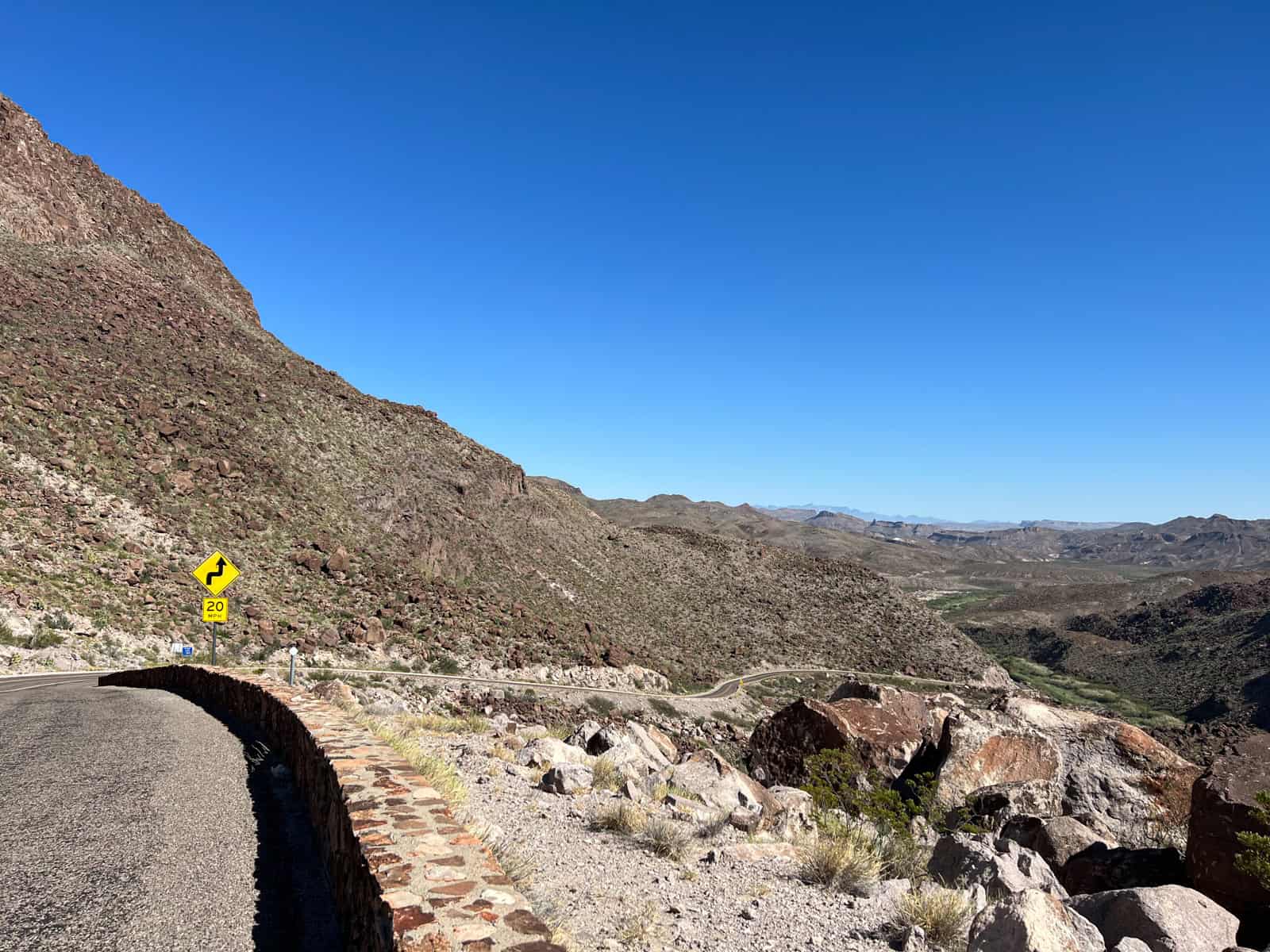
After arriving at a great viewing spot, just set up your chairs to enjoy the sunrise.

Note that it might be quite cold and windy in the morning as sand loses heat rapidly, and the plain terrain of the desert and coast doesn't weaken the wind.

Therefore, an open fire will enhance your outdoor seating. 

First, it will be an additional source of heat. Second, you'll be able to brew some coffee and prepare breakfast.

Deserts and shores aren't rich in dried wood for an open fire. Therefore, don't hesitate to bring some wood with you.

Sunrise Viewing from Car

If you have a van, you can easily set it up for comfortable sunrise viewing.

Feel free to cover the cabin's floor with plywood to make the surface flat.

Also, wood has a bad heat conductivity value, so it will save heat. You can also put down an air mattress and lie inside your van.

To watch a spectacular view, you will only need to open the rear door of your van.

Tips for Car Travelers

Do you want your trip to be comfortable and problem-free? If so, don't be shy about using these tips from experienced travelers. 

Bring Cash

The more remote places you go, the harder it may be to find ATM machines. Also, stores in remote areas may not accept credit cards.

Therefore, it's always a good idea to bring cash on your road trips. It can be a life-saver if you need to purchase water, gas, or pay someone for help. 

Carry a Lot of Water

Water is the most important resource for living.

Planning a trip, especially to the desert, necessitates that you bring plenty of filtered water, preferably in a reusable container.

Always bring enough water to cover any possible needs, as well as the potential for your car or van to break down unexpectedly.

Create a Playlist

If you have to drive many hours to reach the final destination, don't forget to create a playlist of your favorite songs. Also, music can make camping more fun. 

Final Words

Traveling by car is a great way to pass a weekend, especially during an outbreak, when most international flights are canceled.

If you live in a crowded area, head to the nearest coast or dessert for one or two nights.

It can help distract you, if only temporarily, from everyday stresses and routines.

When a new day begins with witnessing a sunrise in natural surroundings, it'll be worth all the effort.

_____

This story is brought to you in partnership with RoofTopTentGuide.com.

Best Places to Backpack with Your Friends

Who's ready for a new adventure? After spending an entire year indoors, many of us are looking forward to resuming travel activities in a safe and socially distant way.

Let's face it: given all the current uncertainty, we could all use a break to unwind and relax.

Great Smoky Mountains (photo: Kirk Thornton)

So, how about making up for last year's canceled international vacation with a trip to the mountains?

Plan a road trip with one or two select friends if you're on a limited budget. After all, nothing can beat the feeling of being on the road with your favorite people, jamming to cool tunes.

You experience new things, take risks, and make lasting memories together. Whether cliff jumping or ziplining - friends often know just the thing to pull you out of your comfort zone. 

Open up to adventure and find creative ways to make the most of your trip.

Don't let fear and inhibition control every aspect of your life. Make spontaneity your friend.

If you're on a tight budget, have a look below. Here, we're sharing the best places to travel with your friends. 

Clingman's Dome (photo: Kirk Thornton)

Table of Contents

  • Newfound Gap, Smoky Mountain National Park 
  • Portland, Maine 
  • Nosara, Costa Rica
  • Maribor, Slovenia
  • Nassau, Bahamas 
  • Malibu, California 
  • Indianapolis, Indiana 
  • To Conclude

Newfound Gap, Smoky Mountain National Park 

Take the scenic route through the Great Smoky Mountains for a memorable journey. The Newfound Gap Road will let you experience a little of everything the national park offers.

The Newfound Gap Road runs from Gatlinburg, Tennessee, to Cherokee, North Carolina. Watch for gorgeous views of Mount LeConte - the perfect spot for selfies. 

After a few miles, you'll see the Rockefeller Memorial, where President Franklin D. Roosevelt commemorated Smoky Mountain National Park.

Portland, Maine 

Portland, Maine, is a perennial travel favorite. The Old Port's cobbled streets and colorful restaurants are a treat for the eyes.

Throw in farmer's markets and craft breweries, and Portland has cool credentials. You can also head to Peaks Island, a ferry ride from downtown Portland.

Want to know the best part? From hotel accommodation and food to getting around - Portland is super affordable. 

Nicoya Peninsula, Costa Rica (photo: ArianneBeeche)
The Nicoya Peninsula, Costa Rica (photo: ArianneBeeche)

Nosara, Costa Rica

Nosara is a gorgeous Costa Rican beach town on the Nicoya Peninsula with a fun-loving hippy spirit.

You will come across adorable cafes and exclusive boutiques, giving a California vibe. Apart from enjoying the culture, you can go surfing with your buddies.
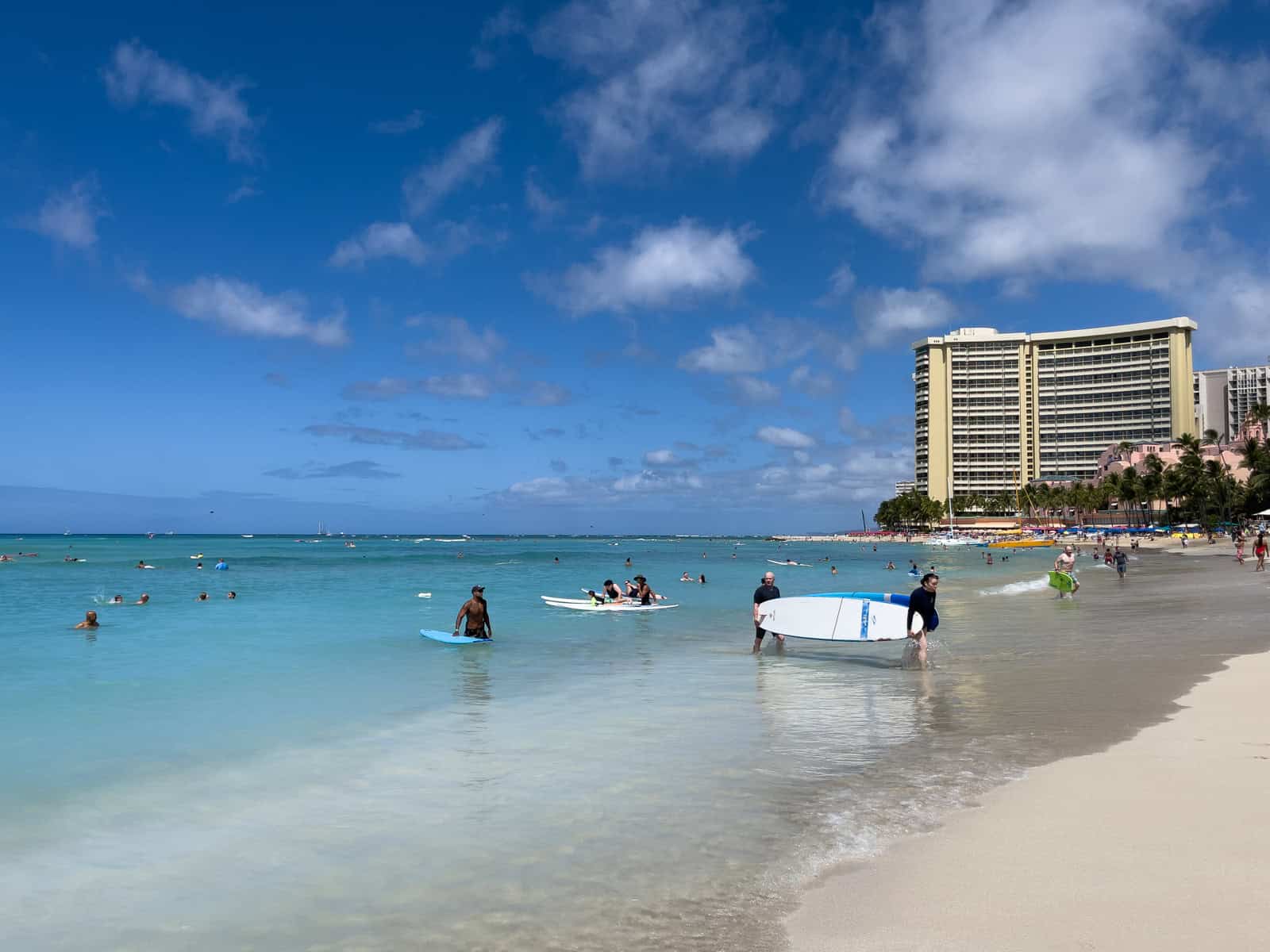
Whether you're a beginner or a professional surfer, you can connect with a local surf instructor for fun lessons.

Once you've gotten a tan, consider heading on a riverboat safari to spot exotic birds, iguanas, and monkeys. 

Maribor, Slovenia

Are the iconic Lake Bled and the capital city of Ljubljana on your travel itinerary?

Maribor could be the best place to start your journey. It is the most mesmerizing spot, surrounded by medieval buildings and cozy wine cafes.

You'll see wine-growing hills and museums that offer tastings. So, why not get a little tipsy with your friends? It is a small city but packs a punch with its excellent line-up of summer festivals.

You can also visit Pohorje, a ski resort, to experience outdoor activities like hiking, biking, or a cable car ride. 

Nassau Atlantis Fish (photo: Sean Cotton)

Nassau, Bahamas 

Usually, budget travelers don't picture themselves visiting the Bahamas because they believe it would cost a fortune.

In 2021, the Bahamas could be one of the best backpacking destinations. If your friends like authentic experiences, this could be the picture-perfect travel spot.

The former British colony has been free and independent since 1973. It exudes Caribbean culture with its jerk joints, bars, and street food vendors on every corner.

You can also try thrilling activities, including swimming with pigs, diving with sharks, and cliff-jumping.

If you're not fond of aquatic adventures, head to the straw market and get some crafts. 

Malibu, California 

Malibu is all about pristine coastlines and charming oceanfront homes. The scenic shoreline attracts people worldwide while offering different outdoor activities.

Nothing could be more memorable than a fun beach trip, from playing throwball on spectacular beaches to thrilling water sports.

You can also escape to the Santa Monica mountains to catch sight of beautiful waterfalls and forests. Otherwise, visit The Getty Villa Museum if you like ancient art. 

Indianapolis, Indiana 

Indiana offers an energetic downtown with diverse restaurants, attractions, miles of bike paths, and a scenic Central Canal.

If you desire a green space to connect with nature, look no further than the White River State Park. It features sculptures, canals, and some of the best views in the city.

You can also visit The Indiana World War Memorial Plaza, which stands more than 200 feet tall; it was built to commemorate World War I. While you're there, check out the Soldiers & Sailors Monument too. 

To Conclude

Indeed, it doesn't matter where you are going once you have friends by your side; choosing your destination is just the beginning.

In addition to considering everyone's interests, you'll plan a budget-friendly trip. Thankfully, there are many places to head with a backpack.

Before heading out, book hostel or hotel accommodations and learn about different routes to ensure an unforgettable road trip. 

______

This story is brought to you in partnership with Smoky Mountain National Park.

3 Political Sites to Visit While In Russia

St. Basil's Cathedral, Red Square (photo: Anastasiya Romanova)

Do you love politics and history? Are you looking to spend your time in Russia immersing yourself in all things politics?

Then the following three tourist sites should be on your itinerary.

1. The Moscow Kremlin

Your visit to Moscow would not be complete if you did not stop at the Kremlin. This fortress traces its roots as far back as 1147.

In the 13th Century, the Kremlin was also the center of spiritual power for state leadership.

The complex consists of several cathedrals, palaces, walls, and towers.

The Grand Kremlin Palace within it used to be the Tsar's residence whenever he was in Moscow.

Currently, however, the Kremlin is a museum and the official residence of the Russian Federation President.

So, if you would like to visit a seat of political power, the Moscow Kremlin is a great place to see. In 1990, it was recognized as a UNESCO World Heritage Site.

Additionally, you will be able to take a tour and see other attractions such as historic wooden sculptures, artillery pieces, and the Tsar Bell. 

You can also view the museum collection of royal garments, state regalia, and other applied art pieces.

Some of these items are displayed at the Armory Chamber within the Kremlin.

2. The Museum of the History of Political Repression Perm-36

The Museum of the History of Political Repression Perm-36 is also known as the Gulag Museum.

It's also officially known as the Memorial complex of political repressions. 

In the Stalin era, it was part of a larger prison camp, which was then known as the Gulag.

The Gulag operated from 1946 to 1987. Some buildings have been preserved as they were, while others have been reconstructed.

During the period it was in operation, Perm-36 was used as a forced labor camp.

Both criminals and political prisoners were imprisoned there under very harsh conditions, including solitary confinement.

Many people, including scientists, writers, and politicians, died within its boundaries.

If you would like to learn more about the conditions in which people were confined during the Soviet Union era, the Gulag is a good place to start.

It's located about 100 km from Perm. After visiting, you'll have a new appreciation for the freedom of expression and what it means to be free of oppression.

Lenin's Tomb (photo: Hennie Stander)

3. Lenin's Mausoleum

Lenin's Mausoleum is also known as Lenin's Tomb. It can be found in Central Moscow at Red Square, one of UNESCO's World Heritage Sites. 

This site is the current resting place of Vladimir Lenin, the revolutionary Soviet Russian leader who led to the rise of Leninism.

The mausoleum designer borrowed from other significant architectural designs such as the Tomb of Cyrus the Great and the Step Pyramid.

Originally, Lenin's body lay in a coffin within a wooden tomb.

However, it now lies in a sarcophagus within a mausoleum made of materials such as marble and granite, among other things. 

There have been numerous debates on whether Lenin's body should be moved to a different resting place.

Therefore, the tomb is worth a visit now because its future is uncertain.

You can view the tomb on designated days so long as you respect the established rules.

Since this is one of the sites where photography is forbidden, the only way to experience the tomb is to visit it in person.

You don't have to agree with any political philosophy or politician to appreciate their contribution to history.

History is interesting and fun to learn for its own sake. So, when you visit Russia, take the time to enjoy some of its well-known and even lesser-known political sites. Get started: https://visaexpress.com/visa-for-russia-from-us/.

_______

This story is brought to you in partnership with Visa Express.

Kronborg Castle: Day Trip to Hamlet's Castle

Kronborg Castle, Denmark

On my first full day in Copenhagen, I hopped a train for the hour-long ride north to 600-year old Kronborg Castle, the setting of Shakespeare's Hamlet.

Strategically located in Helsingør (Elsinore) at the eastern edge of Denmark, the castle overlooks the Sound, a stretch of water separating the country from Sweden.

Kronborg's resident royalty grew incredibly wealthy by levying a toll on the estimated 1.8 million ships that passed by in route to the Baltic Sea from 1429 to 1857.

As a result, Kronborg became one of the most important castles in Northern Europe during the Renaissance.

In 2000, Kronborg Castle was recognized as a UNESCO World Heritage Site.

Got Denmark on your bucket list for 2022 or beyond? Now's the time to familiarize yourself with the European Travel Information and Authorisation System, or ETIAS, a visa waiver program for citizens from 60 countries, including the United States, to enter the Schengen Area.

Let's take a closer look at the castle so grand it was featured in one of William Shakespeare's most famous plays.

Table of Contents

  • Exploring Kronborg
    • Entering the Castle
    • The Royal Apartment
    • Church Chapel
    • The Cannons
    • Quirks of Castle Life
    • Little Hall
    • Casemates
  • Getting There and Away

Exploring Kronborg

Entrance to Kronborg Castle in northern Denmark
Entrance to Kronborg

Entering the Castle

It was a chilly, overcast fall morning when I arrived at Kronborg Castle. The steely-grey sky set the mood for a trip back in time.

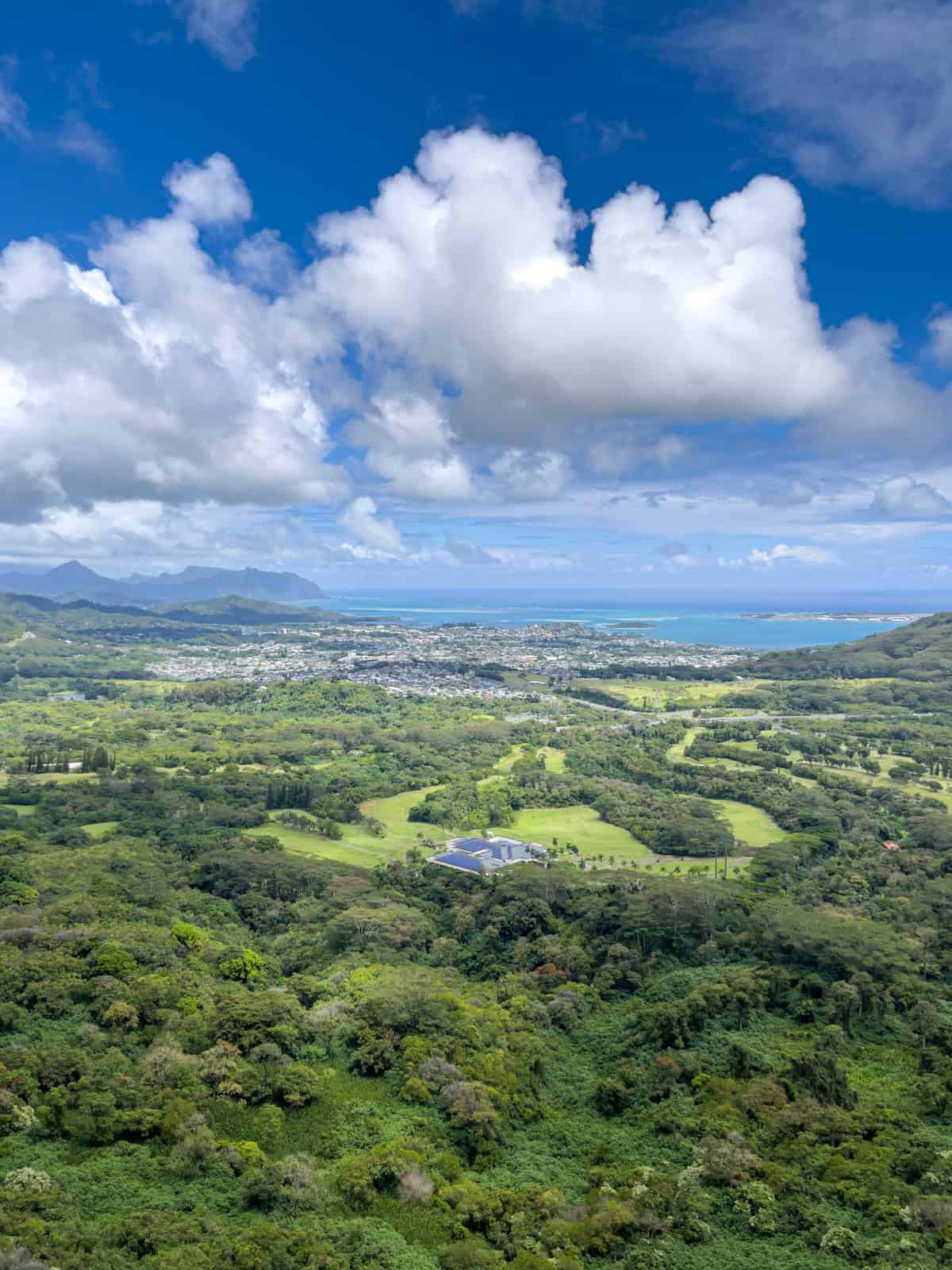
Entering Kronborg Castle grounds happens in stages. First, there's the two small bridges over a wide moat leading to the main gate.

Then, there's a short walk around a smaller interior moat (pictured above) before passing through a thick exterior wall (below) where tickets are purchased.

Kronborg's exterior fortifications

The cost of admission ranges from $15 in the low season to $22 in the high (summer) season.

Free 30-minute guided tours are available from September through March; however, I was too excited to wait for one.

Kronborg Castle courtyard
Courtyard

Instead, I walked through to the spacious courtyard, which has hosted more than one live performance of Hamlet over the years.

The tragic play was first performed here in 1816 to celebrate the 200th anniversary of Shakespeare's death.

During my first trip to Europe after college, I have fond memories of attending Shakespeare's Much Ado About Nothing in Kilkenny Castle's courtyard in Ireland.

If you have the opportunity to see Shakespeare performed at Kronborg, or any other European castle, I highly recommend it.

Courtyard at Kronborg Castle
Courtyard

Kronborg Castle's grandeur is all but apparent in the courtyard.

Tall towers, sandstone walls, and copper roofing have been beautifully restored and kept in pristine condition.

King's Chamber at Kronborg
The King's Chamber

The Royal Apartment

I began my exploration of the castle's interior in the Royal Apartment, where the King and Queen lived, on the north wing's first floor.

The King's Chamber is one of the castle's most important rooms, as it was here that the King would meet with noblemen to discuss how to run the realm.

The room was also used for entertaining, such as hunting dinners, which King Frederick II enjoyed greatly during his reign in the late 16th century.

An accidental fire in 1629 led to the near complete destruction of the castle.

The exterior was rebuilt almost the same by Christian IV. The interiors, however, were rebuilt with less of a likeness to their original form.

Queen's bedroom
Queen's bedroom

Two tiny bedrooms are on display, one for the King and one for the Queen.

At the time, having one's own bedroom, warmed by a fireplace, was seen as a sign of wealth and privilege. Smaller rooms were easier to keep warm.

By comparison, those of lesser means may have had an entire family sleeping on a single bed.

The Queen's Chamber at Kronborg Castle
The Queen's Chamber

Like the King, the Queen had her own chamber for dining and entertaining guests.

Kronborg Castle chapel
Chapel

Church Chapel

Opened in 1582, Kronborg's chapel was the only structure not significantly damaged by the fire of 1629.

It's a modest space, richly decorated with original religious art and furniture.

View from Kronborg Castle
View from the castle

The Cannons

One of my favorite scenes at Kronborg was not of the castle itself but the view out toward the Sound.

From the vantage point shown above, it's easy to see how well defended the castle was from attack by sea.

Berms, walls, moats, and cannons offered layers of protection for the royal family.

Castle defenses
Castle defenses

Today, the castle can be rented for private and corporate events, such as weddings and concerts.

It's even possible to fire the cannons!

Castle staircase
Spiral staircase
Castle toilet
Castle toilet

Quirks of Castle Life

As you move around the castle, there are small glimpses of what it'd have been like to live there, such as the steep spiral staircases and basic toilet.

The Little Hall with tapestries
Tapestries in Little Hall
Kronborg tapestry
Tapestry

Little Hall

In Little Hall, you'll find seven tapestries from a series of forty depicting Danish kings.

The tapestries were made around 1580 at the behest of King Frederick II.

Holger the Dane
Holger the Dane

Casemates

"According to a legend linked to Arthurian myth, a Danish king known as Ogier the Dane (Danish: Holger Danske), was taken to Avalon by Morgan le Fay. He returned to rescue France from danger, then traveled to Kronborg castle, where he sleeps until he is needed to save his homeland."

Wikipedia

Toward the end of my visit, I went below ground to walk through the cellar, which once housed everything from the King's wine collection to prisoners in shackles.

In the casemates, passageways within the thick castle walls, rests Holger the Dane, a Danish national hero.

The original bronze sculpture was created in 1907 by Hans Pedersen-Dan for Hotel Maienlyst.

Despite the used plaster mold being placed under the castle, it became more popular than the bronze sculpture itself.

In 1985, the plaster mold was replaced with a concrete sculpture to ensure Holger the Dane would safely live on for centuries.

Kronborg Castle
Departing Kronborg Castle

Getting There and Away

Kronborg Castle is easily accessible from Copenhagen by train or car.

If traveling by DBS train, as I did, it's a 45-minute ride from central Copenhagen Central Station (or any other downtown station), plus a 15-minute walk from the Helsingør Station to the castle.

If driving, it's about 45 minutes to an hour north via the E47 highway.

Whichever way you choose, I highly recommend a stop at the Louisiana Museum of Modern Art on your way back to Copenhagen.

It's about a ten-minute walk from the Humlebæk Station, and taxis are available should you need a lift to the museum or back.

______

This story is brought to you in partnership with ETIAS.

Top 5 Best Beach Activities

Wakeboarder (photo: chadseiverson)

The beach has something for everyone, so if you're planning a solo or group beach holiday, don't be worried about the prospect of being stranded or bored at your destination.

This article will introduce you to some of the best activities to try out on your next trip to the beach.

Table of Contents

  • 1. Wakeboarding
  • 2. Surfing
  • 3. Beach volleyball
  • 4. Snorkeling
  • 5. Scuba diving

1. Wakeboarding

Wakeboarding was popularized back in the 80s, and its rise to popularity has been nothing short of remarkable.

Most people haven't tried the activity because its learning curve is rather intimidating at first glance.

However, you can excel in this watersport if you take the time to go through the basics and get all the necessary boating accessories for the sport.

If you own a boat, make sure it is in perfect shape before heading to the beach.

Also, consider equipping it with a wakeboard tower from a reputable boating accessories company such as Aerial Wakeboarding for a better experience.

2. Surfing

Surfing is arguably the most popular board sport. It involves standing on a surfboard and gliding on the waves.

One thing that makes the activity so popular is that it doesn't require as much equipment as wakeboarding, windsurfing, or kiteboarding.

All you need is a surfboard and some basic skills, and you are good to go.

The three most common types of surfing are longboarding or Malibu boarding, shortboard surfing, and traditional surfing.

3. Beach volleyball

Unlike most other activities on this list, beach volleyball is a team sport.

It is similar to conventional indoor volleyball but uses a sand court and has lighter restrictions on the number of players that can be in a team.

The players' main objective is to ensure the ball doesn't touch the ground on their side of the net.

4. Snorkeling

Snorkeling is one of the most rewarding beach activities.

Its main selling points include simplicity, as all you need is a couple of fins and a mask to get in the waters.

If this is your first time going on a snorkeling trip, it's worth noting that you will need some basic skills and safety knowledge before diving.

The experience might be tainted with fear, exhaustion, boredom, and, sometimes, injury.

Still, all these are typical products of human mistakes that you can avoid if you pay attention to the rulebook.

5. Scuba diving

Scuba diving has gained a reputation as a gratifying and adrenaline-boosting activity.

It allows you to explore the adventure-filled underwater world and lets you experience the planet's magic from a whole different perspective.

It also offers you a range of spinoff benefits, including physical fitness, stress relief, and a boost in concentration.

You can do it alone or in a group, but it's advisable to have an instructor close on your first tries.

***

There is a wide range of things you can do at the beach, depending on the company and equipment you have, your budget, and the amount of time you have.

The above five are worth a try if you are looking for a place to start.

_______

This story is brought to you in partnership with Aerial Wakesports Products.

« Previous Page
Next Page »
Dave at Ahu Ko Te Riku on Rapa Nui (Easter Island), Chile.

Hi, I'm Dave

Editor in Chief

I've been writing about adventure travel on Go Backpacking since 2007. I've visited 68 countries.

Read more about Dave.

Footer

back to top

About

  • About
  • Archive
  • Privacy Policy
  • Cookie Policy

Follow Us

Contact

  • Contact
  • Work With Us
  • Submissions

Copyright © 2025 Go Backpacking