Go Backpacking

  • About
  • Travel Tips
    • Accommodations
    • Budgeting & Money
    • Adventure Travel
    • Food & Drink
    • Gear & Gadgets
    • Packing Tips
    • Travel Blogging
    • Travel Insurance
    • Trip Planning
    • UNESCO Sites
  • Destinations
    • Africa
      • Botswana
      • Egypt
      • Ethiopia
      • Morocco
      • Rwanda
      • South Africa
      • Tanzania
    • Asia
      • Cambodia
      • China
      • Hong Kong
      • India
      • Indonesia
      • Japan
      • Laos
      • Malaysia
      • Nepal
      • Philippines
      • Thailand
      • United Arab Emirates
      • Vietnam
    • Europe
      • England
      • France
      • Germany
      • Greece
      • Iceland
      • Ireland
      • Italy
      • Portugal
      • Spain
      • Switzerland
      • Turkey
    • North America
      • Canada
      • Costa Rica
      • Cuba
      • Guatemala
      • Mexico
      • Nicaragua
      • Panama
      • United States
    • Oceania
      • Australia
      • French Polynesia
      • New Zealand
    • South America
      • Argentina
      • Bolivia
      • Brazil
      • Chile
      • Colombia
      • Ecuador
      • Peru
  • Advertise
menu icon
go to homepage
  • About
  • Travel Tips
    • Accommodations
    • Budgeting & Money
    • Adventure Travel
    • Food & Drink
    • Gear & Gadgets
    • Packing Tips
    • Travel Blogging
    • Travel Insurance
    • Trip Planning
    • UNESCO Sites
  • Destinations
    • Africa
      • Botswana
      • Egypt
      • Ethiopia
      • Morocco
      • Rwanda
      • South Africa
      • Tanzania
    • Asia
      • Cambodia
      • China
      • Hong Kong
      • India
      • Indonesia
      • Japan
      • Laos
      • Malaysia
      • Nepal
      • Philippines
      • Thailand
      • United Arab Emirates
      • Vietnam
    • Europe
      • England
      • France
      • Germany
      • Greece
      • Iceland
      • Ireland
      • Italy
      • Portugal
      • Spain
      • Switzerland
      • Turkey
    • North America
      • Canada
      • Costa Rica
      • Cuba
      • Guatemala
      • Mexico
      • Nicaragua
      • Panama
      • United States
    • Oceania
      • Australia
      • French Polynesia
      • New Zealand
    • South America
      • Argentina
      • Bolivia
      • Brazil
      • Chile
      • Colombia
      • Ecuador
      • Peru
  • Advertise
search icon
Homepage link
  • About
  • Travel Tips
    • Accommodations
    • Budgeting & Money
    • Adventure Travel
    • Food & Drink
    • Gear & Gadgets
    • Packing Tips
    • Travel Blogging
    • Travel Insurance
    • Trip Planning
    • UNESCO Sites
  • Destinations
    • Africa
      • Botswana
      • Egypt
      • Ethiopia
      • Morocco
      • Rwanda
      • South Africa
      • Tanzania
    • Asia
      • Cambodia
      • China
      • Hong Kong
      • India
      • Indonesia
      • Japan
      • Laos
      • Malaysia
      • Nepal
      • Philippines
      • Thailand
      • United Arab Emirates
      • Vietnam
    • Europe
      • England
      • France
      • Germany
      • Greece
      • Iceland
      • Ireland
      • Italy
      • Portugal
      • Spain
      • Switzerland
      • Turkey
    • North America
      • Canada
      • Costa Rica
      • Cuba
      • Guatemala
      • Mexico
      • Nicaragua
      • Panama
      • United States
    • Oceania
      • Australia
      • French Polynesia
      • New Zealand
    • South America
      • Argentina
      • Bolivia
      • Brazil
      • Chile
      • Colombia
      • Ecuador
      • Peru
  • Advertise
×
Home

Backpacking in the Balkans

UNESCO sites, mountains, beaches, and old towns, such as those in the Balkans, are part of a rich history in Southeast Europe. The Balkan Peninsula comprises ten countries, many of which were part of the former Yugoslavia.

Backpacking in the Balkans.
Mostar and its famous bridge, which was destroyed in the Bosnian War.

Although Greece and Turkey sit within this peninsula, the Balkans consist of:

  • Albania
  • Bosnia and Herzegovina
  • Bulgaria
  • Croatia
  • Kosovo
  • The Republic of Macedonia (not to be confused with the area of Macedonia in Greece)
  • Montenegro
  • Romania
  • Serbia
  • Slovenia

For those striving to learn more about the world as we travel, backpacking in the Balkans ticks all the boxes for education and presents a moving history, making these countries unique.

Table of Contents

  • Albania
  • Bosnia and Herzegovina
  • Bulgaria
  • Croatia
  • Kosovo
  • Macedonia
  • Montenegro
  • Romania
  • Serbia
  • Slovenia

Albania

Albanians are some of the nicest people in the Balkans; they speak Italian and Albanian. Albania is one of the most surprising countries with UNESCO sites, beach towns, fantastic nightlife, and even its own Alps.

Buses aren't air-conditioned and don't necessarily run on time, so stick out your thumb along the roadside and hitchhike instead. A good overland itinerary would include Shkoder, Tirana, Dhermi, Sarande, and Gjirokaster.

Tip: You can rent a car in Albania effortlessly through Rent from Locals, a pioneering platform that links you with local car owners for a more authentic journey. This service provides an eco-friendly and culturally immersive way to traverse Albania's diverse landscapes. Select from various vehicles and experience Albania's rich heritage and natural beauty firsthand.

Bosnia and Herzegovina

If there is ever a country in the Balkans that will evoke your emotions, it's Bosnia. In Sarajevo, buildings that were once symbols of an Olympic city are now full of bullet holes, acting as reminders of the Bosnian War, which took place from 1992 to 1995.

Sarajevo used to be the second most important town in the European empire, and areas of the capital will remind you of Turkey with Turkish souvenirs that you can find in Istanbul.

Buses run from Sarajevo to Mostar, another favorite place to visit. There, you can see a reconstructed famous bridge that was destroyed during the war.

Bulgaria

Backpacking in the Balkans
Plovdiv in Bulgaria is the oldest living city in Europe

Bulgaria is a country of contrasts, from the neon lights of Sunny Beach on the Black Sea Coast to Plovdiv, the oldest living city in Europe, with a beautiful old town.

Sofia, the capital, is a fusion of historical and modern monuments, but head to the Rhodope Mountains to experience the hospitality of the Bulgarian people. The trains here are slower than the buses but offer a scenic route.

Croatia

Dubrovnik may be out of your backpacking budget, with high accommodation prices in the old town. However, it is one of the prettiest cities in the country. Head to Split to jump aboard a boat that will take you through the Croatian islands.

There's a good bus network here, but if you're willing to brave the wild drivers, hire a car to see areas such as the Plitvice Lakes, a stunning green oasis. Plus, Croatia has the best festivals.

Backpacking in the Balkans
Hire a car to see the Plitvice Lakes in Croatia

Kosovo

A controversial country with the majority of Albanian residents. There isn't much to see in Kosovo except the Novo Brdo Fortress or the cave system in Gadime, where you can take a guided tour.

Buses run between the cities. Crossing the border from Serbia may cause more problems than traveling from the Albanian side.

Macedonia

The capital is surprisingly modern, with monuments, artistic statues, and even Mother Teresa's house.

Check out Lake Ohrid, one of the oldest lakes in Europe, a UNESCO town full of churches and an old Roman theatre, or head to Mavrovo for horseback riding, biking, hiking, and other outdoor adventures.

There are trains and buses in Macedonia, but be ready to walk 30 minutes from the bus stop in Ohrid, as the bus doesn't drop you in the center.

Montenegro

This country has the party scene for the clubbing backpackers, with Budva resembling a mini-Ibiza.

The Top of the Hill open-air club attracts the top DJs, but for some peace, the Bay of Kotor is just stunning, and the old city has excellent bay views if you can handle the steep climb.

Party first at Budva, then head to Kotor to relax. For ease, take the bus around the country.

Romania

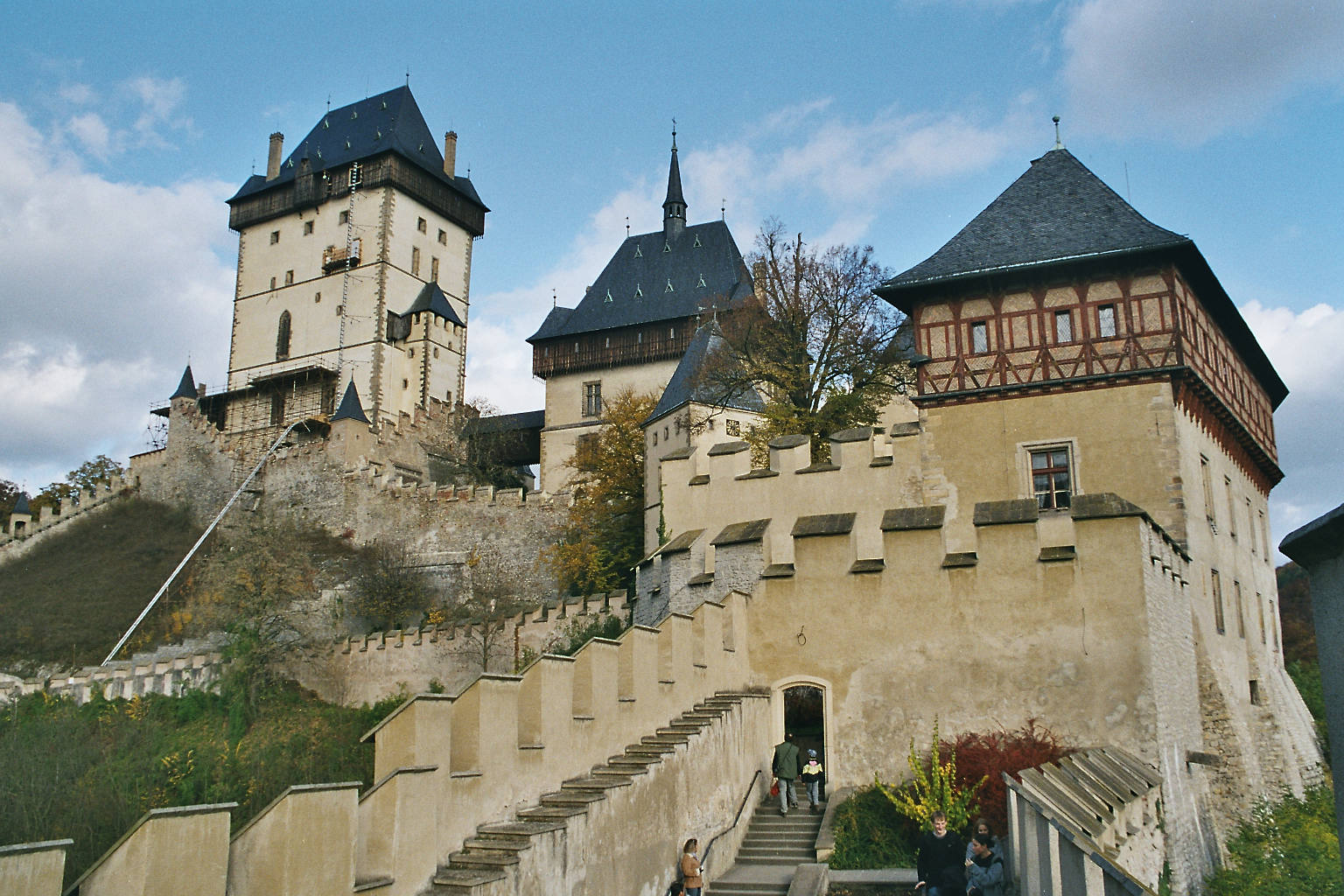
Traveling through Romania, you'll soon realize it's not the scenes depicted in the Dracula novels. Castles can be found here. Peles Castle, north of Bucharest, is the most beautiful.

This country offers plenty of countryside, and the university city of Timisoara has many parks to see. Start in Bucharest, then take the train to Sinaia, Brasov, and Sibiu to see the best of the country.

Serbia

Backpacking in the Balkans
An old bombed building in Belgrade, Serbia

The funky capital of Belgrade, Serbia, has some of the best nightlife. Boat clubs are located along the river where the Sava and Danube Rivers meet. There's enough in the capital to spend three or four days here.

Then, head to Novi Sad for the Petrovaradin Fortress before moving on to the mountainous Zlatibor region in the west. Serbia is well-connected by train from Romania and can be easily traveled by bus.

Slovenia

Don't overlook this tiny country. It may be small, but it has so much charm. The capital of Slovenia, Ljubljana, has Baroque-style architecture and musicians playing in the main square.

Lake Bled is the place for adventure. It has almost every adventure sport and a good backpacker vibe, too. With the country being tiny, it doesn't take long to go anywhere in Slovenia, so don't expect to be on a bus for longer than two hours.

If your final destination is Turkey, getting to Istanbul is easy, with buses operating directly from many Balkan countries. If you choose not to fly, a bus ticket from Skopje in Macedonia to Istanbul will cost you about $40.

So, next time you plan a trip to Europe, consider visiting the Balkan Peninsula instead of Western Europe.

6 Cheap, Delicious Beers From Around the World

When I started backpacking, one of my first realizations was, "OMG, beer is really cheap in foreign countries."

And then, after a lot of sampling, I had the secondary (but no less important) realization that "OMG, beer is really delicious in foreign countries."

If you are fond of sampling local beers on your travels, try out these top beers from around the world. You will have no regrets - pinkie promise.

Beer + Travel = Good Times. Image source: https://www.flickr.com/photos/juannomore/3089503102/
Beer + Travel = Good Times

Table of Contents

  • Beers to Try
    • 1. Phuket Island Lager, Thailand
    • 2. Noche Buena, Mexico
    • 3. Bia Hoi, North Vietnam
    • 4. Oldbridz Oatmeal Cookie Brown Ale, Bosnia and Herzegovina
    • 5. Message in a Bottle Black IPA, Philippines
    • 6. Cerveza Leyenda Porter, Chile

Beers to Try

1. Phuket Island Lager, Thailand

Phuket is an island in Thailand best known as a party spot for foreign revelers, but if you want to sip on a few beers with dinner instead of going wild "in da club," make sure you ask for Phuket Island Lager.

As the name would suggest, this beer is brewed on the island, and it's made with a mixture of German hops and local jasmine rice.

This beer is light and refreshing, with a not-too-potent 5% alcohol content.

It can even claim to be the only Thai beer to win the gold medal for excellence at the Monde Selection awards.

2. Noche Buena, Mexico

In Mexico, there are three drinks that you should be drinking on a trip to a cantina - mezcal, tequila (which is a type of mezcal), and good old beer.

If you happen to be in Mexico around Christmas, make sure you ask for Noche Buena beer, which is only sold at this time of year.

Most Mexican beers tend to have very light characteristics, but this is an exception.

It has a dark brown color and tastes pretty malty. And at 5.9% alcohol, it's stronger than most Mexican beers, too - perfect for a celebration!

Related: 10 Famous Breweries to Visit

Suppin' on Bia Hoi in Hanoi. Image source: https://www.flickr.com/photos/ee_biggs/10806549963/
Suppin' on Bia Hoi in Hanoi

3. Bia Hoi, North Vietnam

Take a trip to Vietnam anywhere from Hoi An upwards, and you will find an incredibly unique beer culture.

Signs on the street will invite you to try a fresh beer on the road at an unbelievably low price.

My lasting memories from Vietnam involve being amazed at the beer prices and then consuming a lot of the golden stuff.

The beer gets freshly brewed daily, matured for a very short time, and sold. It's lightweight at just 3% alcohol but refreshing under that intense Vietnam sun.

The Vietnamese translation for fresh beer is "Bia Hoi," so look out for those two magic words wherever you happen to be.

4. Oldbridz Oatmeal Cookie Brown Ale, Bosnia and Herzegovina

If you want to fill your boots with artisanal beers at a rock-bottom price, make getting yourself to Central and Eastern Europe a life priority.

Bosnia and Herzegovina are suddenly being discovered as epic backpacking destinations full of friendly people, history, natural beauty, and excellent beers.

If you are not keen on bitter beers, opt for a taste of sweetness by trying out this oatmeal cookie brown ale.

You can genuinely taste the raisins and brown sugar in the beer, and at 6% alcohol, it won't fail to get you tipsy.

Related: Fort Collins Brewery Tour

This picture shows why drinking beer in the Philippines is just better. Image source: https://www.flickr.com/photos/gep/468047733/
This picture shows why drinking beer in the Philippines is just better.

5. Message in a Bottle Black IPA, Philippines

Whenever I speak to a fellow backpacker who has visited the Philippines, they almost always mention the price of alcohol there. The long and short of it is that it's super cheap.

But don't just settle for the regular lagers you'll find everywhere in the Philippines, like San Miguel - there are tons of local craft beers you can try too.

Message in a Bottle Black IPA is a real treat. This is the kind of beer you want to sit on for a long time on a lazy Sunday afternoon.

It is incredibly dark with lots of rich flavors, and it's pretty darn strong at 7.6% alcohol, so take your time with this one.

6. Cerveza Leyenda Porter, Chile

You've probably sipped on some Chilean wines before, but Chilean beer?

While beer is less common in the country, the craft beer scene is growing into something pretty spectacular. The Cerveza Leyenda Brewery is extra special.

The founder, Loreta, is championing the female beer brewing culture in Chile, and you can even take a weekend brewing course if you happen to be in Santiago.

They have many beers on offer, but their dark Porter offering is something you won't want to miss with its notes of coffee and nuts.

5 Simple Tips for Staying Healthy on the Road

You've been dreaming about your big round-the-world adventure for years. Finally, it's a reality. You've seen some of the most magical places on the planet, experienced beautiful cultural festivals, and basked in stunning sunsets. Sounds perfect, right?

Greek Loukoumades
Greek loukoumades are amazing, but not every day!
Okay, in reality, you've probably partied nonstop from sunup to sundown with all your new hostel best friends and have munched on cheap but delicious street food for the past two months. It's beginning to feel a bit like college.

You've heard the term "freshmen 15." Or perhaps you even gained the typical weight as a first-year student in college. It happens to the best of us. It's also common to gain weight while traveling. Suddenly, you are plucked from your everyday routine of going to the gym, working, and then eating dinner at home.

On the road, you sleep in noisy hostels, eat street food or hostel-cooked pasta, and drink a lot of beer. While eating street food and drinking beer in moderation is fine, doing it regularly can turn that 6-pack into a mini-keg in no time.

Staying fit and healthy on the road is just as important as staying fit and healthy at home. When you begin to become unhealthy and unfit on the road, not only will you have to buy new pants, but your immune system can start to weaken, making you more susceptible to illness. And I can guarantee no one wants to be sick during Thailand's Full Moon Party.

Table of Contents

  • 1. Sleep
  • 2. Eat your fruits and vegetables
  • 3. Walk More
  • 4. Exercise
  • 5. Drink less alcohol

1. Sleep

Sleep is one of the most important things you can do for your body. Healthcare providers recommend between seven and nine hours of sleep per night. How often can you get that at a hostel? Not much.

Sleep is integral to keeping you healthy, as it is when your body heals, and memories are stored in your brain. If you're struggling with sleep, consider staying in a private room for a night or two to catch up on sleep or take a nap during the day when all your roommates are at the beach.

2. Eat your fruits and vegetables

Street food is delicious, and I always encourage people to try local food. However, we live in a world where fried food is prevalent.

It's okay to eat it in moderation. But if your diet consists of fried food and bread, then the pounds are going to pack on, and you are more at risk for developing diseases like diabetes, high blood pressure, and cardiovascular disease.

Fruits and vegetables are full of healthy vitamins and minerals essential for normal body functions like sleep.

Sometimes, healthy food can be hard to find, but scout out local markets and vendors offering veggie options. Trust me; you'll find those leafy greens and colorful fruits and vegetables. Buy some, bring them back to your hostel, and eat them. Wash them thoroughly, as food poisoning is no joke!

If you find it challenging to eat enough fruits and vegetables, especially while on the go, consider adding the best fruit and veggie vitamins to ensure you're getting those essential nutrients.

3. Walk More

Hiking Greece
Hiking is an excellent way to stay fit and have fun on the road

Do you have all the time in the world? Walk everywhere! In some countries, transportation only costs pennies; however, walking is still free. Walking is always my prime mode of transportation wherever I go unless it's unsafe or I'm in a hurry.

Studies have shown that walking at a moderate pace for at least 30 minutes daily can help maintain a healthy body weight and reduce the risk of heart disease, blood sugar levels, and osteoporosis. If that doesn't sell it, it's also a great way to get rid of a hangover!

4. Exercise

Very few hostels offer gyms or exercise equipment. Don't let that stop you from exercising. If you're staying somewhere for a while, sign up for a gym membership or take classes at the local yoga or Muay Thai studios. Many gyms and studios offer a drop-in rate for visitors passing through on short stays.

However, you don't need a gym. Hit the hiking trails, swim laps in the ocean, or create a circuit of bodyweight exercises like push-ups, burpees, lunges, and planks. You don't need much space and equipment for a good workout. Quit making excuses and lace up those running shoes!

5. Drink less alcohol

Belgium beer
Remember to drink Belgian beer in moderation!
I know, I know. Say it isn't so! Alcohol is a significant contributor to weight gain. Those cheap beers at the beach are just too good to pass up. However, your waistline and body will thank you later.
Your body can't store alcohol, so it burns it right away. This means that the fatty burgers and fries you just devoured with it won't get processed as efficiently as they would without the alcohol. Over time, your body's metabolism slows down, and you gain weight. Hello, freshmen 15!

It's okay to let loose occasionally and have a night you don't remember all too well, but every night of the week is not OK. Learn what it means to drink in moderation. Moderation for a man is about two drinks per day and one drink for a woman (totally not fair, by the way!). If you like pictures, check out this awesome infographic on Lifehacker.

It's time to push all those excuses aside and get fit and healthy on the road. With a few simple fixes, you'll be back to that 6-pack in no time (and no, I'm not talking about that six-pack of Chang beer)!

Croatia's Best Festivals

Europe has always been known for its music festivals, with Tomorrowland in Belgium the most famous. Festival fever has now spread as far as Croatia, and the Dalmatian Coast attracts hoards of music lovers every summer. If you love festivals, this party destination in the Balkans is the place to dance in your swimwear. Croatia offers an impressive resume of party islands and top DJs that will leave you on a party high. Although it's famous for electronic festivals, you'll find other genres. Here's a guide to Croatia's best festivals.

Table of Contents

  • Soundwave
  • Sonus Festival
  • Croatia Rocks
  • Ultra Europe
  • INMusic Festival
  • Hvar

Soundwave

Croatia's Best Festivals
Party at Soundwave Festival (photo: Tim Seegers)

Running for more than seven years, Soundwave Croatia offers a mix of soul and drum and bass. This festival's open cinema experience showcasing the best of Croatia makes it unique. Plus, in 2015, the festival attracted music artists and mural artists from across Europe as they transformed the festival site into pieces of art. Soundwave offers more than just music.

Sonus Festival

Not content with just one night of festivities, Sonus Festival on Pag Island offers a techno party scene over five nights with boat parties and open-air clubs to dance to your heart's content. The boat parties leave from Novalja, allowing you to party hard while watching the sunset across the sea. Sonus is possibly Croatia's biggest techno music festival and is typically held every August.

The coast of the party island of Hvar (photo: Daniel Newcombe)

Croatia Rocks

Another five-day festival is Croatia Rocks, held on Zrce Beach each July. Although its title may be slightly misleading, with DJs such as Rudimental headlining the 2015 event, you'll find English indie rock bands such as The Vaccines and Shura, another British singer with the sounds of soft rock.

Ultra Europe

Ultra Europe promises the best talent in electronic music, with DJs such as Armin van Buuren, Dash Berlin, and Tiesto. An outdoor music festival that attracts more than 150,000 festival-goers, Ultra Europe is held worldwide in cities such as Seoul and Manila and comes to Split in Croatia in July.

INMusic Festival

INMusic Festival has more mainstream acts, like the Arctic Monkeys and Franz Ferdinand. It's a music festival held on Youth Island near Zagreb. If you don't make it in time for one of the more significant festivals, there are plenty of others to keep you occupied. Choose from The Garden Festival, Fresh Island Festival, Electric Elephant, and the aptly named "Sto" Making Sense."

Hvar

Plus, for those who prefer a night out without the cost of a festival ticket, the island of Hvar is where it's at. It has a long strip of bars and clubs with no entrance fee, ideal for a bar or club crawl. They even have a tiny party island with a nightclub reachable by water taxi. With most festivals held from July through the beginning of September, pre-book your ticket and flight to ensure you don't miss out on your favorite festival.

Upcoming Hipster Neighborhoods Around the World

Backpacking isn't always about "getting off the beaten track."

Sometimes, you just want to find the coolest bar in town for some daytime drinks, chat to some fun lovin' local types, and maybe buy a few vintage threads when you have a spare hour or two. For that, you need to seek hipster neighborhoods.

The trouble is, what's hipster today won't be trending tomorrow, so here's my guide to the most up-and-coming hipster neighborhoods around the world.

Hipsters
Hipsters Image source

Table of Contents

  • Margate, England
  • San Rafael, Mexico City
  • Södermalm, Stockholm
  • Hauz Khas Village, New Delhi
  • Logan Square, Chicago

Margate, England

Everybody knows that East London has a fantastic art scene and some trendy clubs.

Still, it's increasingly becoming overpriced and populated by city bankers who want a taste of that hipster lifestyle on a Friday night.

The last thing you want is to end up in Shoreditch and find suited and booted guys talking about "dividends" (what are dividends again?), and so you should head to the UK's newest hipster town instead - Margate.

Five years ago, only local people would bother to visit the small seaside town of Margate, but now hipsters are flocking there in their droves and making it their new home.

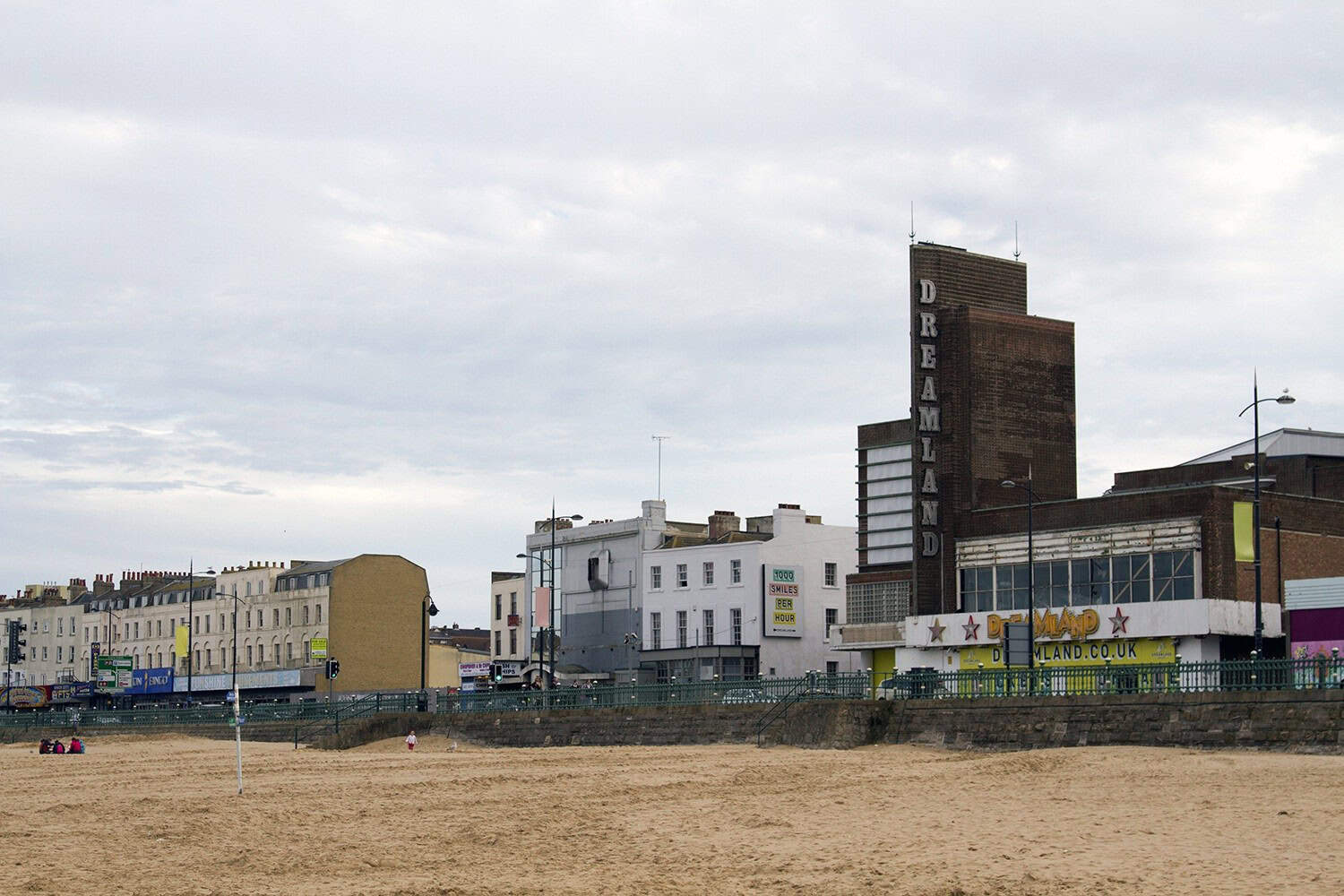
This is partly because of the opening of the Turner Contemporary gallery and the reopening of Dreamland, a 1950s theme park that's been preserved.

Iconic London club nights like Sink The Pink that host alternative performances, drag, and cool music names are now hosting club nights in Margate.

A snapshot of Margate today
A snapshot of Margate today. Image source

San Rafael, Mexico City

Ten years ago, you would have wanted to stay as far away from the San Rafael neighborhood of Mexico City as possible.

Street crime was rife, but as happens in cheap districts, poor arty types moved in to spend less money on rent and more time on their craft.

Now, San Rafael has a burgeoning arts scene with basement galleries, street stalls selling crafts, and cool graffiti everywhere.

And, of course, as a result of that art scene, you'll find pop-up shops, cafes, and bars where slick-looking hipsters are hanging out. Why not join them?

Södermalm, Stockholm

If you're a wannabe hipster in Europe, you are likely to head straight to Kreuzberg in Berlin, and yes, you will find your fair share of vintage stores and pop-up watering holes there.

But somewhere that pleasantly surprised me in the hipster stakes was Södermalm in Stockholm.

Because Stockholm is a city-based across multiple archipelagos, each one has very defined characteristics.

The hipsters have descended upon the island of Södermalm, making it the best place in the city for shopping, people-spotting, eating, and drinking.

Here, the vintage shopping scene is off the chain and surprisingly cheap for one of Europe's most expensive capitals.

On my visit to Södermalm, I even spotted two bearded guys playing backgammon on a table in the middle of the street. If that's not hipster, tell me what is?

A typical cafe meets work meets gallery space in Hauz Khas Village
A typical cafe meets work meets gallery space in Hauz Khas Village. Image source

Hauz Khas Village, New Delhi

At first glance, Delhi doesn't give the impression of being much of a hipster destination.

With cows roaming the streets, tuk-tuks weaving in and out of traffic, and masses of cars beeping their car horns, where is there room for the Indian hipster population?

In Hauz Khas village, a small area in the south of the city that is wholly pedestrianized.

Walk the streets here, and you'll notice a marked difference between Hauz Khas and the rest of Delhi.

Swap out roaming cows for young student couples attending gigs together. Switch out the chai wallas on the street for guys selling freshly made gelato.

And the jewel in the crown of Hauz Khas Village is The Beer Café, which serves over 50 varieties of local and imported beers, as well as beer-based cocktails.

Logan Square, Chicago

Everybody can tell you that San Francisco and Brooklyn are major hipster hangouts in the U.S.

But, America's Midwest is by no means a hipster-free zone.

Logan Square in Chicago is one of the emerging hipster neighborhoods there.

One of the best things about visiting a hipster neighborhood is that you can get great deals on really cool stuff that would cost you loads more in a city center.

Cut to The Boiler Room on California Ave, where you need to order the PB&J Special as a life priority.

For $8.50, you can grab a slice of pizza, a tall can of beer, and a shot of Jameson, which sounds like the perfect beginning to a wild night out to me.

Keep the night going at The Whistler, which serves up delicious cocktails - and it's a bar that also acts as an art gallery, record label, and performance space, i.e., it's hipster right to its core.

Work Your Way Around the World

Traveling the world is not exclusively for students in their gap year-more and more of us travel much later in life. If you haven't taken the plunge yet, don't let the fear of losing your career put you off.

Wanting to travel the world doesn't mean you wish to (or can afford) to stop working, and you don't have to just because you choose a life on the road.

Beach
Choose your working hours and enjoy the beach by day

Table of Contents

  • Funding Your Trip
    • Working Abroad
  • Get Connected
    • Work Online
    • Co-working Spaces
    • Get a Good Internet Connection for Your Home Base
    • Leverage the Cloud

Funding Your Trip

Being able to fund your trip is essential, and in addition to your savings, a little extra along the way will always help.

This doesn't mean picking up bar work or office work in each country you visit to keep your bank account topped up, and you don't have to start a new career in freelance writing or blogging either.

If you love your job and have worked hard to get where you are, why quit it to end up scrubbing toilets, like Chanel Cartell and Stevo Dirnberger?

They left top executive jobs to do menial work as they went from country to country - but you can continue the job you are doing wherever your travels take you.

So, before booking a one-way ticket, handing in your resignation letter, and hoping to make it around the world without running out of funds, ask yourself, "Can you take your job with you?"

This would give you the best of both worlds: to live the dream and experience different countries without taking your foot off the rungs of your career ladder.

It means you'll be comfortable financially while traveling, with no gaps in your CV, and no need to go through the process of finding jobs, interviewing, and facing rejection upon your return.

Working Abroad

There are so many different types of jobs that you could do on the road. Below are some popular examples.

Work in a hostel - Although not usually paid, you will get your bed and sometimes food included for a few hours of work each day.

Ask at the hostel you're staying in or look for flyers on hostel notice boards. If you're interested, you can also check job opportunities for hostel managers online.

Teach English - With so many people wanting to learn English, it can be easy to pick up a private teaching job.

Network as much as possible, ask in your hostel, or find a Facebook group for the city you are staying in, and advertise your English teaching services. You will need a visa for full-time teaching jobs, so ensure you have any certifications.

Use your skills - Are you a hairdresser or qualified to give massages? Post a notice in your hostel and spread the word to other travelers.

Work on an organic farm - Although you don't usually get paid for placements with WWOOF.net or HelpX.net, your board and food will be paid for.

Work Part-time in the hospitality industry - If you're good with people and enjoy a bustling environment, consider picking up shifts at local bars or restaurants.

In places like Australia, you'll need a Responsible Service of Alcohol (RSA) certification to pour drinks or serve food. No worries, though-you can snag this credential through RSA Online. It's a quick and easy way to make yourself job-ready down under.

An office with a view

Get Connected

And it's much simpler than you would think. Thanks to the internet, it's easier than ever to take your job on the road and work remotely if your job lends itself to being performed from anywhere.

Being a waiter/waitress or a shop assistant in a clothing store won't allow you the flexibility of working from anywhere you like, so you'll probably want to look for a new job if you need help funding your travels.

Work Online

With the world being so connected today, anything you can do on a computer is ideal. Look for jobs you can do online, such as consulting, or delve into digital marketing and learn how to create your own products online. Set up a Facebook page to begin advertising your services.

You can even teach English online once you have completed your TEFL certificate, which is perfect for those of us dreaming of a life on the road.

Co-working Spaces

Just because you move from an office job in your home country doesn't mean that you can't have co-workers when you're traveling, either.

Sometimes, remote work can become isolating, and you may want others to bounce ideas off or share a coffee with at lunchtime.

Look out for workspaces you can use while you travel, such as Surf Office, which provides "community-driven workspace and accommodation" in countries across the globe.

Get a Good Internet Connection for Your Home Base

Even if you regularly travel and use Wi-Fi hotspots wherever you go, it's essential to have a reliable and consistent home setup, too.

As a remote worker, you need to ensure that poor connections never compromise your productivity. Look into trusted internet providers in your local area, and you can have peace of mind that your work day will never be interrupted by unexpected downtime.

Whether you're running a business or working for a corporate company, you always want to have a connection you can trust. Without a reliable internet source, you may lose out on clients, waste time, and feel lower motivation levels because you can't get your workload done efficiently.

So, whether you're traveling regularly or working remotely from a home office, find the best internet source for you and enjoy a consistent connection no matter where you are.

Leverage the Cloud

Securely upload, manage, and store your work, 24/7, from anywhere in the world using Kelly's Document Storage, so you always have access.

Then, you can complete your work on golden sandy beaches as the sea washes over your toes, as opposed to at a desk in a stuffy office as you look out the window at the rain. In the 21st century, the world is your office.

Top 5 Accessories for Long Haul Flights

Although there are a few downsides to life as an expat overseas, the distance to my home country of Australia is one of them. There's no "popping" back home from London for the weekend, as many of my European friends do. If I want to fly back for a visit, it takes at least 24 hours (if I'm lucky), a commitment of three or more weeks, and considerable expense. I rue the day the Concorde plane was retired.

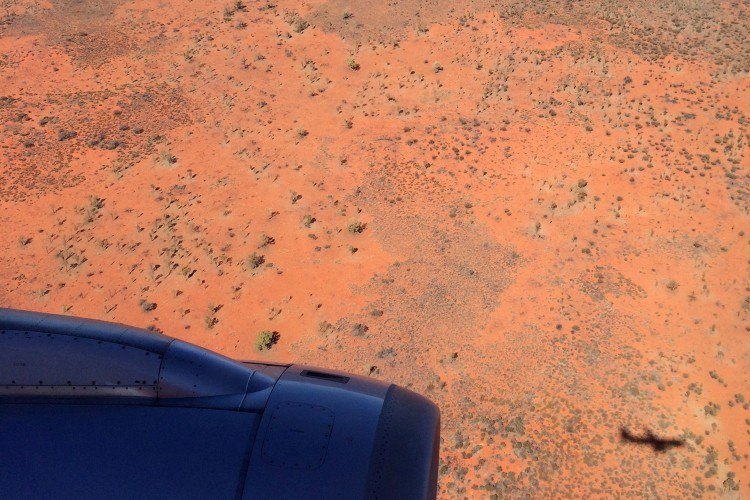
Desert Plane
Three hours to go and counting

So, I have found myself in the strange position of being well-skilled in an area I usually wouldn't care to take any part in. I had to strive to find ways to keep my sanity somehow while being seated in economy for two rounds of long-haul flights anytime I wished to go home. After much trial and error, I believe I've succeeded. If you've got a flight of ten hours or more coming up and you're wondering how on earth you will last, don't panic. I've compiled a list of the top accessories for long-haul flights.

Table of Contents

  • Flight Accessories
    • 1. Invest in a Proper Pillow
    • 2. Bring Bed Socks and a Shawl
    • 3. Pack a Few Key Toiletries
    • 4. Bring Earplugs
    • 5. Drink Out of a Reuseable Cup With a Lid

Flight Accessories

1. Invest in a Proper Pillow

Ostrich Pillow
Sometimes, I wear this around the house

Airlines do their part by offering pillows and blankets, but they're usually terribly flimsy and won't keep you adequately warm or comfortable. I had long ago bought a neck pillow for traveling but couldn't make it work. I'd usually end up having a disjointed sleep, clutching the pillow on my lap for comfort.

Then, one day, I purchased an Ostrich Pillow (the "Light" version) on a whim. I thought it would be handy for napping, but it has revolutionized my life when it comes to travel. I have taken it on buses and trains and use it when I need to kip down for twenty minutes or so during the day. It's also perfect for flights. Not only does it make for comfortable sleep when sitting upright, but how it wraps around your head also helps block out light, omitting the need for an eye mask. I don't know how I survived flights without it!

2. Bring Bed Socks and a Shawl

Airplanes get crazy cold, and I generally find the provided amenities do little to combat this. I always pack a pair of bed socks to cover my feet, and if I can, I bring a shawl to use as a blanket. I justify this by wearing it as an accessory when I reach my destination.

3. Pack a Few Key Toiletries

You're probably going to step off the plane after a 24-hour flight, feeling more disgusting than you ever have before in your life. Having a few essential toiletries on hand can make you feel more like a human being and less like a hot mess.

I used to buy those travel-sized cosmetics you can find at pharmacies. I'd use them once or twice before throwing them out or letting them rot in the back of my cupboard. For the next flight, I'd repeat the process. What a waste of money. It makes more sense financially to downsize existing products into travel-sized bottles that you can refill repeatedly. This pack comes with a reusable travel baggie that you can use in lieu of those horrible and wasteful plastic bags at security. Add cleanser, moisturizer, deodorant, toothbrush, and toothpaste. Use at your leisure!

4. Bring Earplugs

If you're an incredibly light sleeper like me, you probably find that the provided earplugs on airplanes largely fail at restricting noise, mainly if they're foam. I bring earplugs wherever I go (you never know if there is going to be a snorer in a hostel room). Mine were purchased from a local pharmacy. Look for a pair intended for frequent use and not made of foam.

5. Drink Out of a Reuseable Cup With a Lid

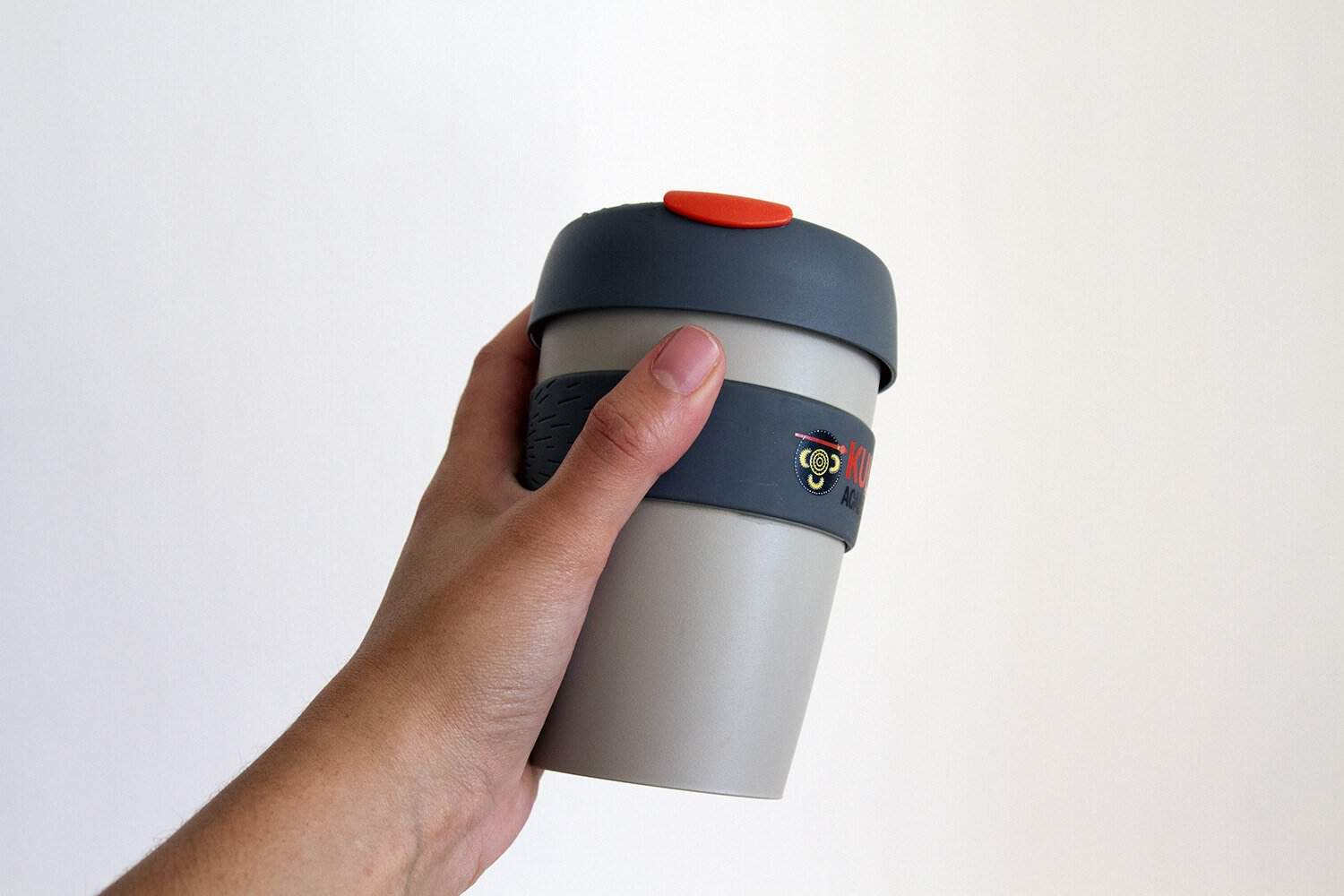
Keepcup
Just wash and reuse.

I shudder when I think about how many plastic cups airlines must go through for each route they fly. Yet, I don't object to the odd cup of tea on a flight. It's the little things that make the experience bearable, after all. Along with a reusable water bottle, I bring my own cup. The best thing about it is that it has a lid. This is incredibly handy for unexpected turbulence. They're also perfect for cups of coffee at airports between flights. You may be shy about asking the airline staff to pour the beverage into your cup. I did at first, but I have only had positive reactions so far.

Long-haul journeys don't have to be a terrible, drawn-out experience. Snuggle up, stay hydrated, find an adequately trashy movie, and enjoy your flight.

How To Save Money When Moving Overseas

How to save money when moving overseas
Buy second hand instead of bringing everything with you (photo: Nicole Hanusek)

There’s no doubt about it - moving overseas to start a new chapter in your life is exciting but if you’re planning on setting up a new life in a foreign country, you might be looking for the most cost-effective way to go about it.

Relocating can be costly, but these six tips can help you to hold onto your hard-earned cash.

Table of Contents

  • Minimize Your Luggage
  • Do Your Research
  • Book Your Flights in Advance
  • Book Accommodation in Advance
  • Buy Second Hand
  • Get Your Finances Straight at Home

Minimize Your Luggage

Moving your belongings from Point A to B costs money. While airlines will normally charge you on the weight of your combined items, sea carriers charge by the container, so to keep fees low it’s a good idea to keep your luggage to a minimum.

Of course, it can be hard to decide exactly what you want to take with you, but there’s no need to fear as anything you don’t pack, trash, recycle, or sell can be placed in a storage unit.

Self-storage in Bournemouth and other countries can be safe, secure and surprisingly cheap, allowing you to keep everything from furniture to other heavy goods you don’t want to ship (but don’t want to let go of) in good condition.

Do Your Research

When it comes to shipping your items, be it by boat or plane; always do your research to find the best deals.

Prices can differ from company to company, so if you’re on a budget, compare different shipping organizations before making a decision.

If using a shipper or exporter for your goods, a move manager will oversee your shipment and send you your bill.

Before you make any agreement, make yourself aware of any other charges that might get added along the way – such as a release fee if your items get held or searched.

Research costs for shipping by air (photo: Peter Walters, Flickr)
Research costs for shipping by air (photo: Peter Walters)

Book Your Flights in Advance

Flights can be a huge expense and researching money-saving travel tips and secrets in advance can help reduce the overall cost of your big adventure.

Booking your air tickets early is one of the best ways to grab a deal as many airlines offer early bird deals for those who book ahead. If you’re prepared to fly off-peak during unsociable hours of the day you are sure to save even more dollars.

Book Accommodation in Advance

If you are moving to a foreign country a little while before your property is going to be ready, try to book suitable accommodation in advance.

Being organized and making a reservation in good time should land you the best deals and you could even get a bargain on a little studio apartment or cheap hotel room if you plan ahead.

While it’s fine to stay in "holiday" accommodation for a while, don’t forget to include a moving date in your contract so you aren’t left waiting for a property that’s not ready which could mean spending more in unwanted hostel or hotel bills.

Apartments
If you can choose your apartment before you arrive (photo: Frank)

Buy Second Hand

When you finally arrive at your new property and are settling in, you’ll probably need to buy one or two things that you left behind.

You might even want to add a few "homey" touches so don’t be afraid to visit the local markets or charity shop equivalents and stock up on second-hand necessities.

There are many great bargains out there and if you throw yourself into the local culture you might even find yourself bartering or haggling for reduced prices.

Many traders expect a bit of price negotiation and while you don’t want to come across too pushy it’s well worth perfecting your haggling skills if you want a price reduction.

Get Your Finances Straight at Home

Before even stepping foot on a bus, boat, plane or train, make sure your finances are straight at home.

Stop all unnecessary direct debits such as magazine subscriptions or gym memberships which can be easily forgotten.

Moreover, if you’re holding onto a property back home, it might be worth renting it out rather than struggling to pay two mortgages.

While it might be hard to imagine strangers moving in, the extra money coming in each month will make your life easier and free up some cash for your new life abroad.

Moving to a different country can be undoubtedly costly so saving as much money as you can before you begin your new life overseas allows you that bit extra to spend in your brand new shiny life.

__________________

This story was brought to you in partnership with Ready Steady Store.

The Corn Islands in Nicaragua

Where, you may ask? If you've heard of Nicaragua, chances are you've heard of the Corn Islands.

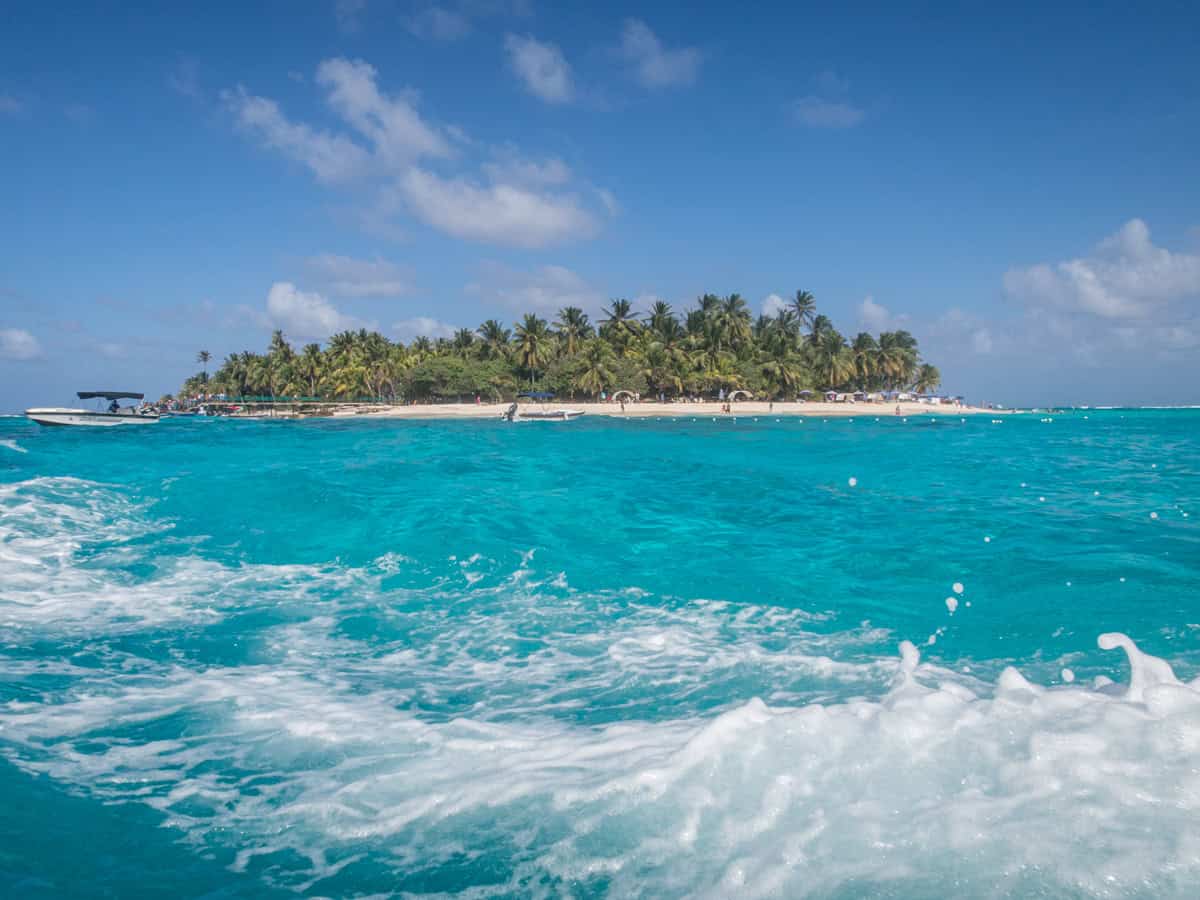
Situated 50 miles off the coast, Nicaragua's Corn Islands are two Caribbean islands that are rustic yet charming.

They're a world away from the colorful colonial cities of Leon and Grenada on the mainland.

The Corn Islands in Nicaragua
With beaches as good as this, why go anywhere else?

Big Corn Island

Just a short flight from Nicaragua's capital of Managua is Big Corn Island, the main entry point for both of the islands.

(The flight usually stops to pick up passengers in Bluefields and takes one hour and twenty minutes).

Big Corn is more developed than the other island, Little Corn, and although it has a larger population, it still feels empty. Hopping in a taxi is the best way to get around.

Diving and snorkeling are possible here, but there isn't really that much else to do except sunbathe and enjoy a Nica Libre (the Nicaraguan name for rum and Coke) while watching the sunset over the Caribbean Sea.

The island is well-suited for the less adventurous traveler with its comfortable accommodation, although there are also hostels here starting from $12 a night for a bed in a 4-bed dormitory.

Big Corn is better suited for those who want to relax and enjoy some peace and quiet.

Most people skip this island and head straight to Little Corn on a panga (boat) which usually connects with incoming flights, but if you have the time, it is worth staying a night just to get the best of both worlds.

The Corn Islands in Nicaragua
The panga from Big Corn to Little Corn (on the left)

Little Corn Island

Even the panga ride to the island will help you realize how remote this island is and how far away you are from everything. At only one square mile in size, you can walk around the island in no time at all.

You don't even need shoes and can spend your days and lazy evenings in barefoot heaven.

As soon as you arrive, you are greeted with colorful signs for each hostel on the island.

Accommodation here ranges from budget to beach bungalows but don't expect hot showers everywhere. Budget from $15 a night for the more basic accommodation.

Despite the small size, there are many cafes and restaurants that serve traditional Nicaraguan food.

You can taste fresh lobster for just $12 a night (at The Lighthouse), and then there's Cafe Desideri for pasta and scrumptious desserts. Find inspired Cuban cuisine at the aptly named Habana Libre.

Don't expect too much of a clubbing scene here, but there are happy hours to get you in the party mood.

Head to Tranquilo to line up your cocktails for the evening and listen to the reggae DJ or watch a traditional Nicaraguan dance with a local band.

There's no salsa on this island. However, you'll find the locals "daggering" (a Caribbean grinding) at the Reggae bar or the Tiki Bar, which comes alive late at night.

But make sure you take out money at the ATM in Big Corn before you arrive, as there are no ATMs in Little Corn, and only the option to get cash back in some cafes on your credit card.

The Corn Islands in Nicaragua
Luxurious bungalows on Little Corn

Things To Do on Little Corn

If you love yoga, then Little Corn is perfect. No matter your yoga option, it's only a short walk away.

Two possibilities include Firefly Yoga and The Lighthouse, where you can walk up to the lighthouse afterward for a glimpse of the sea.

Or, if you thought you'd seen it all, try your hand at stand-up paddleboarding yoga instead, where you pose on a body board in the sea.

Because the water around the island isn't that deep, it's ideal for those wanting to learn how to dive. There are 20 different dive sites. Forget Utila in Honduras; come here instead.

With everything so close to the sea, you can just lay in a hammock outside one of the cafes and listen to the waves.

Little Corn is a little paradise with beaches as beautiful as these and no motor vehicles allowed.

Getting To The Corn Islands

Don't make the mistake of taking the boat from Bluefields to save money.

It takes 16 hours and is a rough journey. Fly direct from Managua or other areas in Nicaragua with La Costena for just $80 instead.

The only way to reach Little Corn Island is by taking the boat from Big Corn Island.

The ride can be choppy and wet, so cover any valuables before you set off and prepare for a salty roller coaster ride. The panga costs $6 (165 Cordobas) and takes 40 minutes.

The next time you need to unplug from the rest of the world, escape to the Corn Islands before the rest of the world discovers them too.

5 Best Destinations for Cheap Tailoring

When you picture a backpacker, do you think of someone dressed top to toe in tailor-made threads or somebody in hippie pants, flip-flops, and a vest that has stains for days? Probably the latter, right? But it doesn't have to be that way. There are many destinations for cheap tailoring where you can get affordable, custom-made clothing.

The Shanghai fabric market is a destination for cheap tailoring in China.
There are lots to choose from at the Shanghai fabric market.

When you travel to parts of the world like Southeast Asia and Central America, knowing that your dollar will buy you so many more tasty meals and hostel beds than it ever would at home is a great feeling. There are also places all over the world that are hubs for high-quality tailoring from a cheap tailor.

These places often make great products for top fashion houses, specializing in pants, pocket squares, dress shirts, and other formal wear for special events. You won't have to settle for a standard size and simple hems again!

Whether you want to invest in a sharp suit for when you return home after a gap year, a wedding dress for that special occasion that you can picture in your head but can't find on the rack, or simply some hippie pants that fit better, try out these destinations for size.

Table of Contents

  • Hoi An, Vietnam
  • Jaipur, India
  • Panama City, Panama
  • Shanghai, China
  • Budapest, Hungary

Hoi An, Vietnam

Dresses on display at a typical made-to-order tailor shop in Hoi An (photo: Stephen Barnes)
Dresses on display at a tailor shop in Hoi An (photo: Stephen Barnes)

Hoi An is truly the mecca of cheap tailoring, and backpackers spend extended time there to ensure they can make the most of the tailors that line every street in this quaint coastal town in Vietnam.

Ask your hostel owners to recommend specific tailors, as quality can vary across the town. I opted for a shop named Lana, and I was not disappointed.

I chose a grey houndstooth bespoke suit with pink silk lining, which cost me around $150. This is the best value I have found, including excellent customer service and a fantastic final product for the best price.

I am particular about how clothes fit, so I returned seven times for re-fittings. The staff didn't roll their eyes or demand more money, and I got the suit I wanted. They even shipped it back to London for me, so I didn't have to navigate the local postal system.

Suits are just the beginning in Hoi An. You can have tailor-made dresses, winter coats, shoes, jumpsuits, shirts, and virtually any other item of clothing you can think of.

Jaipur, India

An Indian tailor, hard at work.
An Indian tailor, hard at work. (image source)

Jaipur is a city in Rajasthan that is on a well-trodden backpacker path. While taking camel safaris and visiting ancient forts in the region, why not invest a little cash in having some tailor-made clothing?

This is precisely what I expect to do in Jaipur this December, as many Indians have reliably informed me that this is the place to grab a well-made bargain.

Indian clothes can be beautifully intricate, and it's worth opting for something traditional. You can always have it tailored to make it more wearable.

For guys, a Sherwani, a long jacket with an upturned collar, is a statement choice, while women might opt for a Sari or Salwar Kameez.

Panama City, Panama

If you've ever read the book or seen the movie "The Tailor of Panama," you might have an inkling that this underrated travel destination in Central America is an excellent spot for buying new clothes.

And if you want to visit the *actual* tailor of Panama who fitted Pierce Brosnan for a custom suit while filming the movie, head to La Fortuna on Via España.

You'll be taken into a back room, where you can browse hundreds of fabrics and have something made precisely to your measurements. What's great about this place is that they don't charge extra for larger sizes.

Shanghai, China

Shanghai is a fantastic city for shopping, but if you want to invest in some high-end threads, you should head to the South Bund Fabric Market.

With masses of textiles, shouting clothes makers, and hordes of tourists, visiting this market isn't a relaxing experience, but it's authentic to Shanghai. If you commit to the craziness of it all, you'll end up with a garment you love.

This is one spot where the sellers will try to make some extra dollars from you, so know your price and stick to it if you want to grab a bargain. You'll find cotton materials for shirts, dresses, suits, beautiful wool blends, and cashmere for something luxurious.

Budapest, Hungary

Eastern Europe is another part of the world that budget travelers should consider visiting if they want a good tailor. Its affordable prices will make your money go further than in pricier Western Europe, not just for eating out and accommodation but also for tailor-made clothing.

Many tailors and shoemakers are in Nyugati Square, so it's easy to walk around the neighborhood and compare fabrics and prices at different stores. Believe it or not, you can find a new suit for as little as $80 in this area.

Good luck on your mission to find the perfect fit with cheap, tailored clothing!

10 Tips for Expats in the Middle East

The year I finally decided to follow the path of many Antipodeans (a term in the UK used to describe a person from Australia or New Zealand) before me and move to London, life threw me a curveball. I was offered the chance to spend three months living and working as an expat in the Middle East, specifically in the city of Doha in Qatar.

The author making friends with camels, in addition to other expats in the Middle East.
Making new friends in the desert

The decision-making process lasted about five seconds, and I responded emphatically in the affirmative. I thought I was signing up for the adventure of a lifetime, and I was not wrong.

What followed were three of the most confronting and rewarding months of my time on Earth so far. Life in the Middle East was not exactly what I had expected, but my time there was always an experience I would treasure.

Whether you're considering moving to the Middle East and becoming an expat or just visiting a country like Qatar, here are some points to consider.

Table of Contents

  • Expat Advice for the Middle East
    • 1. The Middle East is Hotter than Hades
    • 2. Stick to the Dress Code
    • 3. Eat at a Souq
    • 4. Hone Your Haggling Skills
    • 5. Negotiate Your Taxis
    • 6. Living in the Middle East Will Force You To Travel
    • 7. Everyone Drinks Bottled Water
    • 8. You Can Buy Alcohol and Pork (in Some Countries)
    • 9. The Deserts Miss the Rain and So Will You
    • 10. Don't Date in Public

Expat Advice for the Middle East

1. The Middle East is Hotter than Hades

It may seem like I'm pointing out the glaringly obvious here, but bear with me. I hail from Australia and think I can handle extreme heat. I was so, so wrong.

My three-month stint was in the middle of summer, with temperatures in the low hundreds Fahrenheit (mid-forties Celsius). One memorable day was recorded as having a high of 118 F (48 C)!

Interestingly, I found it wasn't the heat that got to me. It was the humidity. In July, the humidity can reach 100%. I would leave my home and, within thirty seconds, be drenched in sweat. That's a hot look right there.

All buildings are heavily air-conditioned to combat the extreme heat. This can be pretty discombobulating as you move from outside to inside, providing the perfect environment to catch a chill if you're not careful.

2. Stick to the Dress Code

Qatar in the Middle East advises that non-Muslim tourists and expats dress modestly. Men are asked not to wear shorts and tank tops in public, and women should avoid miniskirts, tight clothes, or short-sleeved shirts and dresses.

While I was there, people on the streets were handing out leaflets declaring that "Leggings are not pants"-an argument up for debate across most Western countries.

In the desert and within my accommodation, I wore shorts, bikinis, and tank tops. In the city, I observed the rules. My wardrobe consisted of baggy pants, flowing skirts, T-shirts, sunglasses, and a large sun hat. I also carried a beautiful cashmere shawl that I could throw around my shoulders when I needed to cover up.

You will get a lot of attention from men passing by, particularly if you're blonde. While I found it somewhat disconcerting initially, it became a regular part of my everyday life after a few weeks.

3. Eat at a Souq

Doha's local marketplace, the Souq Waqif, sells almost everything you can imagine, from trinkets to clothing, pet animals, and the most delicious food. If you were in a hurry, you could pick something cheap and tasty from a street vendor. I, however, tried to make the time to eat at any of the local restaurants.

I managed to sample a range of foods there: camel at a Moroccan restaurant, pigeon in an Egyptian setting, and I ate my body weight in eggplant purée at a particularly beloved Iranian restaurant.

Related: Flying Business Class on Qatar Airways

Eggplant puree
I still think longingly about that place

4. Hone Your Haggling Skills

Before living in Qatar, I hadn't had the opportunity to haggle much, simply accepting the often upsetting prices of goods in the Western world. Living in Doha did wonders for my assertiveness.

Haggling is the most common and accepted form of negotiation within the souq, and I was initially terrified to participate in it. With the patient encouragement of a colleague, I learned the subtle nuances of bartering for goods, which also improved my confidence.

5. Negotiate Your Taxis

Doha has minimal public transport, such as one free bus that makes a loop around the city. Most expats bought or rented cars, had private drivers, or used cabs.

Taxis were the cheapest options, but you had to be both wily and organized. If you wanted a cab at a specific place and time, you had to call the company and book a day in advance. If you were running late, they would sometimes leave without you.

I never really had any issues flagging one off the side of the road, but I found I had to keep my wits about me. Taxi meters in Doha calculated the fare by the distance driven, but many drivers refused to use theirs to charge as they pleased.

I would either negotiate a price in advance or ask them to switch the meters on. If they refused, I would tell them I no longer needed their service and wait for another taxi. For safety's sake, only travel with a clearly marked taxi or a vouched-for driver. Although it is not required or enforced, always wear a seatbelt!

6. Living in the Middle East Will Force You To Travel

The Middle East is ideally positioned for expats to travel, at least geographically. Europe and Asia are easily accessible, and it's only a 14-hour flight to my home country of Australia.

Although I didn't stay long enough to experience this, many other expats tend to get cabin fever after around three months. You need to get out and see some of the world, return to your country of origin, and chill in London or New York City-whatever it may be, to rebalance yourself and clear your head.

On top of that, many companies offer both accommodation and flights in and out of the country in exchange for working for them.

Tax-free pay also equals ample opportunities to save for travel if that is indeed your goal. The only glitch is that you need an exit visa to leave the country if you're on a working visa in Qatar. Your company can easily organize these if you allow plenty of time in advance for the process to take place.

Related: FIFA World Cup in Qatar

Desert
Post-dune-bashing

7. Everyone Drinks Bottled Water

The public perception is that the water in Qatar is easily contaminated and unsafe to drink. As a result, everyone drinks bottled water, going through stacks of it in a day. I had my bottle with me and would fill it from the filter at work, but I still drank my fair share of bottled water.

I hadn't researched and discovered this was an issue, nor was I aware that items such as the Steripen existed. It hurts my heart to think about how many bottles went to waste, particularly as there was no form of recycling within my hotel.

8. You Can Buy Alcohol and Pork (in Some Countries)

There is a common misconception that alcohol is illegal in Muslim countries. This isn't entirely true. Most hotels, bars, and clubs have liquor licenses and can sell alcohol to non-Muslims.

You will need to show your passport to get into these establishments, and some require membership, which you can pay for at the door. Alcohol is not cheap, although I found the prices comparable to those in England and Australia.

The local authorities frown upon drunken activity. If you go hard on the sauce, keep your antics within the confines of your apartment or hotel room.

Pork and alcohol can be bought from the Qatar Distribution Company, but you must apply for a license. To do so, you must submit an application form, a no-objection letter from a sponsor, and a letter from your company.

There is always a rush to buy these wares shortly before Ramadan, when the shop and hotel bars close for the month. If you don't have a license or have any friends who do, I guess you'll have to get used to the taste of turkey bacon.

9. The Deserts Miss the Rain and So Will You

I was in the desert for three months, and it did not rain once. It's not something I thought I would miss, but the heat and dryness get to you after that long.

In Qatar, it only rains a couple of times a year. I am told the entire city comes to a standstill. People rush outside, gaping openly at the sky, and the road traffic is maniacal.

It rained all week when I flew back to Australia after my contract ended. I was overjoyed. Then, I moved to London, where it rained for several days. It was enough to make me miss the desert.

10. Don't Date in Public

I was single while living in Doha, so I went on a series of bizarre dates with expats from around the world. We'd meet for meals, where we wouldn't be able to touch. Instead, we had stilted conversations and shook hands at the night's end.

The two short relationships I did have were intense (as were all relations and friendships between expats in the Middle East).

Being in this cultural setting, so different from my own, made everything feel extra concentrated. An affair of a few weeks seemed like the equivalent of a six-month relationship out in the "real world." Within the confines of hotels and friends' apartments, we could hold hands, cuddle, and finally feel at ease.

One of the best dates I had while living in the Middle East consisted of playing Monopoly and eating cheese in my hotel room. It was a relief to relax, be myself, and not worry that someone would throw me in jail for some indecent behavior.

My three months in Doha were unlike anything I had experienced before. It inspired an interest in this endlessly fascinating corner of the globe that is nowhere near being satiated.

If you ever have the opportunity to live and work as an expat in the Middle East-go! It was an adventure I'll never regret, and I wish the same for you.

Silk Road Explore Tours: Journey Through Central Asia

Journey Through Central Asia With Silk Road Explore
The peaceful Samarcanda in Uzbekistan (photo: Carlos R. de Queros)

Some travelers dream of hiking through breathtaking landscapes, some travelers dream of experiencing a culture completely foreign to their own, and some travelers dream of discovering the wonders of our world's past through exploring sites and architecture steeped in history.

But what many travelers don't know is that there is a region of the world that combines all these attributes and hasn't yet been overrun by tourists: Central Asia, and this area is easily accessible with SilkRoadExplore.com.

Central Asia

Central Asia traditionally consists of the following countries:

  • Kyrgyzstan
  • Kazakhstan
  • Tajikistan
  • Uzbekistan
  • Turkmenistan

While covering a huge land region, these countries share common cultural roots in their people's historically nomadic lifestyles and their key location along the Silk Road.

Even today, you can still see nomads living in yurts high up in the mountains and visit local markets set up in the midst of stunning Silk Road architecture dating back centuries.

This is a part of the world where people uphold their ancient culture and traditions, making for a fascinating window into our past.

Hosting important stopping points along the Silk Road, Central Asia became a crossroads in trade between Asia and Europe, connecting the East to the West.

This also culturally connects the core Central Asian countries with their Silk Road neighbors, including China, Azerbaijan, Iran, Georgia, and Armenia.

In all of these countries, you'll find beautiful remnants of the Silk Road and cultural reminders of this important crossroads of exchange between Europe and Asia.

Journey Through Central Asia With Silk Road Explore
From Tajikistan across to Afghanistan (photo: Ngaire Hart (Lawson))

Silk Road Tours

Silk Road Explore offers a variety of tours through Central Asia and neighboring Silk Road countries.

Touring the Silk Road is not just about seeing historic Silk Road sites (though that's of course a huge draw!) but also experiencing the unique culture of the crossroads between East and West, as well as the beautiful landscapes and lifestyles of Central Asia.

From one-day Silk Road tours to multi-country journeys and customized itineraries, Silk Road Explore offers something to every traveler interested in exploring this lesser known area of the world.

Silk Road Explore can help you organize:

  • cultural tours and excursions
  • trekking and mountaineering trips
  • horseback riding tours
  • jeep, ATV, and bike tours
  • rafting
  • skiing
  • paragliding
  • and much more

You can join fixed-date group tours, customize a tour to perfectly suit your schedule and interests, or create your own unique trip with the help of local experts.

As many countries along the Silk Road see relatively few tourists, they offer travelers a unique opportunity to explore a distinct culture still very tied to its history.

While this also means that communication in English can be difficult, a tour organized by Silk Road Explore can help you to avoid the stress of travel planning, and concentrate on enjoying the experience of exploring Central Asia and the Silk Road.

You will also discover the dramatic and varying landscape of Central Asia, where in a single day you can experience different climatic zones ranging from hot semi-deserts to icy tundras.

Nisa in Turkmenistan
The ancient city of Nisa in Turkmenistan (photo: Stefan Schinning)

Nomad Travel

Though Central Asia isn't incredibly well-known by many, when most people think of the region, and particularly of Kyrgyzstan, they probably think of nomads.

It would be impossible to travel through Kyrgyzstan without spotting white yurts sprinkled throughout the countryside.

Visit in the Summertime and you'll even find these yurts high in the mountains, set up by nomadic families who have moved their herds to alpine pastures for the summer.

These nomads live in harmony with nature, preserving their ancient traditions while moving their homes and animals along with the rhythm of the seasons.

A tour with Silk Road Explore can help you follow that same rhythm, moving from place to place to discover both the beauty of Central Asia and the meaningfulness of its ancient nomadic tradition.

About Silk Road Explore

Silk Road Explore's team includes Executive Director, Andrei Osyanin, and Project Manager, Evgenia, who are both from Kyrgyzstan. An American, Beth Hornung, helps with the writing and blog.

Many Central Asian and Silk Road countries have cash-based societies, which means that travelers can sometimes run into difficulties paying for tours online, often being asked to make wire transfers or other means of payments that don't offer security against fraud.

Silk Road Explore, however, eliminates this risk by offering secure online credit card payments.

You'll also benefit from the guidance of a highly knowledgeable and enthusiastic staff who can help you choose or design a tour perfectly suited to your travel style and interests.

SilkRoadExplore.com was created by a team who truly loves Central Asia and its beautiful landscapes, unique and meaningful culture and traditions, and ancient Silk Road heritage, and who aim to introduce more travelers to the region and help them to relax and enjoy the best vacation possible.

__________

This story was brought to you in partnership with Silk Road Explore. 

Can You Backpack The Caribbean?

Known for its all-inclusive resorts and couples looking for a romantic break, the Caribbean is a dream destination for many. Although it's not a region considered budget-friendly, you can still backpack the Caribbean.

Enjoying a Caribbean beach
Enjoy a Caribbean beach on a budget.

The Caribbean combines Dutch, French, English, and Spanish islands. Depending on which region you visit, each island offers something different, from culture to pirate history to plenty of rum.

For backpackers, steer clear of the glitzier islands of St Barts. These islands are known for attracting celebrities and have a very hefty price tag. The British and U.S. Virgin Islands are also known for their luxurious accommodation.

Table of Contents

  • Accommodation
  • Food
  • Tours
  • Transfers
  • Getting Around
  • Buying Goods
  • Conclusion

Accommodation

To backpack the Caribbean, stick to the Dutch islands for hostels.
Stick to the Dutch islands for hostels.

The Caribbean isn't known for having many hostels, but if you stay on the Dutch islands, Puerto Rico, or San Andres (Colombia), you can find at least one hostel per island. St. Maarten, Bonaire, Curacao, and Aruba each have a hostel to stay in, too.

Booking Airbnb and staying with a local is an excellent alternative to paying for a fancy hotel or resort. Countries like Cuba offer Casa Particulars, where you only pay $25 a night for a bed and breakfast.

You can even find Couchsurfing on more touristy islands, although some people are more receptive than others, and the speed of responses can vary.

If you're looking to splurge for a night of comfort, finding a perfect villa is easy. Whatever your budget or preferences, it's worth planning where to stay before you arrive.

Food

Traditional Caribbean food
It's not just chicken, rice, and beans.

If you stay in an apartment or a studio, you'll often have access to a kitchen to cook food, which reduces the cost of eating out. Some resorts have supermarkets on-site, but with much of the food imported to the islands (except Dominica), you'll still pay more for fruit and vegetables.

Although it's not as common as in Asia or Latin America, street food can still be found. Puerto Rico, for example, has fantastic street food, including mofongo (a dish made from mashed plantain), which costs just $5.

Fried chicken, rice, and beans are popular in the Caribbean, so avoid fancy restaurants and tourist areas and buy from street vendors or local cafes instead.

Jamaica is known for its traditional foods, including jerk chicken, curry goat, coco bread, and rum cake. If you're planning a trip to Jamaica for food, fun in the sun, and lots of reggae music, remember that a Jamaica immigration card must be completed.

Tours

Exploring a Caribbean island by yellow jeep.
Exploring the island in a yellow jeep is an adventure

Tours in the Caribbean don't have to be on a big 30-seater bus, listening to a guide with a microphone point out the places of interest from the windows.

They can be much more interactive, like riding in a jeep or ATV, or sailing around the island. A single full-day tour typically allows you to see an entire island.

Half-day tours are even cheaper, but if you're traveling with one or more people, it may be more cost-effective to hire a car rather than pay for two people.

For popular experiences like swimming with pigs in the Bahamas, you can join a half-day group tour from Staniel Cay or a full-day tour from Nassau.

Buying a prepaid travel SIM card from a company like Simify can help you stay connected while having fun.

Related: Things To Do in the Dominican Republic

Transfers

Small airport
With islands so small, there are no queues at the airports

In my experience, airport transfers are one of the most significant expenses if you want to backpack the Caribbean. These can cost up to $85 each way, making a severe dent in your budget.

The best way to avoid this is to either look for a local bus (which can be a nuisance when carrying your backpack) or hire a car as soon as you arrive to reduce the cost at least one way.

If you book a place through Airbnb, locals tend to offer their services to collect you from the airport for a fraction of the cost you'll pay with an airport taxi.

Getting Around

Caribbean Airlines planes
Island hop on a 30-minute flight

Some islands have a good bus network. Islands such as Barbados, Trinidad and Tobago, and Curacao are easily accessible by bus.

If you're limited in time, waiting until a bus (a minivan) fills up can be slightly frustrating if you want to get to your destination, but they are the cheapest way to get around. You may have to hire a car for the islands without sound public transport systems, such as Puerto Rico.

Flights between the islands can be expensive, so book well ahead for a lower price. Some are connected by ferry. St. Marteen, Anguilla, and Saba are easily reached by boat, plus St. Lucia, Dominica, Martinique, and Guadeloupe, making island-hopping easier.

Related: Backpacking the Turks and Caicos

Buying Goods

Home-made chocolate
Homemade chocolate is a perfect gift.

Don't get caught without the East Caribbean dollar. Antigua, Dominica, Grenada, Saint Kitts, St. Lucia, St. Vincent, Anguilla, and Montserrat use the EC dollar. Although souvenirs and food in supermarkets are quoted in EC, they will try to charge you U.S. dollars instead.

Conclusion

Can you backpack the Caribbean? If you look for cheaper alternative accommodation, you can eat street food or cook meals, and hire a car instead of going on a tour.

Visiting the Caribbean during the low season is also a good idea, as accommodation is cheaper than during the high season. The best approach is to choose a group of islands and plan how to get around and where to stay before you go.

Just arriving isn't the best plan for this region, so pre-plan as much as possible to maximize your backpacker budget. Of course, if you desire to lie on a postcard-perfect beach and get a tan, the Caribbean will suit you fine, backpack or no backpack.

We hope this story has opened your eyes to the possibility of backpacking in the Caribbean. 

If you prefer to make things easy and skip the detailed planning, consider a tour with G Adventures:

  • Cuban Rhythms: Rum & Fun is a bestselling eight-day trip that begins and ends in vibrant Havana and includes stops in Viñales (the tobacco-growing region), Playa Larga, and Trinidad. 
  • Cuba: Salsa & Snorkeling is a 16-day trip that covers the entire island from east to west. Highlights include Havana, Viñales, Trinidad, Santiago de Cuba, and the beautiful beaches of Baracoa. 

The Challenges of Being a Gay Traveler

David
Here I am, as gay as Christmas with my rainbow flag

Editor’s Note: The following is the first story by David, one of several new contributors. 

Alert the presses – I am a gay traveler.

Back when I lived in London before I started traveling, I hardly thought about my gayness at all, and that’s not because it wasn’t a big part of my life – it’s because everything and everyone in my life was so gay that I took for granted that not everyone lives that way.

I lived in an East London neighborhood that was pretty much a gay ghetto, I only went out to gay pubs to socialize, and most of my friends were gay too.

In my last days in London, I was also working as a freelancer, so I didn’t go to an office where I could have met straight people.

Other than a few good friends from university and family members, straight people just weren’t in my life.

Cut to little old me with a backpack resting on my shoulders, wandering around wherever I might be, and discovering that most of the world just isn’t that gay.

Of course, this was something that I always knew in my head, but experiencing it was a shock to the system.

So the first challenge of being a gay backpacker, for me, was having the feeling of being a small fish in a big pond where all of my experiences and cultural references didn’t mean anything to most other travelers or local people I met on the road.

See also: Why Every Traveler Should Attend a Gay Pride Festival

Gay Travel 101: Seek out a tacky drag show

Disclaimer: LGBT Identity is not One Size Fits All

I happen to have been immersed in gay-gay-gayness during my roaring twenties, and so finding myself detached from it when I started traveling was a little challenging because that identity and culture was my safe place and something I enjoyed.

For other LGBT people don't live in neighborhoods with a huge gay influence, these difficulties might not be so apparent.

Choose Your Destinations Carefully

Another variable for every gay traveler is where you choose to travel. Some places in the world are more gay-friendly than others.

If it’s a priority for you to be able to smooch with a boy on a beach and hold hands on the street (and it’s totally cool for that to be a travel priority, by the way – you don’t have to throw yourself out of your comfort zone at all, if you don’t want to), you need to do your research and get to grips with how gay friendly one destination is compared to another.

This is pretty easy to do online – there is a Wikipedia page dedicated to LGBT rights in every country in the world.

Bangkok
A particularly gay street in Bangkok

There are many places where you won’t have too much of a problem being gay, but you still wouldn’t want to start kissing on the street – places like Singapore and Malaysia where same-sex activity is illegal but you’ll still find gay bars and saunas.

Then there are some parts of the world where you’ll 100 percent want to keep your sexuality under wraps.

If people are fleeing a country because of persecution based on their sexuality, you won’t want to give any sign that you are gay there. It’s not a nice thing to do, but it’s for your safety.

So in places like Jamaica, Pakistan, and much of the Middle East, a bit of acting might be necessary.

The Couple Thing

This also means that there are times if you are traveling as a couple, that you’ll have to deal with having two single beds instead of a double, and not causing a fuss about it.

You might also have to make a “just friends” line fly as horrible as that sounds.

I always travel as a solo backpacker, so this isn’t something that I’ve had to deal with, but it does mean that in certain places I would be wary about bringing guys back to my hotel room.

See also: Europe's Best Gay Beaches

Meeting Other Queers on Your Travels

Next up is the challenge of meeting other like-minded gay guys and gals on the road.

For me, it’s essential to meet other gay people when I am traveling, because in many ways I feel like the LGBT community is my tribe, and when I connect with gay people abroad, I can feel a bit more at home.

I love to connect with both gay locals and gay travelers, but how do you go about doing that?

I love scouting out the local gay bars wherever I happen to be, and I find it easier to talk to people and find a “way in” to a new town or city at a gay bar than I ever would in a hostel dorm.

But if you are not so much of a bar goer, there are other ways.

For major gay hubs like Bangkok and London, you will find LGBT-specific groups on sites like Couchsurfing. People on Couchsurfing are both interested in travel and making new connections – bingo.

And then there are the usual suspects – smartphone apps like Grindr, Scruff, and PlanetRomeo are popular all over the world, so don’t be shy and start sending some messages.

No matter if you are a Scene Queen who wants to spend his travels hopping from gay club to gay club, or an adventurer who wants to traverse more challenging terrain, absolutely don’t let being gay get in your way – there’s a whole world out there, full of gay travelers just like us.

5 Items that Will Reduce Waste While Traveling (and Save You Money)

Skógafoss Waterfall in Southern Iceland

After six years of traveling abroad, one thing has become abundantly clear.

The more I've traveled the world, the more I wanted to see of it.

If I wanted to continue traveling, I had to figure out a way to put every dollar I had towards achieving this goal.

Correspondingly, Earth is more amazing than any adjective in the English language that could adequately describe.

It is our responsibility to take care of our planet, and I often worry that traveling does more harm than good.

So, I made it my mission to find ways that I could cut waste when traveling and save money at the same time.

Despite first appearances, these statements are not contradictory.

With a little forward planning and upfront investment, the two can go hand in hand.

Yes, you read that right. It is possible to do your bit for the planet and limit your waste output while saving yourself money in the long run.

One way to reduce waste is to ditch single-use items for more long-lasting products when you're on the road.

Hankies from TSHU
Hankies from TSHU

Table of Contents

  • 1. Hankies - Not Just for Children
  • 2. Buy Yourself a Reusable Water Bottle
  • 3. Invest in a Long-Lasting Razor
  • 4. Carry Around A Container For Food
  • 5. Replace Cumbersome Bottles with Shampoo Bars

1. Hankies - Not Just for Children

Once I started carrying around a hanky (short for handkerchief), I was quick to realize just how versatile these little scraps of fabrics are.

Use them in lieu of disposable tissues, for napkins, to wrap up delicates or wipe down dirty surfaces.

Once you're done, chuck them in the wash, give them a clean and repeat the process.

I get mine from Tshu - a Canadian company that plants a tree for every hanky sold. Plus, they are so pretty.

I've also bought from Hankybook, which sells as the name suggests, books of hankies that are made from organic cotton.

Of course, you don't have to buy them new. Hankies tend to be abundant in thrift stores. You may have some lying around from your childhood. Or ask a grandparent if you can borrow a couple of them.

2. Buy Yourself a Reusable Water Bottle

This one is a bit of a no-brainer, as single-use bottles are terrible for both the environment and your wallet. It's important to stay hydrated when on the road, and having your own water bottle on hand goes a long way towards ensuring this happens.

I've carried a reusable bottle while traveling for years - in fact, I never leave home without it!

I empty it before going through airport security, refilling at available stations on the other end.

I top it up at any available tap (keeping in mind I have kept to Australia, North America, and Western Europe in my travels this year).

To my knowledge, there are no strange bugs incubating in my system from having drunk tap water in any of these countries.

If you feel particularly resentful about having to pay for water (especially in restaurants - here's looking at you, Germany), then you'll agree that the savings incurred from carrying around your own bottle are nothing to turn your nose up at.

A current obsession is my 750ml stainless steel S'Well water bottle.

My priority is using a bottle that's not been made of plastic, won't bend out of shape or break from excessive dropping (particularly handy if you're like me and suffer from poor hand-eye coordination).

Another noteworthy option is Kleen Kanteen, a company that makes bottles that are particularly aesthetically pleasing.

If you're concerned about the state of the tap water in the country you're traveling through, Clearly Filtered design bottles out of stainless steel and BPA-free plastic that come with their own inbuilt replaceable filters.

Stainless steel can be rather hefty, so if weight is a deal-breaker for you, there are plenty of other BPA free options available.

Look around your local outdoor store or online before your departure.

A tiny travel razor
A tiny travel razor

3. Invest in a Long-Lasting Razor

I had beef with disposable razors long before it occurred to me that I would be better off buying one that would last longer than a few weeks.

The ones I bought tended to come wrapped in a horrific amount of plastic, for starters.

I also found that the blade managed to rust and dull after only a couple of uses.

When I decided to make the switch from plastic, I chose to buy a razor made by the German company Merkur that is designed specifically for travel.

It collapses into three parts that take up hardly any room in my toiletries bag.

 You insert a blade, screw the razor together, and you're good to go. I use it both on the road and at home.

It never hurts to buy secondhand - scour Craigslist or Gumtree for options before turning to new.

4. Carry Around A Container For Food

One popular way of saving funds is to make use of the communal kitchens in hostels.

Consider cooking a little extra that you can bundle up into a food container, saving you the bother of having to worry about lunch the next day.

If the size is an issue, collapsible lunch boxes are readily available all over the internet.

Containers are also an excellent place to store anything in your backpack that may tend to leak or get damaged.

My go to brand for shampoo bars
My go-to brand for shampoo bars

5. Replace Cumbersome Bottles with Shampoo Bars

I promise you that shampoo bars will revolutionize your toiletry bag!

When I set off abroad, I used to have to pack body soap and big bottles of shampoo and conditioner…hank goodness those days are over!

While I'm still on the hunt for a conditioner that will play nice with my hair, I no longer take a bottle of shampoo when I travel, and I leave the body soap at home.

I instead place a shampoo bar in my travel soap case. I use this to lather up head to toe when washing.

They last a lot longer than my shampoo bottles ever did, and I can use the bar down to the very last scrap.

With a little research, planning, and up-front investment, you will not only save a ton of money in the long run.

You'll be making a conscious effort to reduce your impact on our beautiful planet.

Champagne At Sunrise Over Lake Tequesquitengo

Champagne At Sunrise OverLake TequesquitengoON

There are a few good reasons to wake before sunrise. Floating in a helium-powered hot air balloon as the orange-tinted Mexican sun rises over Lake Tequesquitengo is one.

The floating sensation is unlike any other aerial adventure experience because safely navigating the skies means avoiding the wind. I felt virtually no wind, hardly even a breeze.

Instead of an adrenaline rush, floating in a wicker basket has a calming experience akin to the feeling of Enya.

Suddenly the wind ceased. The air seemed motionless around us. We were off, going at the speed of the air-current in which we now lived and moved. Indeed, for us there was no more wind; and this is the first great fact of spherical ballooning. Infinitely gentle is this unfelt motion forward and upward. The illusion is complete: it seems not to be the balloon that moves, but the earth that sinks down and away... - Alberto Santos-Dumont, My Air-Ships, 1904.

Hot Air Balloon
Lifting off earth

I won't eat, drink, or sleep ballooning anytime soon. I'm not a balloonatic.

Santos-Dumont, however, does make a point in his description above as he describes my emotions from the get-go as the PIC (Pilot in Command) pulled down on the levers to release the helium.

The simple hand motion started a series of complex processes that lifted our crew of adventurers from across the United States and Mexico above the Mexican state of Morelos.

Opposite of our balloon, a happy couple celebrated their engagement while we rose higher above the mystical lake.

Lake Tequesquitengo had submerged a 19th-century colonial village.

Over 150 years later, the lake is an important getaway for wealthier Mexicans from nearby Cuernavaca and Mexico City to relax or party with margaritas and micheladas at the many marinas, beach clubs, restaurants, and hotels.

In the Air
Happy and engaged couple in a nearby balloon

Rather than sipping cocktails down below, we grabbed our chilled bottle of champagne; the cork popped the cork off gently.

With glasses in hand, the five of us softly mumbled "salud" as we took our first sip with the sun rising at eye level.

Each time our PIC pulled the lever, the heat briefly lit our faces, and we rose higher and away from the vicinity of Lake Tequesquitengo toward the fields and nearby cities.

We continued to float a while more as daylight finally appeared, and the horns from the city below sounded, a signal that our flight was ending.

But not before our balloon glide over Jardines de México, the largest botanical gardens in the world.

Our multicolored balloon lowered minute-by-minute until we were only a few feet above a large open field of grass before calmly touching down on earth.

Balloon landing
A soft touchdown

Half the art of ballooning is to make your crashes so gentle that you can fool yourself into calling them landings. - Richard Branson, In his book Reach For The Skies, 2011.

________

My hot air balloon ride in the Mexican state of Morelos was coordinated by English-speaking adventure tour operator Rogelio Teliz of Tlacuache Adventures. The experience was provided thanks to ATMEX, Morelos Secretary of Tourism, and Adventure Travel Trade Association. All opinions expressed above are my own.

From The Giant’s Causeway to Tokyo

From The Giant’s Causeway to Tokyo
Get expert advice at The Giant's Causeway in Northern Ireland (photo: Alan Meiss)

We’re an intrepid bunch, come rain or shine and whether we can speak the language or not, we can find our way around the world and have fun as we go.

But sometimes having such an independent streak can deprive us of some of travel’s best experiences, particularly those hard-to-reach attractions that make different regions great. Although we want to stay as independent as possible, sometimes it’s easier to let others lead and succumb to a tour.

If you’re traveling solo especially, they can be a good way to meet others, find your way around easier and they don’t have to cost the earth either.

Here’s why taking a tour can be easier than going it alone:

When You're in a Big City

A city of almost any size is far too big for a single person to navigate efficiently.

Sure you can just kind of cruise around at your own pace, letting yourself marinate in the sensations that are unique to this place. But for those who are hoping to suck the marrow out of every travel experience, you might need a guide to get the best out of a city especially if it’s a large, sprawling one.

Whether you just want to see the touristy sites or fly around a city on a Segway, there will be a tour.

No matter how much research you do, the knowledge of a local is unbeatable, and you’ll find insider tips on where to go and what to do. The best strategy for somewhere like Tokyo for example.

Tokyo
Learn insider tips on where to go in Tokyo (photo: Teruhide Tomori)

Places of Historical Interest

Part of the reason we visit historical places is to experience history. Of course, you could learn everything you want to know in a book, but experiencing it first-hand is the best way to learn.

Having a real expert relay knowledge to you is one of the best parts of traveling to places like Giant’s Causeway in Northern Ireland using Allen’s Tours.

A tour like this can let you see a haunted castle, salmon fishing spots, 400-year-old architecture, and all the other amazing things that you may not notice if you were by yourself. Without an expert guide, historical destinations just don’t have their spark.

Places Where You Don't Speak the Language

Finding someone who speaks English in a foreign country can be like finding a long-lost friend.

When you’re backpacking in a place with an unfamiliar language, a guide who speaks English can help you find the attractions and activities you are looking for or even point you in the direction of the local pharmacy or bus station for your onward journey. Some many even just want to grab a beer and hang out to practice their English.

Sometimes taking a tour takes the pressure of finding your way around and having to hire a car to see all the sights yourself.

With so many places to see around the world, a good guide can help you find them especially in those places that are hard to reach.

_______

This story was brought to you in partnership with Allen's Tours. 

Why Namibia Should Be On Your Itinerary

If you've traveled the Southeast Asia route, road-tripped through Oz, and dabbled in Central America, you could be wondering where next? For those looking for adventure, desert, and so much more, put Namibia in Africa on your bucket list. Here's why Namibia should be on your itinerary.

Why Namibia Should Be On Your Itinerary
Sossusvlei should be at the top of your list of things to do in Namibia

Table of Contents

  • Shipwrecks
  • German Towns & Townships
  • Ethnic Groups
  • Adventure Sports
  • Epic Landscapes

Shipwrecks

Along the entire desert coastline of Namibia is an area known as the Skeleton Coast, named so because of the numerous shipwrecks.

There are thousands of shipwrecked vessels caused by the coast's rough seas and currents. It's not just boats that you'll find, either, as you may even be faced with a fur seal or two.

The number of visitors is restricted, so the only way to see this area is by Land Rover on tour. It can be costly, but it's worth the visit.

German Towns & Townships

Surprisingly, Namibia has German towns, as a result of the German miners who used to come here.

You can find German bakeries and architecture in the coastal town of Swakopmund. It's just like a German town, and it's the place to be in Namibia with its infamous nightclub, where you'll find the other backpackers in town.

For an authentic experience of Namibian culture, head to a township in Windhoek or Swakopmund, where you can meet the village chief, visit the local doctor and their traditional remedies, and explore local life with a guide to show you around.

Here you can see one of Namibia's other ethnic groups, the Herero tribe wearing dressed from the Victorian era and horn-shaped hats made from newspaper. You can even pose for a picture outside one of their homes.

Ethnic Groups

Indigenous ethnic groups have lived in this part of the world for centuries, and none more so than the Himba tribe.

Painted from head to toe in red ochre, with their trademark red braids, the Himba tribe is a semi-nomadic group that roams with their livestock and lives in mud huts.

You'll find them in Swakopmund, where they come to sell their jewelry and miniature dolls of themselves.

Adventure Sports

Why Namibia should be on your itinerary
You'll be spoilt for a dune adventure

Whether you have the desire to climb a dune as dawn breaks or fling yourself off one to paraglide back down it, Namibia is a surprising destination for adventure sports.

With so many dunes, you can take your pick from dune carting, sandboarding, or even sand skiing, or skydive over them instead. There's always a hot air balloon ride for those less adventurous.

Then there's the thrill of the rock sports with the likes of abseiling, rock climbing, and of course, mountaineering over rocky terrain. There's kitesurfing too. Whichever adventure sport you're into, it's guaranteed to be in Namibia.

For those who prefer wildlife to an adrenaline rush, head to Otjitotongwe Cheetah Park for a chance to stroke a cheetah and gaze into its mesmerizing, chestnut-colored eyes.

Namibia even boasts the Big Five (lion, leopard, elephant, Cape buffalo, and white or black rhinoceros), and a safari in Etosha National Park is less touristy than those found in South Africa, offering the opportunity to get closer to the wildlife.

Epic Landscapes

The country boasts stunning landscapes, none more so than Sossusvlei - a dazzling view of a salt pan set amidst red dunes and camel thorn trees.

Namibia also boasts the second-largest canyon in the world - Fish River Canyon. At a length of 404 miles (650 kilometers), you can choose to hike the gorge or admire it from a viewpoint instead.

For Flintstone lovers, head to Spitzkopp, which resembles a scene from this famous movie, surrounded by bedrock.

The once-thriving mining town of Kolmanskop is a great place to pick up gems and minerals at a bargain price. You'll find sellers along the roadside selling crystals such as tourmaline, or head to the Kristall Galerie for the largest Quartz crystal cluster in the world.

Where else can you experience the thrill of paragliding, sandboarding, and African tribes all at once? Only in Namibia.

5 Reasons Why You Should Visit Cuba Now

Havana, Cuba
The chic charm of the capital of Havana

Cuba is the closest island to the United States, and with cruise ships and airlines announcing new services to the country, now is the perfect time to visit this unique island.

Being the largest country in the Caribbean, Cuba remains a bit of a mystery. It's known for its socialism and historic embargo with the United States, but there is so much more to Cuba.

Here are five reasons why you should visit Cuba now.

Table of Contents

  • It is Bursting With Culture
  • It has Cuban Salsa
  • It Has Old American Cars
  • The Capital Has a Chic Charm
  • It's Cheap for the Caribbean

It is Bursting With Culture

Cuba has to be one of the most cultural countries that I have ever been to, and the town of Trinidad is my favorite place on the island. With colorful buildings and cobbled streets, it’s just like taking a step back in time.

This place oozes Cuban charisma with horses and carts and is the real Cuba with men wearing cowboy hats and playing card games in the street.

It has Cuban Salsa

It seems that Cubans have salsa within their DNA, and nearly everyone you meet will either be a salsa teacher or a musician.

You don’t have to go far to hear the sounds of salsa in the streets wherever you are in Cuba. You’ll find live music at all hours of the day, including in restaurants where you can be whisked of your feet by a waiter as you dine.

Even if dancing isn't your style, watching the locals as they show off their fancy footwork is worth an evening out.

Trinidad
Trinidad is the country's epicenter

It Has Old American Cars

Where else can you see classic vintage cars driving around a Caribbean island?

American cars from the 1940s and 1950s are in abundance and have remained the same since they arrived on the island due to the embargo because Cubans had no access to newer model vehicles.

Cruising around Havana in a pink Cadillac has to be on your bucket list here. Take a ride in one before auto collectors take them away.

The Capital Has a Chic Charm

Part of this country’s attraction is Old Havana, with its derelict buildings and peeling paint.

You can get lost meandering the colorful streets amongst its fascinating architecture, but the best way to see Old Havana is on a roof with a mojito in hand.

The hop-on, hop-off bus is another way to see the buildings along the promenade, or, of course, renting a classic American car. Visit before Old Havana gets a lick of paint.

It's Cheap for the Caribbean

A trip to Cuba can easily be made on a budget - perfect for the frugal backpacker. If you choose to stay in a Casa Particular with local families, you pay the same price of $25 (CUC 25) throughout the island (as of August 2015).

Even all-inclusive are cheap here if you book directly with the hotels. And although this isn't usual backpacker style, it makes economic sense to have your room, food, and drinks included for just $45 (CUC 45) a night every once in a while.

Plus, if you want to be near one of Cuba’s gorgeous beaches such as Holguin, this is the primary type of accommodation that you’ll find.

A trip to Cuba isn’t your standard Caribbean holiday. With so much culture, dancing, and of course, Havana Club rum, you should pay a visit before it may change forever.

Iceland's Natural Wonders

When you think of Iceland, images of Bjork may spring to mind, but the homeland of this famous, eccentric singer is also home to a world of geothermal activity.

In fact, Iceland is one of the most magical destinations in the world due to its natural phenomena.

Iceland's Natural Wonders
Marvel at Jokulsarlon glacier lagoon (photo: Moyan Brenn)

Although backpacking here isn't really possible on the cheap, since the collapse of the Icelandic banks in 2008, this country has become more economical than ever, and a visit here will literally blow your mind.

The best way to see the island is either on a tour or by hiring a car with a guide to Iceland. There is so much to see here that this unique land deserves at least two full weeks to explore.

Table of Contents

  • Natural Wonders
  • Reykjavík
  • Volcanoes
  • Glaciers
  • The Blue Lagoon

Natural Wonders

Visit at the right time of year and you'll be able to experience a winter wonderland and try your hand at dog sledding or snowmobiling.

Or you could be in for a treat if you visit during October and March to see the Aurora Borealis - the wonder of the Northern Lights.

Go here in the summer and you'll experience the Midnight sun, nearly 24 hours of daylight.

Reykjavík

Hallgrimskirkja Church
Hallgrimskirkja Church (photo: Dave Lee)

Reykjavík is the capital, and this quirky city is like no other. This is the world's most northern capital and it has a wacky charm with many weird and wonderful statues.

The city appears never to sleep, so don't expect to go out until late at night here.

The Hallgrimskirkja Church is a jagged feat of architecture that can be seen from anywhere in the city, but the best place to see it is The Pearl, an observation tower with panoramic views of the city.

Pop into the Viking museum inside for an insight into the country's past.

Boat trips run from here, and this country is ideal for whale watching, with more than twenty types of whales in the Icelandic waters.

There's also an abundance of puffins (a type of sea bird), and puffin colonies can be found on the coast.

Volcanoes

Iceland is known for its active volcanoes, and Mount Eyjafjallajokull made headlines in 2010 when it erupted. This area is worth a visit just to see the volcano and the two waterfalls. For more active eruptions, head to Stokkur for the erupting geysers.

Glaciers

If you take a Golden Circle Tour, you'll see Jokulsarlon-a landscape of glaciers and icebergs that appears to be ever-changing. However, Europe's largest glacier is at Vatnajokull, where the river runs into it. From an icy landscape to a greener one.

Hvergaldi is a garden city with greenhouses and small Icelandic horses, or visit Hofn for its small harbor and colorful boats.

The Blue Lagoon

Blue Lagoon
Blue Lagoon (photo: Heather R)

But the most famous sight here has to be the Blue Lagoon. It's the perfect stopover near the airport before you fly back home.

The blue, milky waters of this lagoon are said to have healing properties, and the experience comes complete with a natural mud pack.

It feels as though it's the largest bath in the world, and there is also a bar within this unique lava field, making it the perfect ending to your Icelandic trip.

___________

This story was brought to you in partnership with Guide to Iceland.

4 Ways to Travel Europe for Less

The misconception about traveling in Europe is that it is an expensive place to visit, but that couldn't be further from the truth. Here are some tips on traveling Europe for less with different regions to explore.

To travel Europe for less, consider Latvia in the Baltics, which has lower-cost accommodation.
Visit Latvia in the Baltics for cheaper accommodation.

Cheaper Countries

Europe is divided into regions, and with more than 47 countries to see, there are countries for every type of budget.

Instead of heading to Switzerland, France or Monaco, opt for the cheaper countries.

The Baltics include Estonia, Latvia, and Lithuania. These countries are not only fascinating to visit, but your Euro will go further here with hostels for only $9.30 (€8) a night, plus there's a good nightlife scene in Estonia too.

The Balkans are also economical, with hostel beds for $9.30 (€8) a night.

Albania, Bulgaria, Bosnia, and Montenegro are great for those on a budget but avoid Croatia, which attracts more tourists and has higher prices.

Accommodation

Europe has a fantastic hostel scene, and you can find hostels everywhere.

In some countries, hostels increase their prices on weekends, so search for a hostel outside the city center on weekends and in the city during the week.

Make sure you aren't there during one of Europe's many festivals where the accommodation prices are higher (unless you're going to the festival, of course).

Suppose you are traveling there when an event or festival is on, book well ahead to get a lower price or consider Airbnb.

Renting a room with a local can be lower than the price of a hotel room (or even a hostel bed if you're planning on being in Munich during Oktoberfest).

Couchsurfing is even cheaper. Not only will you get free accommodation, but you'll also have the added benefit of insider tips on where to go.

Explore Albania instead of Croatia

Getting Around

Getting around Europe is so easy, especially by bus or train. A Eurorail pass covers up to 28 countries, and you can buy different passes depending on which areas of Europe you want to explore.

Eurolines is Europe's fleet of buses that run between 53 cities and offer passes such as 15 days from $227 (€195) - good value if you are planning a lot of travel.

Europe is popular with cyclists, so if you're feeling fit, hire a bike and cycle through some countries instead.

There aren't many border crossings in Western Europe, so you can find yourself cycling through Monaco, France, and Italy all in one day.

Eating for Less

Opt for eating in restaurants at lunchtime instead of dinner. You'll often find lunchtime specials which can save you a few Euros.

If you're staying in a hostel, make the most of the kitchen and get together with others to shop in your local supermarket and split the cost of a big meal, or find street vendors for snacks.

International House Sitting (Review)

International House Sitting

If you are a frugal traveler, you’ve probably heard of the term “house sitting.”

Not a new concept, house sitting is now more popular than ever and gives you the flexibility to travel the world and stay anywhere for free.

International House Sitting is an ebook that takes you through the house sitting process and covers everything you need to know about house sitting, what it is exactly and how you can do it.

Whether you are a young budget traveler, on a career break or exploring the digital nomad career path, anyone can benefit from house sitting and this book will show you how.

With nearly 20 years of travel behind them, and more than $20,000 saved since 2013, the authors Nat Smith and Jodie Thompson are living proof that this lifestyle is possible, and share all their tips and stories in this ebook.

They don’t just focus on house sitting, but about how you can have a life filled with as much travel as you want, no matter what your situation or background.

What to Expect

This book is very honest and tells you exactly what to expect.

House sitting isn’t a holiday as some may expect, and Nat and Jodie explain the responsibility that comes with it, including how to form a mutual understanding with the owners of what will be expected of you.

Throughout the book, their examples strike a chord with the reader and make you realize that this lifestyle is possible. They make you delve into your psyche of why you want to house sit and what you want to get out of your experience.

There are also sections on visas and flights too, recommending the best booking sites that they use. They explain how to build rapport with your hosts and what to do if you have an emergency, plus how to get paid doing it.

The book includes quotes from others and gives tips on how you can stand out from your competitors with ideas to make you shine above the rest.

Having never house-sat before, I was interested to learn that it's more of a community than I expected.

As a result, I feel better equipped to know how to create my profile, contact hosts, and be ready for my first interview with potential hosts.

Conclusion

This book is excellent for those who are new to house sitting as it provides you with all the information that you need.

With no images and just 113 pages, International House Sitting is a quick read, and you can easily digest the information within a couple of hours.

Some of the chapters run into each other, so there isn’t a clear divide, but the information is very useful.

However, this isn’t just a how-to house sit book. The text is sprinkled with inspiring quotes and parts of the book focus more on listening to your intuition, making this a good read for a spiritual traveler and those open to possibilities on the road.

As the authors suggest, if you just house sit for one night, the guide will have paid for itself.

Plus, there are freebies too as International House Sitting comes with a free review and video course to create a great video for your profile, along with the ultimate international house sitting toolkit, a five-part audio interview series.

International House Sitting is available on Amazon Kindle.

Heli-Skiing British Columbia: Deep Powder Awaits

Heli-skiing
No car needed for this vacation - just a pair of skis and lots of snow (photo: Sasho Bogoevski)

Year after year skiers and snowboarders alike find themselves attempting to plan the most unique, personalized, and exciting fresh powder vacation.

Enthusiasts will research the conditions, resorts, and reviews in order to piece together what they believe to be the perfect winter sport getaway.

All of their work points to one thing. Heli-skiing holidays in Revelstoke, British Columbia offer the perfect winter vacation for the adventurous traveler.

Heli-skiing vacations in Revelstoke, British Columbia provide unique and personalized excitement in one fell swoop.

First and foremost, when it comes to skiing holidays, heli-skiing is so unique that few people actually get to experience this sport. Having an entire vacation built around it just makes it that more special.

No rental car is necessary for this vacation; the only way to make it to your accommodation is by helicopter.

The private helicopters included in heli-skiing packages typically carry four winter sports enthusiasts to the top of a specially designated area in the beautiful Rocky Mountains.

There will never be any waiting in lift lines, as the only way up the mountain is via helicopter.

Once skiers and snowboarders reach the top they are greeted with beautiful views that are exclusively theirs as skiers have the mountain all to themselves.

As for personalization, all heli-skiing holidays are customized to those involved so you can have your trip just as you plan it.

Heli-skiing
Posing for a photo opportunity before the next run (photo: Laurie & Tom)

The length of their holiday is up to their discretion, and the talented pilots and expert guides will make sure that the utmost safety and fun is had.

At the bottom of the mountain skiers and snowboarders will find accommodations that are almost as beautiful as the view they enjoyed on their run down the mountain.

There are many opportunities to heli-ski but none so unique as the Great Canadian HeliSkiing.

The best heliskiing packages from Canadian HeliSkiing offer access to this exciting sport for any adventurous traveler.

As a small venture run by dedicated heli-skiing enthusiasts themselves, they fly skiers to the best part of the mountains where the snow and views are better than anywhere else on Earth.

When you book your heli-skiing holiday with a small, happily run company, you’ll experience more helicopter rides, more untouched powder, and more indescribable scenery.

Any skier or boarder has the ability to enjoy a winter resort vacation, but not everyone has experienced the thrill of heli-skiing.

The Rocky Mountains truly become your own; from the moment you are lifted to the top to the moment you arrive at the bottom.

There is no other vacation more exciting or personal, than a heli-skiing holiday, a unique way to enjoy the Rocky Mountains.

_______

This story was brought to you in partnership with Great Canadian Heli-skiing.

Traveling Europe for Free

Everyone wants to live the dream of getting "On the Road," Kerouac style. We dream of hitting the asphalt and running hard into the sunset, not caring where we end up or where we're going. We might be a long way from the Beat Generation, but that doesn't mean we can't reproduce an authentic traveling experience in Europe.

Traveling Europe for Free
Travel in style to the gem that is Slovenia.

Here are a few examples of how to travel in style and for free, as well as three hidden travel essentials that can save you money and time.

Table of Contents

  • Hitchhiking
  • Carpooling
  • Couchsurfing
  • On Assignment
  • Travel Essentials

Hitchhiking

The most obvious way to travel for free is to hitchhike. Hitchhiking has many significant advantages, including the potential to meet new friends, hear and share exciting stories, and cover many miles for absolutely nothing!

Of course, there are pitfalls. There's always a risk that you might meet some unsavory characters, and you're risking your safety by getting into their car and going on a journey with them.

But hitchhiking is much more common than many think, particularly in Eastern Europe. So, what are you waiting for? Get out to Europe and experience the true meaning of being on the road!

Traveling Europe for Free
Hitchhike your way to Vienna for free.

Carpooling

There is a slightly different, 21st-century option to traditional hitchhiking: carpooling, using sites such as Liftshare and BlaBlaCar. These platforms allow you to arrange a lift in advance with what should be trusted members of the wider community!

Couchsurfing

A similar concept is Couchsurfing, which works in the same way, except instead of sharing a lift, a host gives you accommodation for the night.

On Assignment

Another great but tricky way to travel for free is to get sponsorship or payment as a travel writer or blogger. This can be done by writing to various magazines or companies and pitching your idea and why you are qualified to do the job.

Travel Essentials

No matter how you travel, there are some absolute essentials that every adventure must begin with. There are the obvious ones, like your passport or pants and socks, but here are a couple of hidden essentials you may not always remember.

1. EHIC-the European Health Insurance Card covers you for medical injury anywhere in Europe, so it's vital to carry it with you at all times, just in case one of your daily adventures goes all wrong. Your EHIC card (also known as an EU health card or formerly an E111 card) may need renewal before you leave, so make sure you visit an EHIC renewal site.

2. Cash Passport-Instead of taking all your money in cash or risking huge charges on your debit card while using it abroad, get a cash passport. They're usually free, and the charge to withdraw money abroad or use it in stores is minimal.

3. Microfiber towel-an odd one, but a godsend. These beauties pack into a tiny bag and dry super-fast. They're a traveling must-have!

3 Middle East Breaks Which Are Still Safe

The Dead Sea (photo: israeltourism and Itamar Grinberg)

Need a break? Want to go on holiday? Well, have you considered a trip to the Middle East this time?

Due to political turmoil and disturbances, planning a holiday in the Middle East may sound a little unsafe.

But, the Middle East still has a lot to offer its tourists while ensuring they're safe there.

Three Middle East countries which are still very safe to travel and explore are Israel, Jordan, and Oman.

Israel

Israel offers a variety of experiences ranging from history, archaeological sites and education to beauty, splendor and unlimited fun.

This magnificent country has much more to offer you than you could ever expect.

Israel is said to be the world’s “only Jewish and democratic state” but this country isn't limited to cultural and heritage sites.

The Mediterranean coast, the Dead Sea, the Galilee region with its green hills and valleys and the undying festive spirit of the country never cease to amaze and make a luxury holiday in Israel unforgettable.

The best time to travel Israel is now, so pack your bags and head off to this wonderful land.

Camping in Wadi Rum (photo: Lawrence Murray)

Jordan

Jordan, like Israel, is totally safe to travel and is one of the countries where you can get great holiday deals in the Middle East.

You will never be disappointed to explore this beautiful land where you will receive a very warm welcome from the locals.

Jordan is a very peaceful and safe country to travel so do not restrain yourself from planning your trip to Jordan.

Keep all your worries aside and step up to allow this beautiful land to make your life more exciting and enjoyable.

Beauty comes in various forms in Jordan, in the form of the Dead Sea to the Red Sea or in the vast expanse of deserts.

Spending time in Wadi Rum could be your best experience ever.

You can get involved in exploring the history of Amman as well as enjoy its mouth-watering cuisine.

Jordan with its hospitality and warmth of its residents will only leave you surprised.

Salalah, Oman (photo: Juozas Šalna)

Oman

Oman too brings you an amazing experience wiping out all the misconceptions you had about traveling in the Middle East.

Whether it is Oman’s mind-blowing golden deserts or stunning beaches, it is determined to leave you spellbound.

The Musandam Fjords, The Omani Grand Canyon, The Green Mountain, Sur Turtles or Salalah, all will make you go crazy about this beautiful land.

The best time to travel Oman is from November to March.

Going off-road driving bashing the sand dunes in the desert will always be an unforgettable memory for me.

But while packing your bags choose your clothes wisely.

Pack clothes which will cover your knees and shoulder irrespective of your sex and age.

Wear proper, suitable clothing and enjoy your trip!

_______

This story was brought to you in partnership with Corinthian Travel and Simply Holiday Deals.

4 Quintessential Things to Do in England

The National Gallery in London (photo: Elliott Brown)

England is one of the greatest tourist destinations in the world. It has some of the best attractions and activities with a rich culture, amazing historic monuments, and well-preserved tourist sites.

The museums in England contain the world's most precious treasures. English theaters host some of the world's greatest artists, performing in musical concerts and classical plays.

With hotels and various types of tourist accommodation available to fit almost all budgets, you're assured a pleasant stay any time you visit this great country. Here are four quintessential things to do when you visit England.

Go to the National Gallery

The National Gallery is home to one of the greatest art collections in the world and it is the one of the most visited art museums in the U.K.

It has over 2,300 paintings which have been carefully preserved since the mid-13th century up to the 20th century.

In this museum, you'll see great works by Van Gogh, Renoir, Gainsborough, Rembrandt, Leonardo da Vinci and Botticelli.

You'll also enjoy the special audio-visual programs, guided tours, and special holiday events arranged for all members of the family. All these are available for free for 361 days a year.

Victoria and Albert Museum (photo: Bill Smith)

Visit the Victoria and Albert Museum

The Victoria and Albert (V&A) Museum is the world's most prestigious museums of decorative art and design.

It houses over 4.5 million collections that represent over 3,000 years of man's creative ability.

It was named after Queen Victoria and Prince Albert and it has been open to the public since 1852.

In this museum, you'll see galleries containing great treasures from the Medieval era and the British Galleries that illustrate British history through her rich art and design.

Admission to V&A is free throughout the year but several paid exhibitions and events are also hosted in the museum.

Chelsea's Eden Hazard on the attack (photo: Ben Sutherland)

Watch a Premier League Game

While you're in England, make sure you watch a Premier League football match.

This is the birth place of Premier League football and almost all the football clubs playing in the league have a very rich history. Some clubs have played in the Premier division for nearly 100 years.

You'll be amazed at the fanatical football fans who wear their favorite team's jerseys and cheer their teams vigorously from the beginning of each game till the blast of the last whistle.

Check here to get tickets to watch great matches involving England's most popular premiership clubs such as Chelsea, Manchester United, Arsenal, Manchester City, Liverpool, Everton and Tottenham.

Enjoy Great Music at the Brick Lane Music Hall

No trip to England will be complete without a visit to one of the classical theaters or musical performances.

Brick Lane Music Hall is a beautiful venue that hosts great shows including comedies, plays, and concerts, that will entertain people of all ages.

Attend one of the live performances here to get a taste of the real Spirit of England.

The staff at Brick Lane Music Hall are very courteous and friendly, they serve good food, and the memories of the exceptional environment will linger in your mind for a long time.

These are just a few of the things you should do when you visit England. Although there are so many other unique attractions in this country, doing the things highlighted above will start you off on the right foot.

_______

This story was brought to you in partnership with Ticketbis.

Introducing FLYTE, a Non-Profit to Encourage Student Travel

FLYTE

Growing up, my parents introduced me to travel through trips to Disney World, Arizona, Mexico, Hawaii (my personal favorite), and England.

Heck, I even have a few fond memories of our driving tour of Pennsylvania Dutch Country!

But, for many American families, travel, even budget travel, is considered a luxury they can't afford.

And as I learned at last December's White House Global Summit for Study Abroad, surprisingly few American students either choose to take advantage of or can even afford to study overseas.

All this is to say I'm happy to share news of a new non-profit founded by my friend Matt Kepnes, better known as Nomadic Matt, to encourage travel abroad by students in underprivileged communities.

In today's post announcing The Foundation for Leadership and Youth Travel Education (FLYTE), Matt explains:

FLYTE's mission is to provide the resources and funding to help high schools in underserved U.S. communities send kids overseas.

We are doing this to help students become global citizens, bring life to the subjects they learn in school, and expose them to new ideas and cultures.

The new foundation has a clear mission and values, and already recruited a Board of Directors and an Executive Director in Courtney Dalton, and partnered with several tour companies to help with the on-the-ground learning opportunities.

But for FLYTE to take flight and begin creating new opportunities to change American students' lives, they need our help.

FLYTE's goal is to raise $250,000 in the next few weeks to launch the foundation and fund five student trips within their first year.

I've read the business plan and have the utmost confidence donations will be used for their intended purposes. I donated myself just a few minutes ago.

Donate $1,000+, and he's giving away flights! For the complete list of goodies, check out Matt's blog post.

5 Things to Do in the Dominican Republic

Santo Domingo National Palace
Santo Domingo National Palace (photo: Jean-Marc Astesana)

The Dominican Republic is much more than sandy beaches and resorts, it also has mountains, desert lands, colonial architecture, city nightlife and famously welcoming people.

Here are some of the things you should consider doing and seeing while visiting the Dominican Republic.

Table of Contents

    • 1. Explore Santo Domingo
  • 2. Relax at Playa Rincon
  • 3. Escape to Las Galeras
  • 4. Take a Boat to Bahia de Las Aguilas
  • 5. The Nightlife
  • Pin for Later

1. Explore Santo Domingo

You’ll likely fly into Santo Domingo so why not see what the capital has to offer.

It’s the oldest city in the Caribbean and has plenty of cobblestone streets to remind you of that fact.

Old plantation mansions can be found in the landmark quarter.

You can see how Santo Domingo used to be and see its history.

You can see the charming old buildings and architecture, from which it began.

Playa Rincon - Santo Domingo
Playa Rincon (photo: Brent)

2. Relax at Playa Rincon

Outside of the city, you’ll want to go to Playa Rincon. If you like the beach, it doesn't get any better than this one.

It’s big, but not always crowded, so you can carve out your own piece of this beautiful beach and not have to be close to anyone else.

3. Escape to Las Galeras

Go out a little further and you’ll want to visit Las Galeras. It’s a small fishing village and a great escape from the big city.

There aren’t that many tourists, so you’ll feel like you’re in the real Dominican Republic.

And when you get hungry, go to Restaurante El Cabito.

You’ll get great food and likely see some whales or dolphins while you eat.

4. Take a Boat to Bahia de Las Aguilas

If you want to go farther out the beaten path, you’ll have to take a boat. Take it to Bahia de Las Aguilas.

It’s a huge six-mile sandy beach that is so isolated you might be one of only a few tourists.

It’s worth it to see this beautiful beach and feel so far away from the busy and stressful world.

5. The Nightlife

Go back to the city to experience its nightlife.

Eat a traditional Caribbean dinner and then go out and experience the clubs and dancing that Santo Domingo is famous for.

You might even learn a few new dance moves.

The Dominican Republic has a unique Caribbean culture, and that includes a unique style of dancing.

It’s hot and sensual so be ready to have more fun than you’ve ever had before.

Other things to do in the Dominican Republic include whale watching, waterfalls, white water rafting, mountain climbing, and baseball (something of a religion in a country that produces so many Major League Baseball stars).

When you've decided on one of the Dominican Republic hotels available, decide on what you want to do once you get there. Your hotel can help you organize your trip and help with the cost and travel to do it.

You’ll have a great time there and we recommend you see some of the things we’ve talked about in this brief guide.

If you want to practice these Instagram tips in one of the Barcelo Hotels, you should check out Dominican Republic Hotels.

Pin for Later

things to do in the dominican republic

_______

This post was brought to you in partnership with Barcelo Hotels.

5 Places To Visit in Lithuania for First-Time Travelers

Need another travel destination, but you're short of ideas? Consider amazing, yet-to-be-discovered Lithuania! In this country, you can also see old cities, castles, and natural wonders. Here are the top five destinations to get you started.

Table of Contents

  • Places To Visit
    • 1. Vilnius, the Capital City
    • 2. Castle of Trakai
    • 3. Rumsiskes Open-Air Museum
    • 4. Siauliai Hill of Crosses
    • 5. The Curonian Spit

Places To Visit

1. Vilnius, the Capital City

Vilnius Cathedral in Lithuania (photo: Bernt Rostad).
Vilnius Cathedral (photo: Bernt Rostad)

Chances are you'll arrive in Vilnius, the capital, first, so you'll want to explore the city. The largest and one of the oldest cities in Lithuania will amaze you with its extensive green spaces and friendly people.

Although this is a post-Soviet country, and not everyone knows a language apart from Russian, the youth of Lithuania speak perfect English, so you'll be able to communicate with them.

Stops in Vilnius should include the Old Town, the main cathedral, and the famous St. Anne's Church. Just visit Vilnius and take a simple tour to discover the city.

2. Castle of Trakai

Another historical site to visit is a few miles away from the capital. Trakai was once the capital of the Grand Duchy of Lithuania in the 13th century.

The main castle has been rebuilt in the center of a vast lake and attracts a large number of international visitors. In Trakai, you can also meet the local community of Tatars and discover their traditional cuisine.

Trakai is the ideal place to stop if you want to learn about Lithuania's rich history, as well as to experience a glimpse of the country's natural beauty.

3. Rumsiskes Open-Air Museum

While traveling further, be sure to visit the Rumsiskes Open-Air Museum as well. Located in a rural area of Lithuania, you can visit and see traditional mini-villages representing four different ethnographical regions.

If you happen to be visiting or are planning to visit Lithuania during Pancake Tuesday, be sure to visit this area. During that holiday, Rumsiskes comes to life because of the exclusive traditional Lithuanian Pancake Tuesday celebration the museum hosts.

So, put Rumsiskes Open-Air Museum on your list and visit it to learn more about Lithuania.

4. Siauliai Hill of Crosses

Siauliai Hill of Crosses (photo: Mandy).
Siauliai Hill of Crosses (photo: Mandy)

One of the most sacred places in Lithuania, the Siauliai Hill of Crosses, is a one-of-a-kind place to visit in the Baltic Sea region.

The entire hill near the city of Siauliai is adorned with a multitude of crosses of various types and sizes, symbolizing the historical struggles of Lithuanians throughout the years.

It is believed that the first cross was erected here in the 19th century, following the 1831 Uprising, which did not end well. In the years that followed, crosses were placed in and out, especially during Soviet rule.

The exact number of crosses today is unknown, but some people who have tried to count them estimate there are about 100,000. Visit this small, yet amazing place and experience its unique energy.

5. The Curonian Spit

Finally, one of the greatest natural wonders in Lithuania, and indeed in Europe, is the Curonian Spit.

Although it is only 61 miles (98 kilometers) long, the thin, curved sand-dune spit that separates the Curonian Lagoon from the Baltic Sea coast offers a fantastic view while walking through this place.

It is no wonder that UNESCO decided to include the Curonian Spit on its list of World Heritage Sites.

It's also no surprise that many famous people, not just Lithuanians, are drawn to this place. Renowned writers, such as Thomas Mann, had their summer homes there, as did Jean-Paul Sartre, who also loved to visit.


Top 5 Natural Wonders of Africa

Wildebeest migration
Wildebeest migration (photo: shankar s)

Africa is one of the world's most incredible places, but the continent is so vast that it is impossible to see everything it has to offer.

However, these are five of the best-known natural wonders, all of which should make any traveler's bucket list for Africa.

Table of Contents

  • 1. The Great Migration
  • 2. Ngorongoro Crater
  • 3. River Nile
  • 4. The Sahara Desert
  • 5. Victoria Falls

1. The Great Migration

The Great Migration is one of the most unbelievable wildlife sights anywhere in the world.

By far the planet's longest and biggest overland migration, the Great Migration spans Tanzania's Serengeti and Kenya's Masai Mara, an area covering 18,641 square miles.

Wildebeests are the most common animals sighted during migration season, with around 1.5 million wildebeests traveling through Africa to set up in a new home.

They are accompanied by some 200,000 zebras.

The best time of the year to see the Great Migration is July to August in Kenya, with the Mara River arguably the prime place from which to view this stunning sight.

Visit Safari Bookings to book your safari tour to Serengeti National Park.

Zebra
Zebra in the Ngorongoro Crater (photo: Sarah Tzinieris)

2. Ngorongoro Crater

The Ngorongoro Crater is one of Africa's hidden gems, home to some of the most diverse wildlife you'll find anywhere on Earth.

This gigantic volcanic caldera is home to an estimated 25,000 animals. Almost every species of wildlife that can be found in East Africa can be seen in the crater.

Rare, endangered animals such as the black rhino and the African buffalo, among others, live in the crater.

Among the many incredible sights of the Ngorongoro Crater is Lake Magadi, which is in the southwest sector of the crater.

It is particularly well-known as it is typically inhabited by thousands of mainly lesser flamingos.

The crater is so beloved that it is often called Africa's Garden of Eden.

Browse the Ngorongoro Conservation Area Authority website for more information.

Feluccas
Feluccas are the traditional Egyptian boats used on the Nile River (photo: David Lee)

3. River Nile

No trip to Africa would be complete without experiencing the Nile, which is, of course, the longest river in the world.

The Nile spans ten countries, and if you want to hunt for the river's source, there are two places to try: Uganda and Ethiopia.

The mouth of the Nile is a lot easier to find in Egypt. A river cruise down the Nile is a fantastic trip for anyone wanting to check out one of the most important rivers in Africa.

Explore some interesting facts about the River Nile here, and if you're interested in visiting the Nile, contact Holiday Supermarket.

Sahara Desert
Dawn in the Sahara Desert (photo: Jamie McCaffrey)

4. The Sahara Desert

Along with the Nile, the Sahara Desert is probably Africa's most famous natural landscape.

The Sahara is the largest hot desert in the world, covering 11 different countries across North Africa.

Dunes in the Sahara Desert can reach as high as 600 feet, and, in total, the desert covers some 3.5 million square miles, about the same geographical area as China or the United States.

Read more about the Sahara Desert from The Encyclopedia of Earth.

Victoria Falls
Victoria Falls from the Zimbabwe side (photo: Alessandro)

5. Victoria Falls

No African adventure safari is complete without seeing Victoria Falls, one of the most incredible waterfalls in the world.

Victoria Falls is the largest waterfall on the planet due to its width of 5,604 feet and its height of 354 feet.

Over 1,766 cubic feet of water per minute plunge through the waterfall at the peak of the rainy season in Africa.

Victoria Falls is ideal for visiting the Mosi-oa-Tunya National Park and the Victoria Falls National Park in Zimbabwe.

Hippos and crocodiles are among the many types of animals that can be spotted at the waterfall.

Visit the Victoria Falls tourist website for more information.

_______

This post was brought to you in partnership with Holiday Supermarket.

The Grand Mosque and Green Tomb, Icons of Bursa

Ulucami - Great Mosque of Bursa
Entrance to Ulucami in Bursa

The Grand Mosque and Green Tomb are two icons of Bursa, a city a few hours south of Istanbul.

When my time with Turkish Airlines drew to a close, after exploring Istanbul, Ephesus, and Pamukkale together, it was time to strike off on my own.

I paid $8.50 for a ferry ticket from Istanbul to Bursa, a city recognized as a UNESCO World Heritage Site in 2014:

"This property is a serial nomination of eight component sites in the City of Bursa and the nearby village of Cumalikizik, in the southern Marmara region. The site illustrates the creation of an urban and rural system establishing the Ottoman Empire in the early 14th century."

UNESCO
Ulucami - Grand Mosque of Bursa
Interior of Ulucami

Ulucami (Grand Mosque)

The main attraction is Ulucami, the Grand Mosque of Bursa, featuring 20 domes, two minarets, and a large water fountain in the middle.

This monumental mosque was built between 1396 - 1399 and is famous for its Islamic calligraphy.

The interior is quite beautiful and well worth a quick look.

Green Mosque
Inside the Green Mosque

Yesil Mosque (Green Mosque)

Another excellent example of early Ottoman architecture is the Green Mosque, built from 1419 - 1421.

Similar to how the Blue Mosque in Istanbul was named after the blue tiles used inside, the Green Mosque features blue and green tile work.

Green Tomb at sunset.
The Green Tomb at sunset

Yesil Turbe (Green Tomb)

More interesting to me was the Green Tomb, a mausoleum where Ottoman Sultan Mehmed I was laid to rest in 1421.

It was ordered by the Sultan's son and designed by the same architect as the Green Mosque.

Unlike the mosque, however, the mausoleum features colorful tiles on the exterior and the interior.

Burial sites inside the Green Tomb in Bursa, Turkey.
The tomb of Ottoman Sultan Mehmed I

_____

Bursa and Cumalikizik: the Birth of the Ottoman Empire became a UNESCO World Heritage Site in 2014. Click here for the complete list of UNESCO sites I've visited.

Six Summer Sun Getaways for 2015

It's that time of year again: the summer sun is beating down, and you want to soak it up! It would be nice to swim in warm waters, feel hot sand between your toes, and go on an excellent adventure.

Paphos Castle
Paphos Castle (photo: Jeremy)

And a summer sun getaway in 2015 doesn't need to cost the Earth: thousands of cheap holidays are on offer. But choose from these top six summer sun destinations to get the most out of your money.

Table of Contents

  • Beach Destinations
    • 1. Paphos, Cyprus
    • 2. North Italy and Milan
    • 3. The Balearic Islands - Majorca
    • 4. Bali
    • 5. Provence, South of France
    • 6. Thailand

Beach Destinations

1. Paphos, Cyprus

Reportedly the birthplace of goddess Aphrodite, Paphos is a must-see area in Cyprus. This coastal area has it all: gorgeous beaches, ancient sites, quaint cobbled streets, pavement cafés, a growing nightlife scene, and excellent sunbathing opportunities.

Particularly renowned for its Neolithic ruins, visit the Temple of Aphrodite and the Tombs of the Kings, rock-carved Egyptian catacombs.

2. North Italy and Milan

Expo Milano
Expo Milano (photo: Andrea Passoni)

Northern Italy offers some spectacular backpacking scenery. Milan is an ideal choice for an urban experience in 2015 thanks to Expo Milano 2015 (May 1 - October 31). This year, the city is a global showcase for sustainability, food, and energy under the heading "Feeding the Planet."

With over 20 million visitors expected, you can view the futuristic ideas presented in these exhibitions. For a more relaxing experience, visit beautiful Lake Como or coastal Portofino, which are only two hours' drive from Milan.

3. The Balearic Islands - Majorca

Majorca
Majorca as seen from Bellver Castle (photo: Cristian Bortes)

With prices reducing all the time, the beautiful island of Majorca is a popular destination for cheap holidays because of the affordability of the flights and accommodation. This is because you're practically guaranteed sunshine for most of the year, great beaches, delicious food, exciting nightlife, and historical villages to visit.

4. Bali

Suckling pig
Suckling pig, known locally as "Babi Guling" (photo: David Lee)

This is a taste of paradise, which isn't as expensive as you might think. You can find great deals in this part of Asia, and with some research, it's easy to find local digs and food to make up for the deficit in flight costs. Moreover, the jungle terrain, white beaches, cuisine, and friendly people make Bali a dream destination for some R&R.

5. Provence, South of France

Wine tasting in Avignon
Wine tasting in Avignon (photo: David Lee)

If you're looking for a simple yet beautiful way of life, go to Provence in the heart of the French countryside. With outstanding poppy and lavender fields, rolling hills, hot temperatures, fine cheeses, and bold wines, Provence is the authentic French experience.

6. Thailand

Haad Rin Beach on Koh Phangan
Haad Rin Beach on Koh Pha Ngan (photo: David Lee)

Yes, it's a popular backpacking destination, but Thailand is more accessible than ever before. What makes Thailand a real draw is that it can cater to any holiday.

Whether you want to party in Koh Pha Ngan, go diving in Ko Tao, or have a family-friendly beach vacation in Phuket, you can find what you're looking for, on any budget, in this exotic Southeast Asian nation.

Take the time this year to go somewhere amazing without worrying about your bank balance, by trying one of these budget-friendly destinations. Good luck, and happy holidays!

________

This story was brought to you in partnership with TUI. 

7 Volunteering Projects to Consider on Your Travels

Teaching in India
Teaching in India (photo: Johan Bichel Lindegaard)

Volunteering is an excellent way to travel the world while truly immersing yourself in the different locations and cultures that you visit.

Below are seven great options for places you can give back while on the road.

Table of Contents

  • Teaching in India
  • Child Care in Mongolia
  • Supporting Women in Morocco
  • Orangutan Conservation in Borneo
  • Volunteer with the Disabled Kids in Thailand
  • Healthcare in Guatemala
  • Provide Quality Care to Needy Families in Salvador, Brazil

Teaching in India

India is certainly not one of the countries that you can easily ignore, from its massive size to its natural, cultural and man-made attractions; it keeps all your senses alive.

Teaching in India gives you an opportunity not only to impact the lives of children but also explore different places in India and immerse in the rich culture.

You can volunteer to work with kindergarten kids, in primary schools and even high schools. You can help shape the life of a child as you enjoy traveling in the stunning country of India.

Volunteering in Mongolia
Dr. Cam Tu Tran visited Mongolia as a Project Hope volunteer (photo: PACAF)

Child Care in Mongolia

Mongolia is not your everyday top of the list travel destination, but it is a land of adventure, unforgettable cultural experiences, and vast expanses.

It is one of the poorest countries in the world, and many people live beyond the poverty line.

If you are great with kids, you can help in caring for children in orphanages and care centers in Mongolia.

Some of the activities you may get involved in are playing educational games, helping with homework, preparing meals, and sometimes for younger kids bathing and dressing them.

Moroccan woman
A Moroccan woman displays handmade clothes (photo: Cait)

Supporting Women in Morocco

Morocco is one of the most popular destinations in Africa and though tourism is on the rise most women in Morocco are poor and lack skills that can help them improve their lifestyles.

Volunteering to support women in Morocco involves teaching English or French, training finance, computer programs, arts, women's rights and helps them get involved in income-generating activities.

This kind of volunteering takes you to the nooks and crannies of Morocco in small villages and introduces you to the rich culture of Moroccans.

Orangutan in Indonesian Borneo
Orangutan in Indonesian Borneo (photo: David Lee)

Orangutan Conservation in Borneo

Orangutans are an endangered ape species found on the islands of Borneo and Sumatra. They mainly live in trees and face a threat of extinction every day through deforestation, hunters, habitat loss, and other natural causes.

Volunteering in orangutan conservation involves helping in rescuing injured animals, rehabilitation, the release of captured animals, and creating a suitable environment for them.

Other tasks in orangutan conservation include taking care of the animals by bathing animals, cleaning enclosures, and preparing meals.

In this way, you will gain conservation skills and help conserve this endangered species even for the next generation.

A child studies at the Akha Training Centre in Mae Suai, Thailand (photo: RIBI Image Library)

Volunteer with the Disabled Kids in Thailand

Thailand is a stunning country with a lot to offer, from its rich culture to its impressive diversities, you will always find something to amaze you.

Buddhism is widely practiced in Thailand and since they believe in reincarnation, being born disabled is considered to be a punishment for mistakes made in a past life.

Therefore, disabled kids are mostly neglected, and volunteering with disabled children helps them feel loved and see life from a different angle.

Guatemalan child
Guatemalan child (photo: Katherine Johnson)

Healthcare in Guatemala

Guatemala is the land of idyllic beaches, renowned ancient Mayan ruins, and immense diversities that keep travelers keep coming for more.

You can volunteer to give health care to local communities by helping doctors, nurses, and caregivers in health centers.

Salvador, Brazil
Salvador, Brazil (photo: Leandro Neumann Ciuffo)

Provide Quality Care to Needy Families in Salvador, Brazil

Brazil is famous for its vibrant colors, jungles, beaches, and cultures.

In Salvador Brazil, most families are financially strained, forcing parents to leave their homes and work far away, therefore leaving the young kids under the care of the elderly.

Most families here depend on local organizations that help give care to the children. So you can volunteer to help provide care for them and assist in boosting their confidence and self-esteem.

_________

This story was brought to you in partnership with Volunteering Solutions and Oyster Worldwide.

Medical Repatriation Services and More With a Membership PlN

Whether traveling abroad for fun or business, it is impossible to foresee an accident or sudden illness.

The fact is, while there are traveler’s health policies available for nearly every destination on Earth, most policies do not cover medical repatriation. Medical repatriation is a term that means getting you home for treatment and recuperation.

If you have a traveler’s health policy, most policies only pay for transportation to the nearest medical facility, close to your accident or illness. Getting home – that is your problem and an expensive one too.

Do you know that the cost of medical repatriation services, according to the State Department of the United States, is often more than $50,000?

United States embassies and consulates offer help in medical emergencies. They help in locating the right medical services, informing friends and family members, and aid you in transferring money from home. But the help from the State Department has limits.

You are responsible for your medical costs, including medical repatriation.

So, traveler’s medical insurance takes you to the closest qualified medical facility for your care. Getting home though is your problem.

Don’t be concerned though, there is a membership program you can choose, that covers you for starting at just $270 per year for an individual membership. The service is MedjetAssist.

Why Use a Membership Service?

With insurance, the insurance company is betting you won’t need their service, you are betting you will, and want to lose the bet.

If you ever make an insurance claim under a Traveler’s Health or Air Ambulance Service policy, you may only get coverage with restrictions.

You also have to answer a lot of health questions, with certain diagnoses often leading to higher premiums, lesser coverage or a turn-down.

And unless the policy is specifically for medical repatriation, it only takes you to a medical facility within 150 miles of your rescue site.

Why Use MedjetAssist?

When you join MedjetAssist you will not be asked any medical questions, you just pay your membership fee and give us the proper demographic information, and that is it. You are covered.

And, the coverage works anywhere in the world, including in the United States, if your home is at least 150 miles away from where your medical emergency is.

Simply put, MedjetAssist membership offers far more benefits than a travel insurance plan or platinum credit card service.

Here is what MedjetAssist offers you:

  • Arranges medical flight and medical repatriation service for its members, worldwide or domestic.
  • Members choose if they want to continue at a foreign hospital or at a hospital near home or at any hospital in the United States.
  • No limits on cost of transfer and no other costs.
  • Medical necessity is not required, if members are in a hospital as an inpatient they qualify for medical transport even if the facility is adequate for their treatment. As a member of MedjetAssist the choice is yours! With traditional medical transport policies or those provided as a credit card benefit, a medical repatriation only happens when it is medically necessary.
  • On board real-time monitoring and consultation.
  • With your membership, we offer free foreign-language interpretation help.
  • MedjetAssist offers legal and medical referrals in the areas you are traveling through.
  • MedjetAssist provides transfer of remains.

As a membership entity MedjetAssist offers affordable coverage for you and your partner for a low, annual fee. There are a number of plans, both personal and corporate for you to choose from.

MedjetAssist uses authorized medevac planes, and staff, giving you care equal to that of an intensive care unit, if needed.

The medical staff is specifically trained in giving medical care at high altitudes.

Recently, we helped travelers return to their hospital of choice while traveling. Here are some of the flights we made:

  • Cusco, Peru to Portland, Oregon: a distance of 4,883 miles, a $101,000 transport cost, and our member paid $0
  • Frankfurt, Germany to Boynton Beach, Florida: our member's cost was $0
  • Zagreb, Croatia to Port Washington, New York: our member's cost was $0

To learn more about the premier air medical transport program for travelers, visit the MedjetAssist website today.

_______

This post was brought to you in partnership with MedjetAssist.

Pamukkale Cotton Castle: Thermal Pools in Turkey

View from the top of Pamukkale cotton castle in Turkey.
View from the top of Pamukkale

Sneakers and socks removed, I gingerly stepped onto the path with running water which led down the face of Pamukkale ("Cotton Castle" in Turkish).

My eyes were convinced the ground would be slippery; however, I quickly realized it was only an illusion.

Far from hard and slick, it was soft and spongy, giving a sense of traction I didn't expect.

A natural landscape derived from mineral deposits, Pamukkale (Cotton Castle) has been fascinating visitors and bathers for over a thousand years!

The site was recognized by UNESCO in 1988 and is described as follows:

"Deriving from springs in a cliff almost 200 m high overlooking the plain, calcite-laden waters have created at Pamukkale (Cotton Palace) an unreal landscape, made up of mineral forests, petrified waterfalls and a series of terraced basins.

At the end of the 2nd century B.C. the dynasty of the Attalids, the kings of Pergamon, established the thermal spa of Hierapolis. The ruins of the baths, temples and other Greek monuments can be seen at the site."

- UNESCO

The scene reminded me of a cross between a ski resort melting away in Spring and the Uyuni Salt Flats in Bolivia.

Tourists at Pamukkale
You can walk up Pamukkale from the bottom, but most visitors either experience it at the top only or walk from top to bottom.
Pamukkale landscape
Despite being covered in running water, the ground offers a surprising amount of traction.
Natural springs at Pamukkale cotton castle.
The cloudy water makes it hard to tell the depth of the thermal pools.
Natural pool
A couple enjoys a pool midway down Pamukkale.
Paragliders
Paragliders are treated to epic views.
The otherworldly Pamukkale, meaning "cotton castle" in Turkish.
To preserve and protect Pamukkale, only a limited number of pools are accessible to visitors.
Lower half of Pamukkale
A view toward the lower half; note the empty terraces.
Visitors wade in a pool.
The bottom of the path.
Pamukkale cotton castle from a distance.
At a distance, Pamukkale's mineral deposits look like a ski resort in springtime.

_______

Hierapolis-Pamukkale became a World Heritage Site in 1988. Click here for the complete list of UNESCO sites Dave has visited during his travels.

My visit was in partnership with Turkish Airlines.

Canada: From Stunning Waterfalls to Charming Surf Towns

Canada - from coast to coast - is a landmass that's bursting with exotic places and incredible opportunities for the adventures of a lifetime.

The only problem with visiting Canada is choosing where you're going to visit and what you want to see.

From stunning waterfalls and high-peaked mountains to charming surf towns and unspoiled lakes, the following destinations are the Canada you must see.

Niagara Falls in Canada (photo: David Lee)
Niagara Falls (photo: David Lee)

Table of Contents

  • Banff and Lake Louise, Alberta
  • Niagara Falls, Ontario
  • Kluane National Park, Yukon
  • Gros Morne National Park, Newfoundland
  • Long Beach, Tofino, British Colombia
  • Cavendish Beach, Prince Edward Island

Banff and Lake Louise, Alberta

A place of electric-blue lakes, stunning waterfalls, and picturesque landscape, this area is considered a Rocky Mountain wonder and plays home to an abundance of different species of wildlife.

With Lake Louise being a beautiful place of solitude and harmony, Banff is by far the busier of the two and whichever option you choose will depend on your preferences for the trip.

Niagara Falls, Ontario

It's not difficult to see why Niagara Falls remains one of the most popular tourist destinations in the world.

Getting up close and personal with the magnificence and sheer strength of the Falls is a must-do during your visit.

In fact, there are so many activities and opportunities for adventure on offer in the area that a few nights' stay at a stunning but affordable hotel in Niagara Falls is highly recommended.

Kluane National Park, Yukon

If you like the idea of hiking through a vast network of trails that offer unparalleled views of electric blue glaciers, untamed landscapes, and lush valleys, this is the place in Canada for you.

Situated in western Yukon, Kluane National Park is where Canada's tallest mountain peak can be found, and at a whopping altitude of 19,551 feet, Mount Logan is a sight to behold.

Gros Morne National Park
Gros Morne National Park (photo: Natalie Lucier)

Gros Morne National Park, Newfoundland

A UNESCO World Heritage Site that's so ideally perched on the coast of western Newfoundland, Gros Morne National Park is unique in the sense that it's jam-packed with outstanding diversity.

To name just a few of its many highlights, visitors to the park are treated to an avalanche of soaring peaks, rugged cliffs, unspoiled lakes, and impressive creeks.

Long Beach, Tofino, British Colombia

A town that has been awarded the title of "the best surf town in North America," Tofino is a picturesque place that has long attracted the attention of surfing fanatics, nature lovers, and drifting souls alike.

Tofino is located on the west coast of Vancouver Island, and both locals and visitors describe it as a mystical town that has something remarkably different to offer.

Cavendish Beach in Canada
Cavendish Beach (photo: Christopher Craig)

Cavendish Beach, Prince Edward Island

Cavendish Beach, on Prince Edward Island, is a vast spread of reddish sand that skirts the cool waters of the great Atlantic.

And while it may be ever so tempting to spend all your time relaxing on the sand and taking in the view of the surrounding green hills, make the effort to explore the nearby points of interest, which include the Green Gables Heritage Place and, if you've got kids, Sandspit Amusement Park is a must.

As well as all the beauty that we've just outlined above, other highlights include the CN Tower in Toronto, the Bay of Fundy in New Brunswick, and the stunning Churchill in Manitoba.

Given all the fantastic places that we've just mentioned, it's clear that those that have not been to or plan not to visit, Canada are missing out on so much natural beauty and splendor.

________

This story was brought to you by one of our partners.

Ephesus: An Ancient City Full of Surprises

House of the Virgin Mary
The former House of the Virgin Mary

Turkey is full of historical surprises, as I learned on my third day. It all began with an early morning Turkish Airlines flight from Istanbul to Izmir on the Aegean coast.

The highlight on our itinerary was a visit to Ephesus, an ancient city with a history dating as far back as the 10th century B.C. But first, we had the opportunity to visit the former House of the Virgin Mary.

House of the Virgin Mary

Situated near Ephesus, a small stone structure discovered in the 19th century is thought to be the Virgin Mary's last home.

Restored, it now functions as a chapel and place of pilgrimage for Catholics. The interior is sparsely decorated, with a Virgin Mary statue on an altar in an alcove at the far wall.

Off to the side is a smaller room where she was thought to sleep. No photography is allowed inside.

Outside, candles are available for the faithful to light, three fountains offer water for drinking (some believe these waters have special powers), and there's a wall of visitors' wishes written on napkin-sized pieces of cloth.

The claim that the Virgin Mary lived her final years here may still be up for debate, but that more than a few popes have visited it in the 115 years since its discovery lends the site credibility.

The main road through Ephesus

Ephesus

The ancient city of Ephesus, first inhabited by the Greeks as far back as the 10th century B.C. and later by the Romans, was in use until the 15th century A.D., totaling 2,500 years. That's a lot of history!

The entrance to Ephesus is rather humble. It's not until you begin walking deeper into the site that the grandeur of this former city starts to show itself.

The Library of Celsus at Ephesus.
The Library of Celsus
A detail of the library's facade

A highlight for everyone who visits is the reconstructed two-story facade of The Library of Celsus.

Its height towers over all other structures, aside from the theater built into the hillside at a distance. 

Up close, the details of the sculptures and columns become clearer.

Ancient toilets at Ephesus.
Toilets

Less grand though just as interesting to me were the bathrooms, which featured holes cut in stone, one after the other, leaving one wondering whether there was any sense of privacy back then.

Related: Best Places to Visit in Turkey

The 25,000-person theater

Past The Library of Celsus is the 25,000 person theater, possibly the largest in the ancient world.

Here, theatrical performances were held as well as gladiator fights.

The theater faced the road leading to the old harbor, back when the sea level was high enough to meet Ephesus's edge. The city must've been an incredible sight in its heyday.

Tomb of John the Apostle

Basilica of St. John

If learning the Virgin Mary may have spent her last years around Ephesus was a surprise, so too was it to find out the same of St. John, author of the Book of Revelation.

In the 4th century, 300 years after he died, a small chapel was constructed over his grave. In the 6th century, the larger basilica was built.

Above the basilica is a castle, though we didn't have time to explore it during our visit.

Temple of Artemis
View toward the original site of the Temple of Artemis

Temple of Artemis

The biggest surprise of the day came in the form of a single unassuming column in the middle of a field.

It's viewable from the hill upon which the Basilica of St. John was built. In the photo above, it's barely visible at the center far right.

This column represents the Temple of Artemis's location, one of the Seven Wonders of the Ancient World.

Based on the foundation, the Temple of Artemis was four times the Parthenon's size in Athens.

The temple marked my second visit to a wonder of the ancient world (the first being the Great Pyramids at Giza).

_______

My visit to Ephesus was in partnership with Turkish Airlines. 

Backpacking in Costa Rica

Beach
A snorkeling trip to Isla Tortuga on the Nicoya Peninsula

Known as the greenest country in the world, Costa Rica is home to five percent of the world's biodiversity.

With lakes, volcanos, and lush rainforests, it's easy to see why it is the #1 destination for tourists visiting Central America.

Although the country is popular with families, and you'll find plenty of Americans on Costa Rica family vacations, there is plenty to offer those on a more modest backpacking budget.

For travelers who love the thrills of riding waves, Costa Rica surfing is some of the best in the world, and you'll find plenty of surfer hostels.

Surfing hotspots include Tamarindo in Guanacaste or Dominical or Cabo Matapalo on the Pacific coast.

The Nicoya Peninsula has, even more, surf and beach action and is easily reachable from the port town of Puntarenas.

From Puntarenas, you can take the 70-minute boat and enjoy a tranquil ride past islands to Paquera.

The funky town of Montezuma is just 90 minutes away by public bus and is ideal for those looking to chill by the beach.

Further along, the coast is Santa Teresa, with supermarkets like delis and a superb beach with equally magnificent sunsets. You may even be there to witness one of the bull riding festivals.

Taking a boat tour to Isla Tortuga is definitely worth the money and is an incredible spot for snorkeling and diving.

You can also enjoy lunch on this paradise island afterward.

Costa Rica has a great bus system, but you may find yourself having to travel back to the capital of San Jose between destinations.

This will be the case if you go to Puerto Viejo, a vibrant Caribbean town and beach lover's paradise where surfers come from all over the world to ride the Salsa Brava waves.

Private shuttle services also run in the country, and although they are more pricey than the local buses, you'll get air conditioning and arrive at your destination in less time than if you took local transport.

More of a transportation hub than a tourist attraction, San Jose doesn't have that much to offer travelers.

But if you need to rest your weary head and buy some souvenirs to take home with you, then check out the Mercado Calle Nacional de Artesania y Pintura market for almost anything Costa Rican.

The Plaza de la Cultura is the nicest area, with the National Theatre and museum waiting to be explored.

Buses from San Jose can take you all over the country, but some of the roads may not be as good as you're used to.

Arenal Volcano
Admiring Arenal Volcano from the crossing on Lake Arenal

Private shuttle services also run in the country, and although they are more pricey than the local buses, you'll get air conditioning and arrive at your destination in less time than if you took local transport.

More of a transportation hub than a tourist attraction, San Jose doesn't have that much to offer travelers.

But if you need to rest your weary head and buy some souvenirs to take home with you, then check out the Mercado Calle Nacional de Artesania y Pintura market for almost anything Costa Rican.

The Plaza de la Cultura is the nicest area, with the National Theatre and museum waiting to be explored.

Buses from San Jose can take you all over the country, but some of the roads may not be as good as you're used to.

Head to La Fortuna or Monteverde to experience Costa Rica's biodiversity and the famous cloud forests.

The hostels here fit in with the scenery, and this is the place for those looking for a cooler area of the hot country.

Hiking to view the volcano is popular here as well as horseback riding and viewing the waterfalls.

There are so many hot springs here that you could spend a week just hopping from one to another.

For sloth-spotting or to see one of the country's famous colorful frogs, the Monteverde Cloud Forest is the place to go.

The night tours offer you the opportunity to see native nocturnal animals such as sloths and snakes.

Walking through a forest reserve at night gives an added element to animal spotting.

And there's the frog pond showcasing the best of the country's dangerous amphibians.

Ziplining in Monteverde Cloud Forest
Watching a zip-liner in Monteverde from a canopy bridge

This area of Costa Rica is for the adventurous backpacker.

Those who want to fling themselves along one of the world's longest zip lines, whether in a tandem or by themselves.

The canopy bridges are for those who prefer to keep their feet firmly on the floor and admire the rainforest crossing high bridges as they go.

It's just as easy to combine this lush country with its neighbor too, and if you're traveling to Nicaragua, Liberia is a great little stopover.

You can do day trips from here or just choose to spend the night before taking a local bus to the border in the morning.

Local buses to Nicaragua are cheap and easy.

Whether you prefer volcanos, surfing, beaches, or canopy bridges, Costa Rica has something for everyone.

________

This story was brought to you in partnership with Travel Excellence. 

Turkish Bath in Istanbul: My Experience at Kilic Ali Pasa Hamami

Stepping into the 435-year-old Kilic Ali Pasa Hamami for my Turkish bath in Istanbul, I immediately left the city noise and stress of daily life behind. It was 4:30 p.m. on a Monday, and the hamam had just switched from servicing women (8 a.m. to 4 p.m.) to men (4 p.m. to 11 p.m.).

Turkish bath
Strawberry sherbet drink

The cordial receptionist invited me to sit at one of the tables surrounding the water fountain under the central dome, one of the largest in Istanbul.

This room, known as the camegah, was beautifully decorated, a grand payoff for a seven-year restoration project. The exposed stonework reminded me of the centuries-old tradition I was getting ready to experience.

The modern wooden changing rooms on the second floor offered the comfort and cleanliness I desired. I was provided a welcome drink, a refreshing glass of homemade strawberry sherbet.

Once I'd finished my sherbet, I was directed to a designated changing room, where I exchanged clothes for a traditional cotton wrap called a pestamal and a pair of slippers. When I finished my sherbet, I walked upstairs and undressed.

A list of rules was posted in the changing room (paraphrased below):

  • Don't use cell phones or electronic devices in the bath.
  • Don't speak loudly.
  • Don't walk around the common areas naked (whew!), and respect the rules.
  • Don't take or share pictures or audio that violates the privacy of other guests.
  • Leave any dangerous objects with reception.

Having gone fully naked like a local at a Japanese onsen in Kyoto once before, I left the boxers behind and walked back downstairs with only the pestamal tightly tucked around my waist.

I was greeted by a short, thin male attendant who I estimated to be in his early 40's. For men, the attendant is known as a tellak; for women, the female attendant is a natir.

The Göbektasi

The attendant led me into a large steamy room and asked if it was my first time at a Turkish bath, to which I responded, "Yes."

A heated slab of marble in a hexagonal shape, known as a Göbektasi, dominated the space. The perimeter was lined with nooks, each containing a kurna or marble sink.

Several attendants were actively washing their clients while other customers were lying peacefully on the marble, awaiting their turn. The others appeared to be mostly tourists, like me.

I was asked to lie down on the hot marble slab. I did so slowly, as my body was still acclimating to the change in ambient temperature. Lying on hot marble for 10 minutes softens one's skin and helps one's body adapt more quickly to the warmer room.

As I lay on the marble, looking up at the diffused light coming through the star-shaped glass windows in the dome, I wondered whether the heat would leave my back red like the traumatic fire-cupping experience I had in Chengdu, China. I tried not to think about it.

The Kurna

After 10 minutes, my attendant stirred me from my internal dialog and ushered me to the kurna, where he began showering me with cups of hot water. He donned an exfoliation mitten called a kese and scrubbed my back, arms, and legs.

His pressure was perfect, making for a pleasant experience. But he also made it a point to show me how much dead skin he removed, something I could've done without.

I took the opportunity to ask him how long he'd been working at Kilic Ali Pasa Hamami, to which he said a few years. Before that, he'd been working at the Ritz Carlton. Altogether, he'd been working in Turkish baths for 20 years.

He roused me with hot water again, and then things turned soapy with the köpük. In this last stage, he would dip a small towel into a bucket of sudsy water and wring the bubbly soap out over me. The bubbles transferred from his towel to my skin, and after seven or eight repetitions, I was covered from head to toe in soap bubbles.

It was like taking a bubble bath without the bath (and the rubber duckies). Encased in a cocoon of bubbles, I waited to be cleansed, which came in the form of more cupfuls of water generously splashed over my head and body.

The last few splashes were with cold water, sending my skin into a state of shock after it'd so perfectly surrendered to the heat. "Bastard!" I screamed internally. And then it was over.

The Camegah

My attendant walked me into a smaller room, where he wiped my head dry and offered me a dry pestamal to put around my waist. I was led back to the camegah, where I was directed to one of the sofas lining the room's perimeter.

Only those who've gone through the bath can sit on them, and then only if they're still in a pestamal. New arrivals in street clothes must sit at the tables closer to the fountain in the room's center. I relaxed for thirty minutes, sipping an apple tea, before beginning a 30-minute massage.

Turkish Massage

As with the bath, the massages are provided by someone of the same sex as the client. The massage room was surprisingly nice, similar to what you'll find in a mid-level spa.

I asked the masseuse to focus on my back and shoulders. Aside from the unexpected cracking of my back, he did an excellent job, but I wish I'd saved the 120 lira ($44) for something else.

Overall, my Turkish bath experience was a fun, relaxing time. Others may be better in touch with changes to their skin as a result, but I didn't notice a difference. I enjoyed it for the ritual and the chance to escape the business and congestion of Istanbul.

_______

Notes: The Turkish bath experience at Kilic Ali Pasa Hamami was 140 lira ($50), but it was well worth the cost, given the atmosphere, friendly service, and cleanliness of the facilities. After the bath, you can lounge in the waiting area as long as you want.

If you get a massage, factor a 10% to 20% tip into your Istanbul travel budget for the bath attendant and the masseuse. You can learn more and make reservations through their website.

10 Things to Do in Istanbul, Turkey

The Blue Mosque in Istanbul.
The Blue Mosque, as seen from the roof of Blue House Hotel

Fresh from my first experience flying Turkish Airlines and a good night's rest, my trip's focus turned to discovering Istanbul (not Constantinople).

The city where East meets West along the Bosphorus Straits was more extensive than I realized. 

My first few days were spent with fellow bloggers. However, I would later return to continue exploring on my own.

Most of the sites on my list of top ten things to do in Istanbul can be found in Sultanahmet, the Old City.

The Old City is a UNESCO World Heritage Site where you'll spend time sightseeing, but I recommend basing yourself in the more modern Galata area instead. I chose Rapunzel Hostel.

Table of Contents

  • Istanbul Attractions
    • 1. The Blue Mosque
    • 2. Hagia Sophia
    • 3. Cruising the Bosphorus
    • 4. Shopping at the Spice Market
    • 5. Getting Lost in the Grand Bazaar
    • 6. Scenic Views from Galata Tower
    • 7. Walk Istiklal Avenue to Taksim Square
    • 8. Traditional Turkish Bath
    • 9. The Eery Basilica Cistern
    • 10. The Topkapi Palace and Harem

Istanbul Attractions

Blue Mosque
The intricate artwork under the dome of the Blue Mosque

1. The Blue Mosque

An icon of Istanbul, the Sultan Ahmed Mosque, is better known as the Blue Mosque after its beautiful blue mosaics.

Built over only eight years, between 1609 and 1616, the mosque has a capacity of 10,000 worshippers. The ceiling is truly stunning, so step inside. It's free.

This is a working mosque, meaning it's closed to tourists five times a day during the Muslim call to prayer.

Check prayer times in real-time here and plan your visit accordingly.

Proper etiquette dictates shoes must be removed before entering this or any mosque.

Complimentary plastic bags are provided, and there are wooden cubby holes inside if you don't want to carry them around.

Women must wear a head covering, which is also available for free at the entrance.

Once inside, be respectful of those who are there to pray as you crane your neck up toward the intricate, 400-year old tile work and stained glass above.

Photo Tip: To get a clear, balanced exterior photo of the Blue Mosque, head for the nearby Blue House Hotel (Dalbasti Sokak No:14, Sultanahmet, Istanbul) mid-morning. The staff allowed me up to the rooftop restaurant even though it didn't open until noon.

Related: The Grand Mosque and Green Tomb, Icons of Bursa

Visiting Hagia Sophia is one of the top things to do in Istanbul, Turkey.
Hagia Sophia

2. Hagia Sophia

Built in just six years during the 6th century A.D., Hagia Sophia ("holy wisdom") was established as an Orthodox Christian cathedral.

In 1453, the Ottomans took control of Constantinople and converted it into a mosque.

As Turkey became a secular country in the 1930s, the government converted Hagia Sophia into a museum.

Surrounded by attractive gardens, Hagia Sophia is only a few hundred meters from the Blue Mosque, making them both easy to visit on foot.

Glimmering gold mosaics adorn the entrances, but the continued use of gold and black as a color palette creates a rather stark interior.

Perhaps it was the extra 1,000 years in age, with the paint peeling and the scaffolding erected for restoration work, but I found the Blue Mosque more visually appealing. Admission is 30 lira ($11).

A military school on the Bosphorus.
A military school on the Bosphorus

3. Cruising the Bosphorus

The Bosphorus Strait connects the Black Sea to the north with the Mediterranean Sea, creating a natural border between the European continent to the West and the Asian continent to the east.

As part of our Turkish Airlines media tour, they organized a private sunset cruise on the Bosphorus our second night.

We departed at 7:30 p.m. The journey lasted two hours, and we went as far north as the second suspension bridge before turning around.

If doing a sunset cruise, dress warmly. Once we were moving, and especially after the sun went down, the temperature dropped quickly.

The ferries provide blankets, but a jacket is still recommended, at least in May.

To save money, ride a ferry like a local instead of doing a tourist cruise for sightseeing. For routes, see Turkey Travel Planner.

Fresh spices at an Istanbul market.
Mountains of fresh spices

4. Shopping at the Spice Market

The Egyptian Market, aka the Spice Bazaar or Spice Market, is in the Old City near the bridge to Galata.

A long hall with spice and food stalls on either side, it feels more like a tourist trap these days than the vital trading post it was for hundreds of years.

If you're not interested in shopping, it only takes a few minutes to walk the length of the bazaar.

Related: 13 Best Places to Visit in Turkey

Grand Bazaar
One of many entrances to the Grand Bazaar

5. Getting Lost in the Grand Bazaar

"The Grand Bazaar in Istanbul is one of the largest covered markets in the world with 60 streets and 5,000 shops, and attracts between 250,000 and 400,000 visitors daily."

- Official website

Whether or not you typically explore markets when traveling abroad, spend a few hours getting lost in the 15th century Grand Bazaar.

If you grow tired, stop for Turkish tea or coffee. It's the quintessential Istanbul experience.

Inexperienced hagglers should avoid buying anything, especially high-priced items like carpets, as the Grand Bazaar is primarily for tourists now.

The vendors are likely much more skilled than you when it comes to negotiating for their goods.

In 2014, Travel and Leisure listed the Grand Bazaar as the world's #1 tourist destination with 91 million visitors!

Going up Galata Tower is one of the best things to do in Istanbul.
Galata Tower

6. Scenic Views from Galata Tower

When completed in 1348 A.D., the 220-foot (67-meter) tall Galata Tower was Istanbul's tallest building.

Perched on a hill in the Galata district, it still offers excellent 360-degree views of the city. For 25 lira ($9), an elevator will whisk you skyward.

You'll exit on a floor with a reasonably priced restaurant for the views, and from there, it's a short set of stairs to a cheaper café and the outdoor observation deck. You can visit day or night.

Old trolley
Old trolley

7. Walk Istiklal Avenue to Taksim Square

A few blocks uphill from Galata Tower is Istiklal Avenue, a pedestrian-only street with an old trolley running its length, terminating in Taksim Square.

Skip the trolley and instead take your time walking the street.

It offers plenty of people-watching opportunities, shopping, dining, and a bit of Americana, courtesy of a Starbucks and Shake Shack.

As one of Istanbul's most popular nightlife areas, you'll also find lots of locals hanging out in the hookah bars that line the smaller streets and alleys off Istiklal Ave.

The unassuming Taksim Square is at the center of modern Istanbul and is the preferred gathering place for mass demonstrations.

Turkish tea at a bath.
Tea at a Turkish bath

8. Traditional Turkish Bath

Visiting a traditional Turkish bath was atop my Istanbul bucket list, and I checked it off with a visit to the gorgeous 425-year old Kili Cali Pasa Hamami.

At the cost of 120 lire ($45) plus tip, it wasn't the cheapest option, but if I were only to visit one Turkish bath in my life, I wanted it to be an experience worth remembering.

It all begins when you enter the peaceful hammam and leave the city's stress and noise at the door.

Lying on hot marble, an exfoliation and bubble bath soon follow. I'll be writing more in a future story.

Basilica Cistern
Basilica Cistern

9. The Eery Basilica Cistern

Located underground near Hagia Sophia, the Basilica Cistern also dates back to the 6th century A.D., though it was initially constructed as a cathedral even earlier, in the 3rd and 4th centuries.

The largest of hundreds of underground cisterns under Istanbul was used to provide water filtration for nearby palaces.

According to Wikipedia, it could hold 2.8 million cubic feet (80,000 cubic meters) of water and was suspended by 336 marble columns. Admission is 20 lire ($7.30).

You can see schools of fish in the shallow waters, and two particular columns of interest feature the head of Medusa at their base.

A room in the harem at Topkapi Palace

10. The Topkapi Palace and Harem

The last major site I visited in Istanbul was the sprawling Topkapi Palace.

Highlights included the Treasury, where you can see enormous jewels and what I imagine must be priceless jewelry though long lines await each room, and no photography is allowed.

Access to the Harem Apartments, the lavish private quarters of the Ottoman Sultans, is well worth the extra cost of 15 lira ($5.50 ) in addition to the palace entrance of 30 lira ($11).

I wouldn't have enjoyed my visit to the palace nearly as much had I not seen the harem too.

Lunch is available via self-service or in a restaurant; both have tables with a Bosphorus view.

I recognize this list is merely the "must-see" attractions in a city too big to fully appreciate in a few days or even weeks.

Still, I think most visitors to Istanbul will find it a good starting point to begin their explorations. I know I did.

A word about taxis

Avoid taxis if possible, as two of the three I took on my own were blatantly trying to rip me off (and not by a small amount).

One claimed his meter was broken after I realized it wasn't running once the ride was underway, and the other had his meter running, but it must've been set to "tourist rates" as he tried to charge me triple the cost of the same ride I'd taken with another taxi before.

It's not hard to get around on foot, but it can be tiring if you try to do too much at once.

To give your feet a break, use the inexpensive mass transit system, including a modern light rail, a few underground metro lines, and buses.

_______

The Historic Areas of Istanbul became a World Heritage Site in 1985. Click here for the complete list of UNESCO sites I've visited during my travels.

The first half of this list was experienced in partnership with Turkish Airlines.

7 Things You Have to See On a Backpacking Tour of Australia

Yamba
Yamba jetty (photo: Graham Cook)

Australia is a backpacking hotspot which attracts tourists from all over the world.

However, it is a huge country so it can be hard to decide where you should go and what you should see if your time is limited (which it usually is!).

Here are some great tips from James at Spaceships Rentals, who rent campervans in Oz, on what you should make sure you don’t miss!

Table of Contents

  • 1. Yamba
  • 2. Noosa
  • 3. Fraser Island
  • 4. Mission Beach
  • 5. Uluru and Ayer's Rock
  • 6. Daintree
  • 7. The Blue Mountains

1. Yamba

The northern town of New South Wales, Yamba, is set right at the start of the Clarence River and is a favorite spot of tourists and fishermen.

In 2009, it was voted the “Best Town in Australia” by Australian Traveller Magazine and appeals to people due to its white sand beaches with teal water, and several amazing restaurants. If you are backpacking through this area, definitely stop by Yamba.

2. Noosa

Noosa is one of the most sensational beach towns on the Sunshine Coast of Queensland, Australia.

The pristine beaches and sparkling waters are enough to draw anyone in; however there is so much to do in this town that you won’t have enough time no matter how many times you go back.

There are endless outdoor activities, fantastic scenery, several beachfront restaurants and places to just kick back and relax on your journey.

Fraser Island
Fraser Island (photo: Master Man)

3. Fraser Island

Fraser Island is located just off the coast of Queensland and it is the world’s largest sand island, and it goes on for over 120 km.

It is easy to reach from Noosa as there are many multi-day tours out to the island, and you won’t find anything as incredible as laying on a beach completely in the middle of the ocean.

The crystal clear waters make it impossible to not swim, and you will surely feel like you have made it to paradise.

4. Mission Beach

Mission Beach in Queensland, Australia is a sanctuary of beauty and a very popular place to visit during those hot months.

It is a village that is located right on the Coral Sea and it is also surrounded by some of the greenest trees from a rainforest you will ever come upon, and it is a World Heritage site.

There is another World Heritage site nearby which is the Great Barrier Reef that is on the bucket list of every diver in the world.

Uluru
Uluru (photo: Fraser Mummery)

5. Uluru and Ayer's Rock

Aside from the Sydney Opera House, Ayer’s Rock is the runner-up for symbols of Australia.

The giant red mass in the middle of the Outback is one of the most sought visited rocks in the world, and it is located in the Northern Territory near Uluru.

Ayer’s Rock is about 350 meters tall and visitors are welcome to climb it, which should only take about 30 minutes if you're in decent shape.

6. Daintree

It won’t take you long to figure out why you went to the Daintree Rainforest once you get there.

The amazing green plants and animals that inhabit the area are very welcoming and offer a fantastic area to hike and walk.

There are packages that can be booked for a tour of the area, and if you are brave enough, there is a lot of wildlife that loves to come out at night.

7. The Blue Mountains

The Blue Mountains of New South Wales are located just outside of Sydney and are home to the startling mountain formation, The Three Sisters.

For all of those who assume Australia to be nothing but desert and beach, this mountain range is sure to prove everyone wrong twice over. There are rivers nearby, unlimited forest paths, and lots of amazing rock climbing to explore.

_______

This post was brought to you by Tom at Backpackerboy.com.

3 Dream Road Trips Every Backpacker Should Sample

Every seasoned backpacker or casual traveler will have a few places they want to visit - a bucket list. After reading hundreds of glossy travel magazines and watching hours of travel shows, it is only natural that everyone has formed a mental image of what their vacation should look like.

For many, these mental images often include dream road trips through scenic landscapes and winding roads.

If once-in-a-while travelers have a list of places to visit on their mind, seasoned backpackers will most certainly have their dream road trips planned. If you ask some of the regulars which road trip they would like to take, you will most definitely hear about these three places.

1. Road Trip Through Africa

Descending the steep Sani Pass from Lesotho to South Africa (photo: David Lee).
Descending the steep Sani Pass from Lesotho to South Africa (photo: David Lee)

One of the most popular road trip destinations is Africa, and not without good reason. Most backpackers start their journey across Africa from Tunisia.

From Tunisia, they head towards Egypt, exploring the wonders of Luxor and enjoying the scenic beauty of the River Nile. They drive along the beautiful river, cross the vast desert expanse, and finally reach the border with Ethiopia.

On the way, you will be able to visit the Langano Lake, make acquaintance with African people, explore the coast, see Mount Kilimanjaro up close, and see some of the animals that call the Masai Mara National Park their home - the perfect place for an African safari.

You can also drive from Johannesburg to Lesotho along the Sani Pass and through the Tsitsikamma Forest to reach Cape Town, which offers an authentic South African experience.

Africa is a continent that offers its guests a wealth of experiences-from spellbinding forests to arid deserts, indigenous people to extraordinary wildlife, and accommodations to fantastic food-everything one could ask for.

2. New Zealand's North Island

Mt. Doom (photo: David Lee).
Mt. Doom (photo: David Lee)

Many travelers choose New Zealand as a favorite destination. Its ethereal locations, serene landscapes, unblemished villages, and stunning scenery are truly magical to behold and experience.

One of the North Island of New Zealand's most popular road trip routes is from Auckland to Wellington, where you can rent a campervan like this from either end and start exploring.

This route spans the entire length of the North Island, making it the perfect way to explore the spectacular landscape. It will follow the steps of the magical world of "The Lord of the Rings" and bring fantasy to life.

A road trip on this route will take you through the worlds of Hobbiton, Bree, Huapai, Lake Tuapo, Kaimananwa Forest Park, Bodega, and Karori Sanctuary.

In addition to these fascinating places, you can also experience the rugged landscape of New Zealand, which draws people to its shores: volcanic footprints, rainforests, lakes, rolling hills, and stunning villages.

3. Legendary Route 66

Many travelers count Route 66 among their dream road trips. Pictured is a mural in Oklahoma (photo: Kool Cats Photography).
Route 66 mural in Oklahoma (photo: Kool Cats Photography)

This list would be incomplete without mentioning the legendary Route 66 in California. Crystal clear blue skies, warm sunshine, landmarks, coasts, deserts, and lots of sea, sand, and surfing to catch up with - that is the California road trip for you.

Go from east to west - start your journey from the Anza-Borrego Desert State Park and finish at Santa Monica Beach. Or, you can drive off from the oceanfront city of Santa Monica and take a final break at the desert park.

Either way, don't forget to catch Universal Studios Hollywood, the museums in Pasadena, the art collection at the Huntington Library, and take a detour towards San Gabriel and San Bernardino to catch your breath in a small town where artifacts of the original Route 66 migration are on display. You can also visit the Mojave National Park before cooling off at Palm Springs.

________

This post was brought to you by Tom at Backpackerboy.com.

« Previous Page
Next Page »
Dave at Ahu Ko Te Riku on Rapa Nui (Easter Island), Chile.

Hi, I'm Dave

Editor in Chief

I've been writing about adventure travel on Go Backpacking since 2007. I've visited 68 countries.

Read more about Dave.

Footer

back to top

About

  • About
  • Archive
  • Privacy Policy
  • Cookie Policy

Follow Us

Contact

  • Contact
  • Work With Us
  • Submissions

Copyright © 2025 Go Backpacking