Go Backpacking

  • About
  • Travel Tips
    • Accommodations
    • Budgeting & Money
    • Adventure Travel
    • Food & Drink
    • Gear & Gadgets
    • Packing Tips
    • Travel Blogging
    • Travel Insurance
    • Trip Planning
    • UNESCO Sites
  • Destinations
    • Africa
      • Botswana
      • Egypt
      • Ethiopia
      • Morocco
      • Rwanda
      • South Africa
      • Tanzania
    • Asia
      • Cambodia
      • China
      • Hong Kong
      • India
      • Indonesia
      • Japan
      • Laos
      • Malaysia
      • Nepal
      • Philippines
      • Thailand
      • United Arab Emirates
      • Vietnam
    • Europe
      • England
      • France
      • Germany
      • Greece
      • Iceland
      • Ireland
      • Italy
      • Portugal
      • Spain
      • Switzerland
      • Turkey
    • North America
      • Canada
      • Costa Rica
      • Cuba
      • Guatemala
      • Mexico
      • Nicaragua
      • Panama
      • United States
    • Oceania
      • Australia
      • French Polynesia
      • New Zealand
    • South America
      • Argentina
      • Bolivia
      • Brazil
      • Chile
      • Colombia
      • Ecuador
      • Peru
  • Advertise
menu icon
go to homepage
  • About
  • Travel Tips
    • Accommodations
    • Budgeting & Money
    • Adventure Travel
    • Food & Drink
    • Gear & Gadgets
    • Packing Tips
    • Travel Blogging
    • Travel Insurance
    • Trip Planning
    • UNESCO Sites
  • Destinations
    • Africa
      • Botswana
      • Egypt
      • Ethiopia
      • Morocco
      • Rwanda
      • South Africa
      • Tanzania
    • Asia
      • Cambodia
      • China
      • Hong Kong
      • India
      • Indonesia
      • Japan
      • Laos
      • Malaysia
      • Nepal
      • Philippines
      • Thailand
      • United Arab Emirates
      • Vietnam
    • Europe
      • England
      • France
      • Germany
      • Greece
      • Iceland
      • Ireland
      • Italy
      • Portugal
      • Spain
      • Switzerland
      • Turkey
    • North America
      • Canada
      • Costa Rica
      • Cuba
      • Guatemala
      • Mexico
      • Nicaragua
      • Panama
      • United States
    • Oceania
      • Australia
      • French Polynesia
      • New Zealand
    • South America
      • Argentina
      • Bolivia
      • Brazil
      • Chile
      • Colombia
      • Ecuador
      • Peru
  • Advertise
search icon
Homepage link
  • About
  • Travel Tips
    • Accommodations
    • Budgeting & Money
    • Adventure Travel
    • Food & Drink
    • Gear & Gadgets
    • Packing Tips
    • Travel Blogging
    • Travel Insurance
    • Trip Planning
    • UNESCO Sites
  • Destinations
    • Africa
      • Botswana
      • Egypt
      • Ethiopia
      • Morocco
      • Rwanda
      • South Africa
      • Tanzania
    • Asia
      • Cambodia
      • China
      • Hong Kong
      • India
      • Indonesia
      • Japan
      • Laos
      • Malaysia
      • Nepal
      • Philippines
      • Thailand
      • United Arab Emirates
      • Vietnam
    • Europe
      • England
      • France
      • Germany
      • Greece
      • Iceland
      • Ireland
      • Italy
      • Portugal
      • Spain
      • Switzerland
      • Turkey
    • North America
      • Canada
      • Costa Rica
      • Cuba
      • Guatemala
      • Mexico
      • Nicaragua
      • Panama
      • United States
    • Oceania
      • Australia
      • French Polynesia
      • New Zealand
    • South America
      • Argentina
      • Bolivia
      • Brazil
      • Chile
      • Colombia
      • Ecuador
      • Peru
  • Advertise
×
Home

The New and Improved TravelSmart App by Allianz

TravelSmart app

The latest version of the TravelSmart app by Allianz is now available for iOS and Android phones.

Greetings from Mexico City, where I'm wrapping up my third visit to this sprawling capital in the last five months.

I'm no stranger to big Latin American cities, having lived in Medellin, Colombia, for three and a half years, however when it comes to personal safety, complacency can be just as dangerous as lack of awareness.

That's why I bought an annual travel insurance plan from Allianz this year and have the latest version of their mobile app on my iPhone.

In the last ten years since I quit my job to travel the world, I've experienced pickpockets twice, an armed robbery that resulted in my passport being stolen, and a pulmonary embolism (blood clot in my lungs, likely due to deep vein thrombosis from a long flight).

The pulmonary embolism in 2015 caused the cancellation of a flight to Peru, and I came down with an illness in early 2017, requiring me to cancel a flight to Mexico City.

On both occasions, I didn't have travel insurance. While I could recoup some of the value of these lots of flights in the form of airline credit, I lost money in the process.

Insurance claims would've allowed me to recoup my flight costs fully and had the flexibility to use that money in other ways.

I've learned my share of lessons the hard way between theft and canceled flights and now see travel insurance as a worthwhile investment.

Highlights from the latest version of the TravelSmart app include:

  • Quick and easy access to your Allianz Travel Insurance policy. Check your coverage without having to log into their website or dig through emails.
  • Contact customer service for immediate help 24 hours a day via phone or email.
  • File a claim, including uploading supporting documents, and keep an eye on its status.
  • Find the nearest pre-screened medical facilities, plus local doctors, pharmacies, police stations, and embassies.
  • Use the medical translator to translate health-related words in case of injury or illness.
  • Add your flights for real-time updates, including boarding gate changes.

I hope that I won't need to use my policy. However, I've had enough experience to know that may be wishful thinking.

Regardless, having coverage and the ability to call local authorities and Allianz for help should I need it gives me a greater sense of security while here in Mexico and wherever else I decide to go next.

The TravelSmart mobile app is available for free on iPhone or Android phones.

_______

I work as a travel insider for Allianz Global Assistance (AGA Service Company) and receive financial compensation. All opinions are my own.

Bruce Trail: Top Stops on Canada’s Longest Footpath

The Bruce Trail offers one of the most magnificent backpacking opportunities in North America.

Following 860 kilometers (553 miles) of the Niagara Escarpment, Bruce is long, requiring at least a month for serious, experienced trekkers to tackle; more if you want to venture off the main path to explore the 400 kilometers (273.4 miles) of associated side trails - and you should.

Bruce Peninsula
Bruce Peninsula (photo: Florin Chelaru)

Bruce is beautiful and exciting, and the country surrounding it is worth a few extra days of play.

Here are a few top stops to make time for while you're backpacking Bruce Trail.

Niagara Falls
Niagara Falls (photo: David Lee)

Niagara Falls

The main Bruce Trail has one end in Tobermory on the Bruce Peninsula and another end in Queenston in the Niagara Valley.

Most backpackers prefer to venture from south to north, so they can have a few stress-free days to explore and indulge in Niagara Falls.

Easily one of the world's greatest natural wonders, Niagara Falls is as much a bucket-list item as the Bruce.

Plus, thanks to outstanding Niagara Falls hotel deals, backpackers can stay in the center of the city, enjoying fantastic views for a relatively low cost.

Can't-miss attractions around Niagara Falls include a boat cruise to the base of the falls and a look behind the falls through underground tunnels.

You might also consider wandering around Goat Island and Dufferin Islands.

However, since you'll be walking plenty in the coming weeks, you might also save your strength and enjoy a movie at the Niagara Falls IMAX or a ride on the SkyWheel.

Fall foliage as seen from Mount Nemo
Fall foliage as seen from Mount Nemo (photo: margonaut)

Mount Nemo

It might not be the highest peak in Canada, but Mount Nemo does offer excellent and unique views of the Niagara Escarpment and the countryside beyond.

The entire Conservation Area, located beside the Iroquoia section (or Club) of the Bruce, has just five kilometers of trails that lead backpackers to fascinating caves and crevasses as well as panoramic lookouts.

If you are interested in climbing and trekking, you can try your skills at any of the routes on the white limestone crag or even sample spelunking into the deep caverns.

No matter where you venture, you should be mindful of the age of this forest: It is the oldest, least disturbed forest in eastern North America.

To protect the groves of white cedar, some of which are more than 1,000 years old, you must avoid top-roping and other destructive climbing and hiking activities.

Then, everyone can enjoy Mount Nemo's rare views for years to come.

Backpacking the Bruce Trail - an old lime kiln
Old lime kiln near Limehouse (photo: Ken Mist)

Lime Kilns

Limestone is a typical rock around the Niagara Escarpment.

To take advantage of this natural resource, earlier inhabitants installed lime kilns, which heated limestone to create the valuable building material called quicklime.

Lime kilns have existed since ancient times, and modern kilns are hardly different from the kilns of the past.

Backpackers can take a day to explore Niagara's lime kiln ruins in two different locations.

The first and most popular lime kiln side adventure is in the Limehouse Conservation Area, within the Toronto Club of the Bruce.

Limehouse was named for its famous lime kilns built in the 19th century and stopped producing lime in the 1960s.

Though much of the kiln area is deteriorating - to include a railway used to transport the limestone and quicklime - the largest kiln, called Draw Kiln, is being restored, so visitors can see what the kilns looked like in their prime days of operation.

The second lime kiln opportunity is in Forks of the Credit Provincial Park, in Bruce's Caledon Hills Club.

Here, backpackers can find examples of Hoffman ring kilns, which were immensely popular and innovative kilns in the mid-19th century.

Hoffman's kiln design was so dominant in its time that it appeared in almost every country.

Devil's Monument

To finish your Bruce Trail trek the right way, you must take a day to wander the Devil's Monument Loop at the last stretch of the Peninsula Club.

The hike is hardly two kilometers long, but it is undeniably the most spectacular scenery the Bruce has to offer.

After reaching the scarp's edge, you can see the deep, blue waters of Dyer's Bay, the white boulders of the beaches below, the thin birch and aspen trees of the forest, and the escarpment rising steeply above.

Plus, you'll visit a few sea stacks, including Devil's Monument itself, which was carved more than 5,500 years ago by a glacial lake.

The Bruce offers wonders beyond belief, but if you are willing to venture off its main paths, you can find even more to marvel at.

There's backpacking - and then there's backpacking the Bruce.

_____

This story was published in partnership with Sheraton on the Falls Hotel.

5 Healthcare Tips for a Backpacking Trip to Malaysia

Backpacker in Malaysia

Before embarking on your backpacking trip across the stunning landscapes of Malaysia, one of the most important things you can do is prepare for the long journey ahead.

From getting the right vaccinations to finding the local doctors, this guide offers tips and advice to adventurous backpackers who are planning to travel in Malaysia.

Table of Contents

  • 1. Pre-trip preparations
  • 2. Getting to know the healthcare system
  • 3. The importance of insurance
  • 4. Looking out for yourself
  • 5. What to do if you fall ill

1. Pre-trip preparations

It’s important to visit your family doctor at least four to six weeks ahead of your backpacking adventure to check that your routine vaccinations (such as MMR, tetanus, and polio) are up to date and to find out which others you’ll need.

The Centers for Disease Control and Prevention recommend hepatitis A and typhoid vaccines for most travelers, but depending on your plans your doctor may also suggest vaccines for cholera, hepatitis B, Japanese encephalitis, and rabies.

He or she may also prescribe antimalarial drugs, as there is no vaccine available for malaria.

Even though Malaysia is well served by pharmacies in urban areas, a basic medical kit is a backpacking must.

At the very least it’s wise to pack first aid supplies such as plasters, antiseptic, antibacterial cream, bandages, scissors, and tweezers, as well as an anti-inflammatory, diarrhea remedy, antihistamine, insect repellent, and sunscreen.

Be sure to include any prescription drugs (including contraceptive pills) you will need, too – but bear in mind that Malaysian Customs only allow you to bring one month’s supply into the country, accompanied by a prescription from your doctor.

If you have any questions about their policies, contact the Ministry of Health Malaysia.

Langkawi beach, Malaysia

2. Getting to know the healthcare system

Good news! Healthcare in Malaysia is among the best in Southeast Asia, thanks to a booming private sector, and a government drive to invest in and support high standards of public medical care.

In fact, the country has become somewhat of a medical tourism destination in recent years.

There’s a wide range of healthcare services, and both public and private-sector doctors are usually very highly trained at the country’s medical schools and international universities.

Most speak good English, too, which should ease any worries about miscommunication during diagnosis and treatment.

Medical care in rural areas of the country is likely to be much more limited and of a lower standard, however.

Malaysia

3. The importance of insurance

Westerners may find public healthcare fees in Malaysia are relatively cheap, but medical care in private institutions can be expensive, and all hospitals may require immediate payment for services – possibly with a deposit up-front before proceeding with any treatment.

As a backpacker, you may also be trekking around some pretty remote, inaccessible or rural areas where access to doctors may be limited at best.

If you suffer an injury or fall ill while you’re off the beaten track, you may need to be airlifted by helicopter to the nearest city, or even need repatriation to another country – which can cost thousands of dollars.

Taking out an insurance policy before traveling is therefore essential.

Most tourists opt for travel insurance, which provides cover for emergency and/or short-term medical treatment, as well as things like lost luggage and flight cancellations.

But for more comprehensive healthcare insurance coverage, including for pre-existing conditions, you may prefer to look at global health insurance. Either way, be sure to read all the terms and conditions of your policy to make sure it’s right for you, and to understand precisely what is and isn’t covered – and how to proceed should you need medical care during your trip.

Kuala Lumpar, Malaysia
Kuala Lumpur, Malaysia

4. Looking out for yourself

There are plenty of ways you can reduce your chances of needing healthcare during your backpacking trip.

First and foremost is protection against insect bites – particularly those of mosquitoes, which, apart from being irritating, can lead to a variety of nasties such as dengue fever, malaria and Zika virus.

Wear long, loose-fitting and light-colored clothing; regularly apply DEET-containing insect repellent to exposed skin, and sleep under a mosquito net if necessary.

It’s also best to avoid making contact with any wild or domestic animals while you’re in Malaysia, as there is a risk of contracting rabies if you’re bitten, scratched, or licked on broken skin.

The risk is highest in the states of Perlis, Kedah, and Penang, which have been declared as rabies infected.

To avoid stomach bugs, never drink water straight from a tap, river, or spring – opt for commercially bottled or boiled water instead.

Food hygiene is better in Malaysia than in some other parts of Asia, but always trust your instincts when it comes to choosing a restaurant or street food outlet.

It’s likely to be a bad sign, for instance, if the place is empty or there aren't that many customers.

Finally, stay safe! Always wear a helmet and other safety equipment when taking part in any extreme sports or riding motorcycles; be sensible about alcohol intake (keeping an eye on your drinks to make sure they aren’t spiked), and don’t take any unnecessary risks when it comes to your health and safety.

5. What to do if you fall ill

It’s worth carrying a list of doctors and hospitals in the areas you plan to visit during your trip for quick reference should you need medical help.

The Malaysian Medical Council provides a search facility on its website that will help you find registered medical practitioners.

Alongside that list, keep a card detailing your blood type and any allergies or chronic conditions (preferably written in the local language) in case of an emergency.

There are 24-hour accident and emergency departments available in government hospitals, as well as some private ones.

Ambulance services can be reached by calling 999 (or 112 from a mobile), although they aren’t always the most efficient, so you may prefer to take a taxi if you’re able to do so.

Some private hospitals have their own ambulance services, which are much more reliable.

If you do find yourself in need of medical treatment, be sure to contact your health insurance company promptly.

If you or your travel partner can remember to bring your policy documents along to the hospital, so much the better.

Nobody wants to think about accidents and illness when planning for an exciting adventure, but as a backpacker, the more you can learn about the local area before traveling, the more chance there is that you will avoid potential hazards and enjoy a safe trip.


This article was brought to you in partnership with Aetna International.

Jacket Jetlag: How to Keep Your Coat Looking Good on Your Travels

As a traveler, we all know our jacket is our best travel buddy – it travels with us through every type of weather and terrain, keeping us warm and dry.

But how can you be sure that your outerwear is fit for purpose, no matter what situation you throw it into?

Whether you’re traveling to Germany to visit the Christmas market or taking a New Years break skiing in France – your jacket needs looking after.

If you’re visiting colder climates this winter, you’ll need your parka to be in top condition.

How about your beloved denim jacket – I bet you didn’t know you shouldn’t wash it for the first six months.

So what do you need to do to make sure your jackets up to the task?

Superdry has created an ultimate jacket care guide, which includes all the tips and tricks you’ll need to make sure your outerwear stays in top condition when you’re traveling.

You can take a look at the infographic below…

Superdry – The Ultimate Jacket Care Guide
Provided by Superdry


Steamboat OktoberWest: A Celebration of Colorado Craft Beer

Steamboat OktoberWest 2017

After exploring Denver in 48 hours, I drove three hours west to Steamboat Springs for the 9th annual Steamboat OktoberWest beer festival.

Steamboat is famous for many reasons, including champagne powder snow, producing more Olympians than any other U.S. town, and a 100-year old Winter Carnival.

However, for one weekend every September before the snow falls, the town celebrates Colorado craft beers.

Steamboat OktoberWest Bar Crawl

This year's festival began Friday, September 15th, with a beer crawl in town from 4-8 pm. The starting point was the historic Chief Theater.

The cost to take part was just $20 in advance or $25 at the door, and as you're about to see, this represents an incredible value.

There were four Steamboat-based breweries represented at the theater, each serving at least two beers.

Plus, another 22 venues in town, all within about three to four blocks of each other.

Steamboat OktoberWest bar crawl

One of the first beers I tasted was Buzzcock by Butcherknife Brewing Company, Steamboat's first production brewery. It's a British-inspired dark ale.

I also tasted beers from the other brewers there, including:

  • Mountain Tap
  • Storm Peak Brewery
  • Yampa Valley Brewing Co.

Upon exiting the theater, I already had a nice little buzz going. A light rain had begun to fall. And the night came quickly.

As part of Steamboat OktoberWest, I went on to taste six more Colorado craft beers at six different bars and restaurants.

That was plenty for me, though if you have a higher tolerance, you could conceivably max out at 46 drinks total across all the venues!

And that's why the $25 ticket is such a great value, my friends.

Highlights included drinking beer at:

  • Cugino's Pizzeria, with views of the giant ski jumps used by athletes training for the Olympics
  • Back Door Grill, a favorite hangout for locals, where the fried Portobello mushrooms are a must
  • Salt & Lime, a beautifully designed Mexican restaurant, serving up bison tacos

Following dinner, I retired to the iconic Rabbit Ears Motel to rest up for the main event the next day.

Related: Packing List for a Fall Trip to Colorado

Thunderhead Mountain
Mountain bikers check a trail map to decide on their route down from Thunderhead Mountain.

Farmer's Market & Gondola Ride

The following day, I awoke to blue skies, a sign it would be a beautiful day for beer drinking.

The OktoberWest beer garden wasn't due to open until 2 pm, so I started the day with a walk through the last Farmer's Market of the year, sampling the locally produced cheeses and pastries.

From there, I caught the free 15-minute bus from town to the Steamboat Mountain Village.

The bus is free year-round, making it cheap and easy to get back and forth.

I walked through Gondola Square (elev: 6,090 feet, 2,103 meters) around noon, where breweries were still setting up their tents, and boarded the 8-person gondola ($25) for the ride up Thunderhead Mountain (elev: 9,080 feet, 2,768 meters).

The scenic views from above were gorgeous.

Hikers were taking advantage of the 80 mountain trails, and mountain bikers with full protective gear were scoping out which routes to take down.

Seating arranged with scenic views was set up for two weddings happening that afternoon.

I had a quick lunch atop the mountain and descended by gondola to an already bustling beer garden.

Related: A Night Alone at North Fork Canadian Yurt

OktoberWest at Steamboat Springs, Colorado
The beer garden at the base of Steamboat Springs resort

Beer Garden and Beef Cook-Off

In Gondola Square, I weaved through the growing crowd to reach the ticketing area, where I picked up my souvenir plastic mug.

Tickets for the beer garden were $30 in advance or $35 at the door. The combo ticket, including the beef tasting, was $48 online or $53 at the door.

The OktoberWest beer garden featured 45 breweries, serving two samples each. It was overwhelming!

I recognized a few names from the previous night and found myself gravitating toward the familiar, including Butcherknife and Storm Peak.

A band named Afrolicious was performing on stage, and the atmosphere was upbeat and friendly.

After all, what's not to enjoy about an endless supply of Colorado craft beer at the base of a beautiful mountain!

Related: Fly Fishing in Colorado

Beef cook-off entry
One of the entries in the beef cook-off

In addition to the beer tasting, OktoberWest also featured a beef tasting competition, with ten local restaurants doing their best to claim the top spot. All you can eat beef from 2-6 pm!

As voted on by attendees, the winner was Salt & Lime, the restaurant where I'd eaten the bison taco the night before.

The second and third place awards went to Cafe Diva and Laundry Kitchen & Cocktails, respectively.

All in all, it was a wonderfully intoxicating introduction to Steamboat Springs, the mountain resort, and the Colorado craft beer scene.

For more information and to stay up-to-date on the 2018 festival, visit the OktoberWest website.

Stay tuned for more scenes from my weekend in Steamboat Springs, Colorado.

_____

My stay in Steamboat Springs was hosted by the Steamboat Springs Chamber Resort Association. 

Safe International Travel: 11 Tips for Traveling Confidently

There's another terror attack in the news, perhaps in the place you were thinking of taking a holiday to next year. It makes you question whether you should change your plans or stay home.

And it doesn't just stop at terror attacks. Other worries come with a trip abroad - getting mugged, a medical emergency, local violence, dangerous, unforeseen weather, among others.

Safe international travel

You take a risk every time you walk out your door, but that is the case at home as well as abroad.

Having these unfortunate events happen abroad may seem more overwhelming because you're in a foreign place where you probably don't know many people. You're far from everything familiar, which increases the stress of dealing with a negative situation.

Although these negative experiences can happen anywhere in the world, and you don't usually have the luxury of knowing when they will happen, you can still be ready in other ways.

Here are 11 tips for safe international travel to have peace of mind on your next flight abroad.

Table of Contents

  • 1. Think About Your Health on Long Flights
  • 2. Be Smart with Rideshares
  • 3. Educate Yourself on Current Affairs 
  • 4. Share Your Itinerary 
  • 5. Read Up on Popular Scams Ahead of Time
  • 6. Have an Emergency Stash of Cash 
  • 7. Be Aware When Walking Alone (Especially at Night)
  • 8. Don't Get Overly Drunk
  • 9. Don't Bring Attention to Yourself
  • 10. Get a SIM Card
  • 11. Choose Good Travel Insurance

1. Think About Your Health on Long Flights

Consider the best ways to stay healthy on long flights to avoid health problems before you even get to your destination. Even if you look silly, do leg exercises or "plane yoga." Get up and walk around regularly, and drink a lot of water.

You'll be helping your circulation and preventing DVT (blood clots) that could do severe damage and put you out of action.

2. Be Smart with Rideshares

Research the local rideshare apps, such as Uber or GrabTaxi, where you're going and how regularly they're used.

In some locations, such as Latin America, rideshares are usually a safer option than just hailing a taxi from the side of the road because of the number of muggings and scams with local taxis.

Tip: If you plan to rent a car instead, consider getting an International Driver's License so local authorities will understand your license if they need to see it.

3. Educate Yourself on Current Affairs 

This is a smart tip for life in general, but make sure you're up-to-date on current affairs, especially the political and cultural climate of where you're going.

For instance, Myanmar has become a popular destination in the past few years, but some people don't realize that there's still a civil war in some parts of the country until they get there.

Even Thailand has had recent bouts of political instability, even though it's the #1 tourist destination in Southeast Asia.

Just because it's a popular travel destination doesn't mean it's completely safe. Do your research and make an educated decision about whether you should go. 

4. Share Your Itinerary 

Sharing your itinerary with friends and family back home is always a smart idea. Let them know if they probably won't hear from you for a while because you're going to a remote island or if you'll be checking in regularly.

In addition to your friends, it's smart to register with the U.S. State Department (or the equivalent in your country). If something happens, they'll better understand where you're meant to be.

Registering with S.T.E.P. (Smart Traveler Enrollment Program) takes a few minutes and could be a lifesaver if you ever find yourself in an undesirable situation. You can register here: step.state.gov.

Lastly, ensure you know the contact information for local government offices; they almost always have 24/7 emergency hotlines.

5. Read Up on Popular Scams Ahead of Time

One tip that people often don't think about is researching common scams in the places they're traveling to ahead of time. A simple Google search of "popular scams in (travel destination)" can give you a wealth of information about what to look out for.

You'll know that the taxi drivers are unusually aggressive in Bogotá, about the gem scams in Delhi, or how the phone thieves operate in Dublin, and you'll be ready to avoid them when you arrive.

6. Have an Emergency Stash of Cash 

Have an extra stash of cash in different parts of your bag (or in multiple bags) in case of an emergency. If your wallet or purse gets stolen, having access to cash or an extra credit card that you kept somewhere else could help you out of a tight spot.

7. Be Aware When Walking Alone (Especially at Night)

It's always a good idea to be aware of your surroundings abroad and avoid notorious pickpocketing areas when possible. Know your area (asking the welcome desk at your accommodation is an excellent place to start) and take the necessary precautions.

This is especially true at night, but knowing the neighborhoods to avoid is ideal, so you're not unnecessarily putting yourself at risk.

8. Don't Get Overly Drunk

In the same vein as knowing your surroundings, it's never a good idea to drink too much (or take drugs) when you're abroad, especially if you're traveling alone.

It opens you up as a target, and people are more likely to take advantage of that if they notice you getting sloppy. A fun night out could turn into you getting mugged, or worse.

Some countries take drug use very seriously; the death penalty or jail time is not uncommon in some parts of the world. Avoid putting yourself in that situation.

See also: CBD Laws and Regulations

9. Don't Bring Attention to Yourself

Do your research before you arrive at your destination, and try to blend into the local culture as much as possible. Depending on where you're going, this may not be as easy.

Still, even if it's just dressing like a local, understanding the local customs, and especially what not to do, you'll make sure you're not standing out more than you already do as a tourist.

10. Get a SIM Card

Local SIM cards are usually cheap and an excellent way to ensure that you can contact someone in an emergency. It's worth the extra $20 to have a local number and quick access to emergency services.

Having data abroad also means you can use Google Maps to find the safest route home, use ridesharing apps instead of local taxis when it's safer, or quickly contact people back home through Facebook Messenger or WhatsApp.

11. Choose Good Travel Insurance

And lastly, it's essential to have suitable travel insurance when you're abroad. You never know when less-than-ideal circumstances will happen, and being prepared is worth it.

You may never think you'll need it, but the last thing you want to think about is finances after a traumatic event. Ensure you have an insurance plan covering you when you need it most, so you can deal with the situation as efficiently as possible.

My travel insurance has saved me from a few unfortunate situations, and it's one of the many reasons I'll always recommend it for international trips.

***

If you're a parent or caretaker traveling with a child with special needs, here are some resources you might find helpful:

  • Cerebral Palsy Family Network - a compassionate community that provides resources for loved ones with Cerebral Palsy.
  • Learn about Air Travel Preparation For Children With Special Needs
  • Read about Tips for a Successful Road Trip

How to Keep Your Stuff Safe While Traveling

Are you planning a trip in the near future? Maybe you're taking that dream vacation to Paris you've always dreamed of or are heading to the mountains of California.

If you're going to be traveling soon, you should be proactive about not only your safety but the safety of your belongings as well.

Today, we will learn some helpful tips that will keep your items safe while on the go.

Backpack with red combo lock - Ometepe, Nicaragua (photo: Dave Lee)

Secure Your Luggage with Locks

One overlooked area of travel security and safety is luggage locks. To keep your items safe, you'll need to buy a set of locks for each backpack or luggage you bring.

If your bags come with a set of locks, use them. While these locks may seem small, they will keep out opportunistic thieves who can strike in broad daylight.

Many pickpocket types will take items from backpacks and luggage while the owner sits beside them. But a good set of luggage locks will stop them.

Most thieves will not even attempt to steal items from your luggage if they notice they are locked. Thieves are lazy, and they prefer easy targets.

Mail Your Belongings to and From Your Destination

If you're worried about your valuable items getting lost in checked baggage, why not mail them?

You'll ensure they'll get there safely by mailing your items to and from your destination.

But remember to get those packages insured by the postal service so you can get your money back if something happens.

While usually, the items you mail will be safe and sound, if something does happen, you'll be covered entirely.

This will also save you some money on those ever-growing checked baggage fees.

Additionally, if you're shipping your items to a hotel, speak with a manager and tell them when to expect them.

When they arrive, the hotel will put them in a safe place, such as a luggage storage room, so you can retrieve them when you check in.

Take Advantage of Your Hostel or Hotel Room Safe

If you're staying in a hostel or hotel, a great way to protect your valuables is to use your room's lockers or safe. Any hostel worth staying at will provide securable lockers.

In hotels, small safes are great for keeping items safe. Jewelry, essential documents, and other smaller valuable items will be secure inside.

If you have larger items that you want to keep safe, ask the person at the front desk if they have a larger safe. Many hotels and hostels will hold more oversized items for guests.

As you can see, these tips will help keep your valuables safe while you're enjoying your travels. With so many threats these days, taking small steps to keep your belongings safe is highly important.

Remember that it only takes a few seconds for someone to steal your stuff right out from under you.

So, ensure you lock up your luggage and use the hostel lockers and hotel room safes. This can give you peace of mind knowing your items won't just up and walk away.

_____

This post was brought to you in partnership with Security.org.

Experience Dubai on a Budget

Dubai Creek
Ferry dhows ply Dubai Creek in the early morning (photo: McKay Savage)

Let's cut to the chase! Dubai is often not seen as a priority destination for backpackers drawing up their travel itineraries.

Either it doesn't feature at all, or it's only viewed as a point of transfer before heading on to Australia or Southeast Asia.

Dubai is often called a shopper's paradise or a playboy's play park. All fast cars, glitz, and glamour. But there's more to this quickly growing city.

We encourage you to add it to your itinerary and spend a few days exploring the Emirates. Read on to find out why.

Dubai beach
Beach (photo: Gilly)

Dubai on a Budget

Budget travelers are always able to find ways to experience a destination for less than average.

Dubai is no different. With some careful pre-planning, you can save a lot of money on a pre-booked deal.

What to See and Do in Dubai

Many must-see attractions and activities keep you busy, and all are within a backpacker's budget.

Some can be enjoyed for a little more than the cost of a cup of coffee!

Burj Khalifa

You can go up the world's tallest building! The best way to make sure you see this attraction is to buy your Burj Khalifa tickets in advance.

That way you save time and some money. As for the views, you'll never forget them.

Desert Safari

Buckle up for a ride in the desert. Zooming around the dunes is a thrill, and that's followed up by a traditional dinner and show. It's the perfect way to get an authentic feel for the country.

Hop-on, hop-off

As your time may be limited, any Dubai tours you go on should be done with a certain amount of speed. There are many attractions to cover!

Taking a hop-on, hop-off tour allows you to see everything in a set period. You can plan your day(s) better so you can be assured you'll see every major attraction.

Many attractions are free too. So if your time allows, seek out the following points of interest.

The Dubai Mall fountain show

There's a free show every day outside the mall, close to the Burj Khalifa. Watch as lights and music accompany the dancing fountains.

Visit Old Dubai and the Souks

Gold, spice, and perfume. Even if you can't spend money, some time in the city's old quarter is well worth adding to your itinerary.

Wander through the markets, discover what Dubai was once like before it became a scene from Blade Runner!

Sand-colored houses, tea rooms, and surprises on every corner. It's a joyful, eye-opening experience.

Spice Souks
Bright spices and colorful tea in the old spice souks in Deira (photo: McKay Savage)

How Long to Stay

If your budget allows, three or four days will give you enough time to see the city, go on the city tours, experience the beach, and head out into the desert on a safari.

Getting Around

Dubai is an ultra-modern metropolis, so it has a fast, convenient metro-style service that connects with most of the major attractions this city has to offer.

It's cheap to use and runs from early (5:30 am) until late (1:00 am - on most days), allowing you time to explore and peace of mind if you want to stay up late.

There's no reason not to visit Dubai as part of a round-the-world trip or as a stop-over en route to another country.

Warm weather. A futuristic modern city that offers experiences you can't find in other destinations. What's not to like? It ticks all the boxes!

If traveling is all about experiences, then Dubai is a worthy addition to your bucket list.

_____

This article was brought to you in partnership with Isango!

Graffiti and Street Art in Lima, Peru

Talk about Peru with any traveler, and they'll mention Machu Picchu, the Nazca Lines, and ayahuasca ceremonies in the Amazon.

But tell them you will stay in Lima for a week, and you can expect a strange look.

Indeed, Lima doesn't have a reputation as a magnificent city, but I'm not in Peru for hiking trails like regular tourists.

Graffiti trip in Lima, Peru
Graffiti in Lima

I'm on a mission to take graffiti pictures for the website Bombing Science. Yes, it's my job (awesome, no?).

And since I won't find these graffitis and murals in the Andes, Lima, for a week, it will be!

It's true that Lima is not a postcard city, but it's far from boring.

It's a bustling South American metropolis with over 10 million people living in and around the city, so you can expect a lot of action, a lot of things to do, and a lot of delicious things to taste.

But more importantly, for my goal for this trip, you can see a lot of street art in most of the neighborhoods.

The first thing I like to do when I arrive in a city is finding a bike. It's much more efficient, and you get a different feel for a place on a bike versus getting around by car or being exhausted by walking all day.

But a word of caution about biking in Lima: traffic is nuts. I've used a bike in most major cities worldwide, but Lima is on another level.

It's not that it's more dangerous than anywhere else, the traffic is more dense and noisy. Be careful if you bike around Lima!

Graffiti in Lima

Back to street art and graffiti, you will find most murals in the Barranco neighborhood, just south of Miraflores.

Check out the pedestrian alley down to the beach and around that area. You'll find a lot of murals and street art there.

If you want to see the graffiti side of the city, it's mainly along the Paseo de la Republica, the expressway that crosses the city on the North-South axis.

Surquillo and La Victoria neighborhoods have the most graffiti at the street level.

While I was taking pictures, I got warned all the time by the locals, urging me to hide my camera, so you might want to be discreet as a foreigner in this part of the city. Or come with a local.

I had no problem during my stay, but when locals warned me, I considered it.

Graffiti in Lima

I enjoyed my time in Lima, and I strongly suggest you visit.

The city itself isn't the most colorful, but the art on the wall made me love Lima, and I can't wait to go back.

Let's wrap this post with a few more pictures from my trip; I hope you enjoy them!

Graffiti in Lima
Graffiti in Lima
Graffiti in Lima
Graffiti in Lima
Graffiti in Lima
Graffiti in Lima
Graffiti in Lima

6 Ways To Guarantee a Good Night's Sleep In a Hostel

Hostel dorm bed - Reykjavik, Iceland

It's safe to say, most travelers share a love/hate affair with hostels.

We love meeting other wanderers. We love swapping stories over a few beers. We love the low-cost.

We hate having to queue for the shower. We hate that guy who – no matter the temperature ­– struts around the dorm in his boxer shorts. And, most of all, we hate not being able to get a good night's sleep.

Sleep, after all, is why we’re there. Yet whether it's creaky bunks, rattling coughs or lights being flicked on and off like a ’90s rave – hostel dorms seem to be calibrated to prevent us from getting any.

Fortunately, over my many years as a traveler, I've developed some simple – but surprisingly effective – ways to guarantee a good night's sleep.

Table of Contents

  • 1. Accessorize, Accessorize, Accessorize
  • 2. Build a wall
  • 3. Capture the light
  • 4. Get tired
  • 5. Do your research
  • 6. Can't beat them? Then join them!

1. Accessorize, Accessorize, Accessorize

Tired of pretending those weird grunting noises coming from the next bunk are just snores and not what they really are...sex noises? Yes, mom, it happens. Ear plugs are the solution for you.

Fed up with your dreams being turned into nightmares by drunken stumblers switching on the lights at 2 am? Well then, a sleep mask is your new best friend.

These two super-cheap and lightweight sleep aids are worth a hundred times their weight in gold. Both should be essentials in any travel kit. And if you have space in the bag, why not throw in a better pillow, too?

And no, using a sleep mask doesn't make you an old biddy – even if your Gran does wear one! It makes her a smart woman and you a savvy traveler.

Bonus tip: If you're so cheap you can't afford the two dollars an eye mask costs, just pocket the little travel kit you're handed on the plane. Don't worry; the airline wants you to keep it. I think.

2. Build a wall

Just bring along a sarong (if you're a woman) or maybe a clean travel towel (for the gents) and string it up over your bunk. Boom! Your own bedroom wall.

Not only will a bit of draped fabric turn your tiny space into something out of Arabian Nights, but it'll also block out the light and give you a little privacy from your bothersome dorm-mates. Good news all around.

3. Capture the light

Don't lie there like a martyr, inwardly cursing the world, while the light blazes above you like a thousand suns – take the initiative. If the room is empty just turn it off; if it isn't, ask those around if it's ok too. Worst they can say is no.

Those in the room will get the idea that you want to hit the sack. And if they want to carry on with their fascinating conversation about how Myanmar is like Thailand was 30 years ago...well then, they can take their insights outside, can’t they?!

And those entering a dark room will be less likely to make noise. Simple psychology.

Now, don't kill the switch at 8 pm because that’s a sure-fire way to get yourself branded as the hostel grump and treated like an outcast. But come 10 or 11 pm, the light is fair game. So switch it off and bag some shut-eye.

4. Get tired

The best cure for hostel-induced insomnia is not hitting the hip flask – although that helps – it's being exhausted.

If you have maxed out the day to your body's full potential then no amount of snores, creaks or kebab farts are going to stop your eyes from closing.

So get out there, wherever you are, and do and see everything. Laugh, drink, run to the top of that tower, swim, dance in the street – do it all. And when your head hits that lumpy hostel pillow, you’ll be in la-la land before you know it.

5. Do your research

My number one tip: Do your research.

The internet is your friend – use it. Check out the reviews of your chosen hostel online from previous guests. See if there are comments about the place being particularly loud – maybe the reason your bunk is so cheap is that it’s located in the middle of runway four.

Better still, check out the hostel's website. If they boast about their in-house bar and claim to be 'the biggest baddest party hostel in town!', then chances are you ain't getting no sleep tonight!

On the other hand, if your intended hostel has notices about alcohol being banned on the premises or curfews, the chances are that it's on the quieter end of the scale.

6. Can't beat them? Then join them!

So this is my suggestion when all else fails: If you’ve neglected to follow Tip #5 above and do find yourself in a party hostel, unable to sleep, you might as well get some fun out of the night.

Get up, swap your pajamas for dancing shoes and make some memories. You can always move hostels tomorrow.

There you have it: 6 tips to help you conquer hostel-induced insomnia. If they don't work well, then it could be time to get a tent and head to the hills instead.

Sweet dreams, weary traveler.


This post was published in partnership with The Sleep Advisor.

Things to Do in Denver: 48 Hours in the Mile High City

Since I was a kid learning to ski in northern New Jersey, I have dreamed of skiing in Colorado.

I even toyed with the idea of applying to the University of Colorado Boulder so that I could pack in more ski days per year.

At age 19, I switched from skiing to snowboarding but never made it to Colorado before giving up the latter to start saving for my round-the-world trip.

Denver City and County Building

So when the opportunity arose for me to visit Colorado this Fall, I didn't hesitate to pack my bags for the short two-hour flight from Austin to Denver.

Upon arrival, I picked up a rental car and drove to the ART, a hotel in the heart of the city. As the name suggests, it's an art-themed hotel surrounded by no less than four museums.

If you'd rather avoid a rental car, you can book transfers using a Denver car service.

I grabbed a quick lunch at the hotel restaurant and went for an afternoon walk around the nearby Civic Center Park to get my bearings. The clock was ticking, and I had a long list of things to do in Denver.

Visiting Union Station, one of many things to do in Denver
The revitalized Union Station

Table of Contents

  • Things to Do in Denver
    • Dinner at Union Station
    • Walk Larimer Square
    • Enjoy the Denver Art Museum
    • Tour the Colorado State Capitol Building
    • Lunch at Food Trucks in Civic Center Park
    • Happy Hour at a Craft Brewery
    • Cocktails at a Prohibition-era Speakeasy
    • Buffalo Bill's Grave and Museum
  • If I had more time...

Things to Do in Denver

Dinner at Union Station

Originally opened as a train station in 1881 and has undergone significant renovations since 2014, Denver's Union Station has evolved from an old transportation hub to an attractive entertainment district.

The interior of the main building is beautiful; indeed one of the best-looking train station waiting rooms I've ever seen.

This is partly because it also acts as the lobby for The Crawford Hotel, a 112-room luxury hotel that occupies the upper levels. If you take the train from the airport, it'll drop you here.

In the winter, you can also catch an Amtrak train to Winter Park for a day of skiing or snowboarding. For more info on the best ski resorts in Colorado and the U.S., check out Bluehouse Skis.

If you're in town for spring or summer, you'll want to check out one of the many Colorado Springs white water rafting excursions, which can also be accessed via Amtrak.

I wandered through the spacious lobby to the bustling Mercantile Dining & Provision, where I sat at the bar and splurged on Creekstone Farms BBQ short ribs with grits and fried green tomatoes and milk chocolate pot de créme for dessert.

There are eight additional dining options within the station, including a deli, cafe, ice cream shop, and several bars, with many more options surrounding it.

Larimer Street
State flags and lights line historic Larimer Street

Walk Larimer Square

To burn off dinner, I walked four blocks up 17th Street to Larimer Square, Denver's main street, when the city was founded in 1861.

I found a quaint scene, the street lined with lights and state flags in the air and bustling restaurants and bars on the ground.

Chic independent shops filled the gaps between restaurants. It was mid-September, yet still warm enough for diners to enjoy their food al fresco.

Denver Art Museum
The pointy Hamilton Building, part of the Denver Art Museum

Enjoy the Denver Art Museum

The following day I awoke ready to kick off my only full day in Denver with a visit to the Denver Art Museum (DAM).

Founded in 1893, with over 70,000 works of art, the museum is one of the largest between the West Coast and Chicago.

Polish-American architect Daniel Libeskind designed the Hamilton Building (shown above).

The website "recalls not only the mountain peaks that provide a powerful backdrop for the city but the intricate and geometric rock crystals found in the foothills of the Rockies."

Due to limited time, I only visited the Hamilton Building, where I saw a very touching exhibit called "Common Ground: Photographs by Fazal Sheikh 1989-2013."

His black-and-white photography highlighted the plight of the poor and abused in countries like India.

Later that day, a friend in Denver mentioned he prefers the North Building, meaning I have more to look forward to next time.

Adult entry costs $13 for non-residents of Colorado and $10 for residents. Children 18 and under are free, regardless of residency, and admission is free on the first Saturday of each month.

Denver Capitol Building
The golden dome of the Capitol Building shines in the sun

Tour the Colorado State Capitol Building

As seen from across Civic Center Park, the grandeur of the Colorado State Capitol Building beckoned me to step inside and learn more.

Built in the 1890s, architect Elijah E. Myers purposefully designed it to evoke the U.S. Capitol Building in Washington, DC.

Highlights of the tour included looks at the chambers of the State House of Representatives and State Senate, the interior of the gilded dome, and the scenic views from the top of the building.

Free tours are offered hourly from 10 a.m. to 3 p.m., daily, Monday through Friday.

Food trucks at lunchtime in Civic Center Park

Lunch at Food Trucks in Civic Center Park

Civic Center Park lies at the heart of downtown Denver. The east end is dominated by the Capitol Building, while the Denver City and County Building occupies the opposing west end.

Additional government buildings surround the park, including the United States Mint (one of the few that makes coins), museums, and The Denver Post.

During the warmer months, from Spring to Fall, food trucks congregate to offer cheap eats from 11 a.m. to 2 p.m., Tuesday through Thursday.

After perusing a dozen delicious options, I opted for a Kansas City-style pulled pork sandwich with mac 'n cheese from Smokestack 70, followed by two scoops of organic salted caramel and mint chocolate chip ice cream from Em's Ice Cream.

Renegade Brewery
Beer tasting at Renegade Brewery

Happy Hour at a Craft Brewery

Following my late lunch in the park, I took a short siesta back at the ART hotel before meeting up with one of my college roommates who'd moved to Denver with his wife over ten years ago.

He'd since learned to brew beer and even won awards for his brews, so I knew I could trust him to pick a fantastic brewery for our happy hour.

Renegade Brewing Company bills itself as "offensively delicious" and was a short 5 to 10-minute Uber drive southwest of my hotel.

We each ordered a flight of beers to sample. I liked that you could order a 4-ounce beer for $1.75 versus having to commit to a pint of something you may not thoroughly enjoy. I wish this were an option at regular bars, not just craft breweries!

The Swashbuckler was sea salt and caramel porter I didn't care for, while the Pancakes maple porter tasted like maple syrup had been poured into the beer.

Related: Fort Collins Bike and Beer Tour

The Cruise Room
The Cruise Room

Cocktails at a Prohibition-era Speakeasy

My experience in Denver turned out to be filled with more historic buildings than I'd expected.

Following our beer flights at Renegade, my friend offered to show me The Cruise Room, the city's oldest speakeasy.

Located off the lobby of The Oxford Hotel, near Union Station, The Cruise Room opened in 1933, immediately after Prohibition ended.

For dinner, we walked a block to Wynkoop Brewing Company (I had the buffalo meatloaf and an espresso Cowtown milk stout cheesecake).

Wild Bill's Grave
Wild Bill's Grave

Buffalo Bill's Grave and Museum

On the morning I departed Denver for Steamboat Springs, I made a pit stop at The Buffalo Bill Museum and Grave, located about 30 minutes west of Denver in Golden, Colorado.

The grave and museum are perched atop Lookout Mountain and offer a quick and easy way to get to know the man who helped save the American buffalo from extinction.

Museum admission is $5 for adults, $1 for children 6 to 15, and free for kids five and younger. It's free to visit the grave.

If I had more time...

There are at least a dozen more things I would've wanted to do had I been able to stay in Denver longer, including a tour of the U.S. Mint, visiting more museums, catching a show at the famous Red Rocks Amphitheater, watching a baseball game at Coors Field, and touring Coors Brewery.

_____

My stay in Denver was in partnership with the Colorado Tourism Office.

Lisbon on a Budget: A Travel Guide to Portugal's Capital

Lisbon has exploded in popularity over the past few years, and it's not surprising why: the weather is excellent, the food is great, and it's incredibly cheap. Unfortunately, that last bit is starting to change. However, it's still the most affordable Western European capital city to visit.

Lisbon
Bridge in Lisbon

Still, the number of visitors coming to Lisbon has increased accommodation costs and restaurant prices. The bargains are still there, but you must look harder to find them. Here are some tips for experiencing Lisbon on a budget.

Table of Contents

  • Lisbon for Less
    • How to eat on a budget
    • How to drink on a budget
    • How to see a fado show on a budget
    • How to learn Portuguese on a budget
    • How to sleep on a budget
    • How to visit the sights on a budget
    • How to enjoy a day's cycling on a budget

Lisbon for Less

How to eat on a budget

Although a decent main meal in Lisbon costs around €10 ($12), eating out for even less is possible. The general advice applies here: avoid the touristy areas, such as Baixa, Belém, and Chiado. In these parts of town, lunch and dinner typically cost more than €10 ($12), and the quality is much lower.

The best advice for finding a cheap place to eat is to avoid restaurants and go to a pastelaria instead. A pastelaria is what you or I might call a café, but most tourists don't know that they usually serve a main meal (prato do dia).

If you see the menu written on a paper tablecloth and sellotaped to the window, then bingo! You've found a local joint, and prices will be much more reasonable. You might get three courses and a drink for less than €10 ($12).

You can almost get all your meals in pastelarias and cafés: cake or pastel de nata and coffee in the morning, your main meal at lunchtime, and a bifana to soak up those late-night drinks in the evening.

A bica and a pastel de nata
Breakfast of champions: a bica and a pastel de nata

If you're trying to keep to a budget, consider going to one of the low-cost restaurants. This Portuguese cafeteria-style chain is popular with office workers and serves reasonably good food for incredibly low prices: around €4 ($5) for lunch.

The menu changes, but there are a few constants, like the francesinha, Porto's version of a Croque Madame. This monstrous sandwich, with ham, sliced sausage, steak, melted cheese, a fried egg, and a tomato and beer sauce, will keep you full for a few hours.

How to drink on a budget

If you want to drink on a budget, head to the Bairro Alto after around 9 p.m. You'll find countless bars here, most of which will serve cheap wine, beer, and caipirinhas. The deeper you go, the cheaper the drinks tend to be.

It's possible to get a caipirinha for as little as €1-2 ($1-2), but be warned: you get what you pay for, and the same goes for the wine.

The cheaper caipirinhas tend to use very low-quality cachaça and lots and lots of sugar. If you're going to drink one, move up into the €3-4 ($3-4) bracket. Your liver will thank you.

A beer typically costs around €1 ($1) here, and if you're drinking cheap, it's much more reliable.

How to see a fado show on a budget

Fado is a traditional style of Portuguese music. It's soulful and incredibly moving, and I highly recommend you see it when you visit Lisbon.

Unfortunately, fado shows can be expensive as they usually include dinner: €25-50 ($29-59) per person. It wouldn't be so bad if the dinner were good, but you can get a better dinner elsewhere.

Clube de Fado is one of Lisbon's most popular fado spots with locals and tourists. It's one of the few fado houses that lets you turn up after dinner and pay for drinks. Alternatively, A Tasca do Chico in the Bairro Alto has free shows on Monday and Wednesday nights.

How to learn Portuguese on a budget

Part of the fun of visiting a new city is learning a bit of the language. European Portuguese is probably not a language you have encountered before, and many travelers are unfamiliar with it.

A quick Portuguese lesson will teach you some basics and help you avoid typical faux pas, like pronouncing Portuguese words in Spanish. Spain is Portugal's old enemy, and they don't like to be reminded of their sword-wielding neighbors.

There are many free resources online and paid Portuguese courses, but perhaps the easiest option is to attend a language class. Oasis Hostel in Lisbon runs a free Portuguese class on Tuesdays at 6 p.m.

If you've studied the free resources and are looking for something more in-depth, the English-Portuguese meetup group has weekly meetups. Participants speak 45 minutes in English and 45 minutes in Portuguese.

How to sleep on a budget

Although Lisbon's accommodation prices have increased in the past few years, some excellent budget options are still available.

A dorm room in one of the following hostels will cost €12 ($14) or less per night:

  • Urban Garden Hostel
  • Brickoven Palaca
  • Hub New Lisbon Hostel

If you want a little more privacy, the following rooms on Airbnb all cost between €15 ($17) and €22 ($26) per night:

  • Fado Room Graca
  • Portuguese tiles room
  • In front of Pasteis de Belem

How to visit the sights on a budget

Touring a city's attractions can be costly, even if you buy a City Pass.

Thankfully, many of Lisbon's attractions are free on the first Sunday of the month, including:

  • Mosteiro dos Jerónimos
  • Torre de Belém
  • Museu Nacional do Azulejo
Jeronimos Monastery in Lisbon, Portugal
Jerónimos Monastery

If you're not in Lisbon on the first Sunday of the month, you can still visit the Museu Calouste Gulbenkian for free any other Sunday and the Museu Coleccao Berardo on any day of the week.

How to enjoy a day's cycling on a budget

Although there's plenty to see and do in Lisbon, it's also nice to get out of the city. And, after all those budget francesinhas and caipirinhas, you'll probably be in the mood to exercise.

The municipal council in Cascais, located 45 minutes from Lisbon, offers free bike hire (all you need to do is show your ID). You can follow the 10 km purpose-built bike path from Cascais to Praia de Guincho.

Although there are beaches closer to Lisbon, like Estoril and Cascais, this takes you a little further out of the city and away from the crowds of tourists.

So there you go -- €12 ($14) or so for a place to crash, less than €5 ($6) for lunch, €1 ($1) for a beer, free Portuguese lessons, free museum entry, a free cycling day trip, and a free fado show. Your bank balance will be pleased when you leave Lisbon!

Where To Eat With the Locals in Jordan

The entrance to Jerash is packed with Jordanian vendors, schoolchildren, and families. As a tall, blonde woman, I received lots of stares. A girl, smiling as her friends giggled, approached me and asked if she could take a photo. I was confused before saying no thanks, thinking they might be making fun of me.

Taking selfies with the locals in Jerash

As we ventured into the Greco-Roman ruins, the groups of schoolgirls continued to approach us and ask for photos.

They would yell, "Selfie!" and run over in groups with their iPhones to take a picture together, followed by exclamations like, "I love you!" and "You're beautiful!" and "Welcome to Jordan!"

When I heard that, my anxiety settled. They just wanted to connect. I told them the same things back.

Where to eat with the locals in Jordan
Hashems in downtown Amman

Along with selfies, I noticed that Jordanians seem to take sharing meals very seriously. Families spend all day together in preparation for the afternoon feast, taking time to visit and relax, welcoming anyone who can join.

One girl who approached me in Jerash invited us to her family's home for dinner, and a group of construction workers taking a break from work offered me a taste of their homemade soup.

However, you don't need to visit someone's house or befriend a local to experience the graciousness of the people and enjoy authentic meals. Here are some recommendations to get you started.

Breakfast at Hashem's Downtown

Hashems in Amman, Jordan
Another view of Hashem's

The only items on the menu at Hashem's are falafel and a variety of sides. And you'll be amazed by the price of the fresh, filling meal. It's in downtown Amman, right in the heart of the shopping district.

The place is always packed with locals, and the kitchen is open, so you can watch them fold the steamy, soft pitas and toss the chickpeas into the fryer.

Picnics in Wadi Rum

Cooking lunch in Wadi Rum

If you have time to venture out to the desert, stay overnight at Khaled's Camp. After climbing the various rock formations and sweeping red dunes, your guide will cook a picnic for you in the desert, complete with fresh vegetables, bread, and dessert.

Wadi Rum picnic
Wadi Rum picnic

At the end of the day, you're treated to a complete Bedouin feast. They pull layers of food out from being cooked underground - the bottom layer is all the meats, followed by the rice and vegetables.

You feast on that in the tent with the Bedouins, along with hot mint tea and shisha, if you so choose. Breakfast is served outside.

Traditional Meals Outside of Petra

Mansaf Jordan
Mansaf Jordan

The restaurants on the side of the road leading to Petra are small, but that makes them even more inviting. I tried mansaf for the first time there, the national dish of Jordan. We sat by the window, watching people and chatting with the waiter.

With our American sense of time, we hoped to eat quickly and get a full day of hiking in. But the waiters told us to take it easy. Relax, have some tea. We politely declined, and they said to come back later. The tea would be waiting for us.

At a restaurant in Petra, Jordan

It's hard to miss local dining experiences in Jordan. Everyone wants to connect, from schoolgirls to taxi drivers and men selling spices on the street. Sharing a meal is the perfect way to do just that.

What To Pack for a Fall Trip to Colorado

It fits that my first trip to Colorado was in September; fall is my favorite season. In addition to being born in September (Libra here), I grew up in the northeast U.S., where the changing leaves signaled the end of sunny summers and the start of chilly white winters.

I had been thinking about what to pack for a fall trip to Colorado for weeks before leaving home (Austin, TX).

Fall trip to Colorado
I'm wearing my Pick-Pocket Proof Pants at the yurt.

I kept an eye on the weather, but due to varying elevations and environments, temperatures would be much colder near the wilderness yurt versus Denver, especially at night.

Colorado Itinerary

My one-week itinerary took me on a self-driving clockwise loop of northern Colorado:

  • 2 nights in Denver (5,280 ft / 1,564 m)
  • 2 nights in Steamboat Springs (6,732ft / 2,052 m)
  • 1 night in a yurt (8,800 ft / 2,682m)
  • 2 nights in Fort Collins (5,000 ft / 1,525 m)

Plus, I was flying straight from Denver to New York City for a summit on studying abroad, so I had to think about what to wear there, too.

Table of Contents

  • Packing List for a Fall Trip to Colorado
    • Backpack and Luggage
    • Clothes
    • Outerwear
    • Shoes
    • Tech Gear
    • Miscellaneous
    • Additional Considerations
    • The Results

Packing List for a Fall Trip to Colorado

Backpack and Luggage

Dave's luggage
My wheeled bag and daypack

It's been a few years since I last wrote about my approach to packing. Allow me to indulge in some quick background.

I'm a backpacker at heart. However, in 2012, I had an acute attack of lower back pain following a 24+ hour bus ride from La Paz, Bolivia, to Lima, Peru.

What I learned about my back from that episode made me more protective of it, so I traded my backpack for a wheeled carry-on bag from The North Face.

Later that year, I wasn't a fan of trucking that thing around European mass transit systems, so in 2013, I compromised by using a backpack again, only a smaller one.

I bought an earlier version of The North Face Router daypack, which worked well for me on many trips, from five weeks in Central America in 2014 to five months in Eastern Europe in 2015.

Unfortunately, I'm in the midst of a longer, more complicated back episode (herniated disc with nerve compression), so for my Colorado trip, I relied on carry-on-size wheeled luggage in addition to my daypack.

The wheeled bag is by The Traveler's Club, part of the luggage set my parents gave me over a decade ago. It's not sexy, but it works fine, and the dimensions meet today's carry-on requirements.

Related: Scenes from Steamboat Springs

Clothes

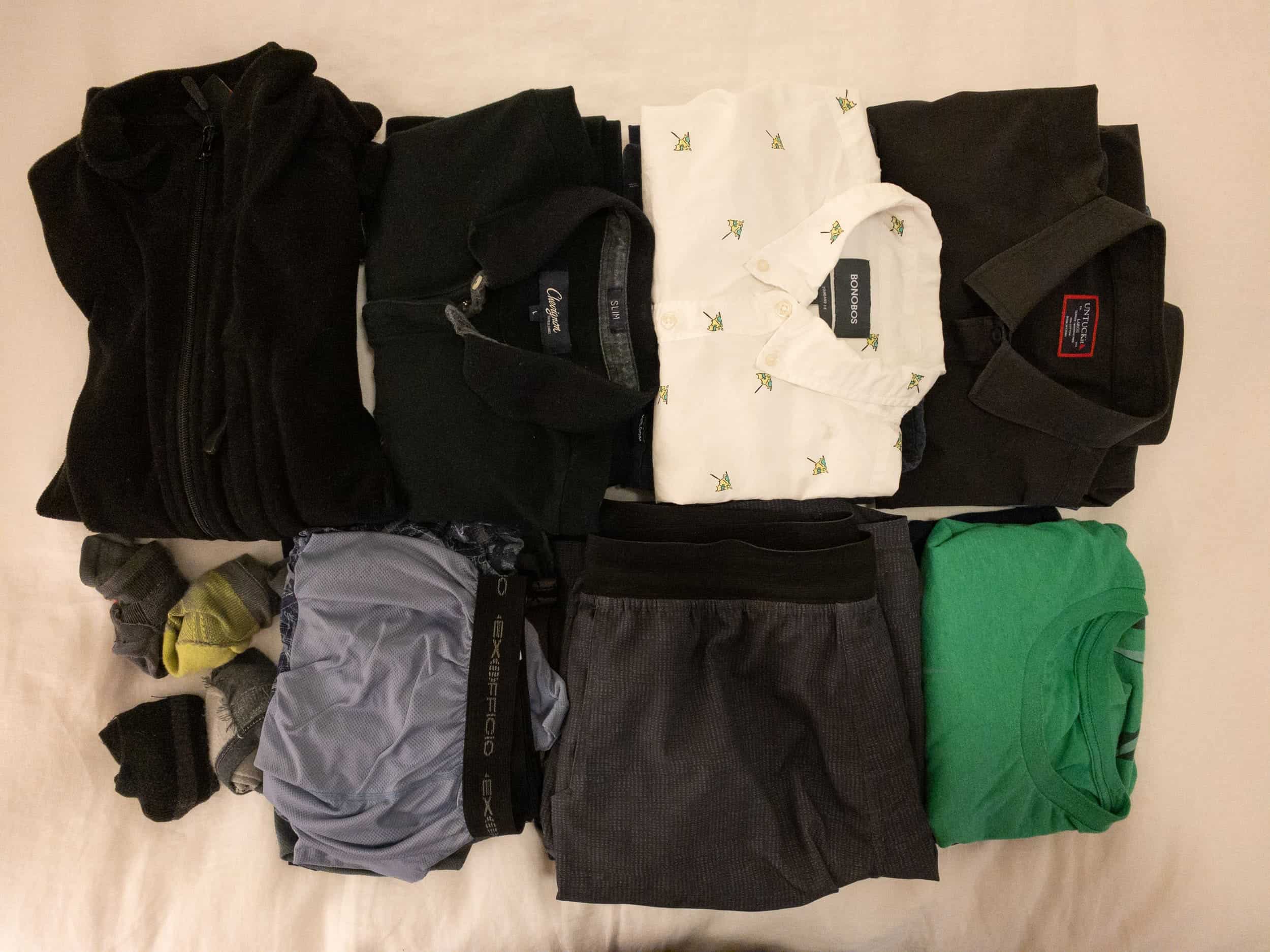
Packing list for a Fall trip to Colorado
What I packed for a week in Colorado

The key to being a minimalist traveler is becoming comfortable with having fewer clothing options and wearing the same things multiple days before washing.

I'd rather invest in a few pieces of high-quality gear from a company like Arcteryx than cheaper stuff that falls apart more quickly. Learning to layer is also essential for colder seasons like fall and winter.

For example, I used a daypack the size of the one for this fall Colorado trip on my 11-day winter trip to Japan and managed just fine.

  • 1 pair of jeans
  • 1 pair of Pick-Pocket Proof® Convertible Travel Pants by Clothing Arts
  • 1 pair of board shorts by Prana (for hot springs)
  • 5 short-sleeved shirts (including my favorite black organic t-shirt by Prana)
  • 1 long-sleeve base layer by The North Face
  • 1 light long-sleeve sweater
  • 7 pair ExOfficio boxers (you can get by with two if you hand wash nightly)
  • 6 pairs of socks, including three pairs of SmartWool socks
  • 1 belt

Outerwear

  • The Cubed Travel Jacket™ by Clothing Arts
  • 1 fleece
  • 1 baseball cap
  • 1 cotton beanie (a $1 souvenir I bought nine years ago in Darjeeling, India)
  • 1 yak wool scarf (bought in Nepal for my Annapurna trek)
  • 1 pair of polarized sunglasses by Oakley

Shoes

  • 1 pair of black Pumas
  • 1 pair of running sneakers
  • 1 pair of Havaianas flip-flops

Tech Gear

  • 13" MacBook Pro (Retina)
  • iPhone 6S
  • Mophie Juice Pack Air (doubles iPhone battery life)
  • Canon G7X camera and soft carrying case
  • 2 external hard drives (one terabyte) and a soft carrying case
  • Apple Airpods (much more convenient to carry than noise-canceling headphones)
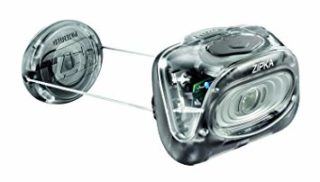
  • Petzel Zipka Classic LED headlamp
  • Fitbit Charge 2
  • Chargers for laptop, iPhone, and camera

Miscellaneous

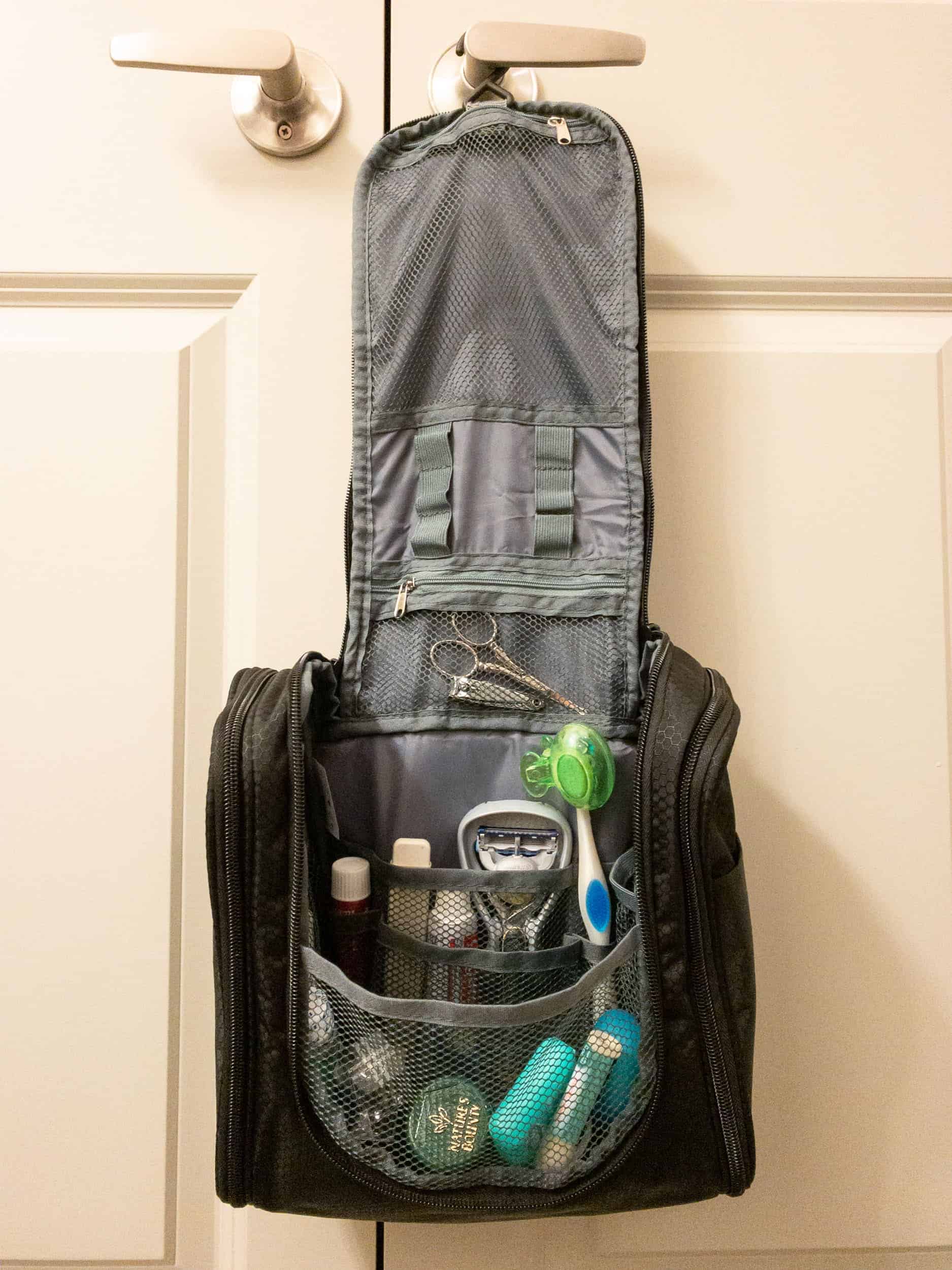
  • Toiletries: toothbrush, toothpaste, deodorant, sunscreen, etc.
  • 1 tiny microfiber towel
  • Wallet, including driver's license and multiple debit/check cards
  • Business cards

Additional Considerations

Big Agnes sleeping bag
Big Agnes sleeping bag and air mattress at the yurt.

Evening temperatures in State Forest State Park, where the yurt was located, were dipping into the 20s F, so I knew I needed a sleeping bag. Luckily, I could borrow a demo bag and inflatable sleeping mat from Big Agnes in Steamboat Springs.

I bought some used gloves ahead of the night in the yurt to be safe, but I didn't need them.

As I had to hike 1.1 miles to the yurt from where I parked, I only brought the essentials for a night in my daypack and left the luggage in the car. I'll share more about that experience in a future post!

Naturally, women will pack a few extra clothing and personal items that men don't need.

Although I'm a big fan of the raw wilderness, the next time I visit Colorado, I'd like to stay in a cabin to experience cozy comfort in addition to nature. You know there's no shortage of vacation rentals in Colorado!

The Results

Overall, my packing list served me well. I had a few items I didn't wear, including the rain jacket and scarf. However, I would take them again since the weather in the mountains can be unpredictable.

_____

The Steamboat Springs Chamber Resort Association invited me to visit Steamboat Springs and several other Colorado destinations, including Fort Collins, Denver, and a national park.

I received the organic t-shirt by Prana in 2015 and the Cubed Travel Jacket™ by Clothing Arts in 2016 at no cost. 

Is Travel Insurance Actually Worth it? The Pros & Cons

Ice Climbing - Viedma Glacier
The author ice climbing on Viedma Glacier in Patagonia

The question of whether travel insurance is worth purchasing gets brought up time and again from travelers, especially young travelers.

Some travelers choose to risk it and not have coverage while abroad, while others would never leave home without it.

Do the pros outweigh the cons? Is it something I'll ever need to use, or will I just be wasting my money? What if my claim isn't accepted anyway?

These concerns are valid and understandable, and they should be addressed when thinking about purchasing travel insurance before a trip. So, let's start with the pros and cons.

Table of Contents

  • Pros of Travel Insurance
    • Sense of Security
    • Health Insurance Coverage
    • Saving Money in the Long Run
  • Cons of Travel Insurance
    • Cost
    • Coverage Could Be Overkill
    • Pre-existing Conditions Aren't Always Covered 
    • Your Claim Might Not Be Accepted  
  • Conclusion

Pros of Travel Insurance

Sense of Security

The main advantage of having travel insurance is the sense of security you get from simply having it.

If the unexpected happens and your trip gets completely dismantled, your travel insurance could reimburse you or help you out of a tight spot when you need it most.

It seems that something always goes wrong the moment you choose not to cover your bases. It's Murphy's Law.

It's best to be covered so that you don't stress worrying about potential trip mishaps and the extra costs that might come with them.

Health Insurance Coverage

What you may not realize is that many US-based health insurance policies don't cover overseas medical expenses.

If you are injured or sick abroad, you may not be covered without a separate travel insurance plan.

It's a serious concern to think about since sickness and accidents can happen anywhere in the world.

Even if you don't consider yourself an adventurous traveler, accidents happen in all forms - that bus you're on could get into an accident, you could twist your ankle stepping off a curb, or get severe food poisoning at a fancy restaurant down the street.

The truth is, you never know when misfortune will strike and when you might need medical attention abroad.

Saving Money in the Long Run

You may complain about the cost of the premium you have to pay but think of it more as an investment in yourself - both for your peace of mind and your overall health.

If you book a trip that costs thousands of dollars and most if not all of it is non-refundable, what happens when your flight gets canceled or delayed and all of those hotels you booked are suddenly for the wrong dates?

What if natural disaster strikes, such as Hurricane Irma that recently caused so much destruction in the Caribbean?

If you can no longer go on your upcoming trip, but you've already booked a $700 roundtrip flight that's non-refundable, then you're out of a lot of money.

There's a good chance, especially if you're a regular traveler that you'll end up saving more money in the long run with travel insurance because your policy will help recover those costs.

And if you don't end up saving money, think of it as a positive that not much has gone wrong throughout your travels.

That you've been able to enjoy your time abroad knowing that you'd be covered in case something went wrong, but that your trips have ultimately been stress-free.

Cons of Travel Insurance

Cost

The most significant disadvantage regarding travel insurance is always the cost.

Because you may never have to use your travel insurance, people sometimes see it as a waste of money.

However, as mentioned above, for most, having that sense of security is enough to offset the cost.

When you factor in how much you would have to pay for specific situations without insurance, it may make you rethink the cost of premiums as too expensive.

Coverage Could Be Overkill

Nowadays, some tour companies or agencies offer inclusive insurance policies when participating in their activities.

In the same vein, many credit cards now offer insurance benefits if you book rental cars and hotels through their card.

Although the same coverage may overlap at times, these one-off insurance policies don't always cover everything.

They may offer patchy or particular coverage depending on the company.

It's always best to read through everything (twice) to understand what your coverage includes.

Pre-existing Conditions Aren't Always Covered 

It's true for any insurance that having a pre-existing condition can change your coverage for the worse or hike up your premium costs.

Unfortunately, there's not a way around this except to shop around and choose your insurance policy carefully.

For instance, Allianz offers existing medical condition coverage on select policies.

As long as you meet the requirements they list in their FAQ, there's a good chance you could still be covered.

Suppose you're curious about whether you'd be covered under specific insurance policies with a pre-existing condition.

In that case, the Certificate of Insurance/Policy for terms, conditions, and exclusions are where you would find that information.

Your Claim Might Not Be Accepted  

What if you go through the process of finding the right travel insurance, pay a monthly premium, think you're covered, and then find out your claim was denied anyway?

What a waste of money, you might think. What was the purpose of buying insurance in the first place if I didn't get anything back from it?

There's always the chance that your claim could be denied.

However, if you take the time to read through your policy in detail and complete the recommended steps after an accident or illness, there shouldn't be an issue with your claim being approved.

Most denied claims come from people not reading the fine print or collecting the necessary documents for filing the claim (receipts, doctor's notes, time-stamped photos, etc.).

Again, make sure to read your policy carefully and in detail to understand what's required.

Conclusion

Even though the extra cost may be an annoyance when planning your trip, the pros will still almost always outweigh the cons when it comes to travel insurance.

The first step is to sit down and look at what kind of trip you're planning and what type of insurance you'll want for it.

A one-month trip glamping around South Africa may call for a different insurance policy than a one-week trip staying in 4-star hotels around Victoria, Canada.

Not to mention, choosing the right travel insurance for you and your trip can save you a lot of money, especially if you're able to avoid coverage that you probably won't need.

Travel is an exciting journey into the unknown sometimes; it's a good idea to have a backup plan when heading into foreign territory in case things don't go exactly as planned.

It never seems worth it until it is.

Do you use travel insurance? Do you think it's worth the cost of a good insurance policy abroad?

_______

I work as a travel insider for Allianz Global Assistance (AGA Service Company) and receive financial compensation.

5 Spiritual Sites in India Worth a Pilgrimage

The Bodhi Tree is an important Buddhist spiritual site in India.
The Bodhi Tree

Of the 65 countries I've visited in my life thus far, India has been the most spiritual. In this story, I'll be sharing five spiritual sites in India that are worth the extra effort to see.

Whether you consider yourself a religious or spiritual person, the confluence of belief systems and associated historical places in India is fascinating.

Hinduism, Buddhism, Sikhism, and Islam are all represented.

Add to that the incredibly low cost of travel, including airlines like Spicejet, and the ease of getting a six-month visa, and it's not hard to see why backpackers choose to spend half a year there at a time.

My seven weeks in India were guided by my spiritual curiosity. These are five places I visited as I traveled the north of India from east to west.

Table of Contents

  • 1. The Bodhi Tree in Bodhgaya
  • 2. The Ghats of Varanasi
  • 3. McLeod Ganj, Home of His Holiness the Dalai Llama
  • 4. The Golden Temple in Amritsar
  • 5. Jama Masjid, India's biggest mosque

1. The Bodhi Tree in Bodhgaya

Thirty-four hours….1 taxi….1 share jeep….1 overnight train….1 bus ride….3 autorickshaws….1 bicycle rickshaw….

Traveling from Gangtok, Sikkim to Bodhgaya over a day and a half was indeed my form of pilgrimage!

But it was worth it to arrive in Bodhgaya, where I spent several nights at a Tibetan monastery and sat under the Bodhi Tree, where the Buddha was believed to have attained enlightenment.

The Bodhi Tree is the most important site in Buddhism and draws monks and lay practitioners from around the world.

Next to the tree is the Mahabodhi Temple, built in the 6th century AD.

Related: Pilgrimage to Bodhgaya

Kids playing cricket in Varanasi, India
Kids playing cricket

2. The Ghats of Varanasi

I departed Bodhgaya on a 5:15 am train headed west for Varanasi, a city located along the Ganges River.

Varanasi has been religiously significant for thousands of years.

It's believed the Buddha founded Buddhism there in the 6th century BC (giving his first sermon in nearby Sarnath, which I also visited).

Hindus believe dying in the city will bring salvation.

Therefore if they can afford it, many make pilgrimages to Varanasi when death is near so that they may be cremated in the ghats along the river.

I'd never seen a human cremation, let alone seeing it happen in public, until I went for a walk along the ghats in Varanasi.

It's hard to put into words what you see, even from a distance.

His Holiness the Dalai Lama in northern India.
His Holiness the Dalai Lama

3. McLeod Ganj, Home of His Holiness the Dalai Llama

It took 24 hours to travel from Agra to McLeod Ganj by train and bus, but I made it in one piece and just in time to hear His Holiness the Dalai Lama give a talk at the Tibetan Children's Village the next day.

McLeod Ganj is home to His Holiness the Dalai Lama and the largest population of Tibetan exiles.

I had tried to visit Tibet a few months earlier in China but had to cancel two days from departure when the Chinese government closed the border to foreigners.

As a result, it was vital for me to visit McLeod Ganj, and I ended up enjoying the atmosphere so much I spent three weeks there, which was about half my total time in India.

If you want to immerse yourself in the practices of Tibetan Buddhism and the culture of Tibet, this is one of the best places to do it.

The Golden Temple
The Golden Temple

4. The Golden Temple in Amritsar

I left McLeod Ganj on a 5 am bus to Amritsar to visit The Golden Temple, the most important place of worship for Sikhs. The trip took about six hours, but it was worth the effort.

At the temple, male guards with purple-turbans and spears walked around the perimeter. The sun was intense, yet the white marble floors were warm but not hot underfoot.

I visited several of the surrounding buildings, which housed religious items. However, the line to enter the Golden Temple itself was too long for me.

Jama Masjid, one of the biggest spirtual sites in India for muslims.
Jama Masjid

5. Jama Masjid, India's biggest mosque

My last train ride in India was the six-hour journey from Amritsar to New Delhi.

The day after arriving in New Delhi, I visited Jama Masjid. Constructed in the mid-17th century, it's India's biggest mosque.

I walked around the perimeter of the interior courtyard and climbed the 40-meter high minaret for a fantastic 360-degree view of Delhi.

Writing this article about spiritual sites in India brought back many memories from my trip, including a lot of time spent traveling overland.

If I were to return to see more of the country, I would consider making an Air India booking or otherwise add more flights to my travel itinerary versus relying on trains and buses alone.

_________

This story was written by Dave in partnership with an advertiser.

Iceland's Ring Road: 9 Amazing Places to Camp

Filled with some of the most spectacular (and eerie) landscapes and miles of vast, open roads, driving Iceland's Ring Road is an incredible adventure.

However, Iceland isn't a cheap place to visit, and it's even more expensive to stay for the time it takes to circumnavigate the country.

Taking the Ring Road is a much more daunting experience than the half-day tour of the Golden Circle near Reykjavík or the Blue Lagoon.

An Iceland road trip may seem like a huge splurge for the average budget traveler. The best way to save money while traveling in Iceland is by camping instead of staying in hotels or hostels.

A scenic view of mountains on Iceland's Ring Road
Scenic Iceland

If you're camping for the first time, the first thing to do is ensure you have all the necessary equipment before you leave home. There are also great places in Reykjavik to rent the gear you need. For sustainability, you can't beat a solar generator.

There are campsites anywhere you'd want to go on Iceland's Ring Road, so you can jump in a car and start your journey.

All you need to pay for is a camper van or rental car (preferably with four-wheel drive), and you can see the entire Ring Road on a self-drive tour.

Getting off the main road is a great way to find the best views, small towns, and hidden gems in places like Thingvellir National Park and Skaftafell National Park.

Your only limit is road conditions and the speed limit. Regarding road conditions, the best time of year to drive the Ring Road is in the summer months. During the winter months, snow leads to road closures.

>>> Start your search for flights to Iceland at Travelocity.com. 

Table of Contents

  • Campgrounds in Iceland
    • 1. Seljalandsfoss (Hamragardar)
    • 2. Skogafoss (Skogar)
    • 3. Vik
    • 4. Seydisfjordur
    • 5. Myvatn
    • 6. Husavik
    • 7. Hvammstangi (Kirkjuhvammur)
    • 8. Stykkisholmur
    • 9. Reykjavik
    • The Bottom Line

Campgrounds in Iceland

1. Seljalandsfoss (Hamragardar)

Seljalandsfoss waterfall is accessible from Iceland's Ring Road. (photo: Lucas Davies)
Seljalandsfoss (photo: Lucas Davies)

As a popular tourist hotspot, Seljalandsfoss is most famous for having a short hiking trail that enables visitors to venture behind the beautiful waterfalls.

It's worth visiting and perhaps getting a guided tour if you have enough time and the weather conditions allow.

Although travelers can see this waterfall on day trips from Reykjavik, the largest city, it's worth spending a night in the area to explore its many attractions.

A few miles down that road rests another smaller waterfall hidden behind a large rock. Next to that waterfall (and within view of Seljalandsfoss) is a lovely little campground where you can rest your head for the night.

Cost per night: ISK 1,300 ($12) per person per night

Facilities: Toilet, Shower

2. Skogafoss (Skogar)

Skogafoss Waterfall is accessible from Iceland's Ring Road (photo: Ferdinand Stohr)
Skogafoss Waterfall (photo: Ferdinand Stohr)

Skogafoss is Seljalandsfoss's friendly neighbor and is another popular place to see Iceland's waterfalls accessible from the Ring Road.

There's another campsite near the parking lot where visitors can pitch a tent.

This one has up-close and personal views of Skogafoss. The amenities here are very basic, and there's always a steady stream of tourists coming in and out.

However, if you don't mind the commotion, the views here are some of the best of any Iceland campsite.

Cost per night: ISK 1,500 ($14) per person per night

Facilities: Toilet

3. Vik

Reynisfjara beach on Iceland's Ring Road (photo: Mark Male)
Reynisfjara (photo: Mark Male)

If you've seen photos of Iceland, you've probably noticed its famous black sand beaches, like Reynisfjara black sand beach.

Vik is home to many of those beaches, one of the most famous being Reynisfjara, known for its geometric basalt towers and beautiful volcanic rock sculptures.

Vik is home to a campsite for budget travelers that boasts spectacular views of these incredible natural wonders.

Cost per night: ISK 1,500 ($14) per person per night

Facilities: Toilet, Shower, Laundry, Wi-Fi

4. Seydisfjordur

It's worth the extra driving time off the Ring Road to spend a night in Seydisfjordur, one of the best places in the east fjords.

You might recognize some of the views driving into the city from The Secret Life of Walter Mitty - Ben Stiller's character had an epic downhill skateboarding scene along a steep and winding street.

Amidst its colored houses, mountain views, and peaceful ship-laden harbor, Seydisfjordur houses a small, cozy campsite.

Cost: ISK 1,600 ($15) per person per night

Facilities: Toilet, Shower, Wi-Fi, Laundry, Kitchen

5. Myvatn

Aurora borealis over Lake Myvatn, a fun stop on the Ring Road in Iceland (photo: Martin Brechtl)
Aurora borealis on Lake Myvatn (photo: Martin Brechtl)

Myvatn is east Iceland's playground and one of its most popular attractions for tourists looking for a good time. There's so much to see and do with its natural hot springs, hikes, lava fields, and giant lake.

It's one of the main attractions on Iceland's Ring Road, and for a good reason - its beauty was the setting for much of the famed Game of Thrones series.

Four campsites are near the lake: Hlid, Vogar, Fjalladyrd, and Bjarg.

One thing to remember here is that many midge flies inhabit the lake. They're entirely harmless but enjoy hitching a ride on clothing or backpacks.

Though having a few flies in your campervan/tent might be annoying, you should expect it when traveling in Myvatn. It's a good idea to bring bug spray.

Not sure where to rent a 4x4? Check out Cozy Campers for camper van rentals in Iceland.

Cost: ISK 1,350-1,500 ($12-$14) per person per night

Facilities: Toilet, Shower

Related: Northern Lights in Iceland

6. Husavik

Whale in Húsavík, accessible from Iceland's Ring Road. (photo: Michael Behrens)
Whale in Húsavík (photo: Michael Behrens)

Most famous for its whale-watching tours, Husavik is the perfect place to spend an evening.

With its pretty harborfront and excellent choice of restaurants, it's a relaxing place for a short walk to get some fresh air.

Husavik is a picturesque stop on Iceland's Ring Road, surrounded across the harbor by beautiful, snow-capped mountains.

Cost: ISK 1,400 per person per night

Facilities: Toilet, Shower, Laundry, Kitchen, Wi-Fi

7. Hvammstangi (Kirkjuhvammur)

Hvammstangi is a fantastic stop in northern Iceland for the average nature lover. First, it's an incredibly charming town with plenty of streets to walk around.

It is also home to many Icelandic seal habitats, where visitors can watch seals rest or play on shore. There's also a seal museum in town where you can learn more about these hunting creatures.

Cost: ISK 1,200 ($11) per person per night

Facilities: Toilet, Shower, Laundry

8. Stykkisholmur

A seaside town on the edge of the Snaefellsnes Peninsula, Stykkisholmur is home to delicious restaurants with Icelandic fare and a large rock to hike with a lighthouse on top.

There's also a small, picturesque harbor amid tiny, colored houses. If you're planning to explore the beauty of Snaefellsnes while driving Iceland's Ring Road, this is a fantastic place to stop.

Cost: ISK 1,300 ($12) per person per night

Facilities: Toilet, Shower, Laundry

9. Reykjavik

Reykjavik Opera House (photo: Michael Held)

Although not surrounded by nature like most other campsites in Iceland, Reykjavik's campsite deserves mention because of its price compared to other city accommodations.

About a 20-minute walk from the city's center, the campsite has all the necessary amenities. Compared to much higher prices for a hostel or hotel in the city, this campsite is a steal!

It's also a cozy place to escape the tourist bustle of downtown Reykjavik, as it's in a more residential area.

Cost: ISK 2,200 ($20) per person per night

Facilities: Indoor Seating, Toilet, Shower, Kitchen, Wi-Fi, Tour Bookings

The Bottom Line

No matter where you'd like to rest your head at night on Iceland's Ring Road, there's a campsite waiting for you at a fraction of the cost of staying in a hotel.

So next time you're in Iceland, consider pitching a tent to save your wallet and experience the finest of Iceland's beautiful nature.

Great Himalaya Trail: An 800-Mile Walk in Nepal

The mud squished below my boots on the Great Himalaya Trail as I tried my best to avoid patches of ice and snow that littered the mountain I was descending.

The sky was getting darker. My hiking partner Buckey yelled at me from ahead, "I found a stream." We had walked all day, trying to conserve the murky pond water that filled our water bottles.

Mountain view from Nepal's Great Himalaya Trail
Mountain views

The pond was the only water source we had found in this ridgeline along Nepal's Great Himalaya Trail in the last twenty-four hours.

Overwhelmed by the curious attention we had received from the locals of eastern Nepal, who rarely see tourists, we decided to leave the villages and follow a more remote path.

I continued at my cautious pace until I reached the stream. Buckey was dumping the rest of his pond water and filling his bottles from the icy cool stream. I followed suit, and we continued downhill as the clouds rolled in.

There was smoke billowing out of a hut in the distance. I could make out a few buffalo and a man standing outside. He waved at us, our first human sighting since the previous morning.

We kept walking. It was getting late, and we needed to find a place to set up our tent.

Raindrops began to fall. They picked up speed and turned into hail in a matter of minutes. My clothing was quickly drenched as lightning illuminated the sky above.

"Buckey," I shouted. "We need to set up the tent. Now."

"Let's keep going until we find a better spot," he told me.

We both looked ahead to the trail before us. It was headed straight onto an open ridgeline.

"No. There's lightning. I'm not going out there," I insisted.

"Let's go back to that hut then," he suggested.

With a fully loaded backpack, I took off at the best running pace I could manage on slippery ground.

The man watched the hail from the doorway as we approached the hut. He urgently waved us in. I rushed inside the structure-the hut was a tiny room filled with smoke from the open fire pit.

The hail was loudly pelting the wavy tin roof. Buckey and I greeted the two men and thanked them for inviting us in. One of them spoke basic English, and the other did not. We knew only a handful of Nepali. words

I peeled off my wet outer layers, removed my muddy boots, and sat on a woven bamboo mat by the fire. The men offered us drinks of rakshi, a homemade millet wine. We shared our chocolate.

We learned that they were taking their buffalo up the mountain to pick up rice from a village, which they would then take back to their own.

They were twenty-six and twenty-seven years old, the same ages as Buckey and I. The hut was not theirs; it was a place where anyone passing through could take refuge for a night.

They made rice and vegetables for dinner, and Buckey and I contributed our freeze-dried chicken to the communal meal. By six o'clock, we were all curled under blankets and sleeping bags, safe from the storm outside.

Table of Contents

  • The Experience
    • Why I Hiked the Great Himalaya Trail
    • What It Was Like
    • The Tough Times
    • The End of a Journey
  • Great Himalaya Trail Logistics
    • Can you hike the Great Himalaya Trail?
    • Time Frame
  • Final Thoughts

The Experience

Why I Hiked the Great Himalaya Trail

Camping on the Great Himalaya Trail in Nepal
The day after, we were caught in a hailstorm.

I had heard about the Great Himalaya Trail during my first trip to Nepal in 2015. I was doing the popular guest house treks in the Annapurna, Everest, and Lang Tang regions.

They were challenging in their own right but were made easier by having a cozy guest house, a hot meal every night, and a group of comrades to share the experience with.

In contrast, the Great Himalaya Trail sounded wild, unpredictable, and demanding. I knew it would be remote, logistically challenging, and physically taxing.

Opportunities to befriend fellow travelers would be rare, and there would be a language barrier while interacting with locals in rural Nepal.

Despite the odds against completing this trail, I wanted to do it. I had made other long-distance trails before, but none had as formidable a reputation as the Great Himalaya Trail. I tried to push the limits of what I could physically and emotionally withstand.

My goal was to walk across the world's highest mountain range and through villages that never get tourists. It sounded like the biggest adventure I could imagine.

Prior to our hike, Buckey was my roommate, and we both worked as guides for the same wilderness therapy company. I hadn't thought to ask him to join me, but when he invited himself, I was elated. He said he had always wanted to see the Himalayas.

What It Was Like

Prayer flags and low visibility in the Himalaya
With visibility like this, it is no wonder we got lost so often.

Buckey and I spent four and a half months hiking 800 miles (1,300 kilometers) in Nepal. Sometimes, we stayed in village guesthouses. When there were no guesthouses, we camped and cooked for ourselves.

We walked in snow, hail, monsoon season, and relentless heat and humidity. We got lost in the jungle and the mountains. Often, we were the spectacle of the town, and kids would follow us through their villages. Weeks would go by, and we wouldn't see any other tourists or have internet access.

Most days, we gained or lost 3,000-5,000 feet (900-1,500 meters) of elevation, which was exhausting. The miles came slowly, and we rarely had an easy day. Sometimes, I found the views to be breathtaking, and sometimes, I found equally amazing views to be monotonous.

Whenever we made a trip back to the city to resupply, we often lingered for a week because we indulged in eating Western food, watching HBO, and having internet access.

My favorite thing about hiking the Great Himalaya Trail was the lifestyle. I enjoyed spending most of my time outside in the mountains. I liked sleeping in the tent and cooking on the camp stove. It was satisfying to reach viewpoints and see nothing but wilderness for miles. The days revolved around walking and eating, which made life satisfyingly simple.

The Tough Times

A hotel on Nepal's Great Himalaya Trail.
We spent the night in this hotel, a welcome break from our tent

Having Buckey as a hiking partner made me feel better about any frustrating situations that arose.

One day, we were caught in a hailstorm at 13,000 feet (3,960 meters) and lost on a ridgeline for a few hours. Once thoroughly soaked and in a bad mood, we called it a day and set up camp.

The freezing temperatures had caused me to lose my fine motor skills, and I struggled to help set up the tent. However, it didn't seem so bad because Buckey was there to be my teammate and commiserate with me.

Once inside our tent, I made us hot orange-flavored drinks, and we looked over our maps while the storm raged outside. I'm typically self-reliant to a fault, but I learned to appreciate having a dependable companion.

The most challenging part of the Great Himalaya Trail came at the end. We were hiking through Dolpa, our last and most strenuous section. We had to carry more food than usual because guest houses and resupply points were rare in that region.

Epic Himalayan views at an 18,000 ft pass.
View from the top of an 18,000 ft pass.

Every other day, I had to hike over a pass upwards of 18,000 feet (5,480 meters), made more difficult by my hefty pack weight. Reaching elevations that high was tiresome because walking and breathing were significantly more challenging.

I often had to take breaks to catch my breath after just a minute of walking, and it never felt like I could fill my lungs completely. On top of that, there were often sections of trail that had eroded from cliff sides. Every time I hiked through these areas, I was aware that I would die or get seriously injured if I fell.

This led me to have more anxiety than I'm accustomed to handling. After a week of dealing with physical and mental exhaustion, I had a meltdown on the side of the trail.

We had a few thousand feet to gain. After an early start with no breakfast, I was hungry, and after months of walking, I was finally tired of it. I flung my pack onto the ground, sat down on it, and started to cry until I was hyperventilating with snot dripping down my face.

Buckey was ahead of me on the trail, thus spared from witnessing my tears. I stayed on the ground, curled up with my face on my knees, until it started to rain. Then I stood up, put my pack back on, and continued up the mountain. I was still exhausted and felt like quitting, but I knew I would keep going.

The End of a Journey

The Great Himalaya Trail
A few hours after I finished having a meltdown

I set out to walk across the Himalayan mountain range and have an adventure, unlike anything I've experienced before. While that is ultimately what I got, it's not the most important thing I gained. I'll think most fondly of the storms we endured, the locals who took us in, and having Buckey around to rely on during the tough times.

Great Himalaya Trail Logistics

Beautiful mountain views in Nepal's Himalaya
Views on the Great Himalaya Trail

Can you hike the Great Himalaya Trail?

While no one keeps statistics on the number of hikers who have completed this trail, there have not been many. For example, I only met two other hikers in person who were doing the entire trail, and I corresponded with three others online. And this was possibly the busiest year yet along the Great Himalaya Trail.

I would only recommend that experienced long-distance hikers attempt the entire trail without guides. You need to know how to navigate the backcountry, be prepared for difficult and long days, and be comfortable finding campsites and interacting with non-English speakers.

If you do not have extensive outdoor experience, you can hire a trekking agency to provide guides and porters and handle the trip's logistics. I would recommend that you love the wilderness and be willing to get in good physical shape while on the trail.

If you don't want to commit to the whole Great Himalaya Trail, plenty of shorter sections can be done with or without guides. For recommendations, check out my list of the Best Treks in Nepal.

Time Frame

Prayer flags flutter over a stream in Nepal
Prayer flags

I spent four and a half months in Nepal for this trek and hiked for three of those months. I made four trips back to the city to resupply, during which time I took a week off from hiking.

Sometimes, I hiked all day until just before sunset, and sometimes, I stopped walking in the afternoon.

If you want to take the trail at a leisurely pace and have plenty of time to enjoy the cultural experience, give yourself four to five months. If you put in long days and finish the trail quickly, give yourself three months or less.

The Great Himalaya Trail has two options for routes: the high route and the low route. The high route goes through the mountains at higher elevations, has colder temperatures, and is farther from cities and road access. The low route offers more jungle and rice terrace scenery, an abundance of villages not often visited by tourists, and hotter weather.

I combined the two routes, essentially sticking to the low route during the spring and the high route during the summer. I started my hike in late March, and it was good timing for my route.

If you only want to do the low route, you can do it at any time of year. However, remember that summer will be unbearably hot, and winter at higher elevations will be cold.

The timeframe for the high route will vary according to snowfall, but April and May are likely good months to begin. If you plan to hike fast, October and November have ideal weather conditions for both routes. Summer is monsoon season, and it typically rains every afternoon.

Final Thoughts

Buckey and Megan
My hiking partner Buckey and I

A lot of logistical planning goes into a Great Himalaya Trail hike before you even arrive in Nepal. From selecting gear to going over maps to organizing permits and transportation, this hike involves much more than just walking. And often, all the planning has to be adjusted once you are there. This would be a fantastic hike for people who love logistics, have flexible personalities, and desire to traverse the world's highest mountain range.

Mexico City Street Art: An Epic Graffiti Tour

Street art and graffiti tour in Mexico City
The child is an example of hyperrealism and was painted by a different artist than the other figures.

Laura Ainscough, Director of Stylewalk MX, was the first to offer a guided tour of Mexico City street art. So, meeting Laura at an entrepreneur conference I attended in Mexico City was a pleasant surprise. As I was staying the week beyond the conference, I took her up on an offer to experience her most popular tour firsthand.

Previously, I'd wandered the streets of Buenos Aires' trendy Palermo Soho district on a graffiti and street art tour that was one of the highlights of my six-week stay. I also grew to appreciate street art during my three years living in Medellin, Colombia.

Rhino mural - Mexico City
This rhino mural was one of my favorites of the day

Street Art Tour

A friend from the conference who had grown up painting graffiti in New York City joined me. On a weekday afternoon, we met our local guide, Jokan Deka, for the 2.5-hour walking tour in downtown Mexico City.

Jokan is an affable tattoo artist, illustrator, and DJ with several years of experience working for the well-regarded Fifty-24 MX gallery. The fact that Stylewalk MX's guides are all involved in the street art scene makes all the difference, as it lends their tours a sense of authenticity and credibility.

Boar mural - Mexico City
Boar mural

I learned a lot during our afternoon together from Jokan and my New Yorker friend. After visiting a few walls, we ducked into a paint shop up a flight of heavily graffitied stairs. Inside, you could find every shade of spray paint imaginable from multiple manufacturers.

In addition to the paint cans, I learned you could also buy plastic caps that help you, as the artist, control the width of the spray paint coming out of the can. I had no idea there was such a mature market for artists' supplies!

As in Buenos Aires, painting Mexico City street art is illegal unless you have the property owner's permission.

Graffiti in Mexico City
Graffiti

My biggest takeaway from the tour was the distinction between graffiti and street art. Graffiti came first, as gangs in NYC used it to mark their territory. It primarily consists of tags, abbreviated names, or nicknames of graffiti artists. These can be basic and ugly or incredibly intricate.

Aesthetically, it can be challenging for the average person to pick up on subtle differences in the artistry that show one tag is more skillfully painted than another. However, competition-worthy graffiti artists set themselves apart by using multiple colors, intricate designs, and unique styles. People with no formal art training typically paint graffiti.

Snail mural - Mexico City
Snail mural

Meanwhile, the more aesthetically pleasing murals that are a hallmark of street art are often painted by artists with some formal training. I prefer street art. It is more attractive to the eye and can represent local culture, history, and politics.

Street art adds to the environment, while most graffiti detracts from it. I know this may sound a petite bourgeois of me. Perhaps it's all the art history classes I took in college. We saw dozens of murals during the tour. Below are more of my favorites.

Mexico City Murals

Mural - Mexico City
Trippy mural
Psychedelic mural - Mexico City
Psychedelic mural. The mushrooms remind me of Alice in Wonderland.
Big graffiti - Mexico City
Monumental, colorful graffiti
Leopard mural - Mexico City
Leopard mural
Entrance to an urban garden, home to new murals painted every year for a street art contest.
Street art
One of the murals painted for the contest
Street art
This wall was one of our guide's favorites
Hip hop street art
Hip hop street art
Graffiti tour
My friend Justin and I had the chance to paint some tags on a wall outside a school.
Massive mural
Massive mural. This is one of my favorite walls due to the 3-D effect in the upper left corner.
Street art and graffiti
Street art on top, graffiti on the bottom
Colorful graffiti
Colorful graffiti
Creepy mural
Creepy mural
Alice in Wonderland
Alice in Wonderland inspired this one
Black and white
Black and white
Graffiti
This is an excellent example of how graffiti is constantly evolving as new artists add to walls.
Mexico mural
This Mexico mural was painted soon after Trump was elected or inaugurated and is part of the annual street art contest.

I highly recommend finding the time to take this Mexico City street art tour. It's a fun way to see a part of downtown Mexico City you might not otherwise see, and the artwork is incredible!

Tour Details

Type: Stylewalk MX offers private walking tours with English-speaking guides

Cost: The cost depends on the number of people and is subject to change.

As of September 2017, the cost is $138 for one person, $155 for two people, $165 for three people, and $171 for four people.

See the Stylewalk MX website for further details.

Tip: If you're traveling solo and want to lower the cost, ask around in your hostel or on social networks such as Couchsurfing to see if you can find more people to join you.

Length: 2.5 hours

Booking:  Visit the Stylewalk MX website to book your tour.

Accommodation:  I highly recommend staying in the park-filled, centrally-located Condesa neighborhood.

Room rentals are budget-friendly on Airbnb.

Otherwise, check out the top-ranked hostels on Hostelworld.

_________

I received a discounted rate for my private tour with Stylewalk MX. 

6 Important Things To Know Before Traveling To Brazil

Ipanema Beach, Rio de Janeiro (photo: Mike Vondran)

Are you thinking about a trip to Brazil in the near future?

Well, you're in for quite an adventure because there are truly tons of exciting things to do there to go along with the picturesque scenery.

Even though Brazil is the largest country in South America, there are many important things travelers may not be aware of.

To get the most out of your experience, there are several things that you need to be aware of before visiting Brazil.

And if you're a U.S. citizen, don't forget you'll need to get a Brazilian visa in advance of arrival. You can get it here: https://www.travelvisapro.com/visa/brazil

Let's dive in.

Table of Contents

  • English is Not Very Common
  • Get Ready to Experience the Outdoors
  • The Middle Class is Almost Non-Existent
  • Little to No Personal Space
  • Try to Stay Away from Religion
  • Sensitivity for Their Country

English is Not Very Common

If you're an English-speaking American, it's highly likely that you're going to experience a language barrier.

You'll quickly find that there are not many English speakers outside of Rio de Janeiro or São Paulo.

While a lot of Brazilians have seen most American movies and know a lot of American songs, Portuguese is still their primary language, and English is not well understood due to the weak education system.

With that being said, you'll find the Brazilian citizens are very hospitable and will do whatever they can to find a way to communicate with you.

It will help for you to learn some key phrases or buy a translation book in advance.

Get Ready to Experience the Outdoors

If you like to be cooped up indoors playing video games or watching TV, Brazil is not the country for you.

Brazil is most certainly an outdoor culture country with their penchant for sidewalk cafes, beaches, and backyard barbecues.

When you combine this with their tropical climate, you'll find that most Brazilians prefer to bask in the sun outdoors; there are tons of amazing environments for you to soak up.

Beach, waterfalls, and jungles are among some of the most popular outdoor attractions that can be found within this country.

In fact, most people don't know that Brazil is one of the largest wetlands in the world, with 70,000 miles of wetlands in the southwestern region.

You'll also find over 300 different species of mammals and birds there, as well.

The Middle Class is Almost Non-Existent

It's true that over the past decade or so the economy has significantly improved in Brazil, but for the most part you will find that there really is no middle class.

Most of the citizens are either well off or dirt poor, and you will notice a huge economic gap between the two.

In fact, a huge part of the population lives on a day-to-day basis trying to survive.

It was reported that in 2010, six percent of the population was residing in the slums (favelas), which typically develop around the borders of the country's largest cities.

With no security, police stations, hospitals, and rising drug problems, you probably want to steer clear of these areas as much as possible during your trip.

That said, tourists are not usually targeted in these regions, but it still never hurts to practice safe techniques like leaving most of your money in your hostel or hotel safe, never traveling to these areas at night, and using Uber or ride-hailing apps where available.

Carnaval 2014
Carnaval in Rio 2014 (photo: Nicolas de Camaret)

Little to No Personal Space

If you've been to Latin America before you might already know that there is little room for personal space.

Brazil is no different, as it is customary for men to kiss women on both cheeks when meeting. This is even true for two total strangers.

You might find that some guys even take on this kind of behavior with other men.

There's also a lot of hands-on dancing, and hugging is an intricate part of the way that the locals introduce themselves to tourists.

Simply put, you are going to have your personal space invaded when meeting and greeting the locals.

Try to Stay Away from Religion

With a bit of research, you will find that most Brazilians are Catholic, and the Catholic doctrine is rooted pretty deep in the Brazilian culture. However, for some reason, the locals do not like discussing their religion.

In fact, it is almost recommended to not bring up religion at all when speaking with the locals.

So, if you come to Brazil seeking religious enlightenment, you might have chosen the wrong country.

Estadio Nacional Mane Garrincha
Estadio Nacional Mane Garrincha (photo: A C Moraes)

Sensitivity for Their Country

Brazilians are very sensitive when it comes to the way foreigners view their country.

You might find that locals and countrymen talk about things that they do not like about Brazil all the time, but they don’t like it when foreigners point out the things they don’t like.

Always try to be respectful, because you might feel the same way about the country you live in.

______

This article was provided by and published in partnership with Travel Visa Pro.

How to Find the Best Central Park Tour

Central Park - New York City
Central Park, outside the Dakota Building where the climax of Ghostbusters was filmed (photo: Phil Whitehouse)

New York City's Central Park is one of the greatest urban green spaces in the world, which is also why spending time there is a must for any first time visitor to the city.

While there's always the option to stroll through the park on your own, there are benefits to taking a tour.

There are a variety of Central Park tours available. For example, you can choose to stroll around the park on foot, with a guide, or as part of a group tour.

One example is a walking tour which shows participants locations for TV shows and films which feature scenes in Central Park. For example, Gossip Girl and When Harry Met Sally were both shot in the park, and this just scratches the surface.

If you want a fun walking tour and you love television and film, searching for this sort of tour is a smart strategy.

It's not the only type of walking tour offered, so you'll have plenty of options, but it's a fun choice, and a lot of people do enjoy taking photos of themselves at the famous Central Park movie locations.

Bethesda Fountain, Central Park - NYC
Bethesda Fountain (photo: Rach)

Is a Bike Tour Right for You?

Another option is a bike tour. If you love being active and cycling is something you enjoy, booking one of these tours will allow you to get some healthy exercise and fresh air while you explore all the park's key attractions, from Bethesda Fountain to the Reservoir to Strawberry Fields and beyond. This type of group tour will allow to see a lot of the six-mile park.

In general, with any tour, you'll meet at the headquarters of the tour company and then leave as a group.

When you book, you should be given instructions on exactly where you'll need to be at the appointed time. A good tour company will make sure that there is no confusion.

This is why we recommend checking customer reviews for bike tours or other types of tours that you're interested in before you complete a booking.

It's important to book with a reputable tour company which earns accolades from real-life tourists and "townies."

Band in Central Park
Band in Central Park (photo: PROChristine und Hagen Graf)

Pedicab Tours are Popular Choices

Pedicab tours are amazing experiences. They differ from walking tours and bike tours because people who sign up for them don't need to walk or cycle on their own to see things.

Instead, they're able to sit back and relax while their pedicab operators do all the hard work.

The chances are that you've already pounded the pavement pretty extensively while exploring the Big Apple, so there's real value in taking some time out in Central Park and letting a pedicab operator take you around to see all the sights.

If it's a colder day, wear layers to stay warm. These tours usually run year-round, as the park is gorgeous in all four seasons.

Bring your camera and listen to your guide as he or she explains the history of everything that you pass by. You'll be able to take photos and see quite a lot on a one-hour or two-hour tour!

Pedicabs are comfortable for passengers. You can travel alone, just you and your tour operator, or you can go with another person. Most pedicabs fit two people in the back. Larger groups can rent a few pedicabs and travel together.

The length of the tour depends on personal preference and budget. Be sure to price any tours that you're interested in across a few different providers.

Some overcharge, but the good companies offer fair prices, and it's pretty easy to find the most highly rated tour operators, for walking, bike or pedicab tours, just by reading reviews at TripAdvisor and doing some other research, such as visiting the official websites of tour companies.

Tours Offer So Many Benefits

It's true that Central Park may be explored on foot or by rental bike. You don't need to go on a tour to experience the park.

However, tour operators know everything about the park. They're familiar with every inch of this huge park, and they know tons of interesting facts about its history.

If you're not familiar with the park, you'll find that signing on for a tour is an excellent way to learn about it and it's also a wonderful way to make sure that you won't miss any of its Instagram-worthy attractions.

If you're on your own or with another person who doesn't know the park well, you may get lost or miss popular places.

As well, there is safety in numbers, so checking out the park with a group, or while being transported by a pedicab driver, is a great way to stay safe. You won't be alone, and this is a good thing.

Book a Central Park Tours NYC Today

You deserve to have an exceptional holiday in New York. Also, if you're there on business, taking time for a tour will allow you to put work stress behind you for a little while.

Since Central Park is one of the Big Apple's not-to-be-missed attractions, it's well worth booking a tour.

Now that we've shared information about three of the most popular Central Park tour options, you'll be ready to choose the one which is best for you. It's all about considering your needs.

Do you love to work, or would you prefer to cycle in a group?

If you don't want to do either, then a pedicab tour which allows you to enjoy the park without needing to expend any energy is truly ideal. It's also a good option for those who don't have mobility, such as the elderly.

__________

This article was provided and brought to you in partnership with Peter Pen Tours.


6 Reasons Mexico is the Ultimate Budget Backpacking Destination

Mexico is, hands down, one of our favorite countries to backpack in. How can we be so confident?

It's easy: when a destination is not only incredibly fun to travel to but also doesn't break the bank, it's impossible not to want to go back again and again.

Here's why Mexico is the ultimate budget backpacking destination.

Budget Backpacking Mexico: Palenque Ruins
Palenque ruins

Table of Contents

  • 1. Mexico is cheap
  • 2. You'll never run out of things to do
  • 3. Mexico is easy to get around
  • 4. The natural diversity is incredible
  • 5. Mexican food is delicious
  • 6. Cities, nature, and towns are easily accessible

1. Mexico is cheap

Let's get this obvious point out of the way first: for a place to be a fantastic budget backpacking destination, it needs to be easy to travel on a budget.

In Mexico, budget backpacking is incredibly exciting and straightforward--and depending on how strict of a budget you are on, you may barely need to pinch your pennies.

A great street food meal will set you back a couple of dollars (don't leave Mexico without devouring all the tacos al pastor you can!), and a simple sit-down meal in a restaurant can be had for around $5.

First-class buses cost about $1/hour to ride, including a reasonable seat and air-conditioning, and sometimes Wi-Fi!

2. You'll never run out of things to do

Mexico's backpacking hot spots are full of any excursion you can think of: whether you want to go horseback riding, explore ruins, try your hand at whitewater rafting, hike, tour a tequila factory (complete with tastings, of course), learn to surf, go scuba diving in cenotes, or just about any other adventure activity you can think of, Mexico has you covered.

In most destinations (away from spots like the luxurious Riviera Maya), these tours are incredibly affordable.

In one of our favorite destinations in Mexico, San Cristobal de las Casas, we took all-day, multi-stop tours for under $20 each.

A simple afternoon of horseback riding for three hours ran $10/person--you can't beat that!

Budget Backpacking Mexico: Hierve el Agua
Hierve el Agua in Oaxaca

3. Mexico is easy to get around

While backpacking Mexico on a budget, ADO buses will become your best friend: they're comfortable, inexpensive, and run everywhere.

We took ADO buses for as short as a couple of hours and as long as fourteen hours and never had any issues whatsoever.

Whenever you get to your destination, taxis will likely be just a few dollars for a short ride (unless you're in all-inclusive hotspots like Cancun and Playa del Carmen), or, for the shoestring budget traveler, jump into a collectivo--vans that act as shared taxis and cost as little as $0.25 to ride.

4. The natural diversity is incredible

Rolling mountains? Dramatic canyons? Enormous waterfalls? Pink lakes? Gorgeous beaches?

Check, check, check, check, and check.

Mexico has it all: whether you're looking for a tropical beach climate, cool mountain air, a desert experience, or something completely different, Mexico has you covered at an affordable price tag.

To see a different side of the Yucatan Peninsula from the famous Riviera Maya, check out El Cuyo.

Budget Backpacking Mexico: El Chiflon
El Chiflon

5. Mexican food is delicious

You won't be tempted to hang out in tourist restaurants and pay inflated prices in Mexico: the local food is too good.

We still dream about the plates of huevos rancheros we ate on Isla Holbox. The eggs were served with rice, beans, avocado, and juice for $3.50!

If you do get an occasional craving for a taste of home and duck into a fast food place, don't worry: restaurants like McDonald's and Subway can run a little cheaper in most parts of Mexico than in the USA.

6. Cities, nature, and towns are easily accessible

Thanks to Mexico's incredibly diverse landscape and its excellent bus system, it's unnecessary to choose one "type" of trip when backpacking in Mexico.

Feel free to follow up a city break with a few days in the jungle, or head to the beach and then take a few days in a small town.

Ultimately, the word that we kept coming back to when backpacking Mexico was value.

Mexico is an inexpensive destination--but that alone doesn't make it one of the best budget backpacking destinations.

The quality of backpacking in Mexico, from excellent buses to delicious food to gorgeous landscapes, makes this affordable backpacking destination one that's impossible to ignore.

5 Ways to Relax While Traveling

Pool in Santorini - Greece (photo: David Lee)

We all have the best intentions when it comes to traveling. There'll be no time for breaks, no minute wasted, and so we cram every possible activity into the time available.

For years I've done this, and every vacation I’ve burnt myself out. Sometimes I’m ready to go home a couple of days before the trip ends. Other times, I get sick in the middle.

Inevitably, I cancel something I’ve planned and, feeling guilty for missing out; I have a little pity party in my hostel or hotel room.

Eventually, I learned that taking time to relax while traveling is essential for optimizing your time.

You might have to miss out on a couple of sites or adventures, but it will make the rest that much more worth it.

Here are five ways to relax while traveling.

Table of Contents

  • 1. Spend time by the pool (instead of the beach)
  • 2. Watch TV?!
  • 3. Eat in
  • 4. Meditate
  • 5. Exercise

1. Spend time by the pool (instead of the beach)

The ocean is simply wondrous. It is immense, constantly changing, and can be a lot of fun, especially for surfers.

All of this makes beach time that much more intense. And while some manage to relax by the beach, many others cannot manage just to lie there.

Even if you can spread out under an umbrella, you have to contend with the sand, making it difficult to read, eat, drink, and so on.

Occasionally taking the time to lie by a hotel or public pool is that much more relaxing.

You can float around in the pool without worrying about waves. You can have lunch without worrying about chewing on sand.

It’s not nearly as impressive as what nature gave us, but it’s a good way to unwind.

2. Watch TV?!

For some, the thought of watching television in a foreign country is sacrilegious. You're in an exotic location, but you're stuck in front of a screen?!

However, some TV time can be good for you. It’s a passive, enjoyable waste of time that you can use to recharge your batteries. And with VPNs available to unblock Netflix overseas, you can easily access the content you miss from home.

3. Eat in

It is tempting to eat out every night while traveling, trying new cuisine and mixing with the locals. But if you need time off, eating in is everything.

The best way to eat like the locals is actually to shop at a grocery store, after all. You'll save a lot of money this way, and eat without the stress of finding a restaurant and pretending that you aren't wishing for bed.

4. Meditate

Meditation is probably the most effective way to take care of yourself.

In a foreign country, with so much to take in, it’s easy to lose track of your mind and soul.

Taking a moment to step back and check in will allow you not only to relax but to appreciate all that you've seen and done so far.

5. Exercise

While we don’t associate exercise with relaxation, it’s an excellent way to remove yourself from the stress of traveling.

It grounds you, reminding you that your core self is still stable, and keeps you healthy. It also rejuvenates you, readying you for the next stage of your journey.

_____

This story was brought to you in partnership with Best Online Reviews.

Italy's Best Destinations for Vegetarian Travelers

Piazza San Carlo - Turin - Italy
Piazza San Carlo - Turin - Italy (photo: Nicola)

Traveling as a vegetarian can be difficult. The menus may be in a language you can’t read, and if you have dietary restrictions, this can seem like a nightmare. Some restaurants might not have anything suitable, and you might just want to give up and go home.

Luckily, traveling through Italy as a vegetarian is pretty easy as the traditional diet consists of plenty of grains, bread, fresh produce, cheese, and salads, and different kinds of legumes.

If you are not sure whether a dish has meat or not in it just ask your server for ”vegeteriano!"

Table of Contents

  • Turin
  • Puglia
  • Rome
  • Amalfi Coast
  • Florence
  • Sicily

Turin

Turin is a city that is situated in the north west of Italy at the foot of the Alps.

The new mayor is on a mission to make Turin “Italy’s most Vegetarian City."

It is effortless to eat as a vegan/vegetarian here as there are many vegetarian and vegan cafes.

You can enjoy a whole variety of food including simple risotto dishes flavored with saffron or porcini mushrooms.

Be sure to try all the freshly made local cheeses, and Venere Nero, black grain rice that turns blue when cooked.

Alberobello - Puglia - Italy
Alberobello in Puglia, Italy (photo: Janssem Cardoso)

Puglia

Puglia is in the heel of the boot of Italy, and it is a stunning region known for its beautiful hillside towns and hundreds of kilometers of coastline filled with beaches.

The city of Alberobello is a UNESCO World Heritage site because of trulli buildings, a unique style of building with cone shaped roofs.

For an authentic experience, you can even stay in a traditional trulli, or there are plenty of luxury villas if you’d prefer something more modern.

The region is known for its simple, fresh food and you can easily find food in restaurants based around the key ingredients like olives, olive oil, home-grown spices, chickpeas, and fresh vegetables.

Pizette is a favorite snack that is a mini pizza with tomatoes and cheese that you can quickly devour on the beach.

Rome

Once you have visited all the delights of Rome like The Colosseum, Vatican City, and The Trevi Fountain you will be pretty hungry.

Rome is a great city for vegetarians. You can easily pick up thick sandwiches stuffed with grilled eggplant, garlic, and other tasty spices.

Pizza is great too, and the traditional toppings are a tomato sauce with tomatoes and cheese.

Cacio e Pepe
Cacio e Pepe (photo: Erin)

Amalfi Coast

This stunning area is known for the small towns of Positano, Ravello, Sorrento, and Amalfi.

It is a lovely place to rent a car and go for a scenic drive or rent a boat and explore the coast.

One of the best dishes you can try is Cacio e Pepe which is a pasta dish with a sauce made from pepper and cheese.

Finish your meal with Limoncello, a traditional liqueur that is made from local lemons.

Florence

Florence is the birthplace of the renaissance, and this metropolitan city is filled with wondrous treasures like Michelangelo’s statue of David, and other works by Leonardo de Vinci and, Donatello.

You can’t leave Italy without doing a tour of the gem of a city. There are quite a few veggie cafes and restaurants in Florence, and you’ll enjoy sampling the schiacciata; a flat bread that is drizzled with olive oil and sprinkled with salt and you can have it with Zuppa di fagioli, a soup that is made with tomatoes, cannellini beans, garlic, sage, and salt.

Pasta alla Norma
Pasta alla Norma (photo: Stacy)

Sicily

The food of Sicily has been influenced over time by the French, Arabic and North African settlers who live there.

Don’t miss the opportunity to try Pasta alla Norma, a short pasta served with a sauce made form Aubergine, tomato sauce, and salted ricotta.

________

This story was brought to you in partnership with Oliver's Travels and Italy 4 Real.


5 Most Famous Hikes in Hong Kong (All Free!)

Lugard Road, Victoria Peak - one of several famous hikes in Hong Kong
Lugard Road, Victoria Peak - Hong Kong

While most people picture Hong Kong as the city of skyscrapers and crowded streets, it has become increasingly clear that there is another side.

In fact, Hong Kong’s dense city structures are punctuated with mountains and hills, many of which boast stunning hikes.

With the popularity of social media and healthy living rising, many Hong Kongers and tourists alike venture off to these scenic trails.

Below are five of the most famous hikes in Hong Kong (including the easiest routes).

Table of Contents

  • 1. The Peak
  • 2. Dragon's Back
  • 3. Cape D'Aguilar
  • 4. Pineapple Mountain
  • 5. Sunset Peak

1. The Peak

Many people take the Peak Tram up to the Peak, go to the Sky Terrace and go back down, but you can also hike it!

The easiest route on this list, you can get a unique panorama of the Kowloon Peninsular and even Tsing Yi Island on a clear day along Lugard Road.

A long, paved walking path, the Lugard Road is suitable for all hiking levels.

You can stroll along it for half an hour before turning back, or go all the way towards Hong Kong University area.

In fact, you can go up West High Hill for a 360-degree view that includes the Peak, too!

Dragon's Back - Hong Kong
View from Dragon's Back

2. Dragon's Back

The hiking trails that has everyone talking, Dragon’s Back was picked by the Times as the best urban hiking trail a few years back.

The name stems from the fact that the trail runs along the mountain ridge, extending parallel to the coastline.

It is located in idyllic south Hong Kong Island, and the trail start can be reached by bus.

Aside from the steps that go up and down at the beginning and end, the trail is relatively flat.

If you want the Instagram-worthy shot, then it’s best to head to the southern end of the trail facing the Shek O Village.

Cape D'Auguilar - Hong Kong
Cape D'Auguilar

3. Cape D'Aguilar

More of a walk than a hike, Cape D’Aguilar is on the southern tip of the Aguilar peninsular south of Dragon’s Back.

You would mostly be walking along a concrete road, and those who want to cut down their hike time can even get a taxi in, though otherwise the area is restricted.

Only until you reach the end do you need to hike for five to ten minutes to reach the cape.

The most famous landmark there is the rocky beach with natural arches, oceanography center (but it’s not open) with a fake whale skeleton, and the thunder cave.

For the more seasoned hikers, there is a lighthouse half way down the road. However, the route down is steep and difficult to find, and you can also glimpse the structure from above.

pineapple hill hong kong laugh travel eat

4. Pineapple Mountain

Hong Kong has a sub-tropical climate, which means most of the unoccupied land are vegetated. However, Pineapple Mountain is the exception.

Dubbed as the Hong Kong Grand Canyon, this trail is deep in Tuen Mun, New Territories.

While it appears larger in photos, it is still a unique sight in the Hong Kong countryside. Hence it drew many Instagrammers to the spot.

Aside from the logistic of getting into and out of the trail, it is an easy hike.

If you are interested in going, I have a detailed guide on how to reach Pineapple Mountain.

Fun fact: the trail crosses a military zone!

sunset peak lantau island hong kong laugh travel eat

5. Sunset Peak

Lantau Island is famous for the Big Buddha and cable car, but Sunset Peak is also a star attraction.

One of the highest peaks in Hong Kong, this is the hardest trail on the list but still attempted by many due to its scenic views.

The hike takes around five hours, three up and two down.

Every September to November is the silver grass season, making the mountain top a sea of swaying grass.

Other noteworthy sites on top are the old Lantau Village, now abandoned, and the sunset or sunrise view.

Be warned that while the route is well paved, you must bring enough water going up and wear appropriate footwear.

If you want to know more about hiking in Hong Kong, I’ve got more information on my Hong Kong Hiking page on my blog.

Planning a Round the World Trip Can Be Simple and Easy

Hagia Sophia - Istanbul (photo: Dave Lee)

Have you ever dreamt of traveling around the world?

It starts with a typical round trip flight to a country of your choice in South East Asia or South America after college graduation or for vacation.

For older readers and empty nesters, it's how you've always looked forward to spending your retirement.

Imagine a scenario where you could add more destinations spread across different continents to your trip itinerary. This could be your dream trip, a once-in-a-lifetime adventure.

More and more people are stepping out of their comfort zones; long-term and gap year travel is gaining momentum and acceptance.

All it takes is a bit of self-belief to take that leap of faith and set off to see the world.

Embarking on a long-term trip isn't just for the wealthy or younger millennial generation. No matter who you are and what your reasons, traveling around the world can be a game-changer.

Inspiration

Traveling around the world for months, or even years is quite different from your regular annual vacation.

It takes a lot of courage to step away from your daily routines and comforts of home.

It's going to change you as a person, but change you for the better! The more cultures you discover, the more you'll learn about yourself and humanity.

Expanding your horizons and seeing the world is a life-changing experience, so it's not hard to understand the reasons why a RTW trip appeals to many.

Such a trip can open your mind to new possibilities you may not even be able to imagine from your office cubicle. So, the idea is to break free from your mental shackles and fulfill your curiosity quotient.

Overcoming fear is necessary, and you'll need to put to rest any excuses for why you can't take a big trip.

Going on a round-the-world sojourn is a rewarding experience. A gap year on your résumé with a travel experience is something unique and will help you stand out from the crowd. This is the kind of invaluable real world education you can't get in a classroom.

Each one of us has an ‘adventurer’ within us, and just a bit of introspection and a sense of realization is what we have to do to say ‘yes’ to traveling the world.

It's not difficult to open our mind and break down the barriers that restrict us from seeing the world to its fullest.

Venice, Italy (photo: Dave Lee)

RTW Tickets

To fulfill your dream trip, you'll want to get ahold of a Round The World (RTW) ticket which lets you travel the world on a single ticket. Yes, traveling the world on a single ticket is possible.

It doesn't cost a fortune, and with the right amount of planning, a Round The World Ticket is affordable irrespective of your age or financial capabilities.

You can buy a RTW ticket for as little as about $2,000 for a fantastic itinerary which includes:

CHICAGO/NEW YORK - BOGOTA - RIO DE JANERIO - LONDON - MADRID - CHICAGO/NEW YORK /WASHINGTON DC

A RTW ticket is just like any other plane ticket; only it has more stops and destinations spread across the world.

It uses a combination of airlines, which may or may not be their partners. It's a series of city-to-city tickets rolled into one unified ticket.

It's certainly a convenient way to fly around the world as you don't have to worry about booking your tickets at various intervals. Your one ticket already has each stop booked in advance.

A RTW ticket is a complex maze involving multiple flights, sectors, timings, dates, destinations, stopovers, overland travel and a bagful of experiences and stories.

Looking from a convenience angle, they can be helpful and are an excellent value-for-money option.

It certainly helps you save both time and money. Irrespective of your style and preference of traveling, these tickets are the best bet for you.

Round the world trip flight map
Flight map (photo: Dave Lee)

RTW Specialists

Getting your around-the-world-trip planned through a specialist agency comes with a lot of advantages.

The first important aspect is that of personalized service. If you've booked your RTW tickets with a specialized agency, you'll always have an agent assisting you throughout your trip.

Imagine a scenario where you miss your flight, or your flight gets canceled. Only an agent can bail you out of such situation, not a robot (in the case of alliances where ticket prices are automated)!

The other advantage is that you'll enjoy reasonable savings while deciding the dates and destinations of your itinerary.

The travel experts at Ticketsroundtheworld specialize in creating personalized and customized tickets and itineraries for travelers who want to explore the world. They take out all the stress in planning your trip and make it incredibly easy and affordable.

Their experts are adept at going through the complex maze of combining airlines, sectors, dates, flight schedules, stopovers and what not.

Apart from their expertise on round the world airfare and flights, they'll have recommendations about the dates of travel where you can get lower airfares.

They can recommend interesting stopovers you might want to consider adding to your itinerary and offer great options regarding flexibility and saving money.

So, what’s stopping you from getting your hands on a ticket to explore the world? Get your own personalized RTW ticket and see the experiences that lie in store for you.

________

This story was provided by and brought to you in partnership with Ticketsroundtheworld.

14 Things to Know Before You Arrive in Abu Dhabi

Abu Dhabi Sky Line
Abu Dhabi skyline

Abu Dhabi is the United Arab Emirates (UAE) capital and is known for its cultural attractions and family getaways.

From traveling in the fastest roller coaster in the world to having a cappuccino that's sprinkled with gold, Abu Dhabi has the right combination of all experiences.

Travelers enjoy stunning beaches, along with historical and cultural attractions.

Tip: At the end of this article is an infographic (you can download for free) that Adventure Emirates, an Abu Dhabi-based tour company, put together for first-time visitors.

Before you plan your vacation to Abu Dhabi, consider the following.

Table of Contents

  • At a Glance
  • The Highlights of Abu Dhabi
  • The Climate
  • Dress Code
  • The Location
  • The City of Abu Dhabi
  • The Al Gharbia
  • Al Ain
  • Restaurants and Cuisine
  • The Arabian Culture
  • Animals and Wildlife
  • The History
  • Attractions of Abu Dhabi

At a Glance

  • The gateway of Emirates - Dubai International Airport
  • Languages - Arabic. English is widely spoken.
  • Time zone - GMT +3.00 hours
  • Religion - Islam, many other religions are practiced by expats
  • Telephone Code - +971

The Highlights of Abu Dhabi

Abu Dhabi is a destination that you can visit year-round.

The must-dos in Abu Dhabi include a visit to the Corniche beach to enjoy the sun, a thrilling ride on the fastest roller-coaster in the world at Ferrari World, a taste of the gold-flecked cappuccino at the Emiratis Palace, and a visit to the archaeological and historical sites of Abu Dhabi.

  • A visit to Yas Island - Yas Island is the place to go if you want to enjoy a thrilling drive. The Yas Island is a must-do for speed lovers, featuring Ferrari-themed rides, exciting water slides, and the Formula One Circuit.
  • Al Ain - A historical site that features the life of Arabs of the bygone years up until the Stone Age, Al Ain is a UNESCO World Heritage Site.
  • Sheikh Zayed Grand Mosque - One of the largest mosques in the world, this grand mosque is designed to accommodate 41,000 worshippers at a time. It has 82 domes and is an architectural beauty.
  • Louvre Abu Dhabi - An exotic art gallery that will open at the end of 2017, the Louvre Abu Dhabi will include 23 galleries and over 600 pieces of art.
  • The Capital Gate - An architectural marvel, Capital Gate is the furthest-leaning man-made tower. It leans up to 18 degrees.
  • The Observation Deck - A great way to enjoy your afternoon drink would be to head up to the observation deck of the Etihad Towers Complex. Located on the 74th floor, this deck offers a stunning view of the surroundings.

The Climate

The best time to visit Abu Dhabi is from October to April. The potential rains and the wind keep the weather quite cool between 77F (25C) and 82F (28C).

From May to October, the heat and humidity can become unbearable.

Between June and September, the temperature can go up to 104F (40C).

Abu Dhabi malls and shopping

Dress Code

Pack clothing that is comfortable. The temperature may necessitate light clothing, but you might need to cover up once you enter the malls and hotels.

Being a country with Islamic culture, it is advisable to wear clothing covering the body, including the knees and shoulders.

Women might be required to wear a headscarf when visiting the mosques.

The Location

The capital of UAE, the city of Abu Dhabi, is the largest city in the region.

Abu Dhabi comprises 200 islands, 400km of coastline, and stretches of deserts and mountains.

The Al-Ain City is Abu Dhabi's hub in the eastern region.

The City of Abu Dhabi

Being the capital of UAE, Abu Dhabi is the country's business center, and the government operates from Abu Dhabi too.

Most of the businesses and international embassies are located in iconic buildings like the Etihad Towers.

Abu Dhabi is comprised of islands that are interconnected to the Persian Gulf from the Central West Coast.

The Saadiyat Island features stunning beaches. The Yas Island is known for its fun-filled activities, the Corniche beach is known for its spectacular sunsets, and the Sheikh Zayed Grand Mosque is an architectural marvel.

The Al Gharbia

Al Gharbia is the western region of Abu Dhabi. This occupies about two-thirds of the Abu Dhabi land.

Al Gharbia is comprised of remarkable golden dunes, ancient forts, and many miles of coastlines.

Al Gharbia features Liwa, a historic town that opens up to the oasis of Rub al Khali, also known as the Empty Quarter, the most extensive spread of desert in the world.

The Al Gharbia comprises the largest expanse of date plantations, featuring over 100,000 date palms.

The famous Qasr Al Sarab resort is a popular resort in Al Gharbia that offers the following activities:

  • Camel trekking
  • Dune bashing
  • Sandboarding
  • Dune dawn walks
  • Falconry shows
  • Camping
  • BBQ meals

If you want to take part and enjoy the Arab traditions and culture, then a visit to the Al Gharbia is a must.

Exciting events in Al Gharbia like camel beauty contests, date festivals, and hill climbs are popular Arab traditions.

Emirates Palace
Emirates Palace

Al Ain

A UNESCO World Heritage Site and the birthplace of Sheikh Zayed - the founding father of UAE, Al Ain means spring, as it once served as a place to find freshwater.

In history, Al-Ain served as a trading post for Arabian tribes.

The main features of Al Ain are the Al Ain Palace, Al Ain National Museum, and the Al Ain Oasis.

The Al Ain Oasis is spread across over 3,000 acres and features over 1,400 date palms.

Another exciting place to visit in Al Ain is the Jahili Fort. This was constructed as a summer residence for Sheikh Zayed in the 1890s, and then in the 1950s, it was expanded by the British.

Exciting activities available at the Jahili Fort include:

  • Wadi bashing (i.e., drive in a 4WD exploring the riverbeds of the Fort)
  • Hiking up the Jebel Hafeet mountain
  • Visiting the busy camel market
  • Go-karting racing occurs at Al Ain Raceway, which features a 1.6km go-kart track (making it the biggest in the Arabian region).

Restaurants and Cuisine

The restaurants of Abu Dhabi offer international cuisine in addition to traditional Arabian cuisine. You can also enjoy great food branded under the names of famous global chefs.

The local Arabian cuisine comprises many delicious flavors like cinnamon, saffron, turmeric, dried fruit, limes, and nuts. This adds aroma and a beautiful look to the food.

Some of the great Arabian dishes include:

  • The Mezze Platter
  • Al Harees - a dish that is a combination of meat and wheat that is cooked in a clay pot and garnished with ghee
  • Al Majboos - a spicy meat dish that bursts with flavor
  • Al Madrooba - salted fish cooked in a spicy way and served with different sauces

The must-try dessert is baklava, and it's best enjoyed with an Arabian coffee.

Abu Dhabi Culture

The Arabian Culture

Nomads were the first people to travel through the Arabian sands of Abu Dhabi in search of pastures for their camels.

Before the establishment of buildings and cities, it was just a place for travelers. The oasis was the main attraction in Abu Dhabi for the nomads.

Gradually, irrigation systems were established, known as Falaj, and it was used to cultivate date palms.

Abu Dhabi began undergoing a revolution about 50 years ago. Though there was a significant boost in economic development, Abu Dhabi has preserved its culture and traditions.

Dhow Sailing, Falconry, and camel racing are some of the traditional activities of Abu Dhabi.

Islam is the primary religion, and since it is the way of life of Arabs, both men and women wear conservative clothing.

Men dress in a kandura - a full-length white robe and women dress in an abaya - a full-length black robe with a headscarf known as sheyla.

Animals and Wildlife

The once-barren land is now home to lush date palms, acacia, and eucalyptus trees.

Abu Dhabi is home to 54 species of reptiles. The Gulf Coast is also home to mammals like dolphins, sharks, whales, and dugongs.

Abu Dhabi has the second largest population of dugongs in the world, with authorities taking various measures to protect these creatures.

Sir Bani Yas Island is home to a nature reserve that comprises 13,000 free animals.

The Ras Al Khaimah is a must-visit destination for the perfect combination of relaxation and adventure.

The History

Abu Dhabi was just a passing place for tribal Bedouins. It was in 1761 that the Bani Yas tribe settled in Abu Dhabi around the Liwa Oasis.

With the pearl trade established in the 19th century, there was a boom in economic growth.

In 1892, Britain signed an agreement to serve as the protectorate. In the 1950s, oil was discovered; the first oil shipment left Abu Dhabi in 1962.

After the UK withdrew from the protectorate role, six Emirati groups joined hands to bring about the Federation, and Abu Dhabi was made the capital in 1971.

Louvre Abu Dhabi
Louvre Abu Dhabi

Attractions of Abu Dhabi

Saadiyat Island

An upcoming cultural quarter of Abu Dhabi, Saadiyat Island is famous for its stunning beaches just a seven-minute drive from downtown.

The Zayed National Museum, Louvre Abu Dhabi, and Guggenheim Abu Dhabi are under construction and open for tourists soon.

Currently, the attractions of the Saadiyat Island are: Manarat Al Saadiyat - the visitor center, five-star resorts - St. Regis Saadiyat Island Resort, and Park Hyatt Abu Dhabi or visit the Saadiyat Beach club that is home to a 400-meter stretch of beaches and exotic restaurants.

Sir Bani Yas Island

An Island that houses the Arabian wildlife park and is home to over 13,000 animals. Sir Bani Yas Island is one of the Desert Islands of Al Gharbia.

All hotels are eco-friendly and are designed in a way that preserves the environment.

When you visit Sir Bani Yas Island, there are many activities that you can take part in, visit well-designed stables and historical sites.

A Christian Monastery that was built in 600AD is a primary historical attraction of the city.

The animals that you can see on the Island are the Arabian Oryx, gazelles, giraffes, hyenas, and cheetahs.

Yas Island

An artificial Island, the Yas Island is a must-visit for every tourist; it's the place to come for the adventure and fun-filled activities.

The Yas Island is home to the world's fastest roller coaster - Formula Rossa, which reaches a speed of 250kph in 4.9 seconds.

The Ferrari World indoor theme park and the Formula One racing Track ensure that adults and kids enjoy every second.

Abu Dhabi Grand Mosuqe

Liwa Oasis

The Liwa Oasis is located amidst a stretch of desert and dunes.

Located 250km south of Abu Dhabi, the Liwa Oasis is home to the largest dune known as Moreeb. Liwa Oasis was also the birthplace of the rulers of Dubai and Abu Dhabi.

Sheikh Zayed Grand Mosque

The largest mosque in Abu Dhabi, the Sheikh Zayed Grand Mosque, is built in white marble and features 82 domes, four minarets, and the largest Iranian hand-knitted carpet.

Built by Sheikh Zayed, this mosque is open daily to visitors (except on Friday mornings, for worshippers only). You can enjoy a mesmerizing view of the sunset in this mosque.

Emirates Palace

A must-visit attraction of Abu Dhabi, the Emirates Palace is a 7-star hotel and one of the most expensive hotels ever built.

The main features of this palace are its sand color, 114 domes, and gold flake cappuccinos.

Al Ain Jabel Hafeet
Al Ain Jabel Hafeet

Jebel Hafeet

The 1,240-meter high limestone mountain, Jebel Hafeet, is the second tallest peak in the UAE.

This mountain is home to 500 ancient tombs and wildlife species like red foxes, feral cats, and the rock hyrax.

The best way to visit Jebel Hafeet would be to drive, but you can cycle up to the peak if you are up for the challenge.

Some of the available activities on the way to Jebel Hafeet are white water rafting, kayaking, and surfing.

Corniche

A beautiful attraction of Abu Dhabi, Corniche comprises 8km of manicured seafront promenade that houses kids' play areas, cycle lanes, cafes, and restaurants.

Corniche Beach has been separated for family, singles, and the general public.

Visa for Abu Dhabi

Citizens of the following countries can get a visa on arrival: Australia, Andorra, Brunei, Canada, Hong Kong, Ireland, Japan, Malaysia, Monaco, New Zealand, San Marino, South Korea, Singapore, United States of America (USA), United Kingdom (UK), and the Vatican City.

You can fly to any UAE airport. This visa is valid for 30 days and can be obtained free of charge.

You can get a visa on arrival with a validity period of 90 days if you are traveling from these countries: Austria, Bulgaria, Belgium, Czech Republic, Croatia, Cyprus, Denmark, Estonia, France, Finland, Greece, Germany, Hungary, Italy, Iceland, Liechtenstein, Latvia, Luxembourg, Lithuania, Malta, Norway, Netherlands, Portugal, Poland, Romania, Slovakia, Seychelles, Spain, Switzerland, Sweden, and Slovenia.

However, once the visa period expires, all passport holders will have to get a paid visa.

At Adventure Emirates, we're specialists in getting visas for our customers, so select our visa services to get the best deal.

For more information about Abu Dhabi, click the infographic below to see it at full size.

Adventure Emirate's Infographic

________

This article was brought to you in partnership with Adventure Emirates.

Best Treks in Nepal: Where to Hike in the Himalaya

For most travelers, trekking in the Himalayas is their main reason for visiting Nepal. The best treks in Nepal are not necessarily the ones you know. The most popular options in Nepal are the Annapurna Circuit and Everest Base Camp Trek, and with good reason.

Makalu Base Camp Trek in Nepal.
Makalu Base Camp Trek

They are easily accessible and developed to suit the needs of trekkers, and there are always fellow travelers around to befriend. However, crowds are typical in peak season, and there's little opportunity to experience local culture. Over the last several years, I've spent a collective eight months exploring the trails of Nepal, from the most famous tourist tracks to remote and rarely visited corners of the country. If you want to experience regions of Nepal that the Western world has not heavily influenced, or you want to get away from the crowds while you're in the Himalayas, check out some of the best treks in Nepal.

Table of Contents

  • Nepal Treks
    • 1. The Manaslu Circuit
    • 2. Makalu Base Camp
    • 3. Eastern Nepal
    • 4. Dolpa
    • 5. The Three Passes - Everest Region

Nepal Treks

1. The Manaslu Circuit

Manaslu Circuit in the Himalayas.
Manaslu Circuit

The Manaslu Circuit makes this list because of the variety of scenery along the route. Lower elevations are rich in dense forests, meadows of marijuana, and golden wheat fields. Much of the trek follows a narrow valley carved out by the Budhi Gandaki River. Finally, the valley opens up to views of snow-capped peaks and continues up to Larke Pass, which is 5,200 meters (17,200 feet) high. This would be an excellent place to start for first-time trekkers because the gradual grade of the trail makes this route easier than most other Nepal treks.

  • Length of time: Two weeks
  • Camping or guest house: Guest houses
  • Start to finish: Soti Khola to Dharapani
  • Guide or no guide: As of now, a guide is mandatory for this region.

2. Makalu Base Camp

Eastern Nepal.
Eastern Nepal

Makalu Base Camp is an alternative for hikers who want to experience landscapes like Everest Base Camp and avoid crowds. The trek begins in a sweltering jungle full of monkeys and mule trains. Upon reaching higher elevations, two 4,200-meter (14,000 feet) passes must be traversed in one day. Expect to hike over snow for most of this day.

The upper section of the Makalu Base Camp trek follows what is argued to be one of Nepal's most beautiful valleys. The valley is surrounded by sheer cliffs with dozens of waterfalls that cascade hundreds of meters down the wall, not unlike California's Yosemite National Park. In the springtime, you will see and hear massive chunks of ice breaking off and tumbling down the peaks around you.

  • Length of time: Two weeks
  • Camping or guest house: Guesthouses, but bring a tent during the busy autumn season because space is limited.
  • Start to finish: Num to Num
  • Guide or no guide: A guide is not required, but I recommend that beginners bring one to navigate the passes.

3. Eastern Nepal

Dolpa.
Dolpa, Nepal

Eastern Nepal is perhaps the most customizable of all the treks on this list because of the abundance of trails and various villages to begin and end. This trek is for travelers who want to experience the rural culture of Nepal and visit a place still untouched by Western tourism. The trail winds through multiple villages every day, rice terraces, and up the "foothills" of the Himalayas, which would be considered mountains in any other country.

Expect locals to rush out of their homes to catch a glimpse of you and be ready to greet every curious child with "namaste." This region of Nepal is different from all the more popular treks. There are no views of white peaks, you will rarely find English speakers, and you will sleep in your tent as often as you do guest houses. This trek can be done any time of year, although summertime would be uncomfortably hot and humid. Expect to meet lots of locals every day and no other tourists.

  • Length of time: One to three weeks. This section is customizable.
  • Camping or guest house: Both
  • Start to finish: I recommend Taplejung to Tumlingtar, although there are various routes.
  • Guide or no guide: Not required. A guide is unnecessary if you're comfortable with camping and asking for directions.

Related: Hiking the Great Himalaya Trail

4. Dolpa

I found Dolpa (sometimes spelled "Dolpo") to be Nepal's most beautiful and challenging trekking area. It's the most challenging because you have to hike over a pass that is 5,500 meters (18,200 feet) or higher every other day. There are only a few guesthouses along the route, so you will most often camp and cook for yourself. The trail is not maintained well in some sections, and every day, there are places where you will die or get grievously injured if you fall.

Dolpa is a fantastic section to hike because of the scenery and culture. It's a barren desert region with endless mountains, limestone cliffs, and vertigo-inducing views. I regularly encountered tent settlements where small communities lived with herds of hundreds of sheep or yaks.

Dolpa provides many opportunities for wildlife sightings. I encountered blue sheep and Tibetan foxes and spent a morning following snow leopard tracks. You won't be running into other trekkers on this route, except at Phoksundo Lake. It's also not a very populated region, so you will only pass through one village or settlement a day.

Don't attempt this without a guide unless you're skilled in backcountry navigation. Investing in Nepal trekking tours that provide local guides and porters is a sound way to stay safe and help you enjoy the experience.

  • Length of time: Two to three weeks
  • Camping/ guest house: Mostly camping, occasional guest houses
  • Start/ finish: I suggest taking the route from Jomsom to Phoksundo Lake via Dho Tarap. The permits for this region are $10 a week, whereas Upper Dolpa is $500 for a week.
  • Guide/ no guide: A guide is not required, although I recommend that only highly experienced trekkers do this self-guided.

5. The Three Passes - Everest Region

Everest's Three Pass Trek

The Three Passes might be one of my favorite Nepal treks. Most of this trail traverses beneath some of the world's highest peaks, bringing gorgeous scenery every day. It's a popular trail. You can enjoy some of the best mountain guest houses in the Himalayas, and meeting other trekkers is easy. The passes are challenging and sometimes snow-covered. Getting acute mountain sickness or catching a cold is common among Three Pass hikers.

It intersects with the Everest Base Camp trek for the first few days before veering east toward the first pass. Don't worry; you'll still have the option to visit base camp if you want. After base camp, the trail continues over the second pass to Gokyo. Because of its alpine lakes, Gokyo may be the most scenic village in the Everest region. Plan to explore the area for a few days and hike to viewpoints.

  • Length of time: Three weeks or less
  • Camping or guest house: Guest houses
  • Start to finish: Lukla to Lukla
  • Guide or no guide: A guide is not required. Most of the trail is easy to navigate, but crossing the passes with fellow trekkers is a good idea.

Whether you want to do a guest house trek and meet other travelers, or you would prefer to sleep in your tent and see how locals live, there is a trail on this list of best treks in Nepal for you. Regardless of which trail you choose, trekking in Nepal's Himalayas will be an arduous, enthralling, and memorable experience.

7 Common Sun Myths for Holidaymakers

Travel is a wonderful experience, but after booking your flights and packing your bags, there is something that people overlook; the health of your eyes. It’s important to protect your eyes from harmful Ultraviolet (UV) ray.

Here are a few misconceptions when it comes to the health of your eyes.

Table of Contents

  • Myth #1 - Any pair of Sunglasses Will Offer UV Protection
  • Myth #2 - Dark Tinted Sunglasses Equals UV Protection
  • Myth #3 - Car Windows Offer UV Protection
  • Myth #4 - You Don't Need UV Protection on Cloudy Days
  • Myth #5 - You Only Need Sun Protection on Beach Vacations
  • Myth #6 - Sun Damage is Only Prevalent in the Summer
  • Myth #7 - UV Damage Can Be Reversed

Myth #1 - Any pair of Sunglasses Will Offer UV Protection

You may believe packing a pair of sunglasses will protect your eyes, but this isn’t always the case. Not all sunglasses provide UV protection.

Check to see if your sunglasses have the European Union CE mark to show the sunglasses offer UV protection.

Myth #2 - Dark Tinted Sunglasses Equals UV Protection

Many people believe darker tinted sunglasses equals better UV protection than lighter tinted sunglasses. That’s not necessarily so.

A pair of dark tinted sunglasses might not have any UV protection.

A darker tinted sunglasses will let through less light compared to a lighter tinted sunglasses, but this doesn’t equal better UV protection.

Myth #3 - Car Windows Offer UV Protection

Whether it’s your vehicle or you’re looking to rent a car on your holidays, not all car windows provide protection.

Similarly to sunglasses, a tinted window doesn’t mean better UV protection compared to a non-tinted window.

Be sure to wear UV protecting sunglasses when you’re inside a vehicle, and when you get outside.

Myth #4 - You Don't Need UV Protection on Cloudy Days

UV rays only go down by 10% during cloud coverage, which means a cloudy day isn’t an excuse to neglect to protect your eyes.

Even if you’re in London on a cloudy, rainy day make sure you’re wearing the proper sunglasses.

Myth #5 - You Only Need Sun Protection on Beach Vacations

It is true that UV rays are harsher closest to the equator. However; that doesn’t mean you can just forget about UV eye protection if you decide to take a vacation in Sweden.

No matter where you are in the world UV protection for your is always required.

Myth #6 - Sun Damage is Only Prevalent in the Summer

While the weather might be hotter in the summer the risk of UV damage doesn’t diminish in other seasons. For example in the UK sun exposure is the same throughout the year.

Proper eye protection from UV rays is required year round.

Myth #7 - UV Damage Can Be Reversed

The sad truth is that UV damage to your eyes is permanent. This is one of the reasons why it’s so important to protect your eyes with UV blocking sunglasses.

This way you’ll continue to enjoy seeing all the beautiful places you visit when you travel.


UV protection infographic

________

This story was published in partnership with Vision Direct.

Switzerland on a Budget: 10 Essential Tips

Switzerland is notorious for being at the top of every "Most Expensive Country in the World" list, making it exceedingly difficult to travel there on a budget. But that doesn't have to be the case. Even the most budget-conscious traveler should have Switzerland on their bucket list. Switzerland is full of dramatic landscapes that can take your breath away.

You can have a great time visiting Switzerland on a budget
Grazing cows in Switzerland

It's where you find lush green rolling hills that have quaint little chalets with cows roaming freely around them. It's where mountains meet lakes, and you can eat endless amounts of delicious chocolate and cheese.

It almost seems too beautiful to be a real place. If these aren't reasons enough to want to pack your bags right now, we don't know what are!

Pro Tips

Need airfare? Find cheap flights and more at Travelocity.com.

Want to travel around Switzerland by car? Find the best car rental service at Traserbas.com.

Green rolling hills of Switzerland
Straight out of a fairytale

So, how do you visit one of the most expensive countries in the world without breaking the bank? It's easier than you might think. Here are ten helpful tips to keep more money in your pocket while still traveling to the beautiful country of Switzerland.

Table of Contents

  • How To Travel in Switzerland
    • 1. Spend More Time in One Place
    • 2. Skip Staying in the Major Cities
    • 3. Cheap or Free Accommodations
    • 4. Buy Food at a Grocery Store
    • 5. Buy Souvenirs at Grocery Stores
    • 6. Drink Tap Water
    • 7. Visit Free Museums
    • 8. Free Outdoor Activities
    • 9. Avoid High Seasons
    • 10. Invest in a Travel Pass
  • Final Thoughts

How To Travel in Switzerland

1. Spend More Time in One Place

Switzerland is a tiny country. Consider setting up a home base there and exploring the best places in the rest of the country from there.

Usually, the longer you spend in one place, the better the nightly rates for accommodations. This typically holds whether you're staying at a hotel, youth hostel, Airbnb, etc. Some hotels or hostels will even give you a free local transit pass, so check when booking.

Switzerland is a small, steep country, much more up and down than sideways, and is all stuck over with large brown hotels built on the cuckoo style of architecture.

Ernest Hemingway

See also: Travel Credit Cards for Beginners

Swiss Railway map (credit: Swissrailways.com)
Swiss Railway map

2. Skip Staying in the Major Cities

Staying in major Swiss cities has benefits. Proximity to everything allows easy access to museums, shopping, and nice restaurants, but people come to Switzerland for the views.

Switzerland has some of the most beautiful landscapes in the world, so visit and stay in a town with views. It will be less expensive, and you're more likely to get the picture-perfect postcard version of Switzerland you seek.

You also don't need to go far outside the cities to get spectacular views. Train travel is a popular way to get around in Switzerland, so it's easy to get places even when staying outside the main cities.

Check out the Swiss Railways website to get an idea of which small towns are on the major train lines, the prices for train tickets, the locations of train stations, etc.

Sleep on Straw Switzerland
Sleep on Straw (minus the cows)

3. Cheap or Free Accommodations

Nowadays, budget travelers have so many options for finding a place to stay. You're no longer limited to choosing between a hotel and a hostel. You can now rent people's apartments or private rooms or even stay on someone's couch. However, our two recommendations for experiencing Switzerland on a budget are Workaway and Sleep on Straw.

Workaway

Workaway is an exchange program in which, in return for a few hours of work a day, you receive housing (and, in some cases, a few meals). You can do various tasks, from working with schools to working with animals or farming.

This is an excellent program because it gives you a real, local experience. You will also be giving back to the community you are visiting, and your accommodation will be free. There are several other work options, with Switzerland being one of the best countries to teach English to keep the funds topped up.

Sleep on Straw

Farms in Switzerland started opening up their doors and letting travelers experience a night sleeping on fresh straw. It has become trendy over the summer and can begin at 6 Swiss Francs ($6) a night. What better way to experience Switzerland than waking up on a farm and walking outside to enjoy the mountains?

As with anywhere you stay, do your research. It doesn't matter if it's a hotel, Airbnb, Workaway, or Sleeping on Straw-read traveler reviews. You might save a buck in the end, but it won't be worth it if you end up being miserable because you didn't read reviews.

The Swiss Alps
The Swiss Alps

4. Buy Food at a Grocery Store

Switzerland is one of the most expensive destinations for dining out; buying your meals at grocery stores is cheaper. This is not news to budget travelers. However, there are cheaper grocery stores where you get more for your money.

The two major grocery stores in Switzerland are Migros and Coop. The cheaper budget grocery stores are Aldi, Denner, and Lidl. Stock up on white wine, cheese, and bread, and use it as an opportunity to make fondue!

Another option is to buy "ugly fruits and vegetables" from Coop. Coop began selling "wonky" produce at reduced prices to reduce food waste. The produce is naturally deformed but does not have any taste defects. Just because it isn't pretty doesn't mean it doesn't taste good.

5. Buy Souvenirs at Grocery Stores

While buying your lunch at a grocery store, why not buy your souvenirs too? Swiss chocolate may be half the price in a grocery store versus a tourist spot. Many grocery stores in the larger towns often have a Switzerland souvenir section where you can buy chocolate, cheese, cowbells, ornaments, magnets, etc.

Museum of Art and History in Geneva
Museum of Art and History - Geneva, Switzerland

6. Drink Tap Water

Food is expensive in Switzerland, and drinks are pricey, too (including bottled water). Luckily, Switzerland has some of the cleanest water available. There are fountains everywhere, and you can fill up your water bottles.

7. Visit Free Museums

Whatever city you visit, check what local museums it has. If they're free, visit on days with free entry or offer other discounts. There are so many free museums in Switzerland. Below is a list of some of the more popular ones in Geneva and Zurich.

Free Geneva Museums and Sites

  • Natural History Museum
  • Art and History Museum
  • ICT Discovery
  • Tavel House
  • Botanical Gardens and Conservatory
  • Ariana Museum
  • Museum of the History of Science
  • Carouge Museum
  • The Museum of Ethnography

Free Zurich Museums and Sites

  • Zoological Museum
  • Augusto Giacometti Entrance Hall
  • Museum of Modern Art (Free on Wednesdays)
  • Museum of Anthropology
  • Botanical Gardens
  • Fluntern Cemetery (Visit James Joyce's grave)
Historic Town Gruyères Switzerland
Historic Town of Gruyères, Switzerland

8. Free Outdoor Activities

Switzerland has so many enjoyable outdoor activities that don't cost a dime.

Hiking

Hiking is one of the major activities (the other being skiing) that Switzerland is known for. You could easily spend your whole visit hiking and be perfectly happy.

Swimming

There are quite a few lakes in Switzerland and plenty of places to swim. However, it can be a little chilly sometimes!

Explore Historic Towns

Like many European countries, Switzerland is full of ancient and historic towns to explore. Visit the town's cathedral to see some beautiful art. Gruyères and Altstadt are also must-visit towns.

Festivals

One of the best things to do in any country is participate in a festival. You can see the local culture at its best and usually get fireworks, music, etc.

Free Walking Tours

Quite a few cities offer free walking tours. These tours are usually run by volunteers and are offered daily in several languages.

Cheese Making Tours

Depending on the area you choose to visit, small-town cheesemaking farms often happily show you around and explain how they make their cheese. There are also larger factories that give public tours for usually a small price (around 5 Swiss Francs, or $5).

Related: Food Experiences in Emilia-Romagna

Cheese tour
That's a lot of cheese

9. Avoid High Seasons

There is no wrong time to visit Switzerland, but the high seasons for visitors are summer and winter. The best time to visit and get the most for your money is during the shoulder months of spring and fall. Accommodations will be cheaper, and there will be fewer travelers visiting.

If you choose to travel during spring or fall, and hiking is on your list of activities, check and see if trails are open while you are there.

Switzerland Shoulder Season
Switzerland is beautiful any time of the year

10. Invest in a Travel Pass

Travel passes can save you a lot of money, but you must first determine if it's the right pass for you. If passes are not used to their full potential, they can be more expensive in the long run.

Swiss Travel Pass

The Swiss Travel Pass gives you almost complete access to the country, entry to about 500 museums, train, bus, and boat tickets, etc. Again, this can save you money, but it can also cost you. If you don't have a plan or itinerary for what you want to see, it may be more expensive.

Swiss Half Fare Card

The Swiss Half Fare Card allows visitors to buy train, bus, or boat tickets for half price for up to a month. If you choose this option, there is little difference between the first and second classes, and it's recommended that you buy the second-class ticket.

Supersaver Tickets

Supersaver tickets are not passes per se, but you can sometimes buy a supersaver ticket instead of a train ticket when you buy one online. These tickets are the cheapest available because they are offered when fewer people travel.

Swiss Coupon Book

The Swiss Coupon Book offers discounts and many 2-for-1 deals. You can view the deals before purchasing the book.

This is not as popular as the other passes since you probably won't be able to use all the coupons to make it worthwhile. However, buying the coupon book may make sense if you are in the country for a more extended period.

Student Passes

If you're a student or are under 18 (and sometimes under 26), you may be able to get student discounts while traveling.

Final Thoughts

There are many ways to make a trip to Switzerland come to life without going broke. Whether you're an outdoor adventurer or a history buff, there is plenty to do in Switzerland, and you can still have extra money in your pocket after your trip. Now, all you need to do is grab your passport and travel!

We hope this guide to traveling to Switzerland on a budget has helped inspire you to plan a trip.

If you'd like to go but not alone, consider a small-group tour with G Adventures:

  • Trekking Mont Blanc is a challenging 10-day high-altitude adventure in the Alps. You'll start trekking in Chamonix, France, and pass through Italy and Switzerland as you travel around Mont Blanc. The trip ends in Chamonix. 
  • London to Rome: Picnics & Pizza is a quick 7-day rail journey from London to Rome, including a stop in Interlaken, Switzerland. 

How to Choose the Best Camping Air Mattress / Sleeping Pad for Your Hike

Self-inflatable pad and foam mat

The blogosphere of backpacking and camping is flooded with a humdrum of articles and guides with gear tips on choosing the right tent, boots, and whatnot. But with the growth of available information, the substance of the advice you get is diluted.

It seems like everybody is making list-type checklists, re-mulling the same information over and over. It’s information that already lives under the hat of any half-seasoned backpacker, and it comes down to commonplaces like “choose what’s right for you.”

Today we right that wrong, well, at least in one area that we feel has been silently evolving without most of the community taking notice – getting proper sleep on the trail.

Two areas we’ll focus on:

  • R-value - what it means and how our perception of it should be changing to keep up with the evolving industry
  • When a full-on air mattress might be an option for a backpacker and how to choose right

Table of Contents

  • Where you can go wrong
  • Let's be precise
  • The confusion surrounding the R-value
  • What is R-value and why our perception of it should evolve with the times?
  • R value is linear
  • Let's simplify it
  • What this means in real-life
  • The race in the industry and why it's good for us
  • The bottom line
  • A camping air mattress - is it an option for a backpacker and how to choose the best one?
  • When is it an option?
  • What a backpacker should look for in a good camping air mattress
  • Why chambers?
  • PVC vs. TPU camping air mattress
  • Back to you

Where you can go wrong

It’s easy for an experienced backpacker to simply rely on the body of knowledge and experience they have and there’s nothing wrong with the approach.

The issue is this – the industry of sleeping gear has changed significantly over the last few years.

If you are still going “with that yellow one you like from that brand you trust,” it might be time to freshen up what we know about choosing a good sleeping pad or an inflatable mattress.

Alps sleeping pad
Alps sleeping pad

Let's be precise

We all know the old ‘un “Give a man a fish…teach a man to fish...”

It would be easy to just recommend products – the problem with that is that there’s too much we don’t know about your circumstances.

We can’t know whether you’re backpacking alone or with a partner, we can’t know the specifics of the trail you’re about to tackle, the shape you’re in…there’s just too many variables.

The confusion surrounding the R-value

Let’s be honest – not many people fully understand the elusive R-value of a pad, and that’s not a surprise since the very concept, useful as it might be, is unclear.

Did you know that there is no set standard on how to measure R-value?

Without going into the nitty-gritty of it all, this means that comparing sleeping pads across brands based on their R-value is, at best, imprecise.

Let’s do two things here:

  • Define what an R-value and how modern technology has changed it
  • Look at what that means for your plans

What is R-value and why our perception of it should evolve with the times?

R-value is simply a measure of how good your pad is at insulating you from the ground.

Yes, most of us inherently know the definition but do we understand it?

Let’s look at a few questions as an example:

  • What's the R-value of two pads stacked on top of each other?
  • If you had two pads of different R-values, how would you stack them for maximum insulation?
  • How do you stack the R-values of a pad and a sleeping bag to get the most out of the combo while minimizing the weight?
  • Should the choice of the pad be adjusted to women and if yes, how?

If you know the answers to all the three questions above, kudos…you can simply skip this section altogether.

However, if you have doubts, stick around for a minute.

R value is linear

The formula for calculating the R-value is R = I / lambda where the "I" is the thickness of the material and the "lambda" is the thermal conductivity.

Don’t worry about the formula, think about what it means

Knowing the formula for the R value is not going to be of much help when planning a hike.

The takeaway should be this - to get the R-value you’re aiming for, you can simply add-up the two numbers (like the R value of your pad and your sleeping bag).

Obviously, there will be some marginal thermal conductivity loss, but it’s nothing you should be worried about.

Sleeping mat, pad, and bag

Let's simplify it

What we said above means that if you have a pad with an R-value of 3 and a sleeping bag with, say, an R-value of 2.5, the combo has an approximate R-value of 5.5.

Once you know that and you know what temperatures you can expect on a brisk night, it becomes easier to shed weight by planning the R-value of your sleeping combo right.

What this means in real-life

Let’s take an example we can relate to. Let’s say that you’re planning a fall hike on a trail that gets chilly at night, like the High Sierra.

Most of us would adjust the choice of the sleeping bag and go with that goofy, bulky winter bag instead of the slick 3-season bag. Surely, going with a different pad would add much more weight, right?

Here’s the important part – the evolution in the materials used for sleeping pads in last few years made it possible to “jump” from an R-value of 4 to 7 with the difference in weight being as small as a few ounces.

Bottom line – if you’re not on top of what’s going on in the sleep gear industry, you’d think that getting better insulation by choosing a different pad means much more weight added.

Those days are gone.

The race in the industry and why it's good for us

Recent years in the sleep gear industry have been less about introducing new materials and more about new solutions for the inner design.

What’s changing?

Remember that formula for the R value? Well, the trend in the industry is been all about improving on the denominator in that equation – the thermal resistance.

To make our point here, let’s take the example of the Triangular Core Matrix technology.


Triangular core matrix

Illustration of TCM
Illustration of TCM

source thermarest.com

Instead of going with a thicker material or more of it, the technology focuses on packing more layers of triangular chambers into the pad.

The bottom baffle layers “absorb” most of the cold while the top 2 layers minimize the loss of energy created by the warmth of your body by using materials that reflect it back towards you.

The bottom line

The example above is just that – an example, and there are many innovative approaches to the inner design that yield similar results – higher thermal insulation with little weight added.

That’s where the industry race is, and the results range from small improvement to outliers – some of the modern pads have 3-4 times higher R-value while being much lighter.

As far as we are cornered, the trend is great as it means less weight and bulk on our shoulders.

A camping air mattress - is it an option for a backpacker and how to choose the best one?

For most backpackers, replacing a sleeping pad with a full-on inflatable mattress is rarely an option.

They are too big, weigh too much and take up too much space. Right?

That’s changing too and the scenarios where a comfort of a blow-up mattress is worth the added weight are more common than they used to be.

The main reason lies with the fact that the gap between the weight and bulk of a sleeping pad and a good camping air mattress is getting smaller each year.

Bottom line - there are models out there that pack small and are light enough to be used for backpacking.

When is it an option?

Let’s not get ahead of ourselves here – even the lightest and the best camping air beds are still only an option for lighter hikes with a partner (when you have two backpacks available).

The lightest camping air beds are still 5-6 lbs, and you still have to think about the pump (usually battery-operated).

This means that even for the lighter, shorter hikes you still have to know your stuff to choose right.

What a backpacker should look for in a good camping air mattress

The criteria for choosing the best air bed for the trail is not going to be the same as choosing a camping air bed that would be used if you’re driving to the site.

Here are a few rules of thumb:

  • Choose chambers and coils over air beams (the more chambers, the better)
  • Look for a model with a small compact pump (usually run by 4D batteries)
  • Think about the material - PVC vs. TPU

Why chambers?

The reason even the best air bed might not give enough insulation, and you might feel the cold rushes on a chilly night are the micro-currents of cold air swirling inside the mattress.

A chambered designed minimizes the air movement inside the mattress and thus, reduces the cold micro swirls of air. With beams, the air moves inside “as it pleases” and more air movement means less insulation.

PVC vs. TPU camping air mattress

Most camping air beds are still made using some form of PVC.

In a worst case scenario (like you’re the bed getting punctured or developing a leak in the middle of the night) you’ll wake up to a useless piece of plastic. Finding the leak and patching it up on-the-go is rarely as simple as it seems to be in the instruction manual.

On the other hand, you have TPU air mattresses. These were designed for the small chunk of the market that’s still worried about the health hazards of PVC.

That’s not what we’re concerned about here. A backpacker should go with an inflatable bed that will minimize the chance of air leaks.

In those terms, the advantage of TPU is clear – the material is more resistant to punctures, it doesn’t stretch as much (so there’s less of a chance of developing a leak at the seams), and finally, it’s lighter.

Bottom line – there are scenarios when a good camping air mattress is a viable option, but for more serious hikes, a backpacker will still stick with a sleeping pad.

Back to you

As we said from the beginning, the purpose of this guide is not to tell you what to get. It’s to awaken those of us who are still unaware of the massive changes the sleeping gear industry has seen in recent years and make sense of it all.

Safe trails and sweet dreams.

_______

This article was published in partnership with The Sleep Studies.

Top 10 Things To Do in Munich

When we say Munich, one of the first things we think about is Oktoberfest!

This massive beer festival, running from mid-September to the first weekend in October, attracts six million people annually from around the world. But Munich is not limited to this world-renowned event.

The Bavarian city has a lot to offer all tourists visiting. So let's dig a little deeper and find out the top ten things to do in Munich (apart from drinking beer!).

Check flight prices to Munich using Skyscanner to compare all the best deals to Munich from anywhere in the world. Use the 'check whole month' feature to find out which day is the best day to fly. Also, download the Skyscanner app using the links below. Download for iOS / Download for Android

Where To Stay in Munich

We recommend starting your search with HotelsCombined to find the best hostel or hotel deal in Munich.

HotelsCombined is a meta-aggregator that searches all booking sites (Booking.com, Hotels.com, Expedia, Priceline, etc.) to find the best deal, then lets you book directly on that site.

Once you've sorted your accommodation, you can easily book the best restaurants in Munich in advance to lock in tables at popular spots across the city.

Top Hostels in Munich
(Note: always check for special conditions during Oktoberfest)

  • Wombats City Hostel Munich - Very close to the historical center, easily the most popular hostel in the city. Dorms only from $21 a night.
  • Euro Youth Hostel - Close to the central train station, with a popular on-site bar; dorms from $21.50 a night; private rooms also available.
  • Meininger Munich City Center - Mixed dorms available from $16.50 a night, privates available as well.

Table of Contents

  • Munich Attractions
    • 1. Scenic Views From St. Peter's Church
    • 2. Check Out the Beer and Oktoberfest Museum
    • 3. Discover the Splendor of the Munich Residence
    • 4. Pay Your Respects to the King of Pop
    • 5. See a Cool Car Collection at the BMW Museum
    • 6. Chill Out in Olympiapark
    • 7. Get on Top of Olympiaturm
    • 8. Explore the Nymphenburg Palace
    • 9. Rent a Bike and Explore the City
    • 10. Neuschwanstein Castle

Munich Attractions

1. Scenic Views From St. Peter's Church

Rathaus Munich City Hall - Top 10 Things to Do in Munich
Rathaus Munich City Hall

Wanna have a beautiful view of the city center? For only three euros, head to the top of St. Peter's Church on Marienplatz.

The church, as we know it today, is 650 years old. Therefore, there is no elevator; you'll have to climb all the stairs to get up there (306 exactly!).

But, you have a view of the old town, and you can take great pictures of Rathaus (the city hall).

Tip: if possible, go there before 11:30 am; otherwise, you'll have to wait to buy your ticket to go up, and worse, the place will be crowded. Between people taking 100 photos to get the perfect picture and others taking 150 selfies, it can get uncomfortable.

2. Check Out the Beer and Oktoberfest Museum

Beer and Oktoberfest Museum in Munich
Beer and Oktoberfest Museum

Yeah, yeah, we said earlier to dig deeper than Oktoberfest, but we're in Bavaria, right!?

The lander (region) is where they drink beer just like we drink water. Therefore, do justice to Bavaria and have a look at the beer and the Oktoberfest Museum. This is a small museum on a discreet street, and you can get in for only four euros.

Inside, as you might imagine, you'll see videos, documents, and photos recounting the history of Bavarian beer, Oktoberfest, the evolution of the "relationship" between beer and Bavaria, and why beer is part of the culture here-a small museum, but interesting.

Take a Tour: Spend 3 hours sampling Bavarian food and beer, visit the famous Hofbräuhaus, and get a private tour of the Oktoberfest Museum for $39. Click here to learn more.

3. Discover the Splendor of the Munich Residence

Munich Residence
Munich Residence

From the outside, it looks like a dull building, not different from other administrative buildings. NEVER judge a book by its cover!

This is the biggest palace in Germany, and what a palace! It was initially built as a castle during the 14th century and then turned into the royal residence of the Wittelsbach family and a government seat.

The residence was damaged during WWII, but they began restoring it immediately after the war (from 1945 until 2003).

There's a lot to see, so it takes at least two hours. This residence has ten courtyards and 130 rooms. Check out the place for just seven euros! And enjoy its beautiful garden, Hofgarten.

As far as city cards go, this one isn't the best, but it does include public transportation, which can be worth the price right there.

There are discounts at many attractions, including The Beer and Oktoberfest Museum, Nymphenburg Palace, The World of FC Bayern, and more.

You'll get a bunch of discounts at participating restaurants and tours as well. $14 per person. Check it out here.

4. Pay Your Respects to the King of Pop

Michael Jackson Memorial in Munich
Michael Jackson Memorial

Michael Jackson officially passed away in 2009, but he's still alive in our hearts, and Munich!

Promenadeplatz was originally named in honor of the composer Orlande de Lassus (he has a statue there), but since 2009, it's a memorial to Michael Jackson.

Pictures, flowers, candles, poems, gifts. The German fans preserve his memory. The shrine is very popular; there are always people around (locals and tourists) admiring pictures of the king of pop.

5. See a Cool Car Collection at the BMW Museum

BMW Museum in Munich
BMW Museum

You don't even need to go to the BMW Museum to see beautiful cars in Munich. Just walk around in the street, and you'll see a lot of Mercedes-Benz, BMW, Tesla, and Porsche.

But at least at the BMW Museum, you can learn about the history of the BMW Group, and they display cars from the early 1930s to the latest models.

The entrance fee is 10 euros, but if you don't want to spend money, no problem! Just go to the opposite building, BMW Welt. You can get in there for free, still see BMW cars there, and hop into a nice car to take an "Instagram-worthy" picture.

6. Chill Out in Olympiapark

Olympiapark, munich
Olympiapark

There are many green spaces in Munich, and Olympiapark is one of the most beautiful parks in the city. Friends, families, and children go there to relax, picnic, jog, and have a good time!

Destress by having a walk in this enormous park, enjoy the place, and don't forget to indulge in the food. Different stands sell Bavarian food: sausages, beers, sauerkraut, and pretzels.

Another great park in Munich is the English Garden, or "Englischer Garten."

7. Get on Top of Olympiaturm

Top of Olympiaturm in Munich
Top of Olympiaturm

In the middle of the Olympiapark, you'll find a big tower called Olympiaturm (Olympia Tower). For seven euros, you can go 200+ meters above ground and have a 360-degree view of Munich. There's also a restaurant and a rock & roll museum up the tower to enjoy!

8. Explore the Nymphenburg Palace

Nymphenburg Palace, Munich
Nymphenburg Palace

The Nymphenburg Palace was built in 1701 and served as the summer residence of Bavarian rulers. Boasting 300,000 visitors per year, it's one of Munich's most visited sites.

This Baroque Palace is divided into different pavilions and wings, and it's possible to visit it for six euros. The palace itself is gorgeous, but the gardens surrounding it are, too.

9. Rent a Bike and Explore the City

Bike rental in Munich
Bike rental

It's one of the first things you'll notice upon arrival in Munich. The bikes! They are everywhere! It's normal, Munich alone has 900 kilometers (560 miles) of bike paths. And its inhabitants all use bikes!

They commute to work by bike; they go to the doctor by bike; they meet up with friends by bike. They all use them when they need to go somewhere. It's super easy to rent one, and then you can explore the city with complete freedom.

Hauptbahnhof, Munich's central train station, is the easiest place to rent a bike. It costs around 15 euros for 24 hours, or four euros per hour. The bikes are in perfect condition.

10. Neuschwanstein Castle

Neuschwanstein Castle

It's not precisely in Munich. But honestly, most tourists who go to Munich take a day to visit Neuschwanstein Castle. It's a must-see if you're in the area.

This castle was supposedly a source of inspiration for Walt Disney's Sleeping Beauty and is located two hours from Munich.

Neuschwanstein Castle was built during the 19th century for King Ludwig II of Bavaria. He died before the castle could be completed, and it's now open to the public.

Want to see it? Go to the Munich central train station (Hauptbahnhof), and buy a Bayern ticket for 27 euros. Ask the guys at the information center, and they'll tell you exactly which train to take to get there.

As you can see, there's a lot more than Oktoberfest, beers, and sausages in Munich. And much of it can be experienced on a budget.

Take a Tour: Check out this great day trip from Munich, exploring both Neuschwanstein Castle and Linderhof Castle, and explore the picturesque Bavarian town of Oberammergau. $64.74US. Click here to learn more.

9 Ways To Island Hop the South Pacific on a Budget

Editor's Note: Yes, it's possible to experience the South Pacific on a budget. I didn't know this until I arrived in French Polynesia en route to New Zealand at the start of my round-the-world trip seventeen years ago, and I still wish I'd spent more time there. In this guest post, Avichai Ben Tzur shares his tips for getting the most value for your money.

South Pacific on a budget - XDAYSINY.COM
It's easy to get used to scenes like these in the South Pacific.

The South Pacific Islands conjure images of a tropical paradise, where azure waters meet white sand beaches and time slowly ticks. In reality, the islands are not far from this stereotypical image, but they offer a wealth of experiences far beyond fancy beaches.

From the Solomon Islands to New Caledonia, the Pitcairn Islands, Papua New Guinea, Tahiti, and Easter Island, these volcanic island groups offer turquoise water, coral reefs, sea turtles, and humpback whales. They also offer boat trips, beautiful tropical beaches, water sports, and scuba diving-everything you can dream of.

The last specks of land to be colonized by humans due to their isolation, it's no surprise that budget travelers are often put off by the challenges of exploring this remote location.

A wise person once said that the most beautiful places in the world are also the hardest to reach. This overused proverb is spot on regarding the beautiful beaches of these remote archipelagos in the Pacific Ocean.

However, if you find the right tour operators and follow the proper planning process, you can make a round trip to this part of the world for a great price. I spent over six months traveling between these incredible islands, and in this post, I'll share nine ways to island-hop in this popular destination on a budget.

Table of Contents

  • Tips
    • 1. Set the Right Expectations
    • 2. Travel Off-Season
    • 3. Pick the Right Islands
    • 4. Hitch a Ride on a Cargo Ship
    • 5. Take Advantage of Air Passes
    • 6. Eat, Sleep, and Get Around Like a Local
    • 7. Volunteer!
    • 8. Take Advantage of Dive Passes
    • 9. The Power of Large Numbers

Tips

1. Set the Right Expectations

Samoa Beach Hut - XDAYSINY.COM
Beach hut in Samoa

When pondering an island-hopping journey to the South Pacific, the first thing to remember is to set the right expectations (with yourself). This will not be the same as a backpacking trip to Southeast Asia.

But what you'll lack regarding dirt-cheap accommodations and backpacker perks (fruit shakes, massages, and the like), you'll compensate for by having to share the dream islands with so few others, connecting with fascinating and rarely visited cultures and so much more! This isn't an ordinary trip and is not for the average traveler.

2. Travel Off-Season

Tahiti - XDAYSINY.COM
Tahiti, French Polynesia

The seasons in the South Pacific are split into two: a wet season from November to March (a.k.a. "summer") and a dry season from April to October (a.k.a. "winter").

Traveling during the off-season (wetter months) is an excellent way to save on costs. It is worth it if you spend an extended time in the region instead of just a few days. Why? That's because it doesn't always rain. Though some islands get more rain than others, there is still plenty of sunshine.

There is, however, one caveat. The wet season is also the South Pacific cyclone season; though rare, you don't want to experience one. The secret is moving eastward towards French Polynesia, which historically experienced fewer violent storms.

3. Pick the Right Islands

Open Road South Pacific- XDAYSINY.COM
A typical scene in the South Pacific

When it comes to budget travel in the South Pacific, choosing the right mix of islands can make or break your vacation, not to mention your bank account.

But with an abundance of islands to choose from, the real challenge is knowing where to place your bets. You shouldn't just go for the main island, but don't pick remote isles or small islands unthinkingly. Make sure to do your research or hire a travel agent.

Your most expensive line items will be travel between the islands, accommodation, getting around the islands, and moving from one island nation to the next.

Therefore, it's wise to focus on islands connected by ferries, islands with hostel-style accommodations or even campgrounds (make sure they offer cooking facilities), and more populated islands where buses and other forms of public transport exist and island nations connected by at least one or two short, direct flights.

Budget-friendly South Pacific islands include the Yasawa group in Fiji, Efate Island in Vanuatu, Savaii and Upolu in (Western) Samoa, Rarotonga in the Cook Islands, Tahiti and Moorea in French Polynesia (plus a couple more in this magical destination).

4. Hitch a Ride on a Cargo Ship

Cargo Ships South Pacific - XDAYSINY.COM
Cargo ship

It's not exactly free, but if you are flexible with your time and up for an adventure, you can reach some islands by traveling the "old way"-on the high seas!

Almost all inhabited islands in the South Pacific are serviced by cargo ships that carry much-needed food, freight, fuel, and other necessities for survival. When these ships don't make the scheduled trip, islanders must change their habits and "wait it out" until the next boat arrives.

Some cargo ships have reserved spaces for travelers (mostly locals). For a fraction of the cost of air travel, you can travel to islands such as Bora Bora in French Polynesia or even those considered remote by South Pacific standards. The trick is to be very flexible with your time, inquire with the locals, visit the port, and have luck on your side.

5. Take Advantage of Air Passes

Air Travel South Pacific - XDAYSINY.COM
Small planes shuttle travelers from one island to the next

If you can't afford to ride on a cargo ship or if the islands you wish to visit within a specific nation aren't connected by ferry, leveraging air passes is your next best option for reducing the cost of island hopping.

Most RTW tickets include one South Pacific stop, usually in Fiji, the Cook Islands, or Tahiti. Some travel agents can also purchase an air pass for flights connecting various countries and territories.

Regarding domestic flights, Air Vanuatu offers air passes for exploring the islands of Vanuatu. Air Tahiti provides exceptional value in its multitude of air passes for exploring the 65 inhabited islands of French Polynesia. In the latter case, you can fly to six islands (including Bora Bora) for about $350!

Here's another tip for traveling the South Pacific on a budget: If you can keep your checked luggage to no more than 10kg, you'll avoid baggage fees on every domestic flight.

6. Eat, Sleep, and Get Around Like a Local

How to Island Hop South Pacific on Budget - XDAYSINY.COM
Fruit for sale

This is a no-brainer for budget travelers in any destination. Still, in the South Pacific, it's a rule of thumb that carries immense savings because nearly everything-from gasoline to cheese-must be imported.

In the food department, eat whatever is in season (fruit, vegetables, and fish). When you feel like eating out, dine where locals eat, supplement imported meat with locally raised chicken, and you get the point.

On the transportation front, take buses when you can (it's quite the experience in Samoa), hitch a ride with locals, or rent a bicycle to get around parts of the island (or choose accommodations that offer free bike use).

Regarding lodging, Samoa's beach fales offer budget travelers the chance to sleep on the beach for a low price (plus two meals). At the same time, homestay programs in American Samoa are a great way to meet locals in authentic villages for just a few dollars per day.

7. Volunteer!

Diving South Pacific - XDAYSINY.COM
A shark as seen on a dive in the South Pacific

Whether you're helping on a sailboat, caring for children, or working outdoors, you might be surprised to find out that you can stay on the tropical islands of the South Pacific for absolutely free!

Volunteering is an excellent way to save on travel costs, positively impacts the community, and guarantees interaction with locals. Websites such as WWOOF and especially Workaway can help unlock valuable opportunities that can turn the trip of a lifetime into the experience of a lifetime.

8. Take Advantage of Dive Passes

Road Trip South Pacific - XDAYSINY.COM
Road trip

Destinations such as Fiji, French Polynesia, and the Cook Islands are scuba diving paradises with turquoise waters full of manta rays and other magical wildlife. But just like when you go through a can of BBQ-flavored Pringles, one is never enough. That's when dive passes come in handy.

In some destinations, scuba dive centers with multiple locations or even an association of local dive shops may offer a bundle of dives for a deep discount. This not only helps reduce diving costs but also means you get to dive in completely different environments and islands. For example, you can buy a dive pass valid on at least six islands in French Polynesia!

9. The Power of Large Numbers

If you're the kind of traveler who constantly desires to explore and cannot miss out on a visit to an ancient temple, secret beach, or whatever - you probably know that this (healthy) desire comes with a price tag.

This feeling is further amplified in the South Pacific islands by the fear of never seeing this paradise again, or at least not for a very long time. If you're that kind of person, teaming up with like-minded travelers is always a good idea.

Dedicated Facebook Groups can help you partner with travelers either in the planning stages or already on one of the islands seeking travel mates.

The most significant benefit of teaming up is the vast reduction in the cost of renting a vehicle, which immediately unlocks the opportunity to explore the remotest sections of the islands. If you get along, you can save on accommodations when they're priced per room.

9 Steps to Start Your Own Hiking Blog

Blogging platforms

If you have a passion for a particular hobby, then you are most likely going to want to talk about it to like-minded people who you know, either online or offline.

Well, why don’t you take this one step further and open up your love for your hobby / past-time to a wider worldwide audience?

If for example, you are an avid hiker and are inspired to start a hiking blog of your very own, there are a few factors to keep in mind before releasing it to viewers online.

In our guide below, we will take you through the most basic steps in creating a hiking blog to share with the world.

Table of Contents

  • 1. Pick the Main Topic
  • 2. Links are Your Best Friend
  • 3. Deciding on a Blogging Platform
  • 4. Choosing Your Blog's Theme
  • 5. Learn How To Code
  • 6. Go Hiking
  • 7. Post
  • 8. Market Your Blog
  • 9. Stick With It

1. Pick the Main Topic

While you could create a blog that includes your name, it will be easier for other hikers to find it by sticking to a particular subject.

You may also think that the only subject you can choose is hiking trails, but you could also explore popular themes such as fitness, backpacking, gear guides, day hikes, long distance hikes, trekking, etc.

The primary goal in choosing your focus is to try and find a topic that isn't already covered by hundreds of other blogs. To stand out, yours should be different from everyone else’s.

Copying other people’s blog ideas could lead to zero followers and complaints against your hiking blog. Instead, you should use it to tell your original hiking stories.

A lot of people make the mistake of starting a blog to make money when you should be doing it for the love of the subject you choose.

2. Links are Your Best Friend

Links are the very thing that can connect your viewers to your blog.

For example, you can link state parks or popular hiking trails in hopes of people clicking on the link to route back to and from your blog.

However, if your blog is featuring a trail that isn’t popular among hikers, you can like nearby hiking gear shops or hiking clubs to increase your leads.

3. Deciding on a Blogging Platform

Even though some of the best choices for a blogging platform are Squarespace.com or WordPress.com, there are plenty of options from which to choose.

For example, WordPress.com is free, but you'll be limited by the design layouts that are available, and it can be a bit complicated for a newbie.

You also can’t use your own domain name, whereas Squarespace.com costs $10 per month but has a friendlier interface, and you can get up and running in no time.

The best thing you can do is round up the best blogging platform contenders, write-up pros and cons for each one, and pick the one that best suits your style of blog.

4. Choosing Your Blog's Theme

Once you have your platform, you can begin to design your blog.

On most blogging platforms, there are pre-made themes available for free or a small fee. Try to choose a simple theme that will showcase your writing and photos.

Or, if you are a skilled coder, you can also customize your theme. Just be sure to keep your colors and fonts consistent through your site.

Code

5. Learn How To Code

Now, you don’t need to know every coding secret for your blog, but you should know how to embed images and create links.

If you want to change the design of your blog, you will need to master HTML or Cascading Style Sheets (CSS).

Even though there are a lot of great online resources to learn from, sometimes teaching yourself is the most effective approach.

Start every day by making minimal changes to your website using trial and error.

6. Go Hiking

Let’s not forget the most important step. You can’t start a hiking blog if you're not hiking!

Once you start your blog, it can be easy to forget why you wanted to begin in the first place: because you love hiking!

So get out there and enjoy the great outdoors. Be sure to take notes to help you write your blog posts later and take plenty of pictures, too.

7. Post

Congratulation! Now that your blog is finally set up, you can start posting. However, it’s important to take into account that your posts should be centered around your theme and entertain your audience.

The last thing you want to do is post random content and ads that can discourage your followers.

Remember to plan out each post and spell check everything.

8. Market Your Blog

Once your blog is live and you've begun posting, you should start promoting it and your content. With so many websites online today, viewers rarely just happen across a web page.

To get your blog in front of the right audience, you need to learn how to market yourself and your blog. However, this doesn't mean sending out 30 tweets a day with links to your blog.

One way you can market your blog is by encouraging other bloggers to check out your website.

Post a link to other bloggers’ sites on your blog. This will draw them into your site. Then, use your unique content to keep them coming back.

You should also consider taking an online course or class in marketing to learn a few more tricks.

9. Stick With It

Your blog may not grow as quickly as you want it to. However, by remaining committed and continuing to post, you will become successful.

The important thing is not how many readers you have but rather that you enjoy what you are doing and are consistent about your posting. Keep working and don’t give up!


6 Gift Ideas for the Avid Hiker in Your Life

Finding the perfect gift for anybody, let alone avid hikers, can be a struggle. What makes shopping for the hiker in your life even more difficult is that most experienced hikers already have everything they need, or at least think they do.

Hiker (Photo by Ji Soo Song)
Photo by Ji Soo Song

Hikers are also often meticulous about their gear. It has to be useful, compact, and unique enough to be worth stuffing in their backpacks before hitting the trails. As tempting as it can be to take the easy route and just buy an outdoor or sporting goods gift card, get something more tangible.

Consider getting your hiking friend or family member something they have never seen before that is also extremely useful. This way, when they go hiking, backpacking, or camping, they will always think of you when they use it. If you need inspiration, you will find something unique and valuable below. The following six gift ideas will be perfect for any camper, backpacker, or hiker you know.

Table of Contents

  • MSR Strike Igniter
  • Kammock Wallaby Hammock
  • Letbroil MicroMo Cooking System
  • Fenix MC11 Tactical Flashlight
  • Handpresso Wild Hybrid Espresso Maker
  • Gear Aid Tenacious Tape

MSR Strike Igniter

MSR Strike Igniter

Most hiking experts recommend bringing along something that can light a fire. You never know when something might arise during a hike that would require fire or flames. Portable stoves (see below), lanterns, campfires, and even portable espresso machines (see below) all could need a flame.

Many hikers choose to bring matches or simple plastic lighters. While those items are great, they have their drawbacks. Moisture, wind, and low air pressure can all make matches and lighters useless. The MSR Strike Igniter is as small as a lighter and can produce up to 5,500 degrees sparks, even in the worst elements. With a lifespan of 3,000 to 12,000 strikes, it lasts longer than dozens and dozens of lighters, making it something they will use for a long time. As a bonus, it also features a bottle opener. Even if the person you buy this for does not use it on hikes, they will almost certainly find another use for it.

Kammock Wallaby Hammock

Wallaby Roo hammock

Sometimes, when hiking, you can find the perfect scenic spot after walking a ways and want to lay back and enjoy the view. Unless you have brought along a tent or sleeping bag, odds are the only two options are to get on the ground or stand. The Kammock Wallaby Hammock is great for any hiker, even those with everything. Most hikers do not carry any hammocks, tents, or bags for day hiking because they are either too bulky or too heavy. This hammock weighs only 10 ounces and folds down to the size of a soda can, perfect for any hiker to stuff in a backpack if needed.

Letbroil MicroMo Cooking System

Similar to the hammock above, a major reason hikers do not bring a stove is space and weight. The Letbroil MicroMo Cooking System weighs just one pound and is smaller than most water bottles. With this tiny, useful stove, your hiking friends or family can show off their inner chefs anywhere the trails may take them.

Fenix MC11 Tactical Flashlight

Fenix MC11 Tactical Flashlight

No matter where anybody goes, it is always a great, safe idea to pack a small flashlight in their car, purse, backpack, or bag. This is doubly true for anybody who goes hiking or backpacking. You never know what emergencies might arise while on the trail, and having a quality flashlight might save somebody's life. There are thousands of different tactical flashlights made for hiking and the outdoors. What makes this one different?

It can stand, hand, and clip to almost anything, making it invaluable for dark trials and tents. While it does need one AA battery, that one battery can last up to 53 hours. The MC11 is made from durable aluminum, has three brightness settings and a swiveling head, and is one of the best flashlights you could ever give someone.

Handpresso Wild Hybrid Espresso Maker

Handpresso Wild Hybrid Espresso Maker

You never know when the mood might strike, and you start craving an espresso, even hiking on the trails. While you will never find a Starbucks out in the woods, you can have the next best thing. The Handpresso Wild Hybrid Espresso Maker lets anybody make a shot of espresso anywhere in the world.

Many hikers who need a little caffeine, coffee, or espresso fix either need to bring their pre-made brew, use a bulky French press, or use the Handpresso. This tiny, handheld espresso maker is perfect for hikers. It is small enough to fit in a backpack without displacing any other important items and high-quality enough to make a fantastic shot of espresso. With a bit of hot water, some ground espresso or espresso pods, and a little effort working the maker, you can make a great shot of espresso.

Gear Aid Tenacious Tape

Fabric repair tape

A package of tape may not seem like a great gift, but for hikers, a package of Gear Aid Tenacious Tape can be a lifesaver. Hiking gear and equipment go through a lot of wear and tear when used often. Out in nature, it can be incredibly easy to rip or tear shoes, backpacks, clothing, tents, rain gear, or any other fabric. When that does happen, they will be thrilled you gifted them tape made especially for outdoor gear.

Gear Aid tape has peelable backs, so when cutting into small strips, it is quick and easy to seal any rip before it gets any bigger. Tape rolls come in different varieties for different types of situations. They are waterproof, washable, and repositionable without leaving a sticky residue, making them perfect for any hiker, regardless of experience.

There are plenty of gift options for the hiker in your life, even if they already have seemingly everything. If you are desperately looking for the perfect gift, skip the usual gift card and give them something they will use for years and years. While the above six ideas are just a small sampling of the great gift options available for hikers, they are some of the best, most unique, and handy pieces of hiking equipment you can give somebody.

Best Sunglasses for Traveling

Sunglasses for the pool
Check out the pair featured in the picture here

Summer is here, which means that it’s time to protect your eyes and invest in a pair of sunglasses!

Whether you're a student on summer vacation or taking a quick vacation, you'll definitely need a good pair of sunglasses for those sunny days.

Even if you are staying in the city this summer, we've picked out a range of sunglasses that are perfect for many occasions.

Beach and Poolside Sunglasses

A trip to the beach or an outdoor pool is never complete without a quality pair of sunglasses that'll protect your eyes from the harsh UV rays.

This year, color-tinted sunglasses are trending, with all the hottest celebs sporting them out and about. SmartBuyGlasses’ site features many pairs of quality color-tinted sunglasses from the brand LMNT.

Hiking Sunglasses

When going hiking, you want to be sure to have casual sunglasses that are durable and environmentally friendly.

That is why SmartBuyGlasses partnered with Eden Deforestation Projects to plant a tree in Haiti, Madagascar, or Nepal for every pair of Oh My Woodness! Eyewear purchased.

We know how important it is to take care of our planet, and these sunglasses will definitely ensure that you contribute positively to the environment.

Sunglasses

Traveling Light Sunglasses

When you’re traveling, you will always encounter situations where you'll need to pack light.

These Persol Folding sunglasses have the ability to fold into a small size that can fit in your pocket.

Watch how it works in the video below:

City Vibe Sunglasses

Whether you’re brunching with friends or hitting the malls this summer, we’ve got the perfect pair of sunglasses for you.

Circular framed sunglasses are very popular, especially these pair of Ray-Ban Round Metal sunglasses.

They come in a variety of lenses and can be dressed up or down to match any outfit and occasion.

Need more inspiration on which sunglasses to buy for this summer?

Check out our gift guide and let us know in the comments which pair is your favorite!

______

This story was written by and brought to you in partnership with SmartBuyGlasses.

Wilderness Backpacking Tips to Impress Your Friends [Infographic]

Whether you're going on an overnight hike or a multi-week wilderness adventure, these budget-friendly backpacking tips will help ensure you're ready for your next trip.

Mosquitoes

For a natural mosquito repellent, use sage. Just bring some in a plastic bag on your trip, and throw it in the campfire to keep the mosquitoes away.

Tell Time Without a Watch

Figuring out how much time is left to hike in the afternoon can be tricky sometimes. You don't want the night to fall and get lost getting back to your campsite.

For an easy way to figure out how much time is left, use your fingers. Put your hand up in the sky and place it right below the sun. Count the number of fingers it takes to reach the horizon from the bottom of the sun and multiply that by 15 (each finger equals 15 minutes).

That will be your total number of minutes left (ex. four fingers x 15 minutes = 60 minutes left).

Make the Most of Your Water Bottle

There are several tricks you can use involving your water bottle, which is one of the items you use the most anyway.

A roll of duct tape fits perfectly around most water bottles, so leave it on there if you need to use it. This can come in handy if your tent or another important item rips. Just grab the duct tape to repair it, and you'll be good to go until you get home.

If you're looking to make a quick lantern, your water bottle works well for this. Fill it to the top with water and then put your headlamp around it. You'll be able to see around your tent at night with ease with this trick!

Breakfast Hack

If you like having eggs for breakfast each morning but don't want to deal with them getting crushed each time you pack up, there's an easy solution.

Crack your eggs before you leave your house and put them in a water bottle. You can hold up to eight eggs in each bottle, plus you'll have a quick, protein-filled breakfast each morning. Just make sure to keep ice around them if you don't use all the eggs.

Check out the infographic below for more clever backpacking tips from Just Roughin' It.

Backpacking tips and hacks

5 Reasons Why Cruising the Mekong River in Vietnam is a Must

Vietnam is a country of contrasts, tasty food, and jaw-dropping natural beauty.

As a place full of rivers, bays, thousands of miles of coastline, and even islands, you can imagine that many of the ideal spots to visit in Vietnam are near the water.

However, one place that stands out and brings the best aspects of the country together is the Mekong Delta.

Mekong River
Mekong River

Most travelers put Halong Bay high up on their list. Its dramatic scenery, green waters, and moody landscapes are what you picture when you think of Vietnam.

Options range from backpacker party boats to quiet and luxurious overnight journeys around the bay.

Although Halong Bay is worth visiting in the North, many travelers miss out on a Mekong River experience in the South.

It's a shame because it's where so much vibrant diversity and traditional Vietnamese culture can be found.

The Mekong may not have the same striking beauty or popularity as Halong Bay, but it has charms, culture, and attractiveness that are unique.

Cruising the Mekong River in Vietnam is an experience you shouldn't miss.

Table of Contents

  • Mekong River Cruising
    • 1. The River Itself
    • 2. Witnessing Mekong Culture Firsthand
    • 3. The Natural Beauty
    • 4. Use it for Travel
    • 5. The Food

Mekong River Cruising

1. The River Itself

The Mekong River has a rich agricultural history in Vietnam and Asia. It's the 12th longest river in the world and winds around six countries.

Chances are, if you're backpacking through Asia, you will come across the river multiple times.

Vietnam is an ideal place to see the river because it's home to the Mekong Delta, where the river ends and empties into the sea.

The Mekong Delta has been a key agricultural area in Vietnam for many years.

It has been an essential area for producing much of the country's food crops; even today, it provides more than one-third of Vietnam's food.

It's also one of the richest areas of biodiversity in the world, second only to the Amazon River.

2. Witnessing Mekong Culture Firsthand

Guitar player on the Mekong River, Vietnam
Guitar player

If you're cruising the Mekong River, you'll probably leave from My Tho or another small city along the river or near the Delta.

Life around the Delta is a different kind of snapshot of daily Vietnamese life that revolves around fishing and agriculture.

It's a place with a culture that is uniquely its own; the pace of life is slower here, and the locals are welcoming and friendly.

Stop at the little islands along the river to find traditional music, try fresh fruit, visit eco-bee farms, and sip on fresh coconuts.

There are countless opportunities to learn more about the local culture and discover why the Mekong is such a captivating place.

3. The Natural Beauty

Southern Vietnam sometimes gets passed over because everyone wants to see the dramatic beauty so well known in central and northern Vietnam.

After visiting Ho Chi Minh City, many travelers start their journey up north without considering going further south.

The landscape is entirely different in the South, but I'd argue that it has its own attractiveness and draw.

Even though the Mekong River is a notorious muddy brown color, the scenery around the river can be stunning and charming. There's a reason cruising the Mekong is seen as a romantic experience.

The lush green branches overhanging the rushing water, the slow sampan boats that can be found floating down the small canals, and the abundance of wildlife.

When the intense Vietnamese sun goes down, and the pink and orange hues come out over the water, there's nowhere else you'd rather be.

4. Use it for Travel

If you want to encapsulate all the river offers, signing up for package tours in Vietnam can be a great option.

Mekong cruises stop at a few other cities, even going to Phnom Penh in Cambodia, so you can see various parts of the river and travel around the area simultaneously.

And if you're enjoying a multi-day journey, this allows you to see the river at its most serene at sunrise and sunset.

5. The Food

Local fish
Local fish

As mentioned above, the river and this area of Vietnam is known for its agriculture.

The nutrient-rich soil is the perfect base for growing crops, and this makes the Mekong Delta one of the leading food suppliers for the rest of the country.

You can bet that you will find some of the freshest food in Vietnam around the area.

Try popular Mekong dishes such as Elephant Ear Fish, com tam (broken rice), banh canh (soup cake), bun ca (fish noodle soup), and Sa Dec noodles.

One of the best parts about Vietnam is the fresh food, so why not try it from the source?

______

This story was brought to you by BestPriceTravel.

17 Unique Travel Destinations to Discover

Pamukkale is one of Europe's most unique travel destinations.
Pamukkale (photo: David Lee)

Have you already hit up Big Ben and rolled your eyes at Las Vegas? Have you admired the backs of people's heads next to the Mona Lisa at the Louvre? If you're looking for unique travel destinations, we have 17 unusual suggestions that should make your future travel plans a little more memorable.

Table of Contents

  • 1. Cat Islands, Japan
  • 2. Pamukkale Thermal Pools, Turkey
  • 3. Goblin Valley State Park, USA
  • 4. Angkor Wat, Cambodia
  • 5. Bhutan
  • 6. Catacombs, France
  • 7. Cancun Underwater Art Museum, Mexico
  • 8. Panda Inn, China
  • 9. Kiribati, Micronesia
  • 10. Mosquito Bay, Puerto Rico
  • 11. Plain of Jars, Laos
  • 12. Icehotel, Sweden
  • 13. Sewer Museum, France
  • 14. Blue Lagoon, Iceland
  • 15. Emperor Penguin Rookeries, Antarctica
  • 16. Red Beach, China
  • 17. Human Towers, Spain

1. Cat Islands, Japan

The island of Tashirojima, a quick ferry hop off the east coast of Japan, has a small population of 100 humans and about six times that number in cats.

Why so many feline friends? Tashirojima (and the other ten cat islands) was known for its silk production.

Unfortunately, it also had a mouse problem, and mice like to munch on silkworms. So the cats were brought in as the guardians of the local silk-based economy.

Today you can visit the island and stay in a cat-shaped cabin between April and November.

2. Pamukkale Thermal Pools, Turkey

Pamukkale ("Cotton Castle") is the site of a series of cascading hot springs located in western Turkey.

Over time the calcium-rich springs have shaped the underlying white limestone, creating a magical white world.

And as if the springs weren't enough eye-candy are their own, Pamukkale also boasts a World Heritage Site status for its well-preserved Roman ruins.

3. Goblin Valley State Park, USA

Found in the state of Utah, the Goblin Valley State Park's valley is filled with rock formations that look like, you guessed it, hordes of goblins just waiting to get up to some mischief. Talk about a unique travel destination!

Ta Prohm, Cambodia is a unique travel destination in Southeast Asia
Ta Prohm temple (photo: David Lee)

4. Angkor Wat, Cambodia

Sitting in the heart of the Angkor Archaeological Park, the majestic Khmer temples, dating back to the 800s through to the 1400s, have deliberately been allowed to become intertwined with the surrounding jungle.

The result is a stunning mix of human-made and natural architecture.

5. Bhutan

Resting high up in the Himalayas, Bhutan is the world's newest democracy.

Along with this new form of government, Bhutan boats classic Oriental architecture all its own, set against the sweeping forested Himalayan vistas.

The Catacombs in Paris
The Catacombs (photo: Sharat Ganapati)

6. Catacombs, France

Paris' Catacombs present a uniquely macabre spectacle - the bones of 6 million Parisians arranged in repeating patterns in tunnels that twist and turn under the old city.

7. Cancun Underwater Art Museum, Mexico

Over 400 life-sized sculptures rest on the ocean floor just off the coast of Cancun, Mexico.

While swimming amongst the sculptures makes for a unique adventure, the museum also serves another purpose - the statues are there to help promote the growth of the coral reefs.

8. Panda Inn, China

If you can't get enough of the furry black and white bundles of cuteness, you might want to spend a night or two at Sichuan, China's Panda Inn.

Everything is panda-themed - the wall art, the bed-spreads, even the staff dress as oversized and attentive panda bears.

Kiribati, Micronesia
Kiribati (photo: Dept of Foreign Affairs)

9. Kiribati, Micronesia

Kiribati is a collection of 33 coral-based islands, 32 of them boasting rich blue lagoons.

A textbook tropical paradise, the islands also offer the chance to visit the remains of WWII's great battles on the shores of the capital, South Tarawa.

10. Mosquito Bay, Puerto Rico

Don't let the name put you off. Found in Vieques, Puerto Rico, Mosquito Bay offers you the chance to experience something truly magical - swimming amongst bioluminescent dinoflagellates.

11. Plain of Jars, Laos

Nobody knows for sure why the hundreds of human-sized jars were strewn across Xieng Khouang Province of Laos.

Some believe that they were used to brew wine for giants; others say they used to be used for ancient funeral rites.

Icebar in Icehotel is a unique travel destination in Sweden.
Icebar in Icehotel (photo: Paul Mannix)

12. Icehotel, Sweden

There are multiple ice buildings worldwide, but the Icehotel found in Jukkasjarvi, Sweden, sets the standard.

Available in the winter (obviously), the hotel is a carved architectural wonder.

And it's not just the walls and ceiling carved from the cold stuff - even the beds and bar glasses are carefully cut ice.

13. Sewer Museum, France

We're heading under Paris again, this time to explore the Musee des Egouts de Paris, the Paris Sewer Museum.

The sewer system, dating back to the 1200s, is an interesting record of the city's growth as a whole. And not to worry, raw sewage doesn't reach the areas you'll be exploring.

14. Blue Lagoon, Iceland

Relax in a steam bath with a drink while snow gently settles down on the rugged mountain beauty of the surrounding Icelandic landscapes.

Emperor Penguins in Antarctica, one of the most remote travel destinations.
Emperor Penguins (photo: Christopher Michel)

15. Emperor Penguin Rookeries, Antarctica

Emperor Penguins are one of only two species of flightless bird that live year-round in Antarctica.

Found further inland than other species, you'll have to book an Antarctic cruise that offers a helicopter ride into the interior (don't worry, the cruise companies land far enough away not to disturb the breeding birds).

16. Red Beach, China

An autumn treat, the beach near Panjin, China, is covered by a form of seaweed known as "sueda."

Come the fall, the sueda turns color, transforming the beach into a surreal strip of red.

17. Human Towers, Spain

Going back 300 or so years, Tarragona, Spain hosts a competition involving several teams that attempt to build the tallest Castell - a tower made up entirely of human beings.

***

As you can see, there's no shortage of unique travel destinations on our beautiful planet.

We hope this article gives you some new places to daydream about, and hopefully visit one day.

_______

This story was brought to you in partnership with Oceanwide Expeditions.

4 Offbeat Things to Do on Australia's East Coast

Man
Photo: Herald Sun

The world is a wondrous place, but when you've traveled long and far enough, you try to find more things to do than your typical museum and walking tours.

While the Aussie East Coast has some excellent city tours and fine museums, it also has a quirky side where you get to experience some pretty offbeat things.

Hang Out With The Cool Kids at Melbourne's Secret Bars

Whether it's a secret handshake among friends or being in on a surprise proposal, everybody loves being part of a good secret. Now imagine being privy to something akin to Narnia for adults.

Have a drink where the cool kids hang out in Melbourne's underground laneway bars.

From secret doors hiding through graffiti-lined streets to a secret passageway behind a bookcase, you're sure to get a kick out of discovering Melbourne's secret bars.

Tiki
Tiki cocktails (photo: Good Food)

Not sure where to start?

Check out one of our favorites!

Walk through the fridge out back of the Boston Sub, and you'll find yourself transported from a tiny sandwich shop to a cool tiki bar.

You'll love the island feel and creative cocktails. You'll find yourself sipping out of a pineapple, a coconut, and even a fishbowl. Be careful with the fishbowl drink, though (called the Hurricane).

It's made of tropically flavored goodness topped with a deliciously flamed rum center -- and is definitely for sharing. If you want to try finishing it up yourself, you ought to space out the drink over a few hours.

Whether you want to brave the Hurricane on your own or share a few tiki drinks with your friends, you're sure to have fun in Jungle Boy's holiday vibes and chill tunes from the local DJs.

Seaman's hut
Seaman's Hut (photo: Leigh Blackall)

Experience Snow in Oz

For a country that goes from pleasantly warm, to blazing hot, to the fiery pits of hell in mere seconds, you'd think that snow would be completely out of the question, right?

You forget, while Australia is subtropical, it's still considered a temperate country.

Switzerland isn't the only country with a breathtaking Alpine region. Head up north to New South Wales and go 150km inland from the coast, when you see tall, beautiful mountain ranges, you know that you're nearing the Australian Alps.

It's a great refuge from the typical heat in the land down under. Start from the Kosciuszko National Park where you can take a scenic bush walk or bike through the lush park and stop by attractions like the Seaman's Hut, Snowy River, and Rawson Pass.

It's a six-hour trek, so you'll find loads of beautiful flora and fauna before even reaching the summit.

If the bush walk gets a little monotonous, remember that the park has loads of snow sports, biking, camping, horse ride, and cave tours to spoil you with.

If you want to get the best of exercise, sight-seeing, and bonding with your family, mates, or colleagues, the Kosciuszko National Park is something to check out.

Be A Human Kite & Enjoy the Views

Australia is a beautiful country with stunning shorelines, twinkling cities, and lush greeneries -- but it looks even better from the sky.

If you've already booked a Skydive session, good. It's a great way to get that thrill of being up high and get great views of Straya. But if you've never tried Hang Gliding, it's an entirely different experience.

You don't get that free-falling feel, but you get to glide through the air flying squirrel style and get a bird's eye view of crystalline waters reflecting azure skies surrounded by refreshing greens.

It's always an incredible view from up above and can go from a calming experience as you float like a kite or a thrilling one as you swoop through the sky.

If you want to try it out, the guys at Byron Airwaves Hang Gliding can help you out.

Don't worry; they have experts to make sure that you get the best experience in this unique sport and safety as they take you up on a tandem flight.

They've done it for over 35 years and have no plans of stopping anytime soon. So brace yourself, take a running start, and take the leap so you can soar high over Cape Byron.

Watch Day 1 of a Baby Turtle's Life

One of the most awe-inspiring natural occurrences you will ever experience on the East coast is the turtle hatching at the Bundaberg Region.

Turtles are incredible creatures with a look of ancient grace and quiet strength and embody the ultimate chill vibe that every beach bum has.

The Mon Repos is a special place that shows how to beautifully integrate research, responsible business, education, and tourism.

They'll let you experience this unique phenomenon with them, but also captivate you as they teach the importance of conservation, the roles that these magnificent creatures play, the dangers they're currently experiencing, and what you can do about it.

If you want to make a whole weekend out of this, this area of the Southern Great Barrier Reef is also a great place to go diving, snorkeling, swimming, and so much more.

If you're ever in Australia anywhere from November to mid-March, you have to go to Mon Repos Beach to witness this one of a kind event.

If you want to discover the quirkier, weirder, and wilder side of the Aussie East Coast, you can't just stay in one place. From Victoria to Queensland, to New South Wales, and beyond, you have to keep moving if you want to see them all.

Make your stay one big adventure by turning it into a great road trip. Just be sure that you save up on travel so you can see and do more. Spend less for traveling by driving an affordable car hire. There are loads of them in each state, and they're a heck of a lot cheaper than taking cabs, and a heck more convenient than public transport or Uber.

____

This story was brought to you in partnership with Alpha Car Hire.


Trip Cancellation Coverage: A Medical Case for Travel Insurance

Trip cancellation coverage can protect you financially if you need to cancel a flight for a covered reason.
Turkish Airlines planes

It was only supposed to be a pit stop. A warm week in Florida visiting my parents to celebrate my birthday.

I began 2015 in Colombia before heading to eastern Europe for the Spring and Summer; next up was Peru.

But, concern about breathlessness in Bucharest led me to a doctor's appointment in the U.S., a CT scan, and the discovery of a small pulmonary embolism.

My doctor said the embolism was likely due to deep vein thrombosis (DVT), a clot that initially formed in my leg during one of the 15 or so flights I'd taken so far that year, which then moved up to my lungs.

Knowing I could keel over from a stroke should it move up to my brain, it wasn't a hard decision to cancel my flight to Lima, which was due to leave in a few days. And that's when it would've paid to have travel insurance.

Up until then, I'd only occasionally purchased travel insurance, content to save my money and live by the seat of my pants.

Being healthy in my 20s and 30s, experience had taught me I didn't need it. Until I did.

I was able to get a partial credit from the airline. However, it would've been helpful to get reimbursement through insurance so I could put that money toward the cost of my blood-thinning medication, which ran close to $400/month for six months.

I'd already paid for an apartment rental in Lima too, so while I was grateful to get a large chunk of my money back, I lost a deposit worth several hundred dollars.

This unexpected health care reminded me we're all human. Sickness and injury can occur at any time, without warning. 

Just because you've never needed to cancel a trip due to a serious medical reason in the past doesn't mean you won't have to in the future.

The more expensive your trip, the more it makes sense to protect yourself financially.

Cross-Atlantic and Pacific flights, organized group tours, and cruises to remote places like the Galápagos and Antarctica can cost thousands.

Now that I'm based in the U.S., my new attitude is to spring for insurance on international trips.

I'm still willing to play the odds, but it's on short, low-cost flights, not the ones that take me to a new continent.

Here's what the Allianz FAQ says about this aspect of their policies:

Trip cancellation coverage gives cash back for prepaid, nonrefundable payments if you have to cancel your trip for one of the reasons covered by your policy.

Some reasons include sudden covered medical emergencies, financial default of a covered airline, cruise line or tour operator, employer termination, terrorist incidents, and jury duty.

Of course, it's always important to read the fine print of your policy. In my late twenties, I worked in customer service for a healthcare administrator.

We spent a lot of our time educating customers about what was and wasn't covered by their health care plan.

It's better to take the time to understand the coverage as best you can ahead of time.

Chances are you won't need your insurance, but if you do, you'll have the right expectations as to what's covered.

Have you ever taken advantage of trip cancellation coverage to get reimbursed? Share your experience in the comments below.

_______

I work as a travel insider for Allianz Global Assistance (AGA Service Company) and receive financial compensation.

Summer Travel Ideas to Keep the Whole Family Happy

Capilano Suspension Bridge
Capilano Suspension Bridge (photo: GoToVan)

The time has come to prepare for your annual summer vacation for the family.

It can be difficult to keep everyone happy so make sure you get each person’s input about what they would like to do.

Plan an activity-filled schedule for each day of your trip to make things easier, but be ready to make changes if anything unexpected comes up. Keeping things flexible is key to making sure your family stays happy.

Table of Contents

  • Vancouver
  • Adventure Sports in the French Alps
  • Camping in France
  • London
  • Greece

Vancouver

Vancouver, BC, Canada is a beautiful option with lots of activities on offer.

Stanley Park is a beautiful place to spend the day. You can hike around the sea wall and visit the Vancouver Aquarium where there are lots of interactive programs for people of all ages, and some of the cutest sea otters you’ve ever seen.

Additional points of interest include the north shore, Grouse Mountain, and the Capilano Suspension Bridge. Robson Street offers terrific shopping and plenty of restaurants.

French Alps
French Alps (photo: doggettx)

Adventure Sports in the French Alps

If your family enjoys the mountains, consider a trip to the French Alps where there are many different activities you can experience. Spend your days wandering through delightful villages and dining on sumptuous foods.

Check out Lake Geneva for water sports, including swimming, rowing, sailing, boating, and even SCUBA diving. Land options include hiking, rock climbing, and mountain biking.

Camping in France

There are many areas well-suited for camping in France, and this budget-friendly approach can make it easier to explore one of the world's most visited countries.

Brittany, specifically, is an excellent region for camping and cycling tours. You can stay in camping tents, caravans, wooden bungalows, or even thatched huts on the beach if you want to try glamping in St. Tropez.

These areas are busy with vacationers in the summer months, so you'll want to make reservations in advance.

The Making of Harry Potter studio tour
The Making of Harry Potter studio tour (photo: Dave Catchpole)

London

London, England is one of the world's great cities, and the warmer summer months are the best time to visit.

Get a feel for the layout of the city and get on one of the red double-decker bus tours. Your guide will keep you entertained as you cruise through the streets spotting iconic landmarks like Tower Bridge, The Tower of London, Buckingham Palace, Big Ben, Piccadilly Circus and more.

You can also take guided walking tours and explore interesting things like the Warner Bros. Studio where the Harry Potter movie scenes were filmed, the route that Jack the Ripper took, and much more.

Be sure to stop in at The Globe Theatre where Shakespeare’s plays came to life, or catch a show at the West End. There are over two hundred museums and lots of art galleries to visit with so many things to see.

Greece

Explore Greece this summer you can spend time hiking Mt. Olympus and viewing the stunning monasteries of Meteora. A must-see is the Acropolis and the Parthenon situated high above Athens.

Leave the mainland, if possible, and island-hop to classic spots like Santorini and Rhodes. So much of Greek life is on display when you walk the beaches and twisting alleyways of the small villages you'll find.

________

This story was brought to you in partnership with Premium Tours. 

« Previous Page
Next Page »
Dave at Ahu Ko Te Riku on Rapa Nui (Easter Island), Chile.
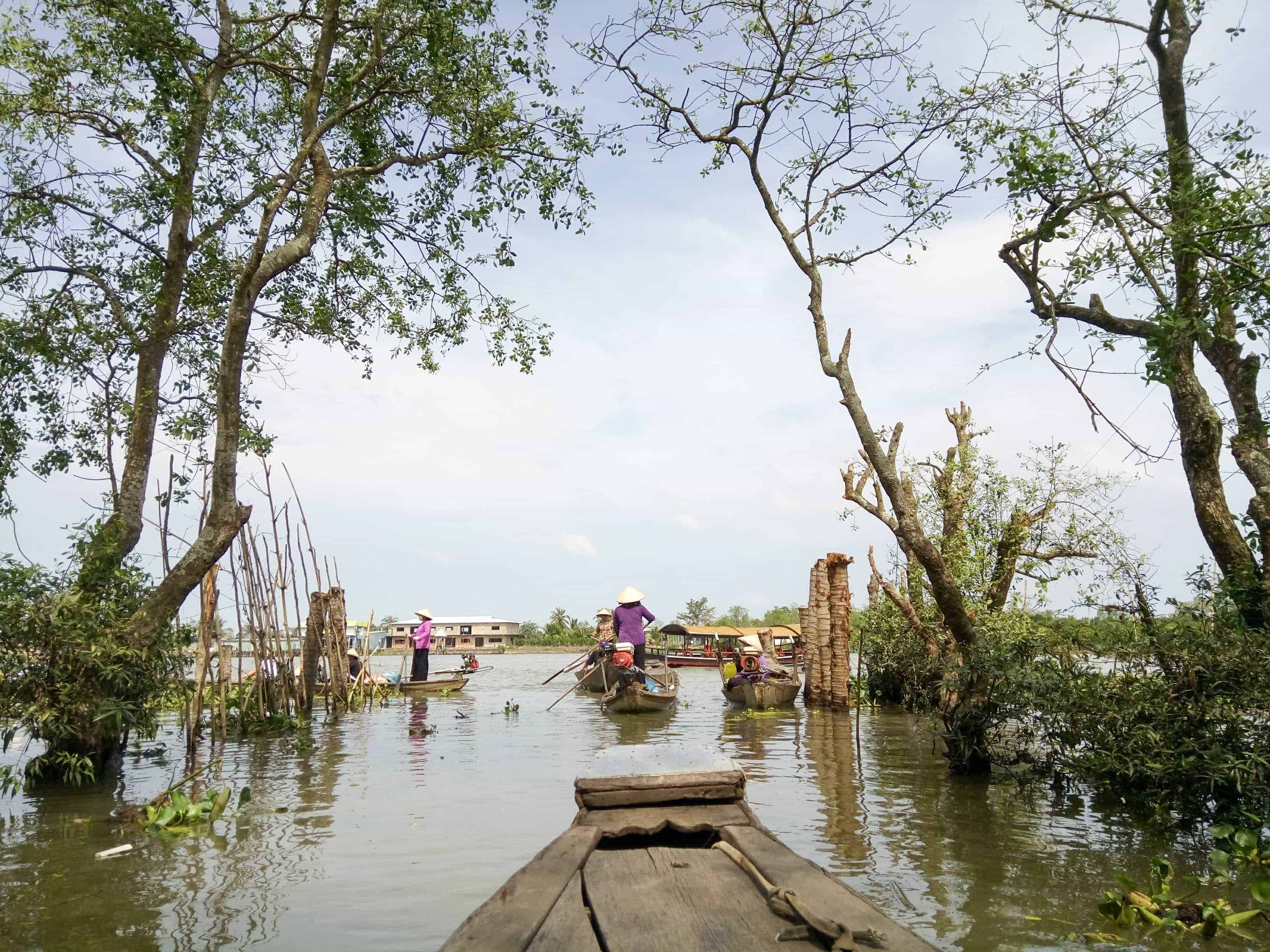
Hi, I'm Dave

Editor in Chief

I've been writing about adventure travel on Go Backpacking since 2007. I've visited 68 countries.

Read more about Dave.

Footer

back to top

About

  • About
  • Archive
  • Privacy Policy
  • Cookie Policy

Follow Us

Contact

  • Contact
  • Work With Us
  • Submissions

Copyright © 2025 Go Backpacking