Go Backpacking

  • About
  • Travel Tips
    • Accommodations
    • Budgeting & Money
    • Adventure Travel
    • Food & Drink
    • Gear & Gadgets
    • Packing Tips
    • Travel Blogging
    • Travel Insurance
    • Trip Planning
    • UNESCO Sites
  • Destinations
    • Africa
      • Botswana
      • Egypt
      • Ethiopia
      • Morocco
      • Rwanda
      • South Africa
      • Tanzania
    • Asia
      • Cambodia
      • China
      • Hong Kong
      • India
      • Indonesia
      • Japan
      • Laos
      • Malaysia
      • Nepal
      • Philippines
      • Thailand
      • United Arab Emirates
      • Vietnam
    • Europe
      • England
      • France
      • Germany
      • Greece
      • Iceland
      • Ireland
      • Italy
      • Portugal
      • Spain
      • Switzerland
      • Turkey
    • North America
      • Canada
      • Costa Rica
      • Cuba
      • Guatemala
      • Mexico
      • Nicaragua
      • Panama
      • United States
    • Oceania
      • Australia
      • French Polynesia
      • New Zealand
    • South America
      • Argentina
      • Bolivia
      • Brazil
      • Chile
      • Colombia
      • Ecuador
      • Peru
  • Advertise
menu icon
go to homepage
  • About
  • Travel Tips
    • Accommodations
    • Budgeting & Money
    • Adventure Travel
    • Food & Drink
    • Gear & Gadgets
    • Packing Tips
    • Travel Blogging
    • Travel Insurance
    • Trip Planning
    • UNESCO Sites
  • Destinations
    • Africa
      • Botswana
      • Egypt
      • Ethiopia
      • Morocco
      • Rwanda
      • South Africa
      • Tanzania
    • Asia
      • Cambodia
      • China
      • Hong Kong
      • India
      • Indonesia
      • Japan
      • Laos
      • Malaysia
      • Nepal
      • Philippines
      • Thailand
      • United Arab Emirates
      • Vietnam
    • Europe
      • England
      • France
      • Germany
      • Greece
      • Iceland
      • Ireland
      • Italy
      • Portugal
      • Spain
      • Switzerland
      • Turkey
    • North America
      • Canada
      • Costa Rica
      • Cuba
      • Guatemala
      • Mexico
      • Nicaragua
      • Panama
      • United States
    • Oceania
      • Australia
      • French Polynesia
      • New Zealand
    • South America
      • Argentina
      • Bolivia
      • Brazil
      • Chile
      • Colombia
      • Ecuador
      • Peru
  • Advertise
search icon
Homepage link
  • About
  • Travel Tips
    • Accommodations
    • Budgeting & Money
    • Adventure Travel
    • Food & Drink
    • Gear & Gadgets
    • Packing Tips
    • Travel Blogging
    • Travel Insurance
    • Trip Planning
    • UNESCO Sites
  • Destinations
    • Africa
      • Botswana
      • Egypt
      • Ethiopia
      • Morocco
      • Rwanda
      • South Africa
      • Tanzania
    • Asia
      • Cambodia
      • China
      • Hong Kong
      • India
      • Indonesia
      • Japan
      • Laos
      • Malaysia
      • Nepal
      • Philippines
      • Thailand
      • United Arab Emirates
      • Vietnam
    • Europe
      • England
      • France
      • Germany
      • Greece
      • Iceland
      • Ireland
      • Italy
      • Portugal
      • Spain
      • Switzerland
      • Turkey
    • North America
      • Canada
      • Costa Rica
      • Cuba
      • Guatemala
      • Mexico
      • Nicaragua
      • Panama
      • United States
    • Oceania
      • Australia
      • French Polynesia
      • New Zealand
    • South America
      • Argentina
      • Bolivia
      • Brazil
      • Chile
      • Colombia
      • Ecuador
      • Peru
  • Advertise
×
Home

How to Shop for Travel Binoculars

On safari in South Africa (photo: Dave Lee)

You need travel binoculars, but you don't know what kind. Start with these questions.

We're fortunate to have an abundance of handy tools and gadgets in 2020 that help us to experience and immerse ourselves in the great outdoors.

Whether it's the not-so-humble smartphone eternally in our pocket or the walking sticks that make eating up the miles easy, we must make the right calls on our kit, so we don't end up with that dreaded buyer's remorse.

Your travel binoculars are no exception. We trek the outdoors to experience and see the world, but our eyes our limited.

For the price of a few dollars (or more!) and a few extra grams (give or take), we can massively augment that vision - and our enjoyment as a result.

Travel binoculars come in many shapes and sizes, so you'll need to know what you want out of yours before you go buying.

Here are the right questions to ask yourself.

Are you expecting to look long-distance?

As you'd imagine, more powerful binoculars are heavier and, in some cases, larger than smaller binoculars or monoculars.

It's a trade-off between weight and comfort and magnification - and you'll find you don't always need a large set of binocs to see what you want to see.

As a rule, larger and more powerful binoculars are better for trips where you have to view things at a distance.

The most common examples of these are mountain ranges, whale watching, and safaris.

We've heard stories from many safari-enthusiasts about how their more powerful binoculars were able to show them every stunning detail on the animals they came to see but were unable to get close to for safety concerns.

You need to keep 200 meters away from elephants, for instance, yet it's wonderful to still be able to see the incredible detail of their bodies clearly from that distance.

Conversely, if you're on a gentle hike through the local countryside and don't want to miss out on birds and nearby scenery, a smaller set of binoculars will do you fine. It's an important consideration when you're getting into binocular comparisons.

Magnification power: less might be better than more.

You don't always need a high-magnification set of binoculars. Typical compact travel binoculars have a diameter of around 25mm.

When magnification power goes up, the field of view goes down.

That's bad if you want to scan for landmarks or enjoy a moderately augmented view of a landscape.

This makes lower-magnification binoculars ideal for general travel use; you'll spend less time scanning back and forth for that local landmark and more time seeing what you need to when you need to.

It's a less frustrating experience.

Does optics quality matter to you?

For some, binoculars are all about practicality. That usually means they are needed to find things and not for appreciating beautiful things at a distance.

This is an important question to ask yourself because the less expensive compact travel binoculars will have prisms that have a lower resolution - i.e., less detail in the view.

More pricy binoculars tend to have what is known as prim or roof prism lenses, which give you better detail.

Think similar to a higher resolution on a PC monitor. You'll pay more, but you'll get a picture with more precise detail.

If you want a set of travel binoculars for admiring the beauty of the land around you as much as for finding important locations, you might want to consider more expensive options that have better quality optics.

Conversely, if you wish to be able to quickly ID landmarks, so you know where you are, you'll do just fine with a cheaper set without those more expensive optics.

You won't get as crystal-clear a view as you would with the higher-end products, but you'll be able to view the land around you.

_____

This story was brought to you in partnership with Wild Life Chase.

The Ultimate Guide To The Lake District

Whiteless Pike (photo: Tobias Keller, Unsplash)
Whiteless Pike (photo: Tobias Keller)

The Lake District is home to rolling mountains, vasts bodies of water, and breathtaking natural beauty.

Located in northwest England, in the county of Cumbria, this part of the world is a honey trap for people who want to escape city life and get back to nature.

Although there are 16 bodies of water, only one (contrary to popular opinion) is officially classified as a Lake (Bassenthwaite).

From William Wordsworth to Beatrix Potter, this wondrous place inspired some of the most significant pieces of English Literature.

To those who visit, this is no surprise. With spectacular scenery which is steeped in history, this magnificent place has to be seen to be believed. 

Table of Contents

  • Top 5 Things to Do in The Lakes 
    • 1. Aira Force 
    • 2. Lakeside and Haverthwaite Railway 
    • 3. Grizedale Forest
    • 4. Stoneycroft Ghyll Scrambling 
    • 5. The World of Beatrix Potter Attraction 
  • Best Places to Eat and Drink 
    • Best Overall Place 
    • Best Hidden Gem
    • Best Place for a Cheap Eat
  • Best Places to Stay 
    • Campsites 
    • Hotels 
    • Hostels 
  • Best Walks In The Lake District 
    • Easy, Scenic Walks
    • Intermediate Walks
    • Mountain Walks 
  • How to Get to The Lake District 
    • By Car 
    • By Train 
    • By Bus

Top 5 Things to Do in The Lakes 

Aira Force waterfall (photo: Ian Cylkowski, Unsplash)
Aira Force, a 65-foot waterfall in the heart of the lakes. The unique sound of the water hitting the rocks is worth the visit. (photo: Ian Cylkowski)

1. Aira Force 

Aira Force is a stunning 65-foot waterfall that has been attracting visitors for over 300 years.

You will witness the water thundering off the edge of the fall before transforming into a wonderful symphony that plays a glorious tune as the water makes its descent.

Once you are done, you can rejoin the hiking trail and head into Ullswater Village.

Ullswater is home to the finest tea and cake shops in the lakes. If that isn't to your taste, I recommend trying out Chesnut House.

Carrying over 100 different gins, 70 Cumbrian ales, and a plethora of local spirits, there is no better places to get a taste for the Lake District then Chesnut House. 

Steam train (photo: Laura Donnellan, Pixabay)
Steam train (photo: Laura Donnellan)

2. Lakeside and Haverthwaite Railway 

For a truly unique experience, you should check out the Lakeside and Haverthwaite Railway.

It is one of the last remaining steam train routes in England.

The train itself offers a luxurious ride, and with its old fashioned carriages, you will be transported back to a simpler time.

Perhaps, the most impressive feature is the all-encompassing view of the Lake District you get from the comfort of your seat.

With multiple stops to get off and explore, make sure you leave a full day for this if it is to your fancy. 

3. Grizedale Forest

Grizedale Forest is a hub of activity all year round. Here you can explore off-road forest trails on an all-terrain Segway.

You can also hire mountain bikes and enjoy some of the best biking tracks in all of England.

If you prefer something a little different, you could undertake the treetop challenge.

This is a mecca for thrill-seekers who love canopy high tree-to-trees crossings, free-fall swings, and letting loose with a quick zip wire ride.

Once you are done, I would recommend getting some food in the on-site cafe - the soup is a great way to refill after a day out on the trail. 

4. Stoneycroft Ghyll Scrambling 

This is great fun for all of the family. Ghyll Scrambling is where you travel either up or down a mountain stream.

You will be required to weave over rocks and jump into water pools from small heights. This ensures that everyone is soaked by the end.

All you need is a good sense of humor. Wetsuits are provided.

Once finished, you should head into Keswick, which is a small town with loads of great places to eat, drink, and do a bit of R&R after your water adventures. 

5. The World of Beatrix Potter Attraction 

This is a must-see attraction if you are traveling with young children.

Beatrix Potter was a world-famous author who wrote the Peter Rabbit series.

When you visit this vibrant place you will encounter live performances of Potter's work, an award-winning garden, and a variety of exhibitions targetted at children and adults alike.

Afterward, pop into Windermere and treat yourself to an ice-cream next to the water. On a hot, sunny day there really is no better place to be. 

The Old Stamp House in Ambleside was awarded a Michelin Star in 2020

Best Places to Eat and Drink 

From Cumberland Sausage to Kendal Mint Cake, the Lake District has a vast and proud culinary tradition.

To go with this, it has some outstanding places to eat and drink. 

Best Overall Place 

There is only one choice for this: The Old Stamp House.

Located in Ambleside, this restaurant was the proud recipient of its first Michelin Star in 2020.

It is a tiny place, split over two low ceilinged rooms. If you want to eat here, you would have to book in advance.

The restaurant is run by two brothers who use only locally sourced food to create a fantastic menu.

I have had the good fortune to eat here on a few occasions, and it is worth the hype. 

Best Hidden Gem

This was a tough one because the Lake District has so many. Therefore, I have cheated and selected two. 

The first is the Butcher's Arms in Penrith. From the outside, this place looks like an old-traditional pub.

However, once you step inside, you find a warm, welcoming atmosphere and food that is to die for.

You will get heart portions of the best local ingredients. If you are after a roast dinner, this is the place to be. 

The second hidden gem is the 1863 Restaraunt.

Similar to the Butcher's Arms, this has a traditional feel from the outside, but the decor and furnishings could not be more different.

This modern, upbeat restaurant serves mouth-watering food, including the best steak I have ever had!

A top tip is to leave room for dessert, as this is always on point. 

Best Place for a Cheap Eat

If you are after a place to grab a quick lunch or a great value meal, then Fresher's Cafe is an excellent shout.

Located in Ambleside they specialize in quiches, sandwiches, cakes, coffee, and light meals.

Don't be fooled though - these are top quality and come with very healthy portion sizes. 

Piel Island is walkable, allows camping, and has a medieval castle (bottom right)

Best Places to Stay 

Campsites 

There are so many excellent campsites in the Lake District you could write a book.

They are a great option if you are looking to take a vacation on a budget. To keep things simple, here are my favorite three. 

Fisherground Campsite, Eskdale

Fisherground is tucked away in the heart of the Lake District and has loads of great hiking trails that you can explore.

Furthermore, it is surrounded by amazing hills and has a small river running through it, which is excellent for rafting.

The locals who run the site are super friendly are allow campfires (they will even give you some firewood to get started). 

Piel Island, Barrow-In-Furness 

Strictly speaking, Barrow is just outside the Lake District, but this campsite is worthy of a shoutout.

The Island of Piel is only accessible by Ferry and is entirely self-sufficient.

The local pub is a popular attraction, and there is an old tale that if you sit on the wooden throne by the bar, you become the King of Piel for an evening.

Just be careful, the laws of the Island state that the King must buy everyone in the bar a drink. 

Thirlspot Farm, Thirlmere 

Surrounded by intimidating mountains on all sides, Thirlspot Farm is perfect for those who want to explore some of the highest peaks in England.

Beyond the hiking, this Farm has excellent facilities and has loads of local pubs for you to check out on an evening. 

White ram in Lake District National Park (photo: George Hiles)
White ram (photo: George Hiles)

Hotels 

Armathwaite Hotel and Spa

This 17th Century stately home is at the height of luxury.

It is rated as a four-star hotel and is ideally located near to Keswick on the shores of Bassenthwaite Lake.

Each room has its own unique design and the hotel services are high-class.

I recommend spending an evening in the award-winning spa, especially if you have had a day out hiking.

Once you are finished, you can retire to the cocktail bar to enjoy a huge variety of drinks that are on offer. 

Windermere Boutique Hotel

Providing an ideal mix of value, comfort and convenience, this hotel offers a trendy setting with a variety of amenities designed for those who are looking to explore the Lake District from this central location.

Each room is stylishly designed, and you will be overwhelmed with comfort. If you are after a hotel with character, this is a great choice for you. 

Hostels 

If you are looking for a Hostel then check out the YHA. This is an association of hostels that are dotted around the lakes.

They are ideal if you are wanting to move around while keeping a solid rough over your head and a soft mattress in your bed.

All of the hostels have private rooms with en-suite bathrooms.

Equally, if you want to meet new people, these are a great place to socialize. 

Related: What is a Hostel? The Complete Guide

Tarn Hows is an easy-going walk  (photo: David Perkins)
Tarn Hows is an easy-going walk with different trails (photo: David Perkins)

Best Walks In The Lake District 

Easy, Scenic Walks

Tarn Hows 

This majestic 3-kilometer walk is a hidden gem that should be a 'must-do' on anyone's travel itinerary.

With a fully developed walkway, with no big hills to struggle up, this walk is suitable for wheelchair users and small children.

Such is the beauty of this spot; the local travel bureau even allows you to hire motorized scooters so that you can take it in.

If you are a beginner, then this route is ideal for you (I have put together a handy guide for beginners to backpacking, which you can read here). 

Corpse Road, Loweswater  

Corpse Road may sound morbid but the route is paved with history.

Furthermore, Loweswater is a gorgeous body of water, and the woodlands which surround it are home to many red squirrels.

This walk is tougher than Tarn Hows but is still accessible for most people. 

Ralph looking over the magnificent Low Water

Intermediate Walks

Coniston Old Man

Coniston Old Man is my favorite hiking route in the world. This small mountain is steeped in history.

You will encounter old mines, abandoned 18th Century houses, and a disused railway track - all on the route to the summit.

About three-quarters of the way up you will meet Low Water.

This transparent body of water (this is because of the slate which sits at the bottom) is one of the most stunning places in all of the Lake District.

I promise it is worth the climb.

Thirlmere to Blea Tarn

This walk is tougher than the Old Man and is only for people who are sure of foot. The route is three or four hours long.

You walk up Harrop Tarn, which an easy tarn to cross and has some beautiful scenery.

After a couple of kilometers, you come to Blea Tarn which is harder to walk around, as you have to cross over a number of waterfalls (tough but stunning).

All of this work is well worth the scenery, which is breathtaking, even on wet and miserable days. 

Mountain Walks 

Scafell Pike 

This is the largest mountain in England. You start off in the hamlet of Wasdale.

The walk is tough from the off with a steep incline. Once you reach the midway point, you get a slight breather as things flatten out.

However, this break is short-lived as you will have to scramble to the summit.

You will need to have the right gear, and you should not attempt this climb in the winter months unless you are an experienced climber.

Esthwaite lake (photo: APB, Pixabay)
Esthwaite lake (photo: APB)

How to Get to The Lake District 

By Car 

The M6 runs to the east of the Lake District National Park. You can merge onto it from the south by driving towards Manchester.

From the M6 take Junction 36 and then A590 for the southern end of the Lake District. Take Junction 40 and the A66 or A592 for the northern end of the Lake District.

If you are driving from the east, you can take the A69 and then join onto the M6 southbound, or take the A66 and join the M6 at Tebay Services. 

By Train 

The train network is not the best around the Lake District. You have only three options.

Get the train to Oxenholme and then get a bus to Windermere. From Windermere, you can branch out to different parts of the Lakes.

You can also get the train to Barrow-In-Furness and then get the bus to Kendal. Kendal is in the south of the Lake District.

The train to Carlisle is the best option for the north of the Lakes. Again, you will need to get a bus to forward you to your destination. 

By Bus

There are national express services to the Lake District. Having done a few of these, I can testify that they are long, and the road is not so good.

Most of the Lake District is serviced by local bus routes. 

Why Confronting Fears While Traveling Makes You a Better Person

At the top of a mountain in Vang Vieng, Laos, after a precipitous climb

I was about 1,000 feet above the jungle when I started to panic.

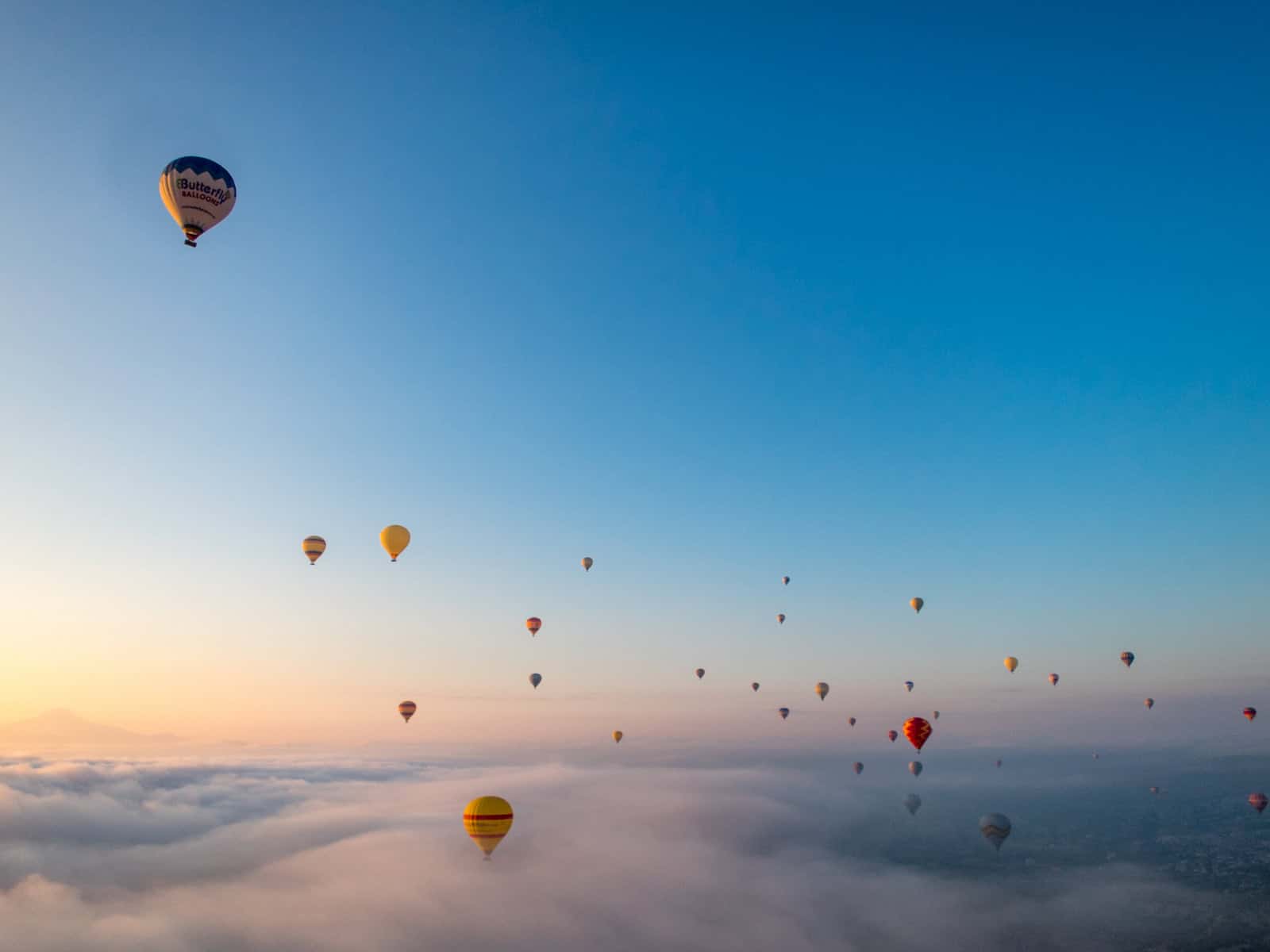
Questions started racing through my head: why did I think this was safe? How does the pilot even steer this thing? Are there many hot air balloon accidents in Laos?

A few slow, deep breaths and taking a minute to enjoy the horizon, rather than looking straight down, and my panic subsided into a healthy kind of nervousness.

The past few days in Vang Vieng, Laos, I had been zip-lining, kayaking, and completed a hike that is best described as a scramble up a sheer cliff rather than a walk through the jungle. 

But this hot air balloon ride takes the cake. This was the scariest thing I had ever done. And I am so glad I did it.

Table of Contents

  • Why Facing Your Fears Is Important
  • How to Face Your Fears
    • Step 1: Define Your Fears
    • Step 2: Mitigate the Risk
    • Step 3: Repair the Damage
    • Step 4: The Cost of Inaction
  • Final Thoughts

Why Facing Your Fears Is Important

Everyone has fears. I don't care who you are. And every fear leads to a smaller, more limited life unless you take that fear head-on.

Every person has a critical decision to make when it comes to their fears: you can face them, or you can avoid them.

Of course, you want to avoid them.

But according to Psychology Today, avoiding your fears makes you more afraid.

You're sending a subconscious message to your amygdala, the part of your brain that controls your fear, that you should be frightened.

The more you avoid facing a fear, the worse that fear gets. The worse it gets, the more it hangs over you like a ton of bricks.

These fears can eat away at your confidence and affect every area of your life.

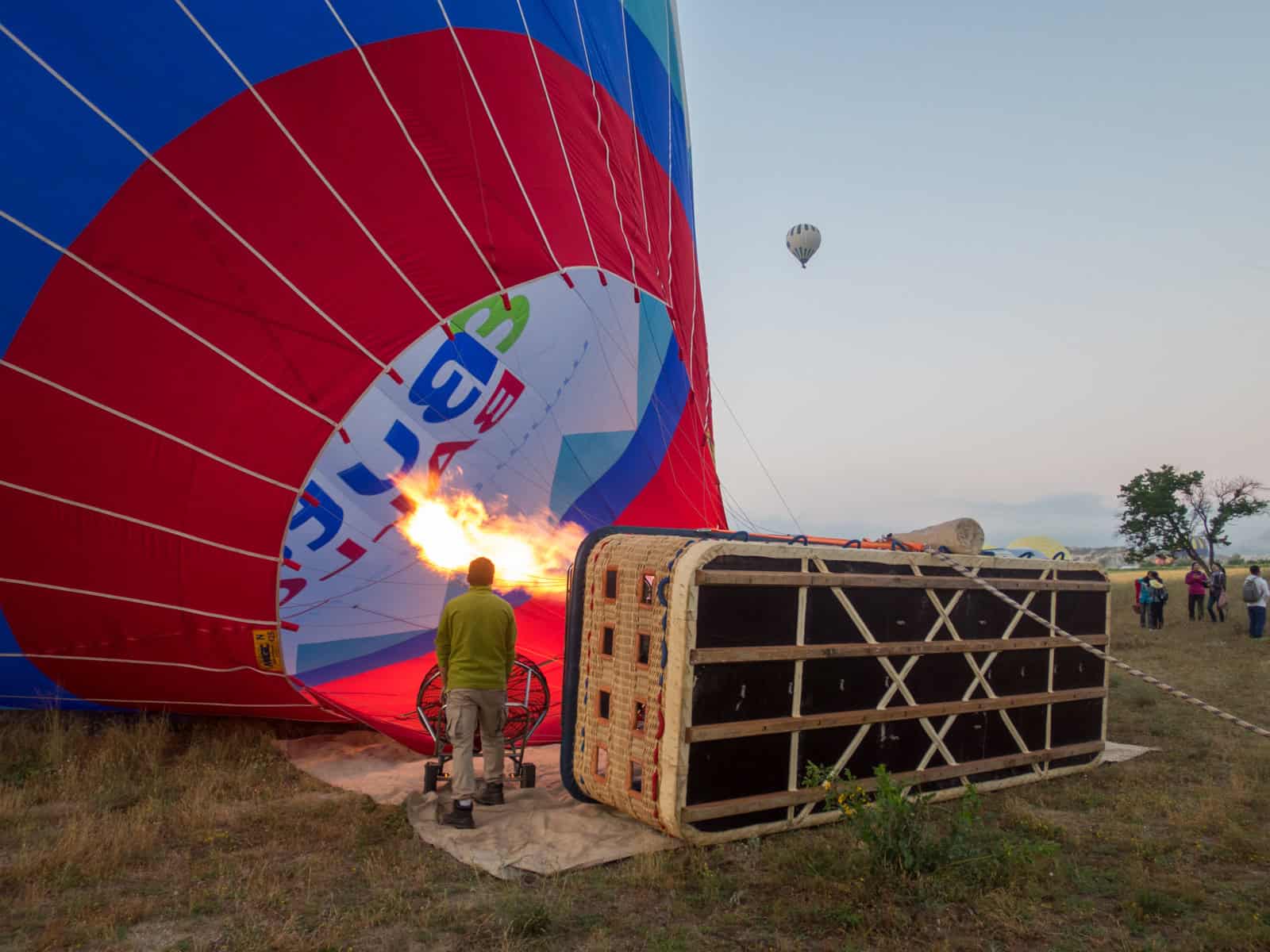
Inflating a hot air balloon

Traveling is the perfect time to face your fears.

You're already outside of your comfort zone a little bit and more flexible to new ideas and pushing your boundaries even further.

People are more likely to try new things when they're on vacation or in a new place.

If you intentionally want to push yourself outside your comfort in hopes of becoming a more well-rounded human being (recommended), I recommend a specific process.

How to Face Your Fears

There's a very simple process to facing your fears that has helped me tremendously. 

There are four steps to this and we're going to walk through them together:

  1. Define your fears 
  2. Mitigate the risks
  3. Repair the damage
  4. Evaluate the cost of inaction

After this process, you will likely discover that many things are actually a lot less scary than you thought.

This process was adapted from a TED talk by Tim Ferris; you can watch it below.

Note - this process only works if you write it all out, so grab a notebook and let's get started!

Step 1: Define Your Fears

Start with something you're afraid of doing and list the exact things you're scared will happen. 

For example, let's say you want to travel to Morocco, but you're a little afraid.

You don't have anyone to go with, you're not sure about the food and water there, and you're worried about missing too much work back at home.

Once you've discovered your "reasons" for not doing something, you've just uncovered the best excuses you tell yourself. 

What you're afraid of is feeling lonely in a faraway land, getting sick, and angering your boss.

These are all legitimate things to be afraid of, but what can you do to prevent these things from happening?

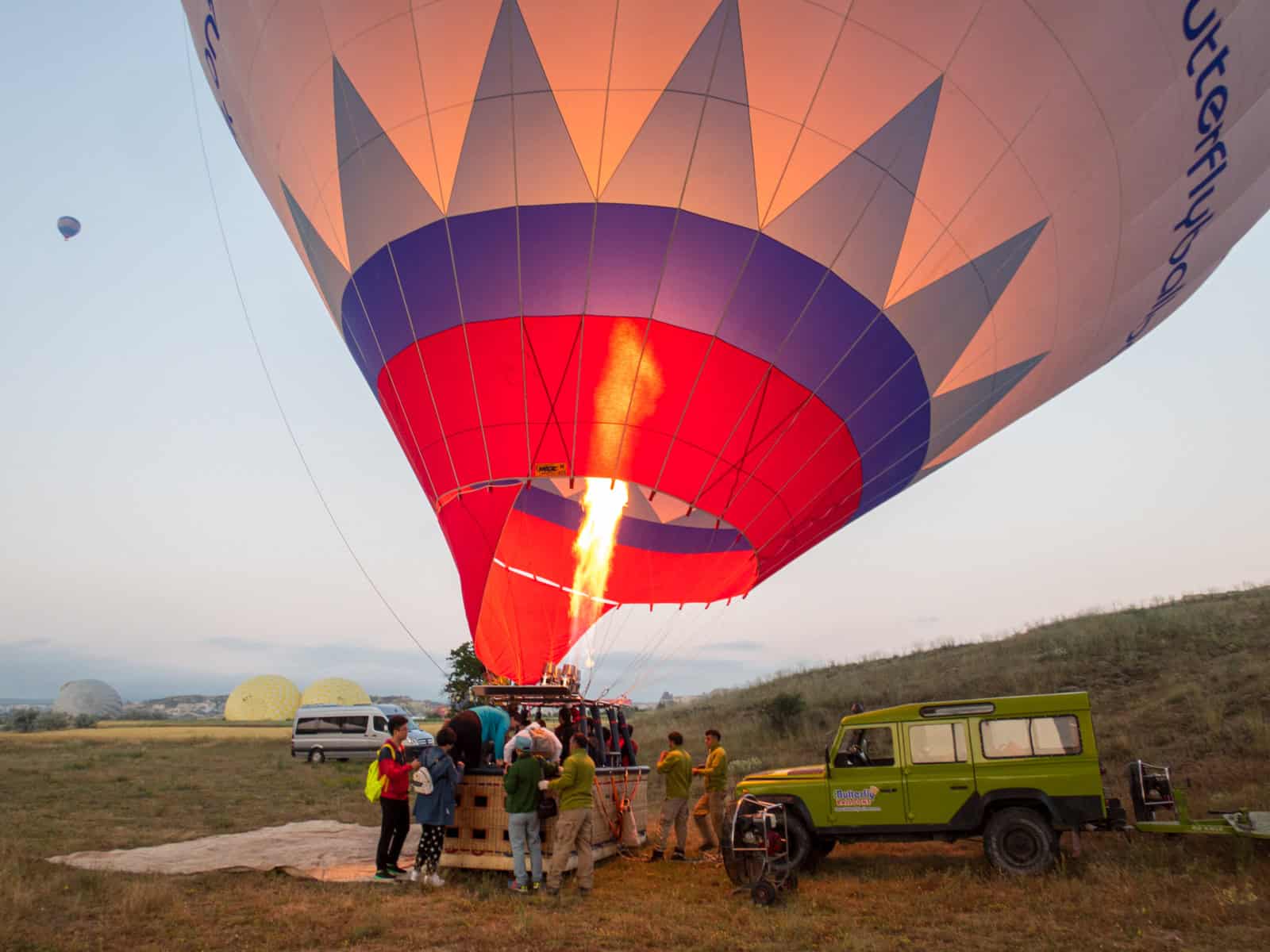
Looking up into the hot air balloon as the burner heats the air. It's time for take-off!

Step 2: Mitigate the Risk

Now that we've dug a little deeper into what you're really afraid of, the second step is to write out how to reduce the chances of these things actually happening. 

If you're afraid of feeling lonely, you can search for friends of friends in your destination city on Facebook, see if there are any meetups on meetup.com, or just stay at popular backpacking hostels where you're likely to meet people.

If you're concerned about getting sick from the food and water, make sure you're up to date on your vaccinations and take some water purification tablets with you when you travel.  

As for angering your boss, that's easy.

You can talk to him/her well before your trip and make sure they're ok with it and put in extra hours before the trip to make sure you don't fall behind.

If those things don't work, maybe it's time to consider a new job?

None of these things guarantee your fears won't come true, but this sends a signal to your brain that they're less likely to happen.

The view from my ascending hot air balloon in Vang Vieng, Laos. It was around this point that I started to get nervous.

Step 3: Repair the Damage

The next step is to come up with ways to fix the situation if it happens despite your mitigation attempts.

To stick with our Morocco example, what are you going to do if you get lonely? 

You could call a family member or a friend. Tell them beforehand that you might call, so they're likely to answer.

What would you do if you get sick?

Chances are it'd be food poisoning or some bacteria in the water and go away in a day or two.

Keeping a list of local hospitals and clinics and purchasing travel insurance before a trip, just in case, may give you peace of mind.

How about that boss you're worried about?

I would say if you get in trouble for taking a vacation, it's time to find a new job. But you could also make it up by working some extra hours to catch up when you get back.

The purpose of this step is to tell your brain that you can deal with these situations if they did happen.

If you have a good solution to all the things you're afraid of happening, they are not so scary at all.

Step 4: The Cost of Inaction

This is by far the most important step. 

How would you feel about yourself if you didn't face your fears and do the thing you wanted to do?

How would you feel today? In six months? A year? Five years?

For me, just the thought of shying away from a challenge was enough to shame me into buying a hot-air balloon ticket.

Would you be ok with not going on that Morrocco trip?

Wouldn't a little part of you always feel ashamed you didn't do it?

Could you live with the curiosity of wondering what could have been?

I can't. Or at least,  I won't. 

Me at the height of my hot air balloon ride. Not panicking, but still a little nervous.

You might go through this process and decide you were right to be afraid. Some fears are well-founded...but most aren't. 

And you know that until you go through this process.

I am not encouraging you to do anything dangerous, just be realistic about what the dangers are.

By the way, hot air balloon crashes are actually rare and balloon rides are considered quite safe.

Final Thoughts

Having dinner with my wife after my terrifying hot air balloon ride, I wouldn't shut up about it.

My wife rolled her eyes as I went on and on about every detail. I was glowing.

I still remind myself of what I did that day and why I did it. I didn't take the balloon ride despite being scared; I did it because I was scared.

Months later, feeling very nervous before giving a presentation at work, I remembered looking down 1,000 ft into the jungle that day in Laos.

Suddenly, a room full of colleagues didn't seem so terrifying. 

Again, when  it was time to interview for a better job, I remembered the hot air balloon ride and told myself "If I could do that, this interview is a piece of cake."

Facing your fears will give you confidence that will permeate into other areas of your life and allow you to do things you would generally be hesitant to do or avoid altogether.

We're not just talking about going on adventures here, we're talking about living your best life. And you won't find that life inside your comfort zone.

How to Use Workaway to Travel for Free

Ghent, Belgium (photo: Thomas Somme)

If you have been involved in the backpacking community for a while, you may have heard of Workaway.

Do you want to travel the world, but just not sure how you can afford it? 

So did I before I started learning (almost studying) ways to travel hack. If so, then this article is for you.

Below, I have outlined what you need to know for your first Workaway experience.

Table of Contents

  • Backpacking on a budget
  • What is Workaway?
  • How do you sign up for Workaway?
  • My "contract"
  • My experience
  • Would I do it again?

Backpacking on a budget

There are a lot of ways to save money while you travel. 

Some of the most popular ways to save on accommodation are staying in hostels instead of hotels and, even better, Couchsurfing instead of staying in hostels. 

Those are both great accommodation options, but neither are consistent long-term options. 

And, if you are like me, your intentions of learning a city and culture before moving on are your highest priority. 

To do so, I began staying weeks or months in places I traveled. 

So, I needed a way to engage in sustainable, long-term travel consistently. In came Workaway.

What is Workaway?

Workaway is a concept that allows individuals, families, and businesses to host travelers in exchange for a few hours of help per day. 

I wanted to stay in Belgium for up to a month, so I figured I would start my search on Workaway's platform.

It sounded like my solution, but I didn't know a lot about it.

Once I signed up for a traveler account, I started searching for potential hosts in Belgium.

On Workaway, after an agreement is reached between the volunteer host and the traveler, a sort-of unwritten contract is made between the two. 

You can discuss how many hours you will be expected to work, how many meals they will provide to you per day, and what kind of work you can handle.

How do you sign up for Workaway?

There is an annual fee for Workaway. It's $44 per year ($56 to make a "couple" account with a significant other). 

This may seem steep to the budget-conscious traveler, but the investment can easily save you hundreds of dollars in the long-run.

Consider that, in most parts of the world, just three nights in a hostel dorm will cost more than that. 

I've only had one experience as a Workawayer, and it was phenomenal. I saved tons!

Related: How to Find Free Accommodation in Exchange for Work

Ghent food cart (photo: Kyle Arcilla)
Food cart (photo: Kyle Arcilla)

My "contract"

After scheduling and meeting each other on Skype to discuss our expectations, I finally flew to Belgium.

I was met by my host at the airport (already expenses I saved on airport transfer!). 

She took me to her home, and we had a lovely home-cooked, traditional Belgian meal that night. 

Over the month, I was only expected to help her three days a week. 

This gave me plenty of time to do whatever I please and only required me to work around 5-6 hours a day on the days I was supposed to. 

During my non-working time, I was free to sightsee around the city, lounge around her house, or even take day trips to neighboring towns.

Also, our agreement included a room to myself, laundry and bathroom amenities, and three meals per day, which she consistently out-did herself.

My experience

The work was fun -- strenuous at times, but enjoyable. 

I learned new skills as I tore down a bedroom wall and converted it into a master bedroom. I also renovated a garage. 

These were tasks I wasn't sure I could handle upon initially speaking with her. 

But, with a little training and the will to learn, I was happy to walk away with some new trade skills. 

While in Ghent, she showed me around the city, took me out to eat, and even let me participate (for free) in one of the meditation courses she taught. 

Almost everything I experienced with her was entirely new for me and gave me a whole array of new skills, hobbies, and interests -- exactly what traveling should be. New experiences!

I couldn't imagine a better host for the month. And the best part? 

I stayed in the beautiful medieval city of Ghent, Belgium for 28 days and spent less than $25 on food and accommodation (I couldn't pass up the famous Belgian French fries on occasion). You can't beat that. 

Would I do it again?

There will always be a sacrifice of freedom when coming to an agreement or exchange for accommodation. 

However, there are thousands of opportunities on Workaway, and you don't have to accept any "contract" less than precisely what you want. 

I highly recommend Workaway, and it surely won't be the last time that I use it. 

Feel free to reach me on social media if you have any questions about your upcoming Workaway experience. I would be happy to help.

3 Great Ways to Earn Money While You Travel

Map

Everybody's working for the weekend, right? Well, that's what the song says. The only thing about that song is that it's painfully true.

Everybody goes to work, day-in, and day-out, Monday through Friday. Unfortunately, this redundant and mundane routine leaves little to no room for travel.

Sure, working your full-time job, you'll have the weekends to relax at home or even go on mini road trips, but what if you wanted to go backpacking and hike from the Mediterranean to the Sea of Galilee?

Or if you wanted to do all the fun and exciting things in Phuket, Thailand.

You definitely won't be able to travel overseas and enjoy it in one weekend, and you only get so many vacation days per year.

So what's a wanderlust to do?

Well, there are only two things you can do. You can accept your full-time job's limited availability, or you can start making money while living a life of travel.

So many people say they can't afford it or that they're too old to travel, but according to trutravels.com, if you're not happy, no amount of money in the world is worth your happiness and peace of mind. Life is too short, wouldn't you say?

People tend to think that sitting behind a desk is the only way of life, and that's just not true.

There is indeed a real way of life that involves you being able to travel the world and make money while doing it.

What's the secret to this way of life, you ask? Well, the secret is building multiple streams of passive income.

What is Passive Income?

Passive income is money earned through a regular source of revenue outside of your full-time job, with little to no effort.

Passive income typically involves some type of investment and a bit of work on the front end before it becomes passive.

Take a look at the different ways to earn multiple streams of income with passive income, all while living a life of travel.

Working at the beach (photo: Peggy Anke)

Earning Money While You Travel

1. Investing in Real Estate

Investing in real estate is also something called income-generating assets.

The basic idea of this particular passive income opportunity is to buy a house or condo, rent it out, and collect rent every month from tenants.

Now, although this is a great way to earn income, there are also some significant considerations to think about because once you start renting out your properties, you're no longer a homeowner. You're a landlord.

Some considerations to think about include:

  • Finding reliable tenants who will pay rent on time
  • Paying for damages to the property
  • You'll be the person a tenant calls when the roof is leaking or when the air conditioner goes out
  • Some tenants may be difficult to evict and get out of the property
  • Property may sit on the market for a while

This isn't to talk you out of investing in real estate but more so to inform you of the realities of what could happen.

But remember, another reality of what could happen is you making a considerable profit from the property as well. It just depends on if you're willing to take that risk.

2. Starting an Online Business

Starting an online business -- oh the joys of being an entrepreneur, right?

With physical stores, it can indeed be a pain with the risks and labor that comes with it, not to mention the fact that it requires you to be there physically.

With online stores, you can build an online storefront with Shopify's website builder and make your money while traveling the world.

The remarkable thing about owning an online store is that you not only get to sell products, but you can also sell your services as well.

Maybe your store's niche is in backpacking apparel, but you're also an experienced translator and can speak three different languages.

You can not only make money through your online store of backpacking products, but you can also make money by teaching virtual language classes, or you can work remotely for different companies translating audio, videos, and documents.

Your online business allows you to have multiple streams of income through one platform. That's multitasking at its finest!

3. Dividend-Yielding Stocks

They say it takes money to make money, and in the world of stocks, it couldn't be any more accurate.

Dividend-yielding stocks are a pure and true version of passive income simply because there isn't any initial work or manual labor, other than the initial investment.

As a shareholder in a company with dividend-yielding stocks, you'll receive regular quarterly payments, so all you need to do is be the owner of the stock.

But because dividends are paid per stock, your earning potential will go up with the more stocks you own. So, if you have the money for it, invest in multiple stocks.

In the world of making money while traveling, there is no one-size-fits-all piece of advice or strategy that applies to all people wanting to live a life of travel. It truly depends on your financial situation.

For one, you truly have to have a love and desire to travel for this to benefit you because, as mentioned earlier, your full-time job is only going to give you a certain amount of vacation days.

So, even if you had multiple streams of income coming in, you wouldn't have enough time to enjoy it traveling.

Secondly, it takes a sizable amount of money to travel, so before you even start on your traveling adventures, you'll want to make sure you have enough money saved up to start.

Earning passive income is a great way to start until you've saved up enough to fund your first trip entirely.

There may not be a single piece of advice that applies to everyone wanting to live a life of travel, but the one that holds is the fact that you'll catch more fish when you have multiple fishing lines in the water.

If you genuinely want to live a life of travel, you're going to have to put more than one fishing line in the water!

______

This story is provided in partnership with an outside content partner.

How to Spend 5 Days in Salzburg, Austria

While planning your next backpacking trip to Europe, consider giving yourself five days in Salzburg, Austria. Salzburg is the fourth-largest city in Austria, with around 150,000 citizens, and it's situated on the country's northwest border with Germany.
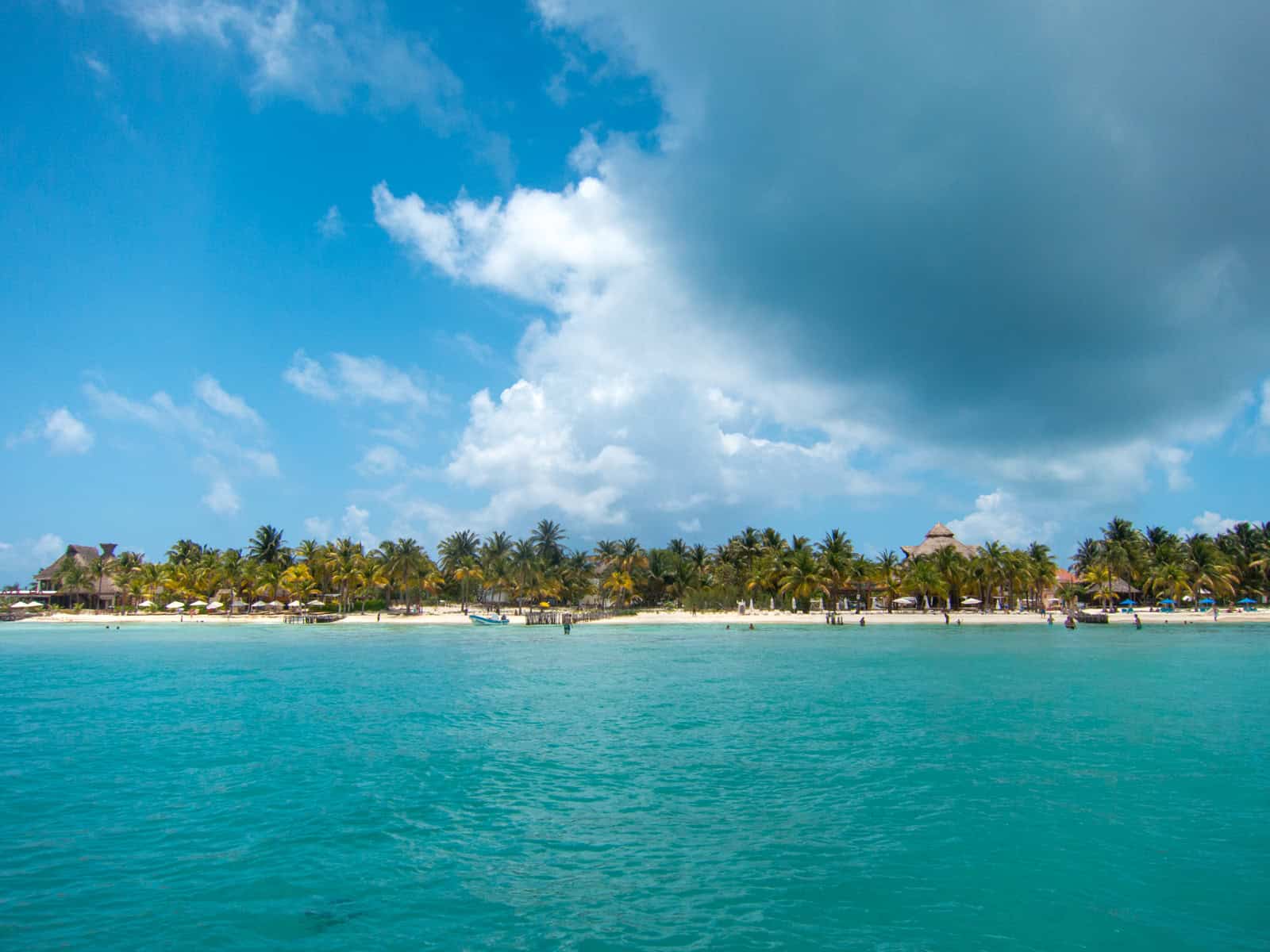
Its renowned "Old Town" features classic baroque architecture and is one of the best-preserved city centers in Europe.

Salzburg (photo: Dimitry Anikin, Unsplash)
Salzburg (photo: Dimitry Anikin)

Salzburg is home to one of the greatest composers of all time, Wolfgang Amadeus Mozart -- you may have heard of him. If you have ever seen the musical or movie The Sound of Music, you will notice that Salzburg was the setting of that beloved film.

Although not huge, the city has three universities that flood the streets with students day and night, creating an electrifying atmosphere at almost any time of year.

A Perfect 5-Day Itinerary for Salzburg

Here are some fun ways to spend your five days in Salzburg.

Day 1: Take a stroll through the center and Stiegl Brewery

On the first day, we went on a walking tour through the heart of Salzburg. We covered a lot of ground and saw attractions such as Residenzplatz Square, Salzburg Cathedral, Festungsberg, and St. Peter's Abbey Monastery. 

Salzburg's center is very pedestrian-friendly and quite beautiful around every corner you turn. When I think of Salzburg, I think of brick-paved alleys and a sophisticated ambiance.

Afterward, we took a guided tour of the Stiegl Brewery. It's worth the trip outside the city center and is included in the city pass attraction package.

Stiegl prides itself on being the only beer company in Salzburg that a larger corporation does not own. When we finished the tour, we could try six beers at no extra cost. Each had a distinctive taste, but none were distasteful. Overall, it offered a different experience than many breweries I've visited.

See also: Top Things To Do in Vienna

Birthplace of Mozart (photo: Reiseuhu, Unsplash)
Birthplace of Mozart (photo: Reiseuhu)

Day 2: The Museum Circuit 

The next day, we spent time in all the Salzburg museums we could handle. My favorite was the Nature Museum. Another worth noting is Mozart's birth home and the house he grew up in, with all his pianos on display. It's a pretty cool experience for a classical music fanatic. 

Salzburg is undoubtedly good for museums. As mentioned, you can purchase an all-inclusive Salzburg Card for under $50. It's valid for 24, 48, or 72 hours, saving us a lot of money.

Day 3: Hallein Salt Mine

The Hallein Salt Mine is only a 20-minute train ride from the center of Salzburg. It's a bit out of the way and off the main sightseeing path, but after touring, I was happy we decided to do it. 

On tour, you will cross the border to Germany in deep underground tunnels before crossing back into Austria. It was an unusual experience and worth the short day trip.
Day 4: Barmstein

The following day, I did an early morning hike up Barmstein, which locals described as a "small hill." It was underplayed, as this is a vast rock formation shooting into the sky around 2,400 feet tall. 

Two rock formations tower over the area. I chose to hike the smaller one because the taller one is a more strenuous, dangerous climb, especially alone, and that is no joke.

Nevertheless, the smaller one wasn't much smaller and was still an exhilarating hike. It offered a beautiful city view on a gorgeous day full of sunshine. Barmstein is no more than 10 miles from Salzburg.

See also: 5 German Cities Worth Visiting

Hohensalzburg Castle with Gaisberg mountain in background (photo: Hans Braxmeier, Pixabay)
Hohensalzburg Castle and Gaisberg mountain (photo: Hans Braxmeier)

Day 5: Gaisberg and Hohensalzburg Castle

Gaisberg is Salzburg's tallest mountain peak, and you can drive up it. I gave my legs a break and took a short day trip to the top. 

Unfortunately, when we arrived, the previous storm had created a fog so intense that we couldn't even see 15 feet in front of us. Obviously, there wasn't much of a view that day, but locals say it's quite a spectacle on a clear day.

Later, we visited the Hohensalzburg Castle, perhaps Salzburg's crown jewel. The whole week, no matter where we were in the city, we could look to the hilltop in the middle of the city center and see the gorgeous, giant white castle looking us in the face. 

I was ready to get there on my last day, and it didn't disappoint. We couldn't have asked for better weather in the afternoon for viewing. 

The castle offers an excellent panoramic view of Salzburg and the surrounding cities. I took an audio tour and learned much about the castle's changing history.

More Attractions, Bars, and Restaurants

  • Mirabell Palace - a 17th-century palace and botanical garden.
  • Hellbrunn Palace - Renaissance palace and parkland.
  • Hangar-7 - owned by Red Bull CEO, full of racing planes and Formula 1 cars.
  • Christmas Markets - a must if you visit during the holiday season (runs from the third week of November until Dec. 26th.
  • Stern Bräu - perfect for an authentic Austrian meal in the city center.
  • Café Fürst - for a taste of Salzburg's coffee culture and good people-watching.
  • Afro Cafe - well-located between various attractions, consistently rated one of Salzburg's best foodie stops.
  • O'Malley's Irish Pub - This is a hot spot for locals on a weekend night.
  • Burgerista - Big burger baskets for around $10.
  • Mountain Biking - always popular for adventure and adrenaline enthusiasts in Salzburg.

Spending five days in Salzburg is incredibly easy, and I could have spent five more without getting bored. Next time, I'd like to do even more adventure activities, as the surrounding area is full of natural beauty.

If you are in Salzburg or planning a trip there, don't be shy about preparing more than you can handle. There is so much to see in Salzburg!

CBD Laws & Regulations in the US and Other Countries

Brooklyn Bridge (photo: Toms Rits, Unsplash)
Brooklyn Bridge (photo: Toms Rits)

The CBD industry is thriving. For starters, the growing concerns over prescription pain medications have led more people to seek alternatives.

The industry has also grown because of increased public awareness about how effective CBD is and how many health benefits it may offer.

However, laws have not always kept up with public opinions. How do you know which countries will allow your CBD oil and which will not?

As it turns out, there are complex laws about CBD within each country and unique laws about traveling with CBD, as well.

Table of Contents

  • CBD Laws in the United States
  • CBD Laws in Other Countries
    • Canada
    • United Kingdom
    • Mexico
    • China
    • Germany
  • Know the Rules

CBD Laws in the United States

CBD laws in the US are complicated because of how the country operates: there's a nationwide federal government in addition to governments for each state.

Federal law in the US permits CBD products if the CBD is derived from hemp.

According to the 2018 Farm Bill, this means the CBD must come from a particular strain of the cannabis plant. It must also contain no more than 0.3% THC.

If a product meets those requirements, it is legal everywhere in the US.

What about CBD products that contain higher levels of THC, though? These products are legal in some states but not others.

In some states, higher concentrations of THC may be legal but only for people over a set age, like 18 or 21 years old.

No matter where you're going in the US, it's important to find out about the state's CBD and THC laws in advance.

Canadian maple leaf (photo: Ali Tawfiq, Unsplash)
Canadian maple leaf (photo: Ali Tawfiq)

CBD Laws in Other Countries

Canada

Canada has looser CBD laws than the US does.

In fact, not only is CBD legal everywhere in Canada but so are other cannabis products, including marijuana for medical and recreational use.

Interestingly, Canadian law doesn't distinguish between CBD products with low THC rates and other cannabis products the way the US does.

As a result, non-psychoactive CBD oil is subject to the same laws and limits as your garden-variety marijuana.

There is one similarity between Canada and the U.S., though. Like the US states, Canada's provinces have each set specific regulations for cannabis.

One factor to watch is the age limits.

In Alberta and Quebec, you must be 18 years old or older to buy CBD and other cannabis products. In all other provinces, the requirement is 19 years of age.

There are also limits to the amount of cannabis you can possess at any given time. This can vary from situation to situation.

For example, in all provinces, you cannot have more than 30 grams of cannabis in public. However, Saskatchewan and Yukon don't allow more than 30 grams in your home, either.

Quebec has placed a limit of 150 grams allowable in private homes, while the limit is 1000 grams in British Columbia.

All other provinces place no limit on the amount of cannabis you can keep at home.

The ultimate lesson is this: find out the details of your province and any province you plan to visit.

United Kingdom

The UK has a similar law to the federal cannabis laws in the US.

CBD products are legal if the CBD is derived from an approved strain of hemp and if it contains less than 0.2% THC.

There is another interesting regulation in progress, though.

The UK's Food Standards Agency recently declared CBD to be a "novel food," which means the FSA will regulate it for quality and safety standards.

As a result, all CBD products need to apply for authorization from the FSA.

The current deadline is March 31st, 2021, and when this deadline arrives, any CBD products without authorization will be taken off the shelves.

Mexico

Mexico has similar CBD laws to their Northern neighbors, though they offer a bit more leeway.

In Mexico, CBD oil and other CBD products are legal if they contain less than 1% THC.

These products are available over the counter and legal for anyone to buy and use.

In fact, you can find them in many retail stores across the country, in addition to ordering them online.

China

China has more strict laws about CBD than most other large countries.

To date, China only permits CBD cosmetics to be sold. This means that ingestible forms of CBD, like capsules, oils, and edibles, aren't legal in China.

China does classify hemp and marijuana plants differently by specifying that hemp plants are those that contain less than 0.3% THC, which is a similar classification to most other companies.

However, even hemp-derived CBD is still only legal in cosmetic, topical products.

Germany

In Germany, as in many countries, the legality of CBD comes down to its THC level.

CBD products with 0.2% THC or less are legal for anyone to buy over the counter at retail stores or online.

Products with higher THC concentrations are also legal, but only with a doctor's prescription.

There's another catch to keep in mind: in Germany, edibles and gummies containing CBD fall under the classification of a "novel food" in the European Union.

Companies need to apply for and receive a special authorization to sell CBD edibles. As a result, you won't find CBD edibles in Germany.

Know the Rules

CBD products can offer excellent ways to relieve stress, ease pain, and enjoy a number of other popular benefits.

If you find yourself in jail because of them, though, all that stress relief is undone.

Any time you travel, it's important to learn the laws about CBD within your destination as well as the laws about traveling back and forth.

The details above can help you stay safe and stay legal while enjoying all the CBD benefits you love.

_____

This story is brought to you in partnership with Colorado Botanicals.

6 Things to Do in Hamburg, Germany

Hamburg
Hamburg skyline 

There are dozens of things to do in Hamburg -- one of Germany's most popular northern cities to visit. 

If you are planning an itinerary for your backpacking trip through Germany, then Hamburg must be included. 

Below, I will share a little bit about the city and break down what makes this place so unique.

About Hamburg

Hamburg is the second-most populous city in the country and the eighth-most populace city in the entire European Union with around 1.7 million inhabitants. 

Hamburg was ranked as the 16th city in the world for livability in 2015 and is noted for several popular culture and music festivals. 

The city is known as Germany's capital of sport and a major transport hub for the European continent. 

To be on the safe side, make sure you have travel insurance while visiting Europe. A health insurance policy will help you cover all unexpected expenses that might arise during your trip (and you don't want large expenses while on a budget).

Not only will your travel insurance cover any medical expenses, but it will also cover trip cancellation, trip interruption, or lost/stolen luggage by means of full or partial refund.

Things to Do 

I was fortunate enough to befriend a local guide in the city who showed me a unique perspective of the city.

Here are some of the cheap and wonderful things to do in Hamburg on your trip.

Boat Along the Elbe River

The first thing we did was take a boat tour along the Elbe River -- a gorgeous shipping river still very heavily relied on for trade. 

It was interesting to note that Hamburg has 2,576 bridges within its city limits. That is more than the city of Venice (Italy) with all of its canals. 

There was a lot of neat architecture along the river, including the newest Elbphilharmonie performance center, which has yet to be finished (2020). 

It has already gone over budget, costing the city a whopping 800 million euros. 

The performance hall has been deemed statistically incapable of ever turning a profit for the city.

Kapitan Prusse Half-Day River Tour: $18

Pro-Tip: Make sure the tour is given in English. It is not very clear by the signage in front of the various tour booths, so make sure you confirm before buying a ticket. 

Unfortunately, I ended up on a German tour, but luckily I had my local guide to translate. 

Head to the Beach

After the boat tour, we grabbed a bite to eat and headed for the beach! Well, kind of.

At Strandperle (beach) bar, which was one of many artificial beach bars along the river, you can grab a beer and a beanbag chair and watch the sun go down over the city.

The entire waterfront has a relaxing ambiance and is the perfect place to wind down after a long day of sightseeing.

Jever pint at Strand: $4 (return the empty bottle to the bar for a 25% refund)

See also: 5 German Cities Worth Visiting

St Michaelis Tower (photo: Karsten Bergmann, Pixabay)
St Michaelis Tower (photo: Karsten Bergmann)

Climb Michaelis Tower

I hiked to the top of the St. Michaelis Tower, which has gotten bombed, destroyed by fire, and rebuilt twice during the 20th Century. 

It wasn't a particularly good day because it was raining, which clouded the viewing experience. - however, I'm sure on a clear day there is a lot to see.

Plus, there is a lot of knowledge to gain through this educational experience with historical information to read on the way up.

Cost to climb: < $5

Experience the Hamburg "DOM"

The Hamburg DOM (city fair) runs four times a year for multiple weeks at a time, so I was a bit lucky to be here at the right time. 

Check Hamburg's visitor center to see if your itinerary aligns, though, you will probably know if you are visiting at the right time just by all the signage indicating the ongoing DOM.

Carnival meal + rides ticket: < $15

Tour of Miniatur Wunderland

Impressive model train museum within the popular Warehouse District of Hamburg. 

Be sure to make a reservation online to avoid long queues (especially in the summer months) and save time on your holiday!

Admission: $10 for students

Night Out in Kiez

Kiez is the bar district of Hamburg. There are over 4,000 bars in the area of Kiez, which is just one tightly-packed street. 

As one can imagine, there is a lot to witness, including its own version of a Red Light District (similar to in Amsterdam).

One-use tram pass to get there: < $2

See also: Poznan: Off the Beaten Path in Poland

Hamburg canal (photo: fsHH, Pixabay)
Canal

Bars, Foods, and Other Attractions

  • Birnen and Bohnen und Speck - Hamburg is known for several foods but first and foremost are the green beans cooked with pears and bacon
  • Franzbrötchen - while in Hamburg, you must get a taste of the renowned cinnamon pastry locals go crazy for
  • Bruecke 10 - home of the self-proclaimed "best fish sandwich in the world"
  • Rosi's - quaint budget bar within Kiez District, worth a visit
  • Dialog in the Dark - interesting initiative to take you into the life of a blind person within this interactive museum
  • Port of Hamburg - excellent area to walk around and spend an afternoon/ sunset
  • Park Planten un Blomen - free botanical gardens perfect if you have extra time

This is only the tip of the iceberg when it comes to all the great things to do in Hamburg. 

Whether you want to spend a weekend or a whole week in this city, you are sure to have enough to keep you occupied. 

Backpacking Panama: A Two-Week Itinerary

My first opportunity for backpacking Panama came tantalizingly close in 2005 when I traveled to Costa Rica and traveled south along the Caribbean coast. 

In Puerto Viejo, near the Costa Rican border, I encountered backpackers traveling overland, coming north from Panama (and South America), or heading that way next. 

Panama Metropolitan Cathedral

I considered making a border crossing but stuck to my original plan for an 18-day vacation exploring Costa Rica.

It would be another eight years before I returned to the region, this time dedicating two weeks to backpacking Panama. 

As a country on the Caribbean coast, travelers that get to Panama are often enticed to visit the Caribbean islands as well.

These regions offer many opportunities for adventure seekers. Those who fall in love with the places can get Caribbean countries citizenship by investment.

What follows is my Panama trip itinerary, which served me well as an introduction to the country.

Table of Contents

  • Where to Go in Panama
    • Panama City
    • Boquete (Coffee Region)
    • Bocas del Toro
    • San Blas Islands
    • Two-Week Panama Itinerary

Where to Go in Panama

Panama City

Panama City is unique among capital cities in Central America as it's located on the coast. Specifically, it faces Panama Bay on the Pacific coast.

A modern skyline full of high-rise buildings occupies the Punta Paitilla district. I had little interest in spending time in that part of the city. 

San Felipe, Panama City
Restored buildings in the old town

San Felipe (Casco Viejo)

Instead, I based myself in the historic San Felipe neighborhood, Casco Viejo ("Old Town" in Spanish).

This coastal area was settled in 1673 and recognized as a UNESCO World Heritage Site in 1997. 

The walkable old town reminded me of Cartagena, though smaller and with fewer renovated buildings.

Street art
Street art

Some buildings, like the one pictured above, even lacked a roof. It was just a few walls that had been re-painted, the interior used for a craft market. 

There were positive signs it was very much a work in progress, though, and I made a mental note to consider coming back in ten years to see how Casco Viejo has evolved. 

Several landmarks include: 

  • La Catedral Metropolitana, the city's main Catholic church
  • El Palacio de las Garzas, home to Panama's president
  • Ruins of Church and Convent of Santo Domingo (Arco Chato)
  • Plaza de Francia, the original town square

I view the capital city as a transportation hub for backpacking Panama.

I entered and departed the country via the city, using it as a jumping-off point for trips to the coffee region to the west and San Blas Islands to the northeast.

Of course, I didn't miss an opportunity to visit the famous Panama Canal. 

Related: 10 Incredible Things to Do in Panama

Miraflores Locks at Panama Canal
Dave at Miraflores Locks

Panama Canal

The Panama Canal is, without a doubt, a miracle of human engineering. However, it's about as thrilling as the Hoover Dam, impressive for its sheer size but challenging to get excited about. 

On my first full day in Panama, I took a taxi from Casco Viejo to the Miraflores Locks, the last lock before ships reached Panama Bay and the Pacific Ocean.

Shipping container in Panama Canal
A container exits the Miraflores Locks.

Three locks control the height of ships, allowing them to move from Gatun Lake (which empties into the Caribbean Sea) to Panama Bay (and vice versa). 

The canal features two lanes, and modern cargo ships are built to use every inch of space they afford. 

I spent less than one hour at the Miraflores Locks, watching ships pass through and walking through the small indoor exhibition.

David, Panama
Landing in David, Panama

Boquete (Coffee Region)

To reach Boquete, a great place in the heart of Panama's western coffee region, I hopped on an Air Panama prop plane for the 45-minute flight from Panama City to David.

The Pan-American Highway from North America through Central and South America passes through David.

It was a one-hour drive north from David to Boquete on the eastern side of Volcan Baru, the highest point in Panama (11,400 feet / 3,475 meters). 

Boquete, Panama
The town of Boquete

There's not much to see in Boquete, just the usual hotels, hostels, restaurants, and tour agencies. 

Where to Stay

I stayed at Hostal Refugio del Rio, which was nice because there was some outdoor garden seating by the Caldera River, which runs through town. 

I can't find the exact spot now, but it may be Hostal Garden by Refugio del Rio. Check Booking.com for more hostels in Boquete.

Coffee tour at Finca Dos Jefes

Best Things to Do

Boquete offers plenty of things to do, whether you want to spend a day or a week. 

Adventure sports and activities include:

  • Climbing Baru Volcano, which is a full-day experience that involves altitudes over 3,000 meters
  • Whitewater rafting the Chiriqui Viejo River (Class III rapids)
  • Hanging bridges in the jungle canopy and ziplining
  • ATV and horseback riding
  • Coffee tour

I was most interested in taking a coffee tour, an activity that underwhelmed me in Costa Rica but which I thoroughly enjoyed in Boquete. 

I spent several hours learning about coffee production, roasting, and tasting from an American retiree who bought the Finca Dos Jefes organic coffee farm.

He had no prior coffee-growing experience and learned on the job.

Getting to Bocas del Toro

It's easy to book onward travel from Boquete to Bocas del Toro. Check if your accommodation can organize or stop at any tour agency. The overland trip takes about five hours via a private minivan and boat. 

Bocas del Toro
Bocas del Toro from the air

Bocas del Toro

Midway through backpacking Panama, I arrived in Bocas del Toro on Isla Colon, a popular spot for backpackers traveling through Central America. 

I gave myself three days and two nights in Bocas Town, the province's capital, and home to the airport. 

Bocas Town
Bocas Town

If you're interested in partying and meeting other backpackers, stay here. There are many agencies to book tours and scuba diving, plus restaurants and bars looking out over the water.

The vibe would've appealed to me if I were in my twenties. But, I was in my thirties and more interested in spending time on quiet beaches and enjoying nature. This is not the atmosphere you'll get in Bocas Town.

Beach in Bocas del Toro
Red Frog Beach

My first full day in Bocas del Toro was overcast and rainy, but I didn't have time to waste, so I took a boat tour. We visited a beautiful undeveloped beach, but the grey weather detracted from the experience. 

The sun was out the next day, so I booked one of the water taxis for a day trip to Red Frog Beach on Bastimentos Island. 

Walking onto this beach was when it hit me that spending my nights in Bocas Town had been a mistake. 

A little advanced planning would've made a big difference in how I experienced Bocas del Toro. There are beautiful spots to base yourself in Bocas del Toro, so plan ahead. 

Getting to Panama City

Domestic flights in Panama are inexpensive, so I hopped on another Air Panama prop plane for the 45-minute flight from Bocas del Toro to Panama City.

Traveling overland takes about 30 minutes by boat and another 10 to 11 hours by public transport (long-distance buses).

Tip: The rainy season in Panama runs from April to December, leaving a relatively short three-month period from January to March for drier weather.

Related: Best Time to Visit Panama

Dave in San Blas Islands, Panama
Dave in San Blas Islands

San Blas Islands

Living in Medellin, I'd met many travelers on the three to five-day sailing trip between Panama and Colombia. The highlight was always their time in Panama's San Blas Islands.

The one to two days of sailing in the open sea was a wildcard, depending on the weather, captain, and boat they used. Some had smooth sailing, and others got seasick.

I'd been to Cartagena several times, so I wasn't interested in sailing there from Panama.

I was, however, thrilled to find out that it's possible to make trips to the San Blas Islands from Panama City. So that's just what I did, booking a 3-day, 2-night trip to Kuanidup island. 

Kuanidup island, San Blas
Kuanidup island

Kuanidup is a true tropical paradise. The island is about 328 feet (100 meters) long and 164 to 246 feet (50 to 75 meters) wide, about the same size as an American football field.

Guests sleep in thatched-roof bungalows with sand floors. There are about a dozen on the island, and it wasn't even full the nights I was there. 

They have sit-down toilets but no electricity. They run a generator for a few hours at night to coincide with dinner and drinks; meals are locally sourced, including fish and seafood. 

Days are spent hanging out on the beautiful beach, swimming, and on the occasional boat trip to other islands. 

When backpacking Panama, I recommend leaving the San Blas Islands for last or not visiting them before Bocas del Toro.

While day trips from Panama City are available and less costly, I recommend spending at least two nights on your chosen island so you can relax and have a good time. 

Two-Week Panama Itinerary

  • 3 days / 2 nights - Arrive in Panama City (Panama Canal, Casco Viejo)
  • 2 days / 2 nights - Boquete (coffee tour, adventure sports)
  • 3 days / 2 nights - Bocas del Toro (beaches, scuba diving)
  • 1 day / 1 night - Panama City
  • 3 days / 2 nights - San Blas Islands (beaches, relax)
  • 3 days / 2 nights - Depart Panama City

Overall, I found backpacking in Panama an easy and worthwhile experience in Latin America. Two weeks was just the right amount of time to see some of the best places and get a taste of the culture and islands.

Jet-Sweating: 4 Tips for Backpacking in the Heat

Summer in Mykonos, Greece (photo: Dave Lee)

Why is it that some of the best destinations in the world for backpacking are also some of the hottest?

The Mediterranean, Southeast Asia, Central America - these are all uniquely fantastic for backpacking, but they're also hot, sticky and humid.

By the time you hit the hostel after trekking from the train station, your back is drenched in sweat.

On the mild end of the spectrum, you can expect annoyances - excess sweating, decreased energy, and the general, uncomfortable feeling of baking in the sun.

On the more severe end of the spectrum, however, carrying a heavy through the heat and humidity can cause sunstroke or collapse.

To help stay cool and comfortable during your next backpacking jaunt, here are a few tips for hot weather travel.

Stay Hydrated

Drinking lots of water is crucial in hot weather. Without it, you can dehydrate quickly, causing a bevy of other symptoms, some severe.

If you anticipate having ready access to potable water during your trip, pack a collapsible water bottle and fill it up every chance you get.

You never know when dehydration will hit you, and you'll want a water bottle by your side when it does.

If you anticipate traveling places where drinkable water isn't a public amenity, just be sure to buy lots of bottled water, or bring a reliable purifier with you.

Pack Light, or Pack a Separate Day Bag

That heavy bag, while it may conveniently store all your changes of clothing and electronics, takes a lot of energy to carry.

The heavier the bag, the more energy you have to expend lugging it around. And the more energy you expend in humid weather, the faster your body temperature rises.

For trips to hot weather destinations, it's wise to either pack light or - if you absolutely can't - at least pack a small bag for day trips.

You can pack light by choosing clothing that stays fresh for longer (more on that below), as well as keeping your electronics to a minimum.

Merino wool

Pack Merino Wool Clothing

Merino wool stays fresh for a long time. Some backpackers even report wearing the same merino wool shirt, in humid climates, for weeks without noticeable smell.

You can cut down on backpack weight, therefore, by just packing a couple of merino articles of clothing.

But the real selling point for merino wool in hot weather is its breathability and sweat-wicking. It keeps you cool and dry in even the warmest weather.

Certain merino wool items like the button-down shirts from Unbound Merino can be easily dressed up or down, so you can stay cool while beach lounging or hitting the town.

Avoid Traveling at Mid-Day

Finally, be smart about when you travel.

Walking with your backpack in the 2 pm sun is a lot harder than either striking off early or waiting until evening.

If you're booking a bus or train ticket, make them for a cooler time of day.

Some of the best places in the world for backpacking are warm, but that doesn't mean you can't be cool. Follow these few simple tips, and you'll be fine.

_____

This story is brought to you in partnership with Unbound Merino.

Exploring the Maldives on a Budget

The Maldives are tropical islands located southwest of Sri Lanka and India. There are around 1,100 islands, of which 200 are inhabited. Twenty-six coral atolls attract visitors from all over the world. By choosing affordable accommodations and activities, you can explore the Maldives on a budget.

Outrigger Konotta Maldives Resort
Overwater bungalows on a private island, Maldives

The majority of the islands are available for vacation rentals. However, this doesn't mean that you need a big budget to afford a holiday in the Maldives. You can travel around this island in many ways without spending lavishly.

The Maldives has two types of islands: public islands and private islands. The public islands are inhabited by locals, while the private islands are home to expensive resorts with ostentatious price tags.

The government has allowed the construction of guesthouses on the local islands, making booking a room in a resort relatively easy. These guesthouses and bed and breakfasts have made it possible for an average vacationer to plan a budget-friendly holiday in the Maldives.

Boardwalk at COMO Cocoa Island, a private resort
COMO Cocoa Island, a private resort

In addition to the guesthouses, the food is tasty and inexpensive compared to the multinational resorts, which can charge $200 per person for one meal.

The government's new laws have also decreased the cost of accommodation and created a valuable income source for the locals.

You can now find and book your accommodation online through property portals such as Booking.com. Many guesthouses are listed on it, offering rooms with AC, wifi, snorkeling gear, breakfast, hot showers, and water for about $60/night.

You can also search through Airbnb, which has a list of guesthouses ranging from $50 to $100 per night.

Table of Contents

  • Experiencing the Maldives Islands for Less
    • Things To Do in the Maldives
    • Day Trips
    • Getting Around
    • Food 

Experiencing the Maldives Islands for Less

Bikini Beach, Maafushi island, Maldives
Bikini Beach on Maafushi Island

Although the country is home to thousands of islands, here are some excellent options narrowed down exclusively for tourists on a budget.

Maafushi, situated on the South Male atoll, is among the most popular islands. You can reach it in half an hour by speedboat from the international airport.

The island offers several cheap accommodations and food options, making it perfect for anyone who wants to explore it on a budget.

Fulidhoo on the Vaavu atoll is another good option. This island is best for scuba divers or anyone who wants to explore underwater marine life. It is thinly populated and quiet, making it a relaxed vacation destination.

It includes accommodation options up to $100 per night with perfect beachfront views at Kinan Retreat and Ukulhas in the North Ari Atoll. You can experience manta rays and hammerhead sharks if you're there in the right season. 

Things To Do in the Maldives

Diving in the Maldives

Vacation in the Maldives is not about tasting exotic drinks and experiencing fancy resorts. There are various activities that you can indulge in at a reasonable price.

The Maldives is home to some of the best surfing spots in the world. Some famous spots include Cokes, Sultan, Chicken, and Pasta Point, which make surfing fun and possible for beginners and professionals alike.

Scuba diving
Scuba diving

In addition to surfing spots, the Maldives also has scuba diving spots. Scuba diving is one of the most popular sports in the country.

South Ari Atoll and Hanifaru Bay in Baa Atoll are some of the most well-known spots. You can also experience manta rays during the annual migration at these points. Look for sharks by diving at the mud range of the Cinnamon Resort on the local Fulidhoo island.

Stand-up paddleboarding has also become quite popular. Non-motorized water sports are available for free in most of the resorts, except scuba diving. In saying that, you can still get some good deals by booking your scuba dives in advance.

Tourists staying in small guest houses can wait for guesthouse operators to recommend boat trips and watersports at affordable rates.

Day Trips

Coral nursery at COMO Cocoa Island
A coral nursery at COMO Cocoa Island

The Maldives, usually known for its pristine beaches, offers many other activities for those who don't want to spend all their time bathing in the sun.

Male, the capital, offers several unique sightseeing options, including the golden domes of the Islamic center, the surroundings of Sultan Park, and the market.

There are colorful corals, home to more than 2,000 species of tropical fish, sea turtles, whale sharks, stingrays, etc.

Some of the great day trips include:

  • Snorkeling tours
  • Island-hopping trips
  • Dolphin-watching tours
  • Snorkeling with manta rays
  • Snorkeling with whale sharks
  • Picnic trips on the sandbanks

Tip: Try to book your trip through the guesthouse where you are staying. This will help you get the best deals.

Getting Around

Transportation to the resort islands is only possible by seaplane or speedboat, both of which are expensive-$300 to $500 for a short ride.

If you want to visit a resort, try doing it through a fishing boat by inquiring with the locals. This can cost you ten times less than the cost of a speedboat.

Food 

Small restaurant in the Maldives
Casual restaurant in the Maldives

Food and dining options are all dependent on the accommodation. Opt for packages as they help you enjoy food while saving money.

The 4-star option, such as Kuredu Island Resort & Spa, hosts some packages, including meals at specific restaurants, afternoon tea daily, and other activities.

Most guesthouses serve classic Maldivian dishes for less than $12. However, fish, curry, and rice are still served in every restaurant.

You can also dine at the local restaurants in Maafushi, which have a price structure similar to the guesthouse restaurants but offer a lot more variety.

Taj Exotica Resort & Spa
Yoga on a swing at the Taj Exotica Resort & Spa

The Maldives isn't a cheap Asian destination; however, with planning and research, you can still visit on a backpacker-friendly budget.

As an insider tip, try sticking to the local islands for accommodation, day trips, and food. You can surely enjoy your time in the Maldives without breaking the bank.

How to Hike When You’re Overweight: 7 Actionable Tips

Despite what a catalog from your local sporting store might lead you to believe, not every single person who actively hikes is a model.

In reality, hiking is a sport enjoyed by many different people around the globe.

Female hiker

Most hikers are not the super fit few that you are continually being bombarded with on social media.

Hiking for fat people can feel like an entire battle against social standards.

People with more unique body types are blazing the trails every single day, and that includes overweight folks who are just as happy to get out in nature as everyone else.

Many people have this idea in their heads that only incredibly fit people are hiking the best and most beautiful trails, but that is simply a lie being perpetuated by social media.

You don't need to be a specific size to enjoy spending time out strolling in nature.

Everyone has a different body that will help carry them up the mountain just like anyone else's.

Nature has no rules about what anyone should look like, but some considerations can be helpful for those who are looking to spend time on the mountain and are bringing a little extra weight to the table.

Table of Contents

  • 1. Know You Belong There
  • 2. Consider Any Medical Conditions
  • 3. Always Talk with Your Doctor First
  • 4. Manage Any Chafing
  • 5. Find the Right Clothes
  • 6. Drink Plenty of Water
  • 7. Have Proper Arch Support

1. Know You Belong There

If there is one thing that we truly can't stand, it is the kind of person out in nature who knowingly aims to judge people.

Nature is a space that belongs to everyone. There is no right or wrong body to take into nature, and anyone who says otherwise is lying to themselves.

The sad truth is that some people harbor a kind of hate in their hearts that manifests itself in the most unpleasant ways.

Since a big part of enjoying nature is to step back from the stresses of daily life and open yourself up to nature, it is essential to remember that you belong on that mountain just as much as anyone else.

You deserve to be out there in your favorite hiking clothes breathing fresh air and having a grand old time.

Since we want you to have the best possible time out on your hike, let us be the first to say that you should ignore the haters and live your best life.

Do not get caught up in ideas of whether or not you deserve to be there. You do. Get out there and explore the world around you.

2. Consider Any Medical Conditions

This is not a section that will assume that you have any medical condition simply because you are overweight but depending on some of the factors commonly associated with being overweight, you might want to consider how these could impact you.

If you have high or low blood pressure or a condition like diabetes, you will need to go into your hike prepared if this could be impacted.

Some of these conditions are known to interact with certain activities in some regard.

You might find that you experience unfortunate problems at higher elevations or if you strain your body too hard. However, this doesn't have to stop you.

All you need to do is take the time to focus on living your best life and taking care of yourself.

If you need medication, take it. Think about what problems you might run into and act accordingly.

It is merely a matter of being educated on your body's needs so you can spend less time feeling bad and more time living your best life.

Doctor

3. Always Talk with Your Doctor First

This is something that every single person should do before pursuing a new kind of physical activity, and doing so can truly save lives.

In some instances, we might not be able to effectively do something at a certain point in time.

It could result in complications or even lead to injury if something was to go wrong.

Consulting a physician about the quality of exercise that your body can reasonably sustain can do you a lot of good.

While you will probably be just fine either way, understanding that there are many factors at work behind the scenes and acting accordingly is crucial for getting the most out of your hiking experience.

Your doctor can likely offer you some incredibly beneficial tips to help you successfully get the most out of your hiking experience.

Doctors are great for recommending what might help or hurt us, so chatting with your doctor in advance can save you a lot of time and effort.

4. Manage Any Chafing

Chafing is a genuine problem, particularly for people who will spend a prolonged time actively moving.

For those who are overweight, chafing can come at a much higher risk.

Suppose you want to get the most out of your hike while still maintaining comfort.

In that case, it can be helpful to recognize what parts of your body naturally rub together when you walk, then perhaps consider any other problem areas that might exist.

There is nothing worse than realizing halfway through a hike that you are chafed to an uncomfortable state and having to endure it throughout the rest of the walk as it slowly gets worse.

There are a variety of products on the market that can help with this.

You can choose from specific clothing, helpful accessories, or even certain balms and creams to ensure that you don't spend more time focusing on the areas where your skin is touching than you do taking in the stunning sights and sounds of the world around you.

5. Find the Right Clothes

A common complaint from plus-sized individuals is that the fashion industry does not cater to them.

This is a problem for several different reasons. First of all, you want to be able to be comfortable while you're on your hike.

Second, you want to wear something that you look and feel good in.

In many cases, plus-sized clothes are not made for plus-sized people.

Often, stores do not provide the right kind of clothing for people to wear.

The larger sizes are not large enough, and even the genuinely plus-sized clothing options are just larger versions of existing clothing lines.

They are bigger but do not cater to the body shape of truly plus-sized people.

The fact that these clothes aren't shaped right isn't just insulting.

It's downright problematic, particularly when it comes to wearing clothes that you will be active in.

The last thing you want is your clothes to be tight in one spot and constantly rubbing against your skin.

This is one problem that will only get worse over time, so do your research and find good clothing options.

Fortunately, the modern world now understands that catering to a single body type is just unforgivable by this point.

You can find plenty of fantastic companies online and in-store that are ready to help you get your fabulous fitness outfit on so you can be comfortable and prepared to take on the trails.

Backpack and water (photo: Lukas Kurth, Pixabay)
Backpack and water (photo: Lukas Kurth)

6. Drink Plenty of Water

This is one rule of thumb that is important for every person who plans to go hiking, and we do not want you to forget it.

Staying hydrated while hiking is crucial for the overall success of your experience.

Hydration is what makes your muscles well, boosts your energy levels, and lets you think clearly.

Packing enough water is essential before setting out on a hike.

Whether you are using a backpack with a bladder or just aiming to get a bunch of water bottles and shove them in a bag, make sure that you hydrate.

Drink water before you go hiking. Drink water while you are hiking. Drink water after your hike.

Water is crucial for your body to function to the best of its ability. Make sure that you go out prepared.

Hiking boot

7. Have Proper Arch Support

For those who are bigger by nature, it is possible to find certain bodily strains that other people might not be acquainted with. One area where this is prevalent is the feet.

As you log miles hiking on your trail of choice, consider the fact that your feet are going to feel the strain of carrying you from place to place.

The majority of people experience this in one form or another, but it can be exacerbated more quickly for people who are a bit heavier.

You might have incredibly strong feet and arches, but that doesn't mean that you should push aside your need for quality shoes or inserts.

Make sure that your feet have the support that they need to safely and comfortably carry you. This is one golden rule that should be followed by all of us.

Don't miss out on a pleasant hiking experience because your feet hurt.

Conclusion

The reality is that hiking when you are larger isn't any different than hiking when you are smaller.

You might want to make a few considerations depending on the state of your health, but we are smart enough now to know that size is not an indicator of health.

The most important part of this process is to focus on treating your body well.

If you can make sure that you listen to your body and address your own needs, you will be thrilled to find that you are in for a wonderful and pleasant hiking experience.

There are a lot of stigmas about exercising and activity for people who don't necessarily fit the mold painted in society.

Time and time again, we are greeted with stories of people who are made to feel unwelcome because of how they look, and we are here to say that there is no room at all for that kind of negativity when you are out on the trail.

Leave the opinions of society back home and head out into the trees. You belong with all of the other beautiful things in nature.

The Dead Sea: 4 Facts You May Not Have Heard About

The Dead Sea is a natural body of water located on the border between Israel and Jordan, drawing visitors from around the world. Due to its unique properties, visitors often consider it a highlight of their time in the Middle East.

The Dead Sea (photo: Regina Shanklin, Pixabay)
The Dead Sea (photo: Regina Shanklin)

Here, we are going to look at some interesting facts about the Dead Sea. Continue reading if you're eager to learn more.

Saltiest Water on Earth

One of the facts that you might not know about the Dead Sea is that it has the saltiest water on planet Earth. The water is ten times as salty as regular seawater. Why is that, you may ask?

The water comes straight from the River Jordan, and once it reaches the Dead Sea, it has nowhere else to go, which causes it to evaporate. When it evaporates, the salt and minerals become more concentrated, resulting in approximately 37 billion tons of salt being found here.

Great for Skin Conditions

Another interesting fact about the Dead Sea is that it has properties that make it helpful in the treatment of common skin conditions. Due to its high mineral and salt concentration, this seawater can help with common skin conditions such as acne and cellulite, as well as arthritis.

Many people travel to the sea specifically to benefit from its natural properties, and many spas utilize treatments derived from this water to aid in the healing of skin conditions.

It is also suggested that Cleopatra frequently visited the Dead Sea and incorporated its natural products into her beauty and skincare routine.

Natural Buoyancy

Due to the high salt concentration, it is also possible to float naturally without having to keep yourself afloat in the water. This means that you can bob around and float in this water without having to use your hands and legs as much.

Many people enjoy slathering some mud on their faces and then lying back, relaxed, while letting their bodies float naturally.

Lowest Point of The Earth

A fourth fun fact about the Dead Sea is that it sits at the lowest point on Earth. The surface is measured at 1,388 feet (423 meters) below sea level.

Additionally, Highway 90, located near the sea on the Israeli side, is the lowest road on Earth as it runs 1,289 feet (393 meters) below sea level.

The Dead Sea is one of the most fascinating natural bodies of water in the world, attracting millions of visitors each year. If you haven't been before, make sure to add it to your bucket list.

_____

This story is brought to you in partnership with deadsea.com.

Should I Watch "First They Killed My Father" Before Traveling to Cambodia?

About six million travelers visit Cambodia each year to admire the world's largest religious temple complex, Angkor Wat, its national parks, and the stunning white-sand beaches on the southern coast.

A scene from First They Killed My Father
A scene from First They Killed My Father (photo: Pax Thien Jolie Pitt, Netflix)

However, behind all this beauty, hides a darker side of the country, the Cambodian war, led by the Khmer Rouge.

"First They Killed My Father" is a movie based on the memories of a young girl named Loung, growing up during the regime led by the Khmer Rouge. 

The movie provides excellent insight into the history of Cambodia and the struggles many families encountered. Learning about the country's dark history will make you feel more connected to the Cambodian citizens.

It will enhance your experience when traveling through this beautiful country, a country that is arguably one of the most interesting destinations in the whole of Southeast Asia.

Table of Contents

  • When did this story take place?
  • Who and what was the Khmer Rouge?
  • Why is it so important to watch this movie?
  • Movie plot
  • Where can I watch this movie?

When did this story take place?

In 1975, sadly, not so long ago, during the Vietnam War. The US had evacuated Cambodia and the American embassy, causing much upheaval within the country.

Upon the departure of the Americans from Cambodia, the Khmer Rouge regime found this the perfect time to take over and begin their dreadful rule completely.

The Khmer Rouge regime continued until 1979, quite possibly the four longest years any Cambodian has ever experienced.

First They Killed My Father
Breakfast in Cambodia (photo: Dave Lee)

Who and what was the Khmer Rouge?

The Khmer Rouge, led by Pol Pot, was the Communist Party that ruled Cambodia from 1975 to 1979.

The Khmer Rouge regime was a highly xenophobic, paranoid, and repressive party. The regime's attempts at agricultural reform led to extensive starvation throughout the country.

The regime was so set on being self-sufficient that it refused food and even medicine from outside sources, which led to the death of millions of citizens. Malaria, a treatable disease, was one of the leading causes of death for those who fell ill.

To become self-sufficient, they first ordered isolation from all foreign influences. They closed schools, hospitals, and some factories. They eliminated banking, finance, and currency.

The Khmer Rouge believed that a period of voluntary isolation would guarantee that they would become a self-sufficient country. They, essentially, wanted to recreate the country and ensure national purity.

The Khmer Rouge regime murdered hundreds of thousands of their political competitors. Due to their strong belief in national purity, they are also responsible for the genocide of the Cambodians.

Torture and execution were a daily and regular part of life during their rule. Tragically, the torture and death did not apply only to those fighting against the regime; women, older people, children, and even babies were also killed.

By the end of the Khmer Rouge regime, they had killed approximately 25 percent of the population, some 1.5 to 2 million people.

Why is it so important to watch this movie?

Cambodia is a fantastic country. To this day, it may be one of the rawest countries we have seen. Unlike Vietnam, Thailand, or Indonesia, you will not see a lot of Western influence here.

Poverty is apparent, and the lack of infrastructure is easy to see throughout the cities and towns.

Over 40 years later, the country is still trying to rebuild itself after the Khmer Rouge regime. You can see this in the faces of the citizens, the architecture, and of course, the museums and historical sights.

This movie is based on the non-fiction book by the same name, written by Loung Ung, a childhood survivor of the Democratic Kampuchea.

It does an excellent job of giving you an in-depth view of what life was really like during the Khmer Rouge regime. She writes about the daily struggles and the heartbreaking, unnecessary deaths of millions of people.

Movie plot

Loung and her family are forced from their home in the capital city of Phnom Penh by the Khmer Rouge.

They have been told that the Americans will bomb the country, and they need to escape to a nearby village with other refugees.

They are told they can leave their belongings behind, that everything will be safe, and that they can return home within a few days.

After traveling for days, they arrive at a labor camp where they are forced to build their shelters from practically nothing. Any possessions they were able to carry with them were confiscated.

They are forced to work in awful conditions, extremely long hours, and some were even forced to create Khmer Regime propaganda.

Loung witnesses the often daily beatings of her siblings by Khmer soldiers. Her eldest siblings are taken from the camp and reassigned to another work camp.

Soon after, her father is forced to leave for work purposes, the chances of his return are slim, and the family is horrifically aware of this.

Loung's mother, feeling defeated and unsure how to save her remaining children, tells them to flee the work camp and run in different directions.

Hoping they could arrive at new work camps and assume the roles of orphans in hopes of their safety.

Loung and her sister stuck together; however, soon after arrival at the new work camp, Loung is recruited to be a child soldier for the Khmer Rouge.

Loung is later granted a day-pass to visit her sister; however, instead of visiting her sister, she takes off in search of her mother.

Advised that the soldiers took her mother away, Loung goes in search of her other siblings. Throughout her search for her family, she is witness to countless bombings, murders, torture, and many other unthinkable acts of violence.

We don't want to give away too much about the movie, so we won't tell you the ending; however, we will say that this movie is a must-see before traveling to Cambodia.

Where can I watch this movie?

First They Killed My Father is available through Netflix. We strongly recommend you watch this movie before entering the country.

Cambodia has stringent laws regarding the history of the Khmer Rouge regime, and it also has strict internet policies.

If you are caught digging into the history of the regime too much, you could find yourself in trouble with the law.

Your best bet is to watch it before entering the country or download the movie on Netflix and watch it during your flight to Cambodia.

Poznan: Off the Beaten Path in Poland

Poznan, Poland (photo: David Mark, Pixabay)
Old Market Square (photo: David Mark)

Poznan, Poland, is a place you don't often hear tourists marking on their itinerary. I ended up there for five days as I visited a few local friends in the city. 

While there, I was reminded of the beauty of backpacking without expectation. Though it is not often visited does not mean it is not worth your visit. 

Below, I have put together a mini-guide for the misguided.

Table of Contents

  • Overview
  • Discovering Poznan
  • Things to Do 
  • Cost of Travel
  • Poznan, Poland: A backpacker-friendly place

Overview

Poznan is a city on the Warta River in the west-central part of Poland. 

It is known for its Renaissance old town (Old Market Square), which was destroyed during World War II before being re-built. 

It served as the country's capital for a short time in the 13th century and is, therefore, known as "The Capital City of Poznan." 

The city itself is home to over half-a-million people, but the surrounding metropolitan area is home to over 1.1 million people.

It is a calm city, and the people here seem genuinely friendly.

The city fits nicely on an itinerary (geographically) for anyone backpacking through Poland: located directly between the Berlin and Warsaw (three-hours drive/train from each) or only 4.5 hours north of the popular city of Krakow. 

It is also within a day's drive of Prague in the Czech Republic.

Imperial Castle (photo: Joan_world, Pixabay)
Imperial Castle

Discovering Poznan

Upon arriving, I found my way to Old Market Square, which is well-located in the center, and I immediately questioned why this place isn't as sought-after on the backpacking trail as its neighbor to the south, Krakow.

There were beautiful, vibrant-colored buildings in Old Market Square with very few tourists glued to their camera like I was. It was mostly locals surrounding me.

Near the square sits the elegant Adam Mickiewicz University, and next to it, the menacing Imperial Castle.

Adolf Hitler was going to move into this place shortly before he committed suicide at the end of WWII. 

The historical significance of Poznan will surprise some. As a first impression, you will love Poznan as soon as you reach its moody center. 

See also: Nazi Concentration Camps - Walking Among Ghosts

Tanks on display in Poznan (photo: Pixabay)
Tanks on display in Poznan

Things to Do 

Below are a few unique things to do in Poznan, which you won't find in any other Poland travel guide.

Find a traditional Poznan pastry

Rogal Swietomarcinski is a nutty, brown sugar-filled pastry coated in icing.

It is relatively pricey, especially to locals, so it is a treat-yourself-type of dessert.

They are also not easy to find -- especially freshly made. You will have to ask around.

Hike through Cytadela Park

A site of many deaths in WWII. We climbed tanks from the war and saw considerable craters in the ground formed from bombs dropped on the site.

This place is big, and you could easily spend a morning/ afternoon here.

Taste a traditional Polish dish

Pierogi, which is cabbage-stuffed dumplings that can be found in almost any restaurant, especially near the center.

If you are looking for a cheap taste of the culture, this is a must.

Experience a night in the town

Head to Brovaria in Old Market, which is certainly not the most budget-friendly bar in Poznan, but the Roaring 20's Gatsby-esque ambiance is unique and worth a visit.

Alternatively, you can go to a good student bar called Za Kulisami. Either one won't break the bank.

Take a stroll around Lake Malta

Used for several recreational and competitive sports, including mostly team rowing competitions.

The lake has a waterpark and even an artificial ski mountain around it. It is excellent for a sunny afternoon.

Adventure through Rope Park

Ropes and obstacles high up in the trees of a nearby wooded area.

Unfortunately, it doesn't open until May, so for those coming to Poland for skiing, you may be out of luck.

Other Attractions, Bars, Restaurants in Poznan

  • Poznan Town Hall - be there a few minutes before noon to witness a surprise from the clock tower
  • Archcathedral Basilica of St. Peter and St. Paul
  • Cuba Libre - student budget bar/club set in a basement of Latin-themed venue
  • Oberza Pod Dzwonkiem - affordable traditional Polish food
Horse and carriage in Poznan (photo: Jan Nijman, Pixabay)
Horse and carriage

Cost of Travel

It was relieving to finally be in Eastern Europe for a budget backpacker like myself.

The overall cost of living and travel is far less than in Western Europe.

In Poland, the currency is called Zloty, which you can exchange at a rate equal to 3.70 Zloty for every U.S. Dollar (2020). 

As stated, the cost of living is comparatively inexpensive in Poznan. 

For example, while there, I bought dinner for two, including an appetizer and two beers in the city center, all for under $11.

Other Random Expenses

  • A pint at the local market - < $1
  • Pint at a bar - < $2
  • Tram ticket - $1.50 for 40-minute unlimited access
  • Rogal Swietomarcinski - $1.75
  • Haircut -  < $5
  • Lunch at a restaurant - < $3

See also: How to Travel Poland on a Budget

Poznan, Poland: A backpacker-friendly place

Would I go back to Poznan? Yes, in a heartbeat. The city has a youthful soul which is coincidentally packed with so much history. 

It feels like one of the unexplored gems of Eastern Europe, and not many backpackers make it there. Exactly my kind of place. 

Finding underrated European cities with more to offer than you see on TripAdvisor is the essence of backpacking, and, in Poznan, you can find just that.

5 Places to Go Luxury for Less in Chicago

Chicago skyline
Chicago skyline (photo: R Boed)

We all enjoy the finer things in life. What is less enjoyable is the price tag that often accompanies those finer things.

However, when it comes to travel and accommodation, this is not absolute. 

With a bit of extra research and patience, cities can become a gold mine of bargains. Chicago is no exception.

One of America's largest cities, Chicago, offers a diverse culture, stunning vistas, impressive architecture, and enticing food.

With over 100 striking skyscrapers filling the skyline, framed by the idyllic Lake Michigan, Chicago is renowned for its multicultural makeup, which diversifies the city's cuisine, art, and neighborhoods. 

With so much to see and do, it would be short-sighted to spend so much money on somewhere that is, in essence, just a place to rest your head at night.

If you choose a cheaper hotel, then there is no need to compromise on experiences.

Splashing out on a meal at the top of Willis Tower won't leave as much of a dollar-shaped hole in your pocket, and indulging in a river cruise won't have you counting out every last penny.

But why compromise on the accommodation either?

While travel agents and comparison sites may overwhelm you with beautiful but pricey hotels, there are so many reasonably priced gems in Chicago that are shrouded by their costly siblings.

But the digging is done. Chicago's best hotels have been unearthed, and for you lucky readers, they are just a click away.

Cloud Gate, aka The Bean (photo by Conner Freeman, Unsplash)
Cloud Gate, aka The Bean

Table of Contents

  • Loews Chicago Downtown Hotel
  • Thompson Chicago
  • Freehand
  • Hotel Felix
  • Longman and Eagle

Loews Chicago Downtown Hotel

Having opened just five years ago, the Loews Chicago Downtown Hotel is a picture of sophisticated modernity.

With sleek lines, floor to ceiling windows, and glossy surfaces, this hotel is understated but trendy.

However, the slick style of the hotel does not exclude touches of Chicago charm.

Metal sculptures by local architect Louis Sullivan stud the lobby and walls of the lifts boast the words of Chicagoan poet Carl Sandburg.

An ideal location, some of the rooms overlook the iconic Navy Pier with dazzling views across the water.

Just a ten-minute walk away is Chicago's vast offering of parks, including Millennium Park, which features the iconic Cloud Gate (Bean) sculpture.

The third floor is a favorite among guests, featuring a spa, pool, gym, and a large rooftop bar.

Declared Chicago's biggest rooftop terrace, the space features a lawn, two bars, and an abundance of seating, making it the perfect alfresco hangout. 

Thompson Chicago hotel (photo: Paul Sableman)

Thompson Chicago

Located in one of Chicago's most expensive zip codes, this moderately priced hotel is a rare find.

Flanked by designer boutiques and suave restaurants, this hotel is primely situated just a ten-minute walk from Chicago's Museum of Contemporary Art and Oak Street beach.

Casually opulent, Thompson Chicago has an air of glamour without the arrogance.

Expect warm, exposed wood and brickwork, combined with gold and velvet accents.

In keeping with Chicago's impressive art scene, the Thompson Hotel has art by the bucket load, even featuring prints by Kanye West's graphic designer. 

The onsite restaurant, Nico Osteria, is hailed as one of Chicago's best.

An Italian seafood restaurant, book a reservation here when you've exhausted Chicago's famed deep pan pizza and Italian beef.  

Freehand Chicago cafe (photo: Lou Stejskal)
Cafe at Freehand (photo: Lou Stejskal)

Freehand

Promoted on both boutique luxury sites and hostel sites, Freehand Chicago breaks the boundary between luxury and budget with aplomb.

Located in a restored art deco building, Freehand blends bold and boho interiors in a light and expansive space.

Vibrant macramé wall-hangings and dream catchers adorn the mix of private and shared rooms, exuding a laidback kind of cool. 

While still being trendy, spacious, primely located, and clean, the Freehand Chicago is mind-blowingly cheap!

The guys at Freehand obviously have their fingers on the pulse too.

The food is seasonal and organic, recycled products are used wherever possible, and the coffee and cocktail game is strong and super Instagramable. 

Hotel Felix

Located in the River North neighborhood, this hotel is bright and eco-conscious.

Declared Chicago's first Silver LEED-certified hotel, the Hotel Felix takes great pride in the efforts they've made to be sustainable.

Upon entering the hotel, visitors are greeted with figures sculpted from recycled materials before being captivated by the colorful installation of hand-blown glass globes that hang from the ceiling.

Complimentary Fairtrade coffee and locally made truffles are the hotel's luxury touches that seem totally dissonant to the impressively low price. 

Despite being a little further away from Lake Michigan, River North is the king of restaurants, bars, and nightlife.

With a similar bustle to neighboring Streeterville, River North maintains a more local, friendly neighborhood vibe.

What's more, a position further away from Lake Michigan does have its perks, providing a more consistent temperature and a less windy side to Windy City.

Longman and Eagle entrance (photo: Lou Stejskal)
Longman and Eagle (photo: Lou Stejskal)

Longman and Eagle

Less of a hotel, more of a restaurant-bar with rooms, Longman and Eagle is a buzzing, laid back choice of accommodation in Logan Square.

One of the trendiest neighborhoods, Logan Square, has a young, indie community with a thriving music, art, and culture scene.

Expect brilliant farmer's markets and boulevards adorned with fairy lights. 

As cool as its neighborhood, Longman and Eagle offer a contemporary twist on an old-school Chicago inn.

The rooms ooze with a rustic charm that is complemented by more contemporary furnishings.

Lights hang from ceilings, vibrant art embellishes the walls, and terrariums sit on desks and shelves.

The restaurant-cum-bar that the rooms sit above is renowned in the neighborhood.

Boasting an impressive whiskey selection, a farm-to-table menu, and a lively atmosphere, Longman and Eagle attracts visitors and locals alike.

_____

This story was brought to you in partnership with Hotel Jules.

5 Surprising Things About Backpacking Pakistan

When somebody says, "I'm going backpacking," and you reply, "Where are you going?" Pakistan is not what you expect to hear.

Let's face it: The country has had its fair share of bad press, and negative stereotypes have developed over the years.

Yet, 29-year-old adventurer Will Hatton, contributor at The Broke Backpacker, is trying to dispel the myths about Pakistan.

Will Hatton doing a handstand in Pakistan
Will Hatton in Pakistan

Will truly believes that if you're intrigued by adventure, you need to go to Pakistan.

Will, a 26-year-old, first visited Pakistan in 2015, following an epic seven-year journey through some of the world's most wicked and wonderful places. All of this was done on an impossibly tiny budget, often no more than $10 a day.

Despite seeing the orange sunsets on Thai beaches or the ancient Latin ruins built into Machu Picchu, Will considers Pakistan "simply the greatest country in the world" for adventurers. But why? We asked Will.

Table of Contents

  • Surprises in Pakistan
    • 1. The Diverse Cultures of Pakistan
    • 2. The Gargantuan Mountains and Enormous Glaciers
    • 3. The Wealth of History in Pakistan
    • 4. The Safety for Foreign Travelers
    • 5. Attitudes Towards Women Traveling Alone

Surprises in Pakistan

1. The Diverse Cultures of Pakistan

Pakistan is home to dozens of languages, with its official language, Urdu, only the fourth most commonly spoken.

Hundreds of culturally unique communities across Pakistan follow various faiths, participate in different social practices, and speak many different languages.

Pakistan is perhaps one of the most multiethnic countries on the planet, and the average person can speak three or more languages. 

English-speaking visitors should not be afraid, as many in Pakistan speak excellent English - a mark left by the compulsory introduction of English in schools during the rule of the British Raj. 

2. The Gargantuan Mountains and Enormous Glaciers

Will hiking Passu Glacier in the Hunza District
Will crossing the Passu Glacier

Pakistan is home to an astonishing variety of climates. Its diverse landscapes range from sweeping arid desert plains to vast, towering ranges of ice-covered peaks to temperate forest valleys brimming with wildflowers.

Few countries on Earth can match Pakistan's varied beauty and mystique. In the country's furthest northern reaches, the Karakoram Mountains dominate the skyline.

These daunting peaks are often mistakenly included among the neighboring Himalayas, a testament to their grand scale. Four of the world's most massive glaciers, some dozens of miles long, are among these peaks.

Having participated in and led expeditions across these glaciers, Will Hatton describes them as "like worlds unto themselves," reflecting on the surreal experience of being surrounded by miles of ice at the top of the world.

Though Will has also spent many months exploring the Himalayas through several countries, he still regards the Karakoram mountains as the most stunning he has ever seen-and a natural paradise for trekkers. All this is found in a place many would never expect it to be. 

Related: India-Pakistan Border Ceremony

3. The Wealth of History in Pakistan

Some of the world's most ancient civilizations were born in the region now considered Pakistan.

Over 5,000 years ago, the Indus River, which flows centrally through Pakistan, gave sustenance to tens of thousands of people by allowing them to farm in an otherwise arid climate.

These people invented some of the earliest systems of writing and mathematics and built prosperous trading cities of stone and brick - some of the first in the world.

They held religions older than any found today, leaving only cryptic glimpses of their faith. After several thousand years, a quickly changing climate caused generations of crops to fail, ensuring a famine that doomed these civilizations to ruin. 

However, to this day, their ruins remain and can be seen on travels along the path of the Indus River (so Will tells us). Later, Pakistan was the heartland of the Mughal Empire, and many of their elaborate forts remain.

Pakistan is also home to some of the world's most significant Buddhist monuments and relics, primarily found in the northern provinces.

The northern regions were an essential segment of the historic Silk Road, a long-standing trading network that linked the Eastern and Western worlds in ancient times and through which vast wealth was passed for over a thousand years.

Pakistan's rich and ancient heritage is apparent to this day, for any adventurer curious enough to seek it. Will has some advice when it comes to discussing Pakistan's history.

"Despite the Pakistanis' love of discussing their local history, I would suggest keeping anything controversial to a minimum, just because it's a little bit disrespectful to go somewhere with any cultural baggage and not give them the time of day to give their own opinions."

Related: Places To Visit in Skardu

4. The Safety for Foreign Travelers

In the minds of many in the West, Pakistan is a country associated firmly with conflict and strife. In decades past, the country has seen perhaps more than its fair share of violence.

The Taliban's occupation of some northern regions ended only a decade ago, and more recently, contentions over the province of Kashmir have provoked a flare-up of violence along the southern border. 

Wait. Breathe. Despite all the taboos, it is crucial to recognize that any conflict within Pakistan is now highly concentrated in only a few particular regions, and the majority of the country is now considered safe for travel.

The people of Pakistan have a reputation among backpacking circles for being almost overwhelmingly hospitable, and Will tells us it has never been easier to acquire a travel visa. 

As holds true for any destination, though certainly some more than others, it is always important to do your research.

The broke backpacker has created a fantastic guide exploring some of the trickier planning considerations, at https://www.thebrokebackpacker.com/pakistan-travel-ultimate-backpacker-guide

5. Attitudes Towards Women Traveling Alone

Like many foreign countries, Pakistan adheres to a different set of cultural norms and values than those we may be familiar with.

Foremost among these are attitudes towards women, particularly in more conservative areas.

Aware of the questions surrounding this topic, Hatton reached out to several women he met during his travels with first-hand experience.

They unanimously explained that traveling as a woman can perhaps be daunting, but with certain precautions, it is entirely plausible.

A recurring theme was modesty in clothing: "Dressing appropriately is hugely important when traveling in Pakistan," said Emma.

"The more conservative you dress, the more comfortable you'll make yourself and others! It also shows respect, and so no misunderstanding occurs."

Another frequent mention was the importance of a male companion when traveling in some areas.

Will explains that some regions offer a police escort as a gesture of hospitality, not because of danger. As in all things, Pakistan seems to be an incredibly varied country.

Another famed Pakistani adventure lover, Alex Reynolds, said, "Northern Pakistan is the most welcoming to female travelers in Pakistan-the people there are very level-headed and much more used to women walking around and doing things on their own."

If you plan correctly, make reliable local contacts, and remain mindful, backpacking Pakistan as a woman seems manageable. Pakistan is a spectacular country and more open to all than expected!

Common Hiking Injuries and How to Treat Them

A hiker takes in the view (photo: Pexels, Pixabay)
A hiker takes in the view

This article is for entertainment purposes and does not constitute medical advice.

Hikers and campers are more than just accustomed to injuries, especially if they've been doing what they do for a long time.

They know everything from burns to cuts, rashes, and so on - as well as how to treat them.

However, beginner hikers and campers that want to spend significant amounts of time in nature may not know what to do if they get injured.

It's more likely that they will treat specific injuries improperly and develop infections - in the worst case. 

Therefore, in the following lines, we'll see how you can treat some of the most common hiking injuries so that you'll be fully prepared for your next hike.

Table of Contents

  • Deep Cuts
  • Sprained Ankles
  • Blisters and Rashes
  • Broken Bones
  • The Bottom Line

Deep Cuts

While small cuts are manageable with a bandage and some antiseptic, deep cuts will usually require medical assistance.

The only thing you have to do in such a case is to stop the bleeding and get to a hospital.

To stop the bleeding, you must apply and clean a gauze pad on the area and press.

Light bleeding will stop with gentle pressure, while severe bleeding (damaged veins or arteries) will require more pressure.

Last but not least, avoid walking. This will make your heart beat faster, thus accelerating the rate at which you lose blood. It is better to call for help.

Sprained Ankles

A sprained ankle is probably the most common type of injury for hikers - especially for newbies that don't watch their step.

If you're unlucky enough to sprain your ankle, the best you can do is to stabilize it with an ace bandage and get medical assistance.

The latter is not mandatory, but it is better to have the ankle checked to avoid further damage - and get some pain relief medicine, too. 

Blisters and Rashes

Walking through dense woods or simply touching one too many plants or green stuff may cause blisters and some nasty rashes as well.

In this case, all you can do is thoroughly wash your hands with soap and water.

On top of that, you can also use some pain relief creams, depending on the severity of the rash - for example, CBD cream can reduce inflammation, not to mention that it can relieve pain like no other cream. 

Broken Bones

Naturally, while some sprain their ankles in a moment of carelessness, others even manage to break some bones.

A slippery surface, for example, is the main thing that can lead to both broken arms or legs.

Even a simple slip and fall while you make the tent can lead to a broken bone.

If this happens, you first have to stabilize the area - only immobilize it and do not try to move or realign any of your bones.

Then, call the ambulance or have your group take you to a hospital. 

If you're in shock, you may also experience shortness of breath or loss of consciousness - make sure that all of those that accompany you know what to do in this scenario and how to keep you awake.

The Bottom Line

Naturally, depending on the location of your hike, you may experience other types of common injuries - such as snake bites, heatstroke, frostbite, and altitude sickness.

The main rule for hikers will be to never embark on a trip if they don't know what to do when the unexpected happens - not to mention if they lack a first aid kit. 

In short, hikers who are adequately prepared can go forth with confidence knowing they can handle minor injuries as well as having a plan to get help in the case of more significant ones.

_____

This story is brought to you in partnership with Joy Organics.

3 Travel Credit Cards for Beginners

American Airlines in Nashville, TN
American Airlines in Nashville

It's been a little over a year since I first wrote about travel credit cards for beginners, based on my experience in 2018. 

I had a positive experience with all three that I obtained and found it easier than expected to earn and redeem points for free flights. 

To recap, in my first year, I obtained three new cards:

  • Chase Sapphire Reserve card
  • Chase Southwest Rapid Rewards Priority card
  • Citi Premier ThankYou card

In 2019, I took my advice by continuing a slow and steady approach toward opening new lines of credit. 

It's important to me that I not get in over my head. I'd rather have fewer high-quality cards than a wallet full of random ones. 

I applied for three new credit cards, all of which offer significant bonus miles for new customers who meet the minimum spend requirements.

All three also offer excellent travel-related rewards and benefits.

Disclaimer: For accuracy and clarity's sake, all rewards, benefits, and spending requirements in this article are based on what's associated with the card today and are not necessarily what they were when I signed up. 

Table of Contents

  • Travel Credit Cards I Got in 2019
    • AAdvantage Aviator Red World Elite Mastercard
    • Delta SkyMiles Gold American Express Card 
    • American Express Gold Card 
  • Summary 

Travel Credit Cards I Got in 2019

After spending January 2019 in Colombia, I returned home to Austin, TX, and set my sights on two airline credit cards.

The riverfront in downtown Nashville, TN
I visited Nashville for the first time using airline points

AAdvantage Aviator Red World Elite Mastercard

The first card I applied for was the AAdvantage Aviator Red World Elite Mastercard by American Airlines. 

The Bonus

New cardholders earn 60,000 bonus miles after making their first purchase and paying the $99 annual fee. 

Your first purchase could be anything. I bought a movie ticket for $12.50, and that met the requirement.

So, after spending $111.50 in total, I was credited with 60,000 miles to use toward free flights. 

I don't fly American Airlines often. However, due to the number of routes they fly, I knew it wouldn't be hard to redeem their miles for domestic and short international flights. 

Additional Rewards

  • Earn a Companion Certificate for one guest at $99 (plus taxes and fees) after paying for your first purchase and the annual fee within the first 90 days
  • 2x miles for every one dollar you spend on eligible American Airlines purchases
  • 1x mile for every dollar on all other purchases
  • Save 25% on inflight food and beverages when you use your card on American Airlines flights (applied as a statement credit)
  • Get up to $25 back on inflight Wi-Fi (statement credit) each anniversary year on American Airlines flights

Travel Benefits

  • First checked bag is free for the cardmember and up to four companions when traveling on domestic American Airlines flights
  • Preferred boarding for the cardmember and up to four companions when traveling on domestic American Airlines flights
  • Travel accident insurance, auto rental collision waiver, baggage delay insurance, trip cancellation and interruption coverage
  • No foreign transaction fees 

Overall, this card was easy to apply for and easy to use. 

It made traveling to Montreal for my first Canadian Grand Prix more affordable and helped me celebrate July 4th in Nashville. 

And I still have enough points left to use toward a third flight. 

Time with Card = 11 months (February to December)

Points Earned = 65,088

Points Redeemed = 42,750 for two free flights (Nashville to Austin | Montreal to Austin)

Delta planes at JFK airport in New York City
Delta planes at JFK airport

Delta SkyMiles Gold American Express Card 

I applied for the Delta SkyMiles Gold American Express card the same week as the American Airlines card above. 

The new cardholder bonus has changed a little since I signed up, but it is still very generous. 

The Bonus

New cardholders earn 60,000 bonus miles after spending $2,000 within the first three months. 

Plus, you'll get an additional 10,000 bonus miles on your first anniversary with the card. 

I used this card to pay my 2018 taxes, which was the most I've ever spent.

I quickly cleared the spending requirement and received my bonus miles soon after that.

Additional Rewards

  • 2x miles for Delta purchases, restaurants, and US supermarkets
  • 1x miles on all other eligible purchases
  • Receive 20% off Delta in-flight purchases (applied as a statement credit)

Travel Benefits

  • First checked bag is free (a potential savings of $60 on a roundtrip Delta flight)
  • Enjoy Main Cabin 1 Priority Boarding
  • Car rental loss and damage insurance 
  • No foreign transaction fees

I used Delta points to help offset the cost of my trip home from Copenhagen (by way of New York City).

I ended the year with enough points to cover several free flights in 2020.

Time with Card = 11 months (February to December)

Points Earned = 81,806

Points Redeemed = 32,500 for one free Delta Comfort+ flight (New York City to Austin)

Sebastian Vettel leads the Canadian Grand Prix in Montreal for Ferrari
Using airline points, I visited Montreal for the Canadian Grand Prix

American Express Gold Card 

The third card I applied for last year was the American Express Gold card, and it was my favorite of the three.

The required spend to earn the welcome bonus has changed since I got it, but the benefits and high value of the AmEx Membership Rewards points still make it an excellent card to have in your wallet. 

The Welcome Bonus

New cardholders will earn 50,000 Membership Rewards points when spending $4,000 using the card within the first three months. Terms Apply.

Additional Rewards

  • 4x Membership Rewards points on restaurants worldwide
  • 4x Membership Rewards points at US supermarkets (up to a maximum of $25,000 per calendar year)
  • 3x Membership Rewards points on flights booked directly with airlines or on amextravel.com
  • 1x Membership Rewards points for all other qualifying purchases
  • $120 dining credit (up to $10 per month) when you use your Gold card with select delivery apps and restaurants

Travel Benefits

  • $100 airline fee credit - pick one qualifying airline and receive up to $100 in statement credits per calendar year when incidental fees such as checked bags and in-flight drinks are charged by the airline to your Gold card
  • Car rental loss and damage insurance
  • Baggage insurance
  • No foreign transaction fees

This card has an annual fee of $250. However, as you can see above, the benefits are worth it. 

To quickly qualify for the welcome bonus, I put all my spending on this card for a month.

Once I met the requirement, I began using it primarily for food, one of my most significant monthly expenses. 

I previously used my Chase Sapphire Reserve card for restaurants; however, it only earns 3x points per dollar in this category. 

Because I got this card in late summer, I'd already accounted for how I would pay for and cover my remaining flights for the year. I chose to save my points for future use.

Time with Card = 5 months (August to December)

Points Earned = 77,466

Points Redeemed = zero

Summary 

New Credit Cards = 3

Total Points Earned = 224,360

Total Points Redeemed =  75,250

Number of Free Flights = 3

Credit Score = Excellent

I ended 2019 with over 250,000 points across six travel credit cards for beginners and various airline loyalty programs.

Even though I had thought about trying a hotel credit card, I didn't end up taking that approach, nor did I create the spreadsheet I envisioned to track everything. 

The latter is becoming more critical as the number of accounts I have open continues to grow. 

I hope this update from my adventures in the world of frequent flyer miles and travel rewards proves helpful. 

Flying for free is a great feeling, whether you're traveling an hour or two to visit family or across the world. 

Holiday in Style, On a Yacht

Yachts in Rhodes, Greece (photo: David Lee)
Yachts in Rhodes, Greece

The most adventurous holidaymakers are always looking for the next new way to travel, entertain, and push themselves, even when they are on vacation.

They are always on the hunt for new places and new ways of getting there.

If you count yourself among the most enthusiastic travelers and want to make your next vacation not only unforgettable but also more comfortable than the last, you should go for a yacht charter.

A yacht (or catamaran) holiday isn't as expensive, or as challenging to organize as you might think, with new companies such as plainsailing.com helping to make booking a sailing holiday in France as easy as searching for a hotel room on booking.com.

There are many facets to a yacht charter holiday, which make it an excellent option, whether you're a nature lover, Instagram-wannabe, prefer to relax in comfort, or simply enjoy visiting new places without having to unpack in a different hotel every night.

A Unique Holiday

You may have been on a ton of holidays in your life, but chance are they've been nearly all land-based - where you're hemmed in by the buildings, the beaches, the chaotic tourist streets, and even the sea.

On a yacht charter holiday, you'll find a perfect way to enjoy your vacation in the ocean.

Life on the waves is different. You'll see yourself tested and pushed outside of your comfort zone (a little). 

It's an opportunity to break new ground and create the kinds of memories that will inspire you when you've hung up your traveling boots.

Enjoy a Luxury Villa on the Water

But life on a boat needn't be all that different from a holiday on land. In fact, it steals all the best bits.

Almost all the yacht charter service providers are aiming for 100 percent on customer service feedback forms, and they have thought of everything possible to make the trip as easy as possible.

The yachts themselves can be pretty luxurious. And if you're on a crewed vessel, then once you enter, the staff will cater to you like they would in a 5-star hotel.

They cook, clean, bring drinks, and pamper their guests. You can even have a yoga teacher on board if you like).

Aqua Sports

If you're into aquatic adventures, then these kinds of yacht holidays are also perfect for fulfilling your dreams.

Whether it's a water scooter, banana boat, floating sunbath docks, or even a Seabob, you'll have access to all the latest water toys on board the yacht to bring a little more excitement while on the blue waters.  

Tailored Menu

If you're a foodie, then on top of stopping at the best waterfront dining spots - whether it's a small fish restaurant in Greece or the food-heaven on the island of Hvar in Croatia - you can create your own menu with the yacht's chef.

Most yacht charter service providers offer you the ability to completely customize your menu (subject to what is available locally, of course).

Clients are free to order whichever type of menu they want during their stay.

With the right food, the right entertainment, and the right service, these have all the makings of unbelievable holidays.

_____

This story was brought to you in partnership with Plain Sailing Yacht Charter Ltd.

Yam le Yam: Hiking from the Mediterranean to Sea of Galilee

Amud Stream
Amud Stream

One most popular multi-day hiking treks in Israel is the "Yam le Yam" trek.

Yam in Hebrew means sea. The route takes you from the shore of the Mediterranean Sea on the west, across the Galilee ridge and down to the Sea of Galilee in the East.  

Back in the days when almost all Israeli teens were members of a Youth movement, it was the traditional journey towards the end of high school.

Decades later, it still keeps its popularity among local hikers.

The total length of the trail is about 70 kilometers (45 miles) and takes three to five days, depending on your pace and fitness.

Most of the ascent is along the Kziv Stream, reaching at the end of the climb the summit of Mount Meron at 1,200 meters above sea level (the highest point of the trek), then going down to the Sea of Galilee along the Amud Stream.

When to Go

The trail can be walked anytime between October and May.

The period between June and September is dry and very hot.

October and November are almost free from rainfall, but the landscape is still arid, and the vegetation is yellow and withered from the long summer.

December, January, and February are the rainier periods (about 40 percent of rainy days).

Temperatures are excellent for hiking, and the air is fresh. If you are not afraid of the rain, it's a great season.

The best period is from March to April. The chance for rain is much lower, and the landscape is green and dotted with carpets of colorful wildflowers.

If you love flowers come in March, if you want to further reduce the chance for, but still enjoy the green landscape, come in April.

Who you meet on the trail

Except for fellow hikers that you will meet along the way, the Yam le Yam also gives you the chance to meet several unique Israeli communities.

You can just pass through, but it is recommended to spend the nights as these settlements which are located ideally along the trail.

See also: The Golan Trail - Hiking in Northern Israel

Kziv Stream
Kziv Stream

Christian village of Fasuta (population 3,000)

Ninety-three percent of the Arab population in Israel are Muslims. Seven percent are Christians, and most of them belong to the Greek Orthodox church.

The residents of Fasuta are different. They belong to the Melkite Catholic Church that originated from Damascus, Syria.

The Melkites history is traced to the early Christians of Antioch, formerly part of Syria and now in Turkey.

You can enjoy delicious Arab food at local restaurants and learn about the unique history of the people.

The village is ideally located above the Kizv stream and is an excellent choice for your first overnight.

Druze village of Hurfeish (population 5,000)

The Druze people are the smallest religion minority in Israel (140,000 people, about 1.6 percent of the population).

They are a unique religious and ethnic minority that separated from Islam around the 10th century in Egypt.

Hurfeish is the northernmost Druze village in the Galilee, Situated in an altitude of 650-800 m ASL. The settlement dates back to the Byzantine period.

The origin of the village is Christian, and the mix of the population shifted gradually throughout history (today only four percent of the residents are Christians).

Hurfeish is a perfect location for the 2nd overnight of the trek. If you stay there, don't miss their famous local dish called Sambusak (A pastry filled with local cheese or ground meat).

The town of Safed (population 35,000)

Safed's history dates back to the 2nd temple period. It is rich in Jewish history.

Safed is one of five towns in the land of Israel where Jews lived continuously for more than 2,000 years.

Today it's a big town with many residential neighborhoods, but the old quarter with its picturesque narrow alleys, small synagogues, and art galleries is an excellent stop along the trail.

The town is about a 2 Km diversion from the path in a good location for the 3rd overnight.

See also: Backpacking Israel - When to Visit and What to See

Mount Meron
Mount Meron

The Trail

The first two days are spent mostly along the Kziv Stream.

It is the longest stream in the Galilee that flows from the ridge westwards to the Mediterranean Sea.

It used to be a perennial stream. However, the Israeli national water company pumps most of the water from its more significant springs.

During the summer and fall, only short sections have flowing water.

During winter and spring (and especially after heavy rainfall), water flow is much stronger and flows all along.

There are several springs with attractive nature water pools that make fantastic places to rest along the way.

Another attraction along the stream is the Monfort Crusader Fortress.

The third day starts with a climb to the summit of Mount Meron, the highest point in the Galilee, with great views to all of northern Israel.

After the descend to the other side of the mountain, the trail enters the Amud stream and we walk in its upper section. 

This stream is even more beautiful than the Kziv. In addition to the freshwater flow, you encounter ancient ruins from human activities in the forms of Aquaducts, flour mills, and wool factories that were operated with the water power.

The last day continues along the Amud stream until the sea of Galilee. What can be a better ending than a swim in the famous lake?

For more details check out Israel by Foot.

Sea of Galilee
Sea of Galilee

Logistics

This is not a "formal trail", and as such it does not have its own unique markings.

However, all the way is along well-marked local trails and is very easy to follow.  

Because the trail passes nearby the villages mentioned above (and a few more), the logistics are easy.

There are enough settlements along the path where you can get supplies and lodging.

It is also possible to make the journey by camping with your tent.

However, except for one campsite near the summit of Mount Meron, you will have to camp "wild" without any facilities.

It is more recommended to use lodges in the villages and small towns along the way.

Travel Insurance: What Is The Maximum Trip Length?

Boarding a plane in Swedish Lapland (photo: Dave Lee)
Boarding a plane in northern Sweden

When it comes to travel, it's easy to focus on exciting plans for the future, whether in your own country or far-off lands.

An essential step in the planning process involves ensuring you're safely covered in case of unexpected and unfortunate events. This is where travel insurance can make a difference.

Travel insurance refers to purchased coverage protecting travelers from losses and risks that can happen while traveling.

The losses can pertain to changes made in the itineraries, delayed or lost baggage items, last-minute flight cancellations, re-booking of flights, and medical emergencies.

It covers various details such as the maximum trip length, which refers to the longest period of travel to qualify for travel insurance coverage.

Table of Contents

  • How Long Can You Have Travel Insurance?
  • Regular Travel Insurance
  • Annual, Multiple Travel Insurance
  • Comprehensive Travel Insurance
  • Backpacking Travel Insurance

How Long Can You Have Travel Insurance?

You can pay for travel insurance to cover you from your departure to your time returning from the trip.

If you have a round-trip ticket, the coverage includes the day of return from your destination.

But if you are traveling for quite a while, then it is best to buy long stay travel insurance, which allows you to go to different countries while staying insured.

The long stay travel insurance policies depend on the length of your trip. Moreover, each plan has specific features that fit every traveler's preferences.

Regular Travel Insurance

This is for regular customers who have no intention of traveling for long periods of time.

The insurance policy covers a maximum of 60 days of travel as well as travelers who are below 84 years of age.

The coverage for trip cancellation is around £2,000, £5,000,000 for medical emergency expenses, and £1,000 for personal belongings.

However, this insurance does not include travel delays, service withdrawals, and unforeseen circumstances like natural disasters, hijacking, and mugging.

Annual, Multiple Travel Insurance

Now, if you want to be away for four months, then be sure to choose the Annual, Multiple Travel Insurance.

It covers a maximum trip length of 120 days. Travelers below 79 years old are eligible for this long stay travel insurance policy.

Other details included in the coverage include trip cancellations worth £6,000, medical emergency costs for £10,000,000, and personal possessions for £3,000.

It also covers flight delays, withdrawal of services, and unforeseen situations.

Comprehensive Travel Insurance

For those who love to travel full-time without having to worry about anything, Comprehensive Travel Insurance is a perfect choice.

This is almost the same as the Annual, Multiple Travel Insurance, having identical coverage for trip cancellations, medical expenses, personal possessions, travel delays, unforeseen circumstances, and service withdrawals.

The difference is that the policy covers travelers below 89 years of age whose trips have a maximum length of 18 months.

Backpacking Travel Insurance

Are you a backpacker? Then consider the Backpacking Travel Insurance option which is geared toward longer trips and younger travelers.

It is similar to Regular Travel Insurance, having the same coverage for trip cancellations, medical expenses, personal possessions, travel delays, unforeseen situations, and service withdrawals.

However, the insurance covers a maximum trip length of 18 months and travelers whose ages are below 51 years old.

***

Travel insurance is rarely the most exciting part of planning a new trip, however, it's arguably one of the most important decisions you'll make. 

Investing in high-quality travel insurance that fits your situation and you'll be better able to relax and enjoy the trip.

______

This story was brought to you in partnership with Globelink International.

The Best Things to Do in Ghent, Belgium

View of Lys River (photo: KimberleyJane)
Lys River in Ghent (photo: KimberleyJane)

There are many fun things to do in Ghent, but this historic Belgian port city is not exactly budget-friendly for backpackers.

I highly recommend you plan your visit so you can experience the city without breaking the bank. 

In this article, we'll take a closer look at some of the things to do in Ghent and what you can expect to pay.

Quick facts about Ghent and Belgium

The medieval city of Ghent in the northern part of Belgium is a quaint, but rather large city that should be a stop on everyone's agenda. 

Here are some things you may not have known:

  • During the Middle Ages, Ghent was a prominent city-state, but today it is a university town and cultural hub
  • With a population of almost 600,000 inhabitants, Ghent ranks as Belgium's second-largest city behind Brussels
  • Ghent is located about 35 miles west of Brussels and southwest from Antwerp at the confluence of the Scheldt and Leie Rivers
  • It was once one of the largest and wealthiest cities in northern Europe with some 50,000 people (12th century)
  • Belgium's currency is the euro
  • Belgians are best known for their beer
  • Although most think France created the fried potato, it is Belgium who created the French fry
  • The city of Ghent is a Dutch-speaking city, but the majority of the people in Belgium, especially from Ghent as it is a student town, speak English fluently 
  • Ghent has adopted a culture of riding cruiser bikes and is known by some as "Little Amsterdam"
Bicycles and flowers along a canal (photo: Massimo Parisi)
Bicycles along a canal in Ghent (photo: Massimo Parisi)

First Impressions: The Biking Culture

One of the first things I noticed about Ghent is the cleanliness of the city. 

Unlike other European cities I've visited, Ghent was very well taken care of and held to a standard of excellence. 

There was virtually no litter in the streets and no graffiti to be seen.

My favorite thing about the city of Ghent, besides the medieval city center, is the cycling culture. 

For a month, I was introduced to a place where people are more likely to take their bike from the garage than a car. 

It takes some astute observation, but foreigners can catch onto how the cycling traffic works in Ghent.

Being a student city and the fact that having a driver's license is so expensive in Europe, the city revolves around public transport and bicycles.

My suggestion if you're going to be in Ghent for more than a week is to rent or borrow a bike; it's fun and saves you a ton of money since everything on a typical Ghent itinerary is within biking distance.

Going for a walk in the historic center is one of many free and easy things to do in Ghent
Ghent's historic center

Cost of Travel in Ghent

Ghent is reasonably affordable. It leans more toward the expensive fifty percent of cities in terms of affordability. 

However, with that being said, it's not outrageously expensive given what the city provides.

Accommodation

Expect to pay around $25-30 for a hostel near the city center. 

Alternatively, you can check out Workaway because there are always plenty of opportunities in Ghent. 

Food

A traditional meal may cost anywhere between $10-$17, depending on where you eat. 

An average "fast food" meal can cost anywhere from $6-$8. 

You can get a cheap burger with Belgian fries for as little as $3.50, but be warned you will get what you have paid for.

Markets in Ghent are expensive. I'm usually an advocate for cooking hostel dinners to save money, but even that won't do you well in Ghent. 

Nightlife

As for the world-famous Belgian beers, expect to pay quite a bit on a night out. 

For a middle-of-the-line Belgian beer, it can cost you around $5 for a third of a pint. 

You can buy a quality Belgian beer at the store for around $1. 

And then, there's the infamous Cara Pils which you can buy for less than $0.50 at any market near you (hangover included).

Public transportation is relatively expensive. The bus fare is $3.30 for a ticket with one hour of validity. 

A train to the neighboring cities of Brussels, Antwerp, or Bruges will cost around $15-$20 for a one-way fare in second-class (note: it is only about a 30-minute commute to any of those cities).

WiFi

As is always the case, utilizing free WiFi can be a great strategy to save on data charges and SIM cards in Europe. 

Free WiFi can be found relatively easy, especially around the city center.

One of the best things to do in Ghent is see Gravensteen Castle (photo: Massimo Parisi)
Gravensteen Castle (photo: Massimo Parisi)

Things to Do in Ghent

Here are the top things to do in Ghent, Belgium's city center so you can easily access all of these attractions by bicycle:

  • Gravensteen Castle
  • Saint Bavo's Cathedral
  • Het Belfort Van Gent
  • Saint Nicholas Cathedral
  • Graslei
  • Korenmarkt
  • Sint-Michielsbrug
  • SMAK -- Municipal Museum of Contemporary Art
  • Gent City Hall
  • Overpoort

Budget accordingly for your weekend in Ghent.

I would describe Ghent as a city ahead of its time in philosophy and culture but one that has remained rooted in history with its architecture. 

It is a unique place to visit and an even more unique place to stay for a while. If you ever get the chance, I highly recommend a visit to Ghent.

The Essential Travel Packing List for Gen Y Women

So you're off on a backpacking adventure! You're in for a treat - traveling is one of the most amazing things you will do in your whole life, and as a millennial, it's a rite of passage before you settle down.

But what on earth do you bring with you?! This can be a bit of a minefield if you've never been traveling before.

Clothes are a must on any travel packing list (photos: Lum3n.com, Pexels)
Clothes (photos: Lum3n.com)

You want to have your bases covered and bring everything you need, but you also want to fit it all into your carry-on backpack - and still be able to walk with it on!

It's important to pack your travel essentials - things you won't be able to go without and might not be able to buy while you're out there or will at least struggle to find cheap).

Unfortunately, this can be harder for us women than it is for men (but men, you can also benefit from this list too - skip the bras and period product sections!).

This post will cover some of the top travel essentials for Gen Y women - including some you might not have thought of.

Read on for your travel packing inspiration.

Table of Contents

  • A Varied Wardrobe
  • Some Handy Travel Apps
  • Plenty of Music & Podcasts
  • Portable Battery Pack
  • Period Products
  • Travel Wash Bag & First Aid Kit

A Varied Wardrobe

Your clothes will occupy most of your rucksack space, so choose your items carefully.

Of course, your style is unique, and it's important to wear what you feel comfortable in, but as a rough guide, aim to pack:

A handful of t-shirts and vests will be great for beach days, wandering around cities, hiking, etc. Aim for light material that dries quickly.

Jumper, cardigans, or hoodies: You'll need warmer over-layers in cooler countries or if the temperature drops at night.

Avoid bulky knitwear that takes up lots of space in your bag, and bring items that can be layered to keep you warm.

Shorts & trousers: shorts are great in warmer weather, especially if you want to tan.

But you'll also want to bring trousers for cooler days, cold nights, or even to protect your legs from the hot sun or insect bites (Brazilian mosquitos, in particular, are super vicious). 

Floaty boho dresses and skirts can double up as beachwear or be dressed up for a fancy meal or drink.

A light scarf: scarves are fabulous - they can keep you warm if it's cold, cover your head or shoulders if you're visiting a temple or religious site, or even be used as a blanket on air-conditioned buses. Bring one, and you won't regret it.

A good amount of underwear. You don't want to overpack - I once met a guy in Bolivia who had packed a month's worth of boxers and was only away for six weeks!

Aim for 7-10 pairs; you'll have to wash your clothes as you travel.

A decent sports bra: A good sports bra is essential if you go anywhere seriously hot and humid.

Everyday bras can feel tight, sweaty, and uncomfortable in hot weather; a breathable sports bra will be moisture-wicking, quick-drying, and keep you cool while you're adventuring.

Multiple bikinis. There are going to be some fantastic tropical beaches along the way. Need I say more? You can check out the comfortable bikinis from Eberjey.

Depending on where you're going and what you're doing, your travel wardrobe will vary, but these are some staples to pack that you'll need.

Some Handy Travel Apps

While you're sorting out your phone with plenty of podcasts and playlists for those long bus journeys, it's another good idea to download some handy travel apps for your backpacking adventure.

The right apps will help you out massively when navigating your way around new countries, whether finding the best hostel in town, booking cheap flights, helping you translate a baffling menu, or even connecting you with like-minded explorers nearby!

Here are some of my faves that you should download:

Hostelworld: probably the number one most helpful app for travelers, Hostelworld lists hostels (as well as hotels, B&Bs, and guesthouses) all over the world, with plenty of pics, information, a score, and reviews from people who have stayed - meaning you can get a feel for the best accommodation at your next destination

Skyscanner: great for if you're booking flights on the go - Skyscanner helps you to easily search for and compare flight prices, as well as letting you set up alerts so that you can get the cheapest flights possible

Google Translate: probably the most comprehensive (and free) translation tool out there, Google Translate is a must if you're traveling in countries where you don't know the language.

To date, the app offers text translation for 108 languages and functions like speech, offline, and instant camera translation (helpful if you're trying to figure out dishes on a menu).

Travello: a few apps can connect you with nearby travelers with similar interests and itineraries, which are great for solo travelers looking to meet people and make new friends.

Travello is one, but you can also check out SoloTraveller and Tourlina (which is explicitly aimed at solo female travelers)

These are just a few super helpful travel apps out there - check out this list for more.

Earbuds
Earbuds

Plenty of Music & Podcasts

Next up, "pack" plenty of music and podcasts to keep you occupied on long journeys.

God bless the invention of the smartphone - these days, we can cram hundreds of hours of great music and podcasts into a tiny portable device.

It's well worth downloading a load of playlists and podcasts before you set off on your traveling adventure; you may be blessed with good wifi on some night buses (and even planes), but that's not a given.

And you don't want to be left at the mercy of whatever film they stick on the bus TV.

In Peru, pretty much every night bus I ended up on put on Adam Sandler films, so I have had the gross misfortune of inadvertently watching Adam Sandler's entire back catalog. Yikes.

Good music for any mood is a must, but don't forget podcasts as well - they're perfect for passing the time on long journeys, and there's something out there for everyone.

If you want to cackle your way through tedious bus journeys, download the hilarious smash-hit comedy, My Dad Wrote A Porno.

Orion's Stellar Life podcast features motivational interviews with fascinating guests if you want a regular dose of well-being, wisdom, and inspiration while traveling.

And if you want to lose yourself in something gripping and a bit darker, check out the compelling murder mystery podcast, Serial.

Portable Battery Pack

Now that your phone is full of apps, music, and podcasts, you must invest in a battery pack.

You'll be using your phone quite a bit when you're backpacking - for entertainment, navigation, and translation - and, honestly, you will be so thankful for this essential while traveling.

Many buses and trains have plug sockets for charging your phone these days, but it's not always guaranteed.

Investing in a travel-size battery pack will ensure that you are prepared and help to put your mind at ease; there are few things more stressful than finding your way to a hostel in the middle of nowhere when your phone has died, and you're on your own.

Period Products

If you're expecting to get your period at any point during your traveling adventures, then period products are essential.

The good news is that you'll be able to find period products in most places around the world; supermarkets and pharmacies in towns or cities will generally stock them.

However, they might be a bit different from what you expect. For example, in some Asian countries, pads can be pretty thick and bulky - a far cry from the subtle, thinner pads we're used to finding at home.

Tampons can be harder to find in some places, too, and often won't come with applicators - so if you want to use these, I'd recommend bringing your own.

It's always worth packing a supply of period products just in case you get caught out on a beach day or long bus trip, or you can't find any.

Remote regions and small villages off the beaten won't necessarily have a store or pharmacy where you can buy what you need.

And, if you're worried about taking up too much space in your bag with three months' worth of tampons and pads, you can always invest in reusable menstrual cups or period underwear.

For more helpful tips on traveling on your period, check out our South America Period Survival Guide.

Toiletry bag (photo: Henry Thong)

Travel Wash Bag & First Aid Kit

We don't need to tell you that packing a wash bag full of essential toiletries like shampoo, toothpaste, reusable cotton rounds, and sun cream is a must - you're not an idiot, and you've probably been away on vacation before.

However, one thing that you might not consider bringing is a small first aid kit.

A first aid kit full of essentials is a must-have. What you fill it with is up to you (and any medical needs you have), but it's a good idea to pack the below:

Painkillers: You'll probably have aches and pains (or a hangover) at some point, so these are a great shout.

Pocket-size hand sanitizer: This will kill off harmful bacteria and make using gross toilets slightly less traumatic.

Plasters: You will be doing a lot of walking, and plasters - especially blister plasters - will save your skin when needed.

Antimalarials: Bring these if you're heading somewhere where malaria is a risk.

You'll have to take them before arriving at a risk area - sometimes three weeks before. Your doctor will be able to advise you further.

Toilet paper: Handy in any situation. You will also encounter bathrooms with no toilet paper available (or you must pay).

These are just some things to pack in your first aid kit - the rest is up to you.

There you have it: the essential travel packing list for Gen Y women. Of course, there will be other things you'll want to bring, but these are the staples that every woman's rucksack should contain. So what are you waiting for? Get packing and get out there!

Travel Photography Advice from a Five-Year Traveler

Travel photography is one of the most exciting aspects of being a backpacker. I cherish the opportunity to capture life as it happens anywhere I go. 

I have been on the move for half a decade, traversing nearly every continent with only a backpack of necessities. However, one of the things I always have with me is my camera gear. 

Editing photos like this one from Bali is one way to improve your travel photography

My love for travel photography is all about the compassion and motivation I gain while witnessing the world through a lens. Below, I have outlined four rules of travel photography that I've developed over the years of perpetual travel.

Table of Contents

  • Travel Photography Tips: 4 Unwritten Rules
    • 1. Choose a Camera
    • 2. Know When To Bring a Tripod
    • 3. Master Editing Software
    • 4. Figure out which accessories you need to bring

Travel Photography Tips: 4 Unwritten Rules

Here are the most important things to know to improve your experience traveling with a camera and the quality of your work.

1. Choose a Camera

My best advice when choosing a camera is to pick one brand and roll with it. The classic photog debate, Canon vs. Nikon, can only be determined when you determine your preferences. Each camera has strong suits and faults.

There are thousands of articles online featuring the most intricate details of any camera you could be interested in, but trust me. You can only begin to learn the real powers of a camera by using the same one tirelessly. 

One of the biggest trends in travel photography is mirrorless cameras. They are more affordable and easier to travel with (lighter, smaller, point-and-shoot, etc.). Perhaps a novice photographer (or even veteran photogs) would prefer the convenience of going mirrorless. 

A little-known tip about camera shopping is that most cameras can be rented. Don't be afraid to rent for a day or two to test-drive a particular camera before you spend upward of $1,000-$3,000 on it, especially for high-spec DSLRs.

2. Know When To Bring a Tripod

Over the years, I have learned when to use tripods and when they become a nuisance to lug around. 

Generally, I like to follow these guidelines when determining whether or not I will bring a tripod with me:

  • If I am taking a video that requires a steady shot (this is usually only for project-based videographers/documentarians, not often beginners).
  • If I am taking long-exposure shots (usually nighttime photography or continuous motion).
  • If I am taking long-distance shots (usually wildlife or nature photography).

If you do not foresee taking these kinds of photos, I recommend leaving the tripods behind. They just become a burden if they are not necessary.

3. Master Editing Software

The quickest way to take your photography game to the next level is through editing. Maximizing results through editing is the best way to improve your work. Similar to choosing a camera brand and sticking to it, I believe it is best to master one photo editing software. 

The only way to develop a style for your craft is to get comfortable using the same tools. There are many photo editing software programs, and everyone has their preference. 

I recently began using a photo editor for PC by PhotoWorks. Among the many things I like about this software and have gotten used to, it has features that match or exceed those of other editors I've used in the past.

I love using the Curves feature on PhotoWorks' editor. Every change is smooth and natural, making using an often-complicated tool a breeze! I also liked that it allows you to automatically edit your photos with one click of a button. Going through thousands of pictures from a trip can be draining, so seeing results with one click was exciting.

As you can tell, the photos in this story were taken in dramatically different locations and on other days. Still, they could swiftly be edited using the intelligent software and the "Change Background" tool, which is unique to this software.

Even novice photographers can learn to edit their travel photos from the get-go. The sooner you start, the better your work will become. The best part of PhotoWorks is its affordability compared to other editing software. Its filters are even better than those of top competitors at a fraction of the price!

It probably isn't the first thing novice photographers want to spend their money on, but becoming a master editor is a must for anyone serious about taking their passion to the next level.

4. Figure out which accessories you need to bring

Lastly, as a novice photographer, I recommend taking a few trips before purchasing a wide range of photo accessories. 

Even after five years of capturing travel experiences, I try to bring the bare minimum, which is: 

  • Camera bag
  • Camera lens
  • SD card
  • Lens cap
  • External hard drive/ USB stick
  • Extra camera battery/charger
  • Tripod (see above)
  • Lens cloth

Anything more than this is a bit much, in my opinion. As your skills advance and you become more serious about the art, you may find yourself with a bigger bag of accessories, but until then, this list should be plenty.

It's a learning process. No matter your experience level or what tools you use, your primary focus should always be to hone your craft. Get interested in travel photography more than just as a way to brag about your trip on Instagram. Make it essential for you.

Once you have a deep-rooted interest in capturing life and moments around the world, your skills and dedication will increase, too. Travel photography is a hobby; you are rewarded for what you put into it. So enjoy it, and you will be happy with the opportunities it offers. 

______

This story was brought to you in partnership with AMS Software. 

Ladakh Travel Guide for First-Time Visitors

The Indus Valley with Thiksey Monastery in the distance

In this Ladakh travel guide, you'll learn the best time to visit Leh and Ladakh, how to get around, and what to see and do once you get there.

Ladakh, comprising Leh and Kargil districts, is situated amidst the Himalaya and the Karakoram mountain ranges.

Famous as a Buddhist ex-kingdom, Ladakh is well-known for its monasteries or gompas.

Ladakh is referred to as "Little Tibet" due to the strong influence of Tibetan culture on the region and "Land of High Passes" as it has natural beauty in abundance.

Ladakh is sandwiched between Tibet in the east, Kashmir in the west, the Xinjiang province of China in the north, Pakistan in the north-west, and Himachal Pradesh's Lahaul and Spiti valleys in the south.

Leh, the capital of Ladakh and one of the most popular destinations for tourists in the region, is located at an altitude of 3,500 meters.

The town of Leh was an important trade center for Central Asia on the Silk Route and also served as a transit point for traders on the Leh-Yarkand (presently in Xinjiang Uyghur Autonomous Region, China) route.

Table of Contents

  • How to Get to Ladakh
  • When to Visit
  • How to Get Around 
  • Things to Do 
  • Eco-responsible Tourism in Ladakh

How to Get to Ladakh

Ladakh is accessible either through the air or by road.

There are direct flights from New Delhi to Leh on all days, whereas direct flights are also available to Leh from Mumbai in summer.

Two roads connect Ladakh with the rest of the country.

One could reach Leh by road from Manali or Srinagar. The 490 km-long Leh-Manali highway is open from May or June until mid-October.

One has to cross three passes - Rohtang La (3,980 m), Baralacha La (5,030 m), and Taglang La (5,328 m) to enter Ladakh region from Manali.

On the Leh-Srinagar road, one has to cross two passes - Fotu La (4,108 m) and Zoji La (3,528 m) to reach Leh.

When to Visit

Summer is the best time to visit Ladakh. One could visit Ladakh from May to September when the weather is pleasant.

Ladakh is not accessible by road throughout the year as both the Leh-Manali and Leh-Srinagar roads are closed for more than six months due to heavy snowfall.

However, the roads within Ladakh are still open in winter.

When the roads are closed in winter, the airlines become the lifeline of the people.

It is altogether a different experience in winter with sub-zero temperatures and plenty of snowfall.

The Chadar Trek and Snow Leopard sighting trek are the major activities that are organized for tourists in Ladakh in winter.

See also: 5 Surprising Things About Backpacking Pakistan

Mask dance during the Naropa Festival at Hemis monastery
Mask dance during the Naropa Festival at Hemis Monastery

How to Get Around 

The bus services in Leh are limited. While the remote and far-flung areas are connected through a bus run by the road transport corporation (RTC), the bus services in Leh town and peripheral regions are privately-owned.

As a result, the schedule of the bus service is often erratic.

Taxis are available for traveling in and around Leh.

One can choose different types of taxi, ranging from Toyota Innova to Maruti Van, depending on the budget.

People traveling alone or in a small group are encouraged to book shared taxi tours while visiting Ladakh.

Shared taxis are available for tours to all the major tourist attractions (Nubra valley, Pangong lake, Indus valley, etc.).

Using shared taxis will not only save money but also reduce the impact of carbon emissions on the environment.

Murals inside Thiksey monastery, a popular site for first-time visitors to Ladakh, India
Murals inside Thiksey Monastery

Things to Do 

It's not only weather that one should keep in mind while planning a trip to Ladakh. One has to keep acclimatization to the altitude in mind too.

At a minimum, allow for a full day of rest on the day you arrive in Leh. It is vital to drink a lot of water to stay hydrated at high altitudes.

Inner line permits (ILP) are required for both domestic and foreign tourists visiting any of the sensitive zones such as Nubra, Pangong, Tsomoriri, and the Aryan valley due to security reasons.

ILPs are available online for both domestic travelers and foreigners and are valid for 15 days.

1. Monasteries of the Indus valley: Leh, Shey, Thiksey, and Hemis

As Ladakh is a Buddhist-dominated area, the region is peppered with monasteries of different sects and size.

Perched high on the hill behind the nine-story high Leh Palace is the Namgyal Tsemo Monastery.

Constructed in the 15th century, the monastery is famed for its three-story high gold idol of Maitreya or the Future Buddha.

Shey, once the summer capital of Ladakh, is the house to Shey monastery renowned for a giant copper statue of Buddha gilded with gold.

On the way to Pangong Lake is the majestic Thiksey monastery that is famed for its resemblance to the Potala Palace in Lhasa, Tibet.

The monastery is famous for its 15-meter high statue of the Maitreya Buddha.

Perhaps the most famous and well-known monastery in Ladakh is the Hemis Monastery, located at a distance of 45 km from Leh.

One of the largest and wealthiest monasteries in Ladakh, Hemis Monastery is famous for the Naropa Festival, which is held every 12 years according to the Tibetan lunar calendar.

See also: Song Kol Lake: Horse Trekking in Kyrgyzstan

Diskit monastery in the Nubra valley
Diskit monastery in the Nubra Valley

2. Nubra Valley

One of the major attractions in Ladakh is the Nubra Valley or "the valley of flowers."

Compared to Leh (3,524 m), Nubra is at a lower altitude of 3,048 meters above sea level.

Nubra is also the gateway to the famous Siachen Glacier, which lies to the north of the valley, whereas the Karakoram Pass is in the northwest of the valley.

Hundar and Turtuk are the two most visited villages in Nubra valley.

Hundar is renowned for its dunes and the double-humped Bactrian camel.

The village of Turtuk, famous for the Balti tribe, was opened for tourists in 2010. The Balti tribe still follows its age-old customs.

Diskit monastery is the largest gompa in the valley, located just 7 km from Hundar.

3. Pangong and Tsomoriri Lakes

The other major attractions for tourists are Pangong and Tsomoriri lakes.

Pangong Lake, situated at the height of 4,350 m, is a five-hour drive from Leh.

Pangong Lake is 134 km long, and almost 60% of the length of the lake is in the Tibetan Autonomous Region.

Pangong Lake is an important breeding ground for a variety of birds, including many migratory birds.

Meanwhile, to the southeast of Leh in eastern Ladakh at a distance of 240 km far from Leh is the Tsomoriri Lake situated at an altitude of 4,522 m.

The lake is the breeding ground for the highly threatened black-necked crane.

One of the outstanding features of the area around Tsomoriri Lake is the nomads known for moving from one place to the other.

Tsomoriri, one of the highest brackish water lakes in the world, is 19 km in length.

Pangong Lake (4,350 m) is worthy of inclusion in any Ladakh travel guide
Pangong Lake (4,350 m)

Eco-responsible Tourism in Ladakh

Ladakh's ecosystem is fragile. Since Ladakh is a cold desert, water is a precious resource in the region.

However, due to rapid urbanization and an increase in the number of hotels and guesthouses, mainly in Leh town, people have abandoned centuries-old practices.

Instead of traditional dry compost toilets, flush toilets are being used in hotels and households. 

These are putting a lot of strain on the already depleted sources of water, such as natural springs and it's also contaminating the groundwater.

It is, therefore, advisable to save as much water as possible by taking a bath using buckets instead of showers.

Also, because Ladakh has limited waste management infrastructure, make efforts to reduce garbage by consuming less packaged food and plastic bottles.

It is estimated that more than 3.5 million plastic bottles for mineral water and carbonated drinks are generated in Leh each tourist season.

Instead of buying plastic bottles, refill water bottles from the hotel or water vending outlets in Leh, such as Dzomsa.

***

I hope this Ladakh travel guide has provided insight into what it would be like to visit this wondrous region of northern India.

How to Plan a Family Vacation on a Budget

posing in a canyon

Family vacations are a vital part of our most nostalgic childhood memories for many of us.

Most families that go away on vacation need to budget for it.

Unless you are wealthy and have no need to budget, the alternative is overspending.

There is always the option of not vacationing, but that is simply out of the question.

I love to vacation with my family and like to talk about it on my site Travel TMI where I give additional stories and advice on traveling with family.

I believe the consensus is that most people would like to take nice family vacations.

Although traveling with children can be expensive, it does not have to break the bank. 

My wife is a teacher, and I have had a few different jobs in the past five years, so with three children and the desire and give our kids amazing experiences, we use the advice below all time.

Spur of the moment trips are fun and exciting, but they are hard to do when you are on a budget, so do like we do and plan ahead and budget.

Let's discuss how you can budget like a boss and still get the most out of your family vacation.

Table of Contents

  • Take Advantage of Travel Deals
  • Plan As Far in Advance as Possible
  • Maximize Your Spending by Venturing Abroad
  • Live Like a Local
  • Reduce Unexpected Costs with Backup Plans
  • Broaden Your Experience with Self-Guided Exploration
  • Make Your Camping Trip Vacation More Fun, Affordable, and Unforgettable
  • Conclusion

Take Advantage of Travel Deals

As you plan your family vacation, seek opportunities to save money by using special offers and coupons.

Be cautious and ensure that an offer or coupon is from a reputable and verifiable source.

Groupon can save you as much as 70% on domestic and international travel.

Travel deal sites can save you money on flights, hotels, and rental cars.

We use travel deal websites in the research process and are very careful to look at all the sites to ensure we get the best possible deal.

We travel a lot for my kids' soccer games, and gymnastics meets; therefore, we constantly research to find the best deals in a particular area.

These sites also offer deals on local activities, restaurants, and area attractions.

Use these types of sites in the early stages of your planning and for deciding on family-friendly activities.

Online forums offer lots of helpful tips when planning a trip. By referencing one, you can get deeper insights into the various aspects of the journey you are planning.

Forums are an excellent place for recommendations on free and low-cost activities. They can also provide you with information to help you avoid certain pitfalls.

See also: How to Save Money for Your Next Trip

Off the beaten path
Off the beaten path

Plan As Far in Advance as Possible

Planning further ahead of your intended travel date can save you a lot of money, and this is particularly the case concerning airfare and hotel expenses.

Booking your flight or a hotel stay is about timing; save money by booking three to six months before your travel date.

Peak season is not the best time to travel with kids. To avoid the massive crowds and unnecessary headaches, opt to travel off-season.

With my wife being a teacher, we like to do a family vacation/adventure in the summer because it works best for our schedules. We found the best time in the summer is mid-August because some schools start early and many kids have sports practices starting up.

So be mindful and what other families might be doing. We have found mid-August to be a perfect time.

You and your family can enjoy a fun and peaceful vacation. You will also get exclusive off-season deals and savings.

Airfare and hotel rates are at their highest on weekends. If you have the vacation time available, choose to travel during the week.

Weekday travel is never as pricey as weekend travel. The two cheapest days to fly during the week are Tuesday and Wednesday.

Maximize Your Spending by Venturing Abroad

Some people are surprised to learn just how inexpensive international travel can be.

For instance, European airline prices can be comparable to domestic flights.

If you are willing to wait for flight sales, you will save the most money. You can also save money with an Airbnb.

Sharing economy websites have changed the game by making it more accessible for anyone to travel. There is also the option of house swapping.

Sites like Love Home Swap allow you to swap housing with another family. You can dramatically cut the cost of accommodations.

If your children are teenagers and your family members are the adventurous type, you can plan a volunteer or work abroad trip.

If you are willing to work a little, companies like WWOOF and Diverbo will cover some or all of your travel expenses.

This may not sound like a vacation to some people, but it can be the experience of a lifetime.

One thing we do is look at where the exchange rate is excellent. Mexico, Brazil, and most South American countries are great adventures where your dollar goes a long way.

My whole family except me is fluent in Spanish, so we love South America!

See also: How to Find a Cheap Place to Stay

Live Like a Local

Children and many adults cannot resist all of a tourist trap's sweet treats and gadgets.

These areas are filled with multiple vendors and activities with grossly inflated prices.

A significant way to save money on your family vacation is to stay away from tourist traps.

Another way to save money is by opting for accommodations with home amenities like a full kitchen.

Food can take a huge chunk of vacation funds. If you have a kitchen, you can save by preparing a meal or two during the week.

If you have your heart set on a particular destination, try finding similar destinations for less.

Being flexible with where you wish to travel and the dates you want to go will save you money.

A small historic town may have as much to offer as a more popular destination. There is always some magic off the beaten path.

Imagine you want to take a beach vacation to Miami. We all know that South Beach is the most popular choice.

However, there are other beautiful beaches in the area. One of Miami's beaches is at a state park.

Accommodations near beaches away from Ocean Drive may be considerably less expensive and have more family appeal.

Reduce Unexpected Costs with Backup Plans

It is possible to save money on various aspects of travel with non-refundable deals. However, this is something that I do not advise.

Go ahead and budget for the upfront cost of insurance and money-back guarantees for trips you cannot take for some reason.

Take a look at options for backup accommodations if there is an issue with the place you initially chose. Look into car title loans if there is an unaffordable emergency during the trip. 

This is not something that usually happens, but you can never be too well prepared.

Also, plan for alternate transportation just in case something changes there.

Self-guided tour
Self-guided tour

Broaden Your Experience with Self-Guided Exploration

Take advantage of tourist information centers and the local newspaper to locate free events or festivals.

Lots of cities have local guides who offer free tours. An area museum may have specific days where entry is free. Work something like this into your itinerary.

When your family starts to get hungry, look for options outside of what is suggested in the guidebook.

Find out where the locals eat. You are likely to find a hidden gem at just a fraction of the cost of the more popular restaurants.

There are usually some hidden gems among an area's more popular attractions.

If you look a little further, you may find great opportunities for fun on the outskirts of main tourist areas.

For example, a nearby State Park may offer similar activities for much less.

Make Your Camping Trip Vacation More Fun, Affordable, and Unforgettable

Spontaneous camping in the wild is a great outdoor adventure that is cheap for families.

You want to live your life to the fullest by trying survival activities, even for a short time.

Instead of fine dining on most vacations abroad or out of town, it's fun to grill pork barbecue, campfire, and join summer campsites that bring a lot of enjoyment for the whole family.

To fully enjoy your camping vacation, you can chat and sleep comfortably in a great 10-person tent.

Here are some helpful camping etiquette tips to make your camping fun, affordable, and unforgettable:

  • Remember that every national park has trailer size restrictions for campsites. For most campgrounds, the proper size is between 20 to 40 feet.
  • Regardless if you're out for pitching a tent or a hike, leave no trace when you pack up. This means cleaning and throwing your garbage in the appropriate trash bins.
  • Never take plants, bugs, or other things you see in the wild.
  • Make sure to observe proper tent and RV etiquette. Shut your lights off when you're ready to call it a night. Awning lights can also be a source of complaint or bother other people.
  • If you're taking your dog with you, make sure it behaves to avoid irritating other campers. Dogs that are continually barking may ruin the experience of other people.
  • Quiet hours for most campgrounds are between ten o'clock in the evening and six in the following morning. Respect quiet hours by not playing loud music, laughing so loud, or shouting during these times.

Conclusion

You can give your family a great vacation without draining your bank account with some planning and creativity.

Plan your family vacation far in advance and use every resource available to you to save money.

Take advantage of discounts to make sure that your family vacation has lots of fun-filled activities.

I highly recommend using travel forums and sites offering travel deals and coupons.

Remain flexible and avoid peak travel periods.

Research travel transportation options, including transportation to and from your daily activities.

Always budget for the cost of everything you plan to do, including the little snack breaks your kids need between activities.

Remember that no two families are alike. Your family's vacation should be designed to suit everyone involved.

Choose the ways to save that will work best for them. Research and save for activities accordingly.

You can plan an epic family vacation one discount at a time.

_______

This story was originally written by Jared of Travel TMI. It was updated in partnership with Outdoor Command.

9 Places Every Harry Potter Fan Needs to Visit

Leadenhall Market in London (photo: Pierre Blaché, Pixabay)
Leadenhall Market in London (photo: Pierre Blaché)

It's hard to believe that the UK's favorite wizard, Harry Potter, has been with us for over twenty years.

Whether you're a massive fan of the series or are just starting to read the books or watch the movies, there are plenty of Harry Potter-themed places to visit in the UK.

Whether you're a wizard or a muggle, here are the best places to feed your Potter addiction.

Table of Contents

  • 1. Join a tour for Muggles in London
  • 2. Platform 9 ¾
  • 3. Stay at Oxford University
  • 4. Take a Warner Bros. Studio Tour
  • 5. Fly a Broomstick at Alnwick Castle
  • 6. Catch the Hogwarts Express
  • 7. The Cloisters at Durham Cathedral
  • 8. Visit Gloucester Cathedral
  • 9. Elephant House

1. Join a tour for Muggles in London

Start your journey in London on foot, with the popular walking Tour for Muggles.

It's a two-and-a-half-hour long tour led by actors who are all huge Harry Potter fans, and they'll even perform magic tricks for you as you explore.

You'll see a mixture of filming locations from the movies like Leadenhall Market, the site of the entrance to the Leaky Cauldron.

And you'll learn more about the history and places that inspired JK Rowlings, like the real Diagon Alley.

2. Platform 9 ¾

If you're in London, then it's worth heading to King's Cross Station to see Platform 9 ¾.

The station has been rebuilt in the past few years with an impressive million-dollar renovation, but platform 9 ¾ is still around.

Unfortunately, you won't be able to get on the Hogwarts Express for real.

Still, the trolley disappearing into the wall makes for a fantastic photo opportunity.

And there's a fun, well-stocked Harry Potter shop next door that's perfect for getting all the wizarding souvenirs you didn't know you wanted.

Christ Church College's Great Hall (photo: Waldo Miguez, Pixabay)
Christ Church College's Great Hall (photo: Waldo Miguez)

3. Stay at Oxford University

If you're looking for a day trip or a weekend away from London, Oxford should be your first stop.

The university was used for several filming locations in the Harry Potter movies.

You can see Christ Church College's Great Hall and staircase from Harry Potter and the Philosopher's Stone and the Bodleian Library, which was depicted as the library and infirmary at Hogwarts.

For an even more exciting and unique experience, you can book a stay in the university itself during the summer. 

A room in Christ Church is just $72 (£56) per night. Stay the night and you'll be able to eat breakfast in the Great Hall as though you're at Hogwarts.

4. Take a Warner Bros. Studio Tour

This one is essential if you live in the UK or you're visiting England and love Harry Potter.

Located near Watford in Leavesden, it's just twenty minutes from London Euston on the train, or you can book a guided tour with a pick-up option from the city.

These unique and unforgettable Harry Potter studios allow you to step into the magical wizarding world for real.

Walk around the sets including Diagon Alley, the Great Hall, the Gryffindor common room, and Dumbledore's office.

Catch the Hogwarts Express and check out how the special effects were done, before checking out original props and costumes.

Alnwick Castle (photo: nickfrom, Pixabay)
Alnwick Castle (photo: nickfrom)

5. Fly a Broomstick at Alnwick Castle

Do you think that you'd be excellent at Quidditch? Well, you can try out your skills at Alnwick Castle, in Northumberland.

You might recognize it from the Harry Potter movies. It was used as a set for outdoor scenes like Quidditch matches and broomstick flying lessons.

This 700-year-old castle is the place to be if you want to learn how to play the famous game.

They offer Quidditch lessons for the whole family, along with dragon and knight quests and spooky cellar tours.

Glenfinnan Viaduct (photo: Andreas Senftleben, Pixabay)
Glenfinnan Viaduct (photo: Andreas Senftleben)

6. Catch the Hogwarts Express

If you're itching to get on the magical train to Hogwarts, the closest you're going to get is up in the Scottish Highlands.

During the summer, catch the Jacobite steam train, which looks a lot like the Hogwarts Express, and travel along the West Highland Line, which was used in the Harry Potter movies.

It travels over the stunning Glenfinnan Viaduct, which you'll remember from the scene with the Weasley's flying car from Harry Potter and the Chamber of Secrets.

In 2009, readers of Wanderlust travel magazine voted it the greatest railway journey in the world.

7. The Cloisters at Durham Cathedral

The spectacular cathedral in Durhan was also used as a filming location for the Harry Potter movies.

Set next to Durham Castle on a rock above the medieval city, this Norman cathedral and UNESCO World Heritage Site is well worth the visit.

The cloisters here became the quadrangle where Harry sets the owl flying during the first Harry Potter film, and later, the scene of Ron's slug vomiting in Harry Potter and the Chamber of Secrets.

You might recognize the cathedral chapter house from Professor McGonagall's class.

See also: 5 Harry Potter Magic Items We Wish Existed

Gloucester Cathedral (photo: Michael Schwinge, Pixabay)
Gloucester Cathedral (photo: Michael Schwinge)

8. Visit Gloucester Cathedral

The remarkable cathedral at Gloucester has been a place of worship for over one thousand years, and its Anglo-Saxon past has made it a place of great history and heritage.

But today, it's a pilgrimage for Harry Potter enthusiasts, who make the journey to Gloucester to see the cloisters that were used for scenes like the troll trapping Hermione and Moaning Myrtle flooding the bathroom.

It's also where the bloody words "the chamber of secrets has been opened" appeared. And what's even better, is that entry is entirely free!

9. Elephant House

Finally, the Elephant House in Edinburgh is definitely worth a visit.

It's where the entire world of Harry Potter was imagined and brought to life in words by JK Rowling.

If you're not familiar with the famous writer's story, she began writing Harry Potter as a single mother struggling financially.

The Elephant House Cafe has some seriously emotional connotations as the birthplace of the wizarding world that's become so important to so many people.

If you're a fan of Harry Potter, there are tons of locations in the UK that you'll love, whether you want to see filming locations, buy souvenirs, or learn about how the magical wizarding world was brought to life.

______

This story is brought to you in partnership with Evan Evans Tours.

How to Save Money on St. Louis Airport Parking

St Louis Lambert Airport sign

When traveling on a budget, learning to save money at every stage of a trip is essential.

Finding cheap flights and avoiding baggage fees may get the lion's share of attention, but what about airport parking. Can you save money there, too? 

In short, the answer is yes, thanks to GlobalAirportParking.com. In this article, I'll show you how their service can help.

We'll use St. Louis airport parking as an example; however, keep in mind that the same service is provided at all major US airports, plus Toronto and Montreal. 

How to Use Global Airport Parking

Global Airport Parking has partnered with hotels near airports to allow travelers to safely park their cars in their lots. 

Travelers can then use the hotels' free airport shuttle services to travel to/from the airport. No hotel reservation is required. 

To walk you through the steps, let's pretend I'm living in St. Louis, Missouri, which is serviced by St. Louis Lambert International Airport (STL). 

Step 1 - The search

First, I need to head over to Global Airport Parking's Lambert airport parking page and enter the dates I want to drop off and pick up my car. 

After I hit the "search" button, the page refreshes the results (as shown in the screenshot below). 

Global Airport Parking search results

Step 2 - Choosing a parking lot.

As you can see, my search terms for a weekend trip are listed at the top. 

Below them, the parking options are displayed in descending order from the least expensive average daily rate to the most costly. 

Each listing features a description with necessary details such as the hotel airport shuttle schedule and frequency.

A map is also shown to get a quick visual of how far the parking lot is from the airport. 

Most importantly, every parking option includes user ratings and reviews so you can make an informed decision. 

According to reviews, it may be worth paying an extra dollar a day more for parking at a hotel whose airport shuttle is more reliable.

In this example, the Renaissance St. Louis Airport Hotel has a 4.56 out of 5-star rating through over 4,800 user reviews.

It also happens to offer the cheapest rate at just $4.99 per day. 

By comparison, the cheapest daily rate at Lambert International Airport is $7 a day.

That $2.01 per day difference may not seem like a lot on a three-day trip as it's only $6, but if I were going on vacation for two weeks, the long-term savings would be substantial ($28). 

Step 3 - Making a reservation.

Happy with the excellent rating and low price of $4.99 per day of the first hotel listed, my next step would be to click on the price button to make a reservation. 

A pop-up box appears and with the dates of my trip. Here, I need to enter the approximate time I plan to drop off and pick up my car and then hit the "Continue" button. 

Spirit of St. Louis airplane at Missouri History Museum (photo: Jonathan Cutrer)

Step 4 - Checkout

The checkout screen is nicely organized. The right side features a summary of all the park and fly details, including a line-by-line breakdown of what I'm paying, including any taxes and fees and Global Rewards I'm earning. 

There's also a field to enter a discount code, should I have a coupon, and the opportunity to round my total up to the nearest dollar, with the difference being donated to one of several charitable organizations, Global Airport Parking supports. 

To complete the reservation, on the left side of the checkout screen, I enter your email address, phone number, billing info, and additional details, including whether there will be any other passengers and my destination airport. 

For $2.99 extra, there's an opportunity to get trip protection. And there's a checkbox offering the chance to receive exclusive discounts from Global. 

Once I've decided on those options, I have to click the checkbox agreeing to their terms and hit the "Submit Reservation" button to finalize the purchase. 

Step 5 - Receive airport parking details by email.

Details of my reservation are then sent via email, including a confirmation number, directions, and the phone number of the hotel where I'll be parking. 

Step 6 - On the day of departure.

The only thing left for me to do is present my confirmation number to the hotel front desk staff on the day of my departure, and I'll be able to enjoy the free roundtrip hotel airport shuttle service.

***

There you have it, a nifty new way to save money when flying out of St. Louis Airport or any major US airport and those in Montreal and Toronto. 

Global Airport Parking is a family-owned business that values customer service.

Their phone number is on display in the top right corner of their website, and they're also accessible through their site by a chatbox.

With a TrustPilot score of 4.7 out of 5 through 28,000 customer reviews, you can feel confident using their services. 

_____

This story is brought to you in partnership with Global Airport Parking.

5 Underrated Cities for Backpackers Visiting the USA

New York City and Las Vegas. They're the two cities I've heard mentioned most often by backpackers on extended trips who are planning to pass through the United States for the first time. 

I can't argue about New York City; it's one of the greatest cities on the planet. Though I am slightly biased, I grew up 20 minutes from Manhattan.

Street performers on Frenchmen Street, New Orleans

And Vegas? Due to rapid growth in restaurants and non-gambling entertainment, it has earned the cliche of being known as "Disney Land for adults." However, there's so much more to see in the USA. 

Since moving to Austin in 2016 and doing more domestic travel, I've come to appreciate more wonderful cities in my country. 

If you're reading this from abroad, you'll need to apply for a USA Electronic visa before coming to visit. 

Below are five underrated cities for backpackers visiting the USA for the first time. 

Live music at Kermit's Treme Mother in Law Lounge in New Orleans
Live music at Kermit's Treme Mother in Law Lounge

Table of Contents

  • 1. New Orleans, LA
  • 2. Miami, FL
  • 3. Boston, MA
  • 4. Nashville, TN
  • 5. Austin, TX

1. New Orleans, LA

The Big Easy, as it's affectionately known, is unlike any other in the United States. 

Three hundred years of history, culture, and tradition combine at the mouth of the Mississippi River in southern Louisiana.  

The city's reputation may be forever linked to Mardi Gras and a raucous 24/7 party scene.

However, I've discovered there's much more to New Orleans than cheap drinks and Bourbon Street.

New Orleans is the birthplace of jazz -- the city is full of cool jazz clubs where you can catch live music, often for free. 

Even street performers can show a lot of talent. And there's no better place to go than Frenchmen Street.

The concept of the cocktail also owes its origin to New Orleans. In 1838, Antoine Peychaud created the Sazerac in his apothecary by mixing brandy, sugar, bitters, and absinthe. 

And the food. The food is incredible. Whether you're after Creole, Cajun, French, or American, there's no shortage of excellent places to eat in New Orleans.

Po'boys and muffulettas are no more than a few bucks each. Food and dining are certainly more affordable in New Orleans than what you'll find in New York City or Vegas.

South Beach, Miami
South Beach, Miami (photo: tammon, Pixabay)

2. Miami, FL

Miami is the capital of Latin culture in the US, which is one of the reasons I considered living there after Colombia. 

Here you'll find a mix of people from across the Caribbean and Central and South America.

Due to its proximity to Cuba, an exceptionally high number of Cubans live in Miami. 

My only visit to Miami was in 2012 when I couchsurfed in Miami Beach for five nights. 

I had a terrific experience staying a few blocks from the beach, hearing live music performed in a cigar shop during the monthly "Viernes Culturales" ("Cultural Friday") in Little Havana, and eating mofongo, a delicious Puerto Rican dish for the first time. 

Miami is also known for its year-round warm weather, wild nightlife, and colorful murals in the Wynwood district. 

Remember, if you visit from another country, you must complete a US visa application. 

Boston Public Gardens

3. Boston, MA

Despite growing up in the northeast, I didn't visit Boston until last year. It's hard for me to believe, too!

History buffs will appreciate how many pre-revolutionary landmarks are free and easy to visit. 

I highly recommend spending a half-day walking The Freedom Trail to see the most important ones.

Or, make an entire day out of it with stops in cafes, bars, and restaurants along the way!

Another highlight for me was the Boston Museum of Fine Arts, an excellent European art collection, including works by Monet, Van Gogh, and Degas. 

Honky-tonks in Nashville
Honky-tonks compete for attention while crews set up for the 4th of July

4. Nashville, TN

Nashville is known as "Music City" for its long history of producing and supporting country music stars. This is another city I visited for the first time in 2019, and I had a blast!

Country music fans will enjoy the Country Music Hall of Fame and Grand Ole Opry, a live show based on the longest-running radio show in US history (it began in 1925). 

The Johnny Cash Museum and the Frist Art Museum are also worth your time. Johnny Cash is buried in a cemetery a short drive outside the city. 

Fans of Jack Daniel's whiskey can make the pilgrimage an hour and a half south to Lynchburg, TN. The distillery offers daily tours and tastings.

Nashville puts on one of the country's biggest 4th of July fireworks displays yearly. It's a 30-minute pyrotechnic extravaganza. 

Native Hostel - Austin, TX (photo: Dave Lee)
Native Hostel - Austin, TX

5. Austin, TX

Last but not least, I present my hometown of Austin, Texas. I moved here on a whim in the spring of 2016 and have thoroughly enjoyed learning about the city and Central Texas ever since. 

Austin is a liberal city in an otherwise historically conservative state. Like Nashville, Austin is known for its dynamic music scene, and there are plenty of live shows every night of the week. 

The University of Texas at Austin has over 50,000 students, providing youthful energy to the city's signature events, including the annual South by Southwest festival and Austin City Limits Live, one of the country's biggest outdoor music festivals. 

Austinites love their breakfast tacos, which can fuel your morning for a few bucks each. And Austin's got some of the best barbecue restaurants in the country.

Come to Austin for the brisket. It'll be worth the flight alone. 

***

It'd be easy for me to continue writing about any of these cities as they all offer so much to first-time visitors and residents alike.

I hope I've given you a taste of each, and if you're planning a trip to the US, you'll look beyond NYC and Vegas. 

______

This story is brought to you in partnership with estaform.org.

4 Things to Know About Europe’s Public Transportation System

Tram in Budapest, Hungary (photo: Arunas Kazakevicius, Pixabay)
Tram in Budapest

Tickets? Passport? Itinerary? These are some of the essential things in a travel checklist.

If you are a frequent traveler, you know all too well that the secret to an exciting trip is excellent planning.

If you prepare before the trip, the only thing you have to do is enjoy yourself once you arrive at the destination.

When it comes to travel, there's no better place to explore than Europe.

Though it only covers 2% of the world's surface, Europe offers a plethora of sites, cultures, art, and architecture.

European states are tightly knit together, making it easily possible to travel to different countries on a single trip.

One of the most enjoyable ways to move across Europe is by using the public transportation system.

Read on to learn more about public transit in Europe and why you should consider it during your trip.

Table of Contents

    • 1. Why does it make sense to use local public transport?
    • 2. How well-developed is the public transport network in Europe?
    • 3. Is there anything special to consider?
    • 4. How can I find out about useful routes before I travel? How do I find the right connection?
  • Key to a Great Travel Experience

1. Why does it make sense to use local public transport?

When you pick a travel destination, the primary objective is to enjoy it to the fullest.

This means visiting every attraction, site, tasting different cuisines, and experiencing different cultures there.

In this regard, transport systems can be a major stumbling block in many destinations.

Often, the infrastructure is not good, or public transport systems are unreliable and insecure.

However, in Europe, the narrative is different. In general, Europe has arguably the best transport network, and the system is generally safe and reliable.   

What are the advantages?

Some of the benefits of using the public transport system as you travel through Europe include:

  • In most European cities, public transport systems will take you through or to famous attractions
  • It's easy to access bus stops and stations as there are extensive road and subway networks within cities
  • Europe has a wide inter-state road and subway routes that make it easy to travel from one country to the next
  • Public transport offers you firsthand experience of what living in that city is like

2. How well-developed is the public transport network in Europe?

In Europe, many city dwellers live without the desire to own a vehicle, and some even skip driving lessons altogether.

Such is the safety and reliability accorded by the public transport systems in Europe.

Their public transit system consists of trains, subways, buses, trams, and trolleys.

With many pick up and drop off points, you will often alight at the exact location you're traveling to or nearby.

If you love traveling by road, you're in luck. The E Road network in Europe is the largest international signed route network.

In its entirety, including regional roads, it is over 93,000 miles (150,000 kilometers) long and cuts through many European nations as well as some parts Asia.

Governments across Europe have invested heavily in making public transport systems safe and reliable.

In over two dozen European cities, public transport is free.

This has resulted in increased use of these systems by up to 142% in towns such as Aubagne, France.

Bernina Railway in Switzerland (photo: WikiImages, Pixabay)
Bernina Railway in Switzerland

3. Is there anything special to consider?

Even though public transport is safe and reliable, it is still essential to be cautious and alert.

Here are some of the things you should do to enhance your experience:

  • Do an online check of the type of tickets offered in every station. Don't worry about language challenges, as most sites offer multiple languages.
  • Pick up a transit map every time you arrive at a new city
  • Make sure your ticket is validated to avoid fines
  • Study your surroundings and remain vigilant. Keep valuables close and safe in a bag or zipped pocket.
  • Save time and money by traveling longer distances overnight 
  • Consult the station staff if you are not sure about anything. They're always willing to help.

4. How can I find out about useful routes before I travel? How do I find the right connection?

Navigation is one of the main challenges of traveling to new destinations. You're not sure of how things work, and there's nothing familiar to guide you.

Once you're on location, especially in city outskirts, getting the best connection from one site to the next is not easy even with your trusty map in hand.

However, identifying the best routes does not have to be stressful. With Omio, planning your travel is easy, takes less time, and saves you money.

The website has advanced filters to cater to unique travel needs. Here's how it works once you are on the website:

  • Choose your travel dates (arrival and departure)
  • View a list of different travel options such as planes, trains, and buses for the selected route
  • Use filters such as fastest or cheapest to get more suitable options
  • Choose your preferred option and book the tickets all while on the website
  • Download a mobile ticket or print a physical copy
  • Travel and enjoy yourself

Omio is undoubtedly a traveler's best friend. They take care of all of the complicated aspects of travel, leaving all the fun for you.

Their partnerships with over 800 transport service providers such as Eurolines, Easyjet, and Jetblue, ensure that you will have multiple travel options to choose from.

Key to a Great Travel Experience

There's no better way to rejuvenate after a long work period than traveling.

However, if you do not prepare adequately before the trip, the experience may not be as enjoyable as it could be. Make sure to start planning early and use Omio for hassle-free travel.

_____

This story is brought to you in partnership with Omio.


Andalusia on a Budget: Saving Money in Southern Spain

Great Mosque of Cordoba
The Great Mosque of Cordoba

It's no wonder that Andalusia is one of Spain's most popular destinations.

Andalusia in southern Spain is home to an extensive collection of genuinely mind-blowing Moorish palaces and castles.

The Great Mosque in Cordoba and the Alhambra palace in Granada stem from over 700 years of Muslim rule on the peninsula.

Plus, there are tranquil whitewashed towns in the mountains and sunny beachside resorts along the coast.

It's the perfect destination to enjoy tasty tapas on a terrace and completely immerse yourself in the place where flamenco was born.

The good news for visitors is that the south of Spain doesn't have a reputation for being particularly expensive - especially by northern European or American standards.

But that doesn't mean you can't save a lot of money with a few tips and tricks. Here are my tips for traveling Andalusia on a budget.

Table of Contents

  • Fly Cheap to Malaga and Seville
  • Visit in the low-season
  • Take the bus (usually)
  • Eat like a Spaniard - Eat a big lunch
  • Take advantage of free tapas in Granada
  • Visit attractions when they are open for free

Fly Cheap to Malaga and Seville

Flying into Andalusia from anywhere in Europe is easy and usually not very expensive.

All of the cheap airlines such as Ryanair and Easyjet fly to each of the two main airports: Malaga and Seville.

If bought in advance, tickets can be had for under $54 (50€) and, if you are lucky, for even under $22 (20€).

Malaga's airport is Spain's fourth busiest and the central hub in the region. In my opinion, it's the best city to start an Andalusian trip.

Ryanair alone offers cheap flights from 65 different European cities, and Malaga itself serves as a great introduction to the area.

But really, fly to whichever city has the cheapest flights. Use Skyscanner to find the best rates. Download the free app for iPhone or Android devices.

Looking for inexpensive lunches is one way to travel Andalusia on a budget
Enjoy some tapas on a sunny terrace

Visit in the low-season

One of your main expenses when traveling is your lodging. So why not visit in the low-season when hotel prices can be more than half off?

In Andalusia, that's from November to March. While those are the coldest months, winters are still pretty mild, especially when compared to northern European weather.

The coldest days will require a light jacket. But with over 300 sunny days per year, the afternoons usually warm up to a comfortable temperature.

In addition to the massive hotel savings that can be enjoyed in low-season travel, you also won't have to fight with tourist hordes, all vying for the perfect photo.

The difference between high and low season in some of the more popular tourist attractions is incredible.

Granada's Alhambra, arguably the most impressive attraction in all of Andalusia, sees double the number of visitors in May than it does in January.

See also: Walking the Camino de Santiago on a Budget

Malagueta Beach in Malaga, Spain
Malagueta beach in Malaga

Take the bus (usually)

Most people seem to search directly for train tickets in Spain, thinking that the train will be the easiest and cheapest way to travel. And that can be true.

However, it is as rare to see a unicorn as it is to find one of the 70% off deals from Renfe (the Spanish train company). But it never hurts to check.

Between Seville, Cordoba, and Malaga, the train is the fastest option. But the bus is not that much slower and costs a whole lot less!

The leading bus company in the area is ALSA, and they service most cities. From Malaga, you can travel to Seville, Cordoba, and Granada, starting at $6 (5.5€).

Another cost-saving option for moving between cities is using the Spanish rideshare app, BlablaCar.

There you can connect with others who have cars and are advertising their itinerary. Join them for a reasonable price and maybe make a new friend along the way.

Eat like a Spaniard - Eat a big lunch

First of all, if your breakfast isn't included in your hotel, don't pay for it! Instead, go out and have breakfast like a Spaniard.

The typical breakfast found at any bar/cafe is a toast with jamón, tuna, or tomato with olive oil. If you have a sweet-tooth, you can get it with butter and marmalade.

Add on a coffee such as a cortado or a café con leche, and your total bill should still come out to less than $4.30 (4€).

Lunch is the most important meal of the day in Spain. And it's usually the largest. This is the time of the day to fill up.

Look for restaurants serving a menú del día (menu of the day), and you will be able to feast like a king for little money.

The daily menus usually consist of a starter, main, coffee/dessert plus a drink.

Prices depend greatly on the city and neighborhood where you are, but it's not uncommon to find a complete set meal for as little as $11 (10€).

Stewed oxtail is a classic Andalusian dish

Clearly, the best deals are for lunch. Dinner tends to cost significantly more. But since you have already stuffed yourself for lunch, you probably could eat a lighter dinner.

Why not get your food directly from the source? And by that, I mean the supermarket!

Yes, I'll admit, going to the supermarket to get yogurt and a sandwich usually doesn't get me too excited.

But when in Andalusia, you can always put together a fantastic meal with simple products.

Get yourself some local charcuterie, such as jamón or chorizo, and pair it with a nice cheese.

Throw in some fresh local olives, maybe some sardines in vinegar, a baguette, and a great bottle of Rioja wine. Now you are living the high-life at a fraction of the price.

Take advantage of free tapas in Granada

Not many places in Andalusia offer free tapas. But Granada is thankfully one of them.

The city has a large population of university students, and the bars cater to those looking for good, cheap food.

With every drink you order, you will either be delivered a free tapa or given the option to choose one from a tapas menu.

But these aren't just a small dish of olives. No, these are mini-meals.

For example, you can get a small burger with fries, calamares (squid), bacalao (cod), or boquerones (anchovies). There are so many possibilities.

Each drink will cost around $2.20 to $2.70 (2-2.5€). And depending on how hungry you are, you could be satisfied with three to four tapa and drink combinations.

Getting free food with every drink is pretty amazing. What's not to love?

See also: Catalan Cuisine - An Introduction to Food in Costa Brava

The Gold Tower in Seville, southern Spain
The Gold Tower in Seville

Visit attractions when they are open for free

In most Andalusian cities, there is a day of the week when many attractions and monuments are accessible for free.

With an average entrance price of around $11 (10€) per person, this can add up to considerable savings!

In Seville, you can get a handful of free entrances on Mondays. Each place has specific times of the day when you can get free access.

The times often change, mainly depending on the time of the year, so it would be a good idea to check with each attraction separately. Some even require an online reservation.

Here is a list of participating landmarks in Seville:

  • Cathedral & Giralda tower
  • Royal Alcazar (royal Moorish palace)
  • Torre del Oro (Tower of Gold)
  • Casa de Pilatos (Pilate's House)
  • Bullring

In Cordoba, the main attraction is the Great Mosque. Surprisingly, it is open for free to the public from Monday to Saturday from 8:30 am to 9:30 am.

Cordoba's castle, the Alcazar de Los Reyes Cristianos, is open for free on Thursdays starting at 6 pm.

The day for free entrances in Malaga is Sunday. The Alcazaba fortress and Gibralfaro castle are both gratis after 2 pm.

Almost all of the art museums are free for portions of the day as well.

Those include the Picasso Museum, Picasso's Birthplace Museum, the Pompidou Center, and the Carmen Thyssen Museum.

Be sure to check with each museum for the exact times for free visits.

4 Riviera Maya Attractions You Won't Want to Miss

Playa Delfines (photo: Tristan Higbee, Pixabay)
Playa Delfines

The Riviera Maya is located on the east coast of the Yucatan Peninsula in Mexico.

This Caribbean region offers many beautiful places to explore, including Cancun, Playa del Carmen, Tulum, and Akumal.

Although the Riviera Maya is primarily known for its pretty turquoise waters and white-sand beaches, there's much more to do here.

Eco-tourism parks, cenotes, and ancient ruins, among many other places, are just some of the different activities and sites you can visit when traveling to the Riviera Maya.

Here are four specific spots to consider when planning your trip.

Playa Delfines

South of the Cancun hotel zone is Playa Delfines ("Dolphin Beach"), which is notable for the lack of development around it. 

Unlike the beaches closer to the city, you won't find hotels towering over everything. A blue flag indicates the availability of WiFi and free umbrellas for visitors. 

One of the significant disadvantages of Playa Delfines is that it is somewhat far from the city, so it isn't as easy to buy supplies for your stay. But it is always an option to rent a car in Cancun with City Car Rental.

Having a car makes getting to Playa Delfines, as well as the other places on our list, easier. 

Tulum ruins and stairs to beach (photo: David Lee)
Tulum ruins with stairs to the beach

Tulum Ruins

Two hours south of Cancun are the town, beaches, and archaeological zone of Tulum, one of the most visited places in the Riviera Maya.

Today we refer to the ruins as Tulum, which means "wall" in Mayan; however, this site was initially known as Zamá, which meant tomorrow or dawn.

This may be due to the importance that the north, south, and west zones have since they practically seem to wall off the central zone, while the east side borders the breathtaking Caribbean Sea.

The ruins of Tulum are a popular tourist destination, in part because the lower part of the archaeological site faces the sea. 

El Cielo beach at Cozumel

El Cielo Beach ("The Sky Beach") runs for about 800 meters along the coast of Cozumel, an easy-accessible island in the Riviera Maya.

This gorgeous spot offers turquoise waters where you can take part in various water activities.

Snorkeling, diving, and swimming are some of the options. The water's clarity makes it easy to observe fish of different colors, sea turtles, stingrays, and starfish of various sizes.

Xcaret (photo: Michelle Maria, Pixabay)
Xcaret (photo: Michelle Maria)

Xcaret Eco-Park

The Xcaret Eco-Park is one of the best eco-tourism parks not just in the Riviera Maya, but in the whole of Mexico.

This park allows you to get in touch with nature through activities such as snorkeling, diving, and swimming with stingrays.

The park's unique ecosystem is also home to many interesting and beautiful plants and flowers.

An all-inclusive ticket allows you to taste an incredible buffet with the best traditional dishes of the region, as well as natural waters or juices to stay hydrated and enjoy the activities of the park healthily.

How to get there? One of the best options to visit this site is to hire a Playa del Carmen car rental and drive to it since it is relatively close.

______

This story is published in partnership with Car Rental Cancun.

Summer Travel Ideas for the Solo Backpacker

The Burana Tower is a minaret east of Bishkek (photo: Ninara, Flickr)
The Burana Tower is a minaret east of Bishkek

Backpacking solo is becoming a trend these days. That's because more and more people realize the many benefits of going solo.

Aside from the freedom of doing things without the approval of anyone, going solo is a great way to meet friends and discover new experiences.

If you're a solo backpacker and wondering where to go this summer, check out our list below.

These are the best places to discover unique attractions while taking part in exciting adventures along the way.

Table of Contents

  • 1. Try Trekking through Bishkek, Kyrgyzstan
  • 2. Take on Tuscany
  • 3. Explore Tibet
  • 4. Explore Bourgogne
  • 5. Chill in Bali

1. Try Trekking through Bishkek, Kyrgyzstan

Kyrgyzstan is probably the last thing on your mind when going on a solo backpacking trip.

But if you want to get away from the usual tourist crowd, try trekking in Bishkek, the country's capital.

In case you didn't know, 90% of Kyrgyzstan's land is above 1,500 meters, which is why trekking in the mountains is the number one activity to enjoy in this amazing country.

If you're keen on adventure, Bishkek would be the perfect place for you to visit this summer.

San Gimignano, Tuscany (photo: kolibri5, Pixabay)
San Gimignano, Tuscany

2. Take on Tuscany

For solo female travelers who were inspired by the movie "Under the Tuscan Sun," it's time to fulfill your dream of living in this beautiful Italian region.

Tuscany is prettier during summer, which is why it's the perfect time to visit the Tuscan countryside, and perhaps stay longer.

There are tons of quaint villas in Tuscany that are available to rent for the long term.

Most of these villas are located in those beautiful towns and villages, surrounded by scenic vineyards.

The Potala Palace in Lhasa, Tibet (photo: nrxfly, Pixabay)
The Potala Palace in Lhasa, Tibet

3. Explore Tibet

Tibet is one of those off-the-beaten-track destinations that only a few solo backpackers would venture.

While traveling solo to Tibet is possible, you are required to book a pre-arranged tour and have a guide at all times.

This might be costly, but it's worth it! The country has plenty of delightful architectures and historical landmarks that have not yet been spoiled by tourism.

Its unique culture and history are also intriguing, and the stunning landscapes are not like you've ever seen before!

Pack your backpack or be sure and bring a sturdy wheeled bag.

Bourgogne, France (photo: infoqnas, Pixabay)
Bourgogne, France

4. Explore Bourgogne

If you're planning to visit France this summer, forget about Paris and other touristy places.

Instead, head to Bourgogne, or Burgundy, a charming region in the east-central part of the country.

While it's more famous for its wine, there are several other reasons to love this historic region.

There are gorgeous palaces that date to the 10th century that will remind you of those palaces from the pages of your favorite fairy tale book.

To make the most of your trip to Bourgogne, consider staying at a French campsite. You will find tons of campsites all over the region, including those that are surrounded by the scenic views of the vineyards.

Nusa Penida, a small island off the coast of Bali (photo: Christoph Smahel)
Nusa Penida, a small island off the coast of Bali

5. Chill in Bali

Bali is the ultimate destination for solo backpackers who love to party while frolicking at the beach during the day.

Aside from the beaches, this tropical island is home to temples and religious sites and has a culture that's different from the rest of Indonesia.

What's more, everything in Bali is affordable, from food to accommodation. There are lots of affordable villas on the island that cater to solo travelers.

So even if you plan on staying there for the entire summer, you wouldn't have to worry about going beyond your travel budget.

_____

This story is brought to you in partnership with Italian Breaks and Cool Camping. 

9 Best Jazz Clubs in New Orleans for Live Music

Jazz is as synonymous with New Orleans as Mardi Gras and gumbo. You're in the right place if you're wondering where to find the best jazz clubs in New Orleans.

Since I started going to the Big Easy in 2017, I've filled my nights with live jazz music at some of the city's best bars, clubs, and lounges. 

I first began listening to jazz during my college radio days at Colgate University. 

Kermit's Treme Mother in Law Lounge
Kermit's Treme Mother-in-Law Lounge

While living in South America during my thirties, I was consumed by Latin music and dance. However, since moving to Austin, Texas, I've gravitated to traditional jazz again.

Austin has a few downtown jazz clubs, which I enjoy, but they can't hold a candle to the vibe and sense of his history one feels going to jazz clubs in New Orleans. 

Top New Orleans Jazz Tours
- Frenchmen Street Live Music Pub Crawl
- Live Jazz Music Discovery Tour
- Jazz Cruise on Steamboat Natchez

The following list of the best places is based on my personal experience. These are all tried and true spots to enjoy this uniquely American musical genre any night of the week.

Table of Contents

  • Where To Find Live Jazz
    • 1. Kermit's Treme Mother-in-Law Lounge
    • 2. Preservation Hall
    • 3. The Spotted Cat Music Club
    • 4. d.b.a. 
    • 5. Blue Nile
    • 6. Fritzel's European Jazz Pub
    • 7. Mahogany Jazz Hall
    • 8. The Davenport Lounge
    • 9. 21st Amendment Bar 
  • Conclusion

Where To Find Live Jazz

1. Kermit's Treme Mother-in-Law Lounge

Before visiting New Orleans for the third time, I watched the HBO series Treme. The show is named after the neighborhood north of the French Quarter, where jazz music was born in the late 19th and early 20th centuries. 

Several lead characters are musicians; viewers are treated to terrific music. Many local musicians appeared on the show as themselves, including Kermit Ruffins, a trumpeter/singer.

When I learned that he opened Kermit's Treme Mother-in-Law Lounge in 2014, I checked it out.

I went on a Monday night and found an empty bar, but only because the party was in the backyard. Instead of paying a cover to walk into the bar, you pay it when you walk out the back door. 

I arrived a little before 9 p.m., and the music was in full swing at one of the best jazz clubs in New Orleans. I only caught Kermit's last song or two, which had everyone dancing. 

After leaving the stage, guest musicians, including another guy I recognized from the Treme show, took over. 

Kermit performs on Mondays and Thursdays, starting at 7 p.m. The cover is $20.

1500 N Claiborne Ave, kermitslounge.com

Travel Tip: Explore New Orleans with Go City and save money. Buy a 1, 2, 3, or 5-day all-inclusive pass to enjoy tours and museums, including the New Orleans Jazz Museum, at a discounted rate.

2. Preservation Hall

The line outside Preservation Hall, one of the best jazz clubs in New Orleans
The line outside Preservation Hall

I learned about Preservation Hall from some locals while enjoying a drink at Jewel of the South, a bar in the French Quarter. 

Dating back to the 1950s, Preservation Hall has to be the most unassuming jazz club in the world. 

Every night, a line of hopefuls forms outside this venerable institution for the chance to spend an hour listening to the house band, The Preservation All Stars, perform traditional New Orleans jazz.

The Preservation Hall jazz band performs five sets per night: 5 p.m., 6 p.m., 8 p.m., 9 p.m., and 10 p.m. 

Admission is $20 at the door (cash only), or you can pay $40-$50 in advance to make a reservation through their website.

Having a reservation means not waiting in line and sitting closer to the band. 

The room's seating is rustic. We're talking wooden benches and the option to sit on some cushions in the very front. No photography and no alcohol. All-ages. 

Preservation Hall offers a rare opportunity to enjoy an intimate performance in a historical setting. For that reason, it's my personal favorite. Don't miss it!

726 St Peter (between Bourbon and Royal Streets), preservationhall.com

3. The Spotted Cat Music Club

On my first trip to New Orleans with family in 2017, my brother and I walked to Frenchmen's Street after dinner in the French Quarter.

Frenchmen Street is lined with great music clubs. We stepped inside The Spotted Cat Music Club around 9 p.m. A few minutes later, Washboard Chaz took the stage to perform for a packed house.

His is just one of the many live bands The Cat, a smaller venue, regularly features on its tiny stage. When I returned to New Orleans for the third time, I re-visited The Cat and caught a terrific jazz band. 

Tip the musicians if they're not charging a cover at the door. Preferably, tip them regardless. 

623 Frenchmen St, spottedcatmusicclub.com

4. d.b.a. 

Swing dancing at d.b.a. on Frenchmen Street in New Orleans
Swing dancing at d.b.a.

Across the street from The Spotted Cat is d.b.a., which opened its doors in the spring of 2000, though the building dates back to the 1880s. 

Here, you'll find a steady stream of local and touring acts performing for a lively mix of residents and tourists. 

When I dropped in during my second trip to New Orleans, swing dancers were whipping up a storm in front of the stage. I had a ball sitting back and drinking a beer while taking in the whole scene. 

618 Frenchmen St, dbaneworleans.com

5. Blue Nile

The Blue Nile is one of the best jazz clubs in New Orleans, Louisiana
Live jazz at the Blue Nile

The Blue Nile is another excellent jazz club in New Orleans; it's also one of the longest-running on Frenchmen Street. 

I walked into the Blue Nile on two of my first three trips to New Orleans, and both occasions were free, indicating the band was playing for tips. If you stick around for a few songs, show some love, and drop a dollar or two in the tip jar. 

While other clubs like The Spotted Cat are smaller and fill up quickly, Blue Nile has a large stage and spacious dance floor. 

532 Frenchmen St, bluenilelive.com

6. Fritzel's European Jazz Pub

Live performance at Fritzel's
Jazz fans enjoy a live performance

Established in 1969, Fritzel's European Jazz Pub brims with the charm of old-world Europe, offering a unique twist to the New Orleans jazz scene.

The club's intimate atmosphere transports patrons to a bygone era, with its weathered brick walls and cozy ambiance, making it a standout among the city's many live music spots. The French Quarter building dates back to 1831.

If you can get a seat, you'll be treated to traditional New Orleans Jazz from a neverending roster of talented performers. At Fritzel's, you've got a convenient place to pop in and catch great jazz from 8 p.m. 'till whenever 365 days a year.

There's a one-drink minimum, or you can pay your server a $10 cover charge instead of a drink. Frizel's doesn't serve food.

733 Bourbon St, fritzelsjazz.com

7. Mahogany Jazz Hall

Paul Longstreth Trio
The Paul Longstreth Trio

The Mahogany Jazz Hall stands as a homage to the deep-rooted jazz traditions of the Big Easy. This music venue, with its exposed brick and warm wooden accents, exudes a rustic charm that beckons jazz lovers into its soul-soothing embrace.

Here, every night celebrates music's power to unite and inspire. The venue's lineup features an array of talented musicians who breathe new life into classic jazz standards, as well as infusing contemporary zest into their performances.

The hall's intimate setting allows for an up-close and personal experience with the artists, fostering a connection that resonates long after the last note has been played.

There's a one-drink minimum to enjoy live jazz here, and it can be non-alcoholic. I got a virgin mule with pineapple when I dropped by on a Friday night.

125 Chartres St, mjhnola.com

8. The Davenport Lounge

The Davenport Lounge is a ritzy jazz club in New Orleans
The Davenport Lounge, as seen from M Bistro at The Ritz

If you're feeling fancy or want to escape to a more comfortable jazz club in New Orleans, consider The Davenport Lounge.

Located in The Ritz-Carlton Hotel on Canal Street, the lounge is named after Jeremy Davenport, an American jazz trumpeter from Missouri (now based in New Orleans). 

Given I run a site called "Go Backpacking," it should come as no surprise I don't often hang out in luxury hotels. 

I was even a little nervous walking inside. However, those feelings disappeared as I took the elevator to the jazz lounge and saw a laid-back atmosphere. 

I had dinner in M Bistro, adjacent to the lounge, which allows you to continue enjoying the jazz shows as you eat. 

The Davenport Lounge offers light snacks and craft cocktails during the jazz shows, from 5:30 p.m. to 9:30 p.m. on Wednesdays and Thursdays and from 9 p.m. to 1 a.m. Fridays and Saturdays. 

This is the only jazz club on my list where I'd suggest you dress nicely, either smart casual or business casual. I wore a collared shirt, jeans, and stylish sneakers.

The Ritz Carlton, 921 Canal St, ritzcarlton.com

Related: New Orleans Cocktail Tour

9. 21st Amendment Bar 

A jazz band at 21st Amendment Bar in the French Quarter
A jazz band at the 21st Amendment Bar

My love for speakeasies led me to check out the Prohibition-era 21st Amendment Bar, a half-block off Bourbon Street in the heart of the French Quarter. 

The bar takes its name from the 21st Amendment to the U.S. Constitution, which repealed the 18th Amendment, creating Prohibition (the ban on alcohol production and sales) in 1920.

The space was originally a hotel and restaurant called La Louisiane when it was established in 1933, the same year Prohibition ended.

According to the website, "from the 1950s to 1980s, La Louisiane was owned by New Orleans' most notorious mobsters, Diamond Jim Moran, and Carlos Marcello." Today, black and white images of mobsters adorn the walls. 

The 21st Amendment Bar features live music seven days a week and craft cocktails starting at $12. 

725 Iberville St, 21stamendmentlalouisiane.com

Conclusion

Well, music lovers, I hope you've enjoyed my list of the best jazz clubs in New Orleans. In the birthplace of jazz, there's never a shortage of live music venues to experience.

There are many more places I'd like to check out in the Crescent City, including Snug Harbor Jazz Bistro on Frenchmen Street and The Jazz Playhouse at the Royal Sonesta Hotel. This list will be updated as I discover new spots to share.

_____

This story is based on multiple trips to New Orleans, including visits with New Orleans & Company, The Quisby, and HI New Orleans.

Stunning Places To Take a Last-Minute Break In the UK

From less obvious locations to famous tourist spots, there are many incredible places to take a last-minute UK break. Great Britain is diverse in landscapes, culture, and landmarks, and its history dates back thousands of years.

Bath is a wonderful option for a last minute break in the UK (photo: falco, Pixabay)
The city of Bath, England

Whether you're looking for a place to escape with your family for the weekend or fancy taking a city break for a romantic getaway, you'll find plenty of inspiration here!

Table of Contents

  • Last Minute Break in Bath
  • Weekend Breaks in York
  • Last Minute Aberdeen Deals
  • Reasons To Visit Glasgow for the Weekend
  • Liverpool has Great Places to stay
  • Brighton
  • Durham
  • London
  • Oxford
  • Bristol 
  • Cardiff
  • Newcastle 
  • Manchester
  • Edinburgh

Last Minute Break in Bath

Bath is one of the prettiest cities on our list. It is famous for its Roman baths, dating back to 60 AD, when the spa city Aquae Sulis was founded.

For its history and charm, Bath is a terrific destination for those looking to escape the hustle and bustle of big city life for the weekend.

The town's idyllic streets are lined with quaint cafes, perfect for relaxing with tea or coffee. And, if you need further tranquility, there are plenty of modern spas, too.

For those seeking a last-minute break in the UK, Bath may tick all your boxes. Its stunning architectural highlights and unpretentious atmosphere make this English city unique. 

Weekend Breaks in York

York, England (photo: Emphyrio, Pixabay)
York, England

As the capital of Yorkshire, the beautiful city of York is a hot spot for party-goers and families who want to soak up the Viking history.

The ancient walls surrounding the city were built thousands of years ago, while the eateries, York Minster, independent shops, and The Shambles also make it worth a visit.

Whether working with a budget or wanting to splash out, there is a perfect spot to stay for every visitor to the city. Many locals host guests in their homes, while York also offers luxurious boutique hotels. 

Last Minute Aberdeen Deals

Aberdeen Harbor (photo: Julie Adams, Pixabay)
Aberdeen Harbor

Scotland has many gems to offer the world, and while Aberdeen may not instantly spring to mind, it is a location worth considering for a last-minute break.

This beautiful port city in northeast Scotland is perfectly placed between the mountains and the sea. Visitors can enjoy the moors, vast dunes, farmland, and white sandy beaches all in one trip-what more could an outdoorsy man or woman want?

Visitors travel to this spot during winter to catch a glimpse of the northern lights, and The Mercure Aberdeen Ardoe House Hotel & Spa, with its luxurious settings, is a hotspot for accommodation.

You'll find plenty of idyllic places to stay at MyHotelBreak in Aberdeen. It's a fantastic last-minute break destination for those eager to explore the UK's lesser-known cities! 

Reasons To Visit Glasgow for the Weekend

Glasgow City Chambers in George Square (photo: Michael D Beckwith, Pixabay)
Glasgow City Chambers in George Square

An ideal location for those seeking a shopping-filled weekend, Glasgow is one of the most vibrant cities in the UK. The port city also has its fair share of cultural venues, including museums and some of the country's leading galleries.

Glasgow is one of Europe's most dynamic cities, renowned for its friendly locals and intertwined neighborhoods. Musically, the Scottish city always has something to offer for those who fancy an impromptu concert. It's not hard to catch a live show here.

The city is walkable, making it appealing to families and couples alike. You won't need a strict itinerary to enjoy its offerings. On the food map, Glasgow's restaurant scene is diverse. There are lots of options for accommodation, regardless of your budget. 

Liverpool has Great Places to stay

Liverpool, England (photo: Atanas Paskalev, Pixabay)
Liverpool, England

Famous for its accent, football culture, docks, and, of course, as a cultural hotspot for music, Liverpool is undoubtedly one of the coolest locations in the UK.

Those searching for last-minute breaks will find plenty of affordable offers here and plenty to do while visiting! The birthplace of the iconic rock group The Beatles and home to the Tate Liverpool gallery, Liverpool offers plenty to keep everyone entertained.

On an architectural note, the city is mostly modern and boasts a busy center, meaning you'll have plenty of options for food and lodging. If you're visiting by car, the coast is a short ride away too! 

Brighton

Brighton Royal Pavilion (photo: Adam Farrell, Pixabay)
Brighton Royal Pavilion

For those seeking a seaside escape or a last-minute break to a coastal destination, Brighton ticks the boxes and more. The town of Brighton itself has everything you'd expect - arts and crafts shops, quirky murals, plenty of places for a bag of chips, and lots of quaint cafes.

However, one architectural attraction that makes Brighton stand out is its Royal Pavilion. A fascinating palace in the middle of the town, it beautifully combines the visual styles of India and China.

Brighton offers a wide selection of places to stay, from chain-style comfortable hotels to independent spots such as artists' houses. It's no wonder many visitors flock to the town each year to take in its British seaside charm. 

Durham

Durham Castle (photo: buggump dekdee, Pixabay)
Durham Castle

The northeastern town of Durham has more than meets the eye. Here you'll find a welcoming atmosphere and beautiful scenes of the old castle overlooking the River Wear.

The imposing cathedral is at the top of this hilly city, as seen in Harry Potter. You'll find independent coffee and cake shops, cafes, and traditional restaurants down the road.

A popular drinking spot for those looking for lively nightlife, Durham is affordable and just a short train ride from the northeast's capital, Newcastle. 

London

Tower Bridge London (photo: Håkan Dahlström)
Tower Bridge, London

There are countless cool locations in London. From staying in the heart of the city to finding accommodation in the outer zones, the excellent public transport systems here make getting around a breeze.

There are plenty of attractions to explore, from prominent landmarks such as Buckingham Palace and Tower Bridge to the trendy corners of Covent Garden, including Neal's Yard. 

Families, couples, friends, and solo travelers will all appreciate the cultural diversity in the city's restaurants, art, museums, and entertainment. 

Oxford

Oxford, England (photo: papannon, Pixabay)
Oxford, England

Besides being known for its prestigious university, Oxford is an excellent getaway for anyone interested in British history.

With roots in higher education dating back to medieval times, the town's colleges offer some of the finest examples of traditional architecture.

Everywhere you turn, you'll find a stunning design to take in, and when you need a break from touring it all, there are plenty of cozy coffee shops.

Visitors to Oxford are also in for a treat when choosing accommodation. While the city is a bit on the pricier side, there are year-round offers for a last-minute break in the UK. 

Bristol 

Bristol Planetarium (photo: stux, Pixabay)
Bristol Planetarium

Bristol consistently comes out on top as the 'happiest' city in the UK, and after visiting the city, it's easy to see why! Less than two hours from London by rail, a weekend escape to the port city can do wonders for any workaholics needing a break from the capital.

Bristol boasts an array of must-visit galleries housed in old warehouses and wharves. Thanks to an active local arts and crafts community, there are also many entertainment and shopping opportunities.

Getting around the small city on foot is easy enough, and there are lots of hop-on ferries available when visiting the attractions. You'll find a mix of classy boutique hotels and more basic options for accommodation. 

Cardiff Castle (photo: Margaret Decker, Pixabay)
Cardiff Castle

Cardiff

There is plenty to see and do in the capital city of Wales. Cardiff's endearing local dialect attracts visitors to the bay city on the coast.

From historical sights, including mighty castles that stand almost entirely intact, to the shops that line its main high street, there is something here for every type of visitor.

Cardiff excels when it comes to the arts. There are plenty of art trails to follow and many museums, including the National Museum.

The picturesque city makes it a pleasant place to retreat to for a long weekend, and the surrounding waters have long inspired its culture. The Welsh town is affordable and excellent for families seeking a last-minute break in the UK. 

Newcastle 

Tyne bridges in Newcastle (photo: yorkshireman, Pixabay)
Tyne bridges in Newcastle

Newcastle is at the heart of northeast England and is a popular weekend getaway destination. Perhaps the city's friendly locals make it so charming, but outside of its inhabitants, Newcastle has lots to offer its visitors.

From the contemporary art gallery, The Baltic, to the streets adorned with countless bars and cozy eateries, the city is excellent for those looking for a calm atmosphere.

If you fancy a shopping spot, this one has a perfect balance between higher-end stores and independent shops selling local arts and crafts.

In the evening, head down to the quayside and take in the spectacular water views dominated by the Millenium Bridge.

There are also different types of accommodation options available, from 'posh' places to rest your head after a day of sightseeing to budget hotels. 

Manchester

Old Trafford stadium is home to Manchester United (photo: Jakub Mularski, Pixabay)
Old Trafford Stadium is home to Manchester United

Manchester has established itself as a cultural hotspot on the UK map, rivaling larger cities such as London and Edinburgh.

If you'd like to immerse yourself in a fun community over a weekend break, consider the friendly city of Manchester.

For foodies, there are endless restaurants to choose from with interesting spots around every corner.

The city is also blessed with art, from the Manchester Gallery of Art to The Whitworth, which showcases some of the country's best collections. For hipsters, the Northern Quarter is adorned with pretty bars, laid-back pubs, and unique shops.

Manchester is accessible on foot, and the trams serve the city well, meaning you can get from A to B in minutes. You won't need to spend a fortune to stay in Manchester either. 

Edinburgh

Edinburgh, Scotland (photo: Peggy Choucair, Pixabay)
Edinburgh, Scotland

Edinburgh, the capital of Scotland and home to the Fringe Festival, is not short on landmarks or charm. For this reason, it is a top break destination in the UK, with millions of visitors traveling to the city each year.

Its historic castle sits atop the Old Town, which is lined with Scottish boutique shops, pubs to dive into during the chillier months, and a healthy choice of spots to grab a bite to eat.

Outside of its history and bagpipe music, the city offers its fair share of whiskey. And Princess Street is a shopper's paradise.

You won't need to spend a fortune to visit the globally recognized Scottish capital. However, it is worth planning ahead of your dates to ensure the best deal is found.

Edinburgh's center can be easily accessed by bus if you stay on the outskirts, while once in the city's heart, it's easy to get around on foot-be prepared for plenty of hills, though, and wrap up warm! 

As you can see, the UK has a variety of locations for last-minute breaks. Whether you go to a busy city or choose a more remote setting, always check accommodation deals ahead of booking for the best savings! 

______

This story is brought to you in partnership with Myhotelbreak.com.

New Orleans Food Tour with Doctor Gumbo

New Orleans has so much to offer visitors; it's hard to know where to begin. So, allow me to help-the food. Start with the food, and go on a New Orleans food tour with Doctor Gumbo.

Readers may remember I took their cocktail history tour earlier in the year; it was led by Ben, a larger-than-life guide who entertained and informed our little group for an evening. 

Ben also leads afternoon food tours for Doctor Gumbo, so I was excited to see he'd be guiding me through the French Quarter once again.

Boudin balls are one of the things you'll try on a New Orleans food tour
Boudin balls

The three-hour food tour began at 1 pm at the SoBou Restaurant (310 Chartres St) in the W Hotel. SoBou takes its name from the neighborhood "south of Bourbon" street. 

Once the dozen or so people in our group had arrived and taken their seats, Ben introduced himself, and the food began arriving in earnest. 

Pork cracklings
Pork cracklings

Table of Contents

  • What We Ate on a New Orleans Food Tour
    • Pork Cracklings
    • Boudin Balls 
    • Beignets
    • Hot Sauces
    • Pralines
    • Po-boy Sandwich
    • Muffuletta Sandwich
    • Birthplace of Brunch
    • Beef Brisket
    • Gumbo

What We Ate on a New Orleans Food Tour

Pork Cracklings

The first food presented to us on our New Orleans food tour was pork cracklings.

The deep-fried pork skin wasn't new to me, so I chose to save room for the other dishes.

Boudin Balls 

Next up were plates of Boudin balls. Boudin is a sausage from southern Louisiana made with pork and rice.

Boudin balls are what you get when you take that pork and rice filling, roll it into a ball, and drop it in the deep fryer instead of stuffing it into a sausage casing. 

Add a dollop of mustard, and voila, you've got a tasty appetizer to start the meal. 

Beignets with foie gras fondue

Beignets

New Orleans is famous for its beignets -- light, fluffy fried dough with powdered sugar served up at historical spots like Cafe Du Monde in the French Quarter. 

At SoBou, they kicked up the traditional presentation, serving us beignets with foie gras fondue. 

These were an incredible indulgence.

Spicy BBQ sauce
Spicy BBQ sauce

Hot Sauces

After tasting our first three dishes of the food tour at SoBou, Ben walked us over to the Pepper Palace.

After a quick introduction, we were free to taste the various hot sauces and barbeque sauces.

The heat levels ranged from mild to extremely hot, with names like "Scorpion Death Stalker Hot Sauce" and "Reaper Barbeque."

We were all given a 3-ounce bottle of "You're Awesome Sauce" to take home with us as a gift. 

Related: 15 Cheap and Fun Things to Do in New Orleans

Praline cookies were a sweet surprise on my NOLA food tour
Praline cookie

Pralines

Our third stop was at Leah's Pralines, a small family-owned candy shop in operation since 1944. 

Here, Ben handed us individually wrapped praline cookies to try. Taking a bite, it all but melted in my mouth, and it tasted like pure sugar.

We also got to sample bites of bacon pecan brittle. Everything in Leah's is handmade the old-fashioned way. 

The display case was packed with incredible-looking sweets, including a "Cajun mud" brownie made of caramel, pecans, and chocolate I'd like to try on my next visit.

NOLA Poboys
NOLA Poboys

Po-boy Sandwich

Our longest walk of the tour was about 15 minutes to go from Leah's to NOLA Poboys on Bourbon Street. 

We entered the sandwich shop and walked past the colorful counter and up a flight of stairs. 

Once we were all settled in our seats, Ben schooled us on the history of po-boys. 

The po-boy is believed to be the creation of brothers Benny and Clovis Martin, who offered the sandwiches to striking streetcar drivers in 1929. 

Each time they saw a driver coming into their shop, they'd yell up to the kitchen, "here comes another poor boy." Over time, "poor boy" was reduced to "po-boy."

Fried catfish po'boy sandwich
Fried catfish po'boy

Po-boys are served on Louisiana French bread and can be filled with anything. They can be served cold or hot.

At NOLA Poboys, cold options include roast beef, ham, turkey, and BLT (bacon, lettuce, tomato). 

The hot options are more numerous, including:

  • sausage
  • pot roast
  • fried chicken
  • grilled cheese
  • crawfish
  • oyster
  • alligator

We each tried a sample of the fried catfish po-boy -- simple yet delicious!

Muffuletta sandwich
Muffuletta sandwich

Muffuletta Sandwich

The muffuletta is another famous New Orleans sandwich we were introduced to on the food tour.

The name "muffuletta" refers to both the sandwich and the type of round bread with sesame seeds used to serve it.

In 1906, Salvatore Lupo created the muffuletta, a Sicilian immigrant and owner of Central Grocery Co. 

The traditional ingredients include deli meats such as ham and salami, Swiss or provolone cheese, and olive salad. 

I'm not too fond of olives, so despite taking a bite of the sandwich to give it a try, it's not something I'd eat again. 

See also: Whitney Plantation: An American Slavery Museum

Our New Orleans food tour group at Tujague's Restaurant
Our guide, Ben, at Tujague's Restaurant

Birthplace of Brunch

After NOLA Poboys, we walked three blocks south to Tujague's Restaurant, which I'd first learned about on the cocktail history tour. 

Opened in 1856 on the corner of Jackson Square, Tujague's is New Orleans' second oldest restaurant. 

Ben sat us down in a dining room on the ground floor and shared that this was also where brunch was first offered. We were sitting in the room where it happened!

After our brief history lesson, I took a moment to look at the old black and white photos hanging on the walls.

Brisket
Beef brisket

Beef Brisket

At the oldest standing bar in the United States, plates of Tujague's signature boiled beef brisket were being served. 

I'm sure boiling brisket made sense in the 19th century, but flavorwise, it's a long way from the fatty barbecued brisket I'm accustomed to in Austin. 

As I learned previously, Tujague's bar is also responsible for giving us the sweet, creamy grasshopper cocktail. 

See also: 7 Best Jazz Clubs in New Orleans

The New Orleans food tour finished with a cup of gumbo
Gumbo

Gumbo

Our three-hour New Orleans food tour concluded with a hearty cup of gumbo at New Orleans Creole Cookery. 

Gumbo is a centuries-old stew representing a confluence of cultures and culinary traditions from Africa, Spain, France, and Germany.

Ingredients include meat or shellfish, the Holy Trinity (celery, bell peppers, and onions), a thickener, and flavored stock. 

Gumbo is beloved; it's the state cuisine of Louisiana, and you absolutely must try it when visiting the Big Easy.

***

Once again, this tour by Doctor Gumbo was made remarkable by our guide Ben. It was a quick and easy way to get to know some of New Orleans' most famous foods. 

The Food History Tour by Doctor Gumbo runs daily from 1-4 pm, seven days a week. The cost is $70 per person.

Where to Stay in New Orleans:  The Quisby is centrally located in the Garden District, a 15-minute walk from the French Quarter. Complimentary breakfast, an on-site bar open 24/7, and dorms starting at just $18 are a few reasons to stay here. Check availability

____

My trip to New Orleans was in partnership with New Orleans & Company and The Quisby; this tour was provided compliments of Doctor Gumbo Tours. 

Traveling On Your Period: South America Survival Guide

Traveling through a forest

Ask anyone who has done it, and they'll tell you that traveling is one of the most amazing things you can do in your life.

It's an opportunity to explore natural landscapes and bustling cities, try exotic cuisines, immerse yourself in different cultures, and meet new friends along the way.

However, one thing that isn't really spoken about — and one of the trickier parts of backpacking — is the troublesome topic of traveling on your period.

Periods are a pain, even in the relative comfort and safety of your own home and "normal" life; that's a fact.

But add periods to your travels around South America (or anywhere else, for that matter), and things get more complicated.

Painful cramps on hiking trips, heavy flows when you're on a night bus, and unexpectedly coming on just as you're heading to that remote, untouched beach.

Combining menstruation and backpacking can be a nightmare.

Luckily, there are things you can do (and information you can learn) that will make traveling on your period much more manageable — take it from someone who had to learn along the way (and sometimes the hard way!).

Read on for a South America survival guide to traveling on your period.

Tampons (image: Josefin, Unsplash)

Table of Contents

  • Be prepared: pack period supplies
  • Pack a period survival kit
  • Know the bathroom logistics of the countries you visit
  • Always have an accessible emergency stash
  • Track your period & plan accordingly

Be prepared: pack period supplies

First things first, it's essential to be ready and pack supplies.

Depending on where you're going in South America, the period product situation can vary, and you don't want to be caught out.

Pads are generally readily available in pharmacies and supermarkets across all South American countries.

In bigger cities like Rio or Buenos Aires, you'll be able to find tampons relatively easily too (though most tampons you come across won't have applicators, so if you prefer tampons with applicators, then definitely pack your own).

However, finding period products can be harder in remote areas and small towns.

Most places will have a pharmacy or supermarket where you'll be able to find sanitary towels (and rarely, tampons), but if you're going off the beaten track, then don't expect to see a stocked-up pharmacy waiting for you.

If you think you're going to get your period during your travels, then it's wise to pack at least some supplies before you jet off.

You can always buy extra along the way if you run out, but they may be slightly different from what you're used to.

Obviously, if you're going on a six-month trip, packing what you need will be more of a challenge — after all, you don't want your rucksack full to the brim with hundreds of pads and tampons.

In this case, investing in reusable (and compact) period products like menstrual cups and period panties could be your answer, saving you valuable space in your rucksack.

Satchel period kit (photo: socialcut, Unsplash)
Satchel period kit

Pack a period survival kit

Next up: pack a period survival kit. So you've got your tampons and your towels, and you can always pick up extra in stores if you need them.

But what happens when you're cramping and suffering from excruciating period pains in a 12-bed dorm in the middle of the night? Or you suddenly come on your period halfway through a 40-hour bus journey across Argentina, and you feel gross?

This is where your period survival kit comes in. Fill it with:

Painkillers like ibuprofen: if you're on the road, just arrived at a new destination, or it's the middle of the night, you might not be able to find a pharmacy to help ease those painful cramps. Painkillers are a must.

Heat pads: like portable mini hot-water bottles, you can place heat pads or wraps (like these by ThermaCare) on your stomach for pain relief. Once "activated," they heat up in five minutes to soothe cramps. I wish I'd discovered these before my South America travel trip!

Feminine wipes: traveling on your period can make you feel icky. Feminine wipes can help you to sort out all sorts of situations and leave you feeling fresh and clean.

Period underwear: a godsend if you're worried about leaking or a surprise attack from your period on long bus journeys or hostel dorms. Brands like Knix do a variety of menstrual underwear that is leak-proof, absorbent, and anti-odor — perfect for traveling on your period.

Hand sanitizer and tissues: while some are great, some South American bathrooms can be gross and often may not have soap or toilet paper. My advice? Always take hand sanitizer and tissues with you.

Packing a mini menstrual kit full of helpful stuff can make getting your period while traveling much, much easier, so I'd highly recommend it.

Male/female bathroom sign (photo: Tim Mossholder, Pexels.com)
Male/female bathroom sign

Know the bathroom logistics of the countries you visit

One key thing you need to know when you're visiting South America on your period is the toilet situation.

Like menstruating itself, it's not something that anyone ever wants to bring up or thinks to ask when they're planning a trip, but knowing the bathroom logistics of a new country can save you from some pretty awkward situations.

The fundamental rule when it comes to South American toilets is that you cannot throw toilet paper or anything else in the bowl, including tampons.

Even in big cities and developed areas, the systems really can't cope with anything extra flushed down them (even paper), and you will block the toilet or worse (which is extremely embarrassing when someone has to come to your room to fix it).

A waste bin is provided in bathrooms, so you will have to chuck stuff in there instead, although it will feel a bit weird and gross to start with.

The second thing worth knowing is that you'll probably need to bring your own toilet paper if you're using public toilets or bathrooms in bars (hostels tend to be fine) because there often isn't any.

There also may or may not be someone in the bathrooms giving out paper, but you are expected to "tip" if you want to use this.

The good news is that "Western-style" sitting-down toilets are widespread across the continent (but if you come across a squat toilet, fear not — you can use this guide).

Backpack and camera (photo: Porapak Apichodilok, Pexels.com)

Always have an accessible emergency stash

Packing the period products you need is great, but if your period suddenly appears mid-journey or during a day trip, and they're back at the hostel or buried in your big rucksack in the hold of a bus or plane, then they're not any use to you.

It's always good to have an emergency stash of tampons and towels that is accessible at all times.

Keep some in the top compartment of your rucksack for easy access — you don't want to have to empty your whole bag looking for a tampon, especially if you're on the move.

And if you're going on a long journey and your big bag is going in the hold, or you won't be able to get to it during transit, then pack some in a purse.

I always bring a small backpack on long bus journeys full of snacks, water, extra layers, and anything else I might need, as well as any valuable possessions like passport and money.

(If you haven't been traveling before, you should keep stuff like this on you while making bus/train/plane journeys in case your big rucksack gets lost or stolen).

The same goes for any day trips you do; it's easy enough to shove a few tampons or pads in your bag, and you'll thank yourself if your period unexpectedly starts when you're halfway through a rainforest hike or on a beach miles away from any stores.

Beach (photo: Pixabay, Petels.com)

Track your period & plan accordingly

Getting your period when you're traveling can be incredibly difficult and frustrating in certain situations.

For example, if you're thinking about trekking through the mountains in Patagonia or wild-camping under the stars in Chapada Diamantina, your period can be a serious hindrance.

Not only can it be challenging to hike when you're cramping up and struggling with a heavy flow, but you also need to think about the practicalities; if you're wild-camping out in a national park, then there is no toilet for you to use.

The same goes for beach days — those gorgeous untouched stretches of golden sand are much less appealing when you're in a panic about where you can change a tampon and worried you might leak on your beach towel.

But this doesn't mean that your period has to get in the way of all the fun things you want to do; it just means you may have to plan accordingly.

I found that tracking my period was super useful when I was traveling (God bless the many period trackers out there these days, making life easier for female backpackers).

Planning activities around your cycle means you can avoid any menstrual mishaps.

Due next week? Head to the hustle and bustle of a fun city where there are bathrooms and pharmacies a-plenty.

Period-free? Then that day-long boat tour of that nearby tropical island has your name written all over it.

Traveling on your period can be a pain, but there are many ways you can do to make it easier.

Follow the tips and advice in this South America survival guide, and you'll be prepped for your period.

Best Time to Visit Panama and Costa Rica

Have you thought about spending your holiday in Panama? What about Costa Rica?

You don't have to choose since it's so easy to travel back and forth between the two countries. Doing so allows you to enjoy everything from their natural beauty to the nightlife.

The question is when to time that trip to Costa Rica and Panama. What time of year is best?

The best time to visit Panama and Costa Rica is during the dry season (photo: grebmot, Pixabay)
Beach in Panama

A lot depends on what you like to do while on holiday and the setting that you prefer.

Given the weather changes that occur in this part of the world, one time of year is bound to be better for you than another.

Here are some basic weather facts to keep in mind when planning your first trip to Panama and Costa Rica.

There is a Rainy Season and a Dry Season

First, it's essential to understand both countries experience what's known as rainy and dry seasons.

During the dry season, you will enjoy a lot more sunshine. That's great if outdoor activities are more in line with how you want to spend your time.

You can plan on plenty of hikes, hanging out at the beach, fishing, and enjoying different types of festivals and celebrations associated with major and minor holidays.

The dry season is also the most popular with tourists.

Perhaps you're the type who thrives on being around a lot of people and spending most of your vacation on the go.

You will have no problem finding plenty of tours to take, including guided tours that allow you to spend more time in the jungle.

Keep in mind that while you may be tempted to wander off and explore on your own, that type of activity is best left to the cities.

Time in the jungles should be under the watchful eye of experienced local guides.

In spite of the name, the rainy season is not one long storm that lasts for months. Most of the time, you can count on having some periods of sunshine each day.

The rains can come on suddenly, so it helps to be prepared. While there will still be time for outdoor activities, do plan on spending more time indoors.

In the cities, you'll find plenty of museums, shopping, restaurants, and nightclubs to keep you busy.

People who prefer mingling with fewer tourists will want to consider making the trip during the rainy season.

There are still tour guides around to help you see the local sites.

The difference is it'll be easier to make reservations at the hotels of your choice.

Plenty of places to eat will still be available, and you can spend the holiday moving about at a more leisurely pace.

Waterfall in Costa Rica (photo: Frank Ravizza, Pixabay)
Waterfall in Costa Rica

So When Are the Dry and Rainy Seasons?

Now that you know a bit about what to expect during each season, it pays to know when those seasons take place.

Given the fact that the two countries are so close to one another, the timing for both seasons is almost identical.

With Costa Rica, you can expect the dry season to arrive toward mid-December.

It usually lingers until the final weeks of April. During that time, you'll find quite a few familiar holidays to celebrate.

Celebrating holidays in foreign cultures can be a new experience unto itself, one that can make your trip all the more exciting.

Things aren't much different in Panama. The dry season will also begin in December. Don't expect it to last quite as long, though.

Generally, the dry season in Panama begins to fade in March.

For that reason, you may want to cram more of your Panama activities into the first part of your trip.

The rainy season in both countries accounts for the remainder of the year. As mentioned previously, you won't deal with unrelenting rain around the clock.

There will be short periods in which the sun is out, and you can do things outside.

Keep in mind that the humidity is likely to be higher during the rainy season, especially around the coast.

Dressing for warm weather is a smart move during both seasons, although you might want to pack a light jacket for some of the cooler nights.

Exploring the Cost

As you might expect, the dry season comes with higher costs.

If you prefer to travel during this time of the year, be prepared to pay more for accommodations and many of the activities offered in different locales.

That's because the demand during the dry season is much higher than the rest of the year.

You may also find that you will wait for a table a little longer, or need to order tickets to an event sooner rather than later.

You may want to buy tickets for different venues before arriving for a holiday.

See also: The San Blas Islands - Paradise in Panama

Cathedral in Casco Viejo, Panama (photo: lapping, Pixabay)
Cathedral in Casco Viejo, Panama

Things That You Can Do

Most of what you can do during the dry season can be done during the rainy season.

The difference is that you may find some activities are restricted to mornings when it's less likely to rain along the coast.

At any time, you can enjoy museums, indoor shopping, restaurants, and clubs.

Time on the beach is more plentiful during the dry season; if you like, it's possible to spend most of the day enjoying the sand and playing in the water.

When the rainy season rolls around, most of your beach time will occur in the mornings.

Horseback riding as part of a guided tour is also a lot of fun. You'll have the opportunity to see much of the natural flora that's famous for this part of the world.

It's possible to venture further into the forests during the dry season, but you can still enjoy some beautiful views during morning rides during the rainy season.

Fishing is another possibility. Whether from a pier or as part of a group on a boat, it's possible to spend hours taking in the fresh air and maybe even catching a fish or two.

Don't worry about bringing along any equipment. Everything you need can be rented with ease.

Walking and biking tours are also available year-round. Even during the rainy season, you can reserve one of these tours during the morning hours.

This approach allows you to enjoy some of the fine architecture and historical sites found in different cities and towns of both countries.

Coffee beans in Poas, Costa Rica (photo: Ricardo Arce, Unsplash)
Coffee beans in Poas, Costa Rica

Would you be up for a coffee or a rum tour? These are particularly popular during the rainy season.

You can learn quite a bit about how coffee beans are harvested and how they are ground to perfection.

It's also possible to learn how rum is made. Along the way, you can participate in tasting events.

When you want to spend some time learning about history and culture, nothing beats a visit to the Panama Canal Museum in Casco Viejo.

This facility has it all. Feel free to wander around and take in the exhibits at your leisure.

You can also participate in tours. Don't feel left out if you don't know multiple languages.

One of the unique aspects of the Museum is prepared presentations that you can listen to using a set of headphones.

All you have to do is designate the language of your choice and hit "play."

When's the best time to visit Panama and Costa Rica?

You get to decide. Choose based on what you would like to do, the time of year that works best with your schedule, and the budget prepared for your vacation.

Whether you go during the rainy or the dry season, rest assured that there's plenty to keep you from getting bored.

______

This story is brought to you in partnership with Selina. 

5 Exciting Things to Do in Phuket, Thailand

Phuket is a dreamy, welcoming island in southern Thailand where finding ways to have a good time isn't hard. It boasts some of the best beaches in the world, not to mention a wild nightlife scene. But there's so much more to Phuket than tanning and partying.

From channeling your inner secret agent to diving for your own black pearls to putting yourself into capable massaging hands, Phuket has something for everyone. Here are five epic options for your next trip to this island of endless possibilities.

Table of Contents

  • Phuket Attractions
    • 1. Cast Yourself as James Bond
    • 2. Make the World Your Oyster
    • 3. Admire the Elephants from a Distance
    • 4. Walk on Water
    • 5. Get Savage (Vicariously)
    • 6. Bend it Like Buddha

Phuket Attractions

1. Cast Yourself as James Bond

James Bond Island (photo: Diego Muñoz Suárez, Unsplash)
James Bond Island

James Bond Island earned its name after The Man With the Golden Gun was filmed here in the 1970s. If you're feeling adventurous, go exploring in a kayak. But if you're looking for something less strenuous, you can always sit back and relax while someone else takes the helm and steers you around in a sailboat.

It's important to note that the island is protected, so boats can't get too close. However, you can visit Phang Nga Bay, which has about 100 other weirdly shaped islands. Pack a waterproof bag to protect your phone or camera.

2. Make the World Your Oyster

Or at least learn something about shellfish. Continue your adventure of living the high life by visiting a pearl farm. Once only within reach of royalty, pearls are now cultured, making them accessible to the rest of us. Learn all about the mysteriously beautiful black pearls that are a specialty of the region. The oldest pearl farm in southern Thailand is in Phuket.

3. Admire the Elephants from a Distance

Elephants embody the spirit of Thailand, and you can commune with these majestic animals at several sanctuaries in Phuket. It's best to avoid sanctuaries that allow you to bathe with elephants, which is considered stressful for them and unethical. Instead, hit the Tree Tops Elephant Reserve, where rescued elephants live in peace and tranquility.

4. Walk on Water

Your exceptional journey continues with a trip to a town built entirely on stilts. Koh Panyee is a traditional fishing village that looks quaint and old-fashioned, but never fear-it has plenty of modern amenities, such as restaurants and Wi-Fi.

Locals will warmly welcome you, especially if you're into soccer. (In case you're wondering, they have a floating soccer stadium.) Koh Panyee is Muslim, and women are expected to dress modestly.

5. Get Savage (Vicariously)

Muay Thai in Phuket (photo: Christopher Chiu, Pixabay)
Muay Thai in Phuket

If you want a real adrenaline rush, catch a Muay Thai match at the Bengala Boxing Stadium Patong in Phuket. Events featuring men and women from around the world are scheduled regularly. You can check out their calendar of events online.

6. Bend it Like Buddha

When you're ready to relax, nothing beats a Thai massage. This treatment combines yoga, acupressure, and massage. Many places in Phuket offer traditional Thai massages and other treatments, such as foot reflexology and herbal massage.

After a day like this one, you'll probably want to sign up for the longest session they offer. Some sessions can last hours, so you can recharge and prepare for tomorrow's exciting adventures!

Bonus tip

Now that you're rested, take a taxi or a tuk-tuk or rent a motorbike to visit the Big Buddha at Nakkerd Hill. The humongous marble statue and the panoramic view of the island are beyond amazing. Appropriate dress is required at Big Buddha, but you can borrow a free sarong from security to cover any exposed skin.

______

This story was brought to you in partnership with Laguna Pearl.

Top 10 Things to Do in Los Angeles

Growing up on the east coast, the glitz and glamour of Hollywood and the idea of experiencing all the famous things to do in Los Angeles seemed out of reach.

I remember how jealous I was when my parents took a vacation to California, leaving my brother and me at home to play Monopoly with the babysitter.

Griffith Observatory

Seeing KITT from Knight Rider and props from The A-Team at Universal Studios Hollywood would've been a dream come true at the time!

Thankfully, as an adult, I've had the opportunity to make up for it. The first step in that process, of course, was research.

So much has been said and written about Los Angeles, it can be hard to filter through the noise to find the best tips.

To help travelers, CheapOair has launched a new web series hosted by Beau Rials, The CheapOair Travel Guy, featuring "things to do" in cities around the country.

In the first episode, Beau introduces us to things to do in Los Angeles. At six minutes, it's a quick and easy way to get a feel for what the city has to offer.

CheapOair will be releasing new episodes every month. The best way to stay up-to-date with the series is to subscribe to their YouTube Channel.

In the coming months, they'll be reaching out to followers on social media to share an exciting opportunity to get involved.

Follow CheapOair on YouTube, Instagram, Facebook, or Twitter to be the first to find out more.

And now on to my picks for what to see and do in Los Angeles.

Most of these recommendations are from my first trip as an adult, with a few I didn't get to tops on my list for next time.

View of Hollywood sign from Griffith Observatory

Table of Contents

  • 1. Griffith Observatory / Hollywood Sign
  • 2. Hollywood Walk of Fame
  • 3. Sunset Boulevard
  • 4. Rodeo Drive in Beverly Hills
  • 5. Santa Monica Pier
  • 6. Malibu
  • 7. The Original Farmers Market and The Grove
  • 8. Venice Beach Boardwalk
  • 9. The Getty Museums
  • 10. Universal Studios Hollywood

1. Griffith Observatory / Hollywood Sign

The Griffith Observatory is a telescope and planetarium perched on the southern face of Mount Hollywood.

In addition to spectacular views of the night's sky, you'll also get an excellent view of Los Angeles and the Hollywood sign.

Countless movies have filmed scenes here. James Dean in Rebel Without a Cause (1955) and Ryan Gosling and Emma Stone in La La Land (2016) are most memorable for me.

Goofing around with Charlie Chaplin and Nacho Libre

2. Hollywood Walk of Fame

Take a walk down Hollywood Boulevard and check out some of the 2,500+ stars lining the sidewalks, honoring the titans of film, television, music, radio, and comedy.

Along the way, you'll pass the TCL Chinese Theater, which hosted the Academy Awards for several years in the 1940s

. The awards show is now hosted at the Dolby Theater next door.

As you peruse the stars, street performers dressed in costumes may proposition you for photos in exchange for a small tip.

Humor them, and you've got yourself a silly souvenir.

Hanging out on The Sunset Strip is one of Dave's top things to do in Los Angeles, California
The Sunset Strip

3. Sunset Boulevard

Walk 20 minutes west of the Walk of Fame, and you'll hit the legendary Sunset Strip, where many rock groups such as The Doors and Guns 'n Roses played early shows.

Old-school venues including The Roxy and Whiskey a Go Go still exist if you're in the mood for live music.

If you prefer a good laugh, The Comedy Store hosted up-and-coming comedians like Jim Carey and Sandra Bernhard in the 80s and 90s.

Up a small hill at the northern end of the Sunset Strip is the historic Chateau Marmont.

If you can get in for lunch, there's a good chance you'll see a celebrity or two.

I went with a friend who lives in LA, and sure enough, an A-list actress was having lunch in the courtyard a few feet from our table.

Rodeo Drive
Rodeo Drive

4. Rodeo Drive in Beverly Hills

Head south from Sunset Boulevard to Santa Monica Boulevard and then west to reach Beverly Hills.

This enclave of the rich and famous belongs on everyone's list of things to do in Los Angeles.

Walk Rodeo Drive and take in the ostentatious show of wealth from the luxury fashion shops to the exotic sports cars. Bentleys and Ferraris are a dime a dozen here.

What surprised me was that you can go for something as simple as lunch at The Grill on the Alley (a favorite for Hollywood power lunches) or a cupcake at Sprinkles, and you won't break the bank.

When I walked into Barney Greengrass for lunch with my friend, we immediately saw Arnold Schwarzenegger dining in the corner while still the Governor of California.

Take it from me. You can soak up the atmosphere in Beverly Hills, even on a backpacker's budget.

Santa Monica Pier
The colorful Santa Monica Pier

5. Santa Monica Pier

Follow Santa Monica Boulevard further west, and it'll take you right to the beach and the iconic Santa Monica Pier.

Walking onto the pier offers you a nice view of the beach. And don't miss the chance to ride the colorful Ferris wheel.

6. Malibu

Whether you've got access to a car or using a rideshare service, head north from Santa Monica on Pacific Palisades Highway to reach Malibu.

Many celebrities have a home here. Your best opportunity to spot them is to dine at one of the local seaside restaurants.

My friend recommended Taverna Tony, where we had a delicious Greek dinner (though we didn't spot any celebs).

If you're on a tight budget, you can skip the sit-down meal and head straight to Malibu Pier for scenic views.

Los Angeles Farmers Market
Farmers Market

7. The Original Farmers Market and The Grove

Established in 1934, the Original Farmers Market has served the Los Angeles community for over 85 years.

Due to its central location and proximity to Beverly Hills, it's also inextricably linked to Hollywood.

In 1953, for example, Marilyn Monroe appeared at the grand opening of Michael's Cheesecake.

When I went for lunch at a crepe shop on a Saturday afternoon, I spotted actor/director Fred Savage and his family strolling through the market.

8. Venice Beach Boardwalk

I visited Los Angeles once as a kid, if only for a few hours. My family was heading to Hawaii on vacation.

We must've had a long layover at the LA Airport because my dad rented a car and drove us to Venice Beach for a walk along the boardwalk.

Venice is located south of Santa Monica, which makes it easy to walk between the two neighborhoods.

Venice is known for having a more bohemian vibe than its pricier neighbor to the north.

Related: Hiking the Lost Coast Trail in California

The Getty Villa (photo: Marie Schneider, Pixabay)
The Getty Villa

9. The Getty Museums

The Getty museums are a pair of free museums with a collection covering an expansive 6,000 years of history.

The larger Getty Center is located north of Santa Monica, near the University of California -- Los Angeles campus.

It includes a free museum, sculpture garden, and library with over one million books, periodicals, and photographs.

The Getty Villa, the tycoon's former residence turned museum, is located along the Pacific Coast Highway between Santa Monica and Malibu.

Visiting these museums is one of the most popular things to do in Los Angeles. Though I didn't make it on my first trip, I won't miss them a second time.

10. Universal Studios Hollywood

If you're a Harry Potter fan, you'll want to head to Universal Studios Hollywood, where you can enter the Wizarding World of Harry Potter and ride the Flight of the Hippogriff roller coaster.

Fans of The Simpsons, The Walking Dead, Transformers, and Jurassic Park will also find rides and attractions to enjoy. Book your ticket online to save on admission.

You owe it to the inner kid in you to spend some time here!

***

There you have it, my recommendations for the top ten things to do in Los Angeles for first-time visitors.

As you may have noticed, most of them are entirely free, which makes Los Angeles an excellent destination for travelers on a budget.

For more ideas on what to do in Los Angeles and other cities such as San Francisco, New York, and Chicago, check out CheapOair's new "things to do" series.

And don't forget to subscribe to their YouTube Channel for more city profiles with Beau Rials, The CheapOair Travel Guy.

____

This story is brought to you in partnership with CheapOair. 

Incredible Fruits and Vegetables Unique to Southeast Asia

The countries of Southeast Asia are colorful, bright, and full-flavored in various ways, and this also applies to their organic produce.

The fruits and vegetables of countries like Vietnam, Thailand, Indonesia, and Myanmar are taste sensations and experiences for those more accustomed to temperate cuisines.

Durian is one of many delicious fruits and vegetables unique to Southeast Asia
Spiky durian fruit at an Asian market stall

Each one has a very distinct look, feel, and taste that is often found nowhere else in the world.

Many travel entrepreneurs may be looking to create a travel website to take things forward. A reliable and effective travel website builder is an essential tool for any business in the travel and tourism industry.

Southeast Asia continues to be a popular draw for digital nomads and travel bloggers seeking a lower cost of living.

Whether you're planning to move there or visit on vacation, here are ten different fruits and vegetables to try in Southeast Asia.

Table of Contents

  • Pomelo
  • Durian
  • Lychee
  • Jackfruit
  • Dragon Fruit
  • Mangosteen
  • Turmeric
  • Rambutan
  • Bamboo Shoots
  • Daikon

Pomelo

The pomelo is a large citrus fruit that seems like a grapefruit but without the sharpness. The flesh can be yellow, green, pink, or red, and they can be very sweet and rich in flavor.

Pomelos can be made into refreshing drinks or desserts and are commonly found across Southeast Asia.

Durian

Love it or hate it, the durian is something of a delicacy in the warmer countries of East Asia, especially in Malaysia.

Durians have an overpowering richness that is almost like a mature cheese. They also have a pungent smell that has led to durian bans in hotels, buses, and other public places.

Lychee

Lychee fruit (photo: Steve Buissinne, Pixabay)
Lychee fruit

Lychees are luscious, fleshy fruits that bear some resemblance to sweet grapes. They originate from Eastern China and are widespread across Southeast Asia, as well as in drinks and desserts.

Lychees are small fruits with a red or pink textured surface, and they grow on lychee trees. At the center, they have a large, black seed.

Jackfruit

A large, oval-shaped fruit that grows on the jack tree, these exotic fruits have starch and coarse flesh and a deep, rich taste with hints of banana, mango, and pineapple.

Jackfruits are often used in curries, as a meat substitute, or in desserts and sweets. They have a rough, spiky, and oily surface.

Dragon Fruit

Dragon fruit in Cambodia (photo: Simon Steinberger, Pixabay)
Dragon fruit in Cambodia

Easy to spot, dragon fruits have a bright pink exterior and the shape of a hand grenade. Beneath the skin, they have either white or purple flesh spotted with small black seeds.

Dragon fruits are known for their numerous health benefits from vitamins and antioxidants. The flesh is soft and with a mild taste, though purple dragon fruits are usually stronger and sweeter.

Mangosteen

Originally from the islands of Indonesia and Malaysia, Mangosteen is mainly grown in Southeast Asia and some parts of the Americas.

The fruit has a hard, purple, rounded exterior that opens up to a white segmented flesh that is sweet, tangy, and textured. Mangosteen is used in salads in Vietnam and in traditional medicine.

Turmeric

Turmeric is known for its anti-inflammatory properties (photo: Sergio Yahni, Pixabay)
Turmeric is known for its anti-inflammatory properties

Turmeric is the root of a flowering plant that belongs to the ginger family in Asia. It's used for coloring, flavoring, dyeing, and even in certain medicines.

It is often ground into an orange powder that is sold in markets and is commonly used in Southeast Asian curries, such as Indonesian Rendang. It is also used to flavor sweet rice cakes.

Rambutan

Another fruit that originates from the Indonesian archipelago, Rambutans are similar to lychees and longans in taste and appearance.

Now they are found throughout Southeast Asia and have a pink or red exterior with soft spines that make them look similar to sea anemones. They are small with sweet, white flesh and black seed in the center.

Bamboo Shoots

Bamboo shoots (photo: Wian Juanico, Pixabay)
White bamboo shoots

An unmistakable symbol of Asia, bamboo shoots or sprouts are the part of the plant that is edible.

These are delicious vegetables that are common to many Southeast Asian dishes, such as Tom Kha soup from Thailand or Ginataang Labong from the Philippines.

Bamboo shoots contain protein and fiber, but they must be boiled to destroy the natural toxins.

Daikon

Daikon is a large, white radish that is common in East Asia and Southeast Asia. They can vary in size and thickness and may be very large.

They are usually mild in taste and are commonly used in salads, Vietnamese bánh mì sandwiches, and sinigang stew from the Philippines.

There is evidence that Daikon was brought to Egypt along the Silk Road 5,000 years ago. This exciting region of the world has too many fruit and vegetable varieties to mention but not too many to try.

For every traveler to Southeast Asia, the weird, wonderful, and delicious produce should not be missed. This is all part of enjoying the travel experience in these unique and fascinating countries.

_____

This article is provided in partnership with Ning.com.

« Previous Page
Next Page »
Dave at Ahu Ko Te Riku on Rapa Nui (Easter Island), Chile.

Hi, I'm Dave

Editor in Chief

I've been writing about adventure travel on Go Backpacking since 2007. I've visited 68 countries.

Read more about Dave.

Footer

back to top

About

  • About
  • Archive
  • Privacy Policy
  • Cookie Policy

Follow Us

Contact

  • Contact
  • Work With Us
  • Submissions

Copyright © 2025 Go Backpacking