Go Backpacking

  • About
  • Travel Tips
    • Accommodations
    • Budgeting & Money
    • Adventure Travel
    • Food & Drink
    • Gear & Gadgets
    • Packing Tips
    • Travel Blogging
    • Travel Insurance
    • Trip Planning
    • UNESCO Sites
  • Destinations
    • Africa
      • Botswana
      • Egypt
      • Ethiopia
      • Morocco
      • Rwanda
      • South Africa
      • Tanzania
    • Asia
      • Cambodia
      • China
      • Hong Kong
      • India
      • Indonesia
      • Japan
      • Laos
      • Malaysia
      • Nepal
      • Philippines
      • Thailand
      • United Arab Emirates
      • Vietnam
    • Europe
      • England
      • France
      • Germany
      • Greece
      • Iceland
      • Ireland
      • Italy
      • Portugal
      • Spain
      • Switzerland
      • Turkey
    • North America
      • Canada
      • Costa Rica
      • Cuba
      • Guatemala
      • Mexico
      • Nicaragua
      • Panama
      • United States
    • Oceania
      • Australia
      • French Polynesia
      • New Zealand
    • South America
      • Argentina
      • Bolivia
      • Brazil
      • Chile
      • Colombia
      • Ecuador
      • Peru
  • Advertise
menu icon
go to homepage
  • About
  • Travel Tips
    • Accommodations
    • Budgeting & Money
    • Adventure Travel
    • Food & Drink
    • Gear & Gadgets
    • Packing Tips
    • Travel Blogging
    • Travel Insurance
    • Trip Planning
    • UNESCO Sites
  • Destinations
    • Africa
      • Botswana
      • Egypt
      • Ethiopia
      • Morocco
      • Rwanda
      • South Africa
      • Tanzania
    • Asia
      • Cambodia
      • China
      • Hong Kong
      • India
      • Indonesia
      • Japan
      • Laos
      • Malaysia
      • Nepal
      • Philippines
      • Thailand
      • United Arab Emirates
      • Vietnam
    • Europe
      • England
      • France
      • Germany
      • Greece
      • Iceland
      • Ireland
      • Italy
      • Portugal
      • Spain
      • Switzerland
      • Turkey
    • North America
      • Canada
      • Costa Rica
      • Cuba
      • Guatemala
      • Mexico
      • Nicaragua
      • Panama
      • United States
    • Oceania
      • Australia
      • French Polynesia
      • New Zealand
    • South America
      • Argentina
      • Bolivia
      • Brazil
      • Chile
      • Colombia
      • Ecuador
      • Peru
  • Advertise
search icon
Homepage link
  • About
  • Travel Tips
    • Accommodations
    • Budgeting & Money
    • Adventure Travel
    • Food & Drink
    • Gear & Gadgets
    • Packing Tips
    • Travel Blogging
    • Travel Insurance
    • Trip Planning
    • UNESCO Sites
  • Destinations
    • Africa
      • Botswana
      • Egypt
      • Ethiopia
      • Morocco
      • Rwanda
      • South Africa
      • Tanzania
    • Asia
      • Cambodia
      • China
      • Hong Kong
      • India
      • Indonesia
      • Japan
      • Laos
      • Malaysia
      • Nepal
      • Philippines
      • Thailand
      • United Arab Emirates
      • Vietnam
    • Europe
      • England
      • France
      • Germany
      • Greece
      • Iceland
      • Ireland
      • Italy
      • Portugal
      • Spain
      • Switzerland
      • Turkey
    • North America
      • Canada
      • Costa Rica
      • Cuba
      • Guatemala
      • Mexico
      • Nicaragua
      • Panama
      • United States
    • Oceania
      • Australia
      • French Polynesia
      • New Zealand
    • South America
      • Argentina
      • Bolivia
      • Brazil
      • Chile
      • Colombia
      • Ecuador
      • Peru
  • Advertise
×
Home

Why The UK's Countryside Is a Fantastic Place To Embrace Nature

According to the latest State of Nature report (2019), the abundance and distribution of UK species have been steadily declining since 1970.

This is a damning headline resulting from a net loss of biodiversity thanks to various environmental pressures: intense agricultural activity, rising average temperatures, and the urbanization of green land. 
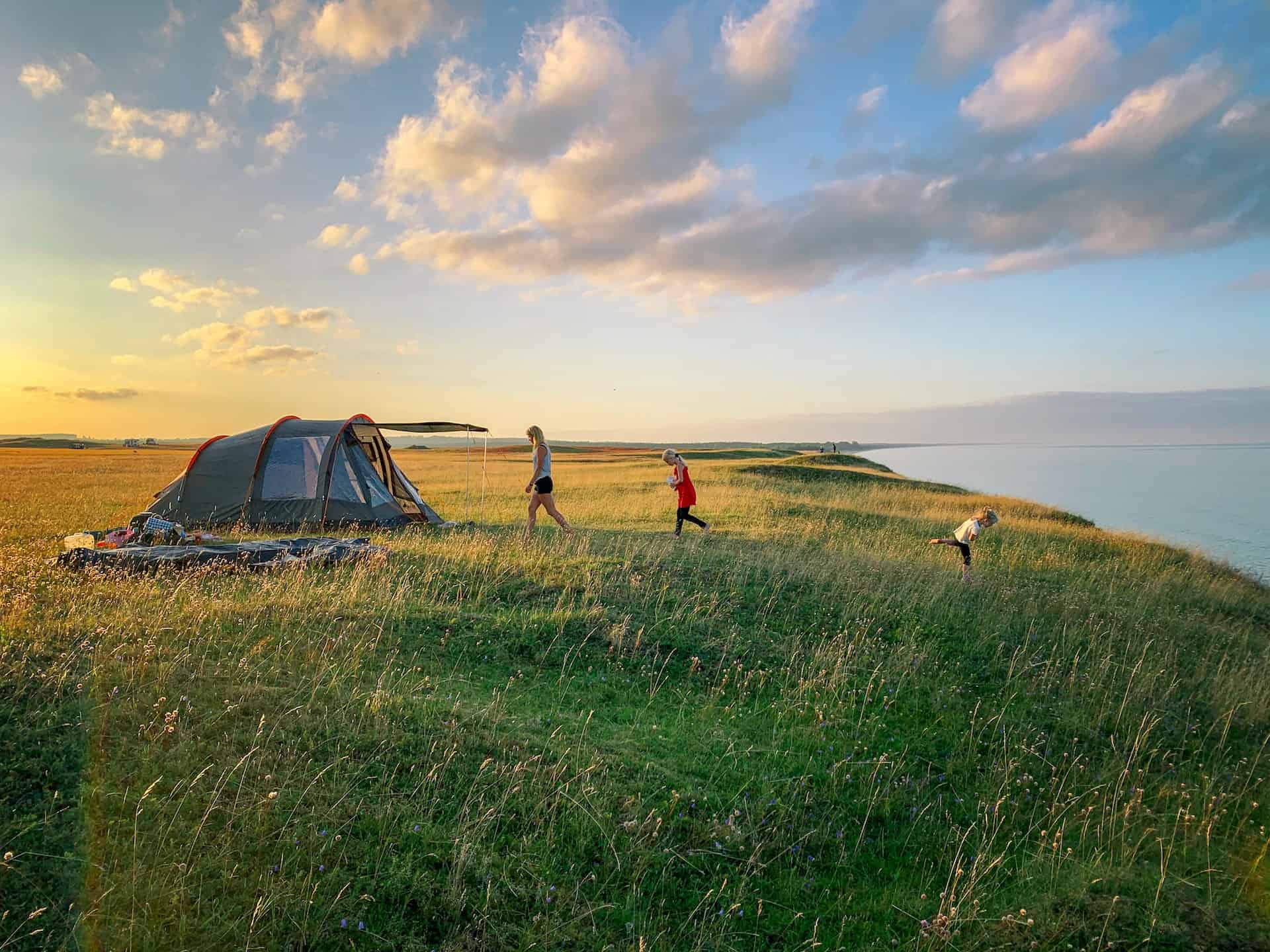
So, what does all this mean for the UK countryside? Is it still a place where we can embrace wildlife and observe nature in action? Absolutely!

Walking in the British countryside (photo: Robert Bye)
British countryside (photo: Robert Bye)

Despite the bad news and concerning trends putting pressure on nature, some good news and action are in place to lend a helping hand.

This article explores why visiting the British countryside remains among the best ways to embrace nature and provides a few handy tips for spotting wildlife with minimal disturbance to local habitats. Let's get started.

What makes the British countryside a nature hotspot? 

The UK countryside remains a nature hotspot because it's home to many vital conservation projects.

Managed by several different institutions, from the RSPB to the National Trust, these projects are great examples of how people are working to prevent the worrying decline of natural splendor. 

As noted in the State of Nature report, the nation has a long heritage of preserving unique places. Today, the UK has fifteen established National Parks and 98,600 hectares of land reserved for its 225 nature reserves (0.7% of the country's land surface).

Conservation work is helping nature recover from the intense pressures of the modern world in locations like these (and beyond).

Here's how:

  • They are restoring landscapes: connecting nature, and joining wildlife sites, so populations aren't as fragmented or vulnerable.
  • Focusing on species: breeding and nurturing the growth of especially vulnerable species - this has been shown to work by the return of the pine marten to Wales. 

However, available funding and resources constrain the ability to conserve nature. While public funding for conservation projects is in the hundreds of millions, it's also experiencing a rather sharp decline.

To that end, it is essential to spend more time in the countryside and embrace the best of British nature. 

Nature Tips For the UK Countryside

Climbing Mount Snowdon in Snowdonia, Wales, UK countryside (photo: James Armes)
Climbing Mount Snowdon (photo: James Armes)

This next section provides tips on the best ways to go nature spotting in harmony with the UK's countryside without disturbing or affecting the habitat. 

Visit a national park or nature reserve.

The UK's natural nature reserves and National Parks are open to the public, making them some of the best places to embrace nature.

When visiting these locations, however, you're expected to follow The Countryside Code, a document outlining responsibilities for visitors and those who manage the land.

In summary, the Countryside Code advises you to:

  • Respect everyone by being considerate, leaving gates as you find them, and sticking to marked paths.
  • Protect the environment by clearing litter and waste, controlling dogs, and refraining from lighting unsanctioned fires.
  • Enjoy the outdoors by planning your routes and checking local conditions.

Nature reserves and National Parks are naturally beautiful areas teeming with life. If you need inspiration when planning your next backpacking adventure, the complete list of UK National Parks can help you choose. 

Related: Mistakes I Made Moving to the UK

Seagull in Lake District National Park (photo: Rumman Amin)

Bring a pair of binoculars and use a hide. 

Binoculars are excellent at helping you observe nature in the UK countryside from a distance. A good pair of binoculars is an essential backpacking tool. They allow you to embrace nature with a close-up view without disturbing dens or nesting sites.

You can enjoy the nation's beautiful nature reserves and National Parks while minimizing your impact on the vital conservation work taking place in them. If you're looking for some suitable binoculars, you can buy them here from the RSPB store.

It's advisable to shop for outdoor equipment with charities like the Royal Society for the Protection of Birds (RSPB) because these institutions reinvest your money in their conservation projects. As a result, you're directly helping to support the area you're visiting (or at least one similar). 

When you're in the countryside, we recommend using your binoculars from a hide. Hides are established structures that allow onlookers to get a great view of local wildlife without getting in the way.

For example, the Hawesewater reserve (located in the Lake District) recently opened a hide that can be booked for guided badger-watching.

So, whether you're hoping to spot birdlife during the day or badgers at night, hides can deliver - so keep an eye out for one on your next UK countryside adventure.

______

This story is brought to you in partnership with the RSPB Shop.

How To Prepare for a Trip With Your Horse

Planning a trip with your horses requires immense planning and proper execution. When you start to plan any trip, you must consider several things.

Relocating your horse to a new region is a difficult job. From scheduling to packing all the necessities, the aim must be to ensure your horse is safe and comfortable throughout the journey. 

Horse leaving a trailer
A horse leaving a trailer.

Tips for Traveling With a Horse

Pointers to Keep in Mind

  • Make sure that your horse is healthy when you plan your trip.

It must be in good health if you expect your horse to stand in the horse trailer while on the journey.

Typically, these horse trailers transporting your horses are too cold or too hot. The temperature depends on the season in which you plan your trip. 

  • When you plan a long trip, your horses can get exhausted.

Horses are usually free to roam. Restricting them to a closed space with a decreased view of the outside world and limited motion is bound to make the horse uncomfortable. 

Your horse feels exhausted and spends energy while in a trailer. And especially for longer trips, the actual pressure they experience increases dramatically.

It's true that horses usually have to work hard to maintain their balance while traveling in a horse trailer. 

Moreover, when unexpected speed and speed brakes occur, the horse cannot anticipate the movements.

Therefore, drive carefully and take appropriate rest breaks on your journey. 

  • Make sure to get your horse in good health before the trip. 

Ensure you watch out for your horse's recuperation time after an exercise. Moreover, be aware of focusing on their hydration.

This is because horses tend to lose water and electrolytes during preparation, particularly in blistering environments.

If your horse's pressure, pulse, or breathing is raised for a prolonged period, it might have a respiratory sickness or be ill-suited for movement.

A short workout regimen works perfectly and helps the horses stay fit and healthy for a long journey. 

  • Keep your horse hydrated before you set off for the trip.

Your horse will not be familiar with the interior of the trailer stall, and it will be a new space altogether.

In addition, with the hot environment, unfamiliar sounds, and excessive sweating of the horse, your horse will be agitated. In the hot weather, the horse is likely to get dehydrated. 

Dehydration is a hazardous condition during the journey; therefore, it's essential to address this situation immediately. If left untreated, it can result in colic, severe conditions, and death. 

In most cases, horses might be reluctant to drink on the way. But, beginning the outing with a very well-hydrated horse is fundamental for the initial few hours.

  • Make sure you begin hydrating your horse a week before your trip.

It's wise to begin a hydration program beforehand. It will not be good to see your horse suffer due to dehydration. Keep the horse well hydrated at least a week before the trip to prevent any unfortunate events.

Also, runners use the trick of starting a hydration program well before the actual event when preparing for a marathon.

Hydrating days or even weeks before the trip is also beneficial to prevent misfortune and help maintain the electrolyte level. 

  • Add salt to your horse's diet to increase water consumption.

You must be aware of additives and supplements available for horses. You can add them to their food to increase their water intake.

Usually, horses refuse to drink water. With these additives, they feel thirsty and consume a good amount of water.

Alternatively, you can add a teaspoon of salt to their food, making them thirsty. Either way, you will be able to keep them hydrated. 

When you make any stops, offer your horse some water to drink. Take as much time as is needed and permit a lot of time for it to get hydrated. Ensuring your horse is hydrated during the outing is basic to its well-being.

  • Keep a tab on any signs of dehydration in your horse. 

There are several basic ways to look at your horse to infer whether it requires water.

First, examine its gums. Hydrated horses likely have pink gums. However, if they look pale, perform a "skin tent" test.

Ordinarily, a pony's skin is highly versatile. However, given that you pull up the part close to the wilts and it stays raised like a tent, it's probably dehydrated. And needs water and potentially electrolytes as soon as possible.

Let us assume that your horse has dried out. In this case, you must remove it from the horse trailer and bring it to a concealed region. Then, provide your horse with water and electrolytes as quickly as time permits.

Next, if a good amount of water is available, wash your horse and give it a nice sponge bath. And lastly, scratch off the abundance of water.

  • Make your horse familiar with the horse trailer.

Related: Extreme Horseback Riding in Colombia

Entrance to a horse trailer

When your horse rides in the trailer for the first time, ensure it's not a long journey. Your horse needs to be familiar with the trailer you plan to use. This will make the entire process of loading and unloading significantly easier. 

Before beginning anything else, teach your horse to stack and dump before the trip, as this will decrease the pressure related to the journey.

Stacking a pony unfamiliar with getting in a trailer is distressing and can prompt unfavorable ailments like ulcers.

So invest adequate energy before your excursion to get your pony, however agreeable, with loading and unloading as you seem capable. Uplifting comments with treats frequently produce positive outcomes.

Along with stacking, your pony ought to be familiar with the style of trailer you're utilizing for the excursion.

If you use one of the Double D Trailers' LQ horse trailers, things get easier. They offer comfortable and unique designs according to your needs and requirements. 

  • Ensure the good health of your horse before a long trip.

Long before an outing, have your pony thoroughly inspected by your veterinarian. He might get an issue you haven't seen and can address before your excursion.

Veterinarian endorsements and Coggins tests are probably required while traversing state lines. These reports are needed in practically all states.

  • You can wrap your horse's foot as well.

Wrapping your horse's foot and chime boots offer help and security for ponies while you are on a trip. But, be that as it may, be cautious while involving them for long excursions; they can thwart blood dissemination and cause injuries.

If you utilize wraps, check your ponies' legs during each rest stop. We wrap our ponies' legs when we pull them, yet they are accustomed to wearing leg wraps.

If I possessed a pony that never wore leg wraps, I wouldn't have wrapped the pony's legs interestingly and then loaded it in a trailer.

Horses and trailer
Horses and a trailer

Recommended Safety Measures

  • Use a leather halter when hauling horses.

It's better to haul your horses using a leather halter because they're likely to break under the pressure and strength of your horse.

It would be best not to use nylon straps to haul your horse while traveling. However, if you feel comfortable using nylon straps, use one with a breakaway element.

  • Carry all the required paperwork.

You must complete every paper before you plan any trip. You must have permission and all the documents ready.

The organizer should incorporate an ongoing Coggins test, attested by veterinary examination, and records to lay out responsibility for your horse. 

  • You must have a "negative Coggins" test to travel with a horse.

A Coggins report asserts whether your horse has tested negative for equine infectious anemia (EIA) during a particular period.

EIA is a lethal viral irresistible illness that is exceptionally infectious. Therefore, a negative Coggins test implies the horse is immune to EIA antibodies.

A Coggins test reports the pony's age, breed, name, and enlistment number of the veterinarian who presented the blood test. While voyaging, affirm the Coggin prerequisites for each state where you plan to board your pony.

Many states require a negative Coggins test in no less than a year. However, a few states have a lot more limited time restrictions.

Conclusion

Planning a trip with your horse requires appropriate consideration of travel methods and specific necessities. A good work plan ensures a safe and stress-free journey for you and your horse!

Remember to keep your horse hydrated and continuously monitor its nutrition intake. Be aware of your location and be safe while you travel.

______

This story is brought to you in partnership with Double D Trailers.

8 of the Oldest Wineries in the World

The first proof of wine production was unearthed in Armenia in 6,000 BC and Iran in 5,000 BC. The oldest winery in the world, discovered to date, is in the Armenian Highlands, dating to around 4,100 BC.

At the site of the world's oldest winery, vines and vinifera seeds were uncovered, as were an antique Armenian wine press for crushing grapes, cups, jars, and fermentation vats.

Grapes in Tuscany (photo: John Cameron)

Archaeologists in Israel recently unearthed a stockpile of grape seeds and wine jars inside a 4,000-year-old citadel dating back to the Canaanite era.

On the other hand, these wineries have long since stopped making their ancient wines. Here's a list of eight of the world's oldest vineyards that still operate today, many of which have a Medieval background.

Table of Contents

  • World's Oldest Wineries
    • 1. Château de Goulaine, France
    • 2. Barone Ricasoli, Italy
    • 3. Karthäuserhof, Germany
    • 4. Codorníu, Spain
    • 5. Antinori, Italy
    • 6. Schloss Vollrads, Germany
    • 7. Can Bonastre, Spain
    • 8. Château de Goulaine, The Loire, France 

World's Oldest Wineries

1. Château de Goulaine, France

The oldest working vineyard in France is built inside a castle, dating back to the 12th century during the Middle Ages. Starting with Jean de Goulaine, it's the first of the Goulaine series of marquesses.

The château, made of Tuffeau stone, remained in the Goulaine family's possession except for 69 years between 1788 and 1857.

It's the Loire Valley's earliest castle, and it received its current Italian Renaissance style of architecture in the 15th century when the heir decided to give it a makeover.

It has been making wines for over a thousand years and is now the producer of Château de Goulaine Sur Lie, a rich and creamy, fruity white wine from the Muscadet Sèvre et Maine région.

It also produces fine wines such as Sancerre and Vouvray. The château is surrounded by vineyards, farms, and forested regions, making it a winemaking landmark.

In 2000, the Loire Valley was recognized as a UNESCO World Heritage Site.

2. Barone Ricasoli, Italy

Chianti is home to one of the oldest wineries in the world (photo: Rich Martello)
Vineyards in Chianti (photo: Rich Martello)

Barone Ricasoli is Italy's oldest active winery and one of the oldest wineries in the world. Its scenic location is in Gaiole in Chianti, a community in the Chianti Classico province of the Tuscany area.

Since 1141, when Barone Ricasoli founded his namesake label, winemaking has been linked to the history of the Brolio Castle, which contains the winery.

Later in the 17th century, the wines continued to be shipped to Amsterdam and England. By the start of the 20th century, they were sent to markets worldwide, such as Saudi Arabia, China, Costa Rica, South Africa, and Guatemala.

Chianti red wine is probably the most well-known formula. The renowned Baron Bettino Ricasoli, who twice served as Prime Minister (PM) of Italy, developed it in 1872. Today, it's known as Chianti Classico.

One of Italy's best wines is made entirely of Sangiovese grapes and comes in numerous varieties, notably the Brolio Bettino, named for the "Iron Baron," and is fermented in enormous oak barrels with no filtration.

Related: Walking the Via Francigena in Tuscany

3. Karthäuserhof, Germany

The winery, which has been operating since 1335, is located in Trier in the lush Ruwer Valley of Western Germany. It began as a Carthusian monastery, which Prince-Elector Balduin of Luxembourg gave to the monks as a gift.

In reality, Saint Bruno of Cologne, the founder of the Carthusian order, designed the monkey on the Karthäuserhof crest, which functions as the wine label's insignia.

Valentin Leonardy, the General Director of the French Army at the time, purchased the land from the government in 1811. For 120 years, all Karthäuserhof bottles have had a single-neck label, a banderole.

The Devonian clay soils and microclimate at the Karthäuserhofberg vineyard help cultivate Weissburgunder and Riesling grape varieties. The Karthäuserhofberg vineyard spans over 49 acres (20 hectares of land) and winds up the slopes around a hill near the vineyard.

If you're looking to explore wines, private wine tours of the Hunter Valley offer exclusive, one-of-a-kind culinary and wine experiences with a private Hunter Valley wine tour booked exclusively for you and your friends.

4. Codorníu, Spain

Winemaking equipment in Codorníu, the oldest producer of Cava (photo: Megan Cole)
Winemaking equipment in Codorníu (photo: Megan Cole)

The Raventós Codorniu group, which began in 1551 in vineyards close to Barcelona within the Penedès area, has grown into one of the world's largest wine companies.

King Juan Carlos I defined the modern architect Josep Puig I Cadafalch's winery building in Sant Sadurni d'Anoia as part of one of Spain's National Historical Artistic Monuments in 1976.

The town of Codorniu is famous for a dazzling Spanish wine known as cava, created by Josep Raventós Fatjó in 1872 by the Raventós Fatjó family, who used a traditional method and grape varietals such as Macabeo, Parellada, and Xarel Lo.

The Anna de Codorniu cava is the winery's most well-known brand, named after its last surname holder. She married Miguel Raventós in the 17th century. However, her surname remained the firm's name because of its goodwill.

Given her noble ancestry, Anna worked in the vineyard to help resurrect her business during a difficult era. She is featured on the bottle labels wearing a headscarf.

Codorniu also makes excellent cavas, including the Ars Collecta brand. The grapes from Codorníu are grown on 4,942 acres (2,000 hectares) of vines.

5. Antinori, Italy

Spiral staircase at Antinori nel Chianti Classico, one of Italy's oldest wineries (photo: Ivan Franco Bottoni)
Spiral staircase at Antinori nel Chianti Classico (photo: Ivan Franco Bottoni)

The family's first record is from 1179, when Accarisio di Antinoro decided to sell some churches and land near Combiate, mainly to the Monastery of San Michele a Passignano, while retaining some ownership rights.

Badia a Passignano is now the family's most significant component in the winemaking business. The family was obliged to flee to Florence after the castle's collapse in Combiate in 1202.

The brand was legally formed as a business winery when Giovanni di Piero Antinori joined the Florentine Winemakers' Guild, recognized as Arte Fiorentina dei Vinattieri, in 1385.

Antinori nel Chianti Classico, a modern winery, is a 131,000-square-foot (40,000-square-meter) architectural marvel. The winery's huge roof, built near Bargino in 2012, overlooks the grape vines and can be seen from afar.

Among the building's most distinctive attributes is the enormous spiral stairway of aged steel that climbs from the basements to the top roof and connects the three stories.

The wine cellars are set deep within the vines to provide natural temperature control and gravity flow fermentation for wine maturation and production.

6. Schloss Vollrads, Germany

Schloss Vollrads is one of the world's oldest wineries (photo: Oliver Bildesheim)
A tower at Schloss Vollrads (photo: Oliver Bildesheim)

Schloss Vollrads lies in the municipality of Oestrich-Winkel, in the German wine zone of Rheingau.

Alongside Schloss Johannisberg, Schloss Vollrads is among the few historic vineyards in Germany that are not required by law to put the village name on the wine bottles.

The Greiffenclau family began supplying wine to the St. Viktor monastery in the Mainz region in 1211, and the winery has been in operation since then.

Schloss Vollrads has always belonged to the respectable von Greiffenclau family, who have spent years expanding and adorning the manor house into what it is currently.

It was so well-known that Johann Wolfgang von Goethe, a famous German author and poet, visited it in 1814.

The winery only grows Riesling, which is used to make all of its wines, such as the Auslese, Kabinett, and Spätlese.

Its trademark drinks are Kabinett wines, created in 1716 in Schloss Vollrads and named after the "Cabinet" vaults where they were stored.

These tasty wines feature a low alcohol percentage and a robust German Riesling structure.

7. Can Bonastre, Spain

Rainbow over Montserrat mountains, home to one of the oldest wineries in the world (photo: blackieshoot)
Rainbow over the Montserrat mountains (photo: blackieshoot)

Beginning in 1548, the Can Bonastre prospered as an excellent winery near the Montserrat mountains.

The farmhouse in Masquefa, west of Barcelona, has 247 acres (100 hectares) of land and 124 acres (50 hectares) of vineyards.

Grapes used to make wine include Merlot, Syrah, Chardonnay, Cabernet Sauvignon, Sauvignon Blanc, and Macabeu.

Consider Nara Crianza, which comprises 75% Syrah, a combination of Merlot and Cabernet Sauvignon from many vineyards.

Vanilla and cocoa aromas are the first to touch the nose, followed by traces of pepper. It has a velvety mid-palate with ripe tannins, toasted nuts, and toffee.

Can Bonastre is a wine resort where tourists can stay in luxury while wine tasting.

8. Château de Goulaine, The Loire, France 

Town of Saumur in Loire Valley (photo: Andréa Villiers)

The Marquis de Goulaine family has owned Château de Goulaine in the Loire Valley, close to Nantes, for about one thousand years, from 1788 to 1858, when a Dutch entrepreneur bought it during the French Revolution.

The Château de Goulaine also refers to the brand name of the estate-bottled wine, among the few still produced by the wine industry in the Loire Valley.

It's the oldest known winery in the world, still producing Vouvray, Sancerre, and Muscadet. Folle Blanche is also grown on the property in this historic wine region.

Since 1984, the castle has been home to many tropical zone butterflies. Thanks to an initiative started by Robert de Goulaine, 11th Marquis, the butterflies are kept in an enclosure and allowed to flutter freely amid tropical flora.

Grape wine has existed for at least 8,000 years; the oldest active wineries in the world draw on this long tradition.

Archaeological finds have indicated that wine was used for various activities in the past, including religious ceremonies going back to the Greek and Roman periods.

Archaeologists discovered what they believed to be the origins of winemaking in 2007: a winery at least 6,100 years old.

A glass of wine is one of life's pleasures, and today, wine lovers are more knowledgeable than ever about the origins of our favorite kinds and the best wineries.

______

This story is in partnership with Tastes Of The Hunter Wine Tours.

Travel and Insurance: Prepare Yourself For the Unexpected

You never know what awaits you on the road. Whether you're looking for ways to survive reverse culture shock or want to cover all your bases while getting ready to depart for a new country, the following tips can help you prepare for the unexpected. 

A hiker journaling in the mountains (photo: Tyler Nix)
A hiker journaling (photo: Tyler Nix)

Table of Contents

  • Trip Planning Tips
    • Get Travel Insurance
    • Pack Emergency Supplies
    • Keep Up Healthy Habits
    • Pay Attention to Your Surroundings
    • Set Aside Emergency Cash
    • Keep a List of Important Contacts
  • Final Thoughts

Trip Planning Tips

Get Travel Insurance

Most people avoid getting travel insurance because they believe it's expensive and unnecessary. However, travel insurance is an overlooked yet important asset for any traveler.

It protects you from the financial burdens of accidents or unexpected errors while traveling. Nevertheless, it can be challenging to find a travel insurance provider that's reliable and accessible.

It's a lot different from looking for the cheapest car insurance in Texas-there are more things you need to consider, like: 

  • Will they cover flight cancellations or delays?
  • Will they cover baggage loss?
  • Will they pay for medical expenses in case of accidents? 
  • Will they pay for emergency evacuations?

Keep these questions in mind when shopping for travel insurance. Ask your prospective provider about them and ensure you're fully covered before your flight. 

Pack Emergency Supplies

Emergencies can strike at any time, so having a bag of emergency supplies with you is essential. You never know when you might catch a cold or get physically injured.

In your emergency kit, you'll want to have a few essentials packed, such as: 

  • Medication
  • First-aid kit
  • Anti-allergy pills
  • Disinfectant
  • A flashlight
  • Portable charger/power bank
  • Snacks

This is a general list of things you should store in your emergency pack. It may change depending on your situation and the country you plan to travel to. Make sure to research what supplies you must bring ahead of your trip. 

Keep Up Healthy Habits

Travel the World scrabble letters (photo: Priscilla Du Preez)
Travel the world (photo: Priscilla Du Preez)

Just because you're traveling doesn't mean you can't keep up with healthy habits. It's important to try to maintain your body even while you're out exploring the world.

It lessens your risk of illness or injury. Simple things like drinking water and maintaining a balanced diet can go a long way toward improving your health.

If you can't find the time to go to the gym, a short but intense workout should help keep your heart pumping and muscles strong. 

You can find tons of travelers' workouts online. Pick one that will be the most effective for your situation. Don't be afraid to alter the routines to better fit your current lifestyle. 

Pay Attention to Your Surroundings

While you shouldn't live in a constant state of paranoia, it pays to remain vigilant of your surroundings, especially if you're traveling alone in a foreign country.

As unfortunate as it might sound, not everyone has your best intentions in mind. You may run into a few scammers and pickpockets while you're exploring the world.

It's best to keep one eye open and know your surroundings. The last thing you want is to become a victim of theft or other criminal activities while enjoying tourist attractions. 

If possible, always travel with a friend or a trusted family member. Even hiring a tour guide from a reliable and established company is better than going out alone in a country you've only been to for the first time. 

Set Aside Emergency Cash

Camping in Big Pine Lakes, California (photo: Andrew Peluso)

Although society has come a long way since the beginning of the Industrial Revolution, there may still be places where industrialization hasn't quite touched the people.

In those cases, you won't have the same technological luxuries that make everything so convenient, such as ATMs, computers, cashless transactions, etc. 

Having emergency cash with you can help you pay for services that cannot be paid for with your credit card. It can also save you from a tight situation if your cards get locked or your bank goes offline while you're walking the road less traveled. 

Keep a List of Important Contacts

A list of important contacts can save your life if financial or medical problems arise. You can quickly contact them for assistance or escape a tricky situation.

This list includes the numbers for the nearest embassy, police station, local emergency response units, your family, trusted friends, your physician, and other emergency departments. Your list may not contain those exact contacts, but it's a great place to start. 

Final Thoughts

Backpacking in Poland (photo: Eduard Trott)

It's always good to research and prepare before embarking on a long journey. Adventure can be fun and exciting, but it can also be overwhelming and, at times, risky.

To protect yourself from unexpected events, take steps to prepare for emergencies and unforeseen errors. Be a safe traveler so you can fully enjoy the wonders of your journeys.

Patagonia Must Be On Every Travel Lover’s Bucket List

Patagonia, considered one of the most beautiful places in the world, is located at the southernmost tip of South America. Argentina and Chile share the region, and the Andes Mountains divide them.

Mountains in Patagonia (photo: Snowscat)

The region is diverse and well known for its gorgeous landscapes, national parks, forests, natural reserves, glaciers, and wildlife. 

Why Visit Patagonia

If you're an adventure seeker, there are tons of activities, and what you choose to do depends on how much time you have.

Even if you're not adventurous, it's well worth visiting Patagonia. You can still relax and enjoy this heavenly region's natural beauty. 

Adventure Sports

Patagonia is best known for its stunning landscapes and opportunities for adventure. If you like being active, here are some must-do activities.

  • Hiking
  • Cycling
  • Kayaking

Let's take a closer look at some of the most popular places for these outdoor activities.

Hiking

There's something for every hiker, regardless of your experience or fitness level, in Patagonia. Choose from short hikes that you can cover in hours, or if you're more daring, go for a multi-day hike.

You can also choose the scenery you'd like to view as you trek-do you prefer grasslands, rainforests, glaciers, or granite pinnacles?

There are many hiking trails, and the most popular ones include the W-Trek, the Refugio Otto Meiling Trail, and the Peninsula Llao Llao Circuit. 

The W-Trek is in Torres Del Paine National Park in Chile. It's considered moderate in terms of difficulty level, and you can expect to see wildlife, pretty flowers and trees, grasslands, jagged-edged mountains, glaciers, and gorgeously blue lakes.

This is a relatively long hike that takes between three to seven days to complete. While you can hike in any season, spring or fall is best; temperatures drop below freezing in winter, and there's ice and snow. 

Torres del Paine National Park (photo: Hans Jurgen Weinhardt)

The Refugio Otto Meiling Trail is moderately difficult and can be completed in two to three days. This hike is unique because the peak, called Tronader, straddles two parks and two countries. It is located in the Nahuel Huapi National Park and Vicente Pérez Rosales National Park.

The trail may seem daunting, looking at the massive Tronader peak, but the hike is more leisurely than it seems, and the view when you reach the top is nothing short of breathtaking. 

The Peninsula Llao Llao Circuit is ideal for beginners and only takes about four hours to complete. You can find this trail in the Llao Llao Municipal Park.

The course is flat for the most part, and most of it is in the forest. But also look out for blue lakes and natural woods. The hike takes you to the Cerro Llao Llao or Mount Llao Llao. 

Cycling

If cycling is your passion, Patagonia has various cycling routes that offer the opportunity to cycle against a magnificent backdrop. As you cycle, you'll marvel at the landscape's magnificence, including volcanoes, glaciers, rivers, and lakes. 

If you're an experienced cyclist, you must try the Carretera Austral and Ruta 40 cycling route. The Carretera Austral route is located in Chile, and Ruta 40 is in Argentina. 

While these are challenging because of the strong winds and unpredictable weather, the effort is worth it. The ride is incredibly scenic as you pedal through wild steppe and strikingly craggy peaks.

Kayaking

Kayakers in Patagonia (photo: Jake Peacock)

One of the best ways to explore Patagonia is on the water, surrounded by fjords. Kayaking also allows you to explore areas that aren't accessible by other means and see wildlife in their natural habitat.

You can kayak through lakes surrounded by forests or peaks, glacial lagoons surrounded by icebergs, and for the super adventurous, test the white water of some of the largest rivers in the world. 

Anyone can kayak in Patagonia regardless of their level of experience. You can go for a short paddle or a more extended multi-day trip.

The Futaleufu River, located in the Chilean region, is a popular spot for experienced kayakers. It is famous for its deep waters and strong currents. 

If you're looking for a gentler kayaking experience, head to Torres del Paine National Park. Here, you can take a shorter trip kayaking among fjords and enjoy the glaciers, icebergs, and mountains. 

Slow-Paced Activities

If action and adventure aren't your things, there are other attractions to enjoy. Try the following:

  • Patagonia cruises
  • Visit the penguins
  • Visit the Museo Paleontologico Egidio Feruglio
  • Relax and unwind at the Puyuhuapi Therms 

Patagonia Cruises

A cruise is a fantastic way to take in the beauty of Patagonia. Patagonia cruises allow you to sail across fjords and see glaciers, mountains, and animals in the surf.

If you're in the mood, you can disembark and go on an excursion to explore, or if you're feeling adventurous, go for a hike. 

Visit the Penguins

Magellanic penguins (photo: DSD)

If you're in Patagonia towards the end of September, you must go to Punta Tombo. Punta Tombo is in the Argentine part of Patagonia and is home to an enormous colony of Magellanic penguins. The penguins gather here in late September before migrating to Brazil. 

If you're in the Chilean region of Patagonia, you can visit the penguins on Magdalena Island, a small island in Magellan Strait, which is a short distance from Punta Arenas. These birds migrate here in summer to raise their young, and seeing them in all their glory is a sight not to miss.

Visit the Museo Paleontologico Egidio Feruglio

Museo Paleontologico Egidio Feruglio, or Museum of Paleontology Egidio Feruglio, is a natural history museum in Trelew. This science research and exhibition center features permanent and traveling exhibitions. 

The museum showcases the most important fossils found in Patagonia, life-size dinosaur exhibits, and over 1,700 fossil remains of marine life and plants. The most exciting exhibit is the Patagotitan, which is likely the largest animal ever to exist. 

Relax and Unwind at the Puyuhuapi Therms 

If you like going to spas, you must visit the Puyuhuapi Therms hot springs. It's one of the best thermal water centers in the region and is located in the middle of Patagonia. The water temperature in Puyuhuapi is hot and can reach up to 80 degrees Fahrenheit. 

Since the temperature in these springs is too hot for people to handle, other pools have been built for visitors to bathe in and are also used for therapy.

The water in these pools is warm, not exceeding 47 F, and visitors can relax in these pools, enjoying the mountain and forest views. These pools are not only relaxing but also offer health benefits, as the water contains minerals like zinc and magnesium. 

Whether you're an adventure seeker or prefer a more laid-back experience, you must put Patagonia on your bucket list. It's a beautiful part of the world that allows you to enjoy the great outdoors and its natural beauty. 

______

This story is brought to you in partnership with Quark Expeditions.

The Tax Details Travel Bloggers Need to Know

Who wouldn't want to make a living from traveling the world and writing about their experiences? As long as you have a case of wanderlust, a laptop, and an internet connection, almost anyone can make this dream a reality.

Working in the hills of Himachal Pradesh, India (photo: Dessidre Fleming)

However, there's more to it than this. Travel blogging may sound pretty straightforward, but there are many things you'll need to consider before you set up your website.

You'll need to consider travel-related expenses, equipment expenses, travel writing skills, brand sponsorships, affiliate programs, and everyone's least favorite pastime - filing taxes.

Thanks to the helpful advice in this guide, you'll learn how to file taxes as a travel blogger and the tax deductions you can take advantage of. By understanding all this information before you start blogging, you can save money and avoid getting into trouble with the IRS.

Table of Contents

  • Filing Taxes as a Blogger
    • Blogging as a Hobby
    • Blogging as a Side Hustle
    • Blogging as a Full-Time Career
    • Estimated Taxes
  • Where Do Travel Bloggers Pay Tax?
    • Paying Taxes in the U.S.
    • Paying Taxes Overseas
    • Best Tax-Free Places
  • Tax Deductions and Travel Blogging Expenses
    • 'Ordinary and Necessary'
    • Don't Forget
  • Filing Your Taxes While Traveling
    • Accounting Software
    • Hiring an Accountant
    • Setting Money Aside
  • Growing Your Travel Blog

Filing Taxes as a Blogger

If you're earning money as a blogger, even if you treat blogging as a hobby rather than a career, you must pay taxes on this income. Failure to do so could lead to issues with the IRS.

However, filing your taxes will differ depending on whether you're blogging as a hobby, side hustle, or full-time career. Here's a quick explanation for each category.

Blogging as a Hobby

If you run a travel blog purely for pleasure rather than money, you could still earn income from this hobby through affiliate links and adverts. This means you must declare this income on your annual income tax return.

Since you won't be treating your blog as a separate business, it's relatively easy to add your income from your blog to your income tax return. You won't have to worry about setting up a business and paying corporate tax.

Differentiating between a business and a hobby can be difficult, especially if your hobby grows into a business. If you're unsure, check out this page on the IRS website. Generally, if you keep accurate financial records and work to make your travel blog profitable, it can be considered a business.

Blogging as a Side Hustle

Blogging as a side hustle means using your blog to earn extra money to supplement your primary career. Therefore, this side hustle counts as a business in its own right.

By owning a travel blog as a side hustle, you become the sole proprietor of this business. You must attach a Schedule C to the standard Form 1040 for your income tax. You won't need to file a separate business tax return since your blog only generates a small proportion of your annual income.

Blogging as a Full-Time Career

Once your travel blog becomes more successful, you may have the option to pursue this career full-time and devote all your time and energy to it. 

If you're a full-time travel blogger, you could still choose a sole proprietorship as the structure for your business. A sole proprietorship is easy to set up, gives you complete control, and makes taxation more straightforward.

However, as your business grows, you may benefit from setting up an LLC (limited liability company). You won't be personally liable if your business experiences legal or financial problems.

And you also won't fall into the trap of double taxation that can come with setting up a C corporation (this business structure would require you to pay corporate tax and income tax).

Estimated Taxes

In addition to income taxes, you'll also need to pay self-employment taxes (SE taxes) as a travel blogger. These taxes cover your Social Security and Medicare taxes - for those earning a wage, these taxes are withheld by employers.

Since you'll be self-employed, you must determine your SE taxes using Schedule SE. Find out more about calculating your SE taxes here. As a self-employed travel blogger, you must pay your taxes quarterly through estimated tax payments.

Using the previous year's financial information and Form 1040-ES, you can calculate your estimated tax payments for each of the following deadlines: April 15, June 15, September 15, and January 15.

If you do not pay enough tax throughout the year, you could face a penalty from the IRS. However, you can adjust your quarterly payments if you think they're too high or low.

Where Do Travel Bloggers Pay Tax?

Remote work with a view in Tisno, Croatia (photo: Kornél Máhl)

Knowing how to pay taxes as a self-employed individual is extremely important. However, if you own a travel blog, things can get a bit more complicated.

As a travel blogger, you'll naturally spend much of your time in other countries. If you decide to travel the world or temporarily relocate, you may even be away from your home country for over a year. 

Unfortunately, this can make it more difficult for you to file your taxes. How and where should you file them? Will you have to pay double the taxes if you pay in your home country and the country where you're temporarily working?

Paying Taxes in the U.S.

You're out of luck if you hope to avoid paying U.S. taxes during long-term travel. U.S. citizens who live in another country are still subject to U.S. taxes, and the only way to stop paying U.S. taxes is to renounce your U.S. citizenship. However, depending on certain factors, you may not have to file a tax return or be eligible for an exemption.

For example, if you're single and under 65, you won't have to file a tax return if you earn less than $12,50. If you're married and under 65, you only have to file a tax return if your income exceeds $25,100 when filing jointly with your spouse.

Some tax exemptions can help prevent double taxation, such as the foreign-earned income exclusion. By applying for this exclusion, you can reduce your taxable income on money earned for services performed outside of the U.S. - foreign income earned indirectly (e.g., rents, dividends, business profits) is not eligible.

You must be a U.S. citizen who has lived in a foreign country for a complete tax year or been present there for at least 330 days in a year to apply for the foreign-earned income exclusion.

Paying Taxes Overseas

When it comes to the taxes you pay in the country you're staying in, you need to check the tax laws in your country or region to find out when you need to start paying taxes and how much you'll need to pay. Unfortunately, this could mean you're subject to double taxation.

However, you can use tax treaties to reduce the tax you pay as a travel blogger. Tax treaties are agreements between countries that avoid or mitigate double taxation. Check out this A-to-Z list of countries with tax treaties with the U.S. - click on each country to find out more.

Best Tax-Free Places

Another way to avoid double taxation, as you live and work in different locations, is to move to a country with no income tax. If you become a resident in one of these countries, you'll significantly reduce your tax bill. These destinations are perfect for adventure seekers, cultural travel, and inspiring great content.

Some income tax-free countries include the United Arab Emirates, the Bahamas, the Cayman Islands, Bermuda, Andorra, and Monaco. However, be aware that some countries have high living costs or charge significant fees for a residence permit.

For example, in the Bahamas, you'll need to pay $1,000 for an annual residence permit; in the Cayman Islands, you need a yearly income of at least $120,000 to be considered for permanent residency. 

When working abroad as a travel blogger, you should consider whether you have the right to work in a particular country. Work permits and residence permits aren't the same, and the rules on living and working abroad differ from country to country.

Tax Deductions and Travel Blogging Expenses

Entrepreneur Austin Distel bicycles in Tulum, Mexico

Deduct expenses incurred running your blogging business so you don't pay more tax than needed. Anything you buy for your travel blogging business can be classed as a business expense and deducted from your taxable income, reducing the overall tax you pay.

For example, some ordinary business expenses you could deduct from your taxable income include camera equipment, laptops, website hosting, training courses, travel expenses, and food and drink costs during business-related travel. Working from home could even write off part of your utility bills as a business expense. 

'Ordinary and Necessary'

The critical thing to remember is that you can only take a tax deduction on something solely for your travel blogging business and not for personal use. The IRS states that these deductions must be 'ordinary and necessary,' meaning they must be typical for your line of work and helpful for your business. 

The difficulty lies in determining what is for your business and what is personal. As a travel blogger, some business expenses may blur this line. For instance, travel can be both for your blog and pleasure, or you may use your laptop for blogging and personal things.

If in doubt, err on the side of caution and don't deduct the expense, as the IRS can be strict on this issue. 

Don't Forget

Finally, when filing your taxes and considering what needs to be added and deducted, don't forget about the products and experiences that companies have gifted in exchange for a feature on your travel blog.

You'll need to include the monetary value of this gift in your income tax return because it counts as a form of payment during your partnership with a company.

Filing Your Taxes While Traveling

Working outside in Toronto (photo: Jane Palash)

Now that you know more about being a self-employed travel blogger and the tax rules you should follow, you're probably wondering how to make this complicated process run more smoothly.

Filing taxes can be difficult and time-consuming, so learning some helpful tips for sorting out your finances as a travel blogger is beneficial.

Accounting Software

One of the best tips is to manage your finances online with accounting software. These online accounting tools can be used worldwide, meaning you can keep up with your finances anywhere you travel. 

With accounting software, you can save receipts, control your cash flow, send invoices, track business expenses, and, most importantly, keep accurate financial records to complete your tax returns before the deadlines. With more advanced software packages, you can run in-depth reports to understand your blogging business's economic health.

Hiring an Accountant

As your travel blogging business grows, you may find it more challenging to keep complete and accurate books and file tax returns independently. Hiring an experienced accountant to file your taxes for you will reduce this burden and give you peace of mind as tax deadlines approach.

Using accounting software, you can keep detailed records of your finances and easily send this information to your accountant, which will help them file your tax returns as quickly and accurately as possible.

Setting Money Aside

In addition to keeping accurate records, another essential tip for self-employed travel bloggers is to set money aside for taxes.

This is essential for anyone self-employed, but it's worth repeating that you should set aside around 30% of your income to cover your quarterly taxes or more if you want to be cautious. You don't want to find yourself with too little cash to pay your taxes when the deadline hits!

Growing Your Travel Blog

Remote work station in Vietnam (photo: Samantha Eaton)

Setting up a travel blog is as easy as creating a free website and starting to write, but turning this hobby into a profitable business is much more challenging.

Then, once you earn money from your travel blog, you must deal with the arduous task of filing the correct taxes. However, filing taxes as a travel blogger doesn't need to fill you with dread.

By learning about your tax rules as a self-employed travel blogger and the tax deductions you can take advantage of, you can reduce the stress involved in this process and save a lot of money. Follow the valuable tips in this guide to streamline your tax filing process and grow a successful business.

______

This story is brought to you in partnership with Sage.

3 Underrated Caribbean Countries You Need to Visit Once

When people think about Caribbean countries, they usually think about destinations like Jamaica, Grenada, or Barbados.

These are all fine places, don't get me wrong, but they're also losing some of their cachet because of the increasing tourist activity. You might be disappointed when you get to some of these places.

But if you take the time to search and look at lesser-known destinations, you could find places closer to the idyllic paradise you seek. You could even save some money along the way. Let's look at a few underrated Caribbean destinations everyone should consider.

1. Turks and Caicos

Beach in Turks and Caicos, a Carbbiean country everyone should visit once. (photo: Romello Williams)
Beach in Turks and Caicos (photo: Romello Williams)

Savvy travelers already know about the Turks and Caicos Islands. However, it's still not as recognized as some neighboring islands like Cuba or the Dominican Republic, which is a good thing.

One of the things that will impress you the most when you get to Turks and Caicos is the quality of the infrastructure.

The country is also easy to reach from North America and is one of the safest and most stable places in the Caribbean. Did we mention that various respected publications have recognized some of the beaches there as the best in the world?

Places like Grace Bay Beach, for instance, have made the lists of top beaches on both Conde Nast and TripAdvisor, which is pretty impressive. What you see in the pictures is what you get in Turks and Caicos.

While it's getting somewhat popular as a destination, you'll have no trouble finding empty spaces to get some rest, either alone, with your partners, or with your family.

If that sounds nice, we suggest you look at various lodging options there and book a vacation to the Caribbean now!

2. Belize

A beach on Caye Caulker in Belize (photo: Elizabeth St. Gonzales)
Caye Caulker (photo: Elizabeth St. Gonzales)

Belize is another destination that's starting to gain the attention of savvy travelers but hasn't gone full mainstream yet.

One of the things people are most surprised by with Belize is that it has the world's highest number of Mayan ruins on the continent, even more than Mexico.

Another thing that surprises people about Belize is the diversity of the people and the culture. Belize has a mix of Afro-Caribbean, mestizo, and Indigenous people. They're all very welcoming and will allow you to immerse yourself in their culture.

This mix of cultures makes for a one-of-a-kind culinary experience. Belize is recognized for having one of the Caribbean's most delicious cuisines. So, if you love culture and history and are a foodie, this is your place.

3. Martinique

Boats in Martinique (photo: Mu)

Martinique is known as a destination among French-speaking travelers but not so much among English-speaking ones. But you don't have to worry, since this French overseas territory is still very friendly to English speakers and begs to be discovered.

What people love about Martinique is that it genuinely feels like a fusion of the Caribbean and the Old World; it has a unique feel. The island's people are also some of the friendliest on the planet.

These Caribbean destinations should be on your radar if they aren't already. They all have something unique to offer and will leave you full of wonder and memories; remember them when deciding where to travel next.

_____

This story is brought to you in partnership with Rental Escapes.

Framey Travel App: Build Your Dream Trip Using Photos

In my twenties, the National Geographic map taped to the wall in my apartment had me daydreaming of a trip around the world. I'd stare at it and imagine all the adventures that awaited me, such as island-hopping in Thailand, hiking in the Himalayas, and safari in South Africa.

Visualizing a dream trip meant cutting up travel magazines and creating a collage. Today, there are easier ways to visualize and plan memorable trips.

Introducing Framey, a social networking app for travelers to get you inspired for and planning your next vacation, close to home or across the globe.

Framey logo

What is Framey?

Whether you plan to go backpacking solo, with a partner, or with friends, Framey can help you find cool spots, create travel itineraries, and connect with other travelers.

If you're curious, download it for free on the App Store for iPhones or Google Play for Android phones. Otherwise, continue reading to learn more.

Key Features

The Framey app allows you to:

  • Create a personal profile. 
  • Follow other travelers and see their photos.
  • Publish photos with descriptions of your own.
  • Discover curated lists of top attractions near you (or anywhere).
  • Plan an itinerary.

Let's look at some of these features more closely. 

Create a Profile

When you first install Framey and sign in, I recommend customizing your app profile so other users can learn a little about you. 

Your profile includes a profile photo and cover image you upload, your name, username (I'm @rtwdave), space to add info about yourself, your city, website (if you have one), and the countries you've visited.

Dave Lee's profile in the Framey app

I never miss an opportunity to reflect on where I've been. Today, that's 65 countries according to the app (about 28% of the world). 

Under your profile, you'll see Posts where images you upload will appear, Attractions (same), and Countries you've visited. Clicking on a country is a quick way to get a feel for the app, as you'll see popular attractions there. 

The top right corner of your profile page has a share and gear icon. The gear icon allows you to update your profile and notification settings. 

Legal information, such as the terms of service and Framey's privacy policy, is also available here. You can also connect there to send feedback or get support.

Follow Other Travelers 

Whether you're actively planning a trip or not, following other travelers on Framey can be fun and helpful. When you first open Framey, you won't be following anyone yet, so you'll see a default screen with destinations at the top, followed by a scrollable "Meet our Creators" section.

Creators screenshot

Creators are users verified by Framey who share their photos in the app. They're distinguished by a blue check mark next to their username, and their photography tends to be higher quality than the average user.

The first two Creators are Framey's co-founders, Robert Preoteasa and Alexandru Iulian Florea, based in Bucharest, Romania. Continue scrolling to the right to see more Creators from around the world.

Once you start following people, whether they're Creators or regular users, this initial screen will show a feed of their photos. It's a similar experience to Instagram but specific to travel and without all the annoying ads. 

Publish Your Photos

Sharing photos is simple. When you're on the home screen, click the camera icon in the upper right corner of the app. You can add up to 10 photos per post, choose a pre-existing location (or add a new one), and optionally write a description of what you're sharing.

Screenshot of Dave uploading photos on Framey app

Once the photo is live, you'll see it on your profile page, and those following you will see it in their feed. 

Search Places and Attractions

Search the Framey app by clicking the magnifying glass icon at the bottom. Choose the "Top" option with a star to its left to see a curated list of attractions in your area and country. 

For example, you can find a list of the best destinations throughout the United States, different museums to visit, the most colorful places worldwide, etc. 

Searching for the top attractions in a country or city can help you familiarize yourself with what's there and perhaps help you prioritize what you want to see. 

You can also search by Users, Collections (e.g., "best photo spots in San Francisco"), Destinations, Attractions, and Countries. Every attraction has at least one photo and connects you to photos shared by other travelers on the app.

Screenshot of an Attraction in Framey travel app

There's also the option to get accurate directions or a ride using your preferred app:

  • Apple Maps
  • Google Maps
  • Uber
  • Lyft
  • Maps Me

Future updates to the app will provide additional information, including the attraction's opening hours, if applicable.

Click on the map marker icon next to the magnifying glass at the bottom of the app to view a world map. You'll first see an opt-in screen, as you need to allow location services on your phone for this feature to work.

Map of Austin, Texas

Saved Places

Go to the bookmark icon at the bottom of the app to review the Collections of photos and Destinations you've saved while browsing. 

Benefits of Using Framey

Researching a trip can help clarify what you'd like to experience, whether your trip is several months or years away. 

Framey allows you to:

  • Visualize the places you can go.
  • Get inspired by travelers from around the world.
  • Create a travel itinerary based on images that excite you. 
  • Bookmark every site and attraction that interests you, so you can always return to them under the "Saved" section.
  • Share photos from your trips to help inspire others (pay it forward). 

In addition to the mobile app, Framey recently launched a travel blog on its website to provide destination-specific stories.

Framey App Store profile

Impressions

Overall, the Framey app is well thought out and easy to use. It's less than a year old, and there are already thousands of users and enough photos to keep a well-traveled guy like me interested. 

Framey allows travelers to get back to the experience of enjoying one another's photos without the distraction of ads that have become so common on other apps. 

Plus, travelers design it for travelers, so you won't get bombarded with unrelated photos based on that one time you clicked on a cute picture of Bernese Mountain Dog puppies.

Framey is free to download for iOS (iPhones) and Android phones.

_____

This story was brought to you in partnership with Framey and is based on my experience using the app.

10 Best Cities In Portugal To Visit This Summer

If you're planning a vacation to Europe this summer, consider adding these ten cities in Portugal to your bucket list. Portugal is blessed with beautiful beaches, islands, and scenic landscapes.

Portugal has something for everyone, and your money will go farther there than in other European cities like Rome or Budapest.

Your itinerary should be designed so that you can discover the best cities in Portugal during your trip. To make it easier for you, here are the ten best cities in Portugal to visit in summer.

Table of Contents

  • Portuguese Cities
    • 1. Faro
    • 2. Braga
    • 3. Aveiro
    • 4. Sintra
    • 5. Porto
    • 6. Lisbon
    • 7. Cascais
    • 8. Lagos
    • 9. Funchal
    • 10. Tomar
  • Final Thoughts

Portuguese Cities

1. Faro

People walking in Faro, Portugal
Cobblestone street

Faro has the only international airport in Southern Portugal, so it tops many travelers' itineraries. There is much to explore in Faro, like the Ria Formosa lagoon, golden Algarve beaches, golf courses, and small villages.

Many tourists visit Faro during summer, as it's lovely to walk around cobblestone streets while viewing attractive whitewashed houses in the historic center. It's famous for its seafood, so remember to try the delicious oysters and sardines in local restaurants.

2. Braga

Braga Bom Jesus Do Monte

Being one of the oldest Christian cities in the world, Braga in Northern Portugal is well-known for its numerous churches. A stunning monument that shouldn't be missed during your Braga trip is the Bom Jesus do Monte, a renowned church believed to have a stairway to heaven.

If you enjoy viewing archeological and decorative items, visit the Biscainhos Museum. Furthermore, you can visit Braga Cathedral, the oldest cathedral in Portugal. During summer, the cathedral is open from 9:30 a.m. to 12:30 p.m. and 2:30 p.m. to 6:30 p.m.

3. Aveiro

Painted boat in Aveiro (photo: Ricardo Resende)

An hour's drive in your rented car from Porto will take you to Aveiro, which is notable for its museums, canals, and traditional cuisine. The main attractions are the Church of St. Dominic and the Church of Aveiro's Mercy.

You can spend your day admiring the artistic murals and shopping for souvenirs in the local market. To end your day, try having ovos moles, a traditional dessert of eggs.  

4. Sintra

Pena Palace in Sintra
Pena Palace

Sintra is about a 30-minute drive from Lisbon, and there is so much to see and do that you can easily spend a few days here.

Summer is the peak tourist season, so you may find crowds at prominent attractions like Pena Palace, Quinta da Regaleira, and Moorish Castle. To avoid crowds, visit these places early and during weekdays.

Rent lounge chairs to spend evenings relaxing on soft sandy beaches. Some beaches offer perfect surfing, paragliding, sailing, and fishing conditions.

Try the Queijada, a traditional Portuguese pastry from Sintra made with eggs, milk, cheese, flour, and sugar.    

5. Porto

Porto Douro River
Porto Douro River

Located along the Douro River, Porto is one of the major cities in Portugal. It's favored for centuries-old churches, cobblestone streets, and lip-smackingly good cuisine. July and August are the busiest summer months, so book accommodation and car rental well in advance.

Francesinha sandwich and tripe (made up of farm animals like pigs, cows, or sheep) are the two traditional snacks of Porto.

If you're traveling with kids, you should visit Livraria Lello's bookshop, which is rumored to have inspired Harry Potter's Hogwarts Castle. Other captivating attractions that shouldn't be missed are the Stock Exchange Palace and Clerigos Church.   

6. Lisbon

Lisbon, the capital of Portugal
Lisbon

Lisbon is the capital city of Portugal and one of the best places to visit for authentic trams, streets, striking architecture, and tasty food. The most visited attractions in the Portuguese capital are Jeronimos Monastery and Belem Tower, each a UNESCO World Heritage Site.

If you're a foodie, check out local tour operators' fantastic food and wine experiences. Also, visit the Time Out Market, a food hall of about 50 stalls representing various cafes, bars, pastry shops, and restaurants.     

Thanks partly to its culture and affordability, Lisbon is a popular base for digital nomads and expats. For those choosing to live there, a Portuguese translation service can come in handy for any business or visa needs.

7. Cascais

Cascais (photo: Calin Stan)

Cascais is a popular beachside destination, so travelers prefer visiting during summer to sunbathe and swim. It takes approximately an hour to reach Cascais from Lisbon by car or vice versa if you do your car rental in Cascais.

Praia da Ribeira and Praia da Conceição are the best beaches in Cascais. For surfing and water sports, visit Praia do Guincho.

Evenings can be spent playing games and relishing authentic Portuguese cuisine at Casino Estoril, the largest casino in Europe. There are over 1,200 table games and slot machines to keep you occupied.  

8. Lagos

Boats in Lagos, Portugal (photo: Olga Guryanova)
Boats in Lagos (photo: Olga Guryanova)

Located west of the Algarve, Lagos is known for its stunning beaches, fresh seafood, and cliffs. The old town of Lagos is a perfect place to walk on cobblestone streets while admiring traditional Portuguese-style architecture.

Relaxing and sunbathing on beaches like Porto do Mos and Meia Praia will make your holiday memorable. Nature lovers may want to plan a day trip to the caves or kayak along the coastline.

Visit Arribale restaurant to savor grilled fish and meat. For traditional cuisine and tapas, go to Casa do Prego restaurant.

9. Funchal

The coast of Funchal, one of the best cities in Portugal to visit
Funchal island

Funchal is the largest town in Madeira, an island about 600 miles (1,000 km) southwest of mainland Portugal. Famous landmarks include museums, cathedrals, historical sites, and botanical gardens.

Visit the Old Town of Funchal to explore the local shops, such as the Mercado dos Lavradores (Farmer's Market), and eat traditional meals. If you have an entire day at hand, you can book tickets for the Monte Cable Car to enjoy panoramic views of the city.

Wine fans should not leave Funchal without visiting The Old Blandy's Wine Lodge to experience the making of Madeira wine. Also, remember that Funchal can't be reached by car as it's a separate island.

10. Tomar

Tomar (photo: Christopher John Pratt)

Tomar is a great place to learn about Portugal's rich history and culture. This small city has several interesting historical monuments, making it an ideal tourist destination.

Some of the best things in Tomar that can't be missed include:

  • Aqueduto dos Pegões (historic site)
  • Castelo de Tomar (medieval castle)
  • Igreja de São João Baptista (church)

To dine on mouth-watering seafood, visit the Cervejaria do Fernando restaurant. For a meal overlooking a lake, visit Sabor da Pedra.

Related: Best Hiking in Portugal

The author in Portugal

Final Thoughts

Renting a vehicle is advisable if you want to explore these popular destinations. Renting a car in Portugal with Auto Jardim will allow you to discover the entire area conveniently. Moreover, you won't have to plan your day according to the timetables for trains and buses. So have a wonderful holiday and discover the best cities in Portugal.

9 Best Scenic Drives In Tennessee

Tennessee-the "Volunteer State"-is famous for its picturesque woods and majestic mountain views. However, there are several other reasons to visit this captivating Appalachian state. This landlocked Southeastern territory contains country music legacies, museums, and resort towns such as Gatlinburg and Pigeon Forge.

Forest road in Pigeon Forge, TN (photo: Steven Van Elk)

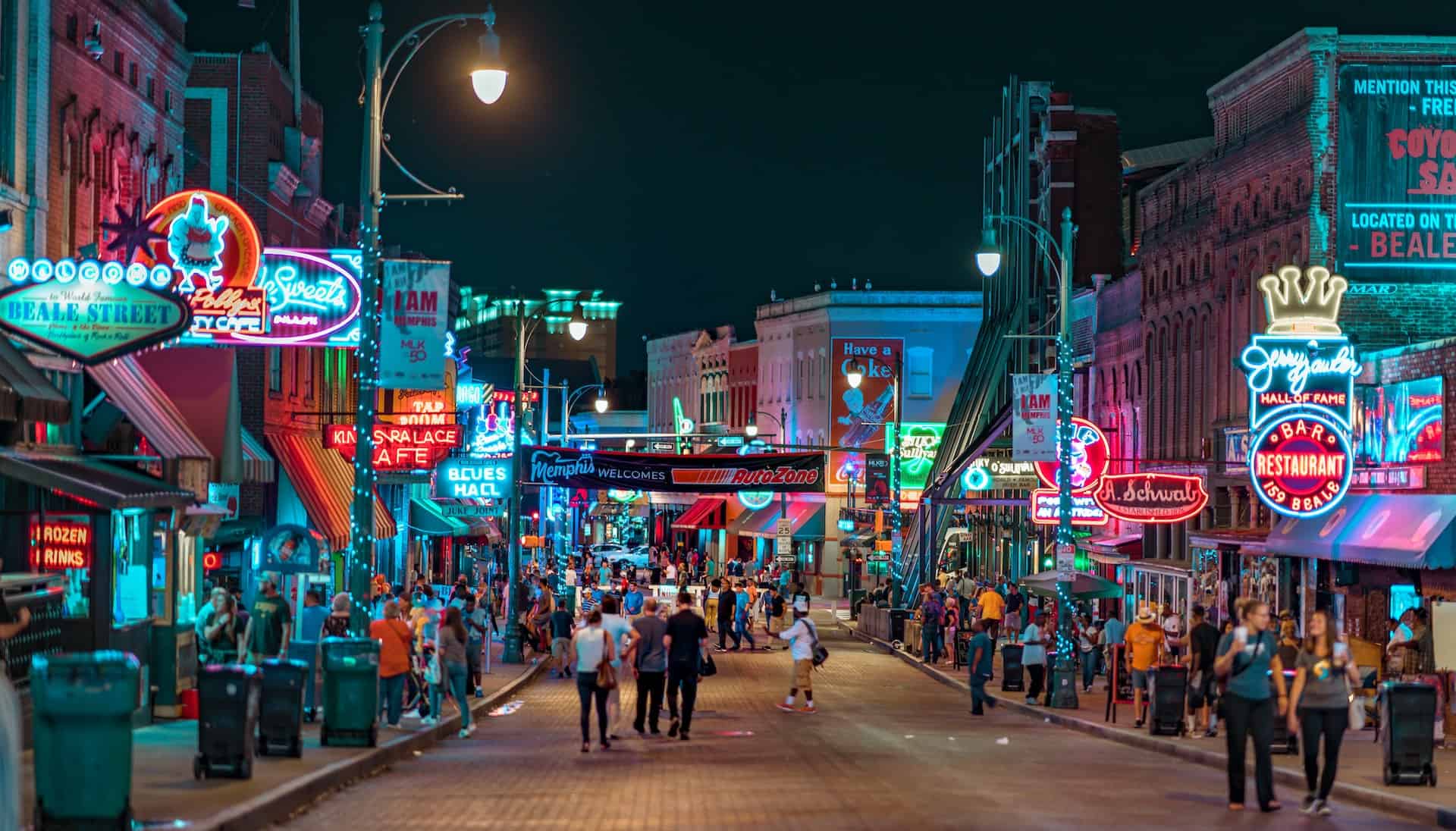
There's always demand from tourists to visit the Great Smoky Mountains National Park, wander Beale Street in Memphis by the Mississippi River, and watch colorful parades at Dollywood.

Another activity travelers to Tennessee enjoy is scenic drives through the forest-filled countryside and state parks. Let's learn more about these American roads, shall we?

Table of Contents

  • Top Scenic Drives
    • 1. Gatlinburg Scenic Overlook
    • 2. Cades Cove Loop
    • 3. Rich Mountain
    • 4. The Snake
    • 5. State Route 66
    • 6. Roaring Fork Motor
    • 7. Woodland Drive
    • 8. Jack Trail
    • 9. Cherohala Skyway
  • Conclusion

Top Scenic Drives

It's estimated that almost one-half of Americans took summer vacations last year. It's probably time for you or your family to arrange a getaway from the monotony of a pre-scheduled lifestyle and enjoy relaxing adventures.

Driving around Tennessee, you'll enjoy the state's curvy roads and highways. Then, your party can camp in the heart of the Appalachian Mountains and picnic in the embrace of a mesmerizing forest.

So, how about opening your old-school maps and exploring a new part of the United States in 2022? Here are some options for a beautiful drive in Tennessee.

1. Gatlinburg Scenic Overlook

This hour-long drive takes you deep into the heart of Tennessee and allows you to appreciate the majesty of Gatlinburg. Located on the Gatlinburg Bypass, Gatlinburg Overlook stretches from the Great Smokies to the Gatlinburg Spur Road.

Upon arrival, check into one of the downtown Gatlinburg hotels for comfortable accommodation.

These hotels are well-equipped with the amenities visitors need for their scenic drive, and they can marvel at the beauty of the countryside. While in town, consider checking out the forest from the Anakeesta Treetop Skywalk for a different perspective.

2. Cades Cove Loop

We can't move forward without mentioning what most Tennessee tourists may describe as the scenic drive in the state. Vacationers to Gatlinburg often have driving on Cades Cove on their bucket lists, especially wildlife fanatics, since people have spotted deer, coyotes, black bears, and even groundhogs while driving this lovely trail.

The 11-mile road circles the Cove and loops around this area; it's a well-known attraction among local motorists.

3. Rich Mountain

Is there any other way to access the Cove? Yeah, you can take the Rich Mountain route, which goes on for only eight miles. However, this road won't take you into Cades Cove.

Instead, you can only view the Cove while driving, as this route will take you further away from your destination. So, it's suitable for those who wish to appreciate Cades Cove from a distance. Experts suggest four-wheelers when a person intends to drive this treacherous trail; this road is steep and winding.

4. The Snake

From Mountain City to Bristol, the Snake makes you drive for 32 miles. But, as the name indicates, this route isn't straight. With almost 500 curves, it's one of the curviest drives in the USA.

Dubbed the Snake, 421 takes you across the Shady Valley, after which you have to cross over the fair, South Holston Lake.

The Jesse Lemons Museum is temporarily closed as of May 2022, but the stunning scenery of Cherokee National Forest will be here to cheer you up.

5. State Route 66

Road trip fanatics should also try driving State Route 66, a 32-mile route that stretches from Rogersville to Sneedville. This almost 100-year-old pathway allows you to drive leisurely with little to no traffic.

Even though the route begins from Sevierville, starting your journey from Rogersville will allow you to check out some of the prettiest farmhouses and mountains. Stop for a picnic at Cherokee Lake to enjoy the scenery and appreciate Tennessee's charm.

6. Roaring Fork Motor

View from Roaring Fork Motor Nature Trail (photo: Angela Loria)
Scenic view from Roaring Fork Motor Nature Trail (photo: Angela Loria)

You may have heard of the Roaring Fork Motor Nature Trail before. It stretches for 5.5 miles, and this solemn pathway takes you deep into some stunning scenes from our country's incredible history.

Mills, cabins, and forests - there's a lot to notice when driving on one of the most popular scenic drives in the Great Smokies. This drive is open now and will stay available to visitors until the beginning of December.

7. Woodland Drive

Taking the Woodland Drive route every summer can quickly calm your nerves. This 32-mile-long journey takes you from Benton to Tellico Plains. However, some tourists prefer to take the Mecca Pike to travel between these two small towns.

But if you take 315 at Jalapa, your route will take you through a series of old-fashioned but picturesque towns. The lovely Hiwassee River parallels this route. So, you can make a random stop to catch some fish.

8. Jack Trail

Horses, histories, and harmonics - that's how travelers have described the Jack Trail. This 87-mile-long journey begins in Nashville. So, remember to visit the Grand Ole Opry for some country music, after which you can embark on this adventure.

Next, Smyrna happens to lie on this route so that you can pay homage to the historic home and plantation of Sam Davis. Finally, this Tennessee scenic drive ends at Lynchburg, where you can visit the world-renowned Jack Daniel's distillery. That's how this trail can help you quench your thirst and conclude a vacation.

9. Cherohala Skyway

Cherohala Skyway is one of the best scenic drives in Tennessee (photo: Brad Mann)
Cherohala Skyway at night (photo: Brad Mann)

Let's conclude this article by mentioning one of the most well-liked scenic routes in the USA. We suggest you consider driving the Cherohala Skyway, a 43-mile-long National Scenic Byway in East Tennessee that connects Tellico Plains with Robbinsville, North Carolina.

It passes through the Cherokee National Forest and Nantahala National Forest; the skyway's name combines these two Native American words. This route contains hidden treasures, including lakes, streams, and impressive mountains. You can go fishing, swimming, or kayaking in the Ocoee River Gorge.

Conclusion

Highway driving has become a fantastic pastime for many Americans today. Statistics have shown that over 80% of Americans like to drive often. For road-trip fanatics, we mentioned some scenic drives in Tennessee above. You can browse to find the route you prefer this summer.

We included the famous Tail of the Dragon and the well-known Cades Coves Loop Road. Also, nobody can forget an interesting pathway as scenic as the Snake or the Jack Trail.

Tourists should try Highway 66 or consider a long drive on the Cherohala Skyway, which offers beautiful views of national forests.

Finally, remember to include Gatlinburg Scenic Overlook when visiting Tennessee. Search more about these road trips and scenic byways online and plan accordingly.

_____

This story was brought to you in partnership with Sidney James Mountain Lodge.

13 Best Things To Do in Tbilisi, Georgia

A few weeks into my backpacking trip to Turkey, I hopped on a Turkish Airlines flight to Tbilisi, Georgia, to explore the region further. Tbilisi is the capital of Georgia and home to about 1.5 million of the country's 3.7 million people.

Georgia borders Turkey to the southwest, Armenia and Azerbaijan to the south, and Russia to the north and east.

Tbilisi, Georgia
Tbilisi, Georgia

It has proven to be a tricky place to maintain national sovereignty. For example, let's examine the last two hundred years.

The Russian Empire annexed Georgia in September 1801. Georgia declared independence on May 26, 1918, but its freedom didn't last long.

The Soviet Union took control of Georgia in 1922 following the end of World War I. When the U.S.S.R. fell apart in 1991, Georgia regained its independence.

As the country aligned itself with Western Europe, Russia invaded Georgia in 2008 and has occupied several regions in the east ever since.

I share this recent history of conflict in light of Russia's cruel war in Ukraine today and because my May visit to Tbilisi coincided with Georgia's annual Independence Day celebrations.

Table of Contents

  • Tbilisi Attractions
    • 1. Walk the Old Town
    • 2. Sioni Cathedral
    • 3. The Bridge of Peace
    • 4. Narikala Fortress
    • 5. Mother of Georgia
    • 6. National Botanical Garden
    • 7. Clock Tower at Gabriadze Theatre
    • 8. Georgia National Museum
    • 9. Freedom Square
    • 10. Mtatsminda Park
    • 11. Holy Trinity Cathedral of Tbilisi
    • 12. Eat Khachapuri
    • 13. Enjoy the Nightlife

Tbilisi Attractions

Let's move from the history lesson to the best things to do in Tbilisi. I had a wonderful time exploring the Georgian capital over several days. I rented a private room through Airbnb, which gave me easy access to downtown Tbilisi.

1. Walk the Old Town

Restaurants in Old Tbilisi

Going for a walk is one of the easiest ways to get your bearings in a new city, so I did just that the morning after arriving in Tbilisi.

The Old Town extends west from the left bank of the Kura River, which passes through central Tbilisi. Pedestrian-friendly roads and alleys are lined with shops and restaurants to explore.

2. Sioni Cathedral

Sioni Cathedral's painted dome in Tbilisi's old town
Painted ceiling in Sioni Cathedral

The first significant landmark I saw was Sioni Cathedral, a Georgian Orthodox cathedral named after Mount Zion in Jerusalem.

A church was initially built here in the 6th and 7th centuries. However, it has been destroyed by invaders and rebuilt several times since then.

The current version is based on a 13th-century design. The rather plain exterior belies a beautiful interior, rich in colorfully painted frescoes. Address: 3 Sioni St, Tbilisi

3. The Bridge of Peace

The Bridge of Peace in Tbilisi, Georgia
The Bridge of Peace

From Sioni Cathedral, it's only about a block's walk north to the Bridge of Peace. Opened in 2010, this modern steel-and-glass pedestrian bridge connects Old Tbilisi with Rike Park and the Tbilisi cable car, which travels to Narikala Fortress.

An interactive light display runs daily from 90 minutes before sunset until 90 minutes after sunrise.

4. Narikala Fortress

Ruins of Narikala Fortress
The ruins of Narikala Fortress

Narikala Fortress, an ancient citadel dating back to the 4th century AD, is situated above Tbilisi and offers a commanding view of the surrounding area.

The best way to visit Narikala is to take the cable car on the eastern side of the Kura River. There's not much to see of the fortress ruins; however, the city views are incredible.

For example, looking eastward, you'll see the city's ancient public baths. If you're in the mood for sulfur baths, you can pay by the hour at places like Chreli Abano & Spa.

Related: Taking a Turkish Bath

5. Mother of Georgia

Mother of Georgia statue in Tbilisi
The Mother of Georgia statue

Walk west along the ridge, and you'll see the larger-than-life, all-aluminum Mother Georgia statue, which was placed there in 1958.

6. National Botanical Garden

In addition to the fortress and statue, a third attraction draws visitors to take the cable car. The National Botanical Garden of Georgia occupies 398 acres in the Tsavkisis-Tskali Gorge.

The park is open daily from 9:00 a.m. to 7:30 p.m. Address: 12 Bambis Rigi Street, Tbilisi.

7. Clock Tower at Gabriadze Theatre

Clock Tower at Gabriadze Theatre
Clock Tower

Returning to street level in Tbilisi's Old Town, I found the leaning Clock Tower at the Rezo Gabriadze Marionette Theater. The building was designed by artist, writer, and director Rezo Gabriadze.

The theater hosts puppet shows, one of which I attended during my stay in the city. The hour-long Ramona is a love story with trains as the main characters.

The Gabriadze Theatre is one of the premier destinations for experiencing Georgian culture and family-friendly entertainment. Address: 13 Ioane Shavteli St, Tbilisi

8. Georgia National Museum

Gold jewelry at the Georgia National Museum
Gold jewelry

A ten-minute walk west of the Gabriadze Theatre is the Georgia National Museum, dedicated to preserving the country's cultural heritage.

The national museum unified five other museums:

  • Museum of Georgia
  • Museum of Soviet Occupation
  • Museum of Fine Arts
  • Open Air Museum of Ethnography
  • Tbilisi History Museum

The Georgian National Museum is open from 10 a.m. to 6 p.m., Tuesday through Sunday. Address: 3 Shota Rustaveli Ave, Tbilisi

Related: Georgia Travel Guide

9. Freedom Square

Military vehicles on display in Freedom Square during Georgia's 2015 Independence Day celebrations
Military vehicles on display in Freedom Square

Walk one block south on Rustaveli Avenue from the Georgia National Museum, and you'll arrive at Freedom Square (also known as Liberty Square).

The 115-foot-tall granite and gold Freedom Monument (also known as the Monument of St. George), a memorial to Georgia's independence, stands tall at the center of the cobblestone square.

I walked through the empty square. Three days later, on May 26, I returned to watch a government service celebrating Georgia's Independence Day.

Kids climb on military vehicles during Georgia's Independence Day celebrations in Freedom Square
Georgians celebrate Independence Day.

Military vehicles, including tanks, armored personnel carriers, and rocket launchers, were parked around the square. Attendees could climb onto the vehicles after public speakers and a flyover by Georgian fighter jets and helicopters.

Children were helped onto the trucks and tanks, creating a scene of pride and joy that I won't forget. Address: 11 Aleksandr Pushkin St, Tbilisi

10. Mtatsminda Park

Women walking amid carnival rides in Mtatsminda Park
Women walking in Mtatsminda Park

Mtatsminda Park is another popular place in the mountains above Tbilisi. The amusement park, which opened in the 1930s, offers visitors rides on a Ferris wheel and a roller coaster, access to a zoo, cafes, restaurants, and excellent views of the city below.

Mtatsminda Park is accessible via a funicular and is open daily from noon to 11 p.m.

11. Holy Trinity Cathedral of Tbilisi

Holy Trinity Cathedral of Tbilisi

One of the most beautiful buildings in the capital city is the Holy Trinity Cathedral. Although it may look like it has been part of Tbilisi's cityscape for centuries, it's the new kid on the block.

The foundation for this incredible 328-foot (100-meter) tall cathedral was laid in 1995, and it was consecrated nine years later, on November 23, 2004.

Holy Trinity Cathedral of Tbilisi
Holy Trinity Cathedral

The cathedral is situated on the eastern bank of the Kura River, and the walk up to it is pretty dramatic. I was fascinated by the symmetry of this incredible place's exterior design, whereas the interior was rather plain by comparison.

See also: Adventure Tours in Georgia

12. Eat Khachapuri

Khachapuri, a Georgian comfort food
Khachapuri with an egg

To conclude this list of the top things to do in Tbilisi, I must mention the Georgian cuisine. Specifically, Khachapuri is the star of Georgian cuisine in my book.

Khachapuri is a cheese-filled bread that can be eaten on its own or with additional toppings, such as eggs (as pictured above).

Khachapuri is a delicious staple of the Georgian diet. It's available almost everywhere, from street vendors to restaurants, and can be baked at home. I couldn't get enough of it during my ten-day trip.

13. Enjoy the Nightlife

Wine shop in Old Tbilisi

Lastly, I would like to mention the nightlife. Georgia is known as the birthplace of wine, so finding a wine shop in the Old Town and sharing a glass or two with new friends is a fitting experience.

As Tbilisi's popularity has risen in Eastern Europe, so has its club scene, though I was too tired from sightseeing to check them out.

Overall, my time in Tbilisi was well worth the trip from Turkey. There's much more to see and experience in the capital city of Georgia than I could get to during my stay. Hopefully, there will be a next time.

For travelers eager to hit the open road in Tbilisi, WeRent stands out as a top choice for car rental services, offering over 200 vehicles from budget city cars to rugged 4x4s perfect for Georgia's mountains and off-road adventures. With pickup spots at Tbilisi International Airport, Kutaisi Airport, Batumi Airport, and city centers, they make getting behind the wheel seamless, backed by 24/7 support, full Casco insurance up to $100,000, and transparent pricing starting at $32 (€27) per day with no hidden fees. All these make WeRent an ideal choice for exploring Georgia without limitations.

How to Buy Property in Germany

A non-complicated process with a twist. Whether you are a successful businessperson who can't spend a day without a good investment or a dreamer who wants to live nearby Disney Castle, Germany fits your tastes in every case.

But how to become a property owner in the land of strict laws and red tape jungles? Worry not, cause today is the day you finally get the secret formula. 

Brick house in Germany (photo: Ibrahim Bifath)

Table of Contents

  • Who can buy and own property in Germany?
    • Do I need a realtor?
  • How easy is it to buy a home in Germany?
    • Step 1. Open a bank account and check the object
    • Step 2. Conclusion of the contract
    • Step 3. Payment of the transaction
    • Step 4. Registration of a new owner
  • What about the mortgage?
    • Typical mortgage loan terms
  • What about property taxes?
    • Taxes on property ownership
    • Tax on the rental of real estate
    • Tax on the sale of real estate
    • How to save on taxes
  • What about the additional costs of the purchase?
    • The notary services payment
    • Expenses for registration of a new owner
    • Realtor's commission
  • In conclusion

Who can buy and own property in Germany?

A citizen of any country has the right to purchase a home, an apartment, a land plot, or even a warehouse in every federal state of Germany.

A legal entity needs a document from the Chamber of Commerce (Handelskammer) to own the property. The document confirms that the company's activities are legal.

Do I need a realtor?

In Germany, the participation of a realtor in a transaction is optional. You can choose apartments and houses for sale in Germany without help. But foreigners often turn to real estate agencies due to the language barrier and insufficient knowledge of local laws.

A realtor in Germany:

  • Negotiates with the seller.
  • Provides advice on the selection of housing.
  • Resolves issues with banks.

Please note! Real estate activity in Germany is licensed. Therefore, ask if the specialist has a permit to conduct brokerage activities by §34 GewO.

Confirmation of the realtor's professionalism is also his membership in the Association of Brokers in Germany (Verband Deutscher Makler).

Signing a contract of sale is not everything. A notary takes care of the owner's rights and fixes the ownership in the land register.

The notary is a necessary link in buying property in Germany. They will check all aspects of the transaction, after which will apply for changes.

Many people use a notary to arrange the settlements. In this case, the money is transferred to the notary's escrow account (notaranderkonto) and stored until the final steps of the sale.

Find the list of all licensed notaries in Germany on the website of the Federal Notary Chamber.

How easy is it to buy a home in Germany?

The purchasing process takes four simple steps.

Step 1. Open a bank account and check the object

In Germany, you can pay for the transaction from either a German or any other foreign account.

There are no legal obstacles for foreigners to open accounts in German banks, but the buyers' financial past must be clean. You must be present to verify your identity and go through all the formalities.

Foreign clients need a passport, proof of residence address, and correctly filled out bank forms, but some banks may also require a certificate of recommendation.

You may also need a postal address in Germany to forward documents (foreigners often use the realtor's address) and German or English skills at a conversational level. Sometimes the bank asks for income certificates.

You open an account in euros. Money can be deposited into the account immediately after opening.

Checking the object

First, check the land register (Grundbuch). You can do this yourself or with the notary's help. The land register records all present and past owners, possible encumbrances, etc.

The buyer transfers money to the seller only after obtaining the bank's permission to remove encumbrances (Löschungsbewilligung), so the newly-made owner does not risk anything.

If it is not possible, the buyer and the bank conclude an agreement on the payment method of the remaining debt.

Other documents to check are the housing charter (Teilungserklärung), the owners' meetings report (Eigentümerversammlungsprotokolle), the economic plan (Wirtschaftsplan), and the calculation of utilities (Nebenkostenabrechnung).

Step 2. Conclusion of the contract

The seller and the buyer meet at the notary to sign the purchase and sale contract. Both parties or their proxies can certify contracts with various notaries in different cities. The contract comes into force after its legal completion by both parties.

Notarization of the contract of sale by a notary is a mandatory condition of the transaction.

The notary is obliged to read the sale contract aloud and answer any additional questions. After the contract is read and all the points are clarified, the buyer, seller, and notary put their signatures on the document, and everyone receives their certified copies.

Most brokers take a fee either in the amount of 1% of the cost (with German buyers who do not need translation and transaction support) or in the amount of the entire commission (in the case of foreign buyers).

Step 3. Payment of the transaction

There are two options: the payment directly to the seller's account or settlement through a notary's trust account (Notaranderkonto).

The prerequisites for payment include:

  • Pre-registration of property rights in favor of the buyer (Auflassungvormerkung).
  • Obtaining a certificate from the bank on permission to remove encumbrances (Löschungsbewilligung).
  • Obtaining permission from the manager at the house for sale and purchase (Verwalterzustimmung).

Payment using a notary's trust account is used if the parties wish to transfer the property quickly.

After signing the purchase and sale agreement, the notary opens an escrow account specifically for the transaction. The buyer transfers the money within the agreed period (usually two to four weeks).

After paying the entire amount, the keys are transferred to the buyer. Only a notary has access to the trust account.

Step 4. Registration of a new owner

Immediately after signing the contract of sale, the notary sends to the land court (Grundbuchamt) an application for preliminary registration of the buyer as a new owner.

Only after that, the amount is transferred to the seller's or notary's account.

The notary receives the entire amount and sends an application to the land court for the final ownership registration. All entered data is stored in the electronic cadaster (land registry).

Since the final registration procedure may take several weeks, the purchase and sale agreement specifies the date of the economic transfer of ownership rights, from which the buyer assumes all rights and obligations related to the ownership of real estate: accommodation, rental, payment of monthly expenses, etc.

For the convenience of calculations, the economic transfer of ownership rights is usually assigned on the first day of the month following the day after the payment.

What about the mortgage?

There are no official restrictions on obtaining a mortgage loan for foreigners in Germany.

German banks evaluate applications for mortgage loans. It is difficult to obtain a loan for those applicants whose source of income and reliability are difficult to verify.

This category primarily includes foreigners who are not residents of Germany or EU countries.

The maximum amount of mortgage you can count on depends on your status. Residents of Germany can borrow up to 100% of the real estate value. Non-residents get about 50% when applying to the bank for the first loan.

If you have a property in Germany or have already paid at least one mortgage loan here, you can get up to 60-70%.

The main task of the loan applicant is to confirm the solvency.

Among the mandatory requirements:

  • An available bank account that has been regularly used for at least the last two years.
  • Available funds for the initial payment.
  • From 21 to 65 years of age.
  • Income proofs (income certificates for the previous six months, a salary sheet from the place of work, statements of cash flow on accounts for the last two years, etc.).
  • No bad credit history.

The bank secures the purchased property until the mortgage is closed. The lender is interested in protecting itself in case the borrower stops paying, so it also checks the liquidity of the property.

Typical mortgage loan terms

The amount of equity (% of the value of the real estate)

Minimum 40% (for non-residents)

Loan interest rate

The average loan rate in Germany is 1.5%. For non-residents, it most often varies from 2.39% to 4.60%

Maximum term of the loan agreement

35 years

Average loan term

10-20 years

Early repayment

Yes, but if you do not discuss this option with the bank in advance, you will have to pay a fine

What about property taxes?

Regardless of citizenship, any property owner in Germany is obliged to pay property taxes and reimburse utility costs.

Taxes on property ownership

All owners in Germany are subject to the obligation to pay the land tax (Grundsteuer), which is regulated by the Law on Real Estate Taxes (Grundsteuergesetz, GrStG) of December 1, 1936.

The base rate is only 0.35% of the assessed property value. Still, each municipality sets an increasing coefficient that depends on the type of real estate, location, year of construction, and the plot area. Therefore, the average land tax is 1.0-2.8%.

The final amount is relatively low when compared with other EU countries. For example, for an apartment of 70-80 sq.m. in a large city, owners have to pay about €200-250 annually, and €600 for a mansion. The rates are lower in small towns.

If the owner has a residential building, they also pay the land tax. In most cases, the tax should be paid by the property owner. Therefore, the owner distributes the amount of tax to all tenants and sets the frequency of payments.

To make a payment, you can go directly to the tax office, send money by bank transfer to the account of the tax service or pay online through the special portal Elster. 

Tax on the rental of real estate

Depending on the size of the profit, the income tax (Einkommensteuer) is 0-45%.

Income

Rate

To €9,000

0% for residents

14% for non-residents

From €9,001 to €13,996

14%

From €13,997 to €54,949

24%

From €54,950 to €260,532

42%

From €260,533

45%

The tax is calculated from the amount after deducting all expenses and depreciation. It is worth saving all the checks to reduce the base when submitting the declaration. As deductible expenses, you can set off:

  • Payment for the management company services
  • Loan interests
  • Utilities
  • The land tax
  • The depreciation (up to 3% per year)
  • Repair costs

The declaration must be submitted once a year before July 31 of the year following the reporting one.

Tax on the sale of real estate

If you sell a property within ten years from the purchase date, you need to pay a speculative tax (Spekulationssteuer).

It is calculated at the income tax rate and paid with the tax on other income for the last year: the profit from the real estate sale is added to other income (salary, rental income, dividends, etc.) and depends on the total amount.

The profit from the sale in the case of a lease is the net difference between the sale value and:

  • All additional acquisition costs (tax on the transfer of ownership rights, notary, lawyer, re-registration, etc.).
  • Expenses for repairs, improvement of housing.
  • Mortgage interest, etc.

The rate varies from 14.77 to 47.475% for individuals, depending on the net profit amount. Legal entities pay this tax at a flat rate of 15.825%.

Features. There is no need to pay sales tax if:

  • You have owned real estate for more than ten years.
  • The property was used only for personal residence in the year of sale and during the previous two years.

Both rules do not apply to legal entities; they pay income tax in any case.

How to save on taxes

Residents regularly resort to the help of tax consultants to compile declarations, as the system is quite complex, while it provides many legal ways to reduce the tax burden. There are tax benefits for families with children, owners who renovate their homes, etc.

We recommend that you plan the transaction structure before buying a property and consider possible savings on taxes. For example, it is more profitable to formalize the ownership of a legal entity and attract bank financing in some cases.

There are certain subtleties regarding tax refunds. If you submit the declaration on time and voluntarily, you can write an application for compensation for the previous four years, and the answer comes within two to six months.

If you file a declaration on time, 0.25% of the amount outstanding is charged for each month of delay. If you are late in paying the tax, the monthly penalty will be 1%: if you have to pay €12,000, then the monthly penalty for not submitting a declaration on time is €30, and €120 per month for an unpaid tax.

What about the additional costs of the purchase?

Not as big as they could have been.

The notary services payment

There is a special table to calculate the notary expenses. On average, one operation obtains about 1.5%. But if the property value is low, the notary fee may be around 2-3%. Conversely, when buying expensive objects, the percentage is below average.

Expenses for registration of a new owner

The cost of registering property rights in the land register is up to 1.0%.

Realtor's commission

The broker's commission is from 3 to 6% + VAT, and in most cases, the buyer pays it.

Sometimes the commission or part of it is charged from the seller and is included in the property price.

In conclusion

  • There are no restrictions on foreigners buying property in Germany.
  • A notary is the crucial link of the transaction, which ensures its purity and security. A transaction cannot be carried out without one.
  • Individuals must pay a speculative tax (Spekulationssteuer) when selling real estate within ten years from the acquisition date, and it is calculated as part of the income tax.
  • The profit from renting in Germany is subject to income tax. The rate varies from 0 to 45% and depends on the amount of profit received.

_____

This story is brought to you in partnership with Prian.info.

Best Places To Visit in Summer in India

India has a wide variety of hidden treasures to offer, including a rich culture, diverse population, and vast size, which make it an amazing destination to explore.

Scorching summer heat in the Indian subcontinent is unforgivingly hot, tiring, and unbearable, as the average summer temperature in 70% of the country is 100 to 107 F (38 to 42 C). This can be grueling for humans and animals alike.

As the pandemic comes to an end, Incredible India, Indian Railways, and Indigo have committed to promoting global as well as domestic tourism.

A vast coastline, beautiful hill stations, and mesmerizing lakes allow visitors to experience the rich flora and fauna indigenous to India. 

There are a lot of untouched places where you can explore the beauty of India this summer. These are the go-to places this summer to escape the heat and relax in nature.

Let's look at the best places to visit in India this summer season.

Table of Contents

  • Top Indian Summer Destinations
    • 1. Gulmarg
    • 2. Gangtok
    • 3. Ooty
    • 4. Mount Abu

Top Indian Summer Destinations

1. Gulmarg

Skiing in Gulmarg, one of the best places to visit in summer in India (photo: Christian Ter Maat)
Skiing in Gulmarg (photo: Christian Ter Maat)

In the northern state of Jammu and Kashmir in India, Gulmarg is a town surrounded by the great Pir Panjal Range in a C-shape.

At an elevation of 8,957 feet (2,730 meters) above sea level, it is one of India's most popular skiing destinations.

It's a place where the divinity of temples and shrines fills the air with spirituality, and adventurous skiers and snowboarders challenge Himalayan ridges filled with powdery snow. 

Gulmarg should be the first of your places to visit this summer as it hosts the world's second-longest cable car project and India's highest 18-hole golf course at 8,694 feet (2,650 meters).

With an average temperature between 41 and 59 F (5 to 15 C) in the summer, it offers a refuge for travelers trying to escape the heat.

The most common official languages are Kashmiri, Urdu, Hindi, Dogri, and English.

Top places to visit near Gulmarg:

  • Gulmarg Gondola
  • Strawberry Valley
  • Maharani temple
  • Single Nallah
  • St Mary's church
  • Biosphere reserve
  • Baba Rezi Shrine

Nearest airport: Srinagar, Jammu and Kashmir

Nearest railway station: Jammu Tawi, Jammu

2. Gangtok

Gangtok (photo: Upbeat Nomad)

Located at an elevation of 5,413 (1,650 meters) above sea level in the northeastern state of Sikkim, the regional capital of Gangtok is the center of Sikkim tourism and trade.

Gangtok is a central trading station between Lhasa in Tibet and Kolkata in India; hence, the city streets of the Gangtok market are always bustling with traders. 

During the Indian summer heat, Gangtok is one of the major attractions for trekkers, campers, and rafters.

Hilly terrain in the foothills of the Himalayas, beautiful lakes with clear glacier waters, Buddhist pilgrimage sites like Encheu Monastery, and shopping streets with various souvenirs are some of the most incredible places to visit during the summer.

English, Nepali, Bhutia, and Lepcha are the top official languages spoken.

Top places to visit around Gangtok:

  • Nathula Pass
  • M.G. Marg
  • Baba Harbhajan Singh Memorial Temple
  • Ranka Monastery
  • Gangtok Ropeway
  • Enchey Monastery
  • Banjhakri Falls

Nearest airport: Bagdogra, West Bengal

Nearest railway station: Jalpaiguri, Siliguri, West Bengal

3. Ooty

Tea garden in Ooty (photo: Peggie Mishra)

Referred to as the "Queen of Hill Stations" of the Western Ghats, Ooty is situated in the Nilgiri hill range and was the primary choice as the summer capital of the Madras Presidency.

Officially called Udhagamandalam or modern-day Ooty, it is best known for its hospitality by the local Toda tribe of the region. 

The city is covered with lush coffee and tea plantations, and tall Eucalyptus and pine trees produce an eye-catching view of the hills surrounding it.

Botanical gardens, eco-parks, old British settlements, and a variety of contemporary art, combined with pleasant summer temperatures of 59 to 68 F (15 to 20 Celsius), are reasons not to miss Ooty in the summer.

Typical official languages spoken include Tamil, Malayalam, Kannada, and English. 

Top places to visit around Ooty:

  • Avalanche Lake
  • Ooty Lake
  • Emerald Lake
  • Deer Park
  • Botanical Garden
  • Doddabetta Peak
  • Ooty rose garden
  • Pykara waterfalls
  • St Stephens Church

Nearest airport: Coimbatore, Tamil Nadu

Nearest railway station: Mettupalayam, Tamil Nadu

4. Mount Abu

Mount Abu, a top place to visit in India this summer (photo: Romi Kalathiya)
Mount Abu (photo: Romi Kalathiya)

Have you ever heard that the best place to go for a summer break in India is a city in the heart of the desert state of Rajasthan in Western India?

Mount Abu, a hill station situated at a height of 4,002 feet (1,220 meters) from sea level, is filled with lush green hills of the Aravalli Range, with the peak climbing to 5,643 feet (1,720 meters).

Mount Abu is home to some of the most beautiful lakes, temples, and waterfalls.

Also known as the summer capital of the Rajput rulers, Mount Abu has some of the most heritage-oriented and luxury royal resorts, which instantly connect you with the culture.

Travel enthusiasts seeking relaxation from the unforgiving Indian summers can mark Mount Abu as a must-visit location if they plan to visit western India.

The top languages spoken are Rajasthani, Hindi, and English.

Top places to visit around Mount Abu:

  • Nakki Lake
  • Guru Shikhar
  • Toad Rock
  • Dilwara Temple
  • Sunset Point
  • Brahma Kumari Ashram
  • Raghunath Temple
  • Gaumukh Temple
  • Achalgarh Fort

Nearest airport: Udaipur, Rajasthan

Nearest railway stations: Abu Road railway station in Rajasthan

India is rich in diversity and geography, with history and heritage as well as all the modern-day comforts.

Indigo and Indian Railways are collaborating to promote Indian tourism and offer you comfortable travel to the destinations briefly mentioned above, all of which are great vacation options.

Learning about new cultures and enjoying our natural world are some of the best reasons for vacationing. Plan a trip to any of the above locations and enjoy both, plus a blast of chill air this hot summer.

______

This story is brought to you in partnership with Supramind Digital.

6 Ways To Make Your Vacation to Myrtle Beach Amazing

Myrtle Beach is a popular and much-loved vacation spot along the east coast of South Carolina. It is a relaxing city with beautiful natural white sand beaches, amusement parks, delicious food spots, and excellent golf courses.

Myrtle Beach (photo: Jeremy Kierez)

Myrtle Beach has the highest number of "golf courses" per capita globally. Therefore, it is known as the "Golf Capital of the World," with various celebrity-designed and award-winning golf courses. The city's natural terrain also serves as a unique backdrop for the golf courses and enhances the golfing experience.

Other than golf, Myrtle Beach offers lots of leisure and adventure opportunities. It is a perfect vacation spot for families, groups of friends, and even solo travelers, as this small city has plenty to do.

The best time to visit Myrtle Beach is in the summer, from June to August, which is also the peak tourist season. These months provide warm weather to lie around on the pristine beaches of Myrtle Beach and swim in the Atlantic Ocean. However, you can also visit in colder months to avoid crowds.

Apart from the natural beauty, luxurious golf courses, and dinner shows in Myrtle Beach, there are plenty of shopping and entertainment opportunities for people of all ages. This article will discuss some things you can do in Myrtle Beach to make your vacation unforgettable.  

Table of Contents

  • Myrtle Beach Attractions
    • 1. Explore the Myrtle Beach State Park
    • 2. Go on a Food Tour of Myrtle Beach
    • 3. Ride the SkyWheel
    • 4. Visit the Brookgreen Gardens
    • 5. Shop Broadway at the Beach
    • 6. Enjoy the Myrtle Beach Pelicans Game
  • The Bottom Line

Myrtle Beach Attractions

Myrtle Beach (photo: Michael M)

1. Explore the Myrtle Beach State Park

Myrtle Beach State Park is considered the jewel of South Carolina and is a must-visit spot for nature lovers. This park, located along the coast and spanning more than 312 acres, opened to the public in 1935. It offers lush green forests to explore and sandy beaches to relax on.

The park is serene and ideal for hiking, picnics, surfing, fishing, summer camping, learning about marine life, bird watching, sunbathing, and more.

Wooden cabins and camps are available to rent for people planning to spend a few days in the wilderness. Overall, the park has breathtaking views and provides a relaxing environment.

2. Go on a Food Tour of Myrtle Beach

Myrtle Beach is considered seafood heaven due to its proximity to the Atlantic Ocean. The most popular seafood dish in Myrtle Beach is calabash, which is essentially fried seafood such as clams, scallops, cod, and others.

Calabash is traditionally served in calabash buffets, where you can eat as much as you want. If you do not like seafood, Myrtle Beach has several other local food joints and international food chain outlets.

Steaks, pizza, barbecue, and Italian and Mexican cuisine are available. You can order online from Little Italy and CO or reserve a table at The Melting Pot Myrtle Beach.

3. Ride the SkyWheel

SkyWheel (photo: Tevin Trinh)

The SkyWheel in Myrtle Beach is a hard-to-miss sight in the city's skyline. It is a 187-foot-high Ferris wheel on North Ocean Boulevard. The country's sixth-tallest Ferris wheel offers a bird's-eye view of the city.    

The SkyWheel provides an eight- to ten-minute ride, during which the wheel rotates almost three times. Each hanging component can carry two to six people.

Big groups of more than 15 people can get discounts and special rates. The wheel is also child-friendly. Overall, it's a must-visit attraction for an elevated view of the city.

4. Visit the Brookgreen Gardens

The Brookgreen Gardens are the oldest sculpture gardens in the U.S., dating back to 1929. It spans more than 9,127 acres and offers green views, beautiful art, and history all in one place. It has botanical gardens with sculptures from famous artists.

Additionally, there is a bird aviary, butterfly house, cypress swamp, the Alston family cemetery, a Civil War fort, an old rice mill, and nature trails. A pontoon boat also takes you on a tour of the rice fields. Guides are available for the tour of the entire Brookgreen Gardens.

5. Shop Broadway at the Beach

Myrtle Beach Boardwalk (iStockphoto)
Myrtle Beach Boardwalk

Broadway at the Beach is an outdoor complex with shops, bars, restaurants, and theaters. People walk on Broadway at the Beach to enjoy the place's vibe. It's an excellent spot for people-watching, and there are even carnival rides to enjoy.  

The nightlife of Broadway at the Beach is colorful and should be enjoyed when in Myrtle Beach. Besides the bars, you can buy tickets to different groups performing at theaters.

Wear comfortable footwear because this place is vast and will require a lot of walking, but you won't be bored for a second.  

6. Enjoy the Myrtle Beach Pelicans Game

If you're a baseball enthusiast, book tickets to a Myrtle Beach Pelicans game, the local baseball team. The games are fun, and the tickets are very cheap, costing between $10 and $15, depending on your seat in the stadium.

For $15 tickets, you can get VIP seats behind home plate. You can also book tickets online before the game.

In addition to fair-priced tickets, they provide low-priced food and drink options and offer various visitor promotions. The team tries to make the games an unforgettable experience for the tourists. Instead of a "bat boy," they have a "bat dog."

The Bottom Line

Myrtle Beach is a coastal town perfect for a relaxing vacation. It is ideal for families, friends, and solo travelers because it offers plenty of entertainment opportunities for people of all ages.

You can plan a weekend trip or spend an extended vacation at Myrtle Beach. Nature lovers can visit Brookgreen Gardens and the Myrtle Beach State Park to enjoy white sand beaches and forests.

Food lovers have plenty of dine-in options that offer delicious seafood and other dishes. People planning to shop can take a walk on Broadway at the Beach.

If you are a baseball fan, book a Myrtle Beach Pelicans game, or take a SkyWheel ride to get a panoramic view of the city. Overall, there is plenty to do in this beautiful city. Hopefully, this article will give you ideas on how to make your vacation to Myrtle Beach unforgettable.

_____

This story was brought to you in partnership with Pirates Voyage Dinner & Show.

How To Handle a Bear Encounter, According to Science

Humans are encountering bears much more often than they used to. Although the risk of an attack remains very low, the number of fatal encounters is rising. With the bear population increasing and more hikers on the trails post-pandemic, knowing the latest advice on what to do if you see a bear is essential.

Bears in the mountains (photo: Francisco Cornellana Castells)
Bears (photo: Francisco Cornellana Castells)

Much of what you think you know may be outdated. This article provides the most up-to-date advice. It draws together the latest academic research and expert advice, condensing this into simple, practical steps for staying safe.

Chart of fatal bear attacks in North America
Fatal black bear attacks and brown bear attacks in North America

Table of Contents

  • Forget What You Thought You Knew
    • If It's Black, Fight Back?
  • What To Do if You See a Bear: 6 Key Tips
    • 1. Keep Food Safely Packed Away
    • 2. Keep Your Distance
    • 3. Speak Low and Loud
    • 4. Wave Your Arms Slowly
    • 5. Use Bear Spray
    • 6. Lie Face Down (Only If Knocked Down)
    • How Likely Am I To Encounter A Bear?
  • Be Prepared, And Have Fun

Forget What You Thought You Knew

Society passes on a great deal of bad advice about what to do if a bear approaches you. Perhaps the most famous is the adage: "If it's brown, lie down; if it's black, fight back." Many bear experts have urged hikers not to follow this mindlessly.

Lying down or playing dead in a close encounter with a brown bear is particularly dangerous. It will not reliably deter a confrontation, leaving you utterly defenseless.

Other courses of action are far more effective at repelling a potential attack. Bear spray, in particular, is handy for keeping bears at bay (see tip #5 below). You'll feel more at ease if you know that you can reliably defend yourself with it.

NOTE: Are you sure you know how to bear-proof your camp? You won't be able to rely on bear spray when you're asleep, so this list of tips on how to avoid bears while camping is a must-read.

Make sure you can get back to your camp before dark. Bears can still smell you at night, but you won't see them!

If It's Black, Fight Back?

The second piece of advice-"if it's black, fight back"-is also problematic.

Black bear biologist Janet Scharhag argues that the best way of handling an encounter in bear country is by fighting back (you could throw rocks and wood, for instance). But she advises you only to do so if a black bear is aggressive.

Scharhag says that when a bear is attacking defensively (if you are near a mother bear's cubs, for instance), you should keep quiet and avoid threatening it.

This is all very well, but it's not always so easy to distinguish a defensive from an aggressive attack in the heat of an encounter. When the stakes are so high, trusting yourself with an important decision can be hard.

For this reason, all the advice given below will work with grizzly bears and brown bears (the most common species of bears in North America) in any situation.

NOTE: Polar bears are much more dangerous and require a wholly different set of skills, which you can find out more about here.

What To Do if You See a Bear: 6 Key Tips

1. Keep Food Safely Packed Away

This is a preparatory tip and critical advice for seeing a bear on the trail or at your campsite.

Store food safely in sealed containers to limit bear-attracting odors from leaking out. Wipe down all cooking utensils after making food.

Some hikers recommend distracting the bear by throwing food supplies at it, but the US National Parks Service strongly advises against this-it's a bad idea for several reasons.

First, far from distracting the bear, it may, in fact, only serve to encourage it. Throwing a tasty morsel at a bear can tell it that there's more where that came from.

Secondly, throwing food may only distract you rather than distract the bear. You won't have much time to decide what to do during a bear encounter.

If you spend precious seconds fumbling in your backpack for your food stash, you may not notice the bear's behavior shifts.

You will also have less time to follow the important steps outlined below.

NOTE: Food containers should be sealed and kept clean. Read this list of easy camping dishwashing hacks to keep your camp clean with less effort.

A bear on the prowl (photo: Elias Strale)

2. Keep Your Distance

Discussing what to do if you see a bear, experts ranging from bear biologists to the National Park Service highly recommend putting a safe distance of at least 75 yards between yourself and the bear as soon as possible.

But under no circumstances should you run. Like dogs, wild bears tend to chase things that flee. Since they are much faster than humans, attempting to outrun one of them would be a bad idea.

A better strategy for handling a bear encounter is to walk sideways away from the bear. Walking sideways allows you to maintain visual contact, enabling you to respond to sudden movements and sudden changes in its behavior.

Walking sideways is also less risky than walking backward because you can keep an eye on where you are treading. This would be a bad time to trip over!

Be careful that your escape route is not between a mother bear and her bear cubs. Unwitting provocation of a mother has been a significant factor in recent fatal bear attacks.

Leaving your dog at home when hiking in bear country is also a good idea. Will a bear attack a dog?

Generally, bears will not attack a dog, but your dog may run too close to a bear cub and provoke a response.

Small children can also be unpredictable, creating potential dangers in bear country, so keep a close eye on them.

(If you're worried about bears attacking your dog at home, a reasonable precaution is to give your dog pet food indoors so the smell doesn't attract them. You may also want to take down bird feeders for the same reason.)

Fuzzy bear face (photo: Rasmus Svinding)

3. Speak Low and Loud

If you're considering what to do if a bear approaches you, remember that bears do not consider humans prey.

Most wild animals, including bears (particularly black bears), seek to avoid encounters with humans, except in exceptional circumstances such as extreme hunger.

For this reason, it's often more than enough to speak loudly and clap your hands when a bear approaches you.

Loud noises like these will immediately make it aware that you are not its typical prey, and in most cases, it will make a hasty exit.

However, be aware that bears associate high-pitched sounds with prey, so it's crucial not to shriek or scream but to speak in a low, loud voice when attempting to deter a bear.

4. Wave Your Arms Slowly

Waving your arms will make you appear larger to the bear. The larger you appear, the less likely it is to attack you.

By waving your arms slowly, you avoid surprising or inadvertently threatening the bear. As with the previous step, this is a means of making it aware that you are not its usual prey.

Another way to make yourself appear larger to the bear is to get to higher ground. Walk up any slope that is nearby while waving your arms. This will psychologically affect the bear's perception of the risk of attacking you.

Similarly, if you have an umbrella, open it up and point it toward the bear to give the impression that you are bigger than you are.

Remember that a bear standing on its hind legs is more likely to be curious than preparing to attack. Bears stand on their hind legs to get a better view of something or catch a scent.

More reliable warning signs of an attack are when a bear opens its mouth wide or paws the ground.

Bathing bear (photo: Francisco Cornellana Castells)

5. Use Bear Spray

Using bear spray is our best advice on what to do if you see a bear.

Imagine this. You're out in bear country and see a grizzly bear in the woods. You follow the four tips above, but the bear doesn't leave you alone for whatever reason.

Maybe it's late summer and the bear hasn't put on enough fat for the winter. It runs at you. What do you do? Having a bear deterrent with you is best in this dangerous situation.

Although grizzly bears and brown bears occasionally make a bluff charge to scare off perceived threats, the best thing to do at this point is to defend yourself actively.

Bear spray is the best bear deterrent and your best chance at defending yourself against a bear. If a bear runs at you or comes within dangerously close range, spray it directly at the bear's face.

Unlike a gun, bear spray has a powerful effect even if you miss it. It contains the same chemicals as pepper spray but is far more potent and releases a much larger gas cloud, making it challenging to misuse!

Recent studies have shown that bear spray is far more powerful than a gun at deterring a potential bear attack. Research has shown that it prevents more than 90% of attacks, while guns successfully deterred bears in just 50% of cases.

NOTE: Only use bear spray to defend yourself against a bear approaching you. Do NOT spray it on your tent or yourself to prevent a potential attack. This can attract bears.

Big bear (photo: Brett Sayles)

Just keep in mind our three simple steps when using bear spray:

  • Store It Right: Don't put it in direct sunlight; check the expiration date.
  • Keep It Nearby: Clip it to your belt when walking, and keep it close at night.
  • Check The Wind: Never spray into a headwind; it can blind you instead.

That last tip also applies to your hiking buddies. You don't want the bear spray to blow back and blind one of them either.

As it's more potent than pepper spray, it can cause a severe reaction in humans.

(Some have asked: Is using bear spray on humans legal? While it won't cause permanent injury, you should stick to pepper spray for protection in cities and only use it if someone directly threatens you.)

6. Lie Face Down (Only If Knocked Down)

This step is a last resort. You should only follow it if steps 1 to 4 fail. Perhaps your bear spray (your best defense) was faulty, or you forgot to bring it.

If a bear approaches you and manages to knock you to the ground, you should always lie face down and cover your neck with your hands.

NOTE: Remember, only do this if you are knocked down. You should get to your feet as soon as possible and then attempt to push the bear away from you while shouting. Being on your feet gives you more options to escape, and you are more likely to be able to deter the bear from continuing with the attack.

By lying face down, you'll better withstand any scratches or blows from the bear. Lying face down is safer than adopting the fetal position in a bear attack. This is because your back is much less vulnerable than your front, sides, and face.

If you're wearing a backpack, this will give more protection, shielding you from the bear's aggression.

Your neck, however, is the most exposed and vulnerable part of you when you're lying face down. Protecting your neck with your hands is vital if a bear attacks.

Remember that the best way to avoid this worst-case scenario is always to have functioning bear spray. Bear spray will give you many more defensive options when considering what to do if you see a bear.

An infographic with tips on the best ways to handle a bear encounter.
An infographic with key tips on what to do if you encounter a bear.

How Likely Am I To Encounter A Bear?

Humans encounter bears more often because of a convergence of two unrelated trends. On the one hand, the bear population is rising.

In 2000, an estimated 600,000 bears (black bears and grizzly bears) were in North America. By 2020, that figure had passed 800,000. This sizable rise is mainly due to effective reintroduction programs and careful environmental stewardship in recent years.

At the same time, there has been a significant increase in hiking and camping. National park data shows that visits were increasing even before the pandemic hit.

Once it did, they skyrocketed still further. With everyone cooped up indoors during the lockdown, we were desperate to get out into the great outdoors. When things calmed down, more of us than ever before did just that.

In Yellowstone National Park alone, visitors went from around 4 million in 2019 to almost 5 million in 2021. That's a bigger jump than at any point in the last 20 years, despite steady increases since 2000.

Given these trends, it's no wonder that people are running into bears more often:

Chart of annual bear encounters

In the graph above, "encounters" refer to non-violent human/bear interactions and sightings. The data is estimated and based on U.S. national park figures.

The recent increase in human/bear close encounters has resulted in a rise in fatal attacks, from 1 in 2019 to 6 in 2021.

But don't worry! This number is tiny compared to the total number of hikers and bears in the wild. You are extremely unlikely to come across a predatory bear. Most bears are more scared of you than you are of them, and they are very unlikely to attack humans.

See also: Panda Bears in Chengdu (China)

Stretching
A bear stretching

Be Prepared, And Have Fun

So, if you're asking yourself what to do if you see a bear while running or hiking, remember this essential advice: Always have bear spray with you.

If you've got your bear spray and follow the five other tips in this article, you will likely have a safe and fun trip. For more hiking safety tips, check out this list of essential safety tips for your next trip. See you on the trails!

11 Essentials for Your Campfire Cooking Kit

The ideal camping kitchen gear should be tough enough for outdoor cooking but small enough to fit into your backpack. This article will share a list of excellent campfire cooking kit equipment you cannot live without.

Friends enjoying a fire on the beach in the UK (photo: Teo Heftiba)

Yes, it's a bold claim. However, this gear is so incredible that you'll wonder how you ever cooked without these brilliant kitchen gadgets. Cooking over a campfire is a must-do activity for many families who go camping - who doesn't want to roast hot dogs and marshmallows?

Campfire cooking is also helpful when hiking, pitching a tent in the woods, or preparing a backyard meal. If you have the right equipment, gourmet food can be prepared easily while camping.

Putting together your ultimate campfire cooking equipment list is essential to ensure your preparation. This article will highlight a variety of bag accessories and address some of the most frequently asked questions about outdoor cooking.

First, let's discuss safety before getting to the good stuff. Fire safety is an important consideration when cooking over a fire in the woods, whether in a state park or the backcountry.

The open flame of a campfire is typically unpredictable, and if not carefully managed, it can swiftly hurt those in charge of tending to it (along with many more people).

No matter where you camp, using fire rings will help you keep an open fire under control. And don't forget to keep an eye on your campfire.

Always keep enough water on hand in case of a fire. Ensure the fire is completely out before going to bed for the night.

Table of Contents

  • Reasons To Buy Cooking Gear for Camping
  • Best Campfire Cooking Equipment
    • 1. Over Fire Camp Grill
    • 2. Rotisserie Grill & Spit
    • 3. Swivel Grill
    • 4. Camp Chef Dutch Stand
    • 5. Log Grabber
    • 6. Battery-Powered Bellows Charcoal Starter
    • 7. Suede Grill Gloves
    • 8. Locking Tongs
    • 9. Stainless Steel Wire Grill Brush
    • 10. Digital Thermometer
    • 11. Fire Pit Collapsing Steel Mesh Fireplace

Reasons To Buy Cooking Gear for Camping

Cooking breakfast (photo: Leo Fontes)

Upgrading your camping supplies to include the best campfire cooking kit makes a lot of sense. Rather than hauling your entire home kitchen with you on every trip, portable equipment gives you more freedom and less to worry about while packing.

A proper kit includes everything you'll need for campfire or stovetop cooking. If you travel by RV, you can keep it in your kitchen instead of packing it whenever you change locations.

And, cooking at your campsite saves you money versus eating out at restaurants. While you may be tempted to stop at a restaurant on your way to the campgrounds, remember how cooking over a campfire can be enjoyable and delicious. 

We believe it will provide many memories and add spice (pun intended) to your camping trips. 

Best Campfire Cooking Equipment

1. Over Fire Camp Grill

Campfire cooking (photo: LUM3N)
Camp grill (photo: LUM3N)

You're in luck if you're staying at a campsite with grill grates above the campfire pit. Otherwise, you'll have to fend for yourself.

A heavy-duty camp grill is an excellent option to act as a campfire grate. Foldable legs add stability and portability.

For the record, despite what my friends and family members claim, I am not a pyromaniac. I just enjoy preparing our meals over an open flame.

2. Rotisserie Grill & Spit

Because one of the best things about camping is the slower pace, it's the ideal time to try slow-roasting if that's your thing. A multi-purpose campfire rotisserie grill and spit allow you to perform many functions simultaneously.

Food can be placed directly on the grate or in a pan set. Coffee kettles and kitchen equipment can be hung from the side arms.

3. Swivel Grill

Swivel grills are fantastic because they allow you to turn the grill over an open flame and then turn it away from the heat for stirring, flipping, and serving.

The stake's triangular shape ensures its stability on the earth. For optimal heating, you can change the height of the cooking surface vertically and rotate it horizontally 360 degrees.

4. Camp Chef Dutch Stand

This cook platform elevates campfire ovens off the ground and can accommodate one 14-inch range or numerous smaller ovens.

It's another item of open-fire cooking gear that can serve multiple purposes, such as keeping your bag of charcoal off the ground and dry in the event of rain or dew.

5. Log Grabber

You want the fire to cook your FOOD, not your hands. These log tweezers are an excellent addition to any toolkit. They allow you to keep your hands and arms away from flames, so you don't get burned.

The "grabbing action" provides the power to move your logs and coals to create the ideal cooking environment.

6. Battery-Powered Bellows Charcoal Starter

If you can't start a fire on the first try, you might invest in BBQ Dragon fire lighter gadgets. With a battery-powered bellows, you can create a campfire or charcoal briquettes instead of lighter fluid and stacks of old newspapers.

For readers who didn't acquire the campfire scout badge as a kid, this gadget falls under "proper campfire tools."

See also: Places for Free Camping in California

7. Suede Grill Gloves

Starting a fire (photo: LUM3N)

Extra-long suede grill gloves, 18 inches long, will keep you safe from sweltering conditions. They can withstand up to 475 degrees Fahrenheit.

A grill glove's material should be soft and malleable, allowing you to grip your cooking equipment firmly.

8. Locking Tongs

Sixteen-inch stainless steel locking tongs are a must-have for any camp cook. They keep you safe from the hot coals and hold well, so you don't have to worry about one of your delicious t-bone steaks dropping into the fire.

9. Stainless Steel Wire Grill Brush

If you're cooking directly over a fire, make sure you're using the correct wood. Cooking over oak or mesquite will enhance the flavor of most dishes.

Cleaning campfire grills with a wire brush helps remove old food and grease, so you're cooking on the cleanest surface possible.

10. Digital Thermometer

Some people can reliably identify if their meat is cooked to the desired temperature using the "touch test," while others require assistance.

Using an instant-read digital meat thermometer eliminates the guesswork in answering the question, "Is it done yet?" The digital displays are quick and easy to read.

11. Fire Pit Collapsing Steel Mesh Fireplace

This lightweight and portable campfire setup holds the firewood in a woven stainless steel mesh net suspended above the ground. The legs can be folded for easy transport and storage.

Roll the trap, fold the stand, and place it into the carrying bag when you head home. This is a terrific way to cook meals over a campfire tripod and on sticks.

______

This story is brought to you in partnership with TripZtour.com.

8 Places for Free Camping in California

Free camping in California makes exploring this beautifully diverse state more accessible. After first camping in California in 2012, we quickly learned about the surprising number of places to camp for free.

Exploring the tufas at Trona Pinnacles in California
Tufa spires

Since 2017, we have been living on the road, taking advantage of free camping nationwide. Free camping does not mean sacrificing beauty and often means more solitude and immersion in nature.

These options range from unlimited backcountry camping locations to dispersed camping areas and even free primitive campgrounds. If you're new to free camping, here's a breakdown of the above terms.

Backcountry camping usually involves hiking into the wilderness and tent camping away from roads or developed areas without amenities.

Dispersed camping is on public lands (most often designated Bureau of Land Management and Forest Service land) outside a developed campground.

You may camp on pull-outs or clearings within 150 feet of an existing road, but must be 100 feet from any water source.

Lastly, primitive campgrounds are designated camping areas with amenities such as restrooms, fire rings, picnic tables, and more.

Since none of these camping options offer electrical connections, it's a good idea to bring along an alternate (and quiet) power source, such as a portable solar power generator, if you plan to tent or car camp.

Generally, camping on public land is limited to 14 days within 30 days.

The towering mountains, vast deserts, and gorgeous coastline of the Golden State always offer something new to discover. Here are eight of the best places for free camping in California, so you can get out and explore more of this great state's offerings.

Table of Contents

  • Camping in California
    • 1. Trona Pinnacles
    • 2. Laguna Mountain Recreation Area
    • 3. Williams Hill Recreation Area
    • 4. Sheephole Valley Wilderness
    • 5. Jackson Meadows Road in Tahoe National Forest
    • 6. Anza Borrego State Park
    • 7. Old Dale Mining District
    • 8. Bucks Lake Road in Plumas National Forest

Camping in California

1. Trona Pinnacles

Free camping in California at Trona Pinnacles

Trona Pinnacles is a unique destination that showcases a beautiful and unusual landscape. Located about 20 miles east of Ridgecrest in Central California, you'll find a collection of towering tufa spires jutting out of the vast dry lake bed.

Over 500 tufas in the area vary in size and shape, with some reaching up to 140 feet. These unique formations are a great road trip stop and an excellent place to experience free camping in California.

There are designated camping areas dispersed along the bases of the towering tufas. Or you can choose a more private spot away from the action with an incredible moonscape view.

This area is on Bureau of Land Management (hereafter referred to as "BLM") land and has been designated a National Natural Landmark. You may camp here for up to 14 days; there are no facilities except one vault toilet.

See also: Pinnacles National Park

2. Laguna Mountain Recreation Area

BLM campground at Laguna Mountain recreation area
Free Laguna Mountain BLM campground

Laguna Mountain Recreation Area is a hidden gem for free camping in Central California. Here, you'll find dispersed camping opportunities and two unbelievably nice developed BLM campgrounds - Laguna Mountain and Upper Sweetwater.

Each camp spot has a level RV pad with nice shade structures over a cement pad, picnic table, and fire ring.

The campground also has well-maintained vault toilets. We could not believe the price (free!) for such clean facilities in a beautiful area. The camp period is 14 days.

Hiking trail on Chaparral Slopes
Hiking in Laguna Mountain Recreation Area

Laguna Mountain Recreation Area showcases a beautifully rugged landscape of oak forests, grassy meadows, and chaparral slopes.

A few lightly trafficked trails grant gorgeous vistas and even lead to waterfalls from Laguna Creek. While in the area, we recommend hiking to Laguna Falls.

The hike is full of beauty the entire way, and reaching the falls is a worthwhile adventure, whether the falls are flowing or not.

And you can't come this close to Pinnacles National Park without checking out the impressive boulders, rock formations, caves, and incredible vistas.

3. Williams Hill Recreation Area

Free camping in California at Williams Hill Recreation Area
Dispersed camping at Williams Hill Recreation Area

Williams Hill Recreation Area is another impressive facility that provides off-the-beaten-path camping in California. This BLM land is near San Ardo in Monterey County, off Highway 101 in Central California.

You'll find dispersed camping and a nicely developed, free BLM campground. Williams Hill Campground has seven designated camp spots.

Each is equipped with a level RV pad and a shade structure over a cement pad with a picnic table and a fire pit. There are vault toilets, and each site comes with a great view.

Williams Hill rises to about 2,700 feet, offering incredible views of the surrounding area (Salinas Valley).

view of hilly landscape among the clouds
Sea of clouds from atop Williams Hill

The Williams Hill Recreation Area terrain is an isolated area of hills covered in pines, scrub oak, and chamise. Regarding free camping in California, Williams Hill Recreation Area has limited recreational opportunities compared to others.

Besides camping, there are eleven miles of gravel roads to explore. But overall, it makes for a great place to camp high on a hill, like an island surrounded by a vast sea of valley views.

4. Sheephole Valley Wilderness

Entrance sign to Sheephole Valley Wilderness
Sheephole Valley Wilderness sign

About 30 miles east of Twentynine Palms in Southern California is the vast, peaceful Sheephole Valley Wilderness. This is one of the great desert locations where you can find free camping in California. Here you'll find dispersed camping to get away from it all.

If there is no service, nothing around, peace, solitude, great stars, and gorgeous sunsets sound good to you, then Sheephole Valley Wilderness is an excellent option.

Dispersed camping in the desert of California
Free camping in California at Sheephole Valley Wilderness

If you're feeling adventurous while camping at Sheephole Valley Wilderness, there are plenty of washes to explore in every direction. And there are also random rock mountains to climb for new vistas and something to do.

The best part about this area is that it's just across the road from Joshua Tree National Park. But not the typical Joshua Tree National Park that most people think of. If you like rocks and boulders, exploring the secret side of Joshua Tree is an unforgettable experience.

5. Jackson Meadows Road in Tahoe National Forest

free camping in California near Truckee
Dispersed camping in the Tahoe National Forest

In Northern California, you can find dispersed camping in the Tahoe National Forest, as with any national forest.

Jackson Meadows Road is located about 20 miles north of Truckee and is a beautiful area for a camping trip. Follow Jackson Meadows Road for about 5.5 miles and take a left onto FR 0720.

Camping with meadow views in Tahoe National Forest
Free campsite with a meadow view

Along the dirt roads in this area, there are beautiful dispersed camp spots in the tall trees, some creekside, and others have meadow views.

Camping in this area is very serene and is located amid a beautiful landscape. Numerous lakes, hiking trails, and even a beautiful waterfall are available. This is an incredible place to experience free camping in California while exploring a gorgeous location.

6. Anza Borrego State Park

Dispersed camping in Anza Borrego State Park
Dispersed camp spot in Anza Borrego State Park

Anza Borrego State Park is not your typical state park; it covers over 600,000 acres and provides endless hiking opportunities.

The best way to get out and explore Anza Borrego, east of San Diego, is to spend some time camping in the area. And surprisingly, you can find free camping options here.

Free camping in California State Parks is a treat. Anza Borrego State Park is unique because it allows free dispersed camping. In a park encompassing over 600,000 acres, there are many options.

You can set up camp almost anywhere in the park. However, your car must be parked no more than one car length off the road and at least 100 yards away from any water source.

Free camping in California at Anza Borrego State Park
Beautiful desert sunset at Anza Borrego State Park

Camping at Anza Borrego is a fantastic experience. You can find peace and solitude and, if you're lucky, bighorn sheep. There's no shortage of things to do with such a diversity of incredible hikes and sights within Anza Borrego State Park.

Explore the slot canyons, mud caves, wind caves, badlands, and palm oases, and don't miss the starry night sky.

7. Old Dale Mining District

Vast desert camping near Old Dale
Free camping near Old Dale

About 15 miles east of Twentynine Palms in Southern California is the Old Dale Mining District, a vast tract of BLM land with plenty of dispersed camping options.

Dispersed camping near Old Dale varies depending on the spot you choose. Within the first few miles of the CA-62, you'll find numerous camp spots that are easy to access with standard vehicles and even large rigs.

These are primarily large, flat, roomy spots with vast desert views and good cell reception. If you continue further, you lose cell reception, and the road conditions become sandy and rough, and may require 4WD.

However, you can find spots in the desert rocks and mountains for more interesting surroundings and scenery. While camping near Old Dale, you have several options for exploring the area.

As always, you can explore by foot-explore the washes, climb the rocky desert mountains, find old mine shafts, discover old mining remnants, and shoot up cars (it seems that no desert is complete without one).

If you have a 4WD vehicle, there are plenty of dirt roads to explore. The most popular route connects this BLM area with Joshua Tree National Park.

It starts (or ends) at Pinto Basin Road, 6.9 miles north of the Cottonwood Visitor Center, and ends (or begins) here at Old Dale off CA-62 while encountering several abandoned mines.

8. Bucks Lake Road in Plumas National Forest

Dispersed camping in BLM's Old Dale mining district
Vast desert sunset scenery

Heading west of Quincy on Bucks Lake Road in Northern California, you'll reach Plumas National Forest, rich in tall trees and outdoor recreation.

Numerous forest roads along Bucks Lake Road have dispersed camp spots. One well-maintained forest road with dispersed camping is Slate Creek Road. The places along this road are peaceful and private among the tall pines.

If you continue further along this road, there are also two free forest service campsites, Rock Creek Campground and Deanes Valley Campground, if you'd rather have a designated site and a vault toilet.

Free camping in California's Plumas National Forest
Dispersed camping in Plumas National Forest

This area is an excellent option for free camping in California because of the many outdoor recreation opportunities nearby.

Follow Bucks Lake Road to reach Bucks Lake, a beautiful high-mountain lake destination. Bucks Lake Wilderness is on one side of the lake, and developed recreation sites are on the other.

Camping on Bucks Lake Road can be as chill as you'd like, or you can take advantage of the hiking, swimming, boating, horseback riding, fishing, and OHV trails in this area of Plumas National Forest.

There are also some beautiful secret swimming holes to discover. Based on local tales, keeping an eye out for a Sasquatch might be a good idea.

Dispersed camping in the woods near Quincy
Peaceful camp spot in the woods

Hopefully, a few of these eight places I've mentioned for free camping in California are new to you and will help you to get out and explore the national parks and more. We're lucky to have these places, so enjoy responsibly.

What To See in Bangkok: A First-Timer's Guide

Thailand is known for its stunning islands and beaches. Whether you're looking for secluded lagoons, crystal-clear waters, or vibrant nightlife, there is something to suit every taste in Thailand.

From the famous islands of Phuket, Koh Samui, and Ko Pha Ngan, which, according to this website, can be reached by ferry, the options are endless when it comes to exploring the beauty of Thailand's islands.

The temples are a big draw for first-time visitors to Bangkok, Thailand (photo: Joshua Moussa)
A gold temple in Bangkok, Thailand (photo: Joshua Moussa)

Its capital, Bangkok, is a vibrant and cosmopolitan city with something to offer visitors of all interests. 

Bangkok is one of the most popular tourist destinations in the world, and for many good reasons. With its towering temples, delicious food, vibrant culture, and frenetic nightlife, Bangkok's capital city offers something for everyone.

If you're planning your first trip to Bangkok, this guide will help you make the most of your time there. From must-see attractions to exciting nightlife, read on for tips on what to see in Bangkok.

Table of Contents

  • Bangkok Attractions
    • The Grand Palace
    • Wat Pho
    • Khao San Road
    • The Floating Markets
    • Chatuchak Weekend Market

Bangkok Attractions

The Grand Palace

The Grand Palace is one of the top things to see in Bangkok (photo: Nehal Patel)
Walking around the Grand Palace (photo: Nehal Patel)

The Grand Palace is one of Bangkok's top attractions. This sprawling complex is a stunning testament to the craftsmanship and artistry characteristic of Thai architecture and design.

The intricately carved walls, detailed sculptures, and brilliant tilework create an almost majestic atmosphere that draws visitors worldwide.

The palace grounds also include lovely gardens and peaceful courtyards, perfect for relaxing and enjoying the incredible beauty of this remarkable monument.

Whether you're a history buff, an avid traveler, or just looking for a breathtaking place to spend an afternoon, the Grand Palace will delight and amaze you. 

Wat Pho

Buddhas at Wat Pho (photo: Jacob Guse)

Wat Pho is one of Bangkok's best-known temples and a must for any first-time visitor to the city. The temple complex houses an enormous golden Buddha and numerous other statues and paintings.

Wat Pho is also known for its traditional Thai massage school, which offers students the opportunity to learn this unique form of massage.

In addition, the temple complex is surrounded by a beautiful garden, making it a perfect place to relax and escape the city's hustle and bustle. Whether you're interested in history or culture or simply looking for a place to unwind, Wat Pho is worth visiting.

Khao San Road

Crowds on Khao San Road (photo: Norbert Braun)

Khao San Road is one of Bangkok's most famous attractions, and it is a must-visit destination for anyone traveling to the Thai capital.

The street is known for its exciting nightlife, with countless bars and clubs offering everything from local Thai music to raucous club beats.

Khao San Road is known for its wide array of food options, from classic pad Thai dishes to bizarre street food specialties.

And if you need to stock up on souvenirs or pick up some last-minute travel essentials, Khao San Road has you covered there, too, with countless shops selling everything from t-shirts to jewelry.

In short, Khao San Road offers something for every type of traveler, whether you're looking for fun and excitement or a more tranquil experience. 

The Floating Markets

Khlong Lat Mayom market (photo: Jugro Scarlett)

The floating markets in Bangkok are a unique attraction in this bustling city. They consist of hundreds of wooden boats clustered along narrow canals, each filled with unique and delicious-looking local delicacies.

The sights, sounds, and smells at the markets will awaken all of your senses, from the beautiful displays of colorful fruits and vibrant jasmine flowers to the tantalizing aromas of grilled meats and hot spices.

Whether you're looking for some fantastic street food or simply want a unique cultural experience, the floating markets should be on your list of things to do in this incredible city. 

Chatuchak Weekend Market

Chatuchak Weekend Market (photo: Tomato Halk)

The Chatuchak Weekend Market is one of the most interesting attractions in Bangkok. This vast outdoor bazaar is home to a seemingly endless array of vendors selling everything from handicrafts and clothes to fresh produce and foreign foods.

The market stretches over 35 acres, featuring dozens of interconnected warehouses and sprawling outdoor plazas.

The Chatuchak Weekend Market has something for everyone, from its vibrant stalls filled with colorful local goods to its bustling atmosphere that will delight even the most seasoned traveler. 

_____

This story is brought to you in partnership with BangkokAttractions.com.

Top 10 Things to Do in Temecula, California

Temecula is a lovely city to visit. If you've booked a trip there and are looking for things to do, this guide is for you! The good news is that there are plenty of things to do in Temecula, whether you have one day or one week, traveling alone or with the kids.

Toasting in Temecula (photo: Kelsey Knight)

The charming city of Temecula is in Temecula Valley, surrounded by distant mountains. It's only about an hour from San Diego if you plan on catching some waves before or after your trip. It's also on the Southern California wine trail.

In Temecula, you'll experience breathtaking natural beauty waiting to be explored on foot, horseback, or in a hot air balloon. Laidback and relaxed, Temecula is where the spirit of the Old West is alive and well in the Old Town.

You will also find great entertainment, fabulous food, and nature's bounty in its farmers' market. Let's dive into our top ten activities to do in Temecula.

Table of Contents

  • Temecula Attractions
    • 1. Horse Tours of the Valley
    • 2. Explore Old Town Temecula
    • 3. Temecula Farmers' Markets
    • 4. Dripping Springs Trail Hike
    • 5. Hot Air Balloon Ride
    • 6. Olive Oil Tasting
    • 7. Visit an Alpaca Farm
    • 8. Axe-Throwing
    • 9. Carter Estate Winery and Resort
    • 10. Miramonte Winery

Temecula Attractions

1. Horse Tours of the Valley

Horseback riding couple in a vineyard in autumn
Horseback riding in a vineyard

Probably the best way to explore Temecula Valley is on horseback. Just like in old times, you can stroll across the valley between lush vineyards, creeks, and ponds.

Let the spirit of the Old West take you on an exploration of Temecula. Several reputable horse riding ranches and farms raise them and offer guided tours of Temecula Valley.

Some tours combine horseback riding with wine tasting, others take you around at sunset, and others go further afield to the surrounding mountains; you're sure to find one that suits your needs.

Suggestions:

Vin HestenTrail Rides is a great place to check out, famous for rescuing former racing horses and giving them a good life after they retire. Imagine the opportunity to ride a former champion!

Horseback tours usually take about two hours. Horses are chosen for their friendly nature and are suitable for any riding skill level. Local guides are experienced and know the area well.

Whatever ranch you choose, you will enjoy spectacular views of the valley dotted with vineyards, old haciendas, running brooks, and tree stands.

The trails run between vineyards, and you will get a pretty good idea of the lay of the land. You might want to contact some wineries, as several have their own horses. They might offer you a tour of their vineyard on horseback before or after enjoying their wines.

Wine Country Trails By Horseback is an attractive option. Their ranch is spread over 20 acres, and they care for about 50 horses. Most horses have been rescued from unfortunate circumstances, brought to health, and offered a good home at the ranch.

The horses are docile and friendly and will take you around Temecula Valley slowly and flexibly, whether you are a beginner rider or a pro. The first-time riders get short training and instructions before they mount the horse.

Making a reservation is a good idea, especially if you are interested in a popular horse farm. Some might be booked long in advance of any holiday.

2. Explore Old Town Temecula

The Old Town Temecula gateway depicts themes from western history and welcomes visitors to Temecula Valley Wine Country. (photo:  Michael Vi)
The Old Town Temecula gateway depicts themes from western history and welcomes visitors to Temecula Valley Wine Country. (photo: Michael Vi)

It isn't easy to guess where the old ends and the new begins in Old Town Temecula. This 12-block area of Temecula is designed to celebrate the spirit of the Old West by restoring some of the city's oldest houses and building others in the same style.

Wooden sidewalks add to the atmosphere of an old cowboy town. Enjoy the old spirit while strolling among antique shops, brewpubs, art galleries, and restaurants. Taste the local wine in stores with the rustic 1860s Western façade.

Take photos of the authentic water tower or old carriages that harken back to the town's railroading and cattle ranching past. You can learn more about the history of Temecula at the Temecula Valley Museum.

If you are lucky or time your visit well, you will find yourself in the heart of one of Temecula's many festivals. They are usually held in Old Town Temecula.

3. Temecula Farmers' Markets

Going to the Temecula Farmer's Market is a great way to find fresh, locally-made cheese.
Artisanal cheeses

Enjoy nature's bounty at one of three Temecula Valley Farmers Markets. Promenade Temecula, Old Town Temecula, and Vail Headquarters are located in different parts of town and various shopping areas. They all offer local produce, farm-made treats such as jams, chocolates, pickles, and handcrafted items.

Old Town Temecula Farmers' Market is open every Wednesday and Saturday from 8 a.m. to 2 p.m., rain or shine. It's a place where California-certified local farmers offer everything from fruits and vegetables to eggs, fresh-cut flowers, and live plants. They also provide specialty gourmet foods and artisanal products.

The Certified Farmers Market at Temecula's Promenade Mall is a well-known weekday market. It's located just outside JCPenney, and you can come every Wednesday morning to get your food for the week.

More than 15 local farmers usually bring a range of produce, plus honey and goat cheese. You can also grab lunch at their gourmet food section. There are stands with kettle corn, Mexican dishes, pastries, artisanal bread, sweets, and hummus.

You can also find fine handmade jewelry, crafts, eco-friendly body and bath products, and natural dog food.

Once a cattle ranch established in 1867, Vail Headquarters became a historic park and a popular local shopping and gathering area. In 2007, many of the original ranch buildings were restored.

Vail Headquarters Certified Farmers Market is open every Tuesday from 9 a.m. to 1 p.m. in the courtyard. Local farmers sell certified organic produce, flowers, fresh eggs, honey, and specialty foods.

Related: Explore Pike Place Market in Seattle

4. Dripping Springs Trail Hike

The Agua Tibia Wilderness in Cleveland National Forest. The snowy peaks of the San Jacinto Range are also visible.

Located in the Agua Tibia Wilderness, about 11 miles from Temecula, the Dripping Spring trail is a moderately challenging but fascinating way of exploring this area.

The elevation gain of about 3,000 feet provides great exercise with spectacular mountain views. The well-maintained trail crosses Temecula County, and you can enjoy the view of rows of lush vines and Vail Lake.

The hike, which is 13.2 miles long with connecting trails, will take you a whole day, so plan on spending the night at the Dripping Springs Campground.

The Dripping Springs trail has very little shade, so avoid it during the summer heat. Fall and spring are the best times, with colorful foliage and fields covered in wildflowers.

The trail is rarely used, so you will probably enjoy a lovely hike in solitude, surrounded by nature and local wild critters. An Adventure Pass Fee is required, and dogs are allowed.

5. Hot Air Balloon Ride

Hot air balloon over the vineyards (photo by Jainam Sheth).
Hot air balloon over the vineyards (photo by Jainam Sheth)

If you have never experienced a balloon ride, visiting Temecula is the perfect opportunity. Imagine seeing the whole Temecula Valley, with its patchwork of vineyards, hills, lakes, and haciendas, from high above!

Image floating slowly above the tree canopies, watching the vineyard workers, tourists on horseback, and mountains in the distance.

You can soak up views from the entire valley. There are many tour options, from sunrise trips to birthday celebrations.

This is the perfect place to propose to the love of your life while up in the air. Remember that hot air balloons do not have brakes and depend entirely on the winds.

For that reason, balloon rides in Temecula are usually scheduled only in the morning when there are no winds. On rare days when there is no wind later in the day, you might be able to go at other times.

The rides usually take about an hour and a half. Your guide will point out all the local landmarks and give you an idea of what you will see.

6. Olive Oil Tasting

Olive oil
Olive oil

While Temecula wineries are well known, old Temecula's olive trees are still a local secret. Spanish missionaries planted olives in the late 18th century.

Aware of California's Mediterranean climate, Padres realized that olives would do well in California and planted them wherever they had a mission, from Sonoma to San Diego.

The Temecula Olive Oil Company was established in 2001 and today grows 48 varieties of olives. In addition to the estate near Temecula, it has several sites in California.

It has five tasting rooms and its original shop in Old Town Temecula. Visitors can try free samples of extra virgin olive oils and the company's balsamic vinegar.

There are also ripe olives, flavored oils, various spreads, and salts. You can even buy a young olive tree to plant at home.

If you come to the ranch, you can have a 90-minute, informative guided tour through the olive groves. You will learn about growing olives, regenerative agriculture, harvest techniques, cold-pressing, and milling.

You can taste the latest fresh extra virgin olive oils and balsamic vinegar harvest. The ranch tours are usually offered on the second and fourth Saturday of the month, starting at 10:00 a.m. The cost is $20 per person.

Related: Walking Via Francigena in Tuscany

7. Visit an Alpaca Farm

Cute alpacas
Cute alpacas

Like vines and olive trees, alpacas seem to be doing very well in California, and the alpaca farms are cropping up everywhere. During your stay in Temecula, you can visit an alpaca farm and learn about these charming animals and their excellent wool.

Alpaca Hacienda raises alpacas and makes various products made of alpacas' incredibly soft fleece. Alpacas are friendly and welcome visitors. You can approach them and pet them.

If you want to give them treats, use only those they gave you as part of the tour. You'll learn about alpacas' lives and natural habitat, how to raise them, and the challenges.

You can also visit the store to buy various alpaca wool products. The hats and scarves are so soft that they are impossible to resist, even in the middle of summer. The farm has a few llamas as well. Tours are $10, last about an hour, and require a reservation.

8. Axe-Throwing

Indoor axe throwing hall for recreation, competition, leagues and team building | SoCal Axe Club
Indoor axe-throwing hall

Axe-throwing is an ancient sport that is becoming popular again. If you have not had a chance to try it yet and want to test your throwing skills, stop at the Temecula SoCal Axe club, located in the Temecula Promenade outer circle.

The club has 16 throwing lanes and is becoming increasingly popular in Temecula. One reason could be that it is considered a great stress release. It might be nice to eliminate all those pent-up feelings of aggression.

The central location of the Temecula club means you can hang out with your clubmates at the Wild Barrel Brewing nearby or any of the many restaurants and wine tasting shops.

SoCal Axe is often used for corporate events and other parties. It seems that we all have a bit of a warrior in us.

9. Carter Estate Winery and Resort

Glasses of wine | Carter Estate Winery and Resort
Sparkling wine

Carter Estate Winery and Resort is one of over 40 wineries in Temecula Valley. The winery is also a luxury resort that offers a unique way to learn about Temecula wine-growing from the comfort and luxury of its lovely bungalows and suites.

All suites have private balconies with views of the vineyards. The hotel also has a large swimming pool, complimentary breakfast, a poolside grill, and wine tasting. You can enjoy tasting Cater Estate wines in their elegant private tasting room.

They have an excellent collection of wines, but sparkling wine is the only wine produced at Carter Estate Winery and Resort. It is the only sparkling wine made in Temecula in the Méthode Champenoise.

Related: Best Wineries in Willamette Valley

10. Miramonte Winery

Many glasses of different wine in a row on bar counter | Miramonte Winery

Cane Vanderhoof's Miramonte Winery is gaining a reputation as one of southern California's most forward-thinking and respected boutique wineries.

The winery and estate vineyard are at an elevation of 1,400 feet, and their other vineyards are up to 1,600 feet.

Besides using their grapes to make wine, they also purchase premium grapes from other local growers, focusing on the traditional grape varieties of southern France, Spain, and Portugal.

Visitors are invited to visit Miramonte Winery's superb hilltop location and taste some of the best wines made in southern California. Six current-release wines will be available.

The winery's knowledgeable wine servers will provide friendly guidance. Reservations are recommended but not obligatory.

The tasting room is open Monday to Thursday from 11 a.m. to 6 p.m., Friday to Saturday from 11 a.m. to 8 p.m., and Sunday from 11 a.m. to 7 p.m.

There are so many things to do in Temecula that you might have to extend your stay. If you love your wine, Temecula in Southern California is perfect; with so many wineries to visit, you'll have a full cellar.

Don't forget to try horseback riding, see the valley from a hot air balloon, and pet some alpacas. If you do not see everything you want, you can always return.

Choosing the Perfect Spot for Camping With Friends

Sitting under the stars by a bonfire with friends, away from the hustle of city life, has its charms. Camping can give you a respite from mundane daily routines and is a de-stressing experience.

Whether you want to escape to the remote countryside or look for an idyllic coastal campsite, here are some top places to go camping with friends to boost mental health and increase productivity.

Table of Contents

  • Camping Destinations
    • Devon, England
    • The Alps, France
    • Sainte Anne, Martinique
    • Manali, India
    • Alberta, Canada
    • Tasmania, Australia
    • Barafundle Bay, Wales

Camping Destinations

Camping under a starry night's sky in La Challe Mount, the French Alps (photo: Yann Allegre)
Night's sky in La Challe Mount, the French Alps (photo: Yann Allegre)

Devon, England

Spending time outdoors in this southwest part of England will make you feel thousands of miles away from the rest of the country.

There are plenty of places to pitch your tent, but none are better than Exmoor and Dartmoor. Here, you will find spots overlooking stunning vistas under the shadow of craggy cliffs on the North Devon coast.

The Alps, France

The domain of skiers in the winter transforms into a paradise for campers once the snow thaws and spring nears.

The fresh alpine air and the quaint villages on the mountain slopes provide a magical environment to pitch a tent. The clear, glittering night sky makes the occasion all the more memorable.

Sainte Anne, Martinique

Beach in Sainte-Anne (photo: Teddy Charti)

Camping in the Caribbean can be challenging due to a lack of suitable transport and ridiculously high costs, but Sainte Anne is an exception.

Located in the southern part of Martinique, the Sainte Anne beach camp is a trendy spot for locals and Europeans cruising around the eastern Caribbean waters to relax and escape from the harsh climate back home.

Manali, India

Nestled in the foothills of the Himalayas, the Kothi Village near the town of Manali has some of the best facilities for adventure camping. With a pleasant climate around the year, camping here is a thrilling experience at the trekking camps beside the river Beas and Solang Valley.

Alberta, Canada

Hiking in Banff (photo: Ali Kazal)

You're spoiled for choice regarding camping in Canada's stunning reserves and national parks. The Banff National Park in Alberta is ideal for spending a few days with friends for the ultimate wild experience. Remember to get a permit first; it is mandatory for all non-Canadian citizens.

Tasmania, Australia

Camping is considered a national passion in Australia, as the bush terrain has incredible free and paid campsites. It's common to find tents pitched by the roadside in the Tasmanian wilderness.

Remember that the bush is full of dangerous wildlife; educate yourself on precautions if you encounter them in person.

Barafundle Bay, Wales

Barafundle Bay (photo: Pete Garnett)

Nominated as one of the best bays in Britain, Barafundle Bay in Wales has excellent camping infrastructure on the beach. Regarding water clarity and pristine beaches, the bay is often compared to those in the Caribbean islands. There are no fishing or scuba diving facilities, but plenty of natural features can be explored.

______

This story is brought to you in partnership with Celebrity Cruises, Inc.

10 Best Wineries in Willamette Valley According to a Sommelier

If you're a wine lover, you must put the best wineries in the Willamette Valley on your list of places to visit. This stunning region in western Oregon is home to some of the world's best wineries.

In 2016, Wine Enthusiast Magazine recognized the Willamette Valley as its Wine Region of the Year. If you're seeking guidance on where to start in Oregon wine country, we've got you covered. Each winery in this article produces spectacular wine; you will not be disappointed.

My name is Mark, and I'm a certified sommelier with extensive knowledge from visiting many of the world's most significant wine regions.

I've got some great Willamette Valley winery recommendations for you to see. So, let's explore what the Pacific Northwest offers!

Table of Contents

  • Where is the Willamette Valley?
  • Why Visit the Willamette Valley?
  • Top Willamette Valley Wineries
    • 1. Trisaetum Winery
    • 2. Soter Vineyards
    • 3. Rex Hill Winery
    • 4. Chehalem Winery
    • 5. Adelsheim Winery
    • 6. King Estate Winery
    • 7. Domaine Drouhin Winery
    • 8. Argyle Winery
    • 9. Willamette Valley Vineyards
    • 10. Sokol Blosser Vineyards

Where is the Willamette Valley?

Vineyards in Southern Willamette Valley (photo: Tracie Caro, iStock license).
Vineyards in Southern Willamette Valley (photo: Tracie Caro)

The Willamette Valley is in western Oregon. It begins in Portland and extends about 150 miles (240 kilometers) south. The Cascade Range borders it to the east, the Coast Range to the west, and the Calapooya Mountains to the south.

The Willamette River runs through the valley's center, and over 500 wineries dot the region (about two-thirds of the state's wineries).

The Willamette Valley is one of the most picturesque wine regions in the world and a great place to visit if you love wine and nature. The Van Duzer Corridor AVA lies entirely within the Willamette Valley and is known for its cool Pacific Ocean breezes.

Why Visit the Willamette Valley?

Oregon's Willamette Valley is best known for its world-class Pinot Noir wines, but the region also produces excellent Chardonnay, Pinot Gris, Riesling, and Sauvignon Blanc.

The Willamette Valley's cool and wet climate is ideal for growing the best Pinot Noir grapes. The valley has a long growing season, with warm days and cool nights, which help wine grapes develop a complex flavor profile.

If you're starting your trip from the city, consider grabbing a bite at one of the best lunch spots in Portland before heading out to the valley.

Top Willamette Valley Wineries

1. Trisaetum Winery

Vineyards at Trisaetum Winery
Vineyards at Trisaetum

This is a quintessential family-owned boutique winery in the Ribbon Ridge AVA of Willamette Valley. Trisaetum comes from the two children's names, Tristen and Tatum.

The winery specializes in producing single-vineyard designated Pinot Noir and Riesling. The Trisaetum team is passionate about sustainable viticulture and uses organic and biodynamic practices in the vineyard.

Why Visit?

Trisaetum is a beautiful winery, and the team is passionate about producing high-quality wine. The single-vineyard designated Pinot Noir is a must-try, and the Riesling is an excellent wine.

They also have a patio tasting room with heaters, which offers an excellent view of the vineyards. The tasting room is also an art gallery, where the winery's founder, James Frey, showcases and sells his photographs and paintings.

Trisaetum is open for tastings daily from 11 a.m. to 4 p.m. Reservations are recommended via OpenTable, and the standard tasting experience costs $30 per person.

2. Soter Vineyards

Soter Vineyards is a family-owned winery in the Yamhill-Carlton AVA of Willamette Valley. Tony Soter, a world-renowned wine consultant, and his wife, Michelle, founded the winery in 1998. Soter Vineyards produces Pinot Noir, Chardonnay, and sparkling wine.

They are a certified biodynamic winery within a regenerative farming system focusing on biodiversity, plant and animal integration, and fertile soil.

Why Visit?

Soter Vineyards produces high-quality Pinot Noir, sparkling wines, and a new Rosé. The vineyards are beautiful, and the tasting room is intimate and cozy. The standard tasting fee is $10 per person and can be reserved on Tock.

In addition, they offer a Mineral Springs Provisions Tasting, a guided culinary experience showcasing their biodynamic farm and winery.

It's dependent on the season, so the pairing combinations will vary weekly based on what is being cultivated at the moment (100% from their farm). It's a fantastic experience that I highly recommend.

If you live in the region, they also offer a private tasting exclusively to winery members at no cost, as long as you've got four people in your party.

Tasing room at Rex Hill Winery
Tasting room

3. Rex Hill Winery

Rex Hill is a family-run winery in the Willamette Valley AVA. Founded in 1988, it specializes in producing Pinot Noir and Chardonnay. Rex Hill sources grapes from sustainably farmed vineyards, and the wines are made using traditional methods.

Why Visit?

Rex Hill is one of the oldest wineries in the Willamette Valley and has an excellent reputation. Its wines are of high quality, and the vineyards are beautiful. The tasting room has been newly renovated.

In addition, they host a "Music in the Garden" series throughout the summer featuring local bands. During the event, wines are available by the glass and bottle, as well as wood-fired pizzas from Tastebud and Ruby Jewel ice cream sandwiches. Event tickets are only $25 per person and can be purchased on Tock.

Rex Hill is close to Portland's city limits, so if you're planning a wine-tasting trip, consider using an Oregon limo service for a safe, comfortable ride there and back.

4. Chehalem Winery

Chehalem is a family-owned winery that started in 1990 in the Willamette Valley AVA. It's known for producing single-vineyard Pinot Noirs and taking a forward-thinking approach to white wine, which it believes should accompany every meal.

Chehalem Estate in the Chehalem Mountains AVA is their newest vineyard. They have a cozy tasting room in downtown Newberg with many tasting options.

Why Visit?

They have a very popular Chardonnay that you can try along with their Pinot Noirs. Their classic wine tasting features five wines and is $25 per person. Reservations can be made through Tock.

Their Culinary Director and Executive Chef, Becca Richards, created an expanded food menu so you can nibble on something. There's also live music every Saturday evening from 6 to 8 p.m.

Related: Oregon Coast Road Trip

Entrance to Adelsheim Winery, one of the best wineries in Willamette Valley
Entrance to Adelsheim Winery

5. Adelsheim Winery

Adelsheim Winery was founded in 1971 and was one of the Willamette Valley's first wineries. It is still a family-run operation, now by the second generation.

The winery specializes in Pinot Noir and Chardonnay and produces other varietals such as Gamay Noir, Pinot Gris, and Riesling.

Why Visit?

Adelsheim has been a pioneer in the Willamette Valley wine region, so it's worth visiting to taste their wines and learn about their history.

The tasting room is on a patio overlooking their beautiful vineyards. They offer several different tastings, but their standard tasting is $35 per person and can be reserved via Tock.

6. King Estate Winery

King Estate Winery is a family-owned winery that was founded in 1991. It is located on a 1,033-acre estate vineyard, making it the largest certified biodynamic vineyard in the United States.

They have an extensive library of wines but specialize in Pinot Noir, Chardonnay, and other wine varietals such as Pinot Gris, Riesling, and Gewurztraminer.

Why Visit?

They are one of the largest wine producers in Oregon, so there are many varied wines to taste. The tasting room is large and has a lot of natural light. There's also a lovely patio with views of the vineyards. In addition, they offer a full-service restaurant, so make lunch reservations.

Their standard wine tasting is $20 per person, and reservations can be made through Tock. This reservation is at their Tasting Room wine bar. You should contact them directly if you would like a tasting reservation at a table.

Related: Chianti Wine Tour in Tuscany

Wine tasting at Domaine Drouhin Winery
Wine tasting

7. Domaine Drouhin Winery

Domaine Drouhin is a family-owned winery located in the Dundee Hills. The Drouhin family has been making wine in Burgundy, France, for over five generations.

They moved to Oregon in 1987 to start their Willamette Valley winery, specializing in award-winning Pinot Noirs and Chardonnays.

Why Visit?

It's a must-visit for wine lovers, as the Drouhin family is passionate about crafting high-quality, award-winning wines. They make some of my favorite wines in the Willamette Valley.

The beautiful tasting room is modern and has a lot of natural light. There's also a lovely patio with views of the vineyards. They offer several tasting options, but their standard wine tasting is $30 per person. Reservations can be made through Tock.

8. Argyle Winery

Argyle Winery was founded in the Dundee Hills AVA in 1987. It is known for its award-winning sparkling wines, but it also produces Pinot Noir, Chardonnay, Riesling, and Rosé. Argyle's beautiful indoor/outdoor tasting house attracts a regular crowd.

Why Visit?

If you love sparkling wines, Argyle Winery is a must-visit. They have various sparkling wines, and the tasting house staff is very knowledgeable.

The standard wine tasting is $20 per person, and reservations can be made through Tock. They also offer a $30 cheese-and-charcuterie option.

Related: Russian River Valley Wineries

Willamette Valley Vineyards
Vineyard views

9. Willamette Valley Vineyards

Willamette Valley Vineyards was founded in 1983 and is one of the largest wineries in the Willamette Valley. It is located in Turner, Oregon, and has over 200 acres of vineyards. The company produces a variety of wines but specializes in Pinot Noir, Chardonnay, Riesling, and Pinot Gris.

Why Visit?

Willamette Valley Vineyards is a great place to learn about Oregon wines. They offer private tours of their production facility and vineyards for only $30 per person. They also have a full-service restaurant serving diverse cuisine and wine pairings.

The tasting room is on a hill with stunning views of the valley and a fantastic patio overlooking the vineyards. It offers several tasting options, but the standard wine tasting is $15 per person. Reservations can be made through Tock.

10. Sokol Blosser Vineyards

Sokol Blosser is a family-owned winery founded in 1971. It's located in the Dundee Hills AVA and has over 89 acres of vineyards. It produces Pinot Noir, Chardonnay, Riesling, and Rosé.

Why Visit?

Sokol Blosser offers a 75-minute guided tasting led by one of their wine experts and provides a variety of small dishes ideal for pairing with your wine.

The tasting room is modern and offers scenic views of the vineyards. A small patio overlooking the vineyards makes it a perfect place to relax and enjoy your surroundings.

They offer several tasting options, but their standard wine tasting is $30 per person. Reservations can be made through Tock.

I hope you enjoyed this round-up of the best Willamette Valley wineries to visit! For additional ideas, check out the Willamette Valley Wineries Association website.

7 Affordable Things To Do in Miami

As one of Florida's most prominent destinations, Miami has a lot to see and do. However, your vacation can get expensive quickly. Luckily, Miami offers fun and affordable options. 

We're here to help you enjoy your time in the city without cashing in your savings. Here are our favorite free and affordable things to do in Miami.

Table of Contents

  • Miami Attractions
    • 1. Hit the Beach
    • 2. Stroll on Calle Ocho
    • 3. Find Balance With a Yoga Class
    • 4. Visit Miami Museums for Free 
    • 5. Sightseeing By Bike or Foot
    • 6. Get the Crew Together for a Boat Party
    • 7. Browse a Local Market

Miami Attractions

1. Hit the Beach

South Beach (photo: Guzman Barquin)

Spending the day on the beach may already be on your Miami to-do list. The good news is that beaches are open for all to enjoy. 

South Beach is the place to be if your idea of a good time is party vibes and cocktails. To avoid overpaying for pricey food and drinks, pack supplies for the day and head to the bars at happy hour.

Escape the crowds and walk on the boardwalk at Crandon Park. Visitors love the on-site grills and tennis courts. 

Key Biscayne also has a more relaxed atmosphere and good snorkeling. Matheson Hammock Park Beach has an artificial tide pool where toddlers can safely wade.

2. Stroll on Calle Ocho

Classic car on Calle Ocho (photo: Phillip Pessar)

Little Havana is a cultural cornerstone of Miami. Experience authentic Cuban culture and take in this iconic street's sights, sounds, and smells.

Visit Domino Park, where locals converse over the game pieces. Witness the art of rolling a traditional cigar at El Titan de Bronze. And no visit to Calle Ocho is complete without a Cuban sandwich and churro ice cream.

Viernes Culturale is a festival held every Friday. This free event is fun for the whole family. Enjoy dancing, live music, art, and children's activities.

3. Find Balance With a Yoga Class

Yoga on Miami Beach (photo: Jose Mizrahi)

Miami has a very active yoga community. Stay healthy while traveling by joining outdoor yoga classes, free of charge.

Get up early and head to South Beach for a sunrise yoga session. Every morning at 7 a.m., there is an open practice near the 3rd street lifeguard tower. Stretch out in the park with free yoga sessions every weekday.

On Mondays and Wednesdays, yogis meet at Collins Park at The Bass. On Tuesdays and Thursdays, classes are held at Northshore Park Bandshell. All levels are welcome. Bring your yoga mat or a beach towel and water.

4. Visit Miami Museums for Free 

Many of Miami's museums offer free entrance on certain days. Check out the sculpture garden or take a guided tour at the Perez Art Museum, which is free every first Thursday and second Saturday of the month. 

Let the little ones explore the Castle of Dreams and other interactive exhibits at the Miami Children's Museum. Between 3 p.m. and 9 p.m. on the third Friday of every month, there is no admission fee. 

Be wowed by the exciting Museum of Contemporary Art exhibits. The museum holds a free jazz concert on the last Friday of every month.

5. Sightseeing By Bike or Foot

Street art in Wynwood (photo: Juan Carlos Trujillo)

Royal Palm gives free Coconut Grove bike tours on the first and third Saturdays of the month. Learn about the area's history and ecological treasures. Bring or rent a bike and meet in front of Miami City Hall at 9:30 a.m. or 12:30 p.m. 

Join local artist Ryan the Wheelbarrow for a street art tour of Wynwood. You will need a bicycle to experience as much of this hidden gem of a street art area as possible.

Miami Design District hosts free public art walks twice a month: every second Sunday and last Wednesday. 

6. Get the Crew Together for a Boat Party

Boating in Miami (photo: Lize-Mari Jooste)

Are you planning your bachelor's/bachelorette's party in Miami? You could club together and rent a yacht for a couple of hours.

Hiring a yacht with a group of friends is perfect for an exclusive party on open water. Most vessels include crew, so you don't need to worry about steering the boat. Pack wine and snacks for a sunset cruise.

Splitting the bill makes it possible to rent a boat in Miami and stay on budget. Look out for discounts and deals on free hours. 

7. Browse a Local Market

Every area of Miami has its local market. These are a great place to stock up on fresh ingredients if you cook your own food.

Coconut Grove, Surfside, Legion Park in Little Haiti, and Lincoln Road are just a few weekend markets. In addition to produce, you can pick up delicious baked goods and souvenirs. 

You don't necessarily need to spend money. Markets are a fun way to meet locals, and there are often samples to taste.

______

This story is brought to you in partnership with Click&Boat.

10 Fun Things To Do in Las Vegas

There are hundreds of fun things to do in Las Vegas for entertainment, making it a city where you're unlikely to feel bored. Sin City has excellent casinos, hotels, nightclubs, and attractions. But it's not all about gambling and partying. There are also numerous nearby places to hike, camp, and enjoy the views.

We've selected the ten most incredible things to do in Las Vegas this year to help you make the most of your trip, whether you're diving into this 4-day Vegas package or just stopping by for a quick weekend escape.

Table of Contents

  • Top Las Vegas Attractions
    • 1. A Helicopter Ride Over Las Vegas
    • 2. Seven Magic Mountains
    • 3. Bellagio Hotel
    • 4. Excursion to Zion National Park
    • 5. Bus Tour
    • 6. Grand Canyon Skywalk
    • 7. Cirque du Soleil
    • 8. Death Valley
    • 9. Las Vegas High Roller
    • 10. Nightclubs
  • Tips for Saving Money in Las Vegas

Top Las Vegas Attractions

1. A Helicopter Ride Over Las Vegas

Helicopter over Vegas (photo: Matthew Brodeur)

If you want to see the magic of Las Vegas in all its splendor, sign up for a helicopter tour. It's not as expensive as you think, and you'll have several options to fit your budget.

Flying in a helicopter over Las Vegas is one activity you must see at least once in your life. You'll have an unforgettable experience.

Whether you want to take a quick ride over The Strip or visit the Grand Canyon, doing it by helicopter is the most exciting option. Here are a few itineraries to help you find the helicopter ride that best suits you.

Strip Highlights

If you're considering taking a helicopter ride, this is the best option, as it's one of the shortest, lasting 15 to 20 minutes.

The Strip Highlights tour takes place at night and visits famous landmarks such as the New York-New York Hotel & Casino, Caesars Palace, LINQ Promenade, and the entire Strip. It costs approximately $80, making it an excellent investment.

Downtown Delights & City Sights

This is the perfect tour for those who enjoy tasting delicious dishes and want to discover the best restaurants in Las Vegas. The tour starts downtown, where a limousine picks you up and takes you to the helicopter, where you will then ride along The Strip.

The cost can range from $180 to $200 and lasts six hours, from walking through the restaurants until the helicopter ride. It's an excellent option for learning about the history, culture, and gastronomy of Las Vegas.

Helicopter Wedding

We know that Las Vegas weddings are iconic. But a helicopter wedding will undoubtedly be the best way to make your happiest moment with the one you love unforgettable.

This ride includes a limousine transfer, roses, wedding cake, champagne, ceremony, private flight over the Grand Canyon, and the Valley of Fire to finish on the Las Vegas Strip. The price starts at $800 and lasts at least five hours.

2. Seven Magic Mountains

Seven Magic Mountains (photo: Alexandra Chan)

Since 2016, the Las Vegas desert has been filled with color thanks to the work of Swiss artist Ugo Rondinone. The art installation consists of seven colorful mountains formed by 33 rocks, located at a strategic and balanced point in the city, between the artificial and the natural.

It's an excellent destination full of color, perfect for finding peace, connecting with nature, and taking amazing pictures. Admission to this play is free, so you don't have to worry about reservations or paying for tickets.

However, there is no public transportation to the site. Therefore, although you won't spend any money when you visit, you will have to pay for transportation unless you have rented a car.

The cost of an Uber from The Strip to Seven Magic Mountains can range from $25 to $45, and if you count round-trip, multiply that by two.

3. Bellagio Hotel

The author at the Bellagio

The Bellagio is one of the most elegant and exclusive hotels and casinos in Las Vegas. It receives millions of visitors, including guests, tourists, gamblers, and spectators of its shows and events.

The resort is a worthy destination, offering restaurants, bars, natural spaces, art exhibits, and iconic fountains. The Bellagio's world-famous fountains offer free daily shows that change every half hour.

The fountain has over 200 speakers playing music choreographed to the water jets' show. Its best moment is at dusk, when its lights are turned on and contrast with the night sky.

At the Bellagio, you can also see the most impressive horticultural floral show at the Bellagio Conservatory and Botanical Garden. This show changes every season and even features displays at the Chinese New Year. This attraction is also completely free.

The resort features the Bellagio Gallery of Fine Art, one of the premier destinations for art in Las Vegas. This institution partners with the Museum of Fine Arts in Boston to present rotating collections of art and private collections; notable artists frequently exhibited include Picasso and Andy Warhol.

Ideally, you should visit the hotel for its tourist attractions and stay at a less expensive place. A night at the Bellagio can vary depending on the day of the week and the suite type.

You can pay from $110 on a Monday to over $500 per night on the weekend. You can allocate that amount to other activities if you're on a budget.

4. Excursion to Zion National Park

Zion National Park
Zion National Park

Zion National Park is one of the most spectacular places you can visit. The reddish stone of its canyons contrasts with the blue of the waterfalls.

The National Park Service notes that Zion has 232 square miles of plateaus, a maze of canyons, and the Virgin River and its tributaries.

Its pine and juniper-clad slopes and beautiful waterfalls form breathtaking scenery you won't want to miss.

Zion National Park has three authorized camping areas, making this option ideal for those who appreciate nature. Ideally, if you're going camping, you'll want to be prepared and include a generator with your gear so you don't unexpectedly run out of batteries.

Prices to visit Zion National Park in 2022 are as follows:

  • Per person: $20
  • Motorcycle: $30
  • Automobile: $35
  • Annual pass: $70

Remember to accompany a guide or an expert during your visit, especially if you are unfamiliar with the park.

5. Bus Tour

Las Vegas is also famous for its bus tours, which give visitors the perfect opportunity to explore the city, take pictures of great sites, and learn a bit about each place they visit.

If you visit downtown Las Vegas and want to explore a little more of the Fremont Street Experience, there is a free bus route called the Downtown Loop. It takes you around the area's main points, including the Arts District.

Although there are also paid options with prices that are not too high, they can range from $45 and up. Since it is an open-top bus, it is best to wear sunscreen before your tour.

To save time and money, book in advance and note that prices may vary depending on the number of stops and the area you plan to visit.

6. Grand Canyon Skywalk

Grand Canyon Skywalk on the Hualapai Reservation (photo: Stan Lawrimore)
Skywalk (photo: Stan Lawrimore)

From Las Vegas, you can visit hundreds of attractions in the Grand Canyon, but you can't miss the Skywalk viewpoint. From there, you get a panoramic view of almost the entire canyon.

It's a visitor center where you can learn about the history and nature of the Grand Canyon and, depending on the season, admire the stars.

This viewpoint rises to 4,770 feet (1,454 meters), and its horseshoe-shaped glass floor will get your body pumping with adrenaline. If heights aren't your thing, skip this attraction because, to enjoy it, you must leave your fear of heights aside.

Access to the reserve costs approximately $45, and the combined ticket, which includes the Skywalk, costs around $80. Depending on the location you choose, you can include it in the helicopter tour packages and with your accommodation.

7. Cirque du Soleil

Cirque du Soleil offers us surreal shows, minutes that can entirely take you away from reality and immerse you in a fantasy. These shows are presented in the most famous hotels in Las Vegas. The company resumed operations in the summer of 2021.

Some of the shows include:

  • "O" mixes surrealism, romance, acrobatics, and synchronized swimming acts, and has been considered the best in Las Vegas in several votes. It is at the Bellagio Hotel.
  • "Ka" is one of the most dynamic shows; it combines an incredible mix of martial arts, romance, acrobatics, and gravity-defying acts. It's playing at the MGM Grand Hotel.
  • "Love" is a musical production based on the Beatles' creation. It is supported by visual effects, tales of passion, and overcoming, and is sure to leave audiences clapping and singing along. It's available at the Mirage Hotel.

The show lineup in Las Vegas is highly varied, as are the prices, which range from $69 and up.

8. Death Valley

The best times to visit Death Valley are spring, fall, and winter, as the weather is more comfortable. Activities include hiking, rock climbing, scenic drives, camping, and a tour of the history of the Wild West.

It is one of North America's hottest, driest, and lowest-lying places, so visiting in the summer is not recommended. The permanent drought and temperature records are extreme in this desert, offering incredibly colorful scenery despite its intimidating name. This valley is located two hours from Las Vegas.

Prices in 2022 are as follows:

  • Per person: $15
  • Motorcycle: $25
  • Automobile: $30
  • Annual pass: $55

Related: Visiting Macao, the Las Vegas of the Far East

9. Las Vegas High Roller

Las Vegas' High Roller Ferris wheel at sunset (photo: Kedar Gadge)
High Roller at sunset (photo: Kedar Gadge)

There are many attractions in Las Vegas, but few offer the opportunity to have fun in a tiny capsule while enjoying panoramic views of the city. The 548-foot (167-meter) High Roller is the tallest Ferris wheel in the world.

The ride lasts 30 minutes, the ideal time to take pictures and enjoy the view. The price of the tickets may vary depending on when you visit the attraction.

If you visit during the day, the admission price is $23.50 for adults and $8.50 for children aged 4 to 12 (under three are admitted free of charge). After 4 p.m., general admission is $34.75 for adults and $17.50 for children 4 to 12.

10. Nightclubs

Partying in Las Vegas is an opportunity you won't want to miss and doesn't have to be expensive. The leading clubs in the city offer the option to sign up for guest lists, allowing you to gain free admission and even receive complimentary drinks.

All you need to do is visit the club's website, which interests you, and check if they offer a free service. Another option is to stop by the place during the day and find one of the promoters who will give you free tickets and sometimes coupons for drinks.

See also: Best Oddball Attraction in Vegas

Tips for Saving Money in Las Vegas

Welcome to Las Vegas sign (photo: Grant Cai)

Take advantage of the shows and the different free attractions in the city, such as Fremont Street Experience, the downtown bus, and some shows in the casinos.

Check the buffet schedules at the hotels where you stay; the cost varies depending on the time. You can save over $20 if you have breakfast at 10:55 a.m. instead of 8 a.m.

Another way to save is to take public transportation. You can learn about routes and schedules and get to know the city. Don't wait in line at the hotel when checking in. If you can save more than an hour by managing it from the hotel app, you will save more than an hour.

You can also enjoy some free activities on The Strip:

  • Volcano at the Mirage
  • Hershey's Chocolate World
  • Palazzo Waterfall Atrium
  • The Park
  • Hershey's Chocolate World

Everything is allowed in the city of sin, from enjoying your favorite artist's concert to marrying the love of your life by an Elvis impersonator. What's not allowed is leaving without taking a picture of the famous Las Vegas sign.

You need to go south of The Strip, just before the Mandalay Bay hotel, and that's it. If you don't have a picture there, can you say you've been to Las Vegas? And remember, what happens in Vegas, stays in Vegas.

Palm Cove, A Tropical Paradise in North Queensland

Some holiday destinations have it all-activities, adventure, beautiful sites to see, a friendly atmosphere, sun, and relaxation. Palm Cove is one of them, offering something for everyone at this beautiful holiday spot in sunny tropical North Queensland, Australia.

Koala in Kuranda, Queensland (photo: David Clode)

Palm Cove is a gorgeous slice of paradise on the east coast of Australia and offers its visitors so much to see and do that they can't help but keep coming back time and time again. Here are some fantastic things you can do when you visit Palm Cove.

Table of Contents

  • Discover the Unique Wildlife
  • Explore the World's Oldest Rainforest
  • The Great Barrier Reef
  • Taste Palm Cove's Amazing Food
  • Relax in Total Bliss

Discover the Unique Wildlife

Australia is undoubtedly known for its wildlife; we have some of the most unique and interesting animals in the entire world. And in Tropical North Queensland, you can meet some spectacular ones along the way.

If you're an animal lover, Palm Cove is the place for you because there are some pretty impressive wildlife parks where you can meet many animals. There are sanctuaries for everything from birds to butterflies, and crocs to koalas.

Many wildlife sanctuaries do superhuman work to ensure the local animal population is cared for. When you visit them, you can see, feed, and even hold some of the animals, thereby contributing to these efforts.

You can also discover some of these animals organically when you explore the local area; many beautiful animals roam free throughout the land.

Explore the World's Oldest Rainforest

Palm Cove (photo: Matthew de Zen)

Tropical North Queensland is home to the Wet Tropics, a rainforest region recognized by the UNESCO World Heritage Convention. The area includes various landscapes, including the world's oldest rainforest, the Daintree.

Luckily, the Wet Tropics, including the Daintree rainforest, are close to Palm Cove, and you can be in its depths within an hour of Palm Cove.

There are many things to see in the region's rainforests and many ways to do so. Discover wildlife, plants, and waterfalls on river cruises, rainforest walking tours, and 4WD adventures.

You can also opt to discover at your own pace, so if you are a hiker or want to chase waterfalls, you can do so wherever and whenever you like.

The Great Barrier Reef

Daintree Rainforest and Great Barrier Reef (photo: Manny Moreno)

Palm Cove is in an enviable location, sandwiched between two Heritage-listed natural attractions. We already mentioned the Wet Tropics, and on the other side of town, heading out into the Coral Sea, is the Great Barrier Reef.

The Great Barrier Reef is the world's most extensive reef system, encompassing an area of 348,000 square kilometers. It has more than 3,000 individual reefs, more than 1,500 species of fish, and over nine hundred islands.

You can see this beauty in so many ways when you're here. You can glide above in a catamaran, dip below the surface and see up close by snorkeling and diving, or opt for a bird's eye view in a helicopter.

The Great Barrier Reef is an unmissable destination when you're in Palm Cove, and trust us, even if you've seen it before, it's worth returning to.

Taste Palm Cove's Amazing Food

You will not have fruit, vegetables, and seafood like you can have here in Palm Cove. This part of the world is spoiled with a fantastic array of tropical delights that are so delicious you will be stuffed to the gills at the end of every day (in a good way).

Seafood is a popular option with the Coral Sea close by, but even if you're not a seafood lover, it doesn't matter because the fruits and vegetables are unlike anything else you've ever had.

Pineapples, avocados, mangoes, and more are locally grown and available at restaurants, cafes, and markets. You can either eat your way around the town or take a foodie tour that will tantalize your taste buds.

Relax in Total Bliss

What is more relaxing than the ocean's gentle waves lapping at the shores? Nothing. Well, maybe a day at the Reef House Day Spa. You can indulge in massages, facials, manicures, or anything else you like at this beautiful destination.

The Reef House Day Spa is a destination in itself, but it also happens to be at the best beachfront accommodation Palm Cove offers - the Reef House Hotel.

A gorgeous, adults-only, colonial-style hotel, the Reef House is located directly in front of Palm Cove Beach and the Coral Sea, giving guests the most beautiful places to relax and enjoy life in the region.

From an in-house, award-winning restaurant to nightly traditions, the Reef House is the ideal holiday destination in Palm Cove and will provide you with memories that will last a lifetime.

_____

This story is brought to you in partnership with The Reef House.

Fiji Family Holidays: 8 Tips For a Fantastic Trip

Famed for its crystal-clear lagoons, rugged terrains, and palm-lined beaches, Fiji is an excellent place for family holidays. Enjoy stunning views of the South Pacific while spending quality time with the people you love.

The Yasawa islands are an excellent option for Fiji family holidays (photo: Jeremy Bezanger)
Yasawa, Fiji (photo: Jeremy Bezanger)

You'll also experience their culture and tradition firsthand while enjoying paradise. Before booking those tickets and packing your bags, here are eight tips for a fantastic family holiday in Fiji.

Table of Contents

  • Fiji Travel Planning
    • 1. Plan Your Activities and Choose the Best Time to Go  
    • 2. Make a Packing List
    • 3. Pay in Fijian Dollars or Use a Credit/Debit Card
    • 4. Get Used to "Fiji" Time and Embrace Spontaneity
    • 5. Do Something Fun With the Kids
    • 6. Explore the Islands and Witness Their Wonders 
    • 7. Take a Cultural Tour and Experience the Everyday Lives of Locals 
    • 8. Rest on Sundays or Visit a Church 

Fiji Travel Planning

1. Plan Your Activities and Choose the Best Time to Go  

Find out what activities you wish to do with the family, as most are only available during a specific time of the year. Thus, checking them before booking tickets and getting accommodation at any resort or hotel is best.  

Keep in mind that the peak seasons are between July and September. Hence, the best time to travel is April, May, June, October, or November when there aren't many people. You'll have enough time to wander around and spend quality time with your family.   

After researching, you can book your plane tickets and hotel or resort accommodations. Some websites, like Plantation Island Holiday, offer plane and hotel packages for your convenience.

2. Make a Packing List

Fiji is a tropical country; therefore, it's important to bring clothes suitable for the climate.   

Here are a few things you need to pack for your Fiji family holiday:  

  • Clothes and Accessories - Bring swimwear, sunglasses, hats, flip-flops, light cotton shirts, dresses, sandals, sleepwear, and underwear. If your hotel doesn't provide beach towels, pack them.  
  • Personal Care Essentials - Sunscreen, moisturizer, lip balm, toiletries, and a first aid kit are a few of your must-haves.  
  • Travel Documents - Passport, visa (if applicable), boarding ticket, and driver's license (if you wish to rent a car).  
  • Travel Accessories - Camera (underwater or waterproof), chargers, and a travel adapter.  
  • Kid's Things - Mosquito repellant, diapers, milk formula, baby bottles, and inflatables, to name a few.  

And these are some items you need to declare when you arrive in Fiji:  

  • Food - It's okay to bring food, especially for families traveling with small children.  
  • Camping and Sports Gear - It must be free from dirt and soil.  
  • Medicine - Be sure to bring any prescription drugs.  
  • Drones - You'll need to fill out some paperwork.

If you're unsure about an item, it's better to declare it than risk getting fined.   

Kuata, Fiji (photo: Nicolas Weldingh)

3. Pay in Fijian Dollars or Use a Credit/Debit Card

Fiji has its own currency; it's called the Fijian dollar. Change your money when you arrive in Fiji for a better conversion rate. Also, if you bring FJ$10,000 or more, you must declare it, and you'd need to fill out a border currency reporting form.  

Most places, like the main cities and resorts, accept credit card payments. However, other sites may only take cash. Hence, it's good to have both. It's important to know that they charge a VAT Value Added Tax of 9% on everyday items.

Visitors staying in the hotels are subject to a 10% Hotel Turnover Tax and an Environment Levy of 6%. Other goods and services may charge tax as well.  

Tipping is not mandatory in Fiji because it is not part of their culture. However, you can give tips to thank the staff for extra-good experiences or service. 

4. Get Used to "Fiji" Time and Embrace Spontaneity

Most locals will remind you to follow "Fiji time." They're very chill with time and don't follow any schedule. They're not keen on being on time, and you won't see any locals rushing. 

If you booked a tour for your family holiday in Fiji, don't expect the itinerary to be followed; instead, expect changes in places to see.

And the tour may take longer than initially planned. Don't stress about this-you're on vacation! Enjoy the quieter pace of day-to-day life. If you're meeting a local, check your expectations, as they may run late. You'll eventually get used to it and learn to embrace spontaneity as you stay longer.

Yasawa, Fiji (photo: Jeremy Bezanger)

5. Do Something Fun With the Kids

There are so many fun activities you can do with the kids. Go on an adventure: skydiving, whitewater rafting, jet skiing, ziplining, hiking, scuba diving, swimming with sharks, and more to see marine life.

The kids can also enjoy their time. The resorts are fully equipped to offer exciting and educational activities for children.

6. Explore the Islands and Witness Their Wonders 

Fiji is comprised of 333 islands and 540 islets. The main islands are the best places to visit with family. It would be a shame if you only stayed in the resorts. Go out and explore!

Here are some recommended islands to visit:  

  • Viti Levu: This is the adventure capital of Fiji.  
  • Mamanuca Islands: It has some of the world's great diving sites.  
  • Yasawa Islands: Also known as the "Blue Lagoon," famous for its scenic view.   
  • Vanua Levu Island: Location of Fiji's sugar cane production.
  • Taveuni: If you love nature, this is the perfect place for you as it's known as the "Garden Island."  

You can go through some of the islands via cruise ship. Guests can look around and stay on the islands, but passes are required. You can also go sightseeing on a helicopter or a plane. 

Family holidays in Fiji offer the opportunity for kids to learn about a foreign culture. (photo: Vijesh Datt)
Smiling woman in Fiji (photo: Vijesh Datt)

7. Take a Cultural Tour and Experience the Everyday Lives of Locals 

After all the adrenaline rush, you want to consider taking a cultural tour with the kids. Fiji has two cultures, the Indo-Fijians, located in the towns and big cities. You can find some of the most mouthwatering cuisines and experience their festivals here.

On the other hand, Fijians live in villages where you can witness the Kava ceremony, fire walking, weaving, traditional cooking, and South Pacific dancing.

It's a great way to immerse yourself in their traditions and beliefs. You may also learn some essential words you can use to show interest in their culture. 

8. Rest on Sundays or Visit a Church 

Sundays in Fiji are days of rest and worship for many locals. You're welcome to visit their churches, but remember to wear smart casual or appropriate clothing.

Make sure to cover your shoulders and legs. If you have to, wear the sulu to show respect for their religion.

Whether you prefer basking in the sun for hours, going on an adventure with the kids, or seeing what makes Fiji family holidays different, grab that chance and hop on a plane to this South Pacific paradise.

_______

This story is published in partnership with Hoot Holidays.

Top 10 Things To Do in Big Bend National Park

If you're driving through West Texas, plan the best things to do in Big Bend National Park. This remote national park in the United States has a lot to offer adventurers of all ages.

Following our brief stay in Marfa, Kel and I made the scenic drive through Big Bend Ranch State Park to reach Terlingua ghost town on the outskirts of the national park.

We'd booked three nights at an Airbnb cabin near the park entrance, which would allow us easy access for two full days of hiking and adventure.

Dave at entrance to Big Bend National Park (photo: Kelly Lemons)
Dave at the entrance to Big Bend National Park (photo: Kelly Lemons)

This list of the best things to do in Big Bend National Park is roughly in the order of our itinerary. To present a complete picture of what's available, I've included hikes and activities we didn't have time for or were beyond our comfort level.

The remoteness of Big Bend National Park in the Chihuahuan Desert is a large part of its appeal, and all the more reason not to overextend yourself.

The best time to visit is in the spring or fall when temperatures are relatively cooler during the day. Spring break is especially popular. The summer months are the hottest and arguably most dangerous.

Regardless of when you visit, bring plenty of drinking water and food. Signs posted at trailheads provide more specific warnings, including whether black bears and mountain lions are seen in the area.

Table of Contents

  • Things to Do in Big Bend
    • 1. Ross Maxwell Scenic Drive
    • 2. Hike the Santa Elena Canyon Trail
    • 3. Explore Chisos Basin
    • 4. Relax in the Hot Springs
    • 5. Hike to Balanced Rock
    • 6. Visit the Fossil Discovery Exhibit
    • 7. Stargazing
    • 8. Camp in Big Bend National Park
    • 9. Pay the Park Fee at the Panther Junction Visitor Center
    • 10. Cross the Border to Boquillas del Carmen, Mexico
    • Bonus: Explore Terlingua Ghost Town

Things to Do in Big Bend

1. Ross Maxwell Scenic Drive

The Ross Maxwell Scenic Drive is one of the top things to do in Big Bend National Park, Texas
Ross Maxwell Scenic Drive in Big Bend NP

I wasn't aware of the Ross Maxwell Scenic Drive as an experience until we were already inside Big Bend National Park, on our way to hike the Santa Elena Canyon along the Rio Grande River.

This 30.9-mile paved road is one of the most scenic drives in the park, and it can be driven in any car (we were in a compact).

To beat any potential morning crowds, we drove the entire length of the road, hiked the Santa Elena Canyon Trail first, and then stopped at additional points of interest on the return ride.

These included the Castolon Visitor Center, where you can see the rusting remnants of 20th-century cotton gin machinery and the ruins of several historic structures destroyed in a 2019 wildfire.

In addition to hiking Santa Elena Canyon, we walked the quick one-mile Lower Burro Mesa Pour-off Trail, which we had to ourselves.

The rock formations are incredible and can be seen with minimal physical effort.

Hiking Trails (from south to north)

  • Santa Elena Canyon Trail (1.4 miles)
  • Tuff Canyon Trail (1 mile)
  • Mule Ears Springs Trail (3.9 miles)
  • Lower Burro Mesa Pour-off Trail (1 mile)
  • Upper Burro Mesa Pour-off Trail (3.5 miles)
  • Homer Wilson Ranch (0.7 miles)
  • Sam Nail Ranch (0.3 miles)

In addition to hiking, there are at least four scenic outlooks where you can safely pull over in parking areas and get out of your car or van to take in the views.

Scenic Viewpoints (from south to north)

  • Santa Elena Canyon Overlook
  • Tuff Canyon Overlook
  • Mules Ear Viewpoint
  • Sotol Vista Overlook

Our first full day in Big Bend was spent exploring the western side of the park. If you wanted to do all the hikes, there would be enough to keep you busy for two days.

2. Hike the Santa Elena Canyon Trail

Entrance to Santa Elena Canyon
Santa Elena Canyon

I'm mentioning the Santa Elena Canyon Trail again, as it's perhaps the most popular hike in Big Bend. At 1.4 miles round-trip and about 80 feet of elevation gain, it's a pretty easy hike and accessible to most visitors.

The ease with which you can hike into the canyon doesn't diminish the surroundings, which feature 1,500-foot rock walls reminiscent of Game of Thrones.

The Rio Grande River flows through the canyon, providing a natural border between the United States to the north (right side) and Mexico to the south (left side).

As we learned, the hike only takes about 0.7 of a mile into the canyon, at which point the ground runs out, and only the river continues.

Guided raft, canoe, and kayak river trips allow visitors to paddle up to 21 miles through the Santa Elena Canyon.

You can choose from a day trip to a two-to three-day trip with camping. The time required can vary depending on the water levels and conditions.

The Terlingua Abajo campground is just a few miles away. It's a pretty simple campground and doesn't come with hookups or water, but it provides space for a vehicle and room for a large family tent. You'll need a backcountry permit to camp anywhere in Big Bend National Park, and this is available online or at the visitor centers.

3. Explore Chisos Basin

The Chisos Basin offers more than a half-dozen hikes in Big Bend National Park
Chisos Basin

We began our second full day in Big Bend by driving up to the Chisos Basin area, which is at a higher elevation. There was significantly more greenery, plants, and trees than we'd seen on the first day in the desert.

The Chisos Basin Visitor Center and Chisos Mountains Lodge are at opposite ends of a large parking lot. You can check in with park rangers about animal sightings (they told me black bears were being seen daily), weather, and trail conditions.

Numerous trails of varying lengths and difficulties are also easily accessible. We opted for the easy 1.9-mile Chisos Basin Loop Trail, which led to a deer encounter and plenty of pretty views.

Hiking Trails

  • Chisos Basin Loop Trail (1.9 miles)
  • Boot Canyon Trail (3.5 miles)
  • Pinnacles Trail (3.8 miles)
  • Laguna Meadows Trail (4.1 miles)
  • Colima Trail (4.5 miles)
  • Lost Mine Trail (4.8 miles)
  • Emory Peak (5.3 miles)
  • South Rim Trail (5.3 miles)
  • Window Trail (6 miles)
  • South Rim Loop (12.4 miles)

We were also interested in the moderately rated 4.8-mile Lost Mine Trail; however, no parking spaces were available along the steep, curvy road near the trailhead, so we skipped it.

If no spots are available when you pass by, you'll need to park at the visitor center and walk up the road to access the trail.

4. Relax in the Hot Springs

Visiting the hot springs on the U.S.-Mexico border is one of the most popular things to do in Big Bend National Park
Hot springs on the U.S.-Mexico border

Hiking to the hot springs is one of the most popular things to do in Big Bend National Park. However, whether you can take a dip in them can be hit or miss.

If there's been heavy rainfall, dirt and sediment drain into the rising waters of the Rio Grande River and quickly flood the low-lying natural hot springs.

While at the Chisos Basin Visitor Center, we asked about conditions at the hot springs and were told the aptly named Hot Springs Road had been damaged during heavy rain the week before.

Despite the news, we drove east past Panther Junction Visitor Center to the intersection with Hot Springs Road, where, sure enough, the road had been blocked for repairs.

A half-dozen cars had parked along the main road, suggesting their occupants had hiked down the road to reach the hot springs.

I did some quick math on Google Maps and determined that the walking distance to the hot springs was shorter than the more scenic Hot Springs Canyon Trail. The latter was accessible from the Rio Grande Village about three miles east.

It took us about three hours hiking 5.5 miles round-trip to the hot springs and back along the Hot Springs Canyon Trail, which we had to ourselves.

We only spent about 15 minutes in the hot springs, but they were a worthy destination and not muddy or flooded when we arrived.

5. Hike to Balanced Rock

Balanced Rock (photo: David Fulmer)

Kel and I both liked the idea of the 2.2-mile round-trip hike to Balanced Rock. However, I was concerned by the reviews on Google Maps of the 8-mile gravel and dirt road we'd need to drive to the trailhead.

We were in a compact car with low ground clearance, and I didn't want to risk damaging the vehicle or getting stuck up to 10 miles from Panther Junction Visitor Center. Most reviewers recommended an SUV, so we skipped this hike and photo op.

6. Visit the Fossil Discovery Exhibit

See a T-Rex skull at the fossil discovery center in Big Bend National Park, West Texas
T-Rex skull

Eight and a half miles northeast of Panther Junction Visitor Center is the Fossil Discovery Exhibit at Big Bend National Park.

The exhibit is free and open to the public at any time. It showcases incredible dinosaur fossils from the region that covers 130 million years.

About 100 million years ago, a shallow sea covered the land that comprises Big Bend. Eighty million years ago, the top predator in swampy Big Bend was a 39-foot alligator-like creature called Deinosuchus.

As the Rocky Mountains rose through what is now the United States and Canada, the sea abated, and dinosaurs continued to flourish.

Fifty-five million years ago, the sea had disappeared completely, volcanoes erupted, and mammals became more dominant.

7. Stargazing

Star-filled sky near Big Bend (photo: Kelly Lemons)
The star-filled sky near Big Bend (photo: Kelly Lemons)

The dark skies over Big Bend National Park are some of the best in the United States for seeing stars, constellations, and the Milky Way.

For decades, the McDonald Observatory near Marfa has taken advantage of the low levels of light pollution to conduct scientific research on our galaxy and universe.

The best way to enjoy the night sky is to camp inside Big Bend. But, based on our experience in Study Butte, we were still blown away by how many stars we could see just outside the park entrance.

The Milky Way was also visible, which reminded me of a star tour I did from San Pedro de Atacama in Northern Chile.

8. Camp in Big Bend National Park

Campground sign near the Lower Crooked Wild and Scenic River in Big Bend NP (photo: Bureau of Land Management)
Big Bend campground sign (photo: Bureau of Land Management)

As I mentioned above, stargazing is best experienced from one of the numerous campgrounds in Big Bend National Park.

The National Park Service website maintains up-to-date information on the official campgrounds, whether they're open, and if reservations are required.

Backcountry camping permits are available if you'd prefer to drive off-road and truly escape any signs of civilization in the Chihuahuan Desert.

9. Pay the Park Fee at the Panther Junction Visitor Center

Entrance to Panther Junction Visitor Center in Big Bend National Park
Panther Junction Visitor Center

Speaking of the National Park Service, there's a fee to enter Big Bend National Park, which I recommend you pay to support its care and maintenance. You can pay admission at the Panther Junction Visitor Center, the park's headquarters.

Entrance Fees (valid for seven days)

  • $30 per vehicle (includes all occupants)
  • $25 per motorcycle
  • $12 per bicycle or individual on foot

Big Bend National Park is open 24 hours a day, and you can enter and leave anytime. Panther Junction Visitor Center is only open from 8:30 a.m. to 5 p.m. daily and has reduced hours on Christmas day. Backcountry and river use permits are also issued here, and there's free public Wi-Fi.

10. Cross the Border to Boquillas del Carmen, Mexico

Big Bend National Park runs along the Mexican border, and there's an official border crossing visitors can use as long as they have their passports.

The Boquillas border crossing is accessible a few minutes east of Rio Grande Village. Before heading that way, check official U.S. government information on visiting the Boquillas border area.

Once you're in Mexico, there are a few small restaurants and bars next to the border where you can get a bite to eat. Check it out on Google Maps before deciding whether to go; there's not much to see.

A short drive east of the border crossing on the Texas side is the easy 1.2-mile Boquillas Canyon Trail.

Bonus: Explore Terlingua Ghost Town

Entrance to Terlingua ghost town in West Texas
Entrance to Terlingua

Terlingua is a legit ghost town registered with the National Register of Historic Places. Highlights of a walk through this dusty desert town include the ruined buildings of the Chisos Mining Company, a 100-year-old cemetery, and the Starlight Theatre, one of the few original buildings still in use today.

Kel and I stayed a ten-minute drive east of Terlingua to be closer to Big Bend's entrance. We drove to Terlingua for dinner and drinks all three nights. The Starlight Theatre has live music.

8 Reasons Why Pigeon Forge Should Be Your Next Family Trip

Have you been planning and budgeting for a summer vacation? It's the perfect time for families to head outside because the kids are out of school, and the weather is warm.

One of the hardest decisions you'll have is where to go. You may plan to visit various destinations across the country or prefer to stay close to home. A family-friendly destination that is centrally located and accessible is Pigeon Forge, Tennessee.

Pigeon Forge, TN (photo: Rodney Truitt Jr)

Whether you're a seasoned Pigeon Forge visitor or a first-timer, various fun and exciting activities are available. Let's explore some of them below.

Table of Contents

  • Discover Pigeon Forge, Tennessee
    • 1. Live Performances and Shows
    • 2. Magnificent Views
    • 3. Plenty of Entertainment
    • 4. Unparalleled Dining
    • 5. Affordable Lodging 
    • 6. Soft on Travel Budget
    • 7. A Nightlife Not To Be Missed
    • 8. Nearby Destinations
  • In a Nutshell

Discover Pigeon Forge, Tennessee

1. Live Performances and Shows

If you enjoy country music and live performances, you'll enjoy Pigeon Forge. There's a delightful theater venue that combines the two.

Some of its popular performances include the Magic Beyond Belief and the Smoky Mountain Opry Variety Show, which features lasers and flying musicians.

If you're visiting during the winter holidays, don't miss the Christmas-centered production and its various performances in the morning. No matter the season, you can enjoy the action on stage as it unfolds.

As for the live-action Pigeon Forge shows, you can choose between Lumberjack Feud vs. the Hatfield and McCoy Feud. It all boils down to whether you like reality TV or silly homey humor.

Hatfield and McCoy is a dinner show that takes your traditional sit-down restaurant experience to the next level. On the other hand, the Lumberjacks' Feud is an Adventure Park that is entirely outdoors.

Logger sports like log rolling and speed climbing, the Timber Towers, and The Flying Ox, a unique zipline roller coaster, are available on a two-hour pass for loggers. Both shows offer entertainment, so there's no right or wrong option.

2. Magnificent Views

Pigeon Forge is located in the heart of the Great Smoky Mountains. The small town, surrounded by nature's best, offers relaxing and refreshing vibes to anyone wishing to escape the hustle and bustle of city life.

If you're looking for a relaxing yet adventurous vacation, visiting the Great Smoky Mountains National Park and one of its hikes (which extend for 800 miles) is a perfect choice.

Several other sightseeing spots are available along this scenic route. Remember to enjoy the breathtaking views and take pictures of the mountain tops.

3. Plenty of Entertainment

Pigeon Forge has so many amusement parks and arcades that it has become the most popular vacation spot for many families and tourists in just a few years.

No matter what time of the year you visit, you won't be bored or run out of things to do in Pigeon Forge. These include mini-golf, snowball fights, bumper cars, and go-karting. This place promises all the thrills and chills. 

Pigeon Forge has eight different go-kart businesses. Each one is different, with some having indoor tracks and others with roller coaster-inspired go-kart tracks.

Dollywood is another popular Pigeon Forge attraction. Among the rides at the theme park are rollercoasters of all kinds. There is also a waterpark with some of the most extreme slides in the country.

In addition, you can enjoy upscale spas, luxurious pools, a full-service fitness center, kid-friendly activities, and plenty of shopping opportunities.

Pigeon Forge also has many fascinating museums. A highlight of the trip would be the Hollywood Wax Museum, where you can pose with some of your favorite celebrities.

Another museum you can explore is the Alcatraz East Crime Museum. In addition, the famous Titanic Museum visit is educational and entertaining.

Its one-of-a-kind attraction is snow tubing, the most popular in the U.S. There are 15 snow-covered lanes, a snowman-building area, and a snowball pit.

Indoor temperatures will remain between 60 and 70 degrees year-round, so guests won't have to bundle up too much.

The Mountain Mile is the ultimate shopping and entertainment arena. It has plenty of shops and restaurants and features entertainment options like arcades, sports bars, bowling alleys, and gastropubs.

The highlight of this mall is the Mountain Monster - a 200-foot thrill ride for thrill-seekers of all ages.

4. Unparalleled Dining

There are hundreds of restaurants in Pigeon Forge that satisfy everyone's palate. Pancake houses, usually associated with mountain resort towns, are popular dining choices.

You can also enjoy a pizza or burger while drinking a microbrew at the Smoky Mountain Brewery. Alternatively, you can visit The Old Mill, an authentic family restaurant since the 1830s.

5. Affordable Lodging 

Pigeon Forge offers a variety of accommodations to suit all budgets. Whether you prefer a motel or an independent cabin, they have it. Many people prefer the fantastic log cabins, the place's specialty.

These cabins are a treat. They are surrounded by nature and offer amenities like Jacuzzis, spas, and game rooms inside. Whether visiting with family, a partner, or solo, you'll find affordable accommodation in the picturesque Smoky Mountains.

6. Soft on Travel Budget

Pigeon Forge is an eco-friendly, affordable, and conveniently located family vacation destination in East Tennessee. No matter where you visit, you'll have to travel one-third of the United States, less than a two-day drive.

The savings on gas and plane tickets will undoubtedly add to the excitement and will be convincing enough to pack right now.

7. A Nightlife Not To Be Missed

Who says "nightlife" is for adults only? You want to make every second count when you're out on holiday. Pigeon Forge has a nightlife that isn't age-restricted.

Even after dark, there are still a lot of places where you can visit with family and have a thrilling time. A beautiful fountain show is available at the Island at Pigeon Forge.

The several nozzles of this fountain reach as high as 60 feet in the air, dancing to the music in perfectly synchronized movements. This colorful spectacle will delight the spectators and add to the list of memorable family moments.

8. Nearby Destinations

There are unlimited exciting destinations outside the boundaries of the Great Smoky Mountains National Park.

Either spend an afternoon hiking to a spectacular waterfall or drive through Cades Cove in hopes of spotting a black bear or elk; you'll find much to explore outside Pigeon Forge.

In a Nutshell

Pigeon Forge is a hub of entertainment and picturesque spots. With its breathtaking views of the Smokies and affordable accommodations amid nature, this place creates an atmosphere of relaxation and serenity unlike any other.

Additionally, there are so many things to do in the town, which offers something for everyone. You'll find numerous attractions such as Ripley's Aquarium, the National Park, the Mountain Mile, and Dollywood. The variety of malls and outlet stores here makes it an appealing shopping destination for shoppers of all ages.

Visitors can enjoy a hilarious dinner show and then play go-karts or laser tag with the kids. Overall, Pigeon Forge is a great place to make memories with your family that will last a lifetime.

_______

This story was brought to you in partnership with Hatfield & McCoy Dinner Feud.

Car Insurance And Traveling Out of State

There is nothing like a road trip to another city or state. No planes or ticketing are involved; you are the pilot of your car on this trip.

You are responsible for mapping out your gas stops and ensuring your car is up to the task. Another significant responsibility you have is making sure you have car insurance.

This is the case for something as simple as running errands and not just road trips. Car insurance is required in 49 out of 50 states.

June Lake loop, California (photo: Ross Stone)

You must carry at least a standard car insurance policy unless you live in New Hampshire. The insurance company you get the policy from is usually in your home state. The good news is that this coverage can stretch across the country if you decide to make an interstate road trip.

However, specialized coverage may be required if you travel outside the United States. Here is everything you need to know about car insurance and domestic and international travel. 

Table of Contents

  • How Car Insurance Covers You When Traveling Out of State
    • When You'd Be Insured Driving Out of State
  • When You Get Into a Car Accident Out of State
  • When You Wouldn't Be Covered While Out of State
    • When Traveling to Mexico, You Need Special Car Insurance 

How Car Insurance Covers You When Traveling Out of State

While car insurance is required in most states, you can't carry each state's required insurance. You need to get coverage from the state where you have legal residence.

Since you aren't a resident of the other states, you don't need to heed their car insurance laws. Yours from home is more than enough to cover you regardless of what state lines you cross. 

When You'd Be Insured Driving Out of State

There are several reasons to drive out of state for recreational or business purposes. Regardless of the cause, as long as your stay at your destination isn't permanent, your car insurance will provide the protection your policy guarantees.

Your driver's license, issued by your state's DMV, proves that you are a driver in that state. Your car's registration and license plate also identify your vehicle as registered in that state.

The specific law is that cars must be insured in their registered state. So, your residence determines which state you should get your insurance in. 

You would be insured when driving out of state if you are:

  • Driving along the interstate - These roads are designed with interstate travel in mind. On interstates, you'll notice diverse license plates from multiple states. Everyone is a traveler on an interstate and subject to their own car insurance. 
  • Road trip or vacation - A vacation implies that you will return home. So during the entirety of your visit or trip, your car insurance will cover you. 
  • Driving for work or school visits - Visits for work purposes or visiting a prospective university aren't strictly recreational trips, but they are still covered by your car insurance from home. 

When You Get Into a Car Accident Out of State

Airstream on the road in Utah (photo: Kai Gradert)

Let's examine precisely what happens when you need to file a car insurance claim while traveling to another state. The good news is that the claims process is still pretty standard. You would file it with your provider or the at-fault driver who caused the damages.

The United States operates with at-fault driver laws that determine who is responsible for the damage. The only difference is each state's minimum insurance requirements.

Let's say that you carry about $5,000 in personal liability coverage, as is the minimum requirement for your home state. Still, the state you travel to has the minimum liability coverage of $10,000.

Most car insurance companies will pay this difference as well. Ask your insurance agents about claims outside your home state to see if they do.

What's more, if you are in a state where personal injury protection insurance is required, your insurance provider may also cover this.       

When You Wouldn't Be Covered While Out of State

In short, the only time you wouldn't be covered by car insurance when driving out of state is when your stay in that state becomes extended or permanent.

So, if you are moving to a new state for a while (more than six months) or permanently, you will have to make some changes.

Your old car insurance should cover you during the move itself, but once it's complete, you'll have to get a policy from an insurer in the state. The insurer can be local or national, but it must be licensed to practice in that state.

The good news is that you don't have to limit yourself when shopping for low-cost car insurance. You can pick and pull as many quotes from as many insurers as possible. Finding the best rates in your new home state is a matter of research. 

When Traveling to Mexico, You Need Special Car Insurance 

Make sure you have car insurance when traveling to Mexico (photo: Alex Jumper, alexjumper.com)
Driving in Talpapa, Mexico (photo: Alex Jumper)

When taking road trips to Mexico, your car insurance from home will not carry over the border. When visiting Mexico, you should purchase what is known as Mexican car insurance from a provider in the country, should you get into any accidents or need to file a claim.

This is a type of temporary insurance that covers you for the duration of your visit. Of course, if you plan to move to Mexico, you would have to get regular car insurance there; it functions just like American auto insurance.

The underwriting process is also similar. This shows that car insurance is always a must-have regardless of where you are.

______

This story is brought to you in partnership with Insurance Navy Brokers.

Point Reyes National Seashore: Hike, Backpack, Kayak, and Explore

On a cool and lonely morning, I watched emotively as the full moon set into a distant fog bank beyond the crashing waves in Point Reyes National Seashore.

I thought it was a place where time had stood still for perhaps a century or more. My intended destination when I left the hotel that autumn morning was undetermined.

A white house on beautiful Point Reyes Peninsula
Beautiful Point Reyes Peninsula

I drove north across San Francisco's Golden Gate Bridge in the dark, loaded down with only my camera and an ambition to take some amazing photographs in a part of the world where I had never been.

This morning, I randomly drove onto some deserted roads and lovely narrow lanes, where I was the only car for miles around.

I did not know it then, but I had accidentally stumbled into what has become one of my favorite spots for a memorable day trip. That morning was twenty years ago; since then, I have returned several times.

CT strides toward a cliff in Point Reyes National Seashore

Point Reyes National Seashore is truly a memorable trip, where a day can be spent away from the modern world in a peaceful and historical location.

Cattle ranches and dairy farms have been operating in the area since the 1850s, and they're still going strong. Driving carefully is essential, as cows and their baby calves can cross the road before you.

In 1962, commercial development threatened the peninsula's beauty and uniqueness, so the United States Congress authorized Point Reyes National Seashore to protect the scenery and animal habitat.

Today, more than one-third of the land is set aside as wilderness, and the National Park Service administers the park.

Table of Contents

  • Where is Point Reyes National Seashore?
  • Tule Elk Reserve
  • Hiking in Point Reyes National Seashore
    • McClure's Beach
    • Point Reyes Beach
    • Chimney Rock Peninsula
  • Point Reyes Lighthouse
  • The Cypress Tree Tunnel
  • Backpacking and Camping
  • Kayaking

Where is Point Reyes National Seashore?

Map of Point Reyes
Point Reyes location map

Located just an hour's drive from San Francisco in the United States, Point Reyes is a peninsula that juts out into the cold, windy, and usually foggy Northern Pacific Ocean. The drive to Point Reyes is half the fun, too, as the bounty of beautiful scenery north of the Bay Area is hard to beat.

Tule Elk Reserve

Part of the large elk herd we saw

When I visit Point Reyes National Seashore, my first move is to take Pierce Point Road to see the elk herds and the historic Pierce Point Ranch.

I have never seen elk outside of the mountain states of Utah, Wyoming, Idaho, or Montana - so witnessing and photographing huge herds of elk along the beaches of California is a real treat.

Hiking in Point Reyes National Seashore

Historic Pierce Point Ranch

After arriving at the end of the road, a parking area allows visitors to stop and explore Pierce Point Ranch, hike down a short trail to McClure's Beach, or continue northward for up to 5 miles (8 kilometers) through herds of elk and to the end of Tomales Point.

McClure's Beach

Hiking down to McClure's Beach

On my last visit with CT and her friend Denise, we hiked to McClure's Beach, explored the coast, and dodged the high surf in a nearly empty stretch of endless sand.

McClure's Beach is also known for its tide pools and sea animals nestled among the rocks and swirling water. The beach seems to go on and on here in both directions, but some rocky outcroppings at the north end of Point Reyes cut it into sections.

Hiking from several trailheads will allow the explorer a different experience at each beach.

Point Reyes Beach

Miles of solo beach walks

From two parking lots (north and south beaches), a runner or long hiker can travel on the sand for many uninterrupted hours.

The National Park Service says this beach extends over 11 miles (18 kilometers), making it a significant "out-and-back" workout. However, the surf and tides in this area are dangerous, and rip currents and undertow waves can be deadly.

Point Reyes National Seashore has more than 150 miles of trails for hiking, running, bird watching, and on a few routes - biking.

Chimney Rock Peninsula

Elephant seals on the beach
Elephant seals

On a recent visit, we ventured out to a spot called Chimney Rock and hiked to the end of the high cliffs, which offered distant views of this southernmost point.

This section of the park has several beaches at the bottom of large bluffs where elephant seals bask in the sun during the breeding season. During our March trip, this area was also beautifully decorated with millions of wildflowers.

The deeply hued Pacific Ocean is in all directions. Emerald grasses, newly leafed shrubs, and the famous California cypress tree, Callitropsis macrocarpa, fill the visitor's eye with a variable spectrum of green and blue.

Point Reyes Lighthouse

Point Reyes' historic life boat station
Point Reyes' historic lifeboat station

When I first visited Point Reyes National Seashore twenty years ago, I was practically alone in this vast wilderness. I was greeted by a herd of elk and a smattering of cattle grazing on the foggy hillsides.

Hiking to the lighthouse through "California" cypress trees
Point Reyes Lighthouse

When I arrived at the lighthouse, I drove my car directly to a narrow spot at the top of a 400-step stairway, where a gate was locked. I took a photo that day without any people in it, and there was no sign of any National Park personnel anywhere.

Two decades later, it had all changed, and the car must be parked nearly a half-mile (800 meters) away. My former parking spot is now a small visitor center with park rangers and interactive displays.

Related: World's Most Interesting Lighthouses

Augustine Fresnel's beehive of crystals and lenses

The lighthouse grounds are open to the public if you are willing to hike down and back up the 400 steps, and on weekends, you can get inside the lighthouse and hear a short historical and technical presentation.

We learn how the lighthouse's crystal pieces and mechanical clockworks were built in France around 1867 and then shipped by boat and train to Point Reyes. The journey would have taken many thousands of miles and several months.

The lighthouse was the newest technology available. Built on Augustine Fresnel's design and invention, it directed light through hundreds of refraction points into large telescopic lenses.

Ranger Ritchey inside the lighthouse

This new lighthouse technology sent carefully timed light signals to the horizon, some 24 miles (40 kilometers) away. Before Fresnel's ingenious design, a mirrored lighthouse could only reach ships one-third as far.

It was an important piece of equipment as at least 30 large vessels were shipwrecked, and many lives were lost around the Point Reyes area.

Related: Hiking To the Makapu'u Lighthouse

The Cypress Tree Tunnel

CT and Denise walking down the Cypress tree tunnel
CT and Denise in the Cypress Tree Tunnel

Planted over 90 years ago, Monterey cypress trees now create a "tree tunnel" at the old Radio Corporation of America (RCA) building, a KPH Maritime Radio Receiving Station.

The Monterey cypress (pictured above) is one of the few tree species that can thrive in the harsh, windy, and wet ocean conditions at Point Reyes. During most of the 1900s, the RCA Station provided ship-to-shore communications. 

Years ago, the West Coast of the United States was dotted with Morse code radio stations, which were used to communicate with ocean-going vessels. The building at the end of the Cypress Tree Tunnel is the last one remaining.

Backpacking and Camping

Several Trails in Point Reyes lead to designated campsites where backpackers can enjoy a night or two in this coastal wilderness. Our goal is to make a two-night trip here soon. The trails leading to campsites are up to 6.7 miles long, with others being much shorter.

All campers must get a fire permit from the main visitor center to have any wood-burning fire and have a camping reservation from Recreation.gov to spend the night. Campgrounds with stunning views are available on the beach or in the hills.

Paddle in camping on the beach at Point Reyes National Seashore (photo: BluewaterKayaking.com)
Paddle in camping on the beach (photo: BluewaterKayaking.com)

Kayaking

Boating in a kayak or canoe is very popular in the Point Reyes area. While most of the Point Reyes Peninsula is Federal Land, some is private property, and a large portion is part of California's Tomales Bay State Park.

Day-use trips and boat-in camping are allowed in the area, but deep research is required before setting out on any of these trips.

There are at least 15 designated boat-in campsites in Tomales Bay. Near the town of Inverness, private outfitters are available, where visitors can rent boats and expert guides. As avid kayakers, we look forward to this trip as well.

Whether your journey here is to hike and explore for the day, or you plan to camp via backpacking or kayaking, Point Reyes National Seashore can help you make memories for a lifetime.

I have spent time at Point Reyes National Seashore at various times. If you want the whole national park experience, go on the weekend.

If you would rather find old-time solitude and a less commercial experience, show up on a weekday morning. Either way, Point Reyes National Seashore is a great place to visit.

For more info, visit the Point Reyes park service website.

Family-Friendly Vacation Ideas for Those in the U.S.

There are many great family-friendly vacation ideas for those in the U.S., but choosing which one is best for your crew can be challenging.

Do you want to stay close to home or travel far from your nest? Are you looking for an action-packed adventure or a relaxing getaway? 

We've got you covered with fabulous suggestions, no matter what you're dreaming of. So pack your bags and get ready for some fantastic memories! 

Table of Contents

  • Where To Vacation
    • Orlando - Walt Disney World
    • Gatlinburg - Scenic Overlook
    • Washington, D.C. - The Smithsonian
    • San Diego - The Zoo
    • Los Angeles - The Santa Monica Pier
    • New York City - Broadway Show
    • Niagara Falls - Maid of the Mist
    • Missouri - The Branson Strip
    • California - Anaheim
    • Maryland - Ocean City
  • Bottom Line

Where To Vacation

Orlando - Walt Disney World

Disney World is a perennial favorite for family-friendly vacation ideas (photo: Alyssa Eakin)
Cinderella Castle (photo: Alyssa Eakin)

"All it takes is faith, trust, and pixie dust." If you're looking for a place to wow your kids and make you, as parents, feel like kids again, look no further than Walt Disney World. 

There's something for everyone at this world-famous theme park, from the iconic Cinderella's Castle to thrilling rides and character meet-and-greets. And who wants to miss out on the Magic Kingdom's parade or Epcot's fireworks show?

Gatlinburg - Scenic Overlook

Have you ever felt like the mountains are calling you? If so, a trip to Gatlinburg is definitely in order. This charming town is nestled in the Great Smoky Mountains and is home to some of the most breathtaking views in the country. 

Pack a picnic lunch and hike to one of the many scenic overlooks for a day you and your family will never forget. You can also spend a night or two in the cabins in Gatlinburg for an authentic mountain experience.

Washington, D.C. - The Smithsonian

There's no place like the nation's capital for a history lesson your kids will enjoy. The Smithsonian Institution is home to some of the most impressive museums globally, including the Air and Space Museum, the Museum of American History, and the National Zoo. 

With so much to see and do, you could easily spend a week in Washington, D.C., and not see everything. And because this gorgeous city has lots of history, parents will love it too.

San Diego - The Zoo

Red panda at San Diego Zoo (photo: Jessica Weiller)

Elephants, giraffes, lions, tigers...wow! If your kids love animals (or even if they don't), a trip to the San Diego Zoo is a must. 

This world-famous zoo is home to over 4,000 animals, and there's always something new to see. The zoo is in a beautiful park, so you can take a break from the animals and enjoy a nice walk or picnic lunch. 

Los Angeles - The Santa Monica Pier

A little bit of everything never hurts anyone, and that's true when it comes to family vacations. San Diego is an excellent option if you're looking for a destination with something for everyone. 

With a world-famous zoo, fabulous beaches, and a fun-filled downtown area, there's something for everyone in this SoCal city. And don't forget to spend a day in L.A.

The bright lights and bustling city streets of Los Angeles will entertain everyone in your family. Or, head to the Santa Monica Pier for a day of rides and ocean views.

New York City - Broadway Show

Nothing beats the "Big Apple" for a city that never sleeps. If you're looking for a jam-packed trip with culture and excitement, look no further than New York City. With world-famous Broadway shows, outstanding museums, and vibrant nightlife, you'll feel like a clock turned back to your college days. 

Be prepared for the crowds and prices; New York is not budget-friendly. Oops! To cut down on vacation costs, you can always try to snag tickets to a show playing during the same time as your trip.

Niagara Falls - Maid of the Mist

Niagara Falls (photo: Darren Shen)

The cold spray of Niagara Falls is a must-visit for any family. Get up close and personal with the falls on a Maid of the Mist boat tour. Be prepared to get drenched as you journey into the heart of the falls.

It's an adrenaline rush your family will never forget. Before you confuse yourself, Niagara Falls has two sides, one in the U.S. and one in Canada.

Missouri - The Branson Strip

If you're looking for a family-friendly version of Las Vegas, check out Branson, Missouri. This small town on the edge of the Ozark Mountains is home to many restaurants, shows, and attractions. 

Branson has something for everyone, from theme parks to music theaters. And the best part? It's a fraction of the cost of Las Vegas. 

The Aquarium at the Boardwalk and the rides at Bigfoot Fun Park are two attractions that kids of all ages will enjoy. So, load up the minivan and head to the heartland for a vacation your family will never forget.

California - Anaheim

Planning a Disney trip to Anaheim, California, to see the original theme park? Disneyland is an excellent way for your family to enjoy some of your favorite childhood characters. Since its inception in 1955, Disneyland has delighted families with traditional attractions such as the stunning Sleeping Beauty's Castle. 

Families may now enjoy more than 500 acres of amusement at Disneyland and Disney California Adventure Park, which are chock-full of rides and activities like Star Wars: Rise of the Resistance and Haunted Mansion.

Maryland - Ocean City

It's no secret that Ocean City, Maryland, is one of the most incredible family vacation destinations in the United States. But the cherry on top is that it's also a budget-friendly destination with something to offer everyone in your group. 

A stroll down the Boardwalk, a day of fishing on the bay, or a ride on the Ferris wheel are all activities that will keep your family excited and entertained. And if you're looking for a little more excitement, Ocean City is only a short drive away from some of the best Atlantic Ocean beaches in the country.

Bottom Line

There are countless family-friendly vacation destinations, and the United States is a great place to start your search. If you're looking for packing tips, we recommend bringing your sense of humor and a willingness to try something new. Have fun and enjoy your family vacation. One final note: don't forget your sunscreen!

_____

This story was brought to you in partnership with Gatlinburg, TN Guide.

4 Best Places to Camp in Oregon

There's no shortage of great sites when looking for the best places to camp in Oregon. Oregon has wondrous beauty and varied terrain, from the seaside beaches to the high mountains.

For the backpacker, the Pacific Crest Trail's middle section runs the length of the state, in addition to thousands of miles of hiking trails open to camping.

Nearly half of the state is open public land, which means there is an endless supply of spots for car and backcountry camping.

When looking for places to camp in Oregon, you must decide whether to car camp or head into the backcountry. It will come down to what amenities you can't live without.

Mt. Hood, OR (photo: Uday Mittal)

Some options have everything, including RV hookups and hot showers, to an open bit of ground next to a mountain stream.

Oregon has many primitive camping sites without services, so you have to bring everything you need and be comfortable pooping in the woods.

Table of Contents

  • Where to Camp in Oregon
    • 1. Mt. Hood National Forest
    • 2. Crater Lake National Park
    • 3. The Oregon Coast
    • 4. The High Desert
  • Paid Vs. Free Campsites in Oregon
    • Paid Camping
    • Free Camping
  • Conclusion

Where to Camp in Oregon

1. Mt. Hood National Forest

Home of Oregon's tallest mountain, Mt. Hood National Forest is a vast tract of land that offers free camping and one of the best-paid campsites in the state.

Lost Lake Campground combines the beauty of lakeside campsites with an unparalleled view of Mt. Hood, which towers in the distance. It's only a short drive from Portland, so it is advisable to book in advance, especially on busy weekends.

To the south of the lake, there are a few first-come, first-served campsites, but they fill up quickly on the weekends. Countless hiking trails of all skill levels are accessible from the campground. Enjoy a leisurely walk near the lake or hike some of the smaller mountains surrounding the lake.

Mt Hood National Forest is one of the best places to camp in Oregon (photo: Sarah Ardin)
Mt. Hood campsite (photo: Sarah Ardin)

The lake offers paddling and fishing, while the adventurous can enjoy a dip in the cold water.

As this is a perfect place to bring the family for car camping, an SUV tent might be a wise investment. This will allow you to set up the camp quickly and sleep as close to the hiking trails as possible.

For those who want a more rugged experience, there are hundreds of legal free camping sites throughout the forest.

Forest Service rules allow for a 14-day stay at a given campsite. Check the Forest Service website for Mt. Hood for details about where you can camp for free.

2. Crater Lake National Park

Crater Lake National Park (photo: Amy Hanley)

The deepest lake in the United States is found in a collapsed volcano that is now a national park. Crater Lake National Park is a unique place to camp. The deep blue lake and surrounding mountains make for an idyllic getaway.

In addition to enjoying the lake views, there are many hiking trails around the crater's rim and surrounding mountains. The Pacific Crest Trail cuts through the park, allowing you to meet thru-hikers as they pass through if you are visiting in summer. 

The Mazama Campground has 214 sites with picnic tables, fire rings, and bear-resistant food storage lockers. You're within a short walk of the camp store, bathrooms, and showers.

There are both tent and RV campsites, as well as walk-in sites that put you farther from other campers. A quarter of the sites are kept open for first-come, first-served camping, but they fill up quickly on busy weekends.

If you don't require as many amenities, the Lost Creek Campground is tent only and requires you to bring your own water. These sites still have bear-resistant lockers.

While there are designated swimming areas, the lake is frigid even in the warmest summer months. Like most national parks, it can get busy, so booking ahead is recommended.

3. The Oregon Coast

Samuel H Boardman State Scenic Corridor (photo: Karsten Winegeart)

With 360 miles of coastline, Oregon offers many great beachfront camping spots. Sand beaches and rugged cliffs make for a scenic setting to stroll, relax, or even surf.

Harris Beach State Park, near the California border, has miles of sandy beach on the Pacific Ocean. Its mix of full-service RV and tent camping sites offers options for everyone. 

Further north on the Oregon Coast, in the middle of the coastline, you have South Beach State Park. Aside from the namesake beach, you have a jetty and marshlands, which are fun to explore by kayak or canoe.

Regarding camping, you have campsites and yurt rentals, so you can rough it or live in luxury, whichever is your preference.

For those coming from the Portland area, Fort Stevens State Park on the northern coast is easily accessible. The park is on a peninsula with a historic fort and shipwrecks along the shore, offering plenty to explore.

With trails for hiking and biking, lots of calm water to paddle, and miles of beach, you have a great spot to take the family or have a romantic getaway for two.

After a day of playing in the saltwater, it is wise to bring a shower tent to rinse off. Shower tents are indispensable in remote or public showerless areas.

4. The High Desert

Christmas Valley Sand Dunes (photo: Dan Meyers)

For a state with a lush coastline and snow-covered mountains, it might surprise you that Oregon's southeast corner is a desert.

If you're looking for a unique landscape to camp in, head to the barren rocks and steep canyons around the Steen Mountain Wilderness Area. When the coast and mountains forecast rain, this is a safe bet for a dry place to camp.

The area is open year-round as it gets little snow, but crossing some mountain passes might be difficult in winter.

You have a high desert reminiscent of Utah or Arizona, and Alvord Hot Springs to ease your tired muscles. You can either camp for free in the wilderness area or pay to camp at the Alvord Hot Springs Campground.

The hot springs have maintained pools that stay at 105 degrees year-round. For a small fee, you can soak for the day.

Many hikes are available for all fitness levels, but as it is a desert, make sure to bring extra water.

Paid Vs. Free Campsites in Oregon

Camping in southern Oregon (photo: photo: Makenzie Cooper)
Camping in southern Oregon (photo: Makenzie Cooper)

Paid Camping

Oregon has a bounty of terrific places to camp. These include private operations and state- and national-park-run sites. The advantage of paid sites is that you are guaranteed a spot, as you can usually book beforehand.

Additionally, you will find paid sites that offer amenities such as bathrooms, showers, RV power hookups, potable water, picnic tables, and fire pits. Most campgrounds will have a general store where you can get supplies and buy firewood.

If you are new to camping or out with your family, a paid campground is often the best choice, as you get the relaxation of being away without the extra work and planning that comes with off-the-grid camping.

Since many campgrounds are in parks, you'll often find more to do, such as canoe and kayak rentals, hiking trails, and game areas.

Pros of Paid Camping

  • Usually, easy access.
  • Amenities often include drinkable water, electrical hookups, and showers.
  • Guaranteed campsite if you book ahead.
  • Often have onsite recreational activities.

Cons of Paid Camping

  • It can be expensive.
  • Popular parks can be busy, especially around holidays.
  • Sometimes your neighbors can be loud at night.
  • Not an actual wilderness experience.

Free Camping

Car camping in Oregon (photo: Makenzie Cooper)

The United States Government has a very open policy regarding public land. After all, it is the people's land, so they should have access to it for multiple uses, including camping.

These areas are free, but there are no services such as clean water, power, or toilets. You will have to manage all of these things yourself, but you will save money and usually get the solitude you may seek when camping.

Oregon is nearly half public land, so there is plenty of free camping. Much of this is managed by the Bureau of Land Management (BLM) and has accessible free camping as long as you follow specific rules.

This means you can access free car and backcountry camping in these areas. While specific regions may have their own rules, check ahead of time, as most BLM land allows free camping as long as you adhere to the following guidelines.

Before heading out to an area, order the Motorized Use Map from the BLM, as it will have the rules for camping and usually show where you can camp.

General BLM Camping Rules

  • You need to be at least 1 mile from any building or major road.
  • Campsites must be 100 feet from the access road or water source.
  • When parking, you must not restrict road access.

Pros of Free Camping

  • It saves you money.
  • It's usually quieter and feels more remote.
  • Open year-round for the avid adventurer.
  • Available to both car camping and backcountry options.

Cons of Free Camping

  • Sites are first-come, first-served, so you might not get the place you want.
  • No services.
  • No garbage cans, so you have to carry everything out with you.
  • You have to poop in the woods or outhouse.

Conclusion

Oregon is an outdoor playground with various terrains and ecosystems. You could explore for years and not hit all the great camping spots. From the beautiful beaches of the coast to the snow-capped mountains to the high desert of the southeast, Oregon has a myriad of amazing places to camp.

______

This story is brought to you in partnership with The Wise Adventurer.

Pinnacles National Park: One of California's Best Kept Secrets

Fifteen years ago, on a family road trip during a long weekend, we stumbled upon a road sign that read "Pinnacles National Monument next exit."

We were on our way home after driving from Orange County up the California Coast on Highway 1 to Monterey, Carmel, and other coastal communities. By this time, we were tired and ready to travel for a few hours before sleeping in a cheap little motel.

Pinnacles National Park (photo by Cyrus Crossan)

However, the sign we saw announcing a place we had never heard of before caught our attention. Being the explorer in the family, I insisted that we check it out. My then-wife and two teenage sons resisted but agreed to go along.

Over the next couple of hours, we drove the long and lonely road 10 miles (16 kilometers) from the city of Soledad to the west entrance of Pinnacles. We stopped in the visitor center trailer and hiked in and around the west side's granite cliffs and pinnacles.

In 2013, President Obama signed the bill converting Pinnacles from a national monument to a national park. The unusual rock formations formed during multiple volcanic eruptions 23 million years ago.

The park is filled with towering cliffs and mounds of granite, creating a hiking and exploring wonderland of canyons, streams, caves, lookouts, native trees, and flowers.

Bear Gulch Reservoir

Table of Contents

  • Pinnacles History
  • Where is Pinnacles National Park?
  • Activities in Pinnacles National Park
    • Hiking Trails
    • The California Condor
    • Wildflowers
    • Camping
  • When To Visit

Pinnacles History

During the Anglo-American era of settlement in the area during the first half of the 19th century, the Pinnacles area, then known as Palisades, was considered useless land and remained undeveloped.

By the late 1800s, tourism interests and business people proposed building a resort hotel. The hotel was never built, but several entrepreneurs led tours in the area and bought up much of the surrounding "worthless land."

Pinnacles was first set aside as a forest reserve in 1906, and over the following decades, more land was protected by the federal government. Today, the park is California's ninth national park and, for many, its best-kept secret.

Where is Pinnacles National Park?

One reason Pinnacles National Park is California's best-kept secret is its relatively remote location. Located in Central California, it is far from any major cities or other attractions.

Map of Pinnacles National Park in Central California
Pinnacles National Park in Central California

Located between two major north-south routes (State Highway 101 and Interstate 5), Pinnacles National Park is a great place to stop and visit when traveling to other destinations.

Whether visiting California or just passing from one end of the state to another, Pinnacles National Park is a perfect place to take a break and spend the day in a beautiful natural environment.

Pinnacles is about a five-hour drive north of Los Angeles and 2.5 hours south of San Francisco and other Bay Area cities.

Activities in Pinnacles National Park

Pinnacles National Park is perfect for beautiful, short day hikes
Perfect for beautiful, short day hikes

A solid and well-planned "to-do list" at Pinnacles can vary greatly, depending on the time of the year.

Most people visit the park to hike the extraordinary trails, view the endangered and dinosaur-like California condors soaring above the pinnacles, gush over the beauty of seasonal wildflowers, or just camp and relax in the peaceful splendor of a national park.

Hiking Trails

As you might expect, CT and I are always looking for good opportunities to backpack or day hike in unfamiliar and beautiful places.

On our way back to Southern California, from a backpacking trip to California's Lost Coast Trail, we stopped at Pinnacles National Park to explore.

CT nearing one the the Pinnacle's many caves
CT is nearing one of the Pinnacle's many caves.

Pinnacles National Park is a small but wonderful place to hike. We could see most of the park in a single, long day hike.

We visited in late June, and the weather for hiking was clear and sunny in the morning. However, by the end of our four-hour journey, it was very hot.

CT peering into a deep canyon
Deep canyons

Our day started at the east side visitor's center, where we picked up maps and got some advice from a ranger.

We took lunch and plenty of water, left the car, and made a circular route on a connected series of trails called Sycamore, Moses Spring, Bear Gulch Cave, Rim, High Peaks, and Condor Gulch.

Related: 3 Days in Death Valley National Park

Looking for Bear Gulch Cave

The distant and gorgeous views, the exploration of caves, and many sightings of California condors soaring overhead made this hike one of our most memorable ever.

The California Condor

By the time we arrived at the highest point in the park on the High Peaks Trail, we were using stairs cut in the rock and handrails for safety.

The author is ready to climb up to the High Peaks Viewpoint
Ready to climb up to the High Peaks Viewpoint

The highest point on our hike is a steep and somewhat dangerous climb to the viewpoint, where the condors soar together and catch thermal updrafts.

California condors flying on thermal updrafts in Pinnacles National Park
California condors

Even from a distance, these birds and their 9.5-foot (3-meter) wingspan look huge from our vantage point. A couple of decades ago, the California condor was extinct in the wild.

However, a carefully executed and well-funded captive breeding program brought the California condor back to a population large enough to be reintroduced to the wild.

Today, you can find them scattered around the Southwestern United States and parts of Mexico.

California condor (photo by Jeffrey Eisen)

Your best chance to see them is at Pinnacles National Park and Zion National Park in Utah. Check the park websites before you go, as some hiking trails near the birds are closed during nesting times.

Wildflowers

March, April, and May are the most prolific months for wildflowers in the park. Dozens of varieties bloom along the trails in Pinnacles National Park.

Park officials say 80 percent of the plants bloom during these spring months. By mid-June, when we visited, the wildflowers were gone.

Camping

Pinnacles has a nice campground near the visitor center at the park's east entrance. There are 134 spots for recreational vehicles or tent camping, and reservations can be made at Recreation.gov or by calling 1-831-200-1722.

All lodging facilities are located outside the park in the small surrounding communities. Since we could not make camping reservations, we stayed at a motel about 30 minutes away. Also, remember this is a small national park with no restaurants or grocery stores.

Related: Climb Telescope Peak, Death Valley's Highest Mountain

When To Visit

CT climbing up High Peaks Trail in Pinnacles National Park, California
CT is climbing up the High Peaks Trail

As mentioned before, when you visit, it may affect your experience. We went in June, and if I returned, I would likely go at the same time.

Seeing the California condors up close was (and still is) our priority. At Pinnacles, summer is sweltering at midday, so we would be miserable hiking in that weather.

However, if you value cool weather camping and a less crowded park, a winter, spring, or fall visit may be just the ticket. If you visit Pinnacles National Park, you will find out why I think it is one of California's best-kept secrets.

Essential Things You Need When Planning A Hike

Going on a hike is a great way to enjoy nature, and it can also be a fun and challenging activity. If you plan to hike, ensure you're adequately prepared. You must bring some essential things for a safe and enjoyable experience. This blog post will discuss what you need to take when hiking.

Hiking on the W trail in Chilean Patagonia (photo: Toomas Tartes)
Hikers on W Trek, Patagonia (photo: Toomas Tartes)

Table of Contents

  • Hiking Gear
    • Quality Hiking Boots
    • Hat and Sunglasses
    • Extra Food and Water
    • Map and Compass
    • Hiking Poles
    • First-aid Kit
    • LED Headlamp
    • Multi-Purpose Tool
    • Sunscreen
    • Insect Repellent
    • Appropriate Clothing
    • Emergency Whistle
    • Bear Horn or Air Horn
    • Emergency Shelter

Hiking Gear

Quality Hiking Boots

It is essential for any hike, especially if you are planning on doing any off-trail hiking. Make sure your boots are comfortable and broken in before heading out on your walk.

Hiking socks are also important. They should be comfortable and provide support for your feet. If you get wet or sweaty during your hike, you may want to bring more than one pair.

Hat and Sunglasses

A hat and sunglasses are good to pack, even if the weather isn't warm. The hat can help protect you from the sun, while the sunglasses protect your eyes from UV rays.

Extra Food and Water

You should always bring more food and water than you think you need. Hiking can be a strenuous activity, and you will want to ensure you stay hydrated and have enough energy to finish the hike.

Bring snacks high in protein and easy to eat, like nuts or granola bars. And don't forget to pack plenty of water. Be sure to check out our Travel Berkey Water Filter. This will allow you to access clean water wherever you are hiking.

Map and Compass

Carpathian Mountains (photo: Anastasia Petrova)

This is essential if you are planning on doing any off-trail hiking. Before heading out, ensure you know how to read a map and use a compass.

Letting someone know where you're going and when you plan on returning is also an excellent idea. If something happens, and you don't return within an expected timeframe, they'll know where to start looking for you.

Hiking Poles

When hiking off-trail or in steep terrain, hiking poles can significantly help. They provide extra support and can help prevent injuries.

First-aid Kit

This is a must-have for any hike, no matter how short or easy the trail. Accidents happen, and it's always better to be prepared. Your first-aid kit should include bandages, gauze, tape, antiseptic wipes, and antibiotics.

LED Headlamp

Night sky with headlamp (photo: Stefan Stefancik)
Night sky with a headlamp (photo: Stefan Stefancik)

Even if your hike is during the day, bringing a headlamp is smart. They're small and lightweight; you never know when they may be needed.

Multi-Purpose Tool

A multi-purpose tool can be a lifesaver; it can be used for everything from fixing gear to opening cans of food. Make sure you get one with all the features you might need, such as a knife, pliers, and a screwdriver.

Sunscreen

If you are hiking in sunny weather, don't forget to pack sunscreen. It helps protect your skin from sunburn.

Insect Repellent

Bugs can be a big nuisance when trying to enjoy a hike. Insect repellent can help keep them away so you can focus on the trail ahead.

Appropriate Clothing

Dress for the weather and terrain. When hiking in cold weather, ensure you have enough layers to keep you warm. And if you are walking in wet or humid conditions, pack clothes that will dry quickly and wick away sweat.

Emergency Whistle

An emergency whistle can be valuable if you get lost or injured on a hike. It can help you attract attention and signal for help.

Bear Horn or Air Horn

Bringing bear spray or an air horn is a smart move when hiking in bear-prone regions. These can help scare off a bear if you encounter one on the trail.

Emergency Shelter

If hiking in an area with severe weather risks, bringing an emergency shelter is a good idea. This may range from a tent to a tarp. Having somewhere to take shelter can help keep you safe in bad weather.

Hiking is a great way to enjoy nature and get some exercise. But it's essential to be prepared beforehand, especially with safe drinking water. It's also crucial to dress with the weather and terrain in mind.

By following this list of essential items, you can ensure your hike is safe and enjoyable. So what are you waiting for? Start planning your next hike today.

______

This story is brought to you in partnership with Big Berkey Water Filters.

Hiking Hot Springs Canyon Trail in Big Bend National Park

The Hot Springs Canyon Trail is a moderately challenging 5.6-mile hike along the Rio Grande River in eastern Big Bend National Park.

The day after Kel and I hiked the Santa Elena Canyon Trail at the end of the Ross Maxwell Scenic Drive, we explored Big Bend's hot springs.

Hot Springs Canyon (middle) and Sierra del Carmen mountains of Mexico in the distance.
Hot Springs Canyon and the Sierra del Carmen mountains

At one of Big Bend's visitor centers, we were informed that heavy rains had washed out Hot Springs Road the previous week.

There's a small parking lot at the end of that access road. From there, it's a short 0.5-mile round-trip hike on the Hot Springs Historic Trail to reach the Langford Hot Springs.

Despite the road closure, we checked it out anyway, knowing there's a longer, alternative route via the east on the Hot Springs Canyon Trail.

We'd spent the morning exploring the Chisos Basin and some scenic viewpoints along the way, so it was about 12:30 p.m. when we reached the turnoff for Hot Springs Road.

The road was indeed blocked off. However, a few cars were parked at the intersection; people were hiking down the road.

Checking Google Maps on my phone, I did a quick calculation and determined that with the extra walking on the access road, it wasn't that much shorter than taking the Hot Springs Canyon Trail.

Hot Springs Canyon Trail

The Hot Springs Canyon Trail The trail was hard to follow at times
The trail was challenging to follow at times.

We continued driving east and stopped at the Rio Grande Village Store, where we chatted with the saleswoman inside about the hike. She said it's certainly the more scenic option.

We reached the Daniels Ranch parking lot near the Hot Springs trailhead at about 1 p.m. I was concerned we'd do a 5.5-mile hike in hot weather without shade.

I had a 20-ounce water bottle, but I'd brought my small Patagonia backpack, which didn't have space for much more than my bottle, bathing suit, and towel. Kel's water bottle was smaller than mine.

She'd been excited to visit the natural hot springs since we began talking about a road trip to Marfa and Big Bend National Park, and I didn't want to be the one to cancel.

The trail sign indicated the hike was 6.0 miles with 921 feet in total elevation gain. According to my watch, that distance might include hiking past the hot springs to the start of the Hot Springs Historic Trail, as we only walked about 5.5 miles.

The Rio Grande River on the U.S.-Mexico border in West Texas.
The Rio Grande River

The Hot Springs Historic Trail starts with a steep rocky incline before leveling off. There's no shade, so I was glad we were doing the hike in October-summer would be unbearable and dangerous mid-afternoon.

The trail was pretty clear to follow, but disappeared into the brush at times, giving us pause as to where to walk.

Once we'd hiked up in elevation, there was a point where we could see the rugged Hot Springs Canyon in the foreground and the imposing Sierra del Carmen mountains of Mexico in the distance.

At about 2 p.m., around one hour into our desert hike, I was relieved to catch our first glimpse of the Rio Grande River snaking along the U.S.-Mexico border. We were getting closer to the hot springs.

Kel hiking amid boulders to Big Bend hot springs.
Kel hiking amid boulders

Soon after, we arrived at a boulder-strewn section of the Hot Springs Historic Trail. I passed some fresh poop on the rocks, hoping it wasn't from a mountain lion, which had recently been spotted on a camera trap in the area.

It wasn't immediately clear where the trail went next, so it took us a minute to figure it out. Thankfully, I still had a GPS location on Google Maps (on my iPhone), so I could tell if we would ever go off the trail.

Boulders
Trying to find the trail on rocky terrain
Hot Springs Canyon Trail sign

Once we'd solved that problem, I felt more confident in our ability to safely hike to Big Bend's hot springs and back to the car. Still, I rationed my drinking water and encouraged Kel to do the same.

We passed a sign indicating the hot springs were only 0.25 miles away, a significant relief after 90 minutes of desert hiking.

Big Bend Hot Springs

Langford Hot Springs and the Rio Grande River, with Mexico on the opposite side.
Langford Hot Springs

As we descended to the Rio Grande River in that last quarter-mile, the rocky terrain turned to sand until we were upon the hot springs. They were tiny!

Before our trip, I'd read that flash floods from heavy rain can cover the hot springs in mud and silt. It's easy to see how that can happen as the hot springs are at river level. We lucked out and were happy to see clear water and an opportunity to dip.

There were no changing rooms or facilities, so we just held up a towel for one another as a few Mexican people were cooking tamales on the other side of the river.

Kel relaxing in the Langford Hot Springs in Big Bend National Park, Texas.
Kel is relaxing in Big Bend's hot springs
Big Bend's hot springs along the Rio Grande River. The U.S. is on the left (north) side, Mexico is on the right (south).
Big Bend's hot springs along the Rio Grande River

The water in the hot springs was warm but not too hot, which I appreciated, given that we were in a desert. We spent about 15 to 20 minutes there in total.

As we were packing up to hike out, another couple arrived, and the tall guy confidently strode across the river to buy a tamale. They'd been there before. I was surprised at how shallow the river was, though I imagine it changes quickly when it rains.

Hike Back to the Car

Dave hiking back from the hot springs (photo: Kelly Lemons)

The hike back to the car was familiar as you walked out the way you came in. Now I was hiking in my Prana board shorts as I didn't want to bother changing again.

The sun and heat were getting to me. I was slowly running out of water. I fantasized about taking big gulps from the extra bottles in the car.

As much as I didn't want to encounter a rattlesnake in Big Bend National Park, I secretly did as long as it was from a safe distance.

View from trail of mountains in Mexico in the distance.
View from Hot Springs Canyon Trail to the mountains in Mexico in the distance.

I constantly scanned the rocky terrain of the Hot Springs Historic Trail but came up empty. Camouflaged snakes may have been in short supply; however, incredible views were plentiful.

The hike back to the car gave me an even greater appreciation for Big Bend National Park's rugged beauty.

Related: Things To Do in Big Bend

The Rio Grande River on the border between the U.S. (left/north) and Mexico (right/south).
The Rio Grande River on the border between the U.S. (left/north) and Mexico (right/south)

Unlike the three shorter, easier trails we'd done previously, hiking the Hot Springs Historic Trail felt like earning my supper and a cold beer. We reached the car after about three hours total. I chugged plenty of water to rehydrate and felt a sense of accomplishment.

What To Look For in Your Vacation Lodgings

Traveling is one of the best ways to spend your hard-earned money. A great trip creates many good memories and helps you achieve peace of mind. Meanwhile, everyone fears a bad trip the most because it wastes time and money. People put their best efforts into making sure everything goes perfectly.

Travel lodging is the heart of your trip and can make or break your vacation. To ensure that you find the best vacation lodging, consider these tips before choosing the right stay for your next trip.

Cabin - Pigeon Forge, TN (photo: Steven Van Elk)

Table of Contents

  • 8 Tips for Choosing Accommodation
    • 1. Location
    • 2. Size of Vacation Lodging
    • 3. Amenities and Facilities
    • 4. Rating and Reviews
    • 5. Internet and Digital Services
    • 6. Hidden Charges
    • 7. Cost of Lodging
    • 8. Security

8 Tips for Choosing Accommodation

1. Location

Location is a basic yet essential factor to consider before finalizing your vacation lodging. Make sure that the accommodation is near the places you want to visit. It's great if you're within walking distance of these areas.

Read the description of the rental's location to confirm that:

  • It's near the bus station/train station.
  • The area is safe, and the crime rate is low.
  • Grocery stores and restaurants are easily accessible.
  • Neighborhoods must suit the type of trip you are taking.

2. Size of Vacation Lodging

The size of the accommodation should be considered. There is usually no problem if you're traveling alone or as a couple, but this is not always the case.

You may be traveling with a group of friends or the whole family and need to rent ample space at your destination.

For example, if you and your group are traveling to Pigeon Forge, Tennessee, you can look it up online with clear words like large cabin rentals Pigeon Forge. Always check whether the lodging is big enough to accommodate your family. 

3. Amenities and Facilities

The second thing you should look at is the hosts' facilities and amenities. It would be best to ask them before arriving so you can make the necessary amendments.

Make sure that they're providing at least these things mentioned below:

  • Washing machine and dryer
  • Landline and telephone
  • Fireplace
  • Walk-in closets
  • Proper furniture
  • Internet facilities
  • Hardwood floors

Check out if they're providing you with these facilities. If not, then you have to make your arrangements. If any problem arises, communicate with them to solve it instead of complaining at the end of the vacation.

Hotel pool (photo: Leah Hetteberg)
Hotel pool in Nashville (photo: Leah Hetteberg)

4. Rating and Reviews

While searching for accommodation online, the first thing you should check is the host's rating on online platforms. This gives you an overview of the vacation lodgings and services of the host. Go the extra mile and read five to ten reviews to see the problems travelers mostly face.

Consider the following things in reviews before booking a vacation lodging:

  • It should have more than ten recent reviews.
  • Maintained a response rate of 90%.
  • It should have received 5-star reviews from 90% or more of customers.

5. Internet and Digital Services

While on vacation, you want to rest to regain your energy. This doesn't mean you want to go dark and disconnect from the rest of the world.

Imagine being stuck in your lodging because of bad weather and not having internet facilities. Although most hosts provide these services, some do not or charge extra. Digital accessibility is considered an essential feature in a vacation home. 

6. Hidden Charges

Nobody wants to pay extra charges, but some hosts might charge you extra for the facilities they provide. These charges are not mentioned in the initial cost; adding them at the end can upset your budget. Always look for vacation lodgings without hidden charges, so the actual price will be lower than you expected.

7. Cost of Lodging

At this point, you've checked everything and selected your dream vacation accommodation, but the cost is very high, and you don't want to spend all your money on one trip.

The cost of accommodation usually plays the most significant role in deciding where to stay, and the price of the lodging depends on the location and amenities it offers. Accommodations can be expensive, so narrow your options until you find one that suits your budget.

Consider the following tips to get your dream location at a reasonable price:

  • Try to book your accommodation as early as possible, because the best rental lodgings are snapped up quickly.
  • Avoid traveling at peak times because prices are also at their peak.
  • Look out for special offers available on booking platforms.

8. Security

No matter where you stay, you always want the peace of mind to get the most out of your trip. You don't want to put your life at risk during vacations. Ensure the accommodation is in a secure area where you can safely approach it at odd hours.

According to a survey, 50% of people choose vacation rentals for privacy and security. You must take precautionary measures, especially if you are a solo female traveler or vacationing with kids. 

Tourists are always easy targets for thieves because they stand out. Check out the crime rate in the area you will visit, especially if these crimes are mainly committed by travelers.

If possible, keep your travel plans to yourself and avoid traveling at night. Use credit cards rather than cash as much as possible. If you're robbed, losing a few dollars rather than your life is better.

Everyone loves to travel and explore the world. Finding the best place for your stay is integral to the experience.

In the past, finding your dream accommodation was challenging. However, the internet's innovation and online platforms such as Airbnb and Booking.com have made this process easier and more reliable.

Four hundred fifty million people use vacation rentals from online platforms. There are many types of vacation lodging available. Before choosing a vacation lodging, make sure you look for the things mentioned above.

______

This story was brought to you in partnership with Pigeon Forge Large Cabin Rentals.

Tips for Traveling in a Group: How To Plan a Trip With Friends

C'mon, be honest, you have planned a trip with your friends around a zillion times in your imagination. The places you want to explore, the puns you wish to make about being "tourists" in your own city, the Bingo nights, the bar crawls-it's all planned and ready to go.

Summit of Helvellyn in the UK (photo: Matt Heaton)

What about putting your dream into action? Suddenly, those million-dollar ideas don't seem like enough, and you find yourself stuck on where to begin. In this article, I'll share tips for traveling in a group so you can plan a fun experience together.

Table of Contents

  • Tips for Planning Group Travel
    • Who Is On the List
    • Choose a Destination
    • Be Clear About Budget
    • Pack Smart
    • A Task for Everyone in the Group
    • Get Travel Insurance
    • Apps to The Rescue
    • Where's the First Aid Kit
    • Download and Pack Your Fun
    • The Essentials to Keep

Tips for Planning Group Travel

Who Is On the List

First things first, mate! You need to know who you are planning this trip for. Is it just for the girls? The guys? A group of both?

Once that's clarified, you can start to get a feel for what activities everyone would be interested in and what budget you're working with.

If it's just the ladies, a day of shopping and spa-ing might be in order. If it's just the guys, a golf or poker weekend might suffice. But if it's a group trip, you'll need to find a compromise on which everyone can agree.

Choose a Destination

Be prepared for this one because it can get heated. You and your friends might have different ideas about what trip you want to take.

Maybe you're more inclined toward a beach holiday in Bali with sunsets and cocktails in hand, while your bestie is looking for a more relaxing getaway in Gatlinburg condos with hot tubs.

Sit down and make a list of places everyone would like to visit. It'll help narrow it down, and eventually, you'll find a destination that will make everyone happy. If not, maybe it's time to travel in separate groups. Ouch!

Be Clear About Budget

We all have one or two such friends in our group who are always ready to splurge on a trip while the others are trying to save up. It can get frustrating when you have to skimp and save only to end up at an overpriced resort.

You should set a budget for the trip beforehand so that everyone has an idea of the cost involved. This way, your friend trying to save can also enjoy the journey without breaking the bank.

Speaking of expenses, one way to alleviate some of that financial pressure is to split costs evenly among all travelers. This could be anything from airfare and accommodation to food and activities.

It just takes a bit of organization before you leave and makes for fewer headaches once you're there.

Pack Smart

Backpacks (photo: S&B Vonlanthen)

It always sounds easier than it is, but your trip will be that much more enjoyable if you pack smartly. By this, we mean bringing only the essentials and clothes that can be easily mixed and matched.

No one enjoys lugging around a heavy backpack, especially if you're going to be doing a lot of walking. It can be downright confusing to choose between your best dresses and your favorite shoes, but trust us-you won't need them.

And if you really can't bear to leave them behind, consider storing them at your accommodation instead of packing them in your bag.

A Task for Everyone in the Group

Everyone in the group must be on board with the game plan if you want things to go smoothly.

Who is planning the itinerary (well, we are sure everyone would like to participate in this one)? What activities are everyone interested in doing? How much do those activities cost? Where will everyone be staying?

Everyone in the group is assigned a task, making it more organized and less stressful for all involved.

Get Travel Insurance

It's probably the essential tip on the list. No matter how well you plan, sometimes things happen that are beyond your control.

When traveling in a group, mishaps can cost a lot of money if someone gets sick or injured. That's why it's always safe to get travel insurance before you go on any trip.

When budgeting for your trip, factor in what your insurance will and won't cover, as well as the cost of the policy.

Apps to The Rescue

Let technology do some work for you. You'll find a few friendly apps that can help you keep track of your spending when you're on vacation.

One is Trail Wallet, an app that enables you to track your expenses by category (food, transportation, lodging, etc.) so you don't go over budget.

Another app to check out is TripIt, which organizes all your travel information (flights, hotels, car rentals, etc.) in one place.

This way, you always have everything at your fingertips and don't have to spend time digging through emails or printed-out confirmations. Ask your friends to install and familiarize themselves with the apps before the trip.

Where's the First Aid Kit

You forgot about it, didn't you? Of course, who thinks of dangers and damages when planning an exciting, long-awaited trip with friends? But like any vacation, Murphy's Law is always lurking around the corner, ready to strike.

Be sure to have a first-aid kit packed and easily accessible. It's not only for cuts and bruises but can also come in handy if someone gets sick while on vacation.

If you're really into planning and want to be extra prepared, consider packing over-the-counter medications like ibuprofen, acetaminophen, and antibiotics.

Download and Pack Your Fun

Is your music list updated? Download your favorite tunes and pack your headphones for some much-needed personal time.

If you're traveling with friends, ask each person to download their best travel playlist to share with the group. This way, you'll never be out of new music to listen to! If anyone in the group has a portable speaker, bring that too!

Another crucial thing is planning and packing games to keep everyone entertained. Monopoly, Cards Against Humanity, and charades are always great options.

The Essentials to Keep

Okay, you're going to have a good time, but don't you think you need some rest? Remember your travel pillow, an eye mask, and a scarf or shawl. These will come in handy on long car or plane rides when you need to catch some shut-eye.

Last but not least, don't forget your camera! With all of the new friends you'll make and the memories you'll create, you'll want to have a way to document it all.

If you don't have a physical camera, be sure to use your phone's camera function. If your device is short on storage, you can always delete old photos to make room for new ones.

Be sure also to pack your sense of adventure and spontaneity-essential for any good vacation. With a little planning and preparation, you'll have a fantastic time traveling with your friends.

______

This story was brought to you in partnership with Park Place On The River.

Ross Maxwell Scenic Drive in Big Bend National Park, Texas

Big Bend National Park is full of beautiful vistas, and the Ross Maxwell Scenic Drive is an efficient way to enjoy many of them from the comfort of your car or SUV.

The 30.9-mile paved road runs south from Panther Junction Road to the Santa Elena Canyon Trail and the Rio Grande River along the United States-Mexican border.

Driving south on the Ross Maxwell Scenic Drive in Big Bend National Park, Texas
Ross Maxwell Scenic Drive

It's the only paved road to the canyon, a popular spot for hiking and kayaking on the park's west side. Along the way are trailheads for short hikes, scenic overlooks, and historical points of interest.

Regardless of whether you plan to do any hiking, there are enough points of interest along the way to make the drive worthwhile.

[Note: Old Maverick Road is a shorter, more direct route to Santa Elena Canyon; however, it's a dirt road and not the focus of this article.]

Table of Contents

  • Where to Stop on the Ross Maxwell Scenic Drive
    • Santa Elena Canyon Trail
    • Santa Elena Canyon Overlook
    • Castolon Visitor Center
    • Tuff Canyon Overlook
    • Mule Ears Viewpoint
    • Lower Burro Mesa Pour-off Trail
    • Sotol Vista Overlook
    • Homer Wilson Ranch
    • Upper Burro Mesa Pour-off Trail
    • Sam Nail Ranch

Where to Stop on the Ross Maxwell Scenic Drive

On our first morning in Big Bend National Park, Kel and I drove straight from the Panther Junction Visitor Center to the Santa Elena Canyon to hike before it got busy.

After the hike, we enjoyed the incredible scenery on the drive back before calling it a day and getting dinner in Terlingua. I'd recommend the same approach if you've got one day in the park.

If you skip the hike at Santa Elena Canyon Trail, you'll save an hour, which you can spend in another part of the park (Chisos Basin would be my suggestion).

I will present the most interesting places to stop on the Ross Maxwell Scenic Drive from south to north as if you were to take the same approach as Kel and me. As this is a U.S. national park, there are marked signs along the road for everything I mention.

Santa Elena Canyon Trail

Santa Elena Canyon trailhead in Big Bend National Park
Santa Elena Canyon trailhead

As I mentioned, the Santa Elena Canyon is the Ross Maxwell Scenic Drive's southern terminus. Here, a towering 1,500-foot wall has slowly been pulled apart by seismic activity along the Terlingua Fault.

The Rio Grande River runs through the narrow canyon walls, separating the U.S. from Mexico just as it does throughout Big Bend National Park.

The 1.4-mile hike was pretty easy. From the time we left the car to the time we got back, Kel and I took 75 minutes.

If you're not interested in the whole hike, it's a short five-minute walk on flat ground to get a clear view of the canyon's entrance-it's pretty impressive.

Santa Elena Canyon Overlook

View of Santa Elena Canyon from the overlook

The first stop on Ross Maxwell Drive heading north from Santa Elena Canyon is a scenic viewpoint. It's a quick and easy stop to get another perspective on the canyon, though you can skip it if your time is limited.

Castolon Visitor Center

Antique cotton gin equipment

Drive 7.8 miles east of Santa Elena Canyon overlook to reach the Castolon historical district. It's just after the turnoff for Cottonwood Campground, a site big enough for a spacious 12 person tent.

Here, you can learn about an early twentieth-century cotton boom from 1922 to 1942, run by businessman Wayne Cartledge. He grew about 100 acres of cotton, totaling nearly one million pounds over his 20-year run.

Today, the only remnants are some of his old cotton gin machinery, which helped to separate the seeds from the cotton, thus increasing its value.

In 2019, a wildfire in Mexico jumped the Rio Grande River and burned several historical structures in Castolon.

As it was noon, I bought a turkey and cheese sandwich from a small convenience shop, and we had a quick lunch at a picnic table in the shade.

Tuff Canyon Overlook

View from Tuff Canyon Overlook on the Ross Maxwell Scenic Drive. The Santa Elena Canyon is visible in the distance (center right).
Cerro Castellan mountain (left) and Tuff Canyon (foreground)

It's a 2.8-mile drive from the Castolon Visitor Center to the Tuff Canyon overlook. You can see the Cerro Castellan mountain, Tuff Canyon, and the Santa Elena Canyon in the distance.

Tuff is a term for compressed volcanic ash, and the canyon is named after the material from which it is made. The easy one-mile Tuff Canyon Trail runs through the gorge and takes about 30 to 60 minutes to walk (round-trip).

Mule Ears Viewpoint

Mule Ears, a geographic feature as seen from the Ross Maxwell Scenic Drive in Big Bend National Park, TX
Mule Ears
Dave at Mule Ears (photo: Kelly Lemons)

Continue north from Tuff Canyon for 4.9 miles to reach the Mule Ears overlook. Look south to see the Mule Ears Peaks, two rock spires that make for silly photos.

The easy-to-moderate 3.9-mile Mule Ears Springs Trail begins from this parking lot. It's a shadeless walk through the desert that ends at the Mule Ears spring.

Lower Burro Mesa Pour-off Trail

Kel hiking Lower Burro Mesa Pour-off
Kel hiking Lower Burro

A 6.2-mile drive north of Mule Ears is the trailhead to the Lower Burro Mesa Pour-off Trail (a mouthful, I know). Kel and I stopped to do this easy one-mile hike and had the nature trail to ourselves in the mid-afternoon.

The trail follows a gravel creek bed into a box canyon, ending at a 100-foot-high pouroff carved through the Burro Mesa by summer rains.

A pouroff is a seasonal waterfall, meaning it's dry in the off-season and prone to flooding during periods of heavy rain. For Big Bend, that's in the summer, so it's essential to know the forecast before hiking here.

The scenery is fantastic. The yellow and orange bands in the bluffs (as pictured above) are ash-flow tuffs, geologic features that reflect the region's volcanic past.

Sotol Vista Overlook

View of Santa Elena Canyon from Sotol Vista

Continue north on the Ross Maxwell Scenic Drive for 5.4 miles to reach the Sotol Vista Overlook, a beautiful viewpoint offering an expansive look at Big Bend National Park.

Looking south, you can see the Santa Elena Canyon in the distance. Beyond that imposing wall, you're in Mexico. A spacious parking area makes it easy to stop here.

Homer Wilson Ranch

The Homer Wilson Ranch is visible from the Ross Maxwell Scenic Drive
Homer Wilson Ranch

Less than a minute north of the Sotol Vista Overlook is a viewpoint for the historic Homer Wilson Ranch, abandoned in 1945.

If you want to see the old buildings more closely, the end of the 11.5-mile Blue Creek Ranch Trail runs between the Ross Maxwell Scenic Drive and the ranch.

Upper Burro Mesa Pour-off Trail

The Upper Burro Mesa Pour-off Trailhead is less than a mile north of the Homer Wilson Ranch. This moderately strenuous 3.5-mile hike takes about two hours to complete.

The end of this trail is the same pouroff you see from the Lower Burro Mesa Pour-Off Trail, only now you're viewing it from above.

Sam Nail Ranch

The last point of interest when driving north on the Ross Maxwell Scenic Drive is the Sam Nail Ranch, which features a short trail (0.5 miles) around an old adobe two-room home built by Sam Nail in 1916.

This ranch is about 3.6 miles north of the Upper Burro Mesa Pour-off trailhead or 3.4 miles south of Panther Junction Road, where the scenic drive begins.

7 Off the Beaten Path Things To Do in Miami

Miami is one of the best places in the United States for leisure travel. However, most visitors tend to explore the same few locations. In this story, we'll explore Miami off the beaten path, including some of the city's unusual attractions.

Miami Beach, FL (photo: Antonio Cuellar)

These are the ones that don't get the spotlight but are worth your time if you visit this wonderful South Florida city. As the saying goes, it is always the right time to visit Miami; we've included places that are accessible any time of the year. 

Table of Contents

  • Miami Off the Beaten Path
    • 1. Miami Beach Cinematheque 
    • 2. Miami River Scene 
    • 3. Stiltsville
    • 4. PAMM Museum
    • 5. Giralda Plaza
    • 6. Soundscape Park
    • 7. Little Haiti Cultural Complex
  • Conclusion 

Miami Off the Beaten Path

1. Miami Beach Cinematheque 

If you are a cinephile, this is your go-to place in Miami and South Beach. It's a great nightlife scene, especially for couples. Located at 1130 Washington Ave, the Miami Beach Cinematheque is a 50-seat theater run by the Miami Beach Film Society.

Indie movies and classics are regularly showcased here; the limited seating capacity offers an intimate and quiet viewing experience. 

You can watch films, catch live performances, and visit art exhibitions if you plan. A bookshop, cafe, library, and art gallery add to the allure of this theater. 

2. Miami River Scene 

If you're looking for a day or two of tranquility in bustling Miami, we recommend staying at Selina Hotel Miami River. This hotel is at the heart of the Miami River scene and provides weekly BBQs, outdoor music concerts, morning yoga classes, and authentic Latin food. 

If that doesn't satisfy you, you can grab a healthy breakfast and stroll from downtown Miami to Biscayne Bay, which will take you through a scenic trail between the Miami River and residential condos. 

Enjoy evenings in your private pool or at the cocktail bar. This is an opportunity for a tropical retreat just a short walk from downtown Miami. 

3. Stiltsville

Experience Miami off the beaten path with a visit to Stiltsville (photo: Ines Hegedus-Garcia)
Stiltsville house and beer (photo: Ines Hegedus-Garcia)

If you plan to travel to visit Miami this year, keep these remnants of a sea community on your list. This unusual attraction will give you plenty of Instagrammable memories for months. 

Stiltsville, a curious destination in Miami, comprises seven stilt houses situated a mile off the coast of Key Biscayne, inside Biscayne National Park. 

Due to their long stilts, the houses tower over the water and can be seen from the coast, but you can get up close by booking a boat. While you're there, imagine what it'd be like to live in a house protected from the sea by long stilts.

4. PAMM Museum

If you want to admire contemporary art by international artists, Miami is the place to be. The Perez Art Museum of Miami (PAMM) features excellent international contemporary art. The diversity of art here reflects the diversity of Miami's people and culture. 

Located at 1103 Biscayne Blvd, Miami, this museum displays works from all over the world created in the last century. They also hold various educational programs on the African diaspora, the U.S. Latino experience, and more.

5. Giralda Plaza

If you're looking for a quiet and relaxing family hangout with some shopping, check out Giralda Plaza. This is a place where you can hang out in Miami, minus the crowds. 

Situated at Giralda Ave, Coral Gables, this plaza offers many shops and seating as you pass through the brick walkways. 

Thanks to the Umbrella Sky set up a few years ago, art installations are also popular. On weekends, you can find live musical performances and outdoor screenings of family-friendly movies.

6. Soundscape Park

Located next to the New World Center, Soundscape Park is a green urban oasis that acts as a tranquil retreat from the city's busy roads. This park has many open green spaces and sky-high palm trees, all of which offer a calming effect. 

This location also has another perk; it's incredibly budget-friendly and a perfect picnic spot. They also host regular musical performances and art exhibitions. 

7. Little Haiti Cultural Complex

If you want to see Caribbean architecture and experience Haitian culture in Miami, visit the Little Haiti Cultural Complex at 212 NE 59th Terrace. This place is excellent for Caribbean cuisine, musical performances by Haitian artists, shopping, and photography.

The venue also offers traditional drum classes, which are particularly popular with tourists. This complex is open to tourists from 10 a.m. to 6 p.m., Monday through Saturday. 

Conclusion 

Miami is one of the most popular warm-weather destinations in the U.S. and worldwide. Most people who visit this city on a tour visit the same cliche locations, even though the city has many unique attractions that are just as entertaining, if not more.

If you find yourself in Miami, don't limit your visit to downtown or the beach. Miami, off the beaten path, can be equally as fun.

Miami Beach Cinematheque is an excellent place to begin exploring the unusual side of the city. You can also experience the Miami River Scene, visit Stiltsville houses, go to the PAMM Museum, shop and dine at Giralda Plaza, and experience Haitian culture at the Little Haiti Cultural Complex.

______

This story is brought to you in partnership with Selina.

Travel Visa Requirements for Colombia

Colombia is a South American country known for its diverse culture and friendly people. Tourists are drawn to the country because of its rich history, archaeological ruins, and historic sites. 

Some of Colombia's most popular spots include Castillo de San Felipe in Cartagena, Monserrate mountain in Bogota, and the Tatacoa Desert.

Carnaval de Barranquilla (photo: Dawin Rizzo)

The Rosario Islands off Colombia's Caribbean coast are famous for their fantastic beaches, diverse landscapes, and coral reefs. They're an ideal place to spend your vacation.

Millions of travelers visit Colombia every year because they love nature and adventure. The South American country is famous not just for its biodiversity (second only to Brazil) but also for luring visitors with its beautiful architecture and delicious food.

If you're planning a visit to Colombia, you may need a Colombian visa.  However, suppose you belong to specific jurisdictions, such as the European Union, Australia, Brazil, Canada, El Salvador, Japan, and the United States. If so, you can enter Colombia without a visa if you plan to leave the country within three months.  

Also, if you have citizenship in Cambodia, India, China, Macau, Thailand, Myanmar, or Vietnam and a residence permit or short-stay visa from the USA or a Schengen country, you can enter Colombia for three months visa-free.

Browse Byevisa's Colombia page to learn about your eligibility and requirements for a Colombian visa, and read on to find out more!

Table of Contents

  • About the Visa Exemption for Colombia
  • Colombia Visa Types
    • Colombia Visitor Visa (V)
    • Colombia Migrant Visa (M)
    • Colombia Resident Visa
  • Basic Requirements for a Colombian Visa
  • Applying for a Colombian Visa

About the Visa Exemption for Colombia

About 100 countries enjoy visa exemption for Colombia, and citizens from these countries can enter for a short stay of up to 90 days. While these travelers may visit the country for tourism and leisure without applying for a visa, they will still need the relevant visa to live and work there.

Upon arrival in Colombia, the immigration control officer stamps the passports of tourists and travelers eligible for visa exemption with a PIP-5 Entry Permit.

This PIP-5 Entry Permit stamp allows you to stay up to 90 days. In specific situations, you can stay up to 180 days without a visa in Colombia.

Colombian flag (photo: Flavia Carpo)

Colombia Visa Types

People visit Colombia for different purposes. Depending on the reasons for and duration of the visit, you can apply for a visitor visa (V), a migrant visa (M), or a resident visa (R).

Colombia Visitor Visa (V)

Also known as a tourist visa, a visitor (V) visa is issued to foreigners who arrive in Colombia for tourism and leisure activities, airport transit, or business. 

You may be here for an academic program, other educational training, medical treatment, or a working holiday program. Many tourists who volunteer in development and human rights projects need a visitor visa.

Colombia's Visitor Visa is issued for 90 days, but you can extend it for two years if needed.

Colombia Migrant Visa (M)

Many foreigners enter Colombia with the intention of living and staying for a longer period for various reasons, such as marriage, studies, business, retirement, investment, etc. 

In this case, you need to apply for a migrant visa, which is issued for a maximum of three years and is renewable.

There are different categories of the Colombian migrant visa, such as:

  • Marriage visa
  • Work visa
  • Student visa
  • Investment visa
  • Retirement visa

In addition, religious visas are issued to religious missionaries, and refugee visas are given to those seeking refuge in Colombia.

Colombia Resident Visa

Certain foreign nationals who fulfill specific requirements can apply for a resident visa for Colombia. However, you need to have a Colombian child and should have had a migrant visa for at least four years. 

Other conditions include being willing to invest a significant sum of money in Colombia or reclaiming your Colombian nationality. The resident visa is issued for five years and can be renewed.

To travel to Colombia, tourists and visitors must apply under the type V category. Check the Colombian Ministry of Foreign Affairs' website for updated information. The tourist visa must be applied for online, issued, and sent via email.

Colorful Colombian pueblo (photo: Saul Mercado)

Basic Requirements for a Colombian Visa

When you apply for a visa, you will be required to submit certain documents as follows:

  • A passport valid for at least six months before your application.
  • A recent passport-size colored picture on a white background in JPG format and 3 cm x 4 cm in size.
  • Proof of your financial resources and bank statements.
  • Previous Colombian visas, if any, with entry or departure dates.
  • Airplane tickets and travel itinerary.
  • Accommodation/address proof in Colombia.
  • Evidence of your relationship with a friend or family member.
  • Details of the event, activity, or program you plan to attend.
  • A letter of invitation from the company if you're traveling for business.
  • A certificate of enrollment if your purpose is to study.

Note: You must also submit any other documents the Colombian consulate requires. All papers should be submitted in Spanish, and if they are not, they need to be translated into Spanish by a translator certified by the Colombian government. Notarize all your documents and legalize them with an Apostille stamp before getting them signed by the Colombian consulate.

Any requirement for any extra documents is at the discretion of the Colombian embassy or consulate you speak to.

Additional Document That May Be Needed

  • A return or onward ticket that confirms your return to your own country or any other destination outside Colombia.
  • If applying for the business e-visa, you must submit a business invitation letter.
  • For medical treatment, you need a medical certificate letter.
  • Travel insurance that covers Coronavirus.
  • A conditional document, such as a temporary residency or permanent residency permit.

Applying for a Colombian Visa

Those planning to apply for the Colombia visa need to follow specific steps. 

  • Step 1: Visit the Colombian Ministry of Foreign Affairs' website to complete the online application for a Colombian visa.
  • Step 2: Enter your personal information, such as your name, passport number, and nationality, to start the application process. Answer the questions carefully and correctly.
  • Step 3: Select the kind of visa you are applying for, and attach your visa photo and all the required documents in PDF files.
  • Step 4: Choose the Colombian Consulate location where you would like to submit your application.
  • Step 5: Now, select the payment method for the Colombia visa fee and submit the visa application.

During the eVisa application submission, you will get a registration code via email for your records. You must use the registration code to track and inquire about your application's status and to pay the fee.

When your application is approved, and you receive it via email, you must print it before visiting the Ministry of Foreign Affairs office.

The application process for an e-visa is much faster and easier than that for a regular sticker visa, as it can be completed online and granted within five days. However, if you prefer a sticker visa, contact the nearest consulate office once your online application is approved.

Essential Points to Note

  • Please complete the online application form within 30 minutes. Otherwise, your session will expire, and you will have to start again.
  • Those applying for visas from within Colombia must select the Ministry of Foreign Affairs (Ministerio de Relaciones Exteriores) office in Bogotá.
  • Before you apply, locate the Colombian Consulate office nearest to you, as it could be in your country or a neighboring country.
  • Once you locate the nearest office, contact the Colombian Embassy to learn about their requirements.
  • Please note that not all Colombian Consulates offer an online application service, and some may require you to submit the documents and application in person.
  • All foreign nationals, except some citizens of certain exempt countries listed above, require a Colombian visa to enter the country.
  • Eligible foreign nationals can fill out the form online to get their visa. However, for long-term stays, all foreigners, even those who enjoy visa exemption for Colombia, will need the relevant visa.
  • The applicant may pay the application fee with their credit or debit card. The visa fee depends on the kind of visa you're applying for and the activity.
  • Always keep a printed copy of your visa when you're in Colombia. Also, take all the documents necessary for your trip, such as proof of your travel purpose, sufficient funds, tour itinerary, etc.

What Is the Colombia Visa Fee?

The Colombia eVisa fee is to be paid in two payments as follows:

  • A first payment of $52 will be made once you submit your Colombia visa application for processing.
  • A second payment of $82 is to be made after your visa is approved, and this is for the visa's issuance.

Applicants stand to lose their first payment if their application is denied, so complete the form carefully and double-check it!

There are three methods to pay the visa fee, which we explain as follows.

  1. Pay with a credit card.
    • You can pay with your Visa or MasterCard. 
    • Notably, though, paying with a credit card is a new feature that is not streamlined within the eVisa application process. Therefore, when using your credit card to pay for your eVisa application, you must be very sure.
    • Refer to the Colombian Ministry of Foreign Affairs' guide on how to use the credit card payment system. Please be aware that the portal and guide are only in Spanish.
  2. Pay at the Colombian consulate.
    • You can pay the eVisa fee at any Colombian consulate around the world. 
    • One benefit of going to the consulate to pay the eVisa fee is that you can request the consul to process your visa immediately.
    • You may even be allowed to pay the second eVisa fee and pick up your passport with the visa sticker there and then.
  3. Pay in Bogota.
    • The third option is to pay the eVisa fee in Bogota, but you must have an account with a local Colombian bank. 
    • Alternatively, if you don't have a local bank account, you can hire a local Colombian agent to guide you and help you.

You will get emails notifying you about the status of your visa application, or you can check the status online. If the status indicates "approved," you must pay the second visa fee to receive your visa. 

Alternatively, you can reapply after six months if your application is rejected. Meanwhile, the "inadmissible" status is similar to "rejected," but you can reapply immediately.

Quick, Useful Facts About Colombia's Visa Policy

  1. Those eligible for visa exemption are allowed only 90 days after each entry.
  2. If you intend to apply with a US or Schengen visa, this must be valid for at least 180 days from your planned day of arrival in Colombia.
  3. Only C-Type or D-Type Schengen visas are allowed, and all US visas are permitted, except C1 (Transit).
  4. The Colombian Embassy's office hours are from 7:30 a.m. to 12:00 m., Monday to Friday, for an interview, although this may depend on the embassy you visit.
  5. Reception of online applications is carried out 24 hours a day.
  6. The Colombian Ministry of Foreign Affairs provides a step-by-step guide for online visa applications, but the guide is only in Spanish.
  7. Since March 2021, immigrant visa services have resumed and been made available, although priority is given to emergency cases. 
  8. All those whose appointments were canceled in 2020 due to the pandemic can reschedule their cases online through the visa appointment website.
  9. Applicants traveling from an area at risk of Yellow Fever must carry a vaccine administration certificate issued at least 10 days before entering Colombia.

To conclude, follow the above guidance on Colombia's visa requirements, which is straightforward.

Check your eligibility for the Tourist Visa. Depending on your nationality, you may be exempt from needing a visa. If so, this will make planning your trip much faster. Have a fantastic trip to this exciting South American country.

_____

This story was brought to you in collaboration with sources from Byevisa.

Jase Medical Offers Antibiotics for Your Travel First-Aid Kit

Telemedicine has gone mainstream in the last few years, making it easier to consult with doctors and mental health professionals. One company that may be especially appealing to outdoor enthusiasts and international travelers in the United States and Canada is Jase Medical, which offers emergency antibiotics.

Imagine preparing for a dream trip to the Amazon rainforest in South America, mountain gorilla trekking in Rwanda, or volunteering in Nepal-maybe all three if you're planning a trip around the world. What kinds of emergency medicine should you pack in your travel first-aid kit?

The Jase Case includes five emergency antibiotics and a guide for when to use them.
The Jase Case

It's worth asking before you leave the U.S., while you can still be confident in the quality of prescription drugs you're receiving. Traveling and living abroad for years at a time, I know how awful it feels to get sick in a foreign country.

From an infection of unknown origins in Thailand to extreme traveler's diarrhea after a trip to La Guajira in northern Colombia, falling ill abroad not only sucks, it can be downright scary.

Table of Contents

  • Introducing Jase Medical
  • Steps to Obtain Emergency Antibiotics
  • What You Receive
  • Use Cases
    • Trekking in Nepal
    • Camping in the Okavango Delta
    • Desert Adventure in Colombia
  • Conclusion

Introducing Jase Medical

Jase Medical allows U.S. and Canadian residents to consult with a doctor online and obtain emergency antibiotics before travel and backcountry adventures.

Shawn Rowland, M.D., a board-certified family physician, founded the Utah-based company. According to Dr. Rowland's bio, "he experienced firsthand the difficulty of obtaining life-saving medications during a natural disaster as well as due to supply and manufacturing issues."

He began Jase Medical after seeing the need arise during the COVID-19 pandemic.

The company's medical experts include:

  • Lisa Baird, M.D., Director of Neurosurgical Oncology at Boston Children's Hospital.
  • Andrew Thomas, M.D., is board-certified by the American Board of Obstetrics and Gynecology and has provided medical care in Nicaragua and Jamaica.
  • Brandon Webb, M.D., is an infectious disease expert in Salt Lake City, Utah.

As part of my review of their service, I had the opportunity to go through the ordering process and obtain a Jase Case. The process to get this medical kit is super simple.

The Jase Case unpacked

Steps to Obtain Emergency Antibiotics

First, you visit the order form on the Jase Medical website and choose whether you're a U.S. or Canadian patient.

Next, you'll complete a brief survey with your name, date of birth, phone number, email address, and any prescription drugs you currently take.

In accord with telemedicine laws, you'll also need to provide an active, government-issued photo ID, such as a driver's license or passport. Once submitted, a board-certified physician reviews your information.

If the doctor has no concerns, they'll submit the prescription for fulfillment by one of the pharmacies partnered with Jase Medical and send you an email confirmation.

Should the doctor have questions, such as concerns about how any of the prescribed antibiotics might react with a current drug you take, they will contact you for further discussion.

There were no concerns in my case, so the order was submitted and fulfilled by a pharmacy in Salt Lake City. It took about one week for me to receive my shipment in Texas.

Emergency antibiotic guide

What You Receive

The standard supply of Jase Medical emergency antibiotics includes the following types of medications:

  • Amoxicillin-Clavulanate, 875 mg (28 tablets), treats bite wounds, pneumonia, and sinusitis.
  • Azithromycin, 250 mg (6 tablets), for treatment of pneumonia, urinary tract infections, and travelers' diarrhea.
  • Ciprofloxacin, 500 mg (28 tablets) for treatment of anthrax exposure, plague exposure, traveler's diarrhea, and tularemia.
  • Doxycycline, 100 mg (120 capsules) for treatment of anthrax, bites (animal or human), plague, skin infections, tetanus, and tularemia.
  • Metronidazole, 500 mg (30 tablets) for treatment of bacterial vaginosis, diarrhea (caused by Giardia and Clostridioides difficile), giardiasis, tetanus, and trichomoniasis.

Plus, each Jase Case comes with an Emergency Antibiotic Guide that details how to take each drug for the specific situations where it can help and risk factors (such as allergies, breastfeeding, and dangerous interactions like alcohol).

The medications and booklet are shipped in a soft, attractive carrying case. The interior has little elastic pockets that can snugly hold up to ten prescription medicine containers.

The price for all of the above is 259.95 USD for U.S. patients and 435.95 CAD for Canadian patients. The cost includes the online consultation, antibiotics, carrying case, and shipping.

Use Cases

Based on my travel experiences in 66 countries, I can think of numerous occasions when having this emergency supply of antibiotics would've given me peace of mind.

Trekking in Nepal

Nepal is a gorgeous country, but unfortunately, it's also relatively poor. Spending six weeks trekking and traveling there was a wonderful experience. Thankfully, I didn't get ill, but I met others who did.

I was surprised to find it was standard for pharmacies in Pokhara, the second-largest city, to examine stool samples, as gut problems were common among visitors.

One concern I've had in developing countries is the quality of prescription and emergency medications. How do you know if you're getting the real thing or a counterfeit? You probably don't, so why gamble?

Camping in the Okavango Delta

Another remote place I visited on my trip around the world was the Okavango Delta in Botswana, where I camped for two nights as part of a week-long overland trip from Johannesburg, South Africa.

It truly felt like we were in the middle of nowhere, with nothing but our South African tour guide, a local (unarmed) Botswanan guide, and the hippos and lions of the Delta.

Getting a severe case of traveler's diarrhea, a cut that becomes infected, or being bitten by a wild animal on such a camping trip could be life-threatening.

Desert Adventure in Colombia

My three-day, two-night overland adventure to Cabo de la Vela in the desert of northern Colombia was an experience to remember.

Exploring this barren region of the country and outdoors in hand-knit hammocks by the indigenous Wayuu people was an adventure.

Whether it was the water quality I had access to or the fresh lobster I ate for lunch before the drive back to Santa Marta, I'll never know.

What I do know is that I had a miserable ride back to my hostel, where I spent several days trying to stay hydrated while diarrhea and vomiting wreaked havoc on my body.

Having a supply of Azithromycin and Cipro on hand may have saved me a lot of discomfort and uncertainty about when I'd be well enough to fly back to Medellin (where I lived then).

Conclusion

Whether you're planning to travel for fun, volunteer, study abroad, or work, consider your potential medical needs and whether an emergency supply of antibiotics is worth taking.

Jase Medical's telemedicine service makes it easy to buy five antibiotics that would cover you for many of the most common problems travelers experience.

To learn more and order your emergency antibiotics kit, visit Jase Medical.

_____

This story is brought to you in partnership with Jase Medical and does not constitute professional medical advice. All opinions are my own.

Telescope Peak: Climb Death Valley's Highest Mountain

Death Valley National Park's Telescope Peak reaches for the sky at 11,048 feet (3,564 meters) of elevation. From the top, hikers can look down onto Badwater Basin in the heart of Death Valley, the lowest point in the United States at 283 feet (85.5 meters) below sea level.

Looking toward the summit of Telescope Peak in Death Valley National Park.
Looking toward the summit of Telescope Peak

Telescope Peak is the highest point in the park and breaks all the rules in a location known as the hottest place on earth.

Table of Contents

  • Snow in Death Valley
  • Where is Telescope Peak?
  • Wildrose Charcoal Kilns
  • Telescope Peak Hike
  • An Emergency Back at Camp

Snow in Death Valley

Telescope Peak is covered in snow much of the year, and the climb to the top can be bitter, cold, and windy. In winter, steep, icy slopes hundreds of feet high surround the trail, and the inexperienced or unlucky climber can slide down the mountain to their demise.

However, during the summer, climbing Telescope Peak is a risky, way-too-hot 14-mile climb in a National Park with "Death" in the name.

Finding the right time to climb the peak is tricky. In late April, we did the climb one day before my 54th birthday, when most of the snow would be gone, but the summer heat would still be a few weeks away.

Telescope Peak as seen from Badwater Basin
Telescope Peak from Badwater Basin

Where is Telescope Peak?

The trailhead for Telescope Peak is at an elevation of 8,133 feet (2,624 meters) on the edge of Mahogany Flat Campground.

Mahogany Flat Campground is a site in any internet mapping application, and entering the name will give you excellent directions. Spending the night there is a good way to acclimate for the high elevation climb the next day.

Related: How To Prepare for a High Altitude Climb

Mahogany Flat Campground is a four to five-hour drive from Los Angeles
A four to five-hour drive from Los Angeles
Mahogany Flat Campground is a three to four-hour drive from Las Vegas, Nevada
A long three to four-hour drive from Las Vegas

Joshua Tree National Park and Sequoia National Park are less than half a day's drive from Death Valley. One reason Telescope Peak is a place to find solitude and peaceful hiking is that it is not accessible from the main part of Death Valley or vice versa without a very long go-around drive.

For example, even though you can see right down onto Badwater Basin from Mahogany Flat Campground, it is an 80-mile (121-kilometer) two-hour drive to get there.

A wild donkey on the road to Telescope Peak

Very few visitors to Death Valley National Park visit the Telescope Peak area. That's unfortunate because there is a lot to see.

Wildrose Charcoal Kilns

CT walks among the 140-year-old charcoal kilns
CT walks among the 140-year-old charcoal kilns.

On our way to Mahogany Flat Campground, we encountered an impressive sight. We had no idea this colossal 140-year-old set of ten charcoal kilns would be here.

Made of 25-foot-high masonry rock, these kilns are in near-pristine condition. Many historians say they are the best-preserved example of a charcoal production plant in the western United States.

The author standing in the entrance to an old charcoal kiln.
The kilns were an unexpected find.

Experts say the area is inside a protected national park, the air and climate are dry, and the kilns were only used for two years, which is why they're so perfectly similar to the day they were made in 1877.

Death Valley National Park's Telescope Peak is not, as it turns out, the only great thing to do or see on the park's western side. The road turns to dirt from the Wildrose Charcoal Kilns and continues steeply uphill for 1.6 miles to Mahogany Flat Campground.

The campsites have a parking spot, a flat area for a tent, a steel campfire ring, and a bathroom building at one end of the camp. There is no running water, so come prepared.

Sunrise in Death Valley National Park, California
We start the climb at sunrise.
Telescope Peak trailhead.

Telescope Peak Hike

Hiking the regular route up and down Telescope Peak is a round trip of 14 miles (22.5 kilometers), but we plan to add Bennet and Rogers Peak (each at nearly 10,000 feet or 3,050 meters) on the route back to camp.

These additional peaks will make the hike a bit longer, add a considerable amount of off-trail hiking, and create a rollercoaster profile of elevation gain and loss.

Stopping for a rest at the halfway point to Telescope Peak
Taking a rest at the halfway mark

The views in all directions from the trail as we climb up Telescope Peak are breathtaking. On this day, we can see nearly all of Death Valley and the mountains eastward into Nevada. We are delighted to have a clear enough day to see the snowcapped peaks of the Eastern Sierra Mountains to the west.

The author and his partner at the summit of Telescope Peak
We made the summit of Telescope Peak.

From this vantage point, we calculated that we could see Mount Whitney and Badwater Basin simultaneously. Thus, we are looking at the highest and lowest points in the contiguous United States from the one magical place where this is possible.

At the top, we celebrate by eating a small lunch and making coffee. It is frigid at this elevation, and the wind chill is well below freezing, so the hot coffee is a welcome and warming luxury.

Eventually, another small climbing group approached the summit and took our photo. They were also very envious of the hot coffee and wished we had some to share.

Bennett Peak with Telescope Peak in the background.

The hike back to camp includes stops at Bennett and Rogers Peaks, which brings our total elevation gains for the day to over 5,000 feet (1,613 meters) of climbing over a distance of 16 miles (25.5 kilometers).

In addition, there is no trail to these peaks, and the rough and steep terrain makes it even more taxing. By the time we summit Rogers Peak, I am exhausted and feel lucky that the remaining two miles back to the truck are steeply downhill.

An Emergency Back at Camp

When we arrive back at Mahogany Flat Campground, we are greeted by a group of hikers who did not make the summit but returned to camp to seek transport to their car parked at the Charcoal Kilns.

A woman in their group was very ill with severe altitude sickness, dehydration, or exhaustion-or perhaps all three. The sick woman's friends planned to rush her to the nearest hospital, which was two hours away in Ridgecrest, California.

This experience was a reminder that hiking in isolated locations with dangerous mountain conditions should not be taken lightly. Hiking in remote places and on challenging mountains requires high fitness and preparation.

Too often, we encounter people who are very underdressed, very underfit, very out of water, or very lost, with no map, compass, or GPS device.

A dual celebration

Back home the next day, we celebrated my 54th birthday and our safe return from another adventure. Telescope Peak turned out to be one of our most memorable mountain climbs. At the time, the addition of Bennett and Rogers made our list of climbed mountains grow to over 300.

So, if you want a unique challenge and an experience unlike any other, plan a trip to climb Death Valley National Park's Telescope Peak.

Do's & Don'ts When You Travel to the Falkland Islands

The Falkland Islands are now recognized as an excellent tourist spot that offers a distinct getaway to its visitors. One thing that many cannot forget is the history of this nature lover's paradise.

The Falkland Islands were entangled in a bitter war when Argentina invaded the United Kingdom's territory in 1982. After the conflict ended, the location inspired television shows, films, and documentaries.

Over time, the Falkland Islands, an archipelago of more than 750 islands and islets, have become an ideal vacation getaway. Here are some ways you can enjoy and respect your trip's unique location.

Penguins in the Falkland Islands (photo: Yuriy Rzhemovskiy)

Table of Contents

  • DO
    • Create an Itinerary
    • Learn About the History
    • Bring Essential Items
  • DON'T
    • Venture Off the Marked Trails
    • Participate in Restricted Activities
    • Disrupt Animals

DO

Create an Itinerary

The trip to the breathtaking islands may seem challenging without a proper itinerary. Creating a detailed plan when you visit the Falkland Islands will allow you to adequately allocate your time and resources throughout the trip. An experienced expedition team can assist you in the process and ensure you don't miss out on any unique activities. 

Building an itinerary will also help you pick the best places to visit and book anything you need to in advance to avoid disappointment on your trip.

Learn About the History

Since the Falkland Islands have a rich history, you can pay your respects by learning more about it before or during your trip. About 70 percent of the world's black-browed albatross inhabit Steeple Jason Island, northwest of West Falkland. Due to this, the Islands are the largest colony of this species on the planet.

You can learn many other facts about the location's history and culture by researching online or conversing with knowledgeable tour guides.

Bring Essential Items

The Falkland Islands are remote, so you may not find the same amenities you would in a big town. There are no ATMs in the Falklands, so you need to carry U.S. dollars or British pounds to cover all your costs. However, the bank offers a cash advance facility using Visa or Mastercard in case of emergencies.

You should also carry warm, comfortable clothing, sturdy walking shoes, and medication. Create a checklist and pack all the essentials ahead of time.

DON'T

Venture Off the Marked Trails

When hiking in the Falkland Islands, it is essential to respect the location and refrain from venturing off marked trails. You may harm their ecosystem, get lost, or injure yourself. Stick to the trails to ensure your safety and that of the islands.

Participate in Restricted Activities

You must abide by the local laws of the islands and refrain from participating in restricted activities. Photographing military installations, including RAF Mount Pleasant Airport, is prohibited, so you must follow the rule throughout your trip.

You may also receive penalties for possession of illegal items such as alcohol and drugs during your stay.

Disrupt Animals

When you come across unique wildlife, such as penguins and bird species, you must admire them from afar. Please don't go too close to their habitats. Let them enjoy their peace while you click photos from a distance. Avoid feeding them and distracting them as they continue their daily activities.

The Falkland Islands are a spectacular tourist spot with many unique adventures to offer. Learn about the dos and don'ts of traveling there to enjoy a peaceful vacation.

______

This story is brought to you in partnership with Quark Expeditions.

« Previous Page
Next Page »
Dave at Ahu Ko Te Riku on Rapa Nui (Easter Island), Chile.

Hi, I'm Dave

Editor in Chief

I've been writing about adventure travel on Go Backpacking since 2007. I've visited 68 countries.

Read more about Dave.

Footer

back to top

About

  • About
  • Archive
  • Privacy Policy
  • Cookie Policy

Follow Us

Contact

  • Contact
  • Work With Us
  • Submissions

Copyright © 2025 Go Backpacking